


-
Device-Related Thrombosis After Left Atrial Appendage Occlusion: Updated Management and Contemporary Challenges -
Prevalence of Cardiovascular-Kidney-Metabolic Syndrome -
Predicting Cancer Therapy-Related Cardiac Dysfunction -
Pharmacovigilance-Based Safety Profile of Bortezomib: A Disproportionality Analysis Using FAERS Data
Journal Description
Cardiovascular Medicine
is an international, peer-reviewed, scholarly, open access journal that covers the entire spectrum of cardiovascular medicine, published quarterly online by MDPI (from Volume 28, Issue 1 - 2025). The Swiss Society of Perfusion (SSoP) and the Swiss Society of Cardiac Surgery (SGHC/SSCC) are affiliated with Cardiovascular Medicine and their members receive a discount on the article processing charges.
- Open Access— free for readers, with article processing charges (APC) paid by authors or their institutions.
- High Visibility: indexed within Scopus, Embase, and other databases
- Rapid Publication: manuscripts are peer-reviewed and a first decision is provided to authors approximately 15.7 days after submission; acceptance to publication is undertaken in 1.9 days (median values for papers published in this journal in the second half of 2025).
- Recognition of Reviewers: reviewers who provide timely, thorough peer-review reports receive vouchers entitling them to a discount on the APC of their next publication in any MDPI journal, in appreciation of the work done.
Latest Articles
Cardiac CT in the Diagnosis and Management of Coronary Artery Fistulae
Cardiovasc. Med. 2026, 29(2), 21; https://doi.org/10.3390/cardiovascmed29020021 - 2 Jun 2026
Abstract
►
Show Figures
Coronary artery fistulae (CAF) are uncommon congenital or acquired coronary anomalies. A CAF occurs when a coronary artery bypasses the myocardial capillary bed to directly communicate with a cardiac chamber, a great vessel, or another vascular structure. Many CAFs are found by chance.
[...] Read more.
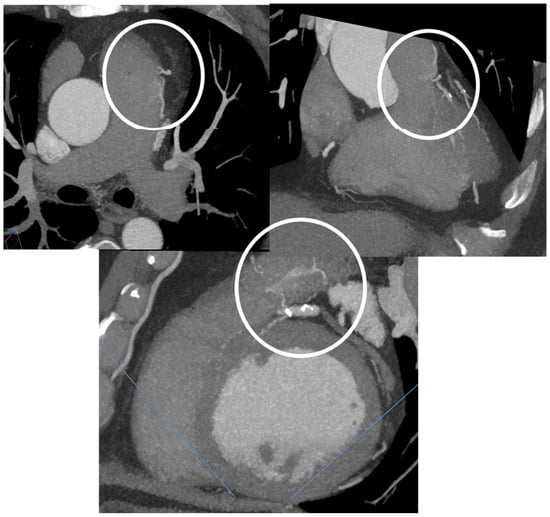
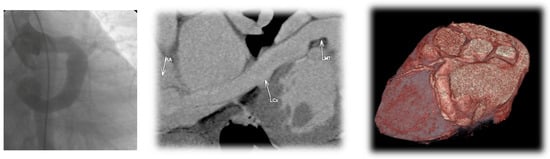
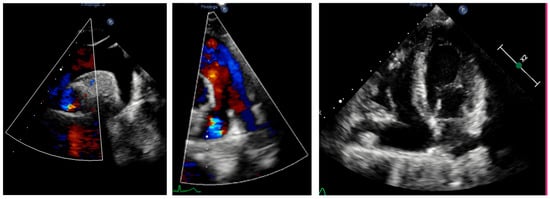
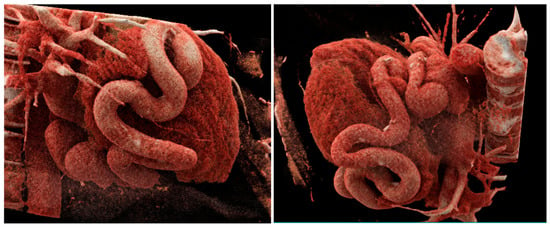
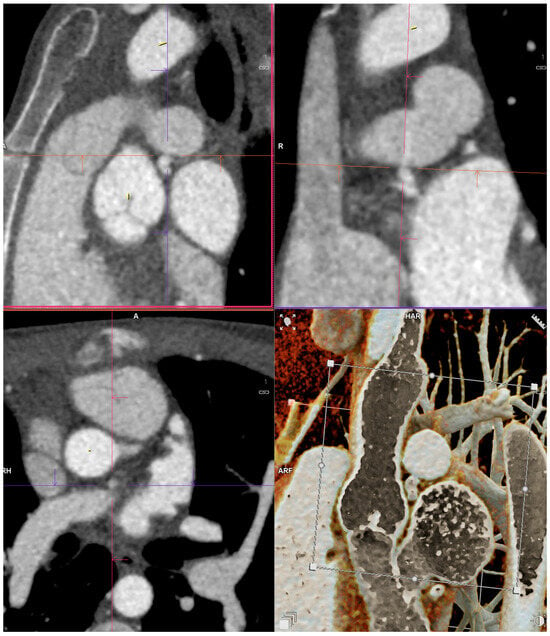
Coronary artery fistulae (CAF) are uncommon congenital or acquired coronary anomalies. A CAF occurs when a coronary artery bypasses the myocardial capillary bed to directly communicate with a cardiac chamber, a great vessel, or another vascular structure. Many CAFs are found by chance. If haemodynamically significant, a CAF may cause a variety of phenomena e.g., myocardial ischaemia, arrhythmias, heart failure, pulmonary hypertension, infective endocarditis/endarteritis, aneurysm formation, and late thrombotic complication. Management is anatomy-driven and dependent on the precise definition of the CAF’s origin, course, termination, multiplicity, associated coronary remodeling, and complications, together with an assessment of physiological relevance. Invasive coronary angiography is indispensable for real-time haemodynamics and transcatheter therapy, yet the two-dimensional projection nature can incompletely characterize complex CAF anatomy. Gated computed tomography coronary angiography (CTCA) produces high-resolution volumetric imaging with robust three-dimensional (3D) reconstruction and is central to contemporary diagnosis, quantitative risk stratification, procedural planning, and follow-up. This review examines the role of CTCA for the diagnosis and management of CAF and aims to provide a comprehensive overview for physicians managing this esoteric group of patients.
Full article
Open AccessEditorial
Continuing the Momentum of Cardiovascular Medicine—Highlights from the Second Issue
by
Peter Matt
Cardiovasc. Med. 2026, 29(2), 20; https://doi.org/10.3390/cardiovascmed29020020 - 28 May 2026
Abstract
We here present the second issue of Cardiovascular Medicine since its relaunch, with a breadth of contributions that is testament to the growing engagement of our community [...]
Full article
Open AccessReview
Hyponatremia in Heart Failure with Preserved Ejection Fraction: Pathophysiology, Clinical Implications, and Management Challenges
by
Abbas Rachid, Ali G. Hmede, Mahmoud Kalash, Ali Tfaily and Ali El Sayed
Cardiovasc. Med. 2026, 29(2), 19; https://doi.org/10.3390/cardiovascmed29020019 - 20 May 2026
Abstract
►▼
Show Figures
Introduction: Hyponatremia is a common electrolyte abnormality in heart failure and has been consistently associated with worse clinical outcomes. While its prognostic value is well established in heart failure with reduced ejection fraction, its significance in heart failure with preserved ejection fraction remains
[...] Read more.
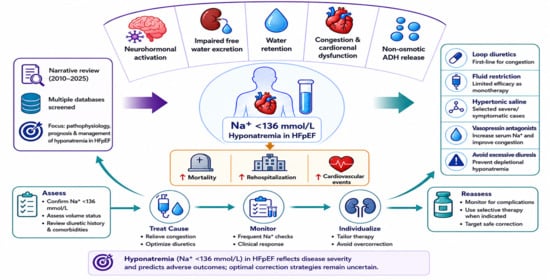
Introduction: Hyponatremia is a common electrolyte abnormality in heart failure and has been consistently associated with worse clinical outcomes. While its prognostic value is well established in heart failure with reduced ejection fraction, its significance in heart failure with preserved ejection fraction remains less clearly defined. Increasing evidence suggests that hyponatremia may reflect advanced neurohormonal activation, congestion, and cardiorenal dysfunction in this population. Methods: This study was conducted as a narrative review of the literature examining the pathophysiology, clinical implications, and management of hyponatremia in heart failure with preserved ejection fraction. Electronic databases including PubMed, EMBASE, Cochrane Library, Scopus, and Google Scholar were searched for relevant publications between 2010 and 2025. Eligible sources included clinical trials, observational studies, registry analyses, guideline documents, and review articles focusing on sodium disorders in heart failure populations. The findings were synthesized qualitatively to provide an integrated overview of the mechanisms, prognostic significance, and therapeutic considerations. Results: Available evidence indicates that hyponatremia occurs frequently in patients with heart failure with preserved ejection fraction and is associated with increased risks of mortality, rehospitalization, and cardiovascular events. The underlying mechanisms involve complex interactions between neurohormonal activation, impaired renal free water excretion, and therapeutic factors such as diuretic exposure. Hyponatremia appears to function primarily as a marker of disease severity rather than a direct mediator of adverse outcomes. Current management strategies primarily rely on general heart failure treatment principles, including optimizing diuretic therapy, managing fluid balance, and selectively using vasopressin antagonists. Conclusions: Hyponatremia represents an important biomarker of adverse prognosis in heart failure with preserved ejection fraction. Despite its clinical relevance, evidence guiding phenotype-specific management remains limited. Future research should focus on clarifying pathophysiologic mechanisms, improving risk stratification, and determining whether targeted correction of hyponatremia can improve clinical outcomes in this growing patient population.
Full article

Graphical abstract
Open AccessArticle
Cumulative LDL-C Burden and Incident Acute Coronary Syndrome in Type 2 Diabetes
by
Alan Saeed, Zhila Mohamed, Aisha Al Adab and Anas Kalfah
Cardiovasc. Med. 2026, 29(2), 18; https://doi.org/10.3390/cardiovascmed29020018 - 19 May 2026
Abstract
►▼
Show Figures
Background: Low-density lipoprotein cholesterol (LDL-C) is a central modifiable driver of atherosclerotic cardiovascular disease, yet cardiovascular risk in type 2 diabetes mellitus (T2DM) may be better captured by longitudinal LDL-C exposure than by a single LDL-C measurement. We examined the association of current
[...] Read more.
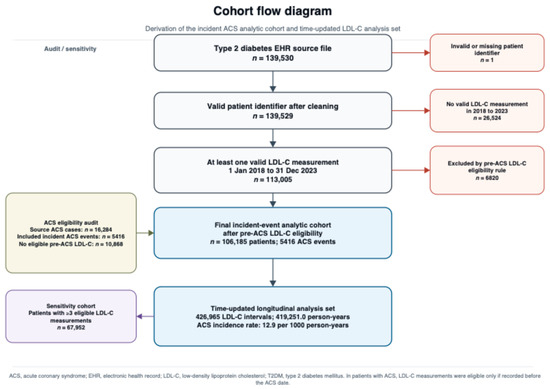
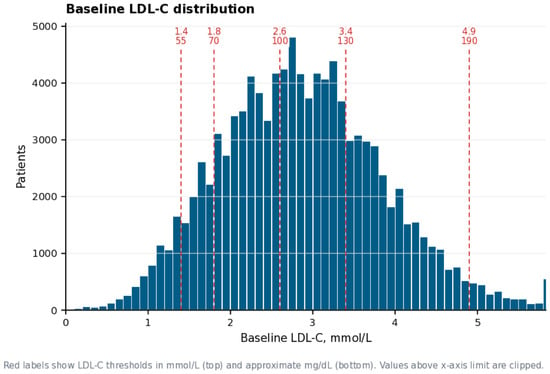
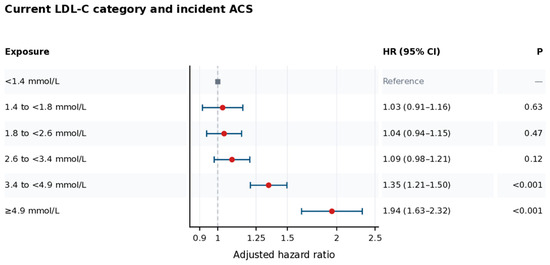
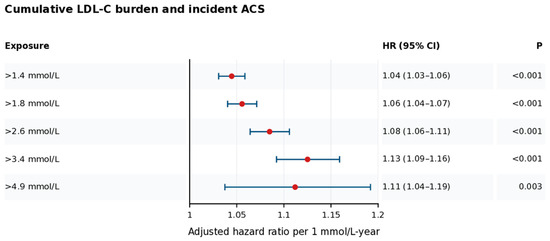
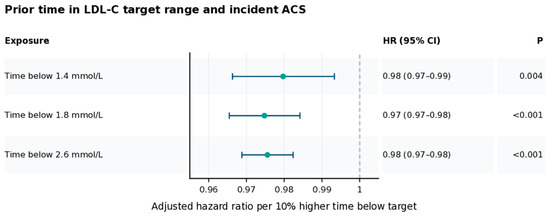
Background: Low-density lipoprotein cholesterol (LDL-C) is a central modifiable driver of atherosclerotic cardiovascular disease, yet cardiovascular risk in type 2 diabetes mellitus (T2DM) may be better captured by longitudinal LDL-C exposure than by a single LDL-C measurement. We examined the association of current LDL-C, cumulative LDL-C burden, and prior time below LDL-C targets with incident acute coronary syndrome (ACS) in patients with T2DM. Methods: We conducted a retrospective longitudinal cohort study using routinely collected electronic health-record data. Patients with T2DM and at least one valid LDL-C measurement between 1 January 2018 and 31 December 2023 were followed from the first eligible LDL-C measurement until incident ACS or administrative censoring on 31 March 2024. LDL-C was modeled using time-updated start–stop Cox regression. The primary exposure was current LDL-C category: <1.4, 1.4 to <1.8, 1.8 to <2.6, 2.6 to <3.4, 3.4 to <4.9, and ≥4.9 mmol/L. Secondary exposure metrics were cumulative LDL-C burden above prespecified thresholds and prior percentage of follow-up time below LDL-C targets. Models were adjusted for age, sex, hypertension, chronic kidney disease, HbA1c, T2DM duration, and calendar year of baseline LDL-C measurement; HbA1c and T2DM duration were multiply imputed. Results: The analytic cohort included 106,185 patients, 426,965 LDL-C intervals, and 5416 incident ACS events over 419,251.0 person-years. Compared with current LDL-C <1.4 mmol/L, adjusted ACS risk was higher for current LDL-C 3.4 to <4.9 mmol/L (HR 1.35, 95% CI 1.21–1.50) and ≥4.9 mmol/L (HR 1.94, 95% CI 1.63–2.32), whereas lower LDL-C categories were not clearly different from the reference category after adjustment. Each 1 mmol/L-year higher cumulative LDL-C burden was associated with higher ACS risk across evaluated thresholds, with HRs ranging from 1.04 to 1.13. Greater prior time below LDL-C targets was associated with lower ACS risk, with HRs of 0.97–0.98 per 10% higher time below target. Findings were consistent in sensitivity analyses restricted to patients with at least three LDL-C measurements, landmark analyses, and complete-case analysis. Conclusions: In patients with T2DM, incident ACS risk was associated with very high current LDL-C and with longitudinal LDL-C exposure captured by cumulative burden and time below target. These findings support sustained, target-oriented LDL-C control and suggest that longitudinal LDL-C metrics may complement single LDL-C values in cardiovascular risk assessment.
Full article

Figure 1
Open AccessCase Report
Fatal Suspected Kounis Syndrome Following Coronary Angiography in a Patient with Bladder Cancer
by
Haitham Ali Abdullah, Ali AbdulAmeer Al-Mousawi, Saif Abdul Azeez Qasim, Dhafer Yaseen Khudhair, Zaid Jawad Kadhim and Zainab Atiyah Dakhil
Cardiovasc. Med. 2026, 29(2), 17; https://doi.org/10.3390/cardiovascmed29020017 - 14 May 2026
Abstract
►▼
Show Figures
Background: Kounis syndrome is an acute coronary syndrome triggered by hypersensitivity reactions, which may result in coronary vasospasm, thrombosis, or stent-related complications. Case Summary: A 64-year-old male smoker with dyslipidemia and recently diagnosed urothelial carcinoma presented with exertional angina and underwent coronary angiography.
[...] Read more.
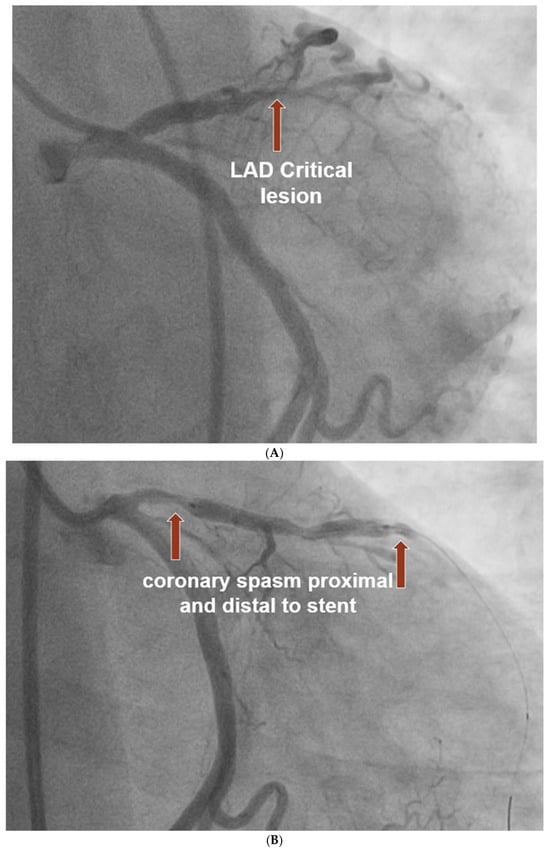
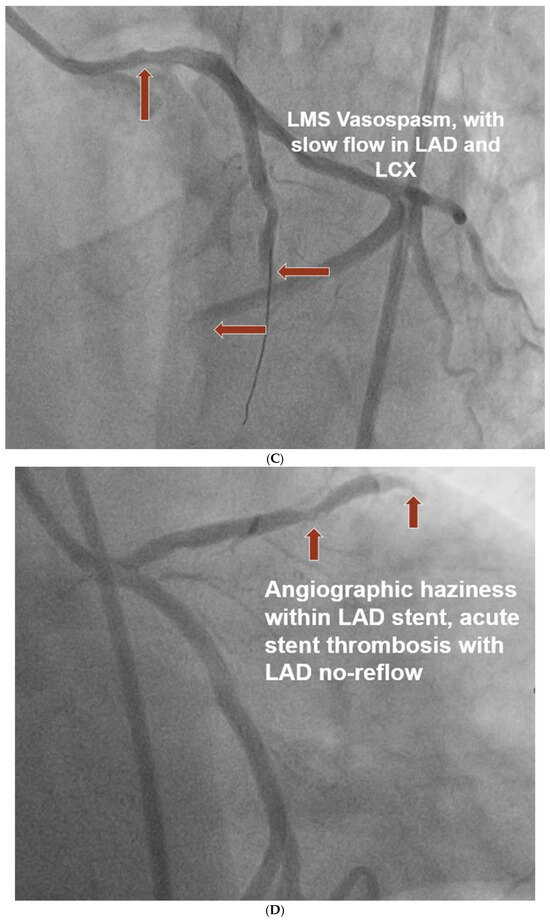
Background: Kounis syndrome is an acute coronary syndrome triggered by hypersensitivity reactions, which may result in coronary vasospasm, thrombosis, or stent-related complications. Case Summary: A 64-year-old male smoker with dyslipidemia and recently diagnosed urothelial carcinoma presented with exertional angina and underwent coronary angiography. Percutaneous coronary intervention was performed for a critical proximal–mid left anterior descending artery lesion using a drug-eluting stent. Immediately after stent deployment, the patient developed diffuse multivessel coronary vasospasm involving the left main stem, left anterior descending, and left circumflex arteries, accompanied by slow-flow/no-reflow phenomena and subsequent acute in-stent thrombosis. The clinical course rapidly progressed to ventricular arrhythmias and cardiogenic collapse. Despite transient return of spontaneous circulation after cardiopulmonary resuscitation, the patient developed fatal asystole during a repeat angiographic attempt. No cutaneous or respiratory allergic manifestations were observed. The abrupt onset of diffuse coronary dysfunction immediately following contrast exposure was suggestive of suspected Kounis syndrome, although mechanical causes and chemotherapy-related vasospasm could not be entirely excluded. Conclusions: Diffuse coronary vasospasm with multivessel dysfunction occurring abruptly after contrast exposure should raise suspicion for Kounis syndrome, even in the absence of overt allergic manifestations. Early recognition is essential to avoid misattribution to procedural complications and may be particularly important in patients with malignancy undergoing invasive coronary procedures.
Full article

Figure 1
Open AccessReview
Device-Related Thrombosis After Left Atrial Appendage Occlusion: Updated Management and Contemporary Challenges
by
Vincenzo Paragliola, Emanuele Chiarazzo, Andrea Giovanni Parato, Marcello Marchetta, Stefano Sasso, Giuseppe Massimo Sangiorgi, Andrea Natale and Mario Iannaccone
Cardiovasc. Med. 2026, 29(2), 16; https://doi.org/10.3390/cardiovascmed29020016 - 16 Apr 2026
Abstract
►▼
Show Figures
Percutaneous left atrial appendage occlusion (LAAO) has become an established alternative to long-term oral anticoagulation for stroke prevention in patients with atrial fibrillation, with expanding indications beyond those with absolute contraindications to anticoagulation. Alongside its broader adoption, device-related thrombus (DRT) has emerged as
[...] Read more.
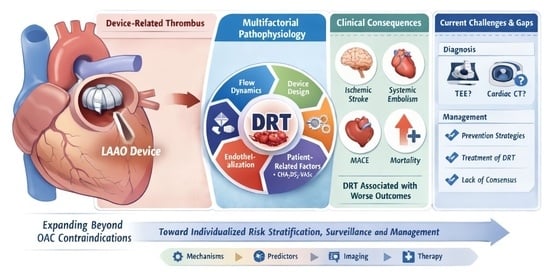
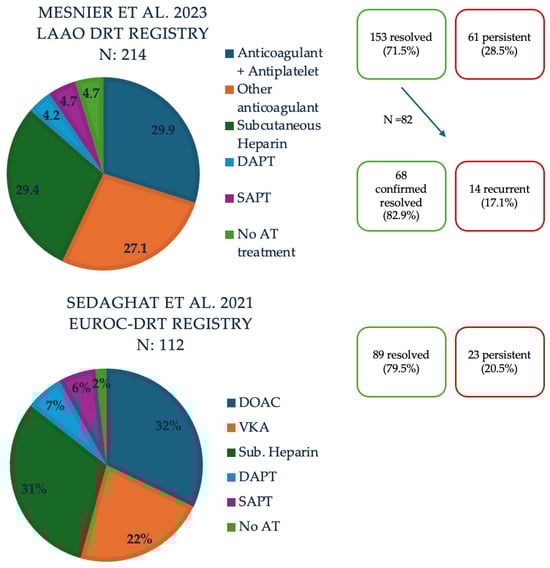
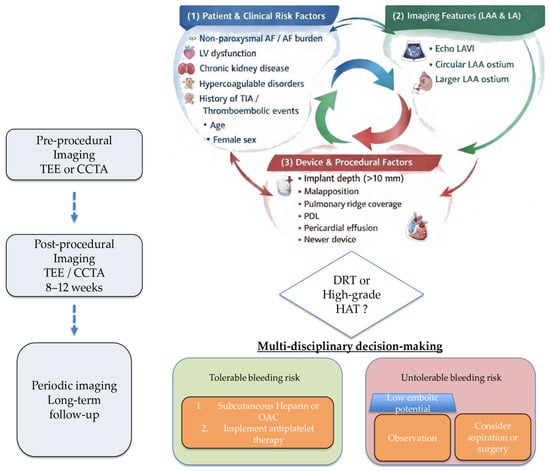
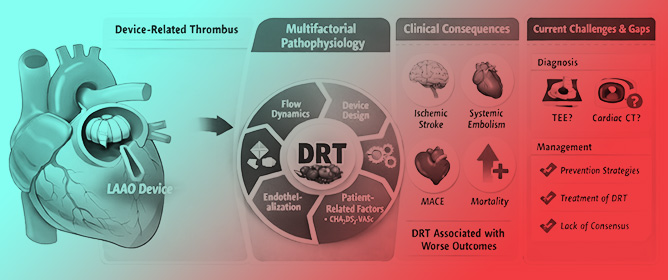
Percutaneous left atrial appendage occlusion (LAAO) has become an established alternative to long-term oral anticoagulation for stroke prevention in patients with atrial fibrillation, with expanding indications beyond those with absolute contraindications to anticoagulation. Alongside its broader adoption, device-related thrombus (DRT) has emerged as a clinically relevant complication that directly compromises the protective intent of LAAO. This comprehensive narrative review synthesizes contemporary evidence on the incidence, mechanisms, predictors, clinical impact, and management of DRT. DRT is a multifactorial phenomenon that carries an annual incidence ranging from 1.75% to almost 5%, resulting from the interplay between post-implant flow dynamics, device engineering, endothelialization processes, procedural factors, and patient-specific prothrombotic features. Accumulating data from observational registries links DRT to increased risks of ischemic stroke, systemic embolism, major adverse cardiovascular events (MACE), and mortality. Although evidence is growing, optimal management regimens for both the prevention and treatment of DRT remain undefined. Moreover, a lack of standardization also affects diagnosis and imaging surveillance, mainly performed by transesophageal echocardiography or cardiac computed tomography. By integrating mechanistic insights, clinical predictors, device-specific considerations, and therapeutic evidence, this review highlights current knowledge gaps and proposes practical considerations to inform individualized risk stratification, surveillance, and management of DRT in contemporary LAAO practice.
Full article

Graphical abstract
Open AccessReview
Kv11.1 Channels in Cardiac Health and Disease: Molecular Insights and Clinical Relevance
by
Mitko Mladenov, Vadim Mitrokhin, Stanislav Schileyko, Anastasija Rodina, Alexandra Zolotareva, Valentin Zolotarev, Natalia Bocharnikova, Dmitry Kaminer, Emilija Antova, Radoslav Stojchevski, Slavica Josifovska, Dimiter Avtanski, Andre Kamkin and Nikola Hadzi-Petrushev
Cardiovasc. Med. 2026, 29(2), 15; https://doi.org/10.3390/cardiovascmed29020015 - 7 Apr 2026
Abstract
►▼
Show Figures
Kv11.1 (hERG1) channels, encoded by KCNH2, mediate the rapid delayed rectifier potassium current (IKr) crucial for cardiac repolarization. Disruptions, via mutations or antiarrhythmic drugs like dofetilide cause severe arrhythmogenic disorders, including Long QT Syndrome Type 2 (LQT2), Brugada Syndrome
[...] Read more.
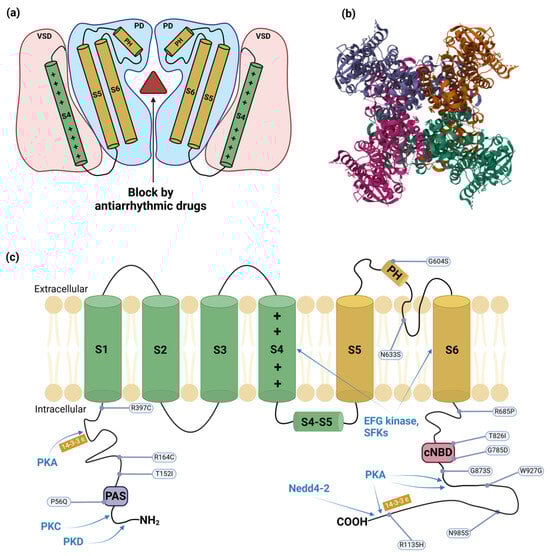
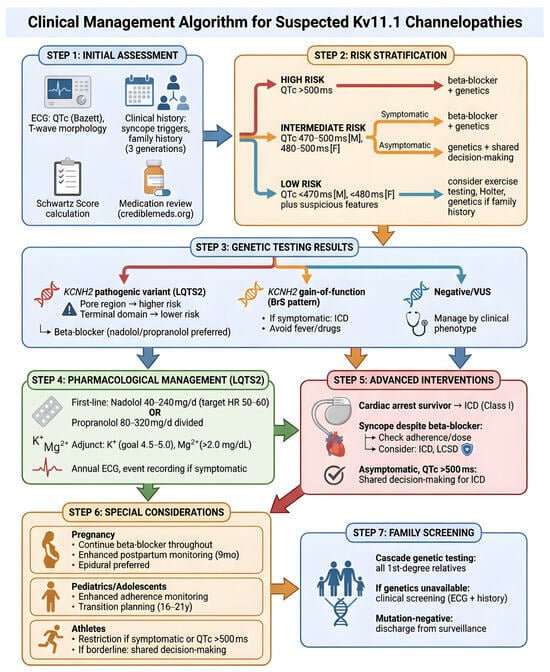
Kv11.1 (hERG1) channels, encoded by KCNH2, mediate the rapid delayed rectifier potassium current (IKr) crucial for cardiac repolarization. Disruptions, via mutations or antiarrhythmic drugs like dofetilide cause severe arrhythmogenic disorders, including Long QT Syndrome Type 2 (LQT2), Brugada Syndrome (BrS), and Torsades de Pointes (TdP). While Kv11.1’s role in channelopathies and drug-induced arrhythmias is established, understanding its complex regulation and therapeutic targeting remains a challenge. This review synthesizes the structural, functional, and regulatory aspects of Kv11.1 channels and their clinical implications. Recent studies using iPSC-derived cardiomyocytes highlight regulation by PI3K/Akt, PKC, and PKA signaling via phosphorylation (Ser283, Ser890) and interactions with proteins like 14-3-3. Beyond electrophysiology, Kv11.1 influences pathological hypertrophy and non-cardiac functions including insulin secretion. Pharmacological efforts focus on activators to shorten action potential duration and suppress TdP, and blockers with overdose risks. Mutation heterogeneity, exemplified by trafficking impairment (G785D) in LQT2 and gain-of-function (R397C) in BrS, complicates precision therapy. Clinically, systematic risk stratification using electrocardiographic parameters and genotype-specific approaches enables personalized management. Beta-blockers remain first-line therapy for LQTS2, while rigorous avoidance of QT-prolonging medications and electrolyte monitoring form the cornerstones of preventive care. Advancing Kv11.1-targeted therapies with approaches like CRISPR-Cas9 and pharmacological chaperones (e.g., lumacaftor) holds promise for personalized treatments, ultimately reducing arrhythmic events and sudden cardiac death.
Full article

Figure 1
Open AccessReview
Excimer Laser Atherectomy: Mechanisms and Applications in Coronary and Peripheral Arteries
by
Ferrazzo Giuseppe, Giulia Laterra, Giampiero Avruscio, Carmen Tirrito, Sonia Ragazzo, Orazio Strazzieri, Lorenzo Scalia, Giampiero Vizzari, Antonio Micari, Paolo Mazzone, Giovanni Ruscica, Giorgio Sacchetta, Marco Contarini and Marco Barbanti
Cardiovasc. Med. 2026, 29(2), 14; https://doi.org/10.3390/cardiovascmed29020014 - 1 Apr 2026
Cited by 1
Abstract
►▼
Show Figures
The use of excimer laser atherectomy (ELA) has significantly evolved from the mid-1990s to the present, showing substantial improvements in both coronary and peripheral artery interventions. Initially associated with suboptimal outcomes due to low-energy settings and limited techniques, advancements such as high-energy delivery,
[...] Read more.
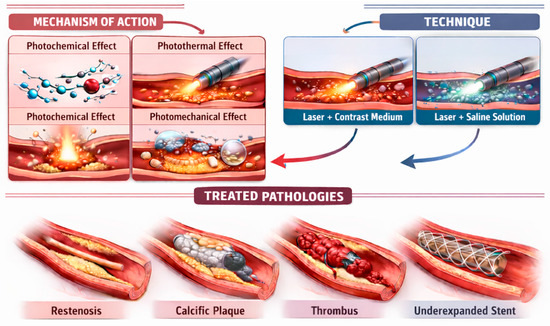
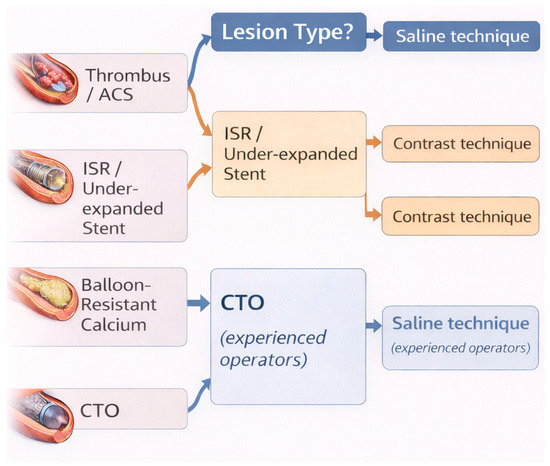
The use of excimer laser atherectomy (ELA) has significantly evolved from the mid-1990s to the present, showing substantial improvements in both coronary and peripheral artery interventions. Initially associated with suboptimal outcomes due to low-energy settings and limited techniques, advancements such as high-energy delivery, improved catheter designs, contrast injection protocols, and refined procedural approaches have greatly enhanced clinical efficacy. In coronary applications, ELA has become an established technique for treating intracoronary thrombus, under-expanded stents, in-stent restenosis, and heavily calcified lesions, offering favorable procedural and clinical outcomes with low complication rates. The excimer laser operates through photochemical, photothermal, and photomechanical mechanisms, enabling precise plaque ablation with minimal collateral damage. In peripheral interventions, especially in critical limb ischemia (CLI), ELA has emerged as a viable option for complex, non-crossable lesions and in-stent restenosis, demonstrating high technical success, improved patency, and promising limb salvage rates. Multiple clinical trials and registries support the safety and effectiveness of ELA, particularly in high-risk patient populations. This narrative review summarizes current evidence and practical considerations on the use of excimer laser atherectomy in coronary and peripheral interventions.
Full article

Figure 1
Open AccessArticle
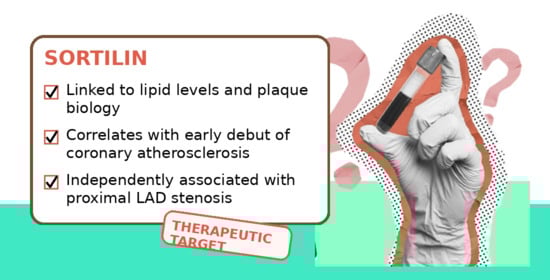
Anatomy-Specific Association of Circulating Sortilin with Proximal Left Anterior Descending Artery Obstruction
by
Alim Namitokov, Irina Gilevich, Olga Malyarevskaya, Natalia Iraklionova, Karina Karabakhtsieva and Dana Namitokova
Cardiovasc. Med. 2026, 29(2), 13; https://doi.org/10.3390/cardiovascmed29020013 - 25 Mar 2026
Abstract
►▼
Show Figures
Background: Sortilin (SORT1), linked to the 1p13.3 coronary risk locus, is implicated in lipid trafficking and atherogenesis; however, clinical studies of circulating SORT1 have produced inconsistent results. We evaluated whether circulating SORT1 is associated with angiographic burden and lesion localization in patients with
[...] Read more.
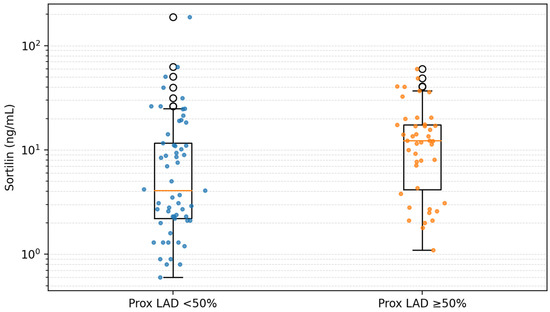
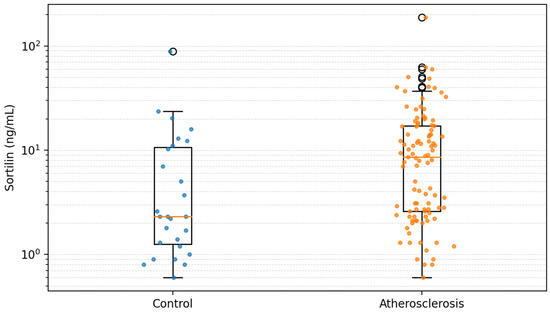
Background: Sortilin (SORT1), linked to the 1p13.3 coronary risk locus, is implicated in lipid trafficking and atherogenesis; however, clinical studies of circulating SORT1 have produced inconsistent results. We evaluated whether circulating SORT1 is associated with angiographic burden and lesion localization in patients with premature or early clinical debut coronary atherosclerosis. Methods: This single-center, cross-sectional study analyzed a dataset collected from January to May 2023. Participants were classified as coronary atherosclerosis cases if the dataset contained an age of clinical debut of clinically significant atherosclerosis (n = 101). Controls had no recorded debut age and 0% stenosis in all assessed coronary segments (n = 27). Blood was collected in clot activator tubes; serum was stored at −40 °C until analysis. SORT1 (ng/mL) was measured using an Aviscera Bioscience ELISA. Coronary stenoses were recorded as percent diameter stenosis for left main (LM), proximal/mid/distal LAD, proximal/mid/distal LCx, and proximal/mid/distal RCA. Burden metrics included the number of segments with any stenosis (>0%), the number of obstructive segments (≥50%), the number of diseased vessels, and maximum stenosis. The prespecified primary endpoint was obstructive proximal LAD stenosis (≥50%). Nonparametric tests and Spearman correlations were used. Logistic regression evaluated the association between log2-transformed SORT1 and proximal LAD obstruction, adjusted for age, sex, LDL-C, statin use, and smoking/diabetes/hypertension durations. Results: SORT1 was higher in cases than controls (8.60 [2.60–17.10] vs. 2.30 [1.25–10.65] ng/mL; p = 0.0058). Within cases, SORT1 did not correlate with global angiographic burden (any-stenosis segments: ρ = −0.066, p = 0.513; obstructive segments: ρ = −0.060, p = 0.552; diseased vessels: ρ = −0.045, p = 0.652; maximum stenosis: ρ = −0.084, p = 0.403). Obstructive proximal LAD stenosis occurred in 44/101 (43.6%) and was associated with higher SORT1 (12.25 [4.18–17.45] vs. 4.10 [2.20–11.60] ng/mL; p = 0.0093). Each doubling of SORT1 was independently associated with proximal LAD obstruction (adjusted OR 1.48, 95% CI 1.12–1.95; p = 0.005). Conclusions: In this cross-sectional cohort, circulating SORT1 was associated with obstructive proximal LAD stenosis but not with global angiographic burden metrics. These findings are hypothesis-generating and warrant validation in independent cohorts with standardized preanalytics and prospective designs to assess temporal relationships and clinical utility.
Full article

Graphical abstract
Open AccessArticle
Atrial Fibrillation as a Marker of High-Risk Phenotype in Acute Coronary Syndrome
by
Gamze Yeter Arslan and Erkan Baysal
Cardiovasc. Med. 2026, 29(1), 12; https://doi.org/10.3390/cardiovascmed29010012 - 9 Mar 2026
Cited by 1
Abstract
►▼
Show Figures
Background: Atrial fibrillation (AF) is frequently encountered in patients presenting with acute coronary syndrome (ACS); however, its clinical significance beyond being a simple rhythm disturbance remains debated. We hypothesized that AF at presentation may be associated with a high-risk clinical profile characterized
[...] Read more.
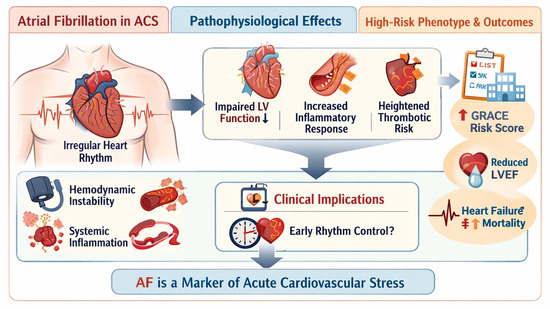
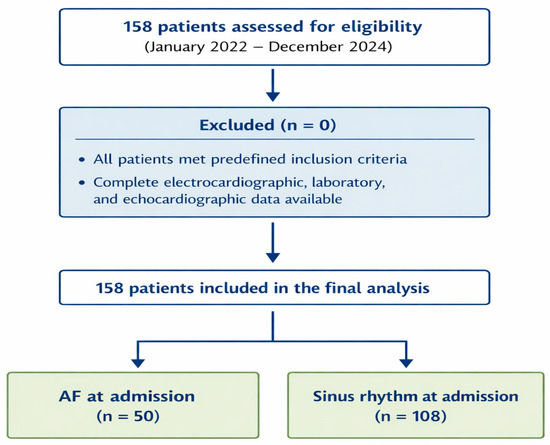
Background: Atrial fibrillation (AF) is frequently encountered in patients presenting with acute coronary syndrome (ACS); however, its clinical significance beyond being a simple rhythm disturbance remains debated. We hypothesized that AF at presentation may be associated with a high-risk clinical profile characterized by hemodynamic instability and increased inflammatory and ischemic activity. Methods: This single-center, retrospective observational study included consecutive adult patients with acute coronary syndrome admitted to a tertiary cardiology center between January 2022 and December 2024. Patients were classified into two groups according to cardiac rhythm at presentation: AF and sinus rhythm. Baseline demographic characteristics, hemodynamic parameters, laboratory biomarkers, validated risk scores, and revascularization strategies were compared between groups. Multivariable logistic regression analysis was performed to evaluate whether AF was independently associated with a high-risk presentation, primarily defined by elevated GRACE risk score, reduced left ventricular ejection fraction, and increased inflammatory markers. Results: A total of 158 patients were included, of whom 50 (31.6%) presented with atrial fibrillation (mean age 71.2 ± 11.4 years, 46% female). Compared with patients in sinus rhythm, those with AF had significantly higher GRACE risk scores, lower left ventricular ejection fraction, faster heart rate, and higher white blood cell counts and peak high-sensitivity troponin levels. These associations remained significant after multivariable adjustment. Patients with AF also showed a numerically higher prevalence of severe angina at presentation. Conclusions: In patients presenting with ACS, atrial fibrillation is associated with a high-risk hemodynamic profile accompanied by increased inflammatory and ischemic activity. Rather than being an incidental finding, AF may represent a clinically relevant marker of acute cardiovascular stress and may contribute to early risk stratification in this setting.
Full article

Graphical abstract
Open AccessCase Report
OCT Findings from a Spontaneously Recanalized Coronary Thrombus Treated with a Drug-Coated Balloon
by
Firat Erdogan, Luca Vercelli, Mehdi Madanchi, Nicola von Rotz, Florim Cuculi and Matthias Bossard
Cardiovasc. Med. 2026, 29(1), 11; https://doi.org/10.3390/cardiovascmed29010011 - 2 Mar 2026
Cited by 1
Abstract
►▼
Show Figures
Background: Spontaneous recanalized coronary thrombus (SRCT) is an uncommon and often underrecognized coronary pathology that may be angiographically subtle despite having functional significance. Optical coherence tomography (OCT) enables accurate diagnosis and treatment planning. However, optimal treatment strategies remain incompletely defined. Materials and Methods:
[...] Read more.
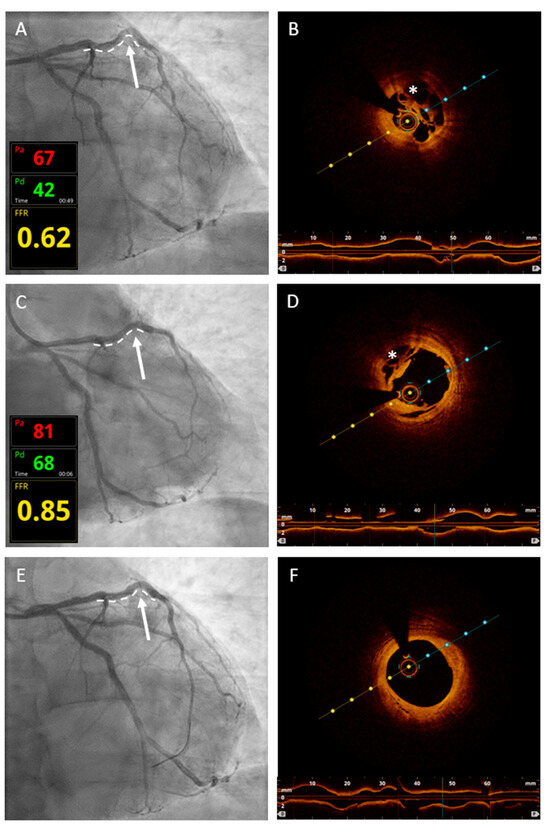
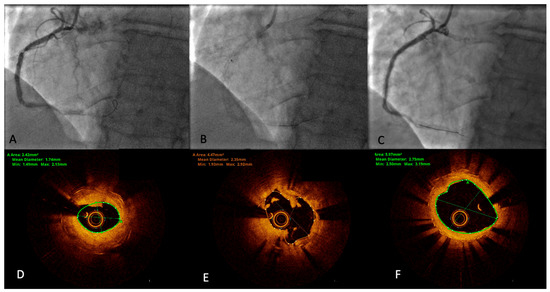
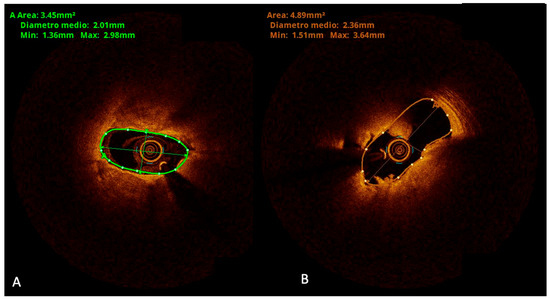
Background: Spontaneous recanalized coronary thrombus (SRCT) is an uncommon and often underrecognized coronary pathology that may be angiographically subtle despite having functional significance. Optical coherence tomography (OCT) enables accurate diagnosis and treatment planning. However, optimal treatment strategies remain incompletely defined. Materials and Methods: A 55-year-old man presenting with severe exertional dyspnea, atypical chest pain episodes, and abnormal stress echocardiography underwent invasive coronary assessment with angiography, fractional flow reserve (FFR), and OCT. An SRCT of the left anterior descending artery (LAD) was identified and treated using OCT-guided lesion preparation followed by sirolimus-coated drug-coated-balloon (DCB) angioplasty. Results: Although there was only moderate angiographic disease, a functional assessment confirmed significant ischemia. OCT revealed a characteristic honeycomb morphology. Post-procedural OCT demonstrated satisfactory lumen gain, with preserved vessel integrity. Follow-up imaging showed vessel-healing and late lumen enlargement, and the patient remained asymptomatic. Conclusion: OCT-guided drug-coated-balloon angioplasty may be an effective “leave-nothing-behind” strategy for selected SRCT lesions, highlighting the importance of intracoronary imaging beyond angiography.
Full article

Figure 1
Open AccessArticle
External Validation and Performance of an Artificial Intelligence-Based Quantitative Coronary Angiography Software in a European Cohort
by
Sangmin Lee, Bora Kim, Soyeon Kim, Soohyun Kim, Rahel Kesterke, Barbara E. Stähli and Alessandro Candreva
Cardiovasc. Med. 2026, 29(1), 10; https://doi.org/10.3390/cardiovascmed29010010 - 20 Feb 2026
Cited by 1
Abstract
►▼
Show Figures
Artificial intelligence-based quantitative coronary angiography (AI-QCA) has recently emerged as a promising tool for real-time lesion assessment in cardiology. We aimed to validate a novel AI-QCA software, trained on a Korean dataset, in a European cohort. We analyzed 556 lesions from 252 subjects
[...] Read more.
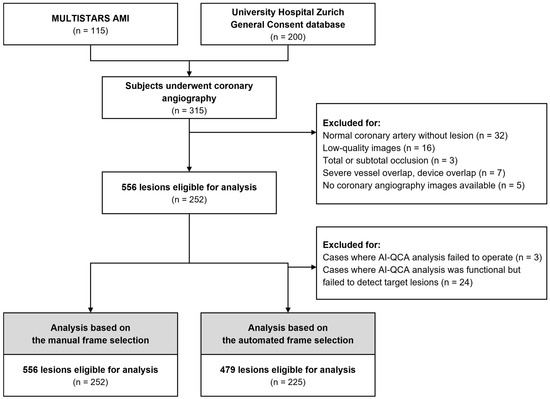
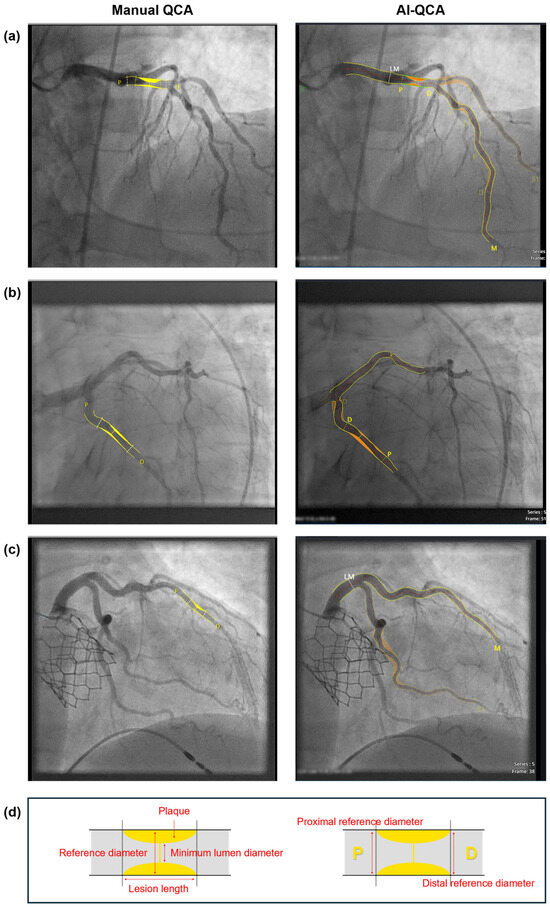
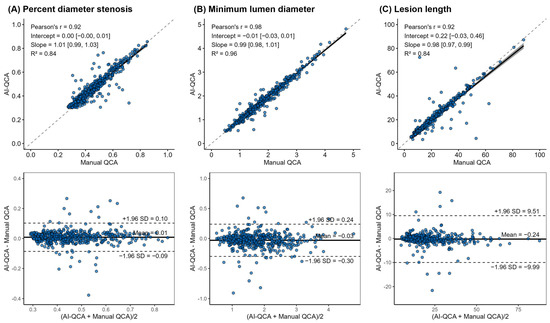
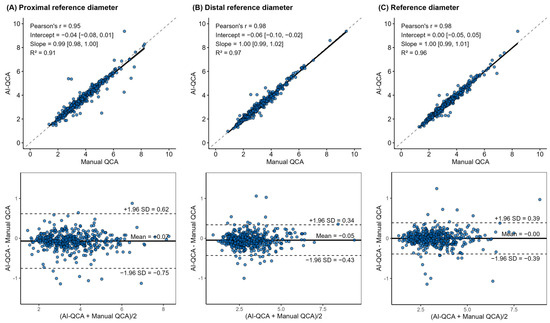
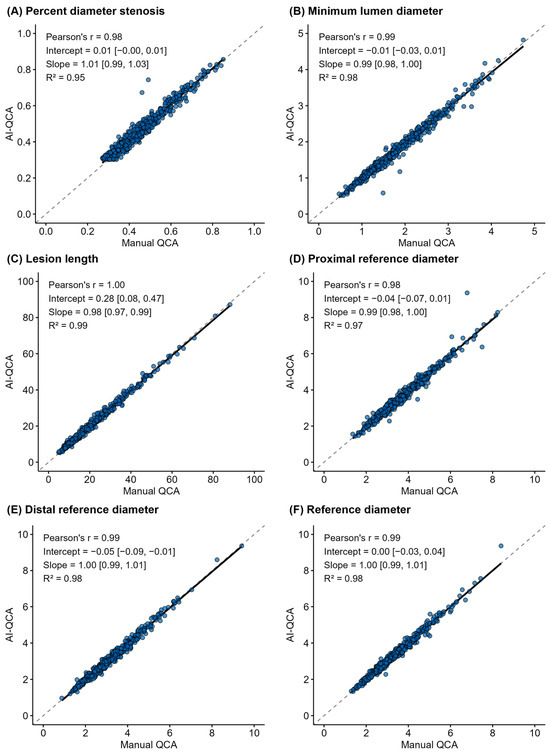
Artificial intelligence-based quantitative coronary angiography (AI-QCA) has recently emerged as a promising tool for real-time lesion assessment in cardiology. We aimed to validate a novel AI-QCA software, trained on a Korean dataset, in a European cohort. We analyzed 556 lesions from 252 subjects in two European datasets. The AI-QCA system performed automated vessel segmentation and measurements of minimum lumen diameter, proximal and distal reference diameters, percent diameter stenosis (%DS) and lesion length. The performance of AI-QCA was assessed using both automated and manual frame selection methods, with all measurements validated against expert manual QCA. AI-QCA achieved a lesion detection rate of 86.2% in automated frame selection. AI-QCA and manual QCA showed strong agreement (Pearson’s r > 0.90, R2 > 0.8 for all QCA measurements). For %DS categorization (<50%, 50% to <70%, and ≥70%), 433 lesions were classified into the same category by both methods, with a weighted κ of 0.832 (95% CI, 0.743–0.922). Vessel segmentation achieved a mean DSC of 0.953. This study validated the performance of AI-QCA using a European dataset and demonstrated high lesion detection rate and its strong agreement with manual QCA, which supports its applicability for real-time clinical decision-making during percutaneous coronary intervention.
Full article

Figure 1
Open AccessArticle
Factors Associated with Developing Cancer Therapy-Related Cardiac Dysfunction Differ by Cancer Diagnosis
by
Ella Dunsmore, Alda Aleksi, Debra Bosley, Jeffrey Cao, Andrew Daly, Jonathan Howlett, Louis Kolman, Lyndsay Litwin, Sasha Lupichuk, Sudhir Nishtala, Roger Y. Tsang and Robert J. H. Miller
Cardiovasc. Med. 2026, 29(1), 9; https://doi.org/10.3390/cardiovascmed29010009 - 20 Feb 2026
Cited by 1
Abstract
►▼
Show Figures
Background: Cancer and cardiovascular disease are the two leading causes of death in Canada. Although treatments have improved tremendously across the years, interventions such as radiotherapy and chemotherapies are known to have negative impacts on cardiovascular health and can lead to death if
[...] Read more.
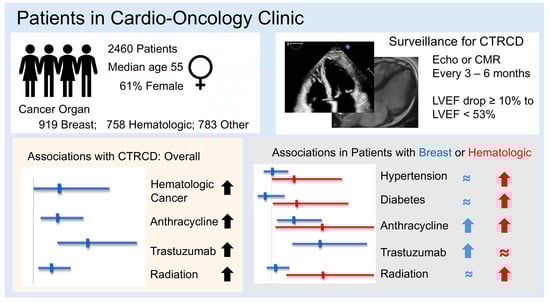
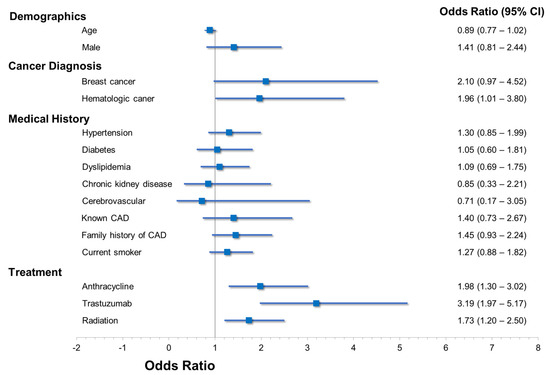
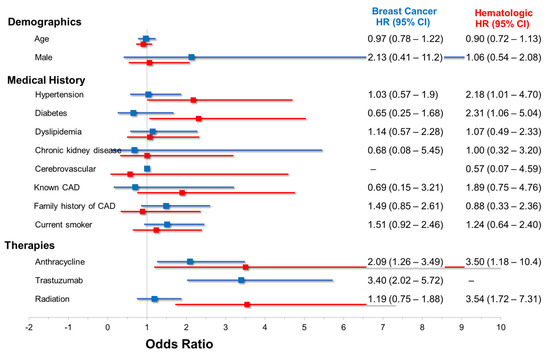
Background: Cancer and cardiovascular disease are the two leading causes of death in Canada. Although treatments have improved tremendously across the years, interventions such as radiotherapy and chemotherapies are known to have negative impacts on cardiovascular health and can lead to death if not treated in time. Using a retrospective approach, we determined factors associated with cancer therapy-related cardiac dysfunction (CTRCD). Methods: Patients followed through a dedicated Cardio-Oncology clinic with comprehensive screening for CTRCD were identified. CTRCD was defined as a drop in left ventricular ejection fraction of at least 10% to a value lower than 53%. We performed multivariable logistic regression to determine factors associated with CTRCD. Results: In total, 2460 patients with cancer were identified from clinical records—919 had breast cancer, 758 had hematologic malignancies, and 783 had other cancer types. Patients with breast cancer and hematologic malignancies were more likely to experience CTRCD, with odds ratios (ORs) of 2.10 (p = 0.059) and 1.96 (p = 0.047), respectively. Anthracycline and trastuzumab use were independently associated with CTRCD, with ORs of 1.98 (p = 0.002) and 3.19 (p < 0.001), respectively. In hematologic malignancy patients, hypertension (OR = 2.18, p = 0.047) and diabetes (OR = 2.31, p = 0.036) were also significant predictors of CTRCD. Conclusions: We confirmed the importance of anthracycline, trastuzumab, and radiation in the development of CTRCD. However, among patients with hematologic malignancies, traditional cardiovascular risk factors are also associated with CTRCD. This information could help physicians personalize CTRCD surveillance strategies.
Full article

Graphical abstract
Open AccessArticle
Impact of New-Onset Atrial Fibrillation in Critically Ill Patients—A Retrospective Study
by
Catarina Gregório, Ana Rita Figueiredo, Inês Pinto, João Ribeiro, Susana M. Fernandes and Doroteia Silva
Cardiovasc. Med. 2026, 29(1), 8; https://doi.org/10.3390/cardiovascmed29010008 - 20 Feb 2026
Cited by 1
Abstract
Background and Aim: New-onset atrial fibrillation (NOAF) is a common condition in critically ill patients, yet the evidence on optimal NOAF management and outcomes is limited. This study evaluates the impact of management strategies on short- and long-term outcomes in patients who develop
[...] Read more.
Background and Aim: New-onset atrial fibrillation (NOAF) is a common condition in critically ill patients, yet the evidence on optimal NOAF management and outcomes is limited. This study evaluates the impact of management strategies on short- and long-term outcomes in patients who develop NOAF during their intensive care unit (ICU) stay. Methods: A retrospective, single-centre study was conducted of all patients with NOAF admitted in a multidisciplinary ICU between 2020 and 2023. The clinical characteristics and outcomes of the patients were collected. The endpoints included the characterisation of management strategies, short-term outcomes during ICU stays (including atrial fibrillation [AF] recurrence), and long-term outcomes after discharge (including AF recurrence and a composite of death or cardiovascular hospitalisation). Results: A total of 160 patients developed NOAF (mean age 69.5 ± 11.8 years; 63% male). Most had cardiovascular comorbidities and high illness severity, with frequent mechanical ventilation (87%) and vasopressor (89%) use. Rhythm-control strategies—predominantly amiodarone—were associated with lower in-hospital AF recurrence (OR 0.28, p = 0.044) and a numerical reduction in post-discharge recurrence. Anticoagulation was initiated in 45% of patients and continued at discharge in 44%, without major bleeding. ICU and in-hospital mortality were 33% and 43%, respectively. During a median follow-up of 10 (range 0–56) months, post-ICU discharge AF recurrence occurred in 34% of patients initially discharged in sinus rhythm. Anticoagulation at discharge was not associated with recurrence, while rhythm control in the ICU and absence of in-hospital recurrence strongly predicted reduced post-discharge recurrence (p < 0.001). Nine patients required readmission, mainly for heart failure or ischaemic stroke. The composite long-term outcome occurred in 24 patients (27%). Conclusions: Post-ICU discharge AF recurrence after NOAF was common. Early rhythm-control strategies were associated with lower in-hospital and post-discharge AF recurrence, and individualised anticoagulation appeared safe in this observational cohort. These findings support proactive post-ICU monitoring and risk-adapted management strategies.
Full article
Open AccessArticle
Short-Term Outcomes in Influenza Virus-Related Myocarditis: A Single-Centre Real-Life Experience
by
Lucia Ilaria Birtolo, Antonio Lattanzio, Vincenzo Myftari, Gianluca Di Pietro, Giovanna Manzi, Bartolomeo Fabrizio Lovero, Margherita Pugliese, Annalisa Caputo, Gianmarco Scoccia, Maria Antonella Zingaropoli, Nicola Galea, Cristina Chimenti, Paolo Severino, Viviana Maestrini, Massimo Mancone, Roberto Badagliacca, Guido Antonelli and Carmine Dario Vizza
Cardiovasc. Med. 2026, 29(1), 7; https://doi.org/10.3390/cardiovascmed29010007 - 12 Feb 2026
Cited by 1
Abstract
►▼
Show Figures
Background: Myocarditis is a potentially life-threatening inflammation of the myocardium that can be triggered by viral infections, including influenza. While corticosteroids have historically been used with caution in viral myocarditis due to concerns over impaired viral clearance, recent insights—particularly those emerging from
[...] Read more.
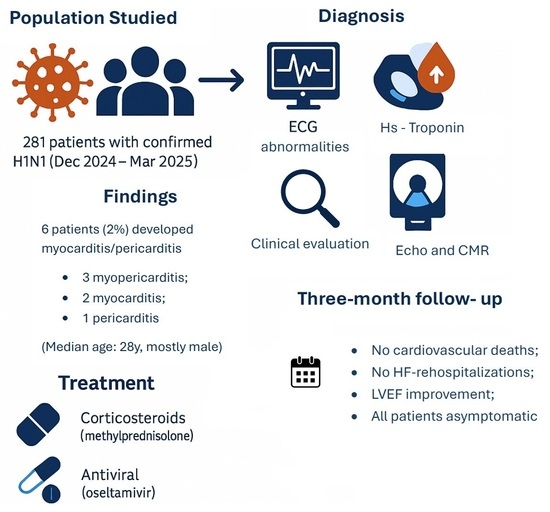
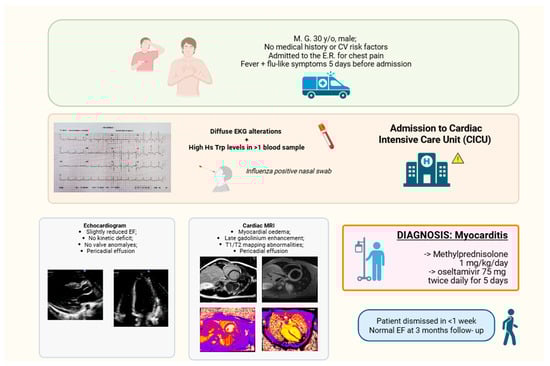
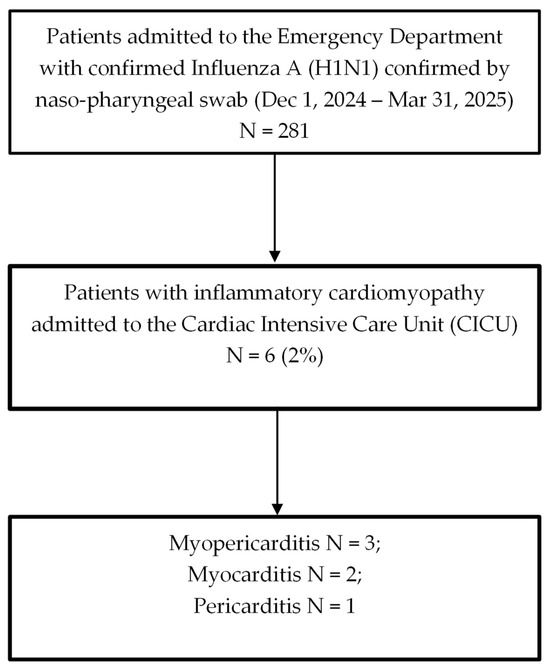
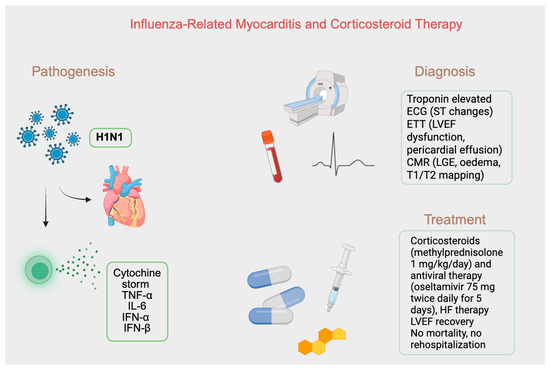
Background: Myocarditis is a potentially life-threatening inflammation of the myocardium that can be triggered by viral infections, including influenza. While corticosteroids have historically been used with caution in viral myocarditis due to concerns over impaired viral clearance, recent insights—particularly those emerging from the COVID-19 pandemic—suggest that early, moderate-dose corticosteroid therapy may offer clinical benefits in selected inflammatory cardiac syndromes. This study aimed to assess the incidence and clinical features, as well as short-term outcomes of influenza-related myocarditis and/or pericarditis. Methods: A retrospective, observational study was conducted, including all consecutive patients diagnosed with acute myocarditis and/or pericarditis between December 2024 and March 2025 who presented with chest pain or dyspnea and had a confirmed Influenza A (H1N1) infection. The diagnostic evaluation included cardiac biomarkers, ECG, TTE, and cardiovascular magnetic resonance (CMR). All patients were monitored during a three-month follow-up period. Results: Of 281 patients with laboratory-confirmed H1N1 infection, six (2%) were diagnosed with myocarditis and/or pericarditis. All patients diagnosed with myocarditis received corticosteroid therapy and an antiviral drug (oseltamivir). CMR confirmed the diagnosis in all cases of inflammatory cardiomyopathy. At 30 days, median LVEF improved from 49% to 58%. No deaths or rehospitalizations were reported. Conclusions: Influenza-related myocarditis and/or pericarditis are relatively uncommon, occurring in approximately 2% of cases. When they occur, they are primarily associated with an uncomplicated clinical course and with favourable short-term outcomes, including a rapid recovery of left ventricular function and the absence of adverse events at three-month follow-up.
Full article

Graphical abstract
Open AccessCase Report
Prolonged Sinus Arrest Following Traumatic Brain Injury: A Case of Reversible Autonomic Cardiac Dysfunction
by
Krishna Patel, Chris Sani, Asher Gorantla, Varshitha T. Panduranga, Usaid Raqeeb and Adam Budzikowski
Cardiovasc. Med. 2026, 29(1), 6; https://doi.org/10.3390/cardiovascmed29010006 - 10 Feb 2026
Cited by 1
Abstract
►▼
Show Figures
Cardiac disturbances are well-recognized in traumatic brain injury (TBI), but most involve supraventricular arrhythmias or repolarization abnormalities, while sinus arrest is rarely reported. We present a case of a 37-year-old man who developed recurrent, prolonged sinus arrest following severe TBI. He arrived intubated
[...] Read more.
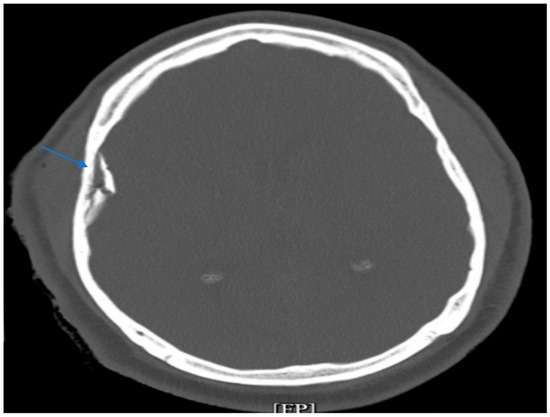
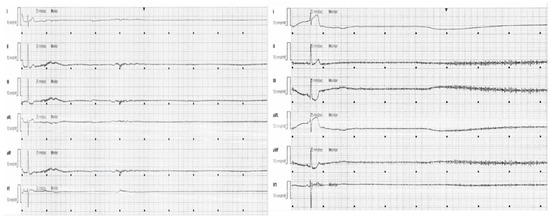
Cardiac disturbances are well-recognized in traumatic brain injury (TBI), but most involve supraventricular arrhythmias or repolarization abnormalities, while sinus arrest is rarely reported. We present a case of a 37-year-old man who developed recurrent, prolonged sinus arrest following severe TBI. He arrived intubated for airway protection after an assault, and imaging demonstrated an acute, depressed, comminuted right temporoparietal skull fracture scattered subarachnoid hemorrhage, and bilateral humeral head fractures with posterior shoulder subluxation. After craniotomy and placement of an external ventricular drain (EVD) for intracranial pressure (ICP) monitoring, the patient experienced multiple spontaneous sinus arrest episodes lasting up to 15 s despite normal metabolic, electrolyte, and toxicology evaluations. A transvenous pacemaker (TVP) was inserted to maintain adequate cardiac output and cerebral perfusion. As ICP improved, the sinus arrests resolved and the TVP was removed. This case highlights a rare neurocardiac manifestation of TBI, demonstrating that elevated ICP can precipitate profound conduction disturbances that may require temporary pacing to manage hemodynamics and prevent secondary brain injury.
Full article

Figure 1
Open AccessArticle
The Prevalence of Cardiovascular–Kidney–Metabolic Syndrome: A Review of Published Estimates and New Findings from BRFSS Surveys
by
Steven S. Coughlin, Nikul Parikh, Ashley Oh, Biplab Datta, Marlo Vernon and Jennifer Sullivan
Cardiovasc. Med. 2026, 29(1), 5; https://doi.org/10.3390/cardiovascmed29010005 - 3 Feb 2026
Cited by 1
Abstract
Because CKMS was only proposed by the American Heart Association in 2023, there has been a paucity of information about the distribution and determinants of the syndrome across population groups. We reviewed published studies of the prevalence of CKMS in the U.S. and
[...] Read more.
Because CKMS was only proposed by the American Heart Association in 2023, there has been a paucity of information about the distribution and determinants of the syndrome across population groups. We reviewed published studies of the prevalence of CKMS in the U.S. and other countries and obtained new estimates of the prevalence of this syndrome among U.S. adults by birth decade and sociodemographic attributes using 2019, 2021, and 2023 Behavioral Risk Factor Surveillance System (BRFSS) data. The results of this study indicate that CKMS is widespread in the general U.S. population, especially among older cohorts born before 1940 and during the 1940s, 1950s, and 1960s. Except for the three younger cohorts, born in the 1980s, 1990s, and 2000 or later, the prevalence of CKMS stage 4 was significantly higher among males than in females. Among those born between the 1950s and 1990s, the prevalence was significantly higher among non-Hispanic Blacks compared to their non-Hispanic white counterparts. Across all birth decades, prevalence of CKMS stage 4 was generally higher among those without a college degree, from a low-income household, and residing in rural areas. These prevalence rate estimates will further our understanding of the burden and unique needs of different population groups in improving cardiovascular–kidney–metabolic health across the life course.
Full article
Open AccessArticle
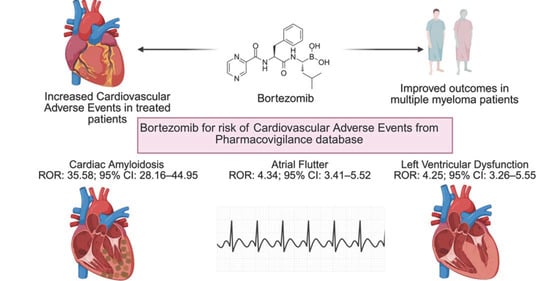
Pharmacovigilance-Based Safety Profile of Bortezomib: A Disproportionality Analysis Using FAERS Data
by
Matthew Nho, Ayushi Mittal, Ahmed Abdel-Latif and Anand Prakash Singh
Cardiovasc. Med. 2026, 29(1), 4; https://doi.org/10.3390/cardiovascmed29010004 - 31 Jan 2026
Abstract
►▼
Show Figures
Bortezomib is a 26S proteasome inhibitor used to treat multiple myeloma and systemic amyloidosis. While effective in prolonging survival, bortezomib has been increasingly associated with cardiovascular adverse events (CVAEs), including cardiac failure and arrhythmias, yet a comprehensive post-marketing cardiac safety profile remains incompletely
[...] Read more.
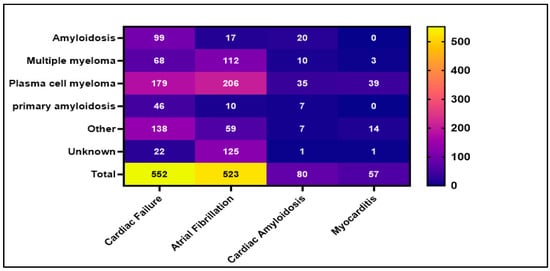
Bortezomib is a 26S proteasome inhibitor used to treat multiple myeloma and systemic amyloidosis. While effective in prolonging survival, bortezomib has been increasingly associated with cardiovascular adverse events (CVAEs), including cardiac failure and arrhythmias, yet a comprehensive post-marketing cardiac safety profile remains incompletely defined. We analyzed cardiovascular adverse events reported between May 2003 and May 2025 using the U.S. Food and Drug Administration Adverse Event Reporting System (FAERS) via the OpenVigil 2.1 platform. Disproportionality analysis was performed using reporting odds ratios (RORs) with 95% confidence intervals (CIs). Among over 9 million drug-related adverse events in FAERS, 552 cardiac events were linked to bortezomib. Several cardiac outcomes, including atrial flutter, left ventricular dysfunction, cardiac failure, cardiomyopathy, atrial fibrillation, right ventricular failure, myocarditis, and supraventricular tachycardia, demonstrated elevated disproportionality signals. Separately, cardiac amyloidosis exhibited the highest disproportionality signal (ROR: 35.58; 95% CI: 28.16–44.95), a finding that reflects underlying disease severity rather than treatment-emergent cardiotoxicity. Cardiac failure accounted for the greatest number of hospitalizations (301) and deaths (208), followed by atrial fibrillation and cardiac amyloidosis. Older adults (≥65 years) and patients with amyloidosis or multiple myeloma were the most vulnerable populations. Overall, bortezomib was associated with serious cardiac adverse events, particularly cardiac failure and atrial arrhythmias, underscoring the need for routine cardiovascular risk assessment and proactive monitoring in high-risk patients.
Full article

Graphical abstract
Open AccessConference Report
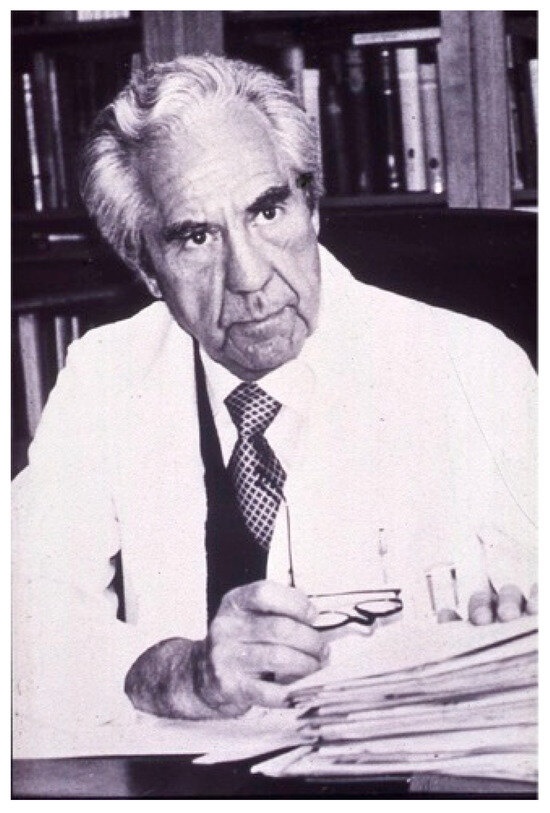
The 2023 Senning Lecture—Developments in Heart Surgery and Shaping the Future of Younger Surgeons
by
Carlos A. Mestres
Cardiovasc. Med. 2026, 29(1), 3; https://doi.org/10.3390/cardiovascmed29010003 - 30 Jan 2026
Cited by 1
Abstract
►▼
Show Figures
This is the summary of the 2023 SGHC Senning Lecture, in which surgical developments and the components of education and training in cardiovascular surgery are discussed. Special emphasis is placed on the problems, challenges, education models, and the dynamics of education and training
[...] Read more.
This is the summary of the 2023 SGHC Senning Lecture, in which surgical developments and the components of education and training in cardiovascular surgery are discussed. Special emphasis is placed on the problems, challenges, education models, and the dynamics of education and training for the benefit of the trainees and, ultimately, the patients.
Full article

Figure 1
Open AccessEditorial
A Promising New Beginning for Cardiovascular Medicine—The Journal for the Interdisciplinary Heart Team
by
Peter Matt
Cardiovasc. Med. 2026, 29(1), 2; https://doi.org/10.3390/cardiovascmed29010002 - 16 Jan 2026
Cited by 2
Abstract
What a remarkable first three months it has been for Cardiovascular Medicine! [...]
Full article
Journal Menu
► ▼ Journal MenuJournal Browser
► ▼ Journal Browser-
arrow_forward_ios
Forthcoming issue
arrow_forward_ios Current issue - Volumes not published by MDPI
- Vol. 27 (2024)
- Vol. 26 (2023)
- Vol. 25 (2022)
- Vol. 24 (2021)
- Vol. 23 (2020)
- Vol. 22 (2019)
- Vol. 21 (2018)
- Vol. 20 (2017)
- Vol. 19 (2016)
- Vol. 18 (2015)
- Vol. 17 (2014)
- Vol. 16 (2013)
- Vol. 15 (2012)
- Vol. 14 (2011)
- Vol. 13 (2010)
- Vol. 12 (2009)
- Vol. 11 (2008)
- Vol. 10 (2007)
- Vol. 9 (2006)
- Vol. 8 (2005)
- Vol. 7 (2004)
- Vol. 3 (2000)
- Vol. 2 (1999)
- Vol. 1 (1998)
Highly Accessed Articles
Latest Books
E-Mail Alert
News
Topics