
Journal Description
Diversity
Diversity
is a peer-reviewed, open access journal on the science of biodiversity (from molecules, genes, populations, and species to ecosystems), and is published monthly online by MDPI.
- Open Access— free for readers, with article processing charges (APC) paid by authors or their institutions.
- High Visibility: indexed within Scopus, SCIE (Web of Science), PubAg, GEOBASE, CAPlus / SciFinder, and other databases.
- Journal Rank: JCR - Q2 (Biodiversity Conservation) / CiteScore - Q1 (Agricultural and Biological Sciences (miscellaneous))
- Rapid Publication: manuscripts are peer-reviewed and a first decision is provided to authors approximately 16.6 days after submission; acceptance to publication is undertaken in 2.8 days (median values for papers published in this journal in the second half of 2025).
- Recognition of Reviewers: reviewers who provide timely, thorough peer-review reports receive vouchers entitling them to a discount on the APC of their next publication in any MDPI journal, in appreciation of the work done.
- Diversity is a companion journal of Fossil Studies.
- Journal Cluster of Ecosystem and Resource Management: Forests, Diversity, Fire, Conservation, Ecologies, Biosphere and Wild.
Impact Factor:
2.1 (2024);
5-Year Impact Factor:
2.3 (2024)
Latest Articles
Habitat Destruction Alters the Mechanisms of Species Coexistence by Modifying Competitive Structure
Diversity 2026, 18(4), 217; https://doi.org/10.3390/d18040217 (registering DOI) - 8 Apr 2026
Abstract
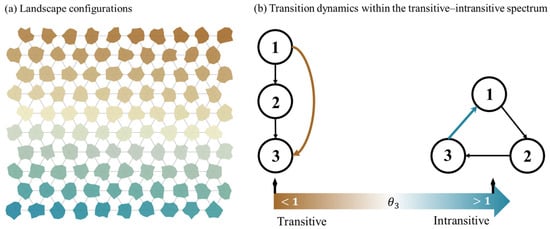
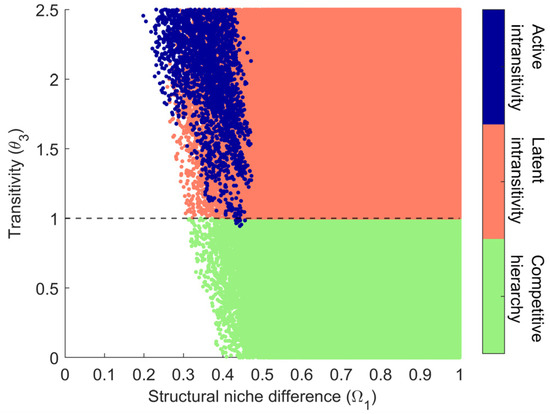
Habitat destruction is a major driver of biodiversity decline, yet how it reshapes multispecies coexistence by altering interaction structure remains unclear. We adopt a spatially explicit metacommunity model framework under a homogeneity assumption and introduce a tunable parameter controlling intransitive competition. Within this
[...] Read more.
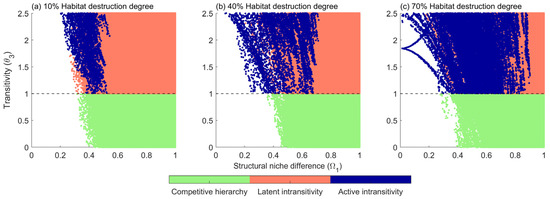
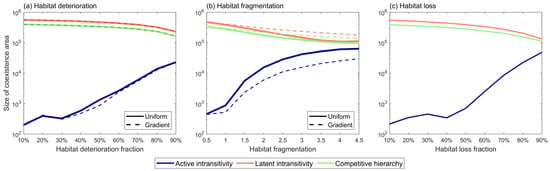
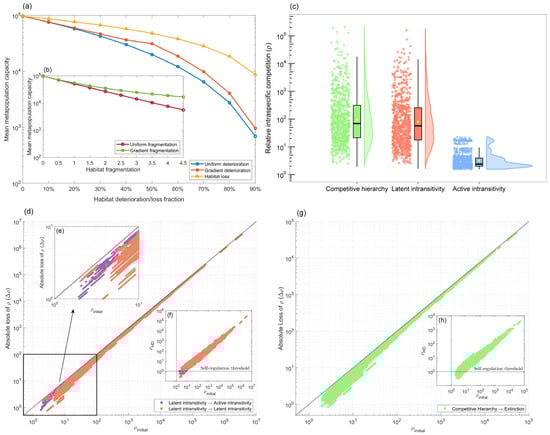
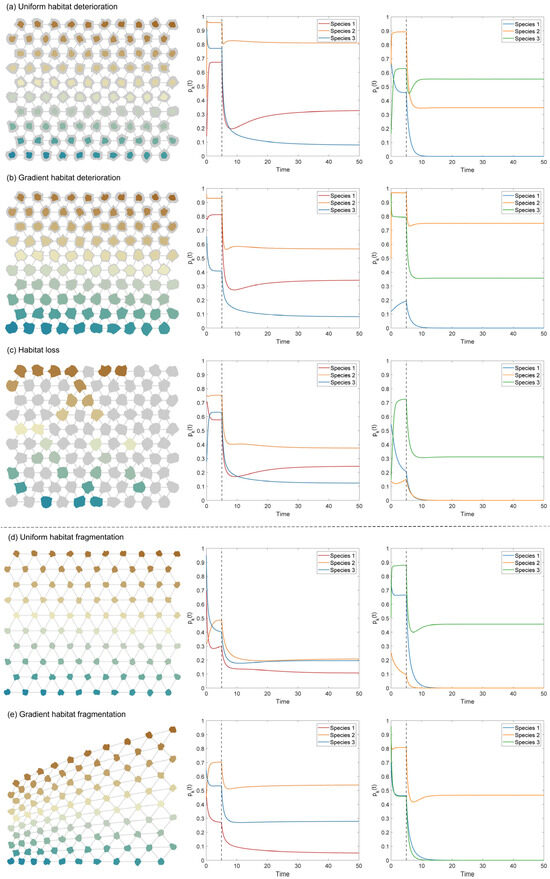
Habitat destruction is a major driver of biodiversity decline, yet how it reshapes multispecies coexistence by altering interaction structure remains unclear. We adopt a spatially explicit metacommunity model framework under a homogeneity assumption and introduce a tunable parameter controlling intransitive competition. Within this framework, we represent the system using a generalized Lotka–Volterra model to examine how coexistence mechanisms respond to habitat destruction. Our findings demonstrate that (1) coexistence is not driven by a single mechanism: under transitive competition, it highly relies on niche differentiation, whereas in intransitive structures, coexistence can be maintained even with low niche differentiation. (2) Habitat destruction compresses the feasible coexistence space, but regions dominated by different mechanisms respond asymmetrically, with niche-difference-driven coexistence shrinking and intransitive-dominated coexistence expanding under certain conditions. (3) The difference stems from habitat destruction, altering the relative proportions of intraspecific and interspecific competition, driving the community beyond the coexistence threshold. This reduces the probability of coexistence and reshapes the relative importance of several coexistence mechanisms. This finding provides a new theoretical perspective for biodiversity in fragmented landscapes.
Full article
(This article belongs to the Section Biodiversity Loss & Dynamics)
►
Show Figures
Open AccessReview
Semi-Natural Dry Grasslands in Decline: A Review of Characteristics, Threats and Conservation Challenges
by
Justyna Wielgos and Mariusz Kulik
Diversity 2026, 18(4), 216; https://doi.org/10.3390/d18040216 (registering DOI) - 8 Apr 2026
Abstract
In Europe, the most valuable grasslands are semi-natural ecosystems maintained by long-term extensive human management, particularly pastoralism, and therefore do not represent climax vegetation. According to the Natura 2000 habitat interpretation manual (EUR-28), key habitats include xerothermic grasslands of Festuco-Brometalia (code 6210*) on
[...] Read more.
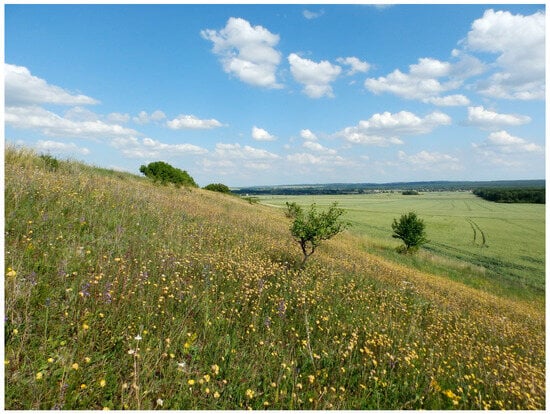
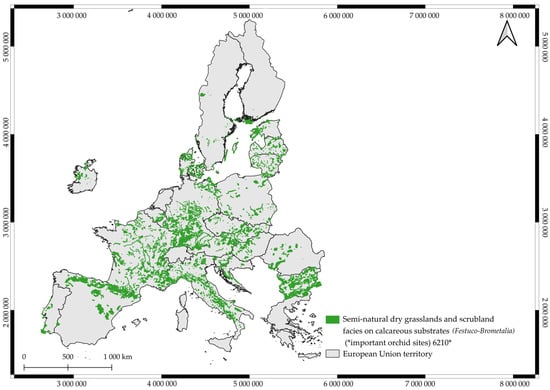
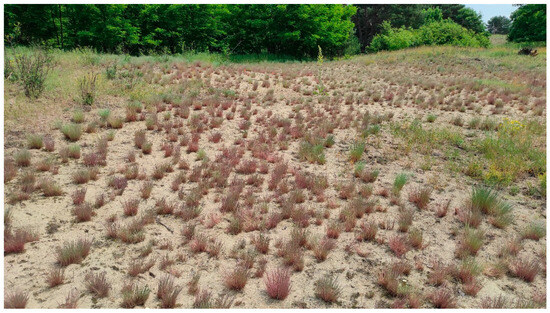
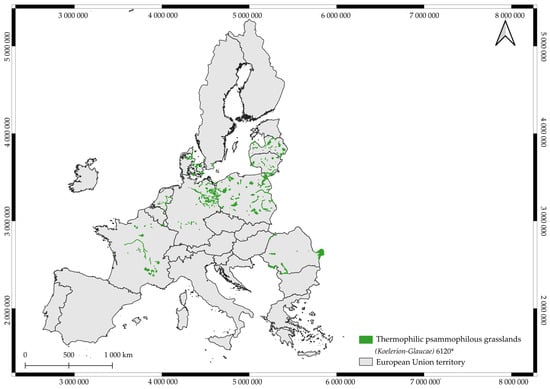
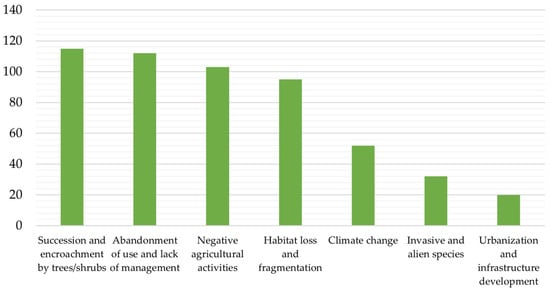
In Europe, the most valuable grasslands are semi-natural ecosystems maintained by long-term extensive human management, particularly pastoralism, and therefore do not represent climax vegetation. According to the Natura 2000 habitat interpretation manual (EUR-28), key habitats include xerothermic grasslands of Festuco-Brometalia (code 6210*) on calcareous soils and sandy grasslands of Koelerion glaucae (code 6120*) on poor substrates. Only 10–15% of their area in the EU has favorable conservation status. The main threat is secondary succession and encroachment (83.94%), caused by abandonment of traditional management (81.75%). Without mowing or grazing, dominant grasses replace rare species, followed by shrubs and trees. Other pressures include intensive agriculture (75.18%), habitat loss and fragmentation (69.34%), climate change (37.96%), invasive species (23.36%) and urbanization (14.60%). Multiple threats often co-occur, so cumulative percentages exceed 100%. The most effective conservation method is restoring or maintaining extensive grazing, particularly with local sheep and goat breeds. Grazing limits succession, increases structural diversity and promotes seed dispersal, creating a mosaic of microhabitats that enhances biodiversity. Effective protection requires landscape-scale actions, limiting urban development, and long-term support for farmers under the Common Agricultural Policy. Increasing public awareness of the ecological and cultural value of these ecosystems is also essential.
Full article
(This article belongs to the Special Issue Biodiversity, Community Structure and Ecology of Terrestrial Ecosystems Under Global Change)
►▼
Show Figures

Figure 1
Open AccessArticle
Postglacial Origin and Regional Differentiation of Microtus arvalis in the Baltic Region
by
Petras Prakas, Dalius Butkauskas, Donatas Šneideris, Marius Jasiulionis, Vitalijus Stirkė, Laima Balčiauskienė and Linas Balčiauskas
Diversity 2026, 18(4), 215; https://doi.org/10.3390/d18040215 - 7 Apr 2026
Abstract
Postglacial expansion dynamics strongly influence the genetic structure of temperate species; however, mitochondrial data from the Baltic region are limited. To assess diversity, phylogenetic origins, and regional structuring, we analyzed mitochondrial cytochrome b (726 bp) and control region (421–422 bp) sequences of the
[...] Read more.
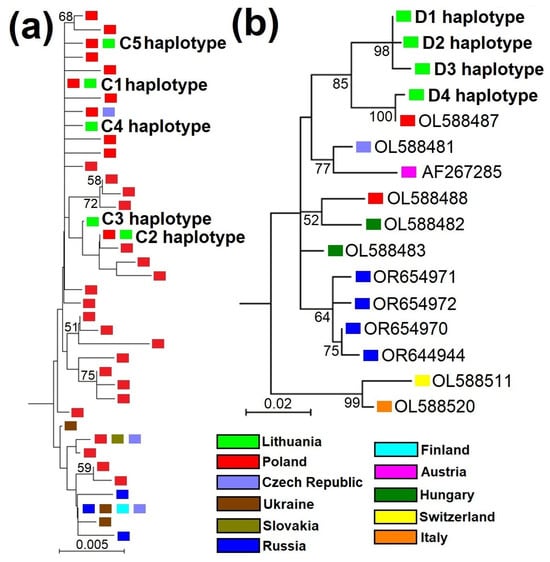
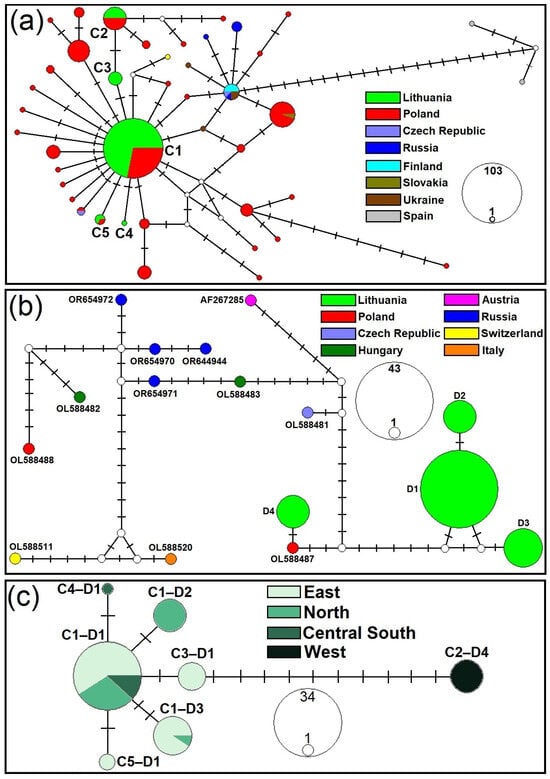
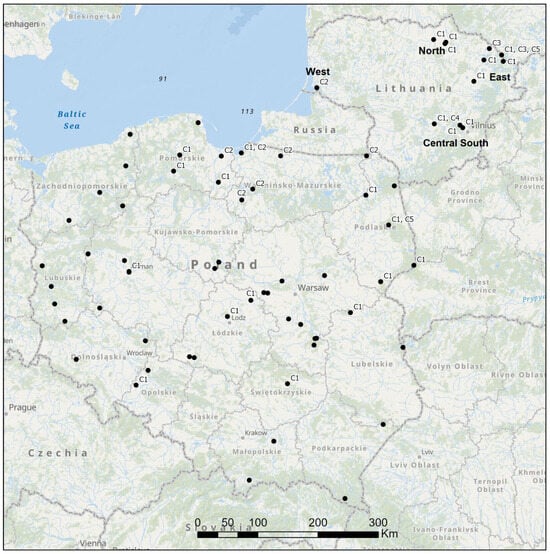
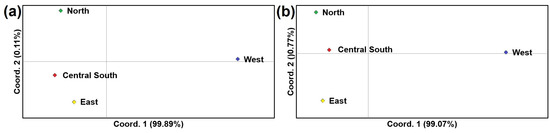
Postglacial expansion dynamics strongly influence the genetic structure of temperate species; however, mitochondrial data from the Baltic region are limited. To assess diversity, phylogenetic origins, and regional structuring, we analyzed mitochondrial cytochrome b (726 bp) and control region (421–422 bp) sequences of the common vole (Microtus arvalis Pallas, 1779) from Lithuania. Of the 91 cytb sequences and 70 control region sequences analyzed, five and four haplotypes were identified, respectively. Markedly low haplotype and nucleotide diversity compared with most European populations were detected. Phylogenetic Maximum Likelihood and network analyses revealed that all Lithuanian haplotypes belong to the eastern European lineage and are most closely related to Polish and central European samples, which supports recolonization from a Carpathian refugium. Despite the overall low variation, we detected two distinct mitochondrial groups: a highly differentiated western group and a second group encompassing eastern, northern, and central–southern populations. This strong regional structuring suggests limited maternal gene flow on a small geographic scale. There was no evidence of introgression from related taxa, such as Microtus obscurus. Our findings refine the phylogeographic context of Baltic M. arvalis and highlight the region’s role in shaping postglacial diversity patterns.
Full article
(This article belongs to the Special Issue Population Genetics of Animals and Plants—2nd Edition)
►▼
Show Figures

Figure 1
Open AccessArticle
Do Ecological Patterns Persist in Highly Impacted Urban Wetlands? A Spatiotemporal Analysis of Aquatic Macrophytes and Limnological Variability in a Peruvian Coastal Wetland
by
Flavia Valeria Rivera-Cáceda, José Antonio Arenas-Ibarra and Sofía Isabel Urrutia-Ramírez
Diversity 2026, 18(4), 214; https://doi.org/10.3390/d18040214 - 7 Apr 2026
Abstract
Urban coastal wetlands along the Peruvian Pacific coast are increasingly affected by urban expansion, pollution, and hydrological alterations, compromising their ecological integrity. In this context, the spatiotemporal variation of the aquatic macrophyte community and its relationship with limnological conditions and drivers of change
[...] Read more.
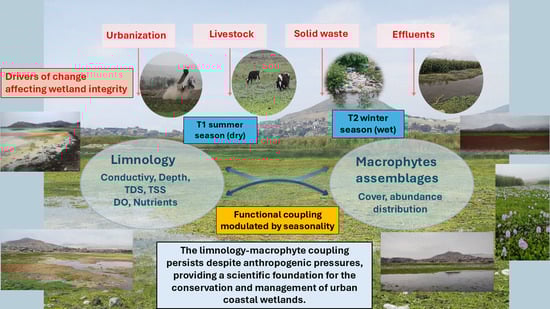
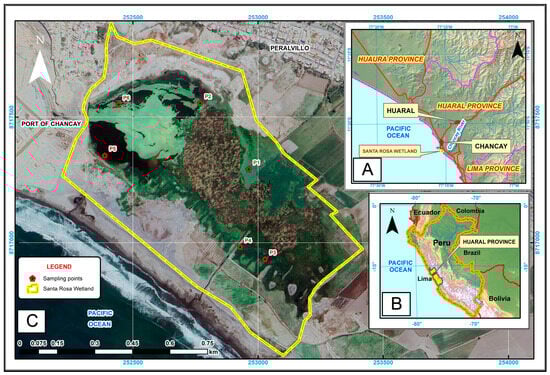
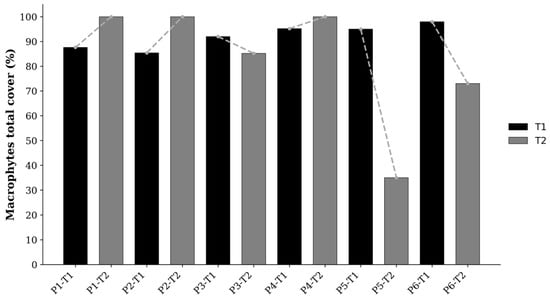
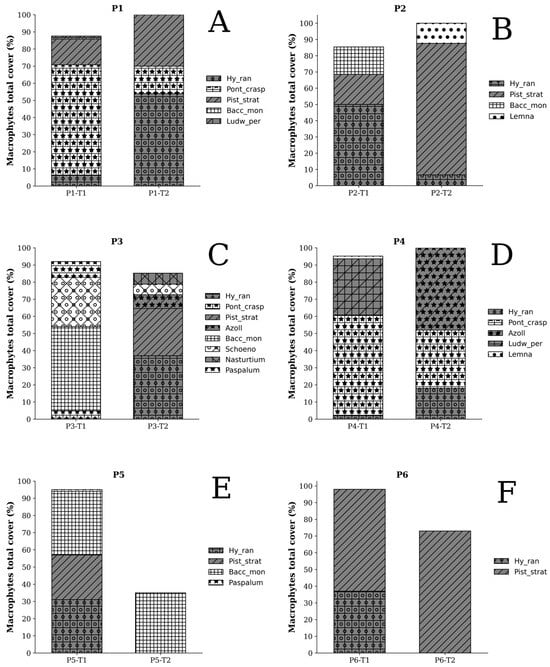
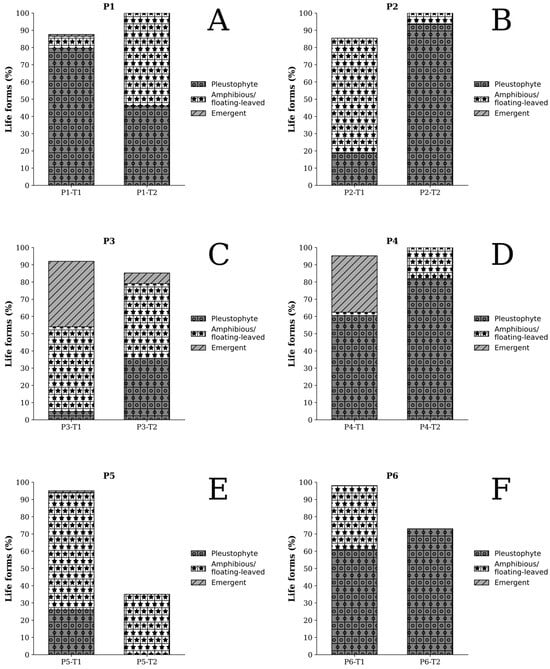
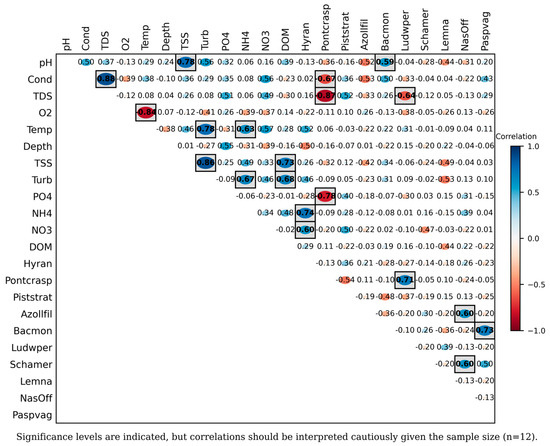
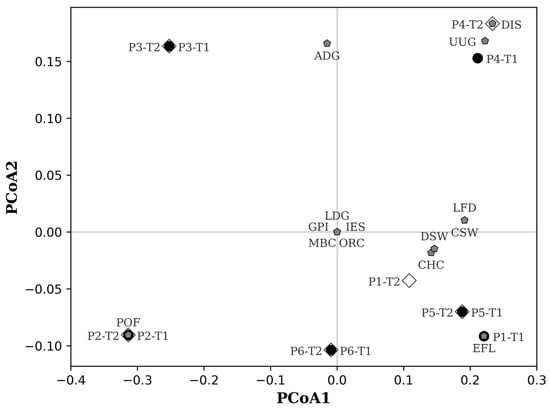
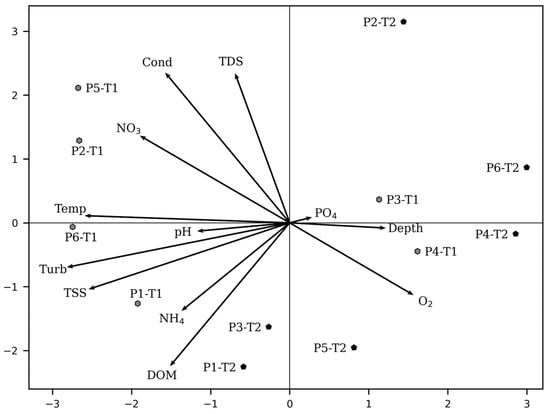
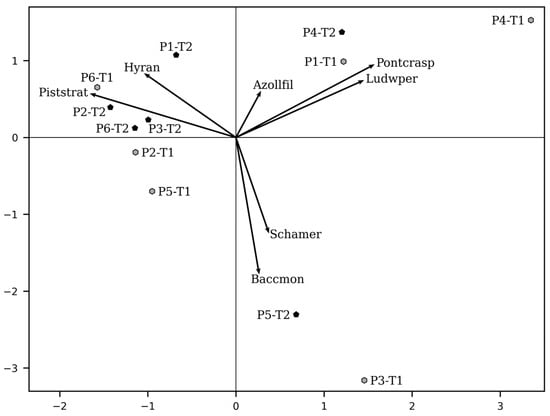
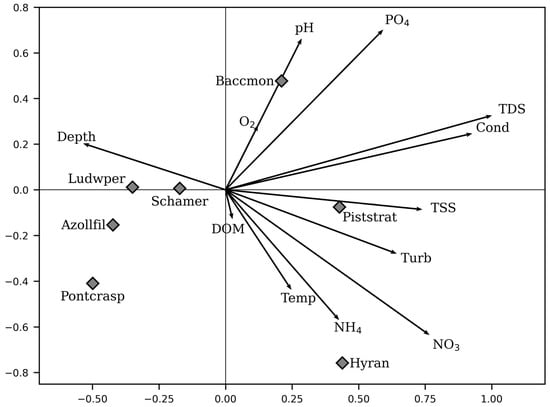
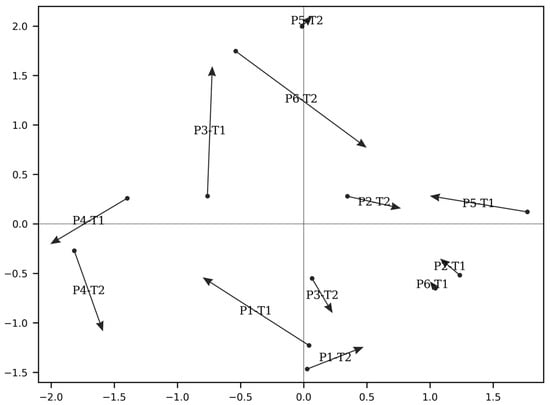
Urban coastal wetlands along the Peruvian Pacific coast are increasingly affected by urban expansion, pollution, and hydrological alterations, compromising their ecological integrity. In this context, the spatiotemporal variation of the aquatic macrophyte community and its relationship with limnological conditions and drivers of change were evaluated in the Santa Rosa wetland (Chancay, Lima). The objective is to evaluate the spatiotemporal variation of the aquatic macrophyte community in the Santa Rosa wetland and analyze its relationship with physicochemical limnological variables and drivers of change. Sampling was conducted during two contrasting hydrological seasons in 2022: T1 (low-water season) and T2 (high-water season), at six sampling points (P1–P6). Physicochemical variables (water depth, temperature, pH, conductivity, total dissolved solids—TDS, total suspended solids—TSS, dissolved oxygen—DO, turbidity, nitrate—NO3−, ammonium—NH4+, phosphate—PO43−, and dissolved organic matter—DOM) were measured, and the relative abundance of aquatic macrophytes was evaluated. Drivers of change were identified through direct observation and a structured matrix, with phosphate a PCoA performed to summarize spatiotemporal trends. Data were analyzed using Principal Component Analysis (PCA), Co-inertia analysis, and Multi-Response Permutation Procedures (MRPP). Significant spatiotemporal variation was observed in physicochemical parameters (p < 0.05), with moderate covariation between the two matrices (RV = 0.47). A total of ten aquatic macrophyte species were recorded, with higher abundance of Pontederia crassipes and Pistia stratiotes in T1, and Hydrocotyle ranunculoides and Bacopa monnieri in T2. The most relevant drivers of change were solid waste, livestock grazing, organic contamination, and urban expansion. Spatial heterogeneity was observed in the drivers of change affecting the Santa Rosa wetland, forming a mosaic of areas with different impact profiles. Despite multiple anthropogenic pressures, the Santa Rosa wetland maintains a limnological structure and a functionally coupled macrophyte community, suggesting that essential ecological processes are maintained within the temporal scope of this study. The observed covariation between physicochemical conditions and vegetation confirms the persistence of essential ecological processes, even within an altered urban context. This study demonstrates that integrating biotic components, limnological variables, and drivers of change is fundamental to understanding and monitoring the ecological dynamics of urban wetlands along the Peruvian coast.
Full article
(This article belongs to the Special Issue Wetland Biodiversity and Ecosystem Conservation)
►▼
Show Figures

Graphical abstract
Open AccessArticle
Vascular Plant Diversity and Distribution Patterns in Kazakhstan
by
Ainur Kairatovna Shaimoldina, Bektemir B. Osmonali, Yixin Zhou, Hafiz Muhammad Wariss, Suliya Ma and Wenjun Li
Diversity 2026, 18(4), 213; https://doi.org/10.3390/d18040213 - 6 Apr 2026
Abstract
Kazakhstan harbors the richest flora in Central Asia. However, its current plant diversity faces significant challenges. We present an updated checklist of vascular plants for Kazakhstan, comprising 6035 taxa from 134 families and 1016 genera. This includes 485 endemic taxa (8.0% of the
[...] Read more.
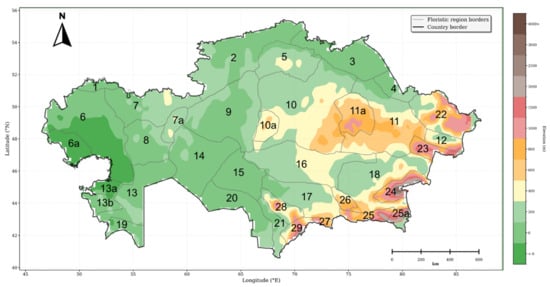
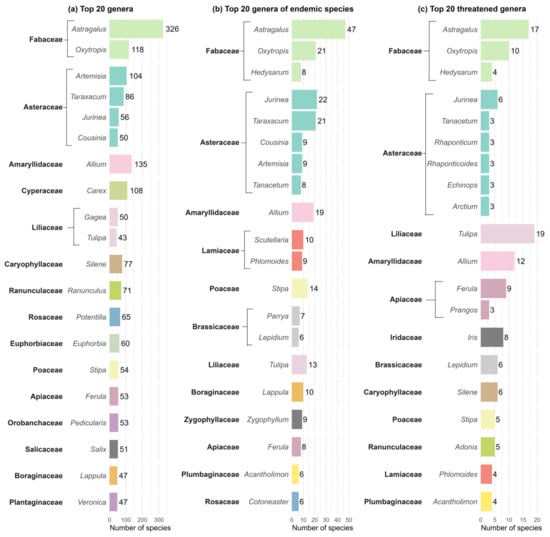
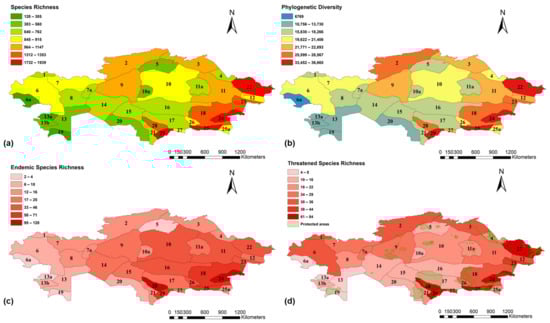
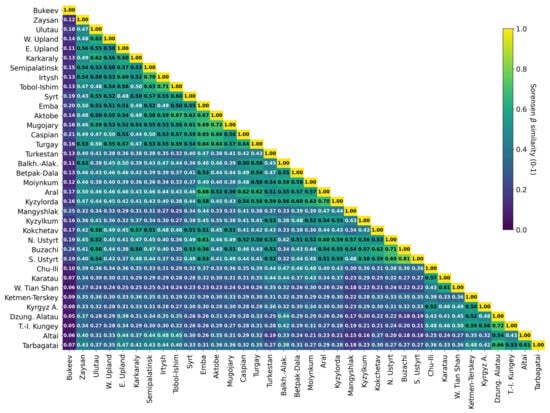
Kazakhstan harbors the richest flora in Central Asia. However, its current plant diversity faces significant challenges. We present an updated checklist of vascular plants for Kazakhstan, comprising 6035 taxa from 134 families and 1016 genera. This includes 485 endemic taxa (8.0% of the flora) from 38 families and 147 genera, and 359 threatened taxa (6.0%) from 66 families and 203 genera. Among them, the genera with the most endangered species are Tulipa, Astragalus, and Allium. Based on the latest available data, we describe and analyze the diversity and distribution of vascular plants at a phytogeographic regional scale of 29 regions and 7 subregions. Our analyses specifically quantify patterns of species richness, phylogenetic diversity, and the spatial distribution of both threatened and endemic species. Furthermore, floristic similarity analysis revealed clear patterns of species turnover: high similarity between adjacent mountain regions and low similarity between mountains and arid western regions. Analysis revealed five key biodiversity hotspots, including the Karatau Mountains and Western Tien Shan, which host high concentrations of threatened species yet have limited protected area coverage. Our findings underscore the need to align national and international conservation assessments, expand protected area networks, and enhance cross-border collaboration. These results provide important guidance for the conservation and sustainable management of plant diversity in Kazakhstan.
Full article
(This article belongs to the Section Plant Diversity)
►▼
Show Figures

Figure 1
Open AccessArticle
Elevational Gradients as Natural Filters: Assemblage Structure and Diversity of Ambrosia beetles (Curculionidae: Scolytinae) on the Tacaná Volcano, Chiapas, Mexico
by
Mauricio Pérez-Silva, Rodolfo J. Cancino-López, Alba Dueñas-Cedillo, Atilano Contreras-Ramos and Francisco Armendáriz-Toledano
Diversity 2026, 18(4), 212; https://doi.org/10.3390/d18040212 - 5 Apr 2026
Abstract
The interaction between environmental variables influences patterns of diversity and the composition of communities along the elevational gradient. However, there is a lack of evidence regarding how these diversity patterns in Scolytinae change in response to environmental changes associated with elevation. This study
[...] Read more.
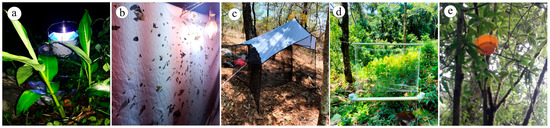
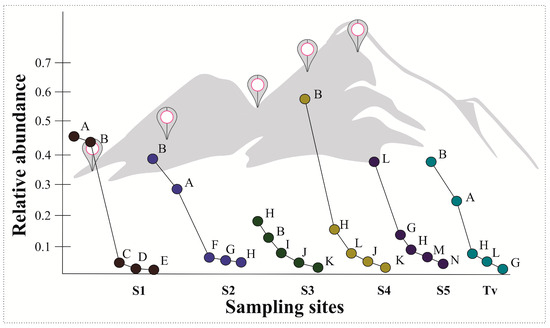
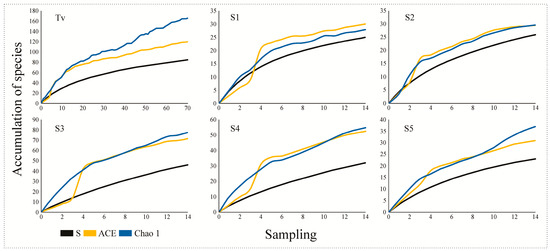
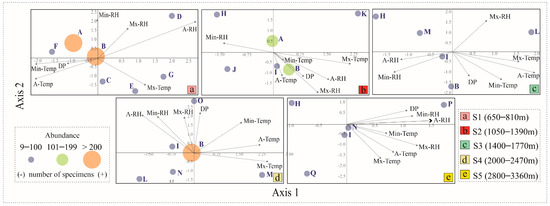
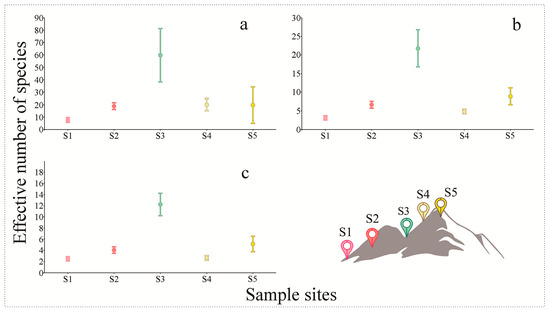
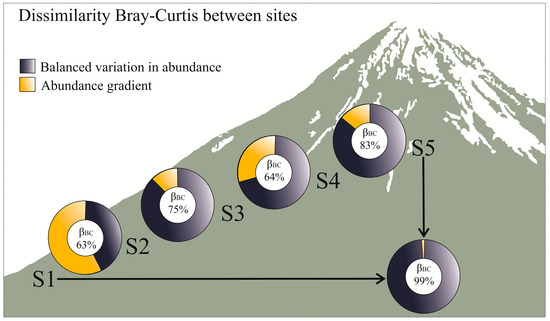
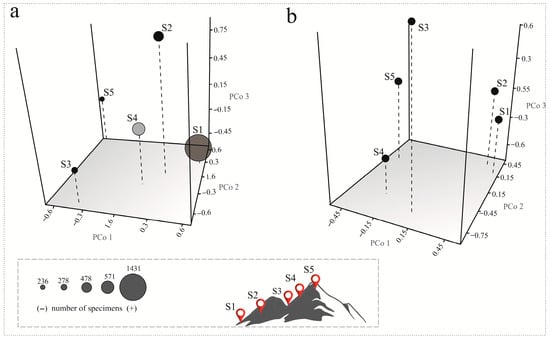
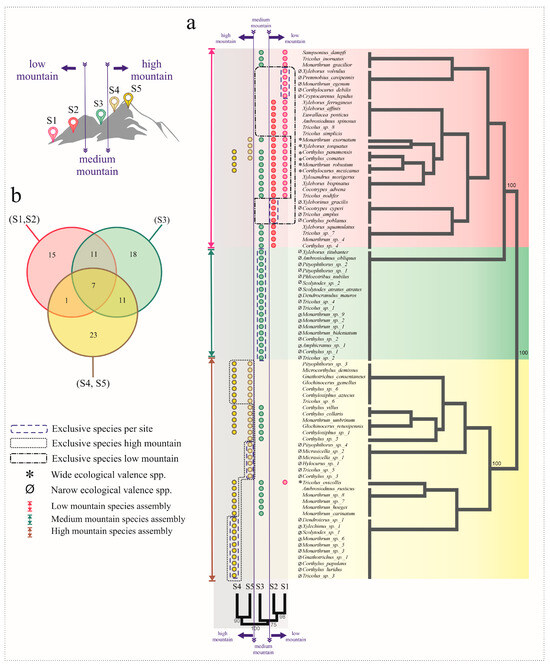
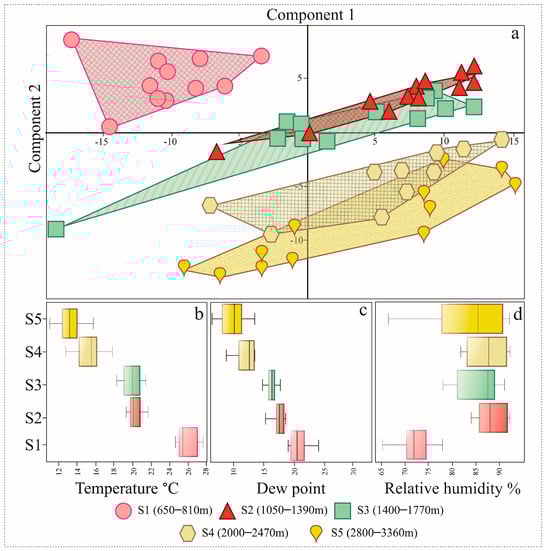
The interaction between environmental variables influences patterns of diversity and the composition of communities along the elevational gradient. However, there is a lack of evidence regarding how these diversity patterns in Scolytinae change in response to environmental changes associated with elevation. This study aims to evaluate the influence of environmental changes along an elevational gradient on the diversity and composition of Ambrosia beetles, testing the hypothesis that species assemblages are primarily driven by the interaction between environmental variables and vegetation structure. We sampled Scolytinae at five sites (650–3360 m a.s.l.) on Tacaná Volcano from February 2018 to January 2019. Sampling was conducted using five trap types, including ethanol-baited Malaise traps and interception traps. Data were analyzed using Hill numbers for alpha diversity, Bray–Curtis indices for beta diversity, and canonical correspondence analysis to evaluate the relationship between Scolytinae species abundance and environmental variables. We recorded a high richness with 82 species, a peak in diversity at mid-elevations in mesic montane forests (p < 0.05). The Scolytinae species pool is structured in three local assemblages, corresponding to different elevational landscapes, environmentally structured. Different environmental variables displayed some correlation with species dynamics. However, these factors alone were insufficient to explain patterns of species diversity. Their influence appears to depend on interactions with site-specific characteristics. These results highlight that elevational gradients act as environmental filters structuring Scolytinae assemblages primarily through species turnover rather than nested species loss.
Full article
(This article belongs to the Special Issue Diversity in 2026)
►▼
Show Figures

Figure 1

Open AccessArticle
Various Community Structures of Root-Associated Bacteria, Archaea, and Fungi of Spartina alterniflora
by
Shufang Zhao, Yixuan Zhang, Chunyu Tang and Wu Qu
Diversity 2026, 18(4), 211; https://doi.org/10.3390/d18040211 - 5 Apr 2026
Abstract
Invasion by Spartina alterniflora has detrimental effects on existing ecosystems. Studies have shown that microorganisms can control plant growth and development. However, the root-associated community structures of bacteria, archaea, and fungi of S. alterniflora have rarely been investigated. Here, we applied metagenomics to
[...] Read more.
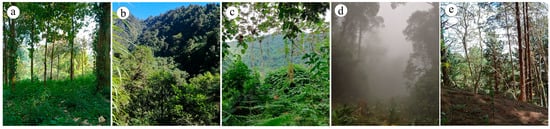
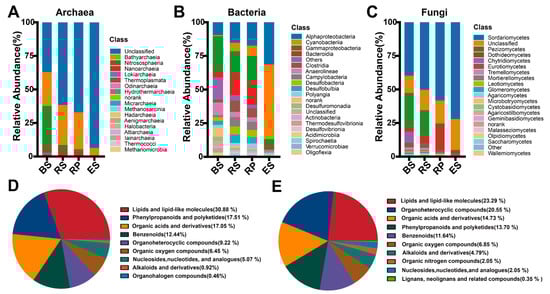
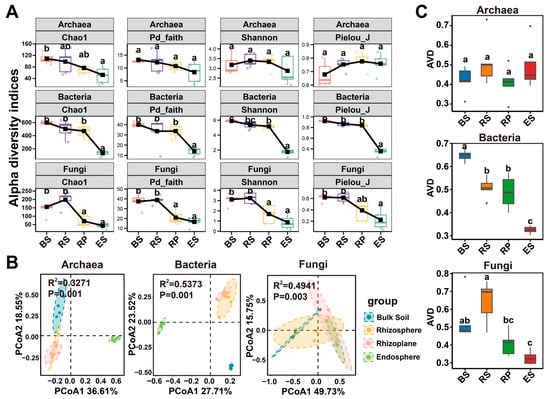
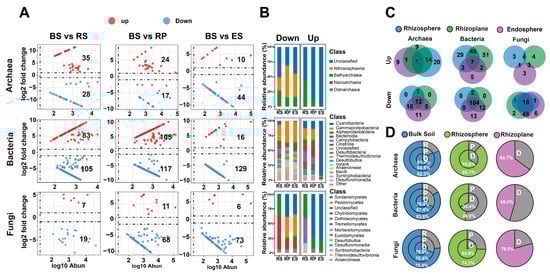
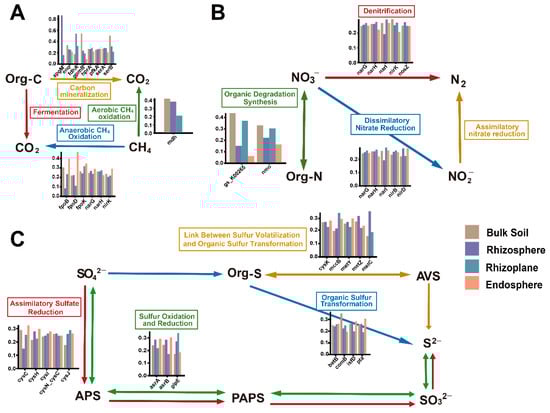
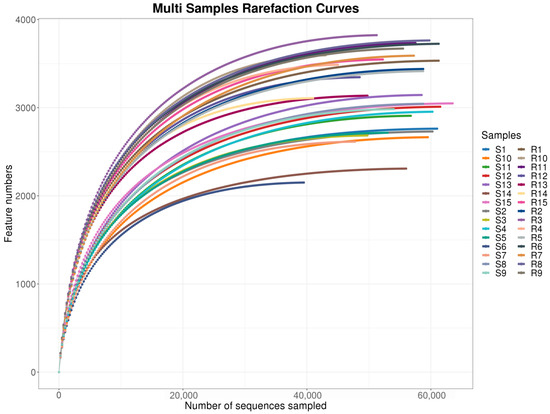
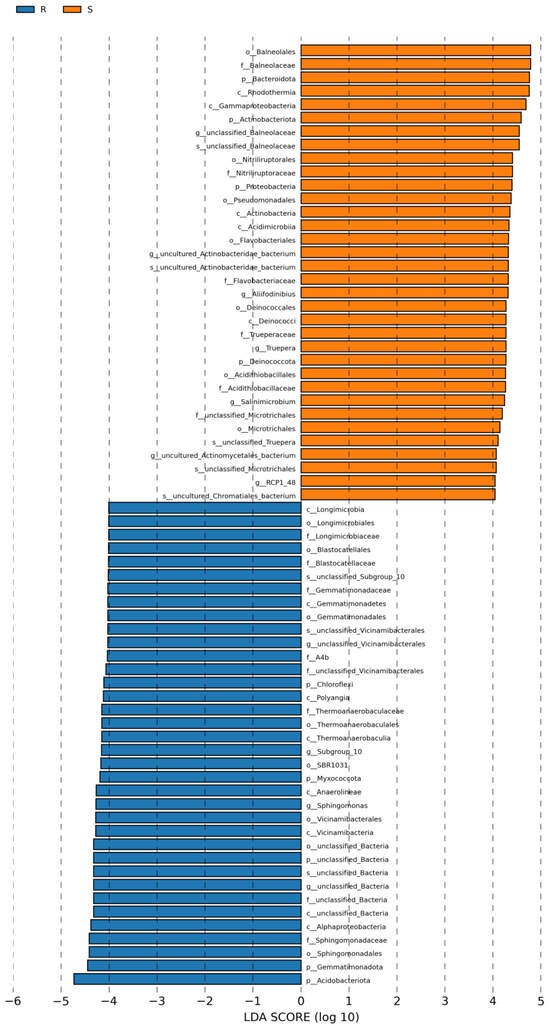
Invasion by Spartina alterniflora has detrimental effects on existing ecosystems. Studies have shown that microorganisms can control plant growth and development. However, the root-associated community structures of bacteria, archaea, and fungi of S. alterniflora have rarely been investigated. Here, we applied metagenomics to reveal the bacterial, archaeal, and fungal communities across four root compartments, including the bulk soil, rhizosphere, rhizoplane, and endosphere. Our findings revealed the variation in different community structures. The bacterial and fungal communities exhibited greater potential environmental flexibility than the archaeal community. The endosphere environment had the simplest microbial networks and highest stability. Additionally, we identified root-exuded metabolites from S. alterniflora, which may influence microbial community assembly. Our results indicate that the rhizoplane plays a crucial role in controlling microbial entry into the root, selectively recruiting beneficial microbes for plant growth and colonization, thereby impacting nutrient cycling and plant health. This study provides insights into microbial diversity and function within the S. alterniflora root zone and suggests potential microbial-based strategies for managing this invasive species.
Full article
(This article belongs to the Topic Conservation and Management of Marine Ecosystems: 2nd Edition)
►▼
Show Figures

Figure 1
Open AccessArticle
Identification and Diversity Analysis of Avian Remains in Tianjin Urban Area Inferring from DNA Barcoding
by
Jia-Xin Nie, Ya-Jin Zhang, Chun-Mian Liu, Bing-Ke Song, Bin Wang, Qian Zhang, Tong-Gang Nie and Wen-Bin Liu
Diversity 2026, 18(4), 210; https://doi.org/10.3390/d18040210 - 2 Apr 2026
Abstract
(1) Background: The acceleration of urbanization poses an increasingly serious threat to avian diversity. Consequently, accurate species identification of avian remains is essential for biodiversity monitoring, bird rescue operations, and conservation management. (2) Methods: This study employed DNA barcoding technology based on the
[...] Read more.
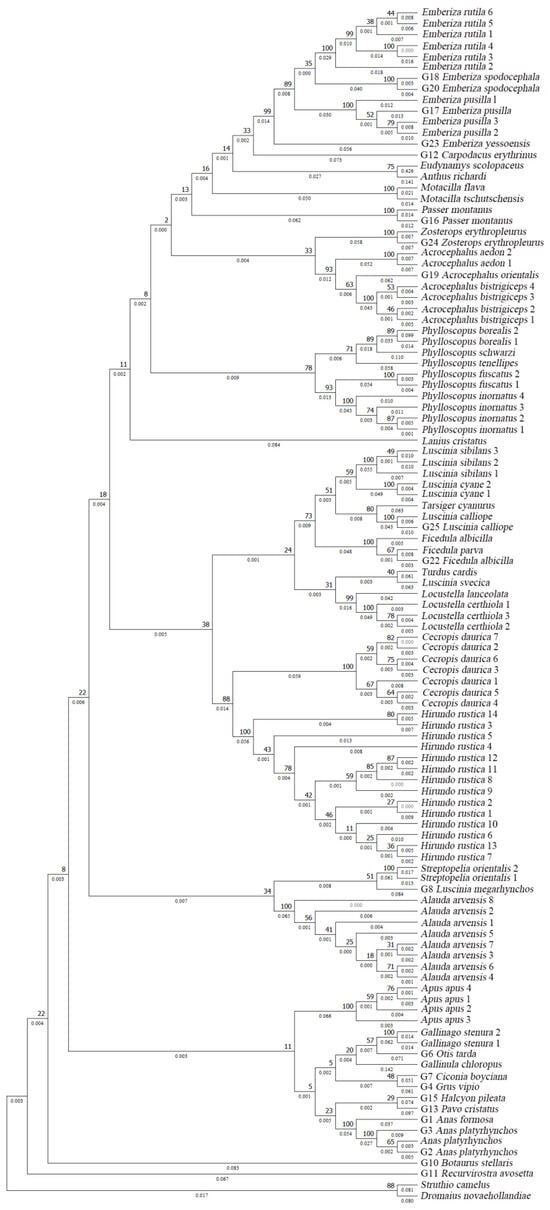
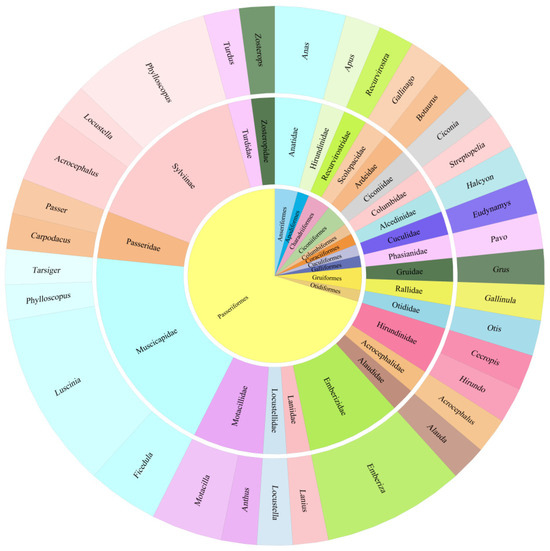
(1) Background: The acceleration of urbanization poses an increasingly serious threat to avian diversity. Consequently, accurate species identification of avian remains is essential for biodiversity monitoring, bird rescue operations, and conservation management. (2) Methods: This study employed DNA barcoding technology based on the cytochrome c oxidase subunit I (COI) gene to analyze 112 avian remains samples collected from urban and peri-urban areas of Tianjin city. (3) Results: A total of 47 bird species were identified, belonging to 11 orders, 24 families, and 30 genera, achieving an overall identification success rate of 95.54%. Passeriformes were dominant, accounting for 70.21% of the identified species. The species list includes 3 species listed as Class I nationally protected birds and 7 species as Class II nationally protected birds. Discrepancies between preliminary morphological identification and molecular identification results highlighted the complementary roles of the two approaches. (4) Conclusions: This study demonstrates that DNA barcoding is an effective tool for efficiently identifying degraded avian remains in urban environments. It provides reliable data for biodiversity assessments, wildlife rescue, and conservation management, while also supporting improved identification accuracy through the integration of molecular and morphological methods.
Full article
(This article belongs to the Section Phylogeny and Evolution)
►▼
Show Figures

Figure 1

Open AccessArticle
Amphibians and Reptiles of the Veracruzan Biogeographic Province of Mexico: Patterns of Diversity, Similarity, and Conservation
by
Julio A. Lemos-Espinal, Geoffrey R. Smith, Erik Joaquín Torres-Romero and Guillermo A. Woolrich-Piña
Diversity 2026, 18(4), 209; https://doi.org/10.3390/d18040209 - 2 Apr 2026
Abstract
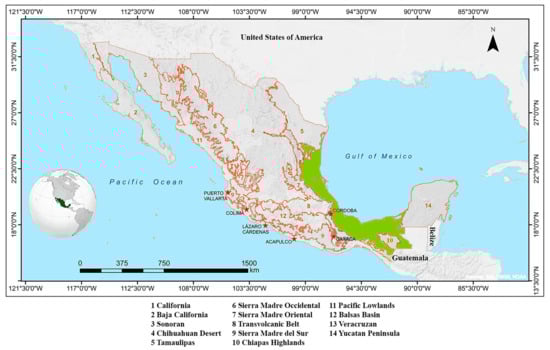
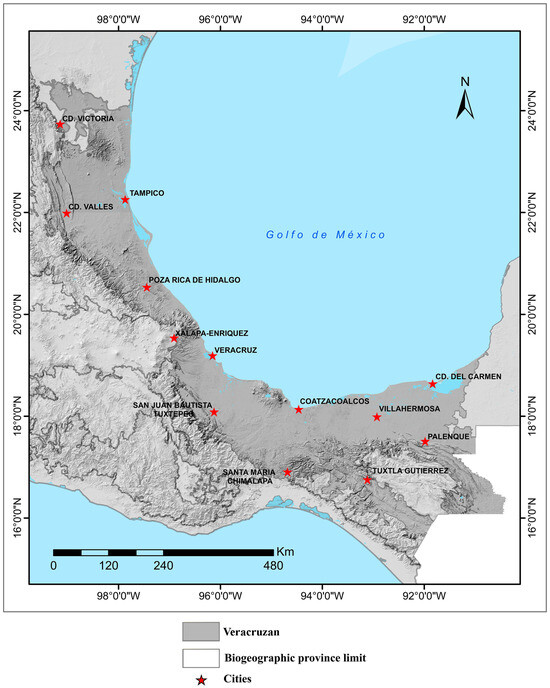
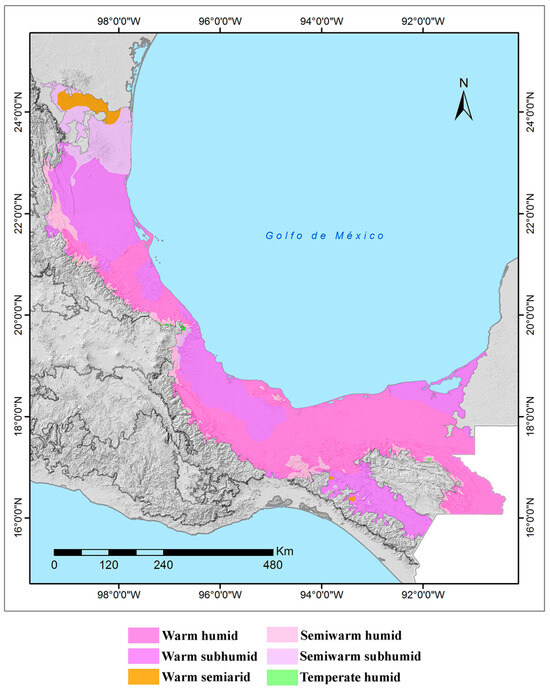
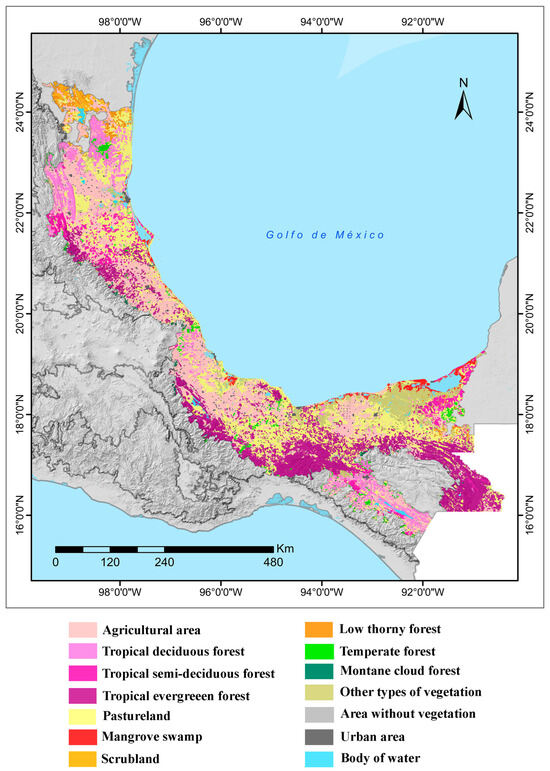
The Veracruzan biogeographic province is a central part of the Gulf of Mexico slope and serves as an interface between the Neotropical Region, the Mexican Transition Zone, and the Nearctic Region. We provide an overview of amphibian and reptile diversity in the province,
[...] Read more.
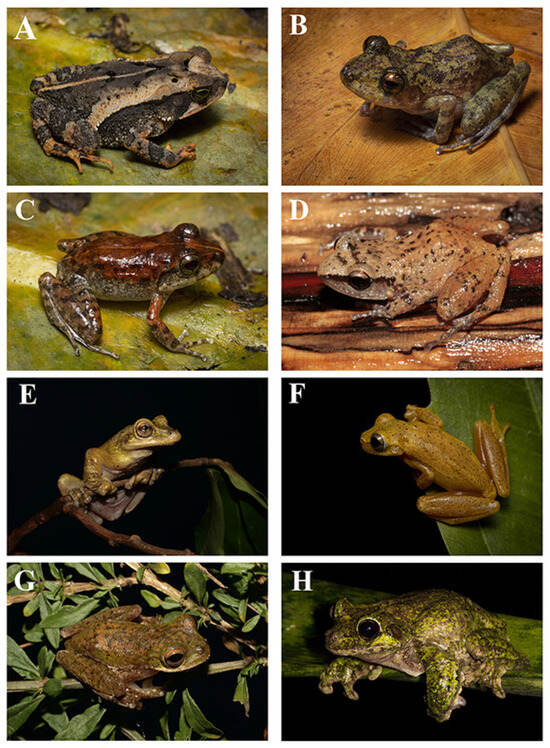
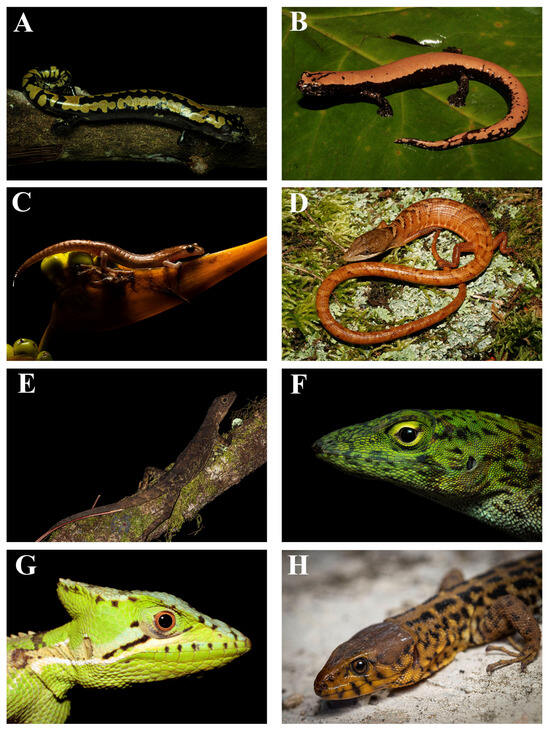
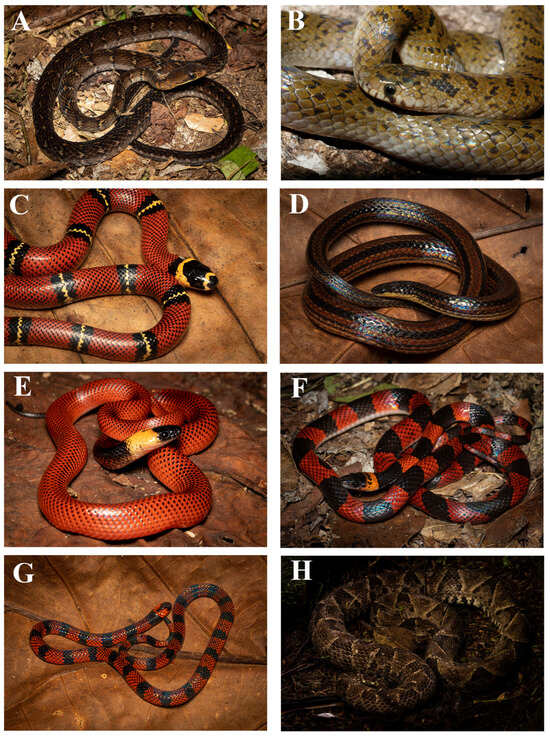
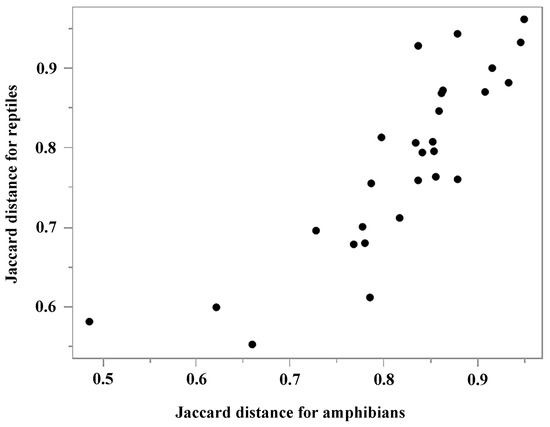
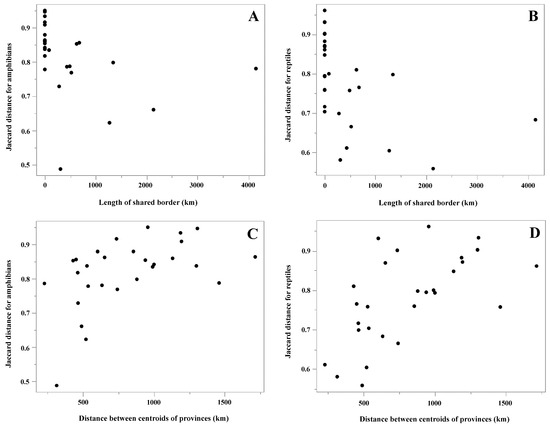
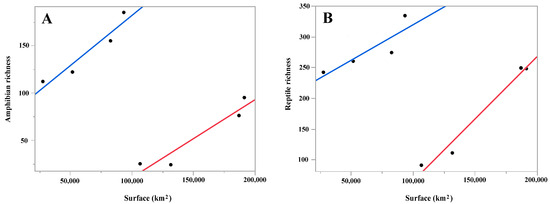
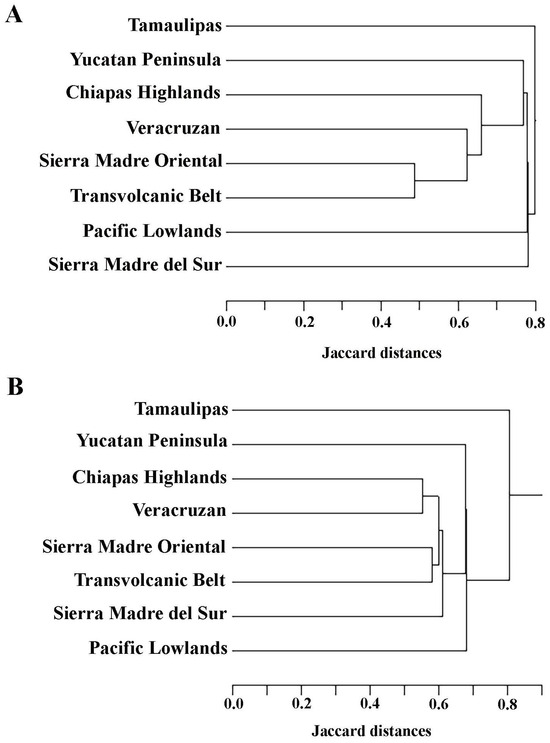
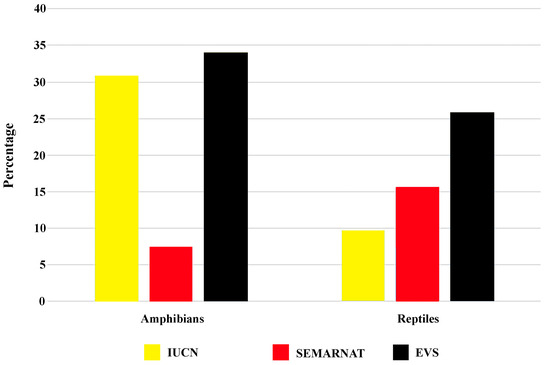
The Veracruzan biogeographic province is a central part of the Gulf of Mexico slope and serves as an interface between the Neotropical Region, the Mexican Transition Zone, and the Nearctic Region. We provide an overview of amphibian and reptile diversity in the province, focusing on species richness, endemism, conservation status, and faunal similarity to neighboring biogeographic provinces. In the Veracruzan biogeographic province there are 343 native species of amphibians and reptiles, encompassing nearly one quarter of the Mexican herpetofauna, with over 85% of the families and over 90% of the genera found in Mexico represented. The province therefore possesses exceptional taxonomic richness. It has the fifth highest richness among Mexican biogeographic provinces. The herpetofauna comprises several Neotropical taxa and locally endemic species found among amphibians of montane and cloud forest fauna. Richness of amphibians and reptiles generally increases with province area. Regions of the Mexican Transition Zone exhibit a relatively higher species richness than their Neotropical neighbors. Analyses of faunal similarities between the Veracruzan province and its neighboring provinces and highlight the importance of geographic proximity, environmental continuity, and historical processes for assemblage composition. Amphibians are more threatened than reptiles, with high levels of endemism and vulnerability to habitat loss and emerging diseases, whereas reptiles are more threatened by habitat degradation, exploitation, and invasive species. Our findings show that the Veracruzan biogeographic province is an important reservoir of herpetofaunal diversity and a priority region for conservation in Mexico.
Full article
(This article belongs to the Section Biodiversity Conservation)
►▼
Show Figures

Figure 1

Open AccessReview
Genomic Tools for Assessing Plant Diversity in the 2020s: From PCR-Based Markers to High-Throughput Sequencing and eDNA
by
Mario A. Pagnotta
Diversity 2026, 18(4), 208; https://doi.org/10.3390/d18040208 - 31 Mar 2026
Abstract
A comprehensive understanding of plant diversity is essential for ecological research, conservation planning, and sustainable resource management. Advances in genetic technologies have transformed the assessment of plant biodiversity, enabling more precise and efficient characterization of genetic variation. Early molecular markers, widely used in
[...] Read more.
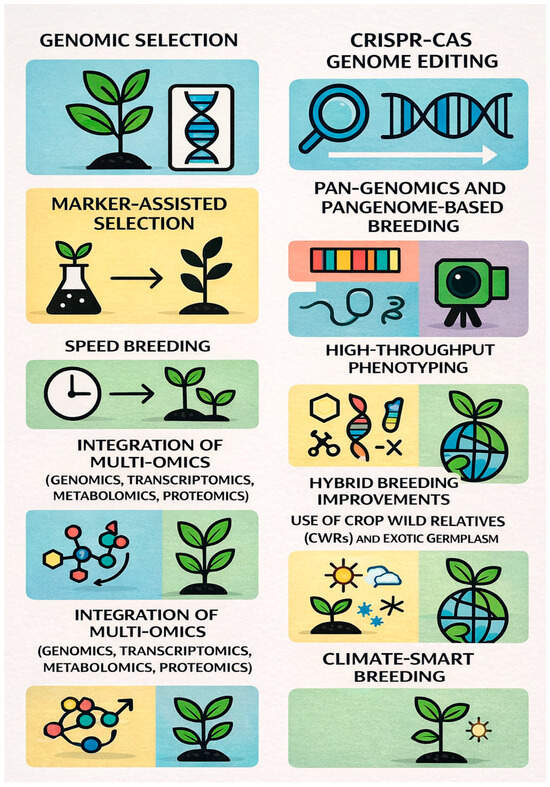
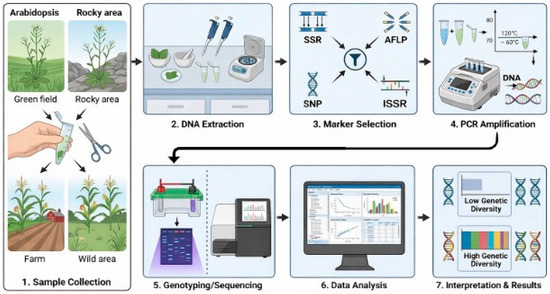
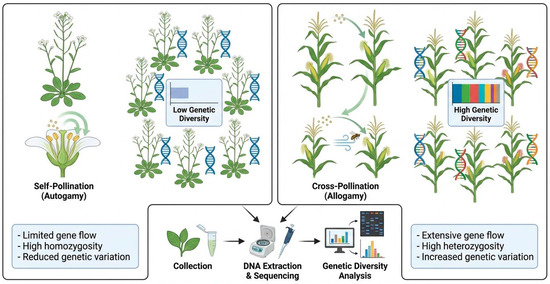
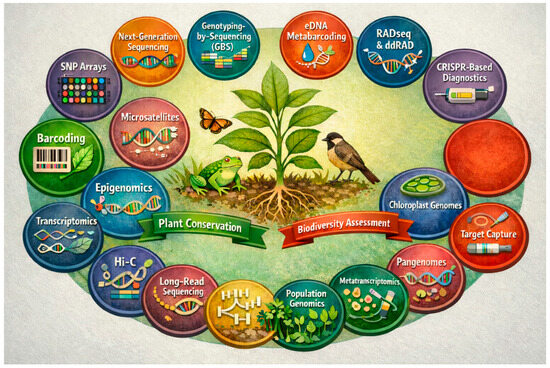
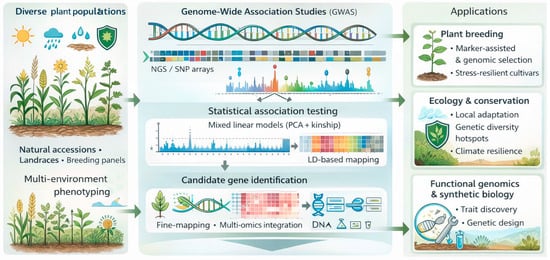
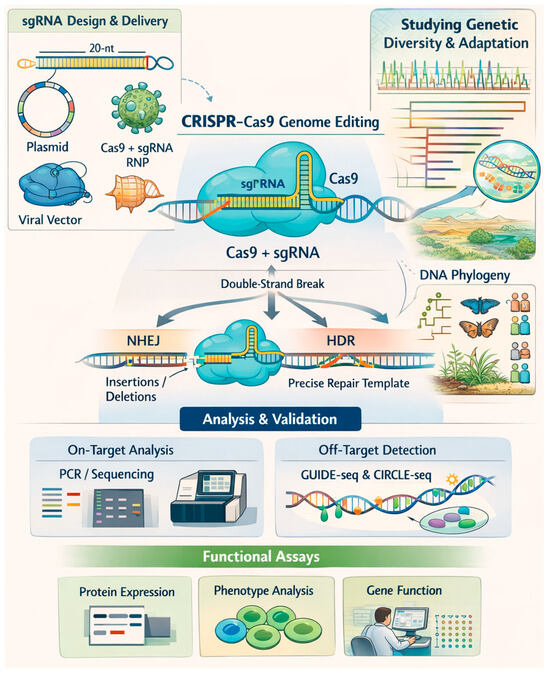
A comprehensive understanding of plant diversity is essential for ecological research, conservation planning, and sustainable resource management. Advances in genetic technologies have transformed the assessment of plant biodiversity, enabling more precise and efficient characterization of genetic variation. Early molecular markers, widely used in the late 2000s, have largely been replaced by polymerase chain reaction (PCR)-based tools that require less DNA, are easier to use, and are supported by accessible commercial kits. The 2020s have seen the emergence of new, more accessible tools driven by cost reduction and efficiency improvements. High-throughput sequencing (HTS) technologies have further revolutionized the field by providing genome-wide insights into allelic diversity, structural polymorphisms, and epigenetic modifications. These innovations enhance the detection of adaptive variation, improve understanding of spatial genetic structure, and support the evaluation of environmental impacts on plant populations. Marker-assisted selection, now common in modern breeding, leverages genomic data to develop cultivars with enhanced resistance and desirable agronomic traits. Emerging tools such as environmental DNA (eDNA) analysis, high-throughput phenotyping, and advanced bioinformatics workflows expand the capacity to monitor species, assess population viability, and identify key traits linked to adaptation. The present review aims to highlight these technological advancements and the more recent and useful tools available from Next-Generation Sequencing to genotyping-by-sequencing, discussing their role for conserving plant genetic resources, improving breeding programs, and deepening knowledge of plant biodiversity within changing ecosystems.
Full article
(This article belongs to the Special Issue Diversity in 2026)
►▼
Show Figures

Figure 1

Open AccessArticle
Comparative Analysis of the Mitochondrial Genome and Population Evolution in the Chinese Giant Salamander (Andrias davidianus)
by
Peng Zhan, Jia Xie, Si-Si Mi, Yu-Xiao He, Rui Qin, Tian-Ge Yang and Hong Liu
Diversity 2026, 18(4), 207; https://doi.org/10.3390/d18040207 - 31 Mar 2026
Abstract
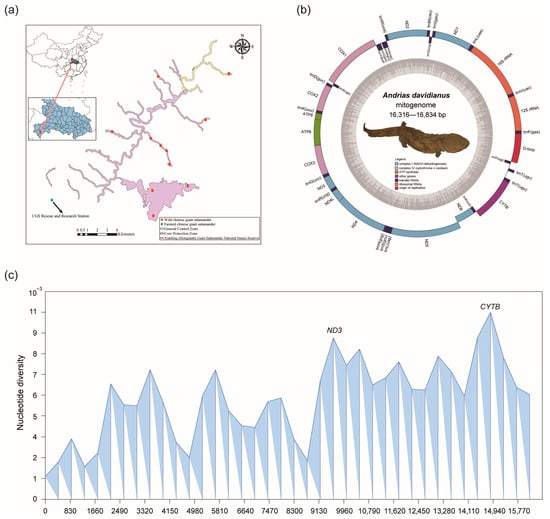
Mitochondrial genomes provide powerful insights into evolutionary history, population structure, and conservation genetics. Here, we analyzed complete mitochondrial genomes (mitogenomes) from 38 Chinese giant salamanders (Andrias davidianus, CGSs) sampled from both wild and conservation-bred populations. CGS mitogenomes exhibited remarkable structural conservation,
[...] Read more.
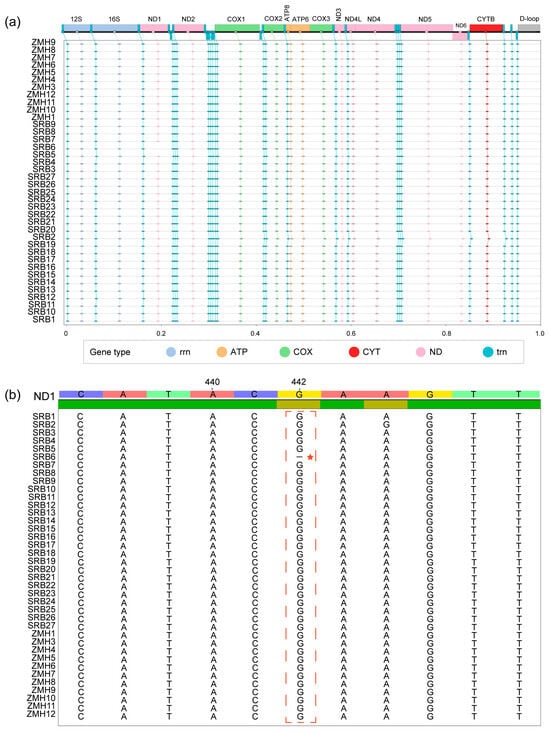
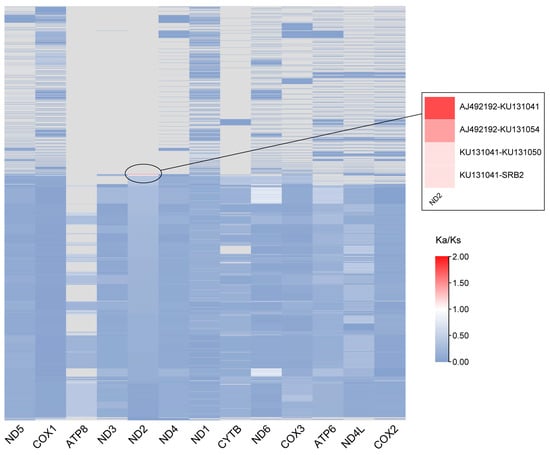
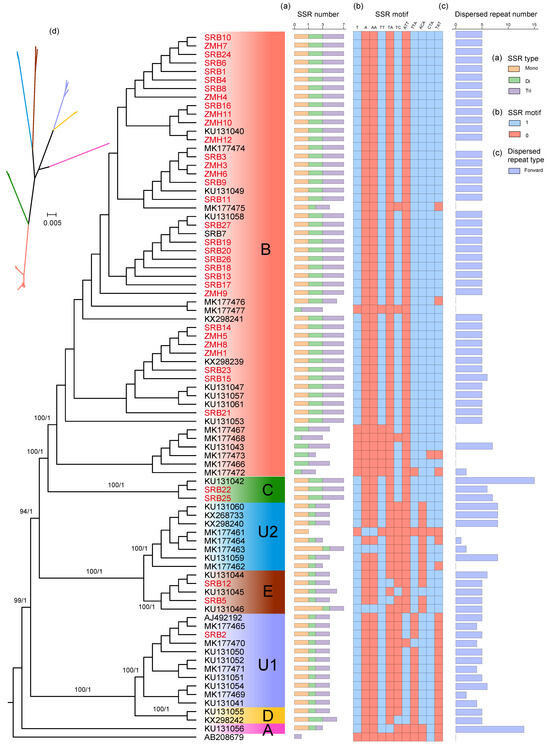
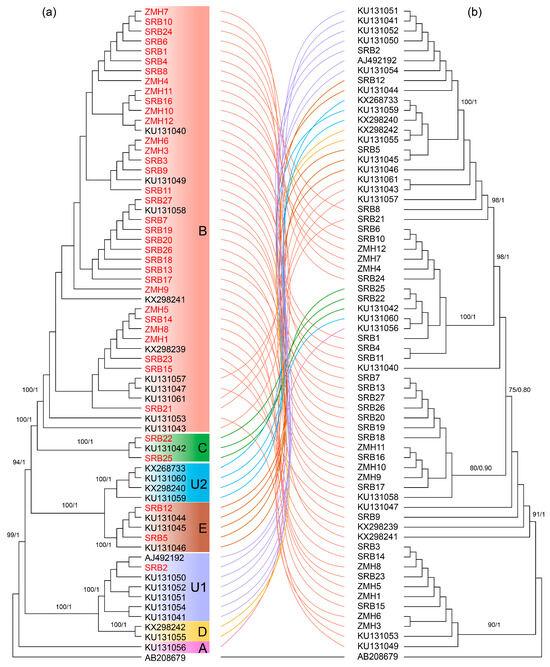
Mitochondrial genomes provide powerful insights into evolutionary history, population structure, and conservation genetics. Here, we analyzed complete mitochondrial genomes (mitogenomes) from 38 Chinese giant salamanders (Andrias davidianus, CGSs) sampled from both wild and conservation-bred populations. CGS mitogenomes exhibited remarkable structural conservation, yet pronounced heterogeneity in nucleotide diversity, selection regimes, and repetitive element distributions across lineages. Cytb and ND3 showed elevated intraspecific variability relative to the standard cox1 barcode, highlighting their superior resolution for fine-scale population analyses. Although most mitochondrial genes were subject to strong purifying selection, lineage-specific signals of positive selection were detected in ND2, and a rare, potentially deleterious frameshift mutation was identified in ND1 from a captive individual. Lineage-associated variation in mitogenomic SSRs and widespread mito-nuclear phylogenetic discordance revealed a highly admixed population structure shaped by historical connectivity and introgression. Together, our results underscore the value of integrative mitogenomic analyses for resolving complex evolutionary histories and informing conservation management of endangered amphibians.
Full article
(This article belongs to the Section Phylogeny and Evolution)
►▼
Show Figures

Figure 1
Open AccessArticle
Response of Soil Microbial Communities to Oil Pollution and Remediation in the Yellow River Delta
by
Haifeng Wang, Shuyu Li, Ximei Tang and Liping Zhao
Diversity 2026, 18(4), 206; https://doi.org/10.3390/d18040206 - 31 Mar 2026
Abstract
Soil microorganisms, as a crucial component of the soil ecosystem, play an essential role in maintaining soil health, promoting nutrient cycling, and ensuring ecological stability. Nevertheless, with the rapid progress of industrialization, crude oil pollution has emerged as a significant environmental hazard, notably
[...] Read more.
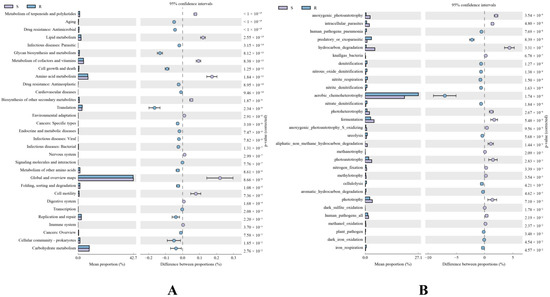
Soil microorganisms, as a crucial component of the soil ecosystem, play an essential role in maintaining soil health, promoting nutrient cycling, and ensuring ecological stability. Nevertheless, with the rapid progress of industrialization, crude oil pollution has emerged as a significant environmental hazard, notably affecting the structure and functionality of soil microbial communities. The Yellow River Delta, a vital wetland ecosystem and a key oil-producing area in China, has been exposed to crude oil contamination for a long time, leading to a substantial decline in its ecological functions. This study elucidates the effects of crude oil pollution on soil microorganisms in the Yellow River Delta by comparing the microbial community composition between long-term contaminated sites and sites that have undergone phytoremediation. By comprehensively analyzing the ecological responses and remediation potential of microbial communities, this research aims to offer a scientific basis for regional ecological restoration and sustainable development.
Full article
(This article belongs to the Section Microbial Diversity and Culture Collections)
►▼
Show Figures

Figure 1

Open AccessArticle
What Is a Taxon? Identity, Persistence, and Operability in Taxonomy
by
Thierry Bourgoin, Nicolas Bailly, René Zaragüeta and Régine Vignes-Lebbe
Diversity 2026, 18(4), 205; https://doi.org/10.3390/d18040205 - 31 Mar 2026
Abstract
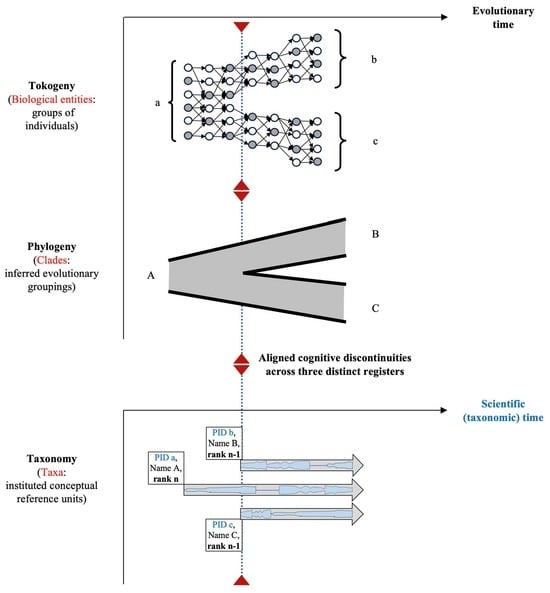
Although central reference units in biology, taxa remain difficult to integrate coherently across scientific and digital frameworks because they are repeatedly created, destroyed, or redefined through taxonomic revisions. To address this problem, we develop a conceptual and ontological analysis of taxonomic practice that
[...] Read more.
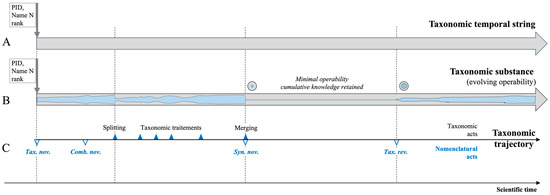
Although central reference units in biology, taxa remain difficult to integrate coherently across scientific and digital frameworks because they are repeatedly created, destroyed, or redefined through taxonomic revisions. To address this problem, we develop a conceptual and ontological analysis of taxonomic practice that distinguishes taxa from biological lineages, phylogenetic clades, names, and individual taxonomic treatments. We show that a taxon is a historically continuous object of knowledge instituted by a formal taxonomic act, whose identity is carried by a taxonomic temporal string, whose changing content is its taxonomic substance, and whose published interpretative history is its taxonomic trajectory. This framework is constrained by empirical properties of taxonomic practice, including persistence, historical continuity, irreversibility, revisability without destruction, traceability, and variable operability through time. Within this model, splitting, lumping, synonymy, and redefinition are interpreted as redistributions or reconfigurations of taxonomic substance rather than the creation or destruction of taxon identities. The framework also clarifies the articulation between taxonomy, phylogeny, and biological data by separating stable reference objects from the hypotheses that inform them. Because taxa originate only through unique code-compliant formal acts, they are intrinsically suitable for persistent identifiers (PIDs), enabling unambiguous and interoperable digital integration of systematic knowledge for biodiversity.
Full article
(This article belongs to the Section Phylogeny and Evolution)
►▼
Show Figures

Graphical abstract
Open AccessArticle
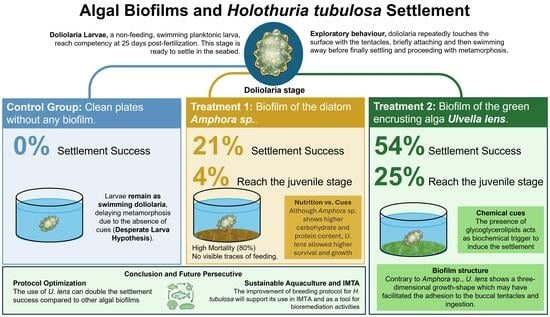
Effect of Different Algal Biofilms on the Larval Settlement of the Holothuria tubulosa Sea Cucumber (Gmelin, 1788)
by
Viviana Pasquini, Massimo Milia, Francesco Palmas, Alberto Angioni, Colin Hannon, Paolo Solari and Pierantonio Addis
Diversity 2026, 18(4), 204; https://doi.org/10.3390/d18040204 - 30 Mar 2026
Abstract
The increasing exploitation of sea cucumbers has driven widespread population declines, highlighting the need to improve knowledge and understanding of the early life history stages of exploited species such as Holothuria tubulosa, one of the most common holothurians along Mediterranean coasts. This
[...] Read more.
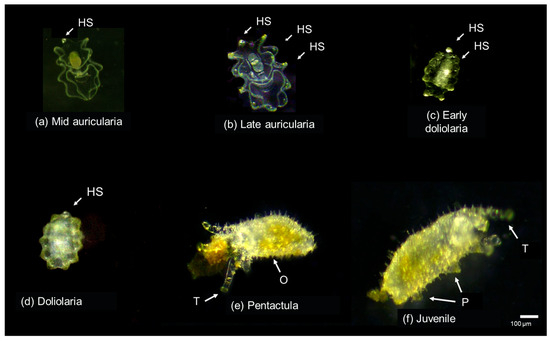
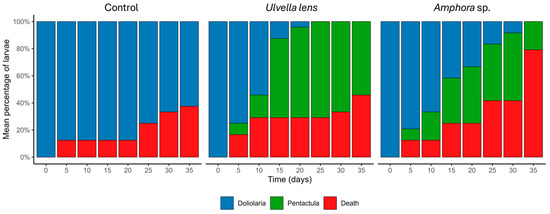
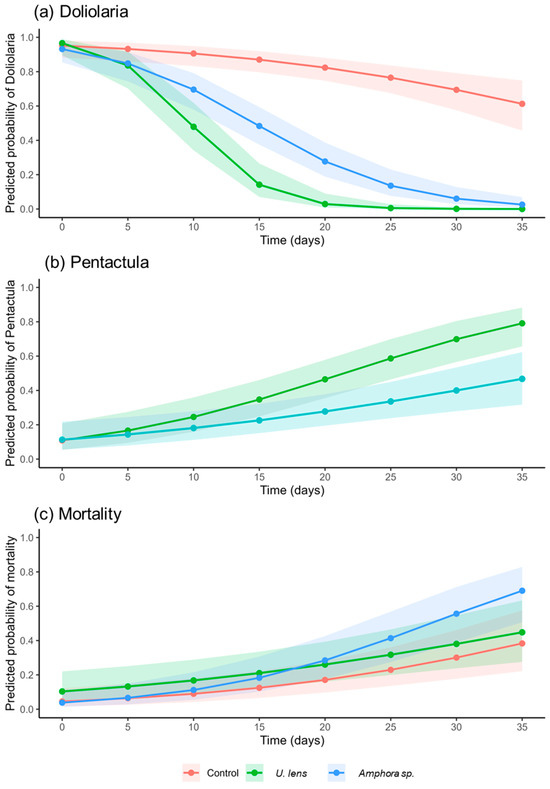
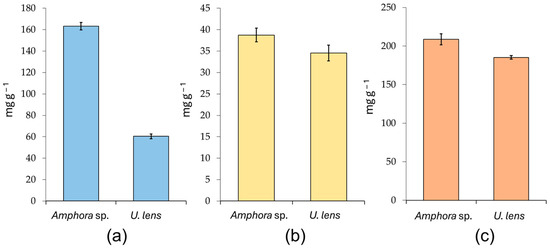
The increasing exploitation of sea cucumbers has driven widespread population declines, highlighting the need to improve knowledge and understanding of the early life history stages of exploited species such as Holothuria tubulosa, one of the most common holothurians along Mediterranean coasts. This study investigated larval settlement success and juvenile early survival of H. tubulosa larvae, considering two algal biofilms as settlement cues: the diatom Amphora sp. and the green alga Ulvella lens. Larvae were reared under controlled hatchery conditions, and, once reaching the doliolaria stage, larvae were individually exposed to biofilm-conditioned substrates vs. a control without biofilm. Settlement dynamics and larval development were monitored over 35 days and analysed using generalised linear mixed models, while the biochemical composition of the biofilms was assessed through protein, carbohydrate, and lipid quantifications. Larvae exposed to algal biofilms successfully settled and metamorphosed, whereas no settlement occurred in the control. U. lens induced the highest settlement success (54%) and supported subsequent juvenile development, while Amphora sp. resulted in lower settlement rates (21%) and higher post-settlement mortality. Although Amphora sp. showed higher protein and carbohydrate content, settlement and survival were enhanced on U. lens, suggesting that biofilm structure and biochemical cues play a primary role in regulating settlement processes. These findings improve the understanding of settlement mechanisms in H. tubulosa and provide valuable insights for hatchery production, conservation strategies, and the sustainable aquaculture of Mediterranean sea cucumbers.
Full article
(This article belongs to the Special Issue Marine Species Chemical Ecology)
►▼
Show Figures

Graphical abstract
Open AccessArticle
Potential Distribution of Agropyron cristatum in Inner Mongolia Based on the MaxEnt Model
by
Zhicheng Wang, Narisu, Xiaoming Zhang and Yan Zhao
Diversity 2026, 18(4), 203; https://doi.org/10.3390/d18040203 - 30 Mar 2026
Abstract
Climate change threatens the stability of temperate grassland ecosystems in Inner Mongolia, a core part of the Eurasian Steppe, by driving widespread shifts in plant species distributions. Agropyron cristatum (L.) Gaertn., a dominant native perennial herb in Inner Mongolian steppes, is ecologically vital
[...] Read more.
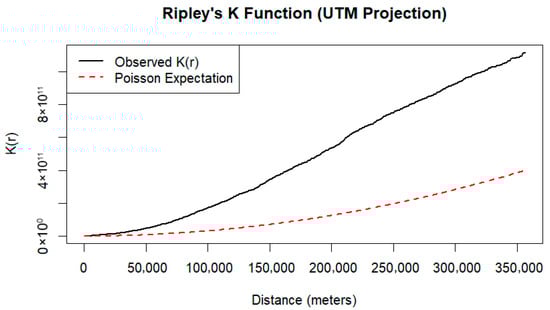
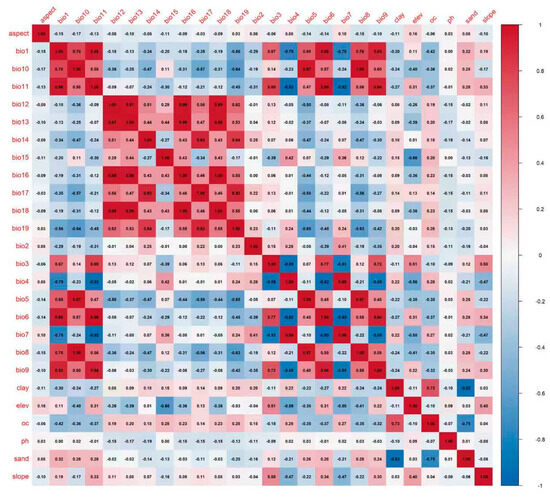
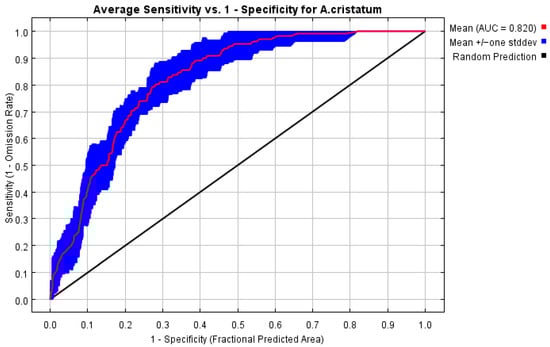
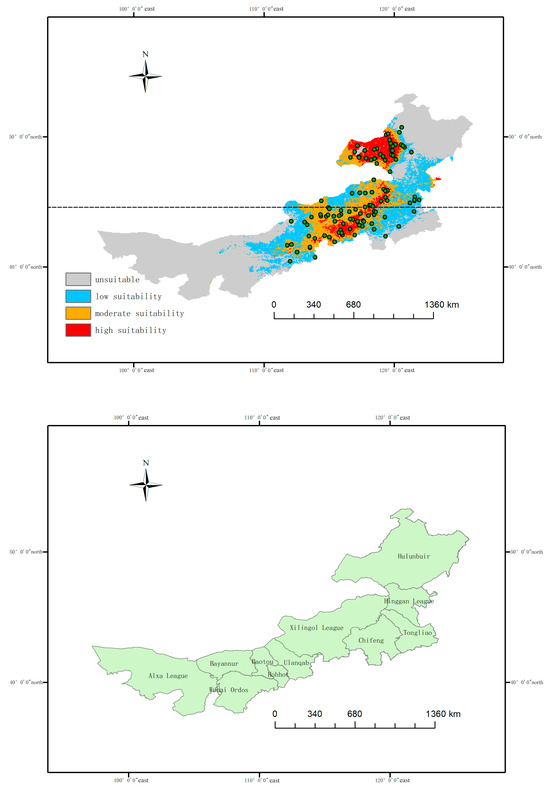
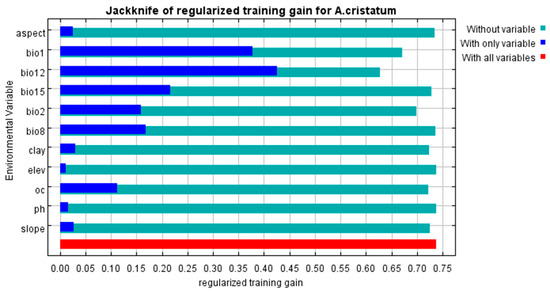
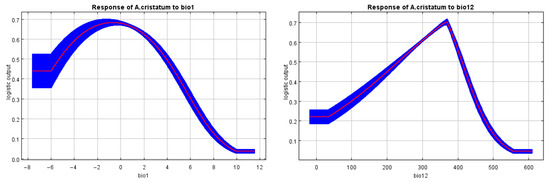
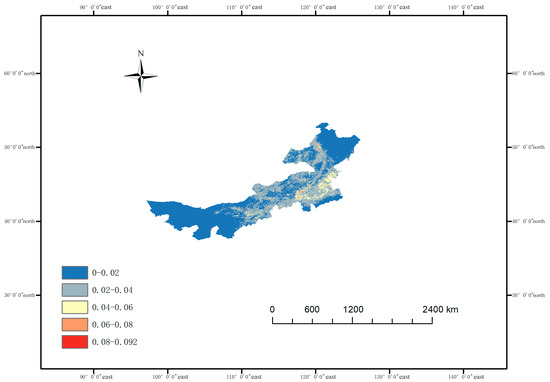
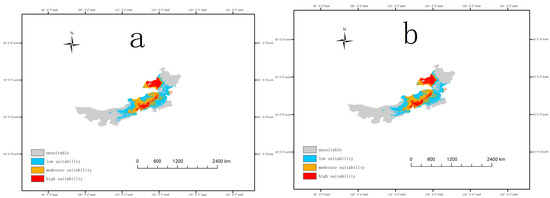
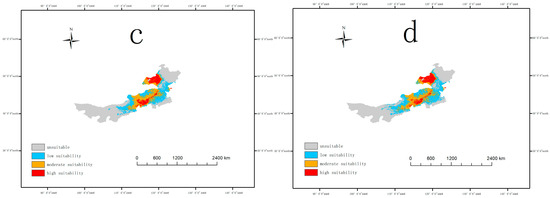
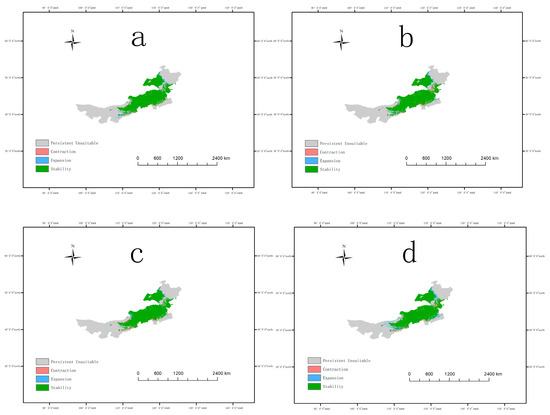
Climate change threatens the stability of temperate grassland ecosystems in Inner Mongolia, a core part of the Eurasian Steppe, by driving widespread shifts in plant species distributions. Agropyron cristatum (L.) Gaertn., a dominant native perennial herb in Inner Mongolian steppes, is ecologically vital for degraded grassland restoration and forage supply, but its response to future climate change is unclear. Here, we used an optimized MaxEnt model to assess its potential distribution under current and future climate scenarios. We processed 228 initial occurrence records into 112 valid points, selected 11 non-collinear environmental variables, optimized model parameters with the R package ENMeval, and projected distributions for the 2050s and 2100s under CMIP6 SSP2-4.5 and SSP5-8.5 scenarios, while quantifying habitat fragmentation with landscape metrics. We found that annual mean temperature and annual precipitation dominate A. cristatum distribution (total contribution ~87%), with current highly suitable habitats concentrated in central-eastern Inner Mongolia. Future scenarios show stable core suitable habitats with northward and westward shifts, habitat fragmentation will slightly increase. Our findings clarify the climate response of A. cristatum and support its conservation and adaptive grassland management.
Full article
(This article belongs to the Special Issue Ecology and Restoration of Grassland—2nd Edition)
►▼
Show Figures

Figure 1
Open AccessArticle
Recapturing Vipera ursinii: Photo-Identification and HDF Telemetry in a Meadow Viper Population from Maiella National Park, Italy
by
Daniele Marini, Vincenzo Ferri, Alice Funk, Oscar Giuseppe Gialdini, Paolo Crescia and Marco Carafa
Diversity 2026, 18(4), 202; https://doi.org/10.3390/d18040202 - 30 Mar 2026
Abstract
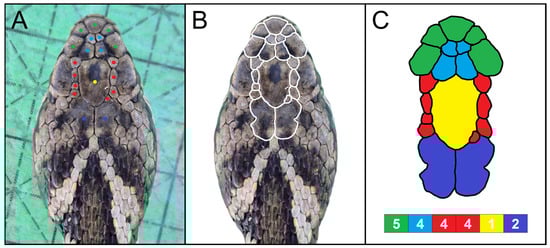
Reliable individual identification and minimally invasive tracking are essential for monitoring threatened snake populations. A relict high-altitude population of Vipera ursinii ursinii was studied in the Maiella National Park (Central Apennines, Italy) during two field seasons (2024–2025) to (i) validate dorsal head photo-identification
[...] Read more.
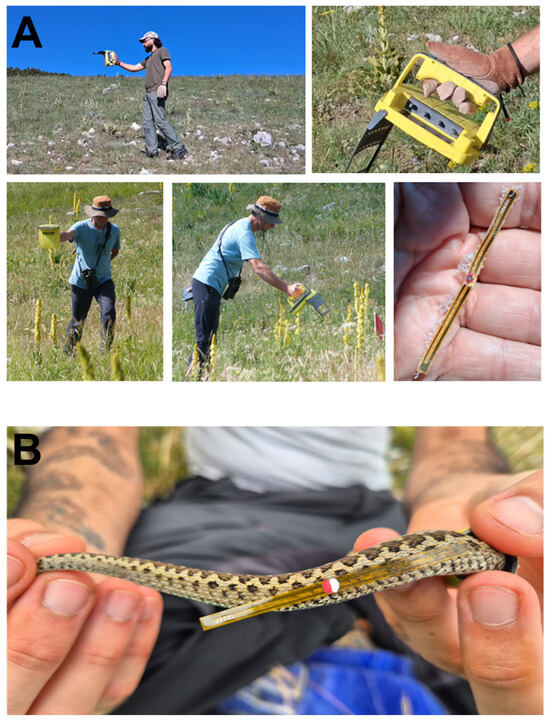
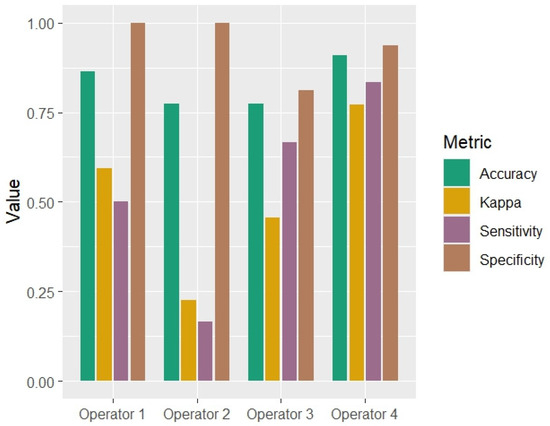
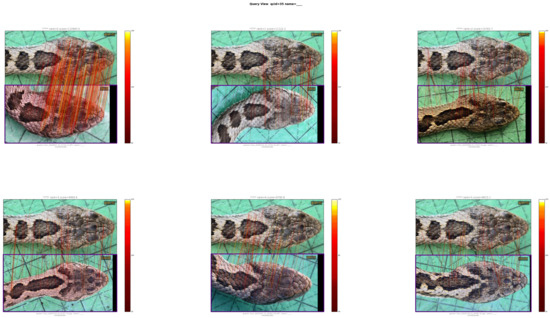
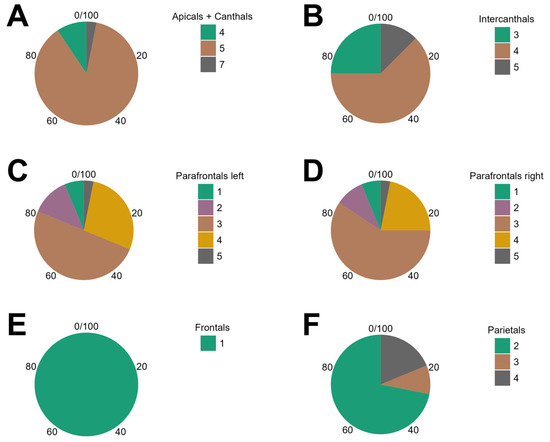
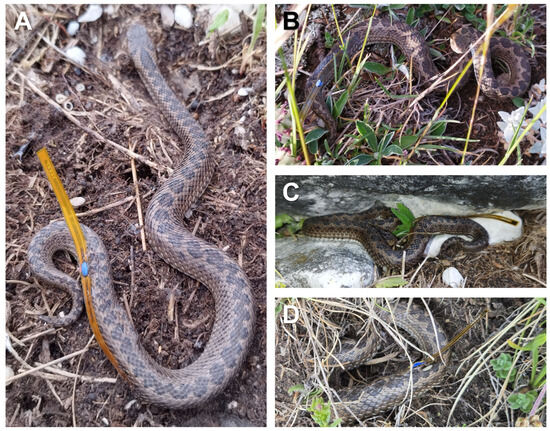
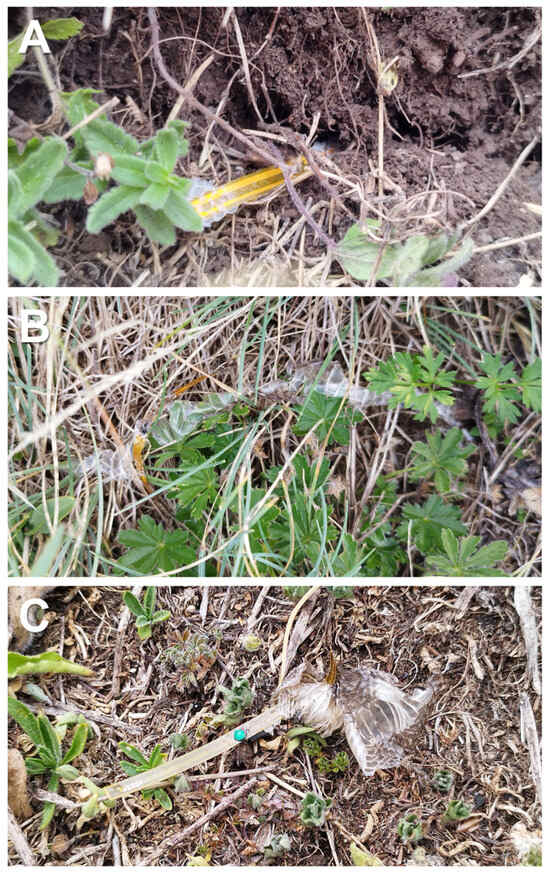
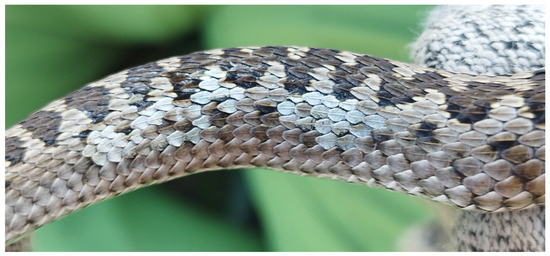
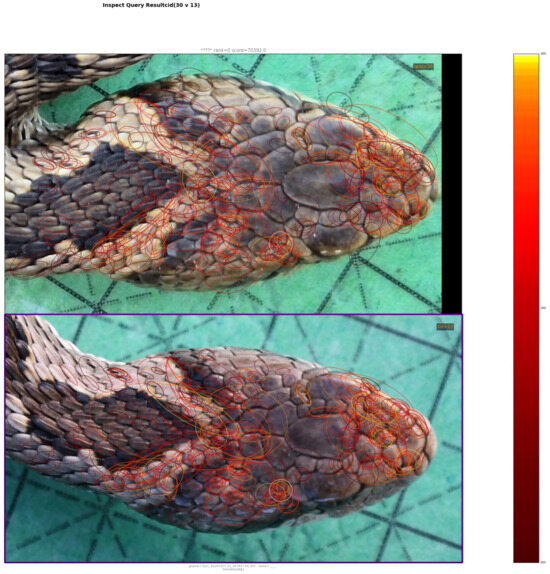
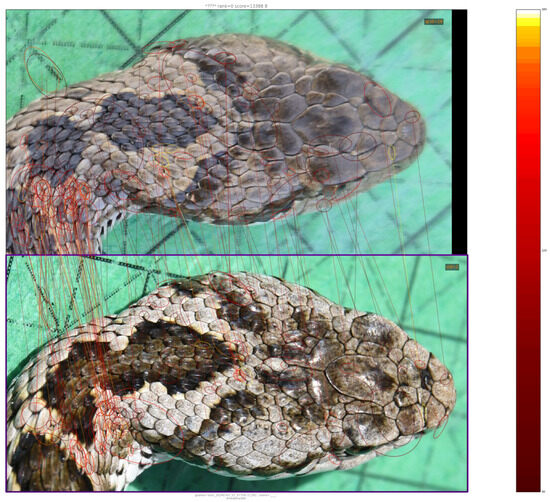
Reliable individual identification and minimally invasive tracking are essential for monitoring threatened snake populations. A relict high-altitude population of Vipera ursinii ursinii was studied in the Maiella National Park (Central Apennines, Italy) during two field seasons (2024–2025) to (i) validate dorsal head photo-identification against unequivocal PIT-tag identities and (ii) test a novel, non-invasive telemetry method based on externally attached harmonic diodes detected with a RECCO® harmonic direction finder (HDF). All analysed snakes were PIT-tagged and photographed under standardised conditions. Manual photo-identification based on dorsal cephalic scale counts was performed independently by four blinded operators. In parallel, software-assisted photo-identification was conducted with two independent programmes (Wild-ID and Hotspotter). Both methods were evaluated exclusively against PIT-tag-confirmed identities. Manual identification achieved moderate-to-high overall accuracy (0.77–0.91) but showed marked inter-operator variability. Software-assisted matching appeared more consistent: Hotspotter identified 75% of true recaptures at first suggestion (85% within the top six suggestions), while Wild-ID identified 56% at first suggestion (88% within the top six). Correct matches were primarily supported by the distinctive pholidosis of the dorsal head region, especially apical, intercanthal and parafrontal scales—which were highly diverse but independent of sex and age class in the studied population. Externally attached HDF diodes enabled repeated short-term relocations with detachments occurring within hours to several days and mostly associated with ecdysis. The method was minimally invasive, supporting its applicability for monitoring small-bodied animals with low-density populations and restricted ranges.
Full article
(This article belongs to the Special Issue Amphibian and Reptile Adaptation: Biodiversity and Monitoring)
►▼
Show Figures

Figure 1
Open AccessArticle
Diet Composition and Trophic Niches of the Fish Community in Lake Balkhash
by
Angsar Satbek, Zhanara Mazhibayeva, Rinat Barakov, Saule Assylbekova, Kuanysh Isbekov, Moldir Aubakirova, Vladimir Krainyuk, Farizat Altaeva and Almat Suyubaev
Diversity 2026, 18(4), 201; https://doi.org/10.3390/d18040201 - 30 Mar 2026
Abstract
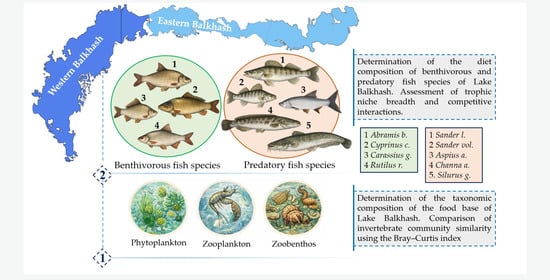
Lake Balkhash is a large endorheic lake experiencing ongoing hydrological and climatic variability. This study aimed to evaluate the species composition and structure of the forage base across three trophic levels—phytoplankton, zooplankton, and zoobenthos—and to analyze trophic interactions of fish communities, including non-native
[...] Read more.
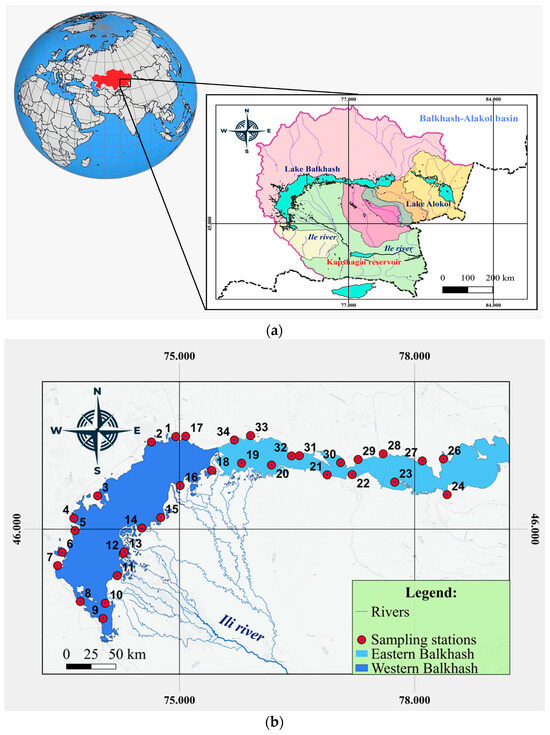
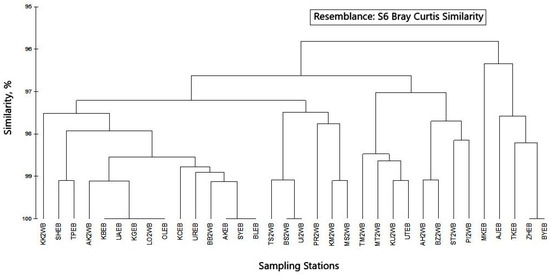
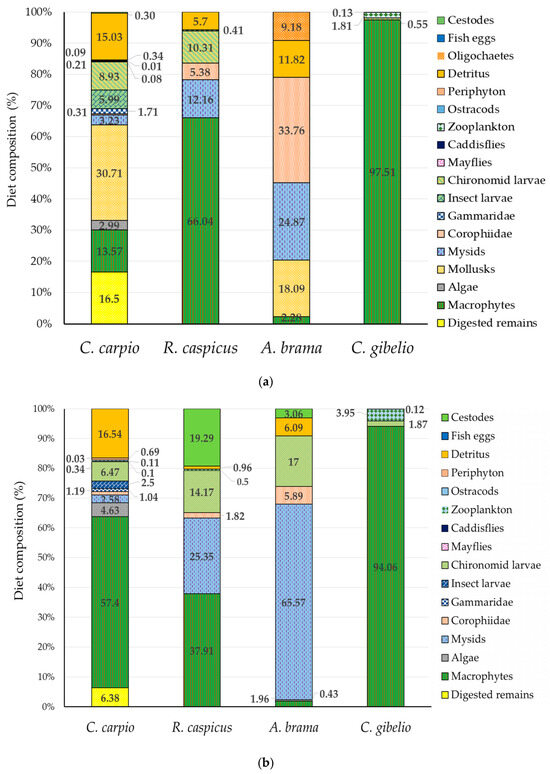
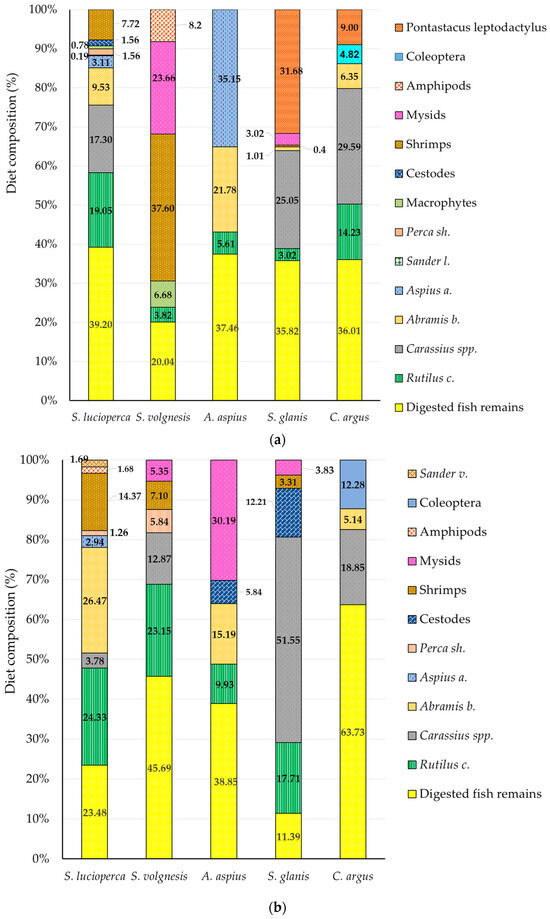
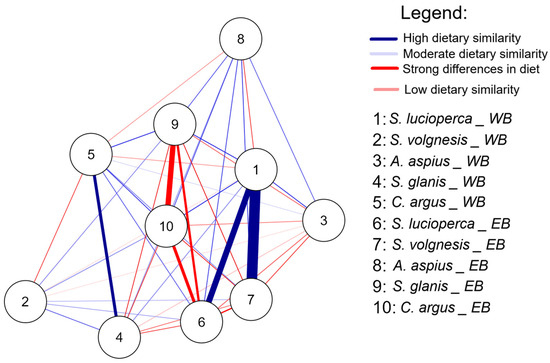
Lake Balkhash is a large endorheic lake experiencing ongoing hydrological and climatic variability. This study aimed to evaluate the species composition and structure of the forage base across three trophic levels—phytoplankton, zooplankton, and zoobenthos—and to analyze trophic interactions of fish communities, including non-native species, in order to assess the functioning of the food web in the western and eastern basins of the lake. A 2025 assessment revealed a structurally reorganized yet relatively stable ecosystem. Phytoplankton showed an increase in taxonomic richness, while zooplankton and zoobenthos demonstrated compositional restructuring with a greater representation of ecologically tolerant taxa. The presence of certain invertebrate taxa in both Lake Balkhash basins indicates persistent spatial heterogeneity of the ecosystem. Despite moderate ecological resilience, biodiversity has not yet returned to historically recorded peak levels. Trophic analysis of fish communities showed generally moderate niche overlap among benthivorous species with localized differentiation of resource use. Predatory fishes also exhibited moderate overlap: pikeperch (Sander lucioperca) maintained stable dietary patterns with partial overlap with Volga pikeperch (Sander volgensis), whereas snakehead (Channa argus) and asp (Aspius aspius) demonstrated clearer trophic segregation. Non-native species displayed relatively narrow trophic niches (Bi < 0.30), indicating summer feeding specialization.
Full article
(This article belongs to the Section Freshwater Biodiversity)
►▼
Show Figures

Graphical abstract
Open AccessArticle
Boundaries Between Gardens and Landscapes: A Case Study of Horticultural Diversity on Koločep Island
by
Mara Marić, Ivana Paladin Soče, Domagoj Ivan Žeravica and Jelena Baule
Diversity 2026, 18(4), 200; https://doi.org/10.3390/d18040200 - 30 Mar 2026
Abstract
The protection of landscape and biological diversity on small Mediterranean islands represents a significant challenge in the context of intensive anthropogenic pressure and land-use change. The aim of this study was to determine the composition of ornamental flora in private gardens on the
[...] Read more.
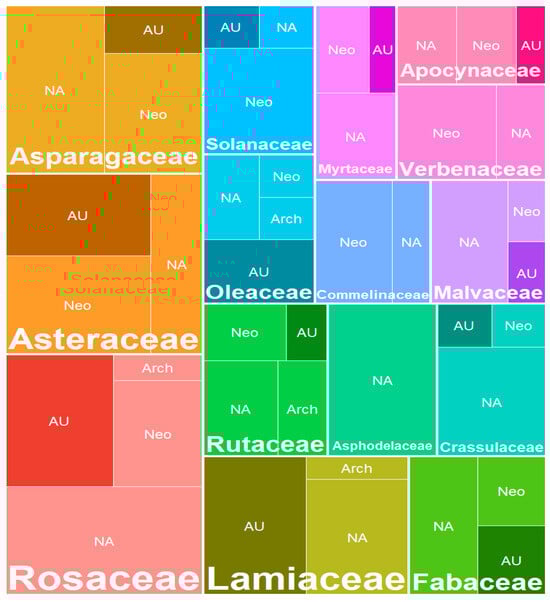
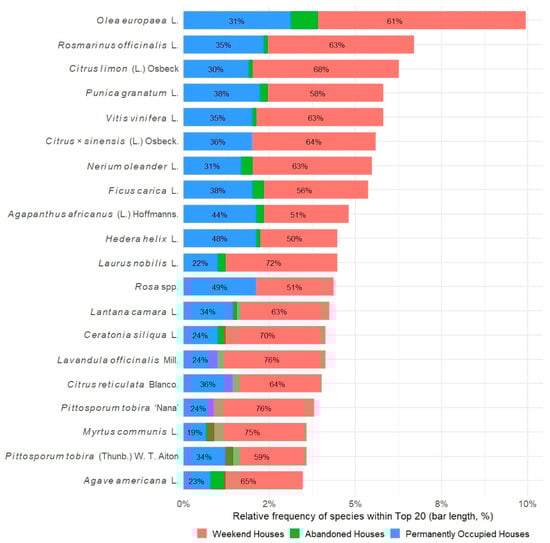
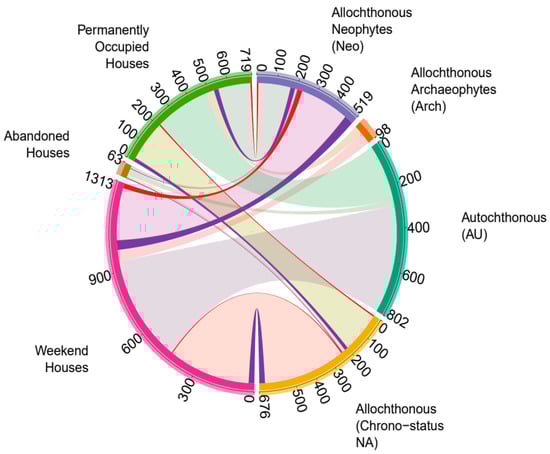
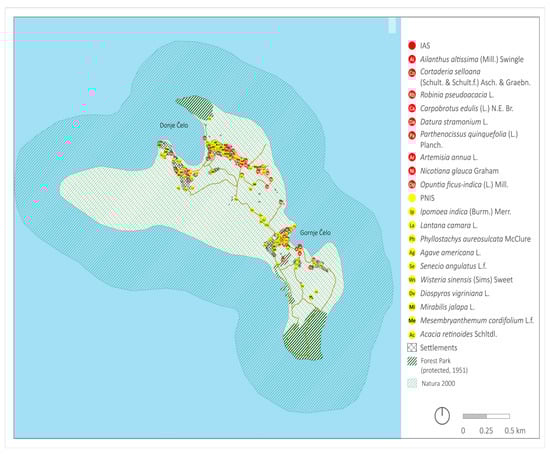
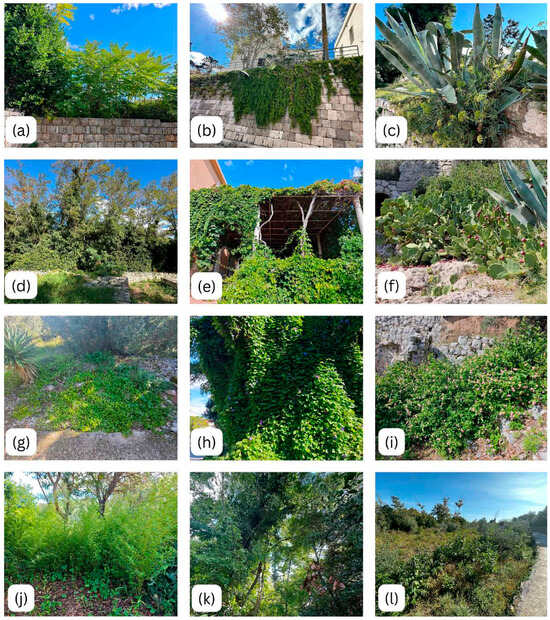
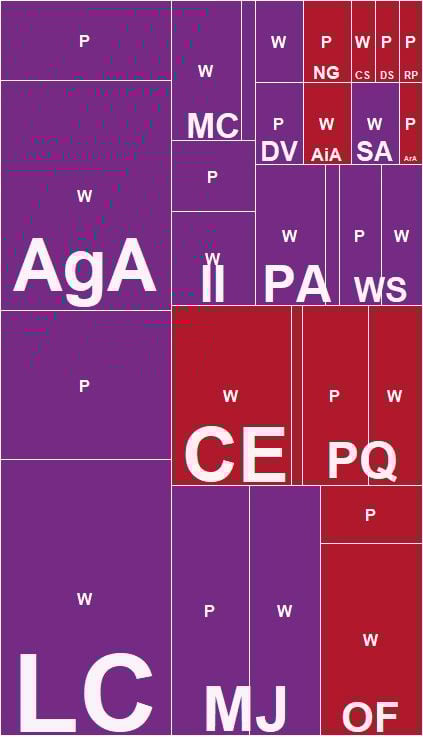
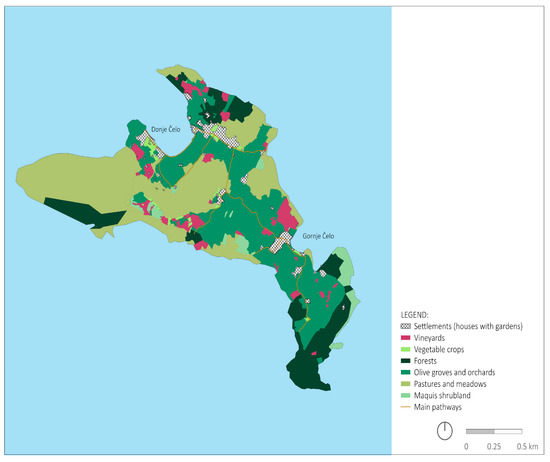
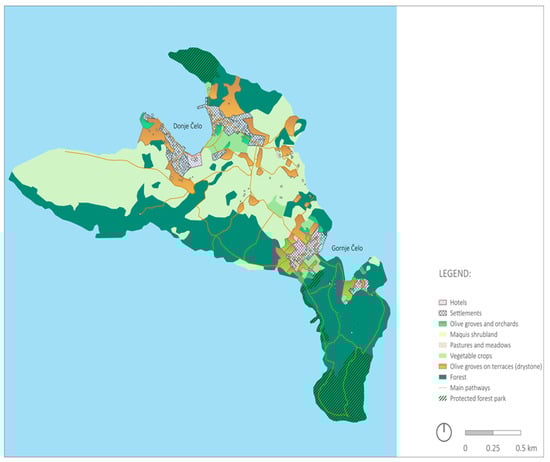
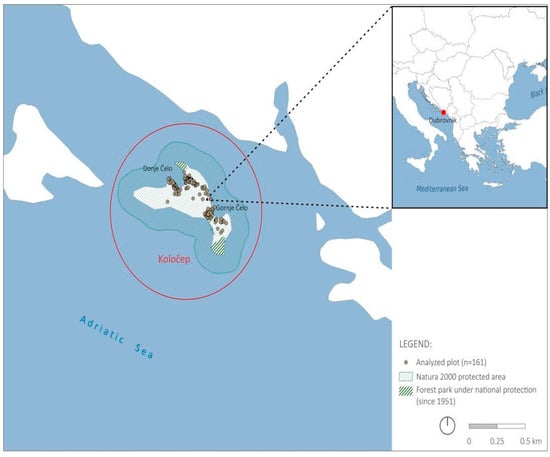
The protection of landscape and biological diversity on small Mediterranean islands represents a significant challenge in the context of intensive anthropogenic pressure and land-use change. The aim of this study was to determine the composition of ornamental flora in private gardens on the island of Koločep (IPA, Natura 2000 site), the smallest inhabited island in the Croatian part of the Adriatic, with special emphasis on invasive (IAS) and potentially invasive (PIAS) plant species, and to analyse their relationship with landscape changes and property types. A total of 161 private gardens were analysed, representing all private gardens on the island. In total, 2095 plant records corresponded to 255 unique horticultural taxa from 82 families. Allochthonous species dominate in the gardens (73%). Private gardens represent the primary pathway for the introduction of IAS and PIAS taxa on the island. The taxa with the highest invasion intensity were Ailanthus altissima and Carpobrotus edulis, while among PIAS species, high invasive potential was observed for Mirabilis jalapa and Diospyros virginiana. The study highlights the need for systematic monitoring of ornamental flora and landscape transformation, and the promotion of horticultural practices focused on autochthonous species in gardens, in order to preserve island biological and landscape diversity.
Full article
(This article belongs to the Special Issue Plant Diversity on Islands—2nd Edition)
►▼
Show Figures

Figure 1

Open AccessArticle
Frog Diversity in Chebera Churchura National Park, South-Western Ethiopia
by
Wondifraw Adnew, Tadesse Habtamu, Anagaw Atickem, Sandra Goutte, Abeje Kassie, Stéphane Boissinot and Dietmar Zinner
Diversity 2026, 18(4), 199; https://doi.org/10.3390/d18040199 - 29 Mar 2026
Abstract
Amphibians are threatened globally by habitat loss and emerging diseases, yet information on their diversity and distribution remains scarce in many regions. Ethiopia is renowned for its rich anuran diversity, but little is known about the diversity and abundance of anurans in Chebera
[...] Read more.
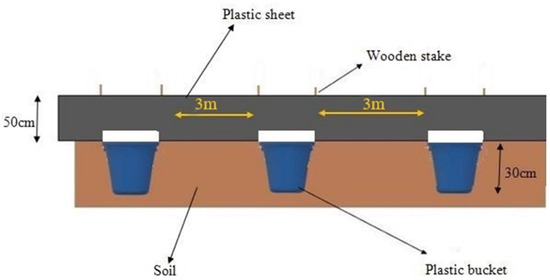
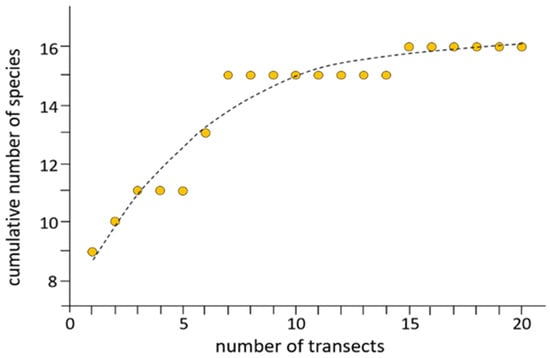
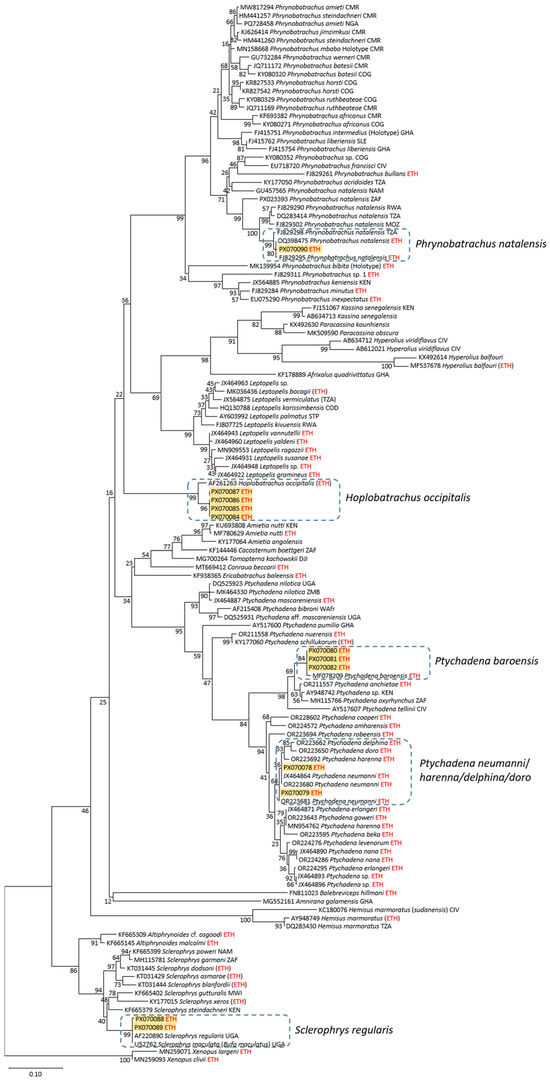
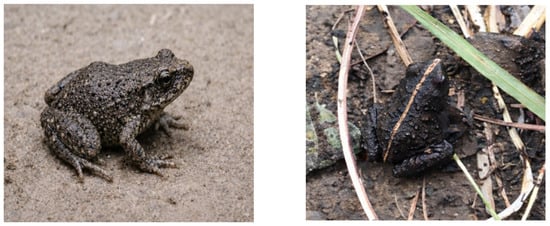
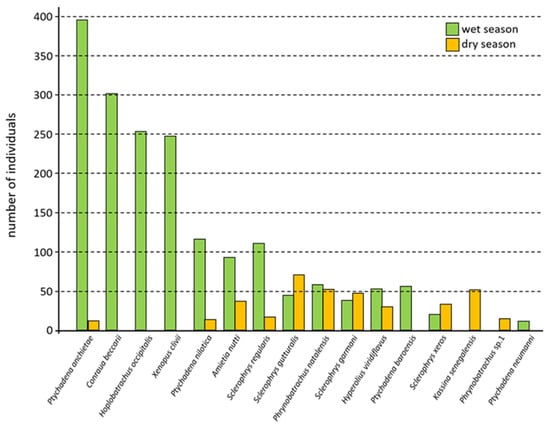
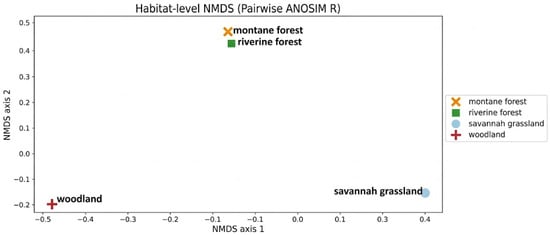
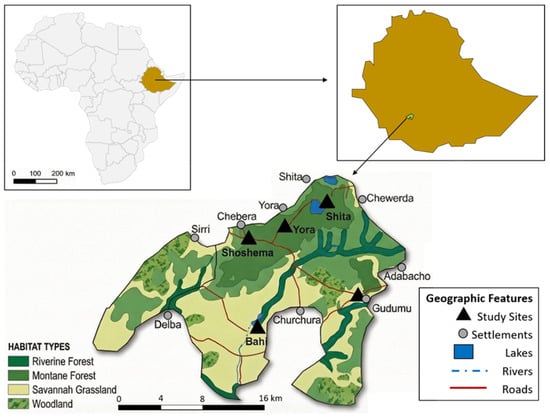
Amphibians are threatened globally by habitat loss and emerging diseases, yet information on their diversity and distribution remains scarce in many regions. Ethiopia is renowned for its rich anuran diversity, but little is known about the diversity and abundance of anurans in Chebera Churchura National Park (CCNP). We conducted surveys from June 2022 to April 2024 along transects in various habitats during both dry and wet seasons. Methods included visual encounter surveys, acoustic monitoring, opportunistic observations, and pitfall traps with drift fences. Species identification was primarily based on morphology and subsequently validated through genetic barcoding using mitochondrial 16S rRNA sequence analysis for five species. A total of 2175 individuals were recorded, representing 16 species from 8 families. The families Bufonidae and Ptychadenidae were the most dominant. Riverine forest habitats exhibited the highest anuran diversity, followed by montane forest, woodland, and savannah grassland. These findings underscore the importance of CCNP as a refuge for Ethiopian anuran species and the need for further research into the park’s unexplored areas.
Full article
(This article belongs to the Special Issue Amphibian and Reptile Adaptation: Biodiversity and Monitoring)
►▼
Show Figures

Figure 1
Open AccessArticle
Temporal Trends in Reef Fish Diversity and Nutrient Excretion Proxies Across Sites on San Andrés Island, Colombia
by
Amílcar Leví Cupul-Magaña, Adriana Santos-Martínez and Diana Morales-de-Anda
Diversity 2026, 18(4), 198; https://doi.org/10.3390/d18040198 - 28 Mar 2026
Abstract
Long-term monitoring is essential for understanding how recurring disturbances, such as hurricanes and coral bleaching, affect reef fish communities and ecosystem processes. This study evaluates temporal trends (2013–2025) in fish assemblage composition, functional diversity, and nutrient excretion proxies (C, N, and P) across
[...] Read more.
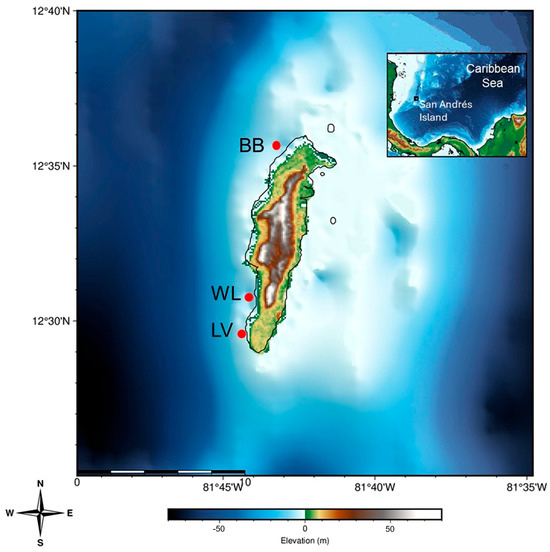
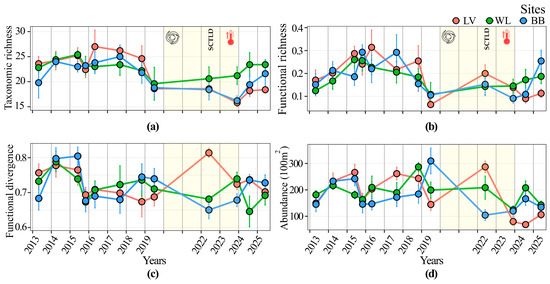
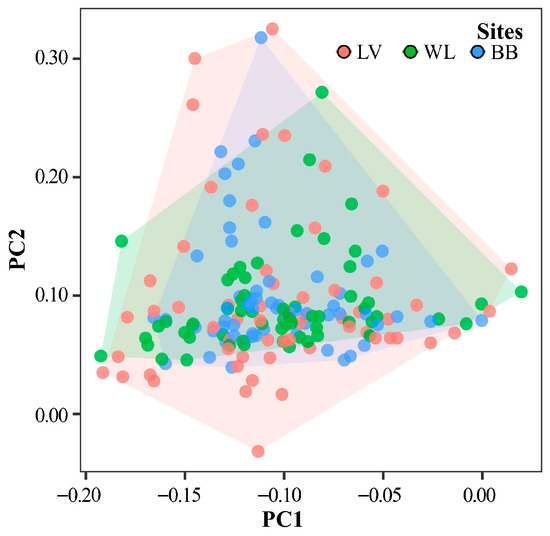
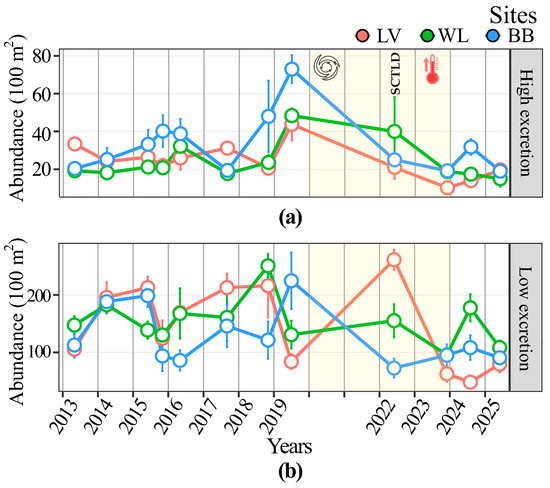
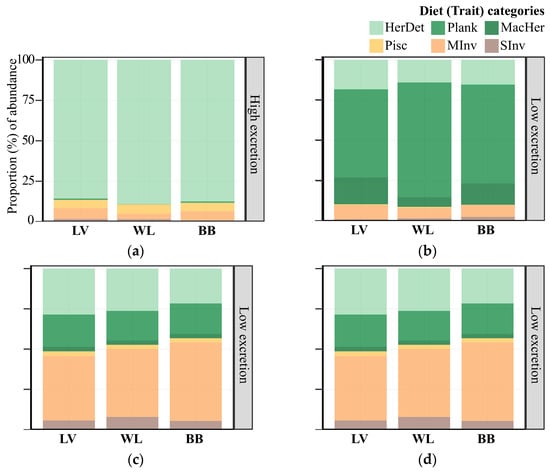
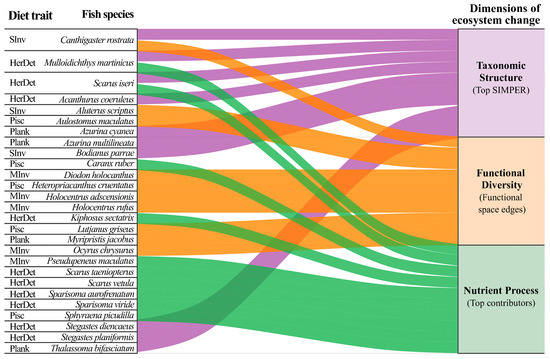
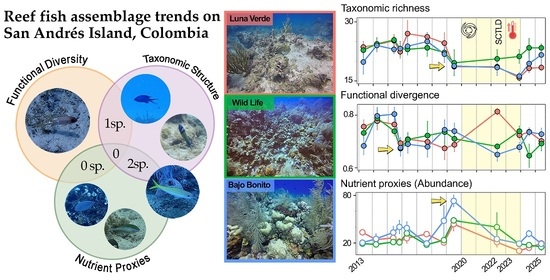
Long-term monitoring is essential for understanding how recurring disturbances, such as hurricanes and coral bleaching, affect reef fish communities and ecosystem processes. This study evaluates temporal trends (2013–2025) in fish assemblage composition, functional diversity, and nutrient excretion proxies (C, N, and P) across three reef sites on San Andrés Island in the Colombian Caribbean. Our results reveal significant shifts in community structure following major disturbances in 2020 (Hurricanes Eta, Iota) and 2023 (mass bleaching event). Taxonomic and functional richness (TRich, FRich) fluctuated throughout the study period, whereas functional divergence (FDiv) declined earlier (2016), highlighting site-specific differences. A trait-based nutrient-excretion proxy (NPC composite score) identified key species that maintain nutrient cycling. Despite recent coral bleaching, certain sites exhibited functional resilience, sustained by the persistence of high-performing nutrient providing species. However, the overall disconnect between taxonomic recovery and functional stability suggests that ecosystem-level processes remain vulnerable, even when species richness appears to recover. This highlights the importance of integrating functional traits and nutrient recycling proxies into monitoring programs to better predict long-term variability in San Andrés Island reefs under a changing climate. Our findings provide a framework for prioritizing management efforts in the Seaflower Biosphere Reserve with emphasis on maintaining ecosystem services.
Full article
(This article belongs to the Special Issue Undersea Refuges: Functional Ecology and Biodiversity of Coral Reef Ecosystems)
►▼
Show Figures

Graphical abstract
Journal Menu
► ▼ Journal Menu-
- Diversity Home
- Aims & Scope
- Editorial Board
- Reviewer Board
- Topical Advisory Panel
- Instructions for Authors
- Special Issues
- Topics
- Sections & Collections
- Article Processing Charge
- Indexing & Archiving
- Editor’s Choice Articles
- Most Cited & Viewed
- Journal Statistics
- Journal History
- Journal Awards
- Conferences
- Editorial Office
Journal Browser
► ▼ Journal BrowserHighly Accessed Articles
Latest Books
E-Mail Alert
News
Topics
Topic in
Diversity, JMSE, Sustainability, Taxonomy, Water
Taxonomy and Ecology of Zooplankton
Topic Editors: Manuel Elias-Gutierrez, Alexey A. KotovDeadline: 30 June 2026
Topic in
Animals, Biology, Conservation, Diversity, Ecologies, Forests, Land
Conservation at the Crossroads: Forest Ecology, Wildlife Dynamics, and Emerging Challenges for Ecosystem Resilience
Topic Editors: Yiannis G. Zevgolis, Triantaphyllos Akriotis, Anastasia Christopoulou, Panayiotis G. Dimitrakopoulos, Dimitra-Lida Rammou, Dionisios YoulatosDeadline: 31 July 2026
Topic in
Agronomy, Diversity, Ecologies, Grasses, Sustainability
Effective Strategies for Rangeland Conservation and Sustainable Management
Topic Editors: Apostolos P. Kyriazopoulos, Tong Li, Huakun Zhou, Jing Zhang, Lan LiDeadline: 29 March 2027
Topic in
Biology, Data, Diversity, Fishes, Animals, Conservation, Hydrobiology
Intersection Between Macroecology and Data Science
Topic Editors: Paulo Branco, Gonçalo DuarteDeadline: 23 April 2027
Conferences
Special Issues
Special Issue in
Diversity
Parasites and Vectors: Diversity and Ecological Interactions
Guest Editors: Luciana Panait, Rodolfo Garcia-ContrerasDeadline: 15 April 2026
Special Issue in
Diversity
Emerging Alien Species and Their Invasion Processes—2nd Edition
Guest Editor: Thabiso Michael MokotjomelaDeadline: 15 April 2026
Special Issue in
Diversity
Ecology and Diversity of Soil Microbial Communities in an Era of Global Change
Guest Editors: Emoke Dalma Kovacs, Teodor Rusu, Khoi Nghia Nguyen, Melinda Haydee KovacsDeadline: 20 April 2026
Special Issue in
Diversity
Dynamics of Marine Communities—Second Edition
Guest Editor: Joo Myun ParkDeadline: 30 April 2026
Topical Collections
Topical Collection in
Diversity
Feature Papers in Phylogeny and Evolution
Collection Editor: Eric Buffetaut
Topical Collection in
Diversity
Feature Papers in Biogeography and Macroecology
Collection Editor: Michel Baguette
Topical Collection in
Diversity
Marine Invasive Species
Collection Editors: Bert W. Hoeksema, Adriaan Gittenberger