





-
Structural Materials in Constructed Wetlands: Perspectives on Reinforced Concrete, Masonry, and Emerging Options -
Seismically Isolating a Structure: A Rational Approach for Feasibility Assessment and Definition of Basic Parameters -
An End-to-End Radiomic Framework for Automatic Vertebral Lesion Classification and 3D Visualization -
Digital Telecommunications in Medicine and Biomedical Engineering: Applications, Challenges, and Future Directions -
Underground Hydrogen Storage in Saline Aquifers: A Simulation Case Study in the Midwest United States
Journal Description
Eng
Eng
is an international, peer-reviewed, open access journal on all areas of engineering, published monthly online by MDPI.
- Open Access— free for readers, with article processing charges (APC) paid by authors or their institutions.
- High Visibility: indexed within ESCI (Web of Science), Scopus, Ei Compendex, EBSCO and other databases.
- Journal Rank: JCR - Q2 (Engineering, Multidisciplinary) / CiteScore - Q2 (Engineering (miscellaneous))
- Rapid Publication: manuscripts are peer-reviewed and a first decision is provided to authors approximately 18 days after submission; acceptance to publication is undertaken in 4.5 days (median values for papers published in this journal in the second half of 2025).
- Recognition of Reviewers: APC discount vouchers, optional signed peer review, and reviewer names published annually in the journal.
Impact Factor:
2.4 (2024);
5-Year Impact Factor:
2.4 (2024)
Latest Articles
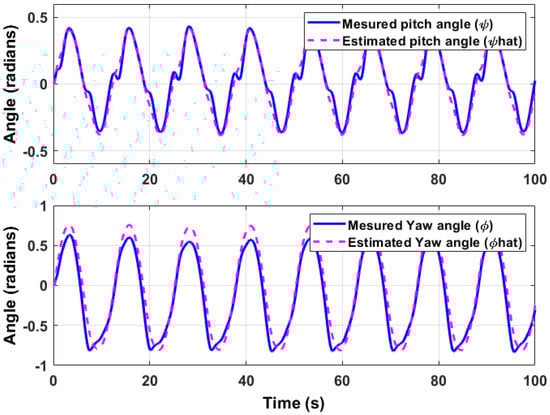
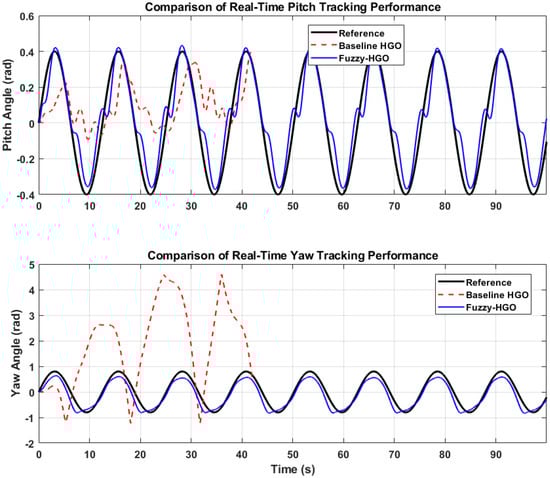
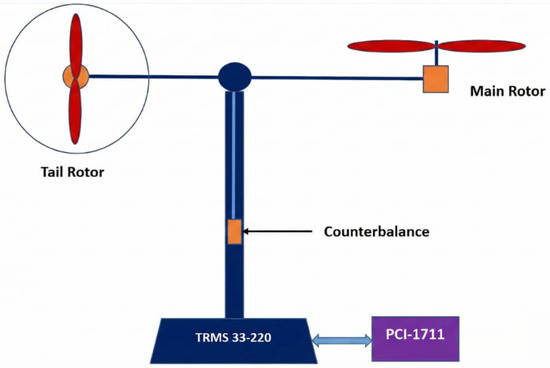
Experimental Validation of Robust Backstepping Control for TRMS Using an Interval Type-2 Fuzzy Observer
Eng 2026, 7(4), 171; https://doi.org/10.3390/eng7040171 - 8 Apr 2026
Abstract
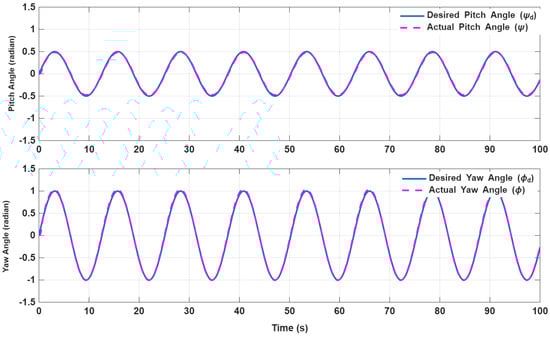
This research focuses on the trajectory tracking control of a Twin Rotor MIMO System (TRMS) with time-varying sinusoidal inputs. Initial design considerations include a backstepping controller integrated with a high-gain observer (HGO) to estimate unmeasured states. While the outcomes of the simulation show
[...] Read more.
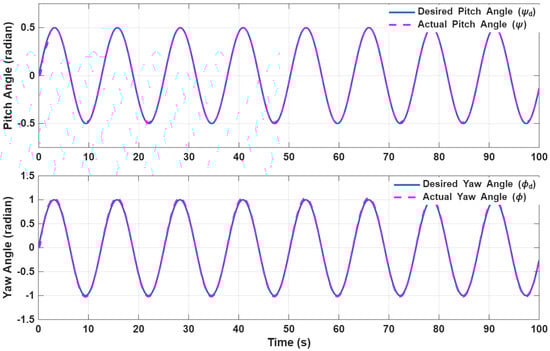
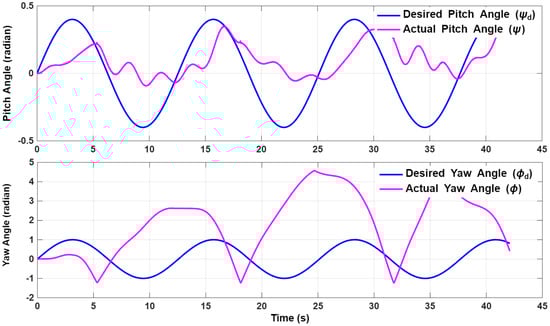
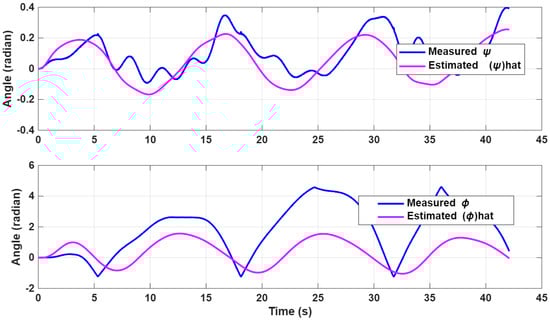
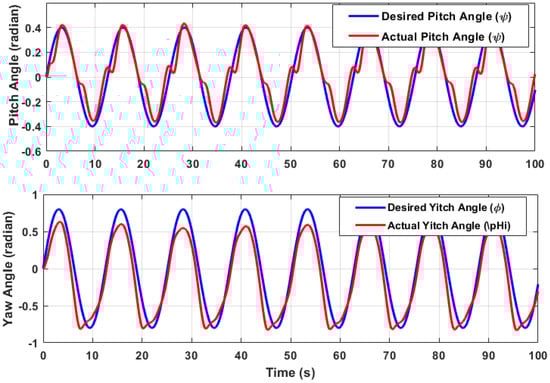
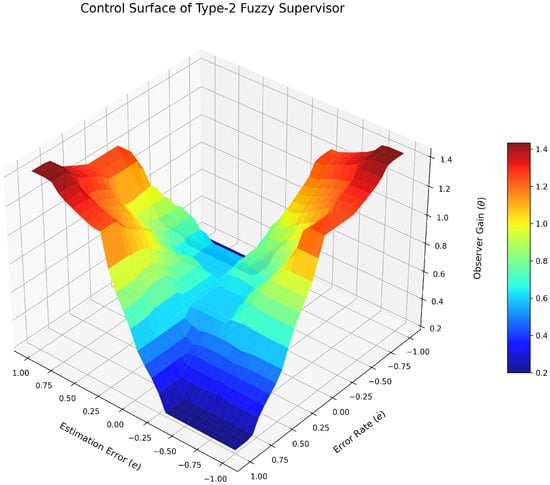
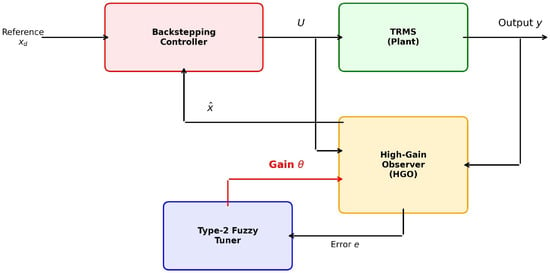
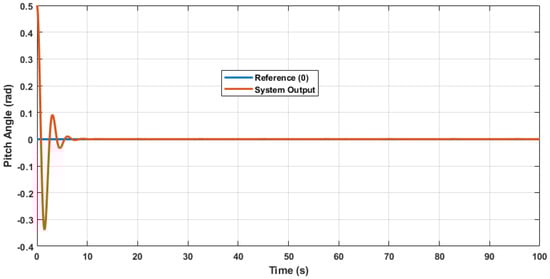
This research focuses on the trajectory tracking control of a Twin Rotor MIMO System (TRMS) with time-varying sinusoidal inputs. Initial design considerations include a backstepping controller integrated with a high-gain observer (HGO) to estimate unmeasured states. While the outcomes of the simulation show good accuracy of tracking, real-time implementation shows instability and performance degradation. This divergence is attributed to the static high gains of the observer that amplify measurement noise and inject inaccurate state estimates into the controller during actual deployment. To overcome this drawback without altering the core control structure, we propose a strategy of online gain tuning based on Interval Type-2 Takagi–Sugeno (TS) fuzzy logic. The proposed mechanism dynamically adjusts the observer gain based on estimation errors to balance the trade-off between convergence speed and noise sensitivity. Experimental evaluations on the physical TRMS confirm that the fuzzy-tuned observer eliminates instability in real-time. Quantitative analysis demonstrates that the proposed method reduces the Root Mean Square Error (RMSE) by 65.6% in the Pitch axis and 92.3% in the Yaw axis compared to the fixed-gain counterpart.
Full article
(This article belongs to the Section Electrical and Electronic Engineering)
►
Show Figures
Open AccessArticle
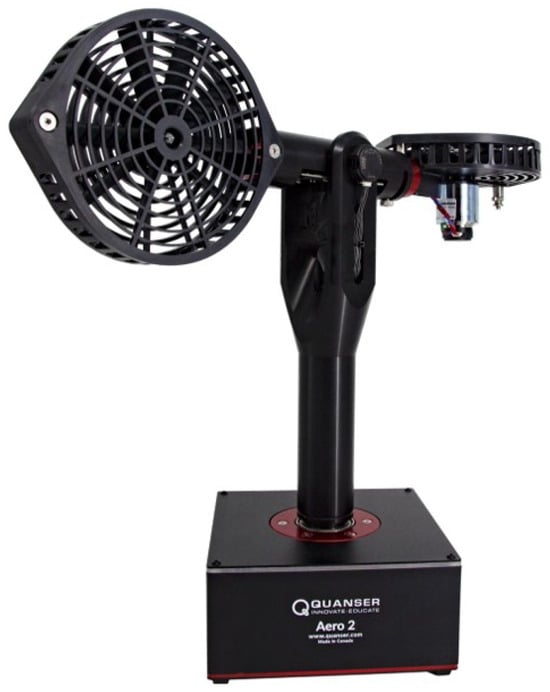
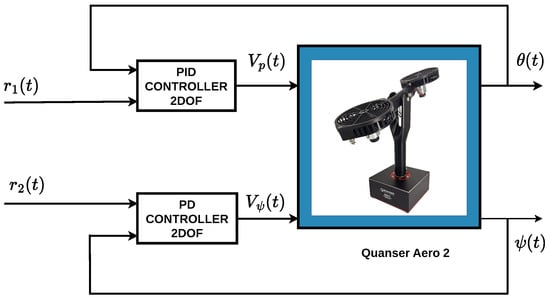
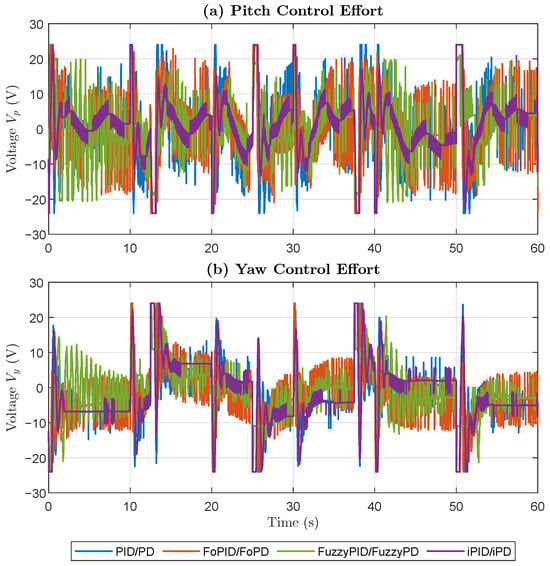
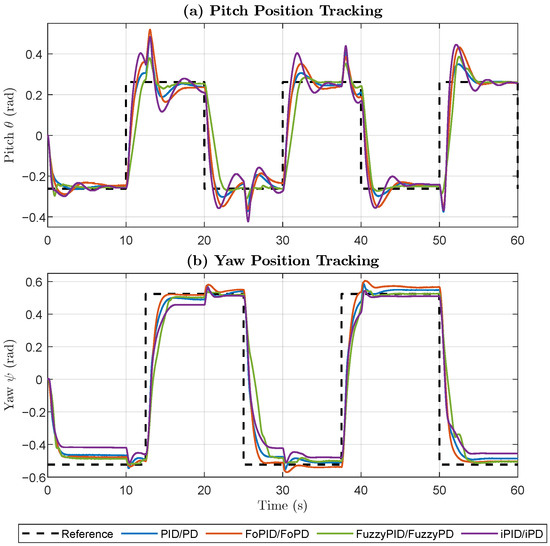
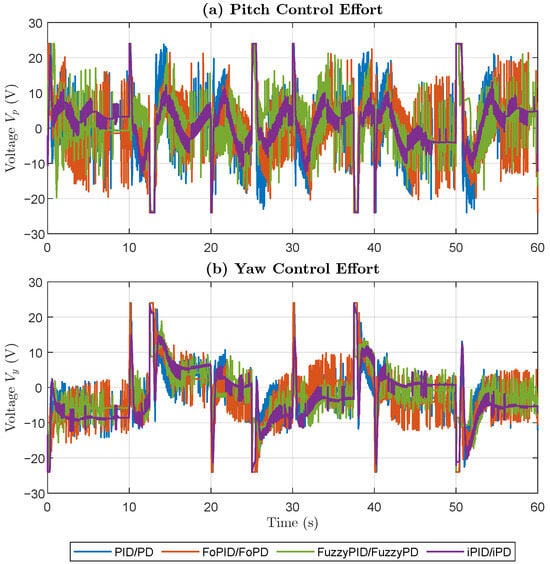
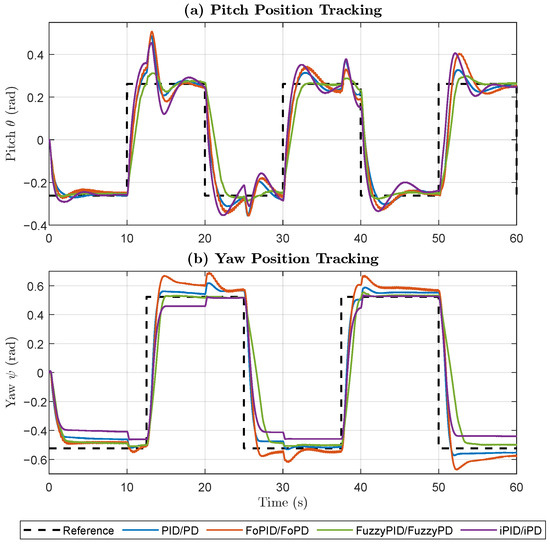
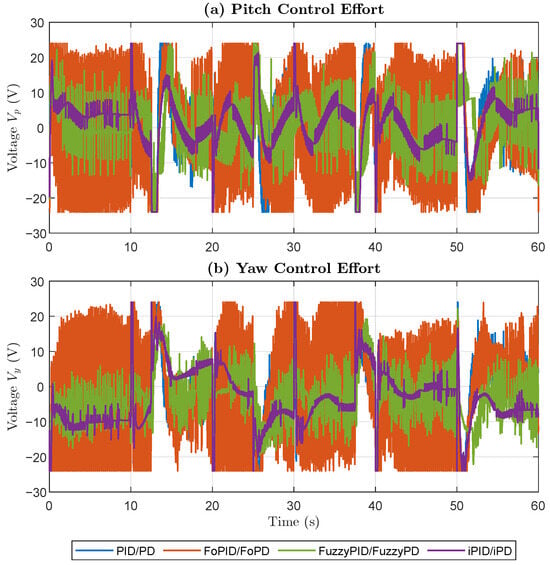
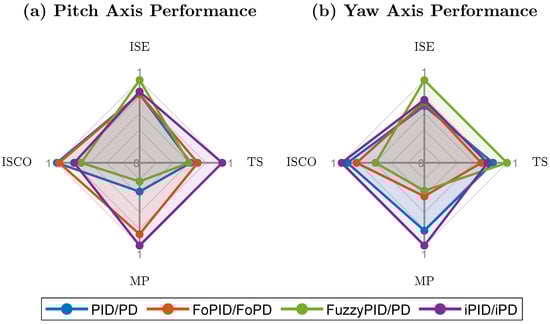
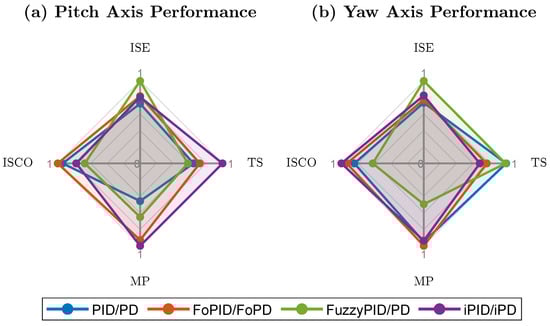
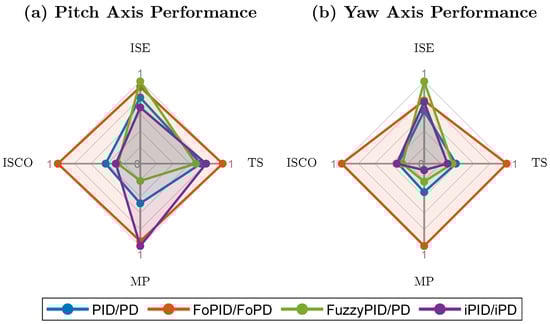
Real-Time Experimental Benchmarking of Control Strategies for a Coupled 2-DOF Helicopter
by
Johny Iza, Emilio Paredes, Marco Herrera, Diego Benítez, Noel Pérez-Pérez and Oscar Camacho
Eng 2026, 7(4), 170; https://doi.org/10.3390/eng7040170 - 7 Apr 2026
Abstract
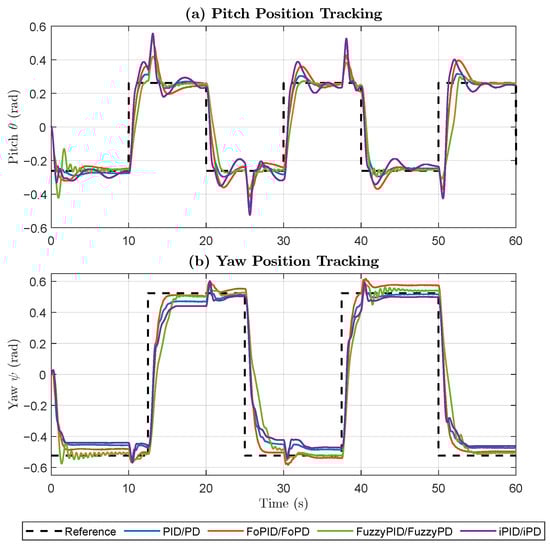
This paper presents a real-time experimental comparison of four control strategies—PID, Fractional-Order PID (FOPID), Fuzzy PID/PD, and Model-Free Control (MFC)—applied to trajectory tracking of a coupled 2-DOF Quanser Aero 2 helicopter. A linear MIMO model is identified to support controller design, and all
[...] Read more.
This paper presents a real-time experimental comparison of four control strategies—PID, Fractional-Order PID (FOPID), Fuzzy PID/PD, and Model-Free Control (MFC)—applied to trajectory tracking of a coupled 2-DOF Quanser Aero 2 helicopter. A linear MIMO model is identified to support controller design, and all approaches are evaluated under three operating conditions: coupled dynamics, static decoupling, and dynamic decoupling. Experimental performance is assessed using Integral Square Error, control effort, overshoot, and settling time metrics implemented on the QUARC real-time platform. The results show that interaction mitigation affects control performance. Static decoupling improves tracking accuracy, while dynamic decoupling reduces cross-coupling effects at the expense of increased noise sensitivity. Among the evaluated controllers, the Fuzzy PID/PD strategy achieves the best overall balance between tracking performance and control effort, whereas Model-Free Control provides smoother actuator behavior. The study offers practical experimental guidelines for selecting control strategies in coupled UAV systems.
Full article
(This article belongs to the Special Issue Interdisciplinary Insights in Engineering Research 2026)
►▼
Show Figures

Figure 1
Open AccessArticle
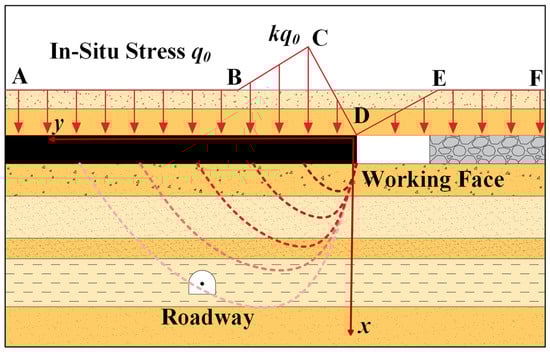
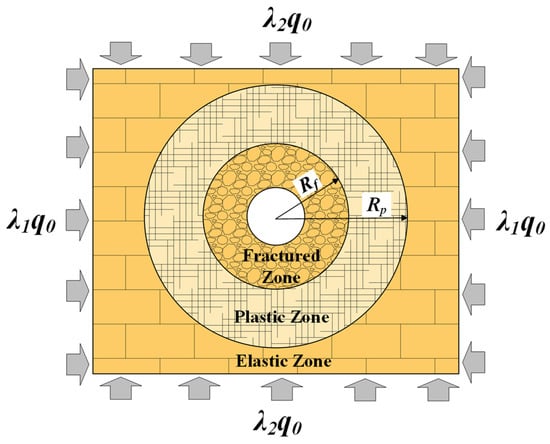
Research on Dominant Factors and Control Technologies for Instability in Cross-Mining Roadway
by
Hao Wang, Miao Chen, Jiangwei Liu, Peidong Li, Wenfei Wang, Xianghan Xu and Hui Zhou
Eng 2026, 7(4), 169; https://doi.org/10.3390/eng7040169 - 7 Apr 2026
Abstract
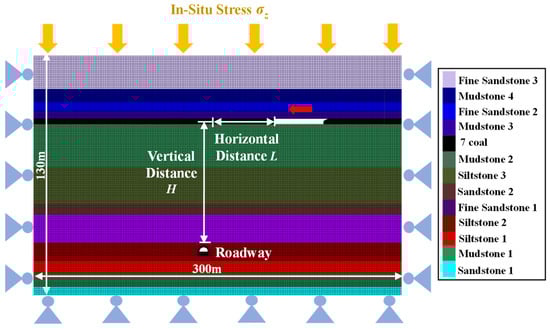
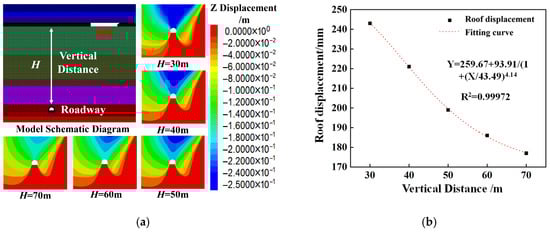
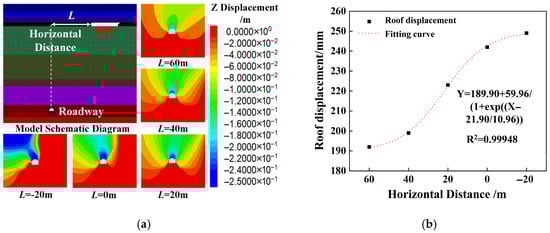
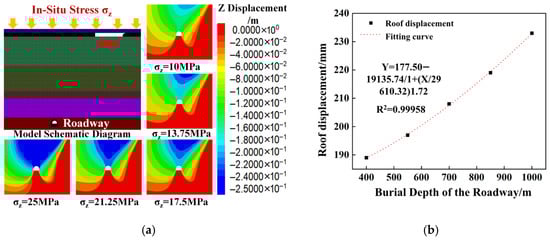
To investigate the dominant factors and instability mechanism of surrounding rock deformation in cross-mining roadways, a systematic study was conducted using theoretical analysis, numerical simulation, and response surface methodology to examine the influence of various factors on surrounding rock stability. First, the theoretical
[...] Read more.
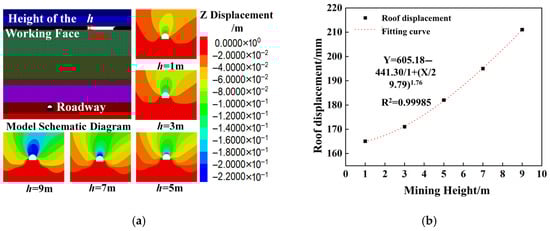
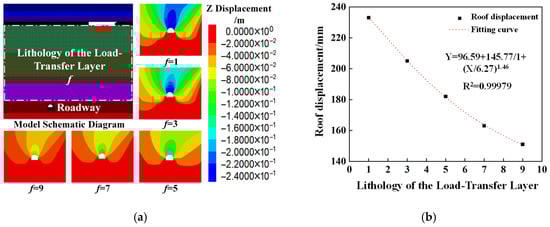
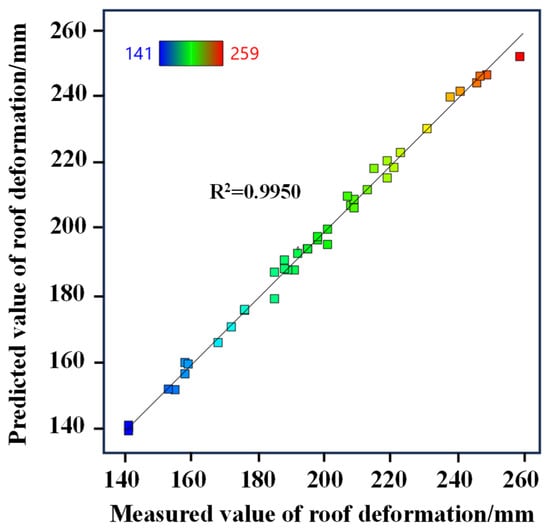
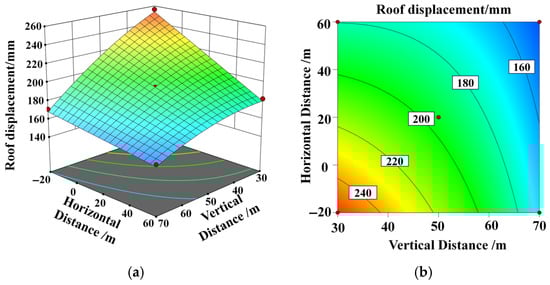
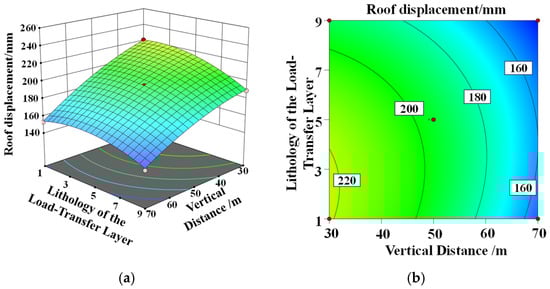
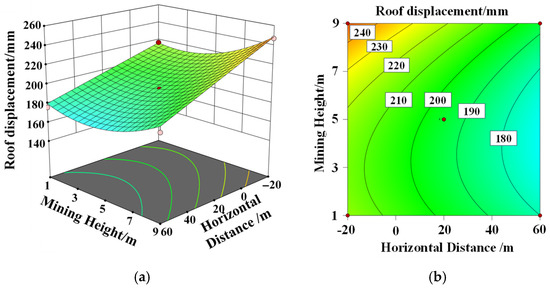
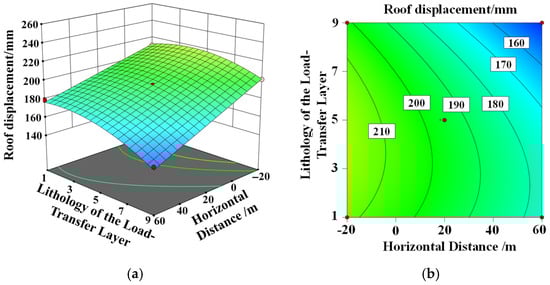
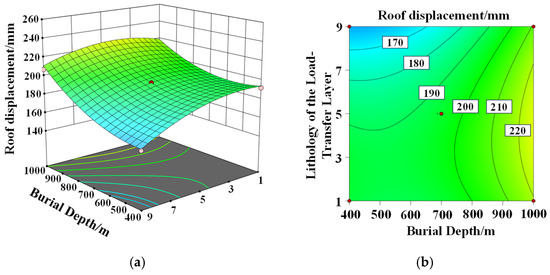
To investigate the dominant factors and instability mechanism of surrounding rock deformation in cross-mining roadways, a systematic study was conducted using theoretical analysis, numerical simulation, and response surface methodology to examine the influence of various factors on surrounding rock stability. First, the theoretical model was refined by introducing a lithology coefficient of the load-transfer layer, thereby improving its engineering applicability. Subsequently, numerical simulations and response surface experiments were employed to analyze the effects of key factors, including the vertical distance between the working face and the roadway, the horizontal distance between the working face and the roadway, the burial depth of the roadway, the mining height of the working face, and the lithology of the load-transfer layer. The analysis results indicate that the vertical distance, horizontal distance, and lithology of the load-transfer layer are negatively correlated with roadway roof displacement, whereas the burial depth and mining height are positively correlated. The p-values for all factors were less than 0.0001. The order of significance of the influencing factors is as follows: vertical distance > horizontal distance > burial depth > mining height > lithology of the load-transfer layer. Among these, the vertical distance has the most significant effect on roadway deformation and exhibits notable interaction effects with burial depth and horizontal distance. Based on these findings, given that construction conditions cannot be altered, modifying the lithology of the load-transfer layer was selected as the control measure. Directional long-hole hydraulic fracturing for roof cutting and pressure relief was implemented in the roof of the return airway in the No. 6 mining district. Field monitoring results show that hydraulic fracturing effectively interrupted the stress transmission path induced by mining activities, transferring roof pressure to deeper strata. Consequently, the deformation of the surrounding rock was significantly reduced, the dynamic pressure effect was markedly alleviated, and the stability of the roadway was effectively controlled. The research results provide a theoretical basis for the design and control of cross-mining roadways under similar engineering conditions.
Full article
(This article belongs to the Special Issue Advanced Numerical Simulation Techniques for Geotechnical Engineering)
►▼
Show Figures

Figure 1
Open AccessArticle
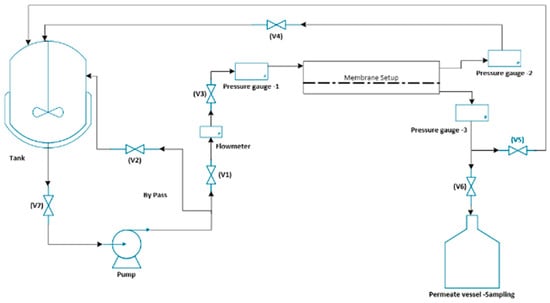
Experimental and Numerical Investigation of Oil Removal in Oil-Contaminated Wastewater Using Membrane Treatment
by
Ali Shahin and Rached Ben-Mansour
Eng 2026, 7(4), 168; https://doi.org/10.3390/eng7040168 - 7 Apr 2026
Abstract
The oil and gas industry is increasingly challenged by the global transition toward renewable energy systems aimed at reducing carbon emissions. Nevertheless, opportunities remain to mitigate the environmental impacts associated with ongoing oil and gas operations. One of the major environmental challenges in
[...] Read more.
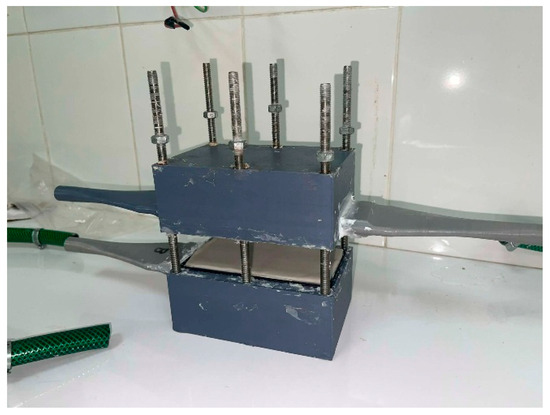
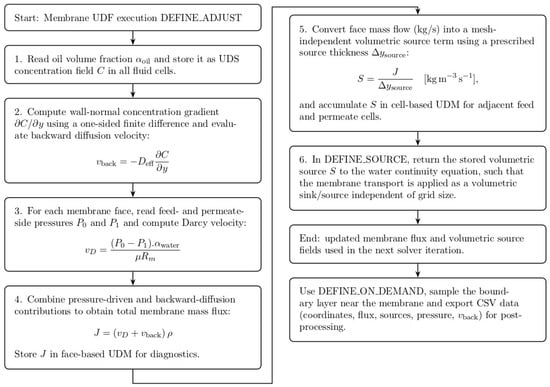
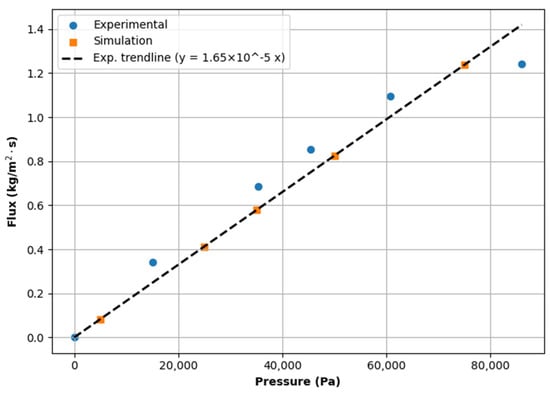
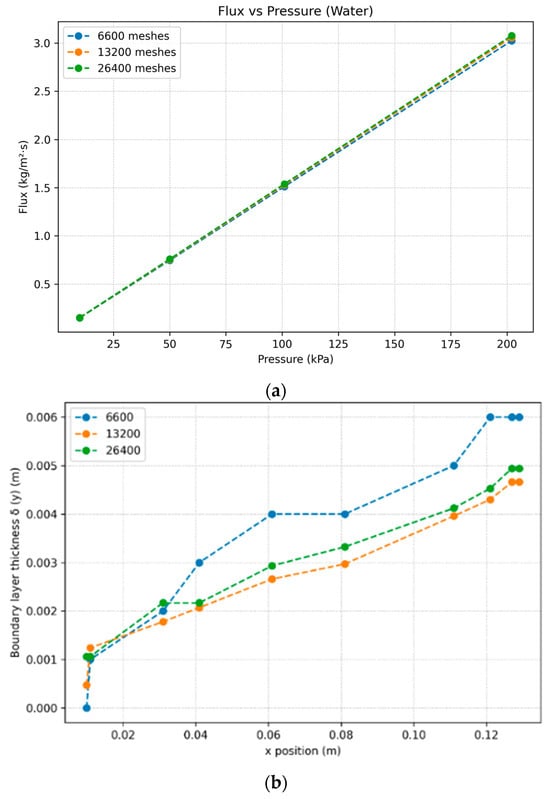
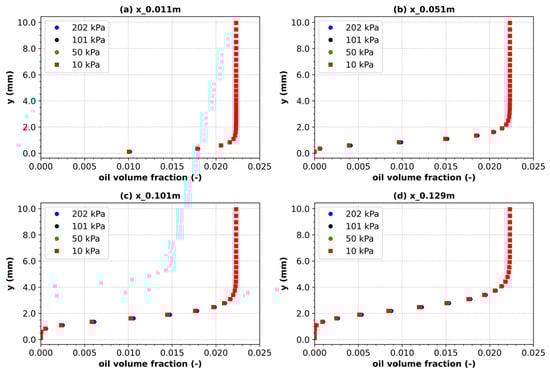
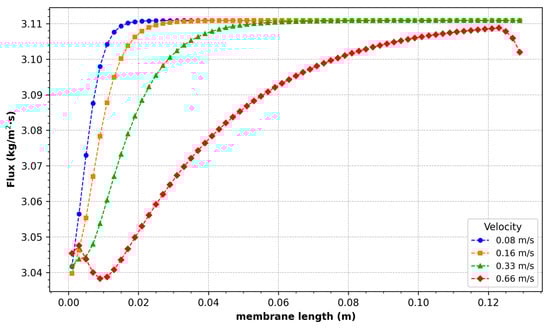
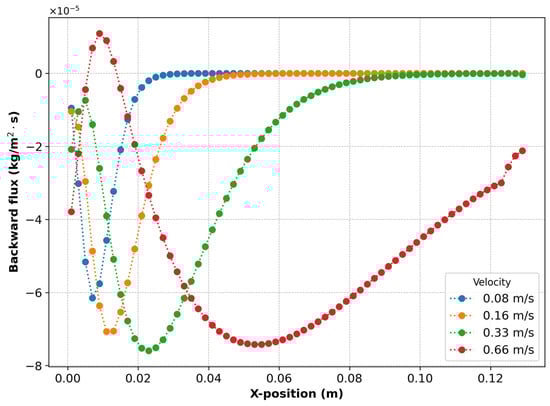
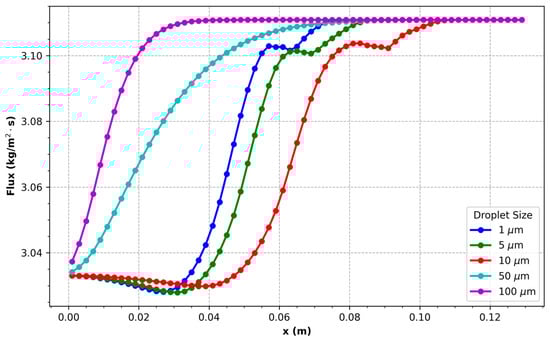
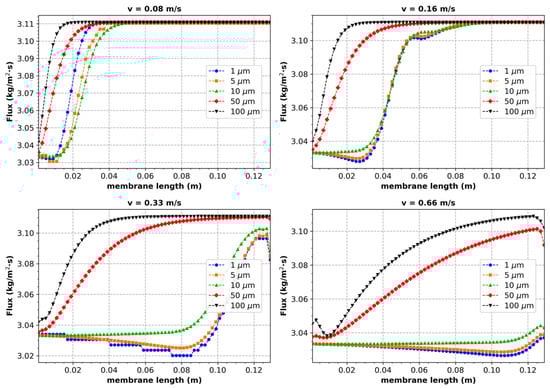
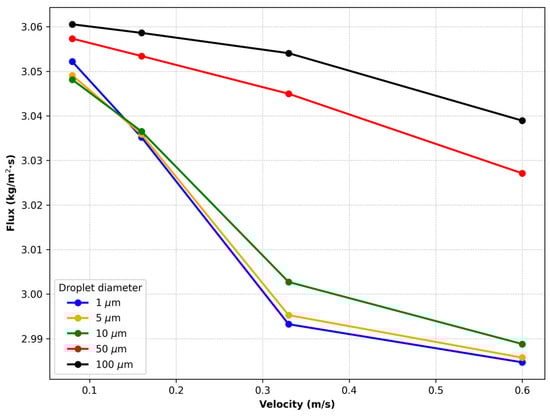
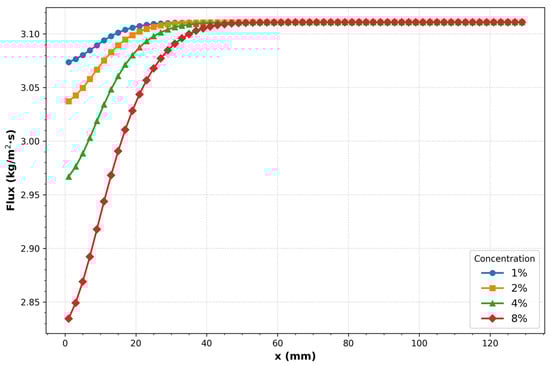
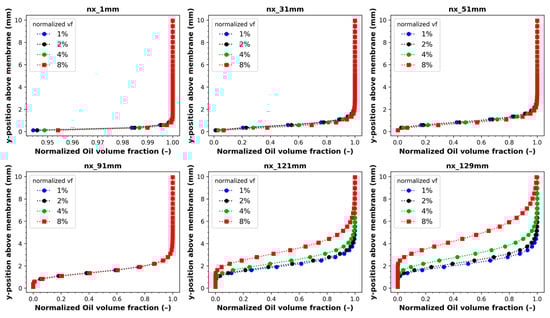
The oil and gas industry is increasingly challenged by the global transition toward renewable energy systems aimed at reducing carbon emissions. Nevertheless, opportunities remain to mitigate the environmental impacts associated with ongoing oil and gas operations. One of the major environmental challenges in this sector is the extensive use and treatment of water. Membrane-based separation has emerged as an effective technology for oil–water separation due to its ability to overcome limitations associated with conventional treatment methods. This study aims to build a CFD model to investigates the influence of operational hydrodynamic conditions on membrane separation, including transmembrane pressure 202, 101, 50, 10 kPa, crossflow velocity 0.08 m/s, 0.116 m/s, 0.33 m/s, 0.66 m/s, and oil droplet diameter 1, 5, 10, 50, 100 µm, on membrane performance in addition to different oil concentrations 1%, 2%, 4%, 8% using Eulerian-Eulerian multiphase model. This is done by experimentally extracting the membrane water resistance, which is found to be 6.46 × 10¹⁰ (1/m) and using it as an input to the numerical model. The results indicate that permeate flux is primarily governed by transmembrane pressure, in agreement with Darcy’s law, while fouling development along the membrane length is mainly influenced by crossflow velocity and oil droplet size. Where it was found that for large droplets 100 µm and 50 µm the buoyancy forces were large enough to lift the oil droplets away from the membrane at velocities 0.08, 0.16 and 0.33 m/s while smaller droplets remained at the membrane surface In addition, backward diffusion, which has been emphasized in previous studies, was found to play a comparatively minor role in the present numerical analysis.
Full article
(This article belongs to the Section Chemical, Civil and Environmental Engineering)
►▼
Show Figures

Figure 1
Open AccessArticle
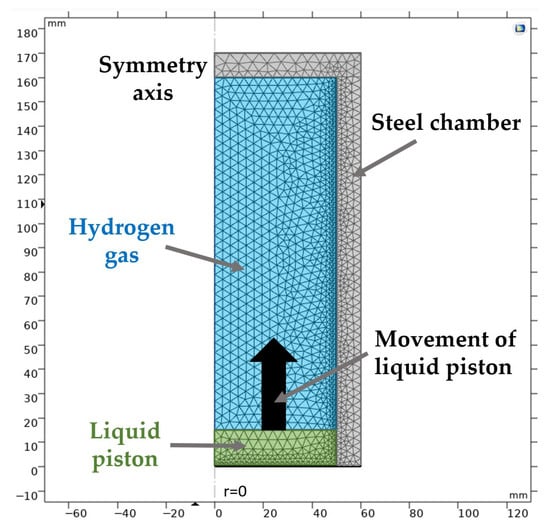
Analysis of Chamber Wall Thickness Influence on Liquid Piston Compressor Efficiency
by
Marina Konuhova, Valerijs Bezrukovs, Vladislavs Bezrukovs, Maksym Buryi and Anatoli I. Popov
Eng 2026, 7(4), 167; https://doi.org/10.3390/eng7040167 - 5 Apr 2026
Abstract
►▼
Show Figures
Hydrogen technologies are increasingly important for energy storage and decarbonization of industrial and transport sectors. Hydrogen compression is accompanied by thermal effects that influence energy efficiency and thermal loading of compression systems. This study numerically investigates the influence of compression chamber wall thickness
[...] Read more.
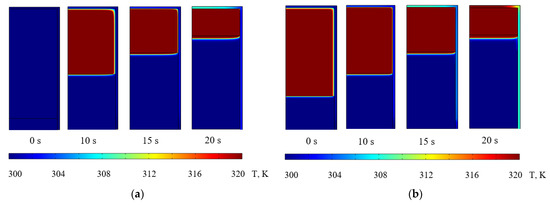
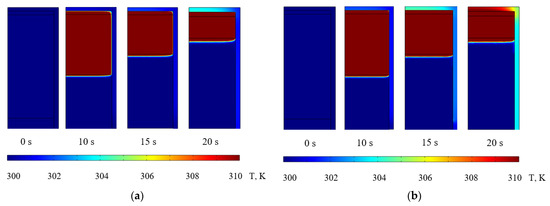
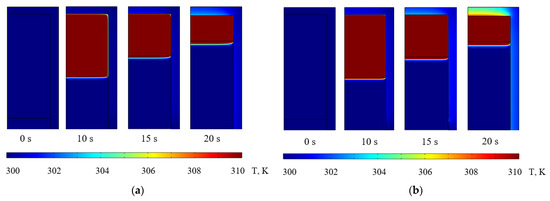
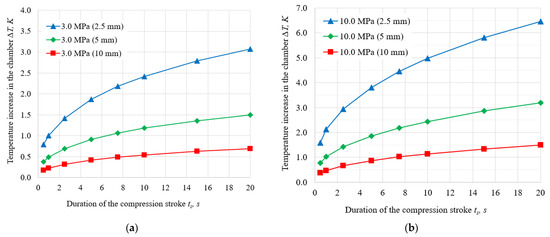
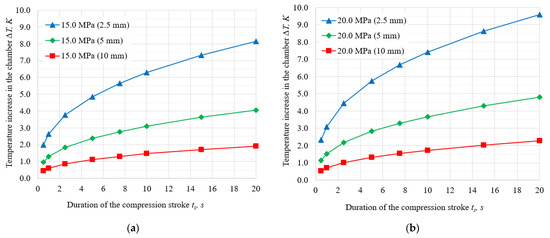
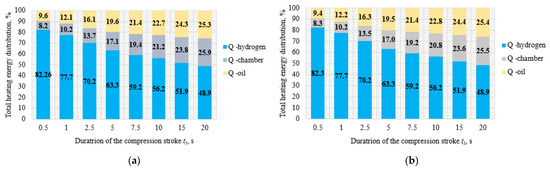
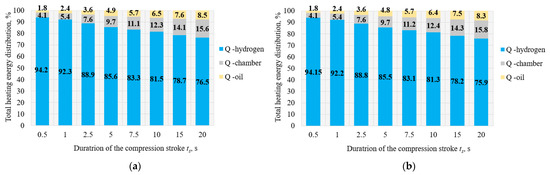
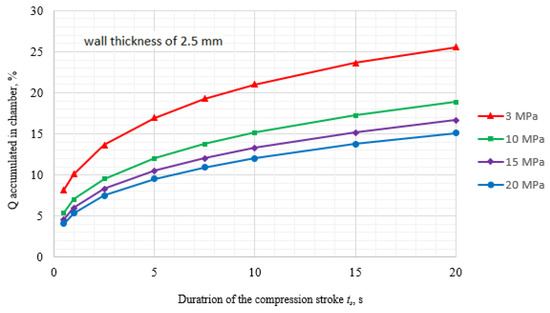
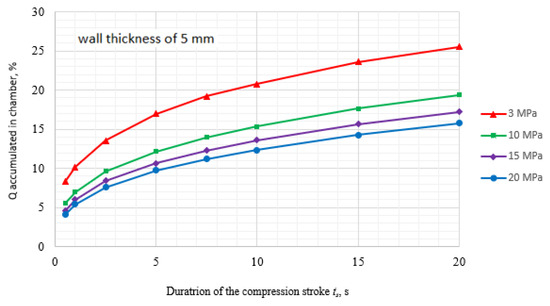
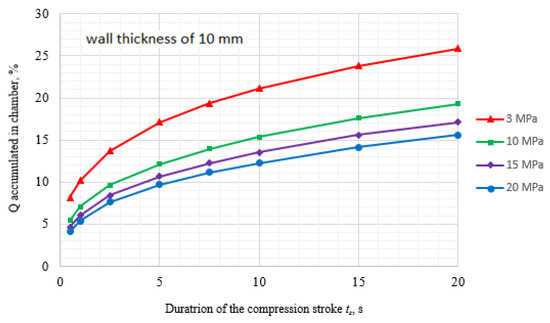
Hydrogen technologies are increasingly important for energy storage and decarbonization of industrial and transport sectors. Hydrogen compression is accompanied by thermal effects that influence energy efficiency and thermal loading of compression systems. This study numerically investigates the influence of compression chamber wall thickness on heat transfer and wall temperature evolution during hydrogen compression in a liquid piston compressor. An axisymmetric multiphysics model was used to simulate a single compression stroke at initial pressures of 3–20 MPa, stroke durations of 0.5–20 s, and chamber wall thicknesses of 2.5–10 mm. The simulations show that wall temperature rise increases with compression stroke duration and initial pressure, while increasing wall thickness reduces the per-stroke temperature increase due to higher thermal inertia. The results also indicate non-uniform wall heating, with the highest temperatures occurring in the upper region of the compression chamber.
Full article

Figure 1
Open AccessArticle
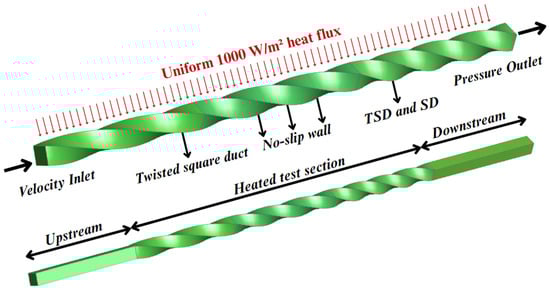
Numerical Investigation of Thermodynamic Performance in Gradient-Pitch Twisted Square Ducts with Variable Aspect Ratio
by
Prachya Samruaisin, Sathaporn Liengsirikul, Arnut Phila, Naoki Maruyama, Thiri Shoon Wai, Masafumi Hirota, Paisan Naphon, Varesa Chuwattanakul, Suriya Chokphoemphun and Smith Eiamsa-ard
Eng 2026, 7(4), 166; https://doi.org/10.3390/eng7040166 - 3 Apr 2026
Abstract
►▼
Show Figures
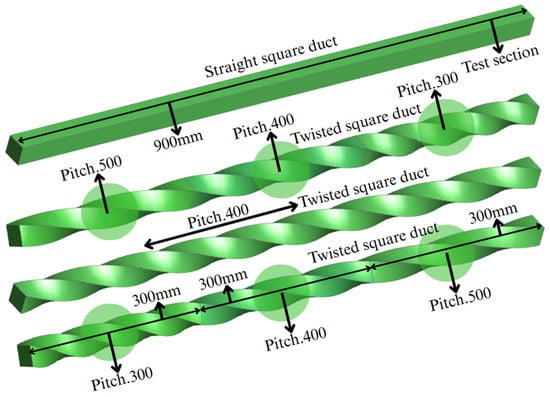
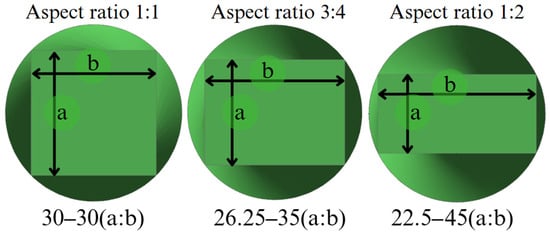
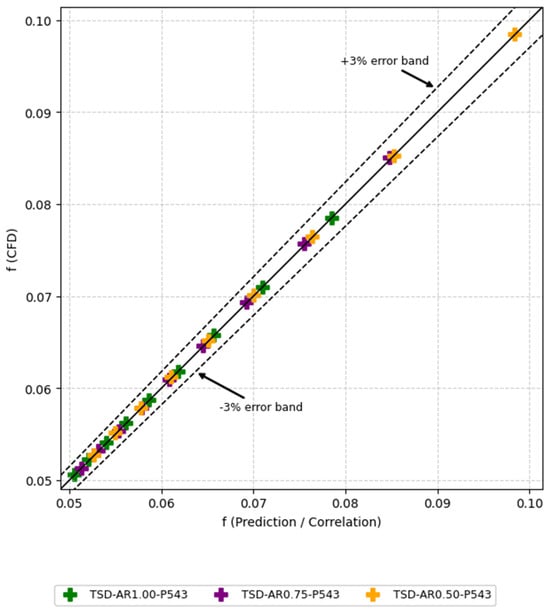
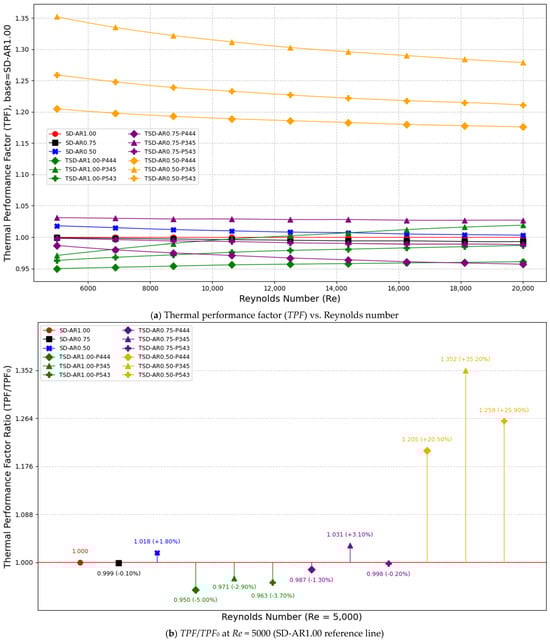
This study numerically investigates heat transfer and thermodynamic behavior in twisted square and rectangular air ducts while keeping a constant hydraulic diameter (Dh = 30 mm). Three aspect ratios are considered (AR = 1.00, 0.75, and 0.50). The heated test section
[...] Read more.
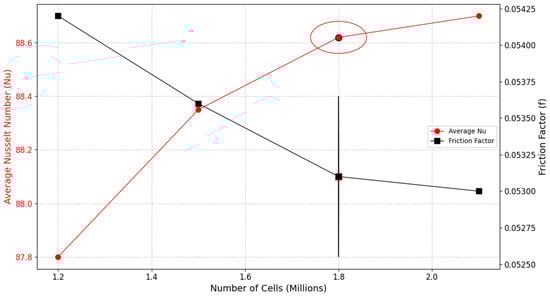
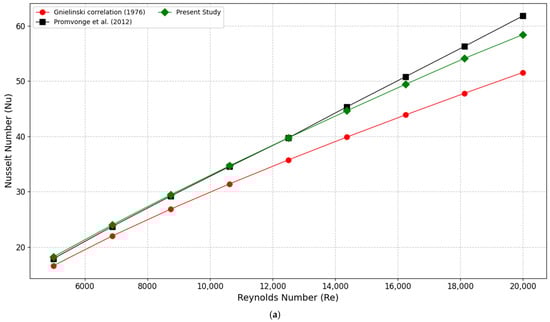
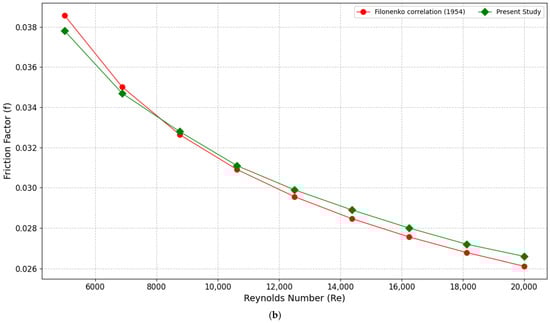
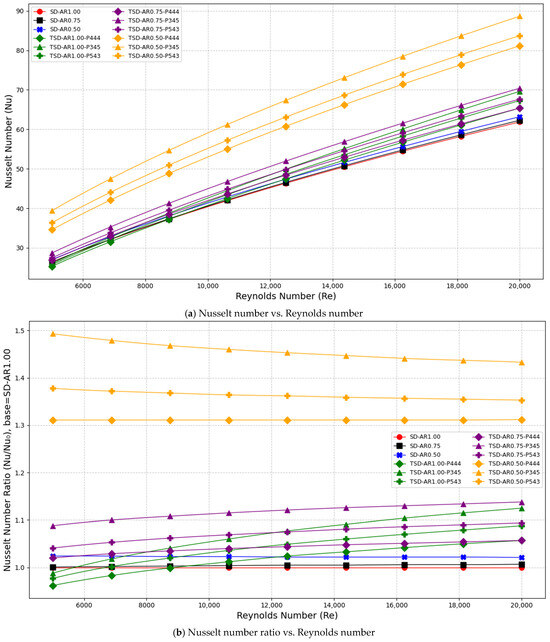
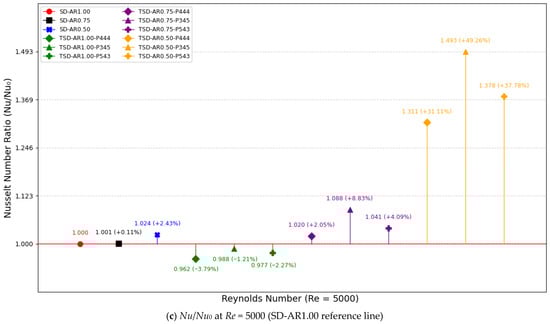
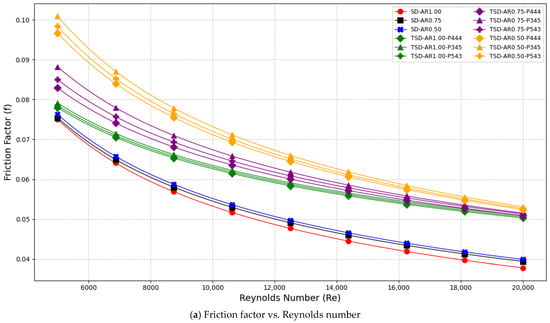
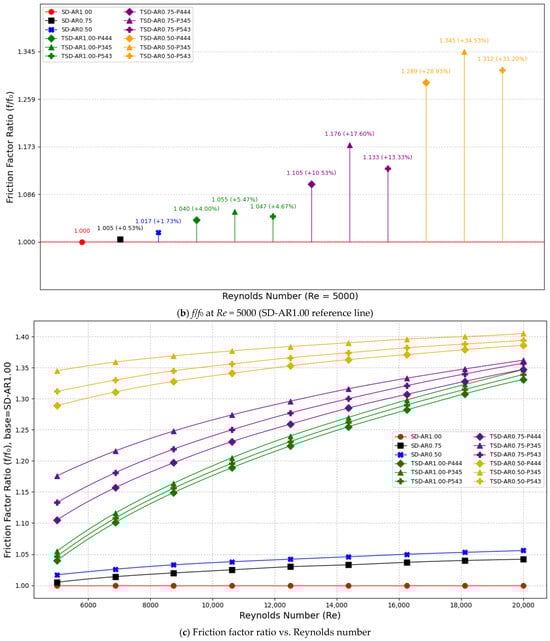
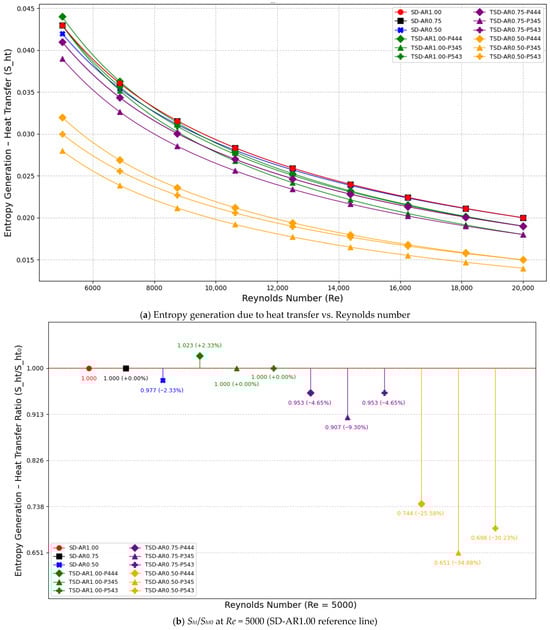
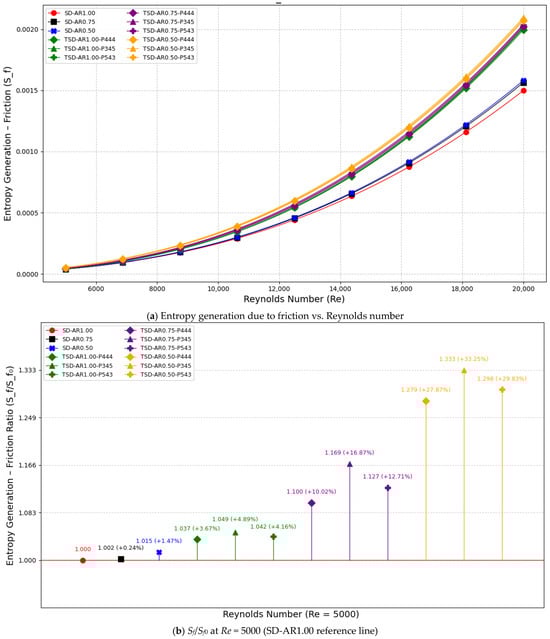
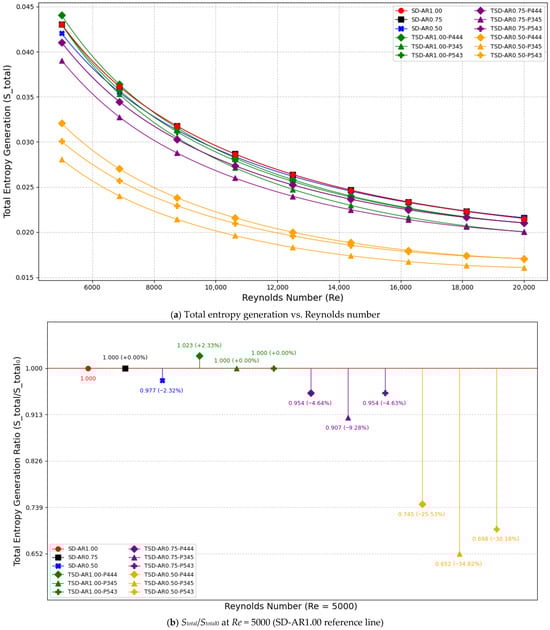
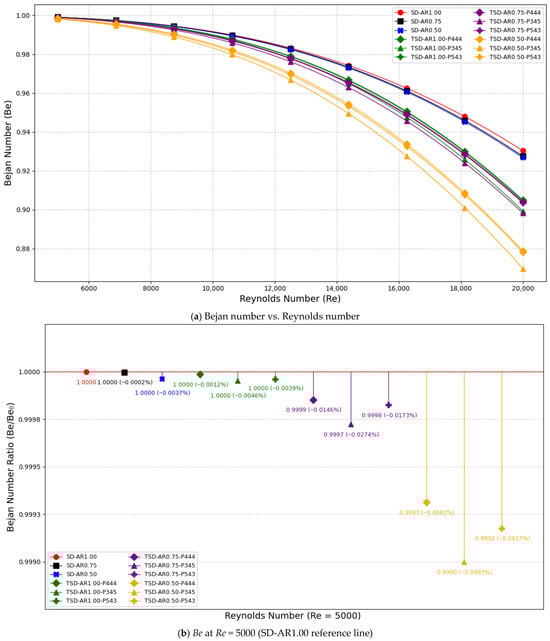
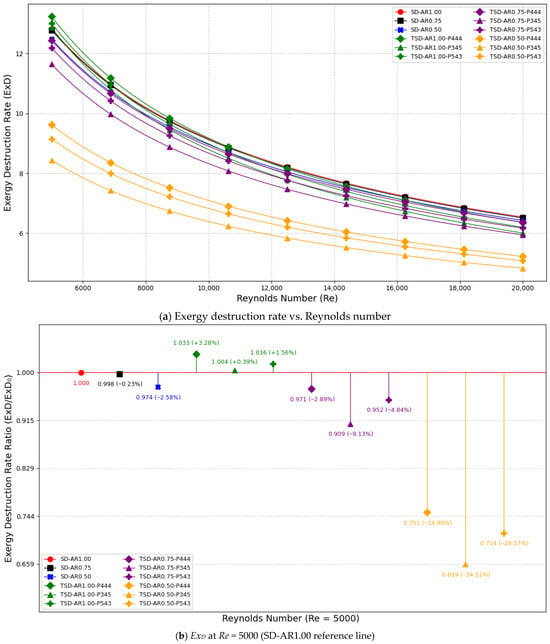
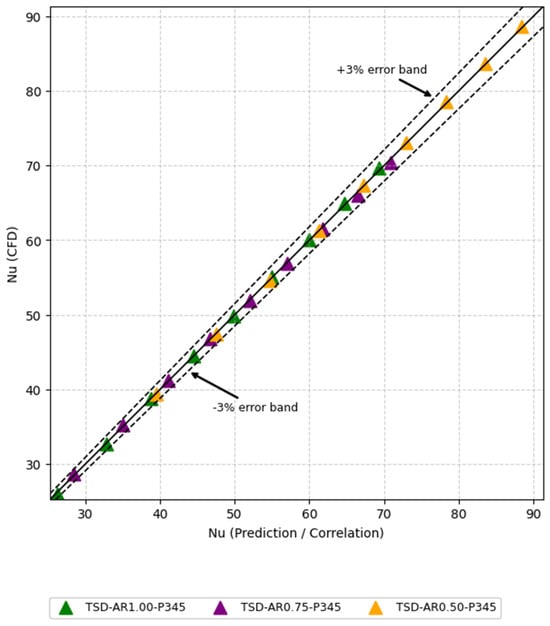
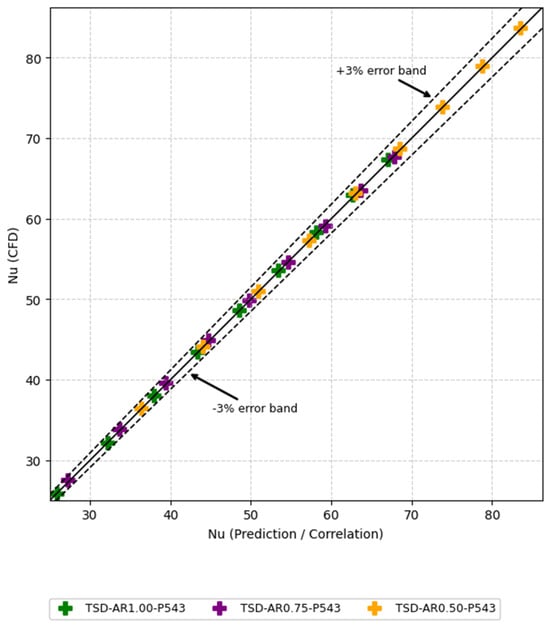
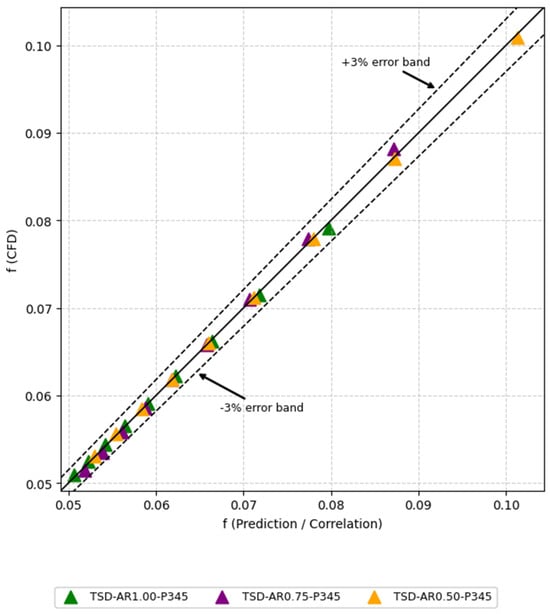
This study numerically investigates heat transfer and thermodynamic behavior in twisted square and rectangular air ducts while keeping a constant hydraulic diameter (Dh = 30 mm). Three aspect ratios are considered (AR = 1.00, 0.75, and 0.50). The heated test section (900 mm) is divided into three equal segments, and three pitch patterns are examined: a uniform pitch (400–400–400 mm, P444) and two axial gradients (300–400–500 mm, P345; 500–400–300 mm, P543). All results are compared to a standard reference, the straight square duct (SD-AR1.00), to ensure fair comparisons across all cases with Reynolds numbers between 5000 and 20,000. Among the twisted ducts, the strongest rectangularity combined with the increasing pitch sequence, TSD-AR0.50-P345, provides the best overall balance. Its heat transfer rises from Nu = 39.39 to 88.62, giving Nu/Nu0 = 1.493 → 1.433, while the pressure penalty increases to f/f0 = 1.345 → 1.405. Under cube-root weighting of friction, this case maintains the highest thermal performance factor, TPF = 1.352 at Re = 5000 and TPF = 1.279 at Re = 20,000. Second-law trends support the same ranking: exergy destruction decreases from 12.81 W (baseline) to 8.44 W at Re = 5000 (≈34% reduction) and from 6.54 W to 4.84 W at Re = 20,000 (≈26% reduction). The Bejan number remains high at low Reynolds numbers (≈0.998), indicating heat-transfer irreversibility dominance, but drops at higher Reynolds numbers (≈0.87) as frictional effects become more important. In general, the results show that adding a small axial pitch increase to rectangularity can improve near-wall mixing while reducing losses downstream. This leads to a clear improvement in both first-law performance and exergy-based measures.
Full article

Figure 1
Open AccessArticle
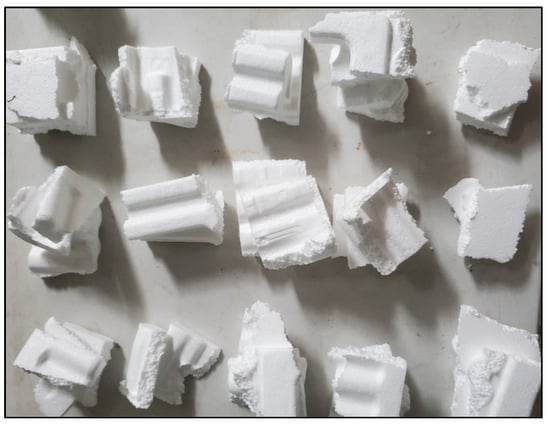
Densification of Expanded Polystyrene Waste Using Organic Solvents, a Sustainable Recycling Strategy
by
Romeo Garcia-Cruz, David Reyes-Gonzalez, Guadalupe Rodriguez-Martinez, Gustavo Martínez-Castellanos, Rodrigo Vivar-Ocampo and David Arroyo-Acosta
Eng 2026, 7(4), 165; https://doi.org/10.3390/eng7040165 - 1 Apr 2026
Abstract
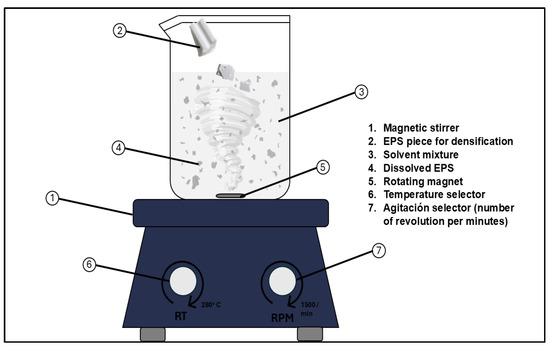
Expanded polystyrene (EPS) is a material with a wide range of applications in different sectors of everyday life and in industry. EPS is a major environmental challenge, as the properties that give it versatility of use make it a difficult waste to manage.
[...] Read more.
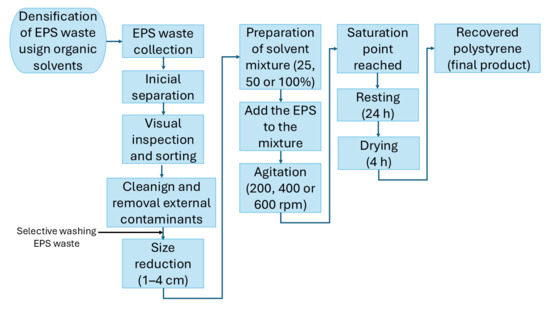
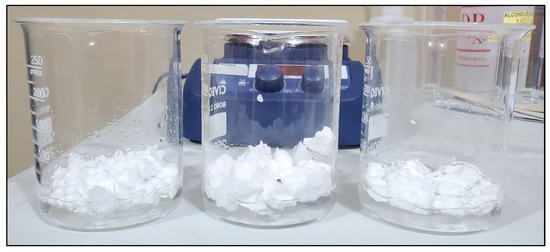
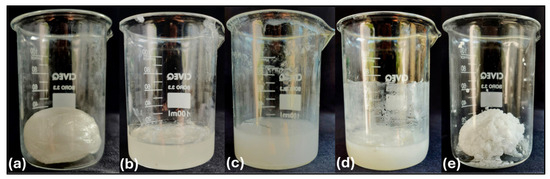
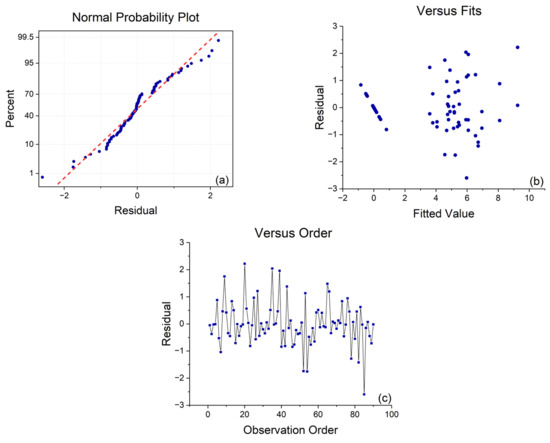
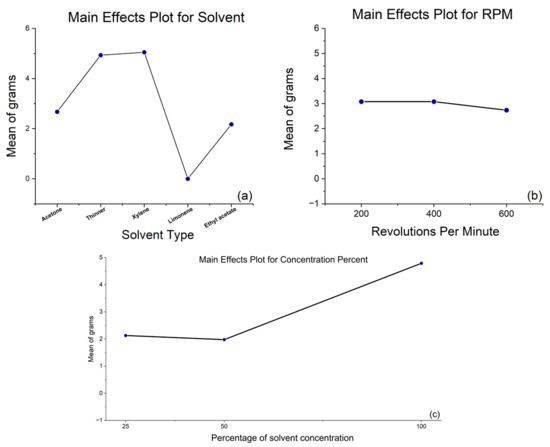
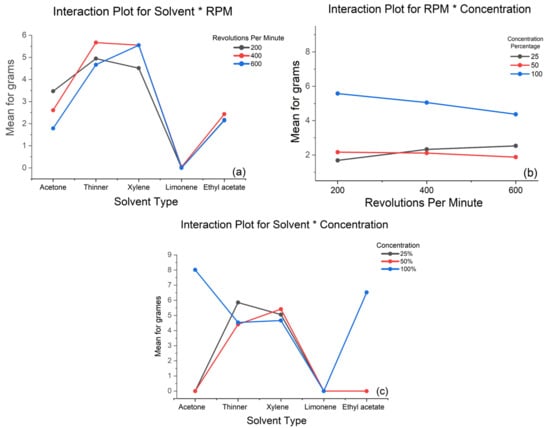
Expanded polystyrene (EPS) is a material with a wide range of applications in different sectors of everyday life and in industry. EPS is a major environmental challenge, as the properties that give it versatility of use make it a difficult waste to manage. Consequently, this type of plastic waste has a low recycling rate, which leads to the need to develop efficient solutions for its management and use postconsumer. Herein presents an assessment of the densification capacity of EPS waste using organic solvents as a sustainable strategy for the recovery of such waste. A mixed factorial experiment design was carried out in which the type of solvent, the revolutions per minute for agitation in the densification process and the concentration of the solvent were analyzed as incidence factors. A coefficient determination of 93.12% was obtained, demonstrating that the model fits normally. The results show that xylene and thinner have the best performance compared to other solvents used in the experiments. This study contributes to the optimization of solvent-based EPS densification processes by statistically identifying which ones are most effective under low-cost and low-energy consumption conditions, providing a scalable and replicable strategy, especially in regions where recycling infrastructure is limited.
Full article
(This article belongs to the Special Issue Emerging Technologies for the Treatment and Reduction of Pollutants in Industrial Processes)
►▼
Show Figures

Figure 1

Open AccessReview
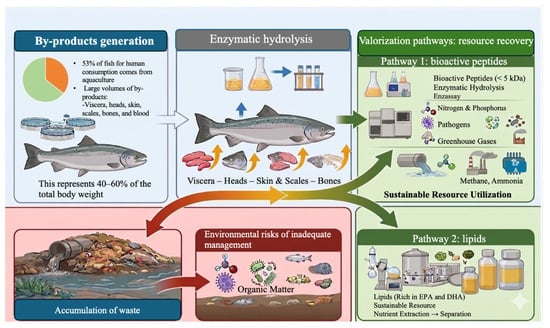
Promising Use of Proteins of Rainbow Trout Byproducts for Obtaining Multifunctional Bioactive Peptides: Processing Perspective
by
Daniel Farfán Flores, Paula Andrea Santana Sepúlveda, Claudio Andrés Álvarez Álvarez, Oscar Arce Cervantes, Silvia Armenta Jaime and Luis Guillermo González Olivares
Eng 2026, 7(4), 164; https://doi.org/10.3390/eng7040164 - 1 Apr 2026
Abstract
Rainbow trout (Oncorhynchus mykiss) is one of the most widely farmed and consumed aquaculture species worldwide. Processing generates large amounts of by-products, including heads, frames, skin, and viscera, which are often discarded. However, these by-products are a valuable source of high-quality
[...] Read more.
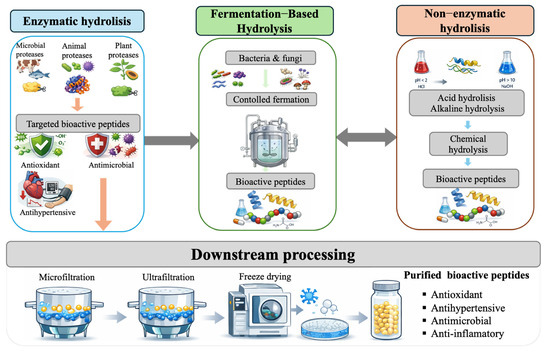
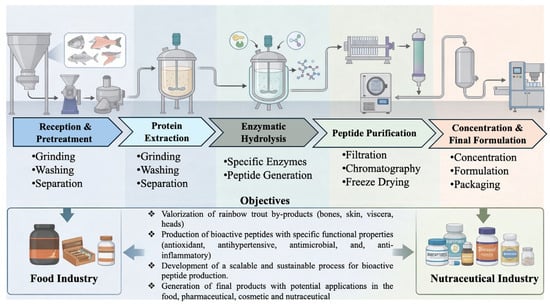
Rainbow trout (Oncorhynchus mykiss) is one of the most widely farmed and consumed aquaculture species worldwide. Processing generates large amounts of by-products, including heads, frames, skin, and viscera, which are often discarded. However, these by-products are a valuable source of high-quality protein that can be converted into bioactive peptides through controlled hydrolysis. Numerous studies have shown that trout-derived peptides exhibit a wide range of functional properties, including antioxidant, antihypertensive, antimicrobial, and anti-inflammatory activities. From this perspective, the article provides a critical, up-to-date review of recent advances in the valorization of proteins from rainbow trout by-products, with an emphasis on the most efficient processing methods (including enzymatic, chemical, and microbial hydrolysis) and their potential applications in the food and nutraceutical industries. In addition, downstream processes such as ultrafiltration and chromatographic separation are discussed in the context of peptide purification and recovery. Finally, a systematized industrial process for the integral utilization of these by-products is proposed. Therefore, the objective of this review is to analyze and synthesize the available scientific evidence on the production, functionality, and applications of bioactive peptides derived from rainbow trout by-products, highlighting key process parameters such as enzyme type, pH, temperature, and degree of hydrolysis and their influence on peptide size (typically <5 kDa), yield, and bioactivity, and to propose a viable industrial process for their sustainable valorization. Despite these advances, challenges related to process standardization, cost efficiency, and industrial scalability remain.
Full article
(This article belongs to the Special Issue Interdisciplinary Insights in Engineering Research 2026)
►▼
Show Figures

Figure 1
Open AccessArticle
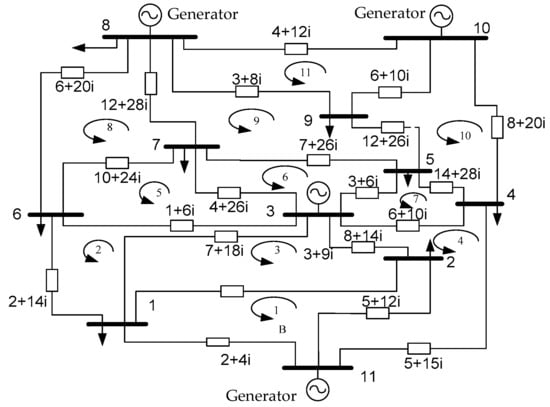
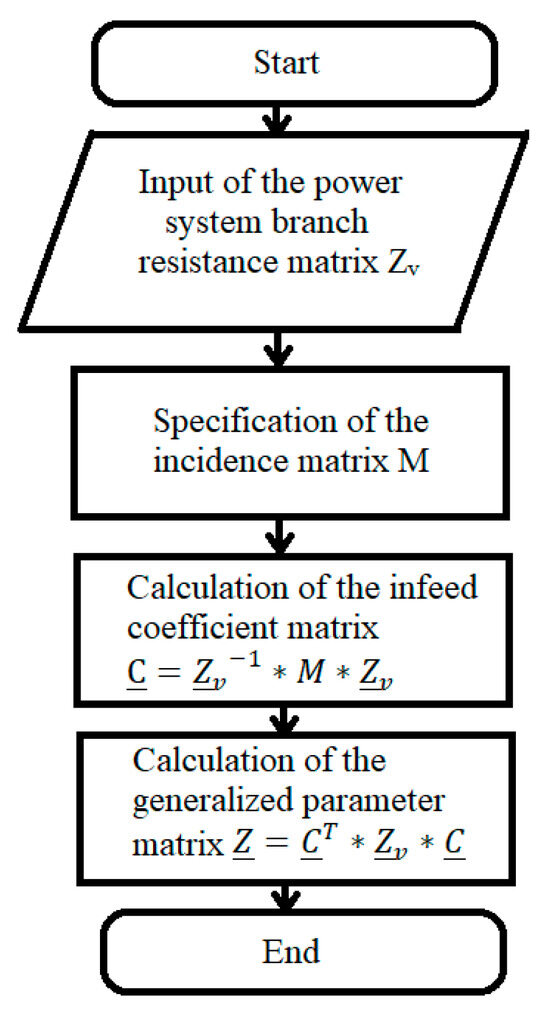
Diakoptics Method for Calculating Generalized Parameters of Large Power Systems
by
Laura Yesmakhanova, Assemgul Zhantlessova, Bibigul Issabekova, Zhanat Issabekov, Dauren Akhmetbaev and Mikhail Yaroslavtsev
Eng 2026, 7(4), 163; https://doi.org/10.3390/eng7040163 - 1 Apr 2026
Abstract
The growing number of electricity consumers and unstable generation by renewable energy sources (RESs) decrease the efficiency of traditional techniques for modeling large power systems. The diakoptics method is based on structuring a system into subsystems and enables reducing the amount of computation
[...] Read more.
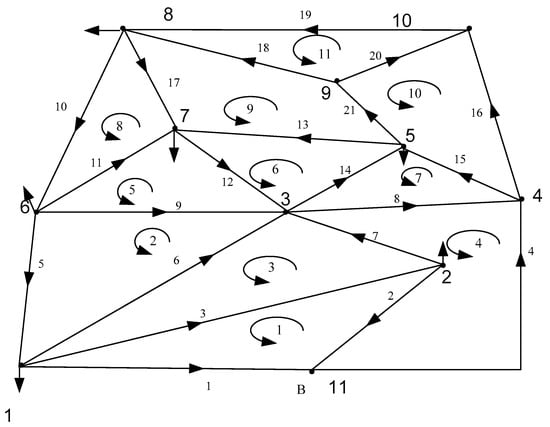
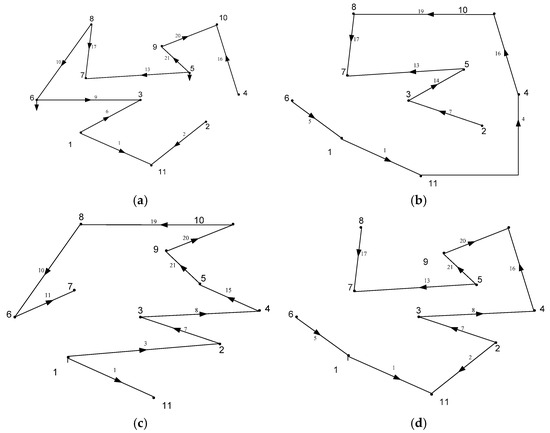
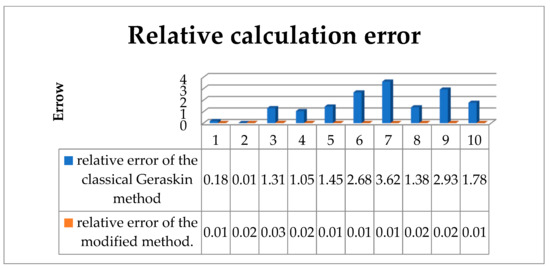
The growing number of electricity consumers and unstable generation by renewable energy sources (RESs) decrease the efficiency of traditional techniques for modeling large power systems. The diakoptics method is based on structuring a system into subsystems and enables reducing the amount of computation by 2.9 times. However, its classical implementations require successive (iterative) expansion of a scheme, which increases computational time for scaling. This method decomposes a complex system into interacting subsystems with different generation and load characteristics. Generalized parameters are independently calculated for each subsystem and then integrated into the total solution. This significantly reduces the amount of computation, simplifies simulation, optimizes control with allowance for local characteristics, and analyzes intersystem connections to minimize losses and improve stability. This paper suggests not just another Kron calculation but a modification of the diakoptics method, which enables avoiding multiple step-by-step redesigns of a grid by generating generalized parameters based on the complete graph of a system, which significantly reduces computational costs when analyzing large power systems. The method simultaneously considers the entire grid topology. This eliminates successive iterations: if a classical approach requires 13 iterations for a network with 11 nodes and 21 branches, the suggested method performs computation in a single computational cycle. The results show high computational efficiency and practical applicability of the method for large power systems. The suggested approach opens up possibilities for reliability analysis, including redundancy assessment and identification of vulnerable elements, which contributes to an increase in the power system stability under conditions of RES integration.
Full article
(This article belongs to the Section Electrical and Electronic Engineering)
►▼
Show Figures

Figure 1

Open AccessArticle
Influence of Pavement Surface Texture Degradation on Skid Resistance and Traffic Safety Under Winter Operating Conditions
by
Amir Karimbayev, Abdi Kiyalbayev, Dauren Yessentay, Saniya Kiyalbay and Nazym Shogelova
Eng 2026, 7(4), 162; https://doi.org/10.3390/eng7040162 - 1 Apr 2026
Abstract
►▼
Show Figures
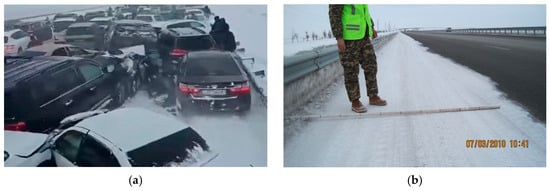
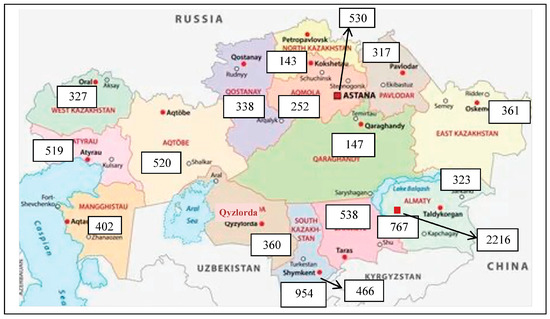
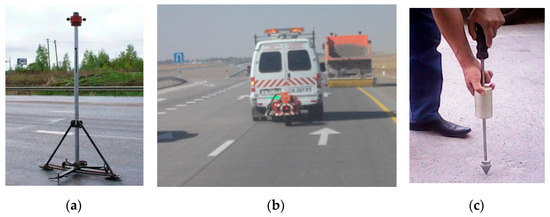
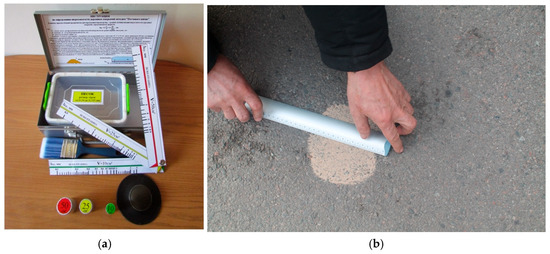
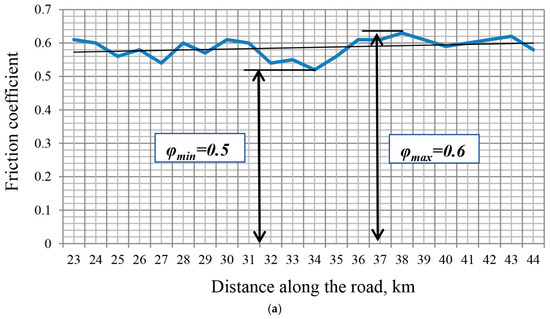
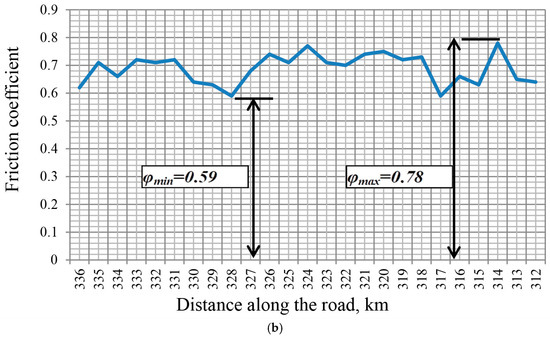
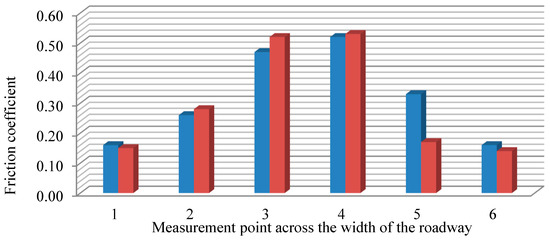
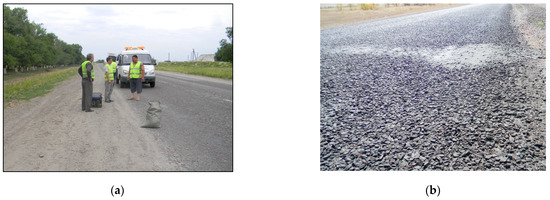
This study quantifies a critical winter safety hazard caused by lateral heterogeneity of skid resistance: under non-uniform snow and ice removal, the friction coefficient in edge lanes and near barrier guardrails can be 2–5 times lower than in the central part of the
[...] Read more.
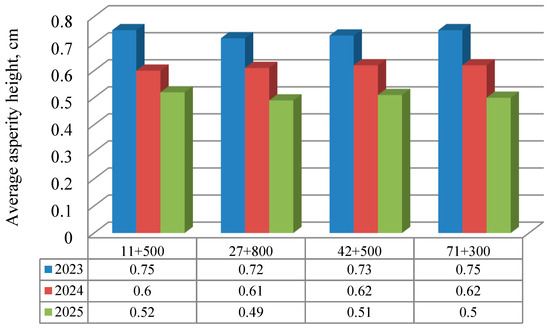
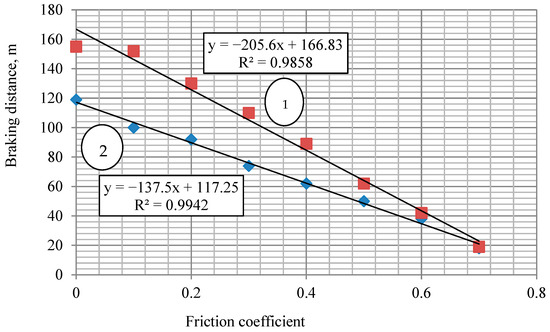
This study quantifies a critical winter safety hazard caused by lateral heterogeneity of skid resistance: under non-uniform snow and ice removal, the friction coefficient in edge lanes and near barrier guardrails can be 2–5 times lower than in the central part of the carriageway, creating conditions prone to loss of control during braking and lane changes. Field measurements of friction coefficient and macrotexture were conducted on highways of different technical categories with asphalt concrete and cement concrete pavements in Kazakhstan’s continental climate. Long-term monitoring showed that, over three years of operation, texture peak height decreases by 22–33%, depending on traffic intensity and heavy-vehicle share, leading to a gradual reduction in friction. Predictive assessments of skid-resistance deterioration and braking distance calculations for passenger cars and heavy vehicles under different friction levels were performed. The results support the need for regular texture monitoring, explicit consideration of across-width friction heterogeneity in accident analysis, and targeted improvements in winter maintenance practices, particularly in edge zones adjacent to barriers.
Full article

Figure 1
Open AccessArticle
Study on the Characteristics and Parameter Optimization of Wedge Cut Delayed Blasting in a Tunnel
by
Yu Hu, Renshu Yang, Jinjing Zuo, Wangjing Hu, Genzhong Wang, Yongli Guan and Baojin Jiang
Eng 2026, 7(4), 161; https://doi.org/10.3390/eng7040161 - 1 Apr 2026
Abstract
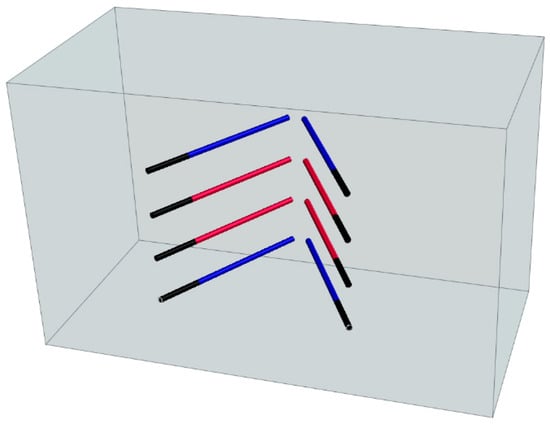
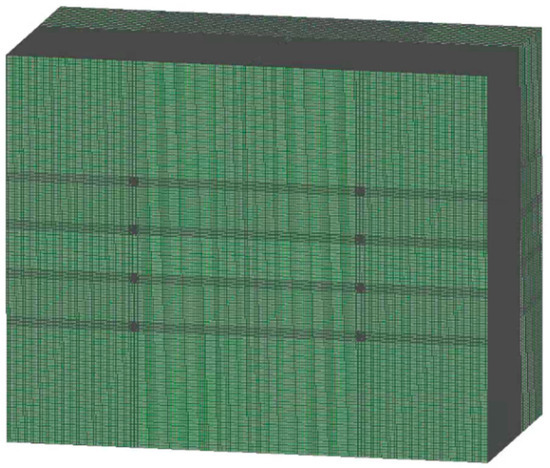
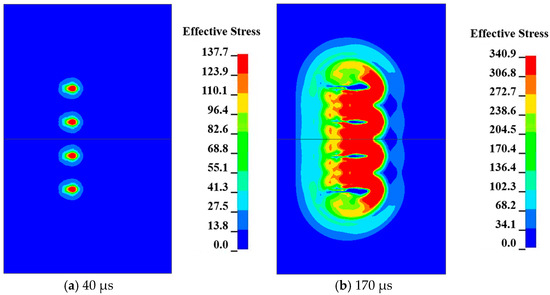
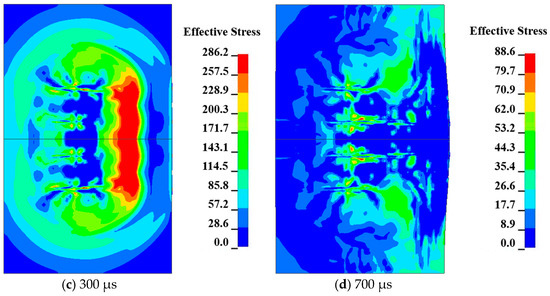
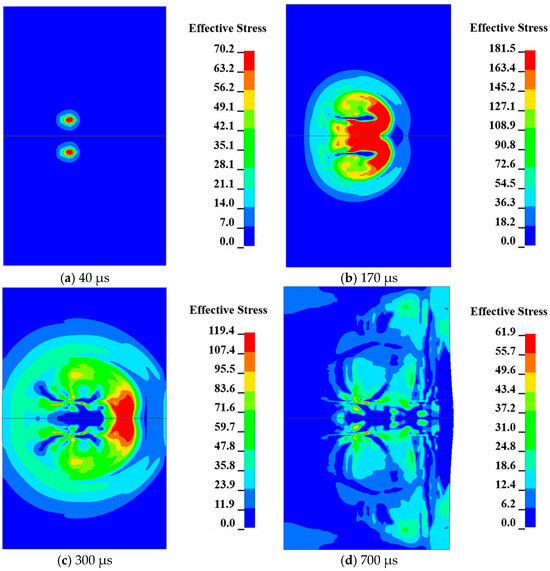
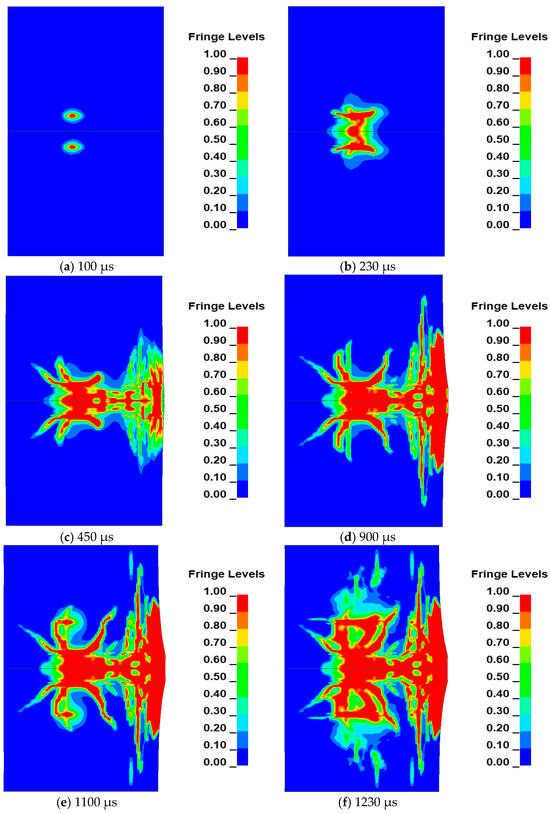
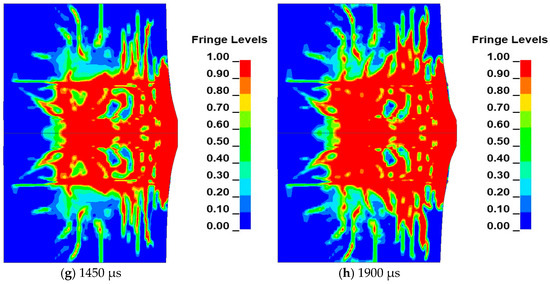
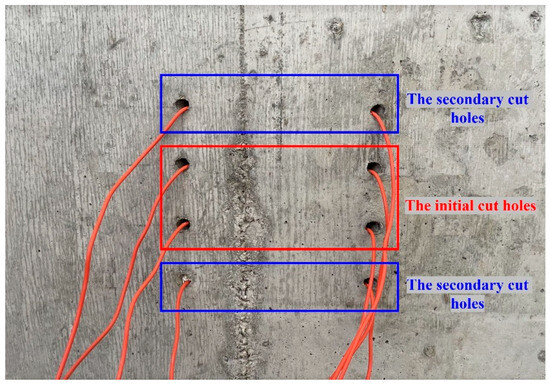
To improve the blasting performance of tunnel wedge cutting while mitigating vibration effects, this study proposes a precise delayed blasting method and evaluates its effectiveness through a three-dimensional numerical simulation, similarity model test, and field application. The proposed method divides the cut holes
[...] Read more.
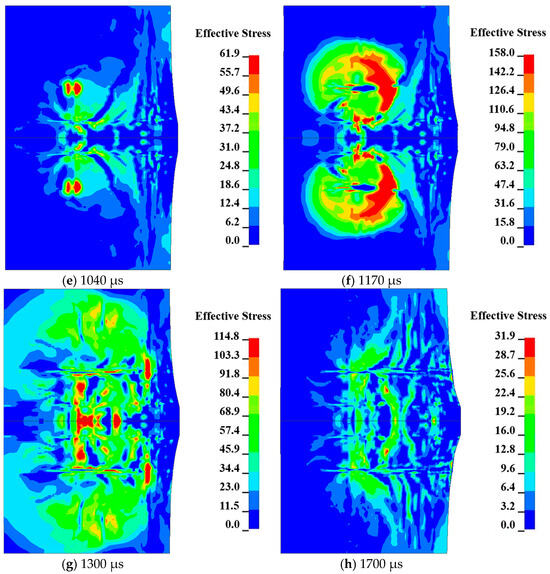
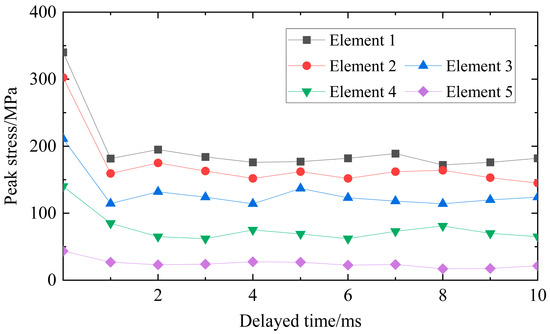
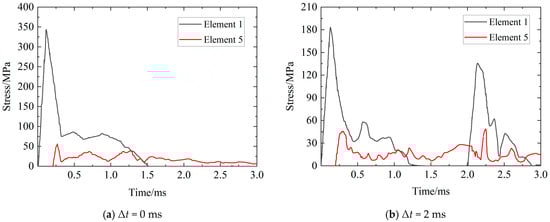
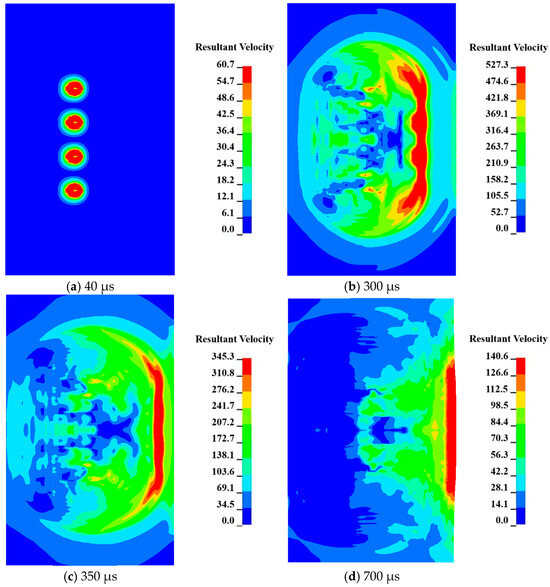
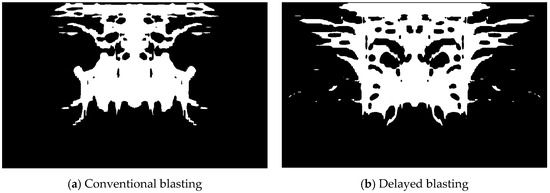
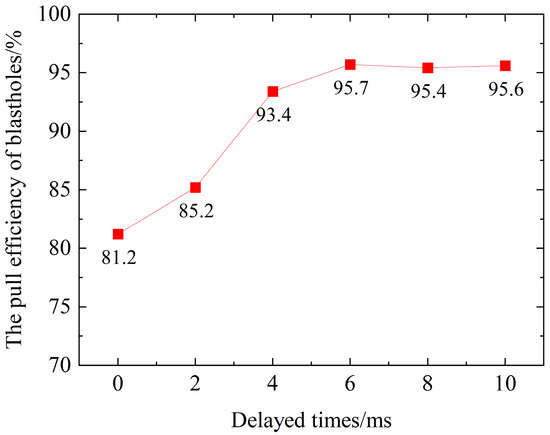
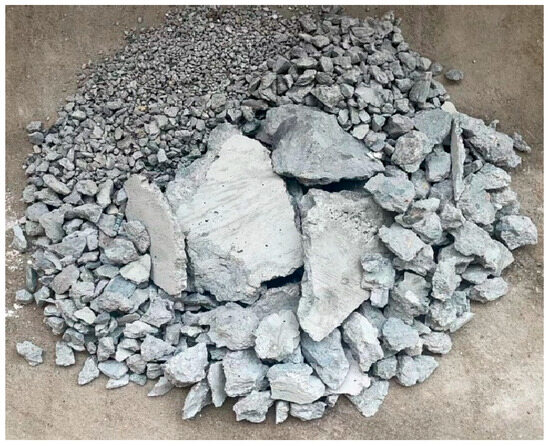
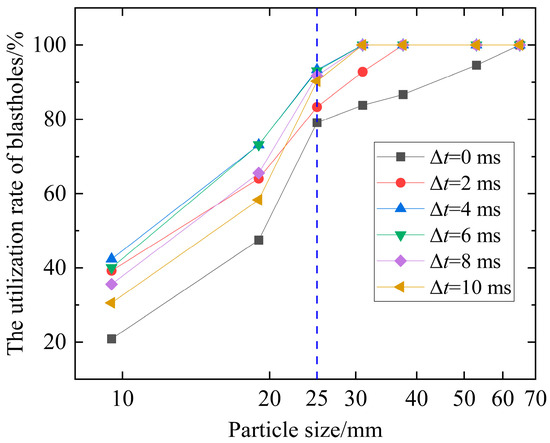
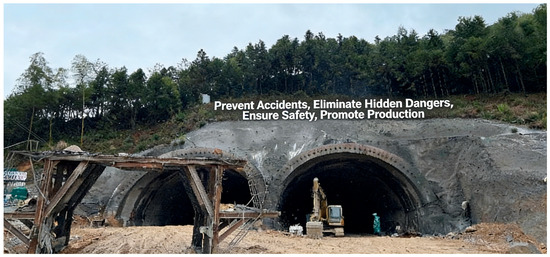
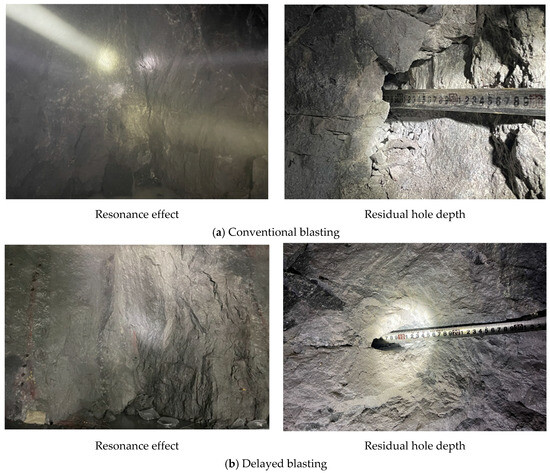
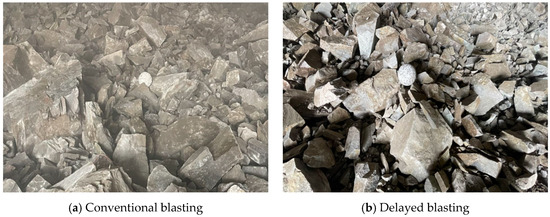
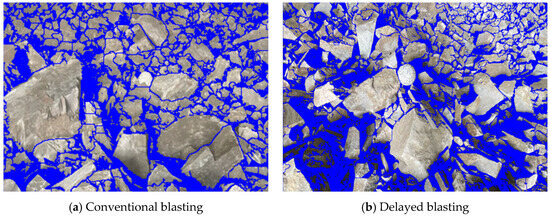
To improve the blasting performance of tunnel wedge cutting while mitigating vibration effects, this study proposes a precise delayed blasting method and evaluates its effectiveness through a three-dimensional numerical simulation, similarity model test, and field application. The proposed method divides the cut holes into initial and secondary groups and uses electronic detonators to control the delay time. The numerical results show that delayed blasting reduces the peak stress in the surrounding rock, accelerates stress-wave attenuation, improves cavity integrity, and lowers the peak particle velocity (PPV), while maintaining sufficient rock breaking capacity. Model tests conducted under different delay times indicate that the delayed scheme increases the pull efficiency, decreases the ratio of large fragments, and reduces the PPV, with an optimal delay time range of 4~8 ms for moderately weathered limestone. Field tests in the Da Balai Tunnel further verify the effectiveness of the proposed method. Compared with conventional blasting, delayed blasting increases the pull efficiency from 77.8% to 97.3%, reduces the large fragment ratio from 30.6% to 11.4%, decreases the PPV by 52.5%, and increases the dominant vibration frequency by 48.7%. These results demonstrate that the proposed method can simultaneously enhance the rock-breaking quality and vibration control, providing practical guidance for tunnel blasting excavation under complex geological conditions.
Full article
(This article belongs to the Section Chemical, Civil and Environmental Engineering)
►▼
Show Figures

Figure 1

Open AccessArticle
Coupling of Characteristic Particle Size of Rock and Soil Mass with Slurry Diffusion Path: Penetration Grouting Mechanism of Bingham Cement Grout
by
Jiaxuan Lu and Zhiquan Yang
Eng 2026, 7(4), 160; https://doi.org/10.3390/eng7040160 - 1 Apr 2026
Abstract
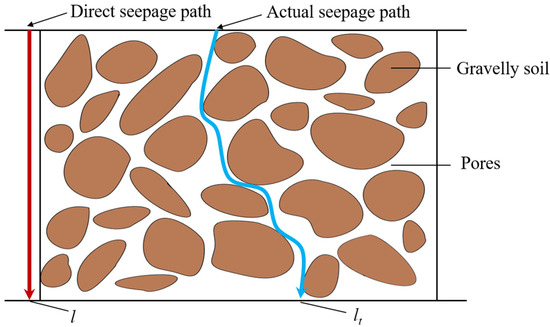
The coupling between the key parameters of rock and soil particle composition and slurry diffusion paths exerts a significant influence on actual grouting effectiveness. Based on the spherical penetration grouting model for Bingham cement grout, this study optimizes the fractal permeability model by
[...] Read more.
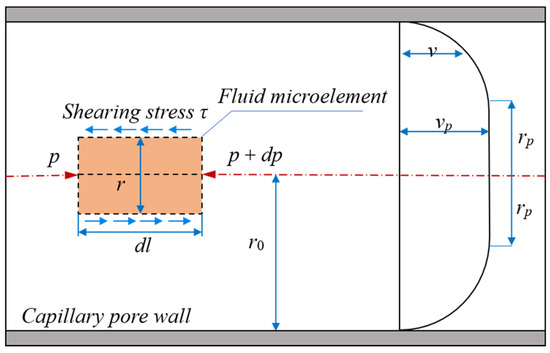
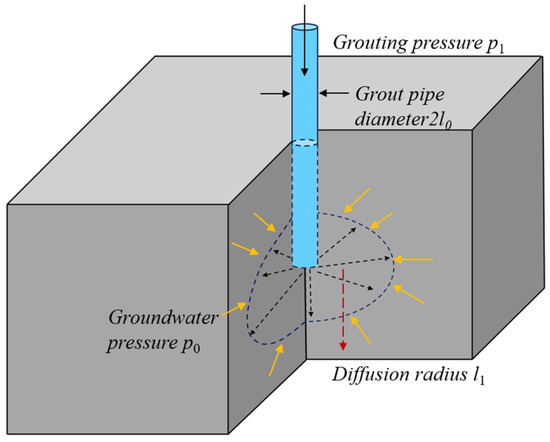
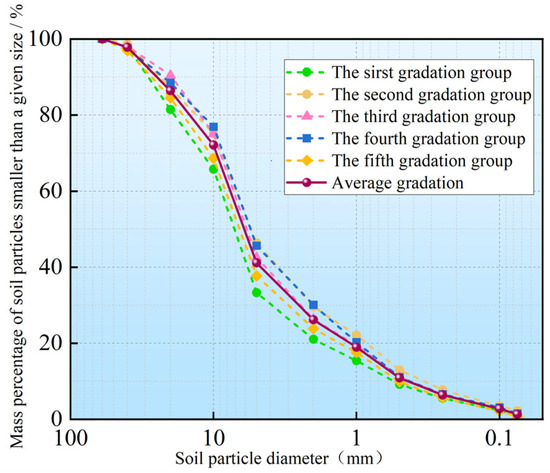
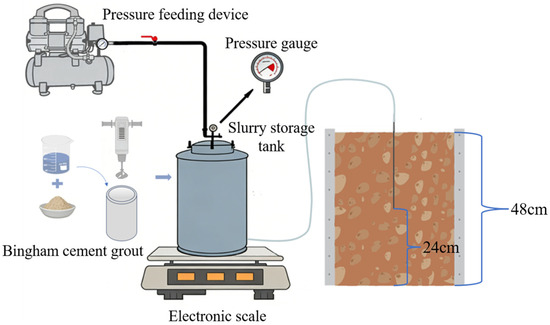
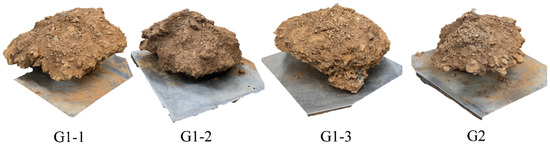
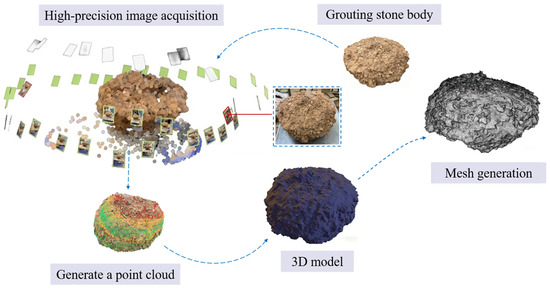
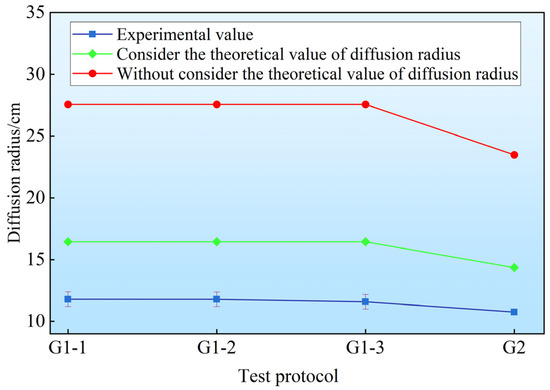
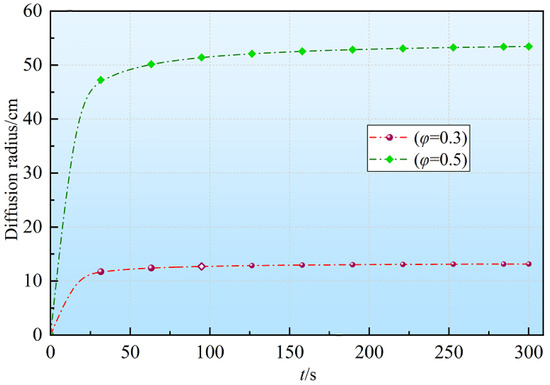
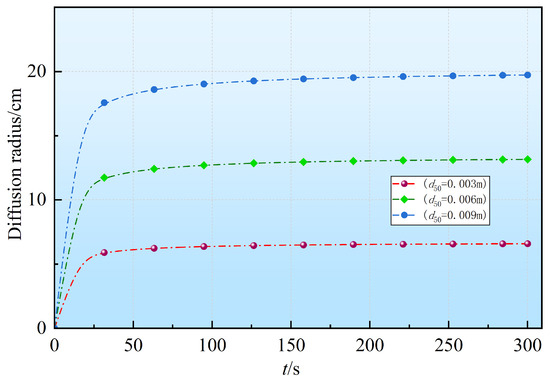
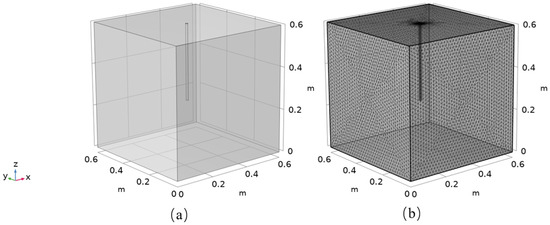
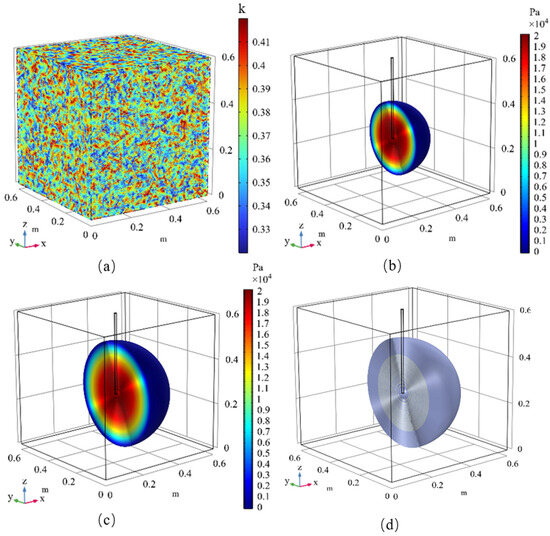
The coupling between the key parameters of rock and soil particle composition and slurry diffusion paths exerts a significant influence on actual grouting effectiveness. Based on the spherical penetration grouting model for Bingham cement grout, this study optimizes the fractal permeability model by coupling the characteristic particle size, porosity, and tortuosity, overcoming the deficiency of single-factor porosity consideration in existing permeability models. Unlike existing studies that only use experimentally measured permeability coefficients, this study employs a physically meaningful permeability model that realizes the synergistic coupling of soil particle composition, pore microstructure, and macroscopic permeability, and further establishes a penetration grouting mechanism that integrates the actual slurry diffusion path tortuosity into the classical spherical diffusion framework. A novel high-precision volume measurement method for grouting stone bodies based on point cloud 3D reconstruction is proposed, and a COMSOL-based visual numerical simulation program is developed by embedding the above coupling permeability model. The accuracy of the optimized mechanism is verified by a combination of model tests, numerical simulations, and theoretical analysis, which makes up for the existing grouting mechanism for loose gravelly soil failing to consider the synergistic influence of rock–soil particle composition parameters and the actual diffusion path. The research results indicate the following: (1) Adopting loose gravelly soil—which is more consistent with actual field conditions—as the grouted medium can effectively predict the reinforcement effect of heterogeneous media in grouting engineering. (2) Compared with theoretical values calculated by mechanisms that ignore the effect of the diffusion paths, those derived from the grouting mechanism that couples the rock and soil characteristic particle size with the Bingham cement grout diffusion path are closer to the experimental values. (3) The visual simulation results exhibit high morphological consistency with the actual grouting stone bodies, and the vast majority of the grout diffusion range falls within the numerical simulation domain. The findings of this study provide targeted theoretical and technical guidance for grouting design under complex geological conditions of loose gravelly soil layers.
Full article
(This article belongs to the Section Chemical, Civil and Environmental Engineering)
►▼
Show Figures

Figure 1

Open AccessArticle
Improvement of the Working Body of the Electric Ballasting Machine Based on Parametric Optimization to Increase the Efficiency of the Track Repair
by
Akbope Karsakova, Aida Orazalina, Kyrmyzy Balabekova, Bartosz Wieczorec and Moldir Batyrbek
Eng 2026, 7(4), 159; https://doi.org/10.3390/eng7040159 - 1 Apr 2026
Abstract
►▼
Show Figures
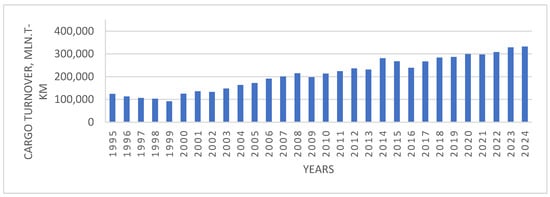
The efficiency of railway track maintenance and repair is largely determined by the technological productivity and reliability of track machines operating under conditions of increasing loads and limited time intervals for operational performance. In this regard, the improvement of the working bodies of
[...] Read more.
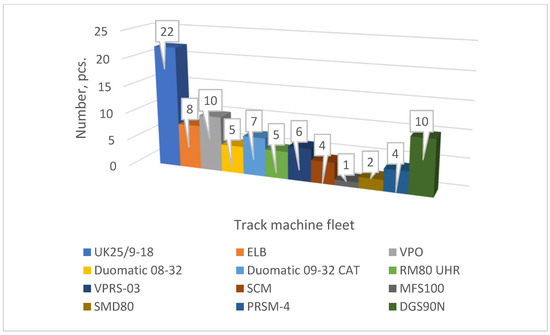
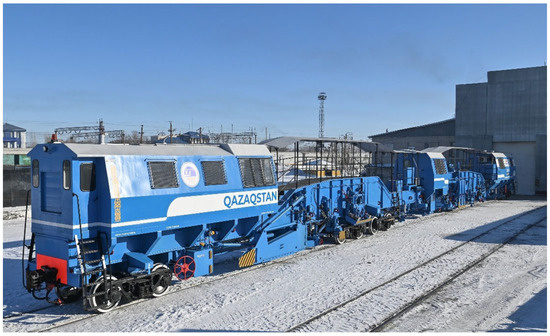
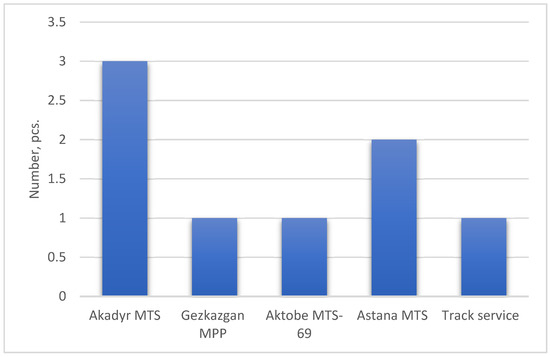
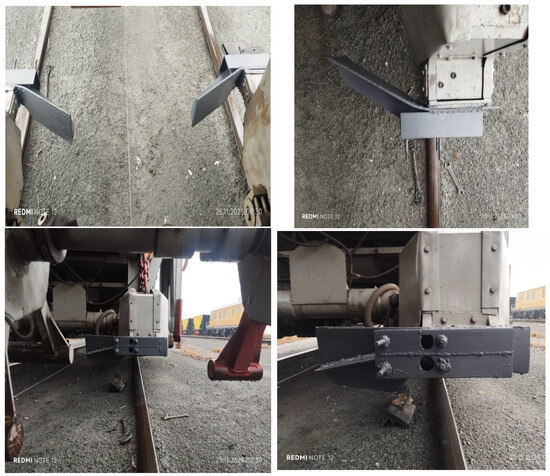
The efficiency of railway track maintenance and repair is largely determined by the technological productivity and reliability of track machines operating under conditions of increasing loads and limited time intervals for operational performance. In this regard, the improvement of the working bodies of ballasting machines is an important direction for increasing the efficiency of the repair and track processes. The paper deals with the improvement of the working body of the electric ballasting machine based on parametric optimization methods aimed at increasing the efficiency of the track repair. The study has analyzed the geometric and process parameters of the working body, which have the greatest effect on the quality of the ballast redistribution, energy consumption, and the stress–strain state when interacting with the ballast prism. A parametric model of the working body has been developed, which makes it possible to perform numerical modeling and identify the most sensitive design parameters, including the blade geometry, the angles of their installation, the penetration depth, and the modes of operation. Based on the results of the optimization, the paper suggests a design solution that provides a more uniform load distribution, reduces peak stresses, and improves the quality of the ballast prism profiling. The obtained results demonstrate an increase in the operational productivity of the electric ballasting machine. The proposed approach is linked to the methodology of optimizing the track machine fleet, as the increase in the efficiency of individual machines contributes to downtime reduction, more accurate planning of operations, and increased efficiency of the track maintenance system based on the predicted condition of the railway tracks.
Full article

Figure 1
Open AccessArticle
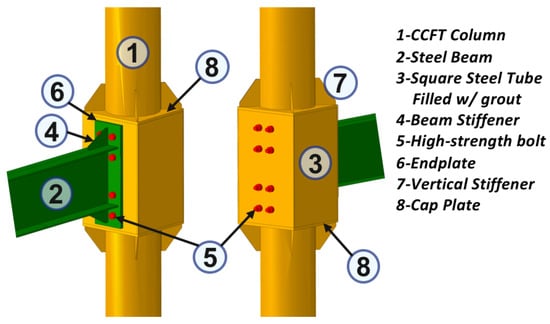
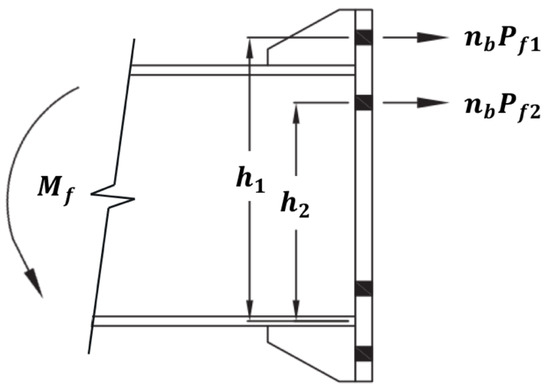
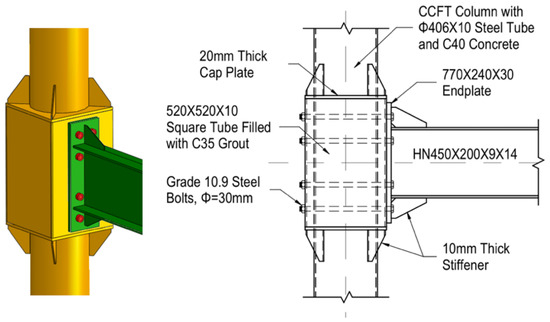
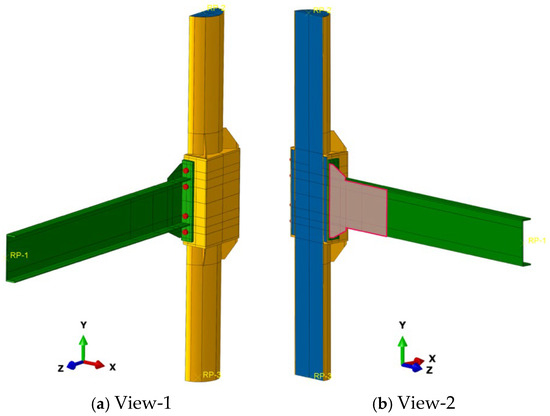
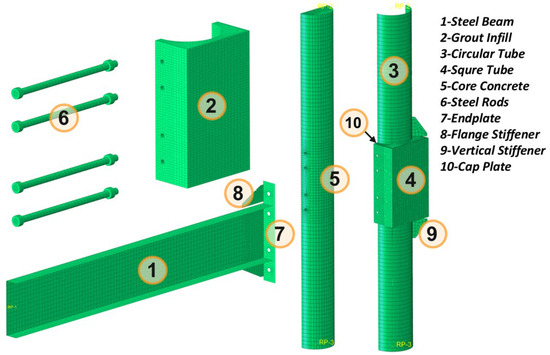
Parametric Study and Design of a Novel Bolted Endplate Rigid Connection Between CCFT Columns and Wide-Flange Beams
by
Yu Gao, Dezhong Yu and Wenjun Gao
Eng 2026, 7(4), 158; https://doi.org/10.3390/eng7040158 - 1 Apr 2026
Abstract
This study proposes a design method for a novel bolted endplate rigid connection between circular concrete-filled steel tube (CCFT) columns and wide-flange (WF) steel beams, with particular emphasis on the parametric behavior governing joint performance. Based on the preliminary quasi-static tests, finite element
[...] Read more.
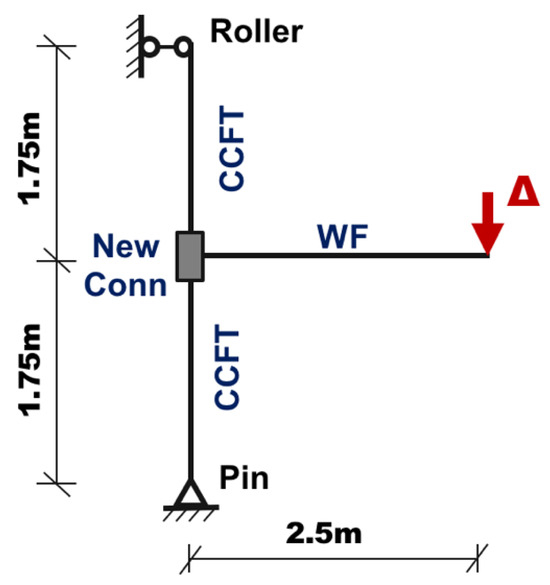
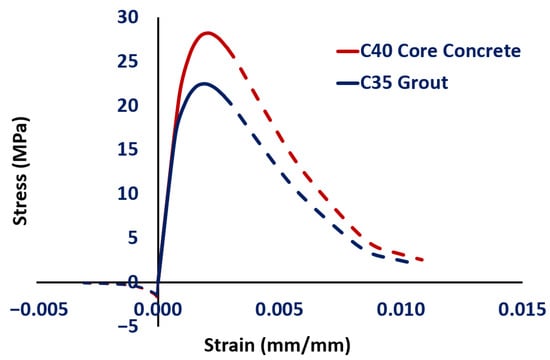
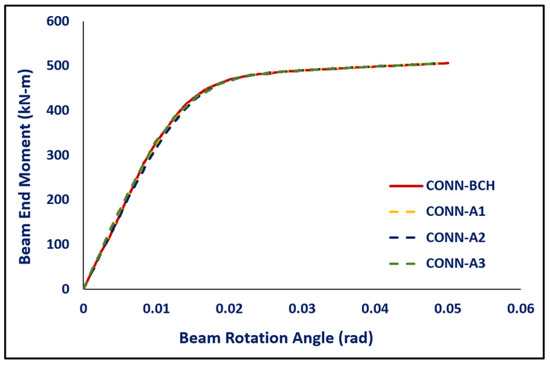
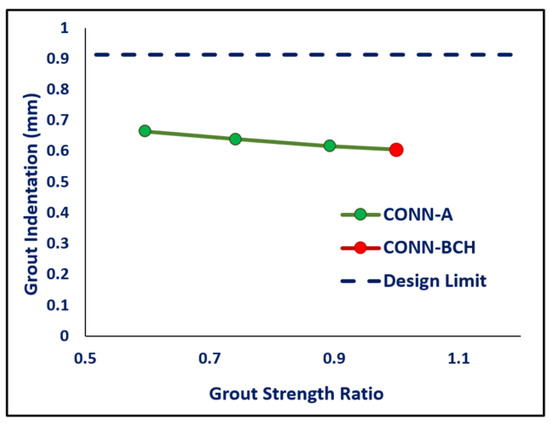
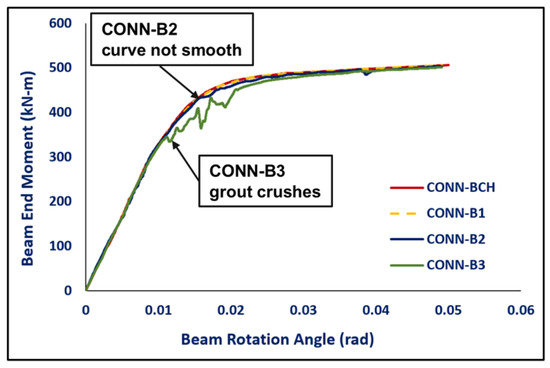
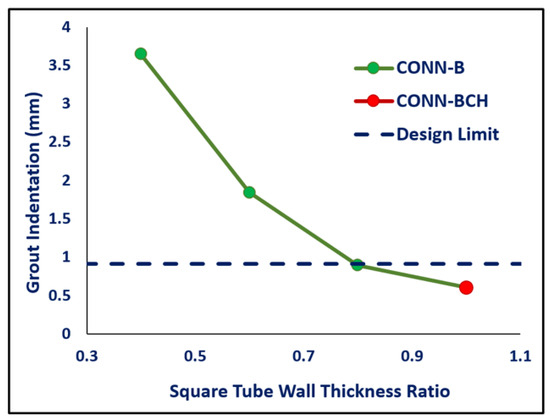
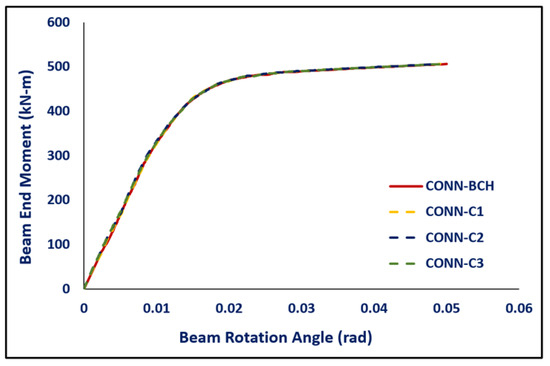
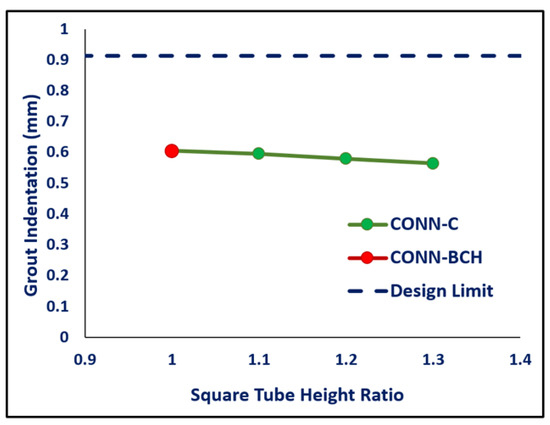
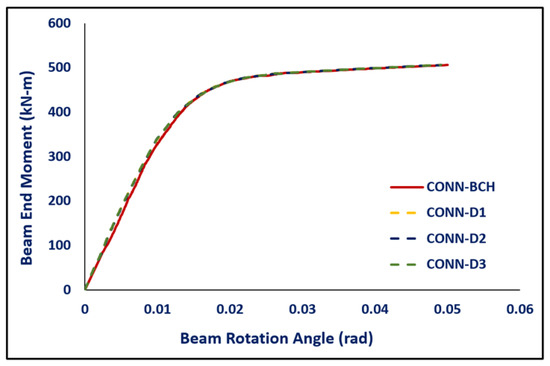
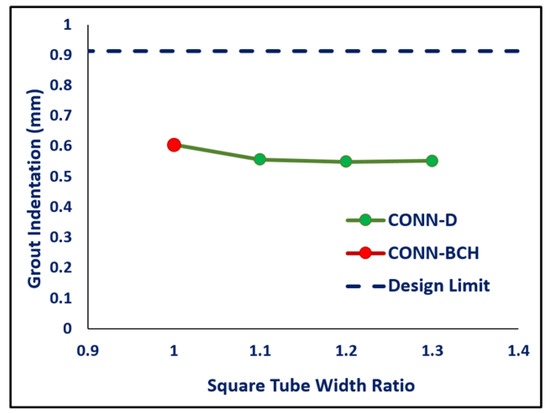
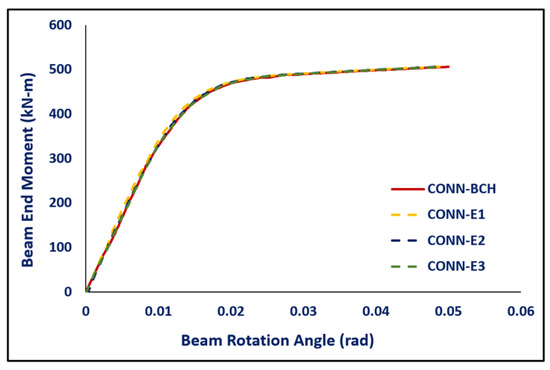
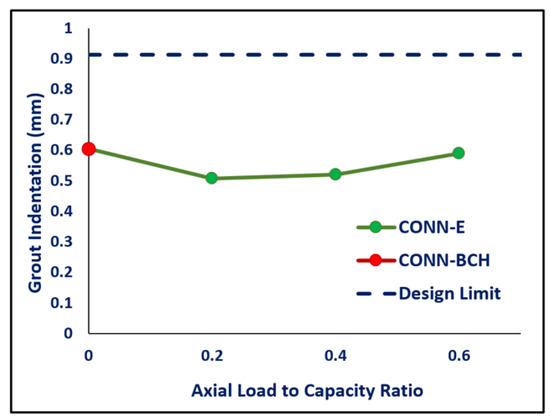
This study proposes a design method for a novel bolted endplate rigid connection between circular concrete-filled steel tube (CCFT) columns and wide-flange (WF) steel beams, with particular emphasis on the parametric behavior governing joint performance. Based on the preliminary quasi-static tests, finite element simulations are conducted to evaluate the flexural behavior and failure mechanisms under beam-end maximum moment, followed by an extensive parametric study examining the effects of square tube dimensions, high-strength grout, and column axial load. The numerical results show that the wall thickness of the square steel tube significantly affects grout indentation. A 60% reduction in wall thickness led to a 503% increase in indentation. In contrast, variations in tube dimensions, grout strength, and column axial load within the studied range caused less than a 16% change and did not influence the flexural performance. These results indicate that the constraints on tube dimensions and axial load may be relaxed. The proposed connection effectively overcomes the limitations of conventional CCFT-to-beam joints, including unfavorable stress transfer, complex detailing, and construction inefficiency, by modifying the load-transfer mechanism and reducing the demand on tensile-critical welds, thereby enhancing ductility. Based on the parametric findings, a design method is established, and theoretical analysis confirms that the proposed connection satisfies the stiffness requirements for fully rigid connections. Future quasi-static tests with different member sizes are recommended to validate these findings.
Full article
(This article belongs to the Section Chemical, Civil and Environmental Engineering)
►▼
Show Figures

Figure 1
Open AccessArticle
Development of Cementless Concrete Pipes Incorporating Bundled Fibers: An Alternate to Cement Concrete Pipes
by
Faisal Amin, Safeer Abbas, Rashid Hameed, Adeel Faisal and Muhammad Haseeb Alvi
Eng 2026, 7(4), 157; https://doi.org/10.3390/eng7040157 - 1 Apr 2026
Abstract
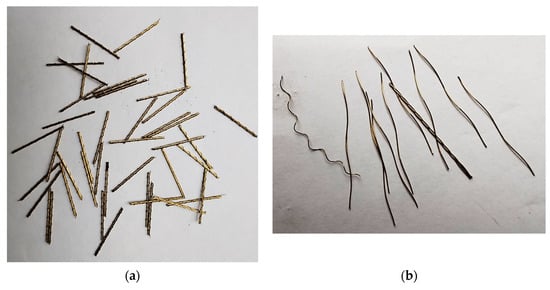
The use of cementless concrete (geopolymer concrete (GPC)) incorporating fly ash and bundled steel fibers to produce full-scale precast concrete pipes is an economical, viable and sustainable solution for sewer infrastructure for decreasing the overall carbon impacts. This research explores the mechanical behavior
[...] Read more.
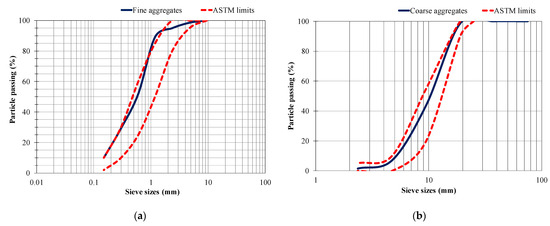
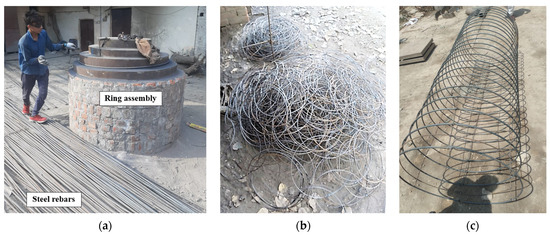
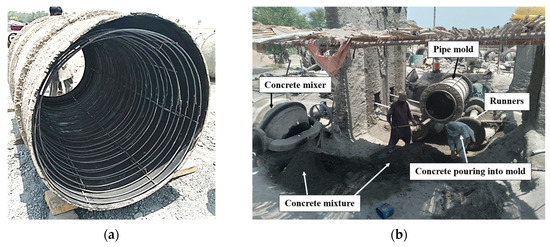
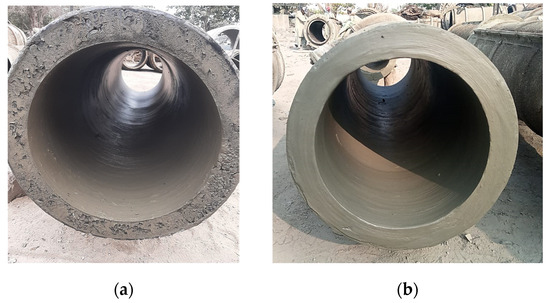
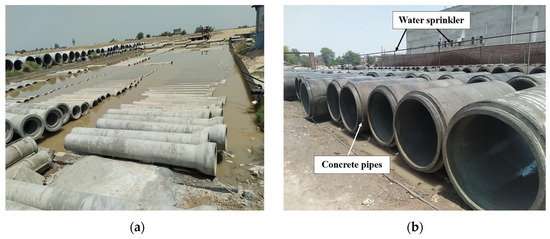
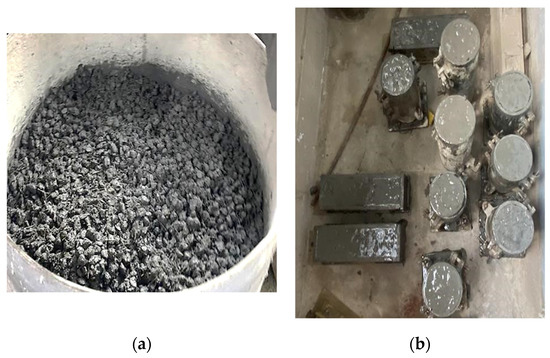
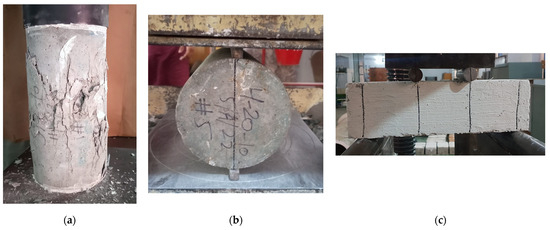
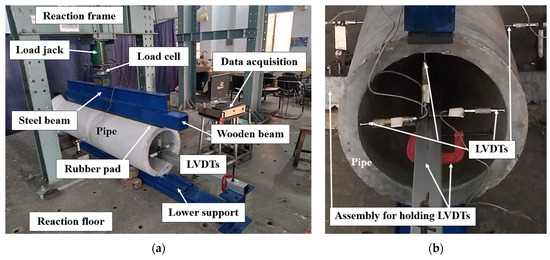
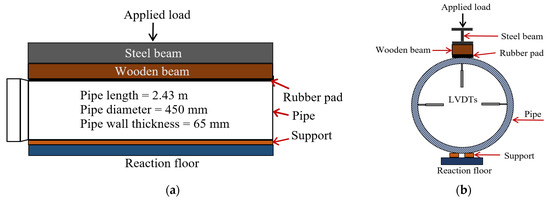
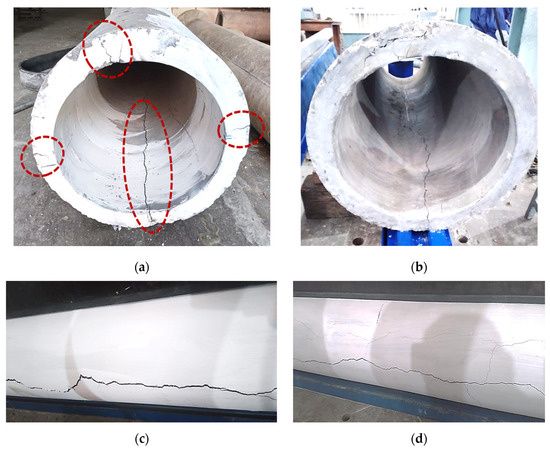
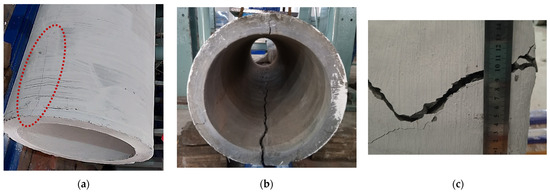
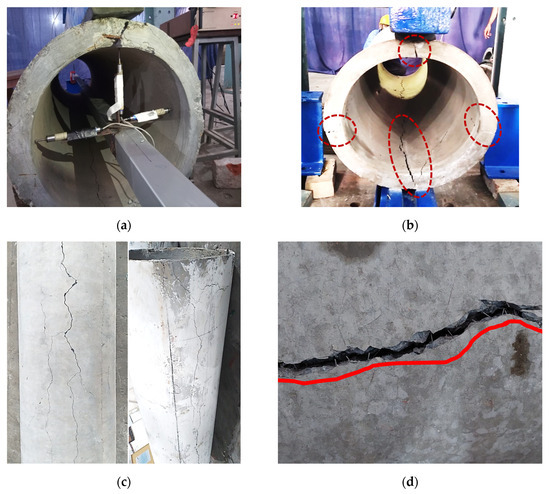
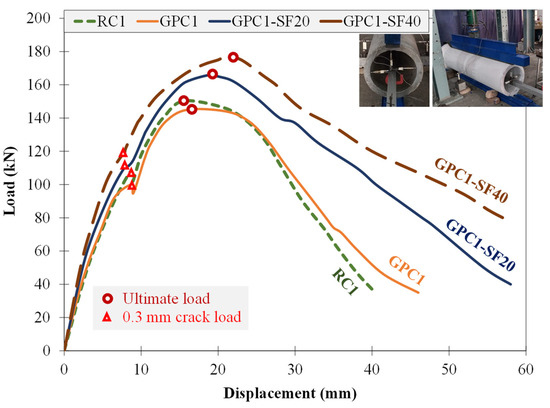
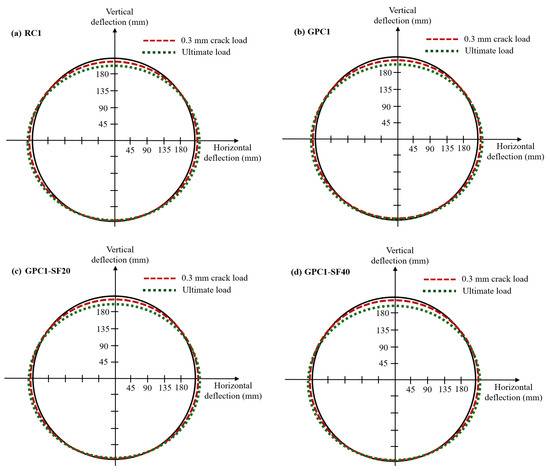
The use of cementless concrete (geopolymer concrete (GPC)) incorporating fly ash and bundled steel fibers to produce full-scale precast concrete pipes is an economical, viable and sustainable solution for sewer infrastructure for decreasing the overall carbon impacts. This research explores the mechanical behavior of precast full-scale pipes (450 mm inner diameter) incorporating cementless concrete and bundled steel fibers. The GPC mixture was produced by completely substituting cement with fly ash generated by the local coal power plant. The bundled steel fibers were locally manufactured from long wires. The proportions investigated of the bundled steel fibers in the GPC pipes were 20 and 40 kg/m3. A total of six full-scale GPC pipes and two conventional cement concrete pipes were cast in a commercial precast pipe unit. The crushing strength under external load was evaluated using the three-edge bearing test (TEBT) on the pipes without fibers, showing comparable cracking and ultimate loads of GPC pipes and conventional cement concrete pipes. Both types of pipes satisfied the strength requirement of ASTM C76 class III. The use of bundled steel fibers in GPC pipes improved the cracking and ultimate loads by 18% and 22%, respectively, when 40 kg/m3 of bundled steel fibers were added. This upgraded the ASTM C76 strength class from class III to IV due to the improved crack resistance and ultimate load. Conventional cement concrete pipes and GPC pipes exhibited similar cracks at the critical regions (springlines, invert and crown). However, GPC pipes with bundled steel fibers showed a well distributed pattern of multiple secondary cracks along the longitudinal axis of the pipes. The final failure was governed by the flexure action and radial tension in the tested pipes. The economic analysis of cement concrete and GPC pipes showed comparable costs. However, the incorporation of fibers increased the cost of GPC pipes due to the limited local availability of proprietary fibers. This study highlights a new horizon of GPC for the manufacturing of sustainable and economical precast pipes as an environmentally friendly substitute to conventional cement concrete pipes for sustainable sewer infrastructure and adds novelty to the current state-of-the-art knowledge.
Full article
(This article belongs to the Section Chemical, Civil and Environmental Engineering)
►▼
Show Figures

Figure 1

Open AccessArticle
Structural and Environmental Performance of Stabilized Dhahran Soil for Sustainable Construction
by
Mohammad Sharif Zami, Abdullahi Abdulrahman Muhudin and Yassir Mubarak Hussein Mustafa
Eng 2026, 7(4), 156; https://doi.org/10.3390/eng7040156 - 1 Apr 2026
Abstract
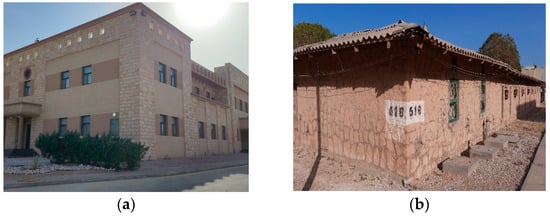
Earth has long served as a primary construction material because of its easy availability and low environmental impact. However, reliability of this material depends on the stabilization to enhance its strength, durability, thermal and acoustic performance. This study investigates the structural and environmental
[...] Read more.
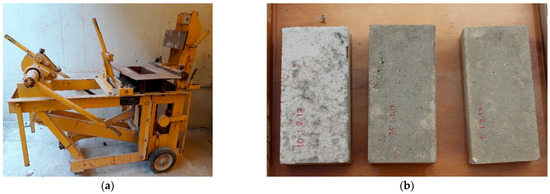
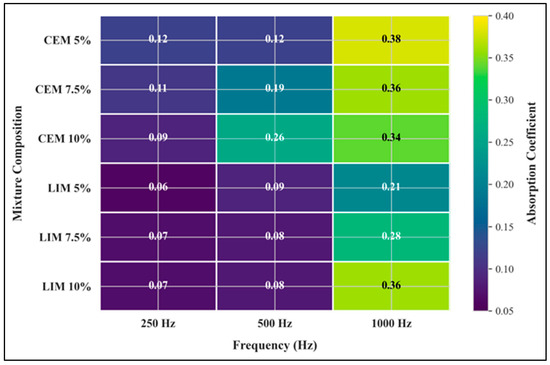
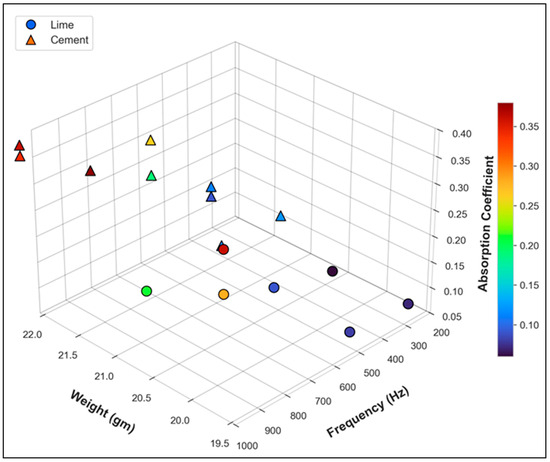
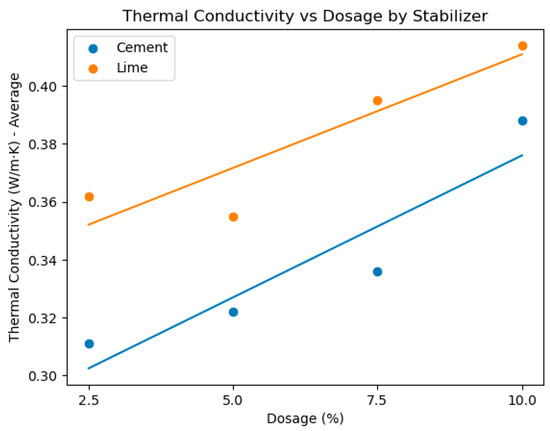
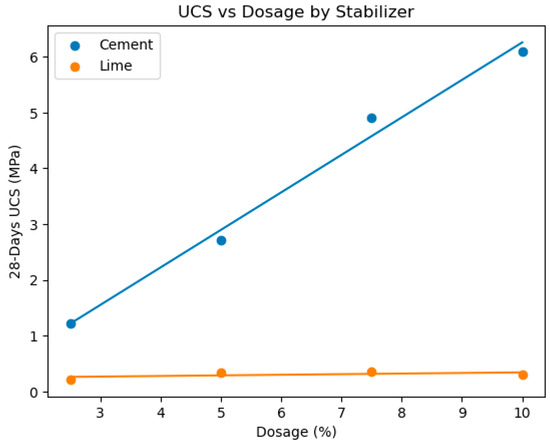
Earth has long served as a primary construction material because of its easy availability and low environmental impact. However, reliability of this material depends on the stabilization to enhance its strength, durability, thermal and acoustic performance. This study investigates the structural and environmental suitability of stabilized Dhahran soil in sustainable consruction. The soil samples were collected from the Eastern Province of Saudi Arabia and stabilized using cement and lime at dosages of 2.5%, 5%, 7.5%, and 10%. Experimental evaluations included unconfined compressive strength (UCS), durability under wet–dry cycles, thermal conductivity, and sound absorption. Results revealed that 10% cement stabilization achieved a UCS of 6.1 MPa after 28 days, while lime-stabilized samples failed to meet the 2 MPa structural threshold. Durability tests showed that as little as 5% cement provided sufficient resistance, with minimal weight loss under repeated cycles. Cement-stabilized specimens exhibited higher sound absorption at low frequencies, whereas lime-based mixes offered more balanced broadband performance. Thermal conductivity (TC) increased moderately with higher cement content, ranging from 0.311 to 0.388 W/m·K, reflecting improved densification and heat transfer efficiency. Overall, the findings demonstrated that Dhahran soil, when cement-stabilized, becomes a durable, structurally viable, and environmentally suitable building material, supporting its potential as a sustainable construction solution in arid regions.
Full article
(This article belongs to the Section Chemical, Civil and Environmental Engineering)
►▼
Show Figures

Figure 1
Open AccessArticle
A Deterministic Calibration Strategy for MOHID-Land Based on Soil Parameter Uncertainty
by
Dhiego da Silva Sales, Jader Lugon Junior, David de Andrade Costa, Mariana Dias Villas-Boas, Ramiro Joaquim Neves and Antônio José da Silva Neto
Eng 2026, 7(4), 155; https://doi.org/10.3390/eng7040155 - 31 Mar 2026
Abstract
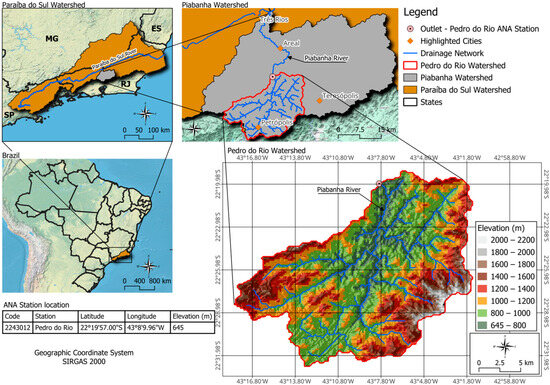
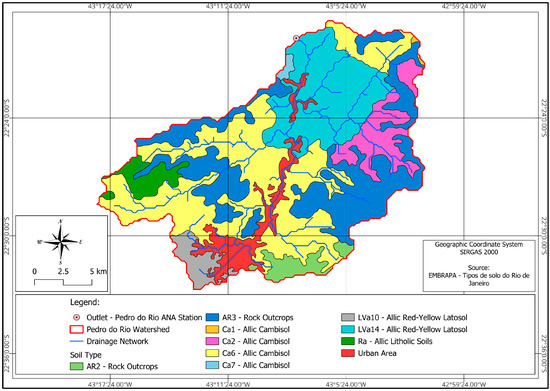
This study investigates the influence of parametric uncertainty in the van Genuchten–Mualem (VGM) model on hydrological simulations and proposes a deterministic, soil-focused calibration strategy within the MOHID-Land model. The approach was applied to the Pedro do Rio watershed to quantify the impact of
[...] Read more.
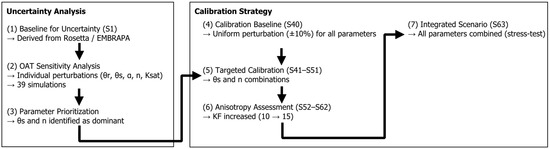
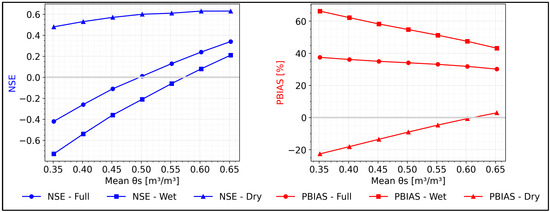
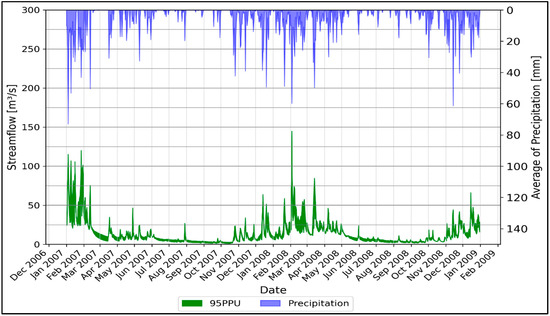
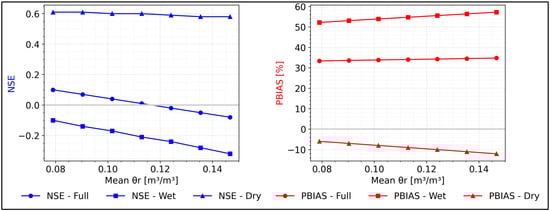
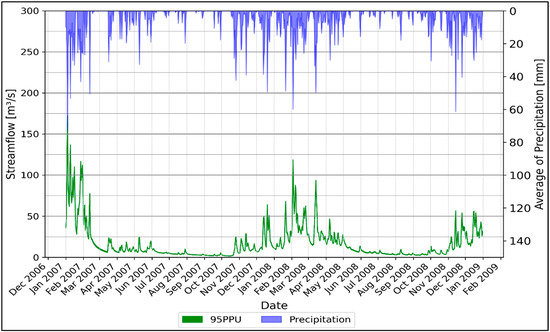
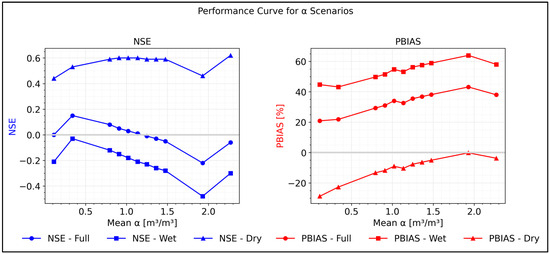
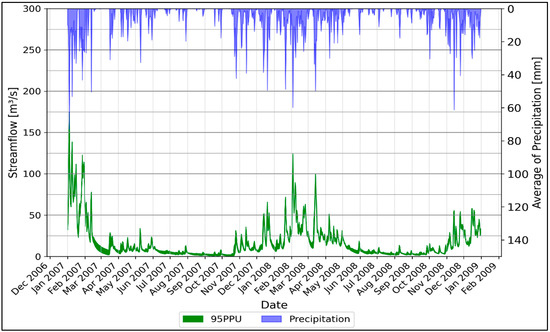
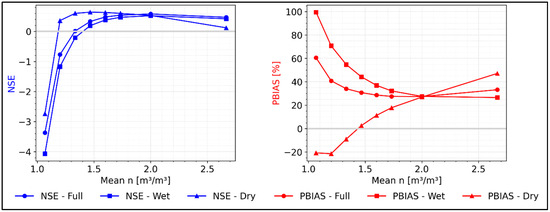
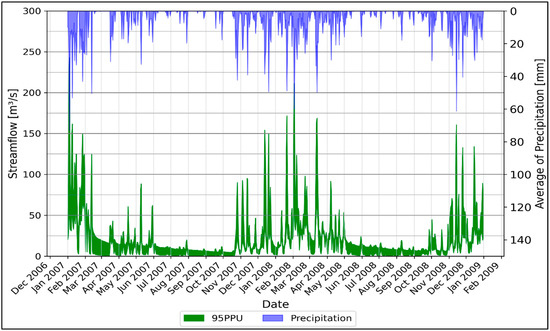
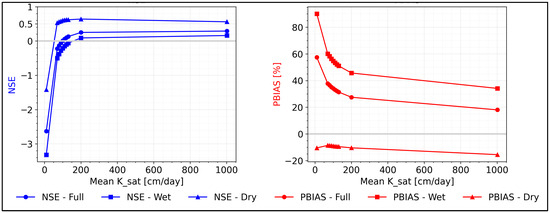
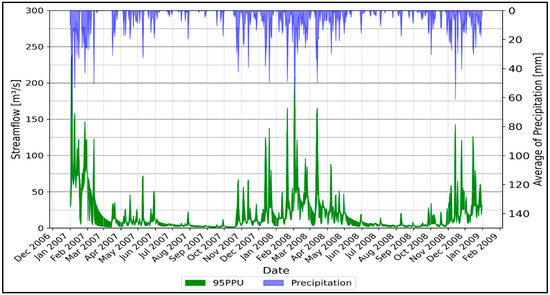
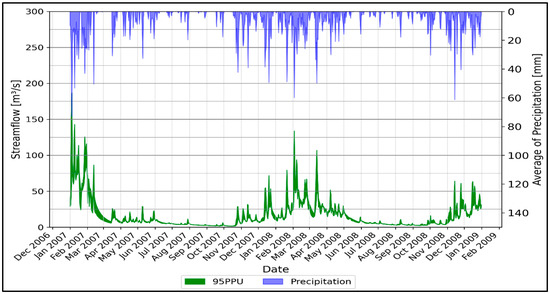
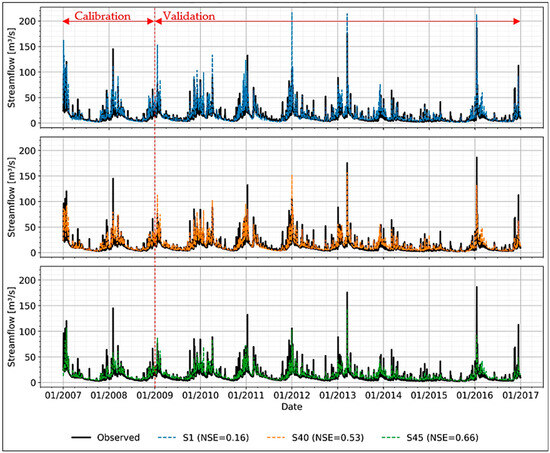
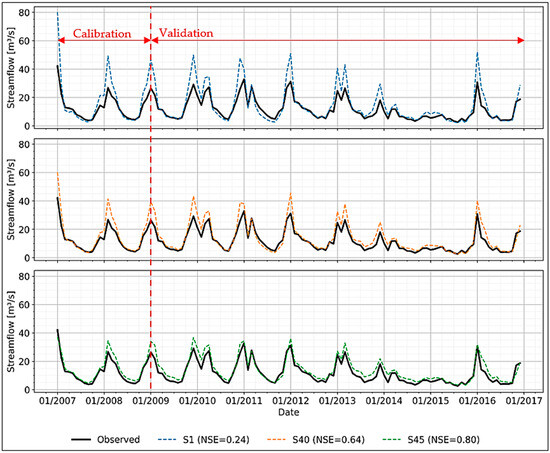
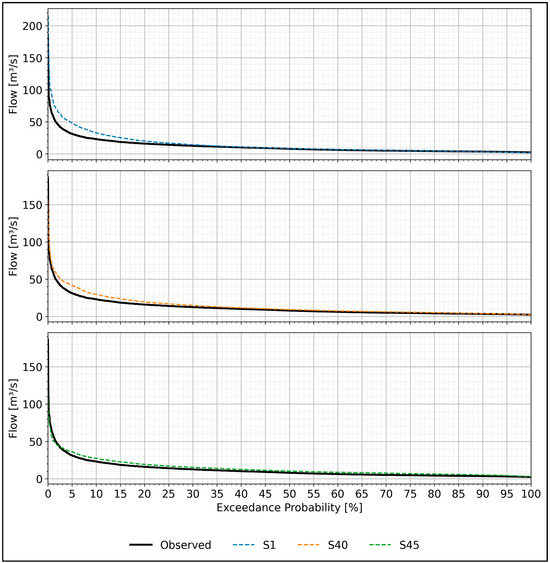
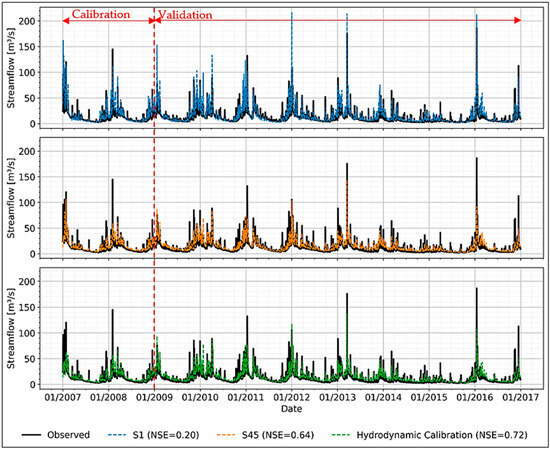
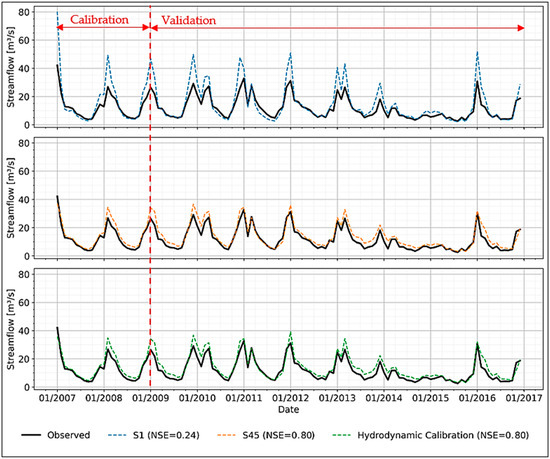
This study investigates the influence of parametric uncertainty in the van Genuchten–Mualem (VGM) model on hydrological simulations and proposes a deterministic, soil-focused calibration strategy within the MOHID-Land model. The approach was applied to the Pedro do Rio watershed to quantify the impact of VGM parameters, typically estimated via pedotransfer functions, on streamflow performance and to reduce uncertainty through targeted calibration. A one-at-a-time sensitivity analysis using the 95% Prediction Uncertainty (95PPU) metric identified the saturated water content (θs) and pore-size distribution (n) as the most influential parameters. Calibration scenarios adjusting these parameters, especially Scenario S45 (+30% θs, +20% n), significantly improved model performance, increasing the Nash–Sutcliffe Efficiency (NSE) from 0.20 to 0.66 on a daily scale and to 0.80 on a monthly scale during the validation period. Subsequent hydrodynamic refinements raised the daily NSE to 0.72, while monthly performance remained unchanged. The results underscore that soil parameter uncertainty plays a central role in long-term water balance representation, while hydrodynamic parameters primarily influence short-term dynamics in steep, responsive basins. Overall, the proposed strategy provides a computationally efficient alternative to fully automatic calibration methods, delivering robust performance while maintaining physical consistency, particularly in data-scarce environments.
Full article
(This article belongs to the Special Issue Interdisciplinary Insights in Engineering Research 2026)
►▼
Show Figures

Figure 1
Open AccessArticle
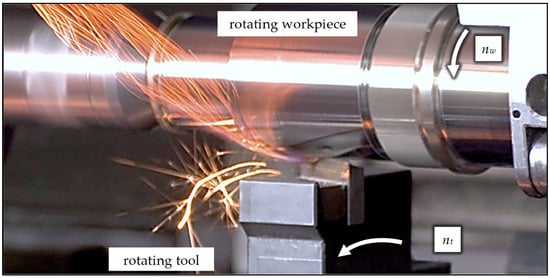
A Hybrid Regression and Machine Learning-Based Multi-Output Predictive Modeling of Cutting Forces and Surface Roughness in Rotational Turning of C45 Steel
by
István Sztankovics
Eng 2026, 7(4), 154; https://doi.org/10.3390/eng7040154 - 31 Mar 2026
Abstract
Rotational turning is a hybrid machining process that combines features of milling and conventional turning, resulting in altered chip formation and force generation mechanisms. Despite its technological relevance, the predictive modeling of cutting forces and surface roughness in rotational turning has received little
[...] Read more.
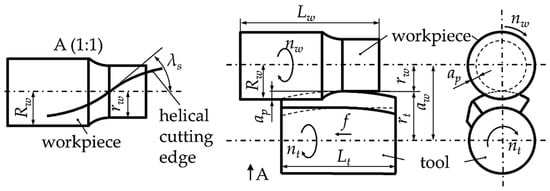
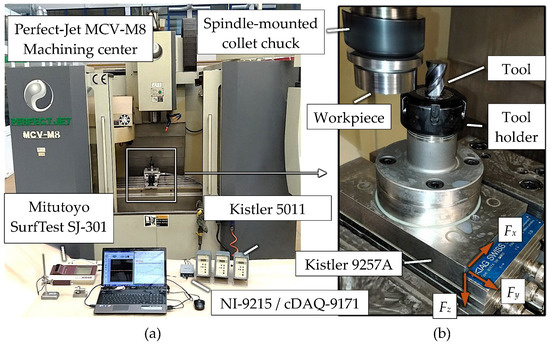
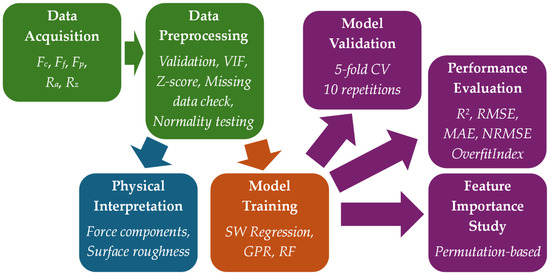
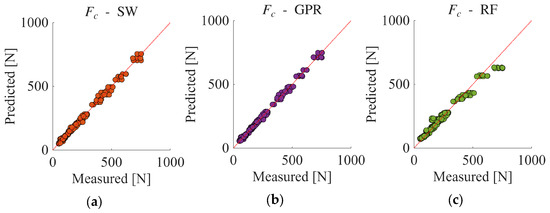
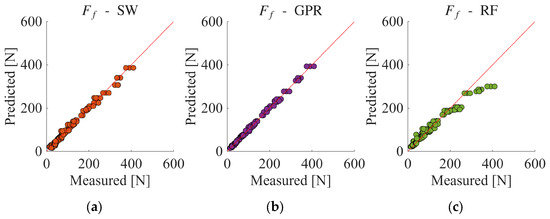
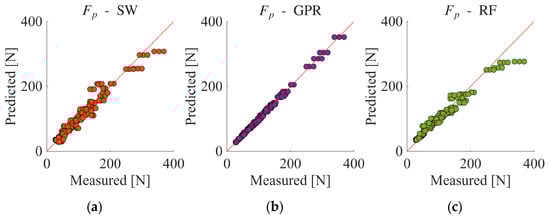
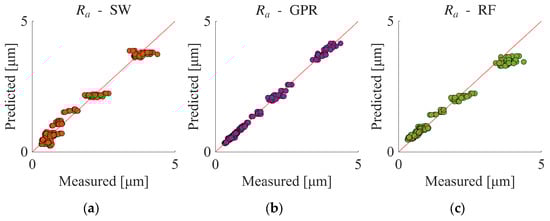
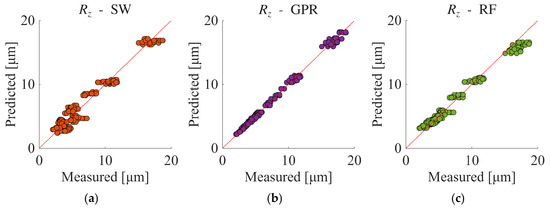
Rotational turning is a hybrid machining process that combines features of milling and conventional turning, resulting in altered chip formation and force generation mechanisms. Despite its technological relevance, the predictive modeling of cutting forces and surface roughness in rotational turning has received little attention. This study applies and evaluates a hybrid regression and machine learning modeling for the multi-output prediction of three cutting force components and two surface roughness parameters during rotational turning of normalized C45 steel. The input variables are tool inclination angle, depth of cut, feed, and cutting speed. Three modeling approaches are compared: stepwise polynomial regression, Gaussian Process Regression, and Random Forest regression, using repeated five-fold cross-validation with ten repetitions. The results show that Gaussian Process Regression provides the highest predictive accuracy for most outputs, particularly for axial and radial forces and roughness parameters, while stepwise regression achieves comparable performance for tangential force with greater interpretability. Random Forest regression exhibits lower accuracy under the structured experimental design. The study demonstrates that combining interpretable regression with probabilistic machine learning enables the accurate prediction of process responses in rotational turning. The proposed methodology represents a novel, statistically validated approach for multi-output modeling of this machining process and supports future applications in process optimization and adaptive manufacturing systems.
Full article
(This article belongs to the Special Issue Emerging Trends and Technologies in Manufacturing Engineering)
►▼
Show Figures

Figure 1
Open AccessArticle
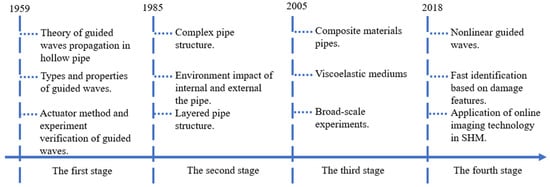
Lamb-Wave-Based Structural Health Monitoring for Surface Crack Detection in Pipelines
by
Atef Eraky, Alaa El-Sisi, Mohamed Foad, Rania Samir and Abdallah Salama
Eng 2026, 7(4), 153; https://doi.org/10.3390/eng7040153 - 31 Mar 2026
Abstract
Pipelines play a vital role in transporting oil, gas, water, and other critical resources across vast distances. However, they are often exposed to harsh environmental conditions, aging, corrosion, and mechanical stresses that can lead to structural degradation or failure. Structural health monitoring (SHM)
[...] Read more.
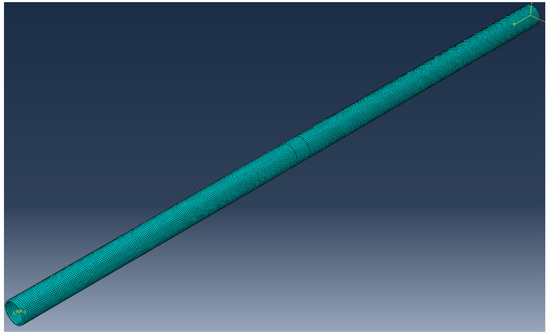
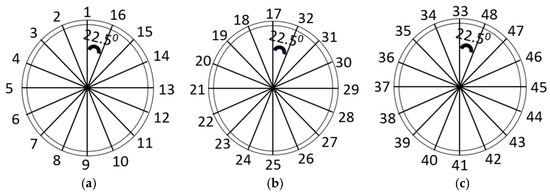
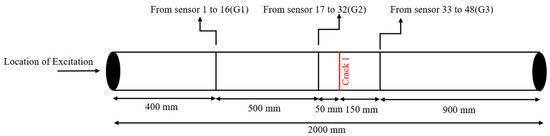
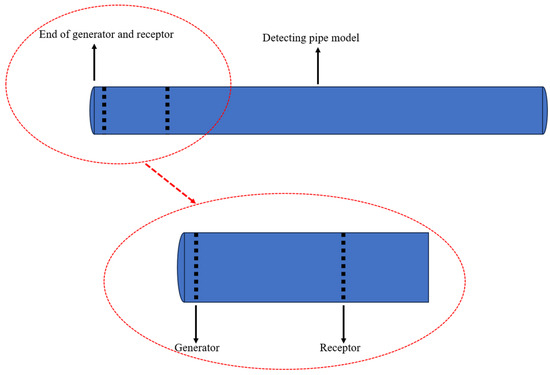
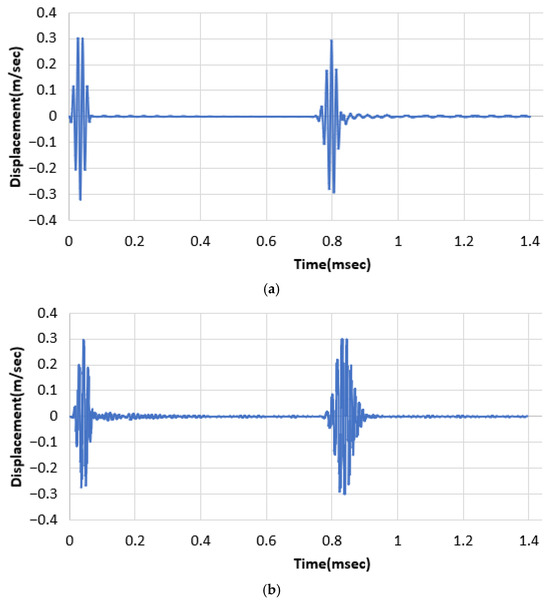
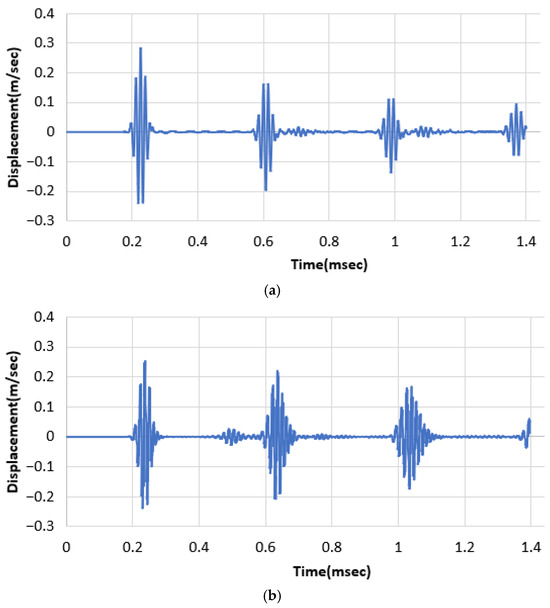
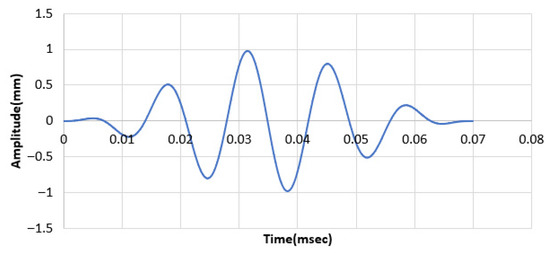
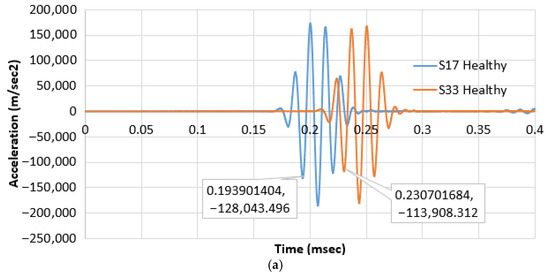
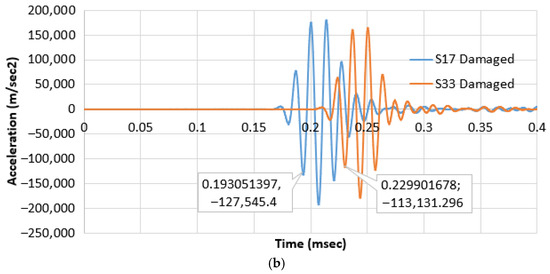
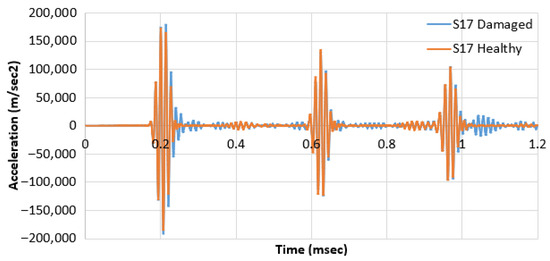
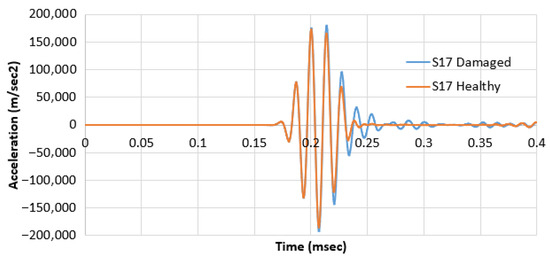
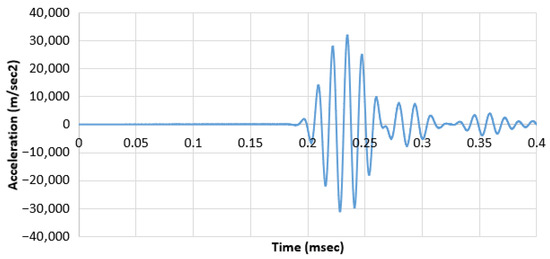
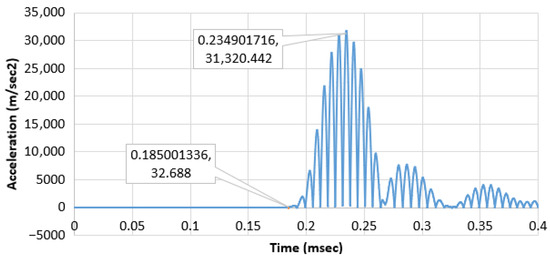
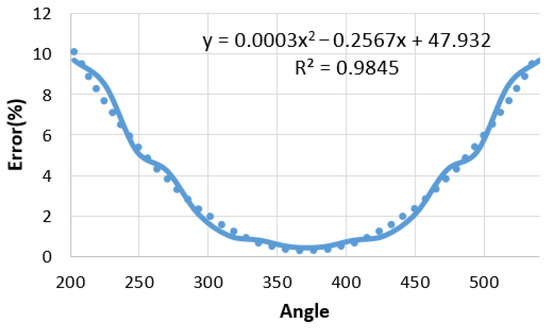
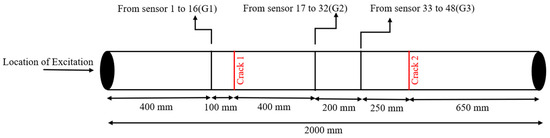
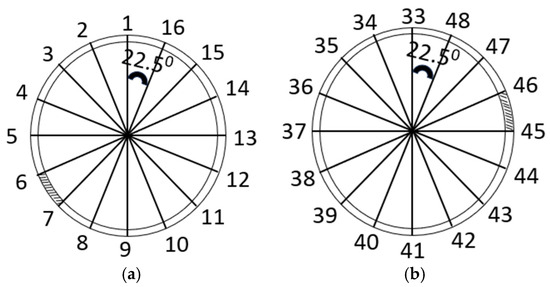
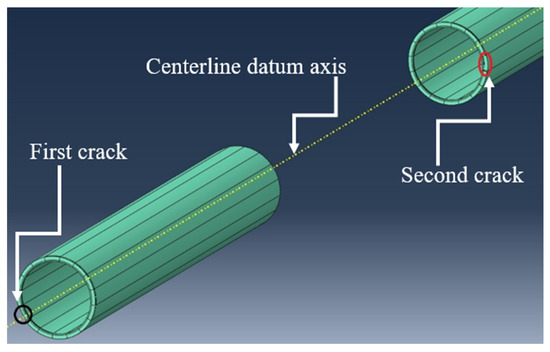
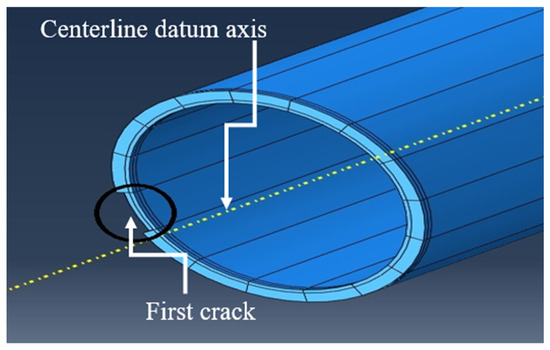
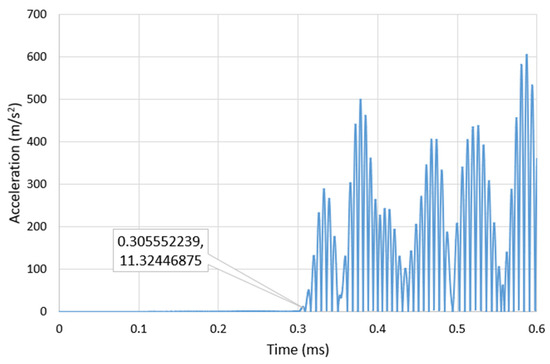
Pipelines play a vital role in transporting oil, gas, water, and other critical resources across vast distances. However, they are often exposed to harsh environmental conditions, aging, corrosion, and mechanical stresses that can lead to structural degradation or failure. Structural health monitoring (SHM) offers a proactive solution for ensuring the integrity and safety of pipeline systems through continuous or periodic assessment using advanced sensing technologies and analytical methods. This paper presents the use of Lamb waves to find surface cracks in pipelines. Finite element software, ABAQUS/CAE 2017, is used to simulate intact and damaged pipes. The Time of Flight (ToF) method is applied with two techniques. The first is based on the difference between the received waves for damaged and intact pipelines, while the second is based on the difference between two sensor reads in damaged pipelines. The effectiveness of SHM systems in detecting anomalies and guiding maintenance decisions is evaluated. The results demonstrate the potential of SHM to enhance pipeline reliability, reduce downtime, and support condition-based maintenance strategies. This research contributes to the development of smarter, safer, and more efficient pipeline monitoring systems.
Full article
(This article belongs to the Section Chemical, Civil and Environmental Engineering)
►▼
Show Figures

Figure 1
Open AccessArticle
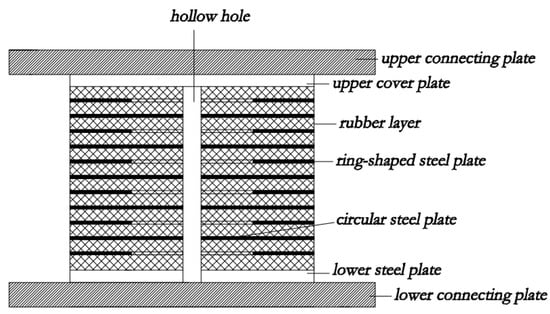
Design and Performance Study of Stiffness-Reduced Rubber Isolation Bearings
by
Xianjie Wang, Chengpeng Lu, Linjian Wang, Yiming Chen, Jiayun Yang and Shifang Deng
Eng 2026, 7(4), 152; https://doi.org/10.3390/eng7040152 - 27 Mar 2026
Abstract
To address the poor vertical vibration reduction in laminated rubber bearings, the high cost and low practicality of combined three-dimensional isolation bearings, and the low load-bearing capacity of thick-layer rubber bearings, this paper proposes a stiffness-reduced rubber isolation bearing. Based on the deformation
[...] Read more.
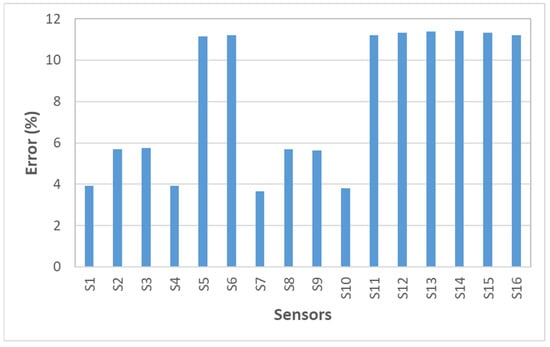
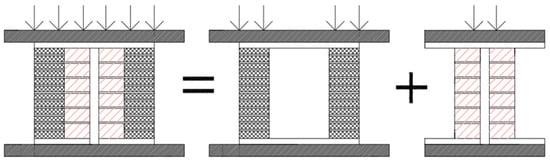
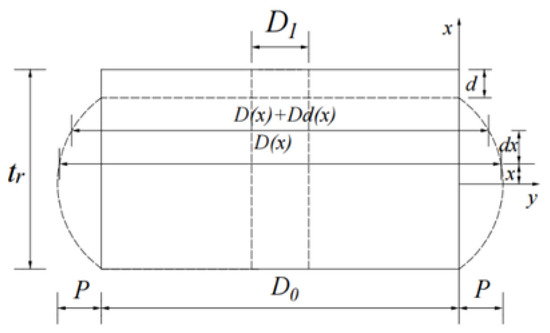
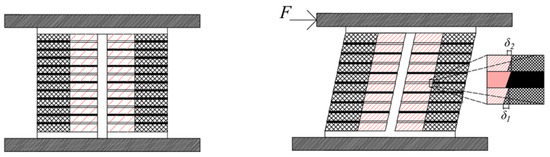
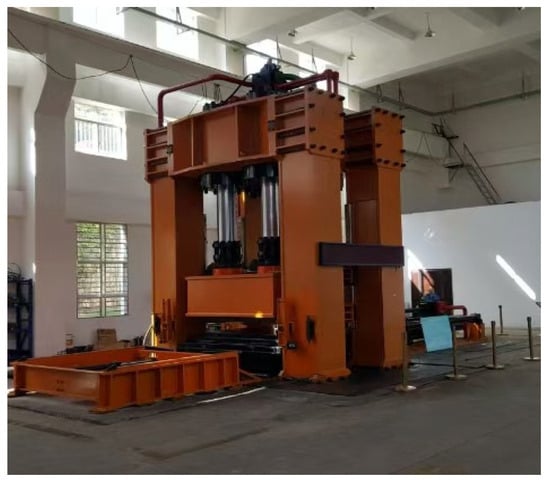
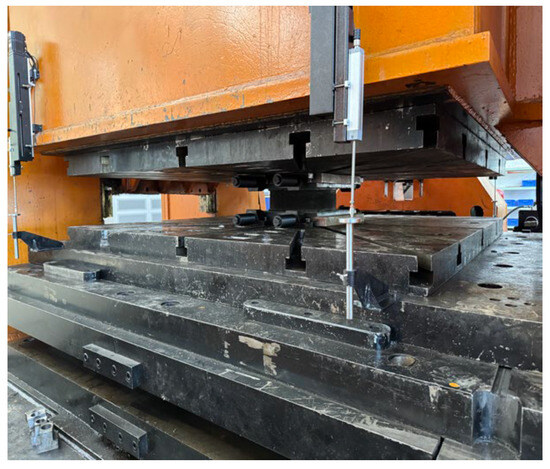
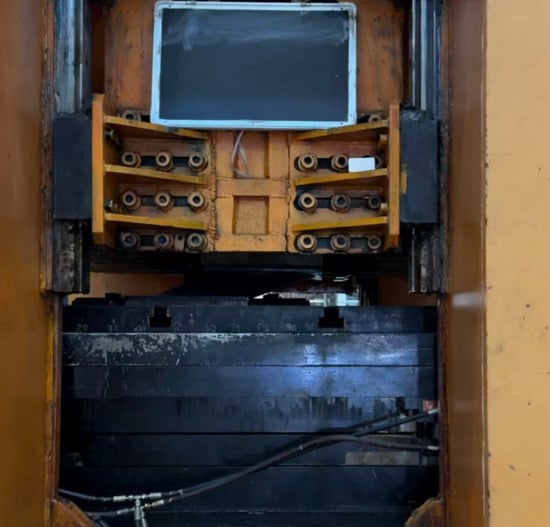
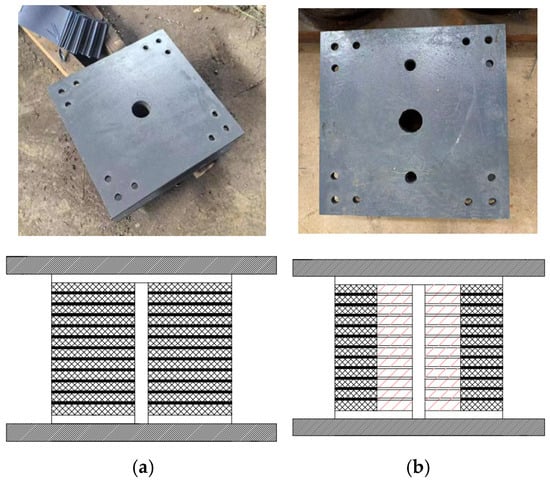
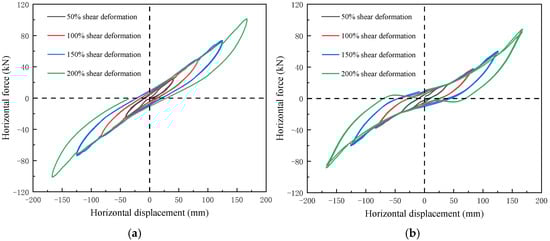
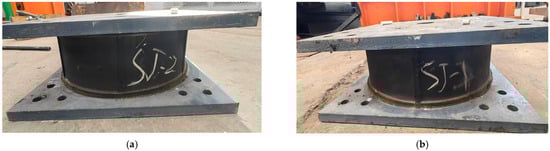
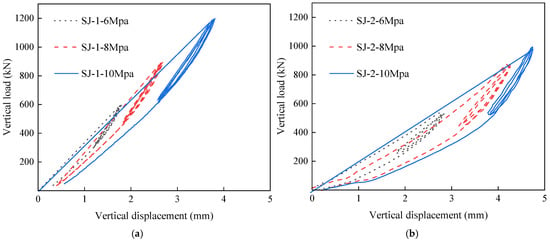
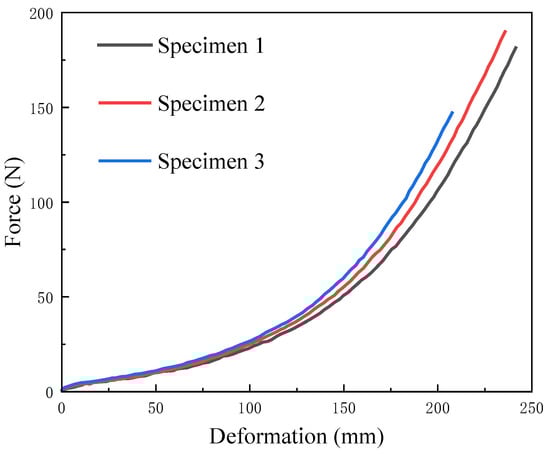
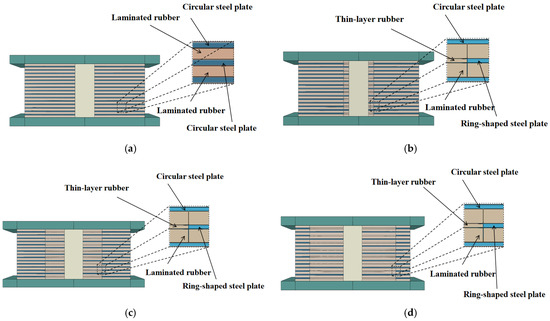
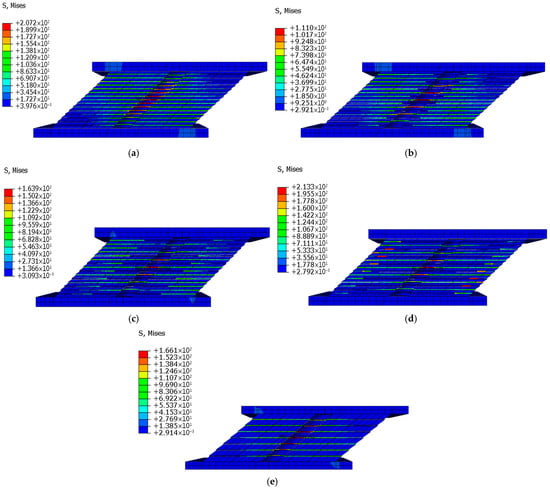
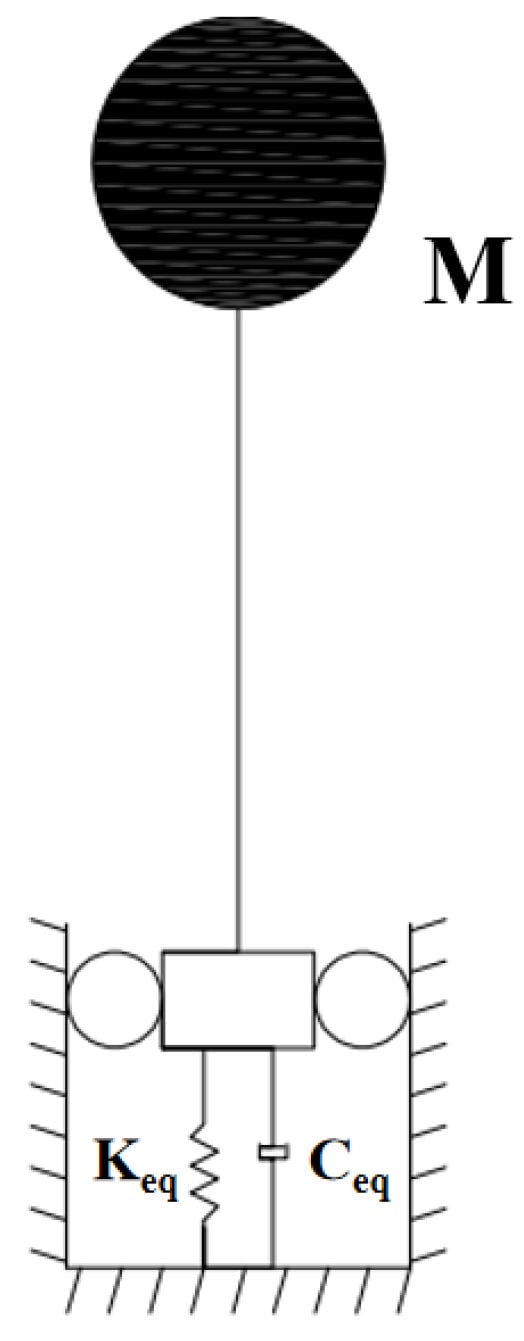
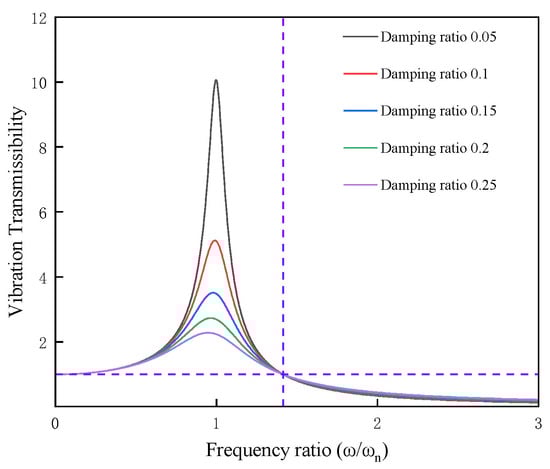
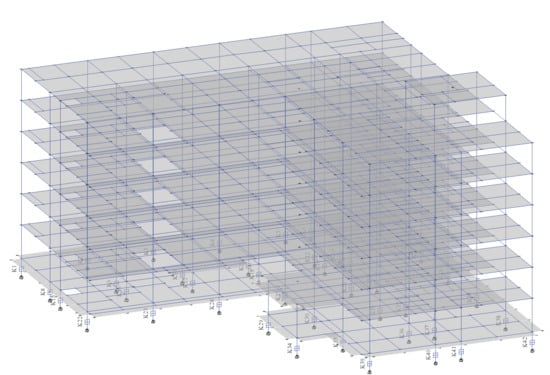
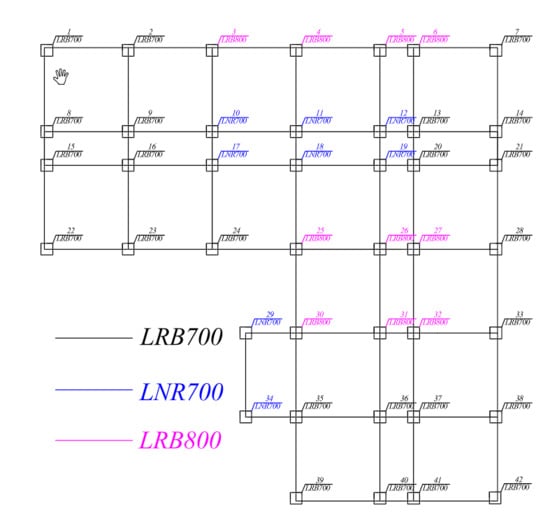
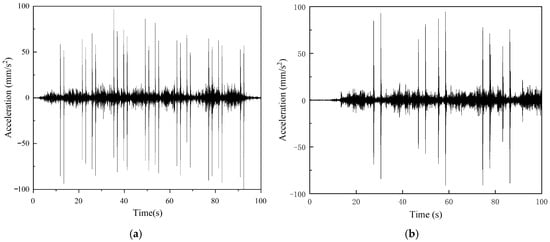
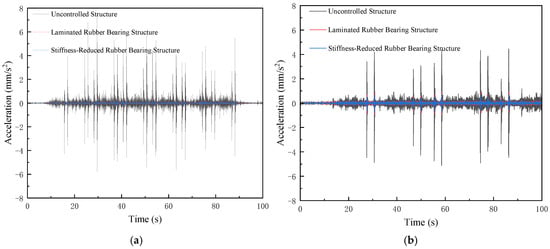
To address the poor vertical vibration reduction in laminated rubber bearings, the high cost and low practicality of combined three-dimensional isolation bearings, and the low load-bearing capacity of thick-layer rubber bearings, this paper proposes a stiffness-reduced rubber isolation bearing. Based on the deformation coordination principle and the incompressibility of thick-layer rubber, theoretical formulas for the horizontal and vertical stiffness of the proposed bearing are established. Compression–shear tests and finite element simulations are then conducted to investigate its mechanical properties under vertical compressive stress. The results show that the theoretical predictions agree well with the simulation and experimental results. The maximum error of horizontal stiffness is no more than 5.6% relative to the finite element simulation and no more than 3.3% relative to the experimental results, while the maximum error of vertical stiffness is no more than 7.9% and 2.3%, respectively. Compared with the traditional laminated rubber bearing, the stiffness-reduced rubber isolation bearing reduces the average vertical stiffness by 35.8% while maintaining stable horizontal mechanical performance and overall integrity within the tested range. Furthermore, parametric analysis indicates that the stiffness can be effectively adjusted by changing the inner-diameter/outer-diameter ratio. A case study based on measured metro-induced vibration time-history curves further shows that the proposed bearing has potential for achieving the dual objective of horizontal isolation and vertical vibration reduction.
Full article
(This article belongs to the Section Chemical, Civil and Environmental Engineering)
►▼
Show Figures

Figure 1
Highly Accessed Articles
Latest Books
E-Mail Alert
News
Topics
Topic in
Electricity, Electronics, Energies, Processes, Eng
Power System Dynamics and Stability, 2nd Edition
Topic Editors: Da Xie, Yanchi Zhang, Dongdong Li, Chenghong Gu, Ignacio Hernando-Gil, Nan ZhaoDeadline: 30 April 2026
Topic in
Batteries, Electronics, Energies, Eng, Smart Cities, Vehicles, Solar
Electric Vehicles Smart Charging: Strategies, Technologies, and Challenges
Topic Editors: Tao Chen, Hongxun Hui, Qianzhi Zhang, Zhao YuanDeadline: 31 May 2026
Topic in
Diagnostics, Electronics, Eng, Micro, Micromachines
Micro-Nanoelectronic Systems for Diagnosis and Therapies
Topic Editors: Wubin Bai, Jiho ShinDeadline: 30 June 2026
Topic in
Drones, Electronics, Eng, JMSE, Robotics, Sensors, Vehicles
Advanced Technologies and Applications for Unmanned Systems
Topic Editors: Jinchao Chen, Chao Chen, Yingjie ZhangDeadline: 31 July 2026
Special Issues
Special Issue in
Eng
Advanced Numerical Simulation Techniques for Geotechnical Engineering
Guest Editors: Haoyu Han, Huimin Wang, Kai TaoDeadline: 30 April 2026
Special Issue in
Eng
Advances in GeoEnergy Engineering: Innovations in Sustainable Energy Resources and Unconventional Reservoirs
Guest Editor: Reza RezaeeDeadline: 30 April 2026
Special Issue in
Eng
Hybrid and Scalable Nanofabrication Methods for Low-Dimensional Materials
Guest Editors: Dongxue Chen, Kai XuDeadline: 31 May 2026
Special Issue in
Eng
Emerging Technologies for the Treatment and Reduction of Pollutants in Industrial Processes
Guest Editor: Antonio Gil BravoDeadline: 30 June 2026