-
Annual Fecundity of European Anchovy: A Case Study in the North Aegean Sea (Eastern Mediterranean) -
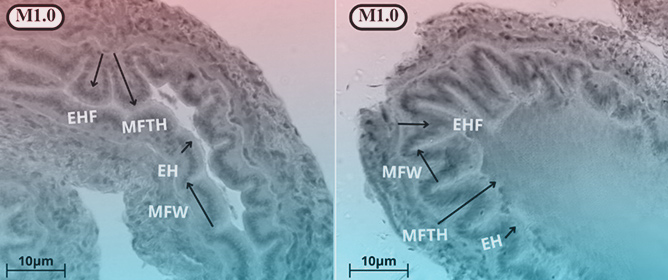
Impact of Solubilized Mannan Oligosaccharide Supplementation on Growth Performance, Digestive Health, Stress Resistance, and Economic Efficiency in Pacific White Shrimp (Penaeus vannamei) Raised in an Intensive Synbiotic System -
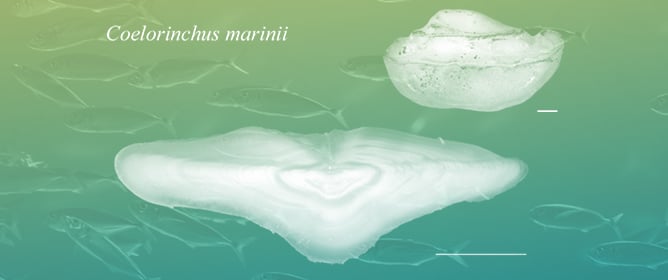
Revealing Ontogenetic Vertical Migration in Deep-Sea Grenadiers (Macrouridae) from the Southwestern Atlantic Through Otolith Microchemistry
Journal Description
Fishes
Fishes
is an international, peer-reviewed, scientific, open access journal covering fishes and aquatic animals research, and is published monthly online by MDPI. The Iberian Society of Ichthyology (SIBIC) and Brazilian Society of Aquaculture and Aquatic Biology (Aquabio) are affiliated with Fishes and their members receive a discount on the article processing charges.
- Open Access— free for readers, with article processing charges (APC) paid by authors or their institutions.
- High Visibility: indexed within Scopus, SCIE (Web of Science), GEOBASE, PubAg, FSTA, and other databases.
- Journal Rank: JCR - Q1 (Marine and Freshwater Biology) / CiteScore - Q1 (Ecology, Evolution, Behavior and Systematics)
- Rapid Publication: manuscripts are peer-reviewed and a first decision is provided to authors approximately 18.2 days after submission; acceptance to publication is undertaken in 2.8 days (median values for papers published in this journal in the first half of 2026).
- Recognition of Reviewers: Reviewers whose reports are timely and of high quality receive an APC discount voucher for a future publication in an MDPI journal. Become a reviewer.
- Companion journals for Fishes include: Aquaculture Journal and Smart Fisheries.
- Journal Cluster of Aquatic Sciences: Aquaculture Journal, Fishes, Hydrobiology, Phycology, and Smart Fisheries.
Impact Factor:
2.9 (2025);
5-Year Impact Factor:
3.0 (2025)
Latest Articles
Quality Evaluation and Nutrient Profiling of Siganus fuscessens from Multiple Regions in Guangxi, China
Fishes 2026, 11(10), 560; https://doi.org/10.3390/fishes11100560 - 22 Sep 2026
Abstract
This study assessed muscle quality and nutritional components of farmed Siganus fuscescens (rabbitfish) from Hepu, Qinnan and Tieshangang in Guangxi, China. Proximate nutrients, amino acids and fatty acids in fish muscle were determined. Qinnan samples had higher moisture and crude protein but lower
[...] Read more.
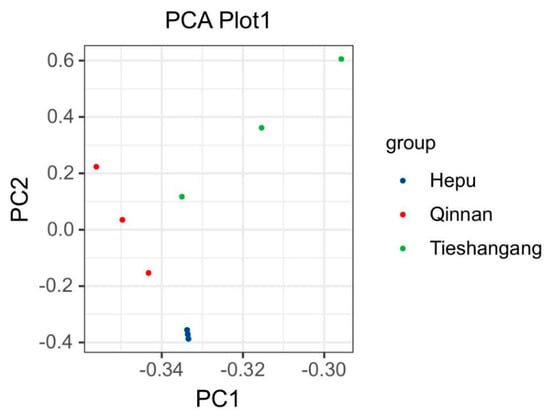
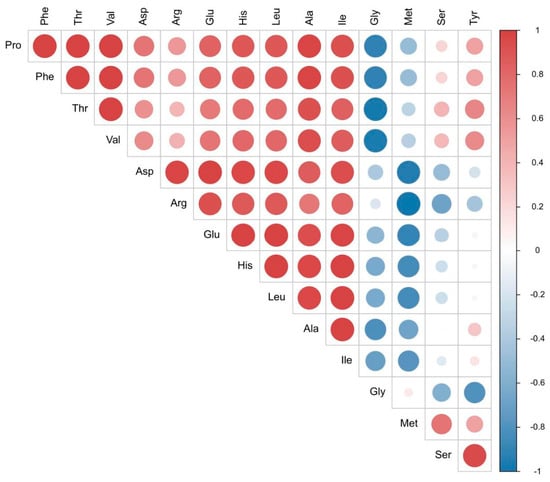
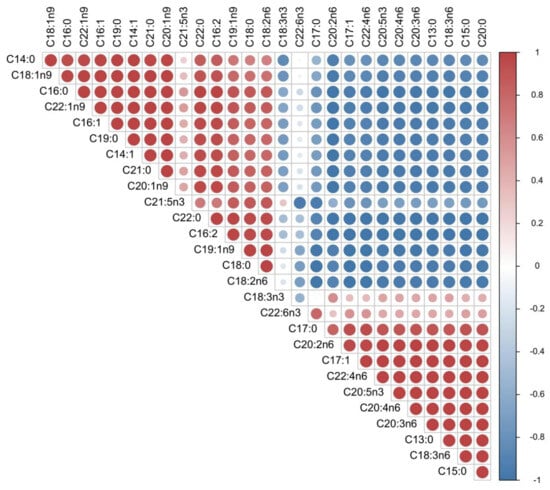
This study assessed muscle quality and nutritional components of farmed Siganus fuscescens (rabbitfish) from Hepu, Qinnan and Tieshangang in Guangxi, China. Proximate nutrients, amino acids and fatty acids in fish muscle were determined. Qinnan samples had higher moisture and crude protein but lower ash content. Glutamic and aspartic acids dominated detected amino acids. The ratios of essential amino acids to total amino acids (EAA/TAA) and to non-essential amino acids (EAA/NEAA) ranged from 35.63 to 36.16% and 68.47 to 69.33%, respectively. Qinnan fish possessed the highest contents of total amino acids (TAA), essential amino acids (EAA), flavor amino acids (FAA), and the highest essential amino acid index (EAAI), indicating superior protein quality. The fatty acid profiles revealed that saturated fatty acids (SFA), monounsaturated fatty acids (MUFA), and polyunsaturated fatty acids (PUFA) each constituted more than 20% of the total fatty acids. Moreover, fish from Tieshangang were particularly rich in eicosapentaenoic acid (EPA) and docosahexaenoic acid (DHA). Obvious regional nutritional differences existed in cultured rabbitfish. This work provides references for its quality assessment, resource utilization and targeted feed development.
Full article
(This article belongs to the Topic Regulation Techniques and Comparative Analysis of Flesh Quality in Aquatic Animals)
►
Show Figures
Open AccessArticle
A Geometry-Aware Framework with Dynamic Edge Relation Modeling for Underwater Fish Perception and Non-Contact Body Size Estimation
by
Mu Ding, Xiaohua Huang, Gen Li, Yu Hu, Hangfei Liu, Qingsong Hu and Xinting Chen
Fishes 2026, 11(10), 559; https://doi.org/10.3390/fishes11100559 - 22 Sep 2026
Abstract
Accurate underwater fish perception is a prerequisite for intelligent aquaculture, providing essential support for automated growth monitoring and precision feeding. Nevertheless, underwater imaging is severely affected by light scattering and cluttered backgrounds, making reliable fish perception and image-based non-contact fish size estimation particularly
[...] Read more.
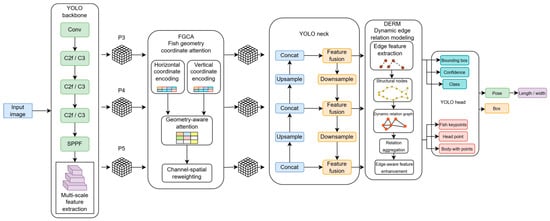
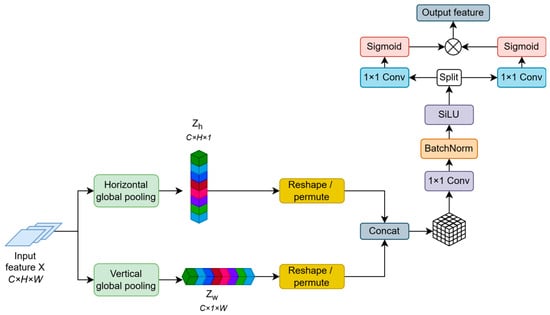
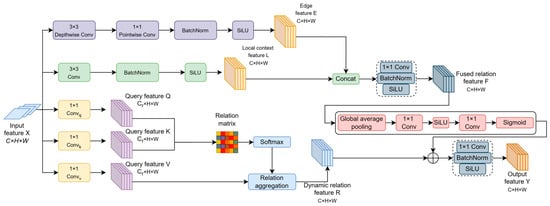
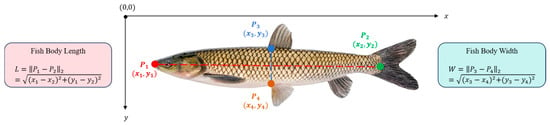
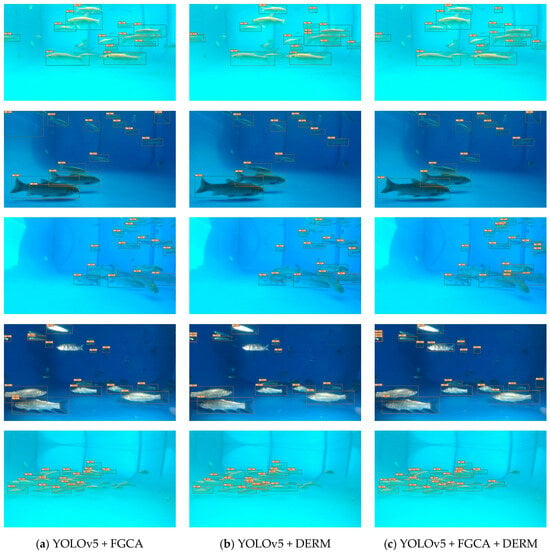
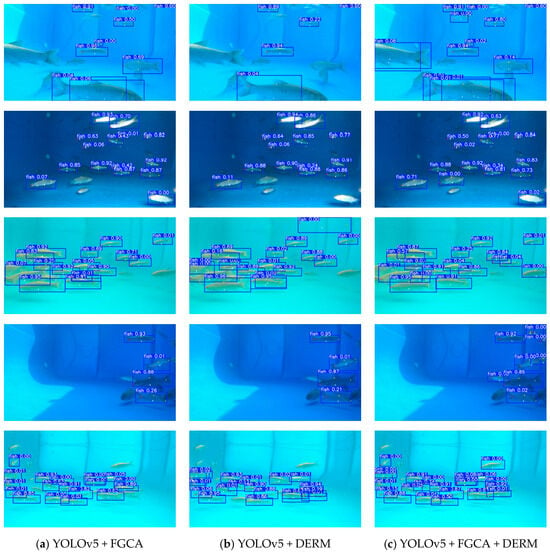
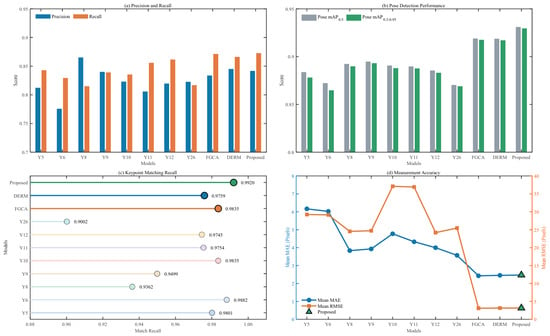
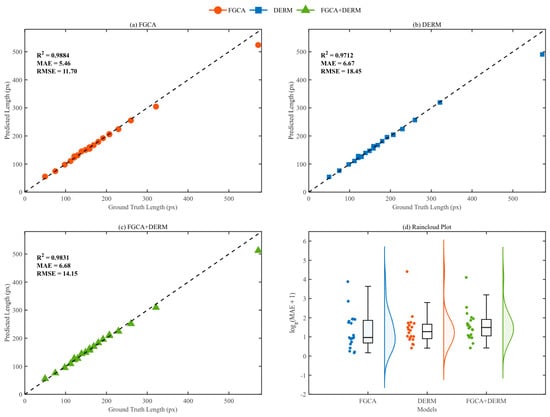
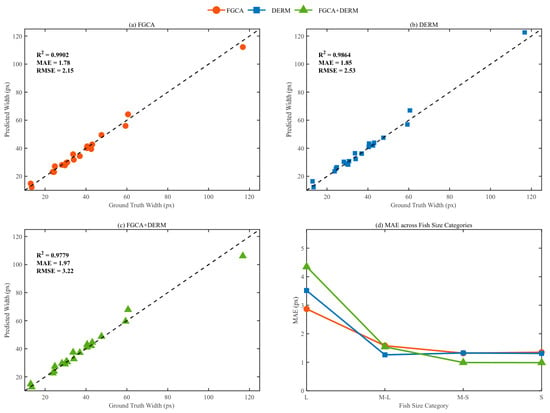
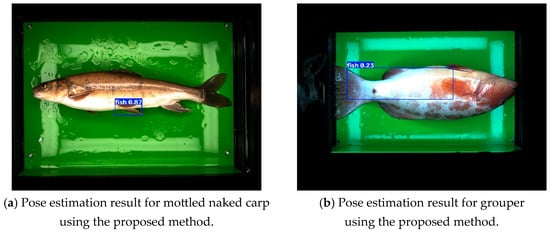
Accurate underwater fish perception is a prerequisite for intelligent aquaculture, providing essential support for automated growth monitoring and precision feeding. Nevertheless, underwater imaging is severely affected by light scattering and cluttered backgrounds, making reliable fish perception and image-based non-contact fish size estimation particularly challenging. To overcome these limitations, this paper presents a geometry-aware underwater fish perception framework based on YOLOv5 for simultaneous object detection, pose estimation, and fish body size measurement. The proposed framework incorporates a Fish Geometry Coordinate Attention (FGCA) module into the backbone to enhance geometric feature representation by jointly modeling horizontal and vertical spatial dependencies, thereby improving the discrimination of elongated fish structures. In addition, a Dynamic Edge Relation Modeling (DERM) module is integrated into the neck to explicitly capture edge cues and structural relationships among key body regions, leading to more robust feature aggregation and more accurate key point localization under complex underwater conditions. Based on the predicted key points, the length and width of the fish can be estimated in a non-contact manner. Experimental results on a public underwater fish dataset demonstrate that the proposed framework achieves a Box mAP0.5 of 93.07% and a Pose mAP0.5 of 93.10%, consistently outperforming several representative YOLO-based detectors. Moreover, the proposed method maintains low body size estimation errors across different fish size categories. These results indicate that the proposed framework provides an accurate and practical solution for integrated underwater fish perception and image-based non-contact fish size estimation, offering significant potential for intelligent aquaculture and automated fish growth monitoring.
Full article
(This article belongs to the Section Fishery Facilities, Equipment, and Information Technology)
►▼
Show Figures

Figure 1
Open AccessArticle
Removal-Based Valorization of the Invasive Pearl Oyster Pinctada radiata (Leach, 1814): Economic Feasibility of Value-Added Seafood Processing in Greece
by
Ioannis C. Kilitzidis, Maria Kamilari, Orestis Anagnopoulos, Nikos Bourdaniotis and John A. Theodorou
Fishes 2026, 11(9), 558; https://doi.org/10.3390/fishes11090558 - 21 Sep 2026
Abstract
Invasive non-indigenous species (NIS) are impacting Mediterranean coastal ecosystems, presenting ecological and economic management challenges. This study evaluates the economic viability of processing biomass from wild removals of the NIS pearl oyster, Pinctada radiata (Leach, 1814), into value-added seafood products in Greece. The
[...] Read more.
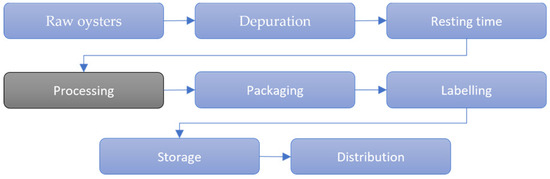
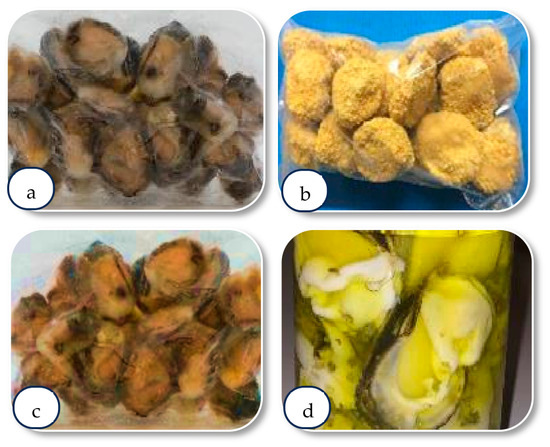
Invasive non-indigenous species (NIS) are impacting Mediterranean coastal ecosystems, presenting ecological and economic management challenges. This study evaluates the economic viability of processing biomass from wild removals of the NIS pearl oyster, Pinctada radiata (Leach, 1814), into value-added seafood products in Greece. The study explored four product formats under two funding scenarios (Scenario A, full private financing; and Scenario B, 60% public co-financing): frozen, vacuum-packed raw oyster meat; frozen, vacuum-packed, breaded raw oyster meat; steamed, brine-smoked, vacuum-packed oyster meat; and steamed oyster meat preserved in olive oil and Mediterranean herbs. In Scenario A, with full private financing, the cumulative net cash flow (NCF) over five years was €165,402.78, with a profitability index (PI) of 2.93 and a payback period (PP) of 1.71 years. In Scenario B, with 60% public co-financing, the owner’s contribution reduced to €34,320.00. At the same time, the annual after-tax cash flow reached €50,240.56, resulting in a five-year cumulative NCF of €216,882.78, a PI of 7.32, and a PP of 0.68 years. These findings indicate that utilizing biomass from wild removals can be a financially viable strategy for managing NIS. This approach focuses on removal rather than aquaculture or translocation of P. radiata and emphasizes the need for adaptive governance and biodiversity protection to ensure effective population control. The study proposes a replicable bioeconomic model for integrating invasive biomass removal with value-added seafood processing in Mediterranean coastal regions.
Full article
(This article belongs to the Section Fishery Economics, Policy, and Management)
►▼
Show Figures

Figure 1
Open AccessArticle
Embryonic Development, Early Ontogeny and Reproductive Performance Across Successive Spawning Cycles in Tiger Barb (Puntigrus tetrazona)
by
Xin Luo, Yadong Xie, Wei Zhang, Yuanyuan Dai, Lin Ma, Yu Wang, Qikang Bo, Zhongzhi Chen and Jufeng Jiang
Fishes 2026, 11(9), 557; https://doi.org/10.3390/fishes11090557 - 21 Sep 2026
Abstract
Tiger barb (Puntigrus tetrazona) is an economically important ornamental cyprinid widely cultured in the global aquarium trade; however, comprehensive information on its early development and reproductive performance remains limited. This study characterized embryonic development, larval and juvenile ontogeny, and reproductive performance
[...] Read more.
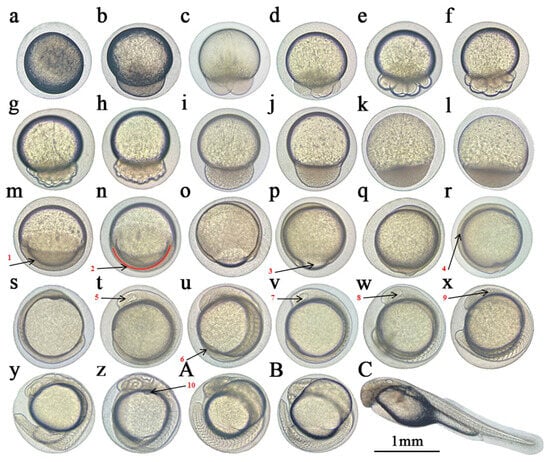
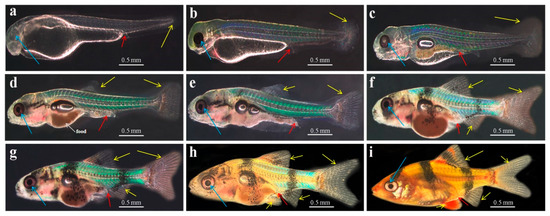
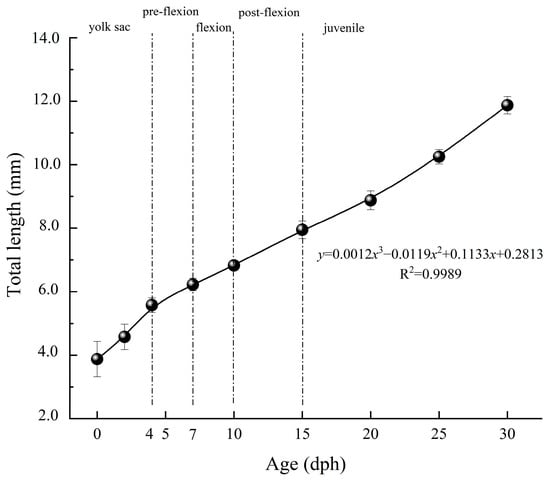
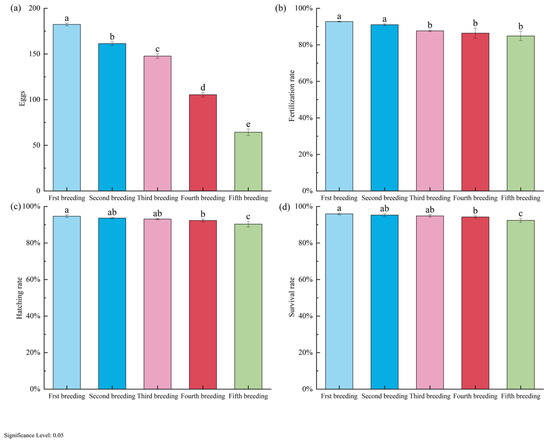
Tiger barb (Puntigrus tetrazona) is an economically important ornamental cyprinid widely cultured in the global aquarium trade; however, comprehensive information on its early development and reproductive performance remains limited. This study characterized embryonic development, larval and juvenile ontogeny, and reproductive performance under controlled hatchery conditions. Fertilized eggs were continuously observed from fertilization to hatching using stereomicroscopy, while larval development was monitored from hatching to 30 days post-hatching (dph). Reproductive performance was evaluated across five consecutive spawning cycles by determining estimated mean egg production per stocked female, fertilization rate, hatching rate, and larval survival. At 26.5–27.5 °C, embryonic development progressed through cleavage, blastula, gastrula, neurula, and organogenesis, and hatching commenced at 25 h 10 min post-fertilization; approximately 50% of viable embryos had hatched by 27 h 17 min, and hatching was completed by approximately 35 h 28 min. Newly hatched larvae measured 3.88 ± 0.56 mm in total length, and complete yolk-sac absorption occurred at approximately 7 dph. Characteristic vertical body pigmentation appeared at 15 dph, whereas juvenile characteristics were evident by approximately 20 dph, while complete scale coverage and adult-like coloration were observed by 30 dph. Reproductive performance declined significantly with successive spawning events, with fecundity decreasing from 182.33 ± 1.57 to 64.33 ± 3.52 eggs female−1 between the first and fifth spawnings, accompanied by reductions in fertilization, hatching, and larval survival rates. These findings provide a morphological developmental reference and practical hatchery benchmarks that can support broodstock management, larval rearing, and seed production of tiger barb in ornamental aquaculture.
Full article
(This article belongs to the Section Sustainable Aquaculture)
►▼
Show Figures

Figure 1
Open AccessArticle
Efficacy, Physiological Response, Flesh Quality and Carvacrol Residue of Oregano Essential Oil as Anesthetic for Spotted Sea Bass (Lateolabrax maculatus)
by
Tian Wang, Chen Yao, Yongqiang Zhao, Hui Huang, Shuxian Hao, Yanyan Wu, Ya Wei and Jianwei Cen
Fishes 2026, 11(9), 556; https://doi.org/10.3390/fishes11090556 - 20 Sep 2026
Abstract
Oregano essential oil (OEO) was tested as a natural botanical anesthetic for spotted sea bass (Lateolabrax maculatus) through a comprehensive evaluation of anesthetic efficacy, physiological homeostasis, tissue integrity, flesh texture and carvacrol residual dynamics. Gradient treatments (100–300 µL/L) revealed dose-dependent anesthetic
[...] Read more.
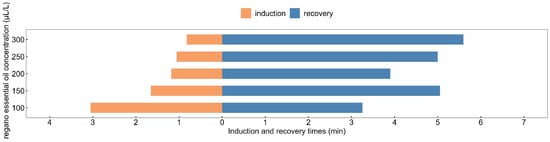
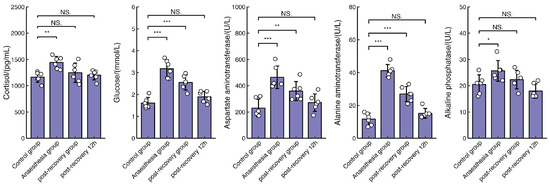
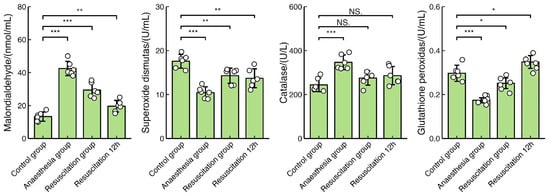
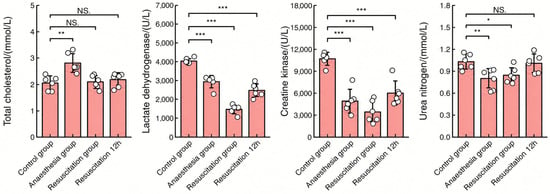
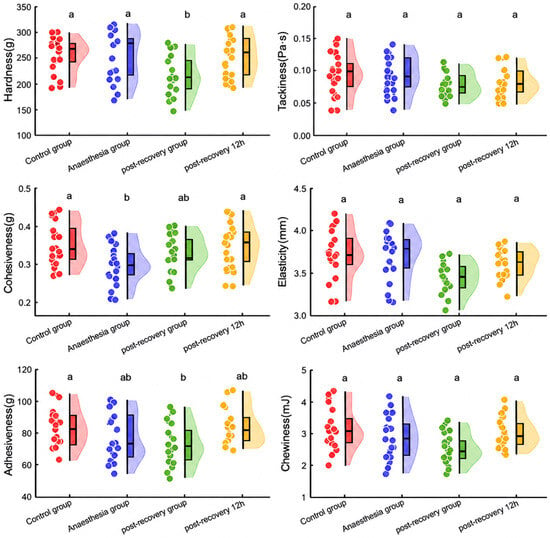
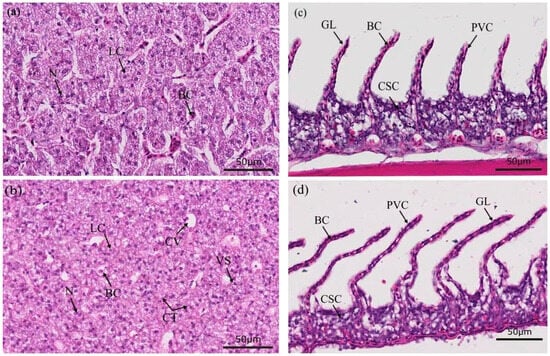
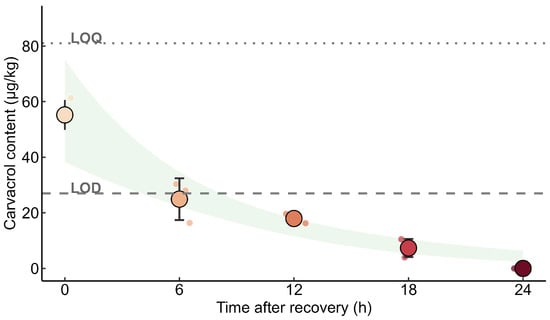
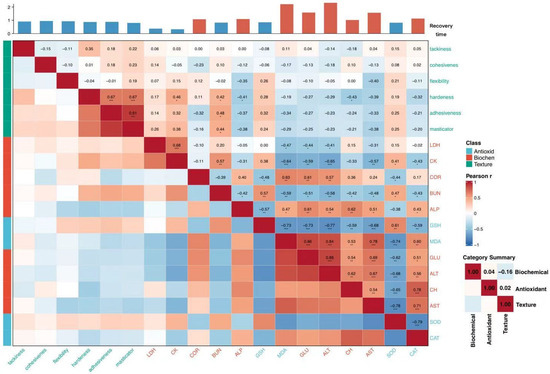
Oregano essential oil (OEO) was tested as a natural botanical anesthetic for spotted sea bass (Lateolabrax maculatus) through a comprehensive evaluation of anesthetic efficacy, physiological homeostasis, tissue integrity, flesh texture and carvacrol residual dynamics. Gradient treatments (100–300 µL/L) revealed dose-dependent anesthetic performance, and 200 µL/L was validated as the optimal dosage, under which fish reached deep anesthesia within 3 min and regained normal swimming within 5 min, with zero mortality recorded 12 h post-anesthesia. Temporary stress and oxidative stress fluctuations occurred in serum biochemistry and antioxidant enzyme profiles, which approached control levels after 12 h depuration. Only slight histological changes appeared in liver and gill tissues without permanent pathological damage. Minor declines in partial texture attributes recovered completely within 12 h, whereas other muscle quality indicators remained unaffected. Carvacrol was detected in muscle immediately after OEO anesthesia but was below the detection limit at all subsequent sampling times. Functioning as an efficient natural anesthetic with minimal physiological disturbance, OEO shows potential as an alternative to synthetic anesthetics for spotted sea bass live transportation and delivers dependable technical guidance for aquaculture production.
Full article
(This article belongs to the Special Issue Use of Essential Oils in Aquaculture)
►▼
Show Figures

Figure 1

Open AccessArticle
Trace Element Accumulation and Human Health Risk Assessment in Cultured Fish Species from the Southern Black Sea
by
Levent Bat, Gökhan Yıldız, Ayşah Öztekin and İshak Gençbay
Fishes 2026, 11(9), 555; https://doi.org/10.3390/fishes11090555 - 20 Sep 2026
Abstract
In this study, the concentrations of thirteen trace elements (aluminum (Al), arsenic (As), cadmium (Cd), chromium (Cr), cobalt (Co), copper (Cu), iron (Fe), lead (Pb), manganese (Mn), mercury (Hg), nickel (Ni), selenium (Se), and zinc (Zn)) were determined in the edible muscle tissues
[...] Read more.
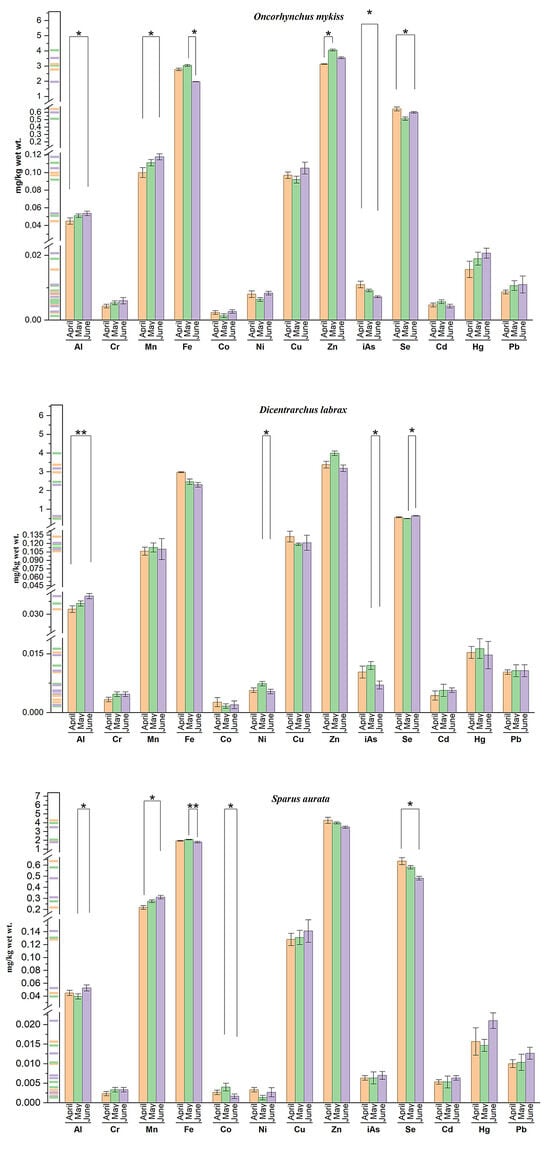
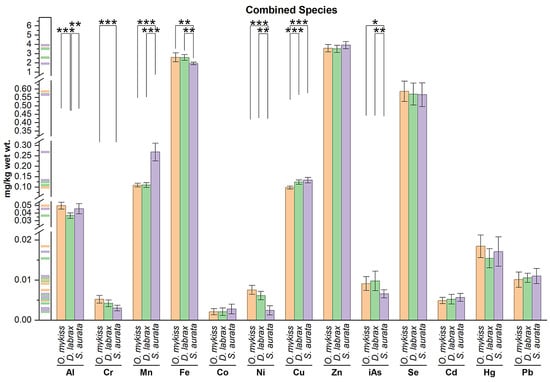
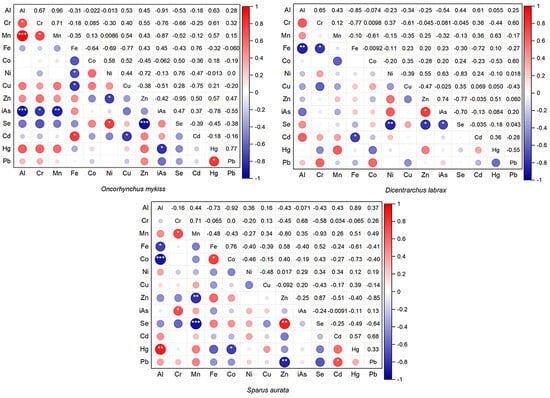
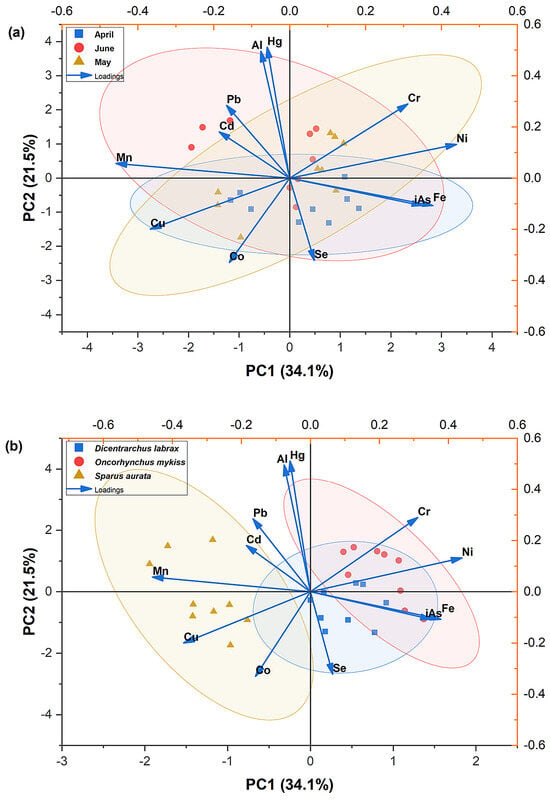
In this study, the concentrations of thirteen trace elements (aluminum (Al), arsenic (As), cadmium (Cd), chromium (Cr), cobalt (Co), copper (Cu), iron (Fe), lead (Pb), manganese (Mn), mercury (Hg), nickel (Ni), selenium (Se), and zinc (Zn)) were determined in the edible muscle tissues of three commonly consumed fish species (Oncorhynchus mykiss, Dicentrarchus labrax, and Sparus aurata). Specimens were obtained from farmed stocks harvested and delivered to fish markets in Sinop, Türkiye, on the day of collection, with sampling carried out on a monthly basis throughout April, May, and June 2024. Zinc and iron exhibited the highest concentrations across all species, while toxic trace elements remained at notably low levels, with Cd (0.005–0.006 mg/kg), Hg (0.015–0.018 mg/kg), and Pb (0.010–0.011 mg/kg) remaining strictly below the European Union maximum permissible limits of 0.05, 0.5, and 0.3 mg/kg, respectively. In addition, a comprehensive human health risk assessment was performed based on a mean daily per capita fish consumption of 19.72 g. The Target Hazard Quotient (THQ) for all evaluated elements and the cumulative Hazard Index (HI), which ranged from 0.0794 to 0.0818 across species, were well below 1.0, indicating negligible non-carcinogenic risk. Carcinogenic risks, evaluated via the Risk Index (RI), were negligible for Cr (1.35–2.35 × 10⁻⁷) and well within acceptable bounds for iAs (2.77–4.13 × 10⁻⁶). The quantitative outcomes of this investigation suggest that under the evaluated conditions, trace element concentrations in these aquaculture products remain within safe baseline levels, contributing meaningful data on food safety and ecological monitoring within the southern Black Sea region.
Full article
(This article belongs to the Special Issue Anthropogenic Pollution, Contaminant Dynamics and Ecosystem Health in Fish and Aquatic Ecosystems)
►▼
Show Figures

Figure 1
Open AccessArticle
AquaSSR: A Lightweight Python Tool for Taxon-Specific SSR Marker Development in Aquatic Organisms
by
Shaoyu Yang, Jing Fang, Xiaohui Cai and Jingzhen Wang
Fishes 2026, 11(9), 554; https://doi.org/10.3390/fishes11090554 - 20 Sep 2026
Abstract
Simple sequence repeats (SSRs) are fundamental molecular markers in aquaculture genetics. Most existing SSR mining tools, however, were built for general-purpose use and apply identical detection criteria regardless of the organism, thereby overlooking the distinct genomic features of aquaculture species. Crustacean genomes, for
[...] Read more.
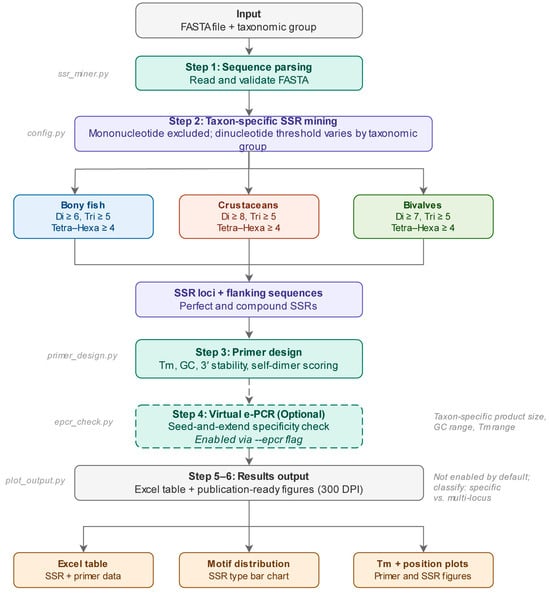
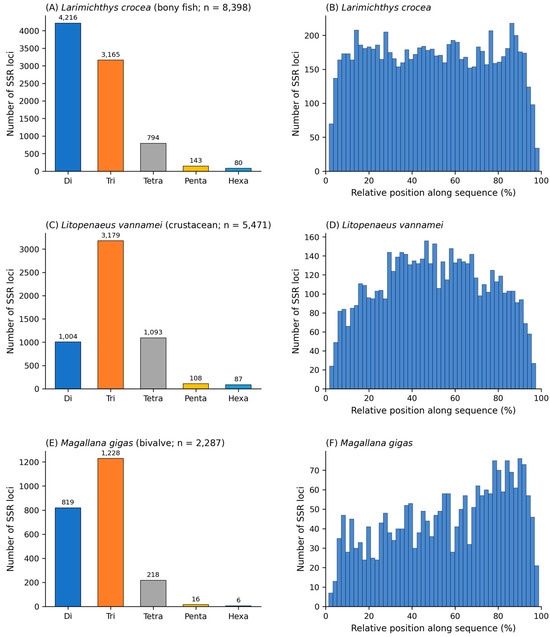
Simple sequence repeats (SSRs) are fundamental molecular markers in aquaculture genetics. Most existing SSR mining tools, however, were built for general-purpose use and apply identical detection criteria regardless of the organism, thereby overlooking the distinct genomic features of aquaculture species. Crustacean genomes, for example, are extremely AT-rich, while bivalve genomes show exceptionally high SSR density. Conventional tools account for neither feature. Here, we present AquaSSR, a lightweight SSR analysis tool that implements taxon-specific mining rules and primer design parameters tailored to three major taxonomic groups in aquaculture: bony fish, crustaceans, and bivalve mollusks. AquaSSR adopts an aquaculture-oriented screening strategy that excludes mononucleotide repeats (a methodological choice suited to conventional genotyping platforms), applies a three-tier dinucleotide threshold adapted to each group’s genome composition (≥6 for fish, ≥8 for AT-rich crustaceans, ≥7 for high-density bivalves), and optimizes primer GC scoring centers for taxon-specific base composition. The complete pipeline, from FASTA input through SSR detection, primer design, and optional in silico e-PCR validation to Excel and figure output, runs with a single command and requires only four pip-installable Python libraries, with no external command-line bioinformatics programs. Validation on transcriptome datasets of Larimichthys crocea (fish), Litopenaeus vannamei (crustacean), and Magallana gigas (bivalve) identified 8398, 5471, and 2287 SSR loci, respectively, demonstrating that the taxon-specific thresholds effectively shaped the motif composition profiles across species.
Full article
(This article belongs to the Section Genetics and Biotechnology)
►▼
Show Figures

Figure 1
Open AccessArticle
RiboScan: An Aquaculture-Focused Bioinformatics Tool for Codon Optimization and Translational Risk Assessment
by
Shaoyu Yang, Xiaohui Cai, Jingzhen Wang and Mingzhong Liang
Fishes 2026, 11(9), 553; https://doi.org/10.3390/fishes11090553 - 20 Sep 2026
Abstract
The efficient expression of recombinant proteins in aquaculture fish poses a significant challenge, partly due to the lack of dedicated bioinformatics tools for species-specific codon usage analysis and optimization. RiboScan (v1.0.0), a portable, single-file command-line tool executed in Python, was designed in this
[...] Read more.
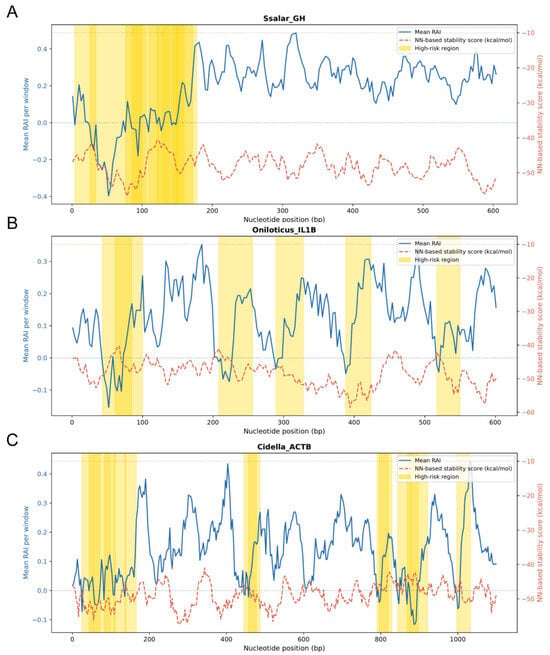
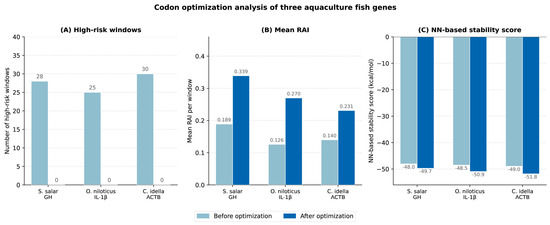
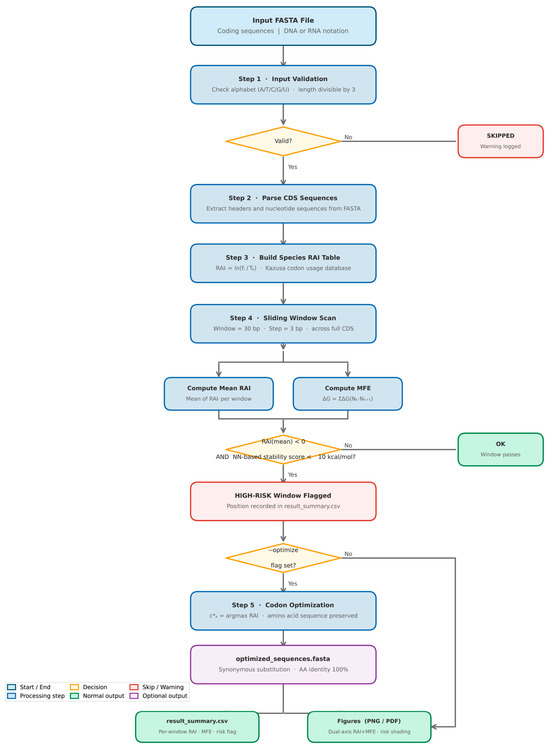
The efficient expression of recombinant proteins in aquaculture fish poses a significant challenge, partly due to the lack of dedicated bioinformatics tools for species-specific codon usage analysis and optimization. RiboScan (v1.0.0), a portable, single-file command-line tool executed in Python, was designed in this study, for mRNA codon diagnostics and optimization. RiboScan supports ten species, including five major aquaculture fish. High-risk windows that are computationally predicted to impair translational efficiency are identified based on two complementary metrics, namely, the Relative Adaptiveness Index (RAI) and estimated NN-based stability score, which are calculated using a sliding-window approach. An optimization module is used to replace the suboptimal codons in high-risk regions with host-specific synonymous codons, which are selected based on their high RAI values, leaving the encoded protein sequence unaltered. The efficacy of RiboScan was evaluated using coding sequences (CDSs) from three representative aquaculture fish genes, namely, Salmo salar growth hormone (gh; GenBank accession: M21573), Oreochromis niloticus interleukin-1 beta (il1b; GenBank accession: OR432591), and Ctenopharyngodon idella beta-actin (actb; GenBank accession: M25013). The tool identified 25–30 high-risk windows per CDS pre-optimization, whereas no high-risk windows were detected in any of the CDSs post-optimization. The mean RAI for Sal. salar gh, Or. niloticus il1b, and Ct. idella actb increased from 0.189 to 0.339, 0.126 to 0.270, and 0.140 to 0.231, respectively. RiboScan’s main analytical workflow requires no third-party dependencies, as it uses only the Python standard library. In addition, the tool yields publication-ready figures and structured comma-separated values (CSV) output files. RiboScan can be used to perform species-specific codon optimization for major aquaculture fish, and provides a practical computational framework for designing recombinant proteins, vaccines, and other engineered genetic constructs, thus contributing to aquaculture biotechnology research.
Full article
(This article belongs to the Section Genetics and Biotechnology)
►▼
Show Figures

Figure 1

Open AccessArticle
Hepatopancreatic Metabolomics Reveals Distinct Metabolic Reprogramming and Growth–Defense Trade-Offs in Pond- Versus Rice Paddy-Cultured Red Swamp Crayfish (Procambarus clarkii)
by
Gao Gao, Jingnan Wei, Lingyu Gan, Huiying Wang, Zixiang Ma, Huizhen Yin, Huixuan Xu, Yizhu Deng, Run Bi and Baoliang Bi
Fishes 2026, 11(9), 552; https://doi.org/10.3390/fishes11090552 - 20 Sep 2026
Abstract
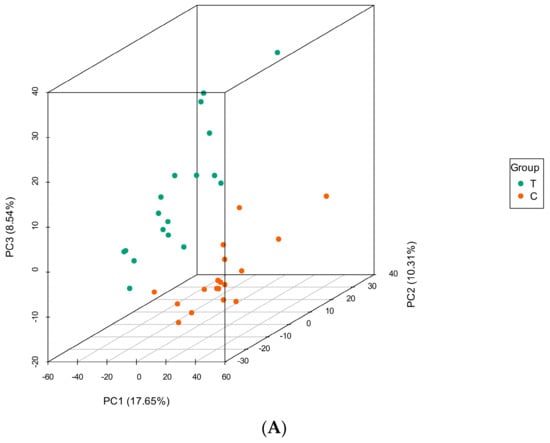
The red swamp crayfish is cultivated in intensive ponds and integrated rice–crayfish systems, which drive distinct growth-oriented versus stress-resistance syndromes, yet their metabolic underpinnings are unclear. We applied untargeted LC-MS metabolomics to hepatopancreas from both systems. Among 2681 metabolites, 566 were differentially abundant.
[...] Read more.
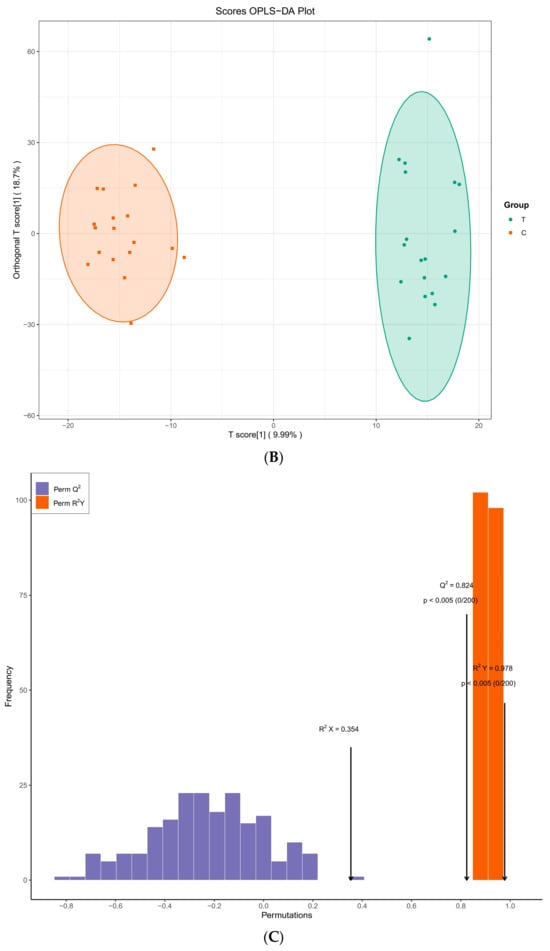
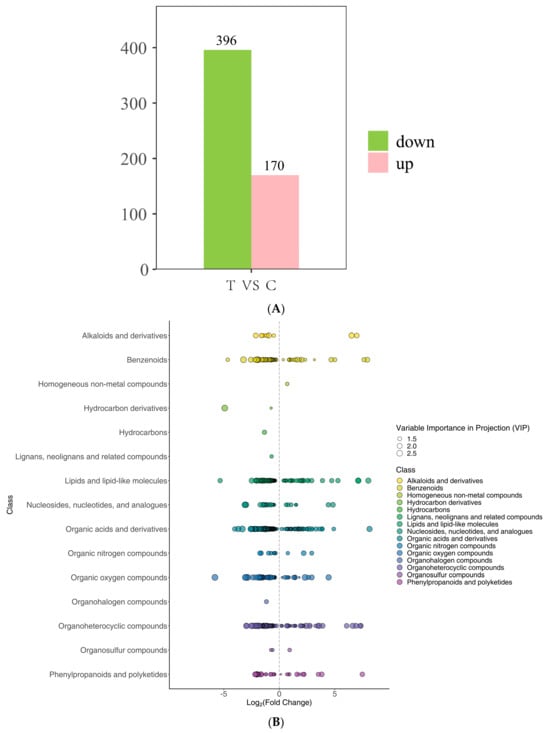
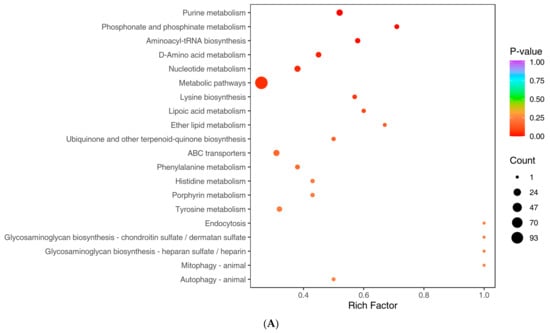
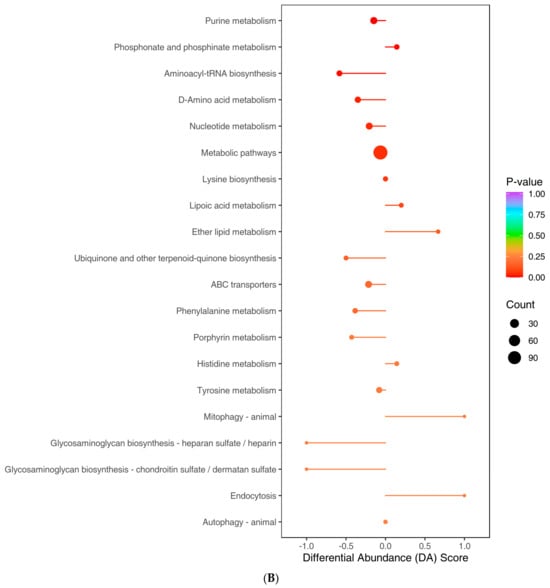
The red swamp crayfish is cultivated in intensive ponds and integrated rice–crayfish systems, which drive distinct growth-oriented versus stress-resistance syndromes, yet their metabolic underpinnings are unclear. We applied untargeted LC-MS metabolomics to hepatopancreas from both systems. Among 2681 metabolites, 566 were differentially abundant. Pond-cultured crayfish exhibited a lipid-centric anabolic metabolome (enriched ceramides, lysophosphatidylcholines, and free fatty acids) that supports rapid growth but incurs oxidative stress. Conversely, rice-paddy crayfish showed enhanced purine metabolism, aminoacyl-tRNA biosynthesis, and D-amino acid metabolism, reflecting energy mobilization and protein turnover under limited resources. Targeted assays confirmed significantly higher GSH/GSSG ratios (11.29 vs. 5.07) and lower MDA (3.07 vs. 5.00 nmol/mL) in rice-paddy crayfish, validating transcriptomic upregulation of glutathione biosynthesis. Integration with transcriptomic and phenotypic data revealed coherent trait–metabolite modules. Our findings suggest a trade-off between biomass production and systemic stress resistance, mediated by differential activation of purine and glutathione pathways, consistent with a growth–defense trade-off framework. This provides a mechanistic framework for sustainable aquaculture: integrated systems enhance robustness, whereas ponds require strategies to mitigate physiological load.
Full article
(This article belongs to the Section Sustainable Aquaculture)
►▼
Show Figures

Figure 1
Open AccessArticle
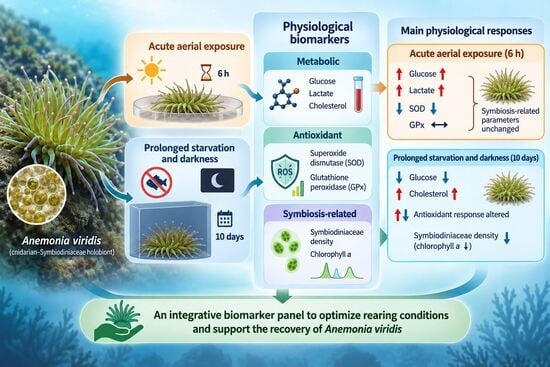
An Integrated Physiological Assessment of the Symbiotic Sea Anemone Anemonia viridis Using Metabolic, Antioxidant and Symbiosis-Related Biomarkers
by
Elena de la Roca, José F. Ferrer, Cinta López, Alberto Vélez-Ruiz and Marcelino Herrera
Fishes 2026, 11(9), 551; https://doi.org/10.3390/fishes11090551 - 19 Sep 2026
Abstract
Anemonia viridis is an ecologically and commercially important sea anemone whose natural populations have declined due to overexploitation, climate change, and the expansion of the invasive alga Rugulopteryx okamurae. Therefore, the recovery of natural populations is necessary through the development and optimization
[...] Read more.
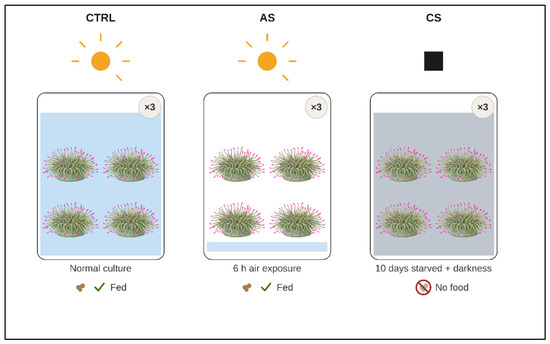
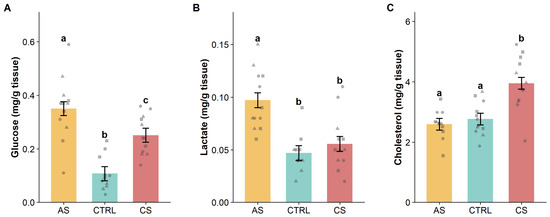
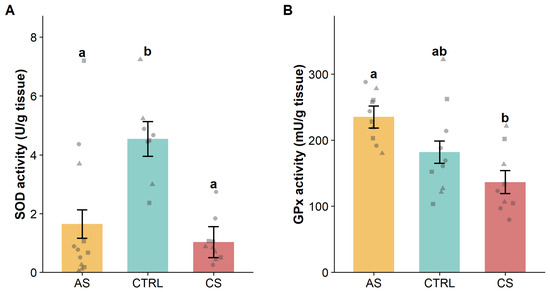
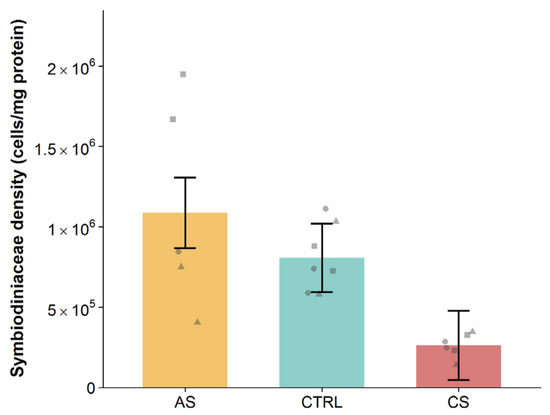
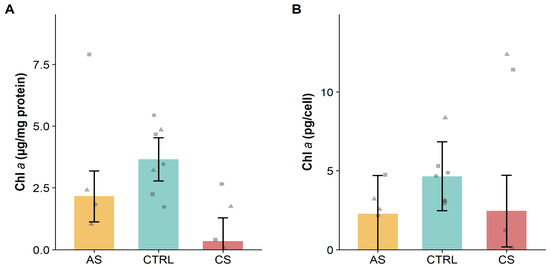
Anemonia viridis is an ecologically and commercially important sea anemone whose natural populations have declined due to overexploitation, climate change, and the expansion of the invasive alga Rugulopteryx okamurae. Therefore, the recovery of natural populations is necessary through the development and optimization of zootechnical techniques for rearing and maintaining sea anemones in captivity. This requires the identification of reliable indicators of physiological status, which remains poorly understood. This study evaluated the suitability of metabolic, antioxidant, and symbiosis-related parameters to assess the physiological status of A. viridis under two distinct experimental stress scenarios: acute aerial exposure (6 h) and prolonged starvation and darkness (10 days). Acute aerial exposure induced rapid metabolic adjustments, characterized by increased glucose and lactate concentrations, reduced superoxide dismutase activity, and unchanged glutathione peroxidase activity, with no significant changes in the measured symbiosis-related parameters. In contrast, prolonged starvation and darkness altered glucose and cholesterol levels and antioxidant responses, and was accompanied by numerical decreases in Symbiodiniaceae density and total chlorophyll a content normalized to host protein, although without reaching statistical significance. Thus, while the metabolic and antioxidant biomarkers revealed distinct physiological responses to the two experimental stress scenarios, evidence for changes in the cnidarian–Symbiodiniaceae symbiosis remained limited. Overall, the combined assessment of metabolic, antioxidant, and symbiosis-related biomarkers provided a more comprehensive evaluation of holobiont physiological status than individual biomarkers alone. This integrative biomarker panel represents a practical tool for optimizing rearing conditions and supporting the recovery of A. viridis.
Full article
(This article belongs to the Section Physiology and Biochemistry)
►▼
Show Figures

Graphical abstract
Open AccessArticle
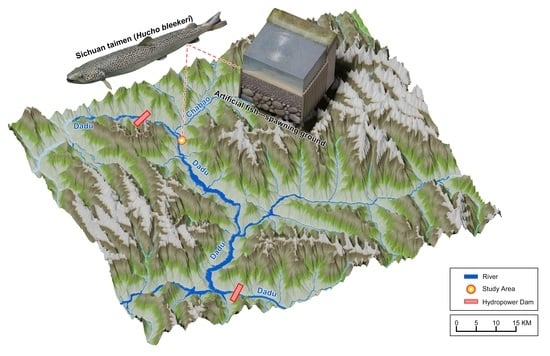
A Physical Habitat Suitability-Based Framework for Artificial Spawning Ground Restoration in Hydropower-Regulated Rivers: A Case Study of the Critically Endangered Sichuan Taimen (Hucho bleekeri) in the Upper Yangtze River
by
Wenjie Peng, Ming Li, Lele Fu, Ping Tan, Jiuxian Yang, Qian Li, Aosi Zou and Jingjie Feng
Fishes 2026, 11(9), 550; https://doi.org/10.3390/fishes11090550 - 19 Sep 2026
Abstract
Sichuan taimen (Hucho bleekeri Kimura 1934) has experienced severe loss of spawning habitat due to hydropower development, as reservoir impoundment has inundated and altered the hydraulic conditions of its original riverine habitats, substantially reducing suitable habitats for its survival and reproduction. Identifying
[...] Read more.
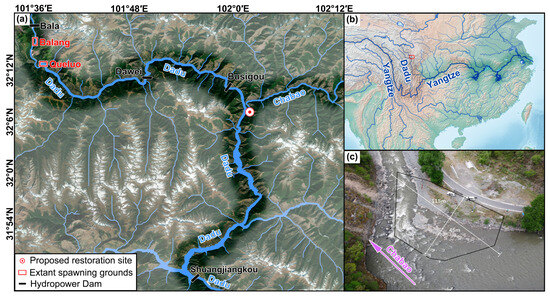
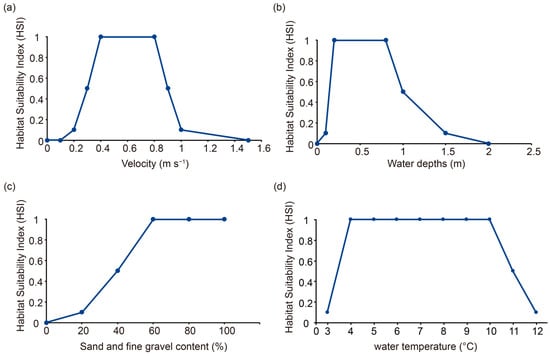
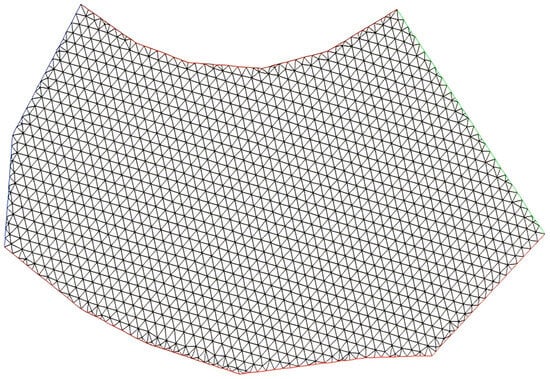
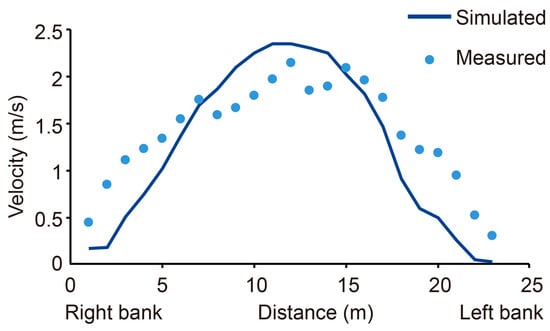
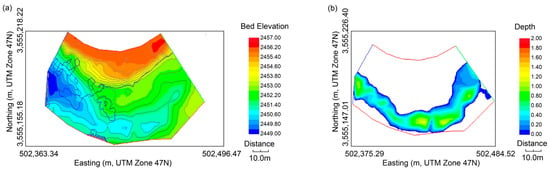
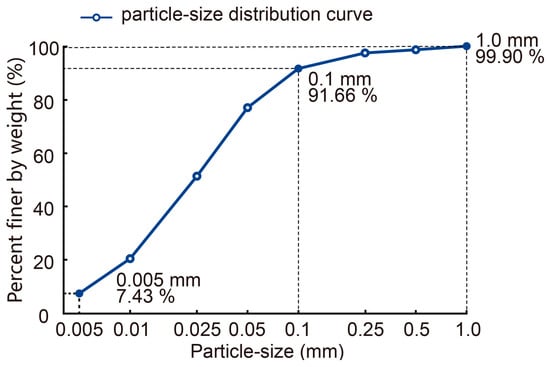
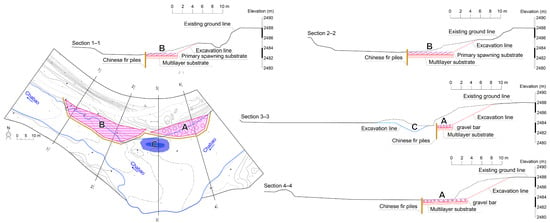
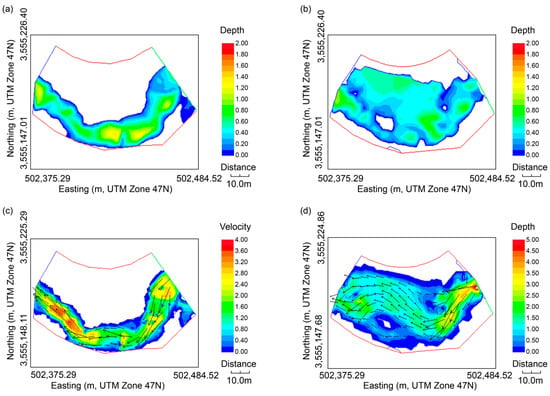
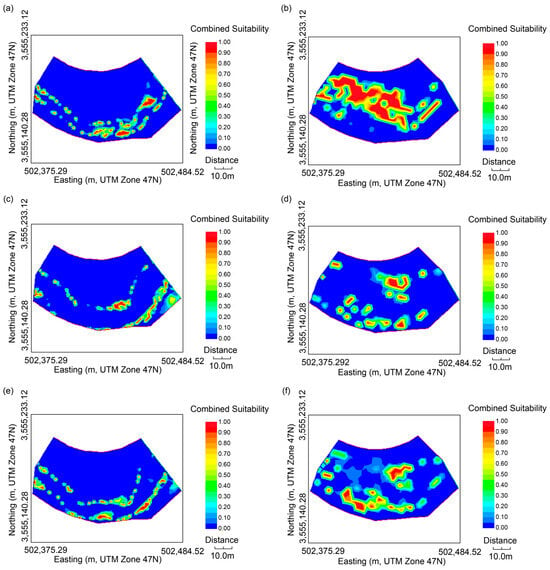
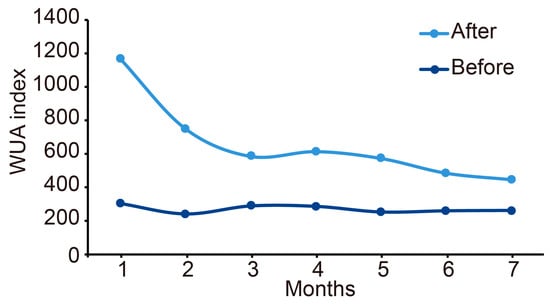
Sichuan taimen (Hucho bleekeri Kimura 1934) has experienced severe loss of spawning habitat due to hydropower development, as reservoir impoundment has inundated and altered the hydraulic conditions of its original riverine habitats, substantially reducing suitable habitats for its survival and reproduction. Identifying alternative spawning sites and creating suitable hydraulic conditions are therefore critical for this endangered species. Field investigations and literature synthesis identified key spawning requirements, including water velocity of 0.4–0.8 m s−1, water depth of 0.2–0.8 m, sand–gravel substrates with ≥60% sand and fine gravel, and water temperature of 4–10 °C. An integrated ecological engineering scheme combining gravel-bar construction, substrate reconstruction, hydraulic optimization, and nursery habitat enhancement was developed. A depth-averaged, 2-D, hydrodynamic–habitat model showed that restoration increased WUA during the spawning period from 5.2–6.5% to 39.5–47.6%, corresponding to a 70–287% increase, with WUA increasing to up to ~3.9 times the pre-restoration value. The results demonstrate that ecological engineering can effectively enhance spawning habitat under hydropower-regulated flows and provide a transferable framework for endemic rheophilic fishes in regulated alpine rivers.
Full article
(This article belongs to the Special Issue Ecohydrology and River Connectivity: Implications for Fish Conservation)
►▼
Show Figures

Graphical abstract
Open AccessArticle
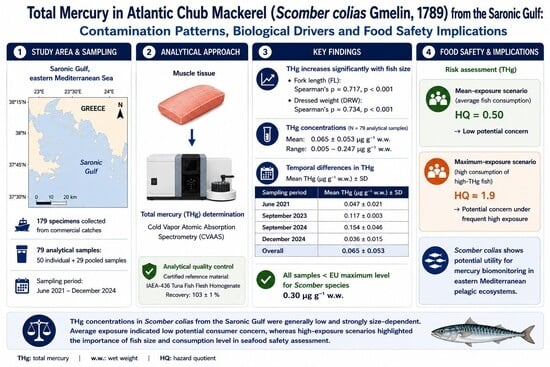
Total Mercury in Atlantic Chub Mackerel (Scomber colias Gmelin, 1789) from the Saronic Gulf: Contamination Patterns, Biological Drivers and Food Safety Implications
by
Niki Milatou, Odysseas Papadopoulos-Michalas, Aikaterini Sakellari, Sotirios Karavoltsos and Persefoni Megalofonou
Fishes 2026, 11(9), 549; https://doi.org/10.3390/fishes11090549 - 19 Sep 2026
Abstract
This study determined total mercury (THg) concentrations in the muscle tissue of Atlantic chub mackerel (Scomber colias) from the Saronic Gulf, evaluated temporal variation, and examined their relationship with biological parameters. THg was analyzed in 79 muscle samples, comprising 50 individual
[...] Read more.
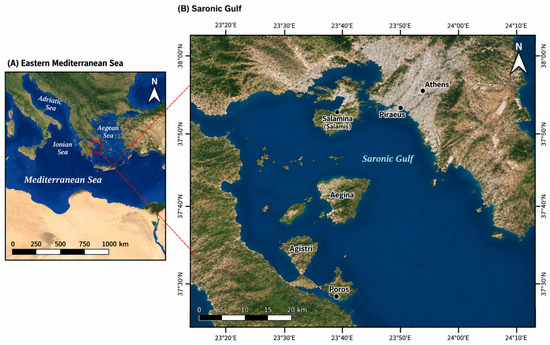
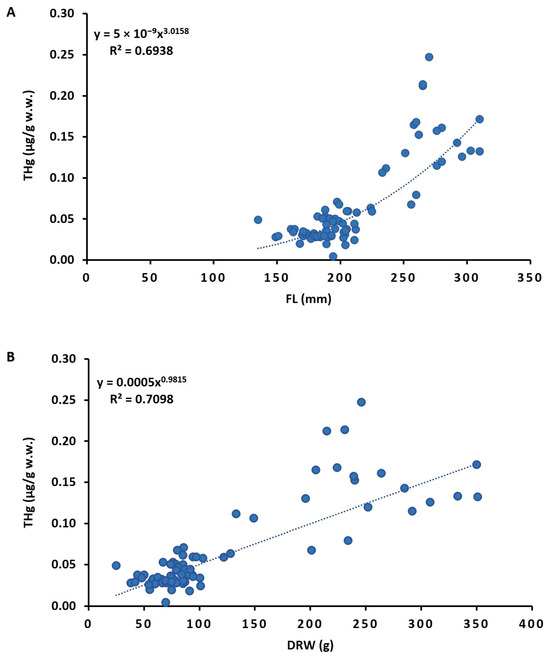
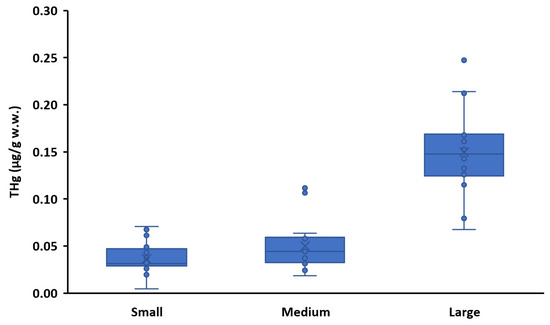
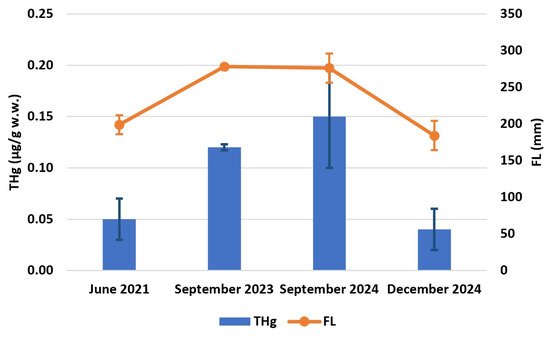
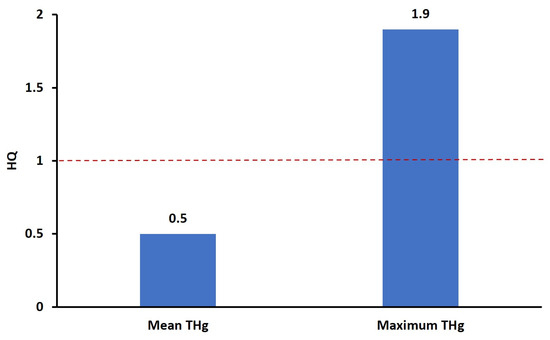
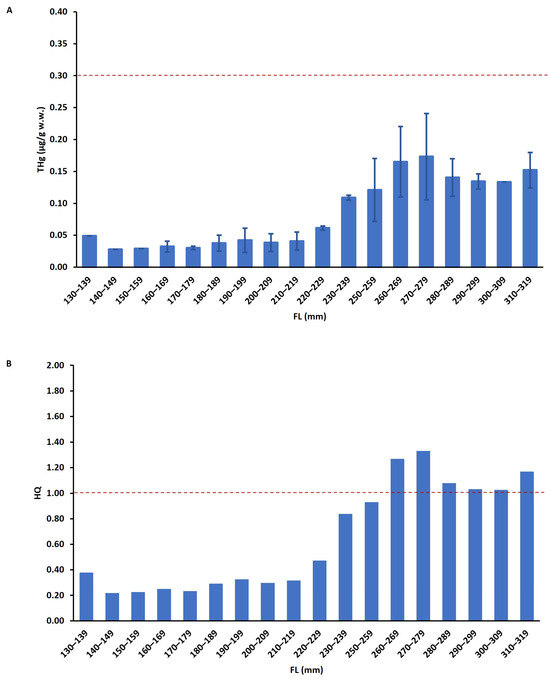
This study determined total mercury (THg) concentrations in the muscle tissue of Atlantic chub mackerel (Scomber colias) from the Saronic Gulf, evaluated temporal variation, and examined their relationship with biological parameters. THg was analyzed in 79 muscle samples, comprising 50 individual and 29 pooled samples derived from 179 Atlantic chub mackerel specimens, using cold vapor atomic absorption spectrometry (CVAAS). Method accuracy was verified by certified reference material analysis, with a mean recovery of 103%. THg concentrations ranged from 0.005 to 0.247 μg/g wet weight, with a mean value of 0.065 ± 0.053 μg/g. THg levels varied significantly among sampling periods, with the highest concentrations observed during the September sampling periods, particularly in September 2024. A strong positive correlation was found between THg concentration and fish size, both for fork length (p < 0.001) and dressed weight (p < 0.001), while a moderate positive association was also observed with Fulton’s condition factor (p < 0.001). All concentrations were below the European Union maximum permitted level for mercury in Scomber species (0.30 μg/g wet weight). Risk assessment indicated low concern at mean THg levels (HQ = 0.50), but potential concern under the maximum-exposure scenario (HQ = 1.9). These findings provide baseline data on THg contamination in Atlantic chub mackerel from the Saronic Gulf, demonstrate size-dependent THg accumulation, and contribute to the evaluation of its potential utility in mercury biomonitoring and seafood safety assessment.
Full article
(This article belongs to the Special Issue Anthropogenic Pollution, Contaminant Dynamics and Ecosystem Health in Fish and Aquatic Ecosystems)
►▼
Show Figures

Graphical abstract
Open AccessArticle
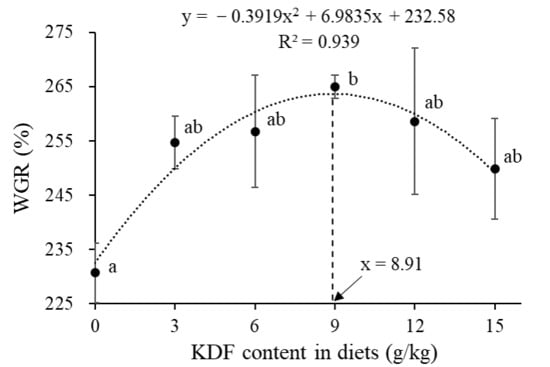
Effects of Dietary KDF on Growth Performance, Blood Biochemistry, Hepatic Health and Disease Resistance in Juvenile Ricefield Eel
by
Jiali Jin, Lan Zhou, Yachan Ji, Changsong Wu, Jing Zhang, Jinping Wu, Jinhua Gan, Chuangju Li and Rui Ruan
Fishes 2026, 11(9), 548; https://doi.org/10.3390/fishes11090548 - 18 Sep 2026
Abstract
KDF (potassium diformate) has been recognized as a highly promising additive due to its beneficial effects on growth and immunity improvement. In order to expand the application of KDF in the aquatic farming practice, the effects of KDF on ricefield eels were thoroughly
[...] Read more.
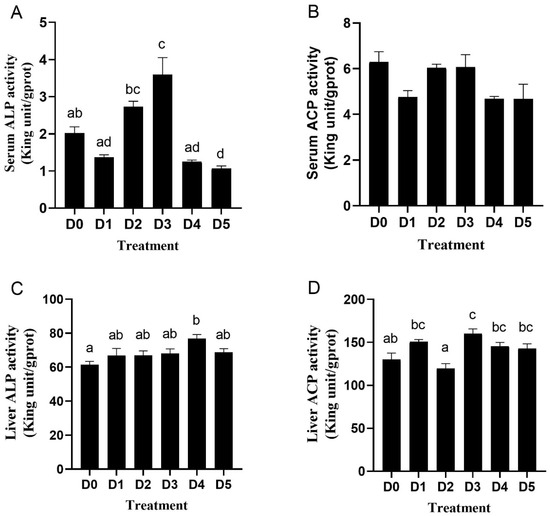
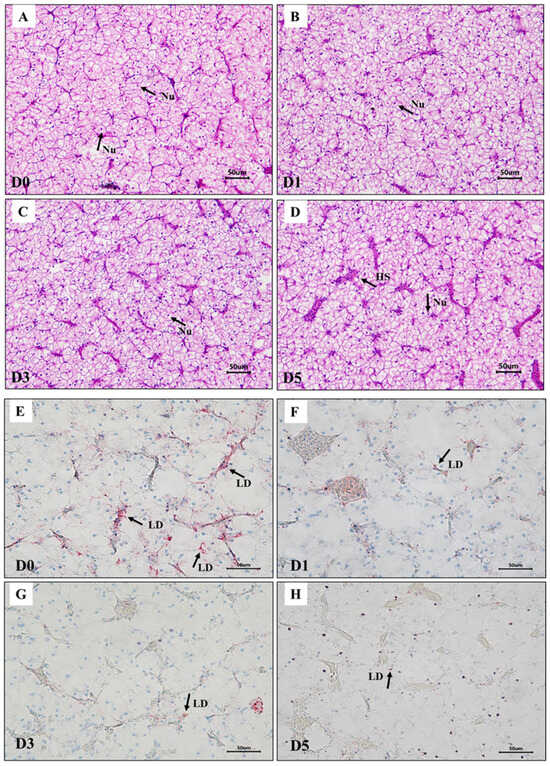
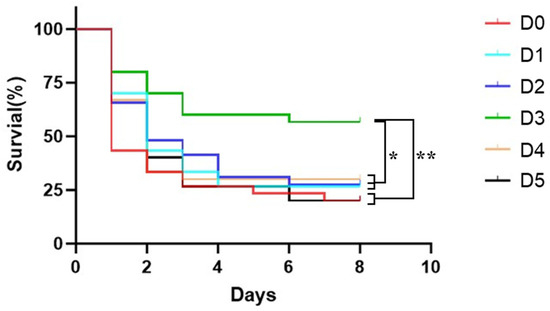
KDF (potassium diformate) has been recognized as a highly promising additive due to its beneficial effects on growth and immunity improvement. In order to expand the application of KDF in the aquatic farming practice, the effects of KDF on ricefield eels were thoroughly evaluated. In the present study, the growth performance, blood biochemistry, hepatic health and disease resistance were assessed in the juvenile ricefield eels fed diets supplemented with 0 (D0), 3 (D1), 6 (D2), 9 (D3), 12 (D4) and 15 (D5) g/kg KDF. After 8 weeks feeding, fish weight gain rate (WGR) was improved by KDF addition, and the estimated optimum dietary KDF was determined at 8.91 g/kg according to the regression analysis between dietary KDF level and WGR. Fish condition factor (CF) was increased by dietary KDF supplementation compared to the control (D0). The VSI of fish decreased significantly and then kept stable when the dietary KDF level was above 9 g/kg (p < 0.05). The supplementation of KDF in diet had no significant effect on the moisture, crude ash, and crude protein contents of the whole fish (p > 0.05), while the crude lipid content in the D4 group was significantly lower than that in the control (p < 0.05). Compared to the control group, the inclusion of 9 g/kg KDF (D3) in the diet significantly decreased serum aspartate aminotransferase (AST) and alanine aminotransferase (ALT) (p < 0.05). Liver catalase (CAT) activity increased significantly with increasing the level of KDF in diet, but it remained stable at KDF levels at and above 9 g/kg (D3) (p < 0.05). The significant improvement of glutathione peroxidase (GSH-Px) activity and total antioxidant capacity (T-AOC) were found in the D1 and D4 groups, respectively (p < 0.05). Liver malondialdehyde (MDA) content showed a non-monotonic pattern across KDF levels, and the addition of KDF in diet did not significantly alter MDA content compared to the control (p > 0.05). Fish in the D4 group showed the lowest liver malondialdehyde (MDA) content. Serum ALP activity was markedly elevated in the D3 group compared with the control (p < 0.05). Supplementation of KDF in diets enhanced hepatic ALP and ACP activities, which differed significantly from the control in the D3 and D4 groups, respectively (p < 0.05). The histological results indicated that while no significant alteration of liver cell structure was observed, fish liver showed a lower number and size of lipid droplets with the KDF level increasing, and the hepatic sinusoids appeared more prominent in the high KDF group (D5). The Aeromonas hydrophila challenge test demonstrated that the addition of 9 g/kg KDF (D3) in fish diet significantly increased the survival rate of juvenile ricefield eel (p < 0.05). In summary, dietary supplementation with KDF significantly enhanced growth performance, improved several biomarkers associated hepatic health, and strengthened pathogen resistance in juvenile ricefield eels.
Full article
(This article belongs to the Section Nutrition and Feeding)
►▼
Show Figures

Figure 1
Open AccessArticle
Dietary Vitamin D3 Requirement and Its Effects on Growth and Bone Mineralization in Large Yellow Croaker (Larimichthys crocea)
by
Lu Zhang, Qinghui Ai, Chunxiao Zhang, Huitao Li, Xiaoru Chen, Haifeng Mi, Li Cai, Jie Chen and Tao Teng
Fishes 2026, 11(9), 547; https://doi.org/10.3390/fishes11090547 - 17 Sep 2026
Abstract
Vitamin D3 (VD3) plays a critical role in bone mineralization and growth in fish, yet its dietary requirement for large yellow croaker (Larimichthys crocea) remains unclear. This study aimed to determine the optimal VD3 level for growth
[...] Read more.
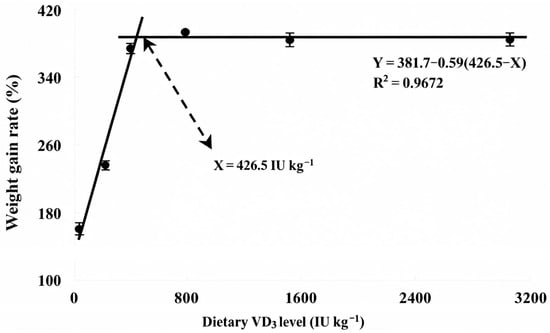
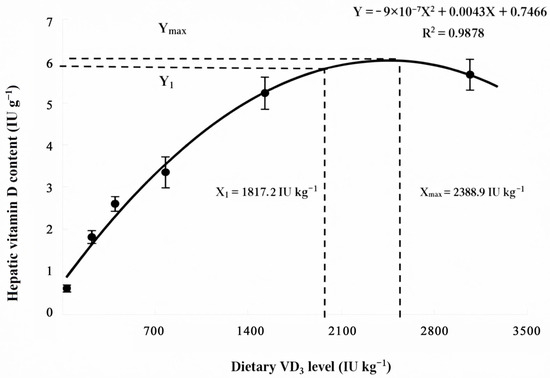
Vitamin D3 (VD3) plays a critical role in bone mineralization and growth in fish, yet its dietary requirement for large yellow croaker (Larimichthys crocea) remains unclear. This study aimed to determine the optimal VD3 level for growth performance and bone health in large yellow croaker. A 9-week feeding trial was conducted with juvenile large yellow croaker (6.16 ± 0.19 g) using six isonitrogenous and isoenergetic diets containing graded VD3 levels (measured: 32.7, 216.8, 392.5, 773.2, 1524.5, and 3071.6 IU kg−1). Growth indices (weight gain, specific growth rate, feed efficiency ratio, protein efficiency ratio) increased significantly (p < 0.05) when dietary VD3 rose from 32.7 to 392.5 IU kg−1, then plateaued. VD3 supplementation significantly affected hepatic VD3 content, whole-body ash, calcium, and phosphorus levels, and mineralization of vertebrae, opercula, and scales, as well as serum alkaline phosphatase, hydroxyproline, calcium, and inorganic phosphorus (p < 0.05). Based on a broken-line model using weight gain, the dietary VD3 requirement was estimated at 426.5 IU kg−1; using a quadratic model with hepatic VD3 content, the estimate was 2388.9 IU kg−1. Overall, appropriate dietary VD3 supplementation is essential to support optimal growth and bone mineralization of juvenile large yellow croaker. This finding provides a scientific basis for dietary VD3 recommendations to optimize growth and bone health in large yellow croaker, contributing to improved aquaculture productivity.
Full article
(This article belongs to the Special Issue Effect of Dietary Supplementation on the Growth and Immunity of Fish and Shellfish—3rd Edition)
►▼
Show Figures

Figure 1
Open AccessArticle
Dietary Inclusion of Common Housefly Musca domestica Maggot Affects Nutritional Composition and Health Status in Chinese Mitten Crab Eriocheir sinensis
by
Fuyong Huang, Qingyi Zhang, Suiyang Shen, Lina Jiang, Jiahao Zhang, Yangxin Dai, Xiao Liang, Jinyu Tang and Lun Qian
Fishes 2026, 11(9), 546; https://doi.org/10.3390/fishes11090546 - 16 Sep 2026
Abstract
This study evaluated the effects of partially or completely substituting fishmeal and fish oil with dried housefly (Musca domestica) maggots on the growth, nutritional composition, antioxidant capacity, and immunity of Chinese mitten crab (Eriocheir sinensis). An 8-week feeding trial
[...] Read more.
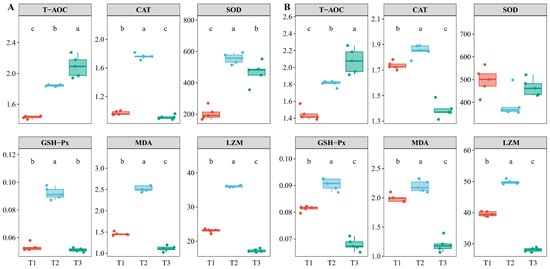
This study evaluated the effects of partially or completely substituting fishmeal and fish oil with dried housefly (Musca domestica) maggots on the growth, nutritional composition, antioxidant capacity, and immunity of Chinese mitten crab (Eriocheir sinensis). An 8-week feeding trial was conducted using three isonitrogenous and isolipidic diets: T1, a control formulated feed containing 350 g/kg fishmeal and 40 g/kg fish oil; T2, a formulated feed containing 200 g/kg fishmeal and 29 g/kg fish oil, supplemented with 161 g/kg dried housefly maggots; and T3, a formulated feed containing no fishmeal and 15 g/kg fish oil, supplemented with 375 g/kg dried housefly maggots. The results showed that T2 maintained survival and growth comparable to the control while enhancing the HSI, EAA profiles, and n-3/n-6 ratio, along with elevated antioxidant capacities (CAT and GSH-Px) and lysozyme activity. In contrast, T3 increased the EAA, TAA, and EAA-related ratios, while elevating the BAA, atherogenic index and thrombogenic index, but reducing the beneficial PUFA and suppressing immune parameters. Notably, T3 did not induce excessive hepatopancreatic lipid accumulation. A mineral analysis revealed tissue-specific deposition patterns, with muscle accumulating K, Ca, Zn, Cr, and Cu, while the hepatopancreas retained a higher Ca, Fe, and Se. Despite the increased Cr and Cu accumulation with maggot inclusion, all levels remained within safety limits, posing no health risk to crabs. These findings demonstrate that dried housefly maggots represent a viable alternative protein and lipid source for crabs, with 161 g/kg being the preferable inclusion level among the two tested levels. Inclusion at 161 g/kg provides nutritional complementarity with the formulated feed and enhances the immune function, while inclusion at 375 g/kg disrupts the nutritional balance and immunological homeostasis. This study provides a scientific foundation for optimizing maggot-based feeding strategies in sustainable crustacean aquaculture.
Full article
(This article belongs to the Section Nutrition and Feeding)
►▼
Show Figures

Figure 1

Open AccessArticle
Comparative Evaluation of SELECT and Generalized Additive Models for Estimating Gillnet Selectivity of Snow Crab (Chionoecetes opilio) in the East Sea of Korea
by
Seonghun Kim, Sena Baek, Seokjin Yoon and Youngil Seo
Fishes 2026, 11(9), 545; https://doi.org/10.3390/fishes11090545 - 16 Sep 2026
Abstract
This study evaluated snow crab (Chionoecetes opilio) gillnet selectivity using the traditional Share Each Length’s Catch Total (SELECT) framework and a generalized additive model (GAM). Comparative fishing experiments were conducted in the East Sea of Korea using four stretched mesh sizes
[...] Read more.
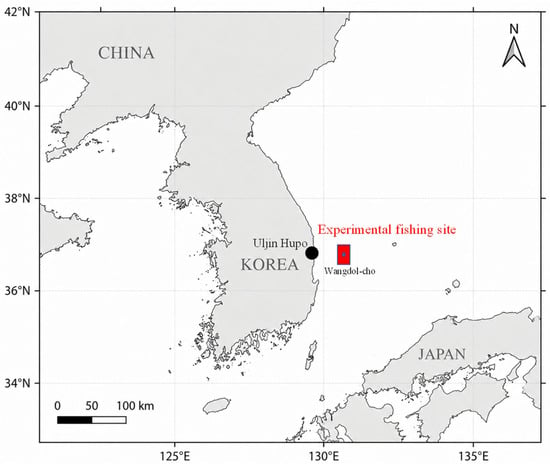
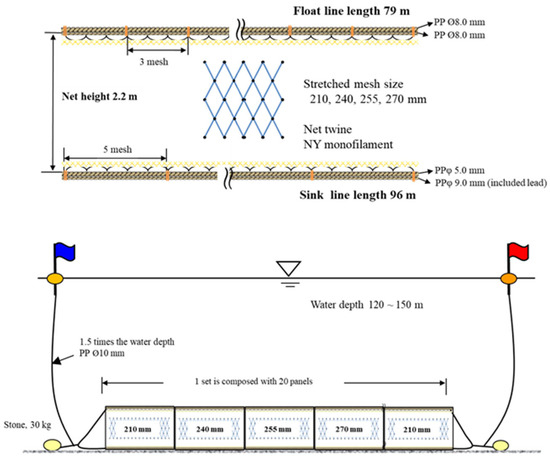
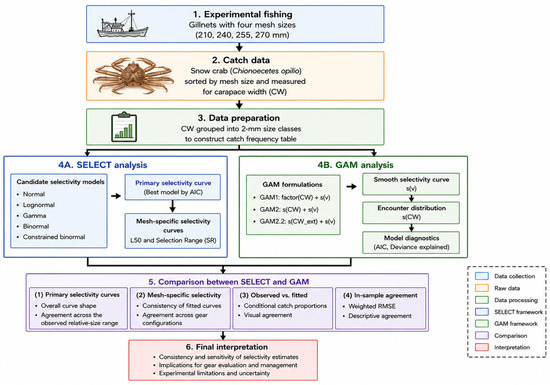
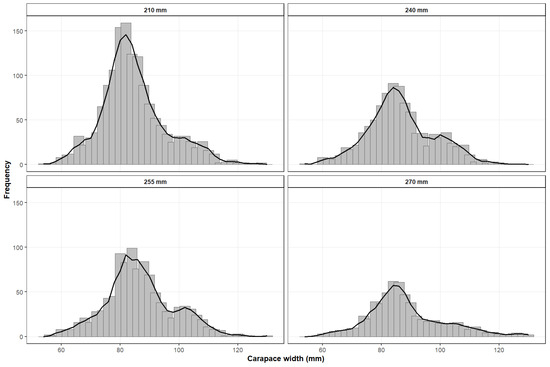
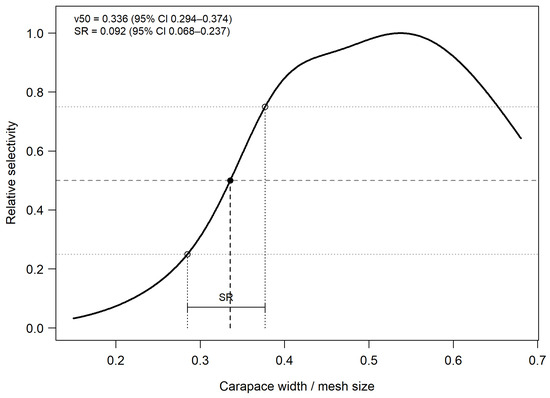
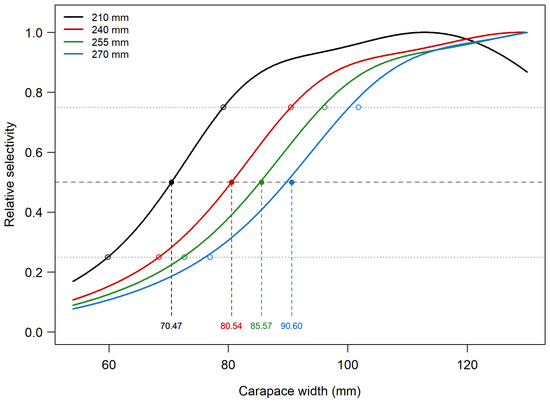
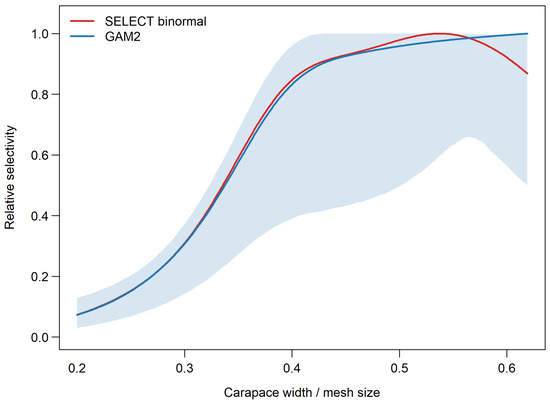
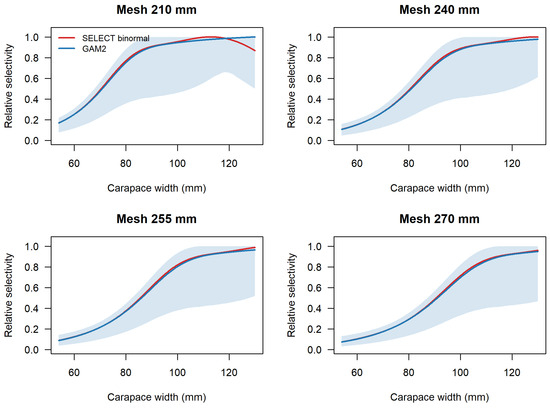
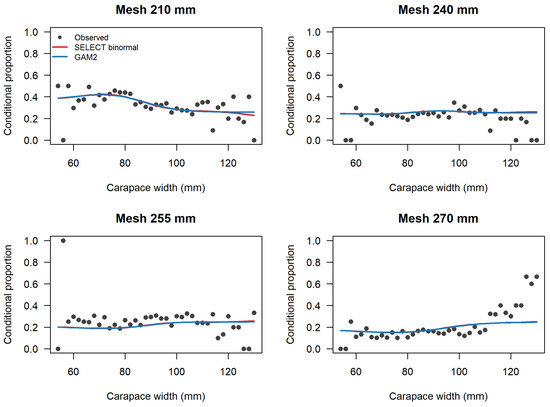
This study evaluated snow crab (Chionoecetes opilio) gillnet selectivity using the traditional Share Each Length’s Catch Total (SELECT) framework and a generalized additive model (GAM). Comparative fishing experiments were conducted in the East Sea of Korea using four stretched mesh sizes (210, 240, 255, and 270 mm). Among the candidate SELECT models, the binormal model had the lowest Akaike’s Information Criterion (AIC), although the normal and gamma models also received substantial support (ΔAIC < 2). Under the equal-fishing-power assumption, the ascending increased from 70.47 mm for the 210 mm mesh to 90.60 mm for the 270 mm mesh, indicating a progressive shift in retention toward larger crabs across the tested gear configurations. The final GAM2 and the selected binormal SELECT model produced closely similar fitted selectivity patterns across most of the observed relative-size range and nearly identical in-sample agreement with the observed conditional catch proportions. However, the binormal components should not be interpreted as distinct biological capture mechanisms because capture behavior was not directly observed. Overall, the results support the complementary use of SELECT and GAM for evaluating snow crab gillnet selectivity, while acknowledging uncertainty associated with relative fishing power and the fixed panel arrangement.
Full article
(This article belongs to the Section Fishery Facilities, Equipment, and Information Technology)
►▼
Show Figures

Figure 1

Open AccessArticle
Comparative Analysis of Intermuscular Bones in Five Characiform Species and Their Early Development in Tambaqui (Colossoma macropomum)
by
Sabrina Vitória Ferreira da Costa, Caio Augusto Perazza, Micheli Zaminhan-Hassemer, Leticia Rafaela de Morais, Fernanda Loureiro de Almeida O’Sullivan, Ze-Xia Gao, Emily Bronze dos Santos, Danillo Pinhal, Eric Hallerman and Alexandre Wagner Silva Hilsdorf
Fishes 2026, 11(9), 544; https://doi.org/10.3390/fishes11090544 - 16 Sep 2026
Abstract
Intermuscular bones (IBs) are spicule-like, ossified structures located in the myosepta of muscles on either side of the vertebrae that are unique to several orders of teleost fishes, including Order Characiformes, for which research on the characteristics of IBs is limited. We investigated
[...] Read more.
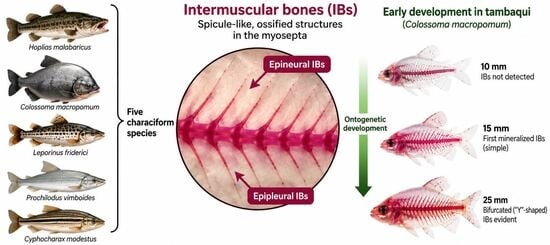
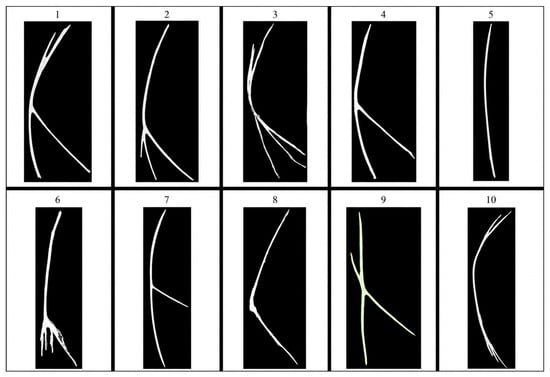
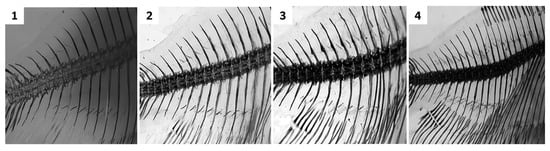
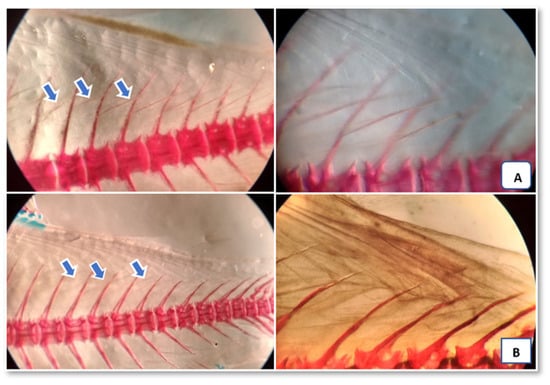
Intermuscular bones (IBs) are spicule-like, ossified structures located in the myosepta of muscles on either side of the vertebrae that are unique to several orders of teleost fishes, including Order Characiformes, for which research on the characteristics of IBs is limited. We investigated the morphologies and numbers of epineural and epipleural IBs in five characiform fishes: common wolffish/taíra Hoplias malabaricus (Family Erythrinidae), blackfin pacu/tambaqui Colossoma macropomum (Serrasalmidae), three-spot leporinus/piau-três-pintas Leporinus friderici (Anostomidae), flannel-mouthed characiform/grumatã Prochilodus vimboides (Prochilodontidae), and saguiru Cyphocharax modestus (Curimatidae). In addition, we characterized the ontogenetic formation of IBs in C. macropomum, examining cleared and stained juveniles at different developmental stages. The effects of species, intermuscular bone type, IB series, body side, and their interactions were assessed using a zero-inflated generalized linear model. The results revealed differences in the number, shape, and distribution of intermuscular bones (IBs) among species and morphological types. All seven previously reported types of IBs in characiforms were observed, along with three newly identified shapes. The total number of IBs ranged from 242 to 304 across the respective species. In juvenile C. macropomum, mineralized IBs were first detected at approximately 15 mm total length, after the main axial skeleton was already formed. Early IBs first appeared as simple elements and progressively acquired bifurcated morphologies during development, with “Y”-shaped IBs becoming evident in later juvenile stages.
Full article
(This article belongs to the Section Biology and Ecology)
►▼
Show Figures

Graphical abstract
Open AccessArticle
A Synergistic Strategy of Fishing Closure and Stock Enhancement to Restore Dongting Lake Based on an EwE Modeling Approach
by
Zhiyuan Xiang, Wen Ma, Juan Du, Lixiong Yu, Huatang Deng, Xinbin Duan, Mingdian Liu, Xiping Yuan, Huiwu Tian and Lei Gao
Fishes 2026, 11(9), 543; https://doi.org/10.3390/fishes11090543 - 15 Sep 2026
Abstract
►▼
Show Figures
Freshwater lakes worldwide are undergoing rapid degradation, raising concerns about the effectiveness of recent large-scale conservation interventions. China’s ‘10-year fishing ban’ represents one of the world’s most ambitious fishery moratoria, yet its ecosystem-level consequences remain poorly quantified. Using data from the two seasonal
[...] Read more.
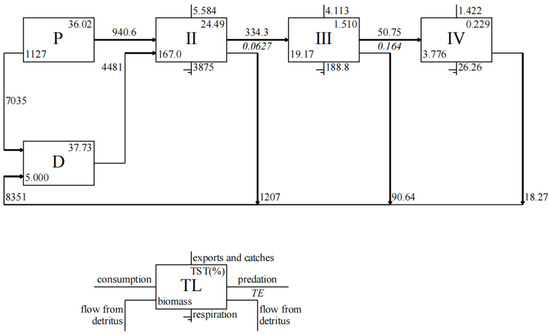
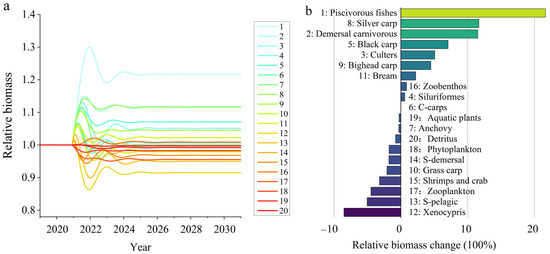
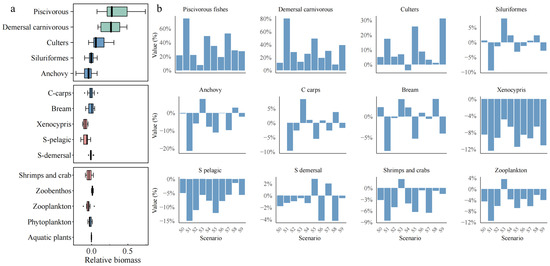
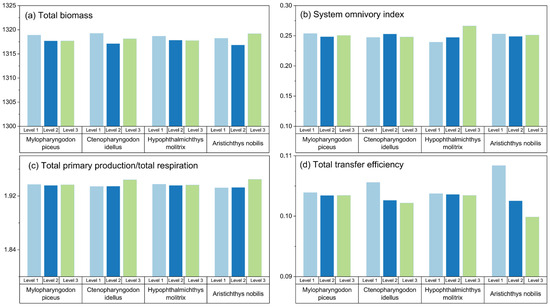
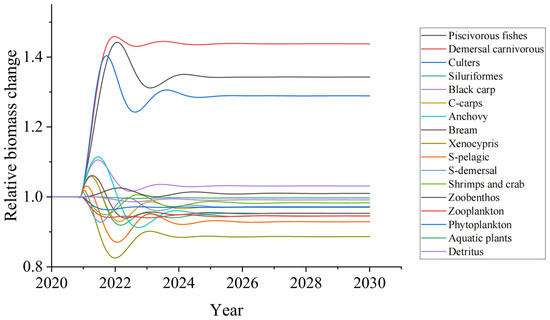
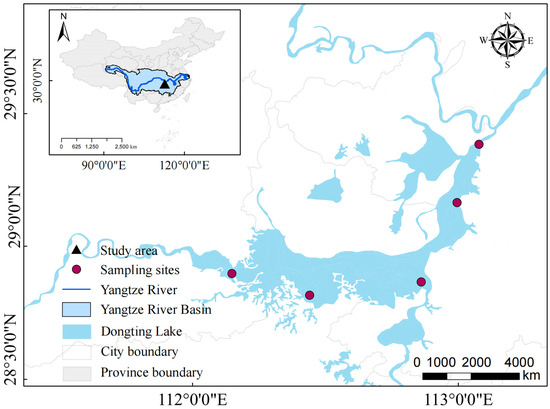
Freshwater lakes worldwide are undergoing rapid degradation, raising concerns about the effectiveness of recent large-scale conservation interventions. China’s ‘10-year fishing ban’ represents one of the world’s most ambitious fishery moratoria, yet its ecosystem-level consequences remain poorly quantified. Using data from the two seasonal surveys conducted in Dongting Lake in 2019, we applied a mass-balanced Ecopath with Ecosim model to evaluate how fishing closure, and its combination with multi-species stock enhancement, affects trophic structure, energy flows, and system stability from 2021 to 2030. Simulations show that the closure-only scenario nearly doubles total ecosystem production, yet yields limited improvement in maturity indicators, reflecting a slow recovery of food web complexity. Across the tested closure-plus-enhancement scenarios, the highest projected system omnivory index occurred under scenario S5 (from 0.24 to 0.27), whereas the highest projected Shannon diversity index (from 0.59 to 0.64) and total transfer efficiency (from 10.80% to 11.12%) occurred under scenario S1, relative to the 2019 baseline. Based on the level-wise responses of the L9 treatments, a recommended combined scenario consisting of 1.04 t bighead carp, 4.30 t grass carp, and 1.14 t silver carp, with no additional black carp stocking, was constructed. Under this scenario, the model projected enhanced biomass recovery and a shorter restructuring period for key functional groups. Our study provides a reference for predicting ecosystem responses following the ‘10-year fishing ban’ and also provides data for ecosystem-based assessments for stock enhancement.
Full article

Figure 1
Open AccessSystematic Review
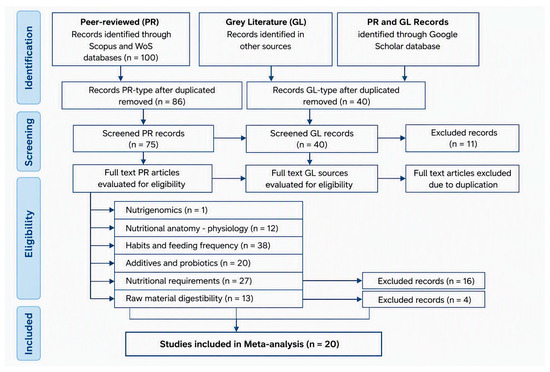
Dietary Nitrogen-Free Extract as a Confounding Nutritional Factor in Growth and Digestibility Studies of Arapaima gigas: A Meta-Analysis
by
Jorge Andrés Zambrano Navarrete and Luis Gustavo Tavares Braga
Fishes 2026, 11(9), 542; https://doi.org/10.3390/fishes11090542 - 15 Sep 2026
Abstract
Arapaima gigas is a carnivorous freshwater species with high dietary protein requirements and increasing relevance for aquaculture. However, nutritional studies with this species frequently use experimental diets with varying carbohydrate fractions that are not explicitly controlled. Nitrogen-free extract (NFE), which represents soluble dietary
[...] Read more.
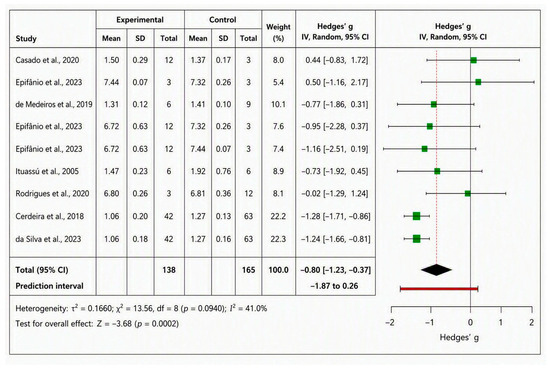
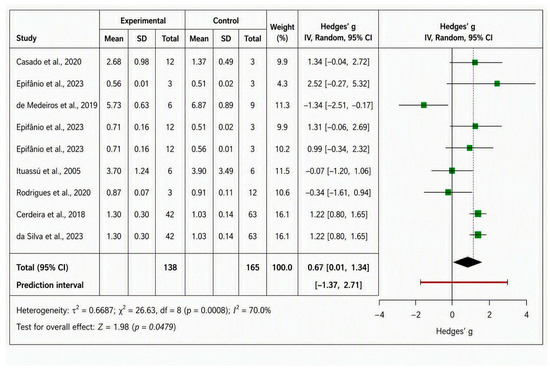
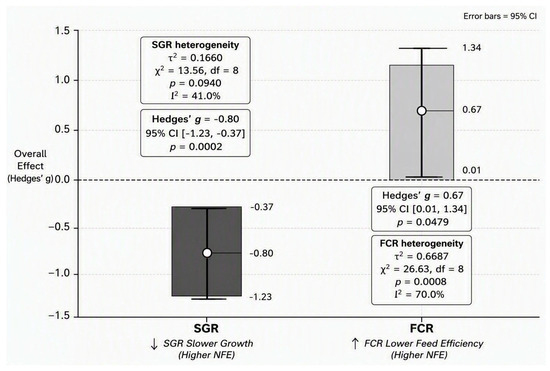
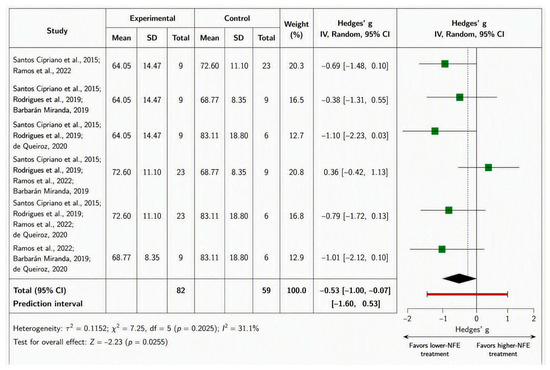
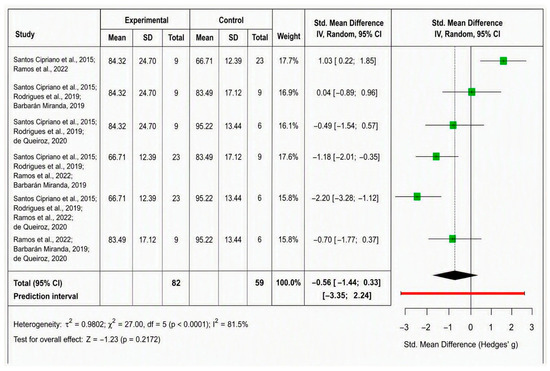
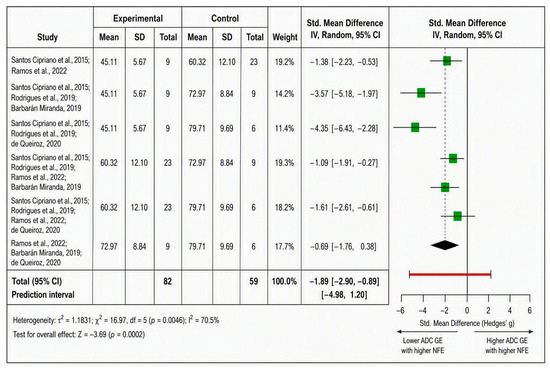
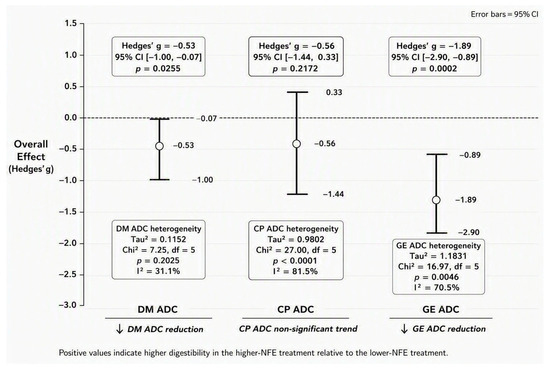
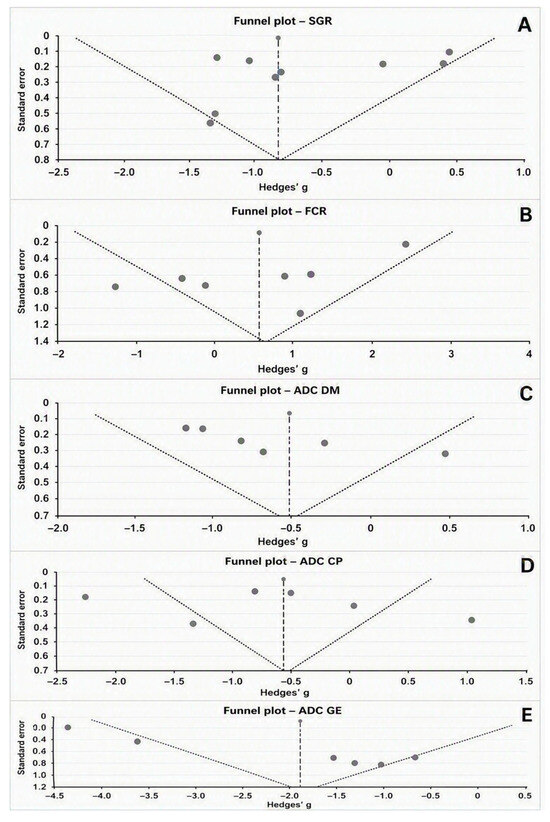
Arapaima gigas is a carnivorous freshwater species with high dietary protein requirements and increasing relevance for aquaculture. However, nutritional studies with this species frequently use experimental diets with varying carbohydrate fractions that are not explicitly controlled. Nitrogen-free extract (NFE), which represents soluble dietary carbohydrates, may therefore influence growth and digestibility responses and act as a confounding nutritional factor. The objective of this study was to evaluate the effects of dietary NFE on growth performance, feed efficiency, and nutrient utilization in A. gigas through meta-analysis. A systematic literature search was conducted using peer-reviewed and grey-literature sources. Studies were included when they provided quantitative information on dietary composition together with growth-performance indicators or digestibility coefficients. Twenty studies met the eligibility criteria and were included in the quantitative synthesis. Specific growth rate (SGR), feed conversion ratio (FCR), and apparent digestibility coefficients (ADC) of dry matter (DM), crude protein (CP), and gross energy (GE) were analysed using standardized mean differences (Hedges’ g) under random-effects models. Digestibility analyses were restricted to plant-based energetic and protein ingredients because animal-derived raw materials contribute minimal NFE. Higher dietary NFE levels were associated with reduced SGR, while the effect on FCR was more sensitive to study structure and within-study dependence. Higher NFE levels were also associated with reduced DM and GE digestibility, whereas the effect on CP digestibility was not statistically significant and showed substantial heterogeneity. Sensitivity analyses supported the robustness of the SGR, ADC DM, and ADC GE responses. The available evidence suggests that dietary NFE represents an important source of variation in nutritional studies involving A. gigas. Although heterogeneity among studies and variation in ingredient composition limit causal inference, improved control and reporting of dietary NFE may reduce confounding effects and improve interpretation of growth, feed efficiency, and digestibility responses in future feeding trials.
Full article
(This article belongs to the Section Nutrition and Feeding)
►▼
Show Figures

Figure 1
Open AccessArticle
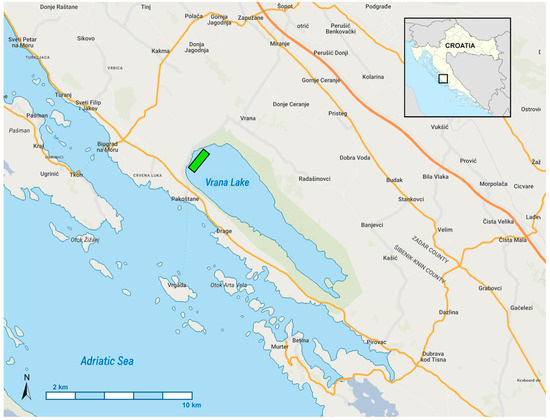
Tissue-Specific Multielement Distribution in Freshwater Fish from Vrana Lake, Croatia: Insights from Advanced Multivariate Classification Techniques
by
Zorana Kljaković-Gašpić, Ankica Sekovanić, Tatjana Orct, Frano Matić, Hrvoje Kalinić, Ivan Župan and Marijana Matek Sarić
Fishes 2026, 11(9), 541; https://doi.org/10.3390/fishes11090541 - 14 Sep 2026
Abstract
This study examined the distribution of 24 metal(loid)s in muscle, liver, gills, and gonads of dominant fish species from Vrana Lake, Croatia. Element concentrations were determined by inductively coupled plasma mass spectrometry (ICP-MS). The effects of tissue type, species, fish size, and season
[...] Read more.
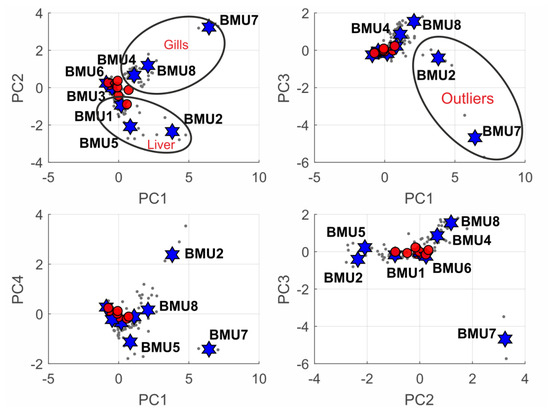
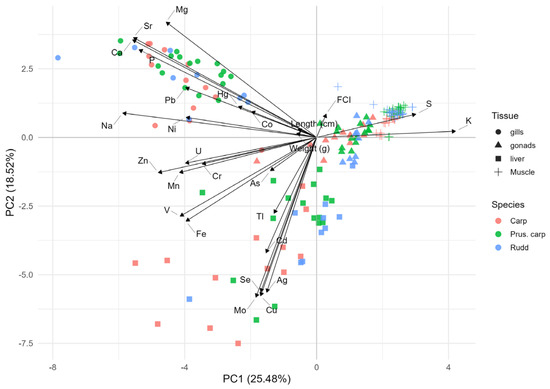
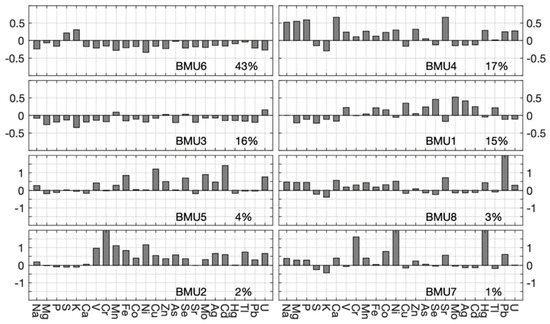
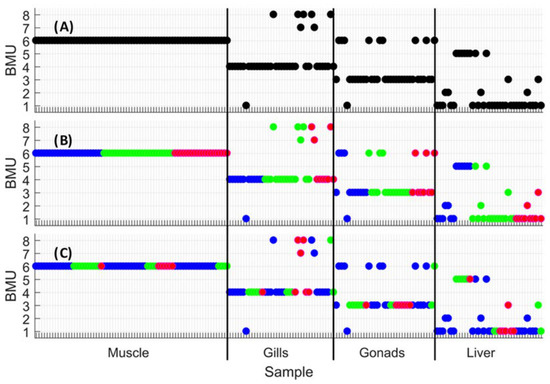
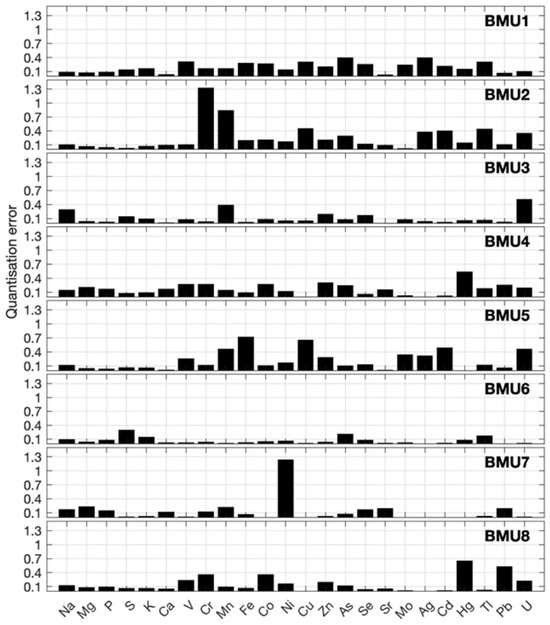
This study examined the distribution of 24 metal(loid)s in muscle, liver, gills, and gonads of dominant fish species from Vrana Lake, Croatia. Element concentrations were determined by inductively coupled plasma mass spectrometry (ICP-MS). The effects of tissue type, species, fish size, and season were evaluated using classical statistics, principal component analysis (PCA), and the Neural Gas (NG) algorithm. Tissue type was the primary determinant of elemental composition. Concentrations of most elements were highest in liver and gills, intermediate in gonads, and lowest and most uniform in muscle. Species-related differences were generally limited, while size-related relationships were tissue- and species-dependent, with generally weak or negative trends in muscle and more variable responses in metabolically active organs. PCA revealed clear tissue-based structuring but comparatively limited separation among species. NG complemented these findings by providing additional resolution of within-tissue heterogeneity and low-frequency multielement profiles. Overall, our findings provide a baseline reference dataset for the biota of Vrana Lake, indicate tissue physiology as the main factor influencing elemental variability, and indicate that NG may serve as a useful complementary approach for exploring complex multielement biomonitoring data.
Full article
(This article belongs to the Special Issue Ecotoxicology Studies on Pollutants Induced Toxicity in Fish)
►▼
Show Figures

Figure 1
Journal Menu
► ▼ Journal Menu-
- Fishes Home
- Aims & Scope
- Editorial Board
- Reviewer Board
- Topical Advisory Panel
- Early Career Editorial Board
- Instructions for Authors
- Special Issues
- Topics
- Sections
- Article Processing Charge
- Indexing & Archiving
- Editor’s Choice Articles
- Most Cited & Viewed
- Journal Statistics
- Journal History
- Journal Awards
- Society Collaborations
- Conferences
- Editorial Office
- 10th Anniversary
Journal Browser
► ▼ Journal BrowserHighly Accessed Articles
Latest Books
E-Mail Alert
News
17 September 2026
Meet Us at 2026 Annual Academic Conference of the Aquatic Products Processing and Comprehensive Utilization Branch, 15–17 October 2026, Ningbo, China
1 September 2026
MDPI INSIGHTS: The CEO’s Letter #38 – 2 Million Published Articles, Outstanding Reviewers, Michele Parrinello Award, AIS 2026 & WSF-12
Topics
Topic in
Fishes, Foods, Microplastics, Veterinary Sciences, Poultry, Animals, Ruminants
Micro- and Nanoplastics in Animals and Livestock Production
Topic Editors: Sonia Tassone, Beniamino T. Cenci-Goga, Samia Ben Said, Khalil AbidDeadline: 31 December 2026
Topic in
Animals, Aquaculture Journal, Biology, Fishes, Life
Sex Differentiation Mechanisms in Aquatic Species
Topic Editors: Mingyou Li, Zhihui Sun, Jun ZhangDeadline: 31 January 2027
Topic in
Biology, Data, Diversity, Fishes, Animals, Conservation, Hydrobiology
Intersection Between Macroecology and Data Science
Topic Editors: Paulo Branco, Gonçalo DuarteDeadline: 23 April 2027
Topic in
Aquaculture Journal, Fishes, Microorganisms, Animals, Sustainability
Women's Topic Series: Aquaculture
Topic Editors: Patrícia Díaz-Rosales, Camino OrdásDeadline: 8 May 2027
Conferences
Special Issues
Special Issue in
Fishes
Advances in Acoustic Monitoring of Aquatic Animals: From Classical Methods to AI-Enabled Solutions
Guest Editors: Chi-Fang Chen, Shashidhar SiddagangaiahDeadline: 27 September 2026
Special Issue in
Fishes
Endocrine Regulation of Growth and Reproduction in Fish
Guest Editors: Rafael Nóbrega, Maeli Dal-Pai-Silva, Bruno Oliveira Da Silva DuranDeadline: 5 October 2026
Special Issue in
Fishes
Advances in the Application of Microalgae in Aquaculture
Guest Editors: Yihong Zheng, Wujie XuDeadline: 10 October 2026
Special Issue in
Fishes
Migration and Movement Ecology of Freshwater Fishes
Guest Editor: Joaquim José Barreira de JesusDeadline: 10 October 2026