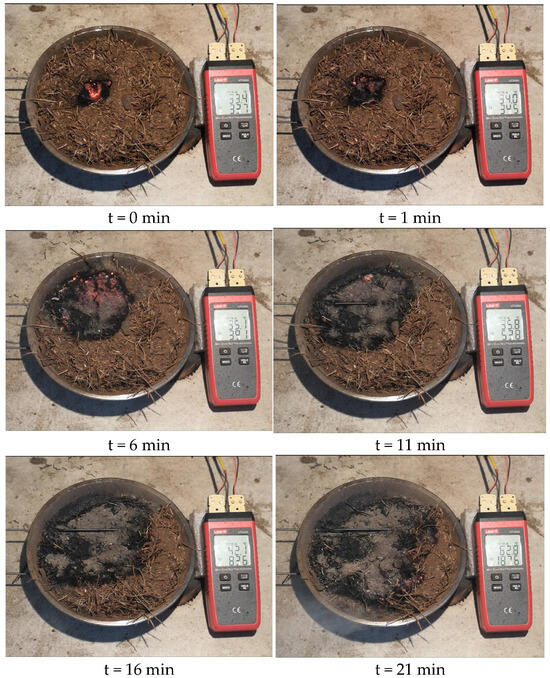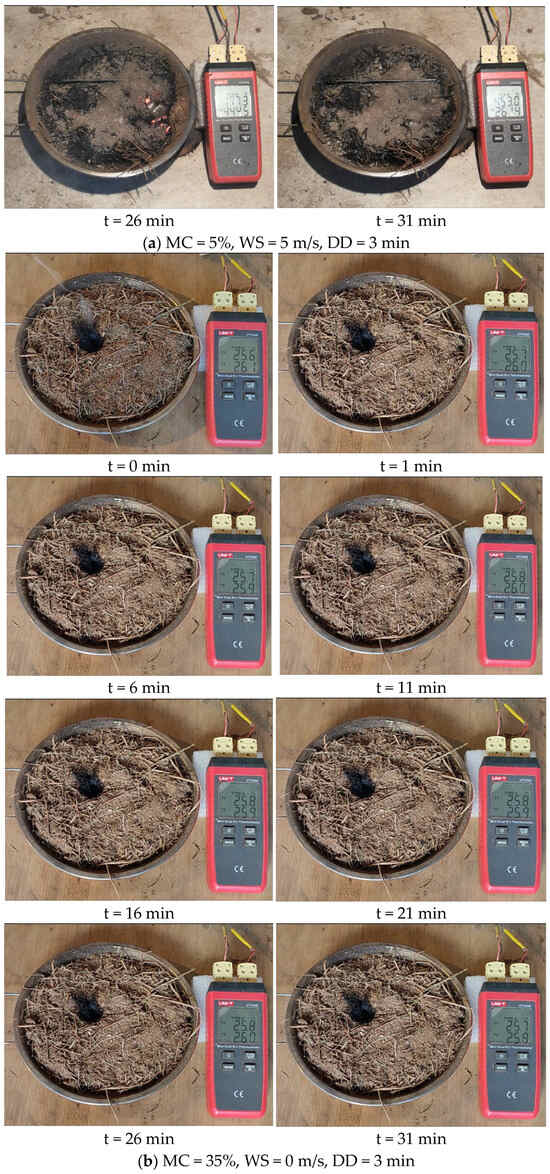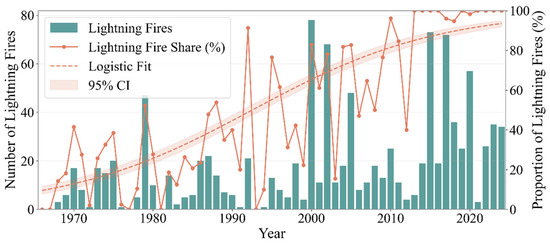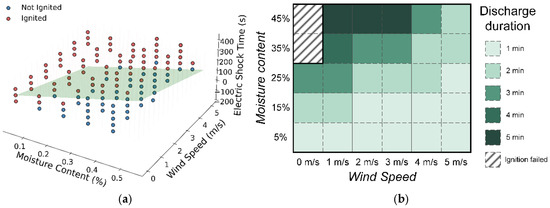




-
Hydrochemical Resilience of Mountain Forest Catchments to Bark Beetle Disturbance: A Central European Study -
Omorika Spruce as a Potential Substitute for Norway Spruce and Blue Spruce in Post-Pollution Reforestation for Industrial Use -
Impervious Surfaces Do Not Impact Urban Tree Crown Growth -
A Multi-Scale Anatomical Wood Identification Approach Applied to Traditional Japanese Chord Instruments -
Reproductive Investment Across Native and Invasive Regions in Pittosporum undulatum Vent., a Range Expanding Gynodioecious Tree
Journal Description
Forests
Forests
is an international, peer-reviewed, open access journal on forestry and forest ecology published monthly online by MDPI.
- Open Access— free for readers, with article processing charges (APC) paid by authors or their institutions.
- High Visibility: indexed within Scopus, SCIE (Web of Science), Ei Compendex, GEOBASE, PubAg, AGRIS, PaperChem, and other databases.
- Journal Rank: JCR - Q2 (Forestry) / CiteScore - Q1 (Forestry)
- Rapid Publication: manuscripts are peer-reviewed and a first decision is provided to authors approximately 16.8 days after submission; acceptance to publication is undertaken in 2.5 days (median values for papers published in this journal in the second half of 2025).
- Recognition of Reviewers: reviewers who provide timely, thorough peer-review reports receive vouchers entitling them to a discount on the APC of their next publication in any MDPI journal, in appreciation of the work done.
- Testimonials: See what our editors and authors say about Forests.
- Journal Cluster of Ecosystem and Resource Management: Forests, Diversity, Fire, Conservation, Ecologies, Biosphere and Wild.
Impact Factor:
2.5 (2024);
5-Year Impact Factor:
2.7 (2024)
Latest Articles
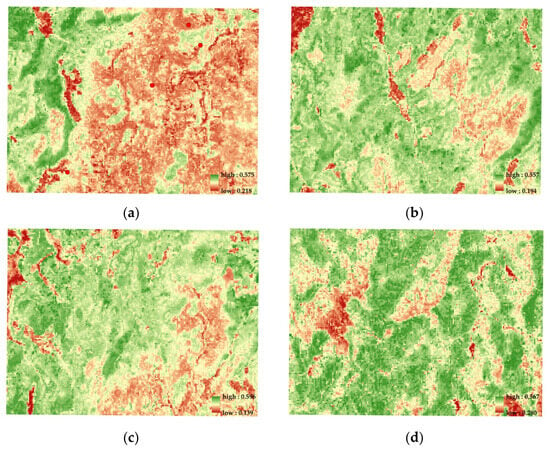
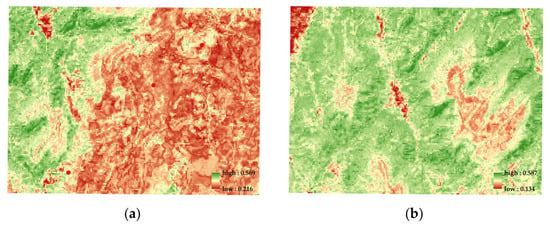
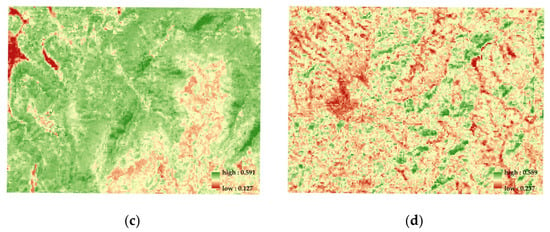
Analysis of Vegetation Ecological Anomaly Response in the Xiangshan Uranium Mining Area Based on Multi-Source Remote Sensing Data Fusion
Forests 2026, 17(6), 661; https://doi.org/10.3390/f17060661 (registering DOI) - 29 May 2026
Abstract
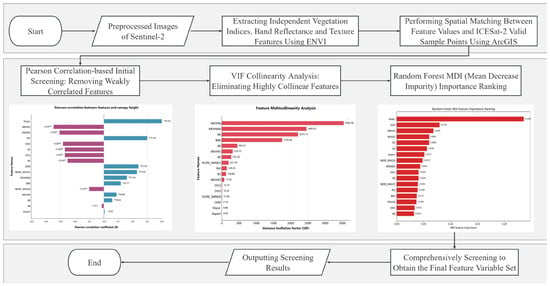
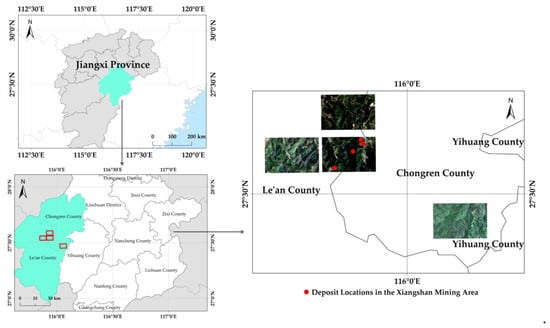
The Xiangshan Uranium Mining Area in Jiangxi Province is a pivotal uranium extraction site crucial for China’s nuclear sector. However, vegetation ecology research in this region remains scarce, particularly studies grounded in multi-source remote sensing data. To overcome these challenges, this paper introduces
[...] Read more.
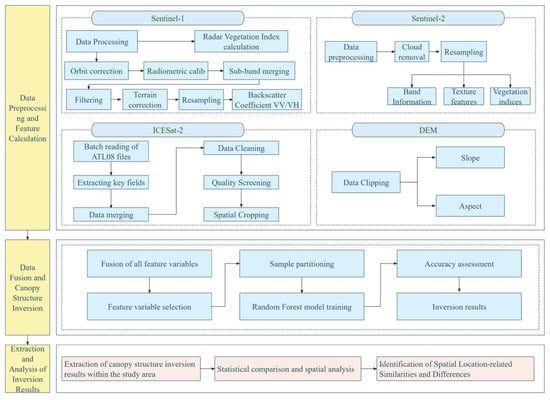
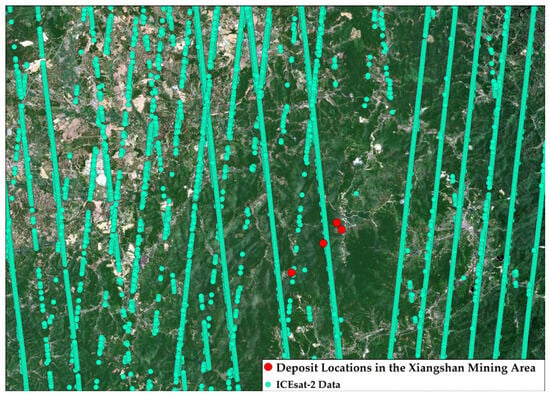
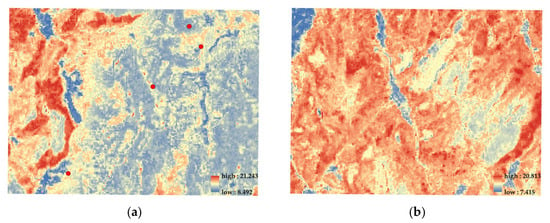
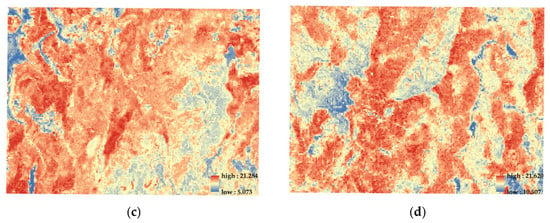
The Xiangshan Uranium Mining Area in Jiangxi Province is a pivotal uranium extraction site crucial for China’s nuclear sector. However, vegetation ecology research in this region remains scarce, particularly studies grounded in multi-source remote sensing data. To overcome these challenges, this paper introduces a methodology that combines multi-source remote sensing data with the random forest machine learning algorithm to invert vegetation canopy structure parameters in the Xiangshan Uranium Mining Area. This approach is complemented by the integration of multiple vegetation indices for a comprehensive evaluation. To guarantee the dependability of the inversion results, this study employs Sentinel-1/2 imagery and ICESat-2 spaceborne LiDAR data, which furnish abundant optical information, terrain data, and vertical vegetation structure insights. The experimental findings reveal that the overall vegetation ecology in the Xiangshan Uranium Mining Area is in a satisfactory state, yet the low Radar Vegetation Index (RVI) hints at potential soil degradation concerns within the mining area. Furthermore, notable disparities in vegetation canopy structure between the mining area and the comparison zone underscore that the presence of mining deposits indeed exerts a potential influence on vegetation canopy structure. This study bridges the research gap and offers scientific support for mineral exploration and sustainable mining development.
Full article
(This article belongs to the Special Issue LiDAR Remote Sensing for Forestry: 2nd Edition)
►
Show Figures
Open AccessArticle
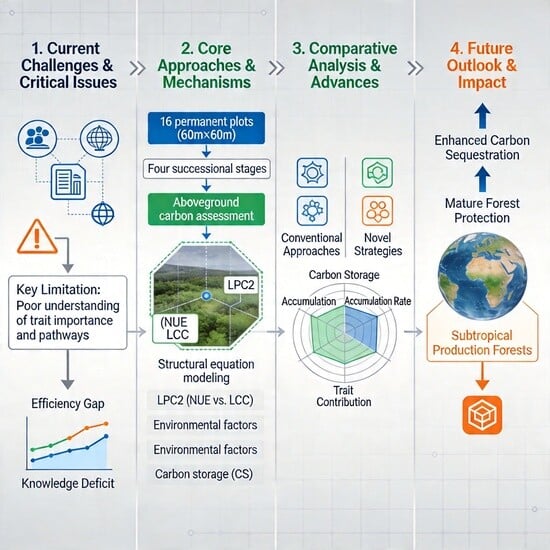
Linking Leaf Functional Traits to Aboveground Carbon Storage Across Successional Stages in Monsoon Evergreen Broad-Leaved Forests
by
Fuying Deng, Jiali Qin, Yuhan Zhao and Wande Liu
Forests 2026, 17(6), 660; https://doi.org/10.3390/f17060660 (registering DOI) - 29 May 2026
Abstract
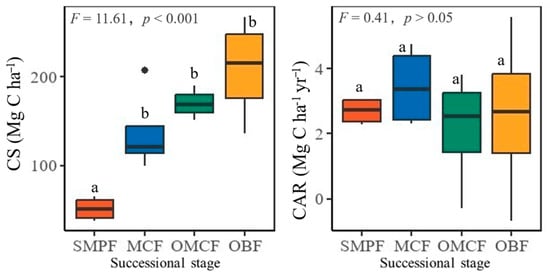
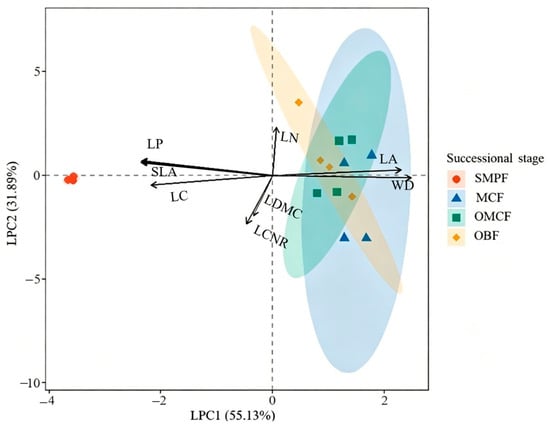
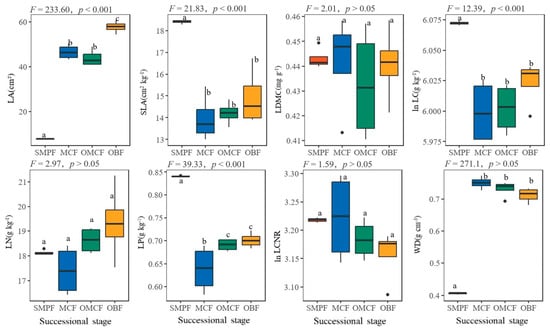
Plant functional traits help us understand forest carbon storage. We quantified eight functional traits that reflect plant life history strategies: leaf area (LA), specific leaf area (SLA), leaf dry matter content (LDMC), leaf carbon (LC), nitrogen (LN), phosphorus (LP), leaf carbon–nitrogen ratio (LCNR),
[...] Read more.
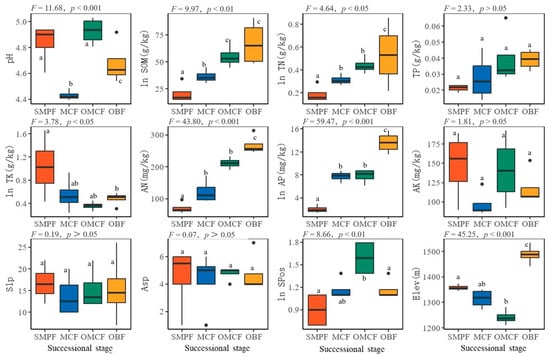
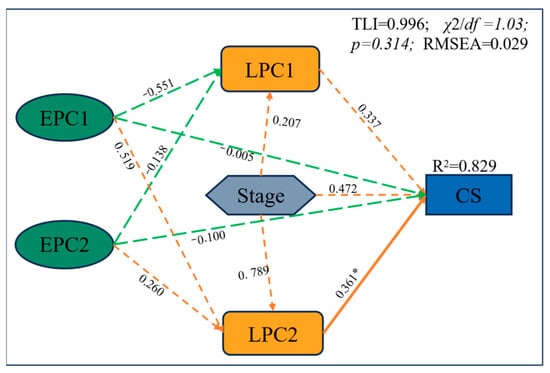
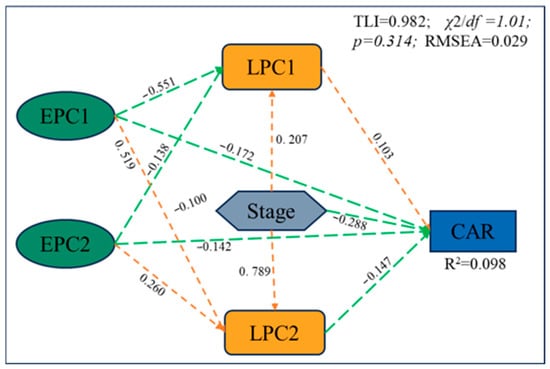
Plant functional traits help us understand forest carbon storage. We quantified eight functional traits that reflect plant life history strategies: leaf area (LA), specific leaf area (SLA), leaf dry matter content (LDMC), leaf carbon (LC), nitrogen (LN), phosphorus (LP), leaf carbon–nitrogen ratio (LCNR), and wood density (WD). But their role across successional stages is still unclear. We set up sixteen permanent plots in Pu’er, Yunnan, China. Each plot was 60 m × 60 m. The plots covered four successional stages. Stage one was early-successional Simao pine forests. Stage two was mid-successional mixed forests. Stage three was mid-to-late-successional mature mixed forests. Stage four was late-successional mature broad-leaved forests. We measured aboveground carbon storage (CS). We measured carbon growth rates (CAR). We also measured plant traits, soil nutrients, and topography. Carbon storage increased step by step during succession. It became stable in the late stage. Carbon accumulation rate stayed similar across all stages. A key trait axis (LPC2) directly increased carbon storage. LPC2 represents the trade-off between nitrogen use efficiency and leaf construction costs. Environmental factors only affected carbon storage indirectly. They influenced traits first. These results support the metabolic trade-off hypothesis. They also support the leaf economics spectrum theory. Early-successional traits help forests gain biomass quickly. Late-successional traits help forests store carbon for a long time. We suggest protecting mature forests. We also suggest using pioneer species in restoration. This dual strategy can enhance carbon sequestration in subtropical production forests.
Full article
(This article belongs to the Section Forest Ecology and Management)
►▼
Show Figures

Graphical abstract
Open AccessArticle
Effects of Biochar-Based and Conventional Sheep Manure Organic Fertilizers on Soil Properties and Microbial Communities in a Moso Bamboo (Phyllostachys edulis) Forest in China
by
Zhe Chen, Daomin Chen, Weiqing Qiu, Liangjian Hu, Xianshixuan Liu, Qianggen Zhu and Aiwu Jin
Forests 2026, 17(6), 659; https://doi.org/10.3390/f17060659 (registering DOI) - 28 May 2026
Abstract
Fertilization is widely used in managed Moso bamboo (Phyllostachys edulis (Carrière) J.Houz.) forests in subtropical China, but its short-term effects on soil properties and microbiomes remain uncertain. In this study, we conducted a field experiment with four treatments: no fertilization (NF),
[...] Read more.
Fertilization is widely used in managed Moso bamboo (Phyllostachys edulis (Carrière) J.Houz.) forests in subtropical China, but its short-term effects on soil properties and microbiomes remain uncertain. In this study, we conducted a field experiment with four treatments: no fertilization (NF), compound fertilizer (CF), sheep manure organic fertilizer plus compound fertilizer (SOCF), and a biochar-based sheep manure organic fertilizer combined with compound fertilizer (BSOCF). Surface soils samples were collected approximately one year after the initial application, and soil properties were measured together with bacterial and fungal communities using high-throughput sequencing. Results showed that fertilization mainly affected soil chemical properties rather than overall microbial community structure. Compared with CF, BSOCF significantly increased soil pH (4.56 ± 0.10 vs. 4.30 ± 0.05) and resulted in the highest available phosphorus (AP, 6.38 ± 1.10 mg kg−1) and available potassium (AK, 128.16 ± 17.56 mg kg−1) contents. Microbial responses were comparatively limited. Bacterial richness remained stable, fungal alpha diversity showed only a weak increasing trend, and both beta diversity and phylum-level composition changed little among treatments. Variation in treatment-enriched taxa was associated mainly with soil pH and nutrient availability. Overall, the results indicate that biochar-based sheep manure organic fertilizer can improv soil fertility and partially alleviated soil acidity, while causing only limited short-term shifts in the overall microbial community structure. These findings suggest that BSOCF may be a suitable fertilization strategy for enhancing nutrient availability in Moso bamboo forests with relatively low short-term disturbance to soil microbial assemblages.
Full article
(This article belongs to the Special Issue Soil Nutrient Cycling and Microbial Dynamics in Forests: 2nd Edition)
Open AccessArticle
Analyzing the Value Conversion Efficiency of Forest Ecological Products in China: Spatiotemporal Patterns and Evolution
by
Longzhen Ni, Xiaoqian Chen, Zichan Cui and Wenhui Chen
Forests 2026, 17(6), 658; https://doi.org/10.3390/f17060658 (registering DOI) - 28 May 2026
Abstract
Converting the diverse values of forest ecosystems into economic gains is one of the major challenges in advancing the global sustainable development agenda. As China continues to expand its factor inputs in the forestry sector, the question of whether these large-scale inputs into
[...] Read more.
Converting the diverse values of forest ecosystems into economic gains is one of the major challenges in advancing the global sustainable development agenda. As China continues to expand its factor inputs in the forestry sector, the question of whether these large-scale inputs into forest ecosystems have generated commensurate economic returns constitutes the central concern of this study. To address this question, this study proposes the concept of forest ecological product value conversion efficiency (FCE). Using provincial panel data from 30 Chinese provinces spanning 2011 to 2023, this study measures FCE and examines its spatiotemporal distribution and evolution characteristics. The findings are as follows. (1) China’s FCE exhibited a fluctuating upward trend, yet scale diseconomies have persisted, indicating that simply expanding factor inputs can no longer sustainably drive FCE gains. (2) Spatially, the economically advanced yet forest-resource-scarce eastern region exhibits the highest FCE, whereas the forest-resource-rich yet economically lagging northeastern region ranks the lowest. This pattern indicates that FCE is not primarily driven by the abundance of forest resources, but rather by the capacity to allocate and convert production factors. (3) A significant catch-up effect among FCE-lagging regions, yet this catch-up potential is contingent on the transferability of successful experiences. When FCE gains in leading regions rely heavily on location-specific resources or exclusive policy support, such experiences tend to resist diffusion, thereby constraining technology transfer and FCE convergence within the region. In summary, this study provides a FCE assessment framework for developing countries facing the dual pressures of forest resource conservation and economic development, and offers empirical evidence for shifting from an input-reliant growth model to a model that prioritizes resource efficiency in the forestry sector.
Full article
(This article belongs to the Section Forest Economics, Policy, and Social Science)
Open AccessArticle
Multi-Organ Nutrient Imbalances Underpin Drought-Induced Dieback in Scots Pine
by
Ester González de Andrés, Antonio Gazol, José Ignacio Querejeta and Jesús Julio Camarero
Forests 2026, 17(6), 657; https://doi.org/10.3390/f17060657 (registering DOI) - 28 May 2026
Abstract
The increasing frequency and intensity of hotter droughts are driving widespread forest dieback, yet the role of tree nutritional status in drought-induced growth dieback remains poorly understood. We investigated how nutrient composition across tissues (leaves, wood) relates to water use patterns and growth
[...] Read more.
The increasing frequency and intensity of hotter droughts are driving widespread forest dieback, yet the role of tree nutritional status in drought-induced growth dieback remains poorly understood. We investigated how nutrient composition across tissues (leaves, wood) relates to water use patterns and growth resilience in rear-edge populations of Scots pine (Pinus sylvestris L.) in Northeastern Spain. Using a multi-proxy approach, we combined analyses of foliar and sapwood nutrient concentrations, stable isotopes (δ13C, δ18O), and dendrochronological indicators across contrasting tree vigor classes. Defoliated trees exhibited pronounced shifts in elemental composition, including depletion of foliar K and increased concentrations of Ca, S, and Fe, alongside higher intrinsic water use efficiency and reduced growth resistance to drought. In contrast, the sapwood elemental composition was less responsive to defoliation but showed stronger associations with isotopic signals and drought resilience, suggesting its integrative role in tree functioning. Coordination of nutrient concentrations between tissues was limited, suggesting organ-specific regulation of nutrient allocation under drought stress. Our results reveal that nutrient imbalances are linked to water–carbon dynamics and drought responses and emphasize the importance of considering multi-organ nutrient dynamics to improve our understanding of long-term nutritional imbalances during drought-induced forest dieback.
Full article
(This article belongs to the Special Issue Forest Resilience to Extreme Climatic Events)
Open AccessArticle
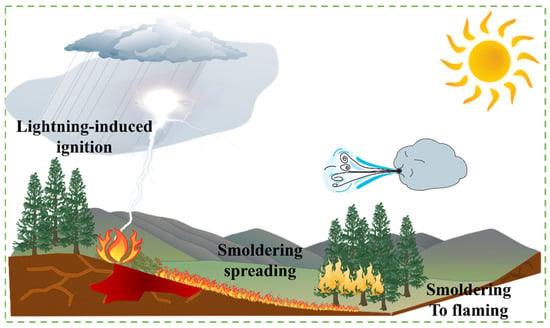
Experimental Investigation of Lightning-Induced Ignition and Smoldering–Flaming Transition in Boreal Forest Fuels of the Daxing’anling Region, Northeast China
by
Liming Lou, Wenbo Ma, Hui Liu, Pengle Cheng, Xiaodong Liu and Ying Huang
Forests 2026, 17(6), 656; https://doi.org/10.3390/f17060656 (registering DOI) - 28 May 2026
Abstract
Lightning-ignited wildfires are an increasing hazard in boreal forests, with their frequency amplified by global warming and more frequent thunderstorms. However, the mechanisms governing lightning-induced ignition and the subsequent smoldering–flaming transition remain poorly understood. This study aims to understand the ignition mechanisms of
[...] Read more.
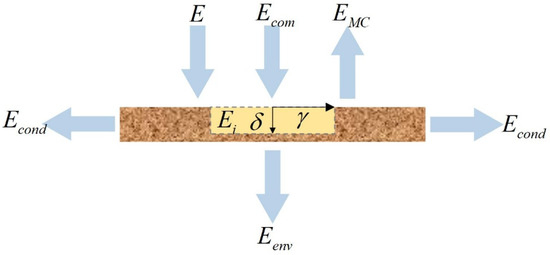
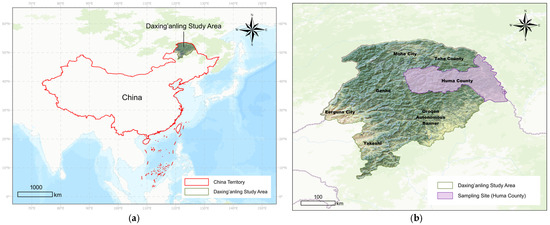
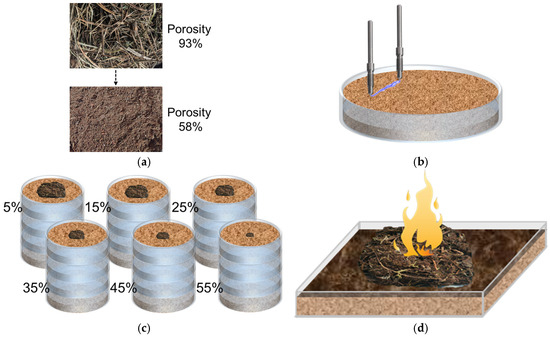
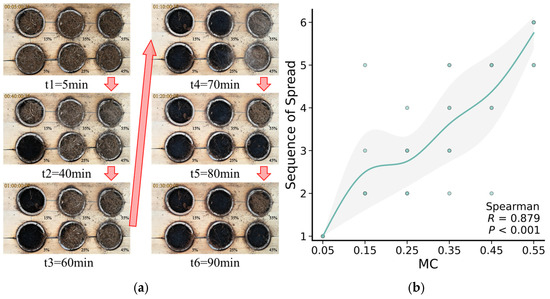
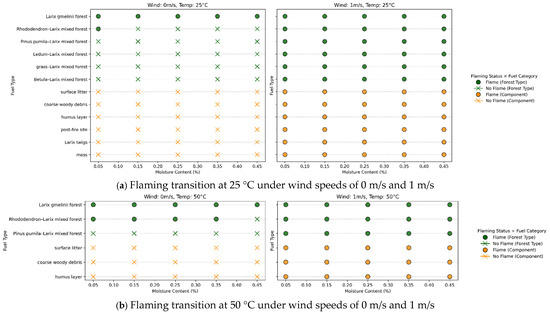
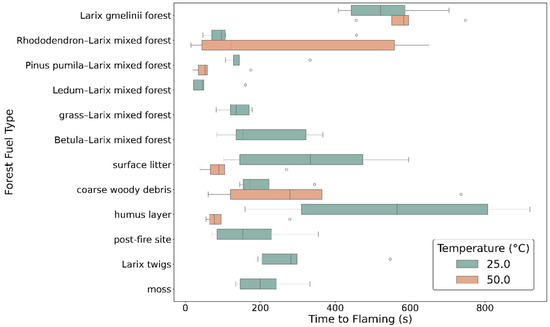
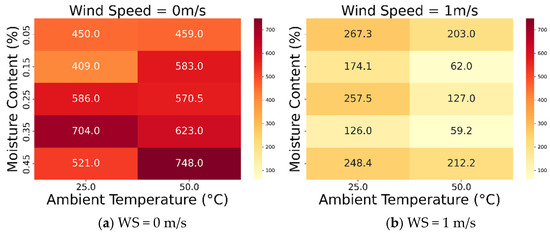
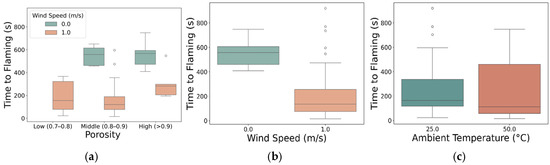
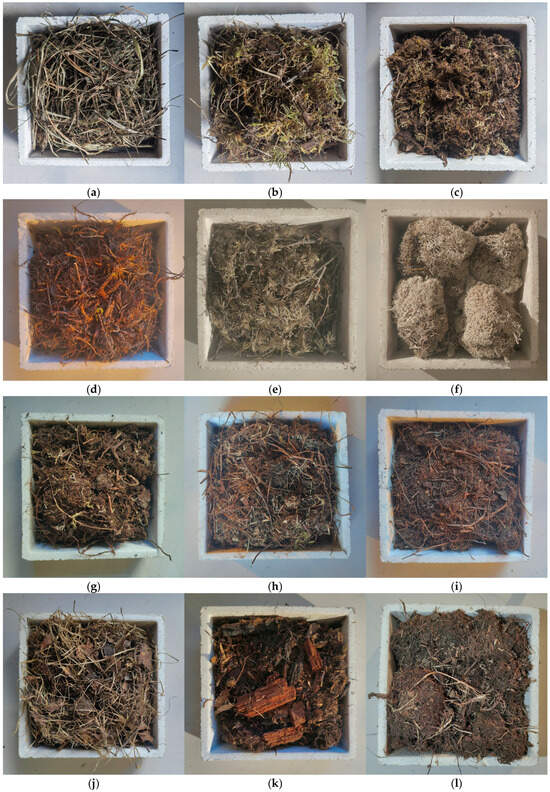
Lightning-ignited wildfires are an increasing hazard in boreal forests, with their frequency amplified by global warming and more frequent thunderstorms. However, the mechanisms governing lightning-induced ignition and the subsequent smoldering–flaming transition remain poorly understood. This study aims to understand the ignition mechanisms of lightning-induced forest fires by combining a physics-based heat-balance model and controlled laboratory simulations. Experiments were conducted using twelve representative surface fuel types collected from six typical forest types in the Daxing’anling region, a lightning fire-prone area in northern China. Three fundamental stages of fire behavior development were systematically investigated, including the lightning-induced ignition, smoldering propagation, and the smoldering-to-flaming transition. Fuel moisture content was varied from 5% to 45%, and wind speed was adjusted between 0 and 5 m/s. The results demonstrated that discharge energy and wind speed significantly increased ignition probability, while fuel moisture content was negatively correlated with smoldering spread rate. Wind speed showed the greatest influence on the smoldering-to-flaming transition. The findings provide new mechanistic insights into the thermal and physical processes driving lightning-induced fires, supporting predictive modeling of ignition thresholds and fire behavior under changing meteorological and fuel conditions.
Full article
(This article belongs to the Section Natural Hazards and Risk Management)
►▼
Show Figures

Figure 1
Open AccessArticle
Spatiotemporal Evolution and Synergy–Tradeoff Relationships of Ecosystem Services in Typical Karst Mountain Areas, China
by
Lei Yin, Jianwan Ji, Haixia Chen, Dingzhao Sun, Yanlin Wang, Lei Zhang, Yinpeng Zhou, Fayong Wang, Bo Zhang and Jinqiang Shao
Forests 2026, 17(6), 655; https://doi.org/10.3390/f17060655 (registering DOI) - 28 May 2026
Abstract
Karst Mountain Areas (KMAs) are characterized by fragile geology, shallow soils, and high ecological sensitivity, rendering their Ecosystem Services (ESs) highly vulnerable to Land Use and Land Cover (LULC) change. However, the spatiotemporal evolution of ESs and the trade-offs and synergies among them
[...] Read more.
Karst Mountain Areas (KMAs) are characterized by fragile geology, shallow soils, and high ecological sensitivity, rendering their Ecosystem Services (ESs) highly vulnerable to Land Use and Land Cover (LULC) change. However, the spatiotemporal evolution of ESs and the trade-offs and synergies among them remain poorly understood, particularly concerning the interplay between human activities and natural constraints in these complex landscapes. Taking the Wumeng Mountain Area (WMA) in southwestern China as a representative case, this study integrates multi-temporal LULC data (2000, 2010, and 2020) with the InVEST model to quantify the dynamics of four key ESs: Carbon Storage (CS), Habitat Quality (HQ), Soil Conservation (SC), and Water Yield (WY). An integrated analytical framework combining land use dynamic degree, intensity analysis, transition matrices, and grid-scale Spearman correlation analysis was developed to reveal ESs interactions. Results indicate that, despite substantial land use changes, most ES pairs exhibited synergistic relationships, and these synergies intensified from 2000 to 2020. The strengthened synergies, particularly among CS, SC, and HQ, are conducive to simultaneously achieving multiple ecological security goals, such as regional carbon sequestration, biodiversity conservation, and soil stability. However, the trade-offs observed between water yield and regulating services (CS, HQ) in 2000 highlight potential conflicts between ensuring water supply and enhancing other ecological benefits in fragile karst landscapes, offering a scientific caution for balancing water resource development with ecological protection. This study demonstrates that understanding ES interactions is not merely an ecological description but constitutes a critical scientific basis for optimizing land use and improving regional human well-being and sustainability.
Full article
(This article belongs to the Section Forest Ecology and Management)
Open AccessArticle
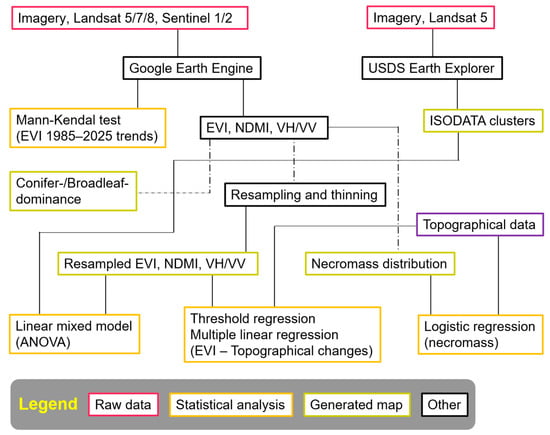
Super Typhoon vs. Earthquake as Driving Force of Forest Succession in a Subtropical Tectonically Active Region
by
Ryoichi Doi and Thomas Panagopoulos
Forests 2026, 17(6), 654; https://doi.org/10.3390/f17060654 - 28 May 2026
Abstract
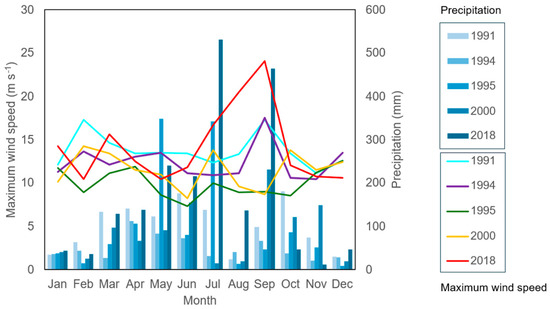
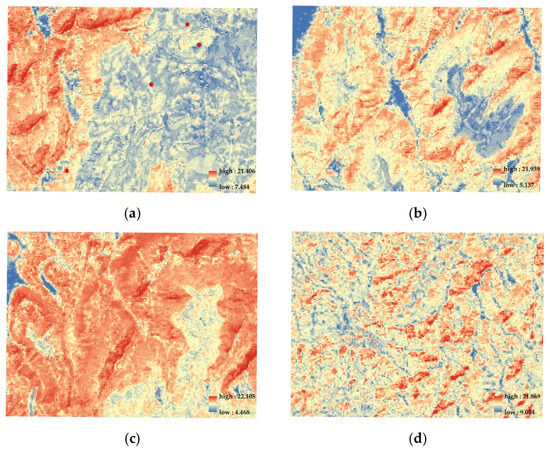
This study compared the effects of super typhoons and earthquakes on forest succession at the slopes of the Rokko Mountains in Japan. According to changes in the enhanced vegetation index (EVI), the super typhoon in 1991 caused severe, widespread damage to topographically distinct
[...] Read more.
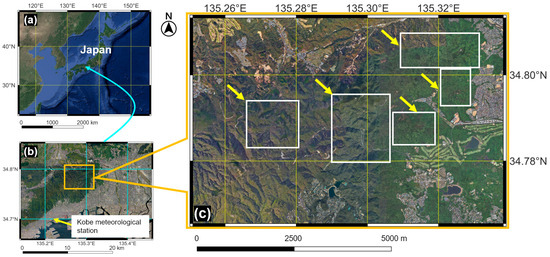
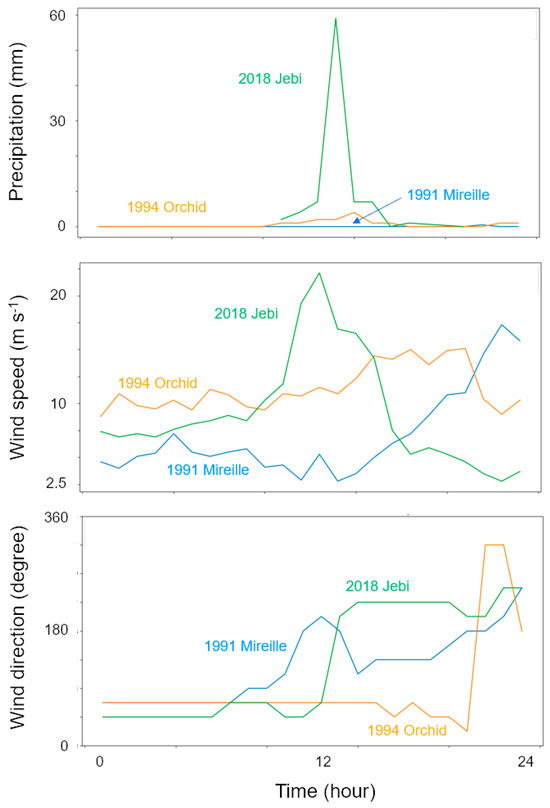
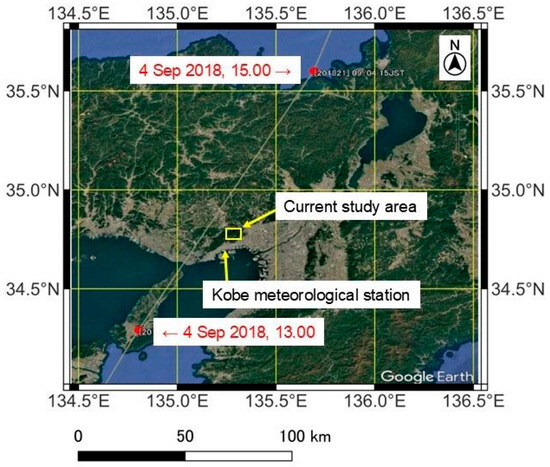
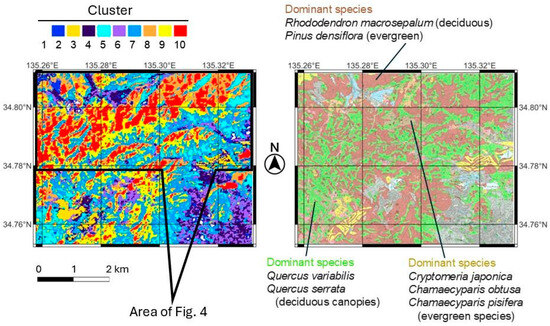
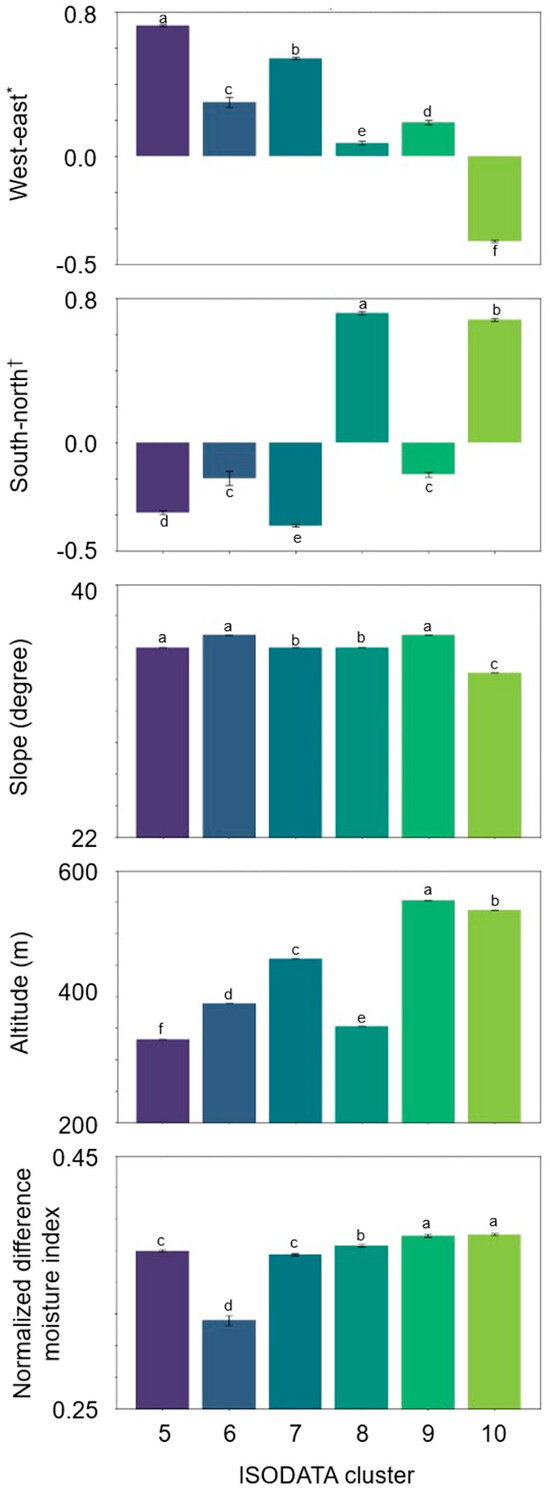
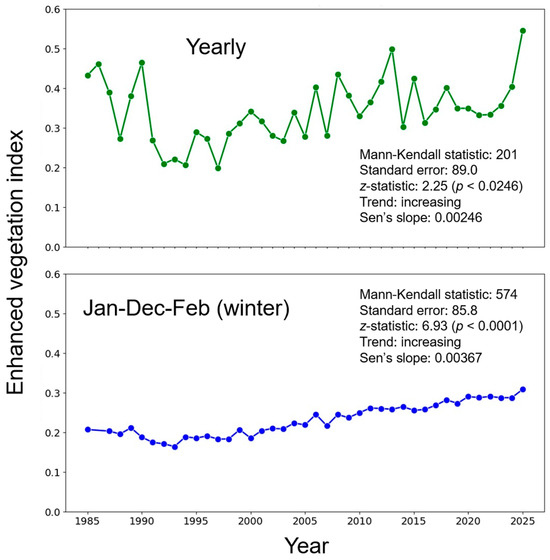
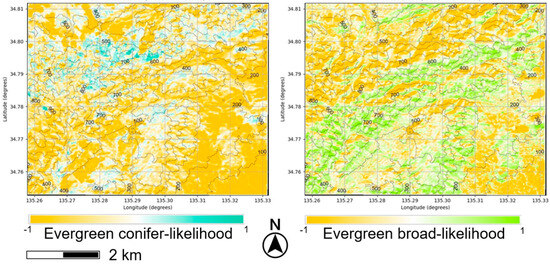
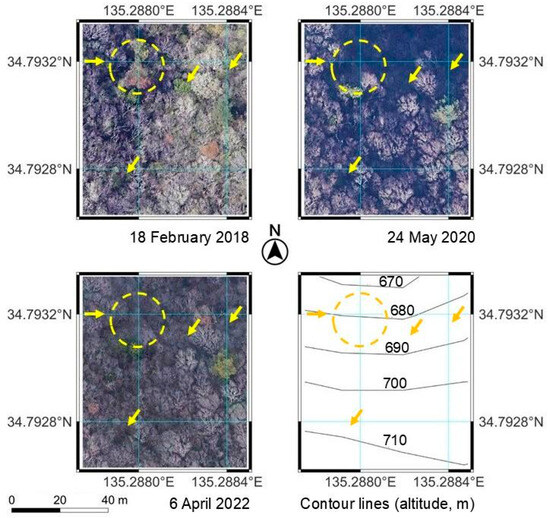
This study compared the effects of super typhoons and earthquakes on forest succession at the slopes of the Rokko Mountains in Japan. According to changes in the enhanced vegetation index (EVI), the super typhoon in 1991 caused severe, widespread damage to topographically distinct forest stands across the mountains. A major earthquake in 1995 with a magnitude of Mj = 7.2 caused moderate effects on the EVI. The 1994 super typhoon and the 1995 major earthquake exhibited similar spatial damage patterns, with impacts concentrated on the northern slopes. Although the 2018 super typhoon recorded higher wind speeds, there was no reduction in forest stands across the mountains, indicating an increase in forest resilience. Nevertheless, detailed observations revealed localized, patchy impacts in 2018, specifically the death of some evergreen trees on the northern slopes. The 1991 typhoon diminished up to 14% (conf. int. 95%: ±3%) of the pre-typhoon EVI values for the most negatively affected forest stands. Hence, the typhoons were thought to be the primary driving force that accelerated the forest succession by eliminating vulnerable trees. This elimination enhanced the increasing dominance of broadleaved evergreen laurel tree species, which are known to have stronger root systems than the vulnerable conifers. In addition, it was revealed for the first time that multiple vegetation types on slopes under the same topographical conditions were commonly damaged by multiple super typhoons within a 27-year period, during which typhoon-enhanced forest succession was strongly pronounced. The findings offer beneficial prospects for proactive climate-resilient forest management and disaster mitigation strategies tailored to slope-specific vulnerabilities. This study is the first to compare the effects of super typhoons and a major earthquake on forest stands.
Full article
(This article belongs to the Special Issue Advancing Climate-Resilient Forestry: Novel Strategies for Conservation and Restoration)
►▼
Show Figures

Figure 1
Open AccessReview
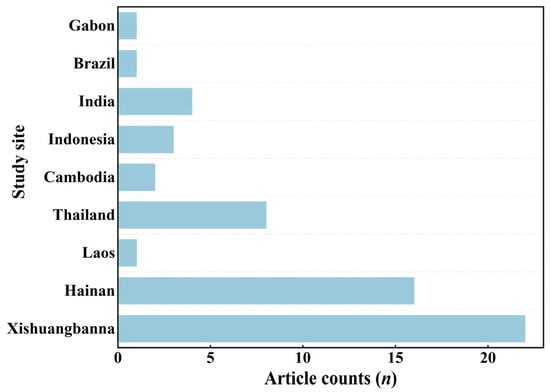
Carbon Budget of Rubber Plantation Ecosystems: Patterns, Drivers, and Sustainable Management Implications
by
Haiqiang Du, Xuehai Fei, Yingqian Huang, Yong Zhang, Yi Shen, Peng Xu and Aijiang Yang
Forests 2026, 17(6), 653; https://doi.org/10.3390/f17060653 - 28 May 2026
Abstract
Rubber plantations are a key component of managed forest ecosystems. Quantifying the carbon budget is essential for assessing their carbon sequestration potential and informing sustainable management practices. However, previous studies have focused primarily on individual carbon pools or specific regions, lacking a comprehensive
[...] Read more.
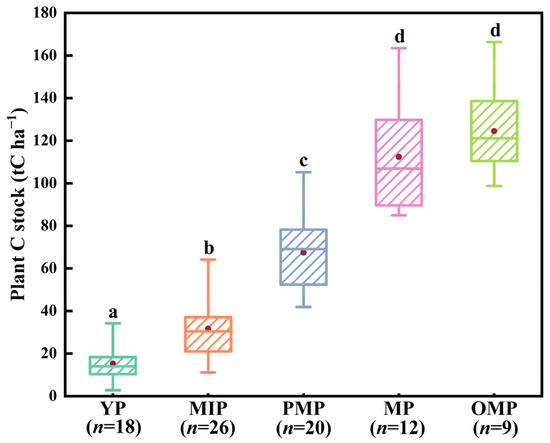
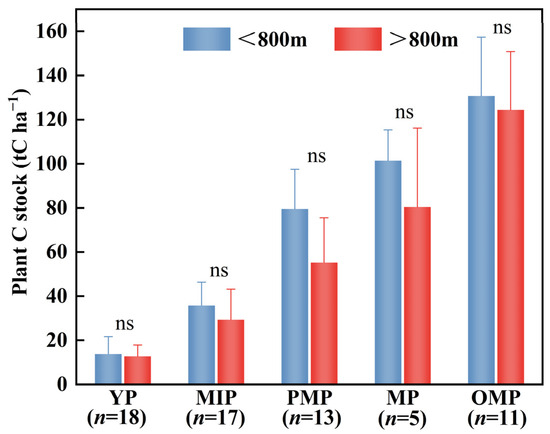
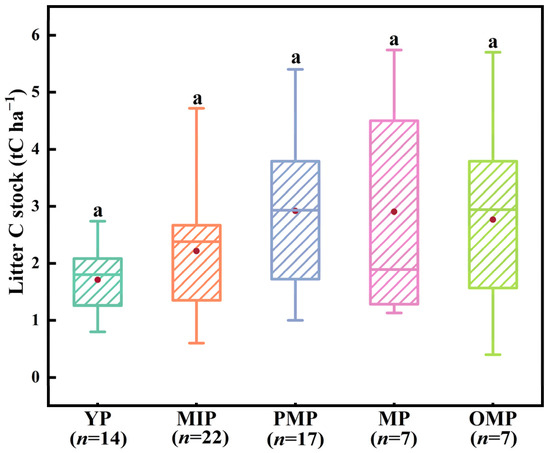
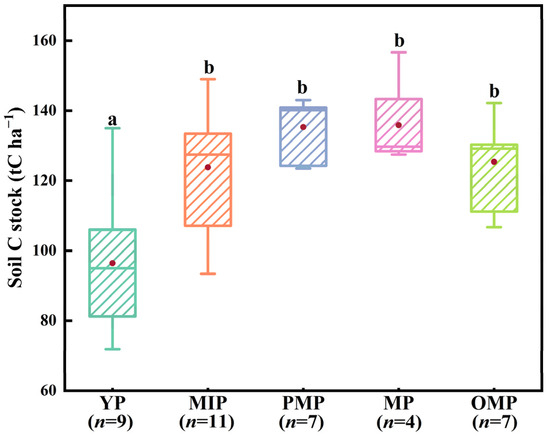
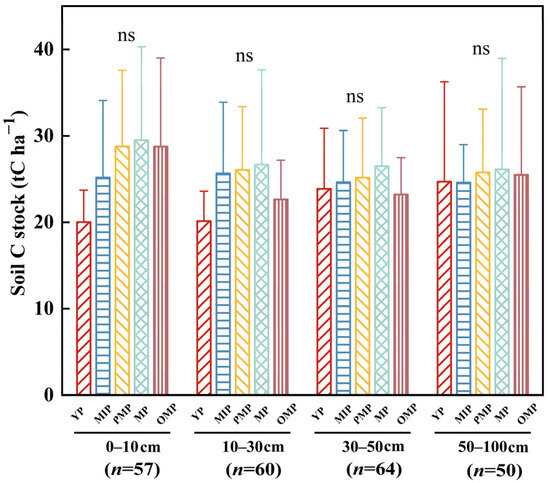
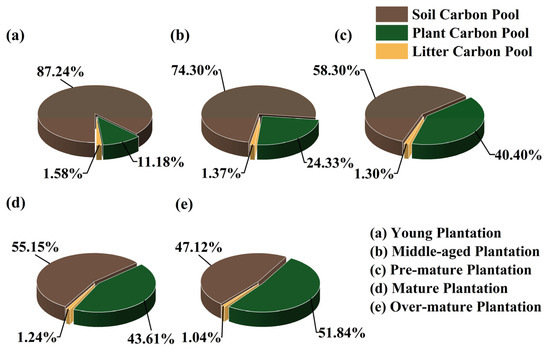
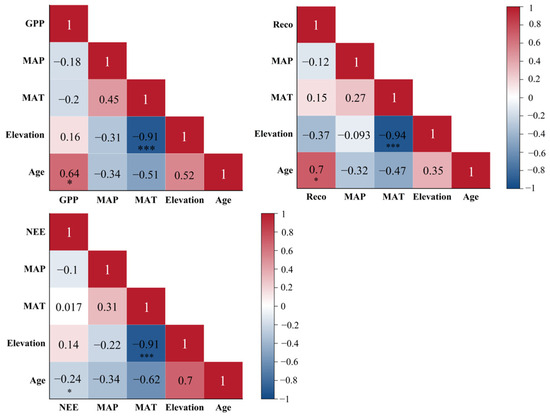
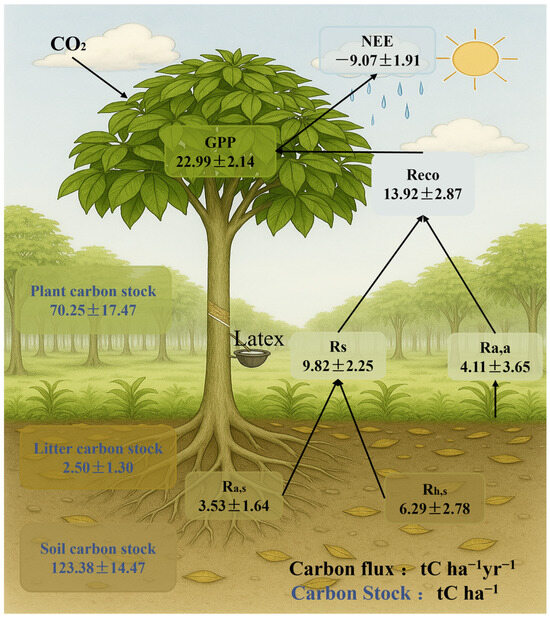
Rubber plantations are a key component of managed forest ecosystems. Quantifying the carbon budget is essential for assessing their carbon sequestration potential and informing sustainable management practices. However, previous studies have focused primarily on individual carbon pools or specific regions, lacking a comprehensive assessment of the carbon budget in rubber plantation ecosystems (RPEs). This study systematically synthesizes the carbon budget of RPEs based on 678 data points extracted from 58 publications. The results indicate that (1) The carbon stock of RPEs (including plant, soil (0–100 cm), and litter carbon stocks) shows an accumulation trend with stand age, increasing from an average of 113.41 ± 21.63 tC ha−1 in young plantations to 252.64 ± 24.61 tC ha−1 in over-mature plantations. (2) RPEs exhibit high photosynthetic capacity and significant carbon sequestration potential during rotation phase, with mean gross primary productivity (GPP) of 22.99 ± 2.14 tC ha−1 yr−1, mean ecosystem respiration (Reco) of 13.92 ± 2.87 tC ha−1 yr−1, and net ecosystem carbon exchange (NEE) of −9.07 ± 1.91 tC ha−1 yr−1. (3) The carbon sequestration capacity of RPEs is influenced by stand age, and carbon sink capacity varies across different planting regions. (4) RPEs act as carbon sinks during rotation phase (−9.07 ± 1.91 tC ha−1 yr−1), with mean carbon storage of 196.13 ± 23.58 tC ha−1 (comprising plant biomass, litterfall, and soil carbon stocks of 70.25 ± 17.47, 2.50 ± 1.30, and 123.38 ± 14.47 tC ha−1, respectively). This synthesis provides representative baseline values for RPEs carbon dynamics, offering a scientific foundation for assessments of carbon sequestration potential and management practices.
Full article
(This article belongs to the Section Forest Ecology and Management)
►▼
Show Figures

Figure 1

Open AccessArticle
Screening and Evaluation of Candidate RNAi Targets in the Red Turpentine Beetle (Dendroctonus valens LeConte)
by
Lingyu Liang, Caixia Liu, Zheng Wang, Yaning Li, Duanchong Liu, Yan Zhao, Guiming Dou and Quan Lu
Forests 2026, 17(6), 652; https://doi.org/10.3390/f17060652 - 28 May 2026
Abstract
The red turpentine beetle, Dendroctonus valens LeConte, is an important phloem-feeding pest of pine forests in China. RNA interference (RNAi) is a conserved, sequence-specific gene-silencing mechanism induced by double-stranded RNA (dsRNA), and has become an important molecular tool for screening and evaluating potential
[...] Read more.
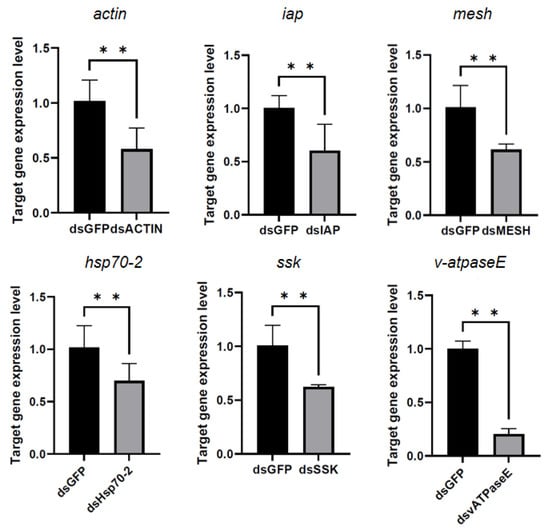
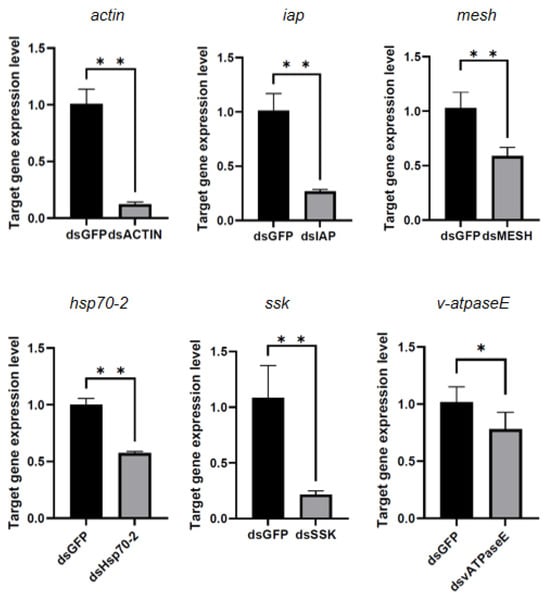
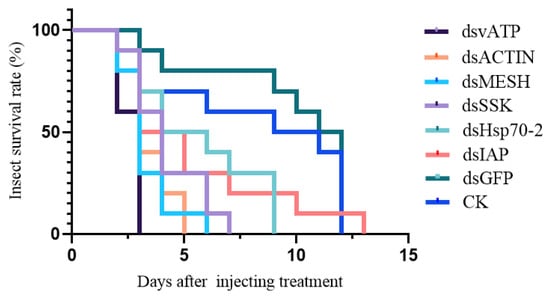
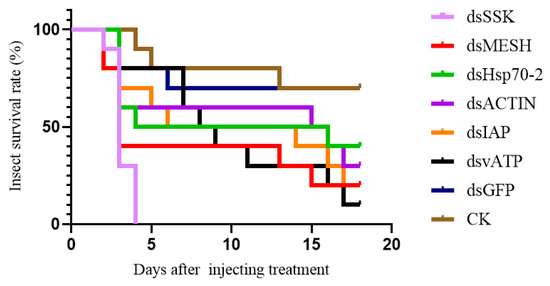
The red turpentine beetle, Dendroctonus valens LeConte, is an important phloem-feeding pest of pine forests in China. RNA interference (RNAi) is a conserved, sequence-specific gene-silencing mechanism induced by double-stranded RNA (dsRNA), and has become an important molecular tool for screening and evaluating potential targets for pest management owing to its high efficiency, target specificity, and relative environmental safety. In this study, six candidate genes were selected, including mesh and ssk responsible for gut barrier formation, actin involved in cellular structure maintenance, iap involved in apoptosis regulation, hsp70-2 responsible for stress response, and v-atpaseE involved in ion transport and cellular homeostasis. The effects of dsRNA microinjection on gene silencing and mortality were then evaluated in both larvae and adults of D. valens. Following dsRNA treatment, all six candidate genes were significantly downregulated in both larvae and adults, with v-atpaseE showing the strongest transcript suppression in larvae. Survival analysis revealed target-dependent lethal effects: v-atpaseE caused rapid larval mortality, reaching 100% by day 3, whereas ssk caused the strongest adult mortality, reaching 100% by day 5, and mesh also induced substantial adult mortality. In contrast, actin, iap, and hsp70-2 produced weaker or slower lethal effects. These results indicate that dsRNA injection can induce effective gene silencing in D. valens and that the resulting phenotypic responses differ among target genes and between life stages. Taken together, v-atpaseE and ssk represent the most promising candidate targets for further development of RNAi-based management strategies against D. valens.
Full article
(This article belongs to the Special Issue Advances in Wood Borer Control and Management)
►▼
Show Figures

Figure 1

Open AccessArticle
Spatial Patterns and Influencing Factors of Forest Net Ecosystem Productivity in the Middle and Upper Reaches of the Ganjiang River Basin
by
Jia Zhao, Ping Duan, Youhao Qiao, Jianping Wang and Qian Wu
Forests 2026, 17(6), 651; https://doi.org/10.3390/f17060651 - 28 May 2026
Abstract
Net ecosystem productivity (NEP) reflects the net carbon balance of forest ecosystems and is widely used to evaluate their carbon sink capacity. For the Ganjiang River Basin, identifying where forest NEP is high or low and explaining its controlling factors can support more
[...] Read more.
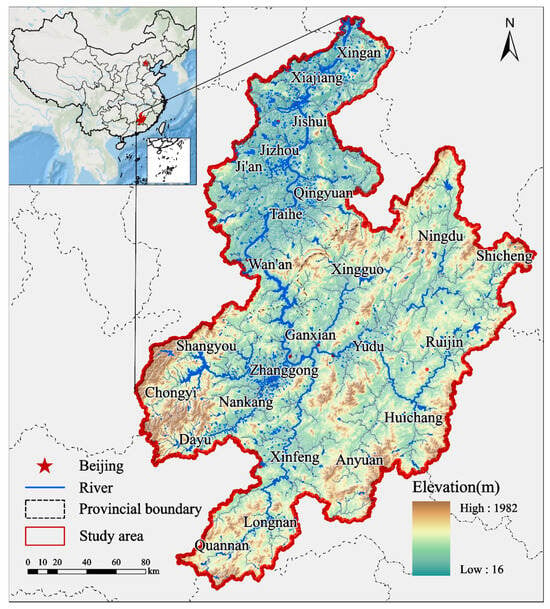
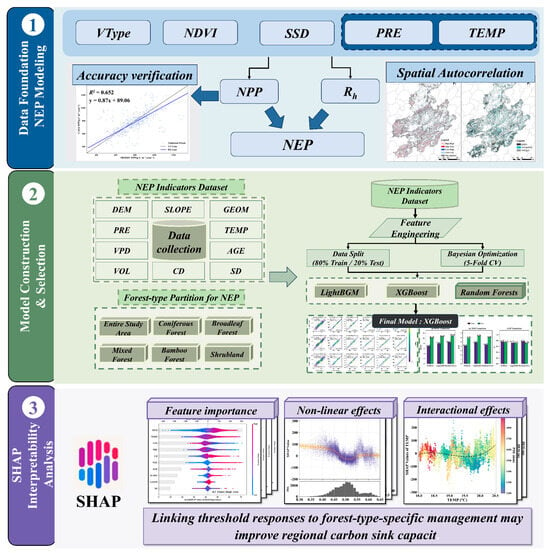
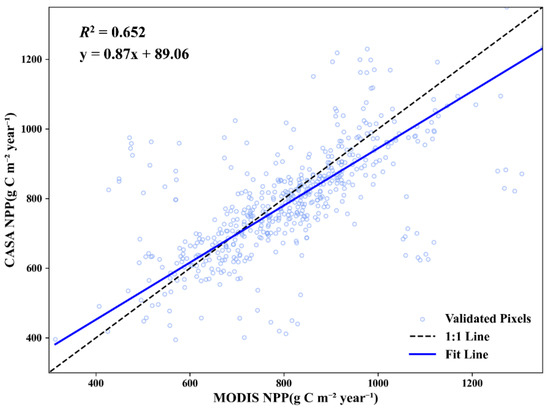
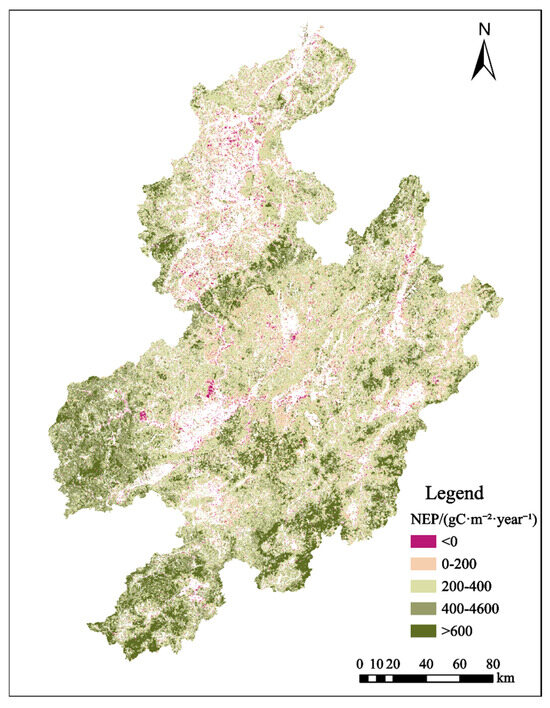
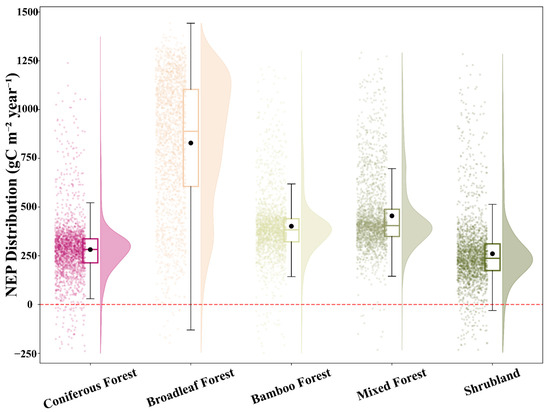
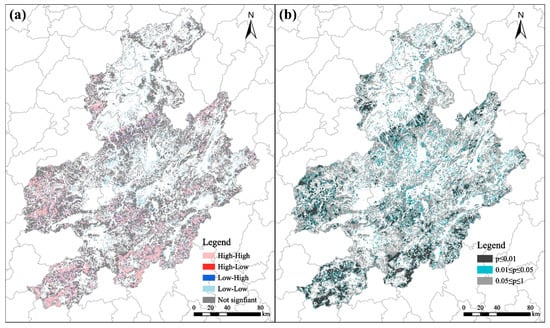
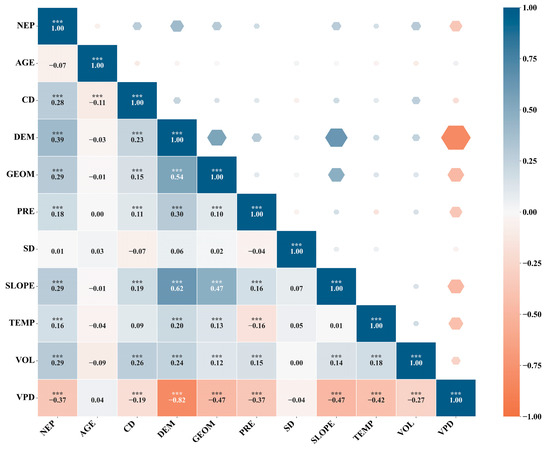
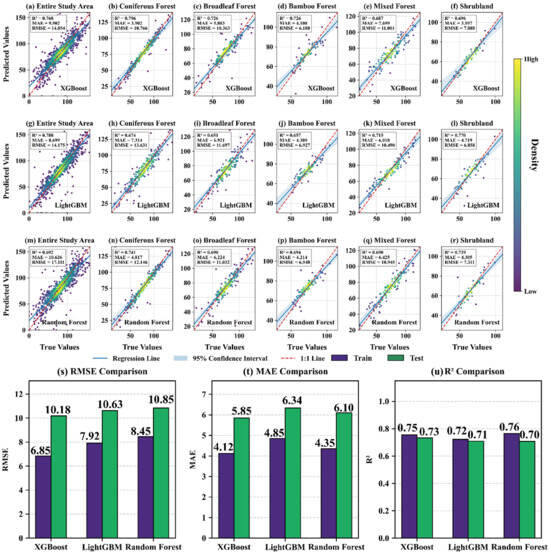
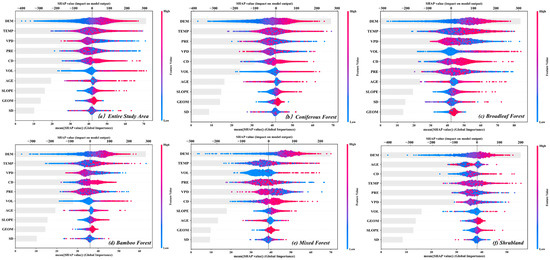
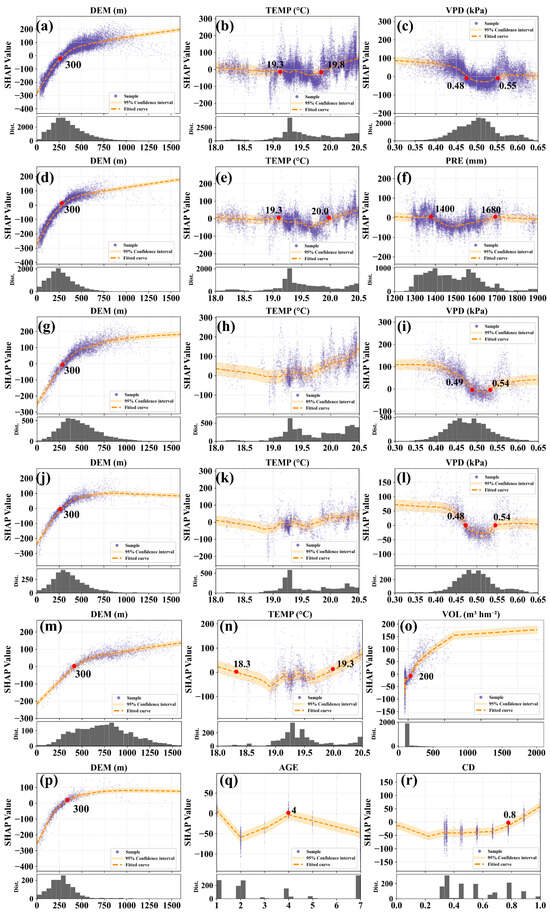
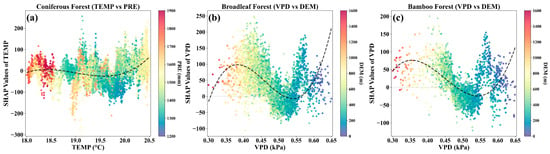
Net ecosystem productivity (NEP) reflects the net carbon balance of forest ecosystems and is widely used to evaluate their carbon sink capacity. For the Ganjiang River Basin, identifying where forest NEP is high or low and explaining its controlling factors can support more targeted carbon sink management. However, under complex environmental conditions, the nonlinear responses of NEP and the differences among vegetation types are still not fully clear. In this study, forest NEP in the middle and upper reaches of the Ganjiang River Basin was estimated for 2023. An XGBoost–SHAP framework was then used to examine the effects of climatic, topographic, and stand structural factors and to identify possible threshold responses. The results showed that forest NEP had clear spatial differences. High NEP values were mainly distributed in peripheral areas, whereas low values were concentrated in the central region. The spatial distribution also showed significant positive autocorrelation. At the regional scale, elevation (DEM), mean annual temperature (TEMP), and vapor pressure deficit (VPD) were the dominant factors affecting NEP. However, the main drivers varied among different vegetation types. The SHAP results further indicated that several factors had nonlinear threshold effects. Precipitation showed an inhibitory effect within 1400–1680 mm, and VPD showed a similar negative response within 0.48–0.54 kPa. These results help explain the formation of regional forest carbon sinks and provide a reference for forest-type-specific ecological management.
Full article
(This article belongs to the Topic Forest Carbon Sequestration and Climate Change Mitigation, 2nd Edition)
►▼
Show Figures

Figure 1

Open AccessReview
Decoding the “Green Premium”: A Systematic Review of Multidimensional Economic Value Drivers from Urban Forests and Green Spaces
by
Ying Zhou, Qingqing Zhou, Wuyao Li and Huilin Liang
Forests 2026, 17(6), 650; https://doi.org/10.3390/f17060650 - 28 May 2026
Abstract
This study deciphers the impacts of urban forests and green spaces (UFGSs) on housing prices through a systematic review of 180 peer-reviewed articles (440 empirical cases) to delineate how various UFGS attributes drive housing price changes, focusing on the direction, intensity, and contextual
[...] Read more.
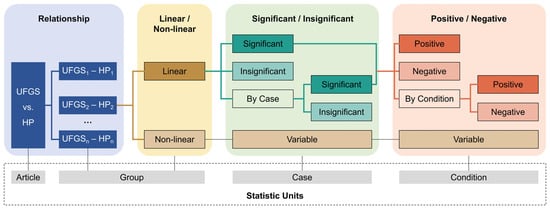
This study deciphers the impacts of urban forests and green spaces (UFGSs) on housing prices through a systematic review of 180 peer-reviewed articles (440 empirical cases) to delineate how various UFGS attributes drive housing price changes, focusing on the direction, intensity, and contextual dependency of these impacts. We identified specific UFGS attributes (e.g., proximity, size, type, quality, accessibility, landscape patterns) and the methodologies assessing their price impacts, primarily hedonic pricing models. Our findings confirm a consistent, albeit highly variable, positive premium from urban forests and related green infrastructure on housing prices. Key drivers include not only proximity and size, but also crucial qualitative attributes like perceived UFGS quality (e.g., tree canopy coverage, wooded park maintenance), which often show stronger or more consistent effects than simple quantitative measures. The analysis also highlights that negative impacts can arise from poorly managed urban forests or certain disamenity-prone green typologies. Significant spatio-temporal heterogeneity is evident, with price effects varying by urban context (e.g., density, development stage) and over time. Socio-economic factors, particularly manifesting as “green gentrification”, which can exacerbate inequalities by disproportionately benefiting higher-income groups, critically moderate these relationships. Furthermore, prevalent non-linear effects (e.g., distance-decay patterns, threshold effects for UFGS size) and complex interactions between different UFGS attributes underscore the nuanced nature of the UFGS–price nexus. This review provides a structured understanding of urban forest and green space capitalization drivers, emphasizing the need for nuanced, evidence-based urban forestry planning and green space management that considers UFGS quality, diversity, and equitable distribution for sustainable urban development.
Full article
(This article belongs to the Special Issue Urban Forests and Green Spaces: Ecology, Socio-Economic Dynamics, and Sustainable Management)
►▼
Show Figures

Figure 1
Open AccessSystematic Review
An Immense Knowledge Gap Relative to Regulated Logging Impacts in Tropical Forests
by
Maria Fabíola Barros, Leonardo S. Miranda, João Vitor Cohen, Ana Luisa Mangabeira Albernaz and Marcelo Tabarelli
Forests 2026, 17(6), 649; https://doi.org/10.3390/f17060649 - 28 May 2026
Abstract
Tropical forests are facing escalating deforestation, while forest degradation, driven by a complex interplay of human-induced factors, emerges as an additional and compounding threat. In this context, regulated selective logging persists as an alternative to conciliate forest protection and economic development. This study
[...] Read more.
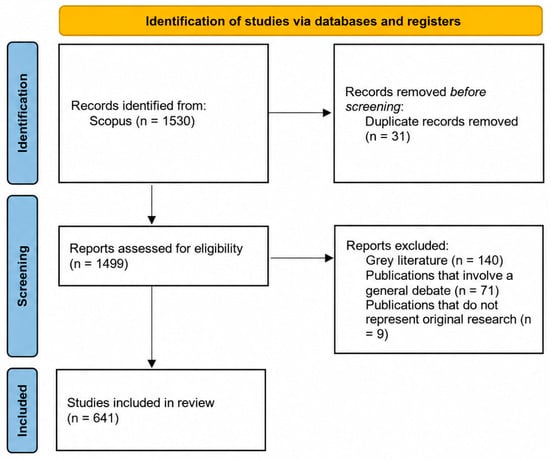
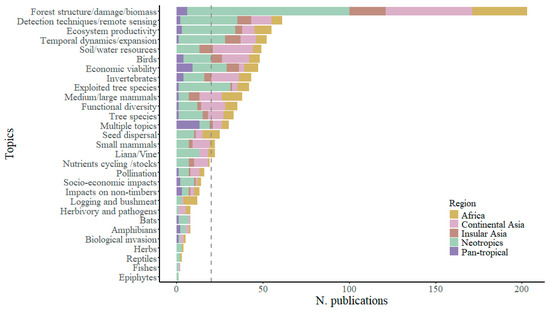
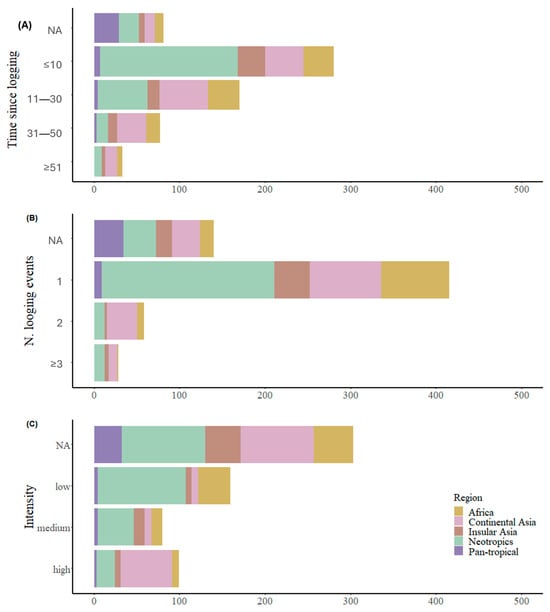
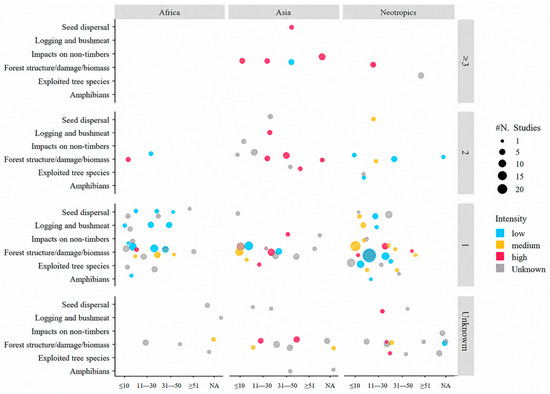
Tropical forests are facing escalating deforestation, while forest degradation, driven by a complex interplay of human-induced factors, emerges as an additional and compounding threat. In this context, regulated selective logging persists as an alternative to conciliate forest protection and economic development. This study synthesizes current knowledge on the impacts of logging, focusing on research trends, geographic distribution, ecological topics, and key variables like logging intensity, time since logging, and number of logging cycles. Since the 1970s, 641 papers listed on the Scopus platform have demonstrated a sharp increase in publication activity over the past five years, followed by a tendency toward stabilization. Papers were concentrated in Brazil and Malaysia, with few papers coming from other countries, particularly from Africa. Notably, 47% of the studies did not report logging intensity, and one-third focused almost exclusively on its impacts on forest physical structure, damage, or biomass—leaving a wide range of other topics largely unexplored until 2022. We refer to 13 topics with less than 20 studies in total, such as nutrient cycling, non-timber forest products, biological invasion, and key biological taxa. Herbs, epiphytes, fishes and amphibians were among the least investigated taxa across the regions. Furthermore, when controlling variables like region and logging intensity, most ecological topics had fewer than five dedicated studies. Research remains largely restricted to similar scenarios: first-cycle logging in old-growth forests, leaving substantial knowledge gaps. As logging operations are expected to increase, we argue for (1) mandatory long-term monitoring in logging regulations; (2) public access to monitoring data, reports and information related to regulated logging; (3) a global platform to exchange experience such as long-term monitoring, better practices, silvicultural approaches and sustainability assessment; (4) alignment among regulatory and certification agencies on sustainability standards; (5) capacity building initiatives; and (6) long-term experiments devoted to logging sustainability and better practices.
Full article
(This article belongs to the Special Issue Sustainable Forestry Operations: Timber Harvesting and Transportation Engineering)
►▼
Show Figures

Figure 1
Open AccessArticle
Contribution of GRSP to Soil Organic Carbon and Nitrogen Varied with Altitude and Soil Depth in a Lowland Tropical Forest
by
Linyunhui Liu, Meng Su, Huitong Chen, Xiaojuan Gu, Zhihang He, Mengjia Wu and Qifeng Mo
Forests 2026, 17(6), 648; https://doi.org/10.3390/f17060648 - 28 May 2026
Abstract
Glomalin-related soil protein (GRSP) is pivotal for sustaining soil organic carbon (SOC) stability in tropical forest ecosystems. Nevertheless, how SOC stability responds to altitude and soil layer variations, as well as the quantitative contributions of GRSP to SOC and soil nitrogen, remain poorly
[...] Read more.
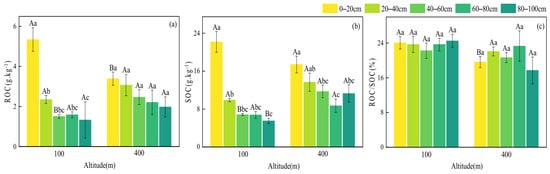
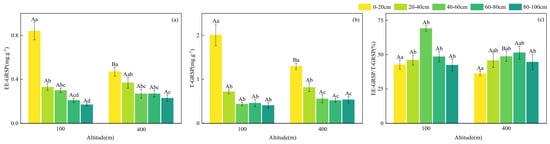
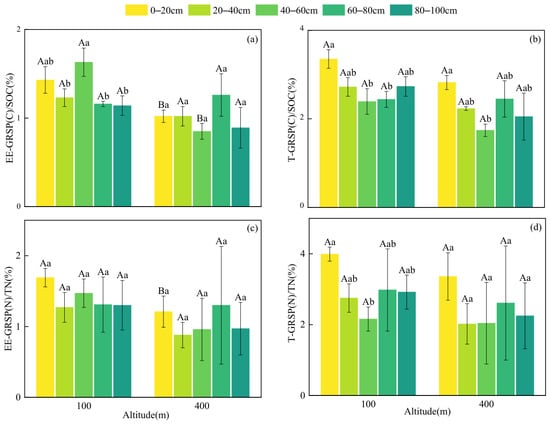
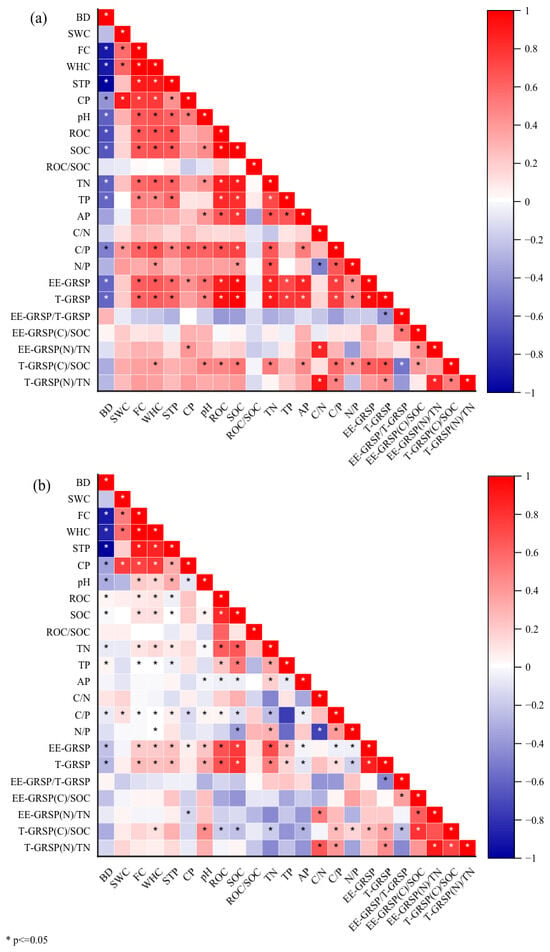
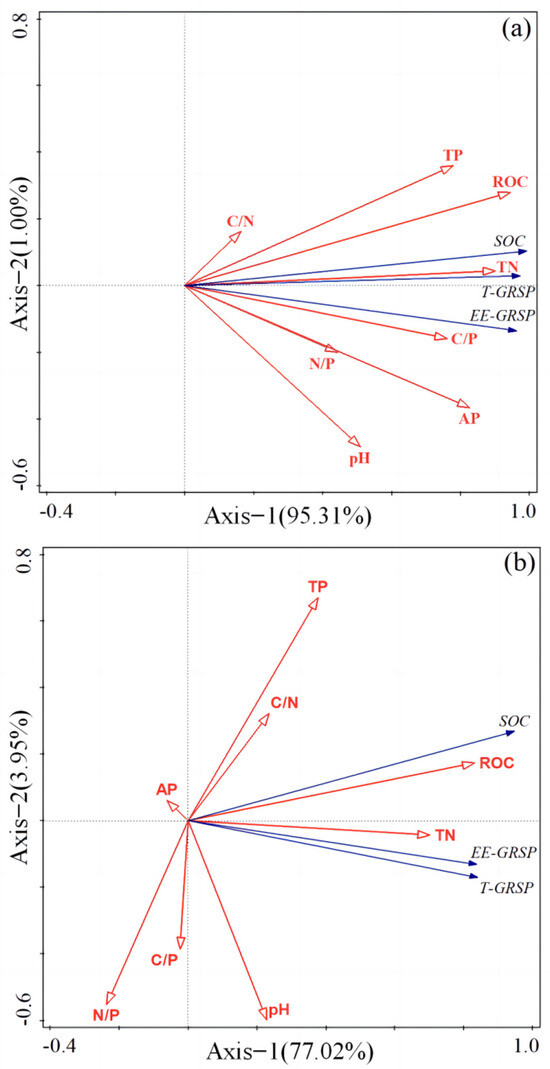
Glomalin-related soil protein (GRSP) is pivotal for sustaining soil organic carbon (SOC) stability in tropical forest ecosystems. Nevertheless, how SOC stability responds to altitude and soil layer variations, as well as the quantitative contributions of GRSP to SOC and soil nitrogen, remain poorly understood in lowland tropical forests. Here, we conducted a field-based investigation to characterize the distribution patterns of SOC, readily oxidizable organic carbon (ROC), GRSP, and other key soil physicochemical properties across different soil layers. We further comprehensively evaluated the SOC stability and quantified the contributions of GRSP to soil C and N pools at two altitudes in a lowland tropical forest. The results revealed that altitude exerted a significant effect on SOC contents, with substantially higher SOC stability observed at the high altitude (400 m) relative to low altitude (100 m). Vertically, SOC and ROC contents were significantly higher in the surface soil layer (0–20 cm) than in the deep layer (20–100 cm), while deep soil exhibited stronger SOC stability compared with surface soil. The contributions of GRSP to SOC and total N (TN) varied distinctly across altitudes and soil layers: GRSP contributed more substantially to SOC and TN at low altitude than at high altitude, and its contribution was also greater in surface soil than in deep soil. Both easily extractable (EE-GRSP) and total GRSP (T-GRSP) were significantly positive correlated with ROC, SOC, and TN (p < 0.05). Redundancy analysis (RDA) further indicated that the ROC served as the primary regulatory factor governing the variation in SOC, EE-GRSP, and T-GRSP at both altitudes. Additionally, soil available phosphorus (AP) and C/P also drove the SOC and GRSP at low altitude, while pH, TN, and C/N regulated the SOC and GRSP at high altitude. Therefore, we propose that the altitudes and soil layers synergistically modulate the SOC stability and the contributions of GRSP to SOC in lowland tropical forests. These findings highlight the necessity of incorporating altitude and soil layer heterogeneity into evaluation and modeling of carbon cycles in tropical forests.
Full article
(This article belongs to the Special Issue Soil Organic Matter Dynamics and Microbial Roles in Biogeochemical Cycles in Forestry)
►▼
Show Figures

Figure 1
Open AccessArticle
Assessment of Tree Physiological Performance in Urban and Park Environments Using Leaf Gas Exchange and Satellite-Based Vegetation Metrics
by
Lazar Kesić, Vladimir Višacki, Lazar Pavlović, Olivera Kalozi, Martina Zorić, Saša Kostić and Saša Orlović
Forests 2026, 17(6), 647; https://doi.org/10.3390/f17060647 - 27 May 2026
Abstract
Urbanization significantly alters microclimatic and environmental conditions, thereby affecting the physiological functioning of urban trees. This study aimed to evaluate whether leaf-level physiological measurements and satellite-based remote sensing indicators consistently detect similar physiological response patterns across contrasting urban and park environments in Novi
[...] Read more.
Urbanization significantly alters microclimatic and environmental conditions, thereby affecting the physiological functioning of urban trees. This study aimed to evaluate whether leaf-level physiological measurements and satellite-based remote sensing indicators consistently detect similar physiological response patterns across contrasting urban and park environments in Novi Sad, Serbia, using three tree species (Platanus × acerifolia, Celtis australis, and Tilia tomentosa). Leaf gas exchange parameters, including stomatal conductance (gs), net photosynthesis (A), transpiration rate (E), water use efficiency (WUE), and intercellular CO2 concentration (Ci), were measured using a CIRAS-3 portable photosynthesis system. Satellite-derived variables included vegetation indices (NDVI, NDRE, NDMI) and land surface temperature (LST), which were used to construct proxy indicators of physiological processes. Results revealed consistent differences between urban and park environments, with urban conditions associated with reduced photosynthetic activity, stomatal conductance, and transpiration, alongside increased physiological stress. These patterns were consistently captured by satellite-derived proxies, demonstrating strong agreement in the direction of physiological responses across species and environments. Species-specific responses were evident, with P. × acerifolia showing the highest sensitivity to urban conditions, C. australis exhibiting intermediate responses, and T. tomentosa suggesting comparatively greater tolerance. The integration of leaf-level measurements with satellite-derived proxies provides a robust framework for scaling physiological processes and monitoring urban tree performance, highlighting the potential of remote sensing for assessing urban vegetation stress and supporting evidence-based urban forestry management.
Full article
(This article belongs to the Special Issue Adaptive Physiology of Forest Plants: Mechanisms, Strategies, and Responses to Environmental Challenges)
Open AccessArticle
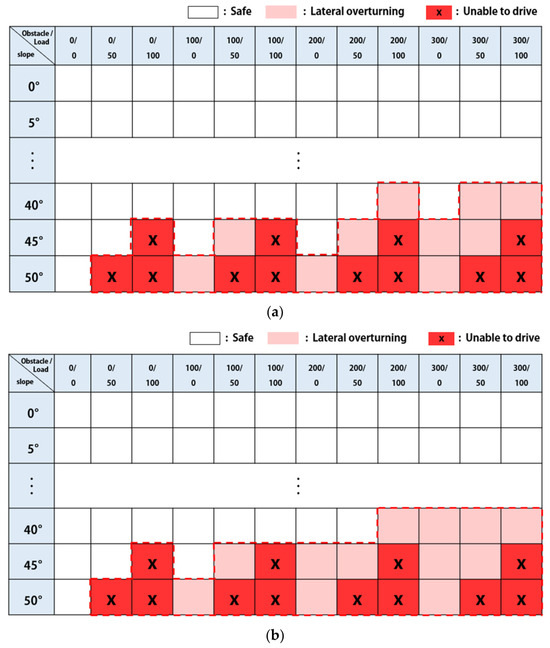
Simulation-Based Analysis of Lateral Overturning in an Unmanned Remote-Controlled Crawler Tractor Based on Roll Angular Velocity: Influence of Log Loading Conditions
by
Moon-Kyeong Jang, Chan-Young Lee and Ju-Seok Nam
Forests 2026, 17(6), 646; https://doi.org/10.3390/f17060646 - 27 May 2026
Abstract
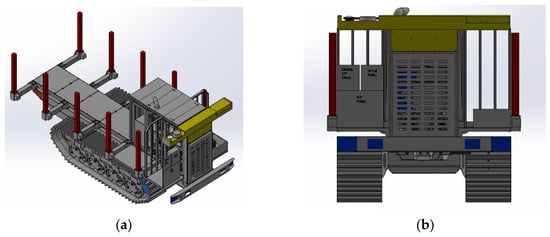
In this study, the effects of log loading on the lateral overturning of an unmanned, remote-controlled forestry crawler tractor were analyzed through simulation-based analysis. A 3D model was constructed and validated in terms of actual dimensions, static sidelong falling angle, and turning area
[...] Read more.
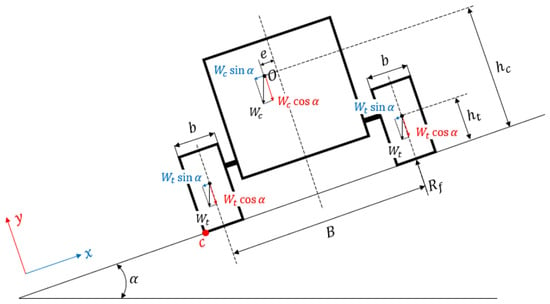
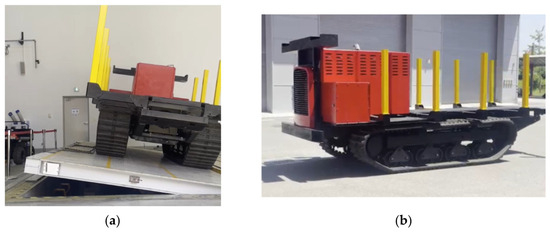
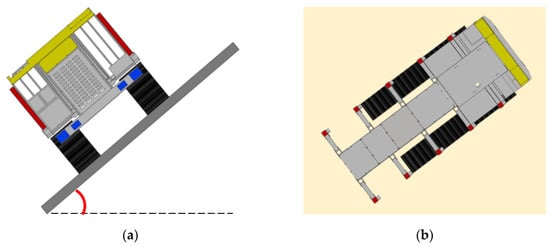
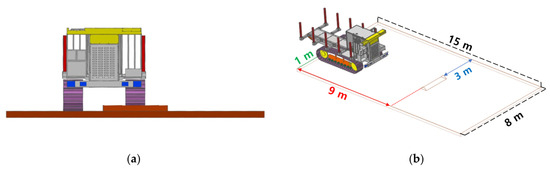
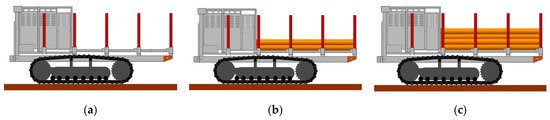
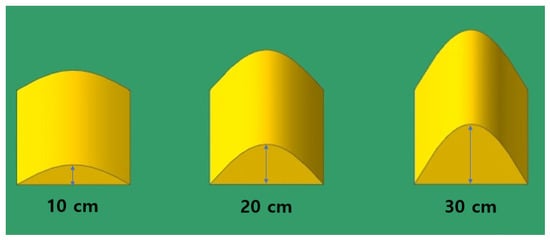
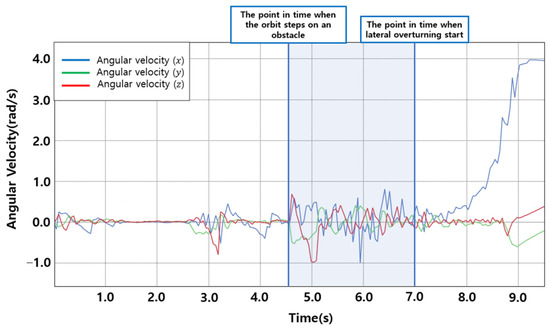
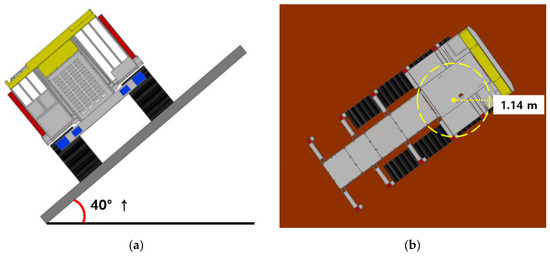
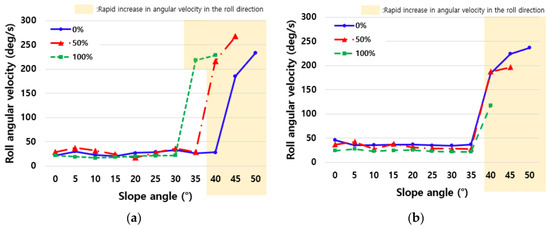
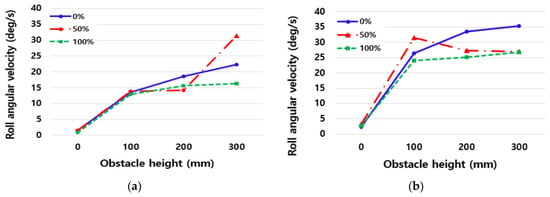
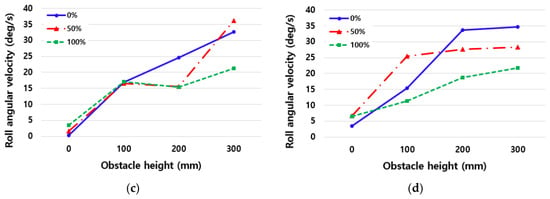
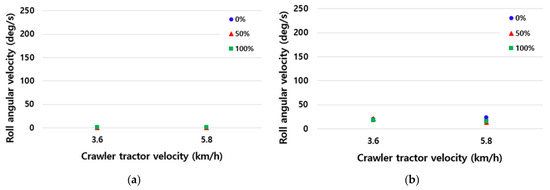
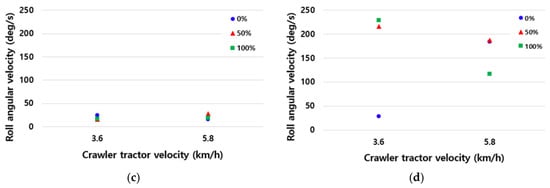
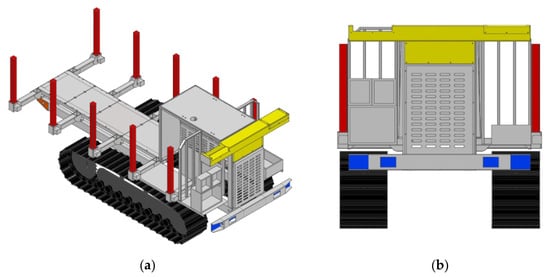
In this study, the effects of log loading on the lateral overturning of an unmanned, remote-controlled forestry crawler tractor were analyzed through simulation-based analysis. A 3D model was constructed and validated in terms of actual dimensions, static sidelong falling angle, and turning area radius. The errors in both actual dimensions and turning area radius were below 5%, and the static sidelong falling angle was consistent with test results, thereby confirming the model’s reproducibility. Simulations combined three loading levels (0, 50, and 100%), 11 ground slope angles (0 to 50° at 5° intervals), four obstacle heights (0 to 300 mm at 100 mm intervals), and two driving speeds (3.6 and 5.8 km/h). The maximum roll angular velocity within the obstacle contact zone, taken as a safety indicator, was derived for each loading condition. The results showed that lateral overturning occurred before reaching the obstacle, at lower ground slope angles under log loading than without loading. This shows that loading conditions affect lateral discharge safety. Roll angular velocity increased rapidly at high ground slope angles regardless of loading condition, confirming that ground slope angle is key for lateral overturning. Four-way ANOVA results showed that ground slope angle and obstacle height had the greatest impact on roll angular velocity. Although the main effect of loading was relatively small compared to environmental factors, its interaction with ground slope angle was significant, redefining the tractor’s stability limits. Thus, while loading is not a primary factor causing lateral overturning, it influences the sensitivity of roll angular velocity to ground slope angle. These results can be interpreted within a quasi-static framework under low-speed operating conditions, and by using roll angular velocity as an indicator of transient response during obstacle interaction, they provide foundational data for establishing load-dependent safety standards and determining optimal loading limits to prevent lateral overturning in forestry operations.
Full article
(This article belongs to the Section Forest Operations and Engineering)
►▼
Show Figures

Figure 1
Open AccessArticle
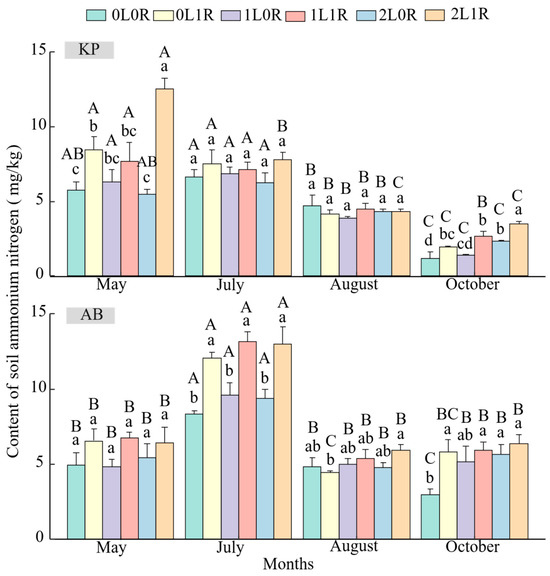
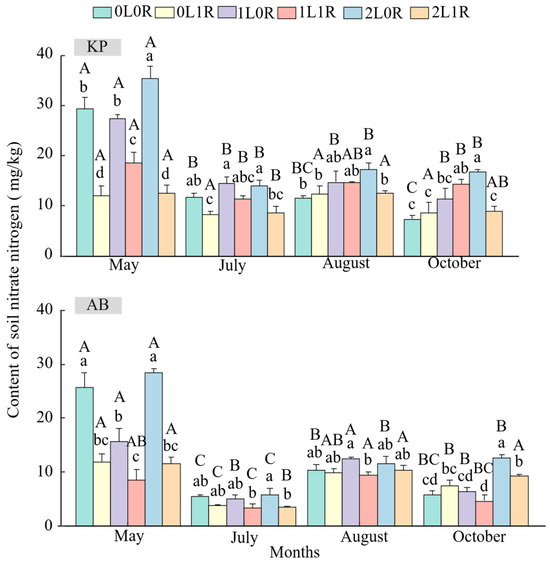
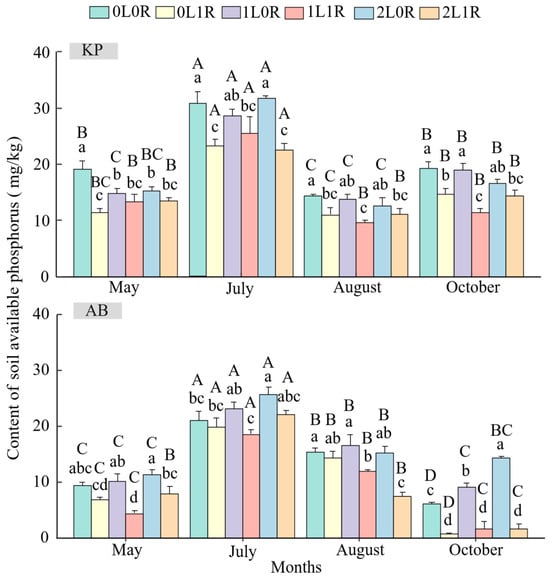
Effects of Plant Detritus Manipulation on Available Nitrogen and Phosphorus in Topsoil of Two Forest Types in Northeast China
by
Jing Gao, Wenjing Li, Chuankuan Wang and Quanzhi Zhang
Forests 2026, 17(6), 645; https://doi.org/10.3390/f17060645 - 26 May 2026
Abstract
Plant detritus plays a pivotal role in regulating soil nutrient dynamics within forest ecosystems. Understanding short-to-medium-term responses of soil-available nitrogen (AN) and phosphorus (AP) to altered detritus inputs is important for forest nutrient management. In this study, we investigated the effects of changing
[...] Read more.
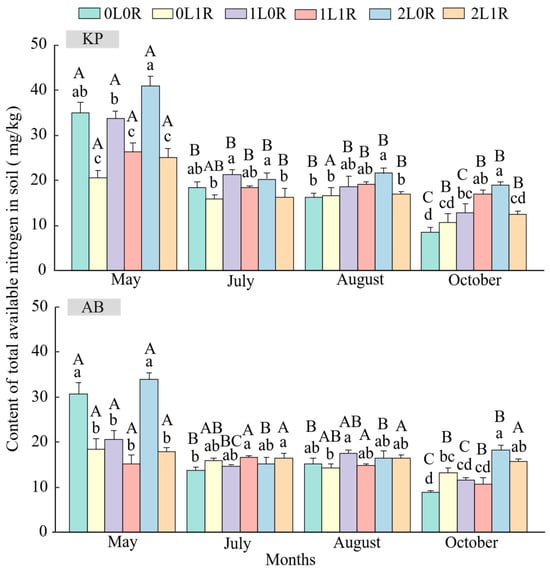
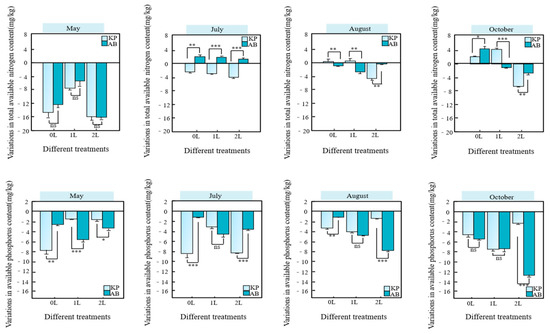
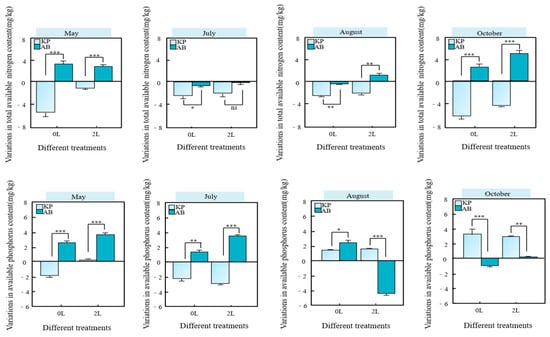
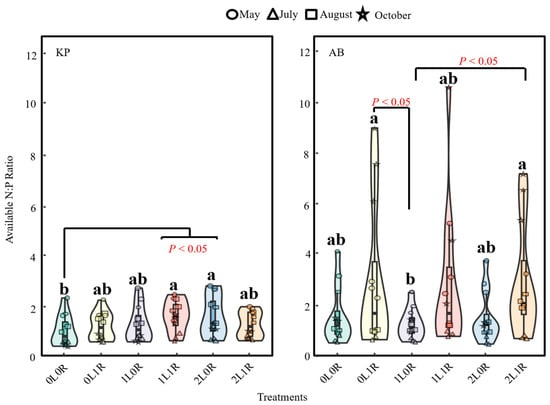
Plant detritus plays a pivotal role in regulating soil nutrient dynamics within forest ecosystems. Understanding short-to-medium-term responses of soil-available nitrogen (AN) and phosphorus (AP) to altered detritus inputs is important for forest nutrient management. In this study, we investigated the effects of changing detritus inputs on soil AN and AP in two representative forest types in Northeast China—Korean pine (Pinus koraiensis Siebold et Zucc.) forest (KP) and Aspen (Populus ussuriensis Kom.)−birch (Betula platyphylla Sukaczev) forest (AB). Using the detritus input and removal treatments (DIRTs) method, we established six experimental treatments and measured soil ammonium nitrogen (NH4+-N), soil nitrate nitrogen (NO3−-N), and AP contents monthly from May to October. The results showed that significant differences in NH4+-N, NO3−-N, and AP contents were observed among treatments. Under the six DIRTs, the fluctuation ranges of NH4+-N, NO3−-N, and AP contents in KP soil were 1.16–12.52 mg/kg, 7.34–35.40 mg/kg, and 9.63–31.72 mg/kg, respectively. For AB soil, the fluctuation ranges of the above three nutrients under the six DIRTs were 2.94–13.17 mg/kg, 3.45–28.47 mg/kg, and 1.77–25.60 mg/kg, respectively. Root treatments exerted stronger effects on AN and AP than litter: root exclusion generally reduced NH4+-N but increased NO3−-N and AP, with the direction and magnitude of the response to this treatment varying with month and forest type, whereas litter treatments showed no consistent trends. The soil-available N:P ratio was lower in the KP forest than in the AB forest; root exclusion significantly reduced the N:P ratio in the AB forest but had no significant effect on that in the KP forest. In terms of seasonal dynamics, the study found that AN peaked in May and AP in July. In conclusion, these findings reflect the short-to-medium-term effects of plant detritus, forest type, and month on soil-available nitrogen and phosphorus, providing scientific insights into how detritus changes alter soil nutrients in temperate forests.
Full article
(This article belongs to the Section Forest Soil)
►▼
Show Figures

Figure 1
Open AccessReview
Benefits of Eucalyptus Plantations: Ecological Services, Socioeconomic Contributions, and Innovation—A Global Review
by
Prosper Mensah, Alexandre Santos Pimenta, Rafael Rodolfo de Melo, James Amponsah, Fernando Rusch, Humphrey Danso, Neyton de Oliveira Miranda, Priscila Lira de Medeiros and Gil Sander Próspero Gama
Forests 2026, 17(6), 644; https://doi.org/10.3390/f17060644 - 25 May 2026
Abstract
Eucalypt plantations have expanded across tropical, subtropical, and temperate regions and now play an important role in the global supply of wood and renewable biomass, while remaining at the center of debates on water use, biodiversity, and socio-economic trade-offs. This review examines whether
[...] Read more.
Eucalypt plantations have expanded across tropical, subtropical, and temperate regions and now play an important role in the global supply of wood and renewable biomass, while remaining at the center of debates on water use, biodiversity, and socio-economic trade-offs. This review examines whether these plantations can deliver ecological, social, and technological benefits under appropriate management. This review synthesizes evidence from nearly 200 peer-reviewed papers, technical reports, and books covering environmental services, livelihood outcomes, and emerging bio-based applications of Eucalyptus species. The literature shows that well-planned plantations can deliver clear benefits. High biomass production supports carbon sequestration, while improvements in soil structure, nutrient cycling, and the recovery of degraded lands are frequently reported. Effects on water, often described in general terms as negative, vary widely with climate, soils, stand age, and previous land use, and are documented to play roles in biodrainage, salinity control, erosion reduction, and local microclimate regulation under suitable conditions. From a socio-economic perspective, Eucalyptus, a widely planted species, supports rural development by generating income, strengthening value chains for wood products and bioenergy, and offering smallholders a fast-growing resource. Technological work on materials and bioproducts, including nanocellulose, essential-oil formulations, biochar-based applications, and wood vinegar, further illustrates this versatility. Overall, while outcomes remain site-specific and dependent on governance, the evidence indicates that, under science-based management and careful landscape planning, eucalypt plantations can contribute to climate mitigation, rural livelihoods, and the circular bioeconomy.
Full article
(This article belongs to the Section Forest Economics, Policy, and Social Science)
Open AccessReview
Chemical Terroir in Forest Understories: Hypothesis, Ecological Co-Cultivation, and Research Priorities for Saponin-Rich Medicinal Plants
by
Quang Vuong Le, Thi Minh Chau Dao, Anh Dung Nguyen, Thi Thao Nguyen and Thi Bich Lien Nguyen
Forests 2026, 17(6), 643; https://doi.org/10.3390/f17060643 - 25 May 2026
Abstract
Medicinal plants grown outside their native forest habitat may produce phytochemical profiles that differ from wild-harvested material, yet the ecological mechanisms underlying these differences remain poorly synthesized across disciplines. This review proposes that the forest understory functions as a multi-signal elicitation system in
[...] Read more.
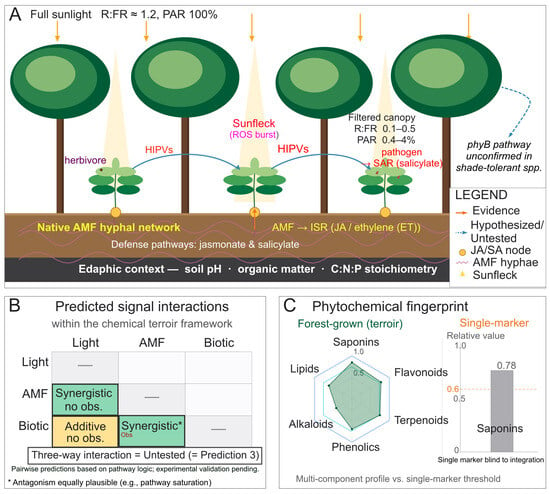
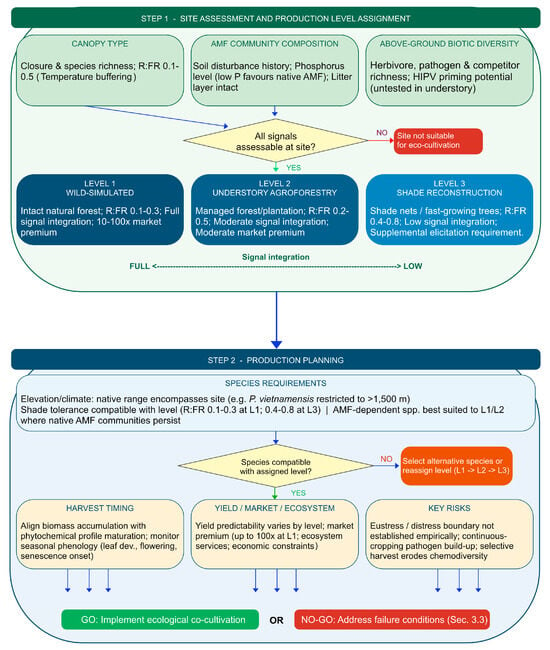
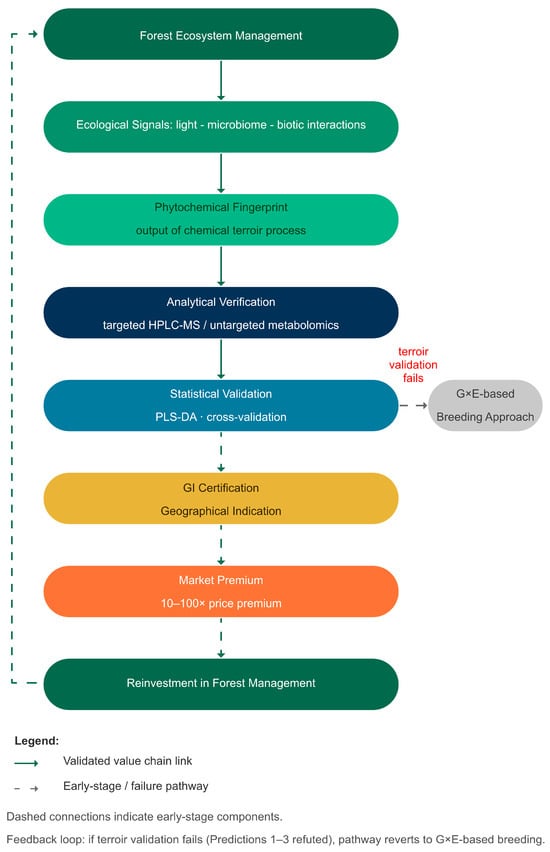
Medicinal plants grown outside their native forest habitat may produce phytochemical profiles that differ from wild-harvested material, yet the ecological mechanisms underlying these differences remain poorly synthesized across disciplines. This review proposes that the forest understory functions as a multi-signal elicitation system in which canopy light filtering, arbuscular mycorrhizal fungi (AMF), and above-ground biotic interactions collectively shape secondary metabolite profiles. AMF-mediated induced systemic resistance and above-ground biotic interactions operate through confirmed jasmonate-mediated pathways. Sunfleck-driven reactive oxygen species signaling is hypothesized but untested, and the red-to-far-red ratio modulated phytochrome B pathway characterized in Arabidopsis remains unconfirmed in shade-tolerant species. Using three saponin-rich medicinal plants (Panax vietnamensis, Panex quinquefolius, and Paris polyphylla) as case studies, we formalize this as a testable chemical terroir hypothesis with three falsifiable predictions. We also translate it into an ecological co-cultivation design principle with three production levels and a two-step operational framework, and identify priority experiments, analytical methods, and implementation challenges needed for validation. These contributions bridge forest ecology and medicinal plant science while identifying critical evidence gaps requiring resolution before field implementation.
Full article
(This article belongs to the Section Forest Ecology and Management)
►▼
Show Figures

Figure 1
Open AccessArticle
Forest Cover Change in the Nevado de Colima Using Sentinel-2 and an Enriched Random Forest Classifier with Slope and Spectral Indices
by
Guilherme Amorim Homem de Abreu Loureiro, Víctor David Cibrián-Llanderal and David Cibrián-Tovar
Forests 2026, 17(6), 642; https://doi.org/10.3390/f17060642 - 25 May 2026
Abstract
Methodological opacity and the omission of environmental variables in forest masks can generate biased estimates. The objective of this study was to validate a reproducible workflow for quantifying forest cover change in the area adjacent to Nevado de Colima over the 2019–2025 period,
[...] Read more.
Methodological opacity and the omission of environmental variables in forest masks can generate biased estimates. The objective of this study was to validate a reproducible workflow for quantifying forest cover change in the area adjacent to Nevado de Colima over the 2019–2025 period, subdivided into nine assessment areas with standardized sampling based on 3 × 3 pixel kernels (900 m2). An enriched Random Forest model with slope and spectral indices (NDVI, NBR, NDWI-Gao, and BSI) classified six spectral combinations derived from Sentinel-2 L2A bands B2, B3, B4, B8, B11, and B12, together with a new index proposed in this study, Red-Enhanced Normalized Burn Ratio (RE-NBR), used as a conservative classifier and auxiliary classifier output in the probabilistic cross-check estimation. Validation employed thematic and areal metrics. All combinations reached OA values between 89.44% and 92.53% and Kappa values between 0.79 and 0.85, with Shortwave Infrared (B12, B8, B4) as the most consistent configuration across dates. Allocation disagreement systematically exceeded quantity disagreement on all dates. The Seasonal Stability Index increased from 0.73 in 2019 to 0.77 in 2025, with persistent positive asymmetry between February and April. The probabilistic cross-check adjustment produced an adjusted forest loss of 1594.74 ha and an adjusted gain of 802.65 ha over 120,289.70 ha. Within the protected natural areas, expected change was distributed unevenly among vegetation types, with pine–oak forest showing the highest total expected loss, whereas high-mountain meadow showed the highest expected gain and also remained among the covers with the highest expected loss, indicating active spatial reconfiguration in the upper ecological domain where Pinus hartwegii Lindl. is the dominant species, though no species-level classification was performed. These results provide spatial evidence to support field verification, forest-health monitoring, and management decisions in the protected high-mountain study area.
Full article
(This article belongs to the Section Forest Inventory, Modeling and Remote Sensing)
Journal Menu
► ▼ Journal Menu-
- Forests Home
- Aims & Scope
- Editorial Board
- Reviewer Board
- Topical Advisory Panel
- Instructions for Authors
- Special Issues
- Topics
- Sections & Collections
- Article Processing Charge
- Indexing & Archiving
- Editor’s Choice Articles
- Most Cited & Viewed
- Journal Statistics
- Journal History
- Journal Awards
- Conferences
- Editorial Office
Journal Browser
► ▼ Journal BrowserHighly Accessed Articles
Latest Books
E-Mail Alert
News
Topics
Topic in
Atmosphere, Drones, Forests, Grasses, Land, Sustainability
Big Data Analytics for Climate and Human Impacts on Terrestrial Ecosystems
Topic Editors: Qing Zhang, Qingfu LiuDeadline: 31 May 2026
Topic in
Atmosphere, Forests, Geosciences, Hydrology, Land, Remote Sensing, Sustainability
Karst Environment and Global Change—Second Edition
Topic Editors: Xiaoyong Bai, Yongjun Jiang, Jian Ni, Xubo Gao, Yuemin Yue, Jiangbo Gao, Junbing Pu, Hu Ding, Qiong Xiao, Zhicai ZhangDeadline: 16 June 2026
Topic in
Forests, Land, Remote Sensing, Urban Science
Remote Sensing of Urban Forests and Their Ecological Functions
Topic Editors: Zhibin Ren, Sheng Xu, Mingming Jia, Chunlin LiDeadline: 31 July 2026
Topic in
Drones, Forests, Geomatics, IJGI, Land, Remote Sensing, Sensors, Water
Advances in Earth Observation Technologies to Support Water-Related Sustainable Development Goals (SDGs)
Topic Editors: Wei Jiang, Elhadi Adam, Qingke Wen, Teodosio Lacava, Yizhu LuDeadline: 31 August 2026
Conferences
19–21 October 2026
The 6th International Electronic Conference on Remote Sensing—Global Perspectives for the Next Generation in Earth Observation

Special Issues
Special Issue in
Forests
Forest-Based Biomass for Bioenergy
Guest Editors: Sam Van Holsbeeck, Natascia MagagnottiDeadline: 29 May 2026
Special Issue in
Forests
The Conservation and Management of Agro- and Forest Ecosystems in a Changing Climate—2nd Edition
Guest Editors: Monika Toleikienė, Darius KavaliauskasDeadline: 30 May 2026
Special Issue in
Forests
Woody Plant Ecophysiology, Morphology, and Functional Diversity Across Tropical Forest Ecosystems
Guest Editor: Guillermo AngelesDeadline: 31 May 2026
Special Issue in
Forests
Biodiversity and Ecology of Forest Ecosystems: A Multitrophic Perspective
Guest Editors: Demetra Kandalepas, Todd FredericksenDeadline: 31 May 2026
Topical Collections
Topical Collection in
Forests
Forests Carbon Fluxes and Sequestration
Collection Editor: Mark Harmon
Topical Collection in
Forests
Forest Sustainable Management in Europe
Collection Editor: Ignacio Diaz-Maroto
Topical Collection in
Forests
Historical Wood: Structure, Properties and Conservation
Collection Editor: Magdalena Broda
Topical Collection in
Forests
Reviews and Meta-Analyses in Forest Meteorology and Climate Change
Collection Editors: Giacomo Alessandro Gerosa, Riccardo Marzuoli