

- Article

Global Status of Jet Fuel Biodeterioration Risk in the Era of Sustainable Aviation Fuels—A Systematic Literature Review and Meta-Analysis
- Sabrina Anderson Beker,
- Beni Jequicene Mussengue Chaúque and
- Fatima Menezes Bento
- + 3 authors
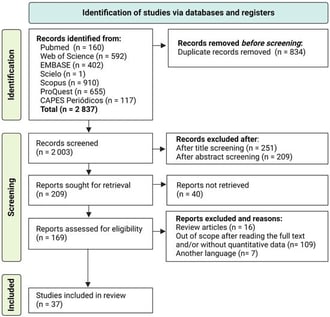
Microbial contamination of aviation fuels is a persistent operational and safety challenge, compromising fuel quality and accelerating material degradation. The global transition toward sustainable aviation fuels (SAF) amplifies the need to reassess microbial risks across both conventional and alternative fuel systems. Here, we present the first systematic review and meta-analysis to synthesize evidence on microbial prevalence in jet fuel environments and to evaluate implications for SAF deployment. Of 2837 records screened, 37 studies fulfilled the inclusion criteria. Microorganisms were detected in up to 87% of jet fuel systems worldwide (95% CI: 76–100%); however, this pooled estimate was associated with substantial heterogeneity (I2 = 96%) and should therefore be interpreted with caution as reflecting an overall trend rather than a precise global value. Taxonomic analysis identified consistently reported bacterial genera (Actinomycetes, Halomonas, Mycobacterium, Nocardioides, Rhodococcus, Stenotrophomonas) and fungal genera (Aspergillus, Alternaria, Amorphotheca, Byssochlamys, Candida, Fusarium, Saccharomyces, Schizosaccharomyces, Talaromyces, Trichocomaceae). Deteriorative organisms dominated (bacteria 57%; fungi 75%) relative to non-deteriorative taxa (12% and 32%, respectively). These findings highlight microbial spoilage as a pervasive and underrecognized threat to fuel integrity. Importantly, they suggest that risks currently documented in conventional systems are likely to extend to SAF, reinforcing the urgent need for proactive monitoring frameworks and bio-contamination mitigation strategies to ensure aviation fuel reliability.
29 January 2026