

-
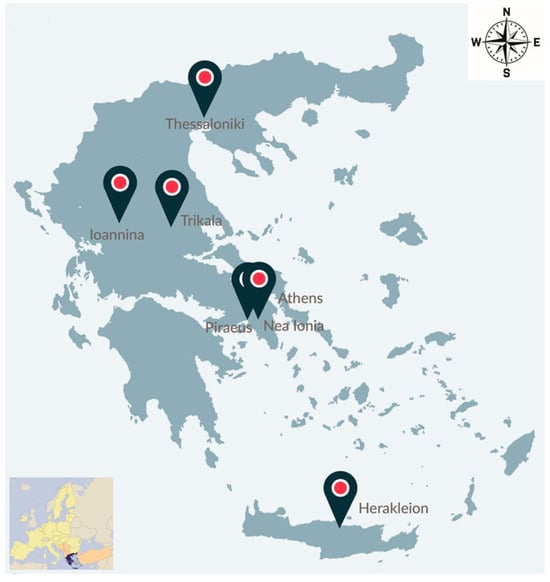
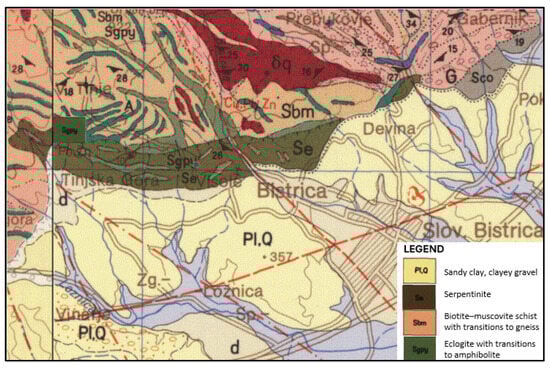
Chelmos Vouraikos UNESCO Global Geopark: Links Between Geological and Landscape Diversity with Biodiversity in the Context of Geotourism -
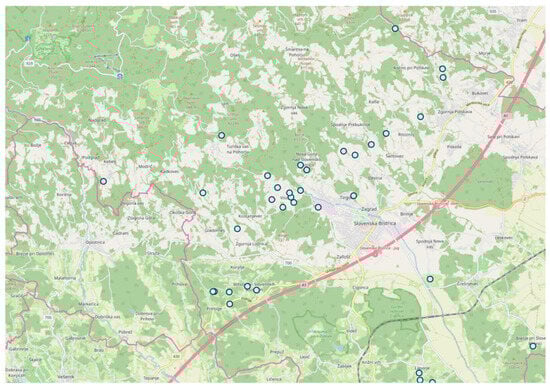
Land Use Change and River Water Quality in a Rapidly Urbanizing Catchment: The Selbe River, Mongolia -
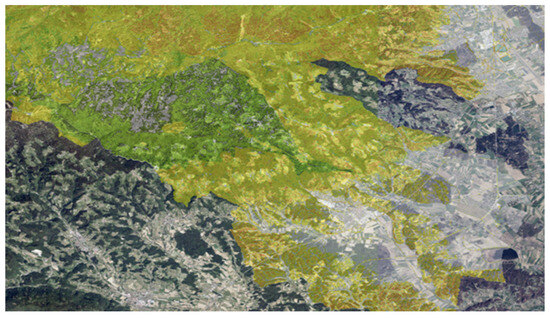
Climate Change as a Threat Multiplier: Expert Perspectives on Human Security in Bangladesh
Journal Description
Geographies
Geographies
is an international, peer-reviewed, open access journal on geography published quarterly online by MDPI.
- Open Access— free for readers, with article processing charges (APC) paid by authors or their institutions.
- High Visibility: indexed within ESCI (Web of Science), Scopus, AGRIS, RePEc, and other databases.
- Journal Rank: JCR - Q2 (Geography) / CiteScore - Q2 (Social Sciences (miscellaneous))
- Rapid Publication: manuscripts are peer-reviewed and a first decision is provided to authors approximately 19.5 days after submission; acceptance to publication is undertaken in 4.7 days (median values for papers published in this journal in the second half of 2025).
- Recognition of Reviewers: APC discount vouchers, optional signed peer review, and reviewer names published annually in the journal.
- Journal Cluster of Geospatial and Earth Sciences: Remote Sensing, Geosciences, Quaternary, Earth, Geographies, Geomatics and Fossil Studies.
Impact Factor:
1.7 (2024);
5-Year Impact Factor:
1.6 (2024)
Latest Articles
Residence Place Type as a Determinant of Domestic Winter Tourism Attitudes: The Case of Bulgaria
Geographies 2026, 6(2), 37; https://doi.org/10.3390/geographies6020037 - 3 Apr 2026
Abstract
Winter tourism is increasingly influenced by changing socio-demographic dynamics, climate change, and evolving leisure preferences. While prior research has examined winter tourist motivations, sustainability strategies and climate change adoption, less attention has been paid to differences between urban and rural residents in their
[...] Read more.
Winter tourism is increasingly influenced by changing socio-demographic dynamics, climate change, and evolving leisure preferences. While prior research has examined winter tourist motivations, sustainability strategies and climate change adoption, less attention has been paid to differences between urban and rural residents in their attitudes toward domestic winter leisure tourism. This study addresses this gap by exploring variations in participation patterns, service evaluations, and overall tourism experiences among urban and rural Bulgarian residents. Drawing on a quantitative survey of urban and rural residents (n = 1003), the research systematizes the general characteristics of domestic winter leisure tourism practices and evaluates key tourism service dimensions, including accessibility, accommodation, pricing, infrastructure, and environmental quality. Descriptive statistics and inferential analyses were applied to identify statistically significant differences between groups. The findings reveal distinct behavioural and perceptual patterns: urban residents demonstrate higher participation frequency and place greater emphasis on service quality and diversified amenities, whereas rural residents show stronger sensitivity to pricing and accessibility factors. Differences are also observed in the overall evaluation of the tourism experience, reflecting structural and socio-economic disparities. The study contributes to winter tourism literature by integrating spatial residence into the analysis of domestic tourism demand and experience assessment. The results provide practical implications for destination managers and policymakers seeking to design differentiated marketing strategies and improve service provision in line with the needs of diverse domestic segments.
Full article
Open AccessArticle
Shifting from Meteorological to Hydrological Drought at a Regional Scale: A Case Study of Bulgaria
by
Simeon Matev, Antoana Dimitrova, Nina Nikolova, Zvezdelina Marcheva and Kalina Radeva
Geographies 2026, 6(2), 36; https://doi.org/10.3390/geographies6020036 - 27 Mar 2026
Abstract
►▼
Show Figures
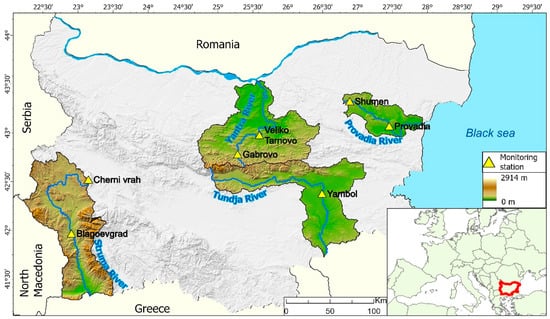
This study examines the propagation from meteorological to hydrological drought across representative river basins in Bulgaria, focusing on temporal and spatial characteristics of the process. Monthly precipitation and streamflow data for 1964–2023 were used to calculate the Standardized Precipitation Index (SPI-1 to SPI-12)
[...] Read more.
This study examines the propagation from meteorological to hydrological drought across representative river basins in Bulgaria, focusing on temporal and spatial characteristics of the process. Monthly precipitation and streamflow data for 1964–2023 were used to calculate the Standardized Precipitation Index (SPI-1 to SPI-12) and the Streamflow Drought Index (SDI-1). The results indicate an increase in drought frequency and severity during 1994–2023 compared to 1964–1993, particularly at longer accumulation scales (SPI-6 to SPI-12). The strongest relationships between meteorological and hydrological drought are observed at multi-seasonal scales (SPI-3 to SPI-6), while clear seasonal differences are identified between the cold (November–April) and warm (May–October) half-years. Conditional probability analysis shows a common propagation lag of 7–9 months across the studied basins. At the same time, once critical precipitation deficits are reached, hydrological drought may develop at short lags of 0–1 month, indicating a rapid system response under severe conditions. Marked regional differences are observed. The middle and lower Struma basin shows the highest drought-transition probabilities (>50%), whereas the Tundzha basin appears more buffered due to reservoir regulation and hydrogeological conditions. The results highlight that drought propagation depends on accumulation time, seasonal regime, and basin characteristics, and they support the need for basin-specific and proactive water management under changing climate conditions.
Full article

Figure 1
Open AccessArticle
Mapping the Boundaries of Community Land in Mainland Portugal to Support Governance and Wildfire Hazard Assessment
by
Iryna Skulska, Maria Conceição Colaço, Francisco Castro Rego, Muha Abdullah Al Pavel, Paulo Adão, José Castro and Ana Catarina Sequeira
Geographies 2026, 6(1), 35; https://doi.org/10.3390/geographies6010035 - 23 Mar 2026
Abstract
►▼
Show Figures
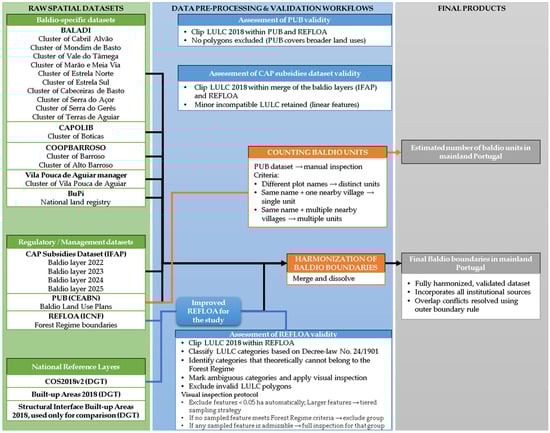
Community land management plays an important role in wildfire-prone landscapes in Mediterranean Europe. However, in Portugal, information on the spatial extent and boundaries of community land remains fragmented across multiple institutions. This study addresses a critical but often overlooked issue in wildfire management:
[...] Read more.
Community land management plays an important role in wildfire-prone landscapes in Mediterranean Europe. However, in Portugal, information on the spatial extent and boundaries of community land remains fragmented across multiple institutions. This study addresses a critical but often overlooked issue in wildfire management: the fragmentation of institutional data on community land boundaries in mainland Portugal and its direct implications for forest fire risk management, planning, and accountability. We harmonized georeferenced datasets from various government and public institutions, applying multi-institutional spatial integration supported by legal land use criteria using the Land Use Land Cover map 2018 (LULC2018). The resulting national map represents the first fully harmonized spatial assessment of community land (baldios) in mainland Portugal. Our results show that baldios currently occupy approximately 595 thousand hectares, significantly exceeding official estimates. Of this total, around 74% are under partial forest regime law, and approximately 76% are classified as having a high or very high wildfire hazard. This means that three out of every four hectares of baldios in mainland Portugal are structurally susceptible to extreme wildfire conditions. Beyond improving cartographic data, the study’s findings demonstrate how the lack of land registry weakens the institutional foundations for community-based wildfire management. Without a functional, legally validated national map of community land boundaries, responsibilities, co-management mechanisms, and prevention measures remain spatially inconsistent.
Full article

Figure 1
Open AccessArticle
Conceptual Framework for a Proactive Landslide Cadaster Integrating Climate–Geomechanical Interface Parameters
by
Tamara Bračko and Bojan Žlender
Geographies 2026, 6(1), 34; https://doi.org/10.3390/geographies6010034 - 18 Mar 2026
Abstract
►▼
Show Figures
Increasing frequency and intensity of extreme precipitation events, together with altered soil saturation dynamics, have significantly increased the occurrence of shallow landslides. These processes are closely linked to climate change and increasingly affect mountainous and hilly regions worldwide, where rainfall-induced pore pressure variations
[...] Read more.
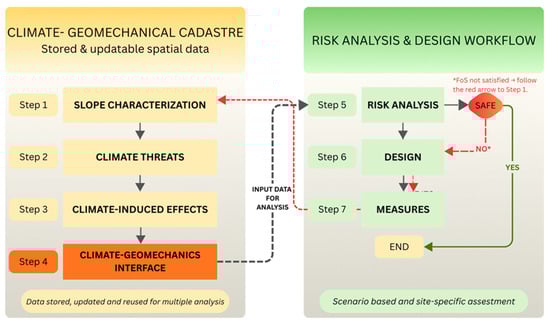
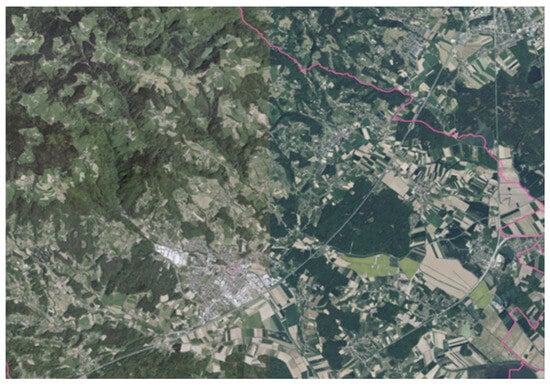
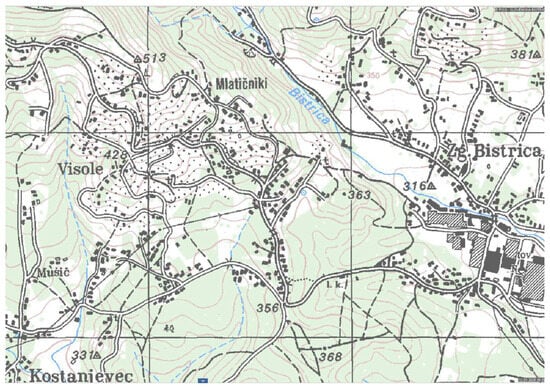
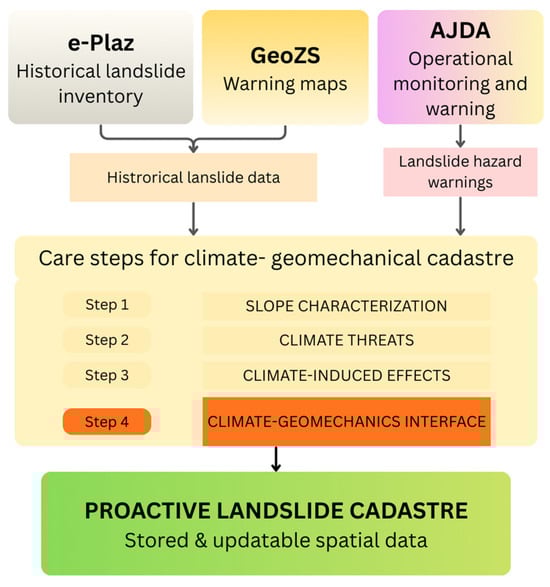
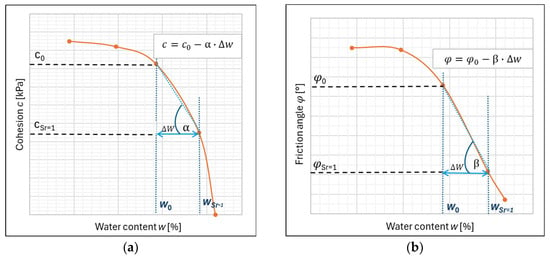
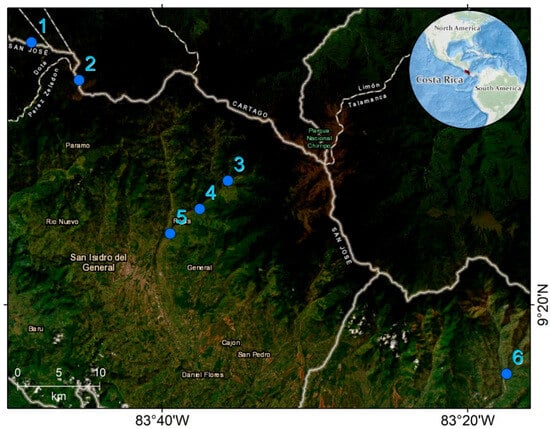
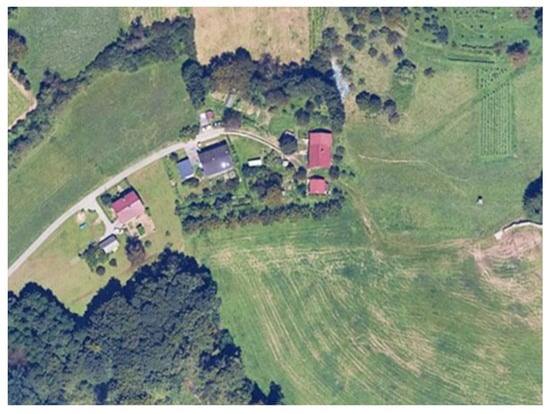
Increasing frequency and intensity of extreme precipitation events, together with altered soil saturation dynamics, have significantly increased the occurrence of shallow landslides. These processes are closely linked to climate change and increasingly affect mountainous and hilly regions worldwide, where rainfall-induced pore pressure variations and transient infiltration govern slope instability. Despite growing recognition of climate-driven slope failures, most conventional geomechanical analyses still rely on static assumptions and simplified boundary conditions, which are insufficient to capture the pronounced temporal variability of hydro-climatic forcing. To address this gap, this study introduces a conceptual and methodological framework for a proactive landslide cadaster, developed within the Climate Adaptive Resilience Evaluation (CARE) framework. Rather than serving as a static inventory of past events, the proposed cadaster functions as a structured, updatable repository of climate–geomechanical parameters that directly support advanced landslide analyses. The core innovation lies in the formalization of the climate–geomechanical interface, which enables the transformation of climatic and hydrological variables into parameters directly applicable in geomechanical modeling. These parameters encompass climatic, hydrological, geomechanical, and thermo-hydraulic processes and are assigned to spatially referenced locations, complemented by documented landslide occurrences. Their spatial distribution forms a network of reference points that allows interpolation, continuous updating, and reuse across multiple analyses. In this way, the cadaster becomes a proactive, process-based data infrastructure, serving as the foundational input for scenario-based landslide susceptibility, hazard, and risk assessments within the CARE analytical workflow. The conceptual framework is illustrated through an example from Slovenia, focusing on the Visole area near Maribor, where selected data types and workflow steps are presented for demonstration purposes.
Full article

Figure 1
Open AccessArticle
Ecosystems as Organisms in Spectral Space: Landscape Corrosion Revealed by Unreliable Classification Zones
by
Hanna Tutova, Olena Lisovets, Olha Kunakh and Olexander Zhukov
Geographies 2026, 6(1), 33; https://doi.org/10.3390/geographies6010033 - 16 Mar 2026
Abstract
Catastrophic disturbances pose significant challenges to remote sensing because landscapes can change rapidly, while access for field validation is limited, making it difficult to consistently track the spatiotemporal dynamics of discrete land-surface types. Building on the metaphor of the “ecosystem as an organism”
[...] Read more.
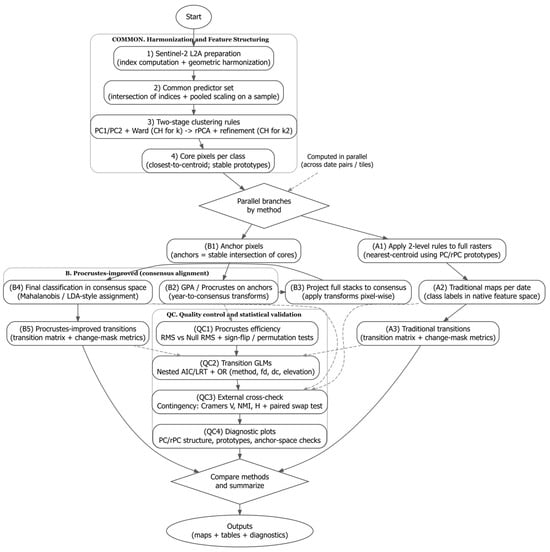
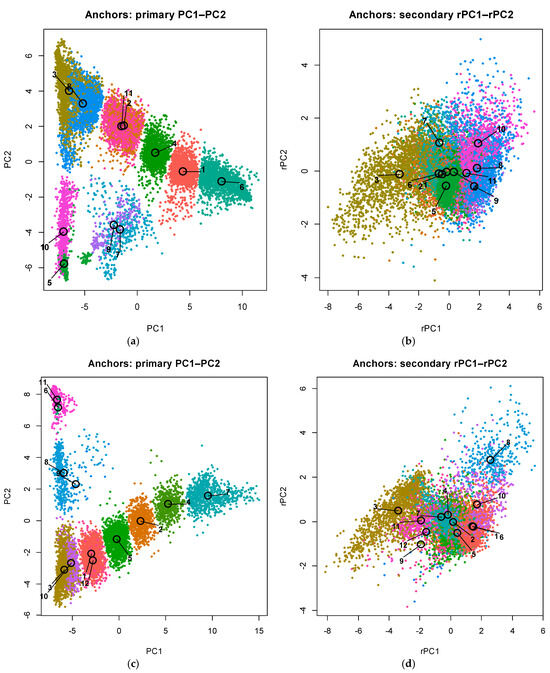
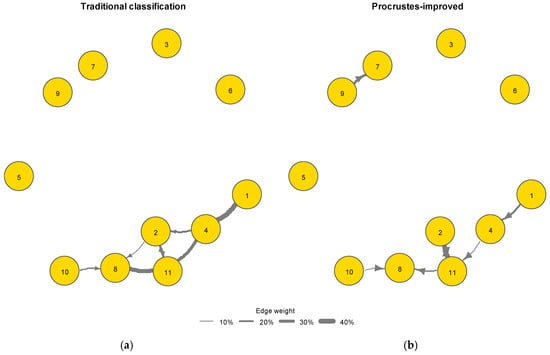
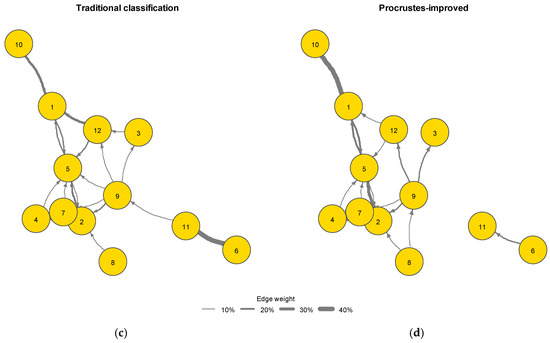
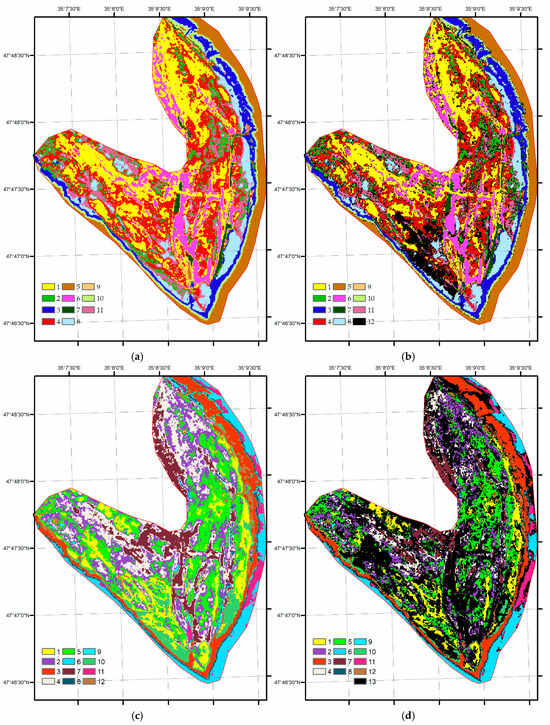
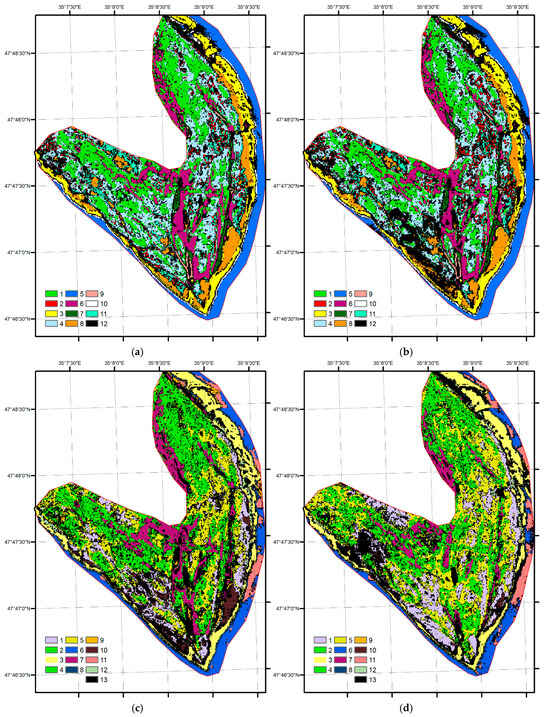
Catastrophic disturbances pose significant challenges to remote sensing because landscapes can change rapidly, while access for field validation is limited, making it difficult to consistently track the spatiotemporal dynamics of discrete land-surface types. Building on the metaphor of the “ecosystem as an organism” and the individualistic perspective on ecosystems, each surface type is treated as a spectrally coherent entity whose identity must remain comparable over time despite changing conditions. To achieve this comparability, a Procrustes-based framework is introduced to align multi-index feature spaces from different dates to a common archetype, enabling cross-date classification within a commensurable coordinate system. Since Procrustes alignment requires a stable reference, the concept of core pixels (centroid-typical samples in feature space) is extended to spatially grounded anchor pixels that are invariant in both spectral and geographic space, thereby representing the persistent “organismal” structure of the landscape. Regression-based evaluation indicates that the Procrustes–anchor workflow improves classification fidelity and produces a clearer, more interpretable transition matrix of type changes, facilitating the separation of systematic transient dynamics from noisy reassignments. The resulting discrete habitat maps are independently validated using field geobotanical vegetation types, providing an ecological basis for the classified surface-type dynamics under catastrophic conditions.
Full article
(This article belongs to the Special Issue Geography as a Transdisciplinary Science in a Changing World)
►▼
Show Figures

Figure 1
Open AccessArticle
Tornado Impact and the Built Environment: The Development of an Integrated Risk-Exposure and Spatial Modeling Metric
by
Mehmet Burak Kaya, Onur Alisan, Eren Erman Ozguven and Ren Moses
Geographies 2026, 6(1), 32; https://doi.org/10.3390/geographies6010032 - 14 Mar 2026
Abstract
►▼
Show Figures
Tornadoes pose growing threats to both communities and the built environment, yet few studies have quantified how spatial characteristics of the built environment interact with social and economic factors while influencing tornado impacts. This paper introduces an integrated metric that combines tornado risk
[...] Read more.
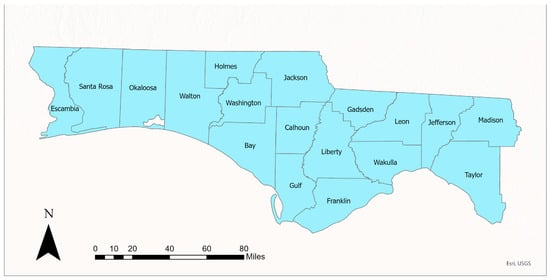
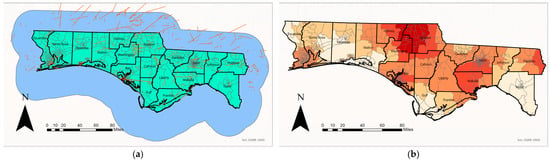
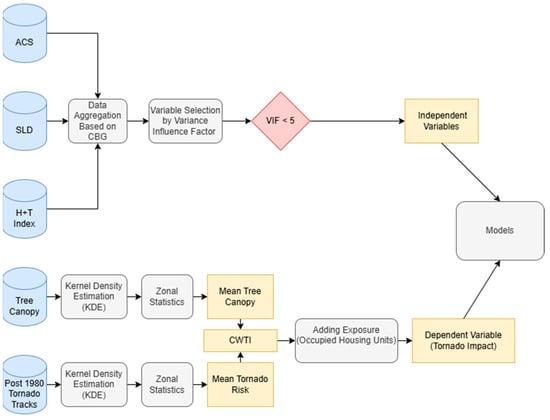
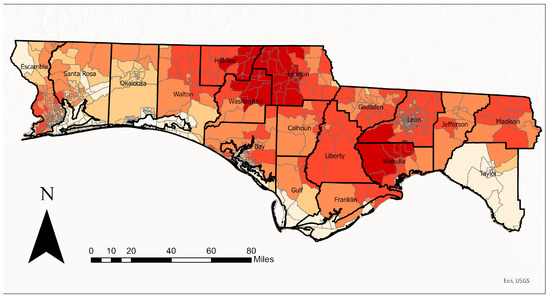
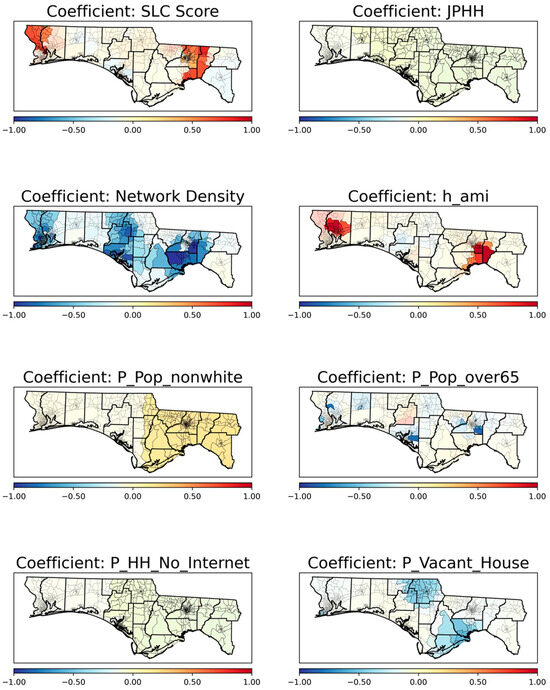
Tornadoes pose growing threats to both communities and the built environment, yet few studies have quantified how spatial characteristics of the built environment interact with social and economic factors while influencing tornado impacts. This paper introduces an integrated metric that combines tornado risk and exposure to evaluate localized disaster impact. Focusing on Florida’s Panhandle, we examine how housing density and affordability, network connectivity, and urban form efficiency, together with demographic and socioeconomic attributes, shape tornado impacts at the U.S. census block group (CBG) level. To address spatial autocorrelation and non-stationarity, five statistical models were compared, including both global and local spatial regressions. The findings indicate that multiscale geographically weighted regression (MGWR) most effectively captures the spatial heterogeneity of tornado impacts. Built-environment and affordability factors show clear spatial heterogeneity— smart location indexand housing cost burden (h_ami) are positively associated with tornado impact in CBGs near Tallahassee and parts of Pensacola—suggesting amplified impacts in location-efficient urban areas where exposure is concentrated and affordability stress may limit preparedness and recovery. In contrast, network density is negatively associated with the impact of key clusters, consistent with the idea that denser, more redundant road networks can reduce canopy-weighted disruption by providing alternative routes for emergency access and restoration. Overall, these findings can inform our understanding of how the built environment influences tornado exposure, offering critical insights for planners and policymakers seeking to strengthen communities against tornadoes.
Full article

Figure 1
Open AccessArticle
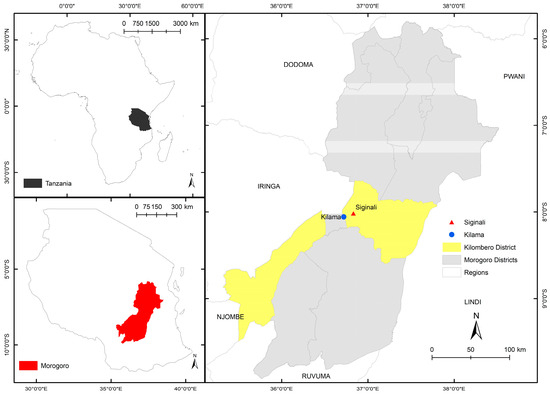
Perceptions of Participatory Forest Management in Adjacent Communities: A Case Study in the Kilombero Valley Ramsar Site, Tanzania
by
Shadrack Kihwele, Victor Anthony Gabourel-Landaverde, Felister Mombo, Eliapenda Elisante, Imelda Gervas, Jesús Barrena-González and Manuel Pulido-Fernández
Geographies 2026, 6(1), 31; https://doi.org/10.3390/geographies6010031 - 13 Mar 2026
Abstract
►▼
Show Figures
This study evaluates the costs and benefits of participatory forest management (PFM) versus non-participatory forest management based on the perceptions and involvement of local communities in the Kilombero Valley Ramsar site, Tanzania. The area hosts ecologically significant wetlands managed through different regimes: forests
[...] Read more.
This study evaluates the costs and benefits of participatory forest management (PFM) versus non-participatory forest management based on the perceptions and involvement of local communities in the Kilombero Valley Ramsar site, Tanzania. The area hosts ecologically significant wetlands managed through different regimes: forests managed by local communities under PFM and protected areas controlled by national authorities. Using data collected through focus groups, key interviews, household surveys, and direct observations in two villages—Siginali (PFM) and Kilama (non-participatory)—this research explores perceptions of two different forest management approaches. The results revealed: (i) a generally low awareness and participation in forest management activities in both villages; (ii) restrictions on forest resource access, essential for local livelihoods, were common and often poorly accepted in the two villages; (iii) neither approach alleviates poverty, instead, strict regulations have worsened livelihoods by eliminating traditional income sources; (iv) forced participation in patrols and fire control was also noted as an unfair burden without direct compensation; and (v) the “fortress” model is perceived as more effective at improving forest health and stopping illegal activity due to stricter patrols. The study concludes that while PFM supports forest sustainability, it needs enhanced local engagement, benefit-sharing mechanisms, and complementary income-generating initiatives such as ecotourism to sustainably balance conservation and community welfare.
Full article

Figure 1
Open AccessArticle
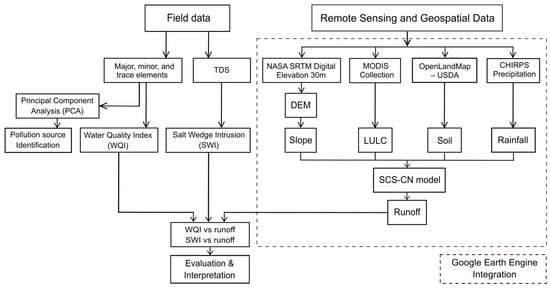
Seasonal Runoff Variability as a Driver of Salt Wedge Propagation and Water Quality Dynamics in an Estuarine River System
by
Hadi Allafta, Christian Opp and Ahmed Jawad Al-Naji
Geographies 2026, 6(1), 30; https://doi.org/10.3390/geographies6010030 - 11 Mar 2026
Abstract
►▼
Show Figures
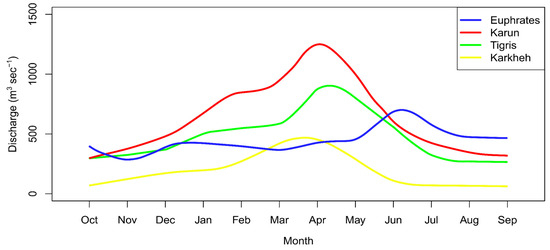
This study aims to investigate the relationship between basin hydrology and estuarine processes such as dynamics that influence salinity and water quality in the Shatt Al-Arab River, southern Iraq. Extensive samplings were conducted at 25 sites along the river course over one hydrological
[...] Read more.
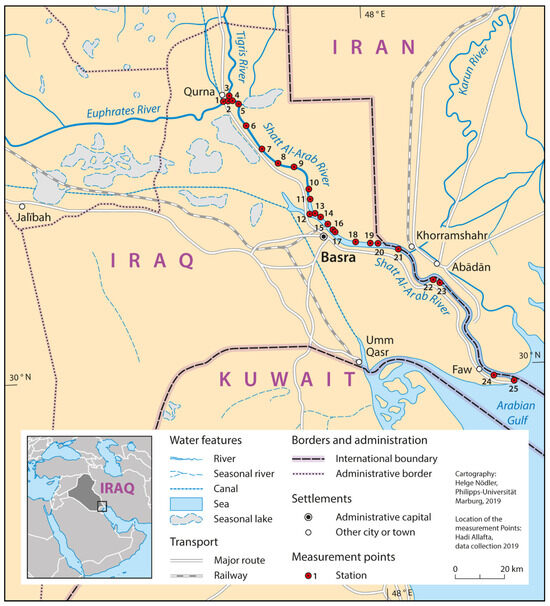
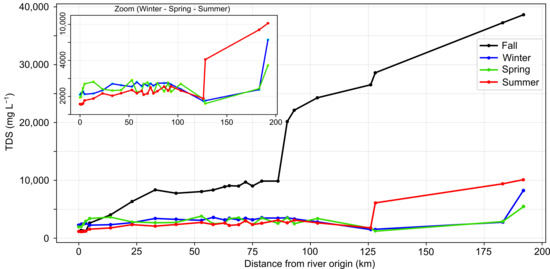
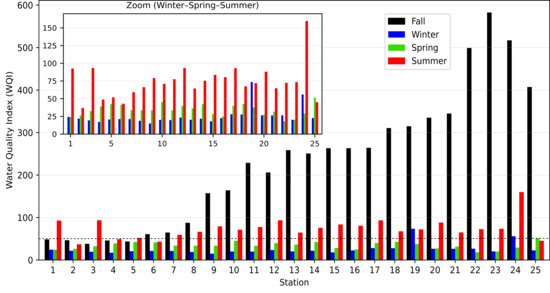
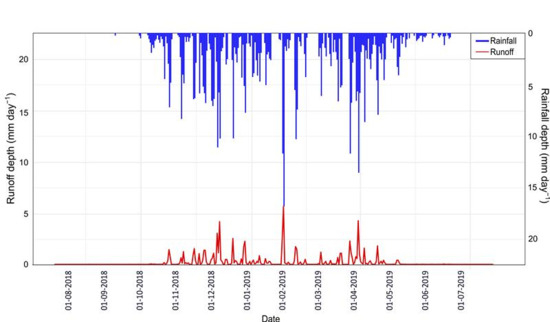
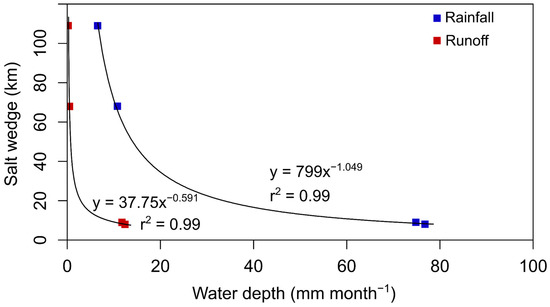
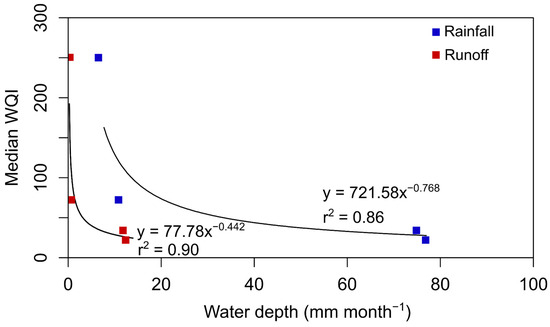
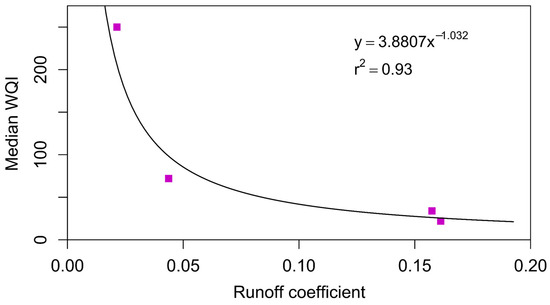
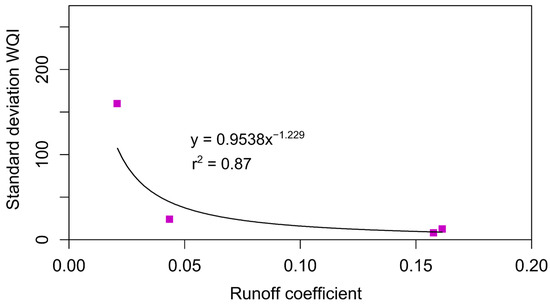
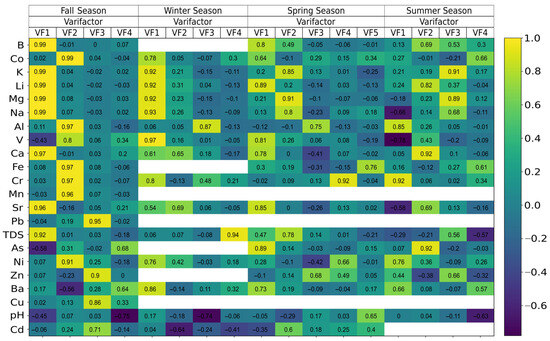
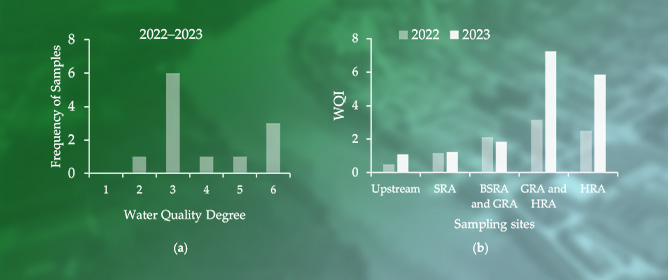
This study aims to investigate the relationship between basin hydrology and estuarine processes such as dynamics that influence salinity and water quality in the Shatt Al-Arab River, southern Iraq. Extensive samplings were conducted at 25 sites along the river course over one hydrological year. Runoff estimates were obtained using the soil conservation service–curve number (SCS-CN) model. During winter, peak rainfall (76.8 mm month−1) and runoff (12.38 mm month−1) promote the shortest salt wedge extension (8 km) and the highest water quality (median water quality index (WQI) = 22). In contrast, during fall, minimal rainfall (6.51 mm month−1) and runoff (0.14 mm month−1) result in a salt wedge extension of 109 km and the lowest water quality (median WQI = 250). Strong correlations between rainfall–runoff estimates, salt wedge extension, and water quality parameters demonstrate that water quality status can be predicted using hydrological inputs alone. Thus, this study introduces a novel quantification of the flushing influence required to maintain the Shatt Al-Arab River’s ecological health. A strong (r2 = 0.87) significant (p < 0.05) negative correlation was detected between the runoff coefficient (a proxy indicator of catchment wetness) and the standard deviation of WQI. Such a negative correlation implies that hydrological flushing fosters water quality stability. Principal component analysis (PCA) further revealed how natural and anthropogenic sources contribute to water quality. The findings illustrate how seasonal hydrological variability control mixing processes, salt wedge propagation, and water quality in estuarine-influenced river systems, presenting a framework adaptable to similar systems worldwide.
Full article

Figure 1
Open AccessArticle
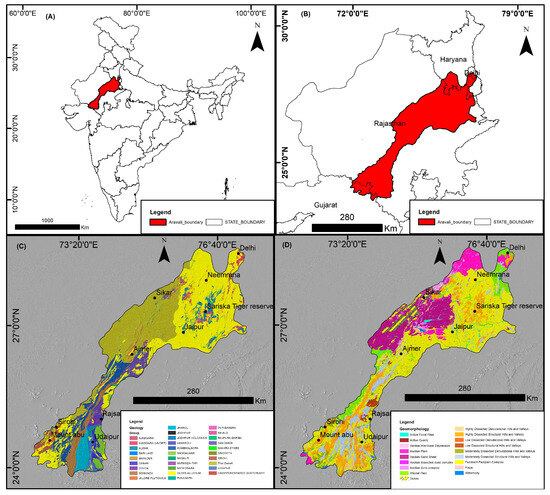
Spatiotemporal Study of Land Degradation Impacting the Oldest Mountains of the Indian Subcontinent
by
Rahul Devrani, Rohit Kumar, Jitendra Kumar Roy and Abhiroop Chowdhury
Geographies 2026, 6(1), 29; https://doi.org/10.3390/geographies6010029 - 6 Mar 2026
Abstract
►▼
Show Figures
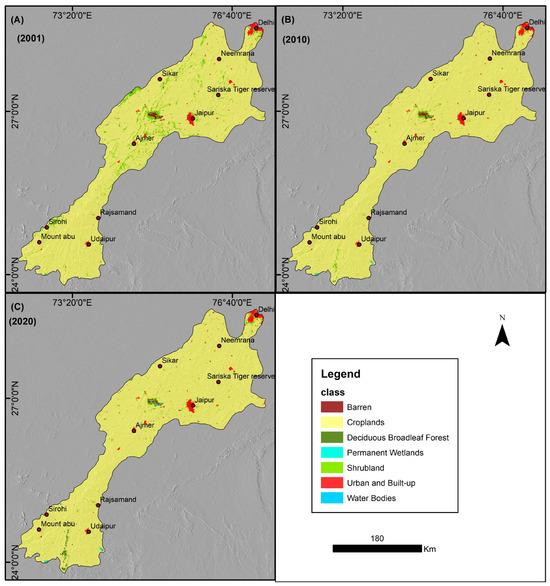
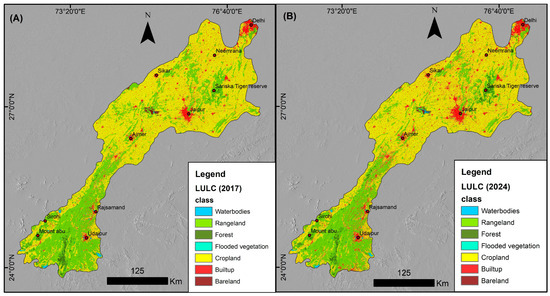
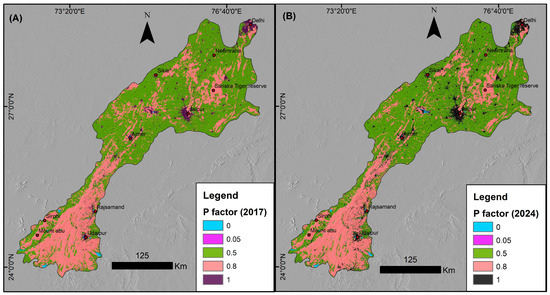
The Aravalli Mountain System (AMS) is one of the oldest fold orogens in the world, serving as a natural boundary against desertification in north-western India. The AMS has high environmental importance and faces accelerated soil degradation driven by both anthropogenic pressures and climatic
[...] Read more.
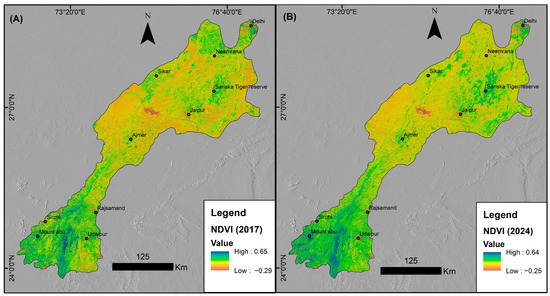
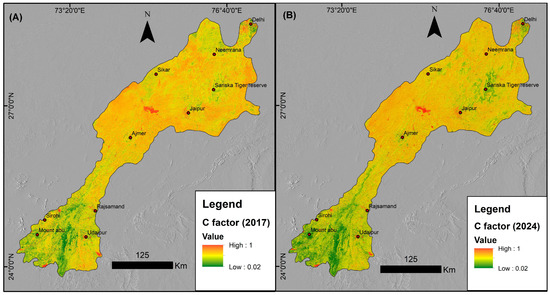
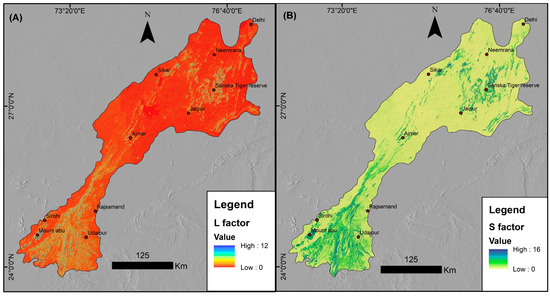
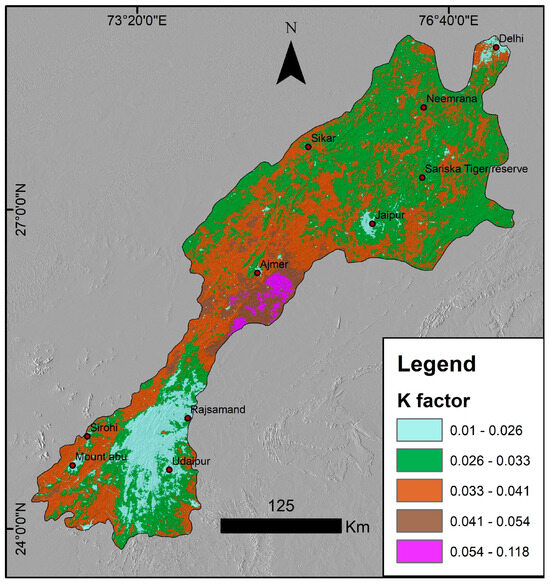
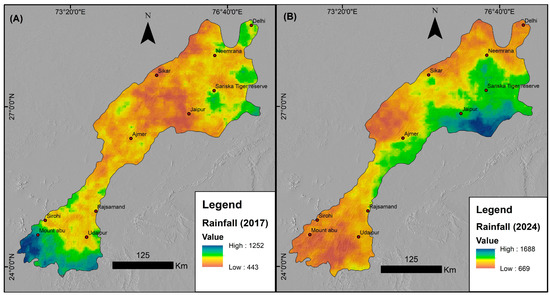
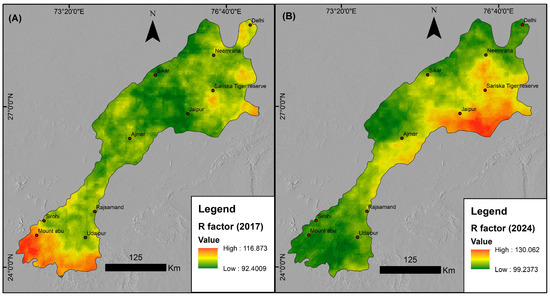
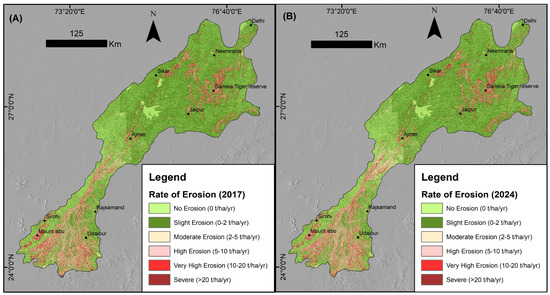
The Aravalli Mountain System (AMS) is one of the oldest fold orogens in the world, serving as a natural boundary against desertification in north-western India. The AMS has high environmental importance and faces accelerated soil degradation driven by both anthropogenic pressures and climatic shifts. Still, high-resolution measurements of soil erosion processes have not been conducted on the AMS scale. The present study assesses long-term LULC transitions between 2001 and 2021, identifies high-resolution short-term LULC dynamics between 2017 and 2024, and models spatiotemporal soil erosion dynamics using the RUSLE model. The findings indicate that LULC has changed rapidly, with built-up areas increasing by 53 per cent at the expense of rangelands and croplands. These drivers resulted in a 13.8 per cent increase in the mean annual soil loss between 2017 and 2024, from 1.59 to 1.81 t/ha/yr, while forest cover has increased over the timescale, as is evident in this study. The steep slopes, susceptible soils, and mining areas are strongly associated with erosion hotspots. Increased soil erosion in the AMS despite a significant increase in afforestation highlights that local conservation cannot compensate for massive land conversion. The present study provides a scalable, high-resolution framework for assessing soil erosion in vulnerable old mountain systems globally for sustainable land-use planning, mineral governance, and integrated conservation to protect for future generations.
Full article

Figure 1
Open AccessArticle
Fieldwork in Physical Geography: A Quantitative Analysis, Perceptions, and Implications
by
Néstor Campos and Adolfo Quesada-Román
Geographies 2026, 6(1), 28; https://doi.org/10.3390/geographies6010028 - 5 Mar 2026
Abstract
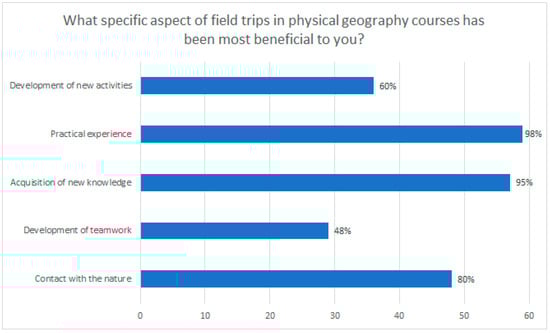
Traditional fieldwork in Physical Geography courses is considered a key activity to fix concepts and ideas taught in class. Unfortunately, it is a complex and expensive activity. Over recent decades, with the advancement and emergence of new technological tools, part of the traditional
[...] Read more.
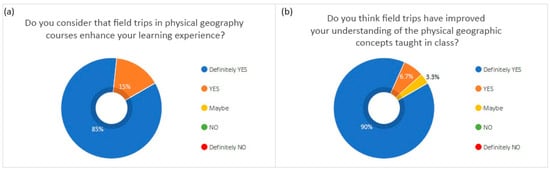
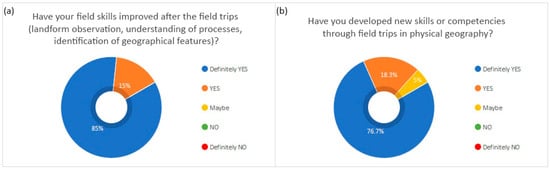
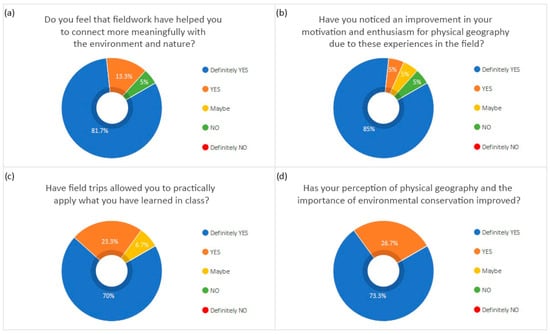
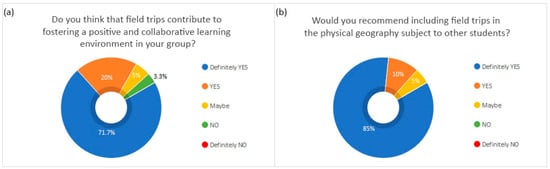
Traditional fieldwork in Physical Geography courses is considered a key activity to fix concepts and ideas taught in class. Unfortunately, it is a complex and expensive activity. Over recent decades, with the advancement and emergence of new technological tools, part of the traditional fieldwork has been replaced by virtual fieldwork techniques. In this study, we analyzed and evaluated the perceptions of the students in relation to the traditional fieldwork, focusing on the reinforcement of the concepts taught in class. After several extensive fieldwork campaigns, we evaluated a group of Physical Geography students through tests, which assessed perceptions related to learning enhancement, skill acquisition, motivation and environmental awareness, and we confirmed that the traditional fieldwork allowed the students not only to reinforce their knowledge, but also to acquire new skills and improve their understanding of the importance of environmental conservation.
Full article
(This article belongs to the Special Issue Geography as a Transdisciplinary Science in a Changing World)
►▼
Show Figures

Figure 1
Open AccessArticle
The Impact of Land Allocation on Land Tenure Security, Settlement, and Land Use Stability of Households and Individuals in Central Vietnam
by
Bui Thi Dieu Hien, Nguyen Thi Hai, Nguyen Ngoc Thanh and Nguyen Huu Ngu
Geographies 2026, 6(1), 27; https://doi.org/10.3390/geographies6010027 - 3 Mar 2026
Abstract
►▼
Show Figures
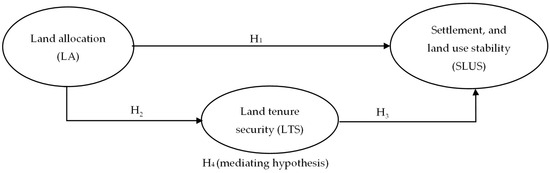
This study was conducted to assess the impact of land allocation on the land tenure security, settlement, and land use stability of households, individuals in Central Vietnam. Structural Equation Modeling (SEM) was employed to test the model using survey data from 400 households
[...] Read more.
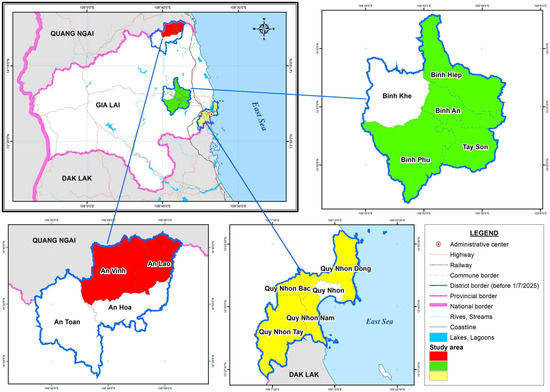
This study was conducted to assess the impact of land allocation on the land tenure security, settlement, and land use stability of households, individuals in Central Vietnam. Structural Equation Modeling (SEM) was employed to test the model using survey data from 400 households and individuals in Quy Nhon, Tay Son, and An Lao, administratively under Binh Dinh Province during the 2019–2023 study period and currently under Gia Lai Province following the July 2025 administrative restructuring. The research results show that land allocation has a direct and positive impact on land tenure security, settlement, and land use stability, while also having an indirect impact through a mediating variable, partly land tenure security (shown by the significance level of the research model at 1%, total effect βLA→LTS–SLUS = 0.603). The research results propose several policy implications for land allocation regulations that combine enhanced legal security, actual security, and perceived security, thereby encouraging land users to settle and stabilize their land use.
Full article

Figure 1
Open AccessArticle
Mapping Surface Water Pooling Zones and Stream Flow Accumulation Pathways for Vulnerable Populations in Athens: A Geospatial Hydrological Analysis
by
George Faidon D. Papakonstantinou
Geographies 2026, 6(1), 26; https://doi.org/10.3390/geographies6010026 - 2 Mar 2026
Abstract
►▼
Show Figures
Urban hydrological risks are endangering vulnerable populations, particularly in densely populated metropolitan areas undergoing rapid land use transformation. This study uses geospatial analysis to identify zones in the Athens metropolitan area that are prone to surface water accumulation and stream flow development during
[...] Read more.
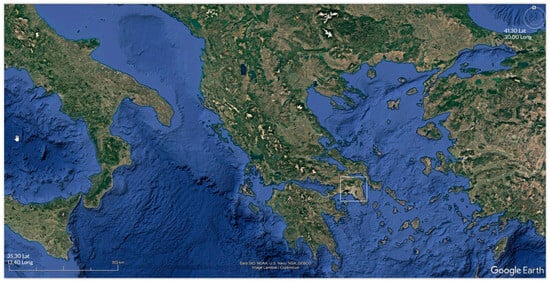
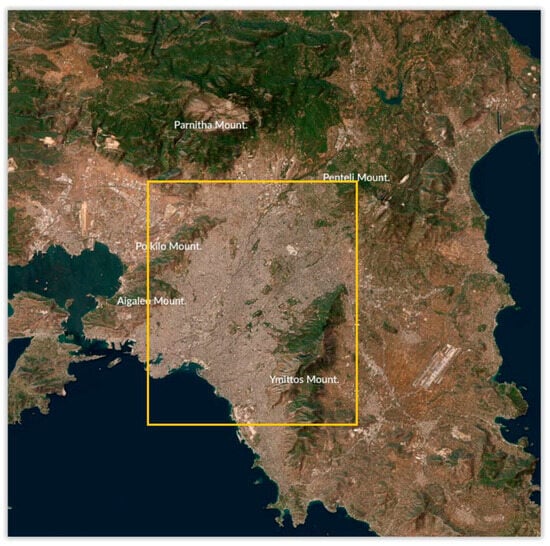
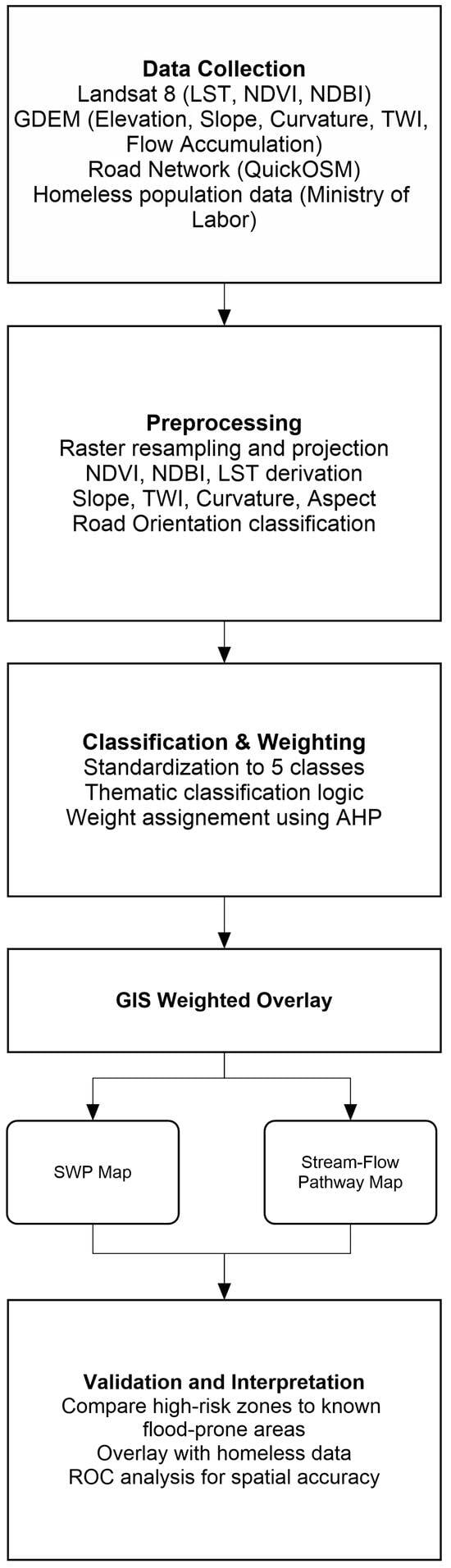
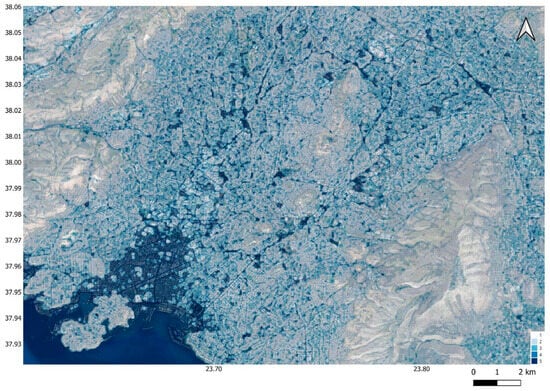
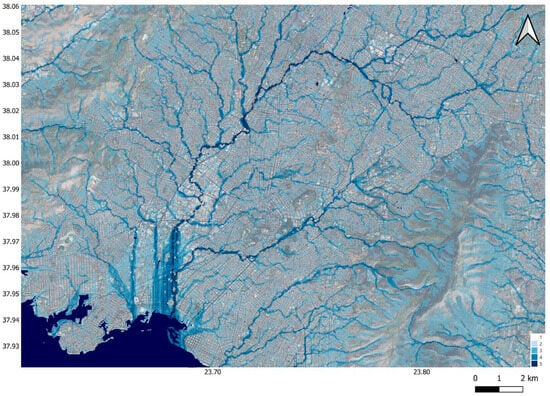
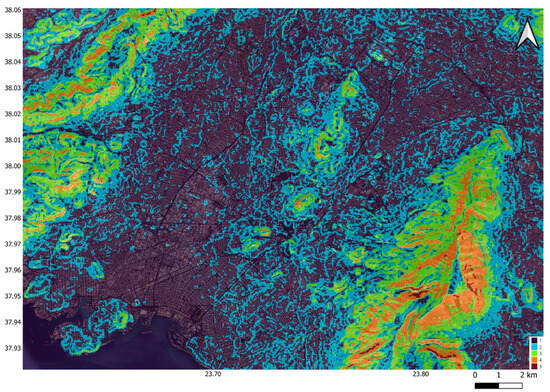
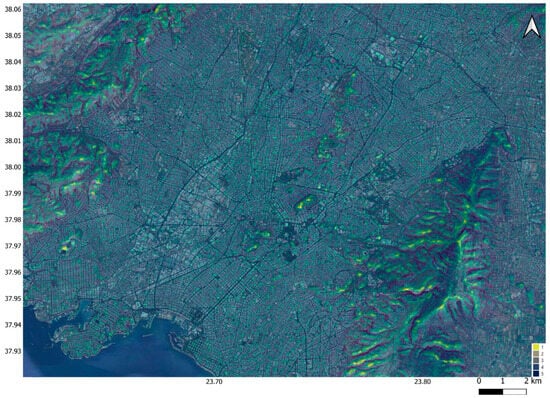
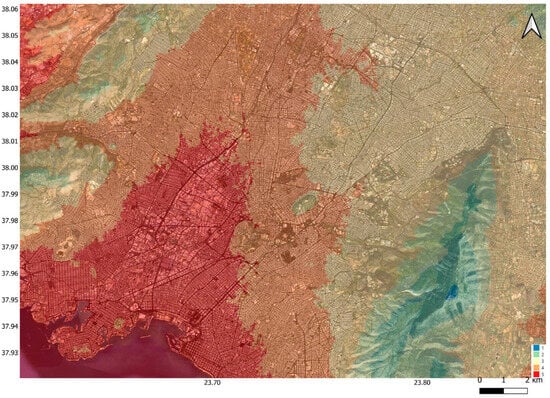
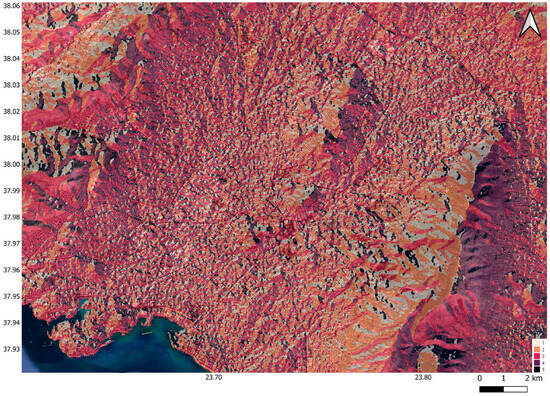
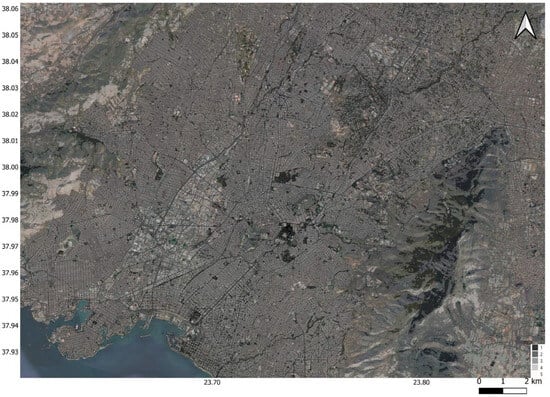
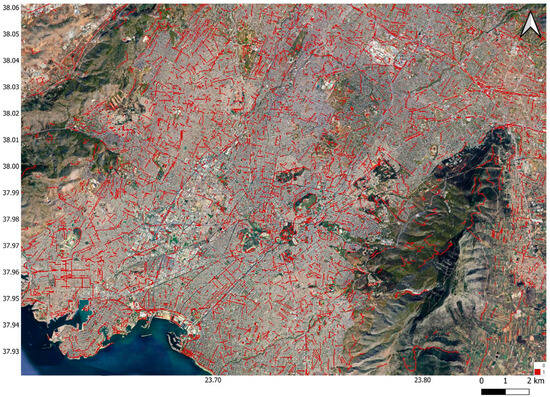
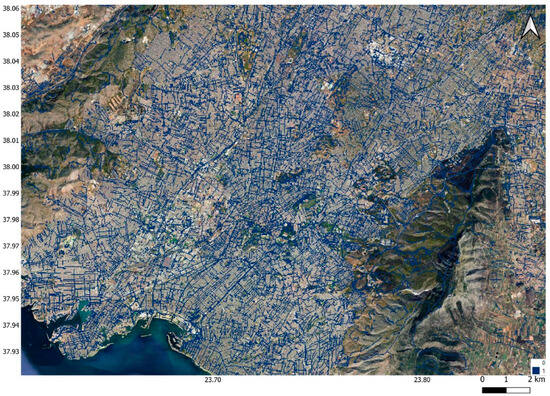
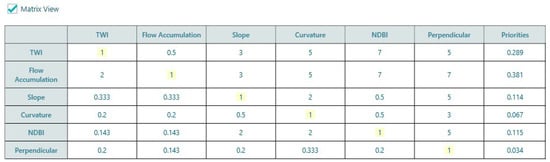
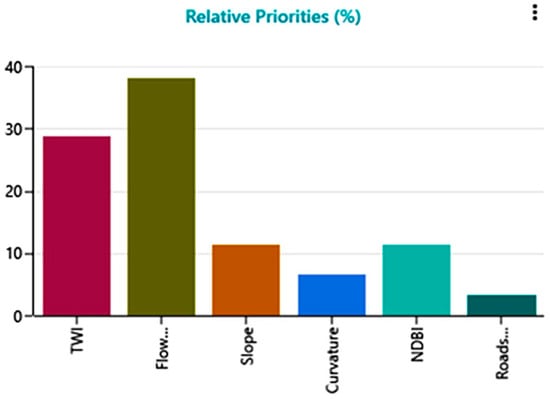
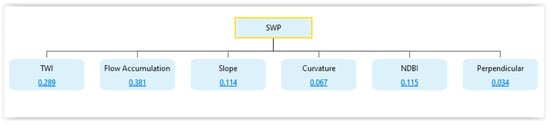
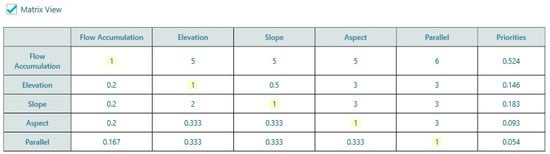
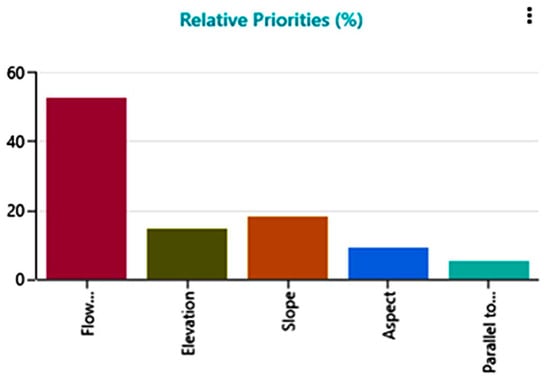
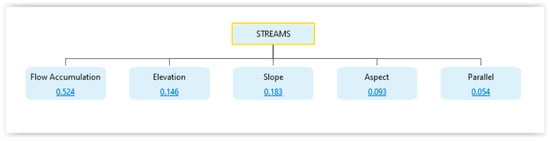
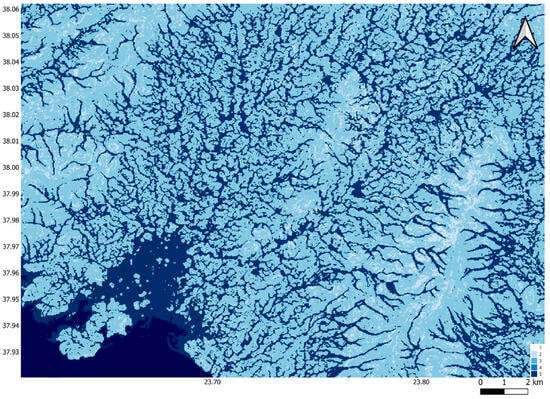
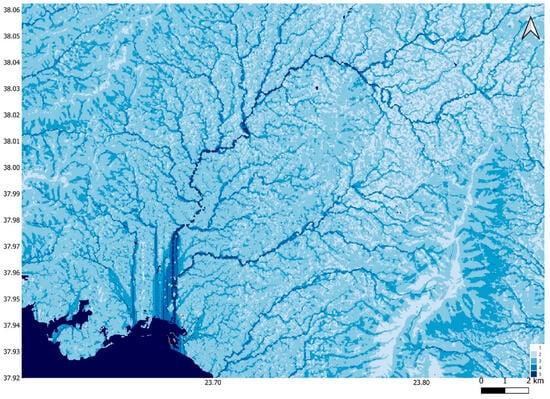
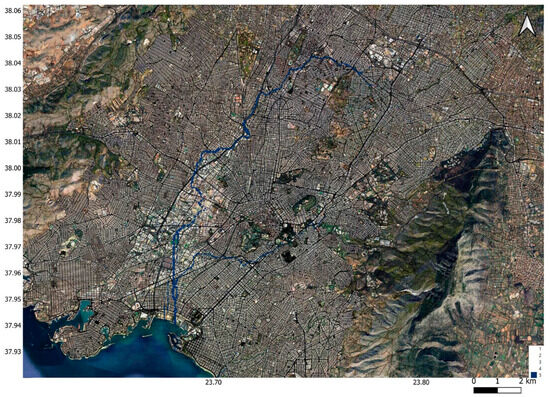
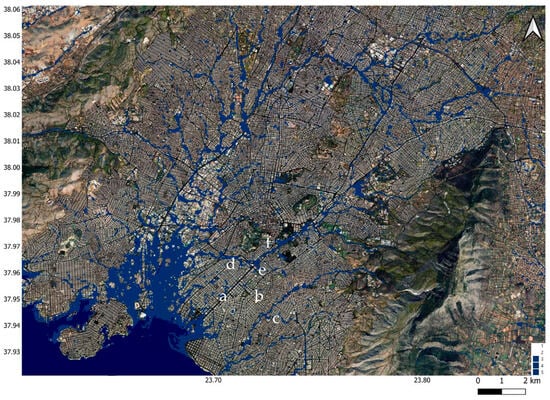
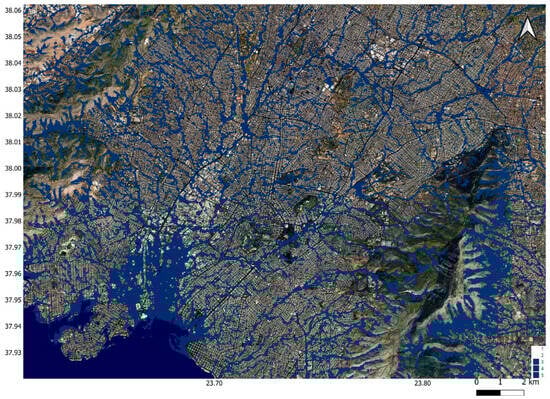
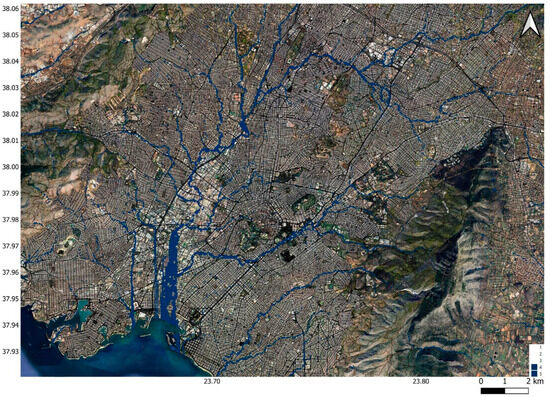
Urban hydrological risks are endangering vulnerable populations, particularly in densely populated metropolitan areas undergoing rapid land use transformation. This study uses geospatial analysis to identify zones in the Athens metropolitan area that are prone to surface water accumulation and stream flow development during extreme rainfall events. Two spatial indices were developed by integrating digital elevation models, flow accumulation, slope, aspect, the topographic wetness index, and classified road network data: a Surface Water Accumulation Index and a Stream flow Pathway Index. Roads were categorized based on their orientation relative to the direction of the slope, which allowed for an assessment of their influence on hydrological flow. Both indices were classified into five risk levels representing gradients of hydrological vulnerability. The spatial patterns revealed by this analysis show strong correlations with flood-prone areas and natural drainage systems. These insights are essential for guiding urban planning efforts aimed at reducing hydrological hazards, particularly for at-risk groups such as the homeless. This approach offers a valuable tool for promoting sustainable, socially inclusive landscape management.
Full article

Figure 1
Open AccessArticle
Coastal Flood-Driven Settlement Dynamics and Local Governance Challenges in Chattogram Division of Bangladesh
by
Fowzia Gulshana Rashid Lopa, Sajib Sarker and Rizbina Reduan Rayma
Geographies 2026, 6(1), 25; https://doi.org/10.3390/geographies6010025 - 28 Feb 2026
Abstract
►▼
Show Figures
Coastal settlements in Bangladesh are geographically flood-prone areas. This physical nature erodes the size and shape of those settlement boundaries over time. Such changes leave communities vulnerable in terms of securing a living place and livelihoods. However, the research arena rarely addresses the
[...] Read more.
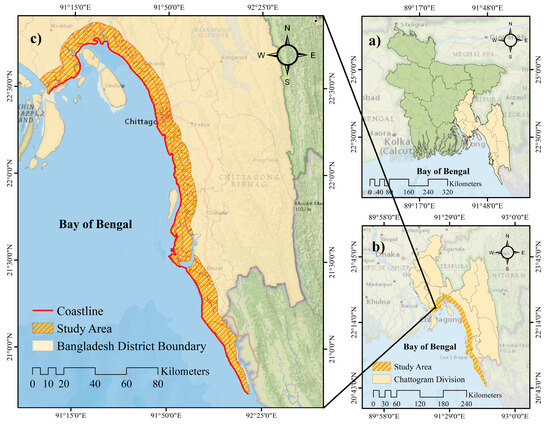
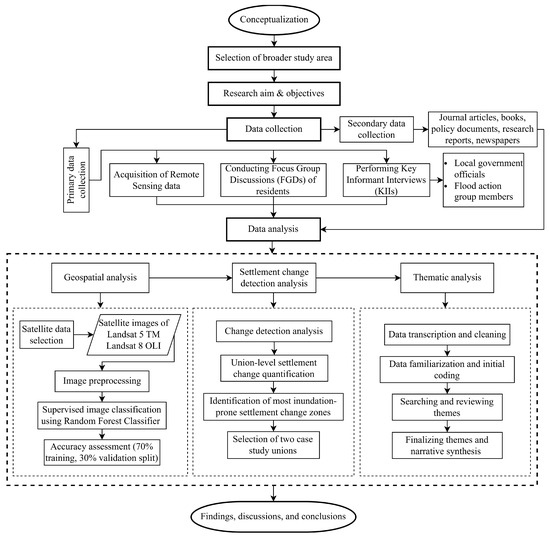
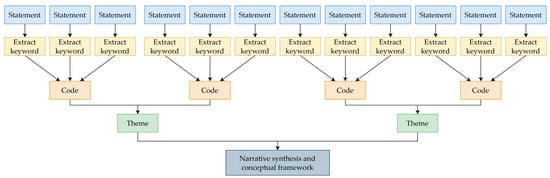
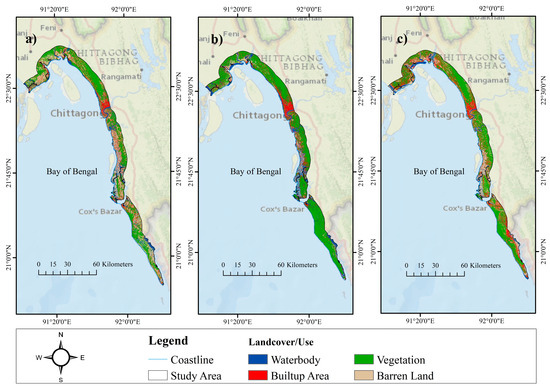
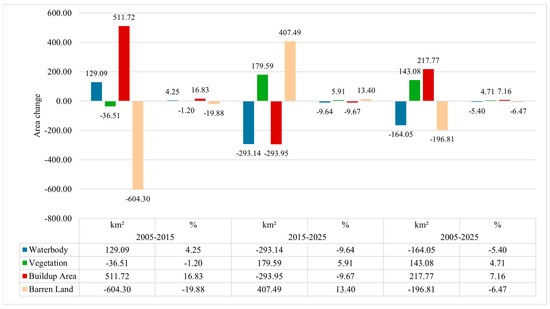
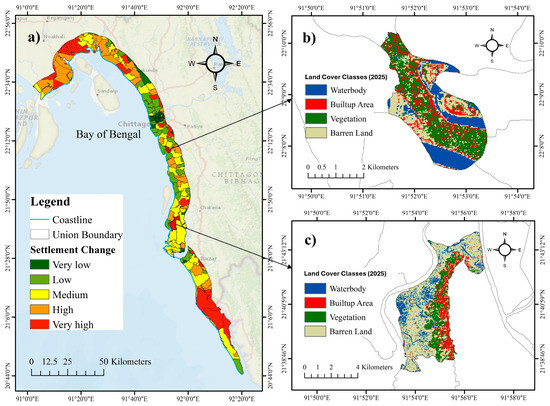
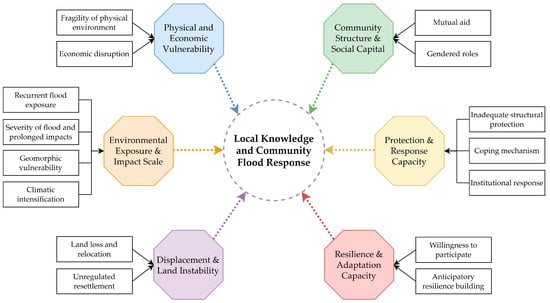
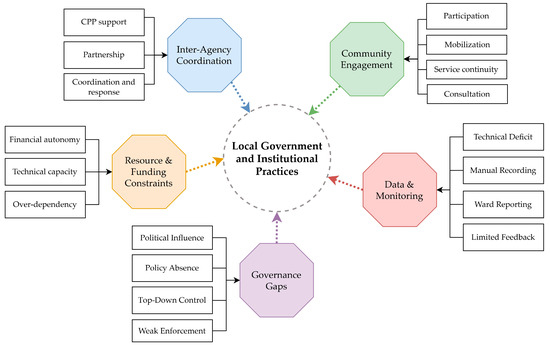
Coastal settlements in Bangladesh are geographically flood-prone areas. This physical nature erodes the size and shape of those settlement boundaries over time. Such changes leave communities vulnerable in terms of securing a living place and livelihoods. However, the research arena rarely addresses the long-term changing aspects of settlement and the local governance responses to vulnerability. To examine this situation, this study explored settlement transformation patterns and governance challenges, using the case study of Chattogram Division in Bangladesh from 2005 to 2025. It applied a mixed-methods approach. The analysis, using the technique of Multi-temporal Landsat imagery with Random Forest classification, revealed complex settlement trajectories. It showed built-up areas expanded significantly between 2005 and 2015 but shrank by 2025, reflecting both hazard exposure and displacement pressures. Union-level analysis identified 62 coastal unions with high to very high settlement change. Conducting field surveys in selected Juidandi and Kalamarchhara unions through focus group discussions with communities and interviews with local officials highlighted recurring inundation, permanent land loss affecting thousands of households, and persistent disruptions to livelihoods. This study also found moderate emergency responses in selected unions; however, strategic planning for relocation, health, and well-being of communities is insufficient. Continuous resource constraints and poor coordination with communities and line organizations made local implementation less effective, which blurs the effectiveness of disaster risk reduction policies. These findings underscore the necessity of union-level governance capacity building, integrating community-based adaptation with formal interventions, and developing spatially differentiated relocation strategies to enhance the resilience of climate-vulnerable coastal settlements.
Full article

Figure 1
Open AccessArticle
Spatial Footprint of Anthropogenic Activities in the Lubumbashi Charcoal Production Basin (DR Congo): Insights from Local Community Perceptions
by
Dieu-donné N’tambwe Nghonda, Héritier Khoji Muteya, Sylvestre Cabala Kaleba, François Malaisse, Amisi Mwana Yamba, Wilfried Masengo Kalenga, Jan Bogaert and Yannick Useni Sikuzani
Geographies 2026, 6(1), 24; https://doi.org/10.3390/geographies6010024 - 25 Feb 2026
Abstract
Village landscapes within an 80 km radius of Lubumbashi (south-eastern Democratic Republic of the Congo) are undergoing rapid spatial transformation driven by subsistence agriculture, charcoal production, and mining activities. This study analyzes how these transformations are spatially perceived and organized across five village
[...] Read more.
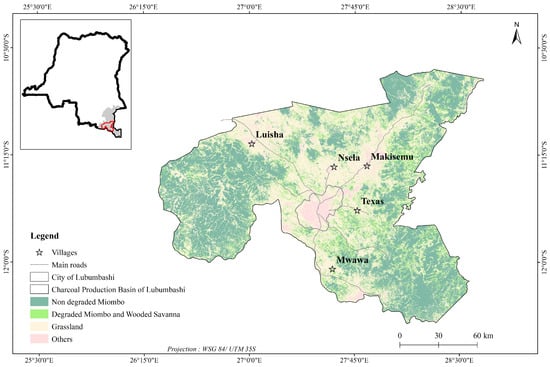
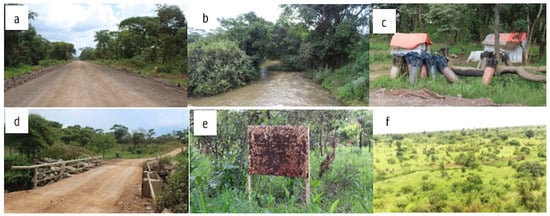
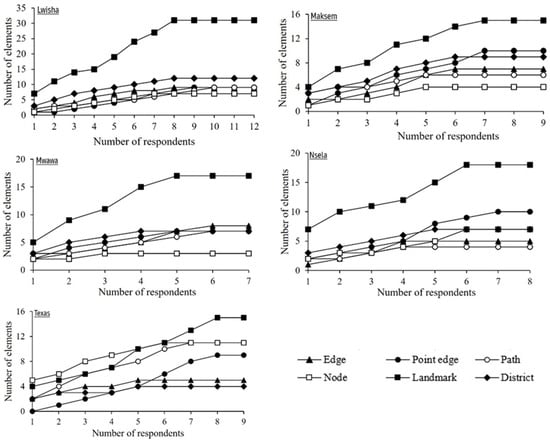
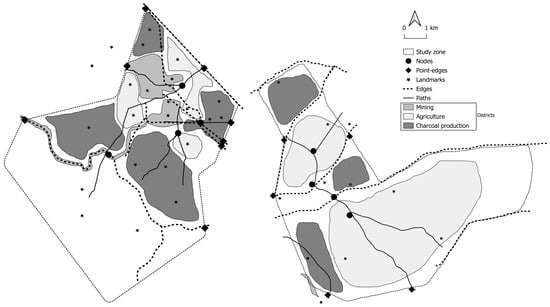
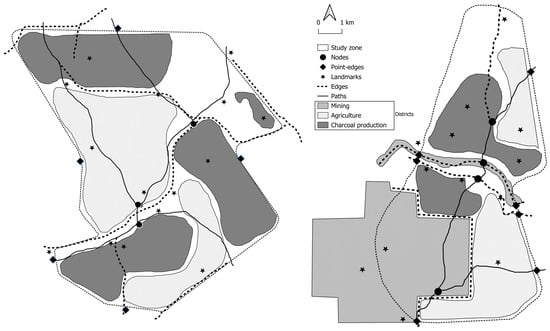
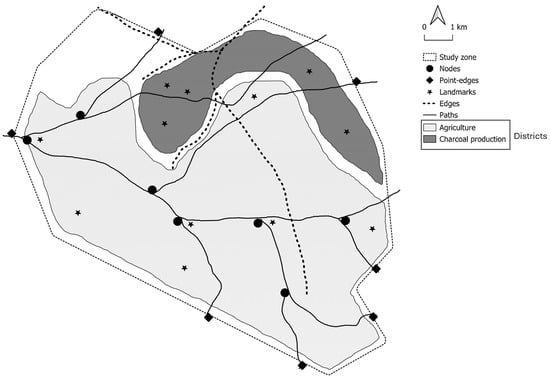
Village landscapes within an 80 km radius of Lubumbashi (south-eastern Democratic Republic of the Congo) are undergoing rapid spatial transformation driven by subsistence agriculture, charcoal production, and mining activities. This study analyzes how these transformations are spatially perceived and organized across five village territories of the Lubumbashi Charcoal Production Basin using an adapted version of Kevin Lynch’s perceptual model. Landscape elements were independently identified by trained cartographic observers and by local community members. A comparison of the resulting maps yields a Sørensen similarity index ranging between 70% and 75% across villages, indicating strong convergence in spatial interpretation despite differences in expertise. Among the perceptual components, districts and landmarks account for nearly half of all identified elements and comprise the most perceptible anthropogenic disturbances. Spatial analysis shows that areas perceived as negatively impacted represent between 40% and 79% of total village surfaces. Deforestation associated with post-cultivation fallow dominates in Makisemu (47.6%) and Texas (64.4%), while woodland degradation linked to charcoal production is particularly pronounced in Mwawa (39.0%) and Luisha (25.1%). Mining-related disturbances, including soil and water alteration, are especially evident in Nsela (24.6%). These findings demonstrate that Lynch’s framework, although originally developed for urban systems, can effectively structure perception in diffuse rural woodland environments when methodologically adapted. Perception-based cartography therefore provides a robust complementary tool to biophysical monitoring for understanding the spatial footprint of anthropogenic pressures at the village scale and informing ecosystem restoration strategies.
Full article
(This article belongs to the Special Issue Geography as a Transdisciplinary Science in a Changing World)
►▼
Show Figures

Figure 1
Open AccessArticle
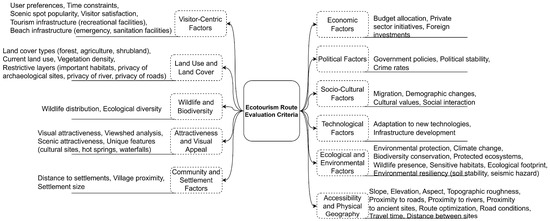
Spatial Multi-Criteria Evaluation of Ecotourism Route Suitability
by
Riyan Mohammad Sahahiri, Abdullah Alattas, Ahmad Fallatah and Ammar Mandourah
Geographies 2026, 6(1), 23; https://doi.org/10.3390/geographies6010023 - 25 Feb 2026
Abstract
►▼
Show Figures
This study intends to develop a GIS–AHP integrated framework to identify and analyze potential ecotourism routes between Jeddah and Alula, a corridor rich in ecological and cultural resources in Saudi Arabia. The research employed an integrated GIS and AHP methodology applying four criteria:
[...] Read more.
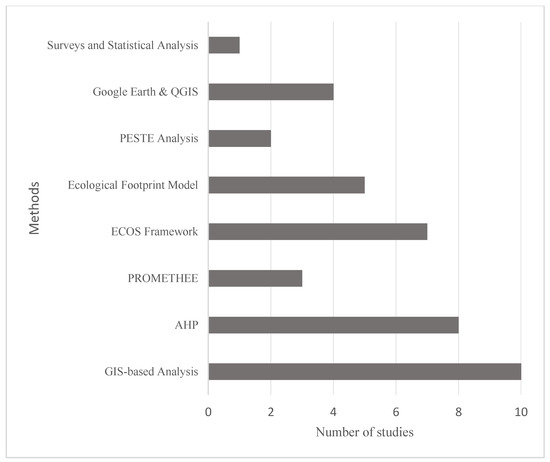
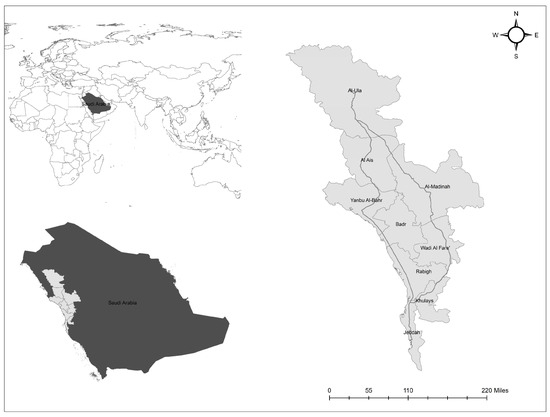
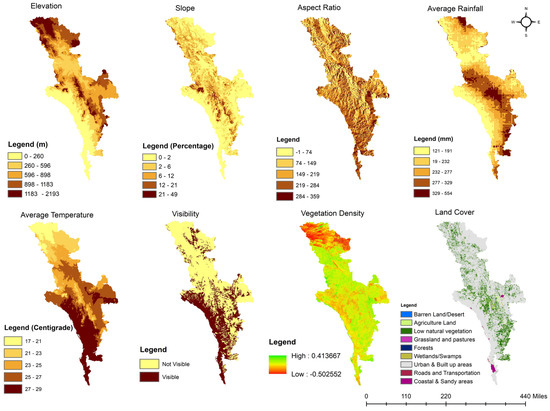
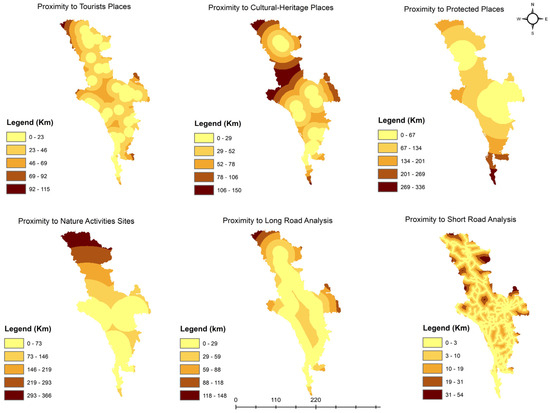
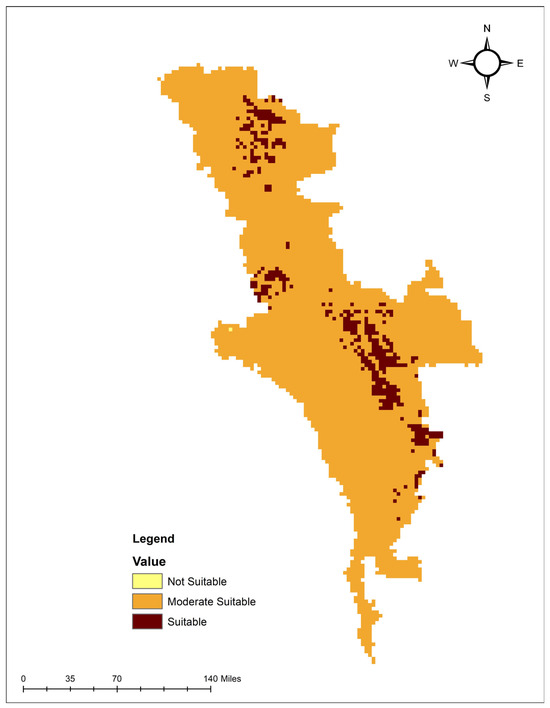
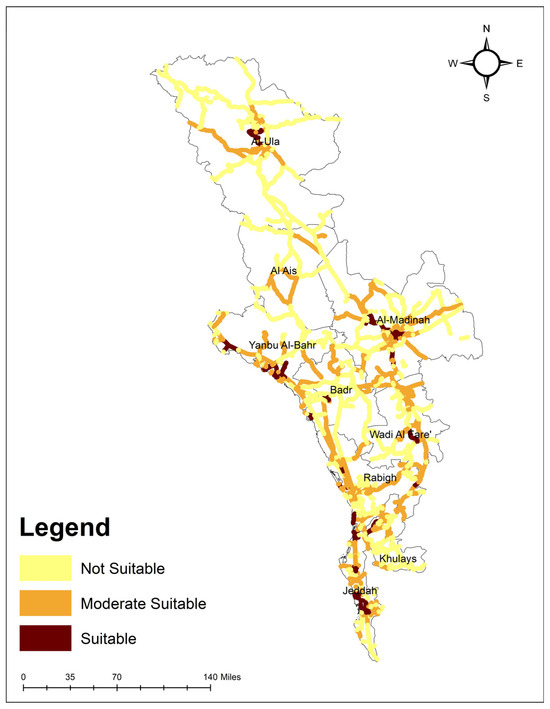
This study intends to develop a GIS–AHP integrated framework to identify and analyze potential ecotourism routes between Jeddah and Alula, a corridor rich in ecological and cultural resources in Saudi Arabia. The research employed an integrated GIS and AHP methodology applying four criteria: ecological, cultural, infrastructural, and socio-economic. The AHP provided a systematic method for allocating weights to criteria through expert assessment, while GIS facilitated the spatial analysis, standardization, and integration of diverse information into a unified suitability map. The results reveal considerable regional heterogeneity in ecotourism suitability along the corridor. Highland areas near Alula and Al-Madinah showed high suitability due to the favorable climate, vegetation, and scenic aspects, while arid interior zones were mostly low-suited. The regions surrounding Jeddah, Yanbu, and Alula prospered from significant cultural and infrastructural accessibility. Overall, 21.4% of the land and 19.6% of road parts were categorized as highly appropriate for ecotourism. The integrated model indicates that ecotourism route planning can be enhanced by integrating environmental sensitivity with infrastructural availability. The findings expand the theoretical and practical discussion on spatial decision-making in sustainable tourism, offering a comprehensive, reliable approach for identifying potential ecotourism routes.
Full article

Figure 1
Open AccessArticle
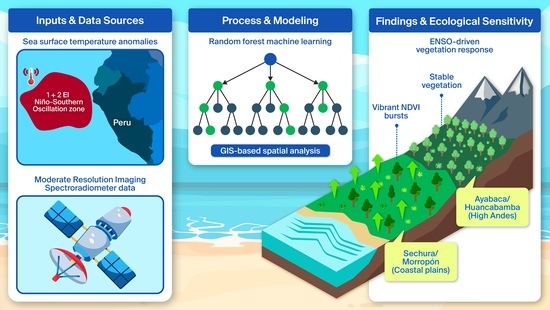
Assessing the Spatiotemporal Impact of ENSO on Coastal Vegetation in Peru Using Random Forest and MODIS Data
by
Rosmery Ramos-Sandoval, Ligia García, Luis Huatay-Salcedo, Denisse Chavez-Huaman, Jonathan Alberto Campos-Trigoso and Meliza del Pilar Bustos Chavez
Geographies 2026, 6(1), 22; https://doi.org/10.3390/geographies6010022 - 19 Feb 2026
Abstract
►▼
Show Figures
The spatial–temporal impact of the El Niño–Southern Oscillation (ENSO) phenomenon in Peru is characterised by marked regional variability, affecting the economy and general well-being. This study focuses on the Piura region, which is highly sensitive to ENSO events, with the aim of determining
[...] Read more.
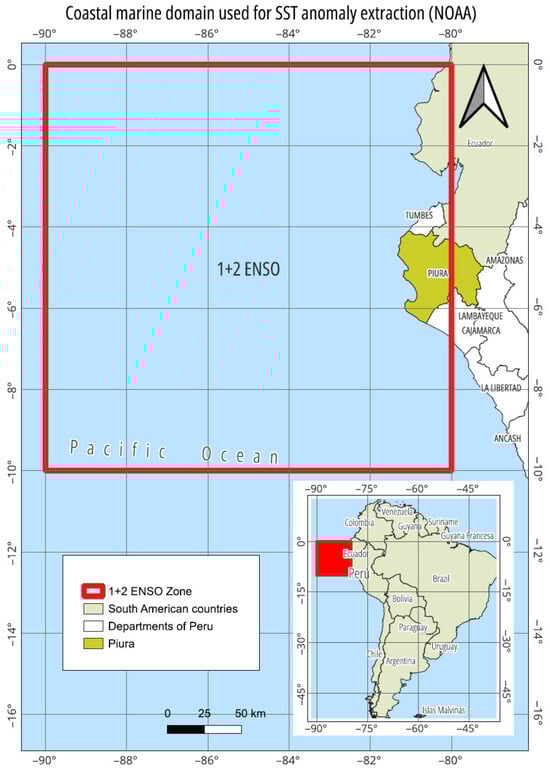
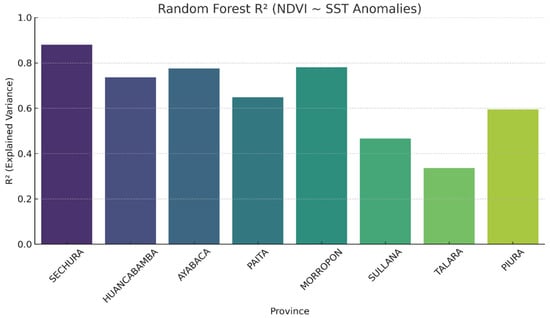
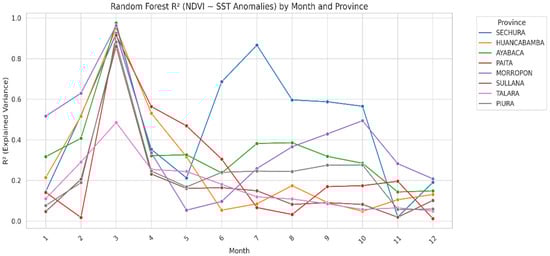
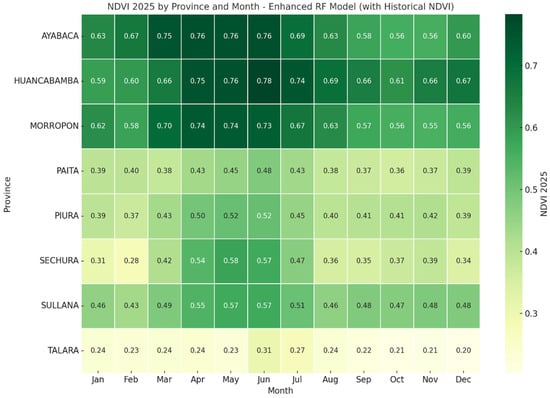
The spatial–temporal impact of the El Niño–Southern Oscillation (ENSO) phenomenon in Peru is characterised by marked regional variability, affecting the economy and general well-being. This study focuses on the Piura region, which is highly sensitive to ENSO events, with the aim of determining the implications for land management and climate adaptation in the Peruvian coastal region, particularly in the context of ENSO events. The objective of the study is to ascertain the correlation between sea surface temperature (SST) anomalies and the Normalised Difference Vegetation Index (NDVI) in the region. The researchers employed a machine learning approach to model and predict monthly NDVI behaviour, incorporating spatial and seasonal variables from the Moderate Resolution Imaging Spectroradiometer (MODIS) during two periods of ENSO occurrence on the Peruvian coast (2017; 2023) and the one-year post-occurrence periods (2018; 2024). The results demonstrated a correlation between NDVI and SST anomalies in coastal provinces such as Sechura and Morropón, indicating sensitivity to oceanic conditions. In contrast, high Andean provinces such as Ayabaca and Huancabamba exhibited more moderate values, indicating a weaker dependence on SST variability. The study also found that the NDVI exhibited a marked monthly variation associated with altitudinal gradients and climatic conditions. This research demonstrates the potential of remote sensing and GIS technologies in capturing climate-sensitive land-use dynamics and provides a framework for operational monitoring and decision support.
Full article

Graphical abstract
Open AccessArticle
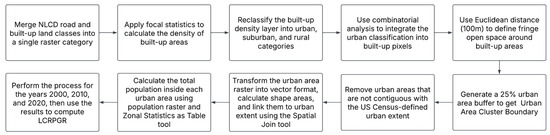
Urban Land Use Efficiency in the United States: Assessing UN 2030 Sustainable Development Goals
by
Md Farhan Ishrak, Adam J. Mathews, Jay L. Newberry and Wan Yu
Geographies 2026, 6(1), 21; https://doi.org/10.3390/geographies6010021 - 17 Feb 2026
Abstract
►▼
Show Figures
Urban expansion has intensified concerns regarding land use efficiency and sustainable urban development worldwide. Despite growing global application of Sustainable Development Goal (SDG) Indicator 11.3.1, comprehensive assessments within the United States (U.S.) remain limited. This study evaluates urban land use efficiency in the
[...] Read more.
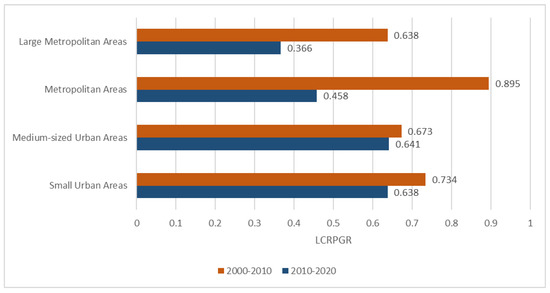
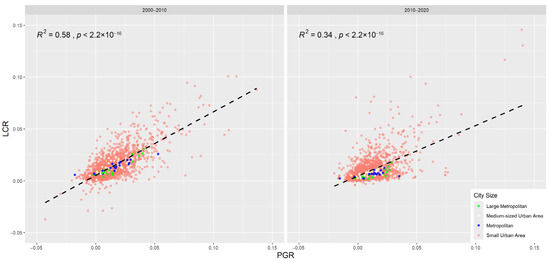
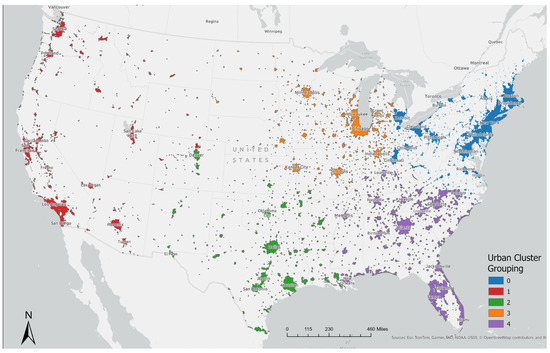
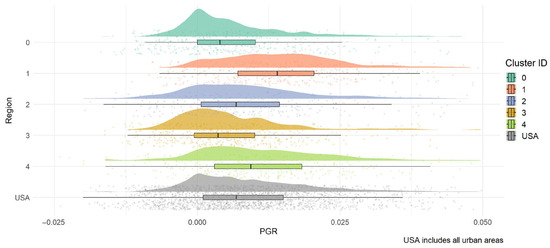
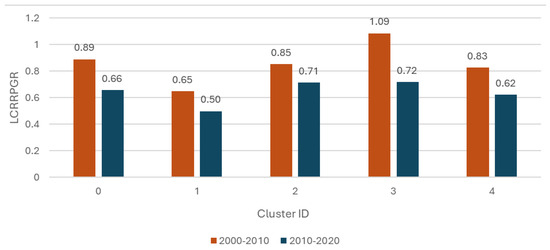
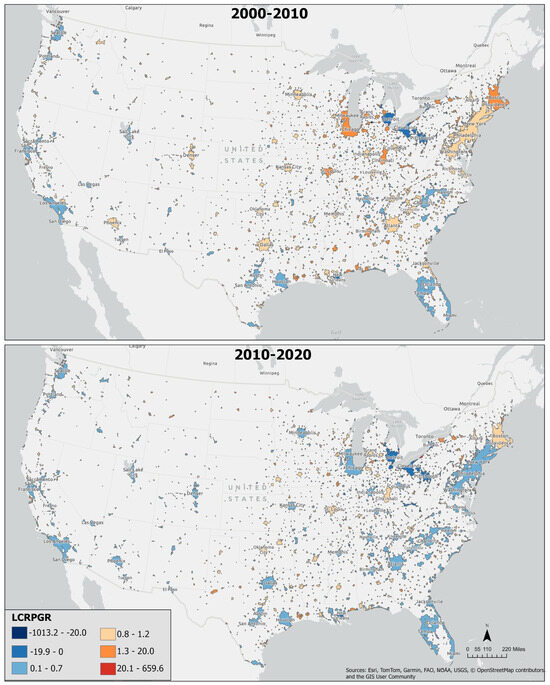
Urban expansion has intensified concerns regarding land use efficiency and sustainable urban development worldwide. Despite growing global application of Sustainable Development Goal (SDG) Indicator 11.3.1, comprehensive assessments within the United States (U.S.) remain limited. This study evaluates urban land use efficiency in the contiguous U.S. between 2000 and 2020 by examining the relationship between land consumption and population growth using the ‘Land Consumption Rate to Population Growth Rate’ (LCRPGR) framework. Urban land expansion and population change were derived from integrating impervious surface data with gridded population estimates, respectively, and the indicator was calculated for 2229 urban areas to evaluate temporal and regional patterns. Results show that urban land area increased by 23% over the study period, while population grew by 31%, indicating an overall shift toward denser urban development. The median LCRPGR declined from 0.84 during 2000–2010 to 0.63 during 2010–2020, reflecting improvements in land use efficiency, although notable regional disparities remain. Cluster analysis reveals distinct spatial growth patterns, with older metropolitan areas and western cities generally exhibiting more compact development. Findings demonstrate the applicability of SDG Indicator 11.3.1 for evaluating urban land use efficiency in a U.S. context and highlight the importance of coordinated spatial planning and policy measures to support sustainable urbanization.
Full article
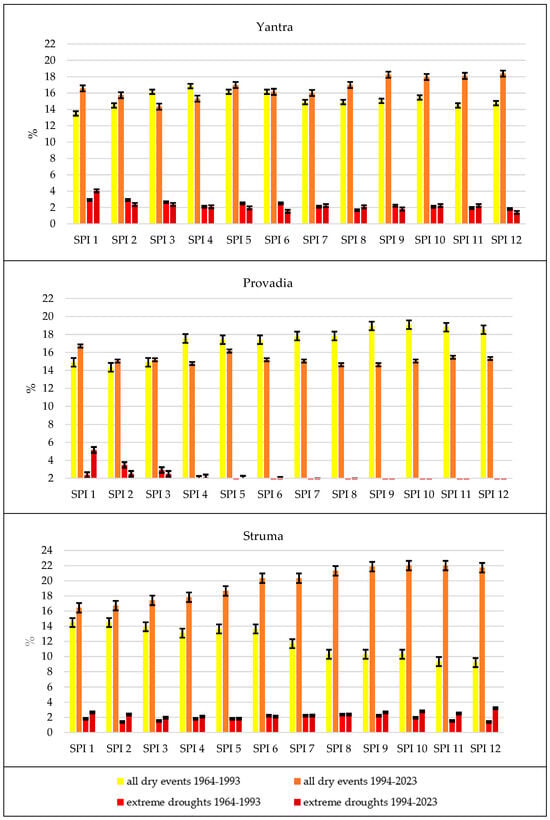
Figure 1
Open AccessArticle
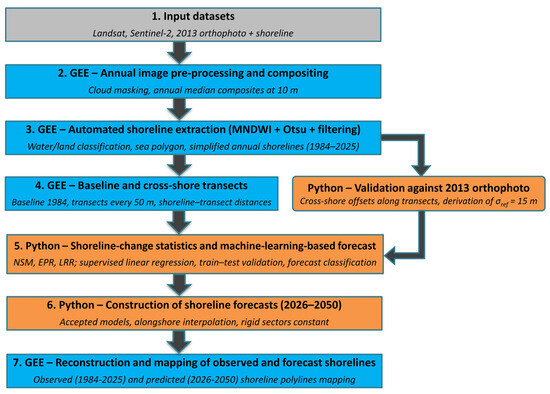
Multi-Decadal Coastal Erosion Assessment and Machine Learning-Based Forecasts from Multi-Mission Satellites: Application to the Ionian Coast of Basilicata (1984–2050)
by
Roberto Colonna and Silvano Fortunato Dal Sasso
Geographies 2026, 6(1), 20; https://doi.org/10.3390/geographies6010020 - 12 Feb 2026
Abstract
►▼
Show Figures
Coastal erosion is a growing concern along many Mediterranean sandy coasts, particularly where reduced fluvial sediment supply, relative sea-level rise and coastal development coincide. This study uses multi-mission Landsat 5/7/8/9 and Sentinel-2 data in Google Earth Engine to extract long-term shoreline series (1984–2025)
[...] Read more.
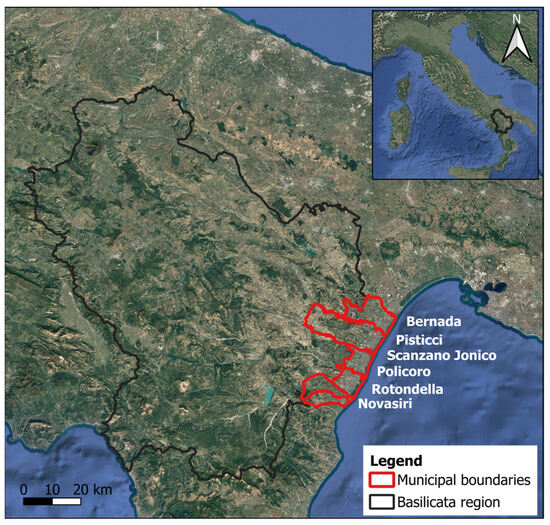
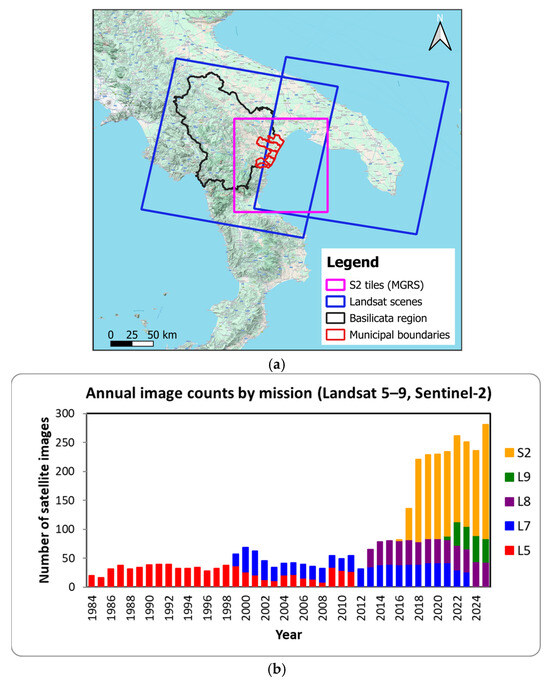
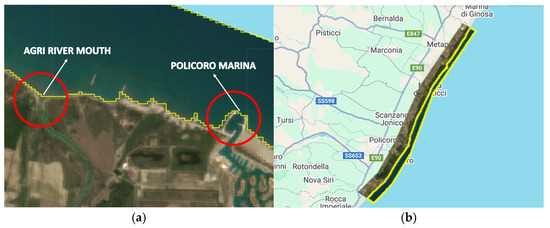
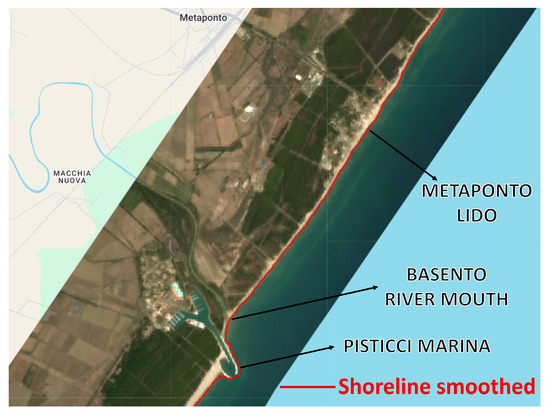
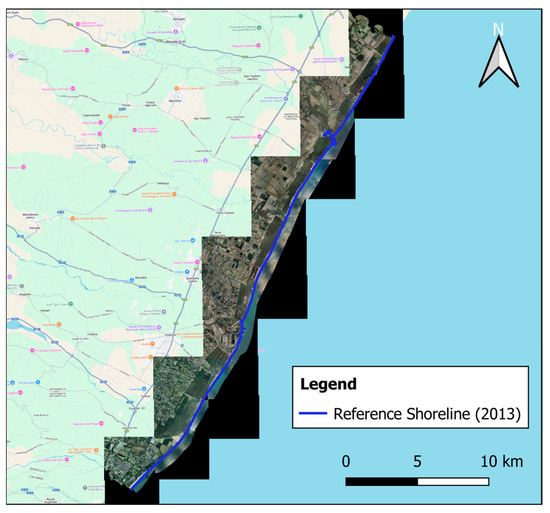
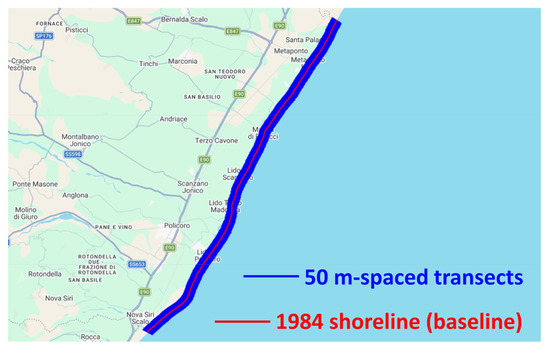
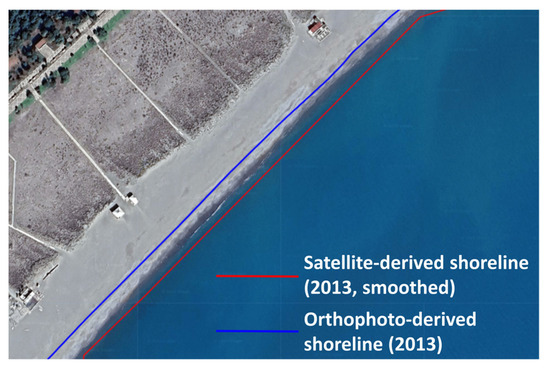
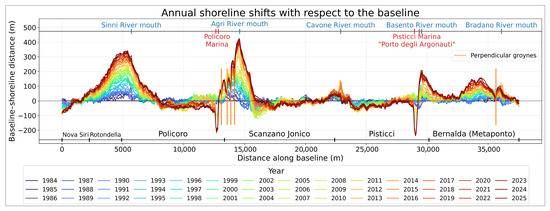
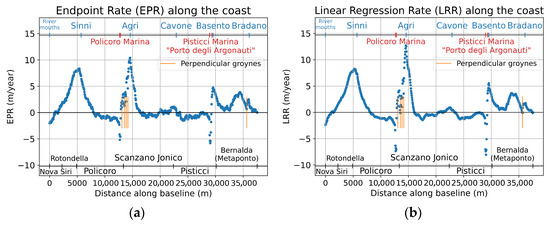
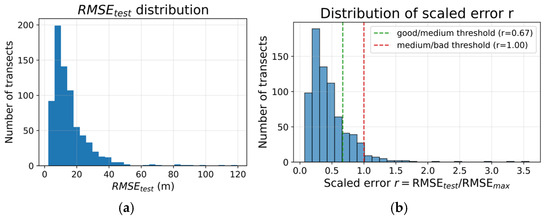
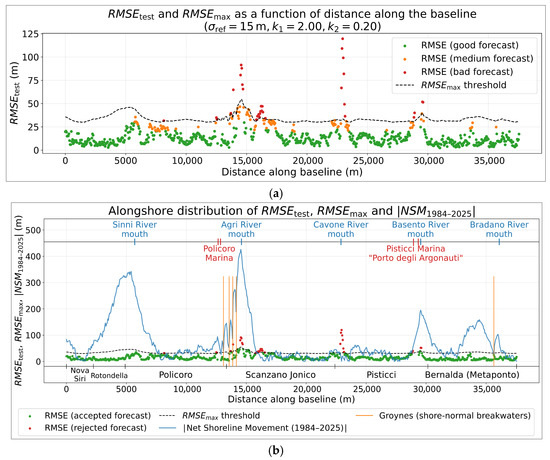
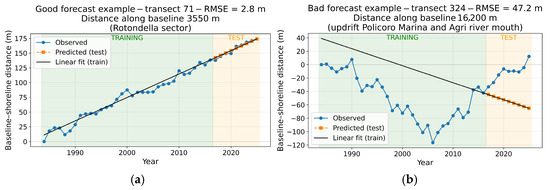
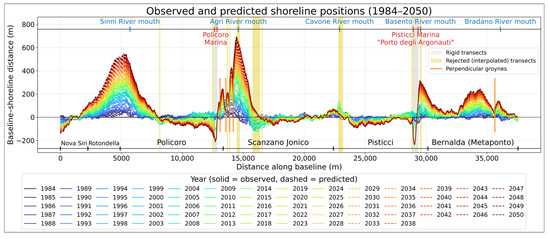
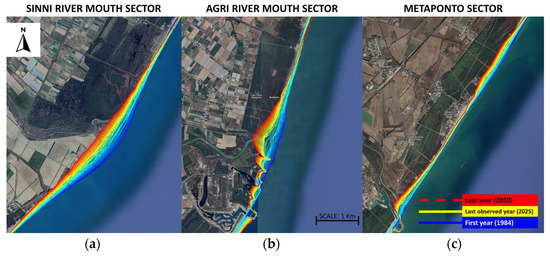
Coastal erosion is a growing concern along many Mediterranean sandy coasts, particularly where reduced fluvial sediment supply, relative sea-level rise and coastal development coincide. This study uses multi-mission Landsat 5/7/8/9 and Sentinel-2 data in Google Earth Engine to extract long-term shoreline series (1984–2025) from MNDWI-based composites. DSAS-style metrics quantify multi-decadal change, while a supervised linear regression forecasting model—validated against a 2013 orthophoto and an independent 2017–2025 test set using an RMSE-based acceptance criterion—is employed to forecast shoreline positions up to 2050. Using this framework, we reconstruct and forecast shoreline evolution along the ~38 km Ionian coast of Basilicata (southern Italy), a microtidal, sediment-starved littoral that has been affected by significant erosion over the past few decades, threatening natural habitats, infrastructure and economic activities. Results show pervasive erosion over the last four decades, with an average shoreline retreat of ≈47 m along the entire coast, and localized retreats exceeding 400 m, particularly at the mouths of the Agri and Sinni rivers and near the Metaponto sector. Forecasts, under linearity and trend-persistence assumptions, indicate further substantial retreat by 2050 in already critical sectors. Methodologically, this work provides a reproducible framework to inform scenario-based coastal planning in similar Mediterranean environments and the first multi-decadal, spatially continuous satellite-based analysis and machine learning-supported forecast for the Basilicata coast, offering a robust basis for regional coastal management.
Full article
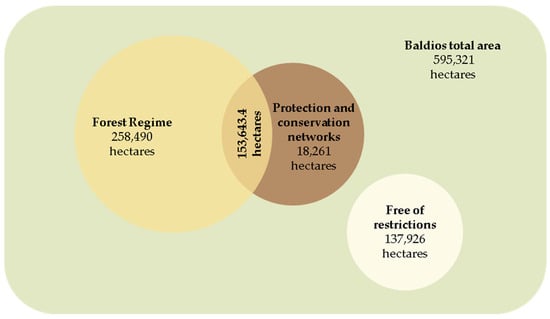
Figure 1
Open AccessArticle
Urban Expansion Trajectories and Landscape Ecological Risk in Terrain-Constrained Valley Cities: Evidence from Western China (1985–2023)
by
Yanzhe Sun, Ben Ma, Sha Zhao, Yaowen Xie, Yitao Yu and Wenle Hu
Geographies 2026, 6(1), 19; https://doi.org/10.3390/geographies6010019 - 9 Feb 2026
Abstract
►▼
Show Figures
Urbanization in mountainous valley regions is constrained by rigid topography, generating complex correlations between spatial growth and ecological security. The coupling between urban expansion and landscape ecological risk (ERI) was evaluated for six representative valley cities in western China from 1985 to 2023.
[...] Read more.
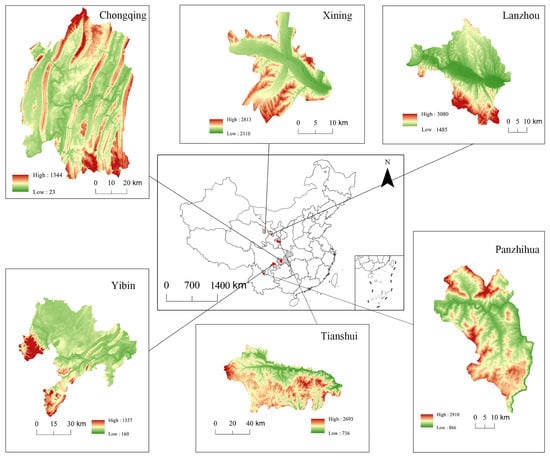
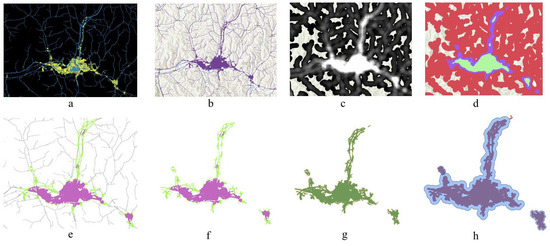
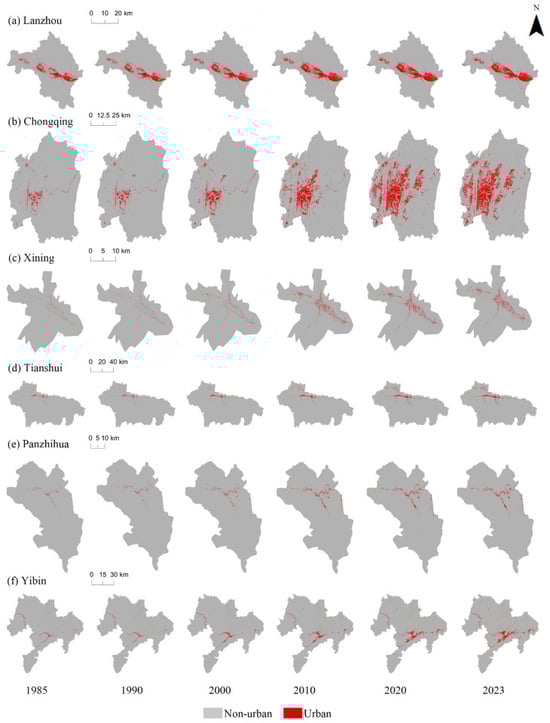
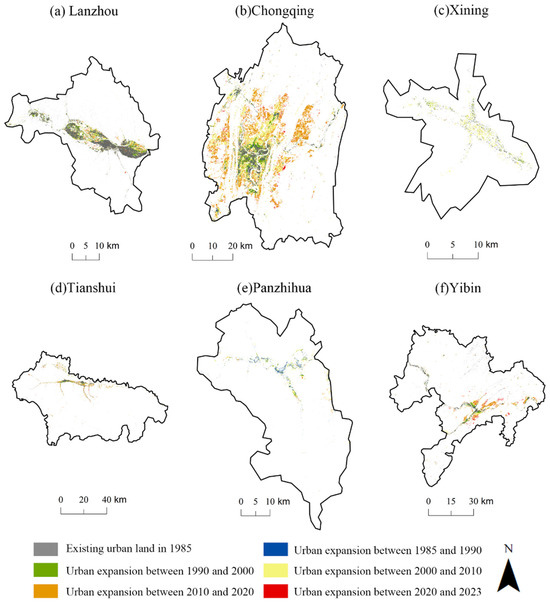
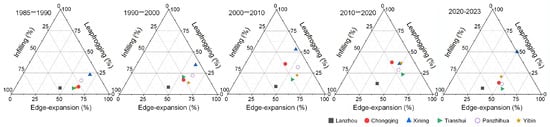
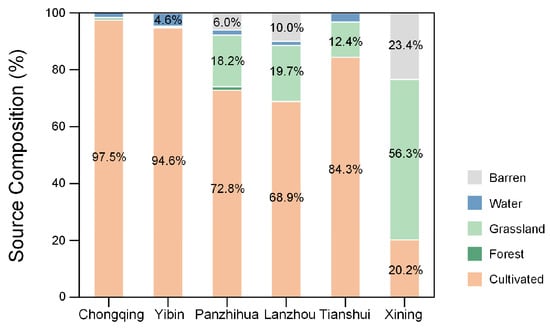
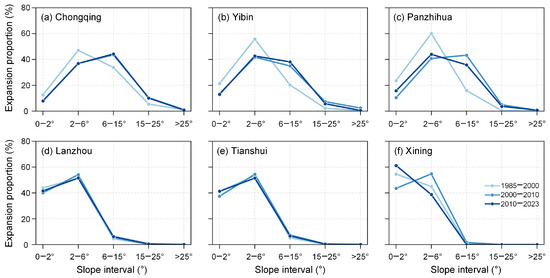
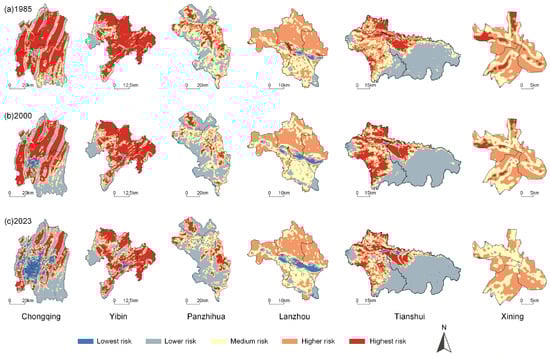
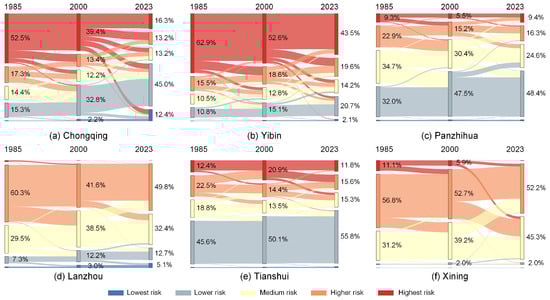
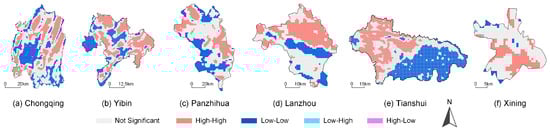
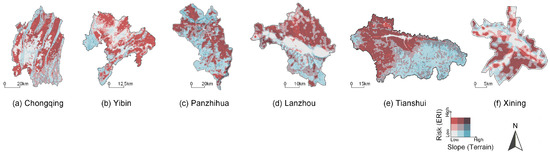
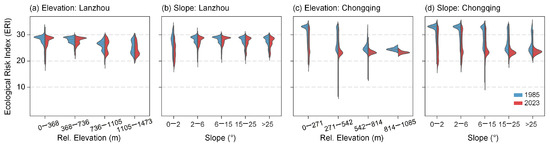
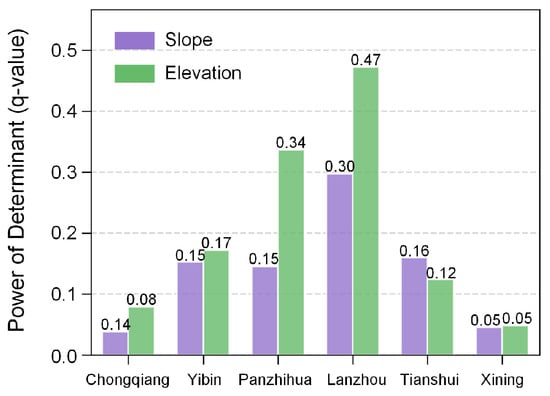
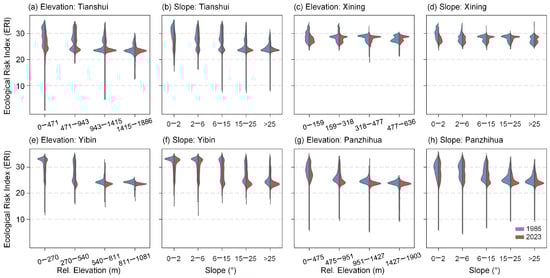
Urbanization in mountainous valley regions is constrained by rigid topography, generating complex correlations between spatial growth and ecological security. The coupling between urban expansion and landscape ecological risk (ERI) was evaluated for six representative valley cities in western China from 1985 to 2023. Annual land-cover data (CLCD) and fine-scale terrain models were integrated with expansion metrics, slope gradient analysis, and spatial statistics to identify growth trajectories and risk reorganization. Urban growth shifted from edge expansion to leapfrog development as valley floors became saturated. Two vertical trajectories emerged: a low-slope lock-in pattern (e.g., Lanzhou) where development remains largely on slopes < 6° and an uplift towards mid-slopes pattern (e.g., Chongqing), where expansion increasingly occurs on 6–25° terrain. ERI correspondingly showed three spatial typologies: valley contrast, heterogeneous mosaic, and high-risk background dominance. Although ERI generally declined, reflecting structural hardening with rising built-up land shares, the spatial clustering of risk remained stable. GeoDetector results indicate that terrain sets a baseline for ERI differentiation, but its explanatory power varies across cities and is often surpassed by land-cover composition. These findings support differentiated governance, requiring strict controls on slope disturbance in uplift cities and prioritizing corridor connectivity in lock-in cities.
Full article
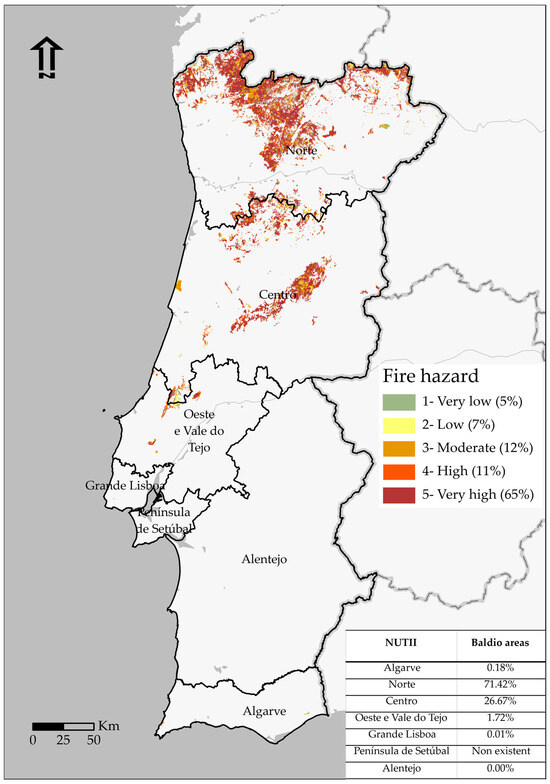
Figure 1
Open AccessArticle
The Impact of Poverty on Urban Sprawl in Developing Countries: A Case Study of the Jakarta Metropolitan Area
by
Arsan Nurrokhman, Delik Hudalah, Denny Zulkaidi and Nurrohman Wijaya
Geographies 2026, 6(1), 18; https://doi.org/10.3390/geographies6010018 - 7 Feb 2026
Abstract
►▼
Show Figures
The role of poverty, specifically the urban poor, in shaping the urban landscape is often solely linked to slums and informal settlements in urban centers. However, contrary to this common perception, this study aims to elucidate how urban poor residents contribute to shaping
[...] Read more.
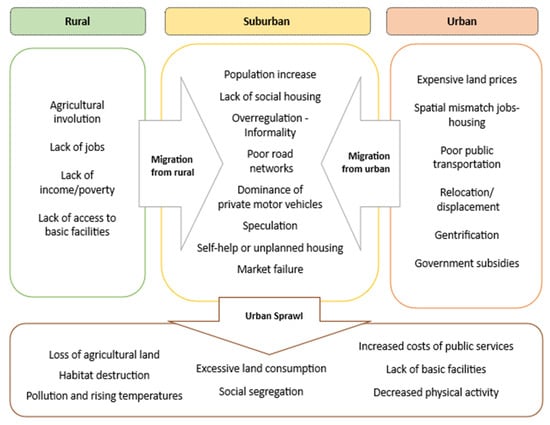
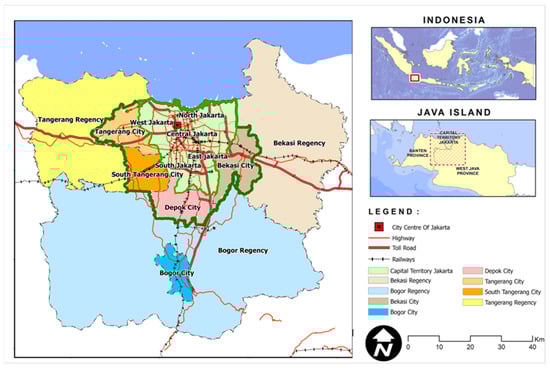
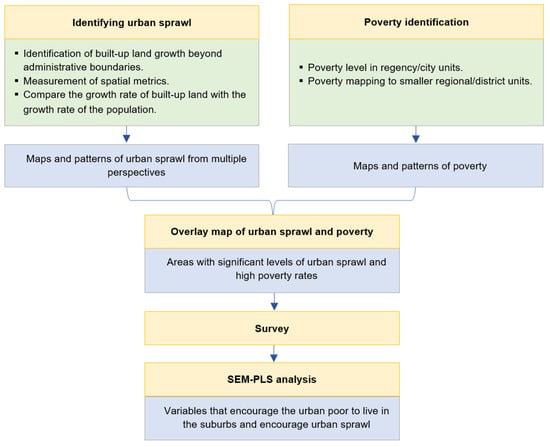
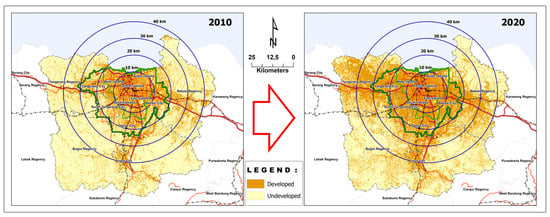
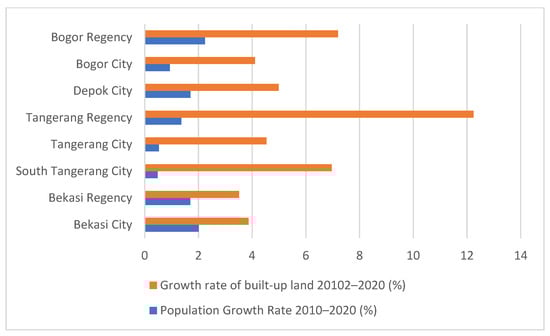
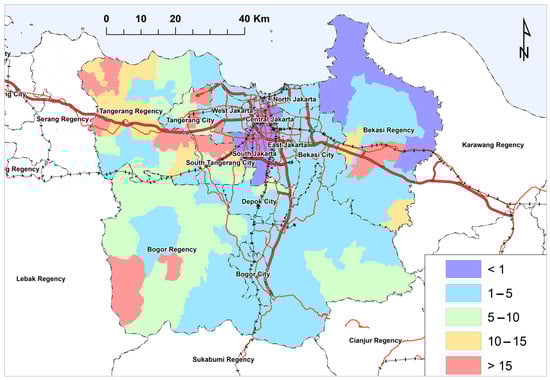
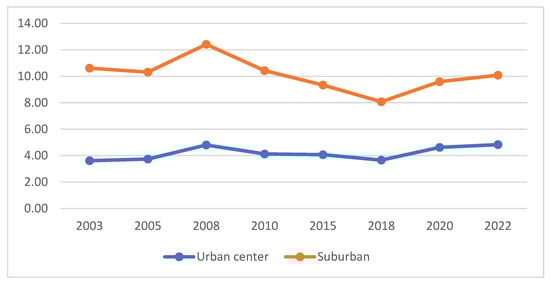
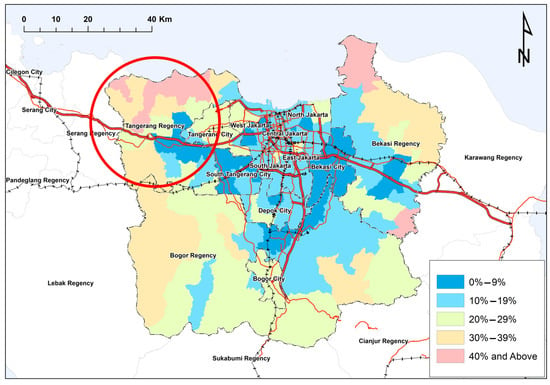
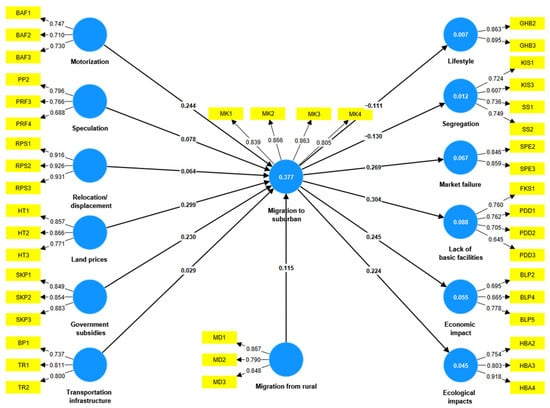
The role of poverty, specifically the urban poor, in shaping the urban landscape is often solely linked to slums and informal settlements in urban centers. However, contrary to this common perception, this study aims to elucidate how urban poor residents contribute to shaping urban sprawl in developing countries. After identifying patterns of urban sprawl and poverty in the Jakarta Metropolitan Area (JMA) in Indonesia, the study used the Structural Equation Model (SEM) method to analyze survey data from 195 respondents with a per capita income of less than USD 2.15 (IDR 34,000) daily in Tangerang Regency, a western suburb of the JMA. This study shows that urban sprawl and poverty concentration overlap. The urban poor contribute to urban sprawl by purchasing affordable land on the urban periphery, traveling there with their motorized vehicles, and taking advantage of government subsidies. However, rather than gaining more land, they face increased public service costs, a lack of basic facilities, and habitat destruction. Most respondents own their own homes, but almost half of the respondents (41.54%) state that these homes are less than 48 m2 in size. It can be concluded that economically vulnerable populations can contribute to urban sprawl when confronted with ineffective planning institutions.
Full article
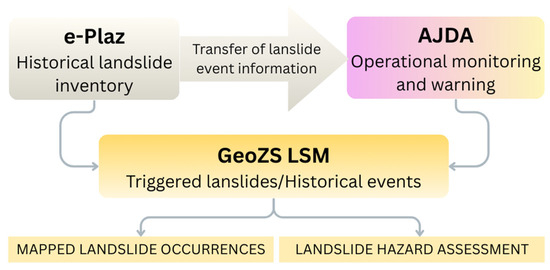
Figure 1
Highly Accessed Articles
Latest Books
E-Mail Alert
News
Topics
Topic in
Earth, Land, RSEE, Smart Cities, Economies, World, Geographies
Australasian Cities at the Crossroads: Navigating Legacy, Innovation & Sustainability
Topic Editors: Mirko Guaralda, Alessio Russo, Sara Alidoust, Sébastien DarchenDeadline: 30 June 2026
Topic in
Geographies, Geomatics, IJGI, Land, Urban Science, Sustainability
Spatial Decision Support Systems for Urban Sustainability
Topic Editors: Shivanand Balram, Raja Sengupta, Jorge RochaDeadline: 16 October 2026
Topic in
Land, IJGI, Urban Science, Geographies, Geomatics, Environments
Innovative Approaches in Geospatial Analysis and Modeling of Urban Environments
Topic Editors: Shivanand Balram, Eric Vaz, Suzana DragicevicDeadline: 31 March 2027
Topic in
IJERPH, IJGI, Remote Sensing, Informatics, Geographies, Sustainability
Applications of Spatial Science and Technology in Health Research, 2nd Edition
Topic Editors: Peng Jia, Yansong BaoDeadline: 31 May 2027
Conferences
Special Issues
Special Issue in
Geographies
Geography as a Transdisciplinary Science in a Changing World
Guest Editor: Karoly NemethDeadline: 15 July 2026
Special Issue in
Geographies
Large Language Models in Geographic Information
Guest Editors: Eliseo Clementini, Reinhard MoratzDeadline: 31 July 2026
Special Issue in
Geographies
Reimagining Cultural and Educational Spaces: Land, Learning and Sustainability in the Digital–Intelligent Age
Guest Editors: Xu Huang, Chun ChenDeadline: 30 September 2026
Special Issue in
Geographies
Feature Papers of Geographies in 2026
Guest Editors: Eliseo Clementini, Pedro CabralDeadline: 31 December 2026