

Journal Description
Healthcare
Healthcare
is an international, scientific, peer-reviewed, open access journal on health care systems, industry, technology, policy, and regulation, and is published semimonthly online by MDPI. The European Medical Association (EMA), Ocular Wellness & Nutrition Society (OWNS) and Italian Society of Nephrology Nurses (SIAN) are affiliated with Healthcare and their members receive discounts on the article processing charges.
- Open Access— free for readers, with article processing charges (APC) paid by authors or their institutions.
- High Visibility: indexed within Scopus, SCIE and SSCI (Web of Science), PubMed, PMC, and other databases.
- Journal Rank: JCR - Q1 (Health Policy and Services) / CiteScore - Q1 (Leadership and Management)
- Rapid Publication: manuscripts are peer-reviewed and a first decision is provided to authors approximately 21.5 days after submission; acceptance to publication is undertaken in 2.9 days (median values for papers published in this journal in the first half of 2026).
- Recognition of Reviewers: reviewers who provide timely, thorough peer-review reports receive vouchers entitling them to a discount on the APC of their next publication in any MDPI journal, in appreciation of the work done.
- Companion journals for Healthcare include: Trauma Care and European Burn Journal.
- Journal Cluster of Healthcare Sciences and Services: Geriatrics, Journal of Ageing and Longevity, Healthcare, Hospitals, Hygiene, International Journal of Environmental Research and Public Health and Nursing Reports.
Impact Factor:
3.4 (2025);
5-Year Impact Factor:
3.3 (2025)
Latest Articles
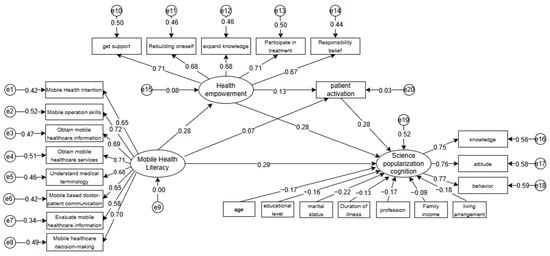
Association Between mHealth Literacy and Hypertension-Related KAP Among Older Adults with Hypertension: Chain-Mediating Roles of Health Empowerment and Patient Activation
Healthcare 2026, 14(14), 2115; https://doi.org/10.3390/healthcare14142115 (registering DOI) - 14 Jul 2026
Abstract
Background: As mobile health (mHealth) technologies become increasingly integrated into chronic disease management, understanding how mHealth literacy is associated with hypertension-related knowledge, attitudes, and practices (KAPs) is important. However, the psychosocial factors involved in this association remain unclear. This study aimed to examine
[...] Read more.
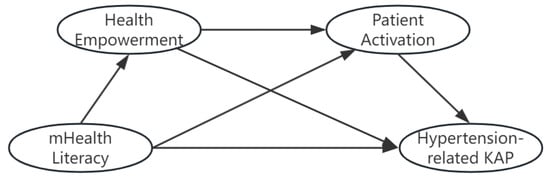
Background: As mobile health (mHealth) technologies become increasingly integrated into chronic disease management, understanding how mHealth literacy is associated with hypertension-related knowledge, attitudes, and practices (KAPs) is important. However, the psychosocial factors involved in this association remain unclear. This study aimed to examine the association between mHealth literacy and hypertension-related KAP among older adults with hypertension and to explore whether health empowerment and patient activation were involved in statistically significant indirect pathways. Methods: A cross-sectional survey was conducted among 1500 community-dwelling older adults with hypertension in Hebei Province, China, between December 2024 and June 2025. Data were collected using the Problem-Based mHealth Literacy Scale, the Health Empowerment Scale for Elderly Patients with Chronic Disease, the Patient Activation Measure, and the Community Elderly Hypertension Patients Health Science Popularization Cognitive Scale. Partial correlation analyses were performed after controlling for sociodemographic covariates. An adjusted structural equation model was used to examine the hypothesized indirect pathway structure, and indirect effects were tested using bootstrapping with 5000 resamples. Results: mHealth literacy was positively associated with hypertension-related KAP. The total effect of mHealth literacy on hypertension-related KAP was 0.399 (95% CI: 0.347–0.499), including a direct effect of 0.290 (95% CI: 0.238–0.341) and a total indirect effect of 0.108 (95% CI: 0.082–0.137). The indirect pathway through health empowerment was statistically significant and accounted for the largest proportion of the total effect (indirect effect = 0.079, 95% CI: 0.059–0.103). The indirect pathway through patient activation was also statistically significant (indirect effect = 0.019, 95% CI: 0.003–0.035), as was the sequential indirect pathway through health empowerment and patient activation (indirect effect = 0.010, 95% CI: 0.006–0.016). Conclusions: In this cross-sectional sample of older adults with hypertension, mHealth literacy was positively associated with hypertension-related KAP. The data were consistent with indirect associations involving health empowerment and patient activation, with the largest indirect association observed through health empowerment. These findings suggest that mHealth literacy and psychosocial self-management resources may both be relevant to hypertension-related KAP. Further longitudinal or intervention studies are needed to clarify the temporal and causal nature of these associations.
Full article
(This article belongs to the Section Public Health and Preventive Medicine)
►
Show Figures
Open AccessReview
Artificial Intelligence in Social Health: A Narrative Review of Uses, Advantages, Challenges, and Future Directions
by
Yousif M. Elmosaad
Healthcare 2026, 14(14), 2114; https://doi.org/10.3390/healthcare14142114 (registering DOI) - 14 Jul 2026
Abstract
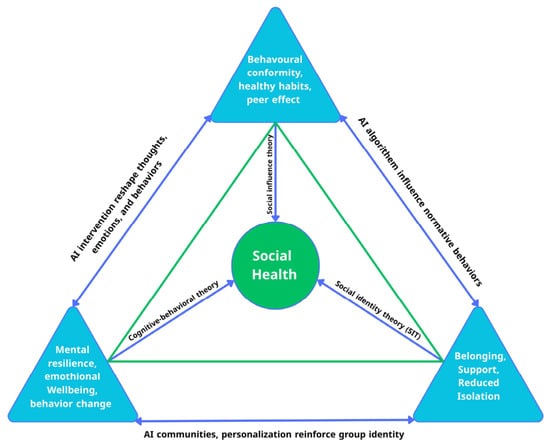
Artificial intelligence (AI) is deeply integrated into daily life. Emerging evidence suggests AI may help change the dynamics of social relationships by influencing social interactions, connectivity, and interpersonal relationships, and by providing new avenues for communication and contributing to improved social well-being. Therefore,
[...] Read more.
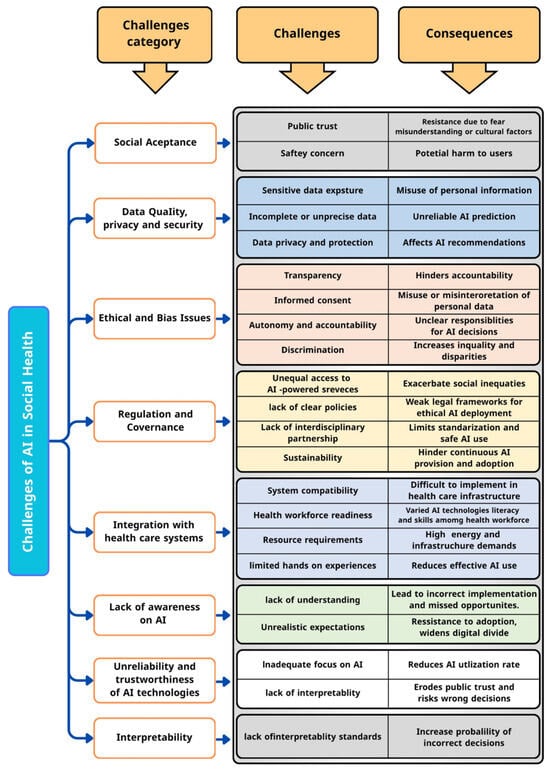
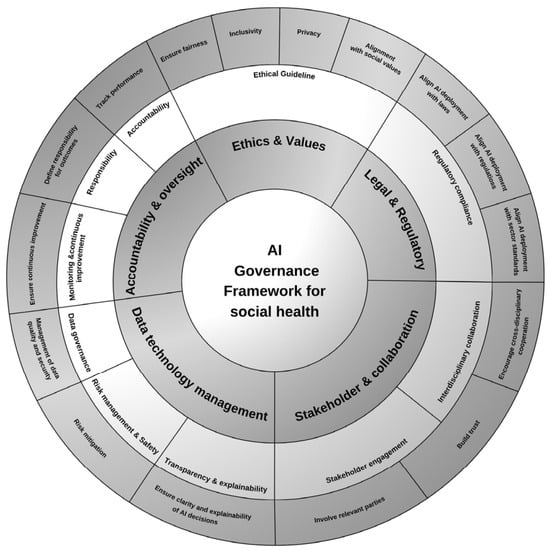
Artificial intelligence (AI) is deeply integrated into daily life. Emerging evidence suggests AI may help change the dynamics of social relationships by influencing social interactions, connectivity, and interpersonal relationships, and by providing new avenues for communication and contributing to improved social well-being. Therefore, this review aims to explore the potential of artificial intelligence (AI) technologies as a tool to enhance social health, focusing on current applications, advantages, challenges, and ethical considerations associated with their implementation, as well as opportunities for future development. The literature on the relationship between the connectedness of social health dimensions and AI as a tool to better understand how interactions with AI technologies may influence social well-being. In this current review, key terms such as “Artificial Intelligence”, “Social Health”, “social inequalities”, “AI algorithm”, “AI technology”, “social connection”, “digital communication”, “social participation”, “social support”, “social isolation”, “loneliness”, “mental wellbeing”, were used to search relevant literature on Google Scholar, PubMed, Scopus and Web of Sciences. In addition, relevant aspects of the multidimensional impacts of AI on social health dimensions are also discussed. The use of AI technologies by individuals within societies was found to hold profound potential to reshape social health through enhancing social relationships, bridging communication gaps in diverse populations, stimulating social dynamics, and understanding human emotions. It may contribute to reducing social inequalities, promoting equity, accommodating individual differences, and enhancing the effectiveness of many tasks in the social and health care systems through deep learning, natural language processing, and machine learning techniques. This reduces social exclusion and increases accessibility and quality of health and social services. However, AI has also posed distinguishable challenges to its adoption, specifically in terms of data quality, privacy and security, algorithmic bias, ethical issues, public trust and acceptance, and regulatory and policy gaps. Evidence suggests that building public trust in the future of AI in social health requires interdisciplinary collaboration among health providers and professionals, social scientists, community members, and policymakers. Such collaboration is crucial to ensure that AI platforms do not perpetuate social inequalities or biases by maintaining transparency, explainability, and demonstrated effectiveness. In conclusion, the integration of AI into social health dimensions holds promise for social health transformation. As we move forward, several key areas need to be addressed to develop a robust governance and regulatory framework, along with ethical guidelines to ensure privacy protection, respect for human rights, transparency, and the promotion of the common good.
Full article
(This article belongs to the Special Issue Artificial Intelligence and Public Health: From Predictive Models to Preventive Actions)
►▼
Show Figures

Figure 1
Open AccessArticle
Association Between Oral Frailty and Health Indicators Using Data from the 2023 Korea National Health and Nutrition Examination Survey: A Cross-Sectional Study
by
Seol-Hee Kim
Healthcare 2026, 14(14), 2113; https://doi.org/10.3390/healthcare14142113 (registering DOI) - 14 Jul 2026
Abstract
►▼
Show Figures
Background/Objectives: In this study, we aimed to investigate age-specific prevalence and patterns of oral frailty among Korean adults and examine its multidimensional associations with physical and mental health and health-related quality of life, from a life-course perspective. Methods: This cross-sectional study included
[...] Read more.
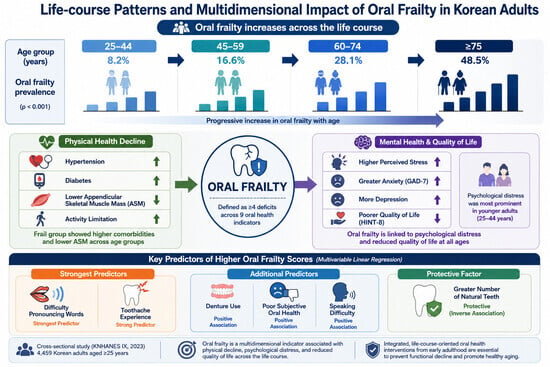
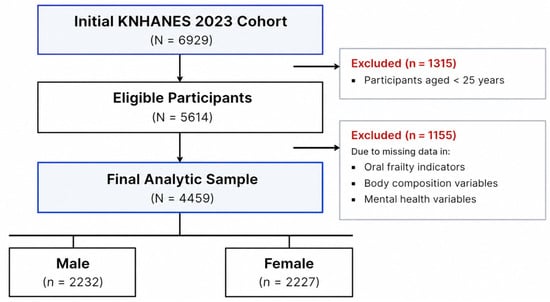
Background/Objectives: In this study, we aimed to investigate age-specific prevalence and patterns of oral frailty among Korean adults and examine its multidimensional associations with physical and mental health and health-related quality of life, from a life-course perspective. Methods: This cross-sectional study included 4459 adults aged ≥25 years from the 2023 Korea National Health and Nutrition Examination Survey. Oral frailty was defined as the presence of ≥4 deficits across 9 clinical and behavioral indicators. Associations of oral frailty with chronic diseases, appendicular skeletal muscle mass (ASM), psychological symptoms, and health-related quality of life were examined across age-stratified cohorts (25–44, 45–59, 60–74, and ≥75 years). Results: The prevalence of oral frailty was significantly higher in older age groups (8.2% at 25–44 years to 48.5% at ≥75 years, p < 0.001). Frail participants showed significantly higher prevalence of hypertension and diabetes and lower ASM, compared with non-frail participants. Difficulty pronouncing words and toothache experience showed the strongest contributions to the overall oral frailty score (p < 0.001). Oral frailty was also significantly associated with higher perceived stress and generalized anxiety, particularly among younger adults aged 25–44 years. Health-related quality of life was consistently lower in frail participants than in non-frail participants across all age groups (p < 0.001). Conclusions: Oral frailty is a multidimensional indicator associated with systemic aging, metabolic health, psychological distress, and reduced quality of life across the life course. These findings support the need for integrated, life-course-oriented oral health interventions beginning in early adulthood to prevent functional decline and promote healthy aging.
Full article

Graphical abstract
Open AccessArticle
Factors Associated with Delayed Diagnosis of Iron Deficiency Anemia in Egyptian Patients: A Retrospective Cohort Study
by
May AlMoshary, Ebtisam Bakhsh, Hadeer Ahmed Ali Esmaeil, Nahid Abdulhamid Qushmaq, Ahmad Ali Alharbi, Ekremah A. Alzarea, Ezeldine K. Abdalhabib and Mubarak Salem AlGhamdi
Healthcare 2026, 14(14), 2112; https://doi.org/10.3390/healthcare14142112 (registering DOI) - 14 Jul 2026
Abstract
►▼
Show Figures
Background/Objectives: Iron deficiency anemia (IDA) remains the most prevalent nutritional deficiency worldwide and a leading cause of years lived with disability, particularly in low-income countries. In Egypt, the burden is substantial and compounded by regional socioeconomic, nutritional, and parasitic factors. Despite this, the
[...] Read more.
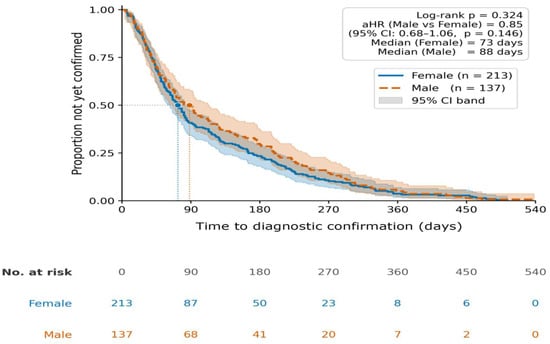
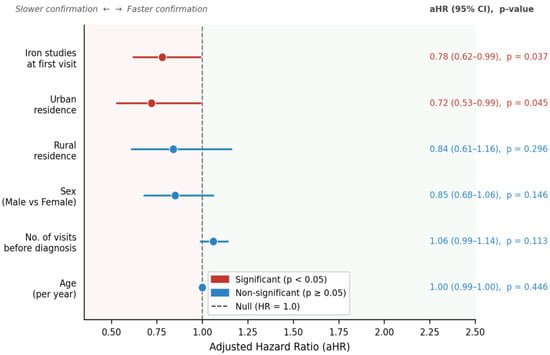
Background/Objectives: Iron deficiency anemia (IDA) remains the most prevalent nutritional deficiency worldwide and a leading cause of years lived with disability, particularly in low-income countries. In Egypt, the burden is substantial and compounded by regional socioeconomic, nutritional, and parasitic factors. Despite this, the predictors of diagnostic delay within the Egyptian healthcare system remain poorly characterized. This study aimed to quantify the extent of diagnostic delay among Egyptian patients with IDA and to identify the sociodemographic and clinical risk factors independently associated with prolonged time to diagnostic confirmation. Methods: A single-center retrospective cohort study was conducted at Al-Minia University Hospital, Egypt, between March and April 2026, enrolling 350 adults with confirmed IDA diagnosed between 2015 and 2025. “Diagnostic delay” was defined as the interval in days from the index date (the first documented abnormal complete blood count) to laboratory confirmation of iron deficiency by serum ferritin and/or transferrin saturation. Secondary outcomes included patient delay, system/testing delay, and etiology work-up delay. Time-to-event analysis was performed using Kaplan–Meier curves and Cox proportional hazards regression. All analyses were conducted in R version 4.4.0. Results: The cohort comprised 213 females (60.9%) and 137 males (39.1%), with a median age of 39 and 36 years, respectively. The median primary diagnostic delay was 76.0 days (IQR: 38.0, 182.8), with patient delay accounting for a median of 26.5 days and system/testing delay for 21.0 days. Overall, 155 patients (44.3%) experienced a diagnostic delay of more than 90 days. In the multivariable Cox model, urban residence (aHR = 0.69, 95% CI [0.53, 0.99], p = 0.045) was independently associated with a slower rate of diagnostic confirmation. Conclusions: Diagnostic delay in IDA is substantial in Egypt, driven by both patient-level symptom normalization and counterintuitive systemic bottlenecks. Urban residence was independently associated with prolonged time to diagnostic confirmation; ordering of iron studies at the first visit was associated with delay in bivariate analysis only and was not an independent predictor after multivariable adjustment. Targeted public health education, restructured primary care pathways, and improved laboratory turnaround times are essential to reduce this burden.
Full article

Figure 1
Open AccessSystematic Review
A Systematic Review of Healthcare Providers’ Approaches to Practices That Contribute to Secondary Victimization of Sexual Assault Survivors
by
Ashley M. Ruiz, Julia F. Hammett, Stefani N. Baca-Atlas, Kaylen M. Moore, Jennifer Weitzel, Mitchell Kirwan, Lucy Mkandawire-Valhmu and Kaboni Gondwe
Healthcare 2026, 14(14), 2111; https://doi.org/10.3390/healthcare14142111 (registering DOI) - 14 Jul 2026
Abstract
Background/Objectives: Secondary victimization (SV) following sexual assault (SA) is known to compound negative health outcomes for survivors seeking help within formal systems, such as healthcare. While there have been advances in preventing SV and support for SA survivors seeking help within healthcare, experiences
[...] Read more.
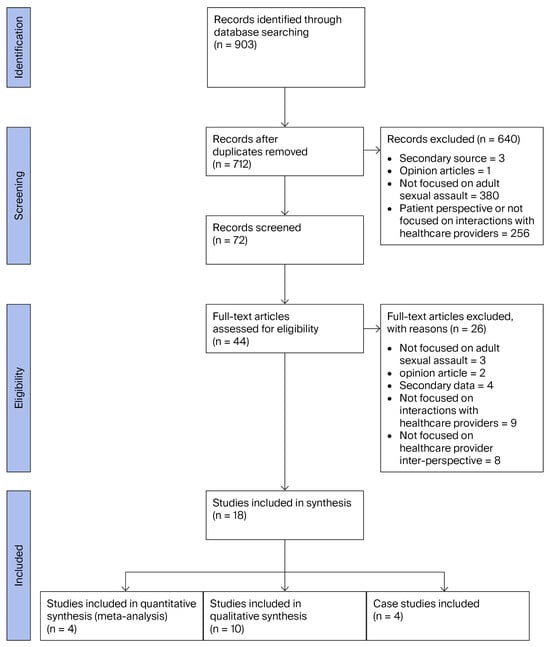
Background/Objectives: Secondary victimization (SV) following sexual assault (SA) is known to compound negative health outcomes for survivors seeking help within formal systems, such as healthcare. While there have been advances in preventing SV and support for SA survivors seeking help within healthcare, experiences of SV persist alongside worsening health disparities, particularly among disenfranchised populations of women. This literature review aims to examine the literature on HCP approaches to practices that may contribute to the SV of SA survivors. Methods: Following the PRISMA 2020 guidelines, the literature from three databases (PubMed, CINAHL Plus, and PsycINFO) was collected, followed by the screening of the titles, abstracts, and full texts of primary data sources available in full text and published in English between 2009 and 2022. The articles included for synthesis were appraised using the Johns Hopkins Nursing Evidence-Based Practice Model (JHNEBP), and the data extracted were analyzed using thematic analysis. Results: Four HCP approaches to practice were found to potentially contribute to the SV of SA survivors: (1) incomprehensive care in clinical practice; (2) a lack of collaboration between inter-agencies, healthcare organizations, interdisciplinary teams, and HCPs with SA survivors; (3) barriers to HCP training and preparedness to respond to SA; and (4) failures to implement trauma-informed care (TIC) frameworks. Conclusions: Based on these findings, we provide recommendations for the prevention and mitigation of the SV of SA survivors by integrating philosophical frameworks to guide healthcare practice, including person-centered care, trauma- and violence-informed care (TVIC), and cultural safety. We reflect on the current gaps identified from this systematic review and the need for future research to operationalize and measure SV after SA in healthcare.
Full article
(This article belongs to the Special Issue Women’s Sexual and Reproductive Health: Improving Health Disparities Through Nursing Science)
►▼
Show Figures

Figure 1
Open AccessArticle
Socio-Cultural Experiences of Exclusive Breastfeeding Among Banjar Mothers in Indonesia
by
Dina Aprilia, Afra Hafny Noer, Retno Hanggarani Ninin and Zahrotur Rusyda Hinduan
Healthcare 2026, 14(14), 2110; https://doi.org/10.3390/healthcare14142110 (registering DOI) - 14 Jul 2026
Abstract
Background: Exclusive breastfeeding is recognized as an effective public health intervention; however, its practice is shaped by complex social, emotional, and cultural dynamics, particularly within collectivist societies. This study aims to explore in depth the meaning of exclusive breastfeeding in the early
[...] Read more.
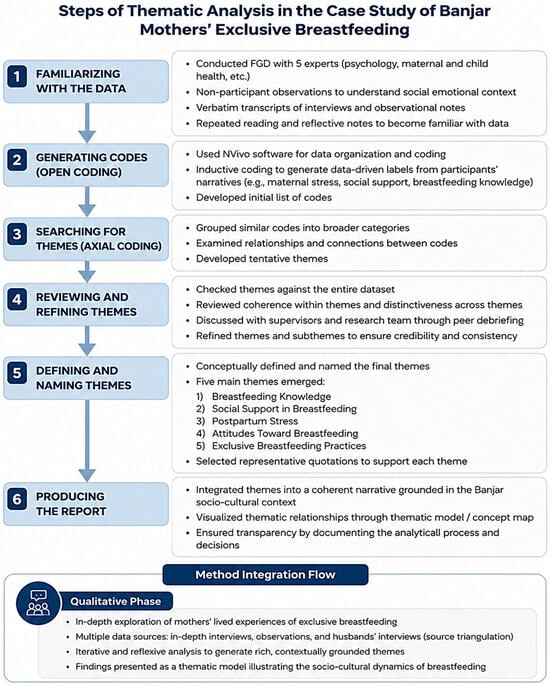
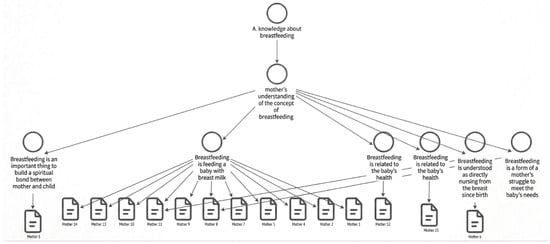
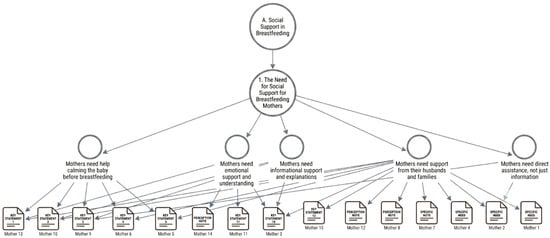
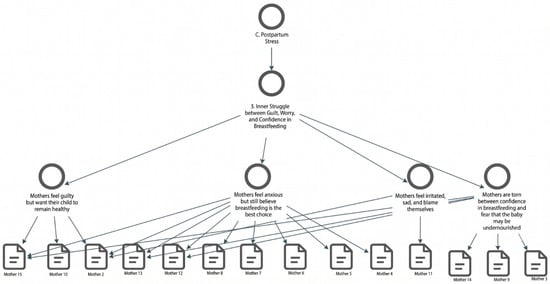
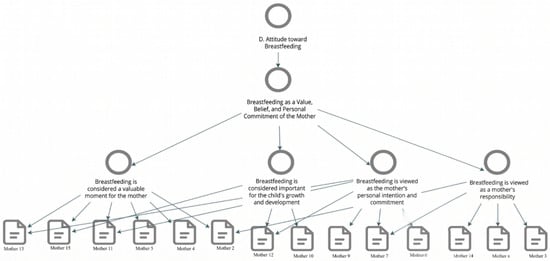
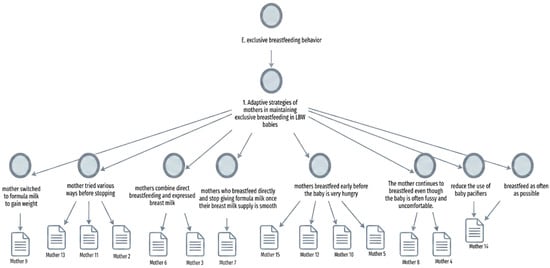
Background: Exclusive breastfeeding is recognized as an effective public health intervention; however, its practice is shaped by complex social, emotional, and cultural dynamics, particularly within collectivist societies. This study aims to explore in depth the meaning of exclusive breastfeeding in the early postpartum period within the socio-cultural context of the Banjar community with a focus on postpartum stress and the dynamics of social support. Methods: This qualitative study, grounded in a constructivist paradigm and designed as a case study, was conducted among 15 Banjar mothers aged 18–35 years with infants aged 0–6 weeks in Banjarmasin City and Banjar Regency, South Kalimantan, Indonesia. Data were collected through in-depth interviews and analyzed using thematic analysis following Braun and Clarke between May and August 2024. All interview data were translated and verified through collaborative review among bilingual researchers to ensure accuracy. Results: The analysis identified five main themes: breastfeeding knowledge, social support, postpartum stress, attitudes toward breastfeeding, and exclusive breastfeeding practices. Although some participants experienced formula introduction, breastfeeding practices were often described as efforts to maintain exclusive breastfeeding rather than continuous exclusive adherence. The findings reveal that breastfeeding is interpreted not only as nutritional provision but also as a relational, moral, and religious practice embedded within collectivist values and Islamic teachings. Social support is experienced as ambivalent, functioning as both a protective and normative force within extended family structures. Postpartum stress specifically related to breastfeeding emerges from limited early initiation of breastfeeding, surrounding formula-feeding dilemmas, and internal conflicts between feelings of guilt and commitment to breastfeeding. Maternal attitudes are shaped by personal commitment, religious beliefs, and critical reflections on medical interventions, while exclusive breastfeeding practices are enacted through adaptive strategies, breast milk management, and reinforcement from the social environment. Conclusions: This study provides a context-sensitive understanding of early postpartum exclusive breastfeeding as a culturally embedded maternal experience. By highlighting how social support, cultural expectations, postpartum stress, and maternal attitudes intersect to shape breastfeeding practices, the study contributes new insights for culturally grounded maternal health interventions in collectivist Muslim societies.
Full article
(This article belongs to the Topic Application of Biostatistics in Medical Sciences and Global Health)
►▼
Show Figures

Figure 1
Open AccessArticle
The Distribution, Accessibility, and Equity of Primary Care Facilities in China—A Nationwide Analysis Based on POI and High-Resolution Population Data
by
Zhongyu He, Lu Chen and Mohammad Ghairpour
Healthcare 2026, 14(14), 2109; https://doi.org/10.3390/healthcare14142109 (registering DOI) - 14 Jul 2026
Abstract
Background: Equitable and adequate access to primary care services is essential for reducing healthcare disparities and advancing social justice. In developing countries like China, achieving a balanced primary care provision across urban–rural divides, regions, and population groups represents a critical strategy for
[...] Read more.
Background: Equitable and adequate access to primary care services is essential for reducing healthcare disparities and advancing social justice. In developing countries like China, achieving a balanced primary care provision across urban–rural divides, regions, and population groups represents a critical strategy for improving public health outcomes. Methods: This study integrates high-resolution population data, nationwide point of interest (POI) data, and aggregated individual survey data to analyze the spatial distribution of primary care facilities in China, evaluate their accessibility and equity, and examine the relationships among primary care accessibility, socioeconomic factors, and public health outcomes using geographic analysis and machine-learning methods. Results: (1) Primary care facilities in China exhibit significant spatial clustering and pronounced urban–rural disparities, with 23% of the urban population having access within walking distance; (2) while horizontal equity in primary care accessibility is relatively well-maintained for China’s aging population, vertical equity requires substantial improvement; and (3) primary care accessibility demonstrates significant but nonlinear associations with key socioeconomic indicators, including urban population size, GDP, built-up area, health insurance coverage, and public expenditure. Conclusions: These findings provide valuable insights for health resource allocation and urban planning policies aimed at achieving equitable primary care access.
Full article
Open AccessSystematic Review
Platelet-Rich Plasma for Wound Healing and Scar Outcomes After Cesarean Section: A Systematic Review and Meta-Analysis
by
Ana-Maria Brezeanu, Dragos Brezeanu and Vlad-Iustin Tica
Healthcare 2026, 14(14), 2108; https://doi.org/10.3390/healthcare14142108 (registering DOI) - 14 Jul 2026
Abstract
Background: Cesarean section (CS) is one of the most frequently performed surgical procedures worldwide, with postoperative wound complications and suboptimal scarring contributing to maternal morbidity. Platelet-rich plasma (PRP) has been proposed as a regenerative adjunct; however, existing evidence remains heterogeneous and incompletely synthesized.
[...] Read more.
Background: Cesarean section (CS) is one of the most frequently performed surgical procedures worldwide, with postoperative wound complications and suboptimal scarring contributing to maternal morbidity. Platelet-rich plasma (PRP) has been proposed as a regenerative adjunct; however, existing evidence remains heterogeneous and incompletely synthesized. Objectives: The purpose of this review was to evaluate the efficacy and safety of PRP for wound healing and scar outcomes after cesarean section, including uterine scar healing outcome Methods: This systematic review and meta-analysis was conducted according to PRISMA 2020 guidelines and prospectively registered in PROSPERO (CRD420261383413). Major databases were searched from inception to April 2026 for randomized controlled trials (RCTs) evaluating PRP versus standard care in women undergoing CS. Primary outcomes included scar quality (POSAS) and early wound healing (REEDA), while secondary outcomes included pain (VAS), Vancouver Scar Scale (VSS), and uterine scar parameters. Random-effects models were used, and risk of bias and certainty of evidence were assessed using established tools. Results: Five RCTs (n = 366) were included in the quantitative synthesis. PRP was associated with improved patient-reported scar quality (POSAS-patient: SMD −0.50, 95% CI −0.83 to −0.17) and clinician-assessed scar quality (POSAS-observer: SMD −0.42, 95% CI −0.75 to −0.10), as well as reduced early wound inflammation (REEDA: SMD −0.52, 95% CI −0.84 to −0.20), with low statistical heterogeneity. No significant reduction in early postoperative pain was observed (VAS: SMD −0.22, 95% CI −0.50 to 0.06). Evidence regarding uterine scar outcomes was limited and imprecise. No PRP-related adverse events were reported. Conclusions: Intraoperative PRP may improve scar quality and early wound healing following cesarean section while not significantly affecting early postoperative pain. Given the limited number of RCTs and variability in PRP protocols, these findings should be interpreted with caution. Further well-designed, adequately powered trials with standardized methodologies are required to confirm clinical effectiveness and long-term outcomes.
Full article
Open AccessCase Report
The “B.U.M.P.” Concept: Combined Prosthetic and Surgical Approach in Esthetic Immediate Implant Placement: A Case Report
by
Giacomo Dallari, Valentina Bentivogli, Jonathan Esquivel, Matteo Sangiorgi, Ilham Mounssif, Lorenzo Breschi, Giovanni Zucchelli and Martina Stefanini
Healthcare 2026, 14(14), 2107; https://doi.org/10.3390/healthcare14142107 (registering DOI) - 14 Jul 2026
Abstract
Background/Objectives: Immediate implant placement in the esthetic zone is increasingly preferred due to its advantages for patient comfort and reduced treatment time. However, maintaining peri-implant soft tissue volume and preserving or reconstructing the interdental papilla remain significant clinical challenges. This report aims to
[...] Read more.
Background/Objectives: Immediate implant placement in the esthetic zone is increasingly preferred due to its advantages for patient comfort and reduced treatment time. However, maintaining peri-implant soft tissue volume and preserving or reconstructing the interdental papilla remain significant clinical challenges. This report aims to describe a clinical protocol designed to enhance peri-implant soft tissue stability and promote papilla regeneration following immediate implant placement. Methods: This article presents a clinical case managed through a combined mucogingival and prosthetic approach. The protocol included digital planning for implant positioning, immediate implant placement, and a connective tissue graft to support peri-implant soft tissues. Particular attention was given to the design and progressive modification of the provisional restoration. Targeted additions of composite material were applied in the under-proximal areas of the provisional crown to create controlled pressure at the base of the papilla, aiming to stimulate soft tissue adaptation and growth. Results: The progressive “bumping” technique applied to the provisional crown promoted the gradual growth of the interdental papilla and complete closure of the interproximal spaces. Clinical and radiographic follow-up showed stable peri-implant soft tissues, adequate tissue volume, and highly satisfactory esthetic outcomes. Conclusions: This report represents an initial proof of concept that highlights the importance of integrating precise surgical techniques, customized prosthetic contouring, and digital workflows to achieve predictable soft tissue management in immediate implant placement. This combined approach may contribute to improved papilla formation and enhanced esthetic outcomes. Further prospective studies are needed to confirm the reproducibility and clinical advantages of this protocol.
Full article
(This article belongs to the Special Issue Contemporary Treatment and Management of Periodontal and Peri-Implant Diseases and Conditions)
Open AccessSystematic Review
Conversational AI in Cognitive and Social Training for People with Dementia: A Systematic Review
by
Mark K. K. Chan, Peter H. F. Ng and Karen P. Y. Liu
Healthcare 2026, 14(14), 2106; https://doi.org/10.3390/healthcare14142106 (registering DOI) - 14 Jul 2026
Abstract
Background: Conversational artificial intelligence (AI), including text-based chatbots, voice-based agents, multimodal systems, and socially assistive robots (SARs), offers a scalable adjunct to therapist-led dementia care. The post-2022 emergence of large language models (LLMs) has accelerated development, yet few reviews apply a unified conversational
[...] Read more.
Background: Conversational artificial intelligence (AI), including text-based chatbots, voice-based agents, multimodal systems, and socially assistive robots (SARs), offers a scalable adjunct to therapist-led dementia care. The post-2022 emergence of large language models (LLMs) has accelerated development, yet few reviews apply a unified conversational AI taxonomy across dementia care. This review synthesized the effectiveness, limitations, and implementation challenges of conversational AI across the dementia care continuum. Methods: Six databases (PubMed, Embase, Web of Science, Scopus, IEEE Xplore, ACM Digital Library) were searched for English-language studies (January 2010–March 2026) evaluating conversational AI targeting cognitive, social, or caregiver outcomes. Two reviewers independently screened and extracted data following PRISMA 2020 guidelines; risk of bias used standard tools and findings were synthesized narratively. Protocol: PROSPERO CRD420261333625. Results: Forty studies (8 randomized controlled trials [RCTs], 32 non-randomized) were included. SARs were the largest category (n = 24; 60.0%), followed by text-based chatbots (n = 12; 30.0%), multimodal systems (n = 3; 7.5%), and voice-based chatbots (n = 1; 2.5%). The strongest cognitive evidence came from a social robot RCT (gain of 3.9 points on a 30-point screening measure (p < 0.001). For caregivers, an international RCT (n = 274) showed significant reductions in depression (d = 0.37) and burden (d = 0.34). LLM-based systems produced an 18-fold increase in conversation duration. Speech recognition failure was the most consistently reported technical barrier. Conclusions: Conversational AI shows directional benefit across cognitive, social, and caregiver outcomes. Critical research gaps remain regarding voice-only randomized evidence and adequately powered LLM trials against usual care.
Full article
(This article belongs to the Special Issue AI-Driven Healthcare: Transforming Patient Care and Outcomes)
Open AccessArticle
Impact of Legal Protection on Life-Support Interventions and 3-Month Mortality in the Intensive Care Unit: The Vulne-Rea Study
by
Jean-Pierre Quenot, Eléa Ksiazek, Isabelle Fournel, Anne-Sophie Mariet, Léa Lerosey, Marine Jacquier, Ludivine Garrier, Nicolas Meunier-Beillard, Fiona Ecarnot, Marie Labruyère, Alicia Taha, Pascal Andreu, Jean-Baptiste Roudaut, Thomas Maldiney and Jean-Philippe Rigaud
Healthcare 2026, 14(14), 2105; https://doi.org/10.3390/healthcare14142105 (registering DOI) - 14 Jul 2026
Abstract
Background/Objectives: Adults under legal protection experience management delays and prolonged hospitalization. This study investigated whether ICU outcomes differ between patients with versus without legal protection. Methods: This retrospective, single-center study evaluated patients admitted to a French ICU (July 2015–July 2023). Protected patients were
[...] Read more.
Background/Objectives: Adults under legal protection experience management delays and prolonged hospitalization. This study investigated whether ICU outcomes differ between patients with versus without legal protection. Methods: This retrospective, single-center study evaluated patients admitted to a French ICU (July 2015–July 2023). Protected patients were compared to autonomous controls matched 1:3 by age and admission year. Results: Of the 1051 patients included, 266 (25.3%) were under legal protection. The protected group had a higher proportion of women (43.2% vs. 35.7%, p = 0.025), received renal replacement therapy less frequently (8.6% vs. 15.4%, p = 0.007), and required non-invasive ventilation more frequently (25.2% vs. 17.2%, p = 0.004) than controls. Three-month mortality was 38.7% in controls versus 33.1% in protected patients, showing no significant difference after multivariable adjustment for 6 prespecified clinical variables (aOR 0.816, 95% CI 0.564 to 1.180). In the adjusted model, higher SAPS II scores and vasopressor use were significantly associated with increased 3-month mortality, whereas non-invasive ventilation and non-respiratory admission indications (sepsis, renal failure, trauma) were associated with decreased mortality. Conclusions: No significant association was observed between the presence of a legal protection measure prior to ICU admission and 3-month patient mortality. However, these results must be interpreted with caution due to a potential lack of statistical power. Additionally, legally protected patients were observed to receive renal replacement therapy less frequently, whereas non-invasive ventilation was utilized more frequently. Within this context, further research is required to evaluate the impact of legal protection status on the formal collegial deliberations that lead to decisions regarding the limitation of life-sustaining treatments.
Full article
Open AccessArticle
A Descriptive Pilot Assessment of Simple Outpatient Functional Measures Following SARS-CoV-2 Infection in Adults with Chronic Diseases
by
Despina Paula Andrei, Adrian Militaru, Nicolae Ghita and Petru Armean
Healthcare 2026, 14(14), 2104; https://doi.org/10.3390/healthcare14142104 (registering DOI) - 14 Jul 2026
Abstract
Background: Persistent functional symptoms may occur during post-acute recovery following SARS-CoV-2 infection, particularly among patients with pre-existing chronic diseases. However, structured outpatient approaches for the systematic assessment of functional status remain insufficiently described. This pilot study aimed to characterize functional findings in
[...] Read more.
Background: Persistent functional symptoms may occur during post-acute recovery following SARS-CoV-2 infection, particularly among patients with pre-existing chronic diseases. However, structured outpatient approaches for the systematic assessment of functional status remain insufficiently described. This pilot study aimed to characterize functional findings in adults with chronic diseases assessed after SARS-CoV-2 infection using simple outpatient assessment measures and to explore a descriptive approach for characterizing functional findings in routine outpatient practice. Methods: We conducted an observational, cross-sectional pilot study including 38 consecutive adult outpatients (aged 38–82 years) evaluated between April and June 2025 in a university-affiliated outpatient setting. Participants were assessed during the post-acute recovery period, between four weeks and six months after acute SARS-CoV-2 infection. Functional evaluation included the modified Medical Research Council (mMRC) dyspnea scale, Borg scale (at rest and post-effort), pulse oximetry at rest and after a one-minute sit-to-stand test, and heart rate monitoring. Data were analyzed descriptively in accordance with the exploratory nature of the study. Results: Fatigue (57.9%; 95% CI: 42.2–72.1) and dyspnea (44.7%; 95% CI: 30.2–60.3) were the most frequently reported symptoms among participants assessed after SARS-CoV-2 infection, followed by sleep disturbances (42.1%; 95% CI: 28.0–57.8), anxiety (36.8%; 95% CI: 23.8–52.4), and palpitations (26.3%; 95% CI: 14.2–43.7). Post-effort oxygen desaturation ≥4% was observed in 11 participants (28.9%), whereas a final post-effort SpO2 below 94% was recorded in 22 participants (57.9%). Five participants (13.2%) demonstrated a final post-effort SpO2 below 92%, and 10 participants (26.3%) met both the criteria of post-effort desaturation ≥4% and final post-effort SpO2 below 94%. Within the exploratory categorization approach, participants were grouped into preliminary mild (28.9%), moderate (36.8%), and severe (34.2%) functional categories. Conclusions: This exploratory pilot study describes functional findings observed in adults with chronic diseases during post-acute recovery following SARS-CoV-2 infection. Simple outpatient assessment measures may contribute to a structured description of symptom burden and functional status in routine clinical practice. The proposed categorization should be interpreted as a descriptive exploratory approach rather than as a validated clinical framework or decision-making tool. Further prospective studies involving larger cohorts are needed to evaluate reproducibility, clinical relevance, and potential applications in outpatient assessment.
Full article
Open AccessArticle
Artificial Intelligence and Healthcare Policy: A Bibliometric Analysis of Global Research Trends
by
Pegah Rashidian, Forough Heidarzad-Pahlaviani, Seyedsina Moghimnejadhosseini, Nikitha Chellapuram, Kavya Priya Somu, Saisree Reddy Adla Jala, Herby Jeanty, Satabdi Sahu, Abinash Mahapatro, Mahsa Talebzadeh, Mohammad-Javad Khosousi, Mohammad Amouzadeh-Lichahi, Ehsan Amini-Salehi and Ali Fatehi Hassanabad
Healthcare 2026, 14(14), 2103; https://doi.org/10.3390/healthcare14142103 (registering DOI) - 14 Jul 2026
Abstract
►▼
Show Figures
Background: Artificial intelligence is increasingly influencing health care and policy, yet the global research landscape linking artificial intelligence and health care policy remains underexplored. This study aimed to map publication trends, major contributors, collaboration networks, citation structures, and emerging themes in this field.
[...] Read more.
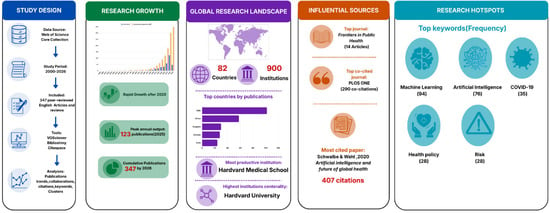
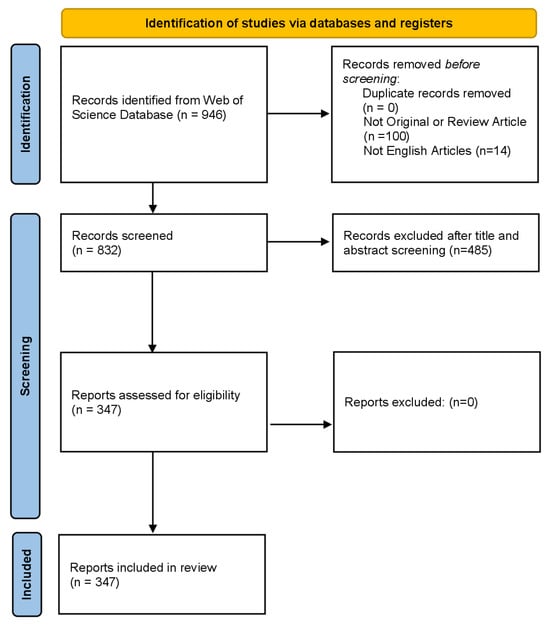
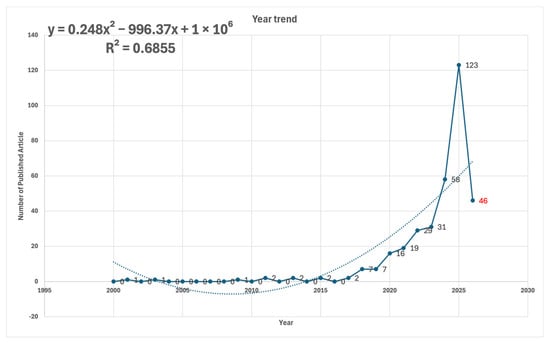
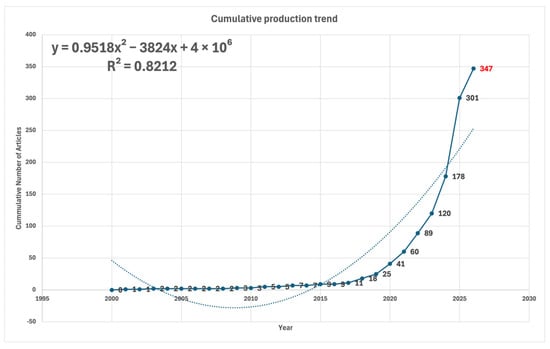
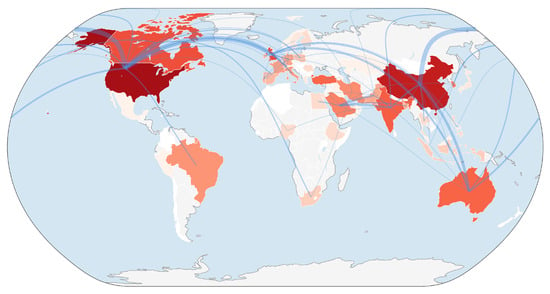
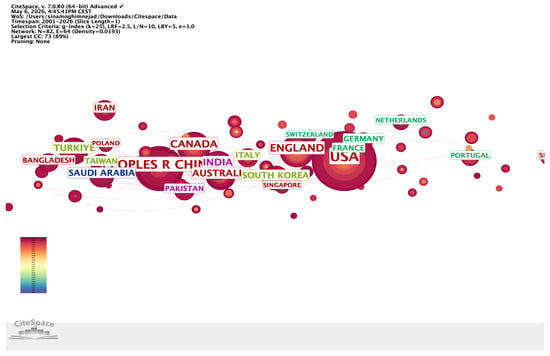
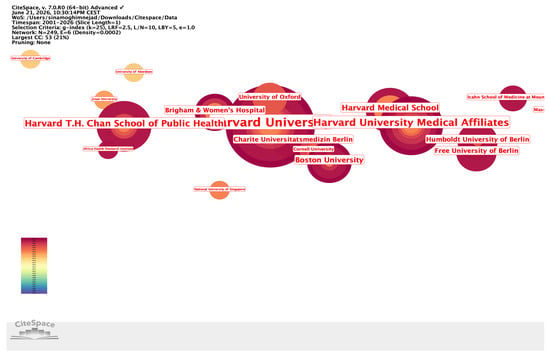
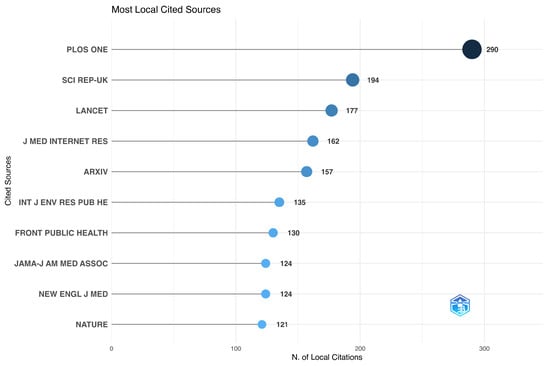
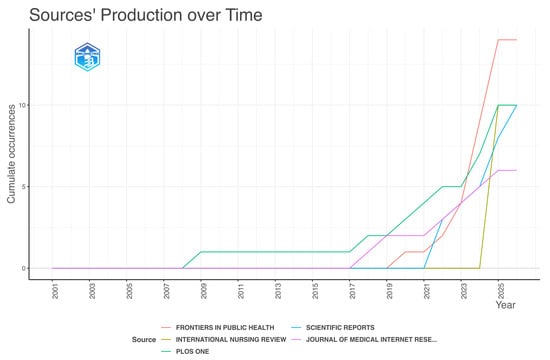
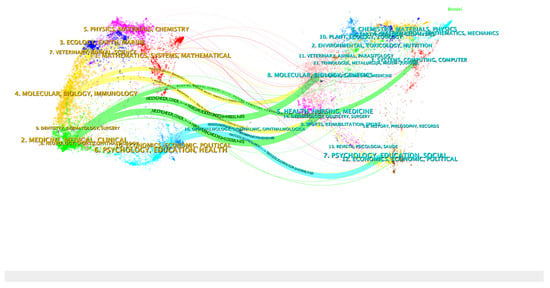
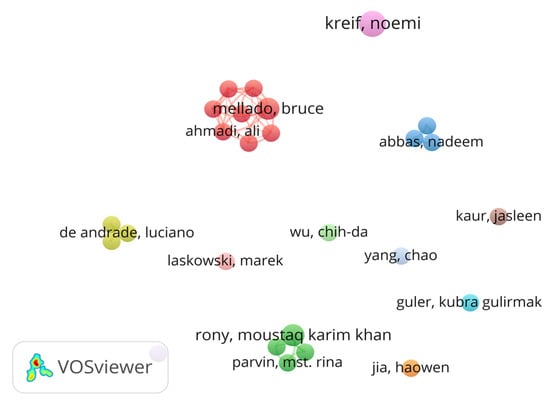
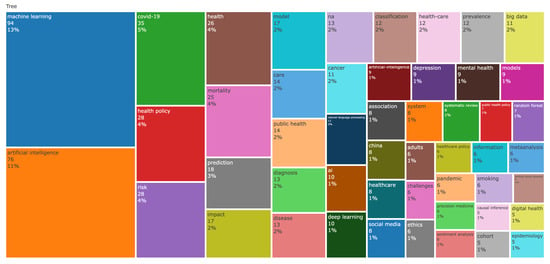
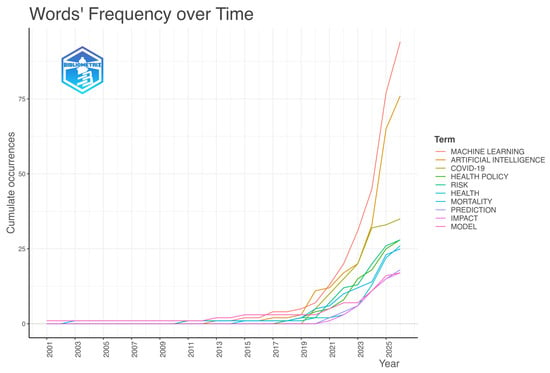
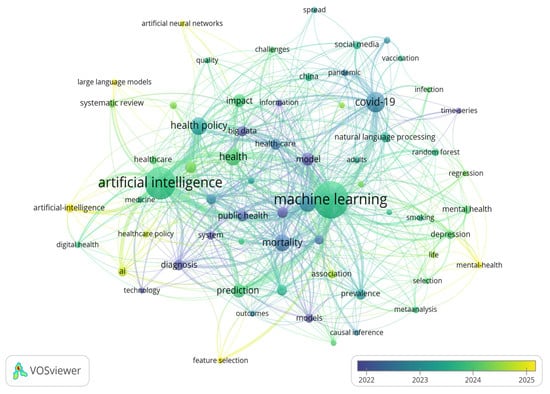
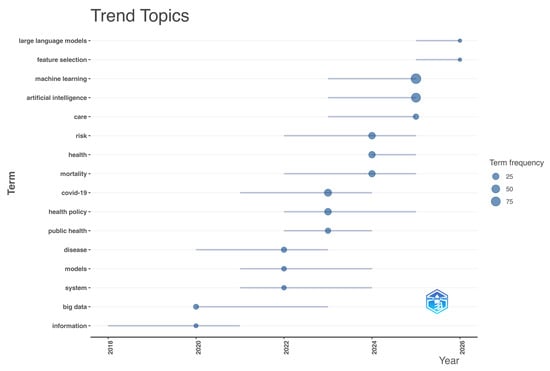
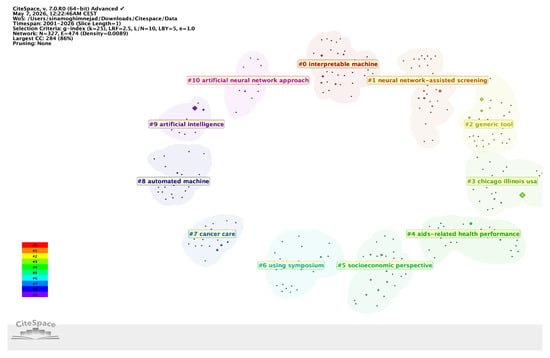
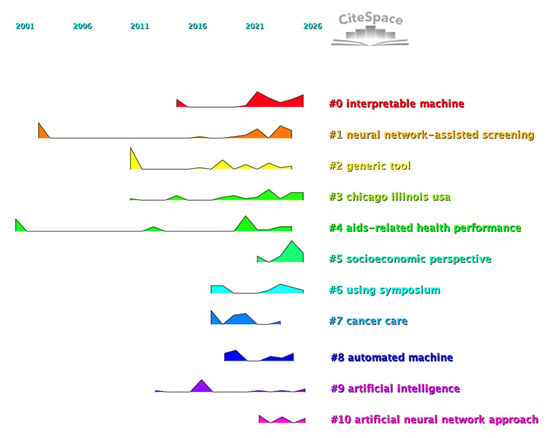
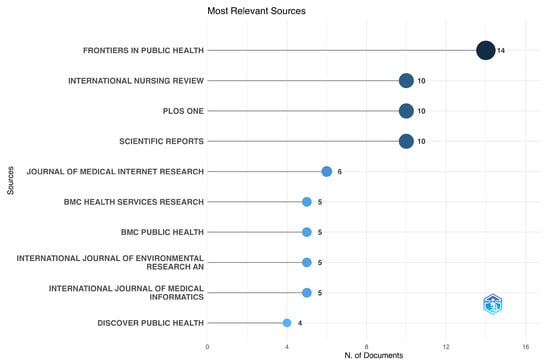
Background: Artificial intelligence is increasingly influencing health care and policy, yet the global research landscape linking artificial intelligence and health care policy remains underexplored. This study aimed to map publication trends, major contributors, collaboration networks, citation structures, and emerging themes in this field. Methods: A bibliometric analysis was conducted using the Web of Science Core Collection. The search was performed on 3 May 2026, and covered publications from 2000 to 3 May 2026. The final dataset included 347 peer-reviewed English-language original research and review articles. Biblioshiny, VOSviewer, and CiteSpace were used to analyze publication trends, country and institutional contributions, author and journal productivity, collaboration networks, citation and co-citation structures, keyword patterns, and thematic evolution. Results: Publications increased markedly after 2020 and reached their highest annual output in 2025. The 2026 publication count was lower because data for that year were partial at the time of database retrieval. Researchers from 82 countries and 900 institutions contributed to the field, with the United States leading in output, followed by China, England, Canada, and India. Harvard Medical School was the most productive institution, whereas Harvard University had the highest institutional centrality. Frontiers in Public Health published the most articles, and PLOS ONE was the most frequently co-cited journal. The most cited article was “Artificial intelligence and the future of global health.” Key research themes included machine learning, COVID-19, health policy, risk, large language models, interpretable machine learning, neural network-assisted screening, socioeconomic perspectives, and public health applications. Conclusions: Research on artificial intelligence and health care policy has expanded rapidly, particularly in recent years, and is increasingly centered on predictive modeling, public health decision-making, and emerging artificial intelligence technologies. These findings highlight influential contributors, evolving themes, and future directions for researchers, policymakers, and health care leaders.
Full article

Graphical abstract
Open AccessArticle
Temporal Patterns in Hospital Performance Indicators in the Chilean Public Hospital System: A Longitudinal Analysis Using Dimensionless Coefficients
by
José Rodríguez, Manuel Vargas, Pilar Cos and Andrés Viveros
Healthcare 2026, 14(14), 2102; https://doi.org/10.3390/healthcare14142102 (registering DOI) - 14 Jul 2026
Abstract
►▼
Show Figures
Objectives: To examine temporal patterns in hospital performance indicators within the Chilean public system between 2019 and 2023 using dimensionless coefficients, which allow comparisons between hospitals of different sizes and case-mix. Methods: Data from 3,803,275 discharges across 68 Chilean public hospitals
[...] Read more.
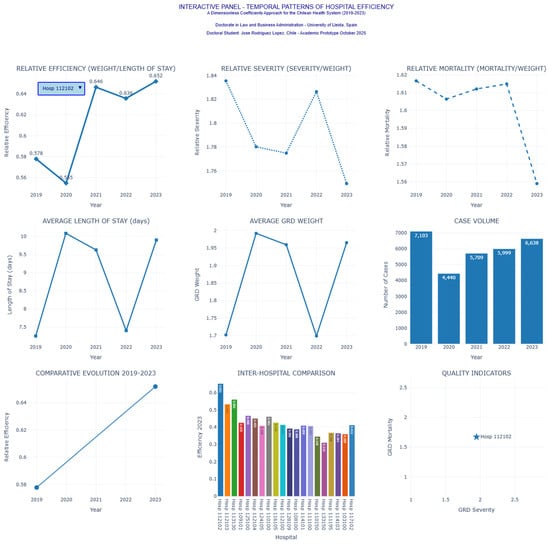
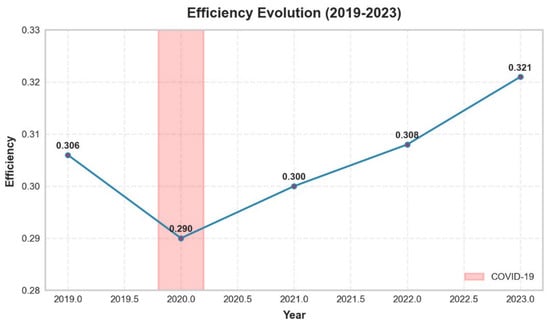
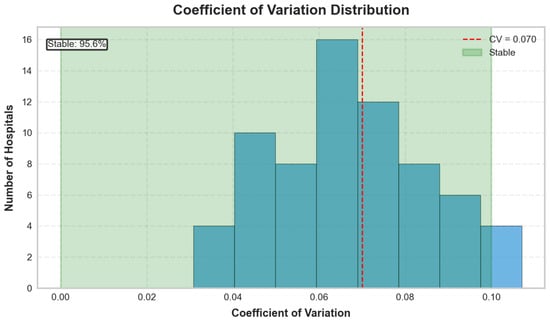
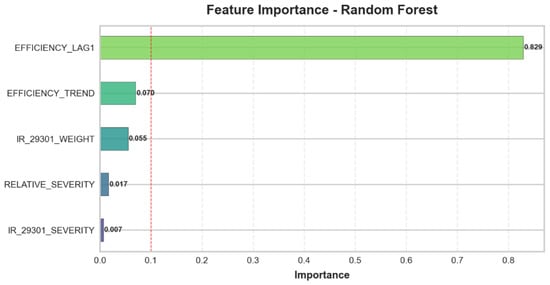
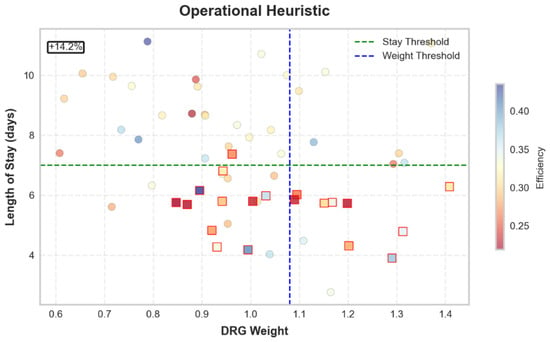
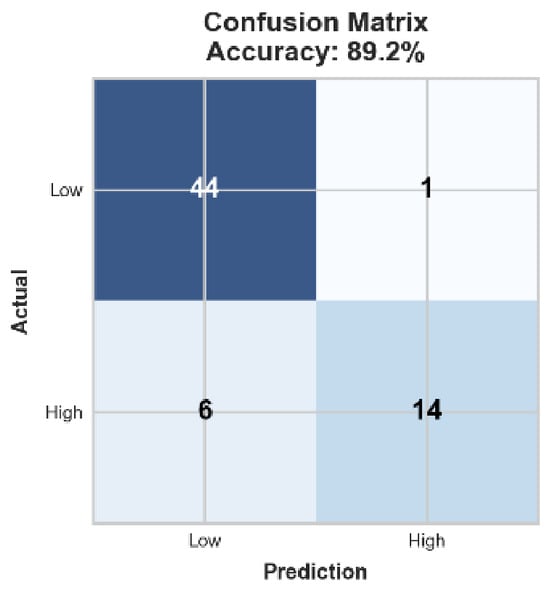
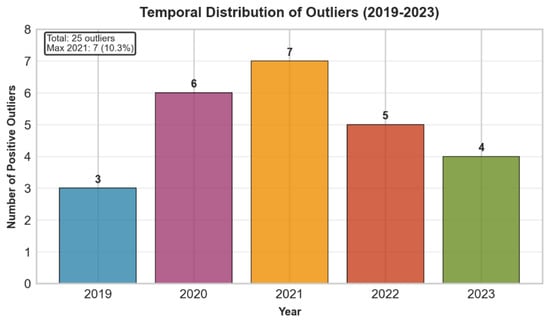
Objectives: To examine temporal patterns in hospital performance indicators within the Chilean public system between 2019 and 2023 using dimensionless coefficients, which allow comparisons between hospitals of different sizes and case-mix. Methods: Data from 3,803,275 discharges across 68 Chilean public hospitals were evaluated in this study. Three dimensionless indicators (relative efficiency, severity, and mortality) were constructed using DRG FONASA fields. The analysis approach is based on descriptive time trends, within-hospital coefficient of variation (CV), IQR-based outlier identification, and RF predictive modeling with time-series cross-validation. Results: Most hospitals (95.6%) showed low within-hospital variability (CV < 0.5). The mean efficiency proxy increased from 0.3051 (95% CI: 0.3044–0.3057) in 2019 to 0.3134 (95% CI: 0.3127–0.3142) in 2023. Lagged REP was the strongest predictor in the model (85.1% variable importance). The Spearman correlation between the proposed REP and a VRS input-oriented DEA model (using total length of stay as input and total DRG weight as output) was 0.7857 (p < 0.001), indicating a strong convergent association. However, the DEA model employed is limited to a single input and a single output, as data constraints precluded more complex specifications. Conclusions: The proposed dimensionless indicators showed relatively stable temporal patterns across most hospitals. The framework may support descriptive longitudinal comparisons across heterogeneous institutions, though external validation is required.
Full article

Figure 1
Open AccessArticle
Knowledge, Lifestyle, and Attitudes Toward Nutritional Assessment and Counseling Among Physiotherapists in Saudi Arabia: Implications for Healthcare Quality and Interdisciplinary Practice—A Cross-Sectional Study Across Multiple Regions of Saudi Arabia
by
Mohamed M. Ahmed, Azza A. Al Areefy, Rama M. Chandika, Ramzi Abdu Alajam, Alanoud Huraysi, Marim Ali M. Slimani, Bsmah H. Alfaifi, Huda M. Mobarki, Laila Shamakhi, Ehab Y. Elbendary and Wafaa Mahmoud Amin
Healthcare 2026, 14(14), 2101; https://doi.org/10.3390/healthcare14142101 - 14 Jul 2026
Abstract
Background/Objectives: Nutrition is essential in healthcare and rehabilitation, although the readiness of physiotherapists in Saudi Arabia to integrate nutritional assessment and counseling remains ambiguous. This study aimed to assess their knowledge of nutrition, lifestyle choices, and attitudes towards incorporating nutrition into practice.
[...] Read more.
Background/Objectives: Nutrition is essential in healthcare and rehabilitation, although the readiness of physiotherapists in Saudi Arabia to integrate nutritional assessment and counseling remains ambiguous. This study aimed to assess their knowledge of nutrition, lifestyle choices, and attitudes towards incorporating nutrition into practice. Methods: This cross-sectional study included 500 licensed physiotherapists practicing across Saudi Arabia and used a culturally adapted questionnaire derived from previously validated instruments. The survey assessed background characteristics, nutrition knowledge, nutritional lifestyle, and attitudes toward integrating nutrition into physical therapy. Descriptive statistics, analysis of variance, Pearson correlation, and multiple linear regression analyses were performed. Results: Participants demonstrated moderate nutrition knowledge (59.68 ± 17.25) and favorable nutritional lifestyles (20.67 ± 3.79), with positive attitudes toward integrating nutritional assessment and counseling into their practice (13.63 ± 4.64). A significant positive correlation was observed between nutritional lifestyle scores and nutrition integration scores (r = 0.29, p < 0.01). Because lower nutritional lifestyle scores indicate healthier lifestyles and lower integration scores reflect greater integration, participants with healthier nutritional lifestyles tend to show greater nutrition integration. Nutrition knowledge scores were negatively correlated with integration scores (r = −0.37, p < 0.01). Multiple linear regression analysis identified professional seniority, nutritional lifestyle, and nutrition knowledge as significant predictors of nutrition integration score, explaining 22.8% of the variance (F = 29.24, R2 = 0.22, p = 0.001). Conclusions: Saudi physiotherapists showed positive attitudes toward integrating nutritional assessment and counseling into the practice, but their nutrition knowledge was moderate, with knowledge gaps. Nutrition integration correlated significantly with nutritional lifestyle scores, nutrition knowledge, and professional seniority. The findings indicate the need to improve nutrition-related competencies and interdisciplinary collaboration in rehabilitation practice.
Full article
(This article belongs to the Special Issue Quality of Healthcare and Patient Safety Across Disciplines: Innovations, Evidence, and Practice)
►▼
Show Figures

Figure 1
Open AccessArticle
Construction of a Risk Prediction Model of Swallowing Dysfunction During Recovery from Acute Ischemic Stroke
by
Xinyu Zhang, Huaqiang Li, Xiangwen Hao, Yanyang Li, Bianying Feng, Jingqi Chen, Zhen Dan, Ailipinai Yasen, Xiaoyan Zheng, Anren Zhang and Qiuhong Man
Healthcare 2026, 14(14), 2100; https://doi.org/10.3390/healthcare14142100 - 14 Jul 2026
Abstract
►▼
Show Figures
Objective: This study aimed to analyze risk factors for post-stroke dysphagia during the recovery phase of acute ischemic stroke and to construct a preliminary risk prediction model for patients who were eligible for bedside swallowing assessment. Methods: A retrospective analysis was performed for
[...] Read more.
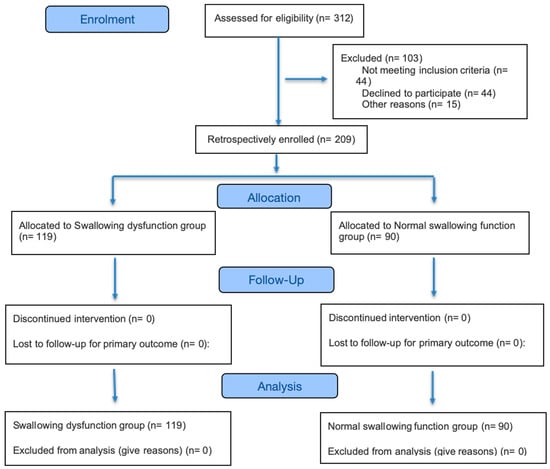
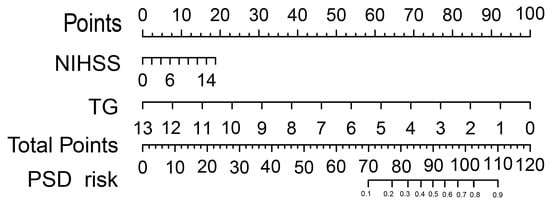
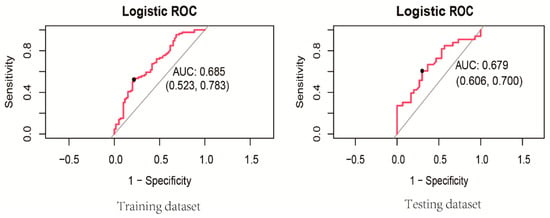
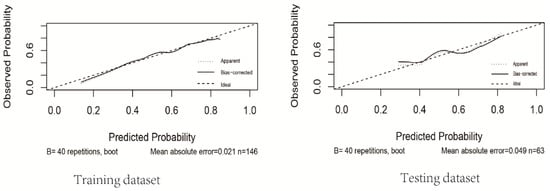
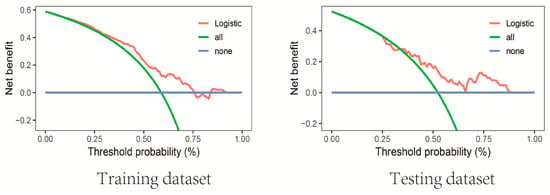
Objective: This study aimed to analyze risk factors for post-stroke dysphagia during the recovery phase of acute ischemic stroke and to construct a preliminary risk prediction model for patients who were eligible for bedside swallowing assessment. Methods: A retrospective analysis was performed for patients with ischemic stroke who were continuously admitted to Shanghai Fourth People’s Hospital. Swallowing function was assessed using the water swallowing test. Univariate and multivariate analyses were used to screen variables, and a predictive model was constructed using binary logistic regression. The model was visualized using a nomogram. Calibration curves and receiver operating characteristic curves were employed to assess the model’s accuracy and predictive value, while decision curve analysis was used to examine the model’s clinical relevance. Results: Overall, 209 ischemic stroke patients were included in the analysis. Univariate and multivariate logistic regression analyses identified higher NIHSS score and lower triglyceride level as independent factors associated with swallowing dysfunction (p-value < 0.05); the full model (NIHSS + TG) yielded AUCs of 0.685 (95% CI: 0.523–0.783) in the training set and 0.679 (95% CI: 0.606–0.700) in the test set, with corresponding sensitivities of 0.52 and 0.61, and specificities of 0.78 and 0.70, respectively. Compared with NIHSS alone (AUC 0.652, 95% CI: 0.518–0.746), the AUC improvement was not significant (DeLong p = 0.09), but the net reclassification improvement was 0.26 (95% CI: 0.02–0.49). Conclusions: This preliminary derivation model, based on NIHSS and triglyceride levels, demonstrates modest discrimination but provides incremental reclassification value over NIHSS alone for estimating the risk of PSD in cooperative patients. The model should be considered exploratory, and external validation is required before any clinical application.
Full article

Figure 1
Open AccessReview
Return to Sport After Anterior Cruciate Ligament Injury: A Scopus-Based Bibliometric Analysis
by
Nafih Cherappurath, Halil İbrahim Ceylan, Wissem Dhahbi, Muhammed Ali Thoompenthodi, Shamshadali Perumbalath, Masilamani Elayaraja, Mevlüt Yıldız, Libi Kunnel Raveendran, Mohammed Sadique Kozhissery, Jesmy Jose, Raul Ioan Muntean and Sudheesh Chakkummolel Sudhakaran
Healthcare 2026, 14(14), 2099; https://doi.org/10.3390/healthcare14142099 - 14 Jul 2026
Abstract
Background: Returning to sport (RTS) after anterior cruciate ligament (ACL) injury remains a complex challenge in sports medicine, requiring integration of physical recovery, functional performance, and psychological readiness. Although ACL rehabilitation and RTS outcomes have been extensively investigated, the intellectual structure and evolution
[...] Read more.
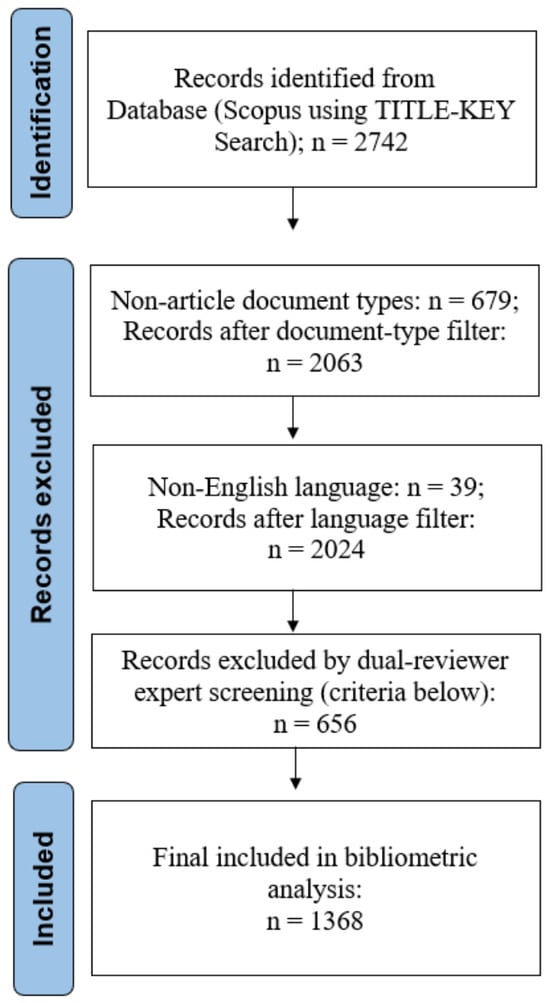
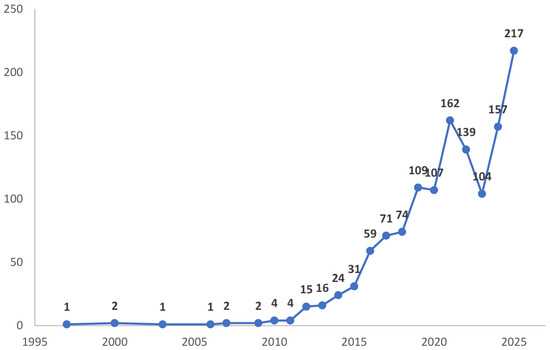
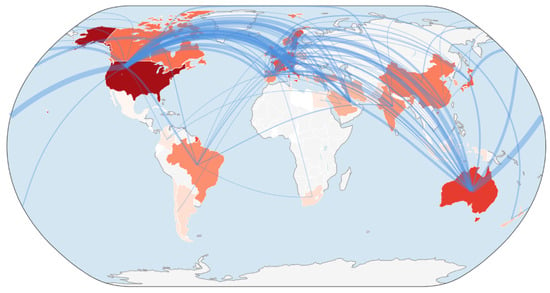
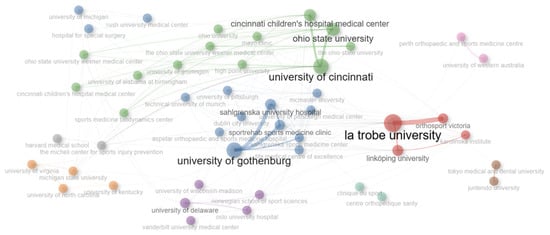
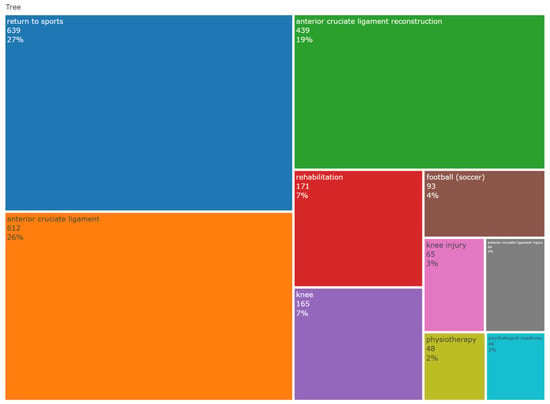
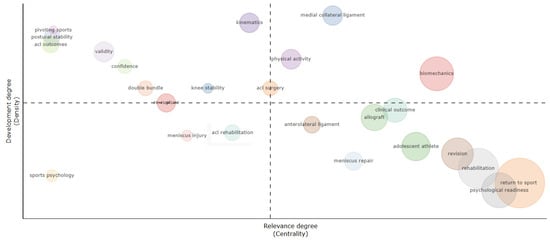
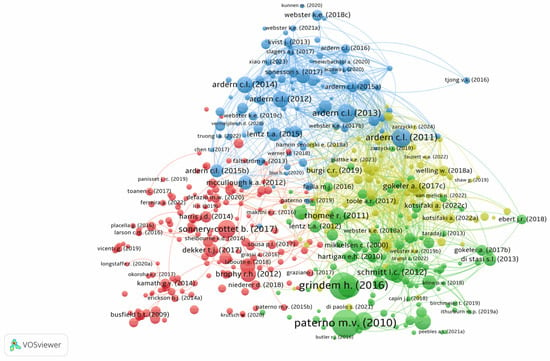
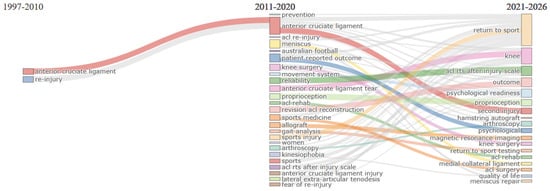
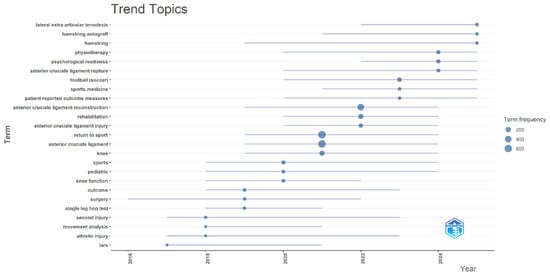
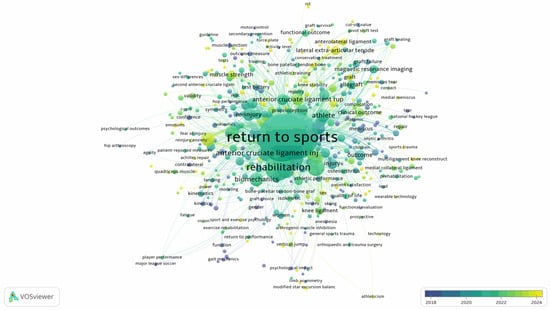
Background: Returning to sport (RTS) after anterior cruciate ligament (ACL) injury remains a complex challenge in sports medicine, requiring integration of physical recovery, functional performance, and psychological readiness. Although ACL rehabilitation and RTS outcomes have been extensively investigated, the intellectual structure and evolution of this research field have not been comprehensively synthesized. Objective: This study aimed to systematically map the global research landscape of ACL injury and RTS using bibliometric analysis. Methods: A total of 1368 Scopus-indexed publications published between 1997 and April 2026 were analyzed using performance analysis and science mapping. Results: The study identified leading authors, institutions, countries, funding agencies, and journals, and examined collaboration networks, thematic structures, and emerging trends. Scientific output grew substantially after 2012, with accelerated expansion between 2020 and 2025. The United States was the most productive country, and La Trobe University (Australia) the leading institution; the National Institutes of Health (NIH) was the principal funding source. Among 4652 authors, K.E. Webster was the most prolific contributor, and the Orthopaedic Journal of Sports Medicine was the most productive journal. Science mapping showed a shift from surgical and structural perspectives toward multidimensional frameworks emphasizing functional recovery, psychological readiness, neuromuscular performance, injury prevention, and athlete-centered outcomes. Emerging priorities include psychological and neurocognitive readiness, rehabilitation and performance optimization, biomechanical and functional assessment, surgical innovation, outcome validation, and machine learning applications. Conclusions: This bibliometric overview offers clinicians, rehabilitation specialists, and researchers an evidence base for guiding future investigation into functional recovery, re-injury risk reduction, and long-term athlete outcomes.
Full article
(This article belongs to the Special Issue Sports Injuries, Trauma, and Functional Recovery in Orthopedics)
►▼
Show Figures

Figure 1
Open AccessReview
Dyadic Coping and Illness Uncertainty in Cancer Patient–Caregiver Dyads: Interactive Mechanisms, Heterogeneity, and Integrated Intervention Directions—A Narrative Review (2021–2025)
by
Ruizhe Cao, Yingchao Zhou and Yanwei Su
Healthcare 2026, 14(14), 2098; https://doi.org/10.3390/healthcare14142098 - 14 Jul 2026
Abstract
Cancer patient–informal caregiver dyads function as core collaborative units across the cancer trajectory from diagnosis to recovery. A central challenge for these dyads lies in managing illness uncertainty alongside the demands of dyadic coping, two interrelated factors that jointly shape long-term quality of
[...] Read more.
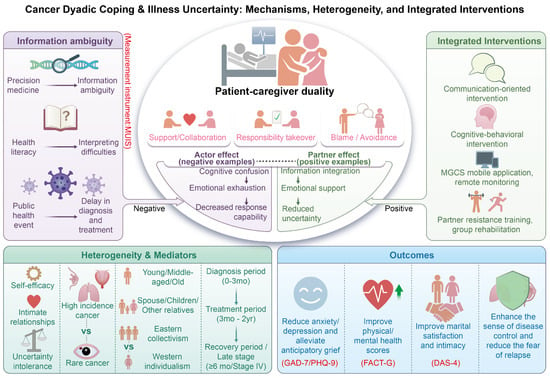
Cancer patient–informal caregiver dyads function as core collaborative units across the cancer trajectory from diagnosis to recovery. A central challenge for these dyads lies in managing illness uncertainty alongside the demands of dyadic coping, two interrelated factors that jointly shape long-term quality of life, psychological well-being, and disease adaptation. These two factors interact to shape their long-term quality of life, psychological well-being, and disease adaptation. Past studies have mostly examined dyadic coping and illness uncertainty separately. Employing a narrative review design, this study searched the PubMed database for literature published from 2021 to 2025, and synthesizes evidence on association pathways and moderating factors between dyadic coping and illness uncertainty among adult cancer patient–informal caregiver dyads. Existing research on dyadic coping has predominantly focused on the effects of interventions (e.g., enhanced spousal communication, joint exercise) on emotional health and relationship quality. Studies on illness uncertainty have largely examined its association with anxiety and depression, but have failed to provide a comprehensive understanding of the interactive pathways between the two constructs. This review addresses this gap by synthesizing evidence from three perspectives: interactive mechanisms, heterogeneous characteristics, and integrated intervention directions. Evidence from the reviewed literature suggests that illness uncertainty represents a critical antecedent of dyadic coping among cancer dyads. Illness uncertainty and dyadic coping share a bidirectional association, and this relationship is moderated by factors including cancer type, patient age, and cultural background. Most uncertainty management interventions effectively reduce illness uncertainty in specific populations. Synthesized evidence indicates that dyadic coping is a significant predictor of relationship satisfaction among couples coping with chronic illness. Interventions that are made for these couples need to include things like psychoeducation and skill-building parts that are about dyadic coping, so that they can improve the couples’ relationship satisfaction. Based on predominantly observational evidence with heterogeneous study designs, the authors propose that combining uncertainty management interventions with dyadic coping skills training represents a key direction for future clinical care optimization. This review provides evidence-based implications for developing targeted dyadic care strategies and advancing family-centered, full-course cancer care models.
Full article
(This article belongs to the Section Mental Health and Psychosocial Well-being)
►▼
Show Figures

Figure 1

Open AccessArticle
Interprofessional Perceptions and Collaboration Between Medicine and Dentistry in Croatia: A Qualitative Study of Faculty and Student Perspectives
by
Zora Tomić, Anita Lauri Korajlija and Ivana Šutej
Healthcare 2026, 14(14), 2097; https://doi.org/10.3390/healthcare14142097 - 14 Jul 2026
Abstract
Background/Objectives: Collaboration between medical and dental professionals is essential for comprehensive, patient-centred healthcare, yet the two fields often remain separate in education and practice. This study explored attitudes, experiences, and perceptions of interprofessional relationships among medical and dental faculty and students at a
[...] Read more.
Background/Objectives: Collaboration between medical and dental professionals is essential for comprehensive, patient-centred healthcare, yet the two fields often remain separate in education and practice. This study explored attitudes, experiences, and perceptions of interprofessional relationships among medical and dental faculty and students at a Croatian university. Methods: A qualitative study using semi-structured interviews was conducted. Thirty-nine participants, including faculty members and students from medicine and dentistry, were interviewed. Data were analyzed using thematic analysis to identify patterns and themes related to interprofessional perceptions and collaboration. Results: Participants generally reported mutual respect, although their accounts revealed subtle hierarchies, persistent stereotypes, and implicit biases. Overt animosity was rare, often limited to humour, though instances of disrespect and status differentiation were described. Educational collaboration was minimal, with siloed curricula and few structured initiatives, while clinical collaboration was described as largely case-dependent and centred on referral rather than coordinated care. Personal exposure to the other profession mitigated some biases, suggesting that social proximity influences professional perceptions. Conclusions: Despite overall respect, participants identified structural, cultural, and educational factors that limited opportunities for interprofessional engagement within the studied setting. The findings suggest that creating opportunities for structured interprofessional learning and collaborative clinical practice may strengthen professional understanding, support more integrated models of care, and ultimately contribute to improved patient-centred healthcare.
Full article
(This article belongs to the Section Healthcare Organizations, Systems, and Providers)
Open AccessCase Report
Vulvar Extramammary Paget Disease: Diagnostic Challenge and Surgical Management in a Case Report
by
Farah Karam, Zakhia El Beaino, Charles Sakr, Georges Nammour and Amjad Kanaan
Healthcare 2026, 14(14), 2096; https://doi.org/10.3390/healthcare14142096 - 14 Jul 2026
Abstract
Background: Vulvar extramammary Paget disease (EMPD) is a rare intraepithelial adenocarcinoma that typically affects postmenopausal women and often mimics benign inflammatory or infectious vulvar conditions, leading to delayed diagnosis. Optimal diagnosis and therapy remain challenging due to its nonspecific presentation and variable extent
[...] Read more.
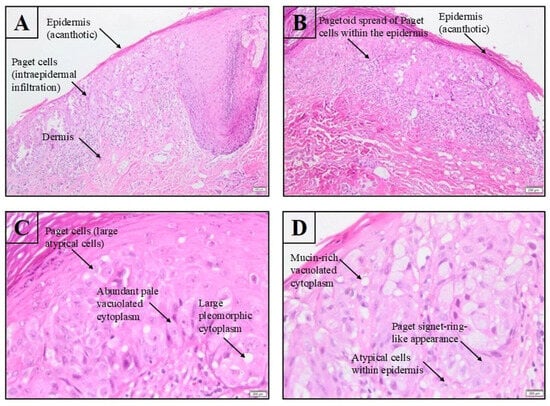
Background: Vulvar extramammary Paget disease (EMPD) is a rare intraepithelial adenocarcinoma that typically affects postmenopausal women and often mimics benign inflammatory or infectious vulvar conditions, leading to delayed diagnosis. Optimal diagnosis and therapy remain challenging due to its nonspecific presentation and variable extent of disease. Case Presentation: We report a 58-year-old Lebanese postmenopausal woman with more than one year of persistent vulvar pruritus and an erythematous lesion refractory to topical antifungal and corticosteroid therapy. Clinical evaluation revealed a 5 cm vulvar lesion without lymphadenopathy. Vulvar biopsy confirmed extramammary Paget disease, and staging work-up excluded associated malignancies. Although histology suggested non-invasive disease, the lesion was extensive with ill-defined margins and was reviewed by a multidisciplinary tumor board. A key feature of this case is the discordance between non-invasive biopsy findings and the decision to proceed with radical surgery due to concern for occult invasion. The patient underwent radical vulvectomy with left superficial and deep inguinal lymph node dissection. Final histopathology confirmed disease confined to the epidermis with negative margins and no nodal involvement (0/8). Postoperative imaging at 6 months showed no recurrence or metastasis. Conclusions: This case highlights prolonged diagnostic delay despite multiple treatments and the management challenge posed by extensive clinical disease with non-invasive biopsy findings. It underscores the importance of considering EMPD in chronic refractory vulvar lesions. Management should be individualized in multidisciplinary settings. Given the short follow-up, long-term outcomes cannot be established, and careful surveillance remains essential due to the risk of late recurrence.
Full article
(This article belongs to the Section Women’s and Children’s Health)
►▼
Show Figures

Figure 1
Journal Menu
► ▼ Journal Menu-
- Healthcare Home
- Aims & Scope
- Editorial Board
- Reviewer Board
- Topical Advisory Panel
- Early Career Editorial Board
- Instructions for Authors
- Special Issues
- Topics
- Sections & Collections
- Article Processing Charge
- Indexing & Archiving
- Editor’s Choice Articles
- Most Cited & Viewed
- Journal Statistics
- Journal History
- Journal Awards
- Society Collaborations
- Conferences
- Editorial Office
Journal Browser
► ▼ Journal BrowserHighly Accessed Articles
Latest Books
E-Mail Alert
News
Topics
Topic in
Healthcare, JCM, JPM, Oral
Advances in Dental Health, 2nd Edition
Topic Editors: Sabina Saccomanno, Gianni GallusiDeadline: 25 July 2026
Topic in
Behavioral Sciences, Children, Healthcare, IJERPH, JFMK, Obesities
The Effect of Physical Activity on the Population's Health
Topic Editors: Stefania Paduano, Federica ValerianiDeadline: 31 August 2026
Topic in
Nutrients, Metabolites, Healthcare, Children, Obesities, Life
Non-Communicable Diseases Silent Killer: Metabolic and Obesity Risks of Sedentary Behaviors
Topic Editors: Kotsedi Daniel Monyeki, Machoene Derrick SekgalaDeadline: 30 September 2026
Topic in
JCM, Pharmaceuticals, Pharmaceutics, Pharmacy, Healthcare
Optimization of Drug Utilization and Medication Adherence
Topic Editors: Enrica Menditto, Sara Mucherino, Ignacio Aznar-LouDeadline: 30 October 2026
Conferences
14–16 June 2027
The 2nd International Online Conference on Healthcare—Safe, Equitable, and Scalable Healthcare: From Innovation to Clinical Implementation

10–11 February 2027
The 6th International Online Conference on Nutrients—Innovations in Neonatal and Early Childhood Nutrition

Special Issues
Special Issue in
Healthcare
Current Therapeutic Approaches to Addictive Disorders
Guest Editor: Linda HaddadDeadline: 20 July 2026
Special Issue in
Healthcare
Clinical Strategies for Preventing Healthcare-Associated Infections
Guest Editors: Monica Marilena Țânțu, Rogozea Liliana Marcela, Corneliu Ovidiu VrancianuDeadline: 24 July 2026
Special Issue in
Healthcare
Clinical Approaches to Characterization and Treatment of Cancer-Related Pain and Other Chronic Pain Conditions
Guest Editors: Alberto Arribas Romano, Irene de la Rosa DíazDeadline: 25 July 2026
Special Issue in
Healthcare
Promoting Health and Wellbeing in Both Learning and Work Environments
Guest Editors: Diego Bellini, Maria Lidia MasciaDeadline: 28 July 2026
Topical Collections
Topical Collection in
Healthcare
Dentistry, Oral Health and Maxillofacial Surgery
Collection Editor: Saturnino Marco Lupi
Topical Collection in
Healthcare
Mindfulness in Healthcare
Collection Editors: Helen Noble, Ian Walsh
Topical Collection in
Healthcare
Current Nursing Practice and Education
Collection Editor: Florin Oprescu
Topical Collection in
Healthcare
The Impact of COVID-19 on Healthcare Services
Collection Editors: Giuseppe Di Martino, Tommaso Staniscia, Fabrizio Cedrone