The State-of-the-Art Propagation and Breeding Techniques for Horticulture Crops

A topical collection in Horticulturae (ISSN 2311-7524). This collection belongs to the section "Propagation and Seeds".

Viewed by 34262

Editor

Topical Collection Information

Dear Colleagues,

Horticulture has established its importance in many aspects of innovation, improving land use, promoting crop diversification, generating employment, and providing food for the world’s population. Thus, innovations in plant propagation and breeding are essential to meet the requirements of global changes, such as population growth and climate change.

Over the years, horticulturists have developed several propagation methods which have supported breeding programs and allowed for the production of high-quality nursery plants and higher crops.

Traditional breeding is one of the main strategies used to improve agronomic traits. In many horticultural species, several cultivars have been developed through conventional methods, such as mutagenesis, inter- and intra-specific crosses, and clonal selection. Conventional breeding is a long-term and expensive process; a long period of time and resources are needed to obtain progenies and to evaluate their traits. In addition, sexual breeding is not always feasible because some cultivars to be used in crosses are incompatible, sterile, or polyembrionic. Moreover, in many cases, after breeding, backcrosses are required to recover elite features of the improved cultivar, further lengthening breeding programs.

Since the 1990s, new biotechnology techniques have been applied to the propagation and breeding of horticultural species, providing efficient alternatives to traditional methods for the improvement of novel cultivars. This has been possible through the development of transformation protocols starting from many sources of explants. More recently, a number of new techniques have been developed and classified as new plant breeding techniques.

This Topical Collection, titled “The State-of-the-Art Propagation and Breeding Techniques for Horticulture Crops”, aims to gather the main recent advances in new horticultural propagation and breeding methods. We encourage researchers and experts to submit high-quality manuscripts related to the above-mentioned topics to this Topical Collection, which may include basic and applied studies.

Dr. Sergio Ruffo Roberto
Collection Editor

Manuscript Submission Information

Manuscripts should be submitted online at www.mdpi.com by registering and logging in to this website. Once you are registered, click here to go to the submission form. All submissions that pass pre-check are peer-reviewed. Accepted papers will be published continuously in the journal (as soon as accepted) and will be listed together on the collection website. Research articles, review articles as well as short communications are invited. For planned papers, a title and short abstract (about 250 words) can be sent to the Editorial Office for assessment.

Submitted manuscripts should not have been published previously, nor be under consideration for publication elsewhere (except conference proceedings papers). All manuscripts are thoroughly refereed through a single-blind peer-review process. A guide for authors and other relevant information for submission of manuscripts is available on the Instructions for Authors page. Horticulturae is an international peer-reviewed open access monthly journal published by MDPI.

Please visit the Instructions for Authors page before submitting a manuscript. The Article Processing Charge (APC) for publication in this open access journal is 2200 CHF (Swiss Francs). Submitted papers should be well formatted and use good English. Authors may use MDPI's English editing service prior to publication or during author revisions.

Keywords

  • vegetables
  • fruits
  • medicinal plants
  • ornamental plants
  • sexual and vegetative propagation
  • breeding techniques
  • molecular biology
  • plant transformation
  • RNAi
  • genetically modified organism

Published Papers (14 papers)

2026

Jump to: 2025, 2024, 2023

17 pages, 3052 KB  
Article
Establishment of a Callus-Based Regeneration System for Lilium regale
by Kang Luo, Liping Gao, Sisi Yang, Chao Song, Muhammad Sajjad, Hongjia Zhang, Yue Xu, Mingdong Ran, Huameng Huang, Youguo Wang and Yun Zheng
Horticulturae 2026, 12(2), 205; https://doi.org/10.3390/horticulturae12020205 - 6 Feb 2026
Viewed by 547
Abstract
Induction of callus is an important step to produce high-quality seedlings, to promote the large-scale production of seedings, and to establish stable transgenic methods. To establish an efficient callus-based regeneration system for lily, in this study, we used the scales of Lilium regale [...] Read more.
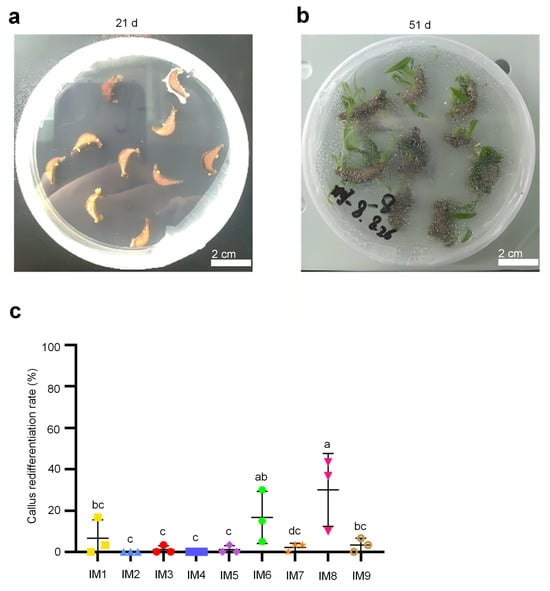
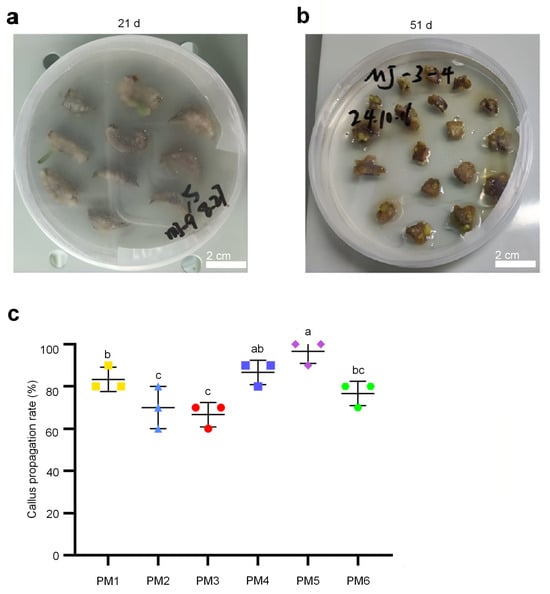
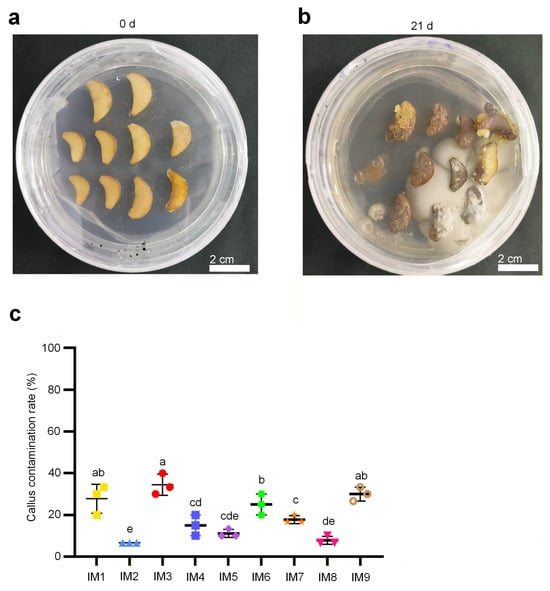
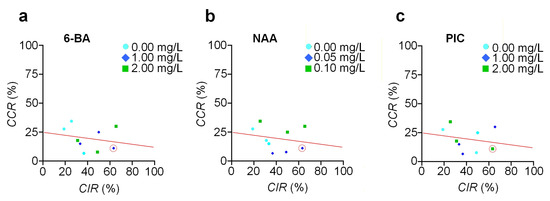
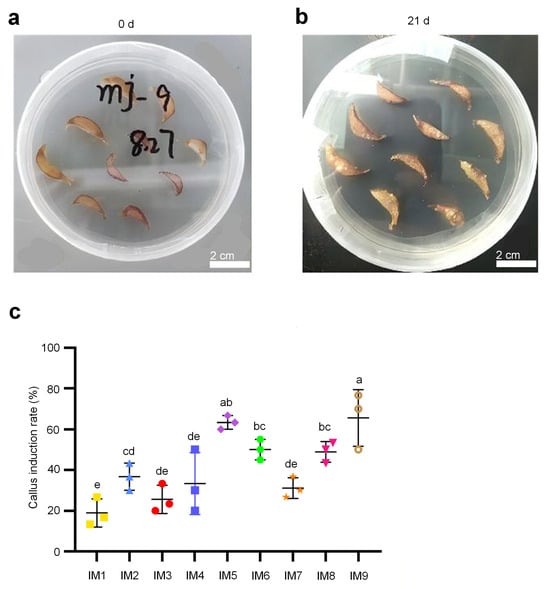
Induction of callus is an important step to produce high-quality seedlings, to promote the large-scale production of seedings, and to establish stable transgenic methods. To establish an efficient callus-based regeneration system for lily, in this study, we used the scales of Lilium regale as explants and employed plant tissue thin-layer culture to induce callus tissues. To examine the effects of different types and concentrations of plant growth regulators (PGRs) on the induction of lily callus tissues and plant regeneration, we designed orthogonal experiments using three PGRs: 6-BA, NAA, and PIC, with each regulator at three concentration levels. The results indicated that a suitable medium for inducing callus under the experimental conditions was 1.00 mg/L 6-BA + 0.05 mg/L NAA + 2.00 mg/L PIC, pH = 5.8 because in this medium, callus tissue showed a good balance of induction and contamination rate, as well as very low redifferentiation into bulbs. Under the experimental conditions, a suitable medium for callus expansion was 1 mg/L 6-BA + 0.5 mg/L NAA, pH = 5.8. We also showed that the induced callus tissues could develop into seedlings. These findings provide important references for optimizing in vitro culture systems of Lilium regale and offer supports for tissue culture studies of other lily species. Full article
Show Figures

Figure 1
15 pages, 1532 KB  
Article
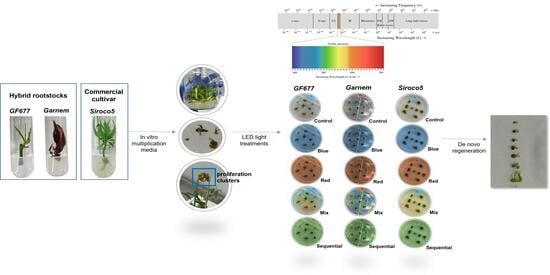
Optimizing Adventitious Shoot Regeneration in Peach Cultivar and Hybrid Rootstock Genotypes by LED Light Spectrum Modulation
by Miriam Romero-Muñoz, Gema Fructuoso-Orenes, Jose M. Gambín-Sánchez, José E. Cos-Terrer and Margarita Pérez-Jiménez
Horticulturae 2026, 12(2), 197; https://doi.org/10.3390/horticulturae12020197 - 4 Feb 2026
Cited by 2 | Viewed by 824
Abstract
Adventitious shoot regeneration is an essential prerequisite for the application of biotechnological tools such as CRISPR-Cas in woody fruit crops. Nonetheless, many Prunus species exhibit strong recalcitrance to in vitro regeneration. Light quality has emerged as an important environmental factor influencing morphogenic responses [...] Read more.
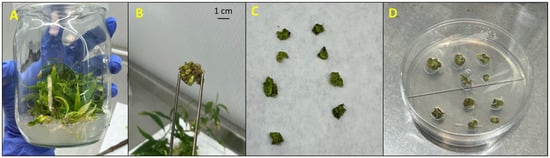
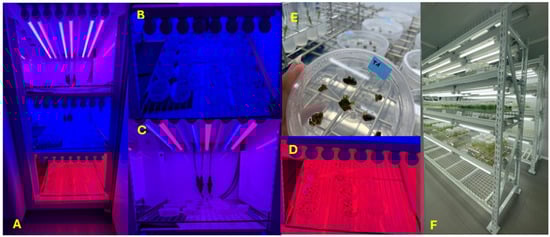
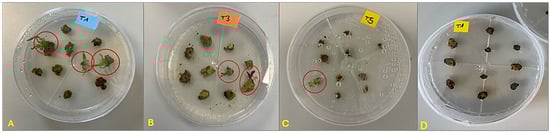
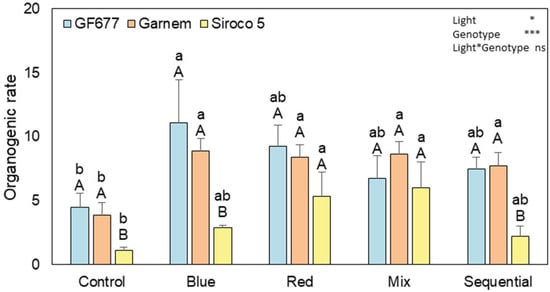
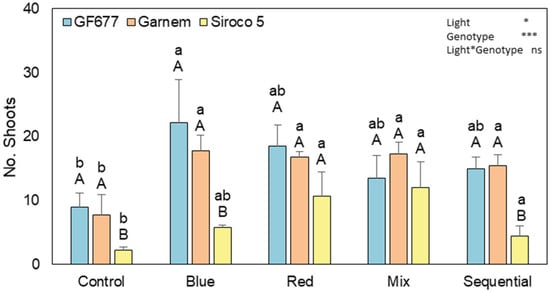
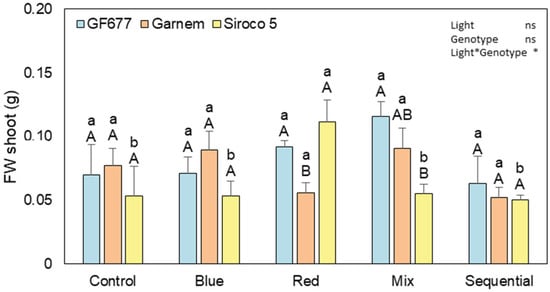
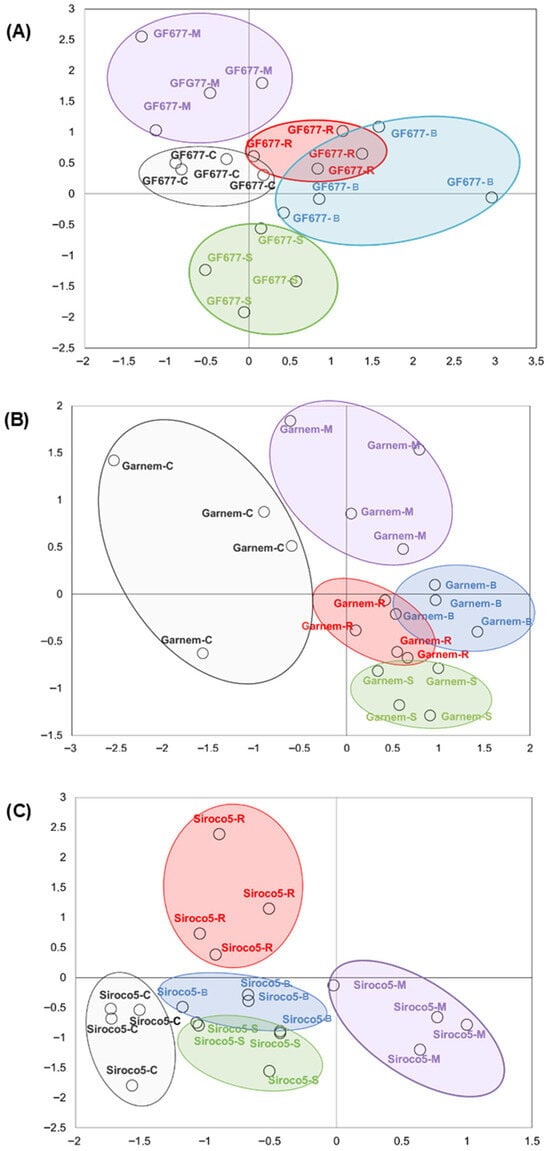
Adventitious shoot regeneration is an essential prerequisite for the application of biotechnological tools such as CRISPR-Cas in woody fruit crops. Nonetheless, many Prunus species exhibit strong recalcitrance to in vitro regeneration. Light quality has emerged as an important environmental factor influencing morphogenic responses under in vitro conditions. In this study, the effect of different LED light spectra on adventitious shoot regeneration was evaluated in three peach-related genotypes: the commercial peach cultivar ‘Siroco 5’ (Prunus persica L.) and the hybrid rootstocks ‘GF677’ and ‘Garnem’ (P. persica × P. dulcis). Callus explants derived from the basal region of in vitro proliferation cultures were exposed for 30 days to five LED light treatments: white (control), blue, red + far-red, mixed (red + far-red + blue), and sequential LED light. Regeneration efficiency was assessed through the frequency of organogenic callus formation (FOC), the number of regenerated shoots per explant, the organogenic rate, and the fresh weight of the regenerated explants. While FOC was consistently high across genotypes and light treatments, shoot regeneration was significantly influenced by both genotype and light spectrum. The hybrid rootstocks exhibited a higher regeneration capacity than the commercial cultivar under most conditions. Red + far-red LED light promoted the highest regeneration efficiency across all of the genotypes, particularly enhancing shoot regeneration and fresh weight in ‘Siroco 5’. These results demonstrate that LED light spectrum modulation, especially red + far-red, is an effective strategy to optimize adventitious shoot regeneration in peach cultivar and hybrid rootstock genotypes, providing a robust basis for future applications in micropropagation and genetic improvement programs. Full article
Show Figures

Graphical abstract

24 pages, 1667 KB  
Article
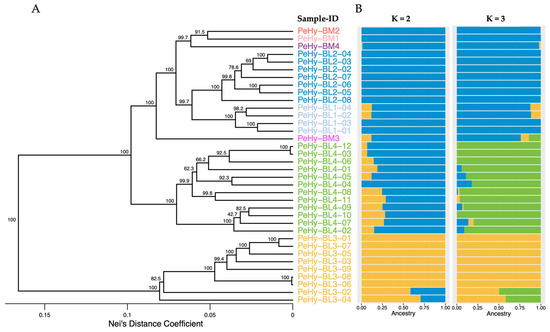
ddRADseq Applications for Petunia × hybrida Clonal Line Breeding: Genotyping and Variant Identification for Target-Specific Assays
by Angelo Betto, Francesco Scariolo, Giovanni Gabelli, Damiano Riommi, Silvia Farinati, Alessandro Vannozzi, Fabio Palumbo and Gianni Barcaccia
Horticulturae 2026, 12(2), 160; https://doi.org/10.3390/horticulturae12020160 - 30 Jan 2026
Viewed by 715
Abstract
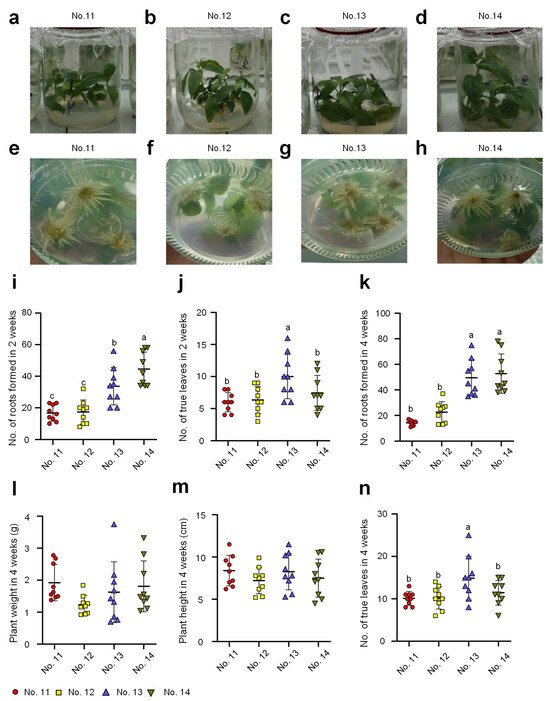
Molecular genotyping is a key factor for plant breeding programming and plant variety protection (PVP). However, its potential still remains to be elucidated when considering ornamental plants like Petunia × hybrida. In this study, a petunia breeding clone collection, including sister line [...] Read more.
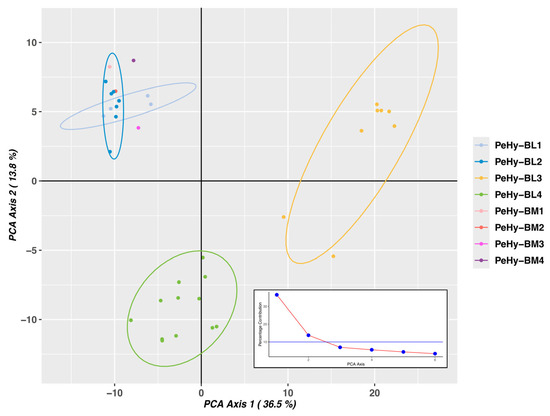
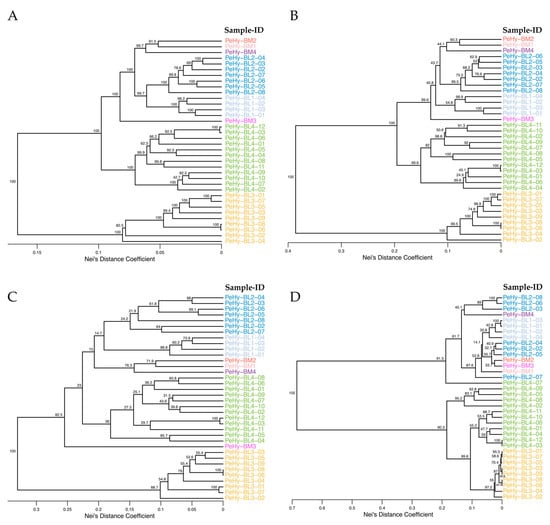
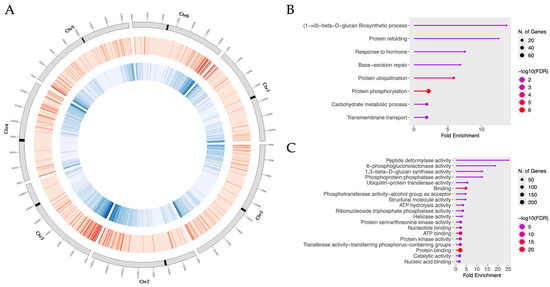
Molecular genotyping is a key factor for plant breeding programming and plant variety protection (PVP). However, its potential still remains to be elucidated when considering ornamental plants like Petunia × hybrida. In this study, a petunia breeding clone collection, including sister line groups, was genotyped through double digest Restriction-site Associated DNA sequencing (ddRADseq), and its genetic diversity and structure were studied. In addition to estimating the high genetic similarity observed among sister lines, this approach allowed the unique discrimination of each clone too. Molecular results agreed with genealogy data, supporting the assessment of genotyping effectiveness. In addition, the minimal number of variants able to uniquely discriminate and/or correctly cluster the experimental lines was investigated. The loci number could be reduced to eight to achieve line discrimination, and a method to identify the specific variant sets is presented. Conversely, to preserve the original clustering with minor adjustments, one hundred loci were required and were obtained through minor allele frequency (MAF) filtering. Moreover, analysis of the chromosomal distribution of variants revealed a predominant accumulation in distal regions. Genetic analyses were repeated considering only variants located in coding sequences and results were in agreement with what previously observed, disclosing the potential of the expressed regions for genotyping purposes. Eventually, the applied approach enabled the investigation of SNPs within genes putatively involved in traits of interest. Our findings encourage the adoption of high-throughput and cost-effective sequencing techniques for petunia genotyping aimed at achieving PVP, supporting new variety registration, and developing marker-assisted breeding (MAB) and marker-assisted selection (MAS) strategies. Full article
Show Figures

Figure 1
2025

Jump to: 2026, 2024, 2023

14 pages, 2880 KB  
Article
Establishing a Leaf-Derived Tissue Culture and Rapid Propagation Method for Red Fruit Ginseng
by Guoping Zhang, Muhammad Sajjad, Shijiang Pu, Chao Song, Fangling Luo, Kang Luo, Yue Xu, Hongjia Zhang and Yun Zheng
Horticulturae 2025, 11(11), 1377; https://doi.org/10.3390/horticulturae11111377 - 15 Nov 2025
Cited by 1 | Viewed by 1805
Abstract
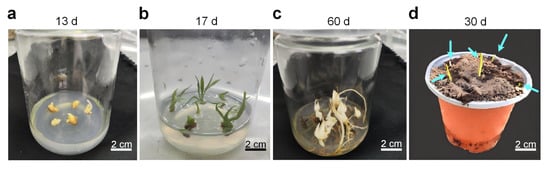
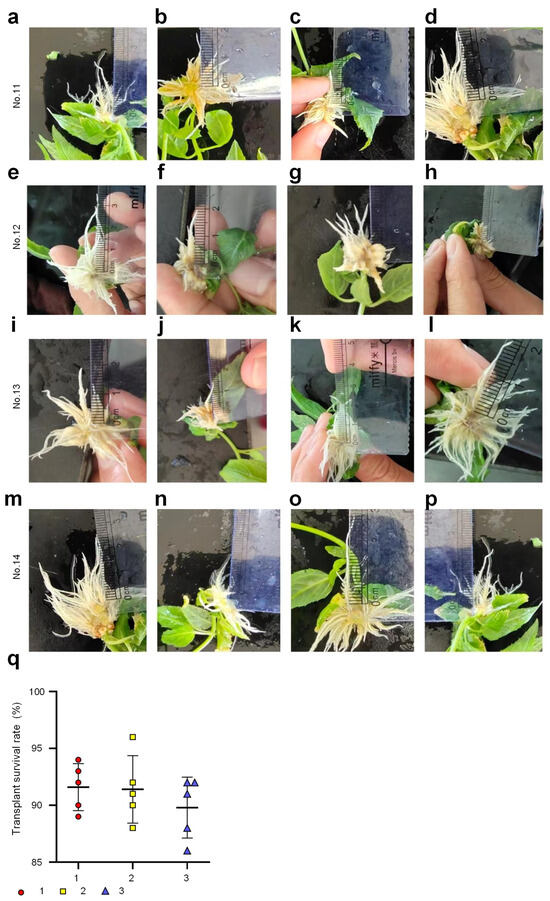
Red Fruit Ginseng (Campanumoea lancifolia), widely cultivated in Yunnan, Guizhou, Sichuan, and Guangxi, in China, is valued for its sweet-tasting fruit and medicinal potential. In this study, leaves of the Yunnan Maguan variety were used as explants to establish an efficient [...] Read more.
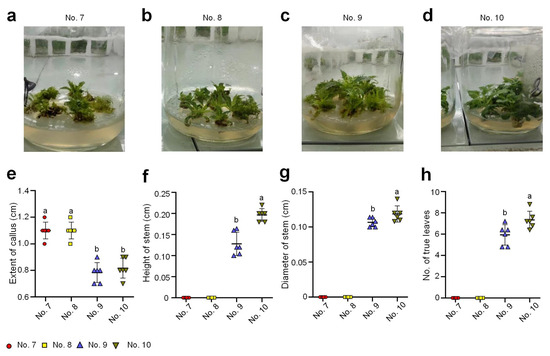
Red Fruit Ginseng (Campanumoea lancifolia), widely cultivated in Yunnan, Guizhou, Sichuan, and Guangxi, in China, is valued for its sweet-tasting fruit and medicinal potential. In this study, leaves of the Yunnan Maguan variety were used as explants to establish an efficient tissue culture system for callus induction, adventitious bud regeneration, and rooting. Different combinations of cytokinins and auxins were tested to determine the optimal balance of plant growth regulators (PGRs). Our results indicated that when the combined concentration of kinetin (KT) and 6-benzylaminopurine (6-BA) in the primary culture medium was lower than 1.0 mg/L, callus induction was the most effective, with treatments of 0.5 mg/L KT + 0.2 mg/L 6-BA and 0.2 mg/L KT + 0.8 mg/L 6-BA showing higher induction rates compared to other groups. During the subculture, 0.5 mg/L 6-BA promoted vigorous adventitious bud growth, while higher levels inhibited development. For rooting, 0.5 mg/L indole-3-acetic acid (IAA) combined with 0.2 mg/L 1-naphthaleneacetic acid (NAA) induced the highest root number and healthiest plantlets, outperforming indole-3-butyric acid (IBA). The optimized protocol resulted in over 80% explant survival and produced vigorous seedlings suitable for acclimatization. This leaf-derived regeneration method provides a reliable approach for large-scale propagation, conservation, and potential pharmacological applications of Red Fruit Ginseng, contributing to the sustainable utilization and commercial development of this valuable medicinal plant. Full article
Show Figures

Figure 1
14 pages, 2954 KB  
Article
Identifying Optimal Parts of Oriental Lily Bulbs for Large-Scale Propagation Using Tissue Culture Bulb Induction
by Chao Song, Yufeng Zhang, Kang Luo, Muhammad Sajjad, Hongjia Zhang, Yue Xu, Mingdong Ran, Huameng Huang, Youguo Wang and Yun Zheng
Horticulturae 2025, 11(10), 1203; https://doi.org/10.3390/horticulturae11101203 - 5 Oct 2025
Cited by 2 | Viewed by 2002
Abstract
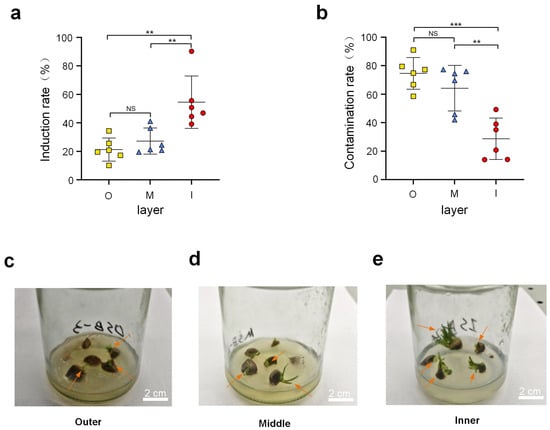
Lily (Lilium spp.) is a perennial ornamental plant valued for its striking ornamental value and the edible and medicinal properties of its bulbs. Compared to other lilies, Oriental lilies are characterized by their large flowers and strong fragrance, making them one of [...] Read more.
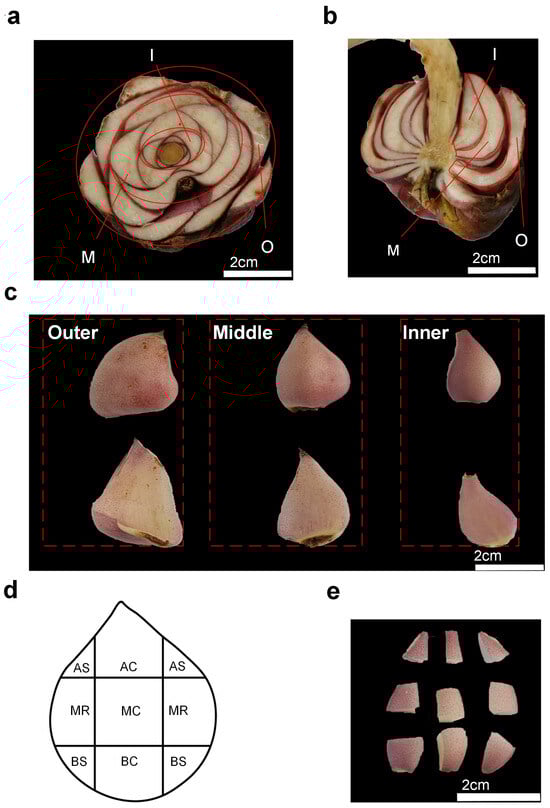
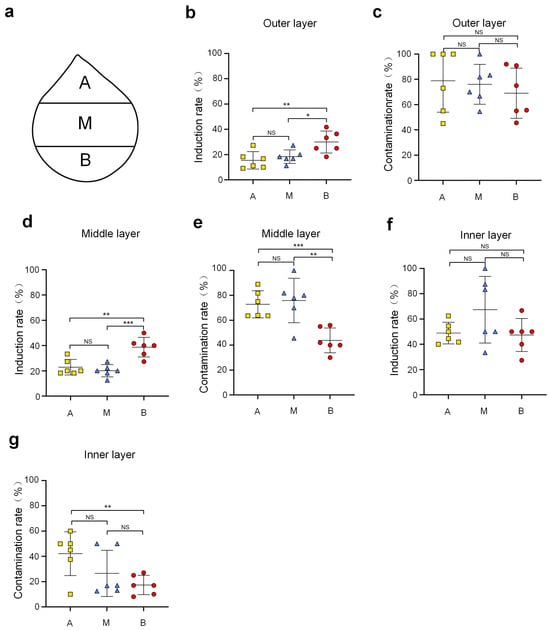
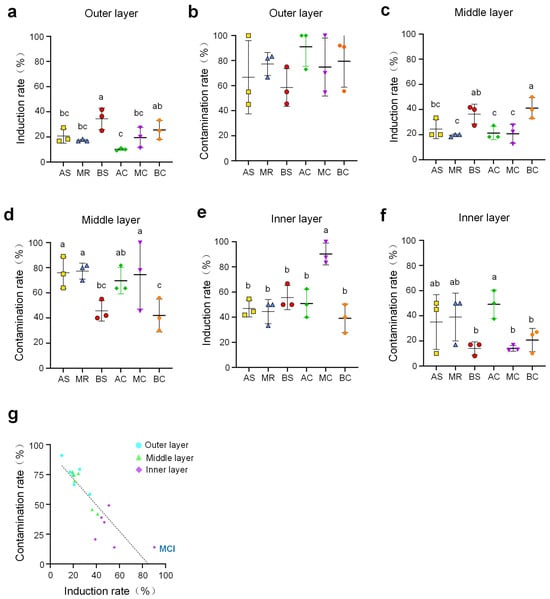
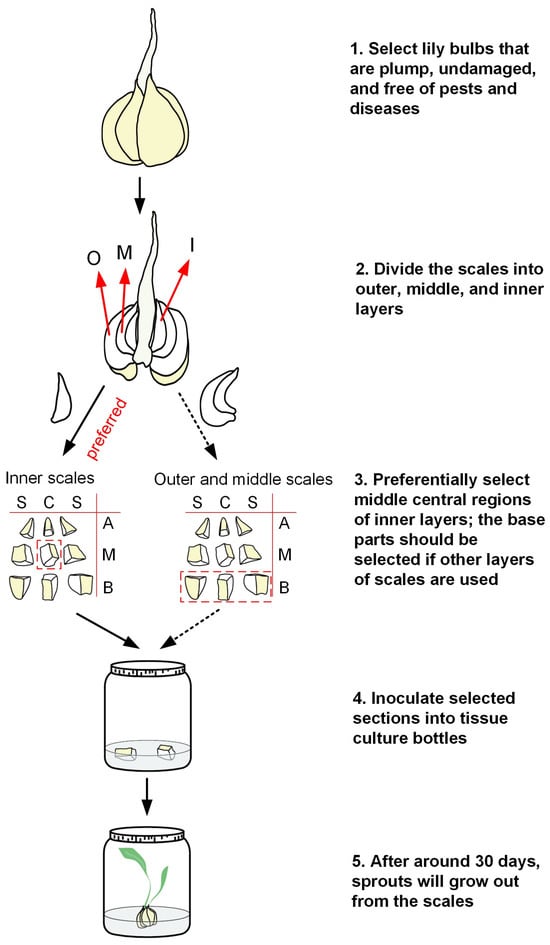
Lily (Lilium spp.) is a perennial ornamental plant valued for its striking ornamental value and the edible and medicinal properties of its bulbs. Compared to other lilies, Oriental lilies are characterized by their large flowers and strong fragrance, making them one of the most popular types of lilies on the market. It is important to identify optimal parts of lily bulbs for rapid propagation of tissue culture seedlings. In this study, bulb scales of the Oriental lily ‘Pacific Ocean’ were used to explore the optimal parts for the tissue culture bulb induction. After 30 days of inoculation of lily scales in the induction medium, our results showed that Middle Central regions of the Inner layer scales (MCI) had the highest induction rate of 90.27 % among all regions from all layers of scales. In scales of all layers, the basal parts had the best longitudinal induction effects, followed by the middle and apical parts. Among all layers, the inner layers also had the lowest rates of contaminations. When taking both induction rate and contamination rate into account, MCI also represents the best choice among all compared parts. In summary, our results formed a practical guide for large-scale propagation of Oriental lily using tissue culture seedlings. Full article
Show Figures

Figure 1
19 pages, 1057 KB  
Article
Genetic Merit of Parents and Heterosis in Cassava (Manihot esculenta Crantz)
by Vanderlei da Silva Santos, Helcio Duarte Pereira, Juraci Souza Sampaio Filho and Luciano Rogério Braatz de Andrade
Horticulturae 2025, 11(7), 714; https://doi.org/10.3390/horticulturae11070714 - 20 Jun 2025
Viewed by 1034
Abstract
Cassava breeders are led to discard plants before evaluating families, failing to obtain important information, such as the genetic merit of the parents. In this work, we evaluated a Clonal Evaluation Trial (CET) with 1886 clones from 57 crosses in an augmented block [...] Read more.
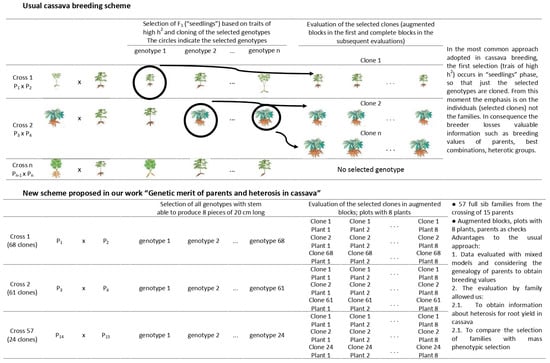
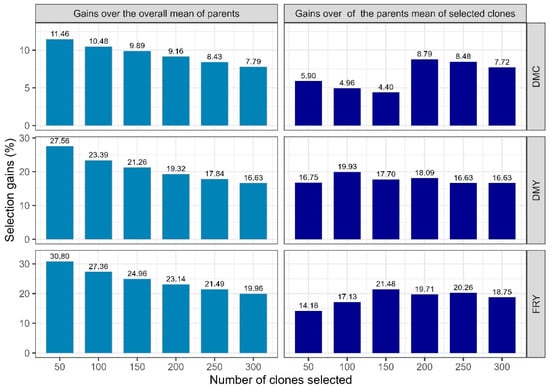
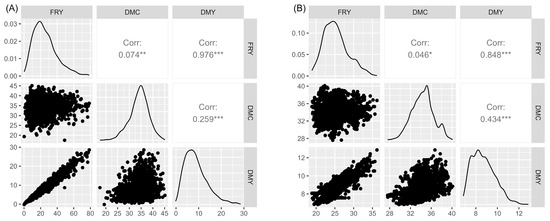
Cassava breeders are led to discard plants before evaluating families, failing to obtain important information, such as the genetic merit of the parents. In this work, we evaluated a Clonal Evaluation Trial (CET) with 1886 clones from 57 crosses in an augmented block design with the 15 parents used as check treatments. We applied a mixed-model framework incorporating pedigree information. Three traits (fresh root yield (FRY), dry matter content (DMC) and dry matter yield (DMY)) were evaluated, and genetic gains considering several selection intensities were investigated. Disregarding the family structure, the gains for FRY (19.96 to 30.80%) and DMY (16.63 to 27.56%) were much higher than the estimated for DMC (7.79 to 11.46%). The means of clones were very near to the mean of parents for all traits, suggesting the absence of heterosis. However, considering the data by family, heterosis varied from −4.38 to 7.53% for FRY, from −2.74 to 1.89% for DMC and from −4.36 to 6.89% for DMY. Heterosis for FRY is not negligible, although it is small. The analysis by family enables us to infer the genetic control of the traits under study. This is not possible when the family structure is disregarded. Full article
Show Figures

Graphical abstract

2024

Jump to: 2026, 2025, 2023

14 pages, 5015 KB  
Article
Biogenic Zinc Oxide Nanoparticles Improve In Vitro Growth of Blueberries
by Luca Regni, Daniele Del Buono, Maurizio Micheli, Simona Lucia Facchin, Arianna Cesarini, Dario Priolo and Primo Proietti
Horticulturae 2024, 10(12), 1234; https://doi.org/10.3390/horticulturae10121234 - 21 Nov 2024
Cited by 7 | Viewed by 2383
Abstract
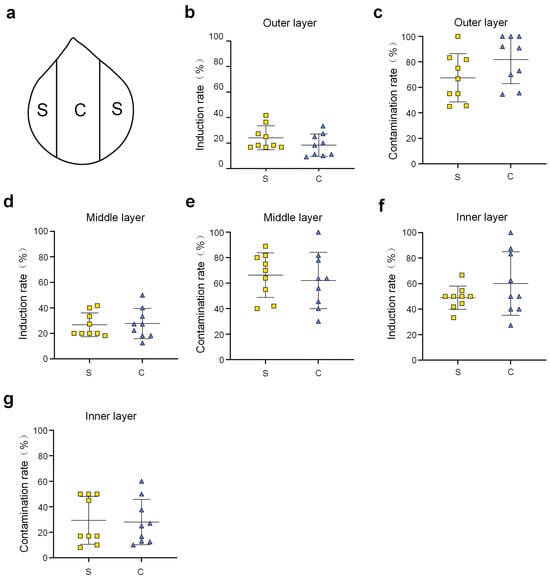
Nanotechnology offers promising applications in agriculture by enhancing crop growth, yield, and antioxidant defenses. This study is the first to evaluate the effect of biogenic zinc oxide nanoparticles (ZnO-NPs) on the in vitro growth of two blueberry cultivars, Brigitta and Duke. The ZnO-NPs [...] Read more.
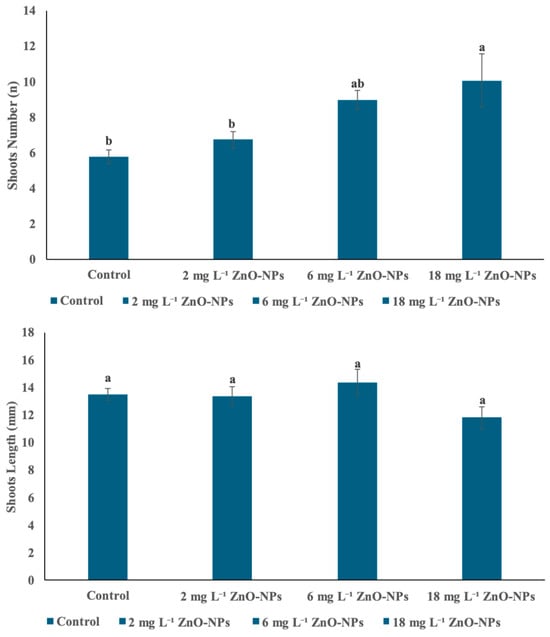
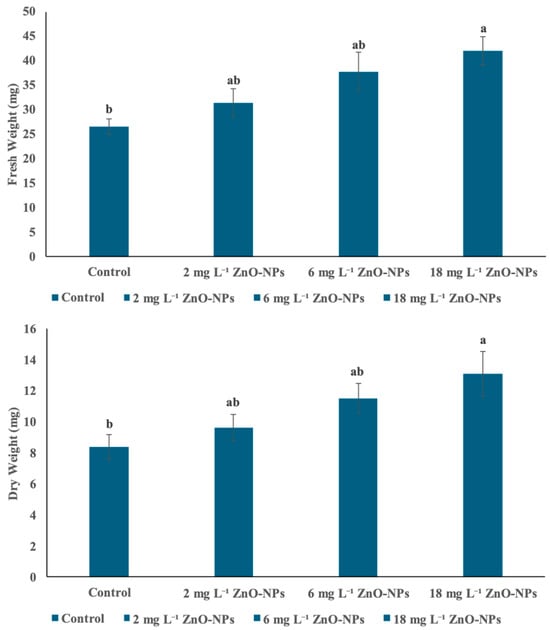
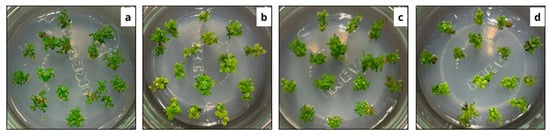
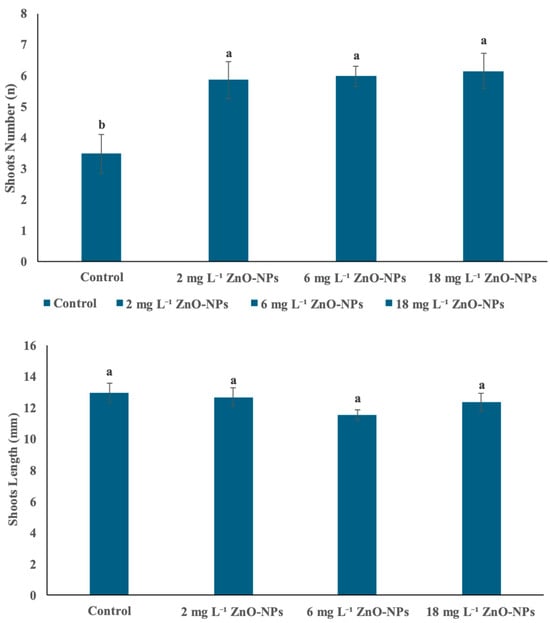
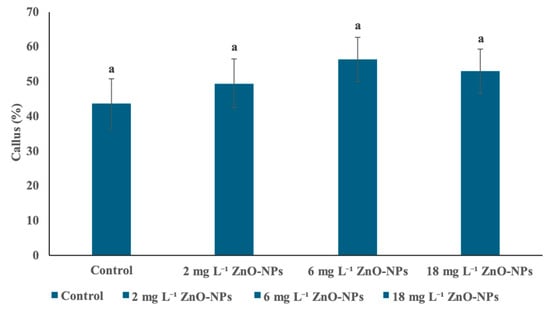
Nanotechnology offers promising applications in agriculture by enhancing crop growth, yield, and antioxidant defenses. This study is the first to evaluate the effect of biogenic zinc oxide nanoparticles (ZnO-NPs) on the in vitro growth of two blueberry cultivars, Brigitta and Duke. The ZnO-NPs were synthesized biogenically using an extract of Lemna minor L., which is a free-floating aquatic plant, as a capping and modulating agent, and were added to the plant’s growth media at different dosages (0, 2, 6, and 18 mg L−1). The ZnO-NPs significantly increased the shoot number, fresh biomass, and dry weight in both cultivars without affecting shoot vitality, length, or basal callus formation. Moreover, the increases in carotenoids in both cultivars, as well as chlorophyll and and soluble proteins in the ‘Brigitta’ cultivar, confirm the prompted benefits and possibly evidence genotype-specific metabolic adaptations in response to ZnO-NPs. These results demonstrate that biogenic ZnO-NPs can effectively promote the in vitro growth of blueberry explants, offering improvements in micropropagation efficiency. Full article
Show Figures

Figure 1
11 pages, 7413 KB  
Article
In Vitro Initiation, Regeneration, and Characterization of Plants Derived from Mature Tetraploid Floral Explants of Date Palm (Phoenix dactylifera L.)
by Ahmed Othmani, Amel Sellemi, Monia Jemni, Karim Kadri, Leen Leus and Stefaan P. O. Werbrouck
Horticulturae 2024, 10(11), 1206; https://doi.org/10.3390/horticulturae10111206 - 15 Nov 2024
Cited by 3 | Viewed by 2690
Abstract
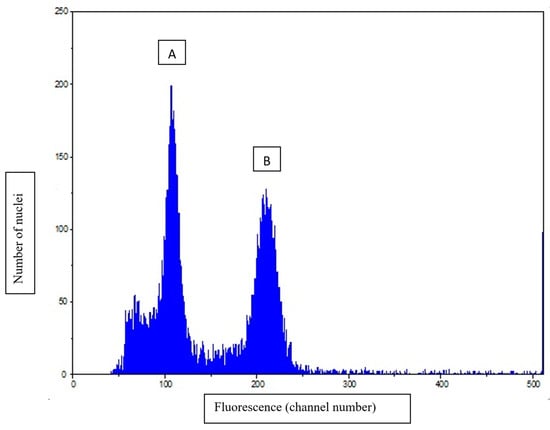
A stable tetraploid date palm mutant with the potential for increased fruit size was recovered from a sectorial di-tetraploid chimera via the in vitro culture of flower explants. Callus was induced using 2,4-D, followed by shoot regeneration on a medium containing NAA and [...] Read more.
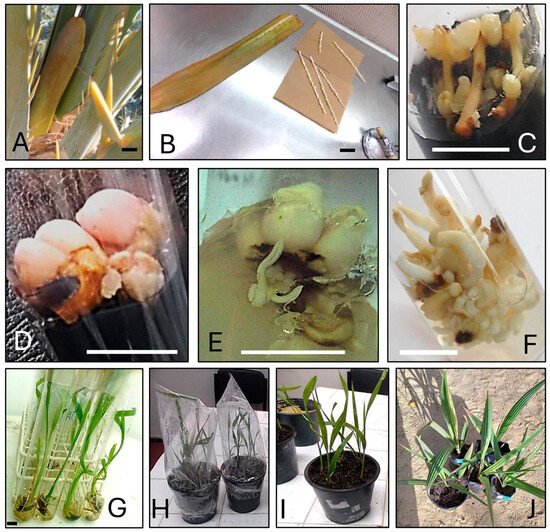
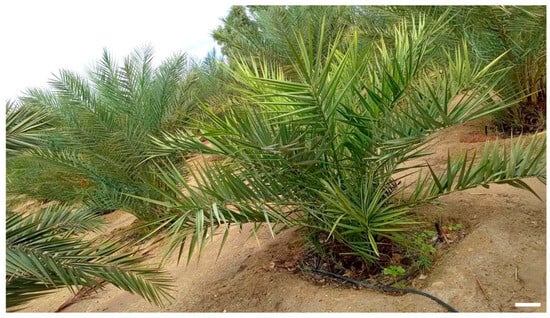
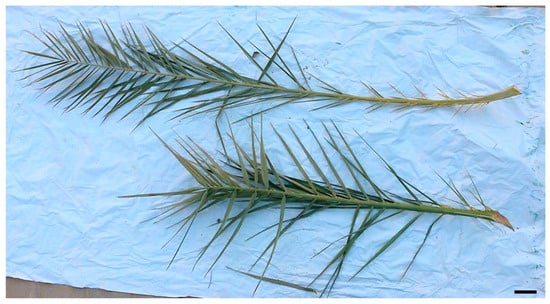
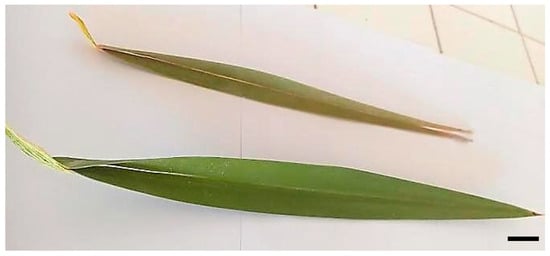
A stable tetraploid date palm mutant with the potential for increased fruit size was recovered from a sectorial di-tetraploid chimera via the in vitro culture of flower explants. Callus was induced using 2,4-D, followed by shoot regeneration on a medium containing NAA and BAP and rooting with IBA. Regenerated plantlets, confirmed as tetraploid via flow cytometry, were acclimatized and grown for six years. The leaves of tetraploids exhibited significantly wider petiole bases, thicker rachis and spines, broader leaflets, and a more intense green leaf color compared to diploids. However, leaf length, spine count, and overall leaf number were reduced. This is the first report of successful tetraploid recovery from a chimeric date palm, demonstrating the potential of this technique to generate novel germplasm and highlighting the phenotypic differences associated with tetraploidy in this species. Full article
Show Figures

Figure 1
12 pages, 865 KB  
Article
Rooting Conditions for Production of Guarana Clonal Seedlings
by Karla Gabrielle Dutra Pinto, Rocinádia Franco Parédio, André Luiz Atroch, Firmino José do Nascimento Filho, Naara Raana da Costa Leite, Bruna Nogueira Leite Konrad and Sônia Maria Figueiredo Albertino
Horticulturae 2024, 10(11), 1169; https://doi.org/10.3390/horticulturae10111169 - 5 Nov 2024
Cited by 2 | Viewed by 2100
Abstract
The guaraná tree is a species known for the stimulating properties found in its seeds, leading to increased consumption and promising production. Cultivation is primarily carried out in family farming systems, and one of the challenges in the production process is the acquisition [...] Read more.
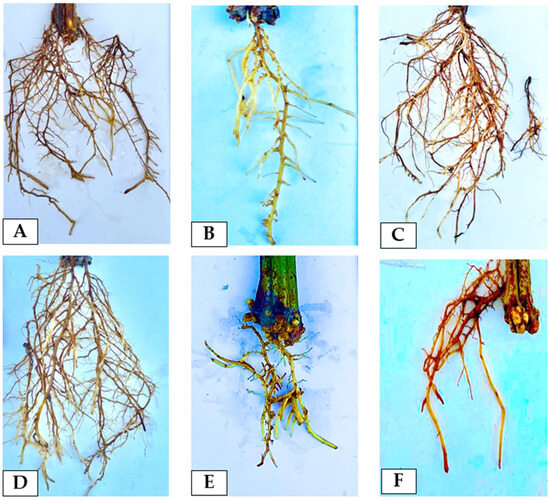
The guaraná tree is a species known for the stimulating properties found in its seeds, leading to increased consumption and promising production. Cultivation is primarily carried out in family farming systems, and one of the challenges in the production process is the acquisition of seedlings. The conventional nursery system, which employs intermittent misting for the production of guaraná clones, raises the cost of seedlings, necessitating the exploration of alternatives to this approach. The aim of this study was to evaluate different conditions as alternatives to the conventional nursery system for rooting guaraná cuttings. The experimental design was entirely randomized, featuring three guaraná genotypes, BRS Maués, BRS CG 611, and BRS Luzeia, alongside two rooting conditions, the conventional nursery and a humid chamber with nebulization, with four repetitions. The rooting of guaraná clones was significantly influenced by the interaction between conditions and genotypes. The humid chamber with nebulization demonstrated superior root system characteristics among the tested conditions, with a rooting rate of 56.66% for BRS Luzeia. This method proved to be efficient and accessible for small producers, making it a satisfactory option for rooting guaraná trees. Full article
Show Figures

Figure 1
16 pages, 3154 KB  
Article
Aerial Root Growth and Development Mechanism of Flowering Cherry ‘Gotenba zakura’ (Prunus incisa) and Its Relationship with Waterlogging Tolerance
by Xiaoxuan Feng, Tong Lyu and Yingmin Lyu
Horticulturae 2024, 10(9), 991; https://doi.org/10.3390/horticulturae10090991 - 19 Sep 2024
Cited by 1 | Viewed by 2488
Abstract
Flowering cherry is a renowned ornamental woody plant valued for its landscape applications and economic benefits in gardens. However, waterlogging during the rainy season in some areas causes death and heavy losses. Fortunately, we have found that the flowering cherry ‘Gotenba zakura’ ( [...] Read more.
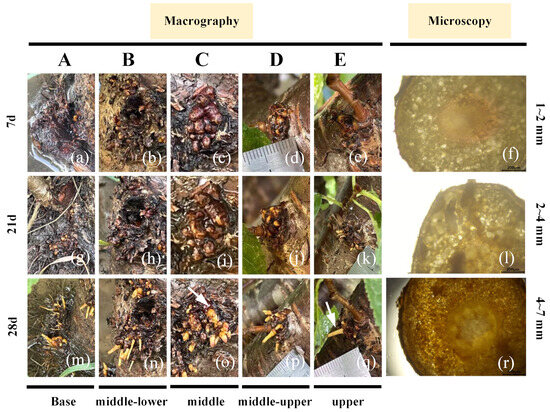
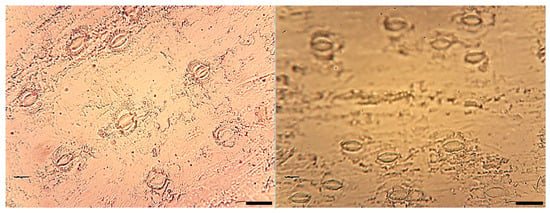
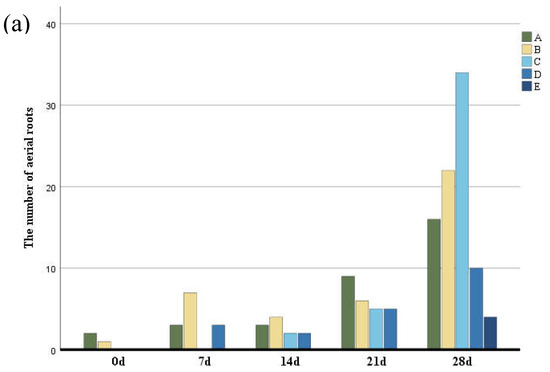
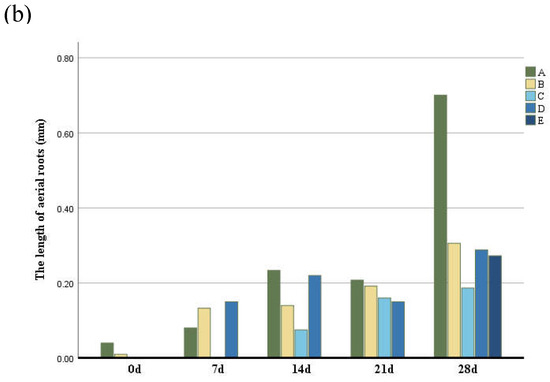
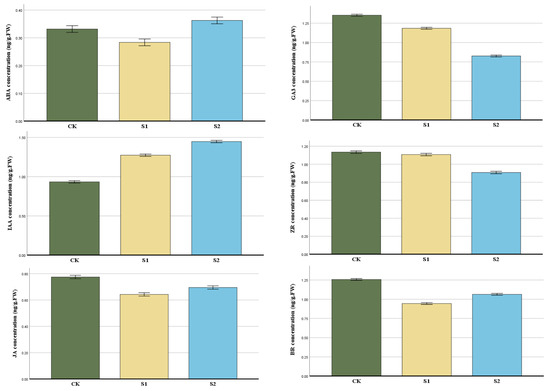
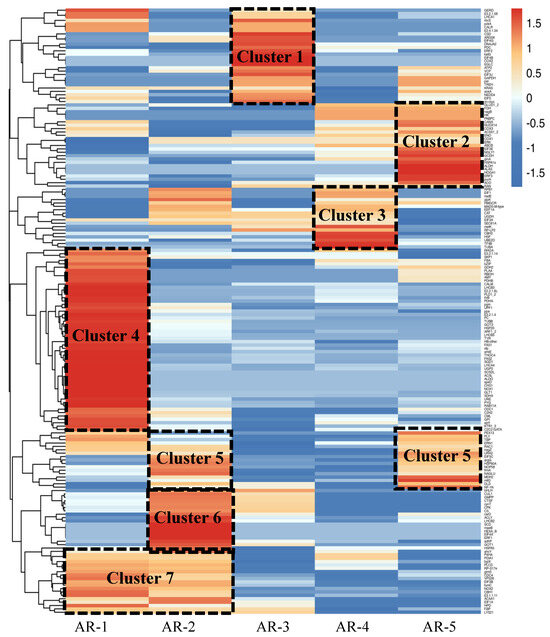
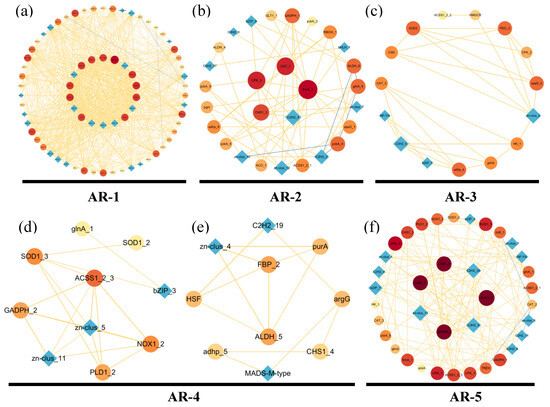
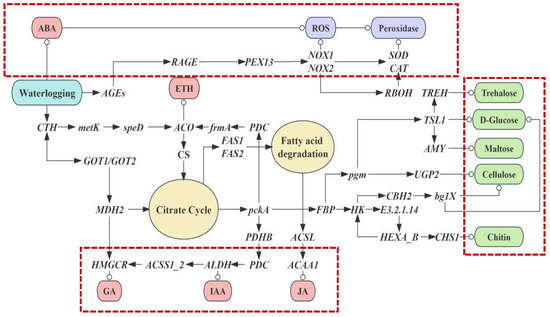
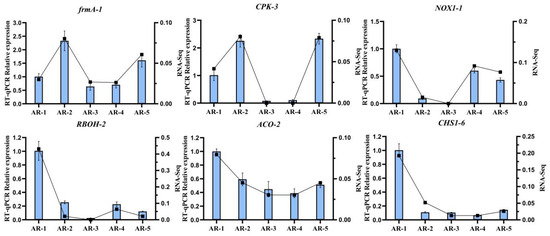
Flowering cherry is a renowned ornamental woody plant valued for its landscape applications and economic benefits in gardens. However, waterlogging during the rainy season in some areas causes death and heavy losses. Fortunately, we have found that the flowering cherry ‘Gotenba zakura’ (Prunus incisa Thunberg) is capable of generating aerial roots when subjected to heavy rains and prolonged floods. In this study, we conducted an associated analysis to explore the core regulating network of the aerial root growth mechanism in flowering cherry ‘Gotenba zakura’ by combining phenotypic observations, physiological assays, and transcriptome comparisons across five distinct stages. Through the analysis of the heatmap of DEGs (Differentially Expressed Genes) and the gene co-expression network (GCN), we identified genes that may play critical roles under waterlogging stress. The gene network indicates that aerial roots enhance waterlogging tolerance through ROS degradation, endogenous hormone induction, and energy production. This discovery provides a solid foundation for understanding the waterlogging tolerance of flowering cherry and offers molecular evidence for selecting promising rootstocks for breeding, aimed at improving waterlogging tolerance through grafting. Full article
Show Figures

Figure 1
12 pages, 5386 KB  
Article
Red and Far-Red Light Combined with Trans-Cinnamic Acid Enhances In Vitro Rooting and Reduces Callus Formation in Lavender
by Hajer Darouez and Stefaan P. O. Werbrouck
Horticulturae 2024, 10(9), 954; https://doi.org/10.3390/horticulturae10090954 - 6 Sep 2024
Cited by 5 | Viewed by 2248
Abstract
Lavender (Lavandula angustifolia Mill.) is a valuable crop with diverse applications, but its in vitro rooting can be hindered by its sensitivity to natural auxins and it often fails to root due to callus formation. The current study investigates the effects of [...] Read more.
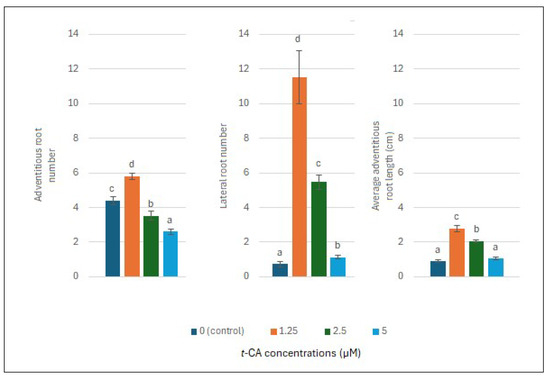
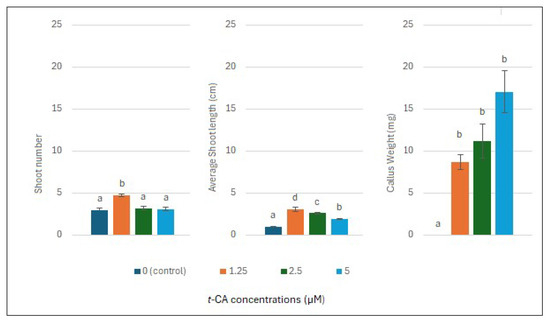
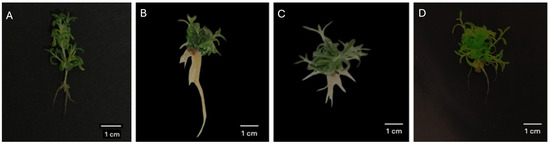
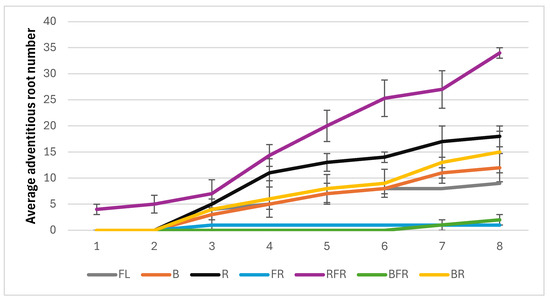
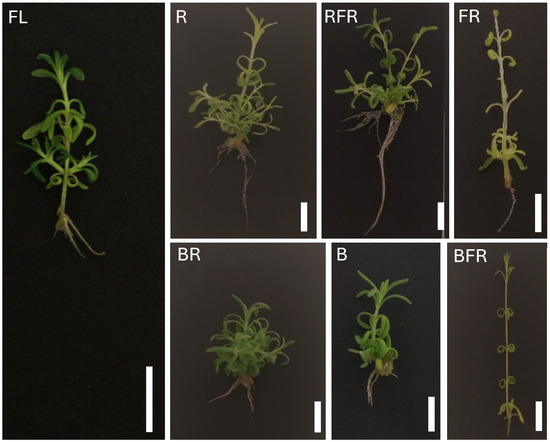
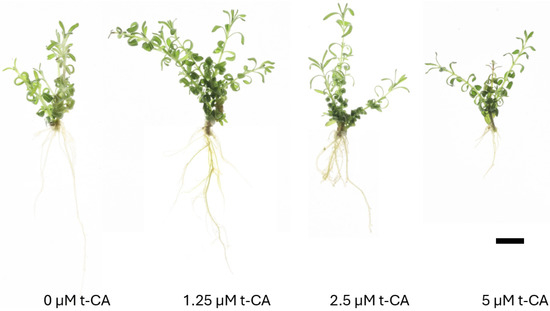
Lavender (Lavandula angustifolia Mill.) is a valuable crop with diverse applications, but its in vitro rooting can be hindered by its sensitivity to natural auxins and it often fails to root due to callus formation. The current study investigates the effects of light spectra emitted by LEDs and the application of trans-cinnamic acid (t-CA) on the morphology, propagation, and rooting of lavender shoots in vitro. Initially, the influence of different concentrations of t-CA (0, 1.25, 2.5, or 5 µM) was evaluated under fluorescent light. The application of 1.25 µM t-CA was found to be the most effective in promoting root development while minimizing callus formation. Subsequently, the impact of different light spectra (fluorescent light and combinations of blue, red, and far-red monochromatic LED light) was explored. The combination of red and far-red (RFR) light significantly accelerated rooting and resulted in the most substantial increase in root number and length. Finally, the combined effects of 1.25 µM t-CA and RFR light were assessed. This combination produced the most favorable overall results, notably, a 4.3-fold increase in lateral root number compared to RFR light alone. These findings underscore the potential of optimizing both t-CA concentration and light spectra to enhance the in vitro propagation of lavender. Full article
Show Figures

Figure 1
20 pages, 4532 KB  
Article
Phenotypic and Biochemical Trait Improvement in Husk Tomatoes (Physalis sp.) through EMS-Induced Mutagenesis
by Md Ashraful Islam, Fabeeha Tarannum, Afsana Hossain Dina, Minhaz Ahmed, Md Ahsanul Haque, Sezai Ercişli, Md Golam Rasul, Duran Simsek and Mehfuz Hasan
Horticulturae 2024, 10(9), 913; https://doi.org/10.3390/horticulturae10090913 - 27 Aug 2024
Cited by 3 | Viewed by 2023
Abstract
Husk tomatoes are used in salsa and traditional medicine to alleviate illnesses. Market demand requires husk tomato varieties with improved agronomic and physicochemical health benefits. Mutagen application alters plant genomes, creating new traits and genetic diversity. The efficacy of EMS (ethyl methanesulfonate) was [...] Read more.
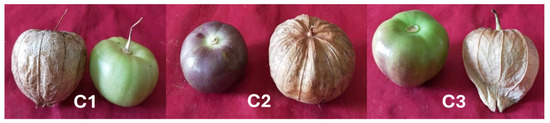
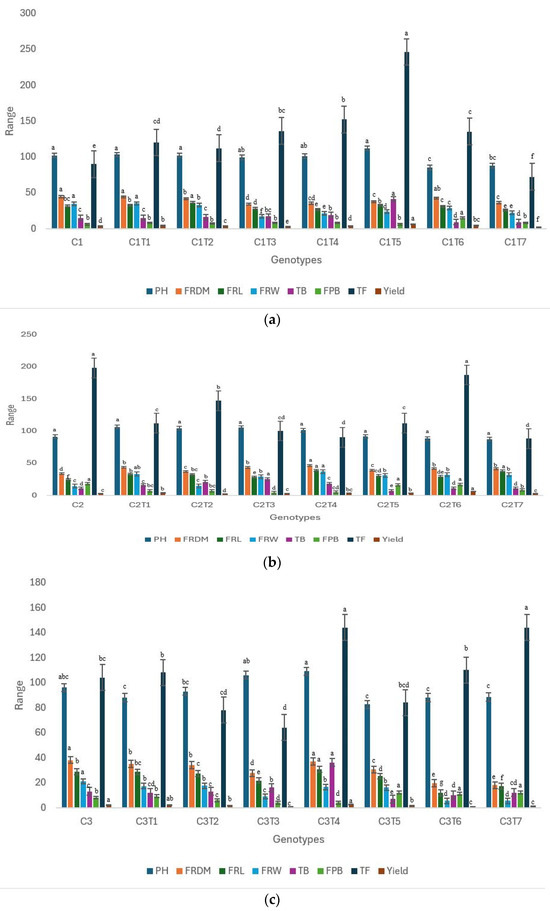
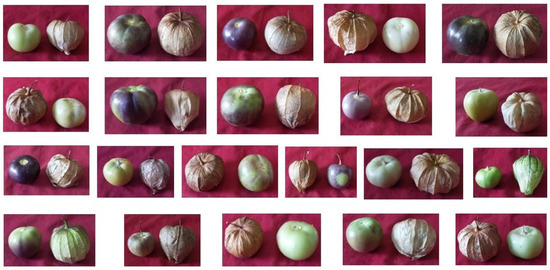
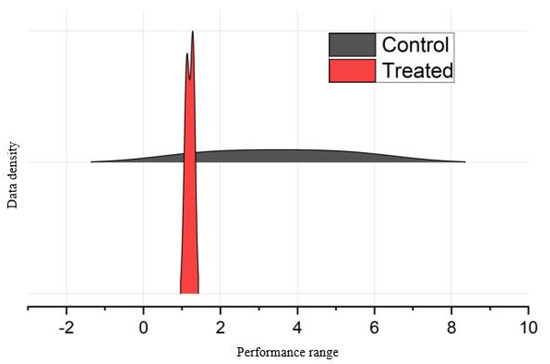
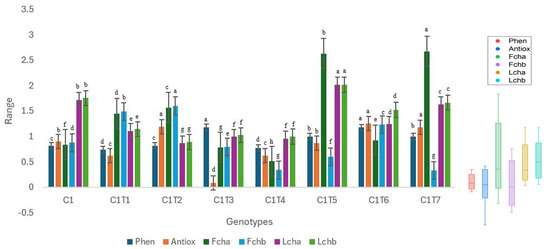
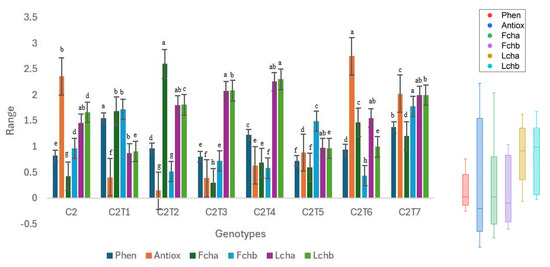
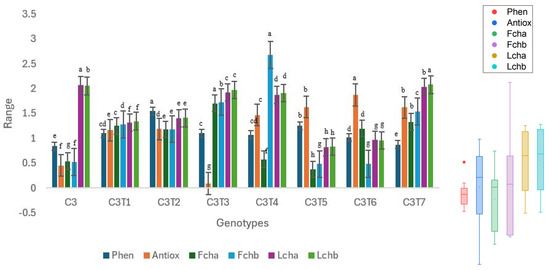
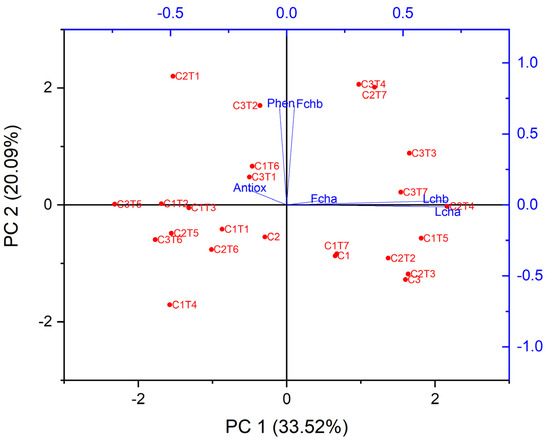
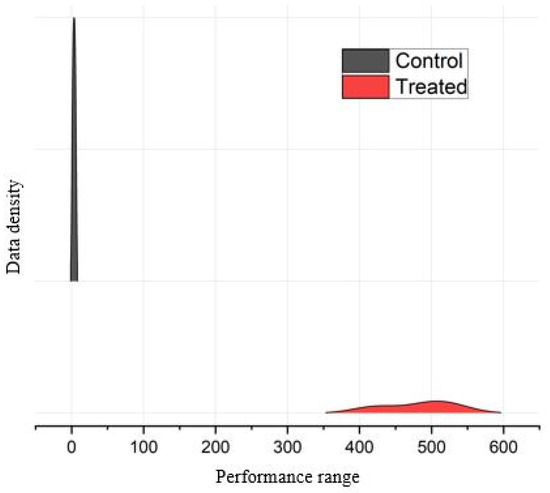
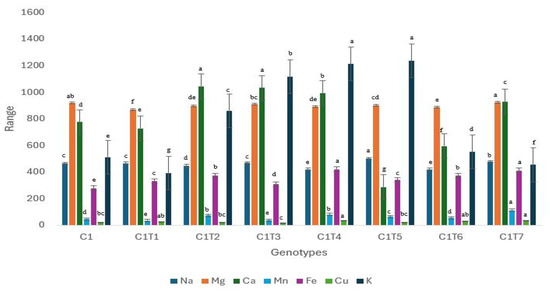
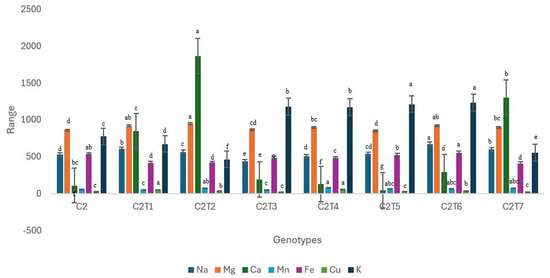
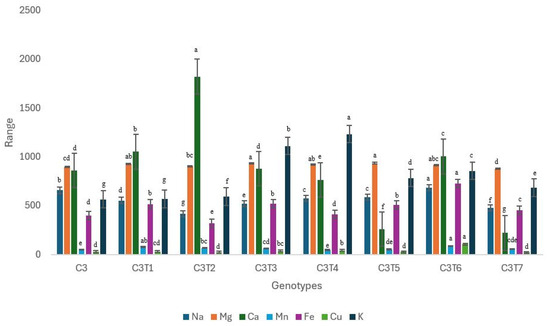
Husk tomatoes are used in salsa and traditional medicine to alleviate illnesses. Market demand requires husk tomato varieties with improved agronomic and physicochemical health benefits. Mutagen application alters plant genomes, creating new traits and genetic diversity. The efficacy of EMS (ethyl methanesulfonate) was examined for morphology, bioactive compounds, and phytochemical improvement. Three husk tomato genotypes representing Physalis philadelphica and Physalis ixocarpa underwent two hours of 1.4% EMS. In addition to yield and yield-related properties, total phenol, antioxidant activity, chlorophyll a and b levels in leaves and fruits, and phytochemical concentrations of Na, Mg, Ca, Mn, Fe, Cu, and K in fruits were measured. Genotype-dependent morphological changes were found. The mutants C1T6 (85 cm) and C1T7 (87.60 cm) were shorter than Control C1 (102 cm). The highest yield was 5.80 g for C1T5; Control C1 produced 3.08. The mutant C2T6 produced the most (5.99 g) compared to its control (2.85 g). Mutants had higher total phenol, antioxidant activity, and leaf/fruit chlorophyll. C1T2 had the highest antioxidant activity (1.19 ng/µL). C2T1 outperformed Control C2 at 1.54 ng/µL phenolic content. C3T2 had the highest Ca content (1822 µg/g), while Control C3 had 861.20 µg/g. Mutations altered phytochemical composition, which can be used to generate nutritionally superior husk tomato varieties. Additionally, scientists will be able to study mutants with advantageous morphological and biochemical traits, enabling extensive research. Furthermore, the mutants will serve as a genetic repository for the progression of breeding procedures. Full article
Show Figures

Figure 1

11 pages, 2138 KB  
Article
Selection of Tomato (Solanum lycopersicum) Hybrids Resistant to Fol, TYLCV, and TSWV with Early Maturity and Good Fruit Quality
by Richecarde Lafrance, Claudia Villicaña, José Benigno Valdéz-Torres, Raymundo Saúl García-Estrada, Manuel Alonzo Báez Sañudo, Mayra Janeth Esparza-Araiza and Josefina León-Félix
Horticulturae 2024, 10(8), 839; https://doi.org/10.3390/horticulturae10080839 - 8 Aug 2024
Cited by 1 | Viewed by 3578
Abstract
Tomato (Solanum lycopersicum L.) is widely grown in the tropics, where its production is subjected to heavy disease losses. A goal of tomato breeders is genetic improvement of early maturity genotypes with higher fruit quality under challenging environmental conditions, such as the [...] Read more.
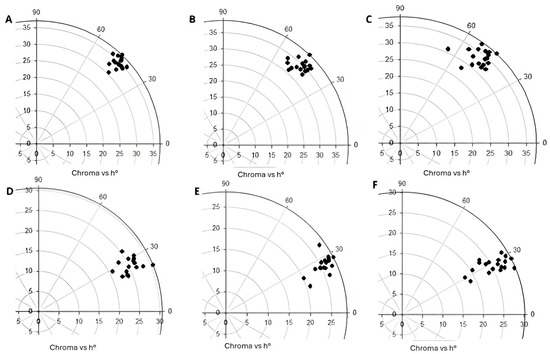
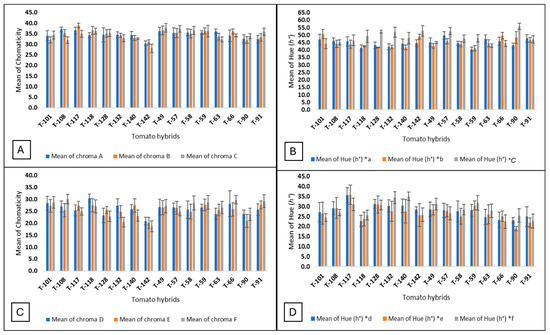
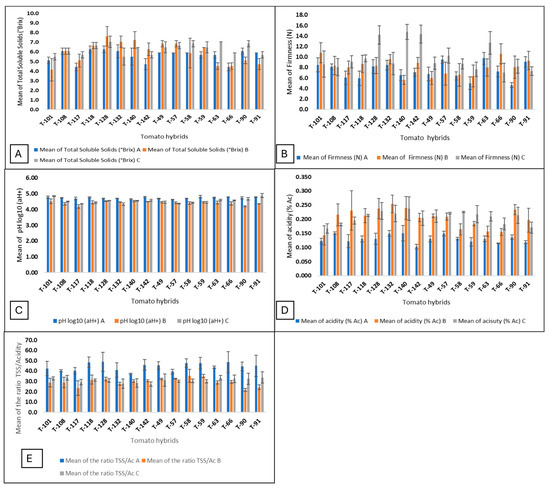
Tomato (Solanum lycopersicum L.) is widely grown in the tropics, where its production is subjected to heavy disease losses. A goal of tomato breeders is genetic improvement of early maturity genotypes with higher fruit quality under challenging environmental conditions, such as the presence of multiple pathogens, is the goal of tomato breeders. In Mexico, tomato is one of the main exported vegetables, grown in most of the northwestern states of the country, with the state of Sinaloa as one of the largest producers. In this study, we evaluated fruit quality parameters in 16 tomato hybrids (14 hybrids under development in Sinaloa and 2 as commercial lines), which were previously analyzed with molecular markers to detect gene resistance. The hybrids were harvested at the “red ripe” stage at three different harvest dates. Total soluble solids (TSS), titratable acidity, pH, color, firmness, and the TSS/acidity ratio were evaluated. Of the 16 hybrids analyzed, 2 showed the presence of genes for resistance to TYLCV, 7 for resistance to TSWV and Fol race 3, 15 for resistance to Fol race 2, and all 16 for resistance to Fol race l. Results show that most of the tomato hybrids analyzed during the three harvest dates met market standards reported in the USDA’s fresh tomato import regulations and Mexico Supreme Quality 2005 (MCS Mexico Calidad Suprema for its acronym in Spanish). However, two of the advanced developmental hybrids better met the market requirements and are also maturing early. Full article
Show Figures

Figure 1

2023

Jump to: 2026, 2025, 2024

10 pages, 3684 KB  
Article
Enhancement of Propagation Using Organic Materials and Growth Hormone: A Study on the Effectiveness of Growth and Rooting of Pomegranate Cuttings
by Shafiqullah Aryan, Gulbuddin Gulab, Zabihullah Safi, Asmatullah Durani, Mohammad Ghani Raghib, Kifayatullah Kakar, Tayebullah Zahid, Bakht Munir Baber, Yogesh K. Ahlawat, Ihab Mohamed Moussa and Hosam O. Elansary
Horticulturae 2023, 9(9), 999; https://doi.org/10.3390/horticulturae9090999 - 4 Sep 2023
Cited by 6 | Viewed by 7632
Abstract
Pomegranate production in Afghanistan is increasing remarkably, but nursery services are lacking, leading to inconsistent growth and low rooting percentages in cuttings. Hence, this research was conducted at the greenhouse of Nangarhar University, Faculty of Agriculture, to investigate the efficacy of indole-3-butyric acid [...] Read more.
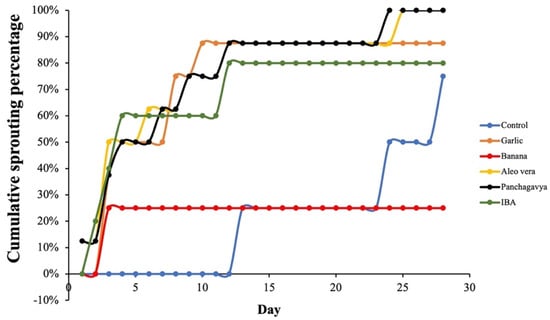
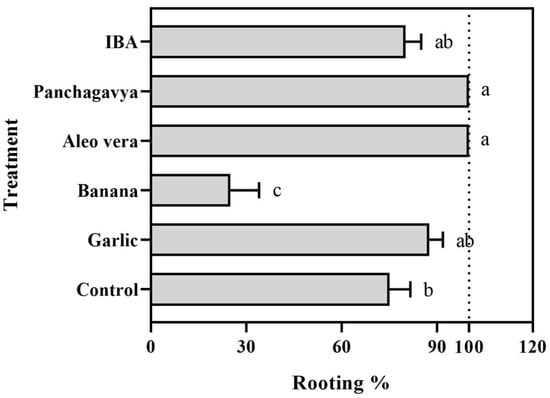
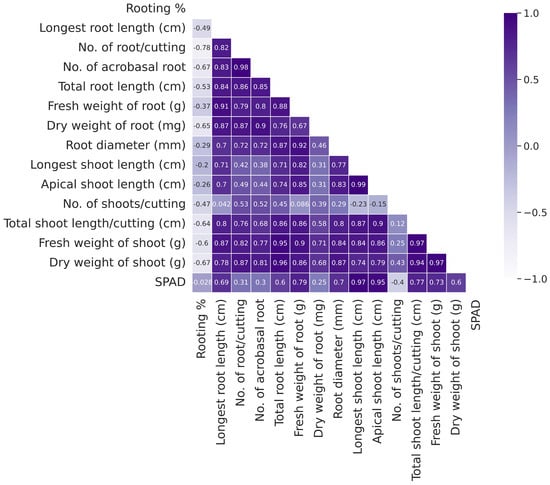
Pomegranate production in Afghanistan is increasing remarkably, but nursery services are lacking, leading to inconsistent growth and low rooting percentages in cuttings. Hence, this research was conducted at the greenhouse of Nangarhar University, Faculty of Agriculture, to investigate the efficacy of indole-3-butyric acid (IBA) and organic materials, namely banana, garlic, aloe vera, and panchagavya, as rooting promoters on cuttings of the ideal seedless pomegranate cultivar (Bedana). The cuttings were derived from one-year-old dormant branches in mid-February of 2023. The findings indicated that panchagavya and aloe vera significantly (p < 0.05) accelerated the sprouting process of pomegranate cuttings, resulting in 100% rooting, while IBA showed a delayed initiation of sprouting. In contrast, banana had a detrimental effect on the sprouting of the cuttings. IBA and organic materials, except banana and garlic, significantly influenced all the shoot parameters. Among the treatments, panchagavya (21.1%), IBA (23.4%), and aloe vera (26.8%) demonstrated the highest number of shoots per cutting compared to the control. A consistent soil plant analysis development (SPAD) pattern was observed across treatments, positively correlating with shoot and root parameters (range, r = 0.30–0.97). The application of organic materials significantly (p < 0.05) impacted root length, acrobasal roots, root diameter, total root length, and root fresh weight. However, banana and garlic yielded contrasting results in most of these parameters. In conclusion, aloe vera and panchagavya are found to be more suitable for propagating pomegranates through cuttings, making them excellent alternatives to IBA for nurserymen and companies. Full article
Show Figures

Figure 1

Back to TopTop