Journal Description
International Journal of Environmental Research and Public Health
(IJERPH) is a transdisciplinary, peer-reviewed, open access journal that covers global health, healthcare sciences, behavioral and mental health, infectious diseases, chronic diseases and disease prevention, exercise and health related quality of life, environmental health and environmental sciences, and is published monthly online by MDPI. The International Society Doctors for the Environment (ISDE), Italian Society of Environmental Medicine (SIMA) and Environmental Health Association of Québec (ASEQ‑EHAQ) are affiliated with IJERPH and their members receive discounts on the article processing charges.
- Open Access— free for readers, with article processing charges (APC) paid by authors or their institutions.
- High Visibility: indexed within Scopus, PubMed, MEDLINE, PMC, Embase, GEOBASE, CAPlus / SciFinder, and other databases.
- Journal Rank: CiteScore - Q1 (Public Health, Environmental and Occupational Health)
- Rapid Publication: manuscripts are peer-reviewed and a first decision is provided to authors approximately 29.5 days after submission; acceptance to publication is undertaken in 3.9 days (median values for papers published in this journal in the second half of 2025).
- Recognition of Reviewers: reviewers who provide timely, thorough peer-review reports receive vouchers entitling them to a discount on the APC of their next publication in any MDPI journal, in appreciation of the work done.
- Testimonials: See what our editors and authors say about IJERPH.
- Sections: published in 7 topical sections.
- Journal Cluster of Healthcare Sciences and Services: Geriatrics, Journal of Ageing and Longevity, Healthcare, Hospitals, Hygiene, International Journal of Environmental Research and Public Health and Nursing Reports.
Latest Articles
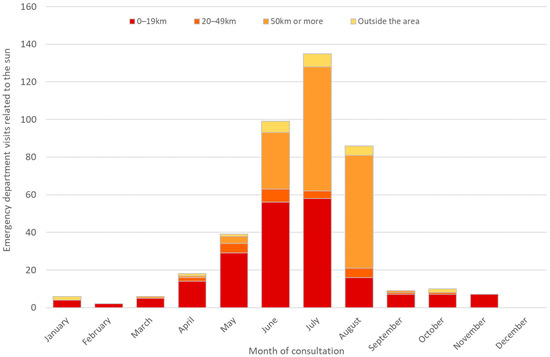
Sun-Exposure-Related Healthcare Use: Analysis of Pharmacy Sales, SOS Médecins Records, and Emergency Department Visits: PRISME Study, Occitanie, Southern France, 2019–2022
Int. J. Environ. Res. Public Health 2026, 23(4), 476; https://doi.org/10.3390/ijerph23040476 (registering DOI) - 9 Apr 2026
Abstract
►
Show Figures
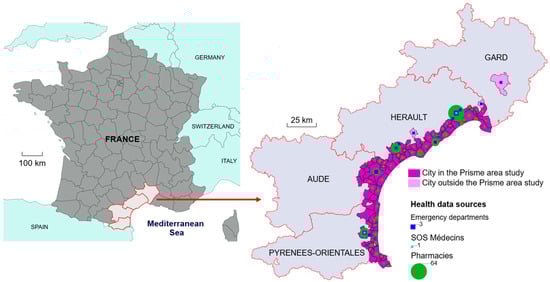
UV radiation causes health effects and repeated excessive sun exposure during childhood increases the risk of skin cancer in adulthood. The French region of Occitanie combines conditions conducive to sun exposure with a wide range of healthcare services. The study aims to describe
[...] Read more.
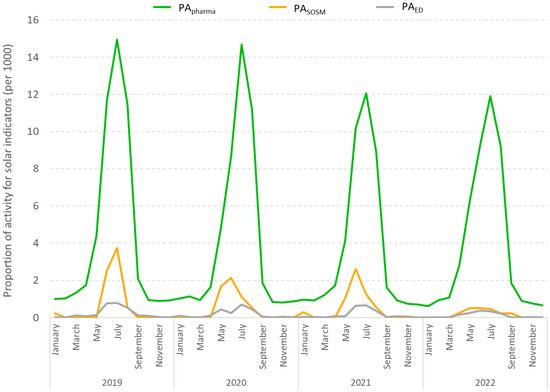
UV radiation causes health effects and repeated excessive sun exposure during childhood increases the risk of skin cancer in adulthood. The French region of Occitanie combines conditions conducive to sun exposure with a wide range of healthcare services. The study aims to describe temporal variations related to sun overexposure and patient characteristics, and evaluate the relevance of each data source. We conducted a retrospective analysis (2019–2022) on pharmacy sales, emergency care provided by SOS Médecins (SOSM), and emergency departments (EDs). More than 220,000 customers purchased products associated with sun overexposure, while 71 SOSM procedures and 417 ED visits were recorded. The activity is clearly seasonal, but remains five to ten times higher for pharmacies than for other sources. About 80% of ED patients were under 40 years of age, while 50% lived within 20 km of the consultation location. The impacts on healthcare systems vary, and each provides complementary insights into care related to sun overexposure. Increases in pharmacy sales are observed as early as spring, underscoring the need to strengthen prevention messaging from the start of the season. The study confirms the value of pharmacy sales data for assessing the impact of sun exposure, but ED or SOSM data enable real-time monitoring and patient characterization.
Full article
Open AccessArticle
Predictors of Treatment Outcomes Among HIV-Positive Patients with Drug-Resistant Tuberculosis in Rural Eastern Cape, South Africa: A Retrospective Cohort Study
by
Thembile Zini, Urgent Tsuro, Lindiwe Modest Faye, Ncomeka Sineke and Monwabisi Faleni
Int. J. Environ. Res. Public Health 2026, 23(4), 474; https://doi.org/10.3390/ijerph23040474 (registering DOI) - 9 Apr 2026
Abstract
►▼
Show Figures
Background: Drug-resistant tuberculosis (DR-TB) remains a major public health challenge in South Africa, particularly in rural settings with high HIV co-infection rates. Understanding predictors of treatment response among people living with HIV is essential for improving clinical management and programmatic outcomes. This study
[...] Read more.
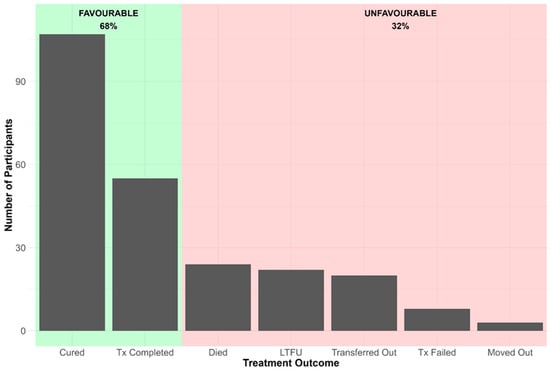
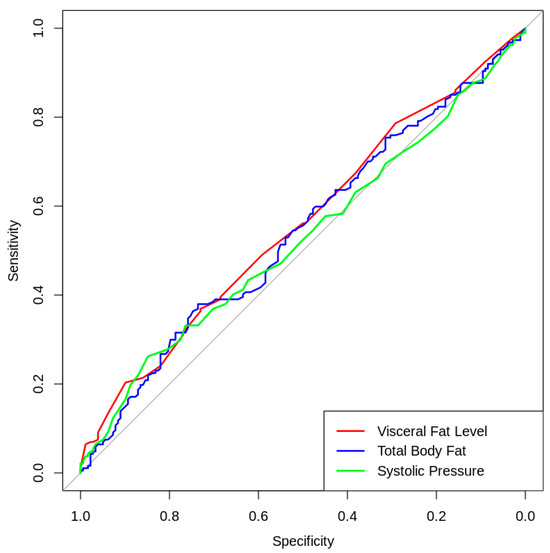
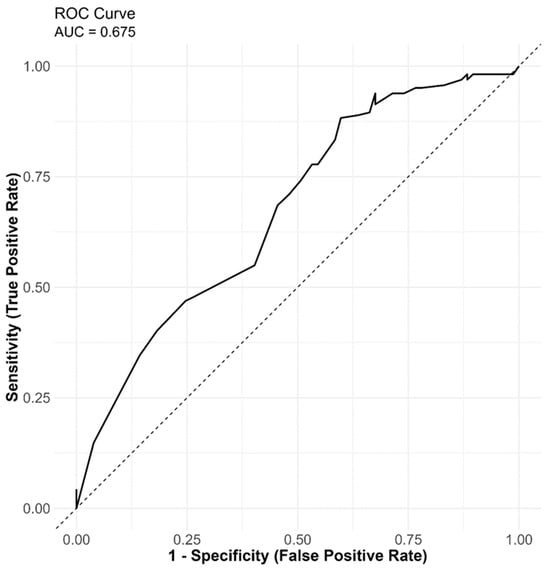
Background: Drug-resistant tuberculosis (DR-TB) remains a major public health challenge in South Africa, particularly in rural settings with high HIV co-infection rates. Understanding predictors of treatment response among people living with HIV is essential for improving clinical management and programmatic outcomes. This study aimed to identify socio-demographic and clinical predictors of treatment outcomes among HIV-positive individuals diagnosed with multidrug-resistant (MDR) and extensively drug-resistant tuberculosis (XDR-TB) in rural Eastern Cape Province, South Africa. Methods: A retrospective cohort study was conducted using routinely collected clinical records of DR-TB patients initiated on treatment between January 2020 and December 2024 at two public healthcare facilities. A total of 239 patients with complete treatment outcome data were included. Treatment outcomes were classified as favourable (cured or treatment completed) or unfavourable (death, treatment failure, or loss to follow-up). Descriptive statistics were used to summarise patient characteristics, while univariate and multivariable logistic regression analyses were performed to identify factors associated with treatment outcomes. Results: Most participants were aged ≤ 39 years (58%), male (60%), unemployed (90%), and without income (80%). MDR-TB accounted for 40% of cases, rifampicin-resistant-TB (RR-TB) for 53%, and XDR-TB for 7.1%. Multivariable analysis showed that XDR-TB was the strongest independent predictor of unfavourable treatment outcome (AOR = 0.18; 95% CI: 0.06–0.58; p = 0.004). Income status was also significantly associated with outcome, with participants reporting some incomes having lower odds of favourable outcomes (AOR = 0.46; 95% CI: 0.23–0.92; p = 0.036). The model demonstrated modest predictive performance (AUC = 0.67). Conclusions: These findings highlight the dominant influence of resistance phenotype, particularly XDR-TB, on treatment prognosis among HIV-positive DR-TB patients in rural Eastern Cape. Integrating early resistance profiling, intensified clinical management of XDR-TB, and socioeconomic support mechanisms may improve treatment outcomes in high-burden rural settings.
Full article

Figure 1

Open AccessArticle
Impact of Joint Commission International (JCI) Accreditation on Patient Satisfaction with Outpatient Departments: Comparative Cross-Sectional Study in Astana, Kazakhstan
by
Kaisar Kudabayev, Aigul Ismailova, Kenesh Dzhusupov, Oxana Tsigengagel, Yerlan Naubetov, Bakhyt Yeleussizova and Yedil Omyrzakov
Int. J. Environ. Res. Public Health 2026, 23(4), 473; https://doi.org/10.3390/ijerph23040473 - 9 Apr 2026
Abstract
The current study aimed to examine whether Joint Commission International (JCI) accreditation is associated with higher patient satisfaction. A cross-sectional, questionnaire-based comparative study was conducted between April and July 2025 in outpatient departments of one JCI-accredited hospital (University Medical Center) and two nationally
[...] Read more.
The current study aimed to examine whether Joint Commission International (JCI) accreditation is associated with higher patient satisfaction. A cross-sectional, questionnaire-based comparative study was conducted between April and July 2025 in outpatient departments of one JCI-accredited hospital (University Medical Center) and two nationally accredited public polyclinics in Astana, Kazakhstan. The questionnaire was designed to assess satisfaction across four domains: communication, staff responsiveness, hospital environment, and perceived quality of care. The patients attending the JCI-accredited hospital demonstrated significantly higher satisfaction across all domains compared to those of nationally accredited hospitals (p < 0.01). The largest difference was observed in staff responsiveness. In the multivariable regression analysis, the accreditation status emerged as the strongest independent predictor of overall patient satisfaction score (β = 0.42; 95% CI: 0.31–0.53; p < 0.001), even after adjusting for age, gender, education, employment status, and prior hospital visits. Education level and previous hospital experience were modest yet statistically significant predictors, whereas age, gender, and employment status were not significant in the adjusted analyses. JCI accreditation was associated with higher patient satisfaction scores in outpatient care settings, indicating a positive relationship between accreditation status and patient-centered outcomes.
Full article
Open AccessArticle
Improving Health Equity for Spanish-Speaking Latine Communities: Community Priorities, Challenges, and Recommendations
by
Sandy K. Aguilar-Palma, Lilli Mann-Jackson, Jorge Alonzo, Amanda E. Tanner, Thomas P. McCoy, Alain G. Bertoni, Omar Valera and Scott D. Rhodes
Int. J. Environ. Res. Public Health 2026, 23(4), 472; https://doi.org/10.3390/ijerph23040472 - 9 Apr 2026
Abstract
Our community-based participatory research (CBPR) partnership convened an in-person, bilingual empowerment theory-based community forum to disseminate and translate findings from our trial of Nuestra Comunidad Saludable (Our Healthy Community), a multilevel intervention designed to improve uptake of COVID-19 testing and vaccination among Spanish-speaking
[...] Read more.
Our community-based participatory research (CBPR) partnership convened an in-person, bilingual empowerment theory-based community forum to disseminate and translate findings from our trial of Nuestra Comunidad Saludable (Our Healthy Community), a multilevel intervention designed to improve uptake of COVID-19 testing and vaccination among Spanish-speaking Latine communities in North Carolina. The forum brought together community members, healthcare providers, organizational representatives, and academic researchers from across North Carolina. Drawing on findings from the intervention trial, participants engaged in facilitated, structured dialogue to identify community priorities and generate recommendations to advance health equity among Latine communities. Thirty-six participants identified eight priorities: (1) reducing health service gaps and inequities exposed by COVID-19; (2) expanding access to bilingual, culturally responsive mental health services; (3) improving understanding of HIV prevention and treatment; (4) strengthening services for children with disabilities; (5) protecting immigrant rights and ensuring safe access to services; (6) increasing political and social support for Latine health; (7) improving access to trusted, culturally responsive providers and community organizations; and (8) addressing social determinants of health, including employment, housing, and food security. The empowerment-based forum identified community priorities, challenges, and recommendations that can inform practice, intervention, policy, and research, and advance health equity for Spanish-speaking Latine communities.
Full article
(This article belongs to the Special Issue System Approaches to Improving Latino Health)
Open AccessReview
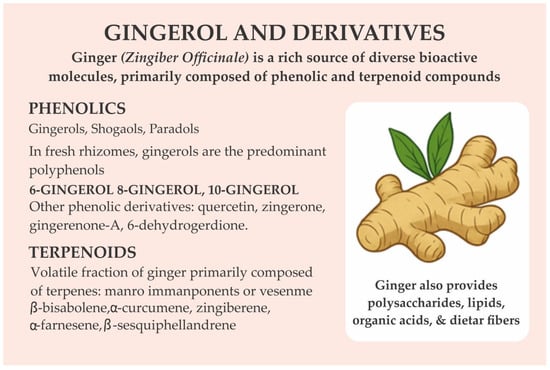
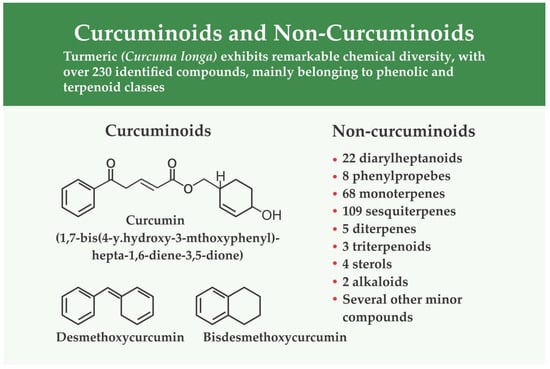
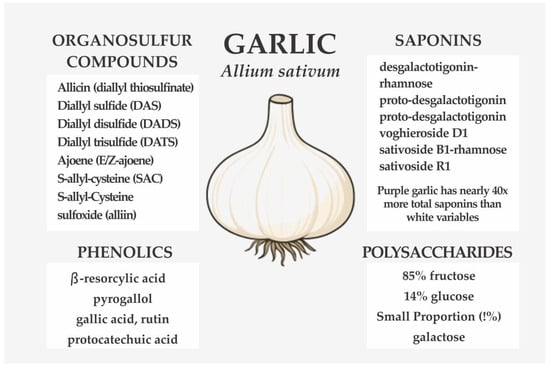
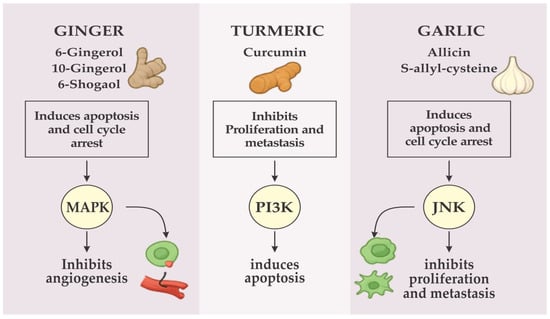
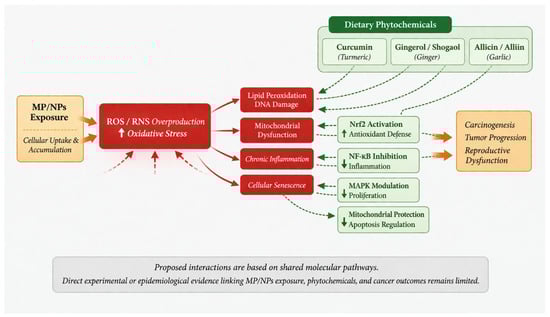
Impact of Micro and Nanoplastics on Reproductive Cancer and the Potential Anticancer Benefits of Prolonged Ginger, Garlic, and Turmeric Consumption: A Narrative Review
by
Babatunde Adebola Alabi, Onyemaechi Okpara Azu, Zodwa Dlamini, Richard Khanyile and Rahaba Marima
Int. J. Environ. Res. Public Health 2026, 23(4), 471; https://doi.org/10.3390/ijerph23040471 - 7 Apr 2026
Abstract
Human exposure to micro- and nanoplastics (MP/NPs) is increasingly recognized as a potential environmental health concern, although their role in reproductive carcinogenesis remains unclear. This narrative review aims to evaluate current evidence linking MP/NP exposure to reproductive cancers and to explore the potential
[...] Read more.
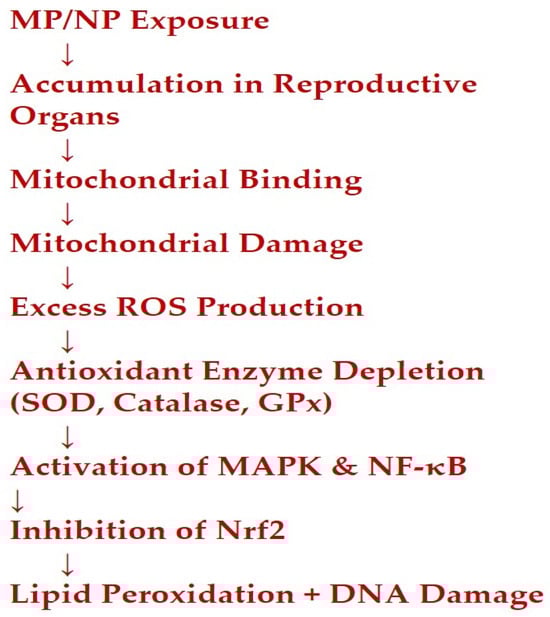
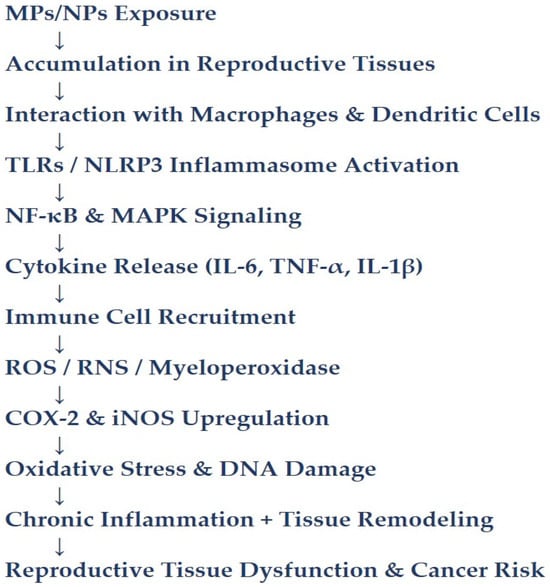
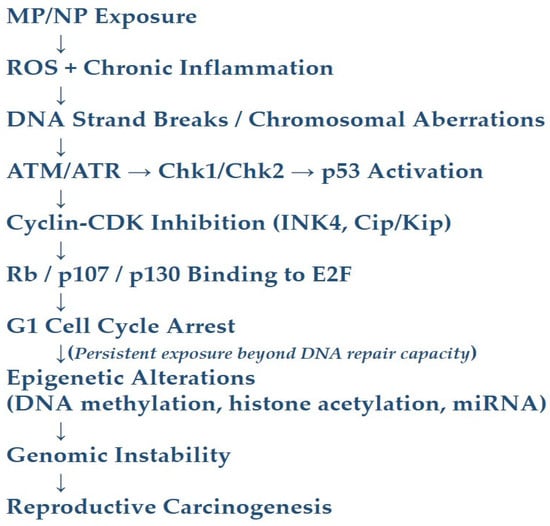
Human exposure to micro- and nanoplastics (MP/NPs) is increasingly recognized as a potential environmental health concern, although their role in reproductive carcinogenesis remains unclear. This narrative review aims to evaluate current evidence linking MP/NP exposure to reproductive cancers and to explore the potential chemoprotective effects of bioactive compounds derived from ginger, garlic, and turmeric. A structured literature search was conducted using PubMed, Scopus, Web of Science, and Google Scholar for studies published between 2008 and 2026. Relevant in vitro, in vivo, and human biomonitoring studies were included to assess mechanisms of toxicity, while preclinical and clinical studies were reviewed to examine the anticancer properties of selected dietary phytochemicals. Available evidence suggests that MP/NPs can accumulate in human biological systems, including reproductive tissues, where they induce oxidative stress, chronic inflammation, endocrine disruption, and DNA damage, processes closely associated with carcinogenesis. Although epidemiological data remain limited and do not establish cancer, emerging biomonitoring and experimental findings support a biologically plausible link between MP/NP exposure and hormone-related cancers. Concurrently, bioactive compounds such as curcuminoids, gingerols, and organosulfur compounds demonstrate the ability to modulate key molecular pathways involved in oxidative stress, inflammation, and cell proliferation. Preclinical studies consistently report anticancer effects, while early clinical evidence suggests improvements in oxidative and inflammatory biomarkers, though definitive therapeutic benefits remain uncertain. Overall, this review highlights important mechanistic links and identifies dietary phytochemicals as potential modulators of MP/NP-induced carcinogenic pathways. However, further well-designed epidemiological and clinical studies are needed to clarify causal relationships and validate their protective role.
Full article
(This article belongs to the Section Environmental Health)
►▼
Show Figures

Figure 1
Open AccessArticle
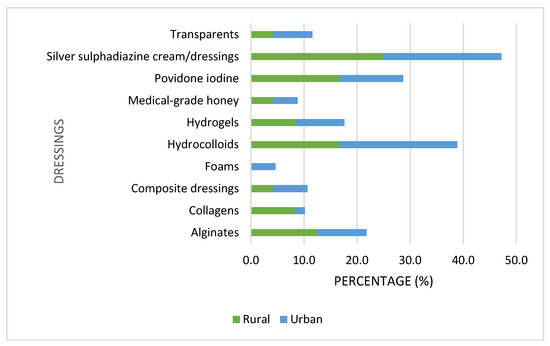
Role of South African Community Pharmacists in Wound Care: An Exploratory Study
by
Ilse Truter, Janet Barry, Lara Cunningham, Alicia de Lange, Tifany Floors, Donnay Fourie, Sithembile Gumbi, Felicia Lategan, Mohale Leselo, Phelelani Mazibuko, Lukhanyo Ngalo, Sikelela Pangomso, Lisa-Nicole Scholtz, Zanele Tose and Johan Hugo
Int. J. Environ. Res. Public Health 2026, 23(4), 470; https://doi.org/10.3390/ijerph23040470 - 7 Apr 2026
Abstract
Community pharmacists are in a perfect position to offer comprehensive wound management advice to patients with both chronic and acute wounds, which can result in major costs and emotional burdens. A wound that is managed well through correct assessment, suitable treatment and follow-up
[...] Read more.
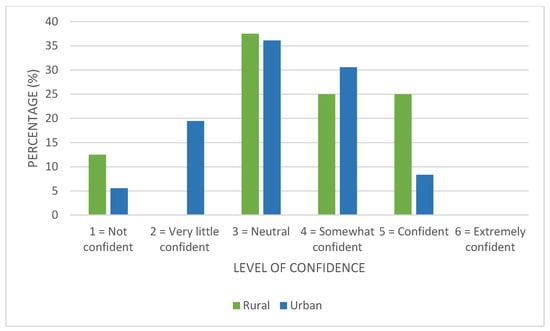
Community pharmacists are in a perfect position to offer comprehensive wound management advice to patients with both chronic and acute wounds, which can result in major costs and emotional burdens. A wound that is managed well through correct assessment, suitable treatment and follow-up counselling will heal optimally and essentially save patients costs and stress. The study aimed to explore the role of South African community pharmacists in wound management. A list of community pharmacies was requested from the South African Pharmacy Council and an online questionnaire was conducted in August 2022 using QuestionPro® Version 2. Stratified random sampling was used to select 350 community pharmacies out of a total of 3240 in South Africa. The response rate was 16.0% (n = 56). Half of the community pharmacists (n = 28) had adequate knowledge about acute wound care, with a third (30.4%, n = 17) indicating that they provide patients with chronic diabetic wound care advice at least once a week. Respondents indicated Continuous Professional Development (CPD) activities and reading journal articles, many relating to diabetic wound management, as ways in which they upskill themselves in wound care. Many of the respondent pharmacists were in favour of an increased focus on wound care services in their community pharmacies. Further training programmes and workshops could be offered to provide pharmacists with the knowledge necessary to manage both chronic and acute wounds in their pharmacies.
Full article
(This article belongs to the Topic Advances in Chronic Disease Management)
►▼
Show Figures

Figure 1
Open AccessReview
When Caring Becomes Suffering: Spirituality and Religiosity as Psychosocial Support for Cancer Caregivers—A Narrative Review
by
Irineu Loturco
Int. J. Environ. Res. Public Health 2026, 23(4), 469; https://doi.org/10.3390/ijerph23040469 - 7 Apr 2026
Abstract
Cancer caregiving is increasingly recognized as a major psychosocial challenge, yet the mental health needs of caregivers remain insufficiently addressed in oncology research and practice. This narrative review examines the experiences of cancer caregivers within the context of rising cancer incidence and prolonged
[...] Read more.
Cancer caregiving is increasingly recognized as a major psychosocial challenge, yet the mental health needs of caregivers remain insufficiently addressed in oncology research and practice. This narrative review examines the experiences of cancer caregivers within the context of rising cancer incidence and prolonged survival, conditions frequently accompanied by sustained psychological burden and anticipatory grief, with particular attention to depressive symptoms. Relevant qualitative and quantitative studies were identified through targeted searches of major databases (PubMed, Scopus, PsycINFO, and Google Scholar), including studies published up to January 2026. Study selection was guided by conceptual relevance and applied significance to the intersection between religiosity, spirituality, caregiving, and mental health outcomes. The reviewed literature highlights substantial psychological burden among caregivers, with depression affecting approximately 20–40% of cancer caregivers and identifies religiosity and spirituality as potentially supportive resources. Across studies, recurrent themes include meaning-making, hope maintenance, emotional regulation, moral orientation, and perceived social support as mechanisms through which these dimensions are associated with lower levels of depression and improved psychological adjustment. Evidence suggests that both religiosity, understood as the lived engagement with religious values, and spirituality, defined as a broader existential orientation toward meaning and purpose, contribute to coping in caregiving contexts; however, findings remain heterogeneous and largely based on cross-sectional analyses. Notable gaps persist, including limited caregiver-specific research, conceptual imprecision, and a lack of longitudinal designs. By integrating conceptual clarification with empirical synthesis, this review outlines potential psychological pathways linking religiosity and spirituality to caregiver mental health outcomes. In summary, religiosity and spirituality are considered adjunctive, non-exclusive resources that complement conventional psychological and psychiatric care within comprehensive models of caregiver support.
Full article
(This article belongs to the Special Issue Psychosocial Support for People Living with Mental Health Conditions, Their Families, Caregivers, and Support Networks)
Open AccessArticle
Parental Marital Satisfaction and Suicidal Behavior in Preadolescents and Adolescents: The Mediating Role of Positive Youth Development Attributes
by
Daniel T. L. Shek, Yiting Tang, Xiang Li and Li Zhao
Int. J. Environ. Res. Public Health 2026, 23(4), 468; https://doi.org/10.3390/ijerph23040468 - 7 Apr 2026
Abstract
►▼
Show Figures
Background: This study examined the predictive effect of parental marital satisfaction on suicidal behaviors among preadolescents and adolescents in China, with positive youth development (PYD) attributes as a mediator. Methods: A total of 3665 matched pairs of students (aged 9–19, 51.3%
[...] Read more.
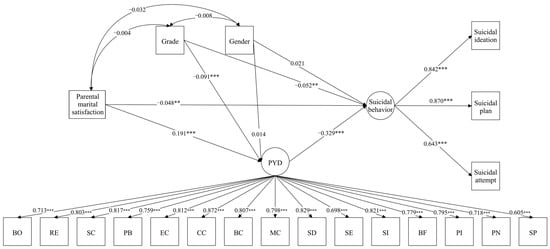
Background: This study examined the predictive effect of parental marital satisfaction on suicidal behaviors among preadolescents and adolescents in China, with positive youth development (PYD) attributes as a mediator. Methods: A total of 3665 matched pairs of students (aged 9–19, 51.3% boys) and their parents completed questionnaires, with parental marital satisfaction reported by parents and suicidal behaviors (ideation, plan, and attempt) and PYD attributes reported by students. Results: The prevalence of overall suicidal behavior was 15.5% in this sample, with a higher prevalence observed among those with lower parental education levels. Hierarchical regression and structural equation modeling analyses revealed that: (1) after controlling for socio-demographic variables, parental marital satisfaction negatively predicted suicidal behaviors; (2) PYD attributes negatively predicted suicidal behaviors, accounting for the largest proportion of variance (ΔR2 range = 0.036–0.102); (3) parental marital satisfaction was positively correlated with PYD attributes; and (4) PYD attributes partially mediated the predictive relationship between parental marital satisfaction and suicidal behavior, with a significant indirect effect (β = −0.06) accounting for 56.6% of the total effect. Conclusions: This study illuminates protective pathways through which a positive family environment cultivates individual competencies, ultimately contributing to reduced suicidal behavior.
Full article

Figure 1

Open AccessArticle
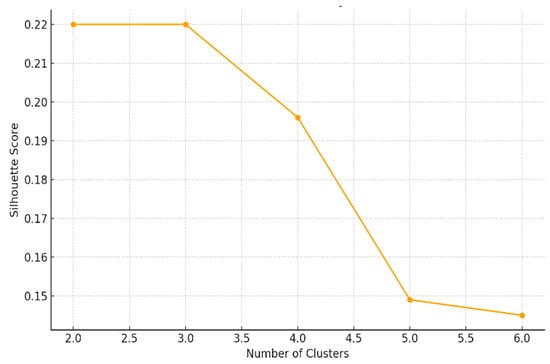
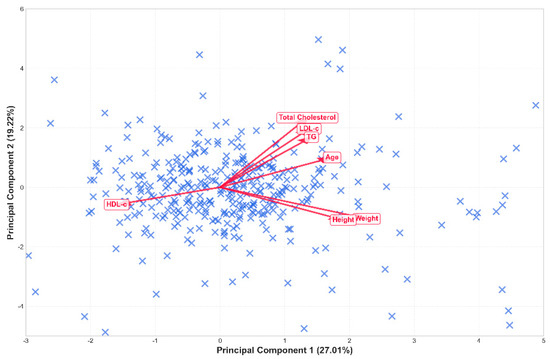
Cardiometabolic Profile Segmentation in Ecuadorian University Students: A Multivariate Analysis of Lipid, Anthropometric, and Demographic Patterns
by
Kevin Gabriel Armijo Valverde, Edgar Rolando Morales Caluña, María Victoria Padilla Samaniego and Katherine Denisse Suarez González
Int. J. Environ. Res. Public Health 2026, 23(4), 467; https://doi.org/10.3390/ijerph23040467 - 7 Apr 2026
Abstract
Cardiovascular and metabolic diseases (CMDs) are the leading causes of global mortality. While university students represent a critical demographic for early intervention, conventional univariate screenings often fail to capture the synergistic interactions between lipid abnormalities and adiposity. This study aimed to identify and
[...] Read more.
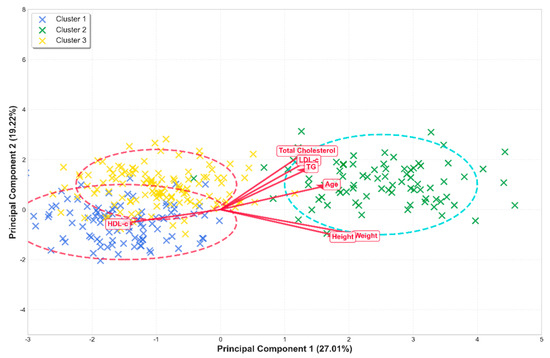
Cardiovascular and metabolic diseases (CMDs) are the leading causes of global mortality. While university students represent a critical demographic for early intervention, conventional univariate screenings often fail to capture the synergistic interactions between lipid abnormalities and adiposity. This study aimed to identify and characterize multidimensional cardiometabolic phenotypes in Ecuadorian university students using multivariate exploratory techniques. A cross-sectional study was conducted with 365 students from the Coastal (n = 193) and Andean (n = 172) regions of Ecuador. Lipid profiles (TC, HDL-c, LDL-c, triglycerides), body composition (body fat percentage, visceral fat via bioelectrical impedance), and blood pressure were analyzed. Data were processed using HJ-Biplot analysis for dimensional reduction and a hybrid clustering approach (Hierarchical and K-means) for population segmentation. The HJ-Biplot explained 72.3% of the total variance. The first principal component (PC1, 49.2%) was associated with morphometric size (weight, height), while the second (PC2, 23.1%) was dominated by adiposity markers (body fat and visceral fat). Three distinct clusters were identified: Cluster 0 (27.1%, predominantly female) represented a low-risk profile with the highest HDL-c (57.5 mg/dL); Cluster 1 (26.6%, majority male) exhibited an intermediate-risk profile with the highest triglycerides (117.9 mg/dL); and Cluster 2 (46.3%, almost exclusively male and Andean-dominant) presented the highest risk, characterized by the lowest HDL-c levels (41 mg/dL) and older age. In conclusion, cardiometabolic risk is heterogeneously distributed across sex and geographical regions. Multivariate profiling allows for the detection of early metabolic vulnerability that remains undetected in traditional screenings. These findings support the implementation of targeted public health strategies tailored to the specific phenotypic and regional characteristics of the university population in Ecuador.
Full article
(This article belongs to the Topic Risk Management in Public Sector)
►▼
Show Figures

Figure 1
Open AccessArticle
Long-Term Epidemiological Trends and Regional Disparities in Male Infertility in Central Asia (1991–2023)
by
Mukhamediyar Mukhamejan, Timur Shamshudinov, Mirzakarim Alchinbayev, Nariman Tabynbayev, Murat Dursun, Assiya Kussainova, Laura Kassym, Oxana Tsigengagel, Nurbolat Zhambylov and Yuliya Semenova
Int. J. Environ. Res. Public Health 2026, 23(4), 466; https://doi.org/10.3390/ijerph23040466 - 6 Apr 2026
Abstract
►▼
Show Figures
Background: Male infertility (MI) has become an important public health concern in Central Asia (CA), where declining fertility coincides with limited integration of male reproductive health into national strategies. This study analyzed trends in the prevalence and burden of MI in CA countries
[...] Read more.
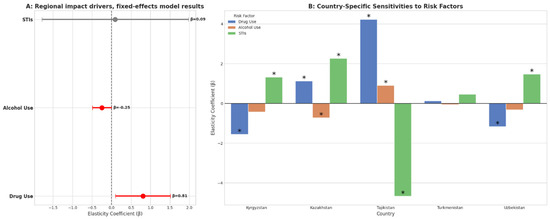
Background: Male infertility (MI) has become an important public health concern in Central Asia (CA), where declining fertility coincides with limited integration of male reproductive health into national strategies. This study analyzed trends in the prevalence and burden of MI in CA countries and assessed associations with selected modifiable behavioral risk factors. Methods: A longitudinal analysis of Global Burden of Disease (GBD) 2023 data was conducted to estimate the age-standardized prevalence and incidence of MI among men aged 15–49 years in five CA countries from 1990 to 2023. Trends were examined, and fixed-effects panel regression models were applied to evaluate associations between MI burden and alcohol use, drug use, and sexually transmitted infections (excluding HIV). Results: From 1991 to 2023, the age-standardized prevalence increased in four CA countries, whereas Tajikistan showed a decline; the incidence rose across all countries. The peak incidence was most commonly observed at ages 35–39 years, although Tajikistan shifted toward a younger age group, and regression analyses revealed heterogeneous country-specific associations with sociobehavioral risk factors. Conclusions: MI represents a significant demographic and public health challenge in CA, highlighting the need to strengthen surveillance, standardize diagnostics, improve access to care, and integrate male reproductive health into national prevention strategies.
Full article

Figure 1

Open AccessSystematic Review
Mobile Cancer Screening Programs: A Systematic Review of Implementation Challenges and Population Access
by
Safa ElKefi, Roberta Scheinmann, Alicia K. Matthews and Erica Phillips
Int. J. Environ. Res. Public Health 2026, 23(4), 465; https://doi.org/10.3390/ijerph23040465 - 4 Apr 2026
Abstract
Objective: This review aimed to synthesize evidence on the design characteristics, implementation considerations, and operational challenges of mobile cancer screening units. Methods: A PRISMA-guided review was conducted. Data extracted included screening type, target population, program characteristics, mobile unit features, and reported implementation barriers.
[...] Read more.
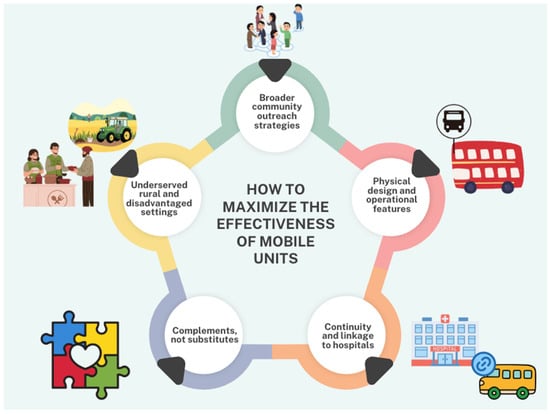
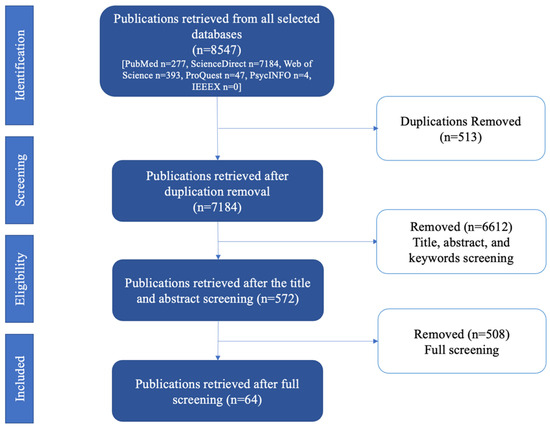
Objective: This review aimed to synthesize evidence on the design characteristics, implementation considerations, and operational challenges of mobile cancer screening units. Methods: A PRISMA-guided review was conducted. Data extracted included screening type, target population, program characteristics, mobile unit features, and reported implementation barriers. Study quality was assessed using the Mixed Methods Appraisal Tool (MMAT). Results: Sixty-four articles published across 13 countries met the inclusion criteria. Most interventions focused on breast cancer screening (n = 37), followed by lung (n = 11), cervical (n = 6), colorectal, skin, prostate, and multi-cancer screening programs. MSUs were most frequently deployed in urban areas (21 urban/18 rural/17 both). Several comparative studies (fixed programs vs. MSUs) reported higher screening uptake in mobile programs, although findings varied substantially by setting, population, and study design. However, adherence and clinical outcomes varied, often reflecting baseline socioeconomic differences in the populations served. Common implementation barriers included follow-up coordination challenges, program costs, equipment and space limitations, and gaps in referral and reimbursement systems. Conclusions: These findings highlight the potential of mobile screening units as public health strategies to expand access to cancer screening while underscoring the need for stronger implementation frameworks and long-term evaluation of program outcomes.
Full article
(This article belongs to the Special Issue Advances and Trends in Mobile Healthcare)
►▼
Show Figures

Figure 1
Open AccessArticle
Untangling Impacts of Socioeconomic Position, Chronic Disease, and Low-Level PM2.5 Exposure on Mortality Among Native American Medicare Beneficiaries
by
Judy Wendt Hess and Wenyaw Chan
Int. J. Environ. Res. Public Health 2026, 23(4), 464; https://doi.org/10.3390/ijerph23040464 - 4 Apr 2026
Abstract
Ambient fine particulate matter (PM2.5) is associated with increased mortality at concentrations below current regulatory standards. Studies of low-level exposure often rely on large administrative cohorts whose geographic and demographic composition may influence observed associations. In a prior analysis, we observed an association
[...] Read more.
Ambient fine particulate matter (PM2.5) is associated with increased mortality at concentrations below current regulatory standards. Studies of low-level exposure often rely on large administrative cohorts whose geographic and demographic composition may influence observed associations. In a prior analysis, we observed an association between long-term PM2.5 and all-cause mortality among Native American Medicare beneficiaries living in zip codes within the lowest decile of PM2.5 exposure. The present study, a case–control analysis of 1,713,399 low-PM2.5-exposed beneficiaries enrolled in traditional Medicare during 2015–2016, evaluated whether this association could be explained by geographic context, socioeconomic position (SEP), or baseline health status. We used principal components analysis to summarize area-level SEP indicators and beneficiary-level chronic disease diagnoses. In fully adjusted pooled models, PM2.5 was more strongly associated with mortality among Native American beneficiaries (odds ratio, OR = 1.12 per ug/m3; 95% CI 1.06–1.18) than among non-Native American beneficiaries (OR = 1.01 per ug/m3; 95% CI 1.001–1.02). Sequential adjustment among Native Americans showed that state-level geographic clustering accounted for most attenuation of the PM2.5 coefficient, with additional modest attenuation after adjustment for SEP and chronic disease patterns. These findings suggest that PM2.5–mortality associations observed in low-exposure populations may partly reflect geographic composition and underlying health differences within these large cohorts.
Full article
Open AccessArticle
Unable to Switch Off: Fear of Missing Out, Affective Rumination, and Psychological Detachment from Work
by
Cátia Sousa and Bárbara Pires
Int. J. Environ. Res. Public Health 2026, 23(4), 463; https://doi.org/10.3390/ijerph23040463 - 4 Apr 2026
Abstract
The expansion of digital connectivity has reshaped contemporary work environments, increasing flexibility while simultaneously blurring the boundaries between work and personal life. In such contexts, employees may experience difficulties in psychologically detaching from work during off-job time. Drawing on the Effort–Recovery model and
[...] Read more.
The expansion of digital connectivity has reshaped contemporary work environments, increasing flexibility while simultaneously blurring the boundaries between work and personal life. In such contexts, employees may experience difficulties in psychologically detaching from work during off-job time. Drawing on the Effort–Recovery model and Conservation of Resources theory, this study examined whether affective work-related rumination indirectly explained the association between Fear of Missing Out (FoMO) and psychological detachment. A cross-sectional survey was conducted with 228 employees from diverse occupational sectors who completed validated measures of FoMO, affective rumination, and psychological detachment. Indirect effect analyses using bootstrapping procedures indicated that FoMO was positively associated with affective rumination, and affective rumination was negatively associated with psychological detachment. The indirect effect was significant, whereas the direct association between FoMO and detachment was not. These findings are consistent with an indirect association pattern whereby FoMO is related to lower psychological detachment through higher levels of affective rumination. However, given the cross-sectional design, the results should be interpreted as correlational evidence rather than as demonstrating a causal mediation process. The model accounted for approximately 10% of the variance in psychological detachment. Overall, the findings suggest that FoMO may be indirectly related to reduced recovery experiences via emotionally charged repetitive thinking that sustains cognitive activation beyond working hours. Addressing rumination and supporting healthier digital boundary management may therefore represent promising avenues for supporting occupational mental health in increasingly connected work environments.
Full article
(This article belongs to the Special Issue Advancing Workplace Health Management: Strategies, Challenges and Future Directions)
Open AccessArticle
Exercise Perceptions, Barriers, and Self-Efficacy Among Adults in Kuwait During the COVID-19 Pandemic
by
Naser A. Albazzaz, Abdulaziz Alhenaidi, Mohammad Almari, Ahmad Aldahas and Sultan E. Alsalahi
Int. J. Environ. Res. Public Health 2026, 23(4), 462; https://doi.org/10.3390/ijerph23040462 - 4 Apr 2026
Abstract
►▼
Show Figures
The COVID-19 pandemic led to strict public-health restrictions that affected opportunities for physical movement, including exercise participation. Understanding psychosocial factors of exercise under these conditions is vital for developing exercise promotion strategies. This study aimed to compare exercise perceptions and self-efficacy between exercising
[...] Read more.
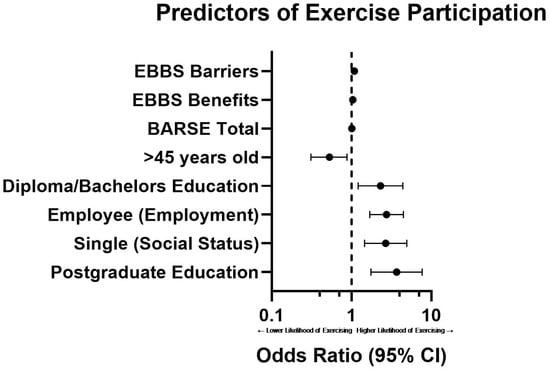
The COVID-19 pandemic led to strict public-health restrictions that affected opportunities for physical movement, including exercise participation. Understanding psychosocial factors of exercise under these conditions is vital for developing exercise promotion strategies. This study aimed to compare exercise perceptions and self-efficacy between exercising and non-exercising adults (>21 years old) in Kuwait during the COVID-19 pandemic. A cross-sectional online survey was conducted among adults living in Kuwait during June and July 2020. Exercise status was self-reported based on a 150-min weekly exercise threshold. Participants completed the Exercise Benefits/Barriers Scale (EBBS) and the Barriers-Specific Self-Efficacy Scale (BARSE). Data were analysed using independent t-tests to assess group differences and multivariable binary logistic regression to identify factors independently associated with being an exerciser. A total of 929 individuals participated in the study, of which 54% were categorised as exercisers. Exercisers reported significantly higher perceived benefits, barriers, and BARSE scores compared to non-exercisers. Binary logistic regression indicated that higher perceived benefits and barriers and higher BARSE scores were significantly associated with exercise status. In addition, holding a diploma or university education, postgraduate education, being employed, and being single were associated with higher odds of engaging in exercise while older adults were associated with lower odds of engaging in exercise. Positive exercise perceptions and higher barrier-specific self-efficacy were significantly associated with exercise participation during the COVID-19 pandemic in Kuwait.
Full article

Figure 1
Open AccessArticle
“It Is All About Education, Isn’t It?”: Community Priorities for an Aboriginal and Torres Strait Islander Adolescent Nutrition Program
by
Renae Earle, Robyn Littlewood, Simone Nalatu, Floyd Leedie, Salifu Yusif and Jacqueline L. Walker
Int. J. Environ. Res. Public Health 2026, 23(4), 461; https://doi.org/10.3390/ijerph23040461 - 3 Apr 2026
Abstract
Aboriginal and Torres Strait Islander adolescents living in rural communities do not have sufficient access to health promotion services. Community programs that respond to adolescent needs, highlight community strengths, and are locally tailored are needed. Set in Queensland (Australia), this study was cross-sectional
[...] Read more.
Aboriginal and Torres Strait Islander adolescents living in rural communities do not have sufficient access to health promotion services. Community programs that respond to adolescent needs, highlight community strengths, and are locally tailored are needed. Set in Queensland (Australia), this study was cross-sectional and qualitative in design. Using implementation science and Aboriginal and Torres Strait Islander frameworks, this study aimed to identify community priorities for the co-design of a culturally appropriate, empowerment-focused nutrition program with rural Aboriginal and Torres Strait Islander adolescents. Through community yarning, the barriers, enablers, and opportunities for program implementation were explored within an Aboriginal and Torres Strait Islander community-controlled health organization. Ten adolescents, two parents/caregivers, eight healthcare staff, six community leaders, and four Elders participated. Thematic analysis identified six themes that outline community health priorities, contextualization to the local food environment, and the importance of cooking skills for empowerment and involving the family unit. Thematic analysis also explored community preferences for program evaluation. Themes were integrated with other knowledge sources to develop a program outline that is aligned with evidence-based practice and community voice. Implementation of the co-designed program is recommended and will be explored in partnership with the community through future research.
Full article
(This article belongs to the Special Issue Barriers and Facilitators of Healthy Diet, Physical Activity, and Health Promotion Among Indigenous Peoples and Communities)
Open AccessArticle
Improving Diagnostic Accuracy of Myalgic Encephalomyelitis/Chronic Fatigue Syndrome Through a Point-of-Care Clinical Algorithm
by
Jaime Seltzer, Stephanie L. Grach, Scott D. Eggers, Melissa M. Redetzke, Katie J. Mau, Tony Y. Chon and Ravindra Ganesh
Int. J. Environ. Res. Public Health 2026, 23(4), 460; https://doi.org/10.3390/ijerph23040460 - 3 Apr 2026
Abstract
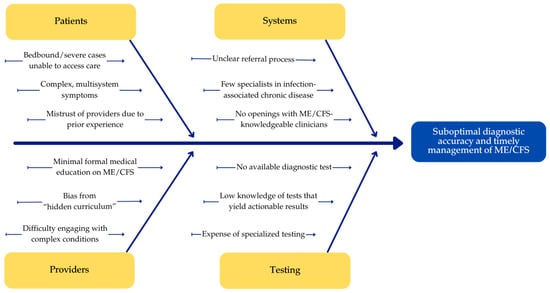
Despite the increasing prevalence and median severity of myalgic encephalomyelitis/chronic fatigue syndrome (ME/CFS), medical education on the disease is scant, leading to a diagnostic crisis in which the majority of people with ME/CFS are undiagnosed. We created a care process algorithm in AskMayoExpert
[...] Read more.
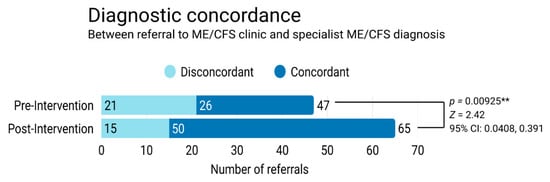
Despite the increasing prevalence and median severity of myalgic encephalomyelitis/chronic fatigue syndrome (ME/CFS), medical education on the disease is scant, leading to a diagnostic crisis in which the majority of people with ME/CFS are undiagnosed. We created a care process algorithm in AskMayoExpert accessible to all Mayo Clinic medical providers as a source for information on diagnosis and management of ME/CFS. To evaluate whether the algorithm was associated with improved diagnostic accuracy, we compared concordance before versus after the algorithm was introduced, where concordance was defined as agreement between an appropriately coded referral to Mayo Clinic’s Chronic Fatigue Specialty Clinic and the specialty clinic with an expert diagnosis of ME/CFS. Referrals to the Chronic Fatigue Specialty Clinic increased overall and were more likely to show concordance between specialist diagnosis and referral after the introduction of the ME/CFS AskMayoExpert algorithm. Particularly in diseases that are prevalent and poorly understood, a point-of-care clinical tool may offer just-in-time opportunities to improve diagnosis and management.
Full article
(This article belongs to the Special Issue Digital Health Technology Supporting Process and Outcomes in Primary Care)
►▼
Show Figures

Figure 1
Open AccessArticle
Health and Performance in the National Para Powerlifting Team: Associations Between Injuries, Sleep Parameters, Nutritional Factors, Mood States, and Performance
by
Thaiany de Paula Giacomini, Fabrizio Veloso Rodrigues, Thiago Fernando Lourenço, Samuel Bento da Silva, Vivian De Oliveira and Andre Luis Aroni
Int. J. Environ. Res. Public Health 2026, 23(4), 459; https://doi.org/10.3390/ijerph23040459 - 3 Apr 2026
Abstract
Background: Monitoring health-related variables across a competitive season is essential to understand factors associated with performance in Paralympic athletes. However, evidence on the interplay between sleep, mood states, nutritional factors, injuries, and performance remains limited. Objective: To examine the associations between injuries, sleep
[...] Read more.
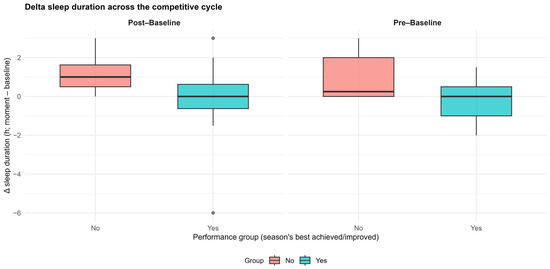
Background: Monitoring health-related variables across a competitive season is essential to understand factors associated with performance in Paralympic athletes. However, evidence on the interplay between sleep, mood states, nutritional factors, injuries, and performance remains limited. Objective: To examine the associations between injuries, sleep parameters, nutritional factors, mood states, and performance in Para powerlifting athletes during a competitive cycle. Methods: Twenty-four athletes from the Brazilian National Para powerlifting team were assessed at three time points: baseline (~3 months pre-competition), pre-competition (upon arrival), and post-competition (day after the event). Data were collected using standardized instruments and analyzed in R. Descriptive statistics, Mann–Whitney U tests, Spearman’s correlations, Friedman tests, and individual delta values (Δ) were applied. Results: No significant between-group differences were observed in pre-competition cross-sectional analyses. Longitudinally, sleep duration was the only variable consistently differing between performance groups. Athletes who matched or improved performance showed greater sleep stability, whereas those who did not improve exhibited larger post-competition increases in sleep duration. Negative mood states decreased over time, and baseline vigor was higher in the higher-performing group. Sleep duration changes were negatively correlated with performance variation (ρ = −0.575, p = 0.003). Conclusions: Sleep duration was the variable most consistently associated with performance variation. Mood changes reflected reduced negative affect over time. Findings support longitudinal monitoring in Para powerlifting, although caution is warranted due to the observational design and small sample.
Full article
(This article belongs to the Special Issue The Physiological Effects of Sports and Exercise)
►▼
Show Figures

Figure 1
Open AccessArticle
Food Insecurity and Adolescent Obesity in the United States: A Social Ecological Analysis of Multi-Level Risk Factors and Structural Inequities
by
Ogochukwu R. Abasilim, Kenechukwu O. S. Nwosu, Opeyemi O. Akintimehin, Ogochukwu J. Ezeigwe, Odinakachukwu O. Dimgba, Meghna Lama, Amarachi H. Njoku, Nnenna C. Okoye and Elizabeth O. Obekpa
Int. J. Environ. Res. Public Health 2026, 23(4), 458; https://doi.org/10.3390/ijerph23040458 - 3 Apr 2026
Abstract
While the association between food insecurity and adolescent obesity is well-established, the mechanisms through which these co-occurring public health crises are linked remain inadequately understood. Using the Social Ecological Model as a theoretical framework, this study examines how individual (physical activity), interpersonal (household
[...] Read more.
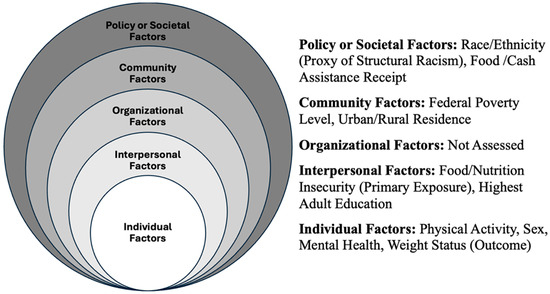
While the association between food insecurity and adolescent obesity is well-established, the mechanisms through which these co-occurring public health crises are linked remain inadequately understood. Using the Social Ecological Model as a theoretical framework, this study examines how individual (physical activity), interpersonal (household food security), community (poverty level, residence), and societal (race/ethnicity) factors interact to influence adolescent weight outcomes. Cross-sectional data from 37,425 adolescents aged 12–17 years in the 2022–2023 National Survey of Children’s Health using weighted multinomial logistic regression with interaction terms were used. Adolescents experiencing nutrition insecurity (adequate quantity but poor-quality food) had 41% higher odds of obesity (adjusted odds ratio (aOR) = 1.41; 95% CI: 1.20–1.65), while those with food insecurity (insufficient quantity) had 48% higher odds (aOR = 1.48; 95% CI: 1.08–2.02) compared to food-secure peers. Significant effect modification emerged across ecological levels: poverty below the 200% federal poverty level (FPL) significantly amplified the food insecurity–obesity relationship (interaction p < 0.001), Hispanic and Black adolescents demonstrated 49% and 78% higher obesity odds, respectively, independent of household food and nutrition security status, and physical activity showed protective effects that varied by food security context (interaction p = 0.003). These findings underscore the necessity of multi-level interventions addressing structural inequities alongside individual behaviors to combat adolescent obesity in food-insecure populations effectively.
Full article
(This article belongs to the Special Issue Health Promotion in Childhood and Adolescence)
►▼
Show Figures

Figure 1
Open AccessArticle
Increased Density of Mobile Health Unit Encounters Among Primary Care Health Professional Shortage Areas
by
Phillip D. Levy, Michael J. Twiner, Bethany Foster, Mallory Lund, Naitik Nilesh-Shah, Paul J. Kurian, Brian Reed, Anna Steinberg-Abreu, James L. Young II, Robert D. Brook and Steven J. Korzeniewski
Int. J. Environ. Res. Public Health 2026, 23(4), 457; https://doi.org/10.3390/ijerph23040457 - 3 Apr 2026
Abstract
Mobile health units (MHUs) can reach populations facing barriers to traditional primary care, but information about factors associated with their utilization is limited. The objective of this ecological study was to evaluate whether MHU encounter density is increased in census tracts designated as
[...] Read more.
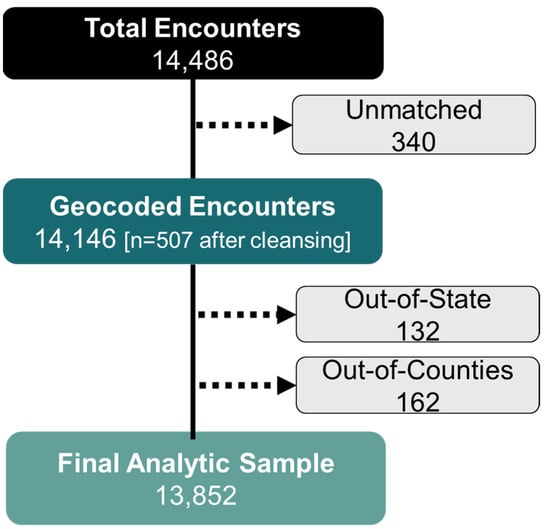
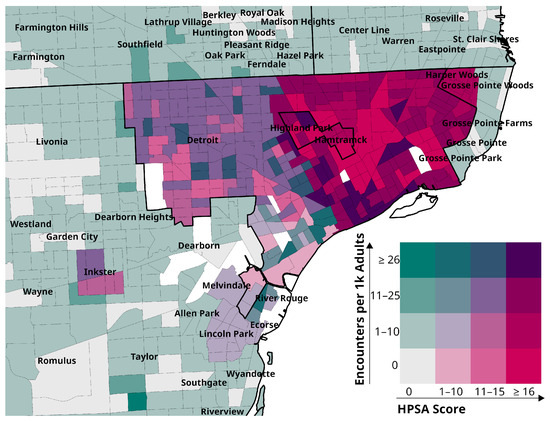
Mobile health units (MHUs) can reach populations facing barriers to traditional primary care, but information about factors associated with their utilization is limited. The objective of this ecological study was to evaluate whether MHU encounter density is increased in census tracts designated as Primary Care Health Professional Shortage Areas (HPSAs) and explore whether associations varied by socioeconomic vulnerability. We analyzed Wayne State University/Wayne Health MHU encounters with adult patients from July 2021 to September 2025. Negative binomial regression models with a log link and log(population) offset tested the a priori hypothesis that encounter density was increased in designated versus undesignated HPSA census tracts. Sensitivity analyses assessed variation by social vulnerability index score quartiles established by the US Centers for Disease Control and Prevention. One quarter of the five-county metropolitan Detroit, Michigan, catchment area census tracts were designated healthcare shortage areas. Overall, 13,852 encounters with 10,924 unique patients occurred across 924 of 1305 census tracts. Encounter rate per adult population was significantly increased by severalfold comparing designated versus undesignated shortage areas, with stronger associations at lower socioeconomic vulnerability index score quartiles (interaction p = 0.0006). These findings support continued efforts to scale and evaluate MHUs to address projected healthcare shortages, particularly in socioeconomically vulnerable areas.
Full article
(This article belongs to the Special Issue Advances and Trends in Mobile Healthcare)
►▼
Show Figures

Figure 1
Open AccessArticle
The City of Johannesburg Metropolitan Municipality as a Microcosm of Fruit and Vegetable Waste Governance Failure in Low- and Middle-Income Countries: Evidence from Formal and Informal Retailers
by
Mpinane Flory Senekane and Cavin Omphemetse Moreetsi
Int. J. Environ. Res. Public Health 2026, 23(4), 456; https://doi.org/10.3390/ijerph23040456 - 3 Apr 2026
Abstract
►▼
Show Figures
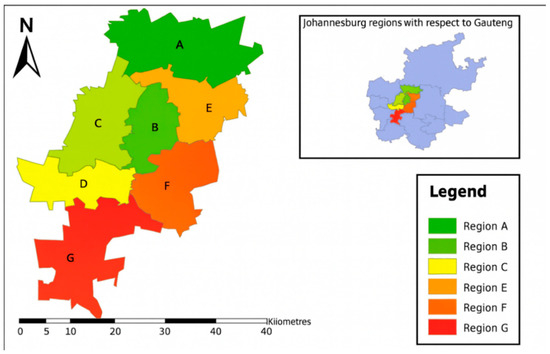
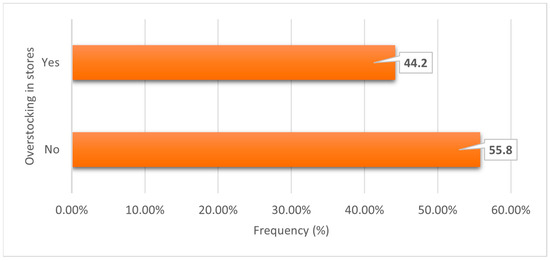
FVW has become a major sustainability concern due to rapid urbanization and rising demand for fresh produce in LMIC. This study investigates FVW governance by assessing awareness levels and FVW management practices among formal and informal fruit and vegetable retailers in Region F
[...] Read more.
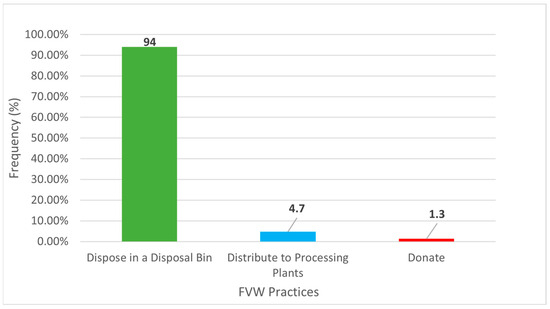
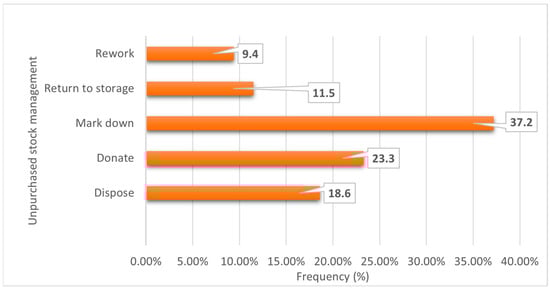
FVW has become a major sustainability concern due to rapid urbanization and rising demand for fresh produce in LMIC. This study investigates FVW governance by assessing awareness levels and FVW management practices among formal and informal fruit and vegetable retailers in Region F of the COJMM. Quantitative, descriptive design was employed. Data were collected using questionnaires that assessed demographic details, awareness of FVW, and current FVW management practices. The findings from 43 formal and 118 informal retailers revealed fragmented governance across the retail sectors. 54.2% of informal retailers reported being unaware of municipal waste management by-laws, and 83.9% indicated that disposal was the only effective waste management method. Formal retailers showed greater awareness of the impacts of poor FVW management (83.7% agreed or strongly agreed), yet 65.1% still relied primarily on disposal practices. The findings show limited awareness of municipal waste governance tools and reliance on disposal, with minimal FVW valorization. Chi-square results showed that age, gender, and education significantly influence awareness among informal retailers, while no significant differences were found among formal retailers. The study concludes that unsustainable FVW management is driven by structural governance limitations, highlighting the need for inclusive approaches to improve urban FVW governance in LMIC.
Full article

Figure 1

Journal Menu
► ▼ Journal Menu-
- IJERPH Home
- Aims & Scope
- Editorial Board
- Reviewer Board
- Topical Advisory Panel
- Instructions for Authors
- Special Issues
- Topics
- Sections & Collections
- Article Processing Charge
- Indexing & Archiving
- Editor’s Choice Articles
- Most Cited & Viewed
- Journal Statistics
- Journal History
- Journal Awards
- Society Collaborations
- Editorial Office
Journal Browser
► ▼ Journal Browser-
arrow_forward_ios
Forthcoming issue
arrow_forward_ios Current issue - Vol. 23 (2026)
- Vol. 22 (2025)
- Vol. 21 (2024)
- Vol. 20 (2023)
- Vol. 19 (2022)
- Vol. 18 (2021)
- Vol. 17 (2020)
- Vol. 16 (2019)
- Vol. 15 (2018)
- Vol. 14 (2017)
- Vol. 13 (2016)
- Vol. 12 (2015)
- Vol. 11 (2014)
- Vol. 10 (2013)
- Vol. 9 (2012)
- Vol. 8 (2011)
- Vol. 7 (2010)
- Vol. 6 (2009)
- Vol. 5 (2008)
- Vol. 4 (2007)
- Vol. 3 (2006)
- Vol. 2 (2005)
- Vol. 1 (2004)
Highly Accessed Articles
Latest Books
E-Mail Alert
News
Topics
Topic in
Air, IJERPH, Toxics, Sustainability, Climate
The Effect of Particulate Matter and Climate Change, and the Corresponding Health Management
Topic Editors: Yichen Wang, Jing LiDeadline: 11 April 2026
Topic in
Beverages, Dairy, Foods, IJERPH, Nutrients
Ways to Achieve Healthy and Sustainable Diets
Topic Editors: Verônica Cortez Ginani, Renata Puppin ZandonadiDeadline: 18 April 2026
Topic in
Hospitals, IJERPH, Nursing Reports, Healthcare
Health Services Optimization, Improvement, and Management: Worldwide Experiences
Topic Editors: Alexandre Morais Nunes, Diogo Filipe da Cunha FerreiraDeadline: 30 April 2026
Topic in
IJERPH, Microplastics, Polymers, Toxics
Plastic Contamination (Plastamination): An Environmental and Public Health-Related Concern
Topic Editors: Rosaria Meccariello, Antonino Testa, Francesco Cappello, Antonietta SantoroDeadline: 30 June 2026
Special Issues
Special Issue in
IJERPH
Advances in Gynecological Diseases (Second Edition)
Guest Editor: Guglielmo StabileDeadline: 15 April 2026
Special Issue in
IJERPH
What Evidence Best Supports Achieving Health Equity Through Social Determinants
Guest Editor: Lauri AndressDeadline: 15 April 2026
Special Issue in
IJERPH
Advancing One Health Approaches for Health Promotion and Disease Prevention: Transdisciplinary Perspectives
Guest Editors: Fabio Scarpa, Marco CasuDeadline: 30 April 2026
Special Issue in
IJERPH
Models and Approaches to Workplace Health Promotion and Well-Being with Diverse Population Groups
Guest Editors: Andrew Joyce, Perri Campbell, Aurora ElmesDeadline: 30 April 2026
Topical Collections
Topical Collection in
IJERPH
Bullying, Cyberbullying, Dating Violence, and Cyber Dating Violence in Adolescence
Collection Editor: María-Jesús Cava
Topical Collection in
IJERPH
Prevent Obesity in the First 1000 Days
Collection Editors: María M. Morales Suárez-Varela, Angelo Pietrobelli, Massimo Agosti, Gianvincenzo Zuccotti
Topical Collection in
IJERPH
2nd Edition of Achieving Environmental Health Equity: Great Expectations
Collection Editors: Timothy E. Ford, Margaret J. Eggers
Topical Collection in
IJERPH
Outbreak of a Novel Coronavirus: A Global Health Threat
Collection Editor: Jianyong Wu