




ijms-logo

Journal Browser

Journal Browser

Latest Review Papers in Molecular Biophysics

A topical collection in International Journal of Molecular Sciences (ISSN 1422-0067). This collection belongs to the section "Molecular Biophysics".

Viewed by 2931

Editor

Topical Collection Information

Dear Colleagues,

This Special Issue aims to collect high-quality review papers highlighting the latest developments in all aspects of molecular biophysics. We encourage researchers from related fields to contribute or invite relevant experts and colleagues to participate instead. Full-length comprehensive reviews will be preferred.

Prof. Dr. Ian A. Nicholls
Guest Editor

Manuscript Submission Information

Manuscripts should be submitted online at www.mdpi.com by registering and logging in to this website. Once you are registered, click here to go to the submission form. All submissions that pass pre-check are peer-reviewed. Accepted papers will be published continuously in the journal (as soon as accepted) and will be listed together on the collection website. Research articles, review articles as well as short communications are invited. For planned papers, a title and short abstract (about 250 words) can be sent to the Editorial Office for assessment.

Submitted manuscripts should not have been published previously, nor be under consideration for publication elsewhere (except conference proceedings papers). All manuscripts are thoroughly refereed through a single-blind peer-review process. A guide for authors and other relevant information for submission of manuscripts is available on the Instructions for Authors page. International Journal of Molecular Sciences is an international peer-reviewed open access semimonthly journal published by MDPI.

Please visit the Instructions for Authors page before submitting a manuscript. There is an Article Processing Charge (APC) for publication in this open access journal. For details about the APC please see here. Submitted papers should be well formatted and use good English. Authors may use MDPI's English editing service prior to publication or during author revisions.

Keywords

  • molecular biophysics
  • review papers
  • latest research

Published Papers (3 papers)

2026

Jump to: 2025

43 pages, 7094 KB  
Review
Advancing Label-Free Imaging Through CARS Microscopy: From Signal Formation to Biological Interpretation
by Agata Barzowska-Gogola, Emilia Staniszewska-Ślęzak, Joanna Budziaszek, Anna Górska-Ratusznik, Andrzej Baliś, Michał Łucki, Adam Sułek and Barbara Pucelik
Int. J. Mol. Sci. 2026, 27(4), 1990; https://doi.org/10.3390/ijms27041990 - 19 Feb 2026
Viewed by 282
Abstract
Label-free imaging is becoming ever more important, especially in modern molecular biophysics. This method allows observation of biological structures and dynamics without the alteration caused by dyes or genetic labels. Coherent Anti-Stokes Raman Scattering (CARS) microscopy represents a unique method that utilizes the [...] Read more.
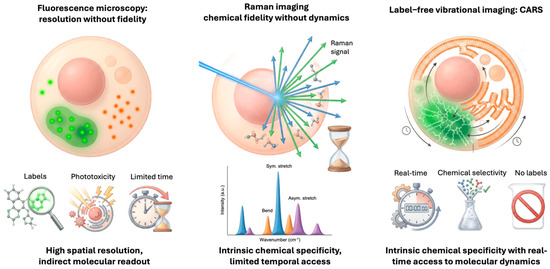
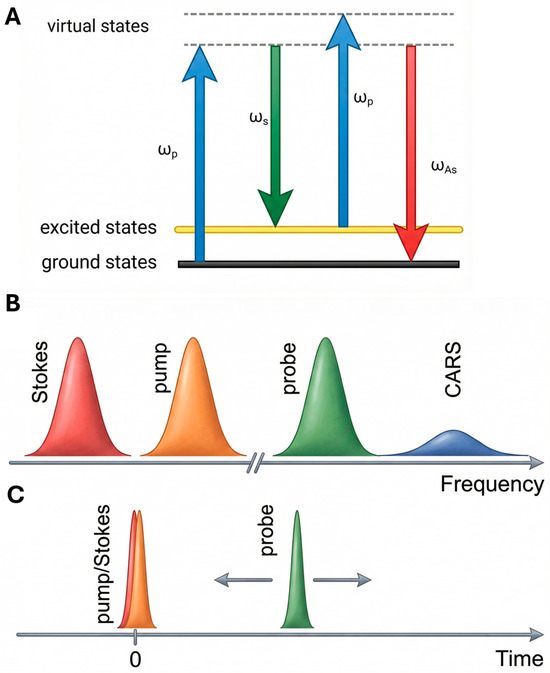
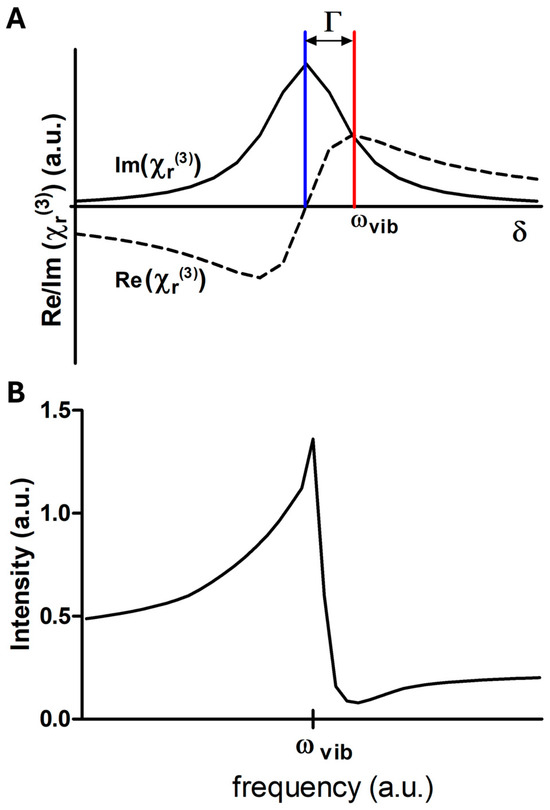
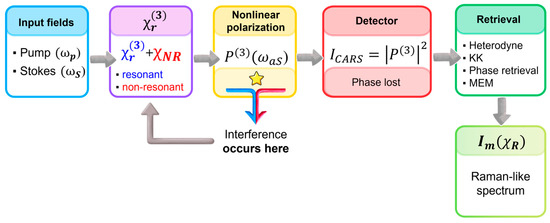
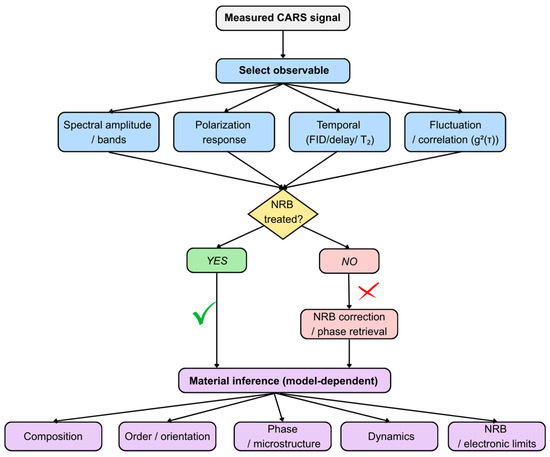
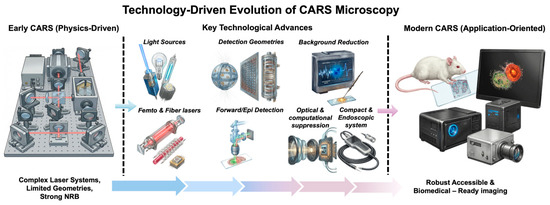
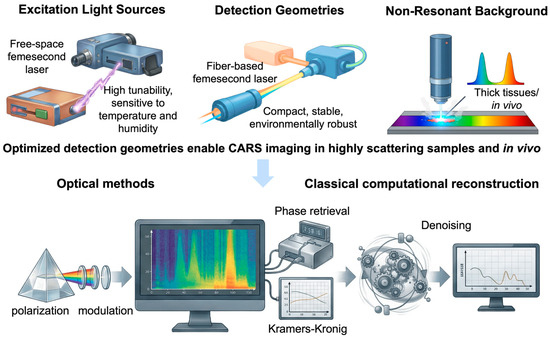
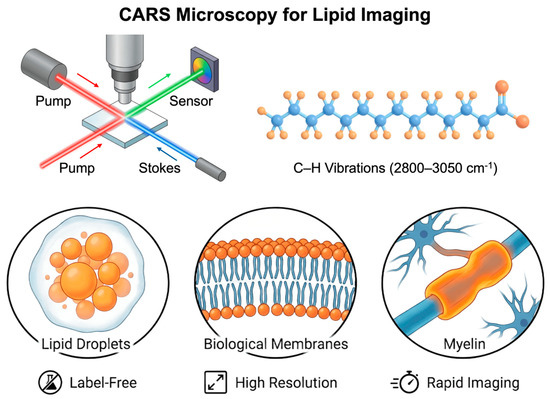
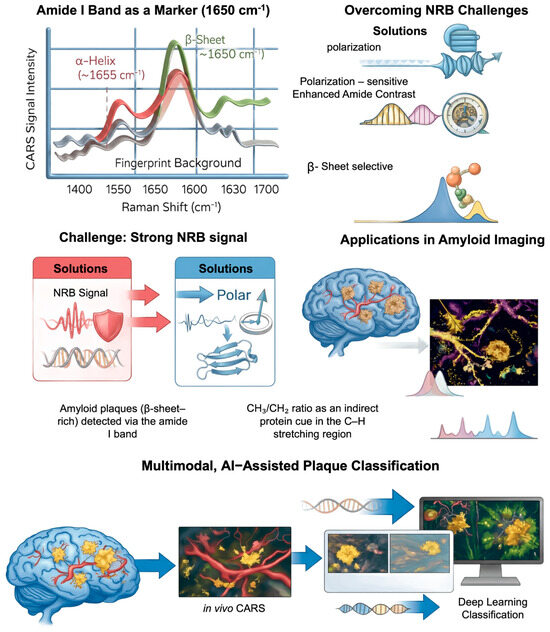
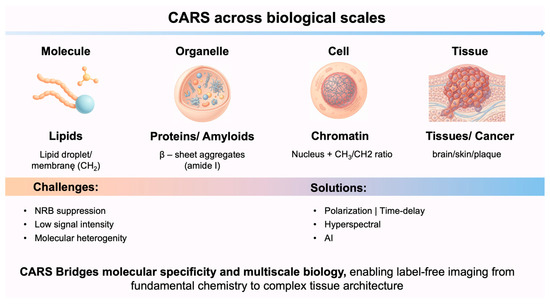
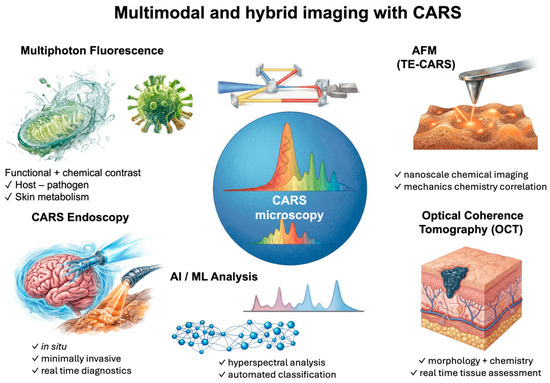
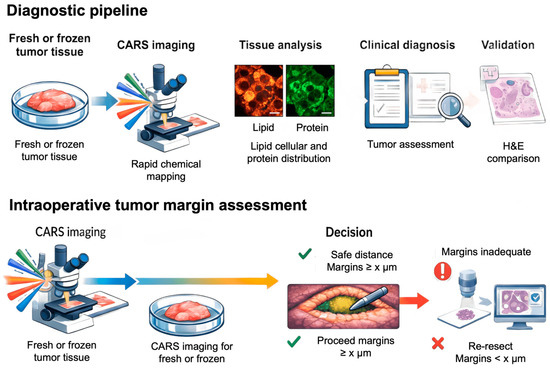
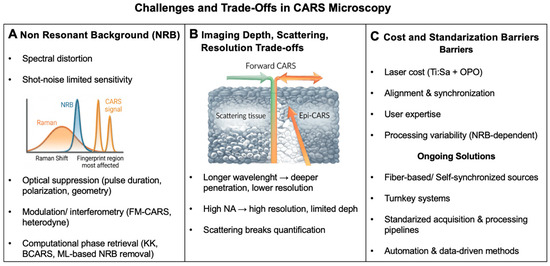
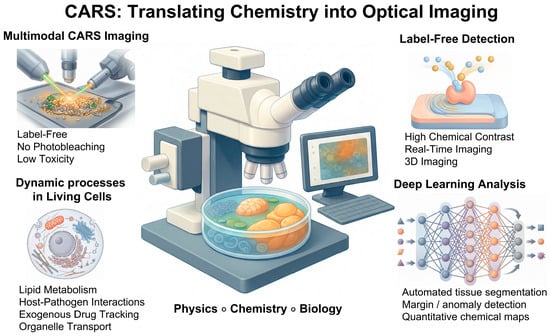
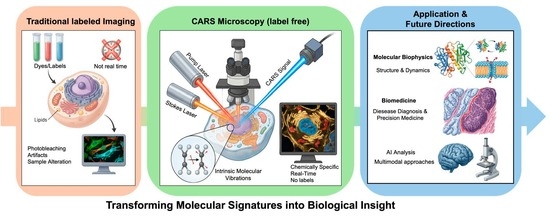
Label-free imaging is becoming ever more important, especially in modern molecular biophysics. This method allows observation of biological structures and dynamics without the alteration caused by dyes or genetic labels. Coherent Anti-Stokes Raman Scattering (CARS) microscopy represents a unique method that utilizes the intrinsic vibrational signatures of biomolecules, thereby transforming the field. Fluorescence-based methods show marked sensitivity, but may cause photobleaching, labeling artifacts, and inadequate biochemical detection. CARS enables chemically specific, real-time imaging of molecular structures, e.g., lipids, proteins and nucleic acids, within their natural environment. Over the past decade, advances in laser technology, detection methods, and computer analysis have turned CARS from a rare optical phenomenon into a useful tool applied in many fields, from basic research on molecular structure to practical biomedical imaging. This review presents the principles of CARS microscopy and the latest achievements in this field, highlighting its impact on molecular and cellular biophysics, as well as exploring the potential of artificial intelligence and multimodal approaches to increase its applications in precision medicine. In this context, CARS serves both a state-of-the-art imaging technique and a means of transforming internal molecular vibrations into information useful in biology and biophysics. In this way, it combines the physical sciences with molecular biology, enabling innovative biomedical research. Full article
Show Figures

Graphical abstract
27 pages, 1567 KB  
Review
Enzyme Catalytic Parameters and Evolution Across the Dissipation Plane
by Davor Juretić and Branka Bruvo Mađarić
Int. J. Mol. Sci. 2026, 27(4), 1709; https://doi.org/10.3390/ijms27041709 - 10 Feb 2026
Viewed by 323
Abstract
Enzyme performance parameters, including the turnover number and specificity constant, exhibit remarkable diversity due to biological evolution and natural selection. In some bacterial and human enzymes, catalytic efficiencies approach fundamental physical limits, underscoring the importance of physical constraints on enzymatic function. A deeper [...] Read more.
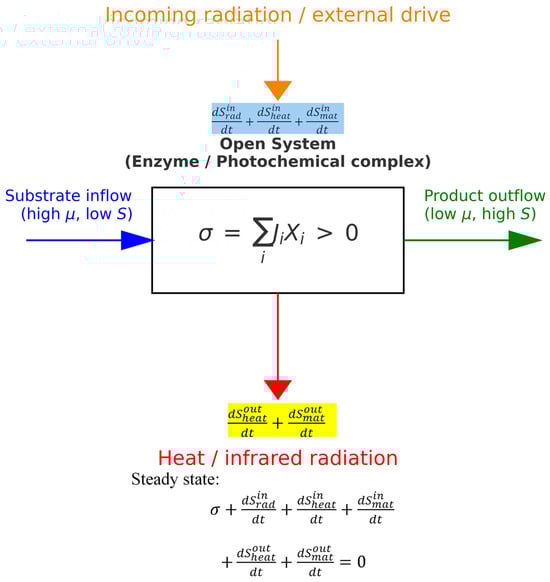
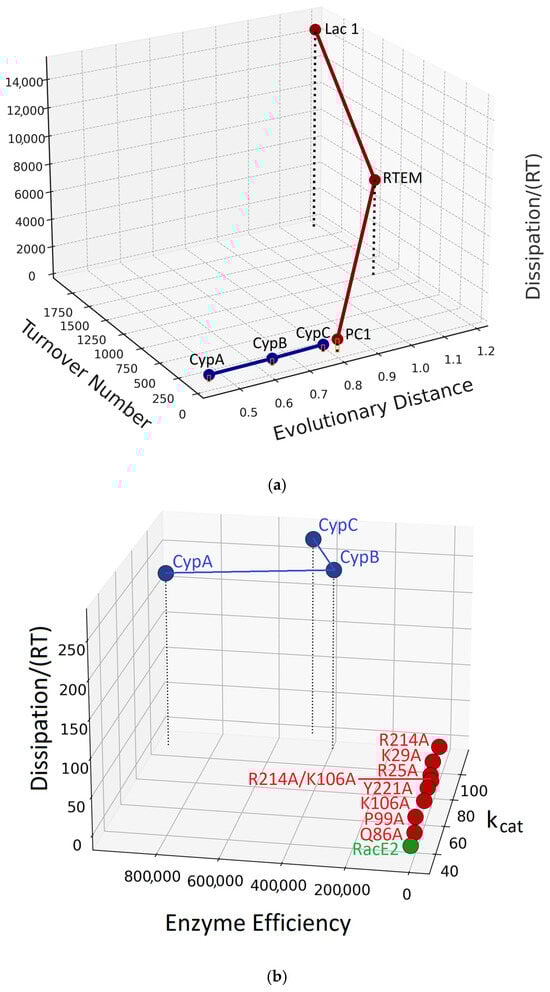
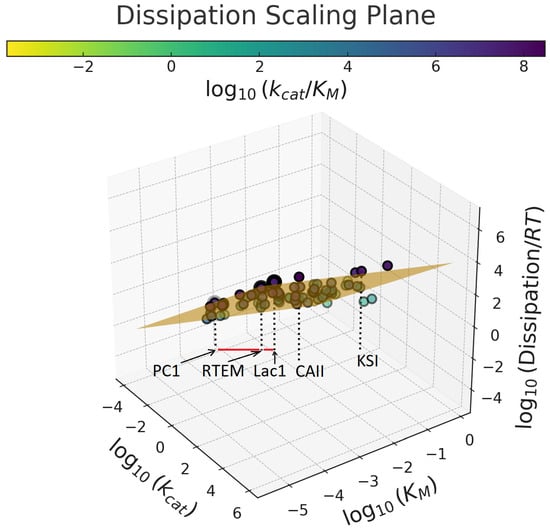
Enzyme performance parameters, including the turnover number and specificity constant, exhibit remarkable diversity due to biological evolution and natural selection. In some bacterial and human enzymes, catalytic efficiencies approach fundamental physical limits, underscoring the importance of physical constraints on enzymatic function. A deeper understanding of these constraints, particularly in far-from-equilibrium irreversible processes, is therefore essential for rational enzyme engineering. Such constraints are most naturally addressed within the frameworks of nanothermodynamics and stochastic thermodynamics, which remain relatively unfamiliar to much of the molecular biology community. Recent theoretical and experimental advances indicate that classical enzyme kinetic parameters are not independent, but are systematically linked to energetic dissipation. In particular, enzymes appear to occupy a characteristic dissipation plane defined by entropy production, reflecting the coupled influence of thermodynamic principles and evolutionary selection. In this review, we synthesize evidence across diverse enzyme families demonstrating correlated increases in housekeeping dissipation, evolutionary divergence, and enzymatic performance. Together, these findings support dissipation as a physically grounded parameter that connects enzyme kinetics, biological evolution, and nonequilibrium thermodynamics. Full article
Show Figures

Figure 1

2025

Jump to: 2026

72 pages, 3050 KB  
Review
Diversity of Effects of Mechanical Influences on Living Systems and Aqueous Solutions
by Sergey V. Gudkov, Vladimir I. Pustovoy, Ruslan M. Sarimov, Dmitriy A. Serov, Alexander V. Simakin and Ivan A. Shcherbakov
Int. J. Mol. Sci. 2025, 26(12), 5556; https://doi.org/10.3390/ijms26125556 - 10 Jun 2025
Cited by 3 | Viewed by 1661
Abstract
Water is the basis of life. Any factors acting on water will also affect the functioning of living organisms, including humans. Mechanical effects are as ubiquitous as temperature or magnetic fields. Numerous works have been devoted to the action of mechanical impacts on [...] Read more.
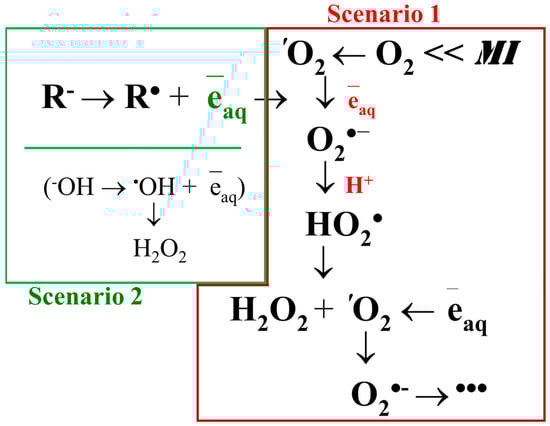
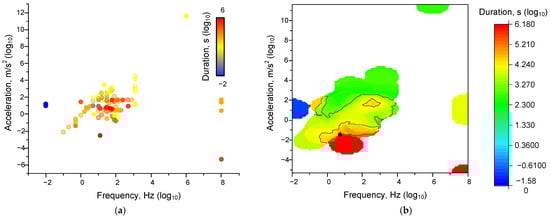
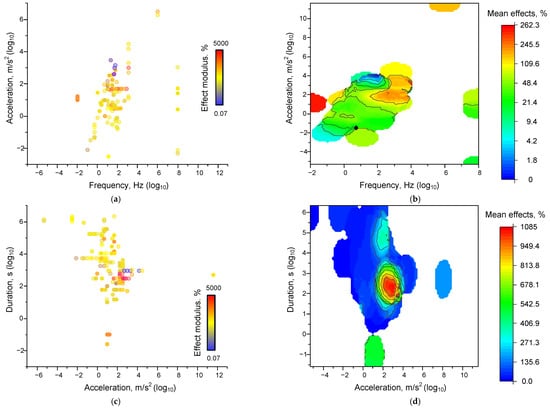
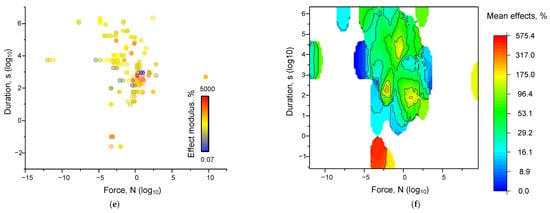
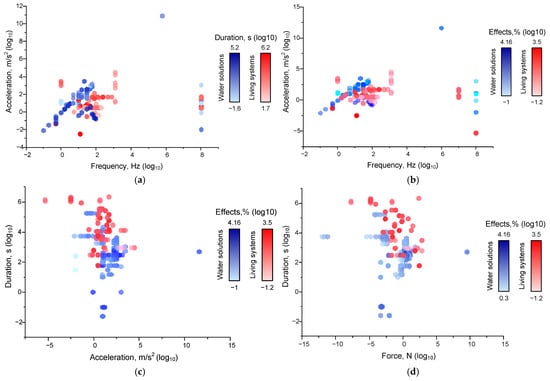
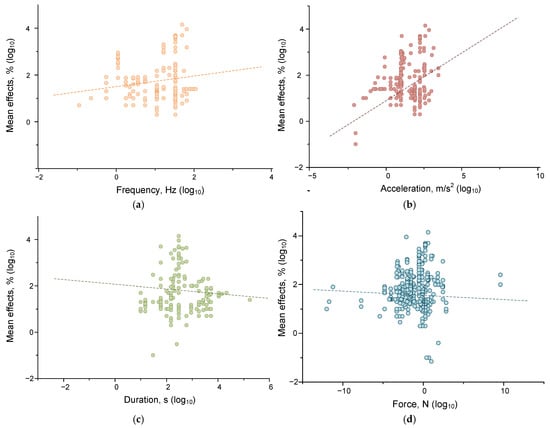
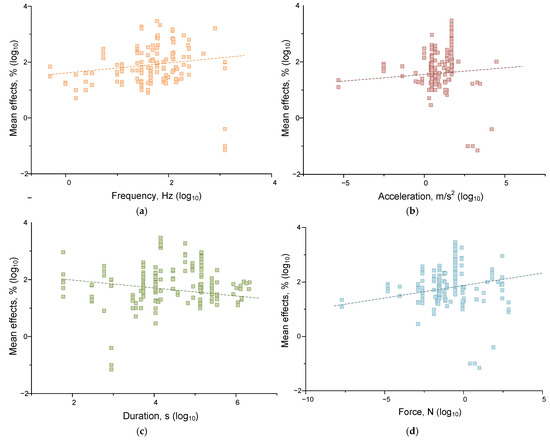
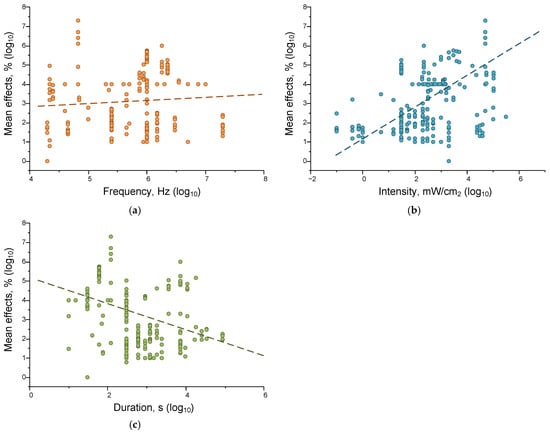
Water is the basis of life. Any factors acting on water will also affect the functioning of living organisms, including humans. Mechanical effects are as ubiquitous as temperature or magnetic fields. Numerous works have been devoted to the action of mechanical impacts on living systems, aqueous solutions, and water. However, no unified theory that would allow predicting the consequences of mechanical effects on living organisms based on their characteristics. In this review, we have attempted to systematize the available quantitative data on the effects of mechanical impacts on living organisms, cells, aqueous solutions, and purified water. In addition, in this review, we provide a basic overview of the variety of mechanical effects and the mechanisms of their realization. The responses of living systems and aqueous solutions depend quantitatively on different sets of characteristics of the vibration action. The magnitude of responses of living systems (cells and organisms) to mechanical action correlates with frequency, acceleration, and force. Mechanical action changes the characteristics of water and aqueous solutions as a function of frequency, acceleration, and duration. The data obtained may find application in a wide range of fields: from analytical chemistry and pharmacology to environmental protection. Full article
Show Figures

Figure 1

Back to TopTop