


-
Human Endogenous Retroviruses in Myalgic Encephalomyelitis/Chronic Fatigue Syndrome: Emerging Roles in Pathogenesis, Immunity, Biomarkers and Therapeutics -
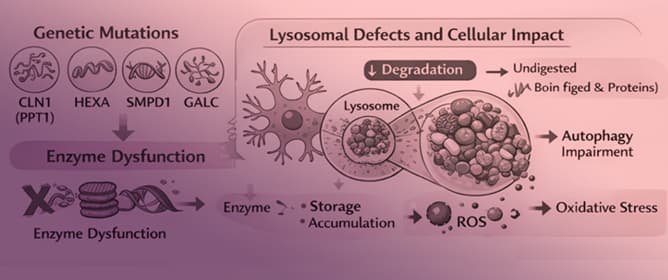
Neurodegenerative Diseases in Children: A Comprehensive Review -
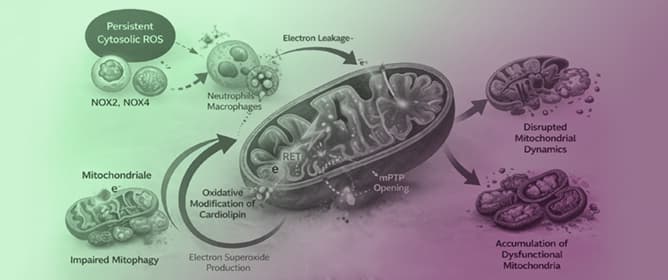
A Redox Amplification Interface Linking Mitochondrial Dysfunction, Immune-Derived Oxidants, and Biomaterial Electrochemistry in Chronic Inflammation -
Mitochondrial Network Dynamics in Aging: Cellular Mechanisms, Intercellular Communication, and Their Impact on Tissue Adaptability -
Hepatitis C Virus: An Overview of Its Chronic Impact on Liver Function, Metabolic Dysregulation, Inflammatory–Oxidative Pathogenesis and Epigenetic Memory
Journal Description
International Journal of Molecular Sciences
is an international, peer-reviewed, open access journal providing an advanced forum for biochemistry, molecular and cell biology, molecular biophysics, molecular medicine, and all aspects of molecular research in chemistry, and published semimonthly online by MDPI. The Epigenetics Society, European Chitin Society (EUCHIS), Spanish Society for Cell Biology (SEBC) and others are affiliated with IJMS and their members receive a discount on the article processing charges.
- Open Access— free for readers, with article processing charges (APC) paid by authors or their institutions.
- High Visibility: indexed within Scopus, SCIE (Web of Science), PubMed, PMC, MEDLINE, Embase, CAPlus / SciFinder, and other databases.
- Journal Rank: JCR - Q1 (Biochemistry and Molecular Biology) / CiteScore - Q1 (Inorganic Chemistry)
- Rapid Publication: manuscripts are peer-reviewed and a first decision is provided to authors approximately 17.5 days after submission; acceptance to publication is undertaken in 2.9 days (median values for papers published in this journal in the first half of 2026).
- Recognition of Reviewers: reviewers who provide timely, thorough peer-review reports receive vouchers entitling them to a discount on the APC of their next publication in any MDPI journal, in appreciation of the work done.
- Testimonials: See what our editors and authors say about IJMS.
- Companion journals for IJMS include: Biophysica, Stresses, Lymphatics, SynBio and Inflammation Journal.
Impact Factor:
5.6 (2025);
5-Year Impact Factor:
6.3 (2025)
Latest Articles
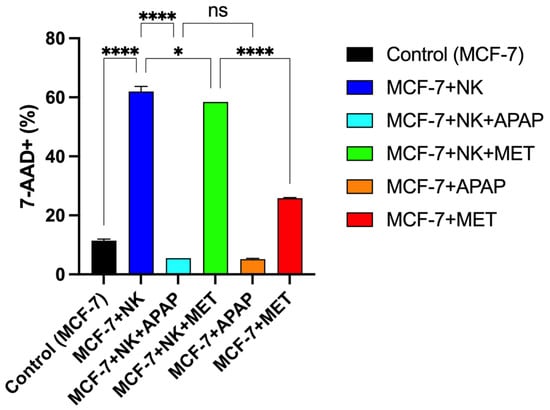
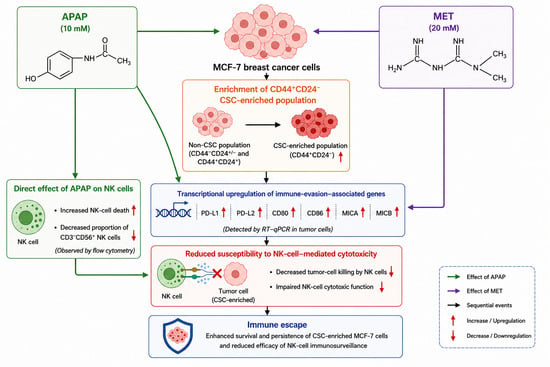
Paracetamol and Metformin Reduce NK-Cell Susceptibility in MCF-7 Breast Cancer Cells in Association with Enrichment of Immune-Evasive CD44+CD24− Stem-like Subpopulations
Int. J. Mol. Sci. 2026, 27(16), 7211; https://doi.org/10.3390/ijms27167211 (registering DOI) - 12 Aug 2026
Abstract
Natural Killer (NK) cell-mediated immunosurveillance is a cornerstone of anti-tumor defense, yet its efficacy can be compromised by common clinical medications. Paracetamol (APAP) and metformin (MET) are widely used for pain and metabolic management in cancer patients, but their unintended effects on the
[...] Read more.
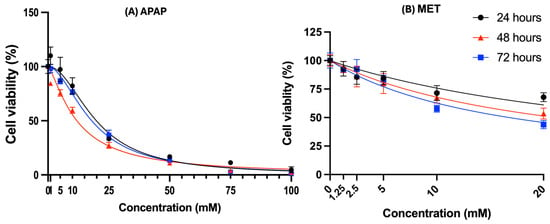
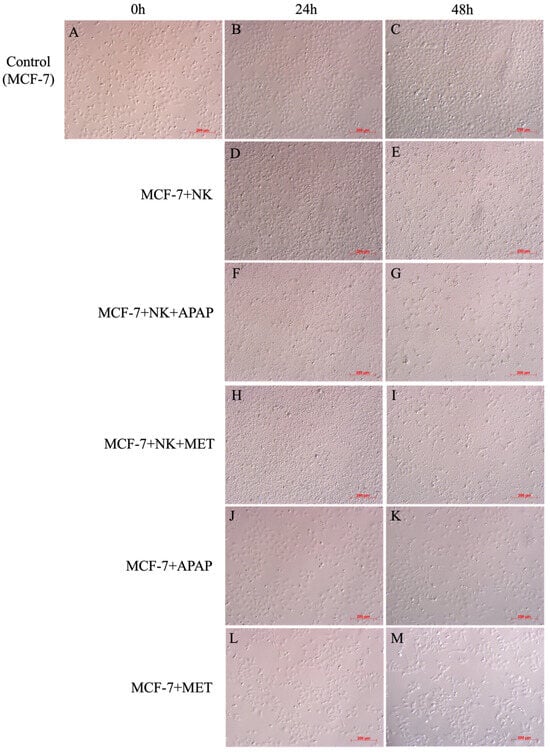
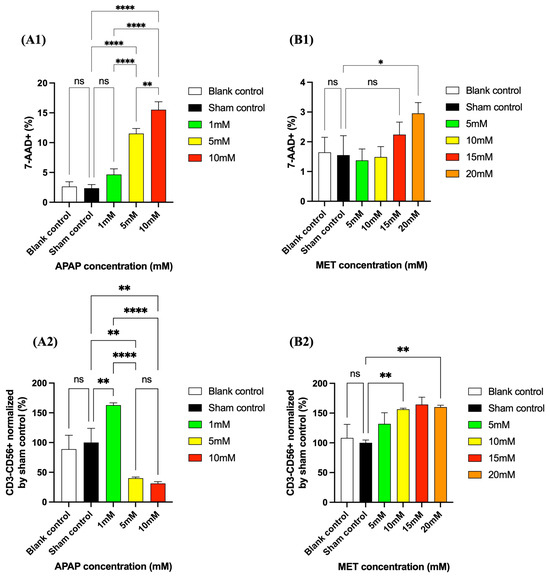
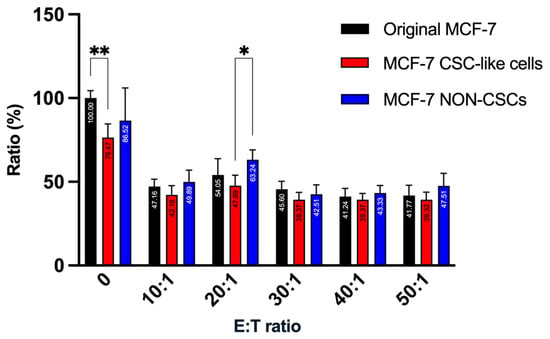
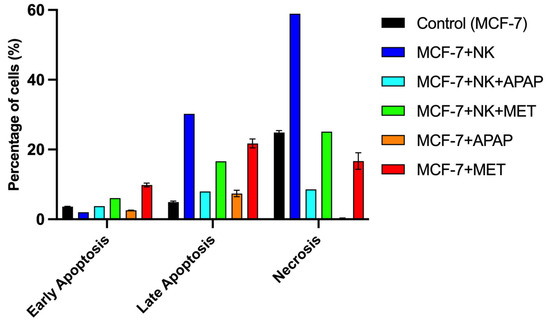
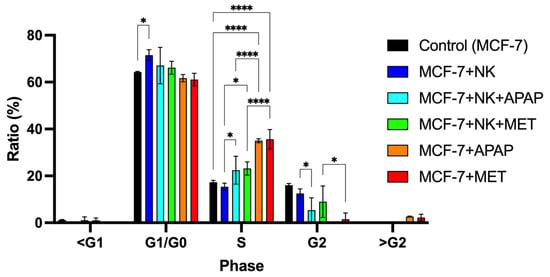
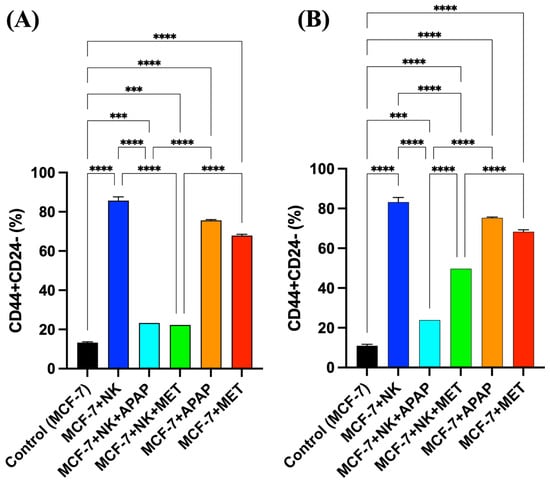
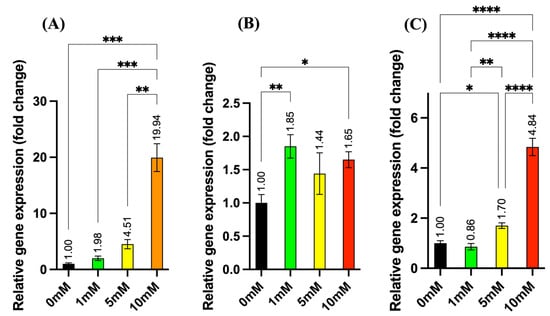
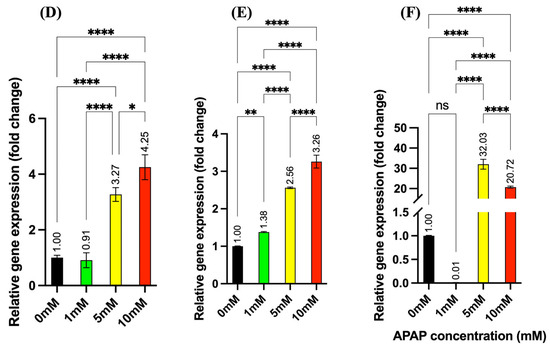
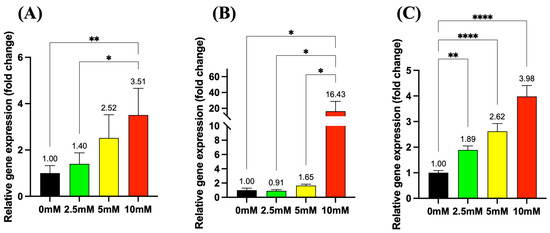
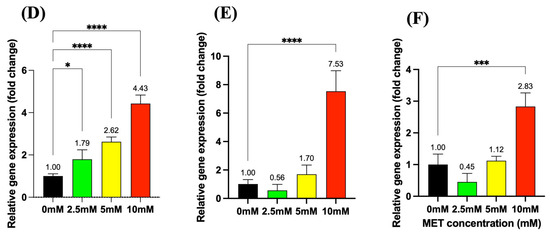
Natural Killer (NK) cell-mediated immunosurveillance is a cornerstone of anti-tumor defense, yet its efficacy can be compromised by common clinical medications. Paracetamol (APAP) and metformin (MET) are widely used for pain and metabolic management in cancer patients, but their unintended effects on the immune–tumor interface remain poorly understood. MCF-7 breast cancer cells (Luminal A subtype) were treated with APAP or MET and co-cultured with primary expanded NK cells (CD3−CD56+CD16+). We evaluated cell proliferation, cell cycle distribution, and the enrichment of the CD44+CD24− cancer stem-like cell (CSC-like) subpopulation. Transcriptional changes in immune checkpoints (PD-L1/L2), stress ligands (MICA/B), and costimulatory molecules CD80/86 were quantified via RT-qPCR. Despite inhibiting MCF-7 growth (IC50 at 48 h: 11.86 mM for APAP; 21.11 mM for MET), both drugs induced a “therapeutic paradox” by promoting an immune-evasive phenotype. APAP and MET significantly enriched the CD44+CD24− CSC-like subpopulation to 75.31% and 68.31%, respectively, compared to 11.00% in controls. Molecular analysis revealed a robust upregulation of PD-L1 (19.9-fold by APAP) and PD-L2 (16.4-fold by MET), alongside increased CD80/86 and MICA/B transcription. Consequently, drug-treated cells exhibited marked resistance to NK-mediated apoptosis and necrosis. NK cells preferentially eliminated non-stem cells (non-CSCs), inadvertently further concentrating the highly resistant CSC-like subpopulation. Additional experiments revealed that APAP directly impaired NK-cell survival and reduced the proportion of CD3−CD56+ cells, whereas MET exerted minimal effects on NK cells, suggesting distinct mechanisms underlying the observed reduction in NK-mediated cytotoxicity. Under the experimental conditions employed in this study, APAP and MET were associated with reduced susceptibility of MCF-7 cells to NK-mediated killing through distinct but partially overlapping mechanisms, including CSC-like enrichment and transcriptional activation of immune-evasion pathways. Although these findings were obtained in a mechanistic in vitro model using supra-physiological drug concentrations, they identify potential mechanisms that warrant further validation in physiologically relevant experimental systems and in vivo models.
Full article
(This article belongs to the Special Issue Advanced Research on Cancer Stem Cells)
►
Show Figures
Open AccessReview
Shock Induced Endotheliopathy and High Trauma Mortality—Fight-or-Flight Response Revisited
by
Nathan Weinstein, John B. Holcomb and Pär I. Johansson
Int. J. Mol. Sci. 2026, 27(16), 7210; https://doi.org/10.3390/ijms27167210 (registering DOI) - 12 Aug 2026
Abstract
Trauma with hemorrhagic shock causes about 2.3 million deaths yearly worldwide. Improved hemostatic management has shifted the relative distribution of mortality, leaving multiorgan failure (MOF) as a leading cause of death. Clinical observations suggest that the evolutionarily ancient and well-conserved sympathetic system and
[...] Read more.
Trauma with hemorrhagic shock causes about 2.3 million deaths yearly worldwide. Improved hemostatic management has shifted the relative distribution of mortality, leaving multiorgan failure (MOF) as a leading cause of death. Clinical observations suggest that the evolutionarily ancient and well-conserved sympathetic system and the microvascular endothelium are involved, and the experimental evidence is reviewed here. The analyzed clinical studies, human endothelial cell (EC) culture, and animal model-based experiments delineate how excess catecholamine levels increase endothelial cell reactive oxygen species production, causing glycocalyx damage and thrombomodulin cleavage. This leads to a prothrombotic EC surface, resulting in coagulation activation and thrombus formation that leaves tissues prone to hypoxia. Excess catecholamines also increase endothelial barrier permeability, leading to fluid extravasation, elevated tissue pressure, and hypoxia. The reviewed experimental data support, but do not yet prove, dysregulated sympathetic activation’s critical contribution to the development of shock-induced endotheliopathy prone to tissue hypoxia and, ultimately, death from coagulopathy, loss of immune competence, and MOF, as observed clinically in shocked trauma patients. Due to the physiological differences between humans and model organisms, and EC culture growth conditions, some molecular mechanisms require further investigation through clinical studies and targeted experiments.
Full article
(This article belongs to the Special Issue Endothelial Function and Cardiovascular Disease: Molecular Advances and Challenges)
Open AccessArticle
Physical Responses to the Structural Evolution of CL-20-Based Energetic Solvates with H2O2 and H2O Under External Electric Field
by
Lu Shi, Li Fan, Huaya Sun and Daichuan Ma
Int. J. Mol. Sci. 2026, 27(16), 7209; https://doi.org/10.3390/ijms27167209 - 12 Aug 2026
Abstract
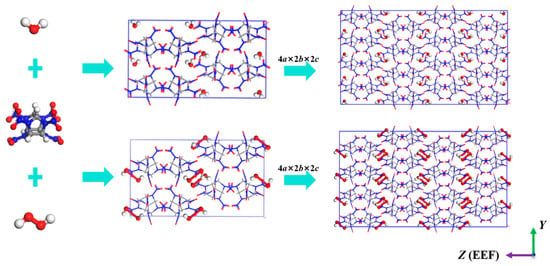
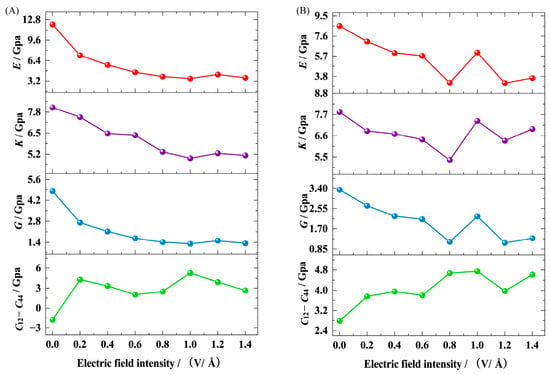
The effects of an external electric field (EEF) on the crystal structure, nonbonded interaction, sensitivity, and mechanical properties of CL-20/H2O2 and CL-20/H2O energetic solvates have been investigated by classical molecular dynamics simulations. Compared with CL-20/H2O solvate,
[...] Read more.
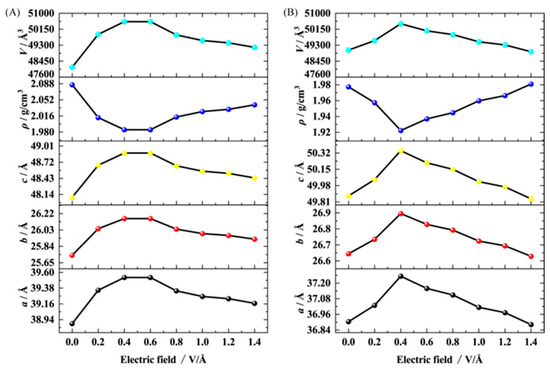
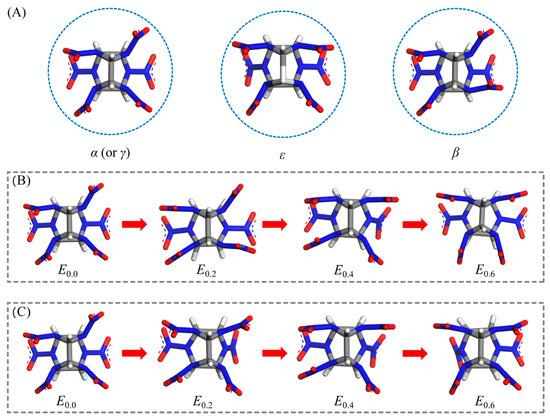
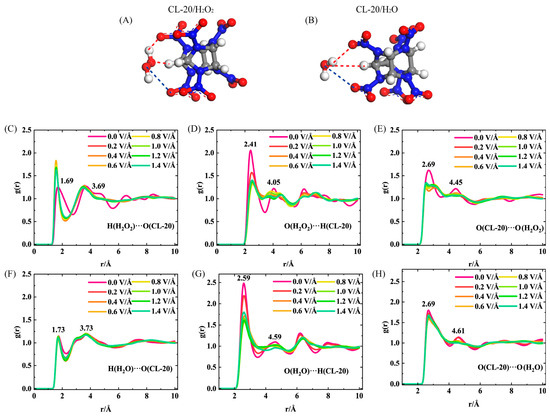
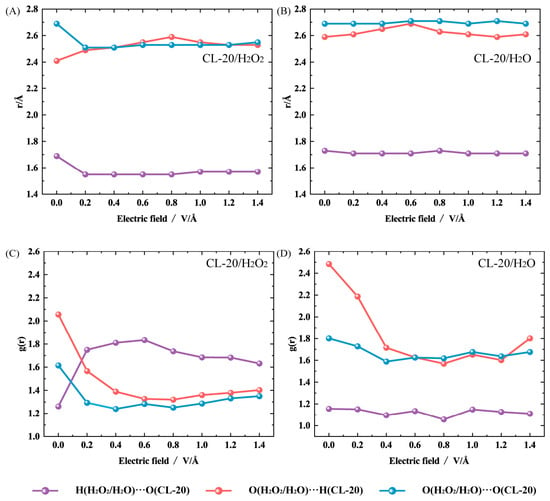
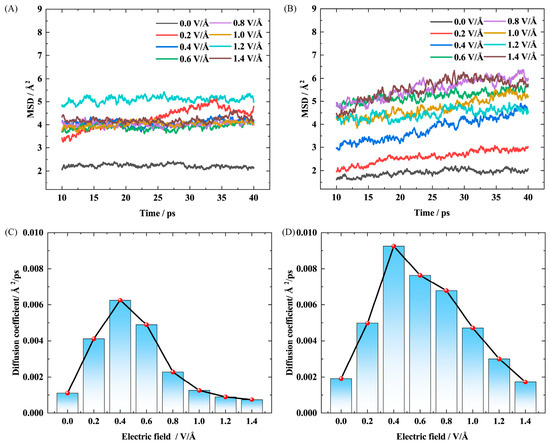
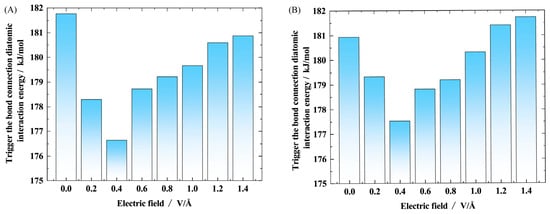
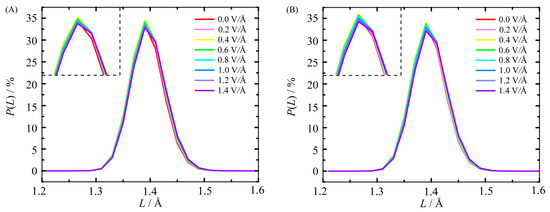
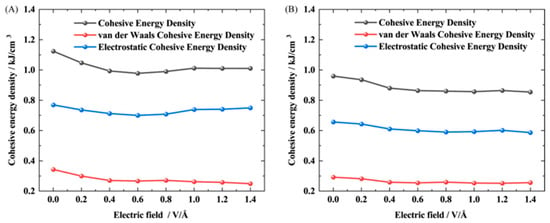
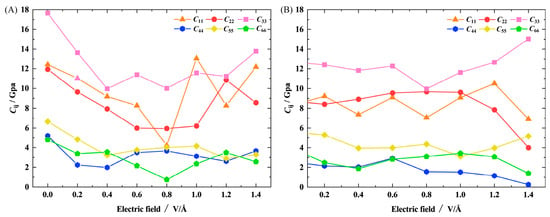
The effects of an external electric field (EEF) on the crystal structure, nonbonded interaction, sensitivity, and mechanical properties of CL-20/H2O2 and CL-20/H2O energetic solvates have been investigated by classical molecular dynamics simulations. Compared with CL-20/H2O solvate, CL-20/H2O2 solvate possesses stronger O-H···O and C-H···O hydrogen-bond networks, which are more sensitive to the variation of electric field intensity. Such hydrogen-bond frameworks buffer the fluctuation of cell parameters and restrain molecular diffusion under an EEF. Increasing the electric field shortens the N-NO2 trigger bond and reduces its interaction energy, strengthening the intrinsic sensitivity of CL-20 solvates. The conformers of CL-20 molecules transform from the α-phase to the stable ε phase after 0.4 V·Å−1. When an external electric field acts on the CL-20/H2O2 and CL-20/H2O energetic solvates, conformational changes in CL-20 molecules and solvation interactions can effectively reduce stiffness and enhance lattice ductility, reducing hotspot formation and thereby improving thermal safety.
Full article
(This article belongs to the Section Physical Chemistry and Chemical Physics)
►▼
Show Figures

Figure 1
Open AccessArticle
Integrated Liver Transcriptomic and Proteomic Analysis Reveals Resistance Mechanisms Against Pseudomonas plecoglossicida in Larimichthys crocea
by
Ting Ye, Jiajie Zhu, Xiao Liang, Dandan Guo, Yilian Zhou, Bao Lou and Feng Liu
Int. J. Mol. Sci. 2026, 27(16), 7208; https://doi.org/10.3390/ijms27167208 - 12 Aug 2026
Abstract
Visceral white-nodules disease (VWND), caused by Pseudomonas plecoglossicida, poses a severe threat to the large yellow croaker (Larimichthys crocea) aquaculture industry. Although breeding resistant strains is a promising strategy, the molecular basis of disease resistance in this host remains poorly
[...] Read more.
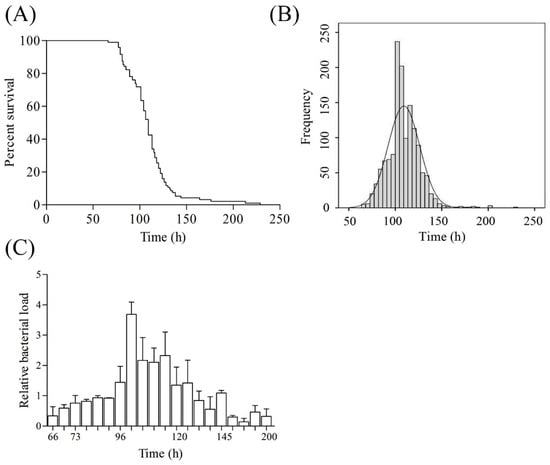
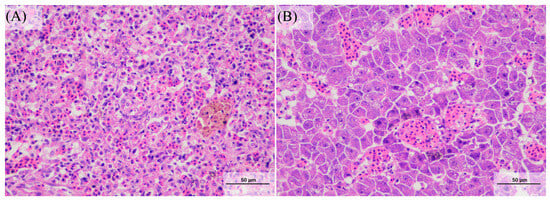
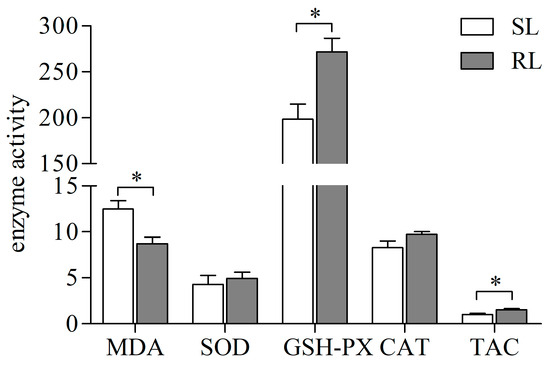
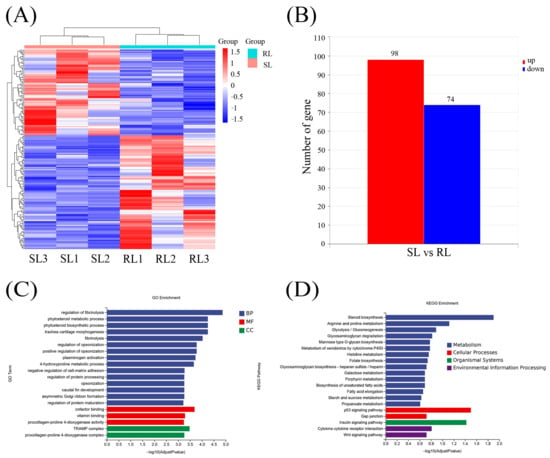
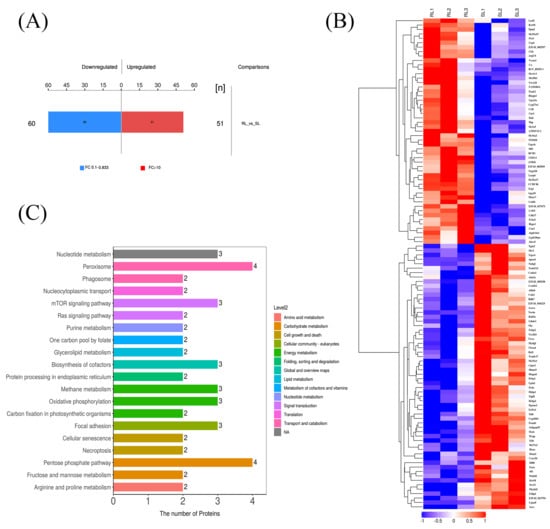
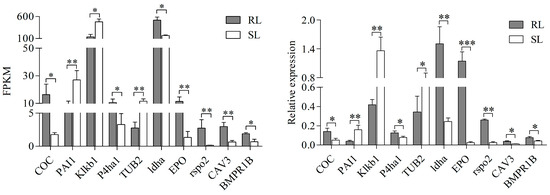
Visceral white-nodules disease (VWND), caused by Pseudomonas plecoglossicida, poses a severe threat to the large yellow croaker (Larimichthys crocea) aquaculture industry. Although breeding resistant strains is a promising strategy, the molecular basis of disease resistance in this host remains poorly understood. Here, 1500 fish were artificially infected, and extreme phenotypes (30 resistant, RL; 30 susceptible, SL) were selected based on survival time and liver pathogen load. Liver histopathology revealed that RL fish maintained intact architecture with only mild vacuolation, whereas SL fish exhibited widespread necrosis, inflammation, and hemosiderin deposition. Consistently, RL fish showed lower MDA levels and higher GSH-Px activity and TAC. Transcriptomic analysis identified 172 differentially expressed genes (DEGs): RL fish were characterized by upregulation of anti-inflammatory and tissue-protective genes (Epo, CAV3) and downregulation of pro-coagulant factors (PAI1, K1kb1). Proteomic analysis identified 111 differentially expressed proteins, with significantly enriched pathways including the peroxisome, pentose phosphate, and phagosome pathways. Integrated cross-omics analysis revealed eight co-enriched KEGG pathways; among them, arginine/proline metabolism, phagosome, oxidative phosphorylation, and focal adhesion were consistently upregulated in the RL group. These findings suggest that effective resistance to VWND in L. crocea may involve a coordinated, multi-layered defense program encompassing redox balance, regulated immune responses, metabolic reprogramming, and cellular homeostasis. Cross-omics-supported candidate factors (e.g., P4ha1, COX6B, RAB5A, CAV3) represent promising targets for functional validation via DNA-level experiments in independent sample sets, and the prominent enrichment of arginine-proline metabolism indicates a potential target for dietary intervention that merits further investigation.
Full article
(This article belongs to the Special Issue Molecular Research on Aquatic Organisms)
►▼
Show Figures

Figure 1
Open AccessArticle
Short-Term Effects of Intradialytic Hypoxemia on Plasma Markers of Hypoxia
by
Joanna Korzycka, Katarzyna Pęczek-Bartyzel and Michał Nowicki
Int. J. Mol. Sci. 2026, 27(16), 7207; https://doi.org/10.3390/ijms27167207 - 12 Aug 2026
Abstract
Short episodes of intradialytic hypoxemia (IDH) are a common but still under-recognized complication of hemodialysis with clinically significant consequences. The aim of the study was to analyze the effect of IDH on the secretion of hypoxia-inducible factors 1 and 2 and sirtuin 1.
[...] Read more.
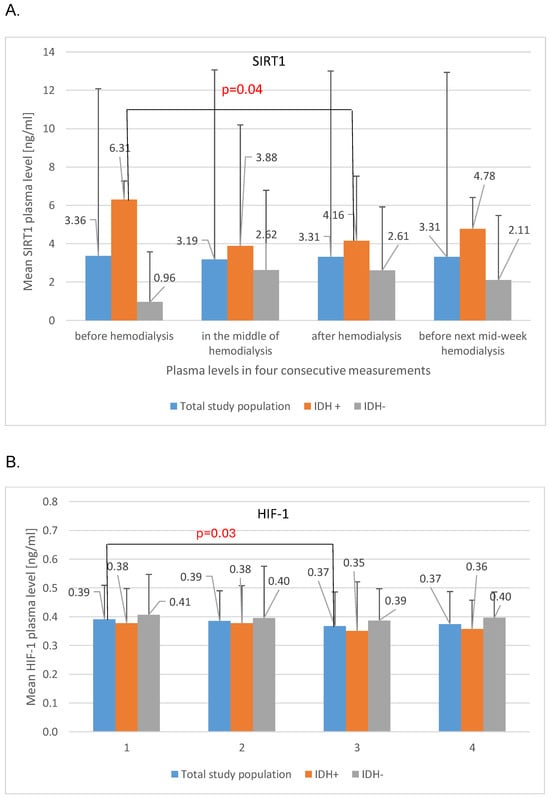
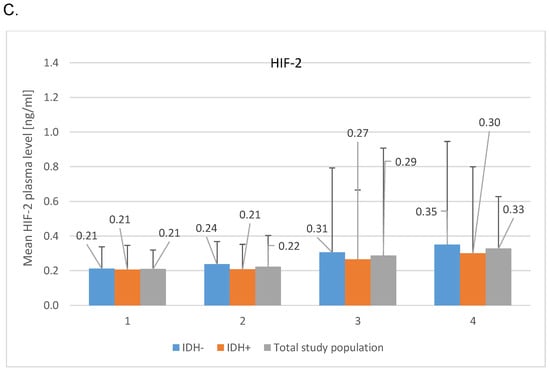
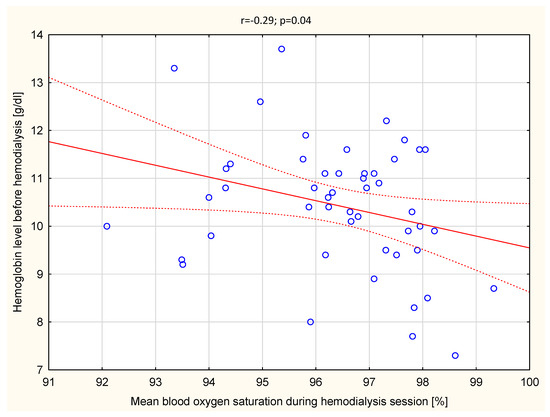
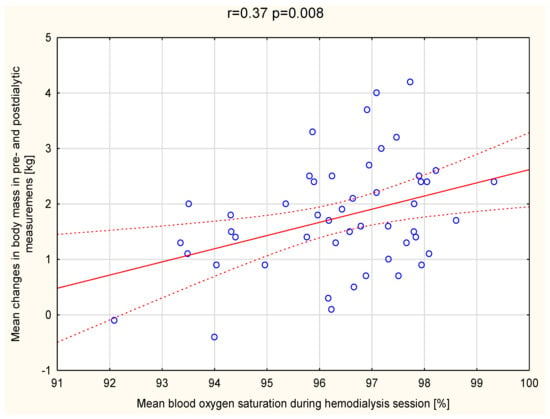
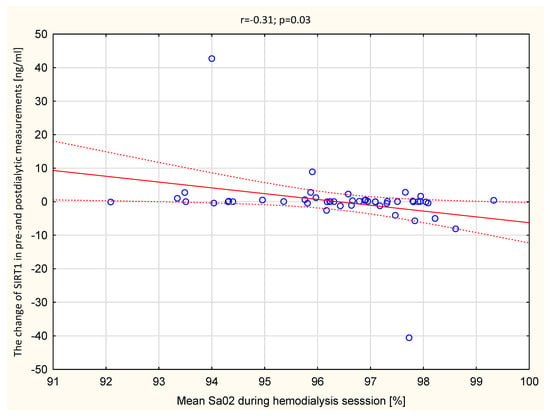
Short episodes of intradialytic hypoxemia (IDH) are a common but still under-recognized complication of hemodialysis with clinically significant consequences. The aim of the study was to analyze the effect of IDH on the secretion of hypoxia-inducible factors 1 and 2 and sirtuin 1. The study group consisted of 49 chronic hemodialysis patients, mean age 58.8 ± 15.3 years. Pulse oximetry was continuously recorded throughout hemodialysis. Blood was collected three times during a single mid-week hemodialysis session and at the start of the next mid-week session to assess levels of sirtuin 1 (SIRT1), hypoxia-inducible factor 1 (HIF-1), and hypoxia-inducible factor 2 (HIF-2). IDH, defined as a decrease in blood oxygen saturation below 90%, occurred in 22 (45%) patients. The mean time of hypoxemia during dialysis was 0.52% of the total hemodialysis session time. Plasma SIRT1 and HIF-2 concentrations did not change significantly during hemodialysis, whereas plasma HIF-1 levels decreased significantly. Multiple regression analysis showed that pre-dialysis plasma SIRT1 and HIF-1 explained a significant portion of the variability of blood oxygen saturation during hemodialysis. Pre-dialysis plasma levels of sirtuin 1 and HIF-1 could be considered predictors of the decline in blood oxygen saturation during hemodialysis sessions; they also determine the degree of variability of this parameter during the procedure.
Full article
(This article belongs to the Section Molecular Pathology, Diagnostics, and Therapeutics)
►▼
Show Figures

Figure 1
Open AccessArticle
Genome-Wide Characterization and Expression Analysis of Heat Shock Transcription Factors in Two Cultivars of Rice (Oryza sativa L.) Under Heat Stress
by
Almas Danish, Muhammad Saeed and Pingfang Yang
Int. J. Mol. Sci. 2026, 27(16), 7206; https://doi.org/10.3390/ijms27167206 - 12 Aug 2026
Abstract
Rising temperatures pose daunting challenges for sustainable yield and nutritional quality of rice (Oryza sativa L.), thus putting food security at risk. Limited information exists regarding cis-acting regulatory elements and candidate genes controlling the heat shock transcription factor (HSF) gene family in
[...] Read more.
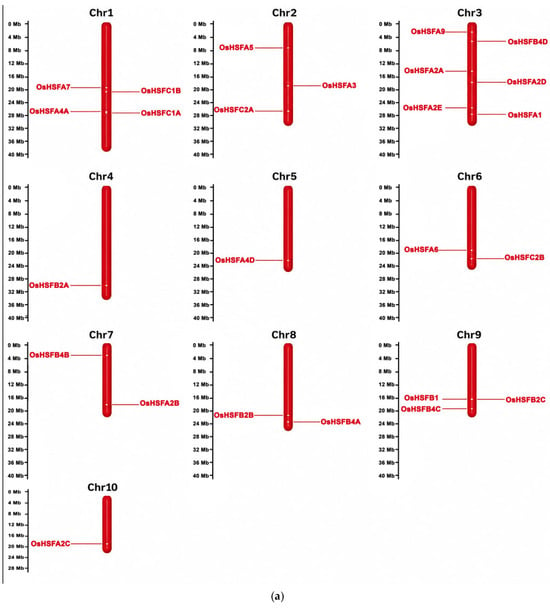
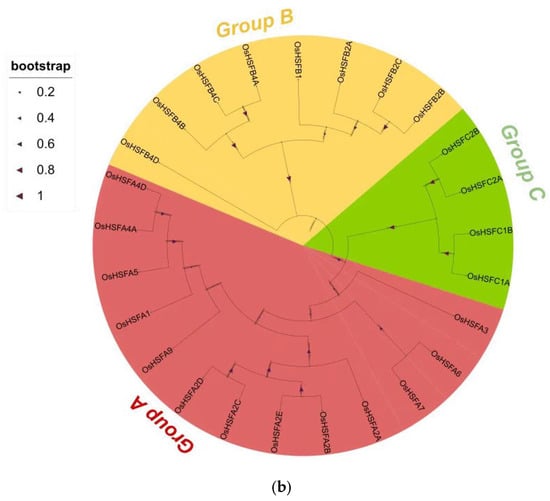
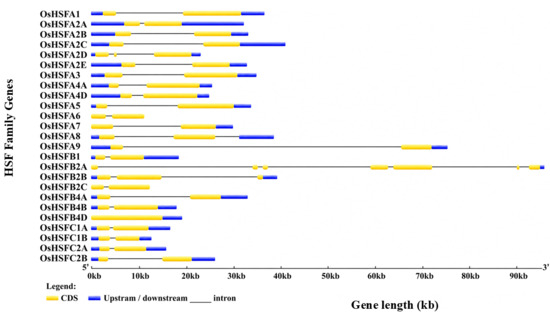
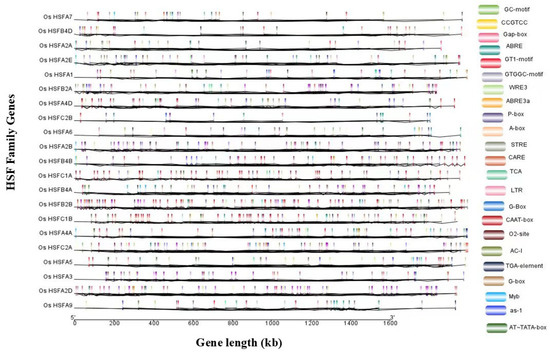
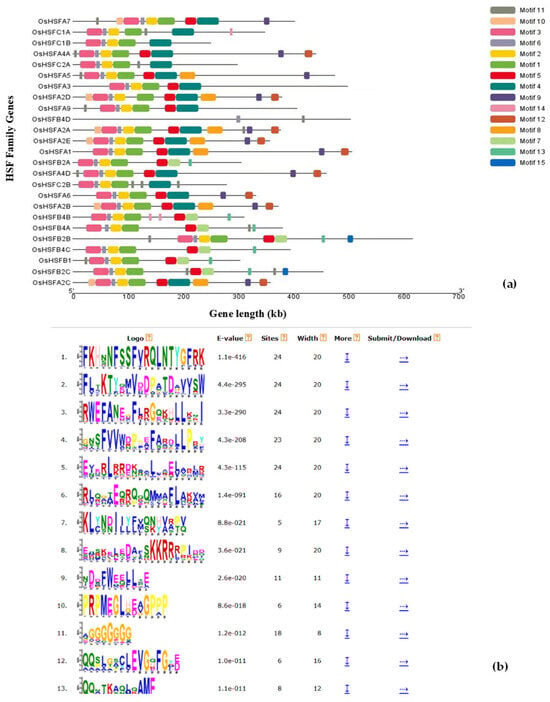
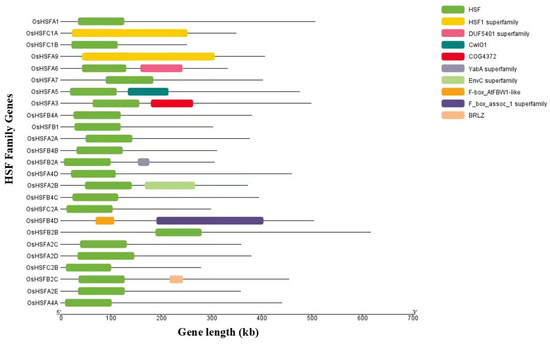
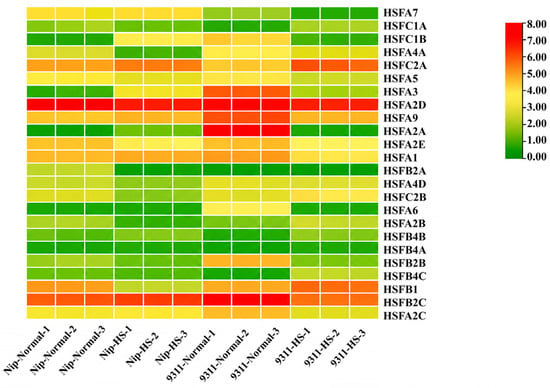
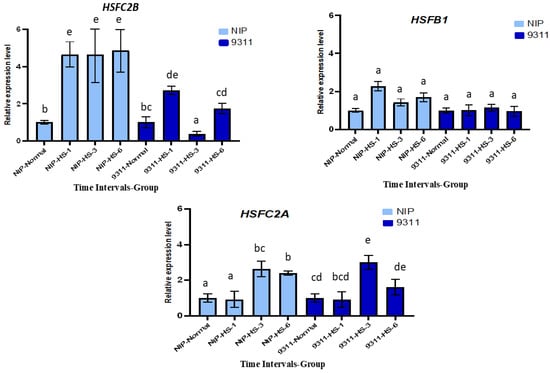
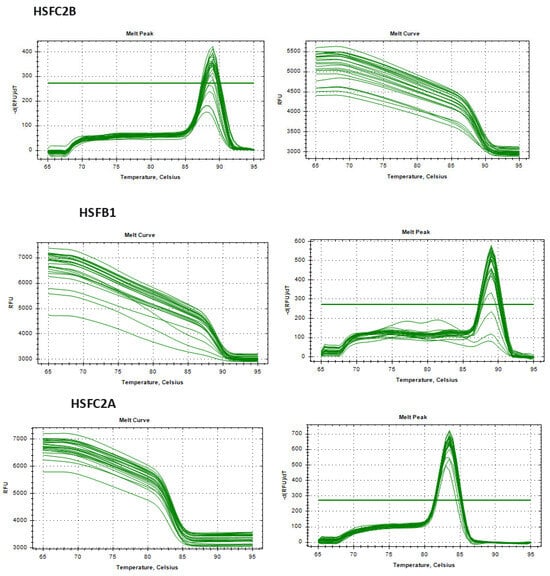
Rising temperatures pose daunting challenges for sustainable yield and nutritional quality of rice (Oryza sativa L.), thus putting food security at risk. Limited information exists regarding cis-acting regulatory elements and candidate genes controlling the heat shock transcription factor (HSF) gene family in rice. Therefore, the present study identified HSF genes in the japonica (Nipponbare) and indica (9311) rice cultivars through in silico repositories. Three candidate genes (HSFC2B, HSFB1, and HSFC2A) were selected for qRT-PCR analysis to validate their expression patterns under heat stress (HS). The present findings reported a total of 25 OsHSF genes through in silico genome-wide identification. Comparative analysis illustrated that the OsHSF genes had structural similarities but different expression and transcriptional regulation between the two cultivars. HSF genes were unevenly distributed across the 12 rice chromosomes, suggesting that tandem duplication and gene repetition may have contributed to the evolution of novel genes. Phylogenetic analysis revealed that all OsHSF gene family members have shared common ancestry, but several genes lack introns, potentially facilitating swift stress responses as indicated by gene structure analysis. Expression analysis revealed that candidate genes were active, with HSFC2A exhibiting the highest level of expression in the japonica cultivar compared to indica under heat-stressed conditions. HSFC2B gene showed a higher statistical difference in its response between cultivars, time points, and cultivar vs. time points interactions compared to HSFC2A and HSFB1. These findings offer valuable insights into the function of OsHSF genes that will contribute to the development of climate-resilient rice cultivars.
Full article
(This article belongs to the Special Issue Abiotic Stress in Plants: Physiological and Molecular Responses)
►▼
Show Figures

Figure 1
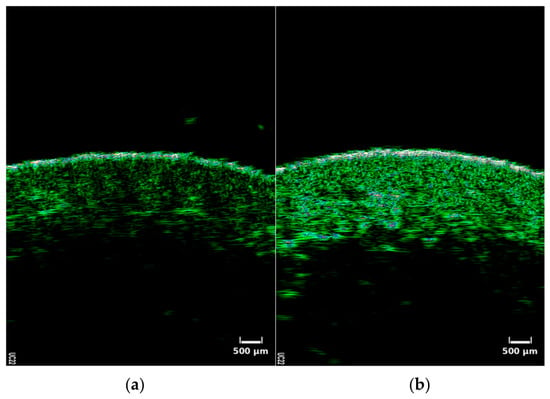
Open AccessArticle
Barrier Function and Biophysical Effects of 0.104% and 0.247% Retinol Creams in Mature Facial Skin: A Prospective Study
by
Iwona Pordąb, Julia Cieślawska, Michał Gackowski, Michał J. Kowalczyk, Małgorzata Pawłowska, Justyna Gornowicz-Porowska, Tomasz Osmałek, Marta Marzec, Izabela Nowak, Anna Kroma-Szal and Mariola Pawlaczyk
Int. J. Mol. Sci. 2026, 27(16), 7205; https://doi.org/10.3390/ijms27167205 - 12 Aug 2026
Abstract
Retinol, a bioactive small molecule of the vitamin A family, contributes epidermal and dermal tissue repair through retinoic acid receptor γ (RARγ)/retinoid X receptor (RXR) receptor-mediated transcriptional regulation of keratinocyte differentiation, extracellular matrix (ECM) remodeling, and barrier restoration. However, the relationship between applied
[...] Read more.
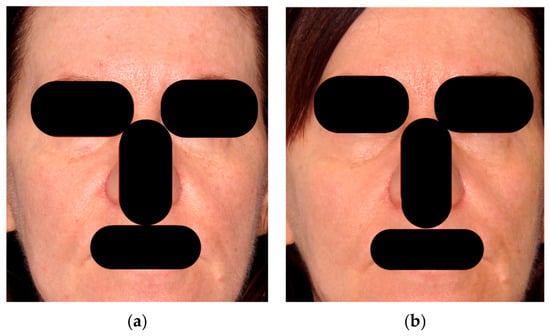
Retinol, a bioactive small molecule of the vitamin A family, contributes epidermal and dermal tissue repair through retinoic acid receptor γ (RARγ)/retinoid X receptor (RXR) receptor-mediated transcriptional regulation of keratinocyte differentiation, extracellular matrix (ECM) remodeling, and barrier restoration. However, the relationship between applied concentration, tissue-level regenerative outcomes, and tolerability remains incompletely characterized. This prospective, randomized, single-blind study compared biophysical effects and tolerance of two retinol concentrations in EU-compliant facial creams, high-performance liquid chromatography (HPLC)-verified as 0.104% and 0.247% (w/w). Thirty-eight women aged 40–61 years (Fitzpatrick phototypes II–III) participated across three independent sub-studies: 28 were randomized to either concentration for 12 weeks; 5 underwent split-face ultrasound imaging (0.247% versus retinol-free control) for 8 weeks; and 5 participated in a tape stripping sub-study quantifying stratum corneum interleukin-1 alpha (IL-1α) and interleukin-1 receptor antagonist (IL-1ra) by ELISA before and after 6 weeks of 0.247% retinol treatment. Main cohort assessments included transepidermal water loss (TEWL), hydration, melanin, erythema, pH, sebum, biomechanical parameters, and wrinkle grading. Both concentrations significantly improved barrier parameters—hydration, TEWL, brightness, pH, and sebum—with no inter-group differences. In the ultrasound sub-group, 0.247% retinol increased epidermal thickness (+12.4 μm), epidermal density (+3.84%), and dermal density (+1.81%) versus control, consistent with ECM reorganization and epidermal stratification. Biomechanical parameters showed no significant changes, consistent with retinol’s remodeling timeline. Consumer assessment indicated comparable efficacy; 0.247% demonstrated superior smoothing but higher erythema incidence. In the tape stripping sub-study, IL-1α decreased in all participants (median: 25.1 → 13.2 picograms per tape [pg/Tape]; 5/5 concordant), while IL-1ra increased in 4/5 participants (median: 352.8 → 1403.1 picograms per three sequential tapes [pg/3sT]), indicating a directionally consistent shift in the IL-1α/IL-1ra balance; these results are exploratory and require replication in larger cohorts. These findings collectively support clinically meaningful barrier restoration and structural remodeling within current EU safety limits (Commission Regulation EU 2024/996), with 0.104% offering a favorable efficacy-to-tolerability profile for initial therapy.
Full article
(This article belongs to the Special Issue Bioactive Small Molecules in Tissue Repair and Regeneration)
►▼
Show Figures

Figure 1
Open AccessReview
Fibrotic–Angiogenic Signaling Networks in Oral Submucous Fibrosis: Pathobiology and Therapeutic Targeting
by
Samar Kamran, Nabeel Reza, Zurairah Berahim, Saeed Ur Rahman and Johari Yap Abdullah
Int. J. Mol. Sci. 2026, 27(16), 7204; https://doi.org/10.3390/ijms27167204 - 12 Aug 2026
Abstract
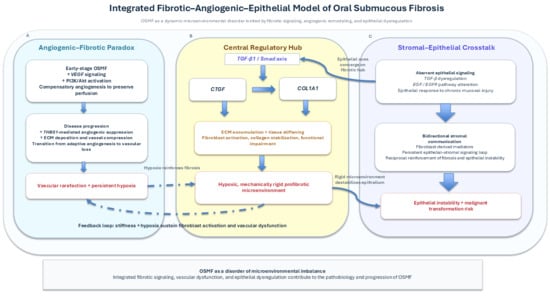
Oral submucous fibrosis (OSMF) is a chronic, progressive fibrotic disorder with significant malignant potential, and limited effective treatments due to an incomplete understanding of its underlying molecular mechanisms. This narrative review synthesizes current evidence on the key molecular networks involved in OSMF pathogenesis,
[...] Read more.
Oral submucous fibrosis (OSMF) is a chronic, progressive fibrotic disorder with significant malignant potential, and limited effective treatments due to an incomplete understanding of its underlying molecular mechanisms. This narrative review synthesizes current evidence on the key molecular networks involved in OSMF pathogenesis, highlighting the central role of the TGF-β1/Smad, CTGF, and COL1A1 pathways in maintaining fibroblast activation, supporting myofibroblast activity, and promoting pathological collagen accumulation. It also integrates recent findings on how profibrotic signaling interacts with important angiogenic and epithelial growth factors such as VEGF, FGF, and EGF, creating a stage-dependent fibrotic microenvironment. In early OSMF, increased angiogenic signaling, especially through the VEGF/PI3K–Akt pathway, helps maintain blood supply. However, as the disease progresses, TGF-β-induced pathways become dominant, leading to vascular rarefaction, tissue hypoxia, epithelial instability and worsening fibrosis that increases the risk of malignant transformation. By critically appraising molecular, cellular, and translational studies, this review identifies key pathways linking fibrosis, angiogenesis, and epithelial changes in OSMF. It suggests that stage-specific and combined targeting of TGF-β1, CTGF, COL1A1, along with angiogenic and epithelial pathways, may help reverse fibrosis, restore normal tissue perfusion, reduce cancer risk, and support the development of better therapies and biomarkers beyond symptom relief.
Full article
(This article belongs to the Special Issue Molecular Engineering of Biomaterials for Advanced Additive Manufacturing)
►▼
Show Figures

Figure 1
Open AccessReview
Tea Bioactive Compounds in Obesity Prevention and Management: Processing-Dependent Composition, Molecular Mechanisms, Human Evidence, and Translational Challenges
by
Yangxian Hu, Guoyuan Huang and Kwon Soonjae
Int. J. Mol. Sci. 2026, 27(16), 7203; https://doi.org/10.3390/ijms27167203 - 12 Aug 2026
Abstract
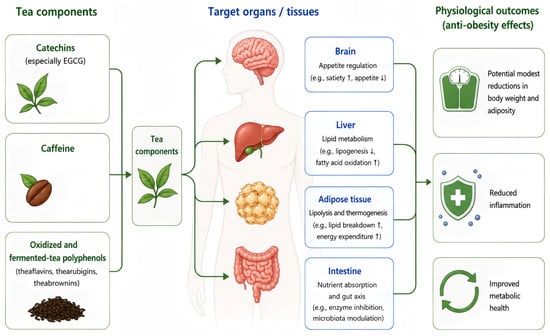
Obesity is a heterogeneous chronic disease for which safe, scalable adjuncts to lifestyle and clinical care remain needed. Tea derived from Camellia sinensis contains catechins, caffeine, theaflavins, thearubigins, theabrownins, polysaccharides, and other constituents whose abundance is shaped by withering, fixation, partial oxidation, full
[...] Read more.
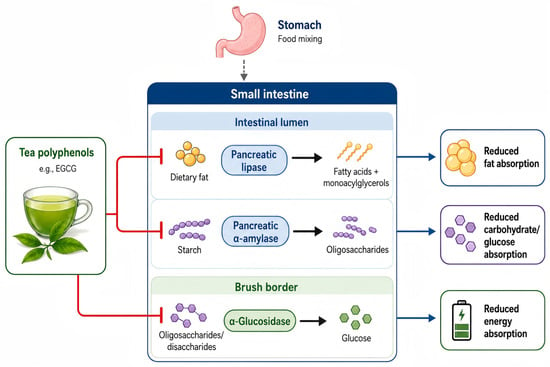
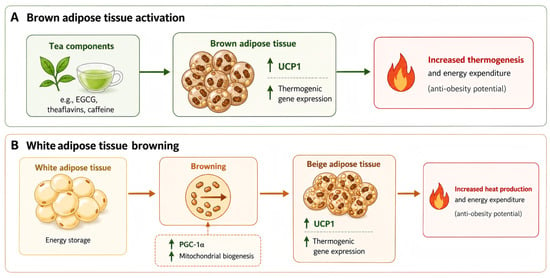
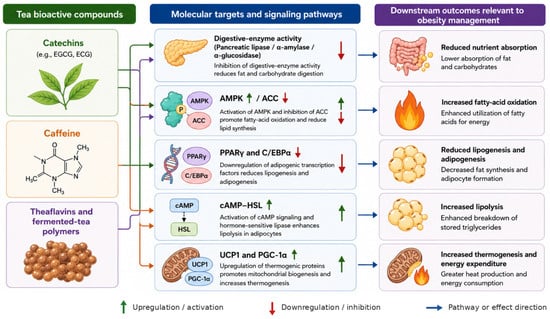
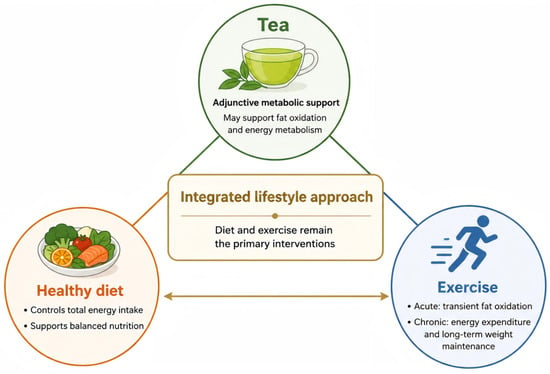
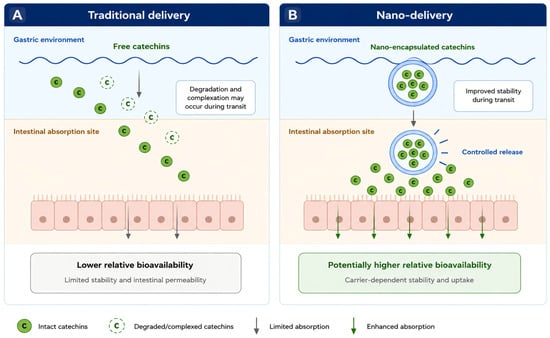
Obesity is a heterogeneous chronic disease for which safe, scalable adjuncts to lifestyle and clinical care remain needed. Tea derived from Camellia sinensis contains catechins, caffeine, theaflavins, thearubigins, theabrownins, polysaccharides, and other constituents whose abundance is shaped by withering, fixation, partial oxidation, full oxidation, and post-fermentation. This review integrates processing-dependent composition with molecular mechanisms, gut–liver signaling, human evidence, safety, and real-world preparation. Evidence is strongest for modest effects of green-tea catechin–caffeine preparations on energy metabolism and selected anthropometric or lipid outcomes, whereas inhibition of adipogenesis, activation of AMP-activated protein kinase, browning of white adipose tissue, and many appetite-related pathways remain supported mainly by cell and rodent studies. A recent meta-analysis in women with overweight or obesity estimated mean reductions of −1.23 kg in body weight and −3.46 cm in waist circumference, with intervention durations across the included trials typically ranging from 4 to 24 weeks, though most of the evidence derives from short- to medium-term interventions (generally ≤12 weeks); heterogeneity was moderate to high and the average weight effect remained below conventional clinical thresholds. Partially oxidized oolong tea and fully oxidized or post-fermented teas provide distinct profiles of caffeine, oxidized polyphenols, and microbial metabolites; their metabolic effects are promising but are less consistently tested in adequately powered human trials. Across tea types, convergent mechanisms include reduced digestive-enzyme activity, increased fatty-acid oxidation, modulation of thermogenesis, reinforcement of the intestinal barrier, and microbiota-dependent production of short-chain fatty acids and bile-acid signals. Translation is constrained by low systemic polyphenol exposure (i.e., limited bioavailability of intact catechins and their metabolites in circulation due to poor intestinal absorption, extensive phase-II metabolism, and rapid clearance), non-standardized doses and products, short intervention periods, interindividual variability, and limited direct comparisons among tea types. Available clinical data do not support tea as a primary treatment for obesity; rather, unsweetened tea or standardized preparations may serve as adjuncts to evidence-based dietary, physical activity, behavioral, and medical management. Priority areas include physiologically relevant dosing, standardized reporting of brewed-tea composition, long-term trials, and microbiome-informed personalization.
Full article
(This article belongs to the Special Issue Effects of Nutrients and Functional Foods on Immune and Inflammatory Responses)
►▼
Show Figures

Figure 1
Open AccessArticle
Analysis of Allele-Specific Expression Highlights Novel Participants of Empagliflozin-Driven Effects on T2DM-Associated Regulatory Pathways
by
Elena E. Korbolina, Maria Gubina, Leonid O. Bryzgalov, Arina O. Degtyareva, Anastasia A. Evseenko, Elena V. Antonseva, Anton I. Korbut, Elena Y. Rykova, Vadim V. Klimontov, Julia G. Kzhyshkowska and Tatiana I. Merkulova
Int. J. Mol. Sci. 2026, 27(16), 7202; https://doi.org/10.3390/ijms27167202 - 12 Aug 2026
Abstract
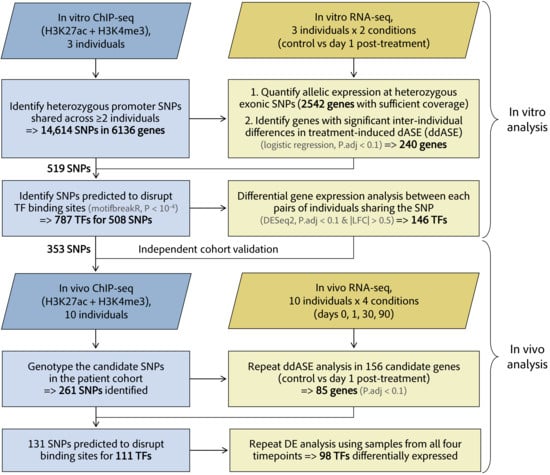
It is well-known that the morbidity and clinical burden of type 2 diabetes mellitus (T2DM) are predominantly associated with its chronic complications, in which fibrosis is a significant contributor. Recently, sodium–glucose cotransporter 2 (SGLT2) inhibitors have made a pivotal advancement in the therapeutic
[...] Read more.
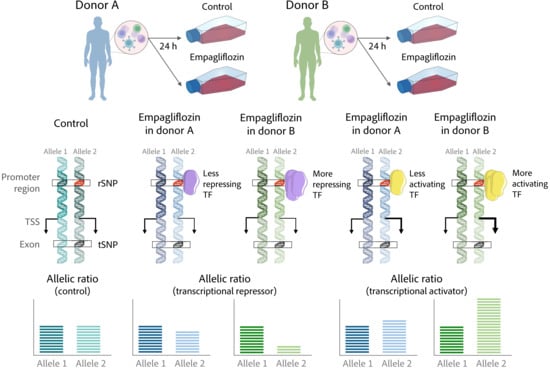
It is well-known that the morbidity and clinical burden of type 2 diabetes mellitus (T2DM) are predominantly associated with its chronic complications, in which fibrosis is a significant contributor. Recently, sodium–glucose cotransporter 2 (SGLT2) inhibitors have made a pivotal advancement in the therapeutic landscape not only improving glycemic control, but also demonstrating high effectiveness in the prevention and treatment of T2DM complications. In this work, we aimed to assess the transcription factors (TFs) mediating the effects of SGLT2 inhibitor empagliflozin (EMPA) treatment by a comprehensive analysis of the allele-specific expression (ASE) events utilizing the RNA-seq data. Initial logistic regression analysis of the in vitro transcriptomic data for EMPA-treated peripheral blood mononuclear cells (PBMCs) of three healthy donors revealed a significant inter-individual variation in ASE for 240 genes linked to EMPA treatment beyond the glucose-lowering effects. Then, 146 TFs were predicted to regulate the expression of the corresponding targets using motifbreakR and DESeq2. Among these, multiple TFs (including ATF3, ATF4, E2F1, EGR1, FOS, JUN, JUNB, IRF8, KLF6, KLF11, SNAI1, TWIST1, and ZEB1) were involved in the TGF-β/SMAD3 canonical profibrotic signaling cascade, pertinent to diabetes-related fibrosis, playing a significant role in the development of diabetic complications. Further analysis of the in vivo data for the PBMCs from ten T2DM patients initiating EMPA therapy identified 98 TFs related to the ASE variation in both in vitro and in vivo cohorts. To conclude, our integrative allele-specific approach enables the prediction of novel EMPA-responsive regulatory interactions and suggests the important mediators of the mechanisms underlying the effects of EMPA on human PBMCs.
Full article
(This article belongs to the Special Issue Transcriptional Regulation and Its Misregulation in Human Diseases: Recent Insights)
►▼
Show Figures

Figure 1
Open AccessArticle
Next-Generation Sequencing Refines Diagnosis and Expands Precision Medicine Opportunities in Soft Tissue Sarcomas
by
Francine Tesser-Gamba, Thais Biude Mendes, Fernanda Teresa Lima, Simone de Campos Vieira Abib, Eliana Maria Monteiro Caran and Silvia Regina Caminada de Toledo
Int. J. Mol. Sci. 2026, 27(16), 7201; https://doi.org/10.3390/ijms27167201 - 12 Aug 2026
Abstract
Soft tissue sarcomas (STSs) are a heterogeneous group of rare mesenchymal malignancies with overlapping morphological and immunohistochemical features, often making definitive diagnosis challenging. Recent advances in next-generation sequencing (NGS) have enabled the identification of recurrent molecular alterations that contribute to tumor classification, prognostic
[...] Read more.
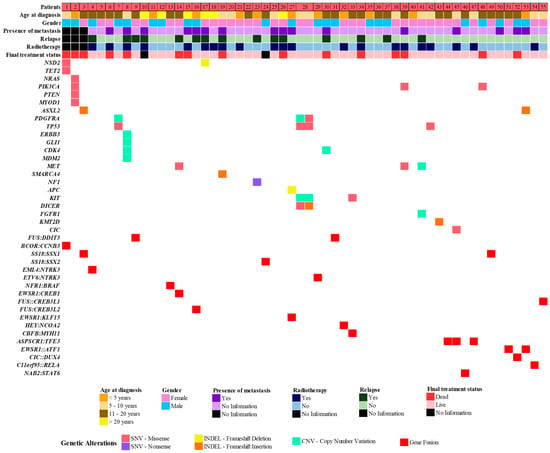
Soft tissue sarcomas (STSs) are a heterogeneous group of rare mesenchymal malignancies with overlapping morphological and immunohistochemical features, often making definitive diagnosis challenging. Recent advances in next-generation sequencing (NGS) have enabled the identification of recurrent molecular alterations that contribute to tumor classification, prognostic stratification, and precision oncology approaches. This retrospective study aimed to evaluate the diagnostic and clinical impact of molecular profiling in pediatric soft tissue sarcomas using the Oncomine Childhood Cancer Research Assay (OCCRA) panel. Fifty-five frozen tumor samples representing 24 distinct soft tissue sarcoma subtypes were obtained from the Pediatric Oncology Institute -IOP/GRAACC/UNIFESP Biobank (B-053). Molecular analysis was performed using NGS to identify gene fusions, single nucleotide variants (SNVs), copy number variations (CNVs), and insertions/deletions (InDels). Clinically relevant molecular alterations were identified in 70% (37/55) of cases, including 18 fusion transcripts, 13 SNVs, 8 CNVs, and 6 InDels. Recurrent and diagnostically relevant alterations included BCOR::CCNB3, ASPSCR1::TFE3, NFR1::BRAF, FUS::DDIT3, EML4::NTRK3, ETV6::NTRK3, CIC::DUX4, NAB2::STAT6 and SS18::SSX1/2 fusions, as well as amplifications involving PDGFRA, FGFR1, GLI1, CDK4, ERBB3, and KIT. Pathogenic variants affecting genes involved in tumor suppression and chromatin remodeling, including TP53, NF1, DICER1, SMARCA4, PTEN, and PIK3CA, were also detected. Importantly, molecular profiling had significant diagnostic impact in several histologically ambiguous tumors, enabling molecular reclassification and refinement of previously inconclusive or inaccurate pathological diagnoses. In multiple cases, NGS transformed descriptive histopathological interpretations into genetically defined sarcoma entities, including NTRK-rearranged spindle cell neoplasms, CIC-rearranged sarcomas, synovial sarcoma, low-grade fibromyxoid sarcoma, and clear cell sarcoma. Furthermore, the identification of actionable alterations highlighted potential opportunities for targeted therapies and precision medicine approaches. Our findings demonstrate that comprehensive molecular profiling significantly enhances diagnostic accuracy in pediatric soft tissue sarcomas, particularly in morphologically challenging cases. The integration of NGS into routine sarcoma diagnostics enables biologically informed tumor classification and supports personalized therapeutic strategies.
Full article
(This article belongs to the Special Issue Next-Generation Sequencing in Cancer: Genomics, Diagnostics and Therapeutics)
►▼
Show Figures

Figure 1
Open AccessArticle
Mitochondrial Homeostasis Mediates the Sustained Neuroprotection of CNTF-Chitosan Hydrogel Against NMDA-Induced Retinal Ganglion Cell Excitotoxicity
by
Huiting Jiang, Xunhui Guo, Yuanyuan Bai, Xinyue Ma, Hongmei Duan, Xiaoguang Li and Zhaoyang Yang
Int. J. Mol. Sci. 2026, 27(16), 7200; https://doi.org/10.3390/ijms27167200 - 12 Aug 2026
Abstract
N-methyl-D-aspartate (NMDA) excitotoxicity drives mitochondrial dysfunction and retinal ganglion cell (RGC) loss in blinding retinal disorders. Ciliary neurotrophic factor (CNTF) is neuroprotective, but its short half-life limits long-term therapy. Here, we investigated whether mitochondrial homeostasis mediates the sustained protection of a CNTF-loaded chitosan
[...] Read more.
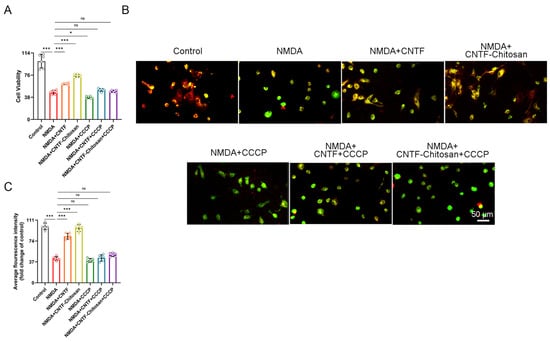
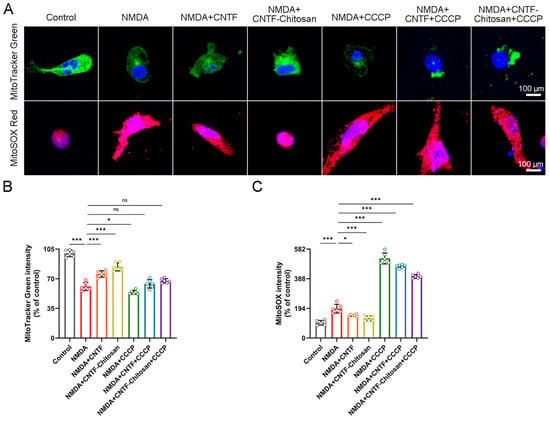
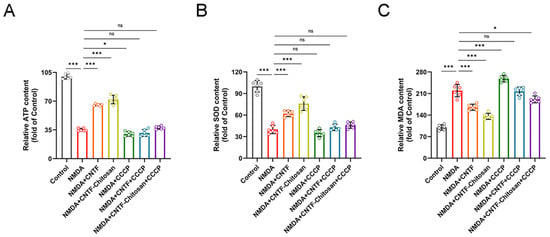
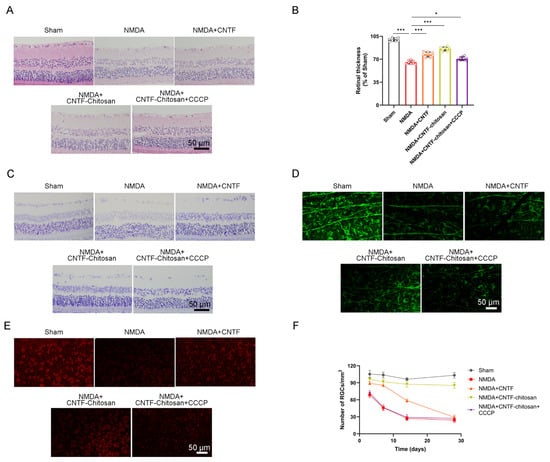
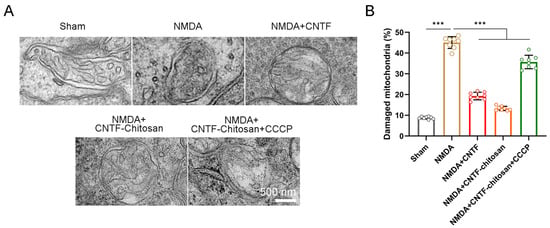
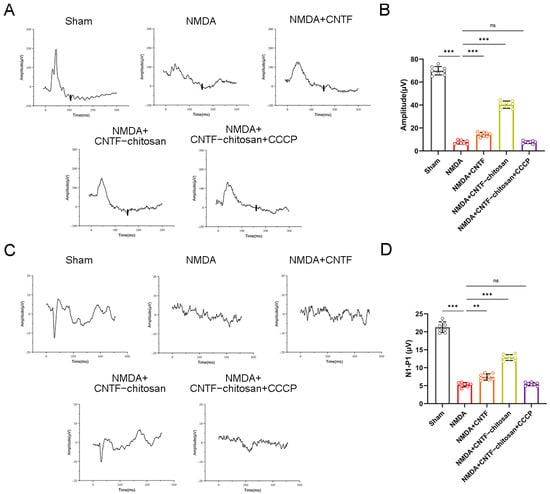
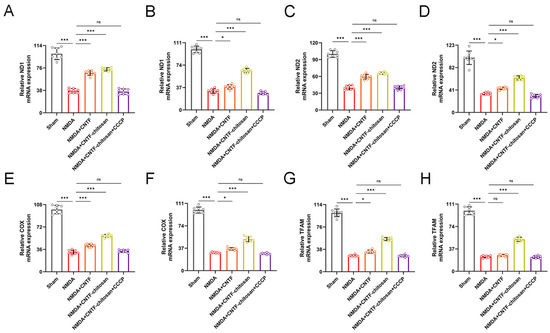
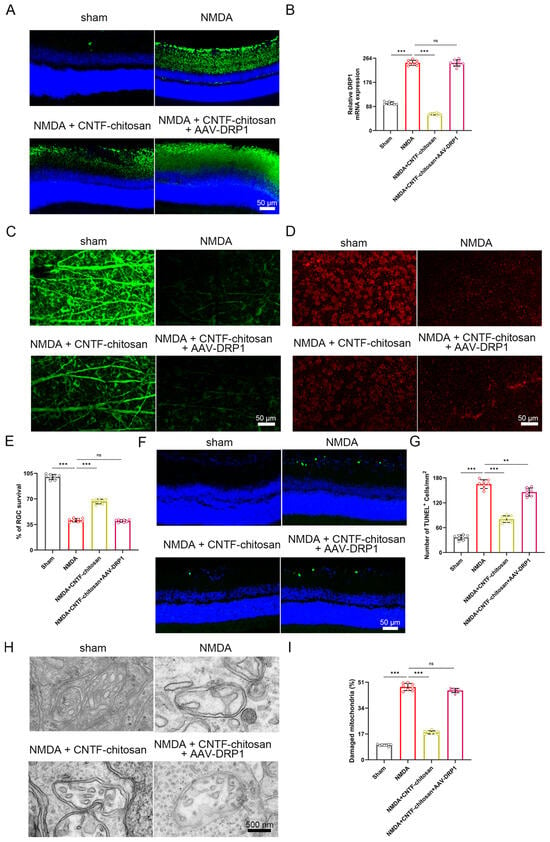
N-methyl-D-aspartate (NMDA) excitotoxicity drives mitochondrial dysfunction and retinal ganglion cell (RGC) loss in blinding retinal disorders. Ciliary neurotrophic factor (CNTF) is neuroprotective, but its short half-life limits long-term therapy. Here, we investigated whether mitochondrial homeostasis mediates the sustained protection of a CNTF-loaded chitosan hydrogel. In vitro, free CNTF and the hydrogel equally protected RGCs against NMDA, effects completely abolished by the mitochondrial uncoupler carbonyl cyanide m-chlorophenyl hydrazone (CCCP). In vivo, free CNTF provided only transient rescue, whereas the hydrogel sustained RGC survival, mitochondrial integrity, and visual function for 28 days, with persistent upregulation of mitochondrial biogenesis genes. Adeno-associated virus-mediated DRP1 overexpression-induced mitochondrial fission fully reversed the hydrogel’s benefits, mirroring CCCP inhibition. Collectively, intact mitochondrial homeostasis is essential for the long-term neuroprotection of the CNTF-chitosan hydrogel, which extends CNTF retention without altering its mitochondrial-dependent mechanism. This hydrogel represents a promising long-acting treatment for retinal excitotoxicity.
Full article
(This article belongs to the Special Issue Recent Advances in Neuroprotective Drug Development and Therapeutic Applications)
►▼
Show Figures

Figure 1
Open AccessArticle
Cardiomyocyte-Specific bcl11b Knockout Causes Left Ventricular Noncompaction by Dysregulating pou3f2 and Titin
by
Wei Bi, Xiaoxi Luo, Yaqi Lv, Lifeng Liu, Youshi Chen, Chenxi Li, Jiani Fu, Shijia Hu, Jianfeng Wang, Xing Chang and Hongjun Shi
Int. J. Mol. Sci. 2026, 27(16), 7199; https://doi.org/10.3390/ijms27167199 - 12 Aug 2026
Abstract
Left ventricular noncompaction (LVNC) is a cardiomyopathy characterized by excessive trabeculation and deep intertrabecular recesses, yet its molecular mechanisms remain poorly understood. Here, we identify Bcl11b as a novel regulator of cardiomyocyte (CM) growth and ventricular wall maturation. CM-specific deletion of Bcl11b in
[...] Read more.
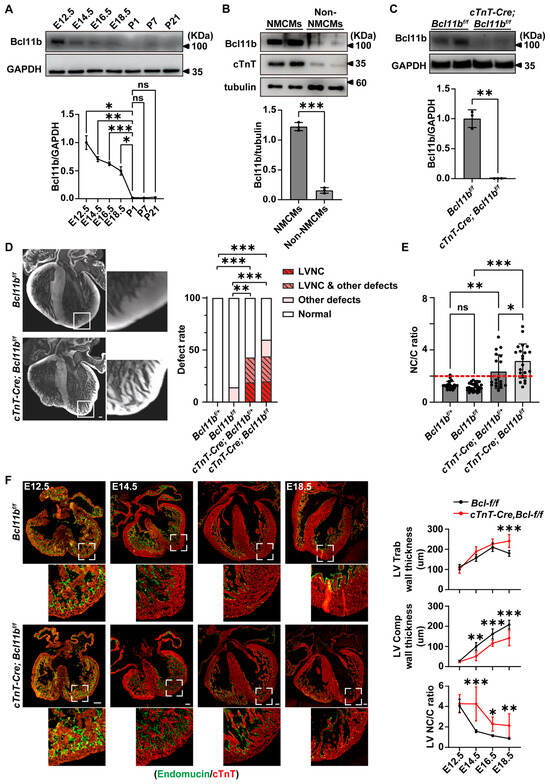
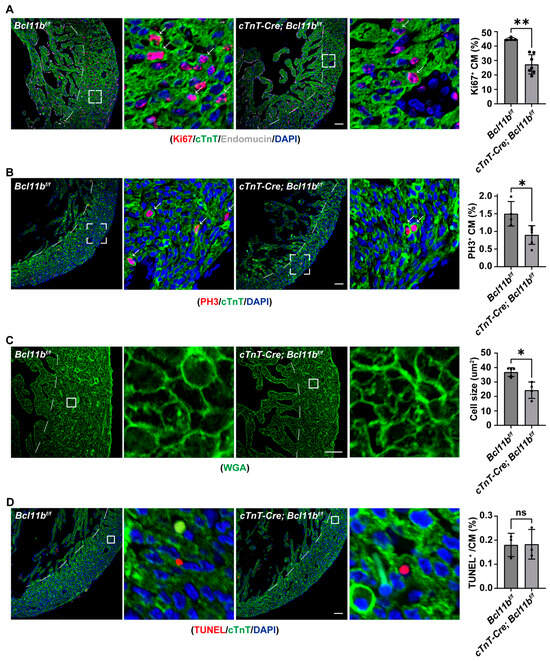
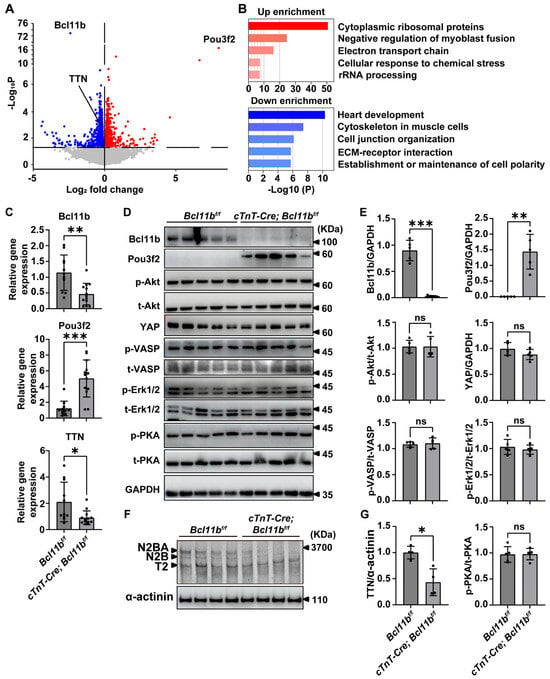
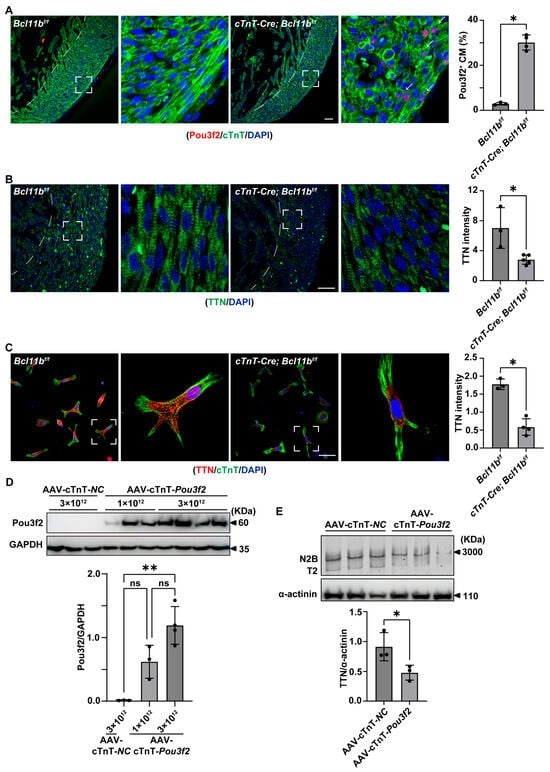
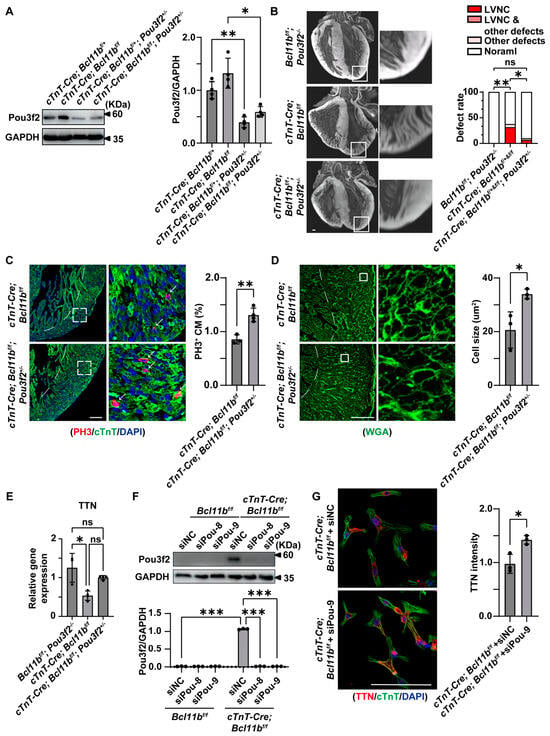
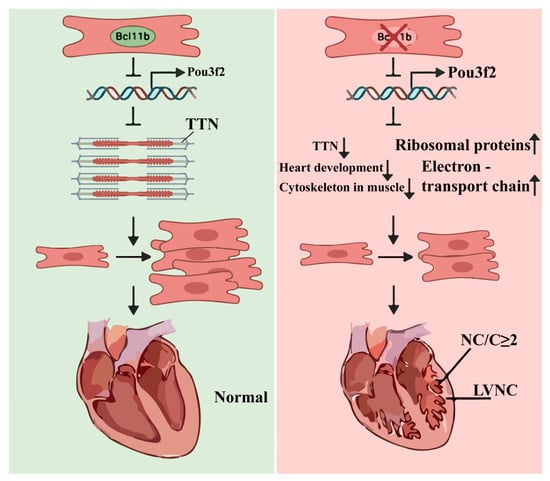
Left ventricular noncompaction (LVNC) is a cardiomyopathy characterized by excessive trabeculation and deep intertrabecular recesses, yet its molecular mechanisms remain poorly understood. Here, we identify Bcl11b as a novel regulator of cardiomyocyte (CM) growth and ventricular wall maturation. CM-specific deletion of Bcl11b in mice recapitulates key LVNC features, including increased noncompacted-to-compacted ratio, impaired compact layer expansion, reduced CM proliferation and size, and systolic dysfunction. Mechanistically, Bcl11b deficiency leads to marked upregulation of Pou3f2, a transcriptional repressor that further suppresses Titin (TTN) expression. Loss of Bcl11b disrupts sarcomere integrity and reduces TTN protein levels, while forced Pou3f2 overexpression similarly represses TTN. Notably, heterozygous loss of Pou3f2 rescues the LVNC phenotype in Bcl11b-deficient hearts, restoring CM growth and TTN expression. Our findings identify a critical relationship among Bcl11b, Pou3f2 and TTN that controls CM proliferation and hypertrophic maturation during cardiac development. Dysregulation of this regulatory network impairs ventricular compaction and contributes to the pathogenesis of LVNC, providing new mechanistic insights into disease pathogenesis and highlighting potential therapeutic targets.
Full article
(This article belongs to the Section Molecular Pathology, Diagnostics, and Therapeutics)
►▼
Show Figures

Figure 1
Open AccessCommunication
Refolding Protocol of the Cysteine-Rich Domain of Frizzled8 from Inclusion Bodies
by
Ho-Jin Lee and Jie J. Zheng
Int. J. Mol. Sci. 2026, 27(16), 7198; https://doi.org/10.3390/ijms27167198 - 12 Aug 2026
Abstract
Properly folded proteins are essential for studying protein function and developing therapeutic applications. However, when recombinant proteins are overexpressed in bacterial systems such as Escherichia coli, they often accumulate as inclusion bodies, insoluble protein aggregates in non-native conformations. Here, we report a
[...] Read more.
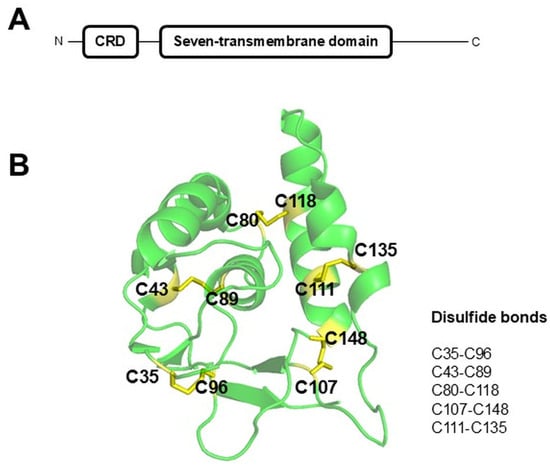
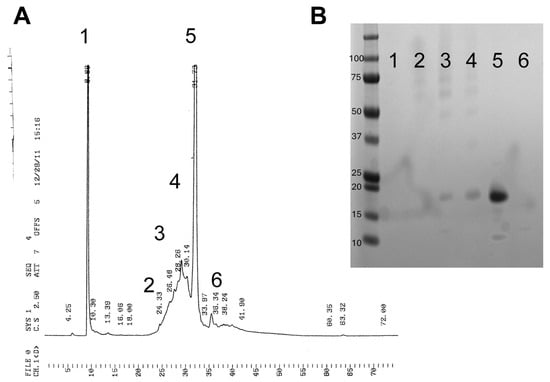
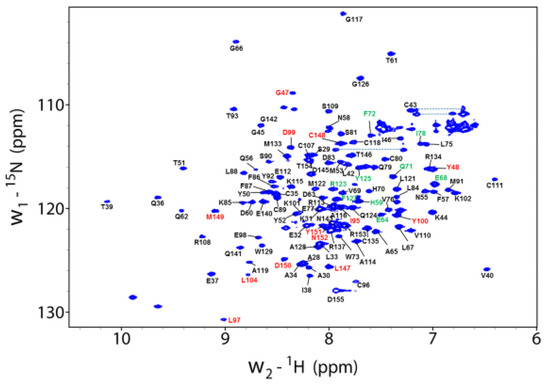
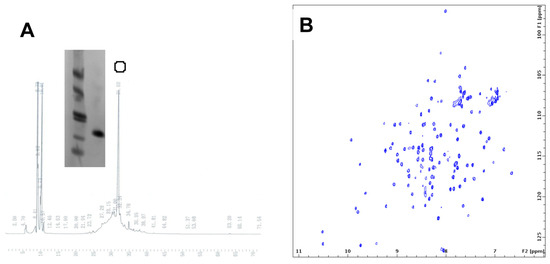
Properly folded proteins are essential for studying protein function and developing therapeutic applications. However, when recombinant proteins are overexpressed in bacterial systems such as Escherichia coli, they often accumulate as inclusion bodies, insoluble protein aggregates in non-native conformations. Here, we report a refolding protocol for mouse Frizzled8 cysteine-rich domain (mouse FZD8 CRD) recovered from inclusion bodies, yielding a soluble, folded CRD preparation suitable for NMR analysis. Because mouse FZD8 CRD contains multiple conserved cysteine residues that must form an appropriate intramolecular disulfide-bonding pattern, the refolding strategy combines denaturant-mediated solubilization, dilution into a redox-buffered refolding solution, concentration, dialysis, lyophilization, and HPLC purification. Lyophilization followed by HPLC purification enables the resolution of the desired CRD species from aggregated and misfolded products. In this workflow, HPLC served as a key purification step, providing the resolution needed to enrich a folded, multi-disulfide-bond-containing CRD species from closely related misfolded species. NMR spectroscopy supported the presence of a folded, conformationally homogeneous CRD preparation. This workflow was also applied to mouse secreted Frizzled-related protein 3 cysteine-rich domain (mouse sFRP3 CRD), suggesting that it may be useful for other Frizzled-type CRDs with conserved cysteine-rich architectures, although additional validation will be required before broader application to more distantly related cysteine-rich proteins.
Full article
(This article belongs to the Special Issue Recent Advances in Protein Folding and Misfolding)
►▼
Show Figures

Figure 1
Open AccessArticle
Soil-Derived Bacillus pumilus Strains Demonstrate Antagonistic Activity Against Magnaporthe oryzae and Multiple Plant Growth-Promoting Traits
by
Lainey E. Kemmerer, Timothy R. Johnson, Garrett L. Ellward, Rachel E. Kalicharan, Nalleli Payne, Daniel M. Czyz and Jessie Fernandez
Int. J. Mol. Sci. 2026, 27(16), 7197; https://doi.org/10.3390/ijms27167197 - 12 Aug 2026
Abstract
Biological control strategies are increasingly being explored as sustainable alternatives for managing rice blast disease caused by Magnaporthe oryzae. In this study, we characterized three Bacillus pumilus isolates (DC01, DC09, and DC13) and evaluated their antifungal and plant-beneficial properties against M. oryzae
[...] Read more.
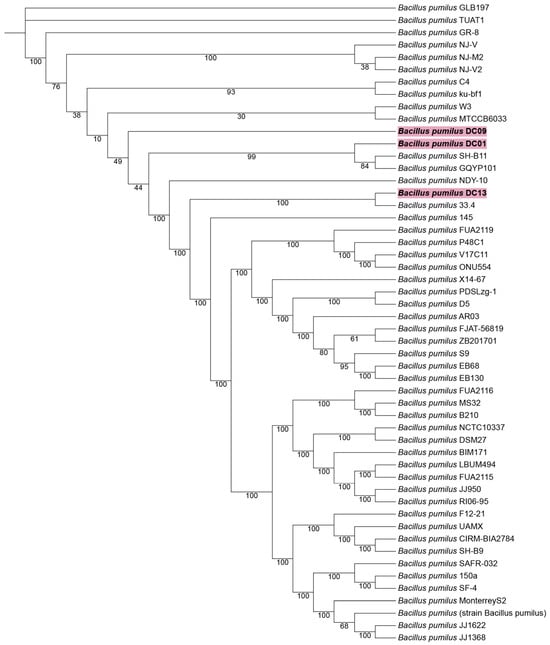
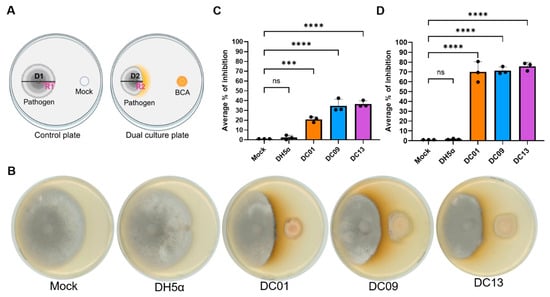
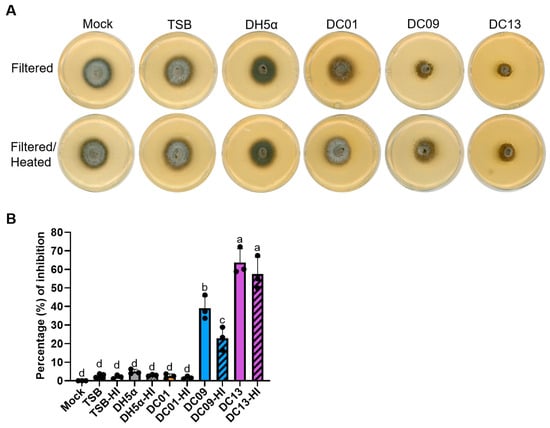
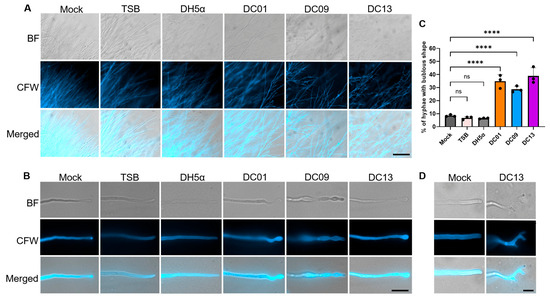
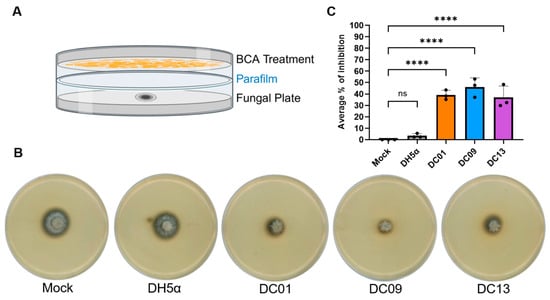
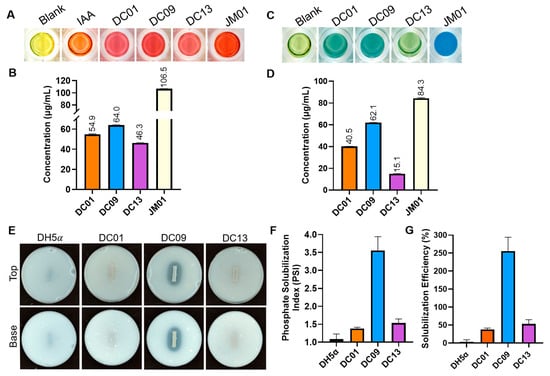
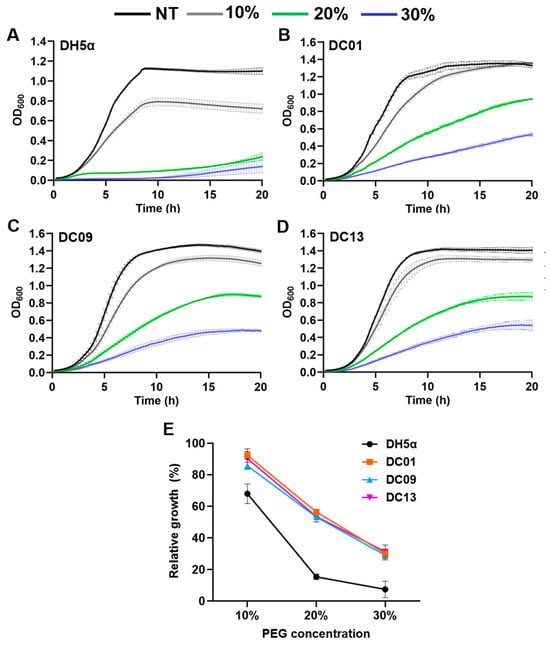
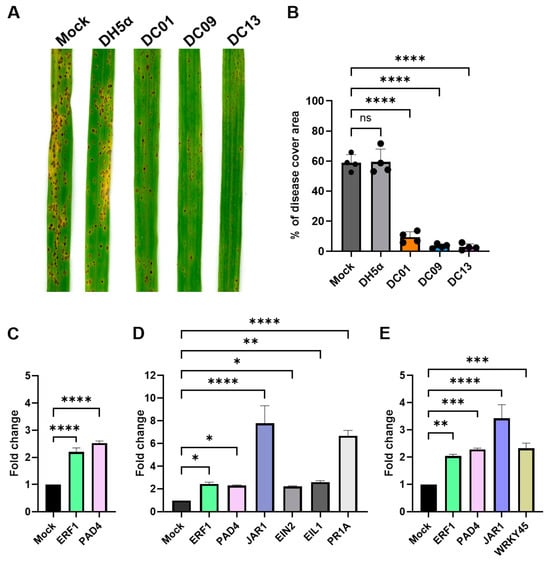
Biological control strategies are increasingly being explored as sustainable alternatives for managing rice blast disease caused by Magnaporthe oryzae. In this study, we characterized three Bacillus pumilus isolates (DC01, DC09, and DC13) and evaluated their antifungal and plant-beneficial properties against M. oryzae. Whole-genome sequencing revealed multiple biosynthetic gene clusters associated with the production of antimicrobial metabolites. All three isolates inhibited fungal growth in dual-culture assays, whereas heat-stable diffusible antifungal activity was primarily associated with the cell-free supernatants of DC09 and DC13. Exposure to bacterial supernatants disrupted fungal development, inducing abnormal hyphal morphology in M. oryzae characterized by bulbous swelling, altered polarity, and increased branching. Volatile organic compound assays further revealed that the DC isolates suppress fungal growth in the absence of physical contact. The isolates additionally inhibited the growth of other phytopathogenic fungi and selected human bacterial pathogens. All strains exhibited plant growth-promoting traits, including indole-3-acetic acid production and osmotic stress tolerance, whereas DC09 also displayed phosphate-solubilizing activity. Importantly, soil inoculation with the DC isolates significantly reduced rice blast disease severity and induced expression of defense-associated genes involved in jasmonic acid/ethylene signaling and immune priming. Collectively, these findings identify the DC isolates, particularly DC09 and DC13, as promising multi-mechanistic biological control agents for sustainable rice blast management.
Full article
(This article belongs to the Special Issue Research Advances in Plant Interactions with Bacteria and Fungi: From Molecular to Ecological Perspectives)
►▼
Show Figures

Figure 1
Open AccessArticle
GAMT-GINE: A Graph Isomorphism Network Integrating Continuous Spatial Awareness and Multi-Task Learning for Protein–Ligand Binding Affinity Prediction
by
Jiarui Li, Hongquan Li, Di Wu, Wei He, Weinan Cao, Hua Yang and Zhen Hou
Int. J. Mol. Sci. 2026, 27(16), 7196; https://doi.org/10.3390/ijms27167196 - 12 Aug 2026
Abstract
Protein–ligand interactions (PLIs) play a crucial role in drug discovery, and accurately predicting protein–ligand binding affinity (PLA) remains a central challenge in computer-aided drug design. Although graph neural networks (GNNs) have demonstrated considerable potential in molecular modeling, existing methods still face several limitations,
[...] Read more.
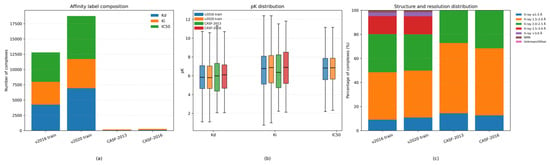
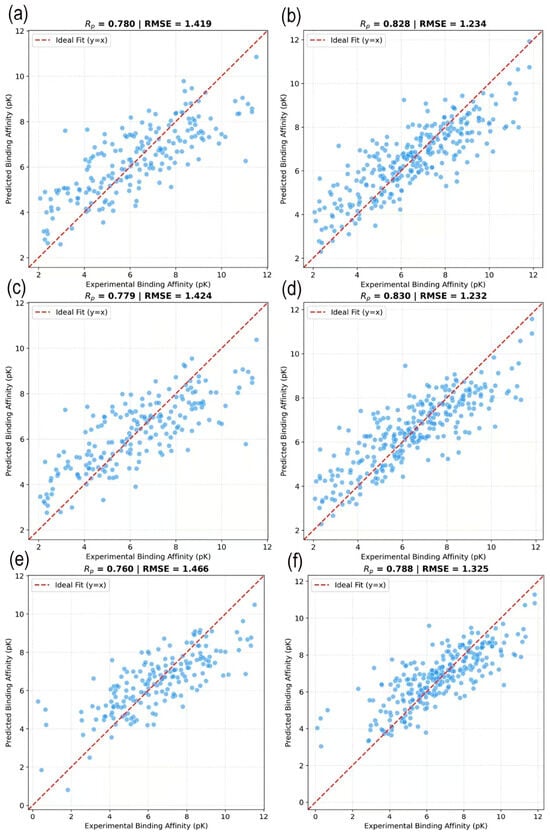
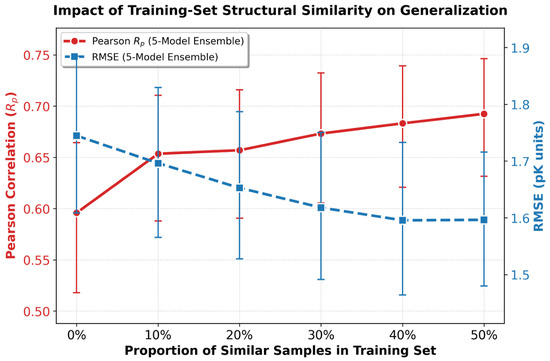
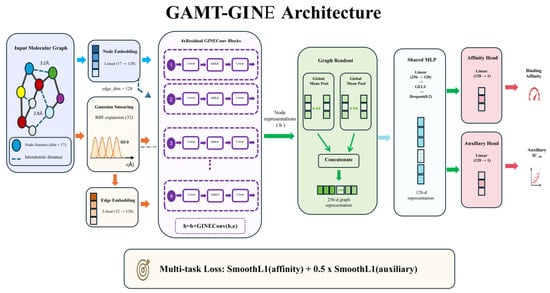
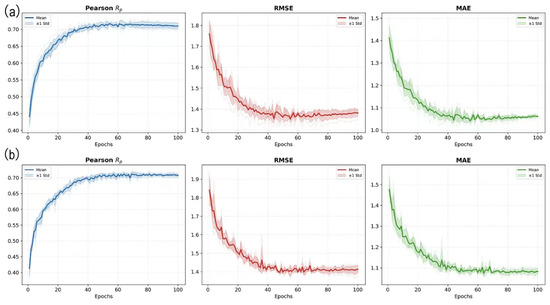
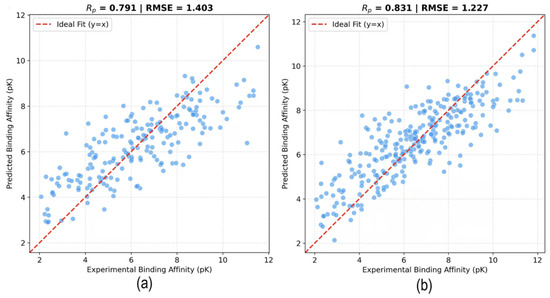
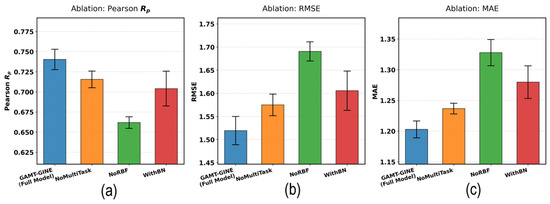
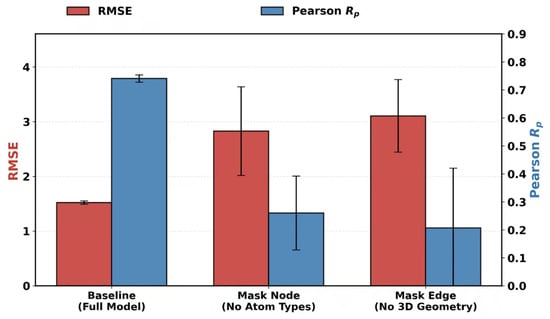
Protein–ligand interactions (PLIs) play a crucial role in drug discovery, and accurately predicting protein–ligand binding affinity (PLA) remains a central challenge in computer-aided drug design. Although graph neural networks (GNNs) have demonstrated considerable potential in molecular modeling, existing methods still face several limitations, including excessive reliance on hand-crafted chemical features, loss of spatial information, and difficulties in integrating heterogeneous affinity labels, which restrict their generalization capability in PLA prediction. To address these challenges, we propose GAMT-GINE, a graph isomorphism network that integrates continuous spatial awareness with multi-task learning. The model employs minimalist atomic features and a batch-normalization-free mechanism, together with a multi-task branch that uses a large amount of half-maximal inhibitory concentration (IC50) data as an auxiliary prediction target. Experimental results show that GAMT-GINE achieves a Pearson’s correlation coefficient (Rp) of 0.791 and a root mean square error (RMSE) of 1.403 on the CASF-2013 benchmark dataset. In the generalization evaluation on CASF-2016, Rp further increases to 0.831, while RMSE decreases to 1.227, demonstrating performance comparable to that of current State-of-the-Art models. Furthermore, comprehensive evaluations, including ablation studies, feature importance analysis, analysis of the effects of data filtering on model performance and data composition, and analysis of the influence of training–test data similarity on prediction results, indicate that GAMT-GINE can effectively utilize continuous spatial information and heterogeneous affinity labels, achieving good predictive accuracy and cross-dataset generalization capability.
Full article
(This article belongs to the Section Biochemistry)
►▼
Show Figures

Figure 1
Open AccessArticle
PD-L1 Expression and Immune Microenvironment Remodeling During Laryngeal Carcinogenesis: Implications for Malignant Progression of Laryngeal Dysplasia
by
Filip Tudor, Blažen Marijić, Emina Babarović and Ita Hadžisejdić
Int. J. Mol. Sci. 2026, 27(16), 7195; https://doi.org/10.3390/ijms27167195 - 12 Aug 2026
Abstract
Laryngeal dysplasia (LD) is the principal precursor of laryngeal squamous cell carcinoma (LSCC), but reliable biomarkers predicting malignant transformation remain unavailable. This study investigated programmed death-ligand 1 (PD-L1) expression and immune microenvironment remodeling during laryngeal carcinogenesis. Immunohistochemical analysis of PD-L1, CD4, CD8, CD68,
[...] Read more.
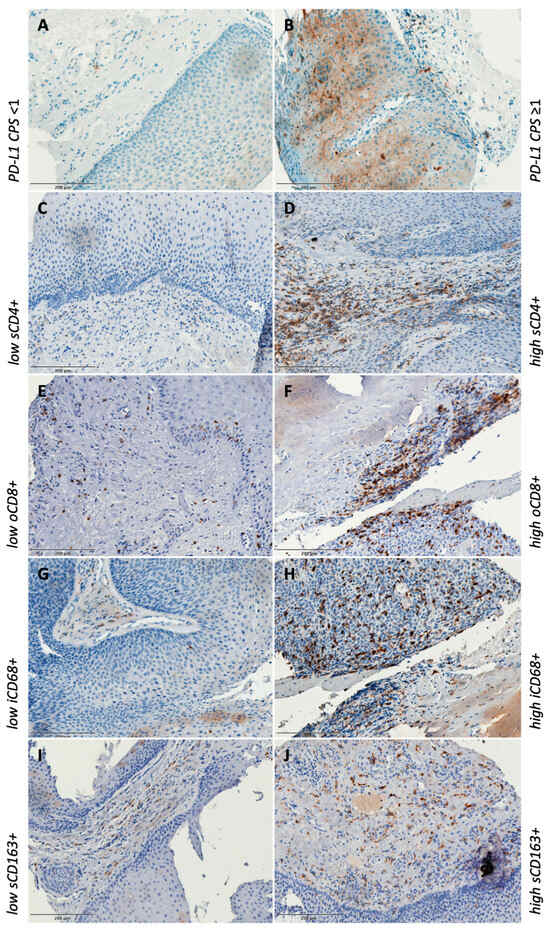
Laryngeal dysplasia (LD) is the principal precursor of laryngeal squamous cell carcinoma (LSCC), but reliable biomarkers predicting malignant transformation remain unavailable. This study investigated programmed death-ligand 1 (PD-L1) expression and immune microenvironment remodeling during laryngeal carcinogenesis. Immunohistochemical analysis of PD-L1, CD4, CD8, CD68, and CD163 was performed in 36 benign lesions, 41 LDs, and 102 LSCCs. PD-L1 expression was assessed using the combined positive score (CPS) and tumor proportion score (TPS), while immune cell infiltration was quantified in the intraepithelial and stromal compartments and across the entire tissue specimen. PD-L1 expression and infiltration of all investigated immune cell populations increased progressively from benign lesions through dysplasia to invasive carcinoma. High-grade dysplasia exhibited significantly greater CD4 infiltration in all compartments and increased stromal CD8 and CD163 infiltration than low-grade dysplasia. PD-L1 expression positively correlated with intraepithelial CD163 and stromal CD8 infiltration. Although no biomarker independently distinguished progressive from non-progressive dysplasia, overall CD4, intraepithelial and overall CD68, and stromal CD163 were associated with progression risk. Immune microenvironment remodeling begins during the dysplastic stage of laryngeal carcinogenesis. These findings may improve risk stratification of laryngeal dysplasia and support the development of immunopreventive and immune-targeted therapeutic strategies.
Full article
(This article belongs to the Special Issue Metabolic Dynamics and Immune Surveillance in the Tumor Microenvironment)
►▼
Show Figures

Figure 1
Open AccessArticle
Impact of MMP1, MMP2, and MMP3 Gene Variations on Susceptibility to Peyronie’s Disease and Clinical Progression
by
Gokhan Cevik, Arzu Ay, Nevra Alkanli, Hakan Akdere and Burak Akgul
Int. J. Mol. Sci. 2026, 27(16), 7194; https://doi.org/10.3390/ijms27167194 - 12 Aug 2026
Abstract
The aim of this study was to determine the association between matrix metalloproteinase (MMP1, MMP2, and MMP3) gene variations and susceptibility to Peyronie’s disease, and to investigate their effects on disease progression. This cross-sectional case–control study included a total
[...] Read more.
The aim of this study was to determine the association between matrix metalloproteinase (MMP1, MMP2, and MMP3) gene variations and susceptibility to Peyronie’s disease, and to investigate their effects on disease progression. This cross-sectional case–control study included a total of 182 individuals—91 patients with Peyronie’s disease and 91 healthy controls. Peripheral venous blood samples (5 mL) were collected, and genomic DNA was isolated using standard spin-column extraction kits. The promoter regions of MMP1, MMP2, and MMP3 were amplified via polymerase chain reaction (PCR), and genotyping was performed using restriction fragment length polymorphism (RFLP) assays with specific restriction endonucleases. All genotyping procedures were conducted in a blinded fashion. Hardy–Weinberg equilibrium analysis (HWE), binary logistic regression with rigorous multiplicity adjustments (Bonferroni-adjusted p-values), and non-parametric Kruskal–Wallis/Mann–Whitney tests with Dunn–Bonferroni post hoc comparisons were utilized. The frequency of the 2G allele for MMP1 (−1607 1G/2G) was significantly higher in the patient group (0.4830) compared to the control group (0.2360; p < 0.05). Similarly, significant differences in allele frequencies were observed for MMP2 (−735 C/T) and MMP3 (−1171 5A/6A) between the cohorts (p < 0.05). HWE analysis confirmed that all investigated variations were in equilibrium in both groups (all p > 0.05). Logistic regression analysis showed that the MMP1 1G/1G genotype was associated with lower odds of Peyronie’s disease (OR: 0.250, p < 0.001), while the 1G/2G (OR: 2.032, p = 0.023) and 2G/2G (OR: 3.509, p = 0.005) genotypes were significantly associated with increased odds. Temporally, carriers of the MMP1 2G/2G genotype presented predominantly in the acute phase, exhibiting a significantly shorter median symptom duration (6.00 months, IQR: 3.00–9.00) compared to 1G/1G carriers (12.00 months, IQR: 5.25–36.00; p = 0.016, adj p = 0.048). For MMP2 (−735 C/T), the CC genotype was associated with higher odds of Peyronie’s disease (OR: 3.049, p < 0.001), while the TT genotype was associated with lower odds (OR: 0.278, p = 0.002). Furthermore, penile plaques were detected in 90% of patients with the CC genotype (p < 0.001). Patients with the CC genotype presented with a median symptom duration of 6.00 months (IQR: 3.00–12.00), whereas TT carriers exhibited a significantly longer duration (24.00 months, IQR: 4.00–48.00; p = 0.002, adj p = 0.006). Regarding MMP3 (−1171 5A/6A), the 5A/5A (OR: 3.930, p = 0.002) and 5A/6A (OR: 2.050, p = 0.022) genotypes were significantly associated with increased odds of the disease, while the 6A/6A genotype showed an inverse association (OR: 0.226, p < 0.001). Patients carrying the 5A allele presented characteristically in the acute phase, with a median symptom duration of 6.00 months (5A/5A) or 4.00 months (5A/6A), which was significantly extended to a median of 24.00 months (IQR: 7.50–54.00) in the 6A/6A genotype (p < 0.001, adj p < 0.001). The findings indicate robust statistical associations between the MMP1 2G, MMP2 C, and MMP3 5A alleles and increased susceptibility to Peyronie’s disease, as well as distinct correlations with compressed symptom durations, acute-phase characteristics, and plaque presence. Because this study relied on peripheral blood DNA genotyping without direct tissue expression quantification in a cross-sectional design, these genetic variations reflect strong exploratory associations rather than direct causal evidence. These markers highlight significant prognostic potential that warrants validation in larger, prospective, longitudinal cohorts.
Full article
(This article belongs to the Section Molecular Genetics and Genomics)
Open AccessArticle
Urinary Metabolomic Alterations Associated with Contrasting Ambient Air Pollution Exposure in Thai Adults: An Untargeted 1H-NMR Study
by
Blecious Zinan’dala, Anupon Iadnut, Chikondi Maluwa, Puriwat Fakfum, Churdsak Jaikang, Giatgong Konguthaithip, Kanokwan Kulprachakarn, Wason Parklak and Hataichanok Chuljerm
Int. J. Mol. Sci. 2026, 27(16), 7193; https://doi.org/10.3390/ijms27167193 - 12 Aug 2026
Abstract
Ambient fine particulate matter (PM2.5) is associated with oxidative stress, metabolic dysregulation, and cardiometabolic disease. However, systemic metabolic responses to contrasting real-world ambient air pollution exposure environments remain poorly characterized. In this cross-sectional study, untargeted proton nuclear magnetic resonance (1
[...] Read more.
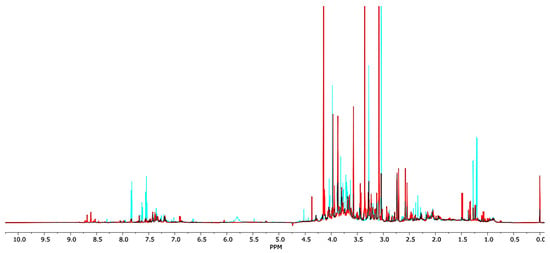
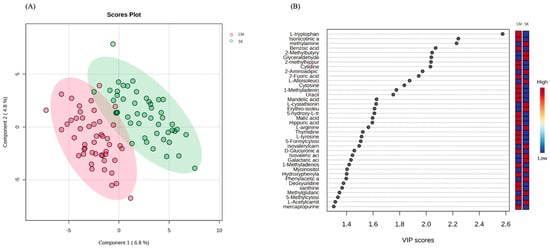
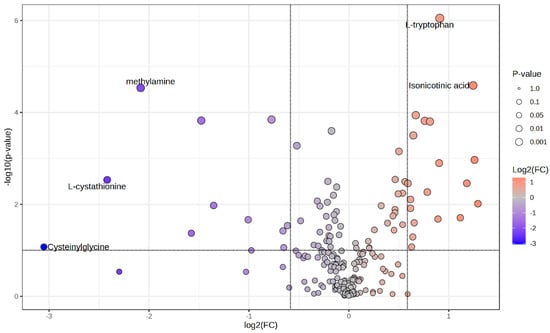
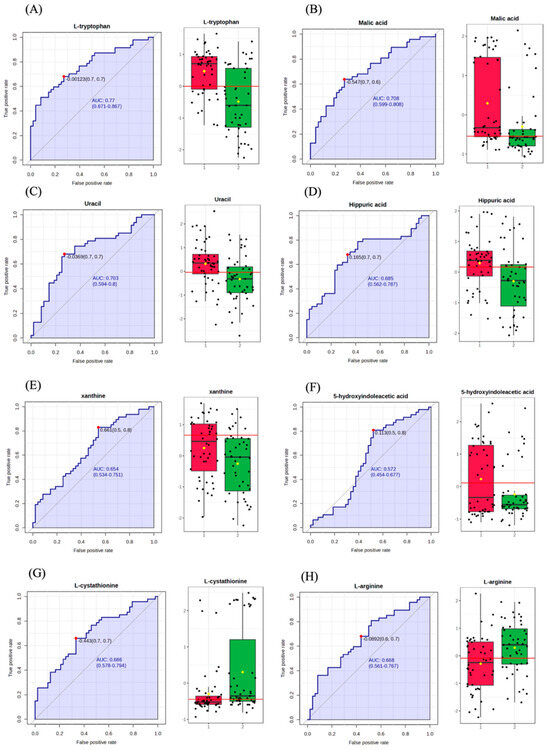
Ambient fine particulate matter (PM2.5) is associated with oxidative stress, metabolic dysregulation, and cardiometabolic disease. However, systemic metabolic responses to contrasting real-world ambient air pollution exposure environments remain poorly characterized. In this cross-sectional study, untargeted proton nuclear magnetic resonance (1H-NMR)-based urinary metabolomics was used to investigate metabolic signatures associated with contrasting ambient air pollution exposure environments in Thailand. Adults residing in Chiang Mai (high-exposure region; n = 51) and Songkhla (low-exposure region; n = 52) were recruited during a period of elevated regional air pollution, with long-term residence serving as a proxy for differential exposure to ambient air pollution environments. Partial least squares-discriminant analysis (PLS-DA) demonstrated separation between exposure groups (R2 = 0.873, Q2 = 0.447), indicating good model fit but only modest predictive ability. Eight urinary metabolites differed significantly (p < 0.05), implicating pathways related to tryptophan metabolism, nucleotide metabolism, energy metabolism, and host–microbial co-metabolism. L-arginine and L-cystathionine showed lower relative abundance in the high-exposure group, and six metabolites remained significant after Benjamini–Hochberg false discovery rate correction. Following covariate adjustment, L-tryptophan, hippuric acid, xanthine, and 5-hydroxyindoleacetic acid (5-HIAA) remained significantly associated with the high-exposure group. Contrasting ambient air pollution exposure environments, indexed by regional PM2.5 concentrations, were associated with coordinated urinary metabolic alterations. Because long-term regional residence served as a proxy for individual-level exposure and diet and lifestyle differences between regions were not fully controlled, these findings should be interpreted as associations with contrasting regional exposure environments. Metabolite annotations remain putative and require validation in longitudinal studies with comprehensive pollutant characterization and individual-level exposure assessment.
Full article
(This article belongs to the Special Issue Molecular Biomarkers and Mechanisms of Environmental Exposure)
►▼
Show Figures

Figure 1
Open AccessArticle
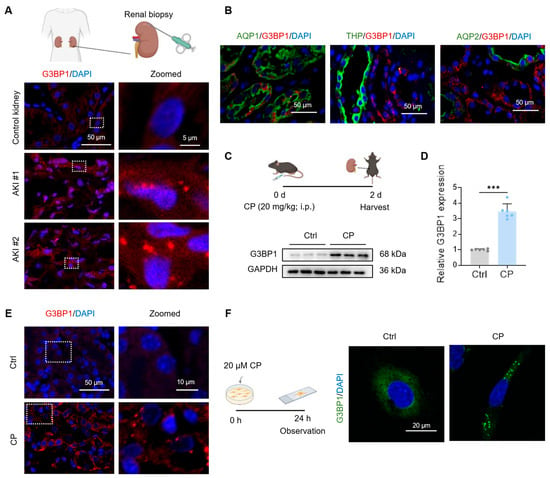
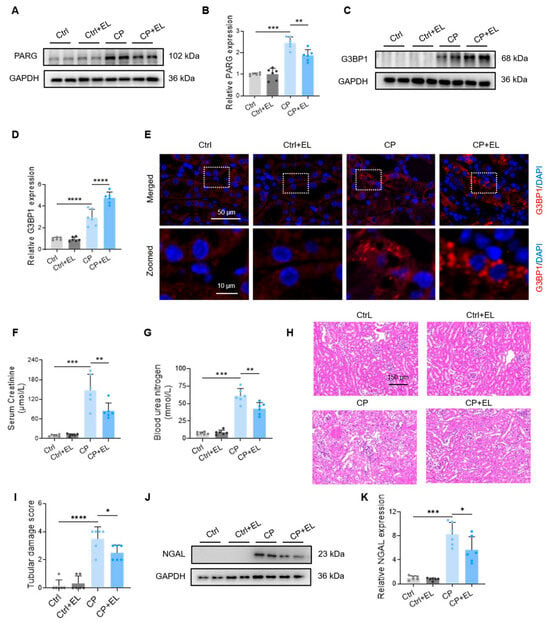
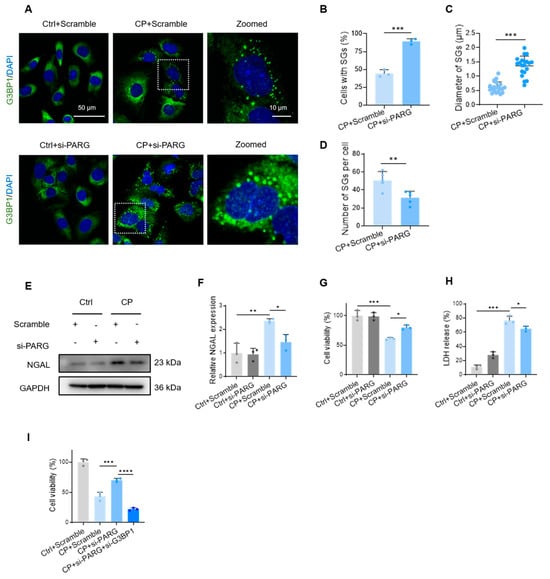
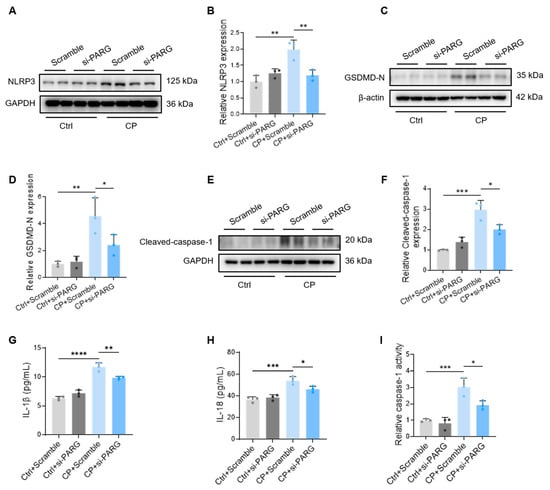
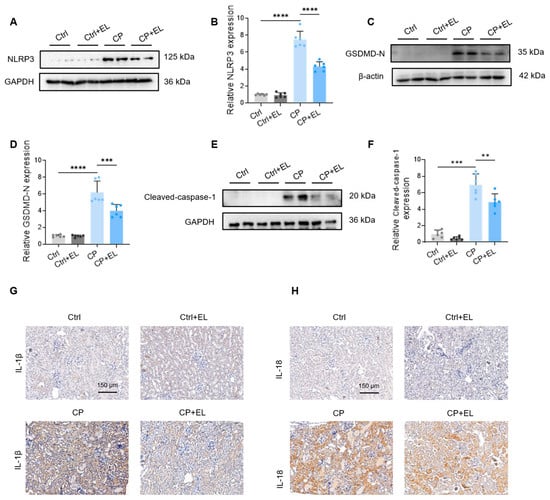
Delaying Stress Granule Disassembly by PARG Inhibition Attenuates Renal Tubular Cell Pyroptosis in Acute Kidney Injury
by
Yiyun Song, Shan Jiang, Min Yang, Jinchai Zhu, Banghuan Hu and Hua Su
Int. J. Mol. Sci. 2026, 27(16), 7192; https://doi.org/10.3390/ijms27167192 - 12 Aug 2026
Abstract
Acute kidney injury (AKI) is a critical clinical syndrome with limited effective therapies, in which renal tubular epithelial cell (RTEC) pyroptosis mediated by the NLRP3 inflammasome represents an important pathological contributor. Stress granules (SGs), dynamic membrane-less condensates, enable cells to adapt to various
[...] Read more.
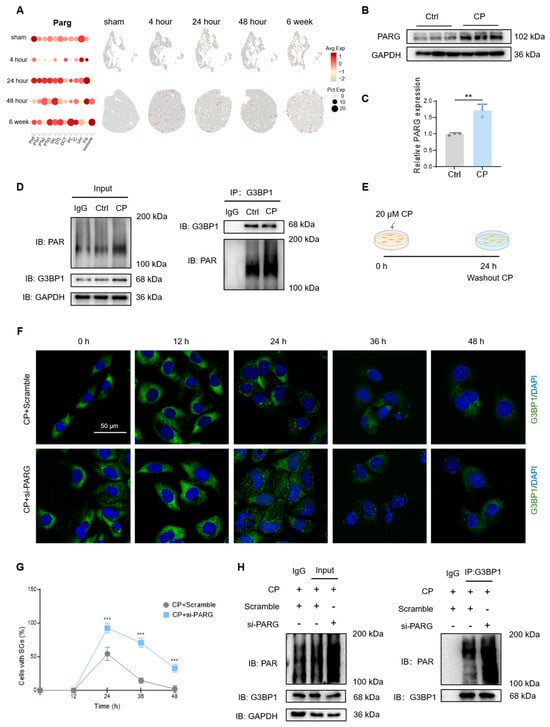
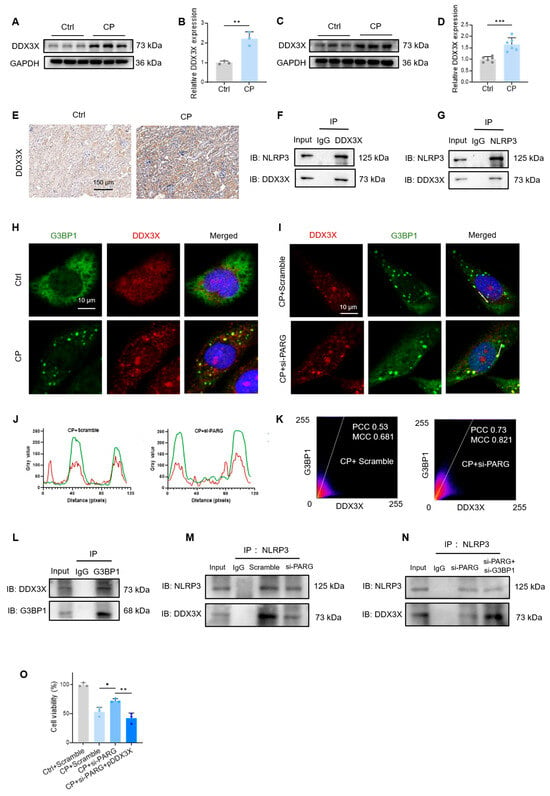
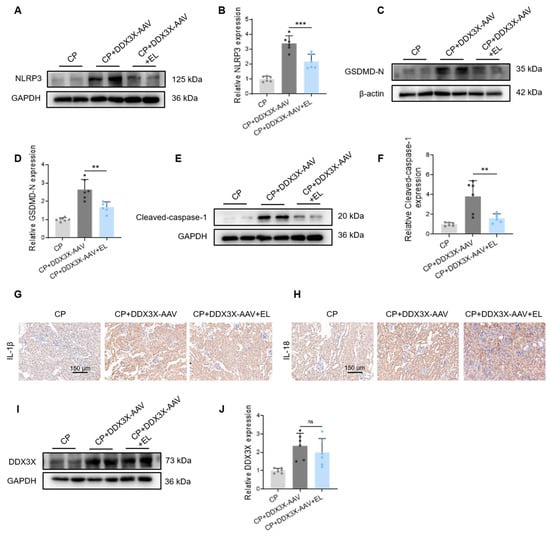
Acute kidney injury (AKI) is a critical clinical syndrome with limited effective therapies, in which renal tubular epithelial cell (RTEC) pyroptosis mediated by the NLRP3 inflammasome represents an important pathological contributor. Stress granules (SGs), dynamic membrane-less condensates, enable cells to adapt to various stress conditions, yet their role and regulatory mechanism in AKI remain unclear. Here, we identify SG persistence as a protective mechanism against AKI and show that poly(ADP-ribosyl)ation (PARylation)-mediated regulation of SG dynamics alleviates pyroptosis during renal injury. We found that SGs were prominently formed in RTECs from AKI patients, cisplatin-induced AKI mice, and cisplatin-stimulated HK-2 cells. Poly(ADP-ribose) glycohydrolase (PARG), the key enzyme for reversing PARylation, was significantly upregulated in injured renal tissues and cells. Genetic or pharmacological inhibition of PARG delayed SG disassembly, enhanced SG persistence, and mitigated renal injury. Mechanistically, persistent SGs regulated DDX3X availability and reduced DDX3X-NLRP3 inflammasome activation, thereby attenuating RTEC pyroptosis. These findings uncover a novel mechanism of SG-mediated renoprotection and highlight SG dynamics as a potential therapeutic target in AKI.
Full article
(This article belongs to the Special Issue Advanced Molecular Research on Kidney Diseases)
►▼
Show Figures

Figure 1
Journal Menu
► ▼ Journal Menu-
- IJMS Home
- Aims & Scope
- Editorial Board
- Reviewer Board
- Topical Advisory Panel
- Early Career Editorial Board
- Instructions for Authors
- Special Issues
- Topics
- Sections & Collections
- Article Processing Charge
- Indexing & Archiving
- Most Cited & Viewed
- Journal Statistics
- Journal History
- Journal Awards
- Society Collaborations
- Conferences
- Editorial Office
Journal Browser
► ▼ Journal Browser-
arrow_forward_ios
Forthcoming issue
arrow_forward_ios Current issue - Vol. 27 (2026)
- Vol. 26 (2025)
- Vol. 25 (2024)
- Vol. 24 (2023)
- Vol. 23 (2022)
- Vol. 22 (2021)
- Vol. 21 (2020)
- Vol. 20 (2019)
- Vol. 19 (2018)
- Vol. 18 (2017)
- Vol. 17 (2016)
- Vol. 16 (2015)
- Vol. 15 (2014)
- Vol. 14 (2013)
- Vol. 13 (2012)
- Vol. 12 (2011)
- Vol. 11 (2010)
- Vol. 10 (2009)
- Vol. 9 (2008)
- Vol. 8 (2007)
- Vol. 7 (2006)
- Vol. 6 (2005)
- Vol. 5 (2004)
- Vol. 4 (2003)
- Vol. 3 (2002)
- Vol. 2 (2001)
- Vol. 1 (2000)
Highly Accessed Articles
Latest Books
E-Mail Alert
News
Topics
Topic in
Biomolecules, Chemistry, IJMS, Molecules, Pharmaceuticals
Enzymes and Enzyme Inhibitors in Drug Research
Topic Editors: Athina Geronikaki, Cosimo D. Altomare, Maria Stefania SinicropiDeadline: 11 September 2026
Topic in
Geriatrics, IJMS, Life, Sports, Neurology International, Obesities
Exercise and Human Aging: Physiological and Psychological Functions
Topic Editors: Samuel Da Silva Aguiar, Ismael Perez-SuarezDeadline: 20 September 2026
Topic in
Biomedicines, IJMS, Sci. Pharm., Molecules, Future Pharmacology, Biomolecules
Natural Products and Drug Discovery—2nd Edition
Topic Editors: Sonia Piacente, Marta MenegazziDeadline: 30 September 2026
Topic in
Cells, IJMS, Metabolites, Physiologia, Life
Animal Models of Human Disease 3.0
Topic Editors: Sigrun Lange, Jameel M. InalDeadline: 31 October 2026
Conferences
Special Issues
Special Issue in
IJMS
Plant Epigenetic Memory Under Abiotic Stress
Guest Editor: Md Mezanur RahmanDeadline: 20 August 2026
Special Issue in
IJMS
Extracellular Vesicles (EVs) in Cancer Progression and Metastasis: Molecular Insights and Clinical Outlook
Guest Editor: Alfredo CapparielloDeadline: 20 August 2026
Special Issue in
IJMS
Endothelial Cells in Vascular Health and Immunity
Guest Editors: Junjie Yang, Xianming ZhangDeadline: 20 August 2026
Special Issue in
IJMS
Novel Insights into Mitochondrial Signaling and Homeostasis in Metabolic Diseases
Guest Editor: Ching-Yi ChenDeadline: 20 August 2026
Topical Collections
Topical Collection in
IJMS
Feature Papers in Molecular Biophysics
Collection Editors: Ian Nicholls, Vladimir N. Uversky
Topical Collection in
IJMS
Latest Review Papers in Molecular Pathology, Diagnostics, and Therapeutics
Collection Editor: Abdelkrim Hmadcha
Topical Collection in
IJMS
Latest Review Papers in Molecular Neurobiology
Collection Editor: Hyo Eun Moon
Topical Collection in
IJMS
Latest Review Papers in Molecular Genetics and Genomics
Collection Editor: Salvatore Saccone