


-
Prediction of Concrete Arch Dam Response Using Locally Estimated Scatterplot Smoothing -
Hybrid Steel Fibers and RCA in RCC Pavements: Mechanical Recovery, Freeze–Thaw Durability, and Eco-Efficiency -
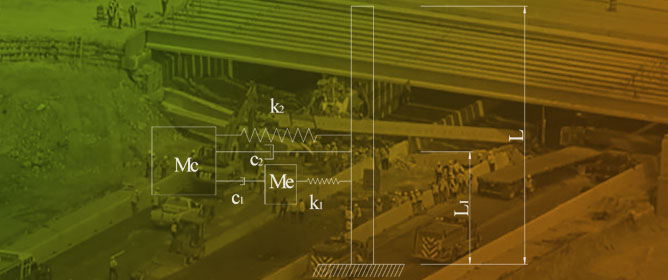
Simplified Impact Load Model Analysis of Vehicle-to-Bridge Pier Collision -
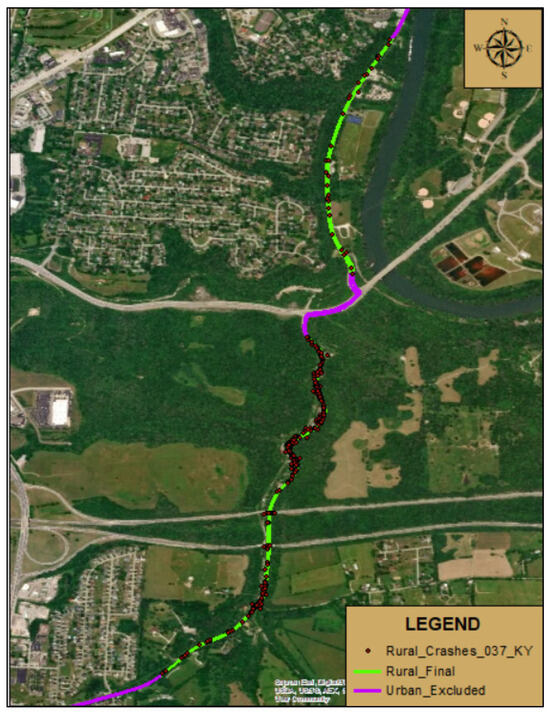
Evaluation of the Efficiency of a Speed Monitoring Display (SMD) in a Very Short-Term Roadwork Zone
Journal Description
Infrastructures
Infrastructures
is an international, scientific, peer-reviewed open access journal on infrastructures published monthly online by MDPI. Infrastructures is affiliated to International Society for Maintenance and Rehabilitation of Transport Infrastructures (iSMARTi) and their members receive a discount on the article processing charges.
- Open Access— free for readers, with article processing charges (APC) paid by authors or their institutions.
- High Visibility: indexed within Scopus, ESCI (Web of Science), Inspec, and other databases.
- Journal Rank: JCR - Q2 (Construction and Building Technology) / CiteScore - Q1 (Building and Construction)
- Rapid Publication: manuscripts are peer-reviewed and a first decision is provided to authors approximately 18.3 days after submission; acceptance to publication is undertaken in 3.7 days (median values for papers published in this journal in the second half of 2025).
- Recognition of Reviewers: reviewers who provide timely, thorough peer-review reports receive vouchers entitling them to a discount on the APC of their next publication in any MDPI journal, in appreciation of the work done.
- Journal Cluster of Civil Engineering and Built Environment: Acoustics, Architecture, Buildings, CivilEng, Construction Materials, Infrastructures, Intelligent Infrastructure and Construction, NDT and Vibration.
Impact Factor:
2.9 (2024);
5-Year Impact Factor:
3.0 (2024)
Latest Articles
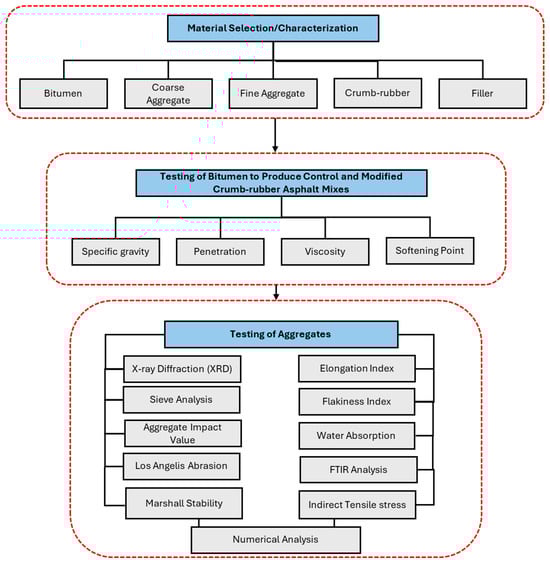
Rutting Resistance and Fatigue Performance of Crumb Rubber-Modified Asphalt Concrete: Experimental Investigation and Mechanistic–Empirical Modeling
Infrastructures 2026, 11(4), 133; https://doi.org/10.3390/infrastructures11040133 - 8 Apr 2026
Abstract
Crumb rubber-modified asphalt concrete (CMAC) has gained increasing attention as a sustainable pavement material capable of improving mechanical performance while utilizing waste tire resources. This study investigates the rutting resistance and fatigue behavior of CMAC using a combined experimental and mechanistic–empirical modeling approach.
[...] Read more.
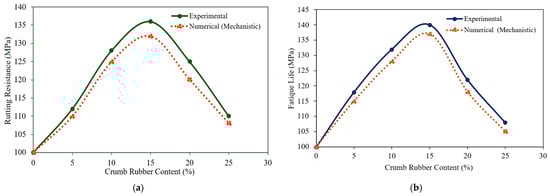
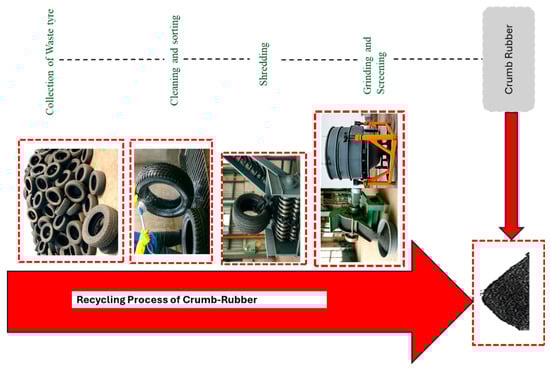
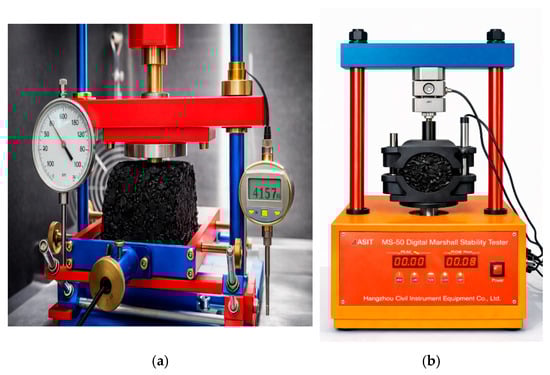
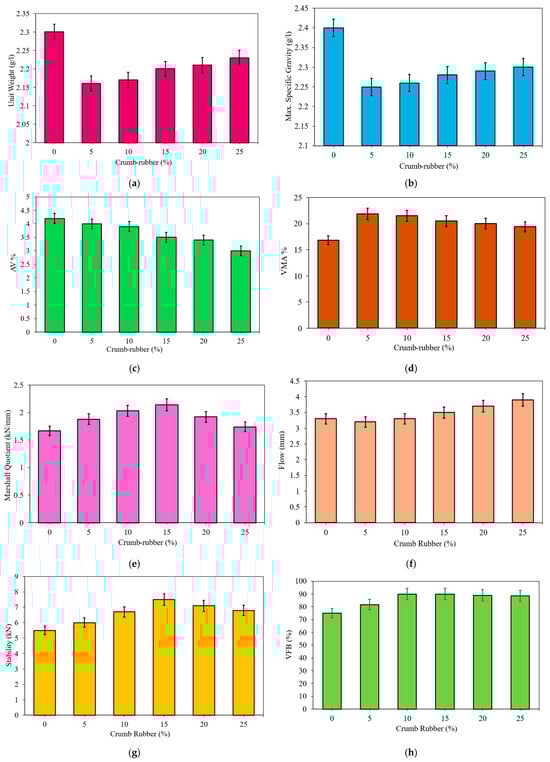
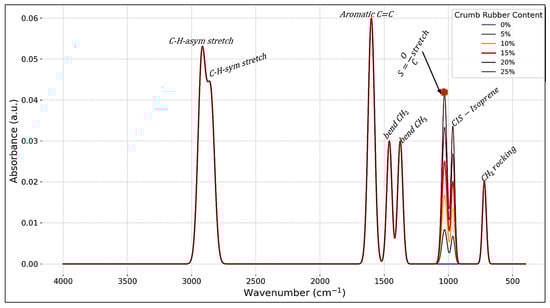
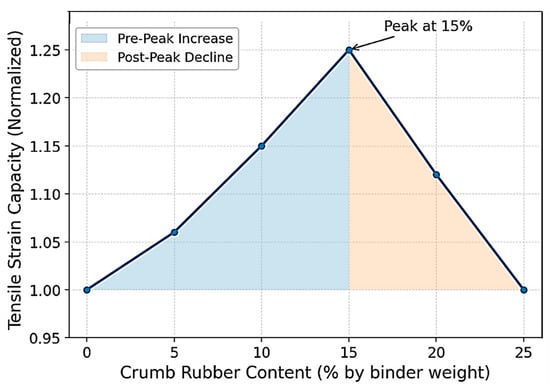
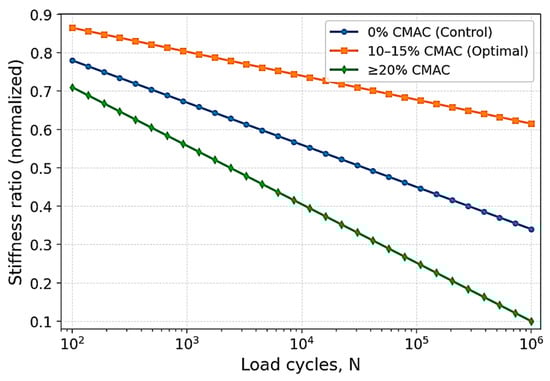
Crumb rubber-modified asphalt concrete (CMAC) has gained increasing attention as a sustainable pavement material capable of improving mechanical performance while utilizing waste tire resources. This study investigates the rutting resistance and fatigue behavior of CMAC using a combined experimental and mechanistic–empirical modeling approach. Asphalt mixtures containing 0–25% crumb rubber by binder weight were prepared and evaluated through Marshall stability and indirect tensile fatigue tests, whereas Fourier-transform infrared spectroscopy (FTIR) was used to examine binder–rubber interactions. The results indicate that crumb rubber significantly influences both the volumetric and mechanical properties of asphalt mixtures. Mixtures containing 10–15% crumb rubber exhibited optimal performances, achieving up to 36% higher Marshall stability and improved fatigue life compared with conventional asphalt mixtures. FTIR analysis revealed that rubber particle swelling and limited chemical interactions enhanced binder elasticity and improved binder–aggregate compatibility. However, excessive rubber content (≥20%) resulted in reduced stability owing to increased binder absorption and decreased effective binder film thickness. A mechanistic–empirical model incorporating viscoelastic, viscoplastic, and fatigue damage parameters successfully reproduced the experimental trends and identified the same optimal rubber content range. The findings demonstrate that CMAC with a moderate rubber content can enhance pavement durability and structural performance while promoting environmentally sustainable road construction through the reuse of waste tires.
Full article
(This article belongs to the Special Issue Sustainable Road Design and Traffic Management)
►
Show Figures
Open AccessArticle
Design of a Quantitative Evaluation Framework for Highway Landscape Quality Based on Panoramic Image Segmentation
by
Hanwen Zhang and Myun Kim
Infrastructures 2026, 11(4), 132; https://doi.org/10.3390/infrastructures11040132 - 8 Apr 2026
Abstract
Highway landscape quality is important for visual comfort, environmental coordination, and infrastructure management. However, conventional assessment methods rely heavily on manual inspection and qualitative judgment, which are subjective and inefficient for large-scale applications. To address this issue, this study proposes an AI-based quantitative
[...] Read more.
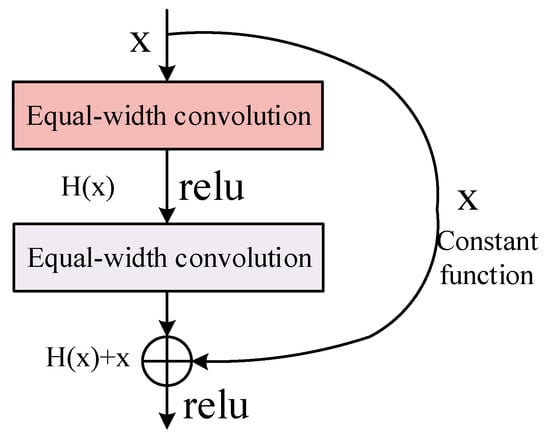
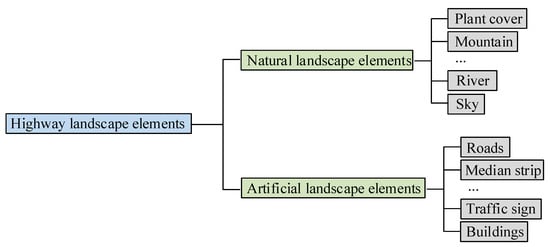
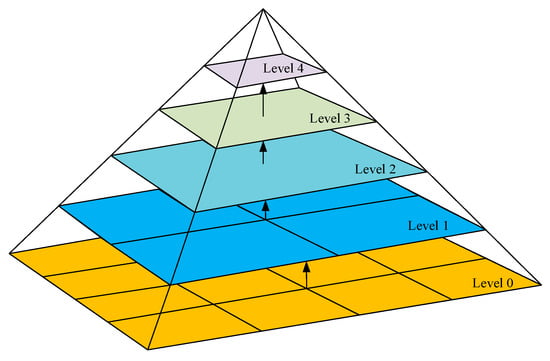
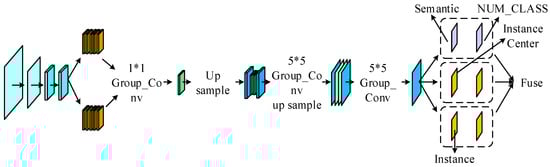
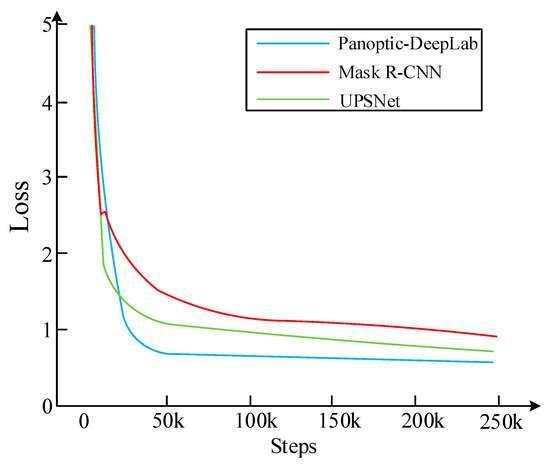
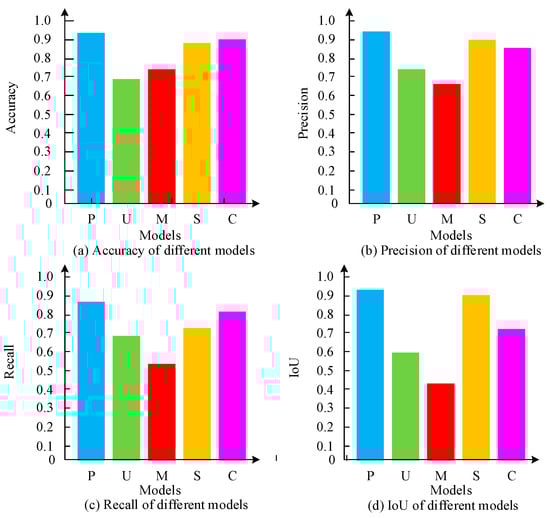
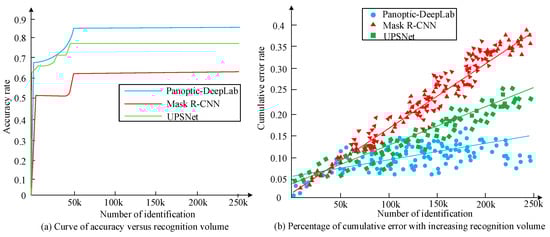
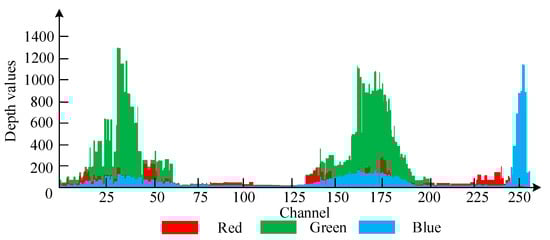
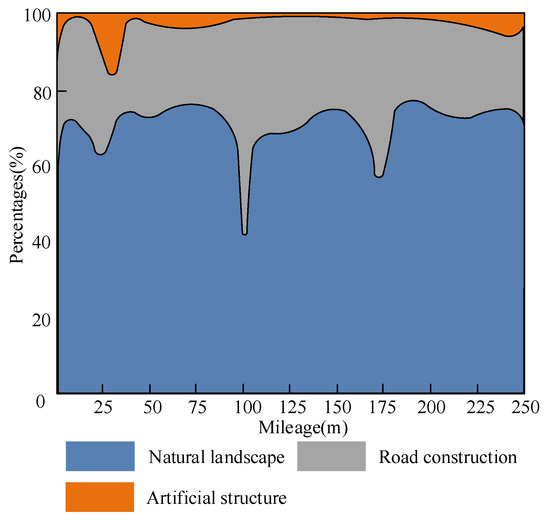
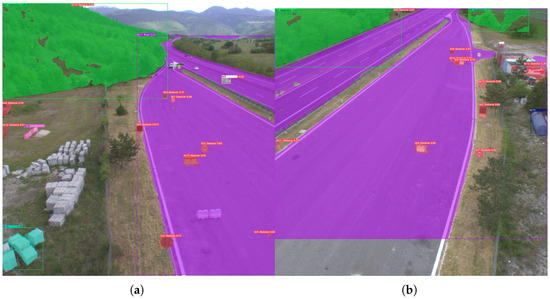
Highway landscape quality is important for visual comfort, environmental coordination, and infrastructure management. However, conventional assessment methods rely heavily on manual inspection and qualitative judgment, which are subjective and inefficient for large-scale applications. To address this issue, this study proposes an AI-based quantitative evaluation framework for highway landscape quality using an improved Panoptic-DeepLab model for panoramic image segmentation. The model identifies major landscape elements in highway scenes, including vegetation, sky, roads, buildings, and billboards. Based on the segmentation results, the proportions of natural elements, spatial openness, and artificial interference are integrated into a landscape quality score (LQS) model for quantitative assessment. Experimental results demonstrate that the proposed method achieves reliable segmentation performance and stable convergence in complex highway environments. Comparative analysis further shows that the method provides competitive accuracy with good computational efficiency. The proposed framework offers an effective tool for highway landscape evaluation and can support highway planning, landscape optimization, and visual environment management.
Full article
(This article belongs to the Special Issue Advances in Smart Infrastructures: Converging IoT, AI, and Digital Twins for Resilient Futures)
►▼
Show Figures

Figure 1
Open AccessArticle
Numerical Modeling and Parametric Analysis of Foundation Cutoff Walls in Rigid Dams
by
Nafiaa Abdelmadjid, Mohamed Amine Benmebarek and Naima Benmebarek
Infrastructures 2026, 11(4), 131; https://doi.org/10.3390/infrastructures11040131 - 6 Apr 2026
Abstract
The problem of seepage beneath dams represents a major technical and economic challenge, particularly for countries such as Algeria, where agricultural and industrial development depends heavily on the management of water resources stored in reservoirs. Such seepage can not only cause significant water
[...] Read more.
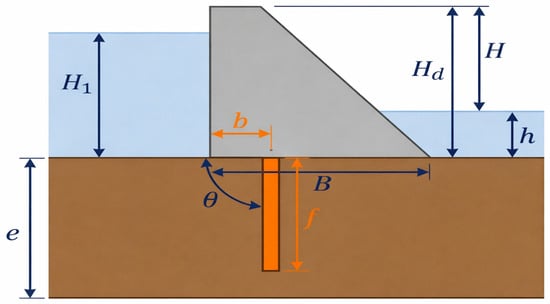
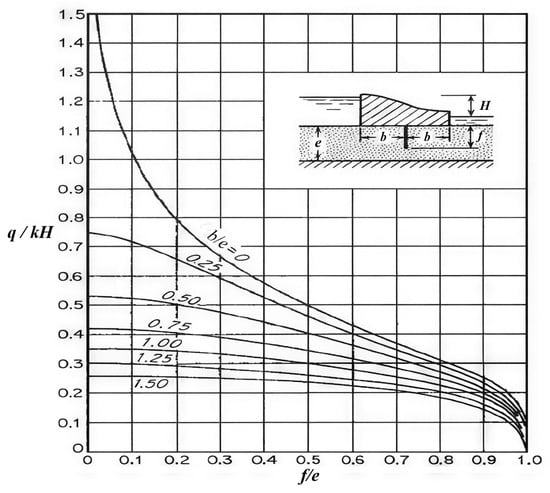
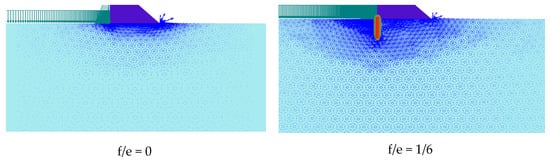
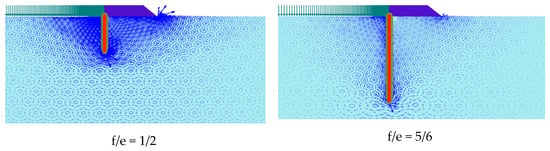
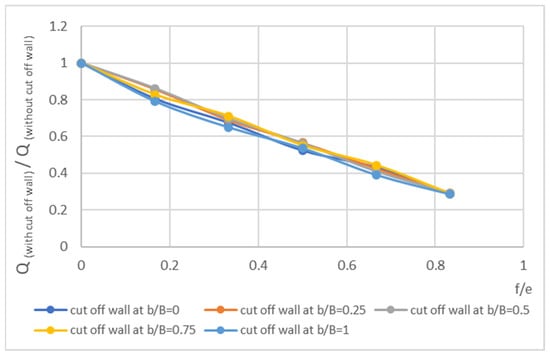
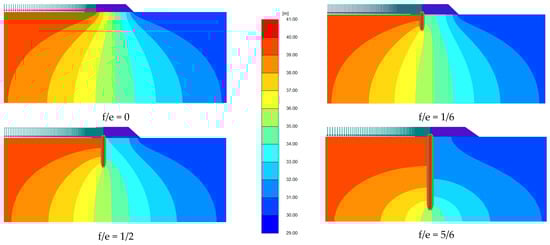
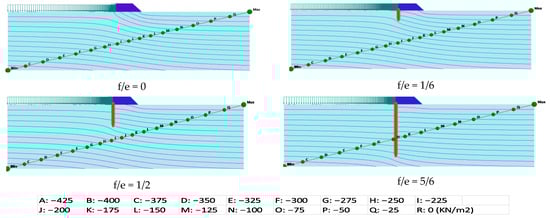
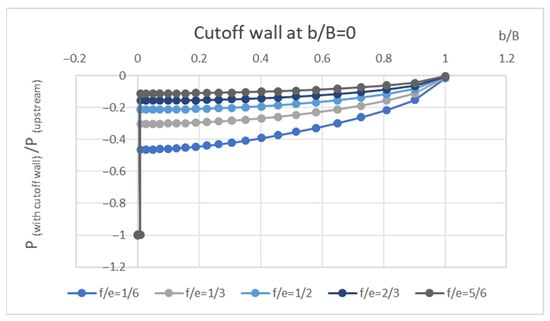
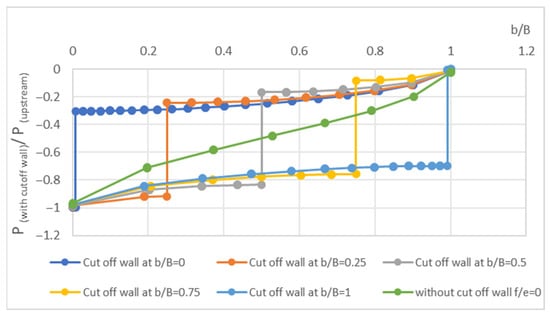
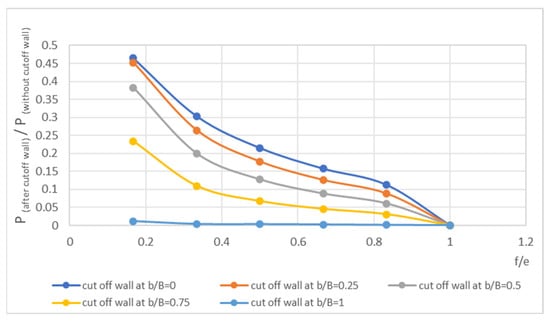
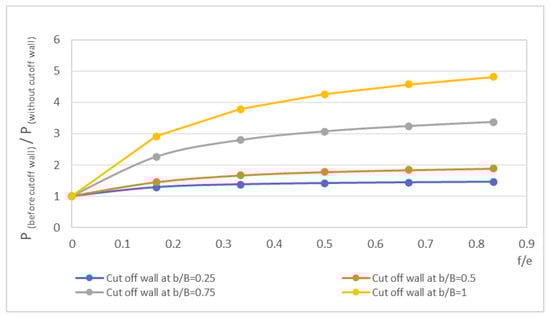
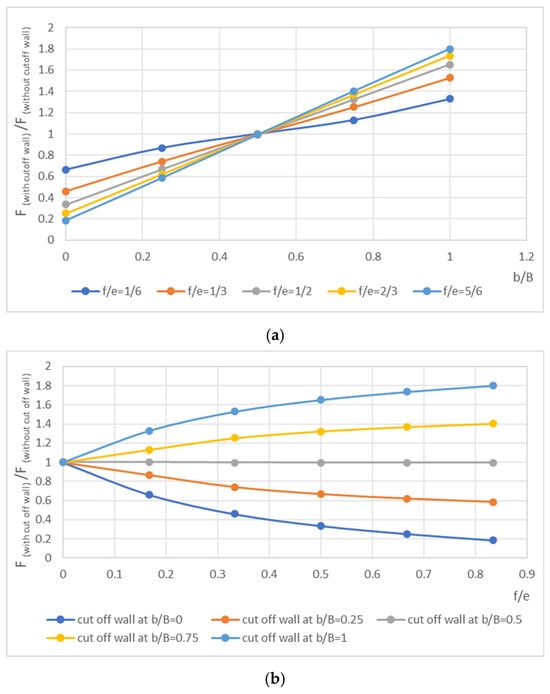
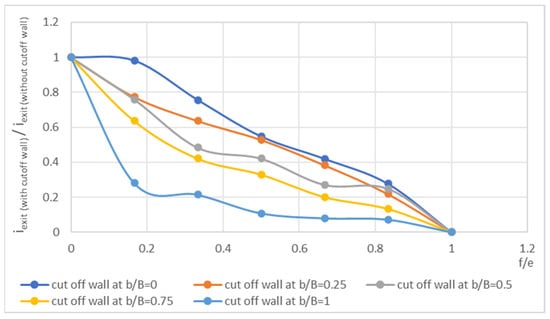
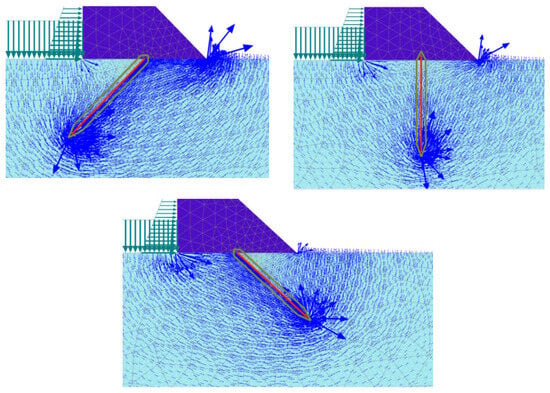
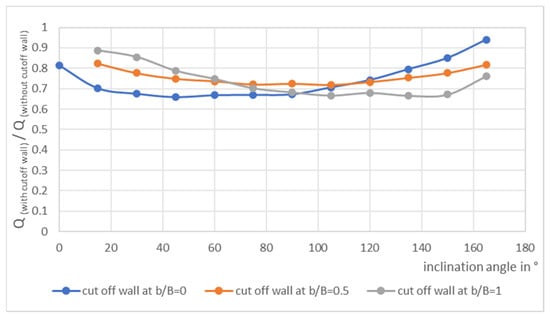
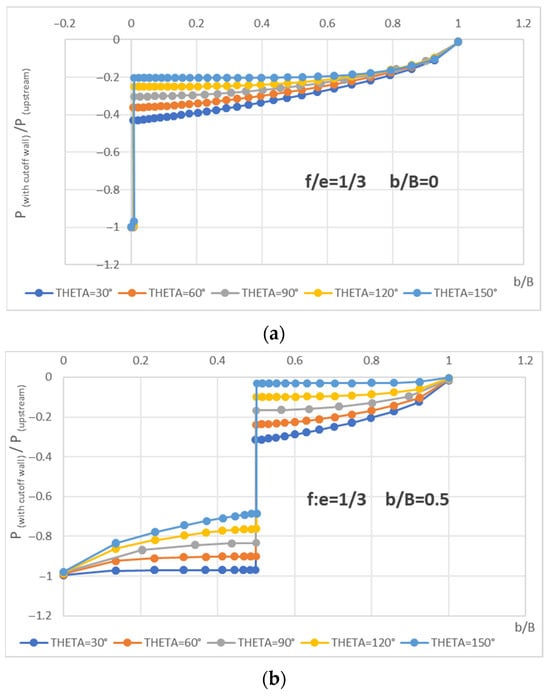
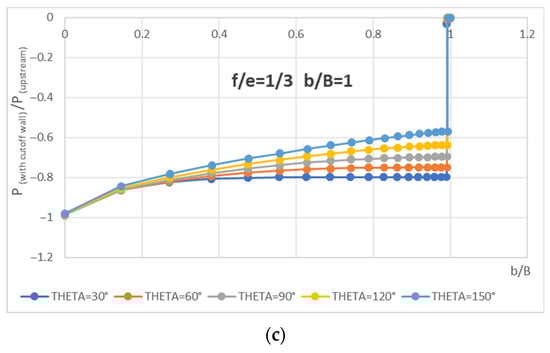
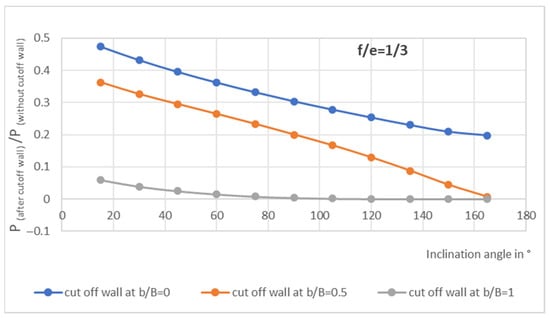
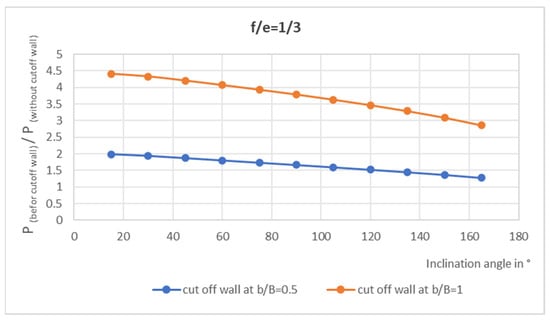
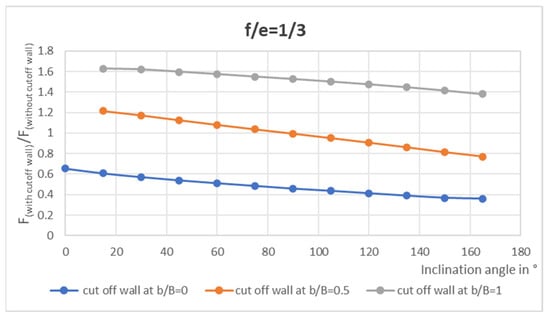
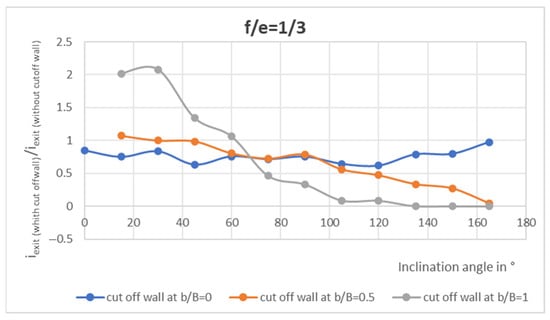
The problem of seepage beneath dams represents a major technical and economic challenge, particularly for countries such as Algeria, where agricultural and industrial development depends heavily on the management of water resources stored in reservoirs. Such seepage can not only cause significant water losses but also jeopardize the stability of the structure, particularly through the piping phenomenon, which poses a risk of sudden failure. Moreover, the evaluation of seepage becomes critical when it exceeds admissible thresholds, thereby requiring the search for solutions to ensure the waterproofing of foundations. Consequently, the design and optimization of devices such as cutoff walls or drainage systems aim to simultaneously reduce three key parameters: the leakage discharge, the uplift pressure, and the downstream hydraulic gradient, in order to guarantee the safety and durability of the infrastructure. The existing literature on cutoff walls beneath concrete dams does not allow for a comprehensive evaluation of the combined effects of geometric and operational parameters. This study aims to address this gap by systematically analyzing the interaction of these factors and their influence on the hydraulic response of the system. Numerical modeling was carried out using the Plaxis 2D software, considering various geometric and parametric configurations. The results indicate that the position, depth, and inclination of the cutoff wall significantly affect the hydraulic performance of the structure.
Full article
(This article belongs to the Section Infrastructures and Structural Engineering)
►▼
Show Figures

Figure 1
Open AccessSystematic Review
Modeling the Resilience of Multimodal Freight Networks Under Disruptions: A Systematic Review
by
Tariq Lamei, Ahmed Elsayed, Ahmed Ibrahim and Ahmed Abdel-Rahim
Infrastructures 2026, 11(4), 130; https://doi.org/10.3390/infrastructures11040130 - 6 Apr 2026
Abstract
Multimodal freight transportation networks are increasingly exposed to natural and human-made disruptions, yet prior research remains fragmented in how disruptions are represented, which modeling techniques are applied, and how results are validated, limiting comparability and actionable guidance for resilient planning. This study presents
[...] Read more.
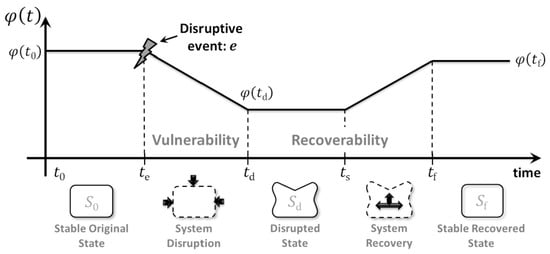
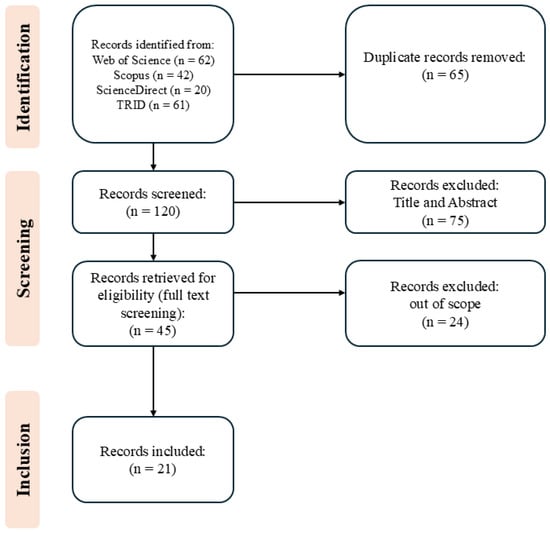
Multimodal freight transportation networks are increasingly exposed to natural and human-made disruptions, yet prior research remains fragmented in how disruptions are represented, which modeling techniques are applied, and how results are validated, limiting comparability and actionable guidance for resilient planning. This study presents a PRISMA-guided systematic review of disruption modeling in multimodal freight networks. A total of 21 studies were identified and coded to address three research questions concerning (RQ1) which analytical and computational modeling techniques are applied; (RQ2) to what extent models represent cross-modal interdependencies, cascading failures, and recovery processes; and (RQ3) what validation, calibration, and empirical testing strategies are employed. The review shows that optimization-based approaches and hybrid frameworks dominate the literature, complemented by fewer network science and data-driven methods. Most studies model disruptions as node/link failures and/or capacity degradation using static single-event scenarios, and explicit representations of cascading effects, operational delay propagation, and time-evolving recovery trajectories remain relatively rare. While many studies rely on real network data, formal calibration and historical backtesting against observed disruption events are uncommon, and validation is primarily case study-based. These findings highlight the need for more dynamic resilience modeling, stronger uncertainty quantification, standardized reporting of performance and resilience metrics, and greater use of empirically grounded validation to improve the generalizability and decision relevance of multimodal freight resilience models.
Full article
(This article belongs to the Special Issue Data-Driven Innovations in Smart and Safe Transportation Infrastructure)
►▼
Show Figures

Figure 1
Open AccessArticle
Auditing iRAP’s ViDA Risk Engine: A Two-Stage Surrogate Learning and Orthogonalized Heterogeneity Framework for Modelled Road Safety
by
Amirhossein Hassani, Borna Abramović, Muhammad Shahid and Marko Ševrović
Infrastructures 2026, 11(4), 129; https://doi.org/10.3390/infrastructures11040129 - 5 Apr 2026
Abstract
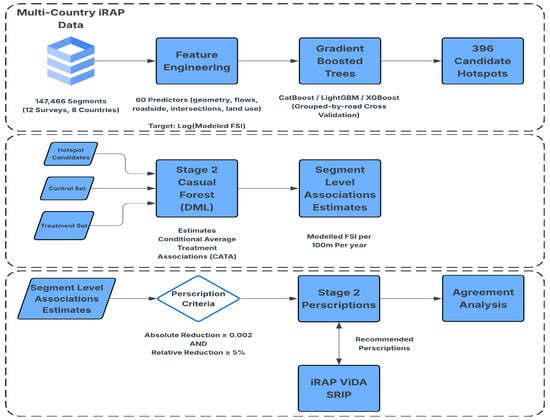
Road safety studies commonly use machine learning to predict crashes or to estimate crash-based treatment effects. This study instead audits the modelled fatal-and-serious-injury (FSI) risk produced by the iRAP ViDA risk engine. We analyse 147,466 segments (100 m each) from 12 surveys grouped
[...] Read more.
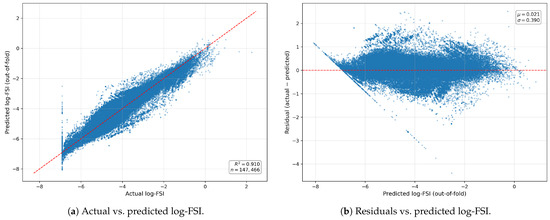
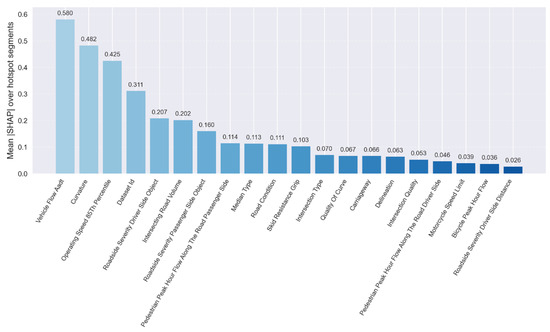
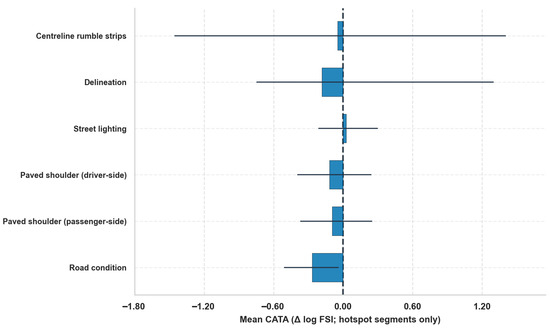
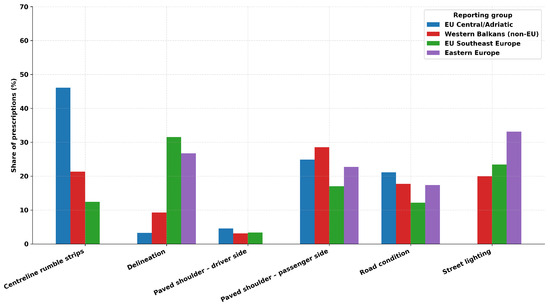
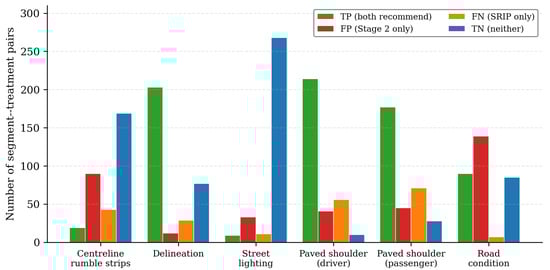
Road safety studies commonly use machine learning to predict crashes or to estimate crash-based treatment effects. This study instead audits the modelled fatal-and-serious-injury (FSI) risk produced by the iRAP ViDA risk engine. We analyse 147,466 segments (100 m each) from 12 surveys grouped into four European reporting groups. In Stage 1, gradient-boosted trees reproduce the engine’s risk surface under road-grouped cross-validation(R2 ≈ 0.92 with flows and survey identifiers), and Shapley-based attributions identify which coded attributes drive modelled risk at 396 hotspots (top-three segments per road). In Stage 2, a causal-forest double machine learning estimator adjusts for 38 covariates to estimate segment-level conditional contrasts between modelled risk and six retrofittable treatments across all eligible segments. Simple absolute and relative reduction thresholds translate these associations into 1170 association-based candidate upgrades. On 321 over-lapping hotspots, the candidate upgrades show moderate agreement with iRAP’s Safer Roads Investment Plan (Recall = 0.77; Precision = 0.66; Cohen’s κ = 0.40). All results are conditional associations on a calibrated risk engine whose totals are anchored to project- or network-level fatality totals or fatality estimates used in calibration, not causal effects on observed crashes.
Full article
(This article belongs to the Special Issue Safer Roads Ahead: Exploring the Latest Innovations and Advancements in Road Design and Safety Technology, 2nd Edition)
►▼
Show Figures

Figure 1

Open AccessArticle
Pultruded GFRP Girders for the Replacement of Deteriorated Concrete Bridges
by
Giuseppe Campione and Michele Fabio Granata
Infrastructures 2026, 11(4), 128; https://doi.org/10.3390/infrastructures11040128 - 3 Apr 2026
Abstract
This paper investigates lightweight structural systems based on pultruded GFRP girders for the replacement of deteriorated concrete bridge decks on existing piers and abutments. The study is motivated by the need to rehabilitate short- and medium-span bridges affected by aging deterioration such as
[...] Read more.
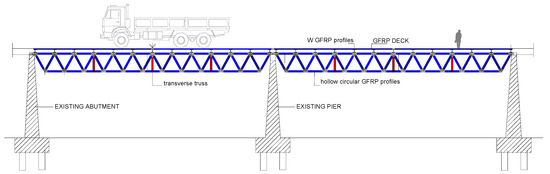
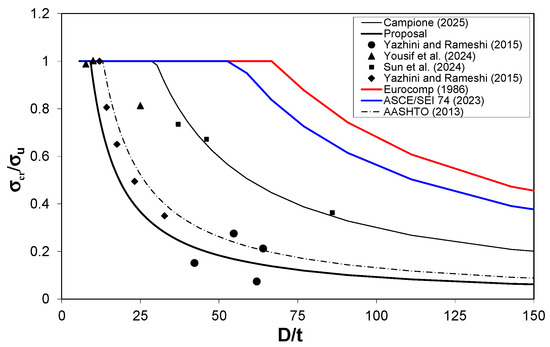
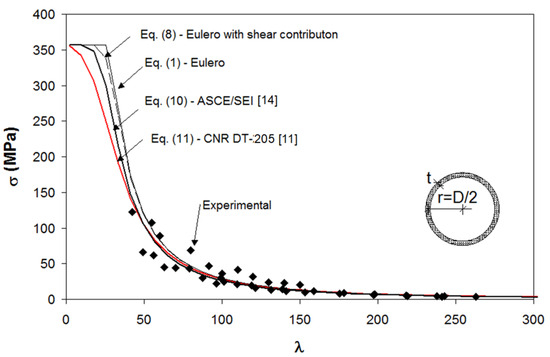
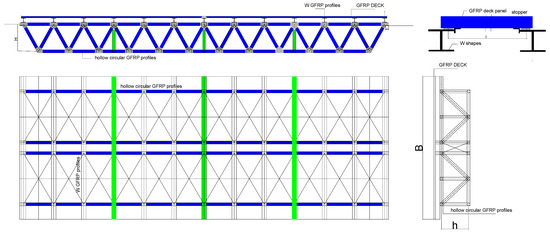
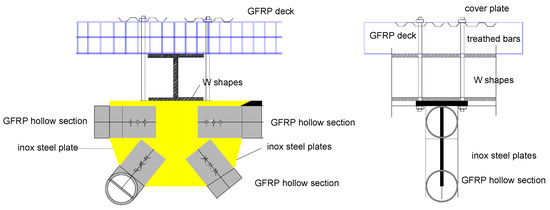
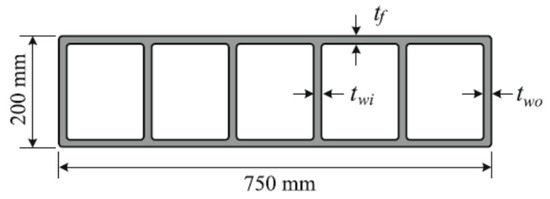
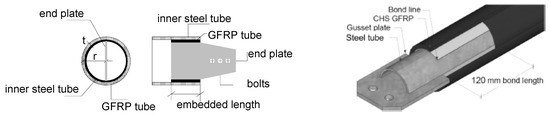
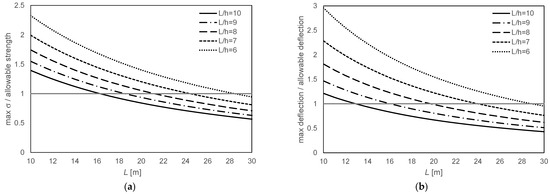
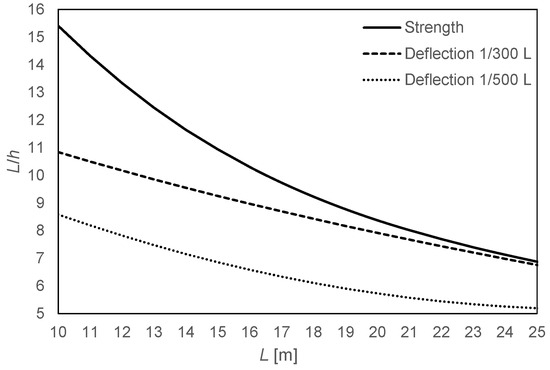
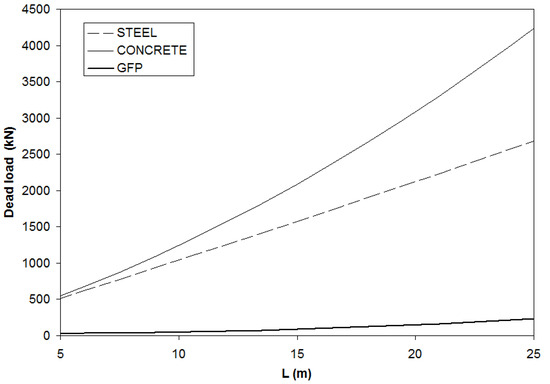
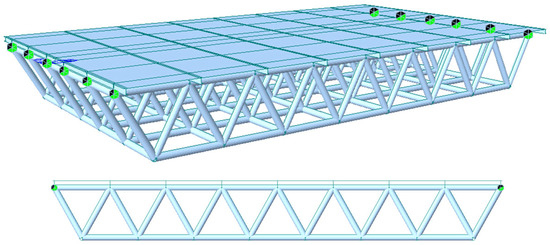
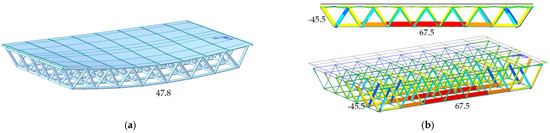
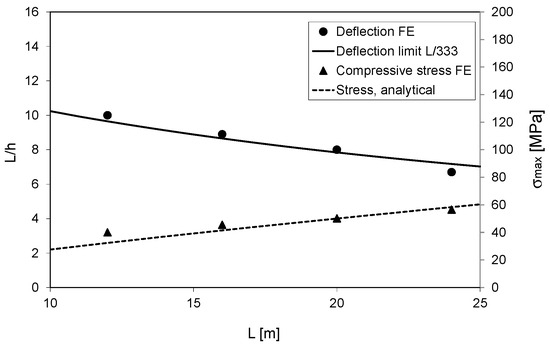
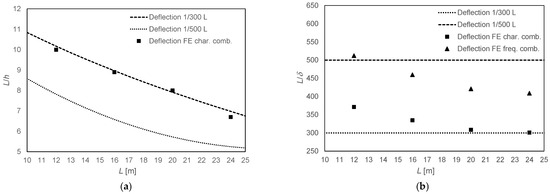
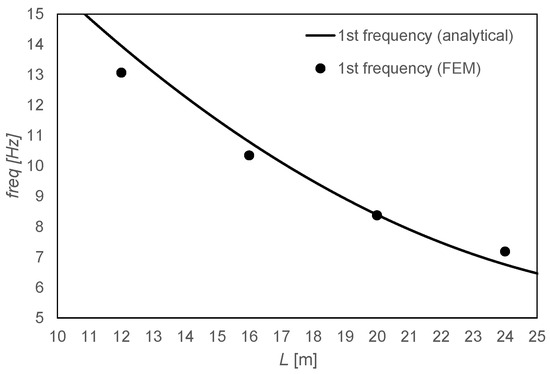
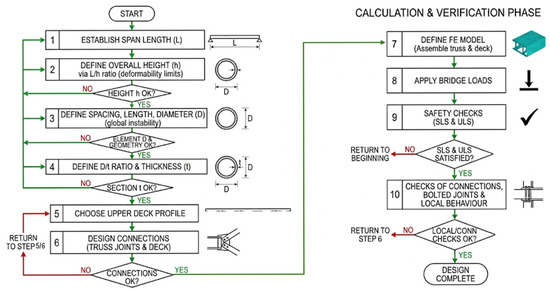
This paper investigates lightweight structural systems based on pultruded GFRP girders for the replacement of deteriorated concrete bridge decks on existing piers and abutments. The study is motivated by the need to rehabilitate short- and medium-span bridges affected by aging deterioration such as reinforcement corrosion. The approach preserves existing piers and foundations and, when required, enables rapid deployment for temporary or emergency applications. The proposed GFRP deck–girder solutions significantly reduce structural mass compared to conventional concrete systems. This reduction leads to lower seismic demand and smaller horizontal forces transmitted to the substructures. The research assesses the structural performance and feasibility of these systems, with particular attention to strength and serviceability behavior. The objective is to identify solutions that can be replicated across different bridge configurations, while also outlining efficient strategies for onsite assembly. After a reasoned review of the solutions available in the literature and of the limitations related to deformability, strength, and instability for a preliminary analytical design approach, three-dimensional numerical simulations of GFRP bridge deck systems are performed to evaluate global behavior and load-transfer mechanisms. The latest design codes and guidelines for GFRP bridges are reviewed and applied. Based on the results, recommendations are provided regarding cross-sectional proportions and member slenderness. The numerical results are compared with the analytical design approach, showing that, under characteristic load combinations, maximum deflections can be limited to approximately L/300–L/400 when the beam depth-to-span ratio range is between 1/10 and 1/6. Within these relationships, spans between 10 m and 25 m are found to be efficient. Additional guidance is proposed for modular construction strategies based on standardized pultruded elements and factory-controlled bonded connections.
Full article
(This article belongs to the Special Issue Advances in Bridge Engineering: Structures, Monitoring, and AI Technologies)
►▼
Show Figures

Figure 1
Open AccessArticle
Impact of Dynamic Modulus Prediction Errors on Rutting Estimates in Sustainable Flexible Pavements
by
Konstantina Georgouli, Christina Plati and Andreas Loizos
Infrastructures 2026, 11(4), 127; https://doi.org/10.3390/infrastructures11040127 - 2 Apr 2026
Abstract
Permanent deformation, manifested as rutting, remains one of the most critical threats to the structural integrity and functional performance of flexible pavements. The Mechanistic–Empirical Pavement Design Guide (MEPDG) includes rutting models that are highly sensitive to the dynamic modulus (E*) of asphalt mixtures—a
[...] Read more.
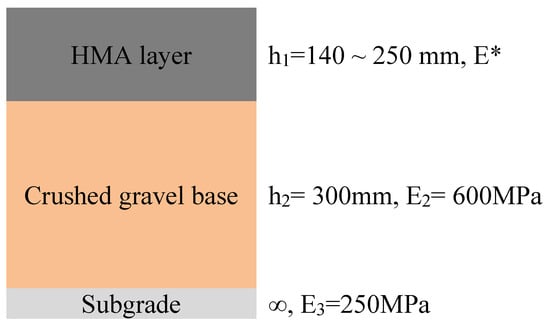
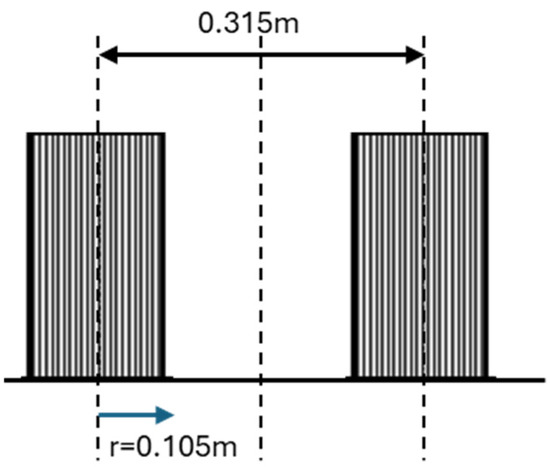
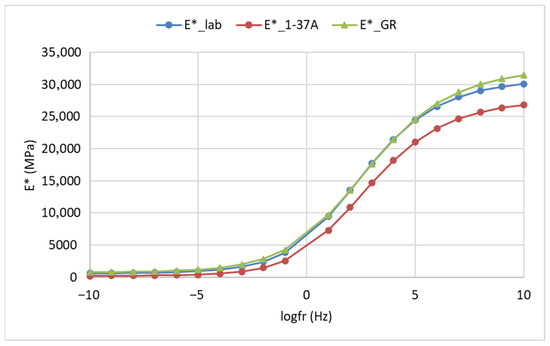
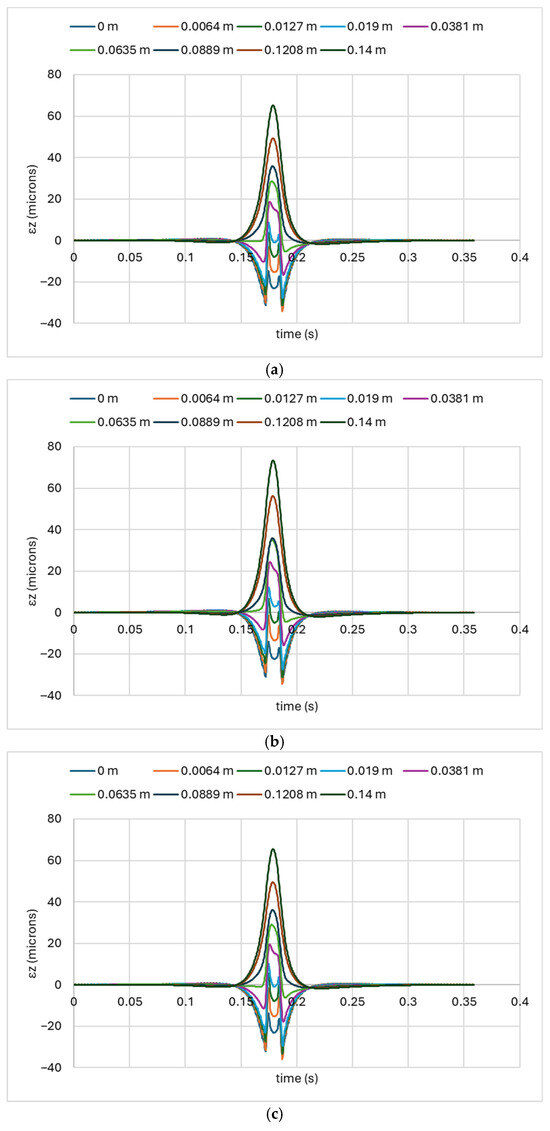
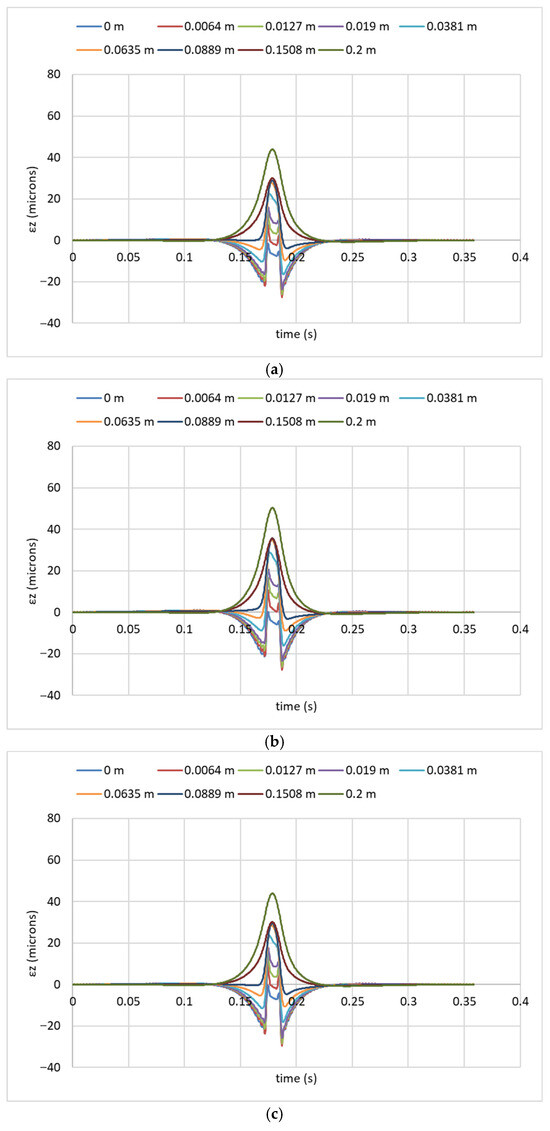
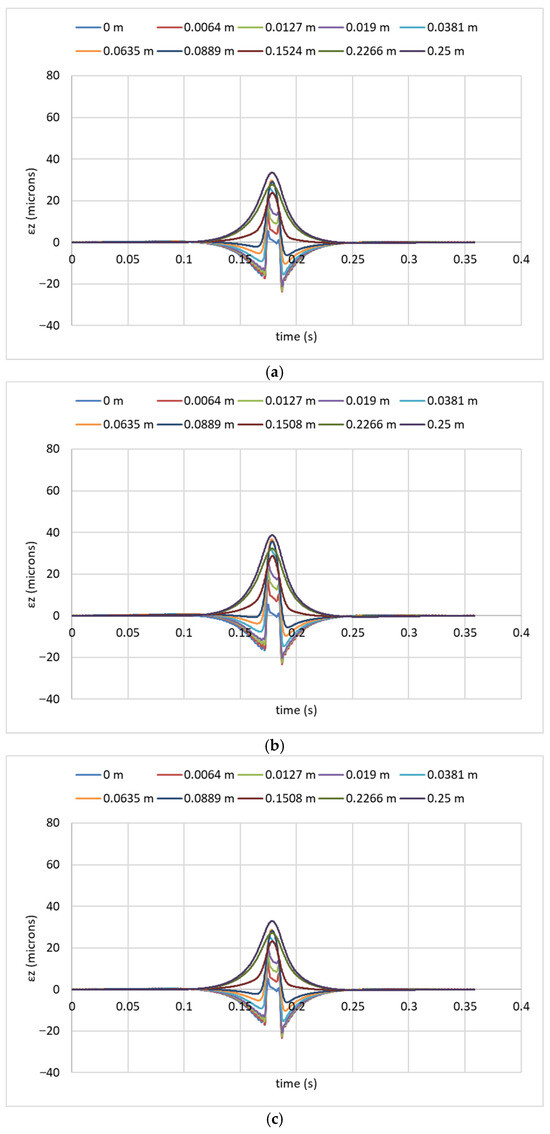
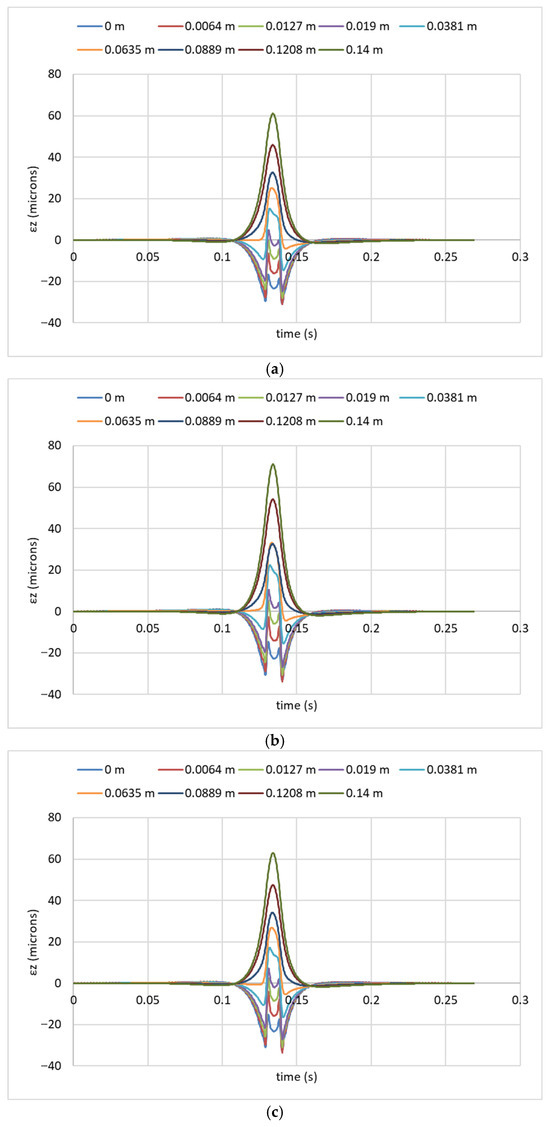
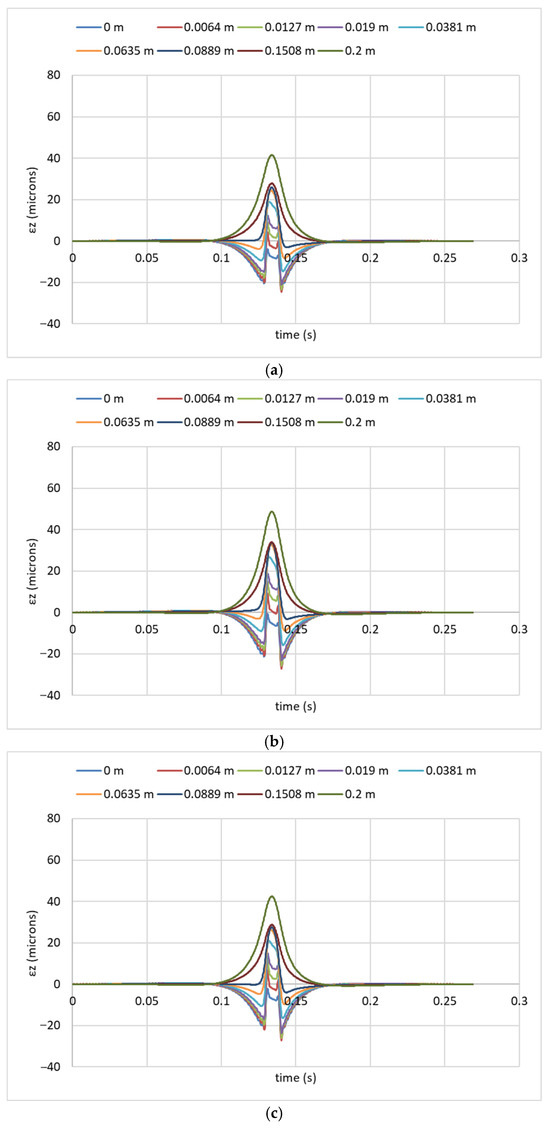
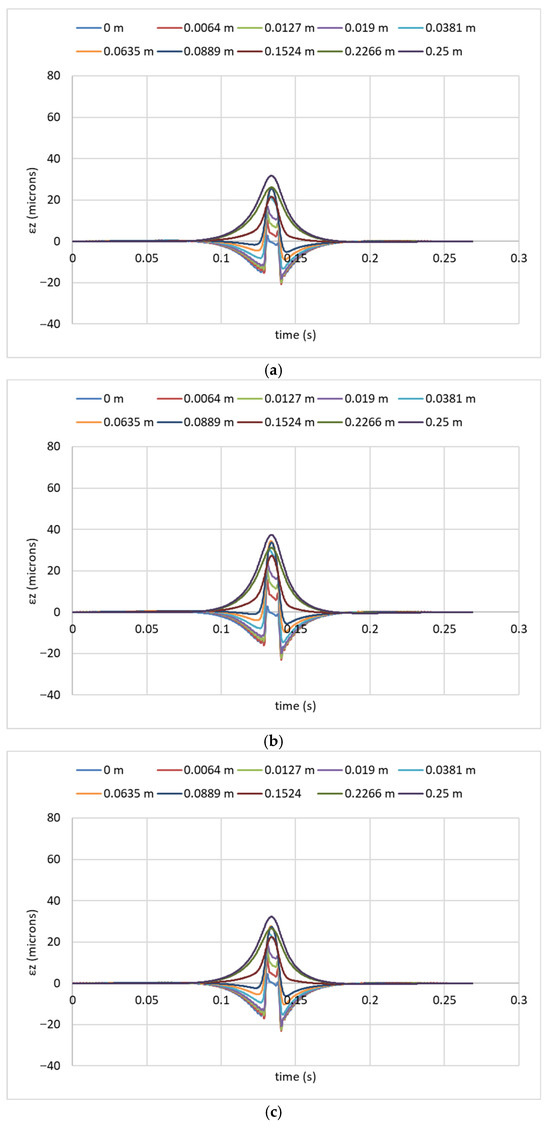
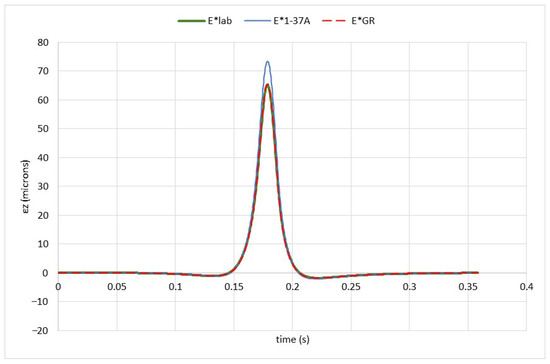
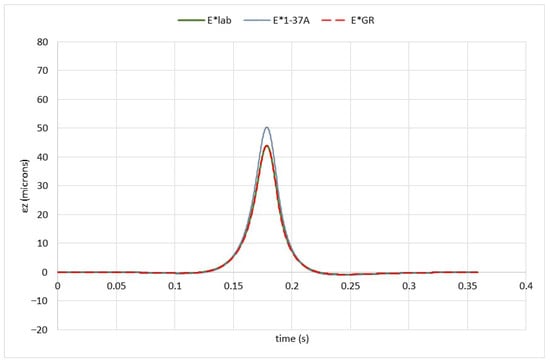
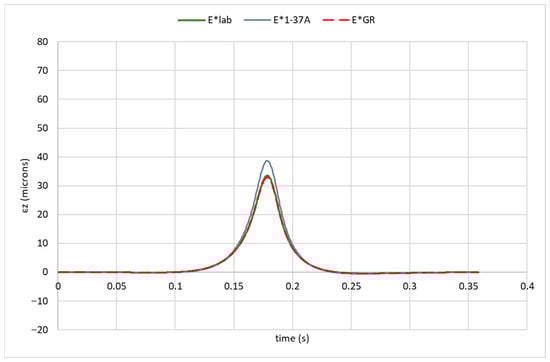
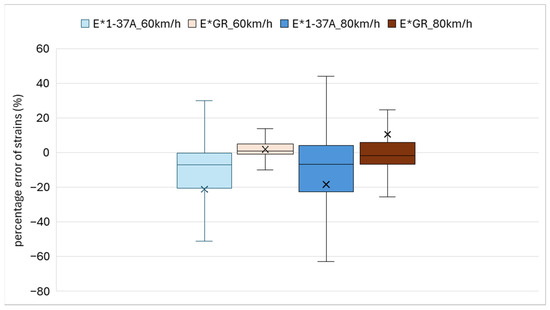
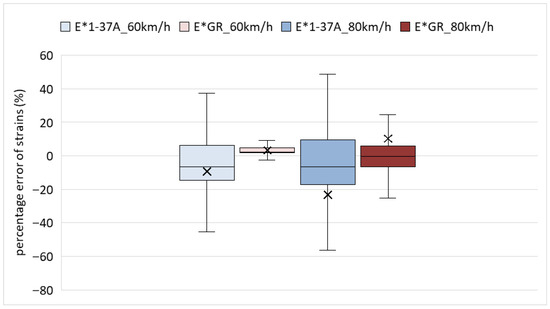
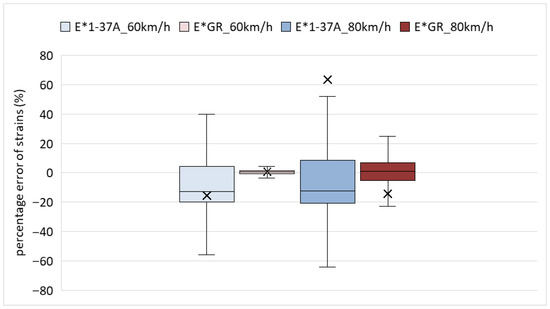
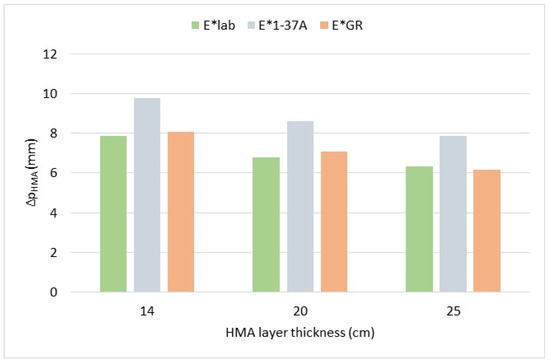
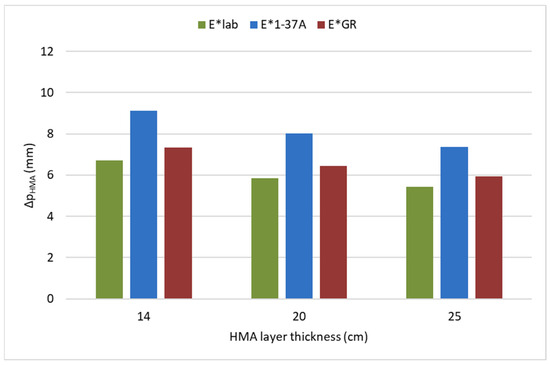
Permanent deformation, manifested as rutting, remains one of the most critical threats to the structural integrity and functional performance of flexible pavements. The Mechanistic–Empirical Pavement Design Guide (MEPDG) includes rutting models that are highly sensitive to the dynamic modulus (E*) of asphalt mixtures—a parameter that can be determined experimentally or predicted by analytical models. In this study, the influence of E* prediction error on rutting estimation is systematically evaluated by comparing laboratory-measured E* values with those predicted by two models: NCHRP 1-37A and a locally calibrated model. The dynamic pavement behavior and rut depth predictions were determined using the finite layer program 3D-Move under standard traffic loads. Comparative analysis revealed that the NCHRP 1-37A model tends to underestimate E*, leading to significant overestimation of vertical strains and accumulated permanent deformation. In contrast, the locally calibrated model provided predictions that closely matched the laboratory measurements, resulting in minimal deviation in rut depth estimates. The results highlight the importance of local calibration and model selection to improve the reliability of mechanistic–empirical pavement predictions, enabling smarter pavement performance evaluation and supporting more sustainable pavement management practices, especially when laboratory testing is not feasible.
Full article
(This article belongs to the Special Issue Pavement Performance and Maintenance: Smart Technologies and Sustainable Practices)
►▼
Show Figures

Figure 1

Open AccessArticle
Hybrid DEM-FDM Modelling of Ballasted Railway Track Performance
by
Nohemí Olivera and Juan Manuel Mayoral
Infrastructures 2026, 11(4), 126; https://doi.org/10.3390/infrastructures11040126 - 2 Apr 2026
Abstract
The performance of ballasted railway tracks under cyclic loading is a critical issue in urban railway systems, where high traffic frequency and geometric constraints accelerate track degradation, leading to the accumulation of plastic deformations that may reduce operational efficiency. This study presents a
[...] Read more.
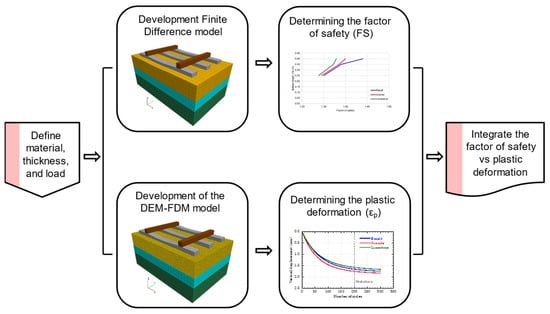
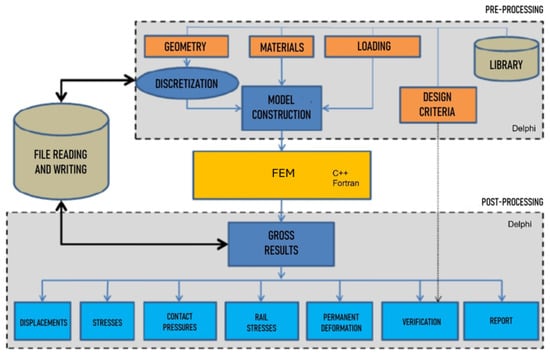
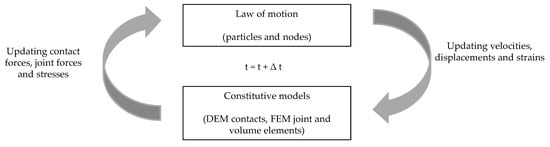
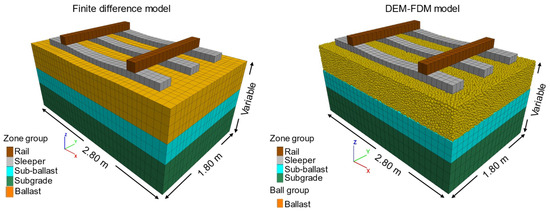
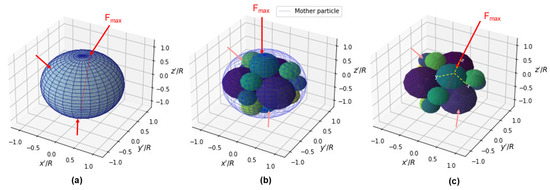
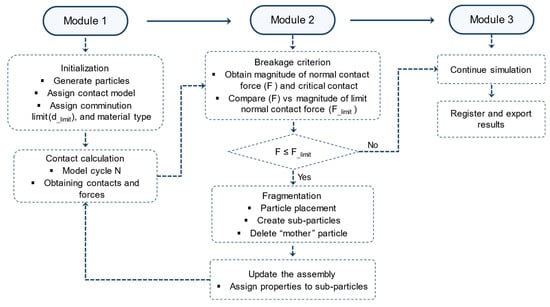
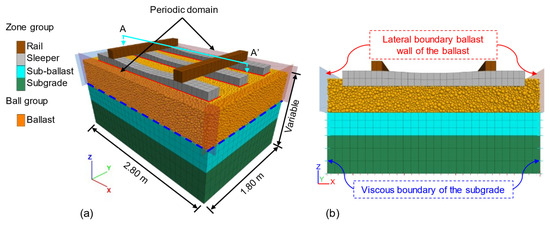
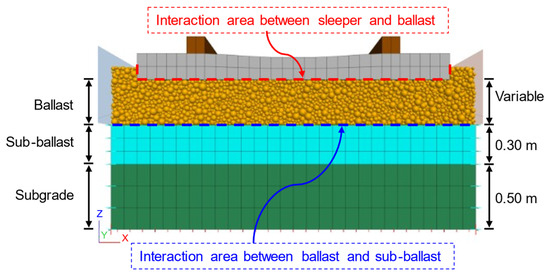
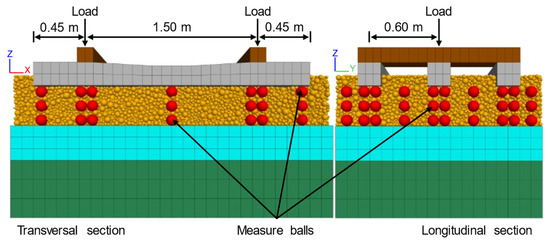
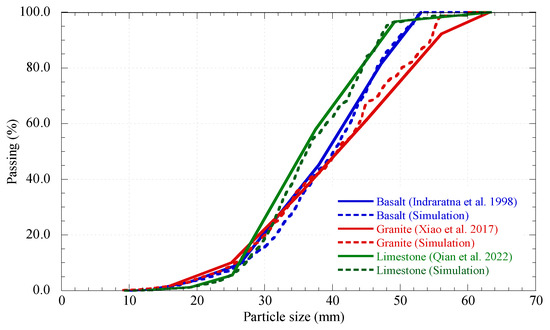
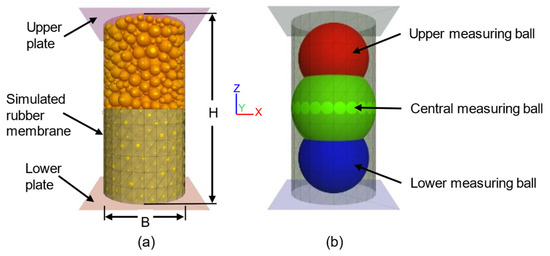
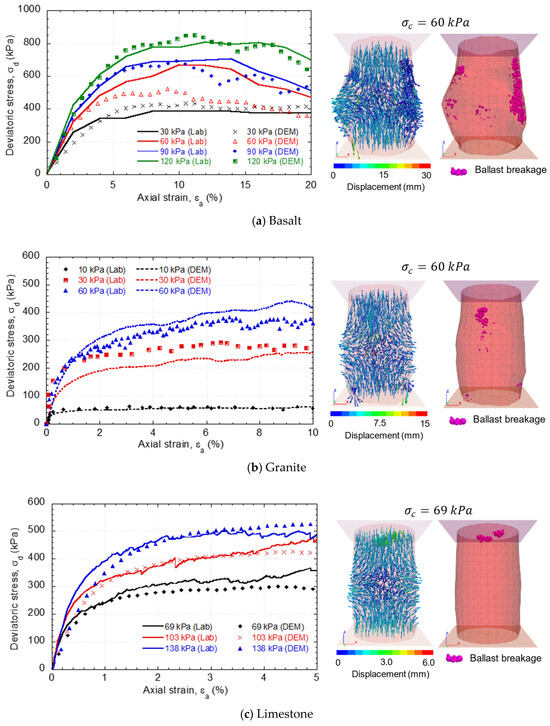
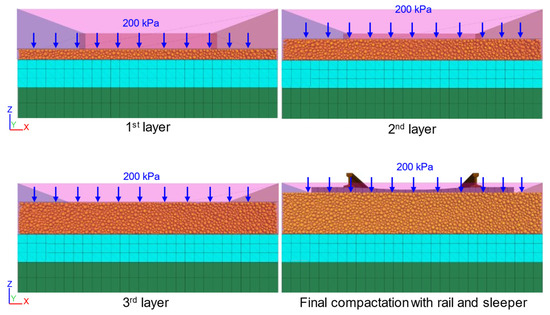
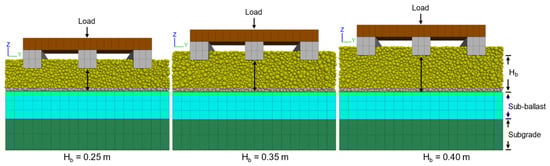
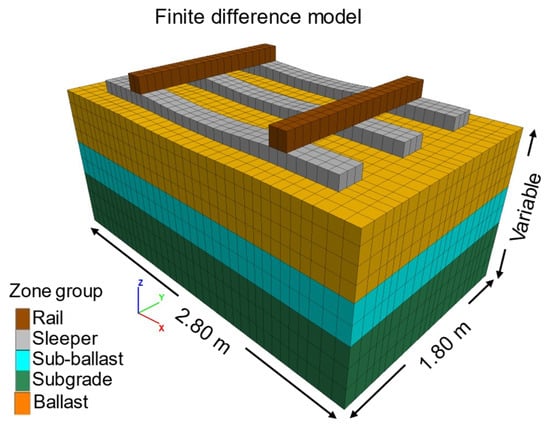
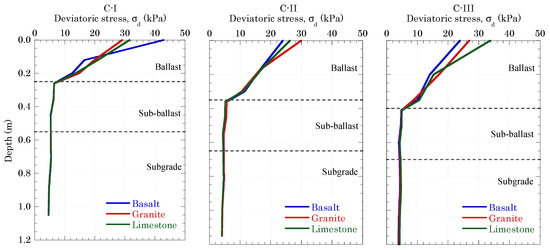
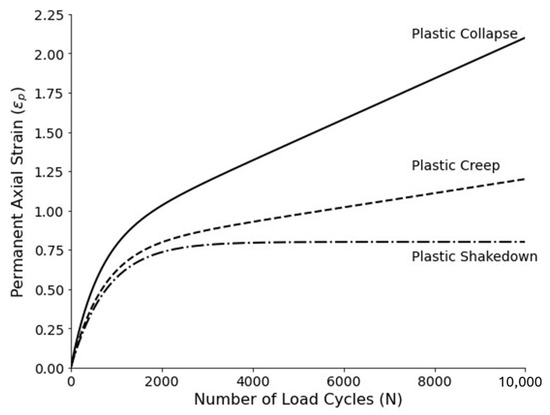
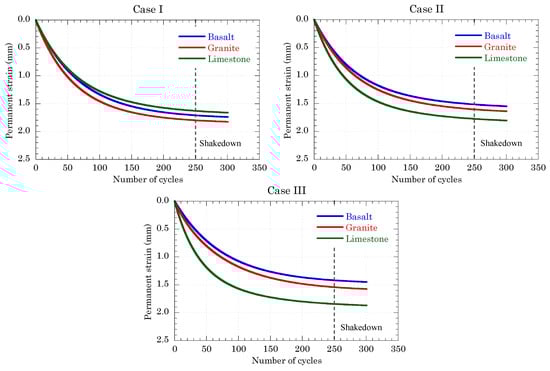
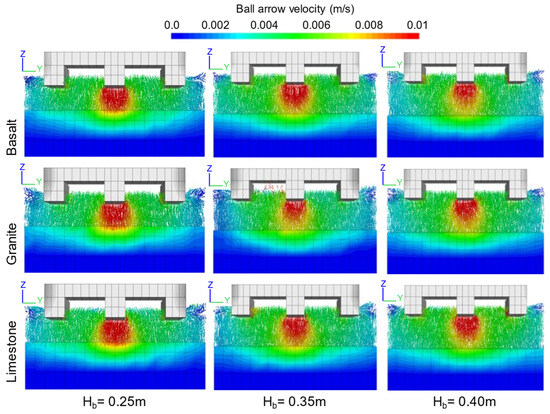
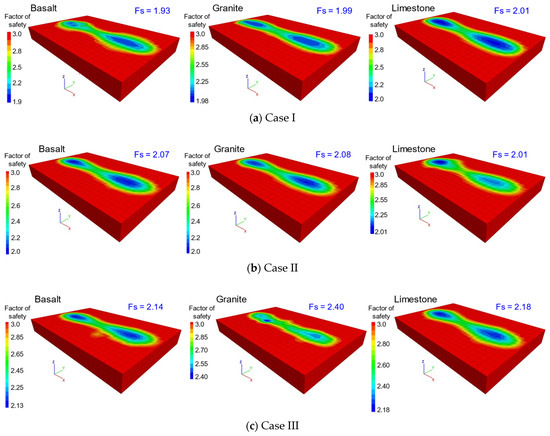
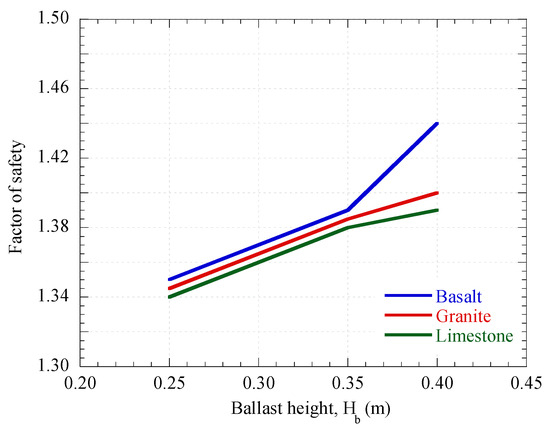
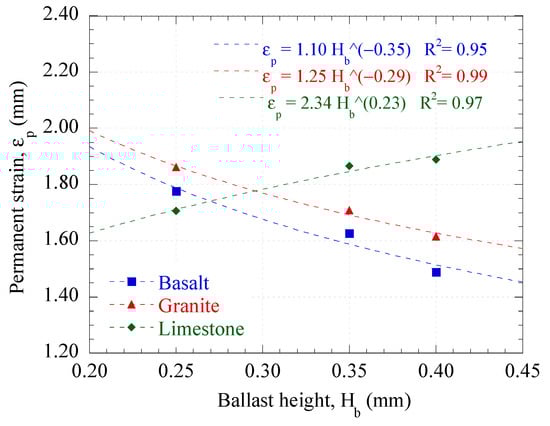
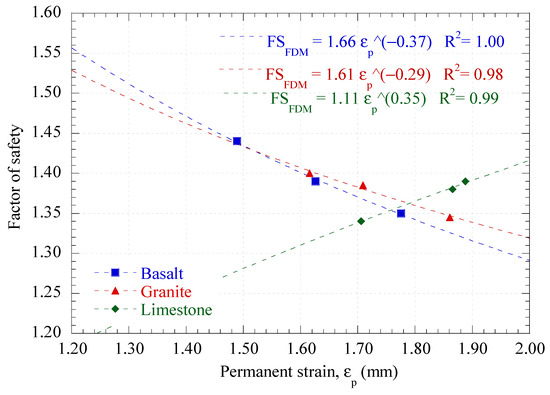
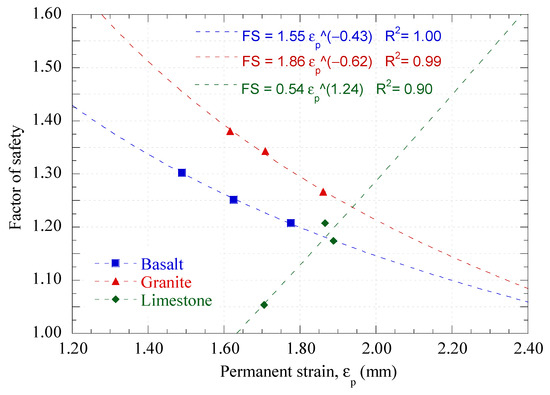
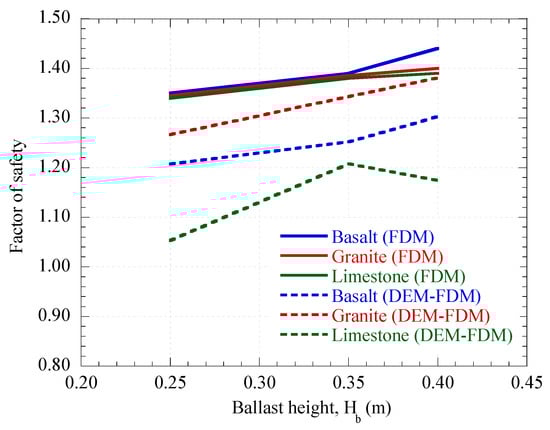
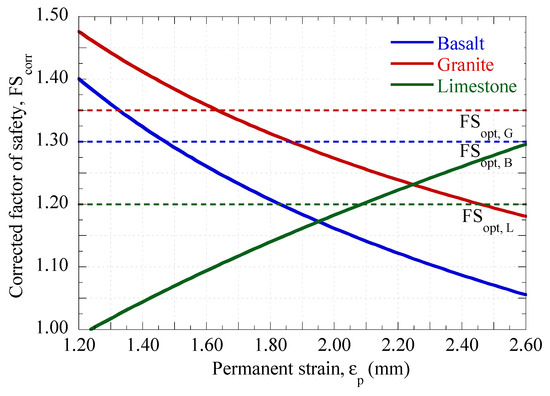
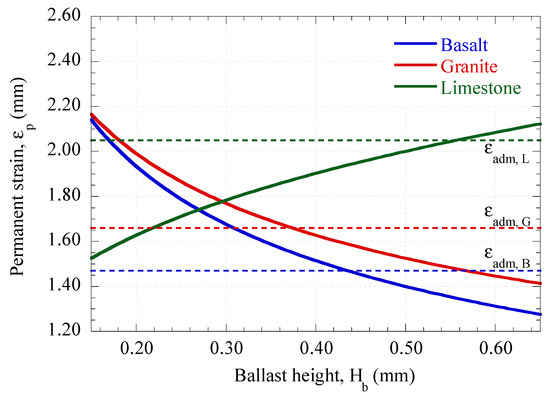
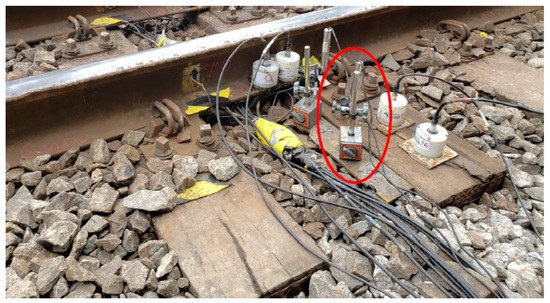
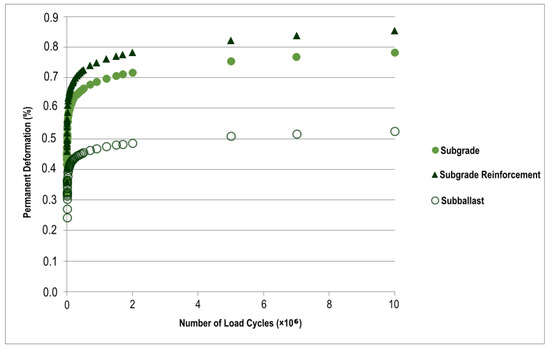
The performance of ballasted railway tracks under cyclic loading is a critical issue in urban railway systems, where high traffic frequency and geometric constraints accelerate track degradation, leading to the accumulation of plastic deformations that may reduce operational efficiency. This study presents a numerical framework for rail track performance assessment based on two complementary modeling approaches: a fully continuous Finite Difference Method (FDM) model, and a hybrid Discrete Element Method–Finite Difference Method (DEM–FDM) model. The continuous FDM simulations are employed to evaluate the global mechanical response of the track support system and to compute conventional stability indicators, including the factor of safety (FS). In parallel, the hybrid DEM–FDM simulations explicitly represent the ballast layer using DEM to capture inter-particle interactions, accumulation of permanent deformation, and particle fragmentation under cyclic loading, while rails, sleepers, sub-ballast, and subgrade are modeled using FDM to describe system-level load transfer. Ballast performance is assessed by linking safety factors obtained from the continuous models with mechanically derived permanent deformation and stress measures extracted from the hybrid simulations. The proposed dual-modeling framework enables a systematic investigation of the influence of ballast layer thickness and material type on deformation accumulation, stress transmission, and granular degradation mechanisms. The results reveal distinct behavioral trends among different ballast materials, showing that increased ballast thickness generally improves track performance, while material-specific degradation mechanisms govern the evolution of permanent deformation under repeated loading. The proposed approach establishes a quantitative bridge between traditional stability-based design metrics and deformation-based performance indicators, providing a rational basis for performance-based evaluation, comparison, and optimization of ballast configurations through a set of robust numerically derived relationships for railway track design.
Full article
(This article belongs to the Special Issue Advanced Railway Track Systems and Vehicle Dynamics)
►▼
Show Figures

Figure 1

Open AccessArticle
Structural Evaluation Procedure for Heavy Haul Railway Tracks Using Field Instrumentation and Numerical Back-Analysis
by
Antônio Carlos Rodrigues Guimarães, William Wilson dos Santos, Lucas Marinho Buzatto, Caio Vinícius Schlogel, Gabriel de Carvalho Nascimento, Sergio Neves Monteiro and Lisley Madeira Coelho
Infrastructures 2026, 11(4), 125; https://doi.org/10.3390/infrastructures11040125 - 2 Apr 2026
Abstract
Structural evaluation of railway tracks in operation requires the integration of field measurements and numerical models capable of adequately representing the mechanical behavior of permanent railway pavement components. In this context, this study presents the structural analysis of a railway segment based on
[...] Read more.
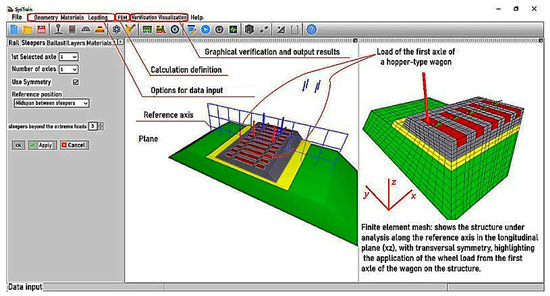
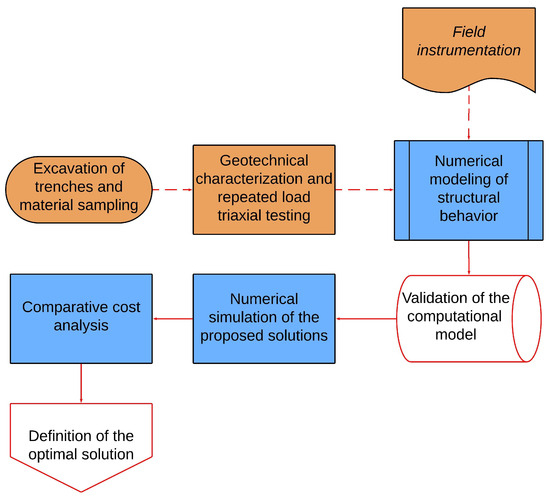
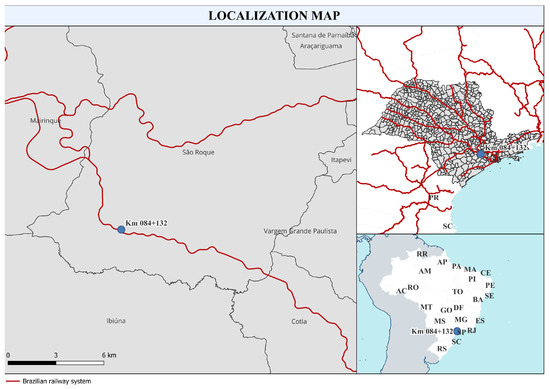
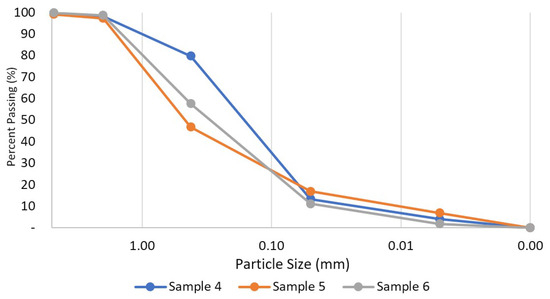
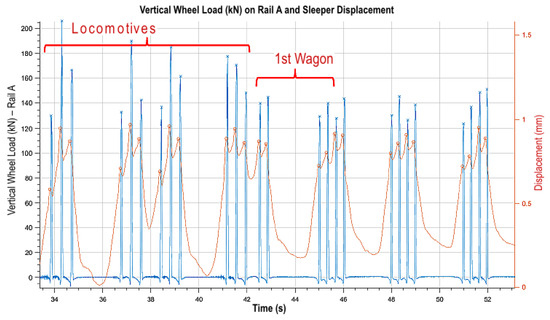
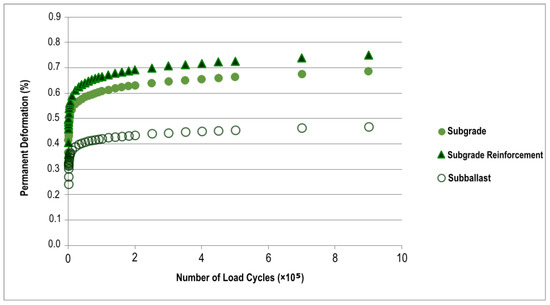
Structural evaluation of railway tracks in operation requires the integration of field measurements and numerical models capable of adequately representing the mechanical behavior of permanent railway pavement components. In this context, this study presents the structural analysis of a railway segment based on the combination of field instrumentation, laboratory testing, and numerical simulations grounded in the Finite Element Method, adopting linear elastic and resilient material behavior for all track components, using SysTrain software (v.1.88).The objective of this work is to assess the application of a back-analysis methodology based on field instrumentation and numerical modeling, as well as to verify the structural conditions of an in-service railway pavement. The back-analysis was conducted using the SysTrain software, with a focus on calibrating the ballast resilient modulus (RM) and analyzing its effects on the propagation of stresses, internal forces, and displacements throughout the track structure. To this end, field-measured deflections obtained from LVDT sensors installed at the sleeper ends were used, together with the geotechnical, resilient, and permanent deformation (PD) characterization of the underlying soil layers obtained in the laboratory. The results indicated that the calibration of the numerical model requires a ballast resilient modulus in the order of 1500 MPa, suggesting a condition of high layer stiffness. The simulations showed vertical stress levels below 100 kPa in the lower layers, while laboratory tests revealed the high susceptibility of the soils to PD, particularly under moisture variations. It is concluded that the applied methodology enables a consistent assessment of the structural conditions of the track and contributes to a more robust understanding of the ballast response under repeated loading, providing support for railway design, maintenance, and management criteria.
Full article
(This article belongs to the Special Issue Computational Methods in Engineering)
►▼
Show Figures

Figure 1

Open AccessArticle
A Digital Twin-Driven System for Road Maintenance: Integrating UAVs and AMRs for Automated Inspection and Measurement
by
Ivan Villaverde, Damien Sallé, Marco Antonio Montes-Grova, Pablo Jiménez-Cámara, Amaia Castelruiz-Aguirre, Nicolas Pastorelly, Jose Carlos Jimenez Fernandez, Irina Stipanovic, Sandra Skaric and Daniel Rodik
Infrastructures 2026, 11(4), 124; https://doi.org/10.3390/infrastructures11040124 - 1 Apr 2026
Abstract
Road maintenance remains one of the most resource-intensive and hazardous operations in infrastructure management. Traditional inspection practices rely heavily on manual labour and discrete procedures, often resulting in limited scalability, operator exposure to traffic hazards, and inefficiencies in data collection. This paper presents
[...] Read more.
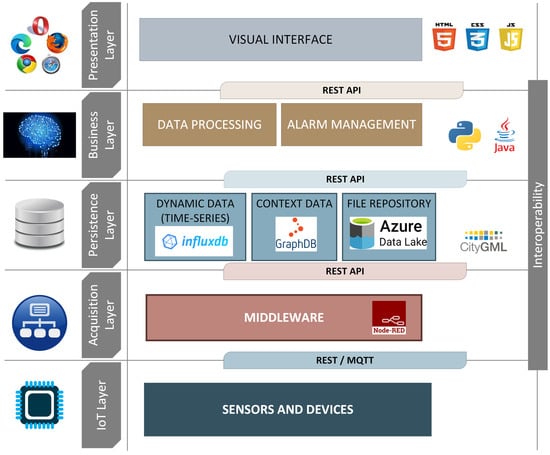
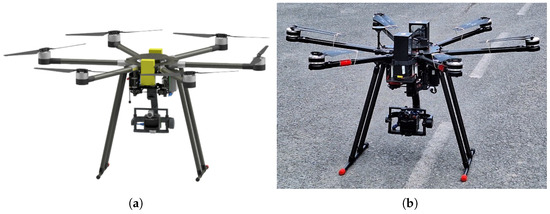
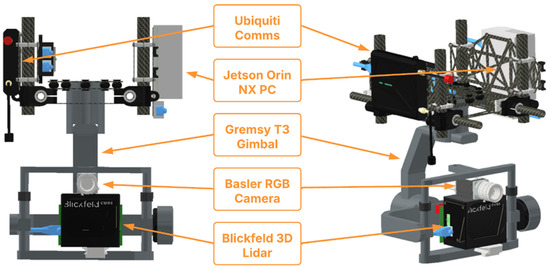
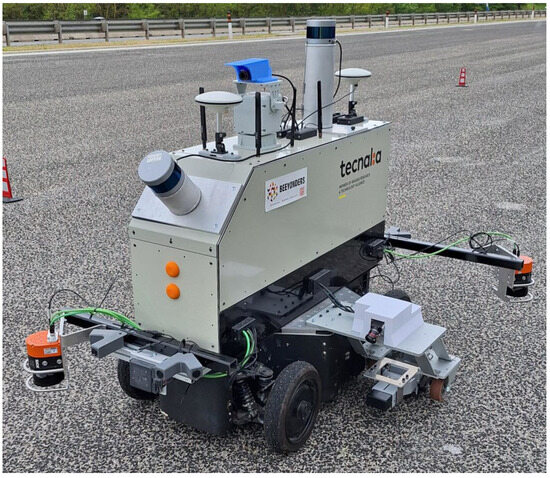
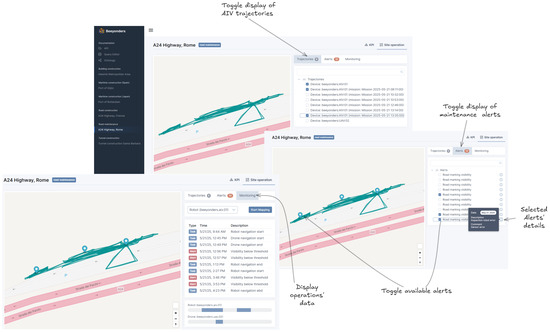
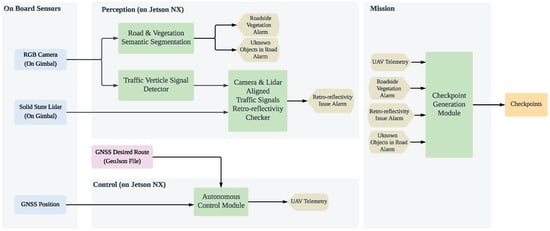
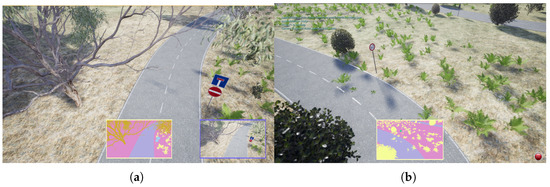
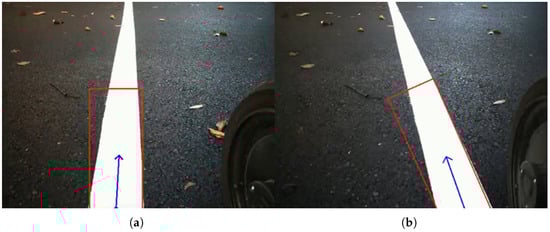
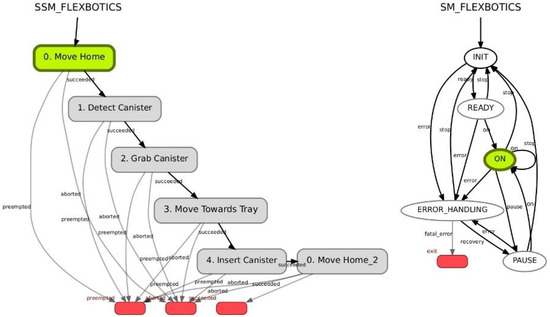
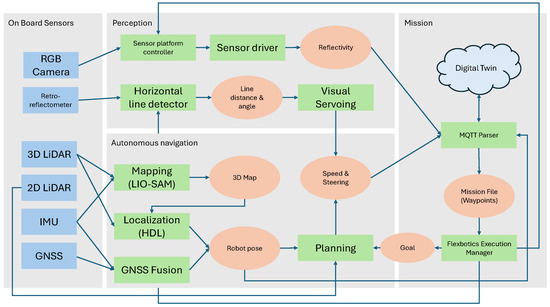
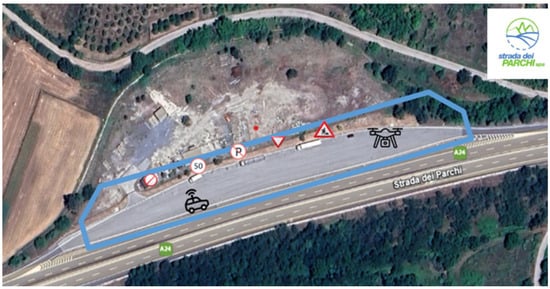
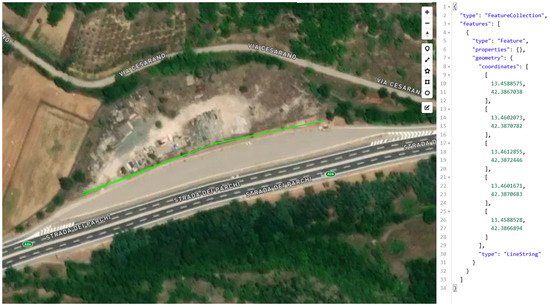
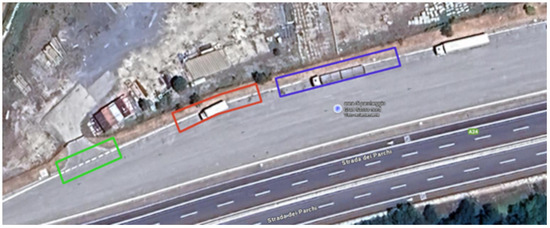
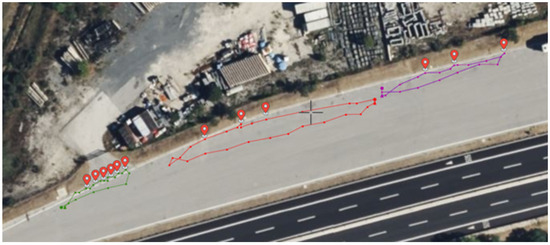
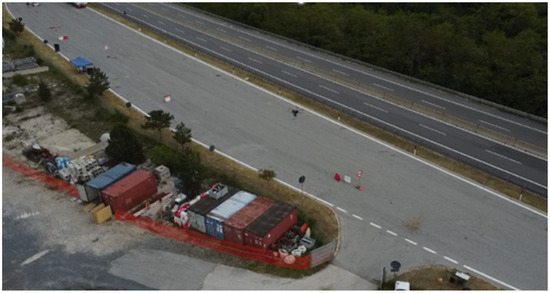
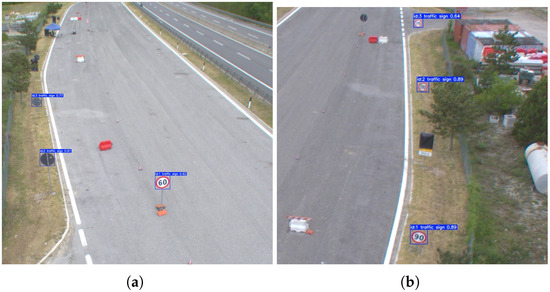
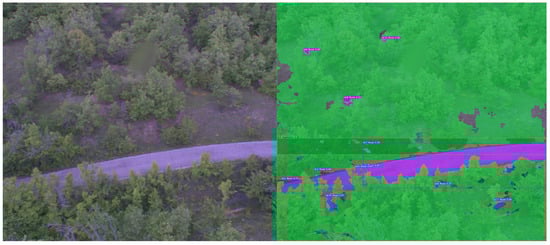
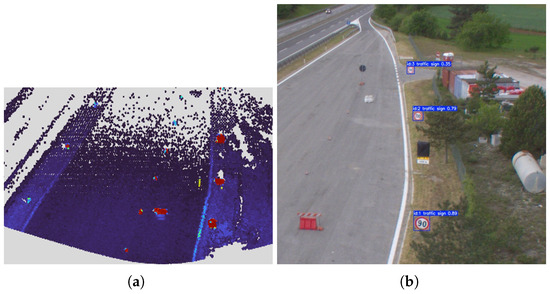
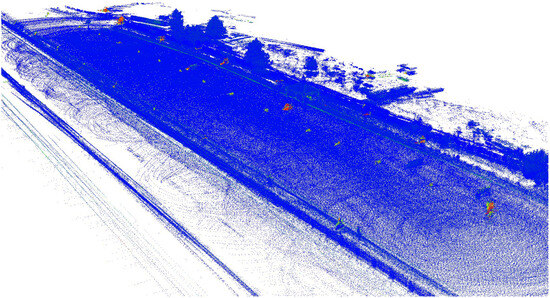
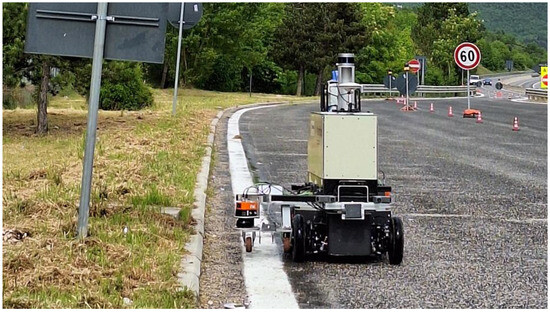
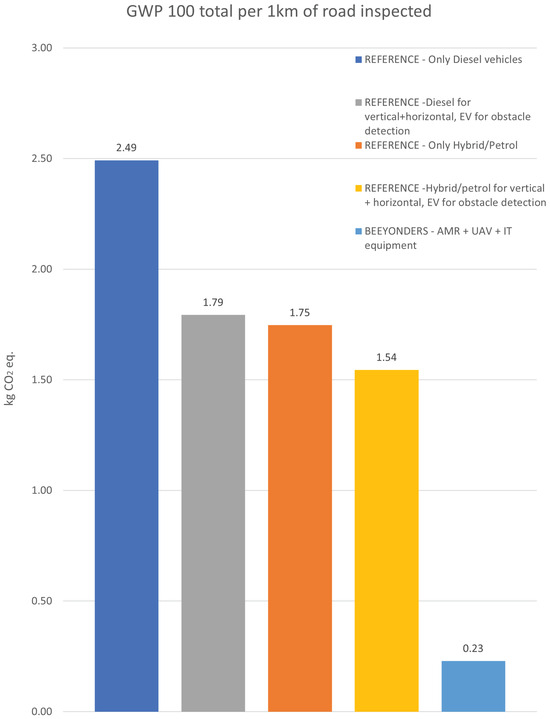
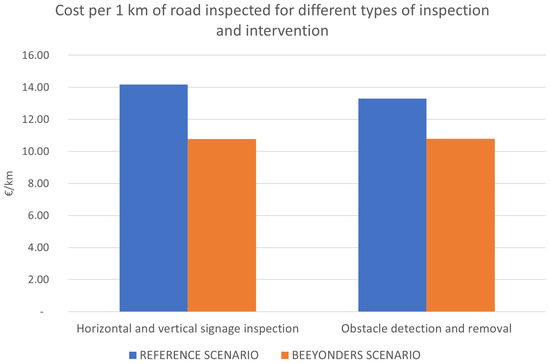
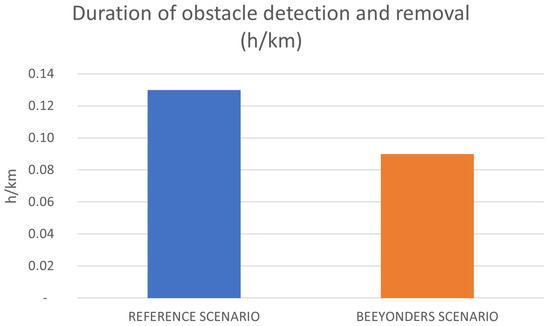
Road maintenance remains one of the most resource-intensive and hazardous operations in infrastructure management. Traditional inspection practices rely heavily on manual labour and discrete procedures, often resulting in limited scalability, operator exposure to traffic hazards, and inefficiencies in data collection. This paper presents a novel automated methodology that integrates Unmanned Aerial Vehicles (UAVs) and autonomous mobile robots (AMRs) to enable automated inspection and measurement of road assets through a digital twin (DT) system. The system leverages data fusion and real-time synchronisation between field agents and a centralised digital twin to monitor the retro-reflectivity of vertical and horizontal signage, detect obstacles and vegetation, and support data-driven maintenance planning. A case study conducted on the Italian highway network demonstrated improvements in operational safety, inspection efficiency, and measurement consistency. The results confirm that the integration of UAVs and AMRs within a digital twin framework can significantly improve sustainability, productivity, and workers’ safety in road maintenance operations.
Full article
(This article belongs to the Section Infrastructures Inspection and Maintenance)
►▼
Show Figures

Figure 1
Open AccessArticle
Crowd–Structure Interaction on Building Floors for Event Use—An Experimental Study
by
Vincent Baumann, Lucas Adélaïde and Pierre Argoul
Infrastructures 2026, 11(4), 123; https://doi.org/10.3390/infrastructures11040123 - 1 Apr 2026
Abstract
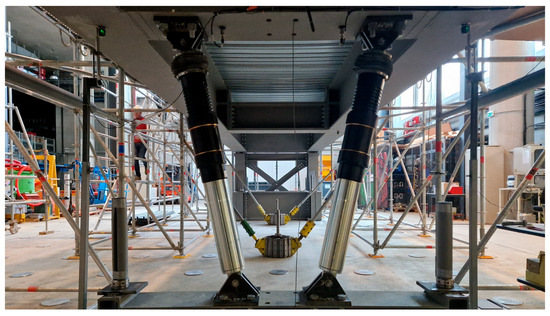
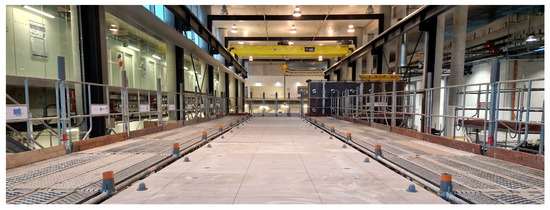
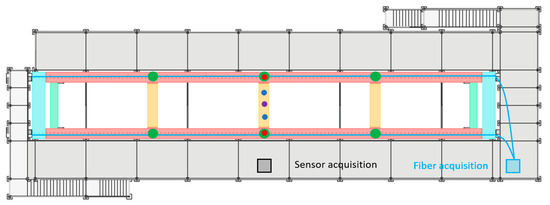
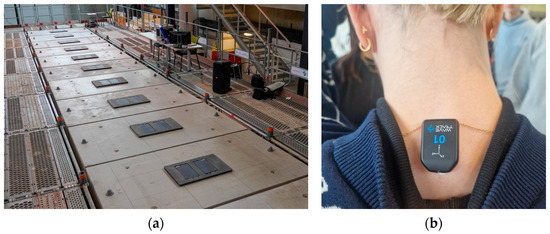
This paper investigates crowd–structure interaction (CSI) on low-frequency floors during concert events. The findings are based on a full-scale experimental study conducted on a floor prototype designed for a specific infrastructure project. Both the structure and the participants were instrumented while performing various
[...] Read more.
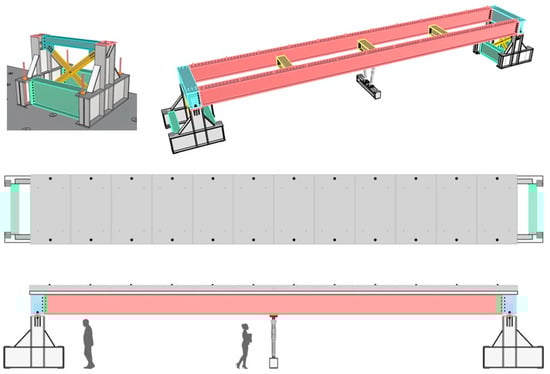
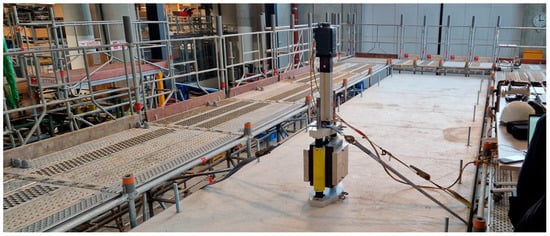
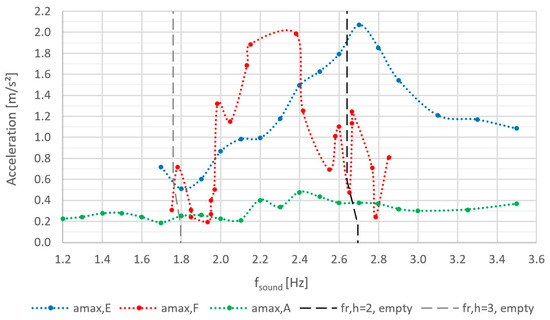
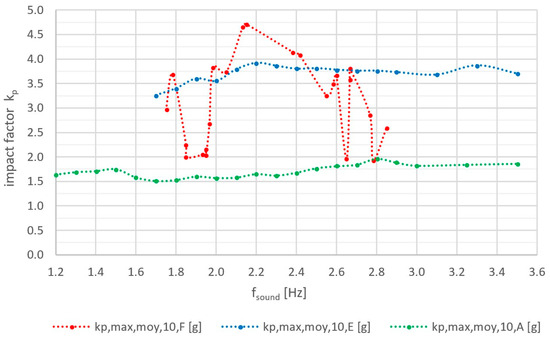
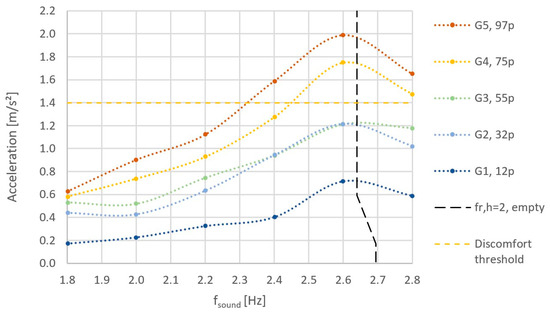
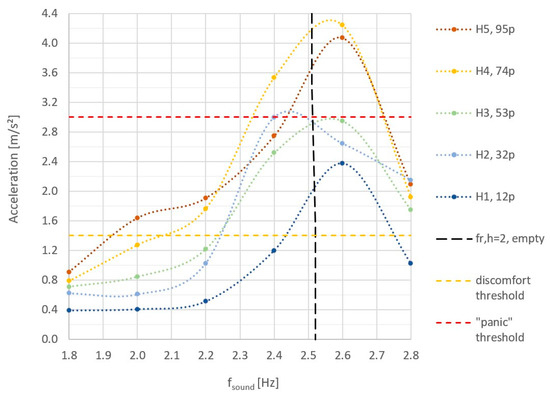
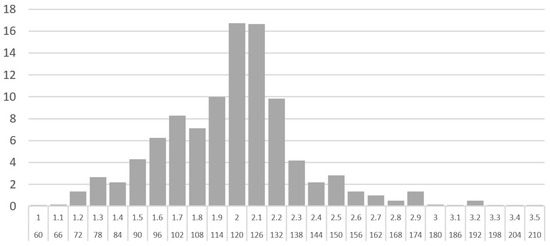
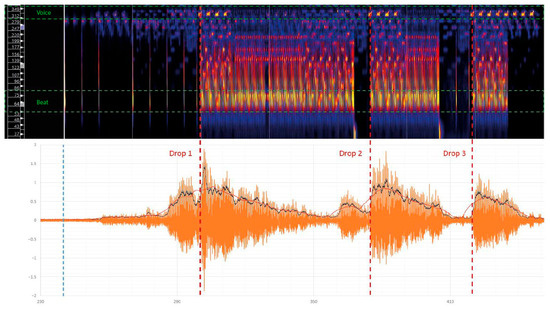
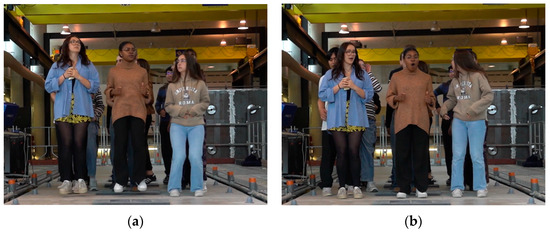
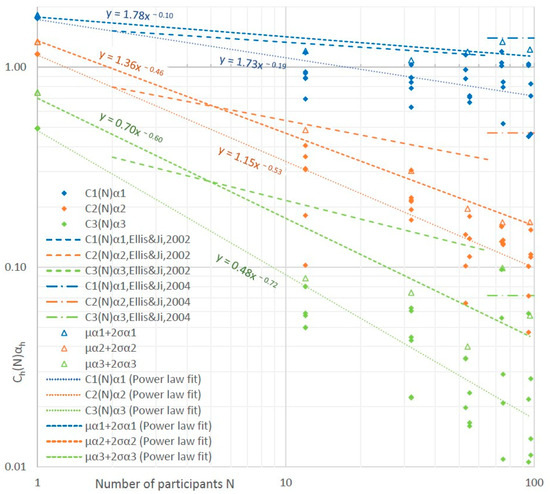
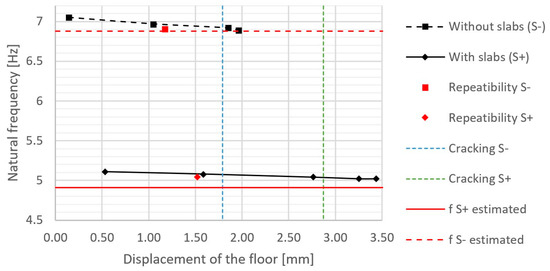
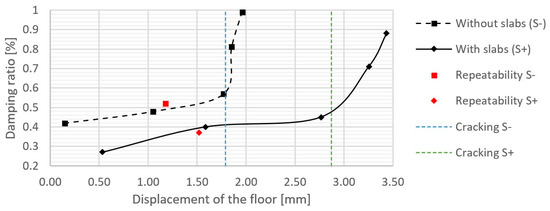
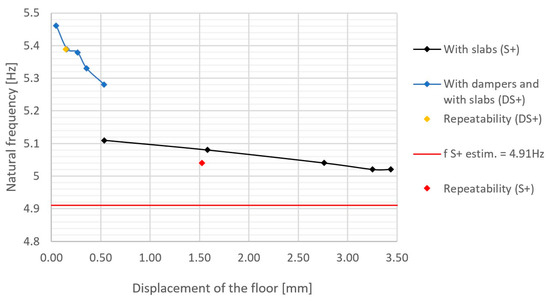
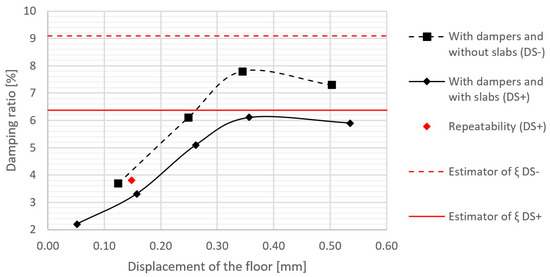
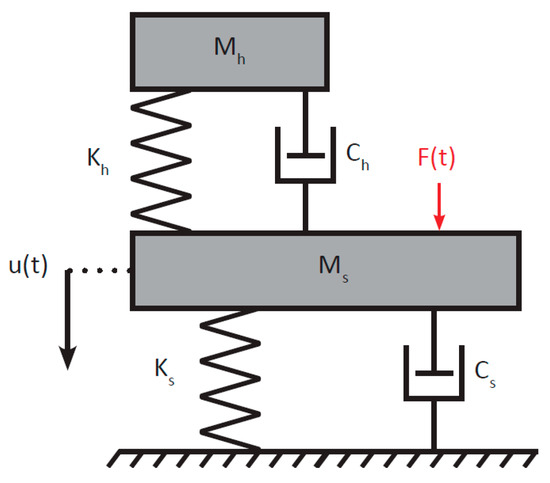
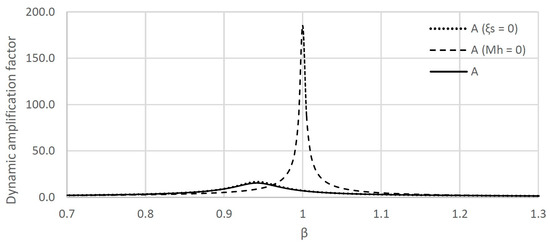
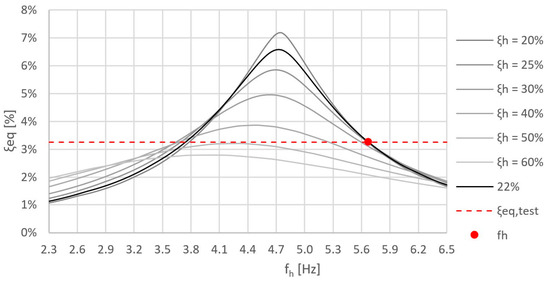
This paper investigates crowd–structure interaction (CSI) on low-frequency floors during concert events. The findings are based on a full-scale experimental study conducted on a floor prototype designed for a specific infrastructure project. Both the structure and the participants were instrumented while performing various rhythmic activities, such as bouncing and jumping. The study emphasizes the necessity of defining load cases based on the music signal, as its frequency and amplitude may have a variable probability of occurrence. Furthermore, human sensitivity to floor vibrations is examined, with specific comfort thresholds identified for different activities. The core contribution of this work lies in quantifying coordination levels for groups of up to 97 jumping individuals, extending the limited existing literature and refining the definition of jumping crowd actions. Additionally, modal characterization of the unoccupied prototype was performed to evaluate the equivalent damping provided by individuals during standing, walking, bouncing, or jumping. The results demonstrate that while the crowd has a significant impact on the system’s equivalent damping, this effect remains highly variable. Finally, the implications of these findings for structural engineering and design practices are discussed.
Full article
(This article belongs to the Special Issue Low-Frequency Behaviour of Civil Engineering Structures—Application to Human-Induced Excitations)
►▼
Show Figures

Figure 1

Open AccessArticle
Stability Analysis of Concrete Dam Foundations Using a Particle/Surface Interface Model for Large Displacements
by
Nuno Monteiro Azevedo, Maria Luísa Braga Farinha and Sérgio Oliveira
Infrastructures 2026, 11(4), 122; https://doi.org/10.3390/infrastructures11040122 - 1 Apr 2026
Abstract
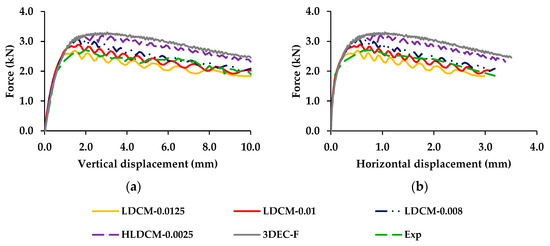
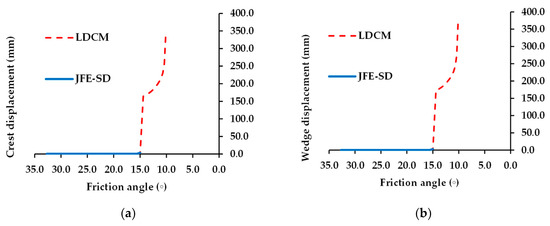
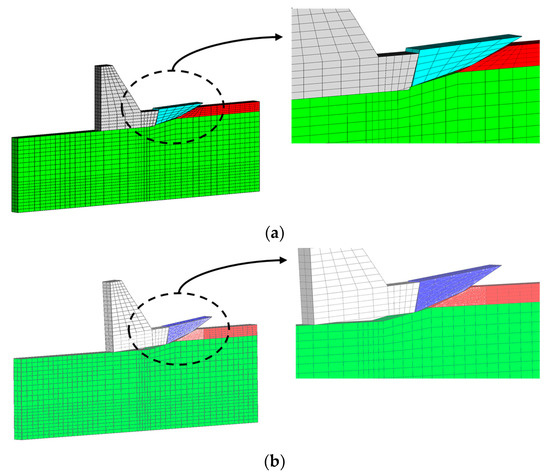
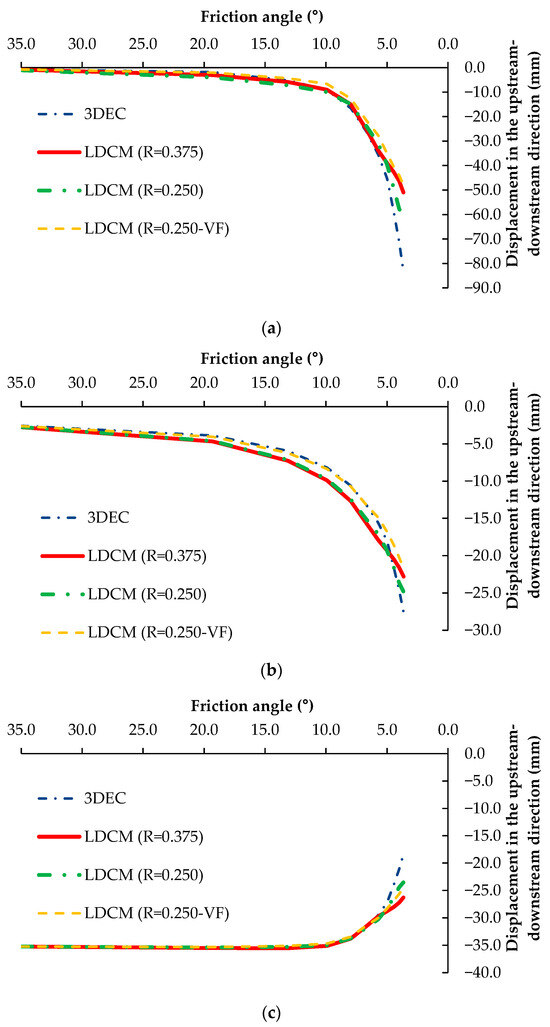
In concrete dam foundations, failure mechanisms are primarily influenced by natural rock discontinuities, the dam foundation interface, or weaker strata. This paper proposes a large displacement contact model (LDCM) based on spherical particle/surface interactions, which is computationally more robust and simpler than contact
[...] Read more.
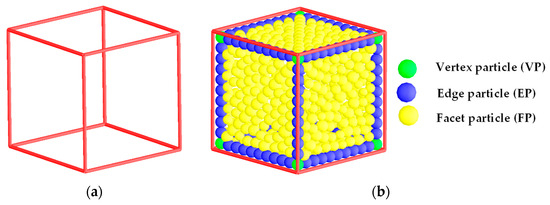
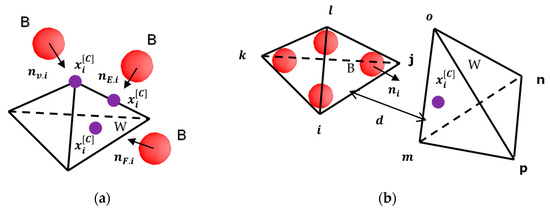
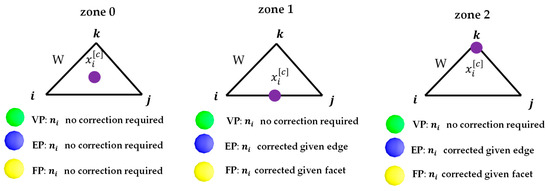
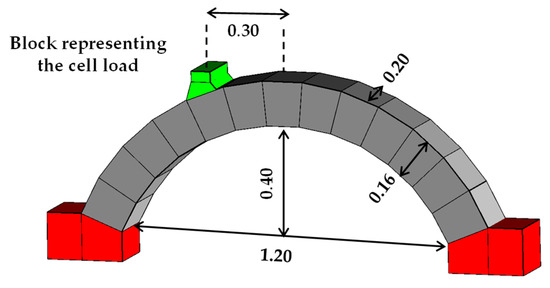
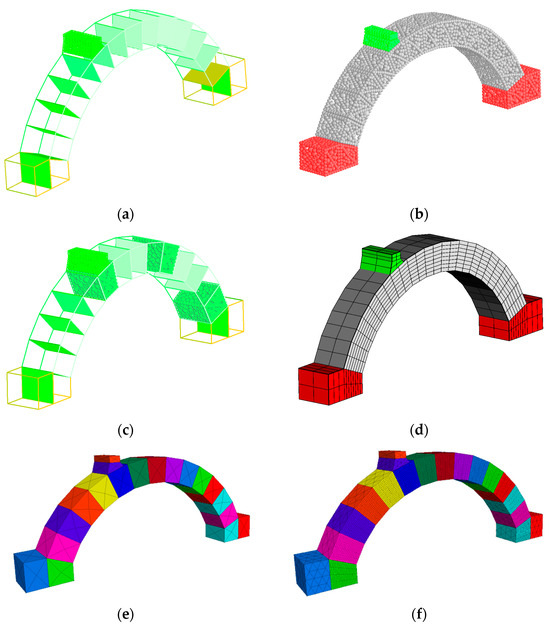
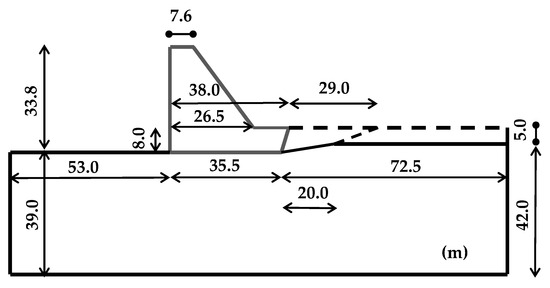
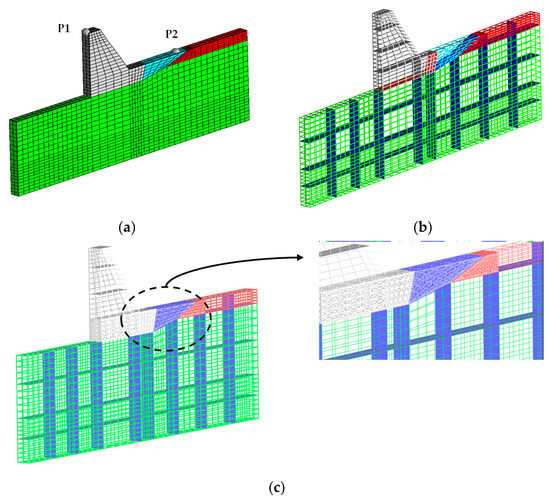
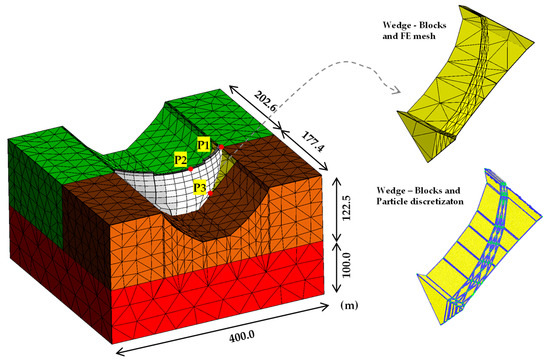
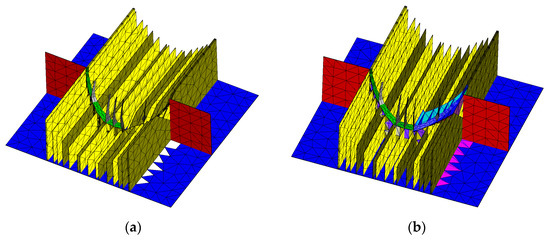
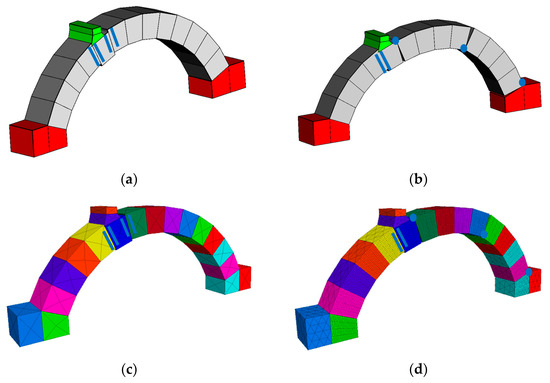
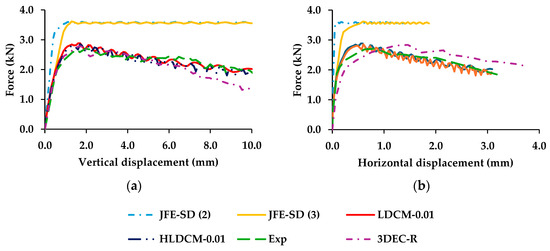
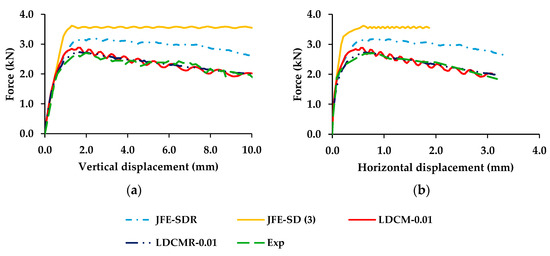
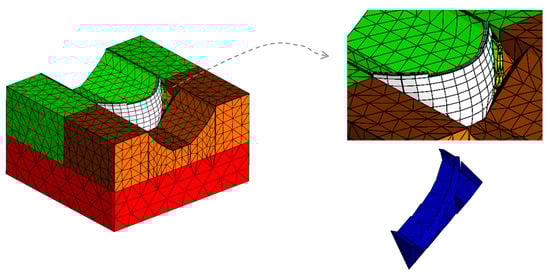
In concrete dam foundations, failure mechanisms are primarily influenced by natural rock discontinuities, the dam foundation interface, or weaker strata. This paper proposes a large displacement contact model (LDCM) based on spherical particle/surface interactions, which is computationally more robust and simpler than contact models that adopt the real block polyhedral geometry. To reduce computational costs, whenever possible, the contact interaction is defined in small displacements. The proposed LDCM is applied to a masonry arch under static loading and to the stability analysis of both a gravity dam and an arch dam. The results presented validate the proposed LDCM, and the numerical predictions are close to results obtained experimentally and closely match those obtained with a more complex polyhedral-based model. The advantages of the LDCM are highlighted, namely the decoupling of contact refinement from block refinement, which significantly reduces the computational costs for the masonry arch example. The relevance of adopting a LDCM to predict a physically accepted failure mode is emphasized for dam safety. Finaly, it is shown that the LDCM contact model can be readily adopted to assess the stability of complex dam foundation systems, with reasonable computational running times if a hybrid contact approach is used.
Full article
(This article belongs to the Special Issue Preserving Life Through Dams)
►▼
Show Figures

Figure 1
Open AccessArticle
NDT-Based Condition Assessment and Structural Safety Evaluation of a Reinforced Cement Concrete Water Tank in a Coastal Region: A Case Study
by
Marakkath Nidhi, Praveena Jagatheesan and Shimol Philip
Infrastructures 2026, 11(4), 121; https://doi.org/10.3390/infrastructures11040121 - 1 Apr 2026
Abstract
Reinforced cement concrete (RCC) water tanks are essential for water storage and distribution facilities in every region. The durability and structural integrity of RCC water tanks are crucial to maintaining an uninterrupted water supply to the surrounding areas. This study evaluates the structural
[...] Read more.
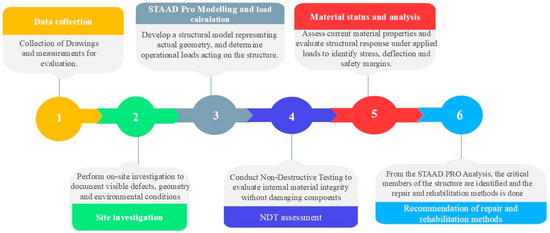
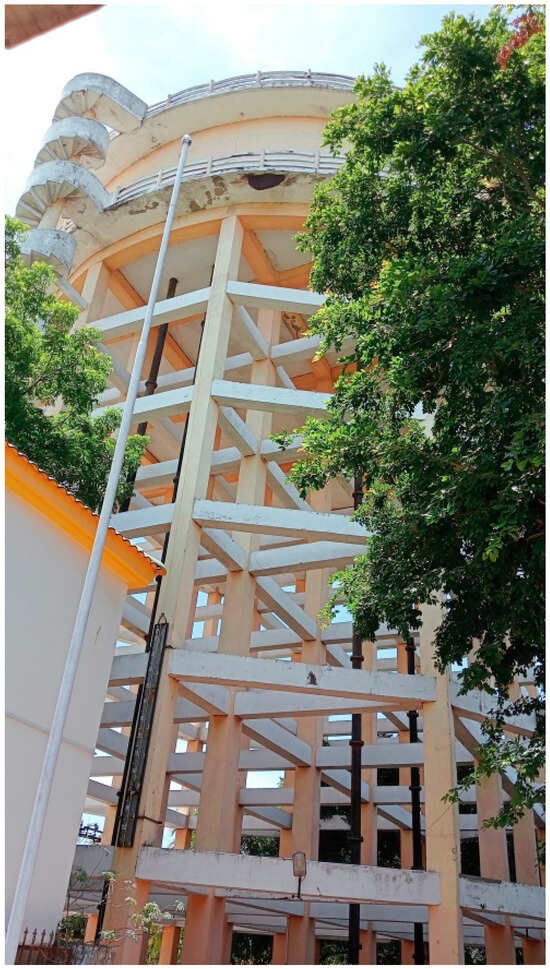
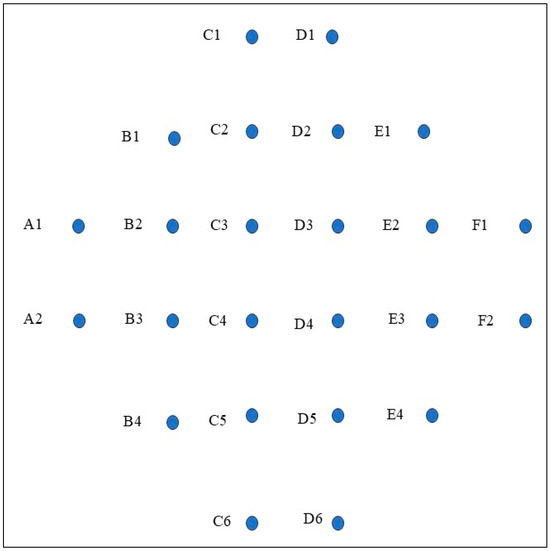
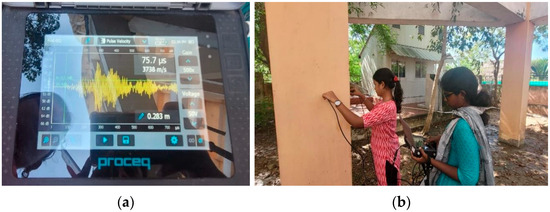
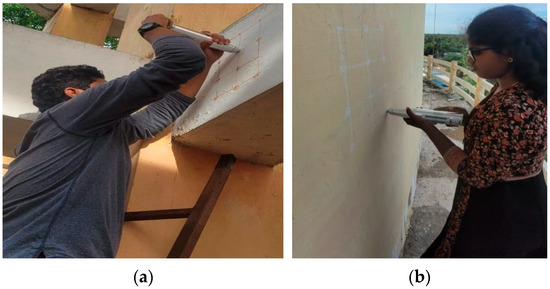
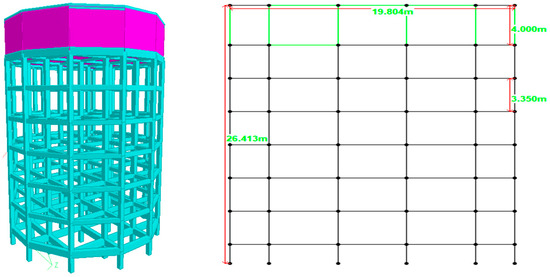
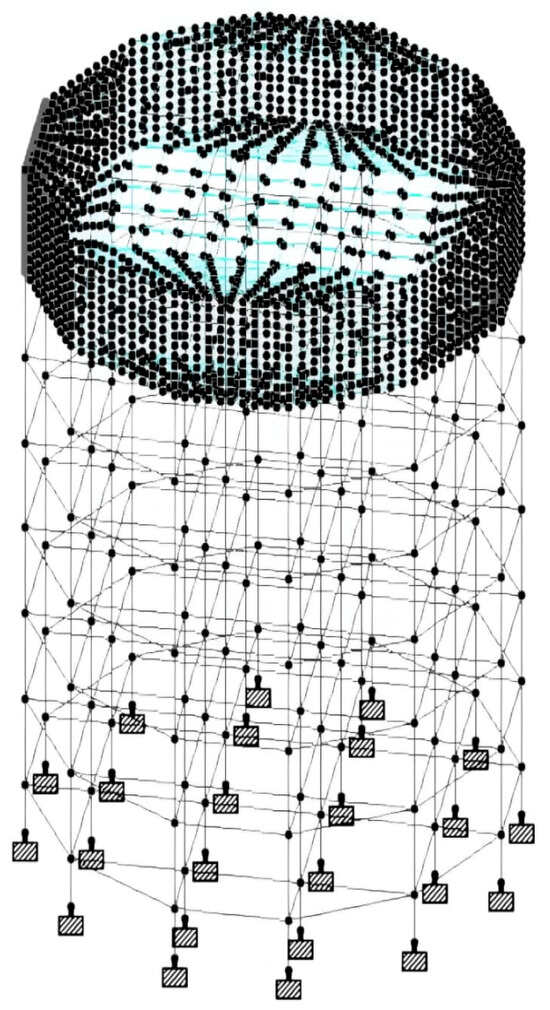
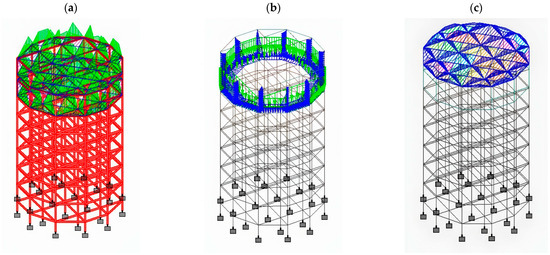
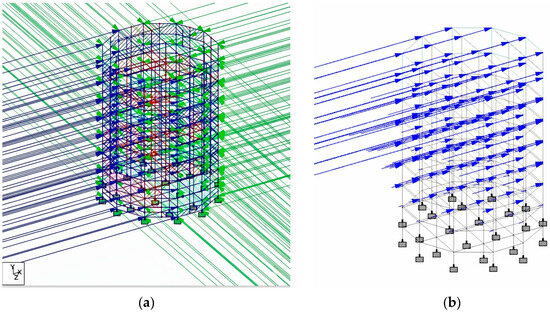
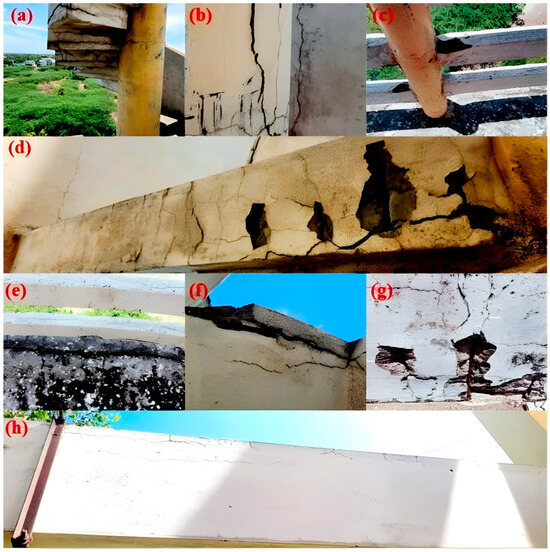
Reinforced cement concrete (RCC) water tanks are essential for water storage and distribution facilities in every region. The durability and structural integrity of RCC water tanks are crucial to maintaining an uninterrupted water supply to the surrounding areas. This study evaluates the structural integrity and functionality of a water tank in Karaikal, a coastal region in the Union Territory of Puducherry, India, subject to severe exposure conditions characterized by high humidity and temperature variability. An RCC water tank with a capacity of 10 lakh L in Thirunallar, Karaikal, is considered in this study. The methodology for the condition assessment includes visual inspection, non-destructive testing (NDT), and structural analysis in STAAD PRO software. NDT, including the Schmidt rebound hammer test and ultrasonic pulse velocity (UPV) test, was employed to evaluate the indicative compressive strength and in situ quality of an RCC water tank. The structure was modelled using structural drawings obtained from the Public Works Department, Karaikal. The NDT testing findings were incorporated into the model, and the structure was analyzed. Finally, the induced stress from the STAAD Pro model was compared with the in situ concrete compressive strength to assess the tank’s structural safety. The rebound hammer test results indicate that the in situ compressive strength of the tank’s beams and columns ranges from 12 MPa to 43 MPa, and the STAAD Pro analysis shows induced stresses ranging from 2.42 to 10.59 MPa. The comparison shows that the structure has higher safety margins. Hence, the deterioration observed during the visual inspection was not due to a deficiency in structural strength but rather to durability issues caused by environmental distress. Finally, suitable repair and rehabilitation methods were recommended to mitigate the deterioration based upon NDT measurements and the outputs of the structural analysis.
Full article
(This article belongs to the Section Infrastructures Inspection and Maintenance)
►▼
Show Figures

Figure 1

Open AccessArticle
Bond Behavior of Post-Installed Rebar Under One-Way and Two-Way Transverse Pressure
by
Siqi Xiang, Jie Zhang, Juan Deng, Yuchao Xia, Xukai Yuan and Qixiang Cai
Infrastructures 2026, 11(4), 120; https://doi.org/10.3390/infrastructures11040120 - 1 Apr 2026
Abstract
Post-installed rebars are extensively used in the strengthening and rehabilitation of concrete structures, where compressive stresses in the anchorage zone provide transverse pressure and significantly affect bond behavior. However, it remains unclear how different transverse pressure conditions, particularly one-way and two-way transverse pressure,
[...] Read more.
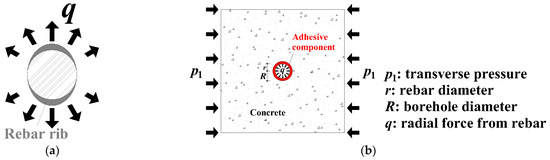
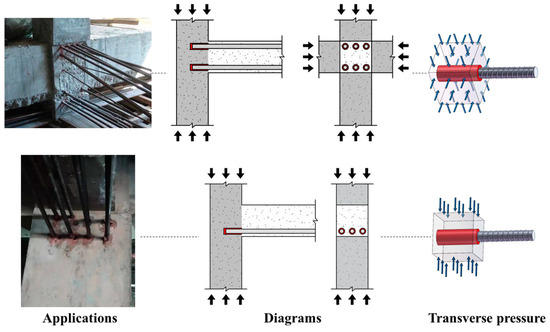
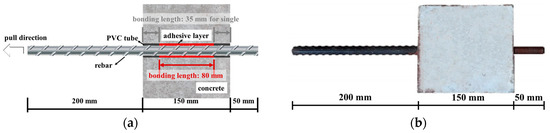
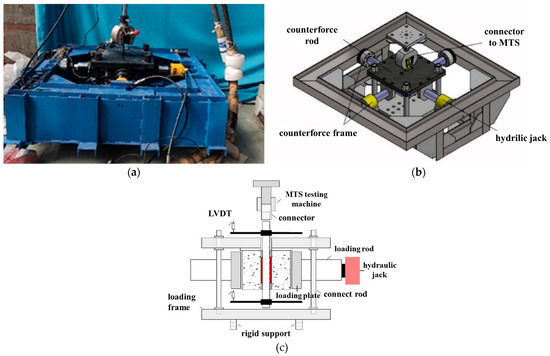
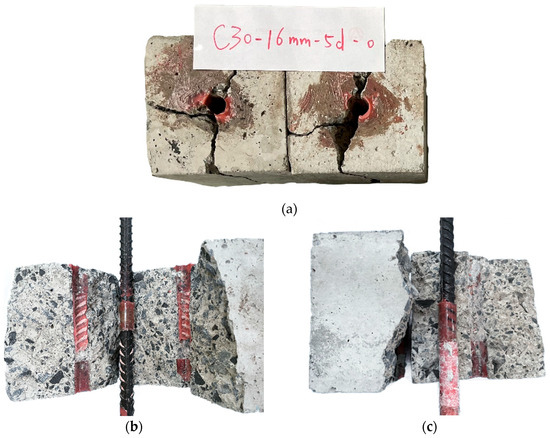
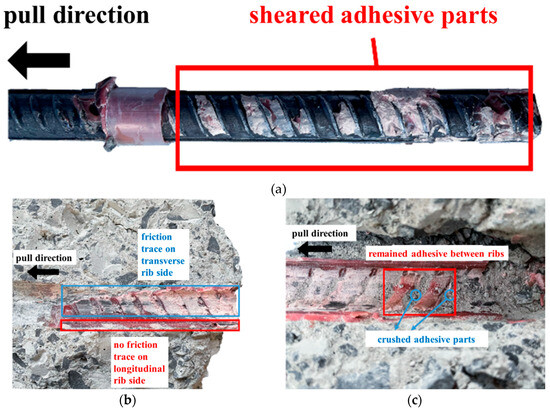
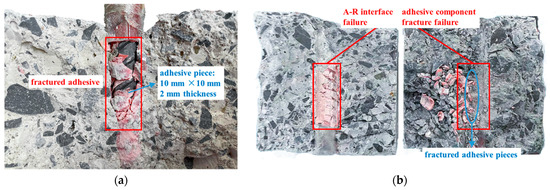
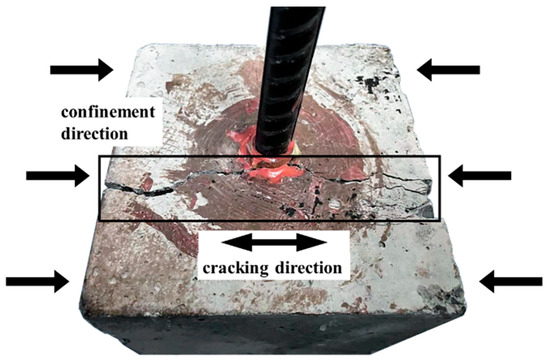
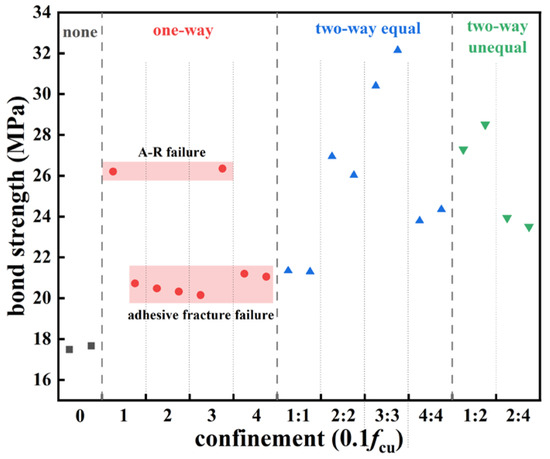
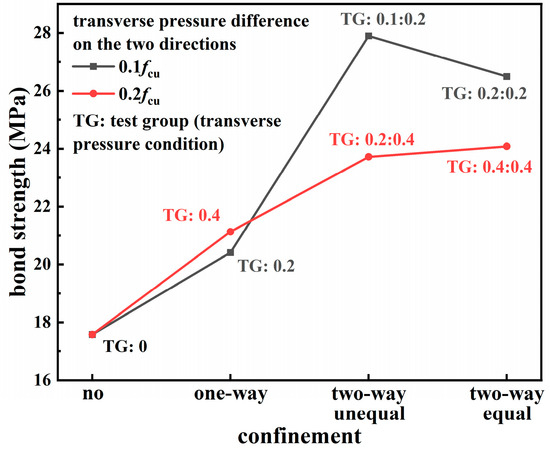
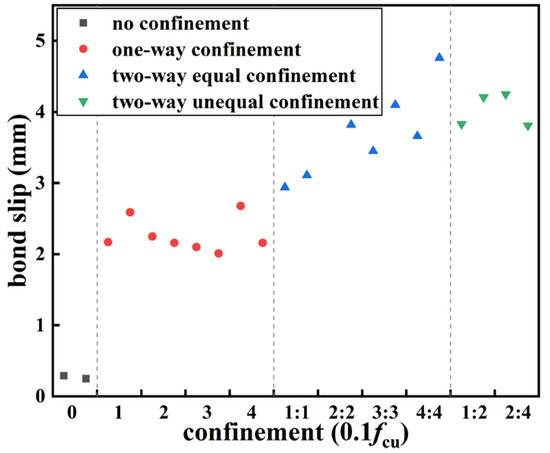
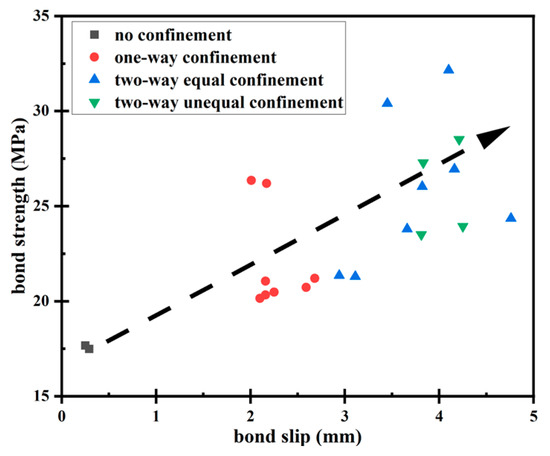
Post-installed rebars are extensively used in the strengthening and rehabilitation of concrete structures, where compressive stresses in the anchorage zone provide transverse pressure and significantly affect bond behavior. However, it remains unclear how different transverse pressure conditions, particularly one-way and two-way transverse pressure, influence the bonding behavior of post-installed rebars and how their effects differ. To address this gap, this study investigates the effects of one-way and two-way transverse pressure on the bond mechanism and failure mode of post-installed rebars. To achieve this, 22 pull-out tests were carried out under two transverse pressure configurations, namely one-way and two-way transverse pressure, with pressure levels ranging from 0 to 12 MPa. The results show that, without confinement, concrete splitting was the dominant failure mode, whereas under transverse pressure, failure shifted to adhesive failure or adhesive–rebar interface failure. Transverse pressure significantly improved bond strength, with maximum increases of 49.9% under one-way transverse pressure and 82.9% under two-way transverse pressure. Both the transverse pressure configuration and pressure level had a significant influence on failure evolution and bond performance. In general, increasing the pressure level enhanced the interfacial bonding capacity; however, one-way transverse pressure tended to induce stress concentration in the adhesive layer, thereby promoting adhesive-related failure. These findings clarify the role of transverse pressure conditions in the anchorage behavior of post-installed rebars and provide a basis for the design and analysis of post-installed rebar anchorage systems.
Full article
(This article belongs to the Section Infrastructures Inspection and Maintenance)
►▼
Show Figures

Figure 1
Open AccessArticle
Dynamic Simulation of Seismogenic-Fault-Induced Rupture in Overlying Soil
by
Chang Wang, Xiaojun Li, Mianshui Rong, Xiaoyan Sun and Weiqing Meng
Infrastructures 2026, 11(4), 119; https://doi.org/10.3390/infrastructures11040119 - 30 Mar 2026
Abstract
►▼
Show Figures
Accurate prediction of surface rupture induced by seismogenic fault displacement is essential for the seismic safety assessment of major engineering projects. Most existing numerical simulations adopt quasi-static approaches, in which the effect of fault displacement is simplified as static loading. As a result,
[...] Read more.
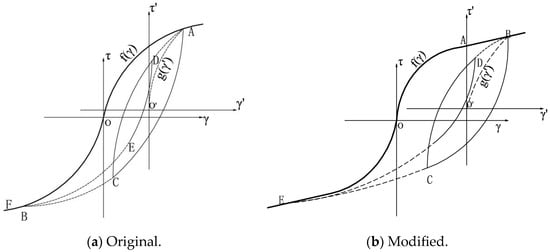
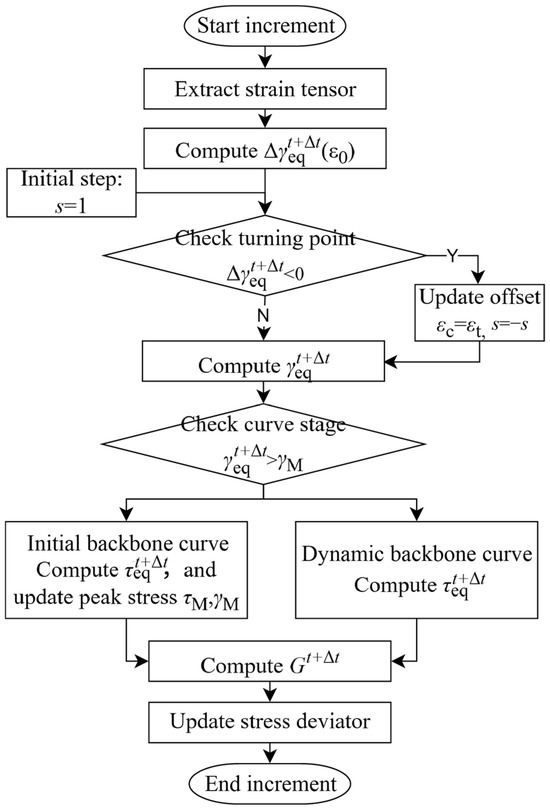
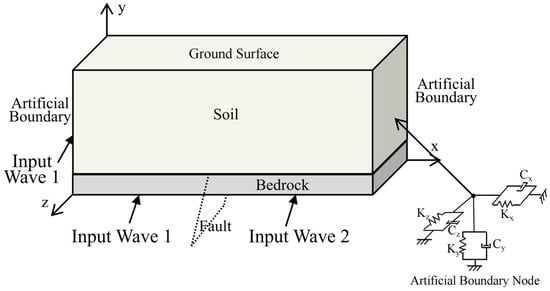
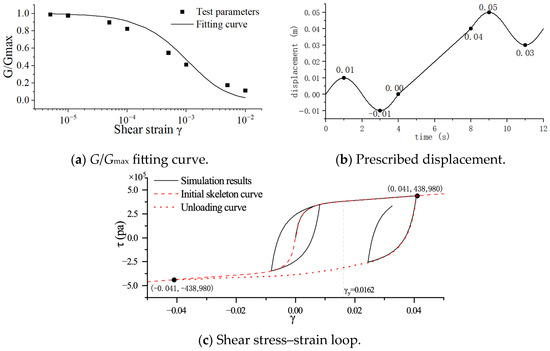
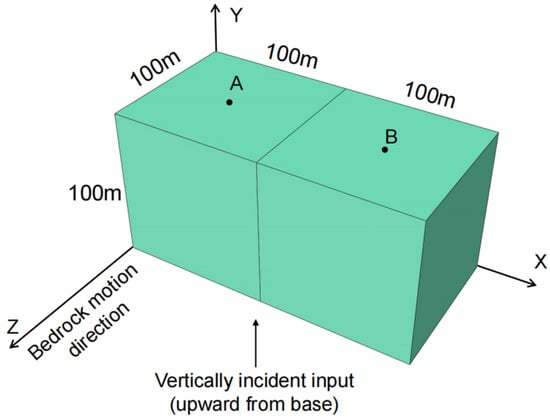
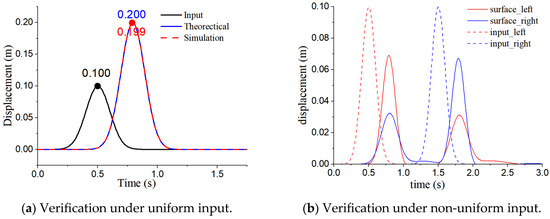
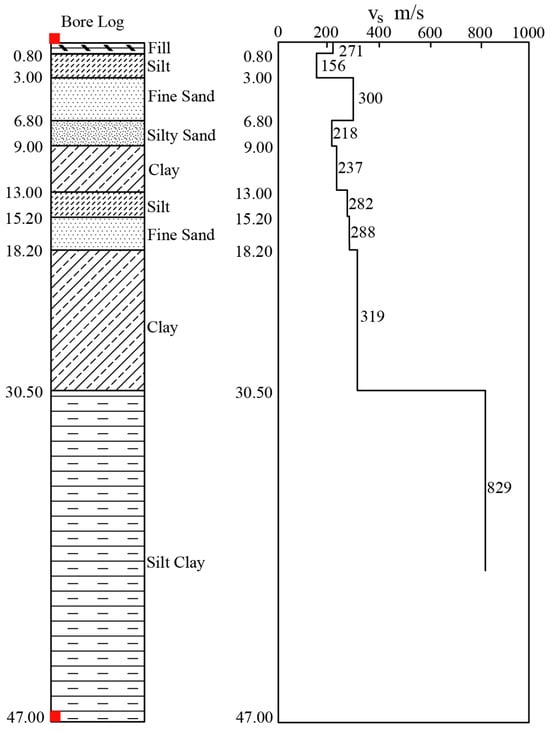
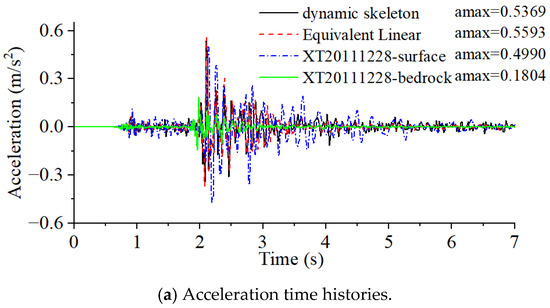
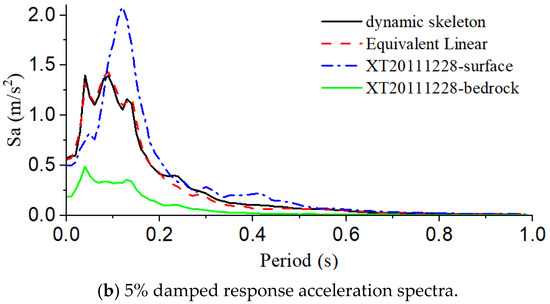
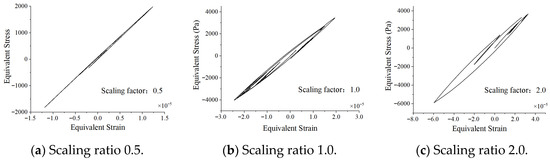
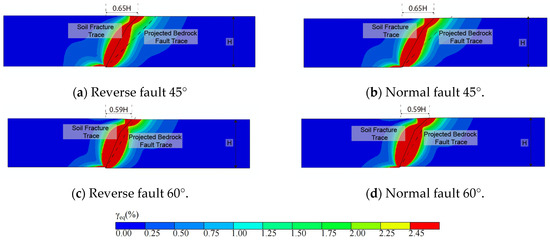
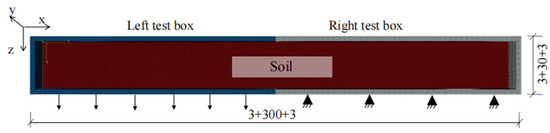
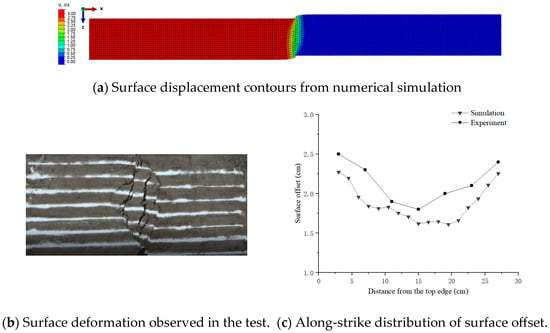
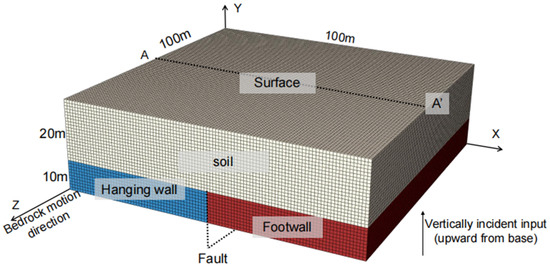
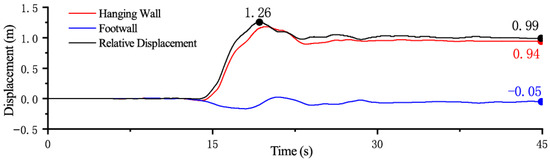
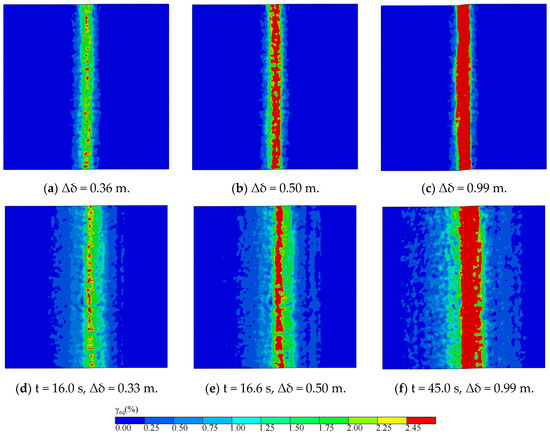
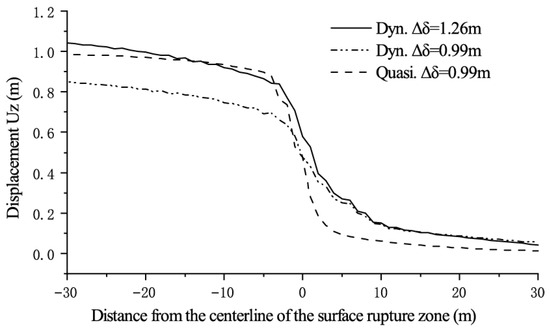
Accurate prediction of surface rupture induced by seismogenic fault displacement is essential for the seismic safety assessment of major engineering projects. Most existing numerical simulations adopt quasi-static approaches, in which the effect of fault displacement is simplified as static loading. As a result, these methods cannot represent the dynamic characteristics of the fault rupture process, such as stress-wave propagation, soil inertial effects, and the influence of dynamic loading paths on rupture extension in soil layers. To address this issue, a full-process simulation method is established for simulating rupture of overlying soil subjected to dynamic fault displacement: Firstly, a non-uniform dynamic fault displacement loading is formulated for the two sides of the fault based on viscoelastic artificial boundaries, allowing the differential motion of the bedrock on both sides of the fault to be represented. Secondly, an improved dynamic skeleton curve constitutive model of soil is developed by introducing a minimum modulus constraint, providing an improved description of soil nonlinear dynamic behavior from small-strain hysteresis to large-strain shear failure. The reliability of the proposed method is verified through element-level tests and horizontal-site response simulation. As a benchmark, its ability to reproduce key rupture characteristics under quasi-static conditions is also assessed by comparison with classical quasi-static rupture studies. The method is then applied to simulate rupture extension and deformation response of overlying soil under strike-slip fault displacement. The results show that, compared to quasi-static analysis, dynamic fault displacement produces similar cumulative slip for surface rupture initiation and full connection, but induces transient amplification of peak surface displacement and a wider deformation zone with gentler displacement gradients. These findings demonstrate the necessity of considering dynamic fault dislocation of bedrock–overlying soil interaction in seismic assessments of engineering projects crossing active faults.
Full article

Figure 1
Open AccessArticle
Variational Bayesian-Based Reliability Evaluation of Nonlinear Structures by Active Learning Gaussian Process Modeling
by
Wei-Chao Hou, Yu Xin, Ding-Tang Wang, Zuo-Cai Wang and Zong-Zu Liu
Infrastructures 2026, 11(4), 118; https://doi.org/10.3390/infrastructures11040118 - 27 Mar 2026
Abstract
In this study, variational Bayesian inference (VBI) with Gaussian mixture models is applied to update models of nonlinear structures, and then, the calibrated model is employed to estimate the failure probability of structures using a subset simulation (SS) algorithm. To improve the computation
[...] Read more.
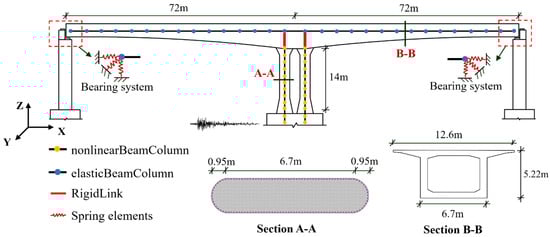
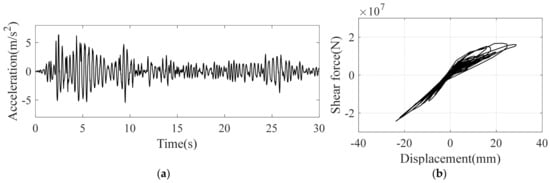
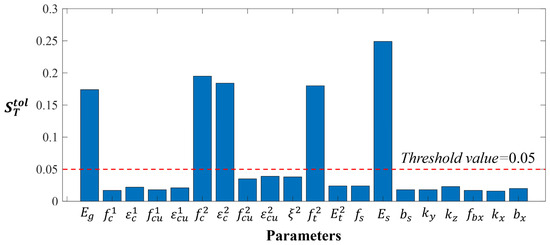
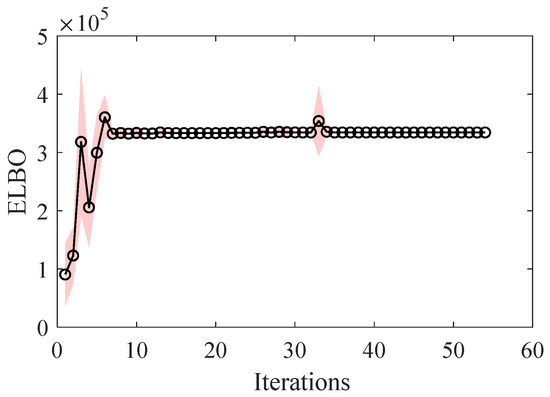
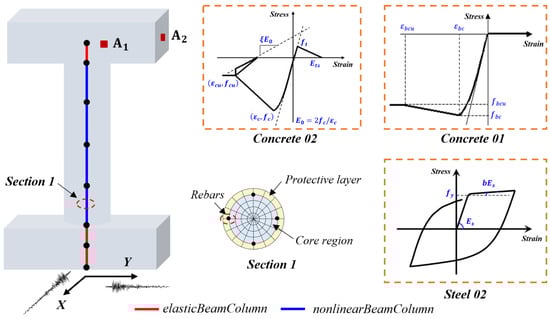
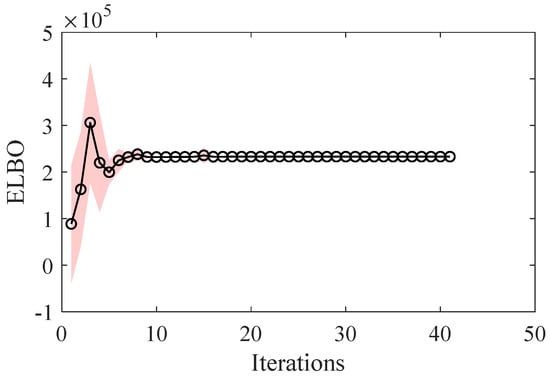
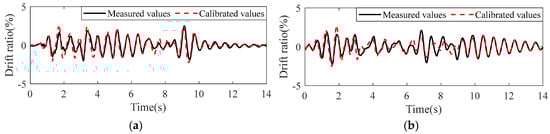
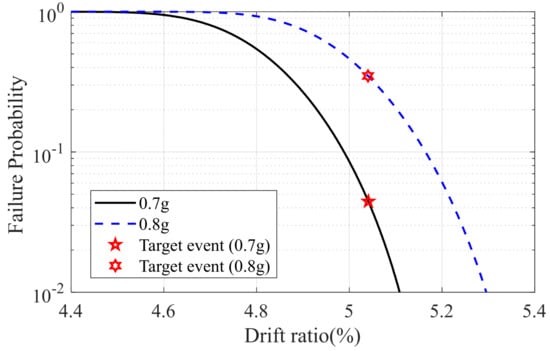
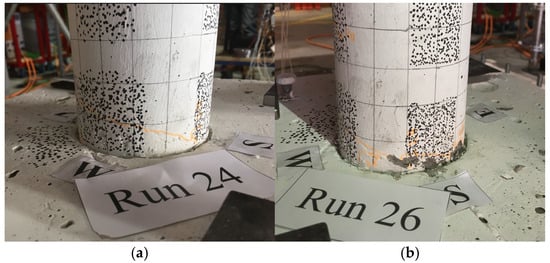
In this study, variational Bayesian inference (VBI) with Gaussian mixture models is applied to update models of nonlinear structures, and then, the calibrated model is employed to estimate the failure probability of structures using a subset simulation (SS) algorithm. To improve the computation efficiency of probabilistic nonlinear model updating, a Gaussian Process (GP) model is used to construct a surrogate likelihood function in Bayesian inference using an active learning algorithm, and then, Gaussian mixture models (GMMs) are employed to approximate the unknown posterior probabilistic density functions (PDFs) of model parameters. The optimized hyperparameters of GMMs can be obtained by maximizing the evidence lower bound (ELBO), and the stochastic gradient search method is used to solve this optimization problem. Based on the optimized hyperparameters, the posterior distributions of model parameters can be approximated using a combination of multiple Gaussian components. Subsequently, the SS algorithm is used to calculate the earthquake-induced failure probability of structures based on the calibrated nonlinear model. To verify the feasibility and effectiveness of the proposed method, a numerical simulation of a two-span bridge structure subjected to seismic excitations was developed. Moreover, the proposed strategy is further applied to estimate the failure probability of a scaled monolithic column structure subjected to bi-directional earthquake excitations. Both numerical and experimental results indicate that the proposed method is feasible and effective for probabilistic nonlinear model updates, and the updated model can significantly enhance the accuracy of structural failure probability predictions.
Full article
(This article belongs to the Section Infrastructures and Structural Engineering)
►▼
Show Figures

Figure 1
Open AccessArticle
The Role of Gaussian and Mean Curvature in 3D Highway Geometric Design and Safety
by
Kiriakos Amiridis, Nikiforos Stamatiadis, Stergios Mavromatis, Antonios Kontizas, Vassilios Matragos and Antonios E. Trakakis
Infrastructures 2026, 11(4), 117; https://doi.org/10.3390/infrastructures11040117 - 26 Mar 2026
Abstract
This study investigates the use of three-dimensional (3D) roadway surface-based geometric indicators in traffic crash analysis, with the objective of evaluating their potential to represent the combined effects of highway alignment features more effectively than traditional two-dimensional (2D) indicators. The roadway surface is
[...] Read more.
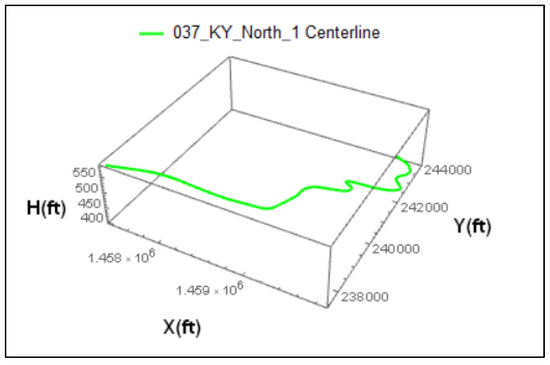
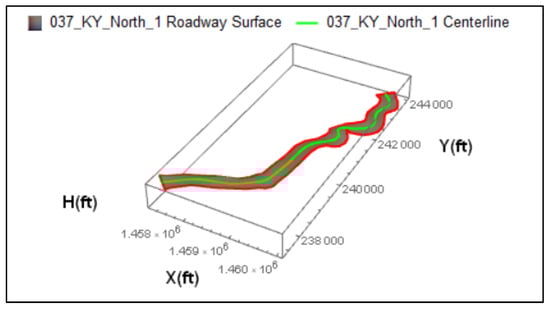
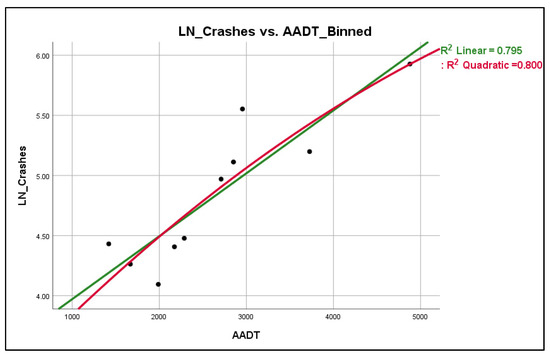
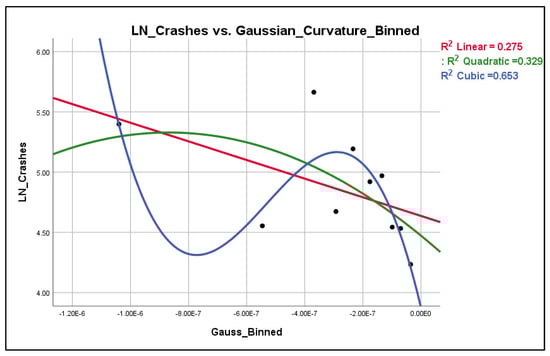
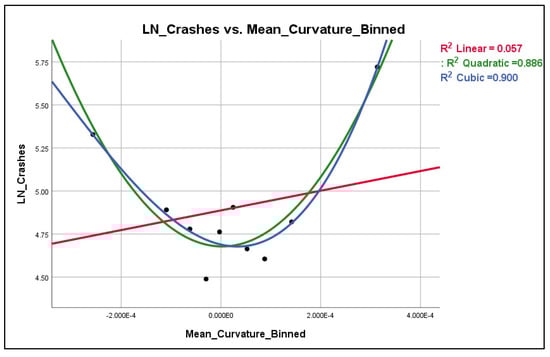
This study investigates the use of three-dimensional (3D) roadway surface-based geometric indicators in traffic crash analysis, with the objective of evaluating their potential to represent the combined effects of highway alignment features more effectively than traditional two-dimensional (2D) indicators. The roadway surface is modeled as a continuous 3D B-spline surface, from which surface-based geometric metrics derived from differential geometry—specifically Gaussian curvature and mean curvature—are calculated. The roadway is segmented into fixed-length surface patches, and crashes are spatially allocated to these patches using a point-in-polygon approach. Patch-level crash frequencies are analyzed using negative binomial regression models, with traffic exposure accounted for through annual average daily traffic (AADT). The results demonstrate that surface-based 3D curvature metrics are statistically significant explanatory variables in crash frequency modeling and are capable of capturing geometric interactions that are not explicitly represented by conventional 2D alignment measures. The proposed framework provides a proof-of-concept for incorporating 3D roadway geometry into highway safety analysis and offers a foundation for future development of integrated, surface-based crash prediction models.
Full article
(This article belongs to the Special Issue Safer Roads Ahead: Exploring the Latest Innovations and Advancements in Road Design and Safety Technology)
►▼
Show Figures

Figure 1
Open AccessArticle
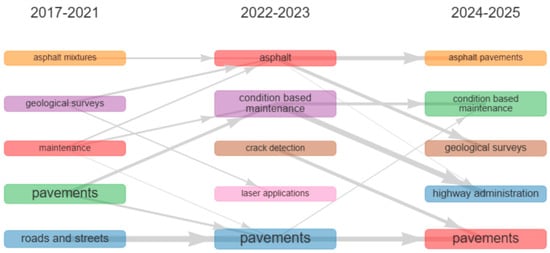
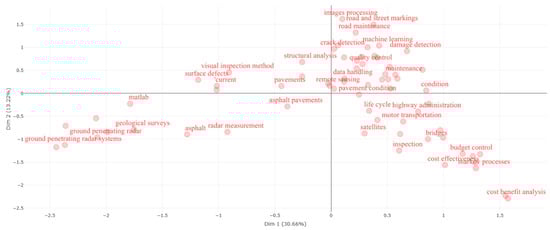
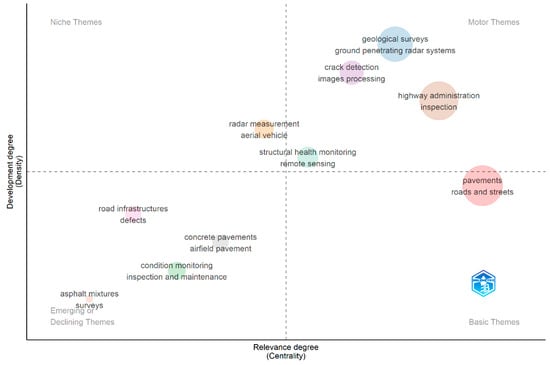
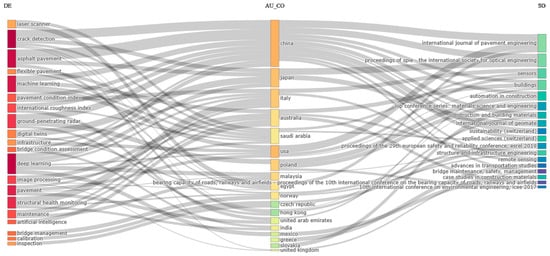
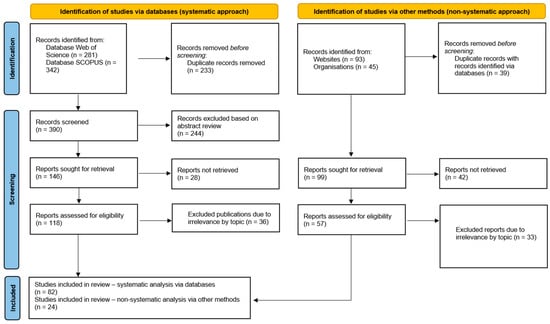
Application of Value of Information-Based Approaches in Road Inspection Processes and Asset Management: A Literature Review
by
Stefan Sedivy, Lubos Remek, Matus Kozel, Juraj Sramek and Jan Mikolaj
Infrastructures 2026, 11(4), 116; https://doi.org/10.3390/infrastructures11040116 - 26 Mar 2026
Abstract
Modern road infrastructure asset management faces increasing pressure to improve the quality of decision-making processes, also due to limited public resources. The field of road diagnostics is no exception. The aim of the research is to analyze, through a literature review, the possibilities
[...] Read more.
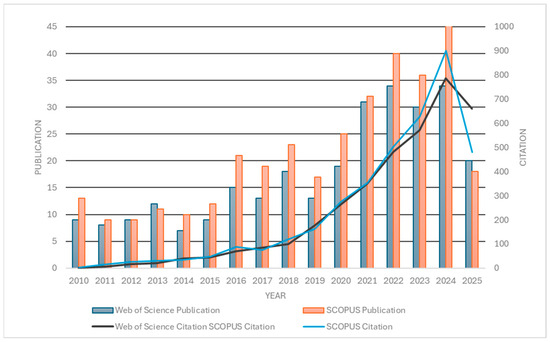
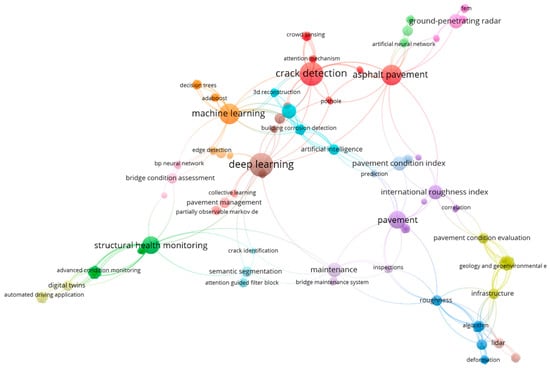
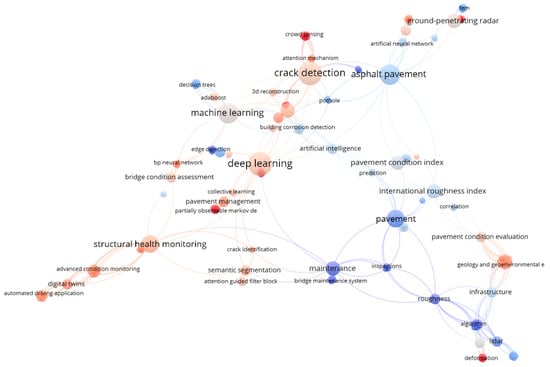
Modern road infrastructure asset management faces increasing pressure to improve the quality of decision-making processes, also due to limited public resources. The field of road diagnostics is no exception. The aim of the research is to analyze, through a literature review, the possibilities of applying the theoretical concept of information value. The selected point of interest is the tasks associated with the selection of specific sections intended for inspection, monitoring the level of information gain that this inspection can bring. Methodologically, the research is based on a systematic bibliometric analysis of the literature from the Web of Science and SCOPUS databases for the period January 2010 to June 2025. This is supplemented by a non-systematic content review, while the identified publications were processed by the Bibliometrix and VOSviewer tools and subsequently qualitatively interpreted. The result of the research is a synthesis of knowledge from the finally analyzed set of relevant scientific papers. The findings point to a growing interest in linking the process of planning and performing road infrastructure diagnostics with asset management decision-making processes. At the same time, they point to the development of data-oriented and digital approaches, as well as the limited application of the concept of information value in planning inspections before their implementation. The findings indicate that the assessment of expected information benefit represents a promising tool for reducing uncertainty, determining priorities, and allocating resources more efficiently, while its implementation in road infrastructure management requires further methodological research and practical verification.
Full article
(This article belongs to the Special Issue Smart and Safe Pavements: Advanced Techniques for Design, Inspection and Maintenance)
►▼
Show Figures

Figure 1
Open AccessArticle
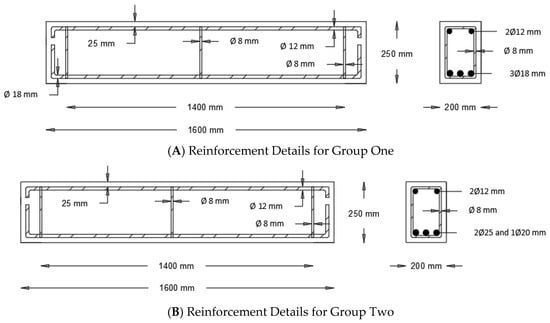
Experimental and Numerical Evaluation of Shear Performance of NSM CFRP Strengthened RC Beams Exposed to Elevated Temperatures
by
Ahmad Al-Khreisat, Hany A. Abdalla and Mu’tasime Abdel-Jaber
Infrastructures 2026, 11(4), 115; https://doi.org/10.3390/infrastructures11040115 - 26 Mar 2026
Abstract
►▼
Show Figures
This study investigates the shear performance of reinforced concrete (RC) beams strengthened with near-surface-mounted (NSM) carbon fiber-reinforced polymer (CFRP) ropes under ambient and elevated temperature conditions. An experimental program comprising twelve RC beams was conducted, including both normal- and high-strength concrete specimens. The
[...] Read more.
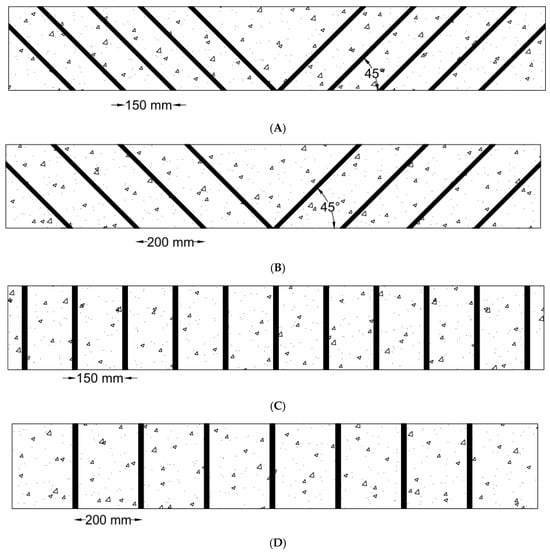
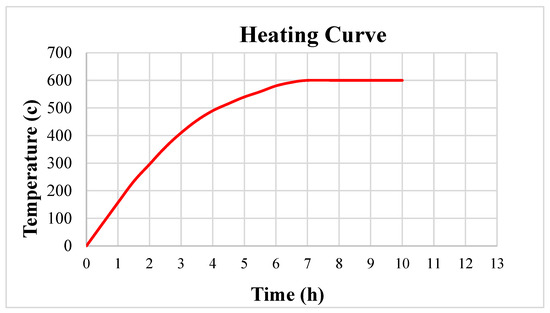
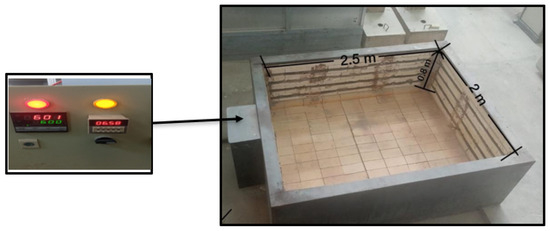
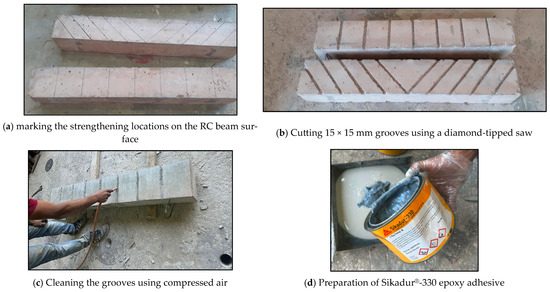
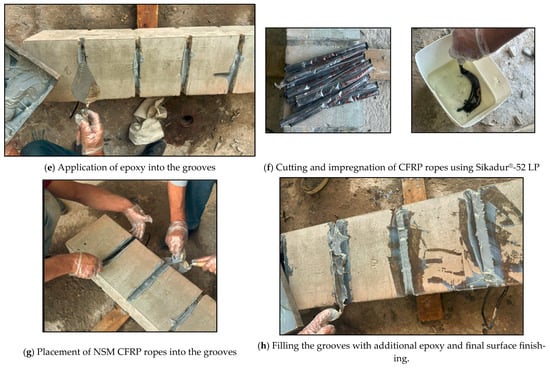
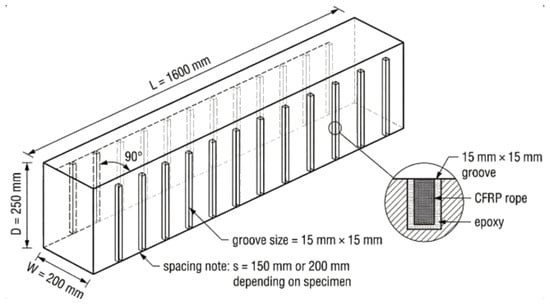
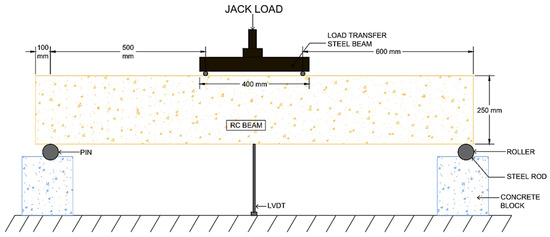
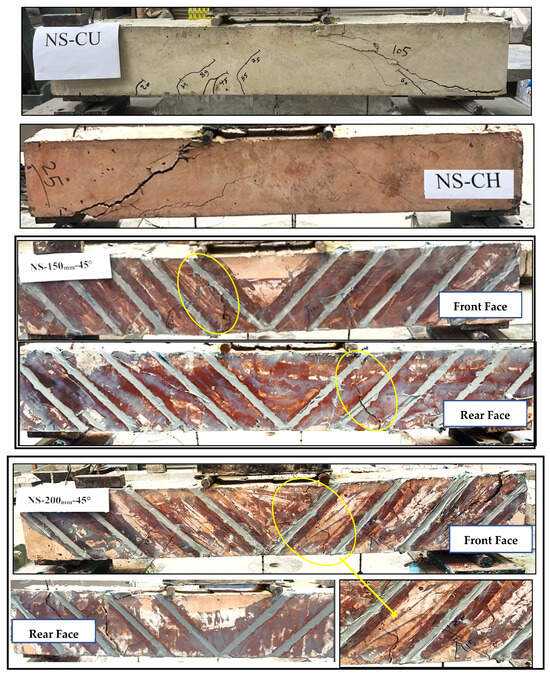
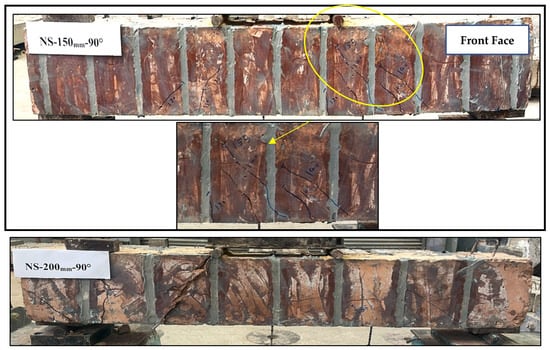
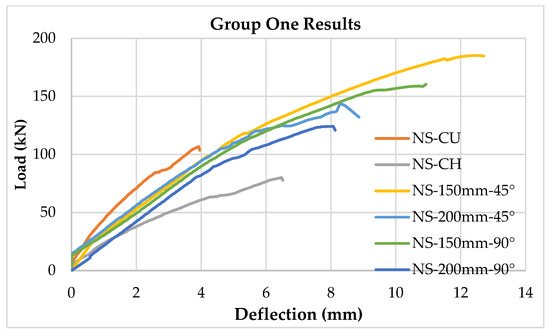
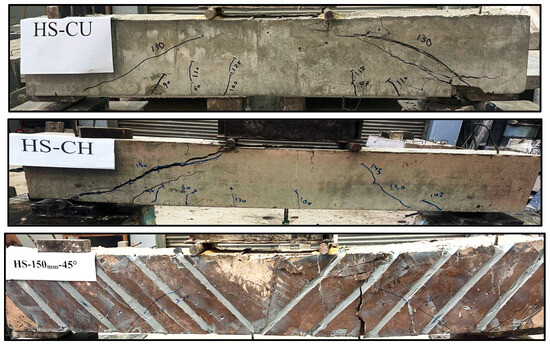
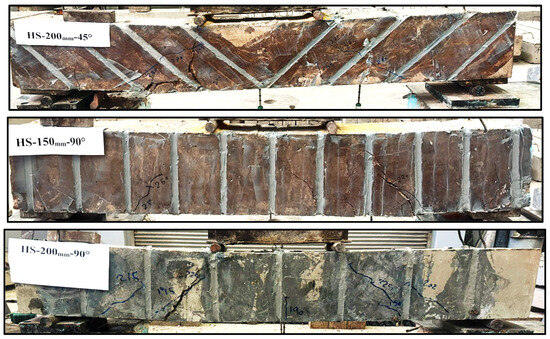
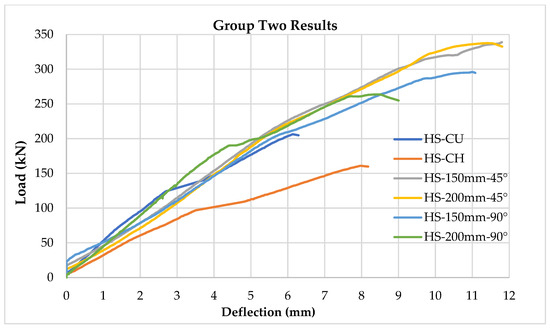
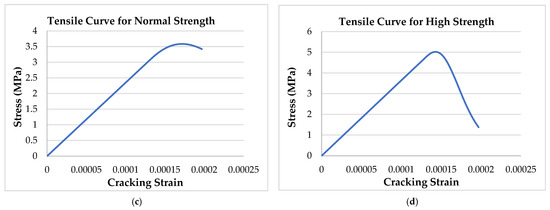
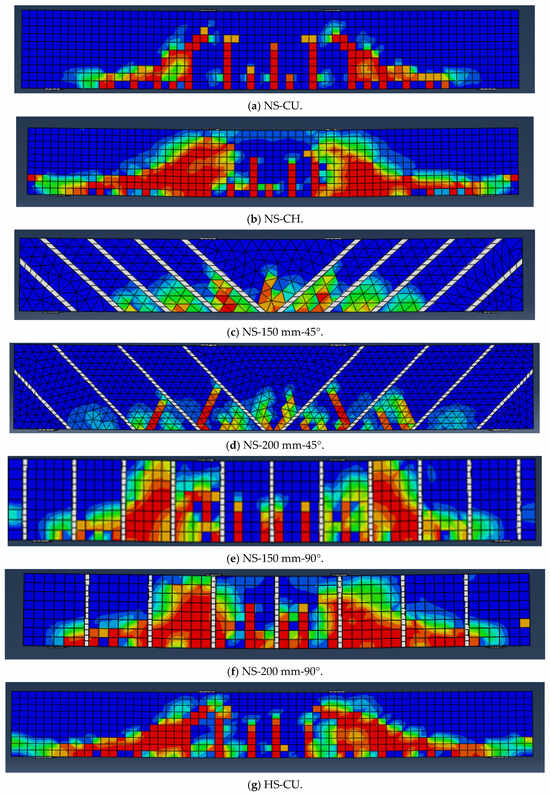
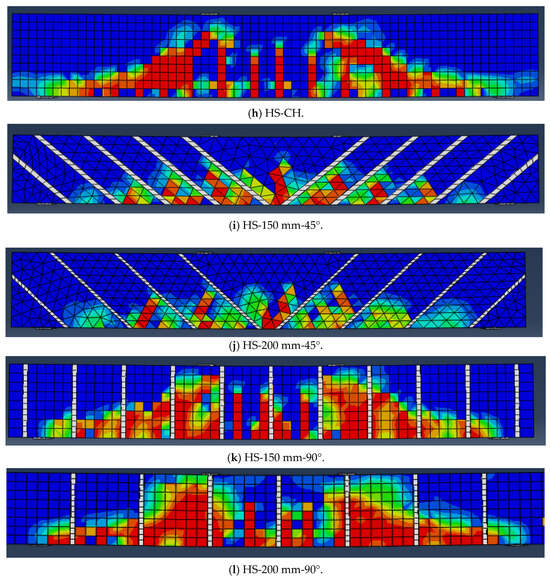
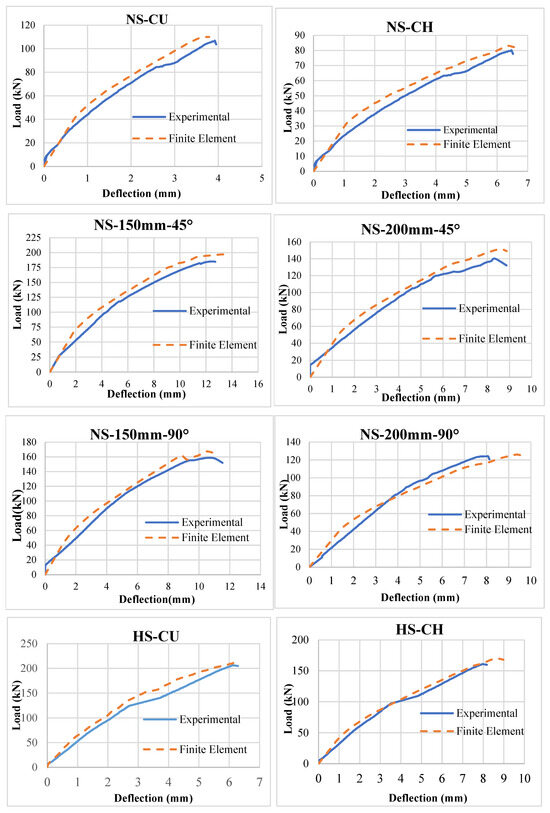
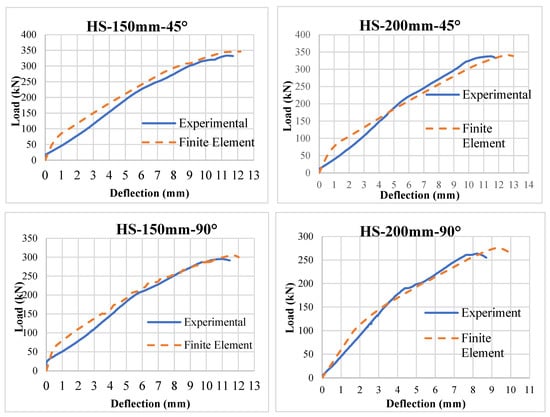
This study investigates the shear performance of reinforced concrete (RC) beams strengthened with near-surface-mounted (NSM) carbon fiber-reinforced polymer (CFRP) ropes under ambient and elevated temperature conditions. An experimental program comprising twelve RC beams was conducted, including both normal- and high-strength concrete specimens. The beams were strengthened using CFRP ropes installed at two orientations (45° and 90°) and two spacing configurations (150 mm and 200 mm). Ten specimens were exposed to a temperature of 600 °C prior to shear testing. The experimental results were evaluated against finite element (FE) simulations and shear strength predictions obtained from ACI 440.2R provisions. The FE models demonstrated close agreement with the observed experimental response, whereas ACI 440.2R consistently yielded conservative shear strength estimates, particularly for high-strength concrete beams. The results confirm that inclined CFRP configurations and reduced rope spacing significantly enhance shear capacity, even after severe thermal exposure, with measured strength gains reaching approximately 75% relative to unheated control beams and up to 135% compared to heated control specimen. The findings emphasize the sensitivity of NSM CFRP in terms of strengthening effectiveness to elevated temperature and highlight the limitations of existing design provisions when applied to fire-damaged RC members.
Full article

Figure 1
Open AccessArticle
Influence of Horizontal Directional Drilling on Mechanical Properties of Airfield Pavements: An Integrated Study Based on Finite Element Modeling and Field Tests
by
Yun Sheng, Wei Huang, Xuedong Fang and Yuxing Liu
Infrastructures 2026, 11(4), 114; https://doi.org/10.3390/infrastructures11040114 - 26 Mar 2026
Abstract
This study explores the structural safety, mechanical response and optimal construction parameters of the Horizontal Directional Drilling (HDD) technology applied in airport rigid pavements novelly for navigation lighting renovation. This study adopts a combined research method of three-dimensional finite element modeling (FEM) and
[...] Read more.
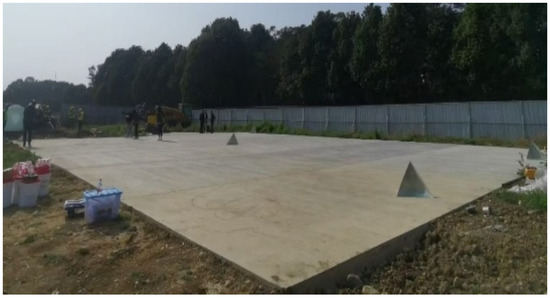
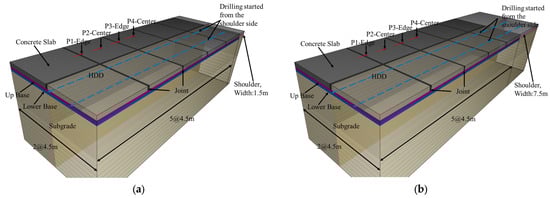
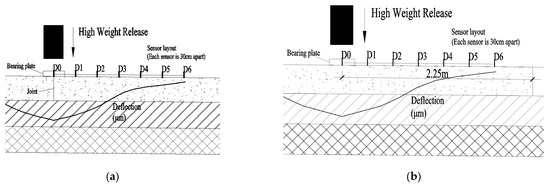
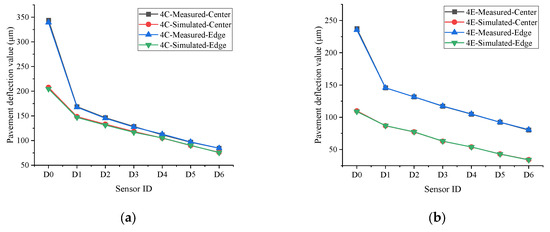
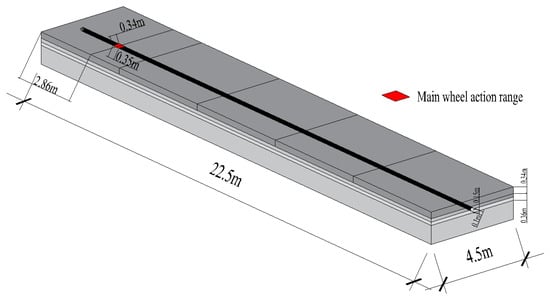
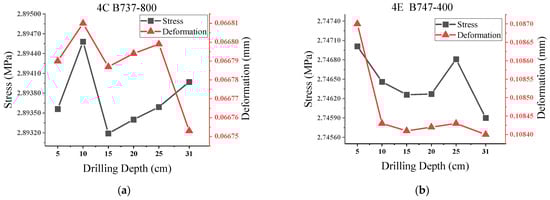
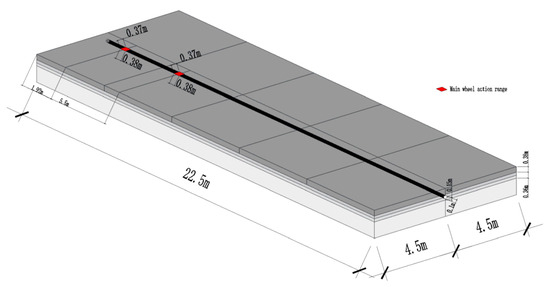
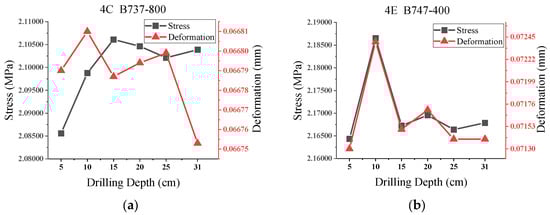
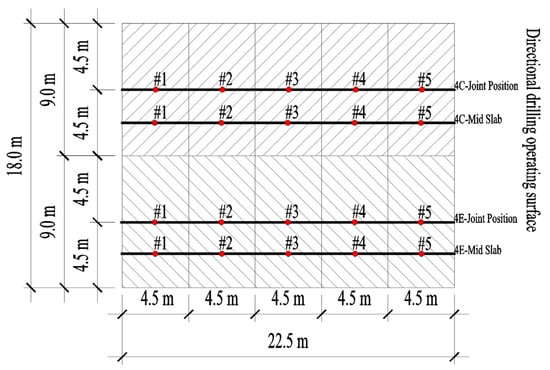
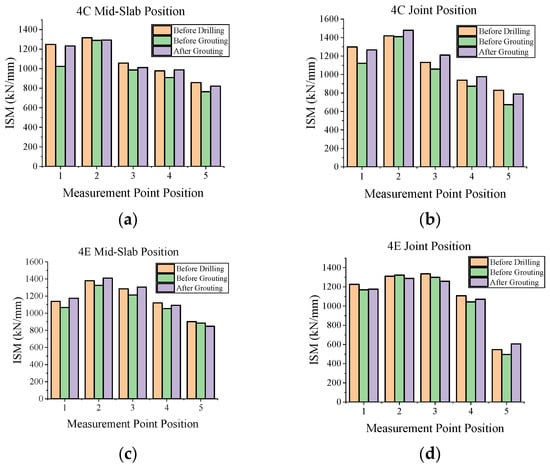
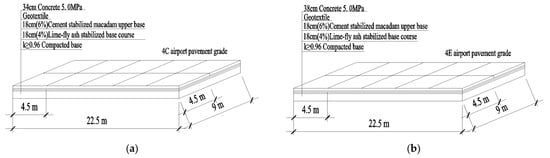
This study explores the structural safety, mechanical response and optimal construction parameters of the Horizontal Directional Drilling (HDD) technology applied in airport rigid pavements novelly for navigation lighting renovation. This study adopts a combined research method of three-dimensional finite element modeling (FEM) and field tests (full-scale 4C and 4E class airport runway sections). The reliability of the model is verified by the measured data using a Heavy Weight Deflectometer (HWD). The effects of drilling depth, drilling position and typical aircraft loads on the stress and deformation at the bottom of the pavement slab are systematically analyzed. Then, drilling, grouting and non-destructive testing are carried out in the field full-scale test section to investigate the change in pavement bearing capacities. The results show that minimized influence on the mechanical properties of the pavement can be achieved by using 15 cm drilling depths at either slab center or joints. The pavement stiffness slightly decreases by a maximum of 18.9% after drilling. According to the field grouting test, the Impulse Stiffness Modulus (ISM) of most measuring points can be recovered to the original level before drilling. The use of a 10 cm diameter HDD driller meets the structural safety requirements of airport pavements. The HDD technology induces minimized pavement damage and influence on the bearing capacity of the airport runway structure compared with traditional construction technologies, highlighting its advantages in airfield navigation lighting renovations.
Full article
(This article belongs to the Special Issue Advances in Pavement Engineering: Materials, Performance, and Sustainability)
►▼
Show Figures

Figure 1
Journal Menu
► ▼ Journal Menu-
- Infrastructures Home
- Aims & Scope
- Editorial Board
- Reviewer Board
- Topical Advisory Panel
- Instructions for Authors
- Special Issues
- Topics
- Sections
- Article Processing Charge
- Indexing & Archiving
- Most Cited & Viewed
- Journal Statistics
- Journal History
- Journal Awards
- Society Collaborations
- Conferences
- Editorial Office
- 10th Anniversary
Journal Browser
► ▼ Journal BrowserHighly Accessed Articles
Latest Books
E-Mail Alert
News
Topics
Topic in
Applied Sciences, Architecture, Buildings, Infrastructures, Materials, Technologies
Advances in Structural Engineering Using AI and Sustainable Materials
Topic Editors: Ehsan Harirchian, Viviana NovelliDeadline: 20 May 2026
Topic in
Architecture, Buildings, Infrastructures, Sensors, Sustainability, IJGI, Automation
Innovative Horizons: Digital Technologies in Modern Construction and Infrastructure
Topic Editors: Zhen Lei, Ala Suliman, Hexu LiuDeadline: 30 May 2026
Topic in
Buildings, Climate, Fire, Sustainability, Water, Infrastructures
Disaster Risk Management and Resilience
Topic Editors: M. Amin Hariri-Ardebili, Sissy NikolaouDeadline: 31 July 2026
Topic in
Applied Sciences, Buildings, CivilEng, Infrastructures, Safety, Systems
Advancing Construction Safety and Health: Innovations and Strategies
Topic Editors: Hadi Sarvari, David J. Edwards, Timothy Olawumi, Frank GhansahDeadline: 15 August 2026
Conferences
Special Issues
Special Issue in
Infrastructures
Sustainable Construction Materials’ Contribution to a Zero-Waste FutureGuest Editors: Ghasan Fahim Huseien, Iman FaridmehrDeadline: 30 April 2026
Special Issue in
Infrastructures
Sustainable Bridge Engineering
Guest Editors: Xiaodong Song, Qi Li, Chao ZouDeadline: 30 April 2026
Special Issue in
Infrastructures
Cold and Warm Techniques for Sustainable Pavement Construction and Maintenance
Guest Editors: William Fedrigo, Lelio Antônio Teixeira Brito, Alan Carter, Andrea Grilli, Éric Lachance-Tremblay, James GrenfellDeadline: 30 April 2026
Special Issue in
Infrastructures
AI in Sustainable and Resilient Infrastructures: Construction, Management, and Maintenance
Guest Editors: Mohammed Alsharqawi, Eslam Mohammed AbdelkaderDeadline: 1 May 2026