
Journal Description
Inventions
Inventions
is an international, scientific, peer-reviewed, open access journal published bimonthly online by MDPI.
- Open Access— free for readers, with article processing charges (APC) paid by authors or their institutions.
- High Visibility: indexed within Scopus, ESCI (Web of Science), Inspec, Ei Compendex and other databases.
- Journal Rank: JCR - Q2 (Engineering, Multidisciplinary) / CiteScore - Q1 (General Engineering)
- Rapid Publication: manuscripts are peer-reviewed and a first decision is provided to authors approximately 18.1 days after submission; acceptance to publication is undertaken in 3.6 days (median values for papers published in this journal in the first half of 2026).
- Recognition of Reviewers: Reviewers whose reports are timely and of high quality receive an APC discount voucher for a future publication in an MDPI journal. Become a reviewer.
Impact Factor:
2.4 (2025);
5-Year Impact Factor:
2.5 (2025)
Latest Articles
A Reproducible Patent Landscape Review Framework for Search Validation, Dataset Construction and Structured Research Whitespace Assessment
Inventions 2026, 11(5), 97; https://doi.org/10.3390/inventions11050097 - 14 Sep 2026
Abstract
Patent Landscape Reviews (PLRs) are widely used to map technological activity, applicants, jurisdictions, patent families and innovation trends. However, many PLRs remain descriptive and provide limited methodological detail on search validation, dataset construction, manual screening, classification consistency and translation into research directions. This
[...] Read more.
Patent Landscape Reviews (PLRs) are widely used to map technological activity, applicants, jurisdictions, patent families and innovation trends. However, many PLRs remain descriptive and provide limited methodological detail on search validation, dataset construction, manual screening, classification consistency and translation into research directions. This paper proposes a structured but flexible PLR framework for moving from patent dataset construction to structured research whitespace assessment and research direction identification. The framework integrates literature-informed scoping, broad preliminary patent searching, development and hold-out patent sets for search validation, Clopper–Pearson lower confidence bounds for recall estimation, patent-specific filtering, PRISMA-style reporting, manual relevance screening, classification consistency checking, bibliographic analysis, technology update analysis and research whitespace translation. An illustrative ammonia-to-hydrogen patent review is used to demonstrate how the framework can be operationalised. In the use case, the frozen Lens.org search query retrieved all 20 patents in the hold-out validation set, giving an observed hold-out recall of 100% and a one-sided 95% Clopper–Pearson lower confidence bound of 86.1%. The validated query retrieved 1394 patent records, which were reduced to 934 distinct patent families and, finally, to 708 relevant patent families after patent-specific filtering and manual relevance screening. The use case shows how validated search construction, patent family filtering, manual screening and multi-layer patent classification can support both descriptive landscape analysis and deeper technology interpretation. The framework contributes a practical methodological pathway for researchers, postgraduate students, innovation offices and technology transfer offices seeking to use patent information for research planning, invention development, technology scouting and future research direction identification.
Full article
(This article belongs to the Special Issue 10th Anniversary of Inventions)
Open AccessArticle
Carbon Emission Flow Oriented Distributed Collaborative Scheduling of Multiple Industrial Parks
by
Weichang Hang, Haiquan Huang, Wenzheng Bao, Yu Jiang, Jia Chen, Jiawei Chang and Yizhou Zhou
Inventions 2026, 11(5), 96; https://doi.org/10.3390/inventions11050096 - 11 Sep 2026
Abstract
To achieve low-carbon and economical operation of industrial parks, this paper proposes a two-level sequential optimization framework for the coordinated operation of multiple industrial parks incorporating an extended carbon emission flow (CEF) model. First, an extended CEF model is established in the upper-level
[...] Read more.
To achieve low-carbon and economical operation of industrial parks, this paper proposes a two-level sequential optimization framework for the coordinated operation of multiple industrial parks incorporating an extended carbon emission flow (CEF) model. First, an extended CEF model is established in the upper-level model by incorporating the virtual carbon emission characteristics of energy storage systems into the conventional CEF model, thereby enabling the calculation of dynamic node carbon intensity (NCI). The obtained NCI is subsequently transmitted to the lower-level model, which is formulated as a coordinated operation model for multiple industrial parks. Based on the received NCI, peer-to-peer (P2P) electricity and carbon quota trading are incorporated to achieve economical and low-carbon operation through resource sharing. A Nash bargaining model is further introduced to ensure the fair allocation of cooperative benefits. Furthermore, the original Nash bargaining problem is decomposed into two tractable subproblems. To preserve the privacy of participating parks, an adaptive alternating direction method of multipliers (ADMM) is employed to solve the decomposed subproblems in a distributed manner while improving the convergence performance of the algorithm. Finally, case studies based on the IEEE 33-bus system demonstrate the effectiveness of the proposed framework.
Full article
(This article belongs to the Section Inventions and Innovation in Electrical Engineering/Energy/Communications)
►▼
Show Figures

Figure 1
Open AccessArticle
Multi-Model Finite Control Set Model-Based Predictive Voltage Control of a Floating Interleaved Boost DC–DC Converter in Fuel Cell Applications
by
Juan José Galeano-Dinatale, Jorge Rodas, Fabian Palacios-Pereira, Larizza Delorme and Alfredo Renault
Inventions 2026, 11(5), 95; https://doi.org/10.3390/inventions11050095 - 10 Sep 2026
Abstract
Fuel cell systems require high-efficiency DC–DC interfaces capable of regulating rapid voltage variations while respecting the operational constraints of proton-exchange membrane fuel cells (PEMFCs). The floating interleaved boost converter (FIBC) is a strong candidate for this purpose due to its reduced current ripple,
[...] Read more.
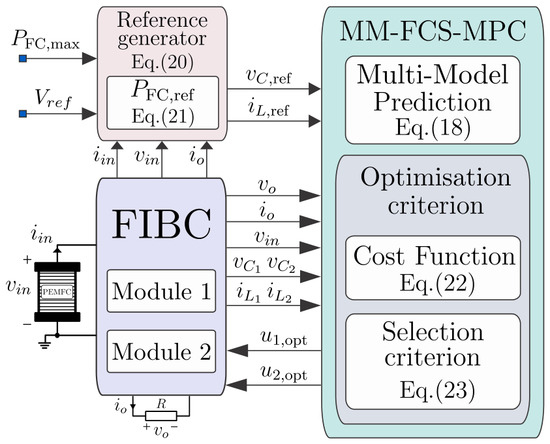
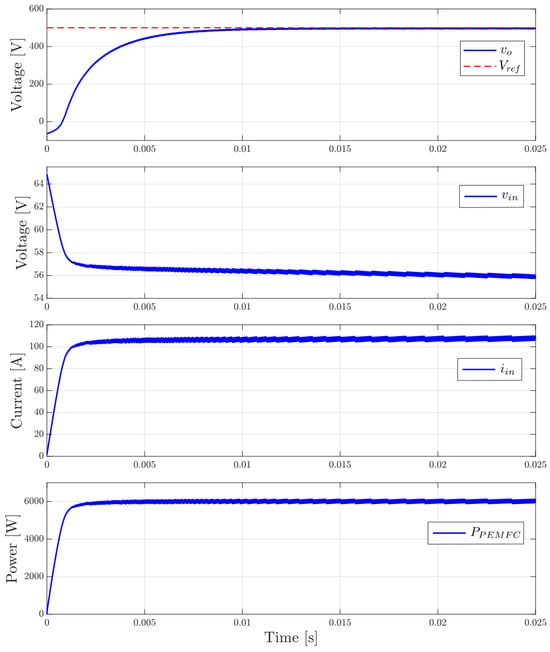
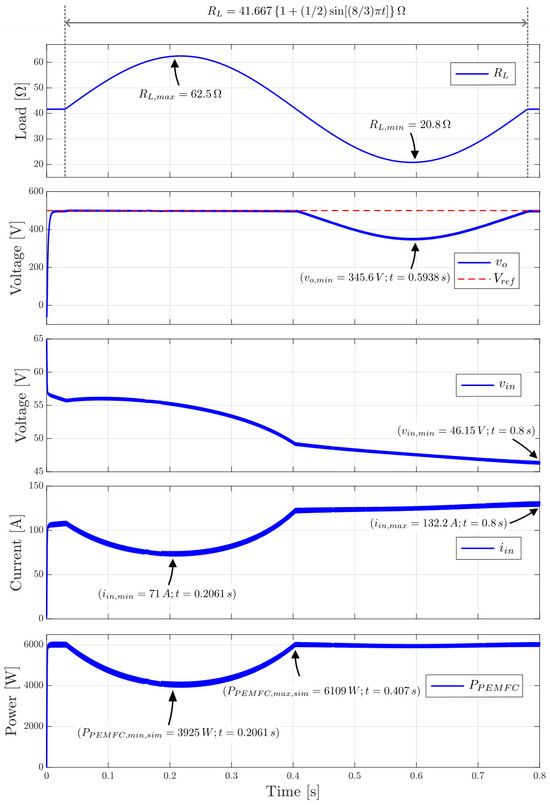
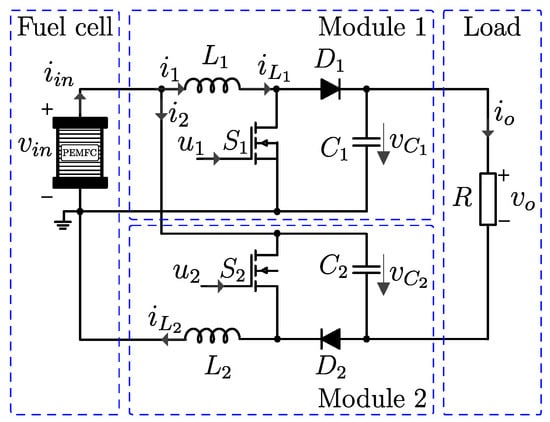
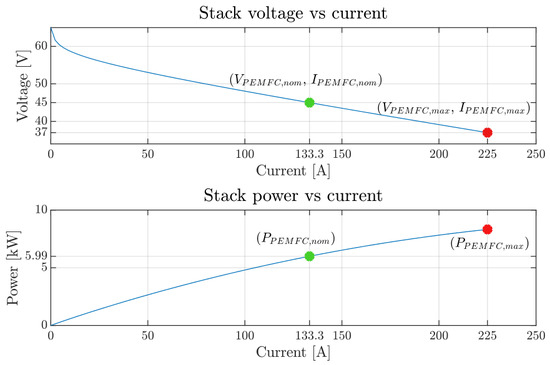
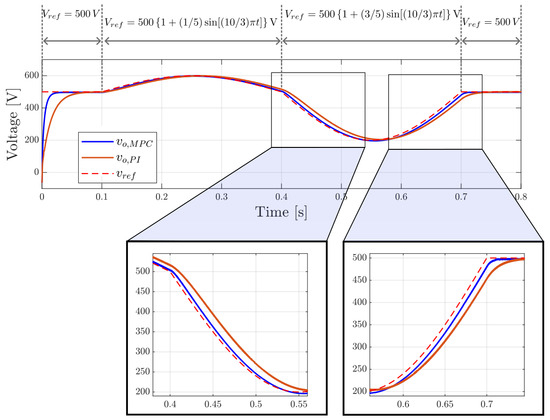
Fuel cell systems require high-efficiency DC–DC interfaces capable of regulating rapid voltage variations while respecting the operational constraints of proton-exchange membrane fuel cells (PEMFCs). The floating interleaved boost converter (FIBC) is a strong candidate for this purpose due to its reduced current ripple, improved power sharing, and lower component stress. The design of control strategies for FIBCs supplied by PEMFCs remains challenging because explicitly enforcing fuel cell operational constraints under fast converter dynamics is inherently difficult, particularly when detailed fuel cell models are unavailable or undesirable, as reflected in existing approaches such as classical linear regulators and single-model predictive schemes. Therefore, this paper proposes a multi-model finite control set model-based predictive control (MM-FCS-MPC) strategy for FIBC converters supplied by PEMFCs. The method employs multiple discrete prediction models with cost functions defined by the converter switching mode, integrates a fuel cell-aware reference-generation mechanism to ensure nominal and safe PEMFC operation by enforcing current and power constraints within the predictive framework, and enables fast, accurate output-voltage regulation. Detailed modelling of the FIBC, component sizing, and PEMFC characteristics is provided. Obtained results under load disturbances and reference variations validate the proposed control scheme, demonstrating improved transient dynamics, reduced steady-state error, and enhanced current-sharing performance. Obtained results under load disturbances and reference variations validate the proposed control scheme, demonstrating improved transient dynamics, reduced steady-state error, and enhanced current-sharing performance, with a rise time of approximately 4.4 ms, a settling time of 10.3 ms, a maximum overshoot of only 0.056%, and a phase delay of approximately 4.26°, compared with 9.6° for the conventional PI voltage-tracking baseline.
Full article
(This article belongs to the Special Issue Advanced Nonlinear Control and Optimization for Renewable Energy Systems, Smart Grids and Electric Vehicles)
►▼
Show Figures

Figure 1
Open AccessArticle
Evolution of a Real-Time Markerless Kinematic Posture-Assessment System: From Multi-Participant Monitoring to Depth-Aware Angular Assessment
by
Jon Echeverria and Olga C. Santos
Inventions 2026, 11(5), 94; https://doi.org/10.3390/inventions11050094 - 10 Sep 2026
Abstract
Markerless human-motion assessment has become increasingly relevant in domains such as psychomotor learning, rehabilitation, sports training, and collaborative educational environments. While recent pose-estimation frameworks provide reliable skeletal reconstruction, translating these data into interpretable posture assessment remains challenging, particularly under varying participant-to-sensor distances and
[...] Read more.
Markerless human-motion assessment has become increasingly relevant in domains such as psychomotor learning, rehabilitation, sports training, and collaborative educational environments. While recent pose-estimation frameworks provide reliable skeletal reconstruction, translating these data into interpretable posture assessment remains challenging, particularly under varying participant-to-sensor distances and in multi-participant settings. This paper presents the technological evolution from KUMITRON, a system originally developed for synchronized multi-participant monitoring and interaction analysis in psychomotor activities, to COLLVIT, a prototype implementing configurable depth-aware joint-angle posture assessment. This evolution encompasses RGB-D integration, configurable angular templates, depth-informed adaptive tolerance mechanisms, temporal stabilization strategies, interpretable posture assessment, and multi-participant processing capabilities. The paper distinguishes between the architectures defined at the patent level, their implementation through the KUMITRON and COLLVIT prototypes, and capabilities that remain targets for future implementation and validation. Rather than reporting a controlled experimental evaluation, the contribution of this work lies in documenting the technological evolution from KUMITRON to COLLVIT, the rationale behind the patent-based design decisions, the implementation of the current prototype, and directions for its future development and validation. The resulting framework provides a flexible foundation for future research on markerless kinematic posture assessment in educational, rehabilitation, and other psychomotor application domains.
Full article
(This article belongs to the Section Inventions and Innovation in Design, Modeling and Computing Methods)
►▼
Show Figures

Figure 1
Open AccessArticle
The Small Sample Challenge: Unsupervised Authorship Clustering in Croatian
by
Lidija Tepeš Golubić, Ian Marković, Andrea Ledić and Brigitta Cafuta
Inventions 2026, 11(5), 93; https://doi.org/10.3390/inventions11050093 - 8 Sep 2026
Abstract
Many forensic methods have been developed for uncovering authors of threatening letters to get rid of their anonymous nature. With the development of new tools for the digital creation of threatening letters, such methods became obsolete, yet new options for their digital analysis
[...] Read more.
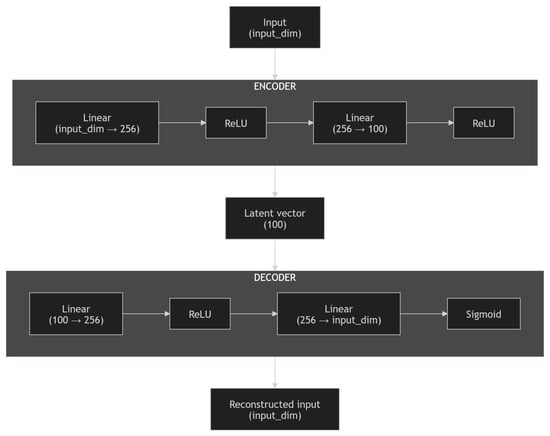
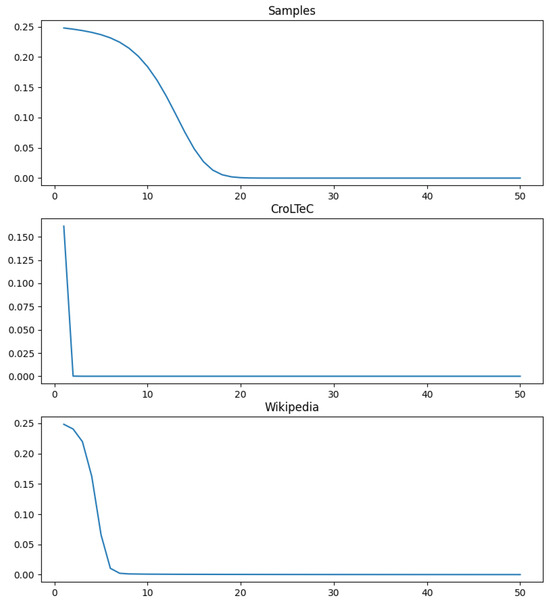
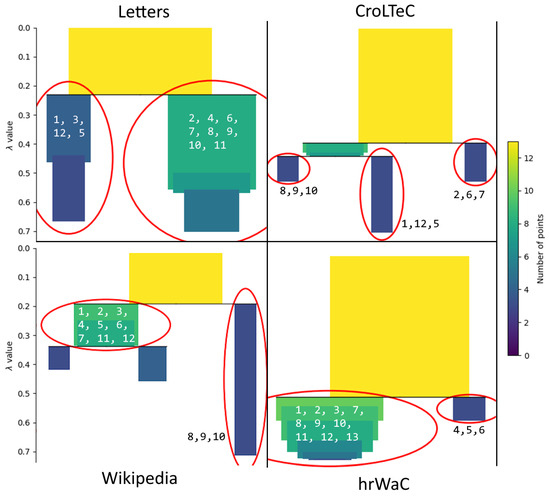
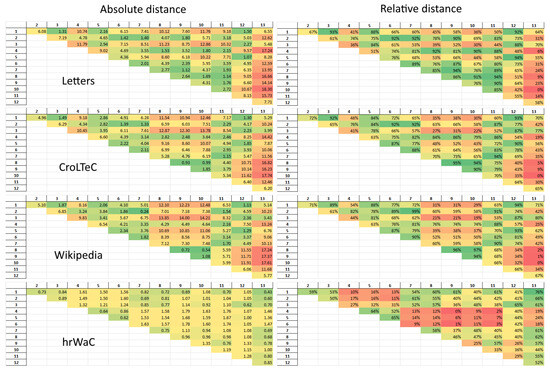
Many forensic methods have been developed for uncovering authors of threatening letters to get rid of their anonymous nature. With the development of new tools for the digital creation of threatening letters, such methods became obsolete, yet new options for their digital analysis also became available. This paper covers a method for digital analysis of threatening letters written in the Croatian language using machine learning algorithms. First the techniques for extraction of style elements of a text are covered, focusing on the most influential elements, and then transforming the extracted data into a vectorized form which can be used in machine learning models. The models are built upon the autoencoder architecture in combination with two text style vectorization methods. Multiple such models are implemented and their results are compared and analyzed, focusing on their effectiveness and the quality of their results. Finally, additional possibilities for further development of machine learning models for the analysis of threatening letters written in the Croatian language are covered and their possible effectiveness explained.
Full article
(This article belongs to the Section Inventions and Innovation in Design, Modeling and Computing Methods)
►▼
Show Figures

Figure 1
Open AccessArticle
An Internet of Things-Based Multisensor Platform for Biogas Monitoring and Experimental Data Analysis
by
Omirlan Auyelbekov, Ainur Kozbakova, Kairat Yessentayev and Kuanyshbek Igibayev
Inventions 2026, 11(5), 92; https://doi.org/10.3390/inventions11050092 - 3 Sep 2026
Abstract
This article discusses the intelligent analysis of multisensory biogas data obtained from an experimental dataset generated by a Lab-on-Chip platform. The relevance of this work stems from the need for real-time monitoring of biogas quality and biomass condition under anaerobic digestion conditions, where
[...] Read more.
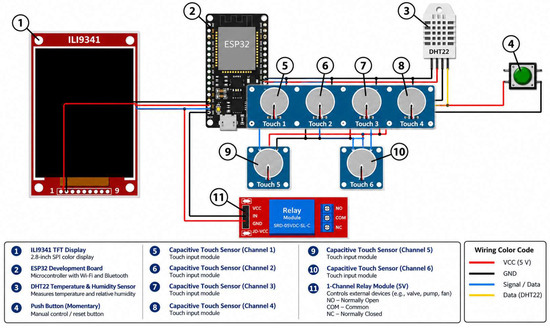
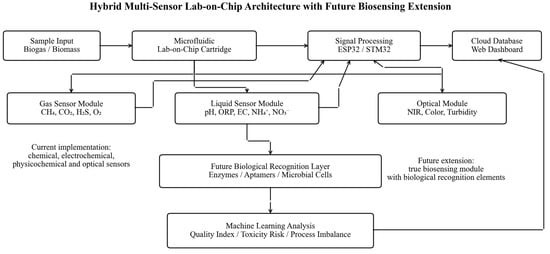
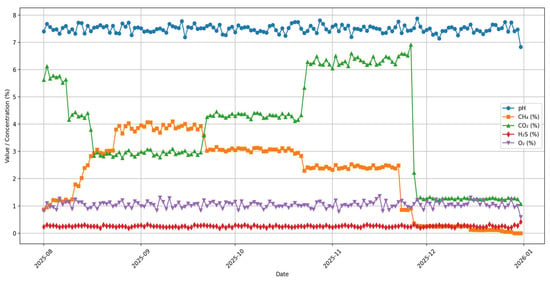
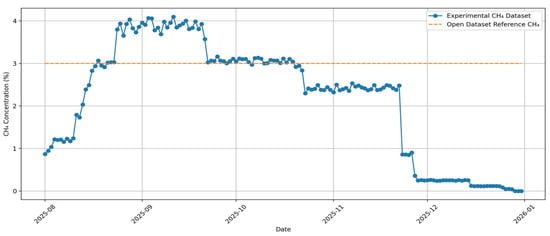
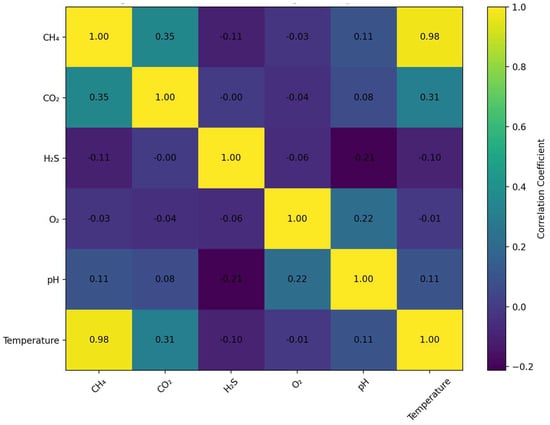
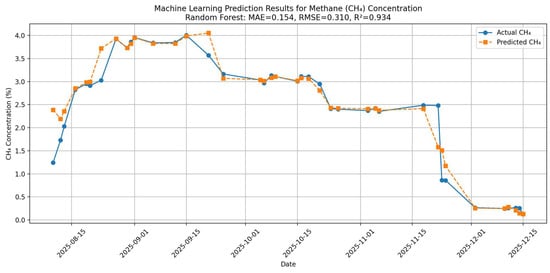
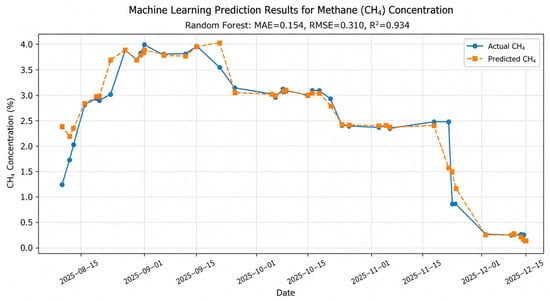
This article discusses the intelligent analysis of multisensory biogas data obtained from an experimental dataset generated by a Lab-on-Chip platform. The relevance of this work stems from the need for real-time monitoring of biogas quality and biomass condition under anaerobic digestion conditions, where changes in the concentrations of methane, carbon dioxide, hydrogen sulfide, oxygen, and temperature directly affect the stability of the technological process and the energy efficiency of the plant. This study utilizes a multisensor Lab-on-Chip/biosensor platform designed for rapid analysis of small samples of biogas, biomass, and biomix. The platform integrates gas, liquid, and optical sensor channels, as well as a module for transmitting data to the cloud. The experimental data obtained are processed using intelligent data analysis methods, including statistical analysis, correlation analysis, anomaly detection, and assessment of the relationships between monitored parameters. The scientific significance of this work lies in the application of an integrated approach to the analysis of multichannel experimental data obtained from the ESP32 microcontroller, which enables a more accurate and timely assessment of the state of the biogas process. The practical significance lies in the ability to use the proposed approach for remote monitoring, early detection of anomalies, and improving the efficiency of biogas plant management.
Full article
(This article belongs to the Section Inventions and Innovation in Electrical Engineering/Energy/Communications)
►▼
Show Figures

Figure 1
Open AccessArticle
Improving Water Treatment Efficiency at Thermal Power Plants Through the Implementation of Resource-Efficient Technologies
by
Al-Saraireh Majd Ali, Iryna Chub, Tamara Airapetian, Natalia Smetankina and Andrii Kondratiev
Inventions 2026, 11(5), 91; https://doi.org/10.3390/inventions11050091 - 1 Sep 2026
Abstract
Water treatment systems based on sodium–cation exchange are widely used at thermal power plants. However, their operation is associated with high consumption of water and sodium chloride during regeneration and the generation of highly mineralized wastewater. This study proposes an integrated approach to
[...] Read more.
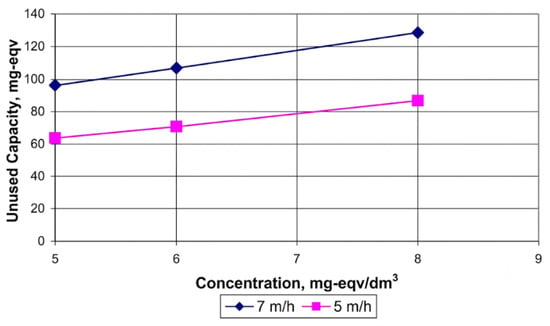
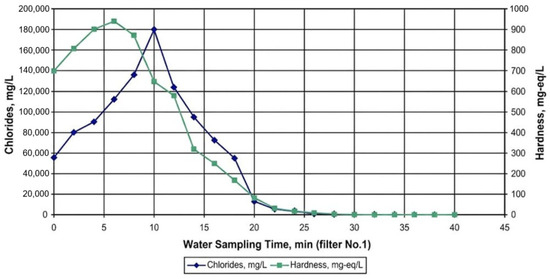
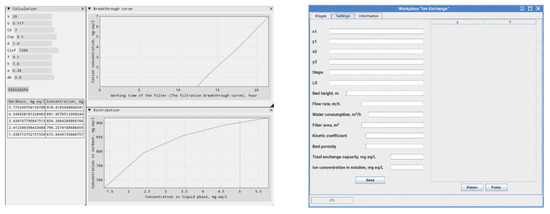
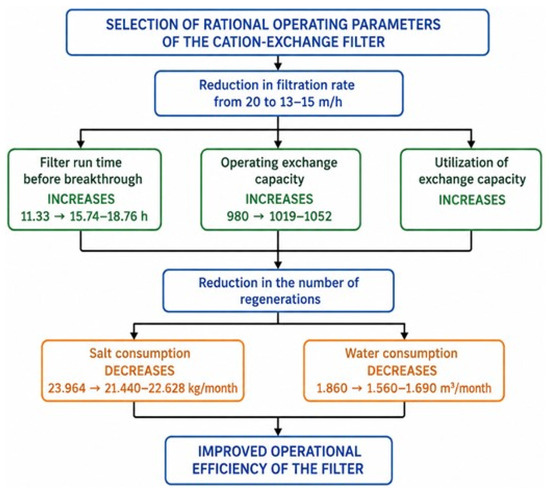
Water treatment systems based on sodium–cation exchange are widely used at thermal power plants. However, their operation is associated with high consumption of water and sodium chloride during regeneration and the generation of highly mineralized wastewater. This study proposes an integrated approach to improving the performance of sodium–cation exchange water treatment systems by combining regeneration wastewater recycling with optimization of filter operating conditions. Experimental investigations were carried out to evaluate regeneration wastewater composition, changes in chloride concentration and total hardness during filter washing, and the efficiency of soda-lime softening for subsequent reuse of the treated solution in a closed regeneration cycle. A mathematical method describing concentration-front propagation within the ion-exchange bed under non-equilibrium conditions was developed to determine the actual working capacity of the resin and predict filter cycle duration at different filtration rates. The model was verified against experimental data and implemented as software for automated calculation of operating parameters. The proposed closed-loop regeneration scheme enables reuse of treated regeneration solutions, reduces sodium chloride consumption, and decreases the discharge of highly mineralized wastewater. The developed calculation method provides a basis for selecting rational operating conditions, improving utilization of ion-exchange resin capacity, and reducing water and reagent consumption. The combined application of wastewater recycling technology and the proposed calculation approach improves the operational, economic, and environmental performance of water treatment systems at thermal power plants. In this paper, the presented calculations are combined with experimental characterization and treatment of regeneration wastewater with soda and lime, selective extraction of concentrated regeneration fractions, their return to the regeneration cycle, and the selection of operating conditions based on calculations within a unified resource-efficient water treatment scheme. The integrated assessment of filter performance with treatment and reuse of regeneration wastewater is the novelty of this study.
Full article
(This article belongs to the Section Inventions and Innovation in Energy and Thermal/Fluidic Science)
►▼
Show Figures

Figure 1
Open AccessArticle
Design of a Wireless-Controlled Powered Transport Chair with Transfer-Assist Functions and Integrated Seated Weight Measurement
by
Charin Intarapanich, Sittinun Tawkaew, Teerapath Limboonruang and Nittalin Phunapai
Inventions 2026, 11(5), 90; https://doi.org/10.3390/inventions11050090 - 31 Aug 2026
Abstract
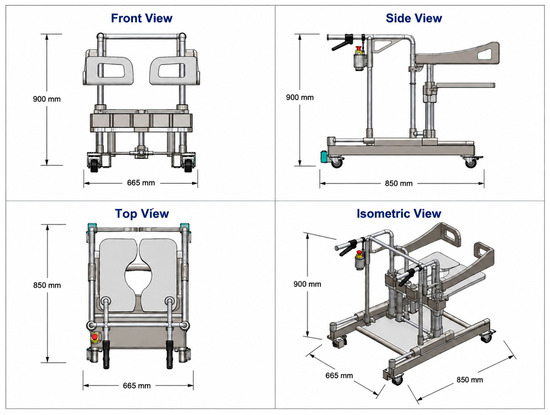
This study presents the concept design of a wireless-controlled powered transport chair for caregiver-assisted handling and short-duration seated movement in care facilities. No prototype has been fabricated and no structural, metrological, or human testing has been performed; every value reported is a design
[...] Read more.
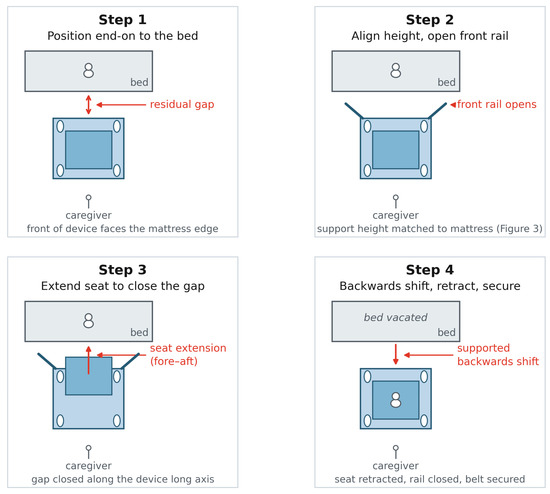
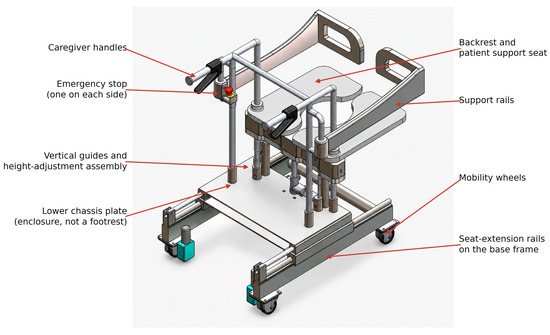
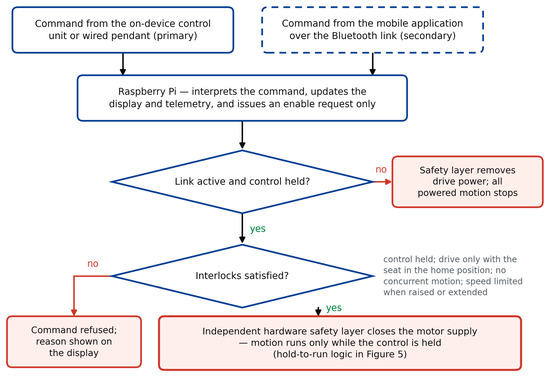
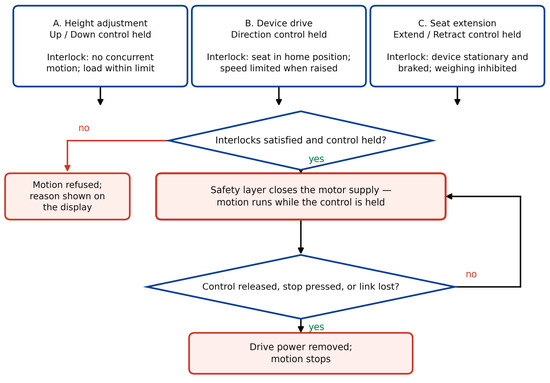
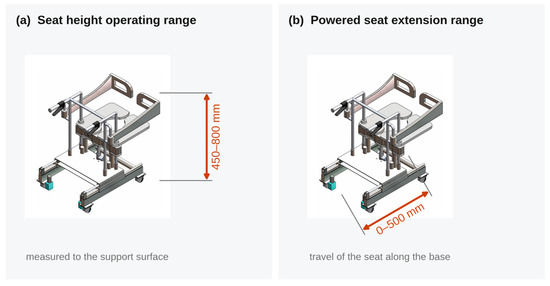
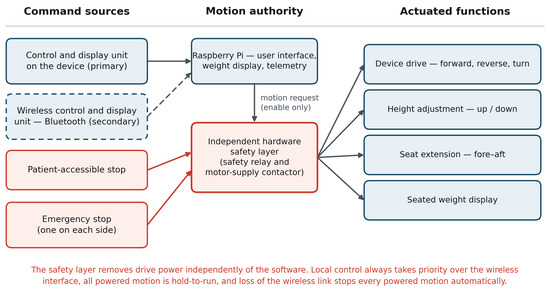
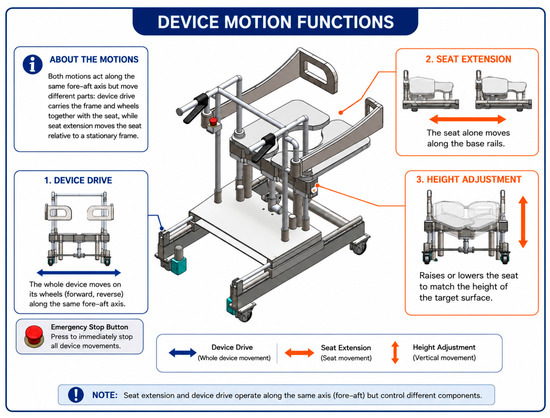
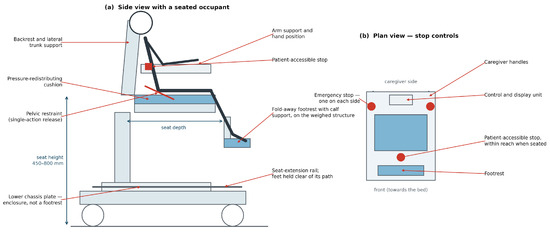
This study presents the concept design of a wireless-controlled powered transport chair for caregiver-assisted handling and short-duration seated movement in care facilities. No prototype has been fabricated and no structural, metrological, or human testing has been performed; every value reported is a design requirement, not a measured result. The intended users are adult patients who tolerate supported sitting and retain enough trunk control to remain seated with the support rails and restraint engaged, together with a trained caregiver; patients needing full postural support or a lying transfer are outside the intended use. The device integrates powered low-speed mobility, height adjustment, a powered fore–aft seat extension that bridges the residual gap left at the bed base, local and wireless control, an independent hardwired emergency stop, and load-cell seated weight measurement. The frame is designed to accommodate a patient of up to 150 kg. A Raspberry Pi provides the user interface, while an independent hardware layer governs all powered motion. Candidate frame materials are compared qualitatively. Verification covers proof-load testing, worst-case static stability, load-cell calibration, control and emergency-stop response, power-loss recovery, battery endurance, and usability testing with caregivers and patients. Participatory design with wheelchair users and caregivers is planned before fabrication.
Full article
(This article belongs to the Topic Innovation, Communication and Engineering, 2nd Edition)
►▼
Show Figures

Figure 1
Open AccessArticle
A Reproducible, Leakage-Free Pipeline for Censored Demand Forecasting and Inventory Optimization on FreshRetailNet-50K
by
Joseph Azar
Inventions 2026, 11(5), 89; https://doi.org/10.3390/inventions11050089 - 30 Aug 2026
Abstract
Accurate demand forecasting for perishable goods is complicated by demand censoring: when stockouts occur, observed sales understate true demand and bias both forecasts and replenishment decisions. We present a leakage-free, end-to-end pipeline of three stages: an inverse-Mills-ratio (IMR) recovery heuristic benchmarked against
[...] Read more.
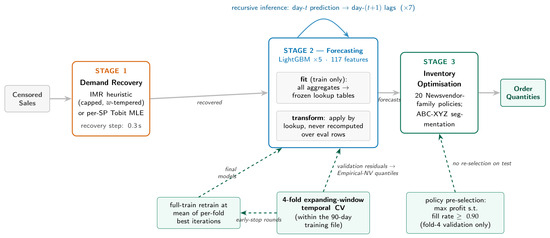
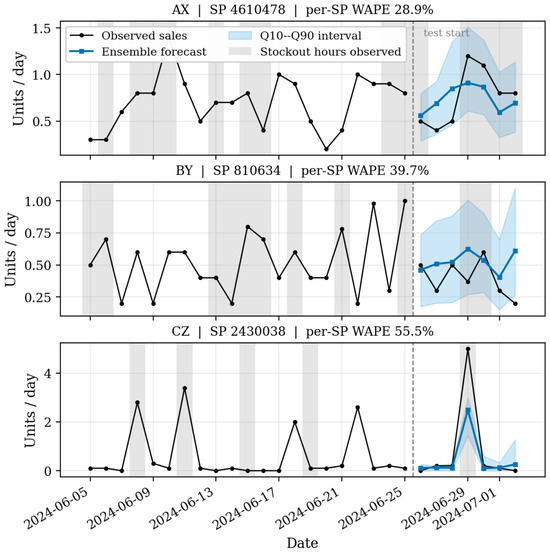
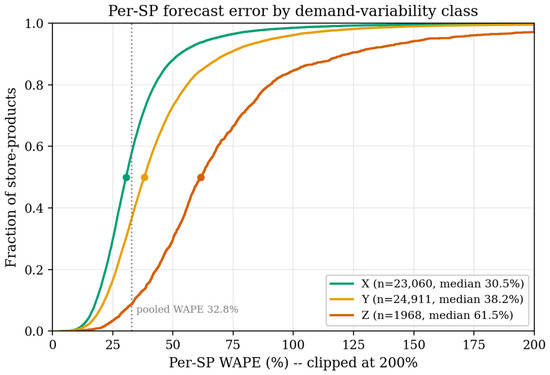
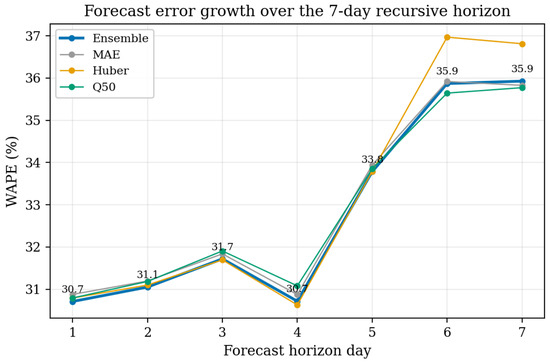
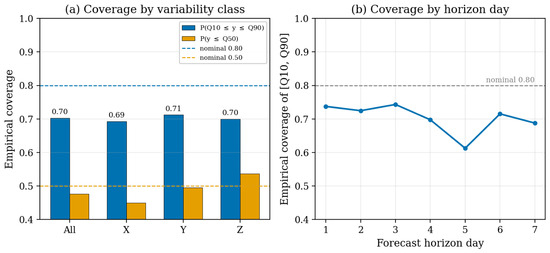
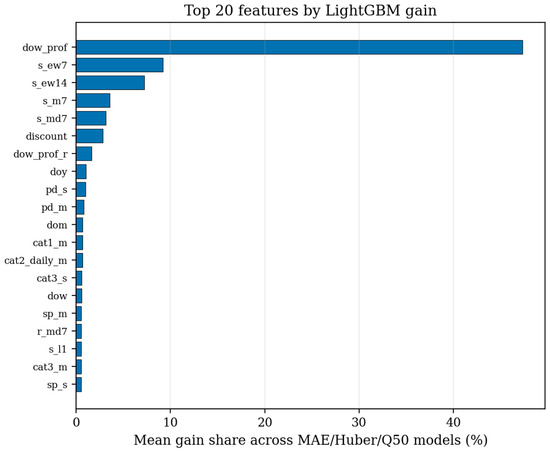
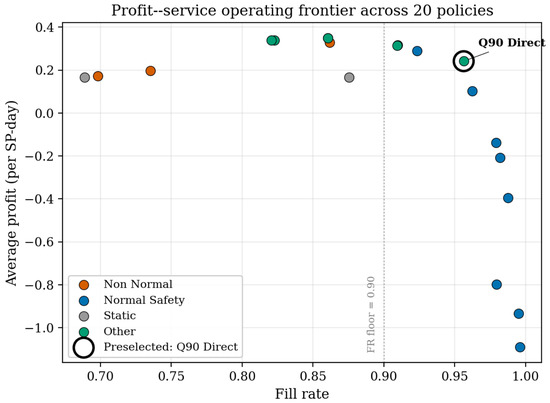
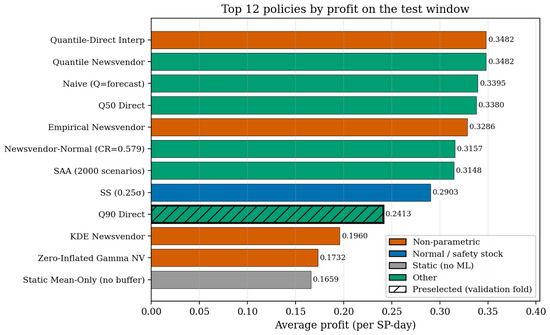
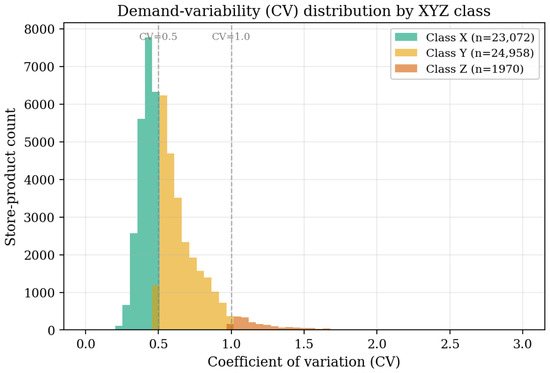
Accurate demand forecasting for perishable goods is complicated by demand censoring: when stockouts occur, observed sales understate true demand and bias both forecasts and replenishment decisions. We present a leakage-free, end-to-end pipeline of three stages: an inverse-Mills-ratio (IMR) recovery heuristic benchmarked against a maximum-likelihood Tobit estimator; a LightGBM ensemble on 117 engineered features with train-only aggregate statistics and recursive multi-step inference; and 20 Newsvendor-family policies, the reported one fixed on a validation fold under a fill-rate floor by a rule encoded in the released code, then evaluated once on a held-out window. On FreshRetailNet-50K (50,000 store-product series, 90 days of daily sales with hourly stock-status vectors), the ensemble attains 33.54% WAPE before recentering; the validation-selected CPU-only calibration improves this to 32.79% and reduces forecast bias from to . All headline figures come from one fold-causal run: the selected Q90 Direct policy reaches a 0.956 fill rate and 0.241 profit per store-product day, a 46% gain over the static baseline (store-clustered bootstrap 95% CI on the absolute difference, ), while meeting the 0.90 service floor. Because evaluation demand is censored observed sales, all profit figures are proxies whose direction of bias relative to latent-demand profit is not identified. Ablations attribute most of the measured gain to the multi-objective ensemble and the service-constrained policy; the full feature set mainly improves bias and stability, and recovery affects bias more than WAPE. The contribution is this leakage-free evaluation protocol and the CPU-feasible operational baseline it supports, released with its leakage tests and clustered-bootstrap inference, rather than a new state-of-the-art WAPE on this benchmark.
Full article
(This article belongs to the Section Inventions and Innovation in Design, Modeling and Computing Methods)
►▼
Show Figures

Figure 1
Open AccessArticle
Fast Adaptive Beamforming for McWiLL “Korona” Ring Antennas Using Random Forest–Based MVDR
by
Bogdan M. Khalmatov and Denis S. Chirov
Inventions 2026, 11(5), 88; https://doi.org/10.3390/inventions11050088 - 27 Aug 2026
Abstract
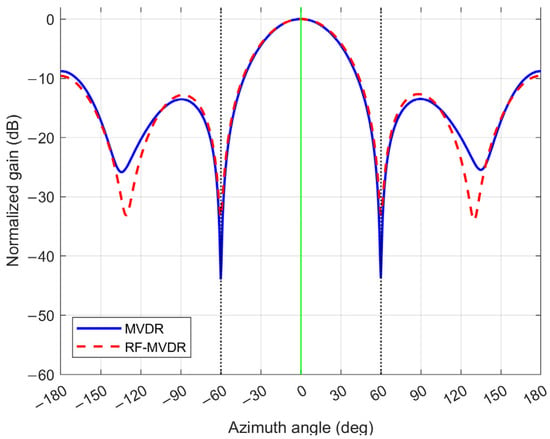
This study focuses on accelerating adaptive beamforming in the Multicarrier Wireless Internet Local Loop (McWiLL) professional radio communication system using “Korona” ring smart antennas. The work investigates algorithms for calculating complex weight coefficients in an eight-element uniform circular antenna array. The main objective
[...] Read more.
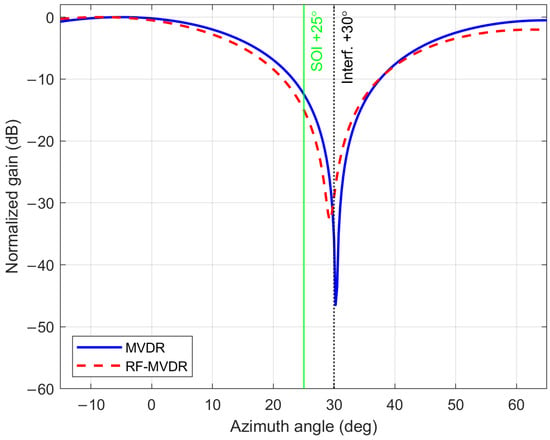
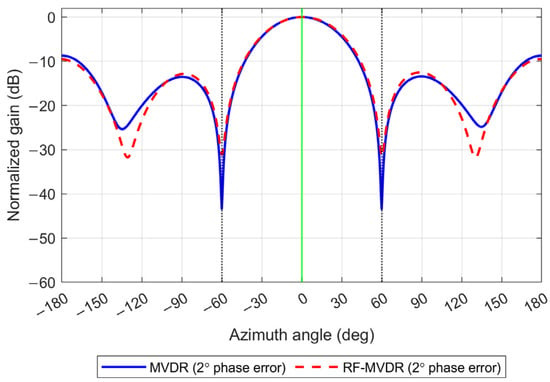
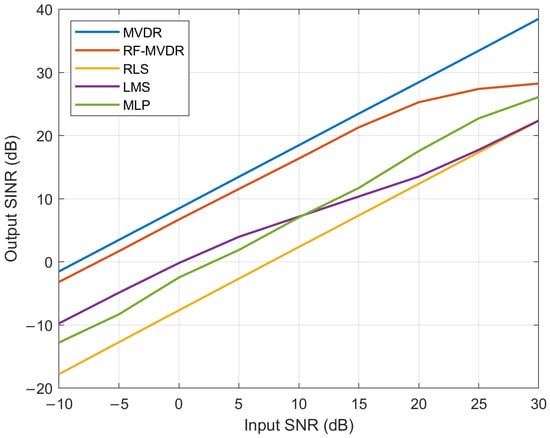
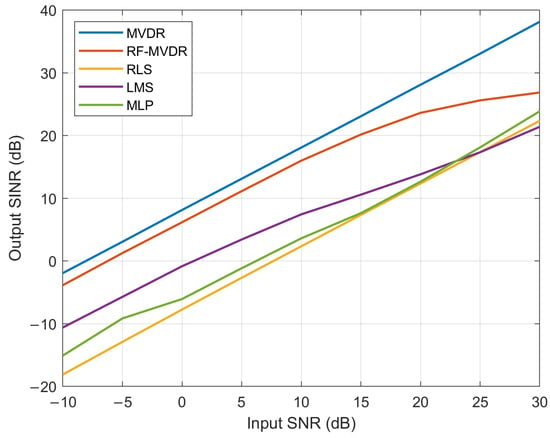
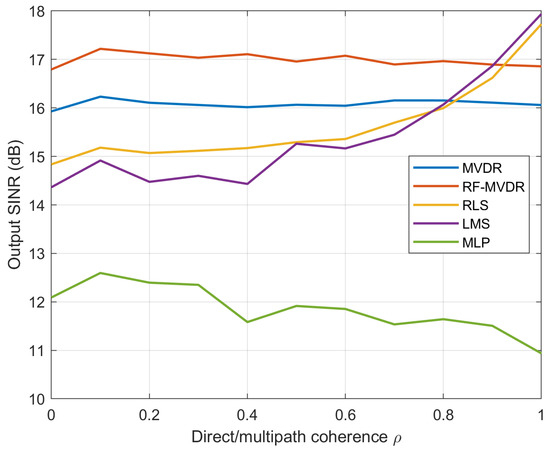
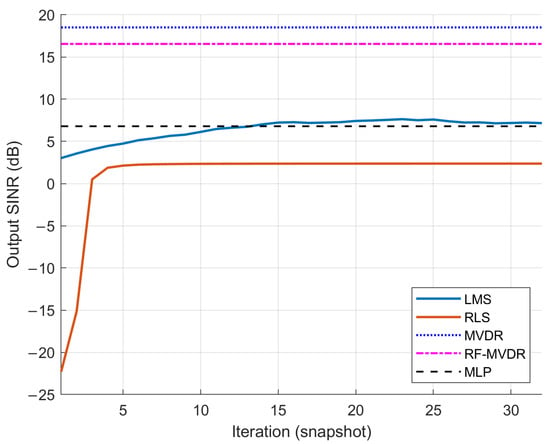
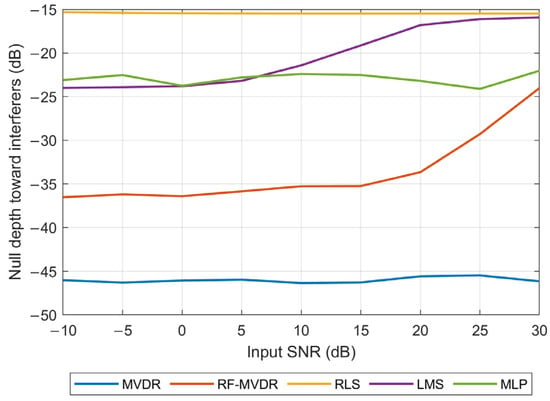
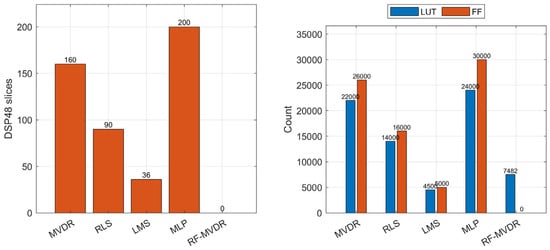
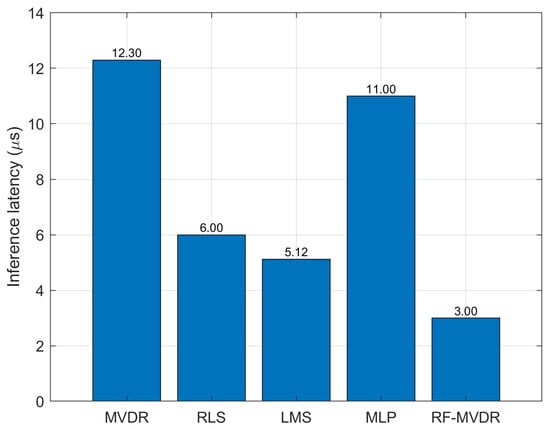
This study focuses on accelerating adaptive beamforming in the Multicarrier Wireless Internet Local Loop (McWiLL) professional radio communication system using “Korona” ring smart antennas. The work investigates algorithms for calculating complex weight coefficients in an eight-element uniform circular antenna array. The main objective is to reduce beam pattern adaptation time while maintaining interference suppression depth and robustness under multipath propagation. To achieve this, an ensemble machine learning approach based on the Random Forest algorithm is employed to approximate the optimal Minimum Variance Distortionless Response (MVDR) solution using elements of the sample covariance matrix of received signals. The training dataset is generated through McWiLL channel simulations considering mutual coupling between array elements, signal-to-noise ratio (SNR) variation, and different angles of arrival of the desired and interfering signals. The proposed method is evaluated against the classical MVDR algorithm in terms of radiation pattern null depth, robustness to phase distortions, and inference time on a Field-Programmable Gate Array (FPGA) hardware platform. Results demonstrate that the Random Forest-based approach achieves more than a fourfold reduction in computation time while forming radiation-pattern nulls of about 30–35 dB toward the interferers (versus 44–46 dB for the classical MVDR); the synthesized core uses no hardware multipliers (DSP48), and its functional equivalence to the software model is confirmed by bit-exact RTL co-simulation. The findings show promise for deployment in McWiLL base stations and other professional radio systems requiring fast, adaptive beamforming under dynamic channel conditions.
Full article
(This article belongs to the Special Issue Recent Advances and New Trends in Signal Processing: 2nd Edition)
►▼
Show Figures

Figure 1
Open AccessArticle
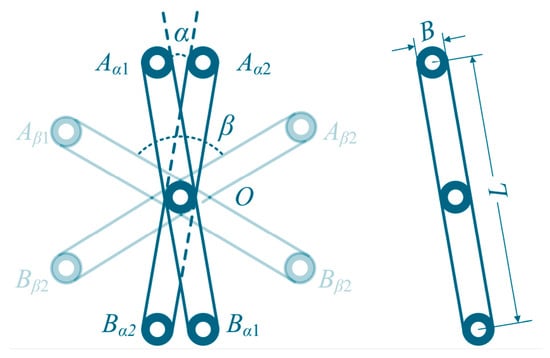
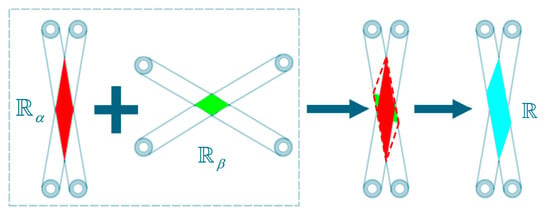
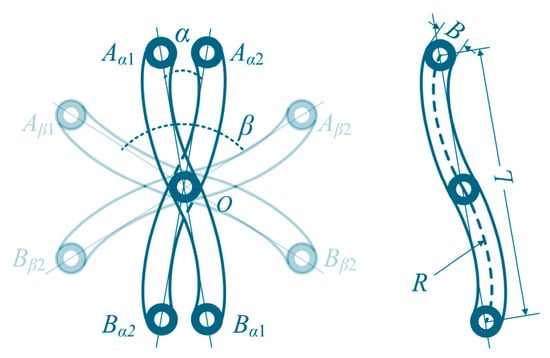
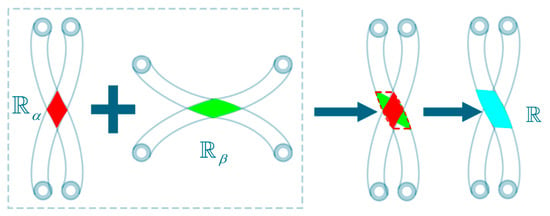
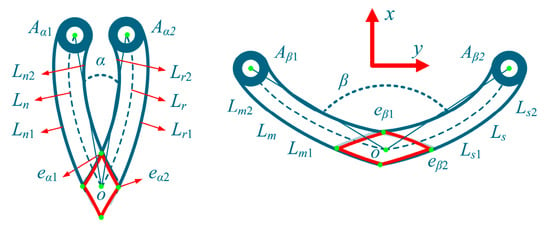
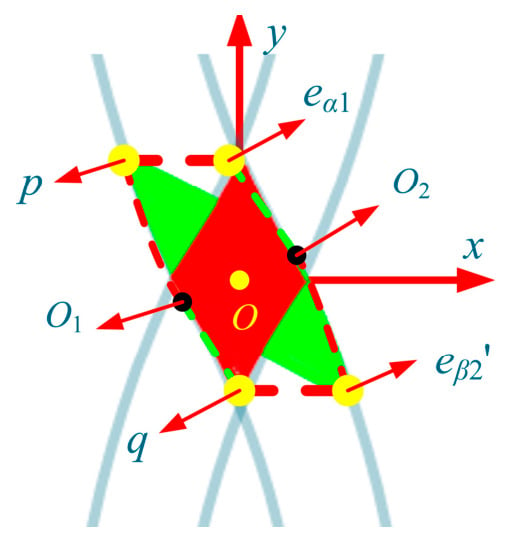
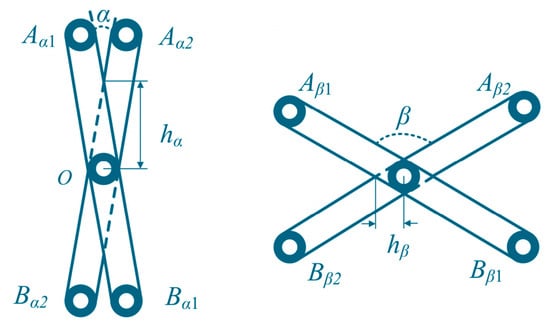
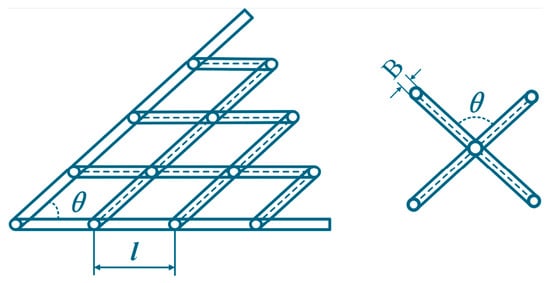
Design and Out-of-Plane Load Characteristics Analysis of a High-Folding-Ratio Morphing Wing
by
Guang Yang, Lunjiang Zhao, Jiayi Li, Chunlong Wang, Hong Xiao, Hongwei Guo and Guoqing Wang
Inventions 2026, 11(5), 87; https://doi.org/10.3390/inventions11050087 - 22 Aug 2026
Abstract
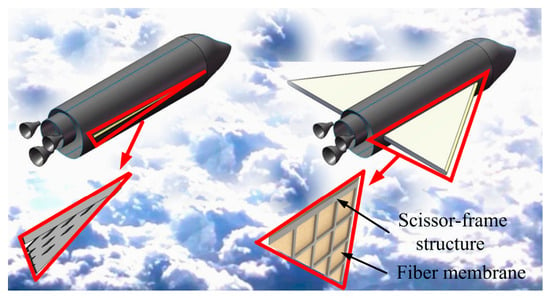
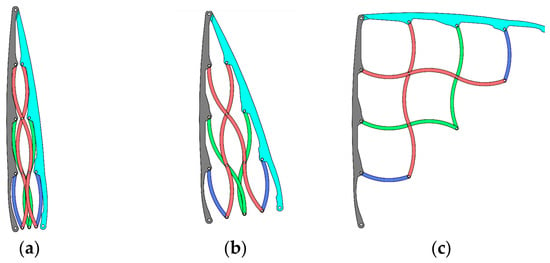
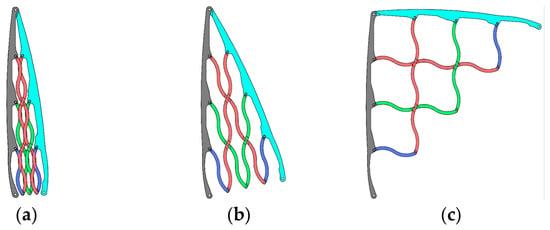
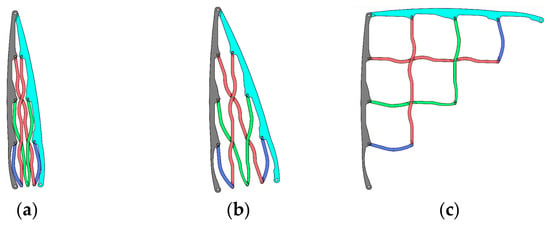
To address the challenges of structural deformation and limited load-bearing capacity in morphing wings, this paper proposes a novel rigid–flexible composite morphing wing based on a foldable membrane–skeleton structure with a high folding ratio. Inspired by the deployment mechanics of biological wings and
[...] Read more.
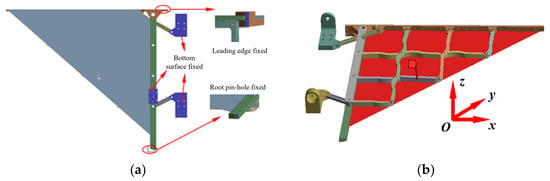
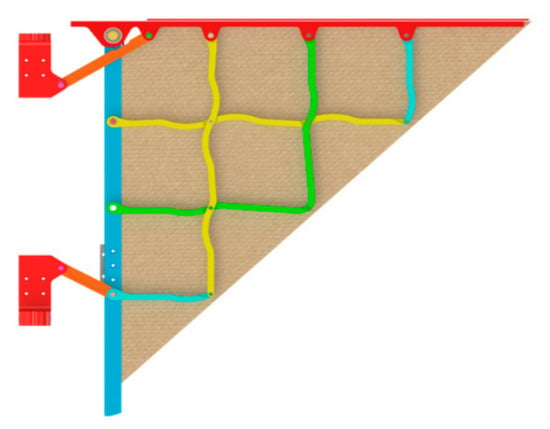
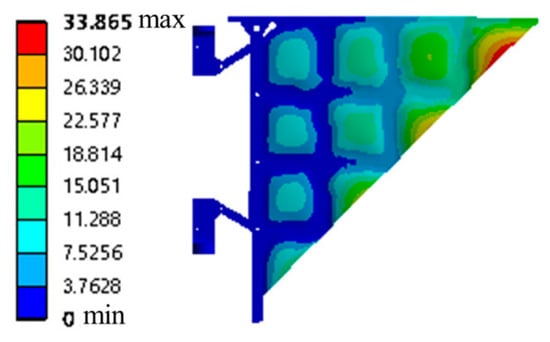
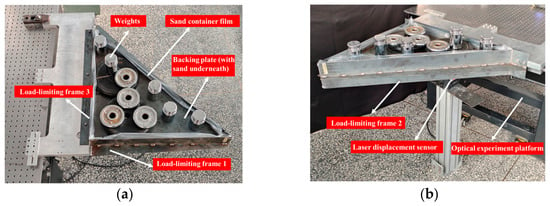
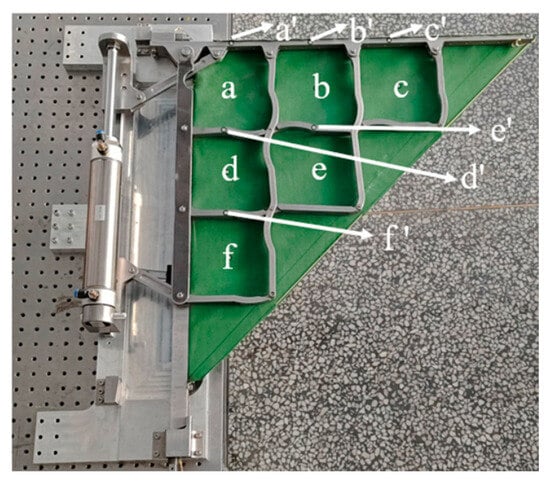
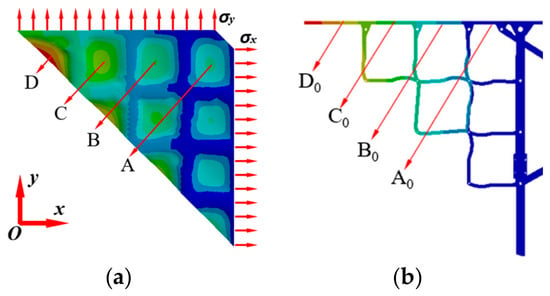
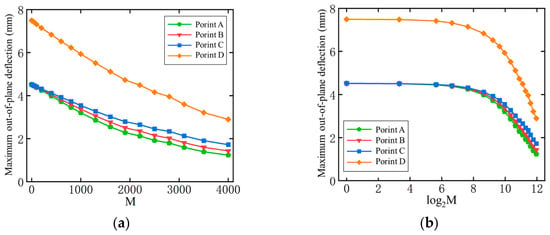
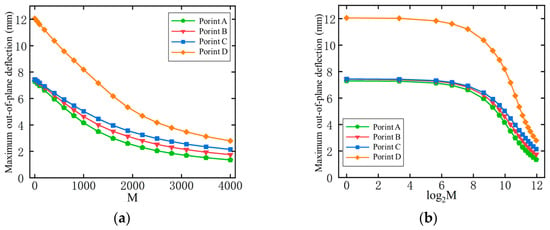
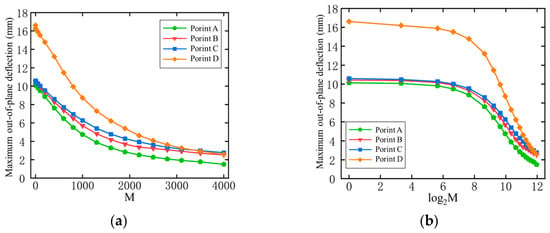
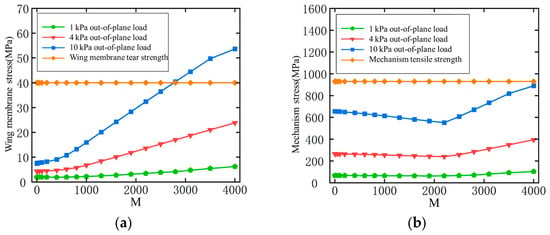
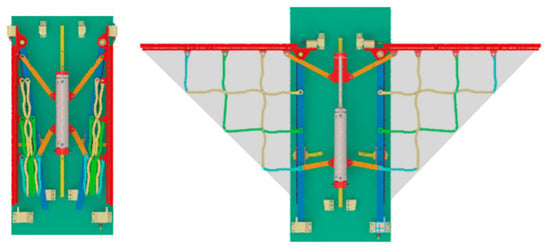
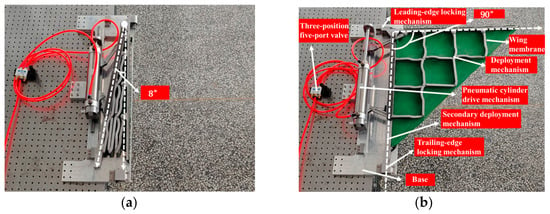
To address the challenges of structural deformation and limited load-bearing capacity in morphing wings, this paper proposes a novel rigid–flexible composite morphing wing based on a foldable membrane–skeleton structure with a high folding ratio. Inspired by the deployment mechanics of biological wings and the cooperative support principle of multi-bar mechanisms, an optimization model was established to resolve hinge interference in the skeletal design. Through geometric reconstruction of the skeleton, the design achieves compact stowage in the folded state and maximizes wing area in the deployed configuration. Furthermore, an integrated design model for the membrane–skeleton interface was established based on rigid–flexible hybrid connection principles, followed by an analysis of the wing’s static structural characteristics via finite element simulation. A prototype was fabricated to experimentally validate its morphing functionality and out-of-plane load-bearing performance. Results demonstrate that the mechanism attains an effective folding ratio of approximately 7.19. Additionally, the influence of membrane prestress on the overall structural load capacity was systematically investigated.
Full article
(This article belongs to the Section Inventions and Innovation in Design, Modeling and Computing Methods)
►▼
Show Figures

Figure 1
Open AccessArticle
Coordinated Dispatch for Partitioned Power Grids Under Extreme Weather with a Flexibility Supply–Demand Balance Approach
by
Yanhong Ma, Jinggeng Gao, Kun Wang, Yujie Li, Wenjun Liu, Yanqing Lu, Jian Xiong and Keteng Jiang
Inventions 2026, 11(4), 86; https://doi.org/10.3390/inventions11040086 - 20 Aug 2026
Abstract
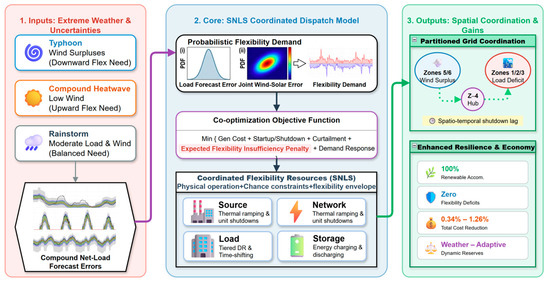
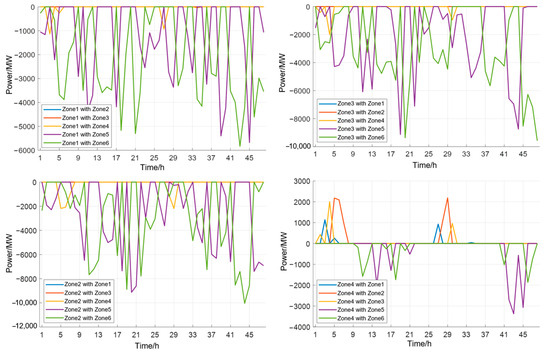
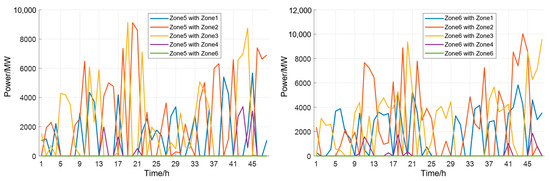
To address the insufficient flexibility in power systems caused by renewable energy output uncertainty during extreme weather events, a coordinated source–network–load–storage (SNLS) dispatch method that combines a flexibility supply–demand balance approach with a partitioned grid framework is proposed to achieve the effective enhancement
[...] Read more.
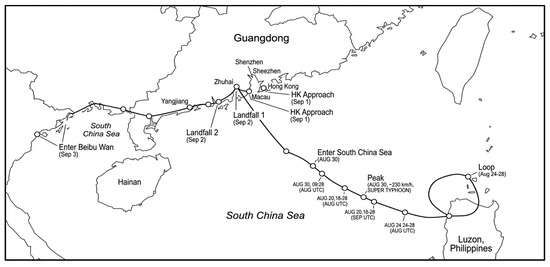
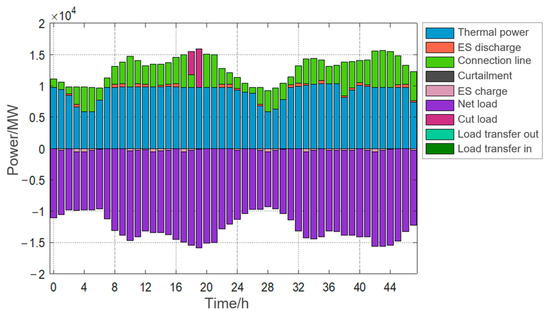
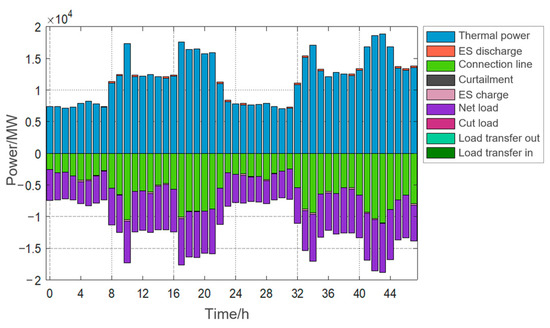
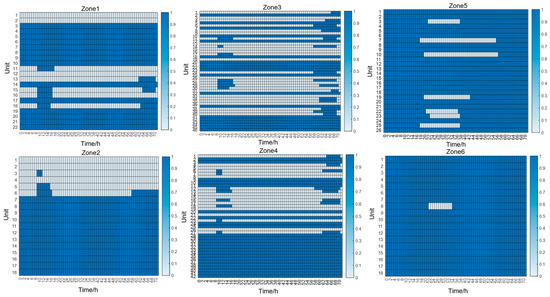
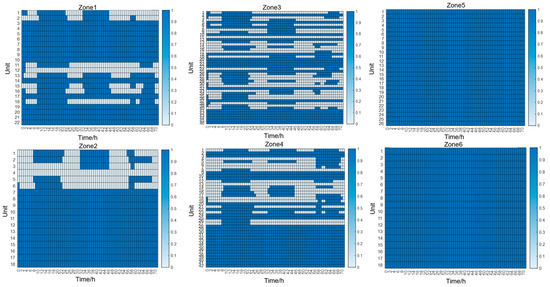
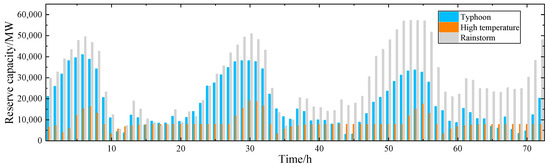
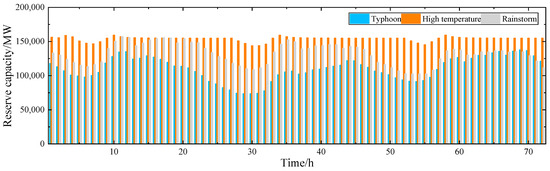
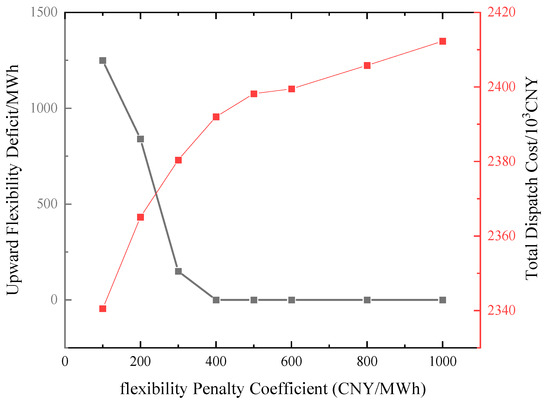
To address the insufficient flexibility in power systems caused by renewable energy output uncertainty during extreme weather events, a coordinated source–network–load–storage (SNLS) dispatch method that combines a flexibility supply–demand balance approach with a partitioned grid framework is proposed to achieve the effective enhancement of operational resilience. Firstly, a convolution method is employed to aggregate net load forecast error distributions, and expected flexibility demand metrics are introduced to construct a probabilistic model of compound weather impacts, thereby improving flexibility requirement quantification. Secondly, uncertainties arising from extreme meteorological conditions are considered, and an integrated economic dispatch model for the partitioned grid is established based on chance-constrained reserves and regulation capability envelopes, in order to co-optimize generation costs, demand response, and expected flexibility insufficiency penalties. Then, inter-zone power exchange and spatiotemporal unit commitment dynamics are introduced to optimally redistribute spatial generation surpluses and load deficits, so that a system-wide flexibility supply–demand balance is enabled. Finally, simulations are conducted on the real-world Guangdong 500 kV transmission network under typhoon, heatwave, and rainstorm scenarios, and the results demonstrate the effectiveness of the proposed method in eliminating flexibility deficits, reducing total dispatch costs, and capturing distinct weather-adaptive operational patterns.
Full article
(This article belongs to the Section Inventions and Innovation in Electrical Engineering/Energy/Communications)
►▼
Show Figures

Figure 1
Open AccessArticle
Intelligent Error Compensation in Copper Concentrate Belt Conveyors Using LSTM Recurrent Neural Networks for Sustainable Mining Operations
by
Nelson Chambi, Celso Sanga, Alejandra Sanga and Piero Sanga
Inventions 2026, 11(4), 85; https://doi.org/10.3390/inventions11040085 - 17 Aug 2026
Abstract
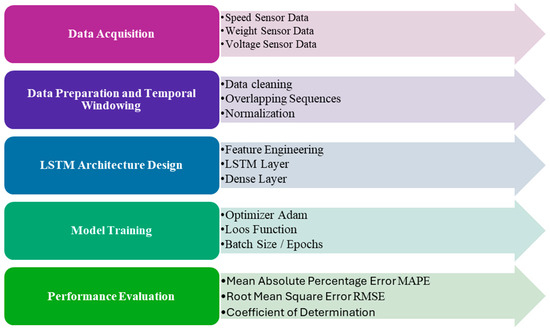
This study presents the development and validation of an intelligent error compensator based on Long Short-Term Memory (LSTM) recurrent neural networks for dynamic weighing systems in copper concentrate belt conveyors. Conventional weighing systems fail to capture nonlinear temporal dynamics, leading to measurement inaccuracies
[...] Read more.
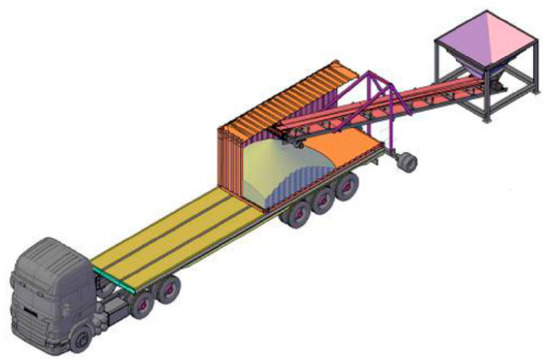
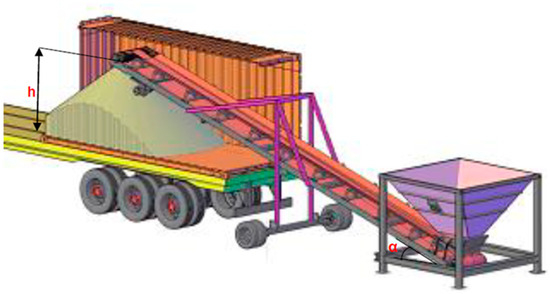
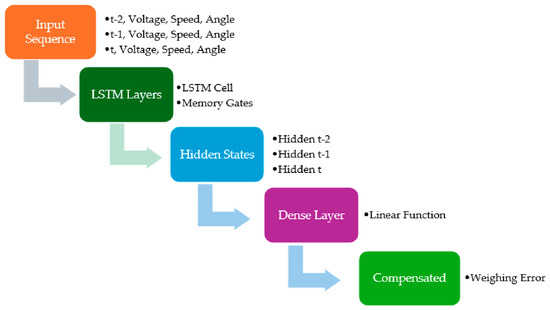
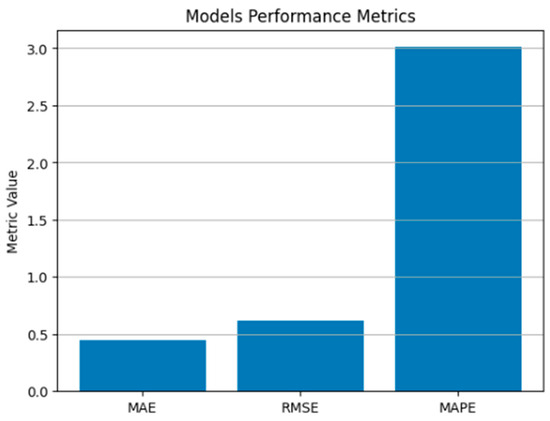
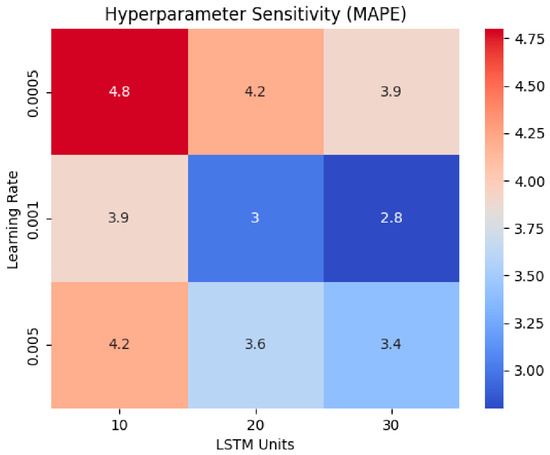
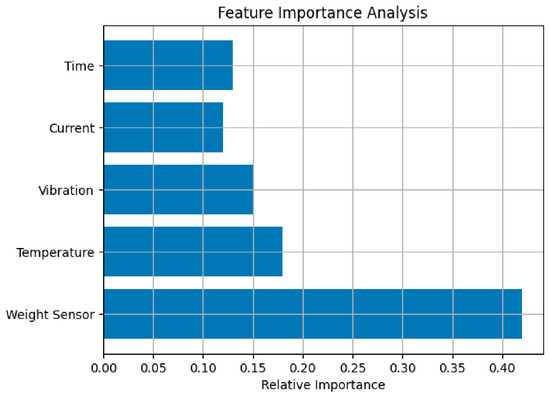
This study presents the development and validation of an intelligent error compensator based on Long Short-Term Memory (LSTM) recurrent neural networks for dynamic weighing systems in copper concentrate belt conveyors. Conventional weighing systems fail to capture nonlinear temporal dynamics, leading to measurement inaccuracies during container filling operations. The methodology comprised data acquisition from load cells, speed sensors, and inclinometers; systematic hyperparameter optimization; and evaluation using Mean Absolute Percentage Error (MAPE), Root Mean Square Error (RMSE), and coefficient of determination (R2). Hyperparameter optimization identified an optimal configuration with one LSTM layer (20 units, learning rate 0.001, window size 20 steps). Evaluation on an independent test set showed that the compensator reduced MAPE from 8.5% (uncompensated system) to 3.01%, representing a 64.6% improvement, and reduced RMSE from 12.3 to 4.2 tons (65.9% improvement), with an R2 of 0.95. Feature importance analysis confirmed physical consistency, with load cell voltage as the dominant predictor (42%). These results demonstrate that LSTM-based compensation significantly enhances weighing accuracy. The study provides a replicable framework for industrial metrology modernization, contributing to sustainable mining operations through material loss reduction and logistics optimization. While the proposed model has been validated offline using historical data, its deployment in the live production environment remains pending.
Full article
(This article belongs to the Special Issue 10th Anniversary of Inventions)
►▼
Show Figures

Figure 1
Open AccessArticle
A Physics-Informed Hybrid Method for Rapid Constant-Power State-of-Power Evaluation of Lithium-Ion Batteries
by
Peihao Yang, Zhengxiang Song, Ziyao Wang and Jiewen Wang
Inventions 2026, 11(4), 84; https://doi.org/10.3390/inventions11040084 - 14 Aug 2026
Abstract
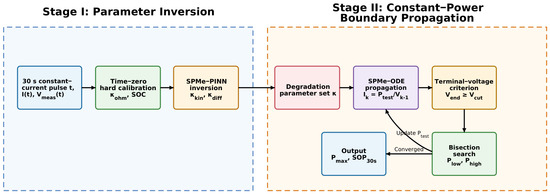
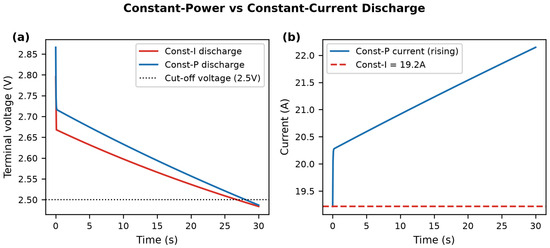
In short-duration power-support applications of energy storage stations, state of power (SOP) estimation should reflect the constant-power boundary over the target horizon, while constant-current extrapolation may misrepresent the current rise caused by voltage decline. This study proposes a 30 s constant-power SOP evaluation
[...] Read more.
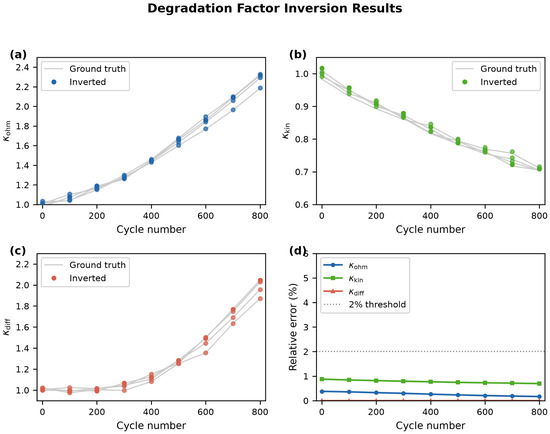
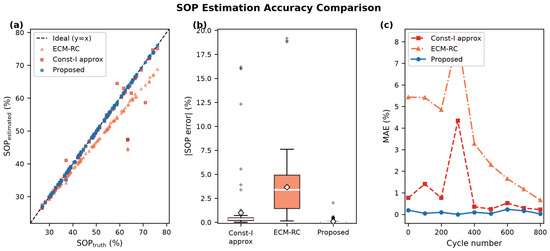
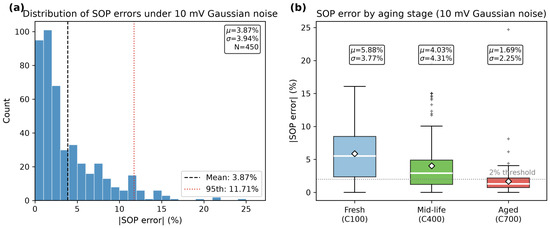
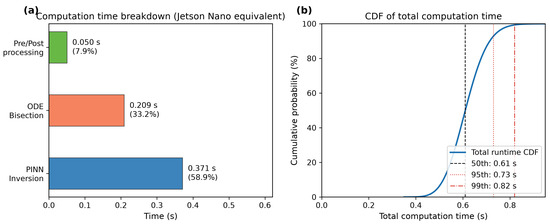
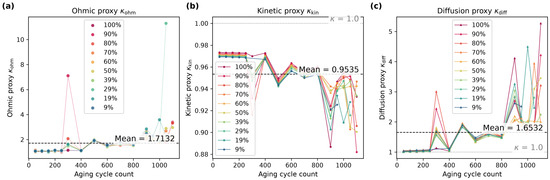
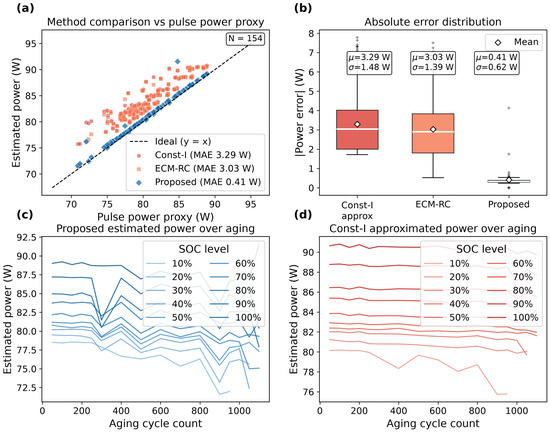
In short-duration power-support applications of energy storage stations, state of power (SOP) estimation should reflect the constant-power boundary over the target horizon, while constant-current extrapolation may misrepresent the current rise caused by voltage decline. This study proposes a 30 s constant-power SOP evaluation framework for portable inspection, decoupling parameter inversion from boundary propagation. The method uses a single-particle model with electrolyte dynamics (SPMe) with degradation factors for ohmic resistance, kinetics, and diffusion. The ohmic degradation factor is determined through time-zero voltage-drop hard calibration, while the kinetic and diffusion degradation factors are identified from 30 s constant-current pulse responses using physics-informed neural network (PINN)-based inversion, and the constant-power boundary is solved by Runge–Kutta integration and bisection search. In model-consistent closed-loop verification, which assesses numerical and inversion consistency under matched-model assumptions rather than independent physical accuracy, the method achieved a mean absolute error (MAE) of 0.100%, a 95th-percentile error of 0.503%, and a maximum error of 2.019%, below the constant-current approximation and first-order equivalent circuit model baselines within the matched-model synthetic setting. Its Jetson Nano-equivalent runtime was approximately 0.630 s. An external proxy comparison using 154 discharge pulses from a public HPPC dataset for an LCO-graphite cell showed an MAE of 0.41 W relative to the pulse-power proxy. This result measures agreement with the selected pulse-power proxy rather than accuracy against a strictly defined 30 s constant-power ground truth. The 10 mV-noise case increased the SOP MAE to 3.868%, indicating substantial sensitivity to voltage-measurement disturbance and the need for validated signal conditioning. These results indicate a physically interpretable and computationally feasible candidate framework for rapid battery power screening, while direct constant-power experiments, broader chemistry coverage, and measured-noise validation remain necessary before field deployment.
Full article
(This article belongs to the Section Inventions and Innovation in Electrical Engineering/Energy/Communications)
►▼
Show Figures

Figure 1
Open AccessArticle
Research on Fault Identification and Decision for UHV Bushing Based on Knowledge Graph Rule Reasoning and Inductive Graph Convolutional Network
by
Longgang Guo, Jie Zhang, Qi Chai, Tianbao Zhou, Weimin Liu, Shuxin Li and Zefeng Yang
Inventions 2026, 11(4), 83; https://doi.org/10.3390/inventions11040083 - 14 Aug 2026
Abstract
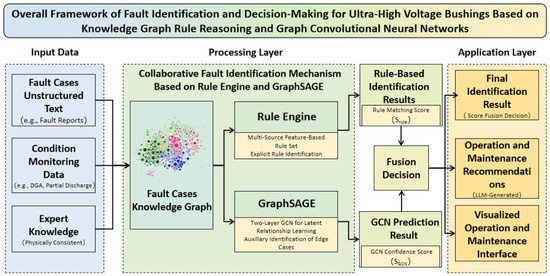
To address the challenges of integrating multi-source heterogeneous data, fragmented fault knowledge, and the limited capability of traditional rule engines in recognizing edge cases for ultra-high voltage (UHV) bushing fault diagnosis, this paper proposes a fault identification and decision-making method based on knowledge
[...] Read more.
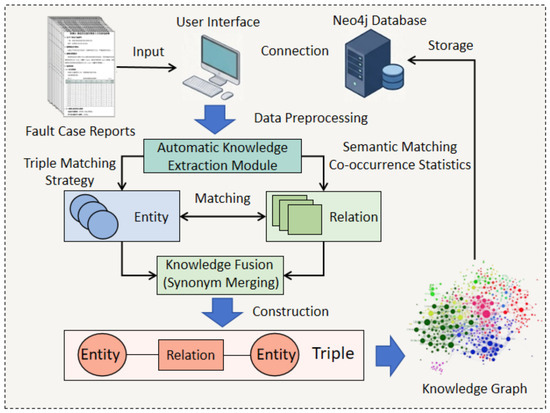
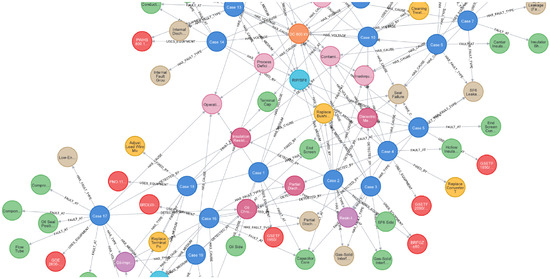
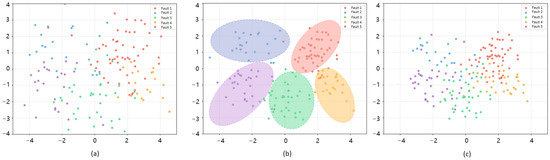
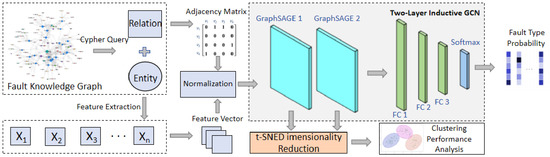
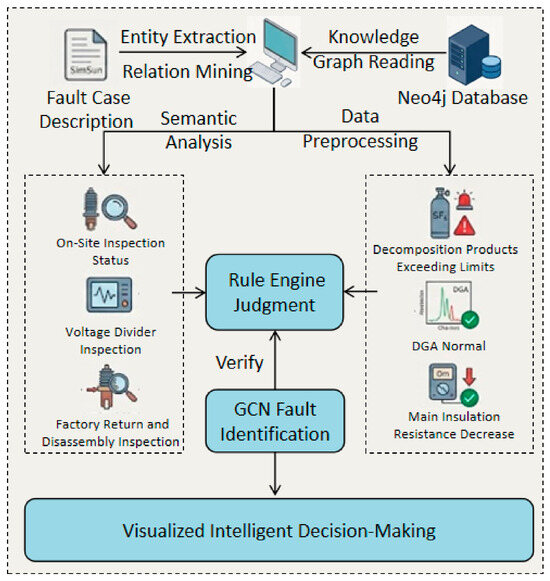
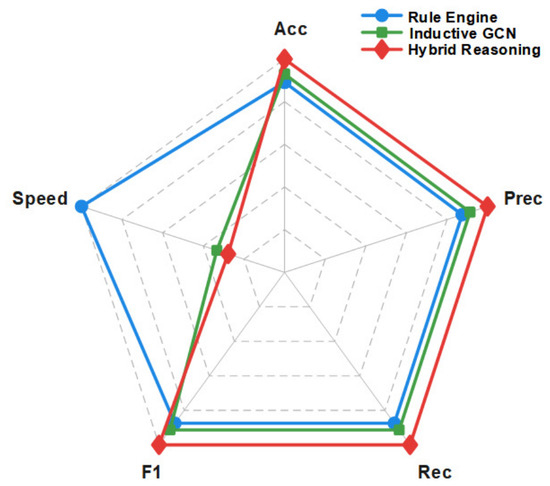
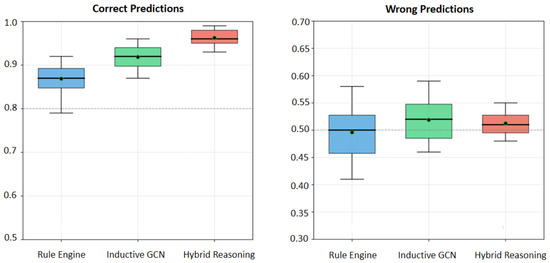
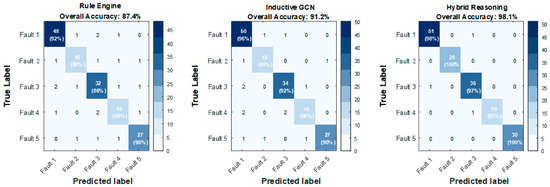
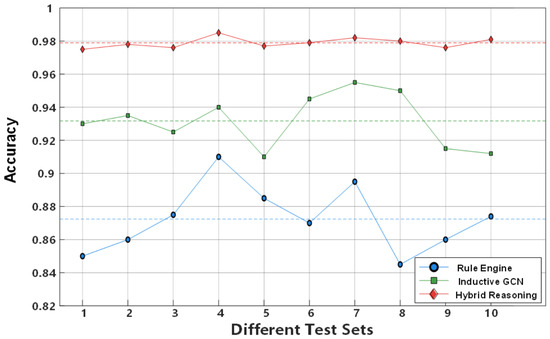
To address the challenges of integrating multi-source heterogeneous data, fragmented fault knowledge, and the limited capability of traditional rule engines in recognizing edge cases for ultra-high voltage (UHV) bushing fault diagnosis, this paper proposes a fault identification and decision-making method based on knowledge graph (KG) rule reasoning and inductive graph convolutional network (Inductive GCN). First, a triple-matching strategy is employed to perform entity extraction and relation mining from fault cases, constructing a fault knowledge graph that transforms unstructured fault case texts into a structured knowledge graph. Second, a rule engine based on a multi-source feature rule set is designed, utilizing the entropy weight method and the RETE algorithm to achieve interpretable symbolic reasoning. On this basis, a double-layer inductive graph convolutional network is introduced to learn implicit fault patterns by aggregating topological information from neighboring nodes, and a confidence-driven dynamic weighted fusion strategy is adopted to achieve complementary advantages between the two models. Finally, a large language model is introduced to generate operation and maintenance decision recommendations. Experimental results demonstrate that the proposed method achieves an identification accuracy of 98.1% on a test set of 159 samples, which is 10.7 percentage points higher than that of a single rule engine and 6.9 percentage points higher than that of a single inductive graph convolution network. The standard deviation of accuracy across different test batches is only 0.0029. These results demonstrate the effectiveness and stability of the proposed method, providing a practical technical solution for UHV bushing fault identification.
Full article
(This article belongs to the Special Issue Mechanics of Composite Materials: Strength, Deformation, and Failure Analysis)
►▼
Show Figures

Figure 1
Open AccessArticle
Low-Cost Pulsed Spray Pyrolysis Synthesis of ZnO-rGO and F-Doped SnO2 Thin Films
by
Seham K. Abdel-Aal, Mohamed F. Kandeel, Raghda Sabry, Maxim Ganchev, Stanka Spasova, Abdallah Dayhoum and Ahmed S. Abdel-Rahman
Inventions 2026, 11(4), 82; https://doi.org/10.3390/inventions11040082 - 5 Aug 2026
Cited by 1
Abstract
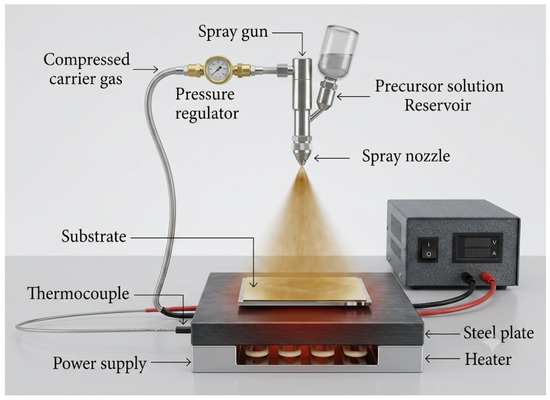
In the present work, graphene-modified zinc oxide (ZnO-rGO) and fluorine-doped tin oxide (FTO) thin films were successfully fabricated using a simple, low-cost pulsed spray pyrolysis technique. The structural, morphological, optical, electrical, and surface electronic properties of the deposited films were systematically characterized. X-ray
[...] Read more.
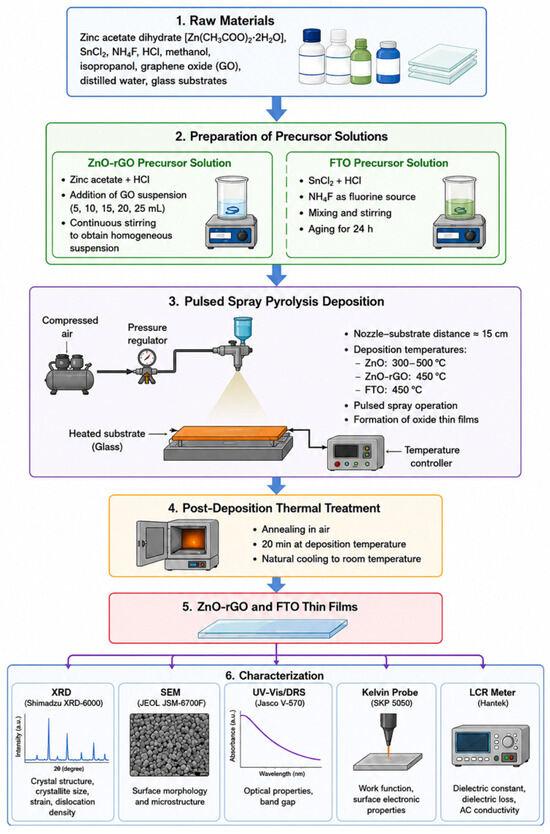
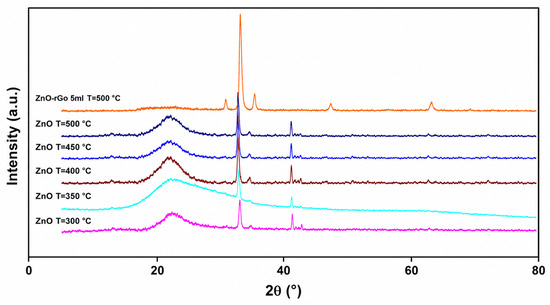
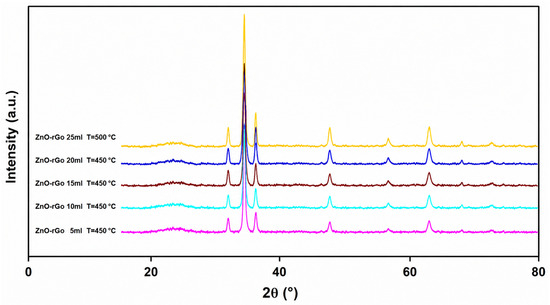
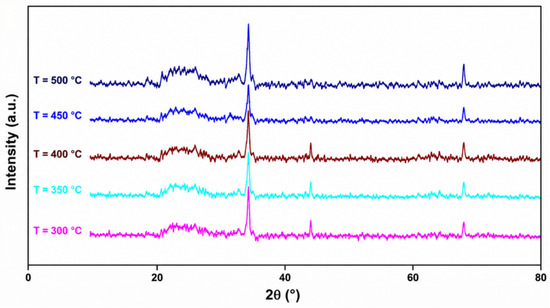
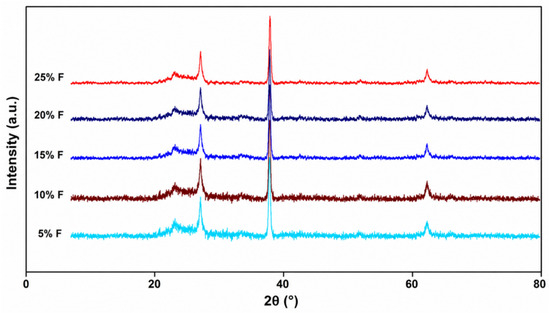
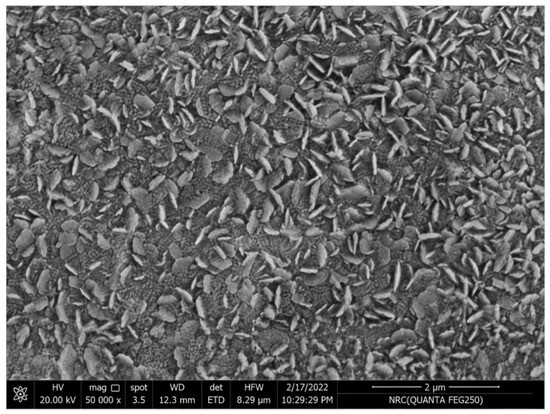
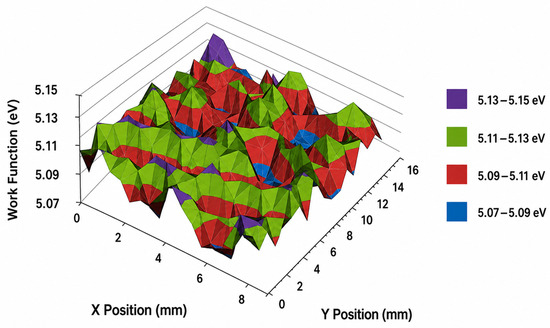
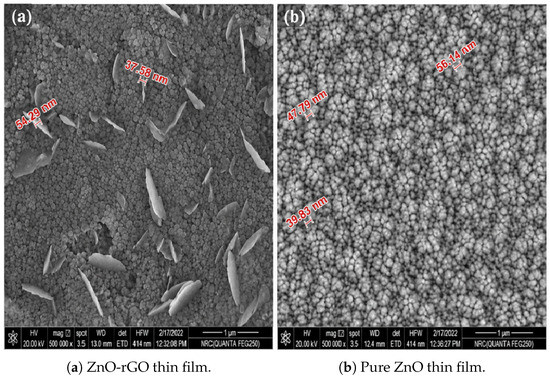
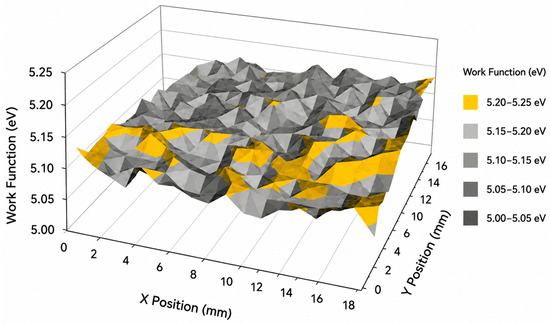
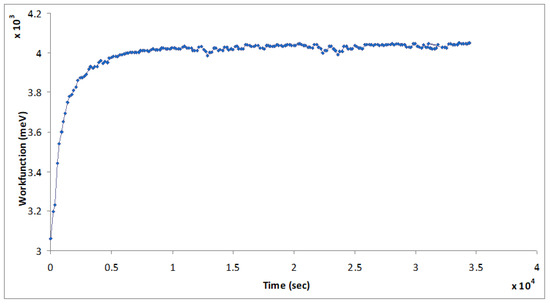
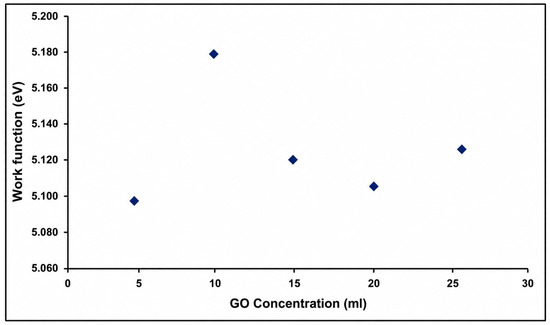
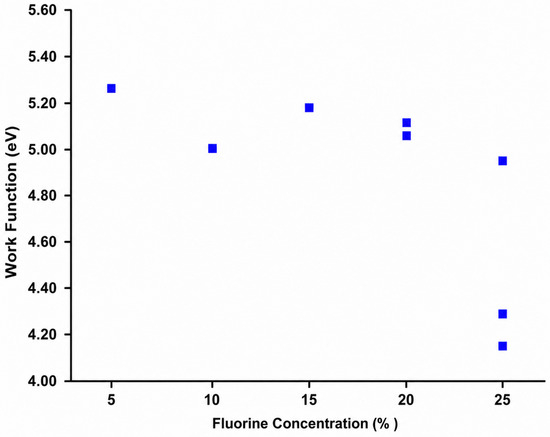
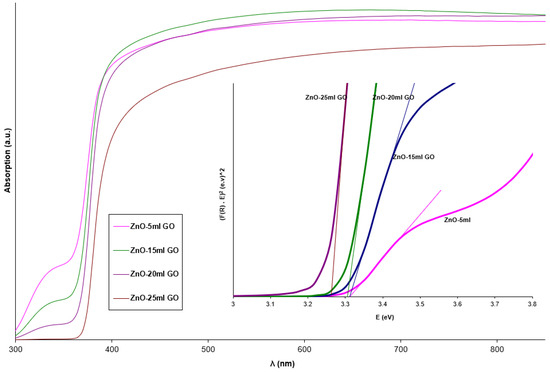
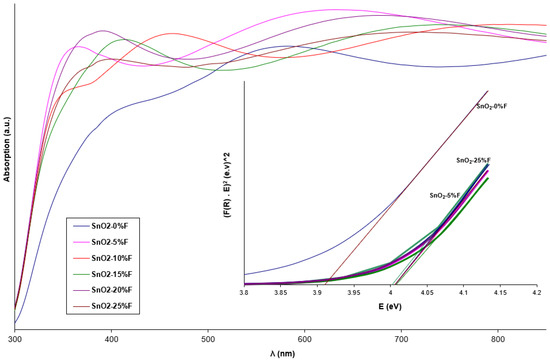
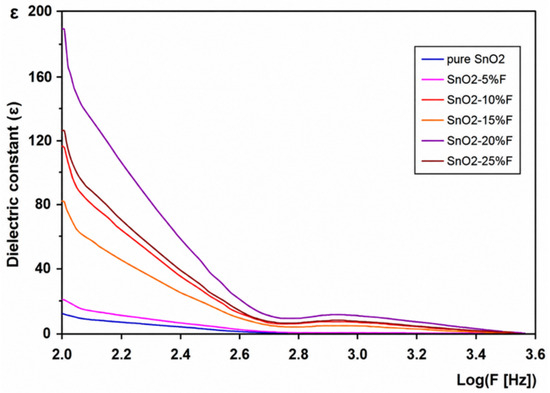
In the present work, graphene-modified zinc oxide (ZnO-rGO) and fluorine-doped tin oxide (FTO) thin films were successfully fabricated using a simple, low-cost pulsed spray pyrolysis technique. The structural, morphological, optical, electrical, and surface electronic properties of the deposited films were systematically characterized. X-ray diffraction (XRD) analysis confirmed the formation of polycrystalline ZnO- and SnO2-based phases with crystallite sizes in the nanometer range. The crystallographic parameters, microstrain, and dislocation density of the deposited films were found to be influenced by the incorporation of reduced graphene oxide (rGO) and fluorine dopants. Scanning electron microscopy (SEM) revealed compact and homogeneous surface morphologies with good film coverage and well-defined nanocrystalline features. Optical characterization demonstrated the wide-bandgap semiconducting behavior of the deposited films, with optical bandgap energies ranging from 3.262 to 3.312 eV for the ZnO-rGO films and from 3.91 to 4.01 eV for the FTO films. Kelvin probe measurements yielded work-function values in the range of approximately 5.0–5.2 eV, indicating favorable surface electronic characteristics suitable for optoelectronic applications. Furthermore, fluorine incorporation enhanced the dielectric response of the SnO2 films, particularly in the low-frequency region owing to increased interfacial polarization effects. The obtained results demonstrate that pulsed spray pyrolysis provides a simple, cost-effective, and efficient route for fabricating ZnO-rGO and FTO thin films with desirable structural, optical, electrical, and surface electronic properties. These findings highlight the considerable potential of the developed materials for transparent electrodes and a wide range of optoelectronic applications.
Full article
(This article belongs to the Section Inventions and Innovation in Advanced Manufacturing)
►▼
Show Figures

Figure 1
Open AccessArticle
Optimal Operation of Gas Turbine Generator and Energy Storage for Islanded Microgrid AI Data Centers Under Workload Dynamics
by
Hyeonseong Mun, Damjan Zechevikj, Surya Santoso and Lei Jiang
Inventions 2026, 11(4), 81; https://doi.org/10.3390/inventions11040081 - 4 Aug 2026
Abstract
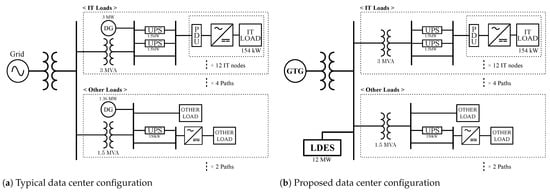
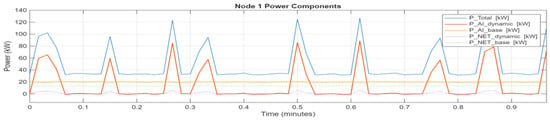
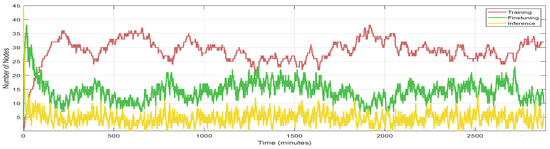
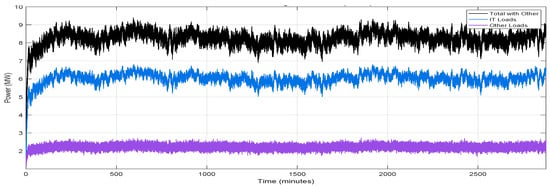
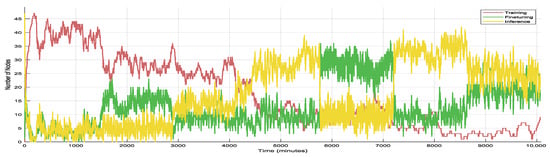
The rapid growth of artificial intelligence (AI) data centers introduces highly variable and mission-critical load profiles that challenge conventional power supply strategies. This paper proposes an islanded microgrid gas turbine generator (GTG) and long-duration energy storage (LDES) hybrid architecture to provide both short-term
[...] Read more.
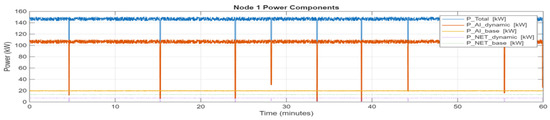
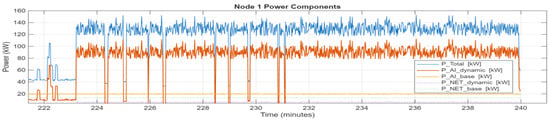
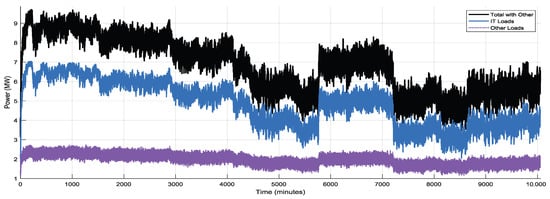
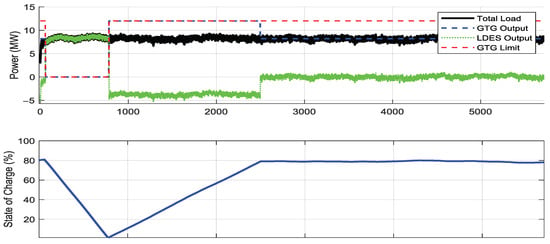
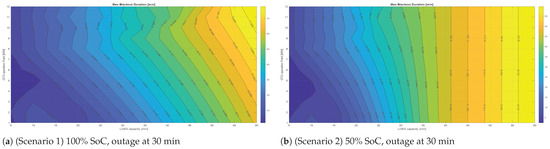
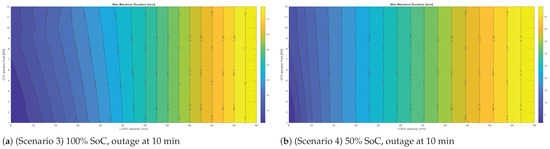
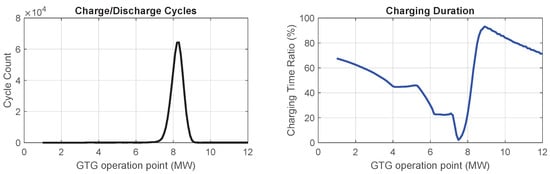
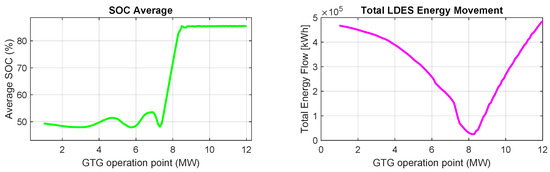
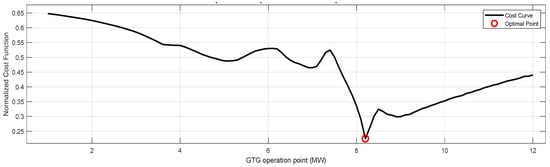
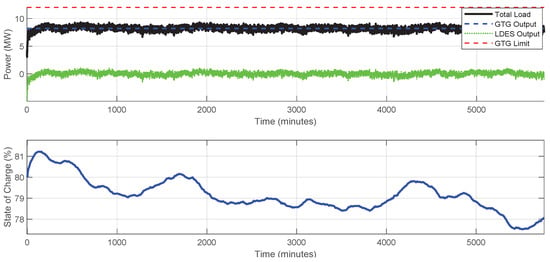
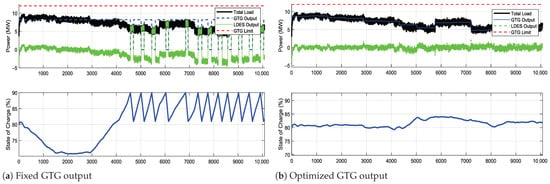
The rapid growth of artificial intelligence (AI) data centers introduces highly variable and mission-critical load profiles that challenge conventional power supply strategies. This paper proposes an islanded microgrid gas turbine generator (GTG) and long-duration energy storage (LDES) hybrid architecture to provide both short-term load balancing and extended energy support under prolonged outage conditions. A probabilistic multi-phase workload model is developed to capture the temporal characteristics of training, fine-tuning, and inference processes, incorporating both high-frequency fluctuations and multi-day workload variations. Based on reliability requirements, an LDES sizing methodology is formulated to ensure long-duration autonomy for mission-critical operation in a 12 MW power-block AI data center system, with the storage capacity determined based on a 12-h autonomy criterion. The GTG operating point is then evaluated using four storage performance metrics: charge/discharge transition frequency, charging time ratio, state-of-charge (SoC) deviation, and cumulative energy movement. The results indicate that the optimal GTG operating point ranges from approximately 40–73.3% of the initially selected rating, closely tracking the time-varying average load and significantly reducing LDES utilization and storage stress. While GTG fixed-output operation may induce SoC drift under sustained workload variations, applying the identified optimal operating point maintains SoC within the desired range, demonstrating stable LDES operation without dynamic adjustment. The proposed framework provides quantitative design and operational guidelines for GTG–LDES hybrid systems in next-generation AI data centers.
Full article
(This article belongs to the Special Issue Distribution Renewable Energy Integration and Grid Modernization)
►▼
Show Figures

Figure 1
Open AccessArticle
FastSymbolicGP: A Lightweight Python Library for Efficient Symbolic Regression and Classification
by
Nikola Anđelić
Inventions 2026, 11(4), 80; https://doi.org/10.3390/inventions11040080 - 4 Aug 2026
Abstract
Symbolic regression and symbolic classification generate explicit mathematical expressions that combine predictive modelling with direct model interpretability. However, symbolic learning based on genetic programming can be computationally expensive because large populations of candidate expressions must be repeatedly evaluated over multiple generations. This paper
[...] Read more.
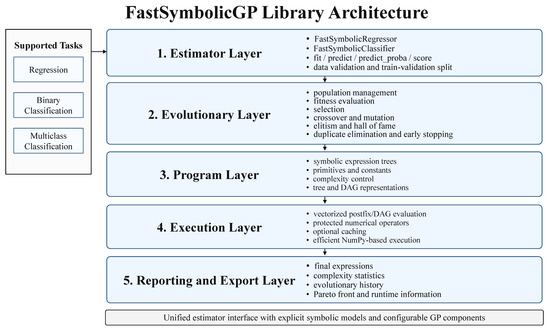
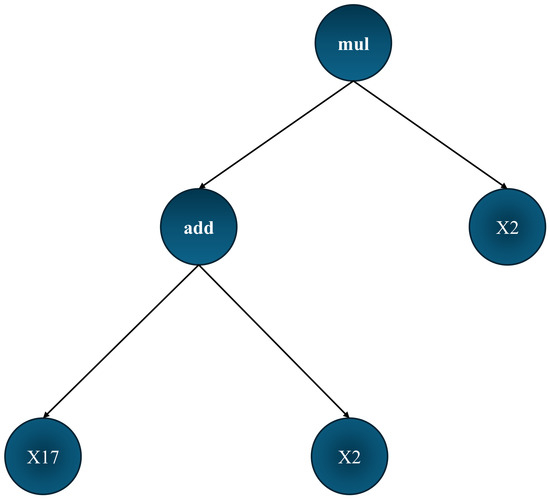
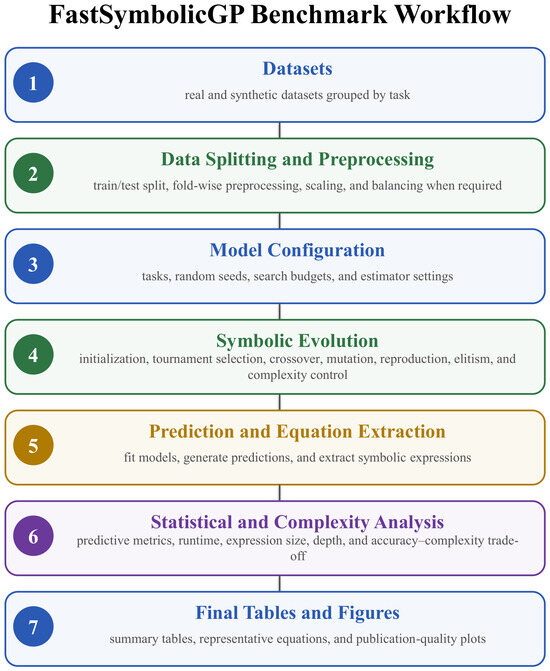
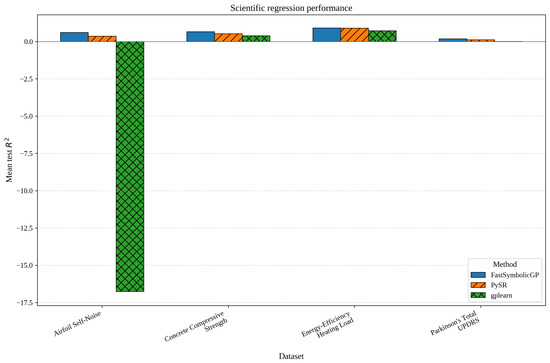
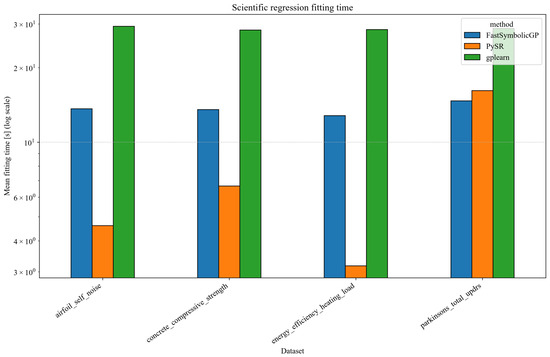
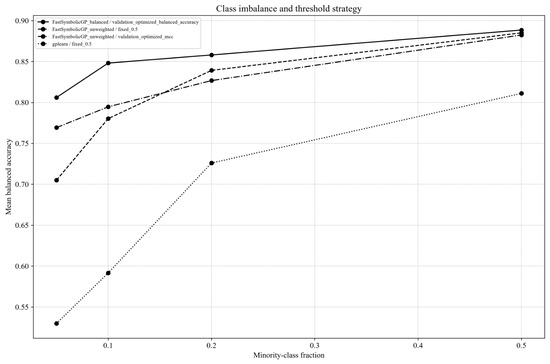
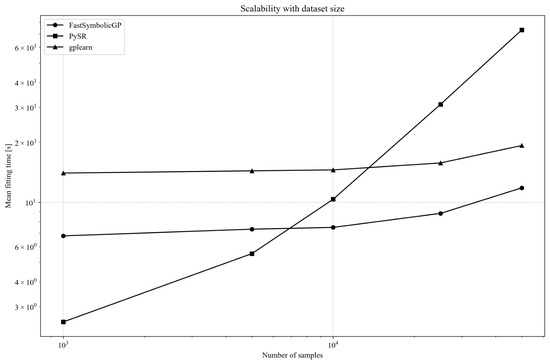
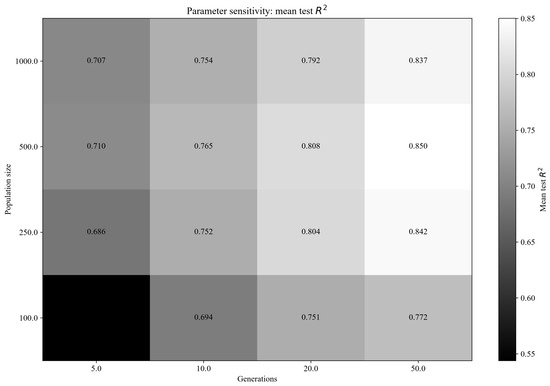
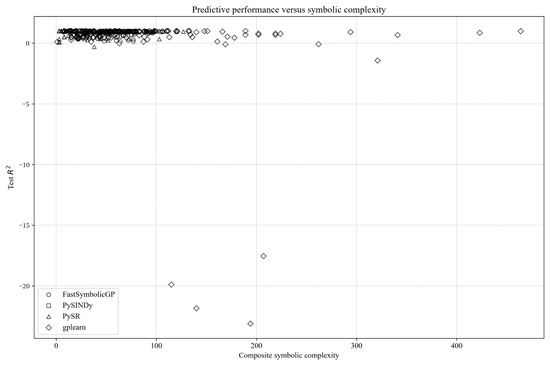
Symbolic regression and symbolic classification generate explicit mathematical expressions that combine predictive modelling with direct model interpretability. However, symbolic learning based on genetic programming can be computationally expensive because large populations of candidate expressions must be repeatedly evaluated over multiple generations. This paper presents FastSymbolicGP, a lightweight Python library for symbolic regression, binary classification, and multiclass classification through a compact, scikit-learn-compatible interface. The library implements tree-based genetic programming, protected mathematical operators, tournament selection, subtree crossover, subtree, hoist, and point mutation, elitism, validation-aware model selection, adaptive parsimony, expression complexity analysis, and Numba-compiled postfix evaluation. FastSymbolicGP was evaluated through 940 successful benchmark runs covering real-world scientific regression, binary and multiclass classification, physical law recovery, dynamical system identification, parameter sensitivity, ablation, and scalability. Across four real-world scientific regression datasets, FastSymbolicGP achieved the highest mean test on every dataset and obtained significantly better pooled paired results than gplearn and PySR under the evaluated configurations. These results are specific to the selected hyperparameters, primitive sets, stopping criteria, and computational budgets, and should not be interpreted as evidence of universal superiority. In binary classification, it achieved a mean balanced accuracy of 0.8507, compared with 0.7458 for gplearn, while validation-based threshold optimization and class weighting further improved performance under severe class imbalance. FastSymbolicGP also achieved competitive multiclass and dynamical system results while generally producing substantially simpler models than gplearn. In the scalability experiment with 50,000 samples, FastSymbolicGP was approximately 6.20 times faster than PySR and 1.63 times faster than gplearn, while obtaining predictive performance nearly identical to PySR. physical law experiments showed that nondimensionalization increased the dimensional validity rate of recovered FastSymbolicGP expressions from 24% to 96%, while reducing runtime and expression complexity. Analysis of the stored equation pools further showed that near-optimal model selection reduced symbolic complexity by an average of 28.6% when a simpler candidate was available, with negligible predictive degradation. These results indicate that FastSymbolicGP provides a practical balance of predictive performance, computational efficiency, task coverage, and symbolic interpretability for reproducible scientific and machine learning applications.
Full article
(This article belongs to the Special Issue Towards Interpretable and Transparent AI: Innovations in Symbolic Learning)
►▼
Show Figures

Figure 1
Open AccessArticle
Research on the Movement Characteristics and Local Accumulation Mechanism of Rubber Particles in Converter Transformer Mineral Oil
by
Wenlong Liao, Xin Yang, Yueping Yang, Jiazhao Lian, Zhenyu Wang and Zefeng Yang
Inventions 2026, 11(4), 79; https://doi.org/10.3390/inventions11040079 - 30 Jul 2026
Abstract
Rubber particles shed from aging seals in converter transformers can distort local electric fields and degrade insulation. As a critical but understudied impurity in converter transformers, the migration and accumulation mechanisms of rubber particles remain unclear. This study investigates the movement and accumulation
[...] Read more.
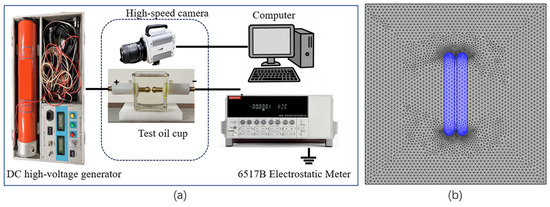
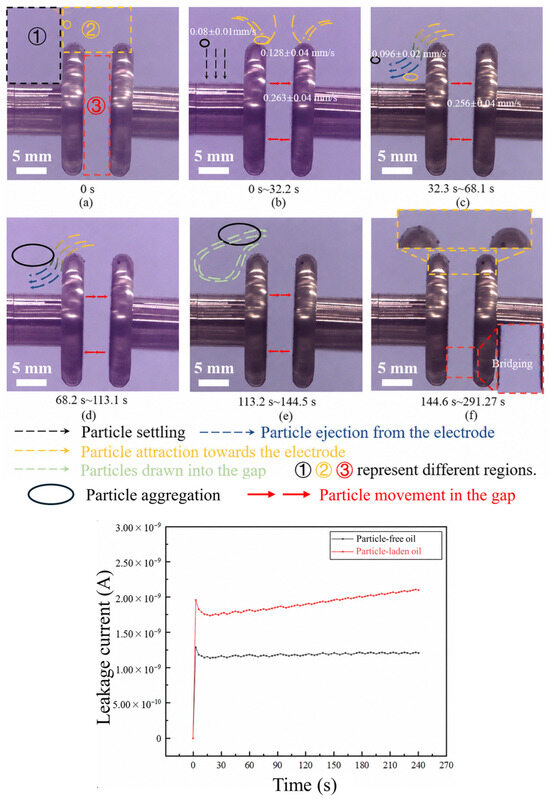
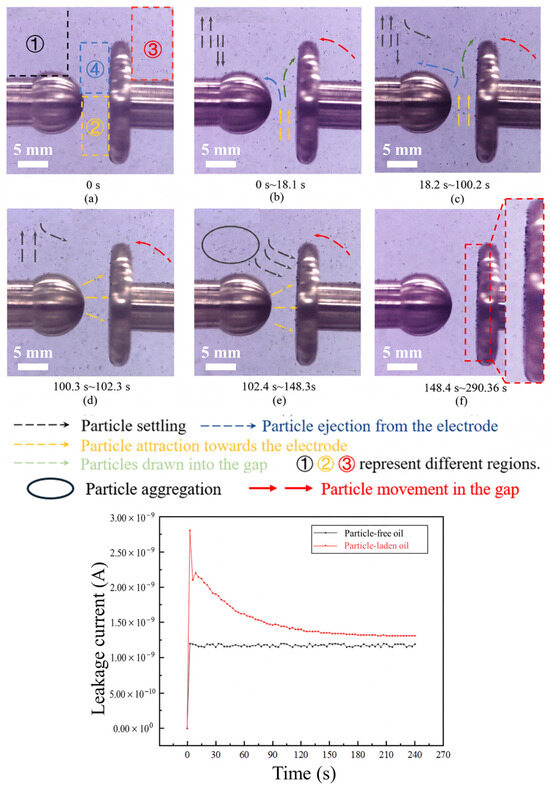
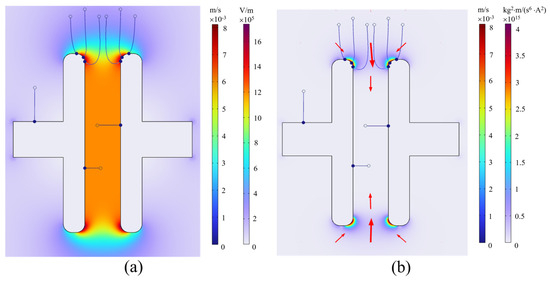
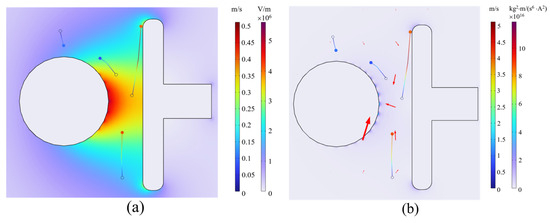
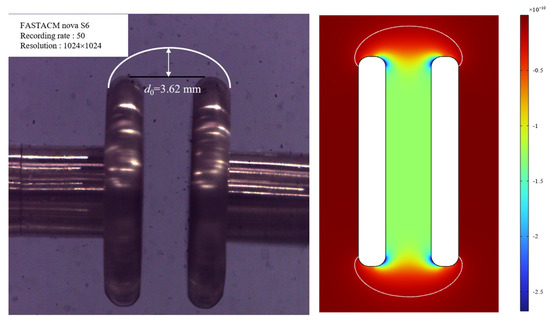
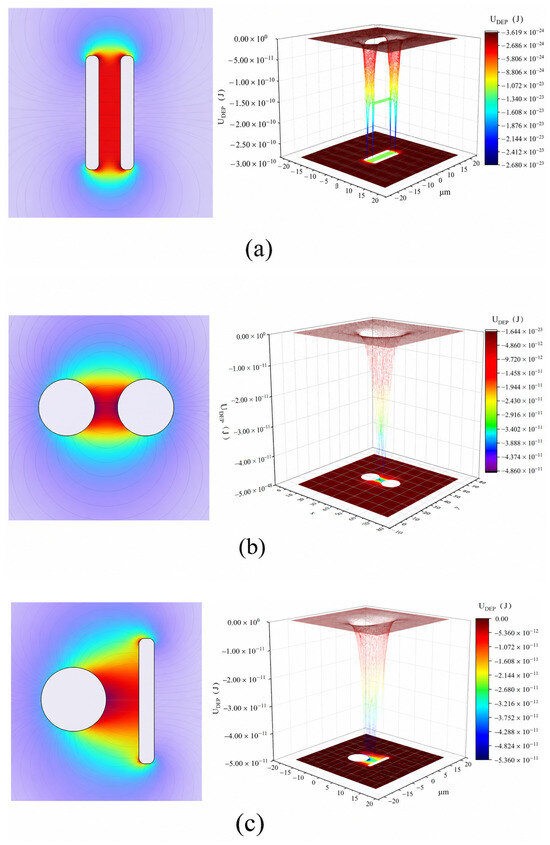
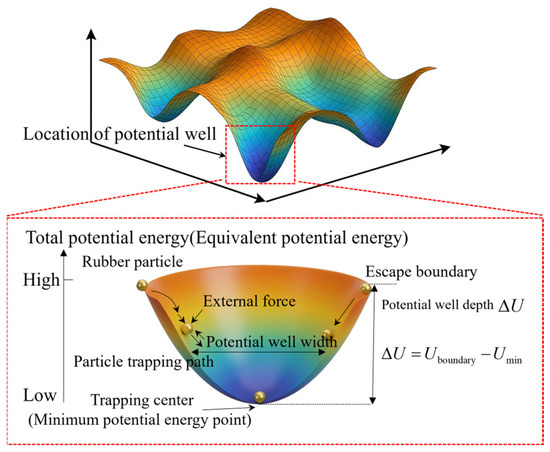
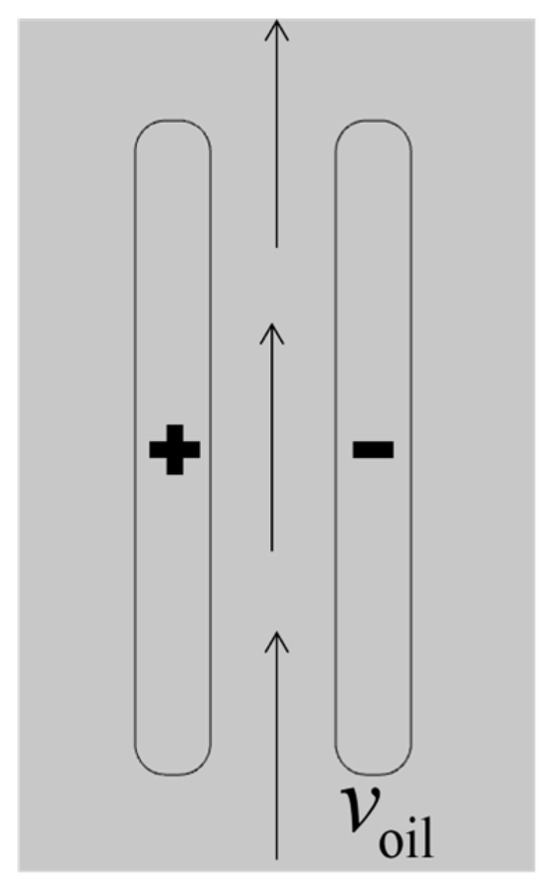
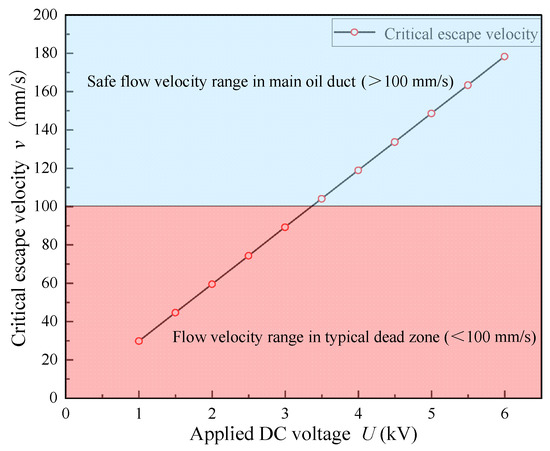
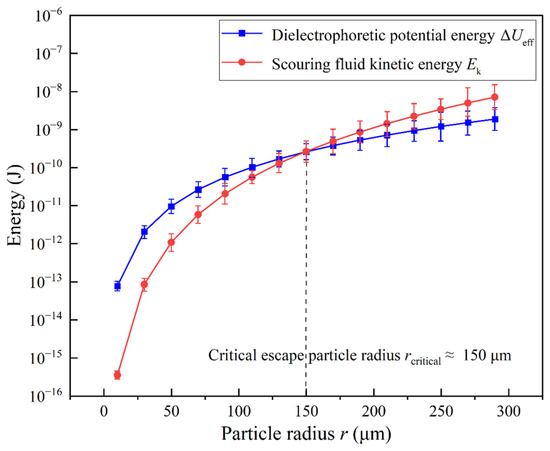
Rubber particles shed from aging seals in converter transformers can distort local electric fields and degrade insulation. As a critical but understudied impurity in converter transformers, the migration and accumulation mechanisms of rubber particles remain unclear. This study investigates the movement and accumulation behaviors of nitrile butadiene rubber (NBR) particles under a DC electric field. High-speed camera observations were conducted under DC voltages up to 6 kV to capture the migration of 100–200 µm NBR particles under parallel-plate and sphere-plate electrodes. A multiphysics model was developed to simulate field gradients and particle trajectories. Results show that particles form dynamic bridges via reciprocating migration in uniform fields, whereas they exhibit staged movement under non-uniform fields. A dielectrophoretic (DEP) potential well model reveals that high-gradient regions (e.g., electrode edges) form steep wells that trap particles when their kinetic energy falls below the well depth. Quantitative analysis indicates that particles with a radius below the critical value (e.g., 150 µm) are prone to local accumulation under applied voltages above 3.5 kV. Above this critical value, accumulation is suppressed, depending on the voltage and oil velocity conditions. These findings clarify the critical criteria for rubber particle accumulation, supporting insulation design in converter transformers.
Full article
(This article belongs to the Special Issue Mechanics of Composite Materials: Strength, Deformation, and Failure Analysis)
►▼
Show Figures

Figure 1
Open AccessArticle
Robust Few-Shot Online Signature Verification via Bi-Directional-Guided Fusion and Padding-Aware Attention
by
Liyan Huang, Yuanxiang Ruan and Weijun Li
Inventions 2026, 11(4), 78; https://doi.org/10.3390/inventions11040078 - 28 Jul 2026
Abstract
Online signature verification (OSV) remains challenging under few-shot enrollment and multi-posture conditions, where limited reference samples and writing variations increase intra-writer variability and degrade verification performance. Existing methods often rely on simple feature concatenation and insufficiently exploit interactions between global statistical and temporal
[...] Read more.
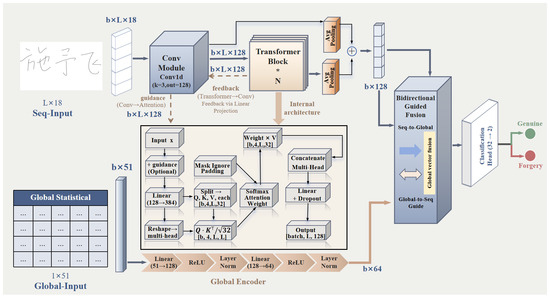
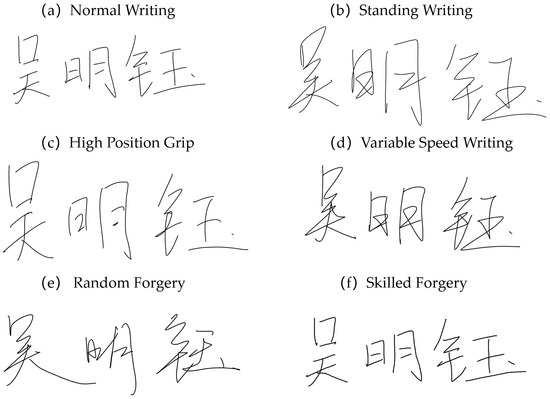
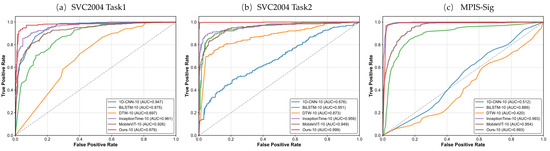
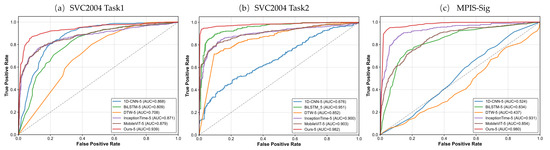
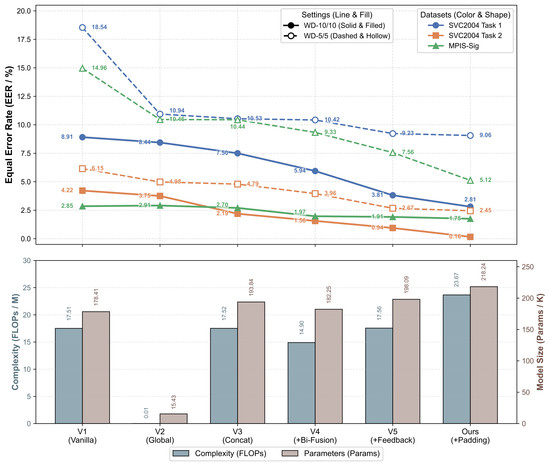
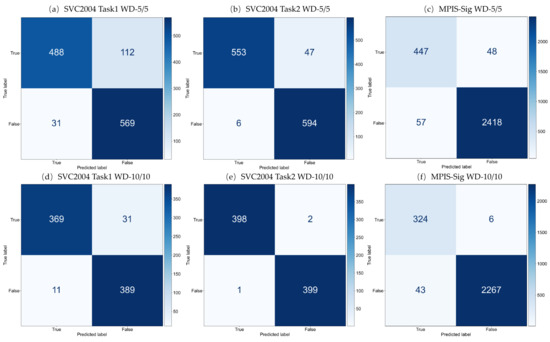
Online signature verification (OSV) remains challenging under few-shot enrollment and multi-posture conditions, where limited reference samples and writing variations increase intra-writer variability and degrade verification performance. Existing methods often rely on simple feature concatenation and insufficiently exploit interactions between global statistical and temporal dynamic representations, while attention mechanisms in variable-length sequences may be affected by invalid padded regions. To address these limitations, this study introduces FT-Transformer, a hybrid CNN–Transformer framework for few-shot online signature verification. The model jointly encodes 18-dimensional local dynamic descriptors and 51-dimensional global statistical features. A bi-directional-guided fusion mechanism is introduced to facilitate interaction between heterogeneous representations, while a closed-loop feedback pathway and padding-aware attention masking are incorporated to improve feature robustness. Experiments on the public SVC2004 benchmark and a custom multi-posture dataset (MPIS-Sig) evaluate the performance of this framework. Under the WD-10/10 protocol, FT-Transformer achieves an Equal Error Rate (EER) of 0.16% on SVC2004 Task 2 and maintains an EER of 2.40% under the more challenging WD-5/5 setting. On MPIS-Sig, the model achieves over 98% verification accuracy across different writing postures. These results demonstrate that FT-Transformer effectively improves OSV robustness under data-scarce and multi-posture conditions.
Full article
(This article belongs to the Section Inventions and Innovation in Design, Modeling and Computing Methods)
►▼
Show Figures

Figure 1
Highly Accessed Articles
Latest Books
E-Mail Alert
News
2 September 2026
Meet Us at the 2nd Cross-Domain Intelligent Flight Technology Conference, 18–20 September 2026, Nanjing, China
1 September 2026
MDPI INSIGHTS: The CEO’s Letter #38 – 2 Million Published Articles, Outstanding Reviewers, Michele Parrinello Award, AIS 2026 & WSF-12
Topics
Topic in
AI, Inventions, MTI, Robotics, Sci, Sensors, Standards, Technologies
Toward Trustworthy Human-AI Collaboration: From Interactive Intelligence to Collaborative Autonomy
Topic Editors: George Margetis, Helmut Degen, Stavroula NtoaDeadline: 30 November 2026
Topic in
Applied Sciences, Electronics, Future Internet, IoT, Technologies, Inventions, Sensors, Vehicles
Next-Generation IoT and Smart Systems for Communication and Sensing
Topic Editors: Dinh-Thuan Do, Vitor Fialho, Luis Pires, Francisco Rego, Ricardo Santos, Vasco VelezDeadline: 31 December 2026
Topic in
Electronics, Energies, Processes, Smart Cities, Sustainability, Electricity, Inventions, Batteries
Recent Advances in Smart Grid and Energy Storage Applications
Topic Editors: Alfredo Alcayde, John Alexander Taborda-GiraldoDeadline: 31 January 2027
Topic in
Applied Sciences, Processes, Symmetry, Wind, Inventions
Computation in Real Fluids
Topic Editors: Wennan Zou, Toshio TagawaDeadline: 30 April 2027
Special Issues
Special Issue in
Inventions
Towards Interpretable and Transparent AI: Innovations in Symbolic Learning
Guest Editor: Anđelić NikolaDeadline: 20 September 2026
Special Issue in
Inventions
Innovative Research and Applications in Hydrodynamics and Flow Control, 3rd Edition
Guest Editors: Peng Du, Haibao Hu, Xiaopeng ChenDeadline: 29 September 2026
Special Issue in
Inventions
Advanced Technologies and Artificial Intelligence for Sustainable and Intelligent Transportation Systems: Second Edition
Guest Editors: Kwok Tai Chui, Brij B. GuptaDeadline: 30 September 2026
Special Issue in
Inventions
Innovations and Inventions in Two-Phase Flow and Heat Transfer
Guest Editor: Shyy Woei ChangDeadline: 30 September 2026