

Journal Menu
► ▼ Journal Menu-
- JCM Home
- Aims & Scope
- Editorial Board
- Reviewer Board
- Topical Advisory Panel
- Instructions for Authors
- Special Issues
- Topics
- Sections & Collections
- Article Processing Charge
- Indexing & Archiving
- Editor’s Choice Articles
- Most Cited & Viewed
- Journal Statistics
- Journal History
- Journal Awards
- Society Collaborations
- Conferences
- Editorial Office
Journal Browser
► ▼ Journal BrowserNeed Help?
Announcements
4 March 2026
MDPI’s 2025 Best Paper Awards—Award-Winning Papers Announced
MDPI is honored to announce the recipients of the 2025 Best Paper Awards, celebrating exceptional research for its scientific merit and broad impact. After a rigorous evaluation process conducted by Academic Editors, this year’s awards showcase papers that stand out for their innovation, relevance, and high-quality presentation.
Out of a highly competitive pool, 396 winning papers have been recognized for their exceptional contributions. We congratulate these authors for pushing the boundaries of their respective disciplines.
At MDPI, we are dedicated to broadening the reach of innovative science. To learn more about the award-winning papers and explore research projects in your field of study, please visit the following links:
- Biology and Life Sciences;
- Business and Economics;
- Chemistry and Materials Sciences;
- Computer Sciences and Mathematics;
- Engineering;
- Environmental and Earth Sciences;
- Medicine and Pharmacology;
- Social Sciences, Arts and Humanities;
- Physical Sciences;
- Public Health and Healthcare.
About MDPI Awards:
To reward the global research community and enhance academic dialogue, MDPI journals regularly host award programs across diverse scientific disciplines. These awards, serving as a source of inspiration and recognition, help raise the influence of talented individuals who have been credited with outstanding achievements and whose work drives the advancement of their fields.
Explore the Best Paper Awards open for participation, please click here.
10 April 2026
Journal of Clinical Medicine Outstanding Reviewer Award—Winners Announced

We are pleased to announce the winners of the Journal of Clinical Medicine 2025 Outstanding Reviewer Award. The Journal of Clinical Medicine (JCM, ISSN: 2077-0383) Editorial Board and editorial team would like to gratefully acknowledge the time and energy dedicated by reviewers in checking the manuscripts submitted to the Journal of Clinical Medicine. It is due to their efforts that the high quality and rapid turnaround times of the journal are maintained.
Prize:
- CHF 500;
- A free voucher for article processing fees valid for one year;
- An electronic certificate.
Winners:
Name: Dr. Amritlal Mandal
Affiliation: The University of Arizona, USA
Name: Dr. Jorge Gutiérrez-Cuevas
Affiliation: University of Guadalajara, Mexico
Name: Dr. Domenik Popp
Affiliation: Medical University Vienna, Austria
Name: Dr. Giuseppe Basile
Affiliation: IRCCS Orthopedic Institute Galeazzi, Italy
Name: Dr. Carlo Lavalle
Affiliation: Sapienza University of Rome, Italy
Journal of Clinical Medicine Editorial Office
8 April 2026
Journal of Clinical Medicine | Special Issue Reprints Published in 2024–2025

Journal of Clinical Medicine (JCM, ISSN: 2077-0383) publishes Special Issues to create collections of papers on specific topics, with the aim of building a community of authors and readers to discuss the latest research and develop new ideas and research directions. We invite you to explore the Special Issues Reprints listed below, published in 2024 and 2025, with each Special Issue containing more than eight papers. The topics covered are not limited to cardiac imaging, chronic pain, inflammatory bowel disease, rheumatoid arthritis, heart failure, thyroid disease, and mental health. These Special Issues have attracted attention and achieved a high average rate of citations for their articles. We also invite you to follow the new editions of these Special Issues and other new Special Issues focused on similar topics. Furthermore, you can read more Special Issues Reprints published by JCM here.
In addition, the Journal Reprints service is exclusively available to Guest Editors of MDPI journals. A minimum of 8 published papers (excluding Editorials) is required for this service. Reprints are distributed globally and indexed in international databases. To explore more details, click here.
 |
1. “What We See through Cardiac Imaging” |
 |
2. “Clinical Management of Chronic Pain” |
 |
3. “Inflammatory Bowel Disease: From Diagnosis to Treatment” |
 |
4. “Management of Dyslipidaemias: Enhancing Lipid Modification to Reduce Cardiovascular Risk” |
 |
5. “New Advances in Optic Nerve Diseases” |
 |
6. “Rheumatoid Arthritis: Current Status and Future Challenges” |
 |
7. “Clinical Management of Patients with Heart Failure” |
 |
8. “Clinical Updates on the Aortic Aneurysm and Aortic Dissection” |
 |
9. “Thyroid Disease: Updates from Diagnosis to Treatment” |
 |
10. “Effect of Long-Term Insomnia on Mental Health” |
 |
11. “Clinical Risks and Perinatal Outcomes in Pregnancy and Childbirth” |
8 April 2026
Meet Us at the 2026 American College of Sports Medicine (ACSM) Annual Meeting, 26–29 May 2026, Salt Lake City, UT, USA

MDPI is excited to announce its participation as an exhibitor at the 2026 American College of Sports Medicine Annual Meeting, taking place in Salt Lake City, UT, USA, from 26 to 29 May 2026.
In 2026, ACSM’s Annual Meeting Spotlight will focus on the powerful convergence of Physical Activity, Exercise, and Technology. Technology transforms how physical activity is studied, prescribed, and experienced—from wearable devices and AI-driven interventions to virtual platforms and advanced diagnostics. This year’s spotlight will explore the intersection of basic, applied, and/or clinical science as it relates to the collective impact of physical activity, exercise, and technological advancement. Sessions in this track should reflect how innovations in technology enhance scientific understanding, clinical outcomes, performance, or population health. Through this spotlight, ACSM aims to highlight research and initiatives that are not only shaping the future of the field but also advancing its mission to extend and enrich lives through the power of movement.
The following open access journals will be represented at the conference:
If you are planning to attend this conference, please get in touch with us. Our delegates look forward to meeting you in person at the booth and answering any questions that you may have. For more information about the conference, please visit the following website: https://acsm.org/events-general/annual-meeting/exhibit-sponsor/.
3 April 2026
Meet Us at the 28th Asia-Pacific League of Associations for Rheumatology Congress, 28 October–1 November 2026, Seoul, Republic of Korea

Conference: 28th Asia-Pacific League of Associations for Rheumatology Congress
Organization: APLAR Executive Committee and Korean College of Rheumatology
Date: 28 October–1 November 2026
Place: COEX Convention & Exhibition Center, Seoul, Republic of Korea
The APLAR Congress brings together world-class research and thought-leadership from rheumatologists, internists, orthopedic surgeons, clinical immunologists, physiatrists, physical and occupational therapists, pediatricians and researchers from allied disciplines on a common platform that facilitates deliberations on all aspects of musculoskeletal diseases. The theme of the APLAR 2026 Congress will be reflected through the scientific program, harnessing amazing recent growth in the number of high-quality abstract submissions, pairing these advancements with the strengths of a local program supported by luminaries from the Korean College of Rheumatology.
The following open access journals will be represented:
- Gout, Urate, and Crystal Deposition Disease (GUCDD);
- Medicina;
- Rheumato;
- Sclerosis;
- Journal of Clinical Medicine (JCM);
- Diseases;
- Journal of Personalized Medicine (JPM);
- Journal of Functional Morphology and Kinesiology (JFMK);
- Therapeutics;
- COVID.
If you attend this conference, please feel free to visit our booth. Our delegates look forward to meeting you in person and answering any questions that you may have.
2 April 2026
2026 Tu Youyou Award—Open for Nominations
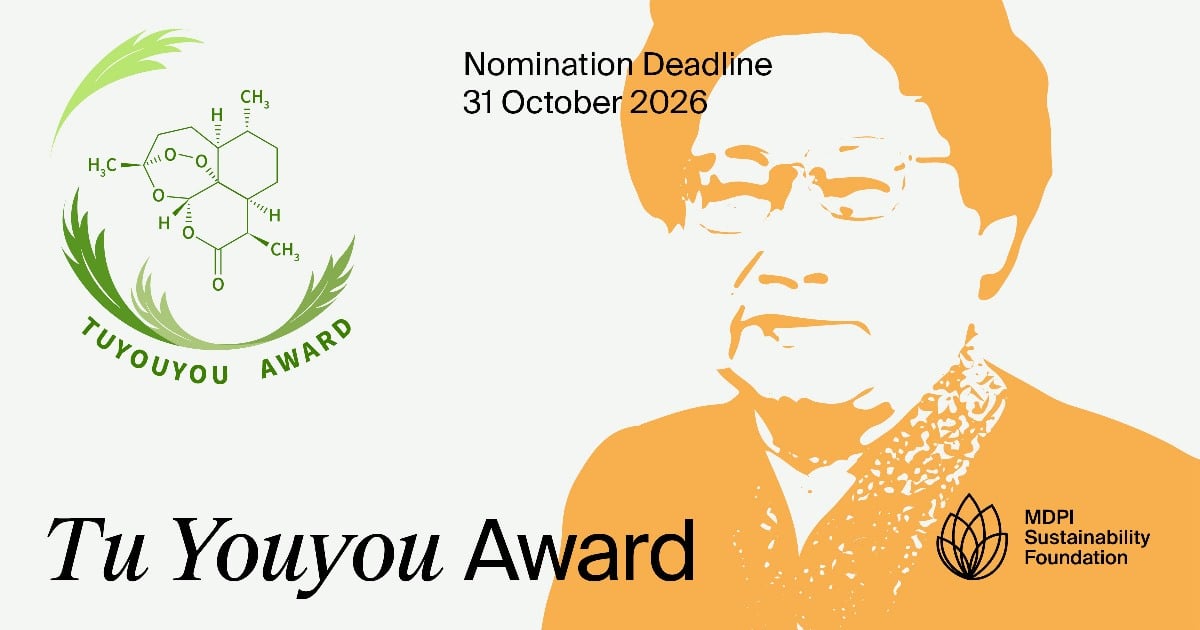
We are delighted to announce that nominations are now open for the 2026 Tu Youyou Award. Named after Nobel Laureate Tu Youyou, whose discovery of artemisinin has saved millions of lives, this award recognizes researchers whose work advances the fields of natural products chemistry and medicinal chemistry, while also contributing to human health.
Prize
– CHF 100,000;
– A medal;
– A certificate.
The monetary prize will be shared equally should there be multiple recipients.
Who May Be Nominated?
– Scientists with outstanding achievements and contributions in the fields of natural products chemistry and medicinal chemistry.
Nominees must be individuals; team or group nominations are not permitted. Nominations are valid only for the current award cycle.
Who May Submit a Nomination?
– The director of the nominee’s host research institution or recognized scientists within the field.
Self-nominations will not be considered.
Nomination Materials
– A biographical sketch;
– A detailed description of the nominee’s contributions;
– 5–10 representative academic publications;
– A list of academic honors, awards, and funded projects;
– A nomination letter signed by two nominators.
How to Submit?
Submit nominations online via the following link: https://tuyouyouprize.org/nomination
Important Dates
– Nomination Deadline: 31 October 2026
– Winner Announcement: March 2027
For further information, please visit the Tu Youyou Award website (https://tuyouyouprize.org/). For any inquiries, please contact the Tu Youyou Award Team at tuyouyouaward@mdpi.com.
31 March 2026
MDPI INSIGHTS: The CEO’s Letter #33 - 2025 Annual Report, Preprints.org, IWD, Recapping Viruses 2026 & Romania Salon

Welcome to the MDPI Insights: The CEO's Letter.
In these monthly letters, I will showcase two key aspects of our work at MDPI: our commitment to empowering researchers and our determination to facilitating open scientific exchange.
Opening Thoughts

Scaling Open Access with Integrity: MDPI Annual Report 2025
I am pleased to share the release of MDPI’s 2025 Annual Report, reflecting our continued progress as one of the world’s leading open access publishers. The report highlights not only our growth, but also the continued evolution of our publishing model and our commitment to quality, transparency, and collaboration.
You can explore the full report here: https://mdpi-res.com/data/mdpi_annual_report_2025_0401.pdf?1775045421
Or visit the interactive page: https://www.mdpi.com/annual-report-2025/
A Year of Growth and Responsibility
2025 was a year of significant growth for MDPI. We received over 669,000 manuscript submissions, the highest in our history, while maintaining a rejection rate above 60%, reinforcing our commitment to both scale and quality.
We published 261,576 peer-reviewed open access articles across a portfolio of 500 journals, supported by a global community of more than 68,000 Editorial Board Members and 209,000 reviewers.
Scaling with Integrity
Growth alone is not the objective; how we grow matters.
Our 2025 Annual Report, Scaling Open Access with Integrity, reflects our continued focus on building the systems and processes that support reliable and trustworthy publishing. As submission volumes increase globally, so too does the importance of robust editorial workflows, research integrity frameworks, and the infrastructure required to support them.
In 2025, we continued to invest in:
- Research integrity and quality assurance processes
- Editorial support and reviewer engagement
- Transparency across the publishing workflow
These efforts ensure that scale does not come at the expense of rigor, but rather reinforces it.
Validation Through Indexing and Visibility
As MDPI continues to grow, validation of quality remains essential.
In 2025, the number of MDPI journals indexed in the Web of Science Core Collection increased from 298 to 329, while Scopus coverage reached 355 journals, including 45 new acceptances. Coverage in major biomedical databases (PMC/Medline/PubMed) expanded to 95 journals, and indexing in Ei Compendex increased significantly.
These milestones reflect the strength of our editorial processes and the trust placed in our journals by independent indexing bodies.
Importantly:
- 96% of all MDPI articles are indexed in Web of Science databases
- More than 1.75 million articles are indexed, with an average of 13 citations per article
Recognition through Journal Citation Reports also continues to grow:
- 298 journals received Impact Factors
- 65% ranked in the top half of their categories
- 61 journals achieved top-quartile positions
These developments demonstrate that growth and quality are advancing together, supported by strong editorial oversight and consistent performance across our journal portfolio.
Strengthening Partnerships and Community
Open access is a collaborative endeavor.
In 2025, we expanded our institutional partnerships to more than 1,000 IOAP agreements, helping simplify publishing for researchers and institutions worldwide.
We also hosted 60 in-person conferences and virtual events, bringing together more than 28,000 participants to exchange ideas, share research, and strengthen connections across the global scientific community.
At the heart of everything we do is this community of authors, editors, reviewers, and partners who make open science possible.
Looking Ahead
Open access continues to move toward becoming the standard model for sharing research globally. With that growth comes increased responsibility.
Our focus moving forward is to continue building a publishing ecosystem that is:
- Collaborative, to serve the research community
- Rigorous, to ensure quality
- Transparent, to support trust
- Scalable, to meet global demand
We believe that open access, when combined with strong editorial standards and integrity, is the most effective way to accelerate scientific progress.
Thank you to all the scholarly community who collaborated with us and our MDPI staff for your continued dedication and contributions in making 2025 a successful year.
Impactful Research

Celebrating Ten Years of Preprints.org: Accelerating Open Research
In 2026, MDPI’s preprints server Preprints.org marked its 10th anniversary as a platform dedicated to accelerating the dissemination of research. Since its launch, Preprints.org has grown into a global platform that hosts more than 120,000 preprints contributed by hundreds of thousands of researchers worldwide, generating tens of millions of views and downloads and demonstrating the value of sharing research openly and rapidly.
At MDPI, we are proud to celebrate ten years of Preprints.org supporting the mission of open science. Over the past decade, we have seen how early sharing of research can accelerate collaboration and help ideas move more quickly from discovery to impact.
The Evolution of Preprints
While Preprints.org launched in 2016, the idea behind it has deeper roots. The concept of rapid research dissemination has existed for decades, with early preprint servers showing how open sharing can accelerate scientific progress.
Over the past decade, preprints have become an increasingly important part of scholarly communication. Researchers across disciplines are looking at faster ways to share their discoveries, exchange ideas, and receive feedback from the global scientific community.
Preprints in a Growing Research Ecosystem
The global preprint landscape has expanded significantly over the past decade, with multiple platforms serving different research communities. The figure below (sourced from James Butcher newsletter), based on data from Dimensions (Digital Science), shows the growth of preprint outputs across several major platforms over time.

Among these platforms, arXiv (the pioneering preprint server) has experienced great growth in recent years. At the same time, other platforms have continued to expand their reach across disciplines, capturing increasing global interest in early research sharing.
Preprints.org contributes to this evolving ecosystem by providing a multidisciplinary platform that works in synergy with academic journals, helping researchers bridge the gap between rapid dissemination and the formal publication process.
Celebrating the First Decade
To commemorate this milestone, Preprints.org launched a 10th Anniversary celebration hub highlighting the impact of preprints and the researchers who contribute to them.

One of the central initiatives is the Popular Preprints of the Decade Award, recognizing influential preprints published between 2016 and 2026 across multiple research fields. Through community voting, the award will recognize research that has generated high engagement and visibility within the global research community.
Looking Ahead: The Next Decade of Preprints
As research communication continues to evolve, preprints will continue to play an important role in enabling faster collaboration, improving transparency, and expanding access to knowledge. The next decade may bring further integration between preprint platforms and journals, new tools for discovery and evaluation, and greater global participation in open science.
At MDPI, we remain committed to supporting researchers through platforms that encourage the open exchange of ideas. The success of Preprints.org over the past ten years reflects the engagement and trust of the global research community – authors, readers, reviewers, and collaborators who believe in the value of sharing knowledge openly.
Congratulations to everyone involved in the development and growth of Preprints.org over the past decade!
Inside MDPI

Beyond International Women’s Day: Supporting Women in Research
International Women’s Day (IWD) offers an opportunity to recognize the achievements of women around the world and reflect on how we can continue building a more inclusive future. In research and academia, this conversation carries particular importance, as scientific progress depends on diverse perspectives, and supporting women in science is essential to strengthening the global research ecosystem.
For MDPI, IWD is an opportunity to celebrate the achievements of women in research and highlight the initiatives, conversations, and collaborations that help support researchers across disciplines and career stages.
Highlighting Women in Science Across MDPI
This year, MDPI marked International Women’s Day with a global campaign highlighting research, awards, and perspectives that support women in science. Throughout the week, our teams shared content across MDPI’s social media channels sharing the work of women researchers and encouraging engagement across the academic community.

As part of this initiative, MDPI published several blog articles exploring important themes related to gender equity in research. One article, Give Support, Gain Progress: Retaining Women in Science, discusses the importance of mentorship, institutional support, and inclusive research environments in helping women build sustainable scientific careers.
Another featured article, Bridging the Gap in Women’s Health Research, highlights the ongoing need to address disparities in health research and ensure that women’s health receives the scientific attention and investment it deserves.
These topics capture the notion that supporting women in science benefits not only individual researchers but the entire scientific community. When researchers from diverse backgrounds can contribute their perspectives and ideas, the scope and impact of scientific discovery expand.
Creating Spaces for Dialogue
Beyond online content, MDPI is also supporting conversations about women in research through community engagement.

On 10 March, MDPI UK hosted the “Women in Research” event, bringing together researchers and professionals to share experiences and discuss the opportunities and challenges women face throughout their scientific careers. Events like these are an opportunity for open dialogue, mentorship, and networking to create more inclusive research communities.
Looking Beyond a Single Day
While IWD is an important moment of recognition, progress requires ongoing effort.
Supporting women in research involves many forms of engagement: from mentorship and collaboration to creating inclusive environments in which diverse voices are heard and valued. Publishers, institutions, and researchers all play a role in building this ecosystem.
At MDPI, we remain committed to supporting the global research community and to promoting open access publishing as a foundation for accessible and inclusive knowledge-sharing.
As we reflect on IWD this year, we recognize the many women who contribute to research as authors, reviewers, editors, mentors, and educators; we also recognize the impact they continue to have on the advancement of science. The influence of women in research extends far beyond a single day of recognition, reminding us that supporting them is a commitment that continues throughout the year.
Coming Together for Science

Highlights from Viruses 2026 – New Horizons in Virology (11–13 March)
Through 11–13 March, we successfully delivered the Viruses 2026 – New Horizons in Virology MDPI conference in Barcelona, bringing together an international community of researchers, editors, and partners dedicated to advancing the field of virology.
Conference Highlights
Viruses 2026 in numbers:
- 198 total registrations, with 171 attendees on site
- 233 submissions, with 122 accepted
- 42 short talks, 9 flash talks, and 80 posters
- 13 invited speakers and 1 keynote speaker

The strong level of participation and quality of submissions once again demonstrate the relevance of the Viruses community.
A standout moment was the keynote lecture by Dr. Ho, which also attracted an NBC documentary film crew, highlighting the broader impact of the research being presented.
Scientific Programme
The conference programme covered areas across modern virology, including viral replication, pathogenesis, immunology, and public health. Sessions explored topics on antiviral therapeutics and vaccines, innate immunity, virus–host interactions, and the structure and mechanisms of virus replication.
Together, these discussions highlighted both the fundamental biology of viruses and the translational challenges of addressing emerging infectious diseases, reflecting the breadth and continued importance of virology research in a global context. The programme also included a sponsored workshop on research data management in virology, further emphasizing the importance of data practices in advancing the field.
Thank You
Feedback from participants has been very positive, and I would like to thank the Conference team for the organization and delivery of this year’s event.

Thank you to our Viruses journal team and all colleagues involved behind the scenes in supporting the delivery of the event. As noted by Dr. Eric Freed (EiC of Viruses), the success of this edition gives us strong momentum as we look ahead to the next conference in 2028, with opportunities to further expand participation and engagement.
Closing Thoughts

Recap from MDPI Romania Salon in Cluj-Napoca (24 March)
On 24 March, we had the opportunity to meet with members of the Romanian research community in Cluj-Napoca at our MDPI Romania Salon. The event was a space for presentations, open discussion, and the exchange of perspectives on publishing and the research landscape in Romania.

We welcomed 39 participants, including 27 researchers from institutions across Romania, representing cities such as Cluj-Napoca, Timișoara, and Reșița. Among them were Editorial Board Members, Associate Editors, and Guest Editors, all of whom play an important role in collaborating with MDPI and shaping the quality and direction of academic publishing.
|
|
|
|



A Shared Commitment to Research Excellence
These events reflect MDPI’s commitment to connecting with and supporting researchers by means of transparency, dialogue, and collaboration. During the day, MDPI colleagues shared a series of presentations covering different parts of our publishing ecosystem:
- MDPI’s presence in Romania – Anamaria Vartolomei (Journal Relationship Specialist (JRS), Section Managing Editor (ME))
- MDPI’s performance, growth, and impact in Romania – Stefan Tochev (CEO)
- Academic services, initiatives, and projects supporting researchers – Ioana Preda (JRS, Section ME)
- Best practices and standards in publication ethics – Lavinia Rogojina (Research Integrity Manager)
- Panel session on ethics, AI, and peer review – Lavinia Rogojina, Ioana Preda, Doris Larisa Albu (JRS, Section ME), Cristina Georgiana Spelmezan (JRS, Section ME)
- Closing remarks – Lavinia Dumitrela Cozma (Operations Manager, Section ME)

Feedback from participants was very positive, particularly regarding the quality of discussions, the relevance of the topics, and the opportunity to engage directly with MDPI colleagues. What stood out most was the openness of the discussion. These events are important not only for the purposes of presenting what we do, but also as an opportunity to listen, understand concerns, and continue to build alignment with the research community.
Romania and the Growth of Open Access Publishing
The Romanian research landscape continues to show growth in open access (OA) publishing.
In 2025:
- 72% of all publications in Romania were published as OA
- Of these, 74% were Gold Open Access
Over the past five years, Romania has produced more than 109,000 publications, with approximately 71% available openly, highlighting a sustained shift toward accessibility and knowledge-sharing.
Within this landscape, MDPI continues to play a significant role:

- MDPI is the leading OA publisher in Romania, contributing 42% of all OA publications in 2025
- More than 37,000 articles have been published with MDPI by Romanian institutions since 1996
- This figure includes over 7,500 publications in 2025 alone
- More than 400 Editorial Board Members from Romania collaborate with MDPI across disciplines
These trends show the growth of OA and the strength of collaboration between MDPI and the Romanian research community.
Looking Ahead
As academic publishing continues to evolve, maintaining open and transparent communication with researchers is essential. Events such as our Salons and Summits provide great opportunities to exchange perspectives and to build trust and collaboration.
Thank you to all participants who joined us in Cluj, and to our teams in Romania for delivering a successful event. A special thank-you to Alina-Florina Agafitei (Marketing Specialist) for her care and attention to detail in delivering the Salon.
Chief Executive Officer
MDPI AG
27 March 2026
Interview with Dr. Peter Wahl—Journal of Clinical Medicine Exceptional Reviewer 2025

We are pleased to share an interview with Dr. Peter Wahl, who has been recognized as a JCM Exceptional Reviewer in 2025.
1. Could you briefly introduce yourself and tell us about your current research focus?
I am an orthopedic surgeon specialized in hip and pelvic surgery. I have always been passionate about teaching, as it forces one to truly understand and clearly explain fundamental principles, allowing to self-improve along the way. About half of my procedures have been performed in a teaching setting.
Teaching naturally raises questions for which answers are not always readily available, and this curiosity became the starting point of my scientific activity. Two decades later, I now dedicate part of my work time formally to research, focusing on revision hip arthroplasty. My earlier work centered on implant-related infection, while my current research focuses more on mechanical failure mechanisms.
I currently have the privilege of collaborating with an outstanding international group working on orthopedic polyethylene. It is a fascinating field, still full of unexpected findings, and I believe it will continue to generate important insights in the coming years.
2. What key aspects do you prioritize when reviewing a manuscript? How do you evaluate the validity and translational potential of a clinical study?
I usually begin by summarizing the manuscript in five sentences: one each for the introduction, methods, results, discussion, and overall relevance. This helps to assess whether the study is coherent, well structured, and relevant.
I then focus on the methodology, which must be transparent and reproducible. The conclusions drawn by the authors should be in adequacy to the methods. Beyond that, I evaluate key elements of scientific writing: a concise and engaging introduction, a clear and consistent presentation of methods and results, and a discussion that appropriately balances findings, limitations, and relevance. Ultimately, I aim to ensure that the manuscript is both scientifically sound and clearly communicated, allowing readers to understand and interpret the findings reliably.
3. How do you balance encouraging innovation with ensuring methodological rigor and ethical compliance? Could you share an example from your review experience?
A manuscript belongs to its authors. The reviewer’s role is to assess scientific soundness, consistency, and relevance, while respecting the authors’ creativity and perspective. In my experience, the review process is often highly technical. Methodological robustness is essential, as it forms the basis for any meaningful interpretation. At the same time, innovation should be encouraged, provided that ethical and scientific standards are met. If the data and methods are sound, the discussion about relevance and innovation becomes meaningful. If not, there is little foundation on which to build. Striking this balance is at the core of responsible peer review.
4. What advice would you give to early-career clinicians or researchers who are beginning to participate in peer review?
Be curious and benevolent. The goal of peer review is to assess whether a study is scientifically sound and relevant, not to rewrite the manuscript. Focus on methodology, structure, and reproducibility. Ensure that the study is clearly presented and that its conclusions are supported by the data. At the same time, avoid spending excessive effort on stylistic details, which remain the authors’ responsibility. A constructive and respectful approach benefits both authors and the scientific community.
5. Beyond correcting errors, what unique contribution do you think a strong peer review brings to clinical science and patient care?
Peer review provides authors with an independent and hopefully constructive evaluation of their work. If reviewers identify unclear points or inconsistencies, it is likely that readers would encounter similar difficulties. By addressing these issues, authors can improve the clarity and impact of their manuscript. More broadly, peer review serves as a safeguard for scientific quality, helping to ensure that published findings are reliable and appropriately interpreted. As many readers do not examine manuscripts in the same depth as reviewers, this responsibility is essential to prevent the dissemination of misleading conclusions.
6. Based on your review experience, which emerging topics or methodologies do you believe will be particularly influential in the coming years?
AI-based tools are increasingly used to filter the scientific literature, as reaching the necessary depth of understanding is becoming more challenging due to scientific knowledge expanding exponentially and research topics becoming increasingly specialized. However, their reliability is not yet sufficient to replace critical scientific judgment. Science is not driven by the most frequent opinion, but by accurate and verifiable findings. In the coming years, maintaining rigorous critical thinking alongside technological support will be essential.
7. JCM is an open access journal. How do you see open access shaping the dissemination and impact of clinical research?
Open access has profoundly reshaped scientific publishing, and its impact is multifaceted.
First, the transition from print to digital formats has removed many of the traditional constraints on publication volume. This has enabled a much broader and faster dissemination of research, reflecting the growing output of the scientific community.
Second, open access has often been associated with more efficient editorial and review processes. While not inherently linked, the evolution of digital platforms has facilitated faster communication, allowing research findings to become available in a more timely manner.
Third, the introduction of article processing charges has created new challenges. While open access improves accessibility for readers, it may also introduce barriers for authors with limited resources. This highlights the importance of maintaining a balance between accessibility, equity, and scientific quality.
Overall, open access represents a major step forward in knowledge dissemination, but continued attention is needed to ensure that it remains both inclusive and sustainable.
8. How do you manage your time between clinical duties, research, and peer review? What motivates you to continue contributing as a reviewer?
Balancing clinical work, research, and peer review is challenging. I contribute to peer review primarily because I value research and see it as a shared responsibility within the scientific community. Reviewing also provides an opportunity to think critically and remain engaged with methodology and scientific writing. It helps maintain analytical sharpness. In practice, I usually read each manuscript twice: once for an initial understanding, and a second time while writing the review. This process takes several hours per manuscript, particularly considering the time in between reading and writing, to think it through. Time is a limited resource, but I consider this contribution worthwhile. Reviewing just ends up as a task in addition to all my other activities, done in the evening or on days off.
9. How do you view the role of a reviewer in shaping the quality and integrity of published research?
Reviewers play a key role in safeguarding scientific quality. In my experience, many manuscripts benefit from improvements in structure, clarity, and methodological transparency. Simple aspects—such as a focused introduction, clearly described methods, and a well-structured presentation of results—can significantly enhance the impact of a study. At the same time, reviewers should remain constructive and avoid unnecessary delays. A balanced, curious, and benevolent approach is essential.
Many issues identified during peer review relate to basic aspects of scientific writing, such as structure, clarity, and consistency. Some of these elements could potentially be addressed earlier in the editorial process, helping to streamline peer review. This would allow reviewers to focus more on subject-specific evaluation, including innovation and clinical relevance. AI tools may increasingly support this process. However, peer review should continue to rely on human judgment to assess scientific quality and relevance. Maintaining this responsibility is essential for the integrity of scientific publishing.
27 March 2026
Meet Us at the 41st Annual Meeting of Japanese Society for Infection Prevention and Control, 9–11 July 2026, Yokohama, Japan

MDPI will attend the 41st Annual Meeting of Japanese Society for Infection Prevention and Control, which will take place from 9 July 2026, Yokohama, Japan.
This congress will be held at the PACIFICO Yokohama North – Exhibition Hall C + D, organized by the Japanese Society for Infection Prevention and Control.
The theme of this meeting is “Shaping the Future of Infection Control Together”. The Japanese Society for Infection Prevention and Control serves as a “hub” where professionals from diverse backgrounds—such as physicians, nurses, pharmacists, clinical laboratory technologists, and those working in long-term care facilities—come together. By bringing together a wide range of healthcare professionals, the society provides opportunities to share experiences and perspectives, from which new approaches to infection prevention and control for tomorrow are expected to emerge.
The conference will feature programs that allow each participant to rediscover the value of learning about infectious diseases and infection prevention and control in an engaging way, while also offering sessions designed for thoughtful and in-depth discussion.
The following open access journals will be represented:
- Diseases;
- Reports;
- Epidemiologia;
- Infectious Disease Reports;
- Hygiene;
- IJERPH;
- ARM;
- TropicalMed;
- JMMS;
- Medicines;
- JCM.
If you plan to attend this event, we encourage you to visit our booth and speak to our representatives. We are eager to meet you in person and assist you with any queries that you may have. For more information about the conference, please visit the official website: https://www.congre.co.jp/jsipc2026/index.html
26 March 2026
Interview with Dr. Sveinung Wergeland Sørbye—Journal of Clinical Medicine Exceptional Reviewer 2025

We are pleased to share an interview with Dr. Sveinung Wergeland Sørbye, who has been recognized as a JCM Exceptional Reviewer 2025. In this interview, Dr. Sveinung Wergeland Sørbye discusses the benefits of open access publishing and shares his perspective on the peer review process. He also offers valuable insights into AI tools in peer review. We invite you to read the full interview and learn more about Dr. Sveinung Wergeland Sørbye’s perspectives on peer review and scientific publishing.
1. Could you briefly introduce yourself and tell us about your current research focus?
I am Sveinung Wergeland Sørbye, MD, PhD, a senior consultant pathologist at the Department of Clinical Pathology, University Hospital of North Norway (UNN), in Tromsø, Norway. My work combines diagnostic pathology, cervical cancer prevention, and clinical research, with a particular focus on how pathology and laboratory medicine can support more precise and effective patient care.
My current research focuses mainly on HPV-related disease prevention and risk stratification in cervical screening. This includes studies on HPV testing, cervical cytology, histological assessment of cervical biopsies, post-treatment follow-up after conization, and the potential role of HPV vaccination in women treated for cervical precancer. I am also involved in projects evaluating genotype-specific HPV mRNA testing, real-world screening data, and the implementation of digital pathology and artificial intelligence in diagnostic practice. Across these areas, my main goal is to generate evidence that is clinically relevant, methodologically robust, and directly applicable to patient management and public health.
2. What key aspects do you prioritize when reviewing a manuscript? How do you evaluate the validity and translational potential of clinical study?
When I review a manuscript, I first look at whether the introduction clearly defines the clinical problem, the knowledge gap, and the study aim in the context of existing evidence. Many of the papers I assess are within my own field—HPV, cervical screening, precancer, and cancer prevention—so I pay close attention to whether the authors have framed the research question precisely and supported it with relevant primary references rather than relying too heavily on secondary citations.
To evaluate validity, I focus on whether the study design is appropriate for the research question, whether the inclusion criteria and endpoints are clearly defined, and whether the methods are sufficiently detailed and reproducible. I also consider sample size, risk of bias, confounding, follow-up completeness, and whether the statistical analyses match the design and data structure. Just as importantly, I examine whether the conclusions are proportional to the results.
For translational potential, I ask a simple question: Will these findings meaningfully improve clinical decision-making, patient stratification, diagnostic accuracy, treatment, or follow-up in real-world practice? A strong clinical study should not only be methodologically sound but also relevant, interpretable, and applicable beyond the study setting.
3. How do you balance encouraging innovation with ensuring methodological rigor and ethical compliance? Could you share an example from your review experience?
I try to balance innovation and rigor by being open to new ideas while applying the same core standards to every manuscript. Novelty alone is not enough. Study may be highly innovative, but it still needs a sound design, clearly defined endpoints, appropriate comparators, transparent methods, and conclusions that do not go beyond the data. I also look carefully at ethical aspects such as informed consent, patient confidentiality, approval by the relevant ethics committee, and whether the proposed clinical use is justified by the evidence presented.
In my view, the best reviews do not discourage innovation; they help make it more credible and clinically useful. For example, I have reviewed studies presenting new diagnostic or triage approaches with clear potential, but where the initial manuscript overstated the immediate clinical implications. In such cases, I typically encourage the authors to keep the innovative concept, while strengthening the methodological description, clarifying validation, acknowledging limitations more explicitly, and moderating the conclusions when implementation data are still limited. That way, promising research can move forward without compromising scientific integrity or patient trust.
4. What advice would you give to early career clinicians or researchers who are beginning to participate in peer review?
My advice to early career clinicians and researchers is to see peer review not only as a responsibility but also as an important part of academic development. If you want to publish scientific papers, you should also be willing to contribute to the review process. Peer review is one of the ways the scientific community maintains quality, credibility, and fairness.
It is also important to remember that you do not need to identify every weakness in a manuscript to provide a valuable review. Most papers are evaluated by two or more reviewers, and each reviewer may notice different strengths and limitations. Even if you focus on only some aspects—such as the clinical relevance, the clarity of the research question, the appropriateness of the methods, or the interpretation of the results—you may still identify something important that others have overlooked.
I would also encourage early career reviewers to treat peer review as a learning opportunity. I have found it very useful to compare my own review with the comments from the other reviewers and the editor’s decision. This helps refine judgment over time and improves both reviewing skills and one’s own scientific writing.
5. Beyond correcting errors, what unique contribution do you think a strong peer review brings to clinical science and patient care?
Beyond correcting errors, a strong peer review helps place a study in the right scientific and clinical context. This is especially important in clinical medicine, where the implications may affect guidelines, patient counseling, screening strategies, diagnostic pathways, or treatment decisions. A reviewer should not only assess whether the data are internally consistent but also whether the interpretation is aligned with the best available evidence and with how care is actually delivered in real-world settings.
In my own field—HPV vaccination, HPV testing, screening, triage, and cervical cancer prevention—I know the literature very well and can often help authors position their findings more accurately within previous research. Sometimes this means recommending additional key references or asking the authors to discuss their results in light of major evidence-based developments. For example, when a manuscript addresses cervical cancer screening, it should take into account that the WHO recommends HPV testing rather than cytology or VIA as the primary screening method. It is also important to consider implementation: organized call-recall screening programs, school-based HPV vaccination, and opt-out self-sampling strategies often have a greater public health impact than information campaigns alone. In that way, strong peer review improves not only the manuscript but also its relevance for patient care and public health.
6. Based on your review experience, which emerging topics or methodologies do you believe will be particularly influential in the coming years?
I can mainly answer from the perspective of my own field, cervical cancer prevention and screening. In primary screening, HPV DNA testing has very high sensitivity, but its specificity is more limited. Many countries that have adopted HPV-based screening still rely on cervical cytology for triage. However, cytology is subjective, labor-intensive, and has limited reproducibility, which means that both sensitivity and specificity can vary across settings and observers.
For that reason, I believe the most influential developments in the coming years will be objective molecular and biomarker-based triage methods. These include extended HPV genotyping, p16/Ki67 dual staining, genotype-specific HPV mRNA testing, and methylation markers. These approaches have the potential to provide more reproducible and clinically meaningful risk stratification than cytology alone.
I also think these methods will become particularly important in the era of self-sampling. As self-sampling expands, there is a growing need for triage strategies that do not depend on a conventional cytology sample or subjective microscopic interpretation. AI-based tools may improve cervical cytology, but in the longer term, I believe biomarker-based triage will have the greatest clinical impact.
7. JCM is an open access journal. How do you see open access shaping the dissemination and impact of clinical research?
I believe open access is very important because it makes scientific publications and new clinical research findings available to everyone, not only to readers at institutions with expensive journal subscriptions. In medicine, this matters greatly. Clinicians, researchers, policymakers, and sometimes even patients can benefit from direct access to new evidence.
Open access can also help reduce the gap between high-resource and lower-resource settings. If important studies on diagnostics, screening, treatment, or prevention are freely available, they are more likely to be read, discussed, and applied in practice across different healthcare systems. This can strengthen both scientific exchange and the real-world impact of research.
At its best, open access increases visibility, accelerates dissemination, and supports faster translation of evidence into patient care. Of course, accessibility alone is not enough. The quality of the research and the rigor of peer review remain essential. But when strong studies are made openly available, their potential to inform clinical decisions, guidelines, and future research is clearly greater.
8. How do you manage your time between clinical duties, research, and peer review? What motivates you to continue contributing as a reviewer?
Balancing clinical work, research, and peer review is challenging. I work as a pathologist in a public hospital with full-time diagnostic responsibilities, so most of my research and peer-review activities take place in my personal time, mainly in the evenings and on weekends. In practice, this means I have to prioritize carefully. At times, I need to focus on my own research projects and manuscripts, but I still try to contribute regularly as a reviewer and often complete one or two reviews on a weekend.
What motivates me is the sense that peer review is a meaningful contribution to a field where good science can make a real difference. Cervical cancer is largely preventable through HPV vaccination, screening, and treatment of precancerous lesions, yet it still causes a major global burden, especially in low- and middle-income countries. By helping improve the quality, clarity, and clinical relevance of submitted manuscripts, I feel that I can contribute—indirectly but genuinely—to better prevention and patient outcomes.
Peer review also helps me stay updated in a rapidly evolving field. Despite the time pressure, I continue reviewing because I see it as part of my professional responsibility as both a clinician and a researcher.
9. How do you view the role of a reviewer in shaping the quality and integrity of published research?
I view the reviewer as an important safeguard for both the quality and integrity of published research. Peer-reviewed manuscripts are still regarded as the gold standard in scientific publishing, not because the process is perfect, but because independent expert evaluation helps identify weaknesses before the work enters the literature and may influence clinical practice, future research, or health policy.
A good reviewer helps ensure that the research question is clear, the methods are appropriate, the analyses are sound, the conclusions are supported by the data, and the limitations are acknowledged honestly. Just as importantly, reviewers help detect overinterpretation, selective reporting, poor referencing, or claims that are not justified by the evidence.
I believe that my own contribution as a reviewer improves the overall quality of manuscripts by making them more accurate, more balanced, and more clinically relevant. In that way, peer review not only improves individual papers; it also helps protect trust in the scientific literature as a whole.
10. What are your perspectives on the impact of AI tools on integrity, efficiency, and future of peer review?
AI tools can improve both the efficiency and the consistency of scientific publishing, especially if journals integrate them in a structured and transparent way. I believe journals should offer authors AI-based support during submission to help with formatting, spelling, grammar, clarity, flow, and compliance with formal journal requirements. Such tools could also check whether in-text citations match the reference list and whether the references are formatted correctly. If authors could use these tools directly on the journal’s submission platform before final submission, the process from submission to review, acceptance, and publication could become faster and more efficient.
As a non-native English-speaking researcher, I have experienced how useful AI can be for improving scientific writing. In the past, professional copyediting was often necessary before submission. Today, tools such as ChatGPT can greatly reduce that need. As a reviewer, I therefore increasingly expect manuscripts to be written in clear and polished English.
At the same time, AI should support, not replace, human scientific judgment. It can improve efficiency, but integrity still depends on authors, reviewers, and editors who critically assess the science, the interpretation, and the ethical standards behind the manuscript. AI tools must also be used with caution, because they may introduce fabricated references, miss clinical nuance, or raise confidentiality concerns if unpublished manuscripts are uploaded to external systems.
