



-
In the Mouth or in the Gut? Innovation Through Implementing Oral and Gastrointestinal Health Science in Chronic Pain Management -
An Overview of Severe Myalgic Encephalomyelitis -
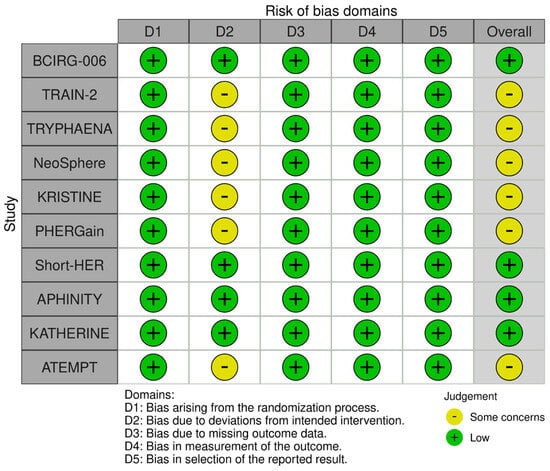
Effectiveness of Pharmacological Treatments for Adult ADHD on Psychiatric Comorbidity: A Systematic Review -
Non-Surgical Correction of Facial Asymmetry: A Narrative Review of Non-Surgical Modalities and Clinical Case Examples -
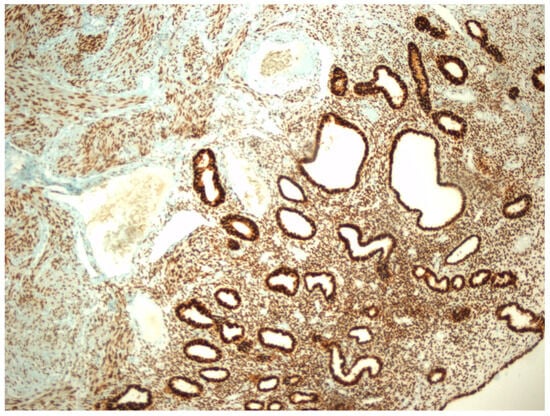
Breast Imaging Findings in Women with Lipedema: A Retrospective Cross-Sectional Descriptive Study
Journal Description
Journal of Clinical Medicine
is an international, peer-reviewed, open access journal of clinical medicine, published semimonthly online by MDPI. The International Bone Research Association (IBRA), Spanish Society of Hematology and Hemotherapy (SEHH), Japan Association for Clinical Engineers (JACE), European Independent Foundation in Angiology/ Vascular Medicine (VAS) and others are all affiliated with JCM, and their members receive a discount on article processing charges.
- Open Access— free for readers, with article processing charges (APC) paid by authors or their institutions.
- High Visibility: indexed within Scopus, SCIE (Web of Science), PubMed, PMC, Embase, CAPlus / SciFinder, and other databases.
- Journal Rank: JCR - Q1 (Medicine, General and Internal) / CiteScore - Q1 (General Medicine)
- Rapid Publication: manuscripts are peer-reviewed and a first decision is provided to authors approximately 18.5 days after submission; acceptance to publication is undertaken in 2.7 days (median values for papers published in this journal in the second half of 2025).
- Recognition of Reviewers: reviewers who provide timely, thorough peer-review reports receive vouchers entitling them to a discount on the APC of their next publication in any MDPI journal, in appreciation of the work done.
- Companion journals for JCM include: Epidemiologia, Transplantology, Uro, Sinusitis, Rheumato, Journal of Clinical & Translational Ophthalmology, Journal of Vascular Diseases, Osteology, Complications, Therapeutics, Sclerosis, Pharmacoepidemiology and Journal of CardioRenal Medicine.
- Journal Clusters of Hematology: Hemato, Hematology Reports, Thalassemia Reports and Journal of Clinical Medicine.
Impact Factor:
2.9 (2024);
5-Year Impact Factor:
3.3 (2024)
Latest Articles
Effects of Robot-Assisted Gait Training on Stage-Based Lower Limb Motor Recovery and Muscle Tone in Subacute Stroke: A Randomized Controlled Trial
J. Clin. Med. 2026, 15(7), 2514; https://doi.org/10.3390/jcm15072514 (registering DOI) - 25 Mar 2026
Abstract
Background/Objectives: Abnormal muscle tone and impaired motor control commonly limit gait recovery after stroke. Robot-assisted gait training has been introduced to augment conventional rehabilitation; however, its effects on stage-based motor recovery, functional ambulation, and muscle tone during the subacute phase remain unclear. Methods:
[...] Read more.
Background/Objectives: Abnormal muscle tone and impaired motor control commonly limit gait recovery after stroke. Robot-assisted gait training has been introduced to augment conventional rehabilitation; however, its effects on stage-based motor recovery, functional ambulation, and muscle tone during the subacute phase remain unclear. Methods: This prospective, single-center, randomized controlled trial enrolled 30 patients with subacute stroke who received robot-assisted gait training plus conventional rehabilitation (R-BoT Plus group, n = 15) or conventional rehabilitation alone (control group, n = 15) over 4 weeks. The primary outcome was the change in Brunnstrom recovery stage of the lower extremities (BRS-LE). Secondary outcomes included Functional Ambulation Category (FAC), Fugl–Meyer Assessment for the Lower Extremity (FMA-LE), clinical spasticity measures (Modified Ashworth Scale and Modified Tardieu Scale), and muscle mechanical properties (MyotonPRO). Exploratory analyses were conducted to examine the associations between changes in stage-based motor recovery (ΔBRS-LE), functional ambulation (ΔFAC), and MyotonPRO parameters. Within-group changes were assessed using the Wilcoxon signed-rank test. Between-group effects were primarily evaluated using baseline-adjusted ANCOVA with HC3 robust standard errors, with Wilcoxon rank-sum tests on change scores as sensitivity analyses. Associations between changes in clinical outcomes and MyotonPRO parameters were evaluated using Spearman’s rank correlation coefficient (ρ). Results: BRS-LE (p = 0.014) and functional ambulation (p = 0.041) were significantly improved in the R-BoT Plus group. Changes in FMA-LE and clinical spasticity measures did not differ significantly between groups. Quantitative myotonometry revealed selective muscle- and parameter-specific changes. No robust correlations were observed between MyotonPRO parameters and changes in BRS-LE. Conclusions: The addition of robot-assisted gait training to conventional rehabilitation was associated with greater improvements in stage-based lower-limb motor recovery and functional ambulation in patients with subacute stroke. In contrast, cumulative impairment scores and conventional clinical spasticity measures demonstrated limited changes between groups. Quantitative muscle mechanical assessment revealed selective muscle-specific adaptations, supporting its role as a complementary tool for mechanistic characterization rather than as a surrogate marker of motor recovery. Future studies incorporating dose-matched designs and longer follow-up periods are warranted to clarify the independent and long-term effects of robot-assisted gait training.
Full article
(This article belongs to the Special Issue Advancements in Gait Rehabilitation: Innovative Approaches and Clinical Insights)
►
Show Figures
Open AccessArticle
Chronic Alcohol Consumption Induces Irreversible and Heterogeneous Pancreatic Steatosis in Men: An MRI-Based Cross-Sectional Study
by
Yuting Zhao, Wenjuan Yang, Chengwei Tang and Jing Li
J. Clin. Med. 2026, 15(7), 2513; https://doi.org/10.3390/jcm15072513 (registering DOI) - 25 Mar 2026
Abstract
Background: Chronic alcohol consumption is a recognized cause of pancreatic steatosis, though its imaging characteristics in individuals remain undefined. This study investigated the effect of chronic alcohol intake on the pancreatic fat content and distribution in a male population and assessed the impact
[...] Read more.
Background: Chronic alcohol consumption is a recognized cause of pancreatic steatosis, though its imaging characteristics in individuals remain undefined. This study investigated the effect of chronic alcohol intake on the pancreatic fat content and distribution in a male population and assessed the impact of abstinence. Methods: In this cross-sectional study, 140 male alcohol drinkers (who consumed >20 g ethanol/day for >5 years) and 142 male non-drinkers were recruited. The pancreatic fat fraction (FF) was quantified using T1- and T2*-corrected double-echo chemical shift magnetic resonance imaging (CSI). Participants were stratified by age (20–50 years, 50–70 years). Drinkers were further categorized as current drinkers or short-term (<1 year) or long-term (1–2 years) abstainers. Results: The pancreatic FF was significantly higher in alcohol drinkers compared with age-matched controls in the 20–50-year-old (6.07 ± 1.59% vs. 2.94 ± 0.62%, p < 0.05) and 50–70-year-old (9.14 ± 2.22% vs. 5.98 ± 1.00%, p < 0.05) groups. In drinkers aged 40–70 years, the pancreatic fat distribution was uneven. No significant difference in the FF was observed across the three drinking status groups (p > 0.05). Conclusions: Chronic alcohol consumption could cause fat deposition in the pancreas. An uneven distribution of pancreatic fat began in the fourth decade in this male population. An alcoholic fatty pancreas was not reversed within a follow-up period of up to two years.
Full article
(This article belongs to the Section Gastroenterology & Hepatopancreatobiliary Medicine)
►▼
Show Figures

Graphical abstract
Open AccessArticle
Greater Accuracy of the eGFR Formula by Using a Power Function of Patient Height over Its Unidimensional Value in Pediatric Kidney Transplantation
by
Jeffrey J. Gaynor, Mahmoud Morsi, Jayanthi Chandar, Marissa Defreitas, Angel Alvarez, Matthew Gaynor, Junichiro Sageshima and Gaetano Ciancio
J. Clin. Med. 2026, 15(7), 2512; https://doi.org/10.3390/jcm15072512 (registering DOI) - 25 Mar 2026
Abstract
Background: The updated Schwartz and CKiDU25 bedside (SCr-based) formulae for the estimated glomerular filtration rate (eGFR) in children are defined by a constant term (with the latter formula dependent upon age and sex) multiplied by the ratio of patient’s height (m) to
[...] Read more.
Background: The updated Schwartz and CKiDU25 bedside (SCr-based) formulae for the estimated glomerular filtration rate (eGFR) in children are defined by a constant term (with the latter formula dependent upon age and sex) multiplied by the ratio of patient’s height (m) to SCr (mg/dL). However, the Schwartz formula can severely underestimate the measured GFR (mGFR) at higher mGFR levels. Methods: For a single-center cohort of 92 pediatric kidney transplant recipients, we statistically determined if the log{eGFR} at 1 mo and 6 mo post-transplant might further depend upon patient demographics or height, indicating the inadequacy of these formulae for properly predicting the mGFR. We also determined how the log{SCr} at 1 mo and 6 mo post-transplant might depend upon patient demographics and height, helping to corroborate any arrived-at improved functional form for the eGFR. Results: Overall, our cohort received good-quality donor kidneys; however, both eGFR formulae calculated that the percentage of recipients with an eGFR < 60 mL/min/1.73 m2 at 1 mo and 6 mo post-transplant was 26–28%. Furthermore, neither the updated Schwartz nor the CKiDU25 bedside formulae adequately controlled for the influence of patient height on SCr; in fact, the patient height squared was superior to its unidimensional value at accounting for the sharp increase in SCr that normally occurs as children grow from infancy to young adulthood (p < 0.000001 at mo1, p = 0.000003 at mo6 for the updated Schwartz bedside formula; p = 0.0009 at mo1, p = 0.005 at mo6 for the CKiDU25 bedside formula). The log{SCr} was also best fitted by a linear regression model that controlled for the log{patient height squared} (p < 0.000001 at both mo1 and mo6). Conclusions: A statistically more accurate eGFR formula should be based on using a power function (power > 1) for patient height rather than its unidimensional value.
Full article
(This article belongs to the Section Nephrology & Urology)
►▼
Show Figures

Figure 1
Open AccessArticle
Imaging Predictors of Silent Brain Lesions: Correlating Carotid Plaque Features on Ultrasound and CT in an Observational Study
by
Perica Mutavdzic, Tijana Kokovic, Ivan Tomic, David Matejevic, Marko Dragas, Nikola Ilic, Borivoje Lukic, Marko Miletic, Aleksandar Tomic and Igor Koncar
J. Clin. Med. 2026, 15(7), 2511; https://doi.org/10.3390/jcm15072511 (registering DOI) - 25 Mar 2026
Abstract
Background/Objectives: Risk stratification in asymptomatic carotid stenosis has traditionally relied on the degree of luminal narrowing; however, plaque vulnerability may better predict cerebrovascular events. Ipsilateral silent brain lesions (SBLs) are considered surrogate markers of stroke risk. This study aimed to identify carotid plaque
[...] Read more.
Background/Objectives: Risk stratification in asymptomatic carotid stenosis has traditionally relied on the degree of luminal narrowing; however, plaque vulnerability may better predict cerebrovascular events. Ipsilateral silent brain lesions (SBLs) are considered surrogate markers of stroke risk. This study aimed to identify carotid plaque features on duplex ultrasound (DUS) and computed tomography angiography (CTA), as well as circulating biomarkers, associated with ipsilateral SBL in patients with clinically asymptomatic ≥70% internal carotid artery stenosis. Methods: This prospective observational study with cross-sectional imaging analysis included 316 clinically asymptomatic patients with ≥70% carotid stenosis treated between January 2022 and October 2024. All patients underwent cranial non-contrast CT for SBL detection, DUS plaque characterization (according to the Gray–Weale classification and plaque surface morphology), and CTA analysis, including plaque surface, composition, length, and attenuation values categorized according to Schroeder’s criteria (<50 HU lipid-rich; 51–120 HU fibrous; >120 HU calcified). Demographic, clinical, and laboratory parameters, including inflammatory biomarkers, were recorded. Multivariate logistic regression was performed to identify independent predictors of SBL. Results: SBL were detected in 72 patients (22.8%). On DUS, SBL were significantly associated with Gray–Weale class II plaques, heterogeneous composition, and irregular or ulcerated surfaces (all p < 0.001). On CTA, lipid-rich plaques (<50 HU), ulcerated surfaces, heterogeneous morphology, and lower median plaque density were significantly more frequent in the SBL group (all p < 0.001). In multivariate analysis, independent predictors of SBL were male sex (OR 2.2; 95% CI 1.2–5.7; p = 0.029), Gray–Weale class II plaques (p = 0.002), lipid-rich plaque morphology (OR 21.39; 95% CI 6.86–66.76; p < 0.001), and ulcerated plaque surface on CTA (OR 20.62; 95% CI 7.37–57.68; p < 0.001). Conclusions: Specific ultrasound and CT plaque characteristics were associated with ipsilateral silent brain lesions in patients with asymptomatic ≥70% carotid stenosis. A multiparametric imaging approach may improve risk stratification beyond stenosis severity alone.
Full article
(This article belongs to the Section Vascular Medicine)
Open AccessProject Report
Testing a Personalised Dysautonomia Management Protocol in Patients with Orthostatic Intolerance and a Diagnosis of Myalgic Encephalomyelitis/Chronic Fatigue Syndrome or Long COVID
by
Julia Barr, Lowri Marsden, Theshan Dassanayake, Norah Almutairi, Vikki McKeever, Tarek Gaber, Rachel Tarrant, Belinda Godfrey, Sharon Witton and Manoj Sivan
J. Clin. Med. 2026, 15(7), 2510; https://doi.org/10.3390/jcm15072510 (registering DOI) - 25 Mar 2026
Abstract
Background/Objectives: Myalgic Encephalomyelitis/Chronic Fatigue Syndrome (ME/CFS) and Long COVID (LC) are complex multisystem conditions with significant functional disability. Many patients experience symptoms of orthostatic intolerance, which can be captured in some cases as Orthostatic Hypotension (OH) or Postural orthostatic Tachycardia Syndrome (PoTS)
[...] Read more.
Background/Objectives: Myalgic Encephalomyelitis/Chronic Fatigue Syndrome (ME/CFS) and Long COVID (LC) are complex multisystem conditions with significant functional disability. Many patients experience symptoms of orthostatic intolerance, which can be captured in some cases as Orthostatic Hypotension (OH) or Postural orthostatic Tachycardia Syndrome (PoTS) on objective testing. Conservative treatments are recommended for first-line symptom management, but there is a lack of efficacy evidence. This study aims to assess the feasibility of an 8-week clinically supervised, personalised Dysautonomia Management Protocol (DMP) in a cohort of ME/CFS and LC patients with subjective and objective evidence of orthostatic intolerance (dysautonomia). Methods: ME/CFS and LC patients with objective dysautonomia on the 10 min active Lean Test (LT) were recruited to an 8-week DMP, with interventions introduced cumulatively every two weeks. Interventions included increasing daily fluid intake to 3 litres and salt intake to 10 g, pacing to avoid crashes and calf activation. Baseline and weekly data collection included the LT, Composite Autonomic Symptom Score questionnaire (COMPASS-31) and Yorkshire Rehabilitation Scale (YRS). Results: Sixteen participants completed the 8-week program, five discontinued during the program, and one was withdrawn following a severe crash. The COMPASS-31 improved by 7.7 points from week 1 to week 8 (p = 0.045), with a medium Cohen’s d effect size of 0.55. For the same period, there was a non-significant (p = 0.16) improvement in the YRS symptom severity score by 2 points. Comparing the final two weeks of the program with the first two weeks, mean heart rate during the LT decreased by 4.8 beats per minute (p = 0.032), with a medium Cohen’s d effect size of 0.44. Adherence to the interventions was highly variable, with none of the patients able to fully employ all four recommendations. Conclusions: The results suggest that targeted conservative interventions could influence autonomic function and symptom reduction. However, the magnitude of change was limited, and statistical significance might not necessarily relate to a clinically significant improvement in symptoms.
Full article
(This article belongs to the Special Issue POTS, ME/CFS and Long COVID: Recent Advances and Future Direction)
►▼
Show Figures

Figure 1

Open AccessArticle
Predicting the Initiation of Continuous Venovenous Hemofiltration in Acute Pancreatitis Patients: The Role of Plasma and Urinary Neutrophil Gelatinase-Associated Lipocalin
by
Le Huu Nhuong, Le Viet Thang, Nguyen Trung Kien, Pham Thai Dung, Nguyen Quoc Khanh, Hoang Thuy, Nguyen Van Tam and Pham Dang Thuan
J. Clin. Med. 2026, 15(7), 2509; https://doi.org/10.3390/jcm15072509 (registering DOI) - 25 Mar 2026
Abstract
Background: Acute kidney injury (AKI) is a serious complication of acute pancreatitis and is frequently associated with the need for continuous renal replacement therapy. Early identification of patients at risk of requiring continuous venovenous hemofiltration (CVVHF) remains challenging because conventional renal markers
[...] Read more.
Background: Acute kidney injury (AKI) is a serious complication of acute pancreatitis and is frequently associated with the need for continuous renal replacement therapy. Early identification of patients at risk of requiring continuous venovenous hemofiltration (CVVHF) remains challenging because conventional renal markers often reflect delayed kidney injury. Neutrophil gelatinase-associated lipocalin (NGAL) has emerged as a potential biomarker of early renal tubular damage. Methods: This observational study included 219 patients with acute pancreatitis. Plasma and urinary NGAL levels were measured at hospital admission. Clinical characteristics, laboratory parameters, and severity scores were compared between patients who required CVVHF and those who did not. Multivariate logistic regression analysis was performed to identify factors associated with CVVHF requirement, and predictive performance was evaluated using receiver operating characteristic (ROC) curve analysis. Results: During hospitalization, 28 patients (12.8%) required CVVHF and had significantly more severe disease. Both plasma and urinary NGAL levels were higher in patients requiring CVVHF. In multivariate analysis, urinary NGAL remained independently associated with CVVHF requirement. ROC analysis demonstrated moderate predictive performance for urinary NGAL (AUC 0.708). Conclusions: Urinary NGAL was independently associated with the requirement for CVVHF and demonstrated moderate predictive performance. These findings suggest that urinary NGAL may provide kidney-specific information and improve early risk stratification beyond conventional clinical parameters.
Full article
(This article belongs to the Section Nephrology & Urology)
►▼
Show Figures

Graphical abstract
Open AccessCase Report
Microsurgical Management of Carotid Body Tumors: An Educational Neurosurgical Perspective with Video Demonstrations
by
Abdullah Keles, Ufuk Erginoglu, Yerkebulan Serikanov, Yannick Canton Kessely, Sima Sayyahmelli, Oyku Ozturk, Nafiye Sanlier, Behman Demir, Maryam Sabah Al-Jebur, Umid Sulaimanov and Mustafa Kemal Baskaya
J. Clin. Med. 2026, 15(7), 2508; https://doi.org/10.3390/jcm15072508 (registering DOI) - 25 Mar 2026
Abstract
Background/Objectives: Carotid body paragangliomas, commonly referred to as Carotid Body Tumors (CBTs), are rare, highly vascular paragangliomas arising at the carotid bifurcation and pose significant surgical challenges due to their proximity to critical neurovascular structures. Optimal management remains debated, particularly for large or
[...] Read more.
Background/Objectives: Carotid body paragangliomas, commonly referred to as Carotid Body Tumors (CBTs), are rare, highly vascular paragangliomas arising at the carotid bifurcation and pose significant surgical challenges due to their proximity to critical neurovascular structures. Optimal management remains debated, particularly for large or complex lesions. This study aims to present a structured neurosurgical operative workflow as an educational and practical resource to help young surgeons understand operative decision-making and technical execution from a neurosurgical perspective. Methods: We retrospectively reviewed patients diagnosed with CBTs and identified three cases that underwent microsurgical resection by a single neurosurgeon. Clinical presentation, radiographic findings, operative strategies, intraoperative microsurgical techniques, and postoperative outcomes were analyzed. Surgical procedures for all three cases are further illustrated with technical video demonstrations highlighting meticulous microsurgical techniques performed by a single neurosurgeon. Results: All three patients presented with either incidental or slowly progressive neck masses, with imaging demonstrating classic splaying of the internal and external carotid arteries. One patient exhibited elevated catecholamine metabolites, while another had a familial history of paragangliomas. Preoperative embolization was successfully performed in all three cases. Complete tumor resection was achieved in each patient. One patient developed post-embolization embolic ischemic changes with transient neurological deficits that were resolved within several hours. No permanent cranial nerve deficits, vascular injuries, or tumor recurrences were observed. Pathology confirmed paraganglioma in all cases. Conclusions: Surgical resection remains an effective treatment for CBTs, which are commonly managed by vascular or head and neck surgeons. This case series illustrates the technical feasibility of CBT resection using a comprehensive neurosurgical strategy that integrates endovascular preparation, cerebral perfusion assessment, and meticulous microsurgical technique. Rather than proposing novel surgical innovation, this report aims to provide a structured operative framework and detailed video-based illustration of complex carotid bifurcation management from a neurosurgical perspective.
Full article
(This article belongs to the Special Issue Vascular Surgery: Current Advances and Future Directions)
►▼
Show Figures

Figure 1
Open AccessArticle
Association Between Metabolic Score for Insulin Resistance and the Incidence of Gastric Cancer in South Korea: A Nationwide Retrospective Study
by
Chi Hyeon Choi, Minkook Son, Jong Yoon Lee, Myeongseok Koh, Sang Yi Moon and Yeo Wool Kang
J. Clin. Med. 2026, 15(7), 2507; https://doi.org/10.3390/jcm15072507 - 25 Mar 2026
Abstract
Background/Objectives: Insulin resistance (IR) is increasingly recognized as a factor associated with metabolic syndrome and various cancers. The metabolic score for insulin resistance (METS-IR) has emerged as a reliable surrogate marker for assessing IR. This study evaluated the association between the METS-IR
[...] Read more.
Background/Objectives: Insulin resistance (IR) is increasingly recognized as a factor associated with metabolic syndrome and various cancers. The metabolic score for insulin resistance (METS-IR) has emerged as a reliable surrogate marker for assessing IR. This study evaluated the association between the METS-IR and the gastric cancer (GC) incidence using data from a nationwide South Korean cohort. Methods: Data were obtained from the National Health Insurance Service (NHIS) cohort. A total of 318,336 participants aged ≥40 years who underwent a nationwide health screening between 2009 and 2010 were included and followed until GC diagnosis, death, or 31 December 2019. The METS-IR was calculated and categorized into quartiles. Hazard ratios (HRs) for GC incidence were estimated using Cox proportional hazards models. The analyses were adjusted for confounders, including age, sex, socioeconomic status, lifestyle factors, and comorbidities. Results: Participants in the highest METS-IR quartile (Q4) exhibited a significantly higher crude incidence of GC (2.26 per 1000 person-years) than those in the lowest quartile (Q1: 1.97 per 1000 person-years). Adjusted HRs showed a modest but statistically significant increase in GC risk in Q4 (HR: 1.10; 95% confidence interval: 1.02–1.19; p = 0.01) compared to Q1. Kaplan–Meier analysis revealed that participants with higher METS-IR levels had significantly shorter GC-free survival times than those in the lower quartiles. Restricted cubic spline analysis revealed a nonlinear relationship between the METS-IR and GC risk, with higher METS-IR levels associated with an increased risk. Conclusions: An elevated METS-IR was associated with an increased GC risk, suggesting its potential utility in stratifying GC risk. The METS-IR may help identify high-risk individuals and support GC prevention.
Full article
(This article belongs to the Section Epidemiology & Public Health)
►▼
Show Figures

Figure 1
Open AccessArticle
The Correlation Between Epiblepharon and Obesity in Pediatric Patients: A Retrospective Comparative Study
by
Hee Jin Yoon and Jung Hyo Ahn
J. Clin. Med. 2026, 15(7), 2506; https://doi.org/10.3390/jcm15072506 (registering DOI) - 25 Mar 2026
Abstract
Background/Objectives: Epiblepharon is a common congenital eyelid anomaly in East Asian children, often associated with redundant skin and orbicularis oculi muscle overriding the eyelid margin. Recent studies have suggested that systemic factors such as body mass index (BMI) may contribute to its development.
[...] Read more.
Background/Objectives: Epiblepharon is a common congenital eyelid anomaly in East Asian children, often associated with redundant skin and orbicularis oculi muscle overriding the eyelid margin. Recent studies have suggested that systemic factors such as body mass index (BMI) may contribute to its development. This study aimed to investigate the relationship between BMI and epiblepharon and to analyze the correlation between BMI and skin-fold height as a marker of eyelid structural redundancy. Methods: This retrospective comparative study included 100 pediatric patients (54 males, 46 females) aged 3–13 years who underwent surgical correction for lower eyelid epiblepharon and 100 age-matched controls without the condition. Preoperative height, weight, and skin-fold height were analyzed. Intergroup comparisons were performed using independent t-tests, and correlations between BMI and skin-fold height were evaluated using Spearman correlation. Results: There were no significant differences in overall BMI, obesity index, or prevalence of obesity defined as BMI ≥ 95th percentile between groups. Boys aged 7–8 years demonstrated significantly higher BMI in the epiblepharon group, and boys aged 9–10 years showed a significantly higher obesity index in the epiblepharon group, whereas boys aged 3–4 years showed significantly lower BMI. No significant differences were observed in girls. BMI was not independently associated with epiblepharon in multivariate logistic regression analysis (OR 1.06, 95% CI 0.96–1.16, p = 0.278). Among patients with epiblepharon, BMI showed a significant negative correlation with skin-fold height (r = −0.410, p < 0.001), suggesting increased orbicularis muscle redundancy in obese children. Conclusions: BMI was not independently associated with the presence of epiblepharon; however, age-specific differences were observed in certain male subgroups. Higher BMI was correlated with lower skin-fold height among affected patients, suggesting that adiposity may influence eyelid morphology in specific developmental stages. Further longitudinal studies are warranted to clarify the age-dependent relationship between obesity and epiblepharon.
Full article
(This article belongs to the Section Ophthalmology)
►▼
Show Figures

Figure 1
Open AccessCase Report
A Pediatric Case of Neurodevelopmental Delay with a Familial H4C11 Variant: Clinical Course and Diagnostic Challenges
by
Elena Tudorache, Andreea Giurgiuveanu, Emilia Severin, Irina-Ioana Iordănescu and Mihaela Anca Bulf
J. Clin. Med. 2026, 15(7), 2505; https://doi.org/10.3390/jcm15072505 - 25 Mar 2026
Abstract
Background: Tessadori–Bicknell–van Haaften syndrome (OMIM #619759) is a rare autosomal dominant neurodevelopmental disorder associated with heterozygous variants in genes encoding histone H4 proteins. The condition is characterized by global developmental delay, craniofacial dysmorphism, hypotrophy, intellectual disability, and ophthalmologic anomalies. More than 30 individuals
[...] Read more.
Background: Tessadori–Bicknell–van Haaften syndrome (OMIM #619759) is a rare autosomal dominant neurodevelopmental disorder associated with heterozygous variants in genes encoding histone H4 proteins. The condition is characterized by global developmental delay, craniofacial dysmorphism, hypotrophy, intellectual disability, and ophthalmologic anomalies. More than 30 individuals with variants in histone H4 genes have been reported to date, reflecting the genetic heterogeneity of this emerging disorder. According to OMIM, the association between the H4C11 gene and Tessadori–Bicknell–van Haaften syndrome 2 is currently considered provisional. Methods: We report the case of a 5-year-old female presenting with expressive language delay, social interaction difficulties, and craniofacial features including microcephaly, exophthalmos, and periorbital fullness (“puffy eyes”). Family history revealed two sisters with borderline intellectual functioning who have not undergone genetic testing. The patient’s father carried the same heterozygous H4C11 variant (c.97C > T), while maternal testing was negative. Results: Neuropsychological evaluation revealed borderline intellectual functioning (IQ 73 at first assessment, 85 at follow-up) with persistent expressive language impairment. Ophthalmologic examination confirmed congenital exophthalmos and hypermetropic astigmatism. Laboratory investigations showed low ferritin and mildly elevated TSH levels, which may have contributed to the observed growth delay. At follow-up, the patient showed an increase in IQ score (73 to 85); however, test–retest variability cannot be excluded. Conclusions: This case highlights the importance of careful clinical assessment and cautious interpretation of genetic findings in children with neurodevelopmental delay. Familial segregation of a variant of uncertain significance (VUS), in the absence of functional evidence, should be interpreted conservatively and integrated with detailed phenotypic evaluation to guide clinical management and follow-up.
Full article
(This article belongs to the Section Clinical Pediatrics)
►▼
Show Figures

Figure 1

Open AccessReview
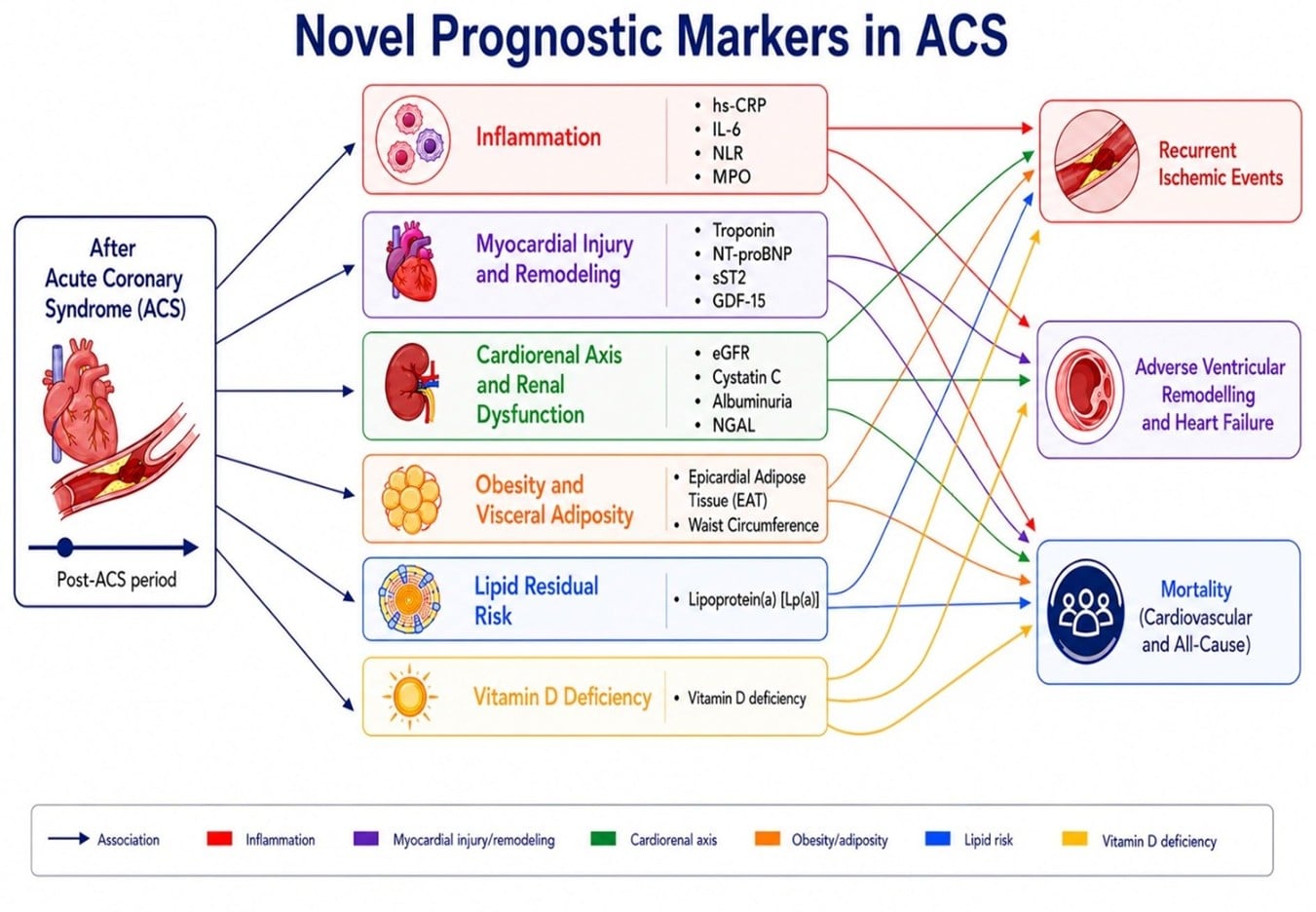
Rehabilitation for Cardiorenal Multimorbidity: Epidemiology, Functional Phenotypes, and Effects on Physical Function, Renal Trajectory, and Prognosis
by
Toshimi Sato and Masahiro Kohzuki
J. Clin. Med. 2026, 15(7), 2504; https://doi.org/10.3390/jcm15072504 - 25 Mar 2026
Abstract
Background/Objectives: Cardiac and renal dysfunction frequently coexist and interact bidirectionally, constituting cardiorenal syndrome (CRS). In aging societies, this overlap is increasingly conceptualized within cardiovascular–kidney–metabolic (CKM) syndrome, in which metabolic risk factors, chronic kidney disease (CKD), and cardiovascular disease cluster and worsen prognosis. Patients
[...] Read more.
Background/Objectives: Cardiac and renal dysfunction frequently coexist and interact bidirectionally, constituting cardiorenal syndrome (CRS). In aging societies, this overlap is increasingly conceptualized within cardiovascular–kidney–metabolic (CKM) syndrome, in which metabolic risk factors, chronic kidney disease (CKD), and cardiovascular disease cluster and worsen prognosis. Patients with cardiorenal multimorbidity exhibit reduced exercise tolerance, physical activity, and skeletal muscle function, leading to frailty, disability, recurrent hospitalization, and reduced tolerance of disease-modifying therapies. Although exercise-based rehabilitation is central to cardiovascular care and increasingly recognized in nephrology, its role in combined cardiac and renal dysfunction remains insufficiently integrated. Methods: This narrative review synthesizes cardiology and nephrology evidence using a functional framework. We address (i) the epidemiology and clinical significance of cardiorenal overlap across CRS/CKM, (ii) functional phenotypes defined by inactivity, low exercise capacity, sarcopenia/frailty, and disability, (iii) rehabilitation effects on physical function and renal trajectories, including renal endpoint validity (creatinine vs. cystatin C), and (iv) prognostic implications and evidence gaps. Results: Evidence from heart failure trials demonstrates that exercise-based cardiac rehabilitation improves health-related quality of life and reduces hospital admissions. In CKD, systematic reviews support exercise benefits for physical function and cardiometabolic risk. Conclusions: Although evidence remains limited, data support rehabilitation as a biologically plausible, function-centered therapeutic strategy.
Full article
(This article belongs to the Special Issue Integrated Clinical Approaches to Managing Multimorbidity and Multiple Disabilities: Advances in Rehabilitation and Therapeutic Strategies)
►▼
Show Figures

Graphical abstract
Open AccessArticle
Orthodontically Induced External Root Resorption: A Finite Element Analysis
by
Radu-Andrei Moga, Cristian Doru Olteanu and Ada Gabriela Delean
J. Clin. Med. 2026, 15(7), 2503; https://doi.org/10.3390/jcm15072503 - 25 Mar 2026
Abstract
Background/Objectives: This finite element analysis (FEA) assessed stress distribution in the tooth and dentin within an intact periodontium under 4 N of force and five orthodontic movements (intrusion, extrusion, rotation, tipping, and translation), using four failure criteria commonly used in numerical dental
[...] Read more.
Background/Objectives: This finite element analysis (FEA) assessed stress distribution in the tooth and dentin within an intact periodontium under 4 N of force and five orthodontic movements (intrusion, extrusion, rotation, tipping, and translation), using four failure criteria commonly used in numerical dental studies. Secondly, differences between brittle- and ductile-like failure criteria were found, and the most accurate criterion was determined. Additionally, movements more prone to inducing external orthodontic root resorption were assessed. Methods: Using nine 3D models of the second lower premolar, 180 numerical simulations were performed. The models were anatomically accurate based on CBCT scans. FEA employed the brittle-like Maximum Principal (MaxP), Minimum Principal (MinP), and ductile-like Von Mises (VM) and Tresca (T). Results: The results showed that tipping was less prone to external orthodontic root resorption than translation, extrusion, intrusion, and rotation, which showed areas of high stress concentration in the cervical third of the root. High-stress areas were visible only when the dentin-pulp-NVB components were separately analyzed, and not when the entire tooth structure was assessed. Only by correlating the qualitative with the quantitative results could the difference between brittle-like and ductile-like failure criteria be seen. Conclusions: In total, 4 N of applied orthodontic force can induce limited islands of external orthodontic root resorption (intrusion–extrusion on the vestibular side, rotation–translation on the lingual and distal–lingual sides). The ductile-like failure criteria maintained the accuracy of the results across all FEA simulations, while the brittle-like criteria showed various quantitative and qualitative inconsistencies.
Full article
(This article belongs to the Special Issue Oral Hygiene: Updates and Clinical Progress: 2nd Edition)
►▼
Show Figures

Figure 1
Open AccessFeature PaperArticle
Characterizing Biomarkers of Muscle Damage in Collegiate Football Players: A Prospective, Repeated Measures Study
by
Grace Brandhurst, Erik Piedy, Stephen Etheredge, Matthew Martone, Heather D. Quiriarte, Paul Phillips IV, Derek Calvert, Nathan P. Lemoine, Jr., Jack Marucci, Brian A. Irving, Robert Zura, Guillaume Spielmann, Neil M. Johannsen and Rachel Matthews
J. Clin. Med. 2026, 15(7), 2502; https://doi.org/10.3390/jcm15072502 - 25 Mar 2026
Abstract
Background/Objectives: Exertional rhabdomyolysis (ER) is a possibly fatal condition resulting from extreme or novel exercise that causes substantial muscle breakdown. ER has been observed during preseason football; however, prospective research has yet to characterize normal versus ER responses using a repeated measures design.
[...] Read more.
Background/Objectives: Exertional rhabdomyolysis (ER) is a possibly fatal condition resulting from extreme or novel exercise that causes substantial muscle breakdown. ER has been observed during preseason football; however, prospective research has yet to characterize normal versus ER responses using a repeated measures design. This study characterized ER biomarker responses related to muscle damage, and renal and hepatic stress, after two NCAA Division I preseason football scrimmages. Methods: Following a prospective, repeated measures design, blood and urine samples from 17 players were collected immediately (IPS) and 24 h post-scrimmage (24hPS). A subset (n = 13) provided samples after 48 h of rest as a non-exertion (NE) comparator group. A Comprehensive Metabolic Panel was run on serum samples, and urine samples were analyzed for myoglobin and creatinine. Values were compared with reference ranges, mixed models evaluated time effects, and linear regressions examined associations between CPK and renal and hepatic biomarkers. Results: No participants were diagnosed with ER. A time effect was observed for CPK (p < 0.01), with CPK greater IPS (991.6 ± 560.8 IU/L) compared to NE (267.7 ± 205.3 IU/L), and remaining elevated above reference ranges at 24hPS (739.2 ± 442.6 IU/L). Similar time effects were observed with LDH, AST, and ALT (p < 0.01). Serum creatinine increased above reference values and NE concentrations (p < 0.01). CPK correlated (p < 0.01 for all) with LDH (r = 0.69), serum myoglobin (r = 0.57), creatinine (r = 0.42), AST (r = 0.77), and ALT (r = 0.38). Conclusions: Biomarkers of muscle damage, renal stress, and liver function were higher IPS, with only partial recovery by 24hPS. These findings provide preliminary reference patterns for biomarker fluctuations and support individualized, serial monitoring to identify abnormal responses and promote early detection of ER.
Full article
(This article belongs to the Special Issue Clinical Advances in Musculoskeletal Disorders: 2nd Edition)
►▼
Show Figures

Figure 1
Open AccessArticle
Euthyroid Sick Syndrome as a Predictor of Hospital Stay in Pediatric Diabetic Ketoacidosis
by
Youssef A. Alqahtani, Ayed A. Shati, Ayoub A. Alshaikh, Abdulrahman Hassan Nasser Alasmari, Fahad Aedh Alghamdi, Noura Abdulrahman Alamri, Sarah Ibraheem Summan, Oroub Mohammed Amir Atif and Ramy Mohamed Ghazy
J. Clin. Med. 2026, 15(7), 2501; https://doi.org/10.3390/jcm15072501 - 25 Mar 2026
Abstract
Background: Euthyroid sick syndrome (ESS) is commonly diagnosed in children during acute metabolic stress such as diabetic ketoacidosis (DKA). Nevertheless, the association of ESS with clinical outcomes has not been fully established. This study aimed to address the association between ESS and duration
[...] Read more.
Background: Euthyroid sick syndrome (ESS) is commonly diagnosed in children during acute metabolic stress such as diabetic ketoacidosis (DKA). Nevertheless, the association of ESS with clinical outcomes has not been fully established. This study aimed to address the association between ESS and duration of hospital stay among pediatric patients presenting with DKA. Methods: This retrospective cohort study included 176 children admitted with confirmed DKA. Baseline clinical, biochemical, and outcome data, including complications and time to discharge, were collected. Kaplan–Meier survival analysis and Cox proportional hazards regression models were used to assess factors associated with duration of hospital stay. Results: Children were classified based on thyroid function tests at admission into ESS (n = 112, 63.6%) and non-ESS (n = 64, 36.4%). Children with ESS were younger [median age 10.0 (6.5–13.5) years vs. 14.0 (11.5–16.0) years; p < 0.001], had lower median weight [31.0 (20.5–44.5) Kg vs. 40.5 (34.5–49.5) Kg; p < 0.001], had lower median BMI [18.0 (16.5–20.0) kg/m2 vs. 19.0 (17.5–20.5) kg/m2; p = 0.007), and slightly lower mean pH at admission [7.1 ± 0.1 vs. 7.2 ± 0.1, p = 0.016]. Free T3 (2.4 (2.0–3.4) vs. 5.1 (4.2–5.5) pmol/L), Free T4 (12.0 (10.7–14.1) vs. 14.4 (14.0–16.2) pmol/L), and TSH 1.8 (1.1–2.9) vs. 2.7 (1.7– 3.2) mIU/L) were significantly lower in ESS patients (p < 0.001 for all). Impaired consciousness occurred exclusively in the ESS group (8.9% vs. 0%, p = 0.034). Median hospital stay was longer among ESS patients, with over a quarter hospitalized for ≥5 days (26.8% vs. 0%; p < 0.001). Kaplan–Meier analysis showed significantly prolonged hospitalization for ESS patients (log-rank p < 0.0001). Patients with ESS [hazard ratio (HR) = 0.31; 95% CI, 0.21–0.45; p < 0.001], pediatric intensive care unit admission [HR = 0.49; 95% CI, 0.29–0.83; p = 0.008], moderate DKA [HR = 0.51; 95% CI, 0.30–0.87; p = 0.014], and severe DKA [HR = 0.28; 95% CI, 0.14–0.57; p < 0.001] were associated with prolonged hospital stay. Conclusions: ESS is significantly associated with prolonged hospital stays in children with DKA. Early identification of ESS may help guide monitoring strategies and discharge planning.
Full article
(This article belongs to the Section Endocrinology & Metabolism)
►▼
Show Figures

Figure 1
Open AccessArticle
The Pitfalls of Calcitonin as a Tumor Marker: Real-Life Data of Patients with Elevated Basal Calcitonin Levels but Without Evidence of Medullary Thyroid Carcinoma
by
Ann-Kathrin Lederer, Constantin-Leonard Jacob Kessler, Nabila Bouzakri, Oana Lozan, Florian Wild, Katharina Theresa Rauschkolb-Olk, Heidi Rossmann, Hauke Lang and Thomas J. Musholt
J. Clin. Med. 2026, 15(7), 2500; https://doi.org/10.3390/jcm15072500 - 25 Mar 2026
Abstract
Background: Calcitonin, a tumor marker primarily used to diagnose medullary thyroid carcinoma (MTC), can also be elevated in other conditions, complicating diagnosis. This study aims to provide a clinical evaluation of the real-world consequences of unexplained calcitonin elevation. Methods: We conducted
[...] Read more.
Background: Calcitonin, a tumor marker primarily used to diagnose medullary thyroid carcinoma (MTC), can also be elevated in other conditions, complicating diagnosis. This study aims to provide a clinical evaluation of the real-world consequences of unexplained calcitonin elevation. Methods: We conducted a retrospective cohort study of patients with elevated basal calcitonin levels who presented at the Department of General, Visceral, and Transplantation Surgery, University Medical Center Mainz, between January 2015 and March 2025. Additionally, we reviewed electronic health records from 2007 onward for patients with ICD codes indicating calcitonin hypersecretion. Patients with confirmed MTC or genetic syndromes were excluded. Results: Of 345 patients with elevated calcitonin levels, 167 (48%) met the inclusion criteria, and 29 additional patients with calcitonin hypersecretion were identified via ICD, resulting in 167 patients analyzed. More than half of the patients were female (52%), had an average age of 53.9 years and a high prevalence of goiter (86%). Calcitonin levels were slightly elevated (<20 pg/mL) in 81% of cases and were above 50 pg/mL in only 10 patients. Surgery was performed in 77% of patients, mainly to exclude malignancy. Postoperatively, calcitonin normalized in 86% of patients but remained elevated in eight patients. Two of these patients were found to have false-positive results due to assay interference. Follow-up data were incomplete for a substantial proportion of patients, with a median follow-up of 4.6 months. The mortality rate was 4%, with causes unrelated to calcitonin levels. Conclusions: Elevated basal calcitonin levels, especially slightly elevated levels (<20 pg/mL), are common in clinical practice and often do not appear to be related to malignant disease, so careful investigation is required. Persistently elevated calcitonin levels justify further examinations, especially if other explanations can be ruled out. Only a few patients attend follow-up appointments, which makes patient follow-up challenging.
Full article
(This article belongs to the Special Issue Endocrine Surgery: Current Treatment and Future Options)
►▼
Show Figures

Figure 1

Open AccessArticle
Clinical and Virologic Outcomes of Topical Imiquimod in Vaginal Intraepithelial Neoplasia: A Retrospective Cohort Study
by
Nazlı Aylin Vural, Merve Aldıkaçtıoğlu Talmaç, İzel Günay, İlkbal Temel Yüksel, Gazi Güner, Emel Canaz, Hasan Turan, Baki Erdem and Nilüfer Çetinkaya Kocadal
J. Clin. Med. 2026, 15(7), 2499; https://doi.org/10.3390/jcm15072499 - 25 Mar 2026
Abstract
Purpose: To describe clinical and virologic outcomes after topical 5% imiquimod for VaIN (vaginal intraepithelial neoplasia) within routine clinical practice, including the assessment of available post-treatment high-risk HPV status, and to evaluate its relationship with treatment outcomes. Methods: In this retrospective-cohort
[...] Read more.
Purpose: To describe clinical and virologic outcomes after topical 5% imiquimod for VaIN (vaginal intraepithelial neoplasia) within routine clinical practice, including the assessment of available post-treatment high-risk HPV status, and to evaluate its relationship with treatment outcomes. Methods: In this retrospective-cohort study, twenty patients with histologically confirmed VaIN (low-grade VaIN = 10, high-grade VaIN = 10) were evaluated between October 2020 and October 2022. The treatment varied based on the initial VaIN grade. The primary endpoint was complete response, defined as negative cytology and/or benign follow-up biopsy. Secondary endpoints included partial response (downgrading from high-grade to low-grade), persistence/progression, adverse events, and available post-treatment high-risk HPV status. Results: Among seventeen evaluable patients, a complete response was observed in 69.2% (9/13) imiquimod-treated patients. In high-grade VaIN imiquimod-treated patients, complete response was observed in 66.7% (6/9), while 33.3% (3/9) downgraded to low-grade VaIN on biopsy as a secondary outcome, with no persistence over a median follow-up of 24 months. Low-grade VaIN showed 75% clearance with either imiquimod or observation at a median follow-up of 24 months. In one low-grade imiquimod-treated, persistent HPV16 was observed, and the lesion progressed to high-grade VaIN; however, no invasive cancers were observed during follow-up. Adverse events related to imiquimod were mild; there were no discontinuations. Among baseline high-risk HPV positive imiquimod-treated patients, post-treatment follow-up HPV testing was available in a limited subset group, and clearance was confirmed in 44% (4/9) among those with follow-up testing and presented descriptively as exploratory. Conclusions: In this single-center retrospective cohort, outcomes after topical 5% imiquimod are reported as observed findings. Complete and partial responses were observed in high-grade VaIN with acceptable tolerability and no invasive events at available intermediate follow-up (median 24 months). Post-treatment HPV testing provided complementary virologic information alongside clinical outcomes, consistent with recommendations incorporating HPV testing into VaIN follow-up, and longer surveillance is required to assess long-term oncologic outcomes.
Full article
(This article belongs to the Section Obstetrics & Gynecology)
Open AccessSystematic Review
Biopsychosocial Predictors of Pain Persistence and Pain Chronification in Temporomandibular Disorders: A Systematic Review
by
Piotr Seweryn, Marta Waliszewska-Prosol, Marcin Derwich, Anna Paradowska-Stolarz, Magdalena Gebska and Mieszko Wieckiewicz
J. Clin. Med. 2026, 15(7), 2498; https://doi.org/10.3390/jcm15072498 - 25 Mar 2026
Abstract
Background/Objectives: Temporomandibular disorders (TMD) are common causes of orofacial pain, but their clinical course varies, with some patients developing persistent symptoms. Evidence supports a biopsychosocial model of pain chronification, yet prognostic factors for pain persistence in TMD remain insufficiently synthesized. This systematic review
[...] Read more.
Background/Objectives: Temporomandibular disorders (TMD) are common causes of orofacial pain, but their clinical course varies, with some patients developing persistent symptoms. Evidence supports a biopsychosocial model of pain chronification, yet prognostic factors for pain persistence in TMD remain insufficiently synthesized. This systematic review aimed to identify biological, psychological, and social predictors associated with pain persistence and chronicity in painful TMD. Methods: This review was conducted in accordance with PRISMA 2020 guidelines and registered in PROSPERO (CRD420261286566). MEDLINE, Embase, and Web of Science were searched for studies published between January 2010 and December 2025. Eligible studies included adult patients with painful TMD and assessed baseline biopsychosocial predictors of pain persistence or chronicity at follow-up ≥ 3 months. Risk of bias was assessed using QUIPS and PROBAST. Due to heterogeneity across studies, findings were synthesized narratively. Results: Six prospective cohort studies were included, with follow-up durations ranging from 6 to 24 months. Psychological factors, particularly pain catastrophizing and depression, were associated with increased risk of pain persistence. Higher baseline pain intensity and widespread pain also showed prognostic value. Sleep-related and behavioral factors demonstrated inconsistent associations, and social predictors were rarely examined. The certainty of evidence ranged from moderate for catastrophizing and pain intensity to very low for sleep-related and occlusal factors. Conclusions: Pain persistence in TMD is influenced by multiple biopsychosocial factors. Psychological variables, especially catastrophizing and depression, appear to be the most consistent predictors, although this finding should be interpreted with caution, given the small number of included studies. These findings highlight the importance of comprehensive biopsychosocial assessment in patients with painful TMD and the need for further longitudinal research.
Full article
(This article belongs to the Special Issue Bruxism and Temporomandibular Disorders: Current Advances and Future Challenges)
►▼
Show Figures

Figure 1

Open AccessArticle
Experience of Alternative Technique for Branch Cannulation in Branched Endovascular Aneurysm Repair
by
Daniela Mazzaccaro, Paolo C. Righini, Fabiana Fancoli, Alfredo Modafferi, Giovanni Malacrida, Marina Galligani and Giovanni Nano
J. Clin. Med. 2026, 15(7), 2497; https://doi.org/10.3390/jcm15072497 - 24 Mar 2026
Abstract
Background/Objectives: To describe our experience of using an alternative technique for retrograde branch graft cannulation during Branched EndoVascular Aortic Repair (B-EVAR) of complex abdominal and thoraco-abdominal aortic aneurysm (TAAA) with branched endografts. Methods: Data from patients who underwent B-EVAR for TAAA/complex
[...] Read more.
Background/Objectives: To describe our experience of using an alternative technique for retrograde branch graft cannulation during Branched EndoVascular Aortic Repair (B-EVAR) of complex abdominal and thoraco-abdominal aortic aneurysm (TAAA) with branched endografts. Methods: Data from patients who underwent B-EVAR for TAAA/complex abdominal aneurysms and in whom the cannulation of a branch was performed through a retrograde approach with our technique were retrospectively collected and analyzed. The technique consists of the placement of two 4F Ber catheters in both femoral arteries, which are advanced in parallel with the main graft before its deployment and left in the aneurysmal sac. These catheters are then used as a bailout for the retrograde cannulation of one or more branches of the endograft. Results: The technique was employed in 4 patients (1 female, 1 urgent) treated from 2018 onward, allowing the successful catheterization of 4 challenging branches that could not be catheterized using other approaches. The patients’ mean age was 80.7 + 2.2 years. No intraoperative nor postoperative complications linked to the technique occurred. Conclusions: The placement of two catheters from both femoral arteries inside the aneurysmal sac before graft deployment can be safe and useful for bailout retrograde cannulation of any branch of the endograft, when other techniques fail.
Full article
(This article belongs to the Special Issue Clinical Advances in the Management of Abdominal and Thoracoabdominal Aortic Aneurysms)
►▼
Show Figures

Figure 1
Open AccessReview
Biomarker-Guided Implant Maintenance (BGIM): A Narrative Review and Protocol Proposal
by
Tiziano Testori, Richard Lazzara, Renzo Guarnieri and Massimo Del Fabbro
J. Clin. Med. 2026, 15(7), 2496; https://doi.org/10.3390/jcm15072496 - 24 Mar 2026
Abstract
Dental implants are a popular clinical procedure for the rehabilitation of fully and partially ede ntulous patients. There is long-term evidence that implant-supported dental prostheses represent a predictable treatment for replacing missing teeth. However, several types of complications may arise, which can compromise
[...] Read more.
Dental implants are a popular clinical procedure for the rehabilitation of fully and partially ede ntulous patients. There is long-term evidence that implant-supported dental prostheses represent a predictable treatment for replacing missing teeth. However, several types of complications may arise, which can compromise implant treatment outcome. Peri-implant disease is a growing biological complication, consisting of a progressive loss of supporting bone, associated with microbial biofilm and clinical inflammation. It represents a concern for clinicians and patients, having a negative impact on quality of life. This narrative review aimed at summarize the current knowledge on etiology, epidemiology, risk factors, and pathogenesis of peri-implant disease. It also focused on the diagnostic potential of active matrix metalloproteinase-8 (aMMP-8) in peri-implant sulcular fluid for assessing the status of peri-implant tissues and the risk of developing peri-implantitis. A literature search was conducted in PubMed and Scopus databases using search terms like: peri-implantitis, peri-implant biomarkers, aMMP-8, implant maintenance, risk assessment. Clinical studies, systematic reviews, meta-analysis and consensus papers published up to June 2025 were considered. Finally, based on the main factors involved in the onset and progression of peri-implant disease, a new protocol was conceived for determining the optimal implant maintenance scheduling for individual patients. The Biomarker-Guided Implant Maintenance (BGIM) protocol considers a few key parameters, among which aMMP-8 level, and proposes three categories associated with different levels of risk for peri-implantitis. The higher the risk, the more frequently a patient should undergo professional maintenance, to prevent peri-implant disease, with potential favorable effects on implant longevity. The proposed BGIM protocol, that requires prospective validation, represents a structured and clinically applicable biomarker-driven framework for individualizing implant maintenance scheduling by integrating real-time chairside quantification of aMMP-8 with established patient-related risk factors.
Full article
(This article belongs to the Special Issue Current Trends in Implant Dentistry)
►▼
Show Figures

Figure 1
Open AccessArticle
Adaptation and Validation of the “Support and Control in Birth” (SCIB) Tool in Postpartum Spanish Women
by
Sergio Martínez-Vázquez, Rocío Adriana Peinado-Molina, Leticia Molina-García, Antonio Hernández-Martínez and Juan Miguel Martínez-Galiano
J. Clin. Med. 2026, 15(7), 2495; https://doi.org/10.3390/jcm15072495 - 24 Mar 2026
Abstract
Background: Maternal control and the sense of support significantly influence a woman’s experience of birth. This study aimed to adapt and validate the Support and Control in Birth (SCIB) scale in Spanish women to assess maternal perceptions of support and control during birth,
[...] Read more.
Background: Maternal control and the sense of support significantly influence a woman’s experience of birth. This study aimed to adapt and validate the Support and Control in Birth (SCIB) scale in Spanish women to assess maternal perceptions of support and control during birth, and to develop and validate an abbreviated version of the instrument. Methods: A cross-sectional study was conducted with a sample of 302 Spanish women who had given birth within the previous 6 months and were at least 1 week postpartum. Content, construct, and criterion validity, as well as reliability, were analysed using an expert panel, Exploratory Factor Analysis (EFA), Confirmatory Factor Analysis (CFA), Cronbach’s Alpha Coefficient, and Intraclass Correlation Coefficient (ICC). Criterion validity was assessed using the Generalised Anxiety Disorder Screener (GAD-7) and the Birth Satisfaction Scale–Revised (BSS-R). Results: The KMO test yielded a value of 0.925, and Bartlett’s test of sphericity was significant (p < 0.001). EFA identified three factors (Support, External control, and Internal control) that explained 56.49% of the total variance. CFA showed good model fit for most of the evaluated indices. The SCIB scale correlated negatively with the GAD-7 and positively with the BSS-R (p < 0.001), as well as with several obstetric and neonatal variables (p < 0.05): planned pregnancy, high-risk pregnancy, onset and type of delivery, birth plan, use of epidural analgesia, maternal involvement, postpartum complications, and newborn characteristics. Cronbach’s alpha was 0.951, and the ICC indicated excellent consistency and agreement (0.995; 95% CI: 0.990–0.998). Based on expert panel consensus, a 24-item abbreviated version was developed that exhibited psychometric properties similar to those of the original version and a high correlation with it (r > 0.90). Conclusions: The Support and Control in Birth (SCIB) scale is a valid and reliable instrument for assessing perceptions of support and control during birth in Spanish women. The 24-item abbreviated version is recommended.
Full article
(This article belongs to the Special Issue Psychological Affliction in Pregnancy, Delivery and Postpartum Period: A Multidisciplinary Approach)
►▼
Show Figures

Figure 1
Journal Menu
► ▼ Journal Menu-
- JCM Home
- Aims & Scope
- Editorial Board
- Reviewer Board
- Topical Advisory Panel
- Instructions for Authors
- Special Issues
- Topics
- Sections & Collections
- Article Processing Charge
- Indexing & Archiving
- Editor’s Choice Articles
- Most Cited & Viewed
- Journal Statistics
- Journal History
- Journal Awards
- Society Collaborations
- Conferences
- Editorial Office
Journal Browser
► ▼ Journal BrowserHighly Accessed Articles
Latest Books
E-Mail Alert
News
Topics
Topic in
Applied Sciences, Children, Dentistry Journal, JCM
Preventive Dentistry and Public Health
Topic Editors: Denis Bourgeois, Elena BardelliniDeadline: 30 April 2026
Topic in
Biology, JCM, Diagnostics, Dentistry Journal
Assessment of Craniofacial Morphology: Traditional Methods and Innovative Approaches
Topic Editors: Nikolaos Gkantidis, Carlalberta VernaDeadline: 1 June 2026
Topic in
Cells, JCM, Organoids, JMP
Novel Discoveries in Oncology 2nd Edition
Topic Editors: Michela Campolo, Giovanna Casili, Alessia Filippone, Marika LanzaDeadline: 20 June 2026
Topic in
Biomedicines, IJMS, JCM, Medicina, Neurology International
Advances in Exercise-Induced Neurogenesis, Neuronal and Functional Adaptations in Neurorehabilitation
Topic Editors: Carlos Bernal-Utrera, Cleofas Rodriguez-Blanco, Maria Livia Carrascal MorenoDeadline: 29 June 2026
Conferences
Special Issues
Special Issue in
JCM
Pulmonary Embolism: Bridging Cutting-Edge Research and Clinical Practice
Guest Editors: Bedros Taslakian, Vivian Lee BishayDeadline: 25 March 2026
Special Issue in
JCM
"Visceral Aneurysm" in 2025: Recent Advances and Treatment (Second Edition)
Guest Editor: Enrico Maria MaroneDeadline: 25 March 2026
Special Issue in
JCM
Diagnostic and Therapeutic Challenges in Infective Endocarditis
Guest Editor: Lorenzo BertolinoDeadline: 25 March 2026
Special Issue in
JCM
New Technologies and Translational Approach for an Early Diagnosis of Bipolar Spectrum and Hyperactive and Novelty Seeking Profiles
Guest Editors: Massimo Tusconi, Serdar Dursun, Germano OrruDeadline: 25 March 2026
Topical Collections
Topical Collection in
JCM
Pediatric and Adolescent Gynecology
Collection Editor: Panagiotis Christopoulos