
Journal Description
Journal of Composites Science
is an international, peer-reviewed, open access journal on the science and technology of composites, published monthly online by MDPI.
- Open Access— free for readers, with article processing charges (APC) paid by authors or their institutions.
- High Visibility: indexed within Scopus, ESCI (Web of Science), Inspec, CAPlus / SciFinder, and other databases.
- Journal Rank: JCR - Q2 (Materials Science, Composites) / CiteScore - Q1 (Engineering (miscellaneous))
- Rapid Publication: manuscripts are peer-reviewed and a first decision is provided to authors approximately 15.9 days after submission; acceptance to publication is undertaken in 3.9 days (median values for papers published in this journal in the second half of 2025).
- Recognition of Reviewers: reviewers who provide timely, thorough peer-review reports receive vouchers entitling them to a discount on the APC of their next publication in any MDPI journal, in appreciation of the work done.
Impact Factor:
3.7 (2024);
5-Year Impact Factor:
3.9 (2024)
Latest Articles
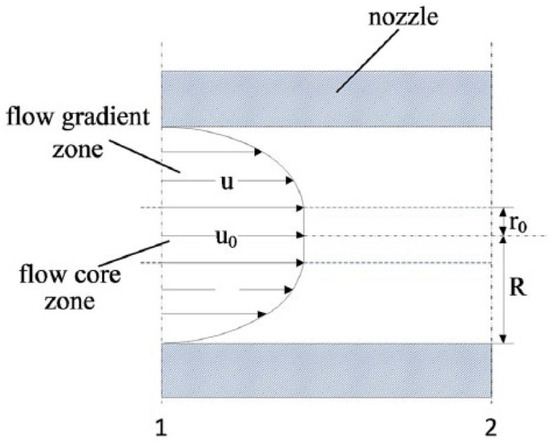
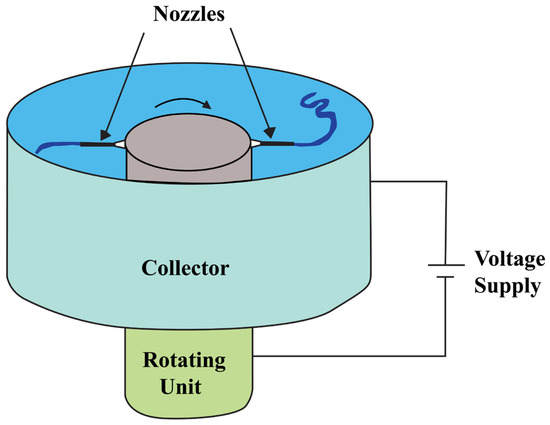
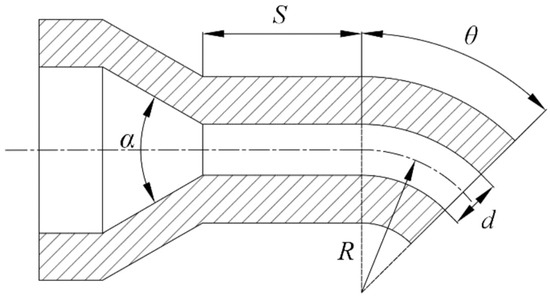
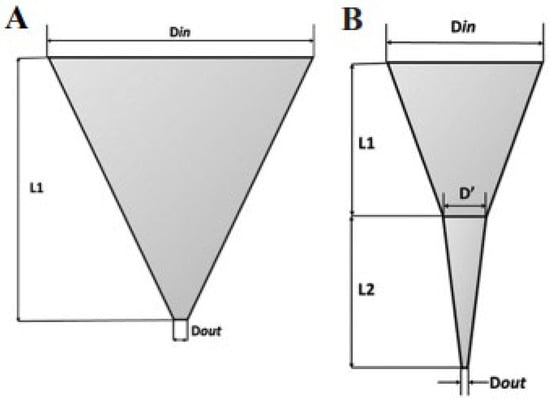
A Review About Centrifugal Spun Polymer and Polymer Composites Nanofibers in Filtration Process: Mechanism, Efficiency and Applications
J. Compos. Sci. 2026, 10(4), 199; https://doi.org/10.3390/jcs10040199 - 7 Apr 2026
Abstract
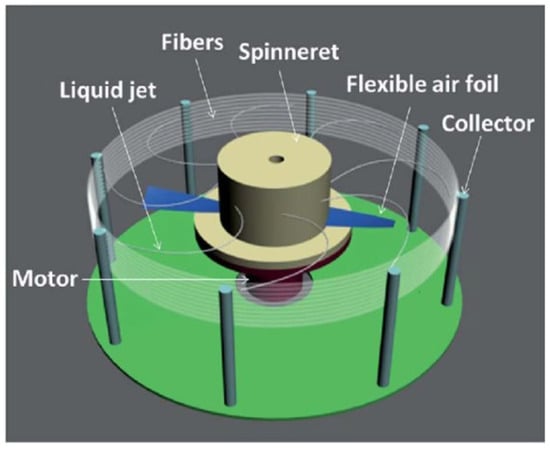
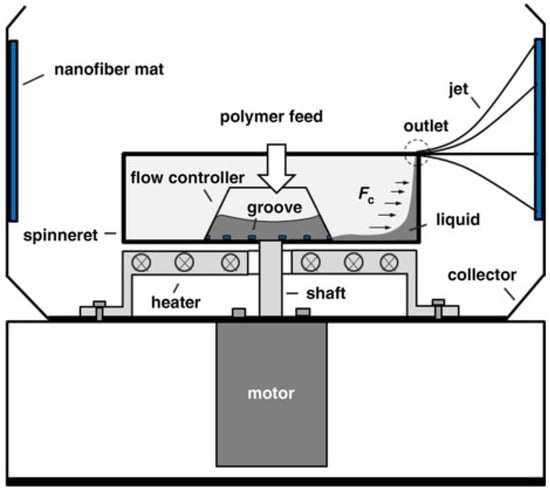
Electrospinning is the most widely used technique for creating nanofibers. However, the low production rate and the usage of a high-voltage setup have become obstacles to its widespread application. One effective method for creating nanofibers from a variety of materials is centrifugal spinning.
[...] Read more.
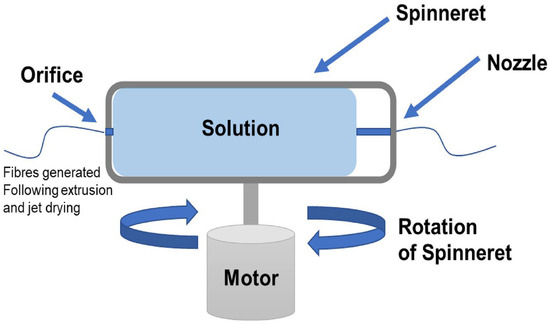
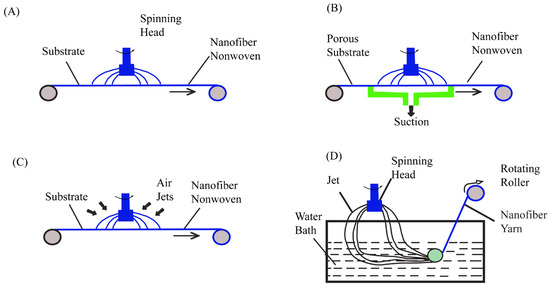
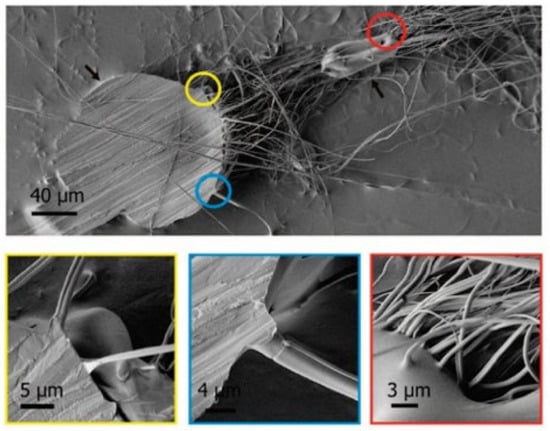
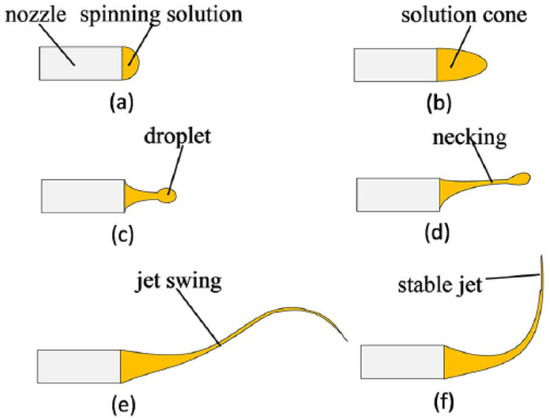
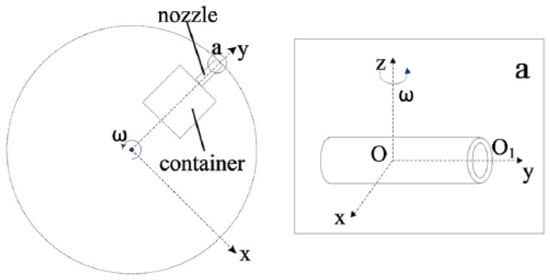
Electrospinning is the most widely used technique for creating nanofibers. However, the low production rate and the usage of a high-voltage setup have become obstacles to its widespread application. One effective method for creating nanofibers from a variety of materials is centrifugal spinning. This review discusses centrifugal spinning (CS) as an effective and scalable nanofiber manufacturing technology, particularly in filtration systems, and presents it as a promising alternative to existing methods, such as electrospinning. The review highlights the advantages of CS, including its high production rate, cost efficiency, and the ability to process various materials to produce nano- and microfibers. Despite its high potential, the issues associated with CS technology include the unpredictability of fiber quality, the inability to control diameters, and the need for more robust mathematical models to predict fiber characteristics. To eliminate these shortcomings and further enhance the industrial utility of centrifugally spun nanofibers in filtration, future studies should focus on improving process control, exploring a broader range of polymers, optimizing melt electrospinning, and designing more advanced nozzle profiles.
Full article
(This article belongs to the Special Issue Lightweight Composites Materials: Sustainability and Applications, Volume II)
►
Show Figures
Open AccessArticle
Study of the Properties of Zinc Phosphate Composite Cement Modified with Phosphorus Slag
by
Nurgali Zhanikulov, Aidana Abdullin, Bakhitzhan Taimasov, Ekaterina Potapova, Yana Alferyeva, Tatyana Lubkova, Irina Nikolaeva and Fatima Amanulla
J. Compos. Sci. 2026, 10(4), 198; https://doi.org/10.3390/jcs10040198 - 7 Apr 2026
Abstract
This paper presents an analysis of the physicochemical and biological properties of the developed composite zinc phosphate cement modified with bismuth oxide and phosphorus slag additives. The powder phase was synthesized by sintering a frit with an optimal composition (ZnO, MgO, SiO2
[...] Read more.
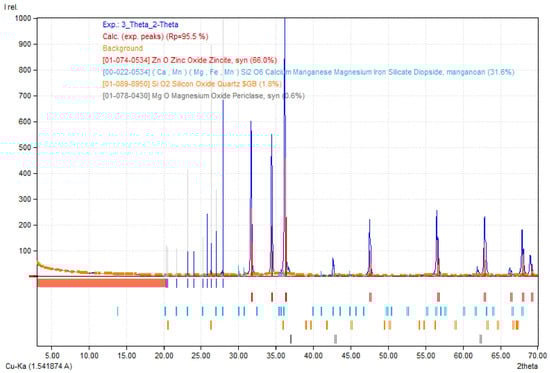
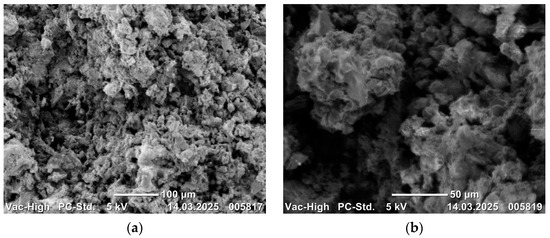
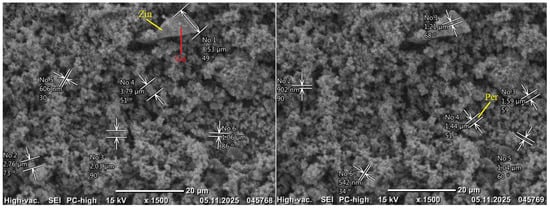
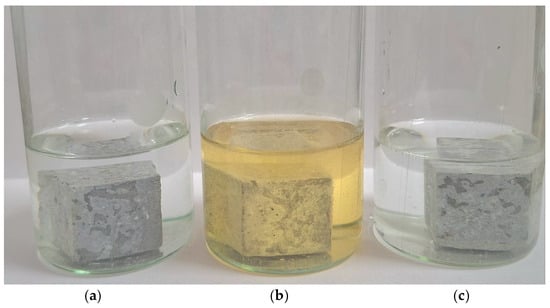
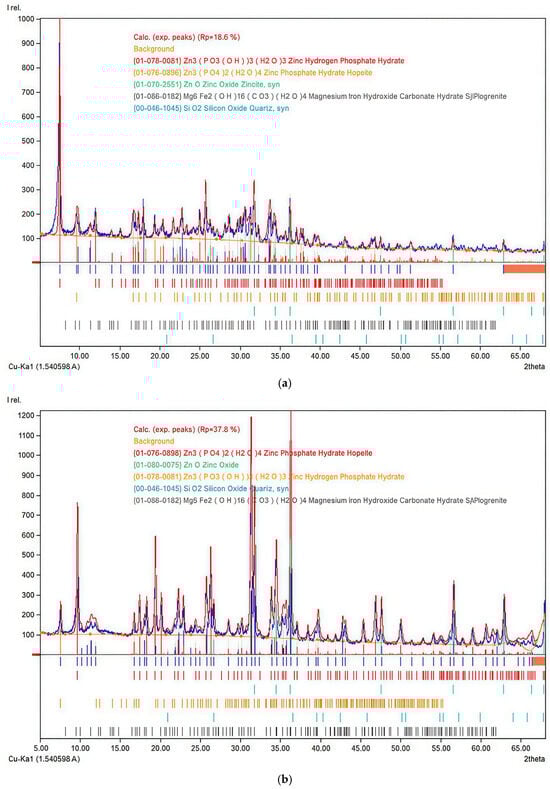
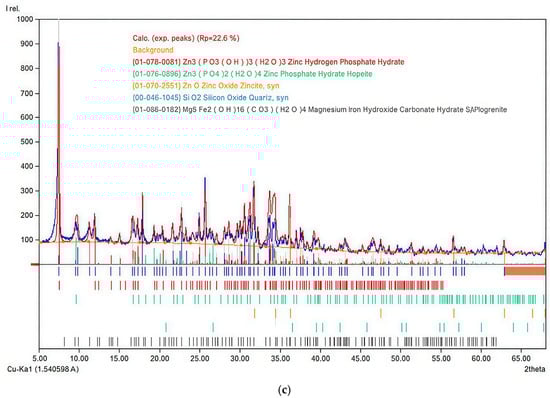
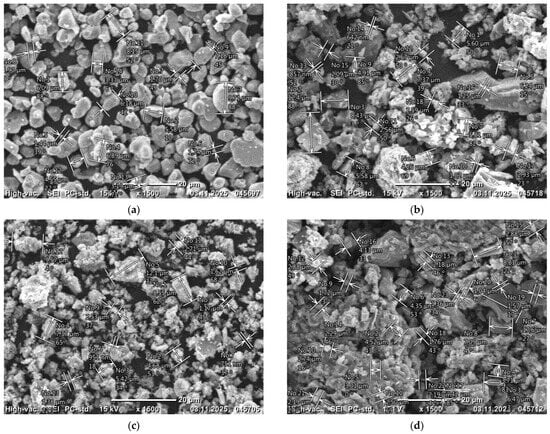
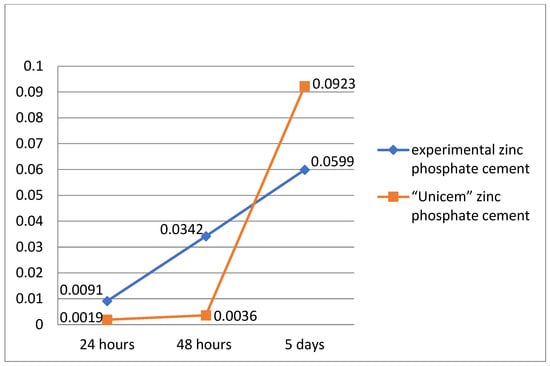
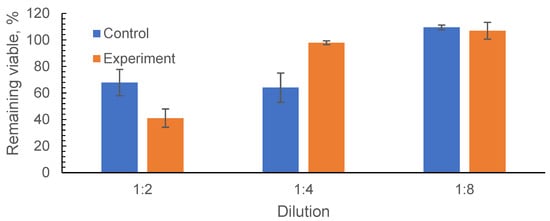
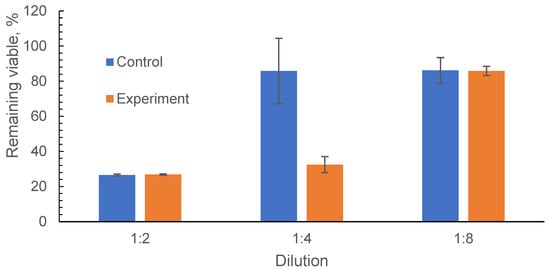
This paper presents an analysis of the physicochemical and biological properties of the developed composite zinc phosphate cement modified with bismuth oxide and phosphorus slag additives. The powder phase was synthesized by sintering a frit with an optimal composition (ZnO, MgO, SiO2, Bi2O3) using phosphorus slag as the active component. The study included an assessment of the microstructure, chemical resistance in aggressive environments (5% NaCl solution, 10% lactic acid, carbonated water), solubility in artificial saliva, and cytotoxicity in human fibroblasts. The addition of phosphorus slag was found to promote the formation of low-melting eutectics, which reduces the sintering temperature by 100 °C and increases the material’s whiteness to 97.8%. X-ray diffraction analysis confirmed the presence of zincite, quartz, and periclase phases, forming a dense microstructure without pronounced pores or cracks. The experimental cement demonstrated high acid resistance: the maximum weight loss in lactic acid was 8%, while the leaching of toxic elements (Pb, As, Cr, etc.) remained extremely low (10–67 ppm), confirming the material’s environmental safety. Testing of the composite zinc phosphate cement in artificial saliva revealed minimal weight loss compared to similar products. Biological testing showed that the cement’s cytotoxicity is dose-dependent; at a 0.3 g dose and a 1:4 dilution, the material loses its toxic properties and becomes safe for living tissue. The developed zinc phosphate composite cement composition offers improved aesthetic and mechanical properties, high chemical stability, and biocompatibility at working concentrations, making it promising for use in clinical dentistry.
Full article
(This article belongs to the Section Composites Applications)
►▼
Show Figures

Figure 1
Open AccessArticle
In Vitro Evaluation of Cytocompatibility of B4C-Reinforced CoCrMo, Ti, and 17-4 PH Alloys
by
Ömer Faruk Güder, Semanur Ercan and Aysel Ersoy
J. Compos. Sci. 2026, 10(4), 197; https://doi.org/10.3390/jcs10040197 - 5 Apr 2026
Abstract
Boron carbide (B4C)-reinforced metal matrix composites (MMCs) are promising candidates for biomedical implants due to their mechanical properties and potential biological compatibility. In this study, in vitro biocompatibility and cytotoxicity of B4C-reinforced CoCrMo, Ti, and 17-4 PH alloys were
[...] Read more.
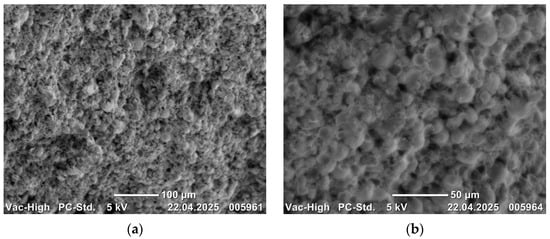
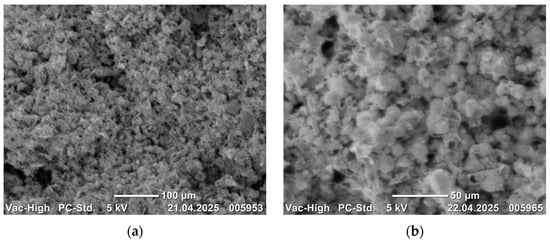
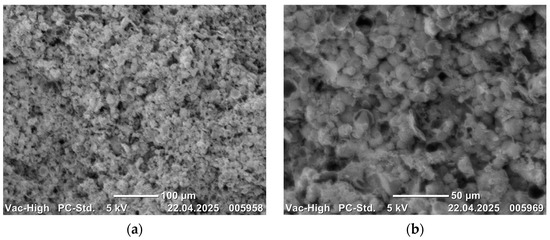
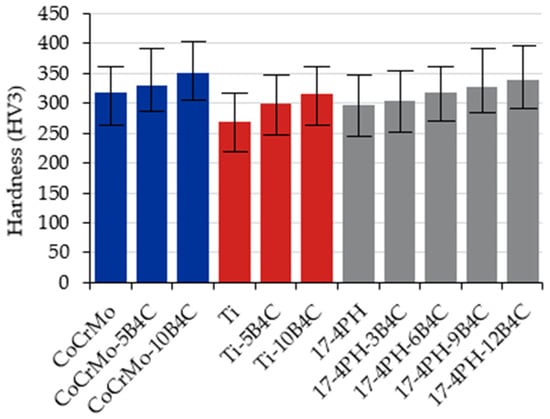
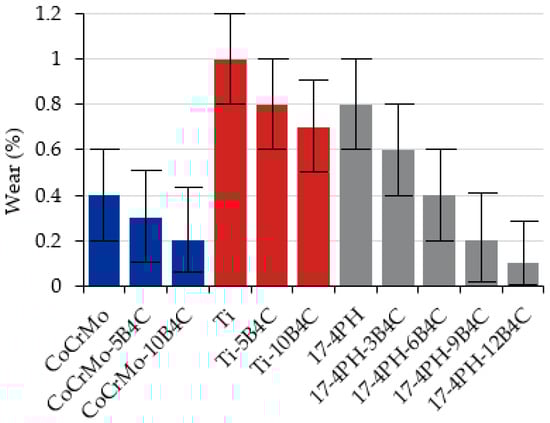
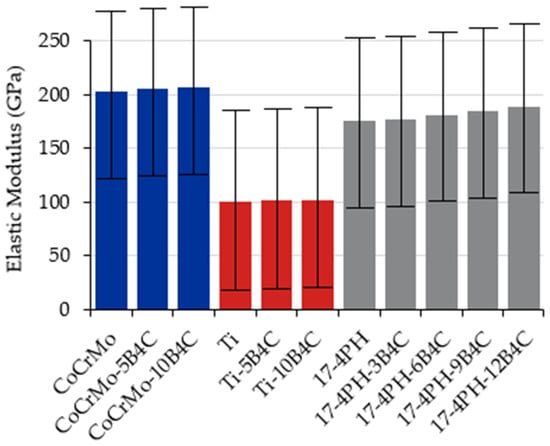
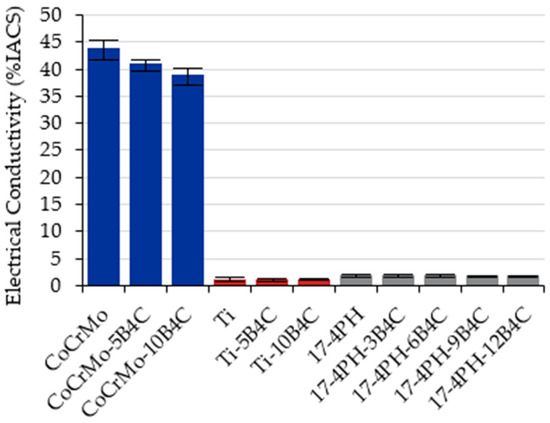
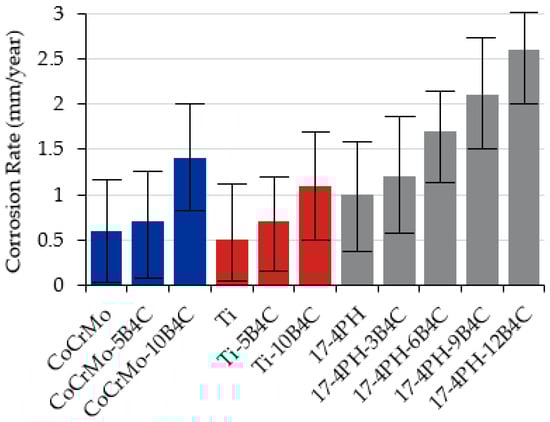
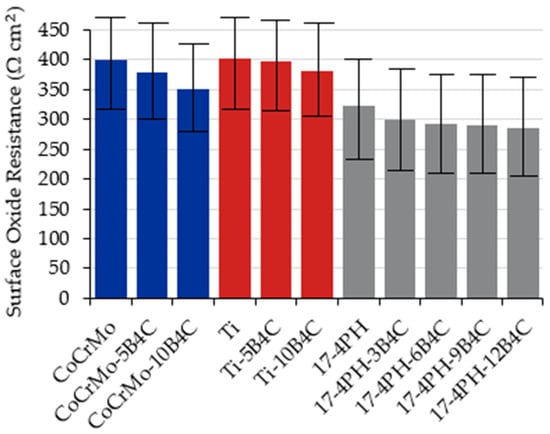
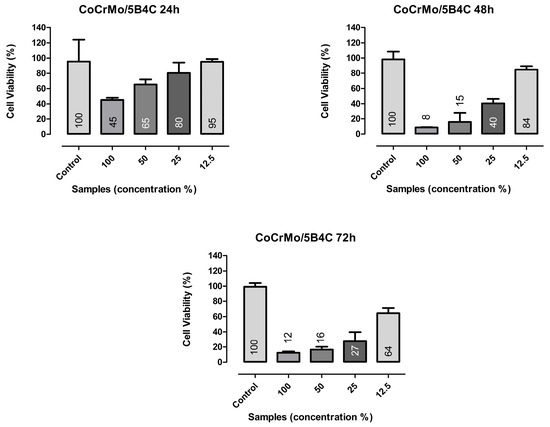
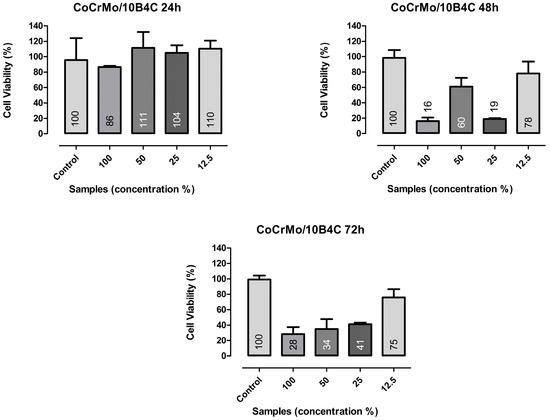
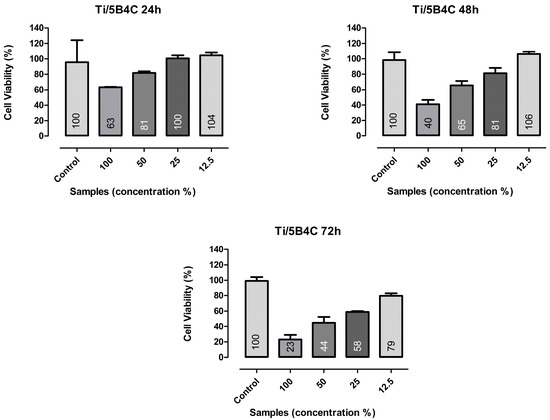
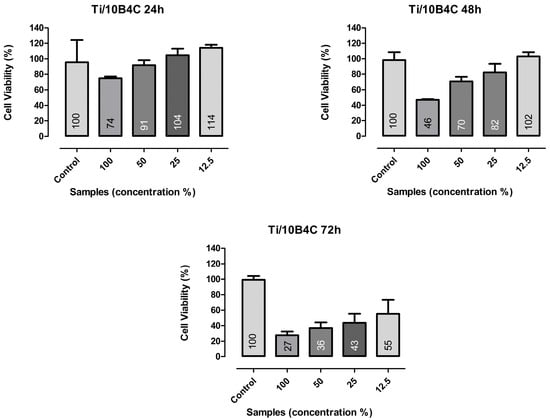
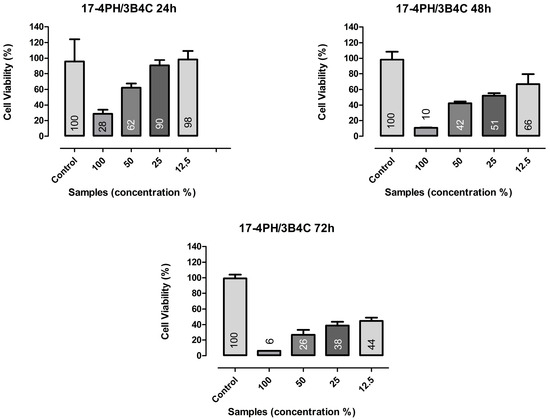
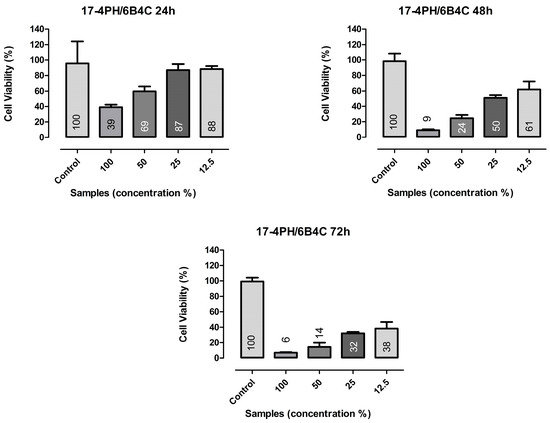
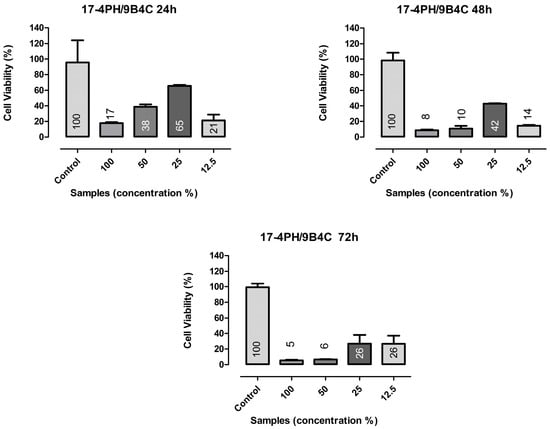
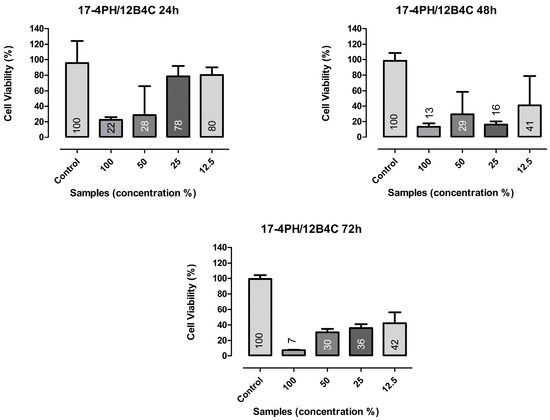
Boron carbide (B4C)-reinforced metal matrix composites (MMCs) are promising candidates for biomedical implants due to their mechanical properties and potential biological compatibility. In this study, in vitro biocompatibility and cytotoxicity of B4C-reinforced CoCrMo, Ti, and 17-4 PH alloys were systematically evaluated using human osteoblast (HOB) cells. Composites were fabricated via powder metallurgy with varying B4C reinforcement ratios (CoCrMo and Ti: 5–10 wt%; 17-4 PH: 3–12 wt%). Extracts prepared according to ISO 10993-12 standards were applied at different concentrations (100%, 50%, 25%, 12.5%) to assess cell viability using the MTT assay over 24, 48, and 72 h. Results demonstrated a clear dose-dependent cytotoxic effect across all composite systems. Ti composites exhibited the highest biocompatibility, with cell viability largely preserved even at higher B4C ratios. CoCrMo composites showed moderate cytotoxicity, which decreased upon extract dilution, indicating low-concentration compatibility. In contrast, 17-4 PH composites revealed significant cytotoxicity at higher extract concentrations, exacerbated by increasing B4C content. Literature-supported findings confirm that B4C incorporation enhances hardness, wear resistance, and elastic modulus, yet excessive reinforcement can induce local stress and particle detachment, affecting cellular tolerance. Diluted extracts of Ti and CoCrMo composites maintained cell viability at a biocompatible level consistent with ISO 10993-5 criteria. These results highlight the promising biocompatibility of B4C-reinforced Ti and CoCrMo alloys for biomedical applications and provide a biological basis for the design of next-generation composite implants.
Full article
(This article belongs to the Section Metal Composites)
►▼
Show Figures

Figure 1
Open AccessArticle
Notch Sensitivity of Carbon Fibre-Reinforced Polymer Laminates with Different Stacking Sequences
by
Juan Luis Martínez Vicente, Miguel Ángel Caminero Torija and Juan José López Cela
J. Compos. Sci. 2026, 10(4), 196; https://doi.org/10.3390/jcs10040196 - 5 Apr 2026
Abstract
Composite materials have traditionally been employed in the aerospace sector due to their ability to withstand highly demanding service conditions. In recent years, their application has expanded significantly into other engineering domains, including wind energy, shipbuilding, and the automotive industry. The design of
[...] Read more.
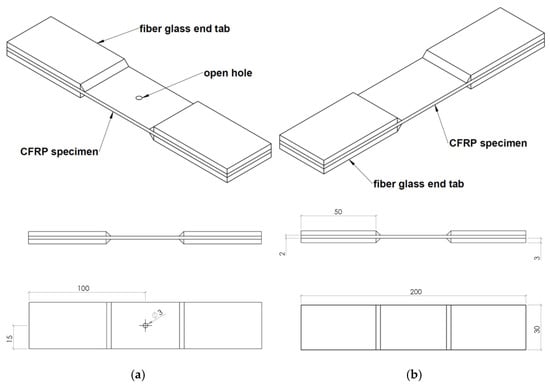
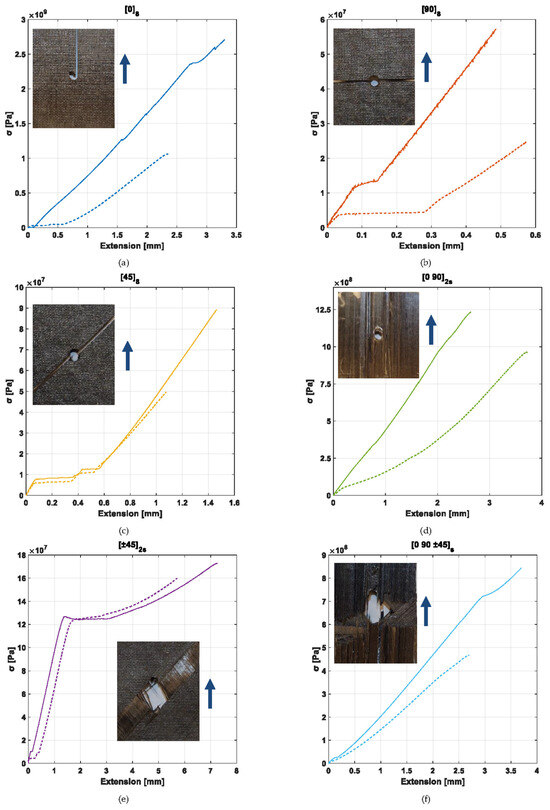
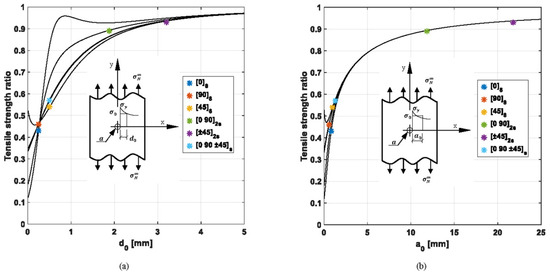
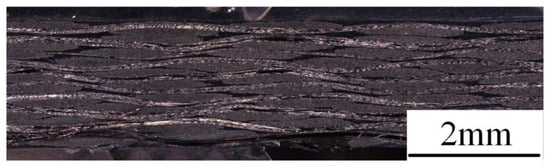
Composite materials have traditionally been employed in the aerospace sector due to their ability to withstand highly demanding service conditions. In recent years, their application has expanded significantly into other engineering domains, including wind energy, shipbuilding, and the automotive industry. The design of composite structures often involves geometric discontinuities, such as cut-outs for access or fastener holes for mechanical joining, which typically become critical regions under load. Consequently, the stress concentrations induced by notches represent a major concern, as they can lead to substantial reductions in strength compared with unnotched laminates. A comprehensive understanding of the behaviour of notched specimens is therefore essential for the design of complex composite assemblies, where components are commonly joined using bolts and rivets. The objective of this study is to examine the tensile response and notch sensitivity of carbon fibre-reinforced polymer (CFRP) laminates with different stacking sequences, through a comparative analysis of unnotched and open-hole specimens. A central circular hole was introduced to reproduce the geometric discontinuities frequently encountered in structural applications, enabling a detailed assessment of stress concentration effects. The experimental results indicate that unidirectional laminates exhibit the highest sensitivity to notches, whereas quasi-isotropic configurations among the multidirectional laminates display the most pronounced reduction in strength, approaching 50%. Moreover, the Point Stress Criterion (PSC) and the Average Stress Criterion (ASC) were employed to determine the characteristic lengths of the specimens, revealing significant differences among the values obtained for each lay-up configuration. Overall, the findings highlight the strong influence of stacking sequence on the mechanical response of notched CFRP laminates and underscore the need to further refine existing failure criteria to accommodate novel laminate architectures, including Bouligand-type helicoidal bioinspired stacking sequences.
Full article
(This article belongs to the Section Fiber Composites)
►▼
Show Figures

Figure 1
Open AccessSystematic Review
High-Performance Composite Gears: A Systematic Review of Materials, Processing, and Performance
by
Azamat Kaliyev, Ilyas Yessengabylov, Assem Kyrykbayeva, Sharaina Zholdassova, Chingis Kharmyssov and Maksat Temirkhan
J. Compos. Sci. 2026, 10(4), 195; https://doi.org/10.3390/jcs10040195 - 3 Apr 2026
Abstract
Composite gears have emerged as game-changing mechanical components across various engineering fields due to their multifunctional physical properties, such as low density, thermal resistance, and mechanical robustness. Although traditional metallic gears are well established and reliable, their efficiency is limited in certain applications.
[...] Read more.
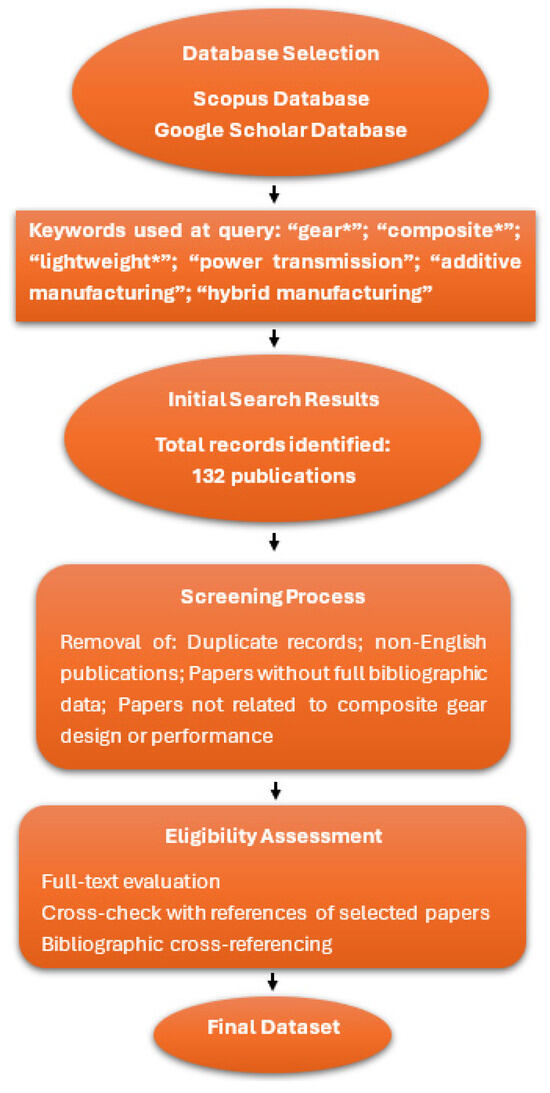
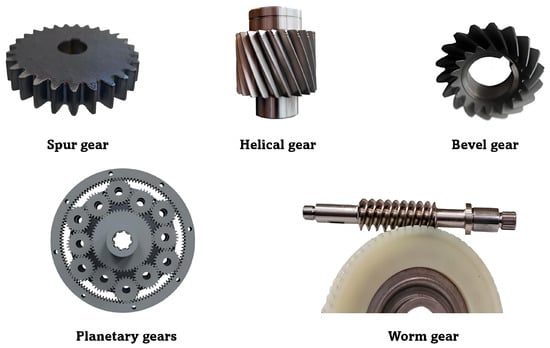
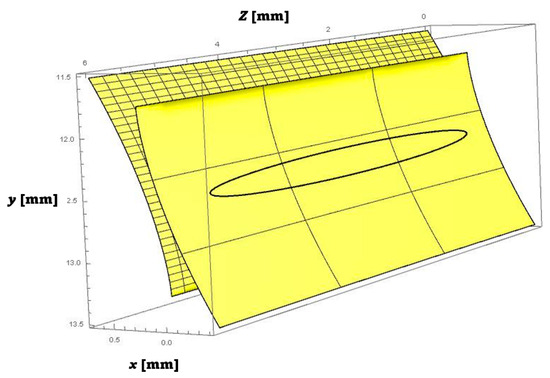
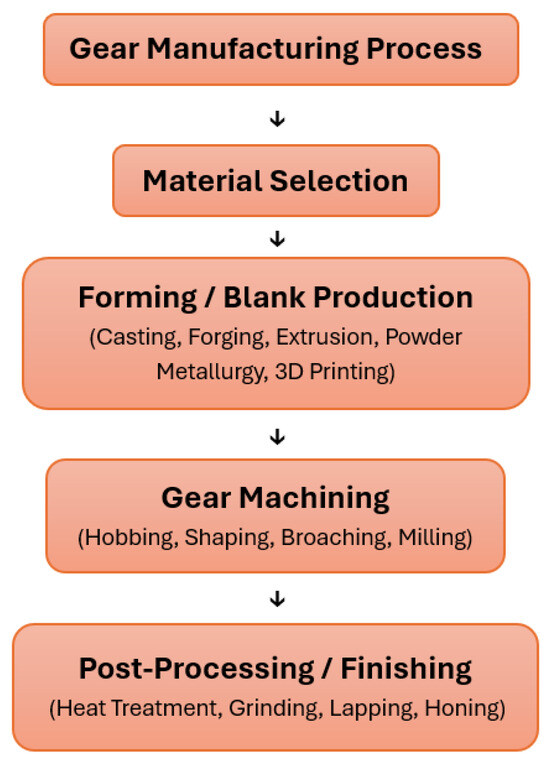
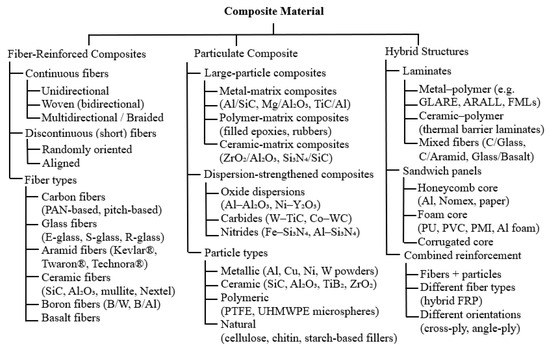
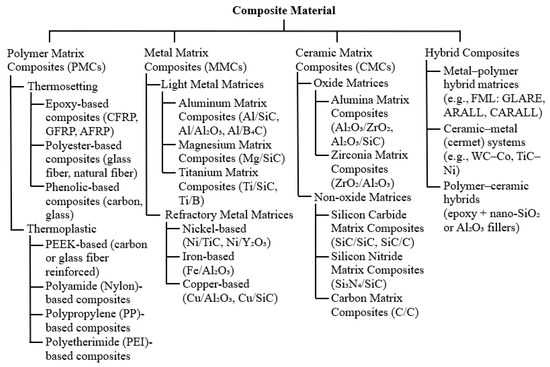
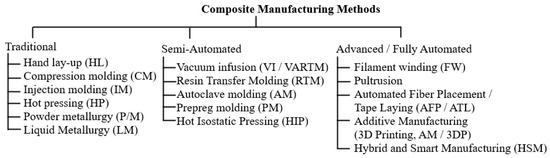
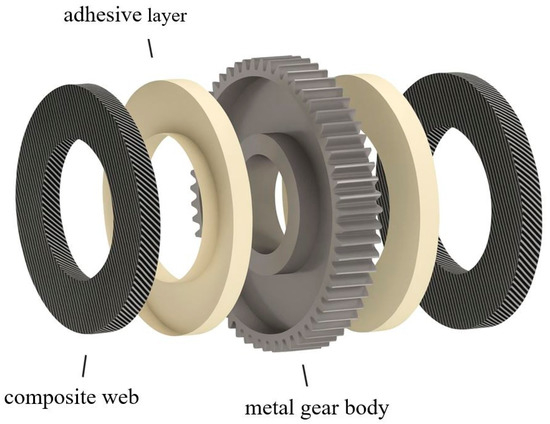
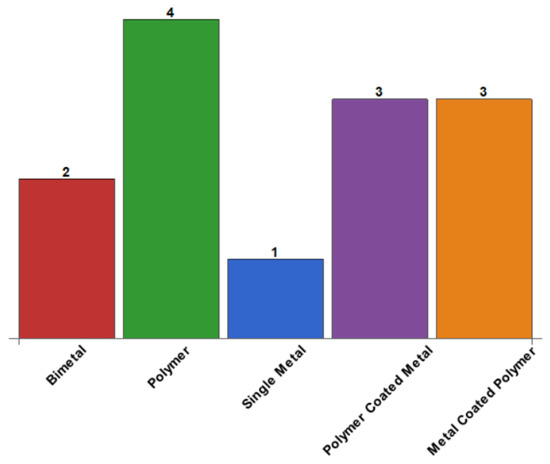
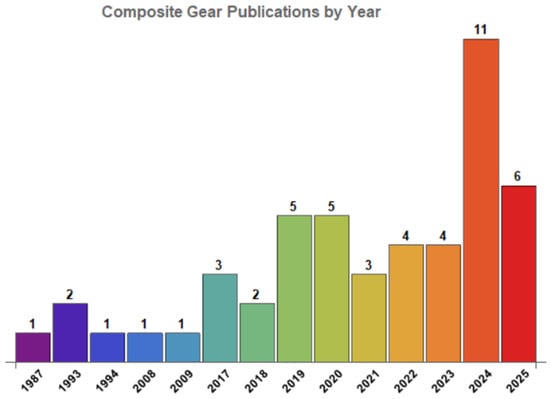
Composite gears have emerged as game-changing mechanical components across various engineering fields due to their multifunctional physical properties, such as low density, thermal resistance, and mechanical robustness. Although traditional metallic gears are well established and reliable, their efficiency is limited in certain applications. In contrast, composite gears reinforced with carbon, glass, or polymer fibers offer superior strength-to-weight ratios, enhanced corrosion and wear resistance, and improved vibration damping characteristics. The studies demonstrate that hybrid and fiber-reinforced composite gears can achieve weight reductions of 20–50% compared with steel gears, while maintaining comparable stiffness and load-carrying capability. Polymer and reinforced composite gear systems show operating temperature reductions of up to 40% due to improved tribological behavior and thermal dissipation. In metal–matrix composite systems, compressive strength improvements up to around 60% have been reported. Additionally, composite architectures provide improved fatigue life, reduced transmission error, and enhanced vibration damping. Developments in gear design, composite materials, and their integration into composite gear systems were identified through a structured literature survey using Scopus and Google Scholar, systematically compiling manufacturing methods, material performance characteristics, and applications. Targeted keywords related to gears, composites, additive and hybrid manufacturing, lightweight design, and power transmission yielded 132 relevant publications, which were subsequently refined through screening and cross-referencing, with the final section focusing specifically on composite gear applications. The review highlights key opportunities, current challenges, and potential future directions for the development of high-performance composite gear systems.
Full article
(This article belongs to the Special Issue Hybrid Composites—from Fundamental Studies to Intelligent and Sustainable Solutions)
►▼
Show Figures

Figure 1

Open AccessArticle
Influences of Different Solid Waste Powders on the Drying Shrinkage Characteristics of Metakaolin-Based Geopolymers
by
Shanshan Zhang, Cheng Tang, Jing Chen, Niping Guo, Yiwei Yang and Teng Dong
J. Compos. Sci. 2026, 10(4), 194; https://doi.org/10.3390/jcs10040194 - 2 Apr 2026
Abstract
This study investigates the effects of three solid waste powders—fly ash (FA), silica fume (SF), and phosphogypsum (P)—on the drying shrinkage behavior of metakaolin-based geopolymers. To systematically evaluate the performance and underlying mechanisms, a comprehensive experimental program was conducted, including compressive strength and
[...] Read more.
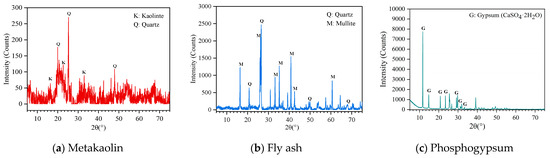
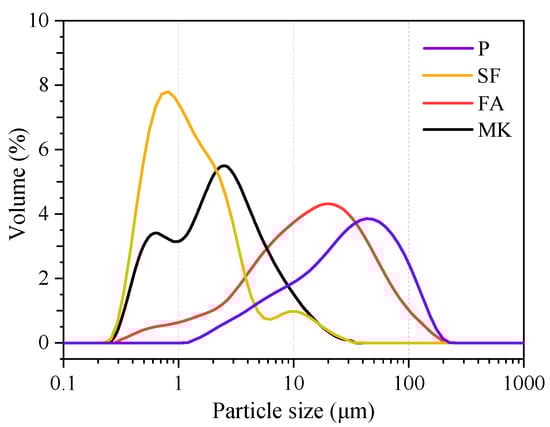
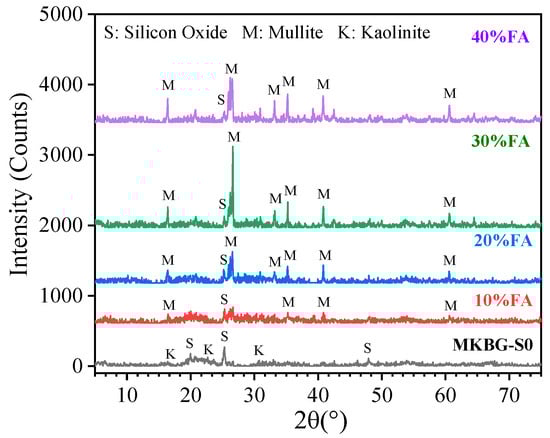
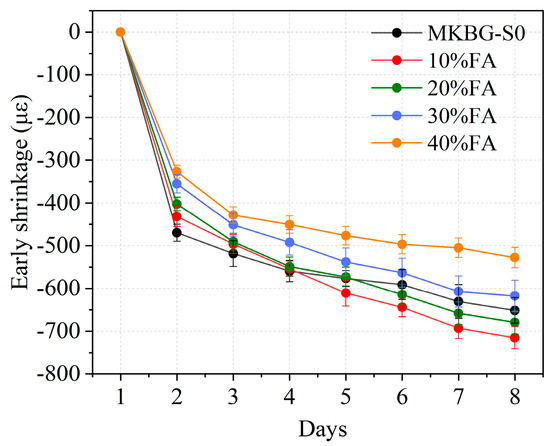
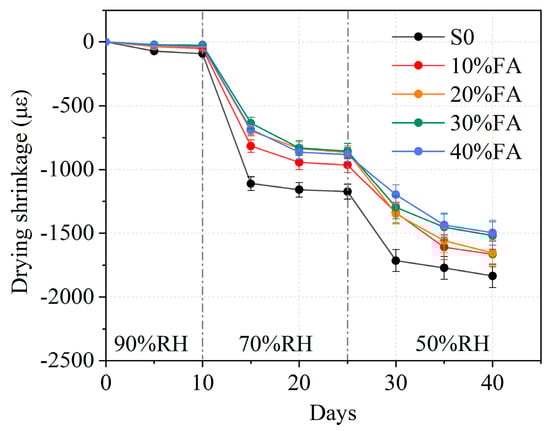
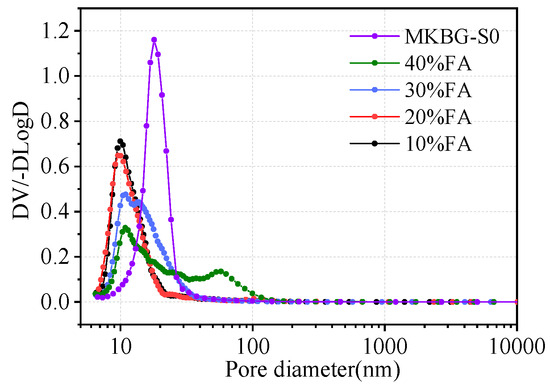
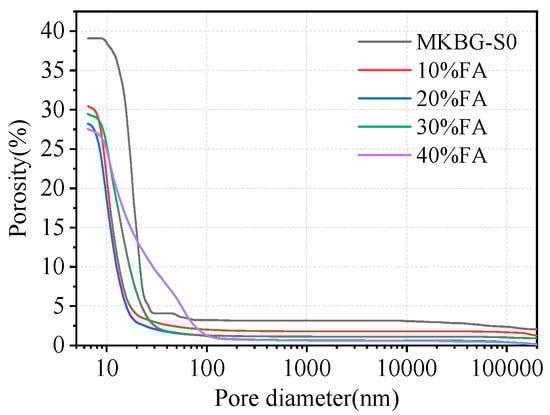
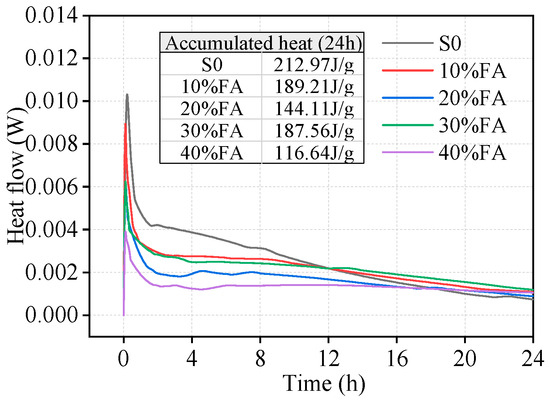
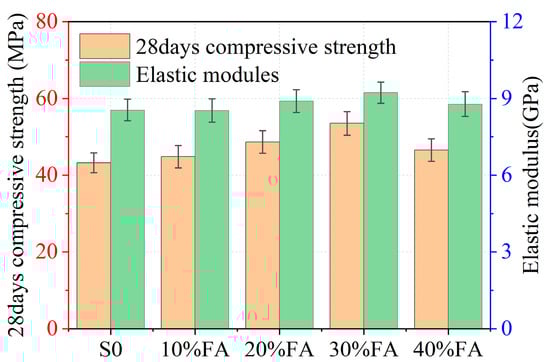
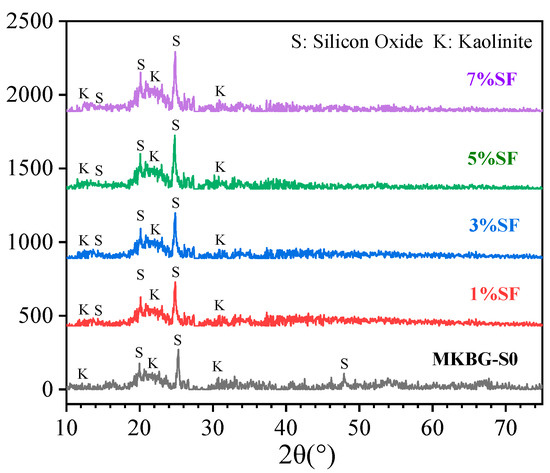
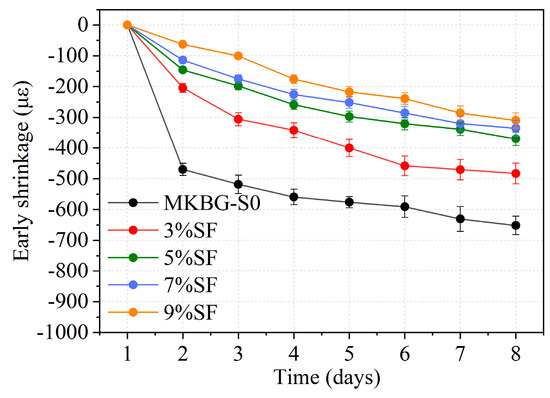
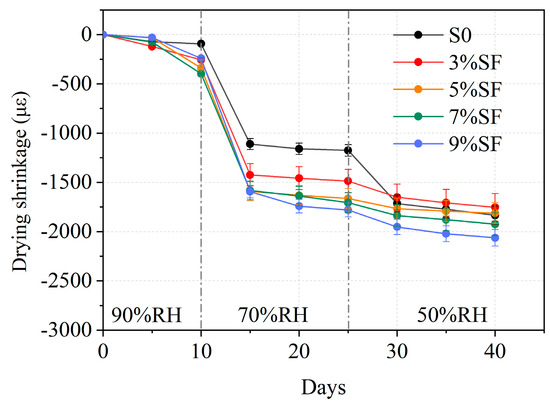
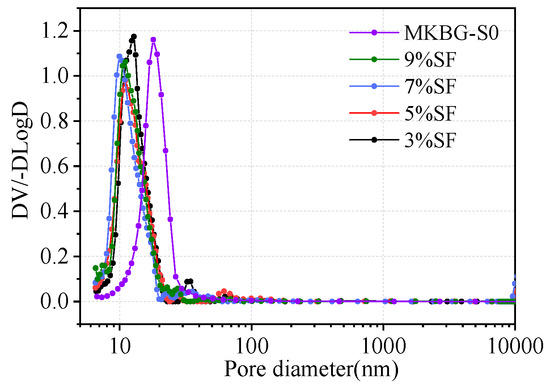
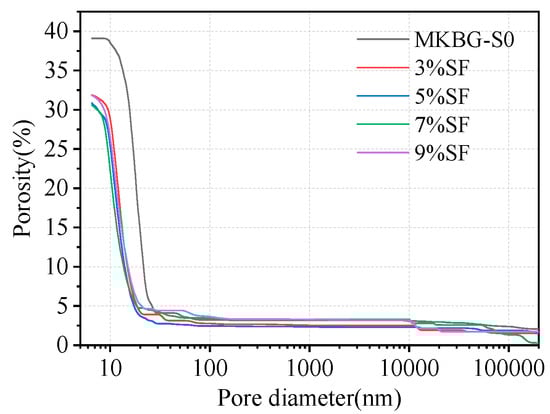
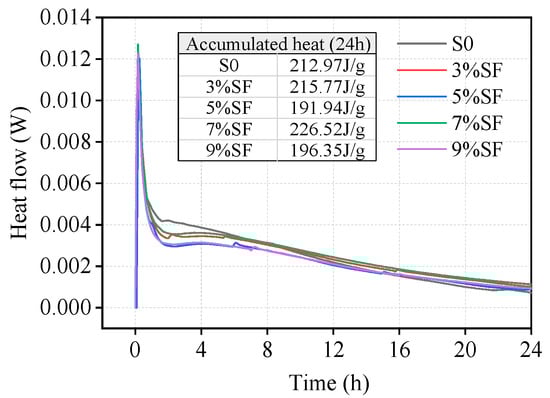
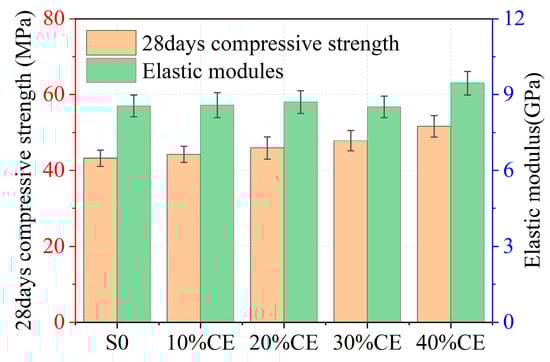
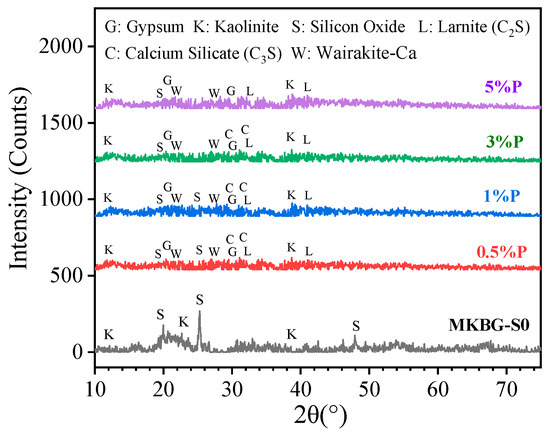
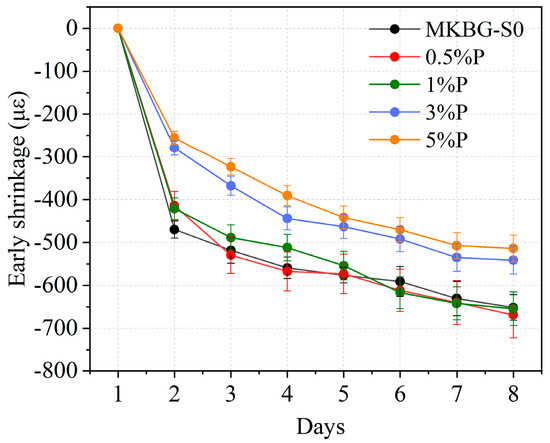
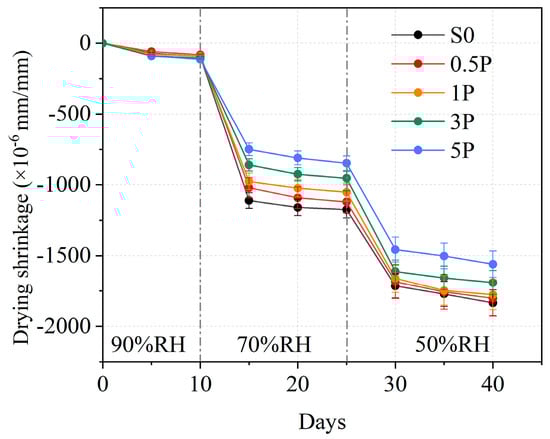
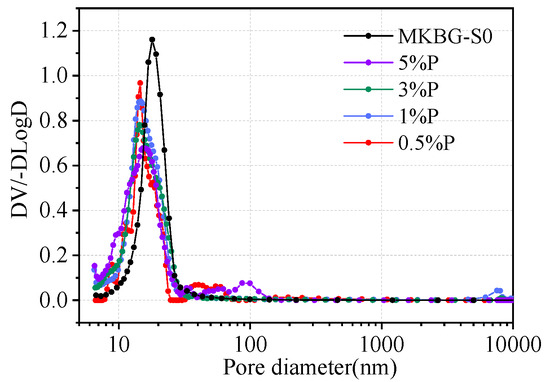
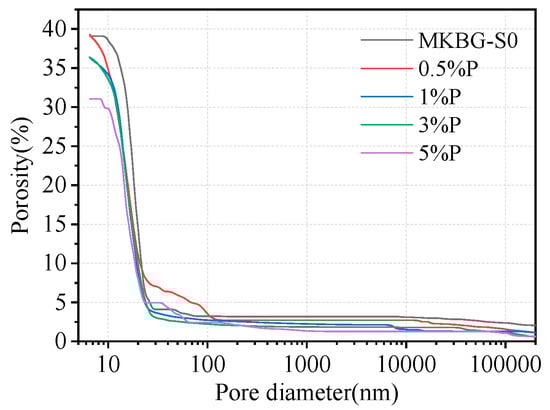
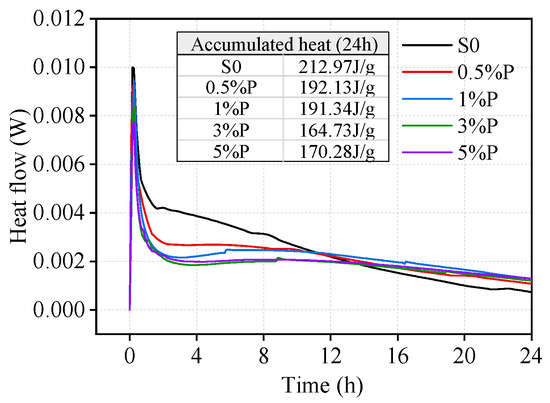
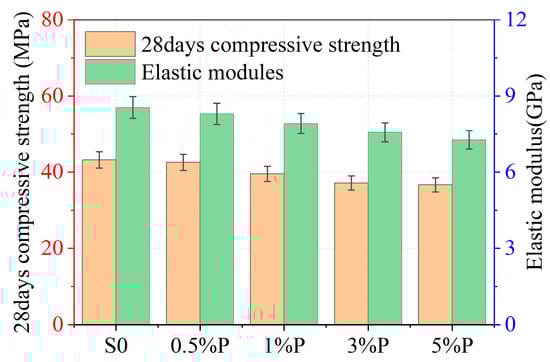
This study investigates the effects of three solid waste powders—fly ash (FA), silica fume (SF), and phosphogypsum (P)—on the drying shrinkage behavior of metakaolin-based geopolymers. To systematically evaluate the performance and underlying mechanisms, a comprehensive experimental program was conducted, including compressive strength and elastic modulus testing, early-age and variable-humidity drying shrinkage monitoring, mercury intrusion porosimetry, and microcalorimetry analysis. Results demonstrate that all three materials effectively reduce drying shrinkage through distinct mechanisms. The incorporation of 30% FA optimized the capillary pore network and densified the matrix, achieving a peak compressive strength of 53.51 MPa and an elastic modulus of 9.23 GPa. SF exhibited a dose-dependent effect; at an optimal content of 7%, it enhanced compressive strength by 28.3% through its nucleation effect and micro-aggregate filling. However, excessive SF (9%) led to pore coarsening and increased shrinkage. Although P incorporation slightly reduced mechanical strength, it decreased cumulative porosity by up to 8% and formed needle-like Wairakite-Ca crystals that provided micro-structural support, resulting in a net shrinkage reduction of up to 137.83 µε. This study provides a scientific basis for designing low-shrinkage, low-carbon geopolymers by tailoring solid waste incorporation to engineer multiscale pore structures.
Full article
(This article belongs to the Section Composites Applications)
►▼
Show Figures

Figure 1
Open AccessArticle
Efficient Prediction and Enhancement in Friction Wear Performance of Synthetic Brake Pads Using Machine Learning
by
Hongzhe Xin, Wangyi Shen, Ling Feng, Yushan Wu, Huan Wang, Faxiang Qin, Hua-Xin Peng and Peng Xu
J. Compos. Sci. 2026, 10(4), 193; https://doi.org/10.3390/jcs10040193 - 1 Apr 2026
Abstract
To tackle traditional synthetic brake pads’ friction instability and performance degradation at high speeds, as well as the costly and time-consuming empirical formula optimization, a multi-stage synergistic optimization (MSSO) framework driven by two-stage machine learning is proposed in this study. The novelty lies
[...] Read more.
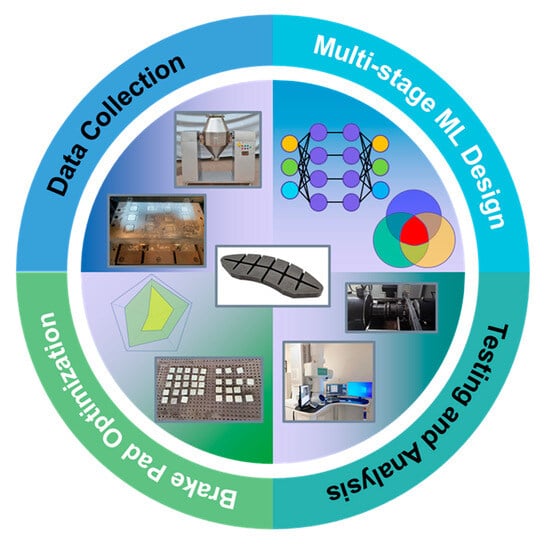
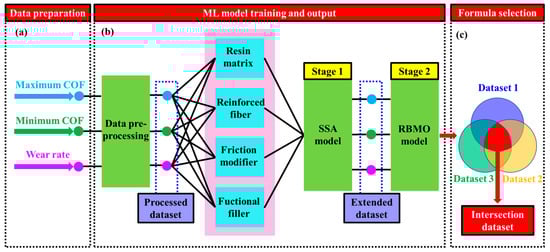
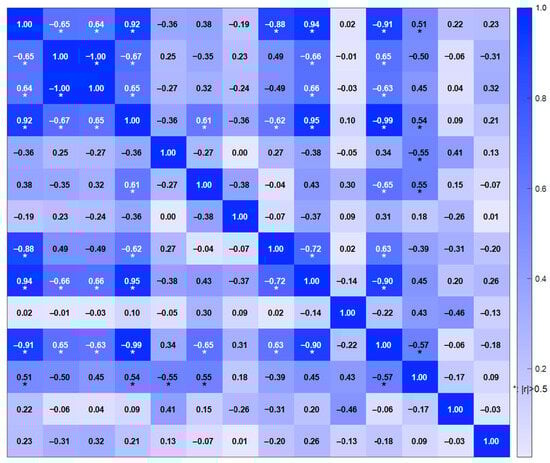
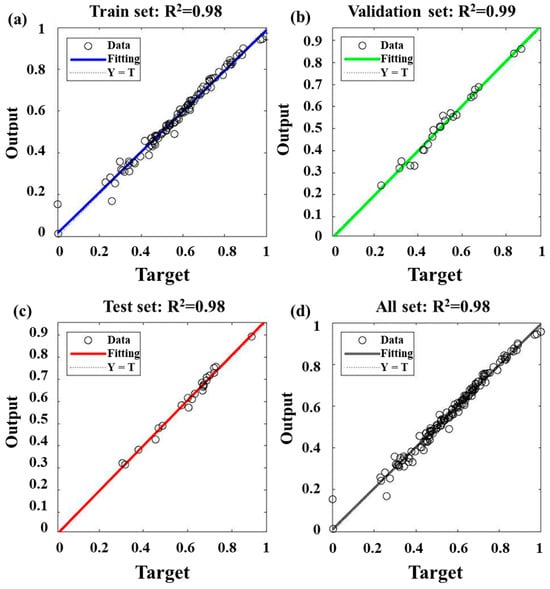
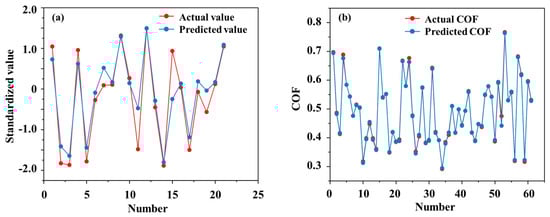
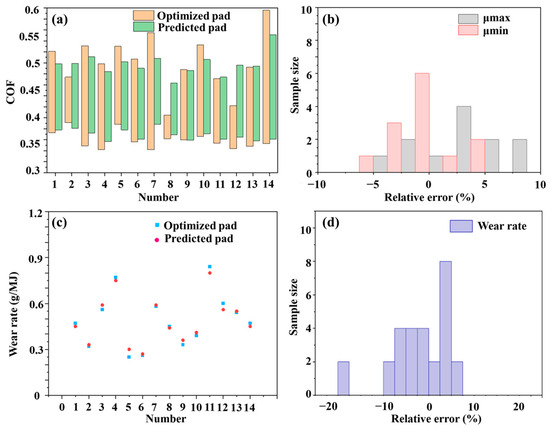
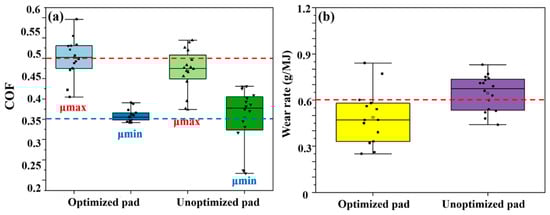
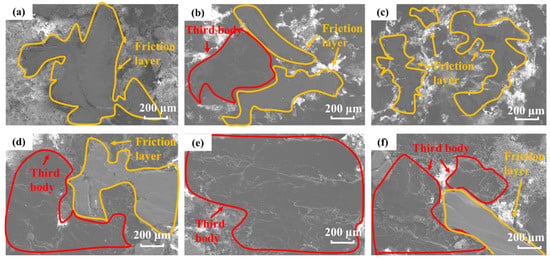
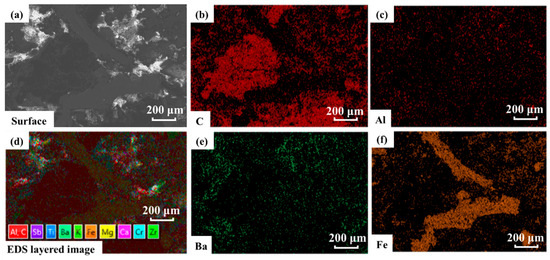
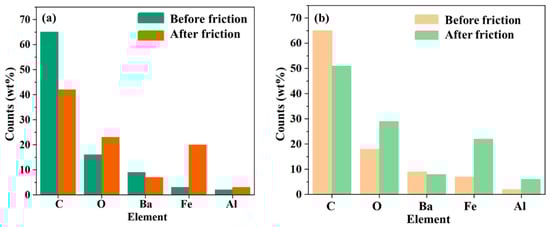
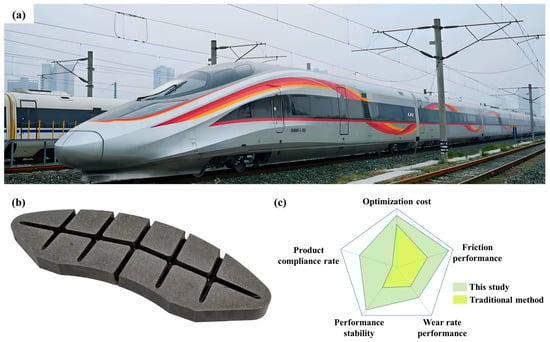
To tackle traditional synthetic brake pads’ friction instability and performance degradation at high speeds, as well as the costly and time-consuming empirical formula optimization, a multi-stage synergistic optimization (MSSO) framework driven by two-stage machine learning is proposed in this study. The novelty lies in integrating Pearson correlation filtering with Gaussian noise for data enhancement, employing a hybrid sparrow search algorithm-gray neural network model for dataset expansion, and utilizing a red-billed blue magpie optimization-backpropagation neural network for high-precision multi-target prediction. Experimental verification shows that brake pads manufactured using the optimized formulations exhibit improved average friction coefficient and wear rate, with reduced error compared to traditional methods. The friction characterization results of composite brake pads show the features of optimized composite brake pads at the surface microscopic level. This provides an efficient solution for developing lightweight brake materials for high-speed trains.
Full article
(This article belongs to the Section Composites Modelling and Characterization)
►▼
Show Figures

Graphical abstract
Open AccessArticle
Wrinkling Simulations of Fiber-Reinforced Elastomer Sheets Under Global Tensile Loading
by
Marius M. Schasching, Robert Duy, Heinz E. Pettermann and Melanie Todt
J. Compos. Sci. 2026, 10(4), 192; https://doi.org/10.3390/jcs10040192 - 1 Apr 2026
Abstract
Numerical predictions of the wrinkling behavior of biaxially fiber-reinforced elastomer sheets are carried out under consideration of finite deformations. The Holzapfel–Gasser–Ogden material model is used to account for the anisotropic hyperelastic material behavior of the sheets, where material parameters are identified based on
[...] Read more.
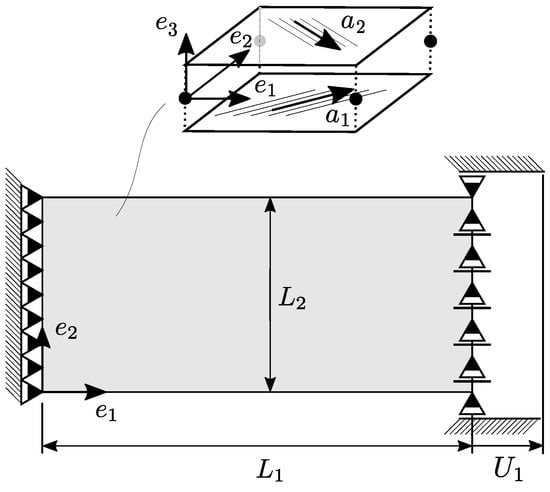
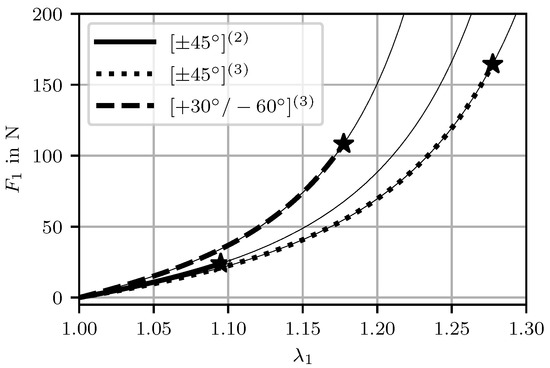
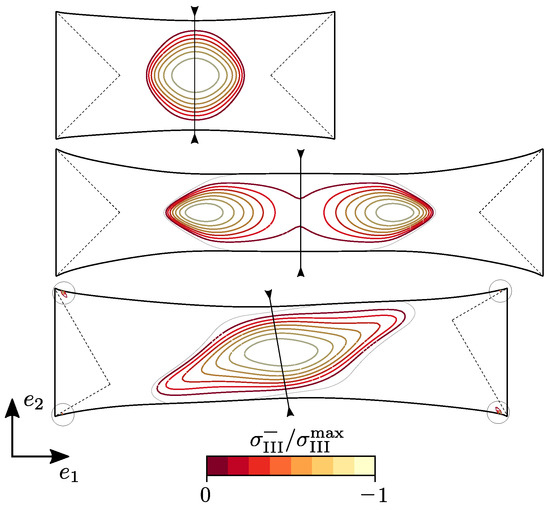
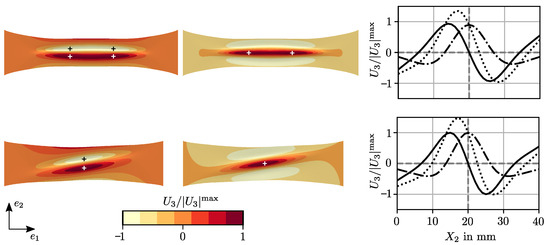
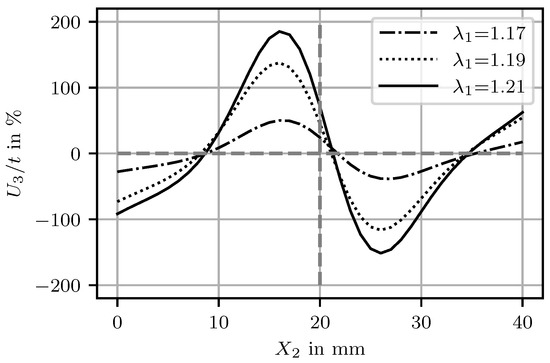
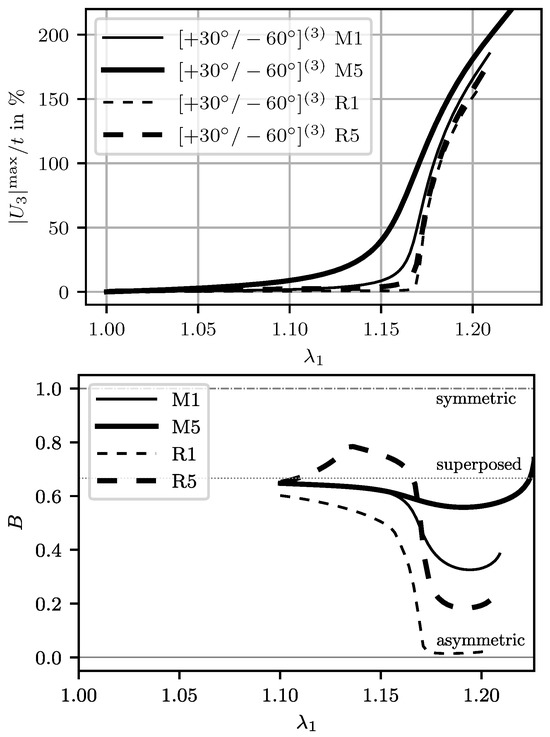
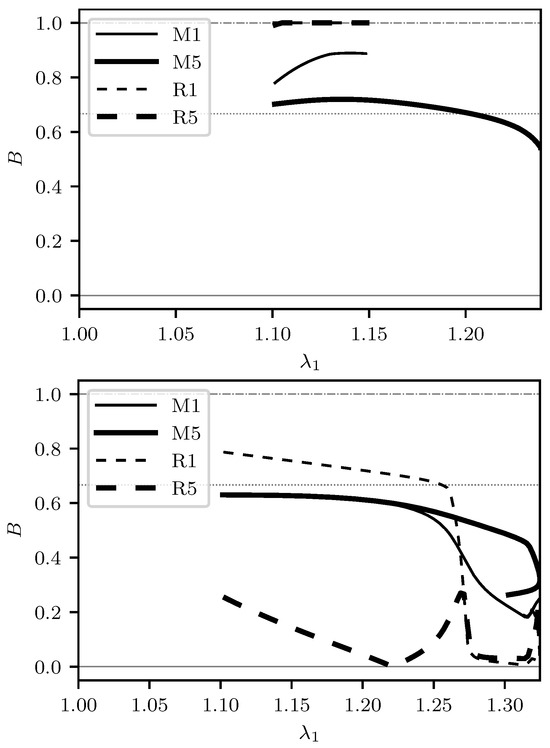
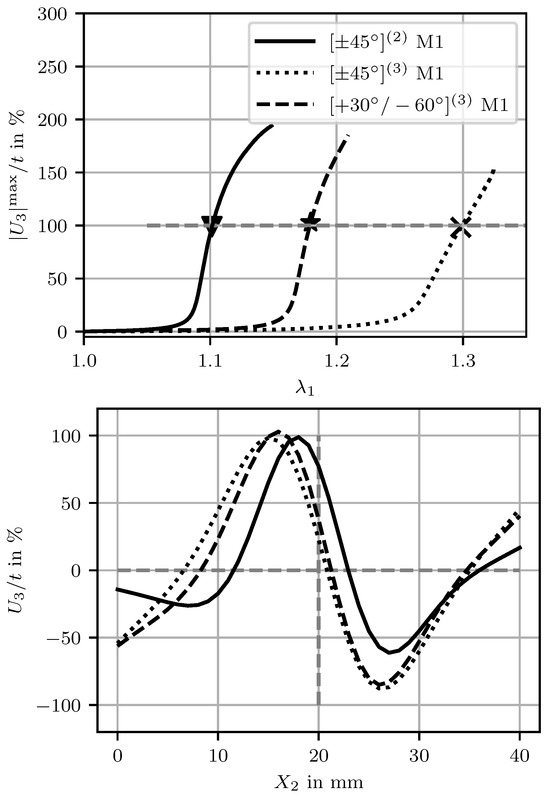
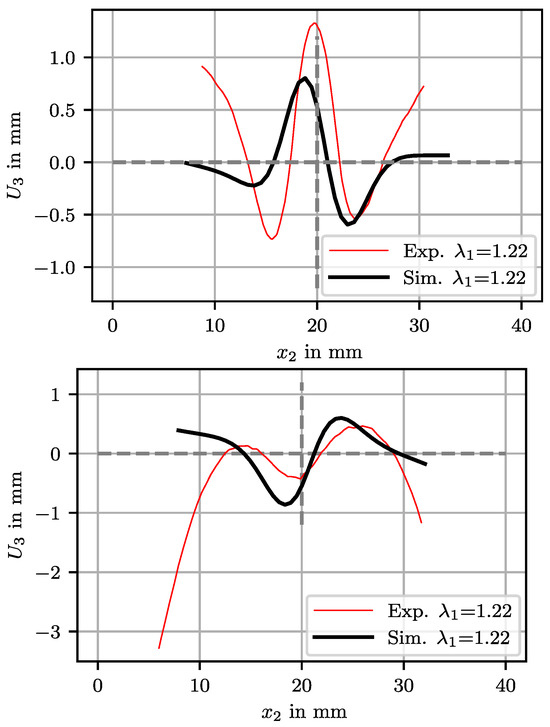
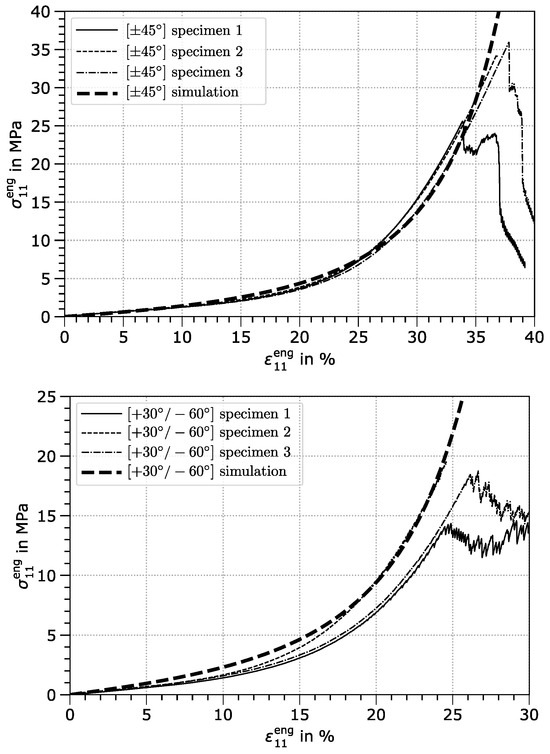
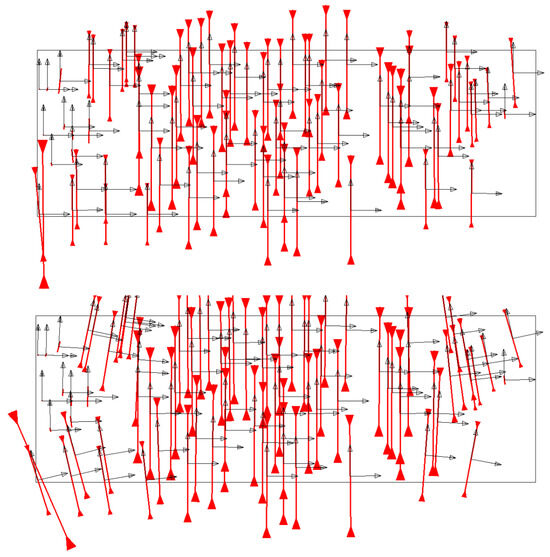
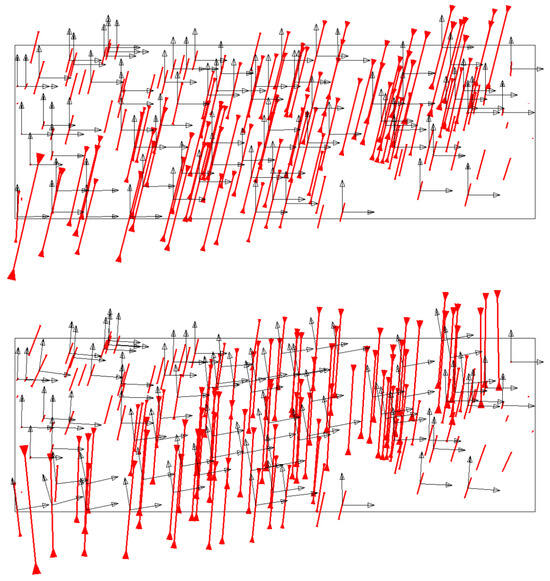
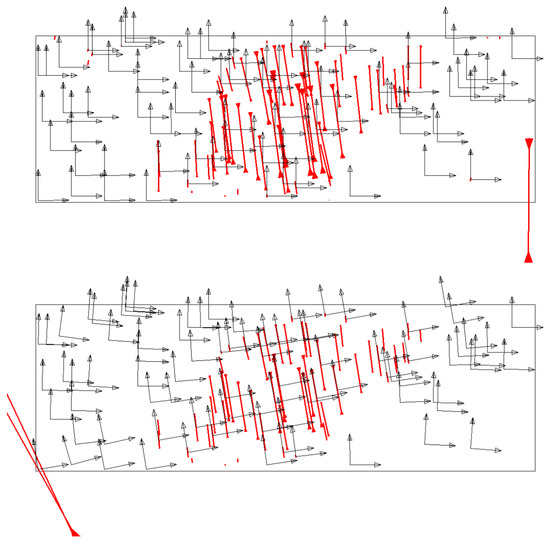
Numerical predictions of the wrinkling behavior of biaxially fiber-reinforced elastomer sheets are carried out under consideration of finite deformations. The Holzapfel–Gasser–Ogden material model is used to account for the anisotropic hyperelastic material behavior of the sheets, where material parameters are identified based on experimental data of tensile tests from literature. A Finite Element Method-based simulation strategy is presented to extract critical loading conditions and to access the postbuckling response using geometrical imperfections. Depending on the layup and aspect ratio of the sheets, wrinkling onset was predicted for global stretches between 10% and 25%. For sheets with fiber orientations [±45°] wrinkling is predicted at larger global stretches than for sheets with fiber orientations of for the same aspect ratio. Furthermore, it is shown that short sheets have a tendency towards symmetric wrinkling patterns whereas for long sheets asymmetric wrinkles are more likely to occur. Comparison of the numerical predictions with experiments from the literature shows that the geometrical characteristics of the wrinkles, such as wavelengths and amplitudes, can be well predicted. Far into the postbuckling regime, the deviations of the predicted wrinkling amplitudes and their experimental counterparts are around 30% or less.
Full article
(This article belongs to the Section Composites Modelling and Characterization)
►▼
Show Figures

Figure 1

Open AccessArticle
Effects of Epoxy Resin Content on the Mechanical Properties of Carbon Nanotube Films
by
Xing Tang, Zhouyi Li, Yubo Wang, Gongwen Gong and Da Shen
J. Compos. Sci. 2026, 10(4), 191; https://doi.org/10.3390/jcs10040191 - 31 Mar 2026
Abstract
This study aims to prepare carbon nanotube/epoxy resin composite films with different resin contents and systematically explore the influence of resin content on the mechanical properties and microstructure of composite materials. By preparing carbon nanotube/epoxy resin composite films with different mass fractions of
[...] Read more.
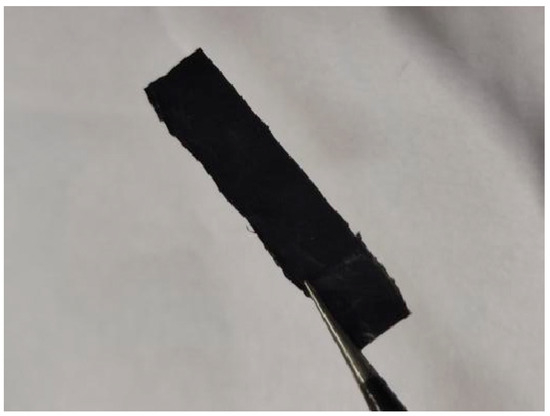
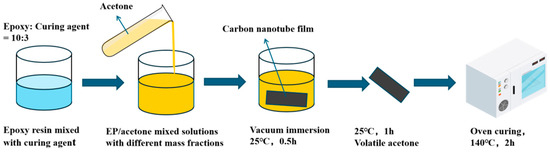
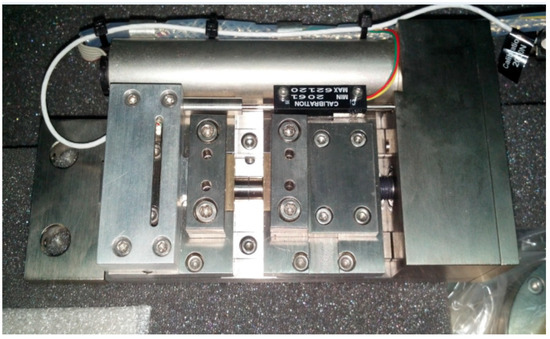
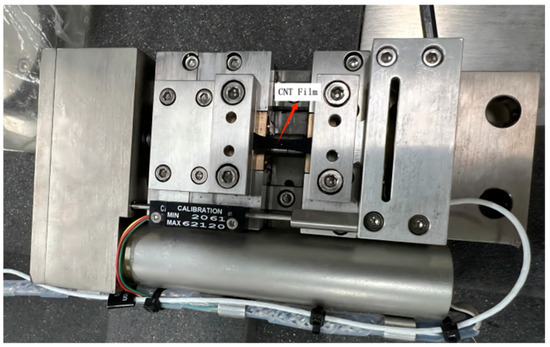
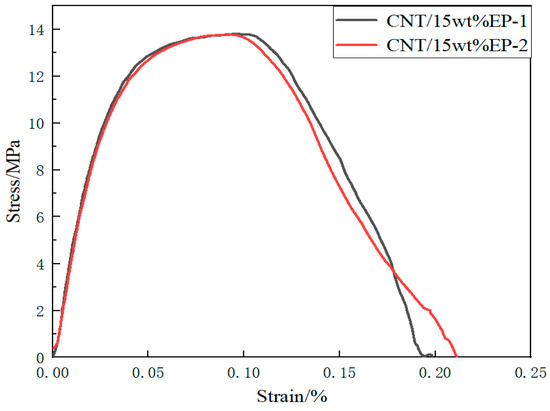
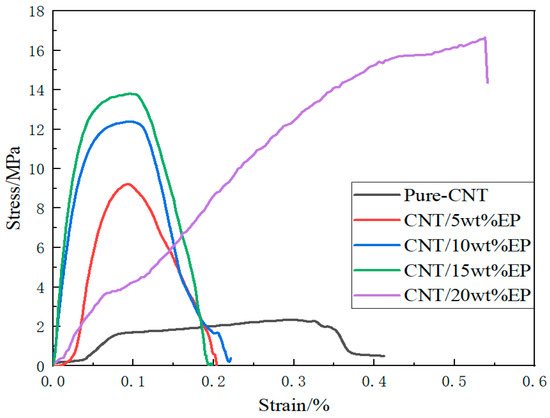
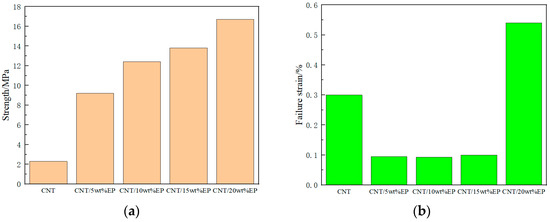
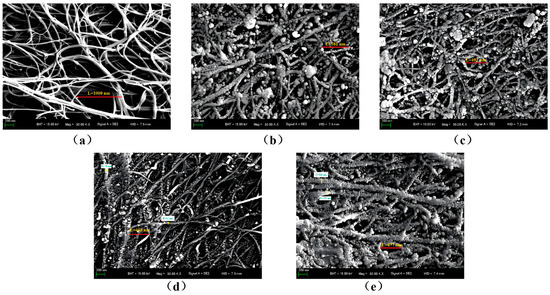
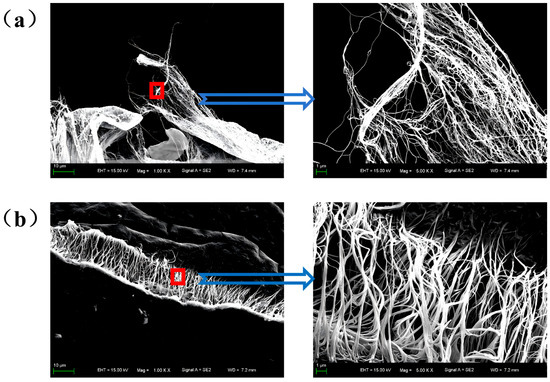
This study aims to prepare carbon nanotube/epoxy resin composite films with different resin contents and systematically explore the influence of resin content on the mechanical properties and microstructure of composite materials. By preparing carbon nanotube/epoxy resin composite films with different mass fractions of epoxy resin (0%, 5%, 10%, 15%, 20%) and conducting tensile tests using a Gatan micro tester, the influence of epoxy resin content on the tensile mechanical properties of carbon nanotube (CNT) films was revealed. We analyzed the microstructure and fracture morphology of composite films using scanning electron microscopy (SEM). The results showed that at a quasi-static (0.2 mm/min) tensile rate, with the increase in epoxy resin content, the tensile strength of CNT/20wt% EP composite film reached 16.7 MPa, which was 626% higher than that of pure CNT film (2.3 MPa). The fracture strain of pure CNT film is 0.3%, while the fracture strain of CNT/20wt% EP composite material is increased to 0.54%, which is relatively higher than that of pure CNT film. Microscopic characterization revealed that the presence of epoxy resin filled the gaps inside the CNT network, enabling better connection between CNT fibers and thus improving the efficiency of load transfer. This study reveals the influence of epoxy resin content on the properties of CNT films under quasi-static tensile conditions, providing a theoretical basis for the design of high-performance composite materials and providing assistance and reference for the preparation and mechanical research of carbon nanotube/epoxy resin composites in subsequent practical applications.
Full article
(This article belongs to the Section Carbon Composites)
►▼
Show Figures

Figure 1

Open AccessArticle
Impact of Adding Cerium Zirconium Oxide Nanofibers in 3D-Printed Denture Base Material
by
Sara Tawfiq Jassim, Ihab Nabeel Safi and Julfikar Haider
J. Compos. Sci. 2026, 10(4), 190; https://doi.org/10.3390/jcs10040190 - 31 Mar 2026
Abstract
Purpose: Pure three-dimensional (3D)-printed resin for denture base shows strength in comparison with the conventional heat-cured materials. The purpose of this study was to assess how physical and mechanical properties of 3D-printed denture base resins are affected by the addition of cerium
[...] Read more.
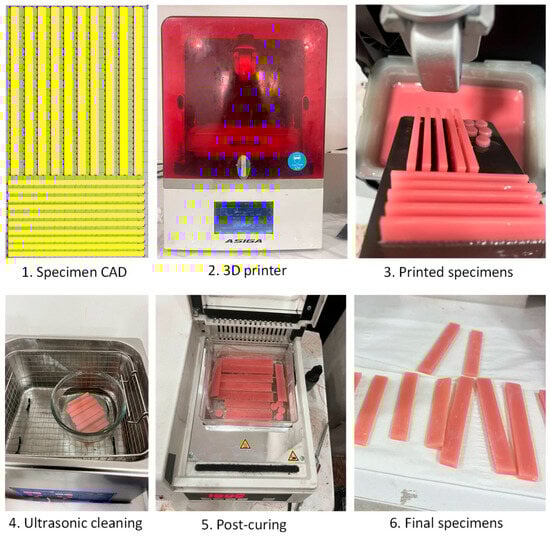
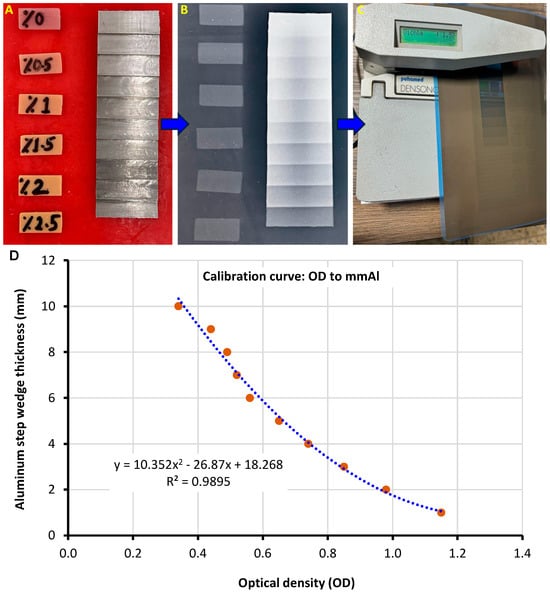
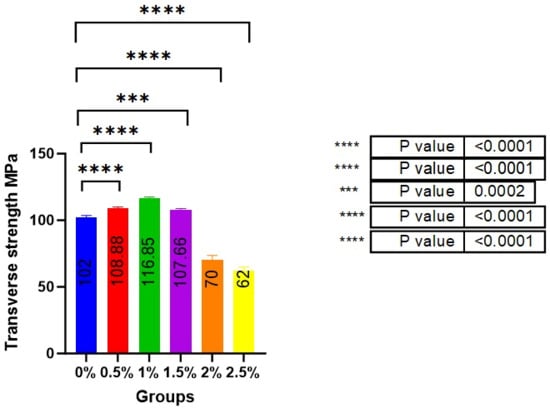
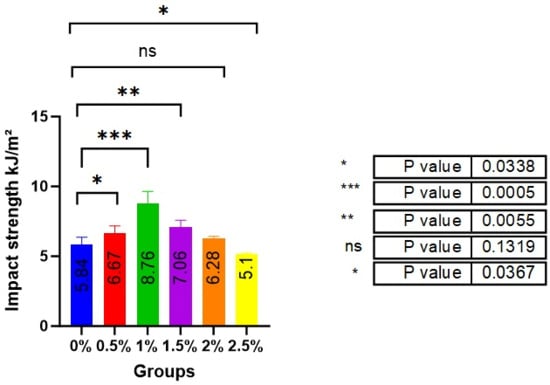
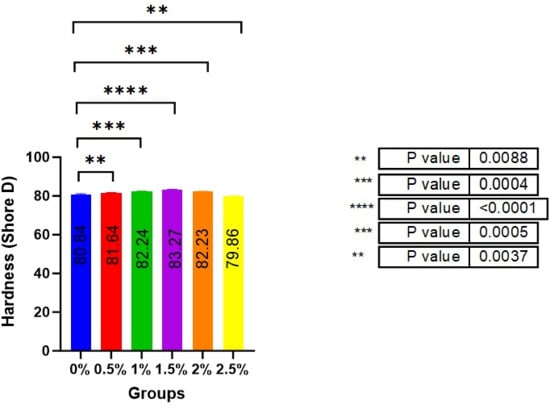
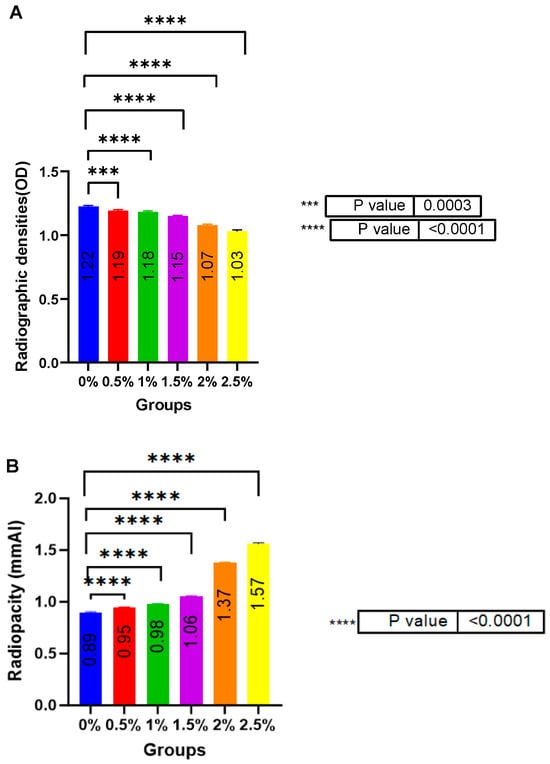
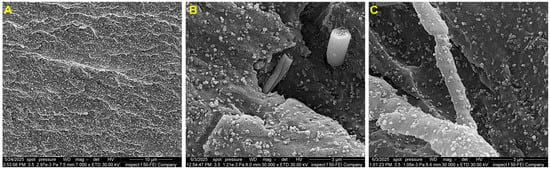
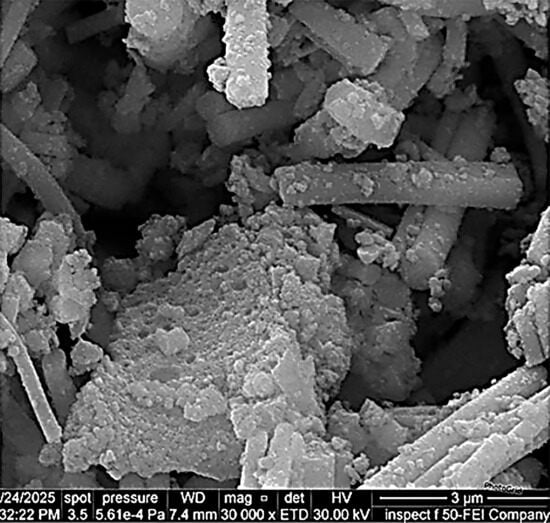
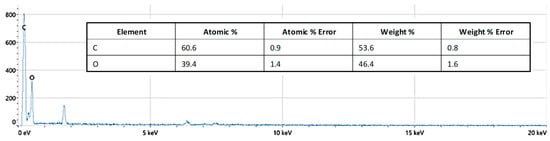
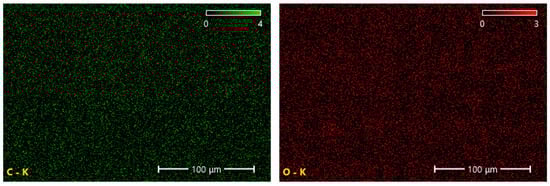
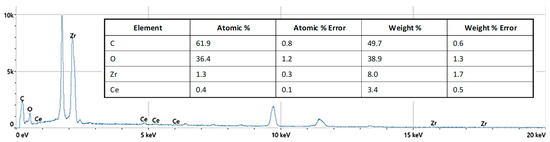
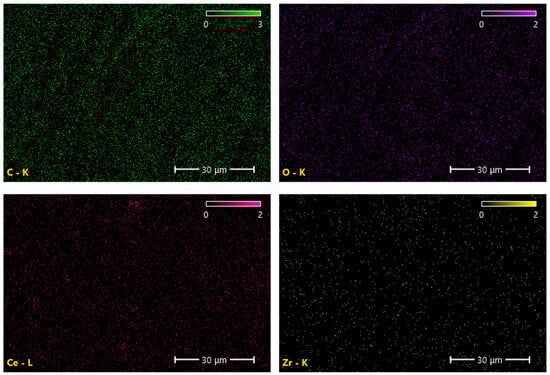
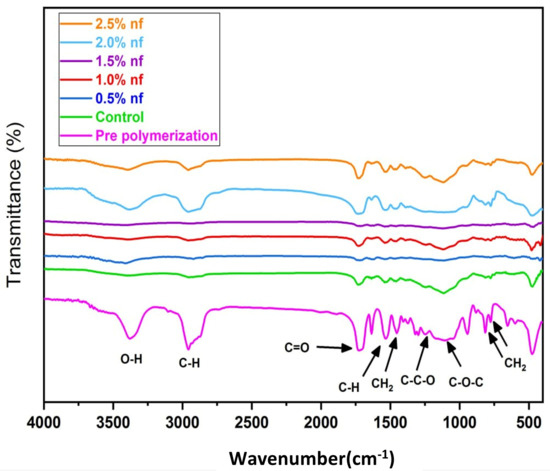
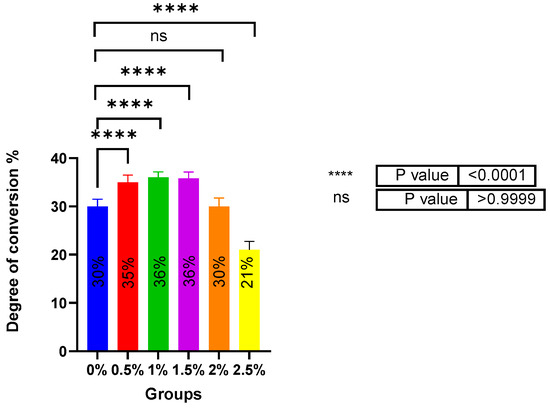
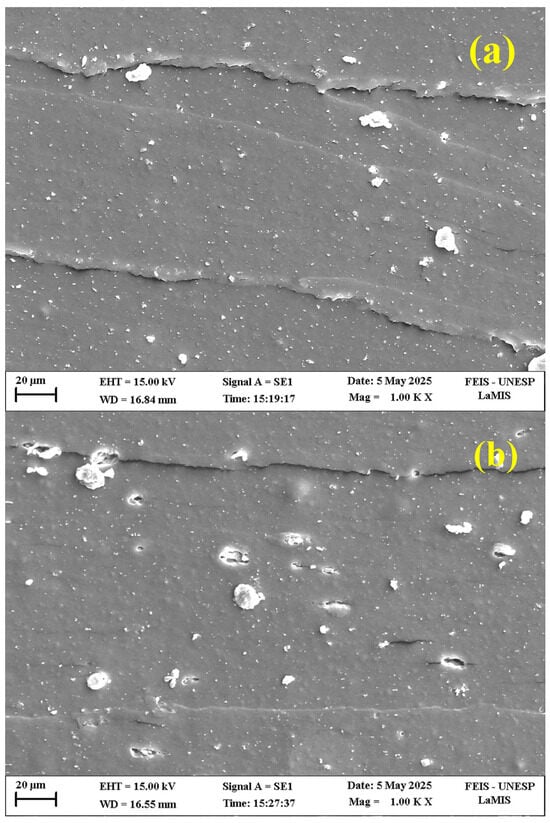
Purpose: Pure three-dimensional (3D)-printed resin for denture base shows strength in comparison with the conventional heat-cured materials. The purpose of this study was to assess how physical and mechanical properties of 3D-printed denture base resins are affected by the addition of cerium zirconium oxide nanofibers (CeZrO4 NFs), which have a unique combination of thermophysical and mechanical properties. Materials and Methods: The specimens were digitally created utilizing Microsoft Corporation’s 3D builder software through computer-aided design. To meet the test criteria for transverse strength, impact strength, hardness, radiopacity, and degree of conversion (DC), specimens were designed and printed with specific dimensions according to the relevant standards. The 3D-printed denture base resin was mixed with CeZrO4 NFs (diameter: 300–800 nm, length: 2–10 µm) at weight percentages of 0.5, 1.0%, 1.5%, 2%, and 2.5%. The data were analyzed using Tukey’s post hoc test (α = 0.05) and ANOVA. Field emission scanning electron microscopy (FESEM) and energy dispersive X-ray spectroscopy (EDX) were used to evaluate surface morphologies of the composites and nanofibers, and the dispersion of the NFs within the resin matrix respectively. Results: The results demonstrated that compared with those of the control group, the average transverse strength, impact strength, and hardness values of the CeZrO4 NF reinforcement groups significantly increased up to a nanofiller concentration of 1.5 wt.%., whereas those of the other reinforcement groups significantly decreased. For example, the impact strength significantly increased from 5.84 kJ/m2 (0 wt.%) to the maximum value 8.76 kJ/m2 at 1.0 wt.% CeZrO4 NF. On the other hand, the Shore D hardness increased from 80.84 for the control group to the maximum value 83.27 at 1.5 wt.% CeZrO4 NF. The radiopacity increased as the NF concentration increased. Although Fourier transform infrared (FTIR) spectroscopy analysis did not show any noticeable change in the chemical structure of the resin after incorporating the NFs, there was a notable improvement in the DC of the nanocomposites with NF concentrations of 0.5, 1.0 and 1.5 wt.%. Energy dispersive X-ray spectroscopy (EDX) and field emission scanning electron microscopy (FESEM) showed evidence of uniform distribution of the CeZrO4 NFs in the 3D-printed specimens. Conclusions: The properties of the denture bases fabricated from 3D-printed resin were enhanced by the addition of 0.5%, 1 wt.% and 1.5 wt.% CeZrO4-milled NFs, though the latter two concentrations produced the most significant results.
Full article
(This article belongs to the Section Biocomposites)
►▼
Show Figures

Figure 1

Open AccessArticle
Sustainable Application and Valorization of Toner Waste as a Functional Filler in Styrene–Butadiene Rubber (SBR) Composites
by
Dener da Silva Souza, Maria Claudia Costa de Oliveira Botan, Ricardo Henrique dos Santos, Michael Jones da Silva, Gleyson Tadeu de Almeida Santos, Leila Maria Sotocorno e Silva, Naiara Lima Costa, Carlos Toshiyuki Hiranobe, Guilherme Pina Cardim, Leandro Ferreira Pinto, Flávio Camargo Cabrera and Renivaldo José dos Santos
J. Compos. Sci. 2026, 10(4), 189; https://doi.org/10.3390/jcs10040189 - 30 Mar 2026
Abstract
This study investigates the incorporation of toner residue (TR), derived from post-consumer printing cartridges, as an alternative filler in styrene–butadiene rubber (SBR) composites, with emphasis placed on solid waste valorization and the promotion of a circular economy. TR consists predominantly of fine particles
[...] Read more.
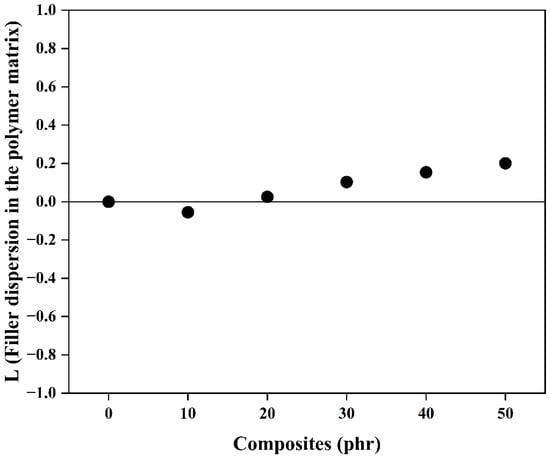
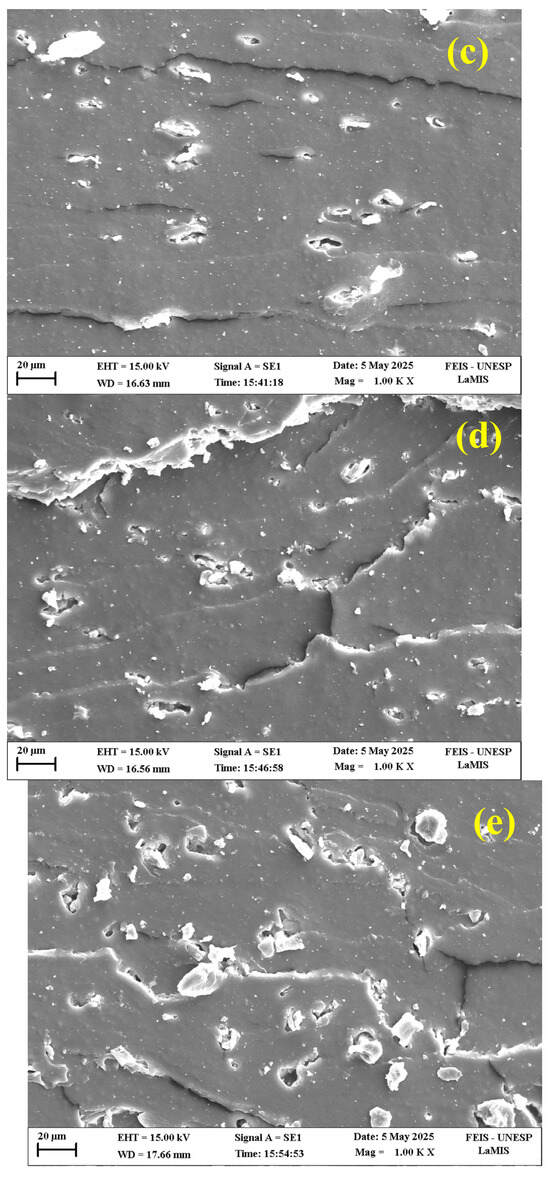
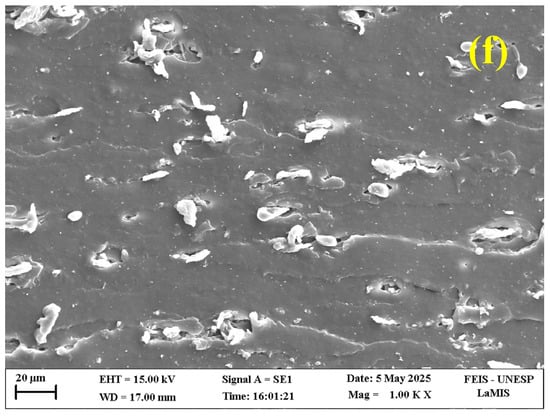
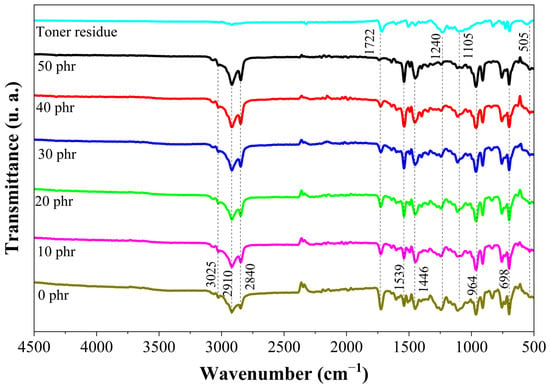
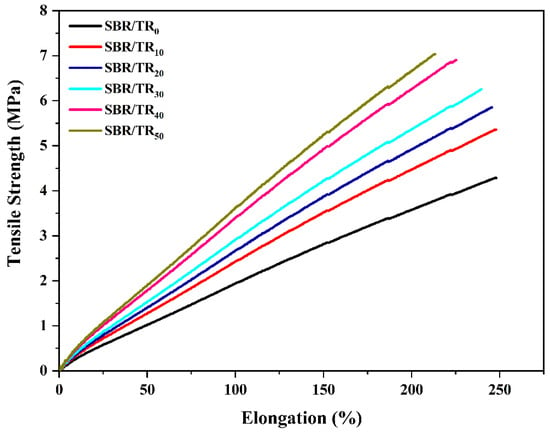
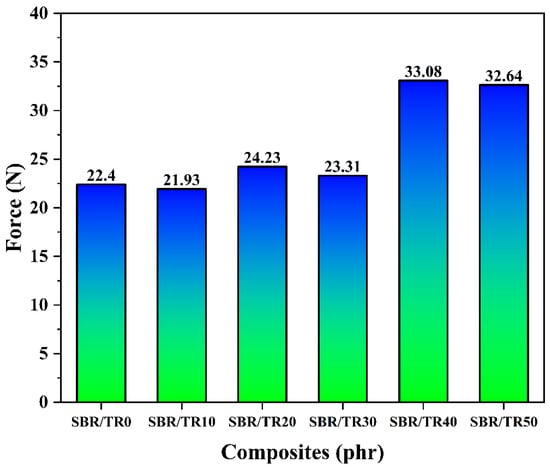
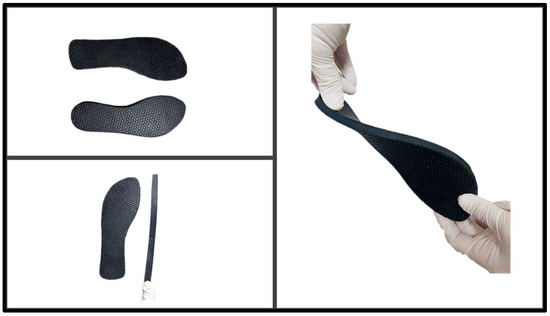
This study investigates the incorporation of toner residue (TR), derived from post-consumer printing cartridges, as an alternative filler in styrene–butadiene rubber (SBR) composites, with emphasis placed on solid waste valorization and the promotion of a circular economy. TR consists predominantly of fine particles containing thermoplastic polymers, carbon black, metal oxides, and additives, exhibiting functional potential as a partially reinforcing filler material. Composites containing 0 to 50 phr of TR were prepared and characterized in terms of rheometric properties, dispersion degree, elemental composition by X-ray fluorescence (XRF), crosslink density, scanning electron microscopy (SEM), infrared spectroscopy, Shore A hardness, abrasion resistance, tensile strength, and tear resistance. Rheometric results indicated modifications in vulcanization kinetics and a reduction in maximum torque for formulations with high TR contents, suggesting a possible diluent effect or interference with elastomeric network formation. Conversely, moderate TR concentrations promoted increased hardness, improved tensile strength, and higher crosslink density, associated with adequate particle dispersion within the matrix, as confirmed by SEM analysis. However, excessive TR loading led to increased abrasion loss and an overall reduction in mechanical performance. It is concluded that TR demonstrates technical feasibility as a partial substitute for conventional fillers in SBR composites, with potential industrial application, such as in footwear sole prototypes, combining functional performance with environmental impact mitigation.
Full article
(This article belongs to the Special Issue Rubber-Based Composites: Challenges in Reusing Waste and Nanostructures as Fillers)
►▼
Show Figures

Figure 1
Open AccessArticle
ZNR/PVTF Composite Films with Photoelectric and Piezoelectric Responses for Biomedical Applications
by
Siyuan Fan, Xin Xin, Xuzhao He, Wenjian Weng, Weiming Lin, Chengwei Wu, Xingyan Yu and Kui Cheng
J. Compos. Sci. 2026, 10(4), 188; https://doi.org/10.3390/jcs10040188 - 30 Mar 2026
Abstract
Bioelectricity plays a vital role in regulating cellular behavior. During the process of tissue repair and regeneration, surface electrical signals provided by biomaterials are found to be helpful. The characteristics of these electrical signals typically vary depending on the specific tissue repair requirements.
[...] Read more.
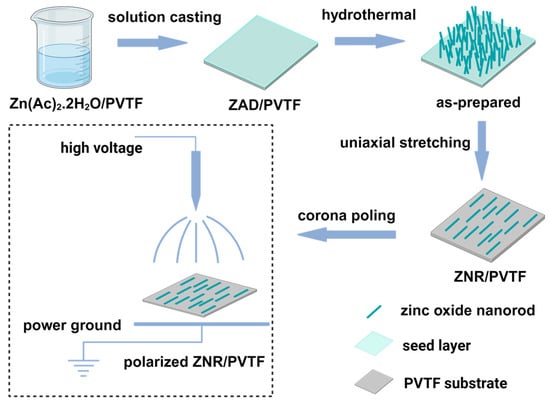
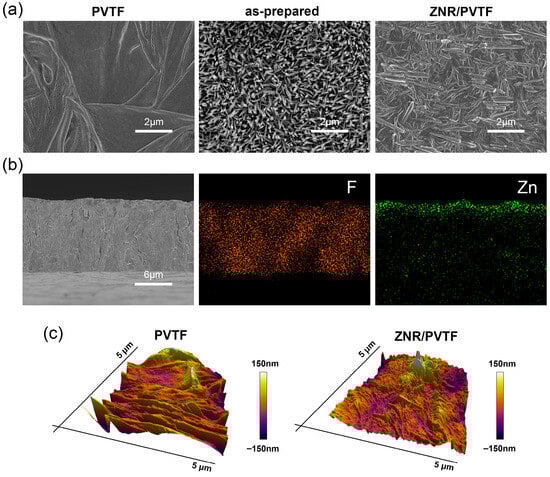
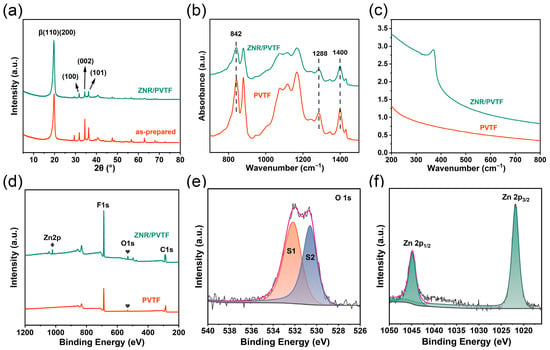
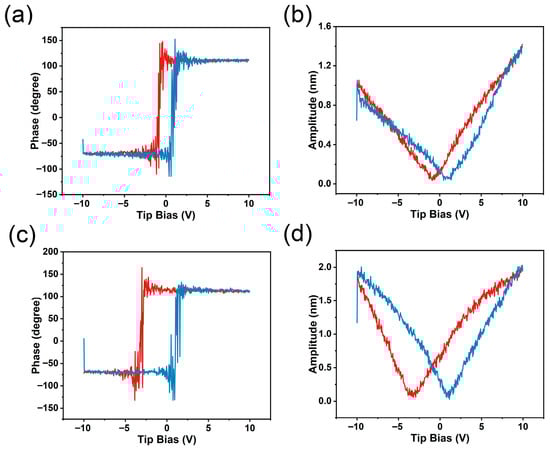
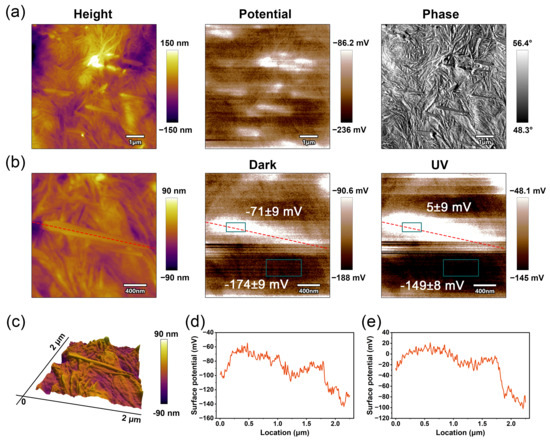
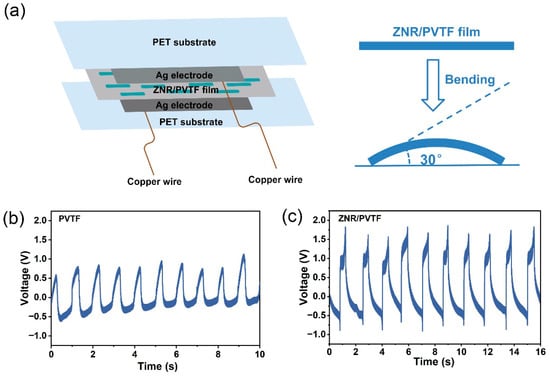
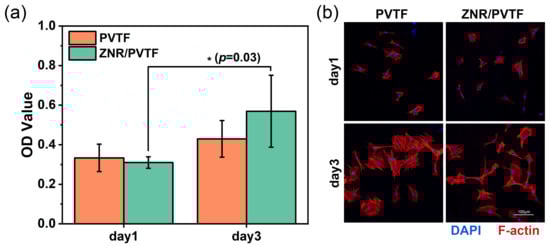
Bioelectricity plays a vital role in regulating cellular behavior. During the process of tissue repair and regeneration, surface electrical signals provided by biomaterials are found to be helpful. The characteristics of these electrical signals typically vary depending on the specific tissue repair requirements. In this study, zinc oxide nanorod (ZNR) arrays were loaded onto a poly(vinylidene fluoride-trifluoroethylene) (PVTF) substrate via the hydrothermal method. The nanorods were subsequently tilted by uniaxial stretching to form a ZNR/PVTF composite film with in-plane, horizontally aligned ZNRs along the stretching direction on the surface. The distribution of ZNRs created a heterogeneous potential across the PVTF substrate. Under ultraviolet (UV) irradiation, the surface potential of the ZNRs increased by approximately 76 mV due to a photoelectric response, enabling the formation of an adjustable millivolt-level surface potential. After corona polarization, the dipoles within the PVTF were aligned to achieve piezoelectric properties. The existence of oriented surface ZNRs enhanced the piezoelectric response of the ZNR/PVTF film, allowing for volt-level dynamic electrical signals through a force-voltage coupling mechanism. The output voltage increased from 1.32 V (PVTF) to 2.42 V (ZNR/PVTF) under the same 30° bending condition. Moreover, the ZNR/PVTF film exhibited excellent short-term biocompatibility toward bone marrow stem cells (BMSCs). Overall, this work presents an effective strategy for generating multiscale electrical signals through external field applications, demonstrating strong potential for tissue repair and regeneration.
Full article
(This article belongs to the Section Nanocomposites)
►▼
Show Figures

Figure 1

Open AccessArticle
Correlation Between the Morphological Characteristics by Atomic Force Microscopy and the Biological Properties of Bioactive Zirconia/Polyethylene Glycol (ZrO2/PEG) Hybrids
by
Antonio D’Angelo, Marika Fiorentino, Marialuigia Raimondo, Raffaele Longo, Luigi Vertuccio and Michelina Catauro
J. Compos. Sci. 2026, 10(4), 187; https://doi.org/10.3390/jcs10040187 - 29 Mar 2026
Abstract
Zirconia-based hybrid blends at various molecular or nanometer scales have attracted significant interest from a technological perspective. In particular, several inorganic-organic hybrids are being applied in the biomedical field. In this context, inorganic ZrO2 and hybrids composed of ZrO2, and
[...] Read more.
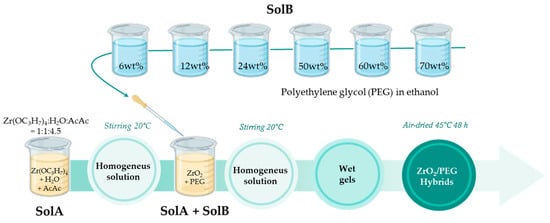
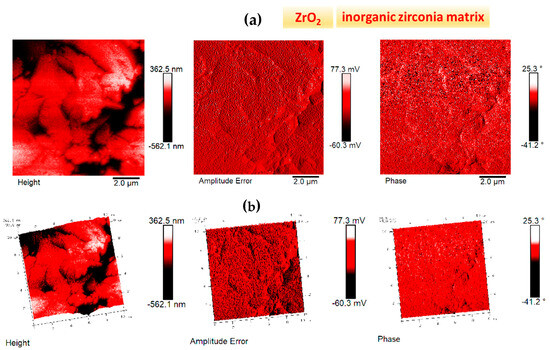
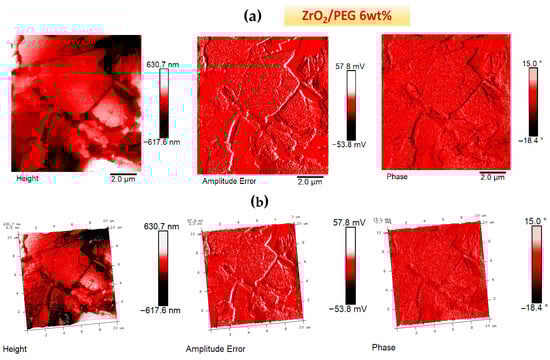
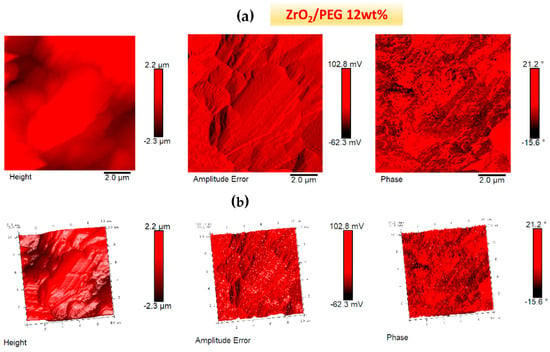
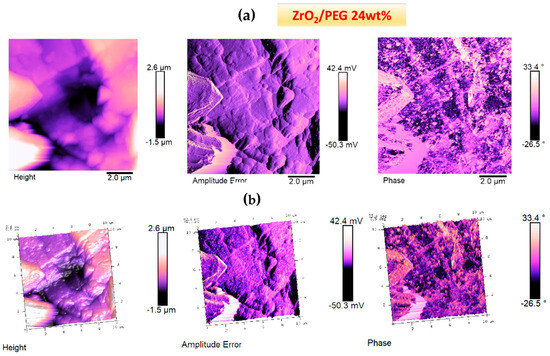
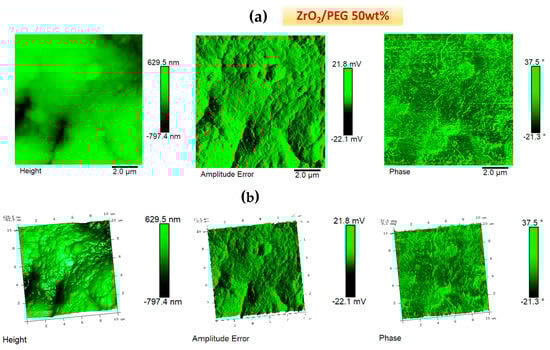
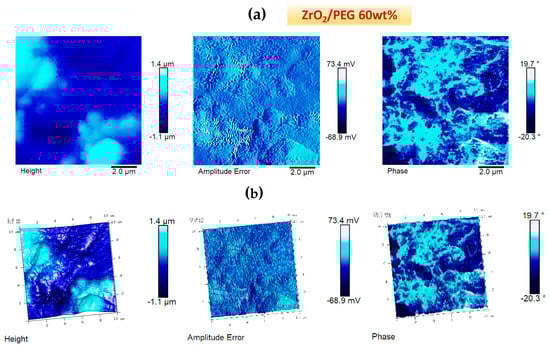
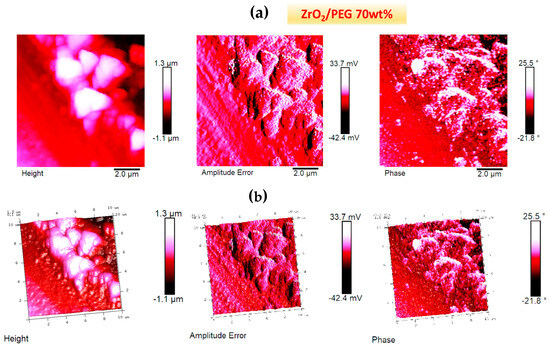
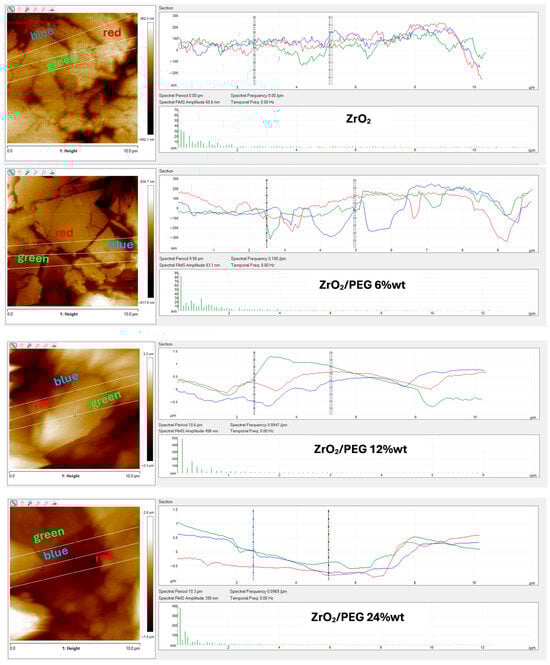
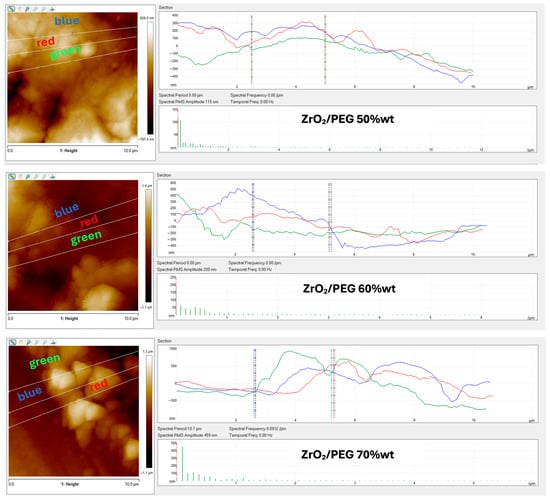
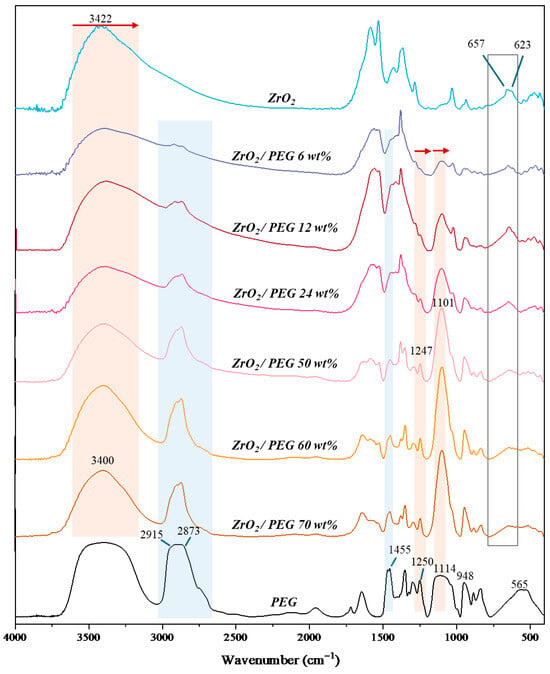
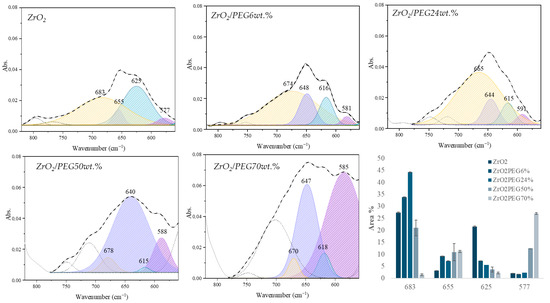
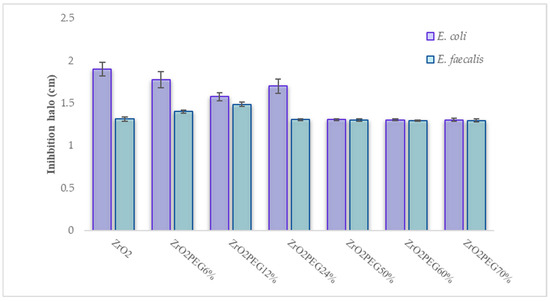
Zirconia-based hybrid blends at various molecular or nanometer scales have attracted significant interest from a technological perspective. In particular, several inorganic-organic hybrids are being applied in the biomedical field. In this context, inorganic ZrO2 and hybrids composed of ZrO2, and polyethylene glycol (PEG) have been synthesized through the sol–gel process and characterized from both morphological and spectroscopic viewpoints to explore their potential as hybrid biomaterials. Atomic Force Microscopy (AFM) has enabled a quantitative assessment of the surface roughness of bioactive sol–gel-based materials. The findings indicated an increase in material porosity in relation to the amount of PEG present in the systems, underscoring the important role of PEG in influencing the morphological characteristics of zirconia-based blends. AFM images display the typical globular structure of PEG spread across the surface of all systems. All hybrid systems seem to be uniform, and no phase separation is evident, thereby validating that the produced materials are hybrid nanostructured ones. The simultaneous presence of both inorganic and organic phases was verified using Fourier-transform infrared spectroscopy (FT-IR). FT-IR deconvolution in 850–550 cm−1 region showed that PEG progressively perturbs the Zr–O–Zr network, increasing disorder and establishing more flexible inorganic domains at high PEG content. Increasing polymer amount enhanced cell viability against NIH-3T3 cell line, while antibacterial activity decreased, with pure ZrO2 showing the strongest inhibition against Escherichia coli (E. coli).
Full article
(This article belongs to the Section Biocomposites)
►▼
Show Figures

Figure 1

Open AccessArticle
Unified Multiscale and Explainable Machine Learning Framework for Wear-Regime Transitions in MWCNT and Nanoclay-Reinforced Sustainable Bio-Based Epoxy Composites
by
Manjodh Kaur, Pavan Hiremath, Dundesh S. Chiniwar, Bhagyajyothi Rao, Krishnamurthy D. Ambiger, H. S. Arunkumar, P. Krishnananda Rao and Muralidhar Nagarajaiah
J. Compos. Sci. 2026, 10(4), 186; https://doi.org/10.3390/jcs10040186 - 28 Mar 2026
Abstract
This study develops a unified multiscale–machine learning framework to interpret and predict thermo-mechanical wear regime transitions in MWCNT- and nanoclay-reinforced bio-based epoxy composites. A physics-informed master wear formulation integrating real contact mechanics, geometry-dependent shear transfer, interfacial adhesion energetics, and fracture-controlled matrix detachment was
[...] Read more.
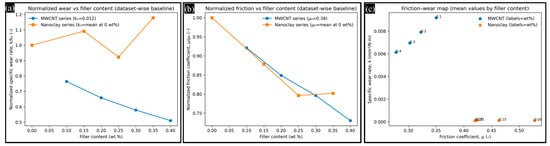
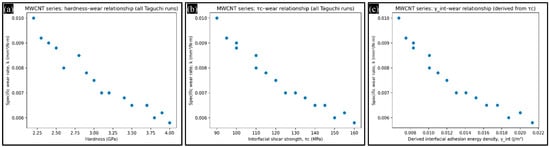
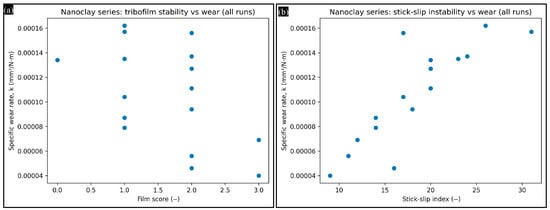
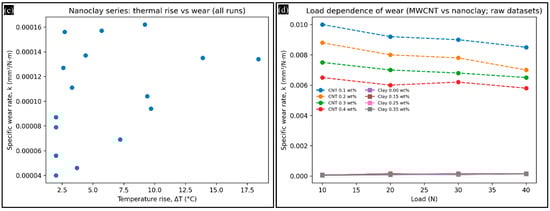
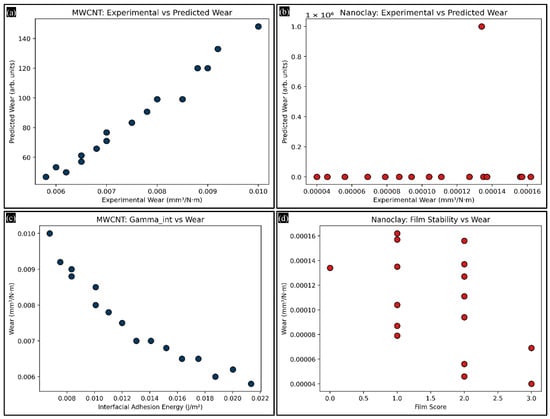
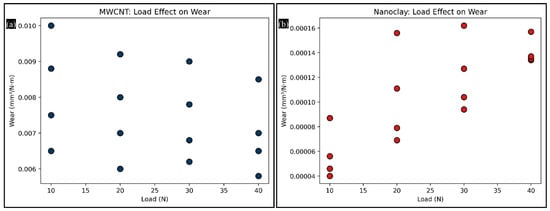
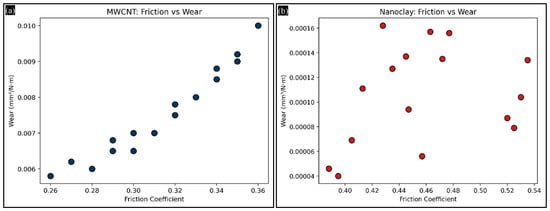
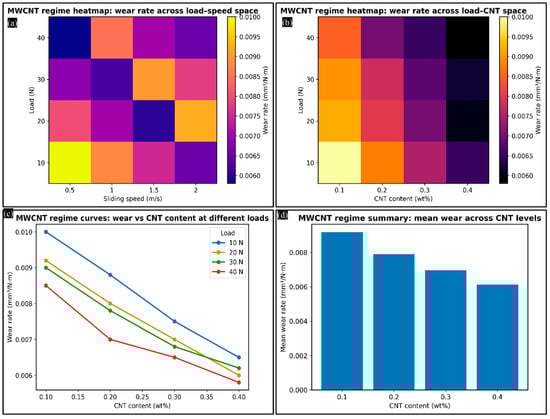
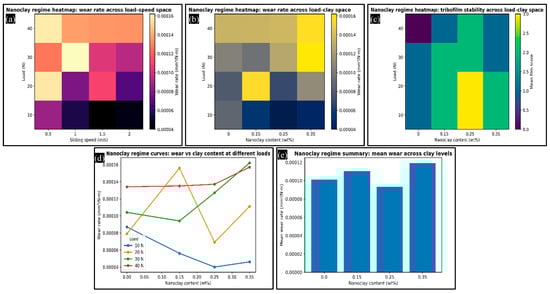
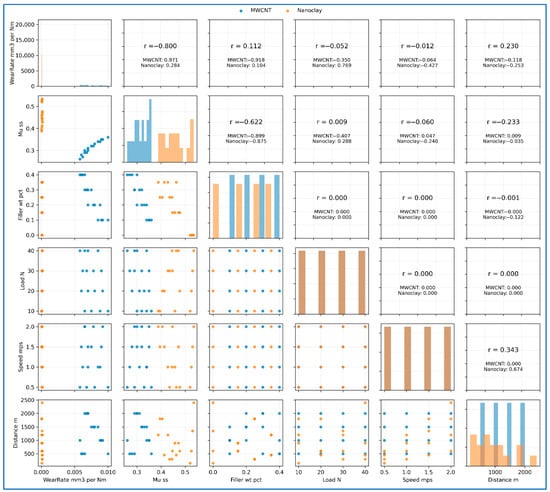
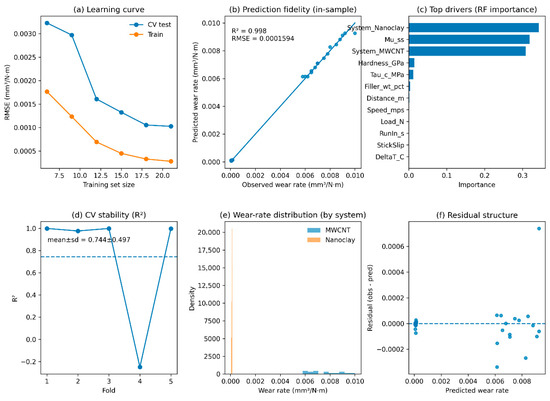
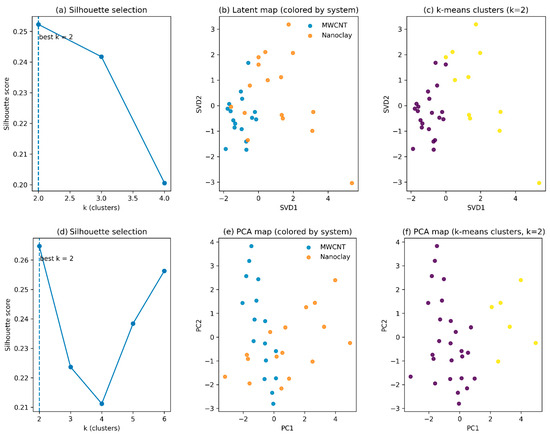
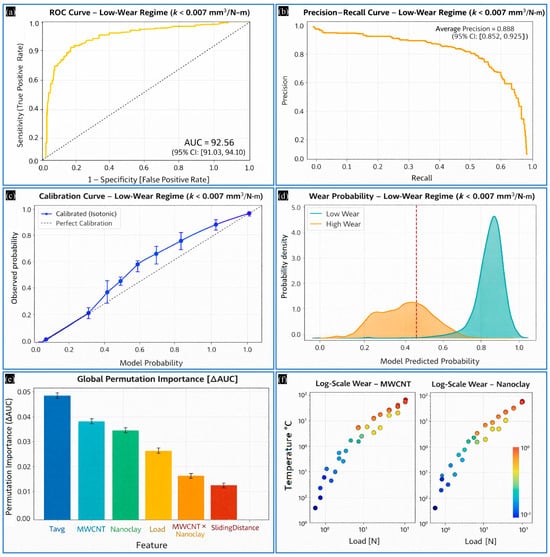
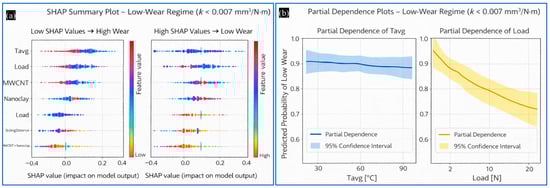
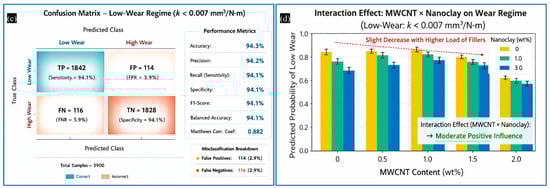
This study develops a unified multiscale–machine learning framework to interpret and predict thermo-mechanical wear regime transitions in MWCNT- and nanoclay-reinforced bio-based epoxy composites. A physics-informed master wear formulation integrating real contact mechanics, geometry-dependent shear transfer, interfacial adhesion energetics, and fracture-controlled matrix detachment was combined with interpretable machine learning analytics on a unified tribological dataset. In the CNT system, increasing loading from 0.1 to 0.4 wt.% enhanced interfacial adhesion energy density from 0.00813 to 0.01906 J/m2, resulting in a monotonic reduction in the wear rate from 0.00918 to 0.00613 mm3/N·m (~33% reduction). In contrast, nanoclay exhibited an optimum behavior, with a minimum wear at 0.25 wt.% (0.000093 mm3/N·m; 7.9% reduction vs. neat clay baseline), followed by deterioration at a higher loading due to dispersion loss. The unified probabilistic regime classification of low-wear conditions (k < 0.007 mm3/N·m) achieved an ROC − AUC = 0.9256 and balanced accuracy = 94.3%, with thermo-mechanical severity identified as the dominant regime-switching driver. Reinforcement identity significantly modulated regime stability, confirming distinct shear transfer (Carbon Nano Tubes(CNT)) and confinement/tribofilm (clay) mechanisms within a common mathematical framework. By enabling the durability-oriented design of bio-based tribological systems and extending component service life through predictive stability mapping, this work contributes to resource-efficient materials engineering and reduced lifecycle waste, supporting Sustainable Development Goals SDG 9 (Industry, Innovation and Infrastructure), SDG 12 (Responsible Consumption and Production), and SDG 13 (Climate Action).
Full article
(This article belongs to the Special Issue Sustainable Biocomposites, 3rd Edition)
►▼
Show Figures

Figure 1
Open AccessArticle
Valorization of Spent Coffee Grounds and Brewer’s Spent Grain Waste Toward Toughening of a Biodegradable PBAT/PHBH Blend
by
Shabnam Yavari, Nima Esfandiari, Elsa Lasseuguette, Mohd Shahneel Saharudin and Reza Salehiyan
J. Compos. Sci. 2026, 10(4), 185; https://doi.org/10.3390/jcs10040185 - 28 Mar 2026
Abstract
Plastic pollution from packaging waste is driving the development of biodegradable composites for sustainable packaging. In this work, poly(butylene adipate-co-terephthalate)/poly(3-hydroxybutyrate) (PBAT/PHBH) blends (50/50 wt.%) were reinforced with agro-industrial waste fillers—spent coffee grounds (SCG), brewer’s spent grain (BSG), and cellulose powder (CP)—at 1–15 wt.%
[...] Read more.
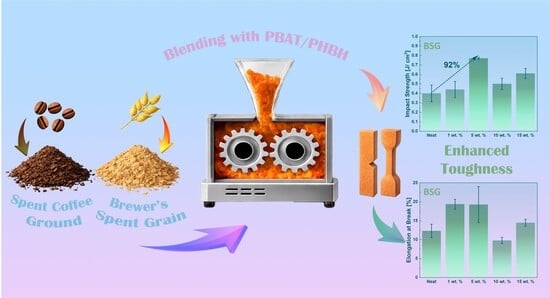
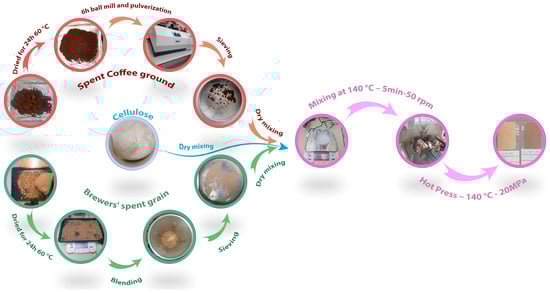
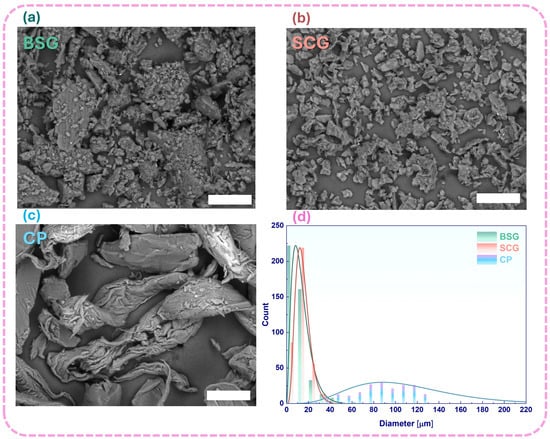
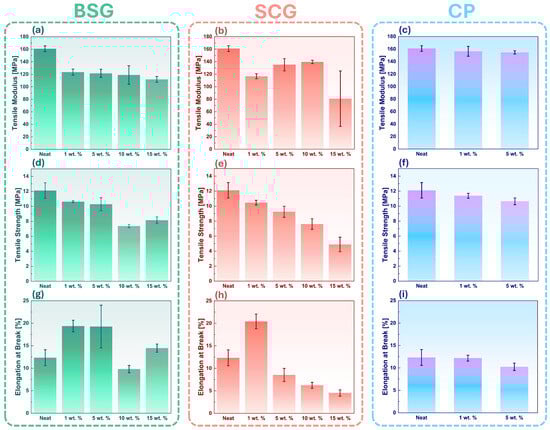
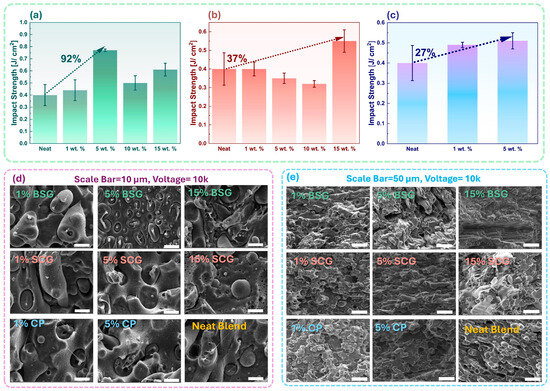
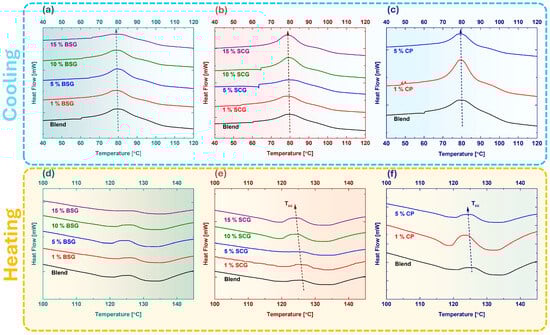
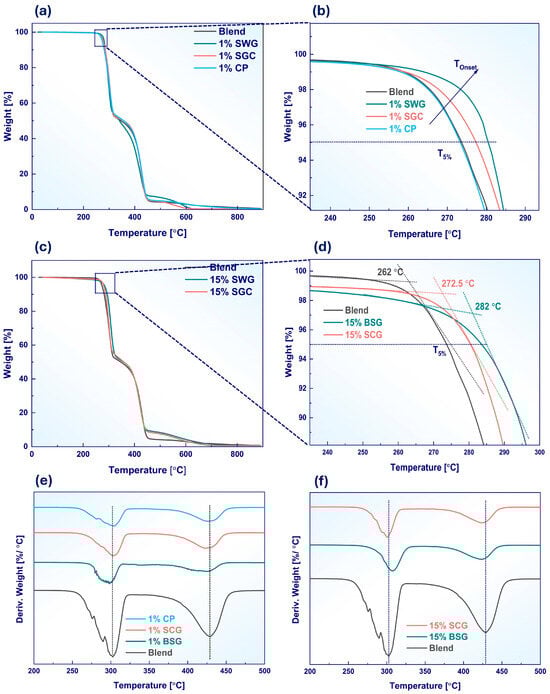
Plastic pollution from packaging waste is driving the development of biodegradable composites for sustainable packaging. In this work, poly(butylene adipate-co-terephthalate)/poly(3-hydroxybutyrate) (PBAT/PHBH) blends (50/50 wt.%) were reinforced with agro-industrial waste fillers—spent coffee grounds (SCG), brewer’s spent grain (BSG), and cellulose powder (CP)—at 1–15 wt.% loading. The effects of these fillers on tensile properties, impact strength, and thermal stability were examined and supported by scanning electron microscopy (SEM) of fracture surfaces and thermogravimetric analysis (TGA). The neat PBAT/PHBH blend exhibited balanced stiffness and ductility. Low BSG loadings (≤5 wt.%) produced the greatest toughening, with impact strength increasing by ~92% and elongation at break significantly improving over the neat blend. SEM analysis indicated crack deflection and particle pull-out as dominant energy-dissipation mechanisms at low BSG loading. At higher BSG loading (15 wt.%), particle clustering and larger voids acted as stress concentrators, reducing impact performance. SCG improved ductility at low loading (1 wt.%), whereas increasing SCG content led to progressive reductions in tensile strength and elongation due to increased debonding and microvoid formation. In contrast, CP exhibited minimal reinforcement efficiency within the investigated range (1–5 wt.%). Overall, filler addition generally reduced tensile strength and, in several cases, tensile modulus, reflecting limited interfacial compatibility between the hydrophilic lignocellulosic fillers and the hydrophobic polyester matrix. TGA indicated a modest improvement in thermal stability at higher BSG loadings, reflected by shifts in T5% and Tmax1 (PHBH) toward higher temperatures. Overall, this study demonstrates that upcycled coffee and beer waste fillers can impart specific toughness benefits to biodegradable PBAT/PHBH blends, but interfacial incompatibility currently limits their reinforcement efficiency. The findings highlight the potential and challenges of these biocomposites for sustainable packaging applications and suggest that interface engineering (e.g., compatibilizers) will be key to unlocking optimal performance.
Full article
(This article belongs to the Special Issue Sustainable Polymer Composites: Waste Reutilization and Valorization)
►▼
Show Figures

Graphical abstract
Open AccessArticle
Effect of an Adhesive-Enhancing Primer on Shear Bond Strength in Repairs of Fresh Resin Composite to Aged Resin Composite: With and Without Saliva Contamination
by
Pemika Lerttiendamrong, Wisarut Prawatvatchara, Suparaksa Yamockul, Awiruth Klaisiri, Tool Sriamporn, Pakpilai Thiranukoon and Niyom Thamrongananskul
J. Compos. Sci. 2026, 10(4), 184; https://doi.org/10.3390/jcs10040184 - 28 Mar 2026
Abstract
The objective was to investigate the effect of an adhesive-enhancing primer (AEP) on the shear bond strength (SBS) between fresh resin composite and aged resin composite interface, specifically considering the presence or absence of saliva contamination on the aged resin composites. One hundred
[...] Read more.
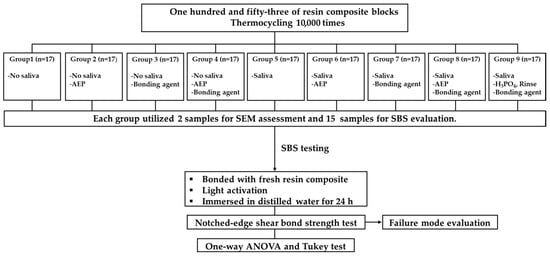
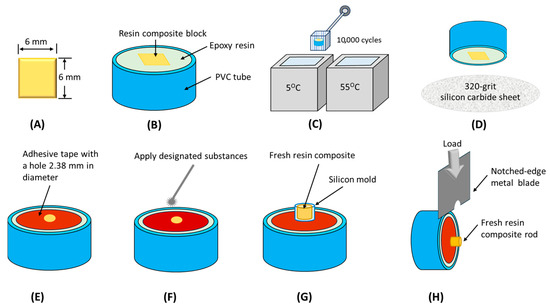
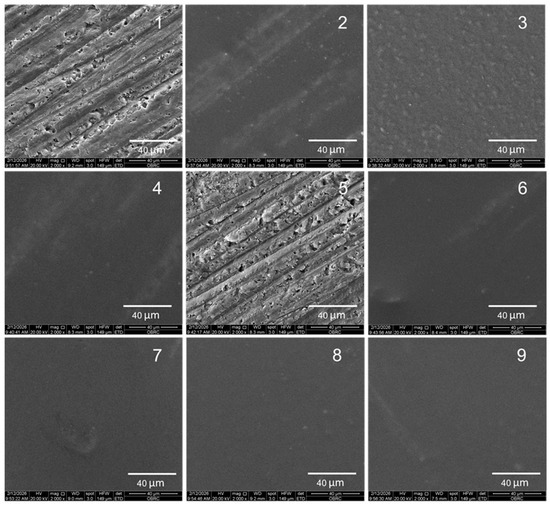
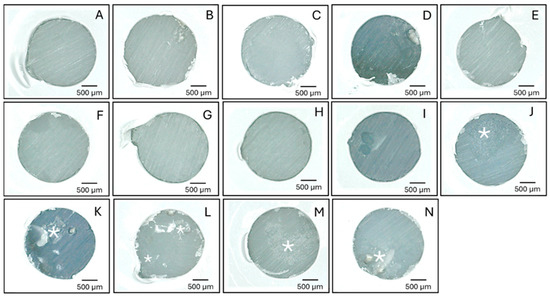
The objective was to investigate the effect of an adhesive-enhancing primer (AEP) on the shear bond strength (SBS) between fresh resin composite and aged resin composite interface, specifically considering the presence or absence of saliva contamination on the aged resin composites. One hundred fifty-three resin composite blocks underwent thermocycling to replicate aging. Nine groups (n = 15) formed: Group 1: no saliva + no surface treatment; Group 2: no saliva + AEP; Group 3: no saliva + bonding agent; Group 4: no saliva + AEP + bonding agent; Group 5: saliva + no surface treatment; Group 6: saliva + AEP; Group 7: saliva + bonding agent; Group 8: saliva + AEP + bonding agent; and Group 9: saliva + phosphoric acid + bonding agent. Fresh resin composite was applied to the surface of each sample and then light-cured. All specimens were stored for 24 h in distilled water at 37 °C. The SBS testing and failure modes were assessed next. One-way ANOVA and the Tukey test (α = 0.05) were used. Group 9 had the highest SBS (15.42 ± 1.37 MPa) but did not significantly differ from Groups 3, 4, 7, and 8 (p > 0.05). Group 5 showed the lowest SBS (3.08 ± 0.41 MPa). Additionally, group 1 demonstrated significantly lower SBS than all other groups except group 5 (p < 0.001). Groups 2 and 6 exhibited comparable SBS (p > 0.05). Groups 3, 4, 7, 8, and 9 displayed both adhesive and mixed failure, whereas the other groups demonstrated a complete adhesive failure. Regardless of saliva contamination, AEP improved the bond strength at the interface between the fresh resin composite and the aged resin composite.
Full article
(This article belongs to the Section Composites Applications)
►▼
Show Figures

Figure 1
Open AccessArticle
Evaluation of the Resistance of Concrete to Freezing and Thawing Containing Recycled Steel Fibers and Waste Aluminum Aggregates
by
Paywand M. Othman and Bengin M. A. Herki
J. Compos. Sci. 2026, 10(4), 183; https://doi.org/10.3390/jcs10040183 - 27 Mar 2026
Abstract
The research undertaken examines the impact of recycled tire steel fiber (RTSF) and waste aluminum (WAL) on the mechanical properties and freeze–thaw durability of sustainable fiber-reinforced concrete (FRC). RTSF (0.5%, 1.25%, and 2%) and WAL (10%) were added on their own and as
[...] Read more.
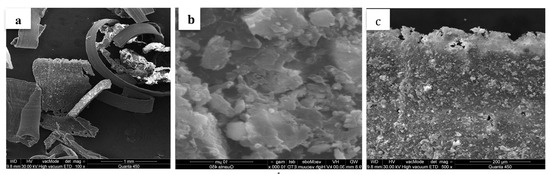
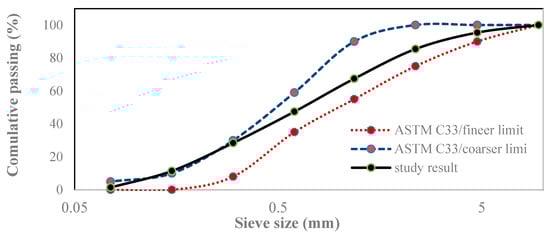
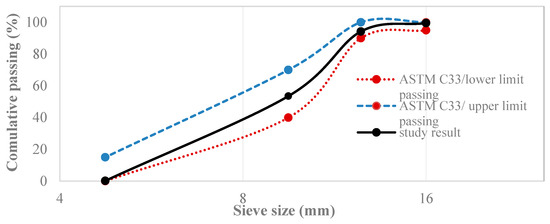
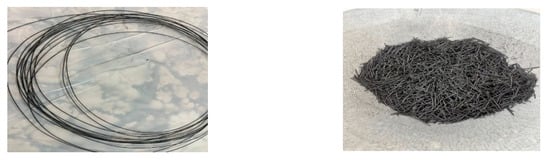
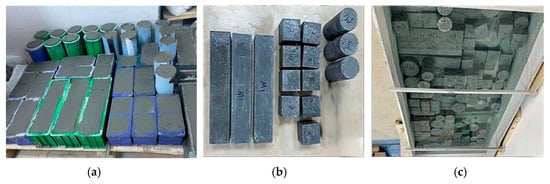
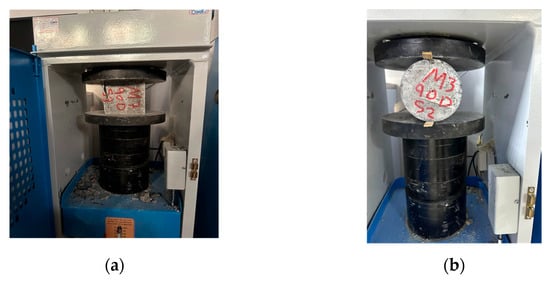
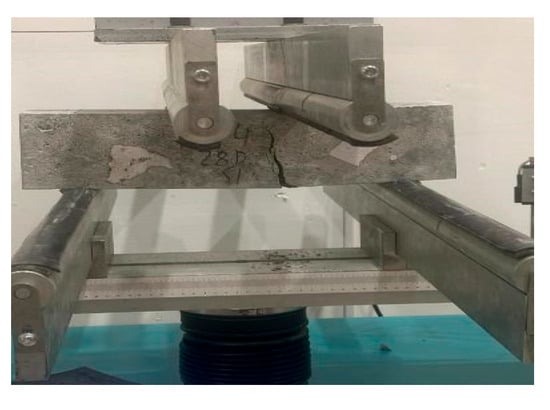
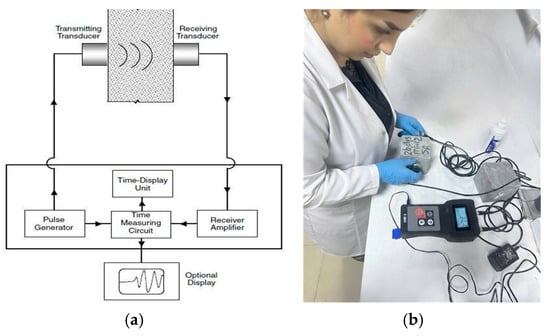
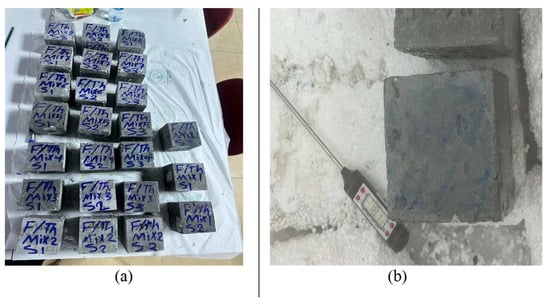
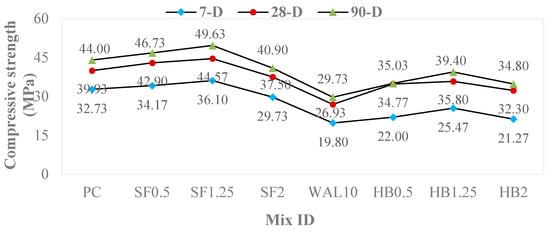
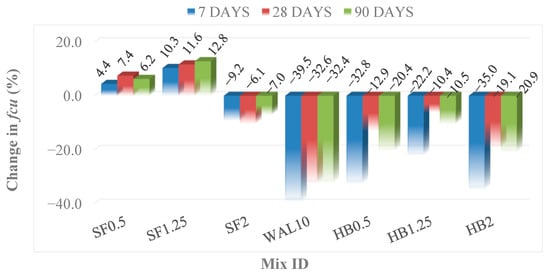
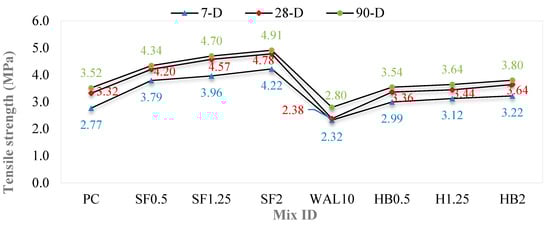
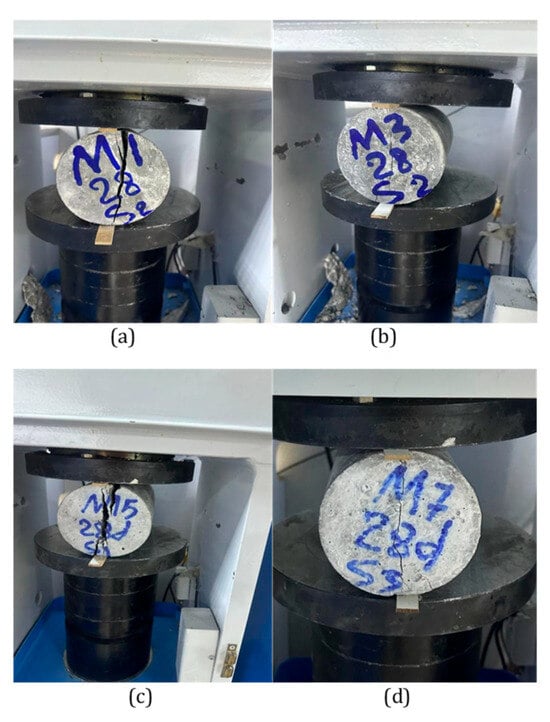
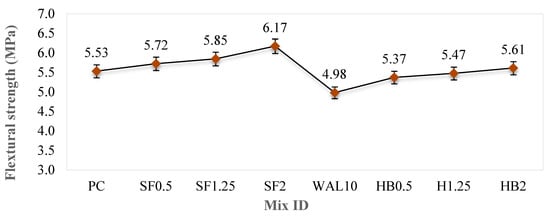
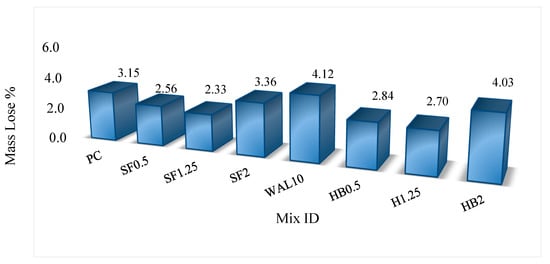
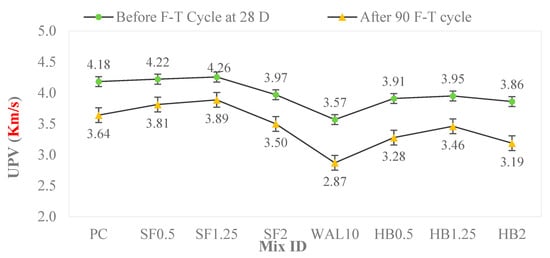
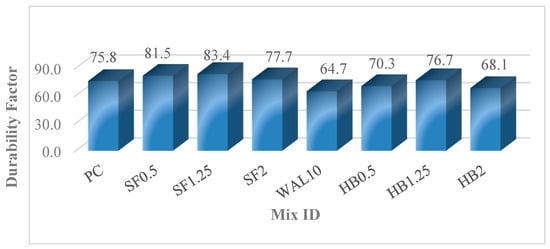
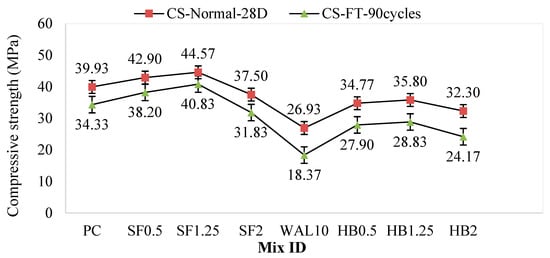
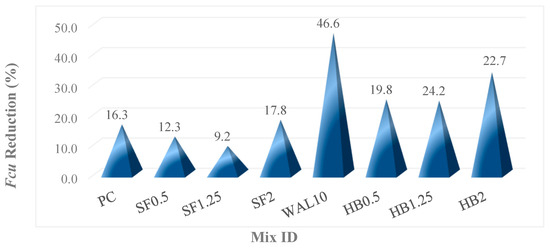
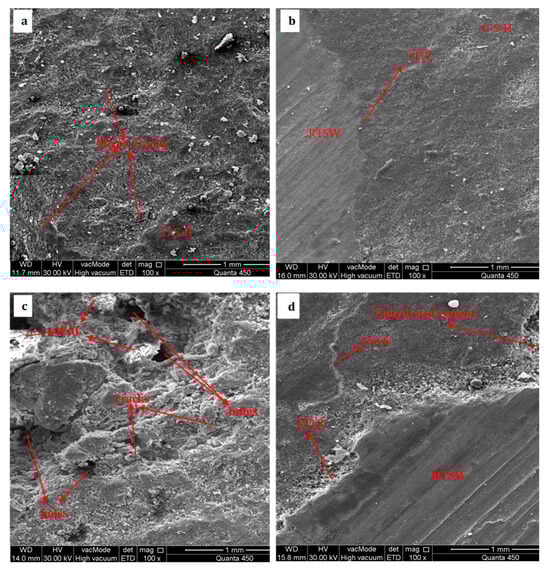
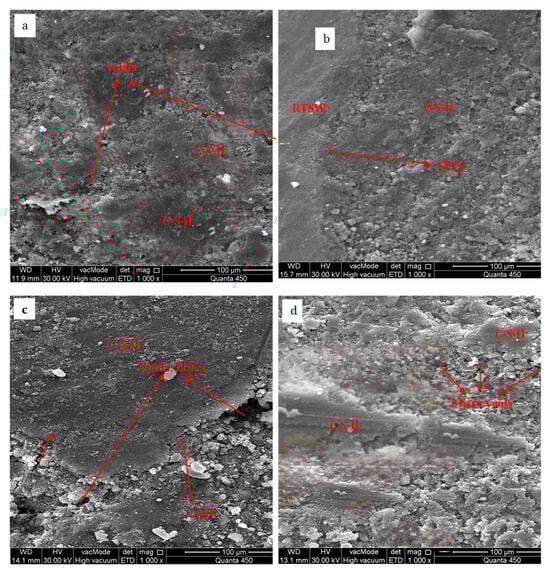
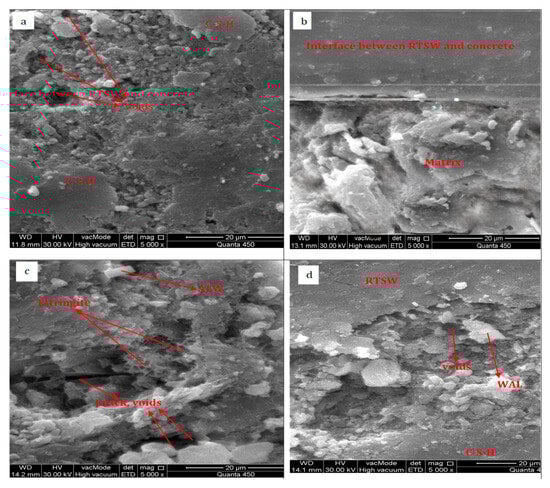
The research undertaken examines the impact of recycled tire steel fiber (RTSF) and waste aluminum (WAL) on the mechanical properties and freeze–thaw durability of sustainable fiber-reinforced concrete (FRC). RTSF (0.5%, 1.25%, and 2%) and WAL (10%) were added on their own and as hybrids. Findings revealed that 1.25% RTSF was the optimum content to use, as it enhanced compressive strength by 12.8% with high durability. Tensile and flexural strengths also increased for higher fiber contents with the help of good crack bridging and increased post-crack ductility; maximal gains of 52.6% and 11.8% were obtained at 2% RTSF. In contrast, the increase in porosity and the decrease in strength were demonstrated with WAL, whereas hybrid mixes delivered a balanced performance. Microstructural analysis ensured that there was an enhanced bonding between the fibers and the matrix, coupled with a refinement in the pore at the optimal fiber content. This study establishes the structural viability, durability improvement, and sustainability prospect of hybrid recycled material concrete as a construction material with eco-efficient and resilient applications.
Full article
(This article belongs to the Section Composites Applications)
►▼
Show Figures

Figure 1
Open AccessArticle
Comparative Study of Binder-Free Equimolar WC-TiC and WC-TiC-TaC Ceramics Consolidated by HEBM and SPS
by
Igor Yu Buravlev, Anton A. Belov, Aleksey O. Lembikov, Savelii M. Pisarev, Ekaterina A. Ponomareva, Erkhan S. Kolodeznikov, Nikita S. Ogorodnikov, Anastasiya A. Buravleva, Alexander N. Fedorets, Oleg O. Shichalin and Evgeniy K. Papynov
J. Compos. Sci. 2026, 10(4), 182; https://doi.org/10.3390/jcs10040182 - 27 Mar 2026
Abstract
This comparative study investigates binder-free binary WC-TiC and ternary WC-TiC-TaC carbide ceramics as alternatives to cobalt-bonded hard materials. Equimolar compositions were processed via high-energy ball milling (HEBM) and consolidated by spark plasma sintering (SPS) at 1700–2100 °C. X-ray diffraction analysis (XRD) revealed fundamentally
[...] Read more.
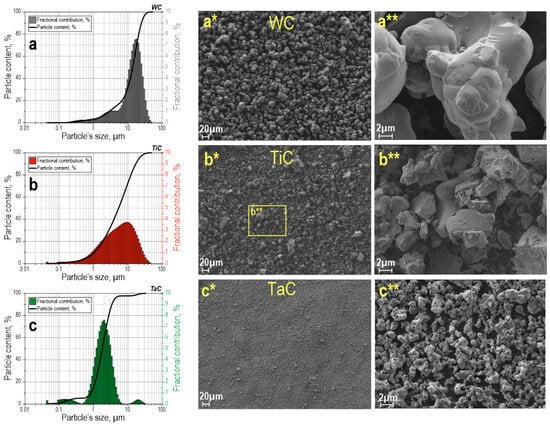
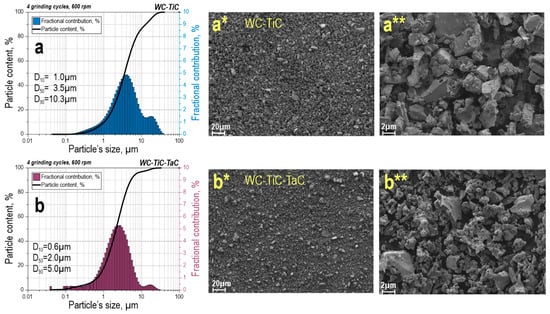
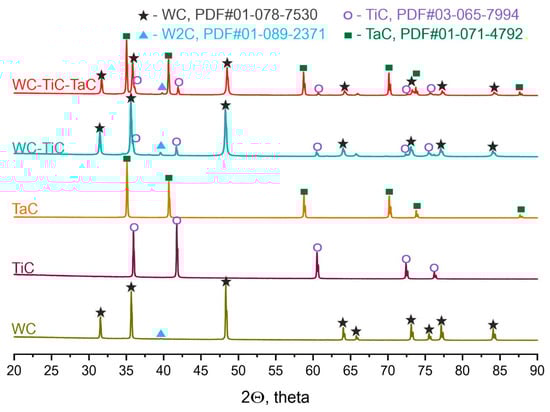
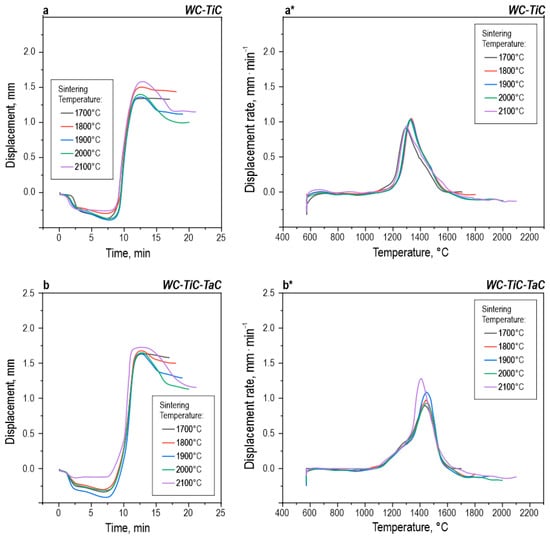
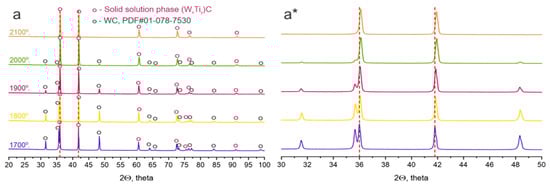
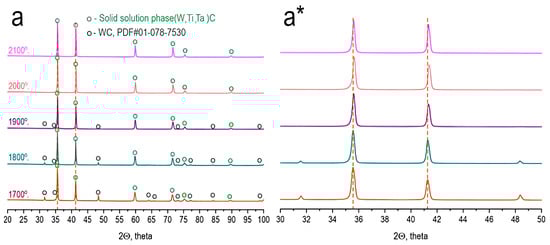
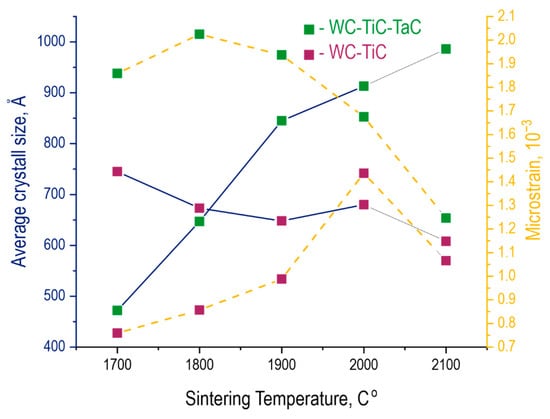
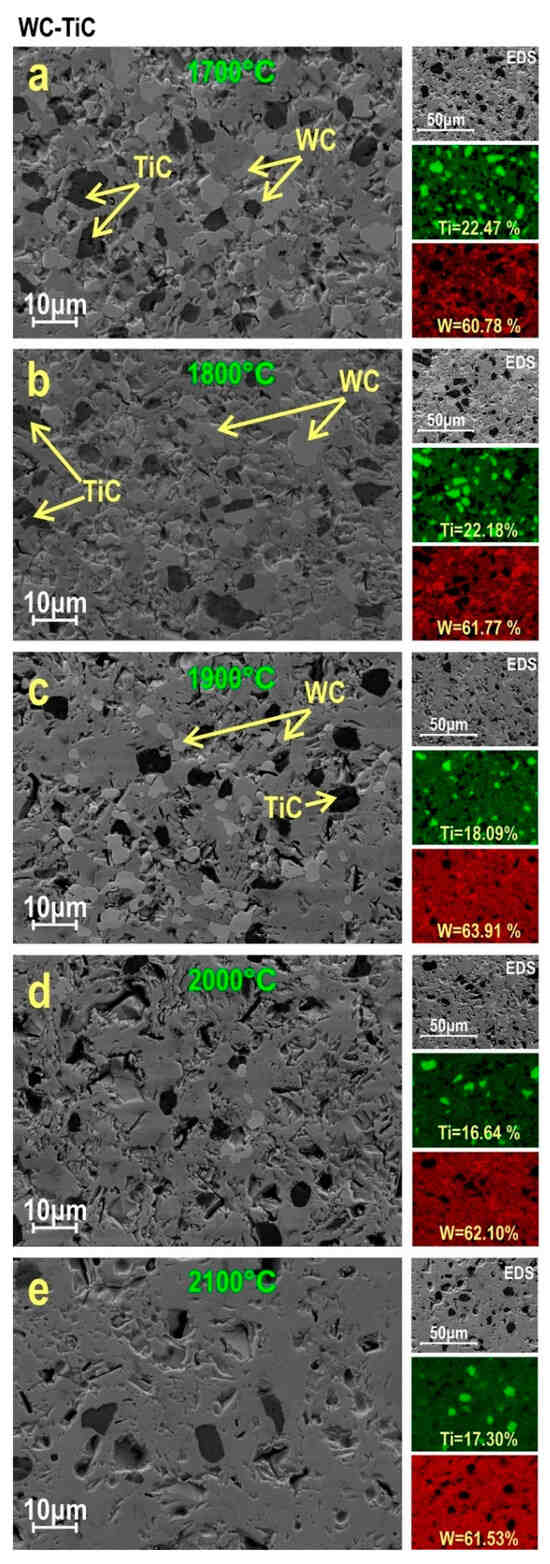
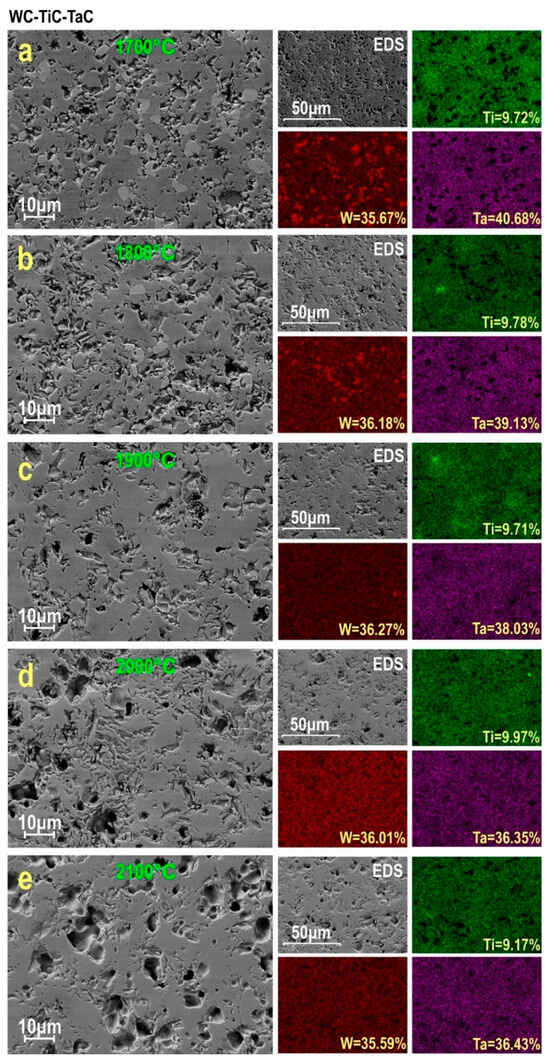
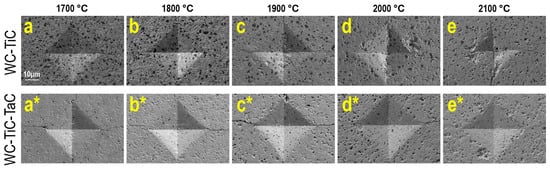
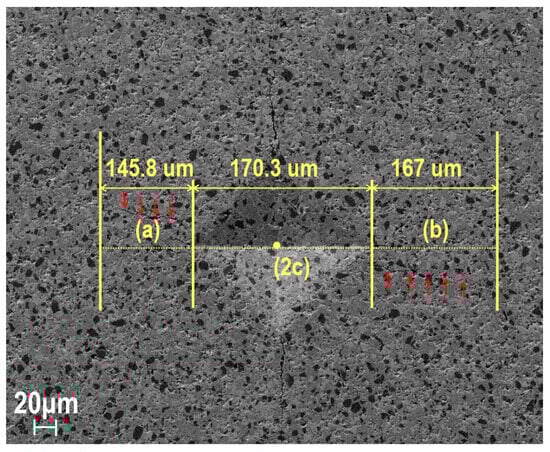
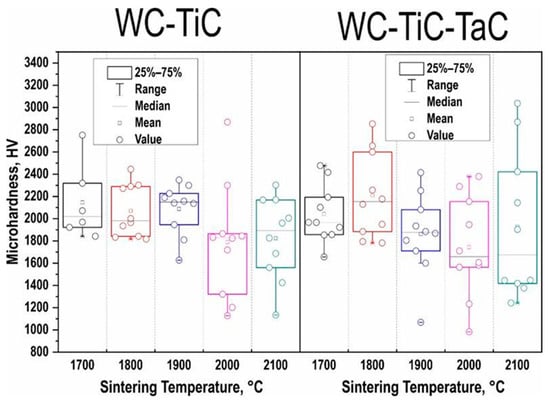
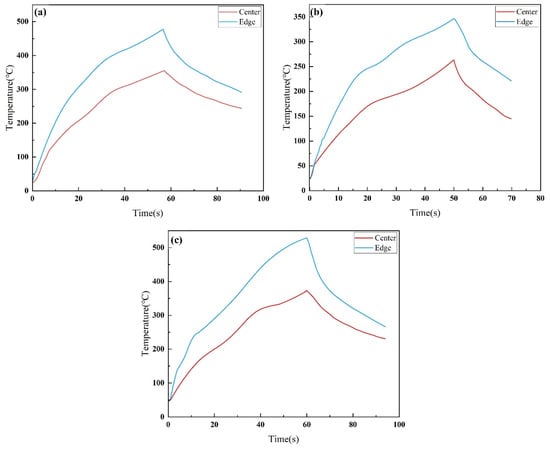
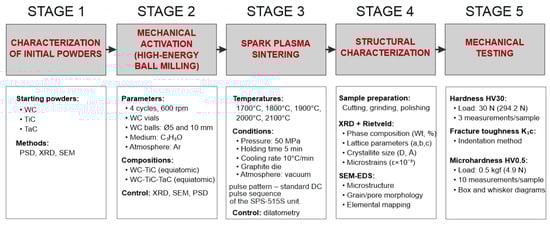
This comparative study investigates binder-free binary WC-TiC and ternary WC-TiC-TaC carbide ceramics as alternatives to cobalt-bonded hard materials. Equimolar compositions were processed via high-energy ball milling (HEBM) and consolidated by spark plasma sintering (SPS) at 1700–2100 °C. X-ray diffraction analysis (XRD) revealed fundamentally different homogenization kinetics: the ternary system achieved a complete single-phase structure at 2000 °C, 100 °C earlier than the binary system. This acceleration correlates with finer initial particle size (2–5 μm vs. 3–10 μm) and near-stoichiometric TaC, facilitating interdiffusion. Lattice parameter evolution confirmed the formation of (W,Ti)C and (W,Ti,Ta)C substitutional solid solutions. Mechanical characterization showed contrasting behaviors: binary WC-TiC exhibits maximum hardness at 1900 °C (1793 HV30, fracture toughness 5.07 MPa·m1/2), while ternary WC-TiC-TaC peaks at 1700–1800 °C (1947–1782 HV30) with higher toughness (max 5.42 MPa·m1/2). Optimal processing windows with acceptable property uniformity are 1800–1900 °C (binary) and 1700–1900 °C (ternary). The binary system offers superior toughness and stability; the ternary system enables faster processing and higher initial hardness, defining distinct application domains.
Full article
(This article belongs to the Section Composites Manufacturing and Processing)
►▼
Show Figures

Figure 1
Open AccessArticle
Effects of Welding Parameters and Film Thickness on the Joint Performance of CF/PA6 Resistance Welding with Perforated Stainless-Steel Mesh
by
Shiyuan Wang, Yuanduo Yang, Zhanyi Geng, Sansan Ao and Yang Li
J. Compos. Sci. 2026, 10(4), 181; https://doi.org/10.3390/jcs10040181 - 27 Mar 2026
Abstract
Thermoplastic composite resistance welding boasts stable process, low cost and reliable quality, making it a dependable joining technique for such materials. This process employs a heating element (HE) as the sole heat source and therefore, it is critical in controlling the welding process.
[...] Read more.
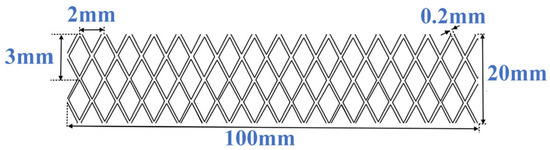
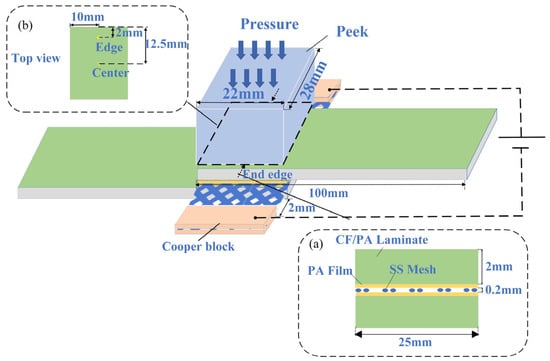
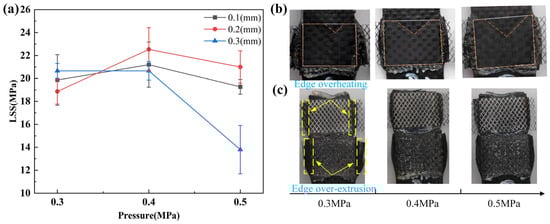
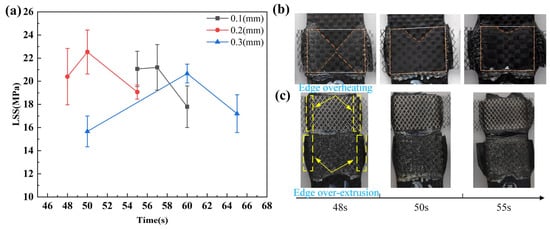
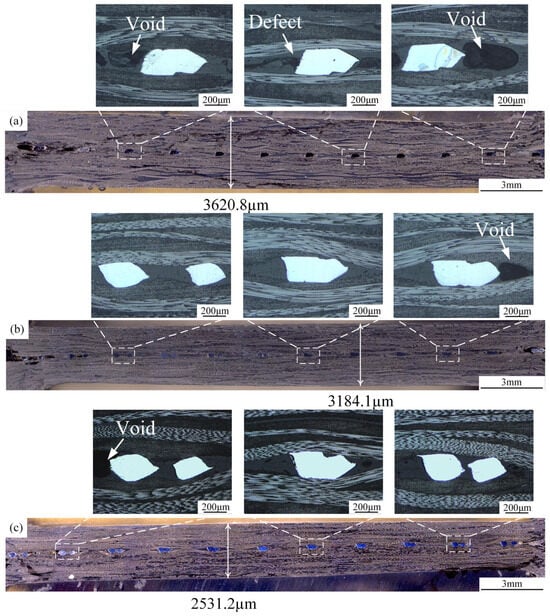
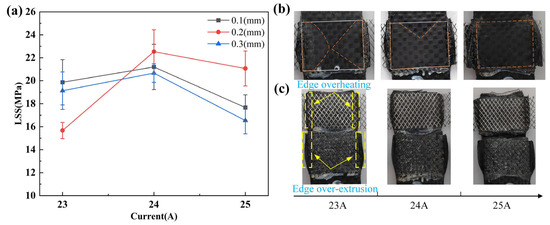
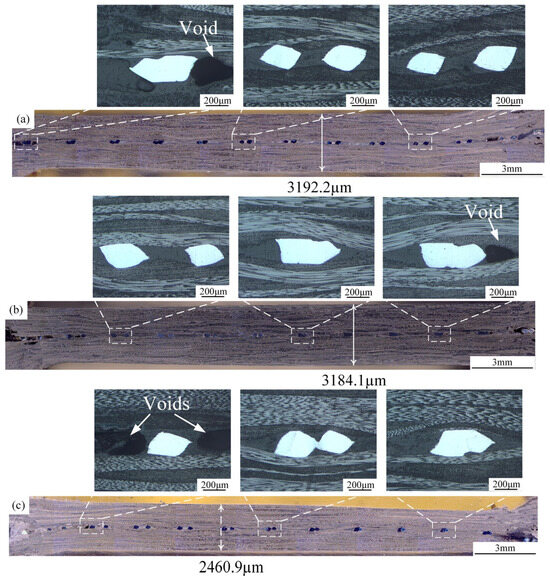
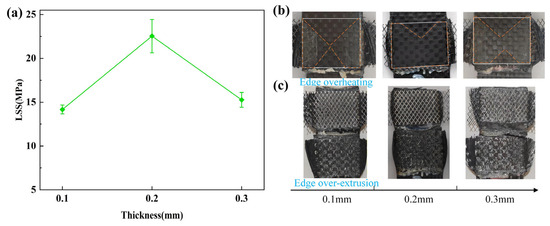
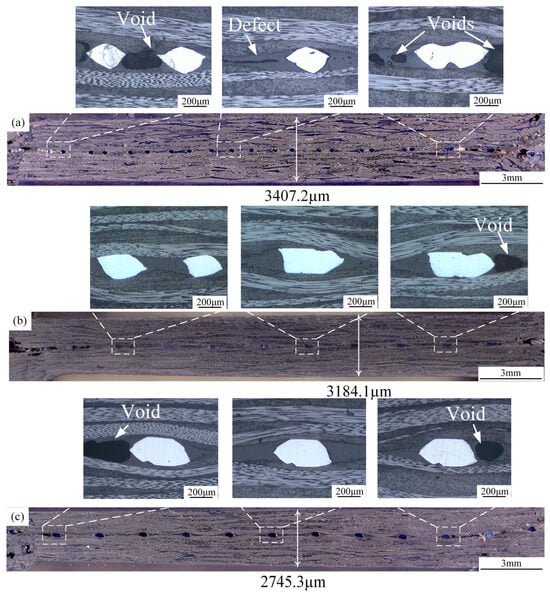
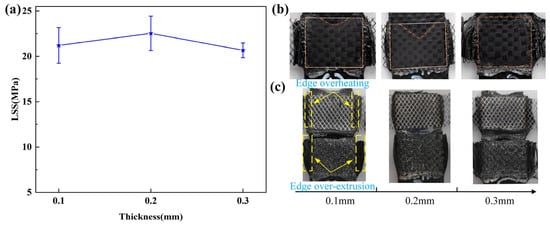
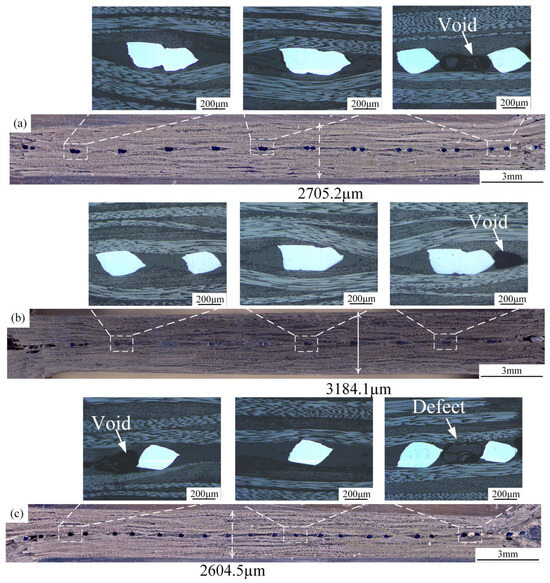
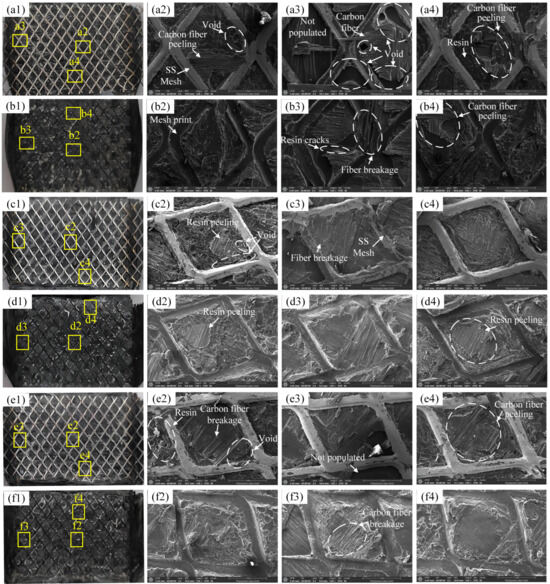
Thermoplastic composite resistance welding boasts stable process, low cost and reliable quality, making it a dependable joining technique for such materials. This process employs a heating element (HE) as the sole heat source and therefore, it is critical in controlling the welding process. This study proposed a perforated stainless-steel mesh (SSM) as the HE and investigated the effect of welding parameters and insulation film thickness on the joint performance of resistance welded carbon-fiber-reinforced polyamide 6 (CF/PA6). The results showed that the joint lap shear strength (LSS) increased first then decreased as the welding pressure, welding time and welding current increased. The maximum LSS reached 24.4 MPa when 0.2-mm-thick films were used. The joint failure mode was identified as blocky fiber peeling with compromised fiber continuity for the joints welded with 0.1-mm-thick and 0.3 mm-thick PA6 films. For the joints made with 0.2-mm-thick PA6 films, the joint failure mode was characterized by resin peeling from the fiber surface.
Full article
(This article belongs to the Section Composites Manufacturing and Processing)
►▼
Show Figures

Figure 1
Open AccessArticle
On the Burr Formation in Aramid Fiber Reinforced Composite Machining Considering Tool Edge Radius Influence
by
Wenjun Cao, Yaolong Chen, Bo Li, Jie Xu and Feng Feng
J. Compos. Sci. 2026, 10(4), 180; https://doi.org/10.3390/jcs10040180 - 27 Mar 2026
Abstract
Aramid fiber reinforced polymers (AFRPs) are widely used in aerospace and defense structures because of their high specific strength, impact resistance, and damage tolerance. However, severe burr formation during machining remains a major obstacle to achieving high surface integrity and dimensional accuracy. In
[...] Read more.
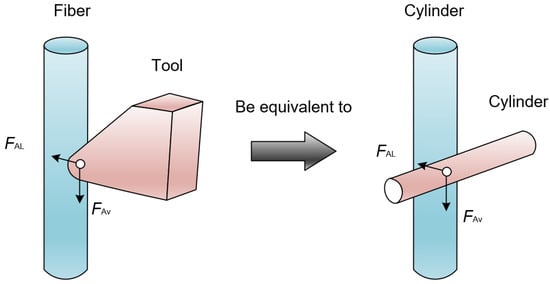
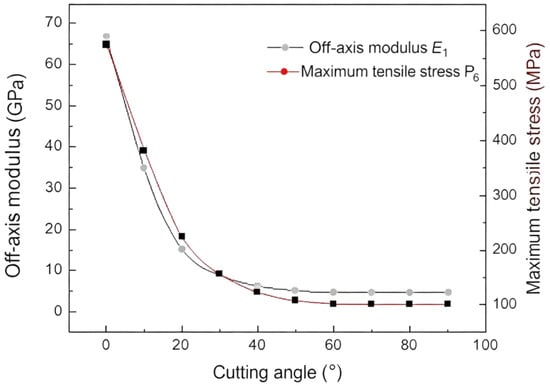
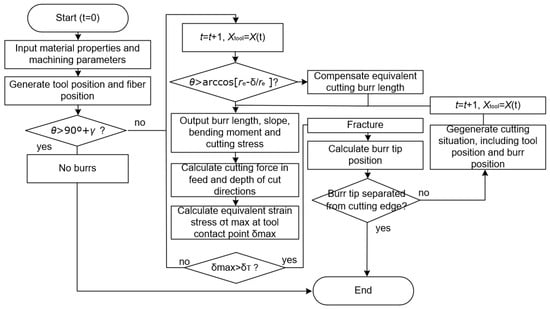
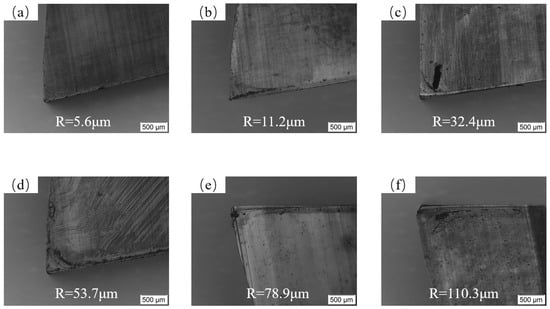
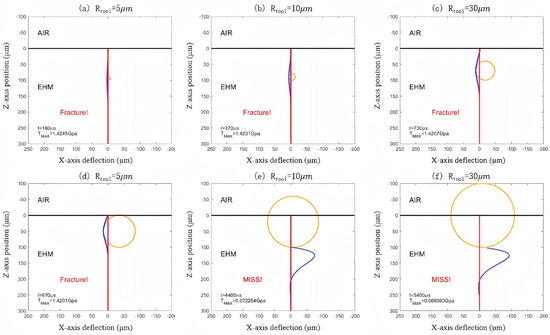
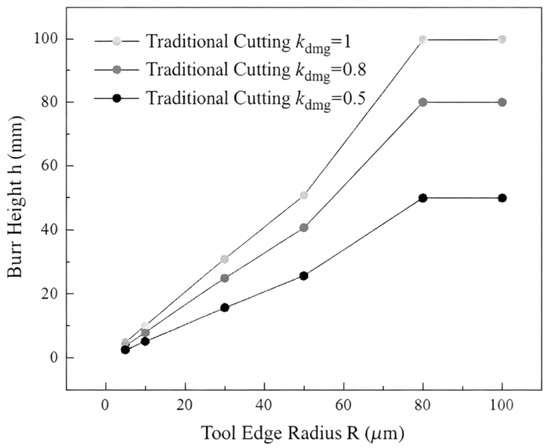
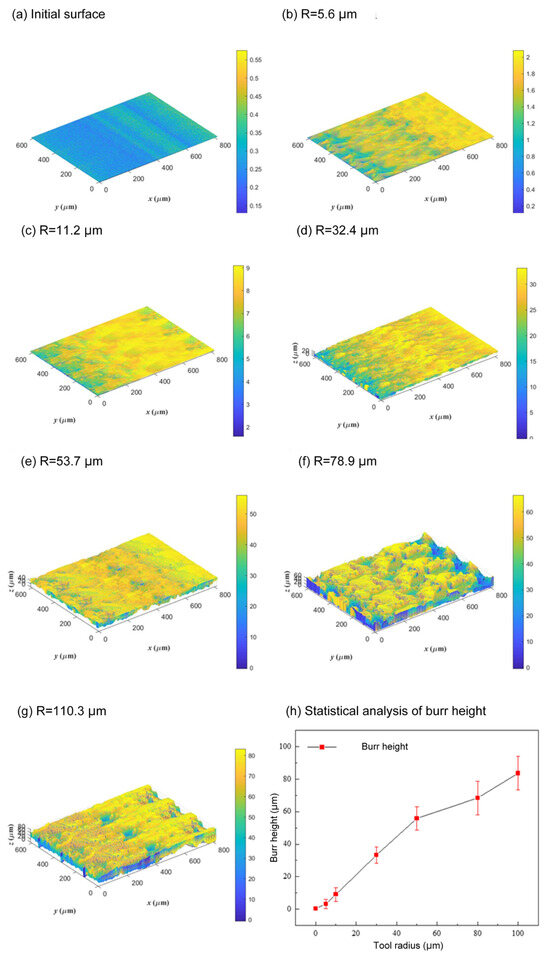
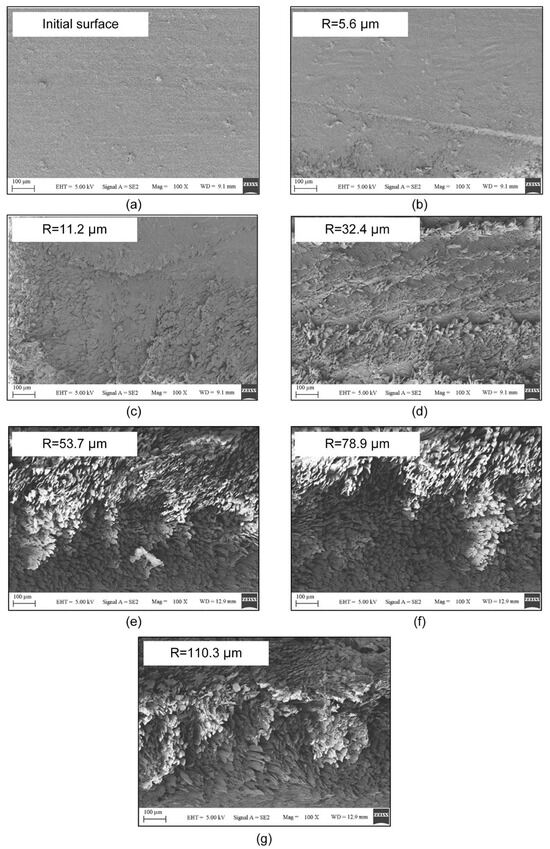
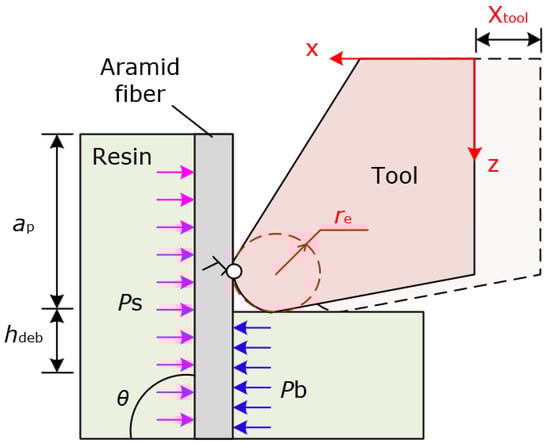
Aramid fiber reinforced polymers (AFRPs) are widely used in aerospace and defense structures because of their high specific strength, impact resistance, and damage tolerance. However, severe burr formation during machining remains a major obstacle to achieving high surface integrity and dimensional accuracy. In particular, the mechanism by which tool edge radius affects burr formation in AFRP cutting has not yet been clarified quantitatively. To address this issue, this study develops an analytical model for the orthogonal cutting of AFRPs to reveal the burr formation mechanism associated with tool edge radius. The model, established on the basis of contact mechanics and fracture theory, predicts fiber deflection, cutting force evolution, fracture behavior, and burr length under different contact and boundary conditions. The results show that tool edge radius governs burr formation through a contact–state transition mechanism. When the edge radius is below a critical threshold, localized point-contact-like interaction promotes stress concentration and fiber fracture, leading to relatively clean material removal. When the edge radius exceeds this threshold, the interaction evolves toward extended contact and sliding, which suppresses complete fiber fracture and results in pronounced burr retention. Experimentally, increasing the edge radius from 5.6 μm to 110.3 μm increased the maximum burr height from 3.19 μm to 83.58 μm, corresponding to an increase of approximately 2520%. The predicted burr evolution agrees well with the experimental observations in both trend and characteristic magnitude. This study provides a mechanistic and predictive understanding of burr formation in AFRP machining and offers practical guidance for cutting edge preparation, tool wear control, and process optimization in high-quality composite machining.
Full article
(This article belongs to the Special Issue Functional Composites: Fabrication, Properties and Applications)
►▼
Show Figures

Figure 1
Journal Menu
► ▼ Journal Menu-
- J. Compos. Sci. Home
- Aims & Scope
- Editorial Board
- Reviewer Board
- Topical Advisory Panel
- Instructions for Authors
- Special Issues
- Topics
- Sections & Collections
- Article Processing Charge
- Indexing & Archiving
- Editor’s Choice Articles
- Most Cited & Viewed
- Journal Statistics
- Journal History
- Journal Awards
- Conferences
- Editorial Office
Journal Browser
► ▼ Journal BrowserHighly Accessed Articles
Latest Books
E-Mail Alert
News
Topics
Topic in
Alloys, Applied Mechanics, Crystals, J. Compos. Sci., Powders, Nanomaterials
Multiscale Characterization, Mechanical Behavior and Computational Simulation of Bulk Materials, Metallic Powders and/or Nanoparticles
Topic Editors: Xiangnan Pan, Qing Peng, Hui Qi, Raj DasDeadline: 30 June 2026
Topic in
Fibers, J. Compos. Sci., JMMP, Materials, Polymers, Recycling
Advanced Composites Manufacturing and Plastics Processing, 2nd Volume
Topic Editors: Patricia Krawczak, Ludwig Cardon, Frederik DesplentereDeadline: 1 September 2026
Topic in
Aerospace, Applied Sciences, Astronautics, Coatings, J. Compos. Sci., JMMP, Materials, Polymers
Advanced Materials and Manufacturing for Extreme Environments in Energy and Aerospace
Topic Editors: Richard E. Wirz, Chih-Hung (Alex) Chang, Tianyi Chen, Somayeh Pasebani, Dong Lin, Devin J. Roach, Jesse A. RodriguezDeadline: 31 October 2026
Topic in
IJMS, JFB, Macromol, Materials, J. Compos. Sci., Polymers
Recent Advances in Composite Biomaterials
Topic Editors: Diego Romano Perinelli, Florentina LupascuDeadline: 30 November 2026
Conferences
Special Issues
Special Issue in
J. Compos. Sci.
Natural Fiber Composites (NFCs)—Current Research Trends and Applications
Guest Editors: Subrata Chandra Das, Andrejs Krauklis, Nilmini DissanayakeDeadline: 10 April 2026
Special Issue in
J. Compos. Sci.
Research on Recycling Methods or Reuse of Composite Materials
Guest Editors: Rita De Cássia Mendonça Sales, Heide Heloise BernardiDeadline: 25 April 2026
Special Issue in
J. Compos. Sci.
Continuous Fiber-Reinforced Composite Materials: Processes, Structures and Properties
Guest Editors: Ping Cheng, Qihao XuDeadline: 30 April 2026
Special Issue in
J. Compos. Sci.
Composite Materials for Energy Management, Storage or Transportation
Guest Editor: Anka Trajkovska PetkoskaDeadline: 10 May 2026
Topical Collections
Topical Collection in
J. Compos. Sci.
Editorial Board Members’ Collection Series: Fibre Composite Materials
Collection Editors: Hom Nath Dhakal, Mazeyar Parvinzadeh Gashti, Esfandiar Pakdel