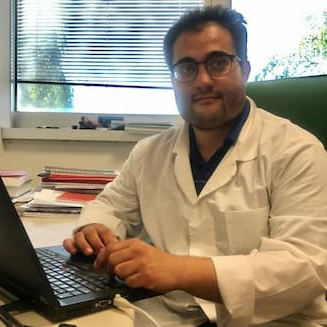
Topic Editors

School of Pharmacy, Chemistry Interdisciplinary Project (ChIP), University of Camerino, Via Madonna delle Carceri, 62032 Camerino, Italy
Romania Faculty of Pharmacy, University of Medicine and Pharmacy “Grigore T. Popa”—Iași, 700115 Iasi, Romania

Recent Advances in Composite Biomaterials

Abstract submission deadline
30 September 2026
Manuscript submission deadline
30 November 2026
Viewed by
4742

Topic Information

Dear Colleagues,

At the heart of the future of revolutionary, personalized medicine is the development of advanced biomaterials designed to perform multiple functions, addressing the specific interactions in the body of patients affected by the same disease.

Advances in chemistry and nanotechnology have led to the creation of biomaterials for cancer theragnostic use, drug delivery, skin tissue engineering, bone tissue engineering, wound healing, etc., that can respond to the growing needs of the medical field by controlling biological phenomena in vitro and in vivo.

In view of these considerations, this Topic aims to bring together recent achievements in the field of advanced composite biomaterials, particularly biocomplex materials created through the modeling of composite properties for use in challenging biomedical applications.

We are pleased to invite you to contribute to this Topic, which aims to highlight the latest advances in the field of advanced composite biomaterials, with particular emphasis on innovative approaches that address the current challenges in this research area. All manuscript submissions are welcome.

Dr. Diego Romano Perinelli
Dr. Florentina Lupascu
Topic Editors

Keywords

  • tissue engineering
  • 3D and 4D bioprinting
  • nanocarriers
  • targeting
  • theranostics
  • artificial organs

Participating Journals

Journal Name Impact Factor CiteScore Launched Year First Decision (median) APC
International Journal of Molecular Sciences
ijms
4.9 9.0 2000 17.8 Days CHF 2900 Submit
Journal of Functional Biomaterials
jfb
5.2 6.8 2010 16.8 Days CHF 2700 Submit
Macromol
macromol
4.4 7.1 2021 23.3 Days CHF 1200 Submit
Materials
materials
3.2 6.4 2008 15.5 Days CHF 2600 Submit
Journal of Composites Science
jcs
3.7 5.8 2017 15.9 Days CHF 1800 Submit
Polymers
polymers
4.9 9.7 2009 14.4 Days CHF 2700 Submit

Preprints.org is a multidisciplinary platform offering a preprint service designed to facilitate the early sharing of your research. It supports and empowers your research journey from the very beginning.

MDPI Topics is collaborating with Preprints.org and has established a direct connection between MDPI journals and the platform. Authors are encouraged to take advantage of this opportunity by posting their preprints at Preprints.org prior to publication:

  1. Share your research immediately: disseminate your ideas prior to publication and establish priority for your work.
  2. Safeguard your intellectual contribution: Protect your ideas with a time-stamped preprint that serves as proof of your research timeline.
  3. Boost visibility and impact: Increase the reach and influence of your research by making it accessible to a global audience.
  4. Gain early feedback: Receive valuable input and insights from peers before submitting to a journal.
  5. Ensure broad indexing: Web of Science (Preprint Citation Index), Google Scholar, Crossref, SHARE, PrePubMed, Scilit and Europe PMC.

Published Papers (3 papers)

Order results
Result details
Journals
Select all
Export citation of selected articles as:
19 pages, 10140 KB  
Review
Nano-Hydroxyapatite/β-Tricalcium Phosphate (n-HA/β-TCP) and Type 1 Collagen Block-Shaped Composite: In Vitro Analysis and Physicochemical Characterization
by Igor da Silva Brum, Carlos Nelson Elias, Bianca Torres Ciambarella, Guilherme Aparecido Monteiro Duque da Fonseca, Lucio Frigo, Marco Antônio Alencar de Carvalho and Jorge José de Carvalho
J. Compos. Sci. 2026, 10(1), 35; https://doi.org/10.3390/jcs10010035 - 8 Jan 2026
Viewed by 639
Abstract
New nano-biomaterials for specific dentistry applications have been developed thanks to contributions from materials science. The present work aims to characterize the physicochemical properties of a composite nanomaterial scaffold in block form for maxillofacial bone regeneration applications. The scaffold was composed of block-shaped [...] Read more.
New nano-biomaterials for specific dentistry applications have been developed thanks to contributions from materials science. The present work aims to characterize the physicochemical properties of a composite nanomaterial scaffold in block form for maxillofacial bone regeneration applications. The scaffold was composed of block-shaped elements and consisted of a mixture of nano-hydroxyapatite, β-tricalcium phosphate, and type I collagen of bovine origin. Collagen I molecule is biodegradable, biocompatible, easily available, and a natural bone matrix component. The biomaterial was analyzed using a range of methods, including scanning electron microscopy (SEM), transmission electron microscopy (TEM), chemical composition microanalysis, and X-Ray diffractometry (XRD). The wettability was measured. This was carried out by measuring the contact angle of a 0.9% NaCl solution on the surface. Differential scanning calorimetry (DSC) was used to measure the phase transformation temperatures. In the SEM and TEM analyses, it was possible to identify the layers of the materials and, with microanalysis, quantify their chemical composition. The XRD spectra showed the presence of nano-hydroxyapatite and ß-TCP. Wettability testing revealed that the material is highly hydrophilic, and BM-MSC culture analyses demonstrated that the biomaterial can promotes cell adhesion and interaction. The higher wettability is due to the higher density of the porous material observed in the SEM analysis. The results of the DSC testing showed that the sample analyzed undergoes endothermic transitions and transformation between 25 and 150 °C. The first phase transformation during heating occurs at 61.1 °C, which is above body temperature. The findings demonstrated that the composite was devoid of any contamination arising from manufacturing processes. It can be concluded that the n-HA/β-TCP and type 1 collagen are free of manufacturing contaminants. They also have high wettability, which increases the spreading of body fluids on the biomaterial’s surface and its interactions with cells and proteins. This makes them suitable for clinical application. Full article
(This article belongs to the Topic Recent Advances in Composite Biomaterials)
Show Figures

Figure 1

24 pages, 6070 KB  
Article
Liposomal Formulations of L-Asparaginase Conjugated with Cationic Polymers for Enhanced Internalization into Cancer Cells
by Igor D. Zlotnikov, Alexander A. Ezhov, Alexander V. Borisov, Andrey V. Lukyanov, Denis A. Babkov and Elena V. Kudryashova
Macromol 2025, 5(4), 54; https://doi.org/10.3390/macromol5040054 - 7 Nov 2025
Viewed by 758
Abstract
L-asparaginase (L-ASNase) is a vital enzymatic drug widely used for treating acute lymphoblastic leukemia (ALL) and certain lymphomas. However, its clinical application is often limited by a short plasma half-life, pronounced immunogenicity, and systemic toxicities. To address these challenges, we recently developed conjugates [...] Read more.
L-asparaginase (L-ASNase) is a vital enzymatic drug widely used for treating acute lymphoblastic leukemia (ALL) and certain lymphomas. However, its clinical application is often limited by a short plasma half-life, pronounced immunogenicity, and systemic toxicities. To address these challenges, we recently developed conjugates of L-ASNase with cationic polymers, enhancing its cytostatic activity by increasing enzyme binding with cancer cells. The present study focuses on the development of liposomal formulations of E. coli L-asparaginase (EcA) and its conjugates with cationic polymers: the natural oligoamine spermine (spm) and a synthetic polyethylenimine–polyethyleneglycol (PEI-PEG) copolymer. This approach aims to improve enzyme encapsulation efficiency and stability within liposomes. Various formulations—including EcA conjugates with polycations incorporated into 100 nm and 400 nm phosphatidylcholine/cardiolipin (PC/CL, 80/20) anionic liposomes—were synthesized as a delivery system of high enzyme load. Fourier Transform Infrared (FTIR) spectroscopy confirmed successful enzyme association with liposomal carriers by identifying characteristic changes in the vibrational bands corresponding to both protein and lipid components. In vitro release studies demonstrated that encapsulating EcA formulations in liposomes more than doubled their half-release time (T1/2), depending on the formulation. Cytotoxicity assays against Raji lymphoma cells revealed that liposomal formulations, particularly 100 nm EcA-spm liposomes, exhibited markedly superior anti-proliferative activity, reducing cell viability to 4.5%, compared to 35% for free EcA. Confocal Laser Scanning Microscopy (CLSM) provided clear visual and quantitative evidence that enhanced cellular internalization of the enzyme correlates directly with its cytostatic efficacy. Notably, formulations showing higher intracellular uptake produced greater cytotoxic effects, emphasizing that hydrolysis of asparagine inside cancer cells, rather than extracellularly, is critical for therapeutic success. Among all tested formulations, the EcA-spermine liposomal conjugate demonstrated the highest fluorescence intensity within cells providing enhanced cytotoxicity. These results strongly indicate that encapsulating cationically modified L-ASNase in liposomes is a highly promising strategy to improve targeted cellular delivery and prolonged enzymatic activity. This strategy holds significant potential for developing more effective and safer antileukemic therapies. Full article
(This article belongs to the Topic Recent Advances in Composite Biomaterials)
Show Figures

Graphical abstract

21 pages, 3052 KB  
Article
MIL-53 MOF on Sustainable Biomaterial for Antimicrobial Evaluation Against E. coli and S. aureus Bacteria by Efficient Release of Penicillin G
by Delia Monserrat Ávila-Márquez, Alien Blanco Flores, Helen Paola Toledo Jaldin, Mateo Burke Irazoque, Maribel González Torres, Alfredo Rafael Vilchis-Nestor, Carla Calderon Toledo, Sergio Gutiérrez-Cortez, Juan Pablo Díaz Rodríguez and Alejandro Dorazco-González
J. Funct. Biomater. 2025, 16(8), 295; https://doi.org/10.3390/jfb16080295 - 15 Aug 2025
Cited by 2 | Viewed by 1725
Abstract
The development of efficient antibiotic-releasing materials derived from sustainable and recyclable compounds represents a key area within biomedical materials science, particularly in the treatment of antibacterial infections. Herein, a Fe3+/terephthalate-based metal–organic framework (MIL-53) and a novel advanced material made [...] Read more.
The development of efficient antibiotic-releasing materials derived from sustainable and recyclable compounds represents a key area within biomedical materials science, particularly in the treatment of antibacterial infections. Herein, a Fe3+/terephthalate-based metal–organic framework (MIL-53) and a novel advanced material made of MIL-53 with biogenic hydroxyapatite (1) were prepared by solvothermal reactions, and these were studied in detail as a Penicillin-G-releasing material. After loading Penicillin G on 1 and MIL-53, the antibiotic percentage release was studied, and the antimicrobial effectiveness of each material was evaluated against two bacterial ATCC strains (E. coli and S. aureus) and various Penicillin-G-resistant uropathogenic strains such as E. coli isolates (HHM 25, ERV 6, and FGI 4). Functional, structural, and morphological characteristics of these materials were thoroughly studied by analytical tools (FTIR, XRD, BET, SEM-EDS, and XPS). The Penicillin G load did not exceed 50% in both materials. The Penicillin G adsorption mechanism involves several types of interactions with the materials. The release of the antibiotic was more efficient from MIL-53, where the load did not exceed 20%. The release was analyzed using mathematical models. They indicated that when Penicillin G is released from MIL-53, the process follows diffusion through a uniform matrix; however, 1 is more porous, which helps with the release by diffusion of Penicillin G, and 1 exhibits more than a 90% inhibition of the growth of bacteria and strains like MIL-53. This suggests a valuable approach to antibiotic activity against resistant pathogens. The use of composite materials derived from the Fe-MOF with a sustainable matrix of hydroxyapatite as antibiotic-releasing materials has been unexplored until now. Full article
(This article belongs to the Topic Recent Advances in Composite Biomaterials)
Show Figures

Graphical abstract

Back to TopTop