
Skip to Content
  • Indexed in
    Scopus
  • 27 days
    Submission to First Decision
  • 7 days
    Acceptance to Publication

Lymphatics

Lymphatics is an international, peer-reviewed, open access journal on lymphatics and related disorders published quarterly online by MDPI.

Get Alerted

Add your email address to receive forthcoming issues of this journal.

All Articles (138)

  • Article
  • Open Access

Therapeutic resistance remains a major limitation in T-cell acute lymphoblastic leukemia (T-ALL) and can reduce the efficacy of chemotherapeutic agents, including doxorubicin (DOXO). Since intracellular drug accumulation and retention are important determinants of DOXO activity, we evaluated whether its encapsulation in a β-cyclodextrin (β-CD)-based carrier could improve its intracellular behavior in resistant leukemia cells. β-CD was functionalized with D-α-tocopherol succinate (TOCO), characterized by FTIR and 1H NMR, and subsequently used for DOXO encapsulation. The selected β-CD-TOCO formulation exhibited a hydrodynamic diameter of approximately 100 nm, a PDI below 0.4, and a ζ-potential near −20 mV. DOXO encapsulation efficiency increased from 8.76 ± 0.41% in non-functionalized β-CD to 11.54 ± 0.51% after TOCO functionalization, while loading capacity increased from 1.06 ± 0.04% to 1.15 ± 0.05%. The biological effects of the formulation were examined in Jurkat cells as a chemoresistant T-ALL model. Encapsulation did not prevent DOXO incorporation into the cells but increased its intracellular retention and modified its subcellular distribution. In particular, encapsulated DOXO showed greater nuclear accumulation, with a nucleus-to-cytosol fluorescence ratio of 2.58 compared with 1.02 for free DOXO. The increased intracellular persistence of DOXO was accompanied by reduced metabolic activity, increased Annexin V labeling, and greater cytotoxicity than that produced by the free drug. These results show that β-CD-mediated encapsulation can modify the intracellular disposition of DOXO and increase its activity in chemoresistant T-ALL cells. The β-CD-TOCO system therefore provides a basis for further evaluation of DOXO delivery in additional models of resistant lymphoid leukemia.

Lymphatics

8 October 2026
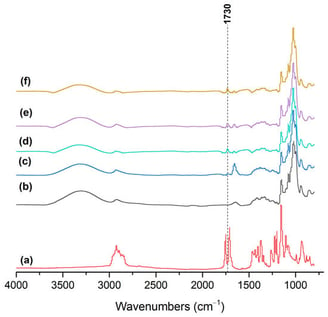
FTIR spectra of (a) TOCO, (b) β-CD, and β-CD-TOCO derivatives (c–f). The signal at 1730 cm−1 qualitatively corroborates the successful esterification of β-CD with TOCO moieties.
  • Commentary
  • Open Access

Classic Hodgkin lymphoma in children is a malignant disease with a high cure rate. It is therefore evident that minimizing the acute and chronic toxic effects of the therapies used is a crucial issue in early ages. Radiotherapy has historically been a component of paediatric treatments for this lymphoma. At present, it is possible to cure this disease without using radiotherapy, the main cause of the most frequent long-term sequelae and complications. The evolution of treatment for paediatric Hodgkin lymphoma is discussed, highlighting the reported evidence of studies supporting a high survival rate without radiotherapy.

Lymphatics

23 September 2026

  • Review
  • Open Access

Cholesterol is increasingly recognized as a regulator of hematolymphoid malignancy biology, by influencing tumor proliferation, immune function, and therapeutic response. This review summarizes current evidence regarding the relationship between cholesterol metabolism and hematologic malignancies, integrating mechanistic studies with retrospective and emerging prospective clinical data. Cholesterol contributes to immune dysfunction by promoting CD8+ T-cell exhaustion within the tumor microenvironment. Clinical studies have reported associations between serum lipid profiles, statin use, and outcomes across multiple hematologic malignancies, although findings remain heterogeneous and are largely derived from retrospective analyses. Preclinical studies demonstrate that statins disrupt cholesterol-dependent signaling and inhibit tumor growth, whereas retrospective clinical studies generally support the safety of statin use and suggest possible therapeutic benefits in some lymphoma subtypes. Clinically, low high-density lipoprotein cholesterol (HDL) has been associated with advanced disease across multiple hematological malignancies. However, prospective, interventional data remain limited. Collectively, this review highlights the possible relationship between cholesterol metabolism and hematologic malignancy biology, with a focus on potential impacts on disease related outcomes.

Lymphatics

20 September 2026

  • Commentary
  • Open Access

Lymphedema is usually approached as a survivorship complication; yet, many of the injuries that produce lymphatic failure begin during cancer treatment planning. Regional nodal irradiation, chemoradiation, lymph-node surgery, systemic therapy, obesity, infection history, and baseline lymphatic reserve can converge to produce chronic swelling, fibrosis, cellulitis risk, functional limitation, and an impaired quality of life. Despite this, lymphatic drainage pathways are rarely contoured, constrained, or prospectively monitored as organs at risk in radiotherapy practice. This commentary argues that the lymphatic system should enter radiotherapy-planning discussions as a candidate toxicity structure, while cautioning against premature universal dose constraints. Evidence signals are clinically meaningful but not yet protocol-defining: in the MA.20 breast cancer trial, regional nodal irradiation increased lymphedema from 4.5% to 8.4%; in nasopharyngeal carcinoma, mean doses of approximately 58.7 Gy to level IV and 58.6 Gy to levels I–VII were proposed as thresholds associated with moderate/severe facial lymphedema; and gynecological cancer studies report wide lower-limb lymphedema incidence ranges, with radiotherapy, lymphadenectomy, number of nodes removed, and body mass index repeatedly implicated as risk factors. The immediate priority is not mandatory lymphatic sparing, but lymphatic-aware planning: a baseline risk assessment, reproducible candidate contours, dose–volume reporting, selective sparing where oncologically safe, and prospective toxicity monitoring. The author proposed a framework to reflect this argument. Making lymphatic toxicity visible, measurable, and modelled may help shift lymphedema from an accepted late effect to a potentially preventable planning endpoint.

Lymphatics

12 September 2026

Highly Accessed Articles

News & Conferences

Latest Issues

Open for Submission

Journal Sections

XFacebookLinkedIn
Lymphatics - ISSN 2813-3307