

-
Integrated Eddy Current Inspection in Turning Machines with Deployable Algorithms for Automated Defect Detection in Railway Wheels -
Evaluation of Time-Dependent Magnetic Losses of Permanent Magnets -
Effect of Dynamic Recrystallization Response on Ductility Dip Cracking Susceptibility in Welds of High-Chromium Nickel-Based Alloys
Journal Description
Metals
Metals
is an international, peer-reviewed, open access journal published monthly online by MDPI. The Spanish Materials Society (SOCIEMAT) is affiliated with Metals and their members receive discounts on the article processing charges.
- Open Access— free for readers, with article processing charges (APC) paid by authors or their institutions.
- High Visibility: indexed within Scopus, SCIE (Web of Science), Inspec, Ei Compendex, CAPlus / SciFinder, and other databases.
- Journal Rank: JCR - Q2 (Metallurgy and Metallurgical Engineering) / CiteScore - Q1 (Metals and Alloys)
- Rapid Publication: manuscripts are peer-reviewed and a first decision is provided to authors approximately 18.7 days after submission; acceptance to publication is undertaken in 2.7 days (median values for papers published in this journal in the second half of 2025).
- Recognition of Reviewers: reviewers who provide timely, thorough peer-review reports receive vouchers entitling them to a discount on the APC of their next publication in any MDPI journal, in appreciation of the work done.
- Companion journals for Metals include: Compounds, Alloys and Iron.
Impact Factor:
2.5 (2024);
5-Year Impact Factor:
2.8 (2024)
Latest Articles
Influence of Heat Treatment on Solidified Microstructure, Phase Transformation Behavior and Mechanical Properties of Thin NiTi Alloy Samples Fabricated by Laser Powder Bed Fusion
Metals 2026, 16(6), 629; https://doi.org/10.3390/met16060629 (registering DOI) - 8 Jun 2026
Abstract
This work systematically investigates the effects of various heat treatment regimes, including solution treatment, solution treatment followed by aging at 623 K, 723 K and 823 K, and direct aging at the same temperatures, on the solidified microstructure, phase transformation behavior, and nanoindentation
[...] Read more.
This work systematically investigates the effects of various heat treatment regimes, including solution treatment, solution treatment followed by aging at 623 K, 723 K and 823 K, and direct aging at the same temperatures, on the solidified microstructure, phase transformation behavior, and nanoindentation properties of thin NiTi samples fabricated by laser powder bed fusion (LPBF). The as-fabricated sample exhibits a strong {100}B2<001>B2 Cube texture (maximum texture index 25.77), a high dislocation density (2.70 × 10¹⁸ m−2), a single-step B19′↔B2 reversible transformation with Af = 308.17 ± 3.08 K, and a recovery ratio of 0.46 ± 0.02. Subsequently, solution treatment homogenizes the microstructure, resulting in a lower dislocation density and a partial transformation from the Cube texture to the Goss texture. Further aging at 623 K after solution treatment achieves the highest recovery of 0.52 ± 0.03 by introducing fine and inferred-coherent Ni4Ti3 precipitates while maintaining a higher fraction of B2 phase at room temperature. However, aging at 723 K after solution treatment leads to a Goss-dominated texture, mixed austenite/martensite phases, and the lowest recovery (0.34 ± 0.01). In contrast, direct aging at 623 K or 723 K also yields lower recovery ratios (0.40 ± 0.06 and 0.35 ± 0.01, respectively), due to retained compositional inhomogeneity and higher dislocation densities. For direct aging at 823 K, however, the recovery ratio significantly increases to 0.49 ± 0.06. It is therefore suggested that the enhanced recovery performance can be achieved by combining solution treatment with low-temperature aging, which synergistically combines coherent precipitates, a fully austenitic matrix, and a favorable texture.
Full article
(This article belongs to the Section Additive Manufacturing)
Open AccessArticle
Effect of Composition and Microstructure on Hydrogen Damage Behavior of Pipeline Steel
by
Weiwei Zhang, Linjun Zhou, Xiqian Song, Guoliang Zhang, Pengcheng Zhang and Huibin Wu
Metals 2026, 16(6), 628; https://doi.org/10.3390/met16060628 (registering DOI) - 8 Jun 2026
Abstract
Hydrogen energy represents a crucial clean energy carrier and plays a critical role in achieving the national strategic goals of carbon neutrality and peak carbon emissions. Pipeline transportation is currently the most economical and efficient method for hydrogen delivery. However, most existing hydrogen
[...] Read more.
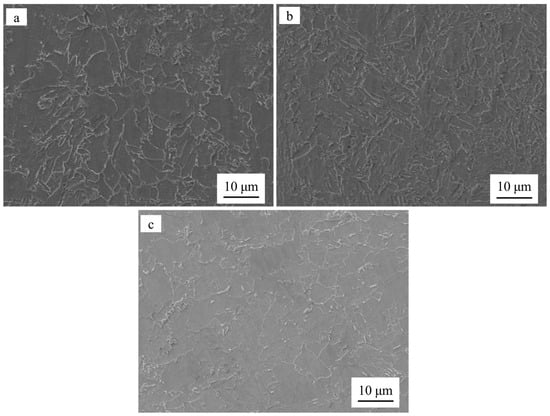
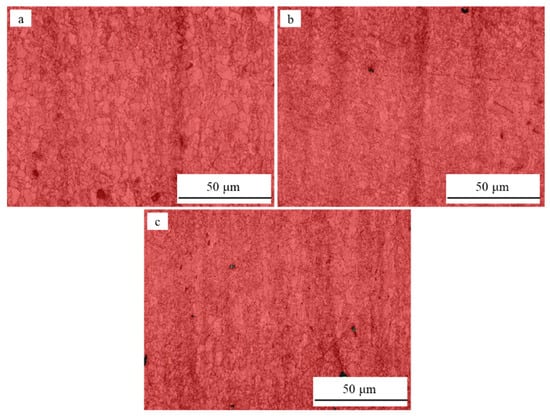
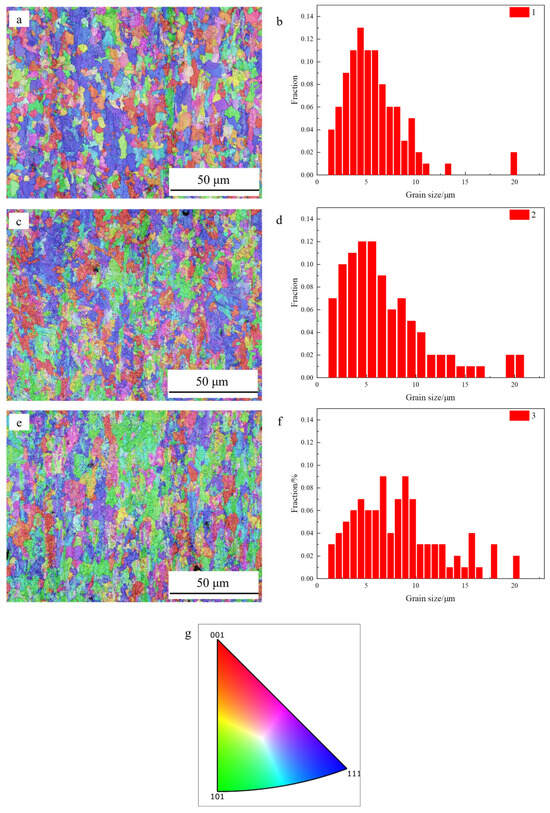
Hydrogen energy represents a crucial clean energy carrier and plays a critical role in achieving the national strategic goals of carbon neutrality and peak carbon emissions. Pipeline transportation is currently the most economical and efficient method for hydrogen delivery. However, most existing hydrogen pipelines worldwide utilize low-alloy steels, which are prone to hydrogen embrittlement (HE) during hydrogen transportation, leading to degradation of mechanical properties in pipeline steels. Since material composition and microstructure directly govern pipeline steel performance, this study systematically investigates the effects of compositional variations among three X65-grade pipeline steels on their microstructural evolution and hydrogen embrittlement resistance. Key findings include reducing Mn content enhances hydrogen embrittlement resistance by refining grain size and increasing the proportion of low-angle grain boundaries (LAGBs); cementite phases act as preferential hydrogen trapping sites, significantly reducing hydrogen resistance; and strain rate dependency of HE susceptibility is confirmed, as under slower strain rates, hydrogen interacts with dislocations, promoting brittle fracture mechanisms. This work provides practical mechanism insights for optimizing hydrogen-resistant pipeline steel design through compositional regulation and microstructural engineering.
Full article
(This article belongs to the Special Issue Metal Corrosion Behavior and Protection in Service Environments)
►▼
Show Figures

Figure 1
Open AccessArticle
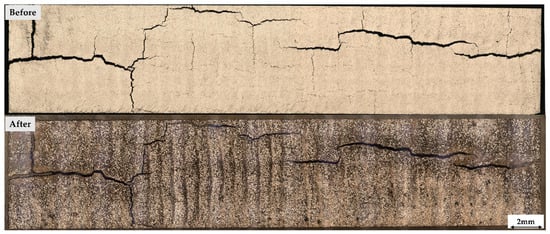
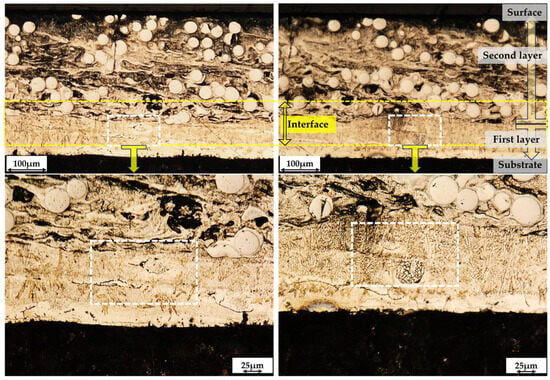
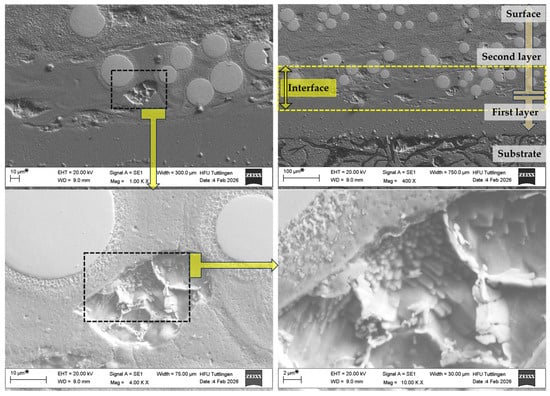
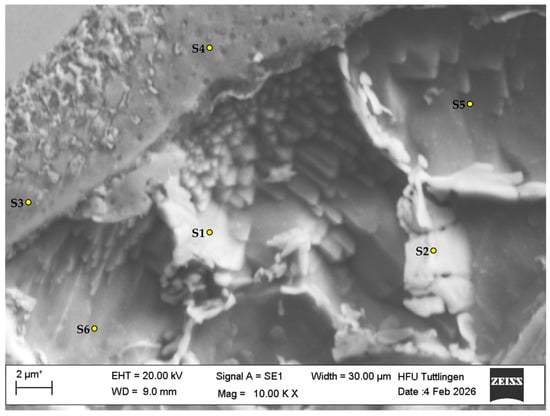
Advances in Microstructure Evolution, Sigma-Phase Formation, and XRD Analysis of Laser Metal Deposited 316L/430L-WC Multilayers on GJL After Brake-Shock Testing
by
Mohammad Masafi, Mo Li, Achim Conzelmann, Heinz Palkowski and Hadi Mozaffari-Jovein
Metals 2026, 16(6), 627; https://doi.org/10.3390/met16060627 (registering DOI) - 8 Jun 2026
Abstract
Grey cast iron brake discs remain standard in automotive braking systems due to their favourable thermal conductivity and mechanical strength. However, increasingly stringent environmental regulations, including Euro 7, necessitate enhanced surface durability to reduce particulate emissions and mitigate corrosion-related degradation. In this context,
[...] Read more.
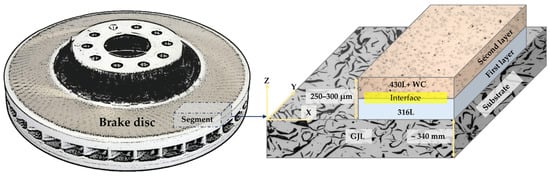
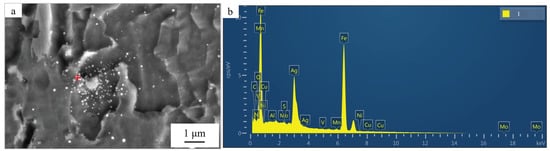
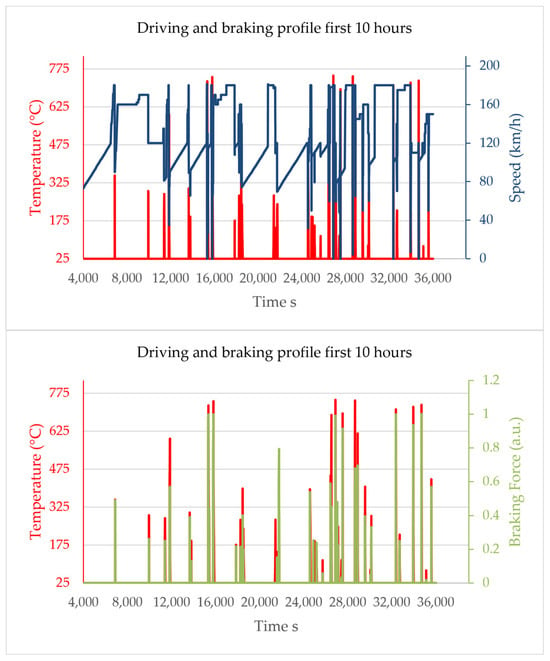
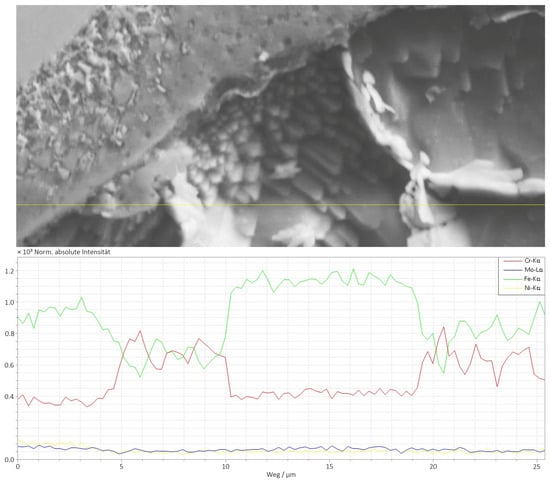
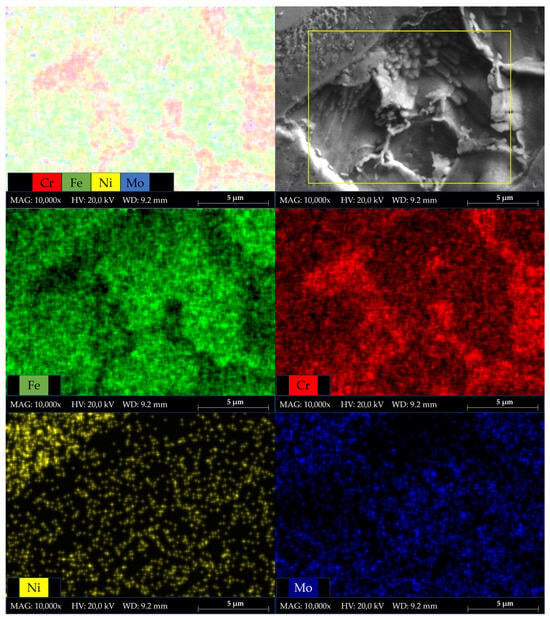
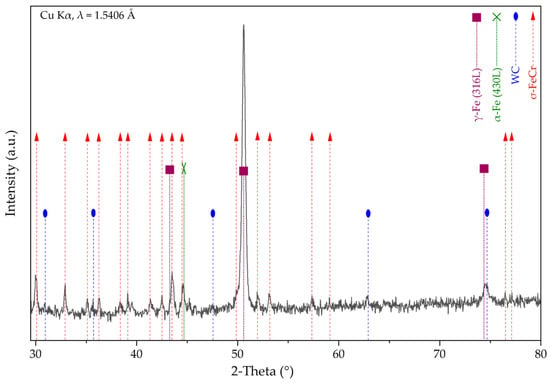
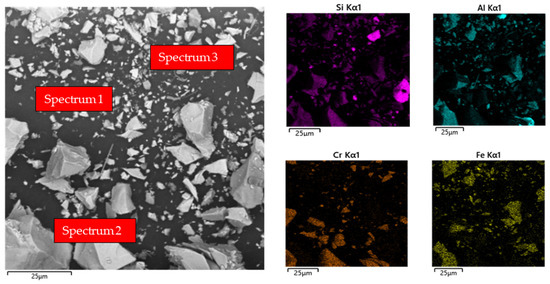
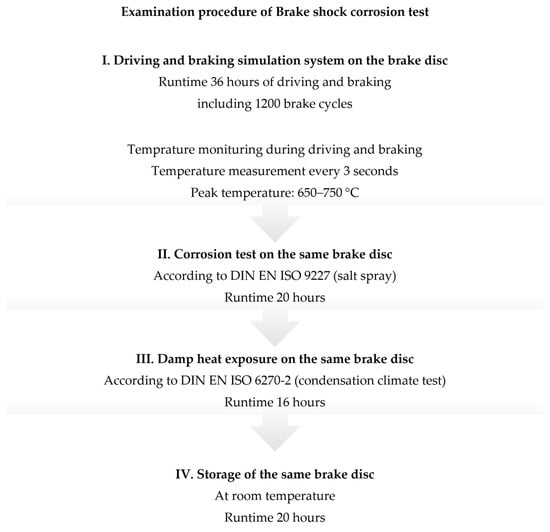
Grey cast iron brake discs remain standard in automotive braking systems due to their favourable thermal conductivity and mechanical strength. However, increasingly stringent environmental regulations, including Euro 7, necessitate enhanced surface durability to reduce particulate emissions and mitigate corrosion-related degradation. In this context, laser metal deposition (LMD) offers a promising route to engineer wear-resistant coating systems with tailored microstructures. This study investigates phase formation and microstructural evolution in a 316L/430L-WC multilayer coating deposited on grey cast iron (GJL) brake discs and subjected to brake-shock testing to replicate thermomechanical load cycles representative of real braking conditions. X-ray diffraction (XRD) performed on the interlayer region between the 316L and 430L-WC layers revealed clear evidence of σ-phase formation, indicating intermetallic transformations facilitated by thermal cycling. Microstructural characterization using scanning electron microscopy (SEM) and energy-dispersive spectroscopy (EDS) identified localized enrichment of Cr- and Fe-rich regions that support the XRD-based interpretation of σ-phase development. These results provide insights into phase transformations and elemental diffusion in LMD-fabricated brake-disc coatings. The findings advance the understanding of thermally induced transformations in multilayer steel systems and support the optimization of LMD coatings for high-temperature and wear-intensive applications through advanced analytical evaluation.
Full article
(This article belongs to the Special Issue Recent Advances in Microstructure, Experiment and Numerical Simulation of Steel)
►▼
Show Figures

Figure 1
Open AccessArticle
Study on the Corrosion Behavior of Ti-Based Metallic Glass Composites in NaCl Solution
by
Liyuan Li, Yi Qian, Xiang Zhou, Zhenjie Liu, Zihao Wang, Qing Tong and Miqi Wang
Metals 2026, 16(6), 626; https://doi.org/10.3390/met16060626 (registering DOI) - 7 Jun 2026
Abstract
►▼
Show Figures
To elucidate the corrosion behavior of Ti-based metallic glass composites in chloride-containing environments, this study investigates the corrosion resistance of an in situ dendritic Ti48Zr20Nb12Cu5Be15 metallic glass composite across varying NaCl concentrations and temperatures.
[...] Read more.
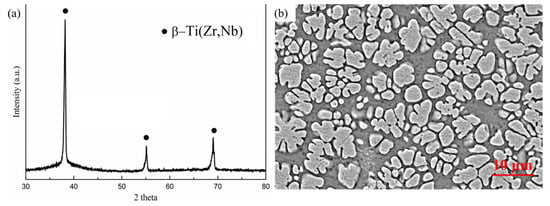
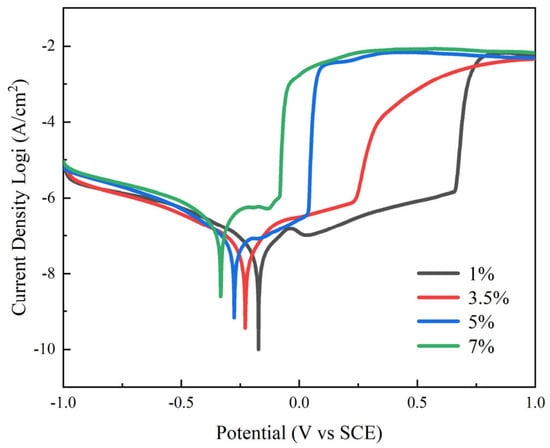
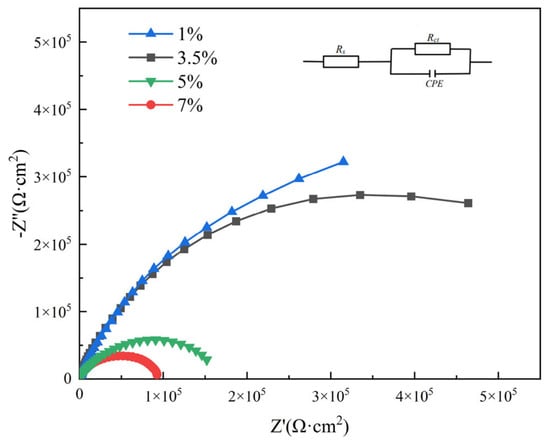
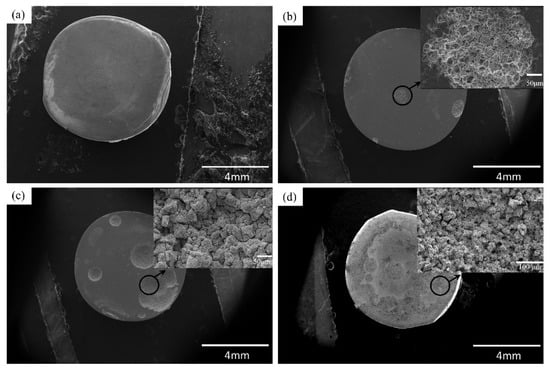
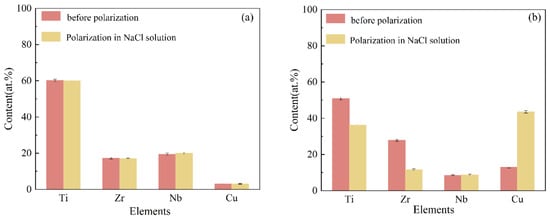
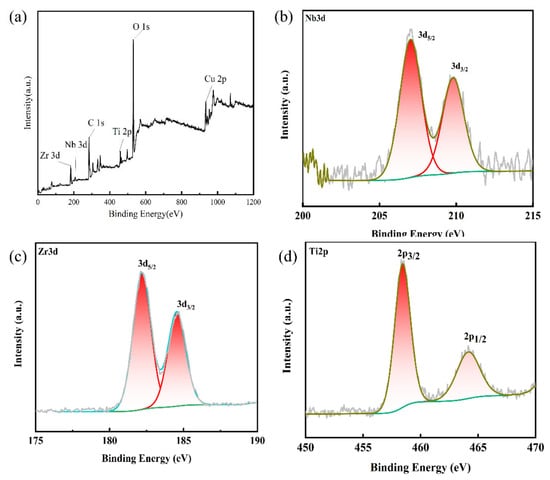
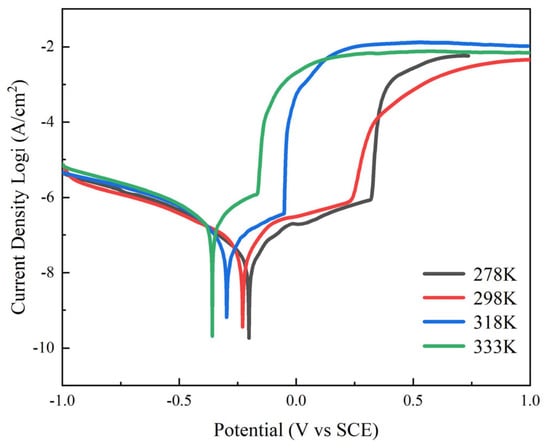
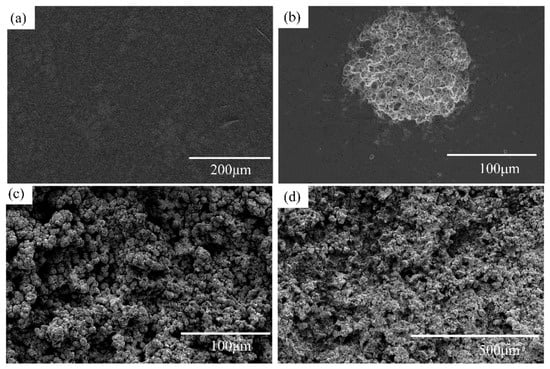
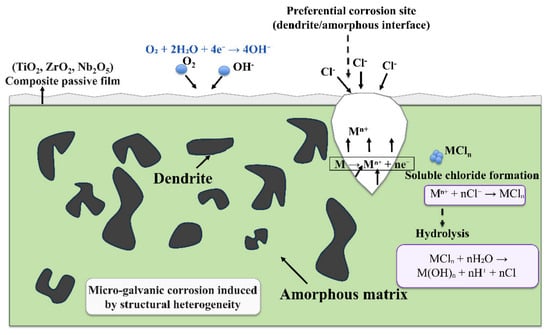
To elucidate the corrosion behavior of Ti-based metallic glass composites in chloride-containing environments, this study investigates the corrosion resistance of an in situ dendritic Ti48Zr20Nb12Cu5Be15 metallic glass composite across varying NaCl concentrations and temperatures. The microstructure, surface film composition, and corrosion characteristics were characterized using XRD, SEM, TEM, EDS, XPS, and electrochemical measurements. Results indicate that the alloy consists of a β-Ti(Zr, Nb) dendritic phase embedded in an amorphous matrix. Both increasing NaCl concentration and rising temperature lead to an increase in corrosion current density and a reduction in the capacitive loop radius, signaling a decline in corrosion resistance. The degradation is primarily characterized by localized corrosion and the selective dissolution of the amorphous matrix, which leaves the dendritic phase increasingly prominent. Following polarization, a multi-component oxide film, dominated by TiO2, ZrO2, and Nb2O5, develops as a protective layer on the alloy surface. However, higher Cl− concentrations and temperatures destabilize this passive film, accelerating matrix dissolution and compromising the material’s overall protective performance.
Full article

Figure 1
Open AccessArticle
CNN-Based Classification of Structural Steel Microstructures for the Prediction of the Outcome of the Welded Bead Bending Test
by
Fritz Backofen, Matthias Hockauf, Kristin Hockauf and Thorsten Halle
Metals 2026, 16(6), 625; https://doi.org/10.3390/met16060625 (registering DOI) - 7 Jun 2026
Abstract
The Welded Bead Bending Test (WBBT), used in Germany to assess the crack-arrest capacity of structural steels, is conducted in accordance with ZTV-ING Part 4 or Deutsche Bahn Standard 918 002-02 and specified in Stahl-Eisen-Prüfblatt 1390. Three possible test outcomes are distinguished: passed
[...] Read more.
The Welded Bead Bending Test (WBBT), used in Germany to assess the crack-arrest capacity of structural steels, is conducted in accordance with ZTV-ING Part 4 or Deutsche Bahn Standard 918 002-02 and specified in Stahl-Eisen-Prüfblatt 1390. Three possible test outcomes are distinguished: passed if a bending angle of is reached without fracture but with visible cracks in the base material, not passed if fracture occurs beforehand, and invalid if no crack propagates into the base material despite bending to . This study proposes a novel data-driven approach for predicting WBBT outcomes using a Convolutional Neural Network (CNN) applied to patch-wise classification of Light Optical Microscopy images (LOMs) taken from WBB-tested samples. A dataset comprising 800 LOMs from 40 steel samples originating from various manufacturers was acquired in collaboration with Chemnitzer Werkstoff- und Oberflächentechnik GmbH. Five CNN architectures are evaluated in terms of Accuracy, Recall and Specificity: MicroNet-pretrained DenseNet-121 and EfficientNet-B0, ResNet-34 pretrained on both ImageNet (I-ResNet-34) and MicroNet (M-ResNet-34), and a light CNN trained from scratch. The models were subjected to training in accordance with three different methods, which varied by patch size and number of LOMs utilised for training. Two validation strategies, patch-level and sample-level splitting, were employed to analyse potential data leakage effects. The I-ResNet-34 model demonstrates the best performance in this comparison, achieving a patch-level Accuracy of 79.58% ± 6.82% and an image- and sample-level Specificity of 100% under sample-level splitting. This performance is confirmed via leave-one-sample-out cross-validation, yielding a comparable patch-level Accuracy of 79.36% and a Specificity of 86.26%. The corresponding WBBT sample-level results under this validation scheme are approximately 86% Accuracy and 91% Specificity.
Full article
(This article belongs to the Special Issue Machine Learning Models in Metals (2nd Edition))
Open AccessArticle
Analysis of Shuffling in Hexagonal Close-Packed Materials
by
Micah Nichols and Christopher Barrett
Metals 2026, 16(6), 624; https://doi.org/10.3390/met16060624 (registering DOI) - 6 Jun 2026
Abstract
Hexagonal close-packed (hcp) metals rely on twinning to accommodate plastic deformation at room temperature. These twins often impede dislocation mobility and can lead to brittle failure. Significant research has been done to identify methods to mitigate this brittle failure; however, a gap exists
[...] Read more.
Hexagonal close-packed (hcp) metals rely on twinning to accommodate plastic deformation at room temperature. These twins often impede dislocation mobility and can lead to brittle failure. Significant research has been done to identify methods to mitigate this brittle failure; however, a gap exists in the work on the mechanisms behind the brittle failure. All hcp twin modes require atomic shuffling to place sheared atoms in the correct lattice sites. While shuffling for the 10-12 twin is well defined, most of the shuffle processes for twinning in hcp are not defined, and the displacement field due to the introduction of a twin has not been detailed. This work serves to present new mechanical equations to compute atomic shuffles and introduce an algorithm to calculate the displacement map and insert an arbitrarily shaped twin into a defect-free lattice using those shuffle vectors. We substantiate the algorithm by placing 10-12, 10-11, and 2-1-12 twins in Mg and Ti and show that the twins undergo glissile transformation using molecular dynamics.
Full article
(This article belongs to the Special Issue Characterization and Modeling of Microstructure Evolution During Metallic Material Processing)
Open AccessReview
Evolution Mechanisms of Diffusion-Induced Phase Transformation Layers in Gun-Barrel Bores Under Thermochemical Coupling
by
Jinghua Cao, Yiming Liu, Mengran Zhu, Jiawei Fu, Yao Jiang, Zheng Li, Ying Liu and Jingtao Wang
Metals 2026, 16(6), 623; https://doi.org/10.3390/met16060623 (registering DOI) - 5 Jun 2026
Abstract
This study focuses on a 155 mm 32CrNi3MoV steel barrel and presents a thermochemically coupled phase transformation and diffusion dynamics model. The model leverages the significant disparity between radial and axial temperature gradients to simplify the heat conduction problem to a one-dimensional transient
[...] Read more.
This study focuses on a 155 mm 32CrNi3MoV steel barrel and presents a thermochemically coupled phase transformation and diffusion dynamics model. The model leverages the significant disparity between radial and axial temperature gradients to simplify the heat conduction problem to a one-dimensional transient formulation. The temperature field distribution during firing sequences is solved analytically, accounting for the dynamic shift in critical phase transformation temperatures under high heating rates. The evolution of the martensitic layer thickness under repeated thermal shock is subsequently calculated. A numerical model for the pulsed diffusion of C and N is established based on Fick’s second law, incorporating the competitive diffusion–phase transformation mechanisms that govern martensite/austenite interface migration. To quantitatively evaluate the synergistic contribution of C and N to austenite stabilization, a carbon equivalent (Ceq) model is introduced, with the weight coefficient of N relative to C determined to be 0.68 and the critical Ceq required to lower the martensite start temperature below 25 °C calculated as 1.15 wt%. Concurrently, the microstructure and elemental distribution within the austenite layer of the retired barrel are systematically characterized using multi-scale techniques. The results indicate that the austenite layer on the inner bore surface arises from the synergistic effects of cyclic thermal-shock-induced phase transformation and elemental diffusion. Based on the Ceq criterion, the austenite layer thickness increases rapidly during the initial ~100 firing cycles, after which the growth rate slows significantly: it reaches approximately 1.27 μm after the first cycle and 2.94 μm after 1000 cycles, with only 0.2 μm of additional thickening between 100 and 1000 cycles—consistent with the experimentally observed range of 1.52–4.16 μm. The martensitic layer formed during the first firing cycle exhibits low thermal conductivity, which impedes subsequent heat transfer and leads to stabilization of its thickness at a characteristic depth. Grain refinement induced by repeated thermal shock provide short-circuit diffusion paths for elemental diffusion, accelerating compositional homogenization within the austenite layer and resulting in a stepped concentration profile at the interface. This study provides a representative example of non-equilibrium coupled phase transformation–diffusion phenomena under extreme transient loading. The established thickness prediction model can provide guidance for service life assessment of large-caliber barrels, offering both theoretical foundations and practical engineering guidance for their material design and performance optimization.
Full article
(This article belongs to the Special Issue Advances in Forming and Heat Treatments of Metallic Materials)
Open AccessArticle
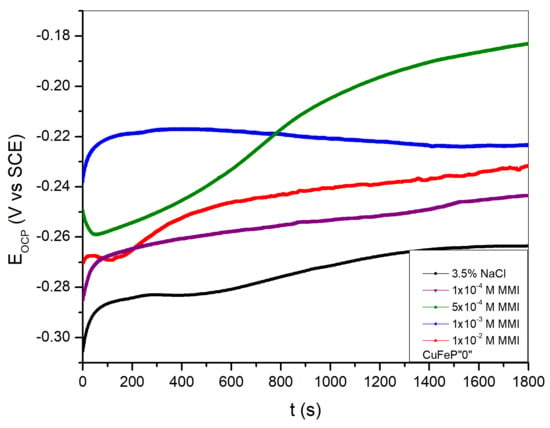
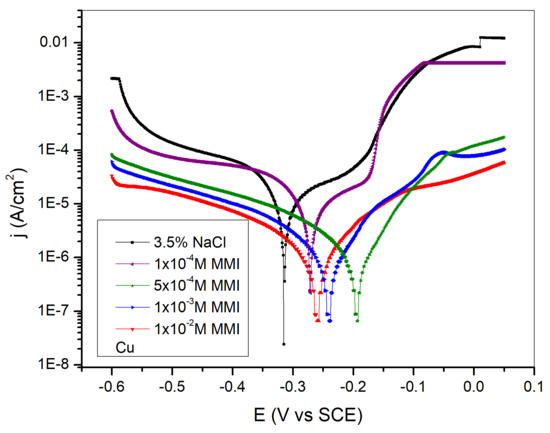
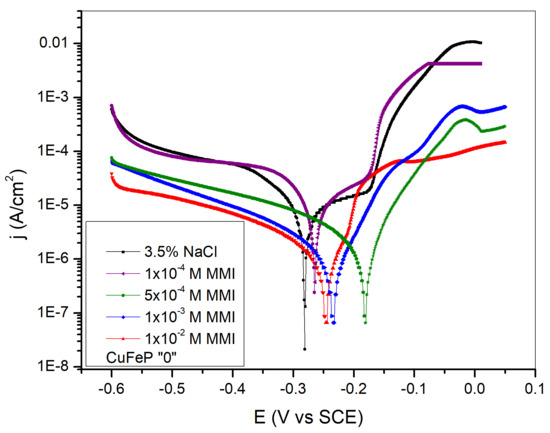
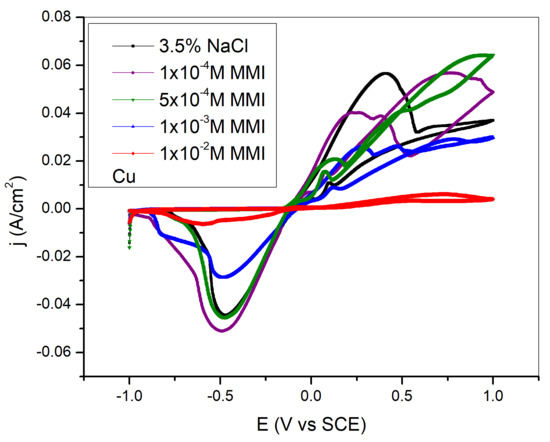
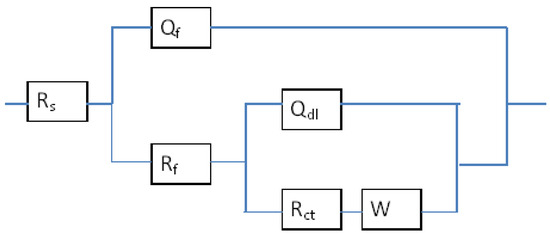
Electrochemical Investigation of Corrosion Behavior of CuFeP Alloy in Chloride Solution
by
Žaklina Tasić, Marija Petrović Mihajlović, Ana Simonović, Milan Radovanović, Milan Antonijević, Biserka Trumić and Vesna Krstić
Metals 2026, 16(6), 622; https://doi.org/10.3390/met16060622 (registering DOI) - 5 Jun 2026
Abstract
The corrosion behavior of copper and a Cu-Fe-P alloy in 3.5% NaCl solution was studied in this paper. This study focused on the influence of microalloying in the Cu-Fe-P alloy containing 0.003 wt% Fe and 0.014 wt% P on corrosion resistance in chloride
[...] Read more.
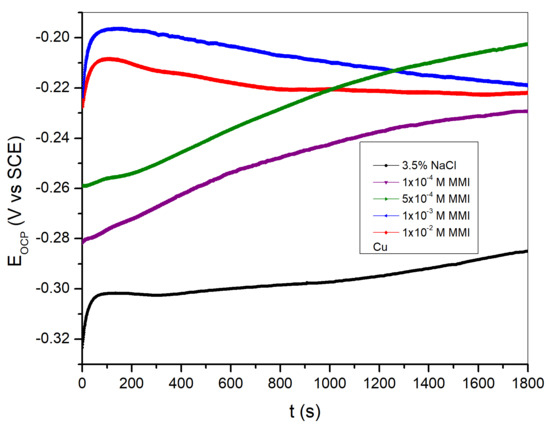
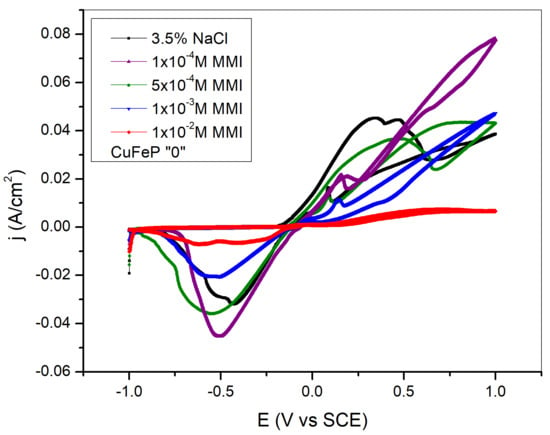
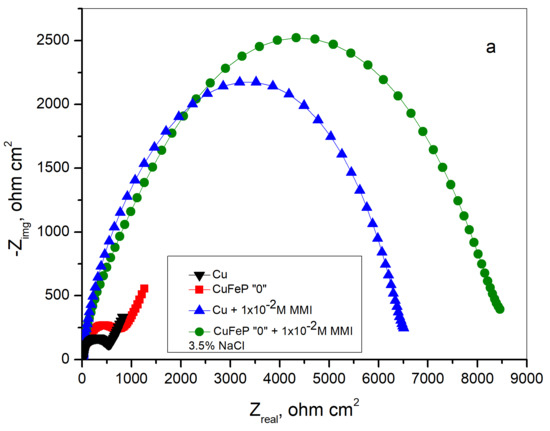
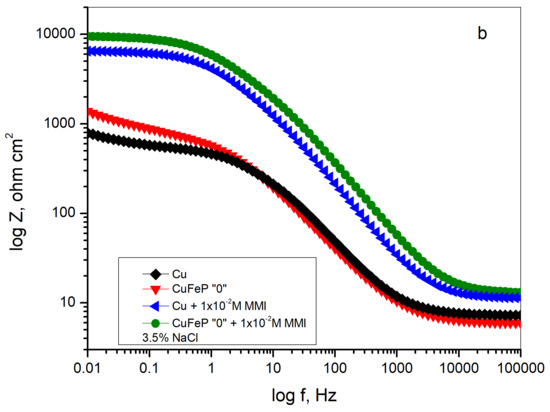
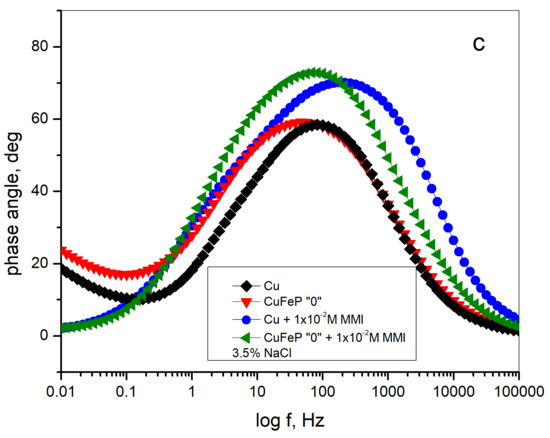
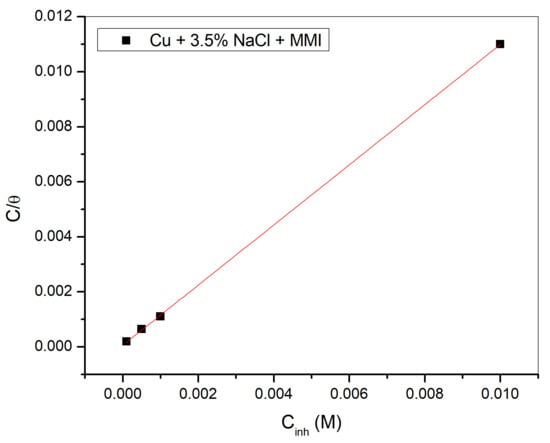
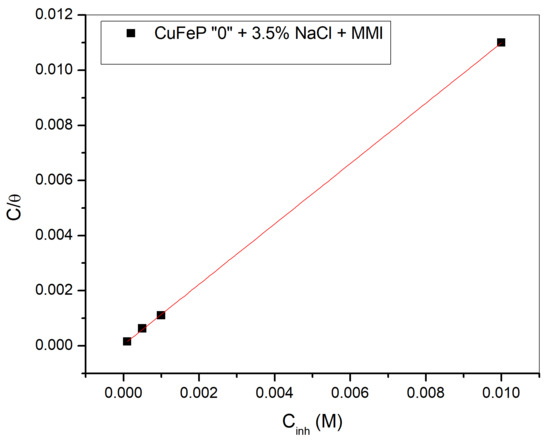
The corrosion behavior of copper and a Cu-Fe-P alloy in 3.5% NaCl solution was studied in this paper. This study focused on the influence of microalloying in the Cu-Fe-P alloy containing 0.003 wt% Fe and 0.014 wt% P on corrosion resistance in chloride media. Additionally, the effect of 2-mercapto-1-methylimidazole as an inhibitor was evaluated using electrochemical techniques, including potentiodynamic polarization, cyclic voltammetry, and electrochemical impedance spectroscopy. According to the potentiodynamic polarization results, 2-mercapto-1-methylimidazole can be classified as a mixed-type inhibitor. The inhibition efficiency also increases with increasing concentration. The results indicate that the Cu-Fe-P alloy has improved corrosion resistance compared to copper, and a higher inhibition efficiency of 2-mercapto-1-methylimidazole was observed for the Cu alloy.
Full article
(This article belongs to the Special Issue Studies on Electrochemical Corrosion and Protection in Metals and Alloys)
►▼
Show Figures

Figure 1
Open AccessArticle
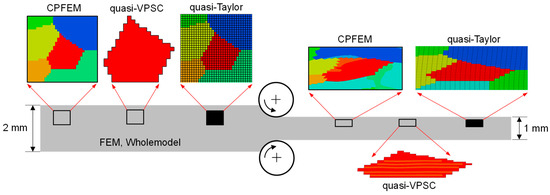
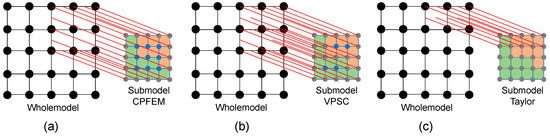
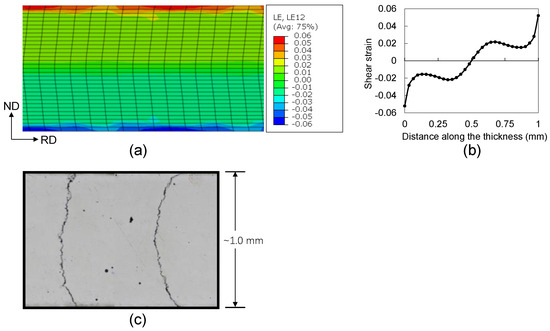
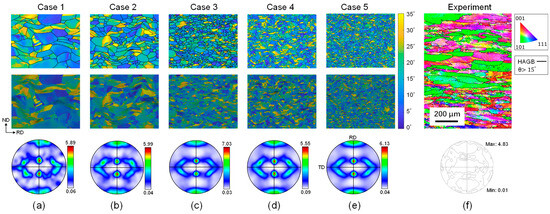
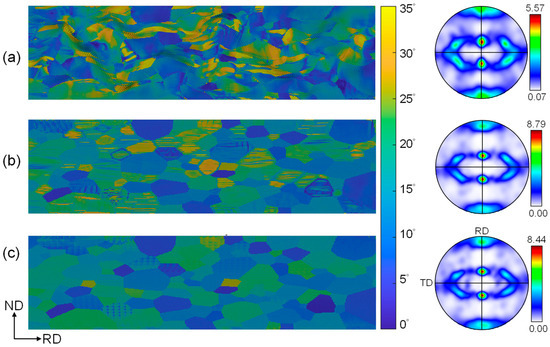
Realizing quasi-VPSC and quasi-Taylor Model by Varying the Boundary Conditions in Submodel of Crystal Plasticity FEM
by
Rui Wang, Shaowei Wu, Shouwei Xu, Zishao Wang, Hui Wang, Xi Huang and Yu Zhu
Metals 2026, 16(6), 621; https://doi.org/10.3390/met16060621 (registering DOI) - 5 Jun 2026
Abstract
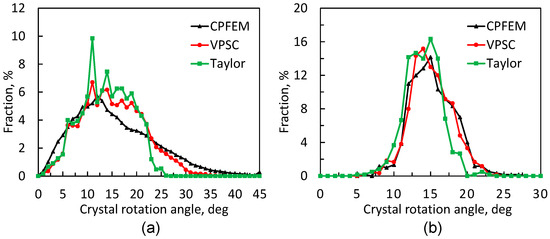
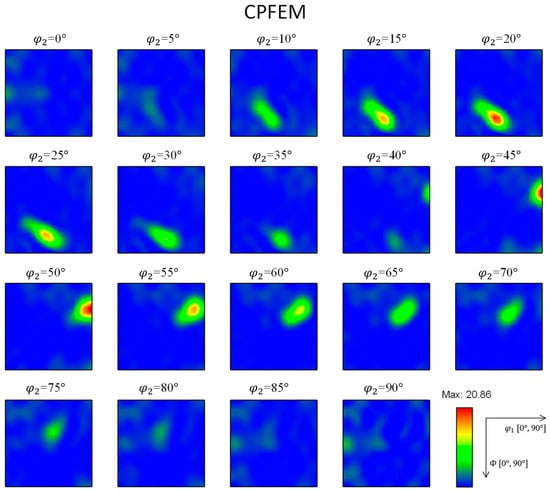
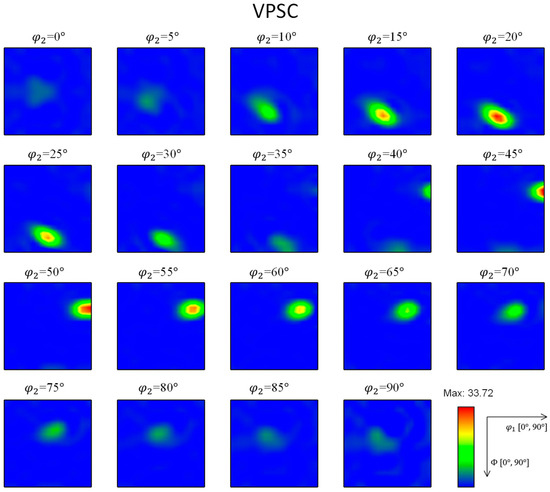
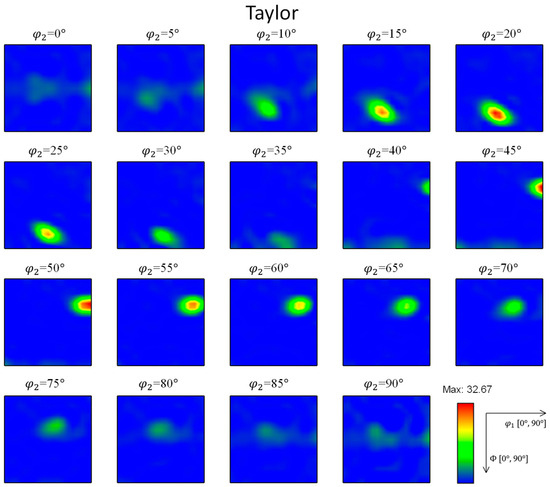
The uniform-field Taylor model, mean-field visco-plastic self-consistent (VPSC), and full-field crystal plasticity finite element method (CPFEM) are three typical and inherently different crystal plasticity (CP) models. In this report, these three CP models were realized within the CPFEM framework via Submodel modeling techniques.
[...] Read more.
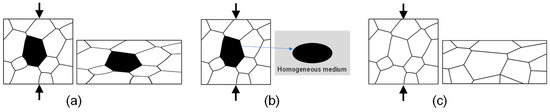
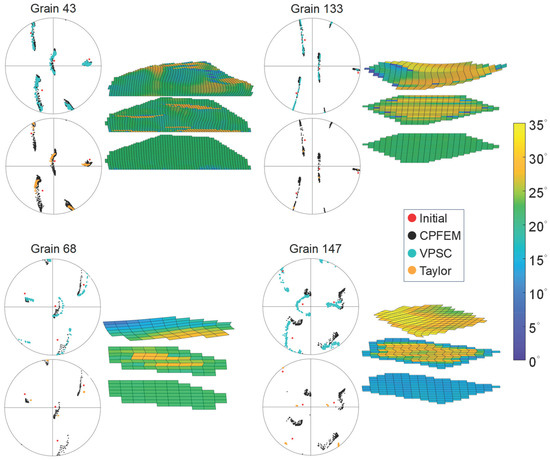
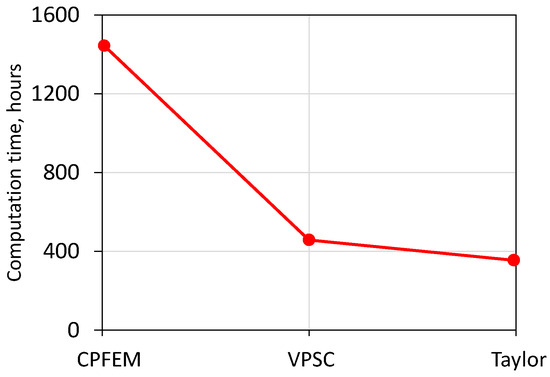
The uniform-field Taylor model, mean-field visco-plastic self-consistent (VPSC), and full-field crystal plasticity finite element method (CPFEM) are three typical and inherently different crystal plasticity (CP) models. In this report, these three CP models were realized within the CPFEM framework via Submodel modeling techniques. In the full-constraint Taylor model, the strain history from the Wholemodel was applied to all finite element method (FEM) nodes, while the strain from the Wholemodel was placed only on the boundaries of the Submodel in the VPSC model. The predicted textures with the Taylor, VPSC, and CPFEM models were compared, and the rolling textures at macroscopic scale were acceptably captured, and the micro-bands were also predicted by the CPFEM and VPSC. Finally, the contribution and limitations of this integrated modeling method were discussed.
Full article
(This article belongs to the Special Issue Research on Microstructure and Performance Mechanisms of Advanced Steels and Alloys (2nd Edition))
►▼
Show Figures

Figure 1
Open AccessArticle
Comparative Analysis of the Stainless Steel Mesh Size Effect on Oil–Water Emulsion Separation with and Without Ni Coating
by
Mohanad Khairi and Peter Baumli
Metals 2026, 16(6), 620; https://doi.org/10.3390/met16060620 (registering DOI) - 5 Jun 2026
Abstract
►▼
Show Figures
Oil–water separation is of enormous importance because it has practical implications for addressing corrosion problems in the oil industry, arising from direct contact between the inner surfaces of pipelines and water containing oil. Therefore, the development of functional materials for handling oil–water mixtures
[...] Read more.
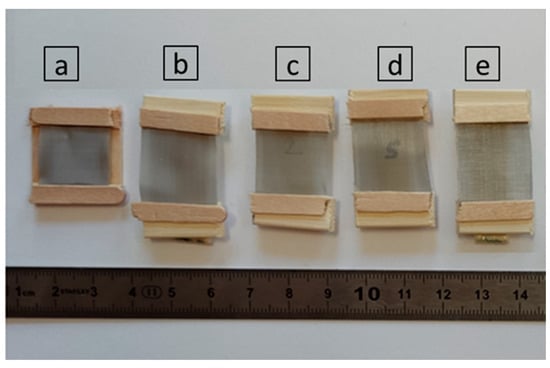
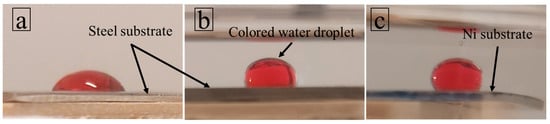
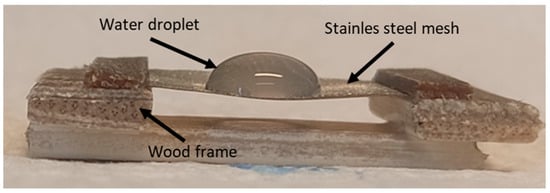
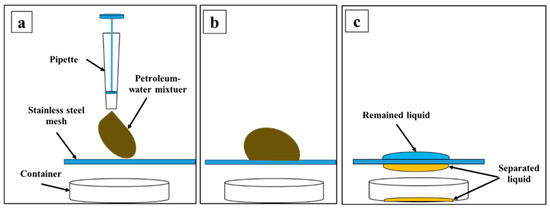
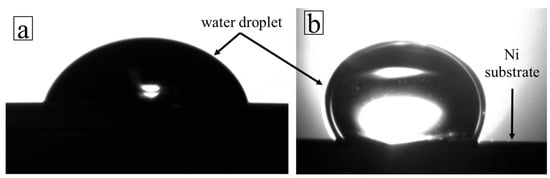
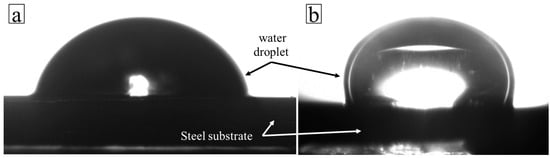
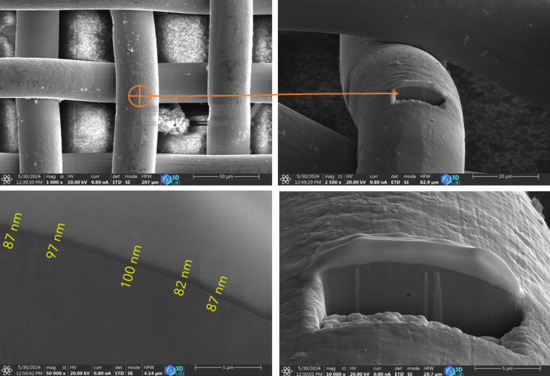
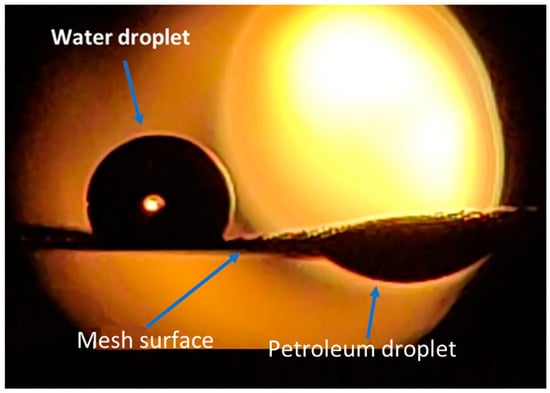
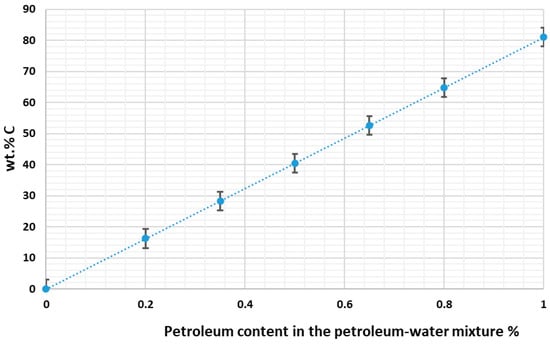
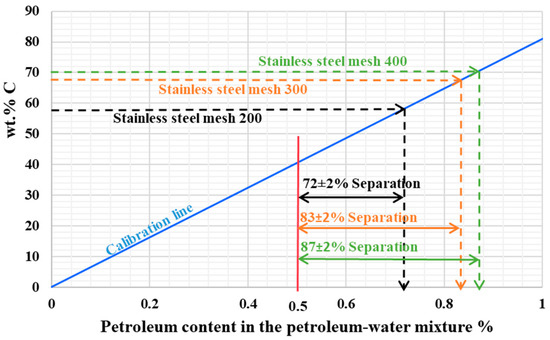
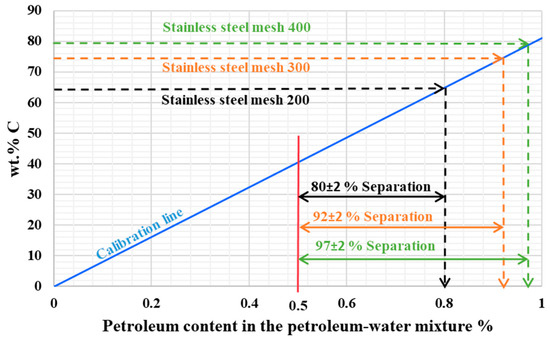
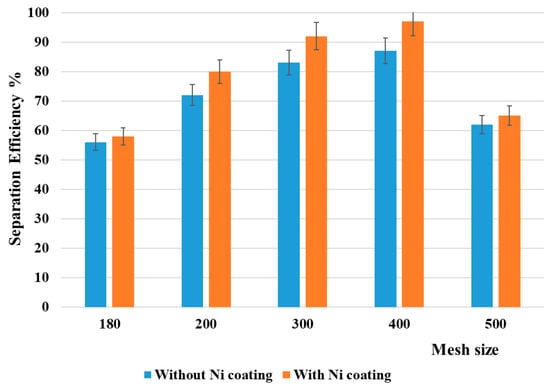
Oil–water separation is of enormous importance because it has practical implications for addressing corrosion problems in the oil industry, arising from direct contact between the inner surfaces of pipelines and water containing oil. Therefore, the development of functional materials for handling oil–water mixtures is crucial and has significant economic benefits in the future. Using metal meshes remains a complex process because the properties of the extracted oil mixture (emulsion) vary across fields, which can affect the efficiency of the separation process and the required mesh size for optimal results. Still, it is considered a promising approach for separation. In this study, stainless steel meshes of various mesh sizes (180, 200, 300, 400, and 500 meshes) were coated with a 0.1-micron-thick layer of nickel by physical vapour deposition (PVD). The separation efficiency of stainless steel meshes, both with and without Ni coating, was examined at room temperature using an emulsion (50% vol. petroleum and 50% vol. water) prepared in the laboratory. The Ni-coated meshes achieved high separation efficiencies of 97% and 92% for mesh sizes 400 and 300, respectively. An 8% increase in the separation efficiency of the 200 mesh size resulted in about 80% efficiency with a Ni coating. Hence, it can be concluded that the prepared meshes have potential for high-efficiency oil–water separation, which may help reduce water transport to subsequent processing stages and mitigate corrosion-related issues.
Full article

Figure 1
Open AccessArticle
Study on Efficient Potassium Removal and Lithium Recovery from Potassium-Rich Mother Liquor
by
Lichao Wang, Tieqiang Lin and Jian Li
Metals 2026, 16(6), 619; https://doi.org/10.3390/met16060619 - 4 Jun 2026
Abstract
The potassium-rich mother liquor generated from the sulfuric acid process for lithium extraction from spodumene cannot be directly used for the production of battery-grade lithium salts, resulting in lithium resource loss. To address the issues of slow reaction rate and high seed crystal
[...] Read more.
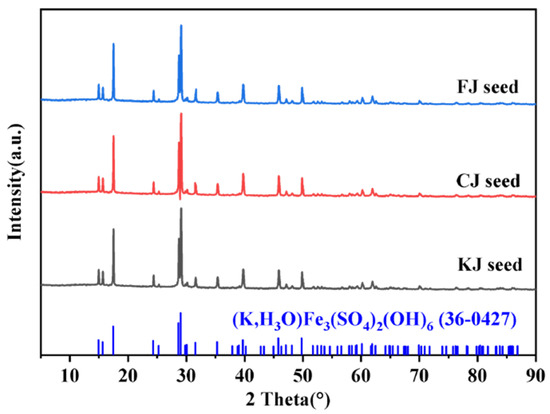
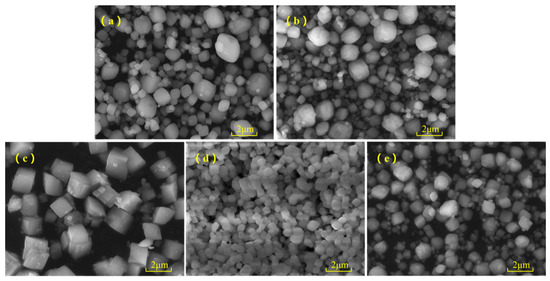
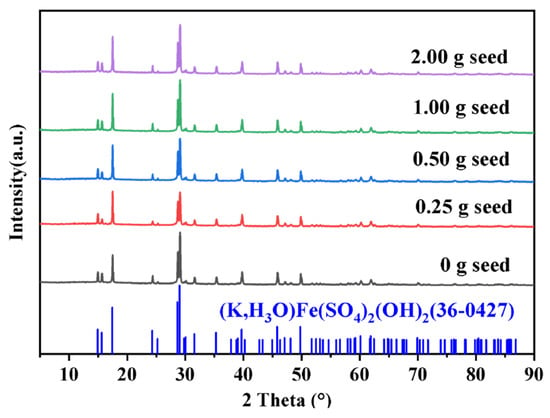
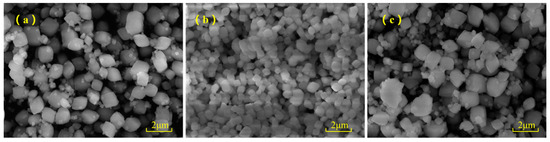
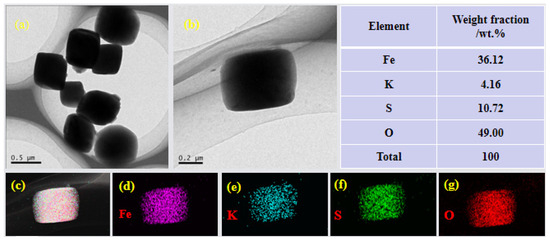
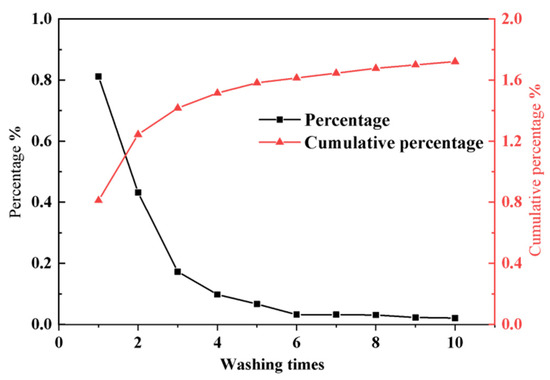
The potassium-rich mother liquor generated from the sulfuric acid process for lithium extraction from spodumene cannot be directly used for the production of battery-grade lithium salts, resulting in lithium resource loss. To address the issues of slow reaction rate and high seed crystal dosage in the traditional jarosite process for potassium removal, this paper systematically optimizes the type, dosage, and particle size of seed crystals based on the mechanisms of crystal nucleation and growth, ion occupancy competition, and interfacial crystallization-driven behavior. Results show that potassium jarosite seed offers high crystallographic compatibility, ease of preparation, and the best overall performance. Seed particle size must balance specific surface area and dispersibility; either too large or too small is detrimental to uniform crystal growth. Thermodynamic and kinetic analyses confirm that jarosite precipitation is strongly spontaneous and chemically controlled. Under the optimal process conditions (pH = 1.5, n(Fe3+)/n(K+) = 3.5:1, 1 g of potassium jarosite seed, 95 °C, 1 h), the potassium removal rate reaches (92.60 ± 0.48)%, and the lithium recovery rate is (95.20 ± 0.34)%. Lithium loss mainly arises from precipitate entrainment and insufficient washing; enhanced washing can further improve recovery. This study elucidates seed-mediated crystallization regulation and provides both theoretical guidance and technical reference for efficient potassium removal and high-value lithium recovery from potassium-rich mother liquor.
Full article
(This article belongs to the Special Issue Green Technologies in Metal Recovery)
►▼
Show Figures

Figure 1
Open AccessArticle
Study on the Synergistic Recovery of Zinc and Iron from Cold-Bonded Briquettes Prepared from High-Zinc Blast Furnace Dust
by
Taida Wei and Yaowei Yu
Metals 2026, 16(6), 618; https://doi.org/10.3390/met16060618 - 4 Jun 2026
Abstract
High-zinc blast furnace dust is a zinc-bearing solid waste generated during ironmaking. Efficient de-zincing and iron enrichment are required for its resource utilization. This study investigated the high-temperature reduction behavior and kinetic transition mechanism of cold-bonded briquettes made from high-zinc blast furnace dust
[...] Read more.
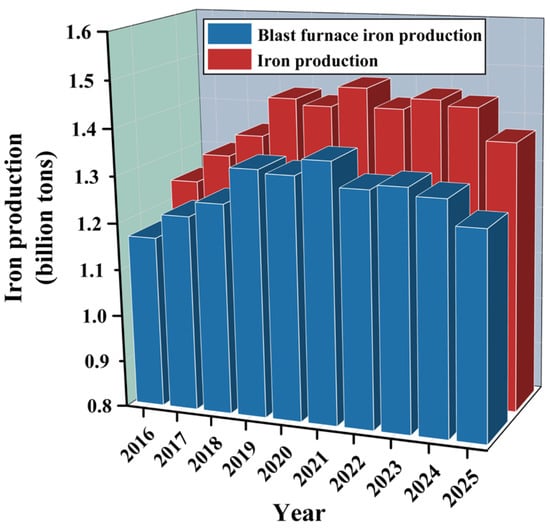
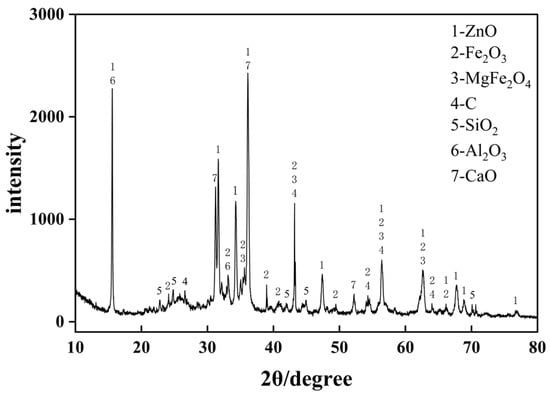
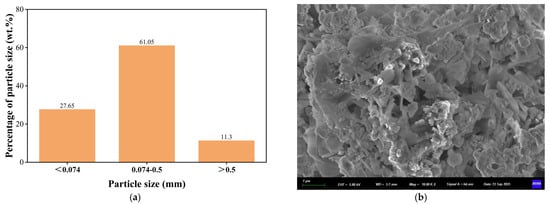
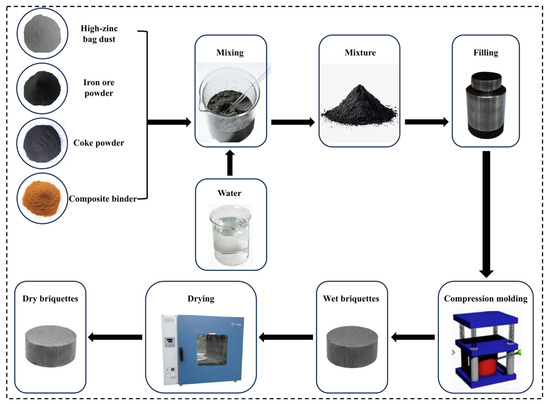
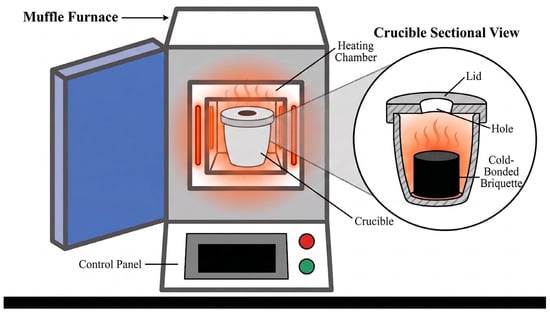
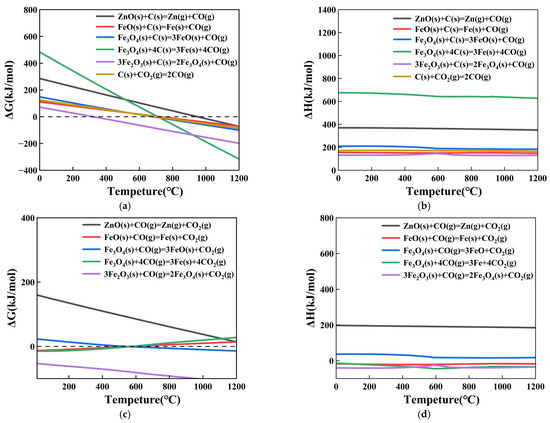
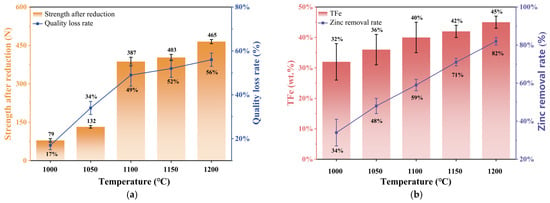
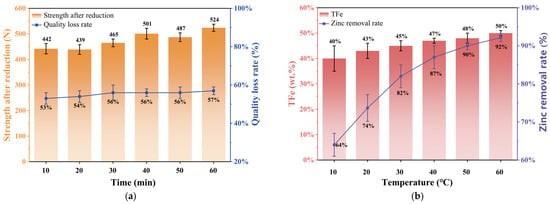
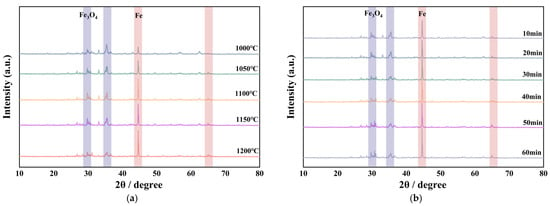
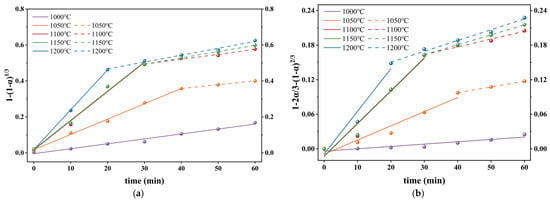
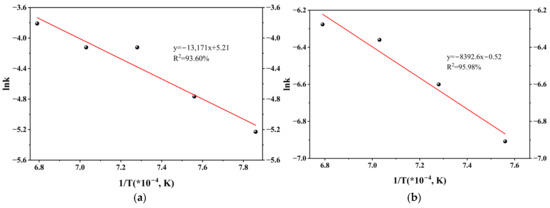
High-zinc blast furnace dust is a zinc-bearing solid waste generated during ironmaking. Efficient de-zincing and iron enrichment are required for its resource utilization. This study investigated the high-temperature reduction behavior and kinetic transition mechanism of cold-bonded briquettes made from high-zinc blast furnace dust with a small addition of iron ore powder, with particular emphasis on the effects of reduction temperature (1000–1200 °C) and holding time (10–60 min). The results show that reduction at 1200 °C for 60 min can effectively remove zinc and enrich iron. The de-zincing rate reached 92%, and the TFe grade increased to 50 wt.%, achieving the goal of efficiently removing zinc while improving the TFe grade of the reacted briquettes. During the middle and later stages of reduction (1100–1200 °C, 30–60 min), the content of newly formed metallic iron increased, which restored the briquette strength to 524 N after reduction. In addition, the reduction kinetics of the system evolved from interfacial chemical reaction control in the initial stage to three-dimensional internal diffusion control in the middle and later stages. These results provide a theoretical basis and technical reference for the resource utilization of high-zinc blast furnace dust.
Full article
(This article belongs to the Special Issue Metal Leaching and Recovery)
►▼
Show Figures

Figure 1
Open AccessArticle
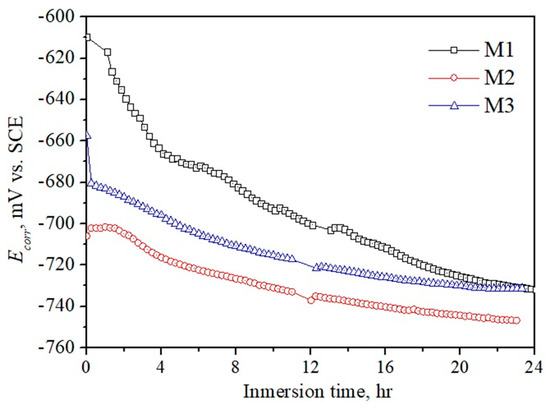
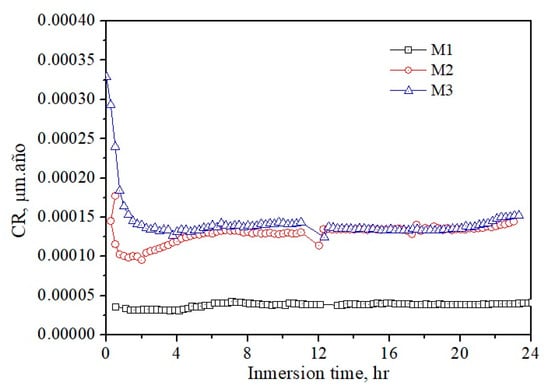
Electrochemical Corrosion Behavior of HiPIMS-Deposited Diamond-like Carbon (DLC) Coatings on AISI 52100 Steel in Synthetic Seawater
by
Ilse Arreola, Engelbert Huape, Martin Flores, Héctor Carreón, José Bernal and Ariosto Medina
Metals 2026, 16(6), 617; https://doi.org/10.3390/met16060617 (registering DOI) - 4 Jun 2026
Abstract
This manuscript evaluates the electrochemical corrosion resistance of diamond-like carbon (DLC) coatings deposited via High-Power Impulse Magnetron Sputtering (HiPIMS) on AISI 52100 steel in synthetic seawater. While AISI 52100 steel is valued for its hardness, it is highly susceptible to localized and uniform
[...] Read more.
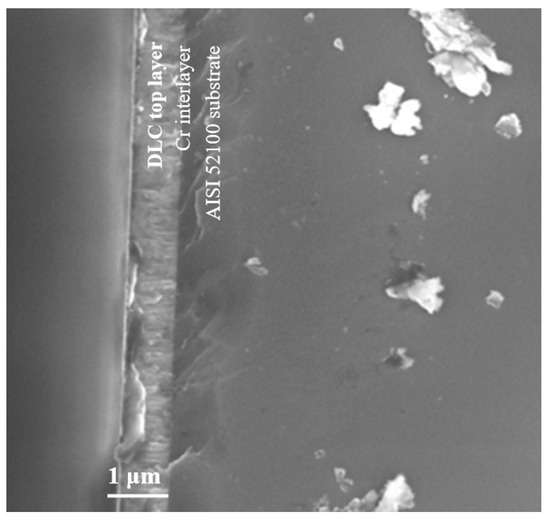
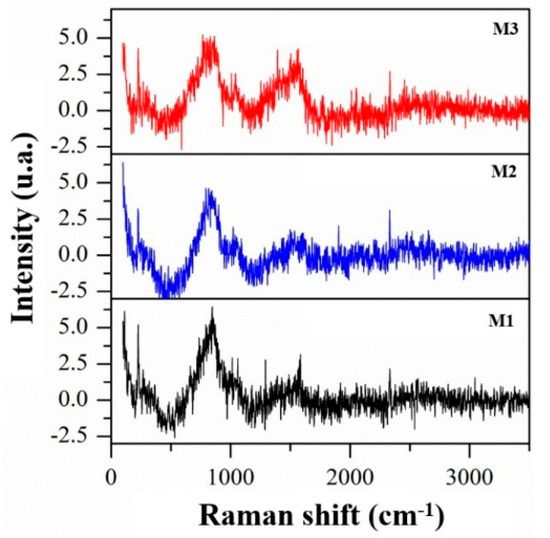
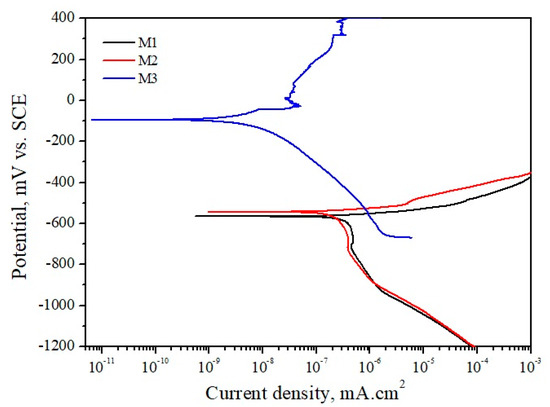
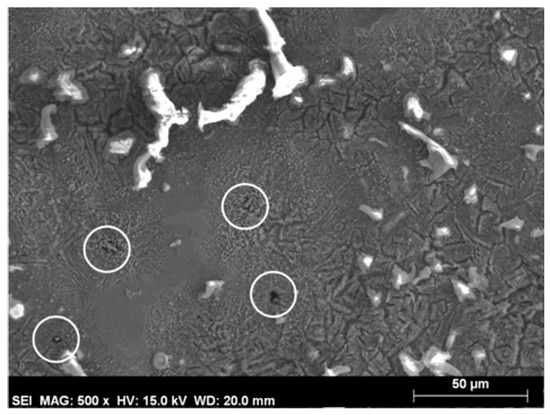
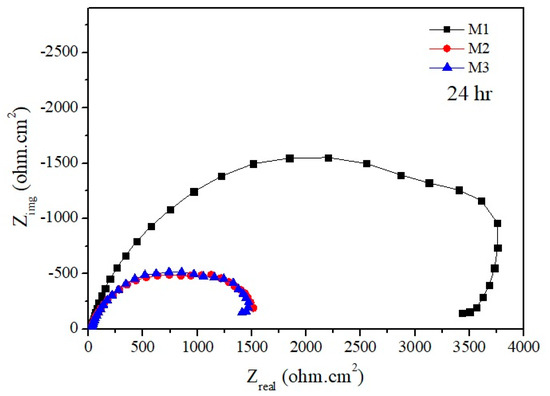
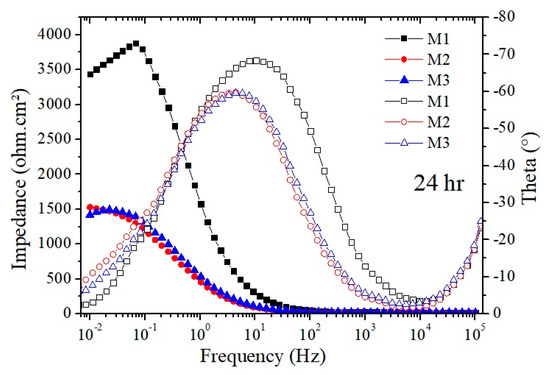
This manuscript evaluates the electrochemical corrosion resistance of diamond-like carbon (DLC) coatings deposited via High-Power Impulse Magnetron Sputtering (HiPIMS) on AISI 52100 steel in synthetic seawater. While AISI 52100 steel is valued for its hardness, it is highly susceptible to localized and uniform corrosion in chloride-rich marine environments. In this study, samples were characterized using Raman spectroscopy to analyze sp2/sp3 bonding, and their corrosion behavior was assessed through potentiodynamic polarization, linear polarization resistance (LPR), and electrochemical impedance spectroscopy (EIS) over 24 h of immersion. Results demonstrated that the DLC coatings significantly enhanced electrochemical stability, shifting corrosion potentials toward more noble values and reducing the corrosion current density from (1.81 ± 0.12) × 10−7 to (1.03 ± 0.09) × 10−9 mA·cm−2. EIS data revealed high polarization resistance and effective barrier properties, despite a calculated total porosity of 3.06% resulting from intrinsic micro-defects. Although localized subsurface degradation and minor flaking were observed at defect sites, the HiPIMS-deposited DLC coatings effectively mitigated the corrosive impact of synthetic seawater, providing a significant contribution to the electrochemical barrier despite the persistence of electrolyte accessibility mediated by localized defects.
Full article
(This article belongs to the Special Issue Advances and Challenges in Corrosion of Alloys and Protection Systems)
►▼
Show Figures

Figure 1
Open AccessArticle
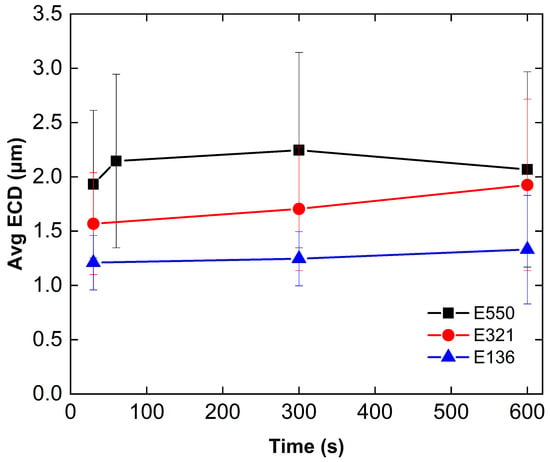
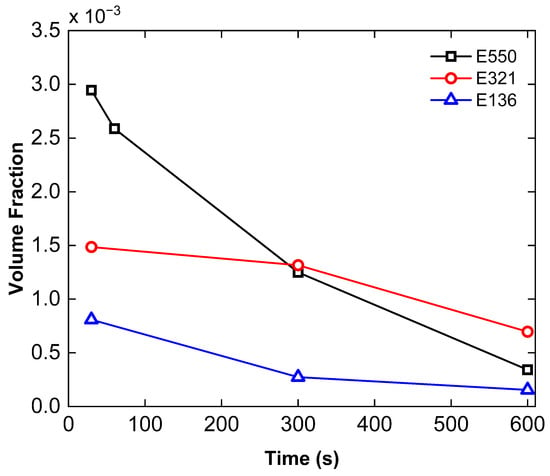
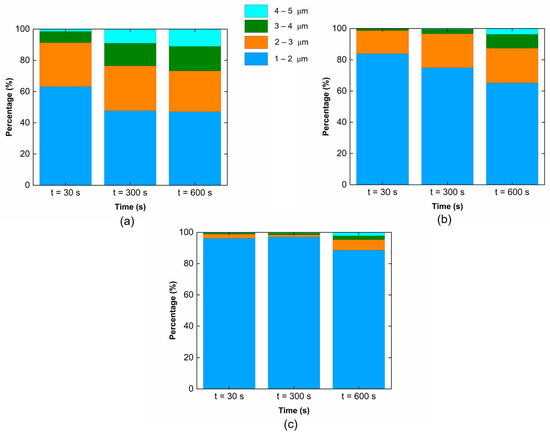
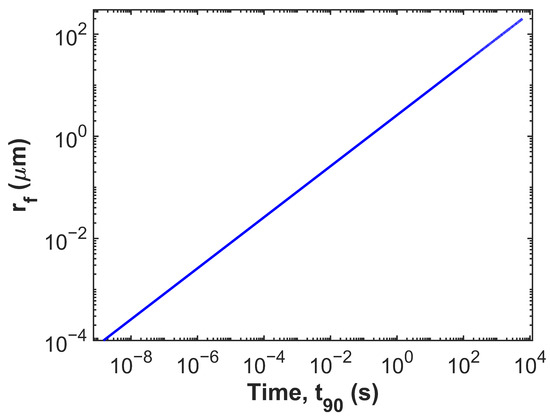
Effect of Oxygen on Growth Mechanism of SiO2 Inclusions in Non-Agitated Melts
by
Suwam Kumar, Angshuman Podder, Muhammad Nabeel, André B. Phillion and Neslihan Dogan
Metals 2026, 16(6), 616; https://doi.org/10.3390/met16060616 - 4 Jun 2026
Abstract
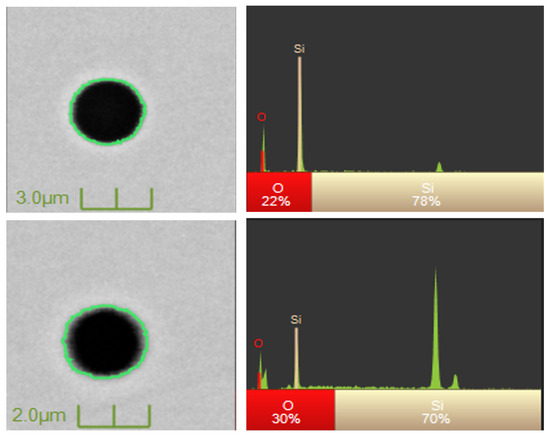
This study investigates the growth and evolution of SiO2-based inclusions in Si-killed steel under stagnant conditions and varying oxygen levels. Deoxidation experiments were conducted in a high-temperature furnace using commercial FeSi, with systematic variations in holding time and total oxygen content.
[...] Read more.
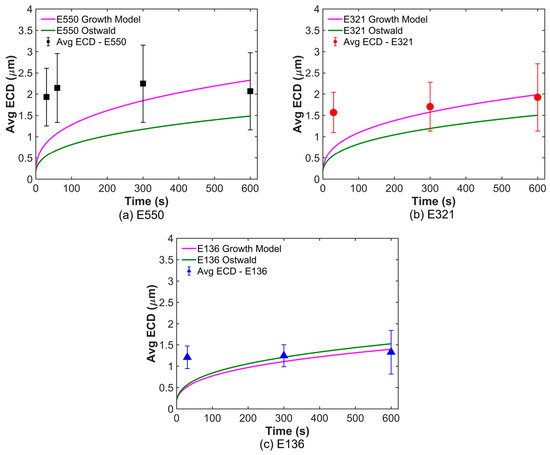
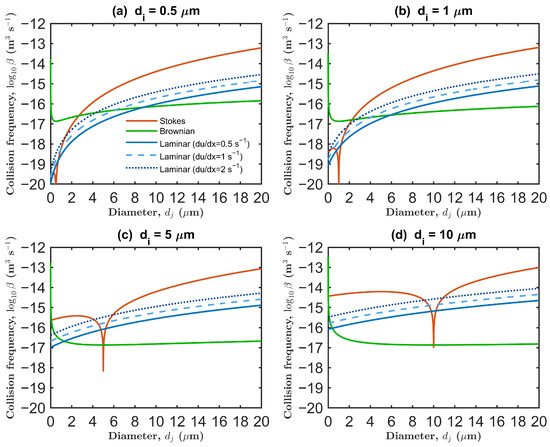
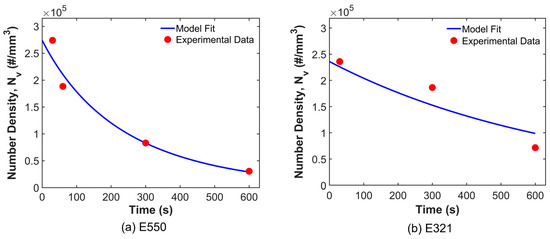
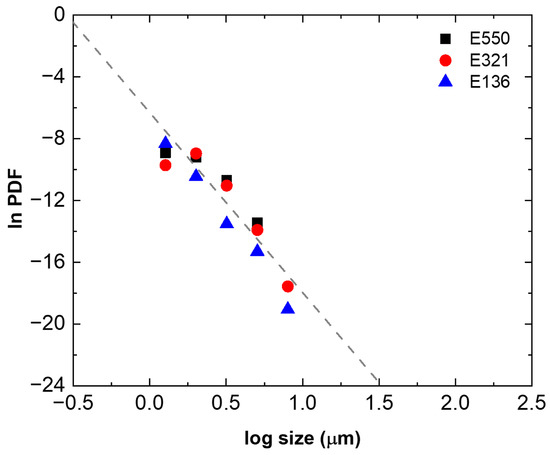
This study investigates the growth and evolution of SiO2-based inclusions in Si-killed steel under stagnant conditions and varying oxygen levels. Deoxidation experiments were conducted in a high-temperature furnace using commercial FeSi, with systematic variations in holding time and total oxygen content. Automated SEM–EDS analysis was employed to quantify inclusion size, number density, and chemical composition. Under stagnant conditions, SiO2 inclusions were observed to grow and coarsen in the absence of melt agitation, following a t1/3 scaling law. In high-oxygen melts, rapid inclusion growth was dominated by Stokes collision mechanisms, resulting in the formation of inclusions in the size range of 1–5 μm, which were subsequently removed by flotation. In contrast, low-oxygen melts exhibited slower growth kinetics governed primarily by Brownian motion and Ostwald ripening, producing smaller inclusions with characteristic sizes of 1–2 μm. These results demonstrate that the initial oxygen content plays a decisive role in controlling the dominant growth mechanisms and the extent of inclusion coarsening in non-agitated steel.
Full article
(This article belongs to the Special Issue Recent Developments and Research on Ironmaking and Steelmaking)
►▼
Show Figures

Figure 1
Open AccessArticle
Data-Driven Optimization of Size-Aware T6 Heat Treatment Parameters for A356 Aluminum Alloy
by
Tanu Tiwari, Tat-Hean Gan and Jayesh Bhimji Patel
Metals 2026, 16(6), 615; https://doi.org/10.3390/met16060615 - 4 Jun 2026
Abstract
Aluminum alloy A356 (Al-7Si-0.3Mg) is widely employed in automotive structural components due to its favorable strength-to-weight ratio, yet its mechanical performance is highly sensitive to T6 heat-treatment processes. Conventional heat-treatment schedules are typically based on uniform, empirically derived parameters and fail to consider
[...] Read more.
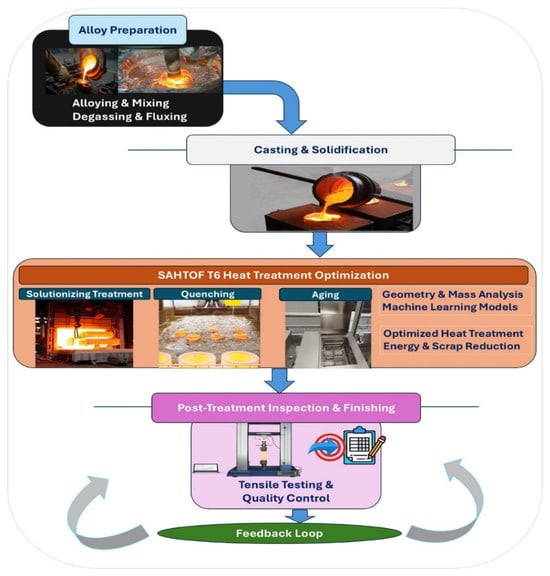
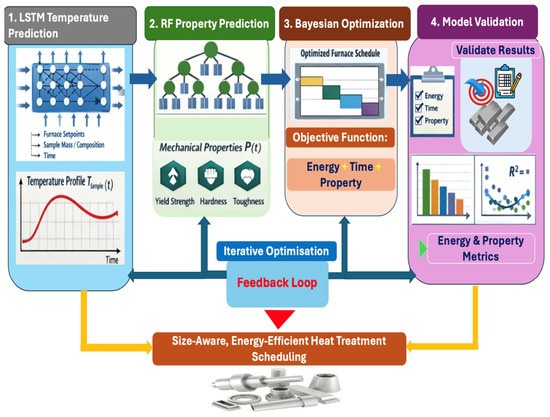
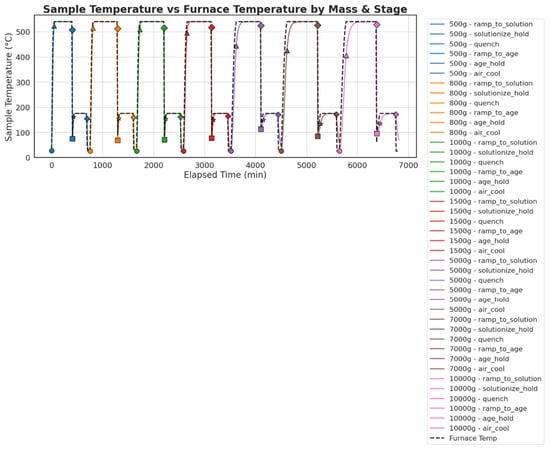
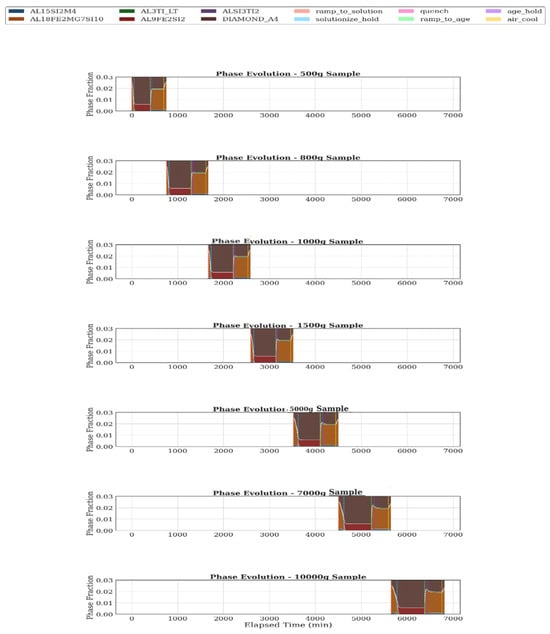
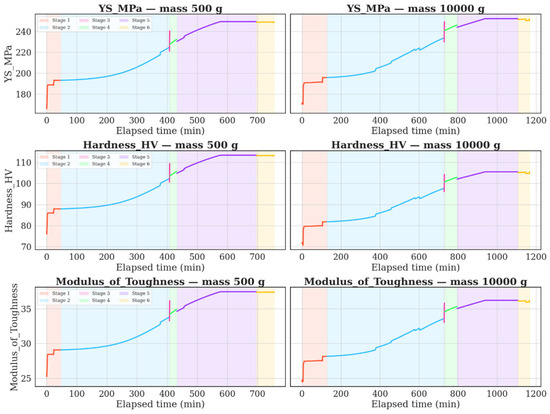
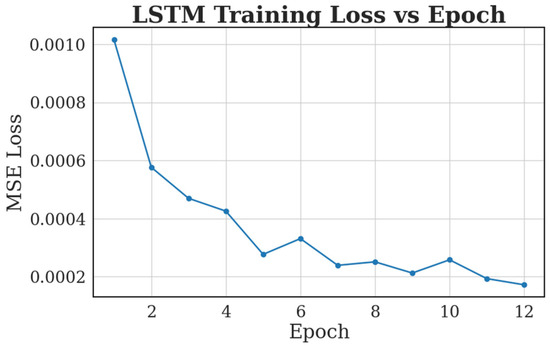
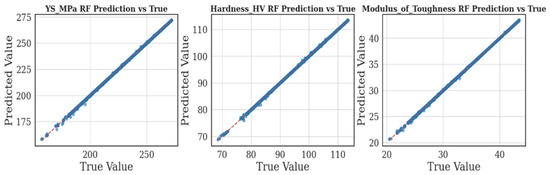
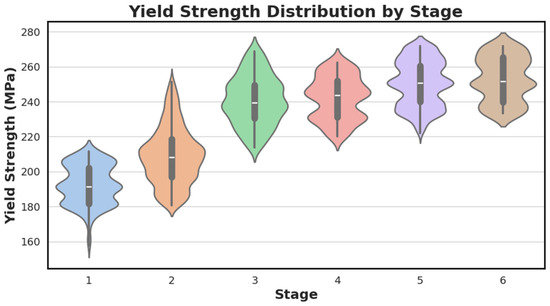
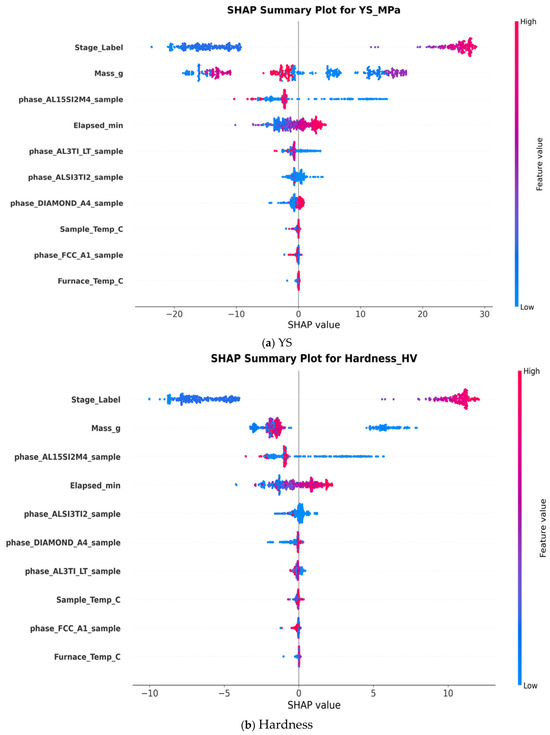
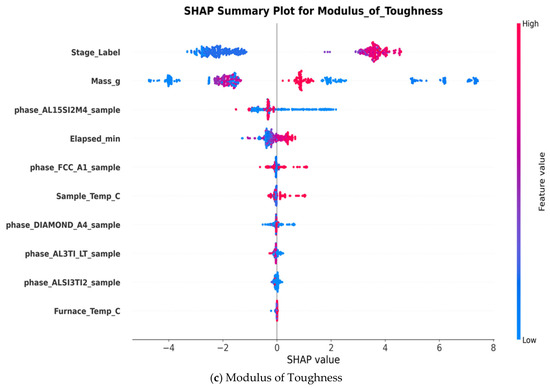
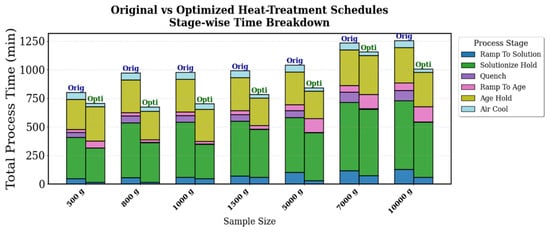
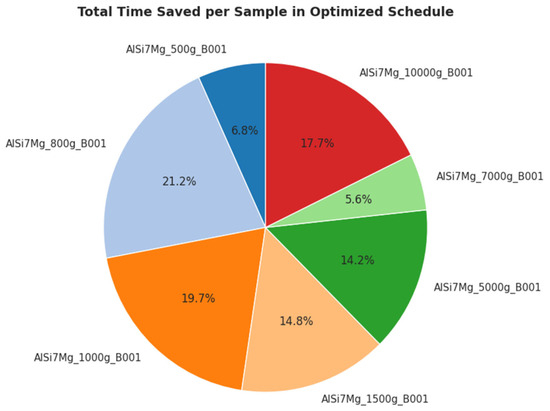
Aluminum alloy A356 (Al-7Si-0.3Mg) is widely employed in automotive structural components due to its favorable strength-to-weight ratio, yet its mechanical performance is highly sensitive to T6 heat-treatment processes. Conventional heat-treatment schedules are typically based on uniform, empirically derived parameters and fail to consider variations in component size, geometry, or thermal mass. Consequently, applying a single schedule across all component sizes often leads to inconsistent microstructural development, energy inefficiency, and elevated scrap rates. Smaller components tend to be over-processed, while larger components may be under-processed, both resulting in suboptimal mechanical properties and increased production costs. To overcome these limitations, this study presents a scalable heat-treatment optimization framework that integrates physics-based thermal simulations with machine learning techniques. The framework combines a transient thermal simulator with Long Short-Term Memory (LSTM) networks to predict sample temperature evolution, Random Forest regressors to estimate mechanical properties such as yield strength, hardness, and modulus of toughness, and Bayesian optimization to generate size-dependent, property-compliant heat-treatment schedules. Unlike traditional methods, this approach dynamically adjusts furnace parameters to individual component characteristics, optimizing both processing time and energy consumption while minimizing scrap. Application of the framework to components ranging from 0.5 to 10 kg demonstrates internally consistent simulation-based predictions of temperature profiles, phase-fraction evolution, and mechanical-property trends within the assumed modelling framework. Optimized schedules achieved 15–25% reductions in cycle time while maintaining properties within T6 specifications. These findings underscore the potential of AI-assisted heat-treatment optimization to enhance energy efficiency, reduce material waste, and improve the consistency of mechanical performance in automotive casting operations.
Full article
(This article belongs to the Section Metal Casting, Forming and Heat Treatment)
►▼
Show Figures

Figure 1
Open AccessArticle
Study of Bioleaching Processes of Technogenic Waste from Mining and Metallurgical Enterprises of Kazakhstan
by
Aisulu Batkal, Ryskul Azhigulova, Aisulu Zhussupova, Lyazzat Mussapyrova, Yerzhan Imanbayev and Dinara Muktaly
Metals 2026, 16(6), 614; https://doi.org/10.3390/met16060614 - 4 Jun 2026
Abstract
►▼
Show Figures
This study presents an integrated approach for the processing of technogenic tailings from the Balkhash concentrator, combining hydrocyclone classification, microfluidic separation, bioleaching, and geopolymer synthesis. The tailings are characterized by a fine-dispersed silicate matrix and low concentrations of valuable metals, which limit the
[...] Read more.
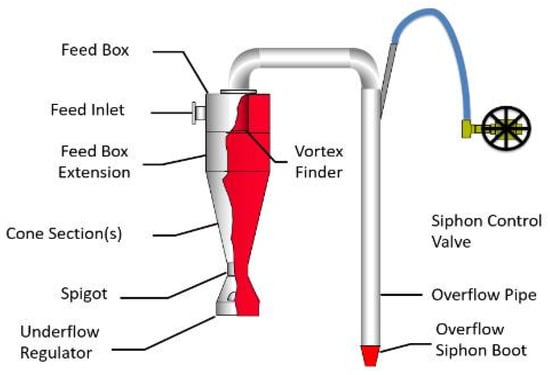
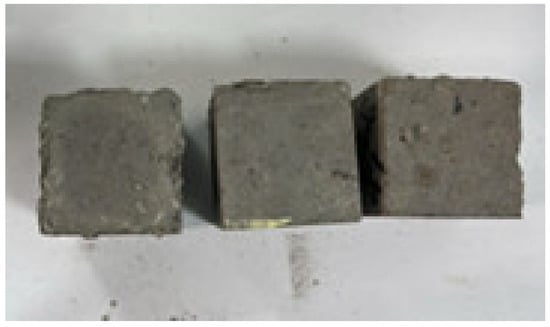
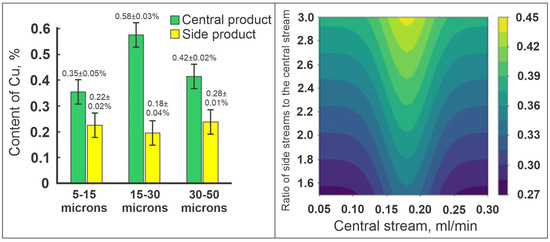
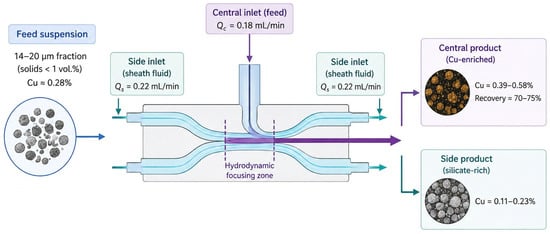
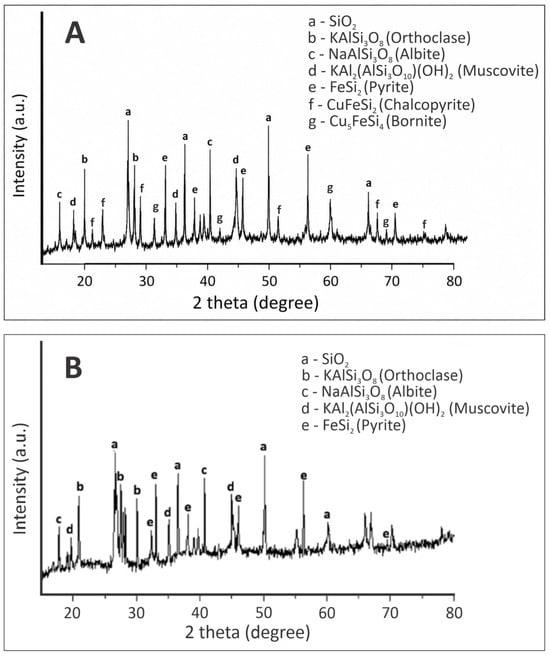
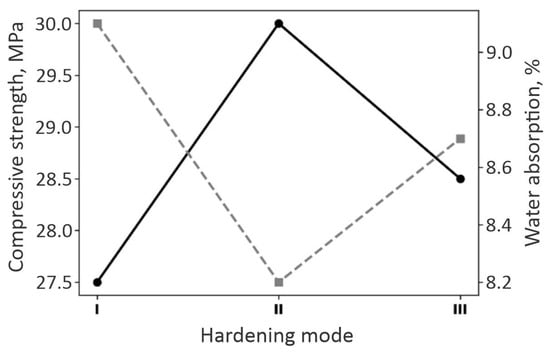
This study presents an integrated approach for the processing of technogenic tailings from the Balkhash concentrator, combining hydrocyclone classification, microfluidic separation, bioleaching, and geopolymer synthesis. The tailings are characterized by a fine-dispersed silicate matrix and low concentrations of valuable metals, which limit the efficiency of conventional processing methods. Hydrocyclone classification enables effective size separation and stabilization of particle size distribution, providing suitable feed for downstream processes. Microfluidic separation demonstrated selective concentrations of copper, increasing its content in the central fraction up to 0.52–0.58% with recovery up to 70–75% under optimal flow conditions. Bioleaching experiments using acidophilic microorganisms (Acidithiobacillus ferrooxidans and A. thiooxidans) revealed strong dependence on process parameters, achieving maximum recoveries of Cu (63%), Zn (58%), and Fe (43%) at pH 1.8–1.9 and 31–32 °C. The solid residues after bioleaching, composed mainly of aluminosilicates, were successfully utilized for geopolymer synthesis. The obtained geopolymer samples exhibited low water absorption (not exceeding 9.1%) and high compressive strength, meeting the requirements of Kazakhstan standard 26633-2015 (ISO 22965-1). The production of geopolymer materials from these residues contributes to the environmental rehabilitation of tailings storage facilities. The novelty of this work lies in the integration of microfluidic separation with bioleaching for fine tailing processing, enabling both selective metal recovery and subsequent conversion of residues into functional geopolymer materials. The proposed approach provides a sustainable pathway for simultaneous resource recovery and waste valorization, contributing to circular economy strategies in the metallurgical industry.
Full article

Figure 1
Open AccessArticle
Thermodynamic Assessment and Process Development for Smelting Aluminosilicochrome from Technogenic Wastes of Ferroalloy and Coal Production
by
Issagulov Aristotel, Myrzagaliyev Aibar, Sagintayeva Saule and Makhambetov Yerbolat
Metals 2026, 16(6), 613; https://doi.org/10.3390/met16060613 - 4 Jun 2026
Abstract
►▼
Show Figures
This study evaluated the production of aluminosilicochrome alloy (ASC) from technogenic wastes generated by ferroalloy and coal production. Chromite spinel dust from high-carbon ferrochrome gas cleaning, microsilica from ferrosilicon gas cleaning, and coal sludge as a reductant were used as raw materials. Thermodynamic
[...] Read more.
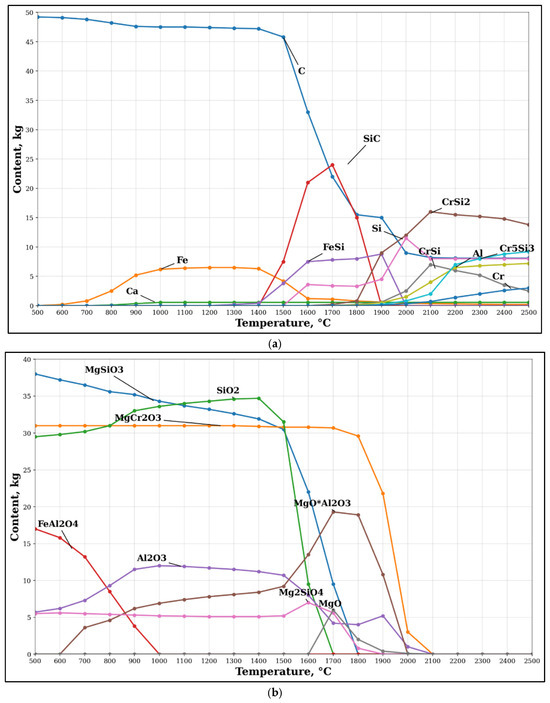
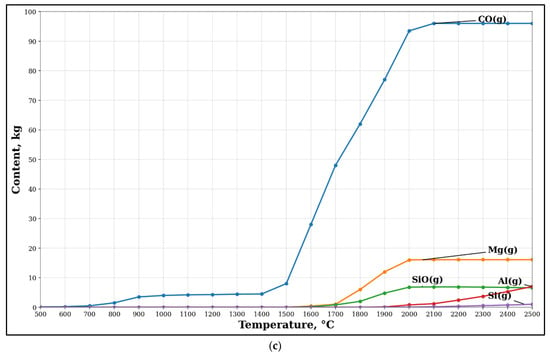
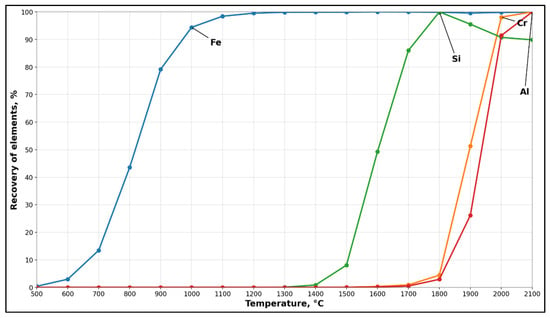
This study evaluated the production of aluminosilicochrome alloy (ASC) from technogenic wastes generated by ferroalloy and coal production. Chromite spinel dust from high-carbon ferrochrome gas cleaning, microsilica from ferrosilicon gas cleaning, and coal sludge as a reductant were used as raw materials. Thermodynamic modeling of the Fe–Cr–Si–Al–C–O system in HSC Chemistry 10 predicted that ASC formation is most favorable at 2000–2200 °C, where the metallic phase should contain (wt. %) 28.27–29.46 Cr, 35.21–36.06 Si, 10.14–11.89 Al, and 10.21–10.45 Fe. These predictions were tested by smelting a pre-agglomerated monocharge in a 100 kVA single-electrode electric arc furnace. The resulting alloy contained (wt. %) 24.23 Fe, 32.03 Si, 22.32 Cr, 18.70 Al, 0.36 C, 0.028 P, and 0.015 S. The experiments confirmed the formation of Si-, Cr-, and Al-rich ASC and demonstrated the feasibility of carbothermic production from these wastes. SEM-EDS revealed a multicomponent metallic matrix with pronounced microstructural heterogeneity and local redistribution of Fe, Si, Cr, and Al. Overall, the results support the use of fine technogenic wastes for producing a complex Fe–Cr–Si–Al alloy.
Full article

Figure 1
Open AccessReview
Selective Preferential Separation and Extraction of Rhodium: A Review
by
Haitao Zhou, Zhizhuo Yang, Xiaofei Meng, Xiaoping Zou, Yingping Jiang and Kun Huang
Metals 2026, 16(6), 612; https://doi.org/10.3390/met16060612 - 3 Jun 2026
Abstract
►▼
Show Figures
Due to its extensive industrial applications and high market prices, as well as low mining yield, the recovery of rhodium from various secondary resources is becoming increasingly urgent for addressing its supply issues. Generally, rhodium is extracted last from the leaching solutions containing
[...] Read more.
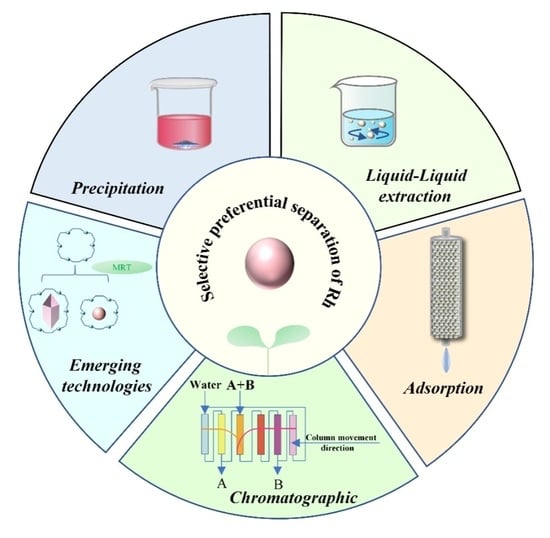
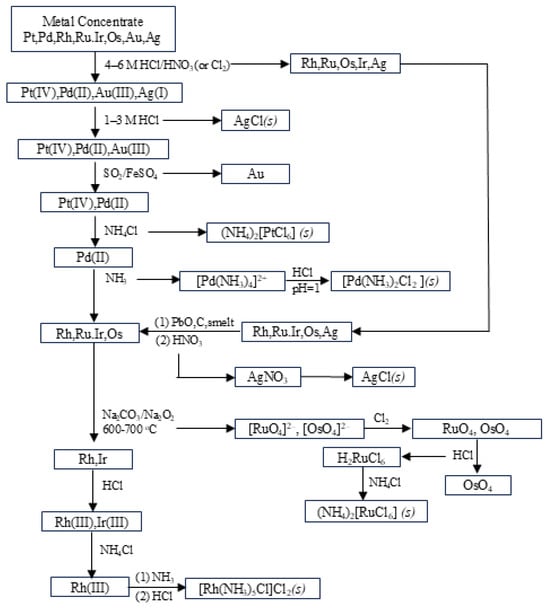
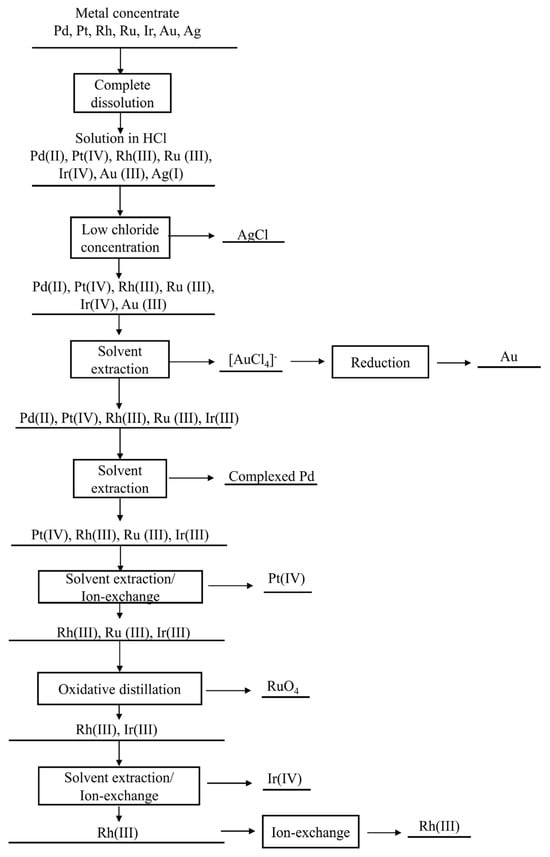
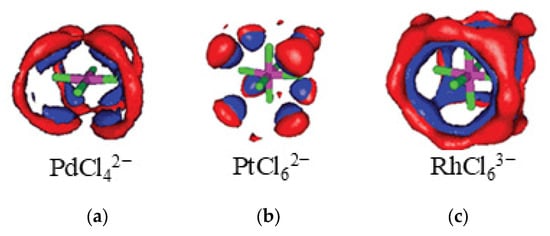
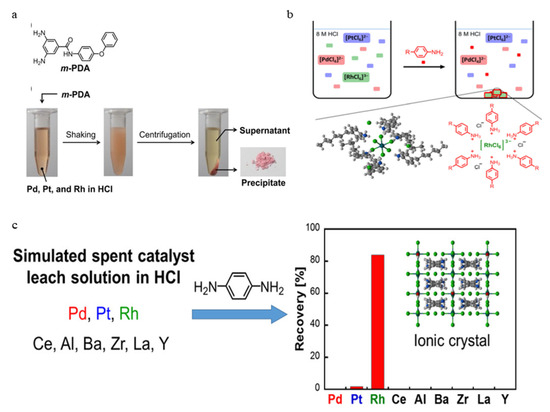
Due to its extensive industrial applications and high market prices, as well as low mining yield, the recovery of rhodium from various secondary resources is becoming increasingly urgent for addressing its supply issues. Generally, rhodium is extracted last from the leaching solutions containing other platinum group metals and base metals. The lengthy processing flow led to the inevitable yield loss of rhodium. Compared to the conventional extraction process, selective preferential separation and extraction of rhodium are of great significance for achieving its high economic value and efficient recovery. However, selective preferential separation and extraction of rhodium have to face many difficulties, such as its kinetically inert properties, being prone to hydration and hydrolysis reactions, etc. This paper reviews various promising improvements and new technologies for selective preferential separation and extraction of rhodium from mixed metal solutions, including precipitation, liquid–liquid extraction, adsorption and other emerging technologies. The advantages and disadvantages of those reported technologies were evaluated. It is pointed out that the selective preferential adsorption of rhodium based on molecular recognition and ion imprinting is a promising rhodium recovery technology, which is economical and consistent with the concept of green chemistry.
Full article

Graphical abstract
Open AccessArticle
Study on Deep Vanadium Extraction and Calcified Dealkalinization of Vanadium Extraction Residue
by
Tianqiu Wang, Jianliang Zhang, Yuchen Zhang, Runsheng Xu, Zhancheng Guo and Han Dang
Metals 2026, 16(6), 611; https://doi.org/10.3390/met16060611 - 3 Jun 2026
Abstract
Vanadium extraction tailings, as a highly alkaline and hazardous solid waste, pose not only serious environmental risks but also severely hinder the large-scale recycling of secondary iron resources. This study proposes an innovative process of “mild alkali leaching for vanadium extraction coupled with
[...] Read more.
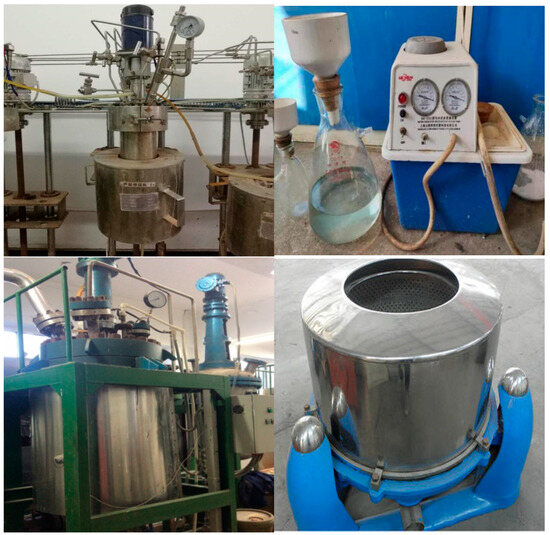
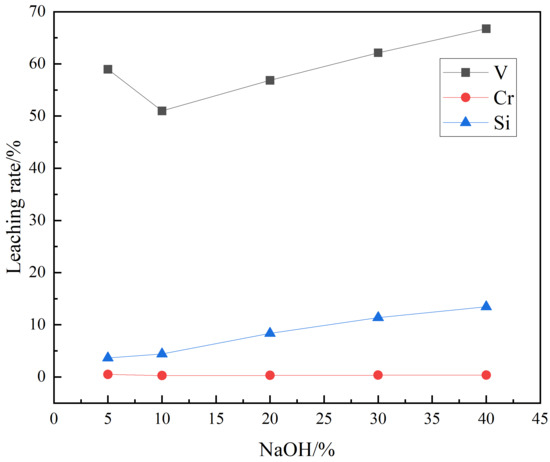
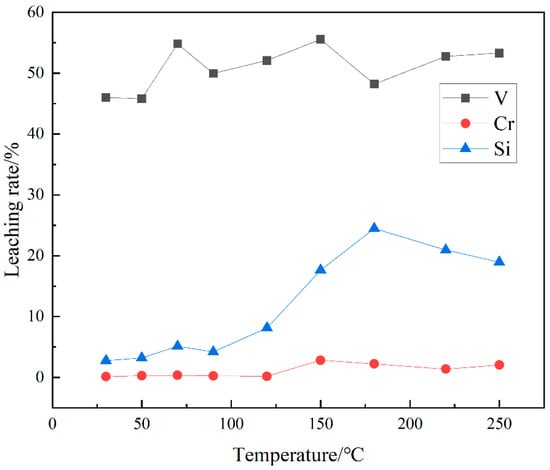
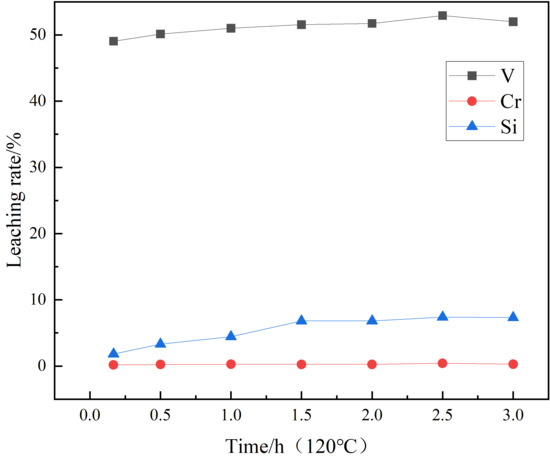
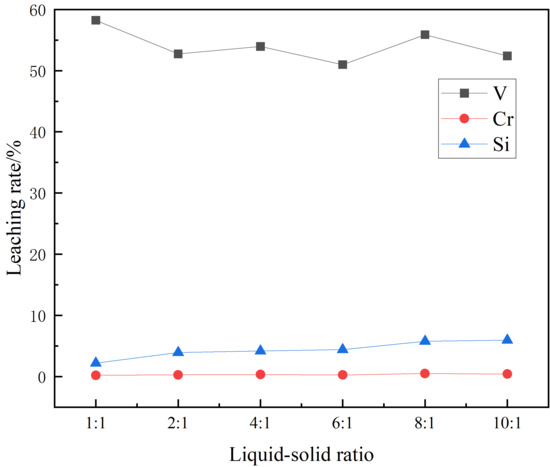
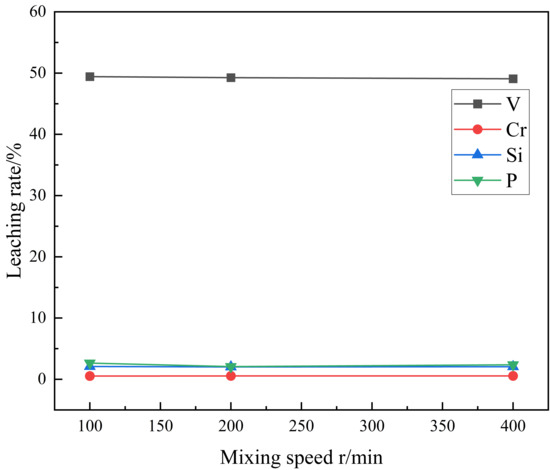
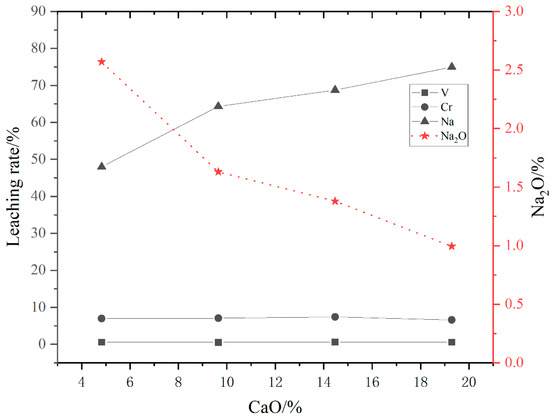
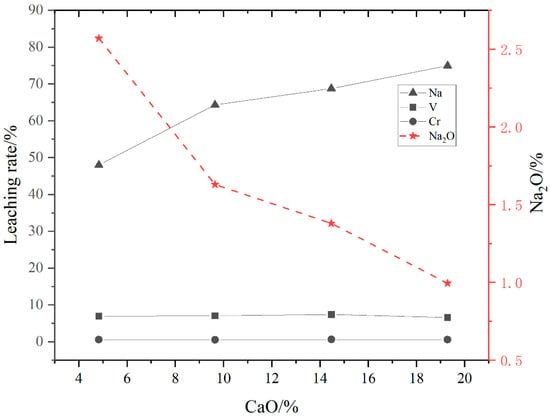
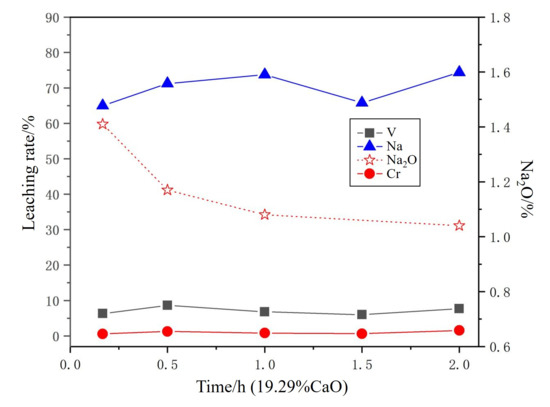
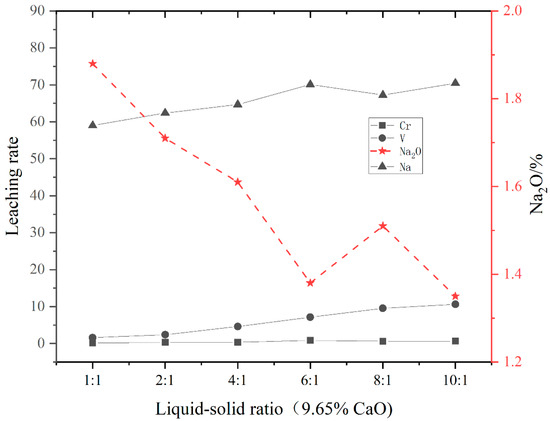
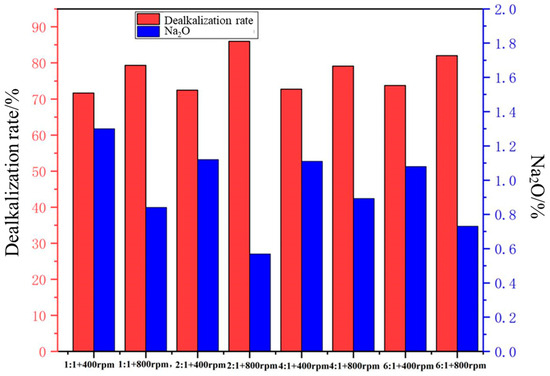
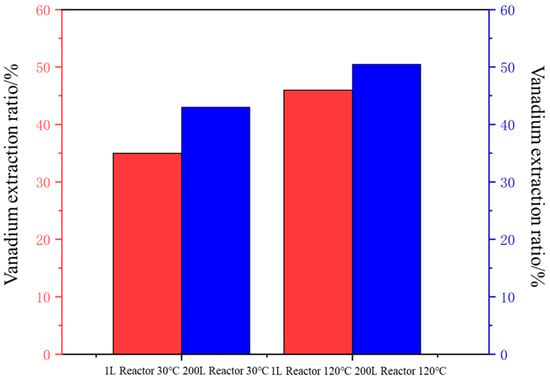
Vanadium extraction tailings, as a highly alkaline and hazardous solid waste, pose not only serious environmental risks but also severely hinder the large-scale recycling of secondary iron resources. This study proposes an innovative process of “mild alkali leaching for vanadium extraction coupled with deep calcification and dealkali removal”. The vanadium extraction slag from a steel plant in China was used as a raw material to carry out the experimental and pilot study of alkali leaching of vanadium and calcification dealkalization. Experimental results show that under the conditions of 120 °C, 1% NaOH solution, liquid-solid ratio of 4:1 to 6:1, and reaction time of 1 h, vanadium leaching rate can reach 50%, which can be effectively used as a high-value-added economic hedge. Subsequently, under the conditions of 200 °C, calcium oxide concentration of 19.29%, stirring speed of 800 rpm, liquid-solid ratio of 4:1, and reaction time of 1 h, the Na2O content in the tailings was successfully reduced to below 1%. A large number of tailings can be converted into high-quality secondary iron ore resources, which are suitable for subsequent iron-bearing briquette preparation and blast furnace ironmaking. Furthermore, pilot-scale testing in a 200 L reactor verified the engineering scalability of this combined process, maintaining a vanadium extraction rate of over 50% and an alkali removal rate of over 80%. This study provides a robust, scalable, and highly profitable pathway for the comprehensive utilization of high-alkali metallurgical solid waste.
Full article
(This article belongs to the Special Issue Green Metallurgy and High-Temperature Process Control: Innovations in Sustainable Techniques)
►▼
Show Figures

Figure 1
Open AccessArticle
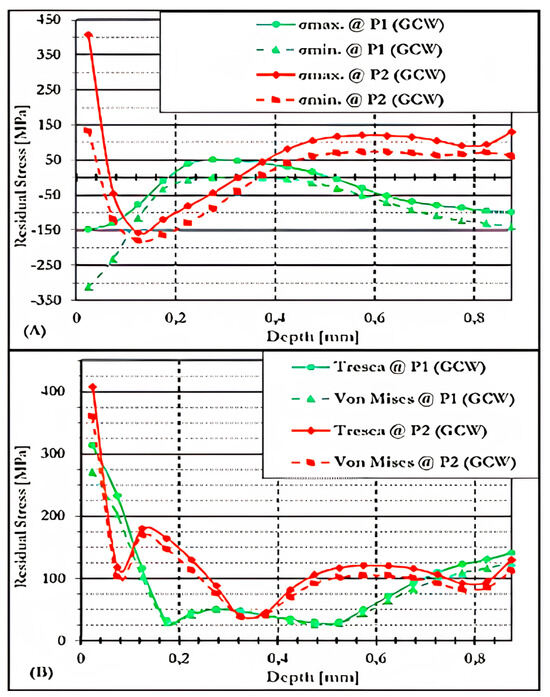
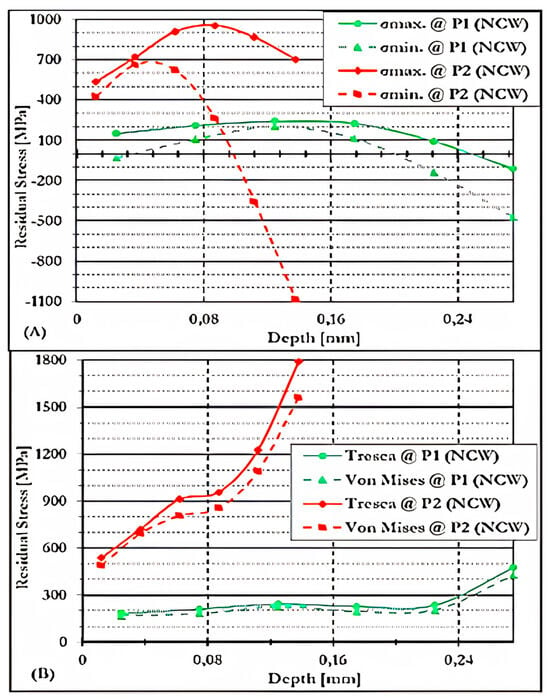
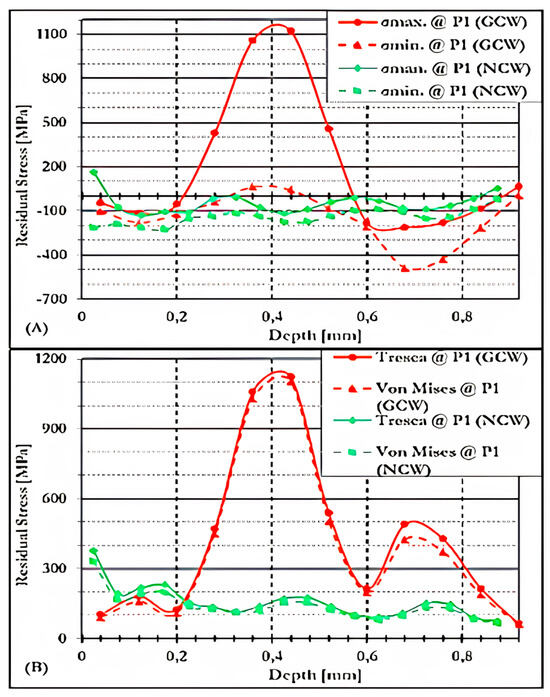
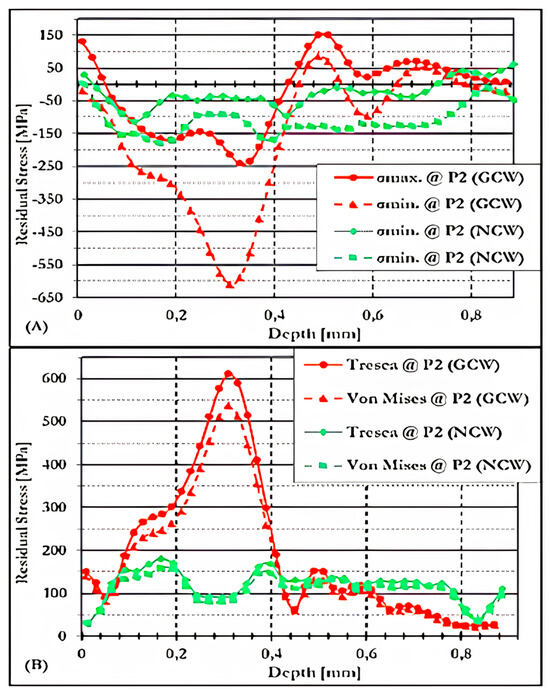
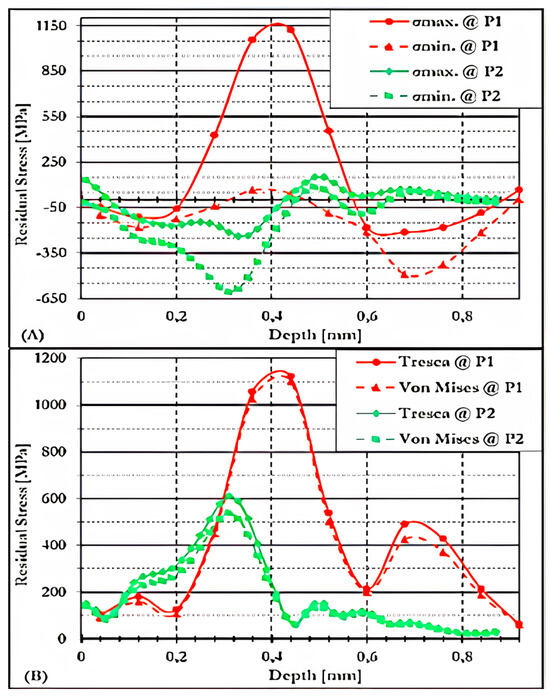
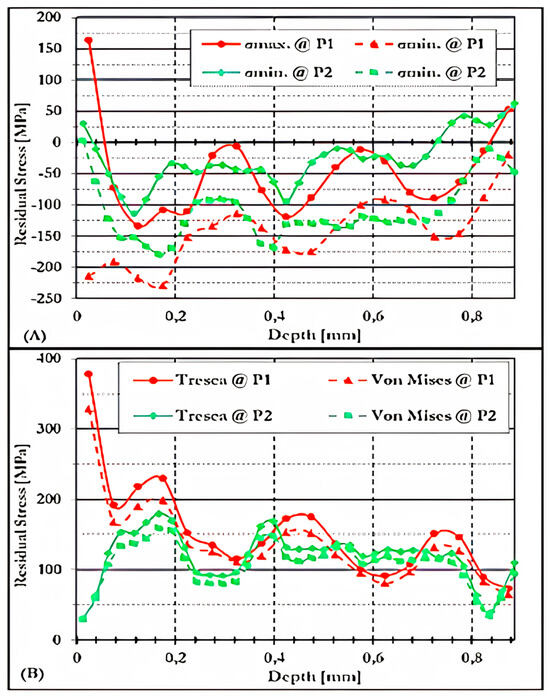
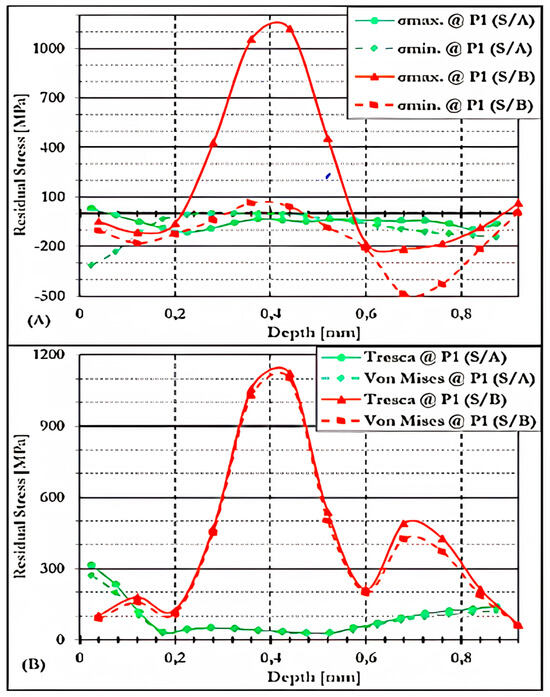
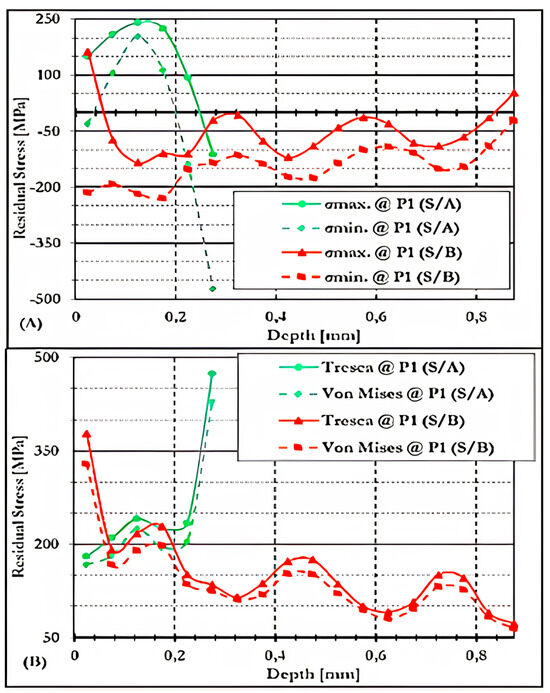
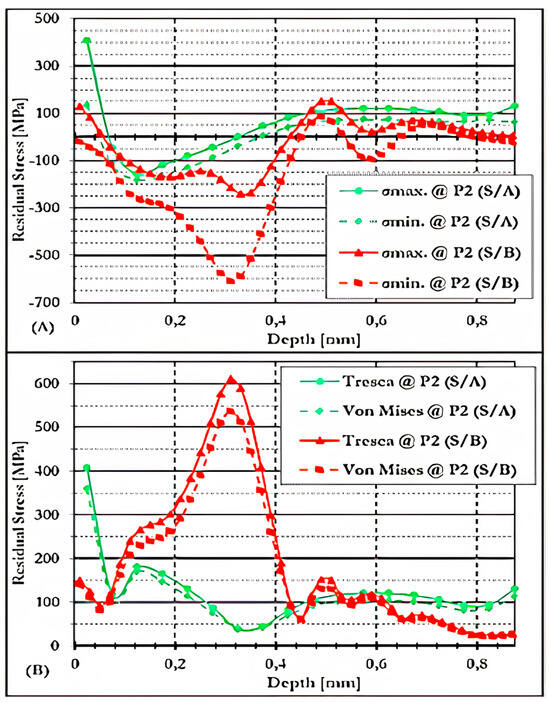
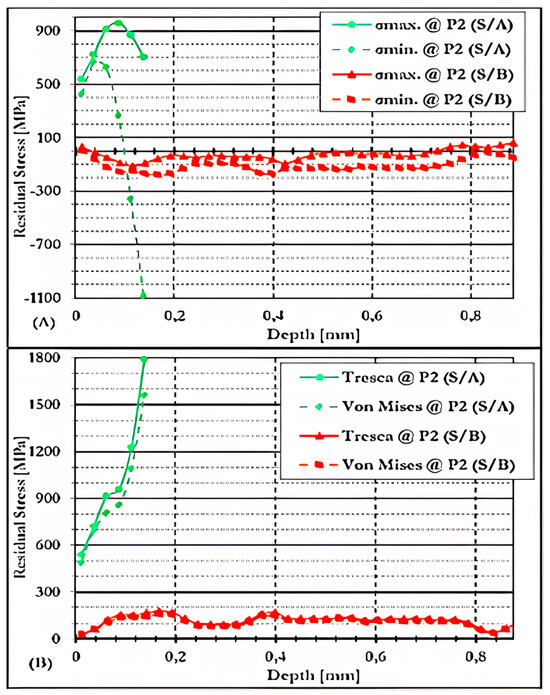
Effect of Casting Shakeout Temperature on Residual Stresses of Hypoeutectic High-Chromium Iron Alloys Using the Hole-Drilling Method
by
Mbulelo Ngqase, Willie Nheta, Maje Phasha and Takalani Madzivhandila
Metals 2026, 16(6), 610; https://doi.org/10.3390/met16060610 - 3 Jun 2026
Abstract
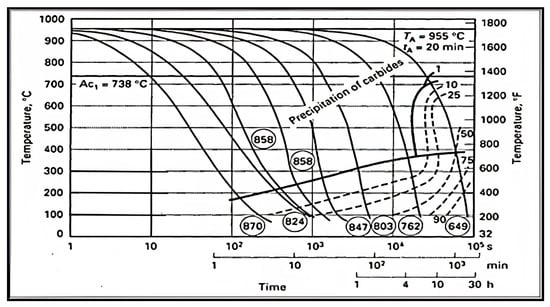
In this investigation, optical emission spectrometers, a Brinell hardness tester, optical light and scanning microscopes, and X-ray diffraction were used for general metallurgical characterization of the experimental irons in as-cast states. The hole-drilling method was used to assess residual stress distributions under gross
[...] Read more.
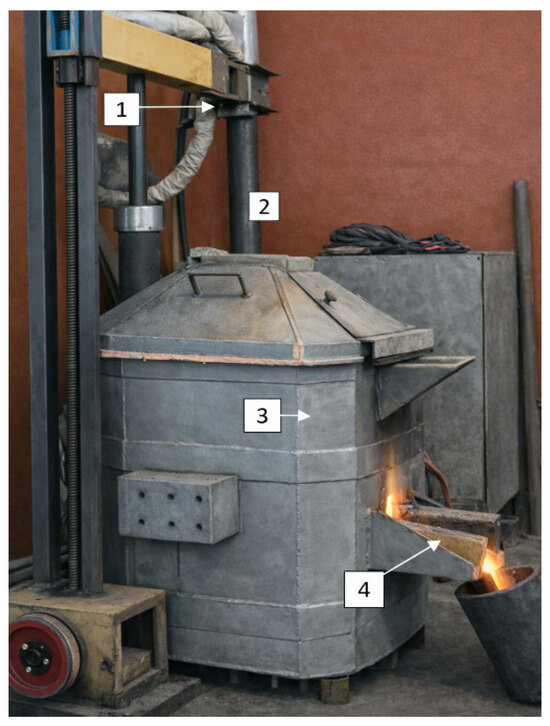
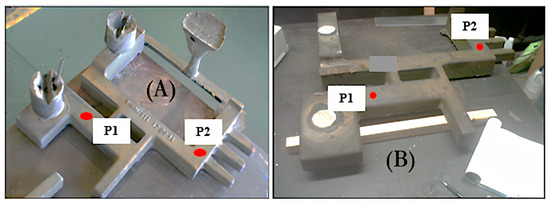
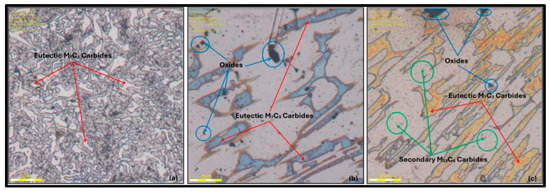
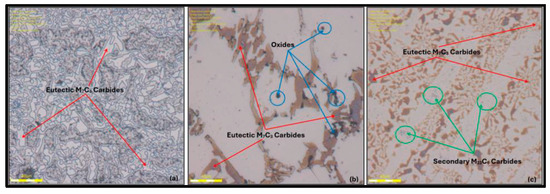
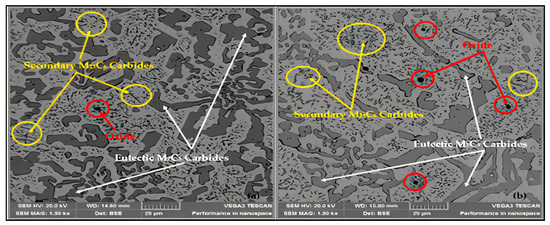
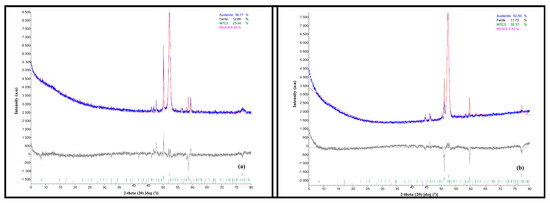
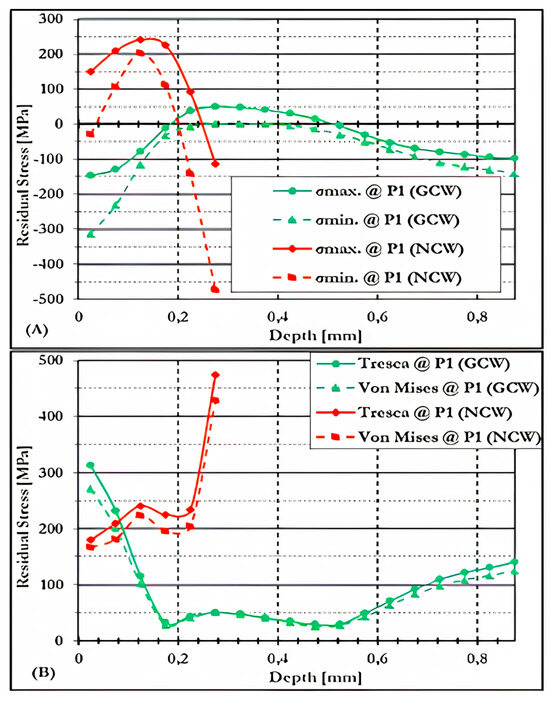
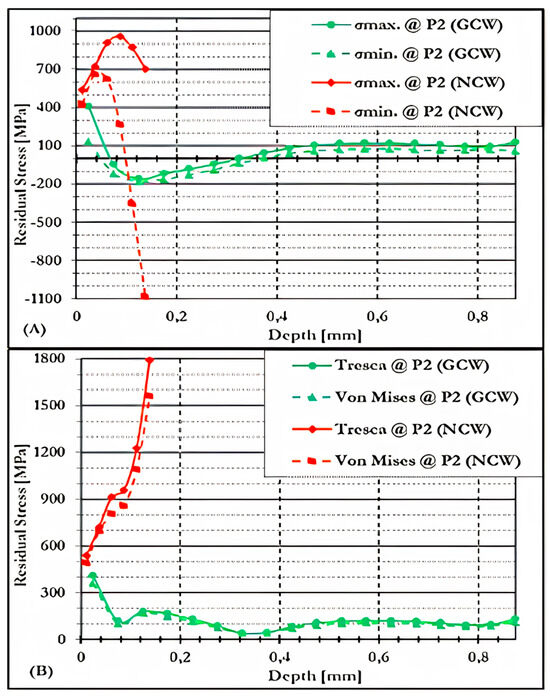
In this investigation, optical emission spectrometers, a Brinell hardness tester, optical light and scanning microscopes, and X-ray diffraction were used for general metallurgical characterization of the experimental irons in as-cast states. The hole-drilling method was used to assess residual stress distributions under gross and net casting weight conditions. To create experimental irons using the casting process, raw materials were transformed from a solid to a liquid state using an industrial furnace and ladle to melt and cast, respectively. The casting shakeout temperatures for samples A and B were recorded at 60 °C and 180 °C, respectively, after a characteristic stress lattice casting component was allowed to cool for about 1645 min and 1295 min. Chemical analysis verified the experimental hypoeutectic irons of ASTM A532, Type A, Class III, 25%Cr, i.e., high chromium white cast iron alloys. Additionally, it was discovered that micrographs were made of an austenitic-martensitic matrix that contained eutectic M7C3 and secondary M23C6-type carbides. The residual stress distributions were found to be influenced by various carbide and metallic volume fraction proportions, casting section thickness, and casting shakeout duration and temperature. Optimal hardness values, however, were shown to be associated with higher residual stress distributions and an increase in major alloying elements in experimental irons. Consequently, different residual stress distributions are produced by casting shakeout temperatures at lower and higher values under gross and net casting weight conditions.
Full article
(This article belongs to the Section Metal Casting, Forming and Heat Treatment)
►▼
Show Figures

Figure 1
Journal Menu
► ▼ Journal Menu-
- Metals Home
- Aims & Scope
- Editorial Board
- Reviewer Board
- Topical Advisory Panel
- Early Career Editorial Board
- Photography Exhibition
- Instructions for Authors
- Special Issues
- Topics
- Sections
- Article Processing Charge
- Indexing & Archiving
- Editor’s Choice Articles
- Most Cited & Viewed
- Journal Statistics
- Journal History
- Journal Awards
- Society Collaborations
- Conferences
- Editorial Office
Journal Browser
► ▼ Journal BrowserHighly Accessed Articles
Latest Books
E-Mail Alert
News
Topics
Topic in
Applied Mechanics, Applied Sciences, Materials, Polymers, Solids, Metals
Multi-scale Modeling and Optimisation of Materials
Topic Editors: Mustafa Awd, Frank WaltherDeadline: 31 August 2026
Topic in
Alloys, Materials, Metals
Development of Light Alloys with Excellent Mechanical Properties
Topic Editors: Zhirou Zhang, Isaac ChangDeadline: 10 October 2026
Topic in
Materials, Crystals, Metals, Coatings, Alloys
Microstructure and Properties in Metals and Alloys, 4th Edition
Topic Editors: Andrea Di Schino, Claudio Testani, Robert BidulskýDeadline: 31 October 2026
Topic in
Alloys, JETA, Materials, Metals, Sci, Applied Mechanics, Buildings
Advanced Failure Analysis of Materials
Topic Editors: Franco Concli, Isaac J. HongDeadline: 31 December 2026
Conferences
Special Issues
Special Issue in
Metals
Innovation in Efficient and Sustainable Blast Furnace Ironmaking
Guest Editors: Guang Wang, Qiangjian Gao, Qiang ZhongDeadline: 10 June 2026
Special Issue in
Metals
Advanced Simulation and Modeling Technologies of Metallurgical Processes—2nd Edition
Guest Editor: Haifeng LiDeadline: 10 June 2026
Special Issue in
Metals
Metallurgy, Surface Engineering and Corrosion of Metals and Alloys
Guest Editor: Hendra HermawanDeadline: 15 June 2026
Special Issue in
Metals
Novel Insights into Powder Metallurgy of Metallic Materials
Guest Editor: Xiaochao WuDeadline: 20 June 2026