


-
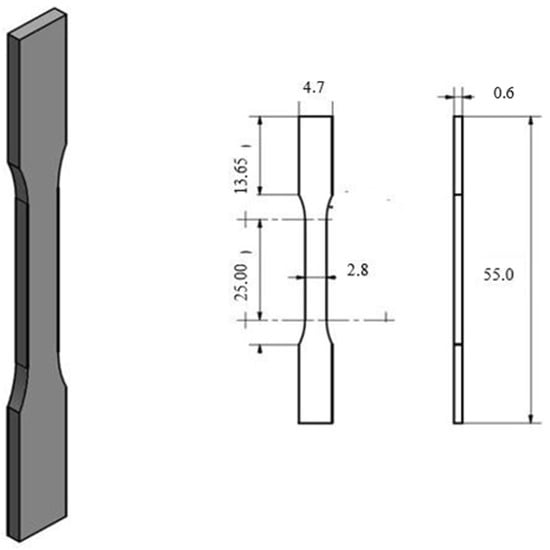
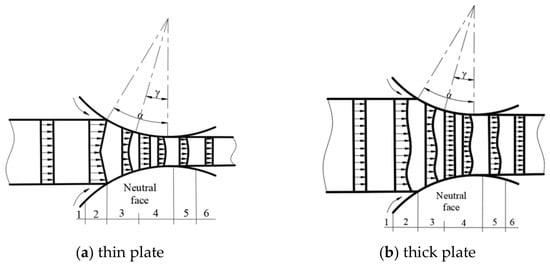
Some Approaches to Quantitative Classification of Plastic Deformation Processes Based on the Parameters of Their Stress–Strain State Determined by Simulation Modeling -
Integrated Eddy Current Inspection in Turning Machines with Deployable Algorithms for Automated Defect Detection in Railway Wheels -
Evaluation of Time-Dependent Magnetic Losses of Permanent Magnets -
Effect of Dynamic Recrystallization Response on Ductility Dip Cracking Susceptibility in Welds of High-Chromium Nickel-Based Alloys
Journal Description
Metals
Metals
is an international, peer-reviewed, open access journal published monthly online by MDPI. The Spanish Materials Society (SOCIEMAT) is affiliated with Metals and their members receive discounts on the article processing charges.
- Open Access— free for readers, with article processing charges (APC) paid by authors or their institutions.
- High Visibility: indexed within Scopus, SCIE (Web of Science), Inspec, Ei Compendex, CAPlus / SciFinder, and other databases.
- Journal Rank: JCR - Q2 (Metallurgy and Metallurgical Engineering) / CiteScore - Q1 (Metals and Alloys)
- Rapid Publication: manuscripts are peer-reviewed and a first decision is provided to authors approximately 15.3 days after submission; acceptance to publication is undertaken in 2.9 days (median values for papers published in this journal in the first half of 2026).
- Recognition of Reviewers: reviewers who provide timely, thorough peer-review reports receive vouchers entitling them to a discount on the APC of their next publication in any MDPI journal, in appreciation of the work done.
- Companion journals for Metals include: Compounds, Alloys and Iron.
Impact Factor:
3.1 (2025);
5-Year Impact Factor:
3.2 (2025)
Latest Articles
Accelerating Bulk Modulus Design of High-Entropy Alloys Through Explainable Machine Learning and SHAP-Driven Insights
Metals 2026, 16(7), 756; https://doi.org/10.3390/met16070756 (registering DOI) - 7 Jul 2026
Abstract
This work presents an interpretable machine learning (ML) system that uses composition- and physics-based descriptors to predict the bulk moduli of high-entropy alloys (HEAs). Extra Trees, Random Forest, Gradient Boosting, AdaBoost, and LightGBM are five ensemble ML algorithms that were systematically shaped and
[...] Read more.
This work presents an interpretable machine learning (ML) system that uses composition- and physics-based descriptors to predict the bulk moduli of high-entropy alloys (HEAs). Extra Trees, Random Forest, Gradient Boosting, AdaBoost, and LightGBM are five ensemble ML algorithms that were systematically shaped and refined by hyperparameter fine-tuning. With a test R2 of about 0.852 and an RMSE and MAE of about 5.49 GPa and 1.5 GPa, respectively, Extra Tree outperformed the other optimized models, indicating good generalization capacity for untested HEA compositions. The computational efficiency results showed that LightGBM had the fastest prediction speed (~4.24 ms), whereas Extra Trees had the shortest training time (~17.3 s). The majority of the optimized models had statistically equal prediction performance (p > 0.05), according to statistical validation using paired t-test analysis, even though residual error distributions for the Extra Tree model established consistent and unbiased predictions. To enhance the interpretability of the model, SHAP-based explainable analysis was performed, which included SHAP importance, dependence, and waterfall plots. The SHAP results revealed that the primary determinants impacting bulk modulus behavior in HEAs were Zr content, mean electronegativity, Al content, bond strength, and melting-temperature-related parameters. The proposed framework enables the rapid identification and design of next-generation HEAs by permitting precise and computationally efficient bulk modulus prediction, as well as physically significant insights into descriptor–property connections.
Full article
(This article belongs to the Special Issue Application of Machine Learning in Metallic Materials)
Open AccessArticle
Modification of Copper Slag Using Steel Slag and Magnesium Slag Additives
by
Yahao Zeng, Zesheng Zhang, Senhao Yan, Pengxiang Li, Xianfeng Hu and Liang Jiang
Metals 2026, 16(7), 755; https://doi.org/10.3390/met16070755 (registering DOI) - 7 Jul 2026
Abstract
Significant amounts of smelting slag are generated during the production of steel, refined copper, and refined magnesium. These slags contain abundant valuable metallic elements, such as Fe, Cu, Zn, Co, and Mg, that have not been fully utilized in the past. This study
[...] Read more.
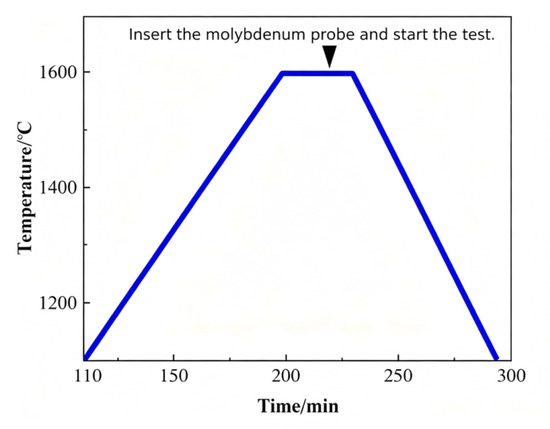
Significant amounts of smelting slag are generated during the production of steel, refined copper, and refined magnesium. These slags contain abundant valuable metallic elements, such as Fe, Cu, Zn, Co, and Mg, that have not been fully utilized in the past. This study proposes a method for modifying copper slag by mixing it with steel slag and magnesium slag, followed by roasting with additions of Fe2O3 and MgO. The samples were roasted at 1400 °C for 30 min, cooled to 1000 °C at 1.5 °C/min, and then water-quenched to room temperature. Phase transformations during modification were analyzed using FactSage 8.0, DSC–TG, and XRD. The effects of factors such as the content of Fe2O3 and MgO on the modification efficiency were investigated. The results indicate that, under the condition of maintaining a steel slag: copper slag: magnesium slag ratio of 37:37:26 and adjusting the basicity (CaO/SiO2 ratio) with CaO to 2.0, the addition of Fe2O3 and MgO promotes the formation of spinel. However, excessively high contents of Fe2O3 and MgO lead to refinement of the spinel grains and reduce the iron grade of the concentrate. Within the investigated composition range, the samples with total Fe2O3 and MgO contents of 27.66 wt% and 7.56 wt%, respectively, showed the best magnetic separation performance among the tested compositions. Through magnetic separation, the concentrate has good economic and industrial application value in industries such as steelmaking and powder metallurgy, while the tailings can be utilized as raw materials for manufacturing ceramics, glass–ceramics, cement, and concrete.
Full article
Open AccessArticle
Modeling and Experimental Study of Phase Transformation Kinetics, Dilatation, and Hardenability in Wear-Resistant Ultra-High-Strength Steels
by
Carl Andersson and Andreas Lundbäck
Metals 2026, 16(7), 754; https://doi.org/10.3390/met16070754 (registering DOI) - 7 Jul 2026
Abstract
Models can help to obtain the desired properties of steel by predicting when different microstructures form during phase transformations in manufacturing processes. One prominent model for low-alloy steel is the Kirkaldy–Venugopalan model but it has not been evaluated for wear-resistant ultra-high-strength steels (UHSS).
[...] Read more.
Models can help to obtain the desired properties of steel by predicting when different microstructures form during phase transformations in manufacturing processes. One prominent model for low-alloy steel is the Kirkaldy–Venugopalan model but it has not been evaluated for wear-resistant ultra-high-strength steels (UHSS). A modified Kirkaldy-type model was developed in this work for the phase transformation kinetics in a wear-resistant UHSS. A modified incremental Koistinen–Marburger model was used for the martensite transformation which considers the gradual start of the transformation. The framework was validated by simulating the dilatometry experiments in a finite element model. Good agreement was obtained for the low cooling rates 2.5 to 15 C/s yielding ferrite, pearlite, and bainite, as well as for the high cooling rates 20 to 50 C/s yielding bainite and martensite. The model was also applied to the steel Hardox 450 where it predicted the formation of 99.7% martensite at the experimental critical cooling rate for full martensite formation of 12 C/s found in the literature, which demonstrates the model’s capability to be used more generally on wear-resistant UHSS. The predicted hardness also captured the general trend seen in the hardness measurements.
Full article
Open AccessArticle
Electrochemical Hydrogenation-Induced Effects on the Room-Temperature Impact Toughness of Metastable and Stable Austenitic Stainless Steels
by
Ladislav Falat, Lucia Čiripová, František Kromka, Róbert Džunda and Ivan Petrišinec
Metals 2026, 16(7), 753; https://doi.org/10.3390/met16070753 (registering DOI) - 7 Jul 2026
Abstract
In the present work, four grades of austenitic stainless steels, namely AISI 321, AISI 316Ti, AISI 309, and AISI 310S, are investigated in terms of electrochemical hydrogenation effect on their room-temperature impact toughness. All the materials were studied in their as-received (AR), i.e.,
[...] Read more.
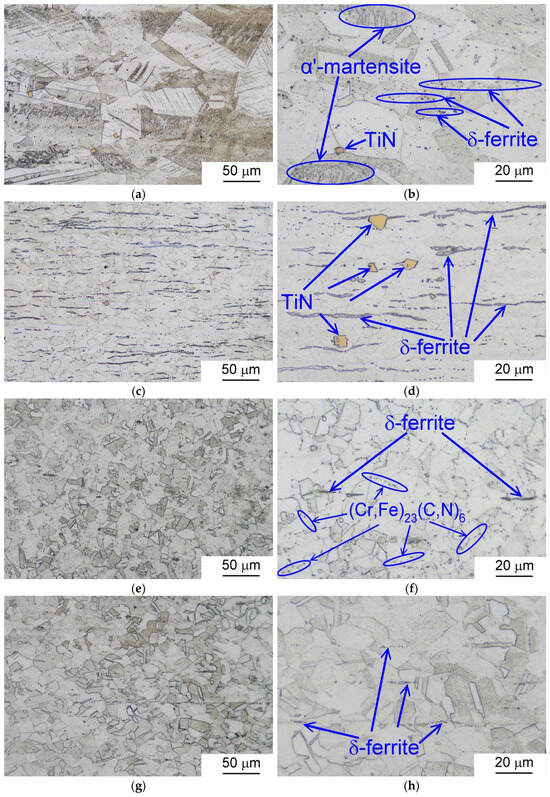
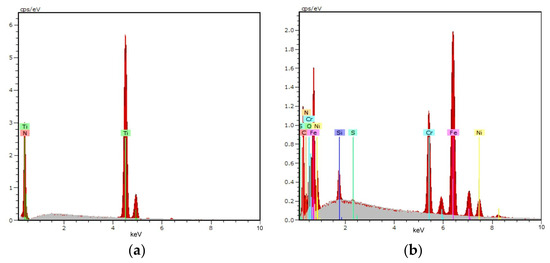
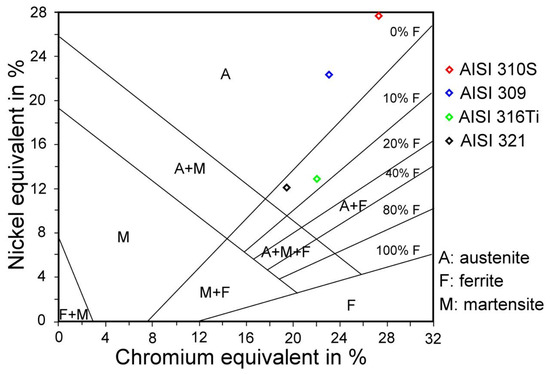
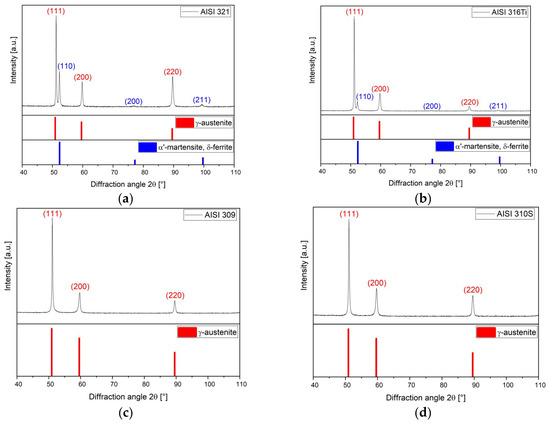
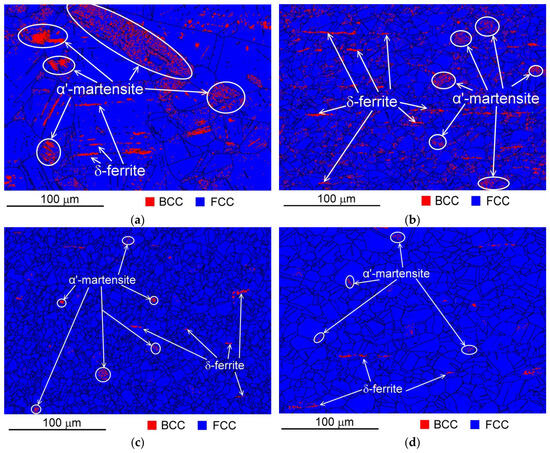
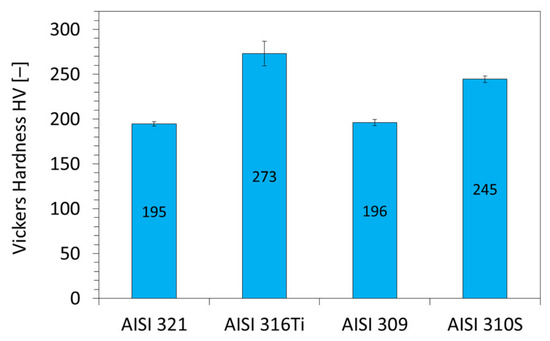
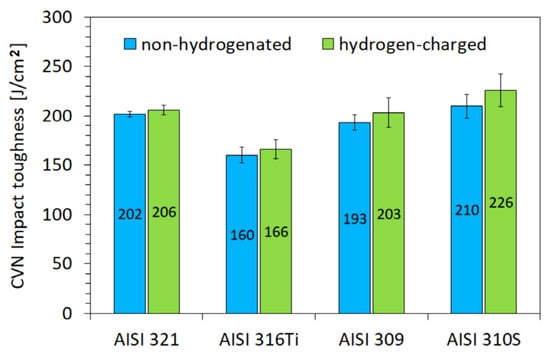
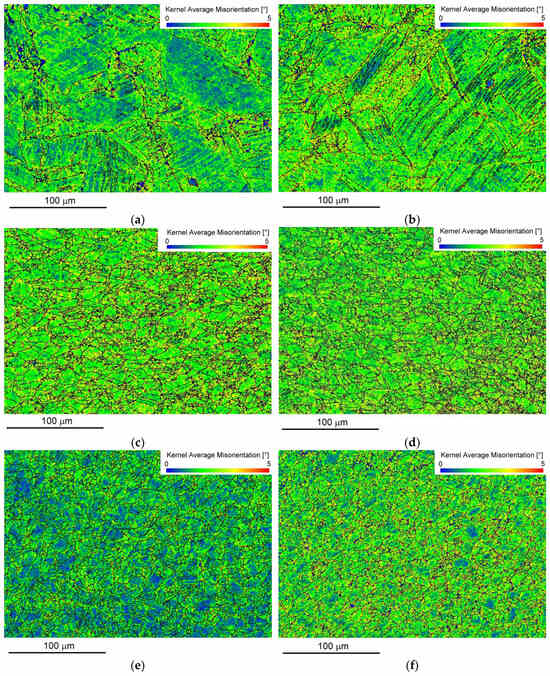
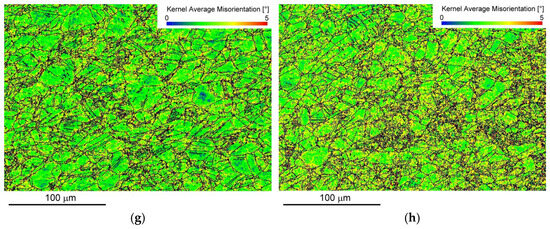
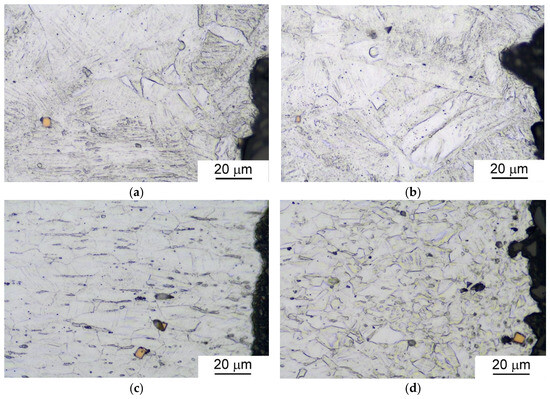
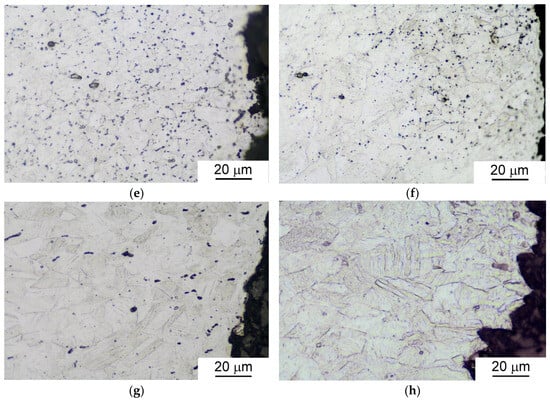
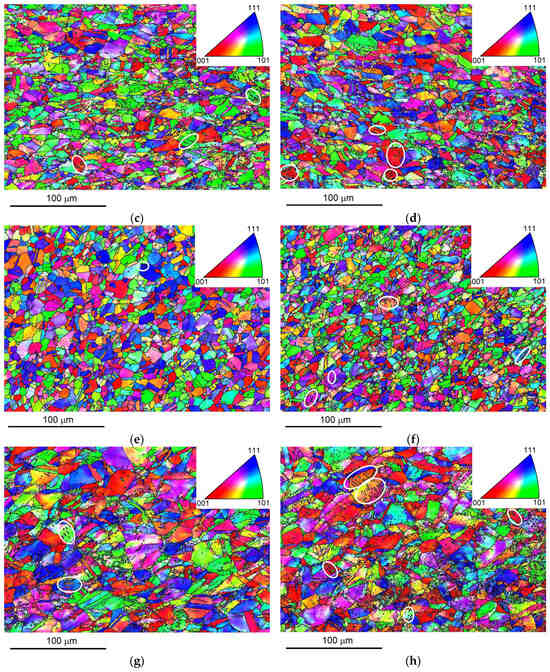
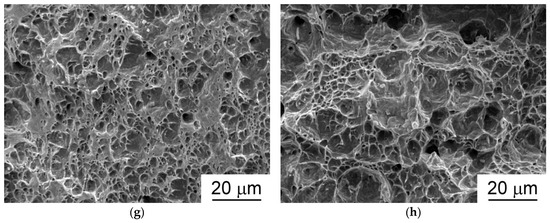
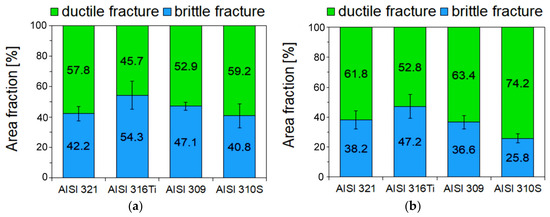
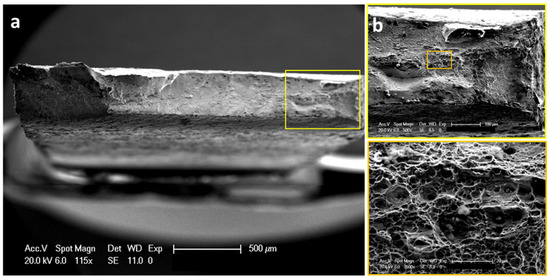
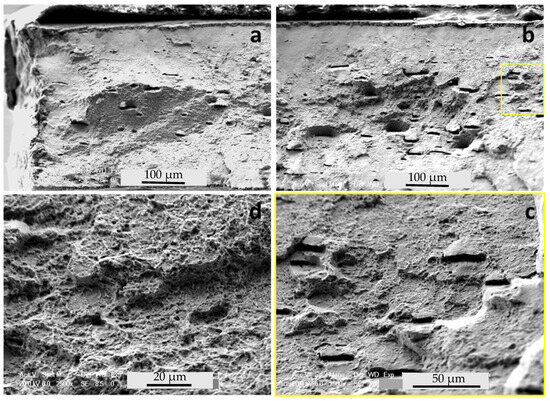
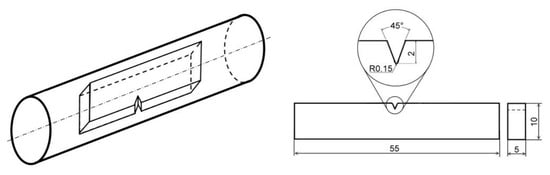
In the present work, four grades of austenitic stainless steels, namely AISI 321, AISI 316Ti, AISI 309, and AISI 310S, are investigated in terms of electrochemical hydrogenation effect on their room-temperature impact toughness. All the materials were studied in their as-received (AR), i.e., industrially manufactured, material condition. LOM and SEM microstructural analyses combined with phase XRD and EBSD phase analyses revealed in all steels the polygonal-grain austenitic matrix and varying minor amounts of elongated δ-ferrite grains. Moreover, the metastable AISI 321 and AISI 316Ti steels exhibited noticeable occurrence (16% and 10%, respectively) of the BCC-structured phases (i.e., the strain-induced α′-martensite and non-equilibrium δ-ferrite) and little occurrence of primary TiN nitrides (below 1%). The AISI 321 and AISI 316Ti steels exhibited average amounts of 2.95% and 6.32% of δ-ferrite, respectively. The stable AISI 309 steel exhibited the occurrence of intergranular (Cr,Fe)23(C,N)6 precipitates (below 3%), indicative of prolonged (slow) cooling from the warm working temperature during the material manufacturing. The individual steel grades exhibited variable values of hardness and impact toughness depending strongly on their solid solution alloying and the amounts of individual minor phases in their microstructures. The AISI 316Ti steel exhibited the highest average hardness (273 HV) and lowest impact toughness (160 J/cm2) due to Mo-alloying and having the highest amount of δ-ferrite. The AISI 310S steel showed the highest impact toughness (210 J/cm2) and the second highest hardness (245 HV) thanks to having the most stable austenitic microstructure with the highest Ni- and Cr-alloying. The AISI 321 and AISI 309 steels show similarly low hardness (195 HV vs. 196 HV) and medium values of impact toughness (202 J/cm2 vs. 193 J/cm2). More importantly, all the steels under investigation exhibited detectable hydrogen-induced toughening effects, indicated by the negative HEI values. The metastable steels showed the lowest toughening effects (HEI: −2.0% and −3.8% for AISI 321 and AISI 316Ti, respectively), likely due to the adverse effect of α′-martensite. In contrast, the stable steels exhibited much higher toughening (HEI: −5.2% and −7.6% for AISI 309 and AISI 310S, respectively). Microstructural observations indicated that such toughening behavior might be related to the hydrogen-enhanced deformation banding and hydrogen-enhanced deformation twinning mechanisms, dividing the grains into smaller deformation zones, increasing the overall dissipation of deformation energy and consequently the materials’ impact toughness.
Full article
(This article belongs to the Special Issue Metallic Materials Behaviour Under Applied Load)
►▼
Show Figures

Figure 1
Open AccessArticle
Comparative Study of Microstructure, Texture Evolution and Mechanical Behavior of Additively Manufactured and Conventionally Processed Maraging 300 Steel
by
Regina C. A. V. G. Barrio, Larissa M. Feitosa, Miloslav Beres, Marcos N. S. Lima, Samuel F. Rodrigues, Luis F. G. Herculano, Francisco N. C. Freitas and Hamilton F. G. Abreu
Metals 2026, 16(7), 752; https://doi.org/10.3390/met16070752 - 7 Jul 2026
Abstract
This study compares the microstructure, texture evolution, and mechanical behavior of Maraging 300 steel produced by selective laser melting (SLM) and conventional manufacturing (CM), subjected to solid solution treatment, cold rolling (up to 89.4% reduction), and aging. Results showed that while both routes
[...] Read more.
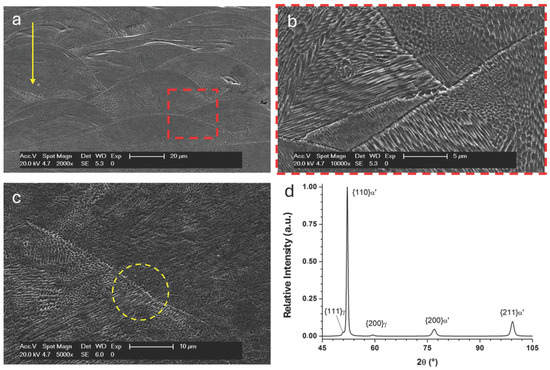
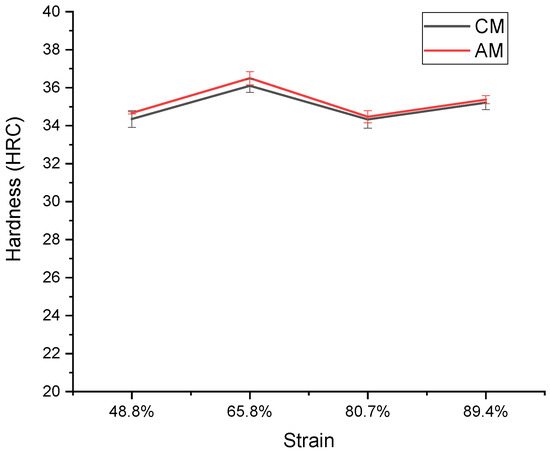
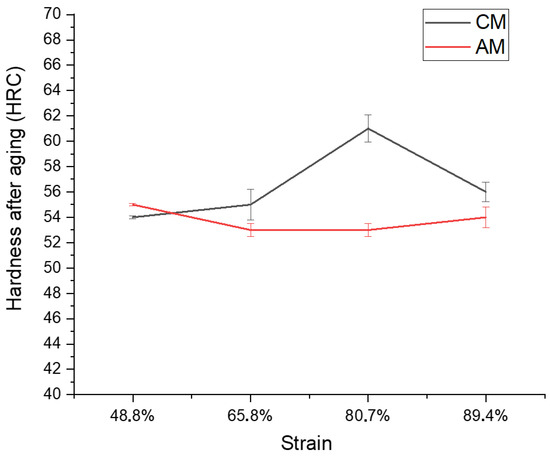
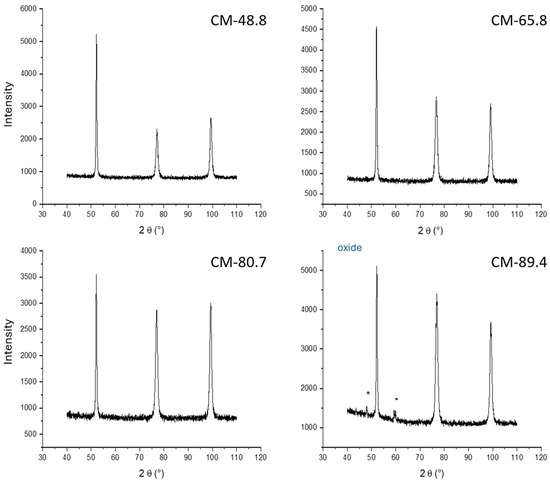
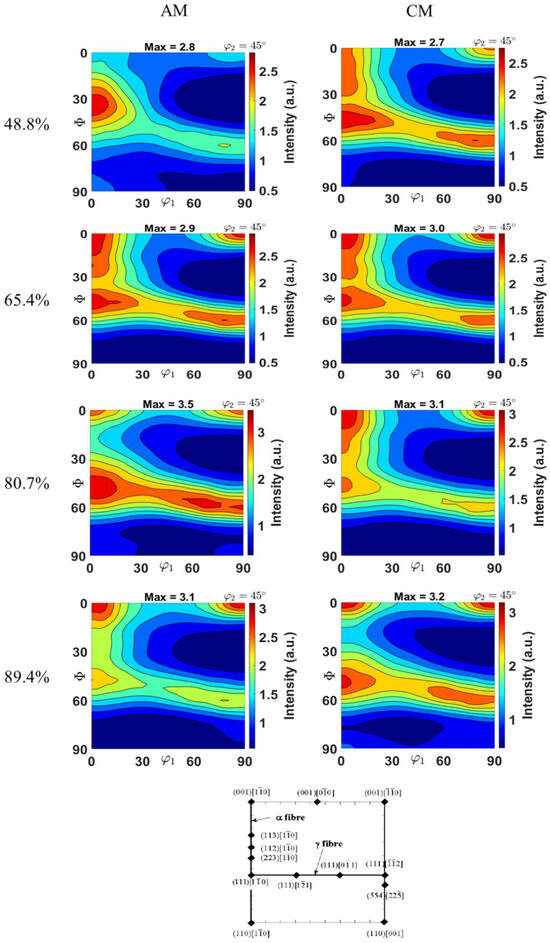
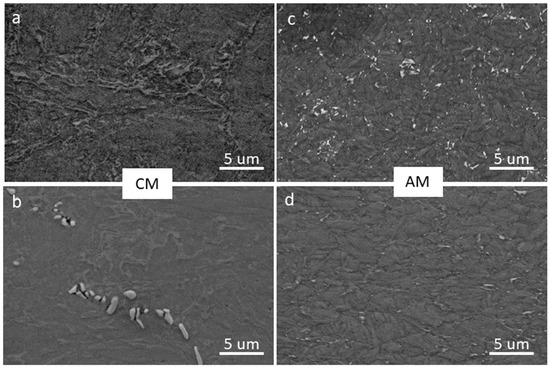
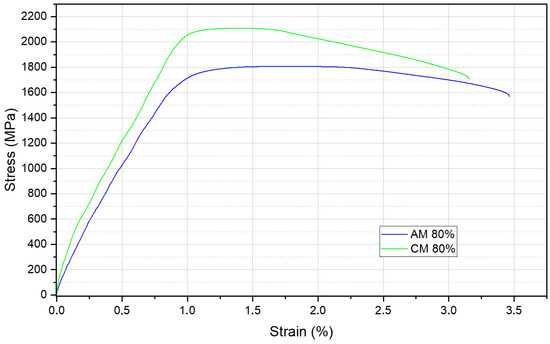
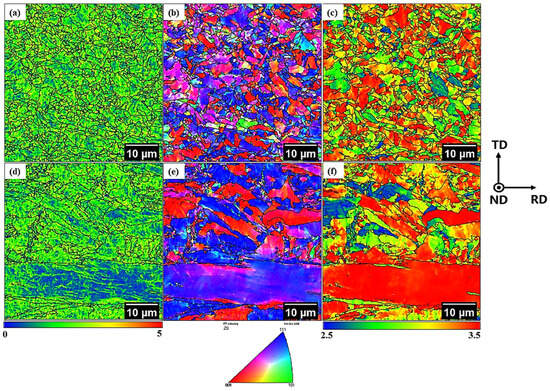
This study compares the microstructure, texture evolution, and mechanical behavior of Maraging 300 steel produced by selective laser melting (SLM) and conventional manufacturing (CM), subjected to solid solution treatment, cold rolling (up to 89.4% reduction), and aging. Results showed that while both routes achieved similar hardness, AM maintained stable hardness at extreme deformations, whereas CM peaked at 80.7% reduction. Tensile tests at ~80% reduction revealed that CM achieved higher ultimate tensile strength (2105 MPa) than AM (1807 MPa), but AM demonstrated superior ductility (16.7% vs. 10.8%). Electron Backscatter Diffraction (EBSD) analyses indicated that the AM material accommodated strain more homogeneously due to its initial fine cellular substructure, leading to greater crystallographic fragmentation, whereas CM exhibited pronounced strain localization. In conclusion, the initial microstructural state dictated by the manufacturing route fundamentally governs the deformation mechanisms, explaining the distinct strength–ductility balance observed between additively and conventionally processed Maraging 300 steel.
Full article
(This article belongs to the Special Issue Advanced Additive Manufacturing of Metallic Materials)

►▼
Show Figures

Figure 1
Open AccessArticle
Prediction of Hot Rolling Force for Aluminum Alloys Driven by Data and Mechanism
by
Tao Luo, Yue-Min Ma, Peng Wei, Xiao-Hu Qi, Meng Yan, Hua-Gui Huang and Lin Gao
Metals 2026, 16(7), 751; https://doi.org/10.3390/met16070751 - 7 Jul 2026
Abstract
Aluminum alloy hot rolling features diverse varieties, large variations in incoming strip thickness, and strong process nonlinearity. Traditional rolling force prediction models rely on simplified physical assumptions and poor adaptability, making it hard to satisfy high-precision production requirements. This paper presents a mechanism–data
[...] Read more.
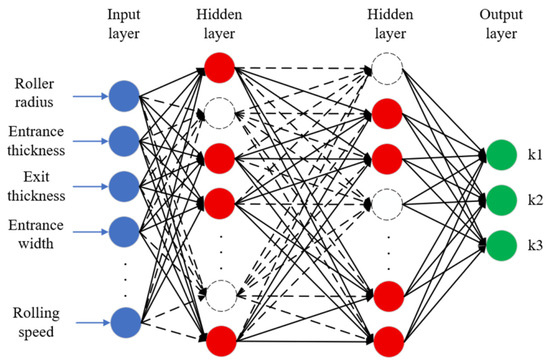
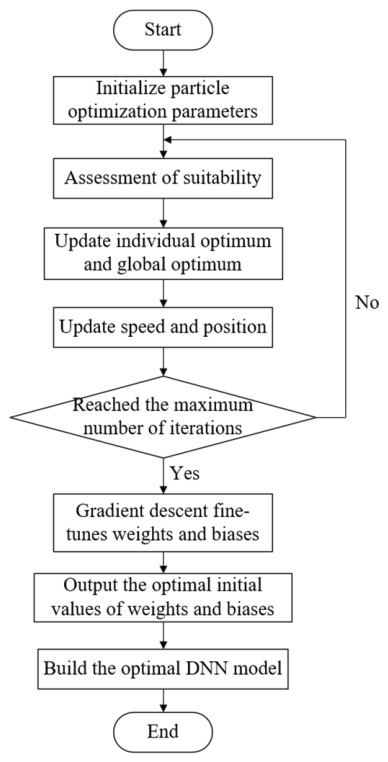
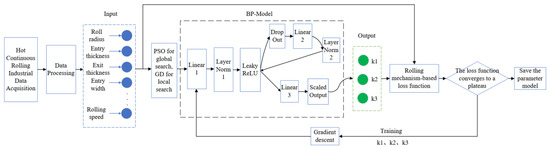
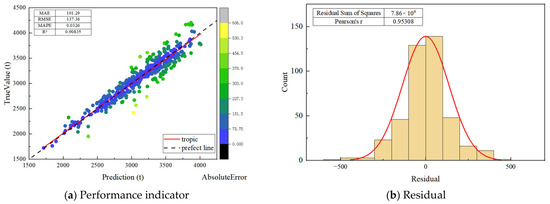
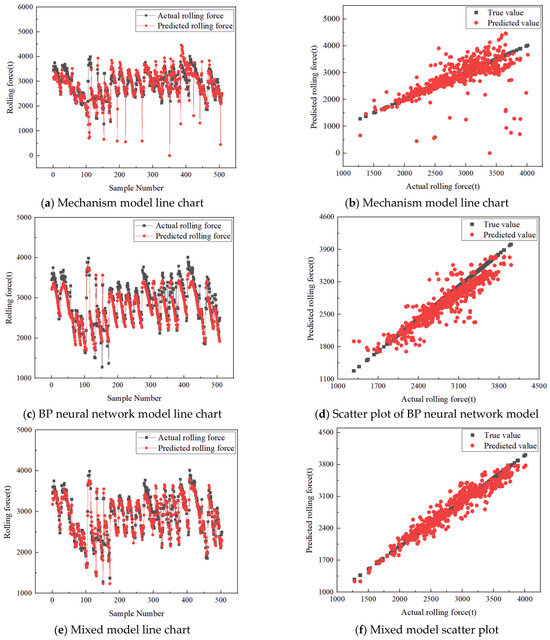
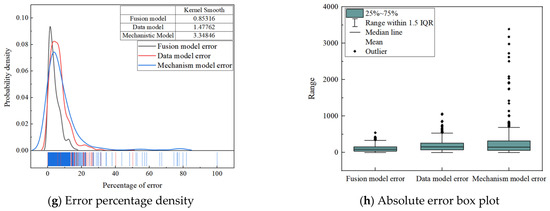
Aluminum alloy hot rolling features diverse varieties, large variations in incoming strip thickness, and strong process nonlinearity. Traditional rolling force prediction models rely on simplified physical assumptions and poor adaptability, making it hard to satisfy high-precision production requirements. This paper presents a mechanism–data dual-driven PSO-BP neural network method for rolling force prediction which is applicable to the rolling temperature range of 320 °C to 520 °C. The SIMS mechanism model is employed as a physical constraint, and a hybrid PSO-GD algorithm optimizes the initial weights and thresholds of the BP network, avoiding the local optimum issue of conventional BP. The rolling mechanism model is embedded into the loss function to deeply integrate physical laws and data-driven learning. Validation using 508 sets of field data from 5083 aluminum alloy hot rolling shows that the model achieves a MAPE of 5.0794% and R2 of 0.9254, significantly outperforming the traditional mechanism model (8.91%) and standard BP (8.77%). The proposed model preserves physical interpretability while utilizing data-driven adaptability, offering an effective approach for high-precision rolling force prediction and improving the dimensional accuracy of hot-rolled aluminum alloy sheets.
Full article
(This article belongs to the Special Issue Advanced Rolling Technologies of Steels and Alloys)
►▼
Show Figures

Figure 1
Open AccessArticle
Effect of FeO on the Melting Behavior of Direct Reduced Iron and Multi-Interfacial Reactions in Slag–Refractory Systems
by
Junhao Wang and Longhu Cao
Metals 2026, 16(7), 750; https://doi.org/10.3390/met16070750 - 7 Jul 2026
Abstract
►▼
Show Figures
Efficient melting of direct reduced iron (DRI) is essential for improving the stability and productivity of low-carbon steelmaking processes. In this study, the effect of FeO content on DRI melting behavior and coupled interfacial reactions in slag–refractory systems was investigated. Synthetic slags containing
[...] Read more.
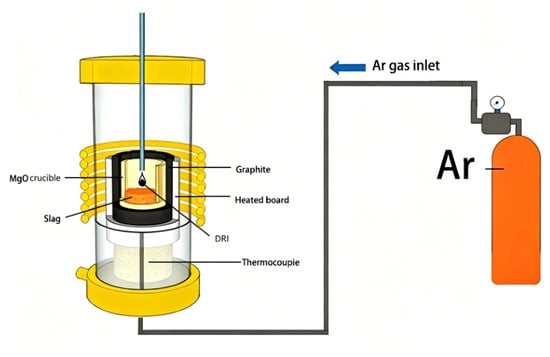
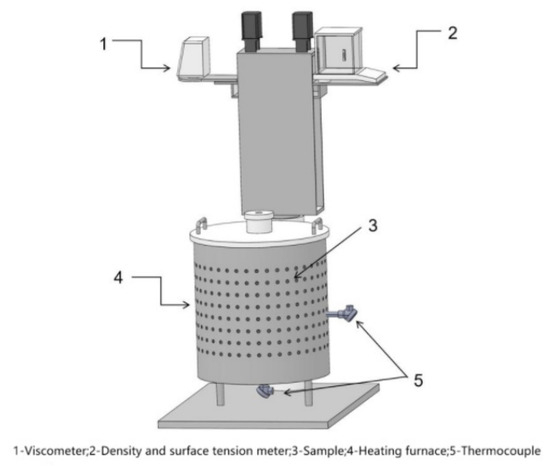
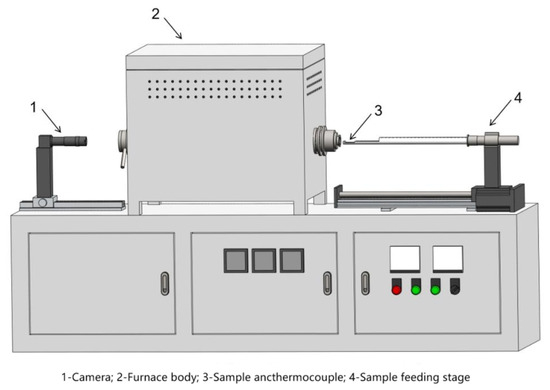
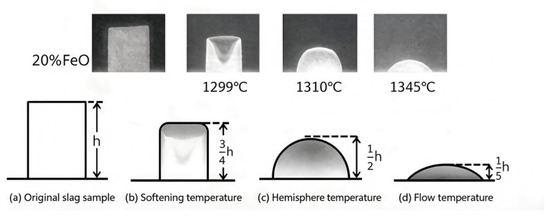
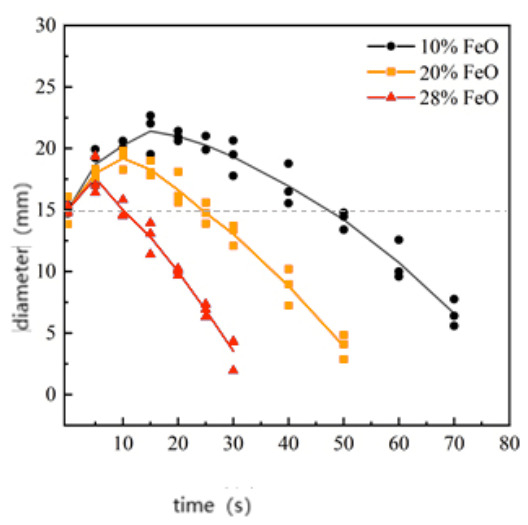
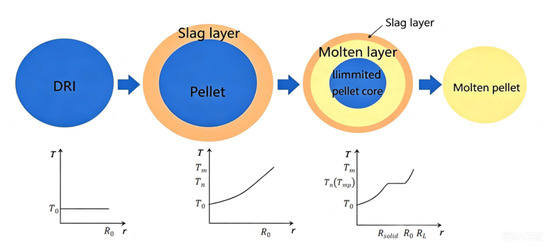
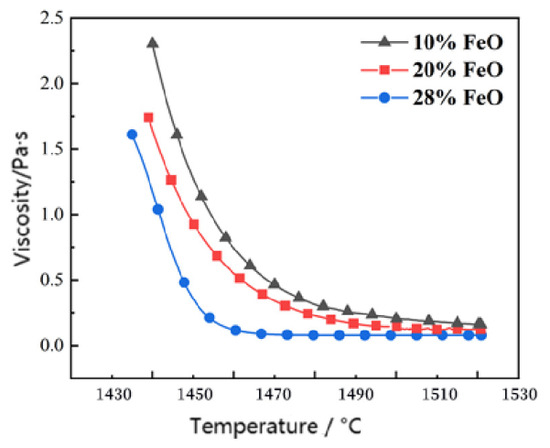
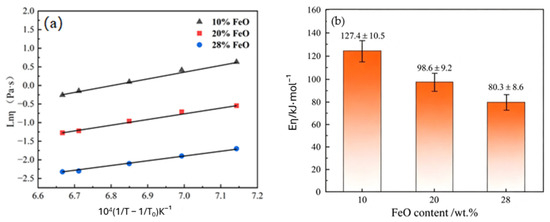
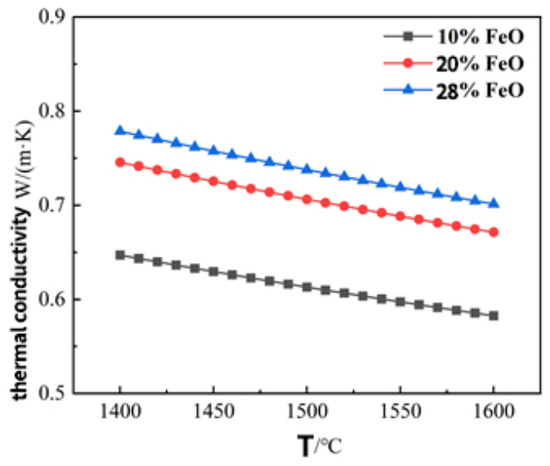
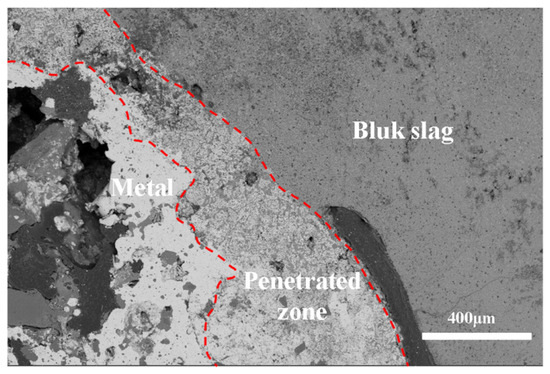
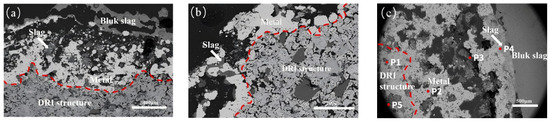
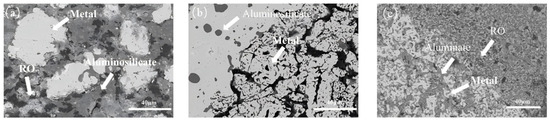
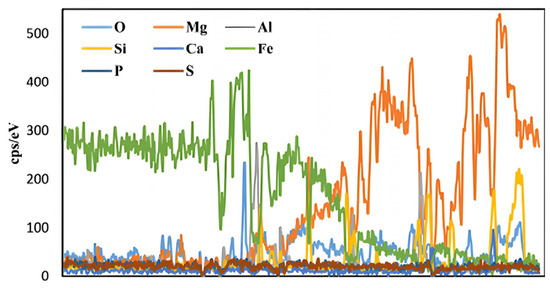
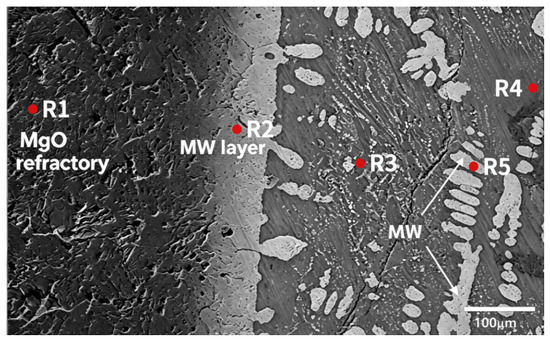
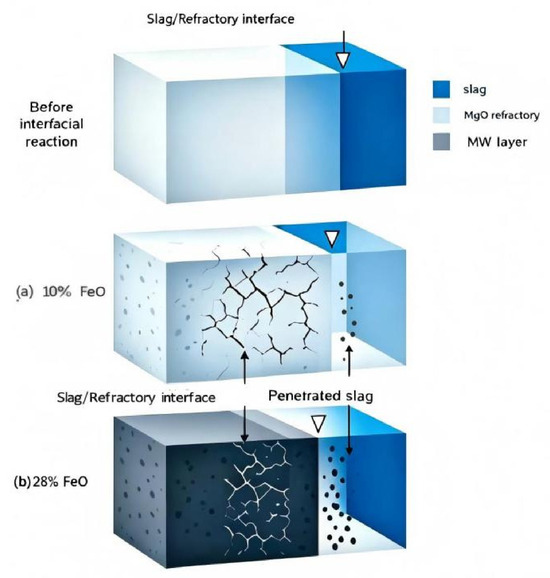
Efficient melting of direct reduced iron (DRI) is essential for improving the stability and productivity of low-carbon steelmaking processes. In this study, the effect of FeO content on DRI melting behavior and coupled interfacial reactions in slag–refractory systems was investigated. Synthetic slags containing 10, 20, and 28 wt.% FeO were prepared, and hot-state melting experiments, viscosity measurements, FactSage calculations, and SEM/EDS analyses were conducted to clarify the relationship among slag properties, DRI melting, and interfacial evolution. The results showed that increasing FeO content significantly accelerated DRI melting and reduced the overall melting time. This improvement was mainly attributed to the enhanced fluidity and heat-transfer capability of the slag. Temperature-centered Arrhenius fitting showed that the apparent viscous-flow activation energies varied only within a limited range when fitting uncertainties were considered, indicating that the decrease in viscosity with increasing FeO content should not be attributed solely to a reduction in activation energy. Instead, the change in slag fluidity is associated with the combined effects of FeO on melt structure, pre-exponential fitting parameters, and temperature-dependent flow behavior. Meanwhile, the calculated thermal conductivity increased with FeO content, further promoting heat transfer from the molten slag to the DRI surface. Microstructural observations revealed that, under low-FeO conditions, a relatively continuous aluminosilicate-rich reaction layer formed at the DRI–slag interface, which hindered slag penetration and delayed melting. In contrast, high-FeO slag exhibited stronger wettability and penetration ability, allowing slag to infiltrate deeply into the porous DRI structure and form an extensive slag–iron mixed reaction zone. At the slag–MgO refractory interface, FeO promoted Fe2+/Mg2+ interdiffusion and the formation of a dense magnesiowüstite, (Mg,Fe)O, reaction layer. However, excessive FeO also intensified slag penetration and refractory corrosion. These results demonstrate that FeO plays a dual role in DRI melting systems by enhancing DRI melting efficiency while simultaneously aggravating refractory degradation, highlighting the need to balance melting performance and refractory stability in FeO-containing slag design.
Full article

Figure 1
Open AccessArticle
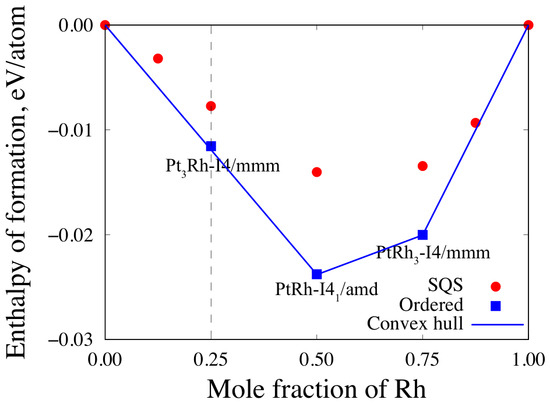
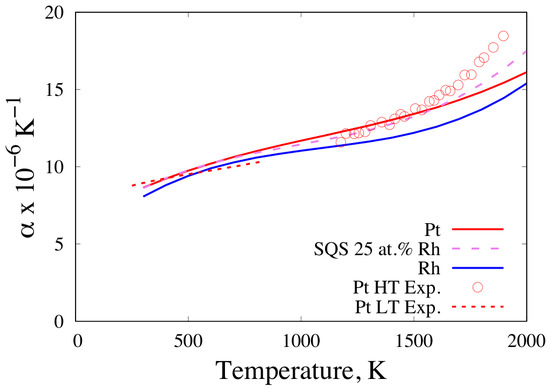
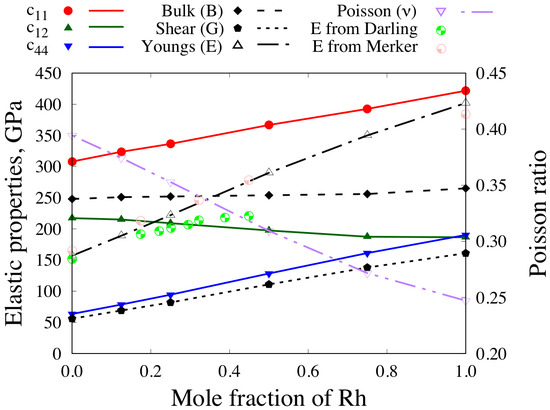
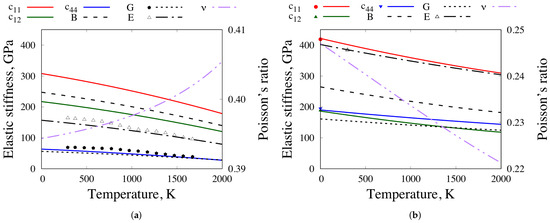
Finite-Temperature Mechanical Properties of fcc-Disordered PtRh Alloys from First-Principles Calculations
by
Arkapol Saengdeejing, Ryoji Sahara, Yoshiyuki Kawazoe and Kazuyuki Higashino
Metals 2026, 16(7), 749; https://doi.org/10.3390/met16070749 - 7 Jul 2026
Abstract
First-principles calculations were performed to predict the temperature-dependent elastic properties of fcc-disordered Pt–Rh alloys over a range of compositions. Special quasirandom structures (SQSs) were employed to represent the atomic disorder in the fcc solid-solution phase. The vibrational contribution to the free energy was
[...] Read more.
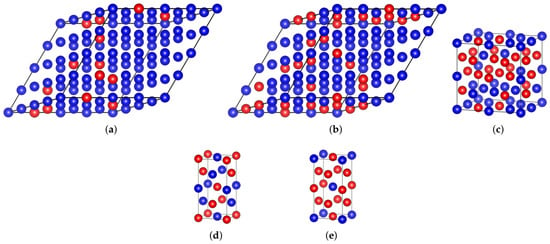
First-principles calculations were performed to predict the temperature-dependent elastic properties of fcc-disordered Pt–Rh alloys over a range of compositions. Special quasirandom structures (SQSs) were employed to represent the atomic disorder in the fcc solid-solution phase. The vibrational contribution to the free energy was evaluated using the phonon quasi-harmonic approximation, enabling the calculation of finite-temperature free energies and coefficients of thermal expansion for the fcc-disordered Pt–Rh alloys. The elastic stiffness constants at different compositions were determined using the energy–strain method. By combining the calculated thermal expansion coefficients with elastic stiffness data obtained at various volumes, the temperature-dependent elastic stiffness constants of the fcc-disordered Pt–Rh alloys were determined.
Full article
(This article belongs to the Special Issue Advances in Calculations and Experimental Analysis of Structural and Phase Stability in Metals and Alloys)
►▼
Show Figures

Figure 1
Open AccessArticle
New Insights into High-Throughput Screening of Mechanical Homogeneity Using Surface Microstrain and Profile Analysis After Cold Isostatic Pressing
by
Qun Ren, Yenan Wang, Xirong Yang, Yuyang Han and Haizhou Wang
Metals 2026, 16(7), 748; https://doi.org/10.3390/met16070748 - 7 Jul 2026
Abstract
►▼
Show Figures
Based on the hydrostatic transmission principle, a new method for high-throughput characterization via surface microstrain effects after cold isostatic pressing is proposed. Typical key metallic materials (steels, titanium alloys, and superalloys) were processed under a pressure of 190 MPa with a holding time
[...] Read more.
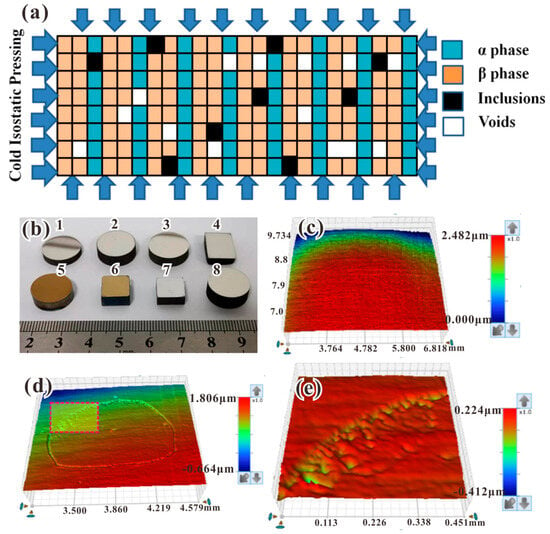
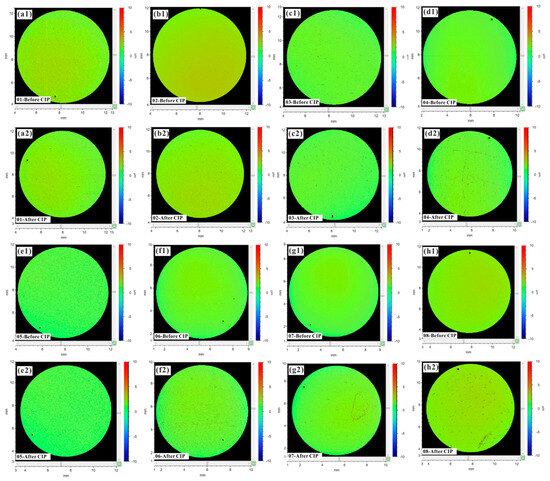
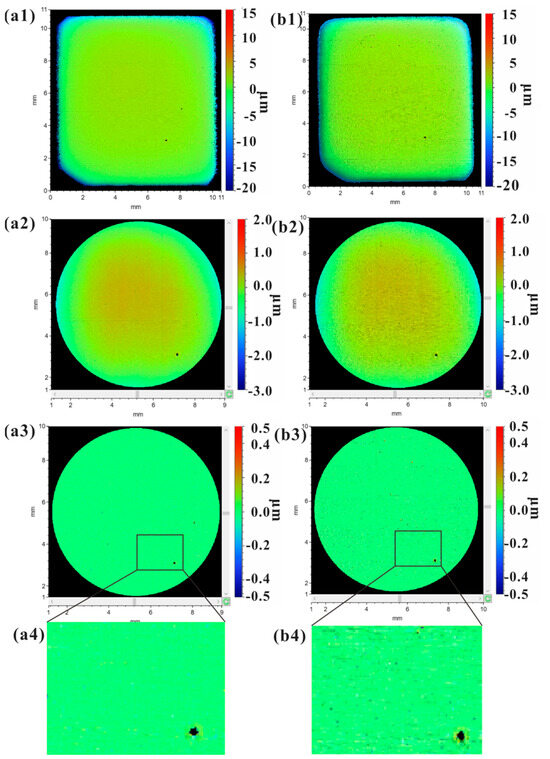
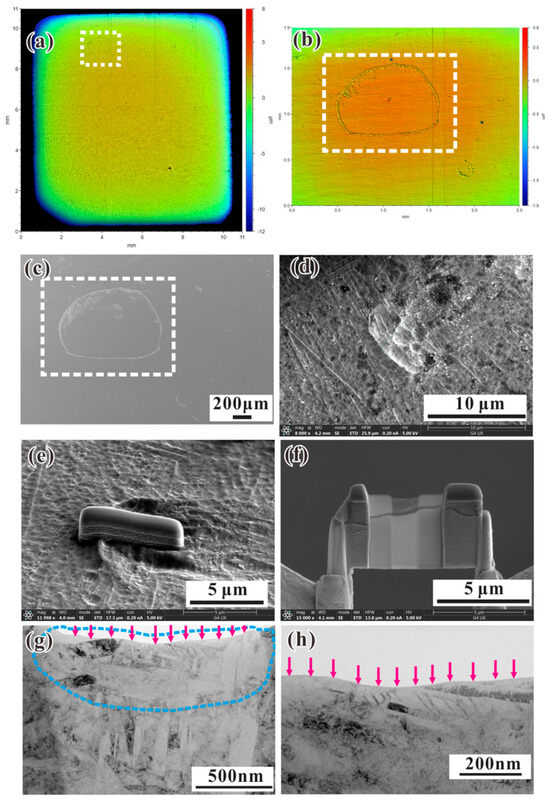
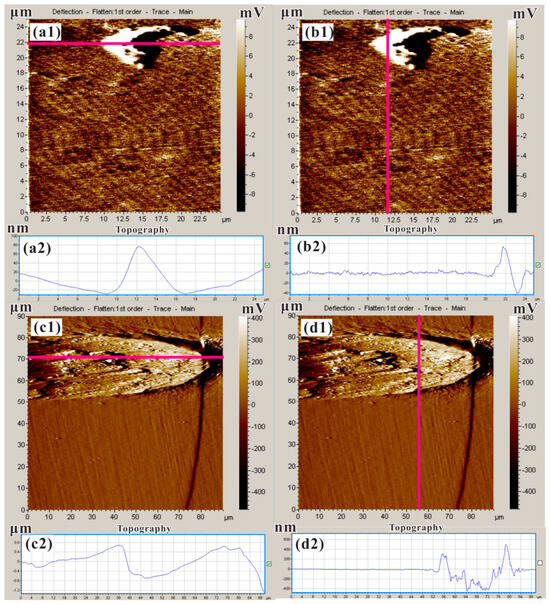
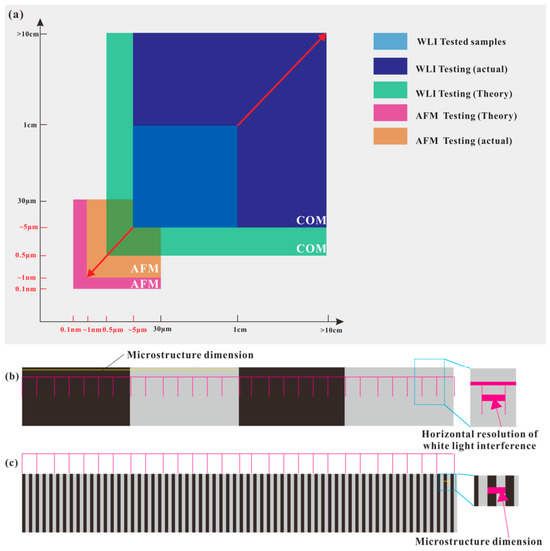
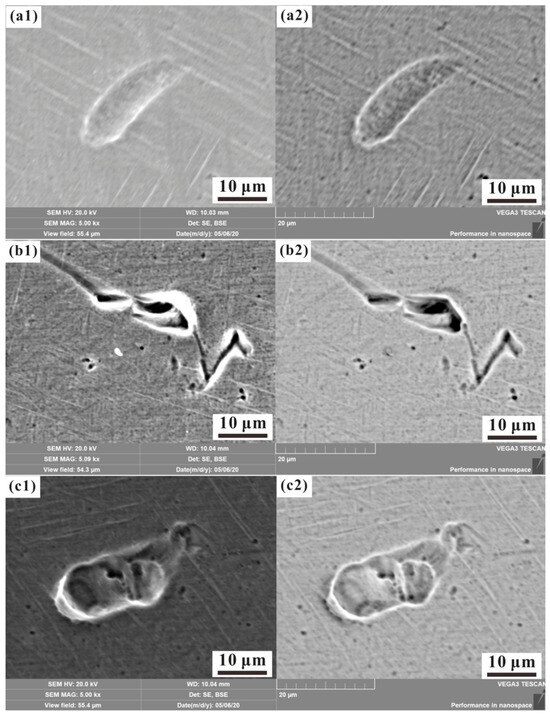
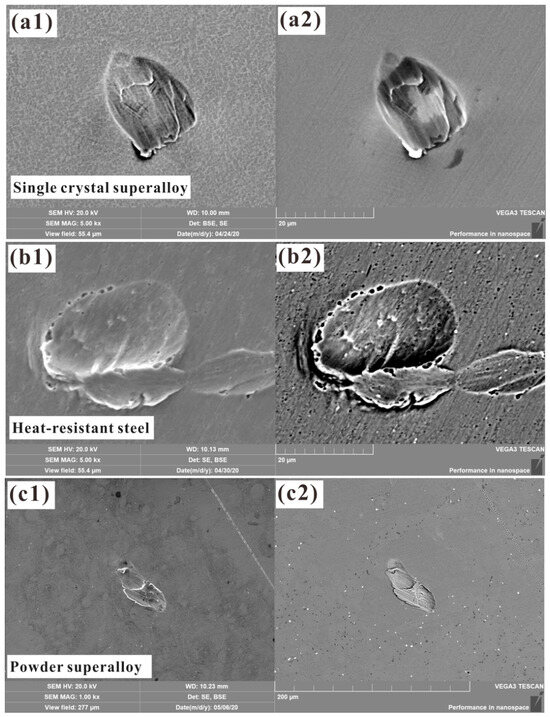
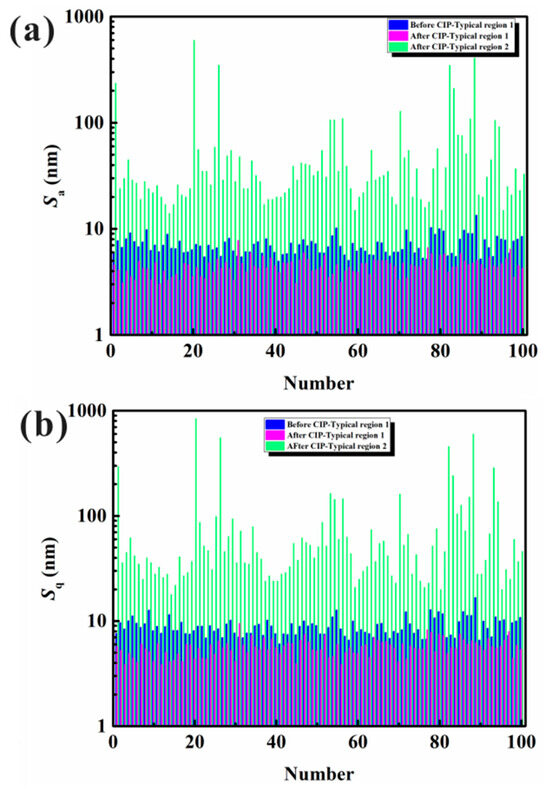
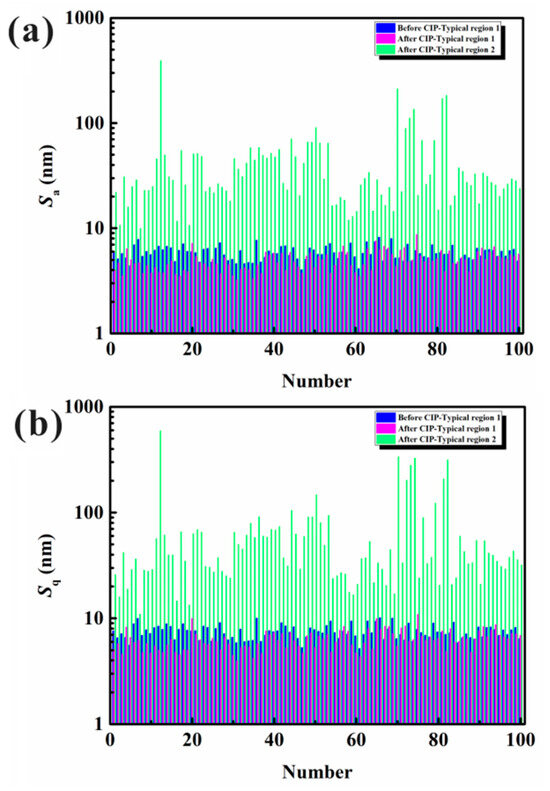
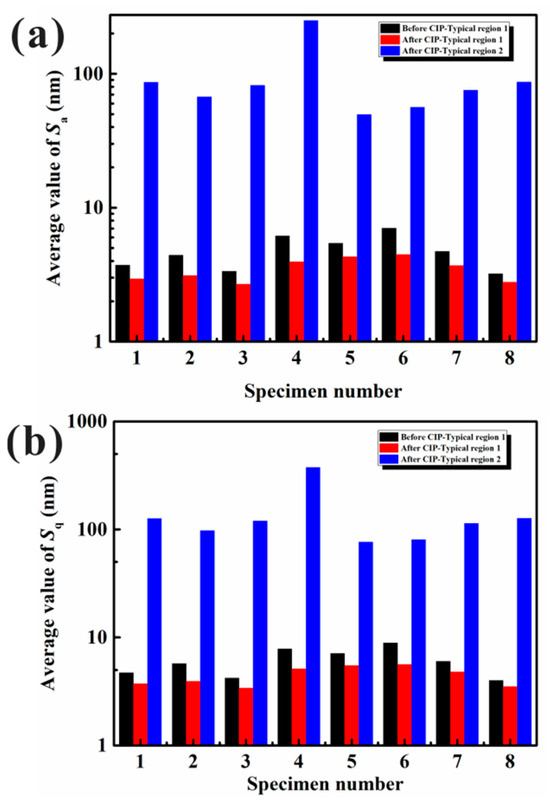
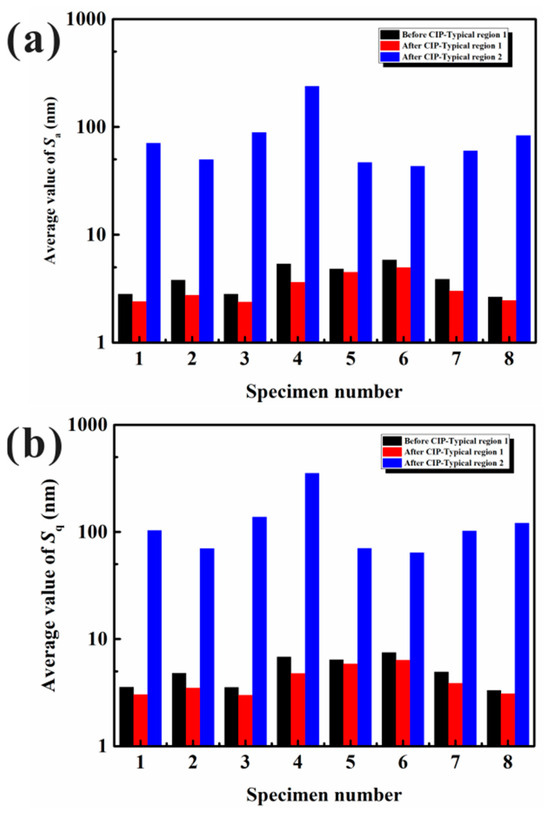
Based on the hydrostatic transmission principle, a new method for high-throughput characterization via surface microstrain effects after cold isostatic pressing is proposed. Typical key metallic materials (steels, titanium alloys, and superalloys) were processed under a pressure of 190 MPa with a holding time of 30 min, and surface microstrain effects and characteristics of the specimens were explored via white light interference profilometry, scanning electron microscopy, atomic force microscopy, focused ion beam processing, and transmission electron microscopy. It is shown that all the metallographic polishing specimens exhibit a similar tendency, and two main categories of typical microstrain fields can be detected after CIP processing: (1) slight microstrain and (2) significant microstrain. Significant microstrain with roughening of the surface (roughness increasing) after CIP processing can be detected only in a few microregions. Microregions with weaker micromechanical properties can be characterized and screened in a high-throughput manner through evaluation of the significant microstrains. A new application strategy is proposed for high-throughput characterization of mechanical homogeneity and mechanically weak zones, using the surface microstrain effect during cold isostatic pressing and surface profile analysis. Regions with significant microstrain showed surface roughening (Sq: 6.1 nm→139.7 nm, Sa: 4.8 nm→94.4 nm).
Full article

Figure 1
Open AccessArticle
Tailoring the Microstructure and Enhancing the Properties of Degradable Mg-Y-Zn Alloy with Various Y Contents
by
Tianqi Gong, Shaoyuan Lyu, Bobo Jia and Minfang Chen
Metals 2026, 16(7), 747; https://doi.org/10.3390/met16070747 - 7 Jul 2026
Abstract
►▼
Show Figures
In this study, the microstructure, mechanical properties, and corrosion behavior of extruded Mg-Y-0.5Zn alloys with varying Y contents (0.5~3.0 wt%) were systematically investigated. The results demonstrate that by increasing the Y content from 0.5% to 3.0%, the grain sizes of four alloys are
[...] Read more.
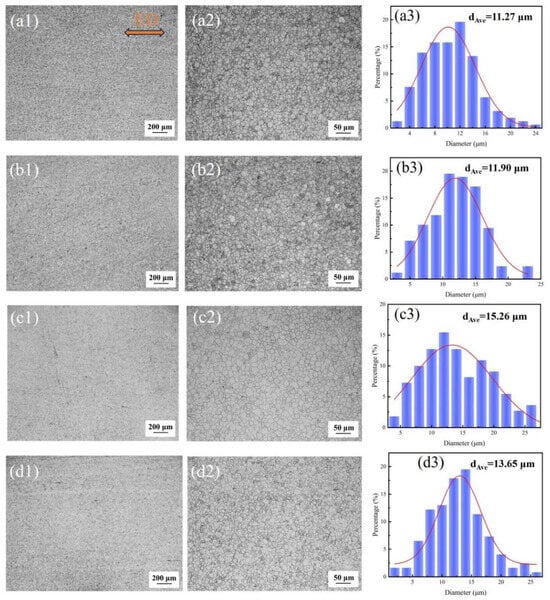
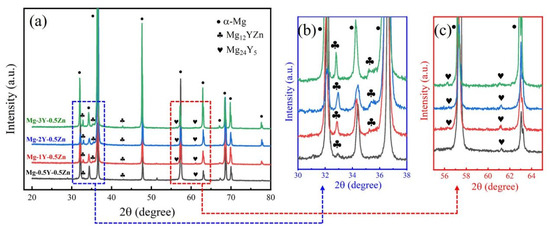
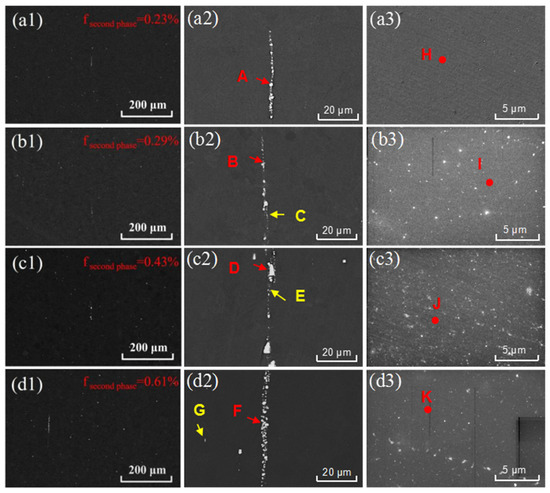
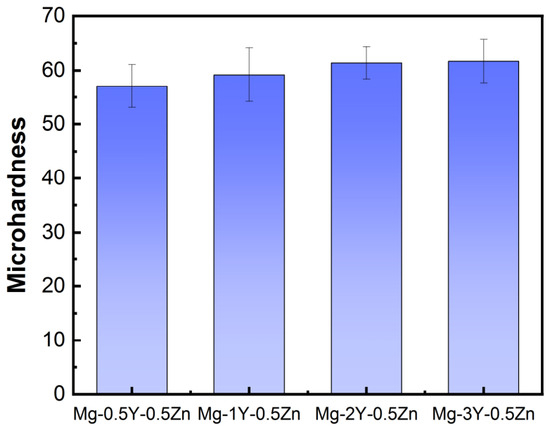
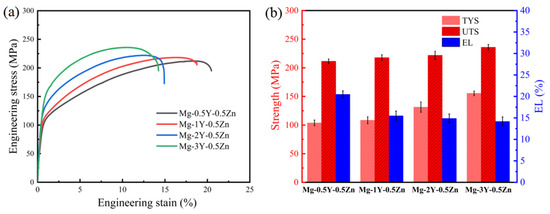
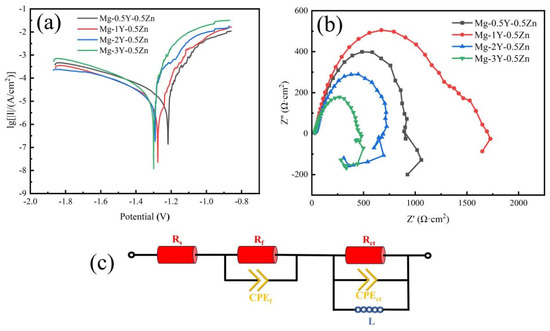
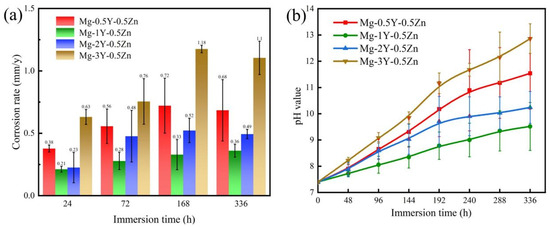
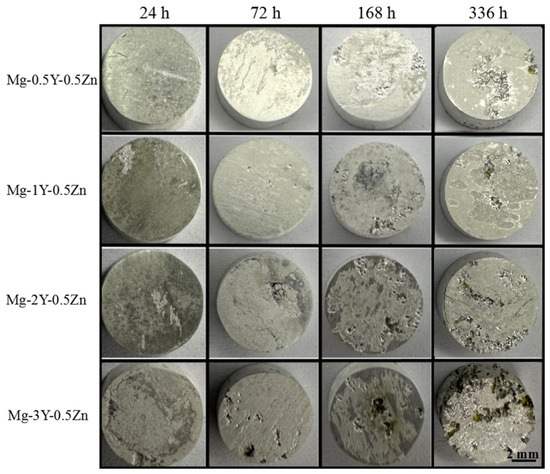
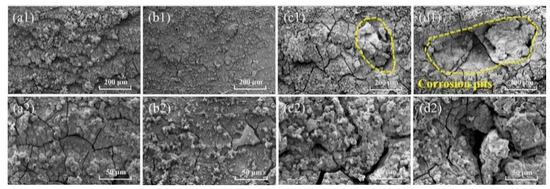
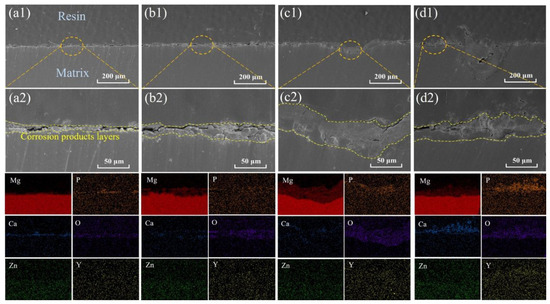
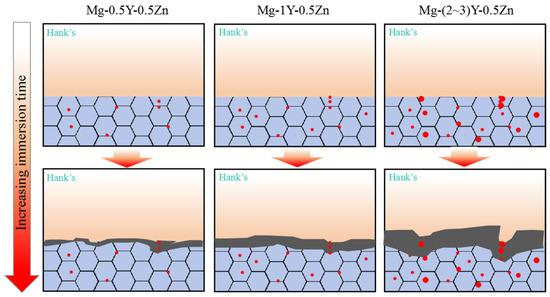
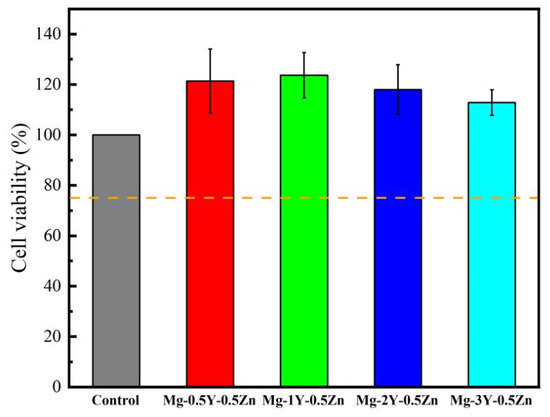
In this study, the microstructure, mechanical properties, and corrosion behavior of extruded Mg-Y-0.5Zn alloys with varying Y contents (0.5~3.0 wt%) were systematically investigated. The results demonstrate that by increasing the Y content from 0.5% to 3.0%, the grain sizes of four alloys are 11.27 μm, 11.90 μm, 15.26 μm, and 13.65 μm. The secondary phases of all four alloys consist of granular Mg24Y5 and fine Mg12YZn, and the total volume fraction of these precipitates increased. Correspondingly, both microhardness and strength are enhanced, while ductility decreases. The microhardness increases from 57.1 HV to 61.7 HV, the tensile yield strength (TYS) improves from 103.8 MPa to 155.4 MPa, and the ultimate tensile strength (UTS) rises from 211.4 MPa to 235.9 MPa. Regarding corrosion performance, the extruded Mg-1Y-0.5Zn alloy exhibits the best corrosion resistance based on both in vitro immersion tests and electrochemical measurements. A uniform and dense corrosion product layer is observed on the surface of Mg-1Y-0.5Zn alloy, leading to the lowest corrosion rate of 0.36 mm/y, while loose and micro-cracked corrosion product layers are formed on other alloys. In addition, cytotoxicity test shows that the relative cell proliferation rates of the four extruded alloys were 121.41%, 123.7%, 117.96%, and 112.86%, indicating good biocompatibility.
Full article

Figure 1
Open AccessArticle
Application of Eh–pH Diagrams in the Hydrometallurgical Processing of Rare Earth Elements
by
Ema Gánovská, Martin Sisol, Martina Laubertová and Jakub Kurty
Metals 2026, 16(7), 746; https://doi.org/10.3390/met16070746 - 6 Jul 2026
Abstract
Rare earth elements (REEs), including yttrium, scandium and lanthanides, are essential for advanced technologies, particularly in electronics, defense and renewable energy systems. The main primary REE sources include bastnaesite, monazite and ion-adsorption clays, while secondary sources comprise permanent magnets, phosphors, LEDs and other
[...] Read more.
Rare earth elements (REEs), including yttrium, scandium and lanthanides, are essential for advanced technologies, particularly in electronics, defense and renewable energy systems. The main primary REE sources include bastnaesite, monazite and ion-adsorption clays, while secondary sources comprise permanent magnets, phosphors, LEDs and other technological waste. The growing demand, together with China’s dominant position in the global REE market and export restrictions, has increased concerns regarding the security of the REE supply in the European Union. This study evaluates selected primary REE resources and their processing possibilities using hydrometallurgical methods, with an emphasis on the thermodynamic aspects of REE leaching. The research focuses on the construction and analysis of Eh–pH diagrams generated using HSC Chemistry software to predict the stability of dissolved and solid species under different leaching conditions. These diagrams help identify suitable conditions for selective REE extraction and improve the understanding of the mechanisms governing hydrometallurgical processing. The results provide insight into the stability regions of REE species and indicate favorable conditions for selective leaching and recovery.
Full article
Open AccessReview
Degradation and Corrosion Challenges of the Nickel–Iron Catalysis for Oxygen Evolution Reaction: A Review
by
Branimir N. Grgur and Aleksandra S. Popović
Metals 2026, 16(7), 745; https://doi.org/10.3390/met16070745 - 6 Jul 2026
Abstract
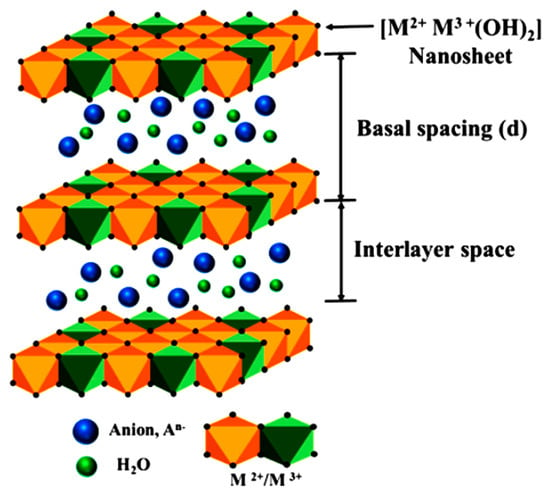
Green hydrogen production via water electrolysis is a cornerstone of the sustainable energy transition. However, the oxygen evolution reaction (OER) remains the kinetic bottleneck, limiting overall efficiency. Nickel–iron (NiFe)-based catalysts are among the most promising nonprecious materials for the OER in alkaline media,
[...] Read more.
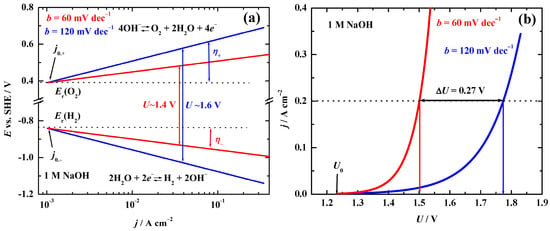
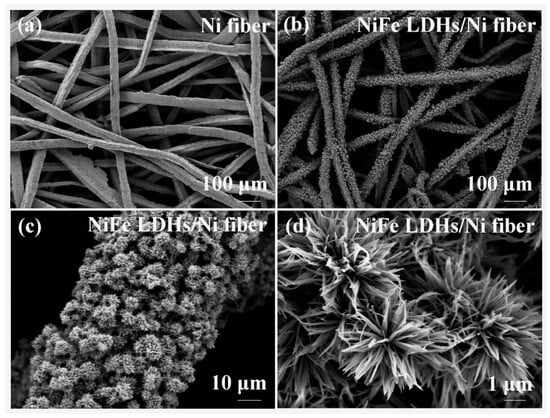
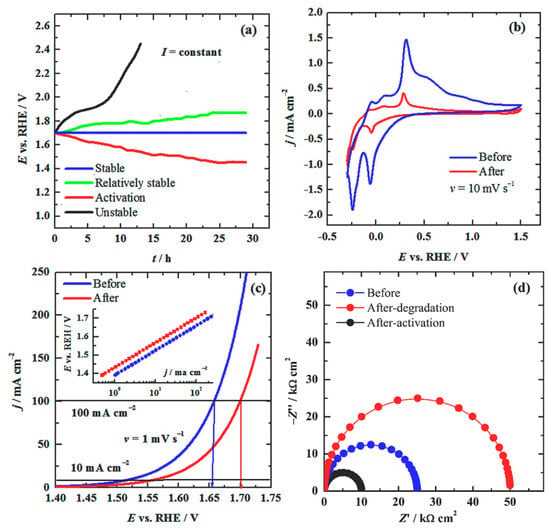
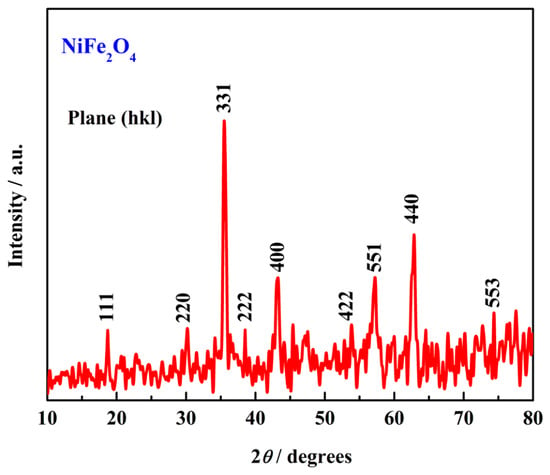
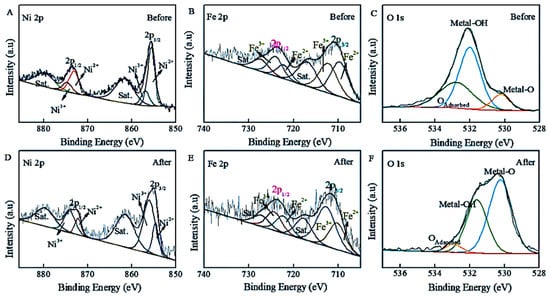
Green hydrogen production via water electrolysis is a cornerstone of the sustainable energy transition. However, the oxygen evolution reaction (OER) remains the kinetic bottleneck, limiting overall efficiency. Nickel–iron (NiFe)-based catalysts are among the most promising nonprecious materials for the OER in alkaline media, offering high activity and low cost. Nevertheless, their practical application at industrially relevant current densities (>100 mA cm−2) is hindered by several challenges: structural degradation, uncontrolled surface reconstruction, metal dissolution (corrosion), particularly Fe leaching, and the ambiguous role of the fundamental mechanisms. This review critically discusses the current understanding of these degradation pathways, the influence of preparation methods, the interplay between Ni and Fe redox chemistry, and strategies for enhancing long-term stability. Future directions for designing durable NiFe OER electrocatalysts are also outlined. The paper also considers a strategy for investigating new catalysts using electrochemical and non-electrochemical techniques, devoted to young scientists interested in this field. In the Outlook and Perspective section, the key drawback is presented, and a possible strategy for improvement is discussed.
Full article
(This article belongs to the Special Issue Feature Paper Collection of “Current Challenges in Corrosion Research” (3rd Edition))
►▼
Show Figures

Figure 1
Open AccessArticle
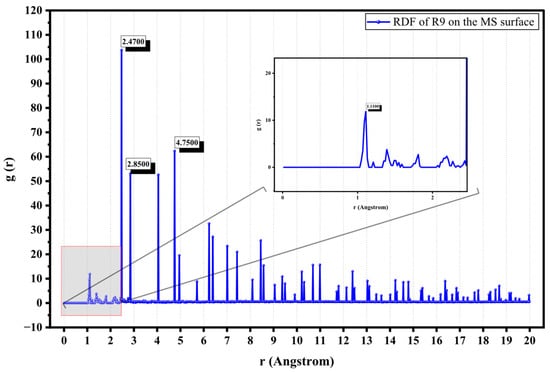
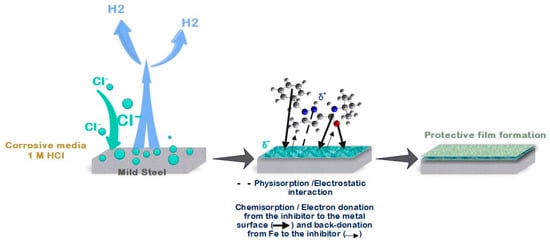
Unraveling Corrosion Inhibition Through Integrated Electrochemical, Quantum Chemical and Molecular Simulation Approaches for Mild Steel in 1 M HCl by a Pyrazole-Based Carboxamide Inhibitor
by
Afafe Elabbadi, Mariya Kadiri, Majid Driouch, Brahim Hachlaf, Hafsa El-Idrissi, Imad Hammoudan, Said Tighadouini, Youssef Kandri Rodi, Mouhcine Sfaira and Hendra Hermawan
Metals 2026, 16(7), 744; https://doi.org/10.3390/met16070744 - 6 Jul 2026
Abstract
This study provides a detailed assessment of the corrosion-inhibiting performance of a previously synthesized pyrazole derivative (R9) for mild steel, using both experimental and theoretical methods. Electrochemical measurements, including potentiodynamic polarization and electrochemical impedance spectroscopy, showed that R9 achieved a maximum inhibition efficiency
[...] Read more.
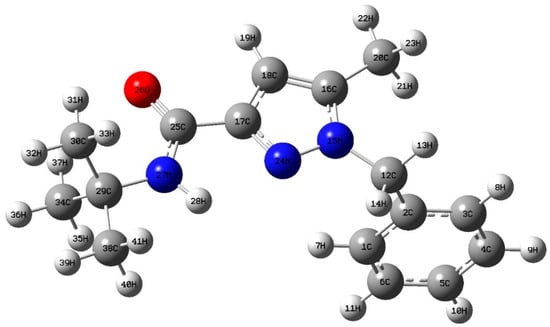
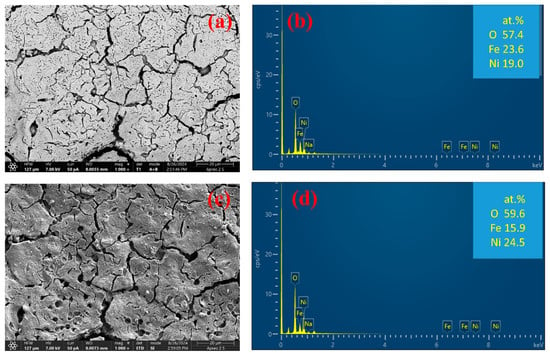
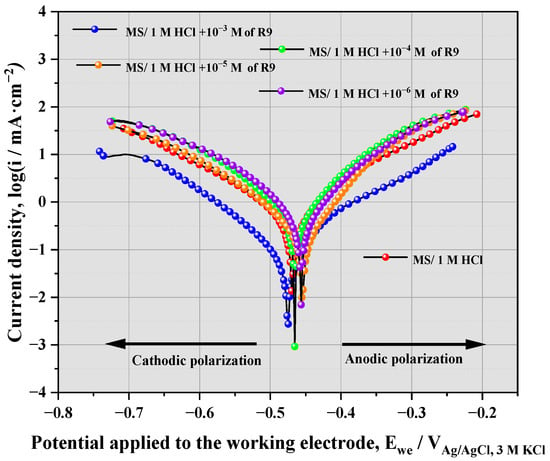
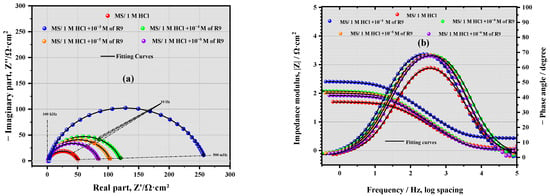
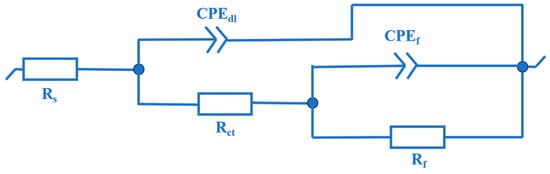
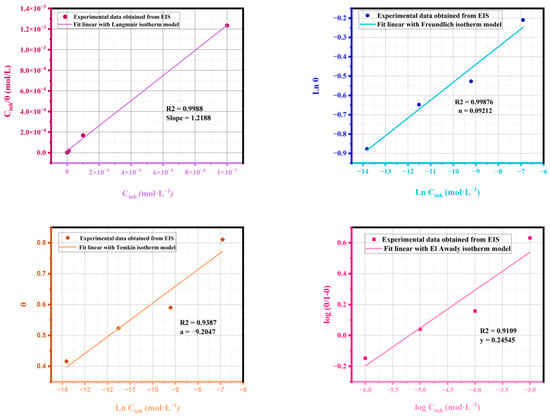
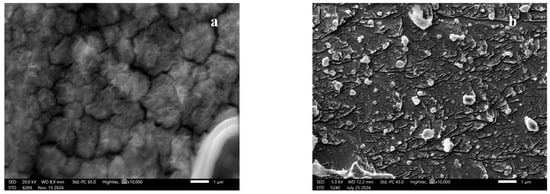
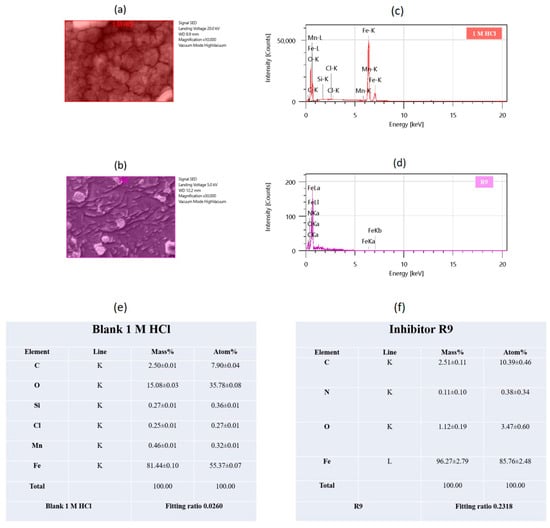
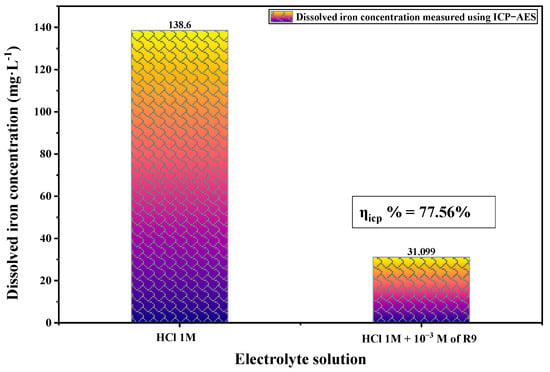
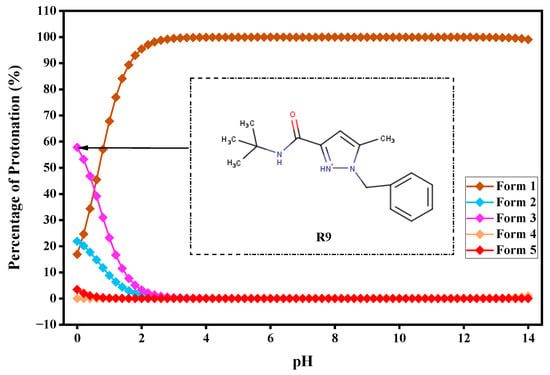
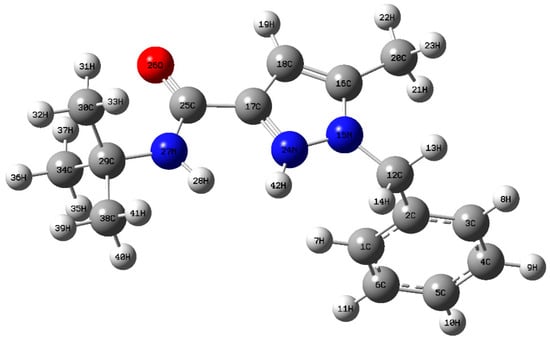
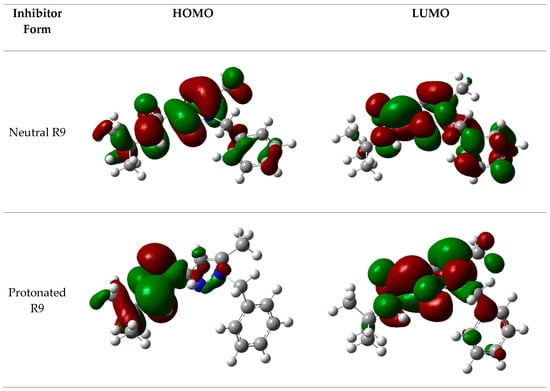
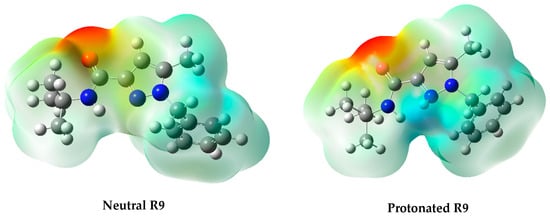
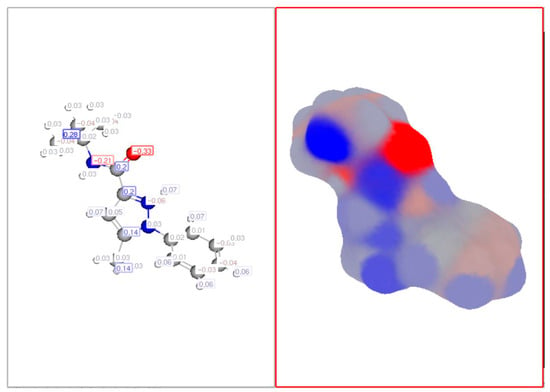
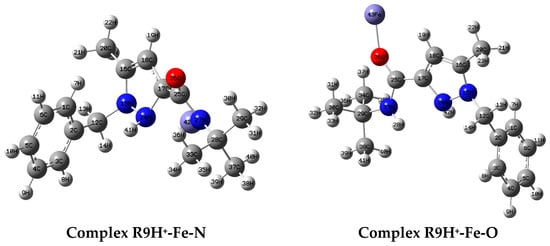
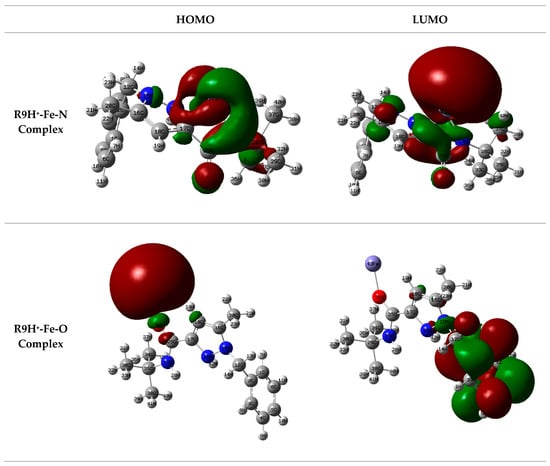
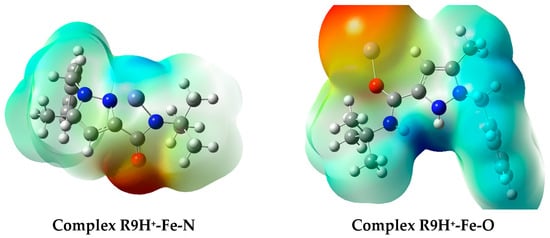
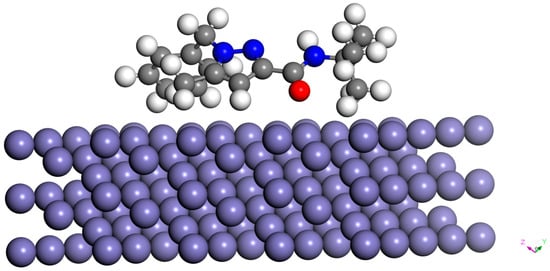
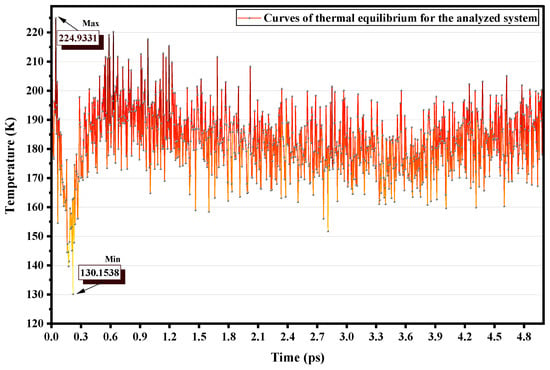
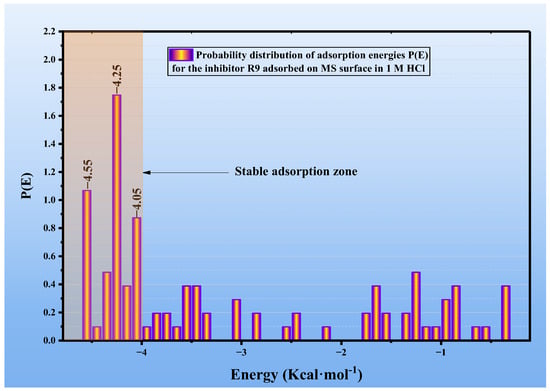
This study provides a detailed assessment of the corrosion-inhibiting performance of a previously synthesized pyrazole derivative (R9) for mild steel, using both experimental and theoretical methods. Electrochemical measurements, including potentiodynamic polarization and electrochemical impedance spectroscopy, showed that R9 achieved a maximum inhibition efficiency of 81% at a concentration of 10−3 M in 1 M hydrochloric acid. This improvement was reflected in the marked decrease in corrosion current density from 604 to 94 µA·cm−2. The inhibitor displayed mixed-type behavior, influencing both anodic and cathodic corrosion reactions. This was confirmed by the small shift in corrosion potential recorded with and without R9, along with the increase in polarization resistance and the enhanced protection of the steel surface. Inductively coupled plasma spectrometry was used to measure dissolved metal ions, while scanning electron microscopy combined with energy-dispersive X-ray spectroscopy confirmed the formation of an adsorbed protective film on the steel surface. These findings further supported the effectiveness of R9 and agreed well with the electrochemical results. In the theoretical part, quantum chemical calculations on the isolated inhibitor R9 and the Fe-R9 complex (density functional theory, molecular electrostatic potential, Fukui indices, and atomic charges) were coupled with molecular simulations based on both molecular dynamics and Monte Carlo methods to provide a comprehensive understanding of the corrosion inhibition mechanism. The findings from the electronic structure studies, active site predictions, and adsorption analyses demonstrated effective and stable complexation of the R9 molecule with the steel. The results revealed an excellent correlation between the experimental and theoretical methods employed, highlighting the significance and robustness of the present study.
Full article
(This article belongs to the Special Issue Recent Advances in Surface Modification of Metallic Materials)

►▼
Show Figures

Figure 1
Open AccessReview
Titanium-Based Biomaterials: Processing, Properties, and Applications in Biomedical Engineering
by
Matthew Davidson, Subin Antony Jose, Mason Paul, Erick Perez-Perez, Caleb Potts, Royce Roque, Andrew Rounds and Pradeep L. Menezes
Metals 2026, 16(7), 743; https://doi.org/10.3390/met16070743 - 6 Jul 2026
Abstract
►▼
Show Figures
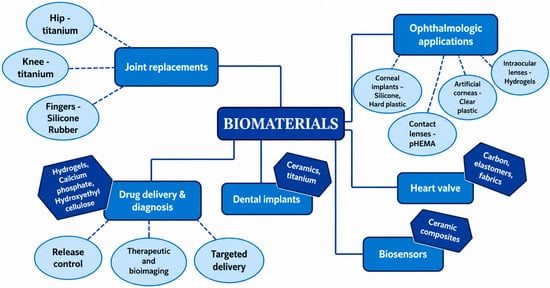
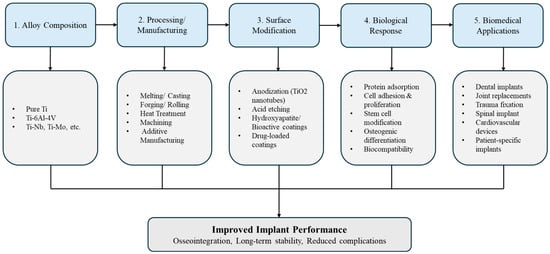
Titanium and its alloys are cornerstone biomaterials due to their high strength-to-weight ratio, excellent fatigue and corrosion resistance, biocompatibility, and ability to osseointegrate with bone. Their relatively low elastic modulus compared to stainless steels and Co–Cr alloys further enhances their suitability for biomedical
[...] Read more.
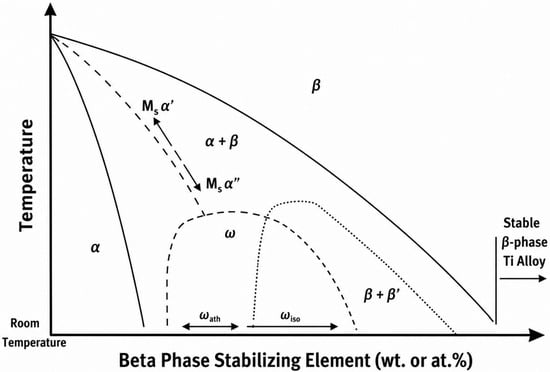
Titanium and its alloys are cornerstone biomaterials due to their high strength-to-weight ratio, excellent fatigue and corrosion resistance, biocompatibility, and ability to osseointegrate with bone. Their relatively low elastic modulus compared to stainless steels and Co–Cr alloys further enhances their suitability for biomedical applications. Performance is continually improved through alloy design (tailoring α and β phases), advanced manufacturing methods such as CNC machining and additive manufacturing, and surface engineering approaches. In particular, the formation of a stable TiO2 layer promotes corrosion resistance and cell attachment, while coatings and nanotexturing enhance osseointegration and provide antibacterial functionality. These attributes enable widespread use in orthopedic, dental, and cardiovascular implants. Emerging developments include smart implants with embedded sensors, multifunctional surfaces, and data-driven alloy design, aiming to further optimize mechanical performance, biological response, and long-term reliability. This review summarizes the processing techniques, properties, applications, and recent advances in titanium-based biomaterials.
Full article

Figure 1
Open AccessArticle
Percolating Ta/Nb-Al2O3 Refractory Composites via Spark Plasma Sintering
by
Gregory Kallien, Susanne Wagner and Karl Günter Schell
Metals 2026, 16(7), 742; https://doi.org/10.3390/met16070742 - 5 Jul 2026
Abstract
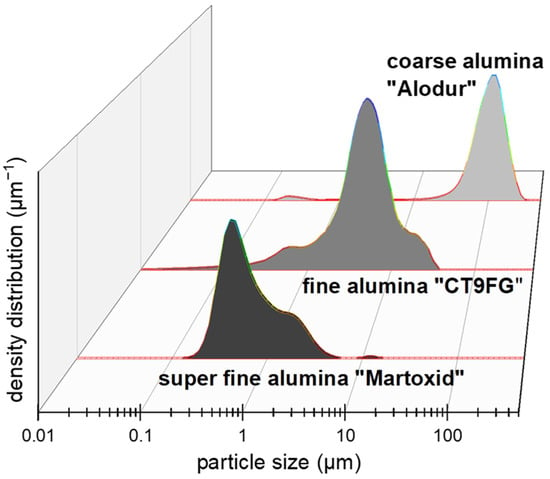
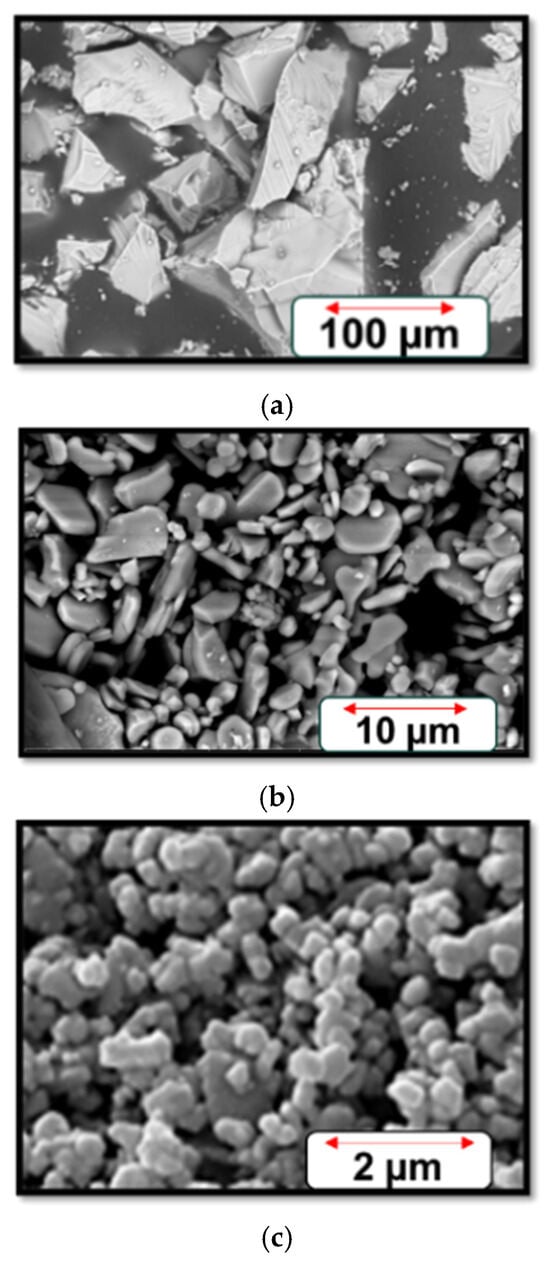
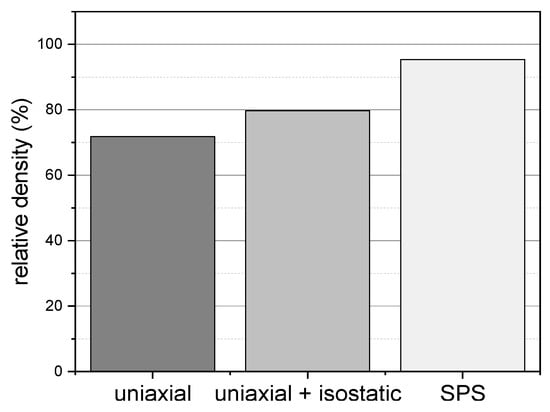
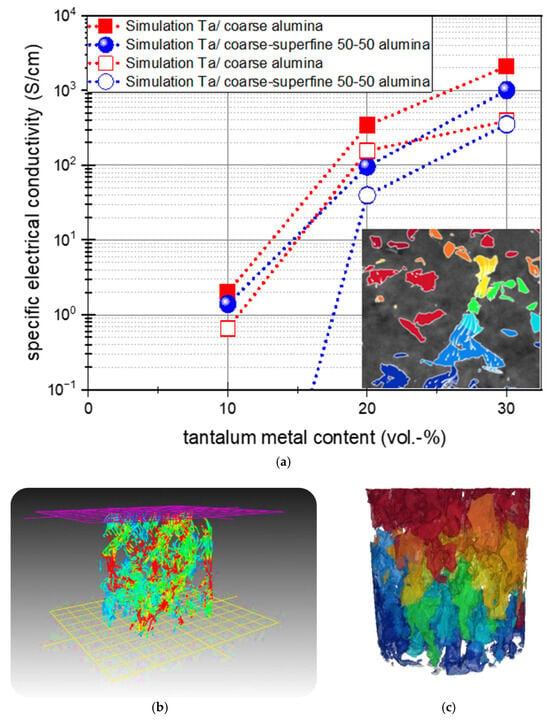
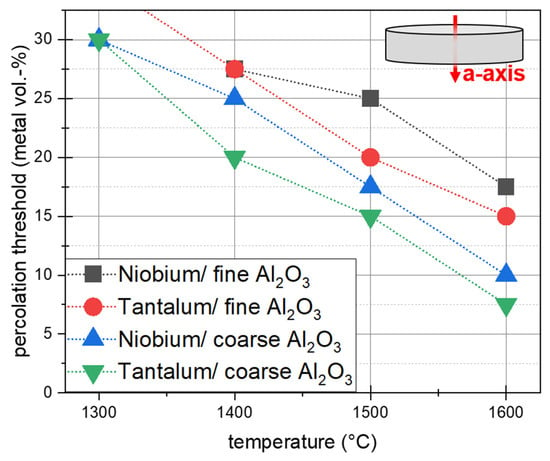
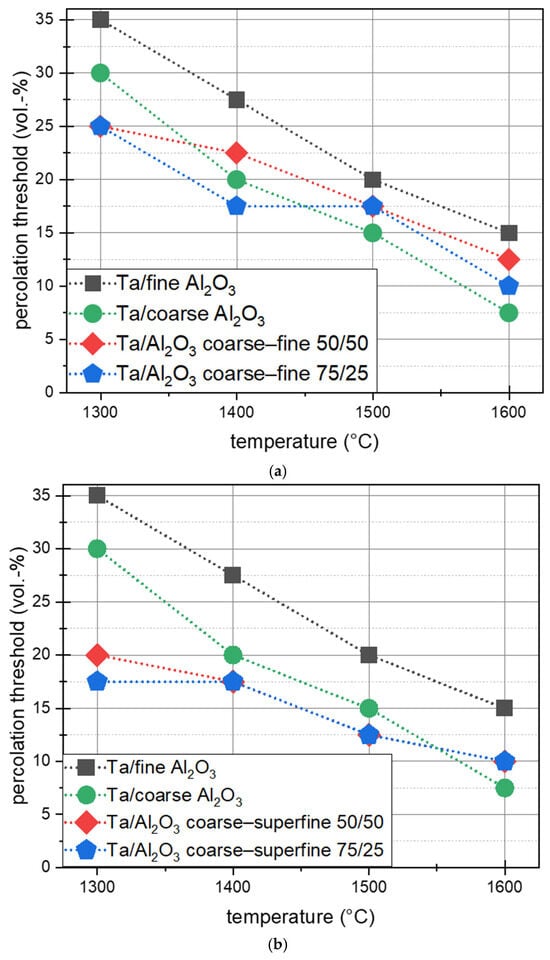
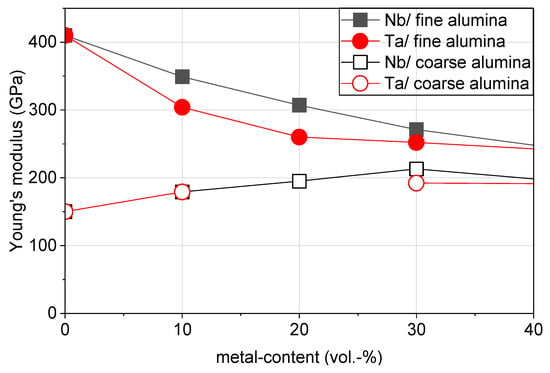
The electrification of high-temperature industrial processes requires refractory materials that combine thermal stability with tailored electrical functionality. In this study, Ta/Nb-Al2O3 composites were prepared by spark plasma sintering (SPS) to investigate densification, metal-phase deformation, electrical conductivity and percolation behavior. Coarse,
[...] Read more.
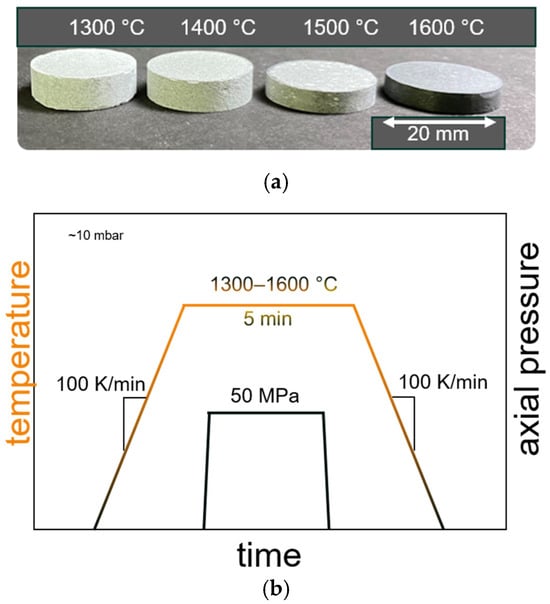
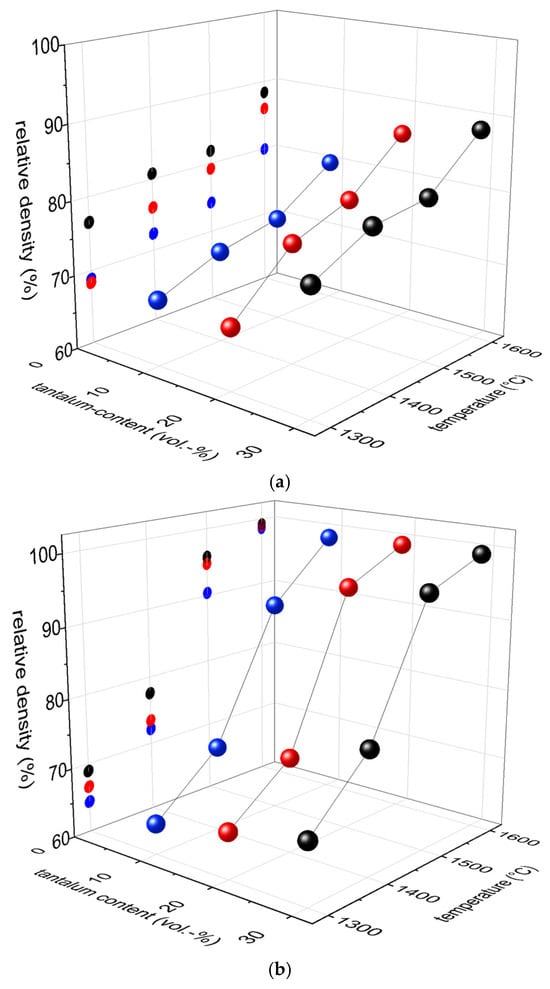
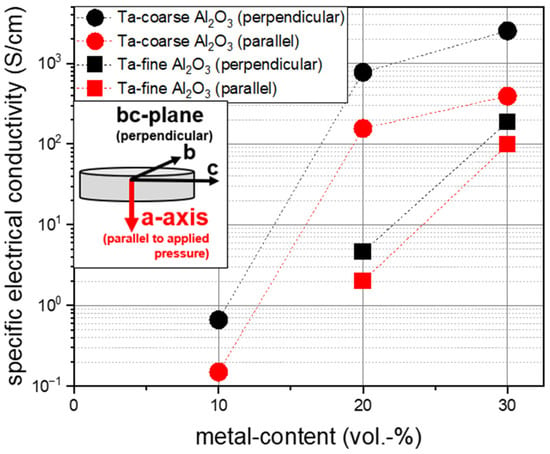
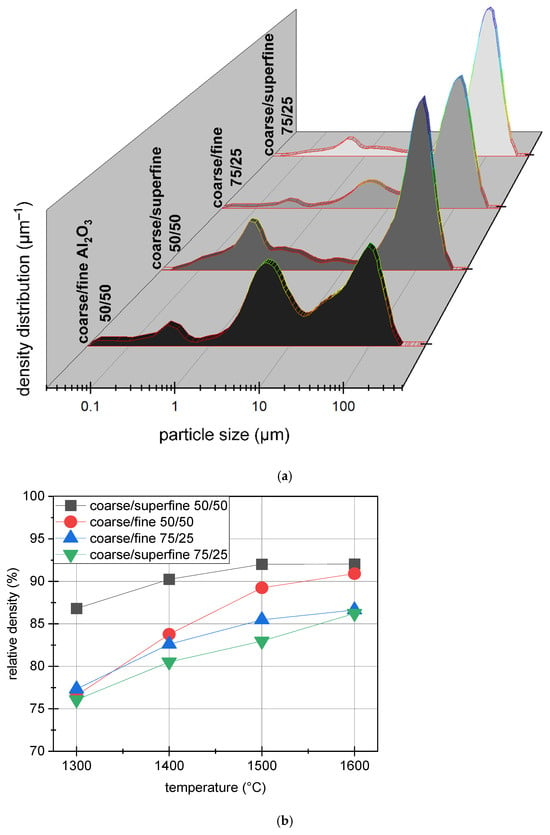
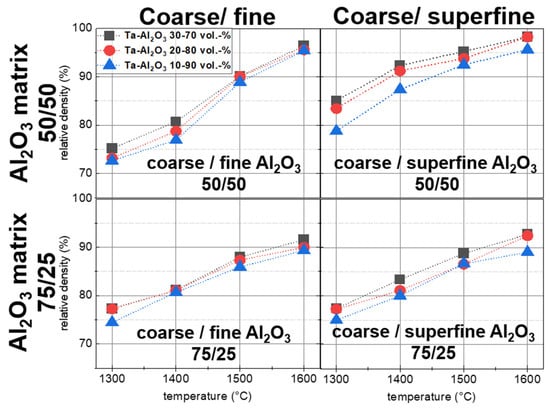
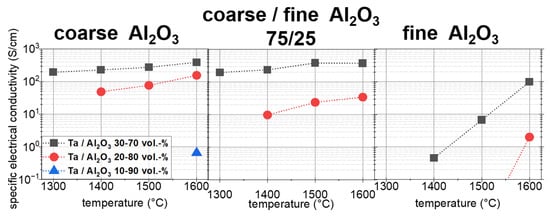
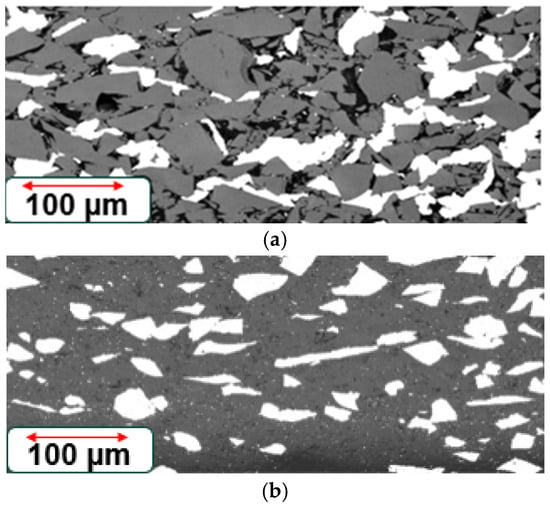
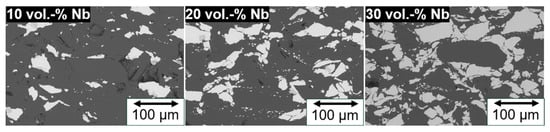
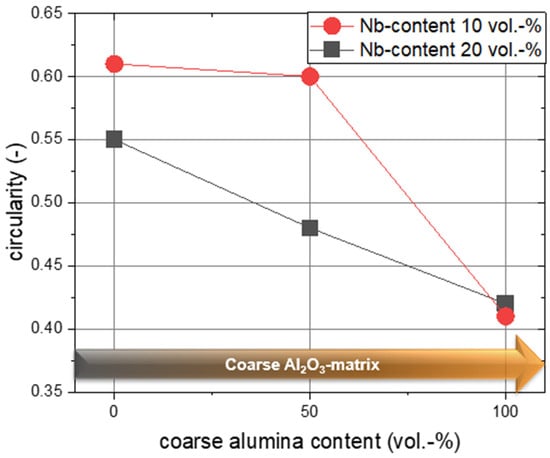
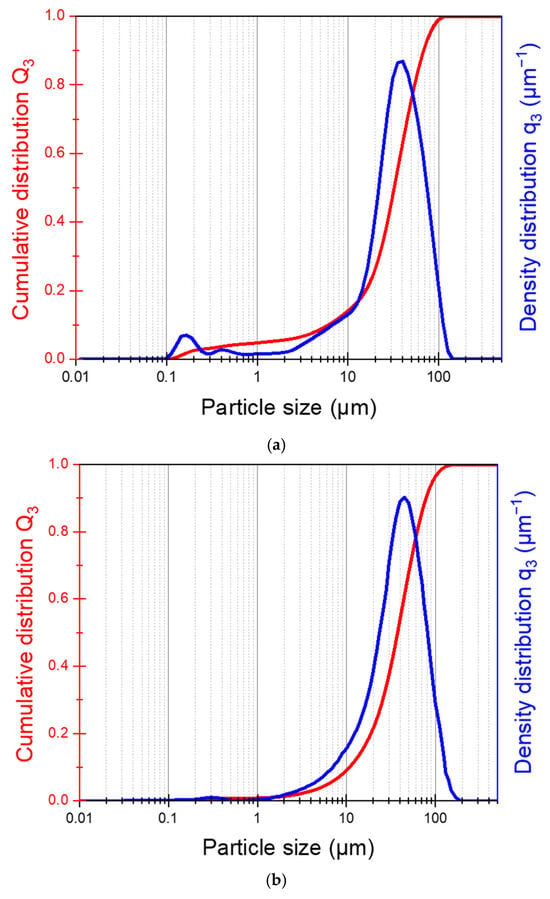
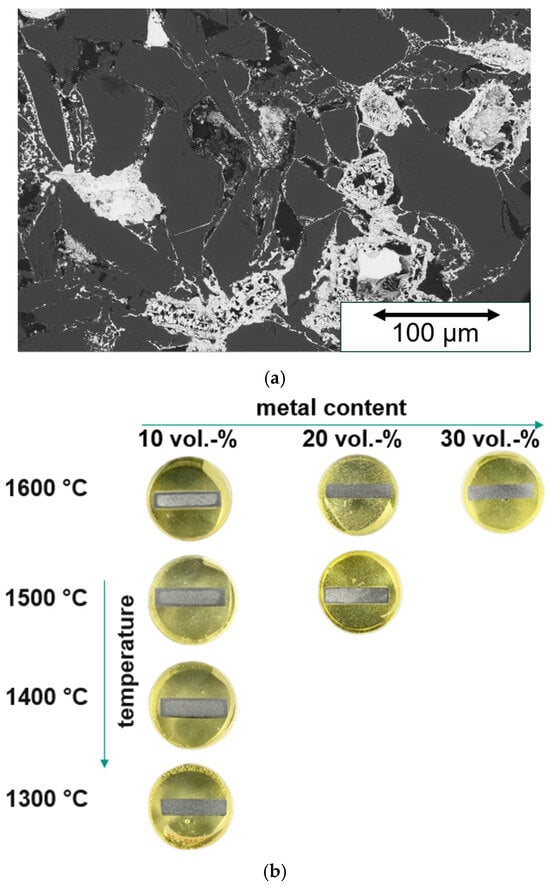
The electrification of high-temperature industrial processes requires refractory materials that combine thermal stability with tailored electrical functionality. In this study, Ta/Nb-Al2O3 composites were prepared by spark plasma sintering (SPS) to investigate densification, metal-phase deformation, electrical conductivity and percolation behavior. Coarse, fine and superfine alumina powders were combined with tantalum or niobium and sintered at 1300–1600 °C for 5 min with 50 MPa uniaxial pressure. The results show that the alumina particle size and morphology strongly influence the formation of conductive metal networks. Coarse alumina promotes deformation and elongation of the metallic phase, thereby improving metal-phase connectivity and lowering the operational percolation threshold. Fine and superfine alumina enhance densification but can delay percolation by embedding metal particles in a dense ceramic matrix. Combining these fractions, both effects can be balanced, enabling improved densification while maintaining effective conductive pathways. An operational percolation threshold of 7.5 vol.-% was obtained for Ta/coarse alumina, indicating highly effective metal-phase connectivity after SPS. Microstructural analysis supports the interpretation that matrix-controlled metal-particle deformation and spatial distribution govern the electrical response. Tailored alumina matrix design can reduce the refractory metal content required for conductive ceramic–metal composites.
Full article
(This article belongs to the Special Issue Mechanical and Functional Properties of Metal–Ceramic Composites for Harsh Environments)
►▼
Show Figures

Figure 1
Open AccessArticle
Surface Morphology, Relative Density, Microhardness and Microstructure of Tungsten Fabricated by Laser Powder Bed Fusion
by
Fang Wu, Fuping Liao, Zhihua Ju, Fangyuan Chen and Delin Yuan
Metals 2026, 16(7), 741; https://doi.org/10.3390/met16070741 - 5 Jul 2026
Abstract
This study investigates the effects of laser power and scanning rate on the surface morphology, relative density, microhardness and microstructure of pure tungsten fabricated by laser powder bed fusion (LPBF). Increasing the laser power or decreasing the scanning rate effectively suppresses spheroidisation and
[...] Read more.
This study investigates the effects of laser power and scanning rate on the surface morphology, relative density, microhardness and microstructure of pure tungsten fabricated by laser powder bed fusion (LPBF). Increasing the laser power or decreasing the scanning rate effectively suppresses spheroidisation and enhances densification, achieving a maximum relative density of ~98%. However, excessive laser power intensifies Marangoni convection, leading to surface protrusions that reduce density. Microstructural analysis reveals that the laser-scanned surface is dominated by fine columnar grains (390–480 HV), whereas the side surface comprises coarser columnar grains with lower hardness (~390 HV). Electron backscatter diffraction analysis confirms that the side surface contains a high proportion of grains exceeding 100 μm and reveals a significant peak (~41.8%) at ~3.5° for low-angle grain boundaries, indicating substantial internal stress and microstrain. Pole figures show a weak preferred orientation (maximum texture intensity of 3.161). Phase analysis shows no significant phase transformation after LPBF, while internal stress and microstrain increase notably.
Full article
(This article belongs to the Special Issue Rare-Earth Alloying Effects in Advanced Metallic Materials)
Open AccessArticle
Ultrasonic Vibration-Assisted Plasma Cladding of Fe-Cr-C-Based Coatings: Microstructural Regulation and Wear Resistance Enhancement
by
Yubing Xu, Ding Zhang, Kai Li, Chao Tian, Shanhui Li, Ping Zhang, Zhe Ji and Chengjin Shen
Metals 2026, 16(7), 740; https://doi.org/10.3390/met16070740 - 5 Jul 2026
Abstract
Fe-Cr-C-based coatings were fabricated on Q690 steel via ultrasonic vibration-assisted plasma cladding at varying ultrasonic powers (0–65 W) with a fixed frequency of 18.5 kHz. The coatings primarily consisted of martensite, retained austenite, and (Cr,Fe)7C3 carbides, along with (Cr,Fe,Mo)-B borides
[...] Read more.
Fe-Cr-C-based coatings were fabricated on Q690 steel via ultrasonic vibration-assisted plasma cladding at varying ultrasonic powers (0–65 W) with a fixed frequency of 18.5 kHz. The coatings primarily consisted of martensite, retained austenite, and (Cr,Fe)7C3 carbides, along with (Cr,Fe,Mo)-B borides along grain boundaries. Increasing ultrasonic power promoted cavitation and acoustic streaming, which refined columnar dendrites, reduced elemental segregation (notably for B and Mo), and increased the fraction of fine equiaxed grains without altering phase composition. As a result, the average microhardness increased from 797.1 to 828.5 HV0.1. The friction coefficient decreased from 0.675 to 0.626, while the wear-track width, wear depth, and wear mass loss decreased from 4.0 mm to 2.5 mm, from 112.5 μm to 32.4 μm, and from 20.40 mg to 4.75 mg, respectively. The wear mechanism shifted from severe adhesive wear to mild abrasive wear. These results demonstrate that increasing ultrasonic vibration power effectively refines the solidification microstructure and significantly improves the hardness and wear resistance of plasma-clad Fe-Cr-C-based coatings
Full article
(This article belongs to the Section Crystallography and Applications of Metallic Materials)

Open AccessArticle
Sealing Performance of Sn58Bi Low-Melting-Point Alloy for B-Annulus Plugging Under Cyclic Loading
by
Chunqing Zha, Jiajun Sun, Wei Wang, Gonghui Liu, Wei Liu and Jun Li
Metals 2026, 16(7), 739; https://doi.org/10.3390/met16070739 - 4 Jul 2026
Abstract
In geological carbon storage, cyclic casing loading can induce micro-annuli in the B-annulus cement sheath, risking CO2 leakage. Compared with conventional cement, the Sn58Bi low-melting-point alloy boasts excellent flowability and favorable elastoplastic behavior, emerging as a promising sealing alternative. This study focuses
[...] Read more.
In geological carbon storage, cyclic casing loading can induce micro-annuli in the B-annulus cement sheath, risking CO2 leakage. Compared with conventional cement, the Sn58Bi low-melting-point alloy boasts excellent flowability and favorable elastoplastic behavior, emerging as a promising sealing alternative. This study focuses on enhancing wellbore integrity by using Sn58Bi alloy to seal the B-annulus cement sheath. An experimental system was established to simulate micro-annulus evolution, with gas migration tests conducted under cyclic internal pressure to systematically evaluate the effects of temperature and cyclic loading on the alloy’s sealing performance. Additionally, a three-layer casing–annulus–formation coupling model was constructed to investigate the radial displacement of the Sn58Bi alloy sheath and cement sheath at 30 °C and 20 MPa casing pressure, clarifying their distinct mechanical responses. Results show that the alloy’s sealing performance improves with temperature (30–90 °C), while elevated cyclic internal pressure accelerates gas breakthrough and reduces sustainable cycles. Under identical conditions (30 °C, 20 MPa), Sn58Bi alloy exhibits significantly superior CO2 sealing capacity to conventional cement. This study confirms the alloy’s potential for enhancing wellbore integrity and provides theoretical support for its application in B-annulus plugging during subsurface carbon storage.
Full article
Open AccessArticle
A Two-Step Strategy of Surface Modification and Low-Temperature Sintering for Reliable Cu/Graphite Joining
by
Zimeng Zhang, Chenghao Zhang, Qian Cheng, Chun Li, Xiaoqing Si, Zongjing He, Lin Cao, Chengxian Li, Shisheng Huang, Jun Wang and Yang Liu
Metals 2026, 16(7), 738; https://doi.org/10.3390/met16070738 - 4 Jul 2026
Abstract
The reliable joining of graphite and Cu holds significant promise for applications in electronic heat dissipation and sliding electrical contacts. However, the substantial differences in their physicochemical properties, poor wettability, and mismatch in coefficients of thermal expansion often result in low joint strength.
[...] Read more.
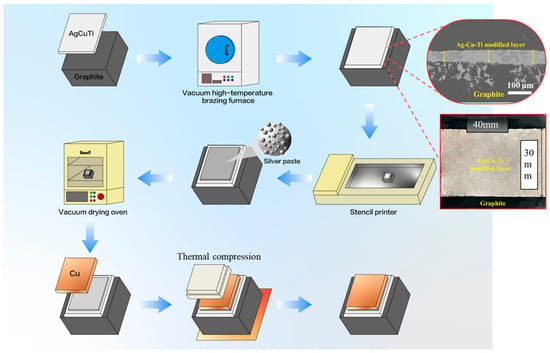
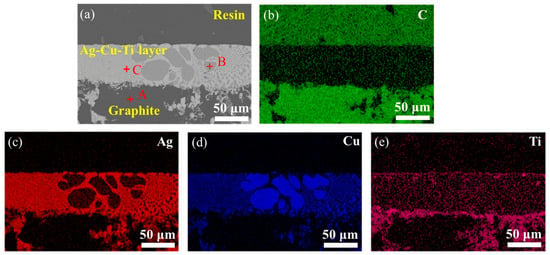
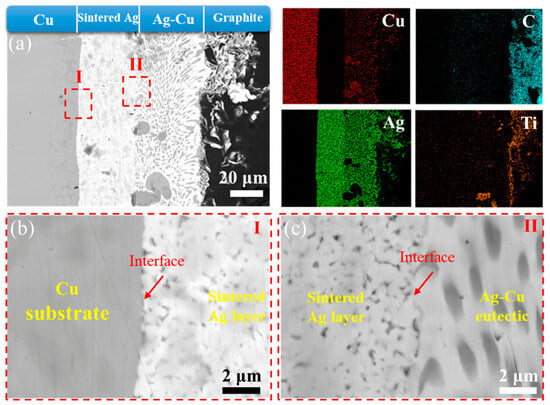
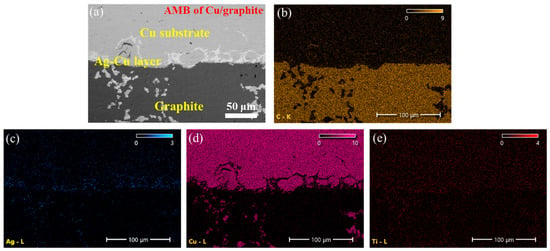
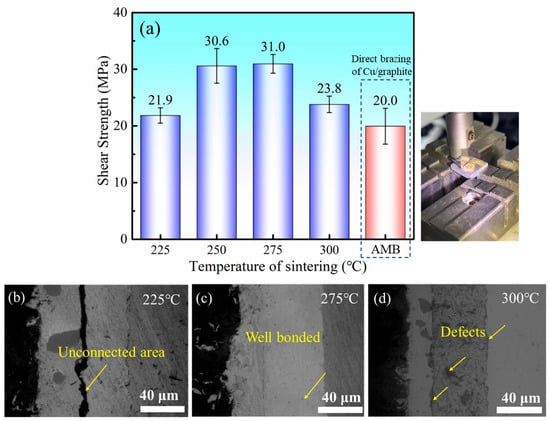
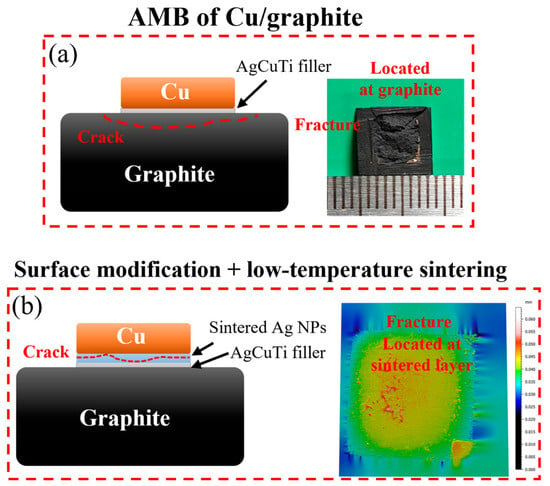
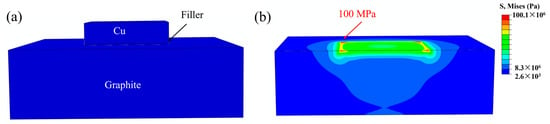
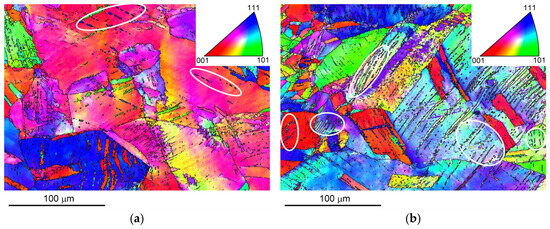
The reliable joining of graphite and Cu holds significant promise for applications in electronic heat dissipation and sliding electrical contacts. However, the substantial differences in their physicochemical properties, poor wettability, and mismatch in coefficients of thermal expansion often result in low joint strength. In this study, a two-step joining strategy combines surface modification with low-temperature sintering, and this is proposed for fabrication of Cu/graphite joints. First, the graphite surface is modified using an AgCuTi active filler alloy under vacuum conditions. Ti preferentially segregates at and reacts with the graphite interface, leading to the formation of an Ag-Cu eutectic modified layer on the graphite surface. Subsequently, low-temperature joining of the modified graphite to a Cu substrate is achieved via a hot-pressing sintering process using a Ag paste. In the sintered joint, the Ag sintered layer forms sound metallurgical bonds with both the Cu substrate and the graphite-modified layer. When the sintering temperature is 250 °C, the joint exhibits a shear strength of 30 MPa, which is significantly higher than that of a directly brazed joint. This strategy effectively reduces thermal residual stress in the joint during cooling and shifts the failure location from the brittle graphite substrate to the ductile Ag sintered layer, thereby substantially enhancing the mechanical performance.
Full article
(This article belongs to the Special Issue Weldability, Joint Microstructure and Properties of Dissimilar Metals)
►▼
Show Figures

Figure 1
Open AccessArticle
Microstructural Evolution and Protection Behavior of CoCrNiTiAl Nanocrystalline–Amorphous Composite Structure Films
by
Lei Huang, Zonglin Li, Xin Shen, Wei Jiang, Lingjie Chen and Longbo Li
Metals 2026, 16(7), 737; https://doi.org/10.3390/met16070737 - 4 Jul 2026
Abstract
CoCrNiTiAlx high-entropy alloy films with varied Al contents were fabricated on 42CrMo steel substrates via magnetron sputtering. By adjusting the sputtering power of the Al target, an investigation was systematically carried out to explore the effect of different Al contents on the
[...] Read more.
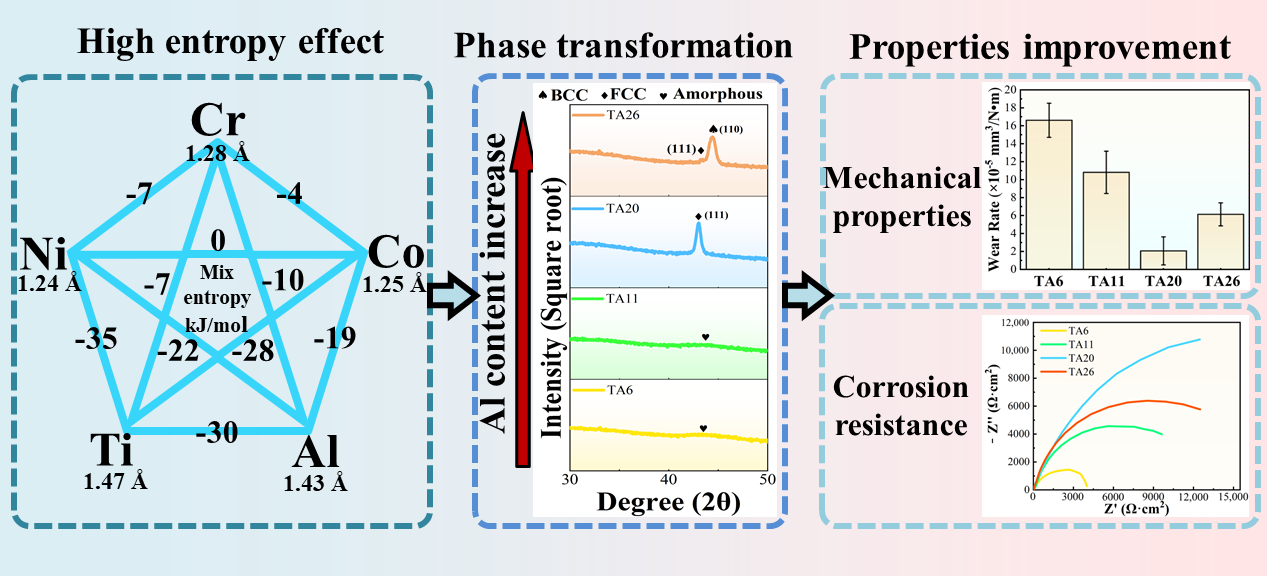
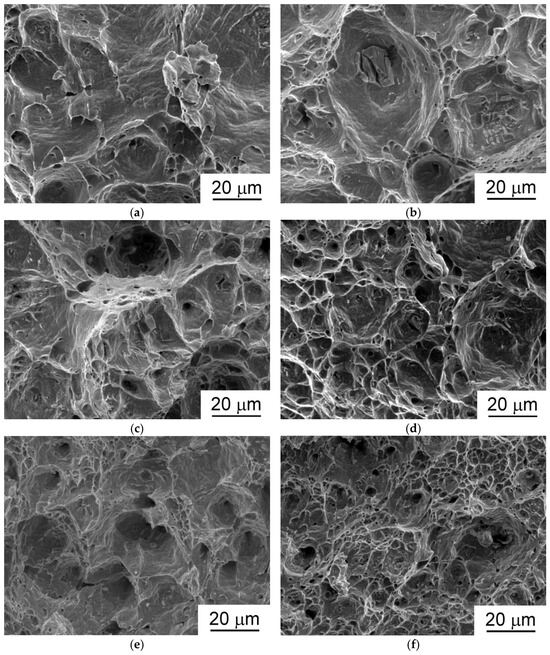
CoCrNiTiAlx high-entropy alloy films with varied Al contents were fabricated on 42CrMo steel substrates via magnetron sputtering. By adjusting the sputtering power of the Al target, an investigation was systematically carried out to explore the effect of different Al contents on the microstructural evolution, mechanical properties, and corrosion resistance of the film, with the underlying synergistic mechanism governing these properties being elucidated. With increasing Al content, the film microstructure gradually transforms from an amorphous phase at low Al contents to a nanocrystalline–amorphous composite structure, until it is converted into the BCC phase, and the film’s crystallinity exhibits a trend of first increasing and then decreasing. In terms of mechanical properties, the film hardness is significantly enhanced from 7.6 ± 1.3 GPa to 18.9 ± 1.1 GPa with increasing Al content, while the toughness gradually declines. Wear tests show that the film wear rate first decreases and then increases with rising Al content, reaching a minimum of 2.06 × 10⁻⁵ mm3/N·m. The superior protective state, characterized by a corrosion potential reaching −361.2 mV and corrosion current density dropping to 1.12 μA/cm2, arises from the generation of an integrated, consistently structured composite passivation barrier in 3.5 wt.% solution. This study confirms that appropriate Al doping can synergistically optimize the microstructure, mechanical properties, and corrosion resistance of CoCrNiTiAlx films, providing experimental and theoretical support for the compositional design and engineering applications of high-performance high-entropy alloy protective films.
Full article
(This article belongs to the Special Issue Phase Stability and Microstructural Evolution in Aluminum Alloys)
►▼
Show Figures

Graphical abstract
Journal Menu
► ▼ Journal Menu-
- Metals Home
- Aims & Scope
- Editorial Board
- Reviewer Board
- Topical Advisory Panel
- Early Career Editorial Board
- Photography Exhibition
- Instructions for Authors
- Special Issues
- Topics
- Sections
- Article Processing Charge
- Indexing & Archiving
- Editor’s Choice Articles
- Most Cited & Viewed
- Journal Statistics
- Journal History
- Journal Awards
- Society Collaborations
- Conferences
- Editorial Office
Journal Browser
► ▼ Journal BrowserHighly Accessed Articles
Latest Books
E-Mail Alert
News
Topics
Topic in
Applied Mechanics, Applied Sciences, Materials, Polymers, Solids, Metals
Multi-scale Modeling and Optimisation of Materials
Topic Editors: Mustafa Awd, Frank WaltherDeadline: 31 August 2026
Topic in
Alloys, Materials, Metals
Development of Light Alloys with Excellent Mechanical Properties
Topic Editors: Zhirou Zhang, Isaac ChangDeadline: 10 October 2026
Topic in
Materials, Crystals, Metals, Coatings, Alloys
Microstructure and Properties in Metals and Alloys, 4th Edition
Topic Editors: Andrea Di Schino, Claudio Testani, Robert BidulskýDeadline: 31 October 2026
Topic in
Alloys, JETA, Materials, Metals, Sci, Applied Mechanics, Buildings
Advanced Failure Analysis of Materials
Topic Editors: Franco Concli, Isaac J. HongDeadline: 31 December 2026
Conferences
Special Issues
Special Issue in
Metals
Advanced Laser Welding and Joining of Metallic Materials
Guest Editor: Yanqiu ZhaoDeadline: 10 July 2026
Special Issue in
Metals
Recent Advances in Metal Ion Separation
Guest Editors: Maja Branko Đolić, Mirjana ĆujićDeadline: 15 July 2026
Special Issue in
Metals
Recent Advances in the Recycling and Reuse of Metallurgical Wastes and By-Products
Guest Editors: Valentina Colla, Ismael MatinoDeadline: 15 July 2026
Special Issue in
Metals
Advances in Metal Casting and Forming
Guest Editor: Hisaki WatariDeadline: 15 July 2026