
Journal Description
Pathogens
Pathogens
is an international, peer-reviewed, open access journal on pathogens and pathogen-host interactions published monthly online by MDPI.
- Open Access— free for readers, with article processing charges (APC) paid by authors or their institutions.
- High Visibility: indexed within Scopus, SCIE (Web of Science), PubMed, MEDLINE, PMC, Embase, PubAg, CaPlus / SciFinder, AGRIS, and other databases.
- Journal Rank: JCR - Q2 (Microbiology) / CiteScore - Q1 (Infectious Diseases)
- Rapid Publication: manuscripts are peer-reviewed and a first decision is provided to authors approximately 14.1 days after submission; acceptance to publication is undertaken in 2.6 days (median values for papers published in this journal in the second half of 2025).
- Recognition of Reviewers: reviewers who provide timely, thorough peer-review reports receive vouchers entitling them to a discount on the APC of their next publication in any MDPI journal, in appreciation of the work done.
- Companion journals for Pathogens include: Parasitologia and Bacteria.
- Journal Cluster of Microbiology: Acta Microbiologica Hellenica, Applied Microbiology, Bacteria, Journal of Fungi, Microorganisms, Microbiology Research, Pathogens and Viruses.
Impact Factor:
3.3 (2024);
5-Year Impact Factor:
3.6 (2024)
Latest Articles
Multi-Organ RNA Virome Profiling of Edible Rodents Reveals Potential Zoonotic Viral Exposure at the Wildlife–Livestock–Human Interface in Southwest China
Pathogens 2026, 15(5), 558; https://doi.org/10.3390/pathogens15050558 - 21 May 2026
Abstract
The consumption of wild rodents in certain regions of Southwest China creates a potential interface for zoonotic pathogen exposure, yet the virome composition of edible rodents remains insufficiently characterized. In this study, we performed multi-organ RNA metatranscriptomic analysis of three commonly consumed rodent
[...] Read more.
The consumption of wild rodents in certain regions of Southwest China creates a potential interface for zoonotic pathogen exposure, yet the virome composition of edible rodents remains insufficiently characterized. In this study, we performed multi-organ RNA metatranscriptomic analysis of three commonly consumed rodent species (Niviventer andersoni, Berylmys bowersi, and Rattus losea) collected from Guizhou Province, analyzing five visceral organs per species. A total of 1198 viral contigs spanning 37 viral families were identified, revealing diverse viral communities across host species and tissues, with host identity emerging as a key factor shaping virome structure. Sequences related to Seoul virus were detected in the lungs of R. losea, showing high similarity to previously reported strains, and sequences closely related to porcine Rotavirus A were identified in the lung samples of N. andersoni, indicating a close phylogenetic relationship with livestock-associated viruses. While these findings do not confirm active infection or transmission, they may reflect potential environmental exposure or ecological links at the wildlife–livestock interface. Overall, this study provides a baseline characterization of the multi-organ virome of edible rodents and highlights the importance of integrated surveillance and risk assessment within a One Health framework.
Full article
(This article belongs to the Section Viral Pathogens)
Open AccessReview
Host–Pathogen Interactions in Cystic Fibrosis Lung Disease: Adaptation, Persistence, and Clinical Implications of Pseudomonas aeruginosa
by
Burcu Capraz Yavuz
Pathogens 2026, 15(5), 557; https://doi.org/10.3390/pathogens15050557 - 21 May 2026
Abstract
Cystic fibrosis (CF) lung disease is characterized by chronic infection and progressive airway damage, driven by interactions between epithelial dysfunction, immune dysregulation, and microbial adaptation. Defective cystic fibrosis transmembrane conductance regulator (CFTR) function disrupts airway hydration and mucociliary clearance, creating a microenvironment that
[...] Read more.
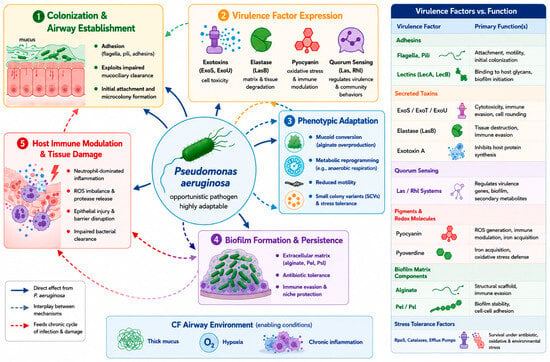
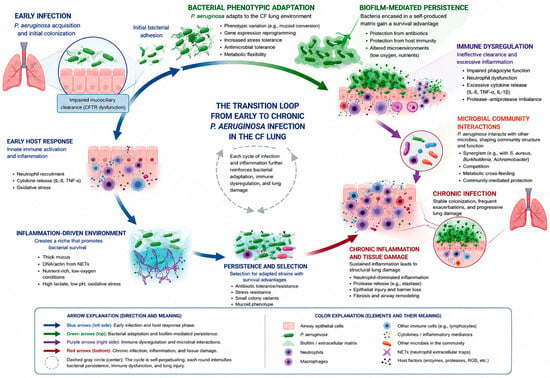
Cystic fibrosis (CF) lung disease is characterized by chronic infection and progressive airway damage, driven by interactions between epithelial dysfunction, immune dysregulation, and microbial adaptation. Defective cystic fibrosis transmembrane conductance regulator (CFTR) function disrupts airway hydration and mucociliary clearance, creating a microenvironment that facilitates infection, particularly with Pseudomonas aeruginosa (P. aeruginosa). Within this environment, P. aeruginosa undergoes adaptive changes, including biofilm formation and metabolic reprogramming, which support long-term survival in the airway. Concurrently, host immune responses become dysregulated, with ineffective bacterial clearance and sustained neutrophil-dominated inflammation contributing to tissue injury. These processes establish a self-reinforcing cycle that drives disease progression. Importantly, early infection represents a critical therapeutic window during which bacterial populations remain more amenable to eradication before irreversible airway remodeling occurs. Delayed intervention promotes transition to a more treatment-refractory state and accelerates disease progression. Despite the clinical benefits of CFTR modulators, airway damage and established infections often remain. The relative contributions and interactions of epithelial dysfunction, immune dysregulation, and bacterial adaptation in sustaining chronic infection remain incompletely defined, representing a key knowledge gap. In this context, this review aims to integrate current evidence on host–pathogen co-adaptation in CF lung disease, with a particular focus on P. aeruginosa, and highlight emerging therapeutic strategies.
Full article
(This article belongs to the Special Issue The Host-Pathogen Interaction in Cystic Fibrosis)
►▼
Show Figures

Figure 1
Open AccessSystematic Review
Genetic Fingerprint of Klebsiella pneumoniae Virulence: A Systematic Review
by
Carlos Andrés Aldana-Ortega, Alexander José Pérez-Villadiego, Yohelys Monterrosa-Taborda, Alberto Angulo-Ortíz and Orfa Inés Contreras-Martínez
Pathogens 2026, 15(5), 556; https://doi.org/10.3390/pathogens15050556 - 21 May 2026
Abstract
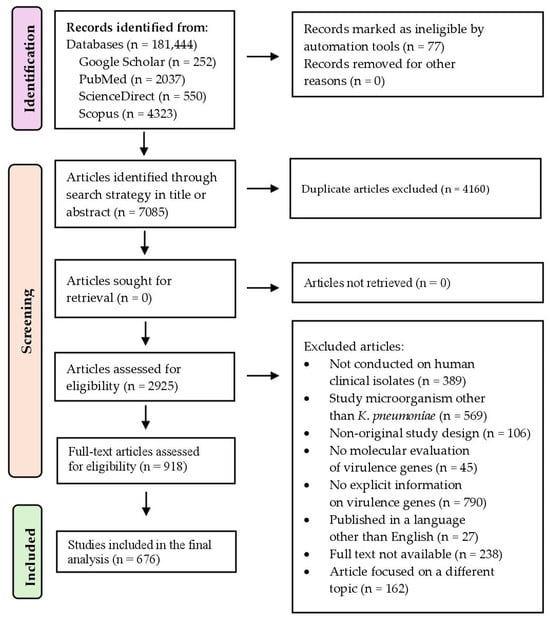
Background: Klebsiella pneumoniae is a globally relevant pathogen whose growing association between hypervirulence and antimicrobial resistance represents a major public health challenge. Methods: A systematic review was performed following the PRISMA 2020 guidelines. Studies published between 2005 and 2025 were searched in Google
[...] Read more.
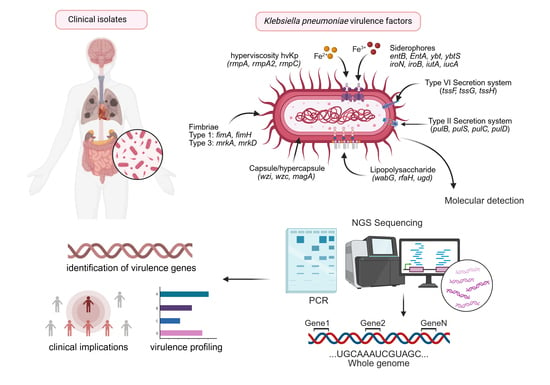
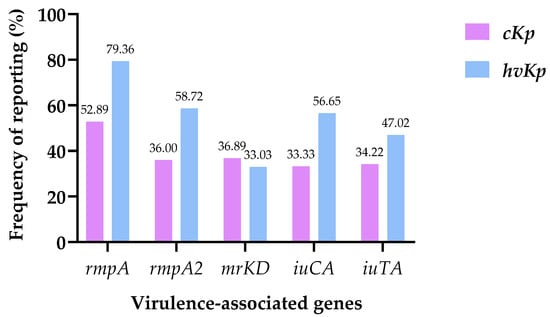
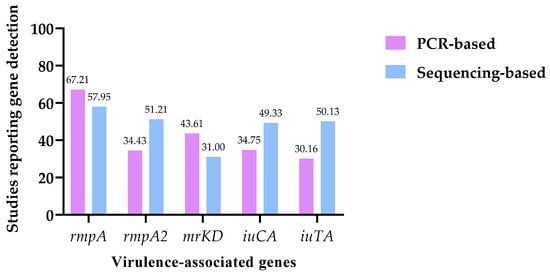
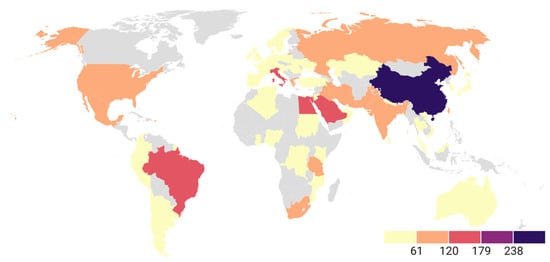
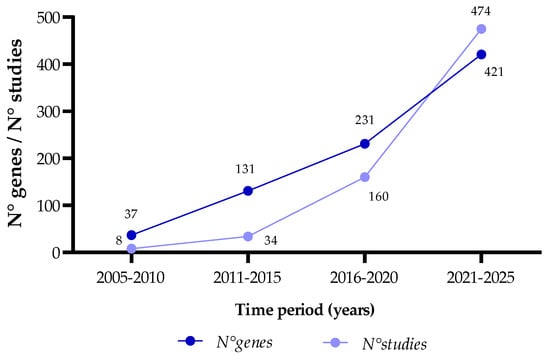
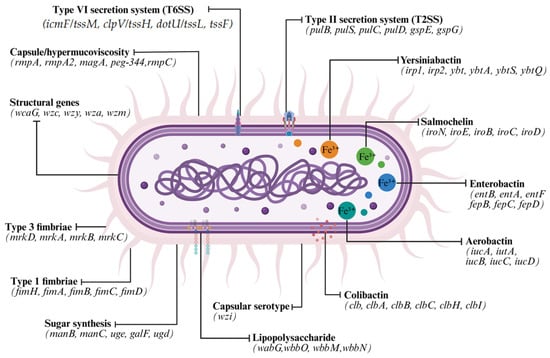
Background: Klebsiella pneumoniae is a globally relevant pathogen whose growing association between hypervirulence and antimicrobial resistance represents a major public health challenge. Methods: A systematic review was performed following the PRISMA 2020 guidelines. Studies published between 2005 and 2025 were searched in Google Scholar, Scopus, PubMed and Science Direct that reported the molecular detection of virulence genes in clinical isolates. Results: A total of 676 studies were included, in which 475 virulence genes were reported. A progressive increase in their detection was observed, Hypervirulent strains were associated with a higher proportion of genes associated with capsule and hypermucoviscosity, while classical strains were associated with a higher representation of adhesion and biofilm genes. Conclusions: The virulence of K. pneumoniae is organized into functional modules dominated by iron acquisition and capsular regulation. These findings support the prioritization of key determinants for molecular surveillance and the study of the global distribution and temporal trends of this pathogen.
Full article
(This article belongs to the Special Issue Bacterial Pathogens—Strategies for Dissemination, Infection, and Persistence Within a Host)
►▼
Show Figures

Graphical abstract
Open AccessReview
Therapeutic Approaches for HTLV-1-Associated Myelopathy/Tropical Spastic Paraparesis: Current and Emerging Strategies
by
Tatsufumi Nakamura and Katsuya Satoh
Pathogens 2026, 15(5), 555; https://doi.org/10.3390/pathogens15050555 - 20 May 2026
Abstract
Human T-cell leukemia virus-1 (HTLV-1)-associated myelopathy/tropical spastic paraparesis (HAM/TSP) is a chronic inflammatory disease of the spinal cord induced by immunological activation due to high HTLV-1 proviral load in the peripheral blood. HAM/TSP is representative of HTLV-1-related inflammatory diseases, and its main neurological
[...] Read more.
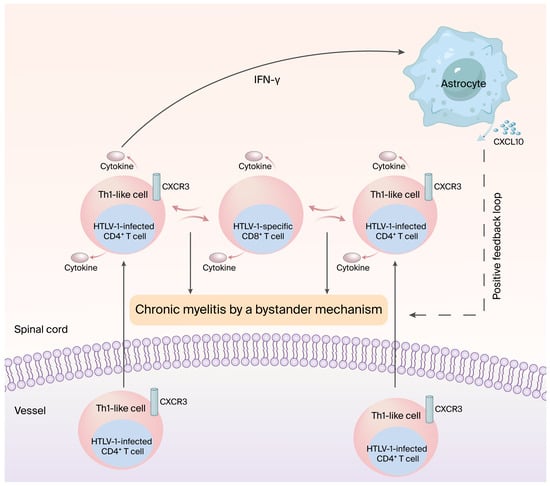
Human T-cell leukemia virus-1 (HTLV-1)-associated myelopathy/tropical spastic paraparesis (HAM/TSP) is a chronic inflammatory disease of the spinal cord induced by immunological activation due to high HTLV-1 proviral load in the peripheral blood. HAM/TSP is representative of HTLV-1-related inflammatory diseases, and its main neurological symptoms—namely, motor dysfunction of the lower extremities through spastic paraparesis with urinary disturbance—are progressive and lead to deterioration in the quality of life of patients once these dysfunctions develop. Therefore, novel and safe therapeutic regimens are needed, enabling patients to commence treatment as soon as possible after the diagnosis of HAM/TSP. To date, various treatments have been developed for the correction of the associated immunological or virological abnormalities, which have produced some good results. However, there are still many problems, such as insufficient treatment effects and side effects. In addition, most of these treatments have only been characterized in the short term, being in the open trial phase, and it remains unclear whether or not they are suitable for the long-term treatment of HAM/TSP induced by a chronic inflammatory status. Thus, we need effective therapeutic regimens with safety for long-term or even lifelong courses of treatment. In this review, we summarize the clinical trials conducted to date for various therapeutic approaches, including representative regimens against HAM/TSP, while touching on the problematic issues. In addition, we discuss several agents with the potential to enable the development of novel therapeutic regimens as emerging interventions for further investigation in future research.
Full article
(This article belongs to the Special Issue New Insights into HTLV-1-Related Inflammatory Diseases)
►▼
Show Figures

Figure 1
Open AccessArticle
Age-Dependent Clinical Patterns of Primary Epstein–Barr Virus Infection in Children: Insights for Diagnostic Accuracy
by
Demet Teker-Düztaş, Ayşe Kaman and Gönül Tanır
Pathogens 2026, 15(5), 554; https://doi.org/10.3390/pathogens15050554 - 20 May 2026
Abstract
Primary Epstein–Barr virus (EBV) infection in children exhibits substantial clinical heterogeneity, often complicating early diagnosis and leading to unnecessary antibiotic use. This retrospective study evaluated 695 children (0–18 years) diagnosed with primary EBV infection at a tertiary pediatric center between 2010 and 2015,
[...] Read more.
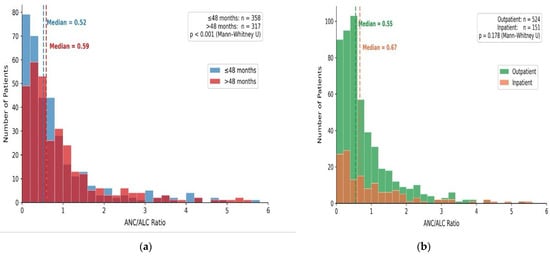
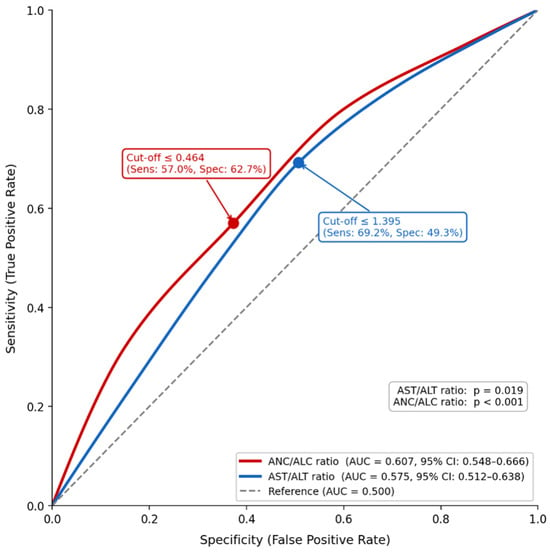
Primary Epstein–Barr virus (EBV) infection in children exhibits substantial clinical heterogeneity, often complicating early diagnosis and leading to unnecessary antibiotic use. This retrospective study evaluated 695 children (0–18 years) diagnosed with primary EBV infection at a tertiary pediatric center between 2010 and 2015, defined by positive viral capsid antigen (VCA) IgM and negative Epstein–Barr nuclear antigen (EBNA) IgG. Clinical, laboratory, and ultrasonographic findings were compared according to age group (≤4 vs. >4 years) and clinical setting (inpatient vs. outpatient). The median age was 3.75 years (IQR: 2–6.25), and more than half of the patients were ≤4 years. Younger children more frequently presented with nonspecific respiratory and gastrointestinal symptoms, whereas older children more commonly exhibited the classic infectious mononucleosis (IM) phenotype, including sore throat, dysphagia, lymphadenopathy, and hepatosplenomegaly (p < 0.001). Antibiotics were prescribed in 64.2% of patients, while 21.7% required hospitalization. Multivariable logistic regression analyses demonstrated that age was not an independent predictor of hospitalization, classic IM phenotype, or antibiotic use. Instead, specific clinical and laboratory findings—such as lymphopenia, lymphadenopathy, vomiting, thrombocytosis, and tonsillar hypertrophy—emerged as the key determinants of clinical outcomes. To enhance diagnostic discrimination, receiver operating characteristic (ROC) analysis of ANC/ALC and AST/ALT ratios was performed, and a composite risk score (0–2) was derived. Although both markers showed modest discriminative ability (AUC 0.607 and 0.575), their high negative predictive values (>90%) suggest potential utility as rule-out tools. The composite score demonstrated a stepwise increase in the probability of classic IM presentation across age groups. In conclusion, primary EBV infection demonstrates a clear age-related clinical spectrum; however, clinical and laboratory features rather than age alone drive key outcomes. These findings highlight the need for age-specific diagnostic strategies and improved antimicrobial stewardship, while the proposed risk score provides a foundation for future validation studies.
Full article
(This article belongs to the Special Issue Pediatric Viral Infections: Epidemiology, Treatment, and Emerging Challenges)
►▼
Show Figures

Figure 1
Open AccessArticle
Association Between Serum Phosphorus and 28-Day Mortality in Patients with Bloodstream Infection: Potential Prognostic Implication Beyond Renal Function and Clinical Severity
by
Ningjing Pu, Juan Xiong, Yueshan Sun, Ke Li and Yuanbiao Guo
Pathogens 2026, 15(5), 553; https://doi.org/10.3390/pathogens15050553 - 20 May 2026
Abstract
Objective: Our objective was to investigate the association between serum phosphorus levels and 28-day mortality in patients with bloodstream infection (BSI), and to explore whether this association persists after adjusting for renal function and clinical severity. Methods: This retrospective cohort study included 214
[...] Read more.
Objective: Our objective was to investigate the association between serum phosphorus levels and 28-day mortality in patients with bloodstream infection (BSI), and to explore whether this association persists after adjusting for renal function and clinical severity. Methods: This retrospective cohort study included 214 BSI patients. Patients were divided into hyperphosphatemia (≥2.2 mmol/L, n = 15) and control (<2.2 mmol/L, n = 199) groups. To address the small sample size and potential separation, multivariate Firth’s penalized likelihood regression was utilized to evaluate the association with 28-day mortality. Restricted cubic spline regression explored the continuous relationship. Fine–Gray competing risk models, 1000-resample bootstrapping, and E-value analyses were conducted to ensure the robustness of the observed associations. Results: The 28-day mortality rate was significantly higher in the hyperphosphatemia group (80.0% vs. 39.7%, p = 0.005). After adjusting for age, sex, and estimated glomerular filtration rate (eGFR), hyperphosphatemia remained significantly associated with higher observed 28-day mortality (OR = 4.46, 95% CI: 1.36–18.54, p = 0.012). This association remained robust even after further adjustment for septic shock (OR = 4.74, 95% CI: 1.30–21.64, p = 0.017). Analyzed continuously, each 0.5 mmol/L increase in serum phosphorus was associated with 34% higher odds of mortality (OR = 1.34, 95% CI: 1.07–1.74, p = 0.01). Spline analysis confirmed a nonlinear relationship with a threshold at 2.2 mmol/L. Kaplan–Meier analysis demonstrated a severity-driven survival separation in the hyperphosphatemia group (Log-rank p < 0.001). The association remained highly robust after adjusting for early discharge competing risks (sHR = 4.62, p < 0.001) and in bootstrap validation (median OR = 4.80). Conclusions: Serum phosphorus ≥ 2.2 mmol/L is associated with higher observed mortality in BSI patients, an association that remained evident after adjusting for renal function and clinical severity, including septic shock. However, given the small hyperphosphatemia subgroup (n = 15), limited statistical stability, and the potential for residual confounding, these findings should be considered hypothesis-generating rather than definitive, requiring prospective validation in larger, adequately powered cohorts. Rather than a definitive triage tool, serum phosphorus may serve as a simple, adjunctive marker for early metabolic assessment in severe infections.
Full article
(This article belongs to the Section Bacterial Pathogens)
Open AccessArticle
Prevalence and Pathogen Profiles of Yak Diarrhea in Ganzi Tibetan Autonomous Prefecture, Sichuan Province, China
by
Youying Li, Xue Zhang, Yao Pan, Jianping Wu, Wenbin Xu, Zhaobin Xia, Songming Li, Deyun Wang, Lan Lan and Honghui Ren
Pathogens 2026, 15(5), 552; https://doi.org/10.3390/pathogens15050552 - 20 May 2026
Abstract
Yak diarrhea is a major health concern in high-altitude regions, yet data are lacking in Ganzi Tibetan Autonomous Prefecture, a key yak-producing area in China. This study aimed to describe the prevalence, mortality, seasonal patterns, and pathogen profiles of yak diarrhea in Ganzi
[...] Read more.
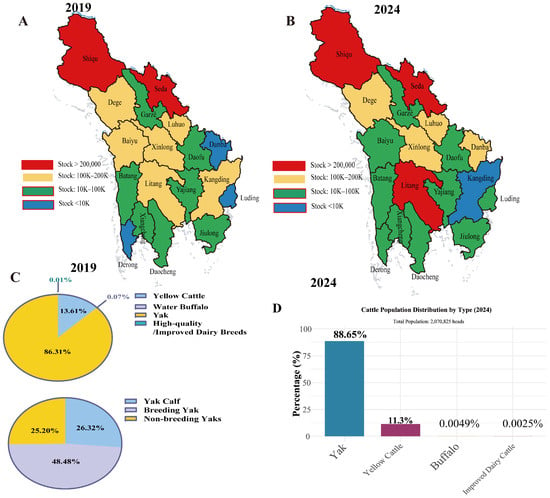
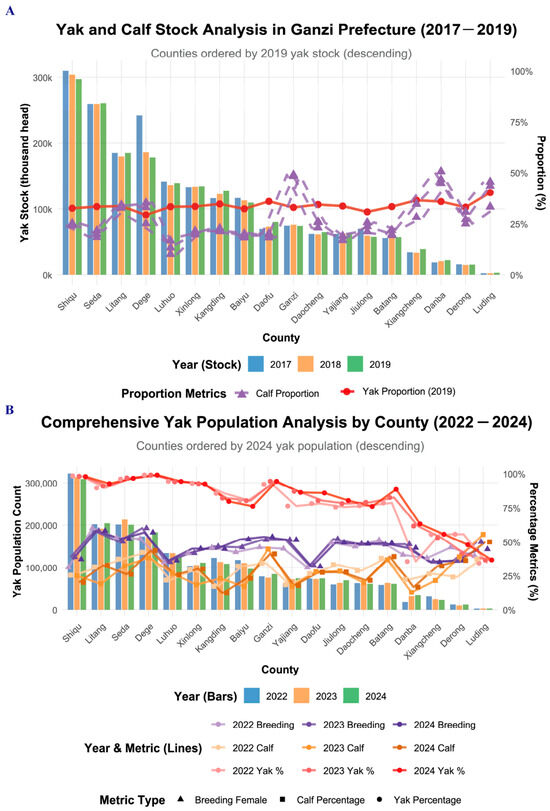
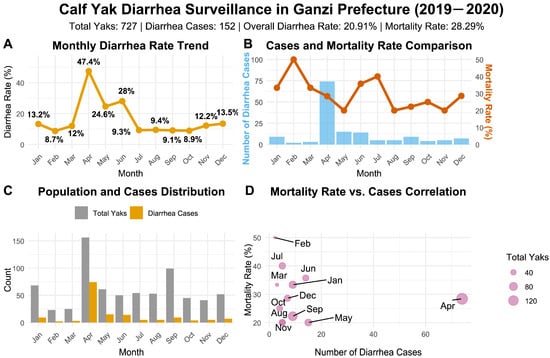
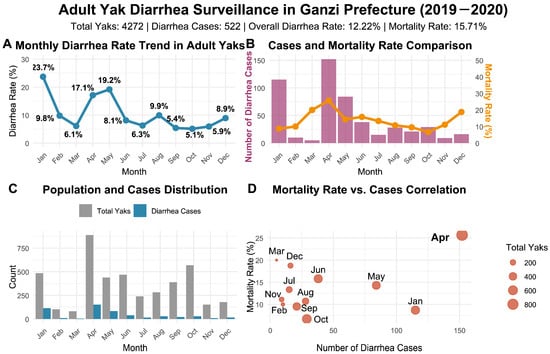
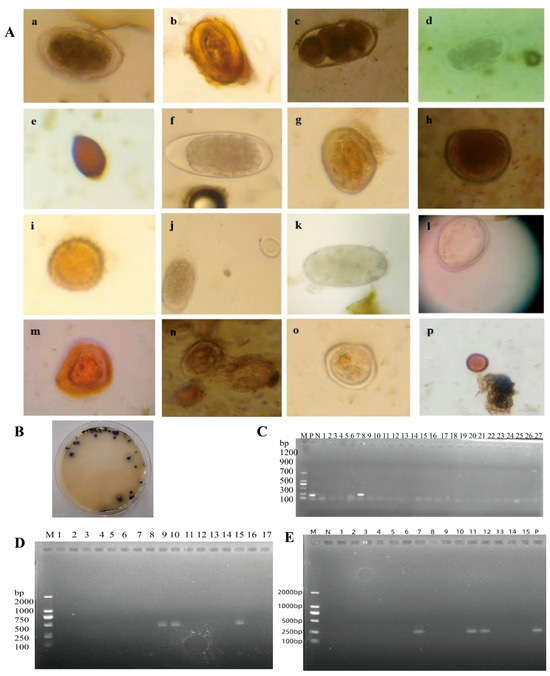
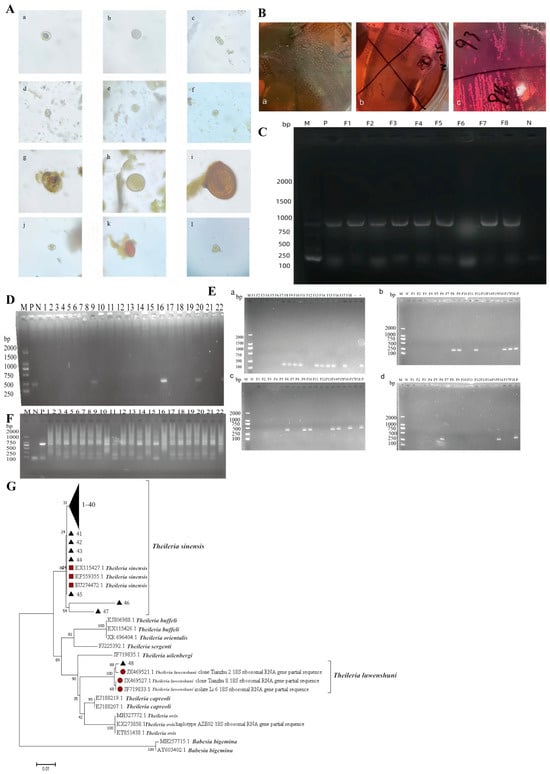
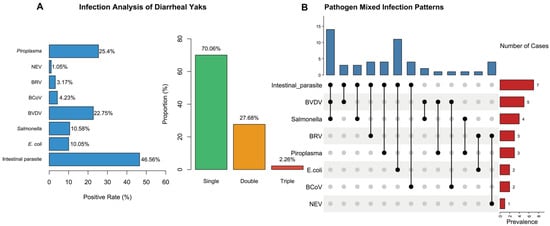
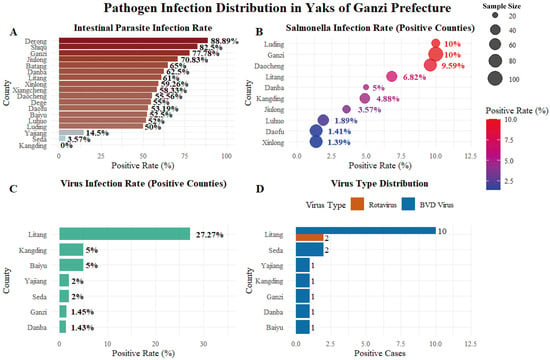
Yak diarrhea is a major health concern in high-altitude regions, yet data are lacking in Ganzi Tibetan Autonomous Prefecture, a key yak-producing area in China. This study aimed to describe the prevalence, mortality, seasonal patterns, and pathogen profiles of yak diarrhea in Ganzi Prefecture. Between 2017 and 2024, surveys were conducted across 5 counties, involving 5 cooperatives and 62 households. Fecal and blood samples were collected from healthy (n = 1805) and diarrheic yaks (n = 189) for pathogen detection. Among 1.9066 million yaks, breeding females accounted for 48.48% and calves 26.32%. Diarrhea prevalence was 12.22% in adult yaks and 20.91% in calves, with mortality rates of 15.71% and 28.29%, respectively. Cases peaked in spring and winter. Pathogen detection in healthy yaks revealed intestinal parasites (43.26%) and BVDV (2.33%). In diarrheic yaks, higher rates were observed for intestinal parasites (46.56%), E. coli (10.05%), Salmonella (10.58%), BVDV (22.75%), and Theileria (25.40%). Mixed infections were common. These findings provide a descriptive baseline for guiding region-specific control strategies.
Full article
(This article belongs to the Section Epidemiology of Infectious Diseases)
►▼
Show Figures

Figure 1
Open AccessReview
An Overview of the Genetic Diversity and Epidemiological Potential of Yersinia pestis Populations in Natural Plague Foci of Kazakhstan
by
Aigul Abdirassilova, Duman Yessimseit, Altynai Kassenova, Altyn Rysbekova, Beck Abdeliyev, Zauresh Zhumadilova, Ziyat Abdel, Raikhan Mussagaliyeva, Tatyana Meka-Mechenko, Galiya Sairambekova, Elmira Begimbayeva, Ainur Nurpeisova, Temirkhan Sagidulin, Ayaulym Maksatova, Sanzhar Agzam, Raikhan Nissanova, Vladimir Motin and Oleg Reva
Pathogens 2026, 15(5), 551; https://doi.org/10.3390/pathogens15050551 - 20 May 2026
Abstract
This review provides a comprehensive overview of the genetic diversity and epidemiological potential of Yersinia pestis in Kazakhstan’s natural plague foci, emphasizing the link between genotypic variation and outbreak capacity. Integrating historical epidemiological records with contemporary microbiological and genomic data (including PCR, VNTR/MLVA,
[...] Read more.
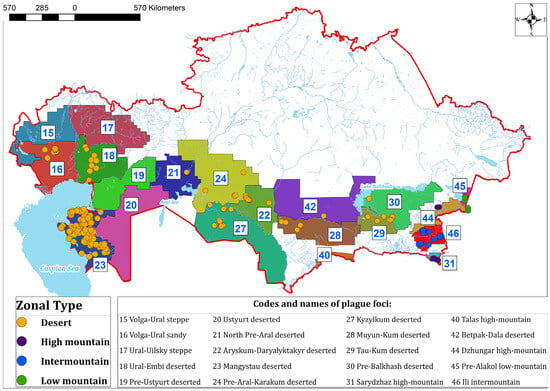
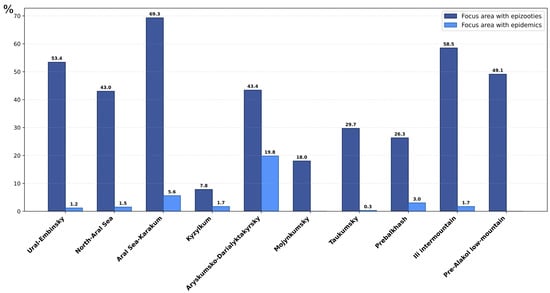
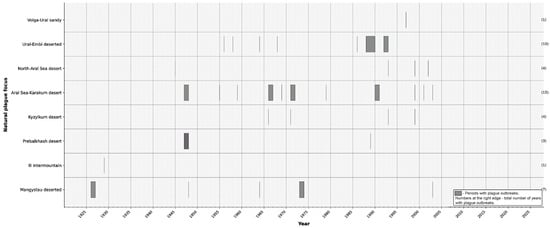
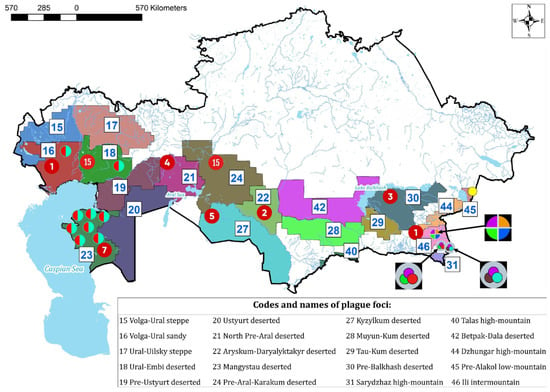
This review provides a comprehensive overview of the genetic diversity and epidemiological potential of Yersinia pestis in Kazakhstan’s natural plague foci, emphasizing the link between genotypic variation and outbreak capacity. Integrating historical epidemiological records with contemporary microbiological and genomic data (including PCR, VNTR/MLVA, SNP analysis, and whole-genome sequencing), we evaluate core and accessory genome variations. The data reveal substantial regional heterogeneity. High-risk desert foci (Caspian and Aral regions) are dominated by the Medievalis biovar, including atypical genovariants lacking canonical markers. Conversely, high-mountain foci (Sarydzhaz, Talas) harbor the Antiqua and Talas biovars, primarily linked to enzootic circulation. Notably, the Ili River focus exhibits extreme genomic variability, featuring strains with plesiomorphic traits. Furthermore, the widespread distribution of mobile elements like the cryptic plasmid pCKF suggests significant horizontal transfer contributing to pathogen adaptation. Ultimately, Central Asian plague dynamics are driven by complex evolutionary and ecological interactions. Given climate change and expanding human–wildlife interfaces, continuous genomic and ecological surveillance is essential for the early detection of high-risk Y. pestis genovariants and improving public health preparedness.
Full article
(This article belongs to the Special Issue Advances in Yersinia: Pathogenesis, Host Response, Epidemiology and Ecology of Diseases, Prevention, and Treatment)
►▼
Show Figures

Figure 1
Open AccessCommunication
Molecular Epidemiology of Helminths at the Wildlife–Livestock Interface in Kazakhstan: Evidence from Sheep and Saiga
by
Nurzhan Abekeshev, Zhangeldi Ussenov, Rinat Abdrakhmanov, Zukhra Aitpayeva, Marina Svotina, Zhadyra Valiyeva, Askhat Zhumabayev, Albina Darmenova, Ilana Abirova, Zhadyra Ryskaliyeva, Azamat Aitkaliyev, Aigul Kaliyeva, Anargul Berkaliyeva, Rakhima Bissalyyeva, Assylbek Zhanabayev and Gulmira Abulgazimova
Pathogens 2026, 15(5), 550; https://doi.org/10.3390/pathogens15050550 - 20 May 2026
Abstract
Helminth infections remain a major constraint to livestock productivity, particularly in regions where domestic animals and wildlife share grazing habitats. This study investigated the molecular diversity and transmission dynamics of helminth communities in sheep (Ovis aries) and saiga antelope (Saiga
[...] Read more.
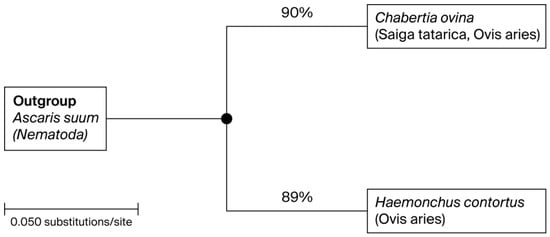
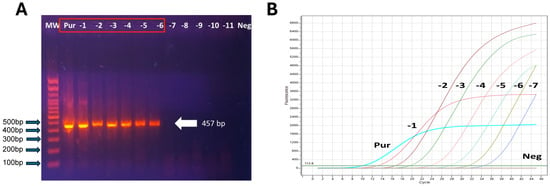
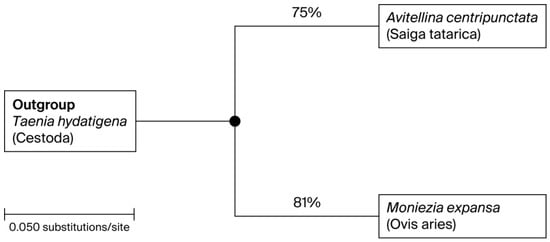
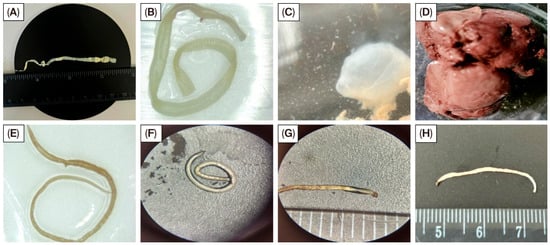
Helminth infections remain a major constraint to livestock productivity, particularly in regions where domestic animals and wildlife share grazing habitats. This study investigated the molecular diversity and transmission dynamics of helminth communities in sheep (Ovis aries) and saiga antelope (Saiga tatarica) in West Kazakhstan. A total of 35 animals (20 sheep and 15 saiga) were examined, and helminths were identified using polymerase chain reaction targeting the ITS1 region of ribosomal DNA for nematodes and the mitochondrial cox1 gene for cestodes. Of the 20 analyzed samples, 80% were successfully identified at the molecular level. Detected species included Haemonchus contortus, Trichuris ovis, Chabertia ovina, Moniezia expansa, and Avitellina centripunctata. Phylogenetic analysis revealed that Chabertia ovina isolates from both hosts clustered within a single monophyletic clade, indicating high genetic similarity and supporting potential cross-species transmission. Mitochondrial markers provided higher resolution for cestode differentiation, whereas ITS1 was effective for nematode identification. The predominance of Chabertia ovina in saiga suggests ecological adaptation and efficient transmission within wild populations. These findings highlight the epidemiological significance of shared grazing ecosystems and underscore the need for integrated parasite control strategies that consider both livestock and wildlife reservoirs.
Full article
(This article belongs to the Section Parasitic Pathogens)
►▼
Show Figures

Figure 1
Open AccessArticle
Prevalence of Hepatitis E Virus Infection Among Pregnant Women in Tunisia: Findings from a Large Cohort Study
by
Kaouther Ayouni, Mariem Gdoura, Rania Allègue, Majdi Ben Ameur, Henda Touzi, Nesrine Abderahmane, Khaoula Magdoud, Hiba Mkadmi, Rim Ben Hmid, Henda Triki and Anissa Chouikha
Pathogens 2026, 15(5), 549; https://doi.org/10.3390/pathogens15050549 - 19 May 2026
Abstract
Hepatitis E is a liver inflammation caused by the hepatitis E virus (HEV). In pregnant women, the infection significantly increases the risk of acute liver failure, fetal loss, and maternal death. According to the World Health Organization, infection by HEV during the third
[...] Read more.
Hepatitis E is a liver inflammation caused by the hepatitis E virus (HEV). In pregnant women, the infection significantly increases the risk of acute liver failure, fetal loss, and maternal death. According to the World Health Organization, infection by HEV during the third trimester of pregnancy may increase the risk of maternal mortality in 20–25% of cases. In Tunisia, little is known about HEV infection and its outcome, especially in pregnant women. This study aims to evaluate the prevalence of HEV infection in a large cohort of pregnant women in Tunisia. A total of 891 women who attended the Centre of Maternity and Neonatology of Tunis during 2021–2023 were included. Serum samples were screened to detect HEV-antibodies and RNA using commercial ELISA tests and molecular assays, respectively. Statistical analyses were conducted using SPSS 21.0 software and the EPISTAT package version 7.2.6. Seroprevalence of HEV infection was 3.82%, based on the detection of anti-HEV IgG. The distribution of the seroprevalence according to age was statistically significant (p < 0.05), showing a higher seroprevalence among women over 30 years. Among the 51 women with composite outcomes, viral RNA was detected in one case by real-time RT-PCR. Our findings indicate a low HEV prevalence among pregnant women in Tunisia. Expanding the study to other cohorts and to environmental surveillance would improve understanding of HEV burden in Tunisia and support hepatitis elimination efforts.
Full article
(This article belongs to the Special Issue Hepatitis E: Virus, Disease and Vaccine)
►▼
Show Figures

Figure 1
Open AccessReview
Deciphering the Implications of Escherichia coli in Inflammatory Bowel Disease: From Symbiont to Pathogen
by
Gitana Maria Aceto, Katia Falasca, Desirèe Berardinucci, Ludovica Cavallo, Alessio Mangiò, Giuseppe Mancuso, Raffaella Muraro, Rachele Ciccocioppo and Teresa Catalano
Pathogens 2026, 15(5), 548; https://doi.org/10.3390/pathogens15050548 - 19 May 2026
Abstract
Inflammatory bowel disease (IBD) is a chronic inflammatory condition resulting from complex interactions between the immune system, genetic predisposition, and the gut microbiota. In this context, Escherichia coli (E. coli) plays a dual role in the human gut, ranging from harmless
[...] Read more.
Inflammatory bowel disease (IBD) is a chronic inflammatory condition resulting from complex interactions between the immune system, genetic predisposition, and the gut microbiota. In this context, Escherichia coli (E. coli) plays a dual role in the human gut, ranging from harmless commensal strains to pathobionts capable of promoting intestinal inflammation. A growing body of evidence suggests that specific E. coli pathotypes, such as adherent-invasive E. coli (AIEC) and diffusely adherent E. coli (DAEC), contribute to the development and progression of IBD. This narrative review critically examines the microbiological, immunological, and clinical evidence supporting the role of E. coli in IBD, with particular emphasis on mechanisms of mucosal colonization, host–microbe interactions, and persistence within the inflamed intestinal environment. Furthermore, the lack of a standardized operational definition and the limited reproducibility of the AIEC phenotype are addressed, as well as uncertainty about the role played by E. coli as a primary initiator of the disease or as an opportunistic amplifier of intestinal inflammation, and the varying strength of evidence supporting associations with Crohn’s disease versus ulcerative colitis. Diagnostic implications, antimicrobial resistance, and therapeutic aspects are addressed as downstream and context-dependent consequences of E. coli–host interactions, with relevance for disease management and therapeutic response in patients with established IBD. By integrating data from experimental models, clinical studies, and translational research, the review identifies areas of consensus, ongoing controversy, and major knowledge gaps in IBD pathophysiology and clinical practice.
Full article
(This article belongs to the Special Issue Virulence and Resistance Mechanisms in Multidrug-Resistant Gram-Negative Bacteria: 2nd Edition)
Open AccessArticle
Investigation of Tick Species and Seasonal Population Dynamics in Sheep, Cattle, and Goats in Ağrı Province, Türkiye
by
Ali Bilgin Yilmaz, Milad Afsar, Muhammed Yasul, Muhammed Ahmed Selcuk, Mahsa Torkamanian-Afshar, Asım Ozbek and Hasan Yilmaz
Pathogens 2026, 15(5), 547; https://doi.org/10.3390/pathogens15050547 - 19 May 2026
Abstract
This study examined the distribution and seasonal population dynamics of tick species infesting cattle, sheep, and goats in Ağrı Province, Türkiye. From January to December 2024, 913 hosts were examined, and 545 intact tick samples were collected from 386 infested animals and morphologically
[...] Read more.
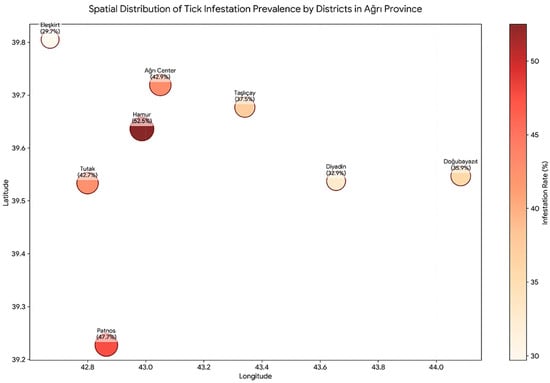
This study examined the distribution and seasonal population dynamics of tick species infesting cattle, sheep, and goats in Ağrı Province, Türkiye. From January to December 2024, 913 hosts were examined, and 545 intact tick samples were collected from 386 infested animals and morphologically identified. The overall sex ratio was 52.7% female and 47.3% male. The identified species included Dermacentor niveus, D. marginatus, Rhipicephalus sanguineus, R. turanicus, R. bursa, Haemaphysalis punctata, Hae. sulcata, Hyalomma marginatum, H. anatolicum anatolicum, H. anatolicum excavatum, and H. detritum detritum. Seasonal tick activity peaked in summer (51.7%) and spring (42.9%), with a significant decline in autumn (χ2 = 48.72, df = 3, p < 0.001). No active ticks were observed in winter due to the harsh continental climate. Adult Hyalomma ticks, which are known potential vectors of Crimean–Congo hemorrhagic fever (CCHF), remained active except during winter. The high prevalence of these vector species suggests a need for further investigation into pathogen circulation in the region. This research provides a scientific foundation for integrated vector control and surveillance programs within the One Health framework.
Full article
(This article belongs to the Special Issue Advances in Tick Control)
►▼
Show Figures

Figure 1
Open AccessArticle
Epidemiological Survey and Economic Impact of Ruminant Tuberculosis-like Lesions at Slaughterhouses in Two Areas of Northern Algeria (2019–2024): A One Health Assessment
by
El-Hacene Balla, Omar Besseboua, Nadir Boudjlal Dergal, Sebastian Alexandru Popa and Abdelhanine Ayad
Pathogens 2026, 15(5), 546; https://doi.org/10.3390/pathogens15050546 - 18 May 2026
Abstract
This retrospective study evaluated the prevalence and economic impact of tuberculosis-likelesions (TB) in cattle, sheep, and goats slaughtered at municipal abattoirs in the provinces of Bejaia and Jijel between 2019 and 2024, and examined their ecological association with reported human tuberculosis (TB) cases.
[...] Read more.
This retrospective study evaluated the prevalence and economic impact of tuberculosis-likelesions (TB) in cattle, sheep, and goats slaughtered at municipal abattoirs in the provinces of Bejaia and Jijel between 2019 and 2024, and examined their ecological association with reported human tuberculosis (TB) cases. The overall prevalence of tuberculosis-like lesions in carcasses, lungs, and livers was 0.08%, 0.85%, and 0.19%, respectively, with cattle showing the highest lesionprevalence. Logistic regression analysis identified species, season, geographic location, and climatic factors as significant predictors of lesion occurrence. Analysis of human tuberculosis records revealed a strong ecological positive correlation (r = 0.81, p<0.05) between bovine pulmonary tuberculosis-like lesions and extra-pulmonary tuberculosis in humans. Over the six-year period, large quantities of condemned carcasses and organs resulted in direct losses of €3.23 million, while reduced carcass weight accounted for indirect losses of almost €11 million.Ruminant tuberculosis-like lesions caused substantial economic losses, totaling €14.16 million over six years, with cattle accounting for 99.8% of the impact. Projected losses could reach €16.7 million by 2030 under comparable surveillance market and control conditions, highlighting the potential ongoing financial burden of the disease. Tuberculosis-like lesions remain relevant in northern Algeria, posing important veterinary, zoonotic, and economic concerns. Enhanced surveillance, laboratory confirmation of suspected lesions, and the strict implementation of control measuresare essential to limit disease transmission and mitigate its impact.
Full article
(This article belongs to the Special Issue Antimicrobial Resistance and Cross-Species Transmission of Zoonotic Pathogens: From Animal Reservoirs to Public Health Threats)
Open AccessArticle
Streptococcus agalactiae Serotype Ia ST7 CC1 in Farmed Nile Tilapia in Latin America: Age-Dependent Disease Expression and Antimicrobial Susceptibility of an Emerging Clonal Lineage
by
Marco Rozas-Serri, Miguel Fernandez-Alarcon, Mariene Miyoko-Natori, Renata Galetti, Ricardo Harakava, Mateus Cardoso-Guimarães and Ricardo Ildefonso
Pathogens 2026, 15(5), 545; https://doi.org/10.3390/pathogens15050545 - 18 May 2026
Abstract
Recently, a strain of Streptococcus agalactiae serotype Ia sequence type 7 clonal complex 1 (SaIa ST7 CC1) has emerged in Latin American tilapia aquaculture as an international threat. This study evaluated outbreaks of acute streptococcosis occurring between 2021 and 2025 on commercial Nile
[...] Read more.
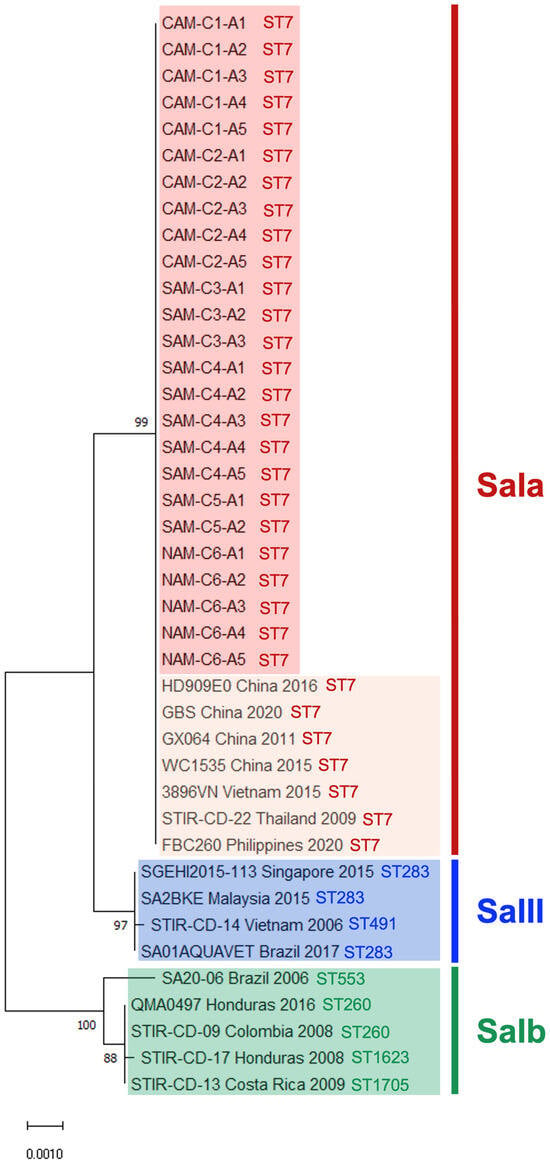
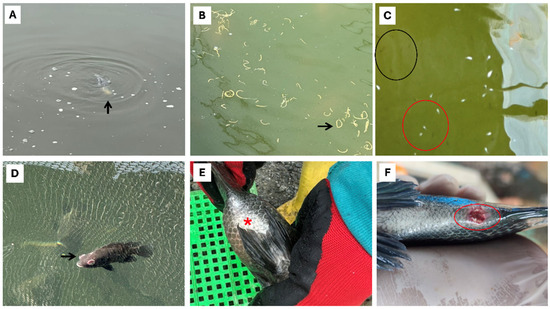
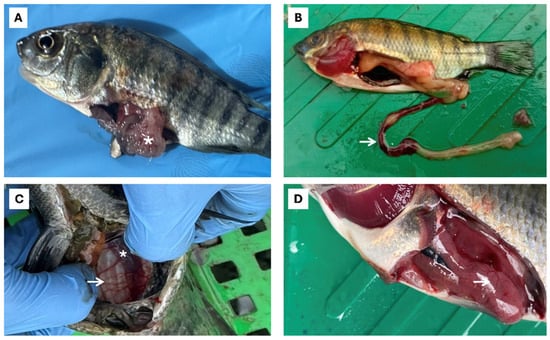
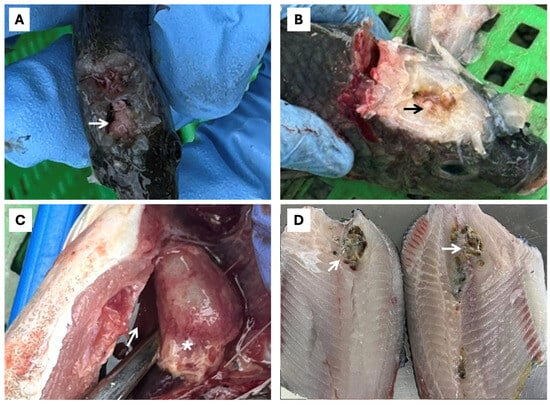
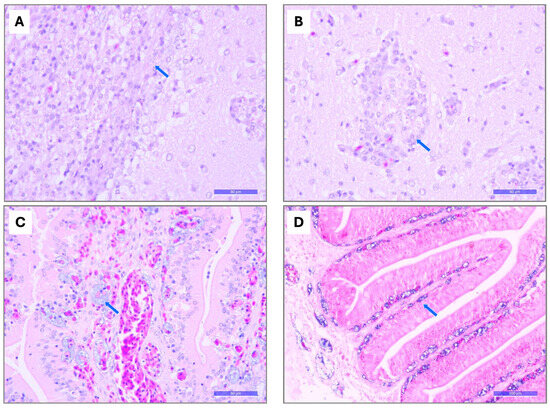
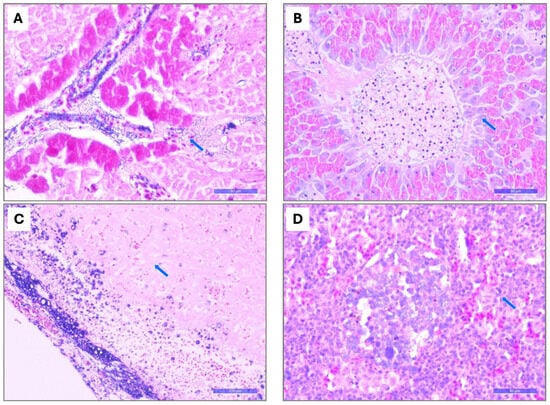
Recently, a strain of Streptococcus agalactiae serotype Ia sequence type 7 clonal complex 1 (SaIa ST7 CC1) has emerged in Latin American tilapia aquaculture as an international threat. This study evaluated outbreaks of acute streptococcosis occurring between 2021 and 2025 on commercial Nile tilapia (Oreochromis niloticus) farms in six Latin American countries, aiming to integrate molecular, clinical, pathological, and environmental data. In total, 360 moribund or recently dead fish at various production stages (larvae/fry, pre-grow-out, and grow-out) were examined, and 25 S. agalactiae isolates were serotyped and subjected to real-time PCR analysis, multilocus sequence typing (MLST), virulence and antimicrobial resistance gene profiling, and antimicrobial susceptibility testing. All isolates belonged to SaIa and shared the same ST7 CC1 MLST profile, forming a highly homogeneous cluster with reference SaIa ST7 CC1 strains previously isolated from tilapia farms in Asia. These results are consistent with the regional spread of a single clonal line. At the larval and fry stages, SaIa ST7 CC1 was associated with hyperacute septicemia, gastrointestinal hemorrhage, and frequent intestinal intussusception, whereas in pre-grow-out and grow-out fish, neurological signs were more prominent, followed by ocular signs, systemic hemorrhages, and coelomic lesions. Histopathological examination showed profuse colonization of the brain, spleen, liver, and intestine by Gram-positive cocci, accompanied by marked acute circulatory and inflammatory lesions and few chronic granulomatous responses, consistent with a rapidly progressing, highly aggressive infectious process. All outbreaks occurred during extended periods of warm water (>32 °C), with large day–night thermal gradients and reduced dissolved oxygen, suggesting that thermal stress may exacerbate disease expression in affected systems. All SaIa ST7 CC1 strains exhibited phenotypic susceptibility to florfenicol and amoxicillin, whereas 84% (21/25) and 100% (25/25) exhibited intermediate susceptibility to oxytetracycline and enrofloxacin, respectively. In total, 5 of the 21 isolates (23.8%) with intermediate susceptibility to oxytetracycline carried tetracycline resistance genes (tetM, tetO). These findings identify SaIa ST7 CC1 as a clinically significant emerging threat associated with thermally facilitated and geographically expanding streptococcosis in tilapia production in Latin America. Immediate priorities include screening imported broodstock using MLST or whole-genome sequencing (WGS), harmonized regional molecular surveillance, climate-adaptive farm management practices, prudent antimicrobial use, and serotype-matched vaccination and breeding strategies that improve both disease and heat resilience.
Full article
(This article belongs to the Section Emerging Pathogens)
►▼
Show Figures

Figure 1
Open AccessArticle
Novel Thiazolylimidazole Hybrids as Promising Antileishmanial Agents: Rational Design and Biological Evaluation
by
Cristoper Ramírez-Sandoval, María Elena Campos-Aldrete and María Estela Meléndez-Camargo
Pathogens 2026, 15(5), 544; https://doi.org/10.3390/pathogens15050544 - 18 May 2026
Abstract
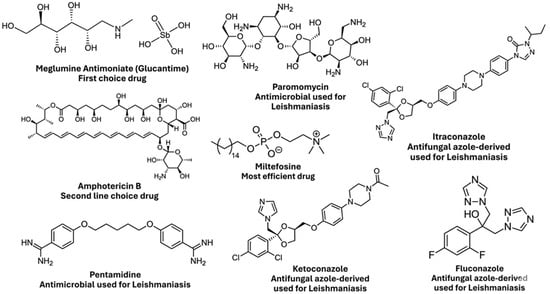
Leishmaniasis remains a major neglected tropical disease with limited therapeutic options, challenged by drug toxicity and emerging resistance to current treatments like miltefosine. In this study, a virtual library of approximately 150 azole-derived compounds was screened in silico to identify promising thiazole and
[...] Read more.
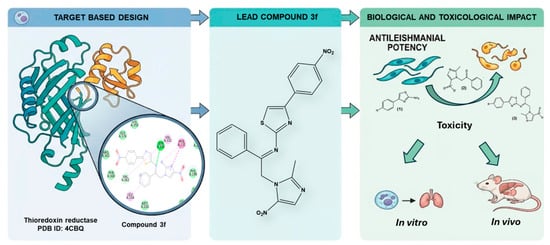
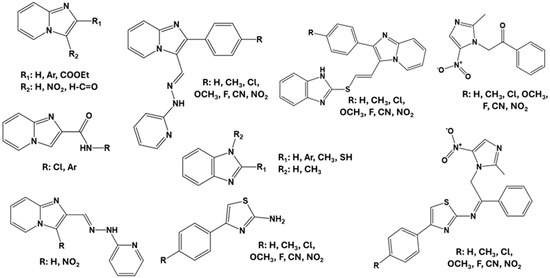
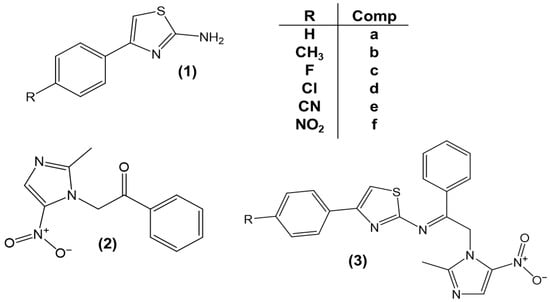
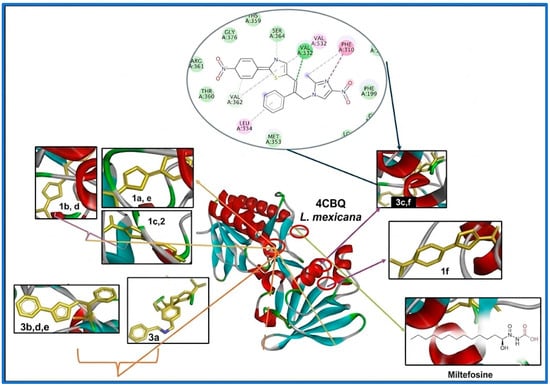
Leishmaniasis remains a major neglected tropical disease with limited therapeutic options, challenged by drug toxicity and emerging resistance to current treatments like miltefosine. In this study, a virtual library of approximately 150 azole-derived compounds was screened in silico to identify promising thiazole and imidazole scaffolds, leading to the rational design of novel hybrid molecules. Molecular docking against thioredoxin reductase (PDB ID: 4CBQ), a key enzyme in the redox metabolism of Leishmania mexicana, showed improved binding affinity compared to miltefosine, with compound 3f showing the most favourable interaction profile. Among the synthesized series 3a–f, compound 3f (4-NO2Ph) exhibited the most favourable predicted binding parameters within the series (∆G = −16.08, Ki = 0.0019 nM). Biological evaluation was performed against L. mexicana promastigotes as an early-stage phenotypic screening model to identify active compounds with potential relevance during the initial infective phase, and a markedly improved in vitro inhibitory effect (IC50 = 22.41 µM) compared to miltefosine (IC50 = 132.42 µM), representing a six-fold increase in molar potency. Furthermore, hybrid thiazolyl–imidazole systems (series 3) consistently outperformed single-core analogues, likely due to enhanced molecular planarity and lipophilicity provided by the imine linkage. Cytotoxicity assays in Vero cells revealed a high safety margin for the lead compounds, with compound 3f achieving a Selectivity Index (SI) of around 89, significantly outperforming the reference drug. Acute toxicity studies (LD50) in murine models further confirmed the safety profile, with values exceeding 2000 mg/kg for the most active derivatives. These findings identify thiazolyl–imidazole hybrids as promising early-stage scaffolds for antileishmanial drug discovery, particularly for early infection/prophylactic screening.
Full article
(This article belongs to the Special Issue Leishmania spp. and Leishmaniasis)
►▼
Show Figures

Graphical abstract
Open AccessReview
Paleopathology Meets Public Health: Deep-Time Syndemics and the Ecology of Emerging Infections
by
Hisham F. Bahmad, Ghassan Ghssein, Marwan Bahmad, Tarec K. Elajami, Irman Forghani, Claudio Tuda and Roberto Ruiz-Cordero
Pathogens 2026, 15(5), 543; https://doi.org/10.3390/pathogens15050543 - 18 May 2026
Abstract
Why do pandemics keep emerging despite decades of surveillance and response? Paleopathology, the study of disease traces in ancient remains, has been revolutionized by ancient DNA (aDNA) analysis and next-generation sequencing (NGS). Reconstructing pathogen genomes from archaeological material enables the identification of extinct
[...] Read more.
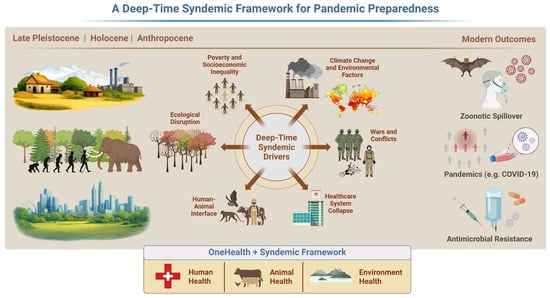
Why do pandemics keep emerging despite decades of surveillance and response? Paleopathology, the study of disease traces in ancient remains, has been revolutionized by ancient DNA (aDNA) analysis and next-generation sequencing (NGS). Reconstructing pathogen genomes from archaeological material enables the identification of extinct lineages, the refinement of disease chronologies, and the characterization of long-term host-pathogen co-evolution. This provides context for public health challenges, including the emergence of pandemics and antimicrobial resistance (AMR). Infectious diseases are increasingly understood as complex phenomena arising from biological, ecological, and sociopolitical forces. Integrating paleopathology, aDNA, and paleomicrobiology supports a deep-time syndemic framework, revealing how recurring biosocial drivers have structured infectious disease risk throughout history. Ancient resistome studies demonstrate that AMR predates modern antibiotic use, reframing resistance as an intrinsic ecological feature rather than solely a modern phenomenon. Coronavirus disease 2019 (COVID-19) reaffirmed how infection intersects with chronic disease, health system fragility, and social inequities. This review highlights how integrating evolutionary perspectives into One Health shifts surveillance from a reactive approach to upstream risk mitigation and spillover prevention.
Full article
(This article belongs to the Special Issue New Insights into Antibiotic-Resistant Pathogens Within the One Health Framework: Epidemiology, Mechanisms and Strategies for Eradication)
►▼
Show Figures

Figure 1
Open AccessArticle
The Many Faces of Sporadic Acute Q Fever, Gran Canaria: Canary Islands (Spain) (1998–2024)
by
José-Luis Pérez-Arellano
Pathogens 2026, 15(5), 542; https://doi.org/10.3390/pathogens15050542 - 17 May 2026
Abstract
Coxiella burnetii is an intracellular bacterium responsible for an anthropozoonosis that can be asymptomatic or manifest as acute or chronic Q fever. This extensive series of 588 patients represents one of the largest single-center studies on sporadic acute Q fever, highlighting the Canary
[...] Read more.
Coxiella burnetii is an intracellular bacterium responsible for an anthropozoonosis that can be asymptomatic or manifest as acute or chronic Q fever. This extensive series of 588 patients represents one of the largest single-center studies on sporadic acute Q fever, highlighting the Canary Islands as a high-incidence region in Spain. Epidemiologically, the domestic cycle is the primary driver of infection, with caprine livestock serving as the main reservoir, showing a local prevalence of 60.4%. Transmission is predominantly airborne via aerosols; the environmental resilience of C. burnetii facilitates its transport into urban areas, where the majority of patients reside despite lacking direct animal contact. While fever, headache, and diaphoresis are hallmark symptoms, over 90% of patients exhibit transient urinalysis abnormalities, a finding that often leads to misdiagnosis and inappropriate antimicrobial use. Clinically, the non-specific (45.7%) and hepatic (44.1%) forms are most prevalent, whereas the pulmonary form (7.8%) is strongly associated with smoking and alcohol consumption. Although localized forms affecting the nervous system or skin (such as panniculitis) were observed, the overall prognosis remains excellent with no progression to chronic Q fever in this series. In summary, the extensive series described characterizes acute Q fever patients in the Autonomous Community of the Canary Islands, with features that are similar in some cases but also show notable differences compared to other national and international series. Furthermore, depending on the patients’ age, the time elapsed between the onset of clinical manifestations and hospital evaluation, and the clinical form, acute Q fever displays significant differences.
Full article
(This article belongs to the Section Bacterial Pathogens)
Open AccessArticle
Persistent Olfactory Dysfunction Three Years After COVID-19: A Multicenter Observational Study
by
Xinyu Hu, Jingwen Li, Lin Chen, Hong Yu, Tao Zheng, Feng Dong, Xinyi Wang, Hanshu Liu, Qinwei Yu, Guiying Kuang, Tao Wang, Zhicheng Lin and Nian Xiong
Pathogens 2026, 15(5), 541; https://doi.org/10.3390/pathogens15050541 - 17 May 2026
Abstract
►▼
Show Figures
Olfactory dysfunction (OD) is a common sequela of SARS-CoV-2 infection, but its prevalence and associated factors beyond 2 years remain unclear. In this multicenter observational study, we assessed 155 recovered COVID-19 patients approximately three years after infection and included 170 age-matched healthy controls
[...] Read more.
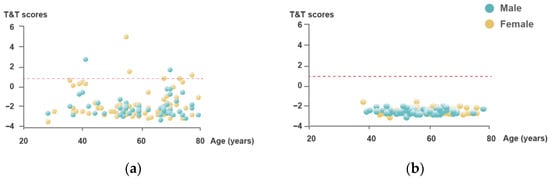
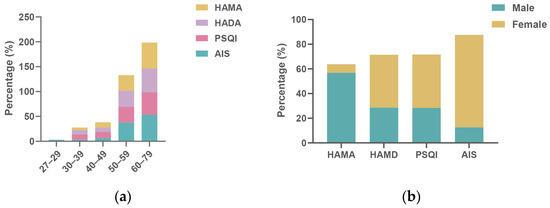
Olfactory dysfunction (OD) is a common sequela of SARS-CoV-2 infection, but its prevalence and associated factors beyond 2 years remain unclear. In this multicenter observational study, we assessed 155 recovered COVID-19 patients approximately three years after infection and included 170 age-matched healthy controls as a reference group. Demographic, clinical, psychological, and sleep-related data were collected through structured interviews. Olfactory function at the 3-year assessment was objectively evaluated using Toyota–Takagi (T&T) olfactometry. Paired baseline-to-follow-up T&T data were available only for a small exploratory subgroup of nine patients and were analyzed descriptively. At follow-up, 7 of 155 recovered patients (4.5%) met our T&T-based definition of persistent quantitative olfactory dysfunction, all of whom were older than 50 years. Emotional and sleep disturbances were also common, with descriptive trends toward higher frequencies among women and older individuals. Exploratory analyses suggested that insomnia (AIS > 6; OR 5.35, 95% CI 1.07–26.60; p = 0.033) and anxiety (HAMA ≥ 7; OR 10.54, 95% CI 1.21–91.82; p = 0.04) were associated with persistent T&T-defined quantitative OD, although the small number of outcome events limited statistical precision. These findings indicate that a small proportion of COVID-19 survivors have persistent objective OD 3 years after infection and that persistent OD is associated with anxiety and insomnia.
Full article

Figure 1
Open AccessBrief Report
Early Regulatory and Th2-Associated Responses Shape Resistance to Leishmania panamensis Infection in C57BL/6 Mice
by
Lizzi Herrera, Carlos M. Restrepo, Rodrigo Villalobos, Kissy Degracia, Jennifer Álvarez and Patricia L. Fernández
Pathogens 2026, 15(5), 540; https://doi.org/10.3390/pathogens15050540 - 17 May 2026
Abstract
Characterizing the specific interactions of Leishmania species with different host systems is essential for the development and validation of experimental infection models and for identifying potential therapeutic targets. Leishmania parasites elicit diverse host immune responses that result in different levels of disease severity.
[...] Read more.
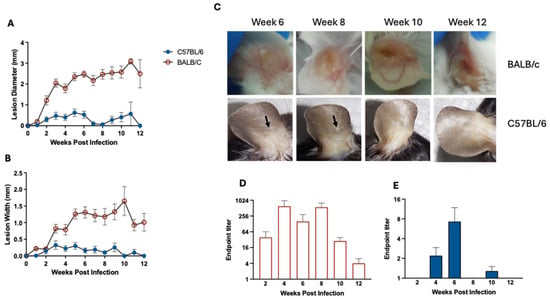
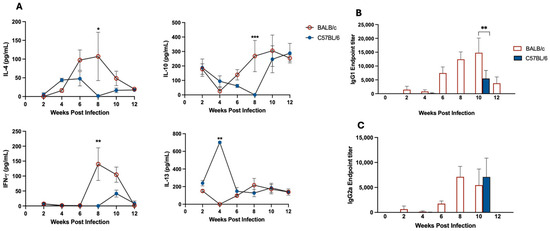
Characterizing the specific interactions of Leishmania species with different host systems is essential for the development and validation of experimental infection models and for identifying potential therapeutic targets. Leishmania parasites elicit diverse host immune responses that result in different levels of disease severity. Here, we developed a murine model of L. panamensis infection and compared the responses of BALB/c and C57BL/6 mice following intradermal ear inoculation. BALB/c mice developed progressive ulcerative lesions associated with high parasite burden, whereas C57BL/6 mice exhibited a transient edema and maintained low parasite levels detected only at early stages of infection. C57BL/6 mice displayed early production of IL-13, IL-4, and IL-10, followed by delayed IFN-γ secretion. In contrast, BALB/c mice showed a mixed Th1/Th2 response at later stages of infection. Humoral responses also differed between strains, with BALB/c mice developing an early and sustained IgG1-dominated response, while C57BL/6 mice exhibited weak and delayed antibody production. These findings suggest that resistance to L. panamensis infection in C57BL/6 mice is associated with an early and transient Th2/regulatory response accompanied by a weak and delayed antibody production.
Full article
(This article belongs to the Special Issue Leishmania spp. and Leishmaniasis)
►▼
Show Figures

Figure 1
Open AccessArticle
Sources of Human Campylobacteriosis Cases in Estonia and the Genomic Associations with Broiler Chicken Meat Isolates
by
Ilijana Ivanov, Hanna Katriina Takkinen, Johanna Takkinen, Mati Roasto and Mihkel Mäesaar
Pathogens 2026, 15(5), 539; https://doi.org/10.3390/pathogens15050539 - 16 May 2026
Abstract
This study used three complementary datasets to investigate the relationship between human Campylobacter infections in Estonia and potential sources. A targeted dataset of 15 C. jejuni genomes with overlapping sequence types from human cases and broiler chicken meat was analysed using genotyping and
[...] Read more.
This study used three complementary datasets to investigate the relationship between human Campylobacter infections in Estonia and potential sources. A targeted dataset of 15 C. jejuni genomes with overlapping sequence types from human cases and broiler chicken meat was analysed using genotyping and in silico antimicrobial resistance profiling, alongside 20 human isolates for source attribution. Additionally, 12,111 isolates were analysed to provide population-level context. The core genome multilocus sequence typing showed a high similarity (less than three allelic differences) between the human and broiler isolates of ST122, ST464, and ST7355, indicating poultry as a likely source, whereas ST9882 was more divergent (13–18 allelic differences). The resistance profiles were consistent within ST122, ST464, and ST7355, and all were resistant to ciprofloxacin, nalidixic acid, ampicillin, and tetracycline, while ST9882 additionally exhibited aminoglycoside (streptomycin) resistance. The source attribution linked 77.8% of the human cases to chicken and 22.2% to cattle. A novel genotype, ST11001, was identified in humans and attributed to cattle source, while C. coli isolates were linked to birds and sheep. Poultry dominated the larger dataset (87.3%). Gastroenteritis was the predominant clinical presentation (98.5%), whereas ST22 and ST122 were associated with Guillain–Barré syndrome. These findings support poultry as a major reservoir of human Campylobacter infections and highlight the need for coordinated cross-border surveillance.
Full article
(This article belongs to the Section Bacterial Pathogens)
►▼
Show Figures

Figure 1
Journal Menu
► ▼ Journal Menu-
- Pathogens Home
- Aims & Scope
- Editorial Board
- Reviewer Board
- Topical Advisory Panel
- Instructions for Authors
- Special Issues
- Topics
- Sections & Collections
- Article Processing Charge
- Indexing & Archiving
- Editor’s Choice Articles
- Most Cited & Viewed
- Journal Statistics
- Journal History
- Journal Awards
- Conferences
- Editorial Office
Journal Browser
► ▼ Journal BrowserHighly Accessed Articles
Latest Books
E-Mail Alert
News
Topics
Topic in
Biomolecules, Cells, IJMS, Pathogens, Vaccines, Biologics, Microorganisms, Biomedicines
Advances in Vaccines and Antimicrobial Therapy—2nd Edition
Topic Editors: Raffaele D’Amelio, Roberto PaganelliDeadline: 30 September 2026
Topic in
JoF, Microbiology Research, Microorganisms, Pathogens
Pathophysiology and Clinical Management of Fungal Infections
Topic Editors: Allan J. Guimarães, Marcos de Abreu AlmeidaDeadline: 30 November 2026
Topic in
Infectious Disease Reports, Insects, IJERPH, Pathogens, TropicalMed, Zoonotic Diseases
Vector-Borne Disease Spatial Epidemiology, Disease Ecology, and Zoonoses
Topic Editors: Chad L. Cross, Louisa Alexandra MessengerDeadline: 31 December 2026
Topic in
IJERPH, TropicalMed, Microorganisms, Infectious Disease Reports, Pathogens
Genetic, Environmental, and Climatic Drivers of Emerging Arboviruses and Public Health Implications
Topic Editors: André Ricardo Ribas Freitas, Pedro María Alarcón-Elbal, Luciano Pamplona de Góes CavalcantiDeadline: 20 January 2027
Conferences
Special Issues
Special Issue in
Pathogens
Emerging Antibiotic Resistance in Nosocomial Pathogens: Current Trends and Future Directions
Guest Editor: Kidon SungDeadline: 30 May 2026
Special Issue in
Pathogens
Current Challenges in Veterinary Virology
Guest Editors: Magdalena Materniak-Kornas, Marzena Rola-Łuszczak, Grzegorz WoźniakowskiDeadline: 30 May 2026
Special Issue in
Pathogens
Airborne Transmission of Pathogens
Guest Editors: Claude Saegerman, Ann PackeuDeadline: 30 May 2026
Special Issue in
Pathogens
One Health Surveillance of Sand-Fly and Leishmania Transmission
Guest Editors: Andreia Brilhante, Thiago Vasconcelos Dos Santos, Patrícia Flávia QuaresmaDeadline: 31 May 2026
Topical Collections
Topical Collection in
Pathogens
Advances in Tick Research
Collection Editors: Alejandro Cabezas-Cruz, Ladislav Šimo, James J. Valdés, Dasiel Obregón
Topical Collection in
Pathogens
Bovine Leukemia Virus Infection
Collection Editors: Tasia M. (Taxis) Kendrick, Paul C. Bartlett
Topical Collection in
Pathogens
Emerging and Re-emerging Pathogens
Collection Editors: Sheng-Fan Wang, Wen-Hung Wang, Arunee Thitithanyanont
Topical Collection in
Pathogens
Novel Strategies on Antiviral Drug Discovery Against Human Diseases
Collection Editors: Jun Wang, Richard Y. Zhao, Lin Li