








Reports 2025, 8(2), 61; https://doi.org/10.3390/reports8020061 - 3 May 2025
Cited by 1 | Viewed by 2813
Abstract
►
Show Figures
Background: The Amazon region possesses vast natural and anthropogenic ecosystems within a hydroclimatic environment conducive to the proliferation of arboviruses associated with infectious diseases in the human population, notably dengue fever, which poses a recurrent and significant public health challenge. Objective and Methods
[...] Read more.
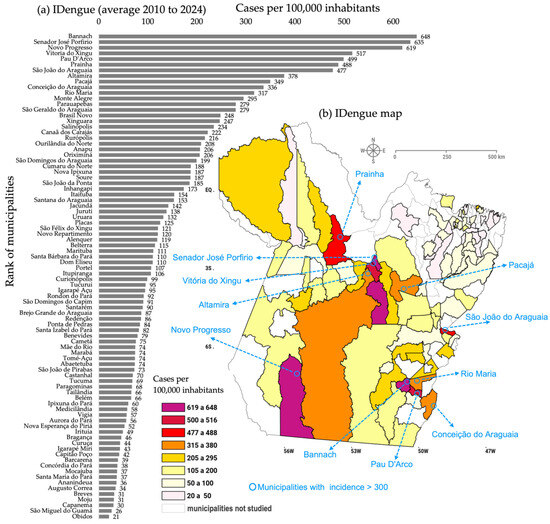
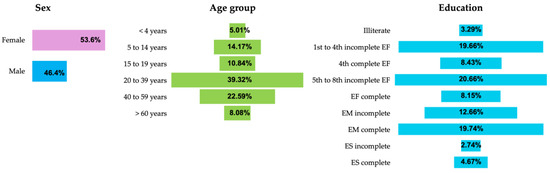
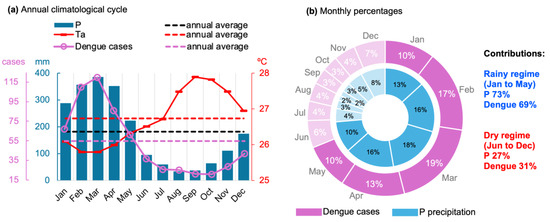
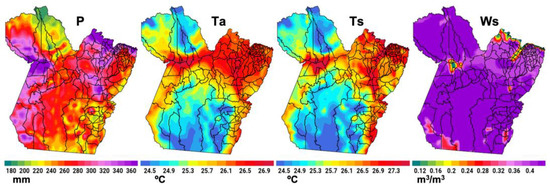
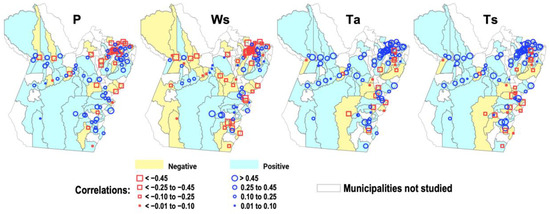
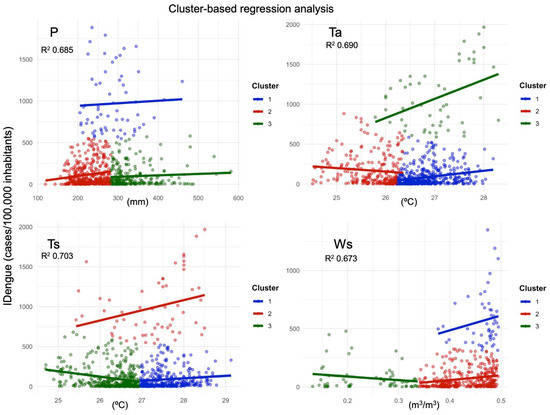
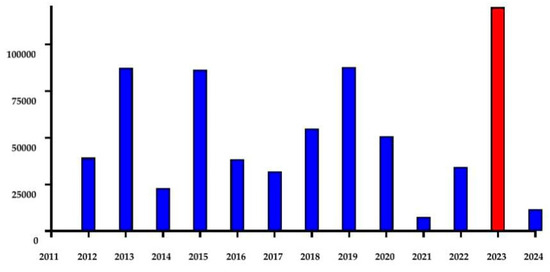
Background: The Amazon region possesses vast natural and anthropogenic ecosystems within a hydroclimatic environment conducive to the proliferation of arboviruses associated with infectious diseases in the human population, notably dengue fever, which poses a recurrent and significant public health challenge. Objective and Methods: We wished to update the dengue mapping for the state of Pará (eastern Amazon) using municipality-level secondary data between 2010 and 2024, including epidemiological information. Furthermore, the seasonal effects of soil and atmospheric meteorological variables (ERA5 reanalysis) on the annual municipal incidence of dengue were statistically analyzed through correlation and cluster-based regression methods. Results: Dengue mapping identified key areas over the central, southwest, and southeast parts of Pará, with eleven municipalities exhibiting extreme dengue counts exceeding 300 cases per 100,000 inhabitants. The epidemiological profile in these cities with worsening transmission showed a higher incidence in adults aged 20–39 years old (39%) and a predominance among women (54%). The majority of dengue cases occur during the rainy season (January to May), accounting for 69% of annual cases, when the climate conditions maximize vector proliferation. The statistical analyses highlighted the significant and spatially heterogeneous influence of regional climate variables on the dengue transmission cycle. Conclusions: This study advances our understanding of climatic drivers of dengue in the Amazon and provides relevant evidence to support region-specific surveillance and control strategies.
Full article
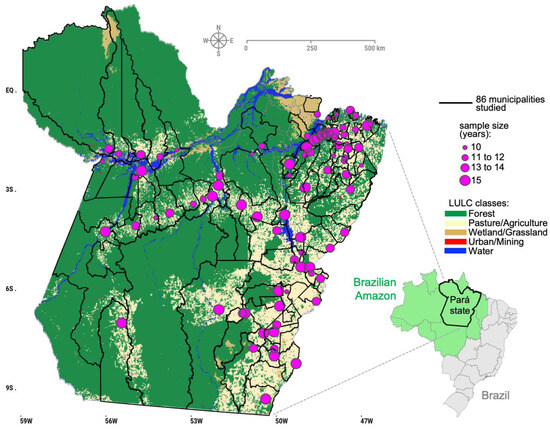
Figure 1