





-
Medium Voltage Conversion Systems with Integrated Galvanic Isolation for Hybrid Photovoltaic Plants -
Comparison of Electricity Production Prediction Models Based on Meteorological Data for Photovoltaic Farms in Poland—Challenges and Problems -
Cell-Level Modeling Approach for Accurate Irradiance Estimation in Bifacial Photovoltaic Modules -
Dynamic Optimisation of Façade-Integrated Solar Cooling Elements: Adsorption Cooling Versus Photovoltaic Scenarios -
Optimizing Industrial Energy Saving with On-Site Photovoltaics: A Zero Feed-In Case Study in Greece
Journal Description
Solar
Solar
is an international, peer-reviewed, open access journal on all aspects of solar energy and photovoltaic systems published bimonthly online by MDPI.
- Open Access— free for readers, with article processing charges (APC) paid by authors or their institutions.
- High Visibility: indexed within ESCI (Web of Science), Scopus and other databases.
- Journal Rank: JCR - Q2 (Energy and Fuels) / CiteScore - Q1 (Environmental Science (miscellaneous))
- Rapid Publication: manuscripts are peer-reviewed and a first decision is provided to authors approximately 15.5 days after submission; acceptance to publication is undertaken in 8.6 days (median values for papers published in this journal in the first half of 2026).
- Recognition of Reviewers: APC discount vouchers, optional signed peer review and reviewer names are published annually in the journal.
- Journal Cluster of Energy and Fuels: Energies, Batteries, Hydrogen, Biomass, Electricity, Wind, Fuels, Gases, Solar, ESA, Bioresources and Bioproducts and Methane.
Impact Factor:
5.1 (2025);
5-Year Impact Factor:
4.3 (2025)
Latest Articles
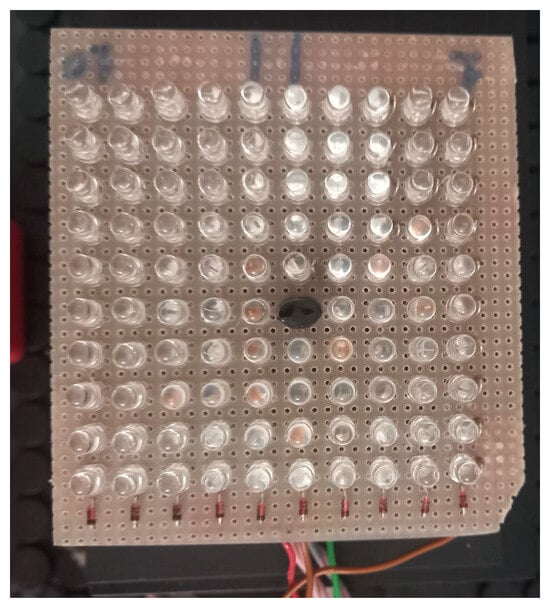
LED-Based Low-Cost Educational Platform for Simulating Photovoltaic Systems
Solar 2026, 6(4), 42; https://doi.org/10.3390/solar6040042 - 16 Jul 2026
Abstract
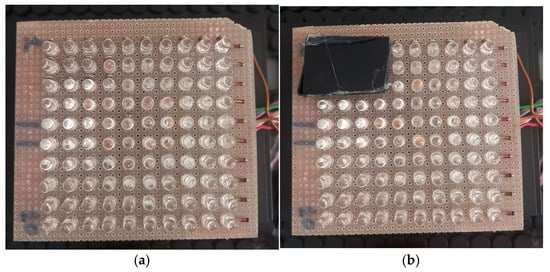
Studying photovoltaics in engineering and science curricula is a time-consuming and expensive activity. This is why simulations are used, which, however, do not allow direct observation of the physical phenomena occurring in the devices. Based on an array of LEDs (light-emitting diodes) in
[...] Read more.
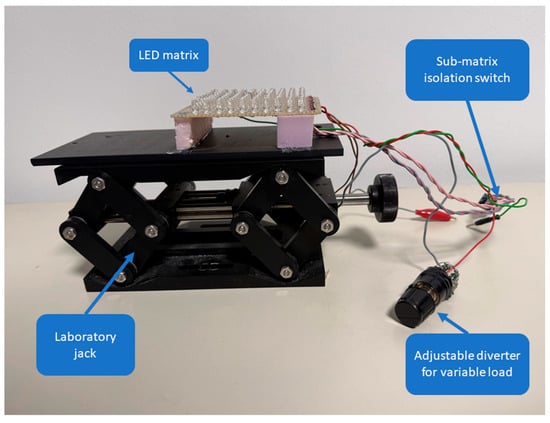
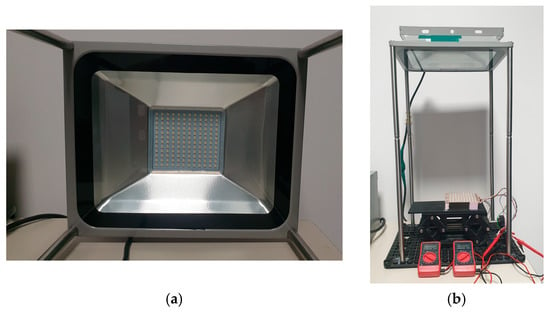
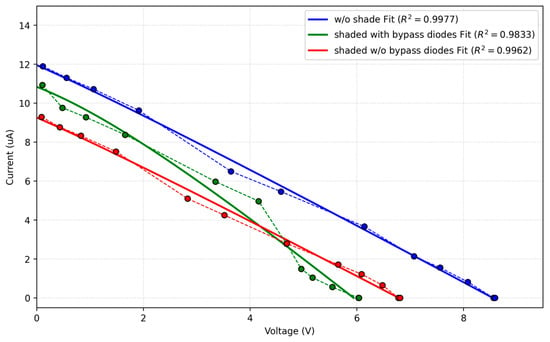
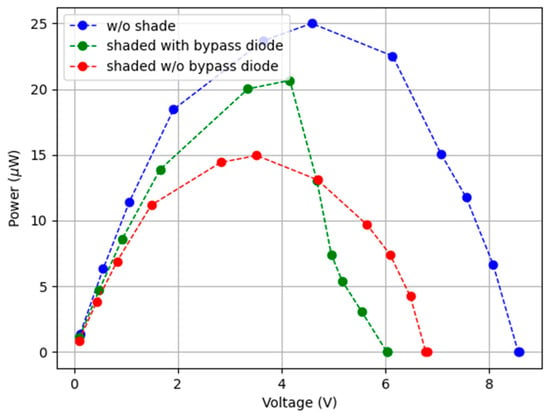
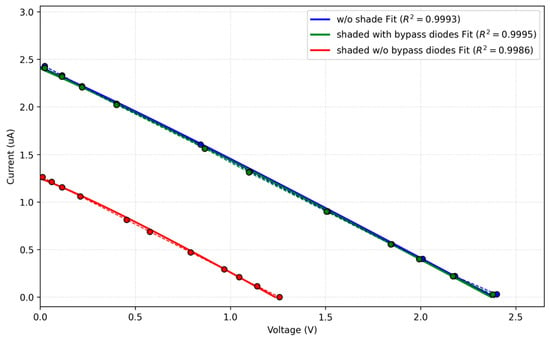
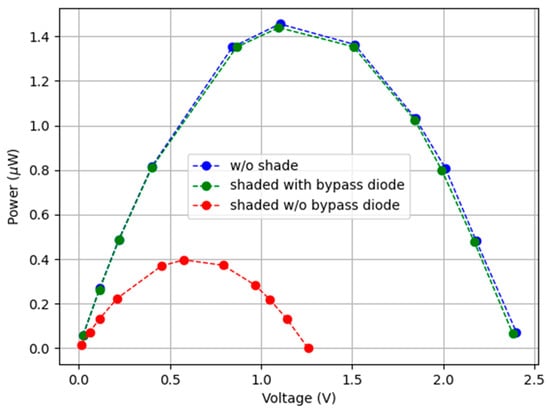
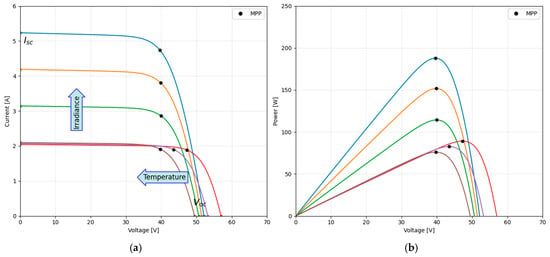
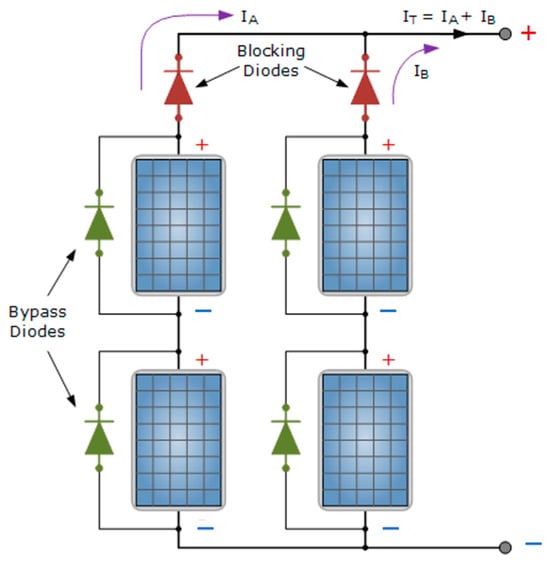
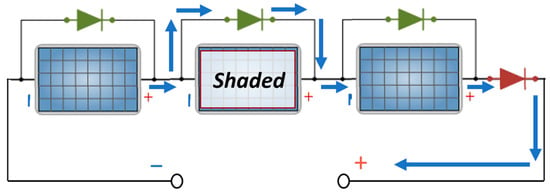
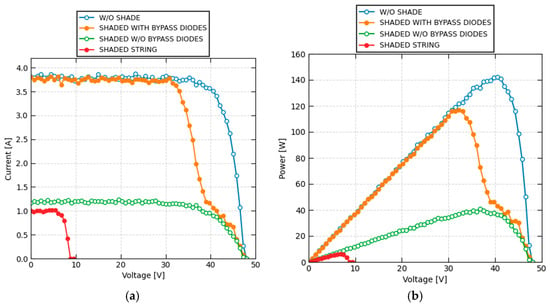
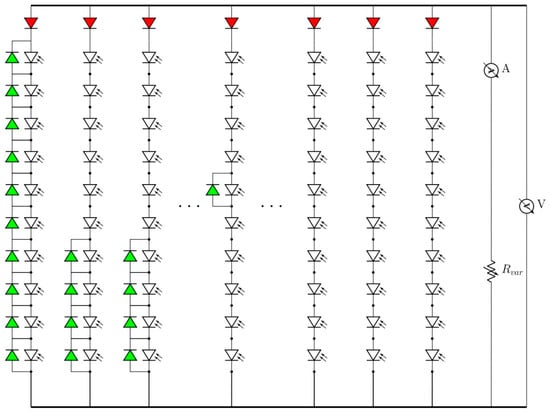
Studying photovoltaics in engineering and science curricula is a time-consuming and expensive activity. This is why simulations are used, which, however, do not allow direct observation of the physical phenomena occurring in the devices. Based on an array of LEDs (light-emitting diodes) in photodetection mode, a low-cost educational platform for simulating photovoltaic systems including bypass and blocking diodes was developed. This allowed for the experimental characterization of the system’s I-V and P-V characteristics, obtained with a variable-load method under controlled lighting, as well as the qualitative reproduction of key photovoltaic phenomena such as mismatch and bypass diode activation. Additionally, the system allows for quantitative analyses starting from a reference value of 25 μW, obtained under full illumination conditions. This value will inevitably decrease as the platform’s operating conditions worsen, intentionally generated to study the behavior of the platform. Although the method does not provide a representation of the real photovoltaic field, it provides a simple and low-cost tool for the experimental study of photovoltaic behavior. The paper has been conceived for educational purposes, oriented towards laboratory teaching activities.
Full article
(This article belongs to the Section Photovoltaics)
►
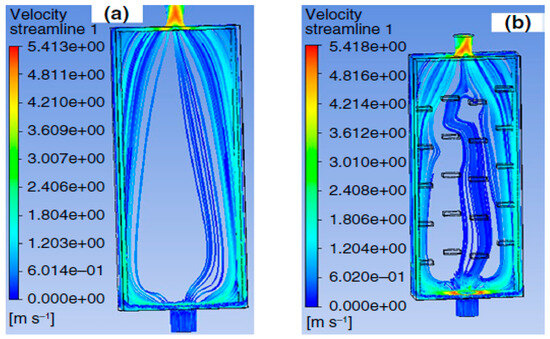
Show Figures
Open AccessArticle
Experimental Comparison of Vertically Oriented Passive Thermosiphon and Integrated Solar Water Heaters Under Arid Climatic Conditions
by
Walid Zaafouri, Romdhane Ben Slama, Béchir Chaouachi, Saif Ali Kadhim, Abdallah Bouabidi and Arman Ameen
Solar 2026, 6(4), 41; https://doi.org/10.3390/solar6040041 - 13 Jul 2026
Abstract
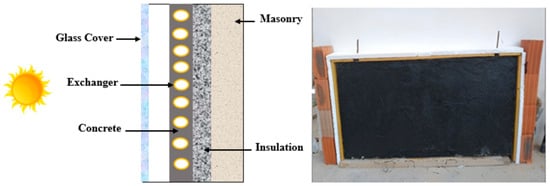
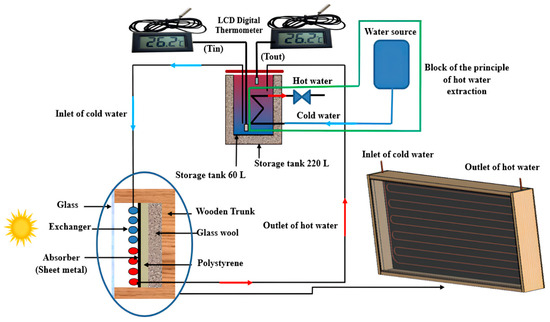
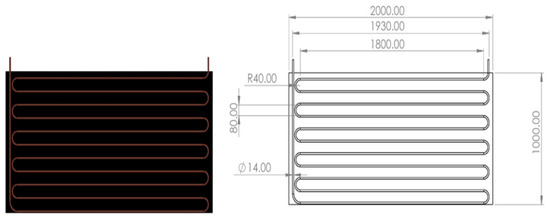
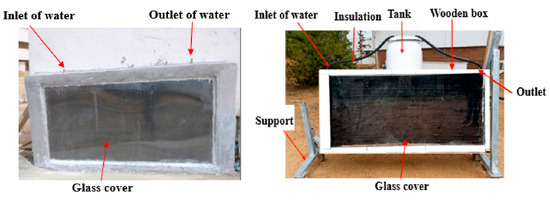
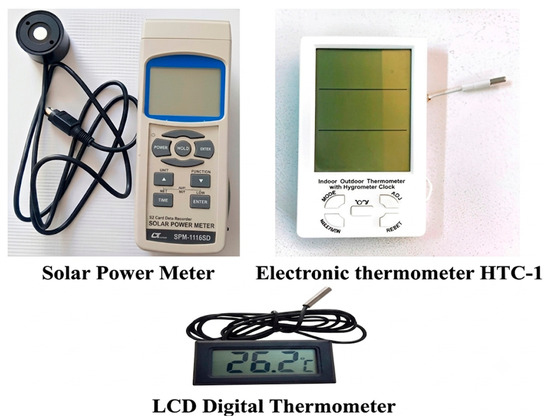
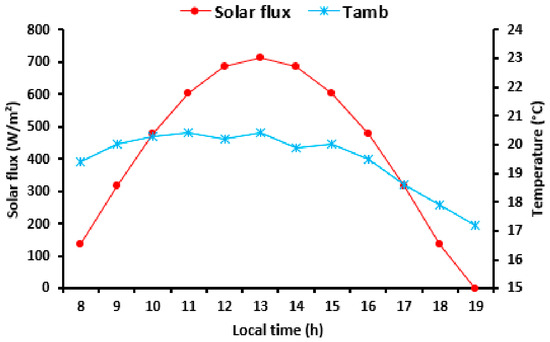
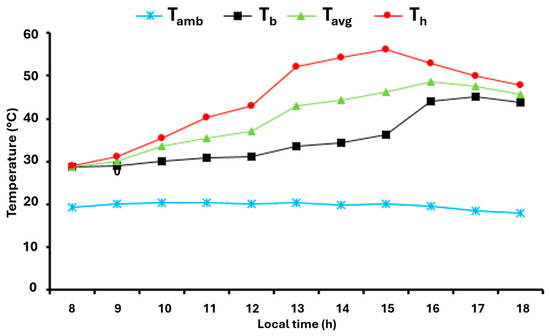
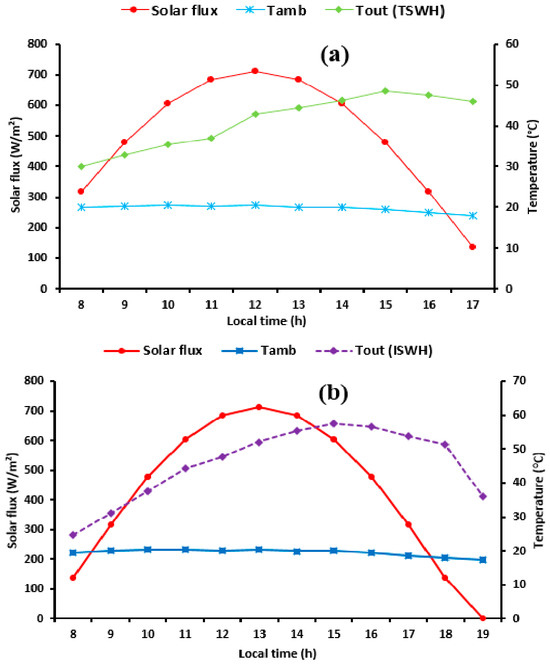
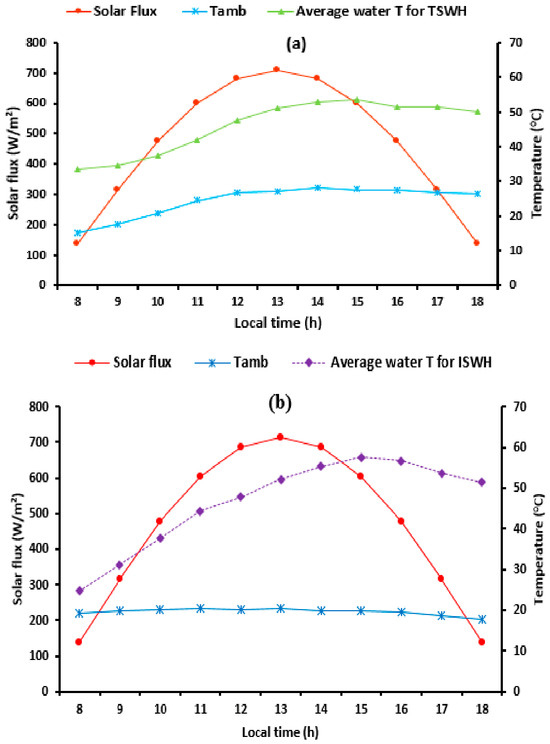
This study experimentally compares the thermal performance of two vertically oriented passive solar water heating systems under arid outdoor conditions in Gabes, Tunisia: a thermosiphon solar water heater (TSWH) and an integrated solar water heater (ISWH). Both prototypes were installed side by side,
[...] Read more.
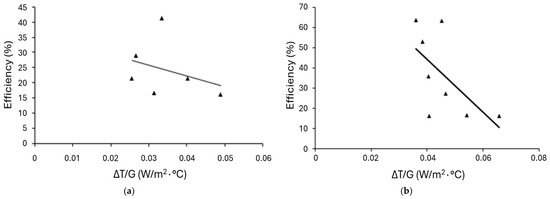
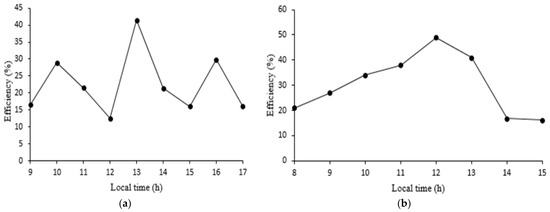
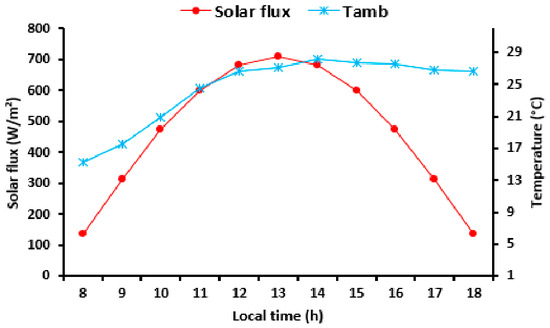
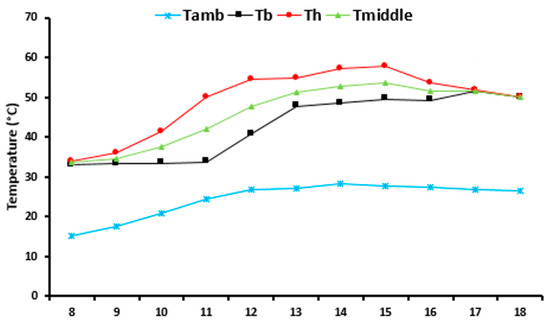
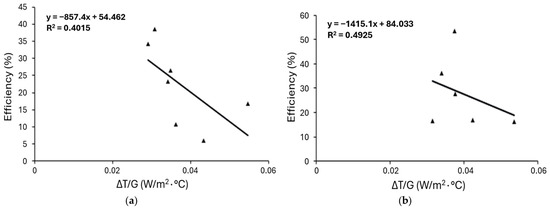
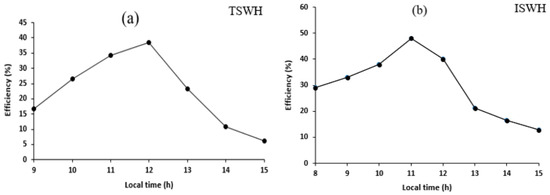
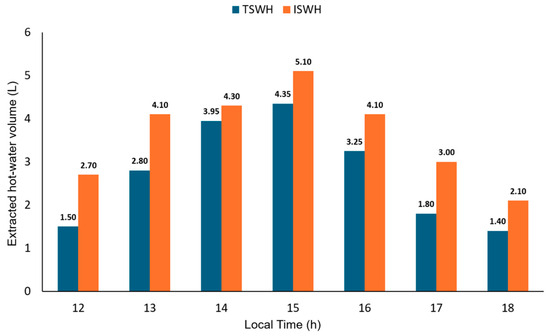
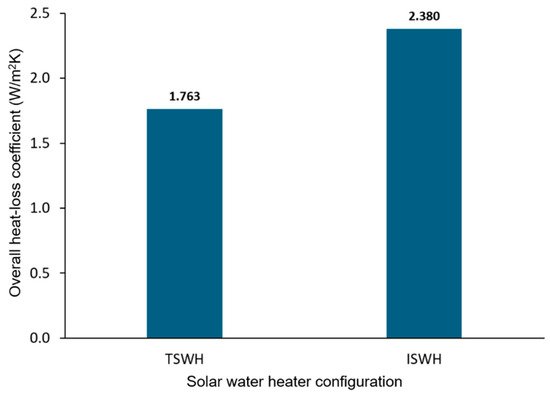
This study experimentally compares the thermal performance of two vertically oriented passive solar water heating systems under arid outdoor conditions in Gabes, Tunisia: a thermosiphon solar water heater (TSWH) and an integrated solar water heater (ISWH). Both prototypes were installed side by side, facing south, with identical collector areas and the same climatic exposure. Experiments were conducted over two consecutive clear-sky days under no-load and load conditions. The systems were evaluated in terms of water-temperature evolution, thermal stratification, thermal efficiency, heat-retention behaviour, overall heat-loss coefficient, and useful hot-water production. The results showed that the ISWH achieved higher peak water temperatures, reaching 59.8 °C and 57.5 °C during the two test days, compared with 48.55 °C and 53.65 °C for the TSWH. The ISWH also showed higher peak thermal efficiencies of approximately 49% and 48%, while the TSWH reached approximately 41% and 40%. Under hot-water extraction conditions, the ISWH delivered about 25 L of usable hot water at 45 °C, compared with 19 L for the TSWH. However, the TSWH exhibited better thermal retention, with a lower overall heat-loss coefficient of 1.763 W/m2K compared with 2.38 W/m2K for the ISWH. These findings demonstrate a clear trade-off between rapid daytime heat capture and non-solar heat preservation. The ISWH is more suitable for applications requiring higher daytime hot-water production, whereas the TSWH is preferable when improved heat retention after solar input decreases is required.
Full article
(This article belongs to the Special Issue Solar Energy for Cooling and Heating: Theory, Methods and Applications)
►▼
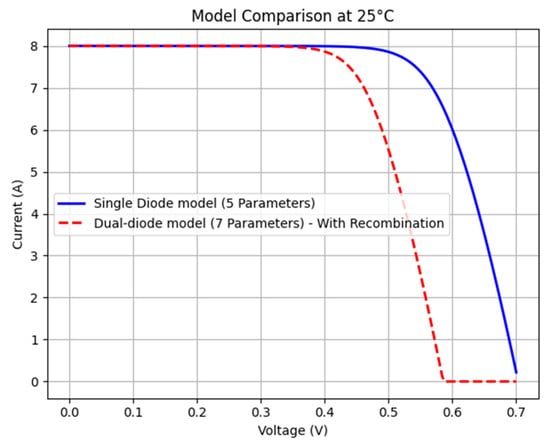
Show Figures

Figure 1
Open AccessArticle
Experimental Investigation of Thermal Performance of Flat and Arc-Shaped Copper-Finned Tube Receivers for Parabolic Trough Solar Collectors
by
Ramalingam Senthil, Mranal Raj Mahanama, Elumalai Vengadesan and Chandrasekaran Selvam
Solar 2026, 6(4), 40; https://doi.org/10.3390/solar6040040 - 9 Jul 2026
Abstract
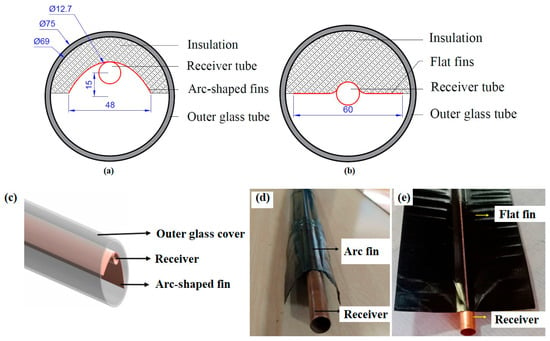
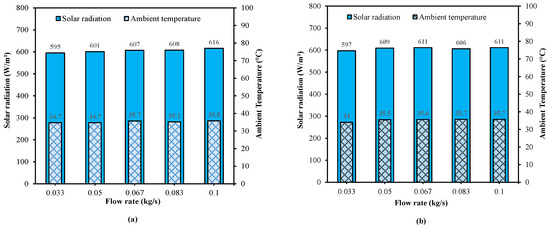
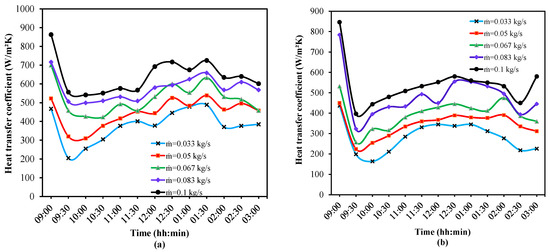
Effective solar receiver design is pivotal to improving the efficiency of concentrated solar collectors, thereby advancing sustainable energy development. This study investigates the impact of receiver configuration on the thermal and exergy performance of parabolic trough collectors and proposes adopting a commercially available
[...] Read more.
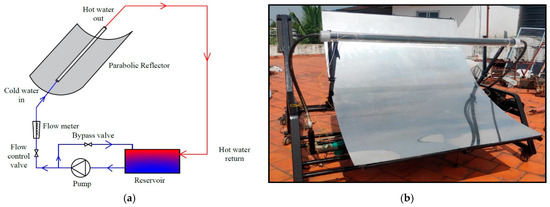
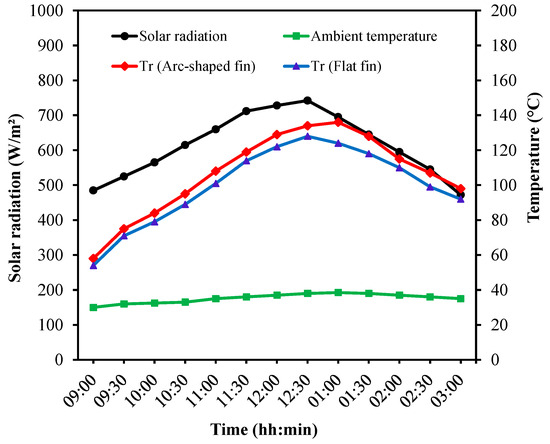
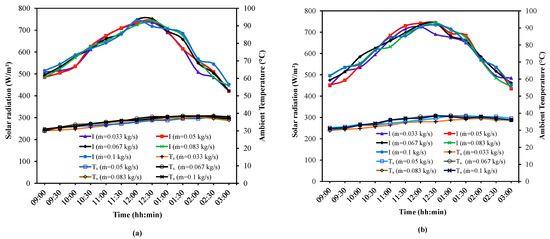
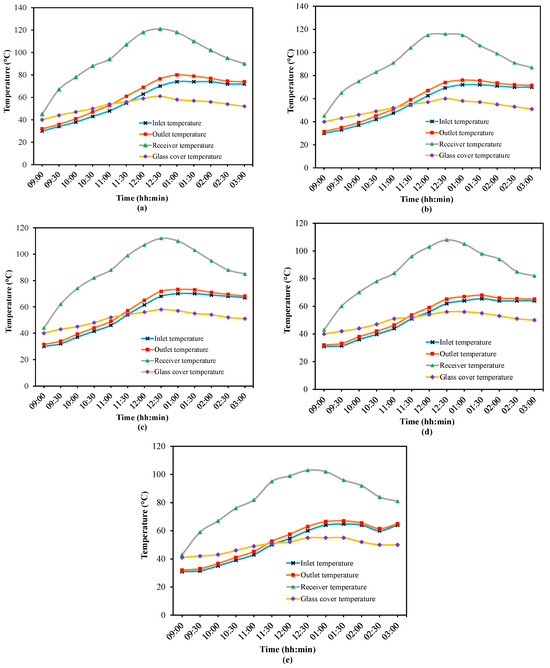
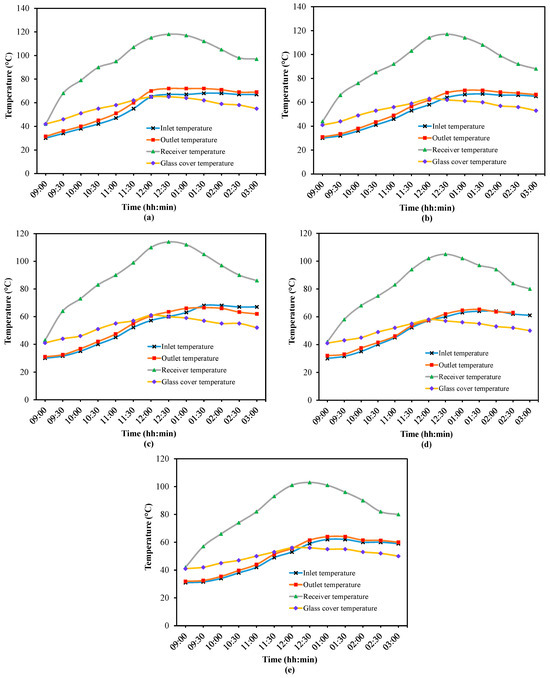
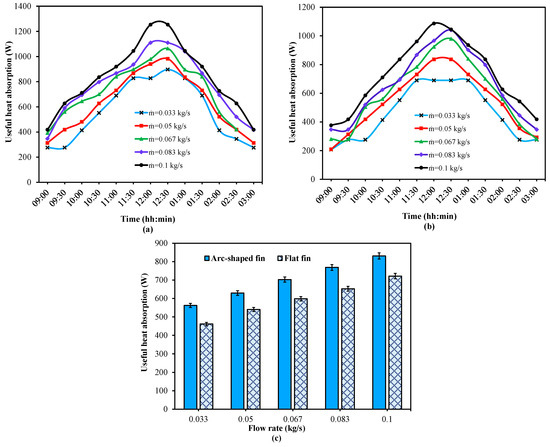
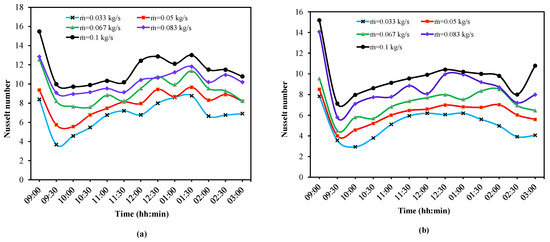
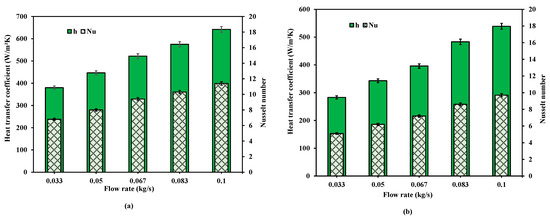
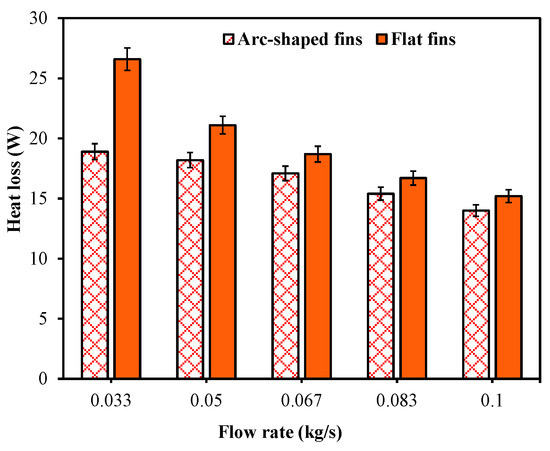
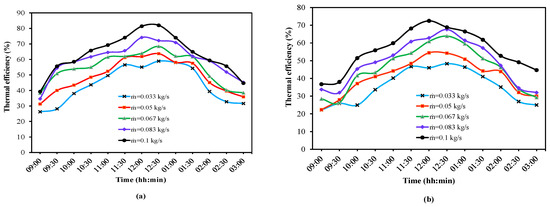
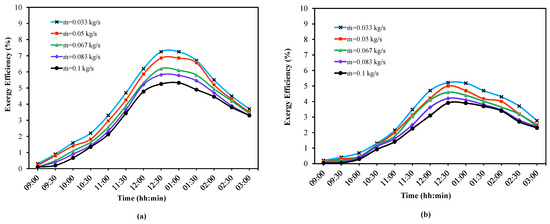
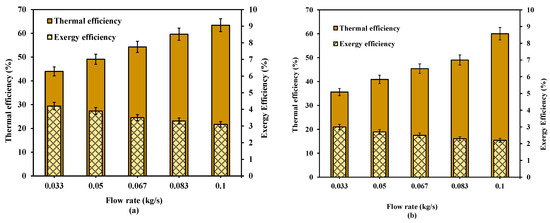
Effective solar receiver design is pivotal to improving the efficiency of concentrated solar collectors, thereby advancing sustainable energy development. This study investigates the impact of receiver configuration on the thermal and exergy performance of parabolic trough collectors and proposes adopting a commercially available copper-finned tube as the receiver. Notably, thermal efficiency improved when the flat corrugated fin was redesigned into an arc-shaped thin-profile configuration. Specifically, the arc-shaped fin receiver outperformed its flat-fin counterpart, achieving thermal efficiencies of 75.8% and 68.5% at a mass flow rate of 0.1 kg/s, respectively. At a lower flow rate of 0.033 kg/s, peak water temperatures of 80 °C and 72 °C were recorded for the arc-shaped and flat-fin receivers, respectively. Comparative analysis further revealed that the arc-shaped fin yielded an average heat transfer coefficient 19–33.9% higher than that of the flat-fin receiver. Furthermore, at 0.033 kg/s, the arc-shaped fin demonstrated superior exergy efficiency, with peak and average values of 7.2% and 4.2%, respectively, compared with 5.2% and 3.0% for the flat-fin receiver. These findings highlight the potential of arc-shaped copper-finned tube receivers to optimize parabolic trough collector performance, offering a promising avenue for advancing sustainable energy development.
Full article
(This article belongs to the Special Issue Solar Energy for Cooling and Heating: Theory, Methods and Applications)
►▼
Show Figures

Figure 1
Open AccessArticle
Structural and Optical Effects of Zinc Halide Doping and Br−/I− Substitution in CsPbBr3 Thin Films
by
Jenny Z. Garavito-Najas, Gerardo Gordillo, Oscar G. Torres, Josue I. Clavijo, Julian C. Pena-Bermudez and Javier Alexander Alcázar-Espinoza
Solar 2026, 6(4), 39; https://doi.org/10.3390/solar6040039 - 3 Jul 2026
Abstract
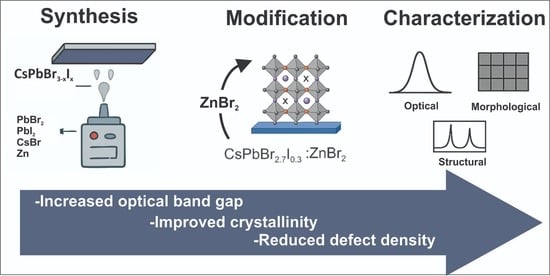
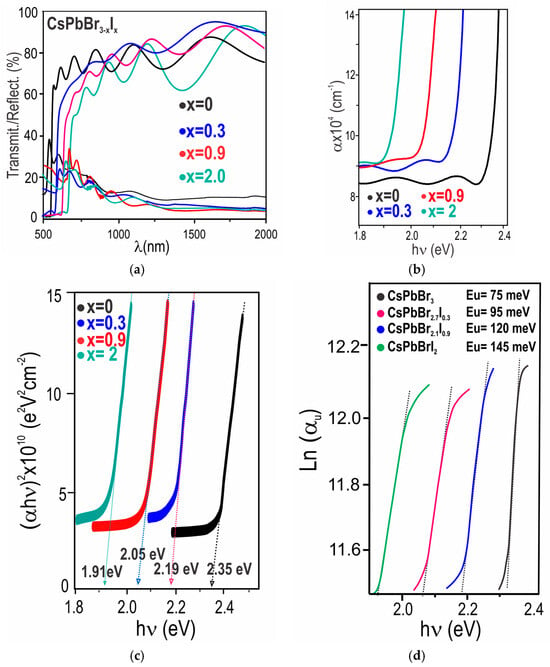
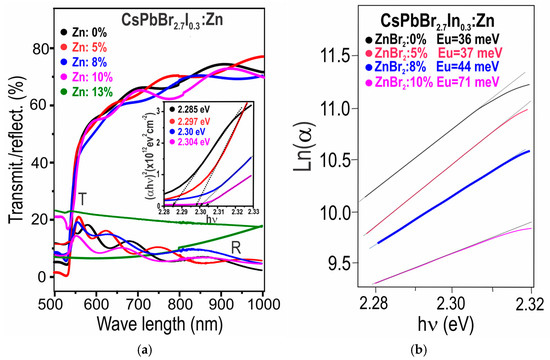
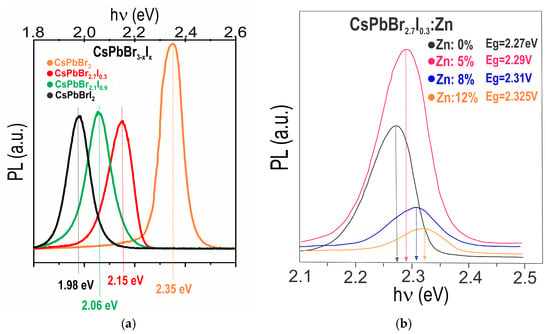
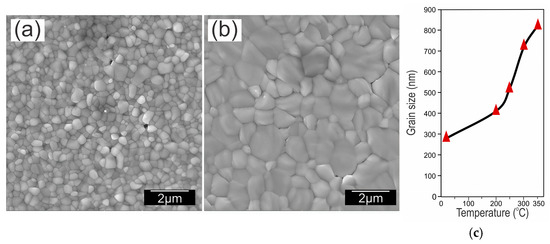
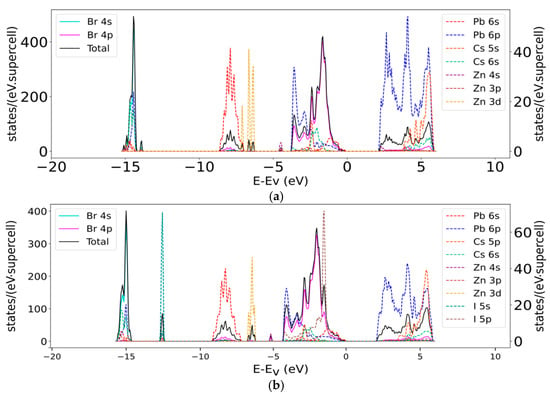
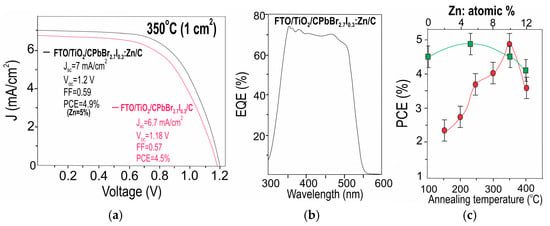
This work reports the results of a study on the optical, morphological, and structural properties of cesium lead bromide iodide mixed perovskite thin films (CsPbBr3−xIx), synthesized by sequential evaporation of precursors (CsBr, PbBr2, PbI2). First,
[...] Read more.
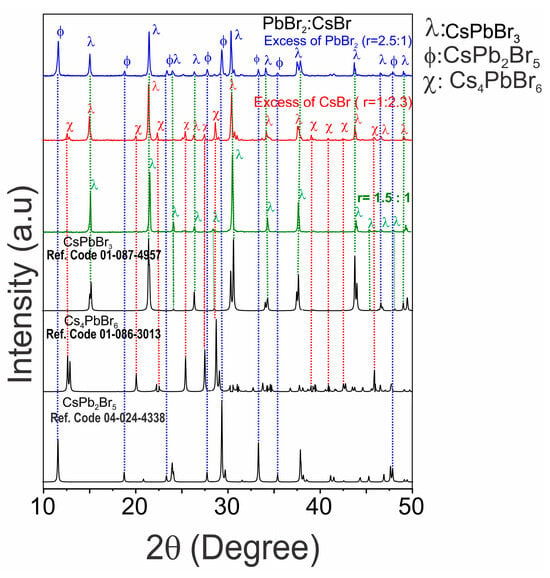
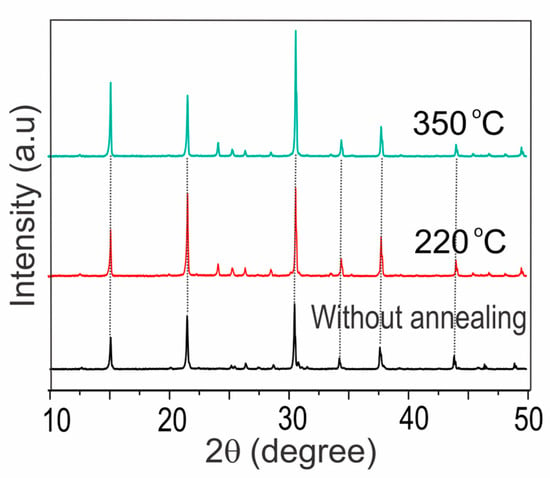
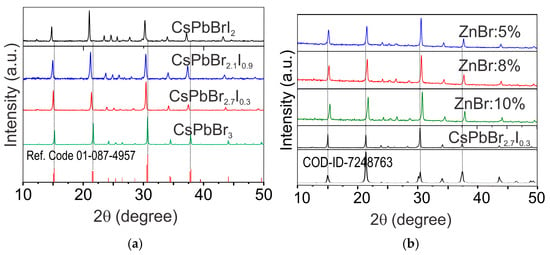
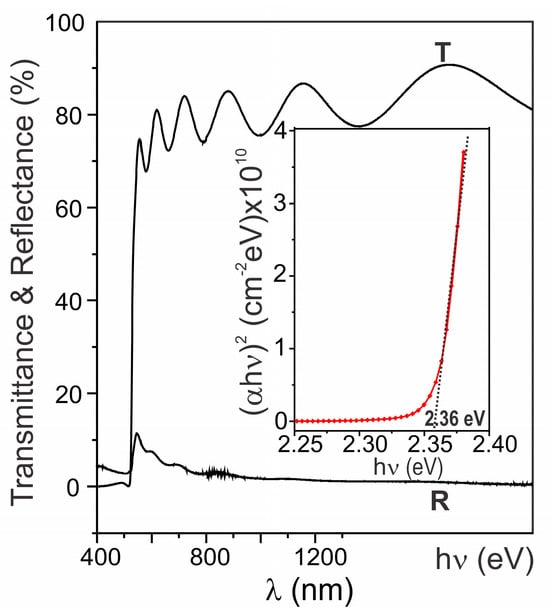
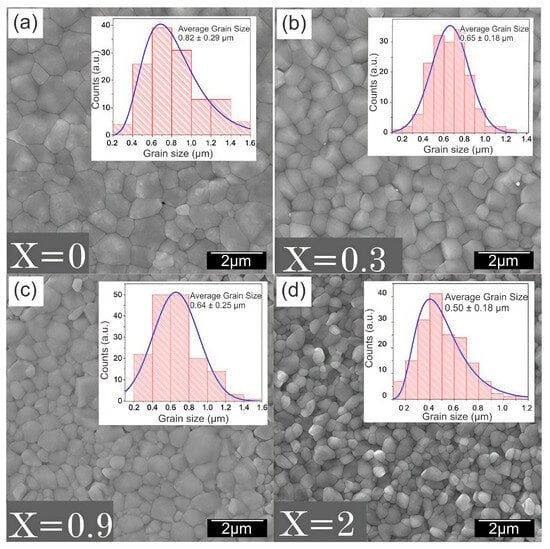
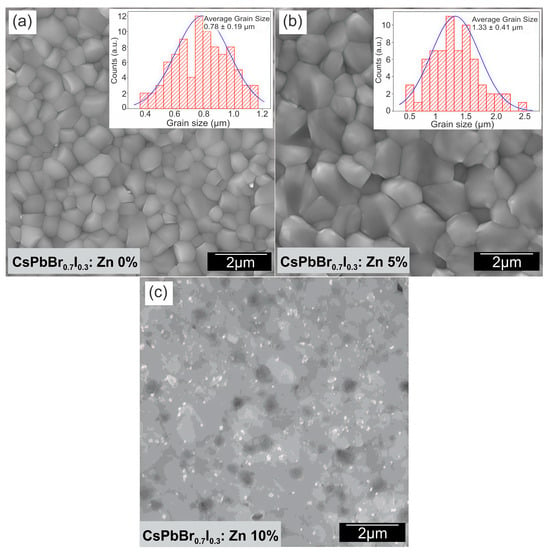
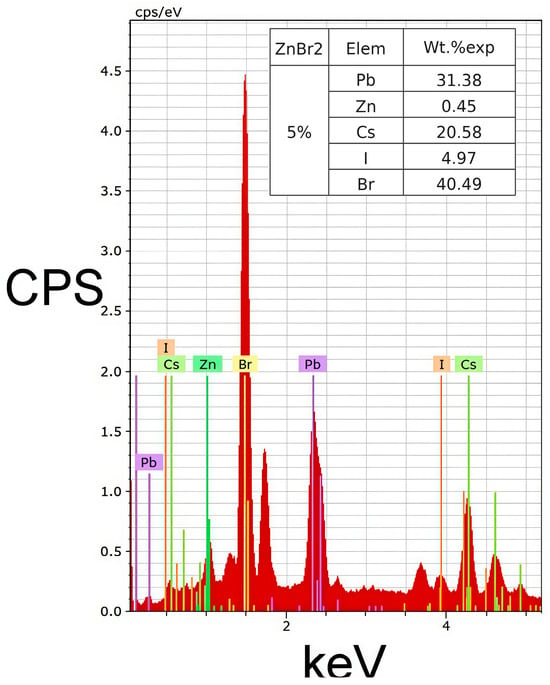
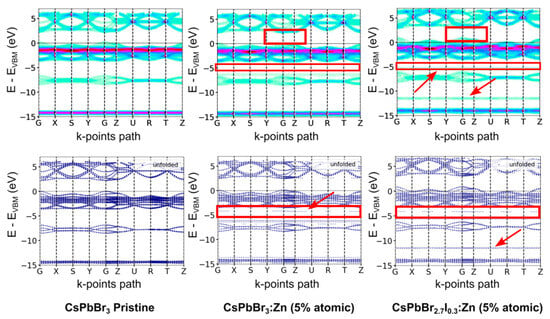
This work reports the results of a study on the optical, morphological, and structural properties of cesium lead bromide iodide mixed perovskite thin films (CsPbBr3−xIx), synthesized by sequential evaporation of precursors (CsBr, PbBr2, PbI2). First, the deposition conditions were optimized to obtain thin films predominantly composed of the pure CsPbBr3 phase. Subsequently, the influence of partial substitution of Br− by I− on the film properties was investigated. Particular emphasis was placed on evaluating the effect of partial Pb2+ substitution by Zn2+ on the optical, morphological, electronic, and structural properties using optical transmittance, photoluminescence, scanning electron microscopy (SEM), X-ray diffraction (XRD), Urbach energy analysis, and density functional theory (DFT) calculations. Zn2+-doped CsPbBr3−xIx films were prepared by evaporating a ZnBr2 layer onto the pre-deposited PbBr2/PbI2 precursor layers. It was found that Zn2+-doped inorganic CsPbBr3−xIx perovskite films exhibit enhanced crystallinity and improved surface morphology. Additionally, photoluminescence characterization confirms that non-radiative recombination decreases significantly, apparently due to a reduction in intrinsic defect density. The effect of Zn2+ doping on the power conversion efficiency of carbon-based planar solar cells was also evaluated. Collectively, Urbach energy, photoluminescence, and SEM analyses revealed that the optimal Zn2+ doping range for CsPbBr3−xIx perovskite films is ≤5%.
Full article
(This article belongs to the Special Issue Perovskite Solar Cells: From Materials to Modules)
►▼
Show Figures

Graphical abstract
Open AccessArticle
Sustainable and Integrated Selection of Photovoltaic Sites and Technologies Using the Delphi–AHP Method: Multi-Criteria Evidence of the Critical Role of Grid Capacity in Latin America
by
Johan Joel Cordero Noa, Gerald Vasco Quispe Soto, Yoisdel Castillo Alvarez, Luis Angel Iturralde Carrera, Reinier Jiménez Borges, Marcos Romo Aviles and Juvenal Rodríguez-Resendiz
Solar 2026, 6(4), 38; https://doi.org/10.3390/solar6040038 - 1 Jul 2026
Abstract
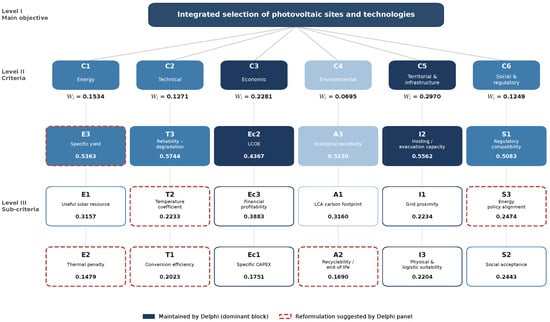
By the end of 2024, global photovoltaic (PV) capacity exceeded 2.2 TW, shifting planning from feasibility demonstration toward site–technology co-selection under energy, technical, economic, environmental, territorial, and socio-regulatory constraints. The existing multicriteria literature treats site and technology selection as independent problems under an
[...] Read more.
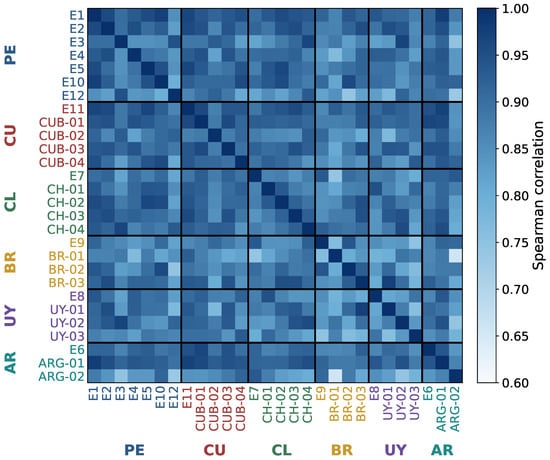
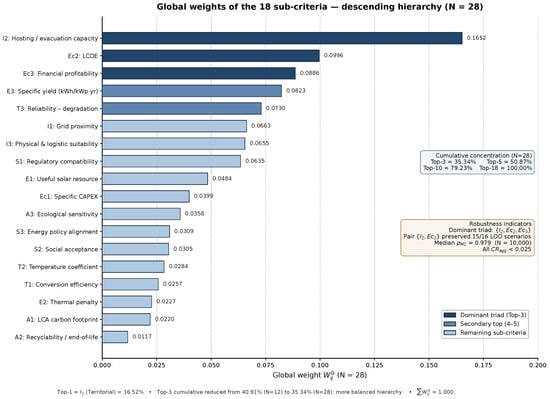
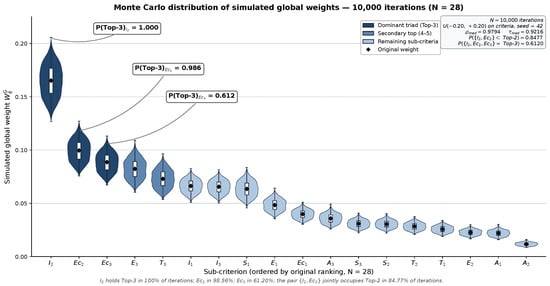
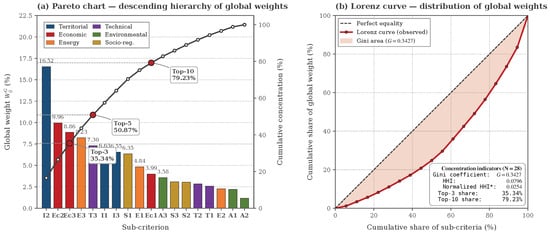
By the end of 2024, global photovoltaic (PV) capacity exceeded 2.2 TW, shifting planning from feasibility demonstration toward site–technology co-selection under energy, technical, economic, environmental, territorial, and socio-regulatory constraints. The existing multicriteria literature treats site and technology selection as independent problems under an implicit infinite-grid assumption, which is untenable in markets such as Chile and Peru. This study develops and validates an integrated Delphi–AHP framework with six criteria and eighteen subcriteria calibrated by twenty-eight experts from six Latin American countries. The framework underwent Delphi binary validation, AHP consistency control ( between 0.0013 and 0.0247; discard rate 2.6%), geometric-mean aggregation, deterministic sensitivity analysis, Monte Carlo simulation (10,000 iterations), rank-reversal testing, and nonparametric subgroup analysis. The dominant pair , consisting of grid hosting capacity and LCOE, appears as Top-2 in 84.77% of Monte Carlo iterations and is preserved across 15 of 16 leave-one-out scenarios. Grid hosting capacity surpasses useful solar resource by a factor of 3.41. A demonstrative application to 18 site–technology alternatives confirms the ranking, with an objective-weighting benchmark (entropy, CRITIC) yielding concordant results (Spearman ). The findings formalize a shift in the PV planning bottleneck from solar resource to grid capacity.
Full article
(This article belongs to the Special Issue Efficient and Reliable Solar Photovoltaic Systems: 2nd Edition)
►▼
Show Figures

Figure 1
Open AccessArticle
Design and Optimization of High-Concentration Photovoltaics for Next-Generation Deep-Space and Near-Sun Missions
by
Bilal S. Algnamat, Ahmad Abushattal, Murat Yaylacı, Monther Alsboul, Zainab Abushattal, Alaa F. Al Rawashdeh and Deshinta Arrova Dewi
Solar 2026, 6(4), 37; https://doi.org/10.3390/solar6040037 - 1 Jul 2026
Abstract
Space missions working under harsh heliocentric conditions demand more efficient photovoltaics operating under high solar concentration, high temperatures, and harsh radiation conditions. Although most simulation work has been conducted using the terrestrial AM1.5 spectrum, AM0 high concentrators are of great importance to realistic
[...] Read more.
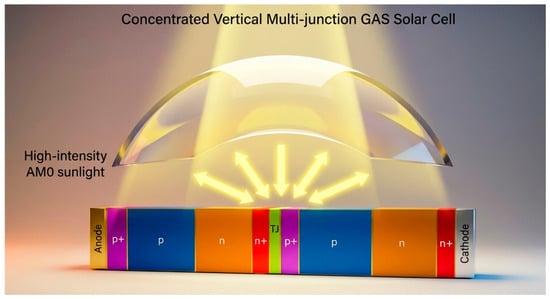
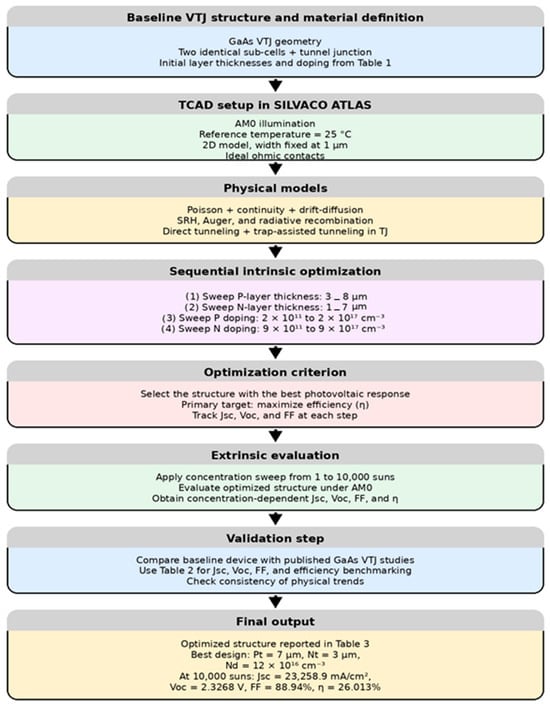
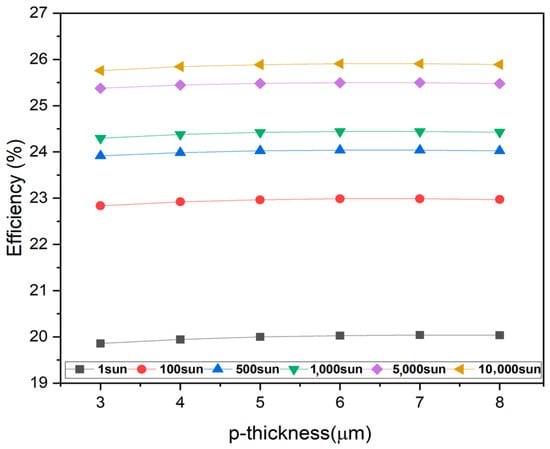
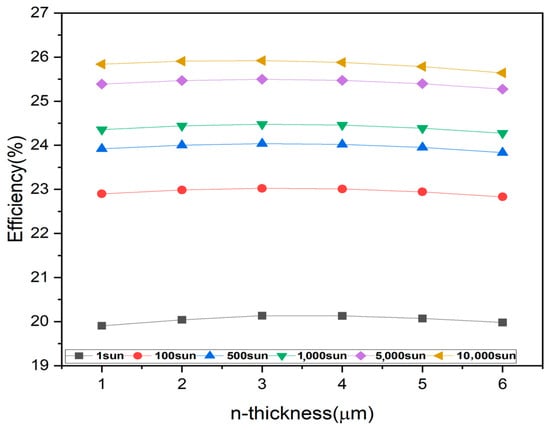
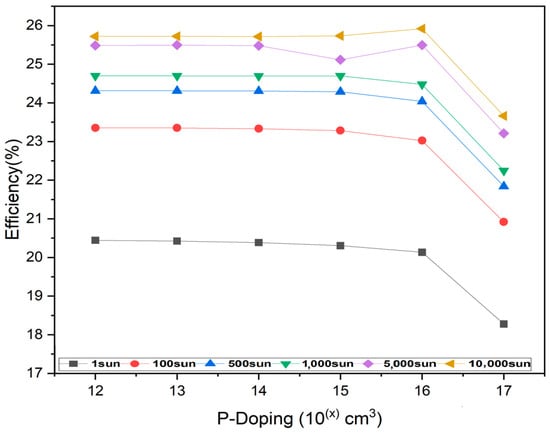
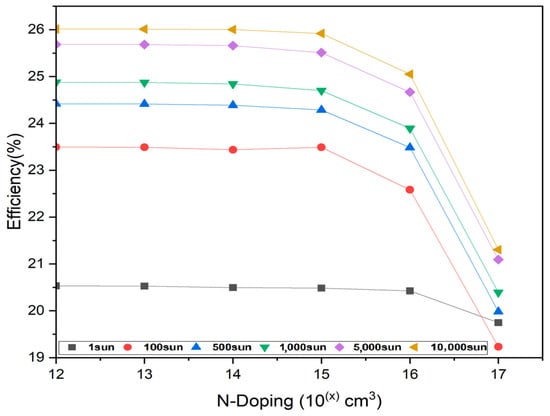
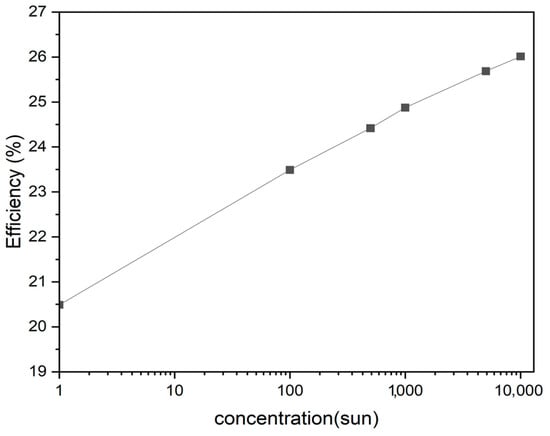
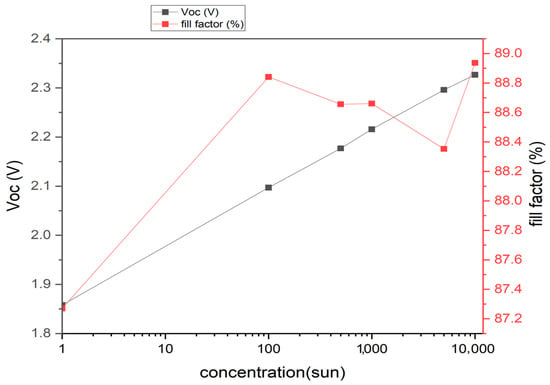
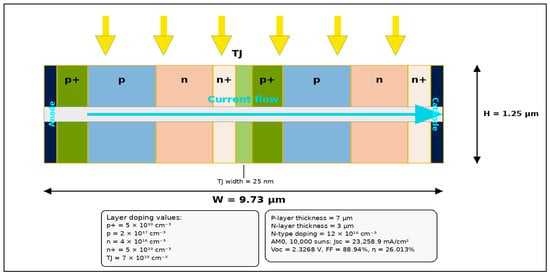
Space missions working under harsh heliocentric conditions demand more efficient photovoltaics operating under high solar concentration, high temperatures, and harsh radiation conditions. Although most simulation work has been conducted using the terrestrial AM1.5 spectrum, AM0 high concentrators are of great importance to realistic satellite missions. Though III–V multijunction solar cells are currently the norm in space applications, their efficiency under extremely high solar concentration ratios is not yet optimized to support future space missions. This work designs and numerically optimizes a GaAs VTJ solar cell using SILVACO ATLAS software (5.40.0.R). In the optimization, the thickness of the front and back layers, as well as the doping profile within the emitter, base, and tunnel junction regions, were adjusted. The important PV semiconductor attributes, including the short-circuit current density (Jsc), open-circuit voltage (Voc), fill factor (FF), and efficiency (η), were examined over a concentration factor ranging between 1 and 10,000 suns. The efficiency of the optimized VTJ solar cell increased from 20.4% at 1 sun to 26.0% at 10,000 suns. This is mainly due to the near-linear increase in Jsc and the stable FF, which remains between 87% and 89%. In addition, the solar cell shows a steady increase in Voc between 1.85 V and 2.33 V. An optimized GaAs VTJ solar cell design is a promising component in future space missions, which require high power density and are suited to operating under high heliocentric orbits, such as in the Parker Solar Probe and solar-electric propulsion systems.
Full article
(This article belongs to the Section Photovoltaics)
►▼
Show Figures

Figure 1

Open AccessArticle
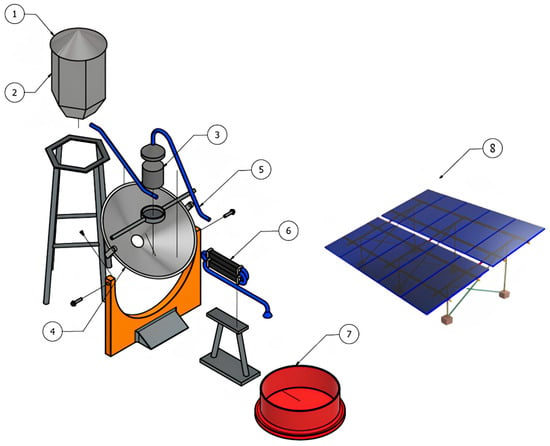
Utilizing Portable Solar Photovoltaics and Solar Dish Concentrator Technology for Seawater Desalination to Address Clean Water Scarcity: A Case Study from a Drought-Affected Area in Indonesia
by
Rizal Justian Setiawan, Khakam Ma’ruf, Talitha Nabila Assahda, Muhammad Fauzan Rafif, Rino Prihantoro, Frumensiana Berta Gheta, Regan Agam, Rizky Nurhidayat and Putri Putri
Solar 2026, 6(3), 36; https://doi.org/10.3390/solar6030036 - 16 Jun 2026
Abstract
Water is an indispensable resource for the survival of all living organisms on Earth. However, many coastal villages continue to face challenges in accessing potable water, particularly during extended droughts. This comprehensive study evaluates the implementation and performance of a solar desalination system
[...] Read more.
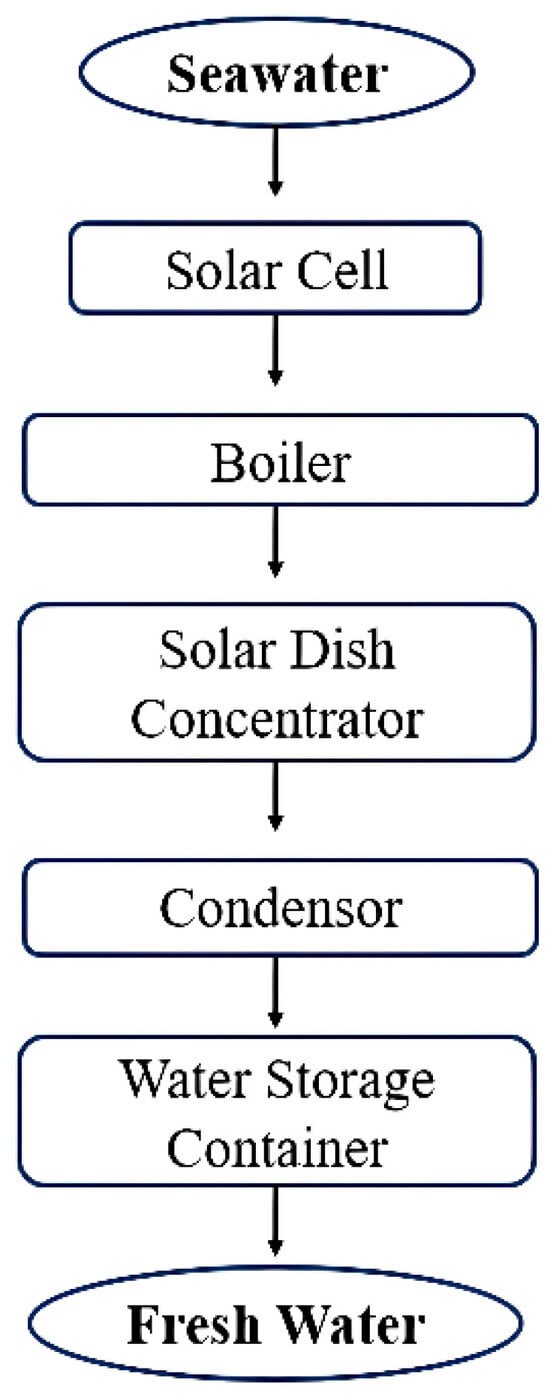
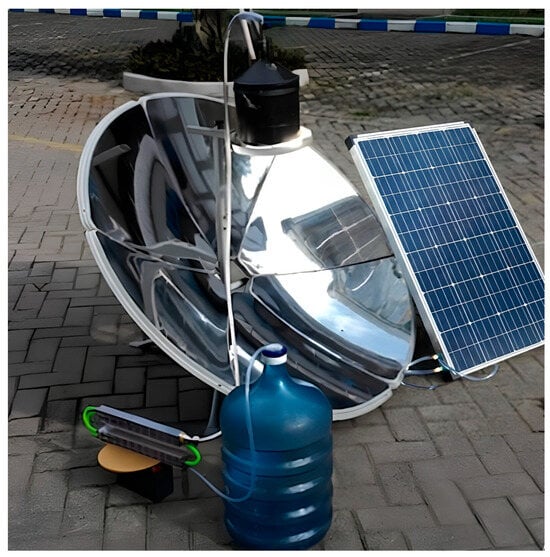
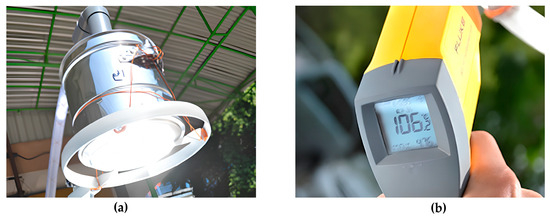
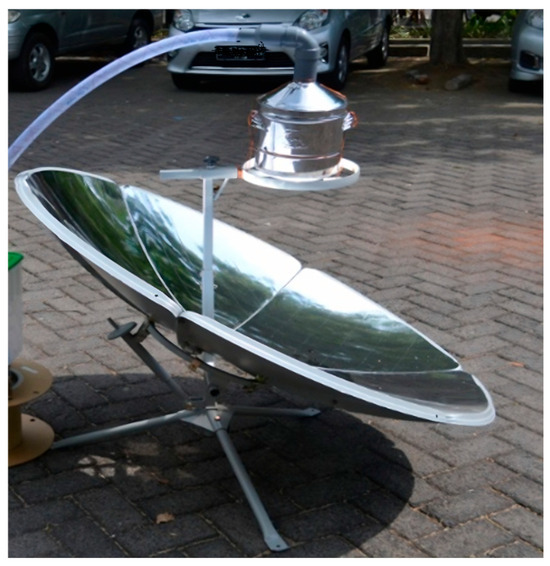
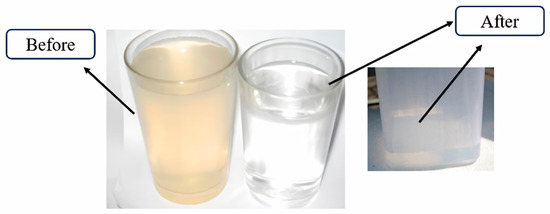
Water is an indispensable resource for the survival of all living organisms on Earth. However, many coastal villages continue to face challenges in accessing potable water, particularly during extended droughts. This comprehensive study evaluates the implementation and performance of a solar desalination system that employs photovoltaic (PV) panels and a parabolic solar concentrator to meet clean water demand in a drought-prone area of Indonesia. The system harnesses both solar-generated electricity and thermal energy to power an advanced desalination apparatus, effectively converting seawater into safe drinking water. Over a rigorous 4-month testing period, the device maintained an average steam outlet temperature of 105.9 °C, enabling a direct single-stage evaporation and condensation desalination process. Under optimal sunlight conditions, the system produced 1500 mL of purified water every 30 min, resulting in a total daily output of approximately 12 L (1500 mL × 8 cycles over 4 h). Laboratory analysis revealed a decrease in pH from 8.0 in raw seawater to 6.8 in treated water after post-treatment pH adjustment, meeting established safety standards for human consumption. Electrical conductivity measurements fell from 40–50 mS/cm to 480–500 µS/cm, confirming substantial salt removal. These results demonstrate the system’s capacity to generate potable water using sustainable energy sources and support circular economy principles by repurposing renewable resources for water desalination in water-scarce environments.
Full article
(This article belongs to the Special Issue Integrated Solar Energy Systems: Conversion and Storage Technologies)
►▼
Show Figures

Figure 1
Open AccessArticle
Impact of Solar Photovoltaic Penetration on Net-Load Dynamics and Flexibility in Albania
by
Driada Mitrushi, Irma Berdufi, Joan Jani, Urim Buzra and Valbona Muda
Solar 2026, 6(3), 35; https://doi.org/10.3390/solar6030035 - 4 Jun 2026
Abstract
The rapid growth of solar photovoltaic (PV) capacity is increasingly reshaping the operation of electricity systems, particularly in countries where renewable energy already represents a large share of generation. In Albania, where electricity production is strongly dominated by hydropower, increasing solar penetration is
[...] Read more.
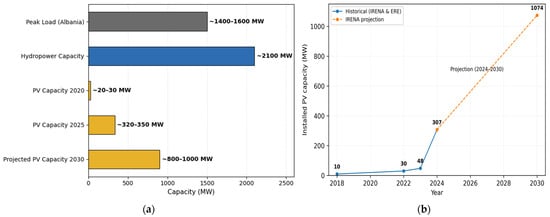
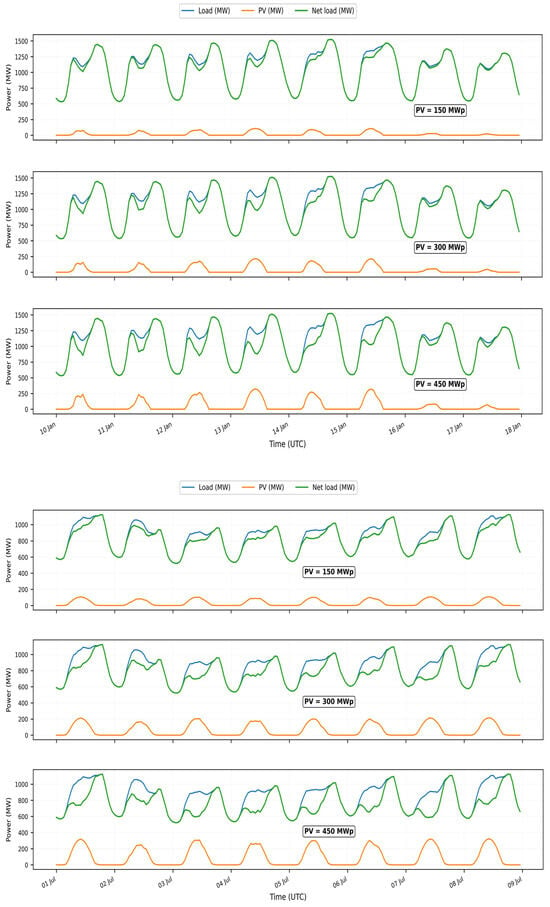
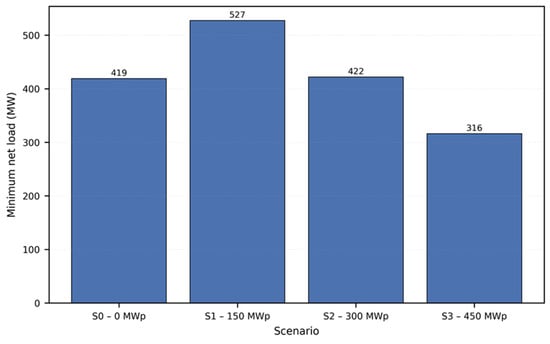
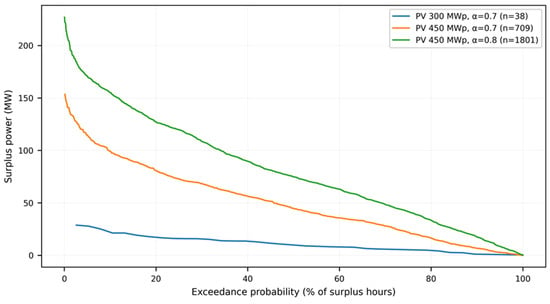
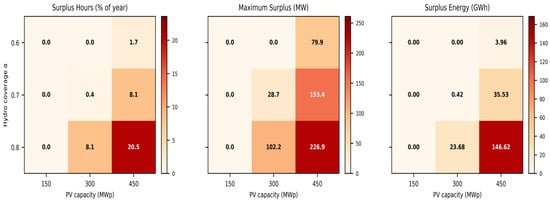
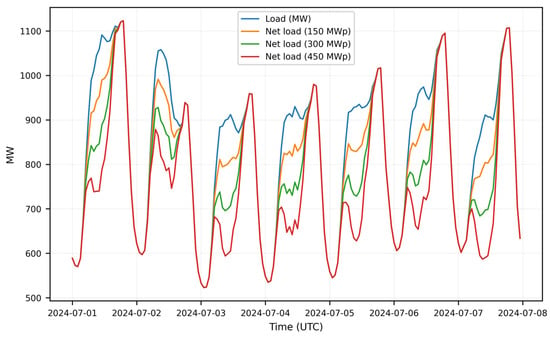
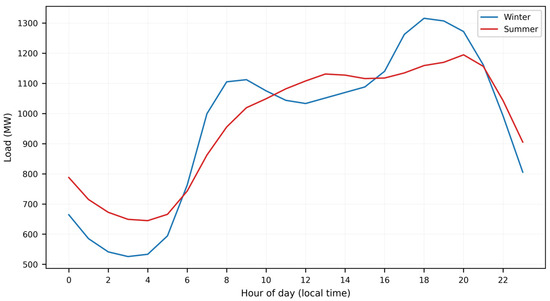
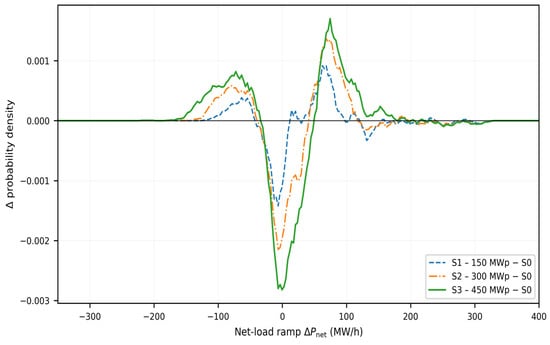
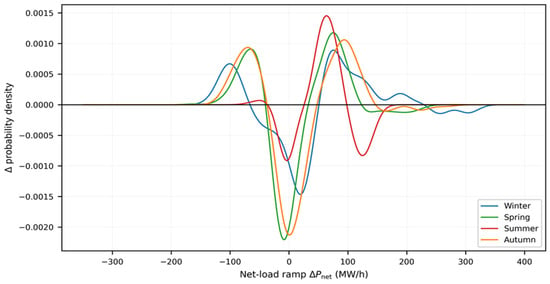
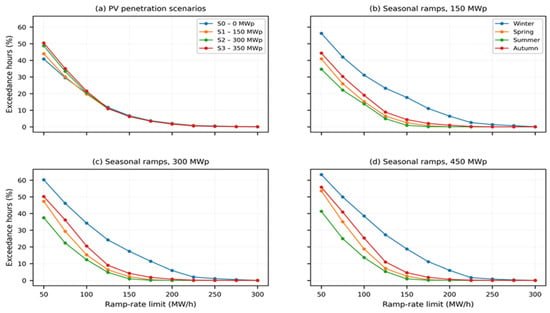
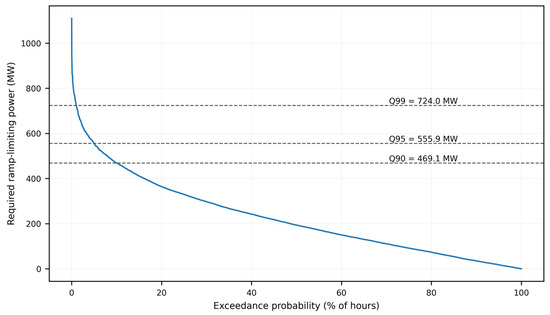
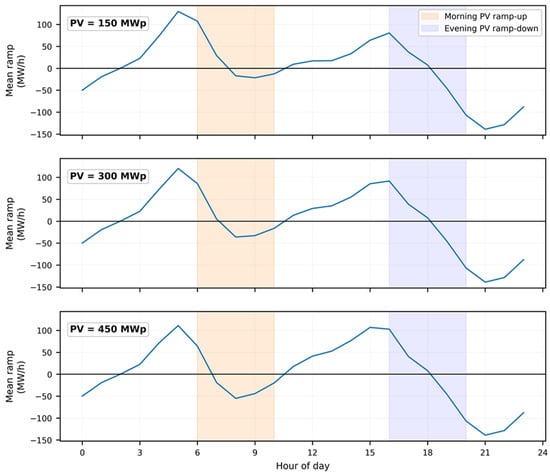
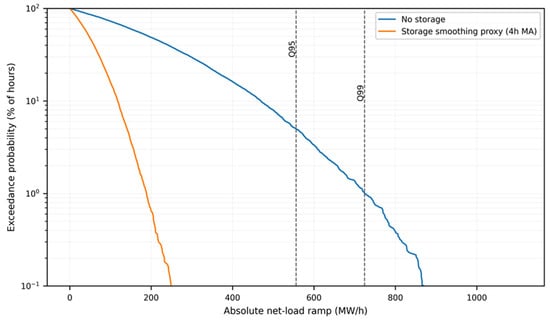
The rapid growth of solar photovoltaic (PV) capacity is increasingly reshaping the operation of electricity systems, particularly in countries where renewable energy already represents a large share of generation. In Albania, where electricity production is strongly dominated by hydropower, increasing solar penetration is expected to affect short-term system behaviour, especially in terms of variability, surplus generation, and ramping dynamics. This study investigates PV integration at the system level using hourly electricity demand data for 2024 together with PV generation profiles scaled to different capacity scenarios. PV scenarios representing installed capacities of 150, 300, and 450 MWp, based on real PV deployment data, are analysed under varying levels of hydropower dominance. The analysis combines net-load modeling, ramping assessment, and a simplified flexibility-oriented mitigation approach to evaluate operational impacts under different hydropower conditions. The results indicate that increasing PV capacity significantly modifies the net-load profile. During summer periods, high solar generation substantially reduces midday net load, creating pronounced net-load valleys, whereas winter conditions remain more strongly influenced by electricity demand. As PV penetration increases, ramping intensity also increases. For example, extreme ramp values (Q99) rise from 80.87 MW/h at 300 MWp to 111.45 MW/h at 450 MWp, while the share of hours with ramp events exceeding 100 MW/h increases from 0.05% to 2.55%. The results of a conceptual flexibility approach that limits ramps to 60 MW/h show that extreme ramp events can be effectively mitigated, while moderate variability is largely unaffected. In summary, the results show that increasing solar PV penetration shifts the main operational challenge in Albania from energy balancing toward flexibility and variability management. The findings are particularly relevant for long-term system planning in hydropower-dominated systems and highlight the growing importance of flexibility measures and surplus management under high PV penetration.
Full article
(This article belongs to the Section Solar Energy Systems and Integration)
►▼
Show Figures

Figure 1

Open AccessSystematic Review
Exploration of Funding Models for Residential Solar Photovoltaic Adoption in the United Kingdom: Systematic Review
by
Dinusha Wilegoda, Chamara Panakaduwa, Nishan Mallikarachchi and Devindi Geekiyanage
Solar 2026, 6(3), 34; https://doi.org/10.3390/solar6030034 - 3 Jun 2026
Abstract
Renewable energy is a central component of global sustainable energy development, with solar energy experiencing substantial growth over recent decades. Solar power is widely regarded as one of the most accessible routes to clean energy generation. However, high upfront costs remain a major
[...] Read more.
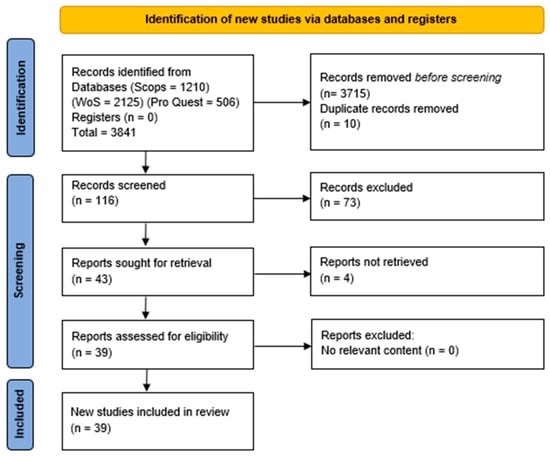
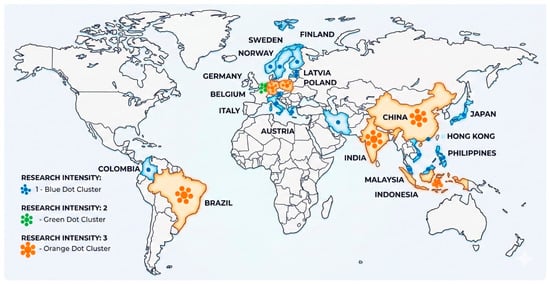
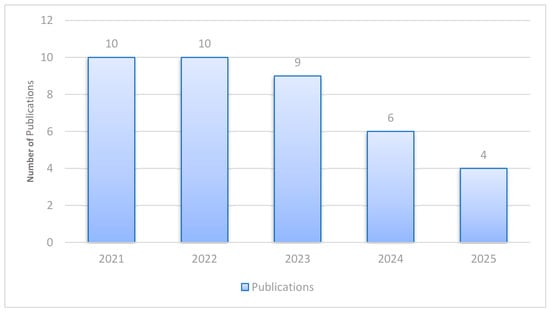
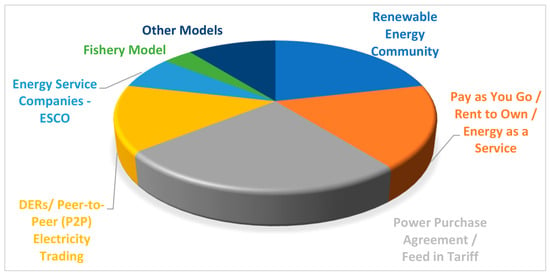
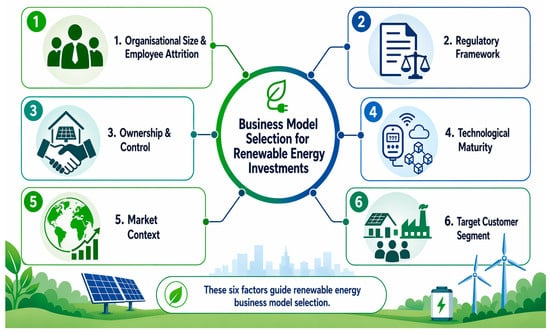
Renewable energy is a central component of global sustainable energy development, with solar energy experiencing substantial growth over recent decades. Solar power is widely regarded as one of the most accessible routes to clean energy generation. However, high upfront costs remain a major barrier to adoption. Many potential users are reluctant to invest in solar photovoltaic (PV) systems because of the longer payback period. To address this financial constraint, a range of business models has been developed. This study used a systematic literature review to examine existing and emerging business models for promoting Solar PV solutions. The review included peer-reviewed journal articles published in English from 2020 to 2026. In total, 39 articles were critically evaluated considering their characteristics. Nine potential business models were identified, several of which are commonly used internationally and have shown positive results that could also be applied in the UK. Importantly, Community Energy Models have shown success in Europe, Sub-Saharan and Asian regions. This has been widely supported by the government due to sustainability and climate change targets. The UK has set their target to achieve net-zero in greenhouse gas emissions by 2050. Beyond financial barriers, reliance on weather conditions and the mismatch between energy demand and supply remain substantial barriers to wider solar PV deployment.
Full article
(This article belongs to the Section Solar Energy Systems and Integration)
►▼
Show Figures

Figure 1

Open AccessArticle
Utility-Scale Solar Photovoltaics in Ecuador: Integrated Techno-Economic and Environmental Assessment of a 200 MWp Plant
by
Elio Sánchez-Gutiérrez and Sara J. Ríos
Solar 2026, 6(3), 33; https://doi.org/10.3390/solar6030033 - 2 Jun 2026
Cited by 1
Abstract
Hydropower-dependent electricity systems, such as Ecuador’s, face critical supply disruptions during droughts: a vulnerability exemplified by the 2024 power outages. This study assesses the technical, economic and environmental feasibility of a 200.84 MWp grid-connected solar photovoltaic (PV) plant proposed for the Pacific Refinery
[...] Read more.
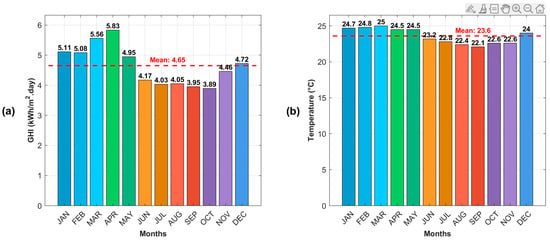
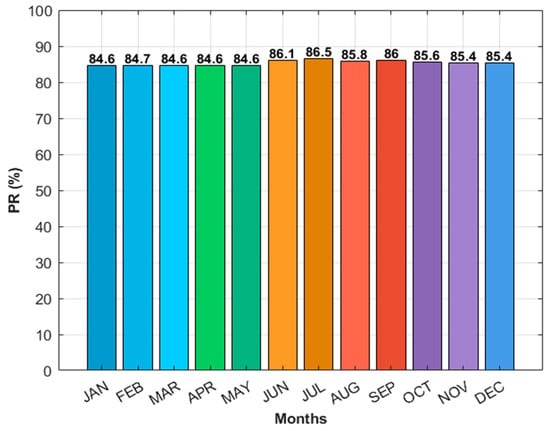
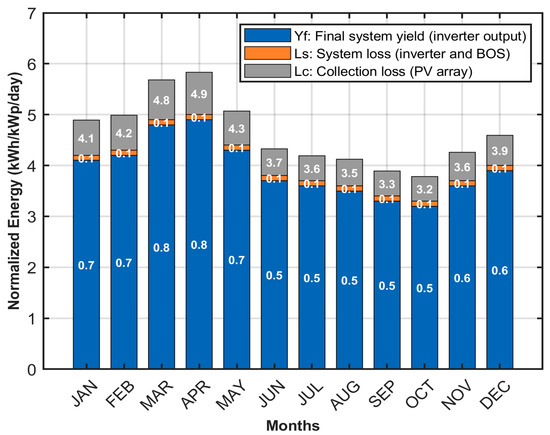
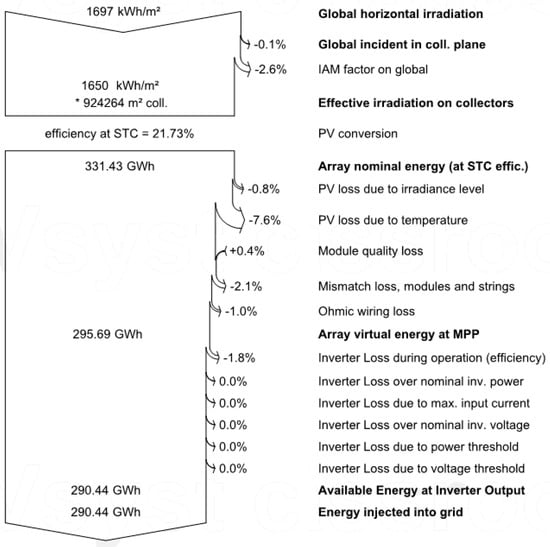
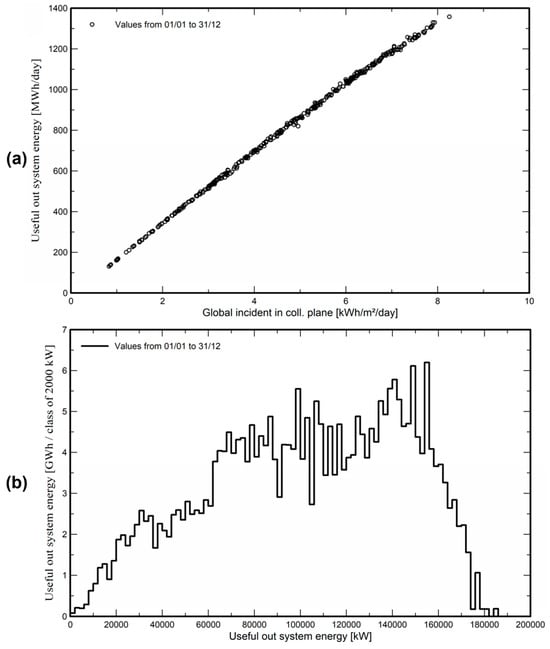
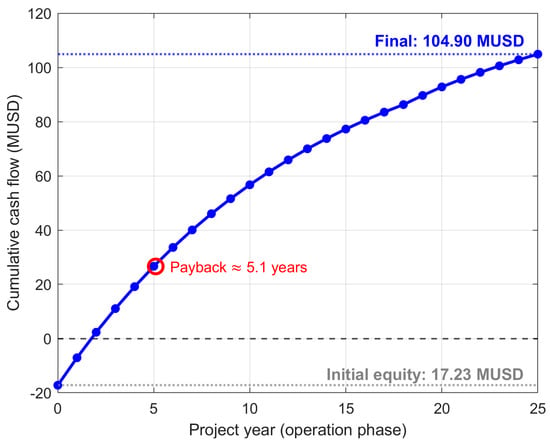
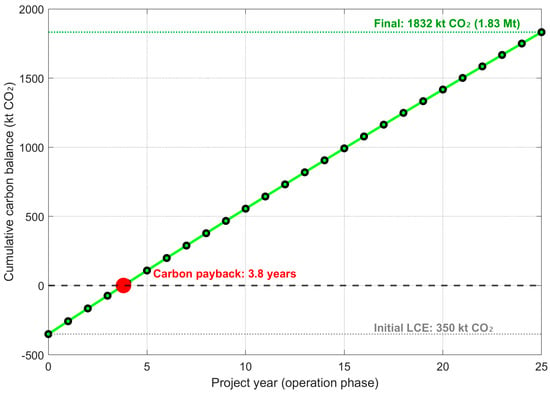
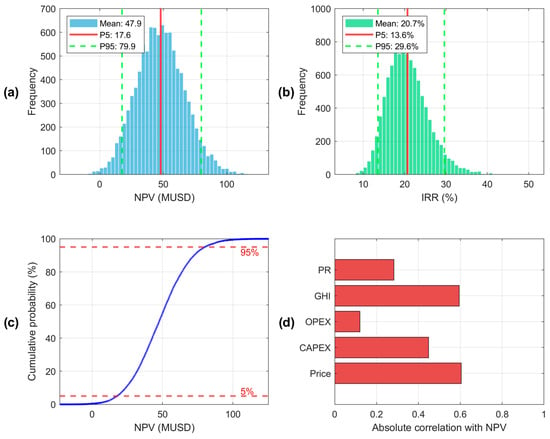
Hydropower-dependent electricity systems, such as Ecuador’s, face critical supply disruptions during droughts: a vulnerability exemplified by the 2024 power outages. This study assesses the technical, economic and environmental feasibility of a 200.84 MWp grid-connected solar photovoltaic (PV) plant proposed for the Pacific Refinery site in Manabi, Ecuador, as a strategy to diversify the energy matrix and reduce hydrological risk. Using site-specific solar resource data (4.65 kWh/m2/day) and PVSyst simulations, the plant achieves an annual energy production of 295 GWh with a performance ratio (PR) of 85.3%. A discounted cash flow analysis over 25 years, assuming a 7% discount rate and an electricity price of 60 USD/MWh, yields a net present value (NPV) of 104.9 MUSD, an internal rate of return (IRR) of 62.2%, and a levelized cost of energy (LCOE) of 14.5 USD/MWh, well below current industrial tariffs in Ecuador. Sensitivity analysis confirms project viability under ±15% variations in investment cost, energy price, and solar resource. Over its lifetime, the plant avoids 1.83 Mt of CO2 emissions, supporting national decarbonization goals. The results demonstrate that large-scale PV deployment in high-radiation, low-latitude regions can be highly profitable and contribute to energy sovereignty in hydropower-dependent systems. Furthermore, this study provides a replicable model for repurposing unused industrial land for renewable energy generation, offering actionable insights for policymakers and investors in developing economies.
Full article
(This article belongs to the Section Solar Energy Systems and Integration)
►▼
Show Figures

Graphical abstract
Open AccessArticle
Rare-Event Risk-Based Bidding Strategy for Photovoltaic Systems in the Balancing Market
by
Jindan Cui, Ren Yanagida, Shuzo Yamanaka and Yuzuru Ueda
Solar 2026, 6(3), 32; https://doi.org/10.3390/solar6030032 - 2 Jun 2026
Abstract
The increased deployment of photovoltaic (PV) technology has led to an increased demand for grid-balancing capacity owing to growing short-term variability and forecast uncertainty. Simultaneously, higher PV penetration can lead to daytime energy market oversupply, pushing day-ahead prices toward zero and undermining PV
[...] Read more.
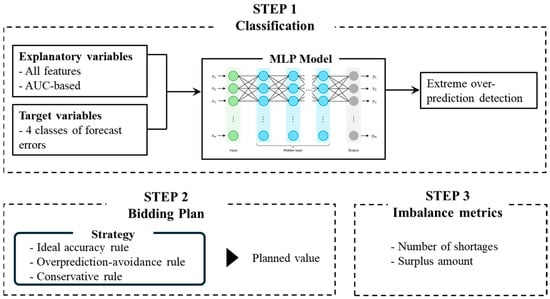
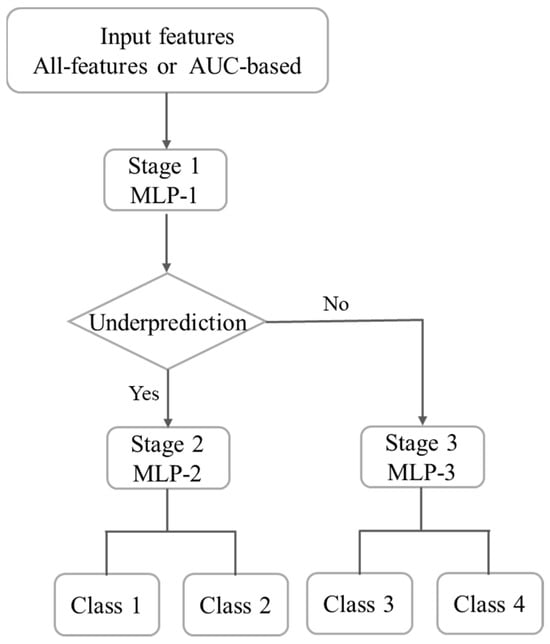
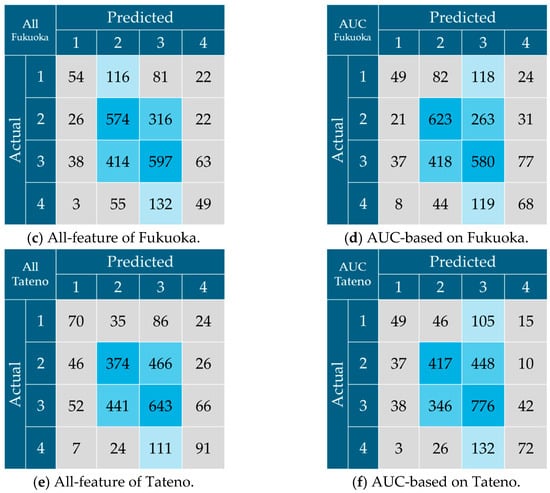
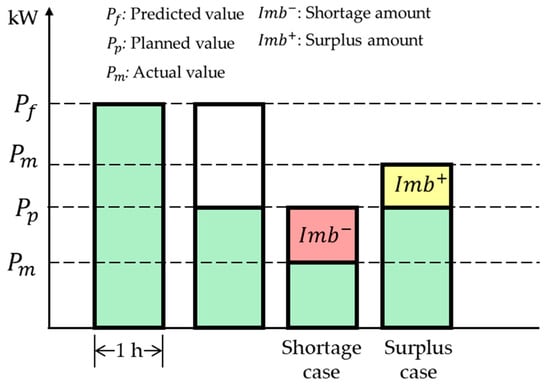
The increased deployment of photovoltaic (PV) technology has led to an increased demand for grid-balancing capacity owing to growing short-term variability and forecast uncertainty. Simultaneously, higher PV penetration can lead to daytime energy market oversupply, pushing day-ahead prices toward zero and undermining PV revenues. Against this backdrop, this study investigated a market participation paradigm in which PV power plants supply reserve power themselves while actively absorbing their own uncertainty, rather than merely relying on balancing the services provided by external resources. We propose a risk-aware framework that classifies solar irradiance prediction errors into four risk categories using GPV-GSM numerical weather forecast data, translating the inferred risk level into practical bidding rules for balancing market participation. We adopted a hierarchical classification pipeline consisting of sign determination (stage 1, under- vs. overprediction), followed by degree determination (Stages 2 and 3), implemented with a multi-layer perceptron. To enhance class separability and reduce features, we introduced a stage-wise area under the curve (AUC)-based feature selection and compared AUC-selected and all-features settings under identical training conditions. The proposed strategies substantially reduce shortage events compared with directly using the original predictions as bids, although they increase surplus energy. The AUC-based model achieves comparable imbalance evaluation results, indicating that the selected features are sufficient for practical bidding support.
Full article
(This article belongs to the Special Issue Connecting Photovoltaic Systems to the Distribution Grid: Solar Power Integration)
►▼
Show Figures

Figure 1

Open AccessArticle
From Optimization to Investment: A Techno-Economic Assessment of NSGA-II Optimized Grid-Connected Photovoltaic–Energy Storage Systems in Developing Economies
by
Raphael I. Areola, Abayomi A. Adebiyi and Dwayne J. Reddy
Solar 2026, 6(3), 31; https://doi.org/10.3390/solar6030031 - 2 Jun 2026
Abstract
Grid-connected photovoltaic–energy storage systems (PV-ESSs) enhance electricity reliability and lower energy costs in emerging markets. However, their commercial viability under multi-objective optimization remains under-quantified. This study offers a techno-economic and financial analysis of PV-ESS setups optimized with the Non-Dominated Sorting Genetic Algorithm II
[...] Read more.
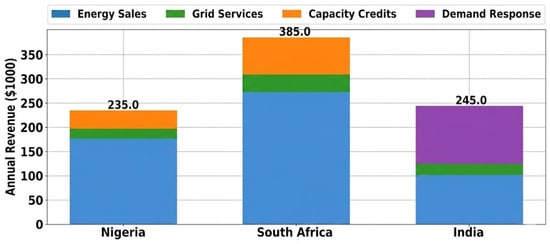
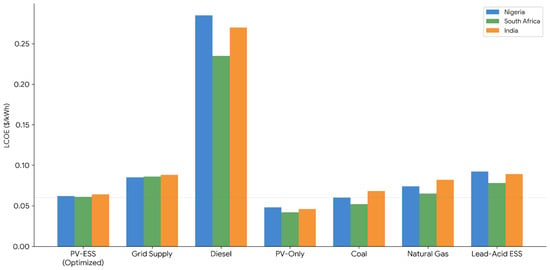
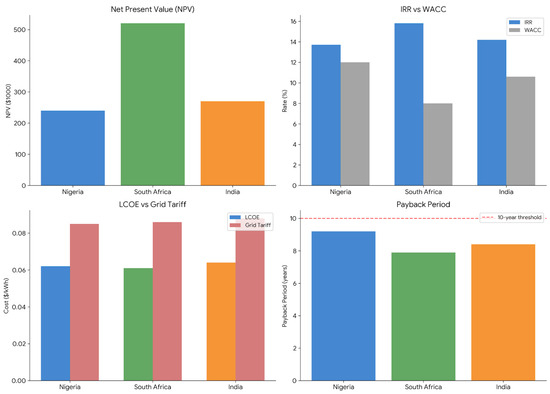
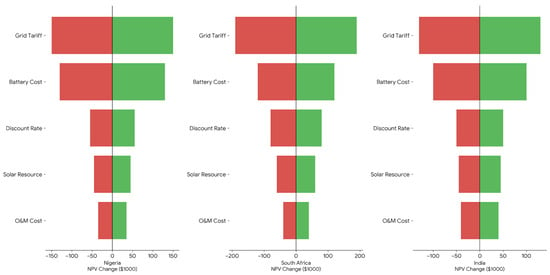
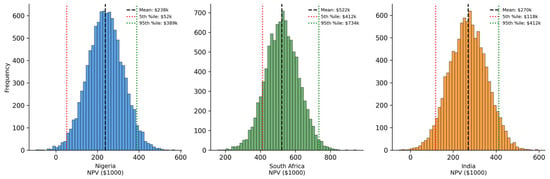
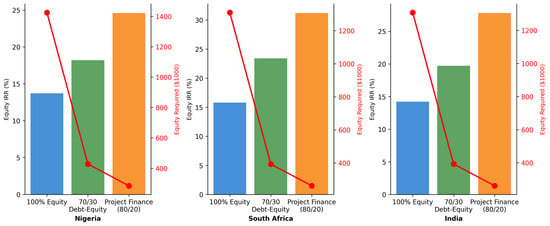
Grid-connected photovoltaic–energy storage systems (PV-ESSs) enhance electricity reliability and lower energy costs in emerging markets. However, their commercial viability under multi-objective optimization remains under-quantified. This study offers a techno-economic and financial analysis of PV-ESS setups optimized with the Non-Dominated Sorting Genetic Algorithm II across Nigeria, South Africa, and India. The best systems feature 1.3–1.5 MW of solar capacity and 2.5–2.9 MWh of lithium-ion batteries. Results show unsubsidized levelized energy costs of USD 0.061–USD 0.064/kWh, achieving 27–35% savings compared to grid tariffs. Battery storage accounts for 67–76% of total capital costs, making battery expenses the key economic factor. Financial analysis reports net present values of USD 238,000–USD 522,000, internal rates of return of 13.7–15.8%, and discounted payback periods of 7.9–9.2 years. Monte Carlo simulations indicate an 83.4–100% probability of a positive net present value. Sensitivity analysis highlights grid tariffs and battery costs as major influences. Revenue diversification through grid services, capacity credits, and demand response can boost net present value by up to 35%. Overall, optimized PV-ESS projects can be commercially viable in emerging markets with suitable tariffs, financing, and revenue strategies.
Full article
(This article belongs to the Section Solar Energy Systems and Integration)
►▼
Show Figures

Figure 1
Open AccessArticle
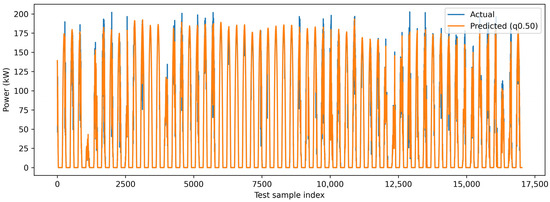
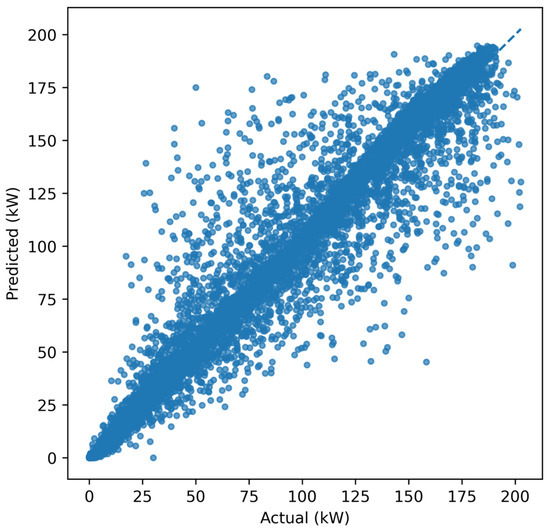
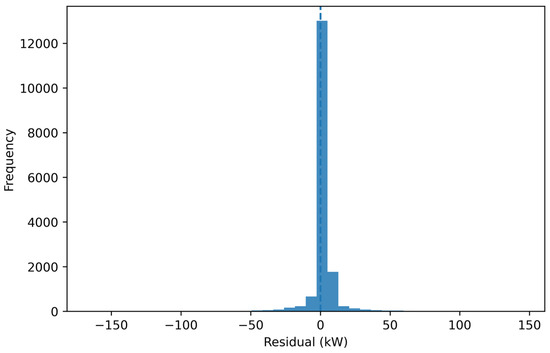
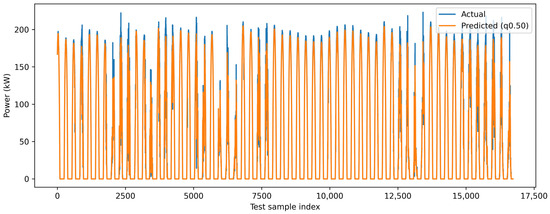
A Hybrid 1D-CNN–LSTM–MHA Model for Short-Term Probabilistic Photovoltaic Power Forecasting
by
Erhan Sur
Solar 2026, 6(3), 30; https://doi.org/10.3390/solar6030030 - 1 Jun 2026
Abstract
The intermittent nature of photovoltaic power generation makes short-term forecasting critical for grid management. In this study, a hybrid model combining a one-dimensional convolutional neural network (1D-CNN), Long Short-Term Memory (LSTM), and multi-head attention (MHA) mechanism was developed and evaluated on a 300-day
[...] Read more.
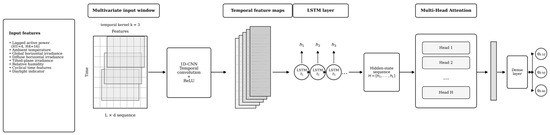
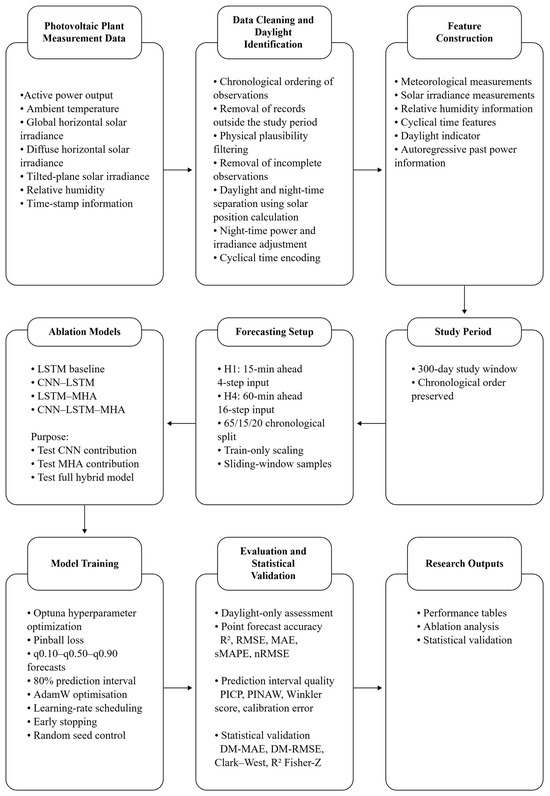
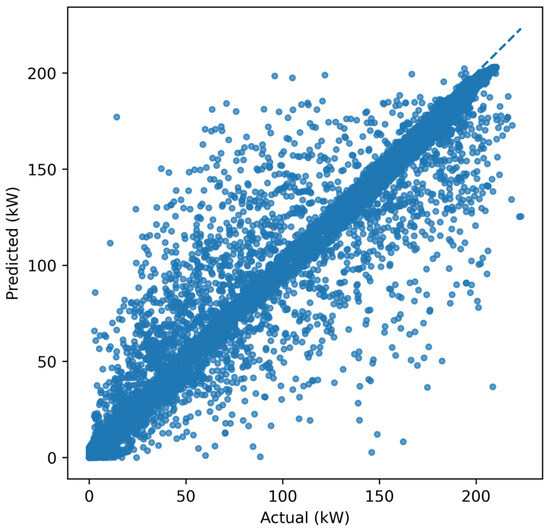
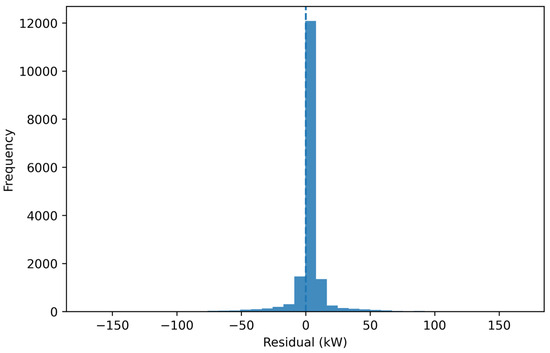
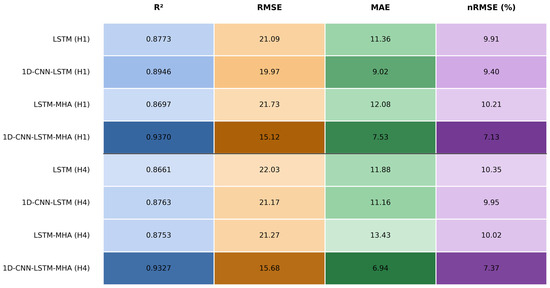
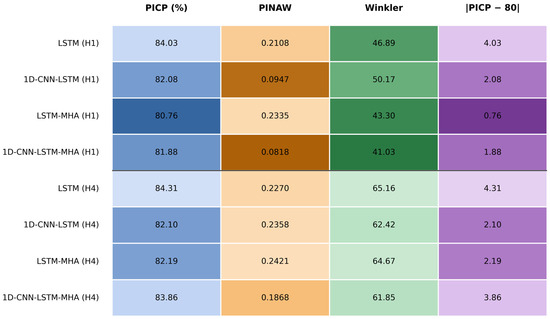
The intermittent nature of photovoltaic power generation makes short-term forecasting critical for grid management. In this study, a hybrid model combining a one-dimensional convolutional neural network (1D-CNN), Long Short-Term Memory (LSTM), and multi-head attention (MHA) mechanism was developed and evaluated on a 300-day dataset at 15 min (H1) and 60 min (H4) forecast horizons. The model generates prediction intervals with 80% nominal coverage using a quantile regression approach trained with the pinball loss function. The hyperparameters were determined through Optuna-based Tree-structured Parzen Estimator (TPE) optimisation. The LSTM, 1D-CNN-LSTM, LSTM-MHA, and 1D-CNN-LSTM-MHA models were compared under the same experimental setting. The 1D-CNN-LSTM-MHA model achieved the best deterministic performance at both forecast horizons. At the H1 horizon, R2 = 0.9370 and nRMSE = 7.13% were obtained, whereas at the H4 horizon, R2 = 0.9327 and nRMSE = 7.37% were achieved. In the probabilistic evaluation, this model produced the lowest PINAW and Winkler score values. In the statistical comparison, the performance differences in the 1D-CNN-LSTM-MHA model relative to the LSTM reference model were statistically significant in the DM-MAE, DM-RMSE, Clark–West, and Fisher-Z tests at both horizons. The statistical results indicate that the contribution of the attention mechanism becomes more evident when combined with the convolutional component, whereas adding attention alone to the LSTM did not produce a statistically significant improvement. This study provides a comparative evaluation framework for short-term PV active power forecasting by combining probabilistic forecasting through quantile regression with statistical model comparison.
Full article
(This article belongs to the Special Issue Smart Photovoltaic Systems: Integrating Artificial Intelligence for High-Efficiency Solar Energy Conversion)
►▼
Show Figures

Figure 1

Open AccessArticle
Design and Engineering Application of Flat-Bed Laminator for Photovoltaic Modules
by
Yu Jin, Pengju Duan and Boda Song
Solar 2026, 6(3), 29; https://doi.org/10.3390/solar6030029 - 24 May 2026
Abstract
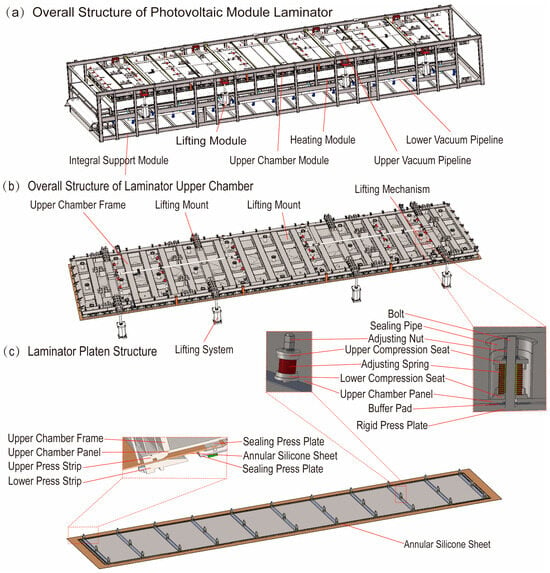
Against the backdrop of the global energy transition and China’s dual-carbon strategy, the photovoltaic (PV) industry is entering a new stage of large-scale, intensive development, where efficiency improvement and cost control in module encapsulation have become the core of industrial competition. To address
[...] Read more.
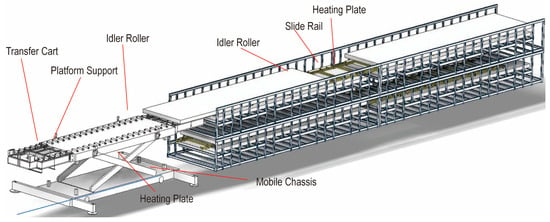
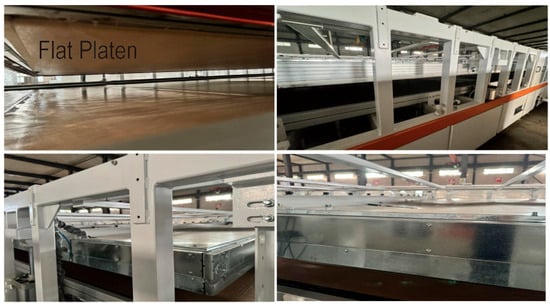
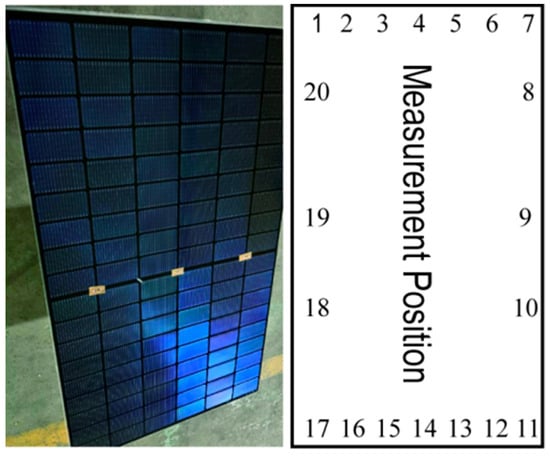
Against the backdrop of the global energy transition and China’s dual-carbon strategy, the photovoltaic (PV) industry is entering a new stage of large-scale, intensive development, where efficiency improvement and cost control in module encapsulation have become the core of industrial competition. To address the drawbacks of traditional silicone plate laminators—frequent consumable replacement, high maintenance costs, and poor adaptability to dual-glass module encapsulation—this paper proposes a flat-plate laminator technical scheme. By replacing flexible silicone plates with rigid pressure plates and optimizing pressure transmission paths and sealing structures, we achieved efficient, low-cost lamination. We first compared the working principles of flat-plate and silicone plate laminators, completed the structural design of five core modules with an optimized rigid platen and annular silicone sealing system, developed a modular retrofitting scheme for existing equipment, and verified performance via engineering tests. Tests show that the retrofitted equipment achieves a module thickness deviation ≤ ±0.06 mm, a product yield of 99.88%, annual cost savings of USD 342,000 per unit, and a 0.61-year investment payback period. This work provides theoretical support and an engineering reference for technical innovation in PV module encapsulation equipment, with significant promotion and application value.
Full article
(This article belongs to the Topic Advances in Solar Technologies, 2nd Edition)
►▼
Show Figures

Figure 1
Open AccessReview
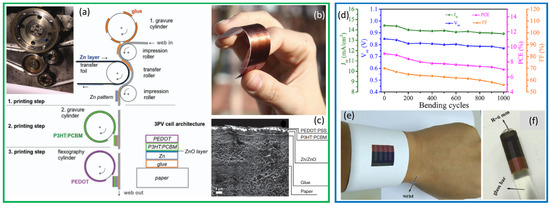
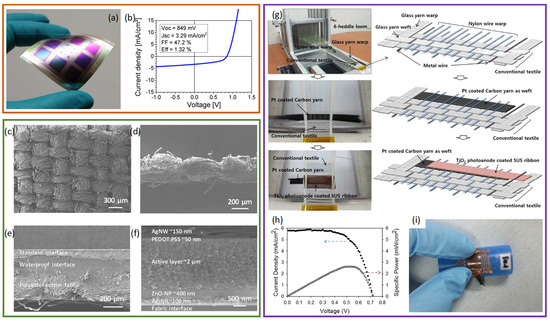
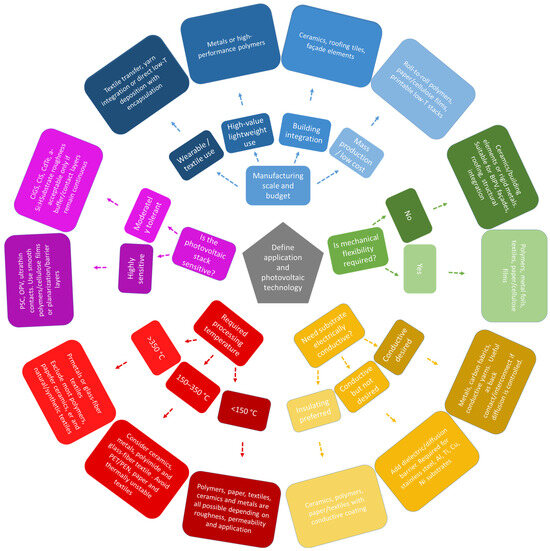
Non-Conventional Substrates for Photovoltaic Technologies: Materials, Interfaces and Processing Constraints
by
Samuel Porcar-Garcia, Abderrahim Lahlahi, Santiago Toca, Dorina T. Papanastasiou, J. G. Cuadra, David Muñoz-Roja and Juan Bautista Carda
Solar 2026, 6(3), 28; https://doi.org/10.3390/solar6030028 - 18 May 2026
Abstract
The substrate plays a critical yet often underappreciated role in determining the performance, stability and manufacturability of photovoltaic devices. While conventional glass and polymer films have enabled the rapid development of solar technologies, emerging applications such as building-integrated photovoltaics, wearable systems and large-area
[...] Read more.
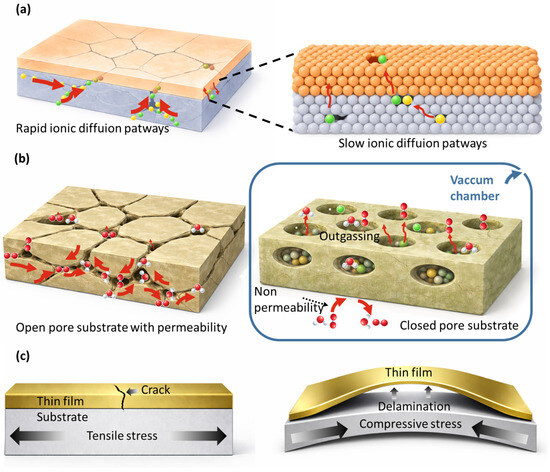
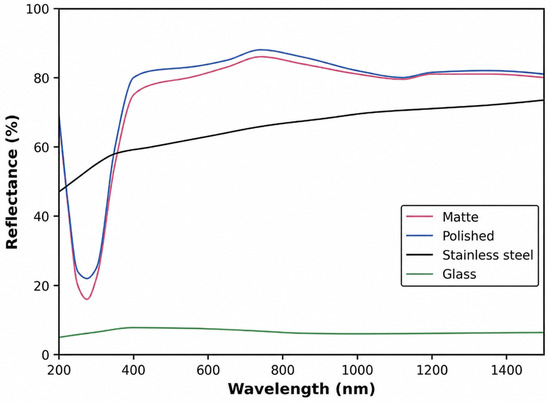
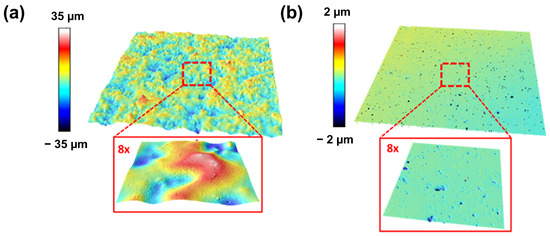
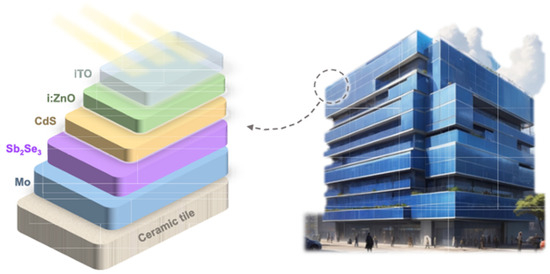
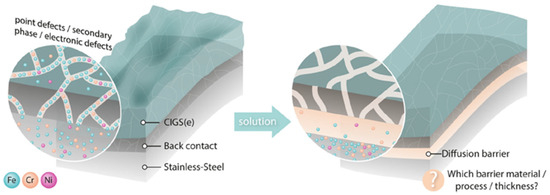
The substrate plays a critical yet often underappreciated role in determining the performance, stability and manufacturability of photovoltaic devices. While conventional glass and polymer films have enabled the rapid development of solar technologies, emerging applications such as building-integrated photovoltaics, wearable systems and large-area conformal devices demand the use of non-conventional substrates, including ceramics, metals, paper, textiles and elastomeric materials. This review provides a comprehensive analysis of the current state of the art of non-conventional substrates for photovoltaic technologies, with particular emphasis on the interplay between material properties, surface chemistry and deposition processes. These substrates introduce distinct mechanical, thermal and interfacial constraints that fundamentally alter thin-film growth, defect formation and device reliability. Key challenges such as porosity, roughness, thermal transport limitations and outgassing are discussed in relation to nucleation, film continuity and interfacial stability. The role of substrate-dependent effects in both chemical and physical deposition techniques is critically examined, highlighting cases where conventional processing approaches are insufficient. Representative device demonstrations are analyzed to illustrate how substrate selection influences performance and integration strategies across different photovoltaic platforms. Finally, common limitations and emerging opportunities are identified, emphasizing the need for the co-design of substrates, materials and processing routes. This work establishes a unified framework to guide the development of next-generation photovoltaic devices on unconventional substrates.
Full article
(This article belongs to the Section Photovoltaics)
►▼
Show Figures

Figure 1
Open AccessArticle
Measures to Improve Wide-Bandgap Cu(In,Ga)Se2 Solar Cells by Industry-Relevant In-Line Co-Evaporation
by
Wolfram Witte, Rico Gutzler, Stefan Paetel and Dimitrios Hariskos
Solar 2026, 6(3), 27; https://doi.org/10.3390/solar6030027 - 18 May 2026
Abstract
Chalcopyrite-based thin-film solar cells have great potential for various applications, such as top or bottom cells in tandem devices, in addition to their use as standard single-junction modules due to their tuneable bandgap energy. A bandgap energy Eg > 1.5 eV should
[...] Read more.
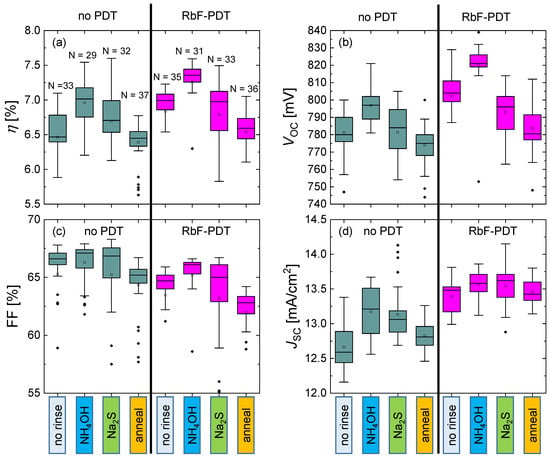
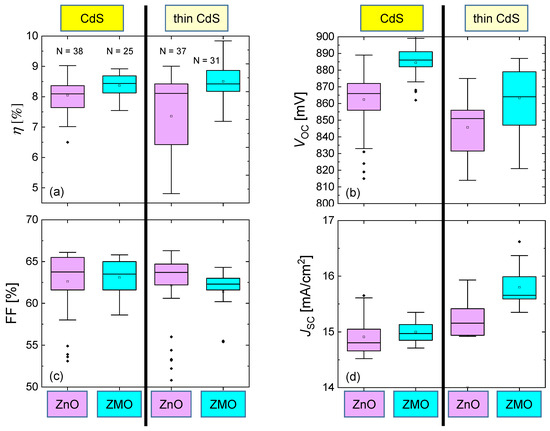
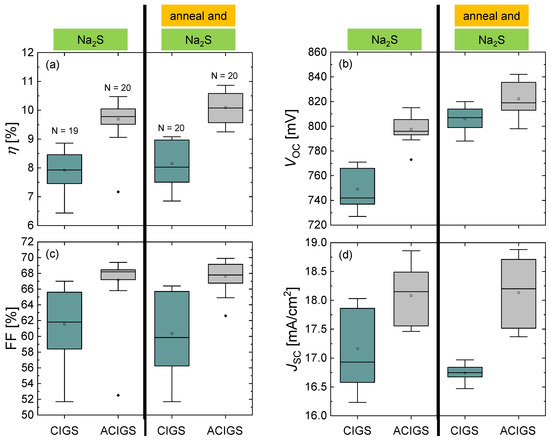
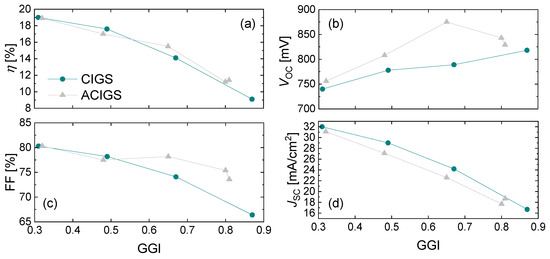
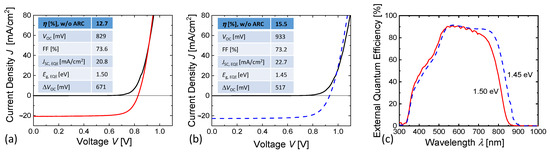
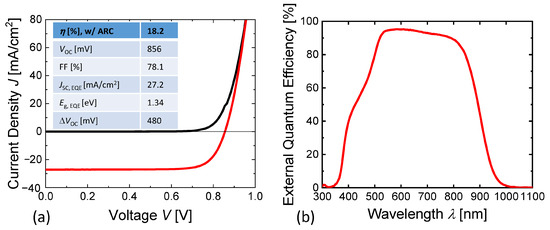
Chalcopyrite-based thin-film solar cells have great potential for various applications, such as top or bottom cells in tandem devices, in addition to their use as standard single-junction modules due to their tuneable bandgap energy. A bandgap energy Eg > 1.5 eV should be targeted to realize a wide-bandgap top cell, e.g., by increasing the [Ga]/([Ga] + [In]) (GGI) ratio in Cu(In,Ga)Se2 (CIGS) cells to the range of 0.7–1. A second approach is targeting the second theoretical efficiency maximum at a little lower Eg = 1.34 eV with a GGI around 0.6 for high-efficiency single-junction applications with reduced electrical losses. An industry-relevant (Ag,Cu)(In,Ga)Se2 (ACIGS) co-evaporation process for wide-bandgap cells fabricated with GGI ratios above 0.6, with moderate [Ag]/([Ag] + [Cu]) (AAC) ratios < 0.1 and in-line RbF-PDT, was established on molybdenum-coated soda-lime glass substrates. Both measures, Ag alloying and RbF-PDT, can increase power conversion efficiency (PCE) mainly due to improved open-circuit voltage (VOC). In addition, Ag addition can increase fill factor (FF), leading to an increase in the PCE for cells with GGI > 0.6 compared to Ag-free reference cells. (Zn,Mg)O, either with a [Mg]/([Mg] + [Zn]) ratio of 0.15 or 0.25, is a good option as high-resistive layer replacing the commonly used i-ZnO in combination with a CdS buffer. Our best ACIGS wide-bandgap solar cells with RbF-PDT and Zn0.85Mg0.15O (without anti-reflective coating (ARC)) from various experimental campaigns show a PCE of 12.7% (Eg = 1.50 eV), and with a slightly reduced Eg of 1.45 eV a PCE of 15.5%, with VOC of 933 mV (VOC deficit of 517 mV), and a good FF of 73.2%. In the case when the bandgap is significantly lowered to 1.34 eV (GGI = 0.61), to the second theoretical efficiency maximum, we achieved a PCE of 18.2% with ARC for an Ag-free CIGS cell with RbF-PDT. For this cell with a CdS/i-ZnO buffer system the VOC deficit is 480 mV, and the FF is 78.1%.
Full article
(This article belongs to the Section Photovoltaics)
►▼
Show Figures

Figure 1
Open AccessReview
Vehicle-Integrated Photovoltaics (VIPV) in Electrified Mobility: A Structured Systematic Review of Technical Performance, System Integration, and Strategic Deployment
by
Drew Coleneso, Mohamed Al-Mandhari, Shanza Neda Hussain and Aritra Ghosh
Solar 2026, 6(3), 26; https://doi.org/10.3390/solar6030026 - 14 May 2026
Cited by 1
Abstract
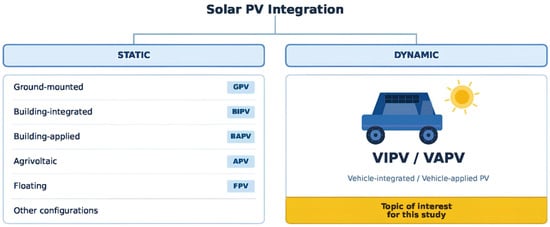
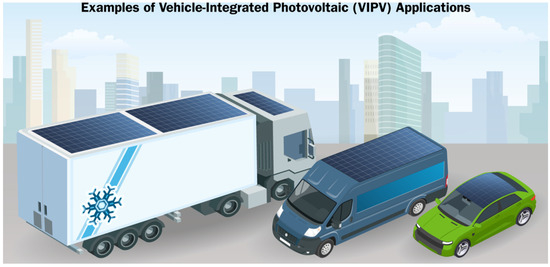
The rapid electrification of road transport has increased interest in distributed energy strategies that reduce grid demand and support decarbonization. Vehicle-integrated photovoltaics (VIPV), including vehicle-applied photovoltaic configurations (VAPV), can generate electricity directly on the vehicle. This systematic review examines peer-reviewed VIPV literature published
[...] Read more.
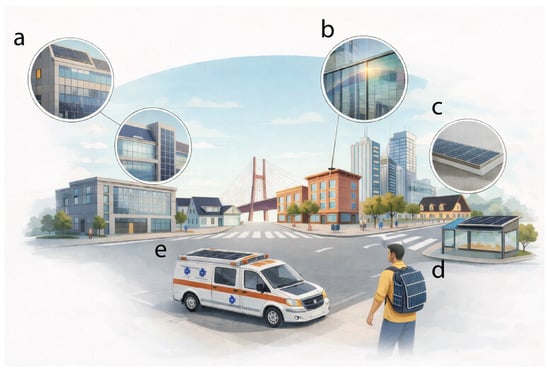
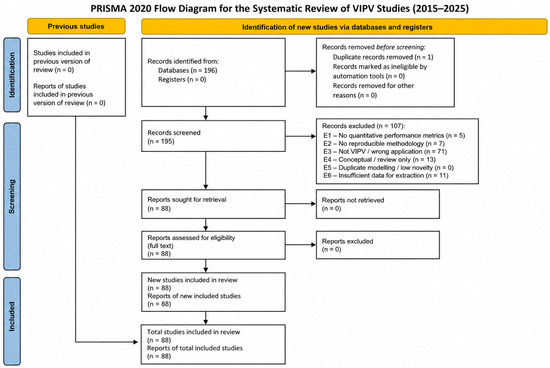
The rapid electrification of road transport has increased interest in distributed energy strategies that reduce grid demand and support decarbonization. Vehicle-integrated photovoltaics (VIPV), including vehicle-applied photovoltaic configurations (VAPV), can generate electricity directly on the vehicle. This systematic review examines peer-reviewed VIPV literature published between 2015 and 2026, focusing on the distinction between theoretical photovoltaic generation and practically usable energy. A Scopus search conducted on 2 May 2026 identified 196 records, of which 88 studies were included after screening against predefined criteria. Due to heterogeneity in vehicle types, climates, technologies, modeling assumptions, and reported metrics, no meta-analysis was performed. Instead, the review applies a multi-layered framework covering climate, geometry, thermal effects, electrical mismatch, battery state-of-charge interactions, fleet-scale modeling, economics, and life-cycle implications. The evidence shows that VIPV is technically feasible and can deliver measurable energy yields, especially in high-irradiance regions and vehicles with favorable daytime parking exposure. However, useful contribution depends strongly on curvature losses, dynamic shading, electrical configuration, SOC limits, charging behavior, seasonality, and vehicle energy demand. Therefore, VIPV is best understood as a context-dependent supplementary energy strategy rather than a transformative standalone solution. Its strongest value lies in specific vehicle classes, climates, and usage patterns where on-board generation can reduce charging demand, support operational resilience, or improve distributed self-consumption. The review also proposes minimum reporting requirements for future studies, including annual energy yield, Wh/km contribution, PV area or capacity, mileage assumptions, SOC modeling, and curtailment treatment. The review was not formally registered, and no formal risk-of-bias or certainty assessment was applied.
Full article
(This article belongs to the Section Photovoltaics)
►▼
Show Figures

Figure 1
Open AccessArticle
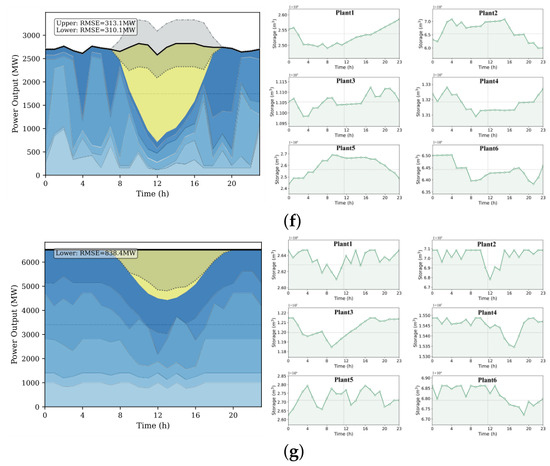
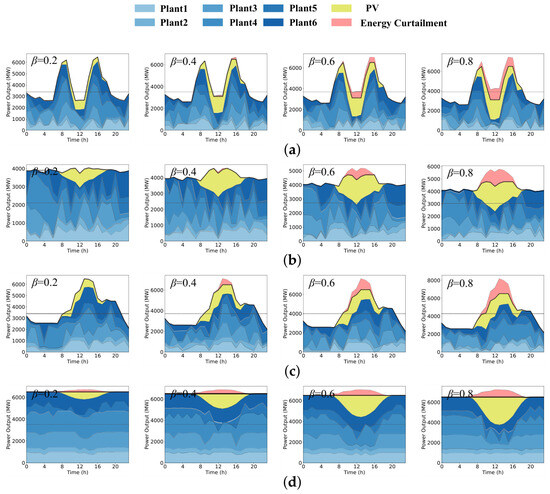
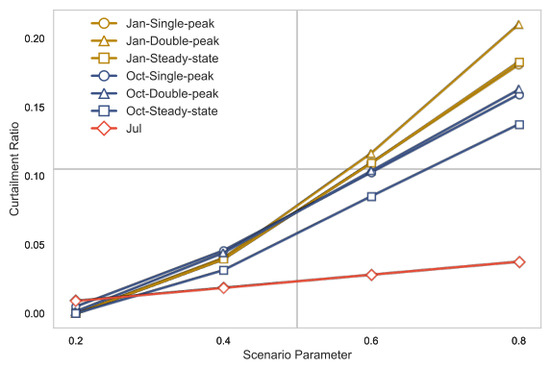
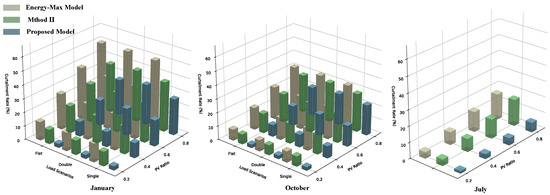
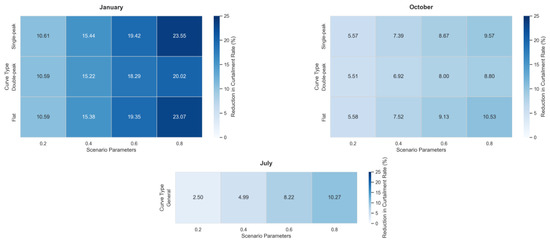
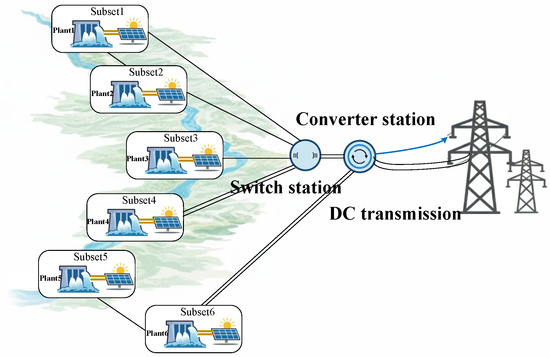
Coordinated Day-Ahead and Intra-Day Scheduling of Cascaded Hydro–Solar Hybrid System Considering Curtailment Risk
by
Xianren Ai, Honggang Li, Yuqian Wang, Qishun Zhang, Jie Peng, Feifan Li and Chulun Cheng
Solar 2026, 6(3), 25; https://doi.org/10.3390/solar6030025 - 12 May 2026
Abstract
In recent years, cascaded hydropower (CHP) has been extensively leveraged to enhance the grid-connected penetration of photovoltaic (PV) generation. However, the inherent stochasticity and volatility of high-penetration PV often lead to significant renewable curtailment. To address this challenge, this paper proposes a coordinated
[...] Read more.
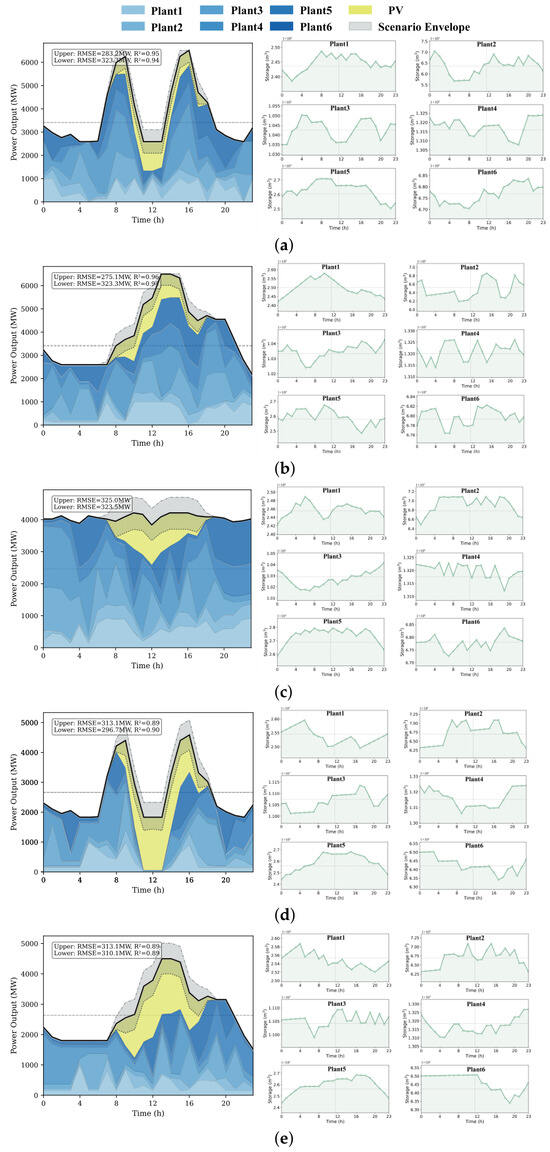
In recent years, cascaded hydropower (CHP) has been extensively leveraged to enhance the grid-connected penetration of photovoltaic (PV) generation. However, the inherent stochasticity and volatility of high-penetration PV often lead to significant renewable curtailment. To address this challenge, this paper proposes a coordinated day-ahead and intra-day scheduling model that incorporates curtailment risk assessment. The proposed framework employs a two-stage optimization architecture: the day-ahead stage establishes a baseline dispatch schedule with the objective of maximizing total energy production, while the intra-day stage refines this plan through multi-scenario optimization that explicitly accounts for curtailment risk. This synergistic mechanism achieves the objective of “maximizing day-ahead economic benefits and ensuring intra-day renewable accommodation”. Case studies on a specific river basin demonstrate the effectiveness of the proposed model. Simulation results indicate that, compared to conventional energy-maximization approaches, the proposed model significantly reduces intra-day curtailment rates and substantially enhances the integrated accommodation capacity of the hydro–solar hybrid system.
Full article
(This article belongs to the Section Photovoltaics)
►▼
Show Figures

Figure 1
Open AccessArticle
Deterministic Step-by-Step Control of Solar Generation Imbalances in Power Systems
by
Artur Zaporozhets, Vitalii Babak, Mykhailo Kulyk and Viktor Denysov
Solar 2026, 6(3), 24; https://doi.org/10.3390/solar6030024 - 8 May 2026
Abstract
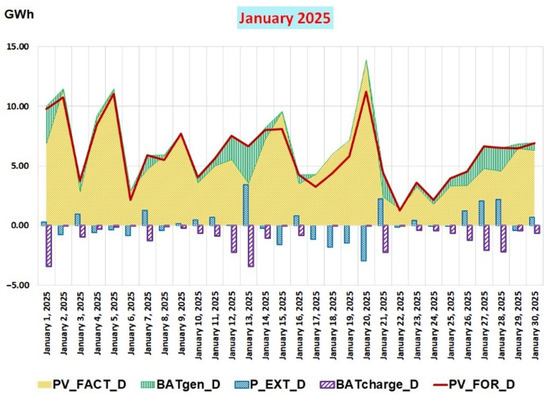
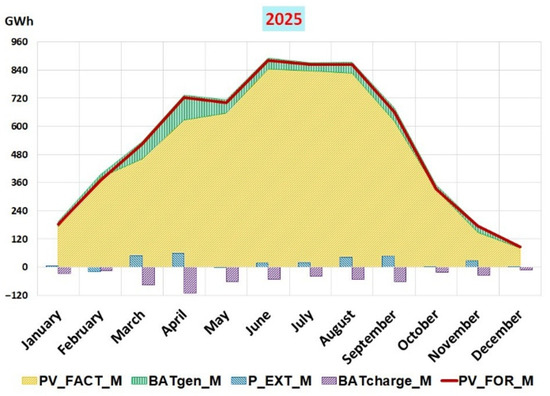
This paper examines an algorithm and evaluates the upper limits of technical parameters for step-by-step management of forecast coverage for aggregated generation from solar power plants (SPPs) in Ukraine, given the high share of renewable energy sources in the integrated power system of
[...] Read more.
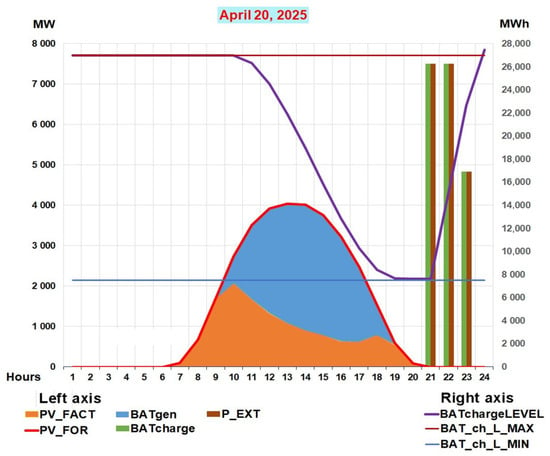
This paper examines an algorithm and evaluates the upper limits of technical parameters for step-by-step management of forecast coverage for aggregated generation from solar power plants (SPPs) in Ukraine, given the high share of renewable energy sources in the integrated power system of Ukraine. The relevance of the research is due to the growth in the installed capacity of SPPs, stricter requirements for forecasting accuracy, and the full financial responsibility of producers for imbalances in accordance with the current electricity market model. The problem is formulated as a special case of a hierarchically controlled quasi-dynamic power system, accounting for technological, energy, and economic constraints. The objective function is defined as the minimisation of the total hourly measure of discrepancy between the forecast and actual volumes of electricity supplied, whilst ensuring power balance through energy storage systems and flexible generation. The numerical implementation was carried out using the “SOPS” software and information complex. The input data used were hourly indicators of the forecasted and actual generation of Ukraine’s solar power plants for 2021–2025, published by the state-owned enterprise “Guaranteed Buyer”. Hourly, daily and monthly operating parameters for aggregated solar power generation in 2025 have been calculated. The calculations show that the maximum hourly mismatch between forecasted and actual solar generation in 2025 reached 3116 MW, while the maximum daily mismatch exceeded 19.8 GWh. Under the assumed operating conditions, an energy storage system with 30,000 MWh capacity and flexible generation of up to 7500 MW enabled full imbalance compensation, achieving IMB(t) = 0 for all hourly intervals in the analysed case. The required volumes of flexible generation and the operating parameters of the storage systems have been determined. The practical significance of the results lies in their potential use for operational planning of the operating modes of solar power plants, energy storage systems, and flexible generation on a daily and hourly basis, as well as for justifying technical and economic decisions aimed at reducing imbalances. The results obtained confirm the effectiveness of the proposed step-by-step control algorithm and demonstrate the potential to minimise imbalances through the rational coordination of solar power plants, energy storage systems, and flexible generation capacities.
Full article
(This article belongs to the Section Solar Energy Systems and Integration)
►▼
Show Figures

Figure 1
Open AccessReview
Numerical Modeling and Simulation of Solar Water Heating Systems for Enhanced Thermal Performance: A Review
by
Oluwaseyi O. Alabi, Oluwatoyin J. Gbadeyan and Oludolapo A. Olanrewaju
Solar 2026, 6(3), 23; https://doi.org/10.3390/solar6030023 - 8 May 2026
Abstract
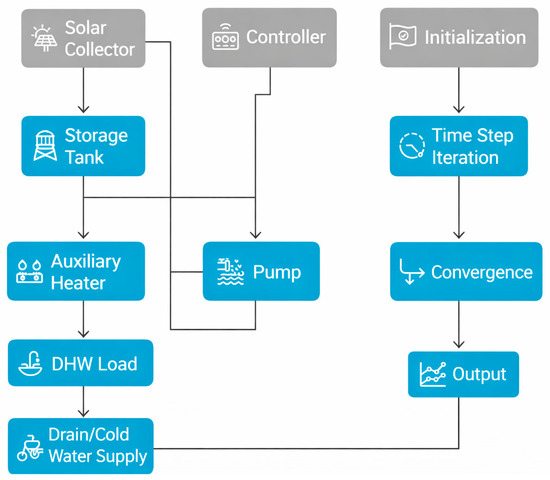
Solar Water Heating Systems (SWHS) are increasingly recognized as vital technologies for reducing dependence on conventional energy sources and supporting sustainable thermal energy solutions. This study reviews recent advancements in the numerical modeling and simulation of SWHS, with a particular focus on improving
[...] Read more.
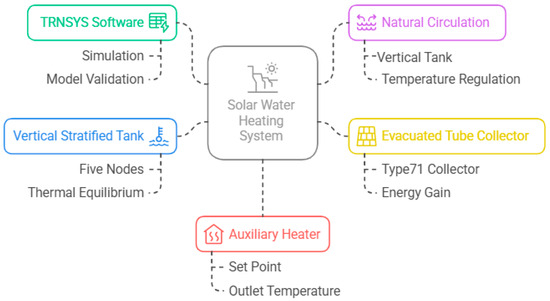
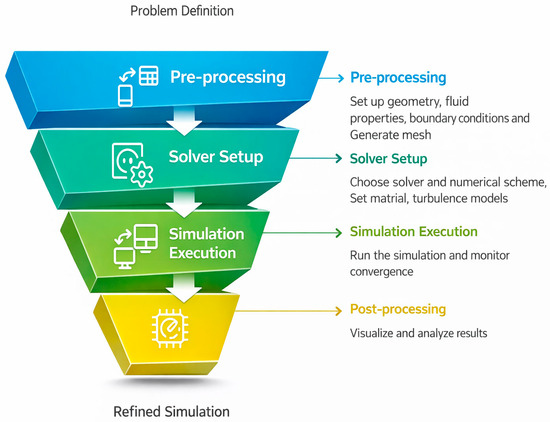
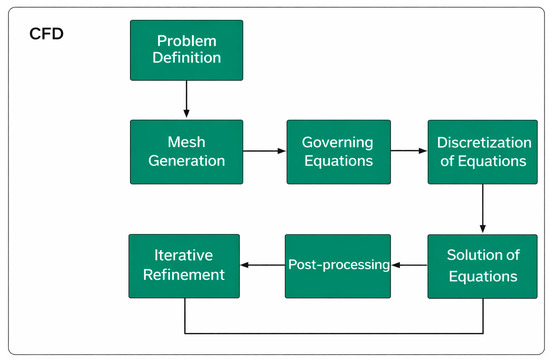
Solar Water Heating Systems (SWHS) are increasingly recognized as vital technologies for reducing dependence on conventional energy sources and supporting sustainable thermal energy solutions. This study reviews recent advancements in the numerical modeling and simulation of SWHS, with a particular focus on improving heat transfer efficiency and overall system performance. The primary aim is to evaluate how Computational Fluid Dynamics (CFD) and other simulation approaches accurately predict thermal behavior, fluid flow characteristics, and energy storage dynamics. The study identifies key objectives, including the analysis of critical design parameters, collector geometry, material properties, working fluid selection, and operating conditions, and their impact on thermal efficiency. This review integrates heat transfer, fluid dynamics, and energy storage within a unified numerical modeling framework. The current study also emphasizes advanced simulation techniques, including multi-physics analysis and optimization to enhance prediction accuracy and reduce computational cost. The outcomes indicate that validated numerical models provide reliable performance predictions under varying operating conditions and facilitate the development of high-efficiency, cost-effective SWHS for residential, commercial, and industrial applications. The findings also outline future research directions, including transient analysis, experimental validation, and advanced optimization frameworks, thereby contributing to the next generation of solar thermal technologies.
Full article
(This article belongs to the Section Solar Thermal and Solar Chemical Conversion)
►▼
Show Figures

Figure 1
Highly Accessed Articles
Latest Books
E-Mail Alert
News
Topics
Topic in
Applied Sciences, Catalysts, ChemEngineering, Energies, Solar, Reactions
Water Splitting and CO2 Reduction via Electrocatalysis and Photocatalysis
Topic Editors: Yubin Chen, Nurdan Demirci Sankir, Sebastian Murcia-LópezDeadline: 30 September 2026
Topic in
Buildings, Designs, Energies, Materials, Sustainability, Solar
Net Zero Energy and Zero Emission Buildings
Topic Editors: Xiaohu Yang, Chao ShenDeadline: 31 October 2026
Topic in
Energies, Solar
Solar Energy: Addressing New Uses and Challenges in a Changing World
Topic Editors: Javier Muñoz Antón, Ramón Pujol-Nadal, Iván Alonso de Miguel, Andreu Antoni Moià PolDeadline: 31 December 2026
Topic in
Buildings, Energies, Solar, Sustainability, Processes, Thermo
Advances in Solar Heating and Cooling, 2nd Edition
Topic Editors: Salvatore Vasta, Uli Jakob, Sotirios Karellas, Marina BonomoloDeadline: 31 March 2027
Special Issues
Special Issue in
Solar
Efficient and Reliable Solar Photovoltaic Systems: 2nd Edition
Guest Editors: Philippe Poure, Shamsodin TaheriDeadline: 20 July 2026
Special Issue in
Solar
Recent Advances in Solar Photovoltaics
Guest Editor: Zhihua XuDeadline: 20 August 2026
Special Issue in
Solar
Solar Energy for Cooling and Heating: Theory, Methods and Applications
Guest Editors: Andreu Moià-Pol, Iván Alonso de MiguelDeadline: 25 September 2026
Special Issue in
Solar
Smart Photovoltaic Systems: Integrating Artificial Intelligence for High-Efficiency Solar Energy Conversion
Guest Editor: Sadia AmeenDeadline: 20 October 2026