



-
Advancing Women’s Performance in Fitness and Sports: An Exploratory Field Study on Hormonal Monitoring and Menstrual Cycle-Tailored Training Strategies -
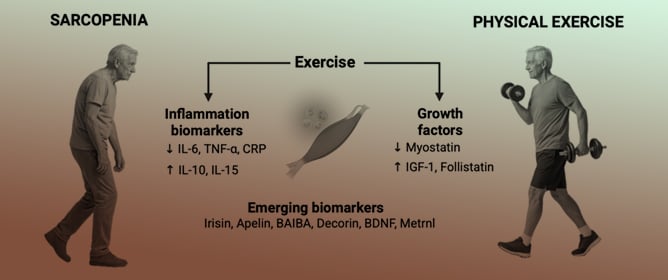
Exercise-Induced Biomarker Modulation in Sarcopenia: From Inflamm-Aging to Muscle Regeneration -
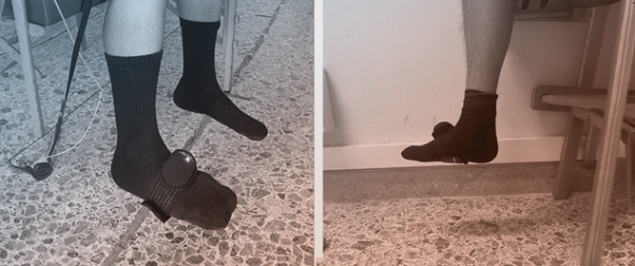
Sufficient Standardization? Evaluating the Reliability of an Inertial Sensor (BeyondTM) for Ankle Dorsiflexion After a Brief Familiarization Period -
Sex Differences in the Metabolic Cost of a Military Load Carriage Task: A Field Based Study
Journal Description
Sports
Sports
is an international, peer-reviewed, open access journal published monthly online by MDPI. The Strength and Conditioning Society (SCS), European Sport Nutrition Society (ESNS) and European Network of Sport Education (ENSE) are affiliated with Sports and their members receive discounts on the article processing charges.
- Open Access— free for readers, with article processing charges (APC) paid by authors or their institutions.
- High Visibility: indexed within Scopus, ESCI (Web of Science), PubMed, PMC, and other databases.
- Journal Rank: JCR - Q1 (Sport Sciences) / CiteScore - Q2 (Physical Therapy, Sports Therapy and Rehabilitation)
- Rapid Publication: manuscripts are peer-reviewed and a first decision is provided to authors approximately 19.9 days after submission; acceptance to publication is undertaken in 5.5 days (median values for papers published in this journal in the second half of 2025).
- Recognition of Reviewers: reviewers who provide timely, thorough peer-review reports receive vouchers entitling them to a discount on the APC of their next publication in any MDPI journal, in appreciation of the work done.
Impact Factor:
2.9 (2024);
5-Year Impact Factor:
3.3 (2024)
Latest Articles
Effects of Rule Modifications on the Quality and Manner of Technical Skill Execution in Youth Volleyball
Sports 2026, 14(4), 132; https://doi.org/10.3390/sports14040132 - 26 Mar 2026
Abstract
The aim was to assess the effect of changes in both the net height and the court size, as well as serve limitations on the manner of execution of the technical-tactical actions in youth volleyball. A total of 29 female under-14 volleyball players
[...] Read more.
The aim was to assess the effect of changes in both the net height and the court size, as well as serve limitations on the manner of execution of the technical-tactical actions in youth volleyball. A total of 29 female under-14 volleyball players from three regional club teams participated in the study. A quasi-experimental design was applied. The independent variables included: (a) Tournament following the standard rules, (b) Experimental Tournament 1 (lowering of the net height from 2.10 m to 2 m, no jump serves, and a two serve per-player and -rotation maximum), and (c) Experimental Tournament 2 (lowering of net height from 2.10 m to 2 m, reduced court size from 9 × 9 m to 8 × 8 m, no jump serves, and a two serve per-player and -rotation maximum). Experimental Tournament 1 involved reductions in ball control, duration of the game phases, the occurrence of actions, and their efficacy. Experimental Tournament 2 involved increases in ball control, the duration of the game phase, the occurrence and variability of actions, and their efficacy. Lowering the net height and reducing the court size while adapting the serve rules (Experimental Tournament 2) resulted in situations that were better adapted to this population.
Full article
Open AccessArticle
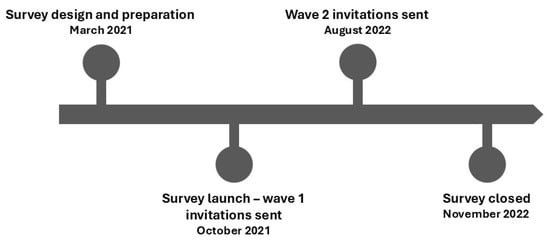
Dietary Supplement Use and Doping Attitudes: A Cross-Sectional Survey
by
Amund Riiser, Liam Paul Satchell, Dominic Sagoe, Vidar Andersen, Tom Erik Jorung Solstad, Fredrik Lauritzen and Matthew Shaw
Sports 2026, 14(4), 131; https://doi.org/10.3390/sports14040131 - 26 Mar 2026
Abstract
►▼
Show Figures
Background: The incremental model of doping behavior (IMDB) posits that doping develops over time through the habit of using performance enhancers such as dietary supplements. We investigated the association between dietary supplement use and beliefs and doping attitudes among Norwegian sportspersons. Methods: A
[...] Read more.
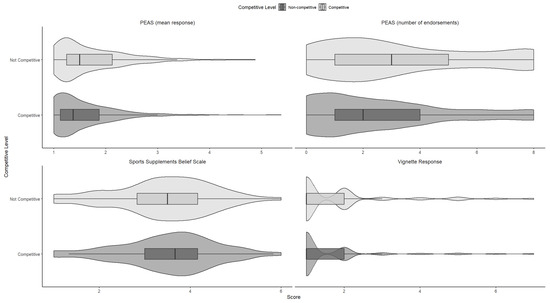
Background: The incremental model of doping behavior (IMDB) posits that doping develops over time through the habit of using performance enhancers such as dietary supplements. We investigated the association between dietary supplement use and beliefs and doping attitudes among Norwegian sportspersons. Methods: A total of 1441 subjects (females: 44%; age 31.3 ± 11.6 years) responded to an online questionnaire including measures of dietary supplement use and beliefs, performance enhancement attitude (PEAS), and a doping likelihood vignette. Data were analyzed using descriptive statistics, correlations, and multiple regression analysis. Results: 58% used dietary supplements. Dietary supplement beliefs were positively correlated with doping attitudes (r = 0.27 (PEAS) and r = 0.16 (vignette), p < 0.001). Among non-competitive respondents, younger respondents were more likely to endorse supplement use (r = −0.08, p = 0.073 vs. r = −0.30, p < 0.001) and doping use (r = −0.17, p < 0.001 and r = −0.21, p < 0.001). Males endorsed supplement use (Welch’s t tests > 5.19, p < 0.001) and doping (Welch’s t tests > 4.08, p < 0.001) more than females. Norwegian sportspersons are generally ambivalent about dietary supplements but opposed to doping practices in sport. Results of multiple regression analysis indicated that younger, male, non-competitive, and supplement-endorsing participants were more likely to endorse doping likelihood. However, these differences were small, and participants were generally against doping. Conclusions: The associations between dietary supplement use and beliefs and doping attitudes are weak but compatible with the IMDB. The differences between groups are small; however, focusing on beliefs about dietary supplements in young, male, non-competitive persons may improve the effectiveness of anti-doping interventions.
Full article

Figure 1
Open AccessArticle
Effects of Band-Pull Walking Using a Portable Device on Cardiorespiratory and Neuromuscular Responses in Healthy Young Adults
by
Ryota Tsuchiya, Hisashi Naito, Shuichi Machida, Keisuke Takamiya and Koji Sugiyama
Sports 2026, 14(4), 130; https://doi.org/10.3390/sports14040130 (registering DOI) - 25 Mar 2026
Abstract
►▼
Show Figures
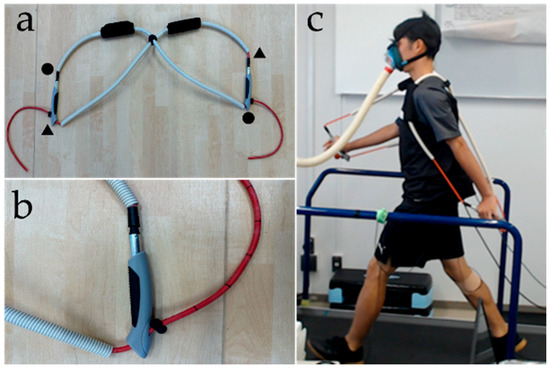
Upper-limb involvement during walking increases metabolic demand compared with normal walking (WK); however, methods such as Nordic walking or hand-held weights require technical skills or may increase mechanical load. This study examined the effects of upper-limb-resisted walking using a novel portable elastic resistance
[...] Read more.
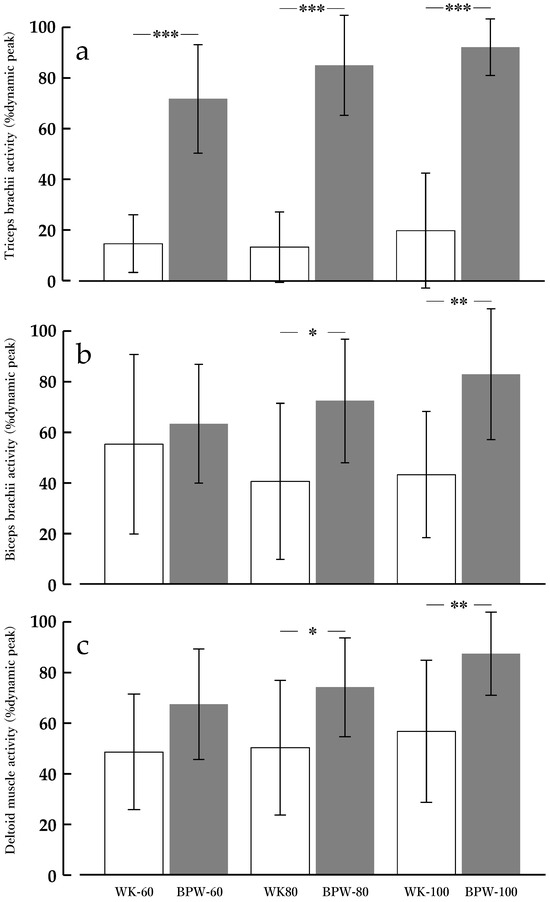
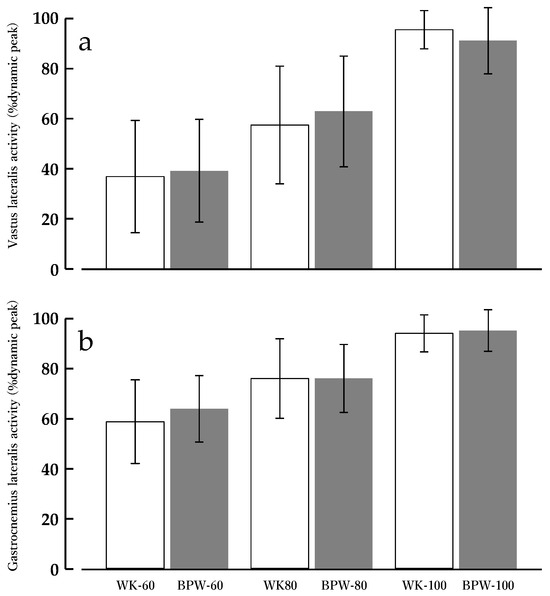
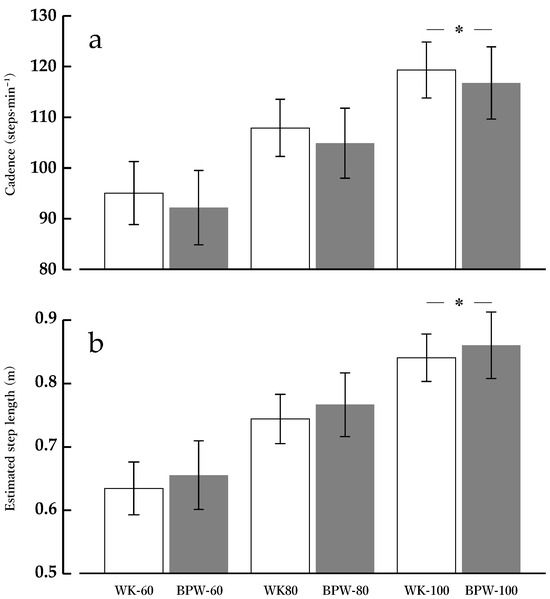
Upper-limb involvement during walking increases metabolic demand compared with normal walking (WK); however, methods such as Nordic walking or hand-held weights require technical skills or may increase mechanical load. This study examined the effects of upper-limb-resisted walking using a novel portable elastic resistance device (band-pull walking; BPW) on cardiorespiratory and neuromuscular responses in healthy young adults. Fourteen healthy young adults performed BPW and WK on a treadmill at 60, 80, and 100 m·min−1 in a randomized crossover design. Upper-limb resistance was individually standardized using triceps brachii activity (8% maximum voluntary contraction). Surface electromyography (EMG) of upper- and lower-limb muscles, oxygen uptake, heart rate, and perceived exertion were recorded. BPW significantly increased triceps brachii, biceps brachii, and deltoid muscle activity compared with WK at all or higher speeds (p < 0.05), whereas vastus lateralis and gastrocnemius lateralis activity remained unchanged. Metabolic equivalents and heart rate were higher during BPW across all speeds (p < 0.01), with increases of 8–12%. Upper-limb and whole-body perceived exertion were elevated, whereas lower-limb perceived exertion remained stable. These findings suggest that BPW was associated with increases in upper-limb muscle activation and metabolic demand, whereas no detectable increases were observed in vastus lateralis or gastrocnemius lateralis EMG activity or perceived lower-limb exertion under the present experimental conditions.
Full article

Figure 1
Open AccessArticle
The Effects of Selected Mechanical and Anthropometric Variables on Change-of-Direction Ability in National Team-Level Youth Basketball Players
by
Áron Mészáros, Bence Kopper, Annamária Zsákai, József Horváth, Lukasz Trzaskoma and Tamás Szabó
Sports 2026, 14(4), 129; https://doi.org/10.3390/sports14040129 (registering DOI) - 25 Mar 2026
Abstract
►▼
Show Figures
Change-of-direction (COD) ability is a key determinant of performance in youth basketball, yet the relative contribution of braking, re-acceleration, trunk motion, and body composition remains unclear. Thirty-two male U18 national-team level players (17.6 ± 0.7 y; 194.8 ± 4.5 cm; 89.1 ± 9.4
[...] Read more.
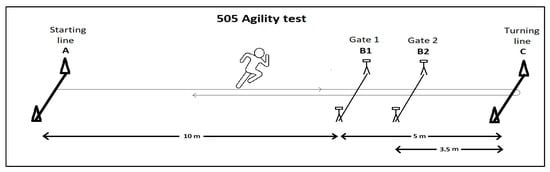
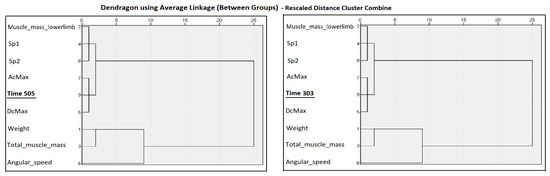
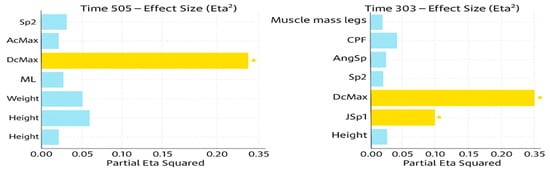
Change-of-direction (COD) ability is a key determinant of performance in youth basketball, yet the relative contribution of braking, re-acceleration, trunk motion, and body composition remains unclear. Thirty-two male U18 national-team level players (17.6 ± 0.7 y; 194.8 ± 4.5 cm; 89.1 ± 9.4 kg) completed whole-body and segmental DEXA assessment, bilateral countermovement jump (CMJ) testing and a 505 agility test (505) instrumented with a local positioning system. Mean COD times were 2.36 ± 0.09 s (505) and 1.84 ± 0.08 s (303), with maximal deceleration (DcMax) of −7.26 ± 0.52 m·s−2. Paired t-tests showed no significant differences between right- and left-leg turns for any variable (all p > 0.25), indicating symmetrical COD performance. General linear models revealed that DcMax was the only consistent predictor of COD time (505: R2 = 0.53, F (7,24) = 3.91, p = 0.006, partial η2 = 0.31; 303: R2 = 0.49, F(9,22) = 2.34, p = 0.050, partial η2 = 0.34), with a smaller additional effect of approach speed for the 303 segment (p = 0.049). Body-composition indices and CMJ variables showed only weak, non-significant correlations with COD time (|r| < 0.30, p > 0.05), and neither centripetal force nor trunk angular speed was associated with performance. These findings indicate that high-intensity braking capacity, rather than muscle mass or jump power per se, is the primary mechanical determinant of COD in elite youth basketball, suggesting that deceleration-focused training should be prioritized in performance development.
Full article

Figure 1
Open AccessArticle
The Impact of Mental Fatigue on Decision-Making Abilities, Visual Search Strategies, and Simple Reaction Time in Handball Players: A Randomized Crossover Study
by
Jeongwon Kim, Dongwon Yook and Sojin Han
Sports 2026, 14(4), 128; https://doi.org/10.3390/sports14040128 - 25 Mar 2026
Abstract
►▼
Show Figures
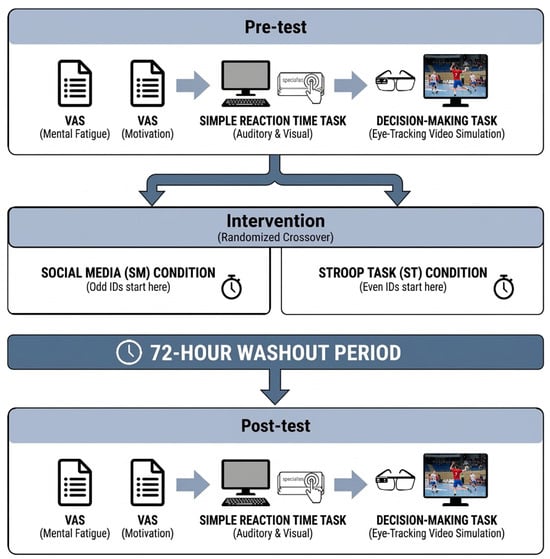
This study investigated the effects of mental fatigue induced by social media (SM) use and the Stroop task on decision-making, visual search strategies, and reaction time in elite collegiate handball players (n = 16). Using a randomized, counterbalanced cross-over design, both interventions
[...] Read more.
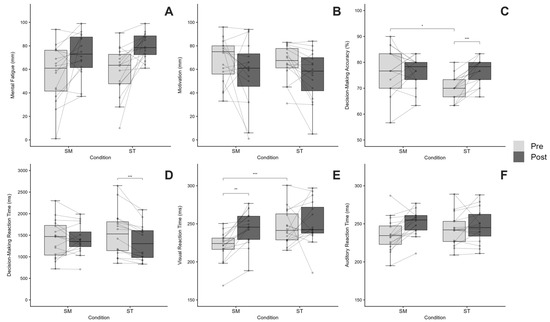
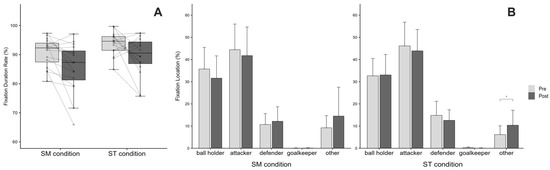
This study investigated the effects of mental fatigue induced by social media (SM) use and the Stroop task on decision-making, visual search strategies, and reaction time in elite collegiate handball players (n = 16). Using a randomized, counterbalanced cross-over design, both interventions successfully induced subjective mental fatigue, as confirmed by visual analog scale (VAS) ratings. Decision-making accuracy and reaction time improved following the Stroop task, likely due to compensatory mechanisms described in the regulatory-control model. In the SM condition, no significant impairments were observed in decision-making performance; however, visual reaction time was specifically delayed, while auditory reaction time remained unaffected, suggesting modality-specific effects of SM-induced fatigue. Visual search behaviors remained largely stable, with only marginal alterations observed in non-task-relevant areas following the Stroop task. These findings highlight the cognitive resilience and adaptive control mechanisms of elite athletes in maintaining and, in some cases, enhancing performance under mental fatigue. Future studies should integrate neurophysiological indices and manipulate motivational factors to further clarify these mechanisms across diverse athletic populations.
Full article

Figure 1
Open AccessArticle
Injuries and Overuse Injuries in Esports
by
Heinz-Lothar Meyer, Ilka Finkemeyer, Christina Polan, Lisa Wienhöfer, Bastian Mester, Marcel Dudda and Manuel Burggraf
Sports 2026, 14(4), 127; https://doi.org/10.3390/sports14040127 - 24 Mar 2026
Abstract
►▼
Show Figures
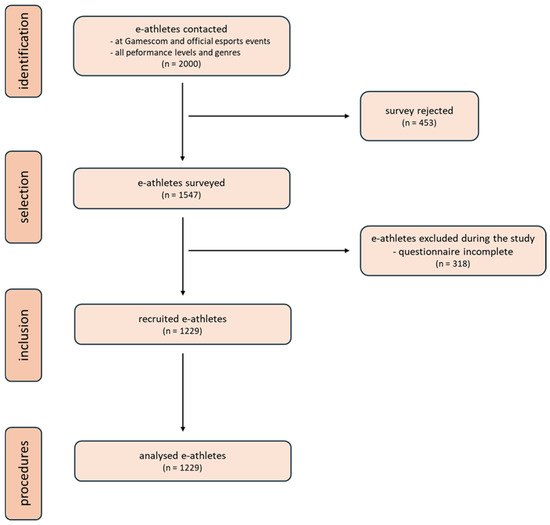
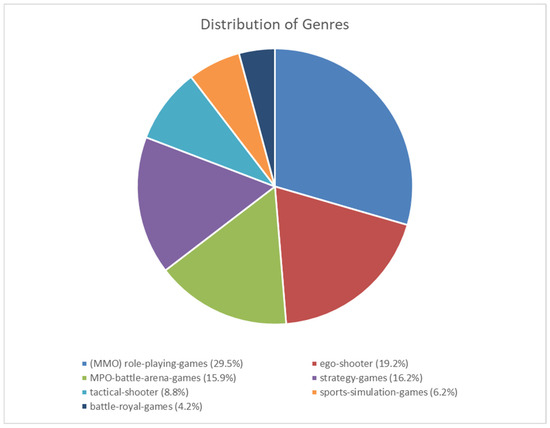
Electronic sport (esport) refers to competition in video games. Injuries in esports have hardly been studied so far. A total of 1229 e-athletes of all levels and genres answered a retrospective questionnaire about injuries and overuse damages that occurred in the course of
[...] Read more.
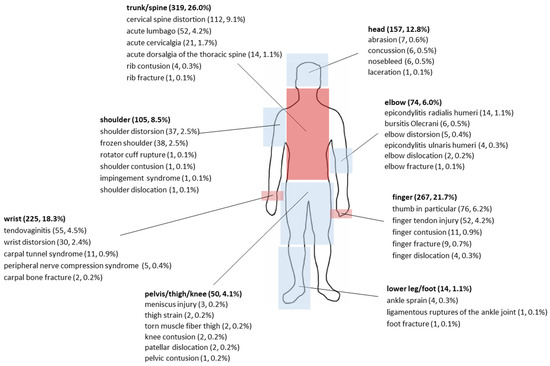
Electronic sport (esport) refers to competition in video games. Injuries in esports have hardly been studied so far. A total of 1229 e-athletes of all levels and genres answered a retrospective questionnaire about injuries and overuse damages that occurred in the course of their careers. The average age of the 1229 participants was 23.8 ± 5.5 years. A total of 198 (16.1%) of the e-athletes take part in competitions. The most common injury location was the trunk/spine (319, 26.0%) followed by the wrist region (225, 18.3%). Degenerative and overuse injuries were in the foreground. Professional athletes were injured more frequently than amateur athletes (p = 0.006). Tactical shooter players have significantly more injuries than sports game players (p = 0.021) and MMO (Massively Multiplayer Online) players (p = 0.042). E-athletes are just as susceptible to injury as athletes in traditional disciplines. The high injury rate is certainly not due to acute injuries but to overloading and overuse injuries, with a focus on the thoracocervical area and the upper extremities. Terms such as “Nintenditis”, “gamer’s thumb” and “PlayStation thumb”, which describe injuries caused by repetitive strain, are becoming increasingly common. Injuries in esports should be taken seriously, as they can cause long-term health problems in the event of overuse injuries. Prevention is a critical and promising approach for such a young patient clientele, especially in a sport that is growing so rapidly and is unknown to the majority.
Full article

Figure 1
Open AccessArticle
The Influence of Ginger Supplementation on Cycling Performance
by
Jennifer A. Kurtz, Mabry Watson, Briana Robinson, Casey Edmondson and Laurel Wentz
Sports 2026, 14(4), 126; https://doi.org/10.3390/sports14040126 - 24 Mar 2026
Abstract
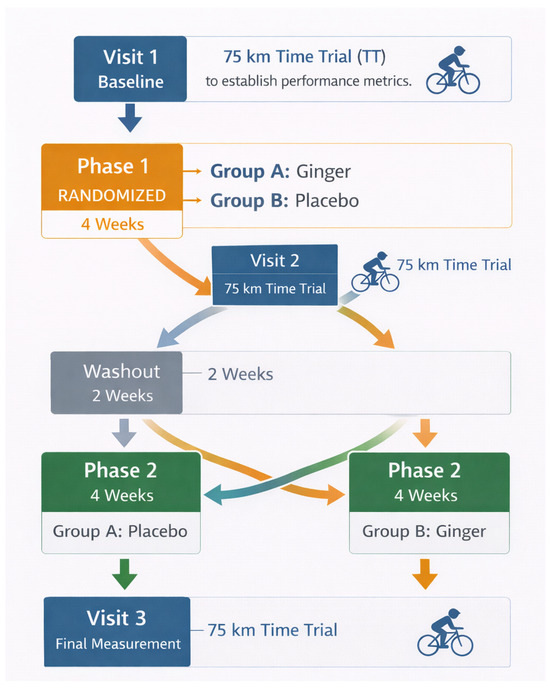
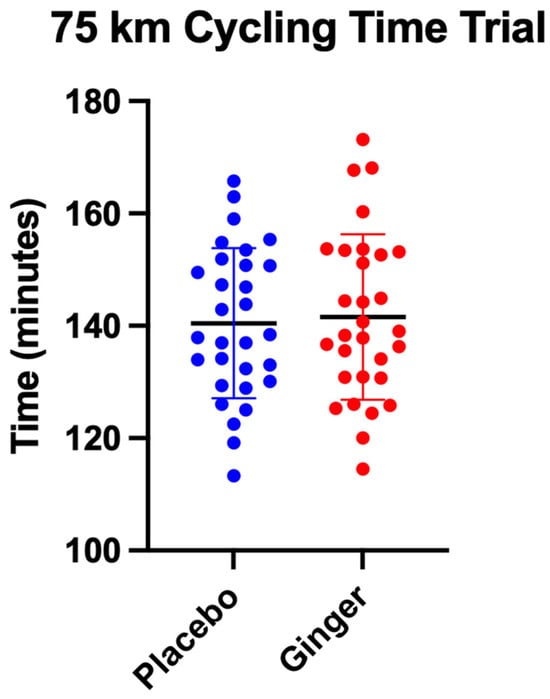
Ginger supplementation is proposed as a natural ergogenic aid due to its anti-inflammatory and antioxidant properties, but its effects on endurance performance remain unclear. Methods: In this randomized, double-blind, placebo-controlled crossover trial, 30 trained cyclists (27 male, 3 females, aged 36 ± 11
[...] Read more.
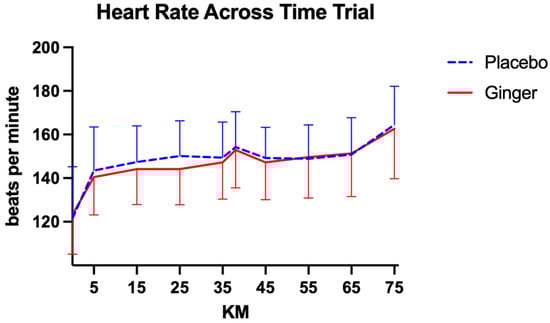
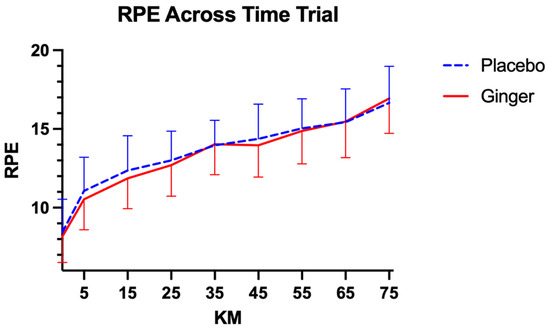
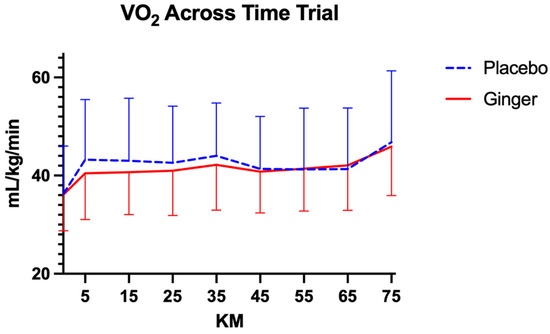
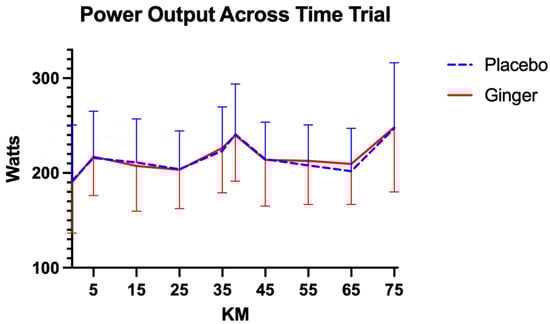
Ginger supplementation is proposed as a natural ergogenic aid due to its anti-inflammatory and antioxidant properties, but its effects on endurance performance remain unclear. Methods: In this randomized, double-blind, placebo-controlled crossover trial, 30 trained cyclists (27 male, 3 females, aged 36 ± 11 yr) completed three visits: a baseline 75 km time trial, a post-supplementation time trial, and a second post-supplementation trial under the alternate condition. Participants consumed either ginger or placebo for four weeks. Statistics: Performance outcomes (i.e., 75 km time, VO2, power output, heart rate, and RPE) were analyzed using repeated-measures ANOVA, with repeated-measures ANCOVA to assess dietary and age influences (p < 0.05). Results: Energy and carbohydrate intake were consistent across trials and unrelated to performance. Protein intake per kg body mass predicted performance time in the placebo trial and average VO2 in the ginger trial; other macronutrients were not associated with outcomes. No significant differences were observed between ginger and placebo conditions for time to completion, VO2, power output, heart rate, or perceived muscle soreness. Conclusions: Four weeks of ginger supplementation does not improve prolonged cycling performance, recovery, or muscle soreness in trained cyclists when dietary intake is controlled. Future research should explore cellular mechanisms to determine whether ginger supplementation could influence performance or recovery in endurance athletes.
Full article
(This article belongs to the Special Issue Exercise Physiological Responses and Performance Analysis)
►▼
Show Figures

Figure 1
Open AccessArticle
Dynamic Field Assessment of Hip Adductor Function Using a Smartphone-Based Copenhagen Test: Reliability and Concurrent Associations with Isometric Strength in Amateur Football Players
by
Aaron Miralles-Iborra, Tomas Urban, Javier De Los Ríos-Calonge, Jose L. L. Elvira, Juan Del Coso, María Isabel Tomás-Rodríguez, Casto Juan-Recio and Víctor Moreno-Pérez
Sports 2026, 14(4), 125; https://doi.org/10.3390/sports14040125 - 24 Mar 2026
Abstract
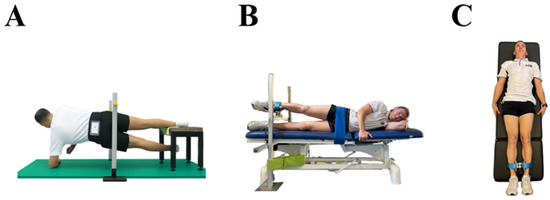
Assessing hip adductor muscle strength is important for identifying weakness or side-to-side imbalances associated with groin injury risk. Although the Copenhagen adductor exercise is widely used to evaluate adductor function, the quantification of strength-related outcomes using inertial sensors integrated in smartphones during this
[...] Read more.
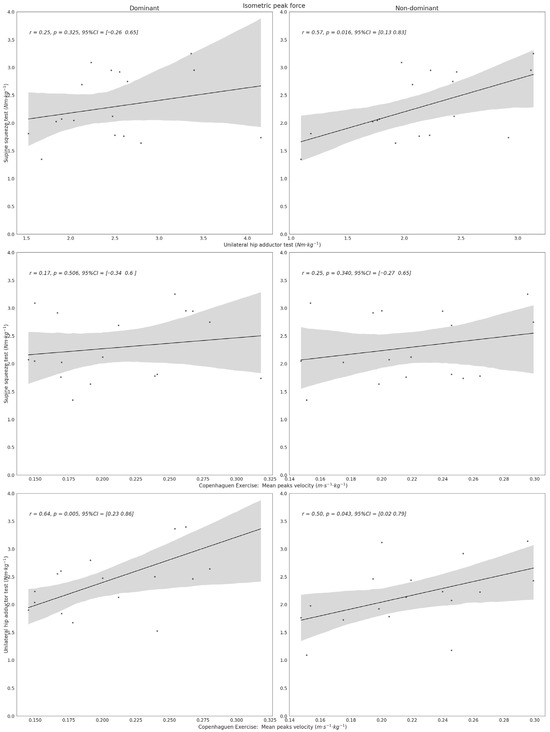
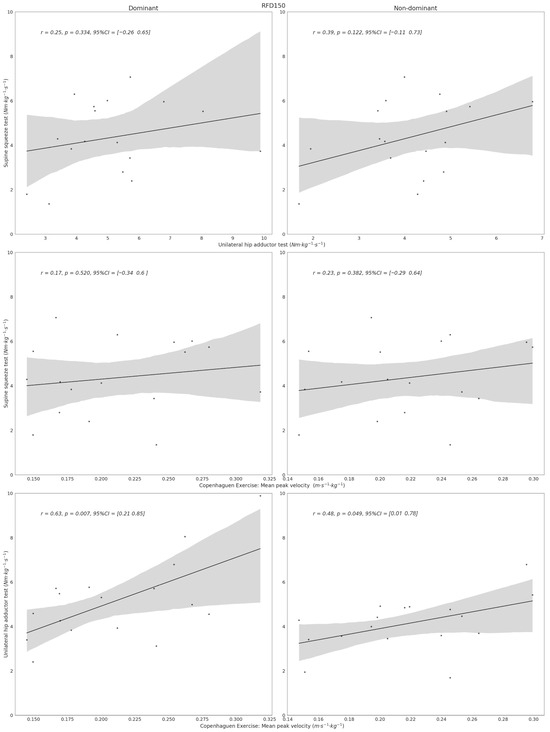
Assessing hip adductor muscle strength is important for identifying weakness or side-to-side imbalances associated with groin injury risk. Although the Copenhagen adductor exercise is widely used to evaluate adductor function, the quantification of strength-related outcomes using inertial sensors integrated in smartphones during this task has not been systematically examined. This study aimed to evaluate the reliability of a smartphone-based Copenhagen adductor field test and its associations with established isometric hip adductor strength assessments. Twenty amateur male football players (21.1 ± 3.2 years) completed two laboratory sessions separated by one week. The reliability of the smartphone-based Copenhagen test was assessed for endurance-related outcome (repetition count) and strength-related outcomes (mean repetition time and peak velocity) using intraclass correlation coefficients (ICC), standard error of measurement (SEM), and minimum detectable change (MDC). Participants also performed unilateral and bilateral isometric hip adductor tests using load cells to obtain isometric peak force (IPF) and rate of force development at 150 ms (RFD150). Associations were examined using Pearson correlation coefficients. The smartphone-based Copenhagen test showed ICC point estimates ranging from 0.63 to 0.83, although several 95% confidence intervals were relatively wide (ICC = 0.63–0.83; SEM = 6.7–18.5%). Endurance-related outcomes were not significantly associated with IPF or RFD150. In contrast, peak velocity showed low-to-moderate correlations with RFD150 (r = 0.48–0.63) and moderate correlations with IPF (r = 0.50–0.64; p < 0.05). These findings suggest that the peak velocity obtained during the Copenhagen adductor test may provide a practical field-based complement to conventional isometric assessments. However, given the moderate strength of the observed associations and the measurement error of peak velocity, these outcomes should be interpreted with caution and warrant further investigation.
Full article

(This article belongs to the Special Issue Advances in the Biomechanics and Neuromuscular Aspects of Lower Limb Sports Injuries)
►▼
Show Figures

Figure 1
Open AccessArticle
Effects of Weighted Vest Sprint Training on Mid-Acceleration and Reactive Strength in Post-PHV Soccer Players
by
Nikola Stojanović, Branislav Majkić, Jadranka Vlašić, Valentin Barišić and Damir Pekas
Sports 2026, 14(3), 124; https://doi.org/10.3390/sports14030124 - 23 Mar 2026
Abstract
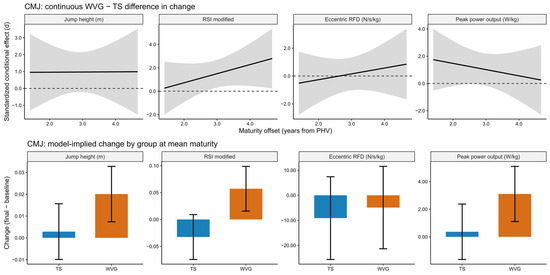
Background: This study examined the effects of an individualized weighted vest sprint training program on sprint performance and countermovement jump (CMJ) outcomes in post-peak height velocity (PHV) male youth soccer players while accounting for maturation status. Methods: Fifty players (mean age 17.76 ±
[...] Read more.
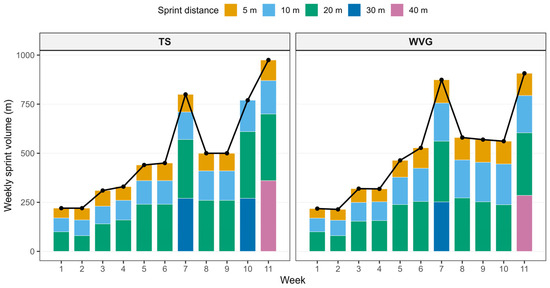
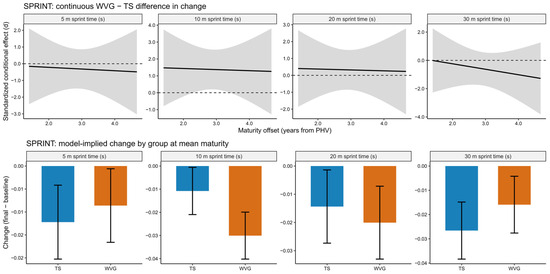
Background: This study examined the effects of an individualized weighted vest sprint training program on sprint performance and countermovement jump (CMJ) outcomes in post-peak height velocity (PHV) male youth soccer players while accounting for maturation status. Methods: Fifty players (mean age 17.76 ± 0.95 years) were randomly assigned to a weighted vest sprint group (WVG; n = 25) or a traditional unloaded sprint group (TS; n = 25). Sprint performance (5, 10, 20, and 30 m) and CMJ-derived variables (jump height, peak power output, reactive strength index modified (RSI-modified), and eccentric rate of force development) were assessed before and after an 11-week intervention performed twice weekly, with the WVG completing sprint drills while wearing a weighted vest (~11% body mass). Results: Weighted vest sprint training produced greater improvements in 10 m sprint performance and RSI-modified (d = 1.37 and 1.55, respectively). However, after Benjamini–Hochberg adjustment for multiple comparisons, the effects were no longer statistically significant and should therefore be interpreted with caution. Maturity offset did not meaningfully moderate training-induced adaptations. Conclusions: These findings suggest that weighted vest sprint training may provide potential benefits for mid-acceleration performance and reactive strength in post-PHV youth soccer players, although the magnitude of these effects remains uncertain.
Full article
(This article belongs to the Special Issue Cutting-Edge Research on Physical Fitness Profile in Soccer Players: 2nd Edition)
►▼
Show Figures

Figure 1
Open AccessArticle
Effect of Acute Caffeine Intake on Maximal Aerobic Speed in University Soccer Players Assessed by the 30–15 Intermittent Fitness Test
by
Diego Camilo García-Chaves, Juan Pablo Fernandez Zapata, Tatiana Oyaga Álvarez, Nelson Ortiz Escobar, Alfonso Villegas Mazo and Luisa Fernanda Corredor-Serrano
Sports 2026, 14(3), 123; https://doi.org/10.3390/sports14030123 - 23 Mar 2026
Abstract
The aim of this study was to analyze the effect of acute caffeine intake on maximal aerobic speed (MAS) assessed using the 30–15 Intermittent Fitness Test (IFT) in university soccer players. An experimental, randomized, double-blind, crossover design was employed, involving 26 male university
[...] Read more.
The aim of this study was to analyze the effect of acute caffeine intake on maximal aerobic speed (MAS) assessed using the 30–15 Intermittent Fitness Test (IFT) in university soccer players. An experimental, randomized, double-blind, crossover design was employed, involving 26 male university team players (n = 26). Each participant completed the test under two conditions: caffeine supplementation (220 mg; 2.85 ± 0.27 mg/kg, range 2.60–3.16 mg/kg) and placebo, separated by a 72 h washout period. The final running speed achieved (VIFT) was used as an estimator of MAS. Statistical analysis included descriptive statistics, normality testing, and paired Student’s t-test, with a significance level set at p < 0.05. The results revealed a significant improvement in VIFT under the caffeine condition (19.94 ± 1.67 km/h) compared with placebo (18.72 ± 1.50 km/h), with a mean difference of 1.22 km/h (6.5%) and a large effect size (dz = 1.24; p < 0.001). It is concluded that acute caffeine intake was associated with a significant improvement in intermittent aerobic performance in university soccer players under the conditions of the present study, suggesting that caffeine may represent a potentially useful strategy in similar applied contexts.
Full article
Open AccessArticle
Preseason Body Composition Phenotypes and In-Season Injury Burden in Male Professional Basketball: A Retrospective Cohort Study
by
Javier Pérez-Murillo, Pedro Cotolí-Suarez, Borja Ricart-Luna, Vicente Sebastià Alcacer, Álvaro Domínguez García, Marcelino Pérez-Bermejo, María Teresa Murillo-Llorente and Eloy Jaenada-Carrilero
Sports 2026, 14(3), 122; https://doi.org/10.3390/sports14030122 - 20 Mar 2026
Abstract
►▼
Show Figures
Professional basketball entails high physical demands and a complex injury profile in which injury burden and time-loss distribution critically affect player availability. This study explored the association between preseason anthropometric body composition and in-season injury burden in male professional basketball and explored body
[...] Read more.
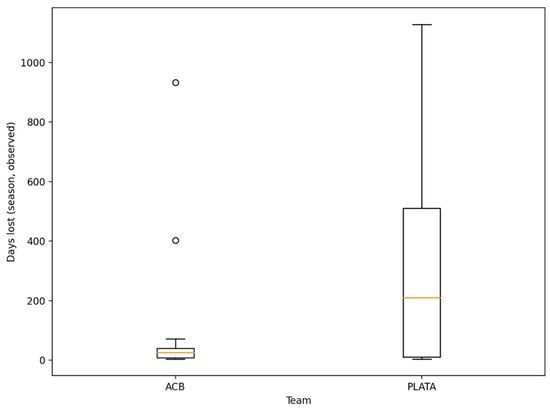
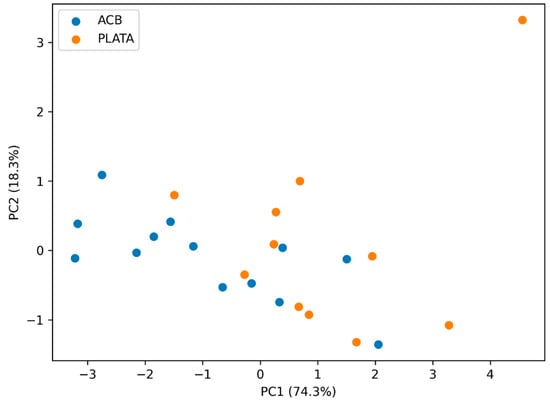
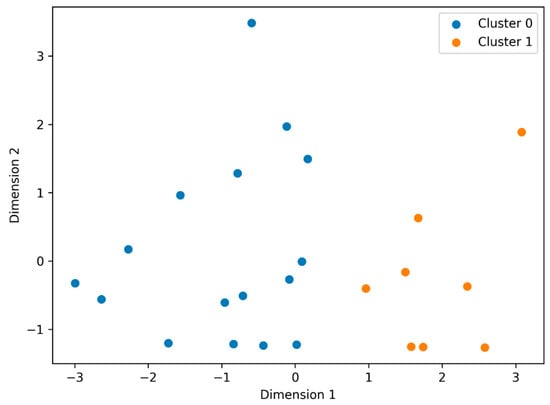
Professional basketball entails high physical demands and a complex injury profile in which injury burden and time-loss distribution critically affect player availability. This study explored the association between preseason anthropometric body composition and in-season injury burden in male professional basketball and explored body phenotypes linked to greater injury accumulation. A retrospective longitudinal cohort design was applied using official injury records and standardized ISAK anthropometric assessments collected during preseason. Players from two male professional teams (first team, ACB; second team, LEB Plata) were included. Outcomes were the number of injuries and observed days lost during the season. Associations were assessed using Pearson correlations, principal component analysis (PCA), team-stratified logistic regression, and unsupervised k-means clustering. Injury burden demonstrated a highly skewed distribution, with a small subset of players accounting for a large proportion of total days lost. Preseason adiposity markers showed strong internal coherence, with PCA identifying a dominant component reflecting an adiposity gradient. Higher preseason body fat percentage was associated with a greater likelihood of high injury burden (≥3 injuries/season) in both teams. Clustering revealed two phenotypes: a higher-adiposity, higher-burden profile and a lower-adiposity, lower-burden profile. These exploratory findings suggest that preseason body composition, particularly adiposity, may be related to injury burden in male professional basketball. However, given the limited sample size and exploratory design, the results should be interpreted cautiously and considered hypothesis-generating. Precompetitive body phenotyping may therefore provide preliminary information for identifying players potentially at elevated risk of recurrent injury accumulation and reduced competitive availability.
Full article

Figure 1
Open AccessProtocol
Ageing, Sex Differences, and REDs Risk in Endurance Runners: An Integrated Cross-Sectional Study Protocol
by
Ľudmila Oreská, Barbora Kundeková, Lukáš Varga, Katarína Stebelová, Monika Okuliarová, Juraj Payer and Milan Sedliak
Sports 2026, 14(3), 121; https://doi.org/10.3390/sports14030121 - 19 Mar 2026
Abstract
►▼
Show Figures
Endurance performance is influenced by age- and sex-specific physiological determinants, while emerging evidence indicates an increasing prevalence of Relative Energy Deficiency in Sport (REDs) among both young and master endurance runners. Despite its clinical relevance, limited data exist on how long-term endurance training
[...] Read more.
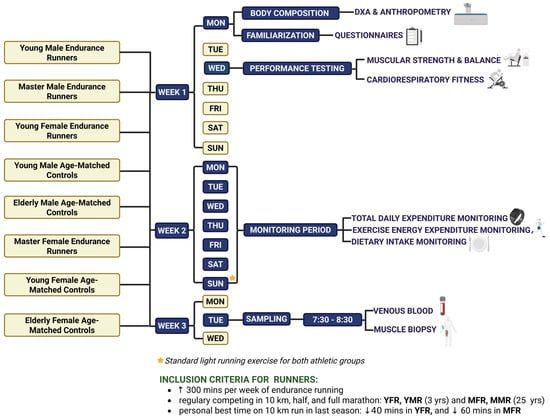
Endurance performance is influenced by age- and sex-specific physiological determinants, while emerging evidence indicates an increasing prevalence of Relative Energy Deficiency in Sport (REDs) among both young and master endurance runners. Despite its clinical relevance, limited data exist on how long-term endurance training modulates REDs risk, skeletal muscle characteristics, and physiological ageing in comparison with inactive individuals. Methods: This cross-sectional study protocol will examine 112 participants stratified by sex, age (20–35 vs. 65–80 years), and training status (endurance runners vs. inactive controls). Cardiorespiratory fitness (VO2max) is defined as the primary outcome. Secondary outcomes include body composition, musculoskeletal function, biochemical and hormonal markers, and REDs-related screening variables. Assessments will comprise cardiorespiratory testing, DXA-based bone and body composition analysis, isometric knee dynamometry, mobility testing, validated REDs screening tools (LEAF-Q, LEAM-Q, and IOC REDs CAT2), seven-day dietary and training monitoring, venous blood sampling, and skeletal muscle biopsies from the vastus lateralis. Results: This study is designed to generate an integrated overview of physiological, nutritional, metabolic, and muscle-cell characteristics across sex-, age-, and training-specific subgroups. Conclusions: This protocol provides comprehensive insight into how ageing and sex influence endurance physiology and REDs susceptibility and whether long-term endurance training preserves functional capacity across the lifespan. The findings aim to support evidence-based screening, prevention, and targeted interventions for REDs in endurance athletes.
Full article

Figure 1
Open AccessArticle
Somatometric, Training, and Behavioral Profiles of Resistance Training Practitioners and Recreational Exercisers in Greece: A Multivariate Comparative Study
by
Ioannis Tsartsapakis, Aglaia Zafeiroudi, Athanasia Chatzipanteli and Maria Gerou
Sports 2026, 14(3), 120; https://doi.org/10.3390/sports14030120 - 19 Mar 2026
Abstract
►▼
Show Figures
This cross-sectional study compared somatometric, training, and behavioral characteristics of adult exercisers in Greece, contrasting self-identified resistance-training practitioners with recreational exercisers. A total of 1187 adults completed a structured questionnaire capturing demographics, self-reported height and weight (BMI), weekly training frequency, session duration, competition
[...] Read more.
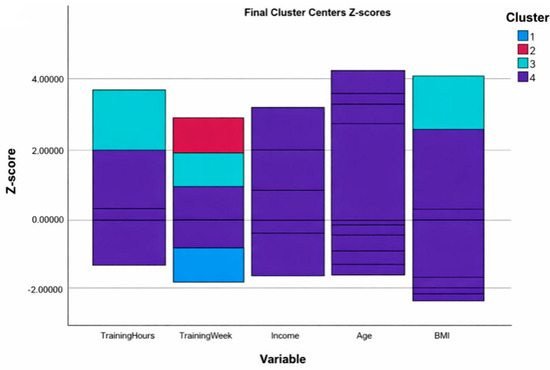
This cross-sectional study compared somatometric, training, and behavioral characteristics of adult exercisers in Greece, contrasting self-identified resistance-training practitioners with recreational exercisers. A total of 1187 adults completed a structured questionnaire capturing demographics, self-reported height and weight (BMI), weekly training frequency, session duration, competition participation, and self-reported use of performance-enhancing substances. Given non-normal distributions, analyses used nonparametric tests, binary logistic regression, and two-step cluster analysis based on the elbow method. Resistance-training practitioners reported higher BMI, greater weekly training frequency, and longer session duration than recreational exercisers (all p < 0.001). Substance use was more prevalent among resistance-training practitioners and exhibited a marked gender asymmetry, with anabolic-agent use concentrated among men. A logistic regression predicting competition participation identified age, BMI, gender, and education as significant predictors; the model explained a modest proportion of variance (Nagelkerke R2 = 0.10). Cluster analysis produced four distinct participant profiles differing in BMI, training intensity, and behavioral orientation. These results indicate systematic somatometric and behavioral differences between exercise orientations and demonstrate the utility of multivariate profiling for characterizing heterogeneity in exercise engagement. Findings should be interpreted cautiously because all anthropometric and substance-use measures were self-reported, and BMI cannot distinguish lean from fat mass in resistance-trained populations; future research should prioritize representative sampling and objective somatometric assessment.
Full article

Figure 1
Open AccessSystematic Review
Eccentric vs. Concentric Training: A Systematic Review and Meta-Analysis of Randomized Controlled Trials on Performance and Health Benefits Across Diverse Populations
by
Carolina Oassé Paulafreitas Maia, Diego Ignácio Vanezuela Pérez, Rafael Pereira Azevedo Teixeira, Ciro José Brito, Esteban Aedo-Muñoz and Bianca Miarka
Sports 2026, 14(3), 119; https://doi.org/10.3390/sports14030119 - 18 Mar 2026
Abstract
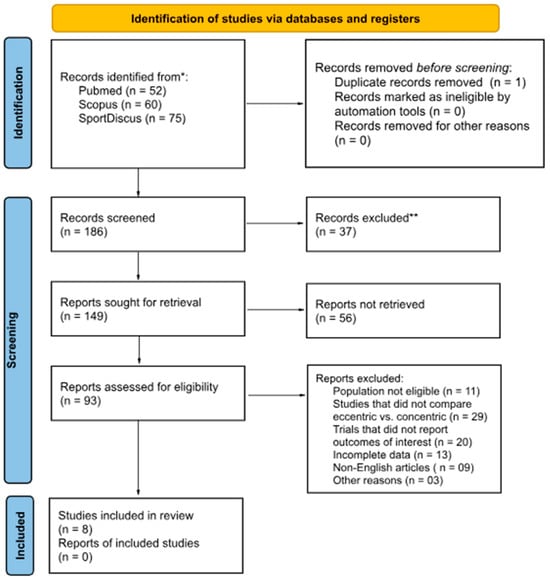
Eccentric (ECC) and concentric (CON) muscle training produce distinct physiological responses, with potential implications for musculoskeletal, metabolic, and cardiovascular health. Therefore, our objective is to synthesize evidence from randomized controlled trials comparing the effects of ECC and CON training on strength, hypertrophy, metabolic
[...] Read more.
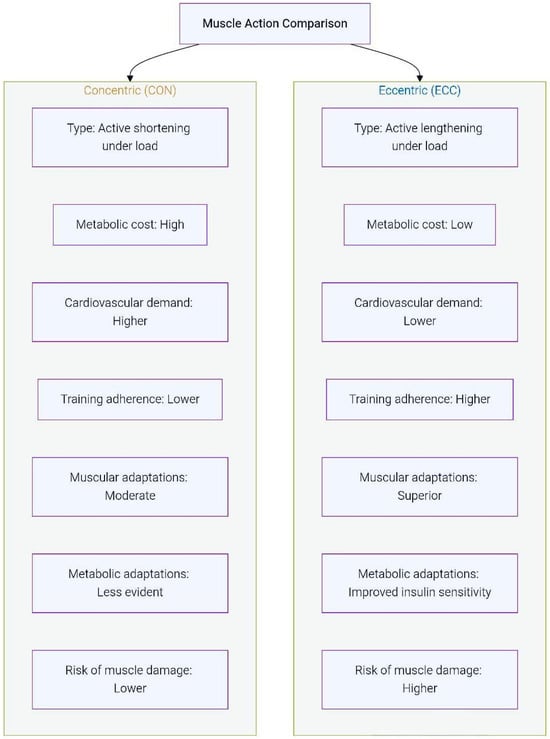
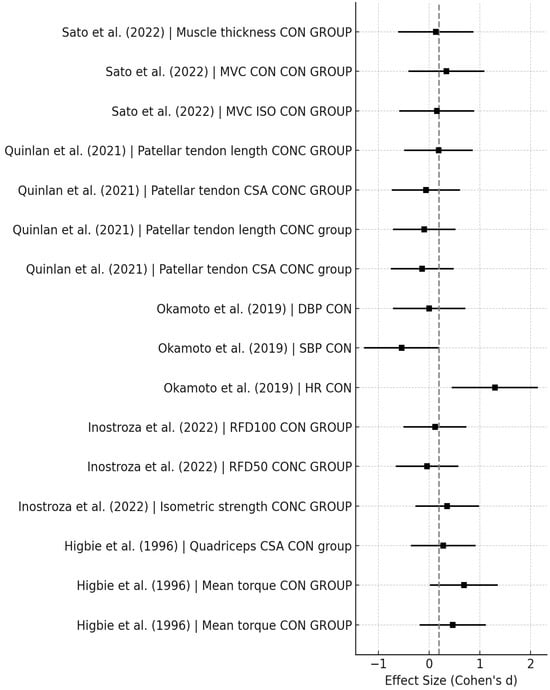
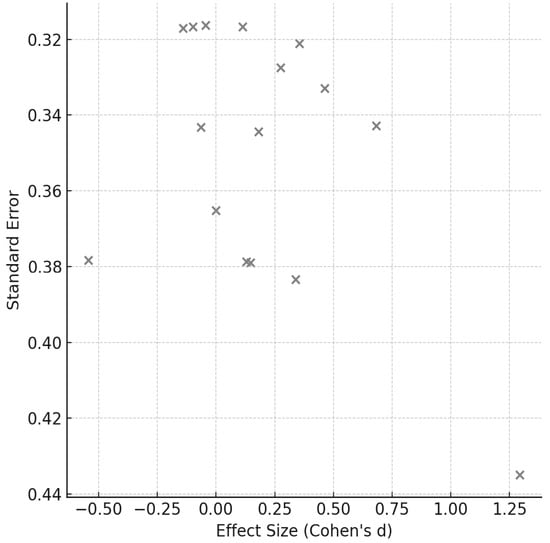
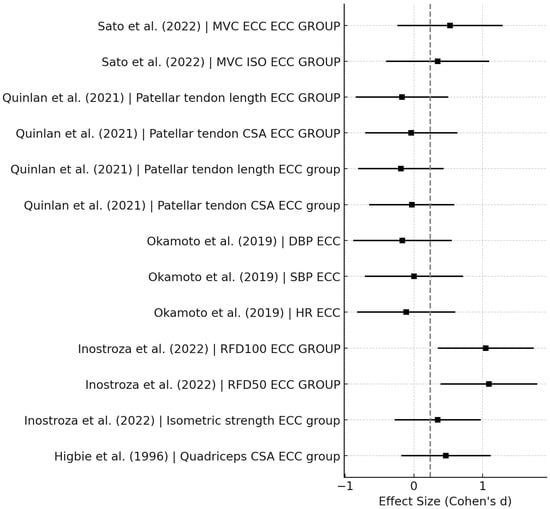
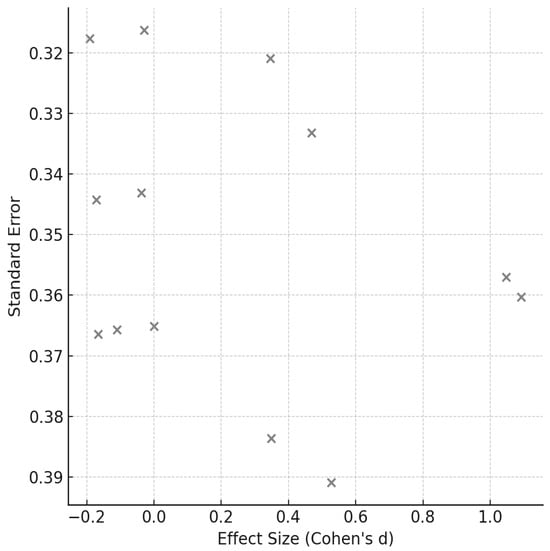
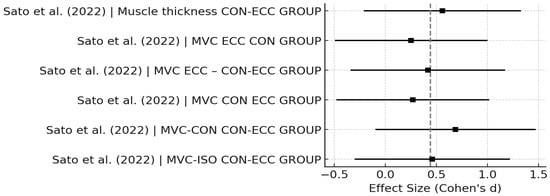
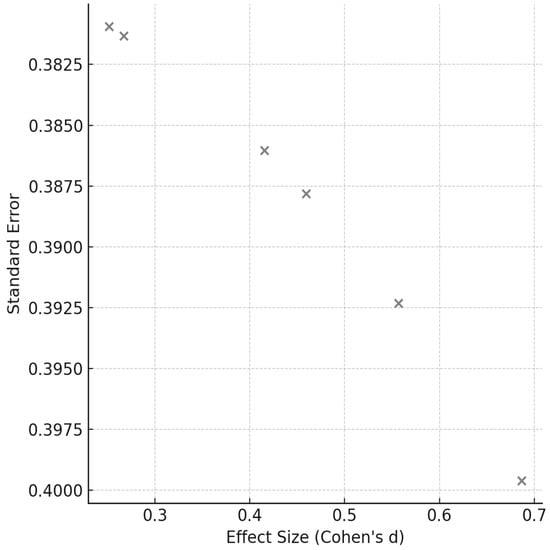
Eccentric (ECC) and concentric (CON) muscle training produce distinct physiological responses, with potential implications for musculoskeletal, metabolic, and cardiovascular health. Therefore, our objective is to synthesize evidence from randomized controlled trials comparing the effects of ECC and CON training on strength, hypertrophy, metabolic function, and cardiovascular health across diverse adult populations. A systematic review and meta-analysis were conducted in accordance with PRISMA guidelines and registered in PROSPERO (ID: CRD42024627600). The review included eight randomized controlled trials, pooling data from a total of 441 participants. For strength-related outcomes, six studies (n = 322) were included; for hypertrophy, four studies (n = 210); and for cardiovascular measures, three studies (n = 154). Studies were assessed using the TESTEX scale. Standardized mean differences and random-effects models were applied (p ≤ 0.05). Results indicated that ECC training consistently produced moderate to large improvements in muscle strength (pooled ES = 0.95; I2 = 78.6%) and hypertrophy (pooled ES = 0.60; I2 = 62.3%), particularly in populations with chronic obstructive pulmonary disease (COPD) and older adults. The rate of force development (RFD) showed large effect sizes for ECC (RFD50: ES = 0.97; RFD100: ES = 0.95) but minimal change for CON (RFD50: ES = 0.04; RFD100: ES = 0.10). Both ECC and CON showed minimal effects on cardiovascular outcomes (heart rate and blood pressure: pooled ES range = −0.16 to 0.00; I2 = 41.8%) and limited tendon remodeling (ES = −0.18). In conclusion, ECC exercise demonstrates superior benefits for improving muscular strength, hypertrophy, and power across varied populations, particularly those with clinical conditions such as COPD. Its impact on cardiovascular health and tendon properties, however, appears limited. These findings support the integration of ECC modalities into targeted rehabilitation and performance programs.
Full article
(This article belongs to the Special Issue Neuromuscular Performance: Insights for Athletes and Beyond)
►▼
Show Figures

Figure 1
Open AccessArticle
Sensory Processing Patterns and Motor Proficiency in Youth Football Players: A Cross-Sectional Study
by
Sultan Akel and Çiğdem Öksüz
Sports 2026, 14(3), 118; https://doi.org/10.3390/sports14030118 - 17 Mar 2026
Abstract
Background: Sensory processing and motor proficiency contribute to movement regulation in adolescent athletes. While motor competence has been widely studied in youth football, the role of trait-level sensory processing remains underexplored. This study examined associations between sensory processing patterns and motor proficiency in
[...] Read more.
Background: Sensory processing and motor proficiency contribute to movement regulation in adolescent athletes. While motor competence has been widely studied in youth football, the role of trait-level sensory processing remains underexplored. This study examined associations between sensory processing patterns and motor proficiency in adolescent football players. Methods: In this cross-sectional study, 116 male youth football players (mean age: 14.16 ± 1.55 years) from a professional academy completed the Adolescent/Adult Sensory Profile and the Bruininks–Oseretsky Test of Motor Proficiency, Second Edition, Brief Form (BOT-2 BF). Spearman correlations were computed across 36 sensory–motor comparisons, with false discovery rate (FDR) correction applied. Partial correlations controlled for age and years of training. Results: After FDR correction, sensation seeking showed a moderate positive association with fine motor precision (ρ = 0.49, p < 0.001). Low registration demonstrated a large negative association with fine motor integration (ρ = −0.61, p < 0.001) and small-to-moderate negative associations with bilateral coordination and balance (|ρ| = 0.27–0.32). These associations remained significant after adjustment. Conclusions: Sensory processing patterns were differentially associated with coordination- and balance-related motor domains. Findings should be considered exploratory and warrant longitudinal and sport-specific investigation.
Full article

(This article belongs to the Special Issue Improving Health and Performance in Football)
Open AccessArticle
Physiological and Perceptual Internal Load During Kitesurfing Under Real-World Sea Conditions
by
Nicola Mancini, Nicola Mangione, Siria Mancini, Vlad Teodor Grosu, Emilia Florina Grosu, Mariasole Antonietta Guerriero, Dan Monea, Giovanni Messina, Marcellino Monda, Rita Polito and Fiorenzo Moscatelli
Sports 2026, 14(3), 117; https://doi.org/10.3390/sports14030117 - 17 Mar 2026
Abstract
Background: Kitesurfing is a wind-propelled water sport performed in highly variable environmental conditions. Scientific evidence describing internal load under standardized ecological sea constraints remains limited. Aim: This study aimed to characterize cardiovascular and perceptual responses during a standardized kitesurfing session and to examine
[...] Read more.
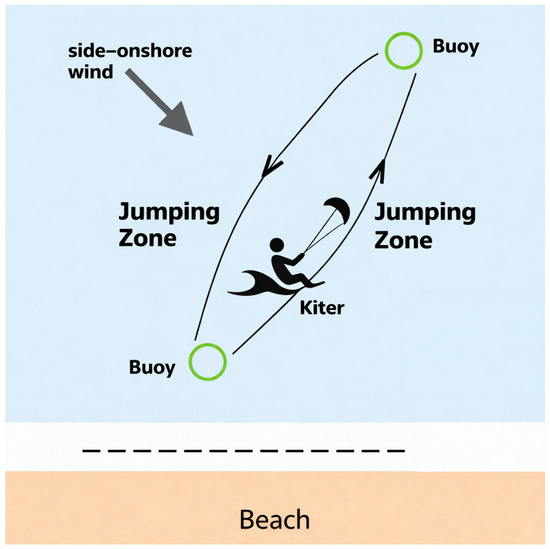
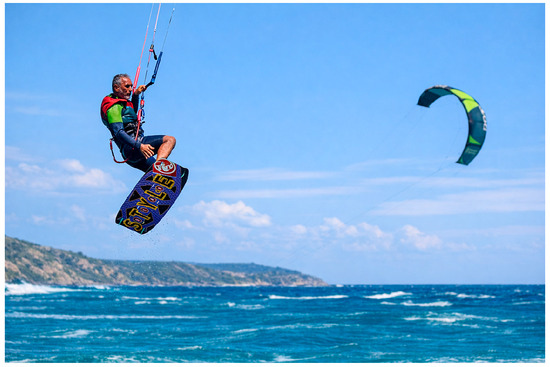
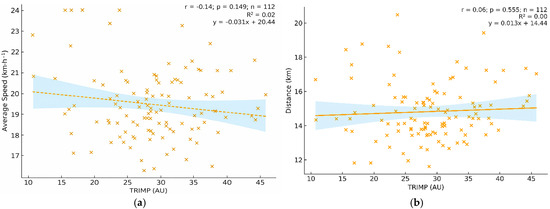
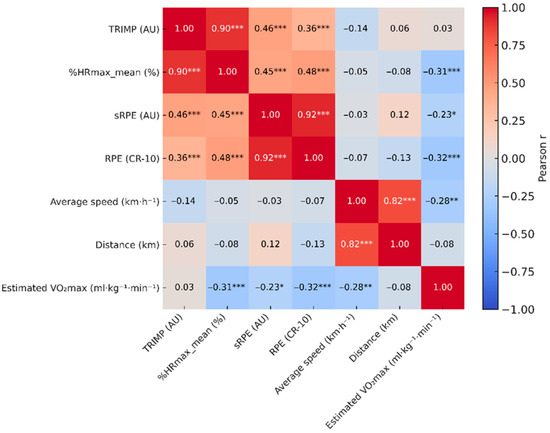
Background: Kitesurfing is a wind-propelled water sport performed in highly variable environmental conditions. Scientific evidence describing internal load under standardized ecological sea constraints remains limited. Aim: This study aimed to characterize cardiovascular and perceptual responses during a standardized kitesurfing session and to examine associations among heart rate-based internal load indices, session rating of perceived exertion, and global navigation satellite system-derived external output variables. Methods: A total of 112 male recreational kitesurfers (32.1 ± 6.8 years) completed a 40–50 min standardized session under monitored wind conditions (17–22 knots) along a predefined approximately 800 m course. Heart rate was continuously recorded, and session rating of perceived exertion (Borg Category-Ratio 10 scale) was collected 30 ± 5 min post-session. Training impulse, mean percentage of maximal heart rate, and session rating of perceived exertion load were calculated. Pearson correlation analyses with bootstrapping (1000 resamples) and five percent trimming were performed, with statistical significance set at 0.05. Results: Sessions were performed at 78.4 ± 9.1 percent of maximal heart rate. Training impulse and mean percentage of maximal heart rate were strongly associated (correlation coefficient = 0.90, probability value < 0.001), reflecting the shared heart rate-based structure of these metrics. Training impulse showed a moderate association with session rating of perceived exertion load (correlation coefficient = 0.46, probability value < 0.001). No significant associations were observed between internal load indices and global navigation satellite system-derived mean speed (correlation coefficient = −0.14, probability value = 0.149) or distance (correlation coefficient = 0.06, probability value = 0.555). Sensitivity analyses confirmed the stability of the observed associations. Conclusions: Under standardized ecological sea conditions, kitesurfing sessions were characterized by sustained high submaximal cardiovascular intensity. Heart rate-based and perceptual measures showed consistent associations within this protocol, whereas global navigation satellite system-derived external outputs were not significantly related to internal load indices. Within the limits of this cross-sectional ecological design, the combined use of one heart rate-based indicator and session rating of perceived exertion offers a coherent and practically interpretable description of session internal load in open-water kitesurfing.
Full article
(This article belongs to the Special Issue Comprehensive Study of Aquatic Sports)
►▼
Show Figures

Figure 1
Open AccessArticle
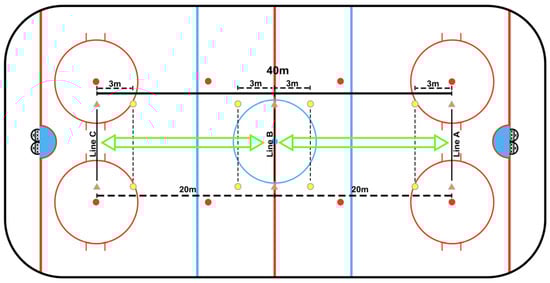
Energy Structure of Repeated On-Ice Efforts and Its Dependence on the Aerobic Capacity of a Hockey Player
by
Tomasz Gabrys, Radoslaw Chruscinski, Anna Pilis, Arkadiusz Stanula and Kazimierz Mikolajec
Sports 2026, 14(3), 116; https://doi.org/10.3390/sports14030116 - 17 Mar 2026
Abstract
Background: Ice hockey is characterized by repeated short-duration, high-intensity efforts interspersed with brief recovery periods, requiring a complex interaction of aerobic and anaerobic energy systems. The aim of this study was to determine the energetic structure of repeated high-intensity on-ice sprint exercise in
[...] Read more.
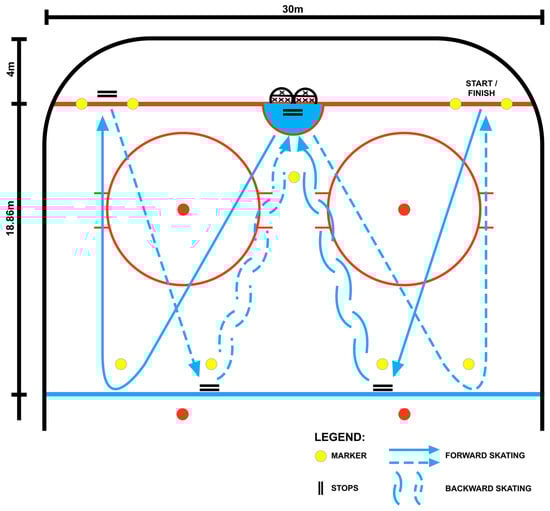
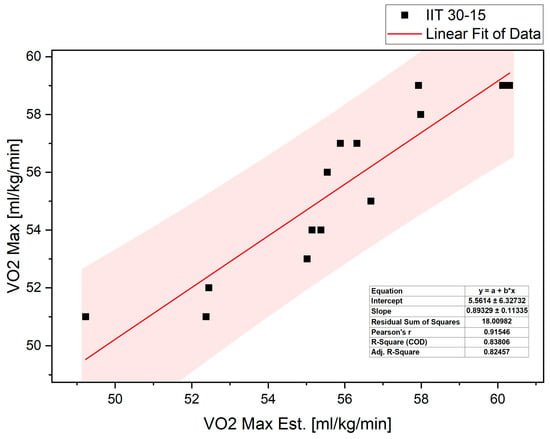
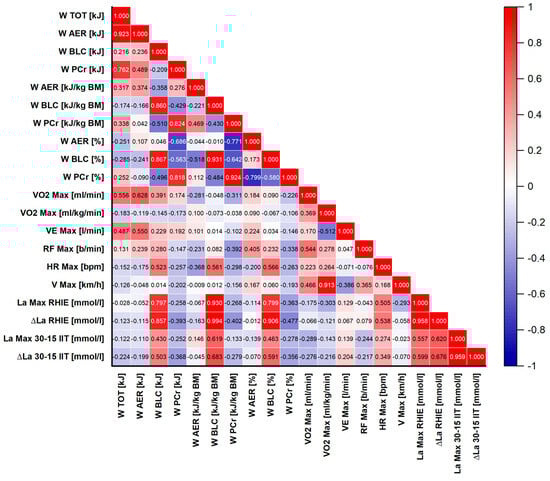
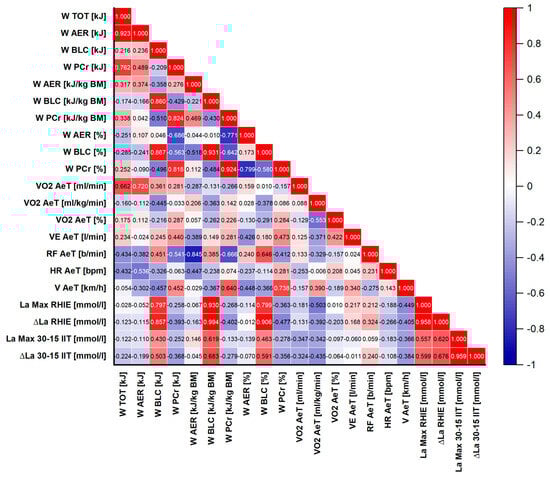
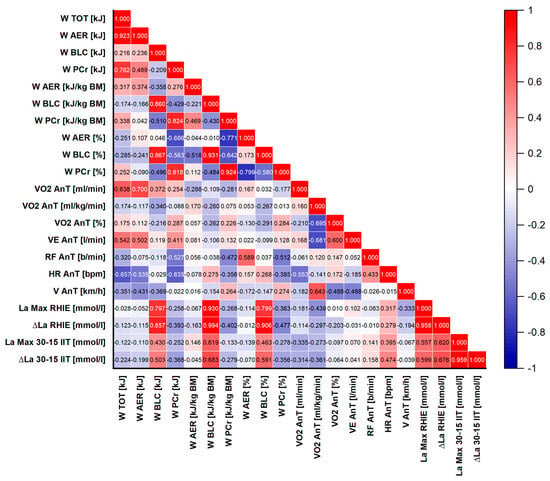
Background: Ice hockey is characterized by repeated short-duration, high-intensity efforts interspersed with brief recovery periods, requiring a complex interaction of aerobic and anaerobic energy systems. The aim of this study was to determine the energetic structure of repeated high-intensity on-ice sprint exercise in ice hockey players by quantifying the relative contributions of the oxidative, glycolytic and ATP–PCr energy systems. Methods: 14 male semi-professional ice hockey players performed the 30–15IIT followed by the Repeated High-Intensity Effort (RHIE) on-ice. Oxygen uptake was measured breath-by-breath, blood lactate concentration and energy system contributions were estimated using a three-component PCr–La–O2 model. Results: The RHIE on-ice was characterized by a dominant aerobic contribution (63.1 ± 2.6%), followed by phosphagen metabolism (29.8 ± 2.9%), with a relatively small glycolytic contribution (7.4 ± 1.5%). Conclusions: No significant relationships were observed between maximal oxygen uptake (VO2max) and the RHIE performance parameters, energy system contributions or lactate responses, except for a moderate relationship between absolute VO2max and absolute aerobic work. In contrast, parameters determined at the anaerobic threshold showed more consistent relationships with absolute metabolic work. These findings indicate that repeated high-intensity on-ice performance in ice hockey is largely independent of VO2max and is more closely related to individual energetic profiles and metabolic tolerance.
Full article
(This article belongs to the Special Issue Competition and Sports Training: A Challenge for Public Health)
►▼
Show Figures

Figure 1
Open AccessArticle
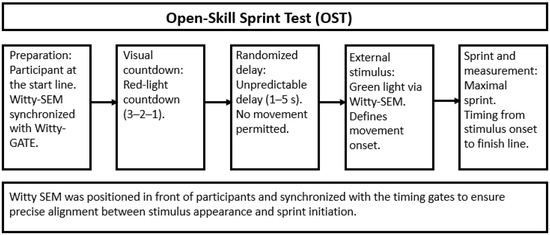
Closed vs. Open-Skill Contexts in Basketball: Insights into Reactive and Nonreactive Short Distance Sprint Performance More Closely Aligned with Game Demands
by
Asaf Shalom, Roni Gottlieb and Julio Calleja-Gonzalez
Sports 2026, 14(3), 115; https://doi.org/10.3390/sports14030115 - 13 Mar 2026
Abstract
►▼
Show Figures
Background: Basketball requires frequent short-distance sprints performed under both predictable (closed-skill) and unpredictable (open-skill) conditions. Objectives: This study compared sprint performance between closed- and open-skill conditions in 37 professional male basketball players aged 16–18 years. We aimed to determine whether sprint times differ
[...] Read more.
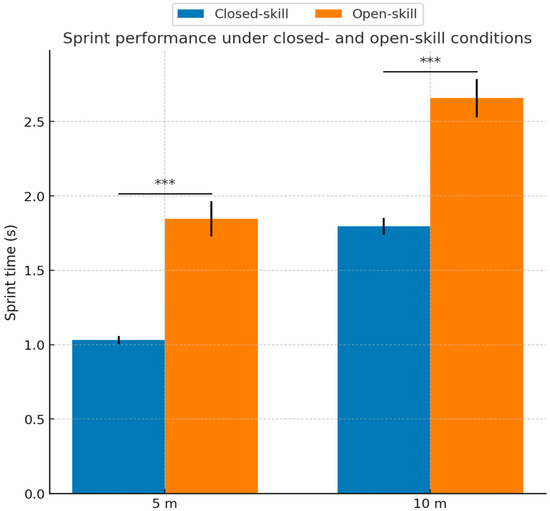
Background: Basketball requires frequent short-distance sprints performed under both predictable (closed-skill) and unpredictable (open-skill) conditions. Objectives: This study compared sprint performance between closed- and open-skill conditions in 37 professional male basketball players aged 16–18 years. We aimed to determine whether sprint times differ between conditions and distances, test for a condition-by-distance interaction, and evaluate whether player rankings remain consistent across conditions. Methods: All players completed 5 m and 10 m sprints under both closed- and open-skill formats. Performance was analyzed using repeated-measures analysis of variance (ANOVA) for main effects and interactions, paired-samples t-tests for condition-specific comparisons, and correlation analyses to examine ranking consistency. Results: Sprint times were significantly slower in open-skill compared to closed-skill conditions at both distances (p < 0.001), indicating a clear performance decrement when responding to a visual stimulus. No significant condition-by-distance interaction was observed, despite a descriptively greater slowdown at shorter distances. Ranking consistency between conditions was low, indicating that faster closed-skill performers did not necessarily maintain their advantage in open-skill scenarios. Conclusions: These findings suggest that open-skill sprinting may reflect a distinct performance profile integrating physical acceleration and perceptual–cognitive processing. Including reactive sprint assessments in studies may enhance the sport-specific evaluation of explosive speed in basketball.
Full article
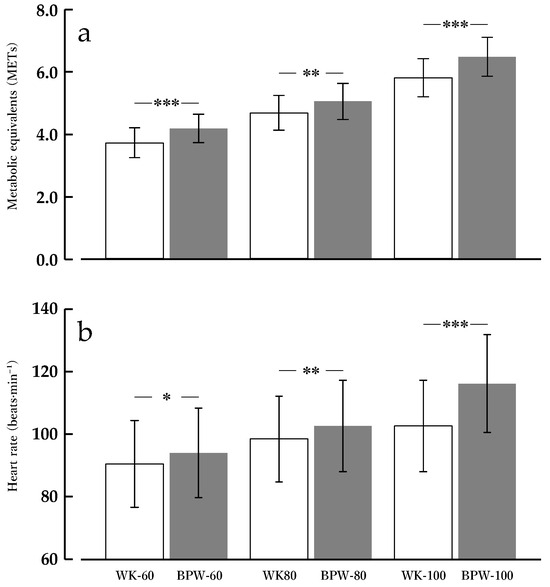
Figure 1
Open AccessArticle
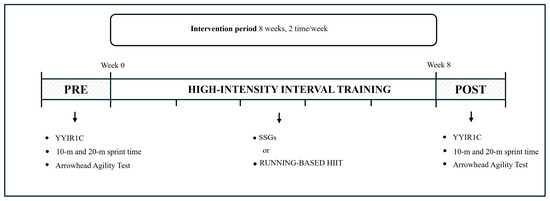
Small-Sided Games vs. Running-Based High-Intensity Interval Training: An Exploratory Study of the Effects on Physical Performance and Internal Load in Under-11 Male Football Players
by
Marco Panascì, Vittoria Ferrando, Carlo Castagna, Gennaro Apollaro, Piero Ruggeri and Emanuela Luisa Faelli
Sports 2026, 14(3), 114; https://doi.org/10.3390/sports14030114 - 13 Mar 2026
Abstract
►▼
Show Figures
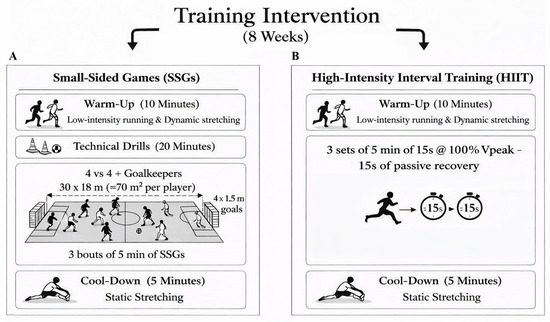
Background: This study aimed, in U11 male football players, (i) to investigate the effects of an 8-week running-based HIIT or SSGs program on aerobic fitness, neuromuscular performance and internal load, and (ii) to compare training-induced changes in performance variables between training modalities. Methods:
[...] Read more.
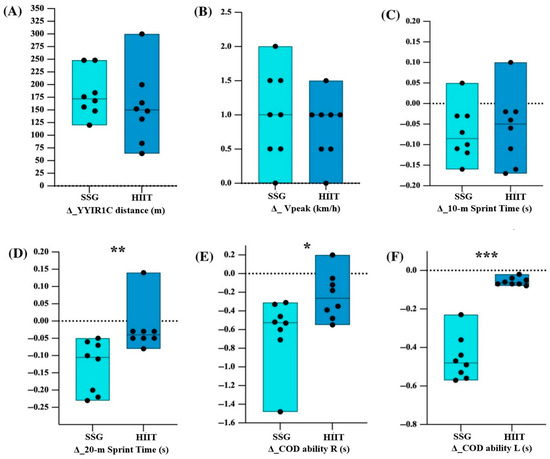
Background: This study aimed, in U11 male football players, (i) to investigate the effects of an 8-week running-based HIIT or SSGs program on aerobic fitness, neuromuscular performance and internal load, and (ii) to compare training-induced changes in performance variables between training modalities. Methods: Sixteen U11 football players were randomly assigned to either the SSGs group (4 vs. 4 format, 5 × 3 min with 1 min of rest between bouts) or the HIIT group (5 × 3 min of 15 s running at 100% peak velocity (Vpeak) alternating with 15 s of recovery, and 1 min of rest between sets). The intervention period lasted 8 weeks. Aerobic fitness (Yo-Yo Intermittent Recovery Level 1 Children’s Test, YYIR1C), sprint time performance (10 m and 20 m sprints tests) and change-of-direction (COD) ability (Arrowhead Agility Test) were assessed before and after the intervention. Heart rate (HR) and rating of perceived exertion (RPE) were assessed as indices of internal load. Results: Both SSGs and running-based HIIT produced comparable improvements in YYIR1C distance, Vpeak (p < 0.05), with no significant change in the between-group difference. Neuromuscular gains occurred only after SSGs (p < 0.05), with similar 10 m sprint improvements between groups but superior 20 m gains for SSGs (p < 0.01). COD ability improved in both groups (p < 0.05), with broader enhancements following SSGs (p < 0.05). Finally, running-based HIIT elicited greater HRpeak and higher RPE than SSGs (p < 0.05) across most intervention weeks. Conclusions: In U11 male football players, both SSGs and running-based HIIT effectively improved aerobic fitness and COD performance. However, SSGs may offer additional benefits for sprint development with lower perceived psychological stress.
Full article
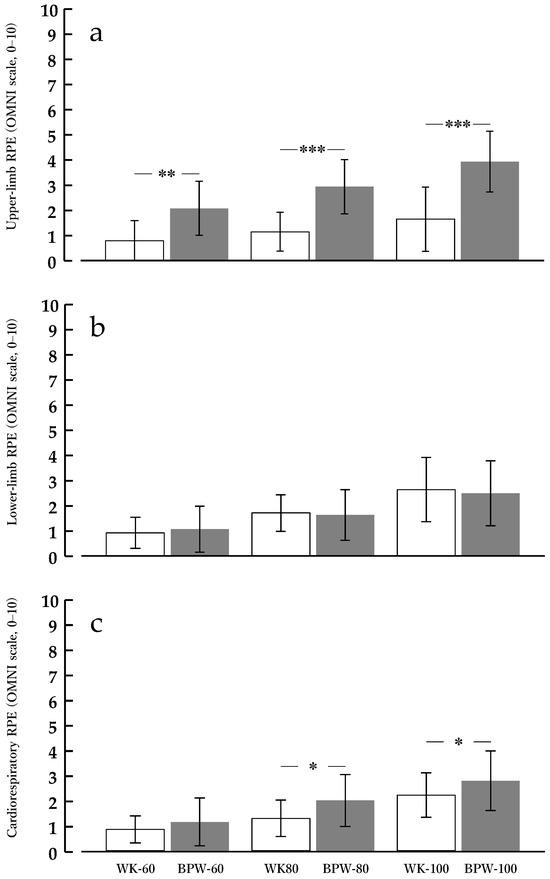
Figure 1
Open AccessArticle
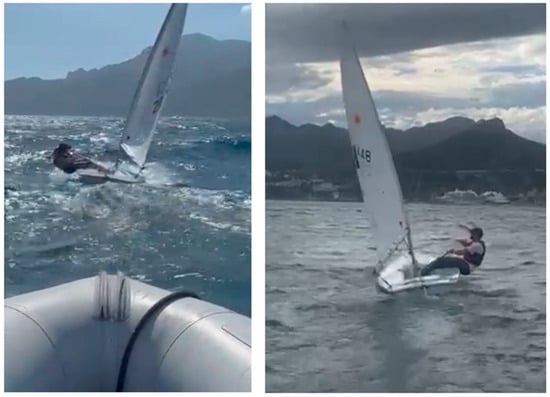
Musculoskeletal and Ergonomic Demands of the Pumping Maneuver in Laser-Class Sailing: An Integrated Biomechanical Analysis
by
Carlotta Fontana, Nicola Laiola, Alessandro Naddeo and Rosaria Califano
Sports 2026, 14(3), 113; https://doi.org/10.3390/sports14030113 - 13 Mar 2026
Abstract
Background: Pumping in Laser-class sailing is a dynamic propulsion technique used in marginal wind conditions and characterized by repetitive, coordinated oscillations of the sailor–sail system. Despite its practical relevance, its biomechanical and ergonomic demands remain insufficiently characterized. Methods: A mixed-methods framework was applied
[...] Read more.
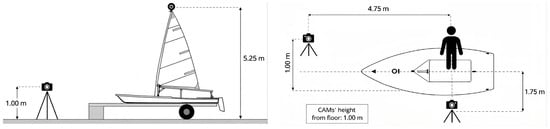
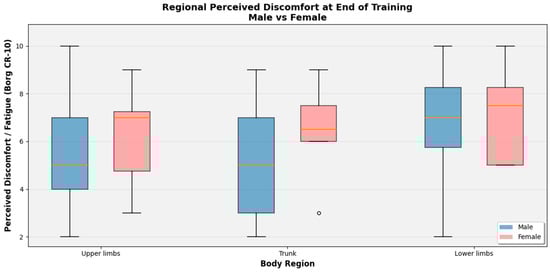
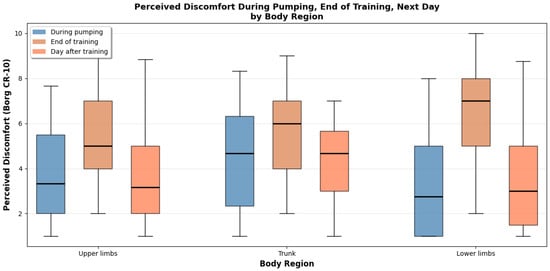
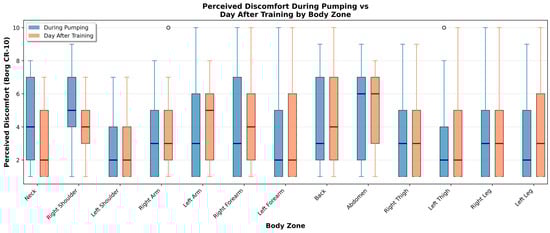
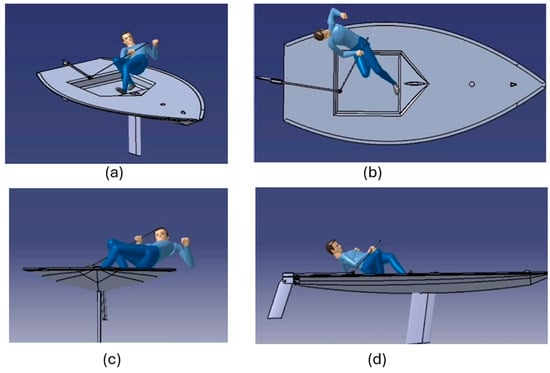
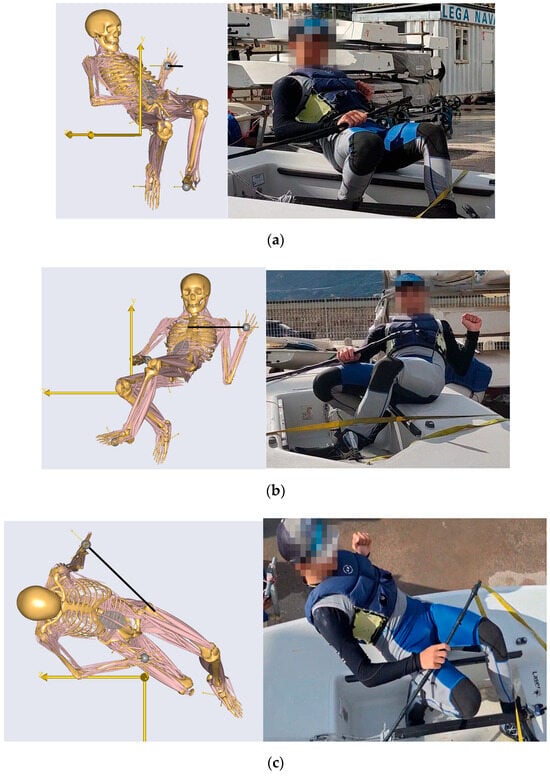
Background: Pumping in Laser-class sailing is a dynamic propulsion technique used in marginal wind conditions and characterized by repetitive, coordinated oscillations of the sailor–sail system. Despite its practical relevance, its biomechanical and ergonomic demands remain insufficiently characterized. Methods: A mixed-methods framework was applied combining questionnaire data, kinematic analysis, ergonomic assessment, and musculoskeletal modelling. Thirty-six competitive Laser sailors completed a Borg CR-10-based questionnaire on perceived discomfort/fatigue across body regions at predefined time points (during pumping, immediately after training, and the following day). A controlled land-based multi-angle video acquisition was used to reconstruct a standardized pumping posture and parameterize a digital human model in DELMIA® for postural/kinematic analysis. Ergonomic risk was assessed using REBA, and muscle activity was estimated using the AnyBody® Modeling System (simulation-derived normalized muscle activity across 129 muscles). Results: the simulation identified high neuromuscular demand in the trunk and shoulder complex, with several deep trunk stabilizers and the left latissimus dorsi reaching 100% modeled normalized muscle activity. Marked lateral asymmetry was observed, with right-sided trunk dominance and left-sided shoulder dominance. Kinematic analysis showed substantial joint excursions, with large lumbar motion amplitudes, while REBA yielded a score of 11 (Very-High Risk). Questionnaire data indicated a high prevalence of pumping-related musculoskeletal discomfort (72.2%), most frequently involving the lower back, shoulders, and knees. A dissociation was observed between modeled muscle activity and perceived fatigue, with the lower limbs rated as most fatigued despite lower modeled activation than the trunk. Conclusions: Findings identify the deep trunk stabilizers, latissimus dorsi, and lower extremities as key regions involved in pumping, with marked lateral asymmetry and high ergonomic risk. They support targeted training, injury-prevention, and ergonomic strategies to improve performance and reduce injury risk in competitive sailing.
Full article
(This article belongs to the Special Issue Applied Biomechanics, Ergonomics and Physiology for Enhanced Sport Performance and Training Optimization)
►▼
Show Figures

Figure 1
Journal Menu
► ▼ Journal Menu-
- Sports Home
- Aims & Scope
- Editorial Board
- Reviewer Board
- Topical Advisory Panel
- Instructions for Authors
- Special Issues
- Topics
- Topical Collections
- Article Processing Charge
- Indexing & Archiving
- Editor’s Choice Articles
- Most Cited & Viewed
- Journal Statistics
- Journal History
- Journal Awards
- Society Collaborations
- Editorial Office
Journal Browser
► ▼ Journal BrowserHighly Accessed Articles
Latest Books
E-Mail Alert
News
Topics
Topic in
Biomechanics, JFMK, Sensors, Sports
Current Perspectives and Future Directions in Sports Biomechanics
Topic Editors: Pedro Forte, Rafael Peixoto, Luís BranquinhoDeadline: 25 May 2026
Topic in
Education Sciences, Sports
Sustainability-Oriented Learning in Physical Education and Health (PEH)
Topic Editors: Suzanne Lundvall, Andreas FröbergDeadline: 15 June 2026
Topic in
Applied Sciences, Brain Sciences, JFMK, Nutrients, Sports
Exercise and Nutrition for Physical Performance, Mental Health and General Well-Being
Topic Editors: Gian Mario Migliaccio, Luca RussoDeadline: 12 July 2026
Topic in
Biology, Brain Sciences, Sports, Biomechanics, JFMK, Physiologia
The Mechanics of Movement: Biomechanics in Sports Performance
Topic Editors: Mario Bernardo-Filho, Danúbia Da Cunha De Sá-Caputo, Redha TaiarDeadline: 31 July 2026
Special Issues
Special Issue in
Sports
Monitoring Hematological and Biochemical Markers in Exercise Programs: From Health Optimization to Performance Enhancement
Guest Editors: Ricardo Manuel Pires Ferraz, Sílvia Raquel Monteiro MartinsDeadline: 31 March 2026
Special Issue in
Sports
Neuromuscular Performance: Insights for Athletes and Beyond
Guest Editors: Iván Chulvi Medrano, Diego Alexandre Alonso-AubinDeadline: 25 April 2026
Special Issue in
Sports
Strength and Conditioning: Enhancing Athletic Performance and Promoting Health
Guest Editors: Samuel P. Hills, Mark RussellDeadline: 27 April 2026
Special Issue in
Sports
The Role of Sports and Exercise in Disease Prevention, Health Promotion, and Injury Rehabilitation
Guest Editors: Víctor Hernández-Beltrán, José M. GamonalesDeadline: 30 April 2026
Topical Collections
Topical Collection in
Sports
Human Physiology in Exercise, Health and Sports Performance
Collection Editors: Rodrigo Zacca, Robin Pla, Roberto Baldassarre