

-
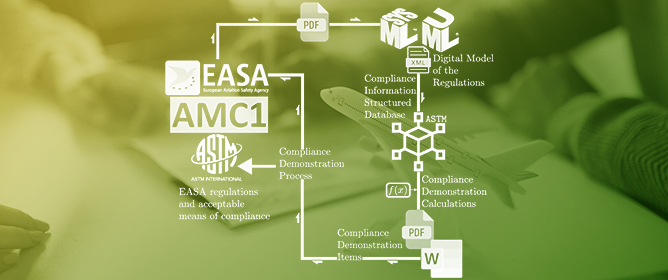
Evaluating MBSE Approaches and Tools for Aircraft Design and Certification: A Comparative Perspective -
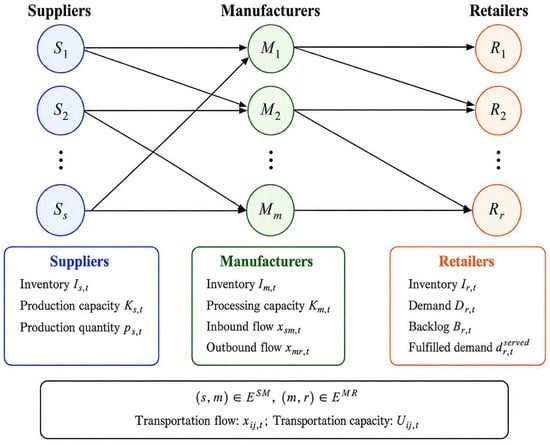
Balancing Cost and Service Performance: A Multi Objective Inventory Planning Approach for Multi Echelon Supply Chains -
An XGBoost Approach to Identifying Hinterland Drivers of Inland Port Development
Journal Description
Systems
Systems
is an international, peer-reviewed, open-access journal that publishes original research on systems theory, systems methodologies and systems practice monthly. The journal encompasses a wide range of fields, including systems engineering, management, business and organisational systems, and information and data systems. It focuses on complex social-technical system issues, offering a comprehensive platform for the exchange of ideas and insights in this field. Systems is committed to publishing high-quality research that addresses systemic, holistic, systems-based issues. Submissions may be research papers or review articles. Systems is interested in studies that include people, processes and technology. Papers on complex mathematical modelling without an obvious link to systems are not suitable for publication. The International Society for the Systems Sciences (ISSS) has an affiliation with Systems and its members receive a discount on the article processing charges.
- Open Access— free for readers, with article processing charges (APC) paid by authors or their institutions.
- High Visibility: indexed within Scopus, SSCI (Web of Science), Ei Compendex, dblp, and other databases.
- Journal Rank: JCR - Q1 (Social Sciences, Interdisciplinary) / CiteScore - Q1 (Modeling and Simulation)
- Rapid Publication: manuscripts are peer-reviewed and a first decision is provided to authors approximately 19.8 days after submission; acceptance to publication is undertaken in 2.8 days (median values for papers published in this journal in the first half of 2026).
- Recognition of Reviewers: Reviewers whose reports are timely and of high quality receive an APC discount voucher for a future publication in an MDPI journal. Become a reviewer.
- MDPI’s Journal Cluster of Social Studies: Challenges-Journal of Planetary Health, Disabilities, Genealogy, Laws, Sexes, Social Sciences, Societies and Systems.
Impact Factor:
3.8 (2025);
5-Year Impact Factor:
3.4 (2025)
Latest Articles
How Generative Artificial Intelligence Stimulates Technological Innovation in Biopharmaceutical Enterprises: Evidence from Chinese A-Share Listed Companies Around the Release of ChatGPT
Systems 2026, 14(10), 1197; https://doi.org/10.3390/systems14101197 - 22 Sep 2026
Abstract
This study examines whether and how generative artificial intelligence (AI) stimulates technological innovation in biopharmaceutical enterprises. We define the generative AI shock using the public release of ChatGPT in November 2022 and an unbalanced panel of 2002 firm-year observations for Chinese A-share listed
[...] Read more.
This study examines whether and how generative artificial intelligence (AI) stimulates technological innovation in biopharmaceutical enterprises. We define the generative AI shock using the public release of ChatGPT in November 2022 and an unbalanced panel of 2002 firm-year observations for Chinese A-share listed biopharmaceutical firms from 2017 to 2024. We construct a firm-level pre-shock AI exposure index from 2021 annual reports and combine high versus low exposure with a post indicator for 2022–2024 in a difference-in-differences framework. Results show that firms with greater pre-shock AI exposure experience significantly stronger increases in invention patent output, with the findings remaining robust across alternative specifications, sample restrictions, treatment-timing definitions, and firm-level clustered inference. According to the mechanism analyses, generative AI promotes innovation through stronger resource acquisition, greater specialisation and focus, and increased external collaboration. Heterogeneity tests show that effects vary across resource endowments, organisational capabilities, and innovation conditions. Further analyses reveal improvements in innovation quality and technological search breadth, with stronger marginal gains among firms with weaker accumulated knowledge. These findings show how the release of ChatGPT, as a generative AI shock, can reshape innovation in a knowledge-intensive and high-uncertainty industry.
Full article
Open AccessArticle
Two-Stage Pre-Sale Financing Strategy for Agricultural Products Supply Chain Considering Capital Constraints
by
Yuxiu Liang and Lindu Zhao
Systems 2026, 14(10), 1196; https://doi.org/10.3390/systems14101196 - 22 Sep 2026
Abstract
In the agricultural production cycle, farmers face financial constraints both before planting and before harvesting, which can substantially restrict production decisions and operational efficiency. With the rapid development of agricultural e-commerce and supply chain finance, platform loans and pre-sale financing have become important
[...] Read more.
In the agricultural production cycle, farmers face financial constraints both before planting and before harvesting, which can substantially restrict production decisions and operational efficiency. With the rapid development of agricultural e-commerce and supply chain finance, platform loans and pre-sale financing have become important channels through which farmers can obtain the funds needed for agricultural production. This study develops a two-stage financing portfolio decision model for an agricultural product supply chain and examines the farmer’s optimal financing strategy, planting quantity, and pricing decisions under exogenously given platform loan and pre-sale financing conditions. The results show that the loan interest rate and commission rate significantly influence the farmer’s choice of financing strategy. Specifically, holding other conditions constant, a higher loan interest rate increases the farmer’s incentive to adopt pre-sale financing, whereas a higher commission rate reduces the incentive to adopt it. Numerical simulations further identify the decision boundaries of the two-stage financing portfolio strategies under different parameter conditions. This study provides theoretical insights into farmers’ financing decisions and the selection of multi-stage financing strategies in agricultural product supply chains.
Full article
(This article belongs to the Special Issue Optimization and Decision Analytics in Supply Chain Management)
Open AccessArticle
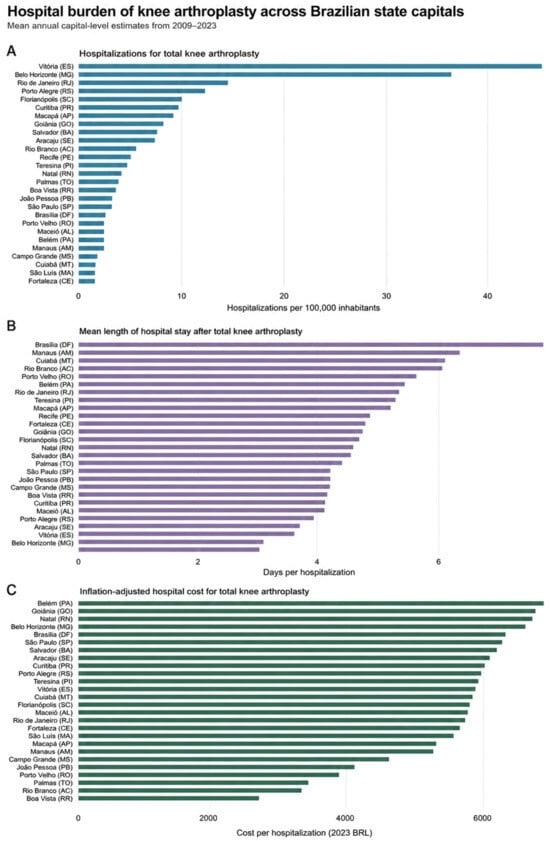
Complex Network Analysis Reveals Associations Between Physical Activity and Knee Arthroplasty Burden Across Brazilian State Capitals (2009–2023)
by
Fabiola Socorro Silva Lisboa, Ivan Gustavo Masselli dos Reis, Luana Alves Silva, Pedro Paulo Menezes Scariot and Leonardo Henrique Dalcheco Messias
Systems 2026, 14(10), 1195; https://doi.org/10.3390/systems14101195 (registering DOI) - 22 Sep 2026
Abstract
Background: Total knee arthroplasty (TKA) is one of the most frequently performed procedures for advanced knee osteoarthritis. Demographic, cardiometabolic, behavioral, and socioeconomic factors may be associated with TKA demand and hospital outcomes, but these indicators are often investigated separately. Objective: To investigate the
[...] Read more.
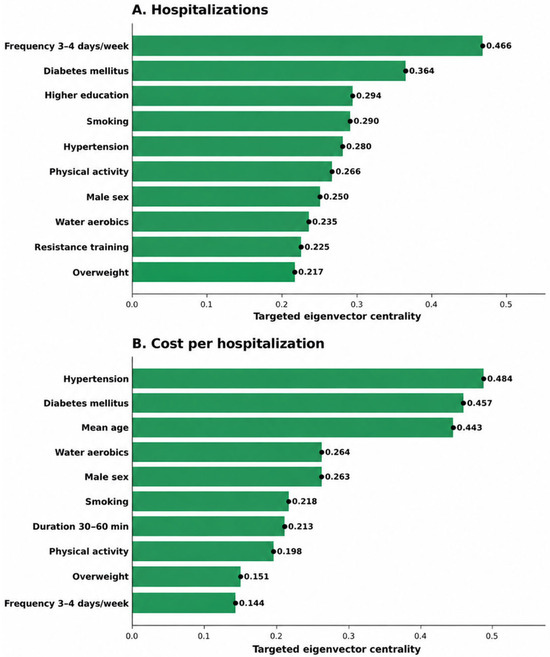
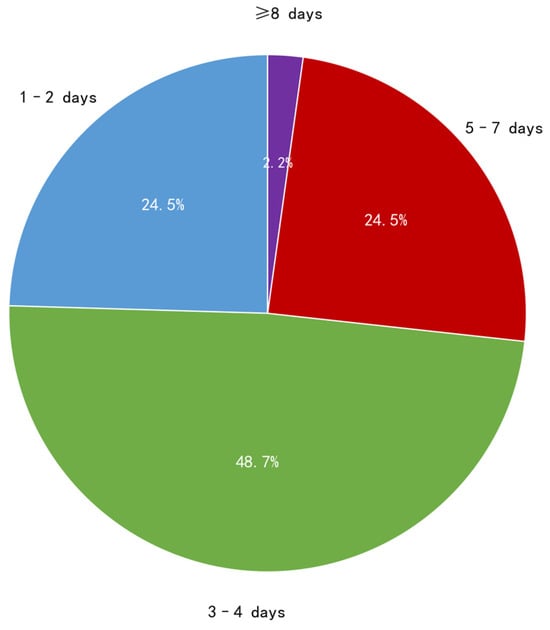
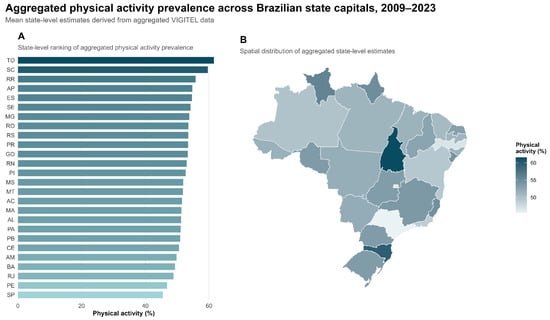
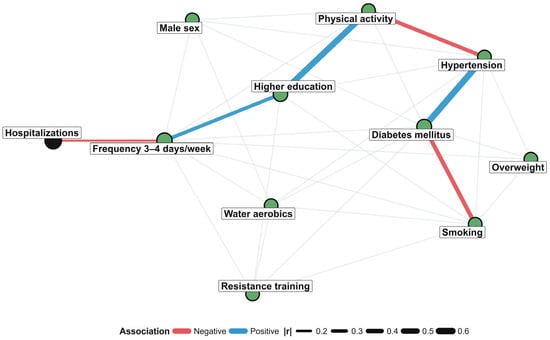
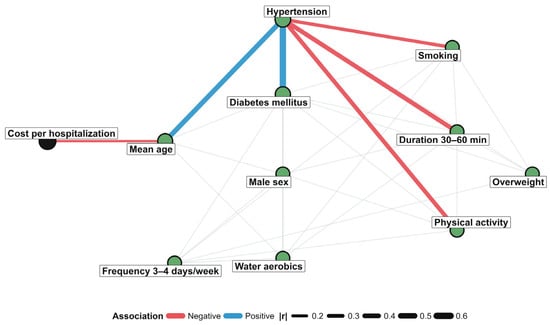
Background: Total knee arthroplasty (TKA) is one of the most frequently performed procedures for advanced knee osteoarthritis. Demographic, cardiometabolic, behavioral, and socioeconomic factors may be associated with TKA demand and hospital outcomes, but these indicators are often investigated separately. Objective: To investigate the structural relationships between population-level indicators and major TKA hospital outcomes across Brazilian state capitals using complex network analysis. Methods: An ecological study was conducted using data from the Brazilian Unified Health System (SUS) and the Surveillance System for Risk and Protective Factors for Chronic Diseases by Telephone Survey (VIGITEL) between 2009 and 2023. Variables were residualized for state-capital and calendar-year effects, and undirected weighted correlation networks were constructed using FDR-retained Pearson correlations. Targeted eigenvector centrality was used to characterize the structural position of variables relative to hospital outcomes. Results: In the primary hospitalization network, physical activity frequency of 3–4 days/week showed the highest targeted eigenvector centrality (0.466) and the only FDR-retained direct association with hospitalization rates. In the primary cost network, hypertension (0.484), diabetes mellitus (0.457), and mean age (0.443) showed the highest centralities, while mean age showed the only FDR-retained direct association with cost. However, these direct associations were retained after FDR correction in only 58.7% and 52.3% of cluster-bootstrap replicates, respectively, and their 95% bootstrap confidence intervals included zero. The hospitalization association was also sensitive to alternative representations of exercise-frequency composition. Centrality rankings also showed only moderate resampling stability. No direct FDR-retained association was observed for hospital length of stay. Conclusions: TKA-related hospital outcomes were characterized by distinct population-level correlation structures, although the bootstrap analysis indicated uncertainty in individual associations and centrality rankings. Network centrality reflects structural position rather than causal influence or independent association with hospital outcomes. Undirected weighted correlation networks may complement conventional epidemiological approaches by characterizing interdependencies and generating hypotheses for future longitudinal and individual-level studies.
Full article
(This article belongs to the Special Issue Complex Adaptive Systems Approaches for Health and Well-Being)
►▼
Show Figures

Figure 1
Open AccessArticle
Robustness of a POI-Derived Urban EV Charging-Station Network Under Capacity-Constrained Cascading Failures: A Scenario Analysis of Six Districts in Chengdu, China
by
Yijun Zhou, Huawei Duan, Ying Liu, Yi Liu and Rouyue Wang
Systems 2026, 14(10), 1194; https://doi.org/10.3390/systems14101194 (registering DOI) - 22 Sep 2026
Abstract
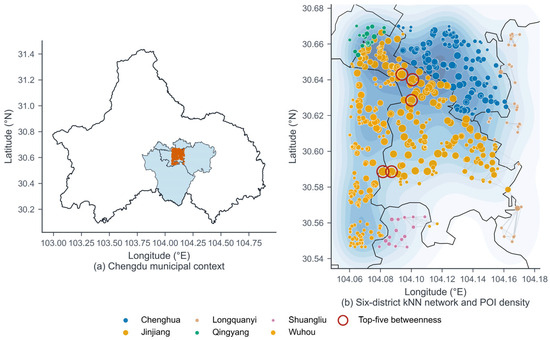
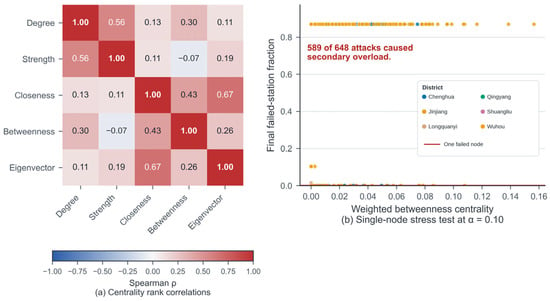
Reliable public electric-vehicle charging depends on whether operating stations can absorb demand displaced by local outages. This study develops a reproducible scenario-analysis framework for a charging network derived from a POI snapshot spanning six Chengdu districts. The framework represents potential local substitution through
[...] Read more.
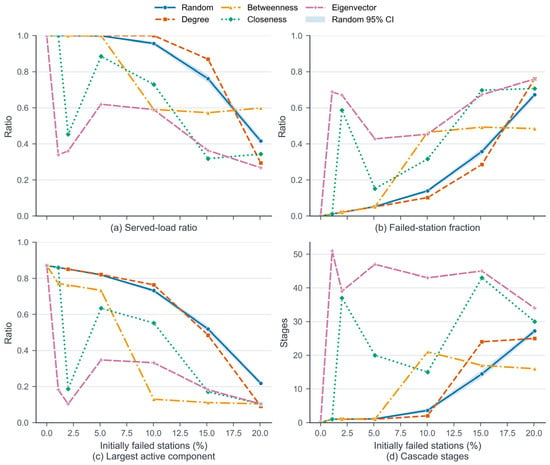
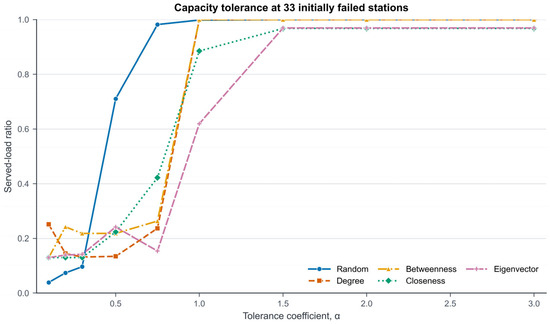
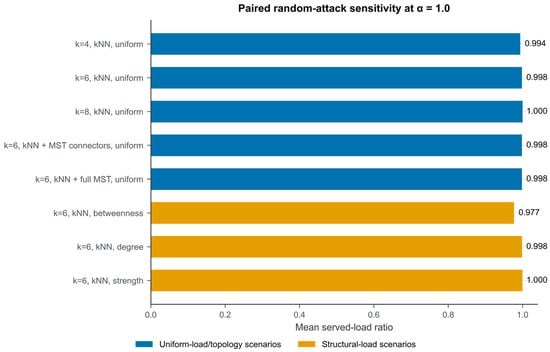
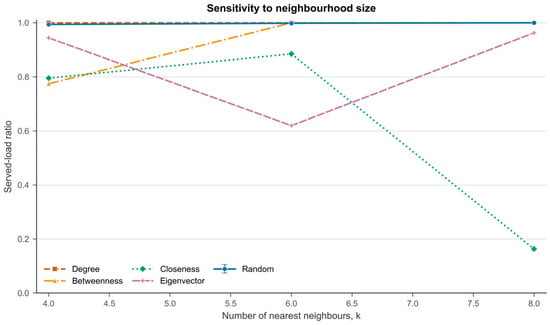
Reliable public electric-vehicle charging depends on whether operating stations can absorb demand displaced by local outages. This study develops a reproducible scenario-analysis framework for a charging network derived from a POI snapshot spanning six Chengdu districts. The framework represents potential local substitution through a spatial proximity graph and simulates synchronous, capacity-constrained load redistribution while conserving displaced demand and recording unmet service. Using 648 retained station POIs, we compare random failures with centrality-targeted attacks across attack scales, capacity headroom, topology, load, and redistribution assumptions. The network combines dense, locally clustered central districts with a partially fragmented wider structure. The modelled served-load ratio remains comparatively high under limited random disruption but deteriorates nonlinearly as failures expand and spare capacity is depleted. Targeted outcomes vary across centrality measures and modelling assumptions, showing that structural prominence alone does not identify stations with the greatest service consequences. The framework therefore supports scenario screening for redundancy, substitution pathways, and candidate critical nodes, while station-level planning requires operational and behavioural validation.
Full article
(This article belongs to the Section Systems Engineering)
►▼
Show Figures

Figure 1
Open AccessArticle
Digital Future Orientation, Digital Capability, Ecosystem Openness, Innovation Intensity, and International Orientation as Correlates of Sustainable Business Model Orientation and Digital–Sustainability Alignment: Evidence from Slovenia
by
Barbara Bradač Hojnik
Systems 2026, 14(10), 1193; https://doi.org/10.3390/systems14101193 - 22 Sep 2026
Abstract
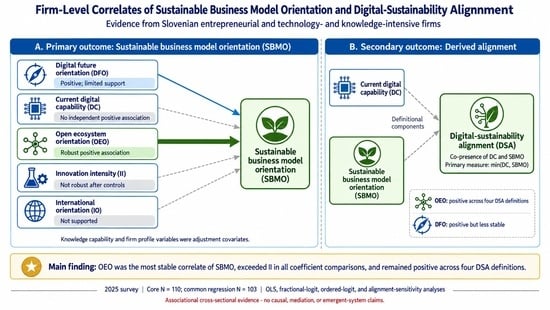
Digitalisation and sustainability are increasingly expected to reinforce one another, yet firm-level evidence does not justify treating their convergence as automatic. This study examines how digital future orientation, current digital capability, open ecosystem orientation, innovation intensity, and international orientation are associated with sustainable
[...] Read more.
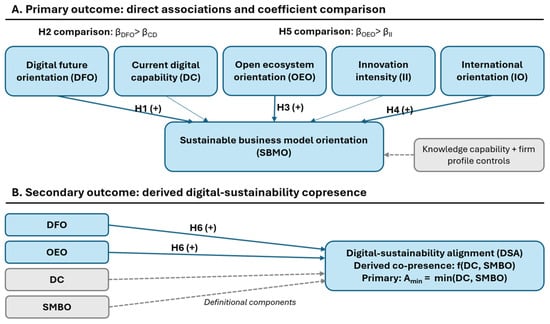
Digitalisation and sustainability are increasingly expected to reinforce one another, yet firm-level evidence does not justify treating their convergence as automatic. This study examines how digital future orientation, current digital capability, open ecosystem orientation, innovation intensity, and international orientation are associated with sustainable business model orientation (SBMO) among entrepreneurial and technology- and knowledge-intensive firms in Slovenia. A secondary analysis evaluates digital–sustainability alignment as a derived co-presence indicator rather than an independent latent construct. The study uses a 2025 organisational survey with 110 firms in the core sample and a common regression sample of 103 firms. OLS with HC3 standard errors is retained as a transparent benchmark; fractional-logit and ordered-logit models with Huber–White robust standard errors address the bounded, discrete, and zero-heavy outcome. Model 1 estimates focal associations, Model 2 adds firm-profile controls, and post-estimation contrasts test the comparative hypotheses. Open ecosystem orientation is the most stable result: it is positively associated with SBMO across all three model families, more strongly associated than internal innovation intensity, and positive across four alignment definitions. Digital future orientation is consistently positive but less precisely estimated, whereas current digital capability is not independently positively associated with SBMO. The evidence therefore supports a bounded open-systems interpretation: boundary-spanning ecosystem engagement and strategic direction are more closely associated with sustainability entering the business-model agenda than digital readiness alone, while alignment remains a derived co-presence property.
Full article
(This article belongs to the Special Issue Sustainable Business Models and Digital Transformation)
►▼
Show Figures

Graphical abstract
Open AccessArticle
Organizational Risk Management Under Global Uncertainty: A Structural Equation Modeling Approach to Economic Security and Resilience
by
Anamaria-Cătălina Radu, Alina-Cerasela Aluculesei, Maria-Roxana Cosma, Marina Bădileanu, Luminița-Izabell Georgescu, Cristinel Bălan and Ciprian-Crăciun Codău
Systems 2026, 14(10), 1192; https://doi.org/10.3390/systems14101192 - 22 Sep 2026
Abstract
Recent financial crises, heightened geopolitical instability, sustained financial volatility, and broader global uncertainty have increased the exposure of private sector organizations to emerging and interconnected economic risks. In this context, systematic and sustainable approaches to organizational risk management are becoming increasingly important for
[...] Read more.
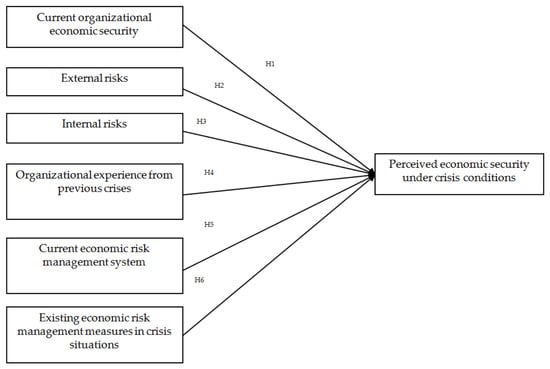
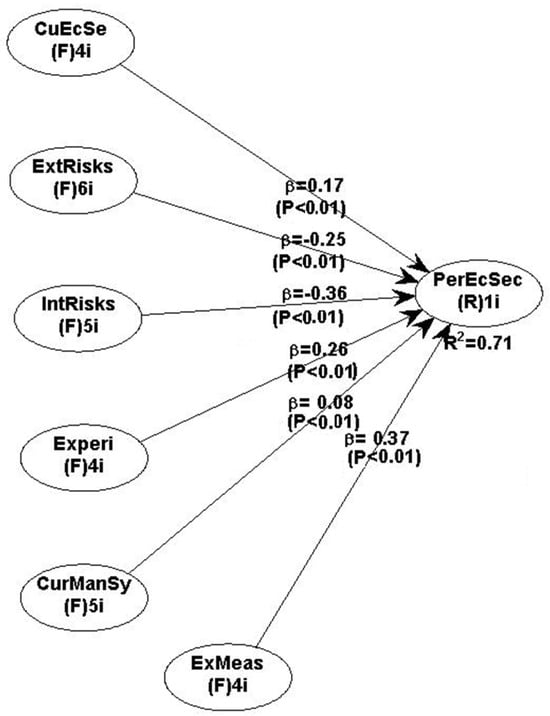
Recent financial crises, heightened geopolitical instability, sustained financial volatility, and broader global uncertainty have increased the exposure of private sector organizations to emerging and interconnected economic risks. In this context, systematic and sustainable approaches to organizational risk management are becoming increasingly important for maintaining organizational resilience and economic security. Given the persistent instability of markets and the prospect of structural economic changes toward 2030, this study examines how key organizational and risk-related factors influence perceived economic security under crisis conditions. The empirical investigation was conducted on a sample of 205 employees from private sector organizations. Exploratory factor analysis (EFA) was used to validate the structure of the constructs, while structural equation modeling (SEM) was applied to test the relationships among the variables and provide a model-driven assessment of the determinants of perceived economic security. The findings show that all factors included in the proposed model have a significant influence on perceived economic security during periods of crisis. The results highlight the importance of systematic risk identification, assessment, monitoring, and management, as well as organizational learning from previous crises, in responding to a changing and uncertain economic environment. Under conditions of continued global uncertainty, volatility, and structural transformation, the development and continuous improvement of organizational risk management systems can strengthen organizational resilience and support economic security over time.
Full article
(This article belongs to the Special Issue Risk Engineering in an Era of Global Uncertainty)
►▼
Show Figures

Figure 1
Open AccessArticle
Optimal Procurement Strategies for Retailers Under Concurrent Supply Disruption and Uncertain Emergency Demand: A Chance-Theoretic Approach
by
Yanxin Guo and Zhaojun Kong
Systems 2026, 14(9), 1191; https://doi.org/10.3390/systems14091191 - 21 Sep 2026
Abstract
Reliable emergency supply systems are particularly vulnerable when a supply interruption coincides with a surge in demand. This study examines a single-period procurement problem involving a lower-cost primary supplier that may be completely disrupted and a more reliable but higher-priced backup supplier. A
[...] Read more.
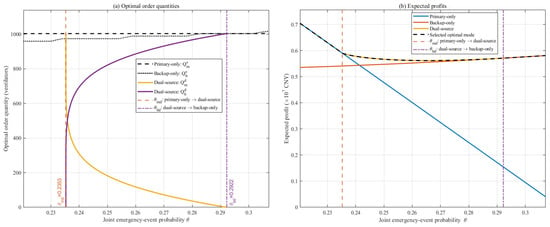
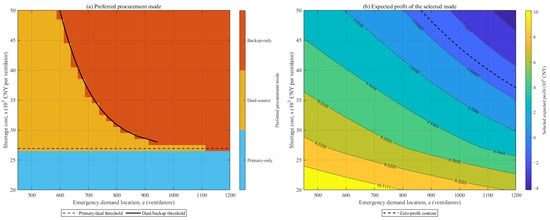
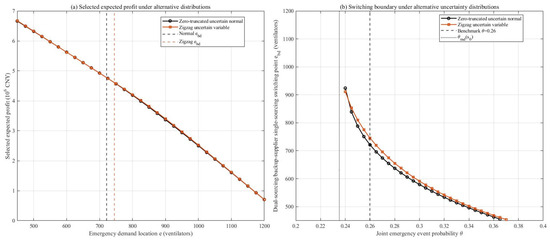
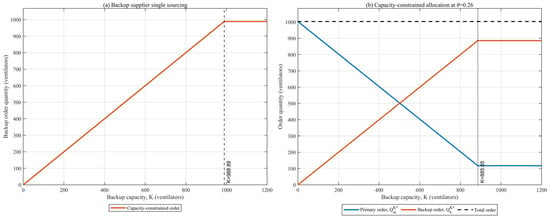
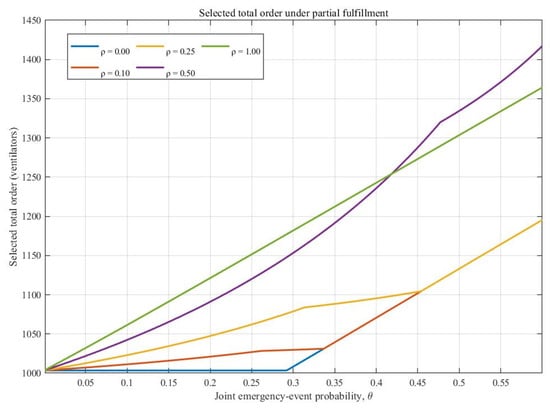
Reliable emergency supply systems are particularly vulnerable when a supply interruption coincides with a surge in demand. This study examines a single-period procurement problem involving a lower-cost primary supplier that may be completely disrupted and a more reliable but higher-priced backup supplier. A joint emergency event simultaneously disrupts the primary supplier and generates additional emergency demand. Routine demand is represented by a random variable, whereas additional emergency demand is modeled as a nonnegative uncertain variable. Chance theory combines these two types of demand information and provides a unified basis for evaluating expected profit. The retailer chooses among primary supplier single sourcing, backup supplier single sourcing, and dual sourcing. The analysis derives the expected profit functions, optimal order quantities, and conditional switching thresholds for the three sourcing modes. Under the analytical conditions of the benchmark model—complete primary-supplier disruption, unconstrained backup capacity, and an interior dual-sourcing solution—dual sourcing reallocates a fixed optimal total order between the two suppliers rather than changing the total quantity. Subject to the derived threshold conditions, an increase in the probability of the joint emergency event may shift the preferred mode from primary supplier single sourcing to dual sourcing and eventually to backup supplier single sourcing. Numerical comparisons using zero-truncated normal and zigzag uncertainty distributions preserve this qualitative sourcing sequence under the tested parameter settings, although the resulting profits, order allocations, and switching thresholds remain distribution-dependent. The extensions show that partial primary-supplier fulfillment may change the optimal total order, whereas a binding backup-capacity constraint limits the feasible allocation to the backup supplier. These findings provide conditional implications for sourcing-mode selection and backup-capacity planning during the initial emergency response period.
Full article
(This article belongs to the Special Issue Optimization and Decision Analytics in Supply Chain Management)
►▼
Show Figures

Figure 1
Open AccessArticle
An Adaptive Ontology–LLM Framework for Simulation-Based Reenactment of Korean Traffic Accidents
by
Suji Sung, Aihe Yu, Junoh Kim, Taekyung Kim, Jinsook Jeon and Kyungeun Cho
Systems 2026, 14(9), 1190; https://doi.org/10.3390/systems14091190 - 21 Sep 2026
Abstract
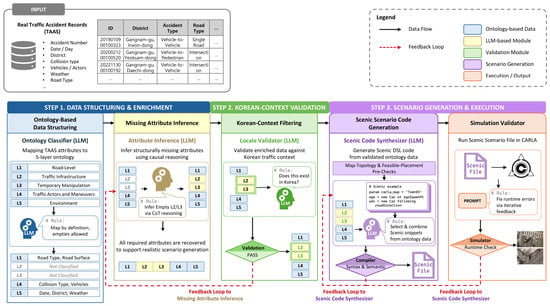
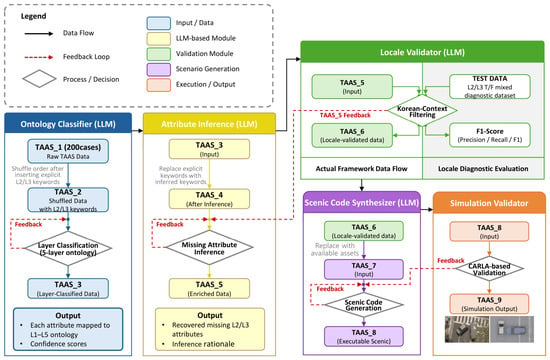
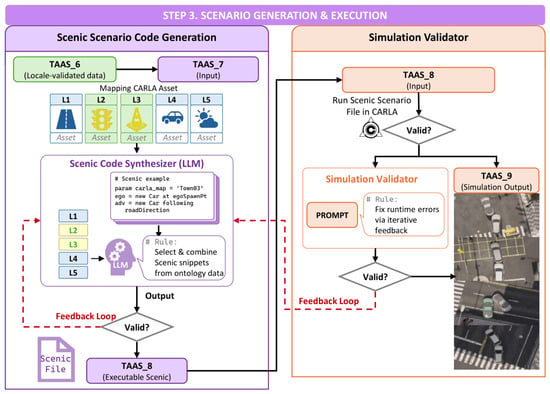
Simulation-based testing is fundamental for validating automated driving systems (ADSs), and real-world traffic accident records provide realistic scenario data. However, converting such records into executable simulations requires addressing structural incompleteness, geographic bias in large language models (LLMs), and code-generation errors. This paper proposes
[...] Read more.
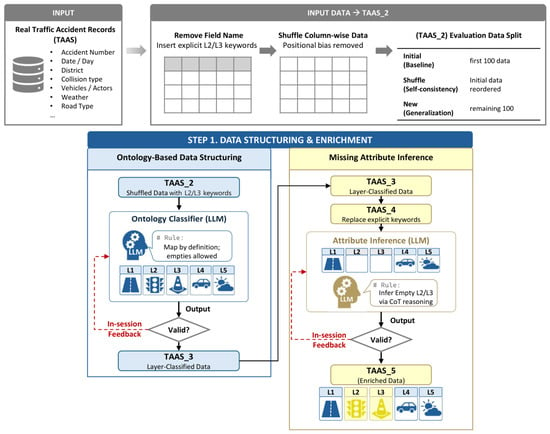
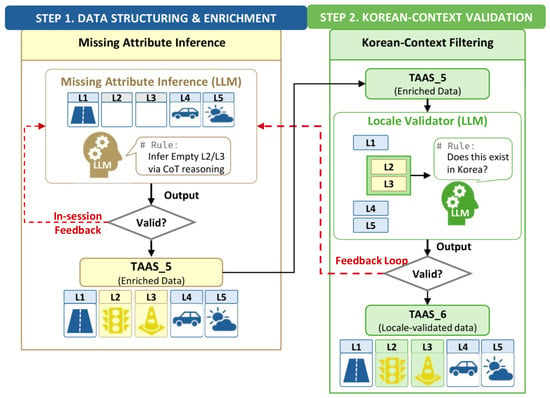
Simulation-based testing is fundamental for validating automated driving systems (ADSs), and real-world traffic accident records provide realistic scenario data. However, converting such records into executable simulations requires addressing structural incompleteness, geographic bias in large language models (LLMs), and code-generation errors. This paper proposes an adaptive ontology–LLM framework that generates Scenic scenarios executable in CARLA from structured accident records obtained from the Korea Road Traffic Authority’s Traffic Accident Analysis System (TAAS). The framework comprises five modules connected through explicit interfaces and feedback loops: Ontology-Based Data Structuring, Missing Attribute Inference, Korean-Context Filtering, Scenic Scenario Code Generation, and Simulation Validator. Only Korean-Context Filtering is country-specific, supporting future adaptation by replacing this module. Across three complete executions of the final pipeline with the map-topology and feasible-placement pre-checks applied, Ontology-Based Data Structuring, Missing Attribute Inference, and Korean-Context Filtering achieved mean success rates of 91.00%, 92.37%, and 94.07%, respectively. The mean Step 3 cumulative success rate was 78.30%, and the mean end-to-end success rate was 61.83% (range: 59.00–63.50%). Korean-Context Filtering achieved an F1 score of 0.9246 on the Original Korean-Context Evaluation Set and a mean F1 score of 0.8708 on the Additional Korean-Context Evaluation Set. The results demonstrate the feasibility of integrating ontology mapping, causal reasoning-based attribute inference, geographic-bias mitigation, and executable scenario generation in a unified framework.
Full article
(This article belongs to the Special Issue AI Applications in Transportation and Logistics)
►▼
Show Figures

Figure 1
Open AccessArticle
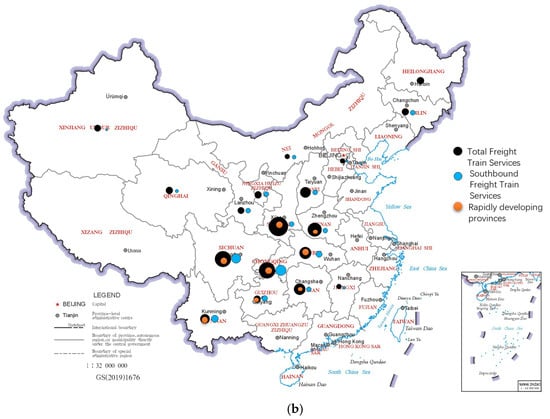
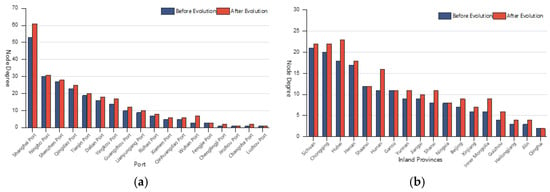
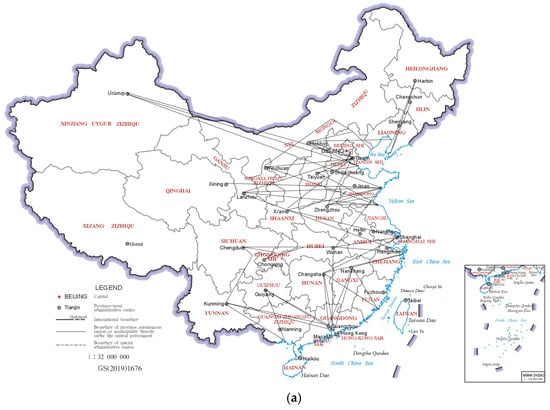
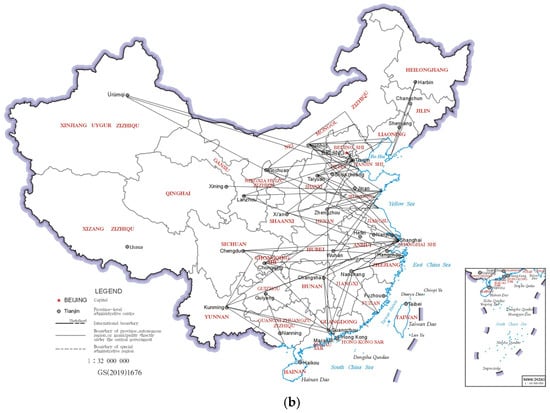
Evolutionary Characteristics and Trends of the Cross-Border Integrated Logistics Network in Inland Provinces Driven by China-Europe Railway Express and Land-Sea Intermodal Transport
by
Hairui Wei, Siyuan Zhang and Tianhao Lu
Systems 2026, 14(9), 1189; https://doi.org/10.3390/systems14091189 - 21 Sep 2026
Abstract
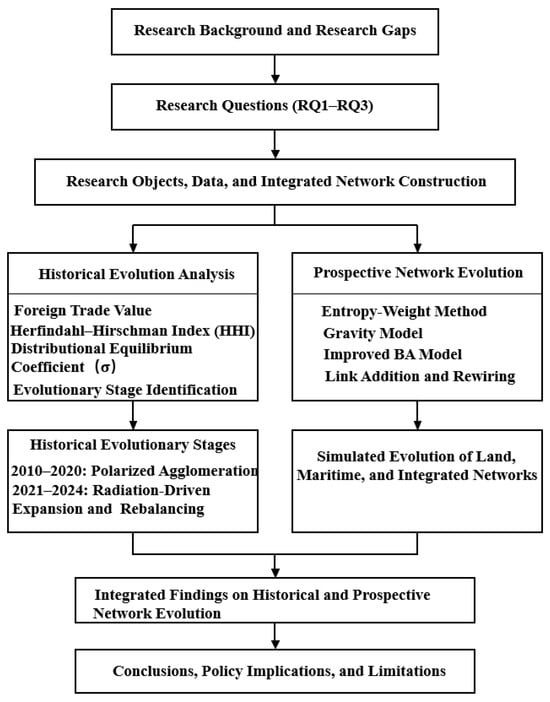
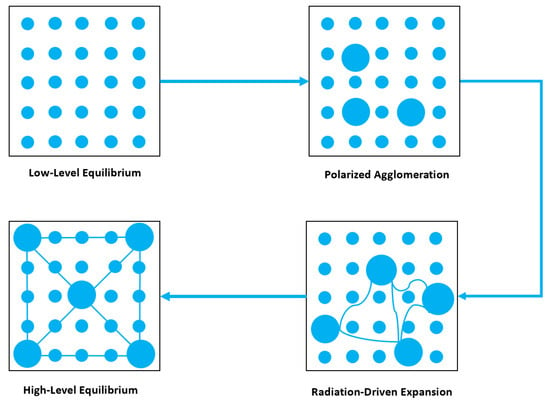
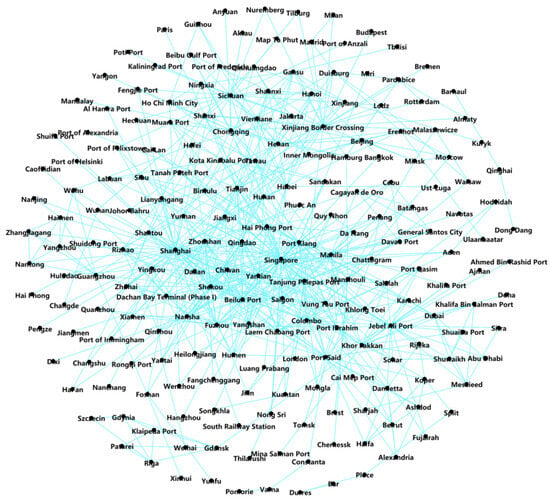
Since the launch of the Belt and Road Initiative (BRI), significant changes have taken place in the cross-border trade and logistics corridor systems of China’s inland provinces. Taking 18 inland provinces along the Belt and Road as the research objects, this study constructs
[...] Read more.
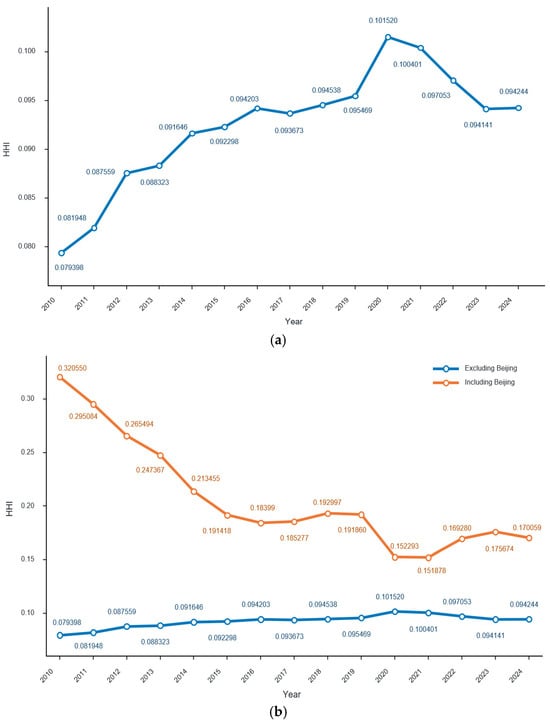
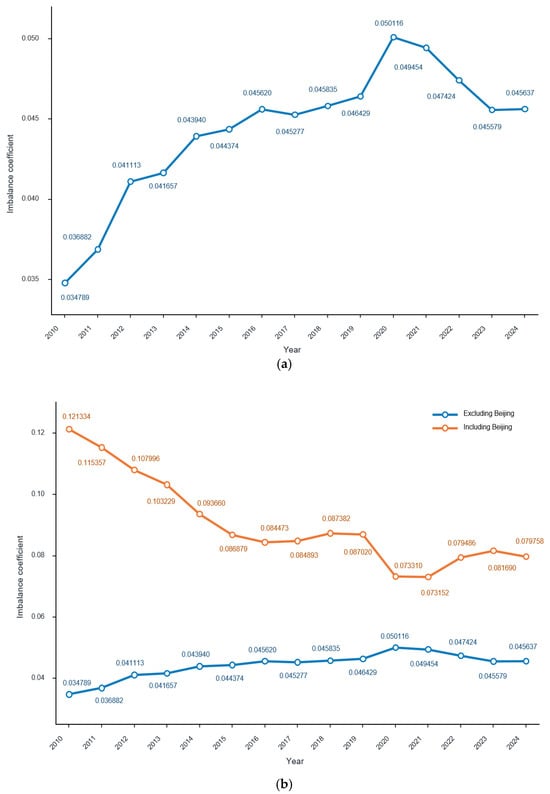
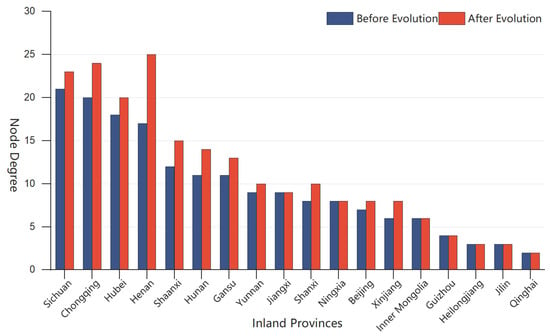
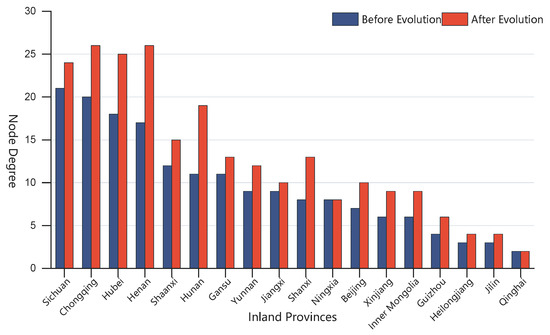
Since the launch of the Belt and Road Initiative (BRI), significant changes have taken place in the cross-border trade and logistics corridor systems of China’s inland provinces. Taking 18 inland provinces along the Belt and Road as the research objects, this study constructs a cross-border integrated logistics network based on the connections between inland ports and seaports established by inland provinces, together with the operating routes of the China–Europe Railway Express (CRE). The Herfindahl–Hirschman Index (HHI) and a distributional equilibrium model are employed to identify the evolutionary stages of the network. Furthermore, node-level comprehensive attractiveness and a dynamic rewiring mechanism are incorporated into an improved Barabási–Albert (BA) model to simulate the future evolution of the network. The results show that the network exhibits a distinct evolutionary pattern characterized by “initial concentration followed by diffusion.” The HHI reached a peak of 0.100 in 2020 and subsequently declined, indicating a transition from polarized concentration toward a relatively balanced network structure. Meanwhile, the role of core hubs has gradually shifted from resource siphoning to corridor-based diffusion and regional connectivity enhancement. Cross-border corridor and port choices have also become increasingly diversified, creating opportunities for differentiated competition among small- and medium-sized ports and non-core inland provinces. The timing of the major turning points in network evolution broadly coincides with the implementation of national corridor development policies, suggesting that corridor development has played an important role in promoting network restructuring and development.
Full article
(This article belongs to the Section Supply Chain Management)
►▼
Show Figures

Figure 1
Open AccessArticle
Active Surface Clustering for Component Generation from System Models
by
Georg Jonathan Hartmann, Georg Jacobs, Kathrin Boelsen and Sebastian Felix Scholl
Systems 2026, 14(9), 1188; https://doi.org/10.3390/systems14091188 - 21 Sep 2026
Abstract
Additive manufacturing (AM) is steadily evolving from a prototyping into a manufacturing technology, enabling new approaches to product design. However, this increased design freedom also increases the number of feasible component partitioning and component consolidation variants for a product. These variants are hereafter
[...] Read more.
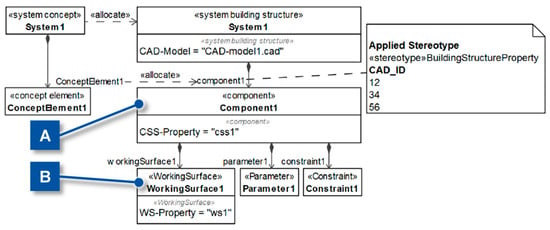
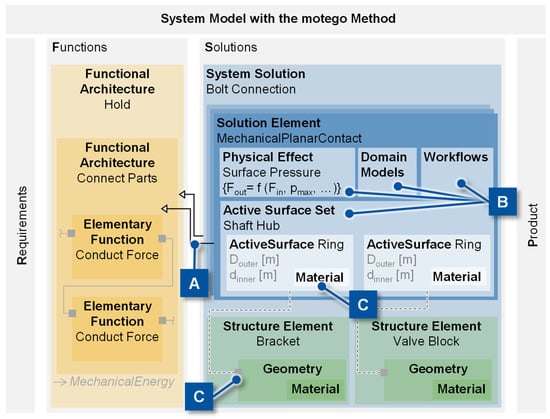
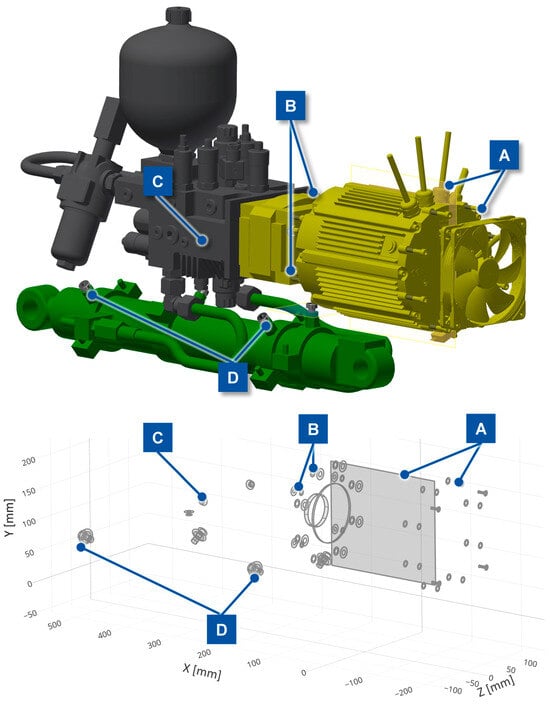
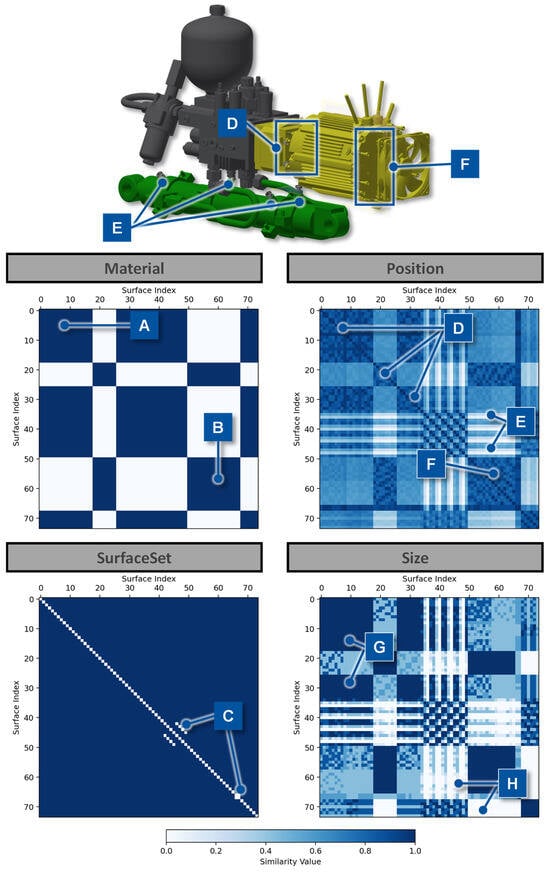
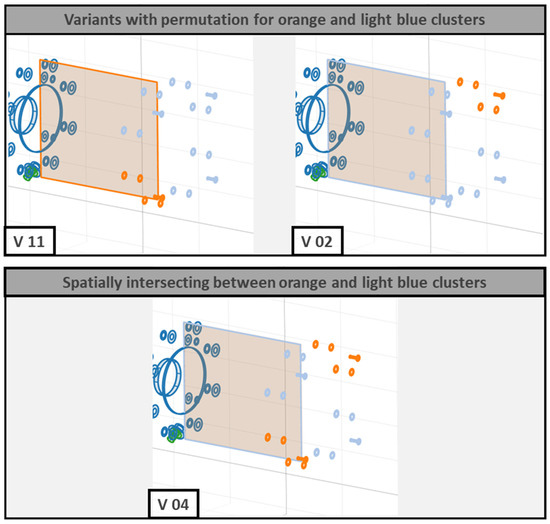
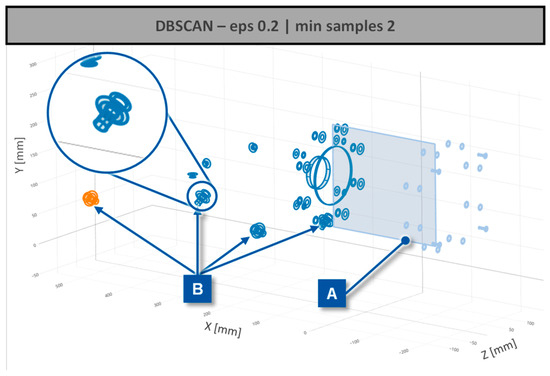
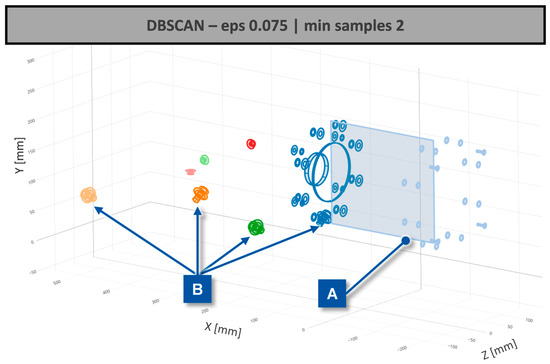
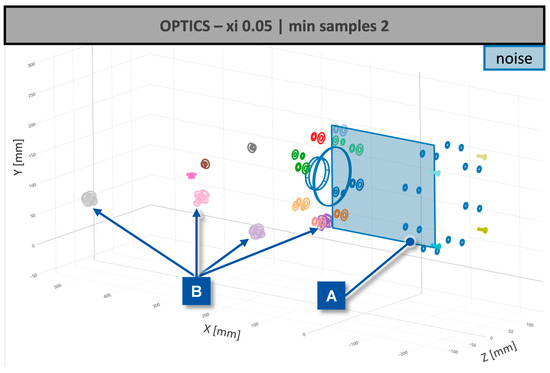
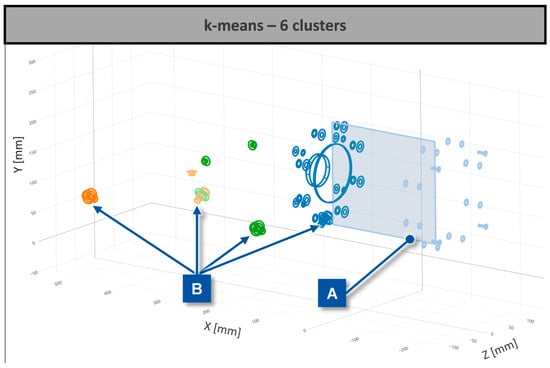
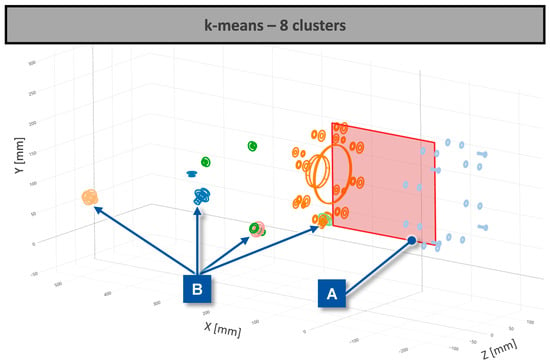
Additive manufacturing (AM) is steadily evolving from a prototyping into a manufacturing technology, enabling new approaches to product design. However, this increased design freedom also increases the number of feasible component partitioning and component consolidation variants for a product. These variants are hereafter referred to as design variants. Existing approaches for partitioning and consolidating components are applicable to products with existing component data. These approaches rely on analyzing properties, functional or active surfaces, and CAD geometries of existing components to identify improved design variants. However, in early or greenfield product development, such data of existing components is limited. These approaches as well as other design for additive manufacturing (DfAM) approaches use active surfaces to (a) describe functionally required geometries of the product and (b) provide an initial basis for embodiment design. Consequently, when no complete CAD geometries are available, active surfaces can serve as a suitable basis for generating design variants. A key challenge is to identify meaningful groups of active surfaces that form candidates for components. Such groups must satisfy product requirements and realize the intended functions. As the creation and validation of the active surface groups of one design variant are time-consuming, a manual exploration of all design variants is not feasible. Therefore, this contribution proposes a proof of concept for an algorithm for the automatic identification of valid groups of active surfaces. It uses machine-readable product data from a Model-Based Systems Engineering (MBSE) system model with active surfaces. Applying the algorithm to the case of an electro-hydraulic actuator (EHA) shows that multiple variants of valid active surface groups can be identified with a timeframe of around 1 min per design variant. This provides a basis for systematic exploration of design variants in design for additive manufacturing.
Full article
(This article belongs to the Section Systems Engineering)
►▼
Show Figures

Figure 1
Open AccessArticle
Conceptualizing EdD Programs from a Systems Thinking Lens
by
Tiina Itkonen and Andrea J. Bingham
Systems 2026, 14(9), 1187; https://doi.org/10.3390/systems14091187 - 21 Sep 2026
Abstract
This conceptual paper presents an exploratory, systems-oriented model for the design of Doctor of Educational Leadership (EdD) programs. Drawing on an institutional self-study of a newly implemented EdD program at a Hispanic Serving Institution in California, we use curriculum mapping to examine how
[...] Read more.
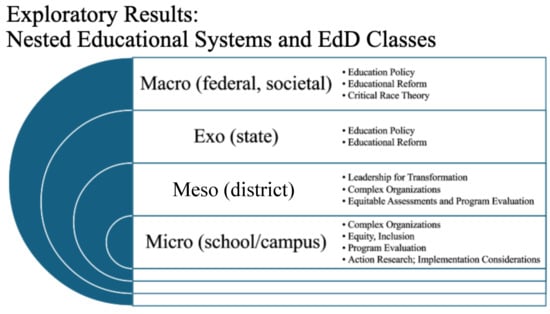
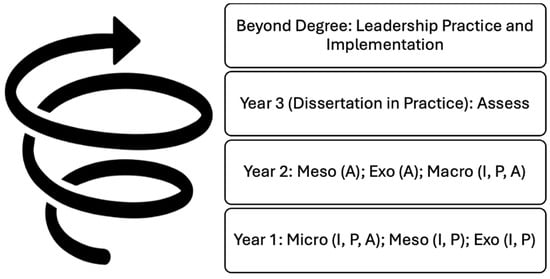
This conceptual paper presents an exploratory, systems-oriented model for the design of Doctor of Educational Leadership (EdD) programs. Drawing on an institutional self-study of a newly implemented EdD program at a Hispanic Serving Institution in California, we use curriculum mapping to examine how systems thinking can be embedded across coursework, assessments, and program milestones. Specifically, we map Program Learning Outcomes, course objectives, and key assessments to micro-, meso-, exo-, and macro-level systems to illustrate an intended scaffolded progression in engagement in systems thinking. The analysis highlights the potential value of integrating systems thinking not as a discrete course, but as a macro-level organizing framework across the degree. The manuscript’s primary contribution is conceptual and methodological: it offers a program-level framework for integrating systems thinking across an EdD curriculum and a curriculum mapping approach that other programs may adapt to examine their own program design. The model may also inform state-level administrators and policymakers shaping expectations for leadership preparation. As an analysis of intended curriculum and program design, the study does not evaluate student learning outcomes or program effectiveness.
Full article
(This article belongs to the Special Issue Advancing Systems Thinking in Higher Education: Frameworks, Pedagogies, Interdisciplinary Practices and Challenges)
►▼
Show Figures

Figure 1
Open AccessArticle
Comprehensive Unit Price Estimation for Temporary ShipRepair Based on an LSTM–PPO Algorithm
by
Zhi-Yin Wang, Li Xie, Xiang-Ping Yin and Peng-Fei Zhang
Systems 2026, 14(9), 1186; https://doi.org/10.3390/systems14091186 - 21 Sep 2026
Abstract
Cost settlement for temporary repair of ship equipment is characterized by lengthy ex post audits and the lack of a directly quotable pricing benchmark. Given the intertwined effects of tight schedules, holiday wage premiums, and fluctuating resource availability—and the consequent need for historical
[...] Read more.
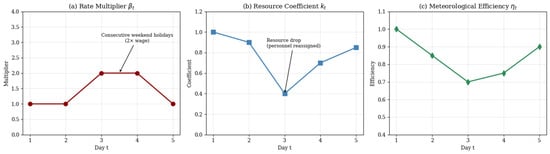
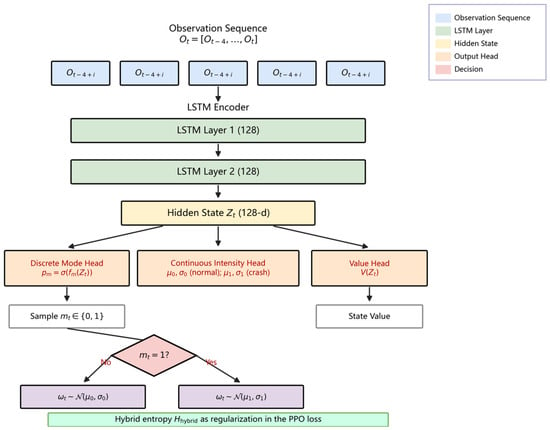
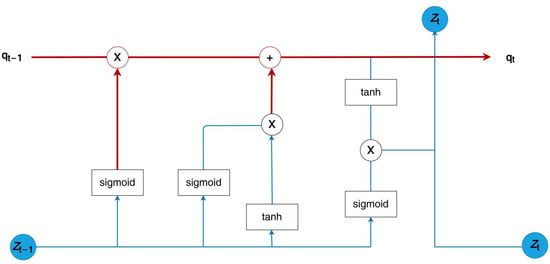
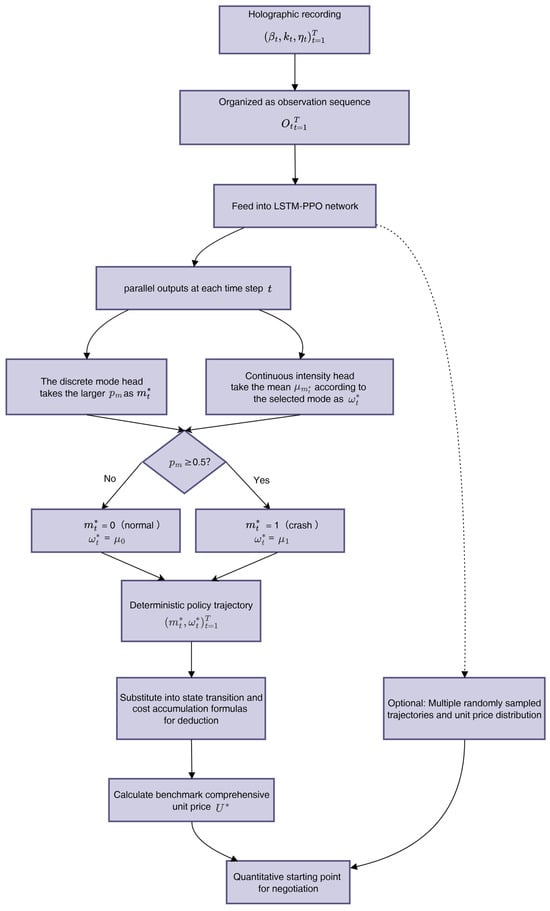
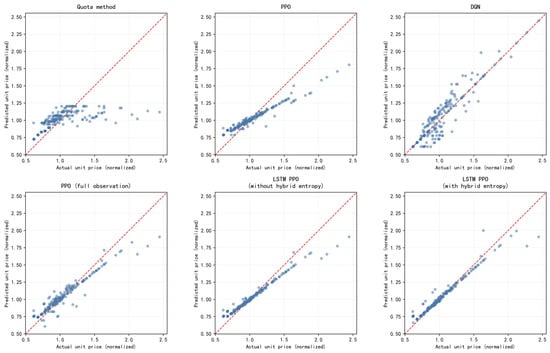
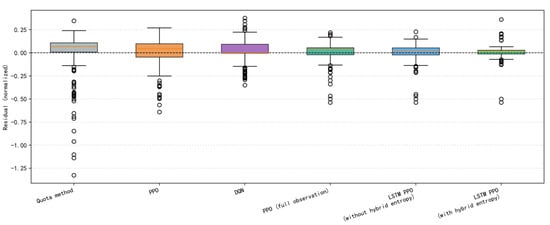
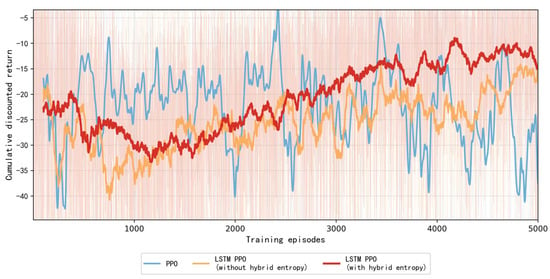
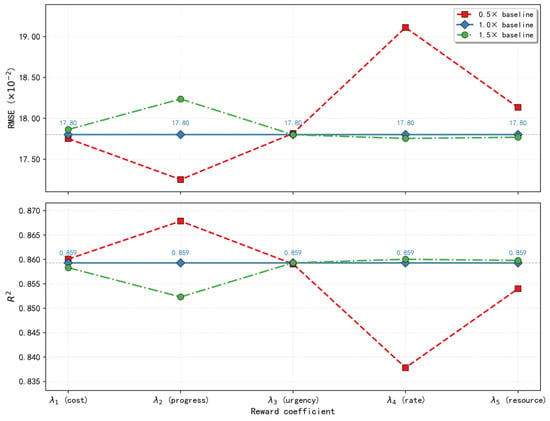
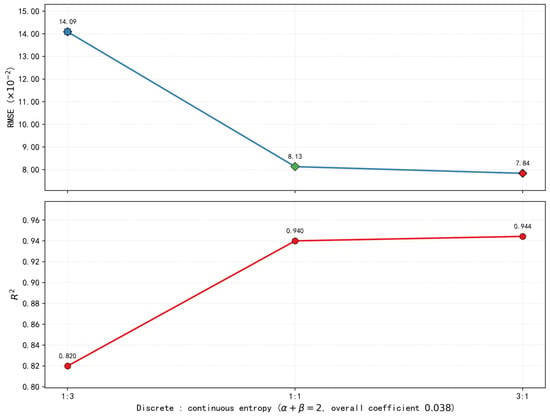
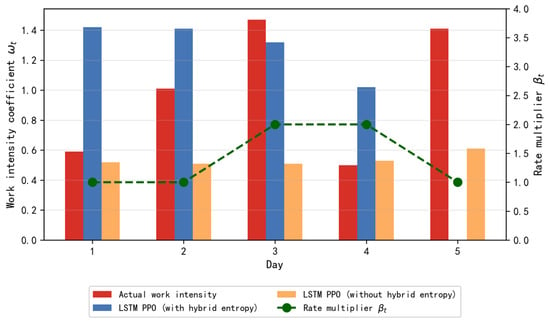
Cost settlement for temporary repair of ship equipment is characterized by lengthy ex post audits and the lack of a directly quotable pricing benchmark. Given the intertwined effects of tight schedules, holiday wage premiums, and fluctuating resource availability—and the consequent need for historical memory and foresight in the model—an LSTM–PPO comprehensive unit price estimation model is developed. Because a standard Markov decision process cannot distinguish different historical paths or exploit forward-looking information, the problem is formulated as a finite-horizon partially observable Markov decision process (FH-POMDP), with a corresponding observation vector and a composite reward function. To capture time-varying holiday rates and the path dependence of historical trajectories, an LSTM encodes the full observation sequence and, through its gating mechanism, fuses historical trajectories with temporal changes in holiday windows in the hidden state, enabling the policy to anticipate rate shifts and allocate labor input in advance. For the hybrid action space of daily mode selection and intensity adjustment, hybrid entropy regularization is introduced to discourage premature collapse onto a single mode preference early in training and to improve robustness across diverse scenarios. Experiments show that the proposed method produces benchmark unit prices with smaller deviations from actual settlement prices than the baselines on the test set, and that it can discriminate holiday windows with different rate multipliers and resource conditions, thereby providing technical support for the ex post settlement of emergency support funds.
Full article
(This article belongs to the Section Systems Engineering)
►▼
Show Figures

Figure 1
Open AccessArticle
Data Assetization and Corporate Sustainable Development Performance: A Data Governance Perspective for Sustainable Digital Transformation
by
Qun Wang and Shanyue Jin
Systems 2026, 14(9), 1185; https://doi.org/10.3390/systems14091185 - 20 Sep 2026
Abstract
As intelligent technologies become embedded in corporate operations, data are evolving from business by-products into strategic resources for decision-making and value creation. Yet expanding data volumes do not automatically generate sustainable value. Firms must govern, integrate, and deploy dispersed data as organizational assets.
[...] Read more.
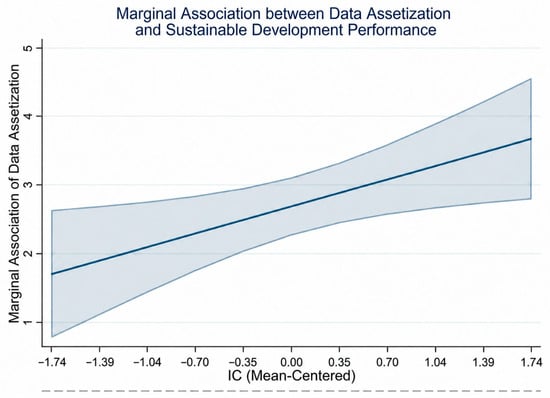
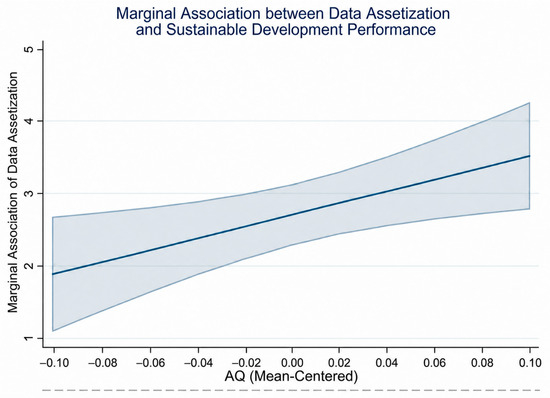
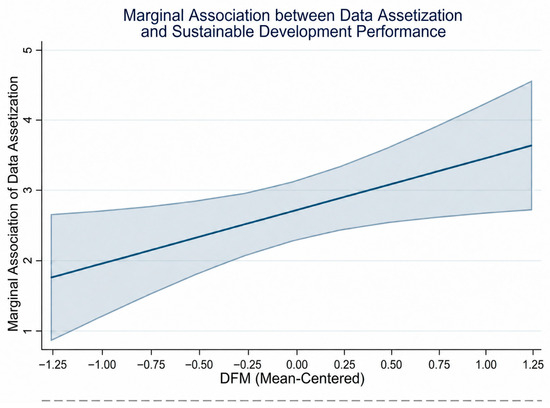
As intelligent technologies become embedded in corporate operations, data are evolving from business by-products into strategic resources for decision-making and value creation. Yet expanding data volumes do not automatically generate sustainable value. Firms must govern, integrate, and deploy dispersed data as organizational assets. Data assetization constitutes this transformation, linking digital transformation with corporate sustainable development, yet its performance implications and boundary conditions remain underexplored. Drawing on resource orchestration theory, the institution-based view, corporate governance theory, and principal–agent theory, this study analyzes 29,005 firm-year observations from Chinese A-share listed firms during 2015–2024. The study constructs a BERT-based contextual measure of data assetization and estimates two-way fixed-effects models. Data assetization is positively associated with sustainable development performance, and the finding remains robust to alternative measures, sample adjustments, and a lagged specification. This association is stronger under higher data factor marketization, internal control quality, and audit quality, and among non-state-owned and high-technology firms. Both own-use- and transaction-oriented data assetization are positively associated with performance, with the latter association significantly stronger. This study reframes sustainable digital transformation as a data governance process, identifies multilevel institutional and governance boundary conditions, and provides a context-sensitive measure. The findings inform corporate data governance and data-market policy.
Full article
(This article belongs to the Topic Sustainable Digital Transformation: Integrating Economic, Technological, and Societal Perspectives)
►▼
Show Figures

Figure 1
Open AccessArticle
Artificial Intelligence Adoption and Corporate Data Assetization: A Systems Perspective on Data-Driven Value Creation—Evidence from Chinese Listed Firms
by
Xiaochuan Guo, Wenfu Li and You Chen
Systems 2026, 14(9), 1184; https://doi.org/10.3390/systems14091184 - 20 Sep 2026
Abstract
Based on data from Chinese A-share listed companies from 2018 to 2024, this study examines the impact of artificial intelligence (AI) adoption on corporate data assetization and underlying mechanisms from a systems perspective. The findings reveal that AI adoption is significantly and positively
[...] Read more.
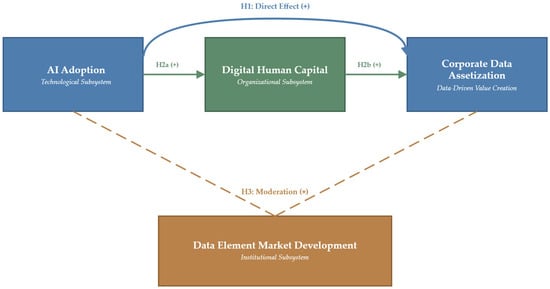
Based on data from Chinese A-share listed companies from 2018 to 2024, this study examines the impact of artificial intelligence (AI) adoption on corporate data assetization and underlying mechanisms from a systems perspective. The findings reveal that AI adoption is significantly and positively associated with corporate data assetization, robust to firm fixed effects, propensity score matching, instrumental variable estimation, and COVID-19 exclusion. Mediation analysis indicates that digital human capital is a mediating channel, while the market-based allocation of data factors exhibits a directionally positive but statistically weak moderating effect. Heterogeneity analysis further reveals that the AI–data assetization effect is largely universal across ownership, technology intensity, competition, and region, with the sole statistically significant boundary being a stronger effect in non-manufacturing than manufacturing. This study reveals how technological application, organizational capabilities, and the institutional environment form an interconnected system that jointly shapes data assetization. Fuzzy-set qualitative comparative analysis (fsQCA) reveals that the conjunction of high AI adoption, strong digital human capital, and advanced data marketization is sufficient for high data assetization, corroborating the configurational systems perspective. It provides micro-level evidence on how AI empowers corporate value creation in the digital economy.
Full article
(This article belongs to the Section Systems Practice in Social Science)
►▼
Show Figures

Figure 1
Open AccessArticle
ML-Enhanced Simulation for Industry 4.0: Integrating Heterogeneous Systems via Communication Infrastructure
by
Elisabeth Hoecker, Reinhard Bernsteiner, Christian Ploder and Michael Kohlegger
Systems 2026, 14(9), 1183; https://doi.org/10.3390/systems14091183 - 20 Sep 2026
Abstract
Industry 4.0 depends on the ability to connect heterogeneous systems, yet students and practitioners rarely have a low-risk environment in which to practice this kind of systems integration. This article presents a virtual-prototyping architecture developed and tested, linking a discrete-event simulation tool with
[...] Read more.
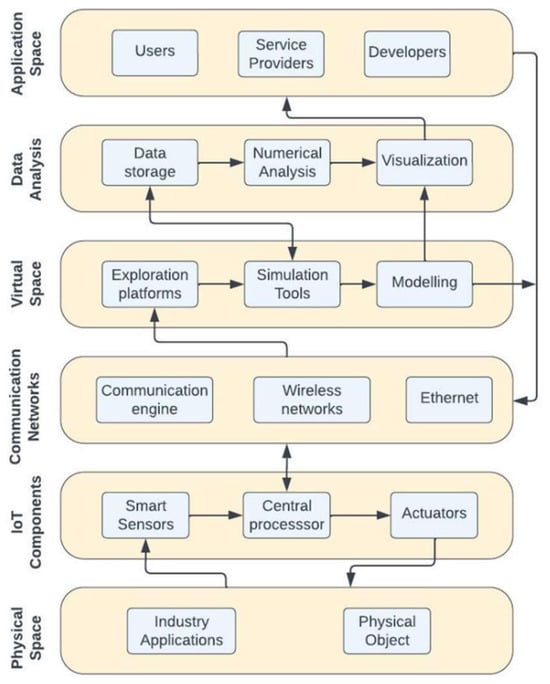
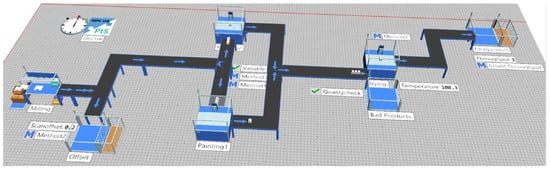
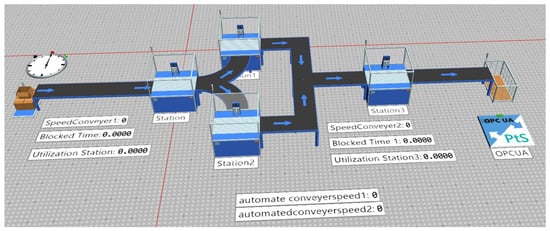
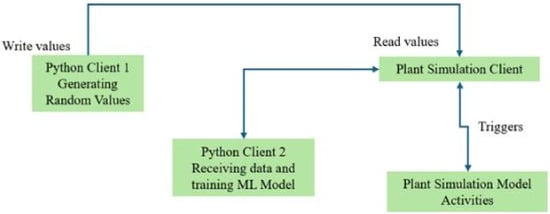
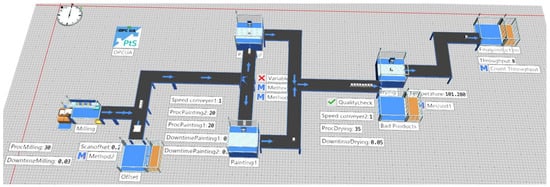
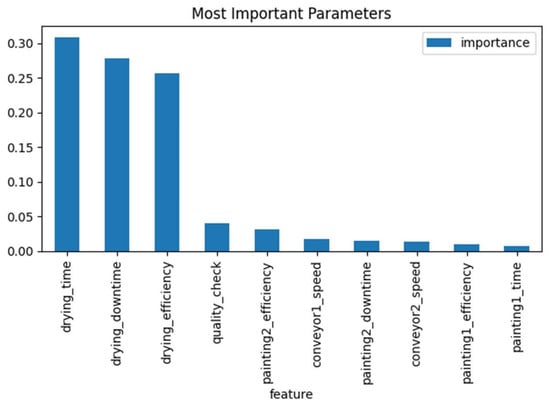
Industry 4.0 depends on the ability to connect heterogeneous systems, yet students and practitioners rarely have a low-risk environment in which to practice this kind of systems integration. This article presents a virtual-prototyping architecture developed and tested, linking a discrete-event simulation tool with external machine learning models through industrial communication protocols. The resulting artifacts and method are a contribution to systems engineering education, practice, and development. A two-phase empirical virtual-prototyping approach was used. First, Open Platform Communications Unified Architecture and Message Queuing Telemetry Transport were prototyped and compared as communication layers between Siemens Tecnomatix Plant Simulation and Python-based machine learning clients. Second, for this project, the more suitable protocol was applied to three increasingly complex use cases, addressing automated guided vehicle capacity, conveyor speed control, and process bottleneck identification. The use cases were assessed against the Technology Readiness Level scale. Open Platform Communications Unified Architecture provided reliable, real-time, bidirectional data exchange, while Message Queuing Telemetry Transport proved less stable for this application. The three use cases each demonstrated feasible simulation-machine learning integration, and the overall prototype reached Technology Readiness Level 4. Beyond its contribution to I4.0 practice, the staged research design, the use of Technology Readiness Levels as a maturity and reflection instrument, and the low-cost, risk-free nature of virtual prototyping constitute a transferable pedagogical pattern for systems engineering curricula, capstone projects, and competency-based training.
Full article
(This article belongs to the Special Issue Systems Engineering Education: Design, Practice and Development)
►▼
Show Figures

Figure 1
Open AccessArticle
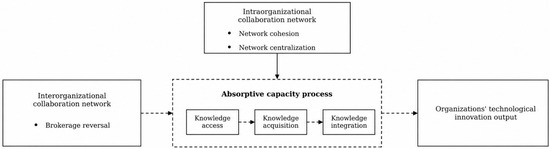
Brokerage Reversal in Interorganizational Collaboration Networks and Organizations’ Technological Innovation Output: The Moderating Role of Intraorganizational Collaboration Networks
by
Chongfeng Wang, Rui Sun and Jie Xu
Systems 2026, 14(9), 1182; https://doi.org/10.3390/systems14091182 - 20 Sep 2026
Abstract
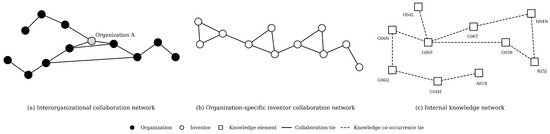
This study examines the relationship between brokerage reversal in interorganizational collaboration networks and organizations’ technological innovation output, as well as the moderating roles of cohesion and centralization in intraorganizational collaboration networks. Using artificial intelligence (AI) patent data from the United States Patent and
[...] Read more.
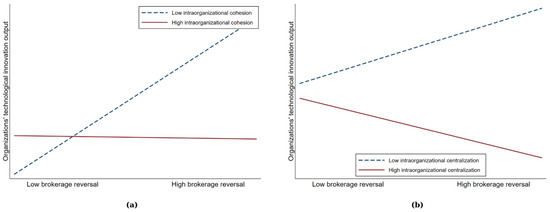
This study examines the relationship between brokerage reversal in interorganizational collaboration networks and organizations’ technological innovation output, as well as the moderating roles of cohesion and centralization in intraorganizational collaboration networks. Using artificial intelligence (AI) patent data from the United States Patent and Trademark Office covering the period from 1976 to 2023, we construct annual interorganizational and intraorganizational collaboration networks based on patent co-application among organizations and among inventors affiliated with each focal organization, respectively. The results of negative binomial regression analyses show that brokerage reversal in interorganizational collaboration networks is positively associated with organizations’ technological innovation output, whereas intraorganizational collaboration network cohesion and centralization negatively moderate this relationship. Practically, these findings suggest that monitoring changes in interorganizational collaboration network positions while considering intraorganizational collaboration structures may help organizations understand the conditions under which such network dynamics are associated with technological innovation output.
Full article
(This article belongs to the Section Systems Practice in Social Science)
►▼
Show Figures

Figure 1
Open AccessArticle
Systems Thinking Pedagogy and Praxis: Course Design to Support Clarity in Purpose
by
Hannah H. Scherer
Systems 2026, 14(9), 1181; https://doi.org/10.3390/systems14091181 - 20 Sep 2026
Abstract
Calls for supporting systems thinking across the educational spectrum and in diverse formal and non-formal educational and community contexts are pervasive. Educators can leverage systems thinking to support learners and participants in myriad ways, but this demands clarity of purpose and quality instructional
[...] Read more.
Calls for supporting systems thinking across the educational spectrum and in diverse formal and non-formal educational and community contexts are pervasive. Educators can leverage systems thinking to support learners and participants in myriad ways, but this demands clarity of purpose and quality instructional design. I developed a novel, interdisciplinary graduate course, titled Systems Thinking Pedagogy and Praxis, to support current and future educators in this work. Drawing graduate students from diverse fields, the course is structured as an interdisciplinary learning community, centering the systems of interest to students throughout. Class activities and discussions help students to (1) differentiate foundational complex systems ideas and systems thinking perspectives and (2) evaluate a range of systems approaches for their utility in educational and community contexts. Through modeling, experience, and reflection, students are supported in their ability to implement teaching and learning strategies for promoting systems thinking in their own practice. Major course assignments were developed to support students in designing an educational intervention or tool to foster systems thinking in a real-world educational and/or community context. Educators and faculty developers in higher education can use strategies from this course and the backward design approach in a variety of disciplinary contexts.
Full article
(This article belongs to the Special Issue Advancing Systems Thinking in Higher Education: Frameworks, Pedagogies, Interdisciplinary Practices and Challenges)
Open AccessArticle
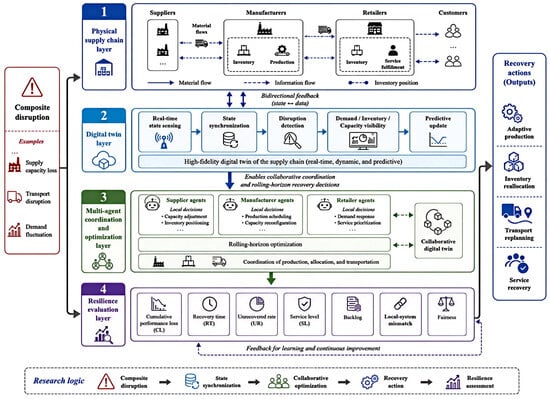
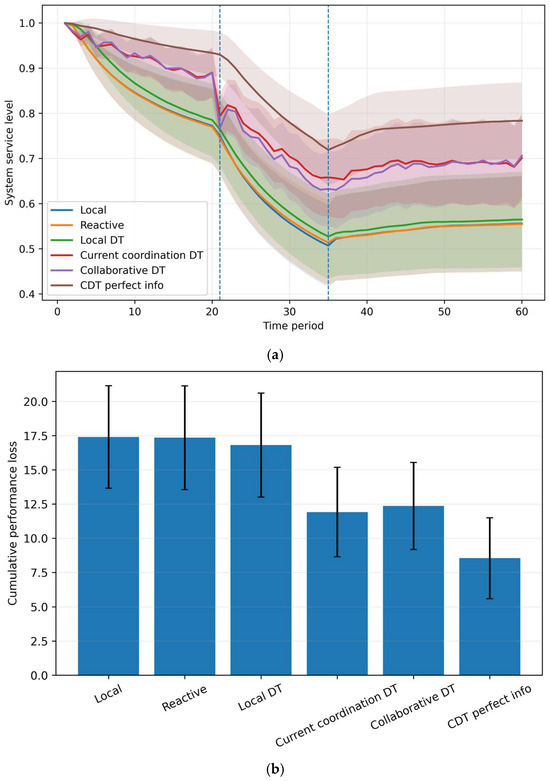
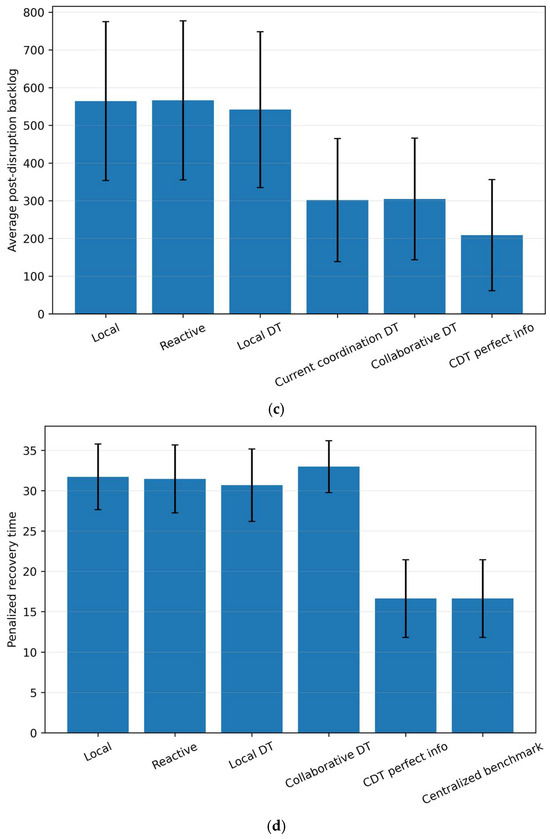
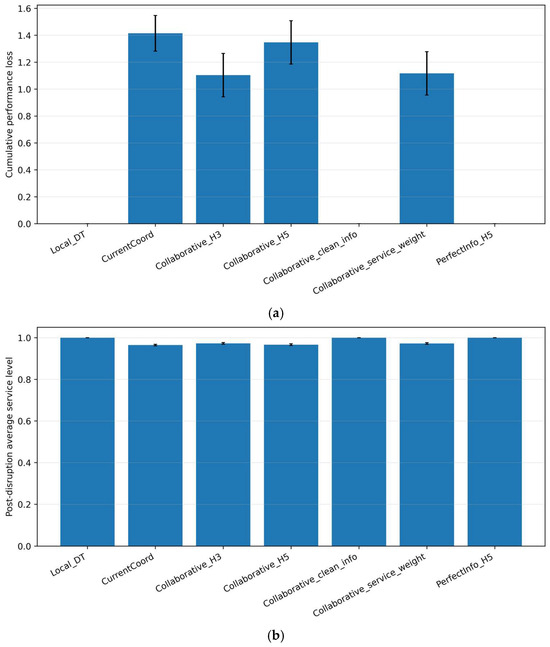
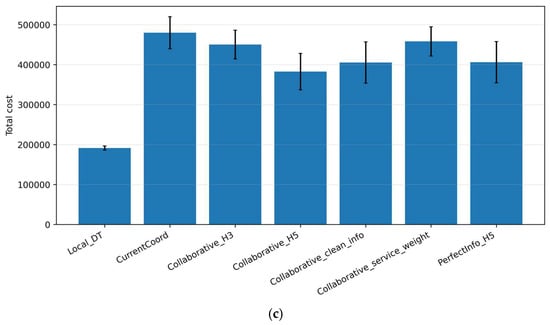
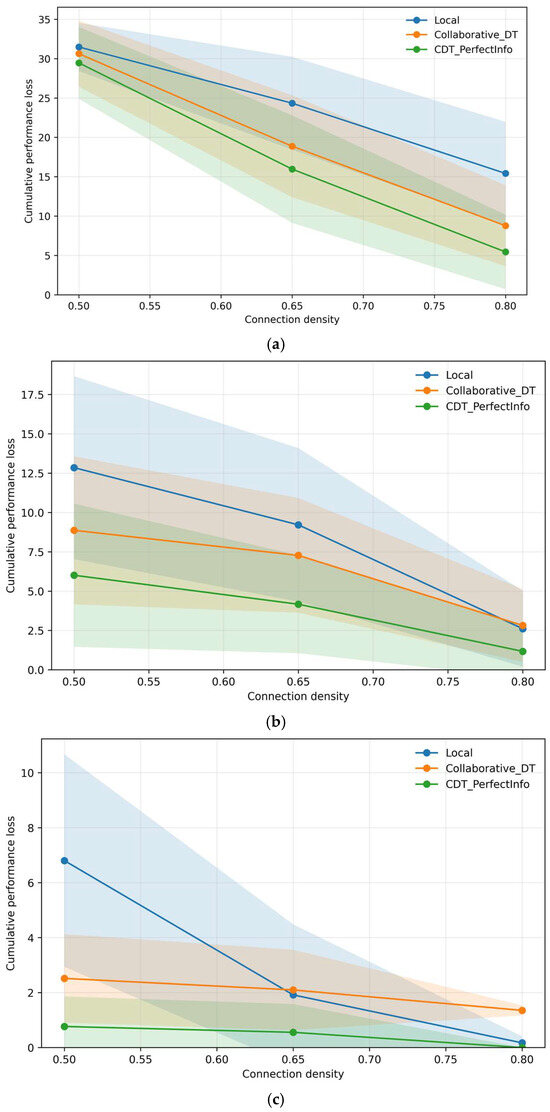
Digital Twin-Driven Coordination of Multi-Level Supply Chain Resilience: Rolling Optimization of Local Recovery Decisions and System Resilience
by
Jiaqi Fang, Shuzhen Wang and Lihui Xiong
Systems 2026, 14(9), 1180; https://doi.org/10.3390/systems14091180 - 20 Sep 2026
Abstract
Local recovery decisions made by individual supply chain members may improve node-level performance. Such improvements do not necessarily enhance system-level resilience. This study examines how information generated by a digital supply chain twin can be translated into coordinated recovery decisions. The study assesses
[...] Read more.
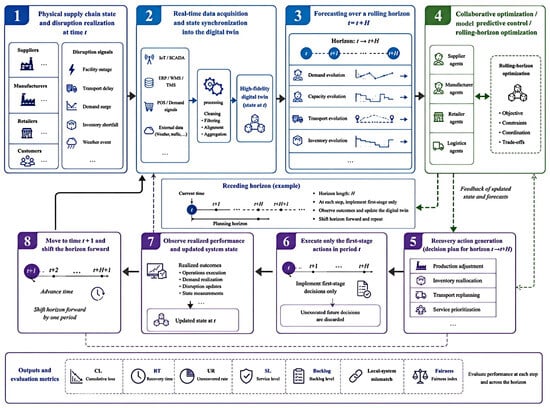
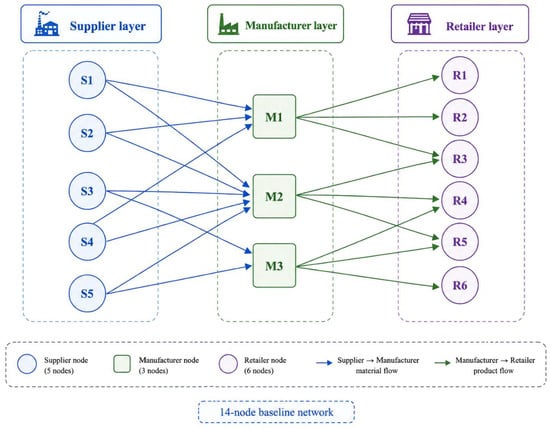
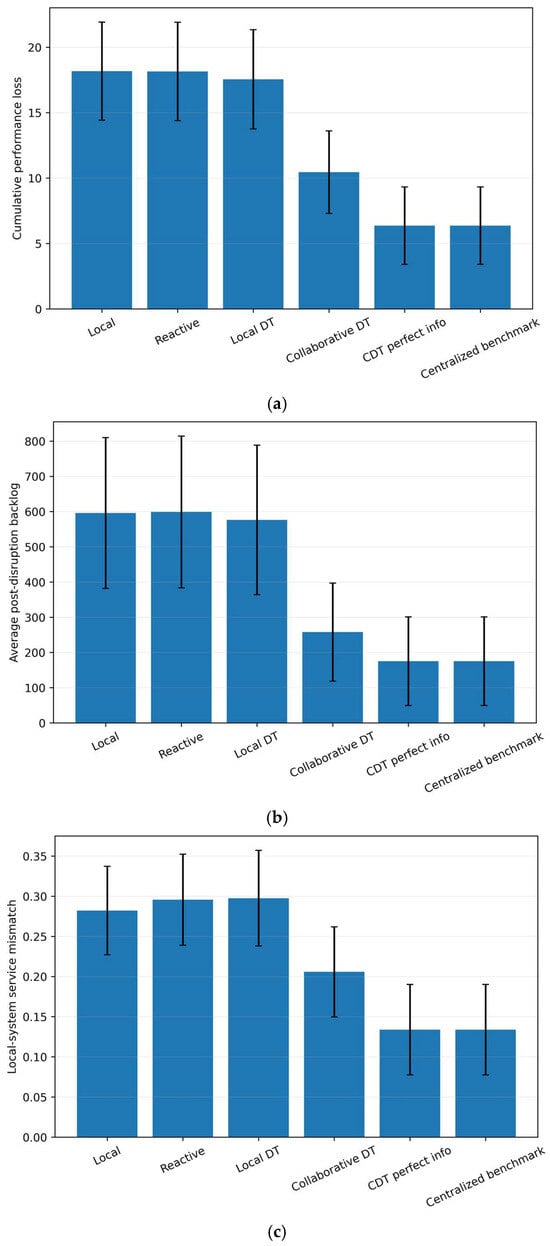
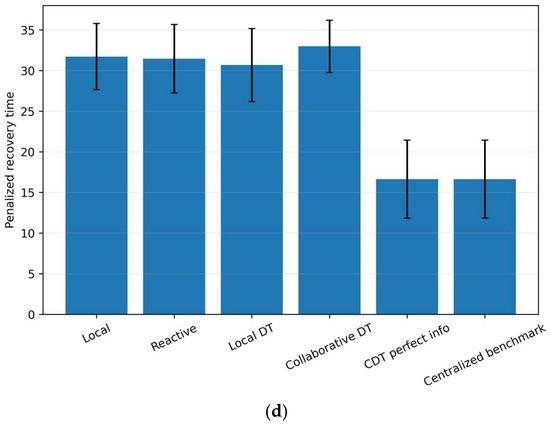
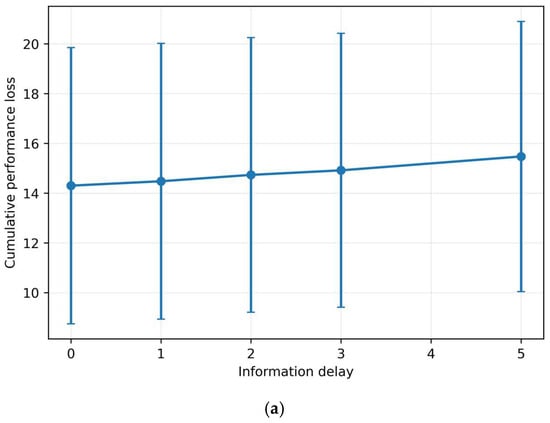
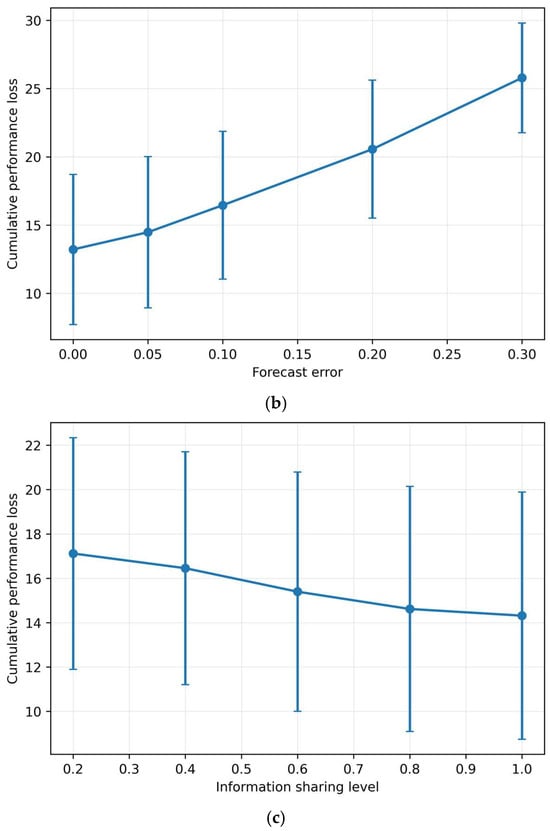
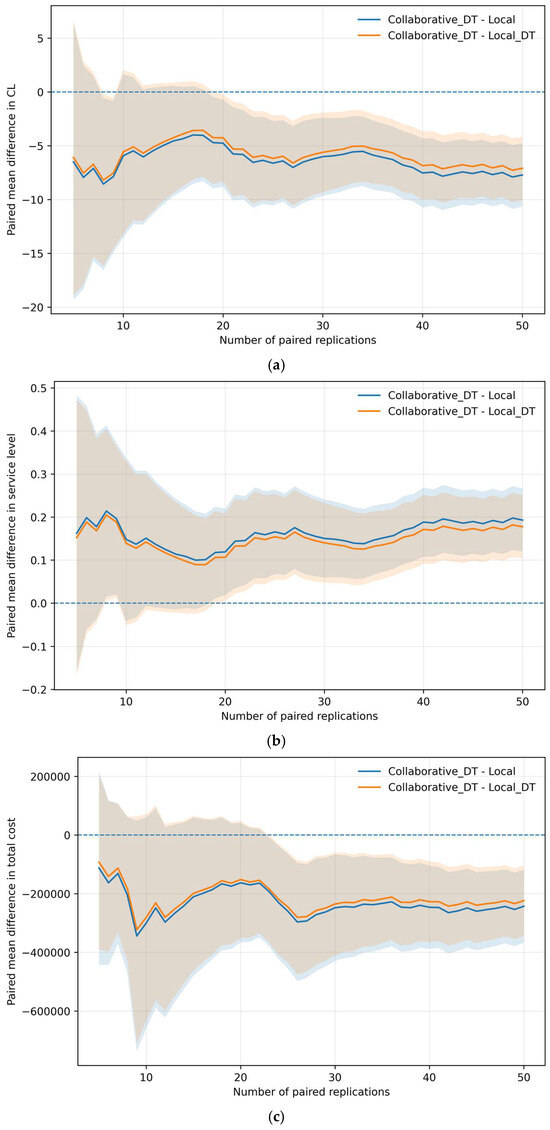
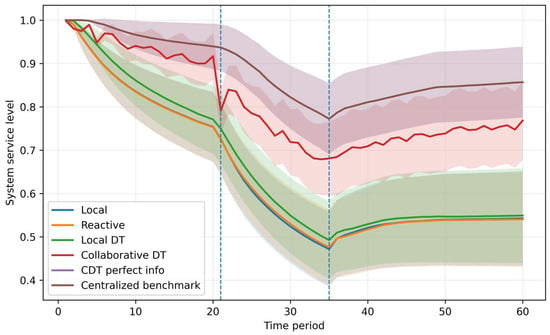
Local recovery decisions made by individual supply chain members may improve node-level performance. Such improvements do not necessarily enhance system-level resilience. This study examines how information generated by a digital supply chain twin can be translated into coordinated recovery decisions. The study assesses whether such coordination can mitigate the mismatch between local recovery and system-level resilience. A digital twin-driven multi-agent simulation–optimization framework is developed to integrate state synchronization, causal forecasting, cross-node coordination, and rolling-horizon feedback within a common physical execution environment. Seven recovery strategies are evaluated through a structured capability comparison, functional ablation, information-quality sensitivity analysis, network-structure robustness tests, and paired statistical inference. The results show that the transition from decentralized local decision-making to a system-level coordinated optimization architecture produces the largest resilience improvement among the architecture transitions examined. Local prediction alone provides only limited gains. Rolling-horizon prediction and feedback provide conditional incremental value, primarily through improved intertemporal cost control rather than uniform improvements across all resilience indicators. Information delays and prediction errors weaken coordination effectiveness, while greater effective utilization of the latest available operational information generally improves recovery outcomes. Network structure further shapes the value of coordination: sparse networks constrain its effectiveness through insufficient alternatives, whereas high redundancy reduces its marginal value, with moderately redundant networks providing the clearest scope for coordination gains. This study conceptualizes the digital supply chain twin as an information-to-coordination mechanism. The mechanism links local recovery decisions with system-level resilience. The study clarifies the mechanisms and boundary conditions under which digital twin-driven coordination contributes to supply chain recovery.
Full article

(This article belongs to the Special Issue Modeling and Optimization for Resilient and Sustainable Global Supply Chains)
►▼
Show Figures

Figure 1
Open AccessArticle
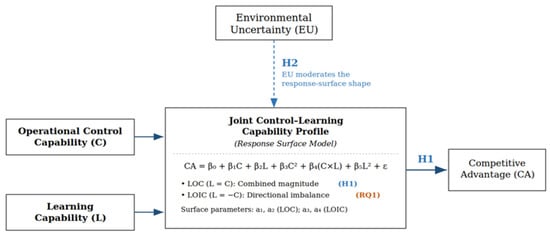
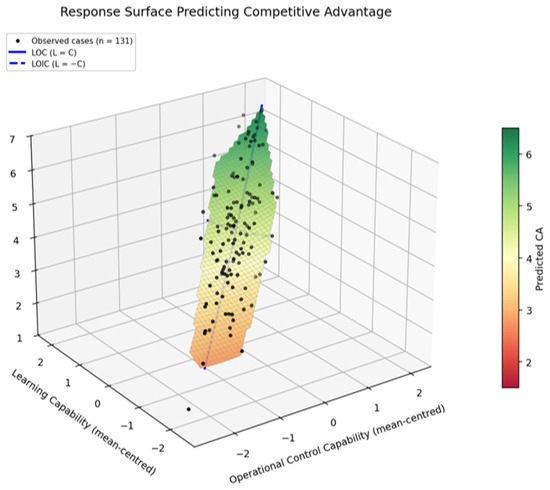
Joint Development of Operational Control and Learning Is Associated with Competitive Advantage in Export Manufacturing SMEs
by
Segu Oh and Jun-Seok Seo
Systems 2026, 14(9), 1179; https://doi.org/10.3390/systems14091179 - 20 Sep 2026
Abstract
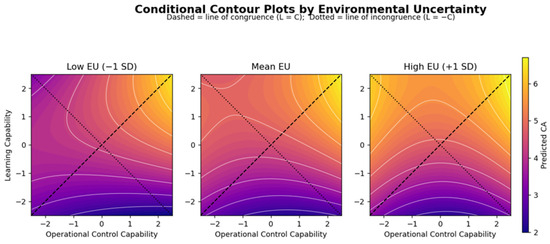
Manufacturing firms must maintain reliable operations while adapting to changing technologies, markets, and customer requirements. This study examines how operational control and learning capabilities jointly relate to firm performance in export-oriented manufacturing SMEs. Survey data from 131 Korean export manufacturing SMEs were analyzed
[...] Read more.
Manufacturing firms must maintain reliable operations while adapting to changing technologies, markets, and customer requirements. This study examines how operational control and learning capabilities jointly relate to firm performance in export-oriented manufacturing SMEs. Survey data from 131 Korean export manufacturing SMEs were analyzed using polynomial regression and response surface analysis, with percentile bootstrap confidence intervals based on 10,000 replications. Competitive advantage increased significantly as control and learning rose jointly, indicating a robust positive combined-magnitude pattern. By contrast, directional imbalance between the two capabilities was not reliably associated with competitive advantage, although pronounced imbalance was uncommon in the sample and therefore remains weakly identified. Nested model comparisons further showed that environmental uncertainty shifted the overall level of performance but did not significantly alter the shape of the control–learning response surface. The same level-versus-shape pattern was observed when innovation performance was used as an alternative outcome. These findings suggest that the joint development of operational control and learning is consistently associated with stronger performance, whereas the performance implications of relative imbalance require further investigation.
Full article
(This article belongs to the Section Systems Practice in Social Science)
►▼
Show Figures

Figure 1
Open AccessArticle
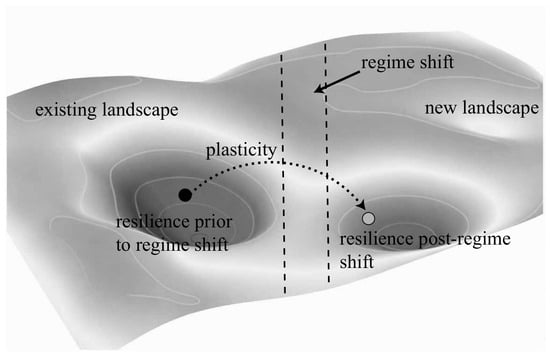
Inferring Supply Chain Plasticity from a Social–Ecological Systems Perspective: A Regime-Conditioned Probabilistic Framework
by
Zhigang Lu, Xinyao Feng and Hua Jiang
Systems 2026, 14(9), 1178; https://doi.org/10.3390/systems14091178 - 19 Sep 2026
Abstract
Supply chain plasticity (SCP) is a critical dynamic capacity through which firms respond to disruptions by reconfiguring their supply chains. Its latent, regime-dependent nature makes SCP difficult to identify. Grounded in a social–ecological systems view, this study aims to infer SCP endogenously from
[...] Read more.
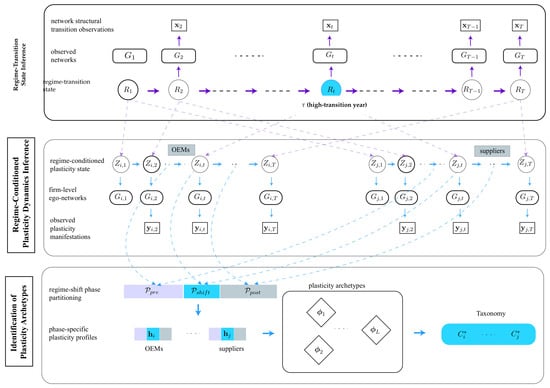
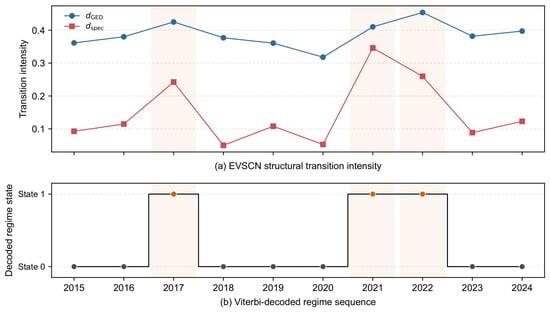
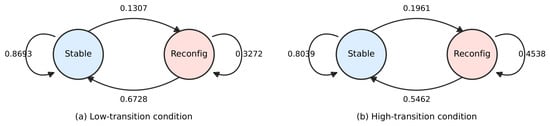
Supply chain plasticity (SCP) is a critical dynamic capacity through which firms respond to disruptions by reconfiguring their supply chains. Its latent, regime-dependent nature makes SCP difficult to identify. Grounded in a social–ecological systems view, this study aims to infer SCP endogenously from longitudinal supply chain networks by developing a regime-conditioned probabilistic framework (RCPF) that integrates graph-theoretic measures with latent-variable models. The framework enables the endogenous inference of regime-transition states, the tracing of firm-level SCP dynamics, and the identification of cross-firm SCP archetypes through three sequential probabilistic modules. Specifically, a hidden Markov model is specified to decode the latent regime-transition-state trajectory from the graph edit distance and spectral distance between consecutive network snapshots. Next, a regime-conditioned hidden Markov model is formulated to trace firms’ SCP dynamics from local relational adjustments and network positional variations, with latent-state transitions conditioned on the posterior distribution over the inferred regime-transition states. Finally, a finite mixture model is applied to identify interpretable SCP archetypes from phase-specific profiles constructed from firms’ posterior plasticity-state probabilities across regime-shift phases. Applied to China’s electric vehicle supply chain network, the framework identifies regime shifts aligned with disruptive developments and shows that regime-shift conditions increase the likelihood and persistence of firms’ structural reconfiguration. The inferred SCP archetypes reveal role-specific adaptation pathways and resilience outcomes, informing firms’ differentiated strategic responses to disruptions.
Full article
(This article belongs to the Topic Ecosystem-Based Adaptation: A Holistic Approach to Pursue Multiple Benefits)
►▼
Show Figures

Figure 1
Journal Menu
► ▼ Journal Menu-
- Systems Home
- Aims & Scope
- Editorial Board
- Topical Advisory Panel
- Instructions for Authors
- Special Issues
- Topics
- Sections & Collections
- Article Processing Charge
- Indexing & Archiving
- Most Cited & Viewed
- Journal Statistics
- Journal History
- Journal Awards
- Society Collaborations
- Conferences
- Editorial Office
Journal Browser
► ▼ Journal BrowserHighly Accessed Articles
Latest Books
E-Mail Alert
News
12 September 2026
MDPI Webinar | MDPI Topic Editor Club 2026—Social Sciences & Humanities Session, 15 September 2026
1 September 2026
MDPI INSIGHTS: The CEO’s Letter #38 – 2 Million Published Articles, Outstanding Reviewers, Michele Parrinello Award, AIS 2026 & WSF-12
Topics
Topic in
Electronics, Smart Cities, Systems, Economies
Recent Applications of Artificial Intelligence in Economy and Society
Topic Editors: Claudiu George Bocean, Anca Antoaneta Vărzaru, Domenico Ursino, Kah Phooi Seng, Dorel BerceanuDeadline: 30 November 2026
Topic in
Environments, Forests, Land, Sustainability, Urban Science, Systems
Ecosystem-Based Adaptation: A Holistic Approach to Pursue Multiple Benefits
Topic Editors: Angela Pilogallo, Zhimin Liu, Yevheniia VaryvodaDeadline: 15 December 2026
Topic in
Logistics, Sustainability, Systems, JMSE, Platforms
Digital Technologies in Supply Chain Risk Management
Topic Editors: Zongsheng Huang, Decui LiangDeadline: 31 December 2026
Topic in
Applied Sciences, Buildings, CivilEng, Infrastructures, Safety, Systems
Advancing Construction Safety and Health: Innovations and Strategies
Topic Editors: Hadi Sarvari, David J. Edwards, Timothy Olawumi, Frank GhansahDeadline: 15 February 2027
Conferences
Special Issues
Special Issue in
Systems
Systems Engineering Tools and Digital Twin Technologies for Industry 6.0
Guest Editor: Andrej ŠkrabaDeadline: 25 September 2026
Special Issue in
Systems
Systems Approaches in E-Commerce and Business Intelligence: Innovations and Applications
Guest Editors: Jong-min Kim, Rob Kim MarjerisonDeadline: 30 September 2026
Special Issue in
Systems
Risk Engineering in an Era of Global Uncertainty
Guest Editors: Thordur Vikingur Fridgeirsson, Helgi Thor Ingason, Haukur Ingi JónassonDeadline: 30 September 2026
Special Issue in
Systems
Modelling, Planning and Management of Sustainable Transport Systems: Second Edition
Guest Editor: Ewelina Sendek-MatysiakDeadline: 30 September 2026
Topical Collections
Topical Collection in
Systems
Collected papers from ISSS
Collection Editors: Javier Calvo-Amodio, David Rousseau