Article

CRISPR-Cas9 Mediated Gene-Silencing of the Mutant Huntingtin Gene in an In Vitro Model of Huntington’s Disease
1
Field Neurosciences Institute laboratory for Restorative Neurology at Central Michigan University, Mt. Pleasant, MI 48859, USA
2
Program in Neuroscience, Central Michigan University, Mt. Pleasant, MI 48859, USA
3
Department of Psychology, Central Michigan University, Mt. Pleasant, MI 48859, USA
4
Field Neurosciences Institute, St. Mary’s of Michigan, Saginaw, MI 48604, USA
5
Department of Biology, Saginaw Valley State University, Saginaw, MI 48604, USA
6
College of Medicine, Central Michigan University, Mt. Pleasant, MI 48859, USA
*
Author to whom correspondence should be addressed.
Int. J. Mol. Sci. 2017, 18(4), 754; https://doi.org/10.3390/ijms18040754
Submission received: 16 February 2017 / Revised: 23 March 2017 / Accepted: 26 March 2017 / Published: 2 April 2017
(This article belongs to the Section Biochemistry)

Abstract

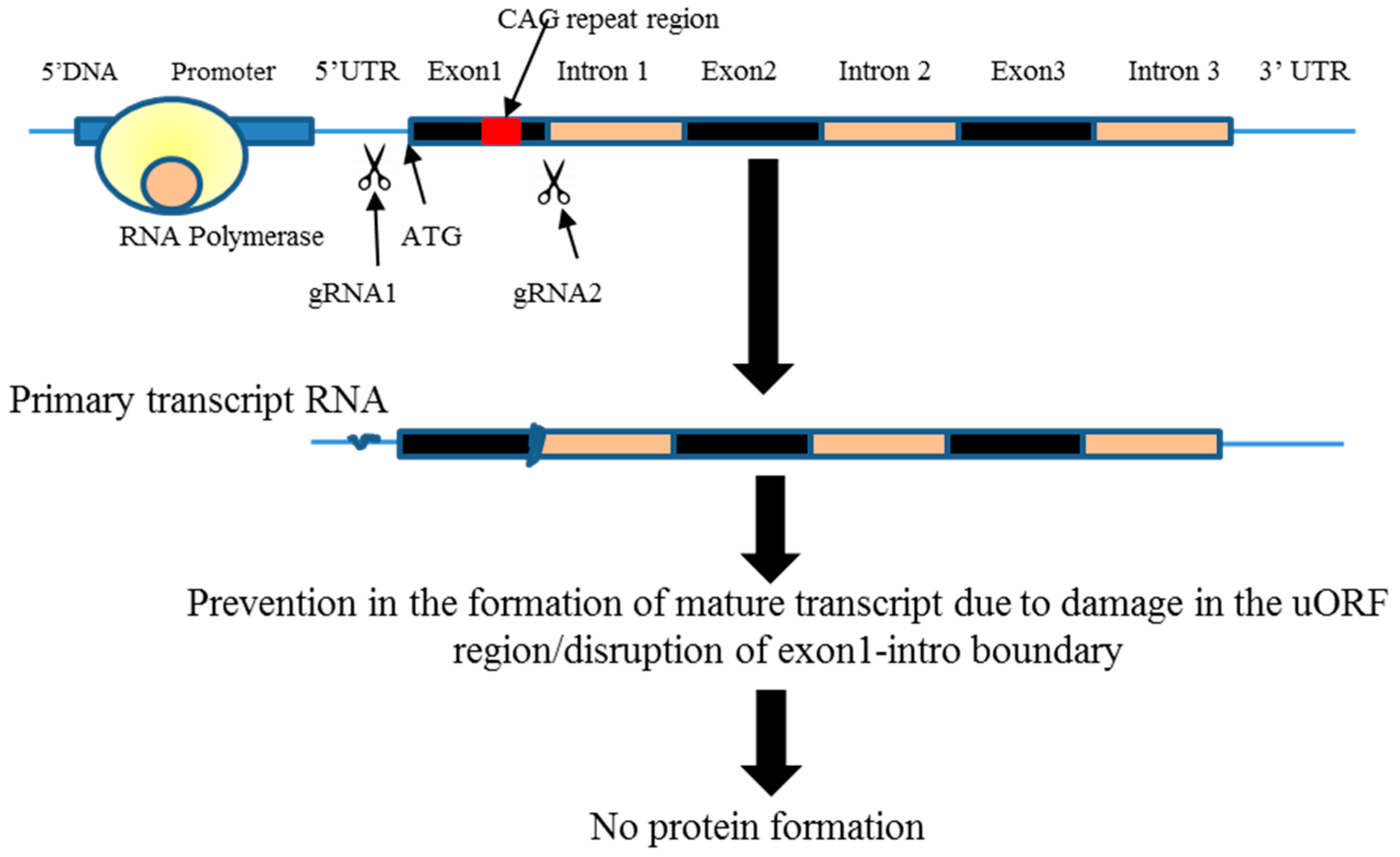
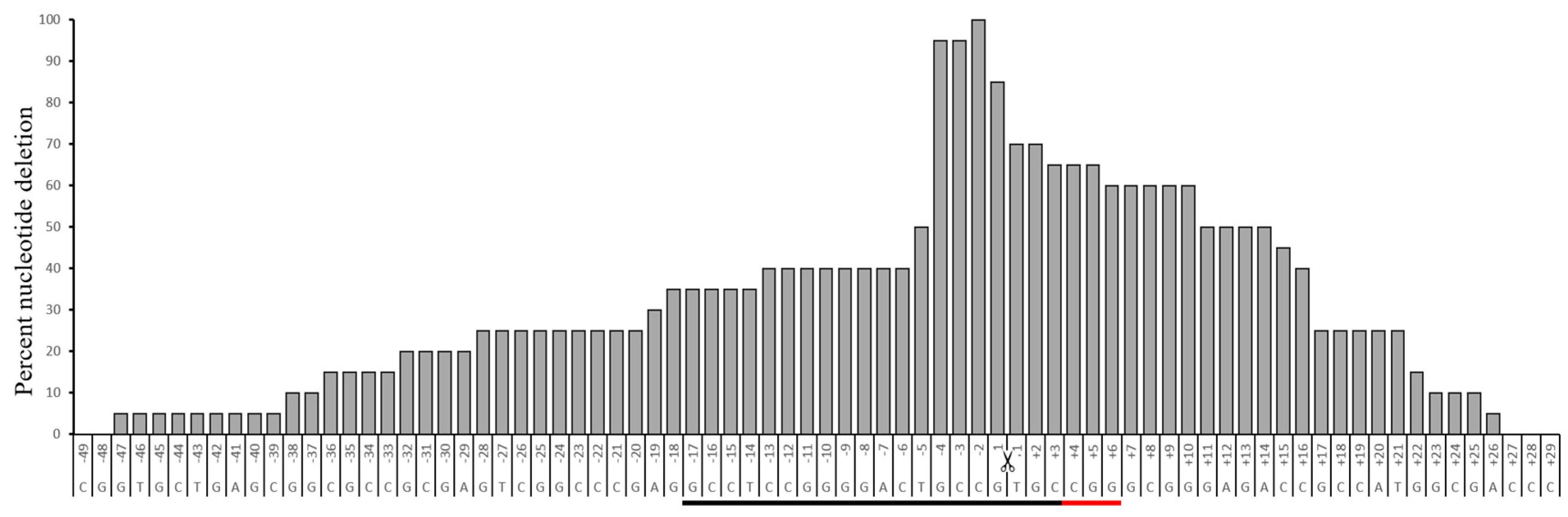
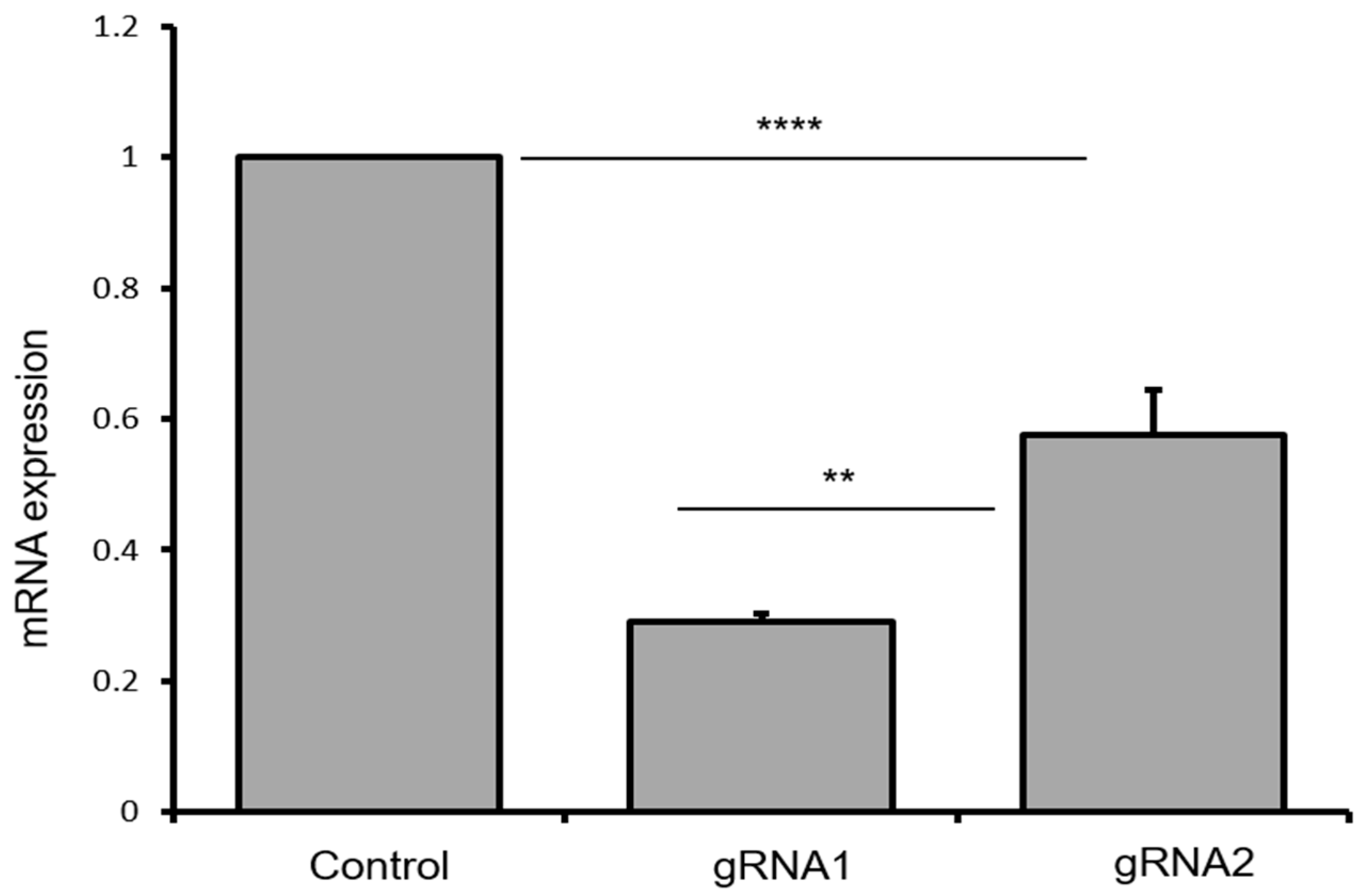
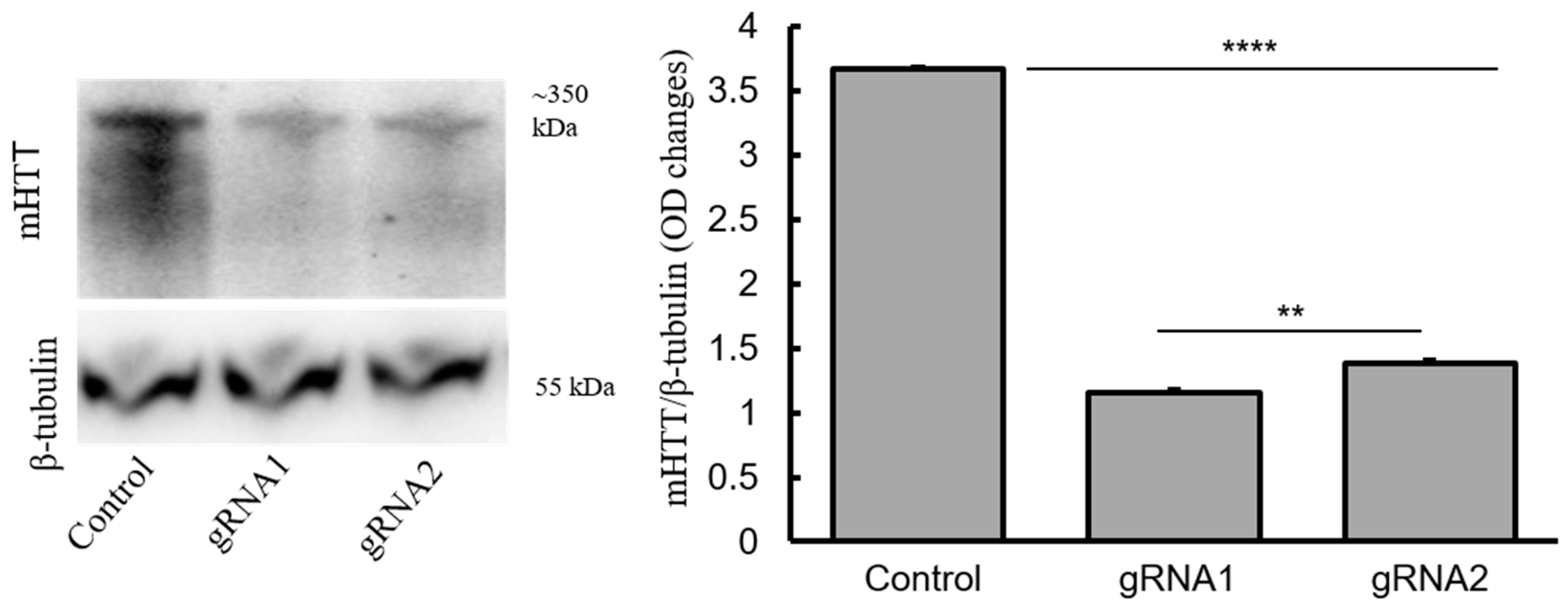
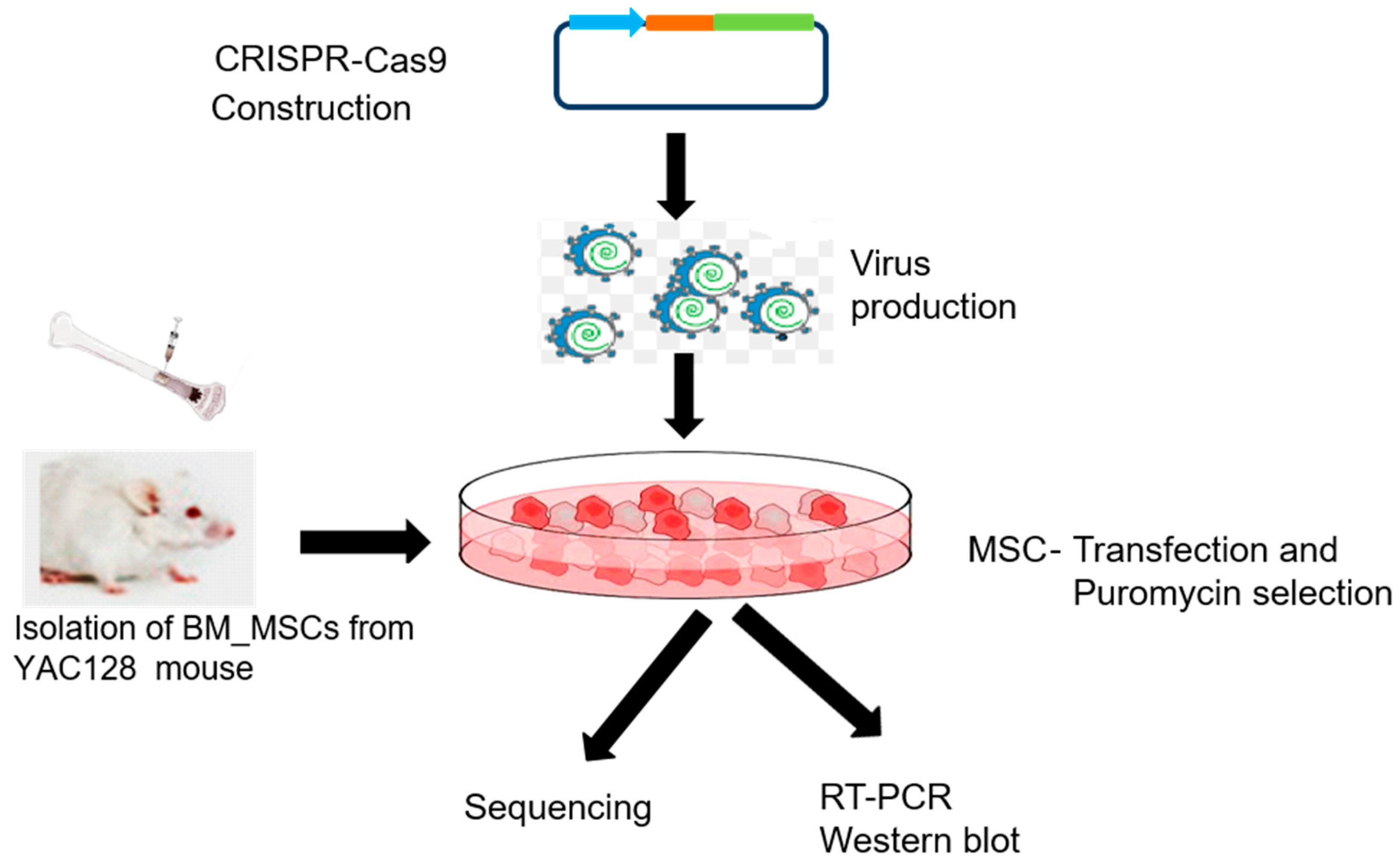
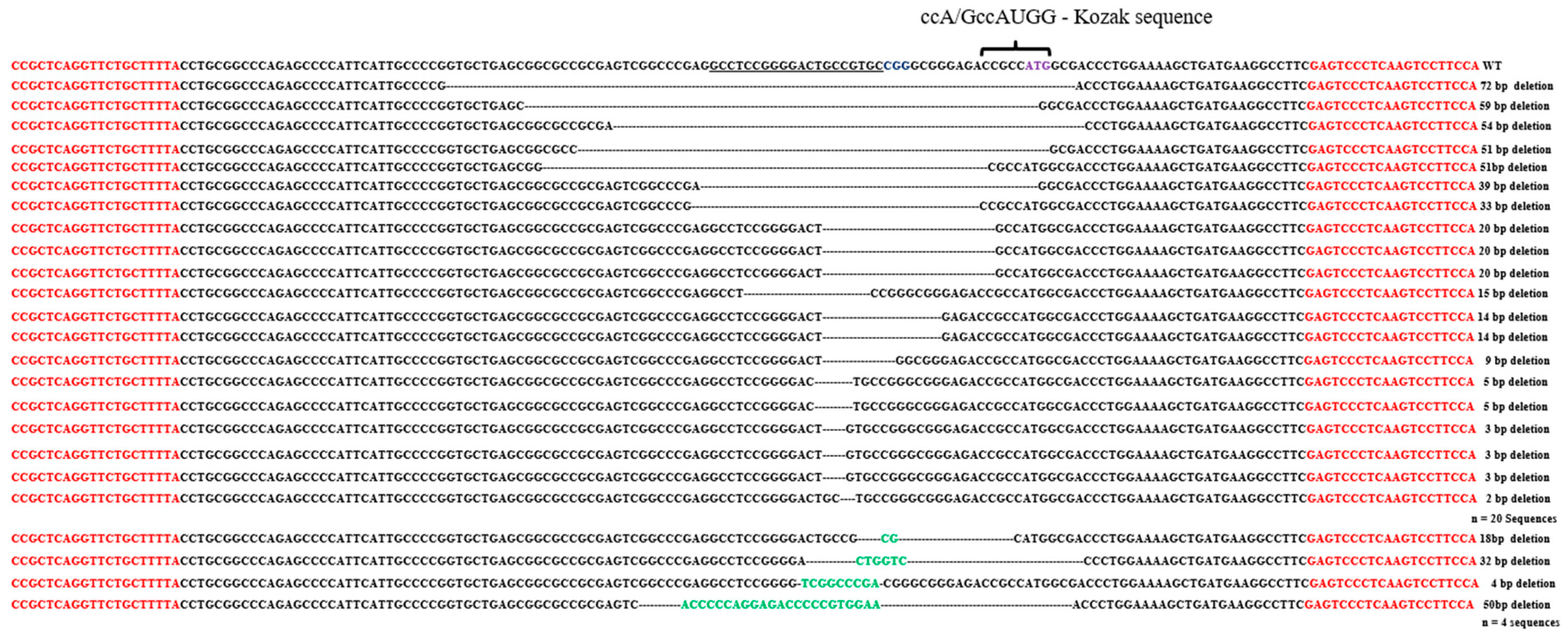
Huntington’s disease (HD) is a fatal neurodegenerative genetic disease characterized by a loss of neurons in the striatum. It is caused by a mutation in the Huntingtin gene (HTT) that codes for the protein huntingtin (HTT). The mutant Huntingtin gene (mHTT) contains extra poly-glutamine (CAG) repeats from which the translated mutant huntingtin proteins (mHTT) undergo inappropriate post-translational modifications, conferring a toxic gain of function, in addition to its non-functional property. In order to curb the production of the mHTT, we have constructed two CRISPR (clustered regularly interspaced short palindromic repeat)-Cas9 (CRISPR associate protein) plasmids, among which one nicks the DNA at untranslated region upstream to the open reading frame (uORF), and the other nicks the DNA at exon1-intron boundary. The primary goal of this study was to apply this plasmid into mesenchymal stem cells (MSCs) extracted from the bone-marrow of YAC128 mice, which carries the transgene for HD. Our results suggest that the disruption of uORF through CRISPR-Cas9 influences the translation of mHTT negatively and, to a lesser extent, disrupts the exon1-intron boundary, which affects the translation of the mHTT. These findings also revealed the pattern of the nucleotide addition or deletion at the site of the DNA-nick in this model.
Keywords: Huntington’s disease; CAG repeat; mutant huntingtin; gene editing; CRISPR-Cas9 system; pattern of NHEJ; YAC128; Kozak sequence Huntington’s disease; CAG repeat; mutant huntingtin; gene editing; CRISPR-Cas9 system; pattern of NHEJ; YAC128; Kozak sequence