Article

Adaptation Strategies of the Hydrosocial Cycles in the Mediterranean Region


Interuniversity Institute of Geography, University of Alicante, Ctra. San Vicente del Raspeig s/n, 03690 San Vicente del Raspeig, Spain
*
Author to whom correspondence should be addressed.
Water 2018, 10(6), 790; https://doi.org/10.3390/w10060790
Submission received: 7 May 2018 / Revised: 6 June 2018 / Accepted: 13 June 2018 / Published: 15 June 2018

Abstract

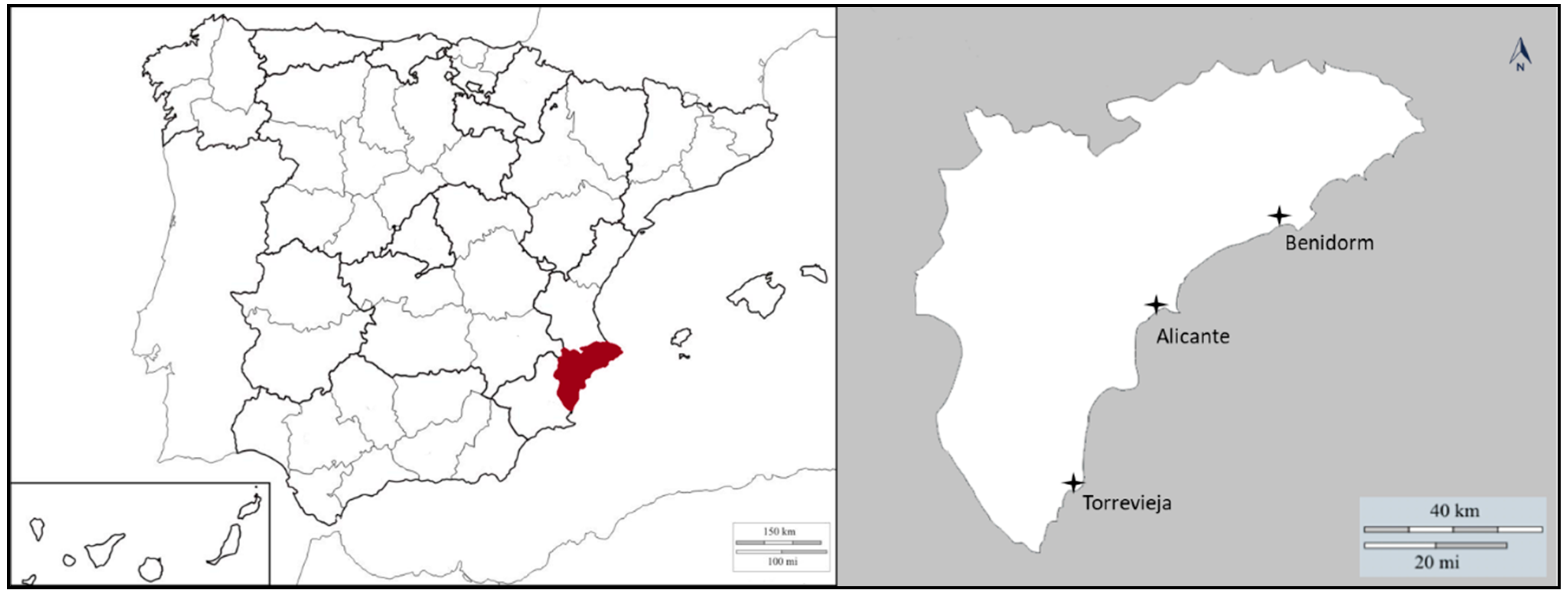
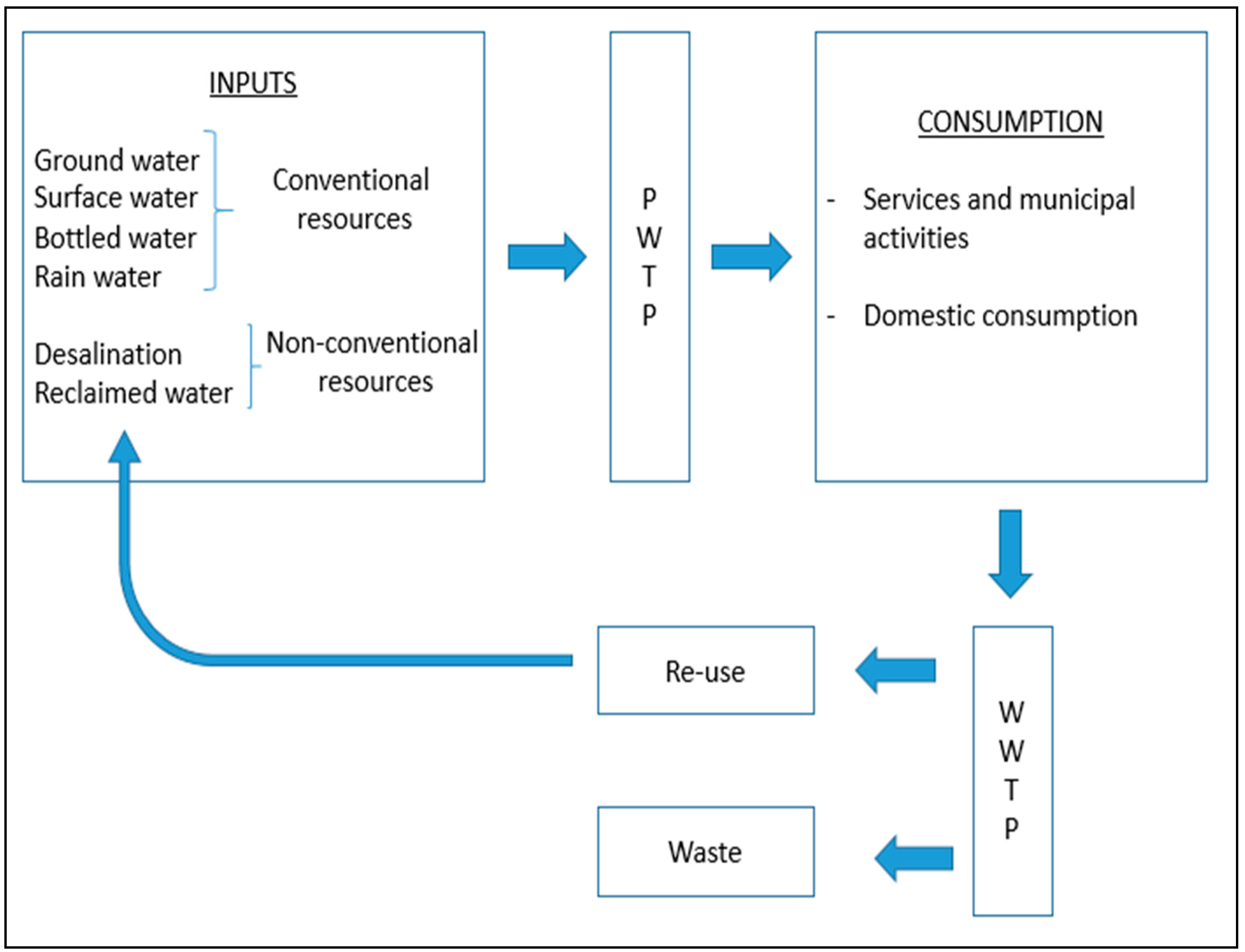
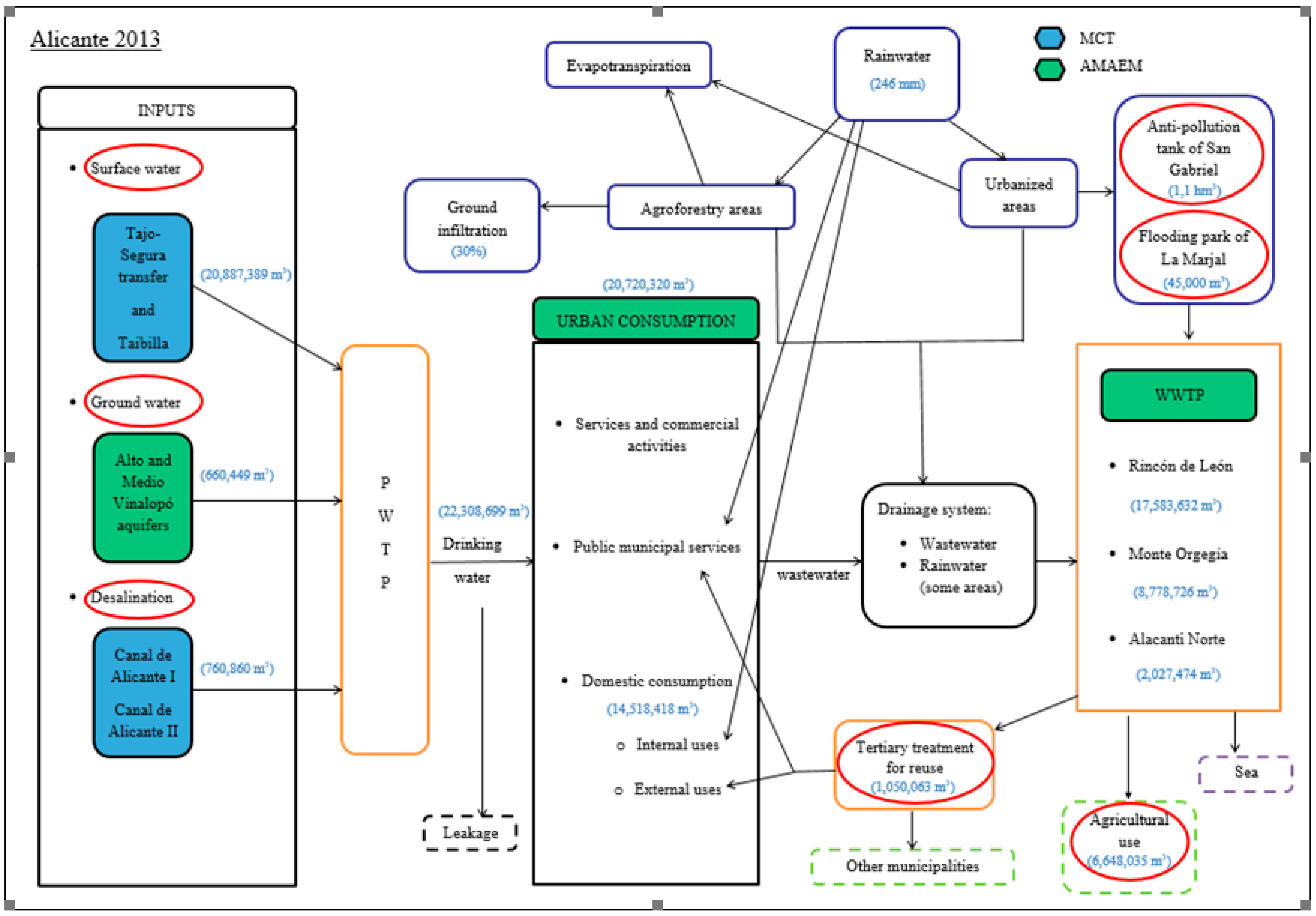
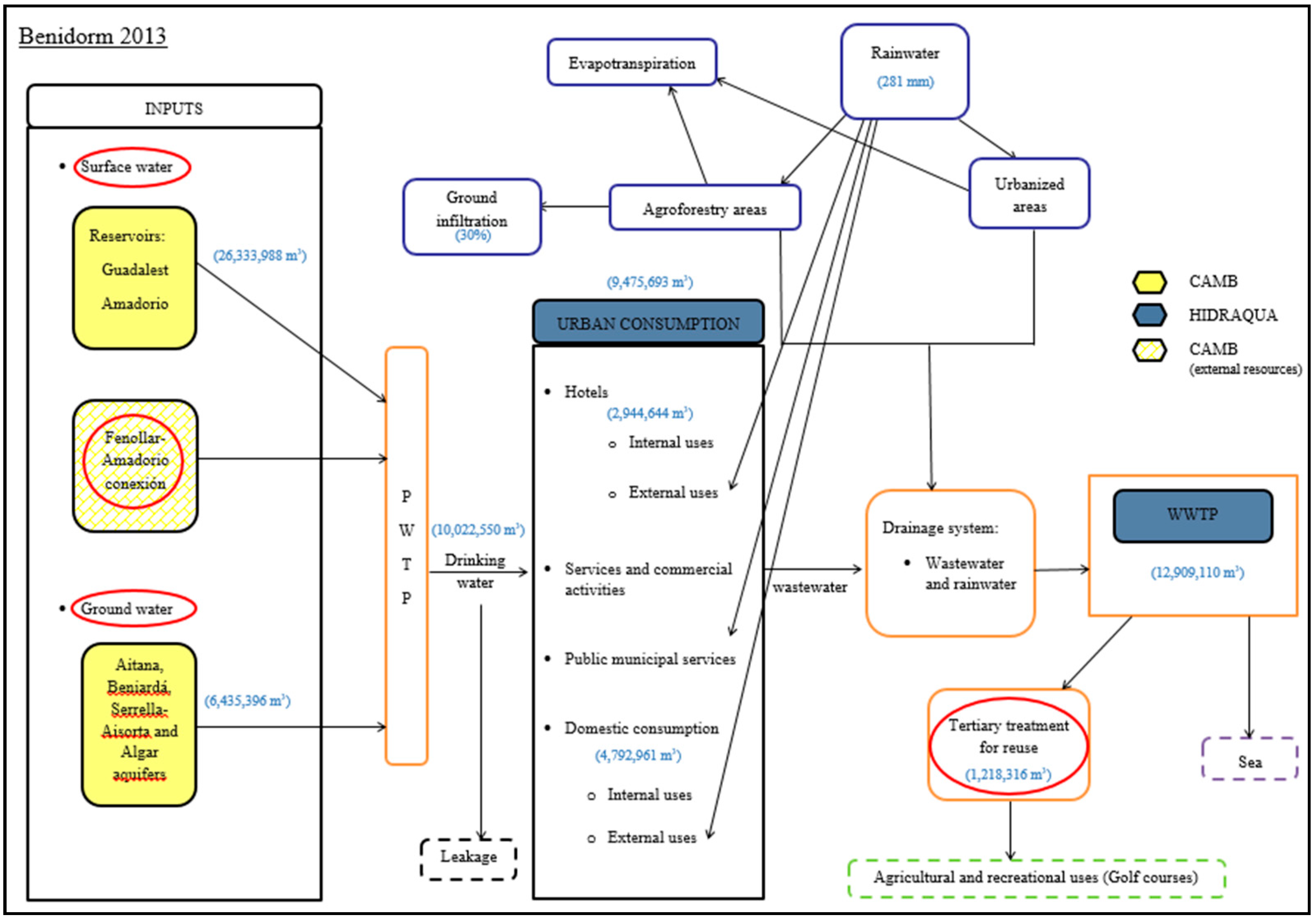
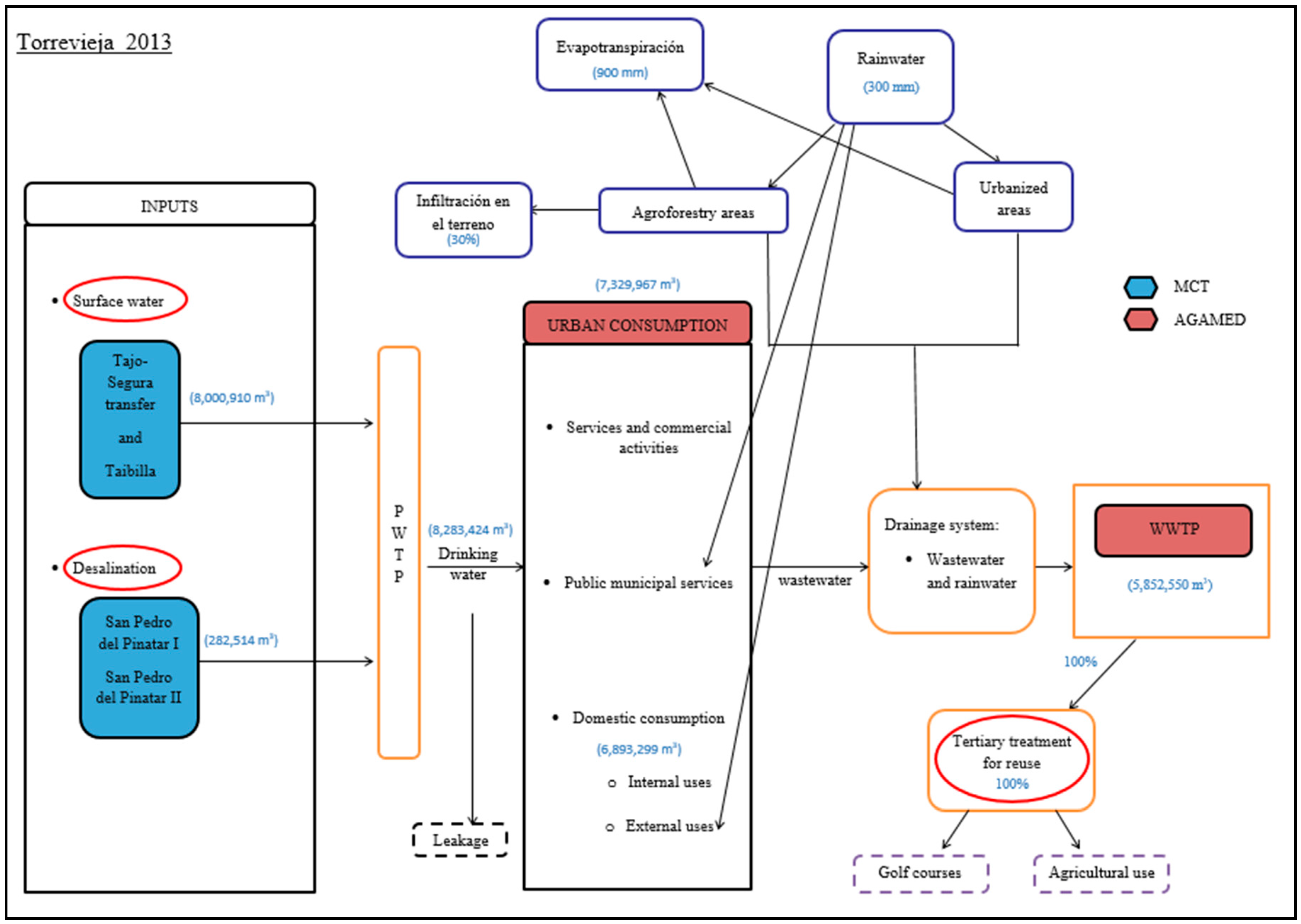
The Spanish Mediterranean region has been affected by several factors over the years (climatic conditions of aridity, high water demands, rapid and intense urban and population growth, climate change), that have generated a negative water balance whereby water resources are unable to meet the demand. Diversifying supply sources by resorting to new resources has been a necessity that has stimulated the expansion and integration of non-conventional water sources (desalination and reuse of reclaimed water) and sustainable solutions. The aim of this paper is to evaluate the adaptation strategies that have been developed in Alicante, Benidorm and Torrevieja in order to adjust their hydrosocial cycles to development and future scenarios. The theoretical analysis developed in this paper is corroborated by the study of the hydrosocial cycle evolution of three cities in the southeast of Spain, and the adaptive measures that the different stakeholders involved in the cycle have developed in each of them. The input and output of the systems are accounted for with information provided by the management companies in each of the phases (urban consumption; treated, reused and desalinated volumes), which highlight how the diversification of resources and the incorporation of non-conventional resources have been essential for adaptation.
Keywords: water deficit; hydrosocial cycles; adaptation; diversification; non-conventional resources; Mediterranean regions water deficit; hydrosocial cycles; adaptation; diversification; non-conventional resources; Mediterranean regions