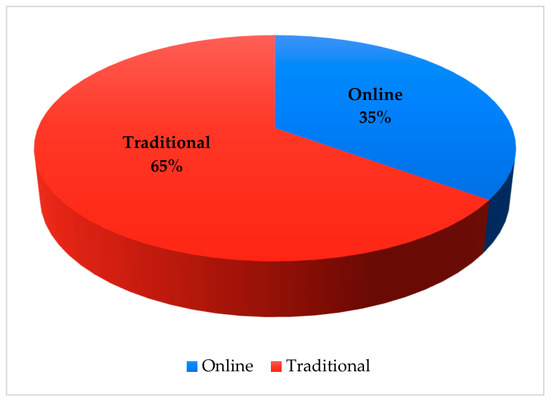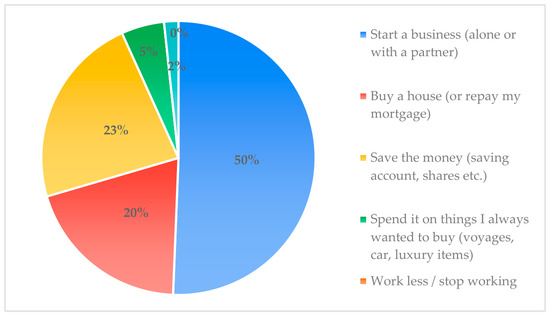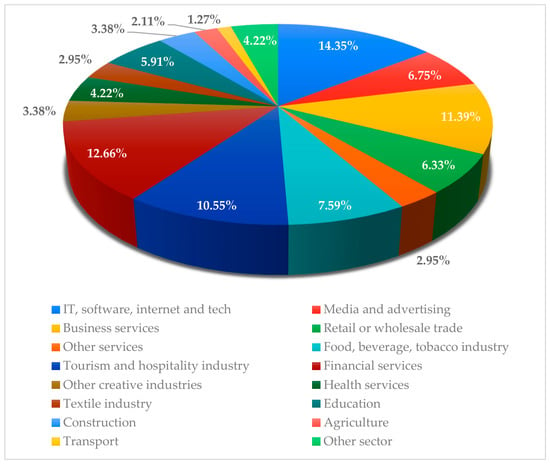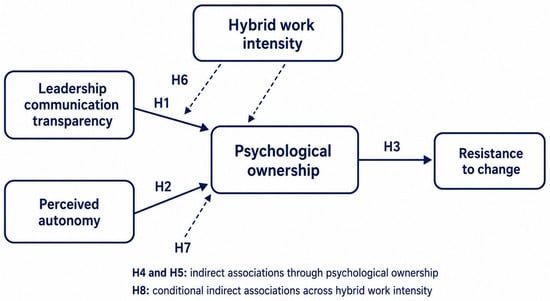



-
Family-Friendly Practices, Work–Family Conflict, and Job Satisfaction: A Study in the Portuguese Healthcare Sector -
Building Organizational Commitment in Small and Medium-Sized Enterprises: Evidence from Cyprus -
Experience at Work: Why Employees Experience Their Work Differently -
How Generative Artificial Intelligence Creates Value: A Function and Readiness Perspective in Small and Medium-Sized Enterprises
Journal Description
Administrative Sciences
is an international, peer-reviewed, scholarly, open access journal on organization studies published monthly online by MDPI.
- Open Access— free for readers, with article processing charges (APC) paid by authors or their institutions.
- High Visibility: indexed within Scopus, ESCI (Web of Science), RePEc, EconBiz, and other databases.
- Journal Rank: JCR - Q2 (Management) / CiteScore - Q2 (General Business, Management and Accounting)
- Rapid Publication: manuscripts are peer-reviewed and a first decision is provided to authors approximately 21.3 days after submission; acceptance to publication is undertaken in 5.6 days (median values for papers published in this journal in the second half of 2025).
- Recognition of Reviewers: reviewers who provide timely, thorough peer-review reports receive vouchers entitling them to a discount on the APC of their next publication in any MDPI journal, in appreciation of the work done.
Impact Factor:
3.1 (2024);
5-Year Impact Factor:
3.1 (2024)
Latest Articles
Redesigning Onboarding and Early Talent Retention in Specialized Retail: A Critical Analysis
Adm. Sci. 2026, 16(6), 264; https://doi.org/10.3390/admsci16060264 (registering DOI) - 31 May 2026
Abstract
Early employee turnover remains a persistent challenge in labor-intensive service contexts. This issue is particularly salient in specialized retail, where performance, customer experience, and brand consistency depend on effective processes of organizational socialization and early skill development. Despite the growing attention devoted to
[...] Read more.
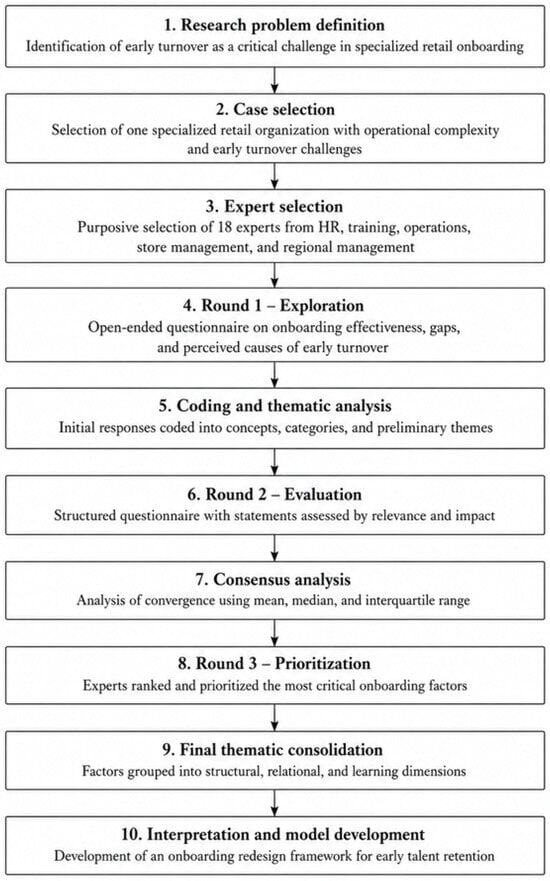
Early employee turnover remains a persistent challenge in labor-intensive service contexts. This issue is particularly salient in specialized retail, where performance, customer experience, and brand consistency depend on effective processes of organizational socialization and early skill development. Despite the growing attention devoted to onboarding, its role as a mechanism for organizational structuring, control, and differentiation of integration experiences remains limited. This study examines how the strategic redesign of onboarding can contribute to reducing early turnover among sales professionals in specialized retail. A qualitative interpretive approach was adopted, based on a single case study, and supported by a three-round Delphi method. Eighteen experts from management, human resources, training, and operations participated in the study. The findings indicate that early turnover is associated with an excessive concentration of digital training, insufficient relational support during the initial weeks, a lack of differentiation between contractual profiles, and weak formalization of mentoring roles. These factors reflect underlying organizational tensions related to the standardization of practices, inequality in integration experiences, and the diffusion of responsibilities within the onboarding process. The results support an understanding of onboarding as a management system that structures integration experiences and conditions employees’ initial adjustment. In this context, a redesigned onboarding model is proposed, highlighting how this process can simultaneously facilitate or constrain employee integration.
Full article
(This article belongs to the Special Issue Critical Perspectives on Management, Accounting, and Finance: Power, Ethics, and Accountability)
►
Show Figures
Open AccessArticle
AI-Enabled Leadership and Innovation Variance
by
Cristina O. Vlas, Youstina Masoud and Cristian Flores
Adm. Sci. 2026, 16(6), 263; https://doi.org/10.3390/admsci16060263 (registering DOI) - 30 May 2026
Abstract
►▼
Show Figures
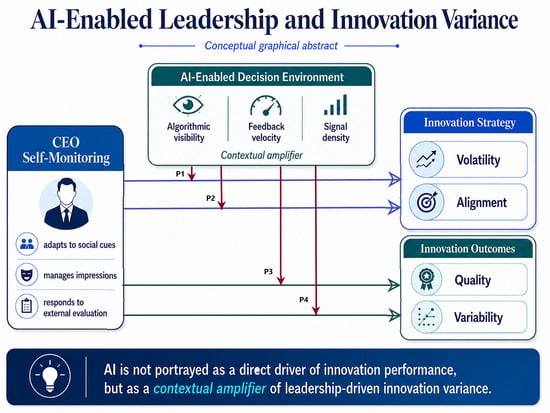
Artificial intelligence (AI) is increasingly embedded in managerial decision-making, yet innovation research has not fully explained how AI-enabled decision environments condition the influence of CEO traits on innovation strategy and outcomes. This conceptual paper examines CEO self-monitoring—leaders’ tendency to adapt behavior to social
[...] Read more.
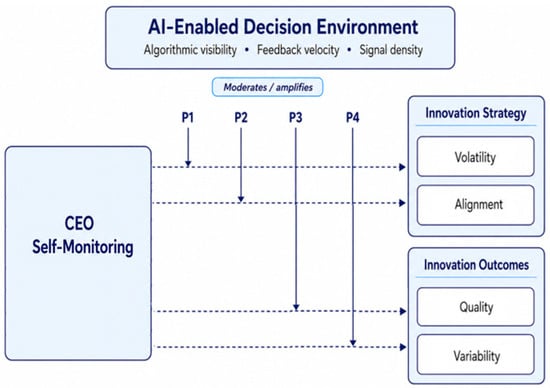
Artificial intelligence (AI) is increasingly embedded in managerial decision-making, yet innovation research has not fully explained how AI-enabled decision environments condition the influence of CEO traits on innovation strategy and outcomes. This conceptual paper examines CEO self-monitoring—leaders’ tendency to adapt behavior to social cues, manage impressions, and respond to external evaluation—as a trait that shapes innovation in AI-enabled decision environments. The problem addressed is that existing research often treats CEO traits, innovation, and AI-enabled decision-making separately, leaving underdeveloped how AI amplifies the leadership conditions under which innovation strategies and outcomes vary. Drawing on upper-echelons theory, self-monitoring research, the ability–motivation–opportunity framework, and the AI-enabled decision-making literature, we develop propositions explaining how AI-enabled decision environments condition the relationship between CEO self-monitoring and innovation-strategy volatility, innovation-strategy alignment, innovation-outcome quality, and innovation-outcome variability. The framework suggests that high self-monitoring CEOs may recalibrate innovation priorities more frequently while keeping innovation activity closer to recognizable industry norms. It further proposes that self-monitoring may improve innovation-outcome quality by mobilizing employees toward visible, high-potential initiatives, but it may also widen innovation-outcome variability through high-visibility, high-uncertainty innovation bets. AI-enabled decision environments are theorized to amplify these relationships by increasing algorithmic visibility, feedback velocity, and signal density. This paper concludes that AI should be understood not as an autonomous engine of innovation performance but as a contextual amplifier of leadership-driven innovation variance.
Full article

Graphical abstract
Open AccessArticle
Elementary School Parents’ Perceptions and Preferences for Internet of Things (IoT) Systems
by
Hyoung-Kil Kang
Adm. Sci. 2026, 16(6), 262; https://doi.org/10.3390/admsci16060262 (registering DOI) - 30 May 2026
Abstract
This study examines elementary school parents’ perceptions, expectations, concerns, and preferences regarding the use of Internet of Things (IoT) systems from an administrative perspective. Using survey data from 453 parents with at least one child attending an elementary school, descriptive statistics, independent samples
[...] Read more.
This study examines elementary school parents’ perceptions, expectations, concerns, and preferences regarding the use of Internet of Things (IoT) systems from an administrative perspective. Using survey data from 453 parents with at least one child attending an elementary school, descriptive statistics, independent samples t-tests, and one-way analyses of variance were conducted to examine differences according to parental characteristics. Overall, parents reported relatively low-to-moderate levels of familiarity with IoT systems. Parental educational background and child grade level significantly influenced perceptions, with more highly educated parents and parents of younger children reporting more favorable views. Younger parents expressed more positive expectations regarding IoT systems, but also greater concern about personal information leakage. Parents showed strong demand for IoT applications related to emergency detection, environmental management, nutrition, and safety and preferred shared funding arrangements between schools and parents within clearly defined affordability thresholds. These findings suggest that parental acceptance of school-based IoT systems is conditional and shaped by perceptions of administrative relevance, governance quality, privacy safeguards, and cost fairness.
Full article
(This article belongs to the Special Issue Research on the Application of Emerging Technologies in Marketing)
Open AccessArticle
How Corporate Social Responsibility Influences Loyalty and Willingness to Pay Through Trust and Attitudes Among Young Consumers
by
Jorge Figueiredo, Isabel Oliveira, Ricardo Jorge Pinto, Manuel Sousa Pereira, Amândio F. C. Silva and António Cardoso
Adm. Sci. 2026, 16(6), 261; https://doi.org/10.3390/admsci16060261 - 29 May 2026
Abstract
►▼
Show Figures
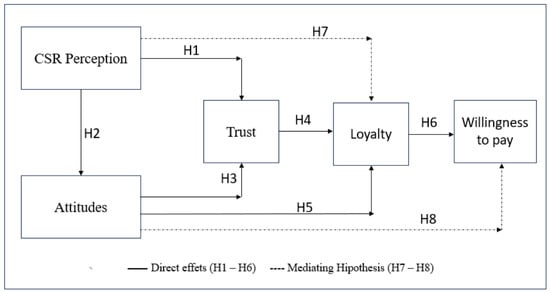
Corporate social responsibility (CSR) has become an increasingly important factor in shaping consumer responses, particularly among younger generations who are often portrayed as ethically sensitive yet behaviorally ambivalent. While prior research has established that CSR is associated with favorable consumer outcomes, the mechanisms
[...] Read more.
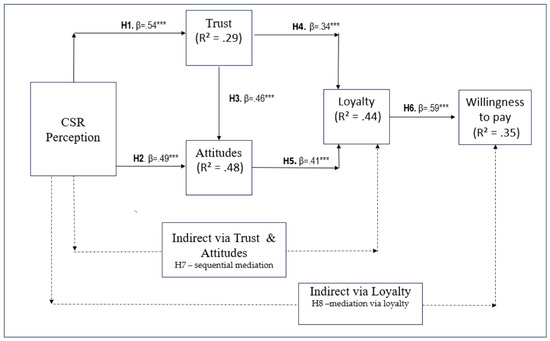
Corporate social responsibility (CSR) has become an increasingly important factor in shaping consumer responses, particularly among younger generations who are often portrayed as ethically sensitive yet behaviorally ambivalent. While prior research has established that CSR is associated with favorable consumer outcomes, the mechanisms through which CSR perceptions translate into loyalty and economic value remain insufficiently understood. Addressing this gap, the present study adopts a mediation perspective to examine how perceived CSR influences consumer loyalty and willingness to pay through the sequential roles of trust and attitudes among young consumers. Using survey data collected from 307 young consumers in Portugal, the study tests a conceptual framework in which CSR perceptions influence trust and attitudes, which in turn shape loyalty and willingness to pay. Data were analyzed using reliability analysis, exploratory factor analysis, regression-based mediation analysis, and bootstrapping procedures. The results provide strong support for the proposed mediation framework, revealing that CSR does not exert direct effects on loyalty or willingness to pay. Instead, its relationship with these outcomes is indirectly transmitted through trust, attitudes, and loyalty. Specifically, trust and attitudes sequentially mediate the relationship between CSR and loyalty, while the relationship between CSR and willingness to pay operates indirectly through loyalty. These findings contribute to the CSR and consumer behavior literature by clarifying the mechanisms through which CSR creates value for firms and by advancing a process-oriented understanding of CSR-driven consumer behavior. From a managerial perspective, the results highlight the importance of designing and communicating CSR initiatives that foster trust and positive attitudes, thereby strengthening long-term consumer relationships and enhancing willingness to pay among young consumers.
Full article

Figure 1
Open AccessSystematic Review
AI-Driven Demand Planning: A Systematic Review of Adoption, Barriers and Strategic Implications
by
Anteo Korcari, Marina Saridi, Antonia Koumpoti and Foivos Anastasiadis
Adm. Sci. 2026, 16(6), 260; https://doi.org/10.3390/admsci16060260 - 29 May 2026
Abstract
Agri-food organisations face a deepening governance challenge: managing demand un-certainty, supply chain volatility, and food waste under tight operational margins and in-creasing sustainability pressures. While artificial intelligence (AI) offers transformative potential for logistics and operations management, the organisational dimensions of its adoption, including
[...] Read more.
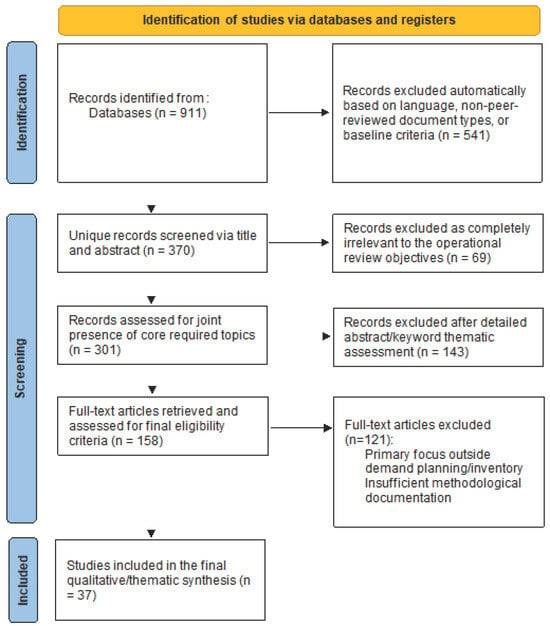
Agri-food organisations face a deepening governance challenge: managing demand un-certainty, supply chain volatility, and food waste under tight operational margins and in-creasing sustainability pressures. While artificial intelligence (AI) offers transformative potential for logistics and operations management, the organisational dimensions of its adoption, including strategic alignment, human capital development, and change management, remain insufficiently synthesised in the literature. This study investigates AI-driven demand planning as a management and organisational innovation, presenting a systematic review of 37 peer-reviewed studies (2015–2025) following the PRISMA protocol. Thematic synthesis across four analytical pillars, such as forecasting model applications, inventory and waste management practices, strategic impacts and resilience, and methodological overviews, reveals that advanced AI tools can reduce the mean absolute percentage error (MAPE) by 20–40% over traditional statistical methods in empirical case studies, with direct consequences for logistics performance, food waste reduction, and inventory governance. Critically, the review identifies persistent organisational barriers, particularly for SMEs: data governance deficiencies, high costs of technology adoption, workforce skill gaps, and the need for structured change management to institutionalise AI-based planning systems. The findings demonstrate that AI integration in agri-food supply chains constitutes a fundamental organisational transformation, requiring aligned strategies in innovation management, human resource development, supply chain governance, and sustainable business development. This review contributes to the administrative and management sciences by providing a structured, evidence-based framework for managers, policymakers, and practitioners navigating the organisational transition towards AI-enabled agri-food operations.
Full article
(This article belongs to the Special Issue Harnessing Smart Technologies for Enhancing Organizational Sustainability and Green Growth: Managerial and Administrative Perspectives)
►▼
Show Figures

Figure 1

Open AccessArticle
Beyond Creativity: A Filtered Entrepreneurial Intent Model—New Evidence, Confirmations, and Paradoxes Among Students
by
Mihaela Brindusa Tudose, Valentina Diana Rusu, Angela Roman and Silvia Avasilcai
Adm. Sci. 2026, 16(6), 259; https://doi.org/10.3390/admsci16060259 - 29 May 2026
Abstract
This study examines the determinants of entrepreneurial intention among students from a Romanian economics faculty. Based on the empirical findings, the paper proposes a Filtered Entrepreneurial Intent Model. Although the traditional literature supports a linear relationship between creativity and intention, the regression analysis
[...] Read more.
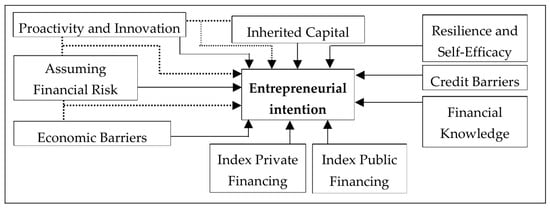
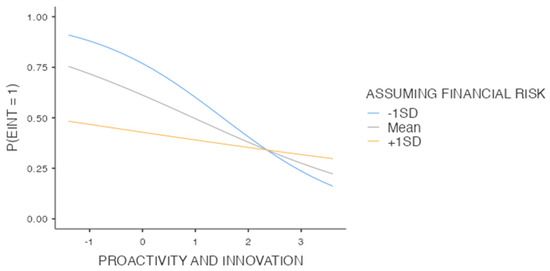
This study examines the determinants of entrepreneurial intention among students from a Romanian economics faculty. Based on the empirical findings, the paper proposes a Filtered Entrepreneurial Intent Model. Although the traditional literature supports a linear relationship between creativity and intention, the regression analysis in this research identifies a series of psychological paradoxes and barriers. The methodology combines exploratory factor analysis (EFA) to build psychological dimensions with binomial logistic regression to test hypotheses on a sample of 237 students. The empirical results directly demonstrate that self-efficacy and resilience are positive predictors, while counterintuitive negative correlations are found for proactivity and innovation. A key statistical finding is that financial risk-taking acts as a significant moderator: innovation acts as a catalyst for intent only when a student’s risk tolerance threshold is exceeded. Data also show a significant impact of inherited windfall capital, which serves as a structural factor surpassing personality traits. Conceptually, the study interprets these findings by proposing that the intention-behaviour gap is governed by a filtration process. The study concludes by offering practical recommendations for academic decision-makers to recalibrate programmes beyond merely stimulating creativity, addressing the psychological and structural filters identified.
Full article
(This article belongs to the Special Issue Entrepreneurship in Emerging Markets: Opportunities and Challenges)
►▼
Show Figures

Figure 1

Open AccessArticle
Studentpreneurship at a South African University: Evaluating Support Mechanisms and Institutional Gaps
by
Siphenathi Fihla and Bramwell Kundishora Gavaza
Adm. Sci. 2026, 16(6), 258; https://doi.org/10.3390/admsci16060258 - 29 May 2026
Abstract
Studentpreneurship has gained prominence in South Africa as universities are increasingly expected to foster innovation, job creation, and youth participation in the economy. However, despite the establishment of incubators, entrepreneurship centres, mentorship programmes, and EDHE-aligned initiatives, support for studentpreneurs remains unevenly implemented, poorly
[...] Read more.
Studentpreneurship has gained prominence in South Africa as universities are increasingly expected to foster innovation, job creation, and youth participation in the economy. However, despite the establishment of incubators, entrepreneurship centres, mentorship programmes, and EDHE-aligned initiatives, support for studentpreneurs remains unevenly implemented, poorly integrated, and inconsistently accessible, particularly within a historically disadvantaged university. This study examines how university support mechanisms shape the experiences, challenges, and business development trajectories of studentpreneurs in a South African university. Guided by Entrepreneurial Ecosystem Theory, the study adopts a qualitative research design involving in-depth interviews with 15 studentpreneurs. Thematic analysis reveals significant gaps in awareness, accessibility, and continuity of institutional support. While students valued motivational workshops, pitching opportunities, and limited mentorship, these interventions lacked sustained follow-up, sector-specific guidance, and financial or infrastructural resources necessary for business growth. The study contributes to South African entrepreneurship scholarship by highlighting the lived realities of studentpreneurs at a historically disadvantaged university and by proposing institutional reforms to build more coherent, equitable, and sustainable studentpreneurship ecosystems.
Full article
(This article belongs to the Special Issue Business Strategy in the Digital Age: Empowering SMEs for Sustainable Growth)
Open AccessArticle
Psychological Ownership and Resistance to Change in Hybrid Work Environments: An Internalization-Based Explanation
by
Sura Sudarshan Sagar, Vidhu Gaur and Ajay K. Jain
Adm. Sci. 2026, 16(6), 257; https://doi.org/10.3390/admsci16060257 - 28 May 2026
Abstract
►▼
Show Figures
Hybrid work has changed the behavioural foundations of organizational change. Employees are no longer continuously embedded in a common physical workplace where informal communication, shared routines, visible leadership and spontaneous peer sensemaking help them interpret new priorities. This study investigates how psychological ownership
[...] Read more.
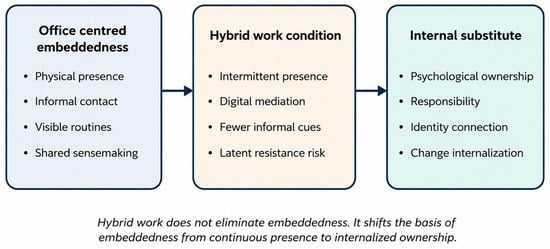
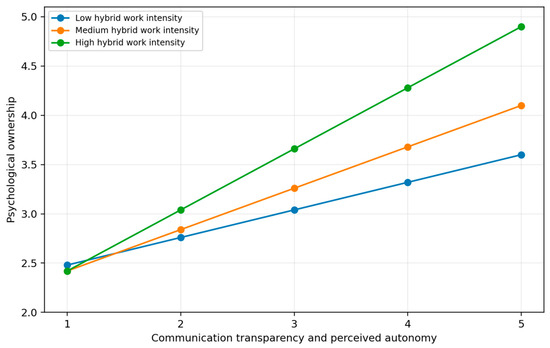
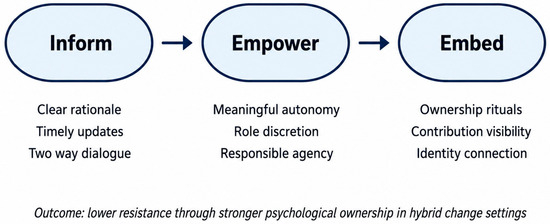
Hybrid work has changed the behavioural foundations of organizational change. Employees are no longer continuously embedded in a common physical workplace where informal communication, shared routines, visible leadership and spontaneous peer sensemaking help them interpret new priorities. This study investigates how psychological ownership is associated with resistance to change when work is organized through hybrid arrangements rather than continuous office presence. Drawing on psychological ownership theory, self-determination theory, organizational identification, employee engagement, remote work design and recent digital transformation research, the paper develops an internalization-based model in which leadership communication transparency and perceived autonomy are associated with psychological ownership, and psychological ownership is associated with lower resistance to change. Hybrid work intensity is conceptualized as a boundary condition that strengthens ownership formation because employees who more frequently work remotely rely less on physical embeddedness and more on internal psychological connection. The model is tested using cross-sectional survey data from 412 employees working in hybrid arrangements across the fields of information technology, consulting, energy, manufacturing, financial services and professional services. Data were screened using IBM SPSS Statistics 29, and the measurement and structural models were estimated using covariance-based structural equation modelling in IBM SPSS AMOS 29, with maximum likelihood estimation and 5000 bootstrap resamples for indirect and conditional indirect associations. The findings show that leadership communication transparency and perceived autonomy are positively associated with psychological ownership. Psychological ownership is negatively associated with resistance to change and mediates the associations of communication transparency and autonomy with resistance. Hybrid work intensity strengthens the association of communication transparency and autonomy with psychological ownership and also strengthens the indirect associations with resistance. The study positions psychological ownership as an internal substitute for weakened physical embeddedness in hybrid change contexts. It further clarifies that resistance in hybrid organizations is not only a problem of communication volume, employee engagement or formal identification; it is also a problem of whether or not employees come to experience change as personally meaningful, identity relevant and partly theirs.
Full article

Figure 1
Open AccessArticle
Female Entrepreneurship Under Constraint: An Explanatory Model of Structural Barriers and Strategic Decision-Making in Ecuador
by
Sedolfo Carrasquero-Ferrer, Amanda Hidalgo-Astudillo, Nayade Domenech-Polo and Marisela Giraldo
Adm. Sci. 2026, 16(6), 256; https://doi.org/10.3390/admsci16060256 - 28 May 2026
Abstract
This study examines how women entrepreneurs in Ecuador confront structural constraints and how these conditions influence their strategic management decisions. Adopting an explanatory approach, a structural equation model (PLS-SEM) was developed based on a survey administered to 110 female entrepreneurs. The instrument was
[...] Read more.
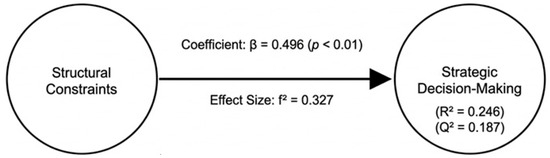
This study examines how women entrepreneurs in Ecuador confront structural constraints and how these conditions influence their strategic management decisions. Adopting an explanatory approach, a structural equation model (PLS-SEM) was developed based on a survey administered to 110 female entrepreneurs. The instrument was designed to capture perceptions of institutional, financial, sociocultural, and technological limitations, as well as strategic responses in areas such as innovation, networks, digitalization, and formalization. The questionnaire was validated through expert judgment and a pilot test, and data were analyzed using SmartPLS. The results show that structural constraints are significantly associated with the adoption of strategic decisions (β = 0.496; R2 = 0.246), suggesting an adaptive resilience pattern in response to adverse contexts. While internal reliability indicators were acceptable (α > 0.87; ρc > 0.89), convergent validity was limited (AVE = 0.43 and 0.45, below the 0.50 threshold), reflecting the multidimensional complexity of the constructs measured. The study adds value by demonstrating how female entrepreneurial agency emerges in environments marked by institutional fragility, reinforcing the need for comprehensive public policies that reduce structural frictions and expand the entrepreneurial decision space. Future research should explore mediational models and heterogeneity analyses to deepen understanding and inform targeted interventions.
Full article
(This article belongs to the Special Issue Entrepreneurship in Emerging Markets: Opportunities and Challenges)
►▼
Show Figures

Figure 1
Open AccessArticle
Hybrid Monetization in an Open-Source Platform: Freemium, Data, and Value Capture in the PrestaShop Ecosystem
by
Alessandro Lanteri, Simone De Ruosi and Gabriele Santoro
Adm. Sci. 2026, 16(6), 255; https://doi.org/10.3390/admsci16060255 - 28 May 2026
Abstract
Hybrid monetization is increasingly common in digital platforms, yet we know little about how sponsors of open-source ecosystems combine freeness, community participation and value capture under decentralised data constraints. This paper examines how PrestaShop, a large open-source e-commerce platform, reconfigures its business model
[...] Read more.
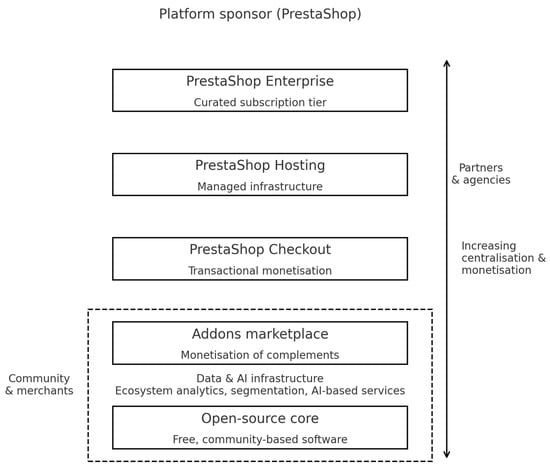
Hybrid monetization is increasingly common in digital platforms, yet we know little about how sponsors of open-source ecosystems combine freeness, community participation and value capture under decentralised data constraints. This paper examines how PrestaShop, a large open-source e-commerce platform, reconfigures its business model to assemble a hybrid monetization architecture on top of a free, self-hosted core. Drawing on an abductive, qualitative single case study, we analyse semi-structured interviews with senior and middle managers, internal documents and performance dashboards, and participant observation in strategic and product meetings. Our process analysis traces three dynamics: a shift from community-led freeness and loosely governed marketplace revenues to intentional monetization; the construction of data and artificial intelligence (AI) capabilities as monetization infrastructure that makes the ecosystem legible and segmentable; and the layering of transactional, infrastructural and curated subscription revenues around the open-source core. We show how hybrid monetization emerges through sequential, overlapping moves rather than a single pivot, and how each new revenue mechanism entails adjustments in control points, partner relationships and data governance. The study contributes to research on commercial open source, hybrid multi-sided platforms and AI-enabled business models by conceptualising hybrid monetization as a staged reconfiguration under structural constraints.
Full article
(This article belongs to the Special Issue Reimagining Value Creation: Digital Business Models in a Global Context)
►▼
Show Figures

Figure 1
Open AccessArticle
Do CSR Activities Influence Corporate Reputation? Evidence from India
by
Zakir Hossen Shaikh, Aashima Bishnoi, Bibhu Prasad Sahoo and Abdul Aziz Abdul Rahman
Adm. Sci. 2026, 16(6), 254; https://doi.org/10.3390/admsci16060254 - 28 May 2026
Abstract
Many firms today value corporate social responsibility (CSR) because it can boost their reputation in a competitive market. Many studies have shown that CSR practices affect a company’s reputation, but few have examined specific CSR elements affect Indian corporate reputation. Thus, this study
[...] Read more.
Many firms today value corporate social responsibility (CSR) because it can boost their reputation in a competitive market. Many studies have shown that CSR practices affect a company’s reputation, but few have examined specific CSR elements affect Indian corporate reputation. Thus, this study explores how economic, governance/legal, social/ethical, and environmental CSR variables affect business reputation. A mailed survey of mid-level and senior managers at 403 Bombay Stock Exchange-listed companies in six major industry categories was used to gather data. Using the Likert scale with five points, 51 items were scored on the four CSR dimensions and five items were scored on corporate reputation dimension. Descriptive statistics, reliability tests (using Cronbach’s alpha), principal components/factor analysis, Pearson correlation analysis, and multiple linear regression were used to examine the survey data. Governance, legal, social (including ethical), and environmental CSR factors boost firm reputation. The four dimensions of CSR (economic, governance/legal, social/ethical, and environmental) are positively and significantly predictive of corporate reputation. The environmental factor of CSR (β = 0.425; t = 7.935; p < 0.001) was the strongest predictor of business reputation, while the economic dimension (β = 0.119; t = 2.378; p = 0.018) was the weakest predictor, but still statistically significant. This research will add to strategic management literature by showing how CSR dimensions affect corporate reputation in a developing economy and giving managers advice on how to execute effective CSR programs.
Full article
(This article belongs to the Special Issue Corporate Social Responsibility and Strategic Management: Integrating Ethical Practices with Sustainable Goals)
Open AccessArticle
Customer Incivility Spillover into Kitchen Staff Deviance and Withdrawal in Multigenerational Workplaces: The Moderating Function of Moral Disengagement
by
Ahmed K. Elnagar, Karam Zaki, Wagih M. E. Salama and Mohamed Ahmed Suliman
Adm. Sci. 2026, 16(6), 253; https://doi.org/10.3390/admsci16060253 - 27 May 2026
Abstract
►▼
Show Figures
The study aimed to examine how customer incivility (CI) spills over into workplace deviance (WD) and turnover intentions (TI) among Egyptian hotel kitchen staff through the mediating mechanism of emotional exhaustion (EE), while also assessing the moderating role of moral disengagement (MD). Specifically,
[...] Read more.
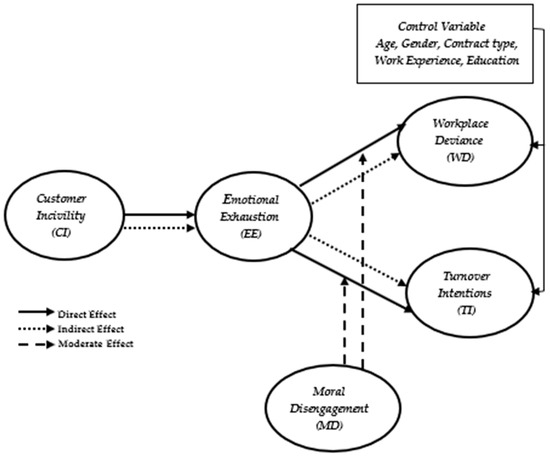
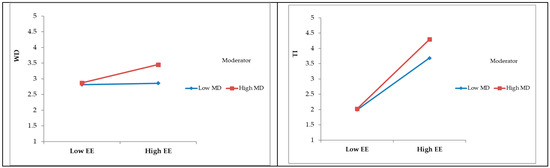
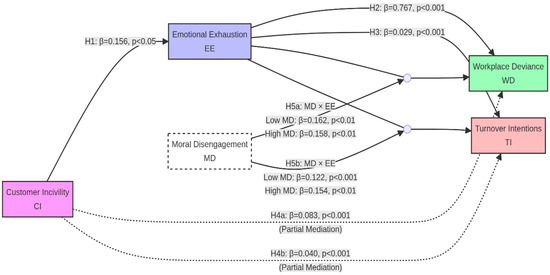
The study aimed to examine how customer incivility (CI) spills over into workplace deviance (WD) and turnover intentions (TI) among Egyptian hotel kitchen staff through the mediating mechanism of emotional exhaustion (EE), while also assessing the moderating role of moral disengagement (MD). Specifically, the study sought to (1) investigate the impact of CI on EE; (2) examine whether EE mediates the relationships between CI and both WD and TI; and (3) test whether MD strengthens the effects of EE on WD and TI. The study’s theoretical foundations were anchored in the conservation of resources (COR) theory and social cognitive theory (SCT). We developed a moderated mediation model and tested it using the partial least squares structural equation modeling (PLS-SEM) technique based on data collected from 300 kitchen staff at four- and five-star hotels in Hurghada, Egypt. Findings demonstrated that CI had a positive effect on EE, and that further EE affects WD and TI. EE partially mediates the relationships between CI and these two model outcomes (WD and TI). Furthermore, MD moderates the relationships between EE and both WD and TI, such that these positive effects are amplified among employees with higher levels of MD. Multi-group analysis further indicates that the moderating effect of MD on the EE–deviance relationship is stronger for long-tenure employees. These findings extend COR theory to back-of-house hospitality populations and integrate SCT’s moral detachment framework to explain heterogeneous employee responses to emotional depletion. Theoretical contributions, practical implications for hotel management, and directions for future research are discussed.
Full article

Figure 1
Open AccessArticle
Assumptions and Undeclared Selection Criteria: The Usefulness of Generative AI as a Travel Recommender System
by
Dirk H. R. Spennemann
Adm. Sci. 2026, 16(6), 252; https://doi.org/10.3390/admsci16060252 - 26 May 2026
Abstract
This paper examines the trustworthiness of generative AI as a tourism recommender system by analyzing how ChatGPT5.2 responds to an open-ended, zero-shot prompt: “Recommend me a list of 10 German Christmas Markets.” Using German Christmas markets as a case study, outputs, texts in
[...] Read more.
This paper examines the trustworthiness of generative AI as a tourism recommender system by analyzing how ChatGPT5.2 responds to an open-ended, zero-shot prompt: “Recommend me a list of 10 German Christmas Markets.” Using German Christmas markets as a case study, outputs, texts in reasoning panels, and cited sources of fifteen replicates (carried out over five consecutive days) were systematically documented and analyzed. The results show a consistent and patterned selection which is dominated by a small canon of markets (Nürnberg, Dresden, Köln, München, and Stuttgart). The generative AI model does not neutrally sample from the entire pool of approximately 2000 German markets but instead reproduces a narrow canon of “iconic” destinations. Analysis of reasoning traces and follow-up conversations demonstrates that ChatGPT5.2 applies hidden selection criteria, including canonical status, landmark setting, branding strength, and perceived trip-planning usefulness, while also introducing undisclosed filters such as geographic spread across Germany and stylistic diversity. Although the model claims to use source triangulation and quality checks, the evidence shows substantial reliance on tourism marketing pages, travel media, blogs, and social media, especially for descriptive commentary. The study concludes that generative AI tourism recommendations are useful but non-neutral and should be interpreted as “curated,” bias-bearing constructs rather than transparent information retrieval. The implications of this on tourism management and the marketing of Christmas markets are discussed.
Full article
Open AccessArticle
“Emergence” and “Dissolution” of Green Innovation Bubbles in Power Industry Chain Enterprises
by
Yanbing Zhang, Changzheng Zhang and Chengyu Li
Adm. Sci. 2026, 16(6), 251; https://doi.org/10.3390/admsci16060251 - 26 May 2026
Abstract
►▼
Show Figures
The clean and low-carbon transition of new-type power systems imposes increasingly stringent demands on green technology innovation among enterprises along the power industry chain. Identifying the drivers and potential remedies for green innovation bubble can offer China-originated solutions to the sustainable development of
[...] Read more.
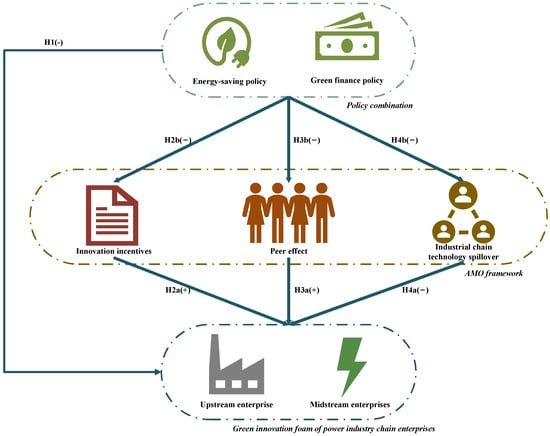
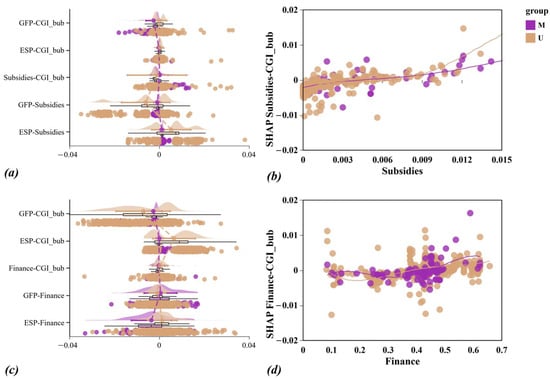
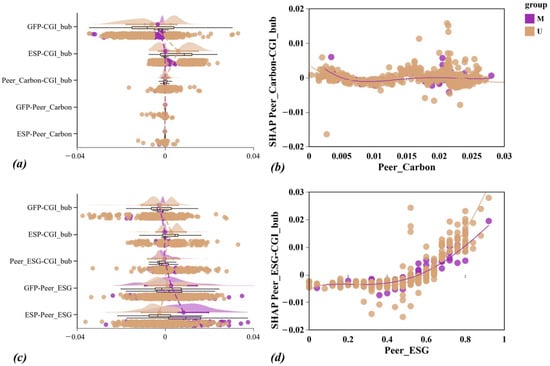
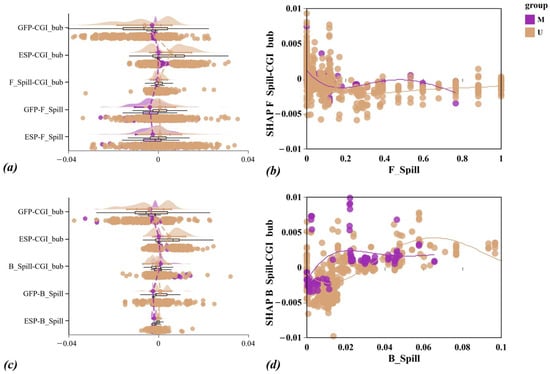
The clean and low-carbon transition of new-type power systems imposes increasingly stringent demands on green technology innovation among enterprises along the power industry chain. Identifying the drivers and potential remedies for green innovation bubble can offer China-originated solutions to the sustainable development of the global power sector. This paper focuses on Chinese power industry chain enterprises over the period 2016–2023. Drawing on the AMO framework, a three-dimensional analytical framework encompassing ability, motivation, and opportunity is developed. Double machine learning (DDML) is employed to perform benchmark regression and causal identification. Subsequently, gradient boosting trees (GBT) combined with SHAP interpretability analysis are applied to uncover nonlinear relationships and heterogeneous transmission pathways among key variables. The results indicate that energy-saving policies and green financial policies significantly inhibit the formation of the green innovation bubble in power industry chain enterprises. Specifically, these policies curb the green innovation bubble via three channels: an innovation incentive management mechanism, a peer imitation and convergence mechanism, and an industrial chain technology spillover mechanism. Upstream enterprises exhibit greater sensitivity to direct regulatory measures and backward technology spillovers from energy-saving and green finance policies, whereas midstream enterprises are more reliant on peer carbon emission pressure. The findings are validated through cross-verification among DDML, mechanism analysis, and interpretable analysis. The results provide empirical evidence and policy implications for optimizing energy-saving and green finance policies and for precisely deflating the green innovation bubble.
Full article

Figure 1
Open AccessArticle
Entrepreneurial Competences in Higher Education: A Gender-Based Analysis of University Students
by
Presentación Ángeles Caballero-García, Mª Pilar Jiménez Martínez and Sara Sánchez Ruiz
Adm. Sci. 2026, 16(6), 250; https://doi.org/10.3390/admsci16060250 - 25 May 2026
Abstract
The development of entrepreneurial competences has become established as a strategic learning outcome in higher education. However, shortcomings persist in students’ competency profiles, which have led institutions to design training programs aimed at strengthening entrepreneurial mindsets and improving the employability of their graduates.
[...] Read more.
The development of entrepreneurial competences has become established as a strategic learning outcome in higher education. However, shortcomings persist in students’ competency profiles, which have led institutions to design training programs aimed at strengthening entrepreneurial mindsets and improving the employability of their graduates. This study examines entrepreneurial competences among university students from a gender perspective within digitally mediated learning contexts. To this end, a quantitative methodology was employed, using a non-experimental, cross-sectional design with a sample of 705 students (77% women and 23% men), with a mean of 4.56 years of professional experience. Entrepreneurial competences were assessed using a validated questionnaire measuring five dimensions: self-awareness and self-confidence, vision of the future, achievement motivation, planning, and persuasion. The results show moderately high levels of entrepreneurial competences, with achievement motivation emerging as the strongest dimension. Gender differences were limited, except in self-awareness and self-confidence, where men obtained higher scores, while women showed a stronger positive tendency in achievement motivation, suggesting differentiated patterns of competence development. Sociodemographic variables such as gender, age, and early work experience showed a modest but statistically significant predictive effect on entrepreneurial competences, highlighting the relevance of integrating psychological, cultural, and contextual factors in future research. The study highlights the potential of inclusive and personalized pedagogical strategies to strengthen self-efficacy, motivation, and equity in the development of entrepreneurial competences in higher education, and the results are discussed in relation to their relevance for current digitally mediated educational contexts, labour market competence demands, and their alignment with international frameworks such as the 2030 Agenda for Sustainable Development.
Full article
(This article belongs to the Special Issue Research on Female Entrepreneurship and Diversity—2nd Edition)
Open AccessArticle
The Rebranding Process in Service Organizations: Influence Patterns of Core Service Characteristics
by
Nebojša Novaković, Jelena Spajić, Helena Hiršenberger, Bojana Milić, Danijela Lalić and Ilija Ćosić
Adm. Sci. 2026, 16(6), 249; https://doi.org/10.3390/admsci16060249 - 25 May 2026
Abstract
Rebranding has emerged as a complex organizational phenomenon, particularly in service contexts where value is created through interactive and process-based relationships. Despite extensive research in branding, the role of core service characteristics in shaping the rebranding process remains insufficiently examined. This study therefore
[...] Read more.
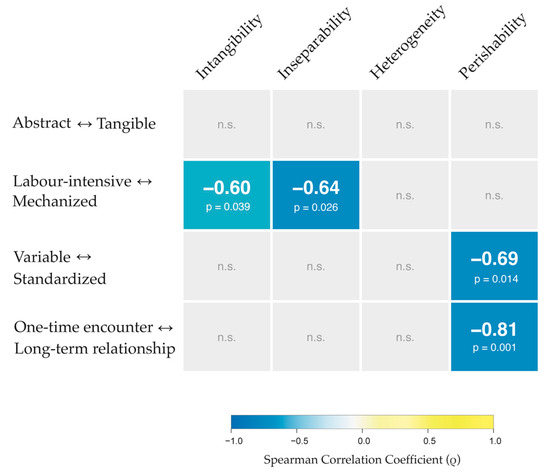
Rebranding has emerged as a complex organizational phenomenon, particularly in service contexts where value is created through interactive and process-based relationships. Despite extensive research in branding, the role of core service characteristics in shaping the rebranding process remains insufficiently examined. This study therefore investigates how intangibility, inseparability of production and consumption, heterogeneity, and perishability influence the rebranding process in service organizations, with particular attention to variations in the patterns and intensity of their influence across different service contexts. A mixed-methods research design was employed, combining semi-structured interviews with twelve purposively selected senior branding professionals and quantitative analysis of expert assessments using nonparametric statistical techniques appropriate for exploratory research. The findings indicate that core service characteristics are relevant to the rebranding process and contribute to its qualitative distinctiveness in comparison with the rebranding of physical goods. However, their influence is not uniform: intangibility and heterogeneity emerge as consistently strong and stable factors, whereas inseparability and perishability exhibit more variable and context-dependent patterns. Furthermore, the type of service industry is identified as an analytical condition systematically associated with these differentiated forms of influence. The study contributes by conceptualizing rebranding in service organizations as a context-sensitive and process-oriented phenomenon. It shows that core service characteristics do not influence rebranding uniformly but through differentiated patterns that vary across service-industry contexts. These findings extend the theoretical understanding of rebranding and support a more nuanced approach to strategic decision-making in service-based brand management.
Full article
(This article belongs to the Section Strategic Management)
►▼
Show Figures

Figure 1

Open AccessArticle
A Panel Data Analysis of Factors Implicating SDG16 Attainment: The Role of E-Government
by
Rosario Pérez-Morote, Humberto Nuno Rito Ribeiro, Loukas Glyptis and Carolina Pontones-Rosa
Adm. Sci. 2026, 16(6), 248; https://doi.org/10.3390/admsci16060248 - 23 May 2026
Abstract
Drawing on Governance Theory and institutional perspectives, this study analyses the relationship between e-government use and SDG16-related institutional outcomes across 27 European countries during 2010–2022. Using longitudinal panel data estimations with country and year fixed effects, complemented by an exploratory cluster analysis, the
[...] Read more.
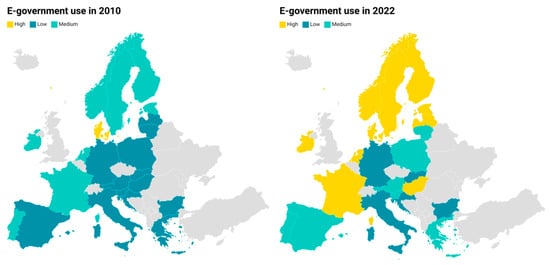
Drawing on Governance Theory and institutional perspectives, this study analyses the relationship between e-government use and SDG16-related institutional outcomes across 27 European countries during 2010–2022. Using longitudinal panel data estimations with country and year fixed effects, complemented by an exploratory cluster analysis, the paper examines how technological, economic, and demographic factors influence trust in public institutions, voice and accountability, and control of corruption. The results reveal substantial heterogeneity across institutional dimensions. Economic variables, particularly income per capita and unemployment, emerge as the most robust predictors of institutional performance. By contrast, the effects of technological variables weaken considerably once structural country heterogeneity is controlled for. The findings suggest that digitalisation is more strongly associated with institutional trust than with improvements in democratic accountability or corruption control. Cluster analysis identifies heterogeneous trajectories of e-government adoption across European countries, indicating that digitalisation does not automatically generate governance improvements in all contexts. Overall, the study shows that the effectiveness of e-government depends heavily on broader institutional and socio-economic conditions and highlights the importance of distinguishing structural cross-country differences from within-country longitudinal dynamics.
Full article
(This article belongs to the Topic Sustainable Digital Transformation: Integrating Economic, Technological, and Societal Perspectives)
►▼
Show Figures

Figure 1
Open AccessReview
Employee Well-Being, Job Satisfaction and Organizational Performance: An Integrative Review Through the Lens of Industry 5.0
by
Zahra Amiri, João Carlos O. Matias and Carina O. Pimentel
Adm. Sci. 2026, 16(6), 247; https://doi.org/10.3390/admsci16060247 - 23 May 2026
Abstract
►▼
Show Figures
The transition from Industry 4.0 to Industry 5.0 represents a shift toward human-centric work systems that prioritize employee well-being and meaningful human–technology collaboration. Research examining employee well-being, job satisfaction, and organizational performance in Industry 5.0 contexts remains conceptually fragmented and methodologically heterogeneous, limiting
[...] Read more.
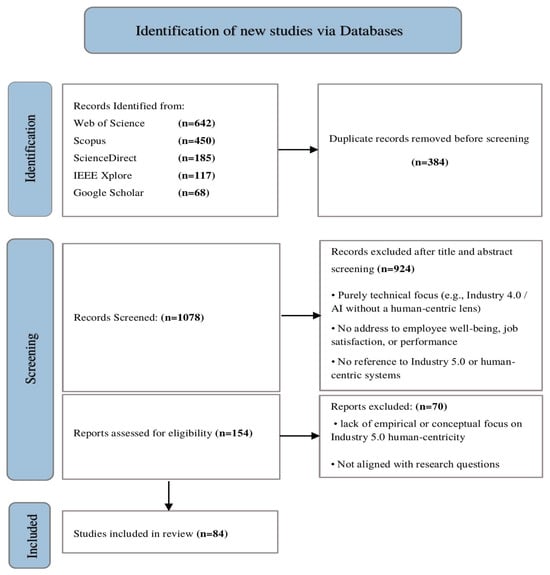
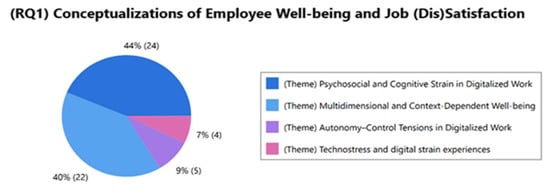
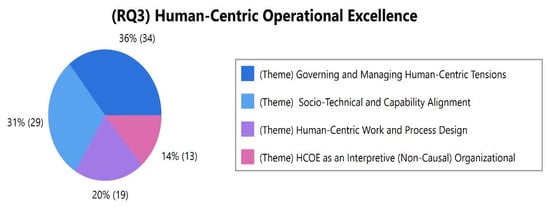
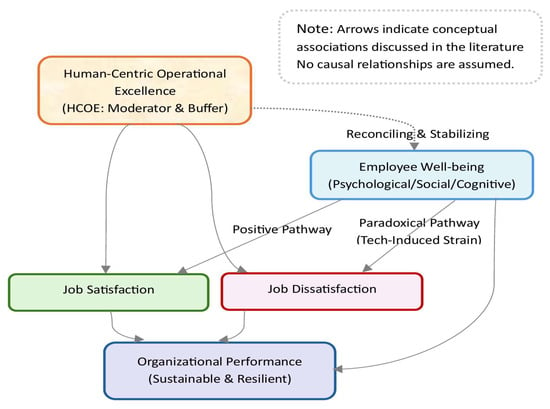
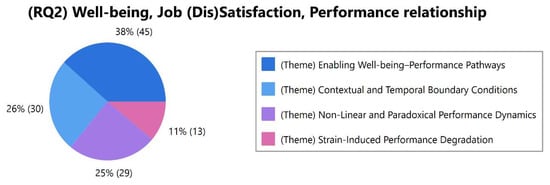
The transition from Industry 4.0 to Industry 5.0 represents a shift toward human-centric work systems that prioritize employee well-being and meaningful human–technology collaboration. Research examining employee well-being, job satisfaction, and organizational performance in Industry 5.0 contexts remains conceptually fragmented and methodologically heterogeneous, limiting cumulative theoretical development. This study addresses how fragmented insights on employee well-being, job satisfaction, and organizational performance can be conceptually integrated through a human-centric operational excellence perspective. Accordingly, an integrative review was conducted using PRISMA 2020-guided screening and reporting procedures, resulting in a final sample of 84 peer-reviewed studies published between 2015 and 2025. The literature was analyzed through inductive thematic synthesis to identify recurring patterns, tensions, and conceptual configurations within digitally mediated work environments. The findings indicate that employee well-being and job satisfaction Industry 5.0 contexts are multidimensional, dynamic, and frequently paradoxical: digital technologies simultaneously function as enablers of autonomy, meaningful work, and cognitive support while also generating technostress, algorithmic control, and cognitive overload. Relationships between well-being, satisfaction, and performance appear non-linear and context-dependent, with high performance sometimes coexisting with employee strain. In this sense, this study contributes to the Industry 5.0 literature by advancing human-centric operational excellence (HCOE) as an interpretive lens for reconciling human–technology tensions without presuming linear causal relationships.
Full article

Figure 1
Open AccessArticle
Evaluating the Effectiveness of AI-Supported Digital Training: Implications for Organizational Learning and Decision-Making
by
Nemanja Kašiković, Sandra Dedijer, Željko Zeljković, Dragana Glušac, Velibor Premčevski, Aleksandar S. Anđelković and Nemanja Tasić
Adm. Sci. 2026, 16(6), 246; https://doi.org/10.3390/admsci16060246 - 22 May 2026
Abstract
►▼
Show Figures
In contemporary organizations, digital learning environments and AI-supported instructional modalities play an increasingly important role in workforce upskilling and operational efficiency. Despite growing investments in video-based learning and AI-generated instructional agents, empirical evidence on their effectiveness remains inconclusive. This study examines whether different
[...] Read more.
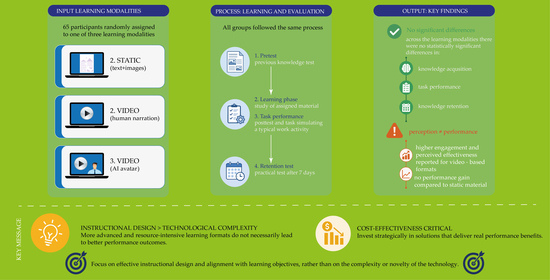
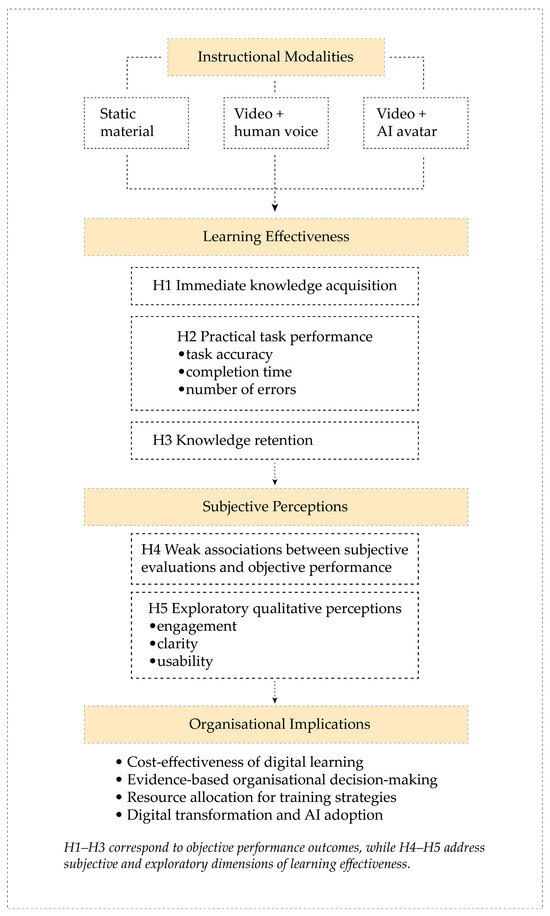
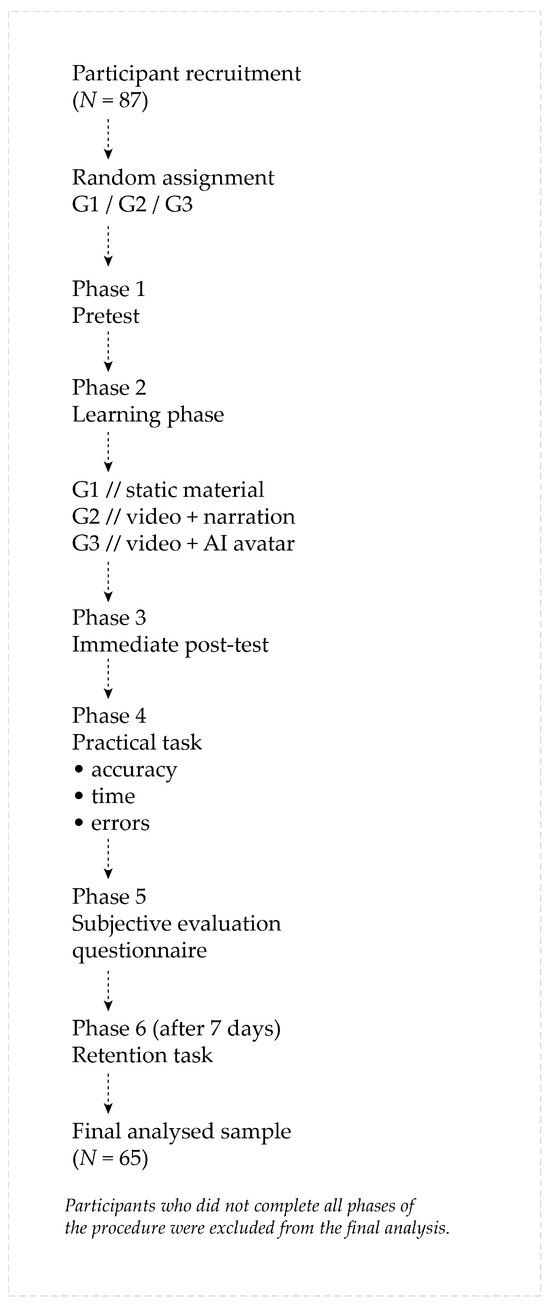
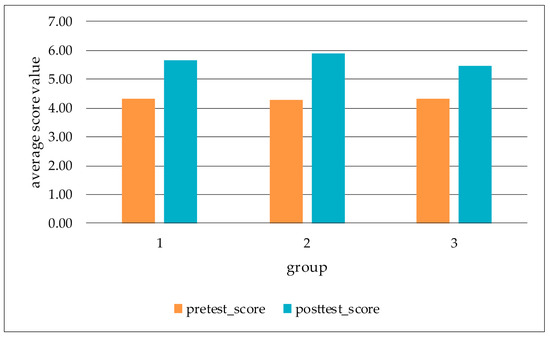
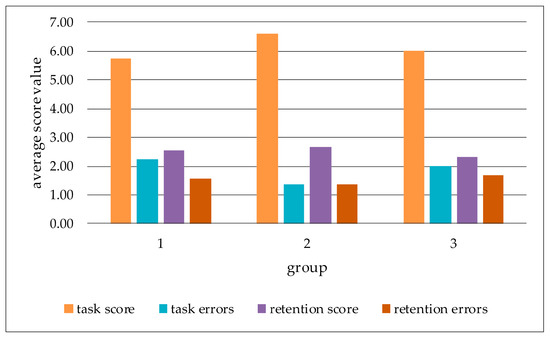
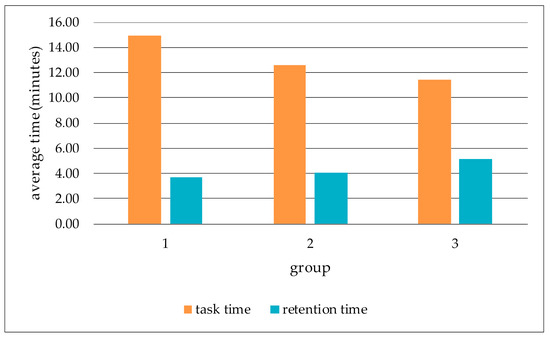
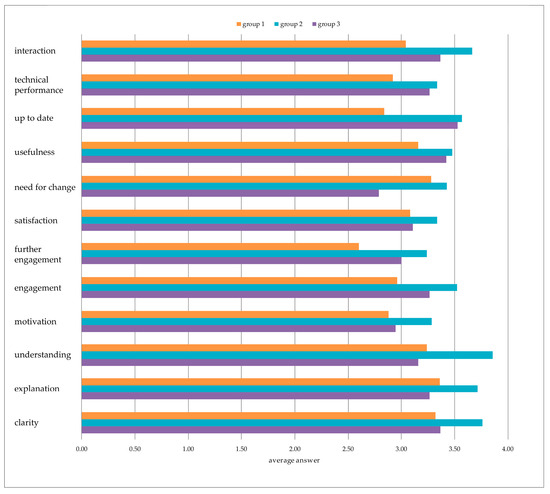
In contemporary organizations, digital learning environments and AI-supported instructional modalities play an increasingly important role in workforce upskilling and operational efficiency. Despite growing investments in video-based learning and AI-generated instructional agents, empirical evidence on their effectiveness remains inconclusive. This study examines whether different digital learning modalities influence skill acquisition, task performance, retention, and user perceptions in a simulated work-related context. An experimental study was conducted with 65 participants assigned to one of three learning conditions: static instructional material, video-based instruction with human narration, and video-based instruction with an AI-generated avatar. Performance was assessed through a pretest–posttest design, a practical task simulating a typical data-processing activity, and a delayed retention test after seven days. Participants also evaluated the learning experience in terms of clarity, engagement, and overall effectiveness. The results revealed no statistically significant differences between instructional modalities in knowledge acquisition, task performance, or retention. Similarly, no statistically significant differences were observed in participants’ self-reported ratings. However, qualitative findings suggested that some participants perceived the AI-generated avatar as somewhat distracting, despite generally positive evaluations of the video-based formats. These findings did not provide evidence that more technologically advanced and resource-intensive learning formats led to superior performance outcomes in the present sample. The findings highlight the importance of instructional design quality over technological complexity and point to a potential mismatch between user preferences and actual performance. From a management perspective, the results raise relevant questions regarding the cost-effectiveness of AI-supported learning solutions and provide evidence-based insights for decision-making in organizational learning and digital transformation strategies.
Full article

Graphical abstract
Open AccessArticle
Building Corporate Brand Identity in Exponential Organizations: The Role of a Massive Transformative Purpose
by
Francesco Derchi, Nicoletta Buratti and Francesco Vitellaro
Adm. Sci. 2026, 16(6), 245; https://doi.org/10.3390/admsci16060245 - 22 May 2026
Abstract
►▼
Show Figures
This study investigates the role of the Massive Transformative Purpose (MTP) in shaping corporate brand identity and guiding brand management strategies in Exponential Organizations (ExOs). It examines how the MTP aligns internal and external brand dimensions, enhances stakeholder engagement, and drives societal impact,
[...] Read more.
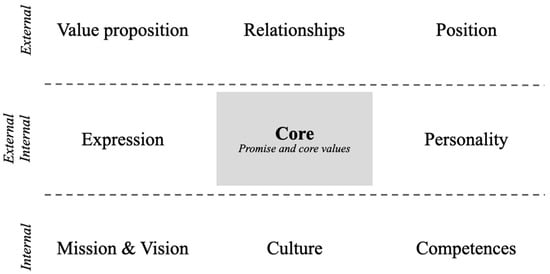
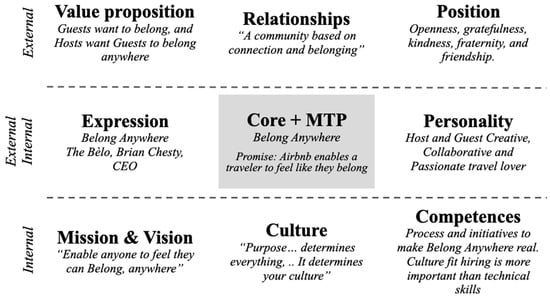
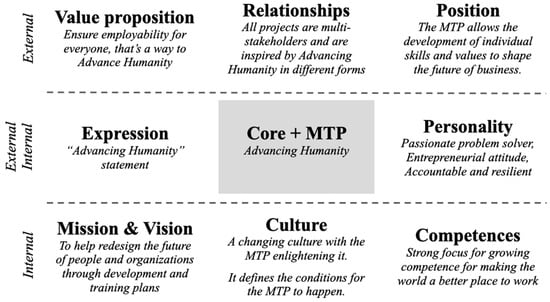
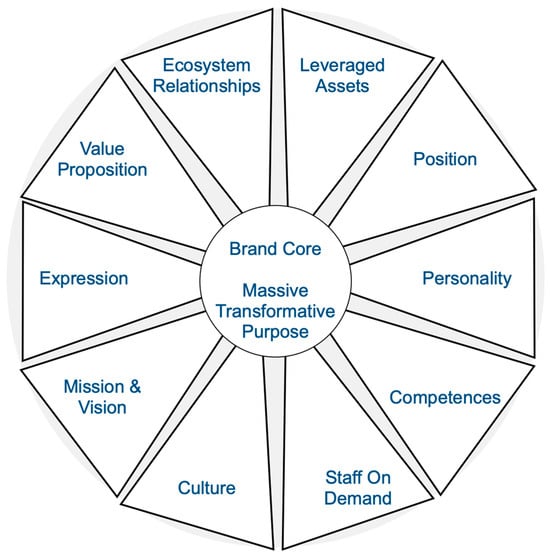
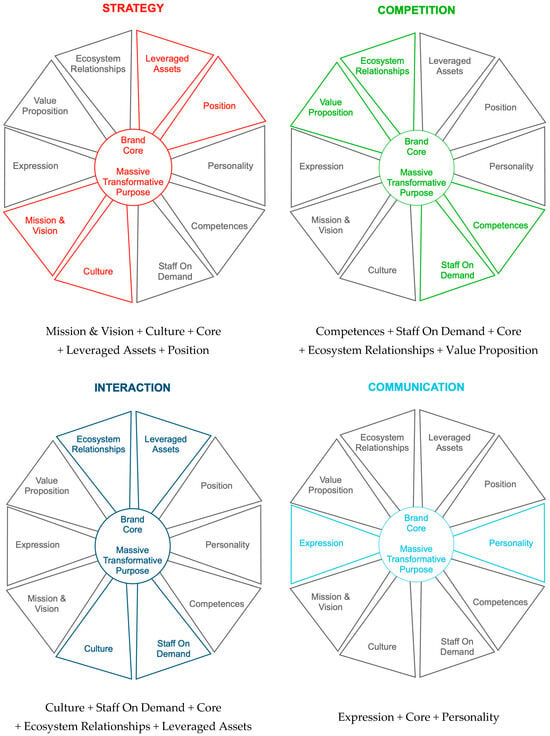
This study investigates the role of the Massive Transformative Purpose (MTP) in shaping corporate brand identity and guiding brand management strategies in Exponential Organizations (ExOs). It examines how the MTP aligns internal and external brand dimensions, enhances stakeholder engagement, and drives societal impact, positioning it as a central element in ExO brand management. This study employs a qualitative multiple-case study methodology focusing on two ExOs: Airbnb, a digital-native hospitality company, and Mylia, a transformative learning enterprise. Semi-structured interviews with senior executives were triangulated with internal and external data to examine how the MTP drives strategy, culture, and stakeholder engagement. This allowed the application of the Corporate Brand Identity Matrix for exploring the different corporate brand identities and the relative nuances. The findings show that the MTP is essential to shaping ExOs’ corporate brand identity. It unifies organizational purpose, culture, and strategy, creating a cohesive identity that resonates both internally and externally. Embedding the MTP into daily practices fosters alignment, guides decision-making, strengthens stakeholder relationships, and shapes value propositions that distinguish ExOs while addressing stakeholder needs. The research bridges gaps in the literature on corporate brand identity, organizational purpose, and the unique characteristics of ExOs. It introduces the MTP Management Model, which integrates ExO-specific attributes to provide deeper insights into how these organizations align operational structures and brand identity with their transformative purpose. While the multiple-case study approach offers in-depth insights, the findings are context-specific and may not be fully generalizable across industries. The MTP Management Model provides a clear framework to integrate essential attributes, ensuring organizational coherence, effective communication, and enhanced competitiveness.
Full article

Figure 1
Highly Accessed Articles
Latest Books
E-Mail Alert
News
Topics
Topic in
Administrative Sciences, Economies, World, Sustainability, Energies
Towards a Sustainable Future: Enterprises’ Strategic Choices and Social Value Creation Under Resource and Environmental Constraints
Topic Editors: Juan Lu, Guoxiang Li, Youfu Yue, Kejuan SunDeadline: 30 June 2026
Topic in
Administrative Sciences, Buildings, Education Sciences, Societies, Sustainability
Architectural Education
Topic Editors: Daniel Ferrández Vega, Alicia Zaragoza Benzal, Rafael Marcos-Sánchez, Ricardo Curto-RodríguezDeadline: 30 July 2026
Topic in
Administrative Sciences, Businesses, Informatics, JTAER
Innovations in New Media: Shaping the Future of Interactive Marketing
Topic Editors: Chenglu Wang, Hongfei Liu, Morgan Yang, Qing Ye, Yunjia ChiDeadline: 30 September 2026
Topic in
Energies, Land, Sustainability, Administrative Sciences, Forests, Economies
Integrating Economy, Environment and Society for Systemic Sustainability: Dynamics, Thresholds and Power Relations
Topic Editors: Aleksy Kwilinski, Maciej KardasDeadline: 30 November 2026
Conferences
Special Issues
Special Issue in
Administrative Sciences
New Developments in Public Administration and Governance
Guest Editor: Paul JoyceDeadline: 31 May 2026
Special Issue in
Administrative Sciences
Forging Tomorrow’s Leaders: Innovations in Organizational Leadership Development
Guest Editors: Barry Z. Posner, Rachel MonteverdiDeadline: 31 May 2026
Special Issue in
Administrative Sciences
AI-Driven Business Sustainability and Competitive Strategy
Guest Editor: Bin ZhangDeadline: 31 May 2026
Special Issue in
Administrative Sciences
Environmental, Social, and Governance (ESG) in Emerging Markets: Antecedents, Relevance, Consequences, and New Evidence on Emerging Themes
Guest Editors: Abongeh A. Tunyi, Geofry ArenekeDeadline: 31 May 2026