Journal Description
Biology and Life Sciences Forum
is an open access journal dedicated to publishing findings resulting from conferences, workshops, and similar events, in all areas of biology, life sciences and at the interface of related disciplines. The conference organizers and proceedings editors are responsible for managing the peer-review process and selecting papers for conference proceedings.
Latest Articles
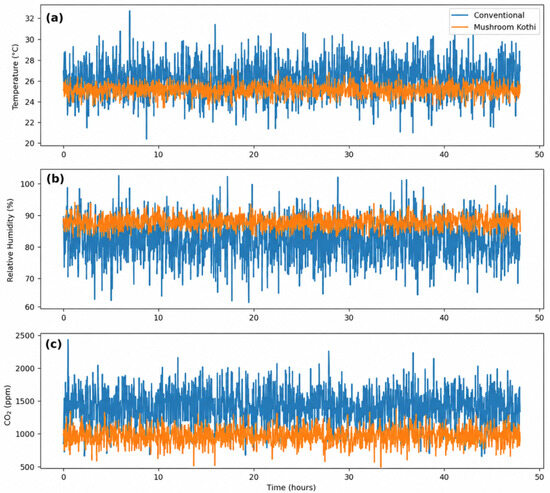
Mushroom Kothi: Integrating IoT Sensing, Control Algorithms, and Microclimate Modeling for Precision Oyster Mushroom (Pleurotus ostreatus) Cultivation in India (Bharat)
Biol. Life Sci. Forum 2026, 57(1), 12; https://doi.org/10.3390/blsf2026057012 - 28 May 2026
Abstract
Precision microclimate management is critical for stabilizing oyster mushroom (P. ostreatus) production under variable farm conditions. This study evaluates Mushroom Kothi, an IoT-enabled cultivation system integrating low-cost sensors, automated control strategies, and cloud-based monitoring, across multiple agro-climatic zones and seasons
[...] Read more.
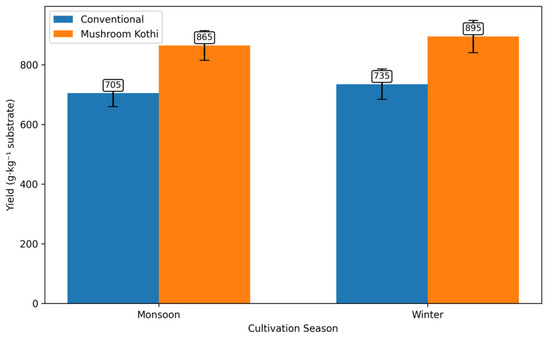
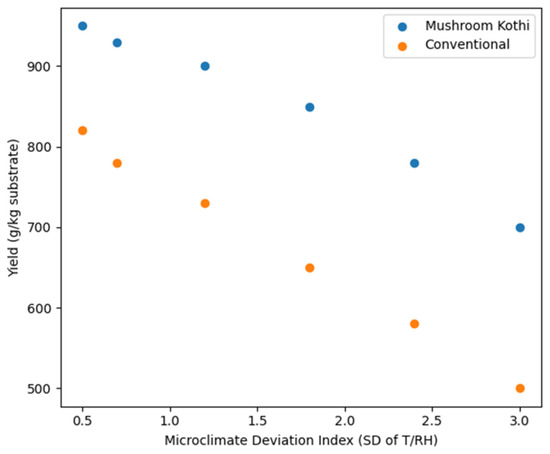
Precision microclimate management is critical for stabilizing oyster mushroom (P. ostreatus) production under variable farm conditions. This study evaluates Mushroom Kothi, an IoT-enabled cultivation system integrating low-cost sensors, automated control strategies, and cloud-based monitoring, across multiple agro-climatic zones and seasons in India (Bharat). Comparative trials with conventional farmer-managed systems show that Mushroom Kothi significantly reduces microclimate variability, improves yield consistency, enhances fruit body uniformity, and increases water-use efficiency without relying on energy-intensive cooling. The results demonstrate that biologically informed, automated environmental stabilization—rather than growth forcing—can support sustainable, smallholder-oriented precision mushroom cultivation.
Full article
(This article belongs to the Proceedings of The 5th International Electronic Conference on Agronomy (IECAG 2025))
►
Show Figures
Open AccessProceeding Paper
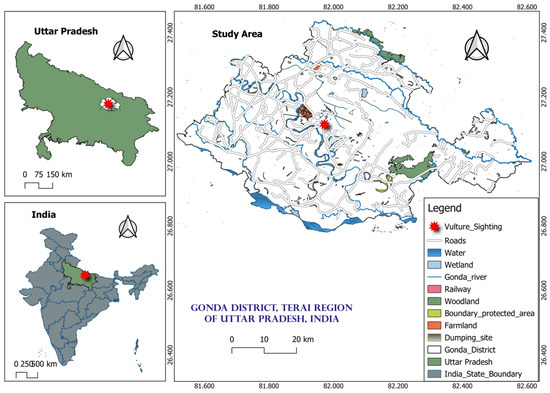
Anthropogenic Influences on the Scavenging Ecology of Egyptian Vultures in Gonda, Terai Region of Uttar Pradesh, India
by
Narsingh Mani and Amita Kanaujia
Biol. Life Sci. Forum 2026, 65(1), 1; https://doi.org/10.3390/blsf2026065001 - 26 May 2026
Abstract
►▼
Show Figures
Introduction: The Egyptian Vulture (Neophron percnopterus), an endangered scavenger, plays an important role in ecosystem health and corpse decomposition processes. However, populations have been declining throughout the Indian subcontinent, mainly due to anthropogenic influences. The present study explores how human activities
[...] Read more.
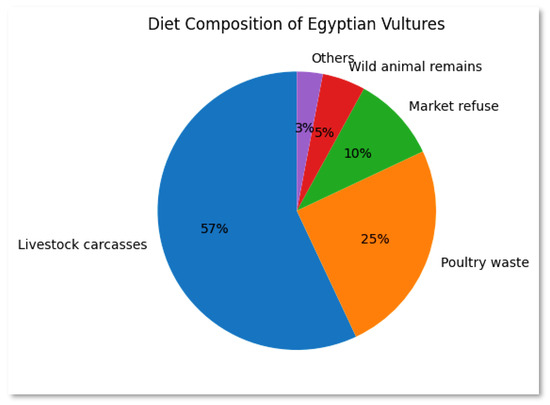
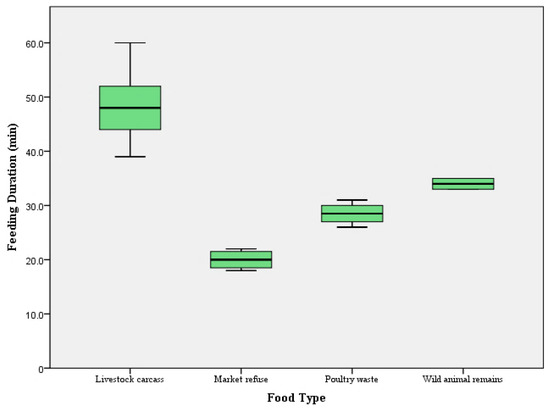
Introduction: The Egyptian Vulture (Neophron percnopterus), an endangered scavenger, plays an important role in ecosystem health and corpse decomposition processes. However, populations have been declining throughout the Indian subcontinent, mainly due to anthropogenic influences. The present study explores how human activities affect the scavenging ecology and feeding behavior of Egyptian vultures in Gonda District, Terai region of Uttar Pradesh, India. Methods: The observations were conducted from January to June 2025. Systematic field observations were conducted at certain dumping locations. Point count sampling techniques were used to capture information on interspecific interactions, food type, feeding duration, and frequency of foraging. Results: The findings showed that vultures relied extensively on manmade food sources, mainly animal carcasses (57%), poultry waste (25%), and market rubbish (10%). Feeding activity peaked in the morning (08:00–11:00 h), coinciding with carcass disposal times at dump sites. Feral dogs, cattle egrets, and crows frequently engaged in interspecific conflict, limiting feeding time and food availability. Dependence on human-mediated food sources demonstrates both adaptation and susceptibility—adaptability in exploiting alternative resources, but vulnerability due to potential exposure to toxins, diminished food supply, and habitat disruption. Conclusions: The study underlines the critical need for better waste management techniques, construction of vulture feeding zones, and public awareness campaigns to support the long-term conservation of Egyptian Vultures in human-modified environments.
Full article

Figure 1
Open AccessProceeding Paper
Bioactive Profiling of Citrus aurantium Peel Ethanol Extract and Effects on Escherichia coli and Staphylococcus aureus Drug Target Proteins
by
Kehinde Oluyemi Ajayi, Bisola Kemi Olaoye, Blessing Tolulope Owolabi and Timothy O. Adejumo
Biol. Life Sci. Forum 2026, 62(1), 4; https://doi.org/10.3390/blsf2026062004 - 25 May 2026
Abstract
►▼
Show Figures
The rising threat of antimicrobial resistance necessitates the search for novel bioactive molecules from natural sources. This study investigated the phytochemical composition, antibacterial potency, and molecular docking interactions of Citrus aurantium peel ethanol extract against Escherichia coli outer-membrane and topoisomerase proteins and Staphylococcus
[...] Read more.
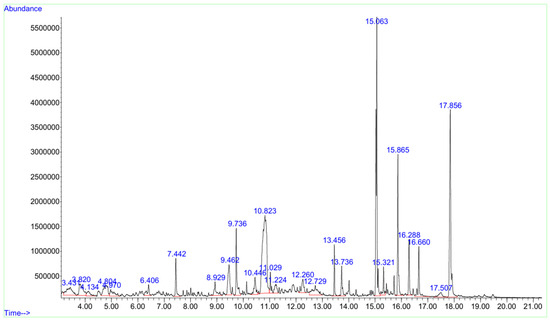
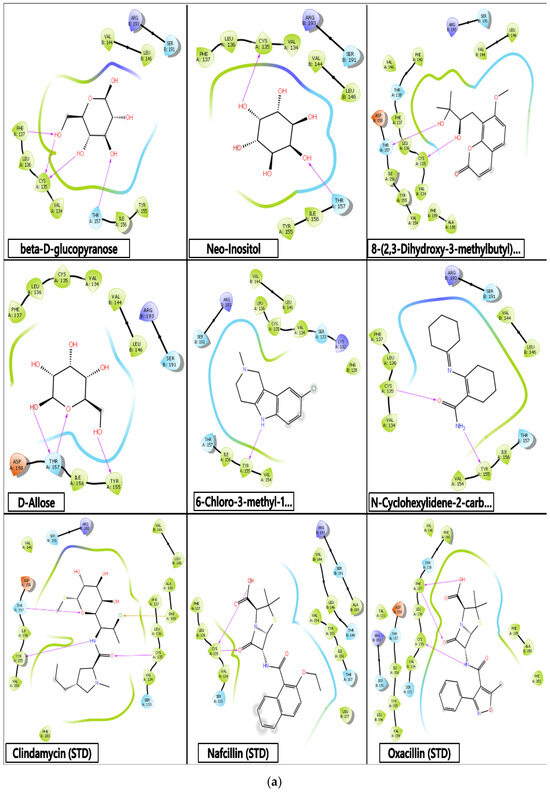
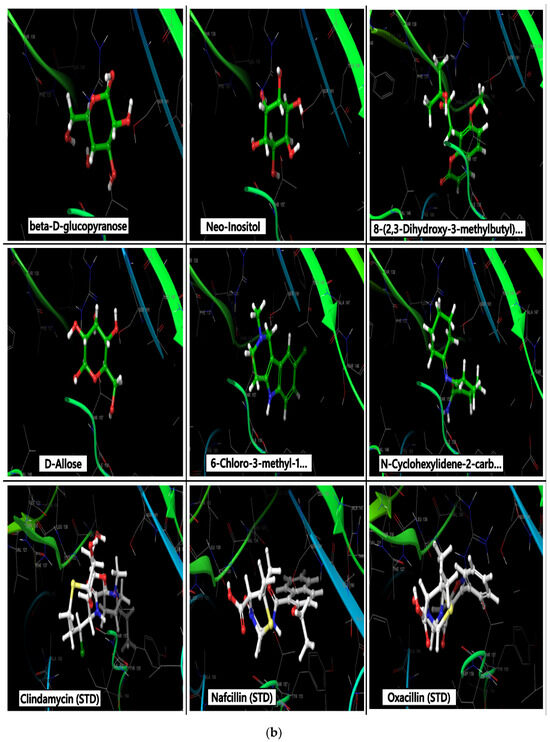
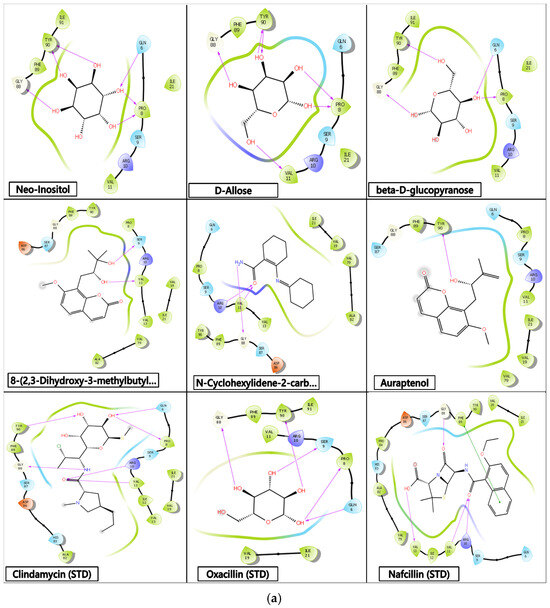
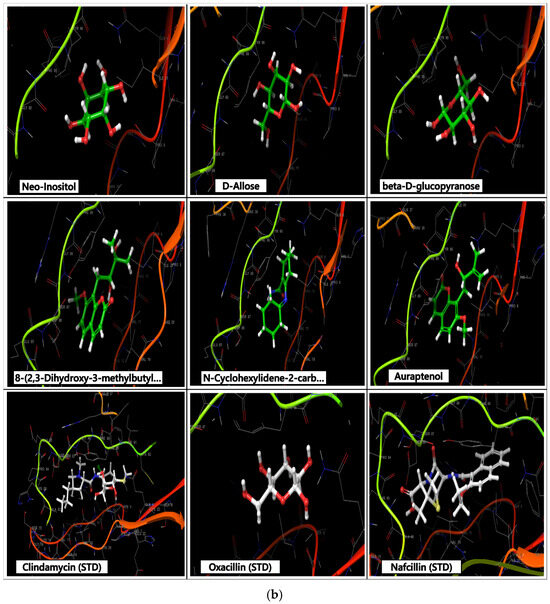
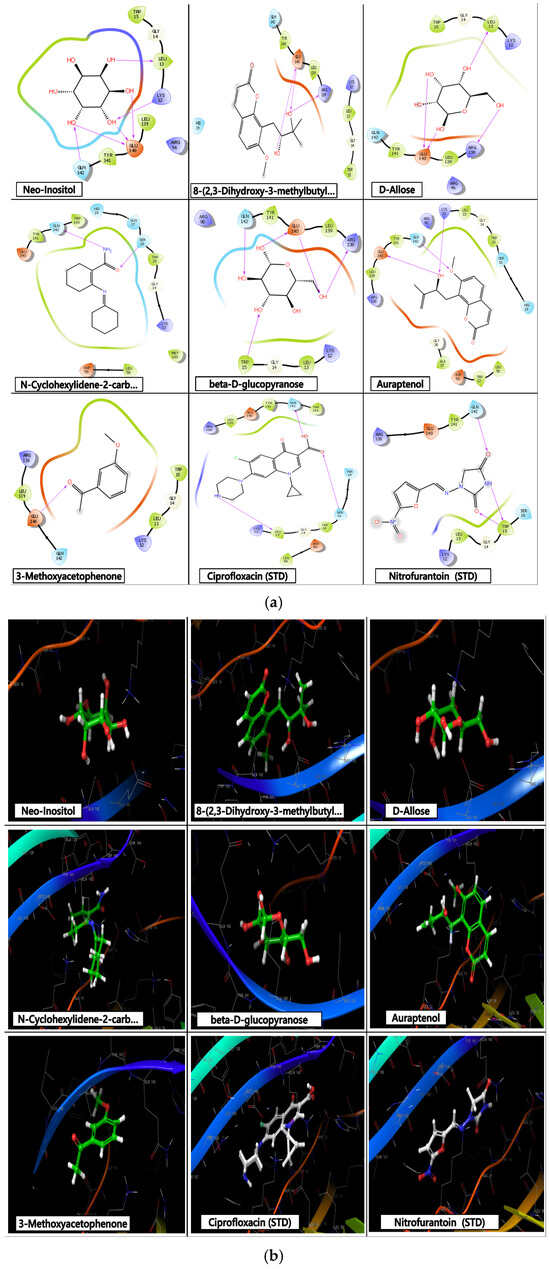
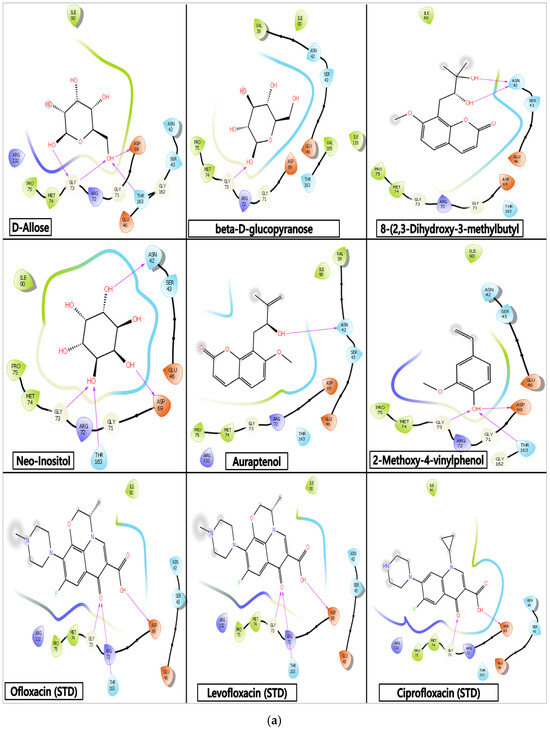
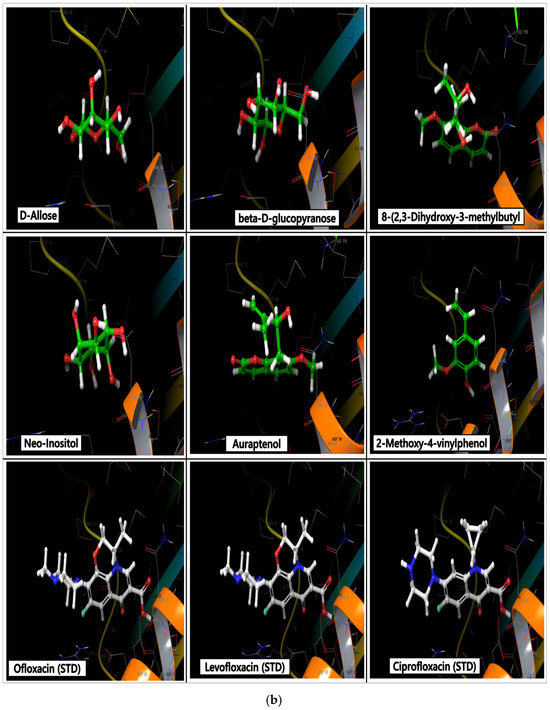
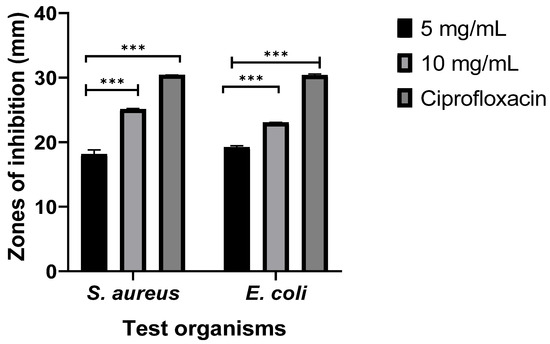
The rising threat of antimicrobial resistance necessitates the search for novel bioactive molecules from natural sources. This study investigated the phytochemical composition, antibacterial potency, and molecular docking interactions of Citrus aurantium peel ethanol extract against Escherichia coli outer-membrane and topoisomerase proteins and Staphylococcus aureus toxins as drug target proteins. Qualitative and quantitative phytochemical compositions were examined using standard analytical methods, chemical compounds were evaluated and qualified using Gas Chromatography–Mass Spectrometry (GC-MS), and antibacterial effects were investigated in silico and validated in vitro. Qualitative and quantitative analyses revealed high concentrations of flavonoids (4.54 ± 0.11%), alkaloids (1.6 ± 0.03%), terpenoids (1.35 ± 0.01%), tannins (1.02 ± 0.05%), phenols (0.97 ± 0.07%), and saponins (0.80 ± 0.01%). GC–MS profiling identified several dominant compounds, including β-D-glucopyranose, neo-inositol, 8-(2,3-dihydroxy-3-methylbutyl)-7-methoxy-2H-chromen-2-one, and D-allose. In silico docking studies against bacterial druggable proteins (PDB IDs: 4C56 and 3MFG, which are S. aureus toxins; 1BXW and 3FV5, which are E. coli outer-membrane and topoisomerase proteins) revealed strong binding affinities (−6.477 to −8.774 kcal/mol), comparable to standard antibiotics. ADMET predictions confirmed favorable pharmacokinetic and safety profiles, with most lead compounds displaying high intestinal absorption, low hepatotoxicity, and compliance with Lipinski’s rule of five. The extract exhibited stronger antibacterial activity, producing inhibition zones of 25.11 ± 0.017 and 23.04 ± 0.25 mm against clinical isolates of S. aureus and E. coli, respectively, at a concentration of 10 mg/mL, comparable to ciprofloxacin (30.35 ± 0.26 mm). These findings highlight C. aurantium peel phytoconstituents as promising scaffolds for antibacterial drug development and justify further in vivo validation for combating multidrug-resistant pathogens.
Full article

Figure 1
Open AccessConference Report
Abstracts of the 3rd International Online Conference on Toxins (IOCT 2025)
by
Jay W. Fox
Biol. Life Sci. Forum 2025, 52(1), 3; https://doi.org/10.3390/blsf2025052003 - 21 May 2026
Abstract
The 3rd International Online Conference on Toxins (IOCT 2025) was held online from 10 to 12 September 2025, and chaired by Prof. Dr. Jay W. Fox. There were six areas of focus at IOCT 2025, providing ample opportunities for the written and oral
[...] Read more.
The 3rd International Online Conference on Toxins (IOCT 2025) was held online from 10 to 12 September 2025, and chaired by Prof. Dr. Jay W. Fox. There were six areas of focus at IOCT 2025, providing ample opportunities for the written and oral presentation of new, exciting studies in toxinology. The main topics and sessions of the conference were as follows: Plant, Animal, Insect and Microbial Toxins: New Developments; Novel Insights on The Mechanism of Action and/or Pathophysiology of Toxins; Use of Toxins as Tools for Research, Drug Discovery, and Therapeutics; Impact of Toxins on Public Health; Impact of Toxins on Agriculture; Foodborne Toxins.
Full article
(This article belongs to the Proceedings of The 3rd International Online Conference on Toxins)
Open AccessProceeding Paper
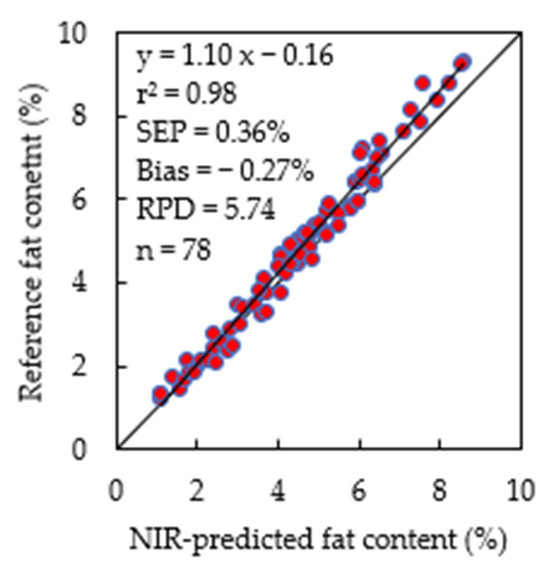
Influence of Cow Parity on the Precision of Near-Infrared Spectroscopic Sensing System for Assessing Milk Quality During Milking
by
Patricia Iweka, Shuso Kawamura, Tomohiro Mitani and Takashi Kawaguchi
Biol. Life Sci. Forum 2025, 54(1), 37; https://doi.org/10.3390/blsf2025054037 - 19 May 2026
Abstract
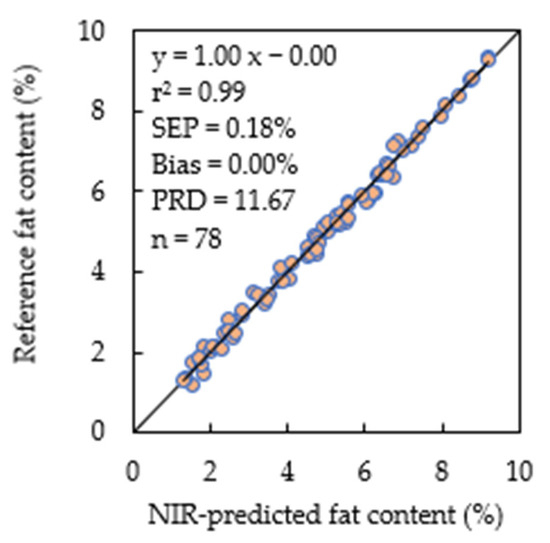
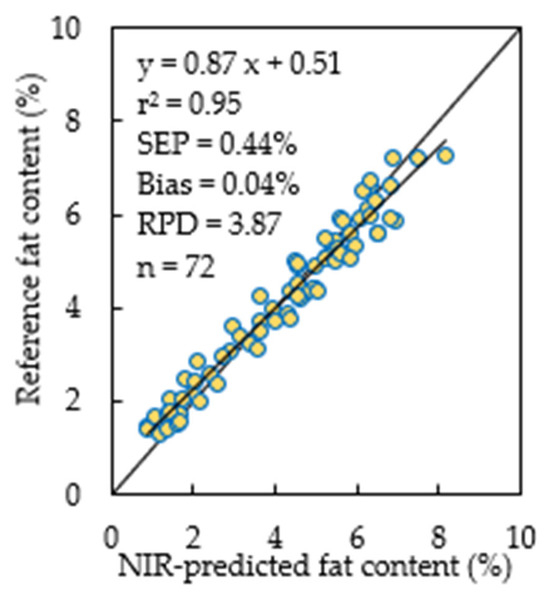
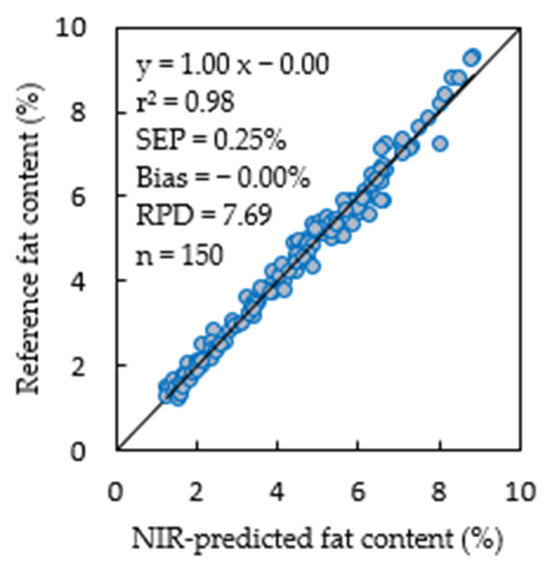
This study examined how cow parity (number of calvings) affects the accuracy of near-infrared (NIR) spectroscopy for real-time milk assessment. Using two cows in their second calving at Hokkaido University, milk spectra (700–1050 nm) were analyzed alongside reference measurements of fat, lactose, and
[...] Read more.
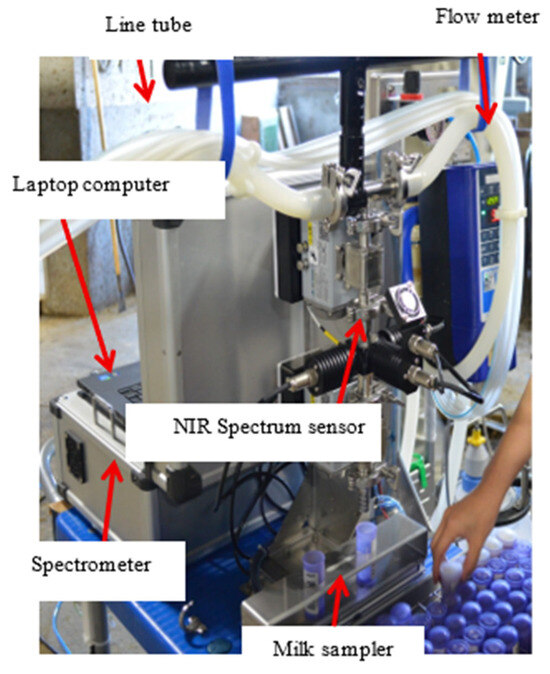
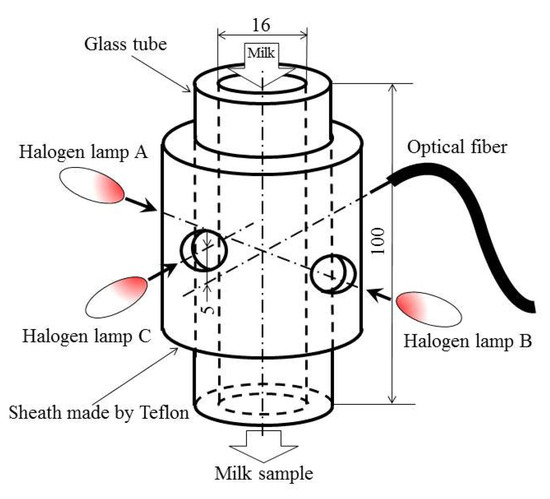
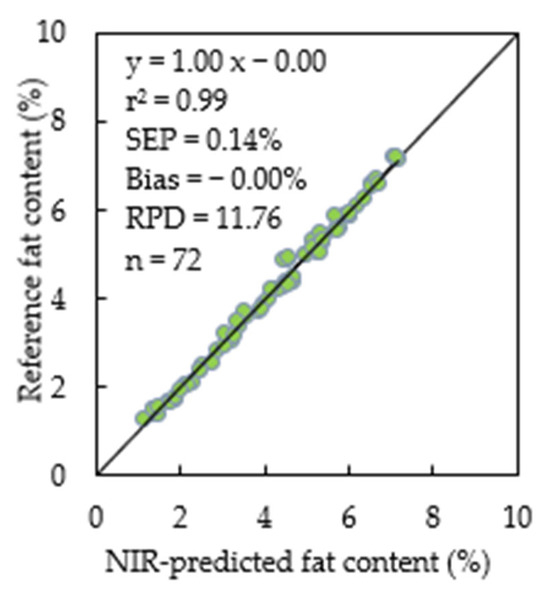
This study examined how cow parity (number of calvings) affects the accuracy of near-infrared (NIR) spectroscopy for real-time milk assessment. Using two cows in their second calving at Hokkaido University, milk spectra (700–1050 nm) were analyzed alongside reference measurements of fat, lactose, and somatic cell count (SCC). Calibration models were built with data from first, second, and combined parities using partial least squares regression. Results showed similar prediction accuracy for fat and SCC across parities but notable differences for lactose. Validation across parities revealed that parity significantly influences NIR system precision, particularly in lactose measurement accuracy.
Full article
(This article belongs to the Proceedings of The 3rd International Online Conference on Agriculture)
►▼
Show Figures

Figure 1

Open AccessProceeding Paper
An Exploration of Temporal Yield Dynamics in Hydroponic Cucumber Treated with Foliar Biostimulants Using Functional Data
by
Rodrigo Jiménez-Rivera, Nicolás Vargas-Flores, Nancy Paola Loaeza Calderon, Jonathan Alfredo Fernandez-Mendiola, Fernando Ortiz-Salgado, Elisa Dominguez-Hernandez and Martha Elena Domínguez-Hernandez
Biol. Life Sci. Forum 2026, 57(1), 11; https://doi.org/10.3390/blsf2026057011 - 18 May 2026
Abstract
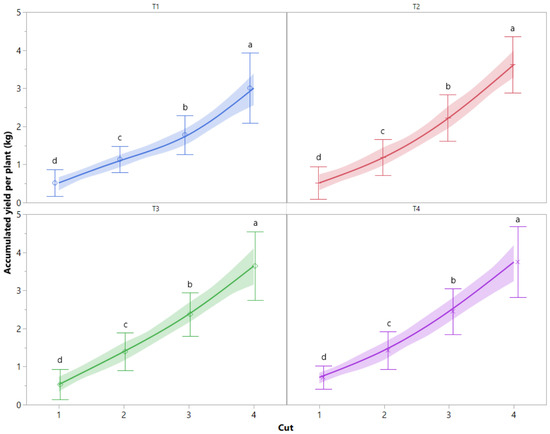
The present study explored the dynamic effects of foliar biostimulants on cucumber (Cucumis sativus var. Centauro) accumulated yield curves using a novel statistical approach: Functional Data Analysis (FDA). Four treatments were tested: T1 (control, water), T2 (seaweed extract with N, K, B,
[...] Read more.
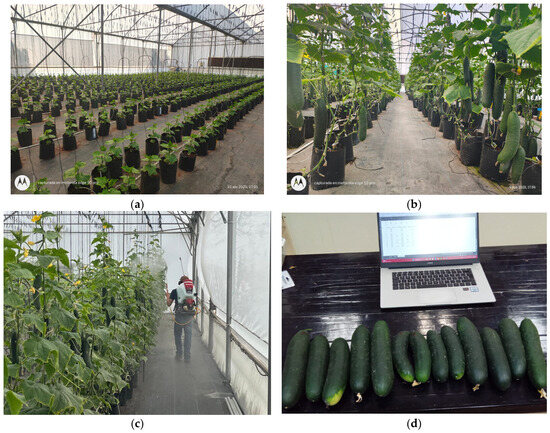
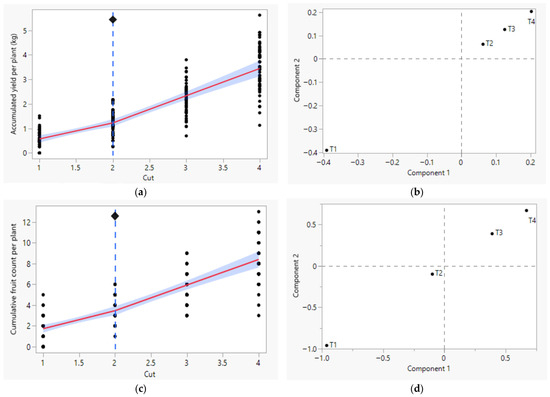
The present study explored the dynamic effects of foliar biostimulants on cucumber (Cucumis sativus var. Centauro) accumulated yield curves using a novel statistical approach: Functional Data Analysis (FDA). Four treatments were tested: T1 (control, water), T2 (seaweed extract with N, K, B, Zn), T3 (high Mg, B, Zn), and T4 (T2 + T3). Yield was measured over four harvest cuts. FDA modelled cumulative yield as continuous functions. Functional principal component analysis identified one major mode of variation, revealing an accelerated yield response between the second and third cuts, especially for T4. A functional generalized regression detected significant treatment effects (p = 0.029), which were not detected by a traditional repeated-measures ANOVA (p = 0.074). The results showed that FDA captures subtle, time-dependent growth dynamics missed by conventional methods. The combination treatment (T4) maximized yield via early-phase acceleration, highlighting a synergistic biostimulant effect. FDA provided a superior analytical framework for understanding continuous crop responses to biostimulants.
Full article
(This article belongs to the Proceedings of The 5th International Electronic Conference on Agronomy (IECAG 2025))
►▼
Show Figures

Figure 1
Open AccessProceeding Paper
Sub-Acute Preclinical Evaluation of the Consumption of High-Protein Vegetable-Based Cookies
by
Angeles Sulvaran-Trigueros, Viridiana del Carmen Cruz-Zamudio, Fabiola Luna-Vázquez, Valentin Varela-Floriano, Esteban Santacruz-Martínez and Julia Rodríguez-Castelán
Biol. Life Sci. Forum 2026, 64(1), 1; https://doi.org/10.3390/blsf2026064001 - 15 May 2026
Abstract
►▼
Show Figures
Development of innovative functional foods is a key sports nutrition strategy to enhance physical performance, support recovery, and promote overall health. Plant-based protein-rich products have emerged as a sustainable alternative to conventional animal-protein sources, offering nutritional benefits and reducing environmental impact. This study
[...] Read more.
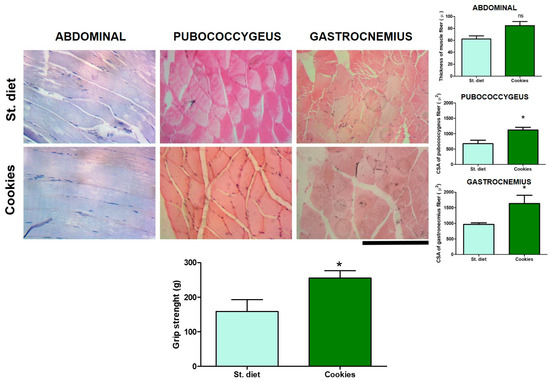
Development of innovative functional foods is a key sports nutrition strategy to enhance physical performance, support recovery, and promote overall health. Plant-based protein-rich products have emerged as a sustainable alternative to conventional animal-protein sources, offering nutritional benefits and reducing environmental impact. This study aimed to develop high-protein plant-based cookies using a conventional formulation enriched with carrot, broccoli, and legume flour, and to evaluate their effects in a preclinical model. The nutritional composition was determined using standard food analysis methods and microbiological assays were conducted to ensure safety. Twelve-week-old male Wistar rats were randomly assigned to either a standard diet group or a cookie-supplemented group. The intervention consisted of daily administration of cookies at a dose of 5.3 g/kg body weight for 15 days. Physiological and biochemical parameters, including body weight, glucose, lipid profile, renal function, muscle thickness, and grip strength, were assessed. Despite no significant differences in glucose and lipid profiles between groups, increased muscle thickness (pubococcygeus and gastrocnemius), improved grip strength and higher levels of urea and creatinine were observed in the supplemented group. These findings indicate that high-protein plant-based cookies are safe in preclinical conditions and may promote functional benefits such as enhanced muscle strength and lean mass development. Therefore, they represent a promising and sustainable functional food for sports nutrition applications.
Full article

Figure 1
Open AccessProceeding Paper
New Paleontological Evidence for Theodoxus micans (Gaudry & P. Fischer, 1867) from the Megara Basin (Greece) and Its Relationship to the Extant Species Theodoxus meridionalis (R. A. Philippi, 1836)
by
Dimitrios Protopapas and Efterpi Koskeridou
Biol. Life Sci. Forum 2026, 60(1), 3; https://doi.org/10.3390/blsf2026060003 - 13 May 2026
Abstract
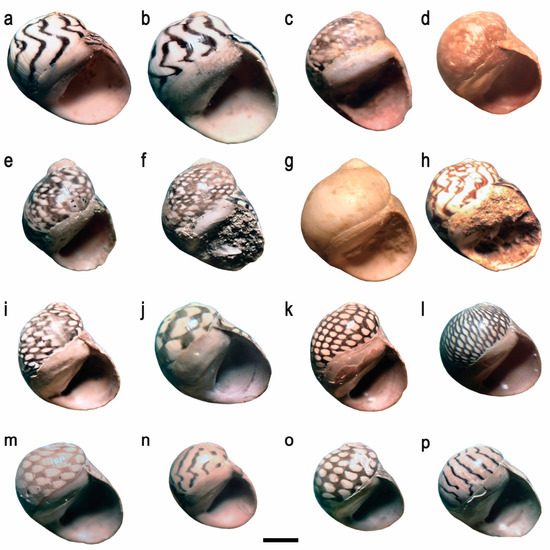
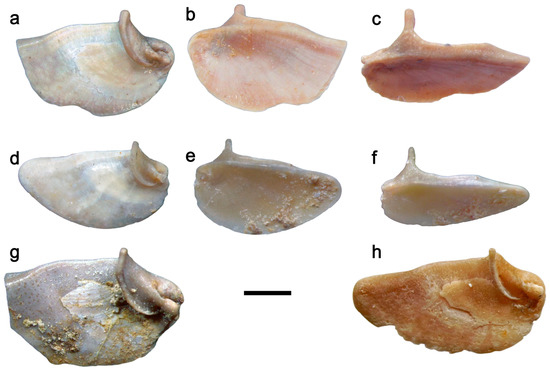
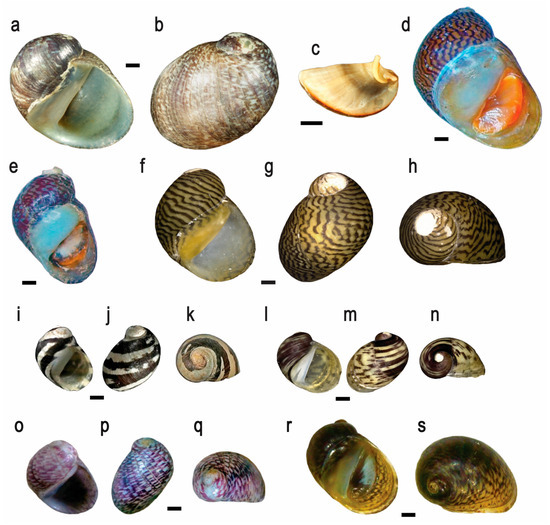
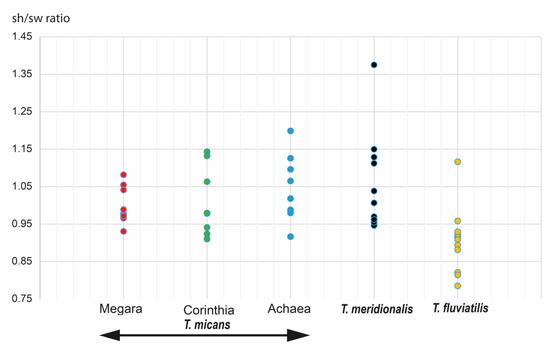
The Megara Basin in Greece contains Neogene–Quaternary deposits rich in lacustrine and marine mollusc assemblages. The shell morphology of T. micans resembles that of both fossil and extant species, notably Theodoxus meridionalis, while intraspecific variability complicates taxonomic discrimination. The operculum appears to
[...] Read more.
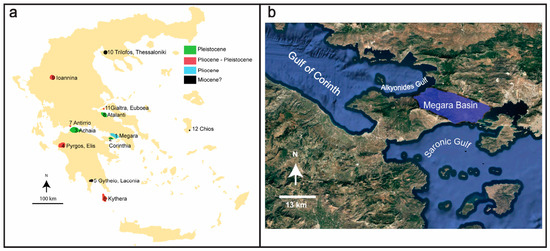
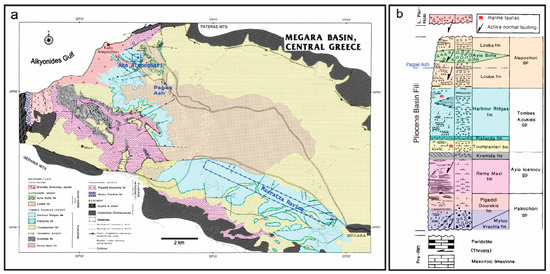
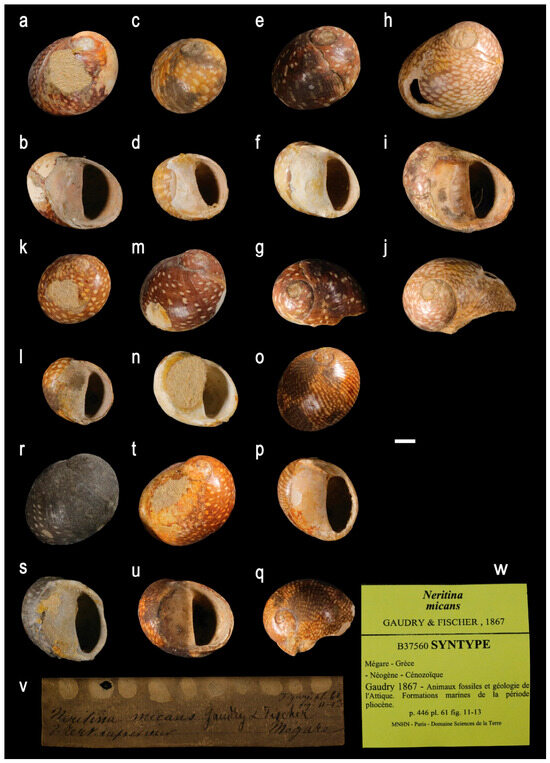
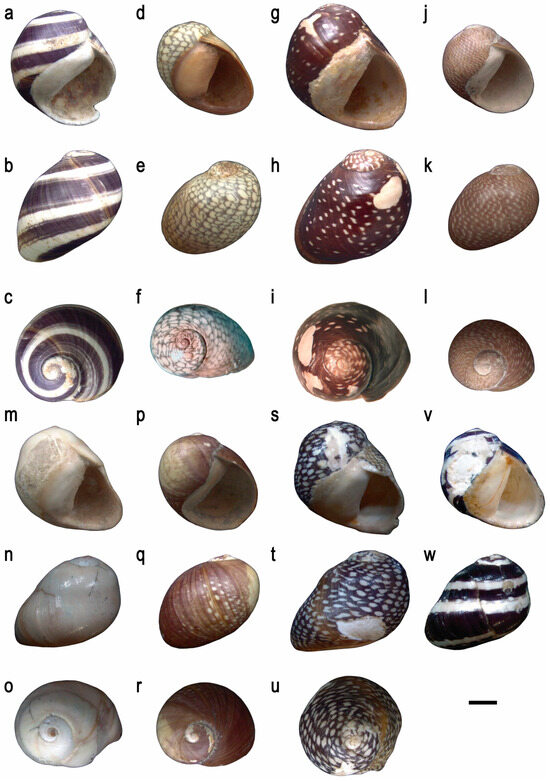
The Megara Basin in Greece contains Neogene–Quaternary deposits rich in lacustrine and marine mollusc assemblages. The shell morphology of T. micans resembles that of both fossil and extant species, notably Theodoxus meridionalis, while intraspecific variability complicates taxonomic discrimination. The operculum appears to provide more stable diagnostic features. Material from the historical collection of the Museum of Geology and Paleontology (NKUA), including specimens from Alepochori and the Mavratza Ravine, yielded opercula identified as belonging to T. micans. These results support the interpretation that Theodoxus micans represents a junior synonym of the extant species Theodoxus meridionalis.
Full article
(This article belongs to the Proceedings of The 1st International Online Conference on Taxonomy)
►▼
Show Figures

Figure 1

Open AccessProceeding Paper
Study of the Growth and Metabolic Insights of Kiwi Fruit by the Application of Amino Acid and Organic-Based Biostimulants
by
Vasileios Papantzikos
Biol. Life Sci. Forum 2026, 62(1), 3; https://doi.org/10.3390/blsf2026062003 - 9 May 2026
Abstract
►▼
Show Figures
Investigating the application of sustainable agricultural approaches, such as the use of biostimulants, is considered more significant than ever, especially in the commercially important species Actinidia deliciosa L., in the face of climate change. In this work, the application of a glycine–betaine–proline-based biostimulant
[...] Read more.
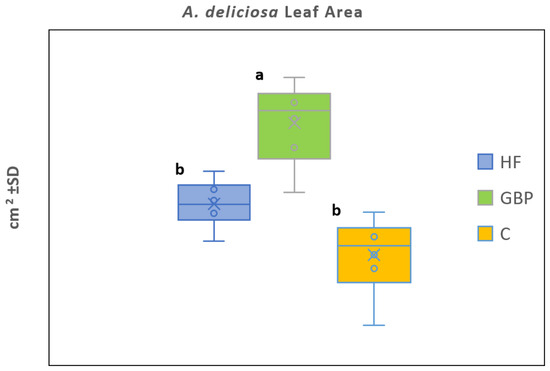
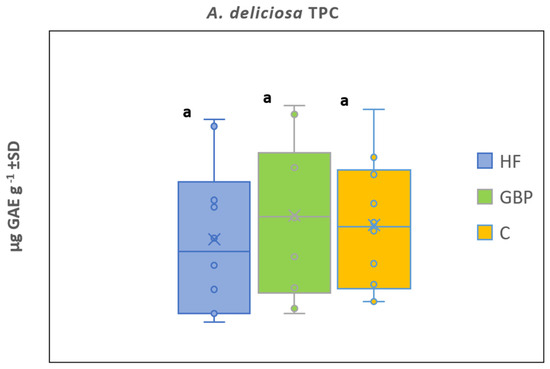
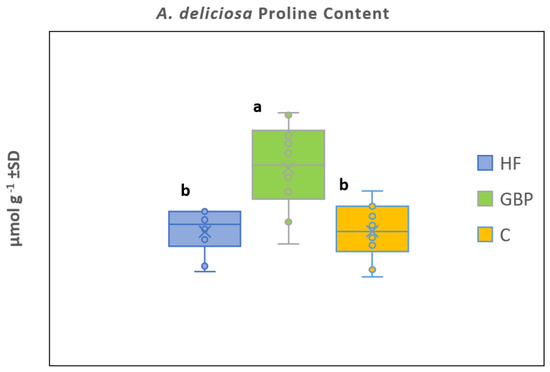
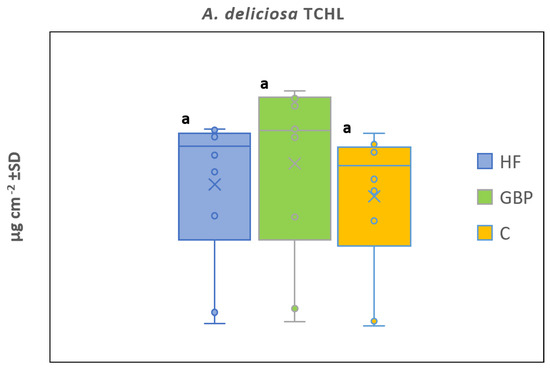
Investigating the application of sustainable agricultural approaches, such as the use of biostimulants, is considered more significant than ever, especially in the commercially important species Actinidia deliciosa L., in the face of climate change. In this work, the application of a glycine–betaine–proline-based biostimulant (GBP) and a humic and fulvic acid-based biostimulant (HF) was evaluated on the growth and metabolism of kiwi trees under field conditions. Total phenolic content, proline, and chlorophyll content were analyzed during the experiment. The metabolic data showed that the kiwi trees of the GBP treatment were more robust, as indicated by proline analysis (0.41 ± 0.09 µmol g−1) compared to C (0.28 ± 0.06 µmol g−1). This vigor of GBP treatment was also represented in leaf area (3943.17 ± 211.26 cm2), compared to the C (3484.01 ± 354.19 cm2). The implementation of biostimulants constitutes an ecological approach that can be integrated into biological crop management, as it is environmentally friendly, non-invasive to the ecosystem, and aims for crop resilience to biotic or abiotic stress.
Full article

Figure 1
Open AccessProceeding Paper
Growth Patterns of Culturable Indoor Bacteria Vary with Nutrient Availability and Surface Material
by
Jieruiyi Weng and Bei-Wen Ying
Biol. Life Sci. Forum 2026, 62(1), 2; https://doi.org/10.3390/blsf2026062002 - 9 May 2026
Abstract
►▼
Show Figures
Bacteria are ubiquitous in indoor environments, yet their growth dynamics on indoor surfaces remain underexplored. We cultured bacterial communities from various indoor objects on agar media with a gradient of nutrient concentrations and quantitatively analyzed colony growth using ten kinetic parameters. Clustering revealed
[...] Read more.
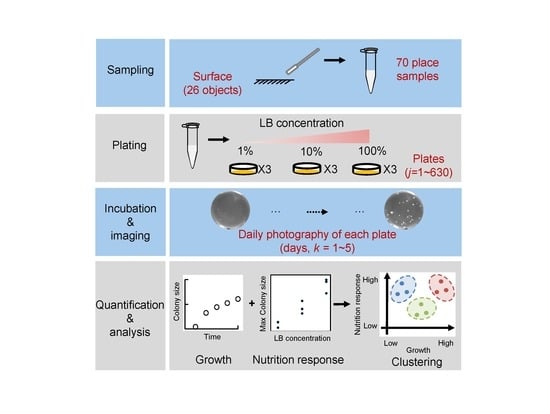
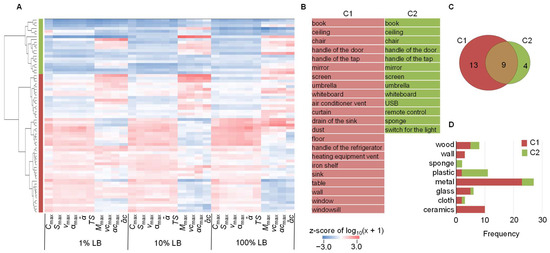
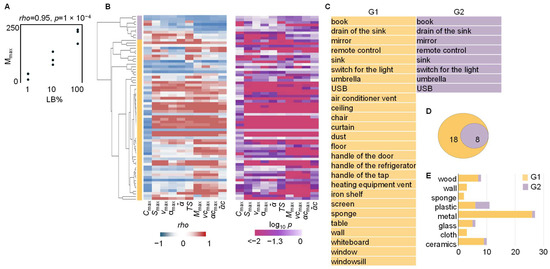
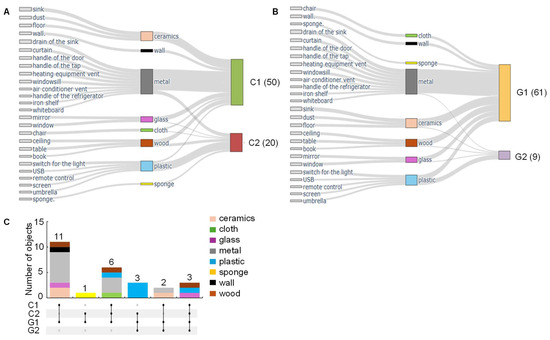
Bacteria are ubiquitous in indoor environments, yet their growth dynamics on indoor surfaces remain underexplored. We cultured bacterial communities from various indoor objects on agar media with a gradient of nutrient concentrations and quantitatively analyzed colony growth using ten kinetic parameters. Clustering revealed two primary growth patterns: a majority with high growth capacity and a minority with lower growth. Nutrient response analysis identified distinct strategies among communities, with plastic surfaces exhibiting greater heterogeneity in growth and nutrient responsiveness. These findings suggest that surface material partially shapes microbial growth behaviors and their adaptation to nutrient availability. This study provides a quantitative framework linking nutrient conditions, growth dynamics, and surface characteristics, offering new insights into the ecological traits of indoor bacterial communities.
Full article

Graphical abstract
Open AccessProceeding Paper
Evaluating Field Corn Yield and Plant and Soil Nutrient Concentrations Under Application of Synthetic Fertilizer and Dairy Manure
by
Tajamul Hussain and Muhammad Fraz Ali
Biol. Life Sci. Forum 2026, 57(1), 10; https://doi.org/10.3390/blsf2026057010 - 6 May 2026
Abstract
The application of manure to field corn has the potential to sustain corn yields and reduce nutrient leaching in the soil profile. A field trial with a randomized complete block design was conducted on Adkins fine sandy loam soil to evaluate the impact
[...] Read more.
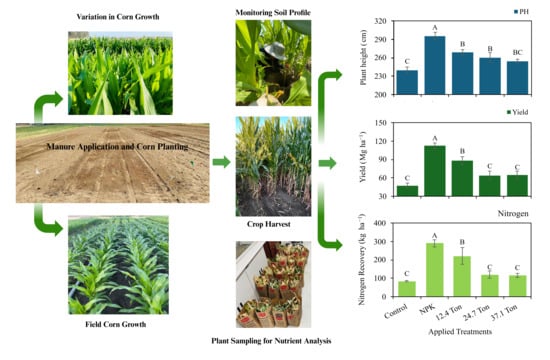
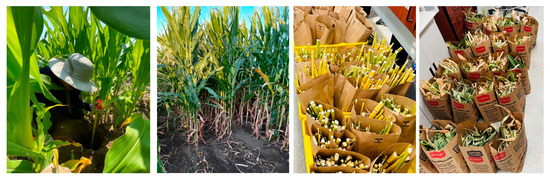
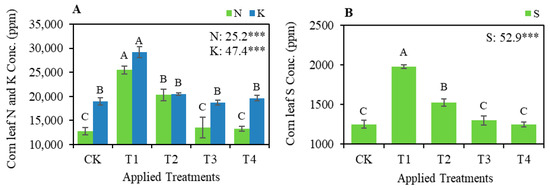
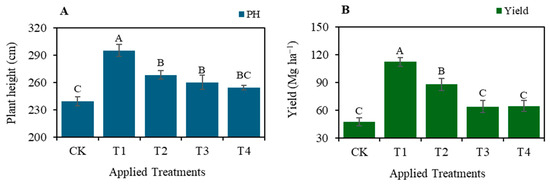
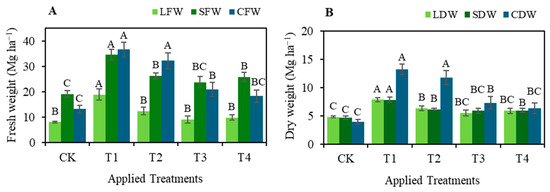
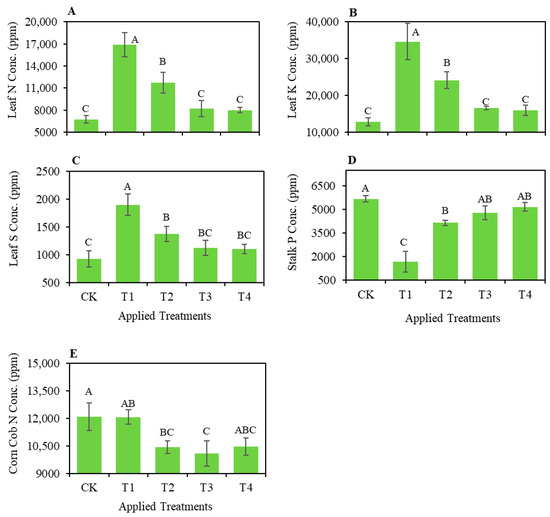
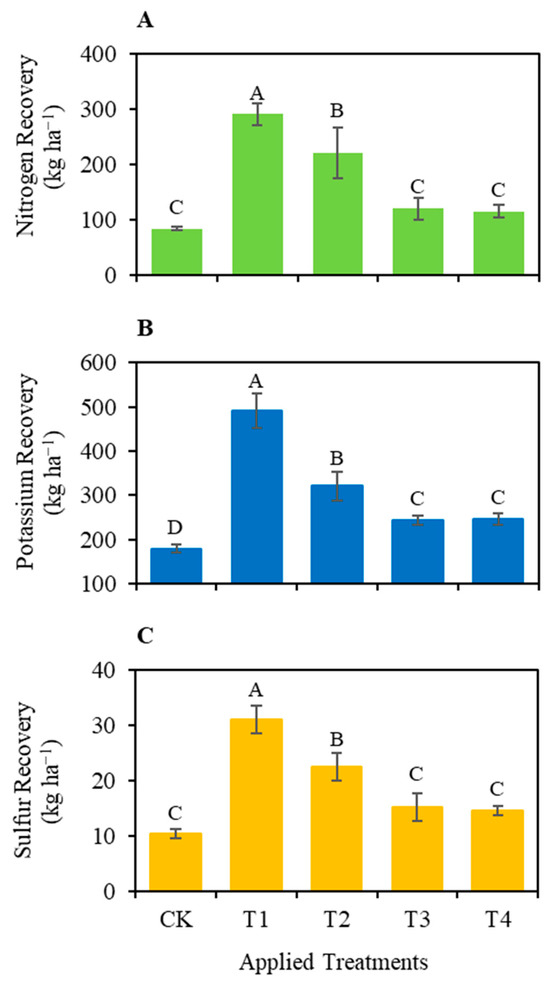
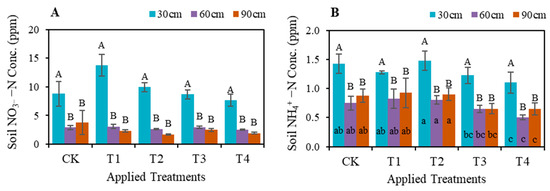
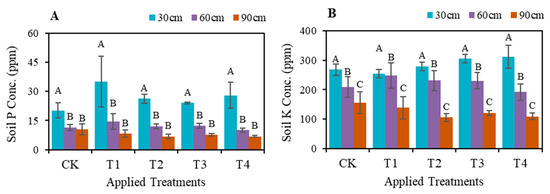
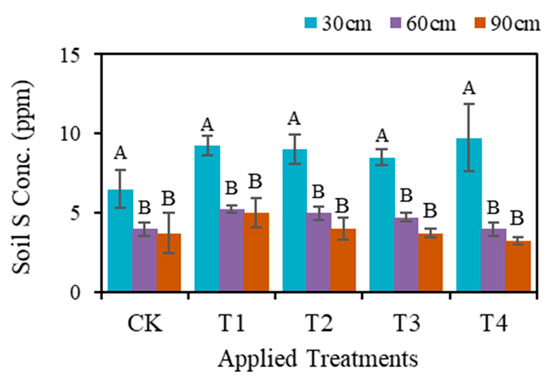
The application of manure to field corn has the potential to sustain corn yields and reduce nutrient leaching in the soil profile. A field trial with a randomized complete block design was conducted on Adkins fine sandy loam soil to evaluate the impact of application of manure and synthetic fertilizer on nutrient concentrations (N, P, K and S) in plant and soil as well as field corn yield. Experimental treatments included application of synthetic fertilizer (NPK: T1) and dairy manure application at 12.4-(T2), 24.7-(T3) and 37.1-(T4) tons ha−1 in addition to a non-fertilized control (CK). All manure was applied before planting. Corn was manually harvested, and plants were separated into leaves, stems and cobs to determine dry weights. Post-harvest soil sampling was performed at 0–30, 30–60 and 60–90 cm soil depths. The results indicated that in-season leaf nutrient concentration was significantly different among applied treatments. The application of synthetic fertilizer (T1) resulted in the highest plant height (295 cm) and produced a higher corn yield (112.3 Mg ha−1) compared to CK and application of dairy manure. Application of manure at 12.4 tons ha−1 produced higher corn yield (87.8 Mg ha−1) compared to manure application at 24.7 (64.0 Mg ha−1) and 37.1 tons ha−1 (64.5 Mg ha−1). A similar trend was observed for leaf, stem and cob fresh and dry weights. Nutrient recovery was higher under application of synthetic fertilizer, followed by application of manure at 12.4 tons ha−1. Soil nutrient analysis indicated no significant impact on N, P, K and S concentration among treatments except for NH4+–N. However, nutrient concentration significantly varied under different soil depths. These results suggest that a combination of synthetic fertilizer application and manure might be a practical approach for a balanced nutrient supply for field corn. Further investigations are necessary to explore the potential of manure application to ensure balanced nutrient supply, improved yields and reduced nutrient losses in field corn.
Full article
(This article belongs to the Proceedings of The 5th International Electronic Conference on Agronomy (IECAG 2025))
►▼
Show Figures

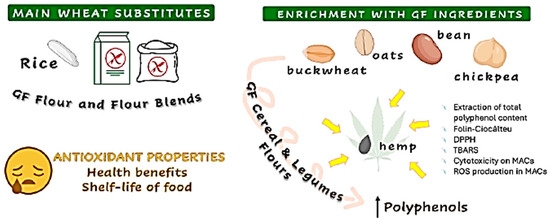
Graphical abstract
Open AccessConference Report
4th International Scientific Conference on Plant Biodiversity and Sustainability, 19–21 May 2025
by
Claudio Ferrante, Luigi Menghini, Maria Loreta Libero and Simonetta Cristina Di Simone
Biol. Life Sci. Forum 2026, 63(1), 1; https://doi.org/10.3390/blsf2026063001 - 6 May 2026
Abstract
►▼
Show Figures
The International Conference on Plant Biodiversity and Sustainability is a global forum dedicated to advancing scientific knowledge and collaborative action in plant diversity, conservation, and sustainable development. Bringing together established and early-career researchers as well as students from diverse fields, the conference underscores
[...] Read more.
The International Conference on Plant Biodiversity and Sustainability is a global forum dedicated to advancing scientific knowledge and collaborative action in plant diversity, conservation, and sustainable development. Bringing together established and early-career researchers as well as students from diverse fields, the conference underscores the urgent need to protect plant resources and foster sustainable solutions. By promoting an open, interdisciplinary environment, the event encourages dialogue among botanists, ecologists, agronomists, biotechnologists, chemists, and related experts, integrating multiple perspectives to address biodiversity challenges comprehensively, especially in the field of medicinal and aromatic plants. Aligned with the United Nations 2030 Agenda for Sustainable Development, the conference covers a wide range of topics, including habitat conservation, ecological restoration, ethnobotany, climate change adaptation, sustainable agriculture, technological and biotechnological innovation, and science-based policy approaches. The scientific program features keynote lectures by internationally recognized experts, thematic oral sessions, hands-on workshops, and collaborative roundtables designed to stimulate discussion and knowledge exchange. Participants present cutting-edge research, innovative methodologies, and case studies highlighting both theoretical advances and practical applications. Panel discussions and networking opportunities further support new partnerships, joint research efforts, and capacity-building initiatives, strengthening the global community committed to biodiversity protection. Beyond sharing scientific results, the conference emphasizes the importance of connecting research with policy and real-world practice. Contributions therefore address decision-making frameworks, community engagement, nature-based solutions, and the use of emerging technologies for monitoring and managing plant ecosystems. This multidimensional approach ensures that the event not only showcases academic excellence but also contributes to concrete strategies that inform governance, education, and sustainable land-use planning, with a particular focus on plant resources.
Full article

Figure 1
Open AccessEditorial
Preface of the 9th International Horticulture Conference & Expo: Horticultural Transformation for Sustainable Food Safety and Security
by
Muhammad Azam Khan, Muhammad Naveed Anjum, Umer Habib, Saddam Hussain, M. Tahir Akram and Rashid Mehmood Rana
Biol. Life Sci. Forum 2025, 51(1), 20; https://doi.org/10.3390/blsf2025051020 - 30 Apr 2026
Abstract
The 9th International Horticulture Conference (IHC-2025) was held at PMAS Arid Agriculture University, Rawalpindi, Pakistan, from 15 to 17 April 2025 [...]
Full article
(This article belongs to the Proceedings of The 9th International Horticulture Conference & Expo)
Open AccessProceeding Paper
Meat Species Identification and Classification by MALDI-TOF Mass Spectrometry
by
Newton Valerio Verbisck, Larissa Bortoli de Souza, Marita Vedovelli Cardozo, Nilton Gabriel Paiva Guimarães and Gelson Luis Dias Feijó
Biol. Life Sci. Forum 2026, 56(1), 30; https://doi.org/10.3390/blsf2026056030 - 29 Apr 2026
Abstract
Protein profiling generated by MALDI-TOF (matrix-assisted laser desorption ionization-time-of-flight) was used to distinguish meat from different livestock species and identify meat species. Meat proteins from fresh beef (n = 12), pork (n = 7), chicken (n = 5) and tilapia fish (n =
[...] Read more.
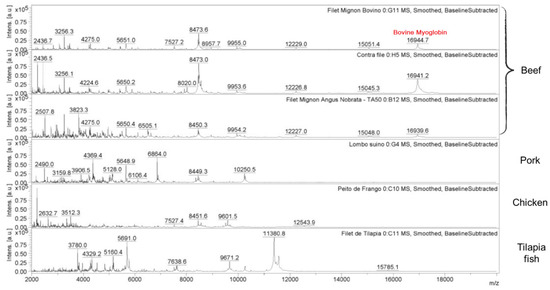
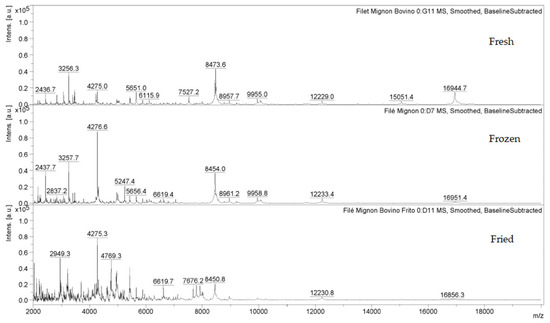
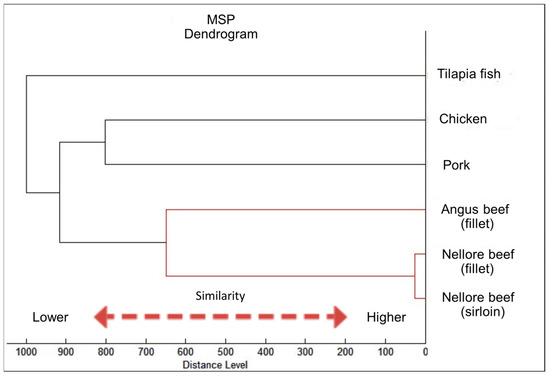
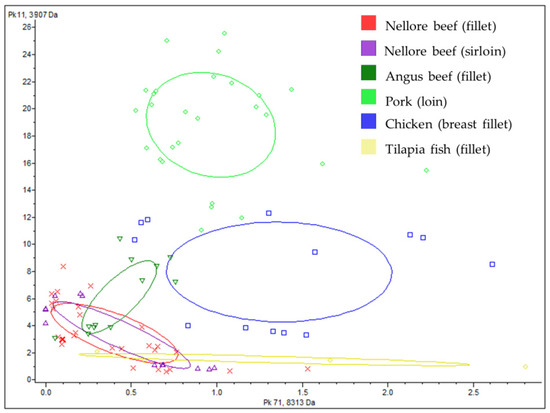
Protein profiling generated by MALDI-TOF (matrix-assisted laser desorption ionization-time-of-flight) was used to distinguish meat from different livestock species and identify meat species. Meat proteins from fresh beef (n = 12), pork (n = 7), chicken (n = 5) and tilapia fish (n = 3) were extracted and analyzed in a MALDI Biotyper mass spectrometer (Bruker Daltonics, Bremen, Germany) with alpha-cyano-4-hydroxycinnamic acid as the matrix. Mass spectra allowed the distinction of meat species, including between Nellore and Angus bovine breeds, and PCA classification revealed possible biomarkers for meat types. Our results corroborate MALDI-TOF mass spectrometry as an interesting tool for meat identification, which is useful for quality control and the certification of meat products.
Full article
(This article belongs to the Proceedings of The 6th International Electronic Conference on Foods)
►▼
Show Figures

Figure 1

Open AccessEditorial
Statement of Peer Review
by
Wentao Li
Biol. Life Sci. Forum 2026, 58(1), 4; https://doi.org/10.3390/blsf2026058004 - 28 Apr 2026
Abstract
In submitting conference proceedings to Biology and Life Sciences Forum, the volume editors of the proceedings certify to the publisher that all papers published in this volume have been subjected to peer review administered by the volume editors [...]
Full article
(This article belongs to the Proceedings of The 1st International Online Conference on Veterinary Sciences)
Open AccessProceeding Paper
Antimicrobial Properties of Lactic Acid Bacteria Isolated from Moroccan Camel Meat for Natural Food Preservation
by
Hamza Tami, Youssef Ezzaky, Mariem Zanzan, Mohamed Amellal and Fouad Achemchem
Biol. Life Sci. Forum 2026, 56(1), 29; https://doi.org/10.3390/blsf2026056029 - 27 Apr 2026
Abstract
Lactic acid bacteria (LAB) are valuable natural bio-preservatives due to their ability to produce antimicrobial compounds such as organic acids, hydrogen peroxide, and bacteriocins. This study aimed to isolate and characterize LAB from Moroccan camel meat and evaluate their antimicrobial potential against major
[...] Read more.
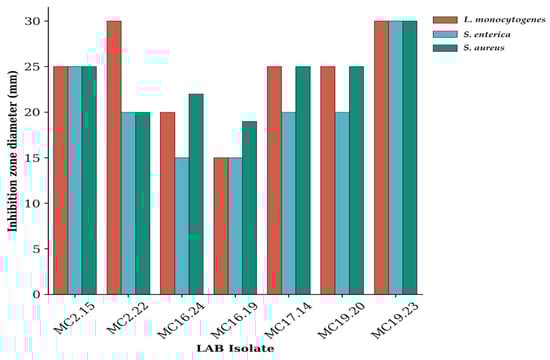
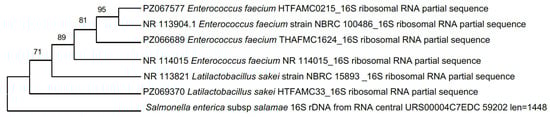
Lactic acid bacteria (LAB) are valuable natural bio-preservatives due to their ability to produce antimicrobial compounds such as organic acids, hydrogen peroxide, and bacteriocins. This study aimed to isolate and characterize LAB from Moroccan camel meat and evaluate their antimicrobial potential against major foodborne pathogens. From 2304 isolates obtained from fresh, fermented, and dried camel meat, 115 exhibited antimicrobial activity against Listeria monocytogenes, Salmonella enterica Enteritidis, and Staphylococcus aureus. Seven isolates demonstrated broad-spectrum activity with inhibition zones ranging from 15 to 30 mm. Physiological and biochemical tests, combined with API 20 Strep identification, revealed that most isolates belonged to Enterococcus faecium. These isolates are promising candidates for natural preservation of camel meat, offering a sustainable alternative to synthetic preservatives. These findings highlight the potential of camel-meat-associated lactic acid bacteria as natural, clean-label bio-preservatives, particularly in arid regions where camel meat serves as a vital protein source and limited cold-chain infrastructure increases the risk of spoilage.
Full article
(This article belongs to the Proceedings of The 6th International Electronic Conference on Foods)
►▼
Show Figures

Figure 1
Open AccessProceeding Paper
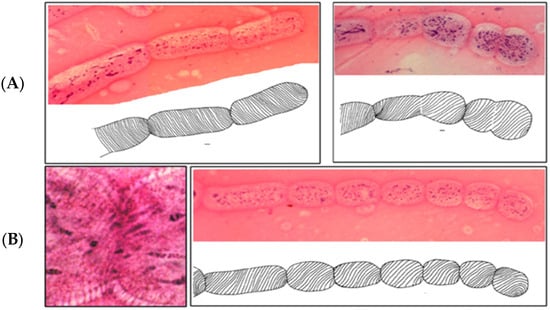
Histology-Based Circulatory System Reconstruction of Sepiolidae (Bobtail Squids) and Renal Parasite Documentation
by
Fahima Tabassum
Biol. Life Sci. Forum 2026, 62(1), 1; https://doi.org/10.3390/blsf2026062001 - 27 Apr 2026
Abstract
►▼
Show Figures
The circulatory system of cuttlefish (family Sepiidae) has been extensively studied; however, a comprehensive anatomical reconstruction of bobtail squids (family Sepiolidae) remains limited despite their ecological and evolutionary importance within Decapodiformes. This study reconstructs the circulatory architecture of sepiolids through comparative histological analysis
[...] Read more.
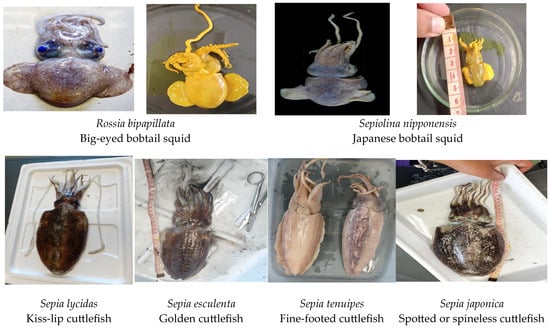
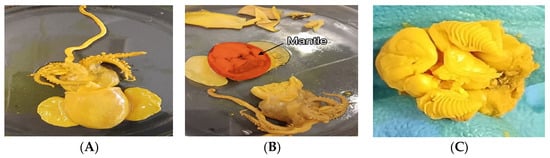
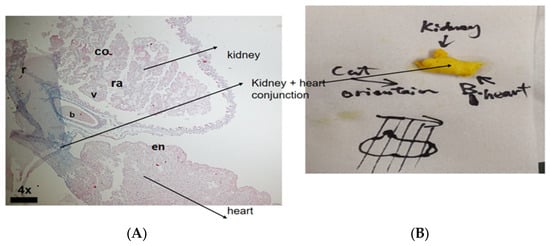
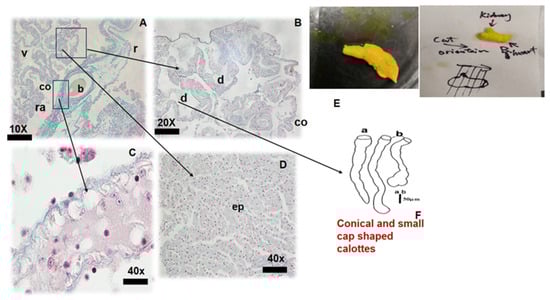
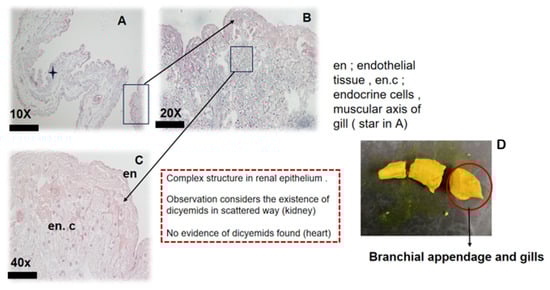
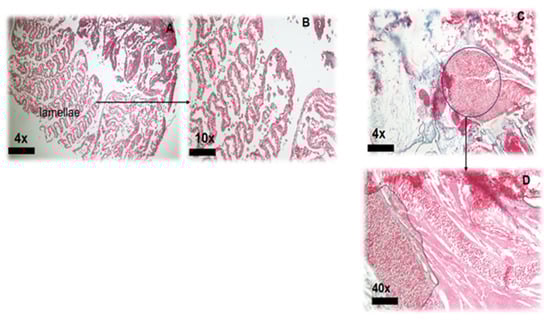
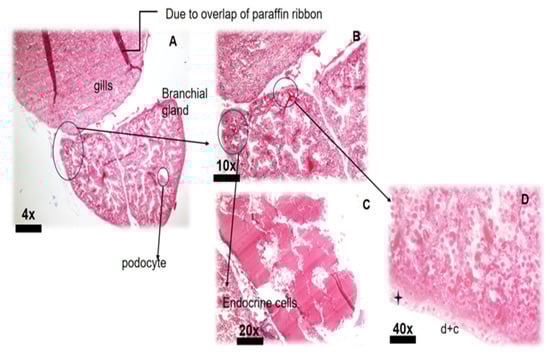
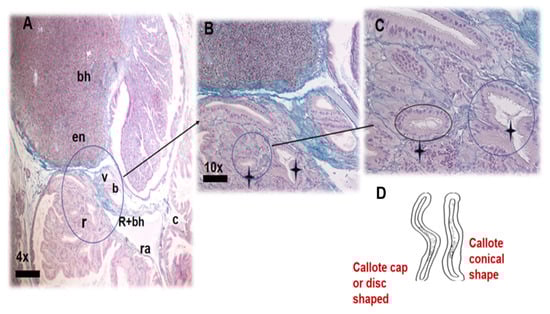
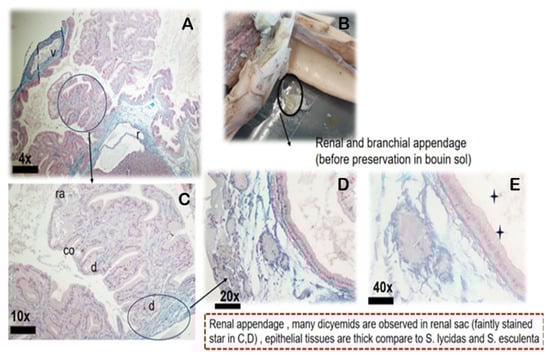
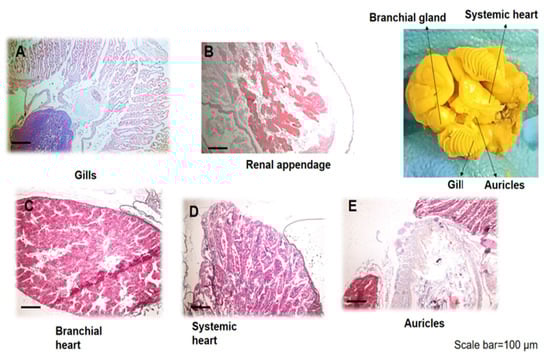
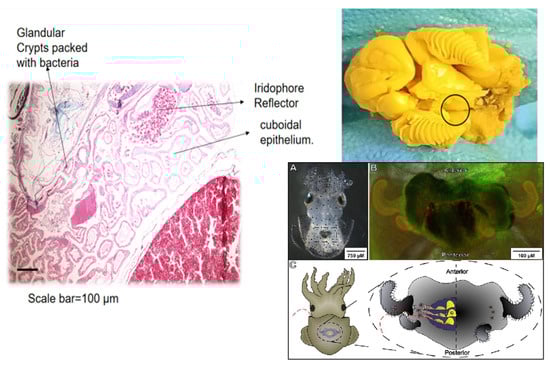
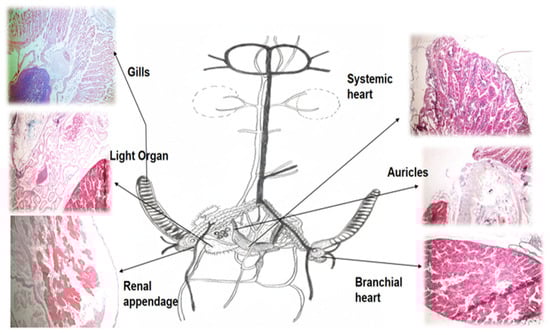
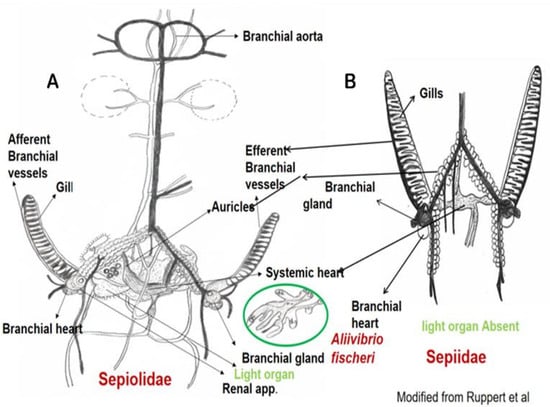
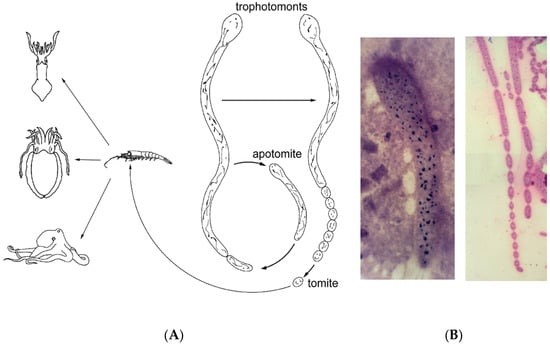
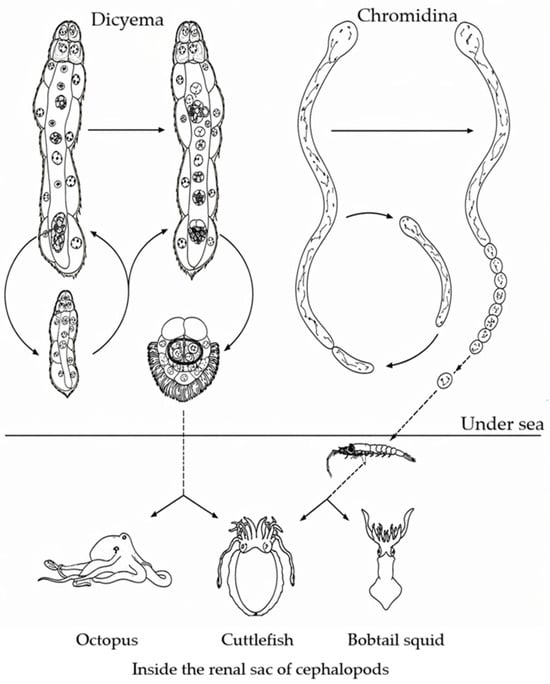
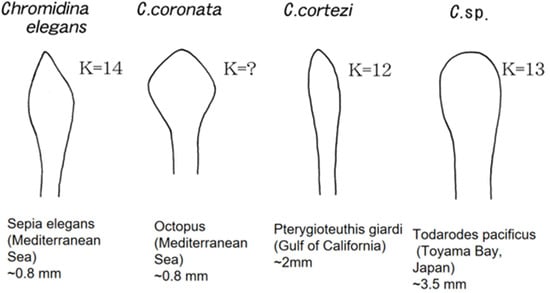
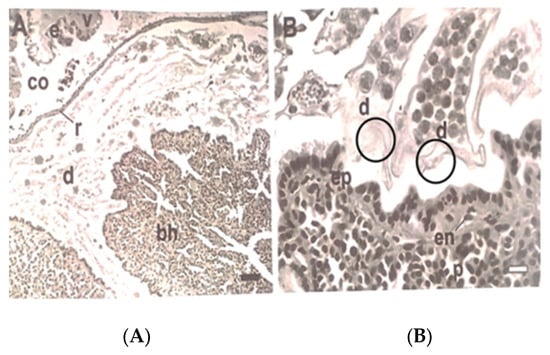
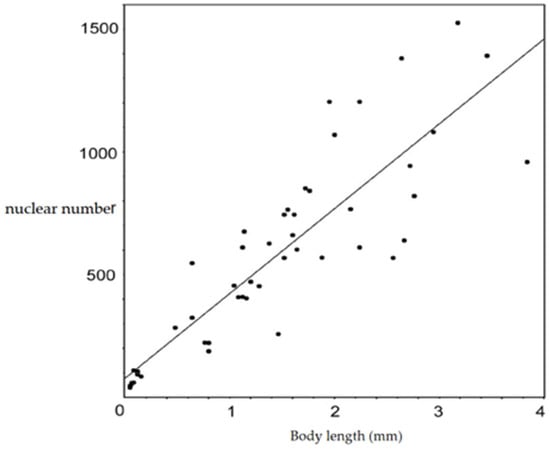
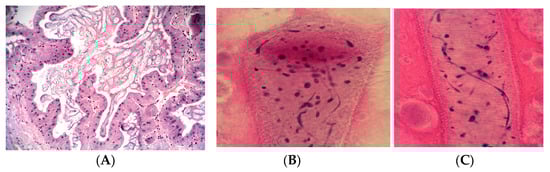
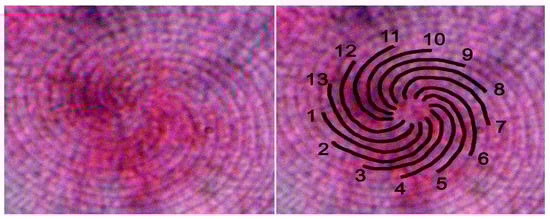
The circulatory system of cuttlefish (family Sepiidae) has been extensively studied; however, a comprehensive anatomical reconstruction of bobtail squids (family Sepiolidae) remains limited despite their ecological and evolutionary importance within Decapodiformes. This study reconstructs the circulatory architecture of sepiolids through comparative histological analysis and documents microorganisms or parasites associated with renal tissues. Two bobtail squid species, Rossia bipapillata and Sepiolina nipponensis, were examined using serial histological sections, while four cuttlefish species—Sepia lycidas, Sepia esculenta, Sepia japonica, and Sepia tenuipes—were analyzed for comparative purposes. Morphometric parameters, including sex, total length, and mantle length, were recorded prior to histological processing. Branchial hearts and renal appendages were sectioned using serial microtomy (~120 sections per specimen) and stained with hematoxylin and eosin, periodic acid–Schiff, Masson’s trichrome, and Giemsa to visualize vascular continuity and tissue organization. Histological observations confirmed vascular connections between the gills, branchial hearts, the systemic heart, and renal appendages, enabling reconstruction of the sepiolid circulatory pathway. In addition, the light organ characteristic of Sepiolidae was identified as a tissue receiving oxygenated blood within the circulatory network. Renal tissues revealed the presence of parasitic organisms, including Dicyema in cuttlefish and ciliates of the genus Chromidina in bobtail squids. Morphological observations revealed structural diversity in Chromidina, including characteristic spiral anterior features and variation in body form, as well as developmental variation in nuclear number relative to body length in dicyemids. These findings provide new insights into cephalopod circulatory organization, parasite diversity, and host–parasite interactions.
Full article

Figure 1
Open AccessProceeding Paper
Screening of Fungicides for the Management of Early Blight of Tomato Caused by Alternaria solani
by
Muhammad Sanwal Bakhsh, Hurmain Aslam, Muhammad Usman, Abeer Idrees, Auon Raza, Abdul Shafi, Tooba Khalid, Muhammad Ali, Muhammad Ahmad Murtaza, Sehar Tabassum and Arooj Akhlaq
Biol. Life Sci. Forum 2025, 51(1), 17; https://doi.org/10.3390/blsf2025051017 - 25 Apr 2026
Abstract
The yield loss of tomatoes grown in Punjab is 30–60% due to early blight caused by Alternaria solani during humid monsoons. Five fungicides, namely, Score 250 EC (difenoconazole), Antracol 70 WP (propineb), Topsin-M 70 WP (thiophanate-methyl), Dithane M-45 80 WP (mancozeb), and Kavach
[...] Read more.
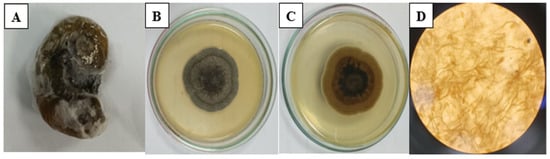
The yield loss of tomatoes grown in Punjab is 30–60% due to early blight caused by Alternaria solani during humid monsoons. Five fungicides, namely, Score 250 EC (difenoconazole), Antracol 70 WP (propineb), Topsin-M 70 WP (thiophanate-methyl), Dithane M-45 80 WP (mancozeb), and Kavach 75 WP (chlorothalonil), were evaluated in this laboratory experiment using the poisoned food technique at concentrations of 0.1, 0.2, and 0.3. Score 250 EC showed the highest antifungal activity, resulting in the lowest mean mycelial growth (26.44 mm) and maximum inhibition. All interventions were significantly better than controls (p < 0.01), and the effect became concentration-dependent. Intensive alternation of difenoconazole and Antracol at the IPM levels is an effective way of reducing selection pressure on resistance.
Full article
(This article belongs to the Proceedings of The 9th International Horticulture Conference & Expo)
►▼
Show Figures

Figure 1

Open AccessProceeding Paper
Evaluating Techno-Economic Efficiency of Irrigation Systems for Guava Orchards and Melon Crops in Punjab, Pakistan: A Beta-Regression Approach
by
Muhammad Abdul Rahman and Afraz Hasan
Biol. Life Sci. Forum 2025, 51(1), 19; https://doi.org/10.3390/blsf2025051019 - 24 Apr 2026
Abstract
Water scarcity is a global phenomenon, and Pakistan is no exception to it. This study aims to assess the techno-economic efficiency of the irrigation system for guava orchard and melon crop in the Hafizabad District of Punjab province in Pakistan. The study has
[...] Read more.
Water scarcity is a global phenomenon, and Pakistan is no exception to it. This study aims to assess the techno-economic efficiency of the irrigation system for guava orchard and melon crop in the Hafizabad District of Punjab province in Pakistan. The study has employed efficiency theory for a comparative analysis of modern and high-efficiency irrigation methods in contrast to old traditional methods of irrigation to estimate differentiating impacts on technical efficiency (TE), economic efficiency (EE), water productiveness, and crop yield. The mixed method approach is exercised on data collected from 108 stratified farmers (large, medium and smallholders) using structured surveys and qualitative insights. Beta-regression models using Cauchit link function are applied to translate determinants of TE/EE by taking into account predictor factors such as farming experience, operational costs and water productivity. Results show that solar irrigation systems have significantly better performance than the conventional system by having better TE and EE scores than conventional system performance. Farming experience and water productivity also have positive effects on efficiencies. Results also show that solar systems increase water productivity, lower costs and increase guava and melon productivity to a significant extent, which in turns aid in reducing the effects of salinity and evaporation in arid conditions. The overall finding supports and emphasizes solar’s supremacy for sustainable horticulture. Findings highlight the importance of incentivizing solar adaptation and agrivoltaic integration in Pakistan to ensure sustainable agriculture in water-stressed areas such as Punjab for food security and resource conservation for the production of guava and melons.
Full article
(This article belongs to the Proceedings of The 9th International Horticulture Conference & Expo)
Open AccessProceeding Paper
Epidemiological Assessment of Charcoal Rot (Macrophomina phaseolina) on Mungbean in Central Punjab, Pakistan
by
Muhammad Sanwal Bakhsh, Mujeeb Ur Rehman, Ansar Hayat, Muhammad Talha, Ali Bin Saeed, Tooba, Sarah Azeem, Talal Mustafa, Memoona Sher and Hashmat Ali
Biol. Life Sci. Forum 2025, 51(1), 18; https://doi.org/10.3390/blsf2025051018 - 24 Apr 2026
Abstract
Charcoal rot caused by Macrophomina phaseolina limits mungbean yield around Faisalabad. Fields surveyed during Kharif 2024 showed 43–58% disease incidence. At the research farm, disease severity rose from 8.6% (14 days after sowing) to 62.4% (maturity). Plants with 40–55% infection lost 42% of
[...] Read more.
Charcoal rot caused by Macrophomina phaseolina limits mungbean yield around Faisalabad. Fields surveyed during Kharif 2024 showed 43–58% disease incidence. At the research farm, disease severity rose from 8.6% (14 days after sowing) to 62.4% (maturity). Plants with 40–55% infection lost 42% of grain yield (1182 to 684 kg/ha). Soil temperature at a 10 cm depth best predicted disease (r = +0.86). Each 1 °C above 27 °C added 8% more severity. Early sowing in April and resistant varieties were recommended for farmers to cut losses.
Full article
(This article belongs to the Proceedings of The 9th International Horticulture Conference & Expo)
Journal Menu
► ▼ Journal Menu-
- Biology and Life Sciences Forum Home
- Aims & Scope
- Advisory Board
- Instructions for Authors
- Conference Series
- Instructions for Conference Organizers
- Instructions for Editors
- Article Processing Charge
- Indexing & Archiving
- Most Cited & Viewed
- Journal Statistics
- Journal History
- Conferences
- Editorial Office
Journal Browser
► ▼ Journal BrowserHighly Accessed Articles
Latest Books
E-Mail Alert
News
Topics