Skip to Content
  • 27 days
    Time to First Decision

Challenges — Journal of Planetary Health

Challenges — Journal of Planetary Health is a transdisciplinary, peer-reviewed, open access journal focused on planetary health and the interconnected Grand Challenges affecting human wellbeing and flourishing of all life on Earth.
Published quarterly online by MDPI, it accelerates cross-sectoral solutions for sustainable, just, and regenerative futures by integrating insights from the natural, social and health sciences, and the humanities. The journal welcomes contributions that address the social, economic, political, and spiritual dimensions of global challenges, as well as biophysical threats to planetary boundaries. The Nova Network is affiliated with Challenges — Journal of Planetary Health, and the journal supports the global agenda of the Planetary Health Alliance (PHA).

Get Alerted

Add your email address to receive forthcoming issues of this journal.

All Articles (533)

Quantifying Food Waste Produced in Dormitories: A Case Study from a University in New York, USA

  • Susan M. Kilgore,
  • Kathryn E. Krasinski and
  • Brei Snyder
  • + 4 authors

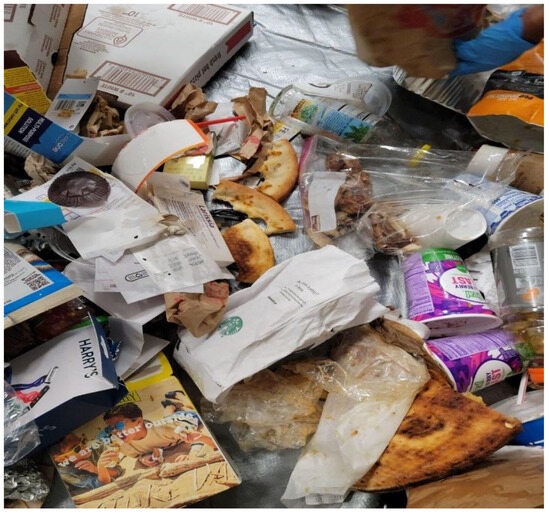
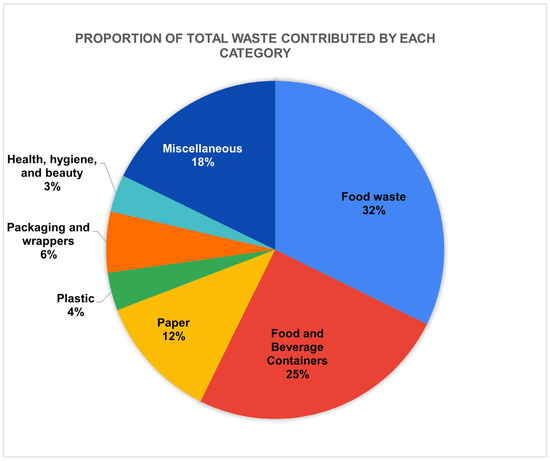
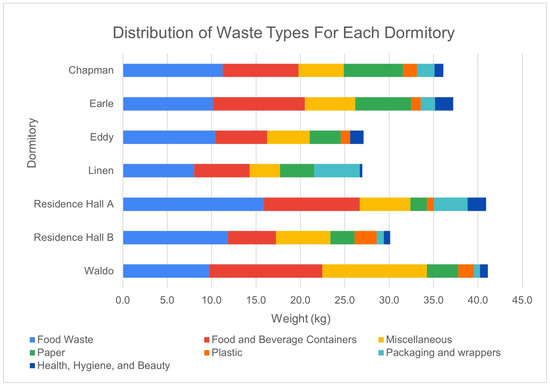
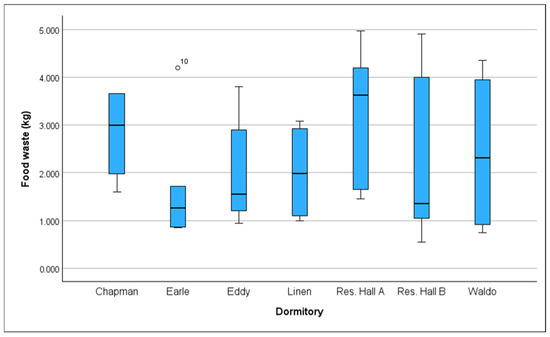
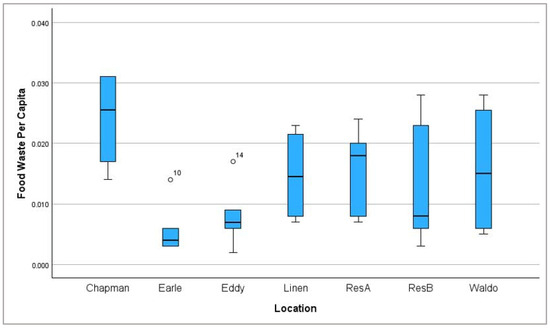
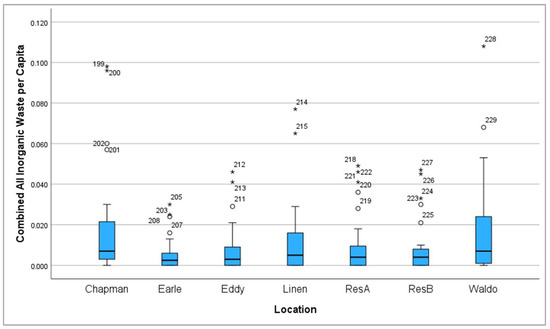
Food waste is an issue that affects human and environmental health around the planet. At colleges and universities, food waste poses a serious concern, as its impact can be compared to that of mini-cities or large corporations. Identifying an institution’s capacity to reduce and redistribute food waste is critical to decreasing its carbon footprint and maintaining sustainability. Understanding the nature of waste produced at a university’s buildings is the first step in establishing effective waste management plans; however, campus cafeterias, being the primary source of food waste, are typically the focus. Limited research emphasis has been placed on assessing food waste generated in campus dormitories. This project tests the hypothesis that food waste generated from dormitories at the main campus of Adelphi University, a private liberal arts institution in New York, is a significant component of waste. To analyze post-consumer trash disposal patterns, garbology methods were utilized. Trash collected at dormitories between 2022 and 2024 was sorted and weighed. This mixed-methods analysis included student interviews of waste perceptions. Food waste was the primary waste type generated in the halls, followed by food and beverage packaging, including containers, napkins, and utensils. In particular, food waste comprised 32% of sampled dormitory waste. Interview results integrated with these quantitative results demonstrated student perceptions of food led to food waste, such as perceived level of cooking, portion sizes, and home context. These results suggest that any efforts to improve campus sustainability through management of food waste–such as composting or anaerobic digestion–must encompass dormitories as well as cafeterias. As the world’s population continues to rise at a rapid pace, primarily in metropolitan areas, the volume of waste generated by this growth must be managed to address planetary health.

18 March 2026

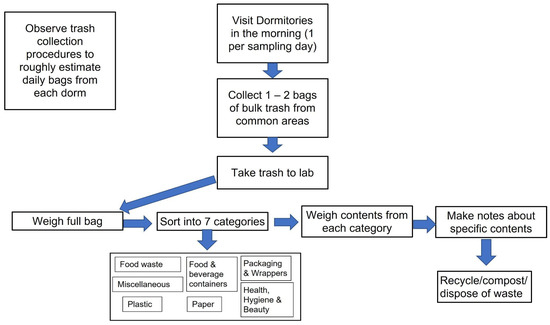
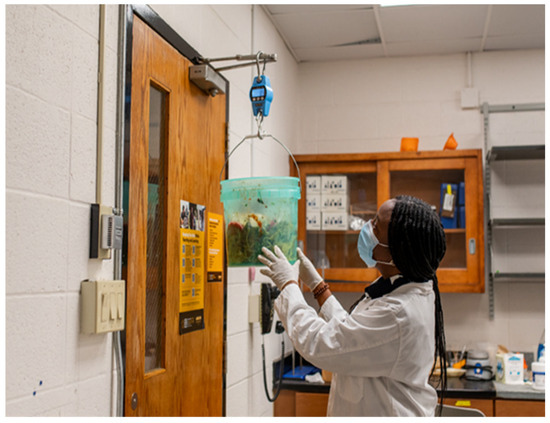
Schematic diagram showing waste sampling procedures for dormitories. Trash-collection observations were conducted separately from sampling.

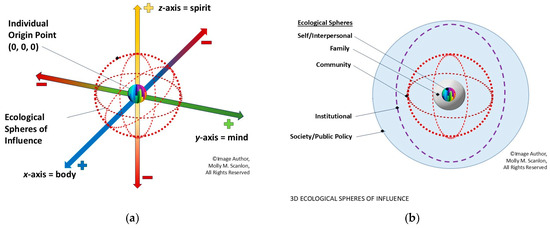
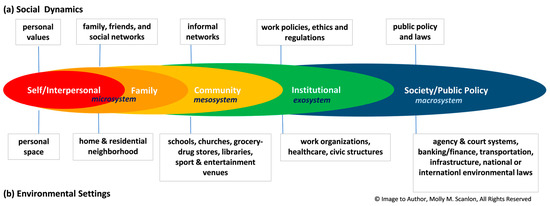
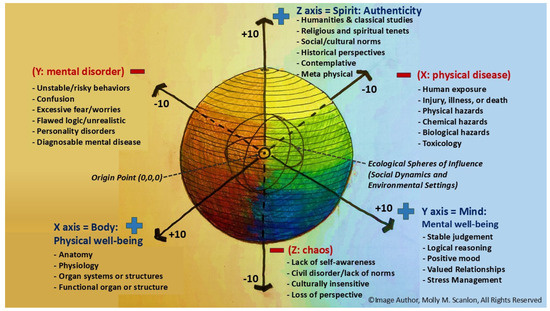
This essay poses a novel integrative environmental health promotion (EHP) framework inclusive of spiritual tenets to increase interdisciplinary science as well as public engagement for improved people, place, and planetary (3P) health outcomes. Environmental public health professionals have typically relied upon quantitative scientific evidence related to negative human health outcomes from toxic exposures. Environmental health lags behind more progressive mixed-methods research frameworks leveraging health promotion and 3P health initiatives. This essay argues for a novel integrative EHP framework to encourage more mixed-methods research based on merging an integrative health (body-mind-spirit) perspective and the public health ecological model. Using a three-dimensional Cartesian Coordinate System, the author developed a visual integrative EHP framework with the future ability to record, interpret, and report data with units of measure in three dimensions rather than the traditional x- and y-axis variable relationships. The long-term goal is to engage researchers, study participants, and the general public in exploring new 3P health research and outcomes inclusive of the spiritual axis to leverage more scientific evidence for the care and nurturing of our common home as a basic tenet of civil society.

28 February 2026

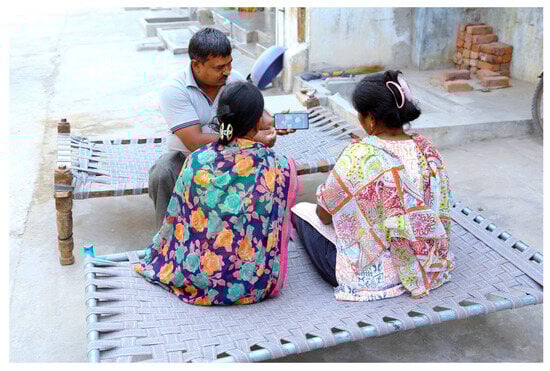
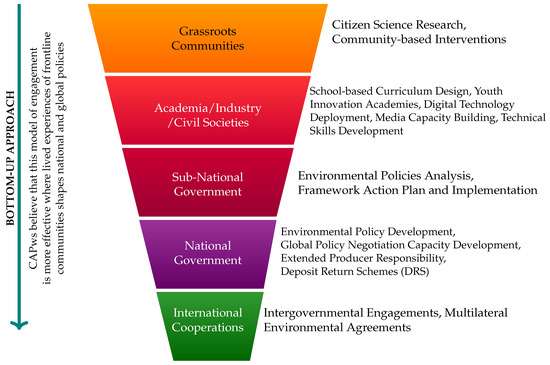
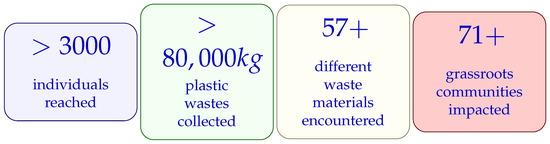
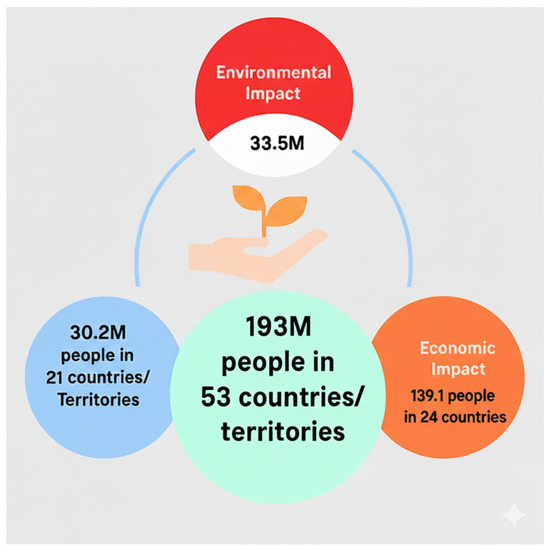
Plastic pollution constitutes a critical planetary health challenge, undermining the integrity of Earth systems while generating cascading harms to human health, livelihoods, and social equity particularly in low- and middle-income countries. Conventional top-down regulatory and technological responses have proven insufficient to address the complexity of plastic pollution, often excluding those most affected from decision-making and solution design. This paper examines how democratizing plastic governance through grassroots leadership can advance planetary health by simultaneously protecting ecosystems, improving human well-being, and strengthening socio-ecological resilience. Drawing on empirical evidence from the #RestorationX10000 initiative led by Community Action Against Plastic Waste (CAPws), this paper documents implementation processes and outcomes achieved between 2021 and 2025 across 71 impacted communities in 21 countries spanning Africa, Asia-Pacific, and Latin America. The initiative was designed to empower 10,000 youths and women as community leaders, practitioners, and advocates by equipping them with leadership, technical, and policy engagement skills to drive systemic change in plastic governance and circular economy practice. Using a transdisciplinary, community-based action research approach aligned with planetary health principles, the initiative integrates capacity building, citizen science, circular economy interventions (collection, sorting, repair, reuse, repurposing, and recycling), and policy advocacy. Quantitative and qualitative evidence demonstrates that grassroots-led interventions can simultaneously reduce plastic leakage, create decent green livelihoods, and strengthen environmental governance. We argue that inclusive, community-centered plastic governance is not only an environmental intervention but a planetary health strategy, offering policy-relevant insights for national plastic action plans, extended producer responsibility frameworks, and global negotiations toward a legally binding instrument on plastic pollution.
26 February 2026

Early pandemic disruptions exposed critical vulnerabilities in special education systems, particularly in referral and evaluation processes governed by the Individuals with Disabilities Education Act (IDEA). This convergent mixed-methods study examined how 86 educational diagnosticians across Louisiana experienced and responded to these disruptions. Quantitative results showed a 38% decline in referrals during school closures followed by a 62% rebound, prolonged evaluation timelines, and notable increases in emotional/behavioral disabilities, other health impairments, and specific learning disabilities. Qualitative findings elaborated on these patterns, revealing challenges related to assessment validity, communication barriers, workload strain, and professional learning needs. Interpreted through systems theory and planetary health frameworks, the findings position special education evaluation systems as critical social infrastructure that links educational continuity, equity, and population well-being. Strengthening diagnostic capacity, digital infrastructure, and crisis-responsive practices is therefore essential not only for IDEA compliance, but for advancing planetary health goals related to resilience, justice, and sustainable human development.

5 February 2026

News & Conferences

Volumes

Latest Issues

Open for Submission

Editor's Choice

XFacebookLinkedIn
Challenges - ISSN 2078-1547