
Topical Advisory Panel applications are now closed. Please contact the Editorial Office with any queries.
Journal Description
Journal of Composites Science
is an international, peer-reviewed, open access journal on the science and technology of composites, published monthly online by MDPI.
- Open Access— free for readers, with article processing charges (APC) paid by authors or their institutions.
- High Visibility: indexed within Scopus, ESCI (Web of Science), Inspec, CAPlus / SciFinder, and other databases.
- Journal Rank: JCR - Q2 (Materials Science, Composites) / CiteScore - Q1 (Engineering (miscellaneous))
- Rapid Publication: manuscripts are peer-reviewed and a first decision is provided to authors approximately 15.9 days after submission; acceptance to publication is undertaken in 3.9 days (median values for papers published in this journal in the second half of 2025).
- Recognition of Reviewers: reviewers who provide timely, thorough peer-review reports receive vouchers entitling them to a discount on the APC of their next publication in any MDPI journal, in appreciation of the work done.
Impact Factor:
4.6 (2025);
5-Year Impact Factor:
4.4 (2025)
Latest Articles
Bio-Based Hydrophobic Composite Panels for Wall Insulation in Retrofit: A Review
J. Compos. Sci. 2026, 10(6), 326; https://doi.org/10.3390/jcs10060326 (registering DOI) - 20 Jun 2026
Abstract
Retrofitting existing buildings has become a critical strategy for reducing energy consumption, improving thermal comfort, and achieving carbon reduction targets in the built environment. Among retrofit measures, wall insulation plays a pivotal role in minimizing heat loss and enhancing building energy efficiency. Conventional
[...] Read more.
Retrofitting existing buildings has become a critical strategy for reducing energy consumption, improving thermal comfort, and achieving carbon reduction targets in the built environment. Among retrofit measures, wall insulation plays a pivotal role in minimizing heat loss and enhancing building energy efficiency. Conventional insulation materials, although effective, are often associated with high embodied energy, limited recyclability, and environmental concerns. Consequently, bio-based composite materials derived from natural fibers, agricultural residues, and renewable binders have emerged as promising sustainable alternatives. However, the moisture sensitivity of lignocellulosic materials remains a major challenge that can compromise thermal performance, durability, and long-term service life. This review provides a comprehensive and critical assessment of bio-based hydrophobic composite panels for wall insulation in retrofit applications. Unlike previous reviews that have primarily examined bio-based insulation materials, natural-fiber composites, or hydrophobic modifications separately, this study integrates these interconnected research domains within a unified framework. The review systematically examines raw material selection, composite panel manufacturing processes, hydrophobic surface-engineering strategies, thermal and moisture-related performance, durability characteristics, retrofit implementation approaches, and sustainability considerations. The analysis demonstrates that hydrophobic modification significantly reduces moisture uptake, enhances dimensional stability, and preserves thermal-insulation performance under varying environmental conditions. Natural-fiber-based composites, including hemp, flax, jute, bamboo, coconut fiber, and agricultural residues, exhibit competitive thermal conductivity (λ) values while offering reduced environmental impacts compared with conventional insulation materials. Furthermore, the integration of advanced hydrophobic treatments improves resistance to water penetration, biological degradation, and freeze–thaw damage, thereby increasing the long-term reliability of retrofit insulation systems.
Full article
(This article belongs to the Special Issue Research on Recycling Methods or Reuse of Composite Materials)
Open AccessArticle
Assessment of Web Crippling Capacity of Pultruded GFRP Hollow Profiles Under Various Loading Conditions After Elevated Temperatures
by
Mohamed Ahmed Soumbourou, Ceyhun Aksoylu, Emrah Madenci and Yasin Onuralp Özkılıç
J. Compos. Sci. 2026, 10(6), 325; https://doi.org/10.3390/jcs10060325 (registering DOI) - 19 Jun 2026
Abstract
This study investigates the residual web crippling behavior of pultruded glass fiber-reinforced polymer (P-GFRP) hollow sections after exposure to elevated temperatures. The primary objective is to evaluate the combined influence of temperature and loading configuration on web crippling capacity, failure mechanisms, and structural
[...] Read more.
This study investigates the residual web crippling behavior of pultruded glass fiber-reinforced polymer (P-GFRP) hollow sections after exposure to elevated temperatures. The primary objective is to evaluate the combined influence of temperature and loading configuration on web crippling capacity, failure mechanisms, and structural performance, and to develop practical prediction models for engineering applications. A total of twenty pultruded GFRP hollow section specimens were exposed to temperatures of 24 °C, 200 °C, 250 °C, 300 °C, and 350 °C and tested under four loading configurations: End Ground (EG), Interior Ground (IG), End Two Flange (ETF), and Interior Two Flange (ITF). In addition to web crippling tests, tensile, SEM-EDS, TGA-DSC, DMA, and FT-IR analyses were conducted to investigate the mechanical, thermal, and microstructural degradation mechanisms. The results showed that elevated temperatures significantly reduced the web crippling capacity, with strength losses reaching up to 80% at 350 °C due to matrix degradation, fiber–matrix debonding, and loss of structural integrity. Among the investigated loading configurations, IG exhibited the highest load-carrying performance, whereas ETF experienced the greatest capacity reduction. A temperature-dependent reduction factor and unified empirical prediction equations were developed and demonstrated good agreement with the experimental results, with experimental-to-predicted ratios ranging from 0.97 to 1.15. The findings provide valuable insight into the post-fire behavior of pultruded GFRP hollow sections and offer practical guidance for the design, assessment, and fire safety evaluation of GFRP structural members exposed to elevated-temperature environments.
Full article
(This article belongs to the Special Issue Advanced Composite Materials for Civil Construction Applications)
Open AccessReview
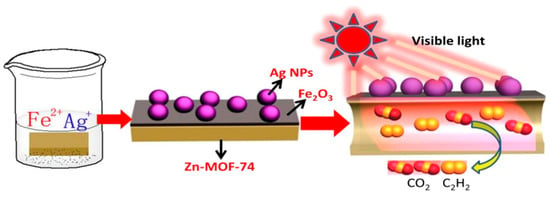
Research Progress on Metal–Organic Framework Composites for Greenhouse Gas Adsorption and Separation
by
Ziqiong Hui, Dong Feng, Wenbo Zhao, Zhiyong Xu, Shuangjiang Li, Jianwei Yuan and Ye-Tang Pan
J. Compos. Sci. 2026, 10(6), 324; https://doi.org/10.3390/jcs10060324 - 18 Jun 2026
Abstract
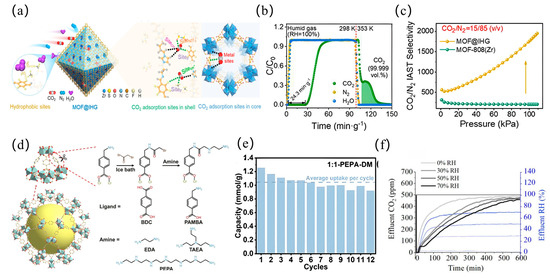
The excessive emission of greenhouse gases (CO2, CH4, SF6, and CF4.) is a primary driver of global climate change, making the development of efficient adsorption and separation technologies critically important for achieving carbon reduction goals.
[...] Read more.
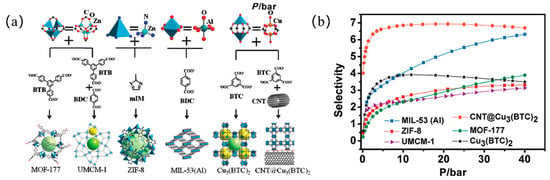
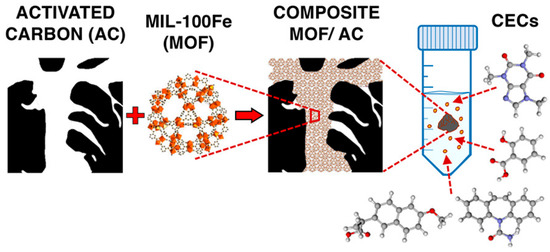
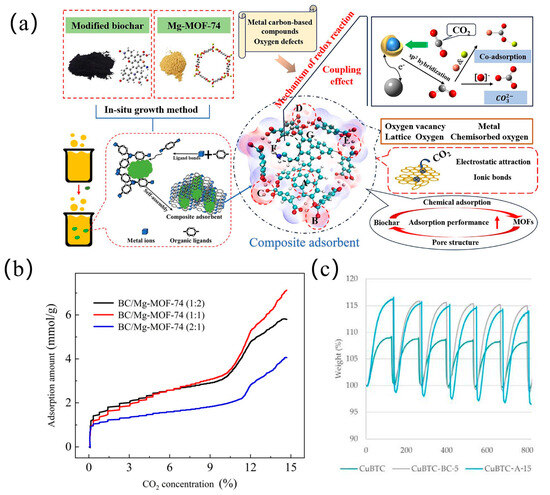
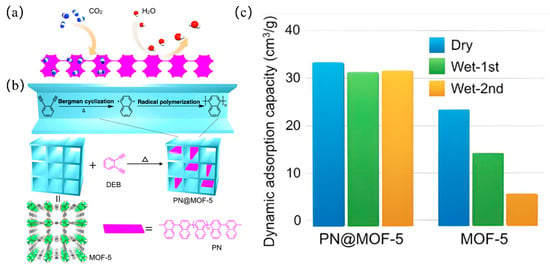
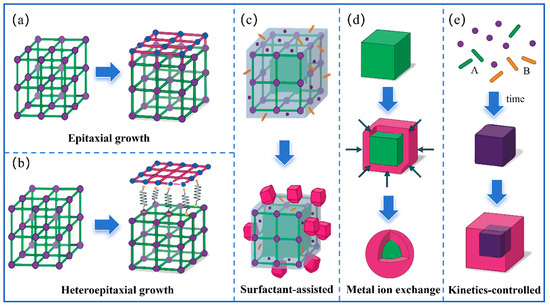
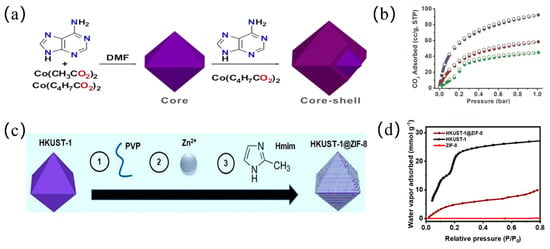
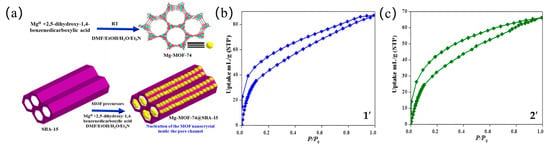
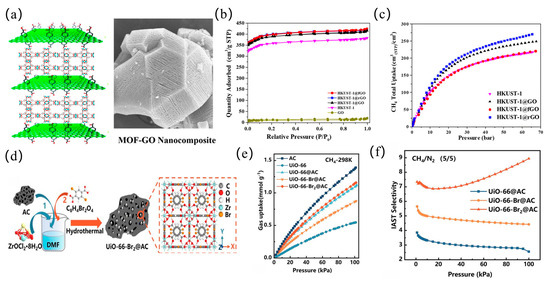
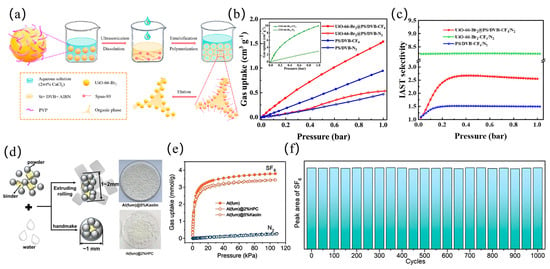
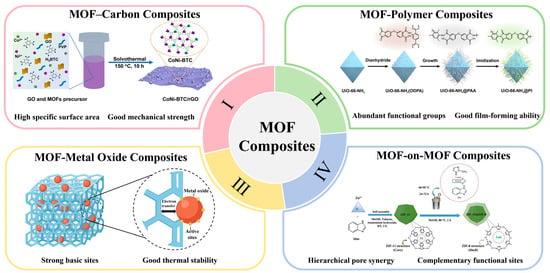
The excessive emission of greenhouse gases (CO2, CH4, SF6, and CF4.) is a primary driver of global climate change, making the development of efficient adsorption and separation technologies critically important for achieving carbon reduction goals. Metal–organic frameworks (MOFs) have attracted considerable attention in this field due to their crystalline porous structures, ultrahigh surface areas, and tunable pore architectures. However, pristine MOFs face significant bottlenecks including poor water stability, high bed pressure drops caused by their powdered form, and limited mass transfer, which severely hinder their industrial application. The integration of MOFs with functional materials such as carbon materials, polymers, metal oxides, and porous SiO2 offers a synergistic strategy to overcome these limitations. Carbon materials provide hydrophobic barriers and mesoporous transport channels, polymers enhance processability and mechanical strength, metal oxides introduce basic sites for enhanced chemisorption, and MOF-on-MOF heterostructures enable atomic-level interfacial integration and pore synergy. This review systematically summarizes recent advances in MOF composites for the separation of CO2, CH4, and fluorinated greenhouse gases (SF6, CF4.), with an emphasis on design strategies, structure–performance relationships, and synergistic mechanisms across different composite types. Finally, the current challenges including scalable synthesis, long-term stability, and separation performance under realistic conditions are discussed, and future directions toward rational design and functional synergy for industrial carbon capture and fluorinated gas emission reduction are envisioned.
Full article
(This article belongs to the Section Composites Applications)
►▼
Show Figures

Figure 1
Open AccessArticle
Investigation of Damping and Vibrational Behavior in Multi-Material 3D-Printed Machine Mounts
by
Ioannis Filippos Kyriakidis, Savvas Koltsakidis, Michel Theodor Mansour, Apostolos Korlos, Constantine David, Konstantinos Tsongas and Dimitrios Tzetzis
J. Compos. Sci. 2026, 10(6), 323; https://doi.org/10.3390/jcs10060323 - 17 Jun 2026
Abstract
In this study, the development of a novel machine mount utilizing an advanced polymer composite and porous materials is presented. Initially, a preliminary evaluation of the proposed materials was conducted, focusing on their static mechanical properties and their dynamic properties, and assessed through
[...] Read more.
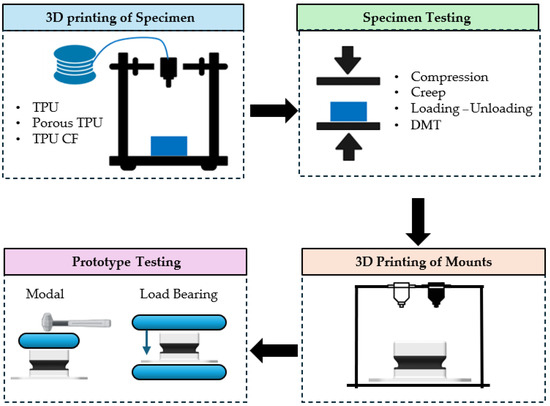
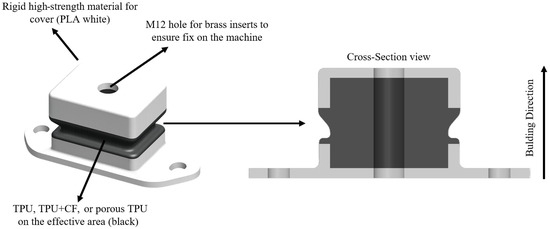
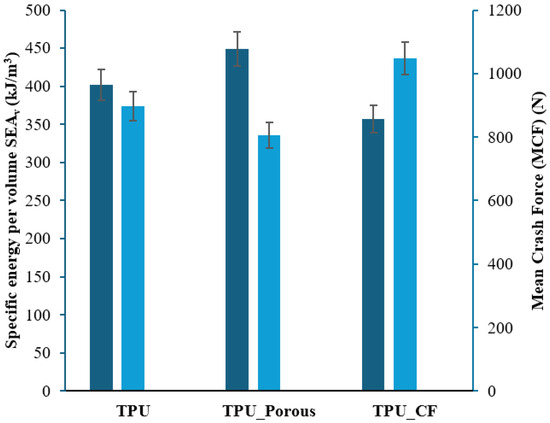
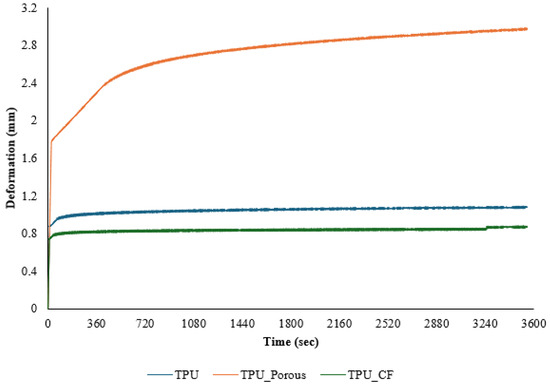
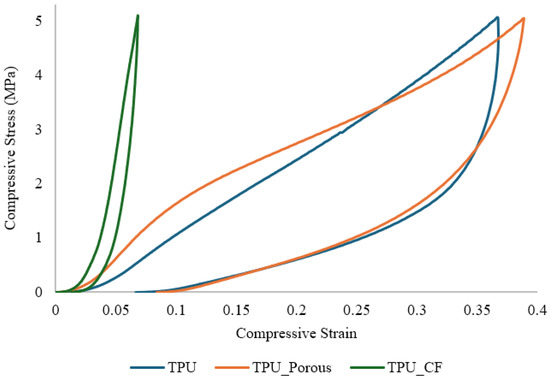
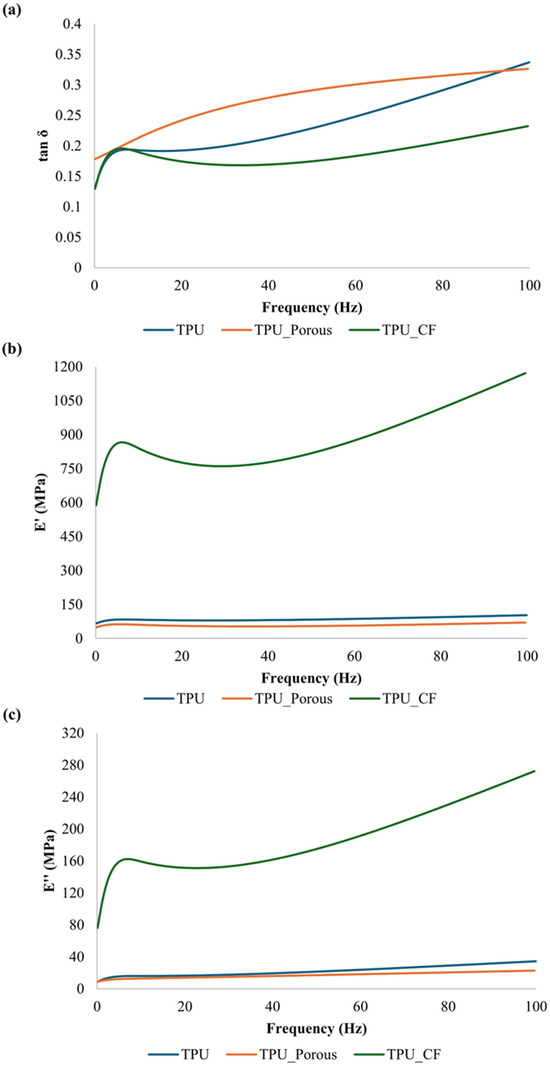
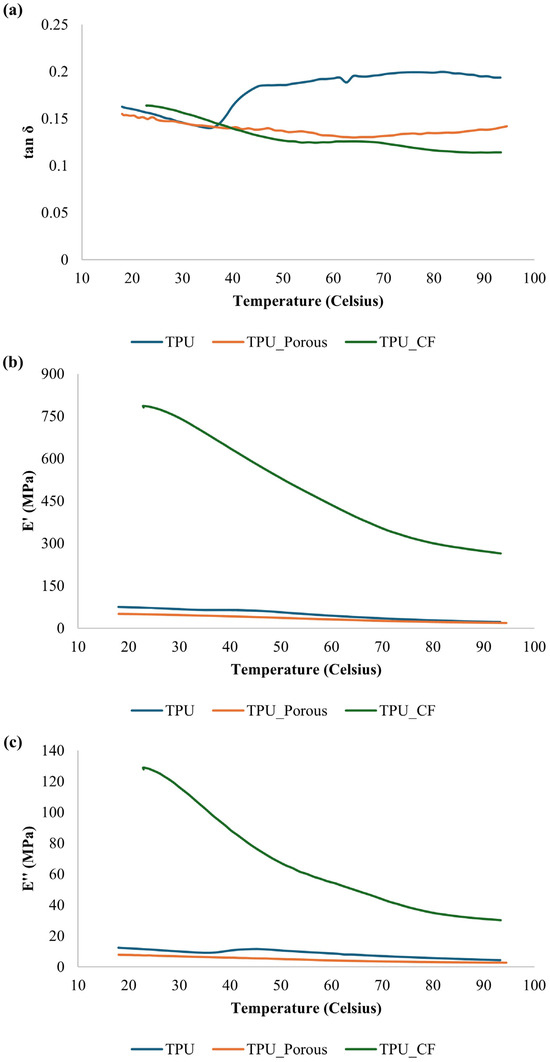
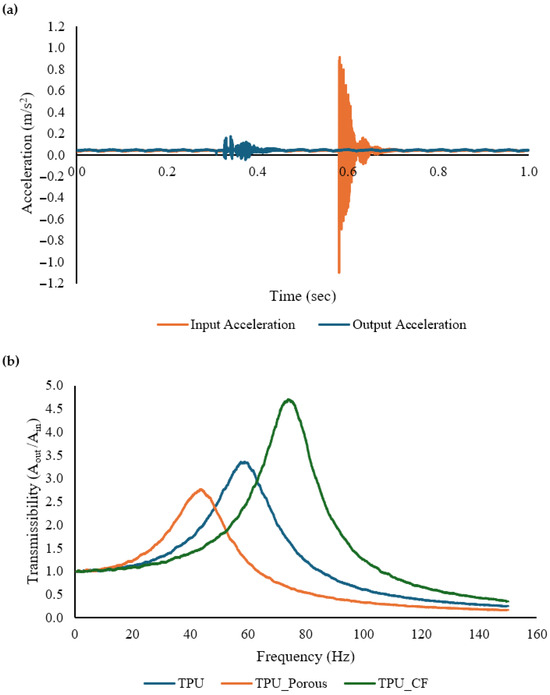
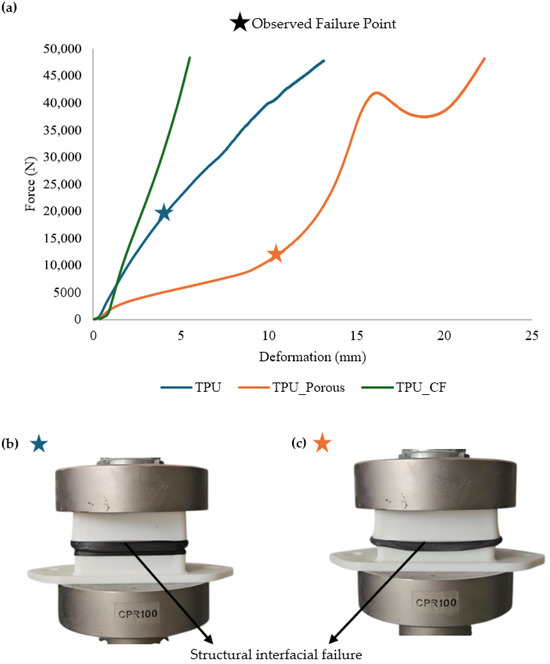
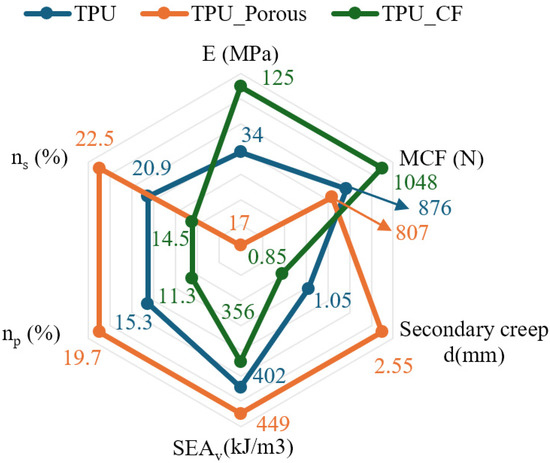
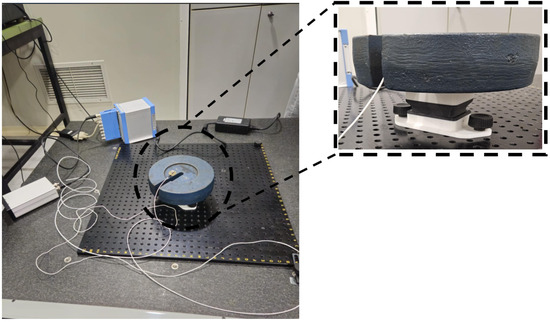
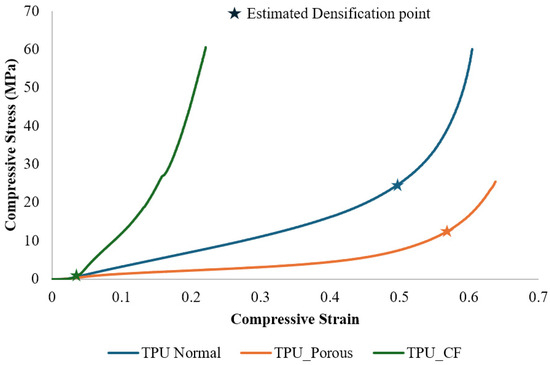
In this study, the development of a novel machine mount utilizing an advanced polymer composite and porous materials is presented. Initially, a preliminary evaluation of the proposed materials was conducted, focusing on their static mechanical properties and their dynamic properties, and assessed through loading–unloading cycles and Dynamic Mechanical Thermal Analysis (DMTA). All tests were performed at the coupon scale, with specimens manufactured via Fused Filament Fabrication (FFF). Subsequently, a conceptual design incorporating the proposed materials was developed, and functional prototypes were fabricated using multi-material additive manufacturing techniques. The structural integrity of the prototypes was evaluated by analyzing their oscillatory response and damping behavior under laboratory-scale conditions, with transmissibility metrics extracted to quantify performance. The results indicate that all three prototypes exhibit adequate damping for machine mounting applications, ranging between 5% and 20%, with the porous variant demonstrating the highest damping performance (20.9%). In terms of load-bearing capacity, the porous configuration withstood loads up to 10 kN, while the standard TPU variant sustained up to 20 kN. The carbon-fiber-reinforced configuration exhibited the highest mechanical performance, tolerating loads up to 50 kN without significant structural failure.
Full article
(This article belongs to the Special Issue Advanced Composite Materials: Design, Implementation and Characterization)
►▼
Show Figures

Figure 1
Open AccessArticle
Comparative Study of Hostile Environments on the Impact Behavior of Laminated Composites
by
Ana Martins Amaro and Maria Augusta Neto
J. Compos. Sci. 2026, 10(6), 322; https://doi.org/10.3390/jcs10060322 - 17 Jun 2026
Abstract
Glass fiber reinforced epoxy laminates (GFRP) are increasingly used in structural applications where combined mechanical and environmental loading is unavoidable, such as in the aerospace, naval, automotive, and petrochemical industries. This study investigates the influence of aggressive environments on the impact response and
[...] Read more.
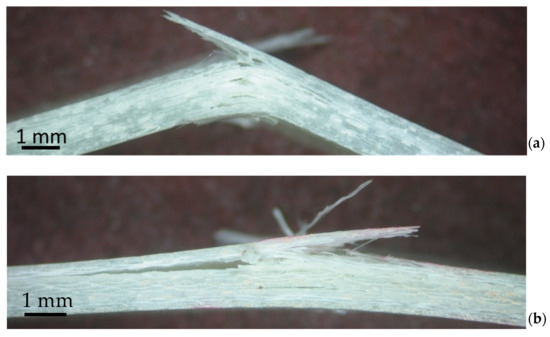
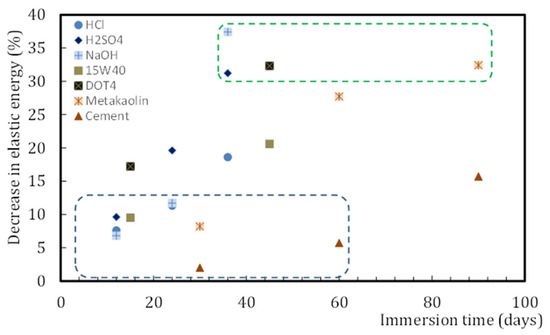
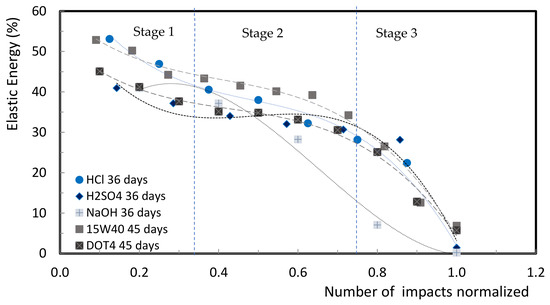
Glass fiber reinforced epoxy laminates (GFRP) are increasingly used in structural applications where combined mechanical and environmental loading is unavoidable, such as in the aerospace, naval, automotive, and petrochemical industries. This study investigates the influence of aggressive environments on the impact response and damage mechanisms of GFRP laminates. Specimens were immersed in acidic (hydrochloric and sulphuric) and alkaline solutions (sodium hydroxide), oil (automotive engine and automotive brake fluid), and cementitious solutions (cement and metakaolin mortars) for a determined period to simulate severe service conditions. Low-velocity impact tests were subsequently performed to evaluate the residual impact performance in terms of absorbed energy, maximum force, and damage extent. The results demonstrate that environmental exposure significantly alters impact behavior, mainly through matrix plasticization, fiber-matrix interface degradation, and microcrack development. For shorter immersion times (12–30 days), the solutions are not highly aggressive, as the decrease in elastic energy remains below 15%, with cementitious solutions showing the lowest reductions even for longer exposure periods. In contrast, longer immersion times in alkaline solution, DOT4 oil, and metakaolin mortar lead to more severe deterioration, with elastic energy reductions between 30% and 40%, the most aggressive condition being immersion in NaOH for 36 days, which caused a 37.4% decrease. Alkaline and automotive brake fluid oil environments induced the most severe degradation, leading to reduced impact resistance and increased damage propagation.
Full article
(This article belongs to the Special Issue Feature Papers in Journal of Composites Science in 2026)
►▼
Show Figures

Figure 1
Open AccessArticle
Study on the Preparation and Mechanism of High–Modulus Polyurethane Prepolymer (HM–PU)–Modified Bitumen
by
Jianwen Hao, Qinsheng Xu, Zhenlei Lv, Zhaocheng Rui, Zhansheng Ding and Enzhou Di
J. Compos. Sci. 2026, 10(6), 321; https://doi.org/10.3390/jcs10060321 - 16 Jun 2026
Abstract
This study aims to solve the problems of the high carbon emissions, poor compatibility, and insufficient storage stability of conventional polymer–modified bitumen (PMB). A novel High–Modulus Polyurethane Prepolymer (HM–PU) bitumen modifier was independently prepared to explore its modification effect and optimal application parameters.
[...] Read more.
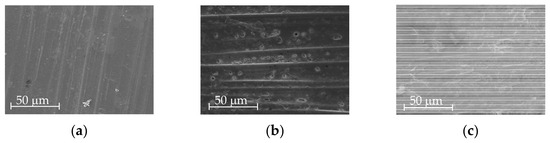
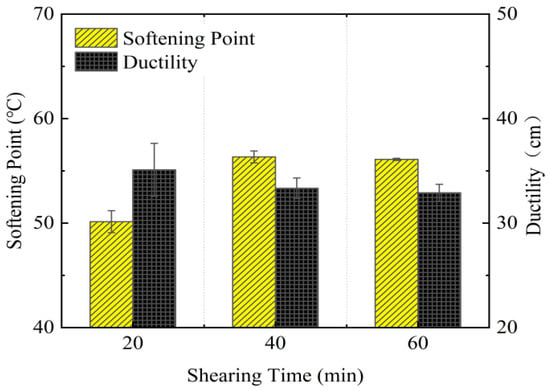
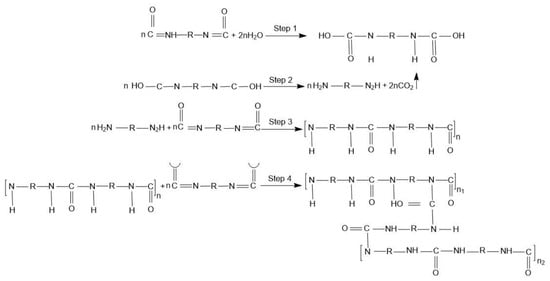
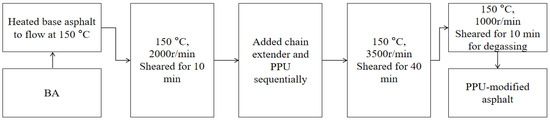
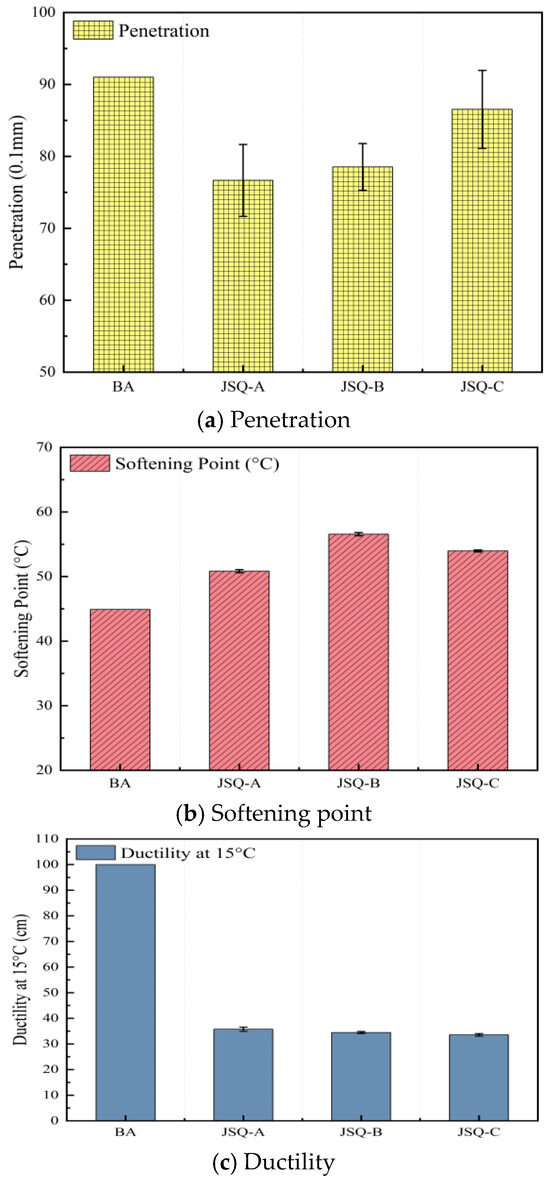
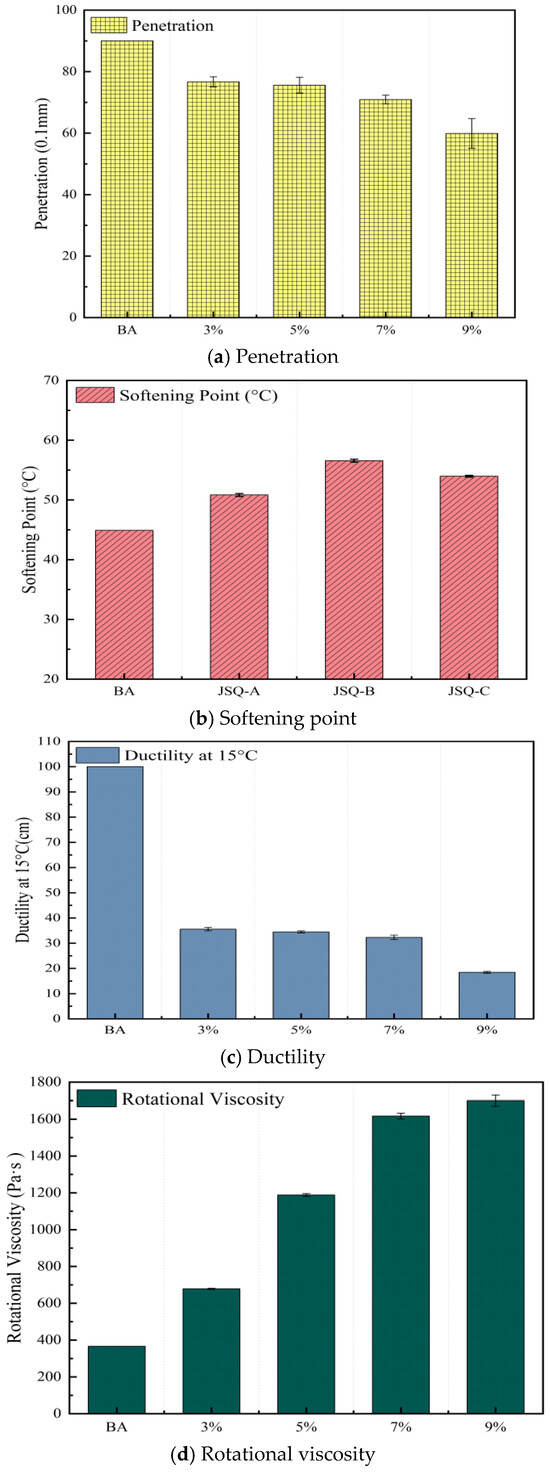
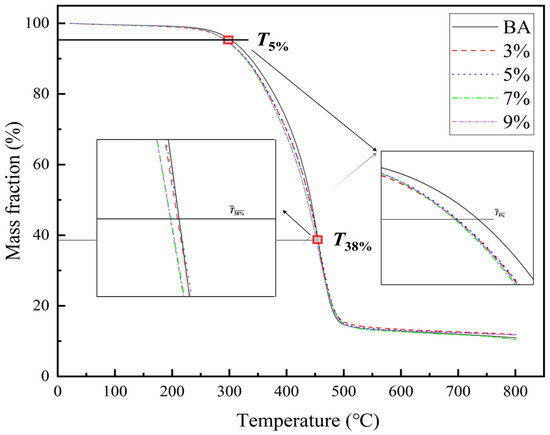
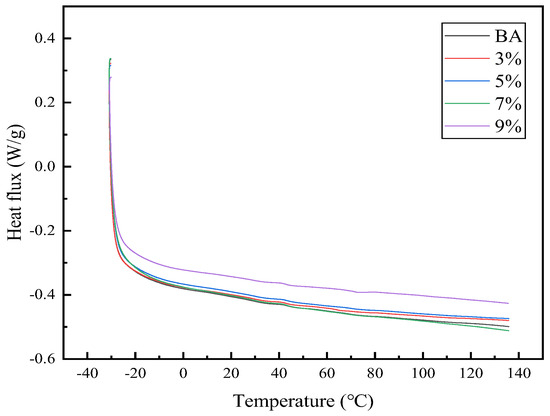
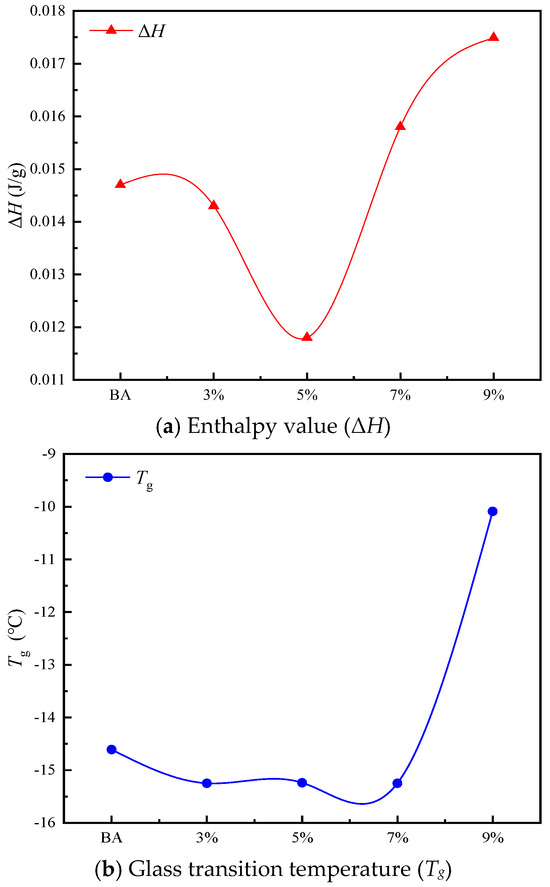
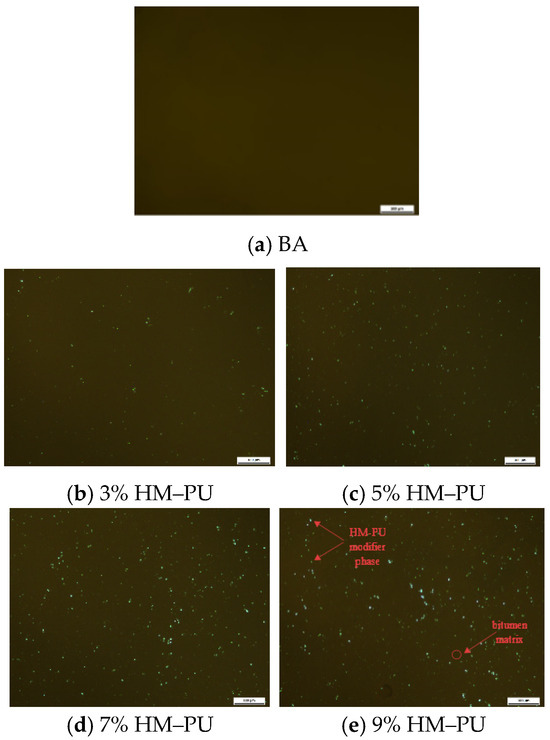
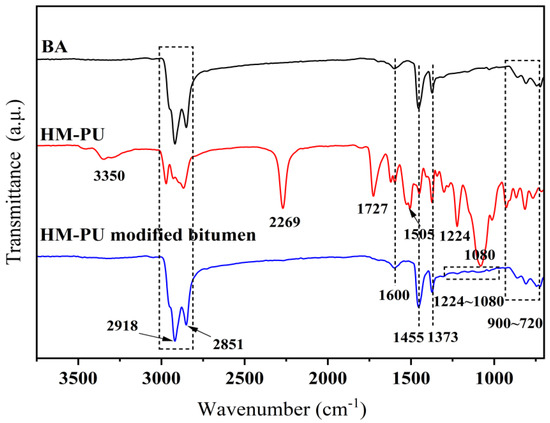
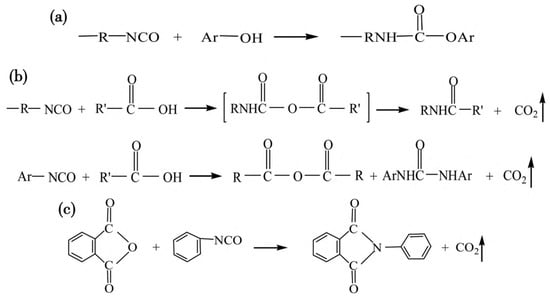
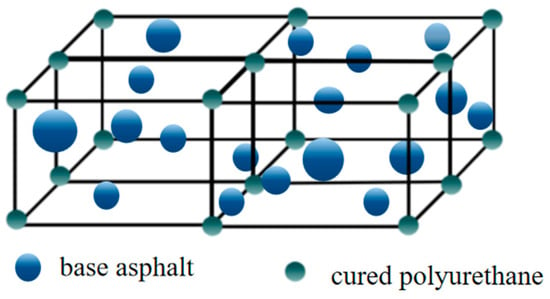
This study aims to solve the problems of the high carbon emissions, poor compatibility, and insufficient storage stability of conventional polymer–modified bitumen (PMB). A novel High–Modulus Polyurethane Prepolymer (HM–PU) bitumen modifier was independently prepared to explore its modification effect and optimal application parameters. Experimental results show that the optimal isocyanate group (NCO) content and dosage of the HM–PU modifier are both 5%. The thermal stability and high– and low–temperature performance of modified bitumen are significantly enhanced, and HM–PU exhibits excellent compatibility with base bitumen (BA). This work innovatively synthesizes the HM–PU modifier and clarifies its physicochemical modification mechanism via macroscopic performance tests, thermal analysis, and microscopic characterization, providing a new strategy for the development and application of eco–friendly bitumen modifiers.
Full article
(This article belongs to the Section Composites Applications)
►▼
Show Figures

Figure 1
Open AccessArticle
Microstructural Characterization and Mechanical Performance of Snail-Shell-Reinforced AA6061 Aluminum Matrix Composite Fabricated by Stir Casting
by
Ganiyat Salawu and Glen Bright
J. Compos. Sci. 2026, 10(6), 320; https://doi.org/10.3390/jcs10060320 - 15 Jun 2026
Abstract
The development of lightweight aluminum matrix composites with improved mechanical performance and thermal stability using sustainable reinforcement materials remains a significant challenge in structural materials engineering. Although ceramic-reinforced aluminum composites exhibit enhanced strength and thermal resistance, the potential of bio-derived snail shell particles
[...] Read more.
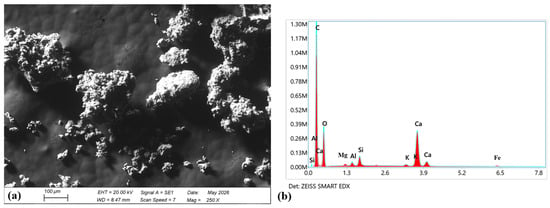
The development of lightweight aluminum matrix composites with improved mechanical performance and thermal stability using sustainable reinforcement materials remains a significant challenge in structural materials engineering. Although ceramic-reinforced aluminum composites exhibit enhanced strength and thermal resistance, the potential of bio-derived snail shell particles as environmentally sustainable reinforcements remains insufficiently explored. In this study, snail-shell-reinforced AA6061 aluminum matrix composites were fabricated by stir casting to investigate their microstructural characteristics, mechanical behavior, phase composition, and thermal stability. Snail shell particles, predominantly composed of CaCO3, were processed to particle sizes of 50–75 µm before incorporation into the molten aluminum matrix. Characterization was performed using scanning electron microscopy (SEM), energy-dispersive spectroscopy (EDS), X-ray diffraction (XRD), tensile and hardness testing, thermogravimetric analysis (TGA), and differential scanning calorimetry (DSC). The results revealed relatively uniform particle dispersion and satisfactory matrix–reinforcement interfacial compatibility. The tensile strength increased from 155 ± 5 MPa for the unreinforced alloy to 211 ± 4.8 MPa for the reinforced composite, corresponding to an improvement of approximately 36%, while elongation increased from 2.4 ± 0.2% to 4.6 ± 0.4% (92%). XRD analysis confirmed the presence of Al, CaCO3, Mg2Si, and minor CaO phases, indicating successful reinforcement incorporation and strengthening phase formation. Thermal analysis demonstrated enhanced thermal stability, increased residual mass retention, and improved resistance to thermal degradation. This work demonstrates that bio-derived snail shell particles are viable and environmentally sustainable reinforcements for lightweight aluminum matrix composites intended for structural engineering applications.
Full article
(This article belongs to the Special Issue Additive Manufacturing of Smart Composites)
Open AccessReview
Research Status and Development Trends of Ambient-Temperature Reactive High-Performance Asphalt Binders
by
Dingfeng Zhang, Enzhou Di, Yongfeng Zhao, Xiangpeng Yan, Zhiwen Wang and Zhaocheng Rui
J. Compos. Sci. 2026, 10(6), 319; https://doi.org/10.3390/jcs10060319 - 15 Jun 2026
Abstract
Ambient-temperature asphalt binders have emerged as a sustainable alternative to traditional hot-mix asphalt, offering significant advantages in energy conservation and emission reduction. This review systematically examines the research progress and development trends of high-performance reactive asphalt binders designed for ambient-temperature application, which achieve
[...] Read more.
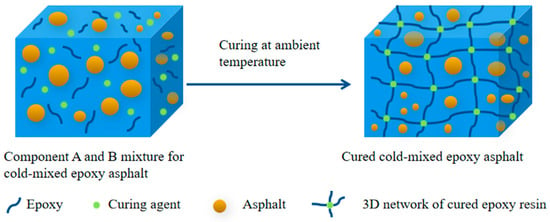
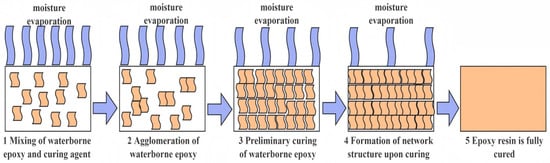
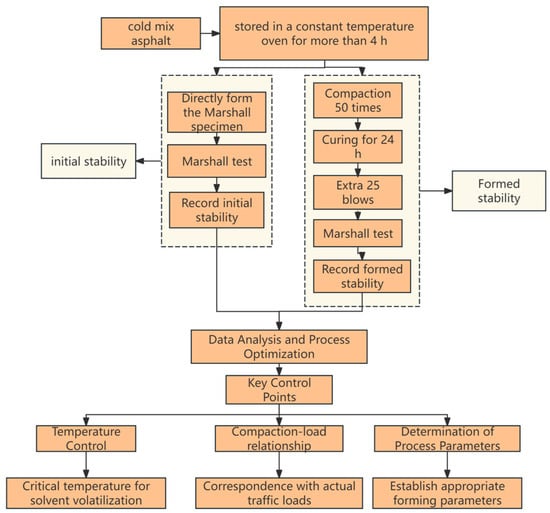
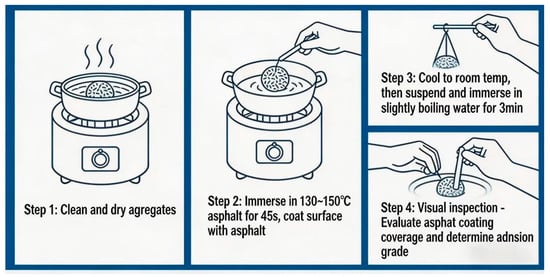
Ambient-temperature asphalt binders have emerged as a sustainable alternative to traditional hot-mix asphalt, offering significant advantages in energy conservation and emission reduction. This review systematically examines the research progress and development trends of high-performance reactive asphalt binders designed for ambient-temperature application, which achieve enhanced performance through chemical cross-linking reactions. The study focuses on three core material systems: epoxy resin, waterborne epoxy emulsified asphalt, and polyurethane. For each system, we comprehensively summarize the material composition, strength formation mechanisms, and mix design methodologies. Key evaluation methods for critical pavement performance—including strength characteristics, water stability, and high-temperature performance—are critically reviewed. Furthermore, microscopic characterization techniques including scanning electron microscopy (SEM), Fourier-transform infrared spectroscopy (FTIR), and differential scanning calorimetry (DSC) are discussed to elucidate the underlying mechanisms governing performance evolution. Analysis reveals that epoxy-based binders exhibit superior strength and stiffness, rendering them suitable for heavy-traffic pavements; waterborne epoxy emulsified asphalt binders combine environmental compatibility with construction convenience for thin-layer rehabilitation, while polyurethane-based binders demonstrate exceptional elasticity and rapid curing characteristics for quick-traffic-opening scenarios. Although current research has established a preliminary performance evaluation framework, the absence of unified technical standards constrains widespread engineering implementation. Future research priorities should focus on developing water-triggered curing systems, intelligent responsive materials, and comprehensive standardization systems to fully harness the engineering potential of these sustainable binders.
Full article
(This article belongs to the Section Composites Applications)
►▼
Show Figures

Figure 1
Open AccessArticle
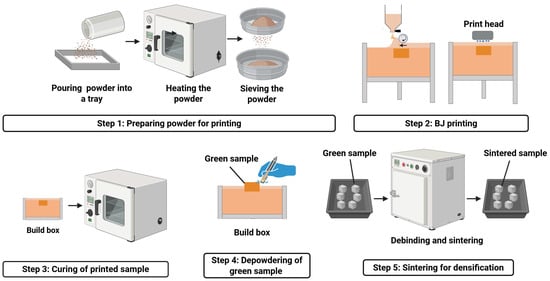
Fabrication of Silicon Carbide–Aluminum Composites Using Binder Jetting Additive Manufacturing Followed by Sintering Without Infiltration: A Preliminary Study
by
Mostafa Meraj Pasha, Md Shakil Arman, Zhijian Pei and Stephen Kachur
J. Compos. Sci. 2026, 10(6), 318; https://doi.org/10.3390/jcs10060318 - 13 Jun 2026
Abstract
Silicon carbide–aluminum (SiC–Al) composites offer high hardness, wear resistance, thermal stability, and strength-to-weight ratio, making them suitable for advanced engineering applications. Fabricating these composites via powder metallurgy and infiltration methods has been reported. However, there is no reported study on fabricating SiC–Al composites
[...] Read more.
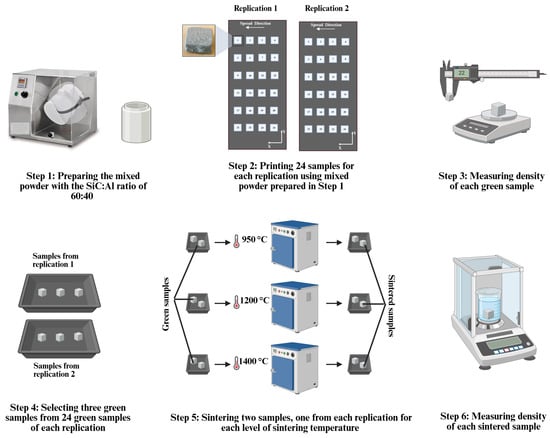
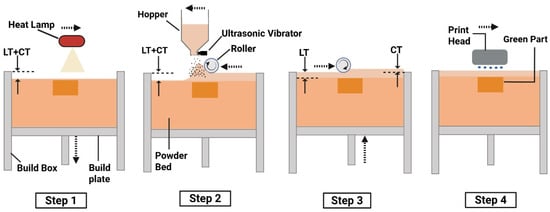
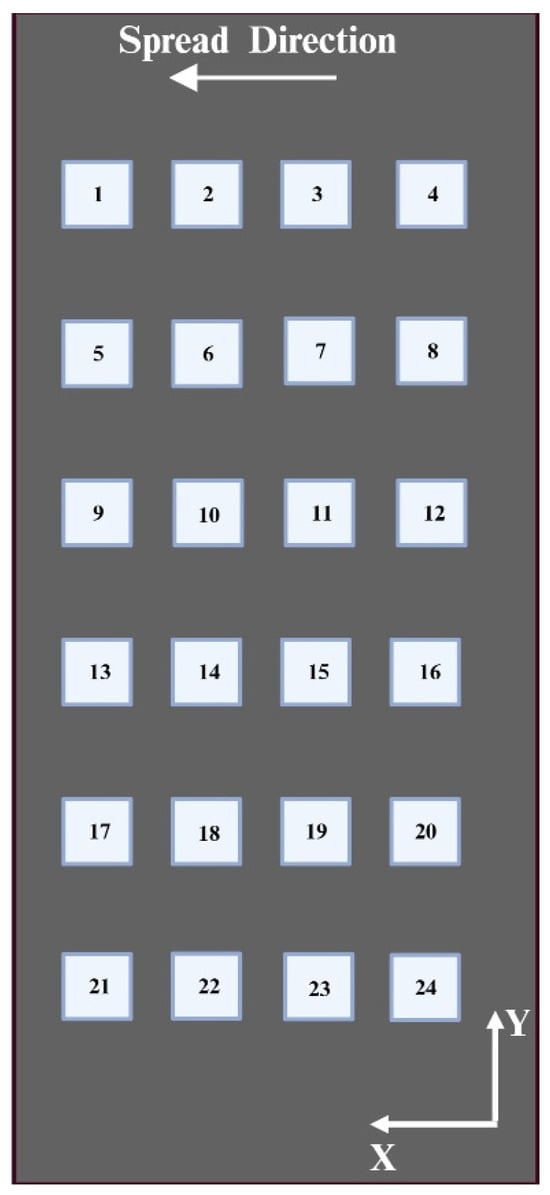
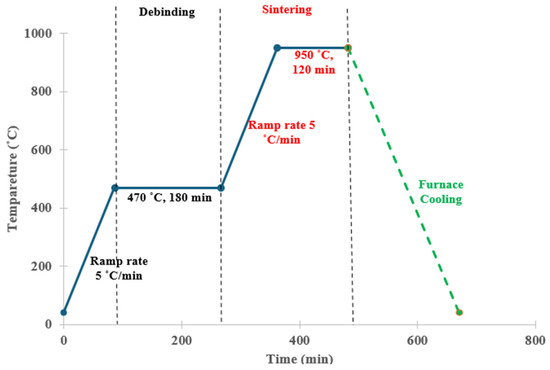
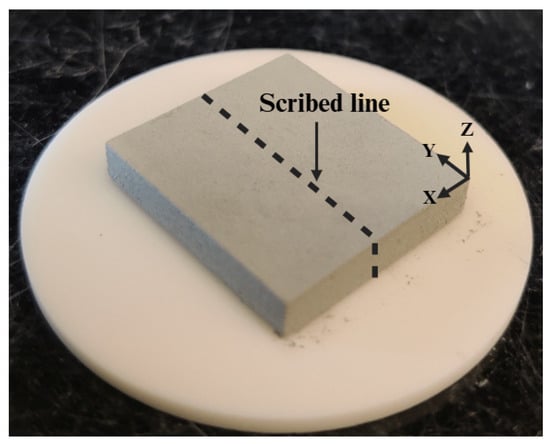
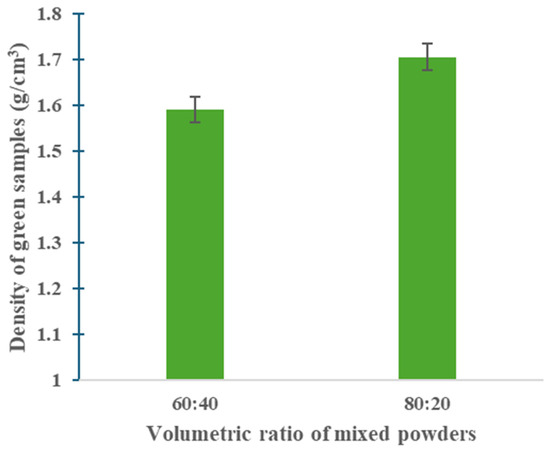
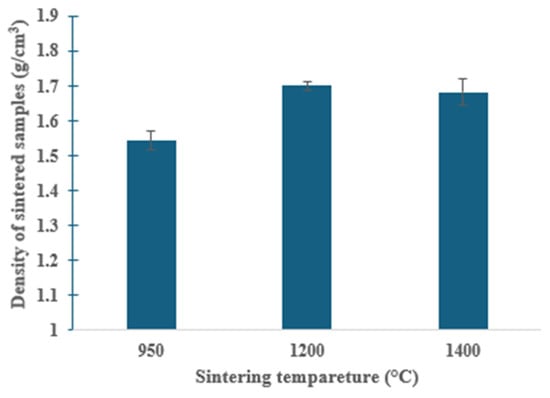
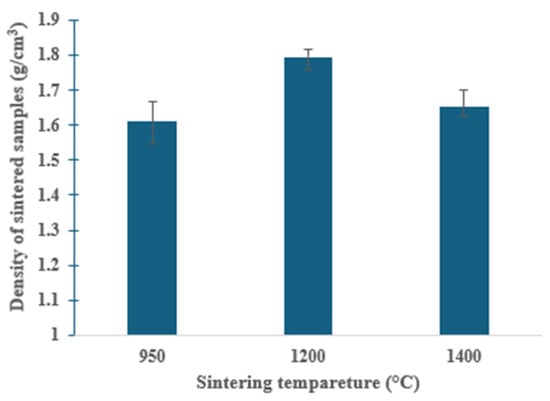
Silicon carbide–aluminum (SiC–Al) composites offer high hardness, wear resistance, thermal stability, and strength-to-weight ratio, making them suitable for advanced engineering applications. Fabricating these composites via powder metallurgy and infiltration methods has been reported. However, there is no reported study on fabricating SiC–Al composites using binder jetting additive manufacturing (BJAM) followed by sintering without infiltration. The present study aims to fill this gap. In this study, samples were printed by BJAM using SiC–Al mixed powders with two volumetric ratios (SiC:Al) of 60:40 and 80:20, respectively. These printed samples were then sintered at different temperatures (950 °C, 1200 °C, and 1400 °C). The results show that, using this new approach, the printed green samples retained structural integrity after sintering and that interparticle bonding was achieved. To the authors’ knowledge, this is the first study to fabricate a SiC–Al composite via binder jetting additive manufacturing using a mixed powder, followed by sintering without infiltration.
Full article
(This article belongs to the Section Composites Manufacturing and Processing)
►▼
Show Figures

Figure 1
Open AccessArticle
Optimization of Tribological Properties in Cement Dust and Rock Wool Reinforced Composites: Experimental Study and Decision-Making Analysis
by
Tej Singh, Vedant Singh, Sharafat Ali, Meizi Wang and Gusztáv Fekete
J. Compos. Sci. 2026, 10(6), 317; https://doi.org/10.3390/jcs10060317 - 12 Jun 2026
Abstract
This study investigates the effect of waste cement dust (CD) and rock wool (RW) inorganic fiber on the tribological performance of brake friction composite materials. Five formulations were fabricated by varying CD from 65 to 45 wt.% and RW from 5 to 25
[...] Read more.
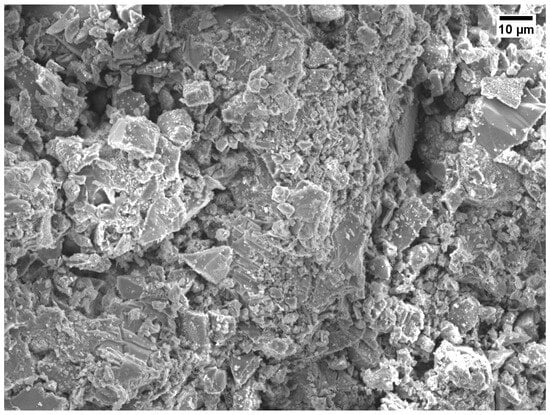
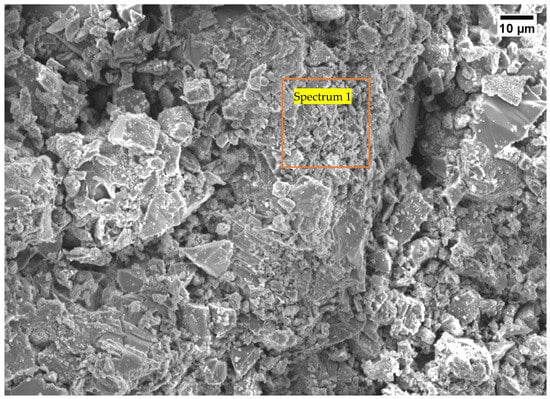
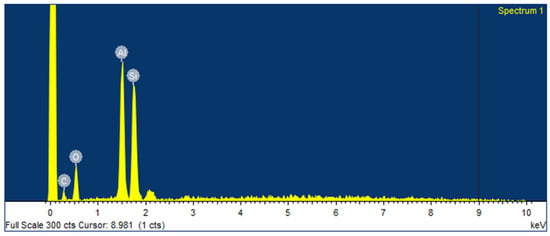
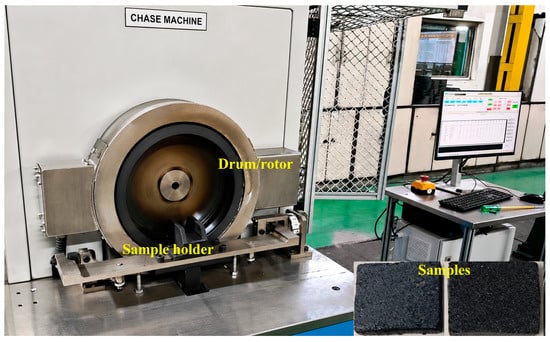
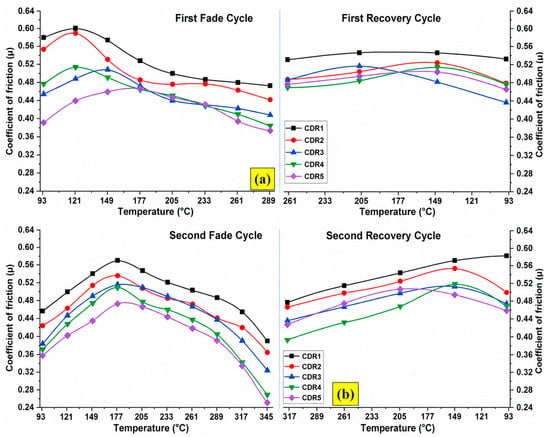
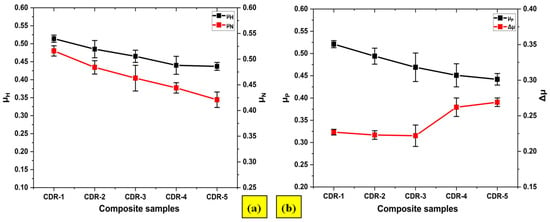
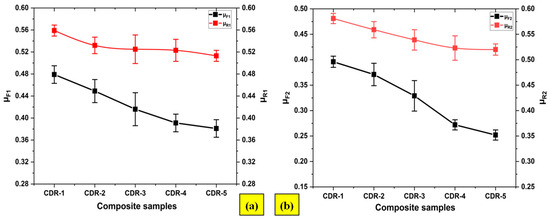
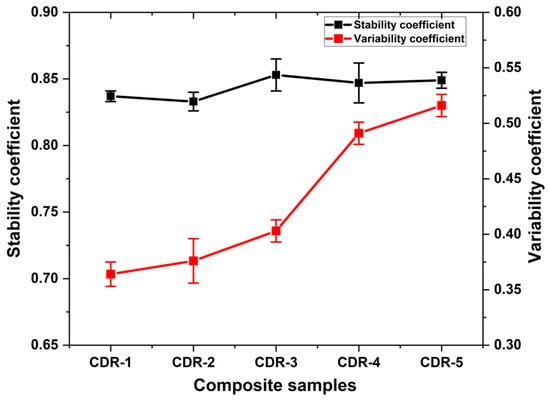
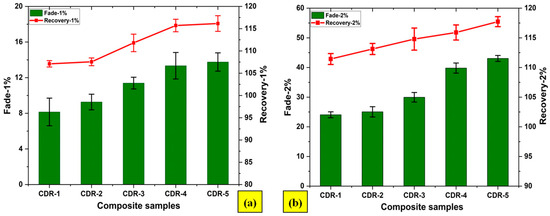
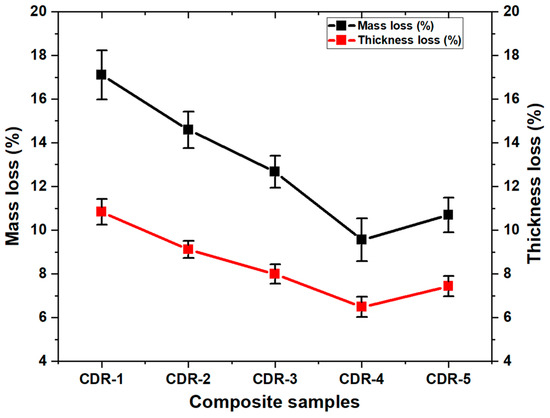
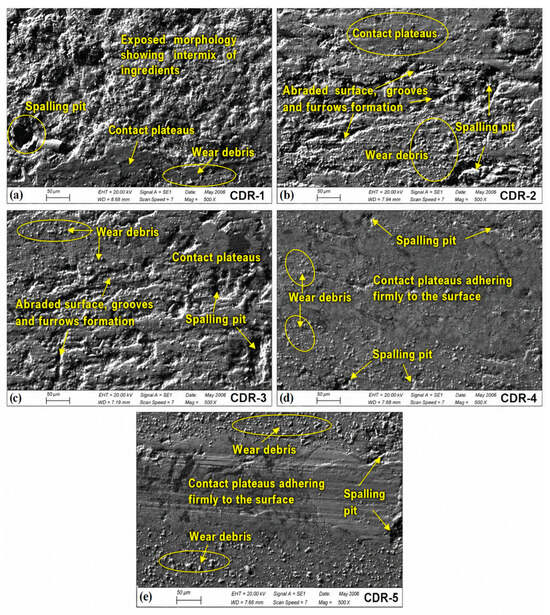
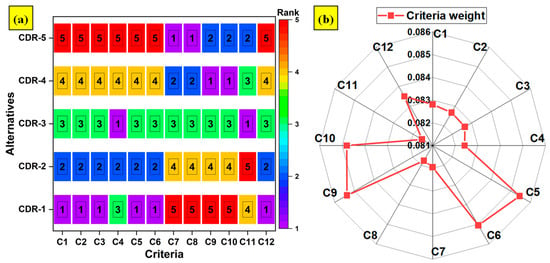
This study investigates the effect of waste cement dust (CD) and rock wool (RW) inorganic fiber on the tribological performance of brake friction composite materials. Five formulations were fabricated by varying CD from 65 to 45 wt.% and RW from 5 to 25 wt.% and evaluated for tribological properties on a Chase friction testing machine in accordance with IS 2742 test procedures. The results show that composites containing higher CD and lower RW exhibited higher coefficients of friction, lower friction variability, and improved fade resistance. In contrast, composites containing higher RW and lower CD showed improved recovery characteristics and substantially enhanced wear resistance. The performance coefficient of friction decreased from about 0.521 to 0.442 as the formulation shifted from CD-rich to RW-rich compositions, while the variability coefficient increased from about 0.364 to 0.516. The highest wear was recorded for the composite containing 65 wt.% CD and 5 wt.% RW inorganic fiber, whereas the lowest friction fluctuations were obtained for the composite containing 55 wt.% CD and 15 wt.% RW inorganic fiber. Finally, a simple ranking process-based decision-making technique was employed to evaluate the overall performance of all the composites, suggesting 55 wt.% CD as the optimal content. These findings confirm the potential of waste CD as a viable functional constituent in brake friction composites when combined with RW inorganic fiber in an optimized manner.
Full article
(This article belongs to the Section Composites Applications)
►▼
Show Figures

Figure 1
Open AccessArticle
Comparative Analysis of Paving Blocks Reinforced with Pineapple Leaf Fiber (Ananas comosus) and Sisal Fiber (Agave sisalana)
by
Asrial, Ketut M. Kuswara, Gauris Panji Er Lambang, Roly Edyan, Paul G. Tamelan and Alesandra Sania Itu
J. Compos. Sci. 2026, 10(6), 316; https://doi.org/10.3390/jcs10060316 - 10 Jun 2026
Abstract
Infrastructure expansion in Indonesia has increased demand for paving blocks, raising concerns over cement production costs and environmental impact. This study investigates the comparative effectiveness of pineapple leaf fiber (PALF, Ananas comosus) and sisal fiber (Agave sisalana) as reinforcements in
[...] Read more.
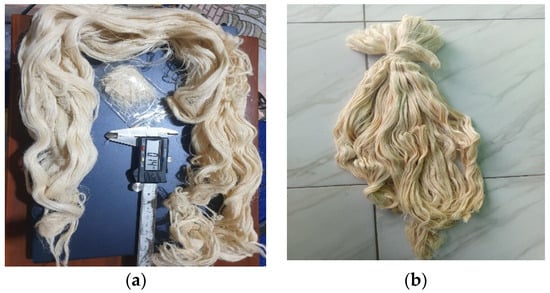
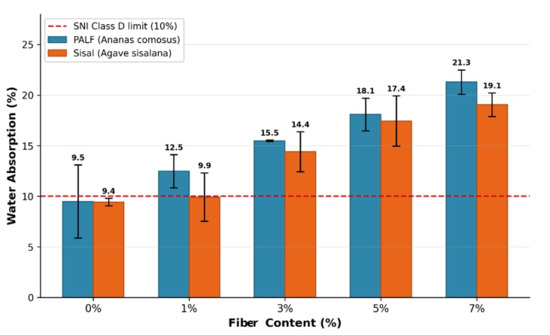
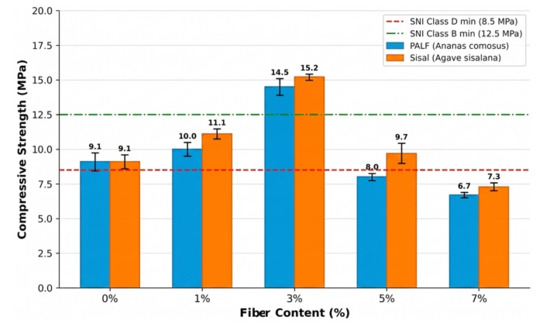
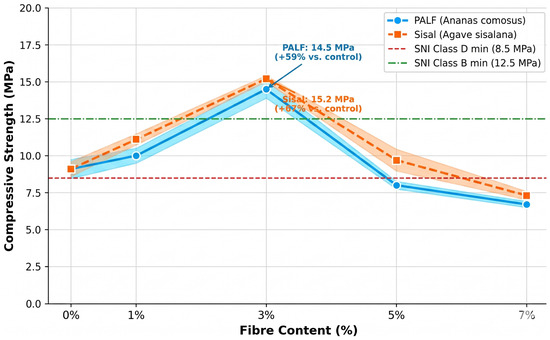
Infrastructure expansion in Indonesia has increased demand for paving blocks, raising concerns over cement production costs and environmental impact. This study investigates the comparative effectiveness of pineapple leaf fiber (PALF, Ananas comosus) and sisal fiber (Agave sisalana) as reinforcements in paving blocks, evaluating water absorption and 28-day compressive strength at fiber contents of 0%, 1%, 3%, 5%, and 7% by cement volume. A full-factorial two-way ANOVA with post-hoc Tukey HSD was employed. A dosage of 3% for both fiber types resulted in compressive strengths of 14.5 MPa (PALF, +59% vs. control) and 15.2 MPa (sisal, +67% vs. control), both of which met the requirements of SNI 03-0691-1996 Class B. Sisal fiber demonstrated superior compressive performance, consistent with its higher stiffness and tensile strength as reported in the literature. Water absorption increased monotonically with fiber content for both types, with SNI Class D compliance (≤10%) maintained only at 0% for PALF and 0–1% for sisal, a known consequence of the inherently hydrophilic nature of plant-based natural fibers. A statistically significant interaction term (F = 3.697, p = 0.012) confirmed that the two fibers respond differently to dosage increases, providing nuanced practical guidance beyond what single-factor studies can offer. These findings demonstrate the promising compressive strength of agricultural waste fiber-reinforced paving blocks, warranting further investigation of abrasion resistance, flexural strength, and long-term durability before practical deployment. Such utilization supports circular economy principles in the construction industry.
Full article
(This article belongs to the Section Composites Manufacturing and Processing)
►▼
Show Figures

Figure 1
Open AccessArticle
Descriptor–Response Analysis of CO2 Adsorption and Activation on CunSc Nanoclusters Using r2SCAN-3c Calculations
by
Katherine Liset Ortiz Paternina, Rodrigo Ortega-Toro and Joaquín Hernández Fernández
J. Compos. Sci. 2026, 10(6), 315; https://doi.org/10.3390/jcs10060315 - 10 Jun 2026
Abstract
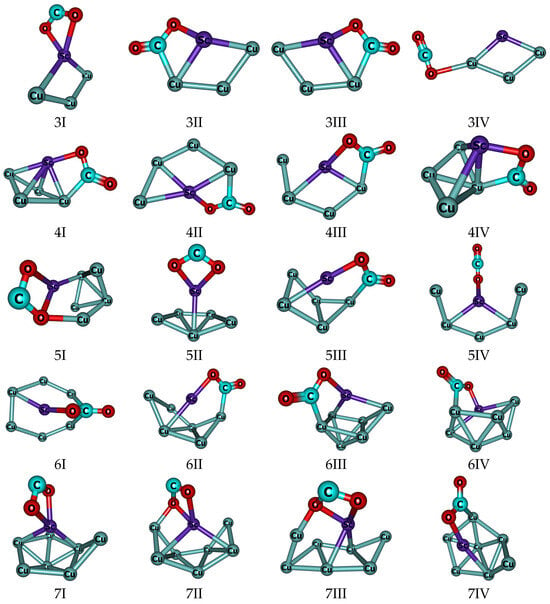
This study analyzed the initial adsorption and activation of CO2 on bimetallic CunSc nanoclusters, with n = 3–7, using DFT calculations in ORCA with the r2SCAN-3c method. A total of 20 bare clusters and their corresponding Cun
[...] Read more.
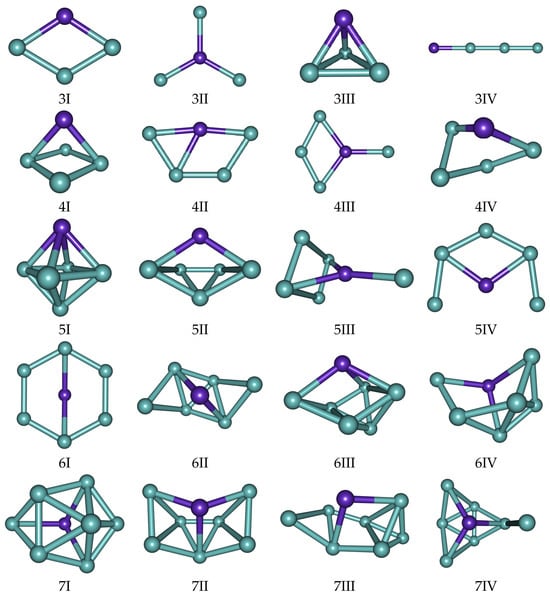
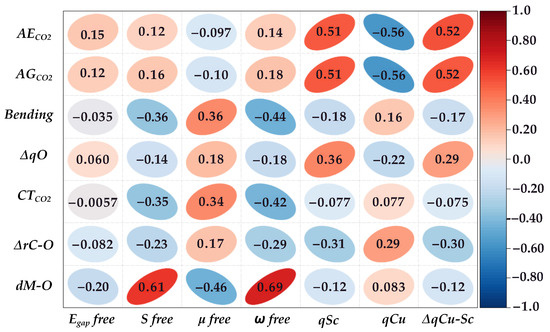
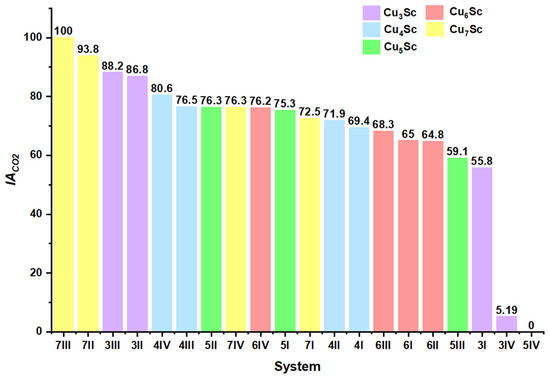
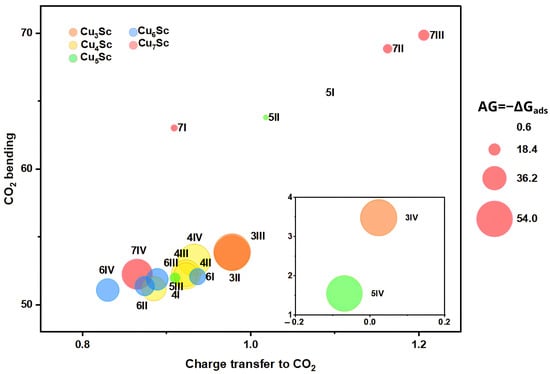
This study analyzed the initial adsorption and activation of CO2 on bimetallic CunSc nanoclusters, with n = 3–7, using DFT calculations in ORCA with the r2SCAN-3c method. A total of 20 bare clusters and their corresponding CunSc–CO2 complexes were investigated, considering four structural configurations for each composition. To avoid classification based solely on adsorption energy, a global CO2 activation index was developed and defined as IACO2 = z(AG) + z(CTCO2) + z(Bending) + z(ΔrC–O). In this index, AG = −ΔGads, CTCO2 = −qCO2, bending corresponds to (180° − ∠O–C–O), and (ΔrC–O) represents the average elongation of the C–O bonds. This descriptor enabled distinguishing complexes that only stabilize CO2 from those that induce effective geometric and electronic activation. Although 5IV and 3IV exhibited favorable adsorption, with (ΔGads) values of −52.978 and −53.494 kcal mol−1, respectively, their molecular activation was low, with nearly linear CO2 and minimal or unfavorable charge transfer. In contrast, 7III and 7II showed the highest activation, with CTCO2 values of 1.206 and 1.163, bending values of 69.867° and 68.869°, and C–O elongations of 0.208 and 0.195 Å, respectively. The standardized (IACO2) ranking identified 7III, 7II, 3III, and 3II as the most relevant systems, with scores of 100.0, 93.8, 88.2, and 86.8, respectively. These results show that CO2 activation on CunSc nanoclusters should not be assessed solely by (ΔGads), but rather by a multi-criteria approach that accounts for stability, charge transfer, and molecular distortion.
Full article
(This article belongs to the Special Issue Functional Composites: Fabrication, Properties and Applications)
►▼
Show Figures

Figure 1
Open AccessCorrection
Correction: Tsonos, C. Exploring the High Frequencies AC Conductivity Response in Disordered Materials by Using the Damped Harmonic Oscillator. J. Compos. Sci. 2022, 6, 200
by
Christos Tsonos
J. Compos. Sci. 2026, 10(6), 314; https://doi.org/10.3390/jcs10060314 - 10 Jun 2026
Abstract
Text Correction [...]
Full article
Open AccessArticle
Analysis of Vibration Response in Graphene-Reinforced Aluminum-Based Truncated Conical Shells Under 1:2 Internal Resonance Conditions
by
Gen Liu, Dongxiao Li, Boliang Liu, Ruiyang Sun, Xin Jiang, Hao Lv and Wensai Ma
J. Compos. Sci. 2026, 10(6), 313; https://doi.org/10.3390/jcs10060313 - 10 Jun 2026
Abstract
Graphene-reinforced aluminum-based materials perfectly combine the excellent properties of graphene and aluminum, achieving superior lightweight structural characteristics. This study focuses on 1:2 internal resonance, analyzing the amplitude–frequency and force–amplitude responses of a graphene-platelet-reinforced aluminum-based truncated conical shell under multiple external excitations. Considering three
[...] Read more.
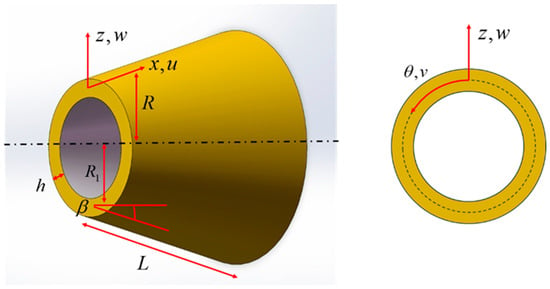
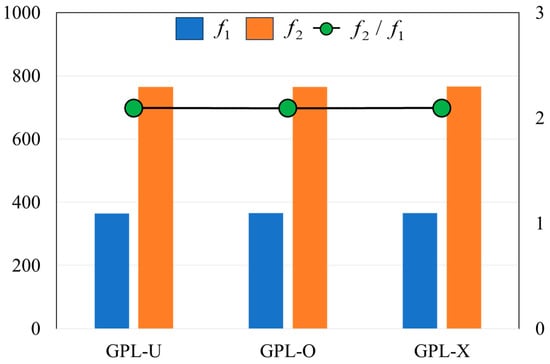
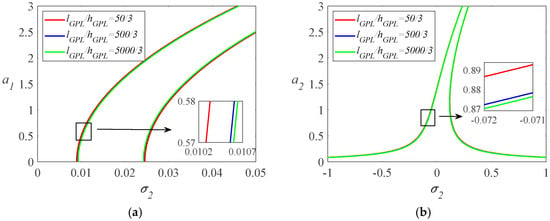
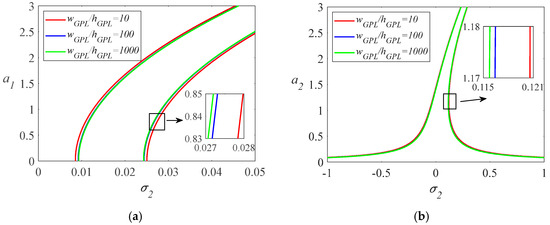
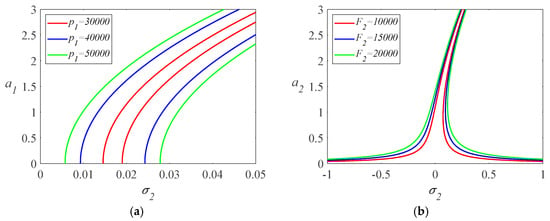
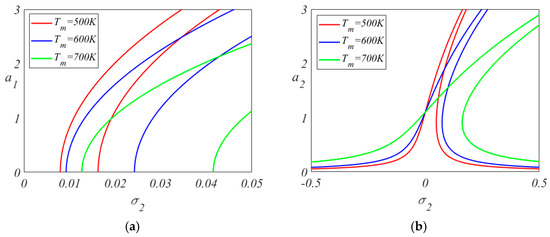
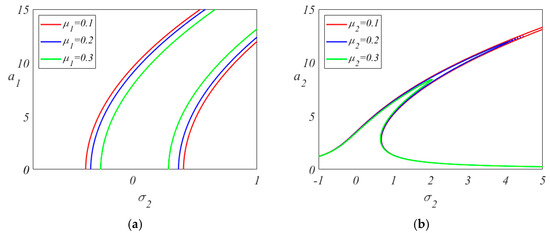
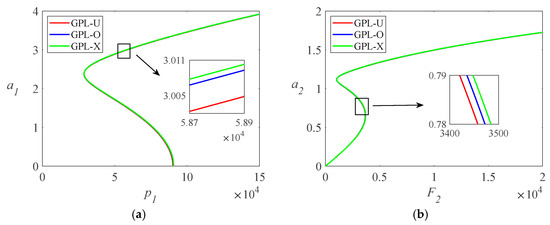
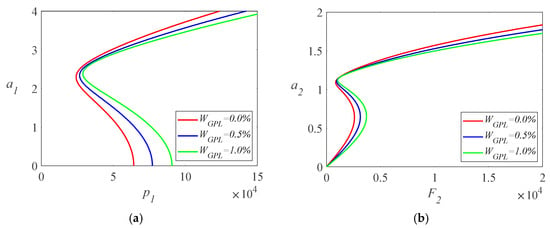
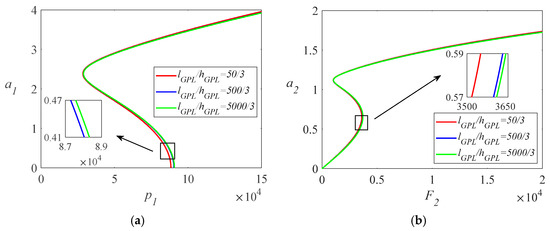
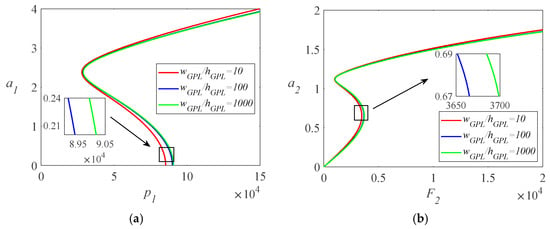
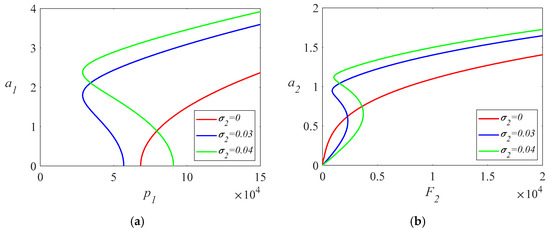
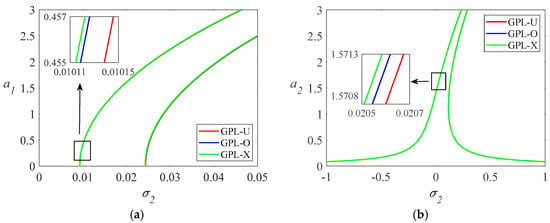
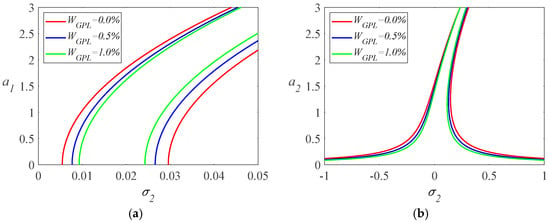
Graphene-reinforced aluminum-based materials perfectly combine the excellent properties of graphene and aluminum, achieving superior lightweight structural characteristics. This study focuses on 1:2 internal resonance, analyzing the amplitude–frequency and force–amplitude responses of a graphene-platelet-reinforced aluminum-based truncated conical shell under multiple external excitations. Considering three different graphene distributions, an improved Halpin–Tsai mechanical model is used to predict the effective Young’s modulus of the GPL-enhanced aluminum-based truncated conical shell. Under temperature effects, based on the Reissner–Mindlin theory and von-Karman geometric nonlinear strain–displacement relationships, Hamilton’s principle and the Galerkin method are employed to derive the motion equations of the GPL-enhanced aluminum-based truncated conical shell. Through multiscale perturbation analysis, the averaged equations in polar coordinates are further derived. Based on the combined averaged equations, the amplitude–frequency and force–amplitude response curves of the system are plotted, investigating the influence of graphene distribution, graphene content, external excitation amplitude, tuning parameters, and graphene plate geometrical dimensions on its vibration characteristics. The analysis results indicate that graphene content is one of the primary factors affecting the vibration characteristics of graphene-reinforced aluminum-based truncated cones.
Full article
(This article belongs to the Section Composites Modelling and Characterization)
►▼
Show Figures

Figure 1
Open AccessArticle
Processing and Evaluation of CFRP and GFRP Composites Manufactured by Closed-Injection Pultrusion: Effects of Resin Viscosity and Pulling Speed
by
Kinam Hong, Sangwon Ji, Kyubyung Kang and Bhumkeun Song
J. Compos. Sci. 2026, 10(6), 312; https://doi.org/10.3390/jcs10060312 - 9 Jun 2026
Abstract
Pultrusion is an efficient continuous manufacturing process for fiber-reinforced polymer (FRP) composites, but conventional open-bath impregnation has limitations such as resin exposure, quality variation, and resin loss. To overcome these limitations, closed-injection pultrusion (CIP) and short-pot-life resin systems have recently been introduced. However,
[...] Read more.
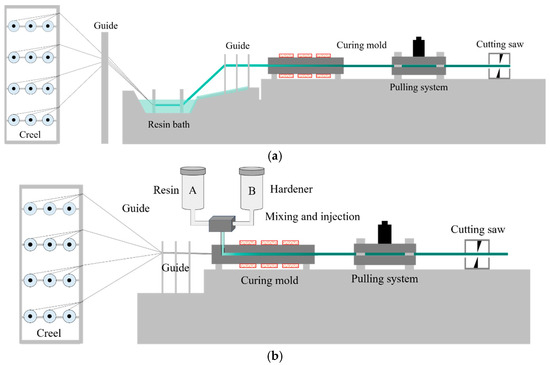
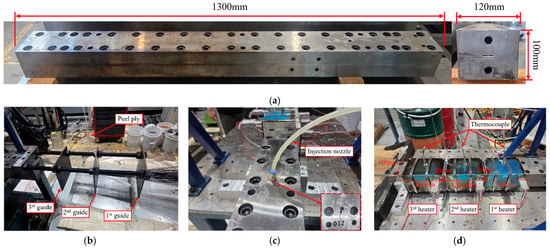
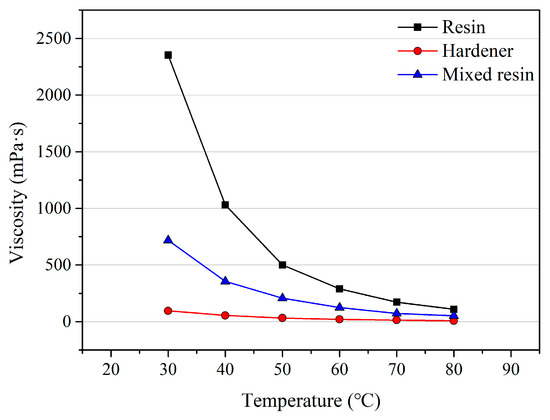
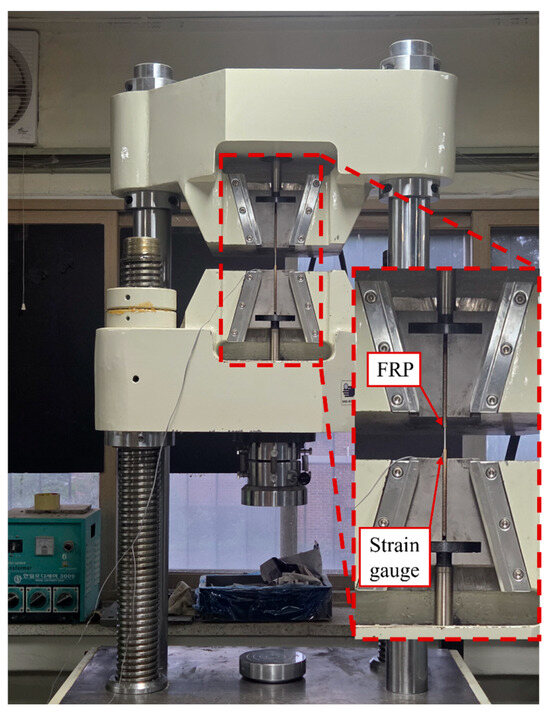
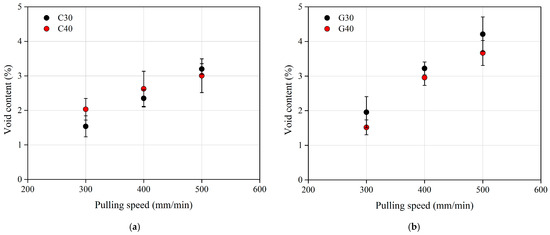
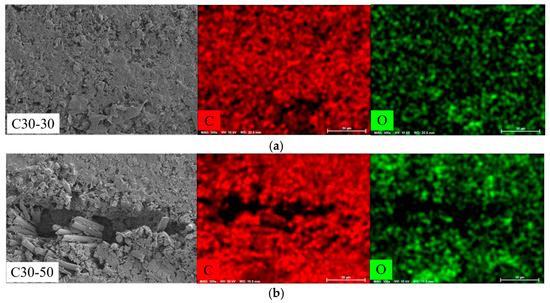
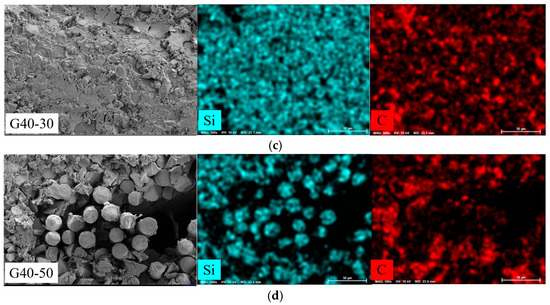
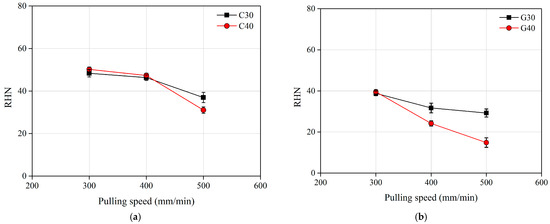
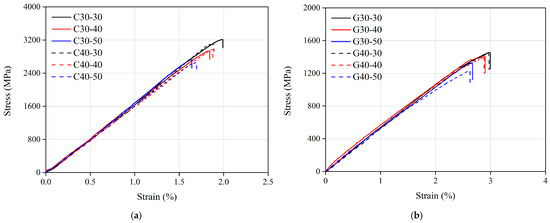
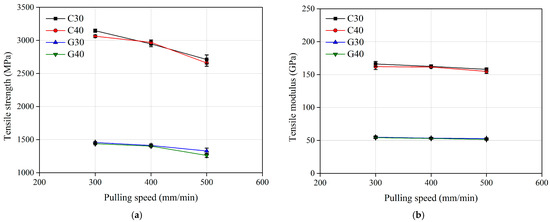
Pultrusion is an efficient continuous manufacturing process for fiber-reinforced polymer (FRP) composites, but conventional open-bath impregnation has limitations such as resin exposure, quality variation, and resin loss. To overcome these limitations, closed-injection pultrusion (CIP) and short-pot-life resin systems have recently been introduced. However, the effects of processing variables on the quality and properties of composites manufactured using such resin systems have not been fully clarified. In this study, the effects of resin viscosity and pulling speed on the quality and mechanical properties of carbon FRP (CFRP) and glass FRP (GFRP) composites manufactured by CIP were investigated. CFRP and GFRP composites were fabricated at resin temperatures of 30 and 40 °C and pulling speeds of 300, 400, and 500 mm/min. The manufactured composites were evaluated in terms of void content, microstructure, hardness, and tensile properties. The results showed that increasing pulling speed increased void content and promoted macrovoids and locally poor impregnation, whereas the influence of resin temperature was relatively limited. Hardness, tensile strength, and elastic modulus decreased as pulling speed increased. These results demonstrate that CFRP and GFRP composites can be successfully manufactured by CIP using short-pot-life resin systems, and that precise control of resin viscosity and pulling speed is essential for achieving high quality and mechanical performance.
Full article
(This article belongs to the Section Composites Manufacturing and Processing)
►▼
Show Figures

Figure 1
Open AccessArticle
IPDI-Core/Polyurethane-Shell Microcapsules: Synthesis and Application in Self-Healing Concrete
by
Komeil Farshidi, Abbas Akbarpour, Asghar Habibnejad Korayem and Morteza Ebrahimi
J. Compos. Sci. 2026, 10(6), 311; https://doi.org/10.3390/jcs10060311 - 9 Jun 2026
Abstract
Cementitious materials are naturally brittle, which makes them prone to cracking. This study effectively employs autogenous healing techniques using microcapsules to solve this issue. The goals were twofold: first, to microencapsulate isophorone diisocyanate (IPDI) as a catalyst-free healing agent; and second, to evaluate
[...] Read more.
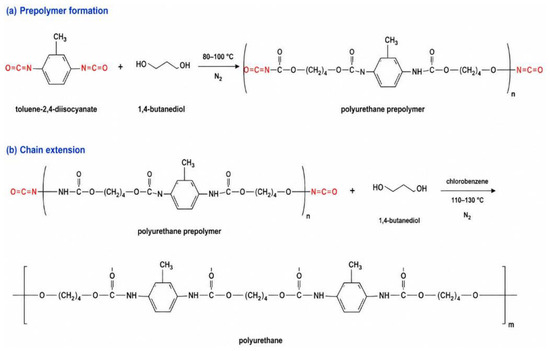
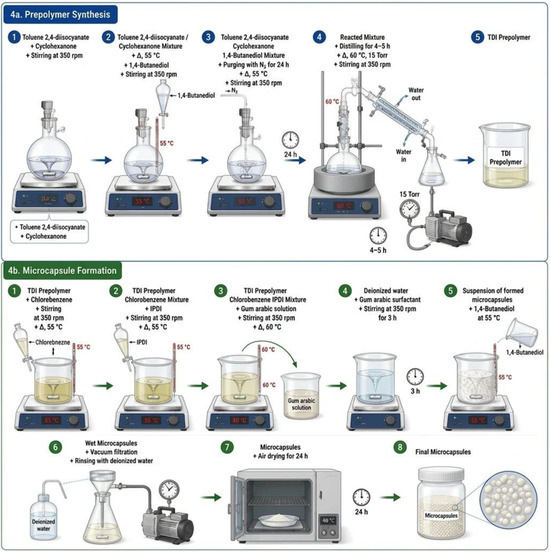
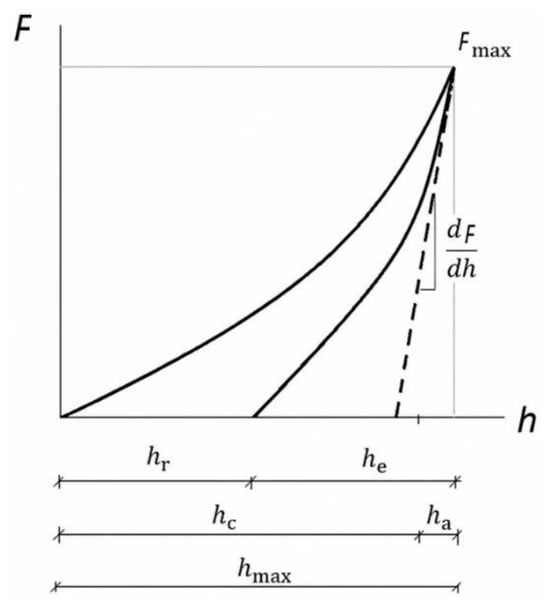
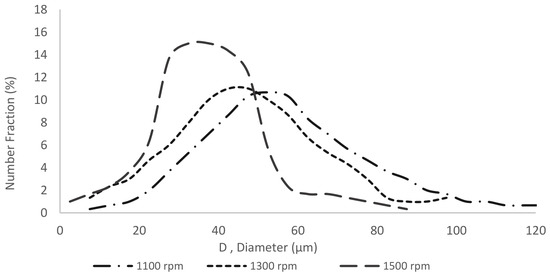
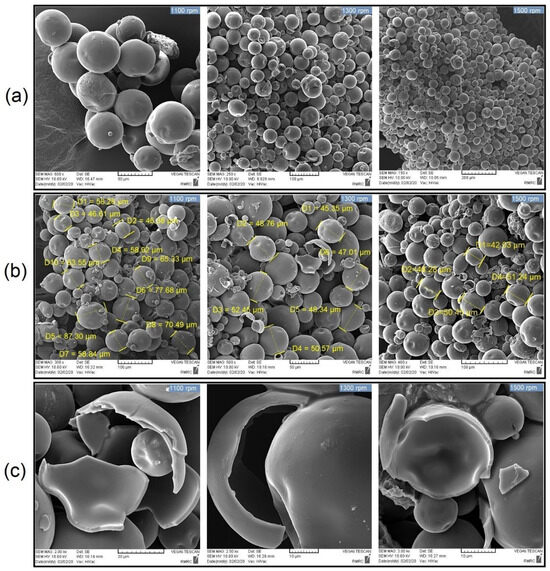
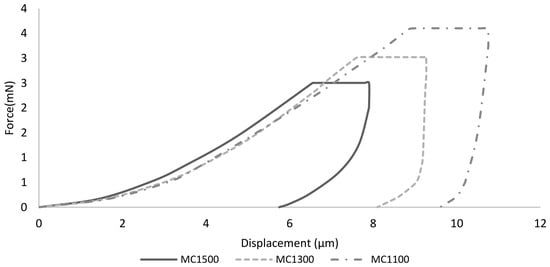
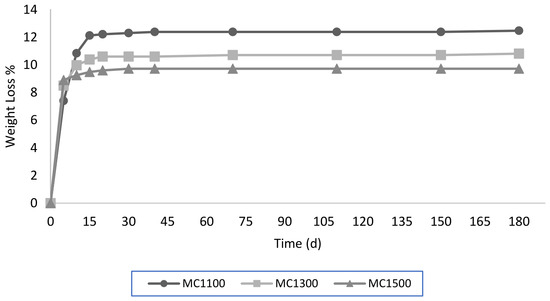
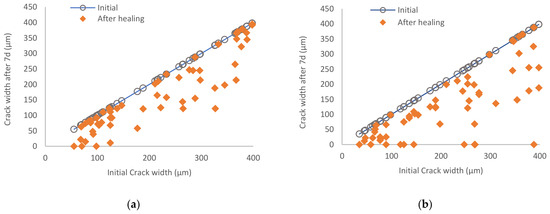
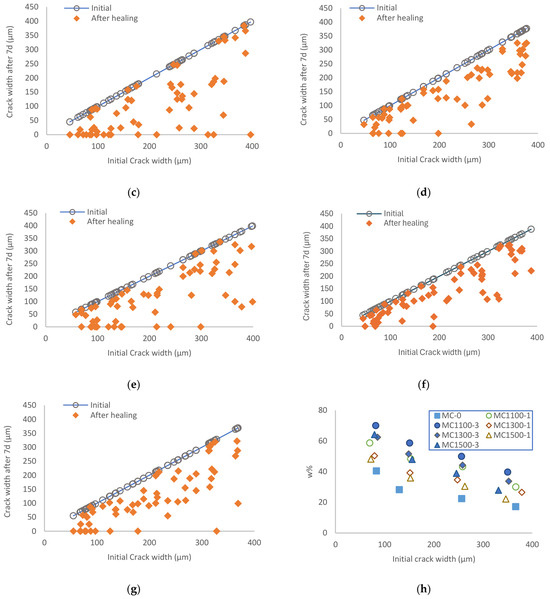
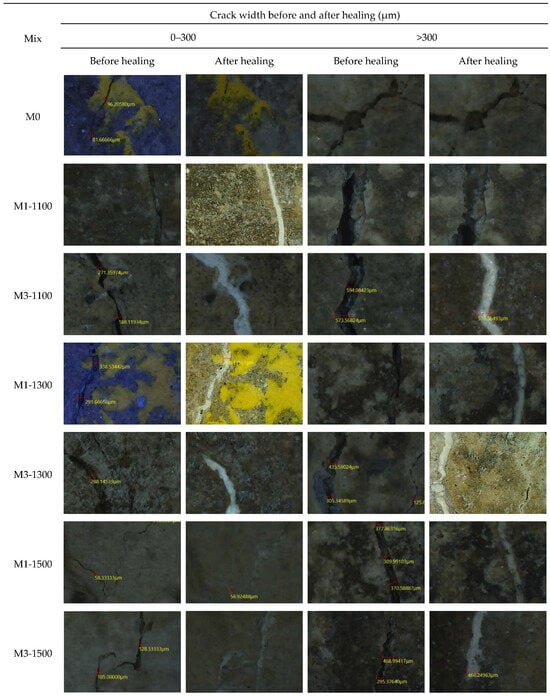
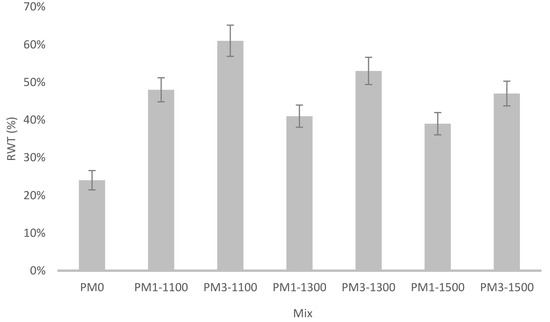
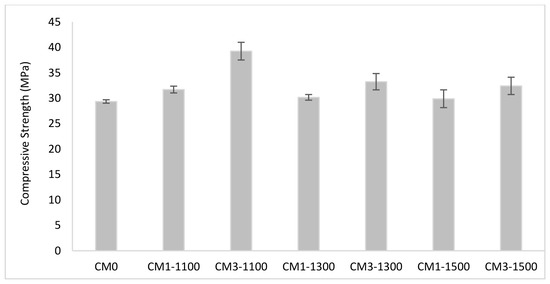
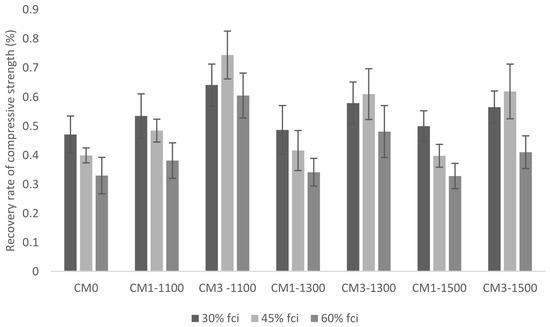
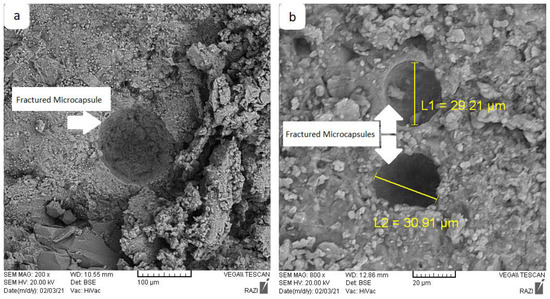
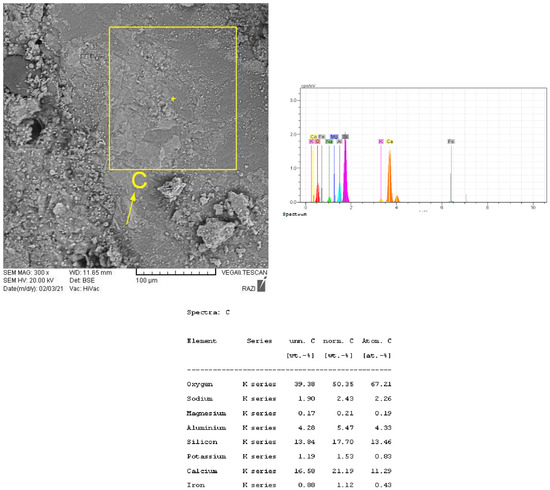
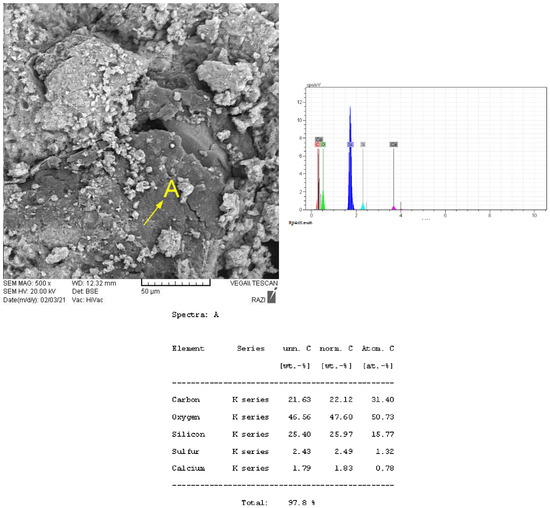
Cementitious materials are naturally brittle, which makes them prone to cracking. This study effectively employs autogenous healing techniques using microcapsules to solve this issue. The goals were twofold: first, to microencapsulate isophorone diisocyanate (IPDI) as a catalyst-free healing agent; and second, to evaluate how these microcapsules improve the healing abilities of cementitious materials. Polyurethane (PU) prepolymer with an NCO content of 19.8% was successfully created. Using interfacial polymerization, smooth, spherical microcapsules of IPDI with an average diameter of 38 to 62 micrometers were produced. The elastic modulus of the microcapsules ranged from 0.23 to 0.18 GPa, while their hardness varied between 5.29 and 4.15 MPa. Over six months, the microcapsules showed a weight loss of 9.72% to 12.47%, depending on their size, under ambient conditions. Specimens containing 3% of fabricated microcapsules demonstrated the ability to seal cracks less than 100 µm wide by up to 70%. Specimens that incorporated 3% of their cement weight in IPDI microcapsules achieved an impressive 74% recovery rate in compressive strength. In contrast, control mortars without microcapsules showed a recovery rate of less than 50%. Analysis using Energy Dispersive Spectroscopy (EDS) revealed a significant presence of carbon in areas where the microcapsules had ruptured and the cracks had healed. This confirms the effectiveness of the healing process, consistent with established self-healing theories. The water tightness recovery trace showed a recovery rate of up to 61%. Additionally, the specimens containing microcapsules exhibited higher initial compressive strength than the control specimens. However, this also indicates that some microcapsules may have ruptured unintentionally during preparation and molding. Therefore, further research on the mechanical properties of microcapsules, especially their stiffness in cementitious composites, is necessary.
Full article
(This article belongs to the Section Composites Manufacturing and Processing)
►▼
Show Figures

Figure 1
Open AccessArticle
Performance-Based Evaluation of Nanomaterials for Enhancing Moisture Damage Resistance in Asphalt Concrete
by
Fatima Shamal Atiyah and Amjad H. Albayati
J. Compos. Sci. 2026, 10(6), 310; https://doi.org/10.3390/jcs10060310 - 6 Jun 2026
Abstract
Moisture-induced damage is one of the primary causes of premature distress in asphalt pavements, leading to reduced service life and increased maintenance costs. Although nanomaterials have shown potential in enhancing asphalt performance, the underlying composite interaction mechanisms among nanomaterials, asphalt binder, and aggregate
[...] Read more.
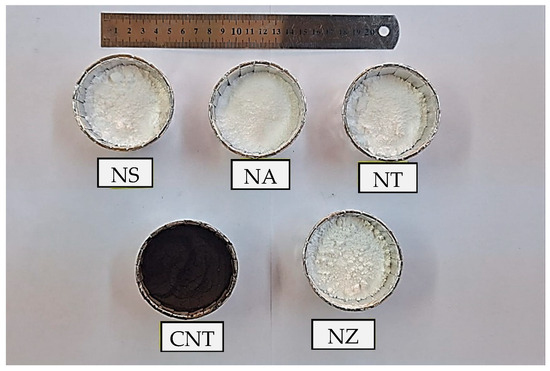
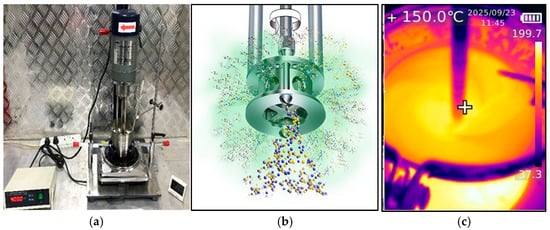
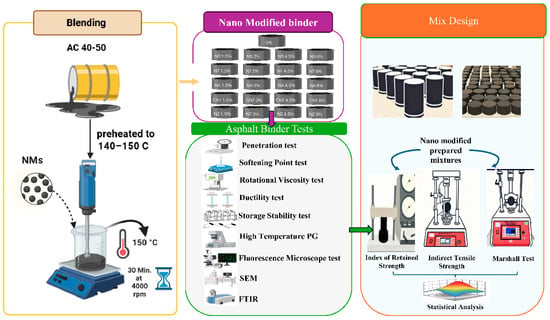
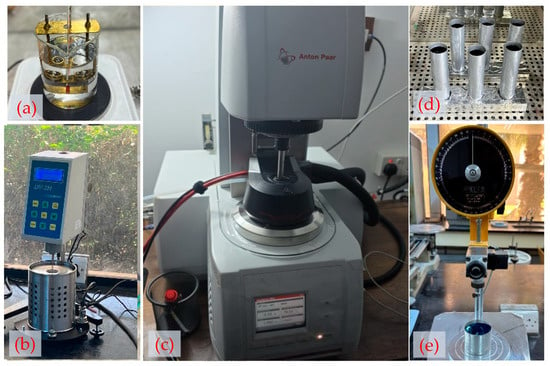
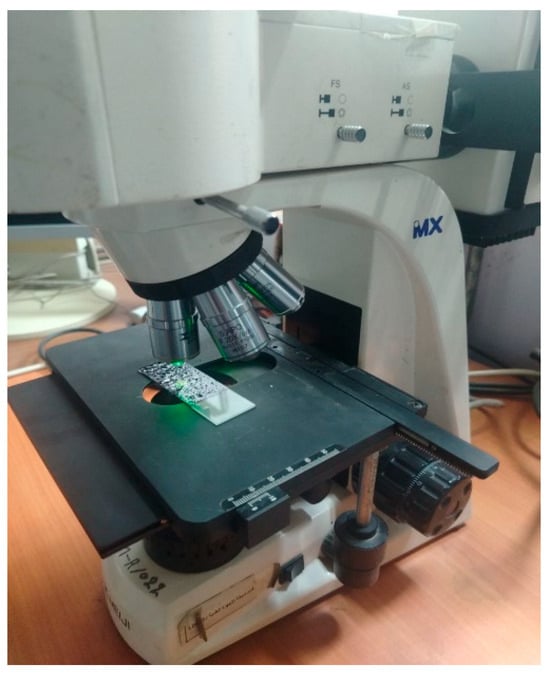
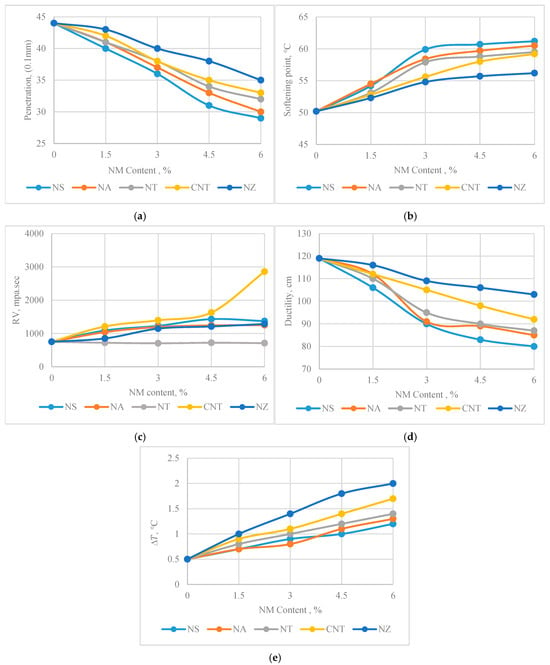
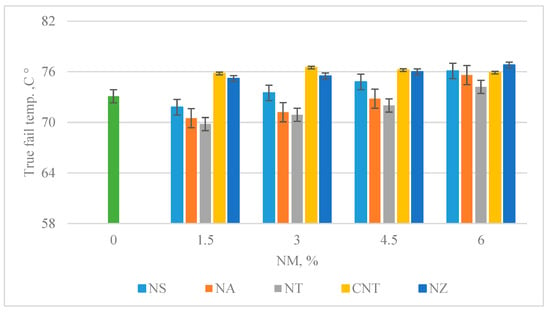
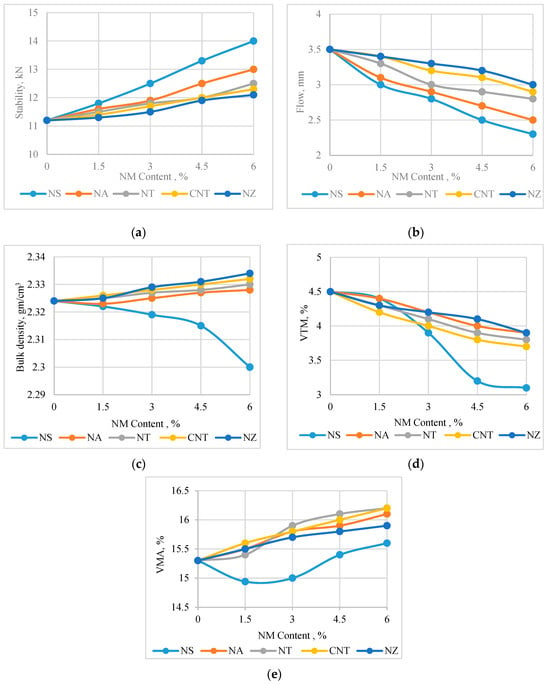
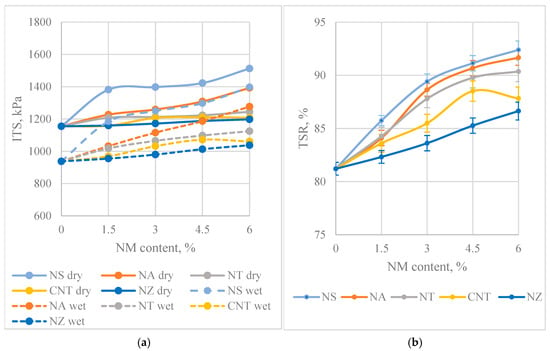
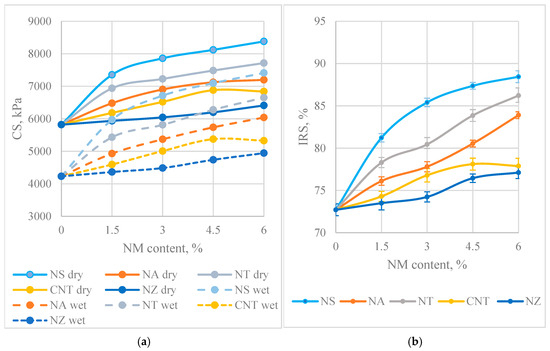
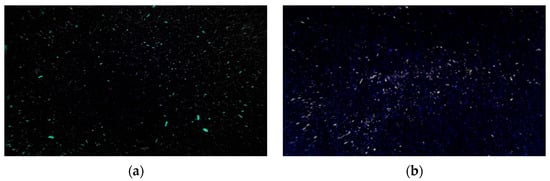
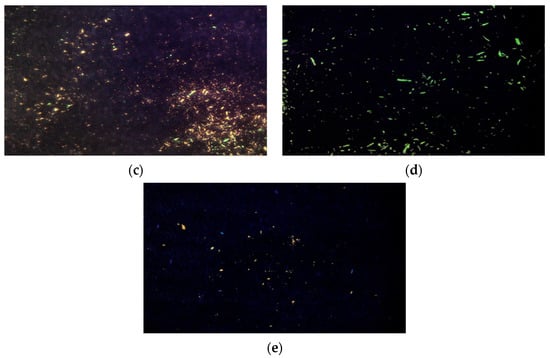
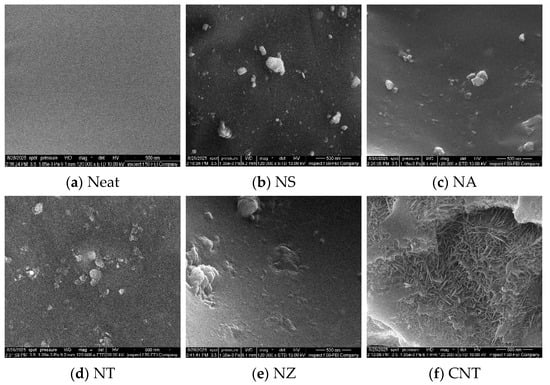
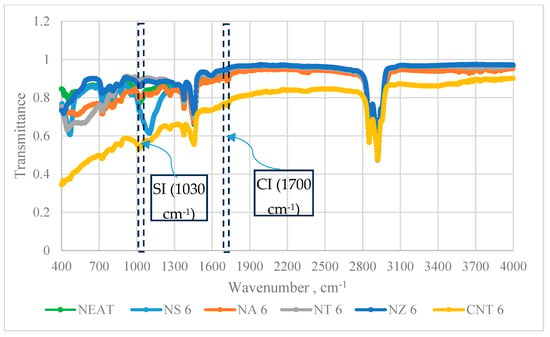
Moisture-induced damage is one of the primary causes of premature distress in asphalt pavements, leading to reduced service life and increased maintenance costs. Although nanomaterials have shown potential in enhancing asphalt performance, the underlying composite interaction mechanisms among nanomaterials, asphalt binder, and aggregate phases under moisture exposure are still not fully understood. In addition, comparative evaluations under consistent experimental conditions remain limited. This study investigates the influence of five nanomaterials: nano-silica (NS), nano-alumina (NA), nano-titanium dioxide (NT), nano-zinc oxide (NZ), and carbon nanotubes (CNT) on the physical and mechanical properties of asphalt binders and mixtures, with particular emphasis on moisture damage resistance. The nanomaterials were incorporated at dosages of 1.5%, 3.0%, 4.5%, and 6.0% by binder weight. Binder performance was evaluated using conventional and performance grading (PG) tests, while mixture performance was assessed through Marshall properties and moisture susceptibility indicators, including the tensile strength ratio (TSR) and the index of retained strength (IRS). Fluorescence microscopy (FM), scanning electron microscopy (SEM), and Fourier transform infrared spectroscopy (FTIR) were employed to investigate nanomaterial dispersion characteristics, microstructural morphology, and physicochemical interactions within the asphalt composite system. The results indicate that nanomaterial modification reduced penetration and increased softening point and Marshall stability, reflecting enhanced stiffness and thermal resistance, although ductility decreased at higher dosages. Significant improvements in moisture resistance were observed, particularly under conditioned states. The TSR increased from 81.2% for the control mixture to 92.4% for NS and 91.7% for NA, while the IRS improved from 72.7% to 88.5% for NS. Statistical analysis indicated that both nanomaterial type and dosage significantly affected TSR and IRS performance, with dosage exhibiting comparatively greater influence on moisture resistance improvement. FM and SEM analyses revealed comparatively better dispersion and lower agglomeration tendency for NS and NA, which corresponded to their superior moisture resistance performance. FTIR analysis indicated that the modification process was predominantly physical, with no major formation of new chemical functional groups. Among the investigated nano materials, NS at 6% dosage exhibited the most pronounced improvement, followed by NA at similar dosage levels. Overall, the findings suggest that nanomaterial modification can considerably improve the moisture resistance and mechanical performance of asphalt mixtures under laboratory conditions. However, higher nanomaterial dosages may adversely affect binder workability due to increased viscosity, particularly in CNT-modified binders.
Full article
(This article belongs to the Section Composites Applications)
►▼
Show Figures

Figure 1
Open AccessArticle
Innovative UHPC-Based Rehabilitation Strategies for Enhancing the Flexural Capacity of Corroded Steel Bridge Beams
by
Mahmoud T. Nawar, Ahmed S. Salem, Said Abdel-Monsef, Yasser E. Ibrahim and Shady Gomaa
J. Compos. Sci. 2026, 10(6), 309; https://doi.org/10.3390/jcs10060309 - 5 Jun 2026
Abstract
Steel–concrete composite beams are widely used in bridge infrastructure but are vulnerable to deterioration due to uniform and pitting corrosion, particularly at the lower flange. This study investigates the flexural behavior of corroded steel–normal strength concrete (NSC) composite beams and evaluates rehabilitation using
[...] Read more.
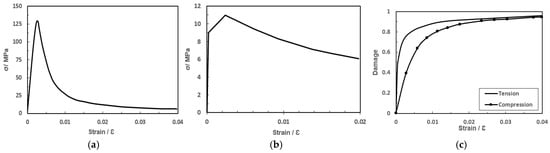
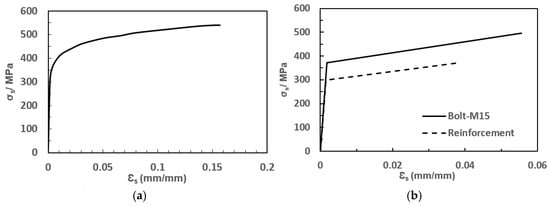
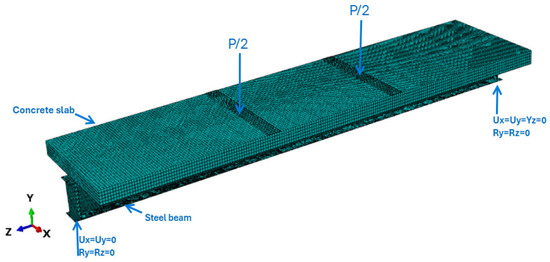
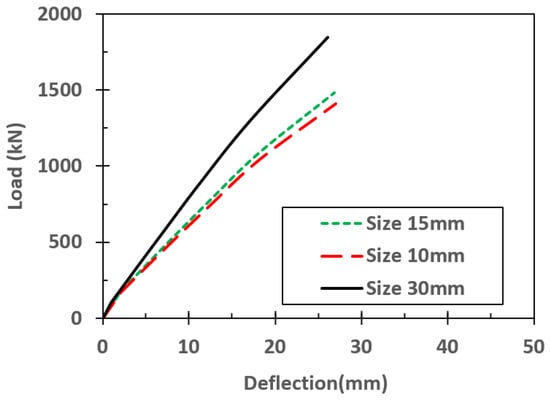
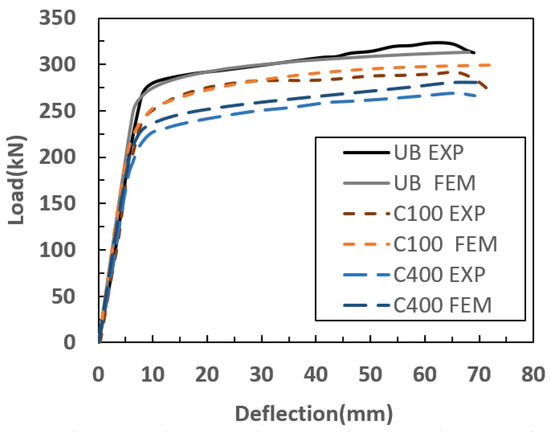
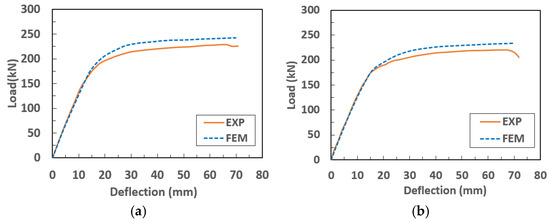
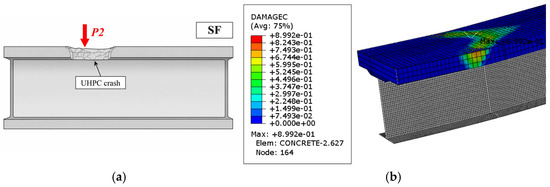
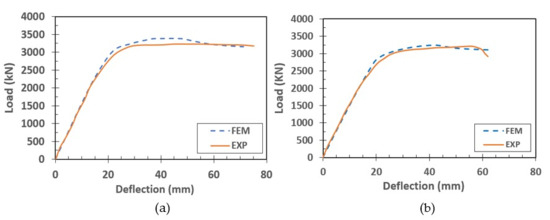
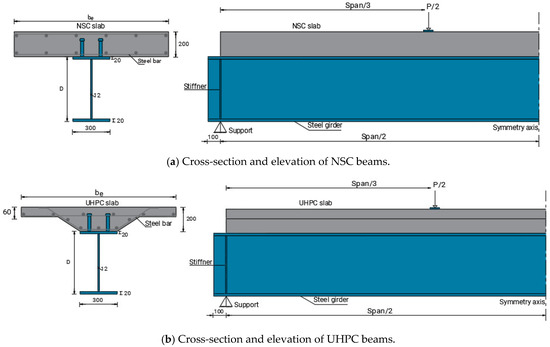
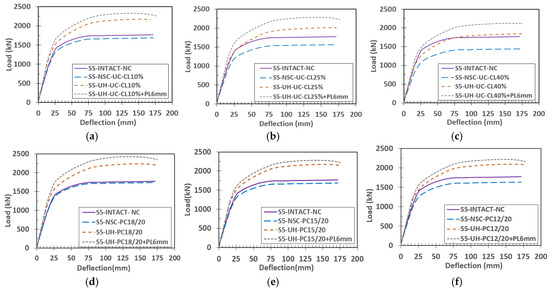
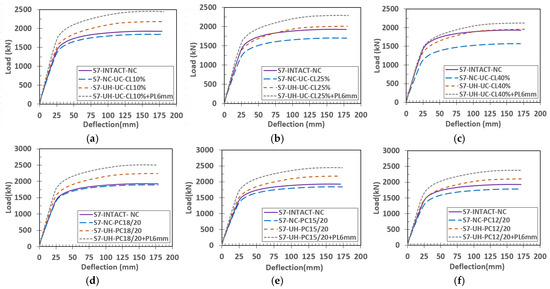
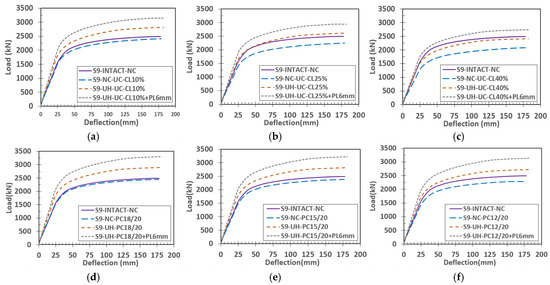
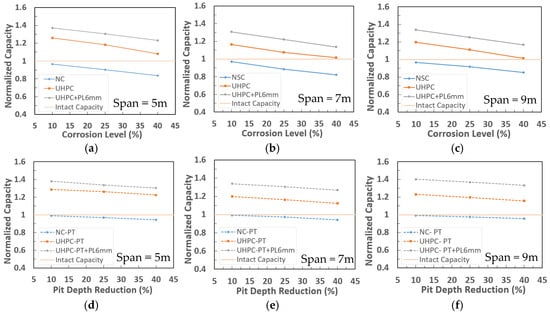
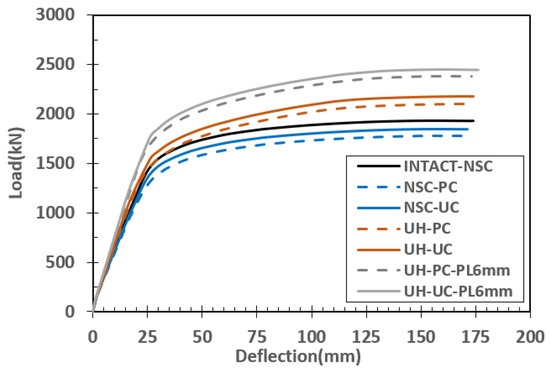
Steel–concrete composite beams are widely used in bridge infrastructure but are vulnerable to deterioration due to uniform and pitting corrosion, particularly at the lower flange. This study investigates the flexural behavior of corroded steel–normal strength concrete (NSC) composite beams and evaluates rehabilitation using ultra-high-performance concrete (UHPC) slab replacement, with and without additional steel plate strengthening. A comprehensive finite element analysis was conducted considering three beam spans (5, 7, and 9 m), two corrosion types, and three corrosion levels. The results indicate that both corrosion types significantly reduce flexural capacity due to cross-sectional loss, with pitting corrosion causing greater strength reduction than uniform corrosion at the same weight loss because of stress concentration effects. Replacing the NSC slab with a UHPC slab effectively restores and often enhances load-carrying capacity beyond that of intact beams while reducing dead load, demonstrating the superiority of the proposed rehabilitation approach. The combined use of UHPC slab replacement and welded steel plate strengthening provides the greatest improvement, revealing a strong synergistic effect. A case study of a corroded steel bridge in Pennsylvania confirms the practical applicability of the method, showing that UHPC-based rehabilitation increases the load rating from below unity to above unity. These findings highlight UHPC as an efficient and sustainable solution for extending the service life of aging steel bridges.
Full article
(This article belongs to the Section Composites Applications)
►▼
Show Figures

Figure 1
Open AccessReview
Life-Cycle Assessment and Sustainability of High-Performance and Ultra-High-Performance Fiber-Reinforced Concrete (HPFRC/UHPFRC) from Mix Design to Structural Performance
by
Hasan Mostafaei, Yasaman Anisi, Hadi Bahmani, Niyousha Fallah Chamasemani and Khosro Shabani
J. Compos. Sci. 2026, 10(6), 308; https://doi.org/10.3390/jcs10060308 - 5 Jun 2026
Abstract
►▼
Show Figures
High-performance and ultra-high-performance fiber-reinforced concretes (HPFRC/UHPFRC) have emerged as advanced cementitious composites capable of achieving superior mechanical performance, durability, and structural efficiency compared with conventional concrete. However, their widespread adoption remains challenged by relatively high material costs and significant embodied environmental impacts associated
[...] Read more.
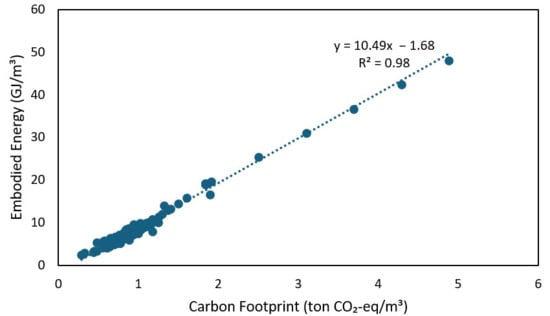
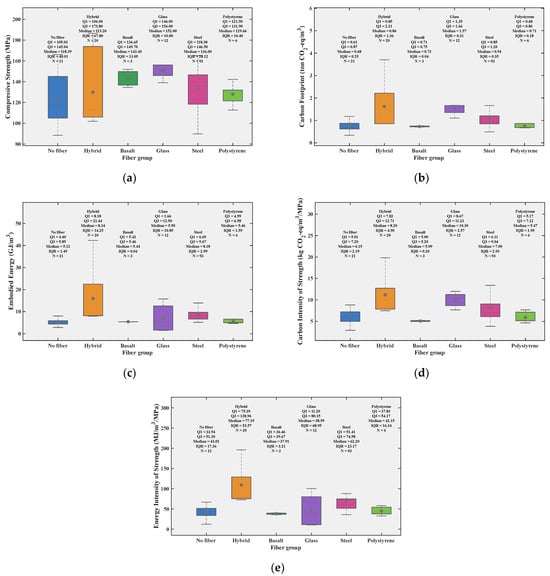
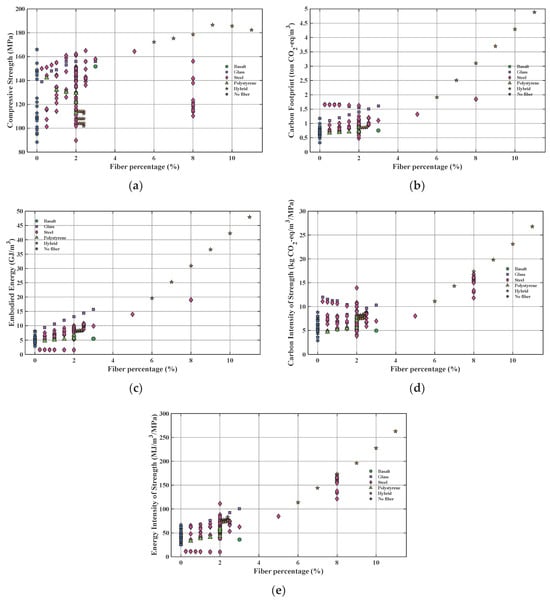
High-performance and ultra-high-performance fiber-reinforced concretes (HPFRC/UHPFRC) have emerged as advanced cementitious composites capable of achieving superior mechanical performance, durability, and structural efficiency compared with conventional concrete. However, their widespread adoption remains challenged by relatively high material costs and significant embodied environmental impacts associated with elevated binder and fiber contents. This study presents a comprehensive life-cycle review of advanced high-performance cementitious composites, evaluating their sustainability from raw material extraction and mix design to structural application, service life, and end-of-life considerations. The review synthesizes current knowledge on material composition, production processes, structural performance, durability characteristics, and environmental impacts through the framework of life-cycle assessment (LCA). Particular attention is given to the influence of mix-design parameters, including binder composition, supplementary cementitious materials (SCMs), aggregate systems, and fiber type, on embodied carbon, energy demand, and mechanical performance. A dataset compiled from published experimental studies covering high-performance and ultra-high-performance concrete mixtures is analyzed to examine relationships between compressive strength, embodied energy, and carbon footprint, highlighting the dominant role of cementitious binders and fiber production in environmental impacts. Although advanced fiber-reinforced concretes generally exhibit higher cradle-to-gate emissions than conventional concrete, their superior mechanical properties, improved durability, reduced material demand, and extended service life can substantially reduce life-cycle environmental impacts at the structural level. The review further discusses emerging strategies for developing low-carbon high-performance cementitious composites, including clinker reduction, recycled and alternative fibers, optimized particle packing, and AI-assisted mix design. Finally, key research gaps are identified, particularly regarding standardized LCA methodologies, long-term durability data, harmonized performance-based functional units, and circular-economy strategies for material recycling and reuse. The findings highlight that performance-based life-cycle evaluation is essential for accurately assessing the sustainability potential of advanced high-performance cementitious composites in resilient and low-carbon infrastructure systems.
Full article

Figure 1
Open AccessArticle
Efficient Buckling Analysis of Thin-Walled Composite Beams with Symmetric and Unsymmetric Layups Using a GBT–Ritz Approach
by
Navid Kharghani and Christian Mittelstedt
J. Compos. Sci. 2026, 10(6), 307; https://doi.org/10.3390/jcs10060307 - 4 Jun 2026
Abstract
Thin-walled composite beams with unsymmetric laminates are attracting increasing attention in lightweight aerospace and mechanical structures because they enable enhanced stiffness tailoring and weight reduction beyond the limitations of conventional symmetric stacking sequences. However, despite their practical relevance, unsymmetric thin-walled laminates have received
[...] Read more.
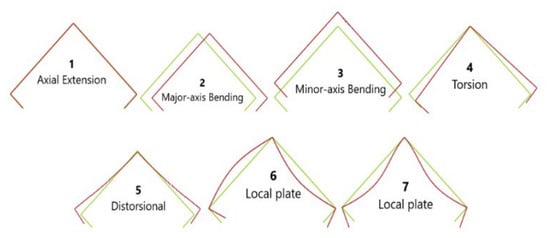
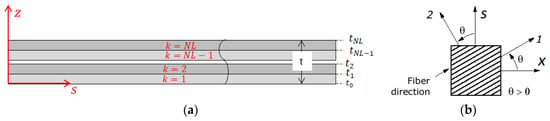
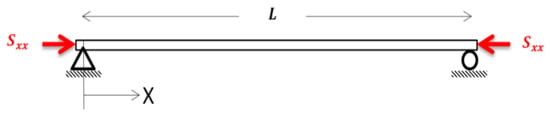
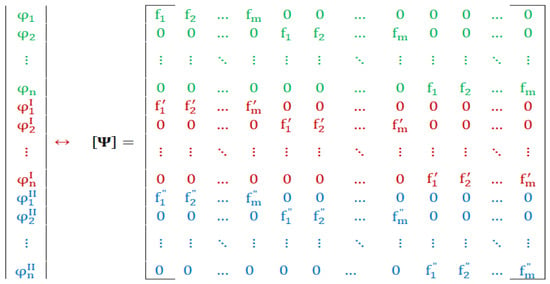
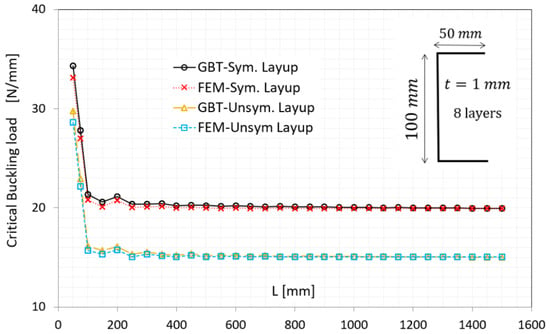
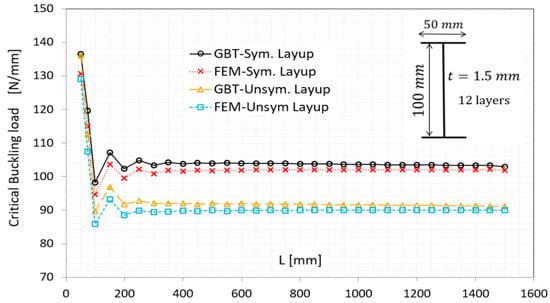
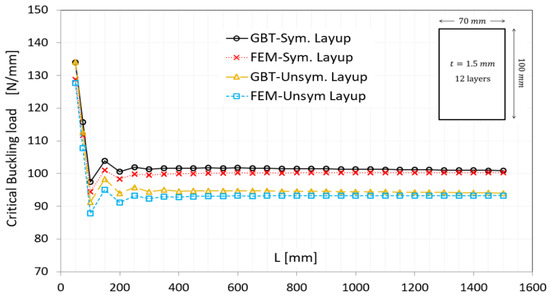
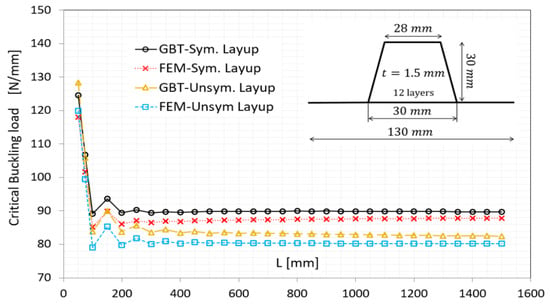
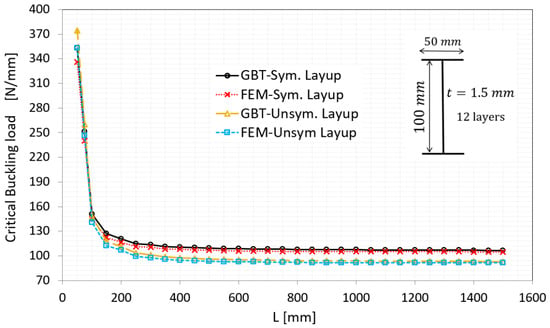
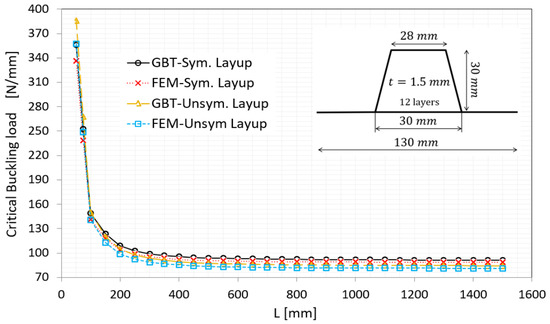
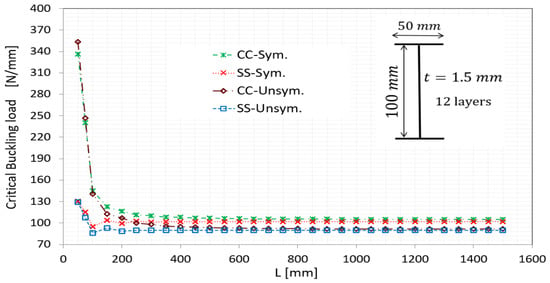
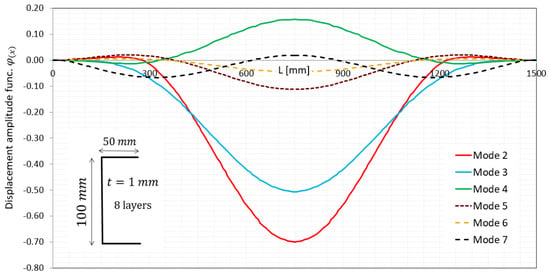
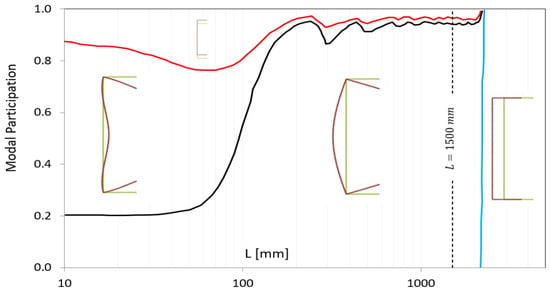
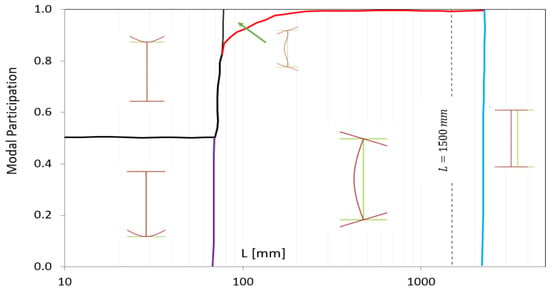
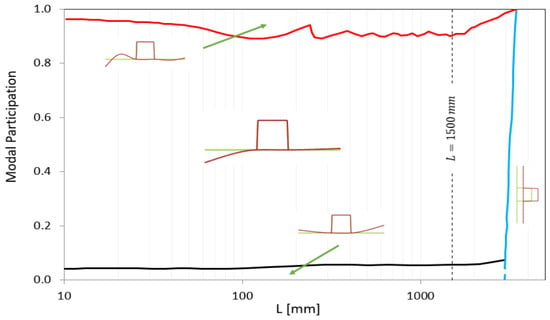
Thin-walled composite beams with unsymmetric laminates are attracting increasing attention in lightweight aerospace and mechanical structures because they enable enhanced stiffness tailoring and weight reduction beyond the limitations of conventional symmetric stacking sequences. However, despite their practical relevance, unsymmetric thin-walled laminates have received comparatively limited attention in the available buckling literature due to the additional complexity introduced by membrane–bending coupling effects. This study presents an efficient and physically transparent formulation for the buckling analysis of thin-walled composite beams with both symmetric and unsymmetric layups by combining Generalized Beam Theory (GBT) with the Ritz method. The proposed GBT-Ritz framework captures global, local, distortional, torsional, and shear-related deformation modes while consistently incorporating laminate coupling effects associated with unsymmetric configurations. The formulation is applicable to open, closed, branched, and unbranched cross-sections commonly encountered in aerospace structures. Validation against ABAQUS V2017 shell finite element models demonstrates excellent agreement (with discrepancies generally below 6%) in predicting critical buckling loads and mode shapes for various geometries and boundary conditions. The results show that unsymmetric laminates can significantly influence buckling behavior, particularly in open sections and intermediate beam lengths where coupling effects become dominant. Compared with conventional finite element approaches, the proposed method achieves substantially lower computational cost (providing speed-up factors of 1.5 to 2.5) while preserving clear physical insight into interacting instability mechanisms. Overall, the developed framework provides an efficient and practically relevant tool for the analysis and design of advanced thin-walled composite structures with tailored unsymmetric laminates.
Full article
(This article belongs to the Special Issue Composite Thin-Walled Structures: Stability and Damage)
►▼
Show Figures

Figure 1
Journal Menu
► ▼ Journal Menu-
- J. Compos. Sci. Home
- Aims & Scope
- Editorial Board
- Reviewer Board
- Topical Advisory Panel
- Early Career Editorial Board
- Instructions for Authors
- Special Issues
- Topics
- Sections & Collections
- Article Processing Charge
- Indexing & Archiving
- Editor’s Choice Articles
- Most Cited & Viewed
- Journal Statistics
- Journal History
- Journal Awards
- Conferences
- Editorial Office
Journal Browser
► ▼ Journal BrowserHighly Accessed Articles
Latest Books
E-Mail Alert
News
Topics
Topic in
Alloys, Applied Mechanics, Crystals, J. Compos. Sci., Powders, Nanomaterials
Multiscale Characterization, Mechanical Behavior and Computational Simulation of Bulk Materials, Metallic Powders and/or Nanoparticles
Topic Editors: Xiangnan Pan, Qing Peng, Hui Qi, Raj DasDeadline: 30 June 2026
Topic in
Fibers, J. Compos. Sci., JMMP, Materials, Polymers, Recycling
Advanced Composites Manufacturing and Plastics Processing, 2nd Volume
Topic Editors: Patricia Krawczak, Ludwig Cardon, Frederik DesplentereDeadline: 1 September 2026
Topic in
Aerospace, Applied Sciences, Astronautics, Coatings, J. Compos. Sci., JMMP, Materials, Polymers
Advanced Materials and Manufacturing for Extreme Environments in Energy and Aerospace
Topic Editors: Richard E. Wirz, Chih-Hung (Alex) Chang, Tianyi Chen, Somayeh Pasebani, Dong Lin, Devin J. Roach, Jesse A. RodriguezDeadline: 31 October 2026
Topic in
IJMS, JFB, Macromol, Materials, J. Compos. Sci., Polymers
Recent Advances in Composite Biomaterials
Topic Editors: Diego Romano Perinelli, Florentina LupascuDeadline: 30 November 2026
Conferences
Special Issues
Special Issue in
J. Compos. Sci.
Sustainable Polymer Composites: Waste Reutilization and Valorization
Guest Editor: Reza SalehiyanDeadline: 25 June 2026
Special Issue in
J. Compos. Sci.
Effect of Processing Techniques on the Characterization of Alloys Composites and Hybrids
Guest Editors: Deesy Gomes Pinto, K. Raju, Dayanand M. GoudarDeadline: 30 June 2026
Special Issue in
J. Compos. Sci.
Characterization and Modeling of Composites, 4th Edition
Guest Editor: Stelios K. GeorgantzinosDeadline: 30 June 2026
Special Issue in
J. Compos. Sci.
Sustainable Biocomposites, 3rd Edition
Guest Editors: Ahmed Koubaa, Mohamed Ragoubi, Frédéric Becquart, Ahmed Elloumi, Philippe MichaudDeadline: 30 June 2026
Topical Collections
Topical Collection in
J. Compos. Sci.
Editorial Board Members’ Collection Series: Fibre Composite Materials
Collection Editors: Hom Nath Dhakal, Mazeyar Parvinzadeh Gashti, Esfandiar Pakdel