





-
The Role of Meta-Emotional Intelligence in Behavioral Rule Knowledge -
Non-Cognitive Predictors of Academic Achievement and Cognitive Processing -
Creative and Critical Thinking in Scientific Modelling -
Approach-Oriented Profiles: Third Graders Achieve More -
Intelligence, Academic Achievement, and Life Satisfaction in Adolescents
Journal Description
Journal of Intelligence
is an international, peer-reviewed, open access journal on the study of human intelligence, published monthly online by MDPI.
- Open Access— free for readers, with article processing charges (APC) paid by authors or their institutions.
- High Visibility: indexed within Scopus, SSCI (Web of Science), PubMed, PMC, PsycInfo, PSYNDEX, and other databases.
- Journal Rank: JCR - Q1 (Psychology, Multidisciplinary) / CiteScore - Q1 (Education)
- Rapid Publication: manuscripts are peer-reviewed and a first decision is provided to authors approximately 33.9 days after submission; acceptance to publication is undertaken in 5.5 days (median values for papers published in this journal in the second half of 2025).
- Recognition of Reviewers: reviewers who provide timely, thorough peer-review reports receive vouchers entitling them to a discount on the APC of their next publication in any MDPI journal, in appreciation of the work done.
- Journal Cluster of Education and Psychology: Adolescents, Behavioral Sciences, Education Sciences, Journal of Intelligence, Psychology International and Youth.
Impact Factor:
3.4 (2024);
5-Year Impact Factor:
3.5 (2024)
Latest Articles
Decision Dynamics in Early Numerical Estimation: Evidence from the Dual-NLET and Drift Diffusion Modeling
J. Intell. 2026, 14(3), 35; https://doi.org/10.3390/jintelligence14030035 - 25 Feb 2026
Abstract
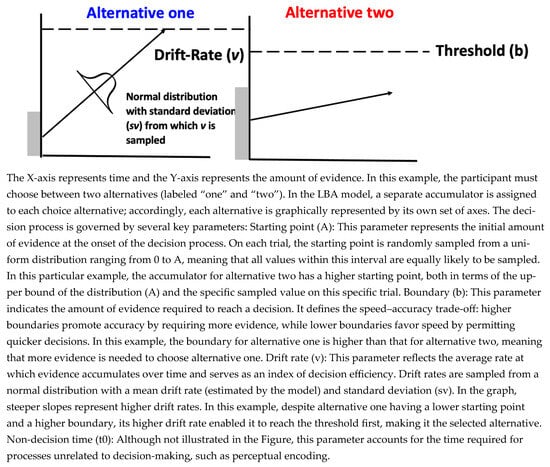
The present study examined the cognitive mechanisms underlying decision-making in number-line estimation in 26 preschoolers through the lens of the evidence-accumulation paradigm. Children completed a traditional Number Line Estimation Task (NLET) and the Numeracy Screener test, which assessed symbolic and nonsymbolic abilities. They
[...] Read more.
The present study examined the cognitive mechanisms underlying decision-making in number-line estimation in 26 preschoolers through the lens of the evidence-accumulation paradigm. Children completed a traditional Number Line Estimation Task (NLET) and the Numeracy Screener test, which assessed symbolic and nonsymbolic abilities. They also completed a novel two-alternative forced-choice version of the Number Line Estimation Task (dual-NLET), which is introduced in this study as a tool for investigating decision-making processes in number-line estimation by enabling two-choice diffusion modeling. Results showed that accuracy in the traditional NLET correlated with both accuracy and decision efficiency in the dual task. Moreover, symbolic and nonsymbolic numerical abilities were differentially associated with distinct decision-making aspects: symbolic skills correlated with decision efficiency, while nonsymbolic skills correlated with decision threshold. These findings provide new insights into the roles of symbolic and nonsymbolic numerical systems in number-line decision-making and support the utility of the evidence-accumulation approach in developmental numerical cognition research.
Full article
(This article belongs to the Special Issue Math Development and Cognitive Skills)
Open AccessSystematic Review
Gifted but Misunderstood? An Interpretive Systematic Review of Gifted Education Policy, Practice, and Socio-Emotional Experience in England
by
Simge Karakaş Mısır and Michael Thomas
J. Intell. 2026, 14(3), 34; https://doi.org/10.3390/jintelligence14030034 - 24 Feb 2026
Abstract
►▼
Show Figures
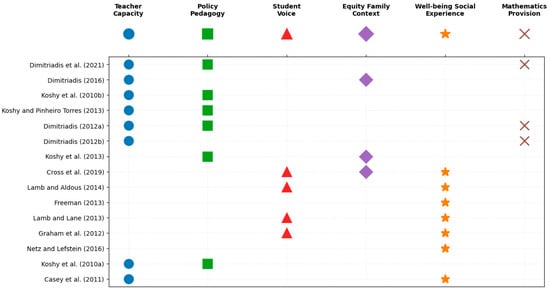
This systematic review analyses the evolution of gifted education in England between 2010 and 2025. The year 2010 serves as a critical turning point, characterized by the withdrawal of the national Gifted and Talented (G&T) policy and the subsequent delegation of identification and
[...] Read more.
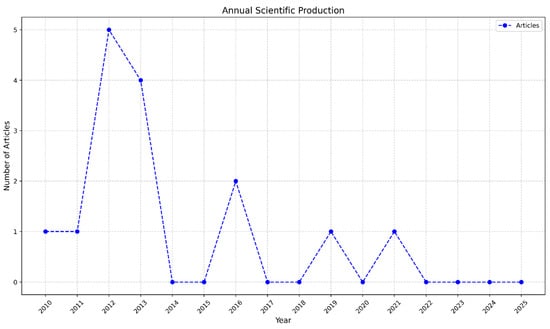
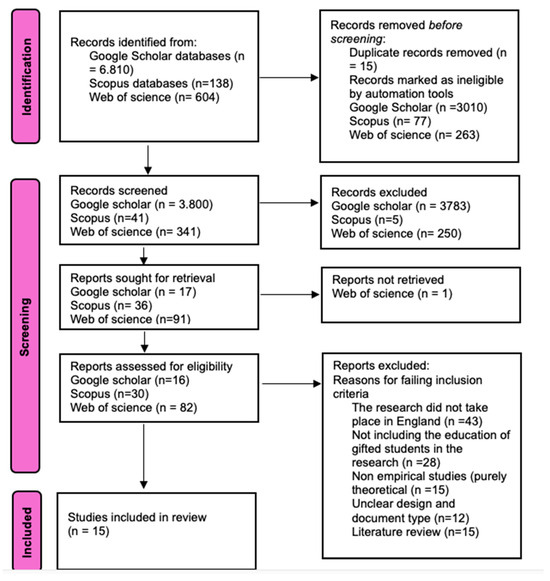
This systematic review analyses the evolution of gifted education in England between 2010 and 2025. The year 2010 serves as a critical turning point, characterized by the withdrawal of the national Gifted and Talented (G&T) policy and the subsequent delegation of identification and provision responsibilities to schools. This change created a gap in the literature due to a lack of focused research examining the challenges and deficiencies that emerged following this policy shift. This study is original in that it is the first to bridge existing implementation gaps and provide a robust evidence base for future educational policies. The review focuses on policy frameworks, identification models, and socio-emotional outcomes. Following the PRISMA guidelines, fifteen peer-reviewed studies retrieved from Web of Science, Scopus, and Google Scholar were examined through thematic synthesis. Findings indicate a persistent gap between policy rhetoric and classroom practice. Identification processes remain heavily reliant on standardized testing and teacher judgment, often neglecting creativity, diversity, and contextual factors. Fragmented teacher training limits the ability to effectively support gifted learners, particularly those from disadvantaged or twice exceptional (2e) backgrounds. Socio-emotional outcomes reveal that academic success does not guarantee emotional well-being, highlighting the prevalence of perfectionism and stigmatization. These findings underscore the need for teachers and teacher educators to strengthen pre- and in-service training, so they can better recognize diverse forms of giftedness and support students’ socio-emotional needs through more equitable and research-informed practices.
Full article

Figure 1
Open AccessSystematic Review
Beyond Content Delivery: A Systematic Review of Video-Based SRL Interventions and Gaps in Explicit Motivational and Resource-Management Instruction
by
Anat Cohen, Orit Ezra, Efrat Michaeli, Guy Cohen, Hagit Gabbay and Alla Bronshtein
J. Intell. 2026, 14(2), 33; https://doi.org/10.3390/jintelligence14020033 - 14 Feb 2026
Abstract
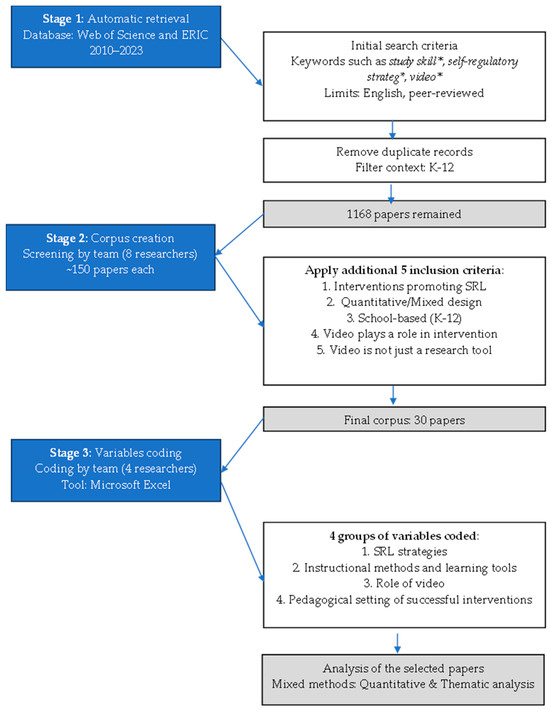
Self-regulated learning (SRL) is a critical competency for learners in increasingly technology-enhanced educational environments, yet little is known about how SRL is fostered within video-based interventions in K-12 settings. While existing reviews and meta-analyses focus on the effectiveness of SRL interventions, this study
[...] Read more.
Self-regulated learning (SRL) is a critical competency for learners in increasingly technology-enhanced educational environments, yet little is known about how SRL is fostered within video-based interventions in K-12 settings. While existing reviews and meta-analyses focus on the effectiveness of SRL interventions, this study aims to address current gaps by specifically examining the implementation processes, instructional tools, and the role of video. Addressing this, the present study conducted a systematic literature review of peer-reviewed K-12 intervention studies published since 2010, guided by PRISMA standards and other methodological frameworks in the field of SRL. 30 quantitative or mixed-methods studies focusing on K-12 SRL interventions were selected from Web of Science and ERIC, with the requirement that video served as an instructional component rather than a research tool. These studies were then systematically coded by eight researchers for SRL strategies, instructional methods, video roles, and pedagogical settings. Findings show that most video interventions targeted multiple SRL strategies across different phases of the SRL cycle, offering a comprehensive approach to fostering regulation. However, while cognitive and metacognitive strategies were frequently addressed, motivational and resource-management strategies were seldom included within explicit instruction, which focused primarily on cognitive and metacognitive training. Video played multiple pedagogical roles, including delivering disciplinary content, teaching SRL strategies, or combining both. A thematic analysis identified four pedagogical settings that characterized successful interventions: Teacher-guided, Active, Social, and Knowledge-based (TASK) learning. These settings appear to mitigate common challenges of video-based learning, such as cognitive load and learner passivity. The review contributes a novel synthesis of SRL-video integration and proposes TASK learning as a framework for designing SRL interventions.
Full article
(This article belongs to the Special Issue Metacognition and Self-Regulated Learning in Diverse Educational Contexts)
►▼
Show Figures

Figure 1
Open AccessArticle
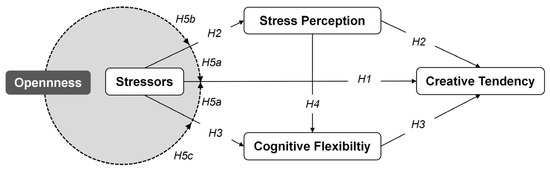
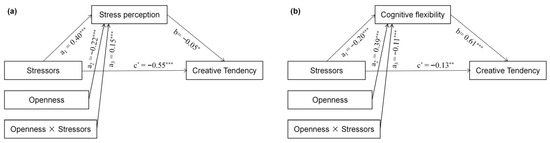
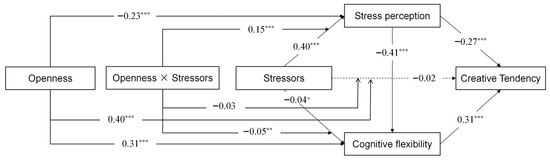
Are Adolescents with Higher Openness More Creative Under Stress? The Mediating Role of Stress Perception and Cognitive Flexibility
by
Yifan Wang, Jialing Liu, Yadan Li and Haijun Duan
J. Intell. 2026, 14(2), 32; https://doi.org/10.3390/jintelligence14020032 - 14 Feb 2026
Abstract
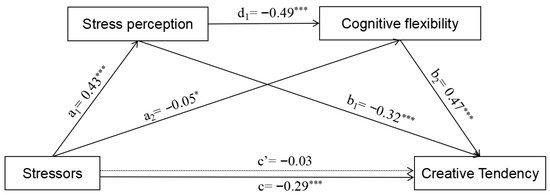
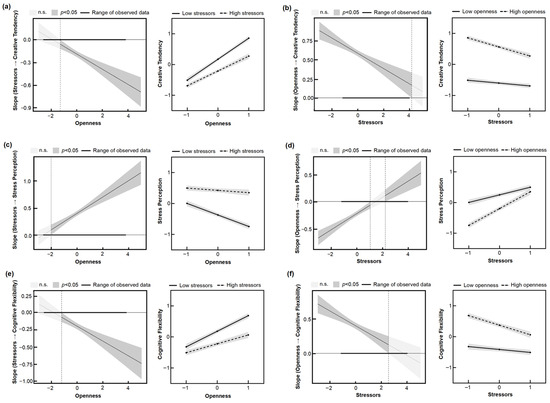
Stress is a major risk factor for creativity development in adolescents. This study explored the protective effect of openness on creative tendency under stress and revealed the underlying mechanisms from the perspectives of stress perception and cognitive flexibility. A total of 1489 junior
[...] Read more.
Stress is a major risk factor for creativity development in adolescents. This study explored the protective effect of openness on creative tendency under stress and revealed the underlying mechanisms from the perspectives of stress perception and cognitive flexibility. A total of 1489 junior high school students (Mage = 13.65 years, SD = 0.74) participated in the study. The results showed that stress perception and cognitive flexibility sequentially mediated the negative effect of stressors on creative tendency, and openness moderated this process. Individuals with high openness had lower stress perception and higher cognitive flexibility at the same level of stressors, thus showing a higher creative tendency. However, the protective effect of openness diminished as the stress level increased. We concluded that openness could buffer the negative effects of stress on creative tendency to some extent. These findings highlight the importance of positive personality traits and provide a theoretical guide for cultivating creative qualities.
Full article
(This article belongs to the Section Studies on Cognitive Processes)
►▼
Show Figures

Figure 1
Open AccessArticle
Bridging Digital Learning Competence and Academic Achievement: The Roles of Informal Digital Learning and Metacognitive Self-Regulation
by
Heeyoon Ko
J. Intell. 2026, 14(2), 31; https://doi.org/10.3390/jintelligence14020031 - 13 Feb 2026
Abstract
The author investigates how digital learning competence (DLC) is bridged to academic achievement (AA) through informal digital learning engagement (IDLE) and how meta-cognitive self-regulation (MSR) shapes these pathways among university students. Grounded in a moderated mediation framework, this research conceptualizes DLC not as
[...] Read more.
The author investigates how digital learning competence (DLC) is bridged to academic achievement (AA) through informal digital learning engagement (IDLE) and how meta-cognitive self-regulation (MSR) shapes these pathways among university students. Grounded in a moderated mediation framework, this research conceptualizes DLC not as a static skill set but as a latent capacity that is channeled into academic outcomes when students autonomously engage in digital environments and regulate their cognition. Survey data were collected from 432 undergraduate students and analyzed using Partial Least Squares Structural Equation Modeling (PLS-SEM). The results show that DLC significantly predicts AA both directly and indirectly via IDLE, identifying informal digital learning engagement as a central pathway through which digital learning competence is translated into academic gains. Furthermore, MSR moderates the relationship between DLC and IDLE, such that higher levels of metacognitive self-regulation strengthen the conversion of digital learning competence into productive informal digital learning engagement. These findings support a dynamic view of digital learning competence and underscore the roles of learner autonomy and metacognitive awareness in transforming digital skills into meaningful educational outcomes. By integrating perspectives on digital literacy, self-regulated learning, and informal learning, this study offers implications for the design of digital learning ecosystems that effectively bridge students’ digital capacities with their academic achievement.
Full article
(This article belongs to the Special Issue Metacognition and Self-Regulated Learning in Diverse Educational Contexts)
Open AccessArticle
A Two-Step Method Based on
by
Yilan Chen, Yue Liu and Hongyun Liu
J. Intell. 2026, 14(2), 30; https://doi.org/10.3390/jintelligence14020030 - 13 Feb 2026
Abstract
►▼
Show Figures
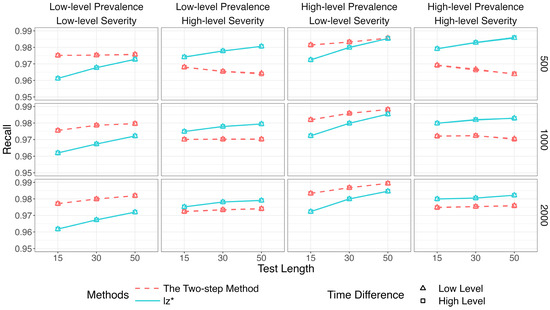
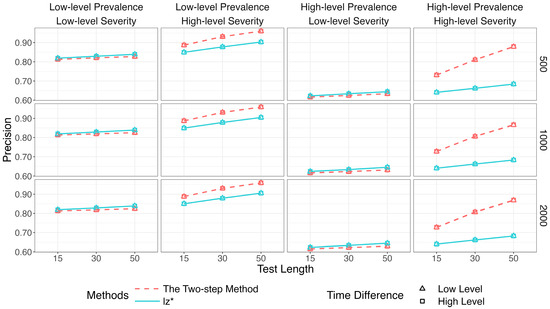
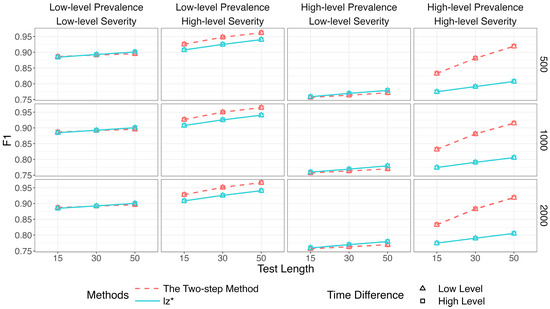
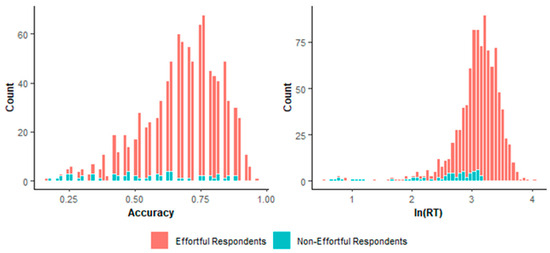
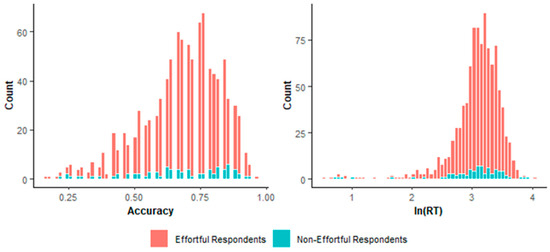
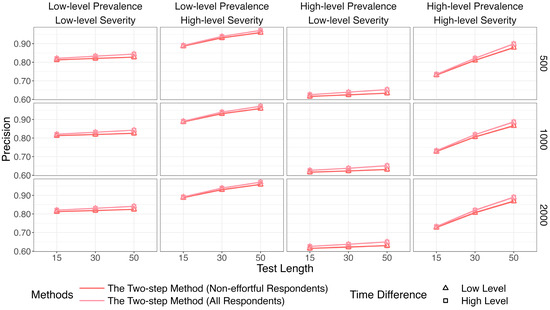
The likelihood-based person-fit statistic, , is commonly used in educational assessments to distinguish between respondents who are putting in effort and those who are not. However, depends on the estimated item parameters. Item parameter estimates based on
[...] Read more.
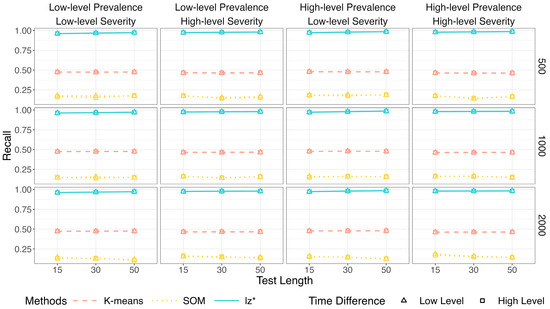
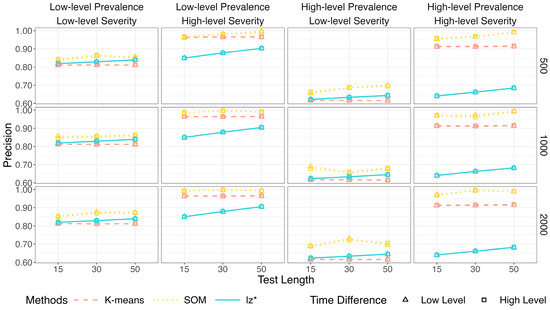
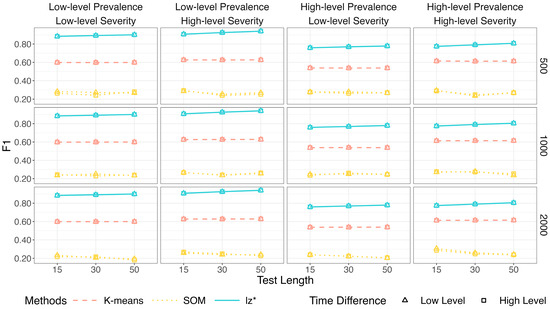
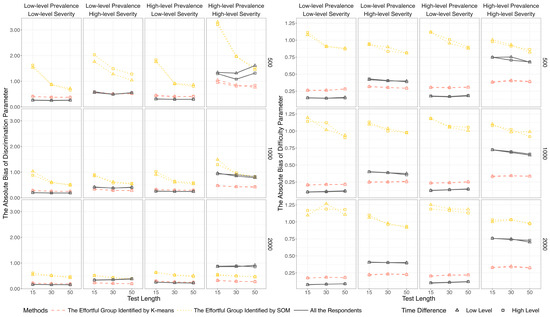
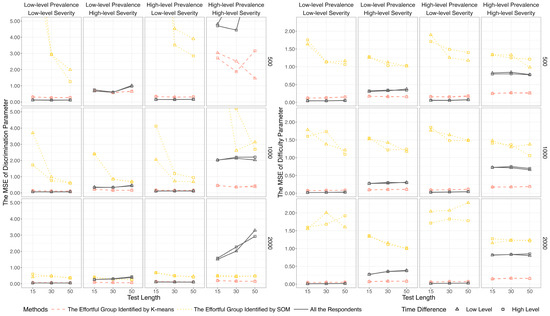
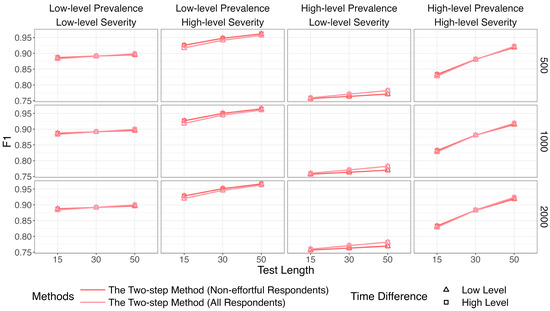
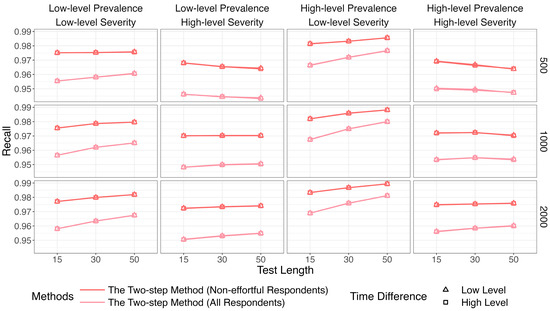
The likelihood-based person-fit statistic, , is commonly used in educational assessments to distinguish between respondents who are putting in effort and those who are not. However, depends on the estimated item parameters. Item parameter estimates based on data containing non-effortful respondents are biased, thereby undermining the strength of . To address this issue, we propose a two-step method that leverages data mining techniques to obtain more accurate item parameter estimates and then uses them to compute . The results show that the estimates based on the effortful group identified by K-means are more accurate, which improves the performance of in terms of the precision of identifying effortful respondents when non-effort severity is high.
Full article

Figure 1
Open AccessArticle
Deep Beats, Deep Thoughts? Predicting General Cognitive Ability from Natural Music-Listening Behavior
by
Larissa Sust, Maximilian Bergmann, Markus Bühner and Ramona Schoedel
J. Intell. 2026, 14(2), 29; https://doi.org/10.3390/jintelligence14020029 - 13 Feb 2026
Abstract
Music is more than just entertainment. It is a complex auditory stimulus that engages various cognitive processing systems. Accordingly, natural music-listening patterns may reveal insights into individual differences in general cognitive ability (GCA). In this study (N = 185), we used real-world
[...] Read more.
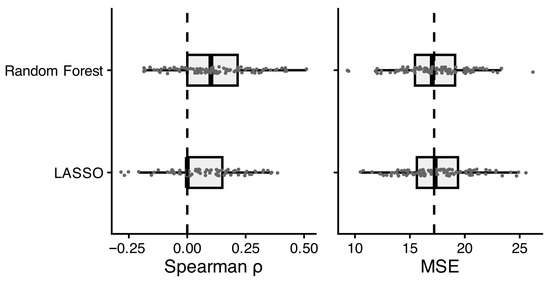
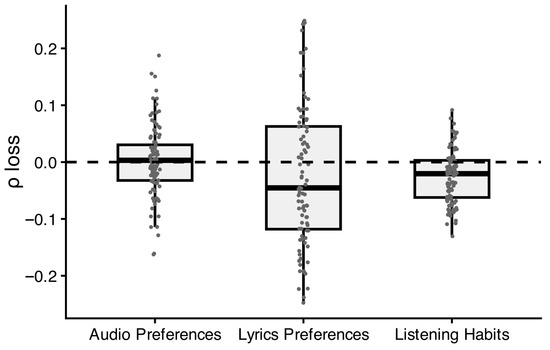
Music is more than just entertainment. It is a complex auditory stimulus that engages various cognitive processing systems. Accordingly, natural music-listening patterns may reveal insights into individual differences in general cognitive ability (GCA). In this study (N = 185), we used real-world smartphone-based music-listening records collected over five months to explore this question. We quantified participants’ listening habits (e.g., listening durations) and music preferences based on audio characteristics (e.g., tempo, mode) and lyrical characteristics (e.g., positive emotion words, affiliation words) of the songs they had listened to. These strictly behavioral features were used to predict GCA scores using linear LASSO regression and nonlinear random forest models. Out-of-sample cross-validation indicated modest predictive performance, with only the random forest model detecting small but reliable associations between music-listening behavior and GCA. Interpretable machine learning analyses showed that lyrics-based preferences were the most informative feature group, followed by listening habits, whereas audio characteristics contributed little predictive value. We discuss how these findings offer initial evidence that cognitive ability may be reflected, albeit subtly, in micro-patterns of everyday, non-achievement-related behavior, and outline conceptual and methodological challenges for future work using digital behavioral data to complement traditional cognitive assessment.
Full article
(This article belongs to the Special Issue Intelligence Testing and Assessment)
►▼
Show Figures

Figure 1
Open AccessReview
The Pictorial–Semantic–Task Framework for Understanding Graph Comprehension
by
Evelyn Hsin-I Tsai, Yoojin Hahn and Robert S. Siegler
J. Intell. 2026, 14(2), 28; https://doi.org/10.3390/jintelligence14020028 - 12 Feb 2026
Abstract
Graphs are used in school, many occupations, and daily life, yet many people struggle to interpret them accurately. To help identify sources of difficulty in graph comprehension, we propose the Pictorial–Semantic–Task Framework. In it, we argue that accurate interpretation of graphs requires integrating
[...] Read more.
Graphs are used in school, many occupations, and daily life, yet many people struggle to interpret them accurately. To help identify sources of difficulty in graph comprehension, we propose the Pictorial–Semantic–Task Framework. In it, we argue that accurate interpretation of graphs requires integrating pictorial variables (e.g., slope direction, graph format, data points) with semantic variables (e.g., titles, labels, scales, variable types) to determine what the graph represents. Many errors arise because readers fail to coordinate these two sources of information, often basing interpretations solely on pictorial variables. The present theoretical synthesis presents the basic analysis underlying the Pictorial–Semantic–Task Framework and an integrative review of relevant findings from graph encoding, extrapolation, and comparison tasks. The findings show that people encode and recall pictorial information far more accurately than semantic information, and often base interpretations solely on visual patterns even when semantic features call for a different conclusion. Analyses of U.S. textbooks and mass media reveal potential sources of these biased interpretations: systematic imbalances in the types of semantic information provided in textbooks and media seem likely to contribute to biases, emphasizing visual over semantic cues. By describing how perceptual and conceptual processes interact during graph comprehension, we aim to advance theories of cognitive processing in the context of graph comprehension and to derive educational implications for helping children interpret graphs more accurately.
Full article
(This article belongs to the Special Issue Math Development and Cognitive Skills)
►▼
Show Figures

Figure 1
Open AccessArticle
Human vs. LLM Creativity: A Comparative Analysis of Task-Dependent Asymmetry and Linguistic Mechanisms
by
Liping Yang, Tao Xin, Yunye Yu and Yiying Wu
J. Intell. 2026, 14(2), 27; https://doi.org/10.3390/jintelligence14020027 - 5 Feb 2026
Abstract
►▼
Show Figures
This study investigates the distinct mechanisms of human versus Large Language Model (LLM) creativity. Employing a two-stage experimental design, we systematically compared Human-Only, LLM-Only, and LLM-Assisted performance across propositional and creative writing tasks. Results revealed a critical asymmetry contingent upon the research context:
[...] Read more.
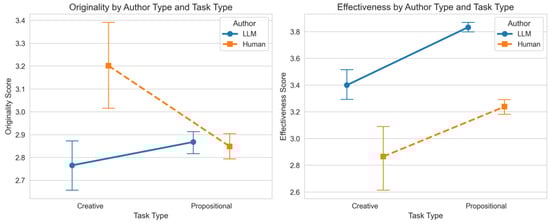
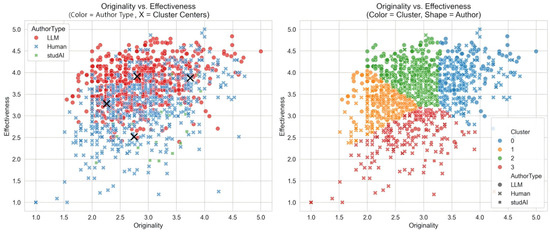
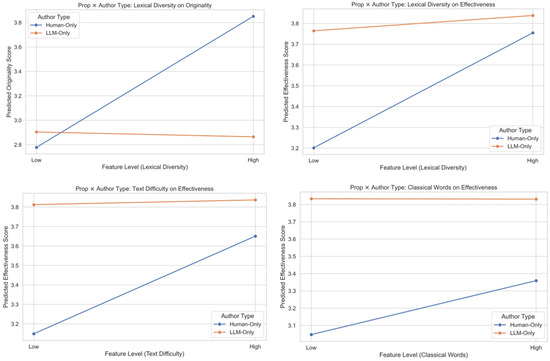
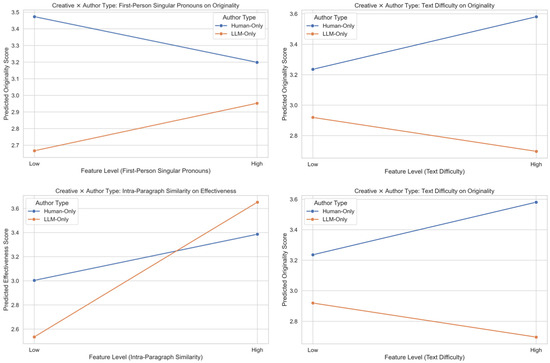
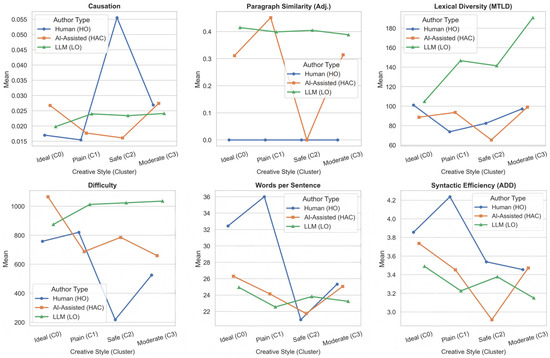
This study investigates the distinct mechanisms of human versus Large Language Model (LLM) creativity. Employing a two-stage experimental design, we systematically compared Human-Only, LLM-Only, and LLM-Assisted performance across propositional and creative writing tasks. Results revealed a critical asymmetry contingent upon the research context: human authors exhibited higher originality in high-demand creative tasks, whereas LLMs governed execution quality, maintaining superior effectiveness across different tasks and cohorts. This pattern is characterized by four exploratory writing creativity profiles: Ideal, Safe, Moderate, and Plain. The distribution of human and LLM writings across these profiles was strikingly different. Hierarchical Moderated Regression analysis uncovered divergent linguistic pathways: human originality is predicted by markers of subjective cognitive investment, while LLM effectiveness is mechanistically driven by optimized structural coherence. Furthermore, the study identified a “Collaboration Trap” during collaboration with a suboptimal LLM. This partnership failed to improve human performance relative to LLM-Only benchmarks and induced cognitive anchoring, leading humans to mimic AI complexity without quality gains. These insights offer critical implications for preserving human agency and avoiding homogenization in future human–AI collaborative writing pedagogies.
Full article

Figure 1
Open AccessArticle
Beyond Grades: Temperament and Interests, but Not School Grades, Highlight Distinct Polymathic Learning Abilities
by
Irina N. Trofimova and Michael E. Araki
J. Intell. 2026, 14(2), 26; https://doi.org/10.3390/jintelligence14020026 - 5 Feb 2026
Abstract
Polymathy relates to the exceptional learning abilities, in which individuals cultivate and coordinate Breadth, Depth, and integrative capability across multiple domains. It builds on mechanisms typically associated with intelligence, including abstraction, problem solving, and the transfer and integration of information. Because polymathic disposition
[...] Read more.
Polymathy relates to the exceptional learning abilities, in which individuals cultivate and coordinate Breadth, Depth, and integrative capability across multiple domains. It builds on mechanisms typically associated with intelligence, including abstraction, problem solving, and the transfer and integration of information. Because polymathic disposition has partial biological underpinnings, it may intersect with other biologically based individual differences, such as temperament. Biographical accounts also indicate that many polymaths did not achieve exceptional school grades, raising questions about whether the multiplicity of interests in polymaths is associated with distractibility and impulsivity, or whether there is a deeper institutional mismatch between polymaths and educational systems. Our study examined these issues using estimated high school grades across three subject areas, documented university grades, a neurochemistry-validated temperament assessment (Structure of Temperament Questionnaire; STQ-77), the Trait Polymathy Scale (TPS), the Barratt Impulsivity Scales (BIS-11), and information about aptitudes and interests from 296 participants (M/F = 152/144). Contrary to speculation that polymathy reflects distractibility, the TPS correlated negatively with the BIS-11 Lack of Attention scale and positively with the STQ-77 scales of Intellectual Endurance and Probabilistic Processing, confirming high sustained attention in polymaths. TPSs also had selective negative correlations with the STQ-77 Neuroticism scale and positive correlations with the STQ-77 Plasticity, Social Endurance, Sensation Seeking, dispositional Satisfaction scales, as well as several specific and general aptitudes and interests. These findings refine the dispositional profile linked to polymathy, highlighting the differential nature of the three components of polymathy.
Full article
Open AccessArticle
Cognitive and Affective-Emotional Factors in Math Achievement: The Mediating Role of Intelligence
by
Yoshifumi Ikeda, Lorenzo Esposito, Yosuke Kita, Yuhei Oi, Riko Takagi, Kent Suzuki, Irene Cristina Mammarella, Sara Caviola, Silvia Lanfranchi, Francesca Pulina and David Giofrè
J. Intell. 2026, 14(2), 25; https://doi.org/10.3390/jintelligence14020025 - 4 Feb 2026
Abstract
►▼
Show Figures
In this study, we aimed to investigate the cognitive and affective-emotional factors underlying math achievement in a sample of 169 Japanese elementary school children. Using structural equation modeling, we examined the contributions of fluid and crystallized intelligence, verbal and spatial working memory, and
[...] Read more.
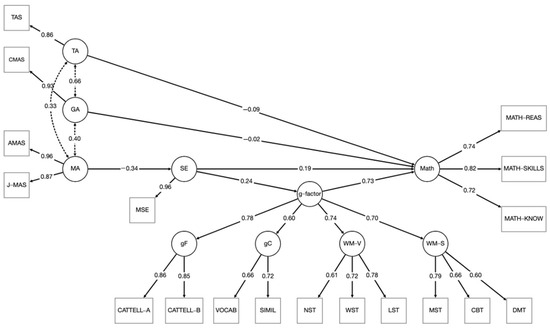
In this study, we aimed to investigate the cognitive and affective-emotional factors underlying math achievement in a sample of 169 Japanese elementary school children. Using structural equation modeling, we examined the contributions of fluid and crystallized intelligence, verbal and spatial working memory, and affective-emotional variables, including general anxiety, test anxiety, math anxiety, and math self-efficacy. We found intelligence to be a strong positive predictor of math achievement, while among the affective-emotional variables, math self-efficacy emerged as the only significant predictor of math achievement. Interestingly, intelligence mediated the association between affective-emotional factors, such as math anxiety and self-efficacy, highlighting its central role in children’s math achievement. These findings underscore the strong relationship between intelligence and self-efficacy in educational contexts, suggesting that self-efficacy is closely linked to cognitive abilities to support children’s success in math. Educational implications are discussed, emphasizing the need to strengthen math self-efficacy alongside cognitive abilities.
Full article

Figure 1
Open AccessReview
Spiritual Intelligence: A Scoping Review with Concept Analysis on the Key to Spiritual Care
by
Cristina Teixeira Pinto, Ângela Coelho, Lúcia Guedes, Rui Nunes and Sara Pinto
J. Intell. 2026, 14(2), 24; https://doi.org/10.3390/jintelligence14020024 - 3 Feb 2026
Abstract
This study explores the concept of spiritual intelligence from an evolutionary perspective, providing a comprehensive and updated definition. A concept analysis was conducted following Rodgers’ Evolutionary Method, supported by a scoping review in accordance with the Joanna Briggs Institute methodology. Studies explicitly addressing
[...] Read more.
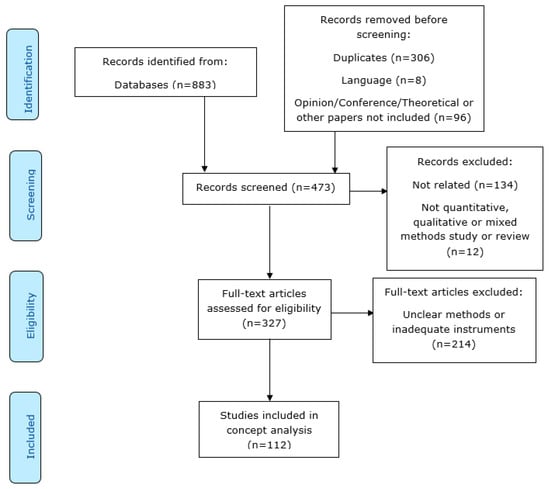
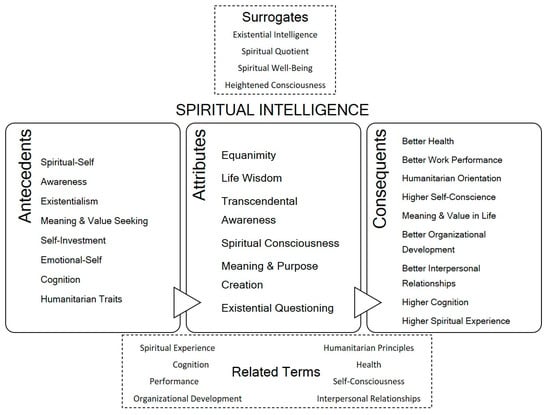
This study explores the concept of spiritual intelligence from an evolutionary perspective, providing a comprehensive and updated definition. A concept analysis was conducted following Rodgers’ Evolutionary Method, supported by a scoping review in accordance with the Joanna Briggs Institute methodology. Studies explicitly addressing spiritual intelligence, regardless of population, setting, or discipline, were included across quantitative, qualitative, mixed-methods, and review designs. Four databases—PsycINFO, PubMed Central, Scopus, and Web of Science—were searched for publications up to 15 December 2025, using the term “spiritual intelligence.” One-hundred-twelve articles met inclusion criteria and were analyzed through narrative synthesis and inductive analytical processing. Spiritual intelligence emerged as a construct encompassing adaptive cognition, higher consciousness, problem management, and personal growth, often referred to as Spiritual Quotient or Existential Intelligence. Antecedents included self and transcendental awareness, existential questioning, and search for meaning and purpose, while consequents comprised enhanced health, performance, self-awareness, and humanitarian orientation. Defining attributes were equanimity, life-wisdom, transcendental awareness, spiritual consciousness, meaning and purpose creation, and existential questioning. This evolutionary analysis traced the concept from theory to application, revealing its positive influence in daily life. Equanimity and life-wisdom were identified as core attributes, highlighting implications for training and integration of spiritual care in professional practice.
Full article
(This article belongs to the Section Theoretical Contributions to Intelligence)
►▼
Show Figures

Figure 1
Open AccessArticle
The ATHENA Competency Framework: An Evaluation of Its Validity According to Instructional Designers and Human Resource Development Professionals
by
Jeremy Lamri, Karin Valentini, Felipe Zamana and Todd Lubart
J. Intell. 2026, 14(2), 23; https://doi.org/10.3390/jintelligence14020023 - 3 Feb 2026
Abstract
The ATHENA (Advanced Tool for Holistic Evaluation and Nurturing of Abilities) competency framework proposes a multidimensional approach to human performance structured around five interdependent dimensions (cognition, conation, knowledge, emotion, and sensori-motion), operationalized through 60 fine-grained facets. Although ATHENA is grounded in contemporary psychological
[...] Read more.
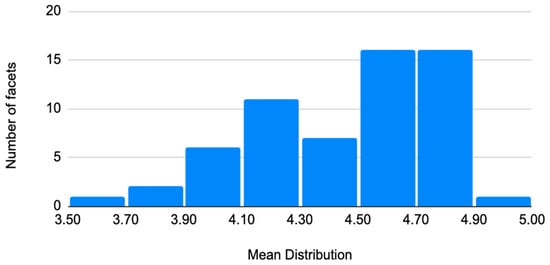
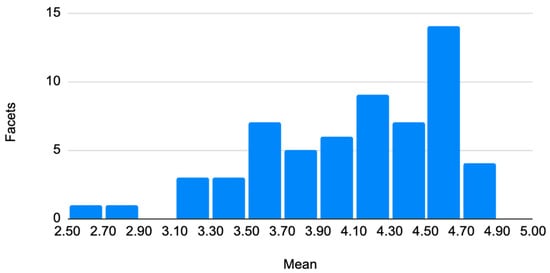
The ATHENA (Advanced Tool for Holistic Evaluation and Nurturing of Abilities) competency framework proposes a multidimensional approach to human performance structured around five interdependent dimensions (cognition, conation, knowledge, emotion, and sensori-motion), operationalized through 60 fine-grained facets. Although ATHENA is grounded in contemporary psychological theory and supported conceptually by multivariate research in intelligence, creativity, and skill acquisition, empirical evidence regarding the clarity and practical comprehensibility of its facets remains limited. This study investigates the extent to which instructional designers and human resource development (HRD) professionals—two groups who routinely operationalize competencies for learning, assessment, and workforce development—understand and evaluate the semantic clarity and usability of the 60 facets. Seventy-five practitioners completed a structured evaluation of the ATHENA framework facets, which are designed to be used in a hybrid intelligence system for competency management. This article presents the theoretical background, methodological design, and results concerning users’ comprehension of the framework’s components. The findings support, in general, the compatibility of ATHENA’s facets and practitioners’ conceptions.
Full article
(This article belongs to the Special Issue Advances of AI in Talent Development: Synergies Between Creativity, Cognitive Intelligence, and Socio-Emotional Growth)
►▼
Show Figures

Figure 1
Open AccessReview
Beyond Working Memory Capacity: Attention Control as the Underlying Mechanism of Cognitive Abilities
by
Yoonsang Lee and Randall Engle
J. Intell. 2026, 14(2), 22; https://doi.org/10.3390/jintelligence14020022 - 2 Feb 2026
Abstract
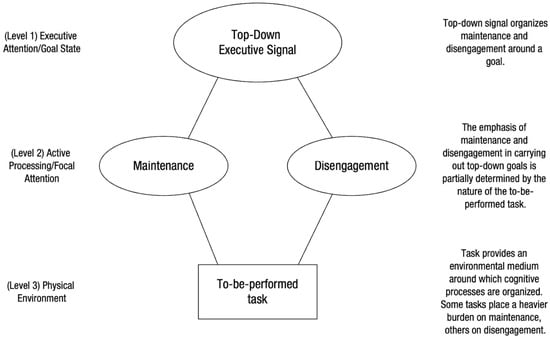
Working memory capacity (WMC) has long served as a central indicator of individual differences in complex cognition. However, growing evidence suggests that a substantial portion of its predictive power may reflect attention control (AC)—including goal maintenance, interference management, and inhibition—rather than storage capacity
[...] Read more.
Working memory capacity (WMC) has long served as a central indicator of individual differences in complex cognition. However, growing evidence suggests that a substantial portion of its predictive power may reflect attention control (AC)—including goal maintenance, interference management, and inhibition—rather than storage capacity alone. This review synthesizes findings across six domains: (1) perception and sensory discrimination, (2) learning and problem solving, (3) cognitive control and decision making, (4) retrieval and memory performance, (5) multitasking and real-world performance, and (6) clinical applications. Across these areas, WMC-related effects frequently align with demands on AC, though the strength and nature of this alignment vary by domain. We highlight the importance of incorporating reliable AC measures and recommend latent-variable approaches to more clearly separate storage, control, and representational processes underlying complex performance.
Full article
(This article belongs to the Section Theoretical Contributions to Intelligence)
►▼
Show Figures

Figure 1
Open AccessReview
Games and Creativity: A Theoretical Framework
by
Maxence Mercier, Samira Bourgeois-Bougrine and Todd Lubart
J. Intell. 2026, 14(2), 21; https://doi.org/10.3390/jintelligence14020021 - 2 Feb 2026
Abstract
►▼
Show Figures
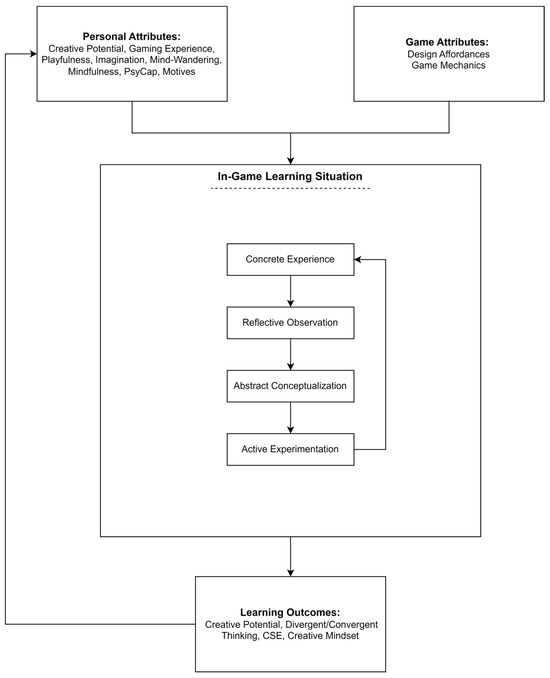
This article introduces a theoretical framework centered on enhancing creativity through gaming, termed the Game-based Creativity Enhancement Framework (G-CEF). Rooted in experiential learning and game-based learning theories, the framework adopts an input–process–output paradigm: two inputs (personal attributes and game attributes), one process stage
[...] Read more.
This article introduces a theoretical framework centered on enhancing creativity through gaming, termed the Game-based Creativity Enhancement Framework (G-CEF). Rooted in experiential learning and game-based learning theories, the framework adopts an input–process–output paradigm: two inputs (personal attributes and game attributes), one process stage (learning situation), and outputs (learning improvements and acquisitions). Personal attributes take the form of conative dispositions and variables common to both creativity and games, which help explain why gaming habits and creativity are linked, particularly outside the laboratory. Six variables are identified and presented: playfulness, imagination, mind-wandering, mindfulness, psychological capital and motives. The second input corresponds to game attributes, which help explain why and how games can help improve creativity. Two forms of game attributes are presented: affordances and game mechanics. Eight types of affordances were identified: degree of flexibility, narrative, tools, environment, content creation, avatar, progression and replayability. Five types of game mechanics were also identified: originality, divergent thinking, convergent thinking, mental flexibility and creative dispositions. The learning situation within games represents a four-step cyclical experiential learning process: concrete experience, reflective observation, abstract conceptualization, and active experimentation. Lastly, the framework details enhancements in creativity due to gaming, supported by a literature review examining the impact of different game types on creativity.
Full article

Figure 1
Open AccessSystematic Review
Mapping the Relationship Between Core Executive Functions and Mind Wandering in Children and Adolescents: A Systematic Review
by
Ioannis G. Katsantonis and Argyrios Katsantonis
J. Intell. 2026, 14(2), 20; https://doi.org/10.3390/jintelligence14020020 - 1 Feb 2026
Abstract
►▼
Show Figures
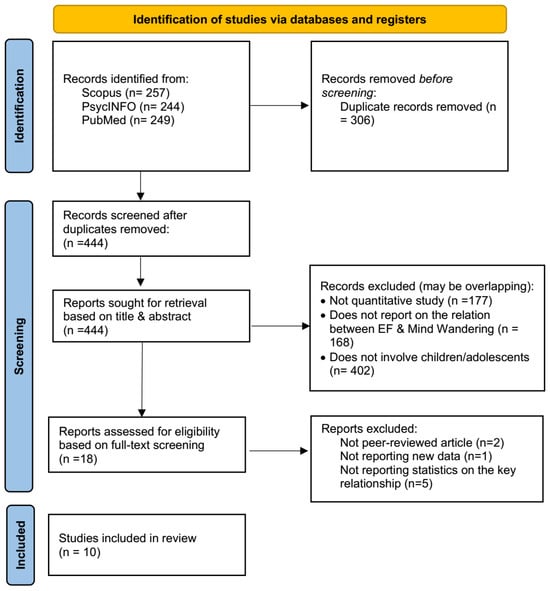
Internationally, there are several studies that examined the relationship between core executive functions (working memory, inhibitory control, and cognitive flexibility) and mind wandering. These studies focused mostly on adult samples and there are fewer studies that examined this relationship with children and adolescent
[...] Read more.
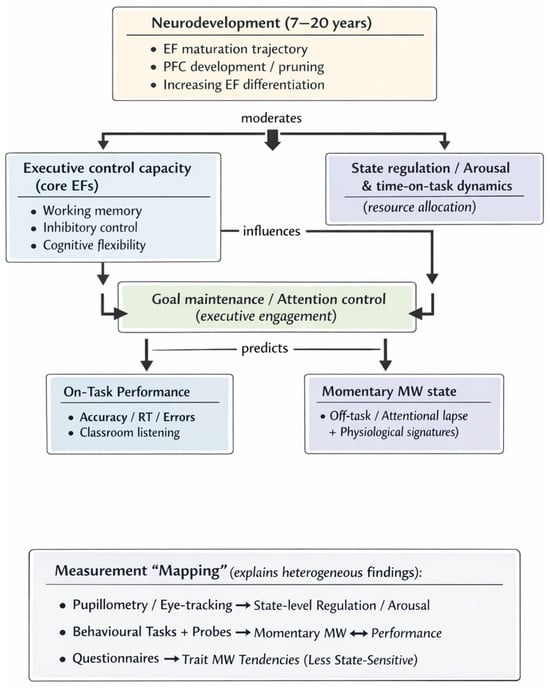
Internationally, there are several studies that examined the relationship between core executive functions (working memory, inhibitory control, and cognitive flexibility) and mind wandering. These studies focused mostly on adult samples and there are fewer studies that examined this relationship with children and adolescent samples. Therefore, the current systematic review aims to identify and critically examine the existing peer-reviewed literature on the relationship between the core executive functions and mind wandering. Journal articles reporting quantitative results were identified through keyword searches in PsycINFO, Scopus, and PubMed. In total, 750 references were identified using the specified keywords. Among those, only ten studies were deemed to fit the inclusion criteria. The majority of the studies employed behavioural measures. The evidence on the relationship between the core executive functions and mind wandering was rather scarce and mixed. Most of the studies suggest that working memory capacity is critical for reduced mind wandering. The evidence regarding inhibitory control is rather mixed. Cognitive flexibility may underpin adaptive reallocation of attention between internal and external states, producing performance declines. The directional nature of the relationship between the three core executive functions and mind wandering is largely an unresolved matter, which requires further research.
Full article

Figure 1
Open AccessArticle
Don’t Tell Us How Strong It Feels! Converging and Discriminant Validity of an Indirect Measure of Emotional Evidence Accumulation Efficiency
by
Rotem Berkovich, Deanna M. Barch, Nachshon Meiran and Erin K. Moran
J. Intell. 2026, 14(2), 19; https://doi.org/10.3390/jintelligence14020019 - 31 Jan 2026
Abstract
The prevalent method for measuring emotional experiences is self-report scales. However, this method is prone to bias, affected by retrospective errors, and limited in studying individual differences due to variability in how individuals interpret scale values. In the present study, we tested the
[...] Read more.
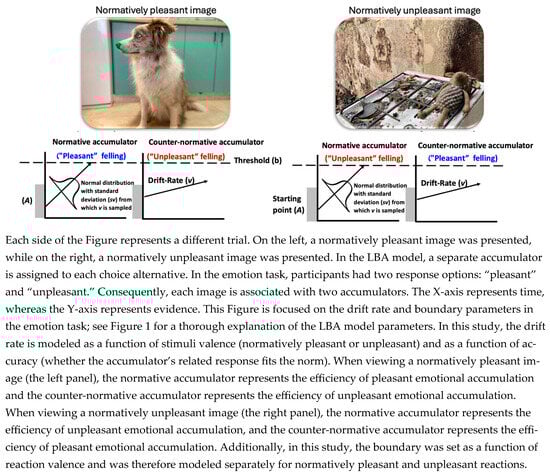
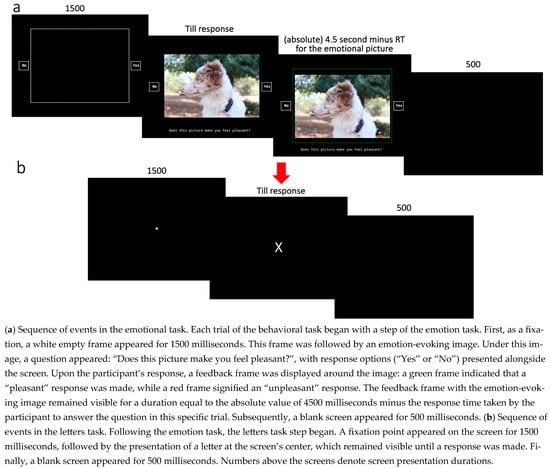
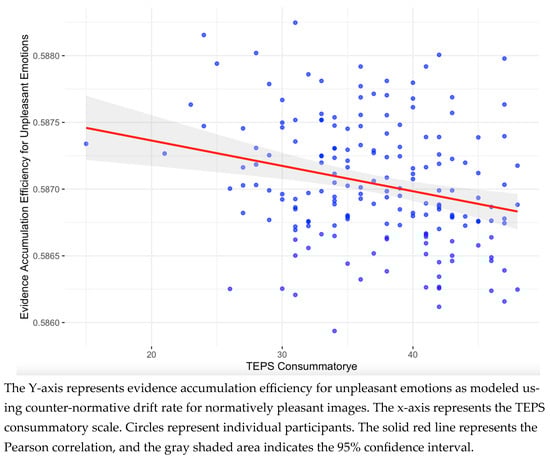
The prevalent method for measuring emotional experiences is self-report scales. However, this method is prone to bias, affected by retrospective errors, and limited in studying individual differences due to variability in how individuals interpret scale values. In the present study, we tested the convergent validity of an alternative approach, which infers emotional components from computational modeling as applied to binary pleasant/unpleasant reports about affective images. Reaction times and choices were modeled to estimate the drift rate (efficiency of emotional evidence accumulation) and the boundary (decision caution). Participants (N = 191) also completed five self-report questionnaires assessing affect, anhedonia, depressive symptoms, and pleasure. Only one correlation reached evidence level (Bayes Factor > 10): Higher consummatory pleasure was negatively associated with drift rate for unpleasant emotions (r(178) = −0.258). This suggests that individuals who typically experience greater in-the-moment pleasure accumulate evidence less efficiently toward unpleasant judgments. Other correlations were absent or inconclusive, potentially reflecting differences in temporal focus and in the specific facets of emotion for each measure. Overall, these results provide some initial support for the convergent and discriminant validity of the drift rate as an indirect measure of online emotional experience.
Full article
(This article belongs to the Topic Personality, Emotions, and Emotional Intelligence Assessments: New Applications and Instruments)
►▼
Show Figures

Figure 1
Open AccessArticle
Enhancing Mathematics Learning for Students with Intellectual and Developmental Disabilities in China: A Qualitative Study of Instructional Support
by
Tingrui Yan and Yaoqiong Jin
J. Intell. 2026, 14(2), 18; https://doi.org/10.3390/jintelligence14020018 - 28 Jan 2026
Abstract
This study explored how mathematics teachers in Chinese special schools provide instructional support to primary-aged students with intellectual and developmental disabilities (IDD). The types, characteristics, and classroom implementation processes of such support were identified to address a gap in the literature regarding subject-specific
[...] Read more.
This study explored how mathematics teachers in Chinese special schools provide instructional support to primary-aged students with intellectual and developmental disabilities (IDD). The types, characteristics, and classroom implementation processes of such support were identified to address a gap in the literature regarding subject-specific instructional practices in special education settings. A qualitative research design using interpretative phenomenological analysis (IPA) was employed. Five mathematics teachers from special schools in Shanghai participated in the study. Data were collected through 15 video-recorded classroom observations and five semi-structured interviews. Thematic analysis was conducted to identify key patterns of instructional support. The analysis revealed five core domains of instructional support for students with IDD: (1) comprehension facilitation through simplified explanations, real-life connections, and visual scaffolding; (2) responding to tasks involving prompts, modeling, and hand-over-hand support; (3) maintaining attention using individual and collective cues; (4) sustaining motivation through praise, encouragement, and second-chance opportunities; and (5) regulating behavior such as verbal restraint, physical proximity, and attention redirection. The findings contribute to a deeper understanding of effective instructional support tailored to students with IDD.
Full article
(This article belongs to the Section Approaches to Improving Intelligence)
Open AccessArticle
Applying Multiple Machine Learning Models to Classify Mild Cognitive Impairment from Speech in Community-Dwelling Older Adults
by
Renqing Zhao, Zhiyuan Zhu and Zihui Huang
J. Intell. 2026, 14(2), 17; https://doi.org/10.3390/jintelligence14020017 - 26 Jan 2026
Abstract
►▼
Show Figures
This study aims to develop effective screening tools for cognitive impairment by integrating optimised speech classification features with various machine learning models. A total of 65 patients diagnosed with early-stage Mild Cognitive Impairment (MCI) and 55 healthy controls (HCs) were included. Audio data
[...] Read more.
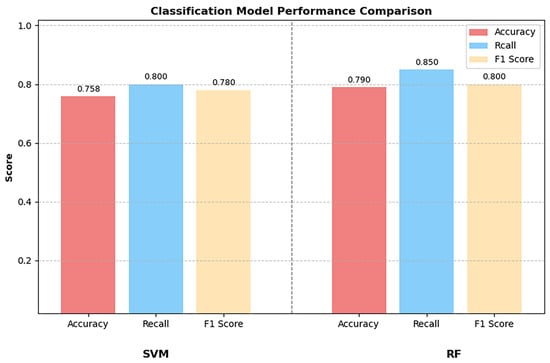
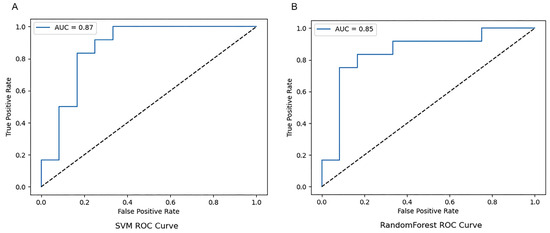
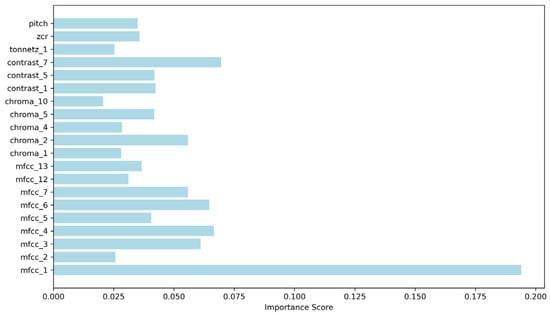
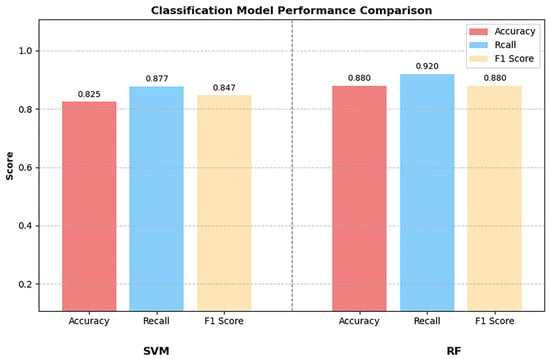
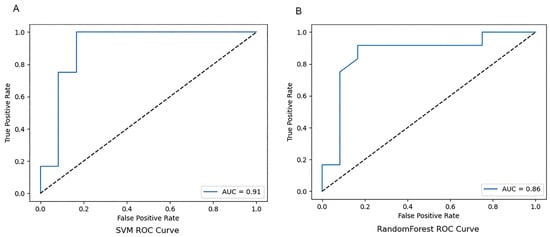
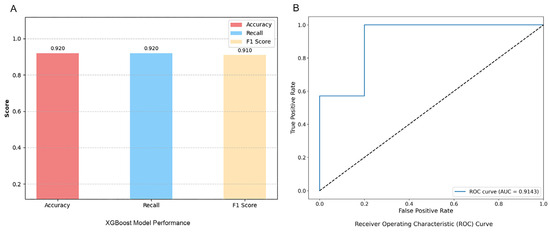
This study aims to develop effective screening tools for cognitive impairment by integrating optimised speech classification features with various machine learning models. A total of 65 patients diagnosed with early-stage Mild Cognitive Impairment (MCI) and 55 healthy controls (HCs) were included. Audio data were collected through a picture description task and processed using the Python-based Librosa library for speech feature extraction. Three machine learning models were constructed: the Random Forest (RF) and Support Vector Machine (SVM) models utilised speech classification features optimised via the Sequential Forward Selection (SFS) algorithm, while the Extreme Gradient Boosting (XGBoost) model was trained on preprocessed speech data. After parameter tuning, the Librosa library successfully extracted 41 speech classification features from all participants. The application of the SFS optimisation strategy and the use of preprocessed data significantly improved identification accuracy. The SVM model achieved an accuracy of 0.825 (AUC: 0.91), the RF model reached 0.88 (AUC: 0.86), and the XGBoost model attained 0.92 (AUC: 0.91). These results suggest that speech-based machine learning models markedly improve the accuracy of distinguishing MCI patients from healthy older adults, providing reliable support for early cognitive deficit identification.
Full article

Figure 1
Open AccessArticle
Exploring the Impact of Open Pedagogy on Minority Students’ Motivation, Computational Thinking, and Perceived Learning in Interactive Computer Game Development
by
Yu-Tung Kuo and Yu-Chun Kuo
J. Intell. 2026, 14(1), 16; https://doi.org/10.3390/jintelligence14010016 - 19 Jan 2026
Abstract
►▼
Show Figures
The use of open educational resources (OERs) is on the rise in higher education. Open pedagogy, as a learner-centered approach, provides students with opportunities to create, design, or adapt openly licensed materials or resources. With the potential of open pedagogy to enhance student
[...] Read more.
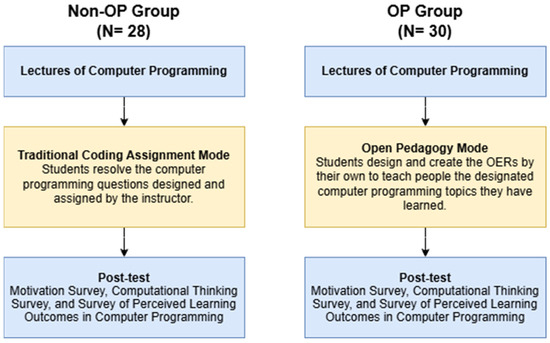
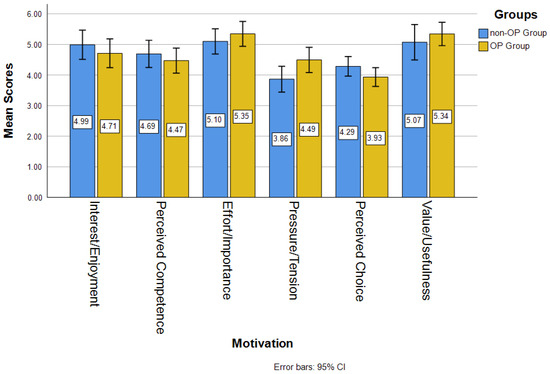
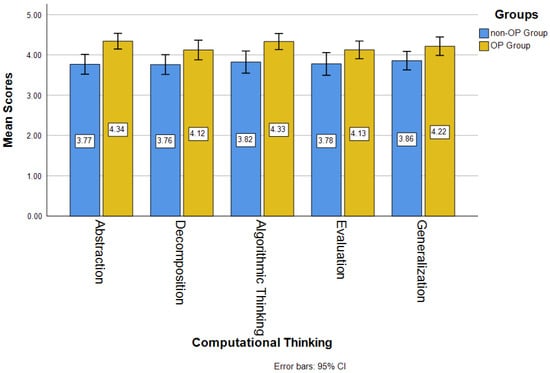
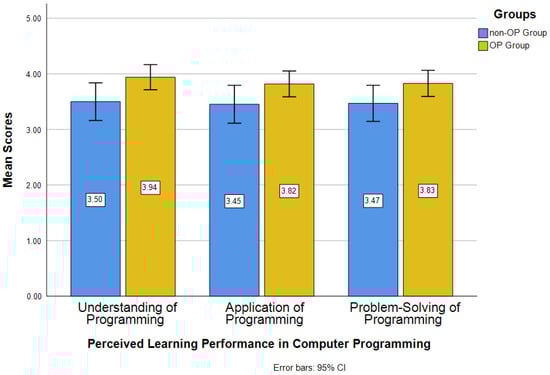
The use of open educational resources (OERs) is on the rise in higher education. Open pedagogy, as a learner-centered approach, provides students with opportunities to create, design, or adapt openly licensed materials or resources. With the potential of open pedagogy to enhance student learning, this study investigated the effect of an open pedagogy project on minority students’ motivation and perceived learning in the computer game programming course. An experimental design was implemented to compare minority students’ learning in programming through the open pedagogy approach versus the traditional approach. Participants were fifty-eight minority students enrolled in game courses from an institution in the southeastern United States. Thirty students received the instruction with open pedagogy, while twenty-eight students were in the traditional instruction. Quantitative approaches were performed to analyze the collected data. The results indicated that minority students in the open pedagogy group perceived significantly higher levels of motivation on the aspect of pressure/tension than those receiving the traditional approach. Minority students participating in the open pedagogy project had significantly higher levels of computational thinking and perceived learning performance in computer programming, compared to the students with the traditional instruction. Major findings and limitations of this study (i.e., short intervention period, small sample size, etc.) were reported and discussed.
Full article

Figure 1
Highly Accessed Articles
Latest Books
E-Mail Alert
News
Topics
Topic in
Behavioral Sciences, EJIHPE, Social Sciences, J. Intell.
Personality and Cognition in Human–AI Interaction
Topic Editors: Virginia Sau Y. Kwan, Samantha McMichael, Julia BrailovskaiaDeadline: 15 June 2026
Topic in
Behavioral Sciences, Education Sciences, J. Intell., Children
Personality, Emotions, and Emotional Intelligence Assessments: New Applications and Instruments
Topic Editors: Roberto Burro, Daniela Raccanello, Joana PipaDeadline: 30 June 2026
Topic in
Children, Education Sciences, Healthcare, EJIHPE, J. Intell.
Diversity, Educational Inclusion, Emotional Intelligence, Coping, and Other Factors That Influence Psychological Health and Well-Being
Topic Editors: Francisco Manuel Morales Rodríguez, Juan Pedro Martínez-RamónDeadline: 31 December 2026
Conferences
Special Issues
Special Issue in
J. Intell.
Intelligence Quotient, Emotional Quotient, Creativity Quotient and Other Potential Determinants: A Holistic Approach to Understanding Human Potential and Developing Talents
Guest Editors: Ching-Chih Kuo, Anna Na Na HuiDeadline: 28 February 2026
Special Issue in
J. Intell.
How Culture Impacts the Process of Cognitive Assessment
Guest Editors: Lisa Suzuki, Samuel Ortiz, Vincent AlfonsoDeadline: 28 February 2026
Special Issue in
J. Intell.
Social Cognition and Emotions
Guest Editors: Mabel Urrutia, Hipólito Marrero, Pedro SalcedoDeadline: 20 March 2026
Special Issue in
J. Intell.
Emotions, Well-Being and Intelligence: Assessment, Interventions and Professional Development
Guest Editors: Cristián Oyanadel Véliz, Wenceslao Peñate CastroDeadline: 31 March 2026