Journal Description
Machines
Machines
is an international, peer-reviewed, open access journal on machinery and engineering, published monthly online by MDPI. The International Federation for the Promotion of Mechanism and Machine Science (IFToMM) is affiliated with Machines and its members receive a discount on the article processing charges.
- Open Access— free for readers, with article processing charges (APC) paid by authors or their institutions.
- High Visibility: indexed within Scopus, SCIE (Web of Science), Inspec, and other databases.
- Journal Rank: JCR - Q2 (Engineering, Mechanical) / CiteScore - Q1 (Control and Optimization)
- Rapid Publication: manuscripts are peer-reviewed and a first decision is provided to authors approximately 17.6 days after submission; acceptance to publication is undertaken in 2.7 days (median values for papers published in this journal in the second half of 2025).
- Recognition of Reviewers: reviewers who provide timely, thorough peer-review reports receive vouchers entitling them to a discount on the APC of their next publication in any MDPI journal, in appreciation of the work done.
- Journal Cluster of Mechanical Manufacturing and Automation Control: Aerospace, Automation, Drones, Journal of Manufacturing and Materials Processing, Machines, Robotics and Technologies.
Impact Factor:
2.5 (2024);
5-Year Impact Factor:
2.6 (2024)
Latest Articles
Quadruped Robot Motion Control Based on an Improved PPO Algorithm
Machines 2026, 14(6), 621; https://doi.org/10.3390/machines14060621 (registering DOI) - 30 May 2026
Abstract
This paper proposes LA-PPO, an improved Proximal Policy Optimization algorithm for quadruped robot locomotion control on mixed terrain. To address partial observability, temporal dependence in contact states, and non-uniform importance of historical information in complex-terrain quadruped locomotion, LA-PPO integrates Long Short-Term Memory (LSTM)
[...] Read more.
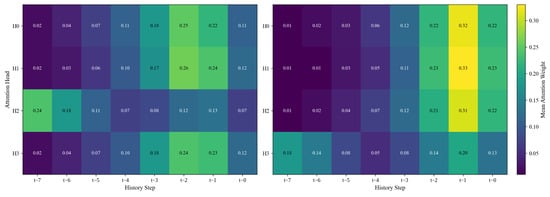
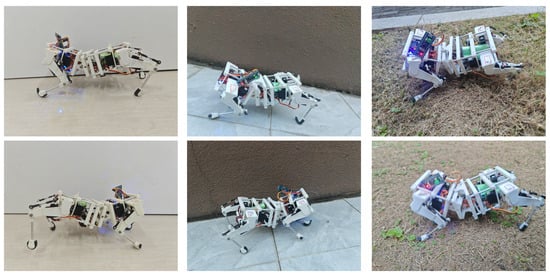
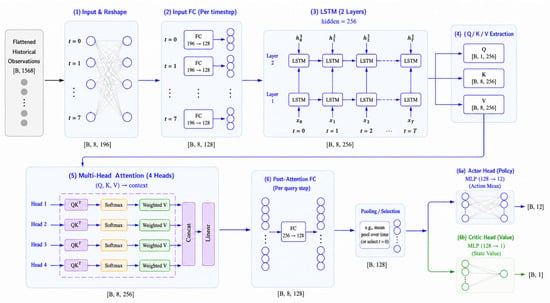
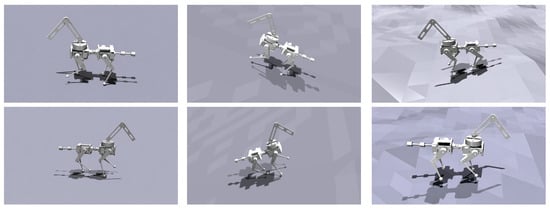
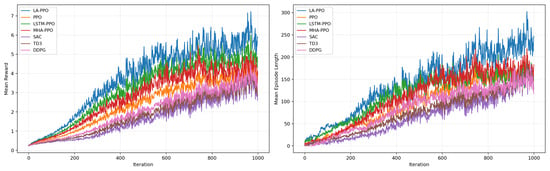
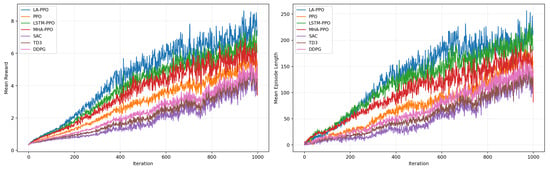
This paper proposes LA-PPO, an improved Proximal Policy Optimization algorithm for quadruped robot locomotion control on mixed terrain. To address partial observability, temporal dependence in contact states, and non-uniform importance of historical information in complex-terrain quadruped locomotion, LA-PPO integrates Long Short-Term Memory (LSTM) and Multi-Head Attention (MHA) within an Actor–Critic framework. The LSTM module models temporal dependencies in historical observations, while the MHA module adaptively emphasizes historical information most relevant to the current action decision. Based on IsaacGym, we construct a mixed-terrain environment consisting of flat regions, sloped regions, and random rough-terrain regions and conduct algorithmic comparisons, statistics over multiple random seeds, reward component ablation studies, and attention mechanism analyses for both walking and trotting gaits. Simulation results show that LA-PPO achieves the highest final reward and the longest mean episode length in both gaits. Compared with the PPO baseline, the final reward and mean episode length are improved by approximately 42.3% and 42.7%, respectively, in the walking task, and by approximately 39.8% and 25.7%, respectively, in the trotting task. Real-robot tests further show that the learned policy can perform walking and trotting on flat ground, sloped terrain, and random rough terrain, demonstrating preliminary sim-to-real transfer capability.
Full article
(This article belongs to the Special Issue Embodied AI in Robotics)
►
Show Figures
Open AccessArticle
Bearing Dynamics Identification with SINDy-Based Neural Network and Physics Model
by
Yu Fang, Zhaorong Li, Liang Zhu, Zhen Wu, Yan Ping and Kai Zhou
Machines 2026, 14(6), 620; https://doi.org/10.3390/machines14060620 (registering DOI) - 29 May 2026
Abstract
Deep neural networks can fit nonlinear bearing vibration responses, but their learned parameters are difficult to relate to contact deformation, rolling element angular position, and other acceleration-generating mechanisms. To improve physical traceability in data-driven bearing dynamics identification, this study develops a physics-informed SINDy-NN
[...] Read more.
Deep neural networks can fit nonlinear bearing vibration responses, but their learned parameters are difficult to relate to contact deformation, rolling element angular position, and other acceleration-generating mechanisms. To improve physical traceability in data-driven bearing dynamics identification, this study develops a physics-informed SINDy-NN with a mechanism-guided feature library. This paper presents a novel approach for constructing a physics-informed SINDy-NN (Sparse Identification of Nonlinear Dynamics-based Neural Network) and demonstrates its application in identifying bearing dynamics. A 5-DoF (five Degrees of Freedom) bearing dynamics model is built, and the primary components influencing the acceleration response are analyzed. This analysis forms the basis for defining a physics-explainable basis function library for the SINDy-NN. For comparison, widely used polynomial and Fourier libraries are also employed to evaluate modeling accuracy and convergence speed. Furthermore, to address the limited number of bearing data, virtual states are generated by applying multiple finite differences to the acceleration signal, expanding the dimensionality of the model and enabling the use of a Multi-Input–Multi-Output (MIMO) model in SINDy-NN. Finally, experimental data from the FEMTO bearing test bench are utilized for validation. The results demonstrate that the physics-informed SINDy-NN offers superior modeling efficiency, with sufficient accuracy and improved interpretability compared to general SINDy-NN.
Full article
(This article belongs to the Special Issue Data-Driven RUL Prediction: Innovations in Generalization, Uncertainty, and Efficiency for Industrial PHM)
Open AccessArticle
Dynamic Trajectory Planning and Tracking Based on Lane-Change Time Optimization
by
Hongluo Li, Weixiong Li, Xiang Li, Yusheng Xiang, Jingxiang Li, Hongyang Xia and Tianqing Su
Machines 2026, 14(6), 619; https://doi.org/10.3390/machines14060619 (registering DOI) - 29 May 2026
Abstract
With the emergence of global traffic problems, the development of safe, efficient, and reliable intelligent driving technologies has become a research hotspot. As a key component of intelligent driving technology, trajectory planning directly affects the safety, comfort, and operational efficiency of vehicles in
[...] Read more.
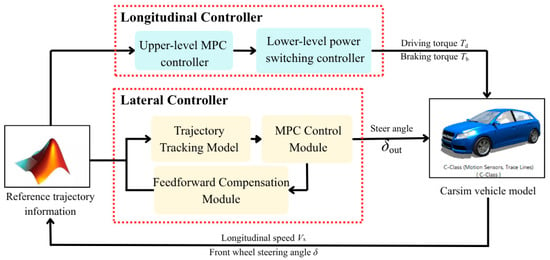
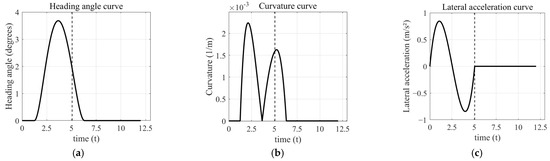
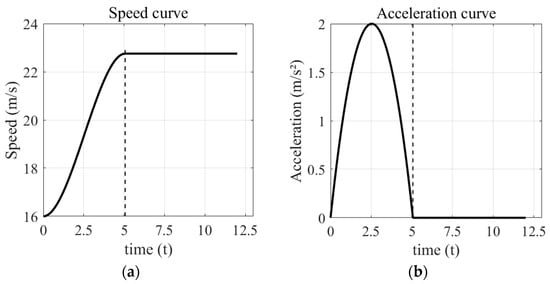
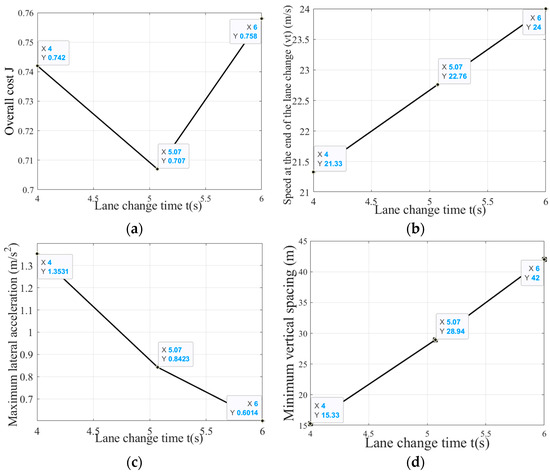
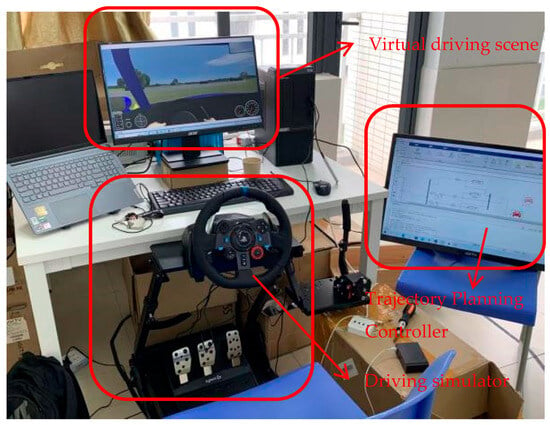
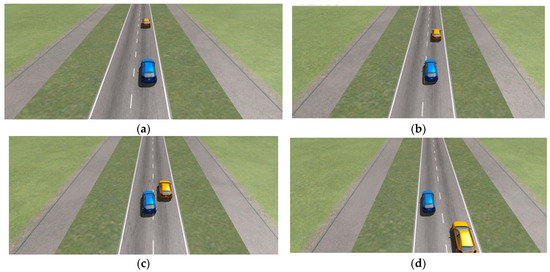
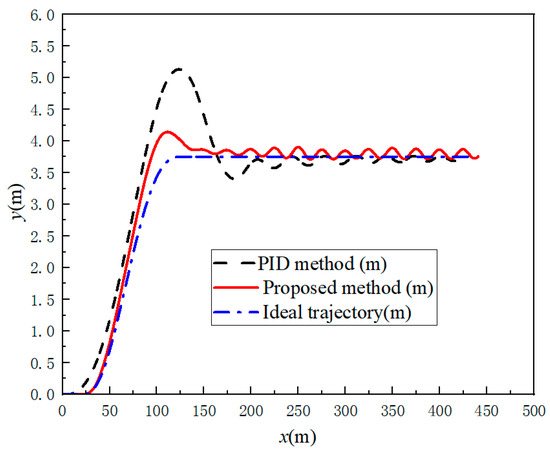
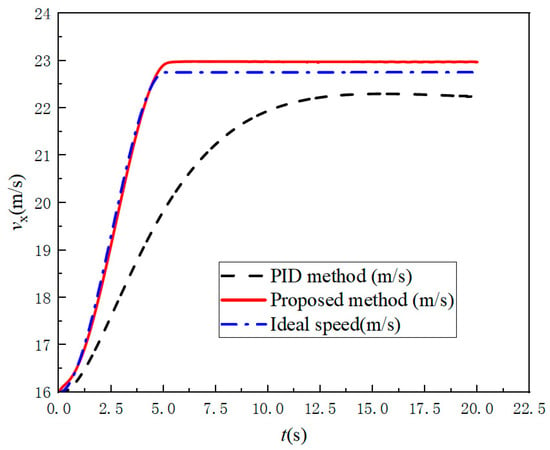
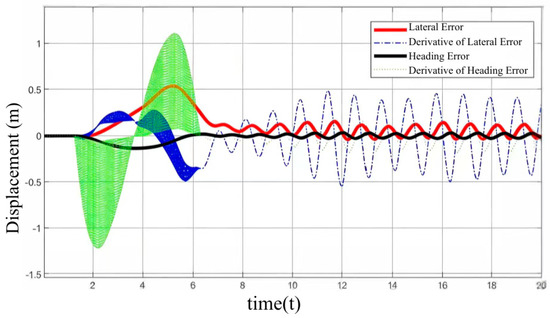
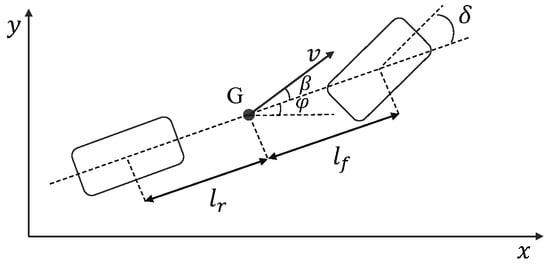
With the emergence of global traffic problems, the development of safe, efficient, and reliable intelligent driving technologies has become a research hotspot. As a key component of intelligent driving technology, trajectory planning directly affects the safety, comfort, and operational efficiency of vehicles in complex traffic scenarios. Existing research typically relies on high-dimensional iterative numerical optimization or tightly coupled planning and control structures, leading to high computational complexity, insufficient real-time performance, and difficulty in ensuring trajectory smoothness. To address these issues, this paper proposes a decoupled and integrated trajectory planning and control method. Firstly, a method is proposed to construct the lateral trajectory based on a fifth-order polynomial and generate the longitudinal motion based on a quadratic acceleration model. Then, lane-change time is introduced as a single optimization variable to construct a cost function that balances comfort and efficiency, and continuous optimization is performed under longitudinal safety distance constraints. Finally, a horizontal and longitudinal hierarchical structure is constructed through model predictive control to solve the direction and speed adjustment problems and achieve high-precision tracking of the optimal trajectory. To verify the effectiveness of the proposed method, coupled simulation verification of trajectory generation and vehicle dynamic response is performed based on a joint simulation platform of MATLAB/Simulink and Carsim. The simulation results show that the proposed method can generate smooth, efficient, and controllable overtaking trajectories; significantly reduce computational complexity; and meet safety constraints, thus verifying the feasibility of the proposed method in complex lane-changing scenarios.
Full article
(This article belongs to the Section Automation and Control Systems)
►▼
Show Figures

Figure 1

Open AccessArticle
Dynamic Characteristics and Resonance Risk Assessment of a Large-Scale Vertical Pumping Station Structure
by
Kexin Kuang, Sen Du, Xuanwen Jia, Bowen Zhang, Longyu Li and Weixuan Jiao
Machines 2026, 14(6), 618; https://doi.org/10.3390/machines14060618 (registering DOI) - 29 May 2026
Abstract
Pumping stations serve as the foundation platform for large-scale vertical fluid machinery, and their structural dynamics directly govern the vibration levels and long-term reliability of the installed pump units. In low-head vertical pumping stations, the interaction among the massive underwater substructure, flexible above-ground
[...] Read more.
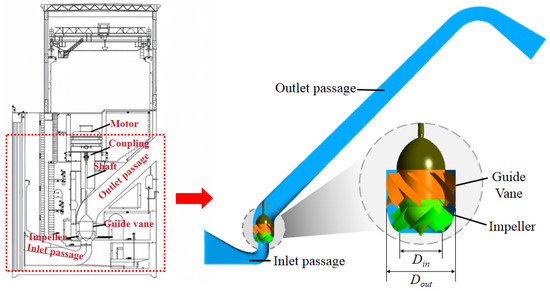
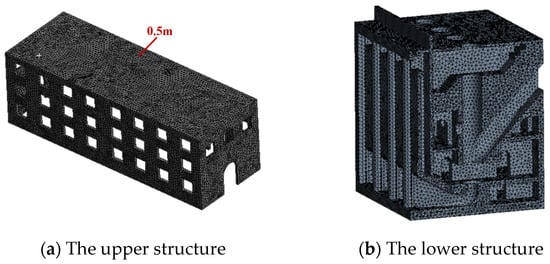
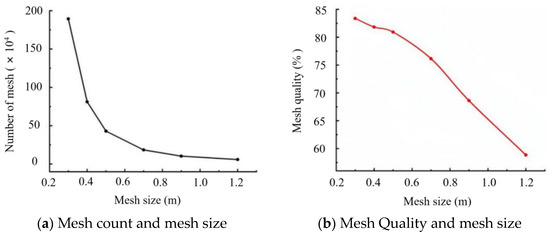
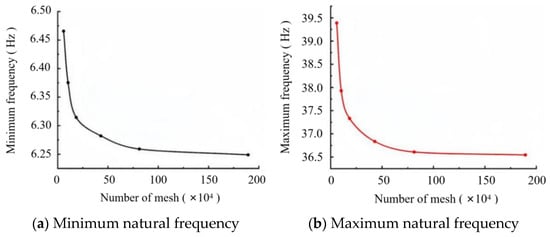
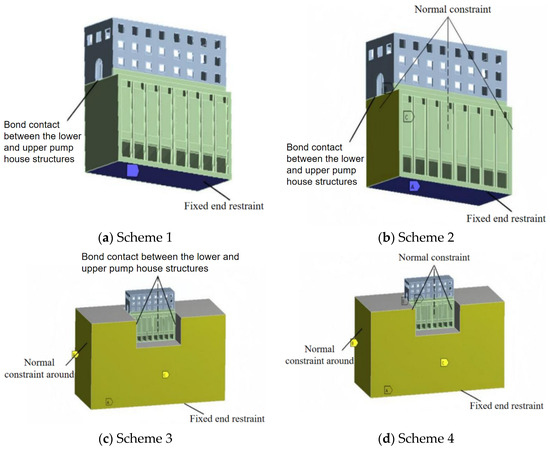
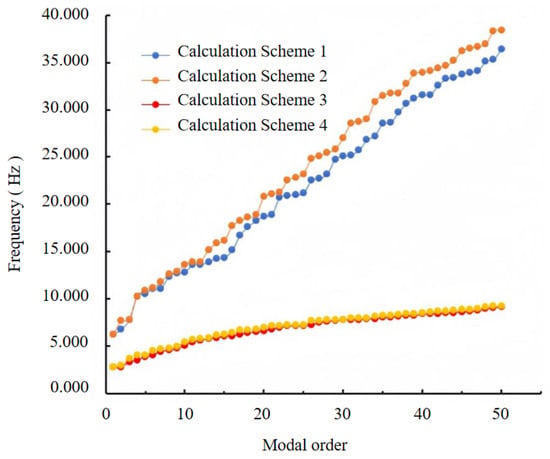
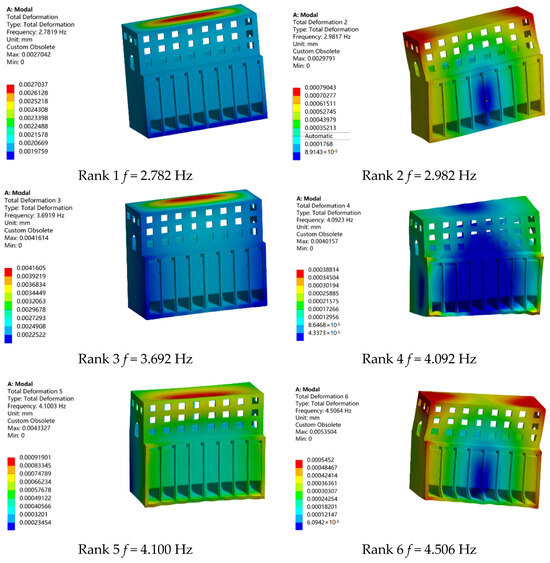
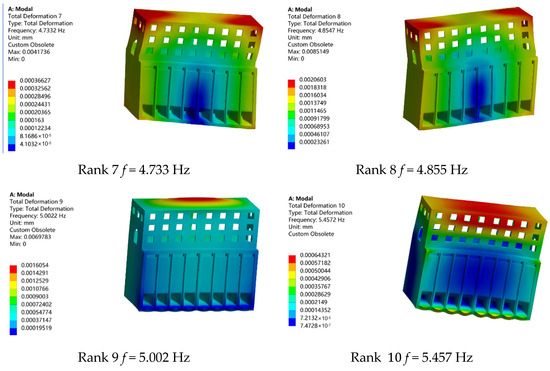
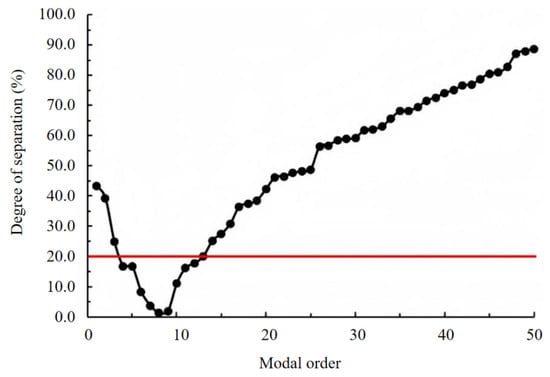
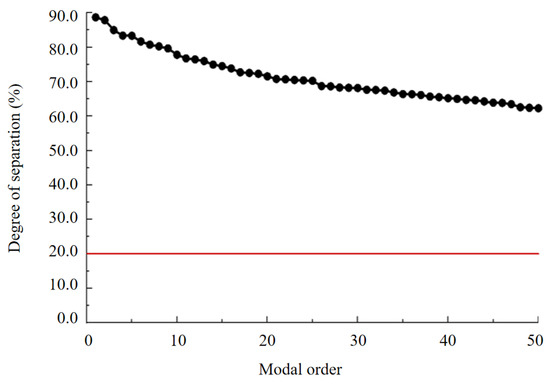
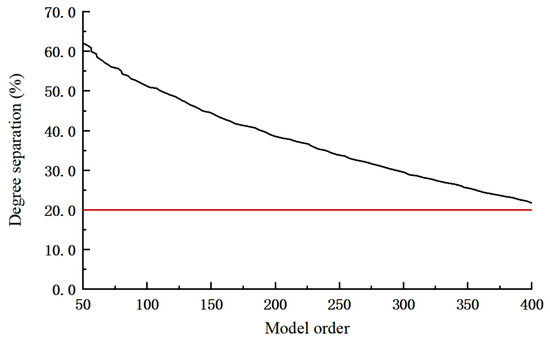
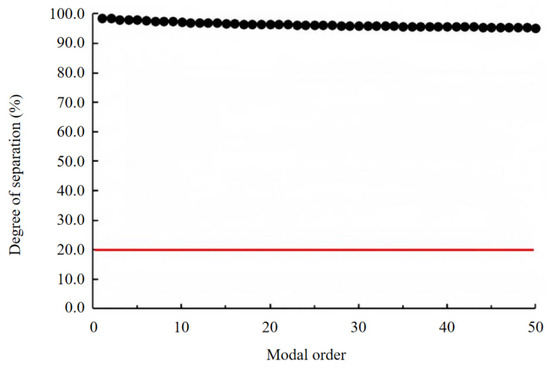
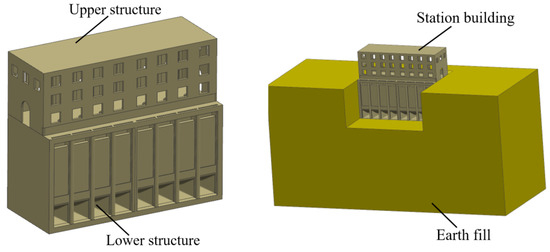
Pumping stations serve as the foundation platform for large-scale vertical fluid machinery, and their structural dynamics directly govern the vibration levels and long-term reliability of the installed pump units. In low-head vertical pumping stations, the interaction among the massive underwater substructure, flexible above-ground powerhouse, and surrounding backfill soil creates a complex dynamic system whose behavior remains insufficiently characterized. This study presents a comprehensive dynamic analysis of a large-scale vertical pumping station using a high-fidelity three-dimensional finite element model that incorporates the powerhouse superstructure, submerged concrete substructure, and backfill soil. Modal analysis under four boundary condition scenarios—varying in soil participation and interface contact conditions—systematically quantifies the influence of soil–structure interaction on natural frequencies and mode shapes. Resonance verification against three primary excitation sources—rotational frequency (4.917 Hz), blade passage frequency (24.583 Hz), and rotor–stator interaction frequency (196.667 Hz)—is extended from the first 50 modes to the 400th mode to assess potential high-order resonance risks. Results show that the roof slab, with its large span and low stiffness, exhibits the highest vibration susceptibility. For the rotational frequency, modes 4–12 fall below the 20% code-specified safety margin but rapidly exceed the threshold thereafter. For the blade passage frequency, the separation ratio decreases progressively with increasing mode order within the first 50 modes, and the extended analysis up to the 400th mode shows that the separation ratio remains well above 20% throughout modes 51–400. Consequently, no substantial resonance risk exists for the blade passage frequency within the entire computed range. The rotor–stator interaction frequency remains safely separated with margins exceeding 95%. These findings demonstrate the profound influence of soil–structure interaction and confirm that, despite a decreasing trend in frequency separation at higher orders, the blade passage frequency poses no substantial resonance risk up to the 400th mode. This work provides a rigorous analytical framework for vibration-informed design and optimization of pump foundation systems, with direct implications for the reliability and operational safety of large-scale vertical fluid machinery.
Full article
(This article belongs to the Special Issue Advanced Research and Development in Fluid Machinery: Design, Optimization, and Applications)
►▼
Show Figures

Figure 1
Open AccessArticle
Uncertainty Analysis and Evaluation of Gauge Measurement in Track Geometry Inspection Systems
by
Xianlei Yang, Ning Chen, Yinghui Wang, Kexin Wang, Donghao Xie, Yinbao Cheng and Yingqi Tang
Machines 2026, 14(6), 617; https://doi.org/10.3390/machines14060617 (registering DOI) - 29 May 2026
Abstract
To ensure the credibility of measurement data from the Track Geometry Detection System (TGDS) and to achieve its dynamic and accurate evaluation, this paper analyzes and assesses the sources of uncertainty in the measurement of track geometric irregularities by the track inspection system
[...] Read more.
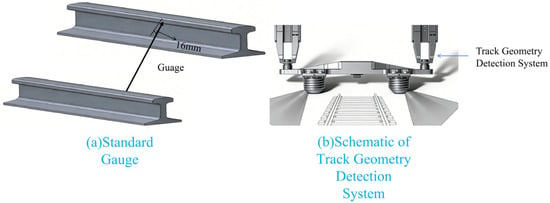
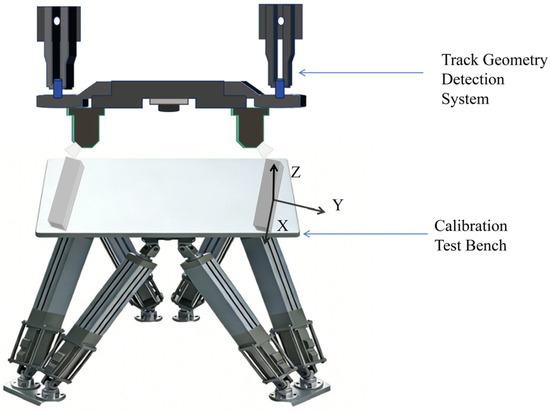
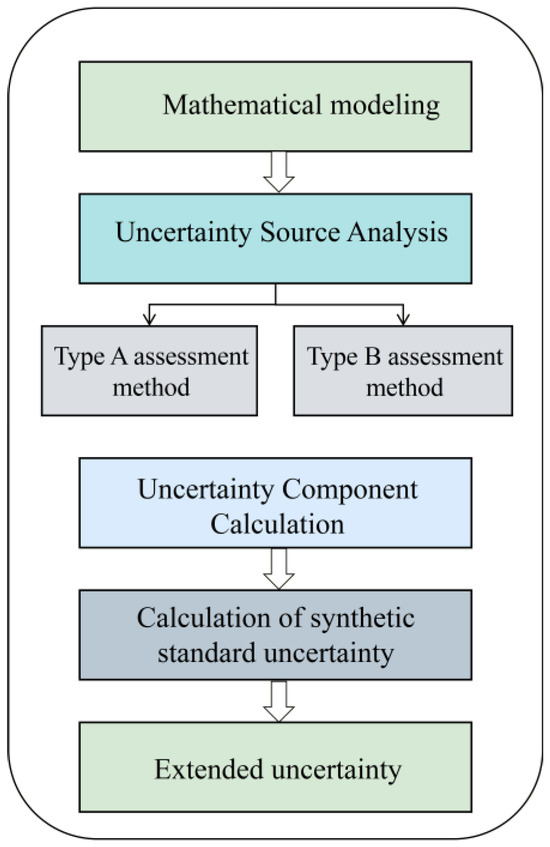
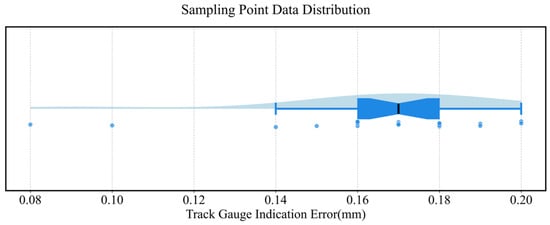
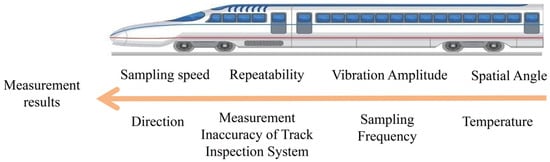
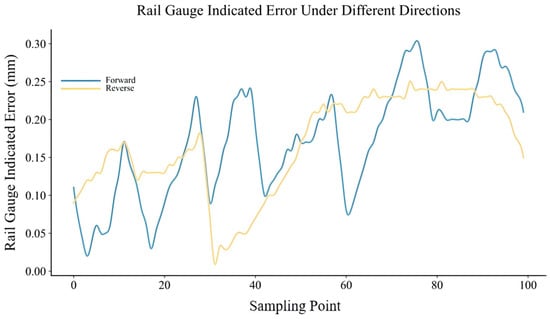
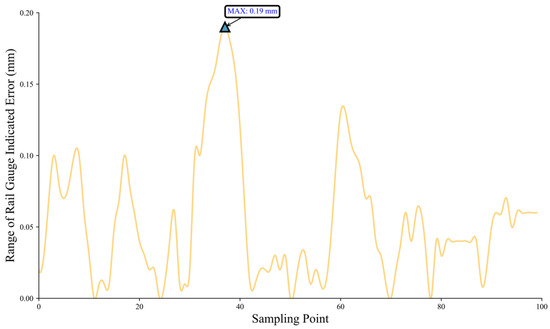
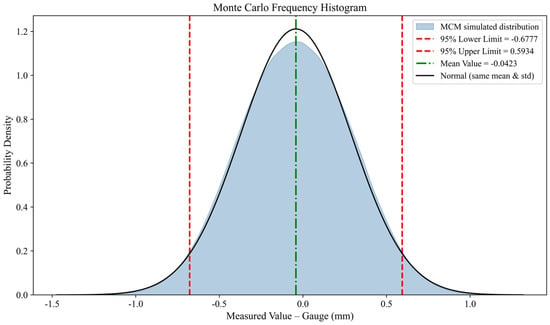
To ensure the credibility of measurement data from the Track Geometry Detection System (TGDS) and to achieve its dynamic and accurate evaluation, this paper analyzes and assesses the sources of uncertainty in the measurement of track geometric irregularities by the track inspection system based on a calibration test bench in the laboratory. To address the issue that the track inspection system is prone to sporadic outliers under electromagnetic interference and vibration, while conventional statistical methods are sensitive to outliers and tend to overestimate the repeatability uncertainty, this paper introduces a robust statistical method based on median absolute deviation (MAD) to evaluate the uncertainty introduced by repeatability. This robust approach effectively suppresses the influence of outliers by using the median instead of the mean and absolute deviations instead of squared deviations, thereby yielding a more realistic and reliable estimate of repeatability. Taking track gauge measurement as an example for uncertainty evaluation, experimental results show that the expanded uncertainty U = 0.64 mm, which satisfies one-third of the tolerance requirement for track gauge measurement, verifying the feasibility of the proposed method. The quantitative results of uncertainty sources in this paper can be used as Type B input for uncertainty evaluation in field practical measurements, providing a reliable metrological basis for the uncertainty evaluation of track inspection systems. Meanwhile, the dynamic evaluation of track inspection systems is realized, filling the gap in their dynamic and reliable evaluation under complex interferences.
Full article
(This article belongs to the Special Issue AI-Driven Geometrical Product Specification and Quality Inspection for Advanced Manufacturing)
►▼
Show Figures

Figure 1
Open AccessArticle
Geometric Rollability Optimization of a Wheeled Chassis via Evolutionary Strategy
by
Farshad Jabari, Baxter Gonzalez and Meysam Khaleghian
Machines 2026, 14(6), 615; https://doi.org/10.3390/machines14060615 (registering DOI) - 29 May 2026
Abstract
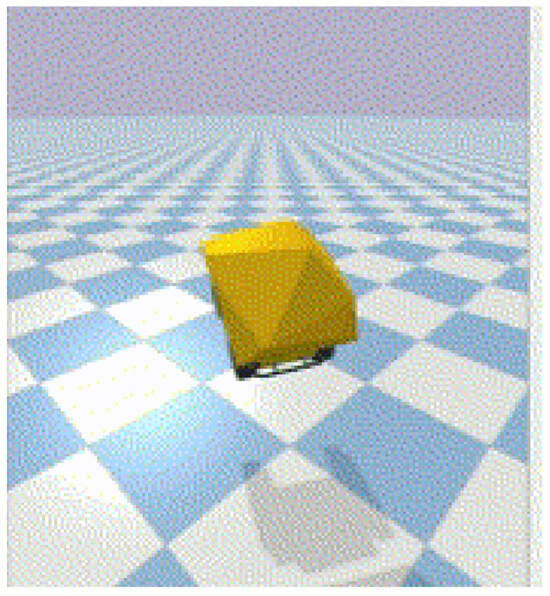
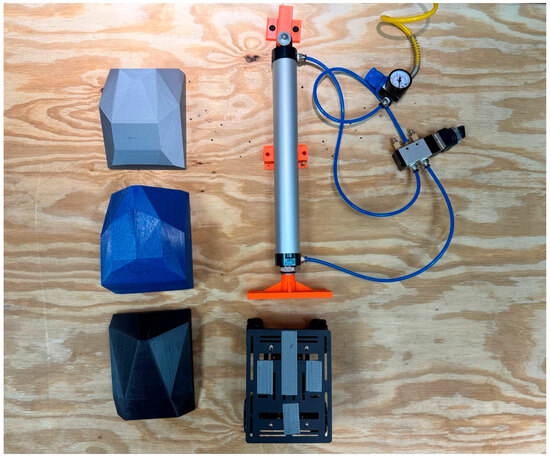
This study examines the influence of adding different profile geometries on the rollability performance of a wheeled robot released from various heights under controlled conditions. Three profile configurations were parametrically designed, computationally modeled, and optimized using a physics-based simulation framework. The optimized designs
[...] Read more.
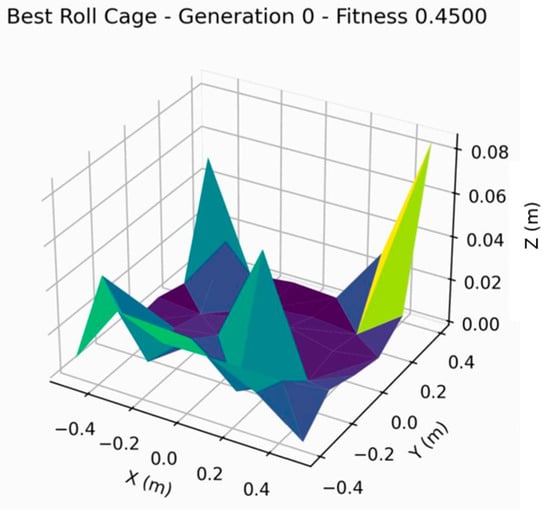
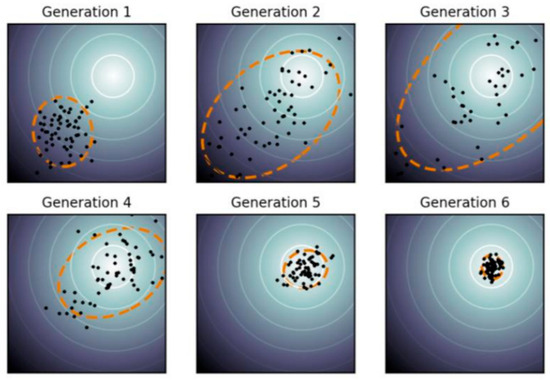
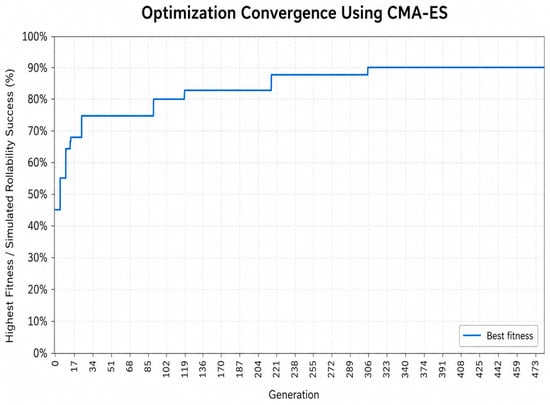
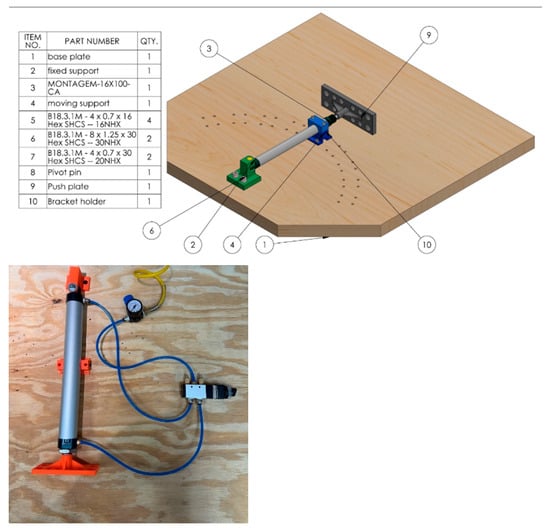
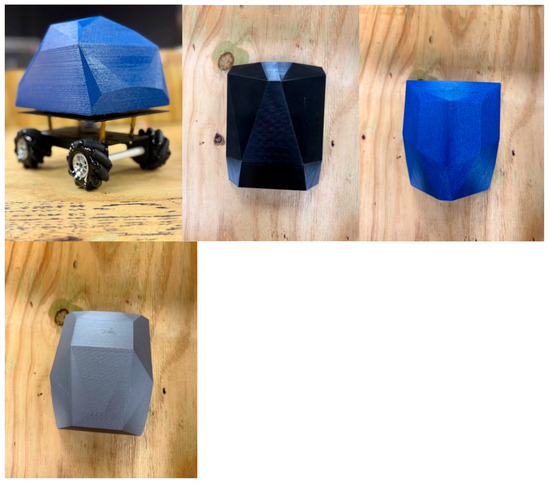
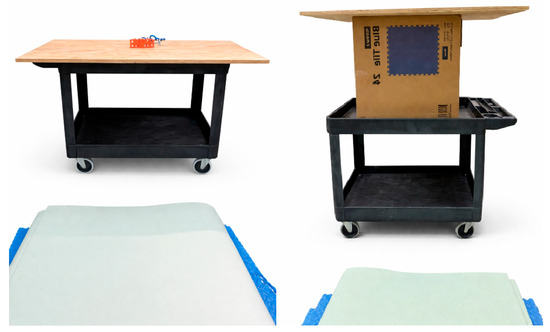
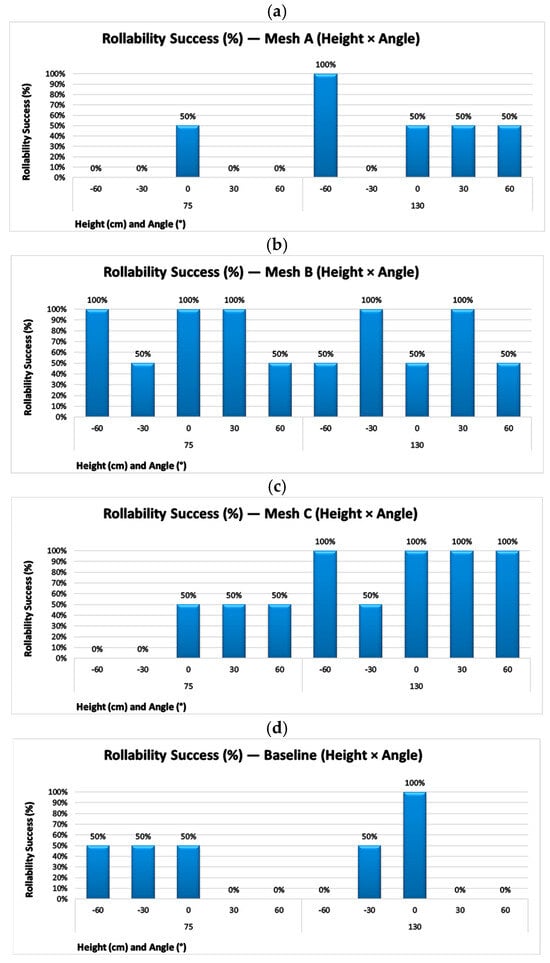
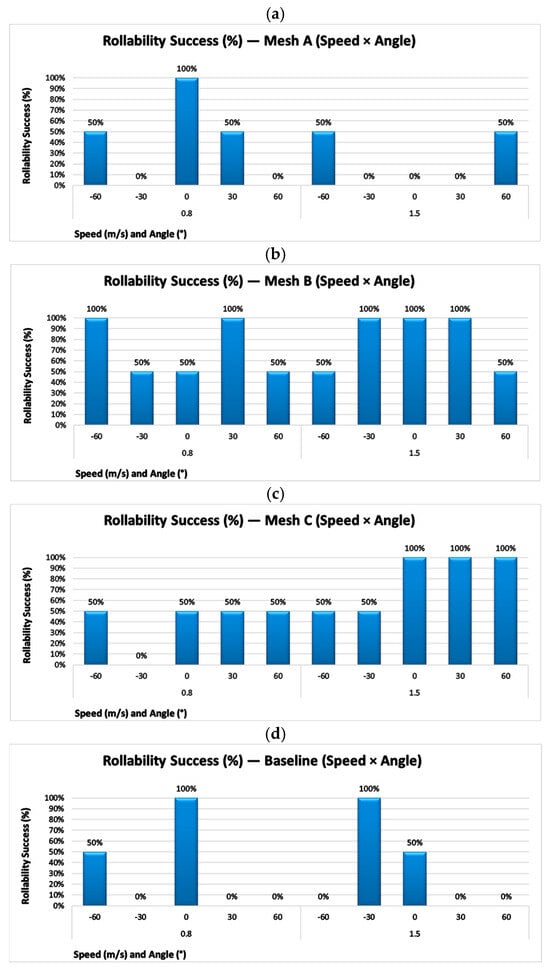
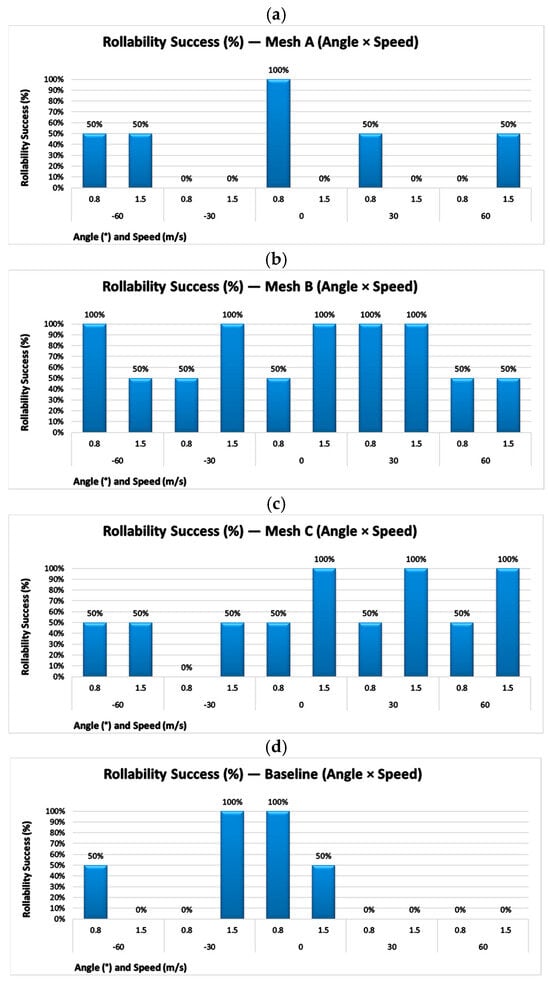
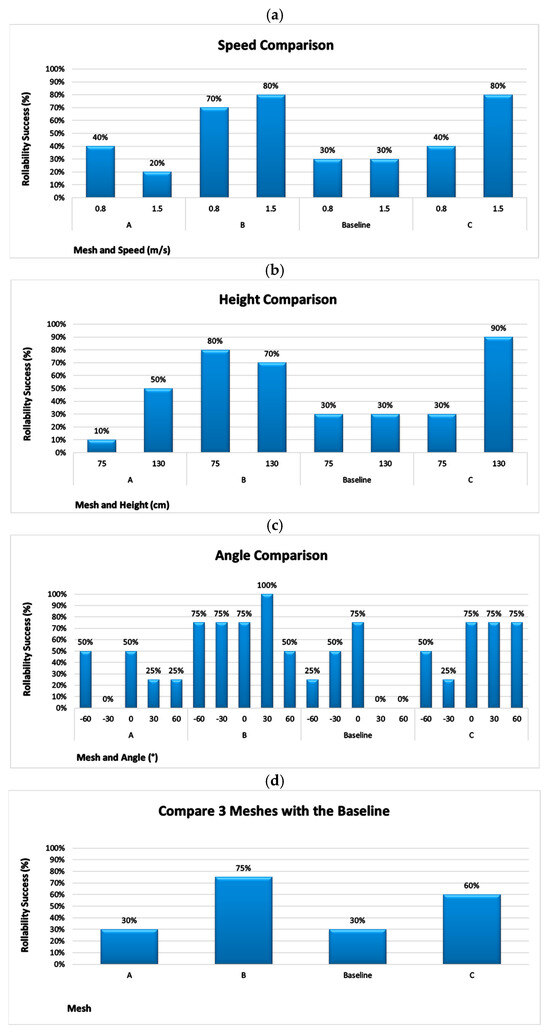
This study examines the influence of adding different profile geometries on the rollability performance of a wheeled robot released from various heights under controlled conditions. Three profile configurations were parametrically designed, computationally modeled, and optimized using a physics-based simulation framework. The optimized designs were then 3D-printed and attached to a robot chassis and evaluated alongside a baseline configuration (no profile addition). Rollability success was defined as the chassis returning to a stable, on-the-wheels configuration after launch. Experiments were conducted across two drop heights (75 cm and 130 cm), two launch speeds (0.8 m/s and 1.5 m/s), and launch angles ranging from −60° to +60°. The results demonstrate strong sensitivity of rollability performance to geometric configuration. Two of the optimized profiles showed significant improvements compared to the baseline. The best-performing profile exhibited robust performance across varying heights, speeds, and angles, whereas the other profile showed substantial performance gains at higher speeds and drop heights. These findings confirm that appropriate geometric optimization of profile structures can substantially enhance rollability stability for wheeled robots under dynamic impact conditions.
Full article
(This article belongs to the Section Vehicle Engineering)
►▼
Show Figures

Figure 1

Open AccessArticle
Multi-Objective Optimization of Structural Parameters of an Ultra-High-Pressure Premixed Abrasive Waterjet Mixing Valve
by
Huaibei Xie, Qingliang Zi and Yan Wang
Machines 2026, 14(6), 616; https://doi.org/10.3390/machines14060616 (registering DOI) - 28 May 2026
Abstract
The mixing valve is a key component of an ultra-high-pressure premixed abrasive waterjet system, in which the abrasive–water mixing uniformity plays a decisive role in determining the erosion and cutting performance of the jet. The geometric parameters of the mixing chamber inside the
[...] Read more.
The mixing valve is a key component of an ultra-high-pressure premixed abrasive waterjet system, in which the abrasive–water mixing uniformity plays a decisive role in determining the erosion and cutting performance of the jet. The geometric parameters of the mixing chamber inside the valve are therefore critical factors affecting this uniformity. In this study, the liquid–solid two-phase flow within the mixing chamber was numerically investigated using the Eulerian k–ε turbulence model coupled with the Fluent–Rocky DEM approach. Single-factor simulations were first conducted to identify the effective ranges of key structural parameters influencing the mixing performance. Subsequently, a response surface model was established to describe the relationship between the mixing efficiency (ME) and four critical chamber parameters, namely the throat diameter (TD), throat length (TL), abrasive inlet pipe diameter (AD), and the distance between the throat exit and the abrasive inlet pipe center (TE). Based on this model, the optimal structural parameters of the mixing chamber were determined. The results indicate that when TD = 4 mm, TL = 12 mm, AD = 10 mm, and TE = 7 mm, the simulated ME reaches 34.40% ± 0.49%, which is in close agreement with the predicted value of 34.57%. Experimental validation conducted on a premixed abrasive waterjet test rig shows that the mean absolute relative error between the simulated and measured ME values is 7.54%, which is below the 10% threshold, confirming the reliability and accuracy of the numerical model.
Full article
(This article belongs to the Special Issue Advanced Research and Development in Fluid Machinery: Design, Optimization, and Applications)
Open AccessArticle
Principle and Method of Base Station Calibration Based on a Physical Standard for Multi-Station Laser Tracking Measurement
by
Haitao Li, Yuanbiao Wang, Yawen Wang, Yunlong Yu, Zehao Wang, Weihao Su, Yehao Zhu, Lijun Yang, Chi Ma, Jie Li and Meng Zhang
Machines 2026, 14(6), 614; https://doi.org/10.3390/machines14060614 (registering DOI) - 28 May 2026
Abstract
In the measurement of volumetric errors in CNC machine tools using multi-station laser tracking technology, the coordinate calibration accuracy of external measurement base stations is a key factor determining the system’s final accuracy. Traditional calibration approaches typically use the commanded positions of the
[...] Read more.
In the measurement of volumetric errors in CNC machine tools using multi-station laser tracking technology, the coordinate calibration accuracy of external measurement base stations is a key factor determining the system’s final accuracy. Traditional calibration approaches typically use the commanded positions of the machine tool directly to inversely determine base station coordinates, which results in strong coupling between inherent geometric errors and base station parameters. Consequently, the measurement accuracy cannot be properly evaluated, and metrological traceability of the results remains difficult to achieve. To address this issue, this paper proposes a novel calibration principle based on an independent external physical standard and develops a base station calibrator independently. This device employs a precision turntable, G5-grade precision spheres, and electromagnet groups to construct an equivalent target with four feature points at the spindle end. Verified by a high-precision coordinate measuring machine (CMM), the maximum difference in repeated calibrations of the device is 1.4 µm, indicating its excellent positioning repeatability. The calibrator was further applied to measure the positioning errors of a CNC milling machine, and comparative experiments were performed with a Renishaw XL-80 laser interferometer. The results indicate that the error variation trends obtained from the two measurement principles are highly consistent. In both the X-axis and Y-axis directions, the maximum deviations of linear errors are controlled within 3.7 µm, while the maximum deviations of angular errors remain within 4.6 µrad. Furthermore, the reliability of the system data was confirmed through an uncertainty analysis. The external physical standard developed in this study ensures that base station calibration accuracy is not affected by the inherent errors of the machine tool, providing a novel and reliable scheme for high-precision calibration and metrological traceability of machine tool spatial errors.
Full article
(This article belongs to the Section Machines Testing and Maintenance)
Open AccessArticle
Enhanced Dipole Model-Based Magnetic Disturbance Compensation Using Magnetometer Arrays
by
Massimo Stefanoni, Imre Kovács, Ákos Odry and Peter Sarcevic
Machines 2026, 14(6), 613; https://doi.org/10.3390/machines14060613 (registering DOI) - 28 May 2026
Abstract
Magnetometers are widely used in robotics and localization systems but are susceptible to magnetic disturbances generated by nearby ferromagnetic objects, which degrade their accuracy. Traditional calibration methods often fail in dynamic environments, such as those encountered by mobile robots. This paper investigates a
[...] Read more.
Magnetometers are widely used in robotics and localization systems but are susceptible to magnetic disturbances generated by nearby ferromagnetic objects, which degrade their accuracy. Traditional calibration methods often fail in dynamic environments, such as those encountered by mobile robots. This paper investigates a dipole model-based disturbance compensation method using a magnetometer array with increased sensor density, extending prior configurations with fewer sensors. The method leverages a detection system to locate disturbing objects, models them as magnetic dipoles, and estimates their parameters through optimization. Experimental validation was performed using magnetic fingerprints of metallic objects in multiple configurations. The results show that increasing sensor density significantly improves compensation performance, reducing magnetic field errors to below 6.64 μT and heading errors to 0.31 rad in most scenarios. In low-to-moderate disturbance scenarios, the four-sensor array achieved heading error improvements of approximately 13% compared to the uncompensated case. In contrast, the proposed nine-sensor array achieved improvements exceeding 50%. In highly complex scenarios involving multiple overlapping disturbances, performance degrades, highlighting limitations of the dipole-based model. These results indicate that increasing sensor density enhances robustness and suggest that adopting compact array geometries may further improve performance in highly disturbed scenarios.
Full article
(This article belongs to the Special Issue New Advances in Robotics, Factory Automation and Intelligent Networked Systems)
Open AccessArticle
Research on Autonomous UAV Shipboard Landing Control for Dynamic Ship Platforms
by
Wenjie Zhou, Yuanliang Zhang and Lixue Ni
Machines 2026, 14(6), 612; https://doi.org/10.3390/machines14060612 (registering DOI) - 28 May 2026
Abstract
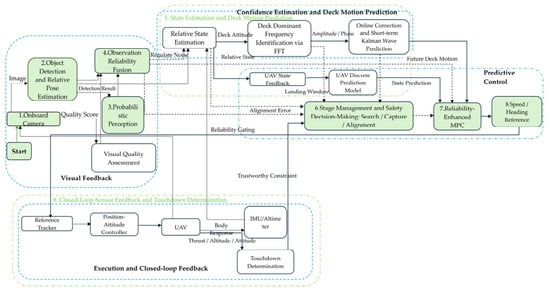
Autonomous UAV landing on dynamic unmanned surface vessel platforms is affected by deck motion and degraded visual observations, which may lead to unsafe final descent decisions. This paper proposes a fully decentralized reliability-enhanced predictive landing method that combines probabilistic perception, visual quality assessment,
[...] Read more.
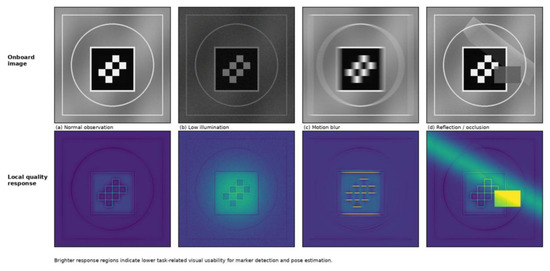
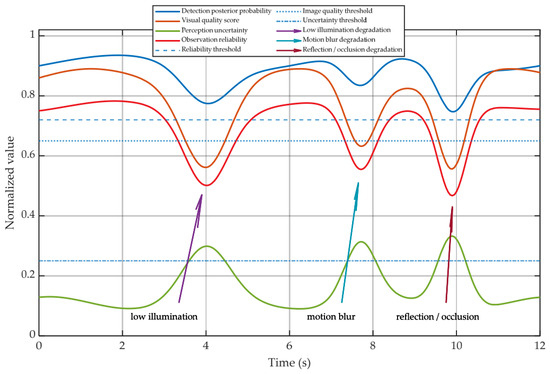
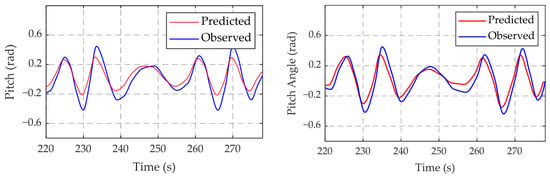
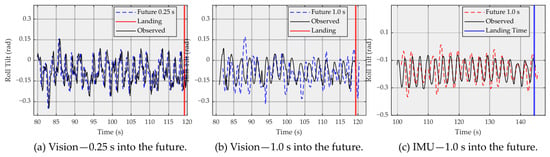
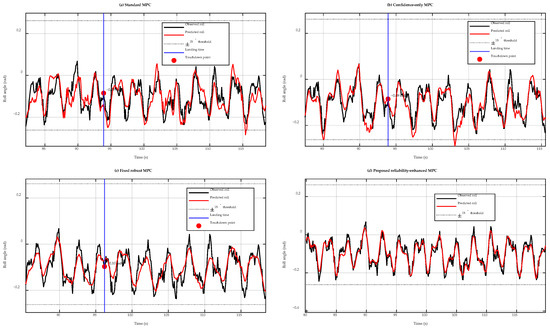
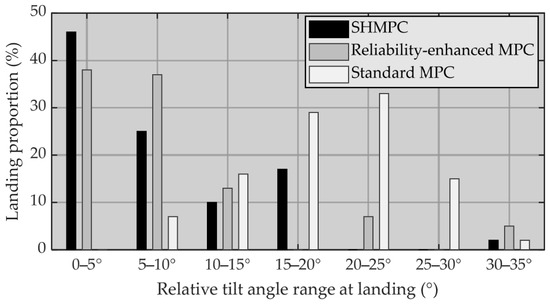
Autonomous UAV landing on dynamic unmanned surface vessel platforms is affected by deck motion and degraded visual observations, which may lead to unsafe final descent decisions. This paper proposes a fully decentralized reliability-enhanced predictive landing method that combines probabilistic perception, visual quality assessment, and model predictive control. Target posterior probability, perception uncertainty, and task-oriented image quality are fused into an online observation reliability index, which is used to adapt observation noise, constrain phase switching, and penalize unreliable descent opportunities. FFT-based dominant-mode identification and Kalman correction are also used to predict deck roll and pitch for landing-window selection. Simulation results show that the proposed method achieves a 90% small-angle landing success rate and keeps the touchdown attitude angle within 5°. Compared with standard MPC, landings within a 15° deck inclination increase from 24% to 82%, and the 80th-percentile touchdown inclination decreases by 9°. Compared with SHMPC, the average solution time decreases from 913 ms to approximately 104 ms per iteration. These results indicate that the proposed reliability-aware framework can reduce unsafe descent decisions and improve landing robustness while maintaining real-time feasibility under degraded maritime visual conditions.
Full article
(This article belongs to the Special Issue Intelligent Control Techniques for Unmanned Aerial Vehicles)
►▼
Show Figures

Figure 1

Open AccessArticle
Comparative Analysis of Tire Dynamic Load and Ride Comfort of a Hydrogen-Powered Heavy-Duty Truck Under Non-Stationary Road Excitations
by
Xiaoliang Chen, Zhelu Wang, Juntao Yan, Gang Liu, Yiqing Qiu and Nannan Jiang
Machines 2026, 14(6), 611; https://doi.org/10.3390/machines14060611 (registering DOI) - 28 May 2026
Abstract
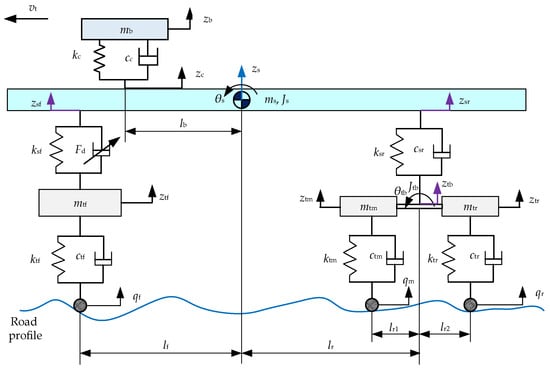
To address the coupled challenges of tire dynamic load regulation and ride comfort improvement in hydrogen-powered heavy-duty trucks (HPHDTs) under non-stationary road excitations, this study evaluates a magnetorheological (MR) damper-based semi-active front suspension system. A vehicle–road coupled dynamic simulation model was developed in
[...] Read more.
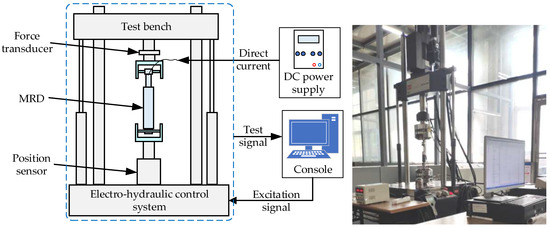
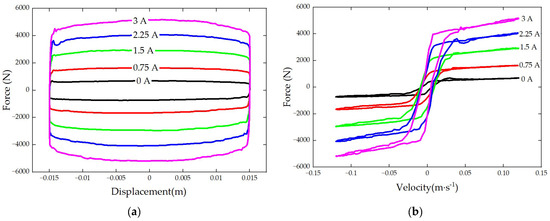
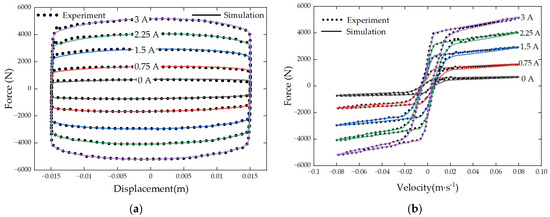
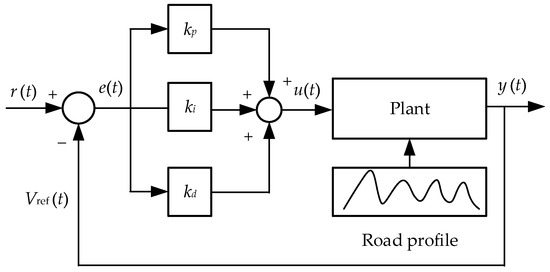
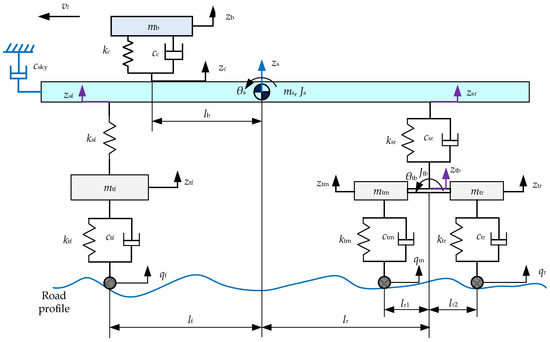
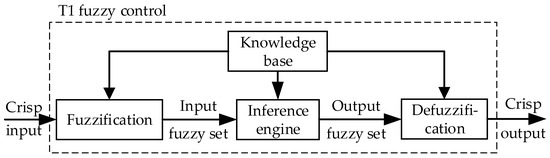
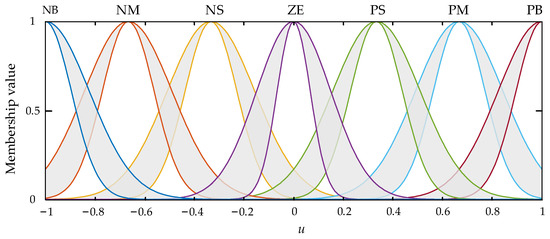
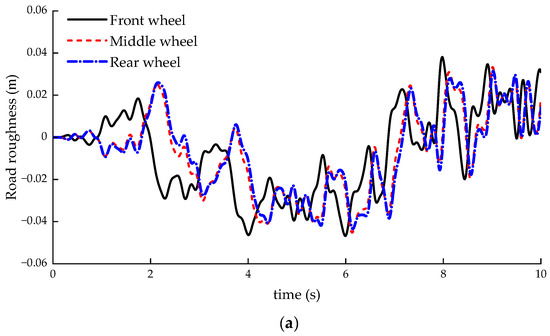
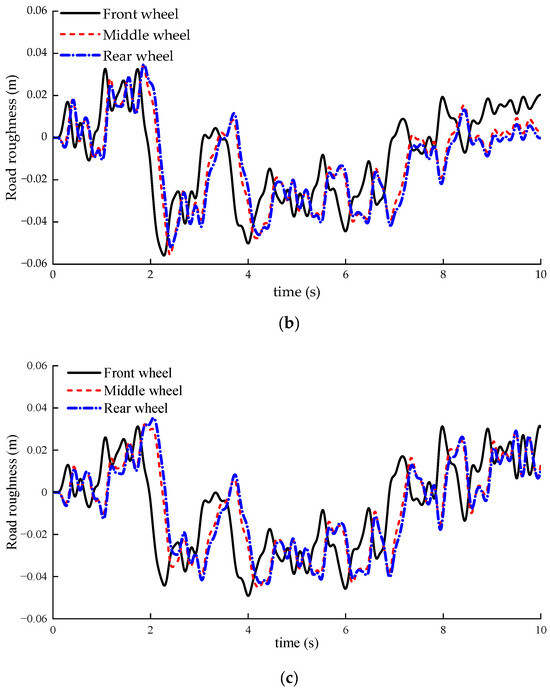
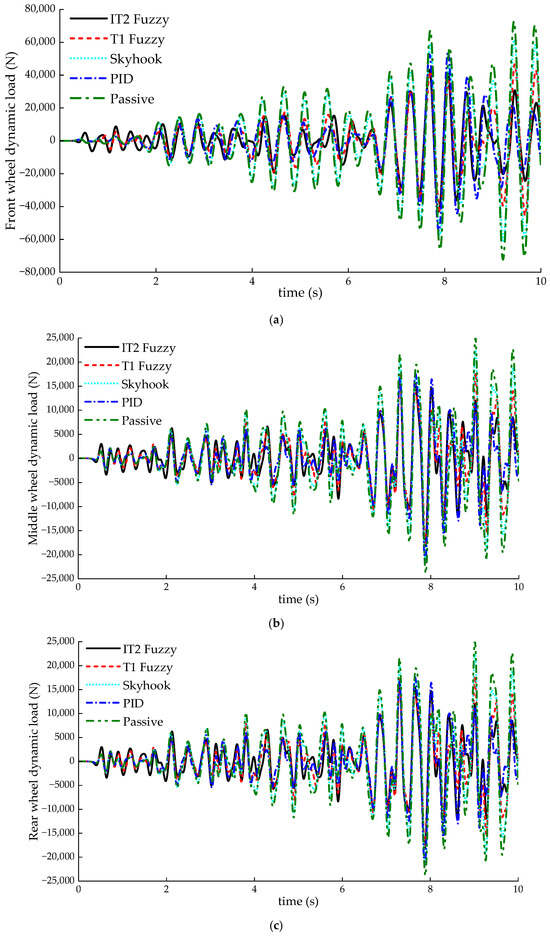
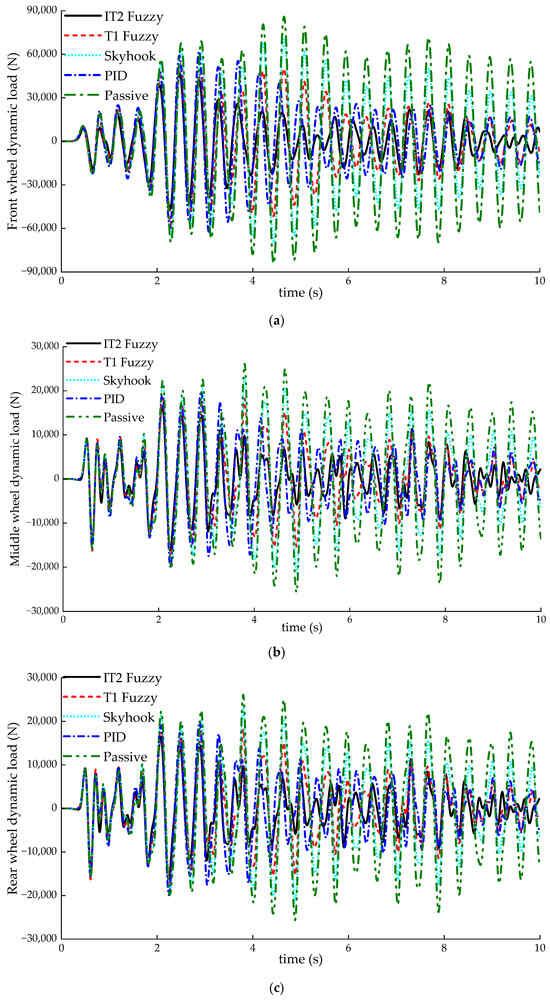
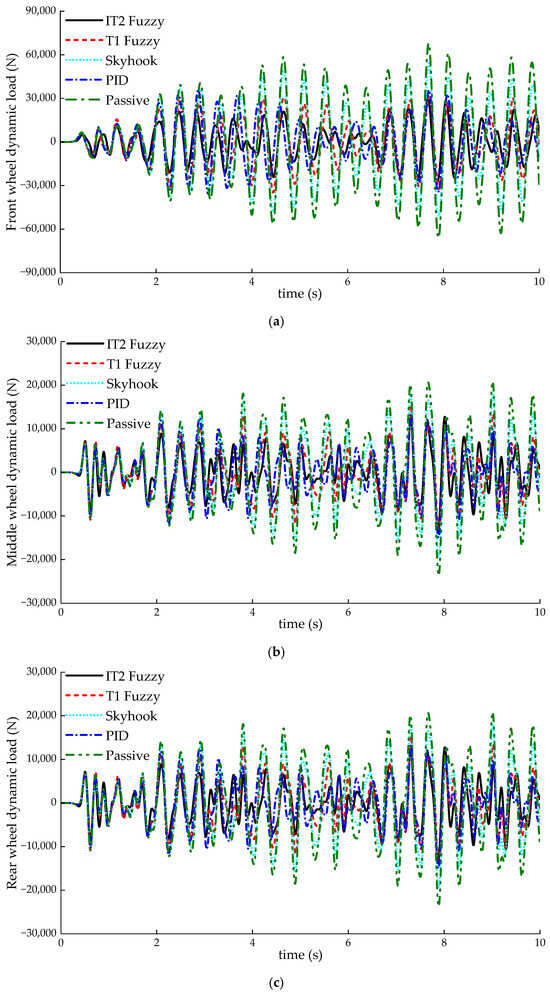
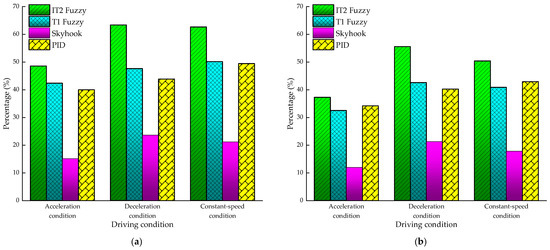
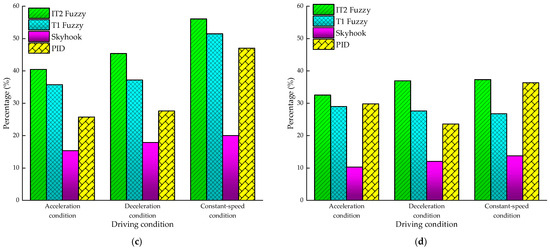
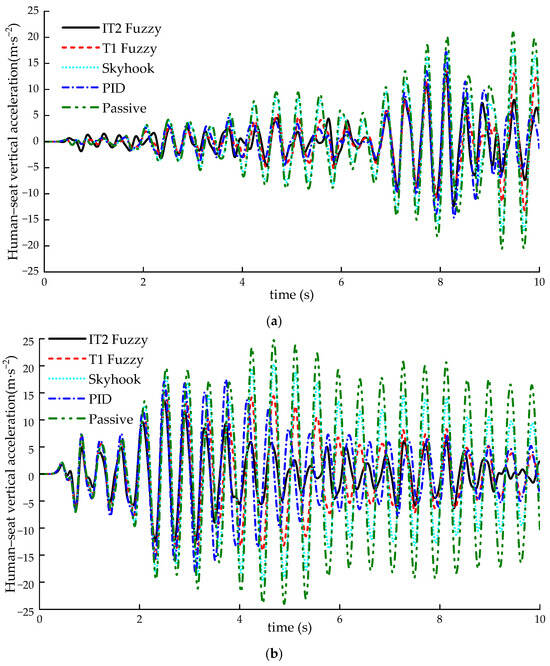
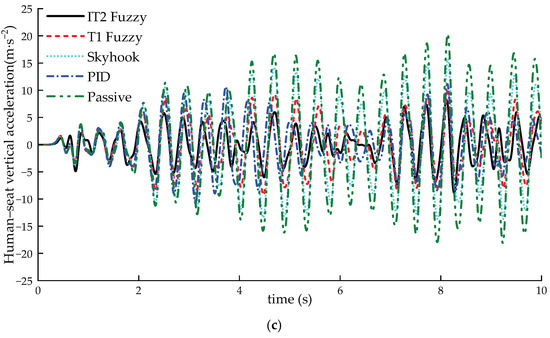
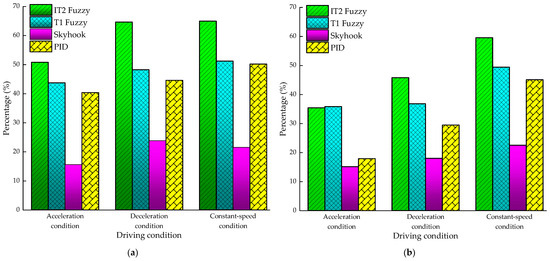
To address the coupled challenges of tire dynamic load regulation and ride comfort improvement in hydrogen-powered heavy-duty trucks (HPHDTs) under non-stationary road excitations, this study evaluates a magnetorheological (MR) damper-based semi-active front suspension system. A vehicle–road coupled dynamic simulation model was developed in MATLAB/Simulink (R2025b) using a Class C road profile, and three representative driving conditions, namely acceleration, deceleration, and constant-speed driving, were considered. Four control strategies, namely, interval type-2 (IT2) fuzzy control, type-1 (T1) fuzzy control, skyhook control, and PID control, were comparatively investigated. The results indicate that deceleration is the most critical operating condition, resulting in more severe tire–road interactions and poorer ride comfort than the other scenarios. Among the evaluated strategies, IT2 fuzzy control provides the best overall performance. Compared with the passive suspension, it reduces the front-wheel RMS dynamic load by 63.39% and improves ride comfort by 64.67% under deceleration. The T1 fuzzy and PID controllers provide moderate improvements, whereas skyhook control exhibits relatively limited effectiveness. These findings demonstrate that combining MR dampers with IT2 fuzzy control provides a feasible and robust approach for improving road friendliness, ride quality, and operational stability in advanced heavy-duty vehicle suspension design.
Full article
(This article belongs to the Special Issue Emerging Research in Autonomous Vehicle Technology: Innovations in On-Road and Off-Road Driving Challenges)
►▼
Show Figures

Figure 1

Open AccessArticle
Wind-YOLO: A Lightweight Detector for Wind Turbine Damage
by
Huilin Tang, Xuwen Zhang, Boyan Hu, Yan Wang and Xin Shu
Machines 2026, 14(6), 610; https://doi.org/10.3390/machines14060610 (registering DOI) - 28 May 2026
Abstract
Wind turbine blades are prone to multiscale and weak-feature damage in complex natural environments. Accurate and efficient detection is crucial for ensuring the safe operation of wind turbine units. However, existing models struggle to balance detection precision, robustness, and lightweight deployment requirements. In
[...] Read more.
Wind turbine blades are prone to multiscale and weak-feature damage in complex natural environments. Accurate and efficient detection is crucial for ensuring the safe operation of wind turbine units. However, existing models struggle to balance detection precision, robustness, and lightweight deployment requirements. In this paper, we propose a lightweight model, Wind-YOLO, for wind turbine blade defect detection based on YOLOv11, with three core innovations: (1) We design a DynamicC3k2 that adaptively adjusts the convolutional receptive field for feature extraction, enhancing fine-grained feature capture of micro-cracks and weak-texture defects. (2) We construct a Cross-Stage Partial with Focused Linear Attention (C2FLA) that precisely focuses on defect regions via a linear attention mechanism, effectively mitigating complex background and noise interference. (3) We propose a Spatially Guided Gated Feature Pyramid Network (SGG-FPN) that optimizes multiscale feature transmission and aggregation through a gated fusion mechanism, improving adaptability to cross-scale defects from millimeter-level cracks to meter-level spalling. Extensive experiments on a dedicated wind turbine defect dataset show that Wind-YOLO achieves an mAP@0.5 of 80.9% and an mAP@0.5:0.95 of 37.1%, achieving an increase of 3.9 percentage points and 2.4 percentage points, respectively, compared with the baseline YOLOv11. Meanwhile, the model has only 2.34 million parameters (2.34 M) and a computational complexity of 6.0 GFLOPs. It delivers dual improvements in precision and lightweight performance, with superior environmental adaptability for real-time wind turbine inspection.
Full article
(This article belongs to the Section Machines Testing and Maintenance)
Open AccessArticle
Highly Sensitive Measuring System for Rail Width and Point-Related Hydrodynamic Pressure in Linear Sliding Guideways of Machine Tools
by
Volker Wittstock, Burhan Ibrar and Martin Dix
Machines 2026, 14(6), 609; https://doi.org/10.3390/machines14060609 (registering DOI) - 28 May 2026
Abstract
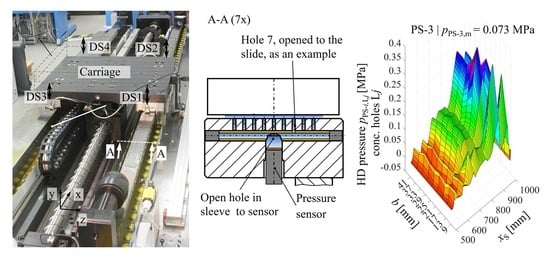
Due to their high damping and the associated low dynamic excitation of the machine tool, hydrodynamic guideways are necessary for precision machines such as grinding machines. This article summarizes the development of the measuring system that was integrated into the guiding rail of
[...] Read more.
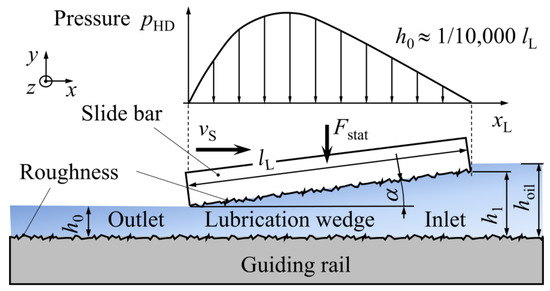
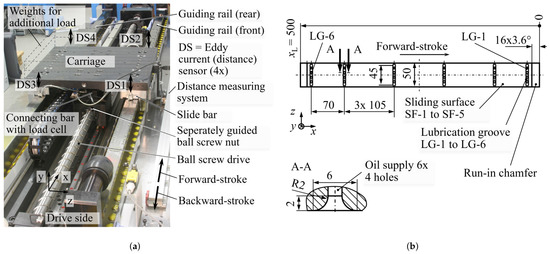
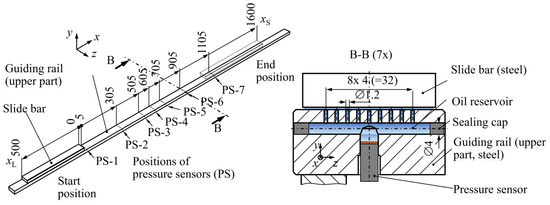
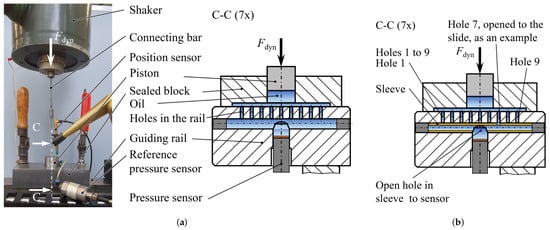
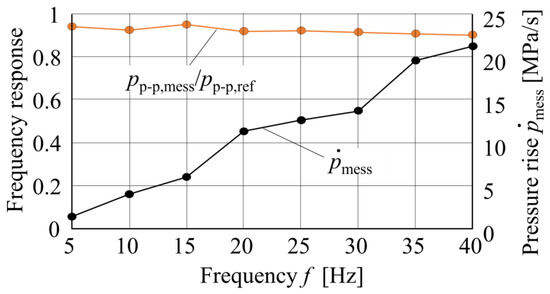
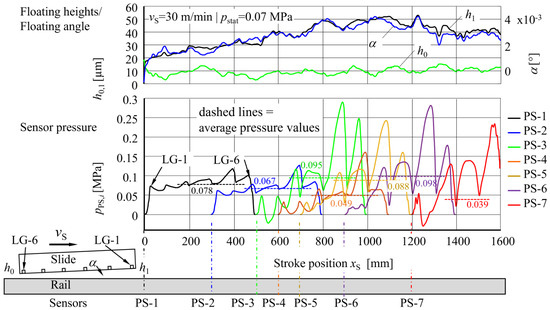
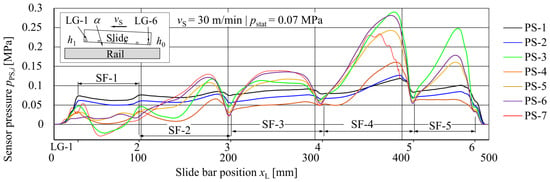
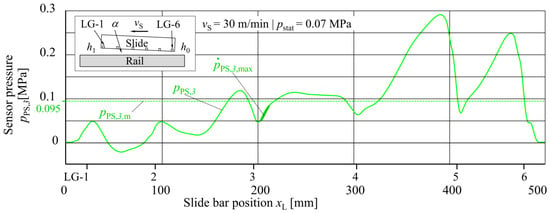
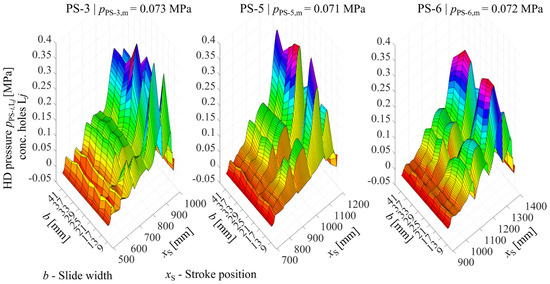
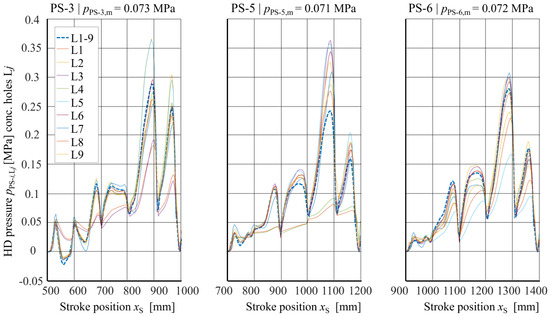
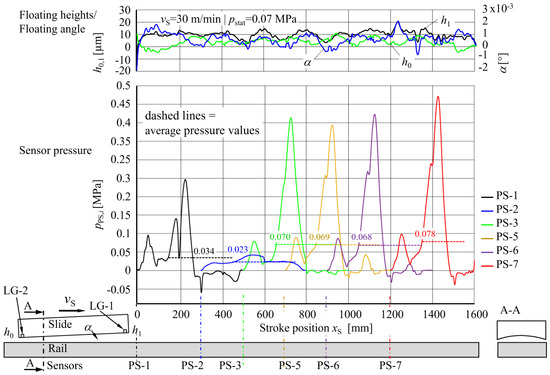
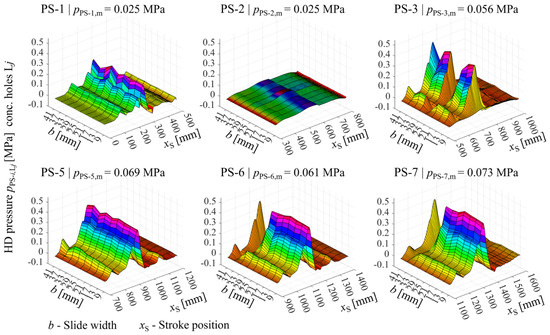
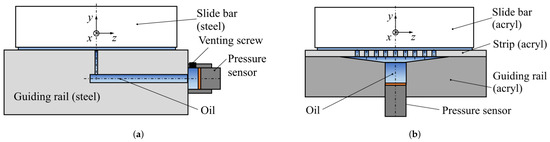
Due to their high damping and the associated low dynamic excitation of the machine tool, hydrodynamic guideways are necessary for precision machines such as grinding machines. This article summarizes the development of the measuring system that was integrated into the guiding rail of a linear hydrodynamic bearing and presents the experimental evaluation. The measuring system is aimed at providing a better understanding of the actual transient hydrodynamic pressure and lubrication condition during the reversing sliding motion in the liquid friction range. The system was checked for its frequency response to ensure that the expected pressure rise during the stroke motion can be measured both in relation to the rail width and to the point. The evaluation is based on Reynolds’ analytical hydrodynamic theory, as numerical calculation approaches themselves are also subject to considerable uncertainties, particularly with regard to the actual geometry of the lubrication gap. The novelty of the results lies in the possibility of analyzing the instationary behavior of a reversing linear bearing of a carriage in machine tools at very low pressures as a quasi-2D and 3D pressure curve. Finally, the new possibilities are demonstrated by analyzing the behavior of a carriage with concave sliding surfaces.
Full article
(This article belongs to the Section Friction and Tribology)
►▼
Show Figures

Graphical abstract
Open AccessArticle
Corner Smoothing with Feedrate Interpolation for High-Speed Machine Tools
by
Haowen Xue, Xiaoyong Li, Shijing Wu and Liang Liang
Machines 2026, 14(6), 608; https://doi.org/10.3390/machines14060608 (registering DOI) - 28 May 2026
Abstract
In high-speed machining, linear toolpaths constructed from a series of short line segments are widely used but inevitably introduce tangent and curvature discontinuities at segment junctions, which may cause feedrate fluctuation and contouring error. To address this problem, this study proposes a real-time
[...] Read more.
In high-speed machining, linear toolpaths constructed from a series of short line segments are widely used but inevitably introduce tangent and curvature discontinuities at segment junctions, which may cause feedrate fluctuation and contouring error. To address this problem, this study proposes a real-time corner smoothing and feedrate interpolation method based on dual cubic Bézier transition curves and an optimal error assignment model. The main contribution lies in coupling analytical corner rounding with error allocation: the approximation error and maximum curvature of the transition curves are obtained explicitly, while the allowable tolerance is optimally distributed between approximation error and chord error so that the overall trajectory error remains within the prescribed bound. A jerk-limited look-ahead interpolator is then developed through reverse scanning and forward interpolation to satisfy geometric constraints, drive constraints, and feedrate commands. Simulation results for a three-dimensional toolpath show that the approximation error, chord error, and total trajectory error are all constrained within the preset tolerance of 0.05 mm. In the mask-machining case, the proposed method reduces the machining time to 13.9 s, corresponding to reductions of approximately 70% and 25% compared with the method without look-ahead and the method with look-ahead only, respectively. These results indicate that the proposed framework can improve motion smoothness and machining efficiency while maintaining trajectory accuracy.
Full article
(This article belongs to the Section Advanced Manufacturing)
Open AccessReview
A Cross-Scale Review of Thermodynamics-Dominated Cavitation and Failure Mechanisms in Liquid Hydrogen Pumps
by
Heng Xu, Xu Wang, Yi Fang, En-Ming Zhu, Ju Guo, Yi-Ming Dai, Ji-Chao Li and Ji-Qiang Li
Machines 2026, 14(6), 607; https://doi.org/10.3390/machines14060607 (registering DOI) - 28 May 2026
Abstract
The wide application of liquid hydrogen as a key energy carrier is severely limited by the reliability of high-pressure and low-temperature pumps. The traditional research on liquid hydrogen pumps relies on empirical analysis of isolated components, but fails to reveal the fundamental failure
[...] Read more.
The wide application of liquid hydrogen as a key energy carrier is severely limited by the reliability of high-pressure and low-temperature pumps. The traditional research on liquid hydrogen pumps relies on empirical analysis of isolated components, but fails to reveal the fundamental failure mechanism of these pumps. This review argues for a paradigm shift in the understanding and design of liquid hydrogen pumps. We systematically decomposed the failure of the liquid hydrogen pump into a thermodynamic-driven, cross-scale cascading process rather than the failure of isolated components. At the molecular level, the extreme thermal physical properties of liquid hydrogen (ultra-low latent heat and surface tension) can lead to widespread nucleation under slight thermal disturbances. At the mesoscopic scale, the initial perturbation is significantly amplified through the nonlinear dynamics of bubble clusters. This amplification is characterized by intense collapse and strong energy concentration due to the low density and low viscosity of liquid hydrogen. At the component level, this enhanced destructive energy will cause faults similar to phase transitions; namely, the liquid lubrication in the bearings will disappear, the seals will shift from viscous blockage to gas diffusion, and at the same time, the damage caused by low-temperature hydrogen cavitation and corrosion to the materials will also occur simultaneously. At the system level, the strong dynamic coupling among the subsystems has led to a nonlinear performance collapse. This cross-scale failure chain reveals the flaws in the classical cavitation theory, which is based on the assumptions of isothermal and inertia dominance. We have expounded the thermodynamic-dominated cavitation state in liquid hydrogen. This state is quantified by the Σ parameter and governs the multimodal behavior of low-temperature cavitation phenomena. To address this complexity, we have proposed a comprehensive framework that integrates multi-scale collaborative simulation and digital twin, combining molecular dynamics, CFD, system dynamics, and targeted experiments. This review proposes a candidate physical framework for addressing the reliability challenges of liquid hydrogen pumps. It also provides a clear roadmap for the next generation of inherently robust cryogenic fluid machinery, and offers a reference for the design of energy systems under other extreme conditions.
Full article
(This article belongs to the Section Turbomachinery)
Open AccessArticle
Correlation-Driven Multisensory Fusion for Intelligent Fault Analysis in Induction Motors
by
Vasileios I. Vlachou, Karolina Kudelina, Dimitrios E. Efstathiou, Stavros D. Vologiannidis, Tatjana Baraškova, Veroonika Shirokova and Theoklitos S. Karakatsanis
Machines 2026, 14(6), 606; https://doi.org/10.3390/machines14060606 - 28 May 2026
Abstract
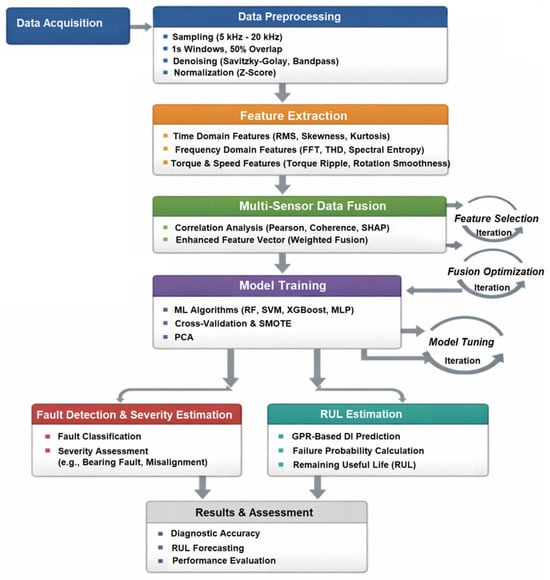
Induction motors are critical in modern industry, powering over 70% of industrial processes. Reliable operation is essential to minimize downtime and ensure production continuity. This paper proposes an integrated multimodal methodology for fault diagnosis and prognosis in induction motors, based on an extended
[...] Read more.
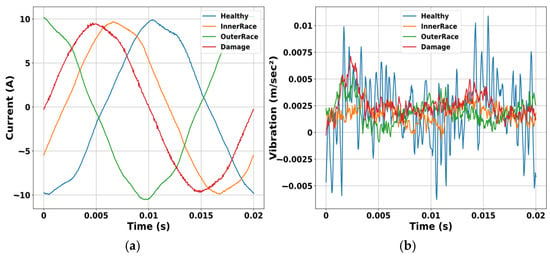
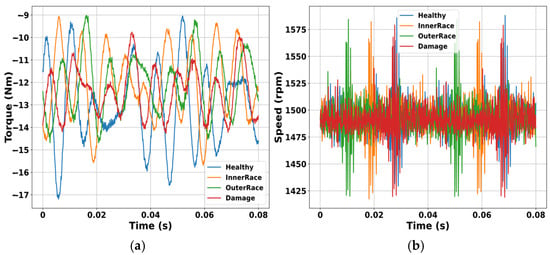
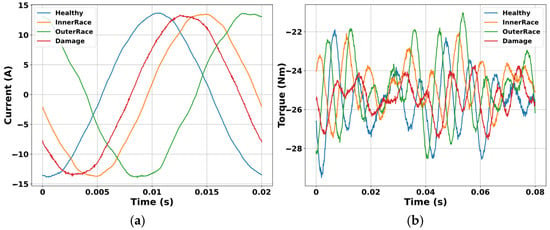
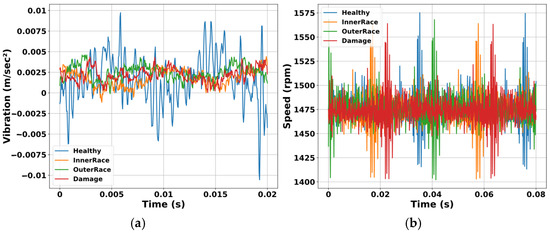
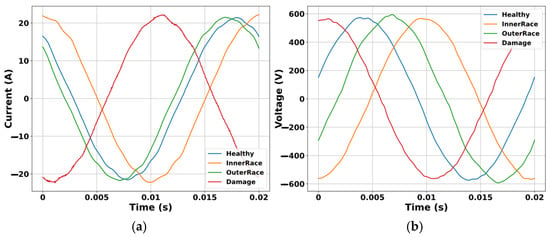
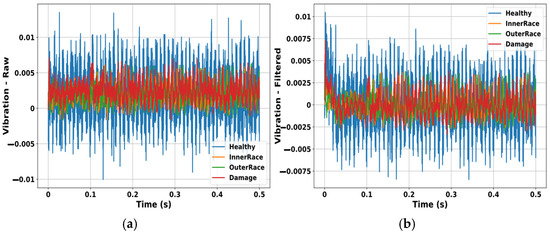
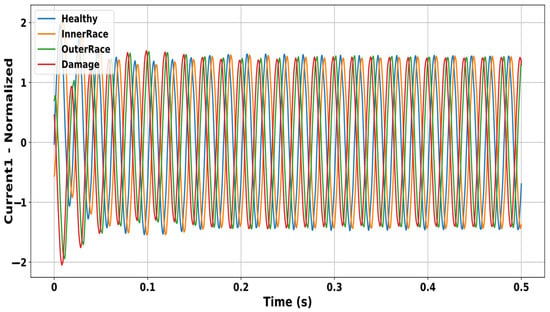
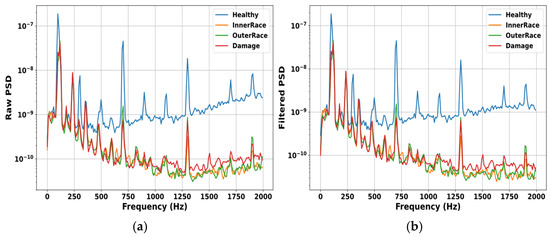
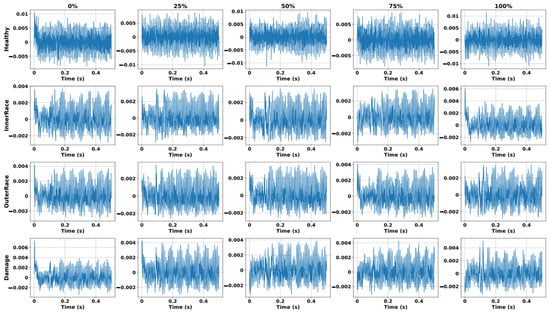
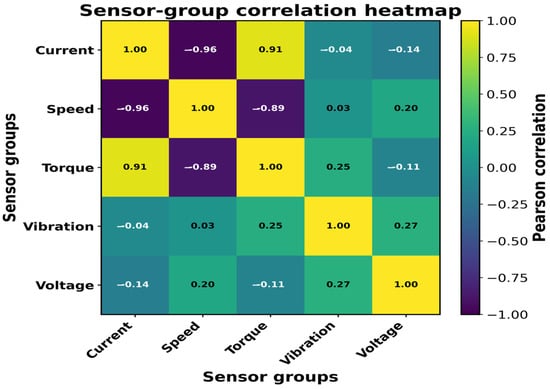
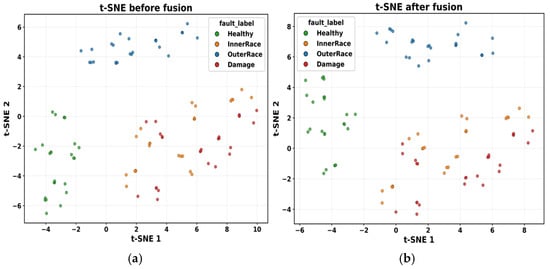
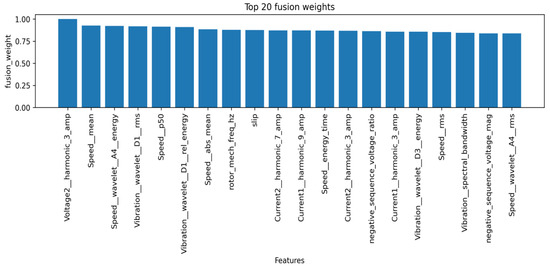
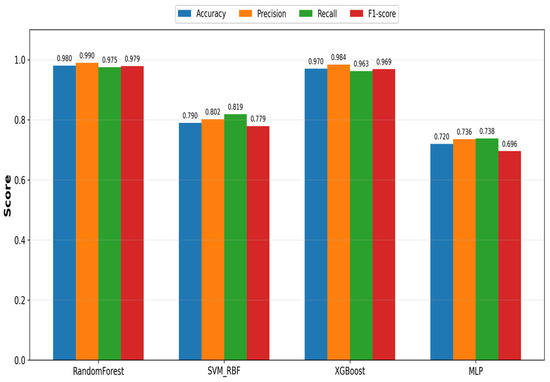
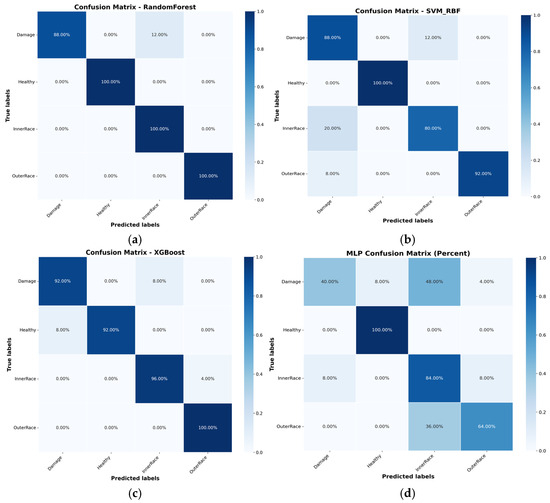
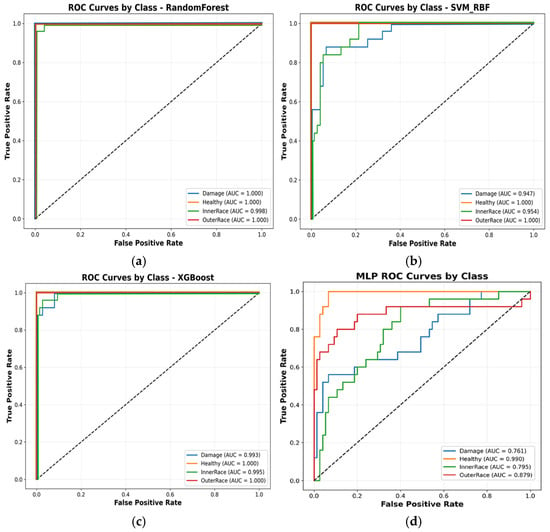
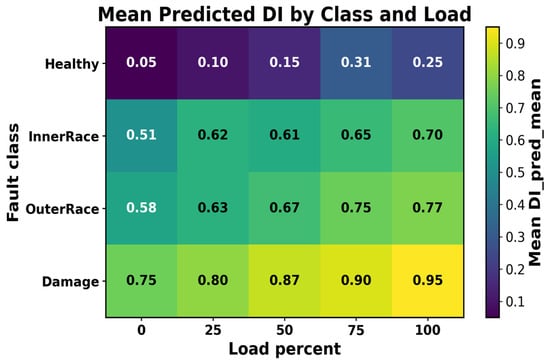
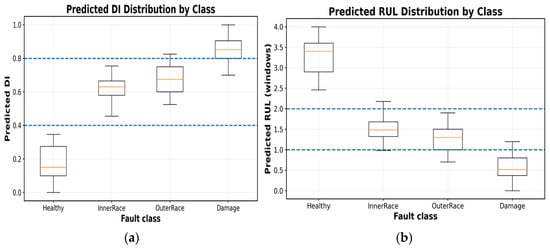
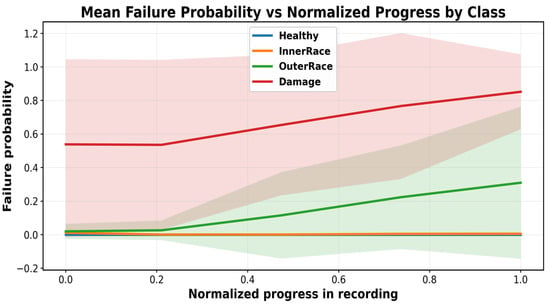
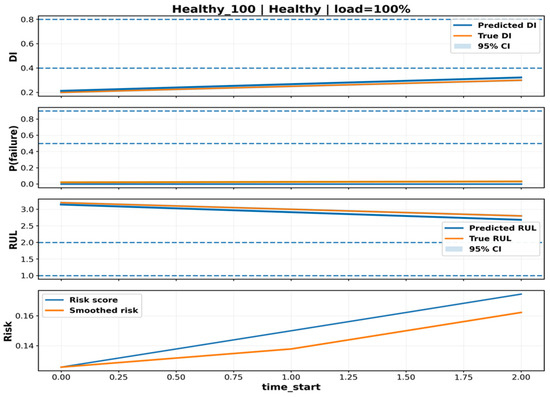
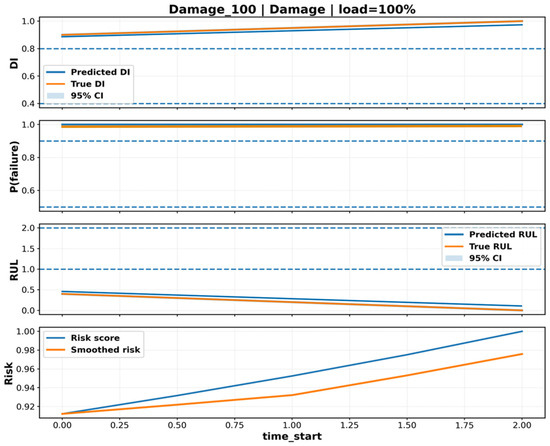
Induction motors are critical in modern industry, powering over 70% of industrial processes. Reliable operation is essential to minimize downtime and ensure production continuity. This paper proposes an integrated multimodal methodology for fault diagnosis and prognosis in induction motors, based on an extended Pearson and Gain feature fusion framework. The approach preprocesses vibration, current, voltage, torque, and speed signals through denoising, normalization, synchronization, and sliding-window segmentation. Over 200 features per window are extracted across time, frequency, envelope, wavelet, harmonic, slip-based, and MCSA domains. A key innovation is correlation-driven multimodal fusion, combining Pearson correlation, spectral coherence, cross-spectral energy, and mutual information to produce Gain-enhanced features with improved discriminative capability. Fault diagnosis is performed using RF, SVM, XGBoost, and MLP models, with time-aware data splitting to avoid temporal leakage. Prognosis employs a continuous Degradation Index (DI) modeled via Gaussian Process Regression for uncertainty-aware prediction, with failure probability and Remaining Useful Life (RUL) estimated from DI thresholds. Experimental results demonstrate that the proposed methodology achieves diagnostic accuracy above 97%, enhances feature relevance, and provides stable long-term prognostic performance, offering a robust framework for predictive maintenance of induction motors.
Full article
(This article belongs to the Special Issue Diagnostics and Fault Detection in Induction Motors: Trends and Applications)
►▼
Show Figures

Figure 1
Open AccessArticle
Adaptive Constraint Regulation for Human Preference-Aware Safe Reinforcement Learning of On-Ramp Merging
by
Jingjia Teng, Wenjie Huang, Shijie Yuan, Manjiang Hu, Hongmao Qin, Yang Li, Yougang Bian and Bai Li
Machines 2026, 14(6), 605; https://doi.org/10.3390/machines14060605 - 28 May 2026
Abstract
Reinforcement learning (RL) has been widely utilized for decision-making in highway on-ramp merging scenarios. However, most existing methods incorporate safety through reward functions, which may allow autonomous vehicles to trade safety for higher cumulative rewards. Moreover, personalized human risk preferences are rarely considered,
[...] Read more.
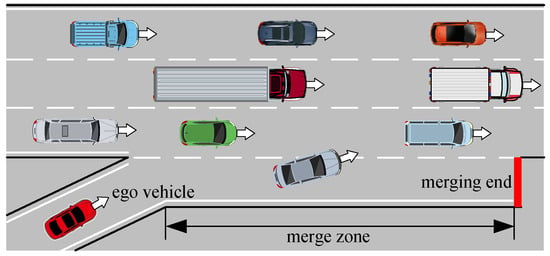
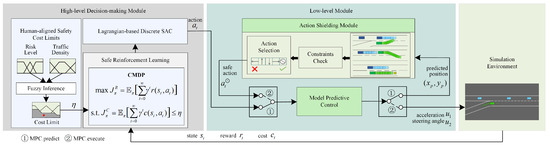
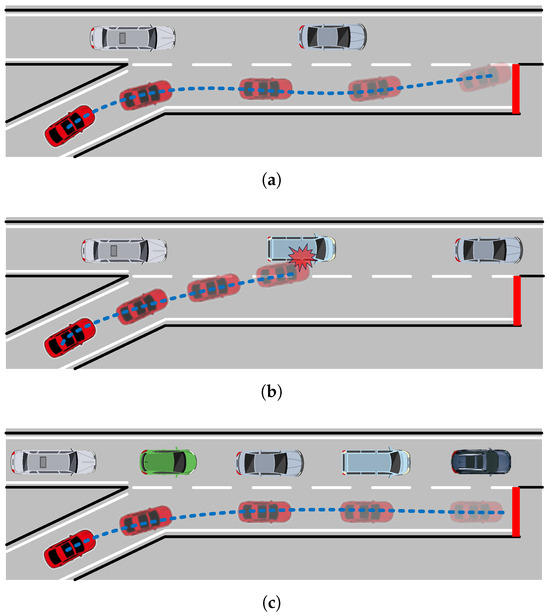
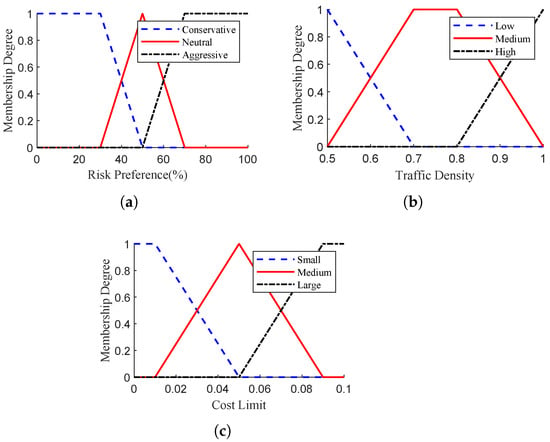
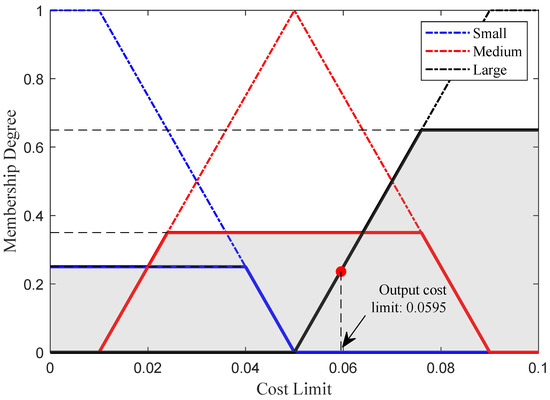
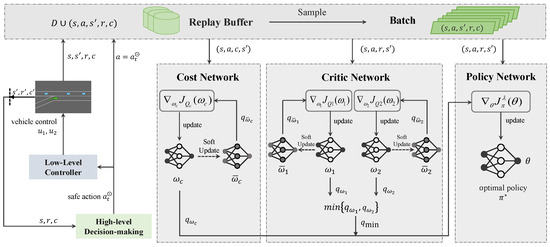
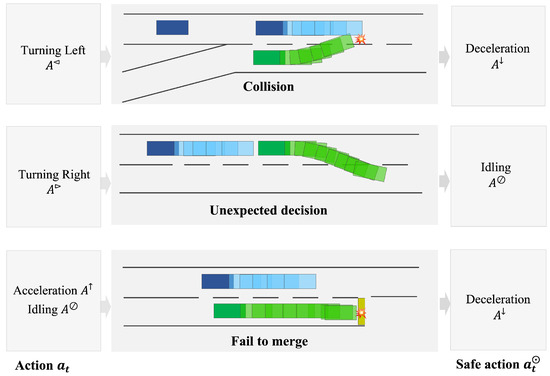
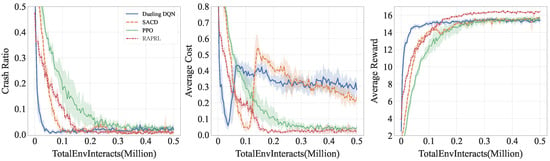
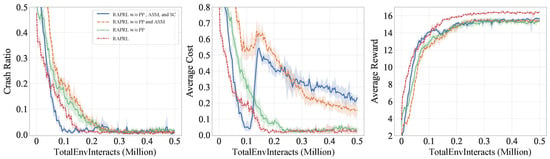
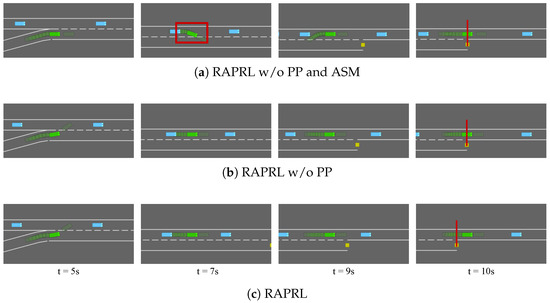
Reinforcement learning (RL) has been widely utilized for decision-making in highway on-ramp merging scenarios. However, most existing methods incorporate safety through reward functions, which may allow autonomous vehicles to trade safety for higher cumulative rewards. Moreover, personalized human risk preferences are rarely considered, making the learned policies difficult to adapt to heterogeneous user-specific risk requirements and potentially resulting in overly conservative or insufficiently cautious behaviors. To address these issues, this paper proposes a Risk-Aware Personal Preference-Based Safe Reinforcement Learning framework (RAPRL), for autonomous decision-making in on-ramp merging scenarios. Specifically, the high-level decision-making problem is formulated as a constrained Markov decision process (CMDP), in which safety requirements are explicitly represented as constraints rather than reward terms. To enable personalized safety regulation, a fuzzy logic mechanism is developed to adaptively determine the constraint cost limit according to the driver’s risk preference and the surrounding traffic density. The resulting safe RL problem is solved using a Lagrangian-based soft actor-critic algorithm (SAC). Furthermore, an Action Shielding Mechanism is designed to assess the potential risk of candidate actions before execution and replace unsafe or infeasible actions, thereby improving safety during both policy learning and execution. Theoretical analysis shows that the proposed shielding mechanism can reduce unsafe exploration and improve sample efficiency. Extensive simulations in on-ramp merging scenarios demonstrate that RAPRL effectively reduces safety violations while maintaining driving efficiency. Compared with the SAC Discrete method, the proposed method improves the success rate by 4.76% and reduces the collision ratio by 70%, indicating a better safety–efficiency trade-off.
Full article
(This article belongs to the Special Issue Optimization-Based Motion Planning & Control for Autonomous Driving in Dynamic Environments)
►▼
Show Figures

Figure 1
Open AccessArticle
Towards Safer and More Efficient Cooperative Vehicle Platooning: Map-Based Calibration of Centralised LQR Control
by
Luca Zerbato, Enrico Galvagno, Antonio Tota and Mauro Velardocchia
Machines 2026, 14(6), 604; https://doi.org/10.3390/machines14060604 - 28 May 2026
Abstract
This paper proposes a calibration-oriented framework for cooperative adaptive cruise control based on a linear quadratic regulator formulation. A simulation-based architecture is developed by integrating the controller with a nonlinear longitudinal platoon model that explicitly accounts for actuator saturation and tyre–road friction limits,
[...] Read more.
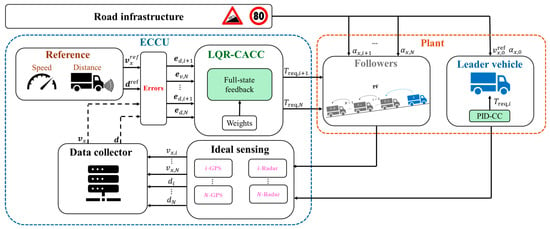
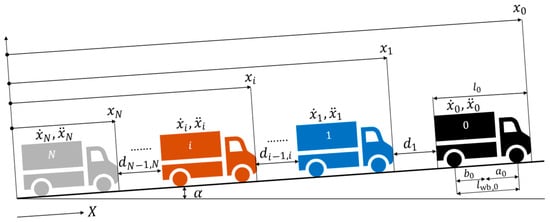
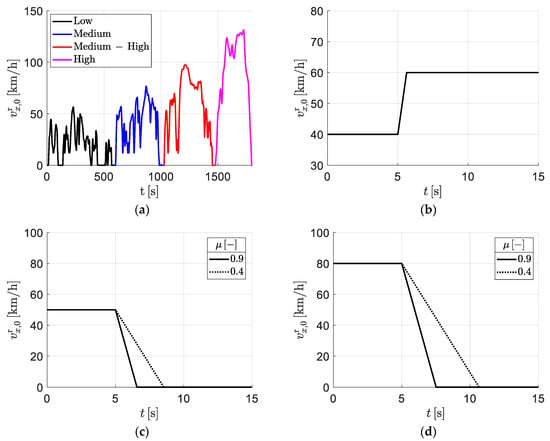
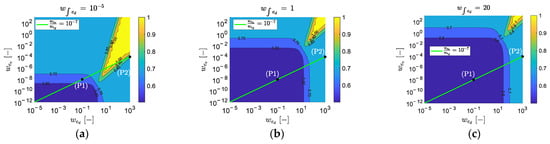
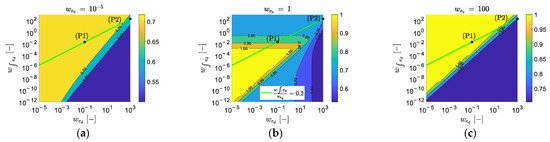
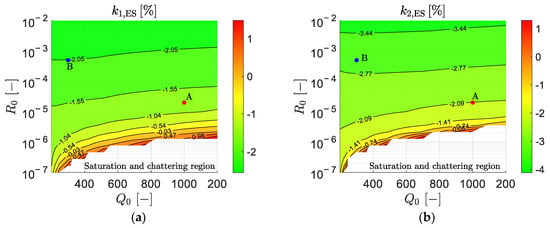
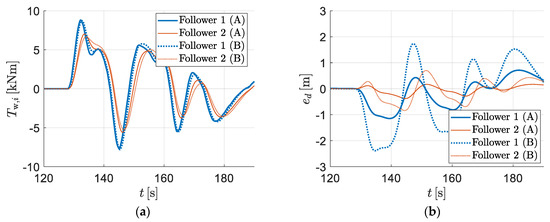
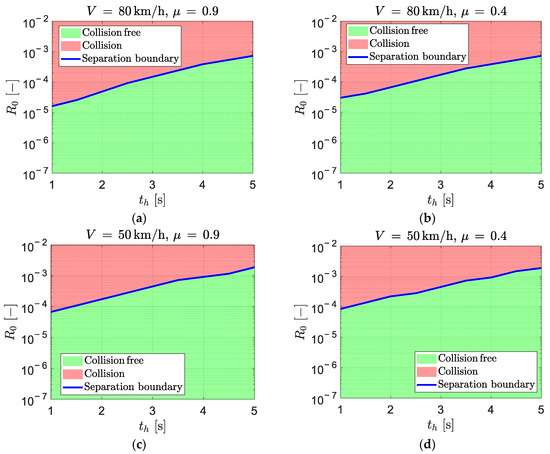
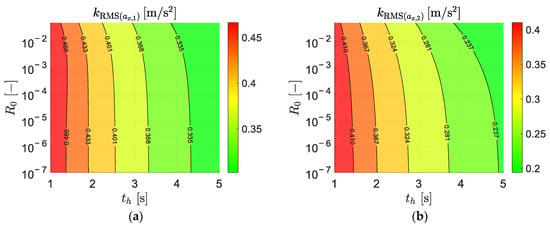
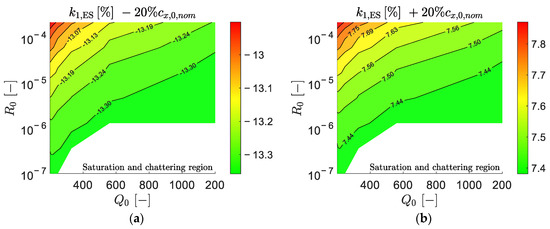
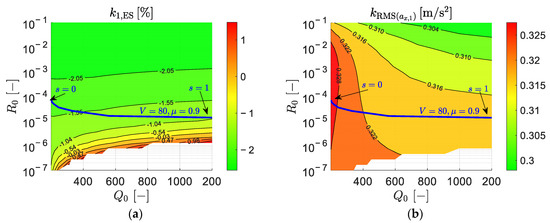
This paper proposes a calibration-oriented framework for cooperative adaptive cruise control based on a linear quadratic regulator formulation. A simulation-based architecture is developed by integrating the controller with a nonlinear longitudinal platoon model that explicitly accounts for actuator saturation and tyre–road friction limits, enabling the analysis of platoon behaviour under realistic operating conditions. A systematic offline calibration methodology is introduced based on multidimensional performance maps, relating key performance indicators associated with collision avoidance, comfort, and energy efficiency to controller and spacing-policy tuning parameters. The map-based approach enables a structured exploration of competing objectives and provides a quantitative assessment of controller sensitivity. The results show that the proposed framework can identify calibration regions that preserve collision-free operation in safety-critical manoeuvres while maintaining satisfactory tracking and comfort-related performance. In addition, the off-nominal model parameters analysis confirms that the proposed calibration approach remains effective under heterogeneous operating conditions, including vehicle parametric variation of mass, rolling resistance coefficient and drag. Overall, the results support the use of the proposed methodology as a practical tool for robust and performance-oriented controller calibration.
Full article
(This article belongs to the Special Issue Emerging Research in Autonomous Vehicle Technology: Innovations in On-Road and Off-Road Driving Challenges)
►▼
Show Figures

Figure 1
Open AccessArticle
A Spiking Neural Network with Attention and Residual Mechanisms for Compound Fault Detection
by
Yulong Xing, Kun Li, Xiaoshuai Li, Congcong Liu, Qi Wang, Cong Peng and Zisheng Wang
Machines 2026, 14(6), 603; https://doi.org/10.3390/machines14060603 - 28 May 2026
Abstract
To address the challenges of severe multi-source coupling, easily masked spiking features, and limited selection of key responses in compound fault signals, this paper proposes a compound fault detection method based on a spiking attention residual network (SARN). This method uses the original
[...] Read more.
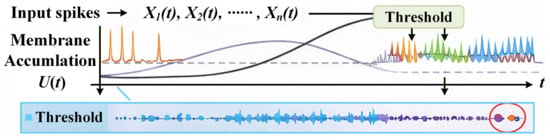
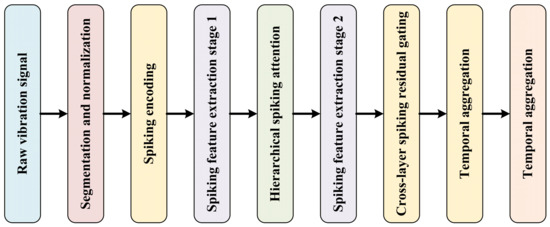
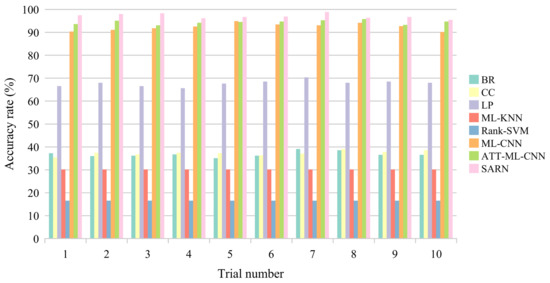
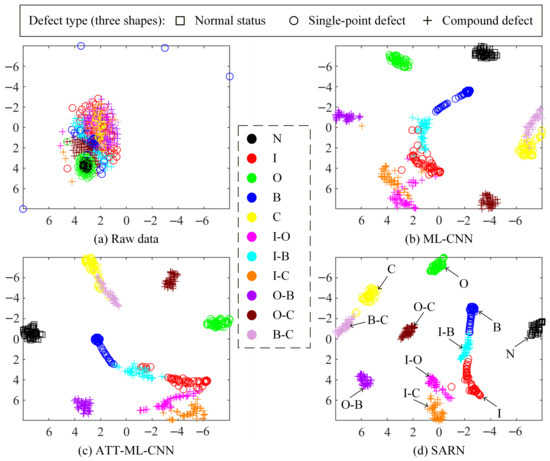
To address the challenges of severe multi-source coupling, easily masked spiking features, and limited selection of key responses in compound fault signals, this paper proposes a compound fault detection method based on a spiking attention residual network (SARN). This method uses the original time-domain vibration signal as input and constructs an end-to-end spiking neural network framework. A hierarchical spiking attention module is designed to enhance multi-level spiking features from both temporal response and feature channel perspectives, thereby highlighting fault-sensitive information and suppressing redundant responses. Furthermore, a cross-layer spiking residual gating mechanism is introduced to mitigate effective information attenuation in spiking neural networks and improve the representation capability of weak fault features. Simultaneously, a multi-label detection strategy is employed to jointly identify multiple fault attributes, thereby improving the recognition rate of coupled compound fault modes. Verification results show that the proposed method achieves high performance in compound fault detection tasks, and compared with other popular methods, it exhibits better feature separability and detection stability.
Full article
(This article belongs to the Special Issue Signal Processing and Artificial Intelligence Technology for High-End Equipment Fault Diagnosis (2nd Edition))
►▼
Show Figures

Figure 1
Open AccessArticle
Simulation-Driven Bearing Fault Diagnosis Under Fault-Free Conditions with Hierarchical Convolutional Attention Networks
by
Qiuyang Zhou, Xiaoyu Xian, Lei Yan, Yuming Fan and Kexin Yin
Machines 2026, 14(6), 602; https://doi.org/10.3390/machines14060602 - 28 May 2026
Abstract
Reliable and intelligent fault diagnosis of rotating machinery is crucial for the safety and stability of industrial systems. Nevertheless, the acquisition of labeled fault data is often difficult in practical applications because of the high cost of maintenance, the rarity of fault events,
[...] Read more.
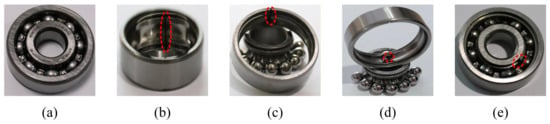
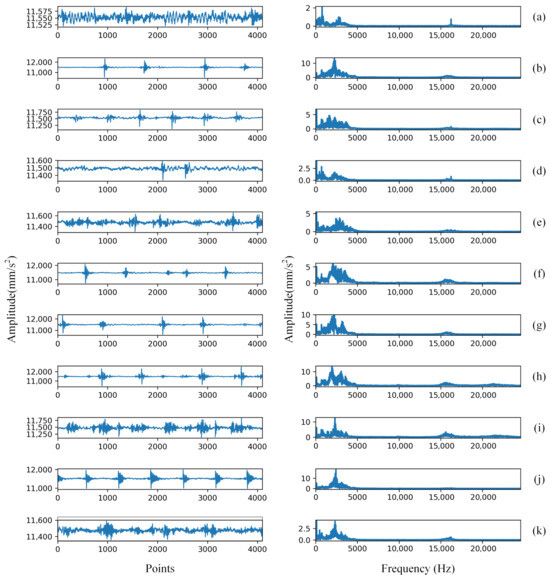
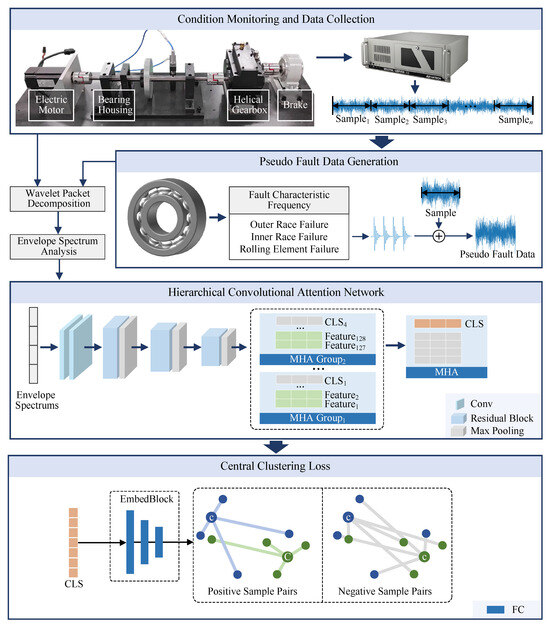
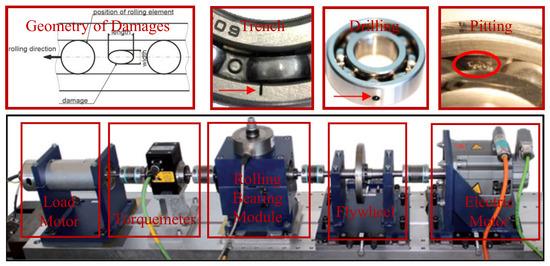
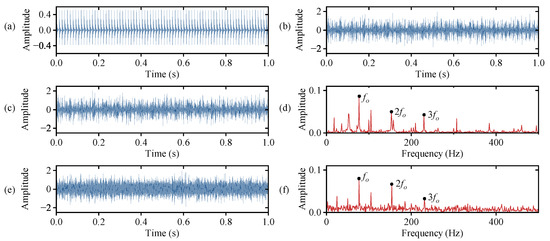
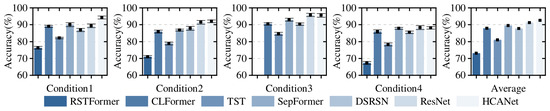
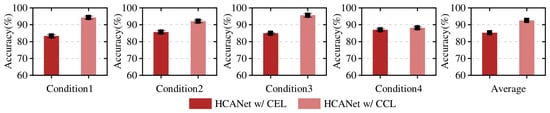
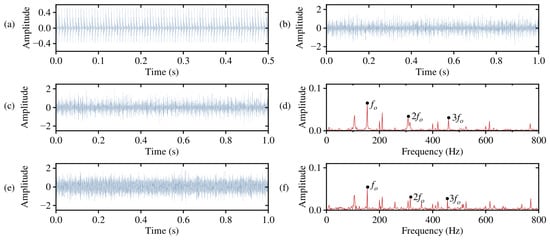
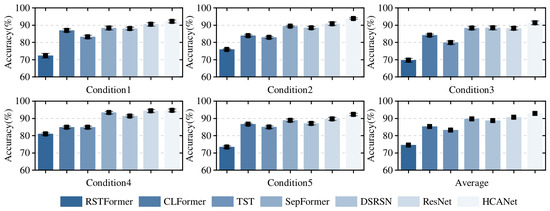
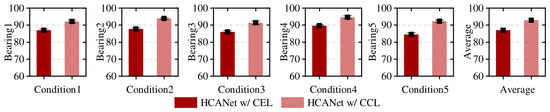
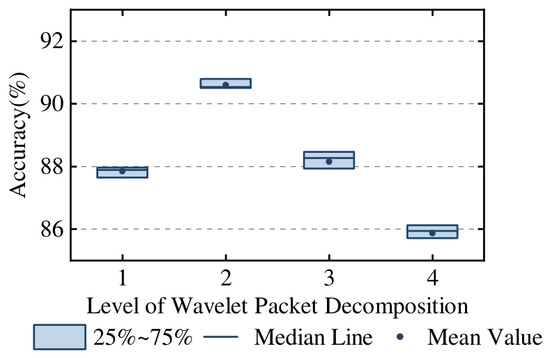
Reliable and intelligent fault diagnosis of rotating machinery is crucial for the safety and stability of industrial systems. Nevertheless, the acquisition of labeled fault data is often difficult in practical applications because of the high cost of maintenance, the rarity of fault events, and the inherent safety risks associated with fault induction experiments. As a result, most real-world datasets consist mainly of healthy operating samples, which makes bearing fault diagnosis under fault-free training conditions particularly challenging. The objective of this study was to develop a simulation-driven diagnostic framework capable of identifying real bearing faults without using real fault samples during model training. To achieve this objective, pseudo-fault data were generated by superimposing periodic impulse–resonance responses, governed by theoretical bearing fault characteristic frequencies, onto healthy vibration signals. The synthesized dataset was further analyzed using wavelet packet decomposition and envelope spectrum analysis to extract discriminative time–frequency features. These features were then fed into the proposed Hierarchical Convolutional Attention Network (HCANet), which captured hierarchical multi-scale representations while emphasizing fault-related components. Furthermore, a Central Clustering Loss was employed to encourage intra-class compactness and enhance inter-class separability, thereby improving the generalization capability of the diagnostic model. Experimental validation on two bearing datasets showed that the proposed method achieved high diagnostic accuracy when tested on real fault samples, despite being trained exclusively on healthy signals and synthesized pseudo-fault samples. These results demonstrated the effectiveness of the proposed simulation-driven strategy and highlighted its potential as a practical solution for bearing fault diagnosis in zero-real-fault-data scenarios.
Full article
(This article belongs to the Special Issue Signal Processing and Artificial Intelligence Technology for High-End Equipment Fault Diagnosis (2nd Edition))
►▼
Show Figures

Figure 1
Journal Menu
► ▼ Journal Menu-
- Machines Home
- Aims & Scope
- Editorial Board
- Reviewer Board
- Topical Advisory Panel
- Early Career Editorial Board
- Instructions for Authors
- Special Issues
- Topics
- Sections & Collections
- Article Processing Charge
- Indexing & Archiving
- Editor’s Choice Articles
- Most Cited & Viewed
- Journal Statistics
- Journal History
- Journal Awards
- Society Collaborations
- Conferences
- Editorial Office
Journal Browser
► ▼ Journal BrowserHighly Accessed Articles
Latest Books
E-Mail Alert
News
21 May 2026
Meet Us at the AIM2026 IEEE/ASME International Conference on Advanced Intelligent Mechatronics (AIM2026), 7–10 July 2026, Genova, Italy
18 May 2026
Meet Us at the European Society for Precision Engineering and Nanotechnology International Conference, 8–12 June 2026, Krakow, Poland
Topics
Topic in
Applied Sciences, Designs, Machines, Materials, Processes, Nanomanufacturing
Digital Manufacturing Technology
Topic Editors: Wenbin Yu, Feiyang Zhao, Jiale ZhaoDeadline: 31 May 2026
Topic in
Actuators, Algorithms, BDCC, Future Internet, JMMP, Machines, Robotics, Systems
Smart Product Design and Manufacturing on Industrial Internet
Topic Editors: Pingyu Jiang, Jihong Liu, Ying Liu, Jihong YanDeadline: 30 June 2026
Topic in
Applied Sciences, Electronics, IoT, Materials, Robotics, Sensors, Machines, Automation
Smart Production in Terms of Industry 4.0 and 5.0
Topic Editors: Iwona Paprocka, Cezary Grabowik, Jozef HusarDeadline: 29 July 2026
Topic in
Electronics, Fluids, Machines, Micromachines, Applied Sciences
Micro-Mechatronic Engineering, 2nd Edition
Topic Editors: Teng Zhou, Antonio F. MiguelDeadline: 31 October 2026
Conferences
Special Issues
Special Issue in
Machines
Rehabilitation and Assistive Robotics: Enhancing Recovery Through Innovative Device Solutions
Guest Editors: Rui Azevedo Antunes, Luís Brito PalmaDeadline: 31 May 2026
Special Issue in
Machines
Intelligent Vibration Control and Condition Monitoring in Smart Structures and Electromechanical Systems
Guest Editors: Haitao Li, Wen JiDeadline: 31 May 2026
Special Issue in
Machines
Dimensional Measurement, Analysis, and Control for Precision Manufacturing
Guest Editor: Mirosław RuckiDeadline: 31 May 2026
Special Issue in
Machines
Advances in the Control of Electro-Hydraulic Servo Systems
Guest Editor: Piotr CzopDeadline: 31 May 2026
Topical Collections
Topical Collection in
Machines
Machines, Mechanisms and Robots: Theory and Applications
Collection Editor: Raffaele Di Gregorio