


Topical Advisory Panel applications are now closed. Please contact the Editorial Office with any queries.
Journal Description
Nutrients
Nutrients
is an international, peer-reviewed, open access journal of human nutrition published semimonthly online by MDPI. The Asia Pacific Nutrigenomics Nutrigenetics Organisation (APNNO), Italian Society for Pediatric Gastroenterology, Hepatology and Nutrition (SIGENP), Nutrition Society of New Zealand (NSNZ), Ocular Wellness & Nutrition Society (OWNS) and others are affiliated with Nutrients and their members receive discounts on article processing charges.
- Open Access— free for readers, with article processing charges (APC) paid by authors or their institutions.
- High Visibility: indexed within Scopus, SCIE (Web of Science), PubMed, MEDLINE, PMC, Embase, PubAg, AGRIS, and other databases.
- Journal Rank: JCR - Q1 (Nutrition and Dietetics) / CiteScore - Q1 (Nutrition and Dietetics)
- Rapid Publication: manuscripts are peer-reviewed and a first decision is provided to authors approximately 15 days after submission; acceptance to publication is undertaken in 2.4 days (median values for papers published in this journal in the second half of 2025).
- Recognition of Reviewers: reviewers who provide timely, thorough peer-review reports receive vouchers entitling them to a discount on the APC of their next publication in any MDPI journal, in appreciation of the work done.
- Companion journal: Dietetics.
- Journal Cluster of Food, Nutrition, and Health Science: Beverages, Dietetics, Foods, Nutraceuticals, Nutrients and Obesities.
Impact Factor:
5.8 (2025);
5-Year Impact Factor:
6.5 (2025)
Latest Articles
Prevention of Diet-Induced Obesity by Phytoecdysteroids 20-Hydroxyecdysone and Calonysterone—Unexpected Modulation of Androgen Balance in Normal and Obese Rats
Nutrients 2026, 18(12), 2023; https://doi.org/10.3390/nu18122023 (registering DOI) - 21 Jun 2026
Abstract
Background: Calonysterone (CAL) is a natural derivative of 20-hydroxyecdysone (20E) with enhanced bioactivity on skeletal muscle cells in vitro, but its in vivo physiological actions remain less well characterized. This study aimed to compare the effects of 20E and CAL on metabolic, muscular,
[...] Read more.
Background: Calonysterone (CAL) is a natural derivative of 20-hydroxyecdysone (20E) with enhanced bioactivity on skeletal muscle cells in vitro, but its in vivo physiological actions remain less well characterized. This study aimed to compare the effects of 20E and CAL on metabolic, muscular, and endocrine parameters in normal and obese male rats, with a particular focus on androgen balance. Methods: Male rats were treated with 20E or CAL under normal (ND) or high-fat, high-sugar dietary (HFHSD) conditions for 12 weeks. Body weight, food intake, skeletal and androgen-sensitive muscle mass, and testicular weight were measured. Testicular expression of androgen receptor (Ar) and aromatase (Cyp19a1) mRNA was assessed by RT-PCR. ELISA was used to determine the plasma corticosterone, testosterone and ERβ level in testes. Results: 20E and CAL prevented HFHSD-induced weight gain and skeletal muscle atrophy. CAL uniquely preserved testicular and levator ani muscle mass in obese rats. CAL increased the expression of Cyp19a1 and ERβ in testicles. Decreased Ar mRNA expression was regulated in 20E- and CAL-treated obese animals. While 20E treatment significantly reduced plasma testosterone levels in the normal diet group compared to controls, both 20E and CAL interventions elicited significant reductions in the obese group relative to both the ND and HFHSD groups. HFHSD-induced increase in plasma corticosterone levels was normalized by 20E or CAL treatment. Conclusions: 20E and CAL exhibit beneficial metabolic and anabolic effects by preventing HFHSD-induced obesity and consequential muscle atrophy. CAL counteracts obesity-induced testicular atrophy in terms of tissue mass. Based on our results, we hypothesized that CAL enhances testicular aromatase levels, which may lead to increased compensatory androgen receptor mRNA expression and increased ERβ levels. These complex, not yet fully understood results underscore the need for caution in the use of phytoecdysteroids as dietary supplements.
Full article
(This article belongs to the Special Issue The Role of Food Supplements in Human Health)
Open AccessArticle
Diet Quality, Healthy Practices, and Psychosocial Functioning Across School Youth, Students, and Adults in Poland: A Cross-Sectional Online Survey
by
Klaudia Sochacka, Agata Kotowska and Sabina Lachowicz-Wiśniewska
Nutrients 2026, 18(12), 2022; https://doi.org/10.3390/nu18122022 (registering DOI) - 21 Jun 2026
Abstract
Background: This study aimed to compare a limited set of predefined diet-, lifestyle-, knowledge-, and psychosocial indicators across school youth, students, and adults in Poland, and to examine their associations with three predefined outcomes: BMI ≥ 25 kg/m2, poorer mental well-being,
[...] Read more.
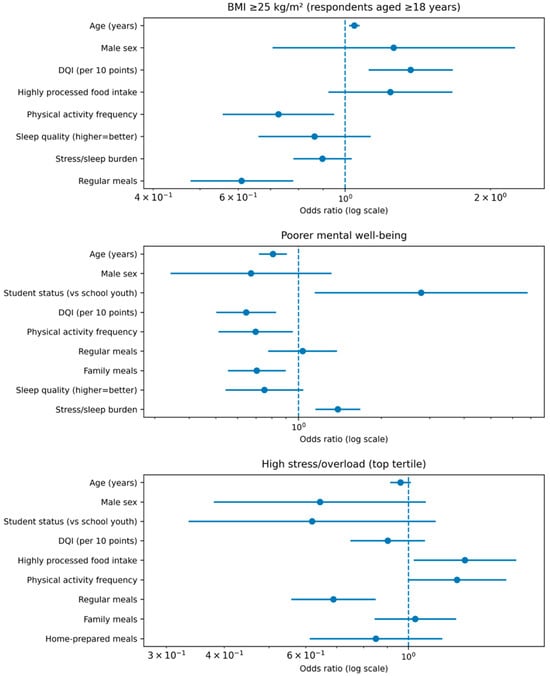
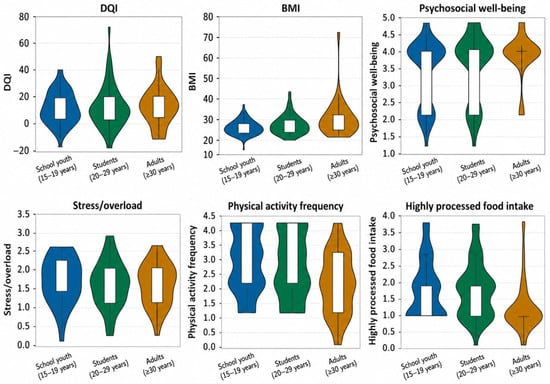
Background: This study aimed to compare a limited set of predefined diet-, lifestyle-, knowledge-, and psychosocial indicators across school youth, students, and adults in Poland, and to examine their associations with three predefined outcomes: BMI ≥ 25 kg/m2, poorer mental well-being, and high stress/overload. Diet quality, daily health-related practices, psychosocial well-being, and stress/overload may co-occur across different life stages, but online survey data require a focused analytical framework to avoid overinterpretation. Methods: This cross-sectional anonymous online survey included 360 respondents: 154 school youth aged 15–19 years, 127 students aged 20–29 years, and 79 adults aged 30 years or older. Dietary assessment was based on the KomPAN questionnaire and included the pro-healthy diet index, non-healthy diet index, and Diet Quality Index. Study-specific scores were used for knowledge, healthy practices, psychosocial well-being, and stress/overload. Analyses were restricted to predefined group comparisons, selected correlations, and three whole-sample adjusted logistic regression models. Results: Adults had the highest BMI and waist/hip circumference, whereas school youth showed the highest non-healthy diet index and more frequent high processed-food intake. Among the knowledge and psychosocial indicators, only obesity knowledge differed significantly between groups, with the highest mean value among students. Stress/overload was inversely associated with psychosocial well-being, and DQI was positively associated with psychosocial well-being after adjustment for age, sex, and group. In adjusted whole-sample models, BMI ≥ 25 kg/m2 was positively associated with age and DQI and inversely associated with physical activity frequency and regular meals; the positive DQI–BMI association was interpreted cautiously as potentially reflecting reverse causality, reporting bias, or compensatory dietary modification among respondents with excess body weight. Poorer mental well-being was associated with higher stress/overload and inversely associated with DQI, physical activity frequency, and family meals. High stress/overload was positively associated with highly processed food intake and inversely associated with regular meals. Conclusions: The findings suggest that diet quality, behavioral regularity, and psychosocial burden may be more informative than knowledge alone when describing health-related profiles across age-defined groups. Because the study was cross-sectional, self-reported, anonymous, and based on a modest sample, the results should be interpreted as preliminary and hypothesis-generating rather than causal.
Full article
(This article belongs to the Special Issue Nutritional Psychiatry: Eating Behaviors and Mental Health Outcomes)
►▼
Show Figures

Figure 1
Open AccessArticle
Preliminary In Vitro Screening of Structure-Dependent β-Hydroxybutyrate Responses to Dietary Fatty Acids in Hepatocyte Models
by
Xiaojing Liu, Fei Pan, Yandan Wang, Wei Wei, Jun Jin, Xingguo Wang and Zhe Cui
Nutrients 2026, 18(12), 2021; https://doi.org/10.3390/nu18122021 (registering DOI) - 21 Jun 2026
Abstract
Background/Objectives: Controlled comparisons of extracellular β-hydroxybutyrate (β-HB) responses induced by individual dietary fatty acids (FAs) remain limited. This study established a preliminary hepatocyte-derived in vitro assay for comparing FA-associated β-HB responses and used exploratory descriptor-based modeling for hypothesis-generating FA ranking. Methods: Dose- and
[...] Read more.
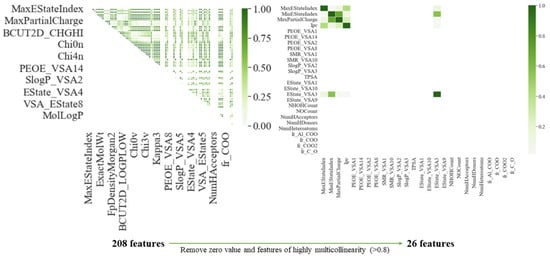
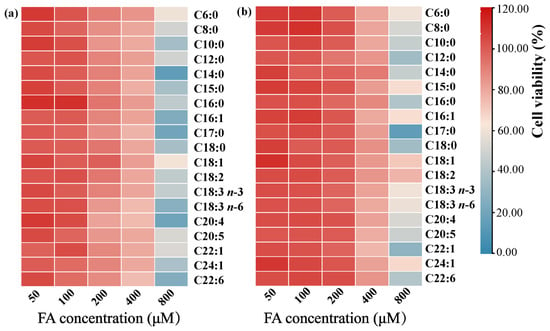
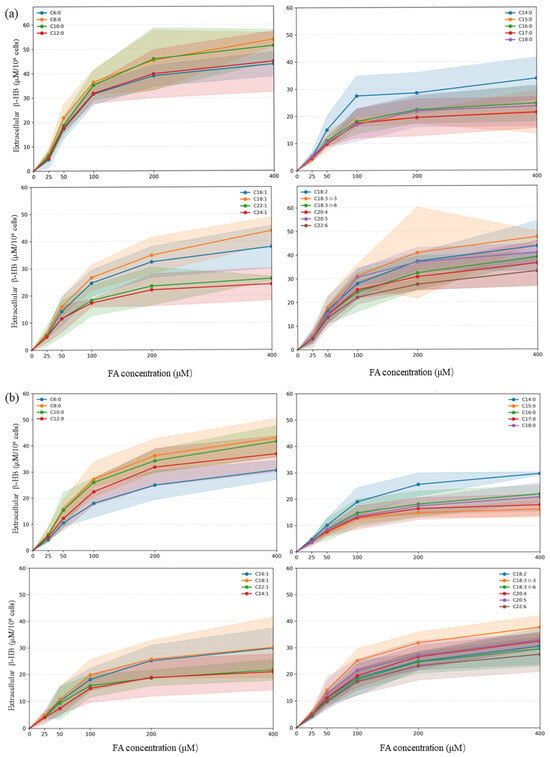
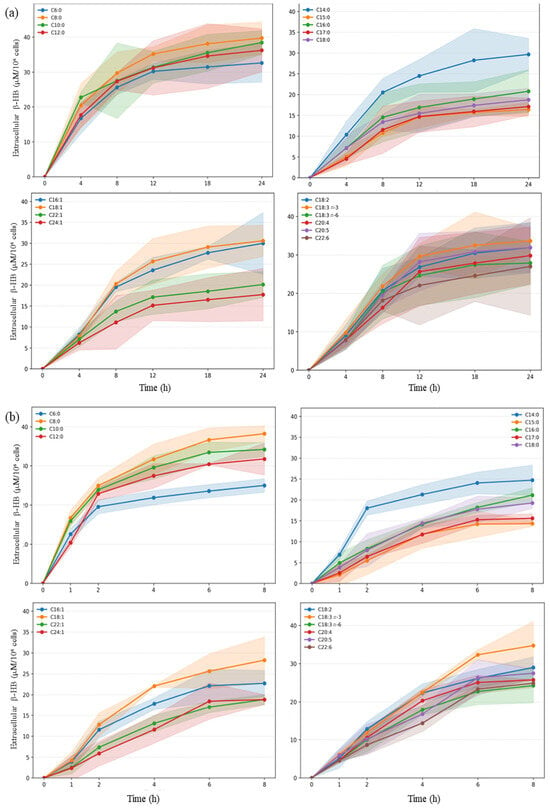
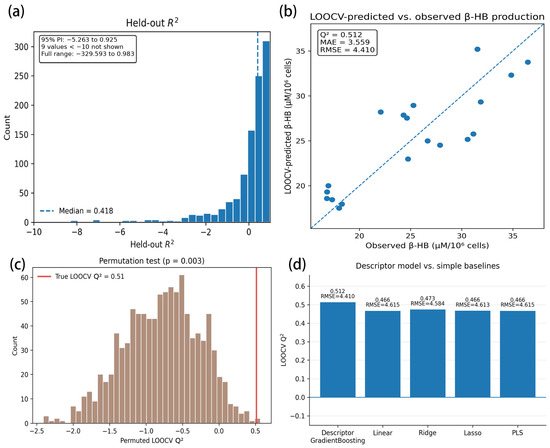
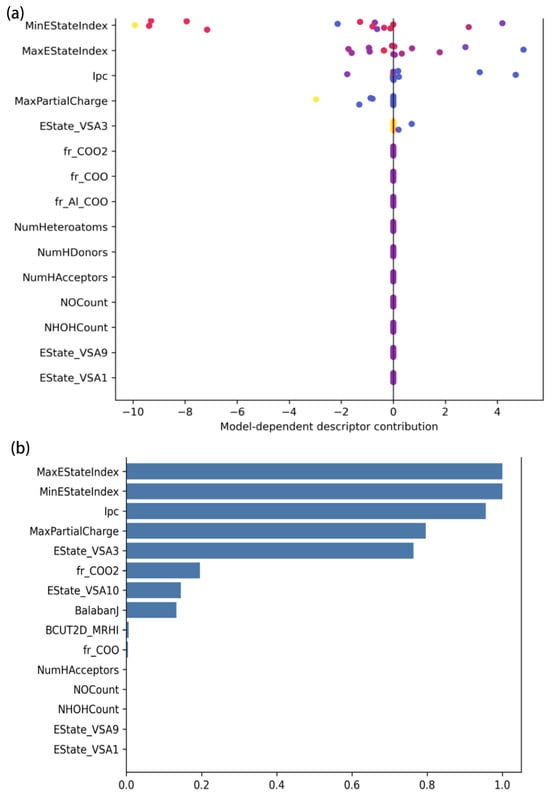
Background/Objectives: Controlled comparisons of extracellular β-hydroxybutyrate (β-HB) responses induced by individual dietary fatty acids (FAs) remain limited. This study established a preliminary hepatocyte-derived in vitro assay for comparing FA-associated β-HB responses and used exploratory descriptor-based modeling for hypothesis-generating FA ranking. Methods: Dose- and time-dependent extracellular β-HB accumulation induced by nineteen dietary FAs was quantified in HepG2 and AML12 cells under nutrient-deprived assay conditions. For exploratory descriptor-based modeling, the 19-FA HepG2 dataset was split into 15 training compounds and four held-out compounds. Model stability was further assessed using repeated random splits, LOOCV, permutation testing, MCFA sensitivity analyses, and simple structural baseline models. Four additional structurally related FAs were tested only for preliminary experimental ranking assessment, not as an independent external test set. Results: C8:0 and C10:0 consistently induced the highest extracellular β-HB accumulation, whereas most long-chain saturated FAs and very-long-chain monounsaturated FAs showed lower responses. The single four-compound held-out subset yielded an apparent R2 of 0.875, but repeated random-split assessment showed substantial split-dependent variability, and simple baseline models performed similarly to GradientBoosting. Conclusions: This study provides a preliminary in vitro dataset for comparing extracellular β-HB responses to selected dietary FAs under defined nutrient-deprived hepatocyte assay conditions. The descriptor-based analysis should be interpreted only as a small-sample, exploratory, hypothesis-generating structure–response framework.
Full article
(This article belongs to the Section Lipids)
►▼
Show Figures

Figure 1
Open AccessArticle
Evaluation of the Safety and Tolerability of L-Tyrosine Supplementation in Healthy Adult Men: A Randomized Crossover Trial
by
Hideki Matsumoto, Naoki Miura, Masaki Naito and Rajavel Elango
Nutrients 2026, 18(12), 2020; https://doi.org/10.3390/nu18122020 (registering DOI) - 21 Jun 2026
Abstract
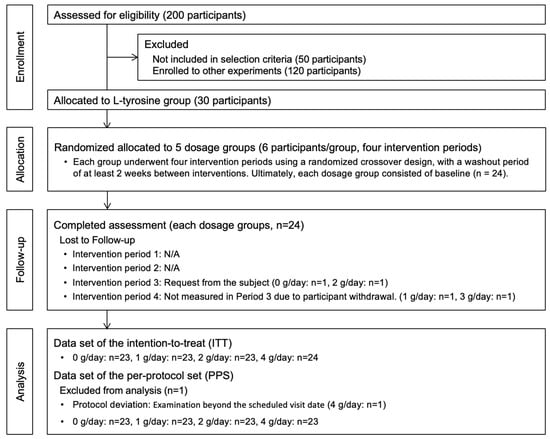
Background: L-tyrosine, classified as a dispensable amino acid, is widely consumed as a component of commonly consumed foods and as a dietary supplement. However, 4-week safety data on supplementation with this amino acid remain limited. Methods: The aim of this study was to
[...] Read more.
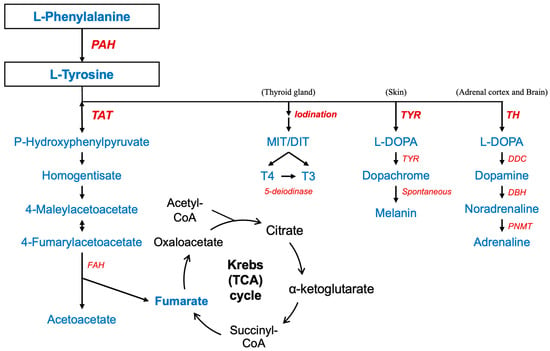
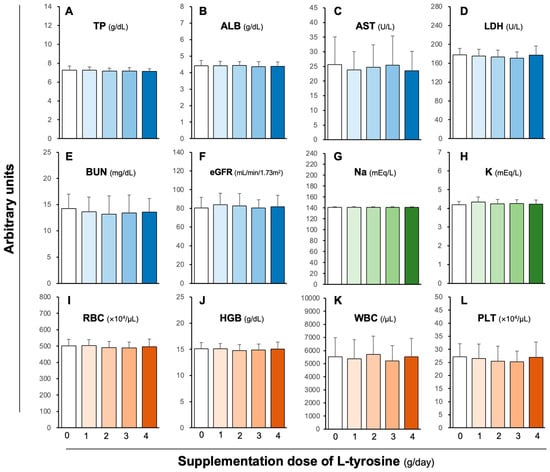
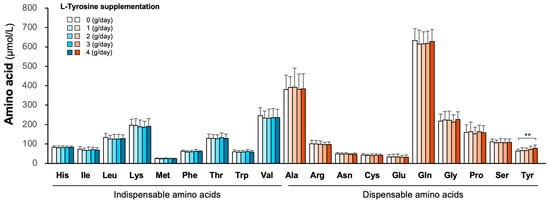
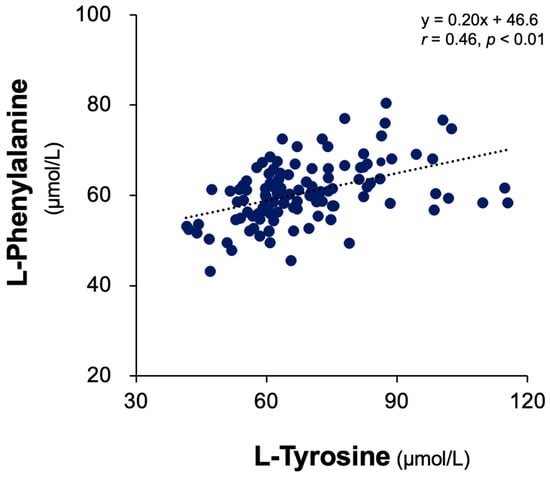
Background: L-tyrosine, classified as a dispensable amino acid, is widely consumed as a component of commonly consumed foods and as a dietary supplement. However, 4-week safety data on supplementation with this amino acid remain limited. Methods: The aim of this study was to evaluate the safety and tolerability of L-tyrosine supplementation over a 4-week period and to estimate the no-observed-adverse-effect level (NOAEL). In a randomized, double-blind, placebo-controlled crossover trial, 30 healthy adult men received L-tyrosine at graded daily doses (0, 1, 2, 3, or 4 g/day). Each participant received four of the five doses in a randomized sequence, with each intervention period separated by a 2-week washout period. The primary endpoints were clinical laboratory parameters, and the secondary endpoint was the incidence of adverse events. Anthropometric and dietary parameters were also assessed. In addition, plasma amino acid concentrations following L-tyrosine supplementation were evaluated as exploratory outcomes. Results: No clinically meaningful or statistically significant dose-related abnormalities were observed in hematological, biochemical, or electrolyte parameters at any dose. Anthropometric and dietary parameters remained unchanged. No serious adverse events occurred, and the incidence of mild-to-moderate adverse events was comparable to that observed with placebo. At the end of each supplementation period and under fasting conditions, plasma L-tyrosine concentrations modestly increased at the highest dose (4 g/day), whereas concentrations of other amino acids remained unchanged. Conclusions: Four-week supplementation with L-tyrosine at doses up to 4 g/day was well tolerated in healthy adult men and was not associated with biochemical and clinically relevant adverse effects under the conditions of this study. These findings suggest that 4 g/day represents the highest tested intake level without observable adverse effects and may serve as the NOAEL under the present 4-week study conditions.
Full article
(This article belongs to the Special Issue Relevance and Safe Utilization of Amino Acids in Dietary Supplements)
►▼
Show Figures

Figure 1
Open AccessArticle
Fluid Shifts and Muscle Loss in Critical Care: Accuracy of Ultrasound Versus Bioelectrical Impedance Analysis
by
Gintarė Šostakaitė, Martyna Jauniškytė, Dominykas Budrys, Kastytis Budrevičius, Erika Šalčiūtė-Šimėnė, Marija Svetikienė, Tomas Jovaiša, Tadas Žvirblis, Andrius Klimašauskas and Jūratė Šipylaitė
Nutrients 2026, 18(12), 2019; https://doi.org/10.3390/nu18122019 (registering DOI) - 21 Jun 2026
Abstract
Background: Critically ill patients experience rapid muscle wasting during their ICU stay. Ultrasound (US) and bioelectrical impedance analysis (BIA) are widely used to assess muscle mass; however, their accuracy may be affected by fluid balance alterations. This study aimed to compare the
[...] Read more.
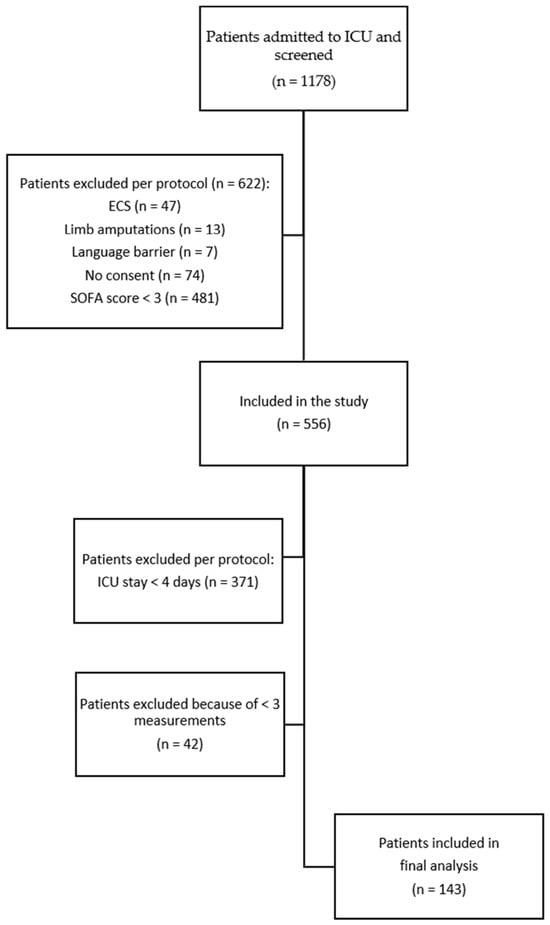
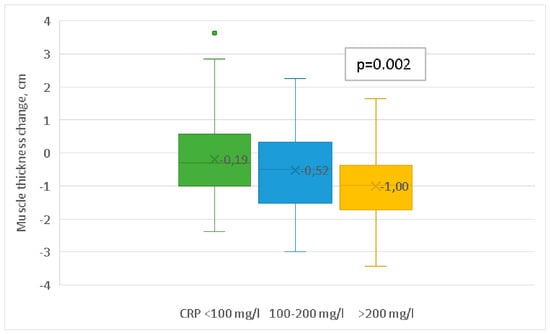
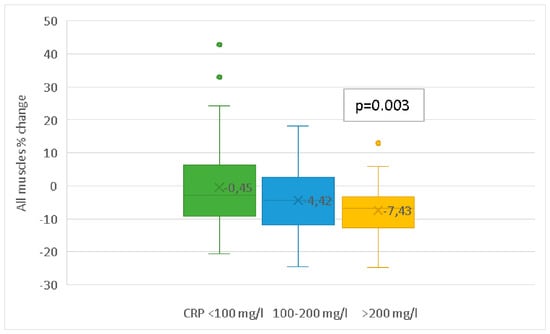
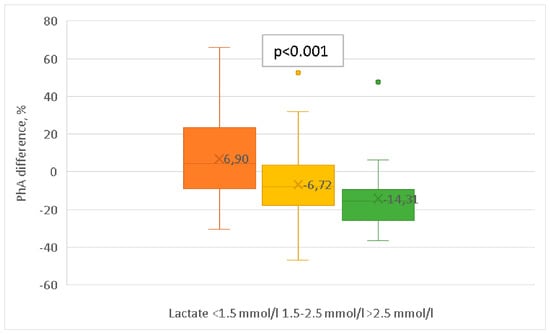
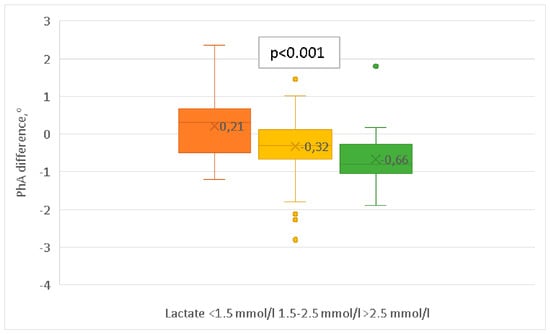
Background: Critically ill patients experience rapid muscle wasting during their ICU stay. Ultrasound (US) and bioelectrical impedance analysis (BIA) are widely used to assess muscle mass; however, their accuracy may be affected by fluid balance alterations. This study aimed to compare the reliability of US and BIA in detecting muscle loss under varying fluid balance conditions in ICU patients. Methods: In this prospective observational study, adult ICU patients with an ICU stay of ≥7 days were evaluated on Days 1, 5, and 7. Muscle thickness was measured using US, and phase angle (PhA) using BIA. Cumulative fluid balance, C-reactive protein (CRP), and lactate levels were recorded. Patients were stratified according to cumulative fluid balance. Results: A total of 143 ICU patients were included in the final analysis. US demonstrated a progressive decrease in muscle thickness (−3.54% ± 10.90% from Day 1 to Day 5 and −7.56% ± 11.82% from Day 1 to Day 7 (both p < 0.0001)), whereas BIA showed no significant change in PhA. Positive fluid balance significantly reduced PhA compared with the negative balance group, p < 0.001, whereas no statistically significant effect on US measurements was detected. CRP > 200 mg/L was associated with greater US-detected muscle loss on Day 5, while lactate > 2.5 mmol/L was associated with lower PhA. Conclusions: Ultrasound reliably identified structural muscle wasting in critically ill patients, with no statistically significant effect of fluid balance detected in this cohort. Furthermore, ultrasound measurements were associated with inflammation-related muscle loss. In contrast, BIA was strongly influenced by hydration and perfusion status, limiting its ability to assess true muscle mass loss in the ICU setting.
Full article
(This article belongs to the Special Issue Nutritional and Metabolic Support in Critical Illness: Mechanisms, Monitoring, and Clinical Outcomes)
►▼
Show Figures

Figure 1
Open AccessArticle
Plant-Based Diet Indices and Depression in University Students: The Nuts4Brain-Z Study
by
Valentina Díaz-Goñi, Fernando Peral-Martínez, Tomás Olivo-Martins-de-Passos, María Eugenia Visier-Alfonso, Nuria Beneit, Estela Jiménez-López, Arthur Eumann Mesas and Bruno Bizzozero-Peroni
Nutrients 2026, 18(12), 2018; https://doi.org/10.3390/nu18122018 (registering DOI) - 21 Jun 2026
Abstract
Background/Objectives: Evidence on the associations between adherence to different plant-based diet indices and depression in young adults remains limited. This study aimed to analyze the associations of overall, healthy, and unhealthy plant-based diet indices with depressive symptoms in university students. Methods:
[...] Read more.
Background/Objectives: Evidence on the associations between adherence to different plant-based diet indices and depression in young adults remains limited. This study aimed to analyze the associations of overall, healthy, and unhealthy plant-based diet indices with depressive symptoms in university students. Methods: A cross-sectional study was conducted in 2023 with self-reported data from university students in Cuenca, Spain. Adherence to the overall plant-based diet index (PDI) and to the healthy (hPDI) and unhealthy (uPDI) plant-based diet indices were calculated using data from a 137-item food-frequency questionnaire. Mild-to-severe depression was defined as a Beck Depression Inventory II score > 13 points. Linear and logistic regression models were adjusted for sociodemographic and lifestyle-related confounders. Results: A total of 392 students (mean age: 20.9 ± 2.4 years; 70.4% female) were included. The prevalence of mild-to-severe depression was 36.0%. Higher hPDI and overall PDI scores were associated with lower depressive symptom scores, whereas uPDI scores showed a positive but non-significant association after full adjustment. In logistic regression analyses, high adherence to the hPDI was associated with lower odds of mild-to-severe depression (OR = 0.51; 95% CI: 0.28–0.95; p-for-trend = 0.030). In contrast, higher uPDI adherence was associated with greater odds of depression, although the association was attenuated after adjustment for lifestyle-related variables. Conclusions: Greater adherence to a healthy plant-based diet was associated with lower depressive symptoms and lower odds of mild-to-severe depression among university students. These findings highlight the importance of plant food quality, rather than plant-based diets per se, in relation to depression in young adults.
Full article
(This article belongs to the Special Issue Nutrition, Physical Activity and Lifestyle Behaviors in Mental Health and Psychological Well-Being Across the Lifespan)
Open AccessCommunication
Prompt Engineering and Model Selection for LLM-Based Nutritional Estimation from Food Images: A Multi-Dataset Investigation
by
Shinichi Nakagawa and Akira Yamamoto
Nutrients 2026, 18(12), 2017; https://doi.org/10.3390/nu18122017 (registering DOI) - 21 Jun 2026
Abstract
Background/Objectives: Accurate estimation of nutritional content from food images has important applications in dietary assessment and public health surveillance. While large language models (LLMs) have shown promise for this task, the effects of prompt design and model selection on estimation accuracy remain poorly
[...] Read more.
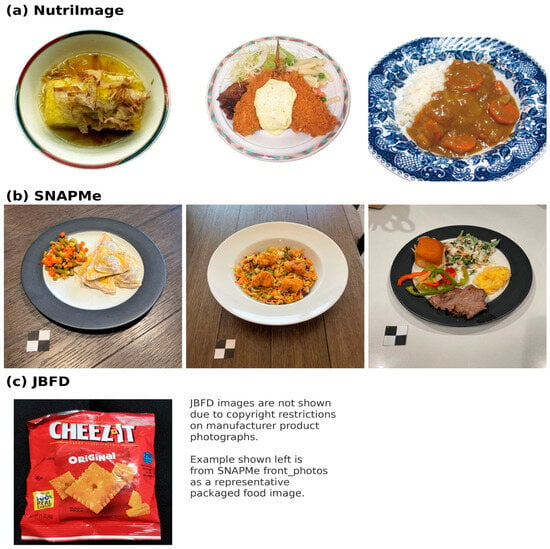
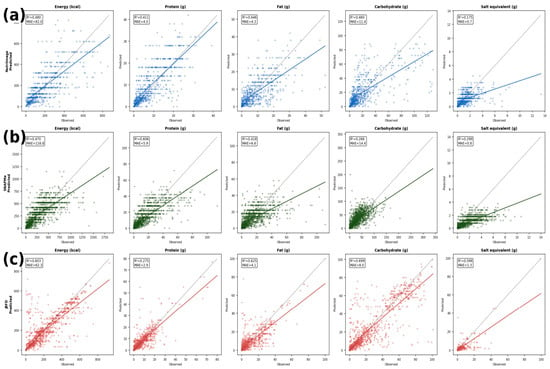
Background/Objectives: Accurate estimation of nutritional content from food images has important applications in dietary assessment and public health surveillance. While large language models (LLMs) have shown promise for this task, the effects of prompt design and model selection on estimation accuracy remain poorly characterized. Methods: We evaluated three Claude models (Haiku 4.5, Sonnet 4.6, Opus 4.6) for visual estimation of five mandatory nutritional components (energy, protein, fat, carbohydrate, and salt equivalent) across three datasets: NutriImage (691 Japanese meal photographs with dietitian-validated ground truth, after OCR-mask quality filtering), SNAPMe (1463 US meal photographs from a publicly available benchmark), and the Japan Branded Food Database (JBFD; 989–1000 packaged food product images). We systematically compared a default prompt and a visual estimation prompt explicitly instructing the model not to read any text or numbers visible in the image. Results: The visual estimation prompt substantially improved accuracy when paired with a sufficiently capable model (energy R2: 0.23 for Haiku to 0.60 for Sonnet, JBFD). Sonnet and Opus substantially outperformed Haiku across all datasets, while differences between Sonnet and Opus were small (MedAPE difference 1–3 percentage points). Packaged food images (JBFD) yielded higher R2 than meal photographs. Salt equivalent showed consistently poor accuracy (MedAPE 34–64%). On SNAPMe, Sonnet achieved lower energy MAE (116.9 vs. 123.0 kcal, −4.9%) and lower MAE for protein (5.9 vs. 7.9 g, −25.7%) and fat (6.6 vs. 8.7 g, −24.5%) compared with a recent ChatGPT-5 study. Conclusions: Claude Sonnet offers the best cost-performance balance for LLM-based nutritional estimation. Prompt design substantially affects accuracy, but only when paired with a sufficiently capable model; model visual recognition capability appears to be a key determinant of performance. These findings highlight the inherent difficulty of this task and provide practical guidance for dietary assessment system development.
Full article
(This article belongs to the Section Nutrition Methodology & Assessment)
►▼
Show Figures

Figure 1
Open AccessArticle
Preliminary Assessment of Red Beetroot Supplementation and Cultivar Effects in Low-Protein-Fed WKY Rats
by
Michał S. Majewski, Anetta Hanć, Magdalena Krajewska-Włodarczyk, Joanna Majkowska-Gadomska and Anna Francke
Nutrients 2026, 18(12), 2016; https://doi.org/10.3390/nu18122016 (registering DOI) - 21 Jun 2026
Abstract
Background/Objectives: Red beetroot (Beta vulgaris L.) is recognized for its antioxidant, anti-inflammatory, and metabolic properties. This study evaluated the effects of two beetroot cultivars (Boldor and Wodan) on blood serum parameters, body composition, and organ weights in male WKY
[...] Read more.
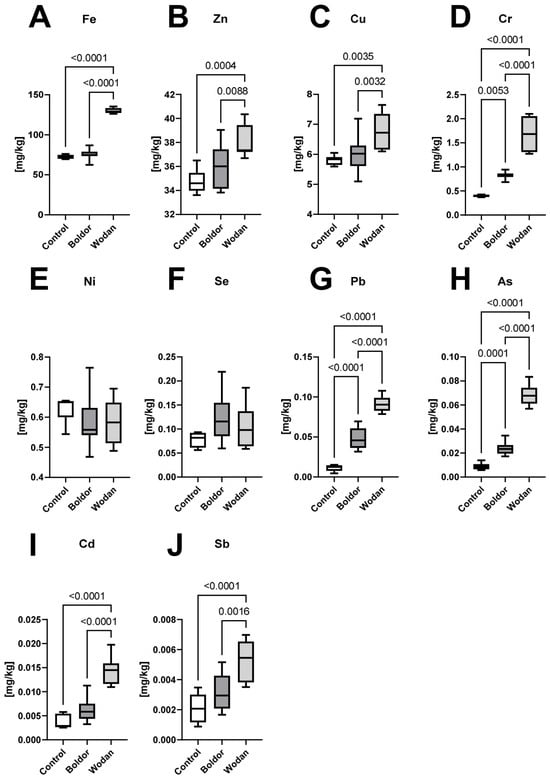
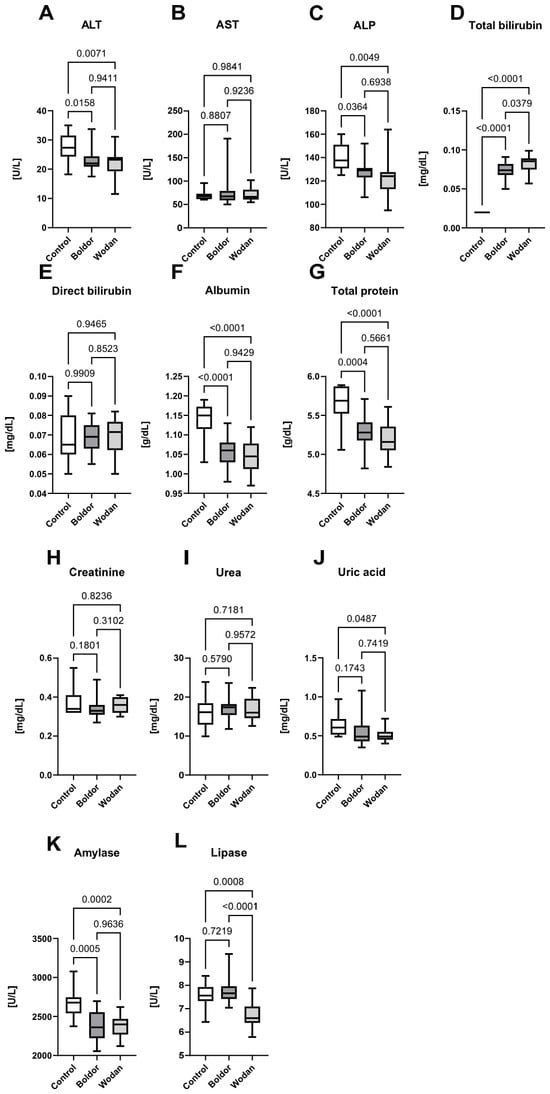
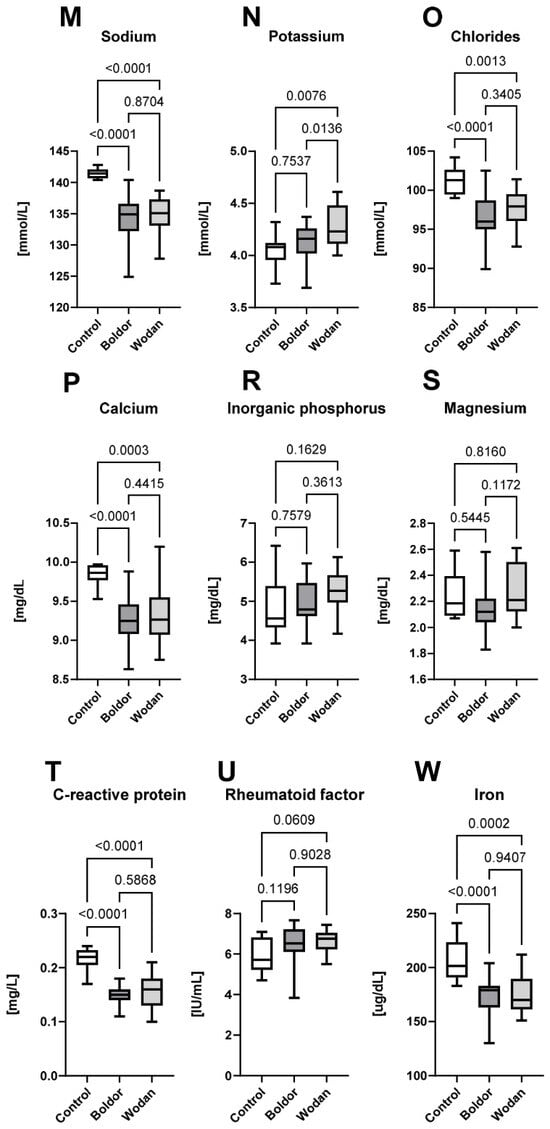
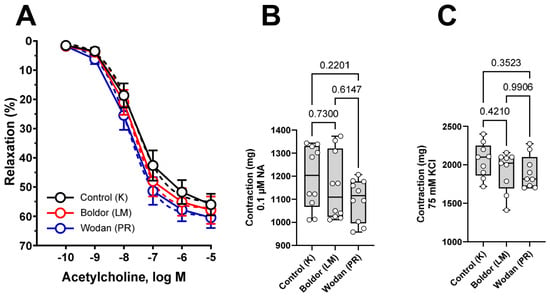
Background/Objectives: Red beetroot (Beta vulgaris L.) is recognized for its antioxidant, anti-inflammatory, and metabolic properties. This study evaluated the effects of two beetroot cultivars (Boldor and Wodan) on blood serum parameters, body composition, and organ weights in male WKY rats fed a low-protein diet (LPD, 8.8% protein). Methods: Five-week-old male rats were maintained on an LPD for 8 weeks and subsequently continued on the LPD diet supplemented with 4% dried beetroot for 45 days. The experimental diets included beetroot from the Boldor and Wodan cultivars, either treated or untreated with a plant growth stimulator during cultivation. Results: Foliar application of the selenium-based plant growth stimulator did not significantly increase selenium or other element concentrations in beet roots. Elemental analysis showed higher levels of Fe, Zn, Cu, Cr, Pb, As, Cd, and Sb in the Wodan group, while Boldor increased Cr, Pb, and As; Ni and Se remained unchanged. Beetroot supplementation significantly affected 14 of the 30 measured biochemical parameters, including biomarkers of liver function (ALT, ALP, total bilirubin, albumin, and total protein), renal function (uric acid), pancreatic activity (amylase and lipase), electrolyte balance (sodium, potassium, and chloride), mineral metabolism (calcium), inflammatory status (CRP), and nutritional metabolism (iron). Conversely, no significant effects were observed on lipid profile parameters or biomarkers of cardiac and skeletal muscle injury. Among the beetroot cultivars evaluated, Wodan exerted distinct effects relative to Boldor, resulting in higher circulating total bilirubin and potassium concentrations, alongside reduced uric acid and lipase levels in treated rats. Boldor supplementation significantly increased body weight gain and fat mass, with a trend toward higher lean mass, and increased kidney weight. Wodan did not significantly affect body weight but increased kidney and spleen mass. Feed intake was similar across groups. No changes in cardiovascular function were observed ex vivo. Conclusions: Beetroot supplementation modulated multiple metabolic and physiological biomarkers in rats fed a low-protein diet, with distinct cultivar-specific effects, underscoring the importance of cultivar selection for optimizing functional dietary interventions.
Full article
(This article belongs to the Section Phytochemicals and Human Health)
►▼
Show Figures

Figure 1
Open AccessArticle
Rectus Femoris Neuromechanical Responses to Exercise-Induced 3% Body Mass Loss by Baseline Hydration Status: A Randomized Group Comparison
by
Karol Skotniczny, Artur Terbalyan, Paweł Linek and Jakub Chycki
Nutrients 2026, 18(12), 2015; https://doi.org/10.3390/nu18122015 (registering DOI) - 21 Jun 2026
Abstract
Background: Acute dehydration impairs performance, but its effects on resting neuromuscular and tissue mechanics are unclear. We tested whether baseline hydration status and exercise-induced sweat loss alter the resting neuromechanical phenotype of the rectus femoris (RF) as well as skin, subcutaneous tissue (subQ),
[...] Read more.
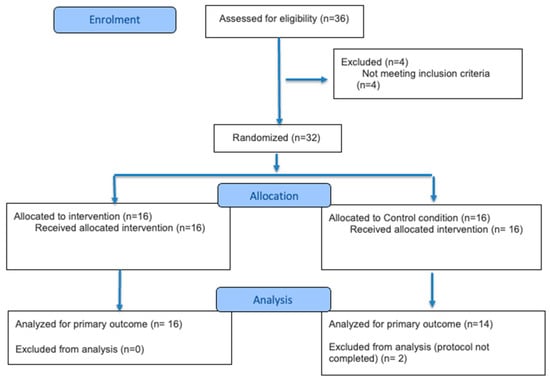
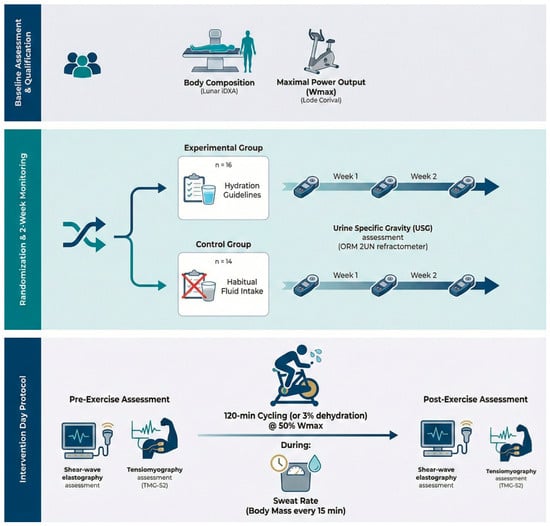
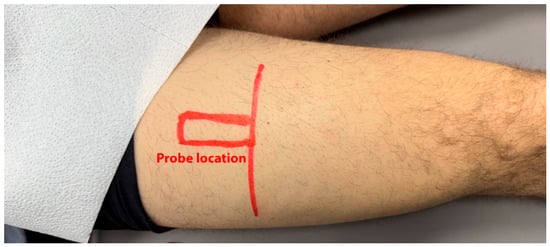
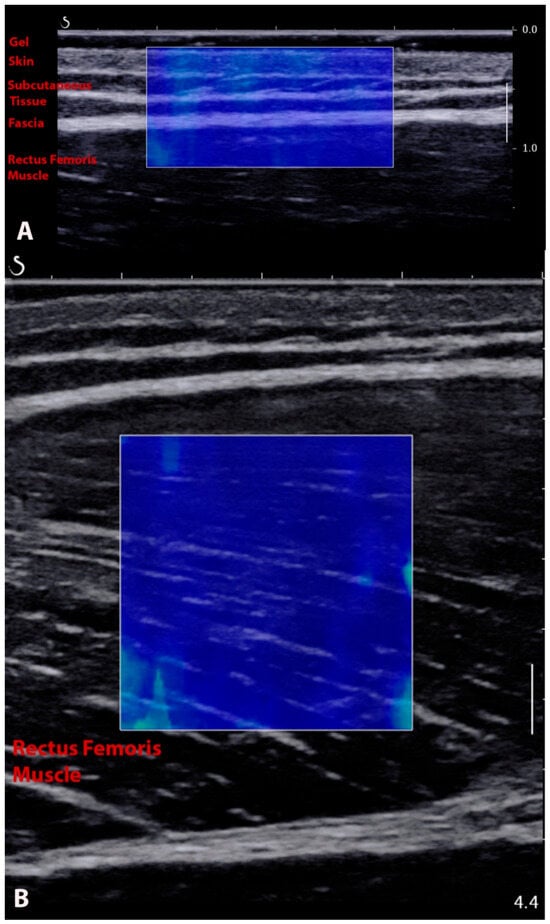
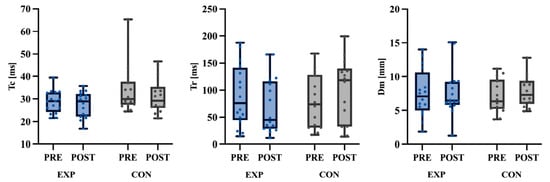
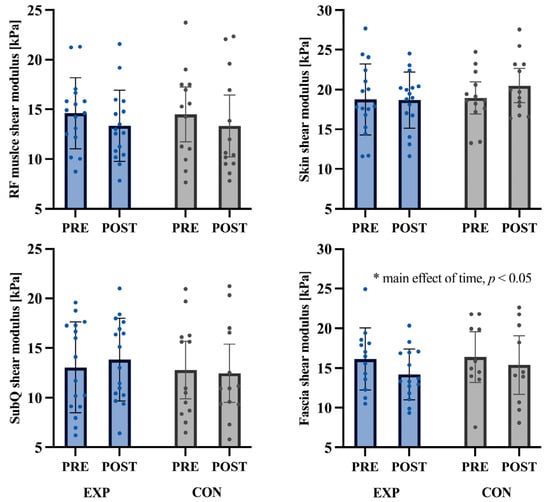
Background: Acute dehydration impairs performance, but its effects on resting neuromuscular and tissue mechanics are unclear. We tested whether baseline hydration status and exercise-induced sweat loss alter the resting neuromechanical phenotype of the rectus femoris (RF) as well as skin, subcutaneous tissue (subQ), and fascia overlying the RF. Methods: Thirty physically active men were randomized to hydration guidance (EXP) or habitual intake (CON). Hydration was verified weekly using first-morning urine specific gravity (USG), with targets of USG < 1.018 (EXP) and USG > 1.018 (CON). Participants performed continuous cycling at 50% maximal power output (Wmax) until ~3% body mass loss. Shear-wave elastography quantified tissue shear modulus (kPa), and tensiomyography assessed RF twitch-derived contractile properties (Dm, Tc, Tr) before and immediately after exercise. SWE data were analyzed using mixed design repeated-measures ANOVA; TMG outcomes were analyzed using non-parametric tests. Results: Baseline measures did not differ between groups. No significant group, time, or interaction effects were observed for RF muscle, skin, or subQ shear modulus. In contrast, fascia shear modulus showed a significant time effect, while TMG outcomes did not change significantly from pre- to post-exercise (all p > 0.05). Deep fascia showed a significant main effect of time, with decreased shear modulus post-exercise (F(1, 21) = 5.06, p = 0.035, η2p = 0.194; Δ = 1.25 kPa; d = 0.41; 95% CI [0.04, 0.78]), independent of hydration group. Conclusions: Under moderate-intensity cycling with approximately 3% body mass loss, we did not detect significant hydration-group differences or significant pre–post changes in resting RF twitch-derived contractile properties or in RF muscle, skin, and subQ shear modulus. Fascia shear modulus decreased after exercise irrespective of hydration group. These findings should be interpreted cautiously: the study was underpowered to detect small effects, and the fascial finding emerged from an exploratory, layer-specific analysis without correction for multiple comparisons. It should therefore be regarded as preliminary and hypothesis-generating, requiring confirmation in adequately powered, pre-registered studies.
Full article
(This article belongs to the Special Issue Hydration and Nutrition Status in Human Health)

►▼
Show Figures

Figure 1
Open AccessSystematic Review
Effects of the Edible Microalga Chlorella on Gut Microbiota and on Brain Health: Current Evidence and Emerging Links
by
Olga Felip, Iker García, Garoa Santocildes, Joan Ramon Torrella, Ginés Viscor, Josep Lluis Torres and Sara Ramos-Romero
Nutrients 2026, 18(12), 2014; https://doi.org/10.3390/nu18122014 (registering DOI) - 21 Jun 2026
Abstract
Background: Chlorella, a unicellular green alga, is currently one of the most popular algae supplements due to its high content of bioactive compounds. Chlorella’s wide range of macro- and micronutrients, including chlorophyll compounds and carotenoids, has been suggested to influence
[...] Read more.
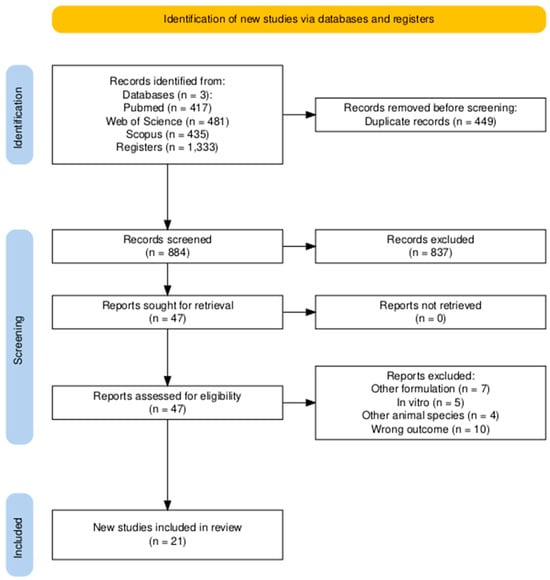
Background: Chlorella, a unicellular green alga, is currently one of the most popular algae supplements due to its high content of bioactive compounds. Chlorella’s wide range of macro- and micronutrients, including chlorophyll compounds and carotenoids, has been suggested to influence various disorders related to the digestive and nervous systems. This review’s primary purpose was to critically analyze the effects of Chlorella intake on gut microbiota and brain function. Methods: The authors conducted a systematic review with narrative synthesis of peer-reviewed articles written in English and published in PubMed, Web of Science, and Scopus spanning the years 2009 to 2026 (PROSPERO registration number CRD42024527705). The search protocol was performed following PRISMA guidelines. Primary outcomes encompassed physiological variables, such as gut microbial composition, short-chain fatty acids, brain-derived neurotrophic factor, and hippocampal cell density. Secondary outcomes were assessed through neurobehavioral tests and psychological questionnaires. Results: Out of the 1333 articles identified, 47 studies were deemed eligible, and 21 met the predefined criteria, subsequently incorporated into this systematic review. In total, 10 articles documented interventions involving Chlorella and their effects on the gut microbiota, whereas 11 articles investigated several variables pertinent to brain function. Most of the studies included were conducted in animal models, with only a limited number of human trials. Nineteen studies (90%), predominantly preclinical, reported positive associations between Chlorella consumption, gut microbiota modulation, and physiological or neurobehavioral markers related to the gut–brain axis. Conclusions: Chlorella consumption may modulate gut microbiota composition and function, potentially influencing brain-related processes. However, the available literature lacks studies simultaneously addressing both gut microbiota and brain health parameters limiting the understanding of the underlying physiological mechanisms.
Full article
(This article belongs to the Special Issue Bioactive Compounds of Nutraceuticals and Functional Foods for Healthy Brain Ageing: From Bench to Diet)
►▼
Show Figures

Figure 1
Open AccessArticle
Vitamin D Status and Atherogenic Lipid Profiles, Including Lipoprotein(a), in Elite Athletes
by
Vincent Groesser, Astrid Most, Jamschid Sedighi, Priyanka Böttger, Samuel Sossalla and Pascal Bauer
Nutrients 2026, 18(12), 2013; https://doi.org/10.3390/nu18122013 (registering DOI) - 21 Jun 2026
Abstract
Background/Objectives: Vitamin D has been implicated in lipid metabolism, but data regarding its association with atherogenic lipoproteins in elite athletes remain limited. Elite athletes represent a unique research model to investigate these associations with reduced confounding from obesity, chronic disease, smoking, and physical
[...] Read more.
Background/Objectives: Vitamin D has been implicated in lipid metabolism, but data regarding its association with atherogenic lipoproteins in elite athletes remain limited. Elite athletes represent a unique research model to investigate these associations with reduced confounding from obesity, chronic disease, smoking, and physical inactivity. Methods: This cross-sectional study included 773 male professional athletes from mixed sports disciplines (mean age 25.5 ± 5.0 years). Serum 25-hydroxyvitamin D [25(OH)D] concentrations and lipid parameters, including total cholesterol, low-density lipoprotein cholesterol (LDL-C), high-density lipoprotein cholesterol (HDL-C), triglycerides, and lipoprotein(a) [Lp(a)], were assessed. Associations were analyzed using correlation analyses, subgroup comparisons according to predefined 25(OH)D categories (<30, 30–50, and >50 ng/mL), and multivariable linear regression models adjusted for age, body mass index, season, and training-related variables. Results: Higher serum 25(OH)D concentrations were independently associated with lower LDL-C (p = 0.028), triglyceride (p = 0.002), and Lp(a) concentrations (p = 0.036), whereas no independent association was observed with HDL-C (p = 0.559). Athletes with 25(OH)D concentrations ≥30 ng/mL demonstrated lower LDL-C, triglyceride, and Lp(a) levels compared with athletes below this threshold (all p < 0.05). Higher vitamin D status was additionally associated with greater peak exercise performance (4.29 ± 1.15 vs. 3.36 ± 0.68 W/kg; p < 0.001). Conclusions: Higher 25(OH)D concentrations were independently associated with a more favorable lipid profile in elite athletes, including lower LDL-C, triglyceride, and Lp(a) concentrations. Prospective studies are warranted to further investigate the relationship between vitamin D status and lipid metabolism in athletic populations.
Full article
(This article belongs to the Special Issue Advanced Nutritional Strategies for Cardio-Renal-Metabolic Health)
►▼
Show Figures

Figure 1
Open AccessArticle
ChREBP Is Dispensable for Myofiber Type Switch but Promotes Skeletal Muscle Regeneration
by
Junyu Lu, Jian Chen, Guanyu Zhang, Haoxin Ma, Pingxin Sun, Chao Wang, Xinlu Yu, Ke Feng, Chunyan Wang, Chenyi Hu, Xuewei Chen and Wenlin Li
Nutrients 2026, 18(12), 2012; https://doi.org/10.3390/nu18122012 (registering DOI) - 21 Jun 2026
Abstract
Background/Objectives: The transcription factor carbohydrate response element-binding protein (ChREBP) is a key glucose-sensing regulator that governs glucose and lipid metabolic homeostasis. However, its specific functions in skeletal muscle remain insufficiently clarified. The present study aimed to investigate the roles of ChREBP in
[...] Read more.
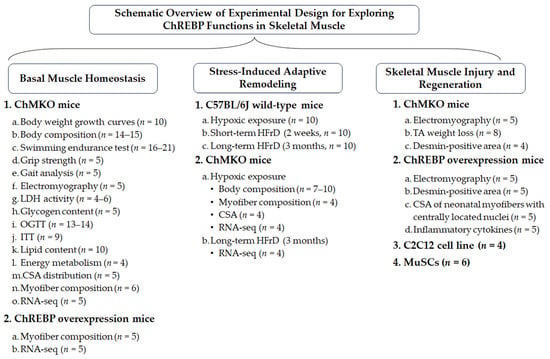
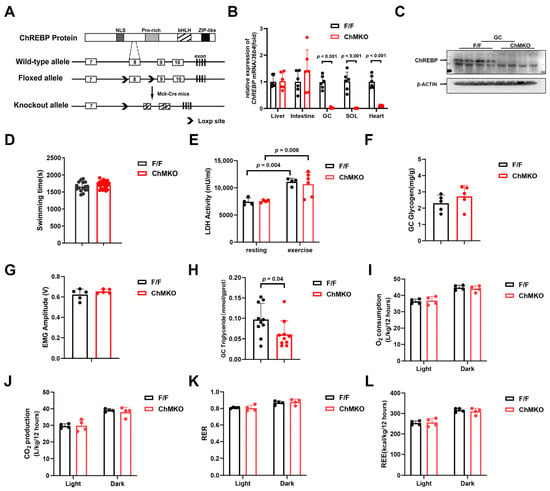
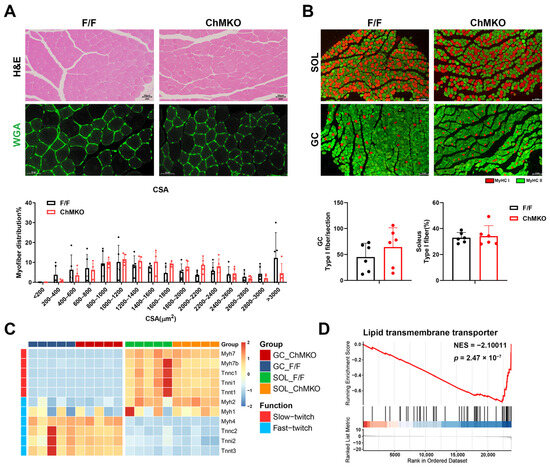
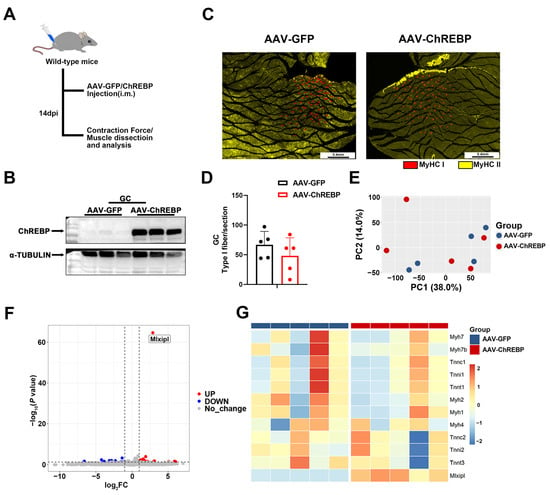
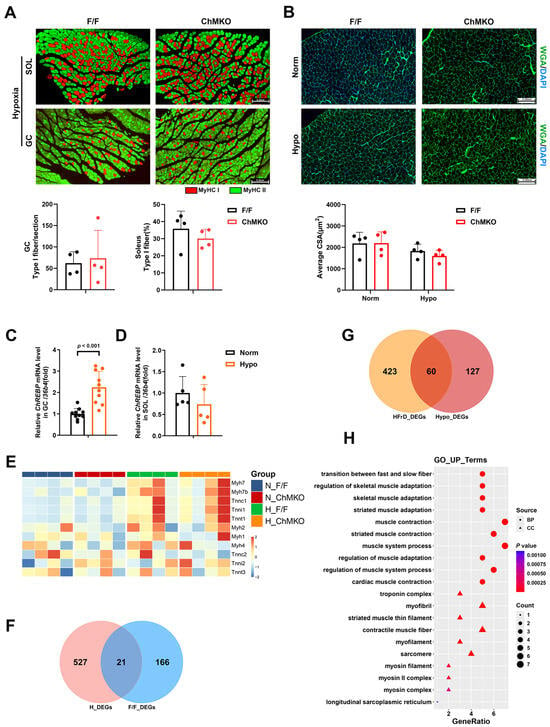
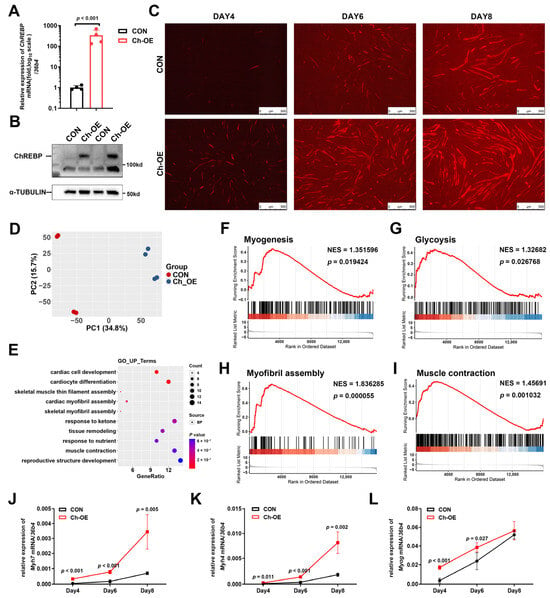
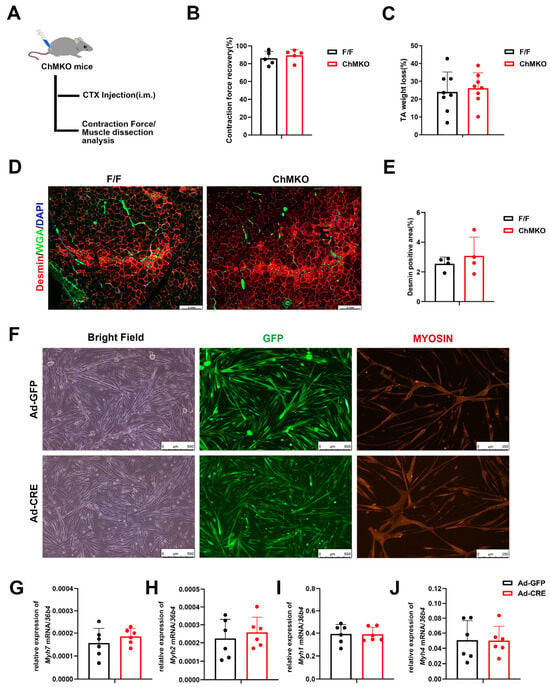
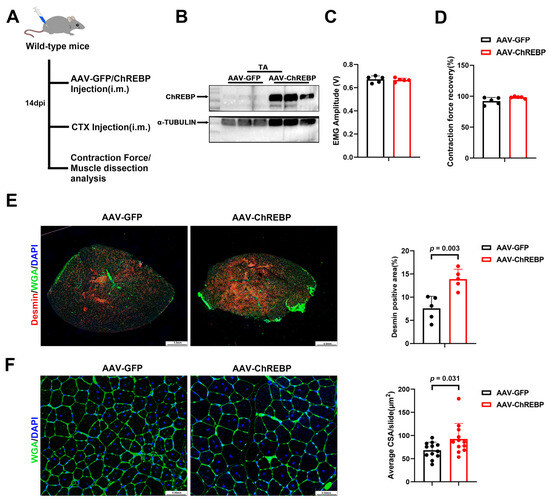
Background/Objectives: The transcription factor carbohydrate response element-binding protein (ChREBP) is a key glucose-sensing regulator that governs glucose and lipid metabolic homeostasis. However, its specific functions in skeletal muscle remain insufficiently clarified. The present study aimed to investigate the roles of ChREBP in skeletal muscle exercise capacity, energy metabolism, and adaptive remodeling, as well as muscle regeneration. Methods: We generated a skeletal muscle-specific ChREBP knockout mouse model, and assessed their exercise performance, energy metabolism, skeletal muscle fiber composition, and injury repair capacity. Additionally, hypoxia and high-fructose diet models were established to analyze the function of ChREBP in skeletal muscle adaptive remodeling. C2C12 myoblasts and primary muscle satellite cells were used to explore its effects on myogenic differentiation. Results: Genetic deletion of ChREBP induced no detectable alterations in myofiber composition, overall metabolic status, or muscle adaptive remodeling triggered by hypoxia and high-fructose diet. In vitro assays demonstrated that ChREBP overexpression facilitates C2C12 myogenic differentiation. Adeno-associated virus-mediated ChREBP overexpression enhanced histological markers of regeneration, including desmin-positive regenerative area and the cross-sectional area of newly formed myofibers after cardiotoxin-induced injury. Conclusions: Collectively, our experimental data indicate that ChREBP is largely dispensable for maintaining basal skeletal muscle homeostasis and stress-induced adaptive remodeling. Meanwhile, this study identifies a previously unrecognized regulatory role of ChREBP in the processes of skeletal muscle damage repair and post-injury regeneration.
Full article
(This article belongs to the Section Sports Nutrition)
►▼
Show Figures

Figure 1
Open AccessReview
Nutrition Across the Life Course and Risk of Young-Onset Breast Cancer: Mechanisms, Evidence, and Prevention Opportunities
by
Cheng Wang and Zhenhua Liu
Nutrients 2026, 18(12), 2011; https://doi.org/10.3390/nu18122011 (registering DOI) - 21 Jun 2026
Abstract
The incidence of cancer in young adults has risen worldwide. Women comprise a disproportionate share of young-onset cases, among whom breast cancer predominates. This shift parallels globalization and urbanization, including the wider adoption of Western-pattern diets. Although hereditary syndromes explain a minority of
[...] Read more.
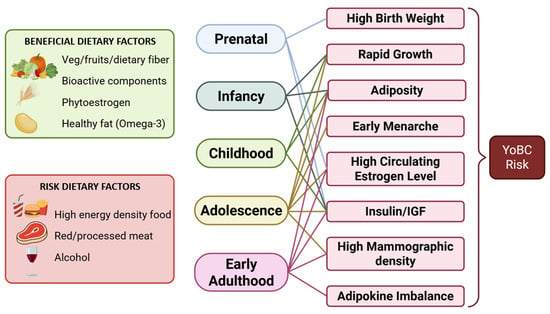
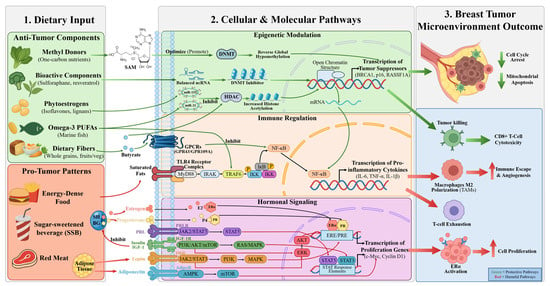
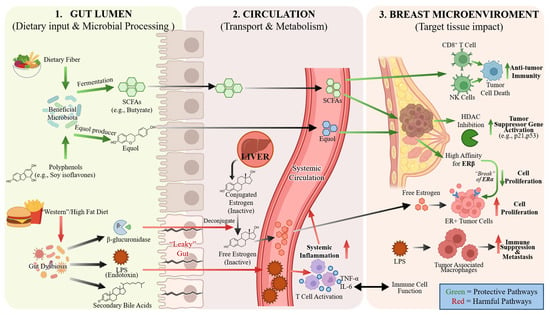
The incidence of cancer in young adults has risen worldwide. Women comprise a disproportionate share of young-onset cases, among whom breast cancer predominates. This shift parallels globalization and urbanization, including the wider adoption of Western-pattern diets. Although hereditary syndromes explain a minority of cases, the secular rise underscores the impact of modifiable exposures, particularly diet. Prenatal life, neonatal life, childhood, adolescence, and early adulthood are critical periods during which dietary exposures may shape long-term mammary development. Mammary tissue undergoes rapid proliferation and differentiation during development, creating windows of heightened susceptibility to carcinogenic insults. However, most existing studies emphasize dietary exposures during a single developmental period; the entire span of critical developmental windows plays a formative role in shaping young-onset breast cancer (YoBC) risk, and the mechanisms underlying this life-course shaping remain insufficiently characterized. This review comprehensively synthesizes evidence on how nutrition across sensitive developmental windows shapes the risk of YoBC. We evaluate protective and adverse dietary factors within these stages and examine mechanistic pathways linking early-life nutrition to carcinogenesis, focusing on hormonal regulation, epigenetic programming, chronic inflammation, and the gut microbiome. A structured literature search was conducted in PubMed, Embase, and Web of Science for English-language articles published from 1990 through May 2026, supplemented by hand-searching of relevant reviews and key primary studies. By framing nutrition and breast cancer through a life-course lens, this review provides an integrated foundation for stage-specific prevention strategies and identifies priority directions for future research on early-life dietary determinants of YoBC.
Full article
(This article belongs to the Special Issue Nutritional Management and Intervention for Breast Cancer)
►▼
Show Figures

Figure 1
Open AccessArticle
Combined Nutraceutical Supplementation and Pulsed Electromagnetic Field Therapy Enhances Early Pain Reduction and Bone Callus Formation After Distal Radius Fracture: A Randomized Controlled Trial
by
Dalila Scaturro, Sofia Tomasello, Marika Triscari Barberi, Giuseppe Lo Re and Giulia Letizia Mauro
Nutrients 2026, 18(12), 2010; https://doi.org/10.3390/nu18122010 (registering DOI) - 20 Jun 2026
Abstract
Background: Distal radius fractures (DRFs) are common fragility fractures often associated with underlying osteoporosis. Objective: To evaluate the effect of nutraceutical supplementation in addition to pulsed electromagnetic field (PEMF) therapy on pain and early fracture healing. Methods: Sixty female patients were randomized into
[...] Read more.
Background: Distal radius fractures (DRFs) are common fragility fractures often associated with underlying osteoporosis. Objective: To evaluate the effect of nutraceutical supplementation in addition to pulsed electromagnetic field (PEMF) therapy on pain and early fracture healing. Methods: Sixty female patients were randomized into two groups: Group A received PEMF therapy alone, while Group B received PEMF plus nutraceutical supplementation. The primary outcome was pain reduction (NRS). Secondary outcomes included biochemical markers and ultrasound-based callus formation. Results: At T1, Group B showed a trend toward greater pain reduction compared with Group A (mean difference −0.57; p = 0.007) and higher bone alkaline phosphatase levels (p = 0.0002). A higher proportion of patients reached minimal clinically important difference (MCID) in Group B (60% vs. 30%, p = 0.02). Conclusions: Nutraceutical supplementation in addition to PEMF was associated with improved short-term outcomes; however, due to the absence of a non-PEMF control group, the independent effect of PEMF cannot be determined.
Full article
(This article belongs to the Special Issue Osteoporosis and Related Bone Metabolic Disease: Integrative Approaches to Nutrition Management)
Open AccessReview
Lepidium Meyenii Walp. (Maca) and Blood Biomarkers of Muscle Damage and Post-Exertion Protein Degradation: A Systematic Review and Meta-Analysis of Preclinical Studies
by
Javiera Rodríguez Rojas, Álvaro Huerta Ojeda, Guillermo Barahona-Fuentes, Carlos Jorquera-Aguilera, Jorge Cancino-López, María-Mercedes Yeomans-Cabrera, Leonardo Pavez, Carlos Jara-Gutiérrez and Luis Javier Chirosa-Ríos
Nutrients 2026, 18(12), 2009; https://doi.org/10.3390/nu18122009 (registering DOI) - 20 Jun 2026
Abstract
Background: Lepidium meyenii Walp (L. meyenii), traditionally known as maca, is widely recognized for its health-promoting properties, including potential protection against exercise-induced muscle damage (EIMD). However, its precise effect on post-exercise blood biomarkers remains unclear. Objective: This study aimed
[...] Read more.
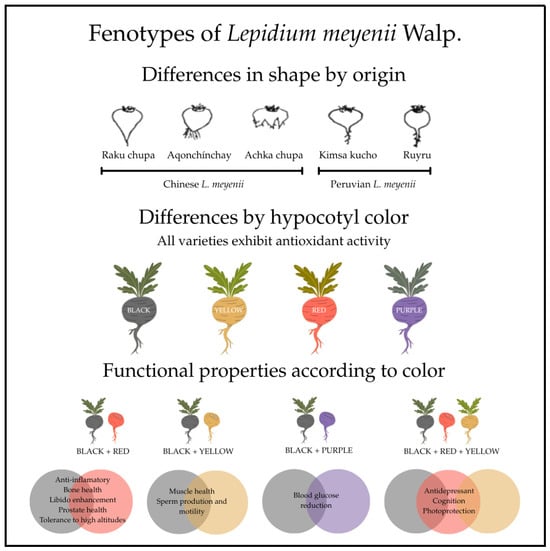
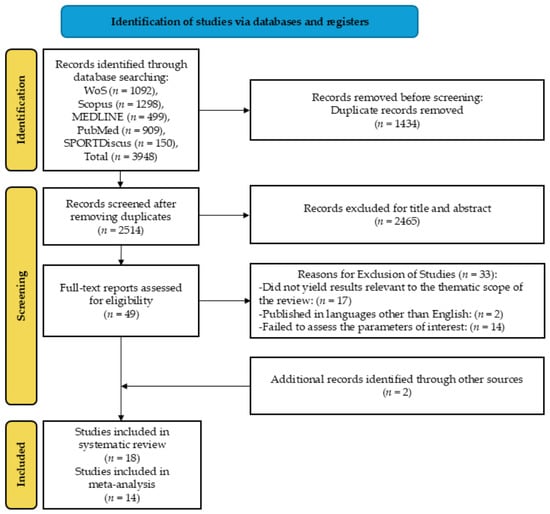
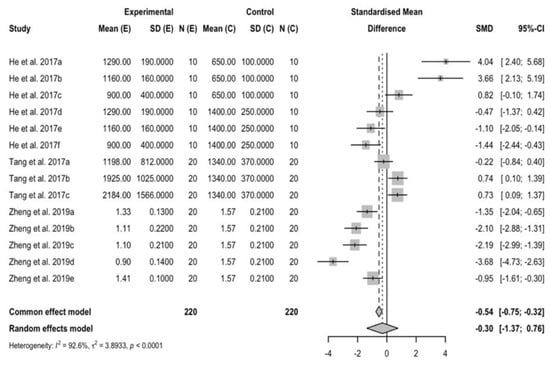
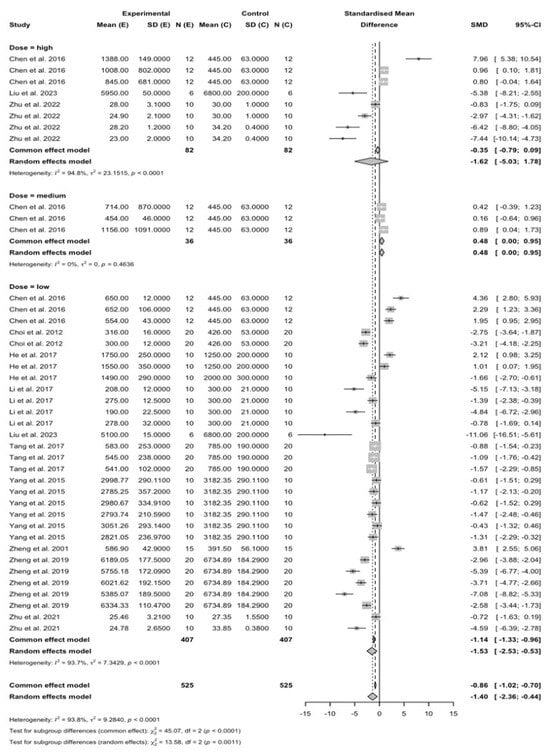
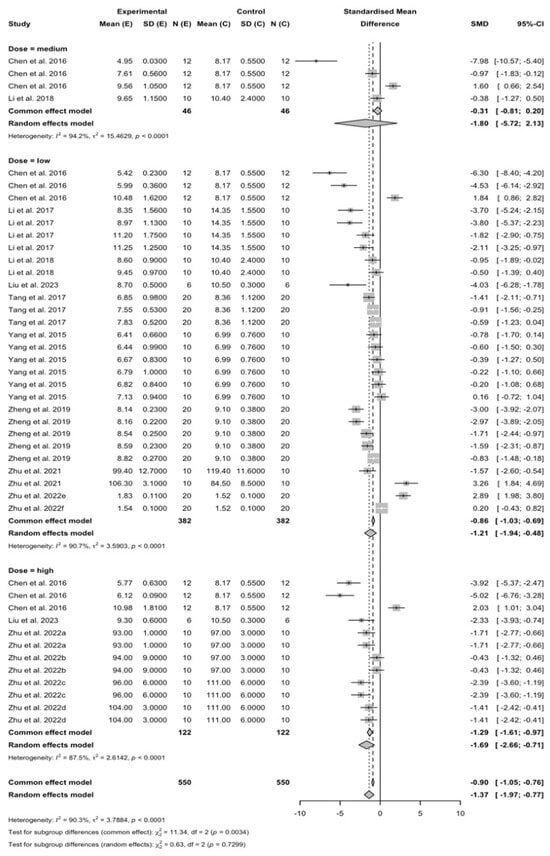
Background: Lepidium meyenii Walp (L. meyenii), traditionally known as maca, is widely recognized for its health-promoting properties, including potential protection against exercise-induced muscle damage (EIMD). However, its precise effect on post-exercise blood biomarkers remains unclear. Objective: This study aimed to qualitatively review research published until April 2026 examining L. meyenii supplementation to reduce blood markers of muscle damage and protein degradation post-exertion in animal studies. Specifically, the effect size (ES) of L. meyenii supplementation on post-exercise levels of creatine kinase (CK), lactate dehydrogenase (LDH), and blood urea nitrogen (BUN) was estimated. Methods: This systematic review and meta-analysis were conducted in accordance with the PRISMA guidelines. The certainty of the evidence was assessed using the GRADE framework. Relevant studies were identified through Web of Science, Scopus, SPORTDiscus, PubMed, and MEDLINE. Eligible studies included in vivo experiments in animals with controlled designs and pre-/post-intervention assessments. Methodological quality and risk of bias were evaluated using the CAMARADES tool. Statistical analysis involved standardized mean differences (SMD) using Hedges’ g with 95% confidence intervals. Results: 15 studies were included in the systematic review, and 14 studies in animals in the meta-analysis. The CAMARADES scores ranged from 5 to 7 points, indicating moderate methodological quality. Supplementation with L. meyenii was not associated with statistically significant changes in LDH (SMD = −1.37; 95% CI −3.34 to 0.59), BUN (SMD = −0.37; 95% CI −2.16 to 1.42) nor CK (SMD = 0.29; 95% CI −5.45 to 6.03), with very high heterogeneity (I2 > 97%). Exploratory subgroup analyses and meta-regression analyses by formulation type and dose did not identify any moderators that could robustly explain this heterogeneity. Conclusions: The available evidence does not support a robust overall effect of L. meyenii supplementation on blood biomarkers of muscle damage or protein catabolism in animals subjected to physical stress. The high degree of heterogeneity could not be robustly explained by either the type of formulation or the dose. These findings, which are exploratory and hypothesis-generating in nature, highlight the need for standardized, well-characterized formulations and trials with adequate statistical power.
Full article
(This article belongs to the Section Sports Nutrition)
►▼
Show Figures

Figure 1
Open AccessArticle
Elimination Diets, Not Food Selectivity, Are Associated with Reduced Nutritional Status in Children with Autism Spectrum Disorder
by
Paula Grębska, Anna Fedorczak, Tomasz Pytrus, Anna Dębińska and Anna Kofla-Dłubacz
Nutrients 2026, 18(12), 2008; https://doi.org/10.3390/nu18122008 (registering DOI) - 20 Jun 2026
Abstract
Background/Objectives: Autism spectrum disorder (ASD) is a neurodevelopmental condition characterized by deficits in social communication, restricted and repetitive behaviors, and sensory processing abnormalities, including food selectivity. Due to the lack of effective causal therapies, alternative approaches such as dietary interventions are increasingly being
[...] Read more.
Background/Objectives: Autism spectrum disorder (ASD) is a neurodevelopmental condition characterized by deficits in social communication, restricted and repetitive behaviors, and sensory processing abnormalities, including food selectivity. Due to the lack of effective causal therapies, alternative approaches such as dietary interventions are increasingly being explored. This study aimed to assess the impact of dietary factors on the nutritional status of children with ASD. Methods: A total of 103 children (75 with ASD and 28 controls) were included. Nutritional status was assessed using biochemical markers and standardized anthropometric measurements. Associations between nutritional status and dietary factors, particularly elimination diets implemented either on medical indications or in the absence of clinical justification, were analyzed. Results: ASD diagnosis was independently associated with lower height SDS (Standard Deviation Score). Food selectivity was significantly associated with growth patterns: children with food selectivity showed a higher prevalence of short stature compared with the control group (15.2% vs. 0%, p = 0.033). Children following elimination diets had significantly lower BMI SDS compared with those without dietary restrictions (−0.35 [−1.29 to 0.05] vs. −0.22 [−0.78 to 1.14], p = 0.046), although only 11.1% had medical indications for such interventions. Among non-supplemented participants, vitamin D deficiency was significantly more prevalent in the ASD group (84.6% vs. 33.3%, p < 0.001). Conclusions: Elimination diets were the only dietary factor associated with a clinically relevant reduction in BMI SDS in children with ASD. Food selectivity alone was not associated with impaired nutritional status. Most elimination diets were implemented without confirmed medical indications. These findings highlight the importance of evidence-based dietary management and routine vitamin D supplementation in this population.
Full article
(This article belongs to the Section Pediatric Nutrition)
Open AccessArticle
Psychospiritual Profiles Differentiate Dietary and Lifestyle Behaviors
by
Sebastian Binyamin Skalski-Bednarz, Loren L. Toussaint, Magdalena Piegza, Monika Bidzan-Wiącek and Mariola Bidzan
Nutrients 2026, 18(12), 2007; https://doi.org/10.3390/nu18122007 (registering DOI) - 20 Jun 2026
Abstract
Background/Objectives: Previous literature has linked nutrition with both psychological distress and well-being. However, less is known about how psychological and spiritual resources cluster within individuals or whether distinct psychospiritual profiles are associated with dietary and lifestyle behaviors. This study examined these associations using
[...] Read more.
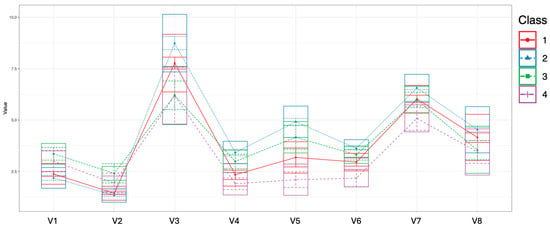
Background/Objectives: Previous literature has linked nutrition with both psychological distress and well-being. However, less is known about how psychological and spiritual resources cluster within individuals or whether distinct psychospiritual profiles are associated with dietary and lifestyle behaviors. This study examined these associations using a person-centered approach. Methods: A community sample of 522 adults from the United States completed measures of perceived stress, depressive symptoms, coping self-efficacy, gratitude, forgiveness, religiousness/spirituality, daily spiritual experiences, religious/spiritual meaning and beliefs, and dietary and lifestyle behaviors. Latent profile analysis was conducted to identify psychospiritual profiles. Results: Four profiles were identified: Moderate (n = 195), Flourishing (n = 199), Vulnerable (n = 70), and Maladaptive (n = 58). The Flourishing profile demonstrated the most adaptive psychological functioning and was associated with healthier dietary behaviors, including lower breakfast skipping and fast-food consumption, greater whole-grain and vegetable intake, lower salt use, and lower sweets and dessert intake. The Vulnerable profile demonstrated the highest levels of perceived stress and depressive symptoms together with relatively elevated religiousness/spirituality, whereas the Maladaptive profile was characterized by elevated distress and consistently low levels of psychological and spiritual resources. Overall, the Vulnerable and Maladaptive profiles demonstrated less favorable dietary patterns relative to the Flourishing and Moderate profiles. However, the observed effects were generally modest and selective. Conclusions: Dietary and lifestyle behaviors may be associated with broader psychospiritual configurations rather than isolated psychological characteristics alone. The findings additionally highlight the heterogeneous nature of religiousness and spirituality within psychological functioning.
Full article
(This article belongs to the Special Issue Nutrition, Stress, and Psychological Well-Being Across the Lifespan)
►▼
Show Figures

Figure 1
Open AccessReview
Impact of Moderate Wine Consumption on Type 2 Diabetes
by
Attilio Giacosa, Josep Masip, Ursula Fradera, Ramon Estruch and Mariangela Rondanelli
Nutrients 2026, 18(12), 2006; https://doi.org/10.3390/nu18122006 (registering DOI) - 20 Jun 2026
Abstract
Type 2 diabetes (T2D) is a prevalent disease worldwide that increases the risk of cardiovascular (CV) complications, disability and mortality. While excessive alcohol consumption is harmful, the effects of moderate wine consumption remain debated. This review evaluates whether moderate wine intake affects the
[...] Read more.
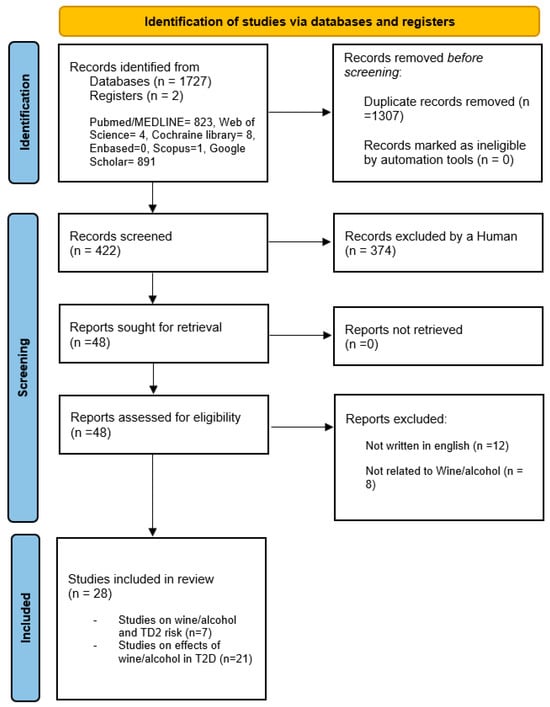
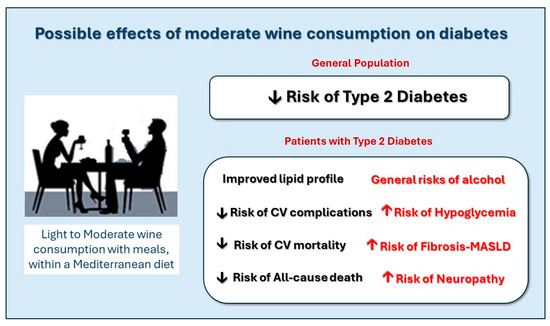
Type 2 diabetes (T2D) is a prevalent disease worldwide that increases the risk of cardiovascular (CV) complications, disability and mortality. While excessive alcohol consumption is harmful, the effects of moderate wine consumption remain debated. This review evaluates whether moderate wine intake affects the risk of developing T2D and its impact on subjects with T2D. Twenty-eight studies were analysed. Evidence suggests an association between moderate wine consumption and the risk of developing T2D, with a J-shaped relationship, and reduced risk observed at low levels. This effect appears more pronounced with red wine, likely related to its higher polyphenol content, and when consumed with meals. On the other side, in patients with T2D, moderate wine consumption has been associated with a reduced risk of CV complications, nephropathy and mortality. It has also been linked to improved lipid profiles and reduced inflammatory markers, without adversely affecting body weight or glycaemic control in well-managed patients. These effects may be enhanced within a Mediterranean dietary pattern, suggesting synergistic actions. However, alcohol intake may increase the risk of hypoglycemia, particularly in patients receiving glucose-lowering therapies. It should be avoided by vulnerable individuals, and those with comorbidities such as MASLD and other significant liver diseases, peripheral neuropathy or other severe conditions. In conclusion, moderate wine consumption may be associated with a reduction in the risk of developing T2D and with several CV benefits in patients with T2D. Vulnerable patients should abstain and individuals who currently do not drink alcohol should not start drinking. If wine is consumed, intake should always remain moderate (as low as possible), within healthy meals and only after individual clinical assessment.
Full article
(This article belongs to the Special Issue Lifestyle, Diet, Wine and Health)
►▼
Show Figures

Figure 1
Open AccessArticle
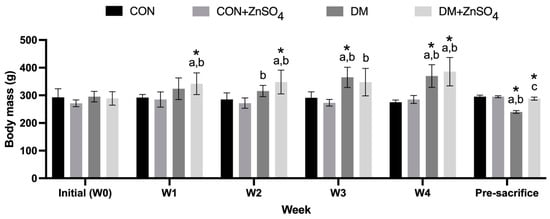
The Effect of Zinc Sulfate Treatment on Diabetic Cardiomyopathy in an Aged Female Rat Model of Type 2 Diabetes
by
Nilufer Akgun-Unal, Omer Unal, Gamze Altun, Elif Gulbahce-Mutlu, Ahmet Akkoca and Mustafa Ayyildiz
Nutrients 2026, 18(12), 2005; https://doi.org/10.3390/nu18122005 (registering DOI) - 20 Jun 2026
Abstract
Background/Objectives: Diabetic cardiomyopathy (DCM) is largely driven by severe oxidative stress and calcium dyshomeostasis. We examined the targeted antioxidant and therapeutic effects of zinc sulfate (ZnSO4) on contractile dynamics, oxidative damage, calcium turnover, and apoptosis/fibrosis in aged female rats with
[...] Read more.
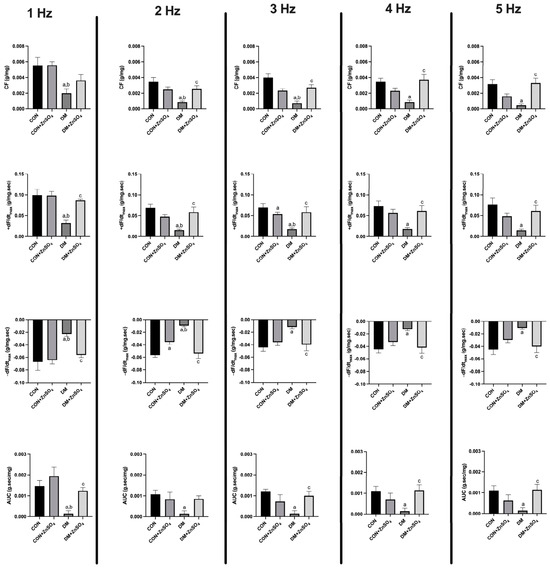
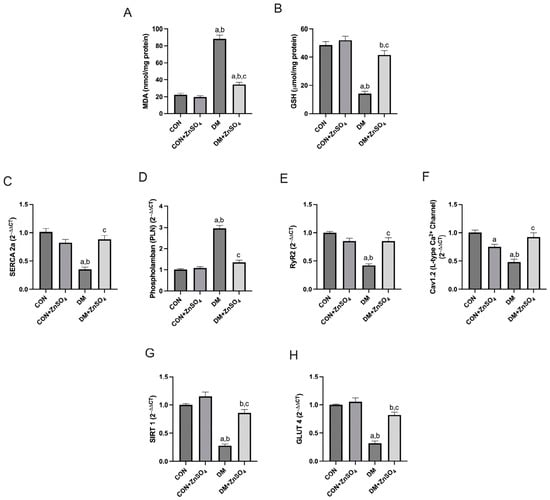
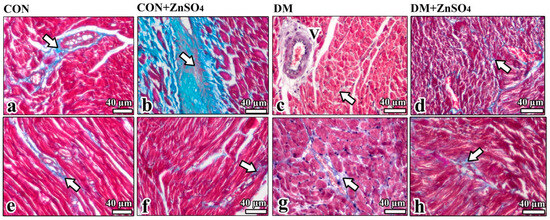
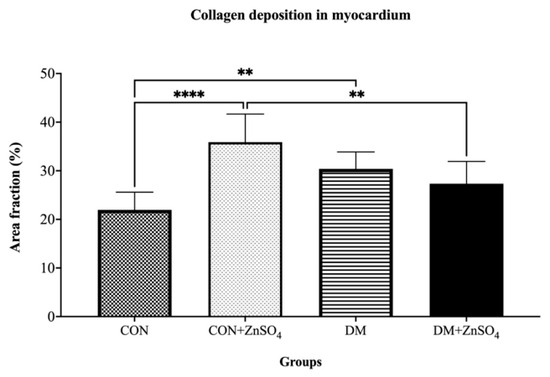
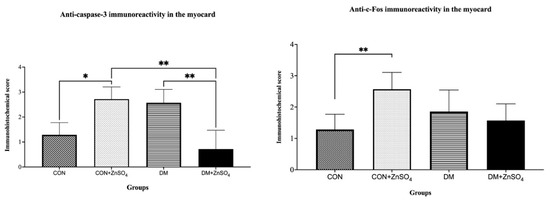
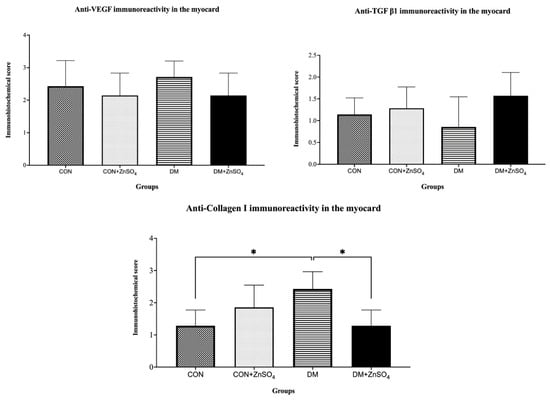
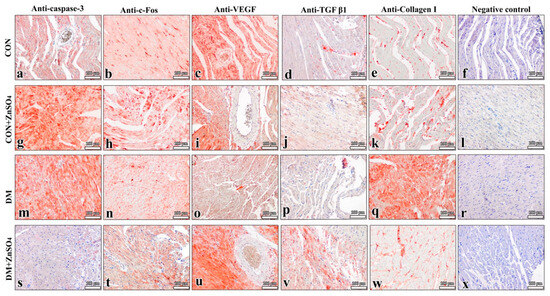
Background/Objectives: Diabetic cardiomyopathy (DCM) is largely driven by severe oxidative stress and calcium dyshomeostasis. We examined the targeted antioxidant and therapeutic effects of zinc sulfate (ZnSO4) on contractile dynamics, oxidative damage, calcium turnover, and apoptosis/fibrosis in aged female rats with type 2 diabetes. Methods: Thirty-two aged female Wistar rats were divided into Control, Control + ZnSO4, Diabetes (DM), and DM + ZnSO4 groups. DM was induced via high-fat diet and 30 mg/kg streptozotocin. After a 4-week complication period, treatment groups received 10 mg/kg/day ZnSO4 (i.p.) for 6 weeks. Left ventricular papillary muscle contraction, oxidative/antioxidant markers (MDA/GSH), and gene expressions (SIRT1, GLUT4, SERCA2a, RyR2, Cav1.2, PLN) were evaluated. Myocardial architecture, fibrosis, and apoptosis were analyzed immunohistochemically. In DM rats, contractile force (CF) and velocities (±dF/dtmax) significantly declined. Results: Concurrently, SIRT1, GLUT4, SERCA2a, RyR2, Cav1.2, and antioxidant GSH decreased, while oxidative lipid damage (MDA), PLN, Caspase-3 activity, Collagen I, and fibrosis increased (p < 0.001). ZnSO4 treatment in diabetic rats acted as a potent antioxidant modulator; it restored redox balance, activated the SIRT1/GLUT4 pathway, protected calcium-handling proteins from oxidative degradation, and significantly improved contractile dynamics. It also preserved myocardial architecture by reducing apoptosis and fibrosis. In healthy rats, ZnSO4 caused mild stress and early fibrosis. Conclusions: In conclusion, while inducing mild stress in healthy myocardium, zinc supplementation provides robust antioxidant protection in diabetic hearts. It activates SIRT1, suppresses oxidative damage, maintains calcium homeostasis, and restores contractile dynamics, demonstrating strong antioxidant therapeutic potential against DCM.
Full article
(This article belongs to the Special Issue Dietary Patterns and Lifestyle Interventions in Diabetes and Its Complications: From Prevention to Cardiovascular Protection)
►▼
Show Figures

Figure 1
Open AccessReview
Ketogenic Diet in Obesity and Diabetes: A Narrative Review
by
Yousun An, Nicholas Norris, Donglai Li and Jenny E. Gunton
Nutrients 2026, 18(12), 2004; https://doi.org/10.3390/nu18122004 (registering DOI) - 20 Jun 2026
Abstract
A ketogenic diet (KD) is a low-carbohydrate, high-fat dietary approach. Beyond treating neurologic disorders, KDs have attracted significant media attention for their potential to improve obesity and diabetes. The diet induces a metabolic shift from glucose toward fatty acid oxidation and ketone body
[...] Read more.
A ketogenic diet (KD) is a low-carbohydrate, high-fat dietary approach. Beyond treating neurologic disorders, KDs have attracted significant media attention for their potential to improve obesity and diabetes. The diet induces a metabolic shift from glucose toward fatty acid oxidation and ketone body production. This shift leads to ketosis, which may reduce hunger, partly through the anorexigenic effects of ketone bodies, thereby contributing to weight loss and improved metabolic parameters, including glycaemic control and insulin sensitivity. In particular, the positive effects of KDs lower insulin demand and may thereby improve β-cell function. However, the long-term efficacy, safety, and sustainability of KDs, especially for diabetes, remain debated. This review offers current insights into the effects of ketogenesis and ketosis, as well as the potential mechanisms underlying them. We explore the metabolic effects of KDs in obesity and diabetes, drawing on preclinical and clinical studies, and suggest that combining KDs with antidiabetic agents may provide synergistic benefits. However, combining KDs with these pharmacotherapies, particularly SGLT-2 inhibitors, requires careful clinical supervision because of potential risks, including euglycaemic diabetic ketoacidosis. We explore how a KD alters the composition of the gut microbiota, thereby affecting host health. We conclude by highlighting challenges and future directions for optimising KD-based therapies and by outlining the limitations of the current review.
Full article
(This article belongs to the Special Issue The Effect of Ketogenic Diet on Human Health)

Journal Menu
► ▼ Journal Menu-
- Nutrients Home
- Aims & Scope
- Editorial Board
- Reviewer Board
- Topical Advisory Panel
- Early Career Editorial Board
- Instructions for Authors
- Special Issues
- Topics
- Sections & Collections
- Article Processing Charge
- Indexing & Archiving
- Editor’s Choice Articles
- Most Cited & Viewed
- Journal Statistics
- Journal History
- Journal Awards
- Society Collaborations
- Conferences
- Editorial Office
Journal Browser
► ▼ Journal BrowserHighly Accessed Articles
Latest Books
E-Mail Alert
News
Topics
Topic in
Applied Sciences, Brain Sciences, JFMK, Nutrients, Sports
Exercise and Nutrition for Physical Performance, Mental Health and General Well-Being
Topic Editors: Gian Mario Migliaccio, Luca RussoDeadline: 12 July 2026
Topic in
Dietetics, Foods, Nutrients
Dietary Carbohydrate Chemistry, Nutrition, and Utilization
Topic Editors: Bin Zhang, Lijun Sun, Zhuqing XieDeadline: 31 July 2026
Topic in
Applied Microbiology, Fermentation, Foods, Microbiology Research, Microorganisms, Nutrients
News and Updates on Probiotics
Topic Editors: Alessandra Pino, Mutamed AyyashDeadline: 30 September 2026
Topic in
Analytica, Antioxidants, IJMS, Nutrients, Separations, Biomedicines
Druggable Targets in Human Diseases and Therapeutic Target Identification for Bioactive Natural Products
Topic Editors: Jun Dang, Gang LiDeadline: 31 October 2026
Conferences
Special Issues
Special Issue in
Nutrients
Effects of Diet and Nutrition on Musculoskeletal Health
Guest Editors: Shane Heffernan, Georgina StebbingsDeadline: 25 June 2026
Special Issue in
Nutrients
The Role of Plant, Fungi and Algae Nutritive Compounds in the Management of Health and Disease
Guest Editors: Kirsten Heimann, Evan StephensDeadline: 25 June 2026
Special Issue in
Nutrients
Iron Homeostasis in Chronic Diseases
Guest Editor: Jaya Gnana-PrakasamDeadline: 25 June 2026
Special Issue in
Nutrients
Implications of Artificial Intelligence in Clinical Nutrition and Non-Communicable Chronic Related Diseases of Obesity for Patients and Health Professionals
Guest Editor: Daniel-Antonio de Luis RomanDeadline: 25 June 2026
Topical Collections
Topical Collection in
Nutrients
Advances in Phenylketonuria (PKU) Nutrition and Diet Research (2nd Edition)
Collection Editors: Júlio César Rocha, Anita MacDonald
Topical Collection in
Nutrients
Bioactive Peptides: Challenges and Opportunities
Collection Editor: Carmen Lammi
Topical Collection in
Nutrients
Dietary Fatty Acids and the Cardiovascular Health: Evidence, Controversies, and Consensus
Collection Editor: Asim K. Duttaroy
Topical Collection in
Nutrients
Diet and Multi-Omics
Collection Editors: Mohsen Mazidi, Richard WebbConference Reports
Nutrients 2024, 16(15), 2528; https://doi.org/10.3390/nu16152528
Nutrients 2024, 16(8), 1157; https://doi.org/10.3390/nu16081157