

-
Advancing Immunotherapy in Cervical Cancer: Biological Rationale, Clinical Evidence, and Biomarker Standardization -
Role of NLRP3 Inflammasome in Neurodegeneration and Cancer: A Double-Edged Sword -
Cancer Characteristics and Immunotherapy in Older Adults: Treatment Approaches, Immune-Related Adverse Events, and Management Considerations
Journal Description
Onco
Onco
is an international, peer-reviewed, open access journal on the whole field of oncotargets and cancer therapies research published quarterly online by MDPI.
- Open Access— free for readers, with article processing charges (APC) paid by authors or their institutions.
- High Visibility: indexed within Scopus and other databases.
- Rapid Publication: manuscripts are peer-reviewed and a first decision is provided to authors approximately 23.7 days after submission; acceptance to publication is undertaken in 3.8 days (median values for papers published in this journal in the second half of 2025).
- Recognition of Reviewers: APC discount vouchers, optional signed peer review, and reviewer names published annually in the journal.
- Onco is a companion journal of Cancers.
- Journal Clusters of Oncology: Cancers, Current Oncology, Onco and Targets.
Latest Articles
Intercellular Mitochondrial Trafficking as a Master Regulator of Tumor Progression and Cancer Stem Cell Plasticity
Onco 2026, 6(2), 25; https://doi.org/10.3390/onco6020025 - 21 May 2026
Abstract
►
Show Figures
Intercellular mitochondrial trafficking has emerged as an important mechanism influencing tumor progression, metabolic adaptability, and cancer cell plasticity. Beyond their classical bioenergetic functions, mitochondria act as central regulators of redox homeostasis, signaling pathways, and epigenetic remodeling. Increasing evidence suggests that mitochondria can be
[...] Read more.
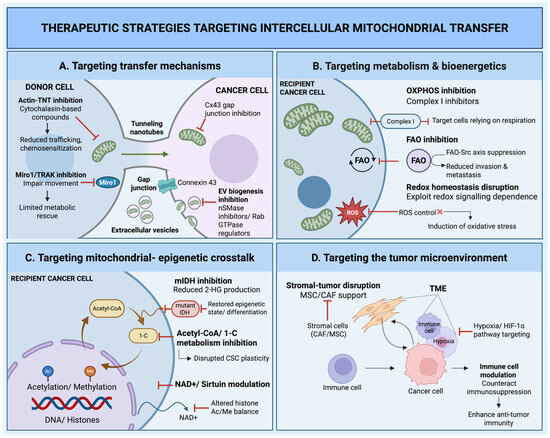
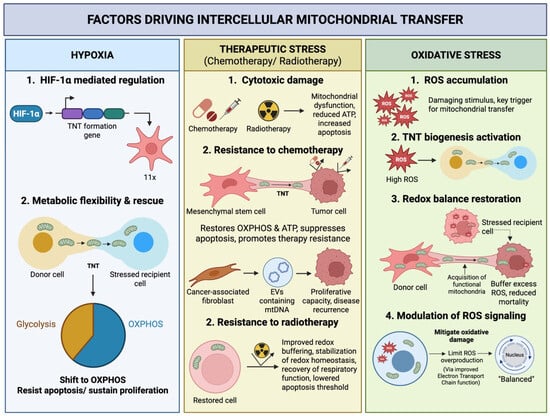
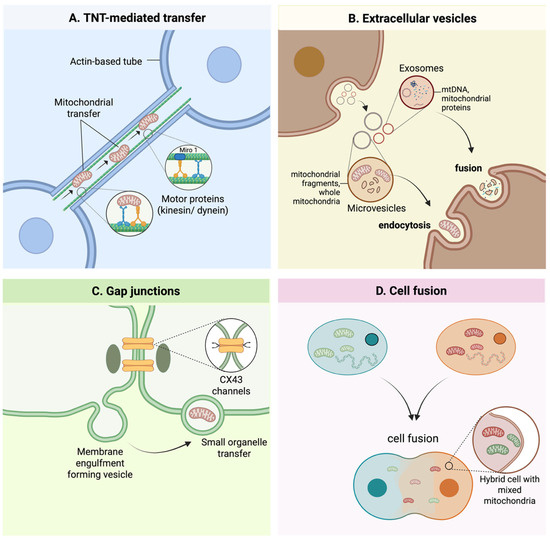
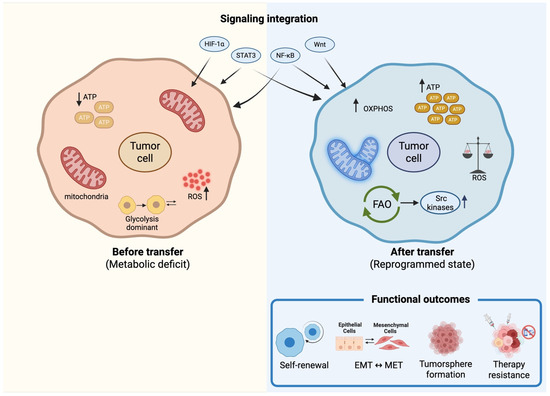
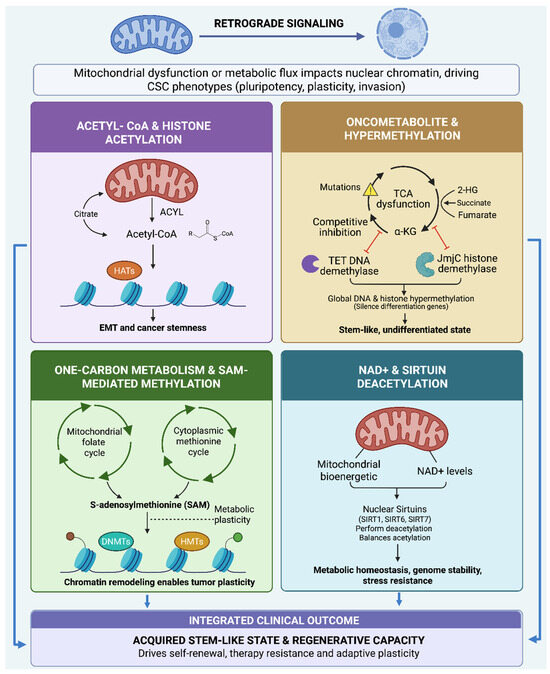
Intercellular mitochondrial trafficking has emerged as an important mechanism influencing tumor progression, metabolic adaptability, and cancer cell plasticity. Beyond their classical bioenergetic functions, mitochondria act as central regulators of redox homeostasis, signaling pathways, and epigenetic remodeling. Increasing evidence suggests that mitochondria can be transferred between tumor, stromal, and immune cells through tunneling nanotubes (TNTs), extracellular vesicles (EVs), gap junctions, and cell fusion within the tumor microenvironment. This dynamic excshange enables metabolically compromised cancer cells to restore oxidative phosphorylation, optimize energy production, and survive under hypoxia and therapeutic stress. Mitochondrial transfer has been increasingly associated with enhanced cellular plasticity and adaptive phenotypic transitions, including the acquisition of stem-like features that contribute to tumor heterogeneity, metastasis, and treatment resistance. In addition to bioenergetic restoration, transferred mitochondrial DNA and metabolites participate in retrograde signaling, linking metabolic state to epigenetic regulation and transcriptional reprogramming. This metabolic epigenetic interplay supports tumor cell adaptation to environmental stress and therapeutic pressure. Although significant progress has been made, the precise mechanisms governing mitochondrial integration and their long-term impact on cellular phenotypes remain incompletely understood. A deeper understanding of these processes may reveal novel therapeutic strategies to disrupt tumor adaptability and progression. Specifically, targeting intercellular mitochondrial trafficking and its associated metabolic and epigenetic effects could help limit tumor plasticity, overcome treatment resistance, reduce disease recurrence, and improve overall clinical outcomes in cancer patients.
Full article
Open AccessArticle
Development of a Murine Intracranial Surgical Resection Glioblastoma Model to Facilitate Preclinical In Vivo Drug Screening
by
Arabinda Das, Heather R. Stephens, Randy Baraso, Jeff Garrison, Joseph Mark, Julian E. Bailes, George C. Bobustuc, David Cachia and Scott M. Lindhorst
Onco 2026, 6(2), 24; https://doi.org/10.3390/onco6020024 - 17 May 2026
Abstract
►▼
Show Figures
Background: Current murine glioblastoma (GBM) models do not incorporate tumor resection and thus do not allow study of recurrent GBM after surgery, including postsurgical changes in the tumor microenvironment (TME), thereby limiting translational relevance. Methods: In phase 1 of a three-phase study, we
[...] Read more.
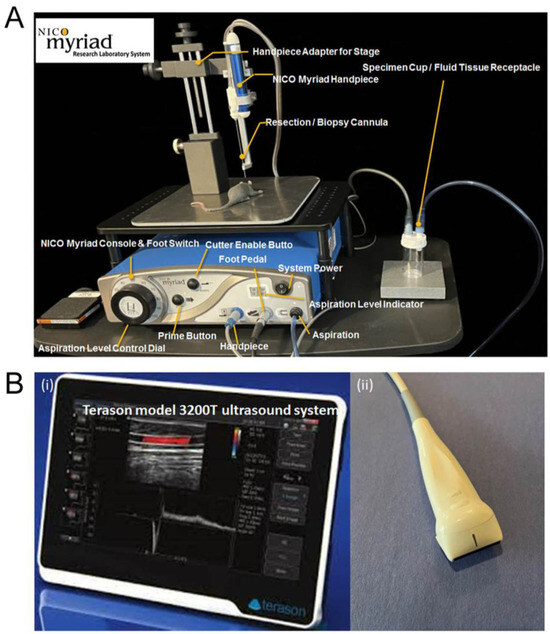
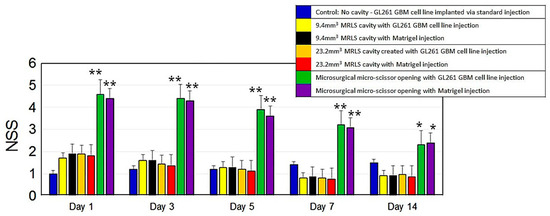
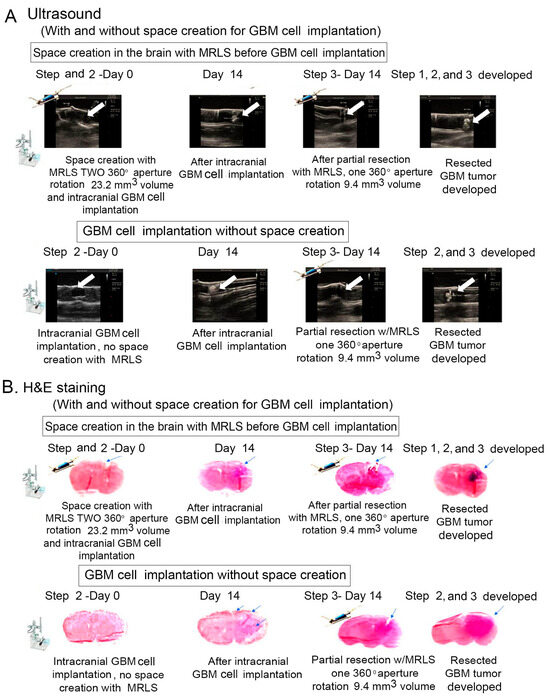
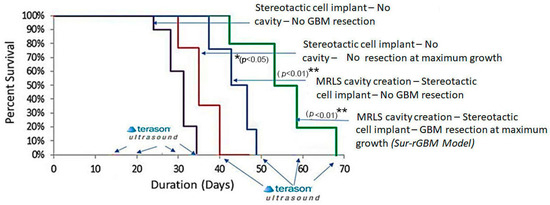
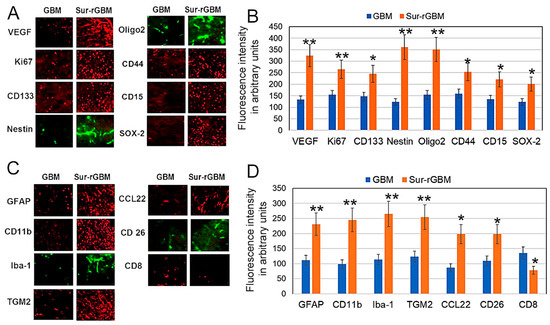
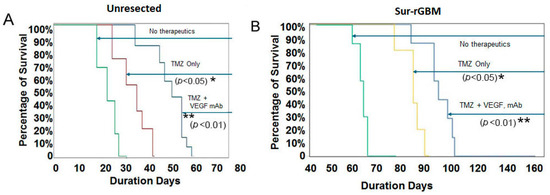
Background: Current murine glioblastoma (GBM) models do not incorporate tumor resection and thus do not allow study of recurrent GBM after surgery, including postsurgical changes in the tumor microenvironment (TME), thereby limiting translational relevance. Methods: In phase 1 of a three-phase study, we compared tumor cell implantation into a cavity created using conventional microdissection techniques or the Myriad Research Laboratory System (MRLS) versus direct implantation into the brain without a cavity, and assessed morbidity using the neurological severity score (NSS). In phase 2, we developed a new surgical resection model, the Surgical murine GBM resection model (Sur-rGBM), and examined the effects of tumor resection on the tumor microenvironment (TME) and on overall survival. In phase 3, we compared the therapeutic response to temozolomide (TMZ) with or without anti-VEGF antibody, after resection (Sur-rGBM) or no resection. Tumor growth was confirmed before and after resection by ultrasound. Animals were euthanized for immunohistochemical assessment at maximal tumor growth. Results: Creating a cavity for tumor cell implantation using MRLS improved survival compared to direct cell injection with no cavity. Tumor resection increased survival, and TMZ combined with an anti-VEGF antibody after tumor resection improved survival compared with surgery or TMZ alone. Resection induced significant changes in biomarker expression within the TME. Conclusions: Our novel murine GBM surgical resection model (Sur-rGBM) provides reliable, controlled tumor growth and a standardized resection technique to facilitate studies on TME changes and therapeutic response after tumor resection.
Full article

Figure 1
Open AccessCase Report
Macrophage Activation Syndrome Following Atezolizumab in Advanced Non-Small-Cell Lung Cancer: A Case Report
by
Andrea Caglio, Emma Pisciotta, Gaetano Lacidogna, Mariele Gatto, Claudio Norbiato, Stefania Marengo and Giorgio Valabrega
Onco 2026, 6(2), 23; https://doi.org/10.3390/onco6020023 - 14 May 2026
Abstract
Immunotherapy with immune checkpoint inhibitors (ICIs) has profoundly transformed the therapeutic landscape of lung cancer. Although ICIs are generally associated with a more favorable toxicity profile compared with traditional chemotherapy, rare and potentially severe immune-related adverse events (irAEs) may occur, sometimes posing significant
[...] Read more.
Immunotherapy with immune checkpoint inhibitors (ICIs) has profoundly transformed the therapeutic landscape of lung cancer. Although ICIs are generally associated with a more favorable toxicity profile compared with traditional chemotherapy, rare and potentially severe immune-related adverse events (irAEs) may occur, sometimes posing significant diagnostic challenges. We report a case of macrophage activation syndrome (MAS) following a single administration of the anti-PD-L1 antibody atezolizumab in a patient with advanced non-small-cell lung cancer (NSCLC). A 62-year-old woman was diagnosed in February 2024 with stage IIIB NSCLC according to the 8th TNM classification. The patient was deemed ineligible for radiotherapy because of previous thoracic irradiation for breast cancer. First-line therapy with carboplatin plus pemetrexed was administered from March to June 2024, resulting in stable disease; this was followed by pemetrexed maintenance from July to October 2024, at which time thoracic disease progression was documented. Second-line treatment with atezolizumab was initiated in November 2024. Ten days after the first infusion, the patient was admitted to the emergency department for fever and confusion. Laboratory investigations revealed markedly elevated C-reactive protein and hyperferritinemia. Despite empirical antibiotic therapy, fever and thrombocytopenia persisted. Bone marrow biopsy demonstrated findings consistent with MAS. Corticosteroid therapy with prednisone at 1 mg/kg was promptly initiated under rheumatologic supervision, leading to a rapid clinical and biochemical improvement. During tapering, inflammatory markers relapsed when prednisone was reduced to below 12.5 mg/day. Given the occurrence of a grade 4 (CTCAE v5.0) immune-related adverse event, atezolizumab was permanently discontinued. The patient remains in follow-up without radiological evidence of disease progression. This case highlights the diagnostic challenge of MAS secondary to ICIs, which may initially present with nonspecific symptoms such as fever, confusion, and elevated inflammatory markers. Early recognition and timely initiation of high-dose corticosteroids were essential for effective management and full recovery. Clinicians should maintain a high index of suspicion for MAS among rare but severe hematologic irAEs during immunotherapy.
Full article
Open AccessArticle
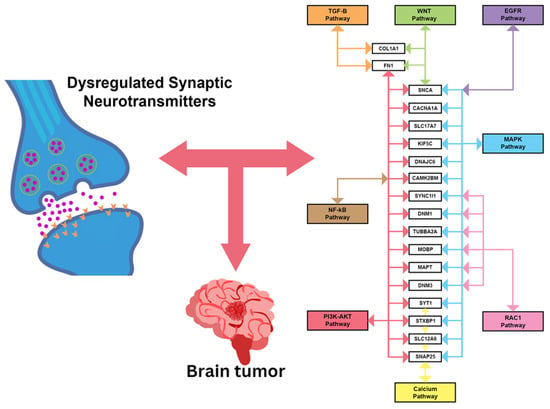
Hub Gene Clusters Reveal Dysregulated Synaptic Neurotransmitter Signaling Pathways and Drug Repurposing Prospect in Brain Tumors
by
Brian Harvey Avanceña Villanueva, Lemmuel L. Tayo and Kuo-Pin Chuang
Onco 2026, 6(2), 22; https://doi.org/10.3390/onco6020022 - 12 May 2026
Abstract
►▼
Show Figures
Background/Objectives: Brain tumors, particularly gliomas, have high mortality and are limited in treatment options, often complicated by severe conditions, which can be fatal. Given the increasing incidence and adverse effects of current drugs, an in silico drug repurposing approach using hub gene
[...] Read more.
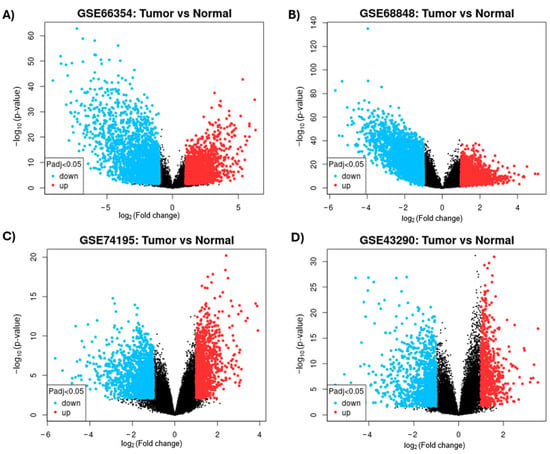
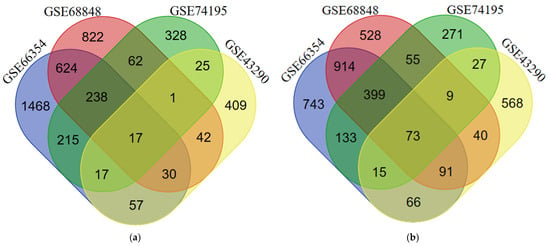
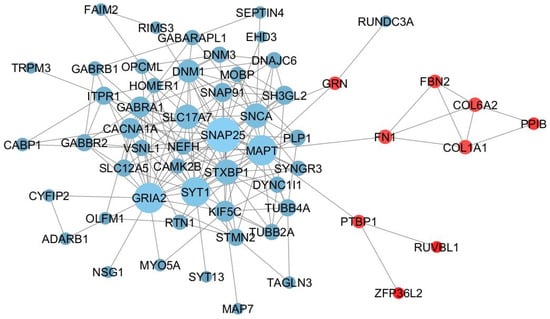
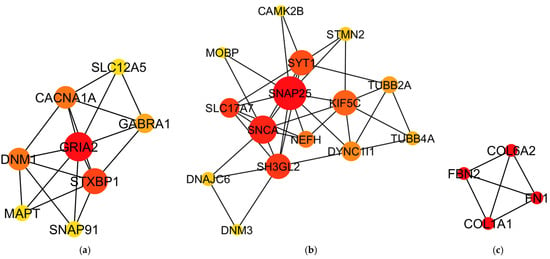
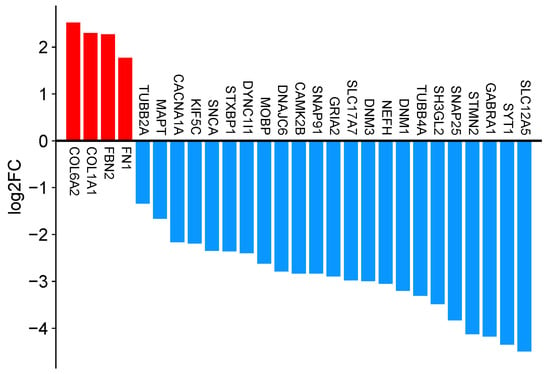
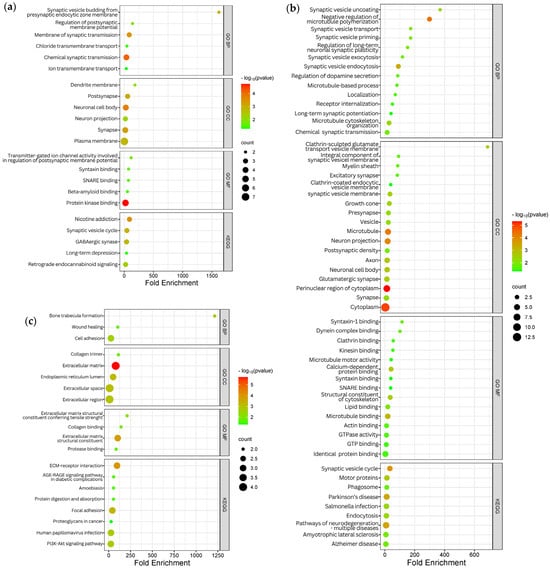
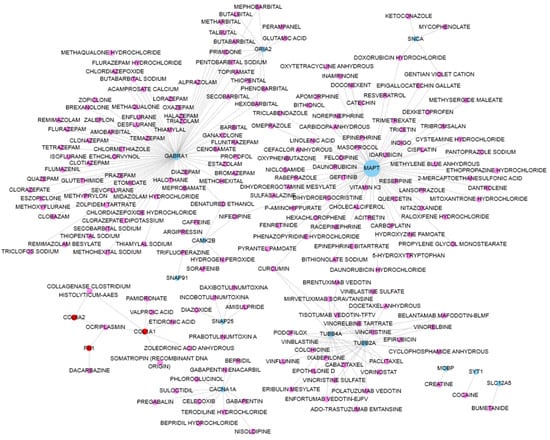
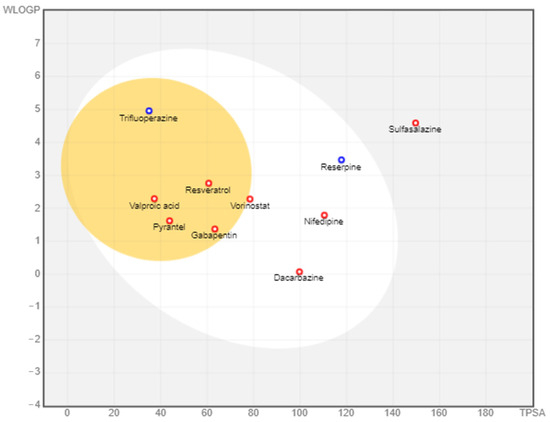
Background/Objectives: Brain tumors, particularly gliomas, have high mortality and are limited in treatment options, often complicated by severe conditions, which can be fatal. Given the increasing incidence and adverse effects of current drugs, an in silico drug repurposing approach using hub gene clusters to streamline and accelerate the search for new therapies. Methods: The GSE66354, GSE68848, GSE74195, and GSE43290 datasets were used to identify DEGs using GEO2R. A gene co-expression network was constructed using the STRING PPI database. Preserved clusters revealed hub genes, which were used for GO and KEGG pathway enrichment analyses. Drug repurposing screening was performed through drug–gene interactions in DGIdb. Suggestive drugs were then validated through GSEA-CMAP and BOILED-Egg. Results: The study identified three key gene clusters that serve a role in synaptic transmission and transmembrane transport, synaptic vesicle neurotransmission, and extracellular matrix formation. Five drugs passed the drug screening, which are Gabapentin, Pyrantel, Resveratrol, Trifluoperazine, and Valproic acid. Conclusions: Valproic acid and Gabapentin are highly suggestive as candidate repurposed drugs. This study enhances our understanding of brain tumor genetics and supports the development of new immunotherapeutic strategies.
Full article

Figure 1
Open AccessReview
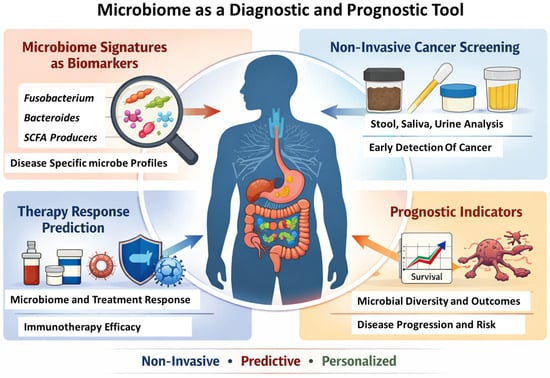
Microbiome-Driven Diagnostic and Therapeutic Strategies in Cancer
by
Rahul Dilawari, Aparajita Sharma, Jagdish Verma, Richa Thakur, Dipayan Das and Nitesh Priyadarshi
Onco 2026, 6(2), 21; https://doi.org/10.3390/onco6020021 (registering DOI) - 12 May 2026
Abstract
►▼
Show Figures
In cancer biology, the microbiome has emerged as a revolutionary field, revealing host–microbe interactions that drive cancer initiation, development, metastasis, and therapeutic response. The microbiome plays a mechanistic role in carcinogenesis by directly regulating host cell proliferation, apoptosis, and genomic stability, and indirectly
[...] Read more.
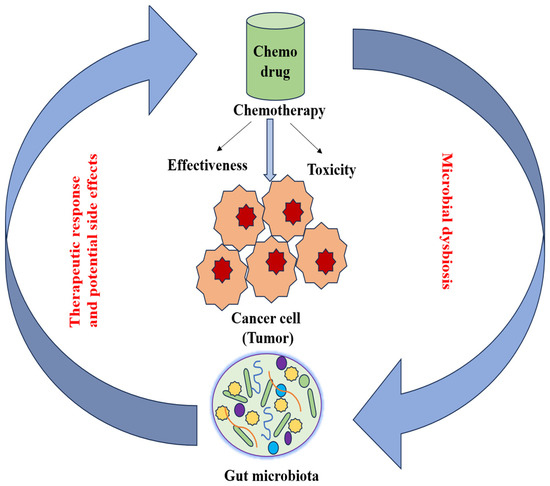
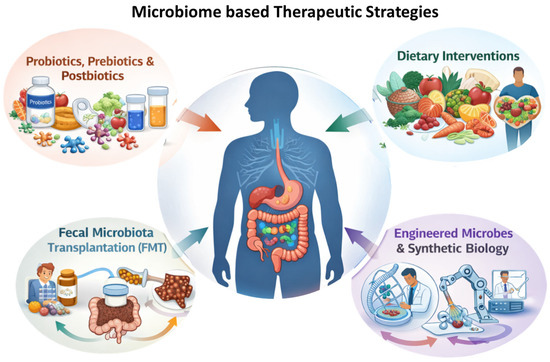
In cancer biology, the microbiome has emerged as a revolutionary field, revealing host–microbe interactions that drive cancer initiation, development, metastasis, and therapeutic response. The microbiome plays a mechanistic role in carcinogenesis by directly regulating host cell proliferation, apoptosis, and genomic stability, and indirectly through immune regulation and chronic inflammation. Depending on the microbial genetic makeup and host environment, microbial genotoxins, metabolites, and signaling molecules can either induce tumor growth or exert beneficial anticancer effects. Infectious agents are estimated to trigger a significant proportion of cancers globally, although the mechanistic pathways of the broader microbiome remain less well quantified. Likewise, it has been shown that microbiomes modulate the toxicity and efficacy of cancer treatments—specifically immunotherapy and chemotherapy—by mediating anti-tumor reactions and altering drug metabolism. Microbiome-based diagnostics, predictive markers, and therapeutic strategies like dietary modifications, probiotics, synthetic microbes, and fecal microbiota transplantation have collectively benefited from these breakthroughs. Despite rapid progress, integrating microbiome research into oncology is hindered by patient variability, methodological hurdles, and the difficulty of identifying definitive causal links. Large-scale clinical trials are essential for verifying the functional impact of microbiome-targeted treatments. The current review evaluates the mechanistic influence of microbiomes on cancer diagnosis and therapeutics.
Full article

Figure 1
Open AccessReview
The Emerging Role of MicroRNAs in Oral Cancer: From Pathogenesis to Targeted Therapy
by
Mehmet Bugrahan Duz, Seda Salman Yilmaz, Sahra Acir and Mustafa Ozen
Onco 2026, 6(2), 20; https://doi.org/10.3390/onco6020020 - 17 Apr 2026
Abstract
►▼
Show Figures
Oral cancer remains a major global health problem with high morbidity and mortality rates, and despite advances in therapeutic approaches, challenges persist in early diagnosis and effective disease management. MicroRNAs (miRNAs) are endogenous, small non-coding RNAs that regulate gene expression at the post-transcriptional
[...] Read more.
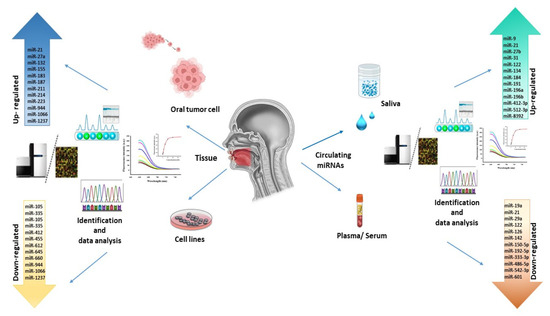
Oral cancer remains a major global health problem with high morbidity and mortality rates, and despite advances in therapeutic approaches, challenges persist in early diagnosis and effective disease management. MicroRNAs (miRNAs) are endogenous, small non-coding RNAs that regulate gene expression at the post-transcriptional level and play fundamental roles in maintaining cellular homeostasis, as well as in the initiation and progression of multiple malignancies, including oral cancer. Dysregulation of miRNAs contributes to oral carcinogenesis by modulating key cellular processes such as cell proliferation, apoptosis, invasion, metastasis, and angiogenesis. Altered miRNA expression profiles have been consistently identified in oral cancer tissues and body fluids, including saliva and blood, supporting their potential utility as reliable biomarkers for early detection, prognosis, and disease monitoring. Circulating miRNAs, in particular, represent a promising non-invasive diagnostic tool for assessing disease progression and therapeutic response. Moreover, miRNAs are actively involved in regulating sensitivity and resistance to chemotherapy and radiotherapy, with specific miRNAs either enhancing treatment efficacy or promoting therapeutic resistance. This review aims to highlight the critical role of miRNAs in oral cancer pathogenesis, diagnosis, prognosis, and treatment, exploring their potential as biomarkers and therapeutic targets to improve early detection, patient outcomes, and personalized treatment strategies.
Full article

Figure 1

Open AccessReview
Emerging Therapeutic Targets in Castration-Resistant Prostate Cancer
by
Sashana Dixon, Nicola Ewen Hall, Karelys Diaz-Davila, Helen A. Crentsil, Ana M. Castejon and Richard N. L. Lamptey
Onco 2026, 6(2), 19; https://doi.org/10.3390/onco6020019 - 1 Apr 2026
Abstract
►▼
Show Figures
Metastatic castration-resistant prostate cancer (mCRPC) is a prevalent malignancy marked by molecular heterogeneity, which contributes to resistance to standard therapies and poor clinical prognosis. Advances in genomic and transcriptomic profiling have identified key drivers such as alterations in AR, TP53, PTEN, and RB1,
[...] Read more.
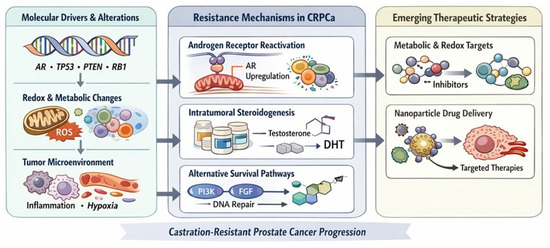
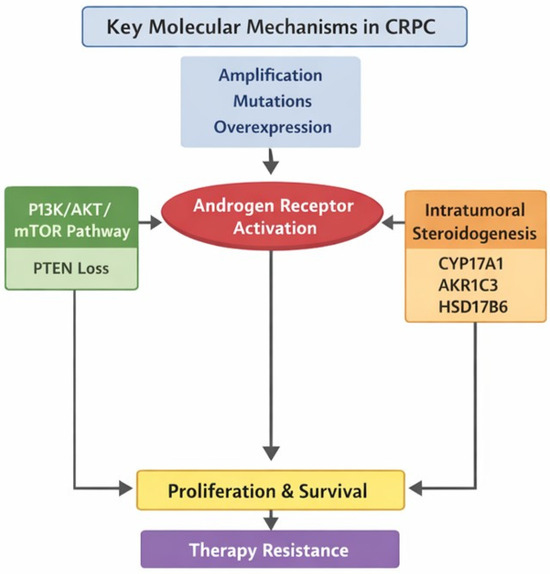
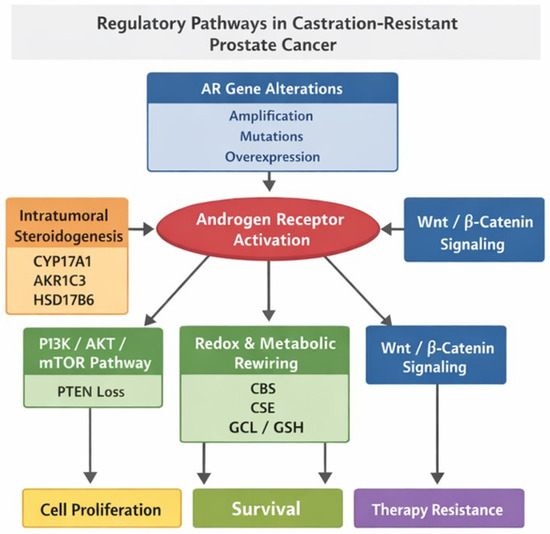
Metastatic castration-resistant prostate cancer (mCRPC) is a prevalent malignancy marked by molecular heterogeneity, which contributes to resistance to standard therapies and poor clinical prognosis. Advances in genomic and transcriptomic profiling have identified key drivers such as alterations in AR, TP53, PTEN, and RB1, which also enable cancer cells to circumvent therapies. Despite such advances, the underlying mechanisms involved in mCRPC drug resistance are complex, creating an urgent need for novel therapies to improve clinical outcomes. To address this clinical problem, strategies focused on targeting underlying molecular and metabolic supportive pathways using nano-delivery systems of diverse drugs could be promising in both CRPC and mCRPC therapy. This review provides an overview of the current understanding of the genomic and microenvironmental landscape of mCRPC and explores emerging classification frameworks aimed at improving patient outcomes. We highlight the potential of integrative multi-omics approaches to inform precision oncology and guide the development of more effective, personalized treatments for prostate cancer therapy.
Full article

Graphical abstract
Open AccessReview
Established and Emerging Less Invasive Biomarkers and Technologies for Lung Cancer Screening: Puerto Rican Context
by
Keisy Rodriguez-Villafañe, Clara Santiago, Juan E. Figueroa, Edwin Figueroa and Yamixa Delgado
Onco 2026, 6(2), 18; https://doi.org/10.3390/onco6020018 - 1 Apr 2026
Abstract
Background/Objectives: In Puerto Rico (PR), lung cancer mortality remains high because diagnoses frequently occur at advanced stages. Although low-dose computed tomography (LDCT) lowers lung cancer–specific mortality, this screening is difficult to operationalize locally due to high false-positive rates, radiology capacity constraints, payer limitations,
[...] Read more.
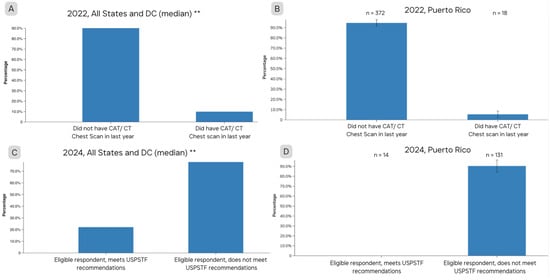
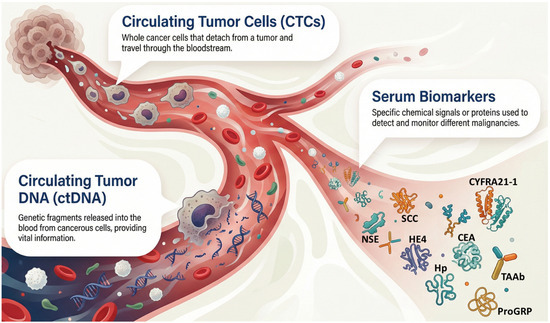
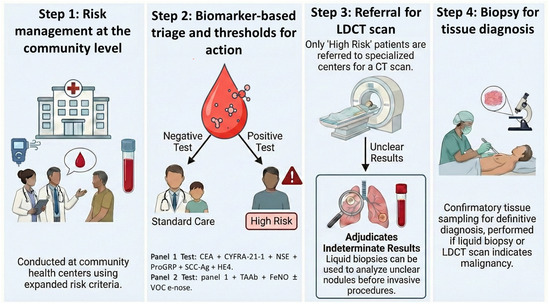
Background/Objectives: In Puerto Rico (PR), lung cancer mortality remains high because diagnoses frequently occur at advanced stages. Although low-dose computed tomography (LDCT) lowers lung cancer–specific mortality, this screening is difficult to operationalize locally due to high false-positive rates, radiology capacity constraints, payer limitations, and geographic barriers affecting rural populations. Methods: We performed a narrative review on the literature from 2001–2026 of established and emerging detection strategies—LDCT; serum biomarkers (CEA, CYFRA-21-1, NSE, ProGRP, SCC-Ag, HE4, Hp, TAAb); breath analysis (FeNO and VOCs); and liquid biopsy (ctDNAs/CTCs/miRNAs). We assessed technical performance, feasibility, and health-system fit in PR and then synthesized these findings into an implementable biomarker-first triage workflow for are. Results: Multiplex serum panels analyzed with machine learning outperform single markers and TAAb provide high specificity with biological lead time, supporting their use as a triage gateway before LDCT. Breathomics is also feasible at the point of care. Liquid biopsy has modest sensitivity in very-early disease yet provides molecular adjudication for indeterminate nodules. A stepwise pathway—expanded risk assessment, integrated multi-panel testing in primary care, LDCT reserved for biomarker-positive individuals, and liquid biopsy when imaging is inconclusive—can enrich pre-test probability, reduce unnecessary scans, align with capitation, and protect limited radiology capacity. Conclusions: An integrated, non-invasive, biomarker-first triage model offers a pragmatic, equitable route to earlier lung cancer detection in PR and resource stewardship, while reducing disparities.
Full article
(This article belongs to the Special Issue Biomarkers for the Detection of Cancer and Monitoring Response to Treatment)
►▼
Show Figures

Figure 1
Open AccessCase Report
Integrating DNA Methylation Profiling into Pediatric Brain Tumor Diagnostics: Insights from Four Cases
by
Liat Oren, Yael Fisher and Oz Mordechai
Onco 2026, 6(1), 17; https://doi.org/10.3390/onco6010017 - 5 Mar 2026
Abstract
►▼
Show Figures
Background: DNA methylation profiling has become an important diagnostic tool in pediatric neuro-oncology, particularly for tumors with overlapping morphology or unusual immunophenotypes. Methods: We report four pediatric brain tumor cases evaluated by histopathology and immunohistochemistry, supplemented by targeted next-generation sequencing (NGS) and DNA
[...] Read more.
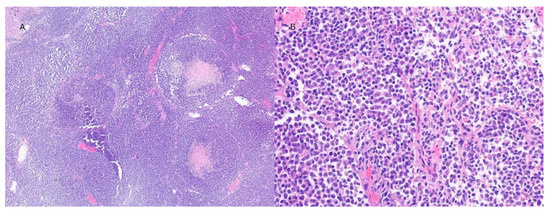
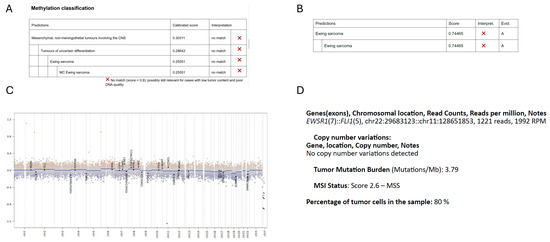
Background: DNA methylation profiling has become an important diagnostic tool in pediatric neuro-oncology, particularly for tumors with overlapping morphology or unusual immunophenotypes. Methods: We report four pediatric brain tumor cases evaluated by histopathology and immunohistochemistry, supplemented by targeted next-generation sequencing (NGS) and DNA methylation profiling using the DKFZ Brain Tumor Classifier (v12.8); one case also underwent DKFZ Sarcoma Classifier analysis (v13.2). Results: Methylation profiling provided clinically meaningful diagnostic insights across all cases. In two patients, methylation results supported integrated interpretation in diagnostically challenging settings without changing management. In two cases, methylation profiling prompted major diagnostic revisions with significant therapeutic consequences: (i) a tumor initially diagnosed as atypical teratoid/rhabdoid tumor was reclassified as CNS Ewing sarcoma, confirmed by an EWSR1-FLI1 fusion and immunophenotype, leading to a change to Ewing-based therapy; and (ii) a tumor interpreted as high-grade astrocytoma/glioblastoma was reclassified as a CNS tumor with BCOR internal tandem duplication, enabling a curative-intent approach and revised prognostic counseling. Conclusions: These cases illustrate that DNA methylation profiling can complement histopathology, resolve diagnostically ambiguous tumors, and in selected patients substantially alter treatment decisions and expected outcomes. Early integration of methylome profiling may improve precision diagnostics and reduce the risk of inappropriate therapy in pediatric brain tumors.
Full article

Figure 1
Open AccessArticle
Metabolic Reprogramming Following Mitochondrial Transfer Between IDH2-Mutant Chondrosarcoma Cells and a Normal B-Cell Line
by
Caleb Wyckoff, Christopher Osgood, Ellen Jing and Michael Stacey
Onco 2026, 6(1), 16; https://doi.org/10.3390/onco6010016 - 2 Mar 2026
Abstract
Background/Objectives: Chondrosarcoma, glioblastoma, acute myeloid leukemia, chronic lymphocytic leukemia, and cholangiocarcinoma cancers all contain mutations in the gene isocitrate dehydrogenase 2 (IDH2). The mutant IDH2 enzyme metabolizes alpha-ketoglutarate (αKG) into the potent oncometabolite D-2-hydroxyglutarate (D2HG) in the mitochondria of these cancers, leading to
[...] Read more.
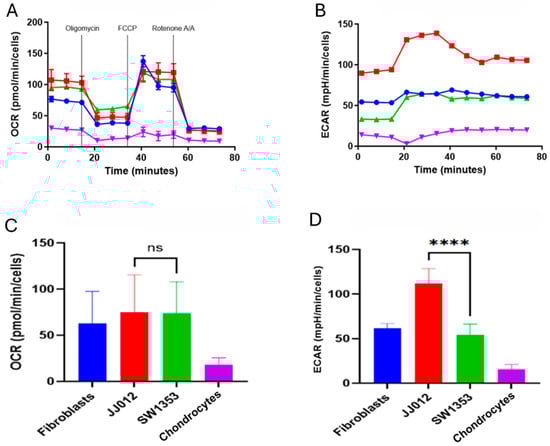
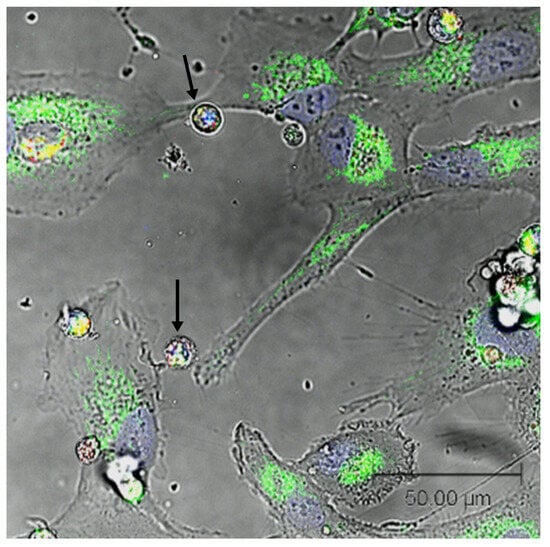
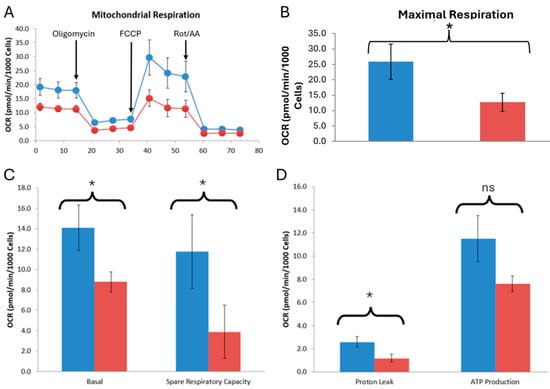
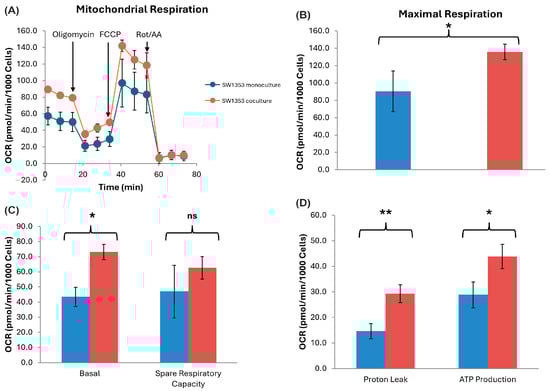
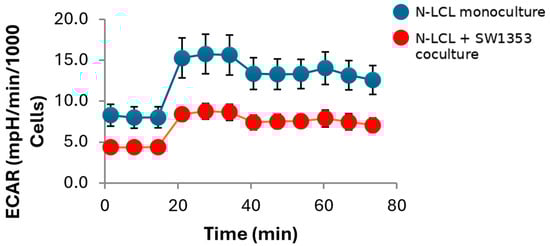
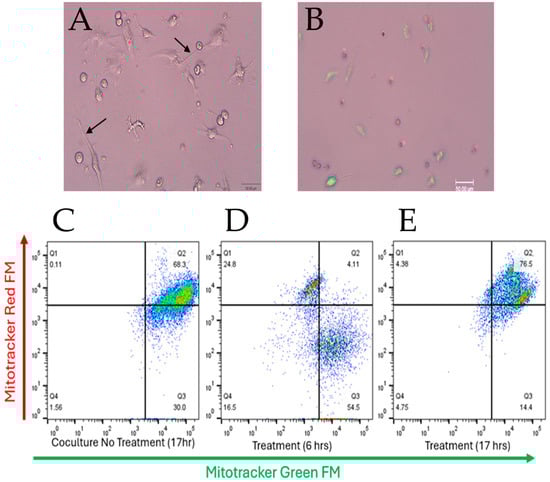
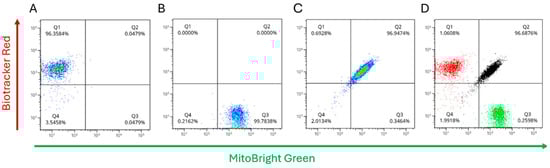
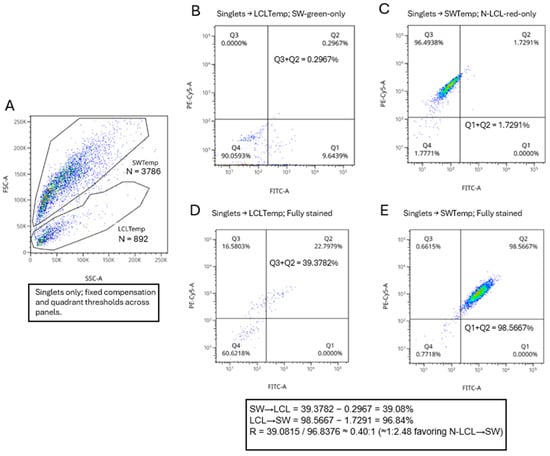
Background/Objectives: Chondrosarcoma, glioblastoma, acute myeloid leukemia, chronic lymphocytic leukemia, and cholangiocarcinoma cancers all contain mutations in the gene isocitrate dehydrogenase 2 (IDH2). The mutant IDH2 enzyme metabolizes alpha-ketoglutarate (αKG) into the potent oncometabolite D-2-hydroxyglutarate (D2HG) in the mitochondria of these cancers, leading to altered cellular metabolism. Emerging evidence suggests that mitochondrial transfer between cancer and recipient cells represents an important form of intercellular communication that may influence cellular metabolism. The presence of intercellular TNTs between IDH2-mutant chondrosarcoma cells motivated an investigation into mitochondria-associated physiological changes occurring during an intercellular exchange with immune cells. A mitochondrial transfer is a two-way process, and we hypothesized that mitochondria-associated material derived from IDH2-mutant chondrosarcoma cells is exchanged with normal cells through TNTs. We further hypothesized that disruption of the actin cytoskeleton will inhibit this transfer. Accordingly, our objectives were to (1) quantify the extent and directionality of the mitochondrial exchange between IDH2-mutant cells and wild-type cells and to modulate this process via cytoskeletal inhibitors, and (2) measure the metabolic changes associated with the coculture and mitochondrial exchange. Methods: IDH2-mutant chondrosarcoma cells were cocultured with immune cells in vitro to quantify the extent and directionality of the mitochondrial exchange, and cytochalasin B was used as a cytoskeletal inhibitor to disrupt actin-dependent transfer. Metabolic changes associated with coculture and mitochondrial exchange were assessed using Seahorse extracellular flux analysis. Results: The experimental data presented here demonstrate a bidirectional exchange of mitochondria-associated material between IDH2-mutant chondrosarcoma cells and immune cells in vitro, accompanied by metabolic alterations in both cell types. Conclusions: These findings advance our understanding of intercellular communication in the tumor microenvironment and provide a foundation for future studies examining the functional and therapeutic relevance of a mitochondrial exchange in IDH2-mutant cancers.
Full article
(This article belongs to the Special Issue Immune–Cancer Cell Interactions: Impact on Clinical Outcomes and Opportunities for Therapy)
►▼
Show Figures

Figure 1
Open AccessReview
The Male Predominance in HBV-Related Hepatocellular Carcinoma: Unraveling the Axis of Androgen Receptor, Viral Replication, and Immune Evasion via NKG2D Ligands
by
Koji Takahashi, Takaaki Ikegami, Arisa Kato, Nana Yamada, Terunao Iwanaga, Takafumi Sakuma, Junichi Senoo and Hidehiro Kamezaki
Onco 2026, 6(1), 15; https://doi.org/10.3390/onco6010015 - 1 Mar 2026
Abstract
►▼
Show Figures
Hepatocellular carcinoma (HCC) exhibits a striking male predominance, particularly in Hepatitis B Virus (HBV) endemic regions. While lifestyle factors and estrogen protection are traditional explanations, they fail to fully account for this disparity. This review elucidates the molecular mechanisms driving this gender gap,
[...] Read more.
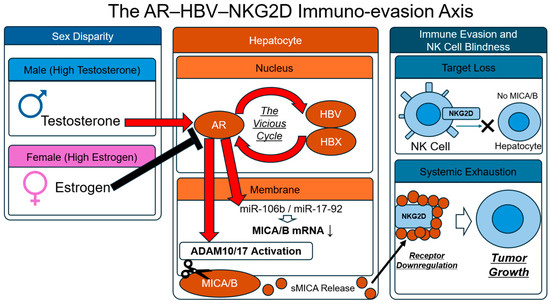
Hepatocellular carcinoma (HCC) exhibits a striking male predominance, particularly in Hepatitis B Virus (HBV) endemic regions. While lifestyle factors and estrogen protection are traditional explanations, they fail to fully account for this disparity. This review elucidates the molecular mechanisms driving this gender gap, focusing on the interplay between the Androgen Receptor (AR), viral replication, and the suppression of NKG2D-mediated immune surveillance. We synthesized experimental and clinical findings linking AR signaling, the viral protein HBx, and the regulation of NKG2D ligands (MICA/MICB). Current evidence identifies a positive feedback loop where AR enhances HBV replication, while HBx amplifies AR activity. Crucially, this axis systematically dismantles innate immunity: AR signaling represses MICA/B transcription via miRNA networks and upregulates ADAM metalloproteases, leading to ligand shedding and the release of soluble MICA (sMICA), effectively blinding Natural Killer (NK) cells. We propose that historical failures of anti-androgen monotherapy likely stemmed from ignoring this immune modulation. Consequently, targeting the AR-NKG2D axis represents a promising strategy to sensitize tumors to immunotherapy, suggesting that future therapeutic approaches should combine AR modulation with immune checkpoint inhibitors or shedding-blockade.
Full article

Figure 1

Open AccessArticle
Immunohistochemical Expression of Programmed Death-Ligand 1 Associated with Human Papillomavirus-Driven High-Grade Cervical Intraepithelial Neoplasia in South African Women
by
Jessica McIntyre, Rahaba Marima, Babatunde Alabi, Gopika Ramkilawon and Benny Mosoane
Onco 2026, 6(1), 14; https://doi.org/10.3390/onco6010014 - 24 Feb 2026
Abstract
►▼
Show Figures
Background: Cervical cancer is the second most prevalent malignancy among South African women, with high-risk human papillomavirus (HPV) infection as a critical risk factor. HPV plays a central role in cervical carcinogenesis, particularly in high-grade squamous intraepithelial lesions (HSIL). Increased programmed death ligand
[...] Read more.
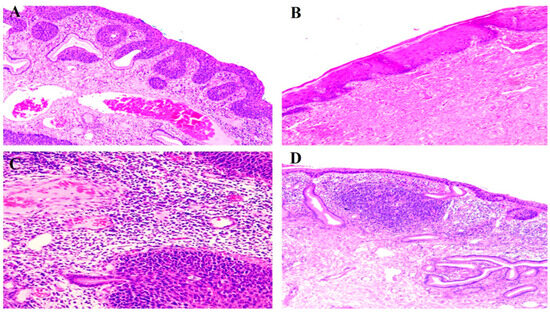
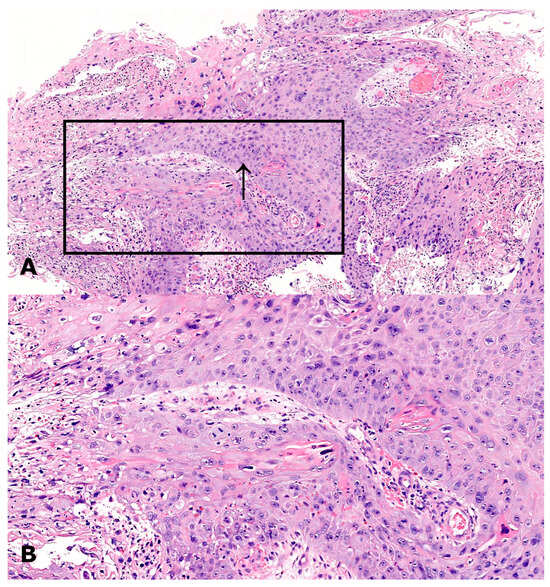
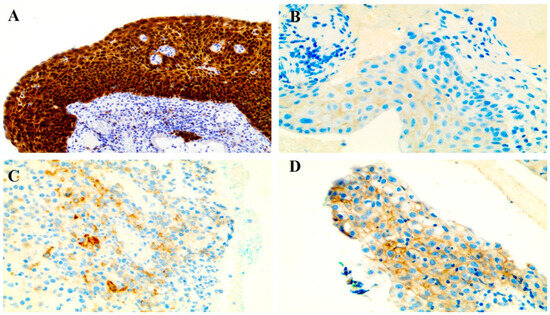
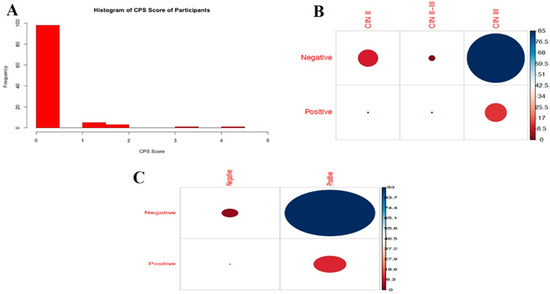
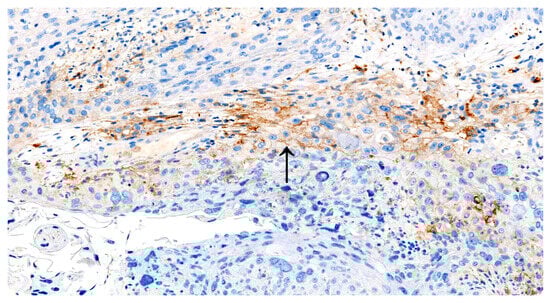
Background: Cervical cancer is the second most prevalent malignancy among South African women, with high-risk human papillomavirus (HPV) infection as a critical risk factor. HPV plays a central role in cervical carcinogenesis, particularly in high-grade squamous intraepithelial lesions (HSIL). Increased programmed death ligand 1 (PD-L1) expression has been implicated in cervical carcinoma tumorigenesis. Using immunohistochemistry, this study investigated the correlation between high-risk HPV-driven cervical intraepithelial neoplasia (CIN) and PD-L1 expression. Methods: An analytical cross-sectional study was conducted on archival tissue from the Department of Anatomical Pathology, University of Pretoria (2018–2021). Formalin-fixed paraffin-embedded tissues from loop electrosurgical excisions, cone biopsies, punch biopsies, and polypectomies were analysed. PD-L1 expression was assessed using the combined proportion score (CPS). Three pathologists independently evaluated histological grade, p16 immunohistochemistry, and PD-L1 expression. Results: Among 108 cases (mean age: 37.36 years), 89.8% were CIN 3, 9.3% CIN 2, and 0.9% CIN 2–3. p16 was positive in 97.2% of cases. PD-L1 expression (CPS ≥ 1) was observed in 9.3% of cases, with a mean CPS of 1.57%. No significant association was found between PD-L1 expression and CIN grade (p = 0.6433, Cramer’s V = 0.1191) or between PD-L1 and p16 positivity (p = 1, Cramer’s V = 0.05976). Conclusions: This study demonstrates no correlation between PD-L1 expression and high-risk HPV-driven high-grade CIN. These findings suggest that immune checkpoint inhibition targeting PD-L1 may have limited therapeutic relevance in HSIL among South African women.
Full article

Figure 1
Open AccessReview
Pancreatic Circulating Tumor Cells: An Update
by
Nerea Laura Keller, Gina Votta-Velis, José Alejandro Aguirre and Alain Borgeat
Onco 2026, 6(1), 13; https://doi.org/10.3390/onco6010013 - 13 Feb 2026
Abstract
Background/Objectives: Pancreatic ductal adenocarcinoma (PDAC) is a highly lethal malignancy characterized by late diagnosis, early metastasis, and poor response to therapy. Liquid biopsy approaches, including circulating tumor cells (CTCs), circulating tumor DNA (ctDNA), and exosomes, offer a minimally invasive method to monitor tumor
[...] Read more.
Background/Objectives: Pancreatic ductal adenocarcinoma (PDAC) is a highly lethal malignancy characterized by late diagnosis, early metastasis, and poor response to therapy. Liquid biopsy approaches, including circulating tumor cells (CTCs), circulating tumor DNA (ctDNA), and exosomes, offer a minimally invasive method to monitor tumor burden, progression, and treatment response in real time. This review aims to synthesize recent findings on CTCs in PDAC, evaluate detection technologies, and explore their clinical and translational potential. Methods: We conducted a comprehensive literature search using PubMed and Google Scholar, focusing on original studies and reviews published within the past 15 years. Articles were selected based on relevance to CTC biology, detection methods, clinical correlations, and integration with other biomarkers. Attention was paid to studies published since 2018 and landmark earlier works. Results: CTCs are detectable in PDAC patients and are consistently associated with worse survival and higher recurrence rates. However, detection sensitivity varies widely by method. EpCAM-based platforms like CellSearch® detect CTCs in ~7–48% of cases, while newer size-based and microfluidic approaches report rates above 75%. CTCs exhibit epithelial–mesenchymal and stem-like phenotypes and can form clusters with high metastatic potential. Recent studies demonstrate molecular heterogeneity and show that CTC-derived organoids are feasible for functional studies. Nonetheless, technical variability and the lack of standardization remain major obstacles. Conclusions: CTCs represent a promising biomarker for prognosis and treatment monitoring in PDAC. Further refinement of enrichment techniques, molecular profiling strategies, and prospective clinical validation are needed to integrate CTC assays into routine PDAC management.
Full article
Open AccessReview
Role of NLRP3 Inflammasome in Neurodegeneration and Cancer: A Double-Edged Sword
by
Emily Do and Surajit Hansda
Onco 2026, 6(1), 12; https://doi.org/10.3390/onco6010012 - 9 Feb 2026
Abstract
►▼
Show Figures
The innate immune system’s core sensor, the NLRP3 inflammasome (Nucleotide-binding Oligomerization Domain, Leucine-rich Repeat, and Pyrin Domain-Containing Protein 3), is a pivotal multi-protein complex that detects cellular danger and microbial threats. While its activation is fundamental for host defense, chronic dysregulation of NLRP3
[...] Read more.
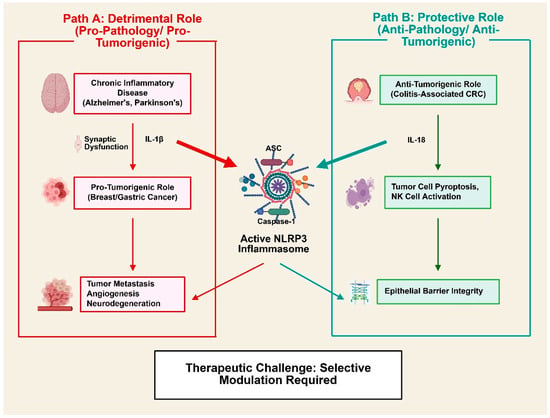
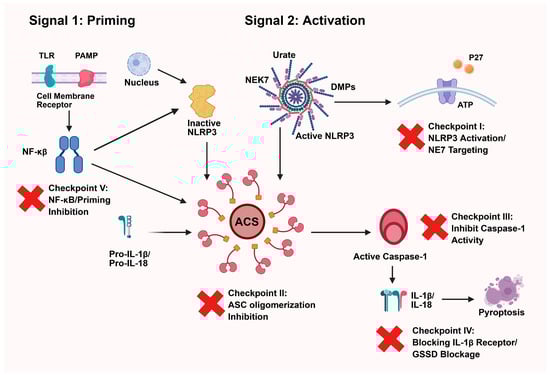
The innate immune system’s core sensor, the NLRP3 inflammasome (Nucleotide-binding Oligomerization Domain, Leucine-rich Repeat, and Pyrin Domain-Containing Protein 3), is a pivotal multi-protein complex that detects cellular danger and microbial threats. While its activation is fundamental for host defense, chronic dysregulation of NLRP3 is a central driver of pathology in diverse diseases, ranging from neurodegeneration to cancer. This review comprehensively examines the complex and often paradoxical roles of the NLRP3 inflammasome in these two distinct domains. In neurodegenerative disorders, including Alzheimer’s and Parkinson’s, aberrant NLRP3 activation drives persistent neuroinflammation, leading to synaptic dysfunction and neuronal loss through the sustained release of mature IL-1β and IL-18. Conversely, NLRP3 exhibits a striking bimodal role in oncology; it can promote tumorigenesis by fueling chronic inflammation, metastasis, and immune evasion in certain tumor microenvironments, yet simultaneously enhances anti-tumor immunity and pyroptotic cell death in other specific contexts. This context-dependent function highlights a critical therapeutic challenge. We delineate the shared molecular pathways, contrast disease-specific outcomes, and the current landscape of therapeutic strategies aimed at modulating NLRP3. Understanding the nuanced role of the inflammasome offers novel insights into the convergence of chronic inflammation, neurodegeneration, and tumor biology, and holds promise for the development of targeted, context-dependent therapies with dual clinical applications.
Full article

Figure 1

Open AccessArticle
Antitumor Effects of a Recombinant Streptococcus pyogenes Strain on Pancreatic Cancer Progression and Metastasis in an Orthotopic Mice Model
by
Anna N. Tsapieva, Nadezhda V. Duplik, Anastasiya O. Morozova, Tatiana A. Filatenkova, Varvara D. Karanina, Alexander N. Chernov, Mariia A. Suvorova, Lili Zhang, Aleksandr A. Matichin, Iana V. Agatsarskaya, Ekaterina A. Iz’yurova, Mihail V. Miroshnikov, Yaroslav A. Gushchin, Elena Egidarova, Kseniya P. Bogatireva and Alexander N. Suvorov
Onco 2026, 6(1), 11; https://doi.org/10.3390/onco6010011 - 5 Feb 2026
Abstract
►▼
Show Figures
Objectives. Pancreatic cancer remains one of the most lethal malignancies, and the lack of effective therapies highlights the need for novel treatment strategies. In this study, we evaluated the antitumor potential of the attenuated Streptococcus pyogenes strain GURSA1—engineered to knockout the M protein
[...] Read more.
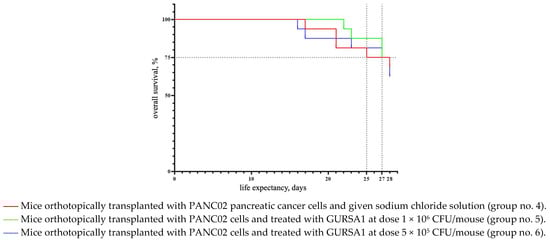
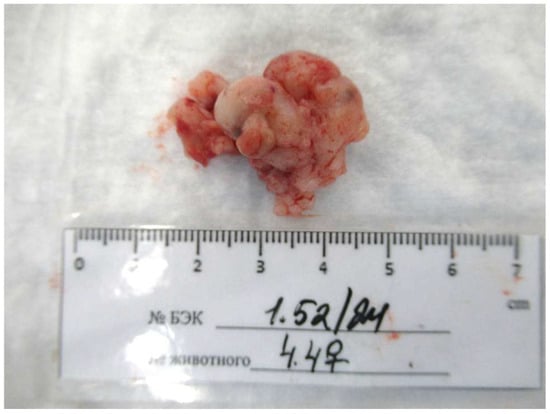
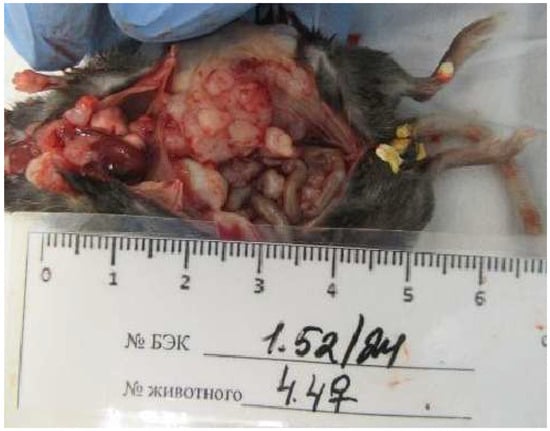
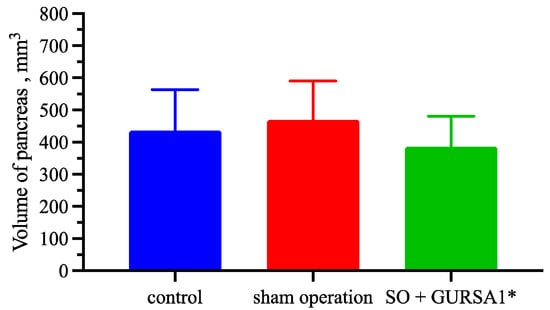
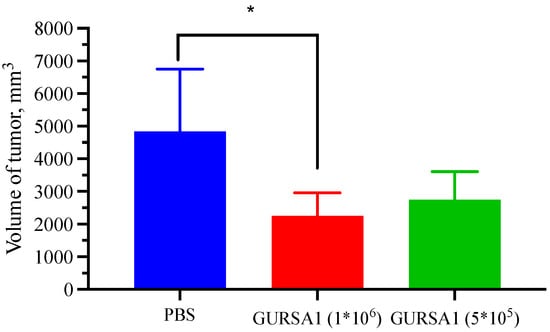
Objectives. Pancreatic cancer remains one of the most lethal malignancies, and the lack of effective therapies highlights the need for novel treatment strategies. In this study, we evaluated the antitumor potential of the attenuated Streptococcus pyogenes strain GURSA1—engineered to knockout the M protein completely—in a murine model of orthotopically transplanted pancreatic ductal adenocarcinoma. Methods. Female C57Bl/6 mice received intratumoral injections of GURSA1 at doses of 5 × 10⁵ or 1 × 10⁶ CFU per animal. Animal survival, body weight, tumor engraftment, metastasis intensity, tumor mass and volume, and hematological, biochemical, histological, and microbiological parameters were assessed. Results. Intratumoral administration of GURSA1 produced dose-dependent antitumor effects on tumor growth and metastatic burden, but did not result in a statistically significant survival benefit. The strain reduced tumor engraftment, the overall metastasis score, and the incidence of hemorrhagic ascites, while also decreasing tumor mass and volume, with the strongest effects observed at a dose of 1 × 10⁶ CFU. Treatment increased platelet counts and reduced urea and ALT levels toward values observed in intact mice, without affecting anemia, neutrophilia, or changes in AST, alkaline phosphatase, glucose, and total protein levels. Conclusions. These findings demonstrate that GURSA1 attenuates partial reduction in primary tumor burden in vivo and support further investigation of this strain as a potential oncolytic agent.
Full article

Figure 1
Open AccessReview
Immunotherapy in Small Cell Lung Cancer: Advances, Barriers, and Emerging Strategies
by
Manish Charan, Tanisha Mukherjee, Krina Patel and Ramesh K. Ganju
Onco 2026, 6(1), 10; https://doi.org/10.3390/onco6010010 - 5 Feb 2026
Abstract
Small cell lung cancer (SCLC) is a highly aggressive neuroendocrine disease marked by rapid growth, early metastatic spread, and poor outcomes. The addition of immune checkpoint inhibitors (ICIs) targeting the PD-1/PD-L1 axis to first-line chemotherapy has recently reshaped the treatment landscape for extensive-stage
[...] Read more.
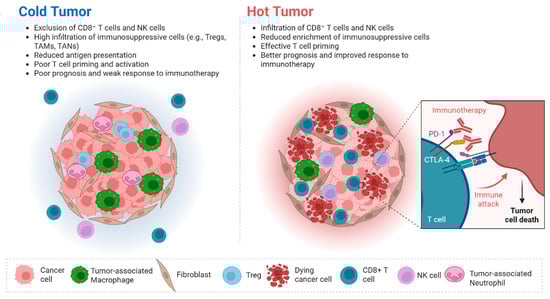
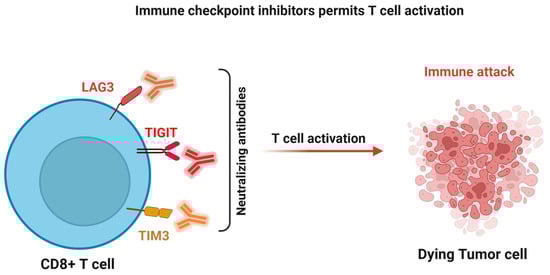
Small cell lung cancer (SCLC) is a highly aggressive neuroendocrine disease marked by rapid growth, early metastatic spread, and poor outcomes. The addition of immune checkpoint inhibitors (ICIs) targeting the PD-1/PD-L1 axis to first-line chemotherapy has recently reshaped the treatment landscape for extensive-stage SCLC (ES-SCLC); however, the resulting survival gains remain modest compared with non-small lung cancer (NSCLC). This review explores the molecular features of the SCLC immune landscape that contribute to its predominantly “cold” tumor phenotype, including low MHC class I expression, T-cell exhaustion, and a profoundly immunosuppressive tumor microenvironment (TME). We summarize key clinical findings from landmark trials and examine mechanisms of both primary and acquired resistance against ICIs in SCLC. In addition, we have reviewed the growing role of precision medicine in SCLC, including molecular subtyping (SCLC-A, -N, -P, and -I) and the development of next-generation immunotherapies such as bispecific T-cell engagers (BiTEs), B7-H3, targeted therapy, and antibody–drug conjugates. By combining existing clinical evidence with new molecular insights, this review article presents strategies to overcome the existing therapeutic plateau and enhance personalized immunotherapy approaches in SCLC.
Full article
(This article belongs to the Special Issue Immune–Cancer Cell Interactions: Impact on Clinical Outcomes and Opportunities for Therapy)
►▼
Show Figures

Figure 1
Open AccessReview
Advancing Immunotherapy in Cervical Cancer: Biological Rationale, Clinical Evidence, and Biomarker Standardization
by
Sofia Carralas Antunes, Joana Nogueira, Daniel Gomes Pinto and Leda Viegas de Carvalho
Onco 2026, 6(1), 9; https://doi.org/10.3390/onco6010009 - 2 Feb 2026
Abstract
►▼
Show Figures
Cervical cancer is strongly associated with persistent infection by high-risk human papillomavirus (HPV). Recent advances in immunotherapy have redefined the therapeutic landscape of this disease. We aim to review the biological rationale, clinical evidence, and biomarker standardization supporting the use of immune checkpoint
[...] Read more.
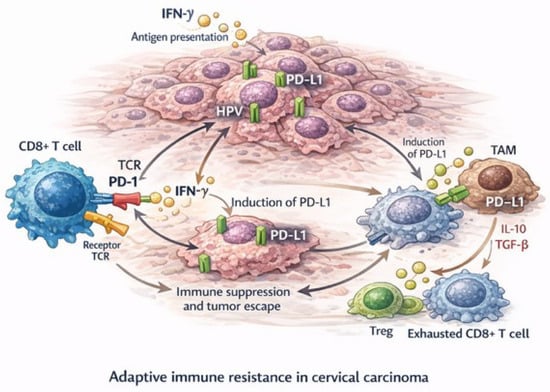
Cervical cancer is strongly associated with persistent infection by high-risk human papillomavirus (HPV). Recent advances in immunotherapy have redefined the therapeutic landscape of this disease. We aim to review the biological rationale, clinical evidence, and biomarker standardization supporting the use of immune checkpoint inhibitors (ICIs) in cervical cancer. A comprehensive review of recent literature and pivotal phase II–III clinical trials was performed, focusing on the PD-1/PD-L1 and CTLA-4 pathways, mechanisms of immune evasion, and predictive biomarkers. Persistent HPV infection leads to immune dysregulation and PD-L1 upregulation through E6/E7-mediated activation of the PI3K/AKT/mTOR and JAK/STAT pathways. ICIs have demonstrated significant improvements in overall survival, progression-free survival, and objective response rates in advanced and recurrent disease. PD-L1 immunohistochemistry using standardized assays such as 22C3 pharmDx and SP263 remains the key biomarker for treatment selection, while emerging molecular markers (TMB, MSI, HLA-I expression) are under investigation. Immunotherapy represents a major step forward in cervical cancer management, integrating molecular diagnostics and immune modulation into clinical practice. Continued efforts to refine biomarkers, optimize combination strategies, and expand global access will be essential to achieve equitable outcomes and disease elimination goals.
Full article

Figure 1
Open AccessArticle
Impact of Unplanned Radiotherapy Interruptions and Prolonged Overall Treatment Time on Recurrence in Head and Neck Squamous-Cell Carcinoma: A Retrospective Analysis from a Single Institution
by
Rabia S. Angiras, Dilson Lobo, Athiyamaan M. Senthiappan, Sourjya Banerjee, Srinivas Challapalli, Johan Sunny, Abhishek Krishna and Paul Simon
Onco 2026, 6(1), 8; https://doi.org/10.3390/onco6010008 - 17 Jan 2026
Abstract
Introduction: Radiotherapy plays a critical role in the management of head and neck squamous-cell carcinoma (HNSCC); however, the influence of overall treatment time on patient outcomes remains an area of ongoing investigation. The use of radiation, either in conjunction with concurrent chemotherapy
[...] Read more.
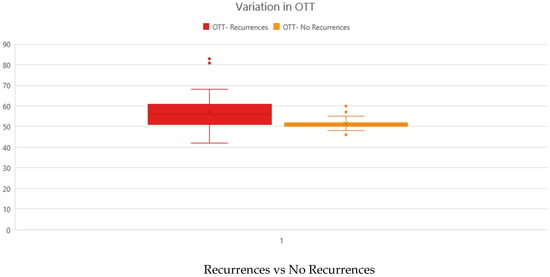
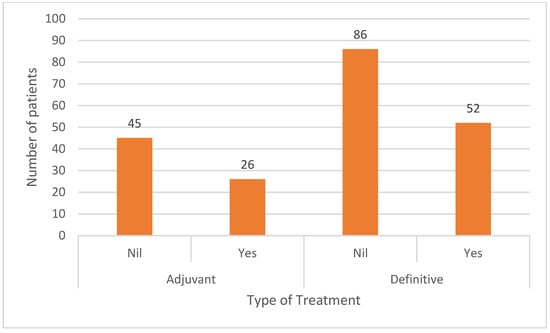
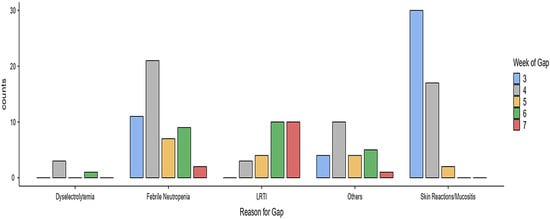
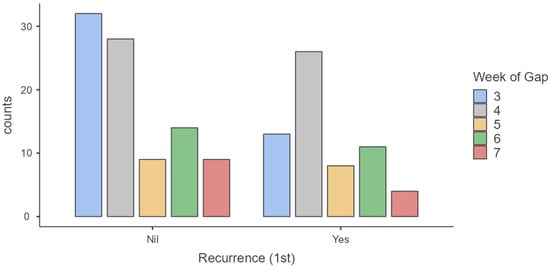
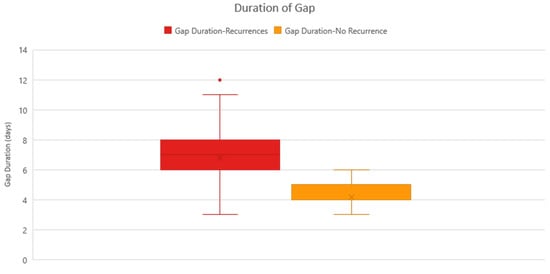
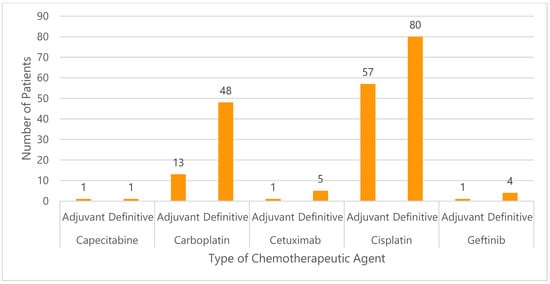
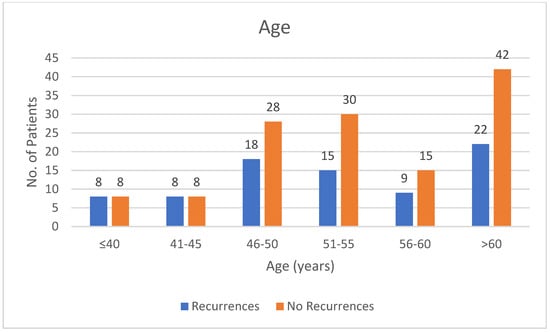
Introduction: Radiotherapy plays a critical role in the management of head and neck squamous-cell carcinoma (HNSCC); however, the influence of overall treatment time on patient outcomes remains an area of ongoing investigation. The use of radiation, either in conjunction with concurrent chemotherapy or on its own, is crucial when treating HNSCC. Despite the longstanding hypothesis that treatment gaps may adversely affect tumor response and overall survival, there is a paucity of literature on this particular area. This study aims to bridge the knowledge gap and assess the correlation of treatment gaps on recurrences in HNSCC patients. Materials and Methodology: This retrospective study is based on an analysis of data obtained from a single institution between 2017 and 2021. Patients were selected on the basis of the presence of treatment gaps. Data were extracted from medical records and analyzed to evaluate the association between overall treatment time and various patient and treatment-related factors. Various factors thought to contribute to treatment gaps, such as age, TNM Stage, radiation dose, and use of concurrent chemotherapy, were also examined. Results: A total of 212 patients with treatment gaps were evaluated. Of these, 80 individuals experienced recurrences. It was observed that compared to distant metastases, locoregional failure was more frequent (n = 2, 4.2% vs. n = 45, 95.74%). The patients underwent both adjuvant and definitive therapy and were treated with a dose range of 60–70 Gy and concurrent cisplatin chemotherapy. It was noticed that this cohort had a range of 4–43 days of treatment gaps. Notably, 19 out of 47 patients had treatment gaps ≤ 5 days, while 28 out of 47 had gaps exceeding 5 days. It was also observed that patients with treatment gaps of >5 days had poorer quality of life and overall survival. Conclusions: This study identified that the Overall Treatment Time (OTT) had a strong statistical correlation with the development of recurrences. Further, the age of the patient, presence of neutropenia and the duration of the treatment gap were also identified to significantly correlate with the chance of developing recurrences.
Full article
(This article belongs to the Topic Cancer Biology and Radiation Therapy: 2nd Edition)
►▼
Show Figures

Figure 1
Open AccessCommentary
Cancer Characteristics and Immunotherapy in Older Adults: Treatment Approaches, Immune-Related Adverse Events, and Management Considerations
by
Graham Pawelec, Suzanne Ostrand-Rosenberg, Tamas Fülöp, Flore Van Leemput and Chris P. Verschoor
Onco 2026, 6(1), 7; https://doi.org/10.3390/onco6010007 - 16 Jan 2026
Cited by 1
Abstract
Most clinical cancer therapy trials do not specifically consider the effect of patient age on treatment outcomes, and many even exclude older individuals. This is despite the fact that solid cancers are age-associated diseases and that there are many shared hallmarks between biological
[...] Read more.
Most clinical cancer therapy trials do not specifically consider the effect of patient age on treatment outcomes, and many even exclude older individuals. This is despite the fact that solid cancers are age-associated diseases and that there are many shared hallmarks between biological ageing and cancer. Thus, there is an increasing awareness of the serious gaps remaining in our knowledge of how older adults respond to cancer treatments, particularly immunotherapies. Emerging evidence suggests that it is not only the physiological and immunological changes associated with chronological ageing that impacts cancer treatment, but also those heterogeneous differences that impact treatment outcomes, such as frailty, comorbidities, and more generally, biological ageing. Importantly, it remains unclear which of these factors are negative or positive contributors, as has been illuminated by recent evidence pertaining to the incidence and severity of immune-related adverse events and survival. Much of our information on older patients in this context is essentially anecdotal, mostly deriving from the treatment of older adults in real-world practice or clinical trials that happened to include some older patients. Given the lack of comprehensive articles on the heterogeneity of ageing as a core determinant of cancer treatment outcomes, we briefly consider the state of the art of cancer research and treatment in the older patient, with an emphasis on immunotherapy and geriatric oncology.
Full article
Open AccessCase Report
Therapeutic Management of Patients with Metastatic BRAF-Mutated Melanoma: A Case Series Encompassing Different Clinical Scenarios
by
Ana Arance, Roberto Díaz, Eva Muñoz-Couselo, Teresa Puértolas, Almudena García Castaño, Rafael López Castro, Gretel Benítez López, Rubén de Toro, María Quindós, Enrique Espinosa, Pablo Ayala de Miguel and Margarita Majem
Onco 2026, 6(1), 6; https://doi.org/10.3390/onco6010006 - 15 Jan 2026
Abstract
►▼
Show Figures
In the context of advanced BRAF-mutant melanoma, the treatment landscape has undergone a paradigm shift due to the impact of immune checkpoint inhibitors and BRAF/MEK inhibitors. This article presents three clinically illustrative melanoma cases that served as focal points for in-depth discussions
[...] Read more.
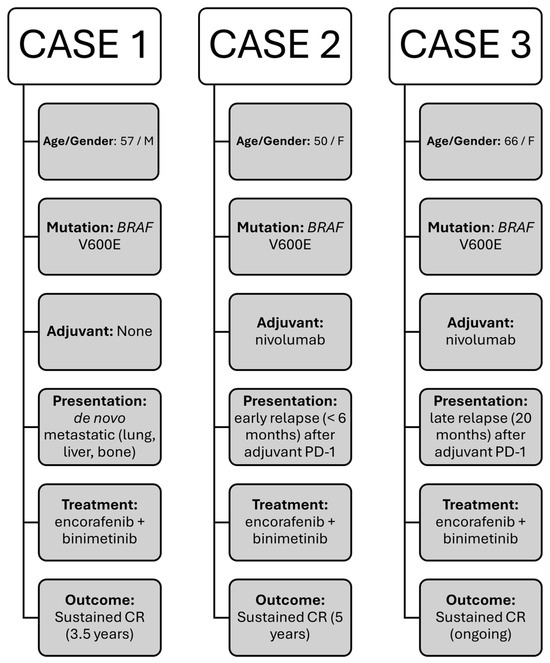
In the context of advanced BRAF-mutant melanoma, the treatment landscape has undergone a paradigm shift due to the impact of immune checkpoint inhibitors and BRAF/MEK inhibitors. This article presents three clinically illustrative melanoma cases that served as focal points for in-depth discussions during 12 expert meetings held across Spain. These include a treatment-naïve metastatic melanoma patient, a patient experiencing a recurrence while on anti-PD-1 adjuvant therapy, and a third patient whose melanoma relapsed ≥6 months after the end of adjuvant therapy. The discussions revolved around optimal treatment sequencing, emphasizing the challenges and alternatives discussed in each scenario. The common view aligned towards a nuanced approach that involves navigating the complexities of treatment choices. The conclusions underscore the need for personalized therapeutic strategies and highlight the ongoing challenge of refining real-life evidence-based algorithms for the management of metastatic BRAF-mutant melanoma.
Full article

Figure 1
Highly Accessed Articles
Latest Books
E-Mail Alert
News
Topics
Topic in
Cancers, Current Oncology, JCM, Medicina, Onco
Cancer Biology and Radiation Therapy: 2nd Edition
Topic Editors: Chang Ming Charlie Ma, Ka Yu Tse, Ming-Yii Huang, Mukund SeshadriDeadline: 25 July 2026
Topic in
Cancers, Current Oncology, Diseases, Onco
Genomic Signature of Ocular Tumors
Topic Editors: Bita Esmaeli, Natalie WolkowDeadline: 20 October 2026
Topic in
Biomolecules, Molecules, Nanomaterials, Onco, Pharmaceutics, Cancers, Applied Nano, Antioxidants
Advanced Nanocarriers for Targeted Drug and Gene Delivery
Topic Editors: Rita Cortesi, Maddalena Sguizzato, Francesca FerraraDeadline: 31 December 2026
Topic in
Biomedicines, Cancers, Current Oncology, IJMS, Onco
Targeting Novel Anticancer Agents: From Molecular Mechanisms and Tumor Microenvironment to Therapy Resistance
Topic Editors: Marzia Bruna Gariboldi, Elisa MartellaDeadline: 31 January 2027
Special Issues
Special Issue in
Onco
Liquid Biopsy and Peripheral Immune Status in Cancer Therapy Response
Guest Editors: Galatea Kallergi, Anastasia Xagara, Constantin N. BaxevanisDeadline: 31 May 2026
Special Issue in
Onco
Biomarkers for the Detection of Cancer and Monitoring Response to Treatment
Guest Editor: Barbara GuinnDeadline: 1 January 2027