

Journal Description
Polymers
Polymers
is an international, peer-reviewed, open access journal of polymer science published semimonthly online by MDPI. Belgian Polymer Group (BPG), European Colloid & Interface Society (ECIS), National Interuniversity Consortium of Materials Science and Technology (INSTM) and North American Thermal Analysis Society (NATAS) are affiliated with Polymers and their members receive a discount on the article processing charges.
- Open Access— free for readers, with article processing charges (APC) paid by authors or their institutions.
- High Visibility: indexed within Scopus, SCIE (Web of Science), Ei Compendex, PubMed, PMC, FSTA, CAPlus / SciFinder, Inspec, and other databases.
- Journal Rank: JCR - Q1 (Polymer Science) / CiteScore - Q1 (General Chemistry )
- Rapid Publication: manuscripts are peer-reviewed and a first decision is provided to authors approximately 14.4 days after submission; acceptance to publication is undertaken in 2.6 days (median values for papers published in this journal in the second half of 2025).
- Recognition of Reviewers: reviewers who provide timely, thorough peer-review reports receive vouchers entitling them to a discount on the APC of their next publication in MDPI journals, in appreciation of the work.
- Testimonials: See what our authors and editors say about Polymers.
- Journal Cluster of Polymer and Macromolecular Science: Polymers, Gels, Polysaccharides, Textiles, Macromol, Microplastics and Adhesives.
Impact Factor:
4.9 (2024);
5-Year Impact Factor:
5.2 (2024)
Latest Articles
Self-Assembly of Curved Photonic Heterostructures by the Hanging Drop Method
Polymers 2026, 18(8), 924; https://doi.org/10.3390/polym18080924 (registering DOI) - 9 Apr 2026
Abstract
By combining hanging-drop self-assembly with melt infiltration and selective inversion, we fabricate millimetric and free-standing curved photonic heterostructures that integrate infiltrated-opal, inverse-opal, embossed, and white-scattering 2.5D metasurface domains within a single continuous body. These architectures enable configurations inaccessible to planar fabrication, including naturally
[...] Read more.
By combining hanging-drop self-assembly with melt infiltration and selective inversion, we fabricate millimetric and free-standing curved photonic heterostructures that integrate infiltrated-opal, inverse-opal, embossed, and white-scattering 2.5D metasurface domains within a single continuous body. These architectures enable configurations inaccessible to planar fabrication, including naturally formed concavities within convex inverse-opal films and alternating ordered/single-layer regions that preserve local coherence while introducing disorder at larger scales. Across these heterogeneous curved landscapes, we observe optical phenomena absent in flat photonic structures—spectrally selected lateral collimation, geometry-shifted ghost images, and transmission-derived valleys shaped by curvature-mediated Bragg extraction. Their origin lies in the geometric constraints inherent to curved assemblies, where spatially varying normals, non-parallel lattice orientations, and topologically required defects couple order and disorder into a distributed-coherence regime. This coupling expands the accessible photonic state space, establishing curvature as an active functional degree of freedom rather than a geometric constraint, positioning the self-assembled photonic heterostructures as a scalable route toward multifunctional 3D metasurfaces and new regimes of light–matter interaction.
Full article
(This article belongs to the Special Issue Advances in Polymer Materials for Sensors and Flexible Electronics)
Open AccessArticle
Preparation and Properties of Electro-Blown Spinning Erythritol-Based Coaxial Phase Change Fibers
by
Jiaxi Yang, Bingnan Chen, Yanxiong Qiao, Zhiguo Ma, Chuanxi Qiao, Zehao Wang, Heqiang Zheng, Zhiqiang Bian, Na Huang, Chunguang Wei, Jun Liu and Ding Nan
Polymers 2026, 18(8), 923; https://doi.org/10.3390/polym18080923 (registering DOI) - 9 Apr 2026
Abstract
Phase change thermal storage fibers with high latent heat have attracted significant attention in thermal management and heat storage. Through fiber encapsulation, shape-stable phase change materials can be prepared, thereby expanding their applications. In this study, electro-blown spinning was utilized to prepare phase
[...] Read more.
Phase change thermal storage fibers with high latent heat have attracted significant attention in thermal management and heat storage. Through fiber encapsulation, shape-stable phase change materials can be prepared, thereby expanding their applications. In this study, electro-blown spinning was utilized to prepare phase change materials (PCM) using erythritol, with polyethylene oxide (PEO) as the carrier material. Coaxial thermal storage fibers encapsulating the phase change materials were prepared using polyvinyl alcohol (PVA) and polyvinylpyrrolidone (PVP). The results indicate that the composite fibers have a smooth surface, uniform and smooth morphology, a maximum latent heat of 223.01 J/g, as well as excellent thermal stability. The coaxial fibers exhibit a distinct core–shell structure, with the coaxial fibers encapsulated with PVA as the shell material, demonstrating a high latent heat of 118.62 J/g, a residual rate of 93.81% after heating, and excellent thermal performance. The encapsulation efficiency is 53%, effectively addressing the issue of erythritol leakage. The research results provide valuable guidance for the efficient preparation of erythritol coaxial thermal storage fibers.
Full article
(This article belongs to the Section Polymer Fibers)
Open AccessArticle
Effective Deconstruction of Lignocellulose Through Oxidative Catalytic Fractionation Under Additive-Free Non-Alkaline System via Co-LDO Catalyst
by
Haozhi Zhang, Wei Yan, Ying Wang, Cheng-Ye Ma and Changfu Zhuang
Polymers 2026, 18(8), 922; https://doi.org/10.3390/polym18080922 (registering DOI) - 9 Apr 2026
Abstract
Oxidative catalytic fractionation (OCF) under the lignin-first strategy has emerged as a critical technological approach for biomass refining. To address the inevitable carbohydrate degradation and lignin condensation in conventional OCF, this study designed a cobalt-doped layered double hydroxide oxide (Co-LDO) catalyst compatible with
[...] Read more.
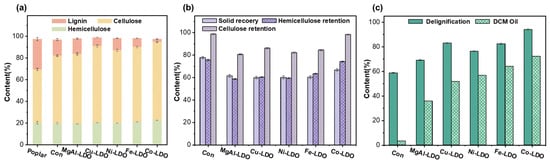
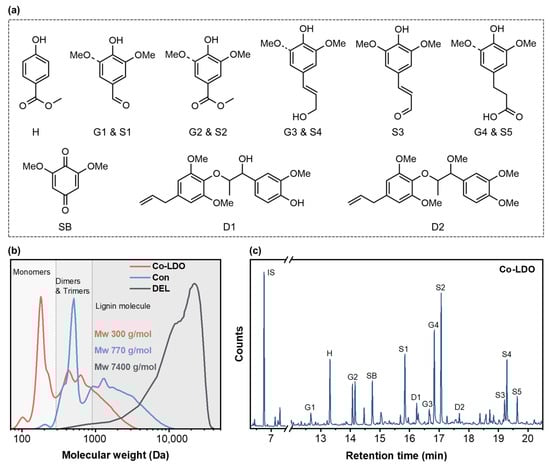
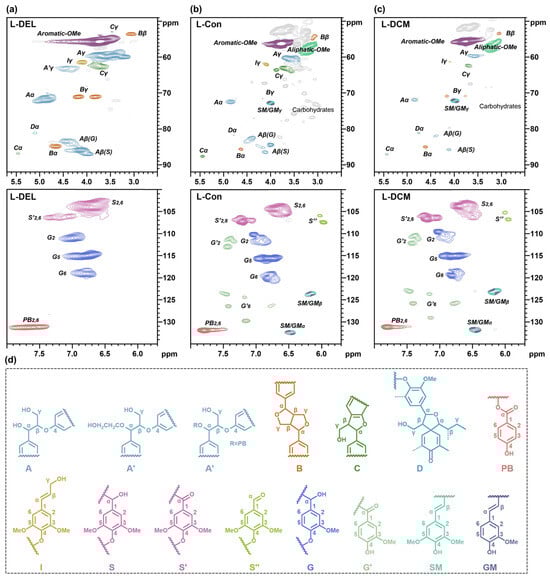
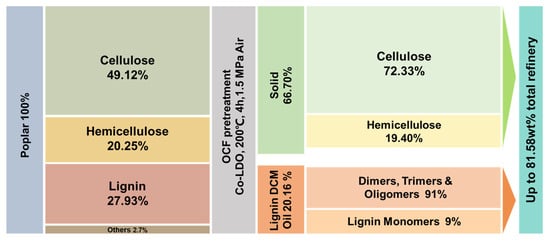
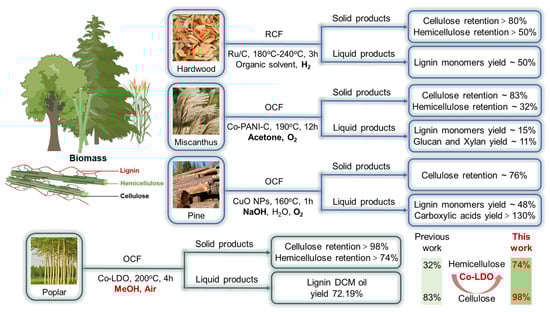
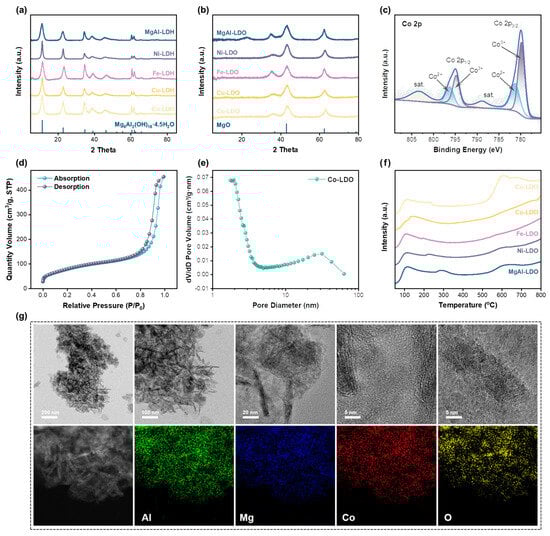
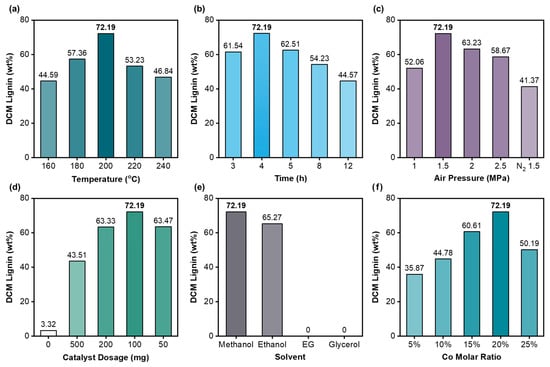
Oxidative catalytic fractionation (OCF) under the lignin-first strategy has emerged as a critical technological approach for biomass refining. To address the inevitable carbohydrate degradation and lignin condensation in conventional OCF, this study designed a cobalt-doped layered double hydroxide oxide (Co-LDO) catalyst compatible with non-alkaline (without Brønsted bases) organic systems, which exhibits excellent performance in poplar biomass OCF. With a straightforward preparation process, the Co-LDO catalyst yields high-content oxidized lignin oligomers while efficiently retaining carbohydrates, providing feedstock rich in carbohydrates (cellulose and hemicellulose) for the subsequent production of bioenergy and biomass-based chemicals. Under optimized conditions screened via systematic reaction condition investigation and metal-doped LDO catalyst evaluation, the process achieved a 94.01 wt% delignification rate, with 72.19 wt% of lignin converted into lignin oligomer oil, supported by detailed product composition and structural characterization. Meanwhile, 74.14 wt% hemicellulose and 98.23 wt% cellulose were recovered in solid residues, with structurally intact hemicellulose retention being 2.3 times higher than in traditional OCF. Mass balance calculation confirmed a total poplar refining yield of 81.58 wt%. In summary, this Co-LDO-catalyzed OCF strategy provides a high-activity non-precious metal system, effectively suppressing lignin condensation while preserving high-yield carbohydrates, realizing the efficient full-component refining of poplar biomass.
Full article
(This article belongs to the Topic Biomass for Energy, Chemicals and Materials)
►▼
Show Figures

Figure 1
Open AccessArticle
Evaluation of Shear Performance of Integrated GFRP Stirrup Systems in Reinforced Concrete Beams
by
Saruhan Kartal, Uğur Gündoğan, İlker Kalkan, Turki S. Alahmari, Abderrahim Lakhouit and Akin Duvan
Polymers 2026, 18(8), 921; https://doi.org/10.3390/polym18080921 (registering DOI) - 9 Apr 2026
Abstract
This study investigates the shear behavior of glass fiber-reinforced polymer (GFRP)-reinforced concrete (RC) beams to address challenges associated with their low elastic modulus, absence of yielding, and reduced stirrup efficiency in bending regions. GFRP bars are increasingly adopted as an alternative to steel
[...] Read more.
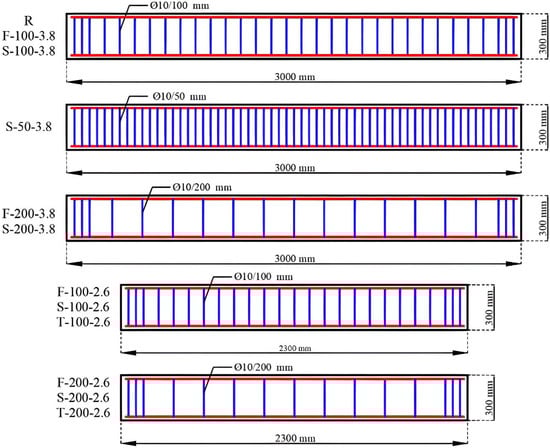
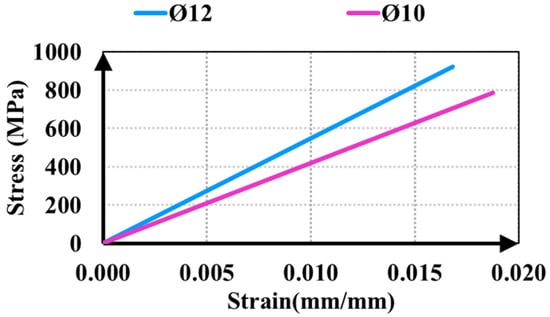
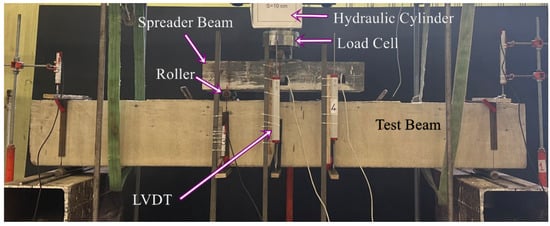
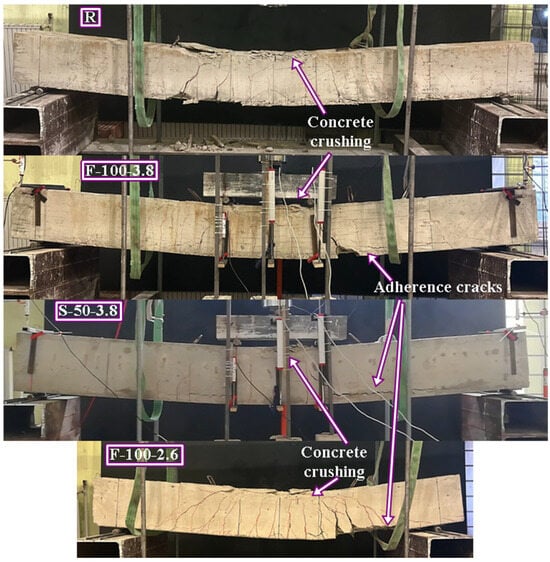
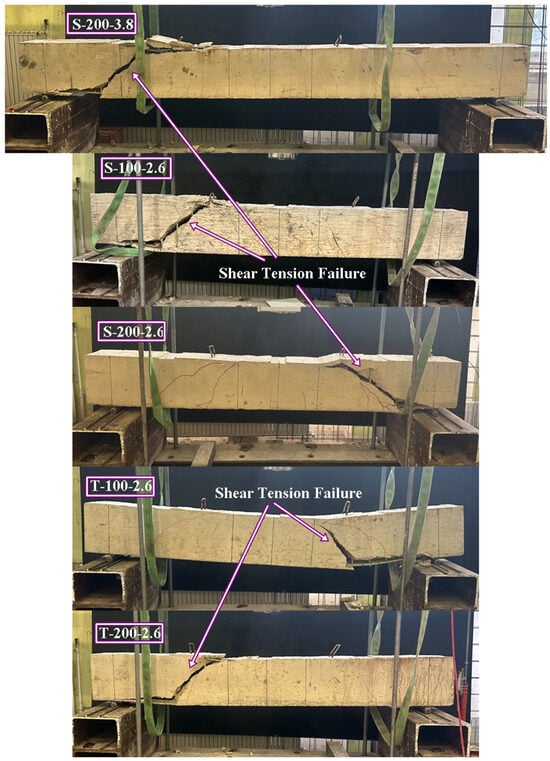
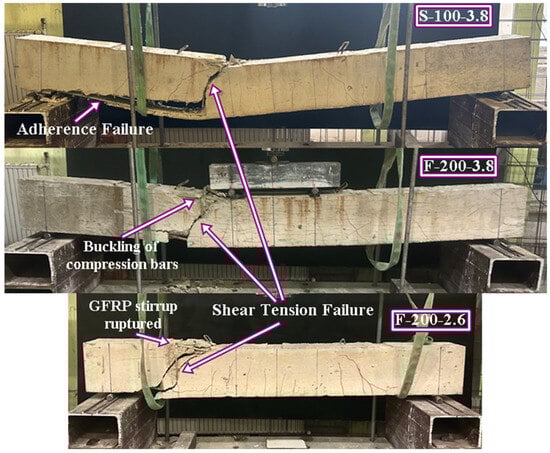
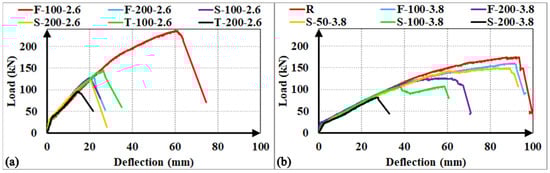
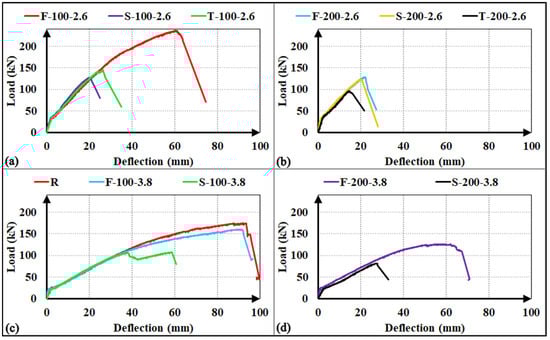
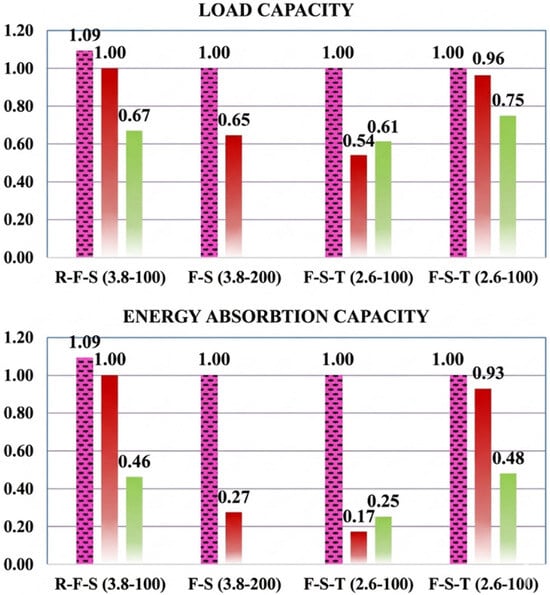
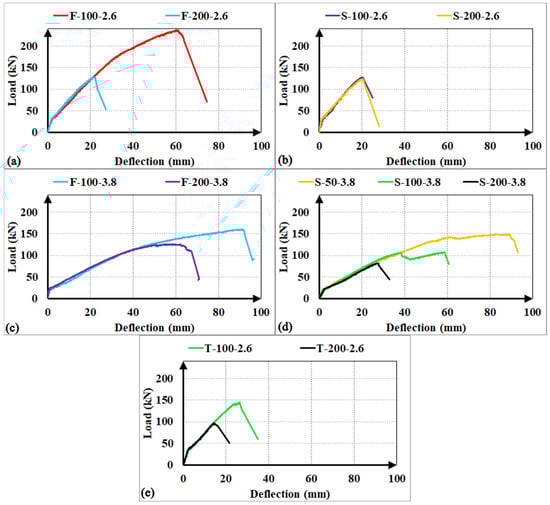
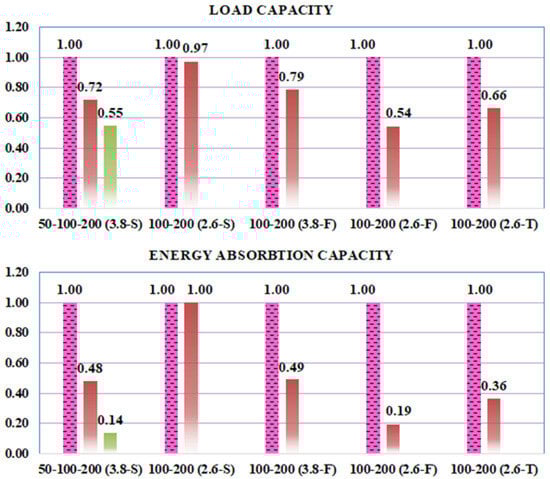
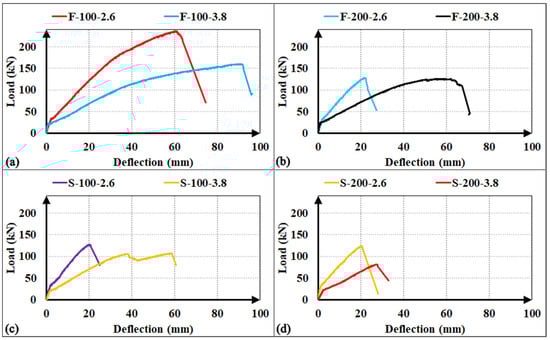
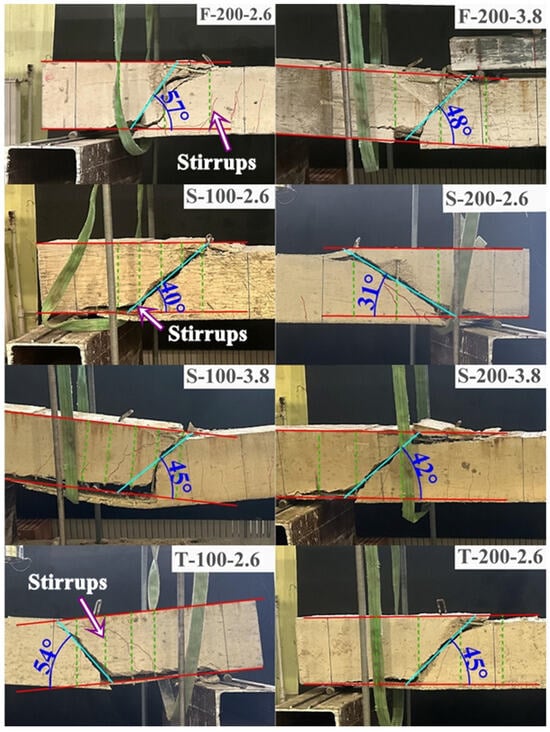
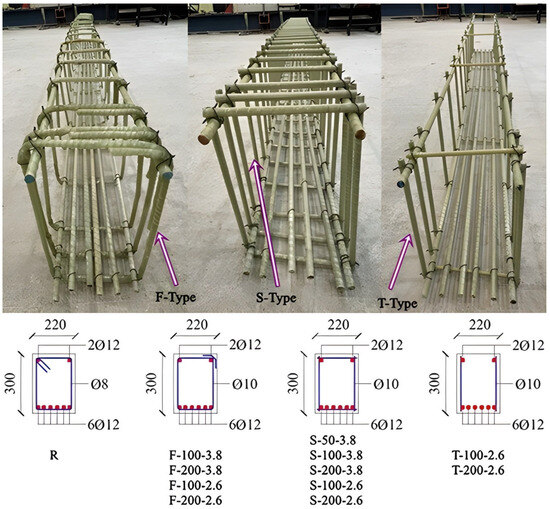
This study investigates the shear behavior of glass fiber-reinforced polymer (GFRP)-reinforced concrete (RC) beams to address challenges associated with their low elastic modulus, absence of yielding, and reduced stirrup efficiency in bending regions. GFRP bars are increasingly adopted as an alternative to steel due to their superior corrosion resistance, durability, and cost-effectiveness. This study focuses on the effects of stirrup type, stirrup spacing, and shear span-to-effective depth ratio on the structural performance of GFRP RC beams. Twelve full-scale beams were tested under four-point bending, incorporating three GFRP shear reinforcement configurations: fabricated closed stirrups, integrated straight bar systems, and discrete vertical bars. Experimental observations were analyzed in terms of failure modes, load-carrying capacity, energy absorption, and deformation characteristics. Results indicate that fabricated F-type stirrups provide the highest shear performance, though their effectiveness is limited by premature rupture at bending points. Site-integrated S- and T-type configurations offer practical alternatives, maintaining structural integrity while mitigating bend-related stress concentrations, but with slightly lower energy absorption and load capacity. Increasing stirrup spacing significantly reduces shear resistance and shifts failure from flexural to shear-dominated modes. Comparisons with widely used design codes and analytical models show that CSA S806-12 provisions offer the most reliable predictions, while other guidelines tend to over- or underestimate shear capacity depending on configuration and a/d ratio. The study highlights the importance of optimizing stirrup type and spacing to enhance the shear performance of GFRP RC beams. Findings provide valuable insights for improving current design methodologies, offering guidance for engineers seeking durable, corrosion-resistant alternatives to steel reinforcement in aggressive environments. This research demonstrates that innovative site-integrated stirrup configurations can bridge practical fabrication constraints without compromising overall shear performance, promoting more efficient and resilient GFRP RC structures.
Full article
(This article belongs to the Special Issue Advances in Fiber-Reinforced Polymers for Construction: Properties and Application)
Open AccessArticle
Sustained Delivery of Paliperidone Palmitate via Encapsulation in Bio-Based NIPU Nanoparticles
by
Maria Angeliki Ntrivala, Evangelia Balla, Ermis P. Christodoulou, Margaritis Kostoglou, Panagiotis Klonos, Apostolos Kyritsis and Dimitrios N. Bikiaris
Polymers 2026, 18(8), 920; https://doi.org/10.3390/polym18080920 (registering DOI) - 9 Apr 2026
Abstract
In this study, Paliperidone Palmitate (PP), a second-generation antipsychotic, commonly used for the treatment of schizophrenia, was encapsulated in bio-based non-isocyanate polyurethane (NIPU) nanoemulsions. NIPU was synthesized via an isocyanate-free polyaddition route, addressing safety and environmental concerns associated with conventional polyurethanes. The drug-loaded
[...] Read more.
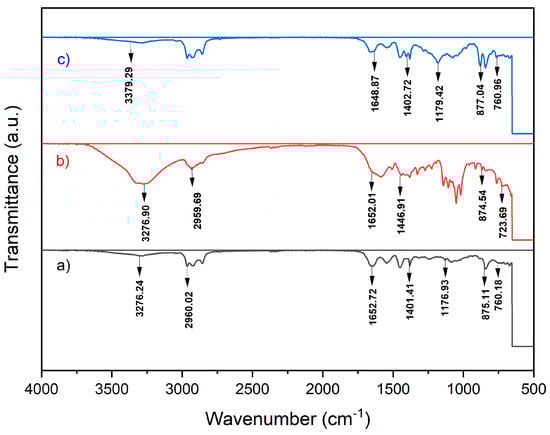
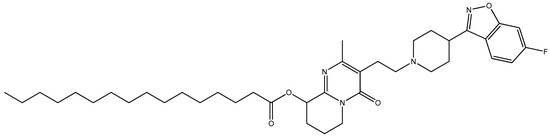
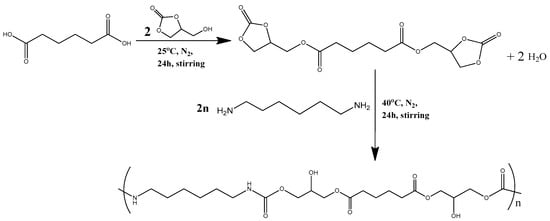
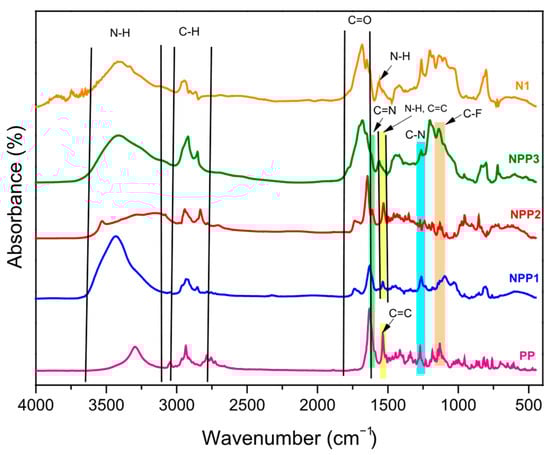
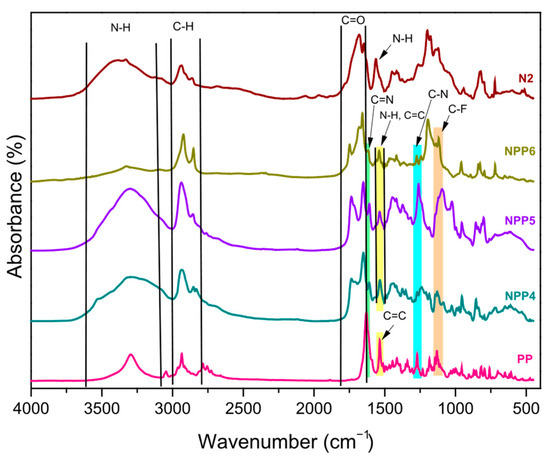
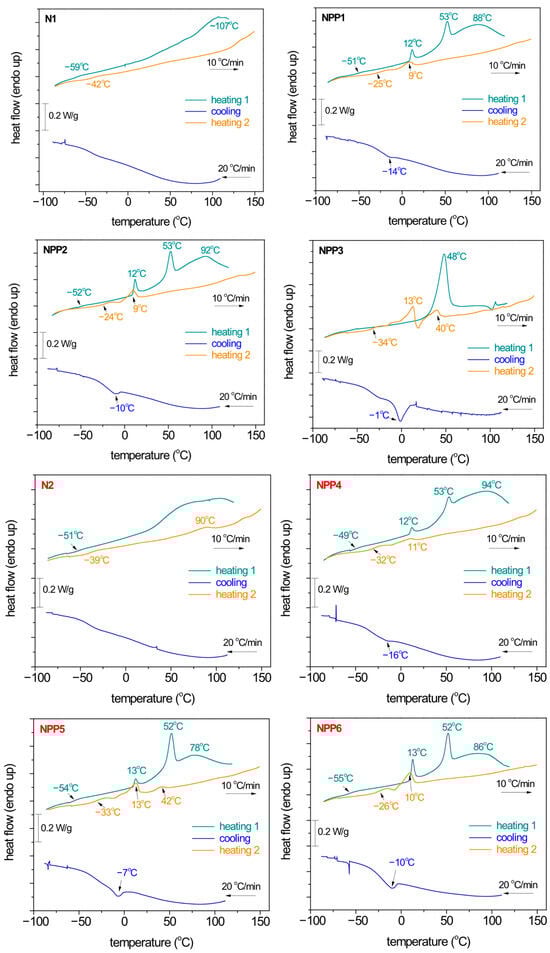
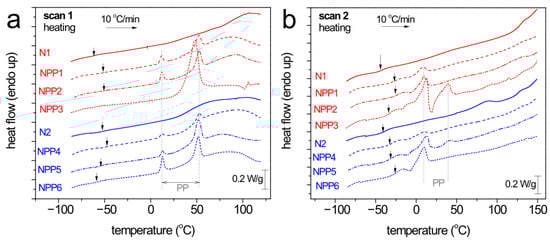
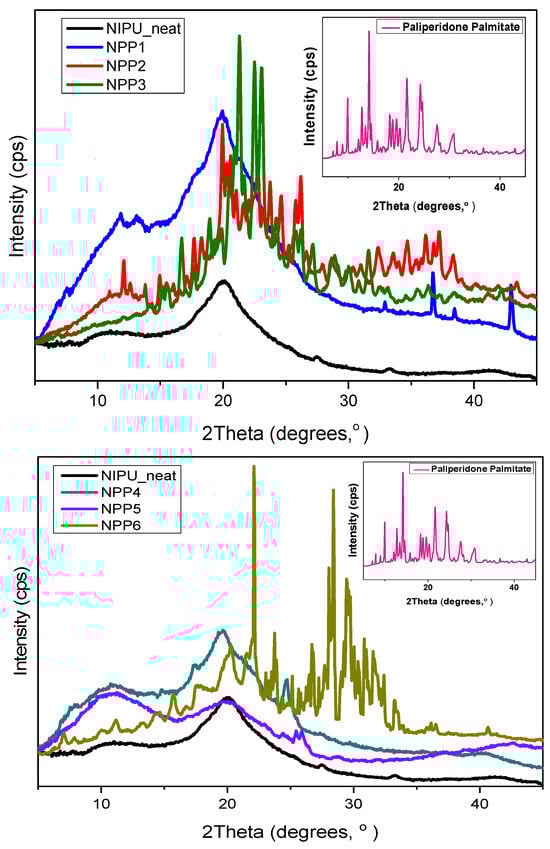
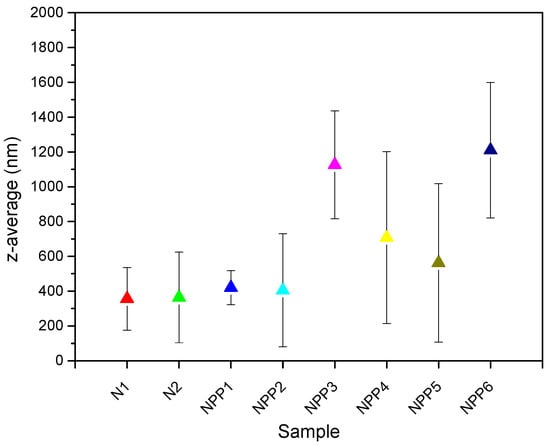
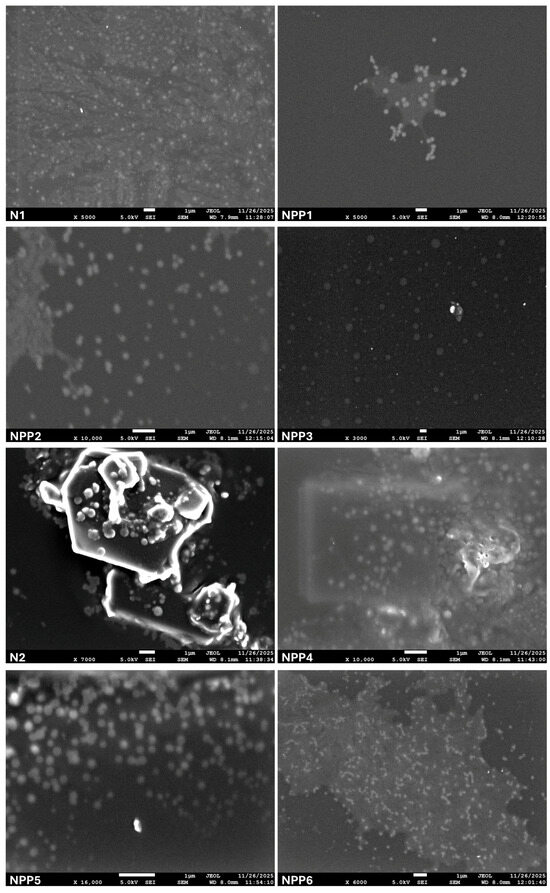
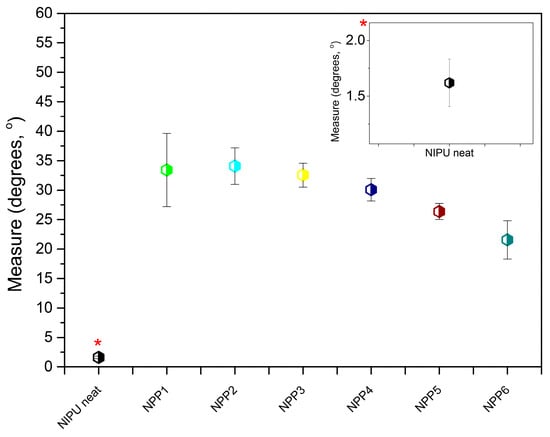
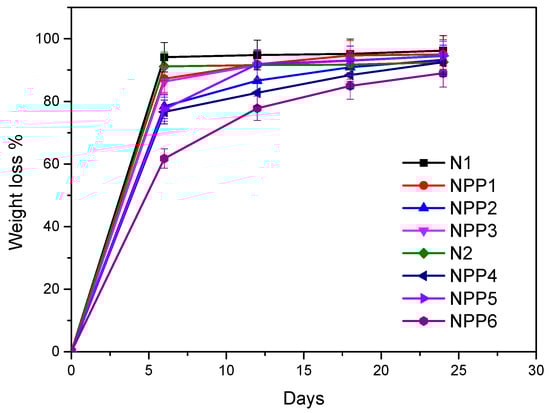
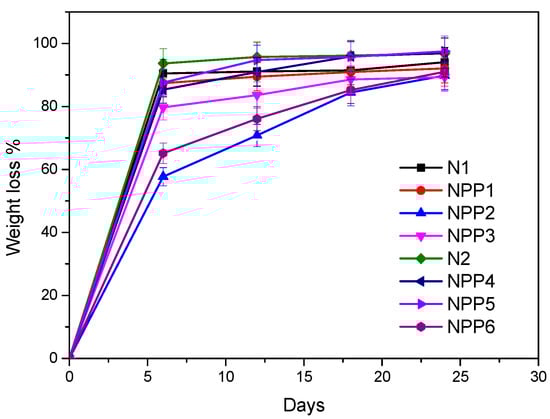
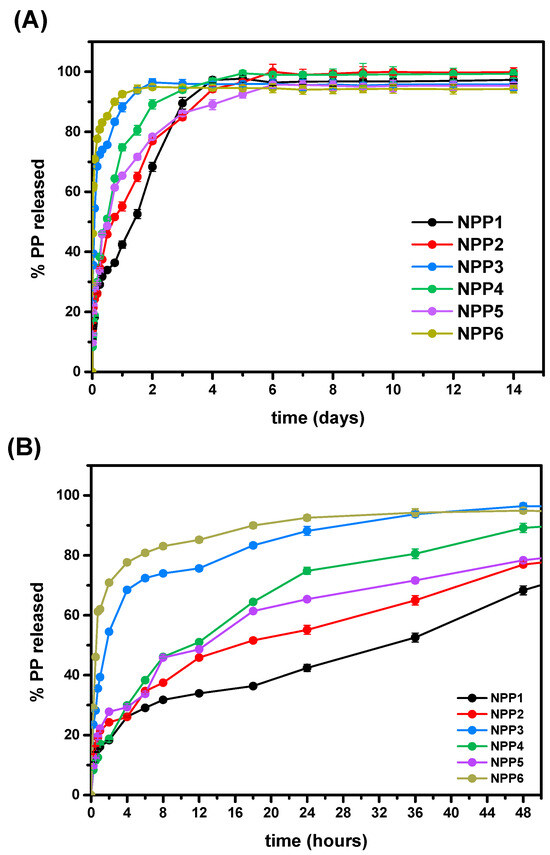
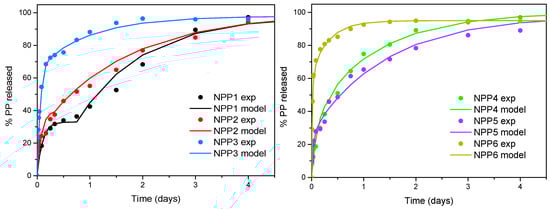
In this study, Paliperidone Palmitate (PP), a second-generation antipsychotic, commonly used for the treatment of schizophrenia, was encapsulated in bio-based non-isocyanate polyurethane (NIPU) nanoemulsions. NIPU was synthesized via an isocyanate-free polyaddition route, addressing safety and environmental concerns associated with conventional polyurethanes. The drug-loaded nanoparticles were produced utilizing oil-in-water (O/W) emulsions followed by solvent evaporation and lyophilization. NIPU concentrations of 0.3% and 0.5% w/v, as well as 0.5% w/v PVA were employed, while PP was incorporated at 0.2%, 0.5% and 1% w/v. The formulations were characterized by FTIR, DSC and XRD analyses, and the mechanical strength of neat sponges was evaluated. The nanoparticle formation and size were assessed by DLS and SEM analyses. The water contact angle, porosity measurements and aquatic and enzymatic hydrolysis were additionally performed. The resulting nanocarriers exhibited controlled particle size, increased drug-loading values, structural stability and biodegradability. Lastly, the in vitro dissolution studies revealed a system-specific burst release behavior, and a controlled and sustained overall drug-release profile for majority of the formulations, thereby indicating the potential of NIPU nanocarriers for drug delivery applications, particularly where sustained therapeutic effects are required.
Full article
(This article belongs to the Special Issue Polymers and Their Role in Drug Delivery, 3rd Edition)
Open AccessArticle
A Process Systems Engineering Approach to Model and Optimize Cr6+-Free and Pd-Free Plating on Plastics Technologies
by
Konstantinos A. Pyrgakis, Eleni Poupaki, Michalis Kartsinis, Melina Psycha, Alexios Grigoropoulos, Dimitrios Zoikis-Karathanasis and Alexandros Zoikis-Karathanasis
Polymers 2026, 18(8), 919; https://doi.org/10.3390/polym18080919 - 9 Apr 2026
Abstract
Plating on Plastics (PoP) requires specific surface pre-treatment steps to enable metallization. The conventional PoP industry utilizes hexavalent chromium (toxic, carcinogenic) and palladium (critical raw material) for surface etching and activation, respectively, raising significant health, environmental, and economic concerns. This work is based
[...] Read more.
Plating on Plastics (PoP) requires specific surface pre-treatment steps to enable metallization. The conventional PoP industry utilizes hexavalent chromium (toxic, carcinogenic) and palladium (critical raw material) for surface etching and activation, respectively, raising significant health, environmental, and economic concerns. This work is based on a new Cr6+-free and Pd-free PoP technology that uses piranha (H2O2-H2SO4) solutions for surface etching, nickel salts for activation, and NaBH4 for reduction, ultimately forming metallic nucleation sites for downstream electroless plating and electroplating. A comprehensive modeling approach was developed to simulate and predict unit operation performance (reaction kinetics and yields) and material properties (contact angle and adhesion) across processing stages of the new technology. State-of-the-art and data-driven modeling revealed the combinatorial relationships among process performance, the achieved properties and the different settings of process operating conditions. The results also highlighted capabilities for tuning all processes over a range of conditions, reaching desired product specifications (adhesion and thickness). The models were constructed as a Decision Support Tool (DST) serving economic, environmental, safety and Safe and Sustainable by Design (SSbD) objectives. The DST can be used through a user-friendly interface that enables the insertion of user-defined inputs and monitoring of optimization results.
Full article
(This article belongs to the Section Polymer Processing and Engineering)
Open AccessReview
Advances in Polymer Film and Coating Technologies for Enhanced Surface Functionality
by
Rashid Dallaev
Polymers 2026, 18(8), 918; https://doi.org/10.3390/polym18080918 - 9 Apr 2026
Abstract
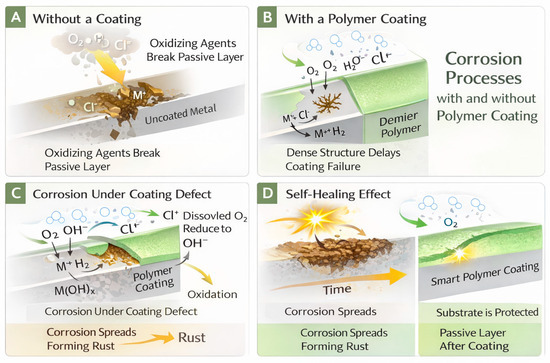
Polymer films and coatings play an increasingly critical role in extending material functionality across industrial, biomedical, and environmental applications. Recent advances in surface engineering have enabled precise control of interfacial properties, leading to enhanced durability, cleanliness, and protection. This review summarizes state-of-the-art strategies
[...] Read more.
Polymer films and coatings play an increasingly critical role in extending material functionality across industrial, biomedical, and environmental applications. Recent advances in surface engineering have enabled precise control of interfacial properties, leading to enhanced durability, cleanliness, and protection. This review summarizes state-of-the-art strategies for modifying polymer surfaces, with an emphasis on plasma-based surface modification and plasma-induced polymerization as versatile, solvent-free methods for tailoring wettability, chemical functionality, and adhesion. Furthermore, it examines emerging classes of self-cleaning and self-sterilizing coatings that leverage photocatalytic, hydrophobic, or antimicrobial mechanisms to mitigate contamination, biofouling, and pathogen transmission. Additionally, developments in high-performance barrier films designed to protect food products and electronic devices through improved resistance to gases, moisture, and chemical agents are highlighted. By integrating insights from materials chemistry, surface physics, and nanostructured coating design, this review provides a comprehensive overview of current achievements and future directions in functional polymer films and coatings aimed at anti-pollution, antibacterial, and anti-corrosion performance.
Full article
(This article belongs to the Special Issue Bio-Based Polymeric Materials for Biomedical Applications)
Open AccessArticle
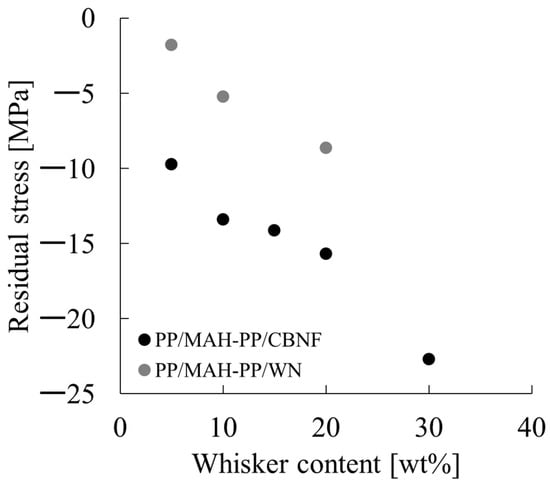
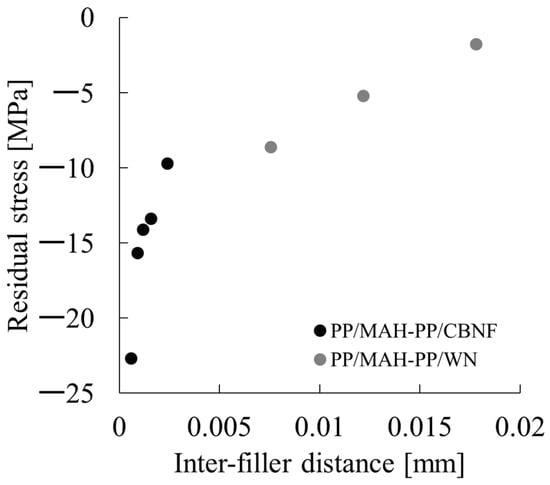
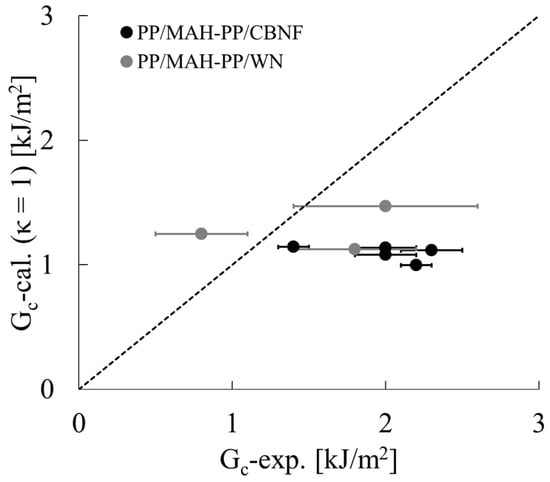
Mechanical Modeling of Whisker-Filled Dispersed Isotactic Polypropylene: Matrix-Dominated Yielding and Fracture Mechanisms
by
Tetsuo Takayama and Daisuke Shimizu
Polymers 2026, 18(8), 917; https://doi.org/10.3390/polym18080917 - 9 Apr 2026
Abstract
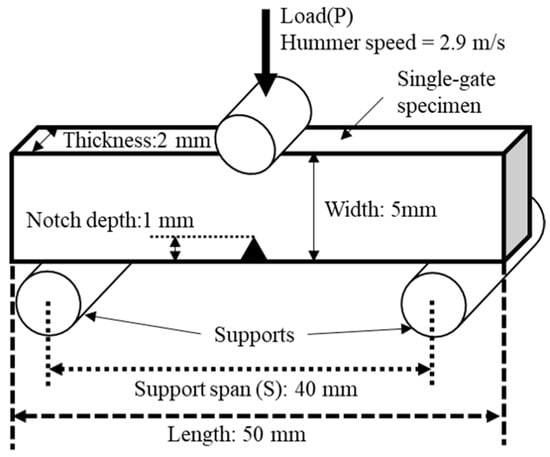
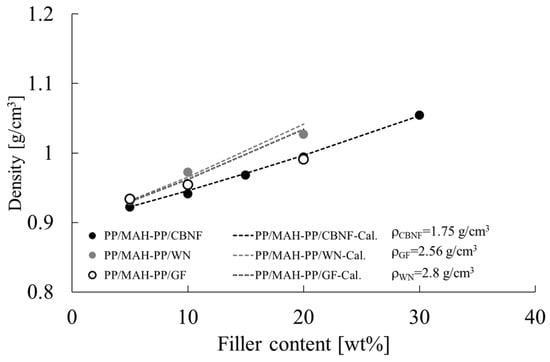
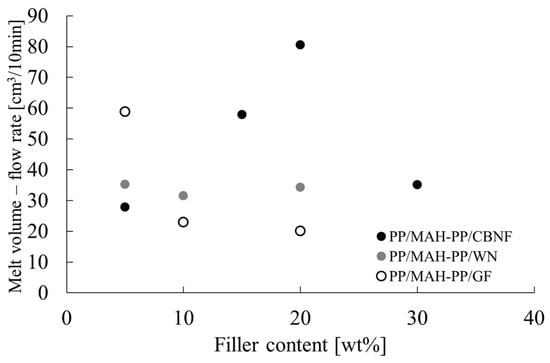
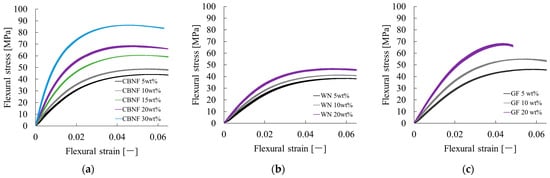
This study investigated mechanical properties of composite materials consisting of an isotactic polypropylene (iPP) matrix reinforced with whisker-like fillers: carbon nanofibers (CBNF) and wollastonite (WN). We strove to develop mechanical models specifically for predicting yield stress and fracture toughness. Experimentally obtained results validated
[...] Read more.
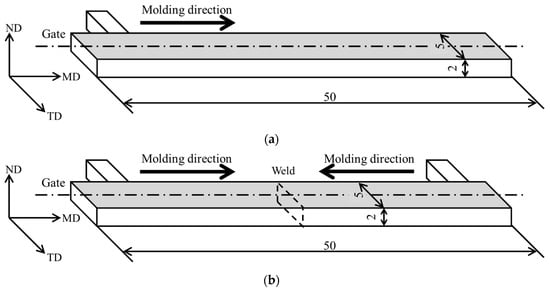
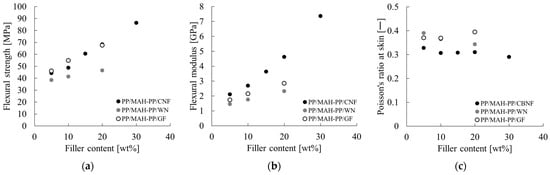
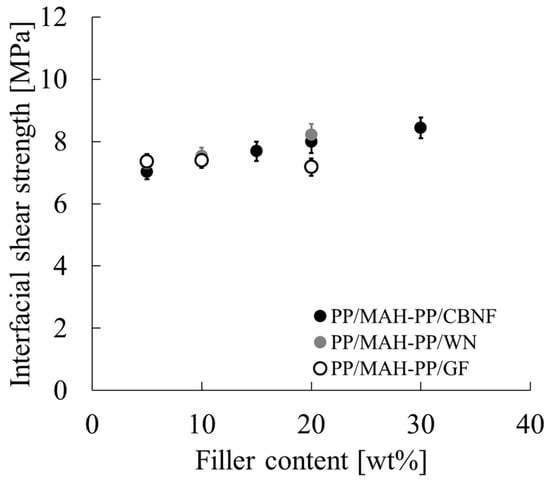
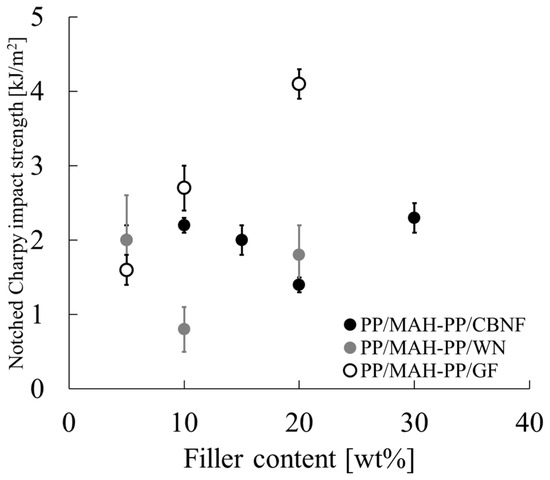
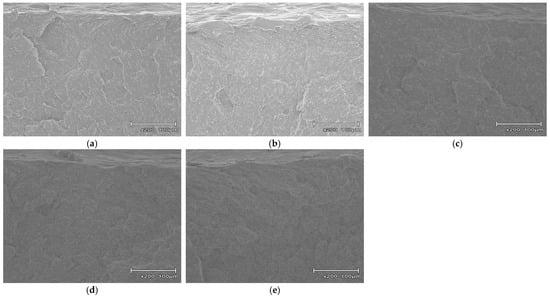
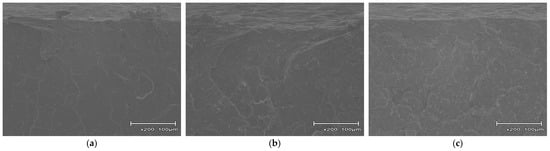
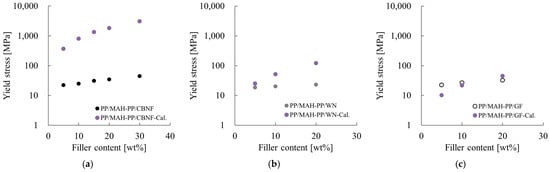
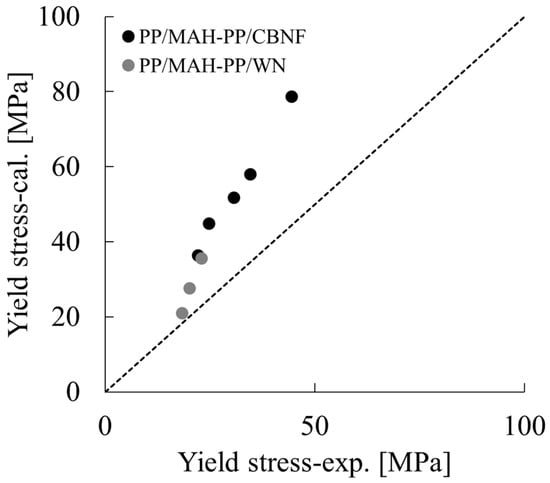
This study investigated mechanical properties of composite materials consisting of an isotactic polypropylene (iPP) matrix reinforced with whisker-like fillers: carbon nanofibers (CBNF) and wollastonite (WN). We strove to develop mechanical models specifically for predicting yield stress and fracture toughness. Experimentally obtained results validated findings obtained using the proposed models. Regarding the elastic modulus, data suggest that conventional rules of mixture, typically used for glass fiber-reinforced polymers, remain applicable, indicating that filler addition enhances stiffness in a predictable manner. However, yield stress and fracture toughness exhibited distinct behaviors. Results revealed that these properties are governed predominantly by shear yielding of the iPP matrix rather than reinforcement effect of the fillers. Despite the presence of whiskers, the overall yield and fracture mechanisms depend heavily on the matrix’s plastic deformation and energy dissipation. The constructed models consistently explain these findings, supporting quantitative evaluation of the matrix’s contribution. These results emphasize that developing high-performance iPP composites requires knowledge of the intrinsic ductile properties of the matrix alongside filler selection and dispersion.
Full article
(This article belongs to the Section Polymer Physics and Theory)
►▼
Show Figures

Figure 1
Open AccessArticle
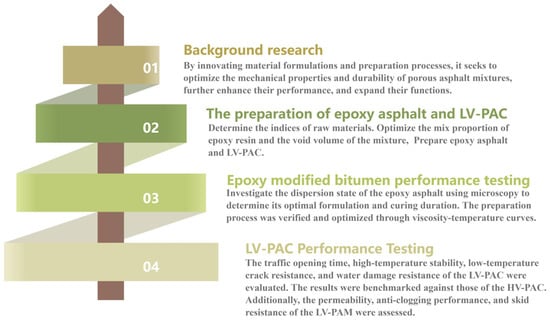
Development and Performance Evaluation of a Novel Epoxy-Modified Bitumen for Large-Void Porous Asphalt Concrete (LV-PAC)
by
Xing Huang, Dongwei Cao, Qian Zhou, Changjing Xu, Hongmei Wei, Wentao Yang and Mingming Zhang
Polymers 2026, 18(8), 916; https://doi.org/10.3390/polym18080916 - 9 Apr 2026
Abstract
To address the limited drainage capacity of conventional porous asphalt pavements under high-intensity rainfall, this study proposes the use of epoxy-modified bitumen to develop a large-void porous asphalt concrete (LV-PAC) with a target air void content of 25%. This approach represents a novel
[...] Read more.
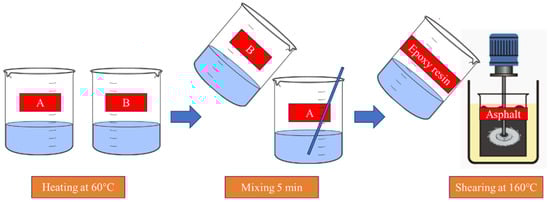
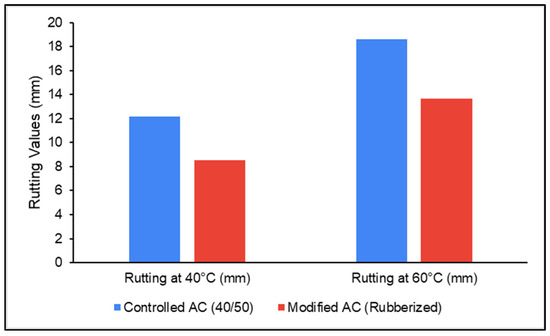
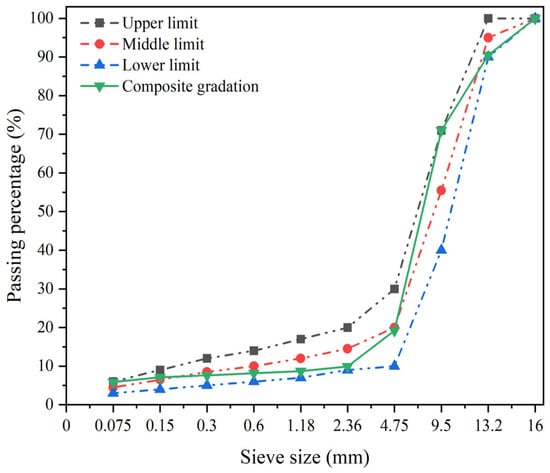
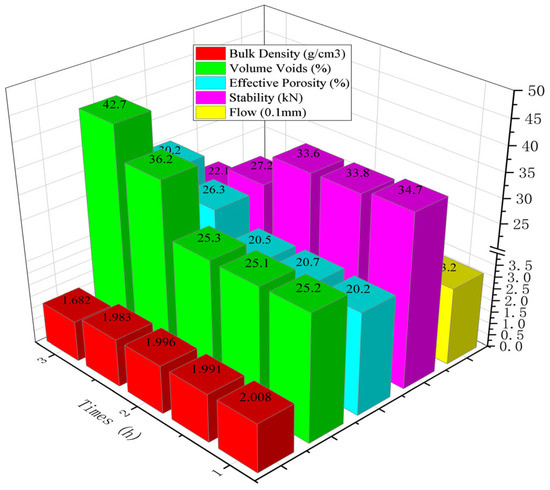
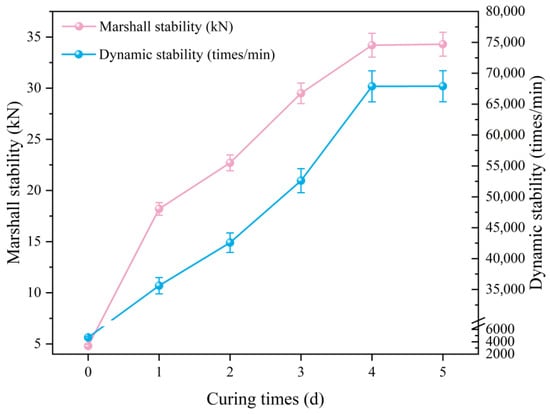
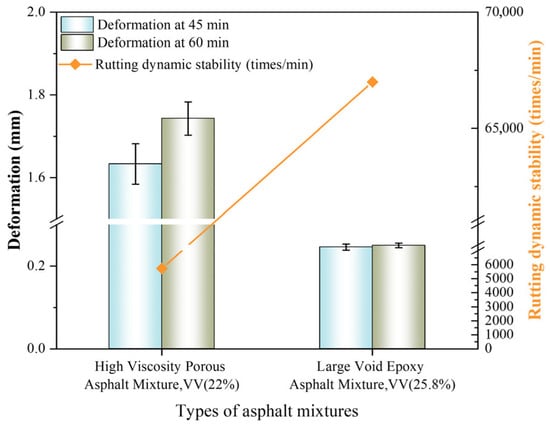
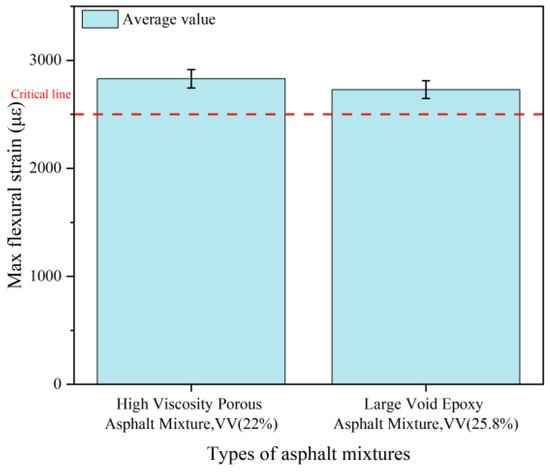
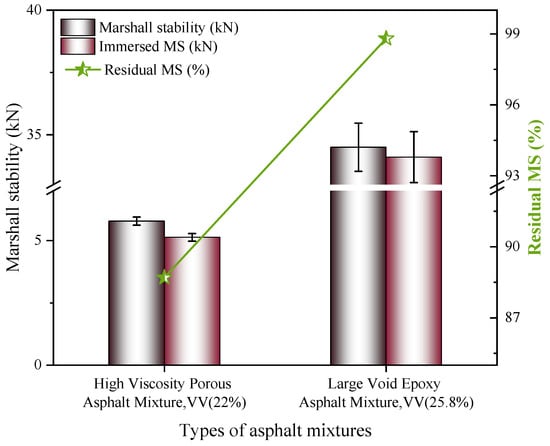
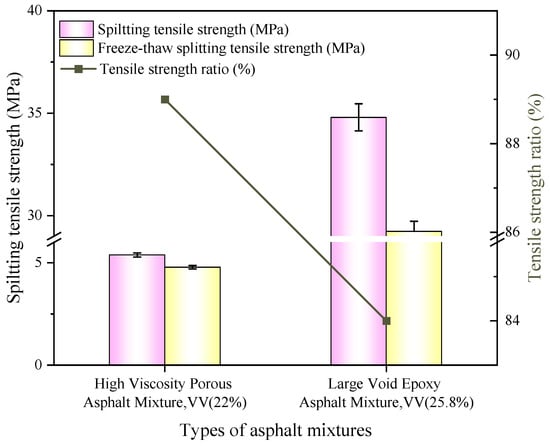
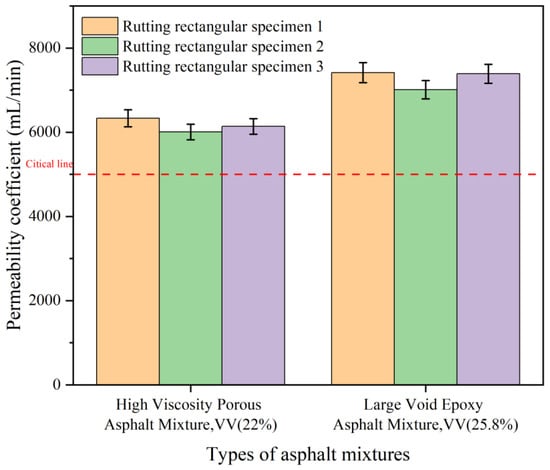
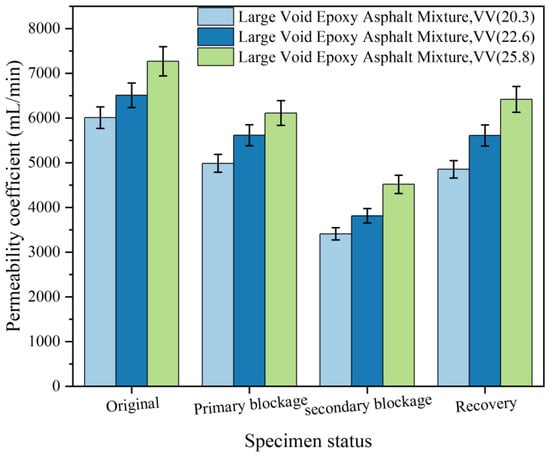
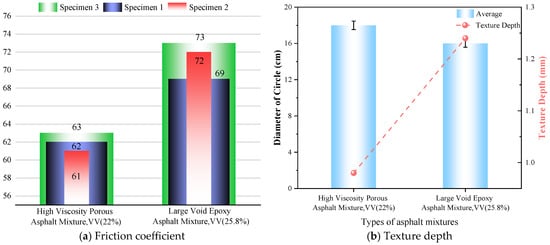
To address the limited drainage capacity of conventional porous asphalt pavements under high-intensity rainfall, this study proposes the use of epoxy-modified bitumen to develop a large-void porous asphalt concrete (LV-PAC) with a target air void content of 25%. This approach represents a novel application of epoxy-modified bitumen to enhance permeability in porous pavement systems. The LV-PAC exhibited improved high-temperature stability, permeability, and clogging recovery capability compared with a conventional high-viscosity porous asphalt concrete (HV-PAC), though its low-temperature deformation capacity was relatively lower. All evaluated performance indicators met the required specifications, highlighting the potential of epoxy-modified bitumen for use in large-void porous pavements pending further field validation.
Full article
(This article belongs to the Section Innovation of Polymer Science and Technology)
►▼
Show Figures

Figure 1
Open AccessArticle
Fatigue Life Evaluation and Structural Optimization of Rubber Damping Components in Metro Resilient Wheels
by
Qiang Zhang, Zhiming Liu, Yiliang Shu, Guangxue Yang and Wenhan Deng
Polymers 2026, 18(8), 915; https://doi.org/10.3390/polym18080915 - 9 Apr 2026
Abstract
Resilient wheels are widely employed in metro vehicles to mitigate vibration and noise, in which rubber damping components play a critical role in load transmission and fatigue resistance. However, stress concentration and cyclic loading can significantly compromise their durability and service life. In
[...] Read more.
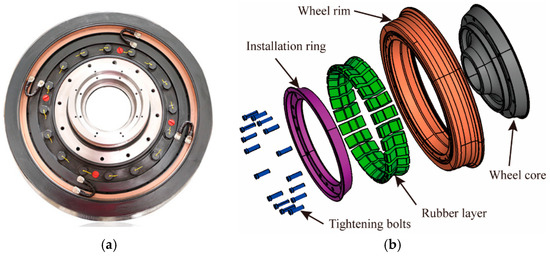
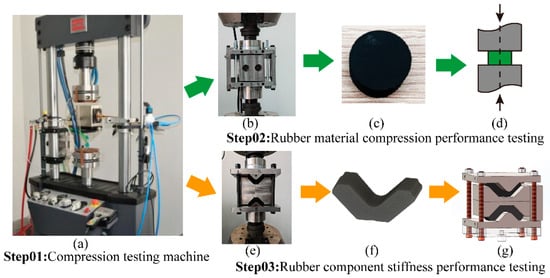
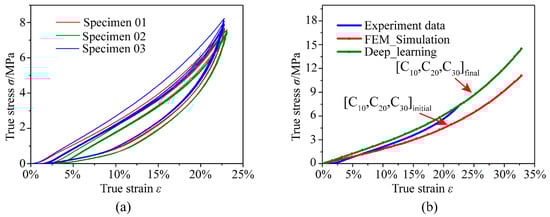
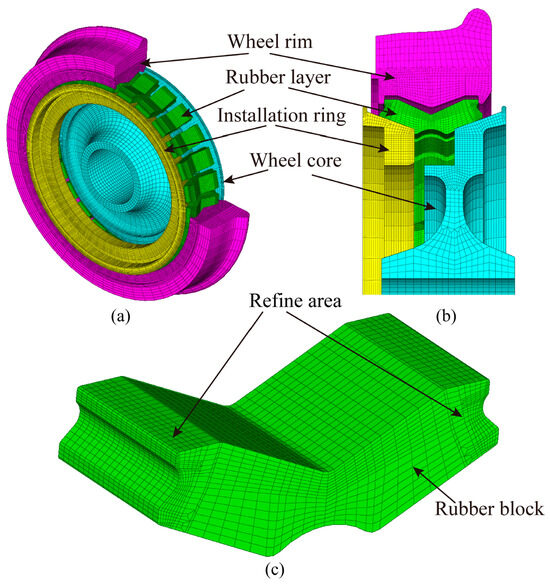
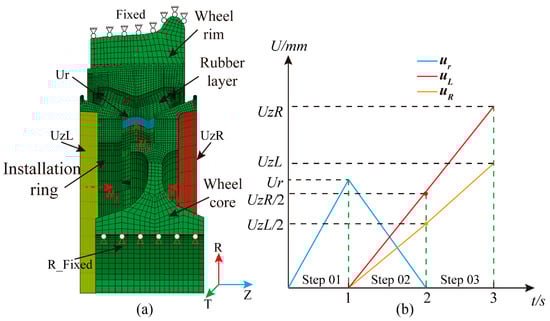
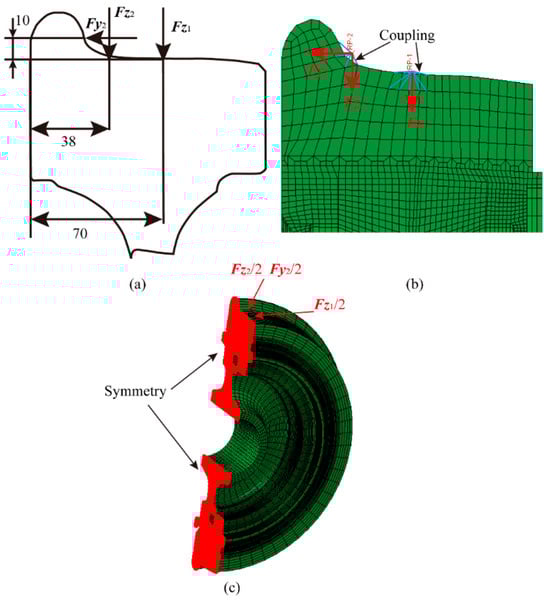
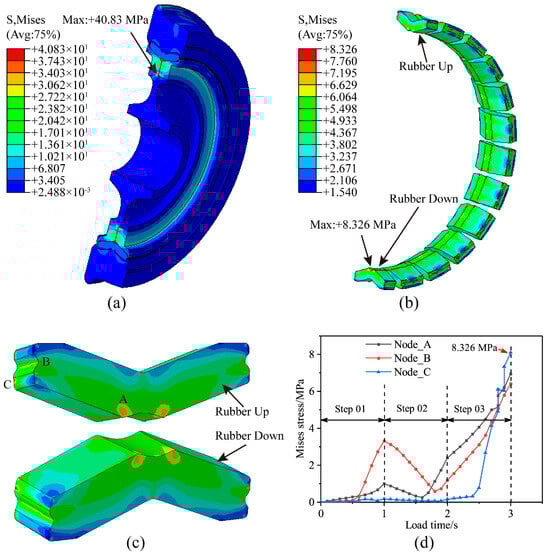
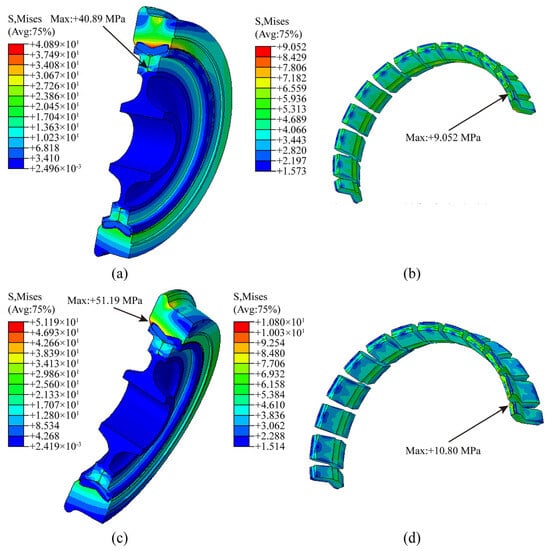
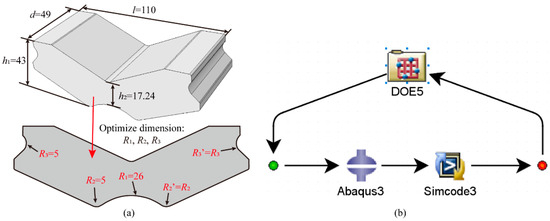
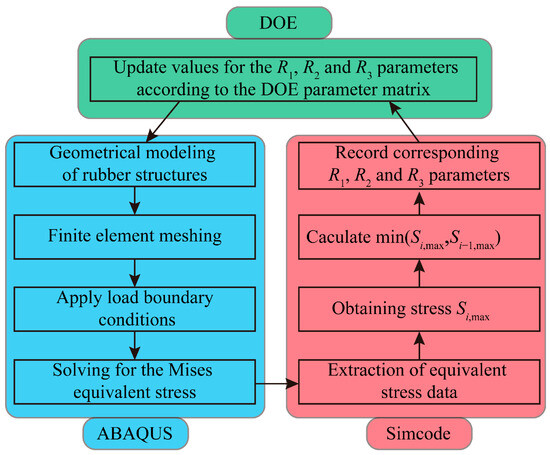
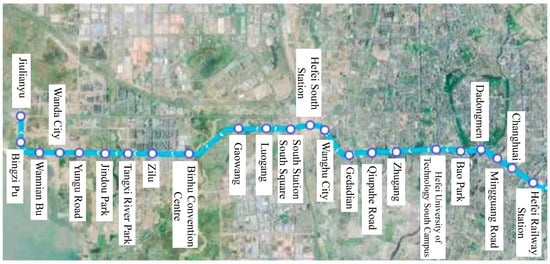
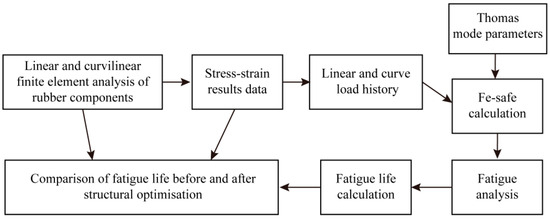
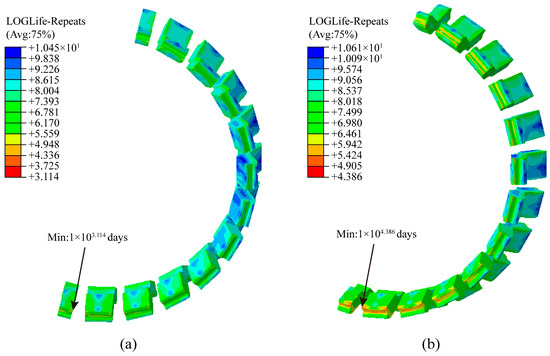
Resilient wheels are widely employed in metro vehicles to mitigate vibration and noise, in which rubber damping components play a critical role in load transmission and fatigue resistance. However, stress concentration and cyclic loading can significantly compromise their durability and service life. In this study, the structural optimization and fatigue life of rubber damping components in resilient wheels are systematically investigated based on finite element analysis and in-service metro operational data. A three-dimensional finite element model incorporating hyperelastic material behavior is developed to evaluate stress distributions under three representative conditions: press-fit assembly, straight-line operation, and curved-track operation. Based on the resulting stress fields, critical high-stress regions within the rubber component are identified and selected as targets for structural optimization. The Design of Experiments (DOE) methodology, integrated with the Isight 2022 optimization platform, is employed to determine the optimal geometric parameters that minimize the von Mises equivalent stress. Furthermore, a fatigue life prediction framework is established using actual metro service mileage data. Fatigue performance is assessed using Fe-safe 2022 software in conjunction with rubber fatigue crack propagation theory, and the results before and after optimization are systematically compared. This study demonstrates that stress concentrations in resilient wheel rubber damping components predominantly occur at fillet transition regions, governed by load transfer characteristics under press-fitting and service conditions. Through DOE-based structural optimization, the critical geometric parameters are effectively refined, leading to a significant reduction in stress levels in key regions. As a result, the proposed approach markedly improves fatigue performance, extending the minimum fatigue life from 1300 days to 24,322 days, thereby substantially enhancing the durability and reliability of the resilient wheel system.
Full article
(This article belongs to the Section Polymer Processing and Engineering)
►▼
Show Figures

Figure 1
Open AccessArticle
Geopolymer-Based Solution for the Stabilization of Iron Ore Tailings Byproduct
by
Gabriella Melo de Deus Vieira, Roberto Aguiar dos Santos, Matheus Navarra Satuf Muniz, Átila Geraldo Rochido dos Santos, José Wilson dos Santos Ferreira and Michéle Dal Toé Casagrande
Polymers 2026, 18(8), 914; https://doi.org/10.3390/polym18080914 - 9 Apr 2026
Abstract
This study investigated the development of a perlite waste-based geopolymer for stabilizing iron ore tailings byproduct (IOTB) for geotechnical applications. Mixtures containing 70/30 and 80/20 proportions of byproduct and geopolymer were produced using perlite waste as the precursor and NaOH as the alkaline
[...] Read more.
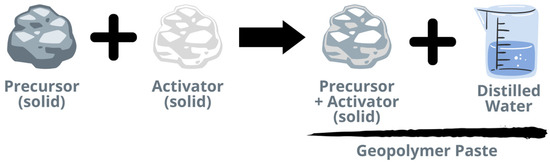
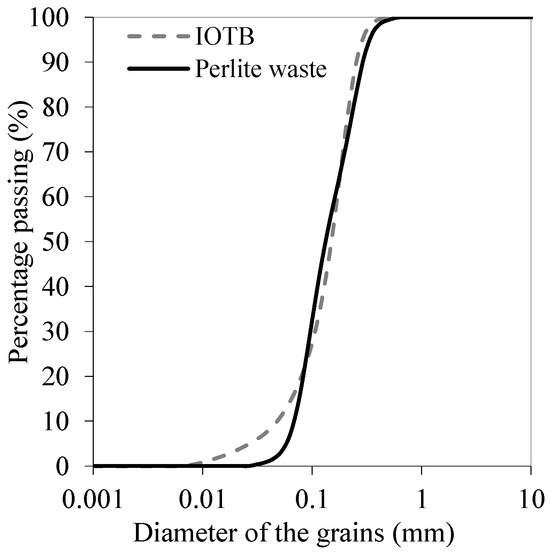
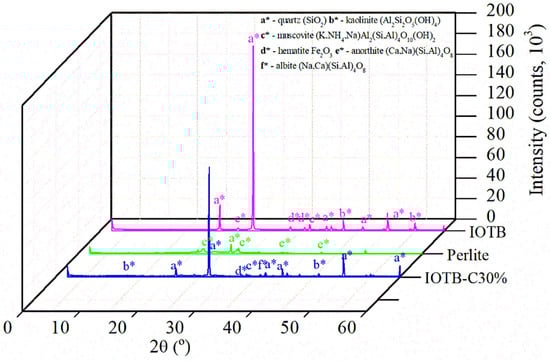
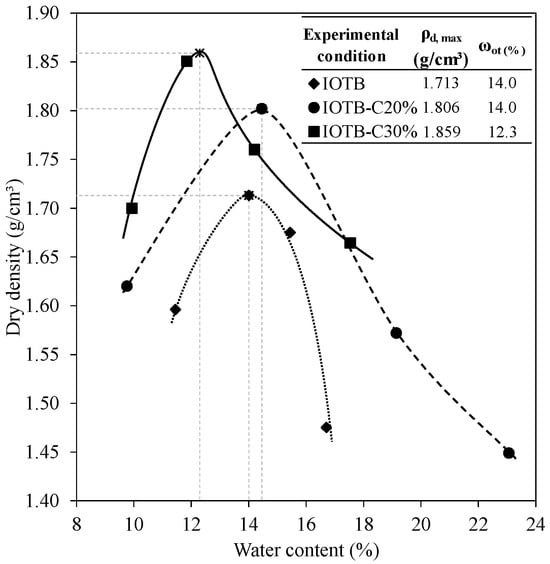
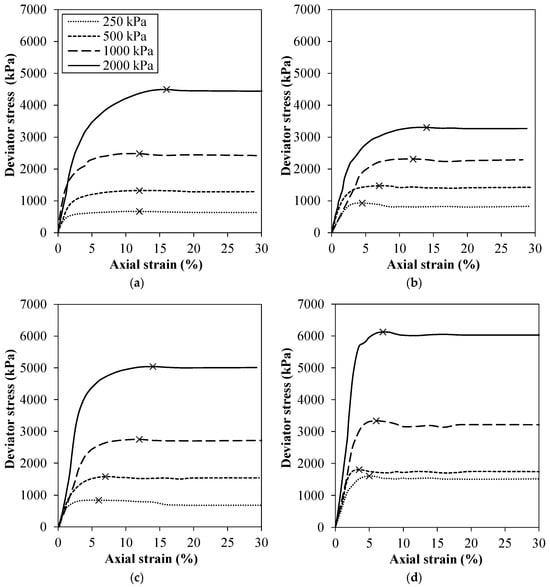
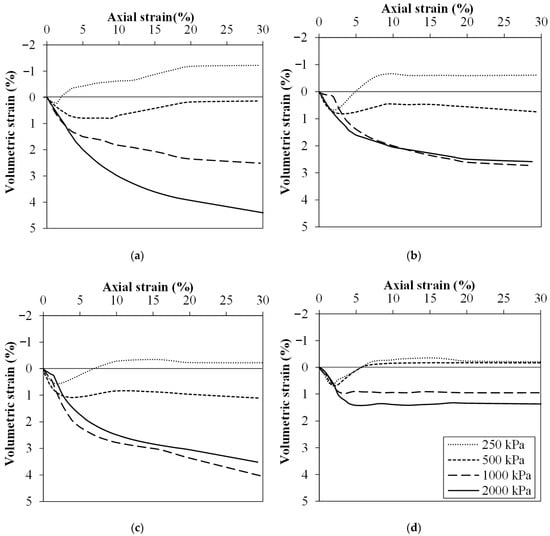
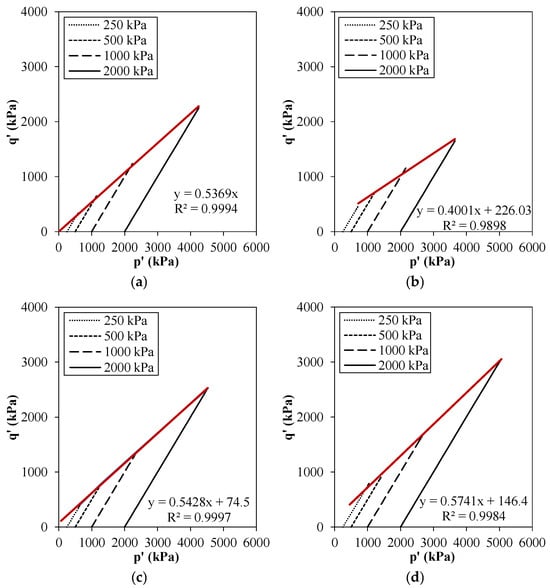
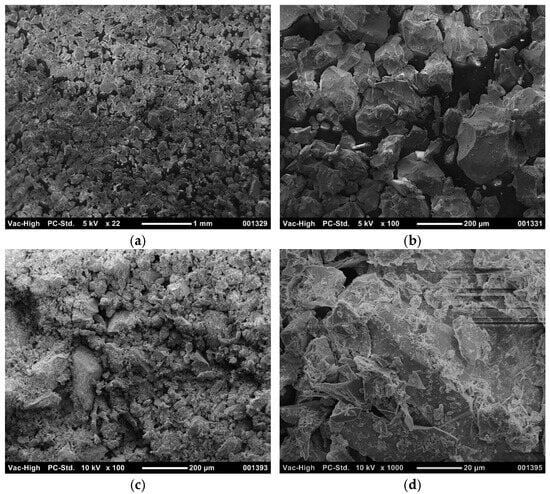
This study investigated the development of a perlite waste-based geopolymer for stabilizing iron ore tailings byproduct (IOTB) for geotechnical applications. Mixtures containing 70/30 and 80/20 proportions of byproduct and geopolymer were produced using perlite waste as the precursor and NaOH as the alkaline activator through the one-part method. Raw and geopolymer-stabilized IOTB, air-cured for 7, 14, and 28 days, were evaluated by ICP-OES, XRF, pH, geotechnical characterization, compaction, permeability, SEM, and consolidated drained triaxial tests under confining stresses ranging from 250 to 2000 kPa. The selected mixture presented a maximum dry density of 1.8 g/cm3 and optimum moisture content of approximately 14%. XRD results indicated sodium aluminosilicate phases associated with geopolymerization, with mechanical characteristics comparable to feldspar-type structures, while the pH increased from 6.5 to 12.5. Triaxial tests indicated that elastoplastic behavior persisted regardless of the geopolymer addition; however, SEM images confirmed matrix–particle bonding at grain contacts without significant pore filling. The cohesive intercept increased from 0 kPa in the IOTB to 89.1 kPa and 179.2 kPa after 14 and 28 days of curing, respectively, while the friction angle showed a slight increase of up to 7.7%. Deviatoric stress at failure and energy absorption capacity also increased with curing time. Hydraulically, the permeability coefficient remained within the same order of magnitude (10−4 cm/s), varying from raw IOTB of 2.73 × 10⁻⁴ cm/s to 3.28 × 10⁻⁴ cm/s after 28 days. These results demonstrated that geopolymer stabilization enhanced mechanical performance without compromising drainage capacity, representing a technically viable and socio-environmentally sustainable solution.
Full article
(This article belongs to the Section Polymer Applications)
►▼
Show Figures

Figure 1
Open AccessArticle
Structure–Property Relationships in PHB-Based Copolymers and PHB/PLA Biocomposites Modified with Hydroxyapatite and Chitosan
by
Yang Liu, Handuo Niu, Dongwei Li, Wei Nie, Ihor Semeniuk and Nataliia Koretska
Polymers 2026, 18(8), 913; https://doi.org/10.3390/polym18080913 - 9 Apr 2026
Abstract
The challenge of substituting bone defects necessitates the search for effective biomaterials based on biopolymer composites with biocompatible fillers. A promising approach in bone tissue engineering is the use of regenerative scaffolds based on polyhydroxyalkanoates (PHAs), specifically poly(3-hydroxybutyrate)—P(3HB), which are characterized by high
[...] Read more.
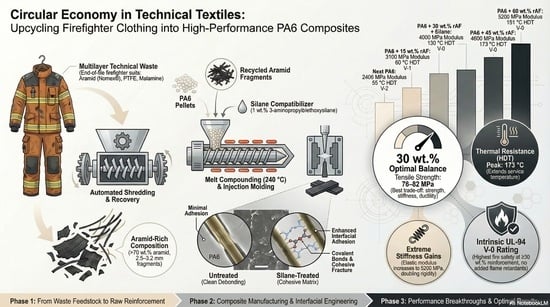
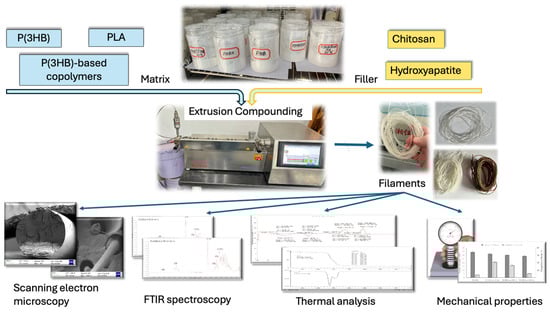
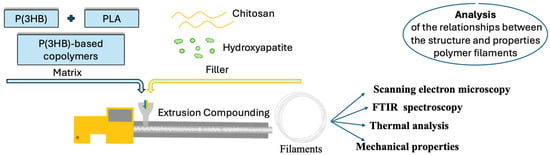
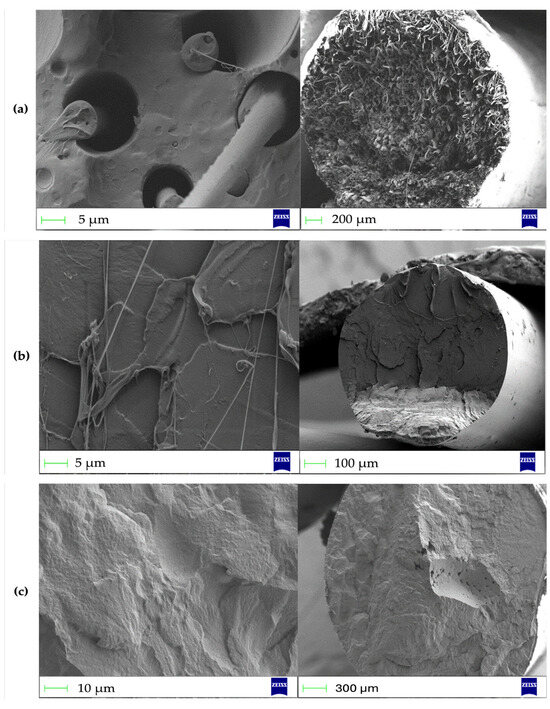
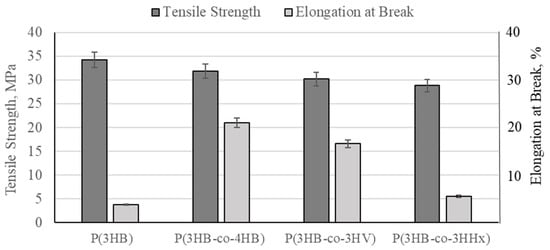
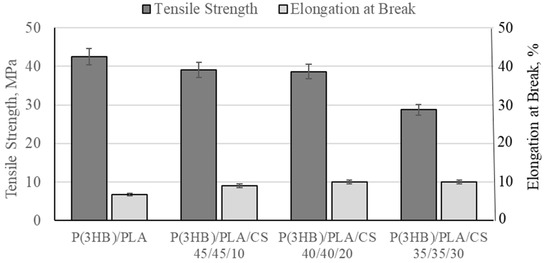
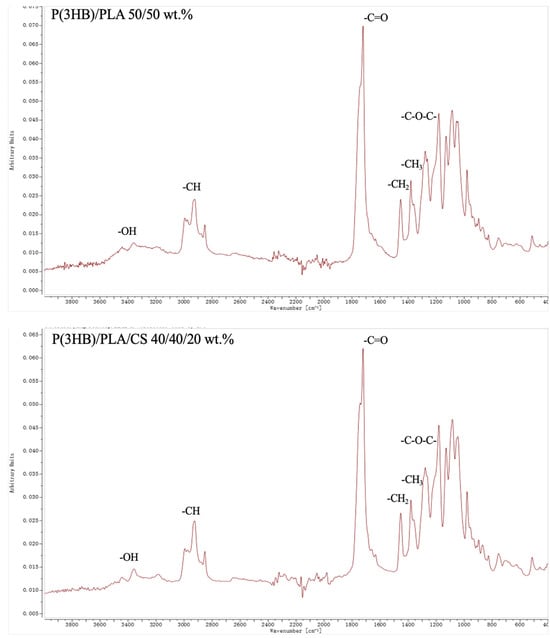
The challenge of substituting bone defects necessitates the search for effective biomaterials based on biopolymer composites with biocompatible fillers. A promising approach in bone tissue engineering is the use of regenerative scaffolds based on polyhydroxyalkanoates (PHAs), specifically poly(3-hydroxybutyrate)—P(3HB), which are characterized by high biocompatibility and osteoinductive potential. In this study, we evaluate the changes in the mechanical, thermal, and morphological properties of P(3HB) within P(3HB)-copolymers/HA, P(3HB)/CS, P(3HB)/PLA/CS, and P(3HB)/PLA/HA composites. These materials, containing various filler contents (up to 70 wt.% of HA–hydroxyapatite or CS–chitosan), were obtained using melt extrusion compounding. It is shown that the modification of biopolymer matrices promotes a decrease in melting temperature, improvement of mechanical characteristics, and an increase in material elasticity. At high filler concentrations, nanoparticle agglomeration and a deterioration of physical-mechanical properties were observed. It was established that a content of 10–20 wt.% of nano-hydroxyapatite and chitosan is optimal, as these composites most closely match the mechanical properties of bone tissue. The results obtained indicate the high potential of the developed nanocomposites for the creation of biodegradable implants in reconstructive orthopedics.
Full article
(This article belongs to the Special Issue Processing, Property and Application of Degradable Polymers and Polymeric Composites)
►▼
Show Figures

Graphical abstract
Open AccessArticle
Fracture and Fatigue Assessment of Bonded Composite Patch Repairs in Notched and Cracked Plates
by
Bertan Beylergil, Hasan Ulus, Mehmet Emin Çetin, Halil Burak Kaybal, Sefa Yildirim, Abdulrahman Al-Nadhari and Mehmet Yildiz
Polymers 2026, 18(8), 912; https://doi.org/10.3390/polym18080912 - 8 Apr 2026
Abstract
This study presents a unified mechanics-based framework for evaluating bonded composite patch repairs. Discrete fracture, fatigue, and adhesive responses are transformed into continuous master equations over the design space. Low-order polynomial surfaces model stress intensity and concentration responses, enabling continuous prediction of repair
[...] Read more.
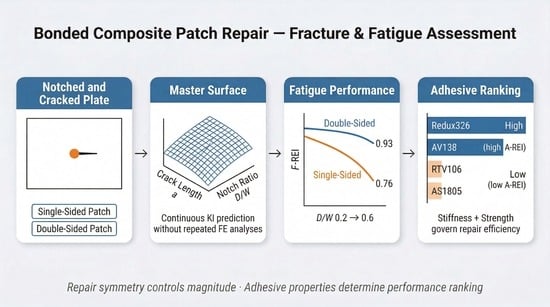
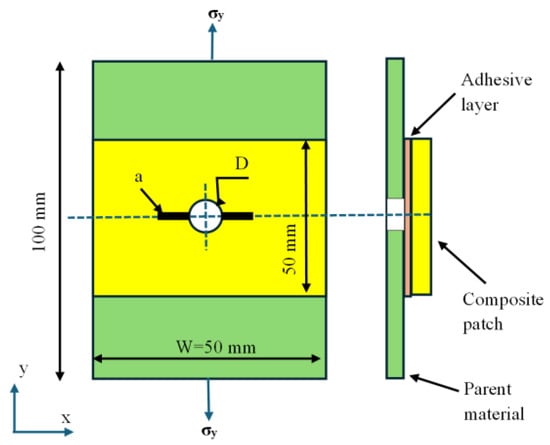
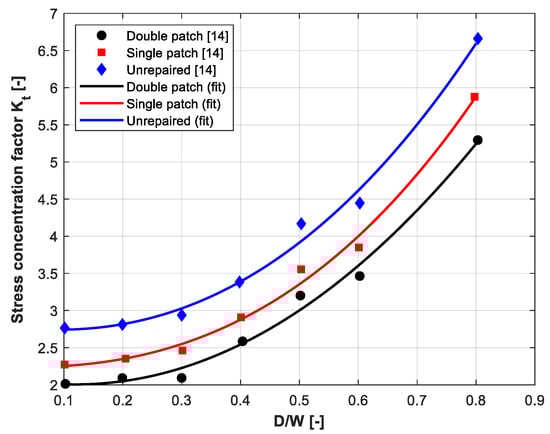
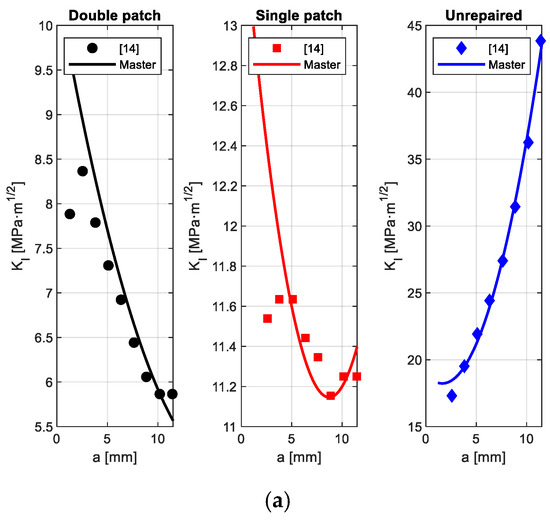
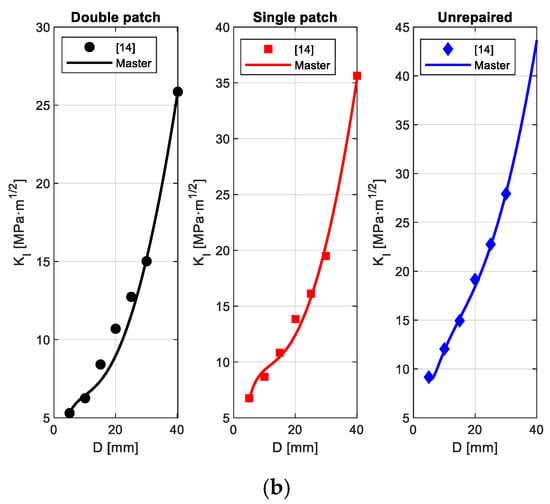
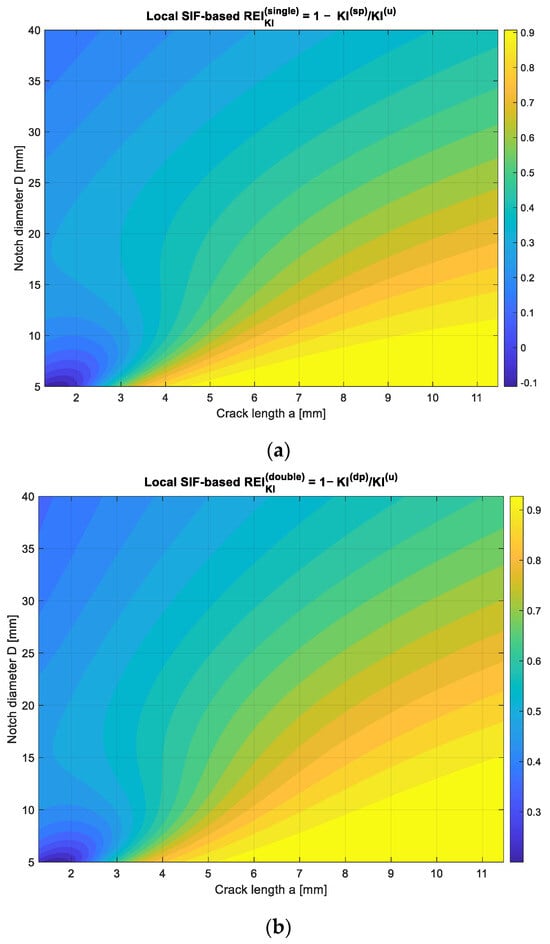
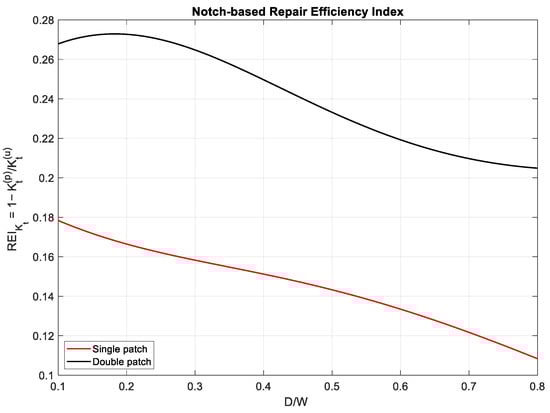
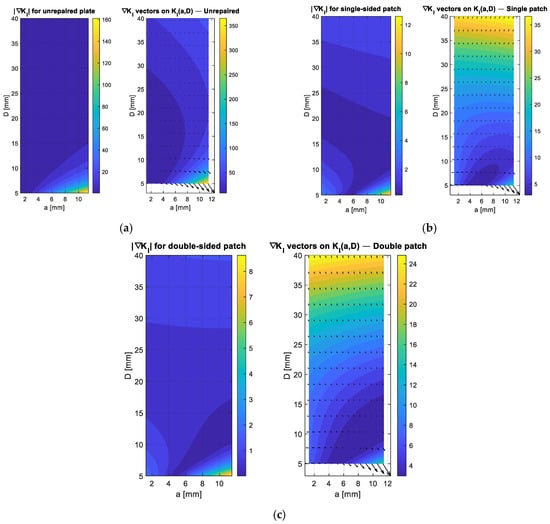
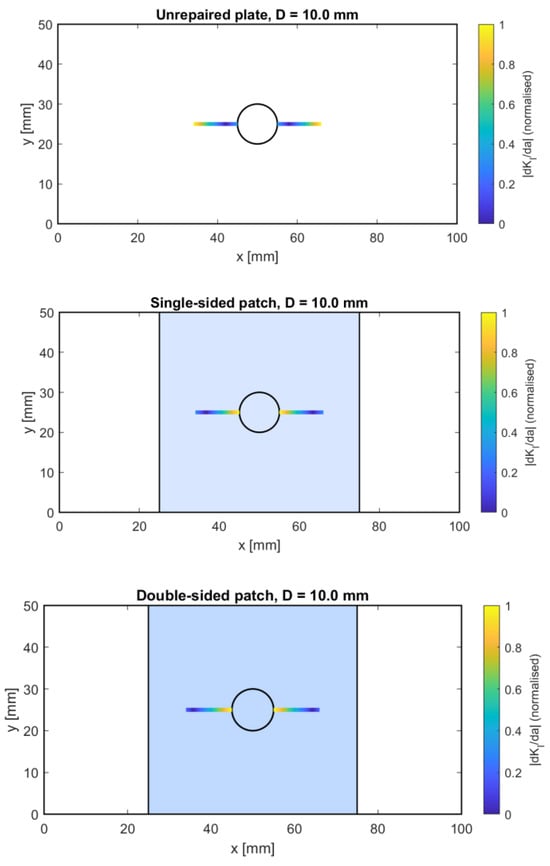
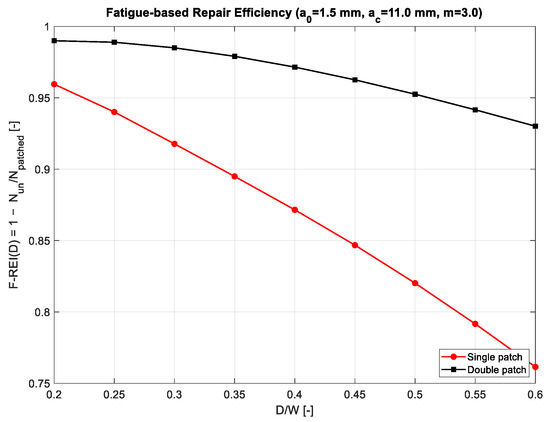
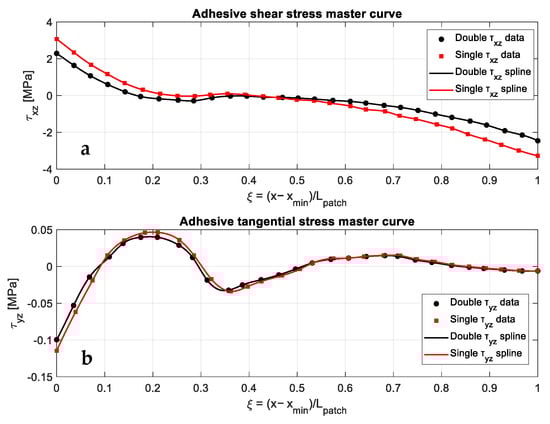
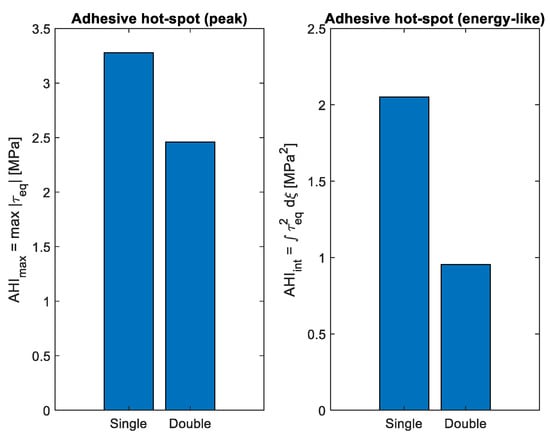
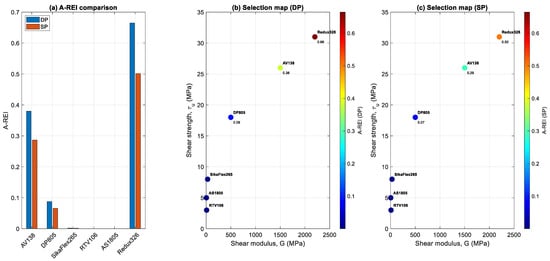
This study presents a unified mechanics-based framework for evaluating bonded composite patch repairs. Discrete fracture, fatigue, and adhesive responses are transformed into continuous master equations over the design space. Low-order polynomial surfaces model stress intensity and concentration responses, enabling continuous prediction of repair performance without repeated finite-element analyses. A fracture-based repair efficiency index is derived from the analytical master surface. This index quantifies the average reduction in crack-driving force across the domain. Combined with adhesive stiffness and strength, it defines an adhesive-based repair efficiency index (A-REI), providing a direct link between structural response and material properties. The results show that repair effectiveness is strongly influenced by both geometric severity and adhesive properties. Fatigue performance decreases significantly with increasing notch ratio in single-sided repairs. Double-sided configurations maintain consistently higher efficiency. Symmetric reinforcement more effectively reduces stress concentration, with improvements exceeding 40% at intermediate notch ratios. Adhesive selection is governed by stiffness and strength. Structural adhesives achieve significantly higher A-REI values, whereas compliant adhesives contribute negligibly. Overall, repair symmetry controls the magnitude of improvement, while adhesive properties determine performance ranking. This framework provides a clear, practical basis for design and material selection.
Full article
(This article belongs to the Special Issue Advanced Polymer Composites with High Mechanical Properties)
►▼
Show Figures

Graphical abstract
Open AccessArticle
Development of a Control System for a Hydraulic Injection Molding Machine Using an AFC Controller and Utilization of Learning Parameters
by
Takahiro Shinpuku, Takumi Kobayashi, Shota Yabui, Kento Fujita, Yusuke Uematsu, Shota Suzuki and Yusuke Uchiyama
Polymers 2026, 18(8), 911; https://doi.org/10.3390/polym18080911 - 8 Apr 2026
Abstract
Maintaining stable molding quality in hydraulic injection molding machines is difficult because the internal state of molten resin cannot be directly observed and varies with material properties and operating conditions. This difficulty is intensified by variations in hydraulic characteristics caused by oil temperature
[...] Read more.
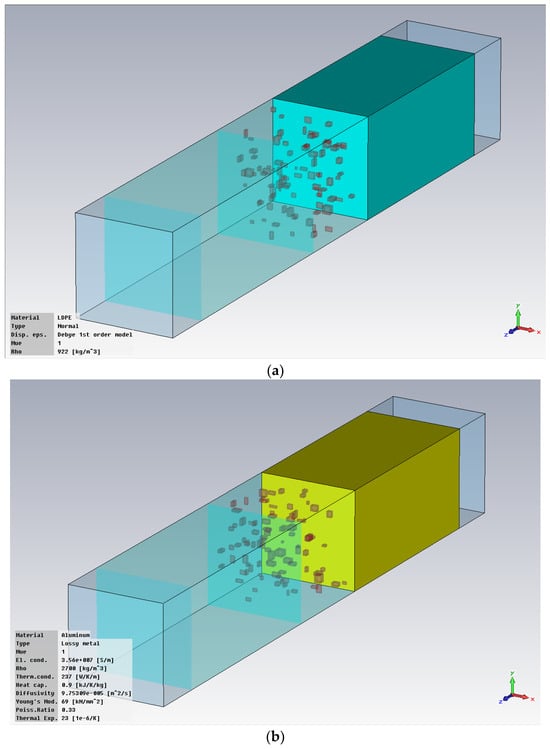
Maintaining stable molding quality in hydraulic injection molding machines is difficult because the internal state of molten resin cannot be directly observed and varies with material properties and operating conditions. This difficulty is intensified by variations in hydraulic characteristics caused by oil temperature changes. This study proposes an adaptive feedforward control (AFC) framework that improves injection velocity tracking while utilizing AFC learning parameters as indicators of resin state. AFC is implemented as a multi-frequency feedforward controller whose parameters are updated through repetitive injection cycles. To overcome the limited learning duration within a single injection shot, a shot-to-shot compensation mechanism accumulates and transfers learning results across consecutive shots. Experiments are conducted on a hydraulic injection molding machine using polypropylene materials with different viscosities. The results show that the converged AFC learning parameters vary systematically with material changes and correspond to differences in molded product appearance. Furthermore, by adjusting the cylinder temperature of another material, the AFC parameters converge to values close to those of a reference material, resulting in similar molded products. These findings demonstrate that AFC learning parameters reflect variations in resin state and can serve as practical state indicators for aligning molding conditions.
Full article
(This article belongs to the Special Issue Advances in Polymer Processing Technologies: Injection Molding)
►▼
Show Figures

Figure 1
Open AccessArticle
A First-Order Shear Deformation Theory-Based Analytical Approach for Acoustic-Vibration Research of Rib-Stiffened PVC Foam Sandwich Structures with Reinforcing and Weakening Phases
by
Zhaozhe Ma, Ruijie Dai, Zhiwei Zhou and Ying Li
Polymers 2026, 18(8), 910; https://doi.org/10.3390/polym18080910 - 8 Apr 2026
Abstract
This paper presents a theoretical approach based on the FSDT to study the acoustic vibration performance of rib-stiffened PVC foam sandwich structures with reinforcing and weakening phases when submerged in water. The complex core layer with reinforcing and weakening phases is homogenized to
[...] Read more.
This paper presents a theoretical approach based on the FSDT to study the acoustic vibration performance of rib-stiffened PVC foam sandwich structures with reinforcing and weakening phases when submerged in water. The complex core layer with reinforcing and weakening phases is homogenized to an equivalent orthotropic layer. Building upon this framework, the governing equations of motion for rib-stiffened PVC foam sandwich structures under the boundary conditions of a simply supported type are derived, incorporating the coupling interaction between the reinforcing ribs and the sandwich plates. Considering the influence of the underwater environment, with the Helmholtz equation governing the continuity of the acoustic pressure field and the Euler equation regulating the fluid–structure interaction interface continuity, the Navier method is subsequently employed to solve for the natural frequencies and acoustic vibration responses. For the purpose of verifying the proposed approach, the predicted results are contrasted with both the literature-derived data and numerical simulation results. Finally, parametric research is further conducted to explore the effect of the parameters of the rib and core layers on the underwater acoustic vibration characteristics. The conclusions drawn from this study can provide meaningful guidance for engineering design and optimization of such rib-stiffened sandwich structures, incorporating both reinforcing and weakening phases in underwater engineering applications.
Full article
(This article belongs to the Section Polymer Composites and Nanocomposites)
►▼
Show Figures

Figure 1
Open AccessArticle
Electrosynthesis of Silver Particles–Polypyrrole on Screen-Printed Carbon Electrodes, with a View to Their Modification with Ki-67 Antibodies
by
Matias Luengo, Loreto A. Hernández, Isabeau D. M. Figueroa, Cindy Peña, Gonzalo Riveros and Eduardo Muñoz
Polymers 2026, 18(8), 909; https://doi.org/10.3390/polym18080909 - 8 Apr 2026
Abstract
The development of reliable electrochemical interfaces for biosensor applications requires materials that combine high conductivity, large effective surface area, and suitable platforms for biomolecule immobilization. In this work, a hybrid electrochemical platform based on screen-printed carbon electrodes (SPCEs) modified with electropolymerized polypyrrole (PPy)
[...] Read more.
The development of reliable electrochemical interfaces for biosensor applications requires materials that combine high conductivity, large effective surface area, and suitable platforms for biomolecule immobilization. In this work, a hybrid electrochemical platform based on screen-printed carbon electrodes (SPCEs) modified with electropolymerized polypyrrole (PPy) and electrodeposited silver particles (AgPs) is presented for the subsequent immobilization of Ki-67 antibodies. PPy films were synthesized under optimized electrochemical conditions, producing homogeneous, porous, and electrochemically stable coatings that significantly enhanced the doping/undoping processes from 0.3280 C/0.3284 C to 0.3281 C/0.3284 C for SPCE and SPCE-PPy, respectively. Subsequently, silver particles were deposited onto the PPy matrix, resulting in a well-dispersed and uniform distribution of AgPs, promoted by the interaction between Ag0 and the nitrogen groups in the polymer backbone. The synergistic combination of PPy and AgPs resulted in improved charge-transfer properties and enhanced electrochemical reversibility, thereby decreasing the peak-to-peak separation of the ferricyanide/ferrocyanide redox couple used as a probe by 40%. Immobilization of Ki-67 antibodies was achieved via direct interaction with AgPs, resulting in a marked passivation effect, as evidenced by the suppression of redox probe signals, confirming successful biofunctionalization. The proposed SPCE-PPy-AgP architecture provides a robust, reproducible, and versatile platform for antibody immobilization, as demonstrated by oxidation and reduction peaks with relative standard deviations (RSDs) of 3.18% and 4.43%, respectively, highlighting its potential for developing label-free electrochemical immunosensors for clinically relevant proliferation biomarkers.
Full article
(This article belongs to the Special Issue Polymers in Inorganic Chemistry: Synthesis and Applications)
►▼
Show Figures

Figure 1
Open AccessArticle
Berberine-Loaded Chitosan-Succinylated Pullulan Composite Films for the Preservation of Fresh-Cut Apples
by
Xinyu Zhang, Chu Gong, Yujie Liu, Jun Wang, Zhizhou Yang and Jun-Li Yang
Polymers 2026, 18(8), 908; https://doi.org/10.3390/polym18080908 - 8 Apr 2026
Abstract
Biopolymer-based packaging films possess outstanding performances and are being developed as the alternatives to traditional petroleum-based plastic packaging films with many non-ignorable shortcomings. In this study, chitosan, succinylated pullulan (SP), and berberine (BBR) were combined to fabricate novel biopolymer-based composite films (CSSPB) via
[...] Read more.
Biopolymer-based packaging films possess outstanding performances and are being developed as the alternatives to traditional petroleum-based plastic packaging films with many non-ignorable shortcomings. In this study, chitosan, succinylated pullulan (SP), and berberine (BBR) were combined to fabricate novel biopolymer-based composite films (CSSPB) via the layer-by-layer assembly method. The effects of the incorporation of BBR on the physicochemical properties of the film were investigated. It was found that after BBR was added, the tensile strength (TS), elongation at break (EAB), hydrophobicity, and antioxidant capacities of the film were enhanced. The chemical bonding, crystalline properties, elemental composition, and thermal stability of the films were also characterized by Fourier transform infrared (FT-IR) spectroscopy, X-ray diffraction (XRD), X-ray photoelectron spectroscopy (XPS), and thermogravimetric analysis (TGA), respectively. The in vitro antifungal tests revealed the antifungal activities of the films with a relatively high BBR content against Colletotrichum gloeosporioides (CG). In the preservation experiments, the CSSPB films exhibited preservation effects on fresh-cut apples, which manifested as delaying browning, weight loss, an increase in the soluble solids content, and a decrease in hardness. The new CSSPB composite films were opined to hold application potential in the field of food packaging.
Full article
(This article belongs to the Special Issue Biobased Polymers and Its Composites)
►▼
Show Figures

Figure 1
Open AccessArticle
Geometry-Driven Structural Efficiency and Normative Performance of Miriti-Based Sandwich Composite Roofing Tiles
by
Ana Célia Sousa da Silva, Maurício Maia Ribeiro, Douglas Santos Silva, Raí Felipe Pereira Junio, Sergio Neves Monteiro and Jean da Silva Rodrigues
Polymers 2026, 18(8), 907; https://doi.org/10.3390/polym18080907 - 8 Apr 2026
Abstract
This work experimentally evaluates the geometry-driven structural efficiency and normative performance of sandwich-type composite roofing tiles composed of a miriti wood core and fiberglass-reinforced polymer faces. Trapezoidal-profile tiles were manufactured by hand lay-up and assessed according to ABNT NBR 16753, including visual inspection,
[...] Read more.
This work experimentally evaluates the geometry-driven structural efficiency and normative performance of sandwich-type composite roofing tiles composed of a miriti wood core and fiberglass-reinforced polymer faces. Trapezoidal-profile tiles were manufactured by hand lay-up and assessed according to ABNT NBR 16753, including visual inspection, fiber content, water absorption, apparent flexural behavior, deformation resistance, and impact resistance. The miriti core exhibited an extremely low mean density of 0.091 ± 0.008 g/cm3 (CV ≈ 8.8%), enabling lightweight sandwich configurations with an average overall thickness of approximately 8 mm. Fiberglass contents ranged from 27.5% to 32.1% by mass. Sealed sandwich specimens showed median water uptake values of approximately 2.5% after 2 h and 6.0% after 24 h immersion. Deformation resistance tests indicated admissible deflections of 15.0–15.75 mm (L/40), supported by applied masses between 39.6 and 104.3 kg (≈388–1023 N) without rupture or permanent damage. Apparent flexural stresses ranged from 6.7 to 9.3 MPa, with apparent moduli between 0.7 and 1.9 GPa. All tiles achieved 100% approval in deformation, impact (2–8 J), and visual criteria. The results demonstrate that geometric effects dominate structural performance, validating miriti wood as an efficient and sustainable core for normatively compliant composite roofing systems.
Full article
(This article belongs to the Special Issue Fiber-Reinforced Polymer Composites: Progress and Prospects)
►▼
Show Figures

Figure 1
Open AccessArticle
Molecular Insights into Phage–Hydrogel Polymer Interactions Through Docking, Molecular Dynamics, and Machine Learning
by
Roba M. S. Attar and Mohammed A. Imam
Polymers 2026, 18(8), 906; https://doi.org/10.3390/polym18080906 - 8 Apr 2026
Abstract
An efficient bacteriophage delivery system needs to be developed to overcome the challenges associated with phage instability, rapid diffusion, and loss of infectivity at the infection site. Hydrogels have been found to be potential carriers. Hydrogels have emerged as promising carriers due to
[...] Read more.
An efficient bacteriophage delivery system needs to be developed to overcome the challenges associated with phage instability, rapid diffusion, and loss of infectivity at the infection site. Hydrogels have been found to be potential carriers. Hydrogels have emerged as promising carriers due to their biocompatibility, tunable physicochemical properties and capacity for controlled release. However, the molecular factors that regulate phage–hydrogel interactions remain poorly understood. In this study, we employed an in silico framework combining molecular docking, molecular dynamics (MD) simulations, MM/PBSA binding energy calculations, machine learning-based adhesion prediction, and diffusion modeling to explore phage–hydrogel interactions at the molecular level. Surface-exposed bacteriophage proteins, such as capsid and tail proteins, were evaluated against eight different hydrogel polymers. Binding site analysis revealed the presence of multiple solvent-accessible pockets that can interact with the polymer. Docking studies showed favorable and stable interactions, with hyaluronic acid showing strong binding affinity to multiple phage proteins (−5.5 to −5.7 kcal/mol) and GelMA showing high affinity to the capsid gp10 protein (−5.6 kcal/mol). The integrity of the structural complexes was further confirmed by 100 ns MD simulations, stable RMSD and RMSF trajectories, compact structural conformations, and favorable MM/PBSA binding energies. Machine learning classification successfully differentiated high- and low-adhesion systems and identified hydrogen bonding and electrostatic interactions as key determinants of sustained yet reversible phage retention. Collectively, our findings suggest that the hydrogels enriched with charged and polar functional groups can facilitate stable but non-destructive phage binding, enabling controlled and sustained release. This study provides mechanistic insights into rational hydrogel design for phage delivery systems and highlights the potential of high-throughput computational strategies to accelerate the development of optimized phage therapeutics.
Full article
(This article belongs to the Section Polymer Networks and Gels)
►▼
Show Figures

Figure 1
Open AccessArticle
An Experimental Study and FEM-Based Analysis for Road Safety Barriers: Additively Manufactured PLA–Geopolymer Hybrid Composites
by
Muhammed Fatih Yentimur, Oğuzhan Akarsu, Cem Alparslan, Tuba Kütük-Sert, Şenol Bayraktar, Abdulkadir Cüneyt Aydin and Ahmet Tortum
Polymers 2026, 18(8), 905; https://doi.org/10.3390/polym18080905 - 8 Apr 2026
Abstract
This study investigates the impact response and energy absorption performance of additively manufactured PLA–geopolymer hybrid composites for potential application in road safety barriers. Hybrid Charpy specimens were fabricated with three different infill densities (20%, 60%, and 100%), combining a 3D-printed PLA outer shell
[...] Read more.
This study investigates the impact response and energy absorption performance of additively manufactured PLA–geopolymer hybrid composites for potential application in road safety barriers. Hybrid Charpy specimens were fabricated with three different infill densities (20%, 60%, and 100%), combining a 3D-printed PLA outer shell with a geopolymer core. Charpy impact tests were conducted in accordance with ISO 179-1 and ASTM D6110, and the absorbed energy, specific energy absorption, and mass efficiency were determined experimentally. A phase-based analytical model was also used to estimate elastic energy contributions, while fracture surfaces were examined to identify infill-dependent damage mechanisms. To extend the material-level findings to an engineering-scale application, the observed trends were transferred to a New Jersey-type road safety barrier model and evaluated using ANSYS Explicit Dynamics. The results showed that infill density strongly affects fracture behavior and energy dissipation performance, with 60% infill providing the most balanced response in terms of energy absorption and mass/material efficiency. The originality of the present study lies in going beyond a material-scale investigation of the impact behavior of additively manufactured PLA–geopolymer hybrid structures by integrally correlating the experimental Charpy results with a theoretical energy-based framework, fracture-surface observations, and explicit dynamic finite element analysis of a New Jersey-type road safety barrier model.
Full article
(This article belongs to the Special Issue Polymeric Materials in 3D Printing, 2nd Edition)
►▼
Show Figures

Figure 1
Journal Menu
► ▼ Journal Menu-
- Polymers Home
- Aims & Scope
- Editorial Board
- Reviewer Board
- Topical Advisory Panel
- Instructions for Authors
- Special Issues
- Topics
- Sections & Collections
- Article Processing Charge
- Indexing & Archiving
- Editor’s Choice Articles
- Most Cited & Viewed
- Journal Statistics
- Journal History
- Journal Awards
- Society Collaborations
- Conferences
- Editorial Office
Journal Browser
► ▼ Journal BrowserHighly Accessed Articles
Latest Books
E-Mail Alert
News
Topics
Topic in
Applied Nano, Catalysts, Materials, Nanomaterials, Polymers, Molecules
Application of Nanomaterials in Environmental Analysis
Topic Editors: Yonggang Zhao, Yun ZhangDeadline: 13 April 2026
Topic in
Biomass, Energies, Materials, Molecules, Nanomaterials, Polymers
Biomass for Energy, Chemicals and Materials
Topic Editors: Shaohua Jiang, Changlei Xia, Shifeng Zhang, Xiaoshuai HanDeadline: 24 May 2026
Topic in
IJERPH, Microplastics, Polymers, Toxics
Plastic Contamination (Plastamination): An Environmental and Public Health-Related Concern
Topic Editors: Rosaria Meccariello, Antonino Testa, Francesco Cappello, Antonietta SantoroDeadline: 30 June 2026
Topic in
Foods, Materials, Polymers, Safety, Sensors, Toxics, Micromachines
Development of Rapid Detection Methods for Foodborne Micro/Trace Hazardous Substances
Topic Editors: Bo Zhang, Yukun YangDeadline: 30 July 2026
Conferences
Special Issues
Special Issue in
Polymers
Polymers and Functional Additives in Construction Materials
Guest Editors: Xiaobin Han, Ruiyang Wang, Zhilong CaoDeadline: 10 April 2026
Special Issue in
Polymers
Advanced Biodegradable Polymer Scaffolds for Tissue Engineering, 3rd Edition
Guest Editor: Ionela Andreea NeacsuDeadline: 15 April 2026
Special Issue in
Polymers
Polymeric Membrane Science and Surface Modification Technologies: 2nd Edition
Guest Editors: Lili Wu, Chaocan ZhangDeadline: 15 April 2026
Special Issue in
Polymers
Functional Polymer Materials in Construction Technology
Guest Editors: Agnieszka Wdowiak-Postulak, Marek WieruszewskiDeadline: 20 April 2026
Topical Collections
Topical Collection in
Polymers
Biodegradable Polymers and Polymeric Composite
Collection Editors: Marina Patricia Arrieta Dillon, Francesca Luzi
Topical Collection in
Polymers
Sustainable Polymer/Biopolymer-Based Composites: Processing, Characterization, and Application
Collection Editors: José Alberto Méndez, Helena Oliver-Ortega
Topical Collection in
Polymers
Polymerization and Kinetic Studies
Collection Editors: Shin-ichi Yusa, Binyuan Liu