



-
Multilevel Safety Climate for Lone Heavy Vehicle Drivers in the UK Quarrying Industry: Validation of the Heavy Vehicle Safety Climate Scale (HVSCS) -
Occupational Health Risks at Truck Stops: Evaluating Service Gaps and Safety Needs for Long-Haul Drivers -
Assessment of Occupational Health and Safety Performance in Air Traffic Control: An Empirical Investigation of Stress and Well-Being -
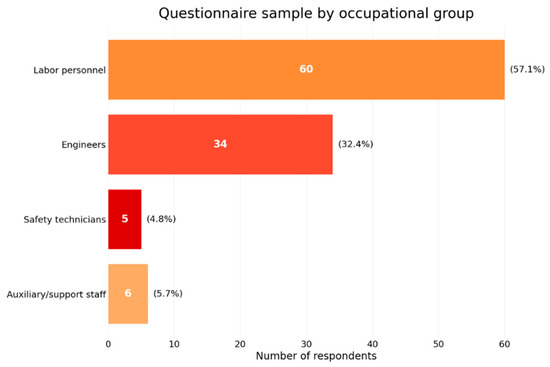
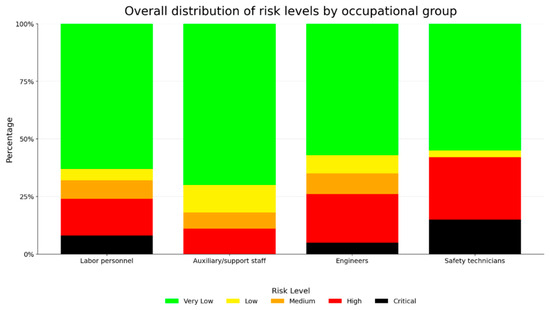
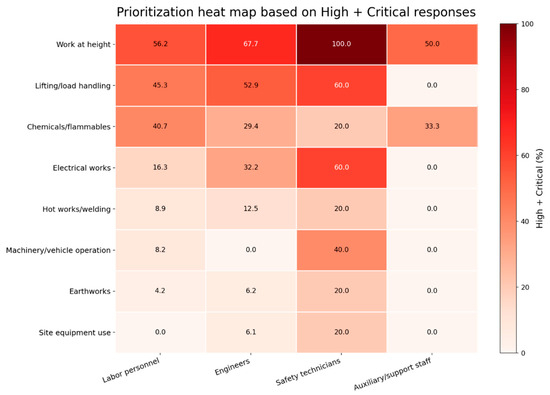
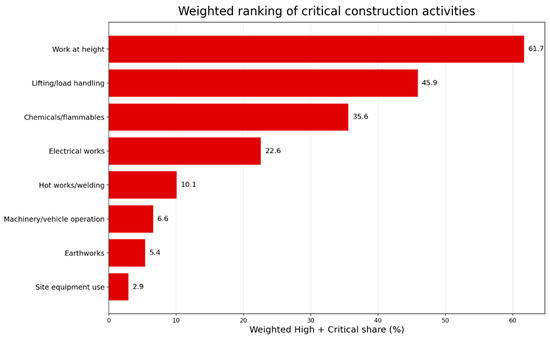
Exploring Health, Safety, and Mental Health Practices in the Saudi Construction Sector—Knowledge, Awareness, and Interventions: A Semi-Structured Interview -
Effect of a Short-Term Training Program on Knowledge of Rip Currents: A Study with University Students
Journal Description
Safety
Safety
is an international, peer-reviewed, open access journal on industrial and human health safety published bimonthly online by MDPI.
- Open Access— free for readers, with article processing charges (APC) paid by authors or their institutions.
- High Visibility: indexed within Scopus, ESCI (Web of Science), SafetyLit, and other databases.
- Journal Rank: CiteScore - Q2 (Safety Research)
- Rapid Publication: manuscripts are peer-reviewed and a first decision is provided to authors approximately 34 days after submission; acceptance to publication is undertaken in 5.6 days (median values for papers published in this journal in the second half of 2025).
- Recognition of Reviewers: reviewers who provide timely, thorough peer-review reports receive vouchers entitling them to a discount on the APC of their next publication in any MDPI journal, in appreciation of the work done.
- Journal Cluster of Environmental Science: Sustainability, Land, Clean Technologies, Environments, Nitrogen, Recycling, Urban Science, Safety, Air, Waste, Aerobiology and Toxics.
Impact Factor:
1.7 (2024);
5-Year Impact Factor:
2.1 (2024)
Latest Articles
A Bibliometric Analysis of Industry 4.0 and Occupational Health and Safety: Research Trends and Gaps
Safety 2026, 12(3), 73; https://doi.org/10.3390/safety12030073 - 15 May 2026
Abstract
Industry 4.0 (I4.0) is transforming industrial systems through interconnected, data-driven technologies, raising questions about how these developments affect Occupational Health and Safety (OHS). This study investigates research trends, thematic structures, and knowledge gaps at the intersection of I4.0 and OHS using a multilevel
[...] Read more.
Industry 4.0 (I4.0) is transforming industrial systems through interconnected, data-driven technologies, raising questions about how these developments affect Occupational Health and Safety (OHS). This study investigates research trends, thematic structures, and knowledge gaps at the intersection of I4.0 and OHS using a multilevel bibliometric framework applied to Scopus records published from 2011 to 2025. The analysis moves from a broad overview of the I4.0 landscape to more focused examinations of specific I4.0–OHS publications, prevention-oriented studies, and emerging-risk research. The results show that OHS has limited visibility in the general I4.0 literature and is more prominent mainly in targeted subsets, where digital sensing, artificial intelligence, machine learning, and immersive technologies drive prevention-focused research. Conversely, emerging risks such as cognitive load, psychosocial stressors, and human–autonomy interaction appear in smaller, more dispersed clusters. Overall, the findings suggest that the relationship between I4.0 and OHS is unevenly developed, with established prevention mechanisms and early-stage conceptualization of new risks. Strengthening this field will require integrating human factors with digital indicators, better characterizing emerging risks, and ensuring that digital transformation supports SDG 8 by fostering safe and healthy working environments.
Full article
(This article belongs to the Special Issue Occupational Safety Challenges in the Context of Industry 4.0)
►
Show Figures
Open AccessArticle
Exposure to Organic Solvent, Health Symptoms and Safety Practices Among Automobile Spray Painters in Johannesburg, South Africa
by
Katlego L. Mailula, Phoka C. Rathebe and Masilu D. Masekameni
Safety 2026, 12(3), 72; https://doi.org/10.3390/safety12030072 - 15 May 2026
Abstract
Automobile spray painters in small informal workshops in developing countries face high occupational exposure to organic solvents. Although health effects are well known, the influence of workers’ knowledge, attitudes, and practices (KAP) on these effects is less well understood. This study examined spray
[...] Read more.
Automobile spray painters in small informal workshops in developing countries face high occupational exposure to organic solvents. Although health effects are well known, the influence of workers’ knowledge, attitudes, and practices (KAP) on these effects is less well understood. This study examined spray painters’ KAP regarding organic solvents and health symptoms and assessed workplace safety compliance. A cross-sectional study in Region F, Johannesburg, collected data among 152 spray painters across 47 workshops using a questionnaire and checklist. KAP scores were analysed with multivariable logistic regression to identify associations with eye, skin, respiratory, and CNS symptoms, while controlling for confounders. Workplace controls were inadequate: 64% of workshops conducted spray painting outdoors, while only 17% had a functioning spray booth. Although knowledge scores were high (45.29/50 ± 6.025), practice scores remained low (9.01/20 ± 5.275). After adjustment, higher knowledge was significantly associated with reduced odds of eye (AOR = 0.846), skin (AOR = 0.915), and respiratory symptoms (AOR = 0.890). Better practice scores also correlated with fewer skin symptoms (AOR = 0.891). No KAP construct was linked to CNS symptoms. In the absence of engineering controls, workers’ knowledge is strongly linked to lower reporting of solvent-related symptoms affecting the eyes, skin, and respiratory system. However, knowledge does not appear to influence CNS symptoms, which are probably driven by ambient solvent concentrations that individual behavioural measures cannot effectively manage. Therefore, knowledge acts as a supplementary, rather than a substitute, safeguard where engineering controls are lacking. Interventions should include education and enforceable regulations to empower workers and ensure the use of engineering controls, especially in spray booths.
Full article
(This article belongs to the Special Issue Environmental Risk Assessment—Health and Safety)
►▼
Show Figures

Figure 1
Open AccessArticle
Predictors of Safety Rule Compliance in Automotive Just-in-Time Manufacturing: A Multivariate Analysis of Organisational and Ergonomics Factors
by
Kinga Hokstok, Zsolt Nagy and Kevin Nagy
Safety 2026, 12(3), 71; https://doi.org/10.3390/safety12030071 - 14 May 2026
Abstract
►▼
Show Figures
This study examines organisational and ergonomic predictors of safety compliance in automotive just-in-time (JIT) production environments. Drawing on the theory of safety climate and the literature on organisational control, we developed a multivariate regression model to analyse how managerial commitment, production pressure, technological
[...] Read more.
This study examines organisational and ergonomic predictors of safety compliance in automotive just-in-time (JIT) production environments. Drawing on the theory of safety climate and the literature on organisational control, we developed a multivariate regression model to analyse how managerial commitment, production pressure, technological safeguards, training quality, severity of sanctions, and ergonomic prevention relate to employee safety compliance. A cross-sectional survey was conducted among the employees of five Central European Tier 1 and Tier 2 automotive suppliers (n = 221). The results show that organisational factors play a central role in explaining compliance behaviour. Management commitment and training quality emerged as the strongest positive predictors of safety compliance, while production pressure showed a significant negative association. Ergonomic prevention was also positively related to compliance, suggesting that workplace design and physical risk reduction contribute to safer behaviour. The severity of sanctions showed only a weak relationship with compliance. In general, the findings indicate that supportive organisational practices and preventive safety management are more strongly associated with compliance than sanctions-based control mechanisms alone. The results highlight the importance of integrating management commitment, training systems, and ergonomic design into safety strategies in high-pressure manufacturing environments.
Full article

Figure 1

Open AccessArticle
How Risky Are Unrestrained Vehicle Occupants?
by
Boyi Zhuang, Praveena Penmetsa, Salman Haider Khan, Emmanuel Kofi Adanu, Lawrence Powell and Steven Jones
Safety 2026, 12(3), 70; https://doi.org/10.3390/safety12030070 - 14 May 2026
Abstract
Seatbelt use is well established as a life-saving measure. Nevertheless, many drivers and passengers continue to neglect seatbelt use. This study examines the risks associated with unrestrained occupants involved in motor vehicle crashes. Using data from the Fatality Analysis Reporting System from 2000
[...] Read more.
Seatbelt use is well established as a life-saving measure. Nevertheless, many drivers and passengers continue to neglect seatbelt use. This study examines the risks associated with unrestrained occupants involved in motor vehicle crashes. Using data from the Fatality Analysis Reporting System from 2000 to 2018, the relative risk of fatal traffic accidents for unrestrained vehicle occupants in the United States was estimated using the maximum likelihood estimation method. The findings indicate that unrestrained passengers make up about 12% of all passengers on the road and face a roughly 4.3 times greater likelihood of fatality in severe crashes. Additionally, unrestrained drivers, whose higher risk profiles are linked not only to their lack of restraint but also to broader patterns of hazardous driving behavior, account for over 8% of all drivers and exhibit a risk approximately 5.4 times higher in causing fatal crashes compared to restrained drivers. The findings of this study reveal the prevalence and consequences of unrestrained vehicle occupants and supports ongoing efforts to promote seatbelt utilization and bolster road safety protocols. By doing so, we can alleviate the burden of preventable injuries and fatalities on individuals, families, and society at large, thus fostering a safer and more secure transportation environment for all.
Full article
Open AccessArticle
Exploring Causes of Safety Barriers in Sri Lankan Construction Industry: A Survey
by
Asela Weerakoon, David Thorpe, Amirhossein Heravi, Anirudh Atmakuru, Asoke Mehera and Subrata Chakraborty
Safety 2026, 12(3), 69; https://doi.org/10.3390/safety12030069 - 12 May 2026
Abstract
This study aims to identify key health and safety challenges and examine root causes while developing a conceptual framework to improve safety. Results of the study will be useful for policy makers, regulatory authorities, construction managers, safety professionals and researchers to improve regulations,
[...] Read more.
This study aims to identify key health and safety challenges and examine root causes while developing a conceptual framework to improve safety. Results of the study will be useful for policy makers, regulatory authorities, construction managers, safety professionals and researchers to improve regulations, safety practices, training programs and policy development. The emerging construction industry in Sri Lanka is facing significant safety challenges for workers, including poor practices, inappropriate conduct, and negative attitudes. The construction industry was selected for this study due to its labor-intensive nature and its consistently high exposure to occupational hazards compared to other industrial sectors. The underlying root causes of these health and safety challenges remain unclear, primarily due to a lack of comprehensive government regulations, which are currently limited to the outdated Factories Ordinance of 1942. Sri Lanka was chosen as the focus of this study because of its rapidly expanding construction sector and outdated regulatory framework; it is also a representative of underdeveloped countries. Several studies have identified contributing factors such as outdated legislation, a shortage of qualified officers, poor attitudes, lack of funding, negligence, and limited awareness. To address this research gap, the safety aspects of the Sri Lankan construction industry have been examined, revealing emerging challenges such as poor safety practices, the presence of foreign workers, and the inadequate use of personal protective equipment (PPE) by staff. A deeper examination of these challenges indicates that sufficient safety budgets reflect leadership attitudes toward preventing injuries, and that targeted safety training for different roles can help mitigate these issues. Accordingly, a conceptual safety framework has been developed. A qualitative, semi-structured interview comprising both open- and closed-ended questions was conducted to gain insights from 26 experts (including engineers, architects, human resource personnel, safety officers, and managers) regarding workplace safety challenges. The interview data was thematically categorized based on the identified safety challenges using NVivo analysis, to determine their root causes and develop strategies to improve workplace safety. To evaluate the emotional tone of participants’ response, sentiment analysis was conducted. Results highlighted participants’ optimism when discussing proactive or successful safety measures, neutrality in objective assessments, and concern or dissatisfaction when addressing safety challenges and organizational shortcomings. Experts recommended that safety education should be introduced in universities and vocational institutes. Firms can incorporate safety training through toolbox talks and induction sessions, and they can allocate a safety budget in their contracts. The study suggests developing a certificate-level safety training module for the construction industry and provides fresh insights into the underlying causes of safety issues in the Sri Lankan construction sector. Furthermore, the study has implications for delivering a health and safety framework for project risk management in developing countries that face budget constraints and limited training and development opportunities for enhancing construction skill sets.
Full article
(This article belongs to the Special Issue Safety Performance Assessment and Management in Construction)
►▼
Show Figures

Figure 1
Open AccessArticle
Determinants of Injury Severity and Clinical Outcomes in Indoor Climbing: A 10-Year Retrospective Study
by
Jolanta Klukowska-Rötzler, Igor Gagarkin, Dragica Suker, Martin Müller, Doris-Viviana Vesa, Aristomenis Exadaktylos and Johanna Boldt
Safety 2026, 12(3), 68; https://doi.org/10.3390/safety12030068 - 12 May 2026
Abstract
►▼
Show Figures
Background: Indoor climbing is a rapidly growing sport; however, data on injury patterns and clinical outcomes remain limited. This study aimed to evaluate the injury severity, characteristics, and clinical outcomes of indoor climbing-related injuries and explore the clinical applicability of the UIAA MedCom
[...] Read more.
Background: Indoor climbing is a rapidly growing sport; however, data on injury patterns and clinical outcomes remain limited. This study aimed to evaluate the injury severity, characteristics, and clinical outcomes of indoor climbing-related injuries and explore the clinical applicability of the UIAA MedCom Score. Methods: We conducted a 10-year retrospective analysis (2012–2021) of patients aged ≥16 years presenting with indoor climbing-related injuries to a Swiss level 1 emergency department. Cases were identified using predefined keywords in the E-care and Qualicare databases. Demographics, injury mechanisms and patterns, Injury Severity Score (ISS), UIAA MedCom Score, treatment strategies, and clinical outcomes were analysed. A multivariable logistic regression model was applied to explore factors associated with higher injury severity. Results: A total of 98 patients were included, with 50% aged 26–35 years. Injuries occurred with a similar frequency during climbing and bouldering (51.0% vs. 49.0%). The predominant mechanism was ground fall (68.4%). Lower-extremity injuries were most common, particularly affecting the ankle and foot (43%). Most injuries were of mild-to-moderate severity, with 46.9% classified as UIAA grade 2. Conservative treatment was sufficient in 83.7% of cases, while 16.3% required surgical intervention, and one fatality (1.0%) was recorded. Injury severity was significantly associated with clinical outcomes, including hospitalisation and resource utilisation. In addition, in a multivariable model, higher Injury Severity Score (ISS) was significantly associated with longer hospital length of stay. A strong association between the UIAA MedCom Score and ISS was observed (p < 0.001). Conclusions: The indoor climbing injuries of individuals presenting to the emergency department were predominantly mild to moderate and were generally associated with favourable short-term outcomes. These findings are supported by model-based analysis demonstrating an independent association between injury severity and hospital length of stay. These findings are based on a single-centre emergency department cohort and do not capture injuries managed outside the hospital setting. Therefore, conclusions regarding overall injury risk should be interpreted with caution. The observed association between the UIAA MedCom Score and ISS suggests that the UIAA classification may serve as a complementary tool for injury assessment, although further validation is required.
Full article

Figure 1
Open AccessArticle
An Empirical Bayes Assessment of Safety for Low-Volume Roadside Clearing Operations
by
Andrea Daly, Sudesh Ramesh Bhagat, Bernard Ndeogo Issifu, Bhaven Naik, Deogratias Eustace and David Asare Odei
Safety 2026, 12(3), 67; https://doi.org/10.3390/safety12030067 - 9 May 2026
Abstract
►▼
Show Figures
Roadways classified as state routes in both rural and urban settings are tree-lined, creating a canopy over the pavement surface. Although trees are beneficial to the environment, they pose a hazard to road safety in a variety of ways. For example, they offer
[...] Read more.
Roadways classified as state routes in both rural and urban settings are tree-lined, creating a canopy over the pavement surface. Although trees are beneficial to the environment, they pose a hazard to road safety in a variety of ways. For example, they offer reduced skid resistance due to fallen leaves; restrict direct sunlight on pavement surface, causing the formation of black ice and fog; and increase the risk of entire trees/branches/fruits falling on passing vehicles or blocking traffic lanes. State agencies have undertaken the task of eliminating tree canopies, inviting widespread criticism. Currently, there is a gap in the literature about the impact of tree canopy on traffic safety in the form of scientific research. This paper addresses this gap by presenting insight into the benefits of tree-trimming and/or removal operations along state routes in Ohio. Adopting the Empirical Bayesian approach, this study evaluates crashes to quantify the safety benefits. Additionally, a surrogate safety assessment was conducted to evaluate driver behaviors in the presence/absence of tree canopy. The results indicated that roadside tree trimming and pruning showed site-specific safety benefits at most locations, though no consistent project-level crash reduction or conclusive effects on surrogate safety measures, such as reduced speeds and hard braking, were observed.
Full article

Figure 1

Open AccessArticle
Predictive Accuracy of Statistical and Machine Learning Models on Perceived Feelings of Safety in South Africa
by
Boitumelo Mooketsi, Johannes Tshepiso Tsoku and Patrick Malose Leeto Shogole
Safety 2026, 12(3), 66; https://doi.org/10.3390/safety12030066 - 8 May 2026
Abstract
►▼
Show Figures
This study compares the predictive performance of traditional multivariate time series models and machine learning (ML) techniques in modelling perceived feelings of safety among South African residents. The analysis uses secondary data from the Governance, Public Safety, and Justice Survey conducted by Statistics
[...] Read more.
This study compares the predictive performance of traditional multivariate time series models and machine learning (ML) techniques in modelling perceived feelings of safety among South African residents. The analysis uses secondary data from the Governance, Public Safety, and Justice Survey conducted by Statistics South Africa, covering 2013/2014 to 2023/2024 and comprising 215,301 observations. Perceived safety while walking alone in the neighbourhood during the day and after dark served as the response variables, while socio-economic characteristics such as age, sex, province, and main source of income were included as predictors. A Vector Autoregressive Moving Average (VARMA) model was estimated alongside Random Forest (RF) and Light Gradient Boosting Machine (LightGBM) algorithms. VARMA (2,2) and VARMA (3,1) provided the best statistical fit for daytime and after-dark safety perceptions, respectively. However, ML models achieved higher predictive accuracy overall, with RF outperforming both LightGBM and VARMA in capturing nonlinear relationships and short-term dynamics. The findings underscore the value of integrating ML into public safety modelling to enhance evidence-based planning and socio-economic policy development in South Africa. Future research should consider integrating higher-frequency and alternative data sources, such as administrative crime statistics and real-time behavioural data to improve model sensitivity and forecasting accuracy.
Full article

Figure 1
Open AccessArticle
Analyzing Fatigue in Air Traffic Controller Trainees
by
Chien-Tsung Lu, Xiaofu Fan and Mengyi Wei
Safety 2026, 12(3), 65; https://doi.org/10.3390/safety12030065 - 7 May 2026
Abstract
To detect the fatigue status of air traffic controllers before duty and better manage on-the-job fatigue risk, this study proposes a convenient and effective pre-shift fatigue assessment method. A cohort of controller cadets was examined, using average reaction time, the standard deviation of
[...] Read more.
To detect the fatigue status of air traffic controllers before duty and better manage on-the-job fatigue risk, this study proposes a convenient and effective pre-shift fatigue assessment method. A cohort of controller cadets was examined, using average reaction time, the standard deviation of reaction time, and the fastest 10% reaction time from a psychomotor vigilance test (PVT) as indicators of fatigue. These indicators were combined with self-reported MFI-16 fatigue scale scores to establish a quantitative relationship between fatigue level and each metric, allowing calculation of a comprehensive fatigue index for each cadet. This quantified fatigue index was then fitted against control-aptitude test scores to develop a regression model. An experimental condition involving 24 h of sleep deprivation was used to generate data for model development and validation. Results showed strong correlations between PVT metrics (average reaction time, reaction time variability, and fastest 10% reaction time) and fatigue scale scores. The resulting fatigue index model demonstrated good agreement between predicted and measured control-aptitude test scores. This study provides a theoretical foundation for a practical fatigue detection and early-warning method for air traffic controllers, offering significant value for reducing safety risks and enhancing civil aviation safety.
Full article
(This article belongs to the Special Issue Advances in Ergonomics and Safety)
►▼
Show Figures

Figure 1
Open AccessArticle
Has Congestion Pricing Improved Short-Term Road Safety? A Case Study in New York City
by
Mingyin Wang and Xuan Di
Safety 2026, 12(3), 64; https://doi.org/10.3390/safety12030064 - 7 May 2026
Abstract
►▼
Show Figures
In January 2025, New York City became the first major U.S. city to implement a cordon-based congestion pricing policy via the Central Business District Tolling Program. While the policy’s effects on traffic volume are well-documented, its impact on road safety remains underexplored. This
[...] Read more.
In January 2025, New York City became the first major U.S. city to implement a cordon-based congestion pricing policy via the Central Business District Tolling Program. While the policy’s effects on traffic volume are well-documented, its impact on road safety remains underexplored. This study evaluates the short-term effects of the program on two distinct metrics: total crash counts (frequency) and injury rates (severity, defined as the number of persons injured per 10,000 residents), using a monthly panel dataset of ZIP code-level data from January 2024 to December 2025. We employ a rigorous multi-method causal inference framework—including difference-in-differences, matched difference-in-differences, and generalized synthetic control—to estimate changes in injury rates and total crash counts independently. Across all empirical specifications, we find no statistically significant reduction in either traffic injuries or collisions following the policy’s implementation. Event study analyses confirm a consistent null effect month-over-month, with no transient or sustained safety dividend. Subject to short-term methodological constraints, our findings suggest that congestion pricing functions primarily as a demand management tool; realizing immediate road safety benefits in complex urban grid networks likely requires complementary physical infrastructure interventions.
Full article

Figure 1

Open AccessArticle
The Role of Motivation in Promoting Safety in Construction Projects
by
Said Dawood Fayaz and Somik Ghosh
Safety 2026, 12(3), 63; https://doi.org/10.3390/safety12030063 - 6 May 2026
Abstract
►▼
Show Figures
The construction industry is one of the most hazardous occupational sectors globally, with persistently high rates of worker injuries and fatalities. This study examined the association between safety motivation and safety climate among construction workers, addressing a critical gap in understanding their bidirectional
[...] Read more.
The construction industry is one of the most hazardous occupational sectors globally, with persistently high rates of worker injuries and fatalities. This study examined the association between safety motivation and safety climate among construction workers, addressing a critical gap in understanding their bidirectional relationship. A cross-sectional survey was administered to 922 construction workers across multiple commercial projects within a single U.S. state, yielding 383 valid responses (41.5% response rate). The survey instrument measured safety motivation types (intrinsic, extrinsic, and negative) and multiple safety climate dimensions, including leadership and communication, safety procedures and training, peer support, recognition, and equipment availability. The results revealed that safety motivation demonstrated a significant positive correlation with overall safety climate (r = 0.467, p < 0.01), with leadership and communication showing the strongest association (r = 0.514, p < 0.01). Analysis of motivation types indicated that negative motivation (fear of accidents) predominated (41%), followed by extrinsic (34%) and intrinsic motivations (25%). The findings support a reciprocal relationship wherein safety motivation and safety climate mutually reinforce one another, influencing safety performance and outcomes. The study highlights the need for safety interventions that simultaneously address organizational climate factors and diverse individual motivational pathways to improve safety performance in the construction industry.
Full article

Figure 1
Open AccessArticle
Human-Centered Shelter Selection: A Multi-Criteria Decision-Making Framework for Post-Disaster Response
by
Sarah Mohamadpour, Maryam Mozaffari and Narendra Malalgoda
Safety 2026, 12(3), 62; https://doi.org/10.3390/safety12030062 - 6 May 2026
Abstract
►▼
Show Figures
This study presents an enhanced multi-criteria decision-making framework for ranking emergency shelters, addressing the unique needs of displaced persons beyond mere survival. By defining comprehensive criteria in collaboration with the Emergency Management Organization, the model ensures a holistic approach to shelter selection. The
[...] Read more.
This study presents an enhanced multi-criteria decision-making framework for ranking emergency shelters, addressing the unique needs of displaced persons beyond mere survival. By defining comprehensive criteria in collaboration with the Emergency Management Organization, the model ensures a holistic approach to shelter selection. The study applies these criteria to a case study in Manitoba, Canada, utilizing an improved Technique for Order Preference by Similarity to Ideal Solution (TOPSIS) model integrated with entropy-based methods for precise, unbiased weight calculations. This enhancement increases reliability compared to conventional TOPSIS models. The involvement of field experts bridges the gap between theoretical models and real-world applications, making the decision-making process more practical. Beyond mathematical improvements, this research incorporates the human aspects of displaced populations’ needs, ensuring a balance between quantitative and qualitative factors. The results demonstrate optimized shelter selection, improved prioritization, and more efficient resource allocation, ultimately reducing response times, minimizing disruptions, and preventing repeated relocations during evacuations in crisis situations.
Full article

Figure 1
Open AccessArticle
Work-Related Musculoskeletal Pain and Discomfort Among Livestock Workers: Evidence from the Friuli-Venezia Giulia Region of Italy
by
Marcela Carvajal-Suárez, Marco Bietresato, Rino Gubiani and Athena K. Ramos
Safety 2026, 12(3), 61; https://doi.org/10.3390/safety12030061 - 6 May 2026
Abstract
Agriculture is a hazardous industry, and working in livestock production has been linked to musculoskeletal disorders (MSDs). However, limited research has examined work-related risk factors contributing to MSDs among livestock workers especially in small and family-owned operations, like most of the companies located
[...] Read more.
Agriculture is a hazardous industry, and working in livestock production has been linked to musculoskeletal disorders (MSDs). However, limited research has examined work-related risk factors contributing to MSDs among livestock workers especially in small and family-owned operations, like most of the companies located in the Friuli-Venezia Giulia (FVG) region of Italy. This cross-sectional study conducted in July 2024 investigates self-reported musculoskeletal pain and discomfort and occupational exposures among dairy and swine farmworkers (N = 50; mean age = 37 years) in FVG. We assessed musculoskeletal exposures, self-reported pain and discomfort, and the use of preventive techniques to maintain musculoskeletal health. Participants reported a high prevalence (80%) of musculoskeletal pain and discomfort, particularly among those working in family operations. While lower back and knee pain were most common, work-related exposures were most strongly associated with pain in the lower back and neck. These findings highlight the need to address occupational health risks related to MSDs in livestock operations, including possible prevention and intervention strategies. This may be especially important for small and family-owned farms where preventive and ergonomic interventions may yield substantial benefits.
Full article
(This article belongs to the Special Issue Musculoskeletal Discomfort and Disorders in Agricultural Populations)
Open AccessArticle
Integrated Risk Assessment Framework for Abandoned Mine Methane (AMM) Emissions in Urban Environments: Methodological Development and Application to the Lupeni Case Study (Romania)
by
Ladislau Radermacher, Andrei Burlacu and Cristian Radeanu
Safety 2026, 12(3), 60; https://doi.org/10.3390/safety12030060 - 5 May 2026
Abstract
Abandoned mine methane (AMM) emissions represent a significant public safety and environmental hazard in post-industrial urban areas. Uncontrolled subsurface gas migration may lead to explosive accumulations in confined spaces, human exposure, infrastructure damage, and additional greenhouse gas emissions. This study develops an integrated
[...] Read more.
Abandoned mine methane (AMM) emissions represent a significant public safety and environmental hazard in post-industrial urban areas. Uncontrolled subsurface gas migration may lead to explosive accumulations in confined spaces, human exposure, infrastructure damage, and additional greenhouse gas emissions. This study develops an integrated risk assessment framework for AMM in urban environments, combining quantitative analysis of field monitoring data with semi-quantitative probability–consequence risk matrices and multi-factor evaluation. Methane concentrations were measured at 41 monitoring points during three campaigns (August–September 2024). A total of 42 influencing factors were identified and classified into seven categories (geological, mining, hydrogeological, meteorological, anthropogenic, biological, and special phenomena). Exceedance probabilities of critical thresholds were estimated with 95% confidence intervals. Consequence weights were derived using the Analytic Hierarchy Process (AHP) based on a five-expert panel (CR = 0.043). The framework was applied to the urban area of Lupeni, Romania, where methane concentrations of up to 54% vol. were measured during borehole screening measurements (subsurface probe points). Elevated concentrations were detected four days after commissioning of a new gas pipeline. Gas chromatographic analysis excluded pipeline leakage and confirmed a mining-related source. Results indicate a localized critical risk (R = 25 on a 1–25 scale) in hotspot P2, with a 95% confidence interval for the probability of exceeding the 3% vol. alert threshold of [0.885–1.00], justifying immediate mitigation through controlled drainage. Post-intervention monitoring showed a reduction to instrumentally undetectable levels by February 2025. The study demonstrates that administrative mine closure does not eliminate residual methane risk and proposes a complete decision-support algorithm (URBAN-MINE-RISK) for similar urban settings. The applicability of structural reliability methods (e.g., FORM) is discussed as a future research direction. The methodology is transferable to other post-mining regions in Central and Eastern Europe.
Full article
(This article belongs to the Special Issue Environmental Risk Assessment—Health and Safety)
►▼
Show Figures

Figure 1
Open AccessArticle
Predictive Model of Community Disaster Resilience Across Serbia: A BRIC–DROP Composite Index and Spatial Patterns
by
Vladimir M. Cvetković, Dalibor Milenković, Jasmina Bašić, Tin Lukić and Renate Renner
Safety 2026, 12(3), 59; https://doi.org/10.3390/safety12030059 - 1 May 2026
Abstract
Community disaster resilience is increasingly guiding risk-reduction investments, but in many Southeast European settings, comparable subnational data remain scarce. This study assesses perceived community disaster resilience across Serbia by combining BRIC–DROP dimensions into a single index and analyzing differences across hazard types and
[...] Read more.
Community disaster resilience is increasingly guiding risk-reduction investments, but in many Southeast European settings, comparable subnational data remain scarce. This study assesses perceived community disaster resilience across Serbia by combining BRIC–DROP dimensions into a single index and analyzing differences across hazard types and sociodemographic factors. A cross-sectional household survey was conducted using multistage random sampling and the “next birthday” method for respondent selection. The final sample included 1200 adults from 22 local government units across four regions: Belgrade, Vojvodina, Šumadija & Western Serbia, and Southern & Eastern Serbia. Participants evaluated preventive measures and societal resilience for ten hazard types and considered five social dimensions: social structure, social capital, social mechanisms, social equity/diversity, and social beliefs. Descriptive statistics, bivariate analyses (including Pearson correlations, t-tests, and ANOVA), and multiple linear regression identified key predictors of preventive behavior and perceived resilience. Composite scores highlighted spatial resilience differences. Overall perceptions were generally low, mostly falling below the midpoint of the scale. Furthermore, the highest ratings for implemented preventive measures were recorded for pandemics/epidemics, storms/hail, and floods, whereas the lowest were observed for environmental pollution and droughts. Perceived resilience was highest for snowstorms, storms/hail, and pandemics/epidemics, and lowest for environmental pollution and droughts. Also, respondents reported relatively strong family ties and favorable perceptions of communication and access to basic supplies, but weak institutional capacity, particularly in budget allocation, early warning and public notification, rapid decision-making, and evacuation and shelter readiness. Regression results were statistically significant but explained only a small portion of the variance. Age and public-sector employment positively predicted perceived resilience; fear, income, and, to a lesser extent, education were negatively associated. These findings highlight the structural and psychosocial factors that shape perceptions of resilience. The BRIC–DROP composite indicates generally low perceived preparedness and resilience, especially in risk communication, evacuation and shelter readiness, and financing—the key bottlenecks in strengthening local resilience. The results recommend combining institutional reform with targeted risk communication to reduce fear and build trust, especially focusing on hazard areas with the lowest confidence, such as environmental pollution and drought.
Full article
(This article belongs to the Special Issue Navigating the Complexity of Natural Hazards and Disasters: Research, Preparedness and Mitigation)
►▼
Show Figures

Figure 1
Open AccessArticle
Workers’ Exposure to Respirable Dust and Quartz in the Southern African Large, Medium, Small and Artisanal Small-Scale Mining Industry: An Exploratory Study
by
Norman Nkuzi Khoza, Oscar Rikhotso, Thokozane Patrick Mbonane, Dingani Moyo, Phoka Caiphus Rathebe and Masilu Daniel Masekameni
Safety 2026, 12(3), 58; https://doi.org/10.3390/safety12030058 - 30 Apr 2026
Abstract
►▼
Show Figures
Mining activities are characterised by a multiplicity of inherent occupational hazards. Exposure to mineral dust such as silica, asbestos, and coal dust is common in mining, leading to pneumoconiosis. Exposure to respirable silica-containing dust is one of the common respiratory hazards associated with
[...] Read more.
Mining activities are characterised by a multiplicity of inherent occupational hazards. Exposure to mineral dust such as silica, asbestos, and coal dust is common in mining, leading to pneumoconiosis. Exposure to respirable silica-containing dust is one of the common respiratory hazards associated with adverse health effects such as silicosis, lung cancer, renal failure, scleroderma, systemic lupus erythematosus (SLE) and chronic obstructive pulmonary disease (COPD), to mention but just a few. In southern Africa, there is a rising epidemic of silicosis, human immunodeficiency virus (HIV) and tuberculosis (TB). Excessive exposure to silica-containing dust exacerbates the TB and silicosis epidemic in mining areas. There is poor control of dust exposure and a lack of occupational hygiene assessments of silica dust in mining in southern Africa. In southern Africa, there remains a persistent knowledge gap regarding the extent of occupational exposures to respirable chemical substances, such as silica dust. Consequently, occupational hygiene air monitoring was conducted in mining companies across four low-income Southern Africa Development Community (SADC) countries, Lesotho, Mozambique, Malawi and Zambia, to provide a baseline exposure dataset. The hazardous nature of work associated with mining activities still persists in these low-income countries, with 53% (n = 72) of quarries and 20% (n = 19) of coal mines having respirable quartz exposures exceeding the reference occupational exposure limit (OEL) of 0.1 milligrams per cubic meter (mg/m3). The highest exposure ranges for quartz were recorded in surface aggregate quarries, with the maximum concentration recorded at 2.739 mg/m3. The highest number of air samples (93%, n = 111), which were in compliance with the OEL of 3 mg/m3 for respirable dust, were recorded in the copper, diamond, ruby, cement quarry and gold mines. This exploratory study confirms the variable extent of mineworker exposure to respirable dust and corresponding quartz fractions emanating from different mining activities. The collected exposure data provides a baseline overview of exposures within the mining industry in the SADC region. It also serves as a vital input for future regional exposure surveillance databases, as well as preliminary data for directing future research towards regional exposure prevention initiatives.
Full article

Figure 1
Open AccessReview
A Comprehensive Review of Ship Collision Risk Assessment and Safety Index Development
by
Muhamad Imam Firdaus, Muhammad Badrus Zaman and Raja Oloan Saut Gurning
Safety 2026, 12(2), 57; https://doi.org/10.3390/safety12020057 - 21 Apr 2026
Cited by 1
Abstract
Ship collision accidents remain a critical concern in maritime safety because of their potential to cause operational disruption as well as environmental and economic damage in areas with dense shipping activity. Complex traffic interactions, differences in vessel characteristics, and dynamic environmental conditions make
[...] Read more.
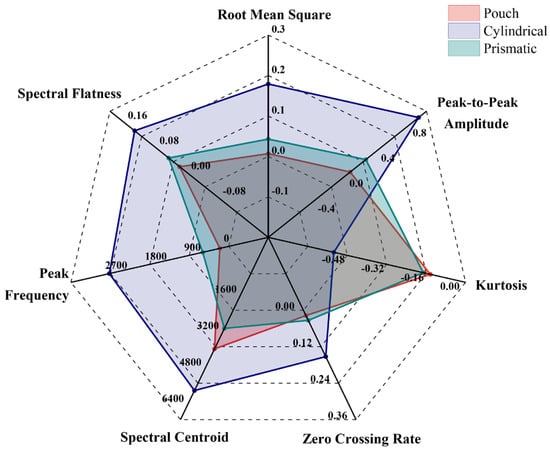
Ship collision accidents remain a critical concern in maritime safety because of their potential to cause operational disruption as well as environmental and economic damage in areas with dense shipping activity. Complex traffic interactions, differences in vessel characteristics, and dynamic environmental conditions make collision risk increasingly difficult to manage using traditional navigation measures alone. This paper presents a structured review of ship collision research, focusing on collision impacts, collision avoidance strategies, risk assessment methodologies, and safety index development. The review synthesizes reported collision cases and their environmental consequences, examines commonly used analytical frameworks including probabilistic, data-driven, and multicriteria approaches, and discusses recent developments in AIS-based analysis, sensor-based monitoring, and intelligent prediction techniques. The analysis identifies several methodological gaps in existing studies. Collision avoidance methods and risk assessment models are often developed independently, while their integration with safety index frameworks remains limited. In addition, safety index formulations differ considerably in terms of indicator selection and modeling approaches, which reduces comparability between studies conducted in different waterways. The findings highlight how different analytical approaches contribute to maritime safety evaluation at strategic, operational, and real-time levels and provide insights for developing more integrated safety assessment frameworks to support navigation risk monitoring in high-traffic maritime environments.
Full article
(This article belongs to the Special Issue Transportation Safety and Crash Avoidance Research)
►▼
Show Figures

Figure 1
Open AccessReview
Real-Time Cognitive State Monitoring via Physiological Signals in Commercial Aviation: A Systematic Literature Review with Reasoned Snowballing Expansion
by
Giacomo Belloni and Petru Lucian Curșeu
Safety 2026, 12(2), 56; https://doi.org/10.3390/safety12020056 - 20 Apr 2026
Abstract
►▼
Show Figures
Aviation safety depends critically on pilots’ mental and cognitive states, particularly in high-stakes and complex operational environments where human errors cause most safety events today. This paper reviews current advances in real-time monitoring of commercial pilots’ cognitive states through physiological and neurophysiological signals
[...] Read more.
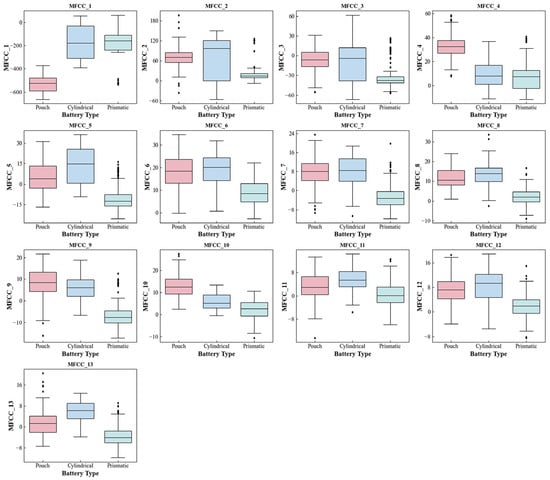
Aviation safety depends critically on pilots’ mental and cognitive states, particularly in high-stakes and complex operational environments where human errors cause most safety events today. This paper reviews current advances in real-time monitoring of commercial pilots’ cognitive states through physiological and neurophysiological signals and identifies methods applicable to enhance aviation safety and efficiency. In an increasingly complex and congested system, it is essential to investigate the relationships between pilots’ mental workload, stress, startle effect, and physiological parameters to highlight cognitive overload or deficiencies in real time. This systematic literature review was conducted according to PRISMA 2020 guidelines, using Google Scholar, Scopus, and PubMed, and identified 26 eligible studies. A targeted backward citation search screened 17 additional records, and two studies were added to the initial set. Twenty-eight records were therefore included and the review highlights a range of biometric indicators of pilots’ mental states with varying degrees of validity and operational applicability. Collectively, these studies offer a clear overview of state-of-the-art approaches, while also evidencing constraints related to intrusiveness and real-world feasibility. Physiological monitoring holds strong promise for enhancing pilot performance and safety by detecting early signs of overload and stress. However, its integration into operational aviation remains limited. Future research should prioritise longitudinal, in situ evaluations, multimodal data fusion, and pilot-centred design to ensure practical applicability, non-intrusiveness, and regulatory compliance, ultimately bridging the gap between academic research and cockpit reality.
Full article

Figure 1
Open AccessArticle
Promoting Safety Compliance and Citizenship Behaviors: Exploring the Effects of Safety Climate and Safety Self-Efficacy
by
Matteo Curcuruto, Nicholas Todd Lilleyman, Rebecca Lancioni, Andrea De Vincenti, Valerio Vinciarelli, Andrea Bazzoli and Jim Morgan
Safety 2026, 12(2), 55; https://doi.org/10.3390/safety12020055 - 17 Apr 2026
Abstract
►▼
Show Figures
A cross-sectional correlational research design was used to investigate the relationship between organizational safety climate, supervisor safety climate, compliance, safety citizenship behaviors and safety self-efficacy. A sample of 728 workers located in a single Eastern European manufacturing plant completed self-report questionnaires regarding the
[...] Read more.
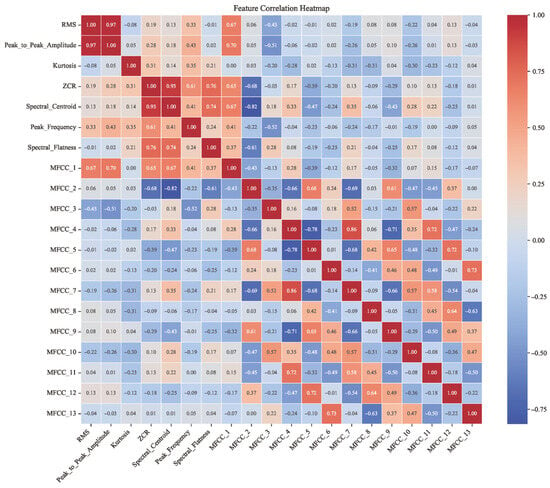
A cross-sectional correlational research design was used to investigate the relationship between organizational safety climate, supervisor safety climate, compliance, safety citizenship behaviors and safety self-efficacy. A sample of 728 workers located in a single Eastern European manufacturing plant completed self-report questionnaires regarding the aforementioned constructs. A path analysis revealed that supervisor safety climate partially mediated the relationship between organizational safety climate and the outcome variables, compliance and safety citizenship behaviors. Additionally, safety self-efficacy was found to be positively related to compliance and safety citizenship behaviors. Safety self-efficacy also moderated the relationship between supervisor safety climate and safety citizenship behaviors, such that a stronger positive correlation between safety citizenship behaviors and supervisor safety climate was present when safety self-efficacy was high. The findings suggest safety self-efficacy may be useful in predicting compliance and organizational citizenship behaviors. Further, it is likely that the presence of safety self-efficacy may serve as an enabling factor, which empowers employees who have been motivated by the supervisor safety climate to actually engage in safety citizenship behaviors. Organizations could aim to increase employee safety self-efficacy by encouraging supervisors to role model appropriate safety behaviors, by implementing adequate safety training programs and ensuring information about safety hazards and previous safety incidents is disseminated.
Full article

Figure 1
Open AccessArticle
Skin, Clothing, and Surface Contamination with Metals at a Powder Additive Manufacturing Facility
by
Aleksandr B. Stefaniak, Elizabeth D. Brusak, Lauren N. Bowers, Austin Kron, Sherri A. Friend and M. Abbas Virji
Safety 2026, 12(2), 54; https://doi.org/10.3390/safety12020054 - 17 Apr 2026
Abstract
►▼
Show Figures
Powder bed fusion (PBF) and directed energy deposition (DED) additive manufacturing use feedstock powders that contain metals associated with skin diseases. We performed a survey of surface contamination and limited task-based dermal exposure assessment (four employees) at a PBF and DED facility. Skin
[...] Read more.
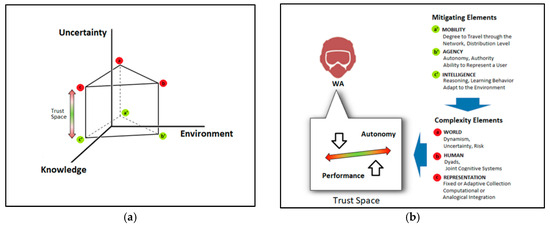
Powder bed fusion (PBF) and directed energy deposition (DED) additive manufacturing use feedstock powders that contain metals associated with skin diseases. We performed a survey of surface contamination and limited task-based dermal exposure assessment (four employees) at a PBF and DED facility. Skin wipes of wrists for two employees in the PBF room had higher post-task levels of chromium, cobalt, molybdenum, and nickel. Personal clothing worn by PBF employees showed evidence of contamination with metals as did personal protective equipment (PPE). Microscopy analysis documented contamination of metals throughout most areas of the facility. Levels of metals on surfaces throughout the facility were (ng/cm2) <5.0–7247 (aluminum), <0.2–4899 (chromium), <background-6.0 (chromium VI), 0.03–468.1 (cobalt), 1.6–100.0 (copper), 32.9–19,000 (iron), 0.01–789.0 (molybdenum), 0.1–12,058 (nickel), 0.1–482.8 (titanium), and 0.07–9.3 (vanadium). Levels were significantly lower in administrative areas compared with the production area but generally did not differ among powder handling and non-powder handling rooms in production. The small number of participants in the dermal exposure assessment and uniqueness of the facility might limit generalizability of the results. At least for this facility, steps to lower skin contact with metals can include washing, consistent use of PPE, and increasing awareness of dermal hazards among workers. Approaches to reduce migration of metals throughout a facility can include using adhesive (“tacky”) mats and boot covers and frequent wet cleaning of floors, tools, handles, and high touch surfaces.
Full article

Graphical abstract
Highly Accessed Articles
Latest Books
E-Mail Alert
News
26 May 2026
Meet Us at the 23rd International Meeting on Lithium Batteries (IMLB 2026), 14–19 June 2026, Montreal, Canada
7 May 2026
Meet Us at eSim 2026: Advancing Sustainability and Climate Resilience, 17–19 June 2026, Longueuil, Canada
Topics
Topic in
IJERPH, Medicina, Hospitals, Healthcare, Safety, Geriatrics
The Imperative of Patient Safety and Safety Culture in Contemporary Healthcare
Topic Editors: Hana Brborović, Ognjen Brborovic, Reinhard StrametzDeadline: 8 July 2026
Topic in
Applied Sciences, Buildings, CivilEng, Infrastructures, Safety, Systems
Advancing Construction Safety and Health: Innovations and Strategies
Topic Editors: Hadi Sarvari, David J. Edwards, Timothy Olawumi, Frank GhansahDeadline: 15 August 2026
Topic in
Buildings, CivilEng, Infrastructures, Safety, Sustainability, Systems
Construction Project Management and Infrastructure Sustainability
Topic Editors: Tarek Zayed, Mohamed Hussein, Sherif Abdelkhalek, Eslam Saleh, Abdul Hannan QureshiDeadline: 20 August 2026
Topic in
Healthcare, Hospitals, JCM, Safety, Medicina, Medicines
Drug Use and Patient Safety in Primary and Secondary Care Settings
Topic Editors: Kingston Rajiah, Ashuin Kammar-GarcíaDeadline: 31 October 2026
Special Issues
Special Issue in
Safety
Navigating the Complexity of Natural Hazards and Disasters: Research, Preparedness and Mitigation
Guest Editor: Krzysztof GoniewiczDeadline: 10 June 2026
Special Issue in
Safety
Transportation Safety and Crash Avoidance Research
Guest Editor: Tanmoy BhowmikDeadline: 20 June 2026
Special Issue in
Safety
Safety of Vulnerable Road Users at Night
Guest Editor: Valerian KwigizileDeadline: 10 July 2026
Special Issue in
Safety
Occupational Safety Challenges in the Context of Industry 4.0
Guest Editor: Lucian-Ionel CiocaDeadline: 20 July 2026
Topical Collections
Topical Collection in
Safety
Occupational Health and Safety in A Changing World: Realities, Challenges and Perspectives
Collection Editor: Adel Badri