

Toxins 2026, 18(9), 400; https://doi.org/10.3390/toxins18090400 (registering DOI) - 18 Sep 2026
Abstract
Upper limb spasticity is a common complication of stroke that negatively affects motor function, range of motion, and quality of life. Although abobotulinumtoxinA is widely used for the treatment of focal post-stroke spasticity, evidence regarding its early onset of action remains limited. This
[...] Read more.
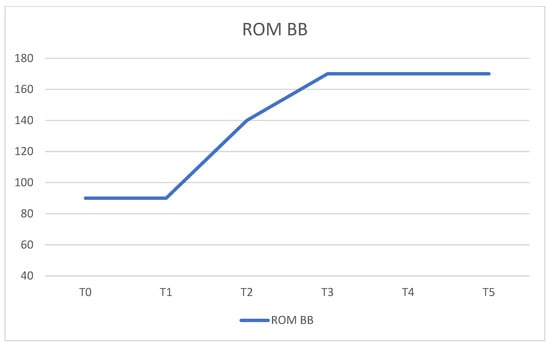
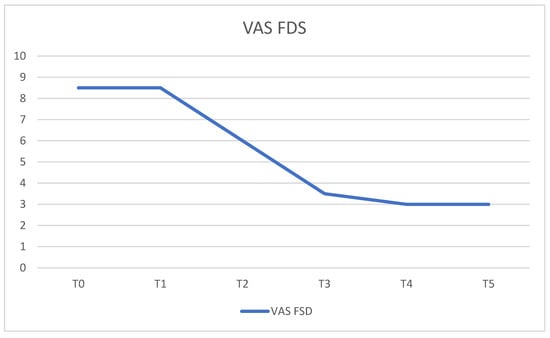
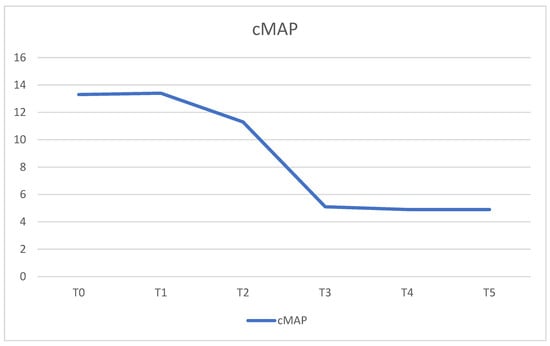
Upper limb spasticity is a common complication of stroke that negatively affects motor function, range of motion, and quality of life. Although abobotulinumtoxinA is widely used for the treatment of focal post-stroke spasticity, evidence regarding its early onset of action remains limited. This prospective observational pilot study investigated the early clinical, functional, and neurophysiological effects of abobotulinumtoxinA in 20 adults with post-stroke upper limb spasticity. Patients received ultrasound-guided injections into the biceps brachii and flexor digitorum superficialis muscles and were evaluated at baseline, 24 h, 5 days, 7 days, 14 days, and 30 days after treatment. Outcome measures included the Modified Ashworth Scale (MAS), passive range of motion (ROM), caregiver-reported hand function assessed using a visual analog scale (VAS), and compound muscle action potential (cMAP) recordings. No significant changes were observed at 24 h. A significant reduction in spasticity was detected at the day-5 assessment, accompanied by significant improvements in ROM and functional outcomes. Neurophysiological assessment demonstrated significant reductions in cMAP amplitudes at the day-5 assessment, indicating early neuromuscular transmission blockade. Clinical improvements were also first detected at day-5 assessment and were maintained at subsequent evaluations through day 30. These findings indicate that clinically meaningful effects of abobotulinumtoxinA were detectable by the first scheduled assessment at day 5 after injection. Given the absence of intermediate assessments between 24 h and day 5, the exact timing of treatment onset cannot be determined. A multimodal assessment approach may help characterize early treatment-related changes and provide useful information for future studies investigating the timing of adjunctive rehabilitation interventions.
Full article
(This article belongs to the Section Bacterial Toxins)
►
Show Figures
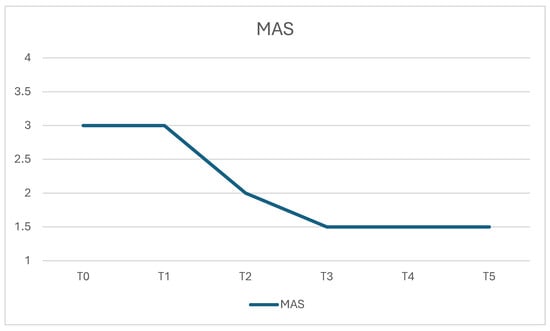
Figure 1