

-
The Reliability of SBR System During COVID-19 and Its Impact on Water Quality of a Small Flysch River in Protected Areas -
Scales and Sustainability: The Politics of Riverine Landscape Governance in Chiang Mai, Thailand -
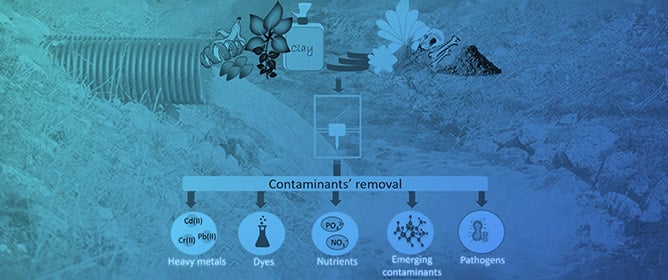
Low-Cost, Sustainable Materials and 3D-Printed Systems for Wastewater Treatment and Reuse in Rural Communities: A Critical Review -
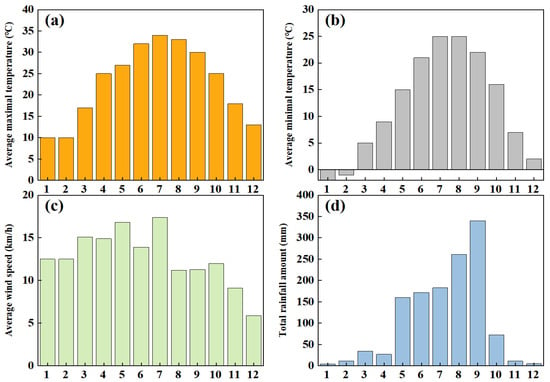
Impacts of Climatic Phenomena and Terrain on December 2021 Extreme Rainfall over Peninsular Malaysia
Journal Description
Water
Water
is a peer-reviewed, open access journal on water science and technology, including the ecology and management of water resources, published semimonthly online by MDPI. Water collaborates with the Stockholm International Water Institute (SIWI). In addition, the American Institute of Hydrology (AIH), Polish Limnological Society (PLS) and Japanese Society of Physical Hydrology (JSPH) are affiliated with Water and their members receive a discount on the article processing charges.
- Open Access— free for readers, with article processing charges (APC) paid by authors or their institutions.
- High Visibility: indexed within Scopus, SCIE (Web of Science), Ei Compendex, GEOBASE, GeoRef, PubAg, AGRIS, CAPlus / SciFinder, Inspec, and other databases.
- Journal Rank: JCR - Q2 (Water Resources) / CiteScore - Q1 (Aquatic Science)
- Rapid Publication: manuscripts are peer-reviewed and a first decision is provided to authors approximately 17.7 days after submission; acceptance to publication is undertaken in 2.8 days (median values for papers published in this journal in the first half of 2026).
- Recognition of Reviewers: reviewers who provide timely, thorough peer-review reports receive vouchers entitling them to a discount on the APC of their next publication in any MDPI journal, in appreciation of the work done.
- Companion journals for Water include: Hydropower and Freshwater.
- Journal Clusters of Water Resources: Water, Journal of Marine Science and Engineering, Hydrology, Resources, Oceans, Limnological Review, Coasts and Hydropower.
Impact Factor:
3.5 (2025);
5-Year Impact Factor:
3.6 (2025)
Latest Articles
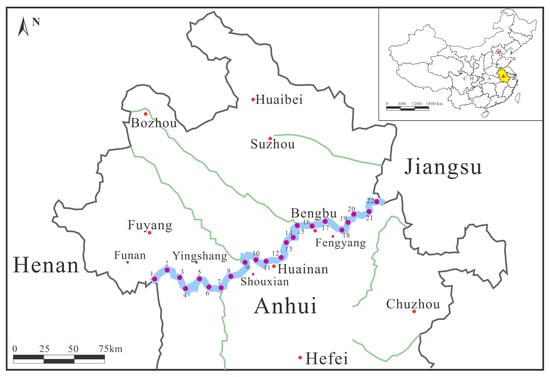
Ecological Risk Assessment of Trace Metal(loid)s in Surface Sediment of the Huaihe River, Anhui Province, China
Water 2026, 18(14), 1728; https://doi.org/10.3390/w18141728 (registering DOI) - 16 Jul 2026
Abstract
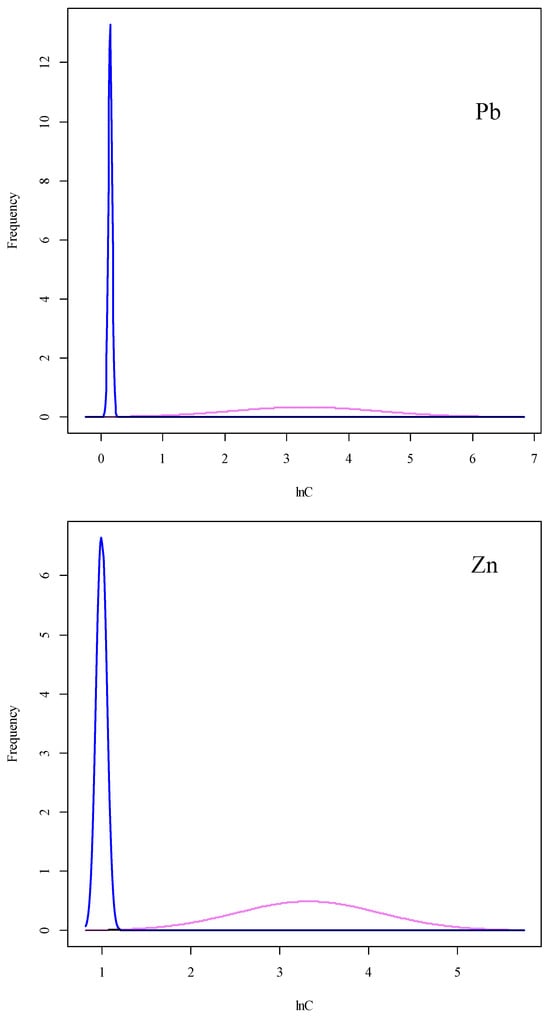
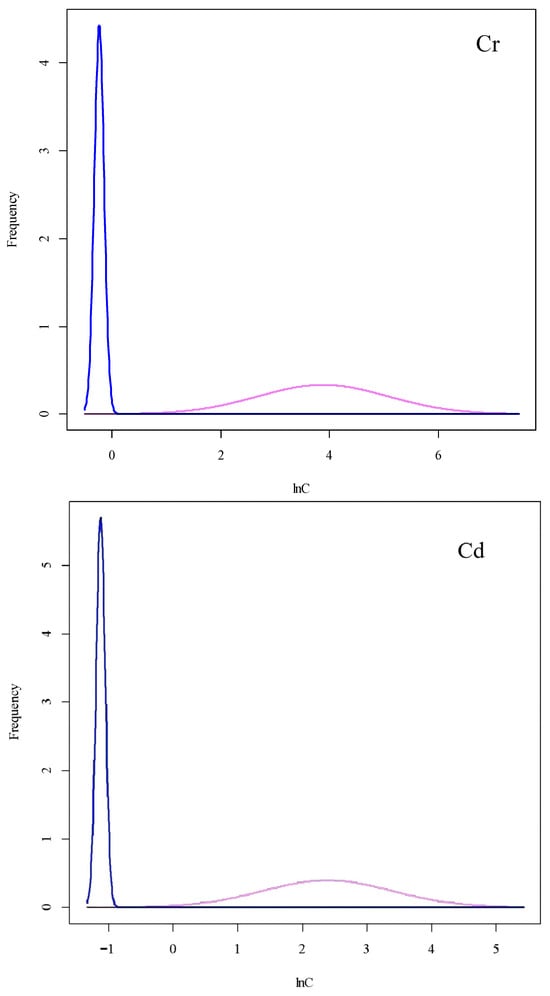
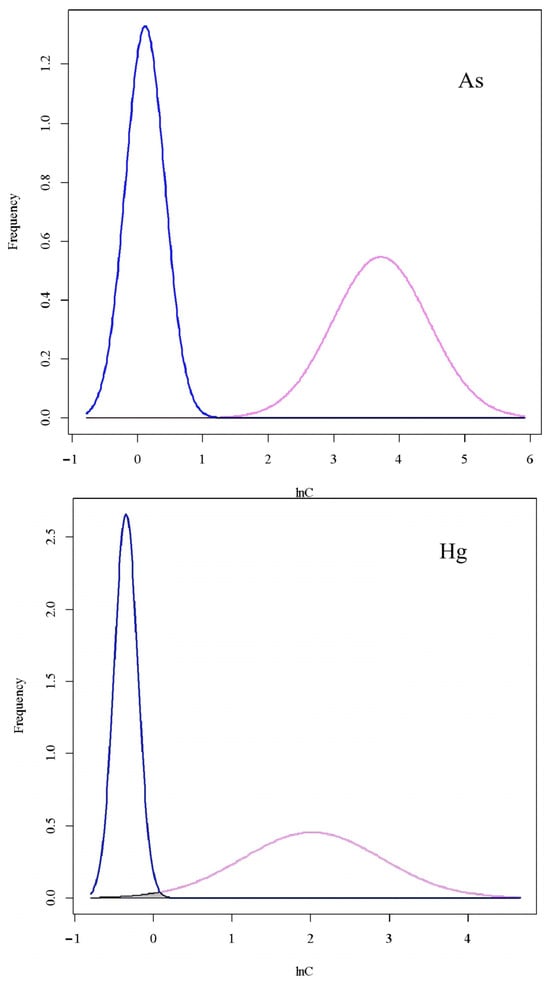
Quantitative probabilistic risk assessment of trace metal(loid)s in sediment is highly important for the protection and management of aquatic ecosystems. In this study, surface sediment from the Huaihe River (Anhui Province, China) was collected. In addition to the total content, the bioaccessible fractions
[...] Read more.
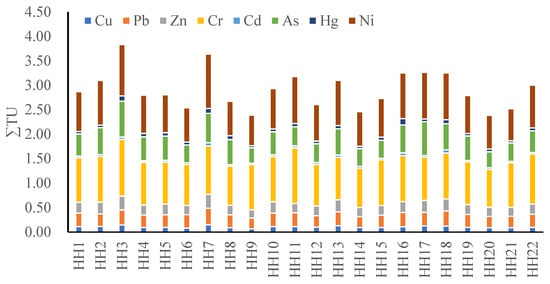
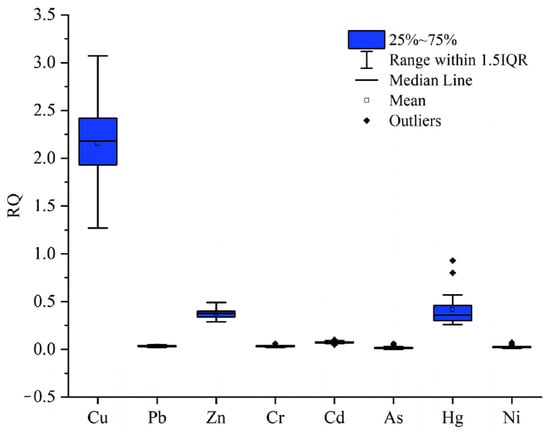
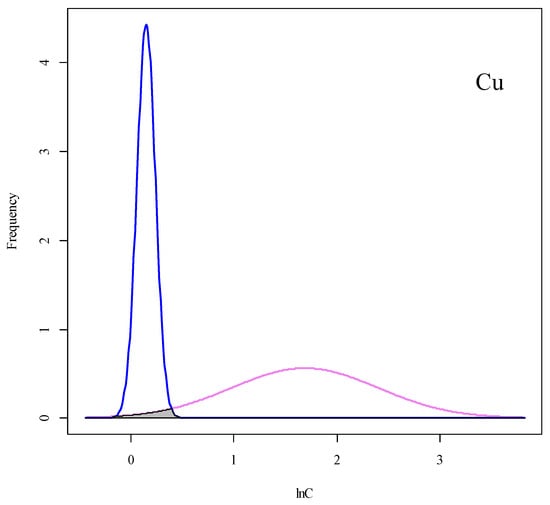
Quantitative probabilistic risk assessment of trace metal(loid)s in sediment is highly important for the protection and management of aquatic ecosystems. In this study, surface sediment from the Huaihe River (Anhui Province, China) was collected. In addition to the total content, the bioaccessible fractions of trace metal(loid)s (Cu, Pb, Zn, Cr, Cd, As, Hg, and Ni) were investigated using the diffusive gradients in thin films (DGT) technique. Multiple-level risk assessments, including the toxicity unit (TU), risk quotient (RQ), and probabilistic risk assessment (PRA), were conducted based on the species sensitivity distribution (SSD) to evaluate the probabilistic risk of trace metal(loid)s to aquatic biota. The results reveal that the Cu, Pb, Zn, Cr, and Ni levels were higher than the corresponding background levels; however, the total levels were lower than those reported in previous studies, which might be attributed to dredging activities in recent years. The ∑TU values suggested that the trace metal(loid)s in the sediment posed a low toxicity risk. The DGT-labile concentration values were low, demonstrating the low bioaccessibility of the trace metal(loid)s. The DGT-SSD coupled with the PRA revealed that the trace metal(loid)s had a 0.01–3.30% probability of adversely affecting the aquatic biota. Furthermore, the combined toxicity, calculated by summing probabilities of individual metal(loid), indicated a 5.58% probability of adverse effects on aquatic biota.
Full article
(This article belongs to the Section Water Quality and Contamination)
►
Show Figures
Open AccessArticle
Soil Salinity, Nutrient Availability, and Sunflower Productivity in Coastal Saline–Alkali Land in Response to Different Irrigation Quotas and Biochar Application Rates
by
Xingxing Chen, Huan Ye, Yin Yang, Qiu Jin, Yujie Zhang, Meixiang Xie, Qian Yang, Tao Wu, Yu Su, Yiting Cai, Lina Ji and Maomao Hou
Water 2026, 18(14), 1727; https://doi.org/10.3390/w18141727 (registering DOI) - 16 Jul 2026
Abstract
For many countries, the reclamation of coastal saline–alkali land is of great significance for ensuring food security. However, systematic research on the effects of leaching irrigation and biochar application on the “soil–crop” system in coastal areas remains scarce. This study investigated the effects
[...] Read more.
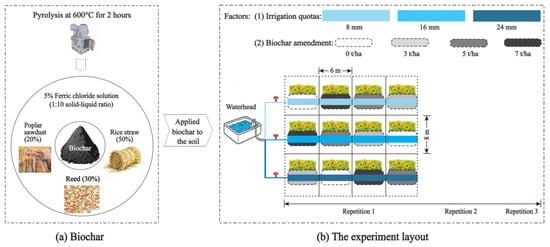
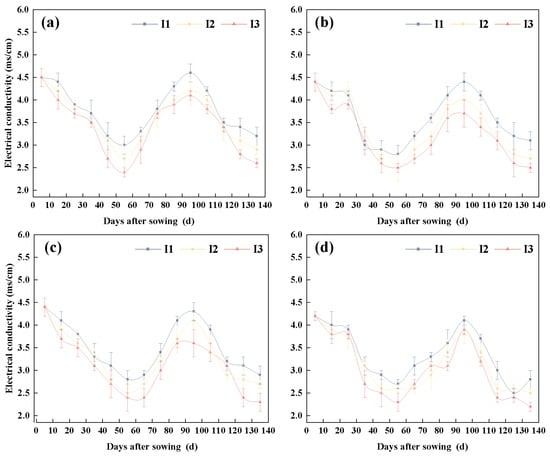
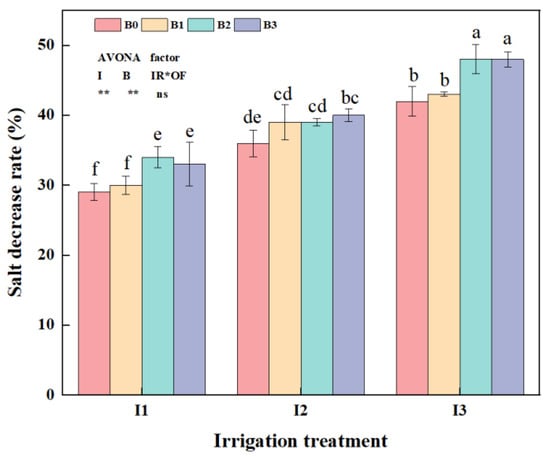
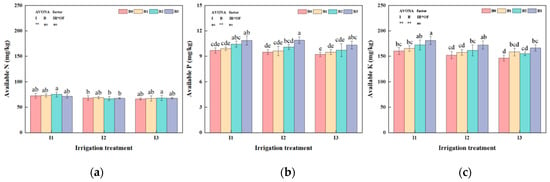
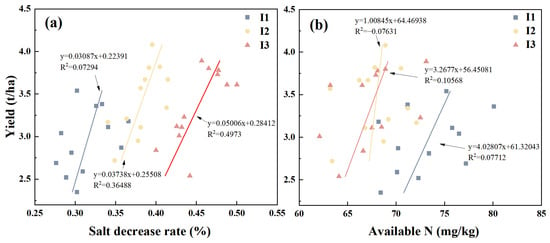
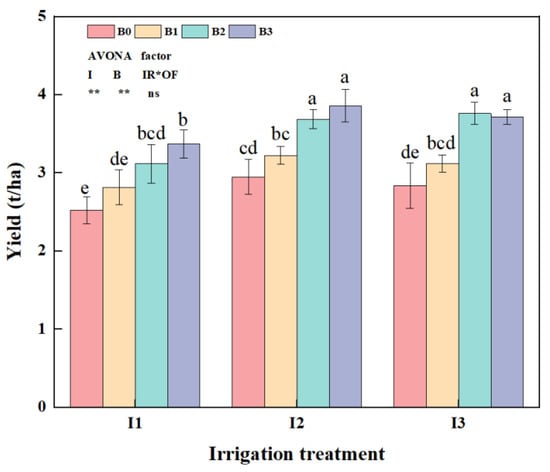
For many countries, the reclamation of coastal saline–alkali land is of great significance for ensuring food security. However, systematic research on the effects of leaching irrigation and biochar application on the “soil–crop” system in coastal areas remains scarce. This study investigated the effects of three irrigation quotas (8, 16, and 24 mm per application, applied once every 10 days) and four biochar rates (0, 3, 5, 7 t·ha−1, from composite biomass) on soil salinity, available nutrients, and yield and quality of sunflower in coastal saline–alkali soils of Jiangsu, China. The experiment used a completely randomized block design with three replications. The results showed that soil salinity under all treatments exhibited a consistent decline–rebound–decline pattern over the growing season, with the lowest values occurring around 55 days after sowing and peaking around 95 days. The combined application of water and biochar enhanced salt reduction, with the highest irrigation and biochar levels achieving the greatest desalination effect. Biochar application increased soil available phosphorus and potassium contents, with average increases of 19.6% and 13.3% under the highest biochar rate compared with the control, while available nitrogen showed no clear response to any treatment. Crop yield responded nonlinearly to water and biochar inputs: under low irrigation, yield increased continuously with biochar addition, whereas under medium or high irrigation, yield plateaued at the moderate biochar rate (5 t·ha−1), with no further gains from additional biochar or water. Regarding seed quality, linoleic acid content generally increased with higher water and biochar levels, oleic acid decreased, and crude fat remained unaffected. Based on a balanced consideration of yield, quality, salt reduction, and water conservation, the combination of 16 mm irrigation per application and 5 t·ha−1 biochar is recommended as the optimal amelioration strategy for coastal saline–alkali land.
Full article
(This article belongs to the Special Issue Water and Resource-Efficient Strategies for Sustainable Crop Production)
►▼
Show Figures

Figure 1
Open AccessArticle
Measuring Water Literacy in Middle School Students: A Multidimensional Study Across Regions in Türkiye
by
Behiye Akçay, Funda Savaşcı Açıkalın, İbrahim Benek and Hakan Akçay
Water 2026, 18(14), 1726; https://doi.org/10.3390/w18141726 (registering DOI) - 16 Jul 2026
Abstract
This study aimed to develop and validate a reliable instrument for assessing middle school students’ water literacy and to evaluate their water literacy levels across Türkiye. Given the increasing pressure on global and national freshwater resources, understanding middle school students’ water literacy is
[...] Read more.
This study aimed to develop and validate a reliable instrument for assessing middle school students’ water literacy and to evaluate their water literacy levels across Türkiye. Given the increasing pressure on global and national freshwater resources, understanding middle school students’ water literacy is essential for developing evidence-based educational policies that promote sustainable water use. This study employed an Exploratory Sequential Mixed Methods design. First, a Water Literacy Scale was developed and validated following established instrument-development procedures. The validated scale was subsequently administered to 4252 middle school students from seven regions of Türkiye. Findings revealed that female students scored significantly higher than males in Water Awareness, Behavior Toward Water Issues, and Attitude Toward Water. Grade-level analyses indicated that younger students demonstrated stronger behavioral engagement, whereas older students showed higher cognitive understanding, revealing a gap between knowledge and action. Significant regional differences were observed across all dimensions of water literacy. Overall, the findings suggest that gender, grade level, and regional context influence water literacy and highlight the importance of context-sensitive and sustainability-oriented educational interventions.
Full article
(This article belongs to the Special Issue Water and Education: Teaching Sustainability, Managing Risks, and Shaping the Future)
Open AccessArticle
From River to Groundwater: System-Level Dissemination of Antibiotic-Resistant Escherichia coli in a Rapidly Urbanizing Indian City
by
Ritusmita Goswami, Shiwangi Dogra, Birson Ingti, Niraj Singh, Himporna Nath, Trishna Kalita, Juan Antonio Torres-Martínez, Kahoko Nishikawa and Manish Kumar
Water 2026, 18(14), 1725; https://doi.org/10.3390/w18141725 (registering DOI) - 16 Jul 2026
Abstract
Unsafe water sources contaminated with fecal bacteria and antibiotic-resistant pathogens represent a critical public health challenge in rapidly urbanizing regions. This study investigates the occurrence, distribution, and antimicrobial resistance (AMR) patterns of Escherichia coli across interconnected water sources in Guwahati, India, including river
[...] Read more.
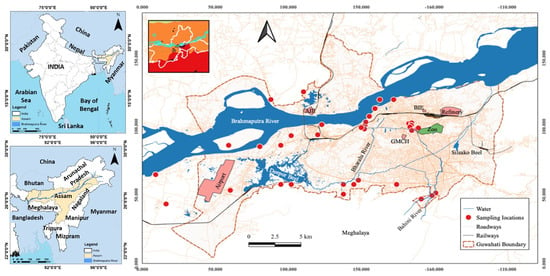
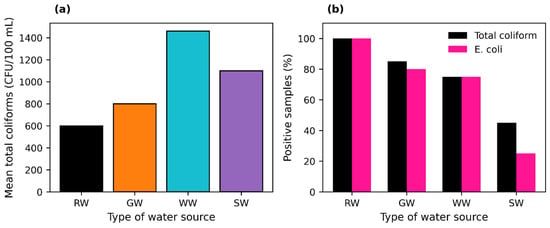
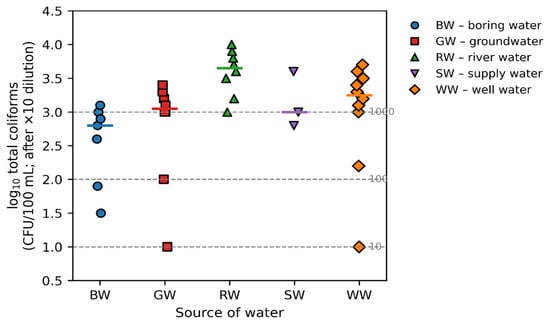
Unsafe water sources contaminated with fecal bacteria and antibiotic-resistant pathogens represent a critical public health challenge in rapidly urbanizing regions. This study investigates the occurrence, distribution, and antimicrobial resistance (AMR) patterns of Escherichia coli across interconnected water sources in Guwahati, India, including river water, wells, municipal supply, and groundwater. A total of 87 samples were analyzed using membrane filtration, biochemical identification, and automated confirmation, followed by antibiotic susceptibility testing and phenotypic detection of β-lactamase production. Total coliforms were detected in 64.4% of samples, while E. coli was confirmed in 51.7%. According to World Health Organization risk thresholds, 93.3% of river water samples and 50% of groundwater samples fell within the very-high-risk category (>1000 CFU/100 mL), indicating widespread fecal contamination in sources used for domestic purposes. Antibiotic-resistant E. coli was identified across all water types, with 14.1% of isolates exhibiting multidrug resistance (MAR index > 0.2). Notably, 20.6% of isolates produced β-lactamases, including one extended-spectrum β-lactamase (ESBL) producer, while no carbapenemase-producing strains were detected. The co-occurrence of multidrug-resistant E. coli across surface and groundwater systems is consistent with the interconnected nature of urban water contamination and suggests the potential for widespread exposure through drinking water pathways, though direct transfer between water systems was not experimentally confirmed in this study. These findings underscore the urgent need for improved wastewater management, protection of groundwater resources, and strengthened antibiotic stewardship within a One Health framework to mitigate the environmental dissemination of AMR.
Full article
(This article belongs to the Special Issue Legacy and Emerging Contaminants in the Water Environment Under Contemporary Global Changes)
►▼
Show Figures

Figure 1
Open AccessArticle
Efficiency Evaluation of Water Pumping Stations Using Data Envelopment Analysis: A Multi-Model Framework Incorporating Undesirable Outputs
by
Rowdha Alblooshi and Dua Weraikat
Water 2026, 18(14), 1724; https://doi.org/10.3390/w18141724 - 16 Jul 2026
Abstract
Water pumping stations are critical components of water transmission systems, particularly in the Gulf region, where potable water supply is heavily dependent on energy-intensive desalination processes. Despite their importance, pumping station efficiency is often assessed using single-dimensional indicators that fail to capture operational
[...] Read more.
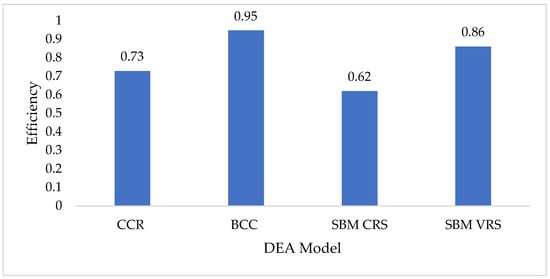
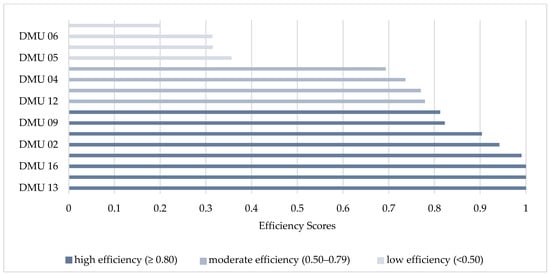
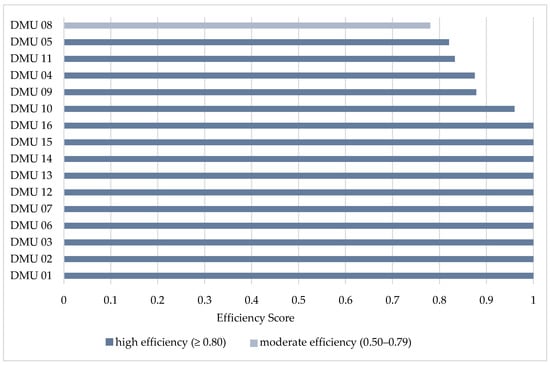
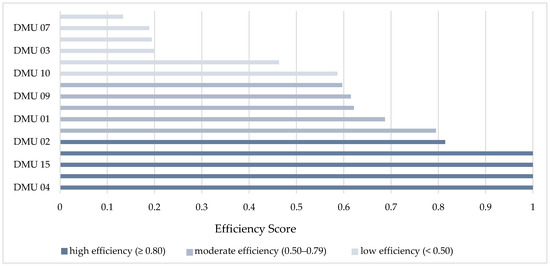
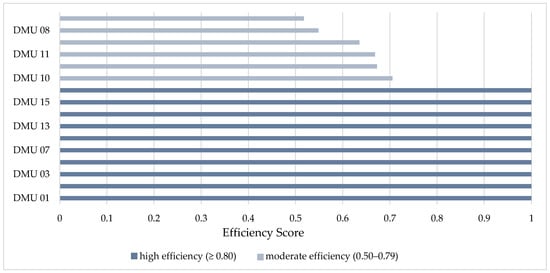
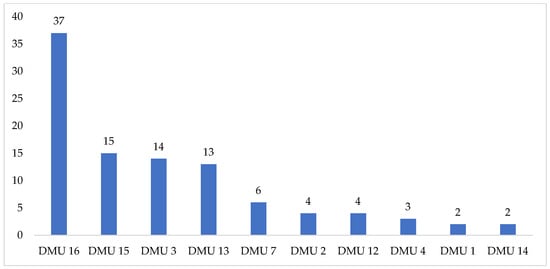
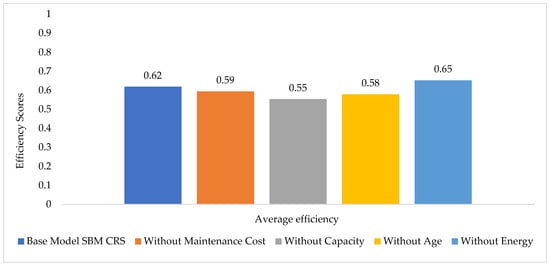
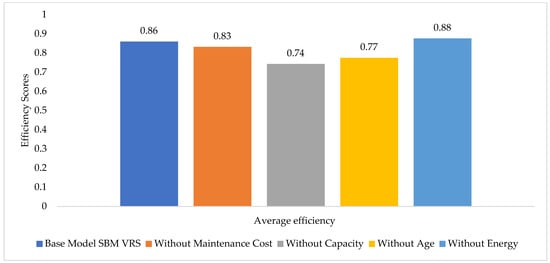
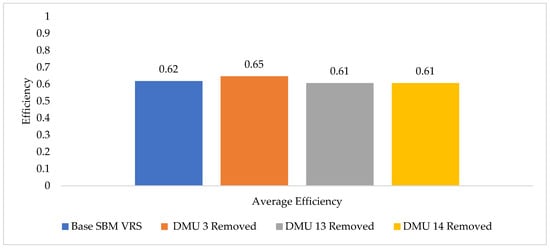
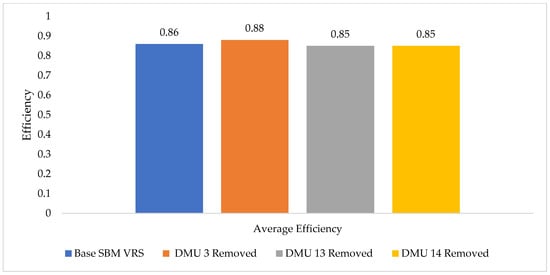
Water pumping stations are critical components of water transmission systems, particularly in the Gulf region, where potable water supply is heavily dependent on energy-intensive desalination processes. Despite their importance, pumping station efficiency is often assessed using single-dimensional indicators that fail to capture operational complexity, scale effects, and environmental impacts. This study develops a Data Envelopment Analysis (DEA) framework to evaluate the performance of 16 water pumping stations in Dubai, each treated as a decision-making unit (DMU), by incorporating both operational and sustainability dimensions. A multi-model approach was applied, integrating input-oriented Charnes, Cooper, and Rhodes (CCR) and Banker, Charnes, and Cooper (BCC) models with Slack-Based Measure (SBM) models that treat energy consumption as an undesirable output. The results reveal substantial variation in efficiency, with average scores of 0.73 under CCR, 0.95 under BCC, 0.62 under SBM Constant Returns to Scale (CRS), and 0.86 under SBM Variable Returns to Scale (VRS). The gap between CCR and BCC results indicates that inefficiencies are primarily driven by scale rather than managerial performance, while the lower SBM scores highlight the significant impact of energy consumption on overall efficiency. Peer analysis confirms the robustness of the findings, identifying Decision-Making Unit (DMU) 16 as the primary benchmark, appearing 37 times across the models. Slack analysis further reveals critical inefficiencies, particularly in DMU 03 and DMU 06.
Full article
(This article belongs to the Section Water-Energy Nexus)
►▼
Show Figures

Figure 1

Open AccessArticle
Development of a Decision Support Tool to Assess the Impact of Wastewater Reuse on Downstream Watercourses: STREAM—Support Tool for Reuse Evaluation and Management
by
Irene Salmerón, Julien Schroeder and Joachim Hansen
Water 2026, 18(14), 1723; https://doi.org/10.3390/w18141723 - 16 Jul 2026
Abstract
Sustainable water management has become one of the main concerns in Europe, with water reuse practices as a key strategy for it. In this framework STREAM was developed, an open-access decision support tool (DST) designed to assess the hydrological, chemical, and agricultural implications
[...] Read more.
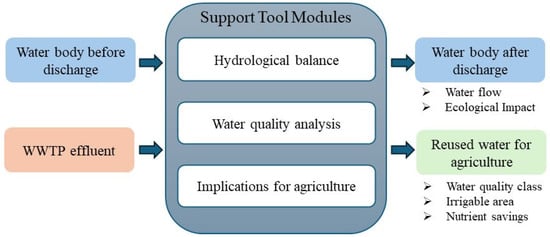
Sustainable water management has become one of the main concerns in Europe, with water reuse practices as a key strategy for it. In this framework STREAM was developed, an open-access decision support tool (DST) designed to assess the hydrological, chemical, and agricultural implications of wastewater treatment plant (WWTP) effluent reuse in a real context. The DST simulates the interaction between WWTP effluent composition and the receiving water body in terms of hydrological balance, chemical composition and implications for agriculture. The outputs provide the effects on the ecological status of the river and the potential saving in fertilizers. To generalize system behaviour, a dimensionless ratio between river flow and WWTP discharge (R) is introduced, enabling the interpretation of reuse scenarios in terms of hydrological dominance. The DST was applied to three case studies in Luxembourg representing a range of WWTP capacities and river conditions. Results show that reuse feasibility is governed by the interaction between R and baseline water quality conditions, rather than by flow magnitude alone. Systems characterized by high R values exhibit greater dilution capacity and lower ecological risk, while systems with low R are more sensitive to effluent inputs. These findings position STREAM as a screening-level analytical framework that complements existing techno-economic DSTs, supporting early-stage decision-making in water reuse planning, particularly in contexts with limited data available.
Full article
(This article belongs to the Special Issue Research on Wastewater Treatment, Recycling and Reuse)
►▼
Show Figures

Figure 1
Open AccessArticle
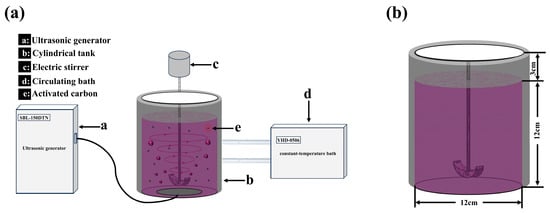
Removal of Rhodamine B by Activated Carbon-Assisted Ultrasound/Mechanical Agitation
by
Jinhe Liu, Zhuangzhi Shen, Haijun Chen, Yuxiang Ren, Xuan Li, Penghui Wang, Ning Wei and Xuanhong Du
Water 2026, 18(14), 1722; https://doi.org/10.3390/w18141722 - 16 Jul 2026
Abstract
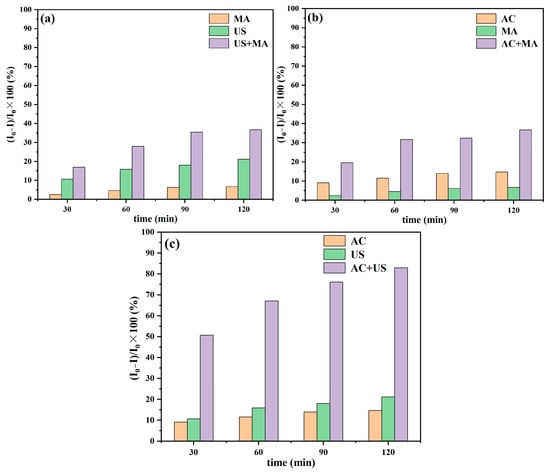
In order to further increase the removal rate of the Rhodamine B solution, the removal of Rhodamine B from an aqueous solution using a combination of activated carbon and ultrasound/mechanical agitation was investigated. By comparing the removal rates of Rhodamine B solutions under
[...] Read more.
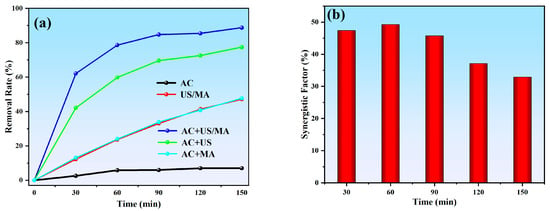
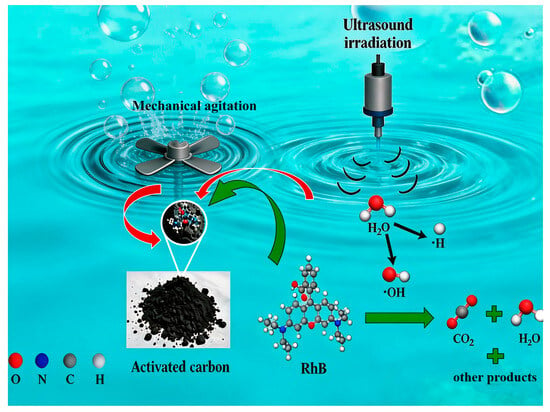
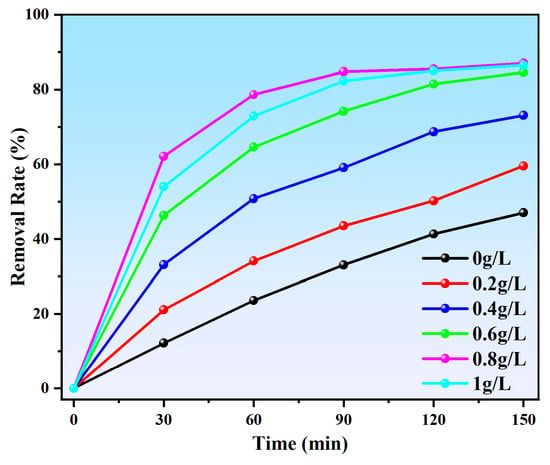
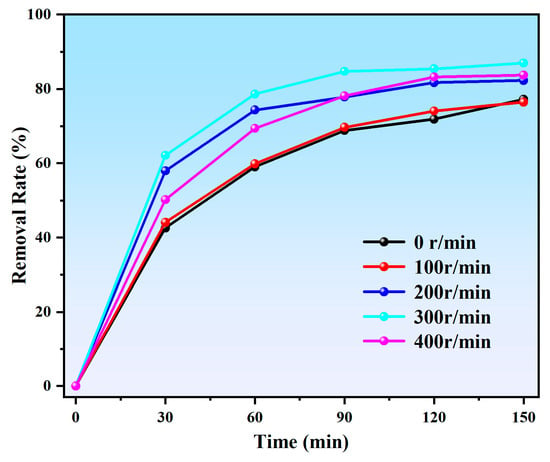
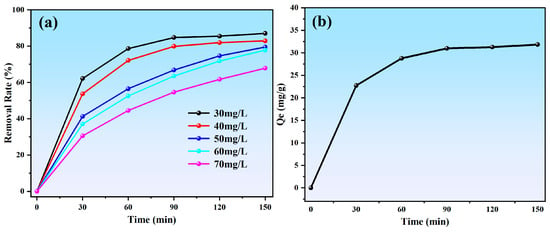
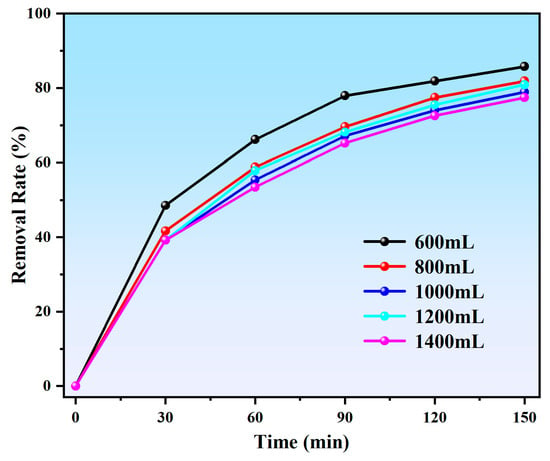
In order to further increase the removal rate of the Rhodamine B solution, the removal of Rhodamine B from an aqueous solution using a combination of activated carbon and ultrasound/mechanical agitation was investigated. By comparing the removal rates of Rhodamine B solutions under several different experimental conditions, it is found that a combination of activated carbon and ultrasound/mechanical agitation can significantly enhance the removal efficiency of Rhodamine B solutions. Furthermore, the effects of activated carbon concentration, stirring speed, and initial concentration of Rhodamine B solution on its removal rate under the combination of activated carbon and ultrasound/mechanical agitation system were investigated. The results showed that Rhodamine B is more readily removed when the activated carbon concentration is 800 mg/L, the stirring speed is 300 r/min, and the initial concentration of the Rhodamine B solution is 30 mg/L. Under these optimized conditions, the removal rate of the Rhodamine B solution reaches 87% within 150 min. Finally, corresponding fluorescence experiments were designed to verify the pairwise synergistic effects among ultrasound, activated carbon, and mechanical agitation, supporting the discussion of the possible removal mechanism. This study provides a novel insight for the further enhancement of the removal efficiency of organic solutions.
Full article
(This article belongs to the Special Issue Application of Adsorbent Materials for Efficient and Sustainable Water Treatment)
►▼
Show Figures

Figure 1
Open AccessReview
Ionic Effects on Bulk Nanobubble Formation and Persistence in Aqueous Media
by
Juan Carlos Gonzalez, Carlos Carlesi, Carolina Fernandez and Javier Silva
Water 2026, 18(14), 1721; https://doi.org/10.3390/w18141721 - 16 Jul 2026
Abstract
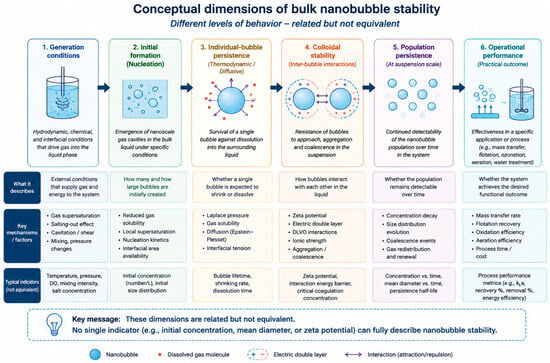
Bulk nanobubbles are nanoscale gas cavities dispersed in the liquid phase, and their experimental persistence contrasts with the classical predictions of rapid dissolution associated with Laplace pressure and diffusive transport. This discrepancy has given rise to a stability paradox between classical thermodynamic/diffusive predictions
[...] Read more.
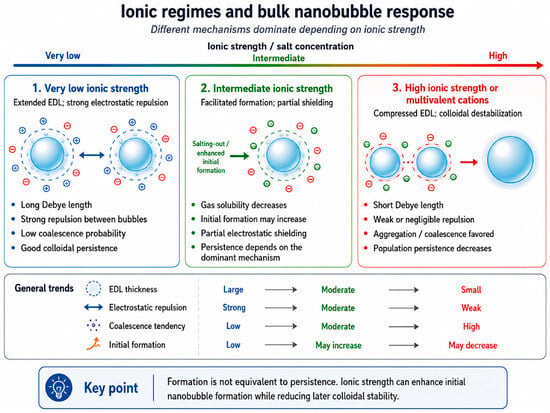
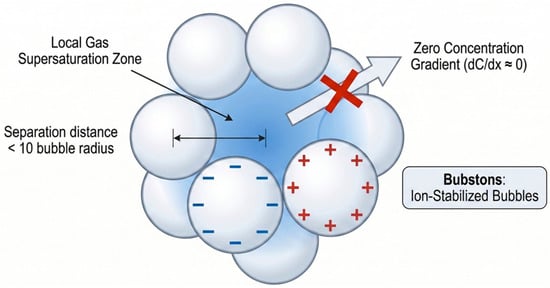
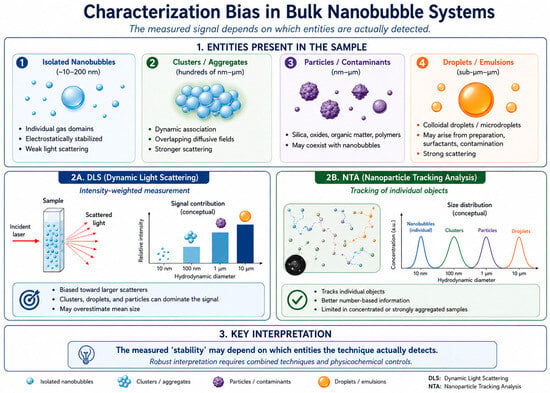
Bulk nanobubbles are nanoscale gas cavities dispersed in the liquid phase, and their experimental persistence contrasts with the classical predictions of rapid dissolution associated with Laplace pressure and diffusive transport. This discrepancy has given rise to a stability paradox between classical thermodynamic/diffusive predictions and experimentally observed kinetic persistence, which is exacerbated by the broad use of the term “stability” to describe distinct phenomena such as initial formation, colloidal stability, diffusive persistence, population persistence, and operational performance. This review analyzes the physicochemical mechanisms governing the formation and persistence of bulk nanobubbles in aqueous media, emphasizing the role of ionic composition. It discusses the limitations of classical models, nonlinear effects of ionic strength, ion specificity, preparation pathways, collective dynamics, and limitations associated with experimental characterization metrics. The analysis shows that the ionic strength does not act unidirectionally: it can favor initial formation by reducing gas solubility and promoting local supersaturation, but it can also accelerate the loss of colloidal stability through compression of the electric double layer. Furthermore, ionic identity, the timing of electrolyte incorporation, and bubble–bubble interactions condition the temporal evolution of the population. Based on this interpretation, bulk nanobubble stability cannot be evaluated as a single property or solely based on the initial concentration, average size, or zeta potential. It must be interpreted according to the stage of the system, the aqueous matrix, the generation pathway, and the desired operational function.
Full article
(This article belongs to the Special Issue Advanced Technologies in Water and Wastewater Treatment, 2nd Edition)
►▼
Show Figures

Figure 1

Open AccessArticle
Experimental Study on Riverbed Evolution Characteristics of Boulder Bar Reach in Mountain River
by
Chen Ye, Ran Guo, Jing Xiao and Ming Lei
Water 2026, 18(14), 1720; https://doi.org/10.3390/w18141720 - 16 Jul 2026
Abstract
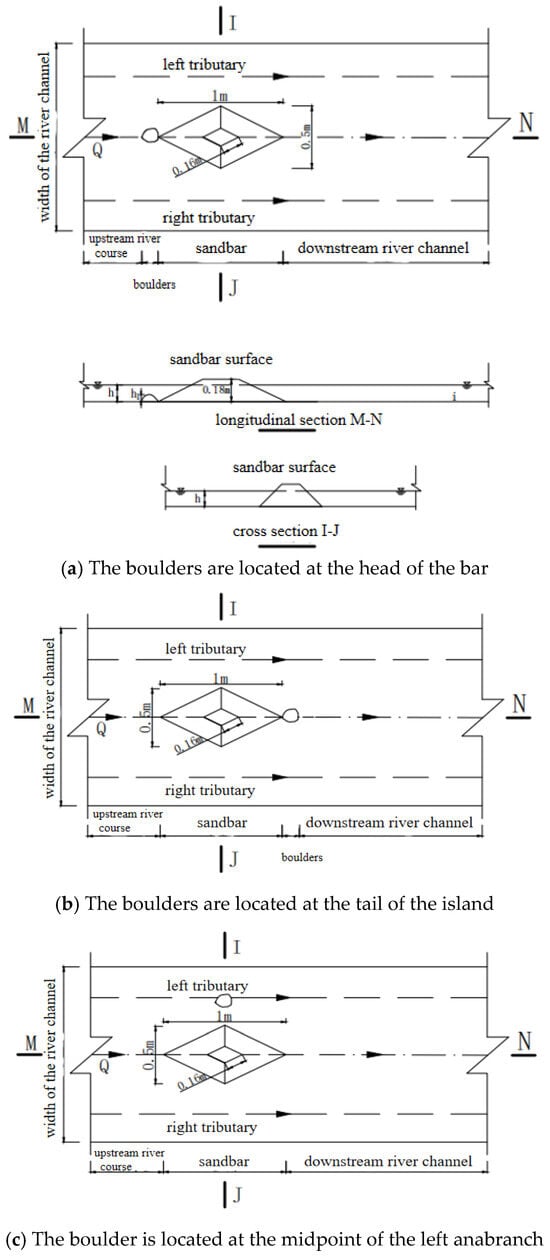
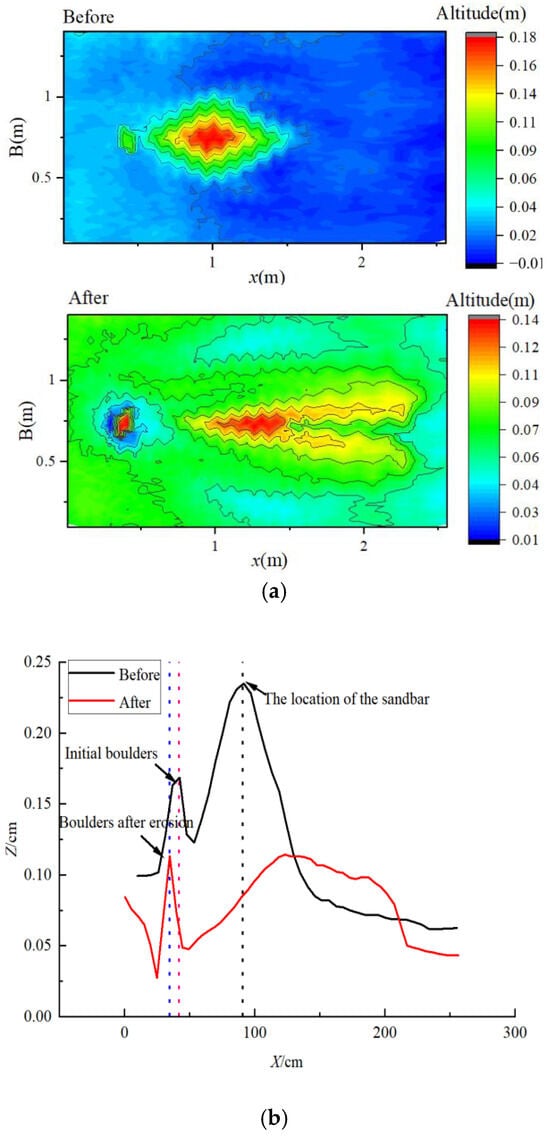
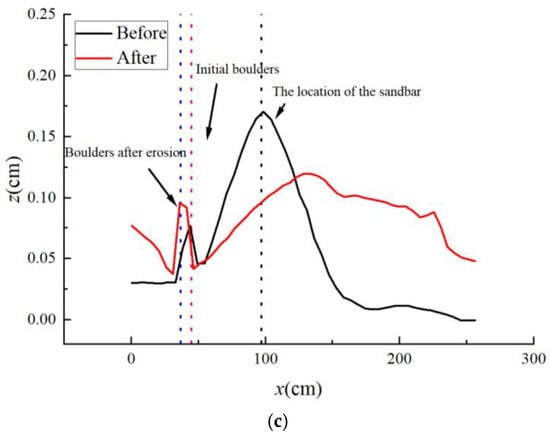
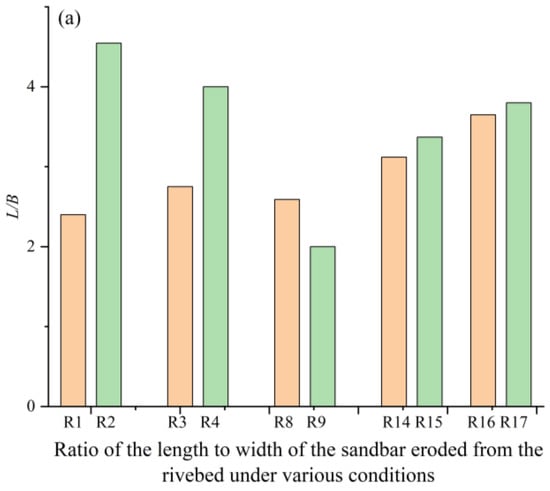
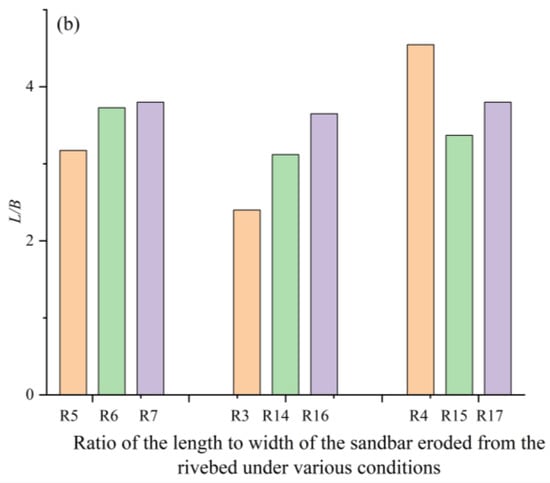
Variable sediment supply and widely graded bed materials modify boulder–bar development, sediment transport and bar evolution in mountain mixed-size reaches. To elucidate the evolution characteristics of bars in boulder-strewn mountain river segments, this study conducted flume experiments. By adjusting parameters including discharge, boulder
[...] Read more.
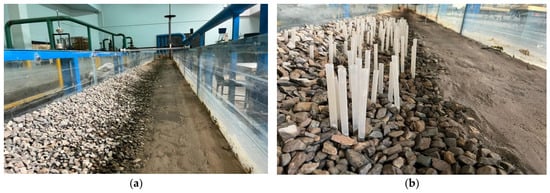
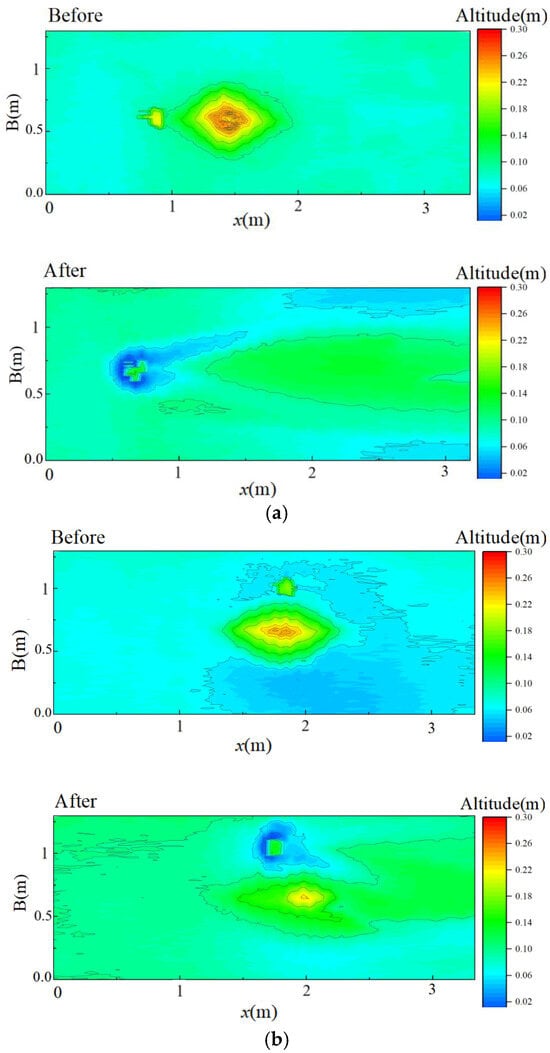
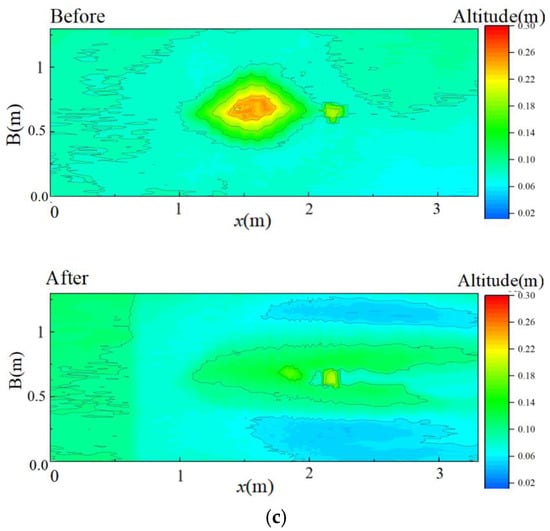
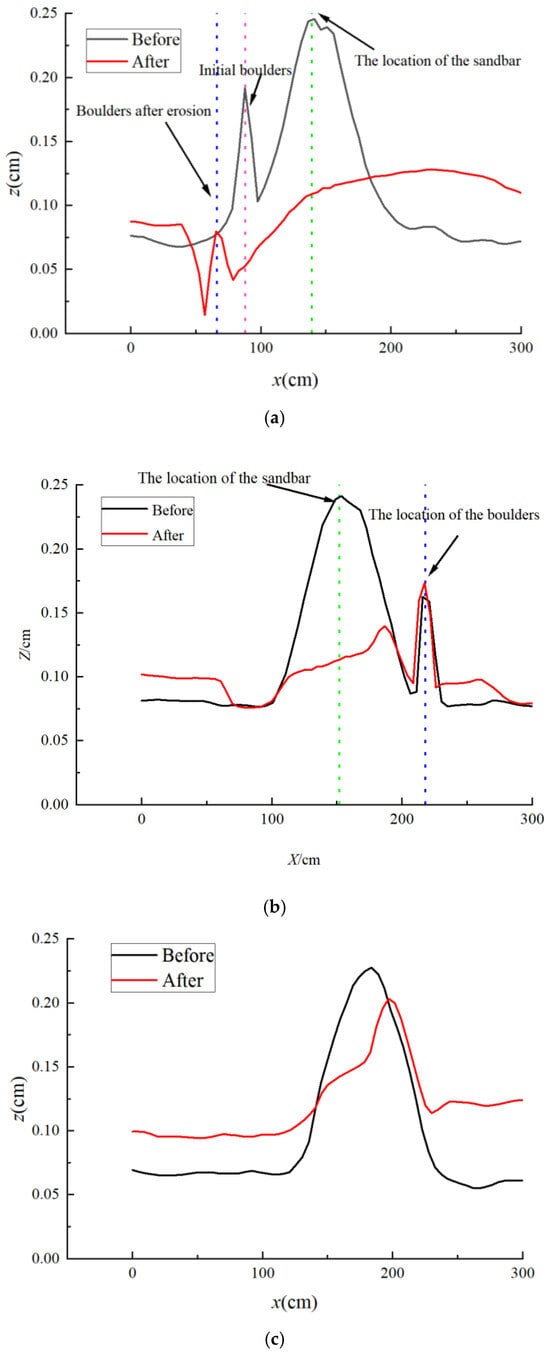
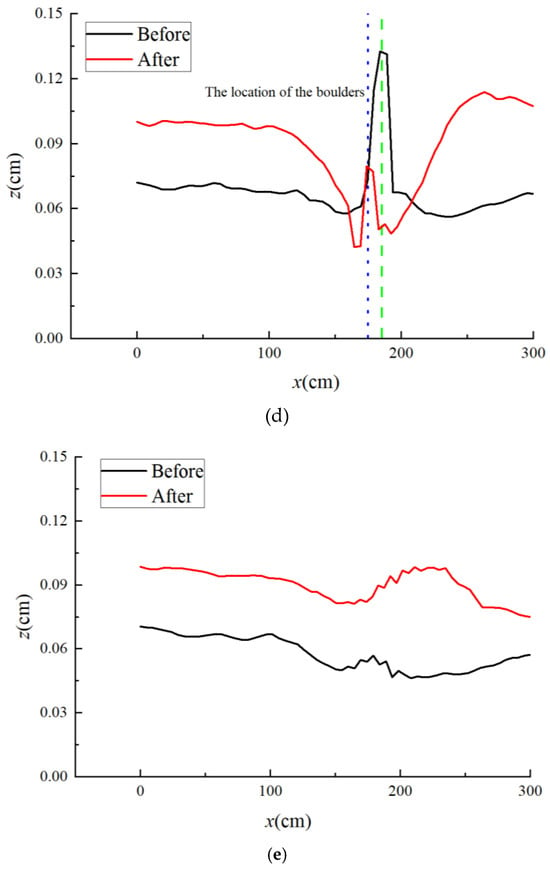
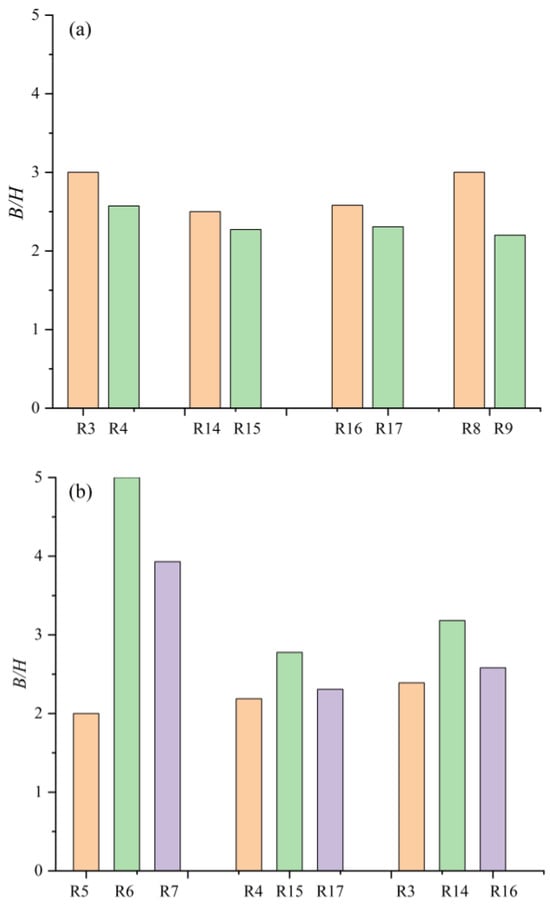
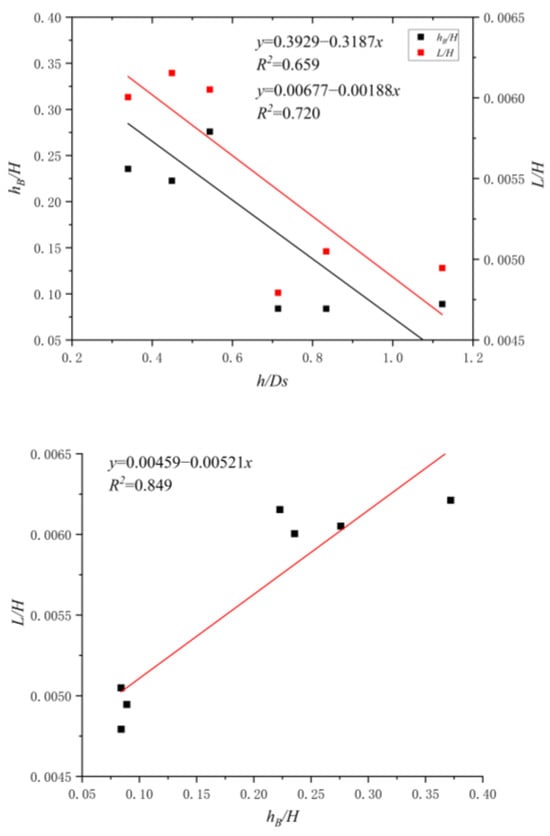
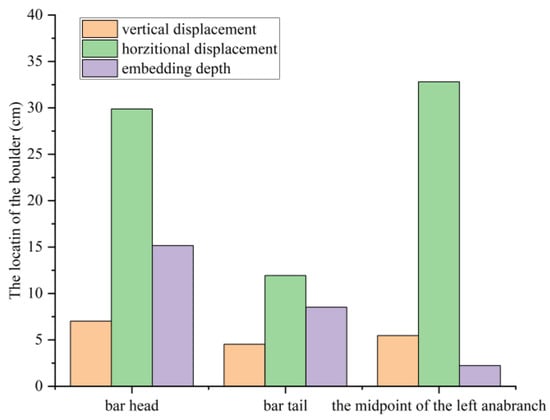
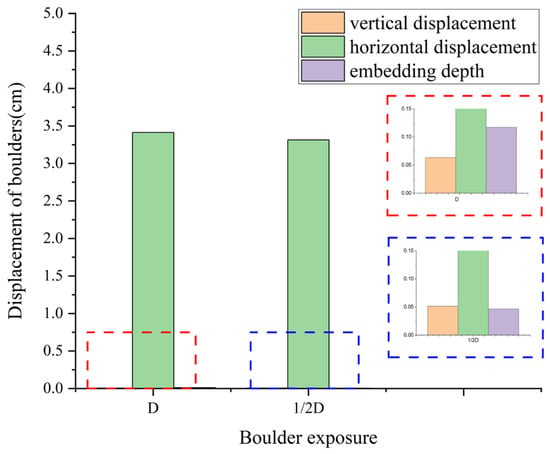
Variable sediment supply and widely graded bed materials modify boulder–bar development, sediment transport and bar evolution in mountain mixed-size reaches. To elucidate the evolution characteristics of bars in boulder-strewn mountain river segments, this study conducted flume experiments. By adjusting parameters including discharge, boulder position, and boulder protrusion height, the paper analyzes bed scour and deposition deformations under various conditions. Results show discharge growth intensifies bed deformation: Both bar area and volume increase with rising discharge, with longer downstream bar extension and a positive correlation between bar length–width ratio and velocity. Higher boulder protrusion height and exposure amplify scour depth, expand bars laterally and reduce scour pit width–depth ratios. Boulders at bar heads migrate furthest downstream; moving boulders toward bar tails increases bar area/volume while bar height peaks then declines. Bar scale follows mid-channel bar head > bar tail > side anabranches. Boulder embedding depth linearly rises with exposure, both parameters positively linked to post-scour bar volume loss. The stable co-evolutionary relationship between scour depth and extent (R2 = 0.849) confirms their synchronized development under varying flow and boulder conditions. Boulders limit downstream bar elongation, flat beds boost scour diffusion, and scour pit width–depth ratio positively correlates with flow velocity. This work offers experimental and mechanistic references for mountain river geomorphic prediction.
Full article
(This article belongs to the Topic Ecohydrology and Water Resources Sustainability, 2nd Edition)
►▼
Show Figures

Figure 1
Open AccessArticle
Characterization of a Cymodocea nodosa (Ucria) Ascherson Meadow in the Northern Adriatic Sea: Phenology, Reproduction and Epiphytic Assemblages
by
Michele Parioli, Giulia Bellanti, Francesca Neri, Stefano Accoroni, Anna Annibaldi, Sabina Susmel and Fabio Rindi
Water 2026, 18(14), 1719; https://doi.org/10.3390/w18141719 - 16 Jul 2026
Abstract
The little Neptune grass Cymodocea nodosa (Ucria) Ascherson is common in shallow coastal areas, lagoons and estuaries in the Mediterranean Sea. As a pioneer and habitat-forming macrophyte, it plays an important ecological role and deserves attention for conservation, especially in areas affected by
[...] Read more.
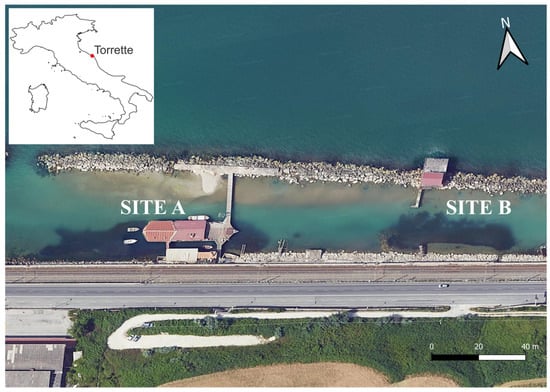
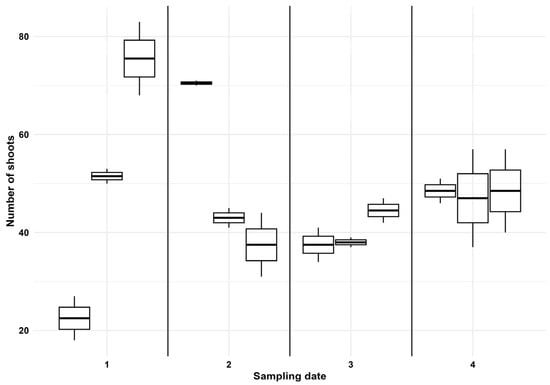
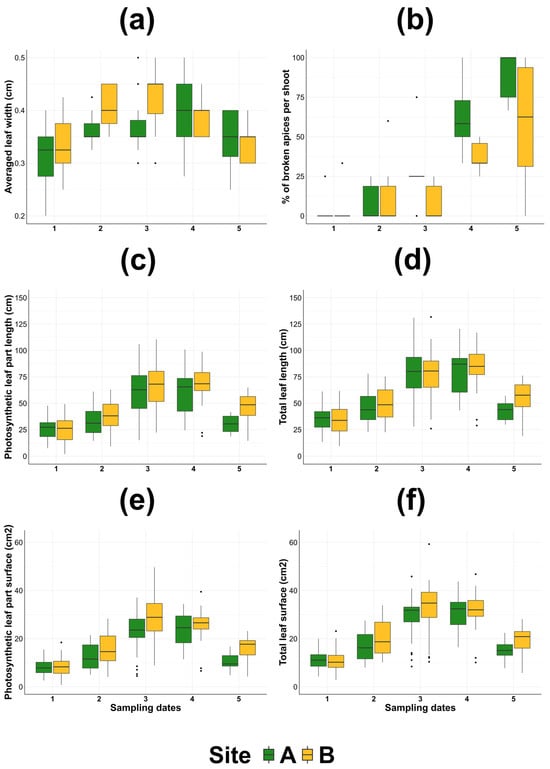
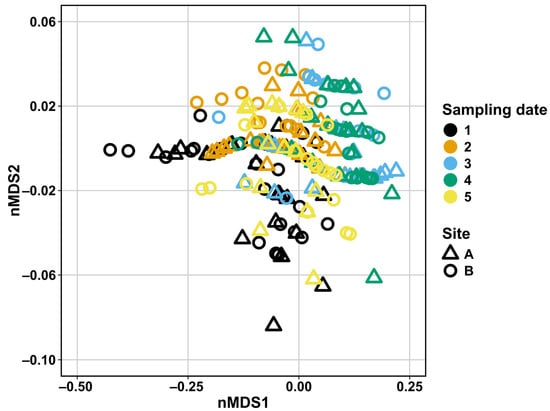
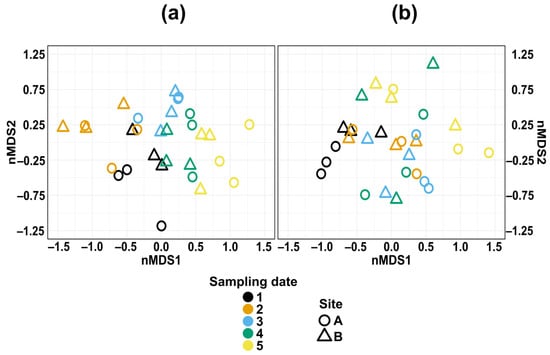
The little Neptune grass Cymodocea nodosa (Ucria) Ascherson is common in shallow coastal areas, lagoons and estuaries in the Mediterranean Sea. As a pioneer and habitat-forming macrophyte, it plays an important ecological role and deserves attention for conservation, especially in areas affected by anthropogenic stressors. A C. nodosa meadow located in a marina of the northern Adriatic Sea (Porticciolo di Torrette, Ancona, Italy) was monitored during its seasonal development (May–October 2024). Structural parameters (shoot density, leaf length and width, percentage of leaves with broken apices), plant fertility and composition of the epiphytic community were assessed across five sampling dates. This population exhibited the typical Mediterranean developmental pattern, with a fully developed canopy in summer (July–September). Female flowers were rarely found, whereas male flowers and fruits were not observed, suggesting that the meadow is likely to rely mainly on clonal propagation. Epiphytic communities displayed low diversity; encrusting corallines and filamentous red algae (Ceramium sp.) were the main algal epiphytes, whereas serpulid polychaetes and ascidiaceans were the main animal epiphytes. Overall, structure, phenology and epiphytic assemblages of the studied meadow are similar to those of other Mediterranean Cymodocea meadows, suggesting that this meadow has persisted under long-term urban conditions despite multiple anthropogenic pressures (not directly tested in the present study).
Full article
(This article belongs to the Special Issue Advancing Marine Science and Marine Ecosystem Health Through Early Diagnosis: Insights Driven by Autonomous Vehicle Platforms)
►▼
Show Figures

Figure 1
Open AccessReview
Aquatic Heavy Metal Speciation and Probabilistic Human Health Risks Under Accelerating Climate Volatility
by
Anlei Wei, Xiaodan Ji, Yifan He, Xiang Tu, Qing Fu, Dazhuang Yang and Bin Li
Water 2026, 18(14), 1718; https://doi.org/10.3390/w18141718 - 15 Jul 2026
Abstract
Traditional monitoring frameworks heavily rely on static, total heavy metal concentrations and deterministic indices, failing to capture how climate-driven stressors and micro-interface interactions alter the stability, speciation, and bioavailability of toxic metals. This review synthesizes the state-of-the-art literature at the intersection of hydrology,
[...] Read more.
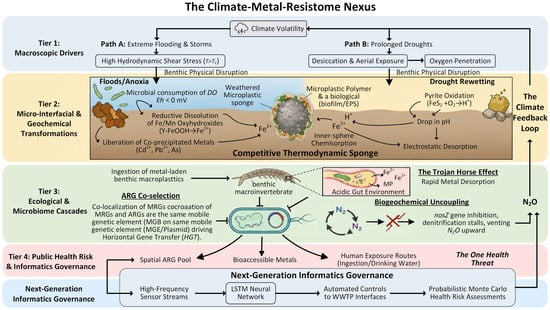
Traditional monitoring frameworks heavily rely on static, total heavy metal concentrations and deterministic indices, failing to capture how climate-driven stressors and micro-interface interactions alter the stability, speciation, and bioavailability of toxic metals. This review synthesizes the state-of-the-art literature at the intersection of hydrology, geochemistry, microbial ecology, and toxicology to address this gap. We investigate how shifting redox (Eh-pH) gradients and climate-forced hydrological extremes—ranging from drought-induced sediment acidification to flood-driven shear stress—accelerate the reductive dissolution of iron/manganese oxyhydroxides. This process consequently triggers seasonal pulses of bioavailable metals. Furthermore, we evaluate how aged microplastics act as dynamic vector interfaces, altering competitive adsorption kinetics and biological uptake. Crucially, we highlight the heavy metal-microbiome-antibiotic resistance axis, demonstrating how sublethal metal exposure drives the co-selection and proliferation of antibiotic resistance genes (ARGs) via mobile genetic elements, revealing an indirect public health hazard. Finally, we critique deterministic assessments and advocate for probabilistic modeling via Monte Carlo simulations to capture exposure heterogeneity. By bridging macro-scale forcing with microscopic chemical and biological transformations, this review provides a comprehensive synthesis for shifting regulatory frameworks toward dynamic, bioavailability-based ecological governance.
Full article
(This article belongs to the Special Issue Water Environment Modeling, Simulation, Informatics, and Big Data Mining)
►▼
Show Figures

Figure 1
Open AccessSystematic Review
Compound Spring Flood Hazards in Kazakhstan and Comparable Cold-Continental Regions: Mechanisms, Indicators, and Recovery Assessment
by
Serik Nurakynov, Gulnara Iskaliyeva, Aibek Merekeyev, Tatyana Dedova, Jagriti Dabas, Nurmakhambet Sydyk and Aigerim Kalybayeva
Water 2026, 18(14), 1717; https://doi.org/10.3390/w18141717 - 15 Jul 2026
Abstract
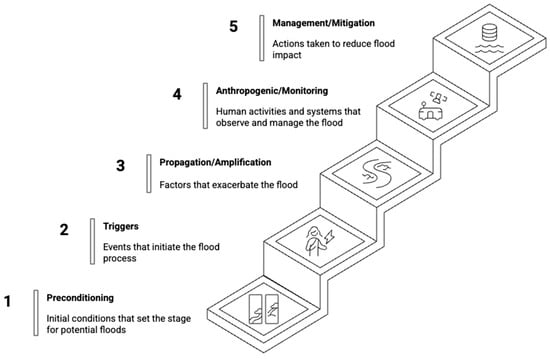
Compound spring floods in cold-continental and semi-arid interiors arise from interacting snowmelt, rain-on-snow events, intense precipitation, and frozen or saturated soils, yet these mechanisms remain poorly synthesized for Central Asia. This review develops a process-oriented framework linking preconditioning, triggers, propagation/amplification, impacts, and recovery
[...] Read more.
Compound spring floods in cold-continental and semi-arid interiors arise from interacting snowmelt, rain-on-snow events, intense precipitation, and frozen or saturated soils, yet these mechanisms remain poorly synthesized for Central Asia. This review develops a process-oriented framework linking preconditioning, triggers, propagation/amplification, impacts, and recovery outcomes. The synthesis shows that the most destructive spring floods occur when substantial antecedent snow storage and restricted infiltration coincide with rapid warming and rainfall, producing efficient runoff generation and widespread impacts. Evidence from Kazakhstan and comparable continental regions indicates that mechanistic understanding is relatively robust, but standardized event-level reporting of snow-water equivalent, soil wetness, precipitation phase, routing constraints, and recovery indicators remains uneven. To support post-disaster comparison, we introduce and demonstrate a Recovery Effectiveness Index (REI) combining housing resettlement, compensation, infrastructure restoration, and equity of assistance. A proof-of-concept application to the 2024 Kazakhstan floods produced a 21 June 2024 snapshot REI of 0.607–0.757 and an end-year REI of 0.850–1.000, depending on the treatment of the equity component. The framework supports compound-driver monitoring, early warning, recovery benchmarking, and more harmonized flood-risk assessment in data-sparse continental regions.
Full article
(This article belongs to the Special Issue Water Management and Geohazard Mitigation in a Changing Climate)
►▼
Show Figures

Figure 1

Open AccessArticle
Global Dynamics and Future Pathways of Marine Macroplastic Pollution: Bibliometric and Scenario-Based Analysis
by
Lingyu Tai, Kaikun Lu, Lixin Zhu, Aqib Zahoor, Yating Zhang, Bore Abdoulaye, Amanda Reichelt-Brushett, Wenchao Ma and David Thompson
Water 2026, 18(14), 1716; https://doi.org/10.3390/w18141716 - 15 Jul 2026
Abstract
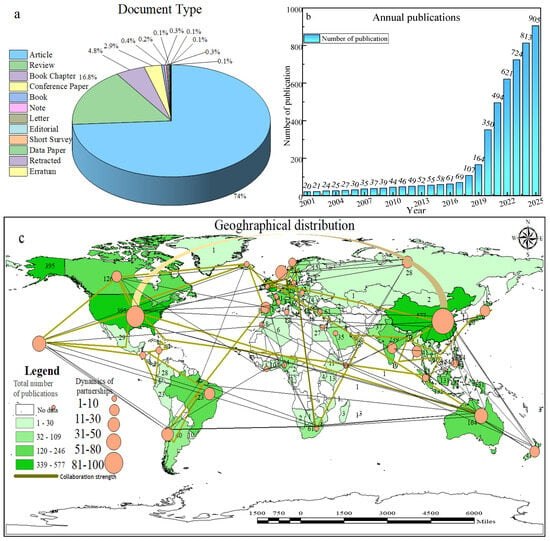
Marine macroplastics (MMP) generation is rising faster than existing management capacity, posing major ecological and governance challenges, particularly in developing coastal regions. This study applied bibliometric, social network, and S-curve analyses to evaluate 4870 publications on MMP pollution indexed in Scopus SCI and
[...] Read more.
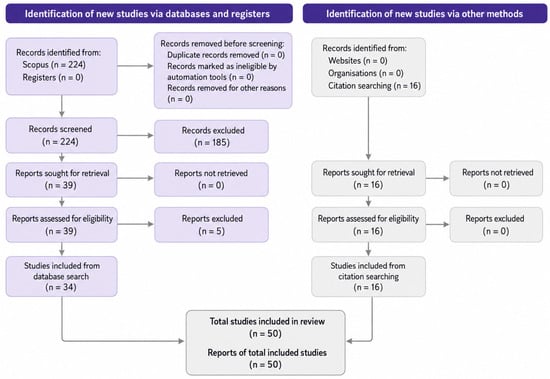
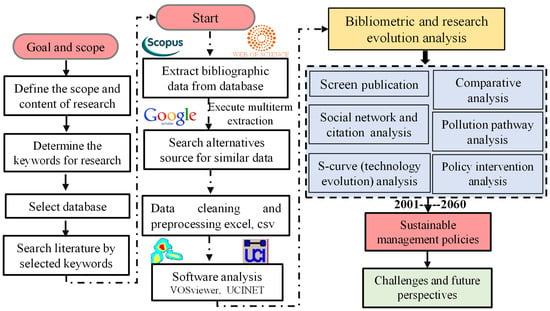
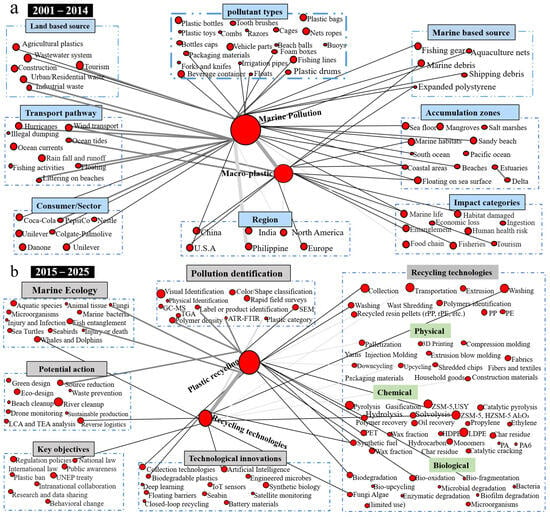
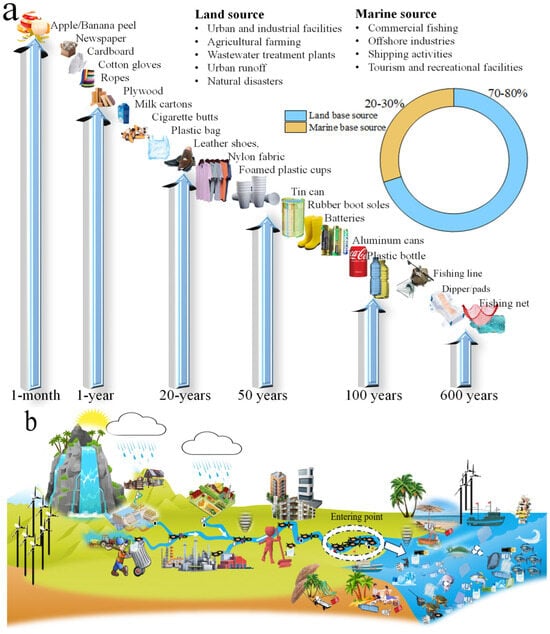
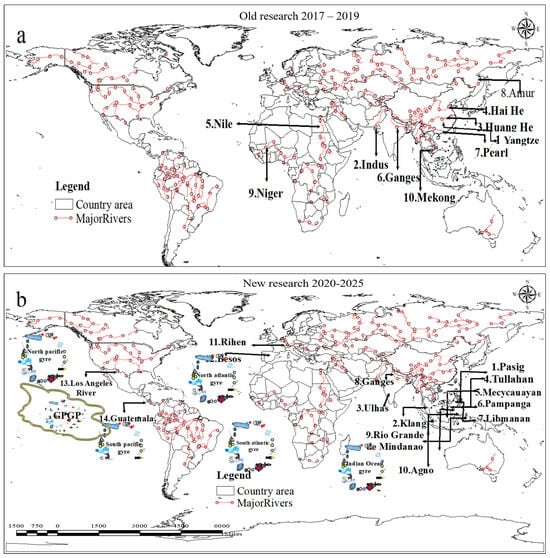
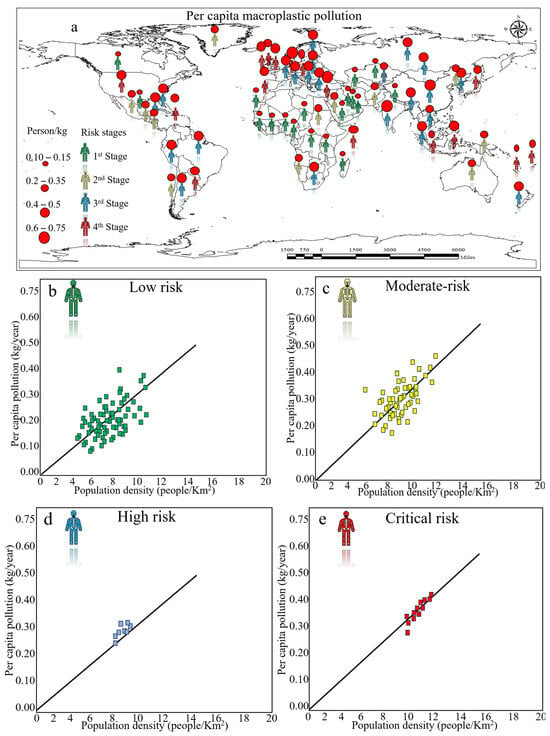
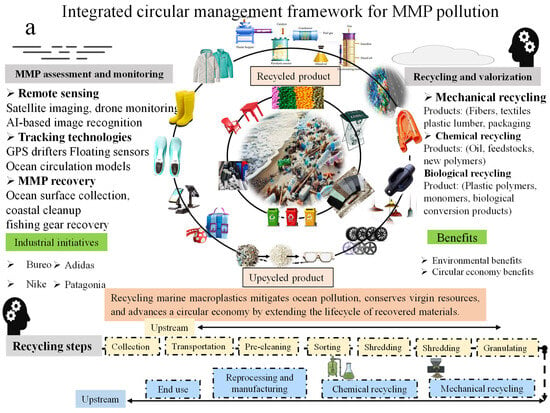
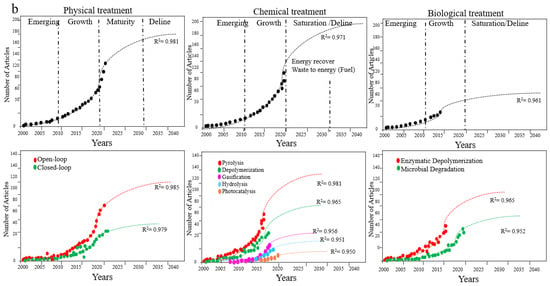
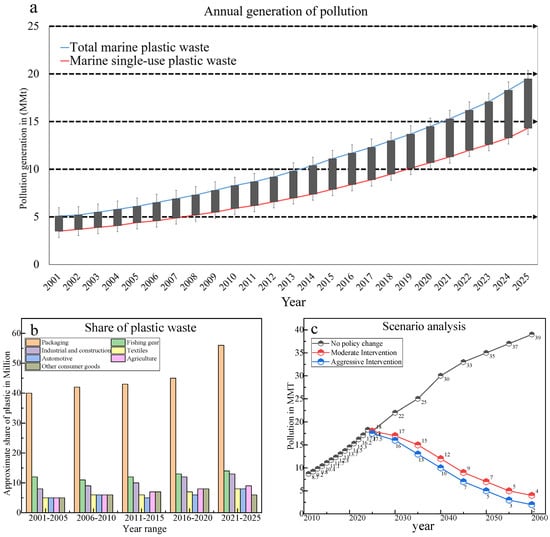
Marine macroplastics (MMP) generation is rising faster than existing management capacity, posing major ecological and governance challenges, particularly in developing coastal regions. This study applied bibliometric, social network, and S-curve analyses to evaluate 4870 publications on MMP pollution indexed in Scopus SCI and SSCI databases from 2001 to 2025 to achieve a systematic research evaluation, thematic focus, and future research direction. The results demonstrate that publication outputs have increased sharply from 20 in 2001 to 905 in 2025, with increasing focus on developing and optimizing recycling methods. Leading countries, including China, the U.S.A., and the U.K., with 577, 395, and 339 publications, respectively, reflect potential research activities and international collaboration. Keyword analysis identified marine pollution (475), macroplastic (frequency = 460), recycling technologies (frequency = 435), plastic recycling (403), and rivers (frequency = 326) as dominant research themes. Rivers remain the primary pathway for transporting macroplastics to marine environments, with the 20 largest rivers contributing the majority of global inputs, while smaller rivers in rapidly industrializing regions are becoming increasingly important. Per capita MMP generation was generally higher in high-income countries, including the U.S.A., Italy, Spain, France (0.5–0.75 kg/person), while lower in China and India (0.4–0.5 kg/person). S-curve analysis shows that physical and chemical recycling technologies, particularly open loop and pyrolysis, have reached a mature stage of development, whereas biological recycling remains an emerging research area with considerable future potential. Scenario analysis further suggests that targeted intervention strategies could reduce single-use plastic from 18.3 to 0.79 MMt by 2060, achieving up to 90% mitigation. Overall, findings demonstrate the urgent need for combined monitoring, technological innovations, and policy action to control marine plastic pollution to protect the marine ecosystem.
Full article
(This article belongs to the Special Issue Aquatic Microplastic Pollution: Occurrence and Removal)
►▼
Show Figures

Figure 1

Open AccessArticle
A Causal–Explainable Framework for Quantifying Upstream–Downstream Total Nitrogen Connectivity in Data-Scarce Reservoir Cascades
by
Fida Hussain, Guanbin Wang, Muhammad Awais, Yanyan Zhang, Vijaya Raghavan, Guoqing Zhao and Jiandong Hu
Water 2026, 18(14), 1715; https://doi.org/10.3390/w18141715 - 15 Jul 2026
Abstract
Upstream–downstream nutrient connectivity strongly regulates water-quality risk in reservoir cascades, yet its quantification remains difficult where discharge, reservoir release, and hydraulic residence-time records are unavailable. This study developed a causal–explainable framework to diagnose total nitrogen (TN) connectivity between the upstream Shimantan Reservoir and
[...] Read more.
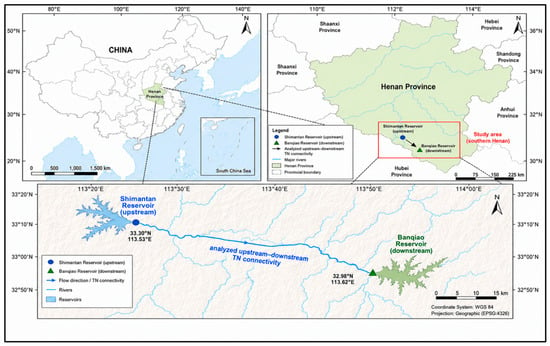
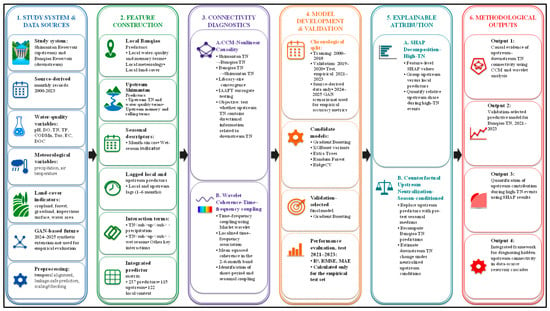
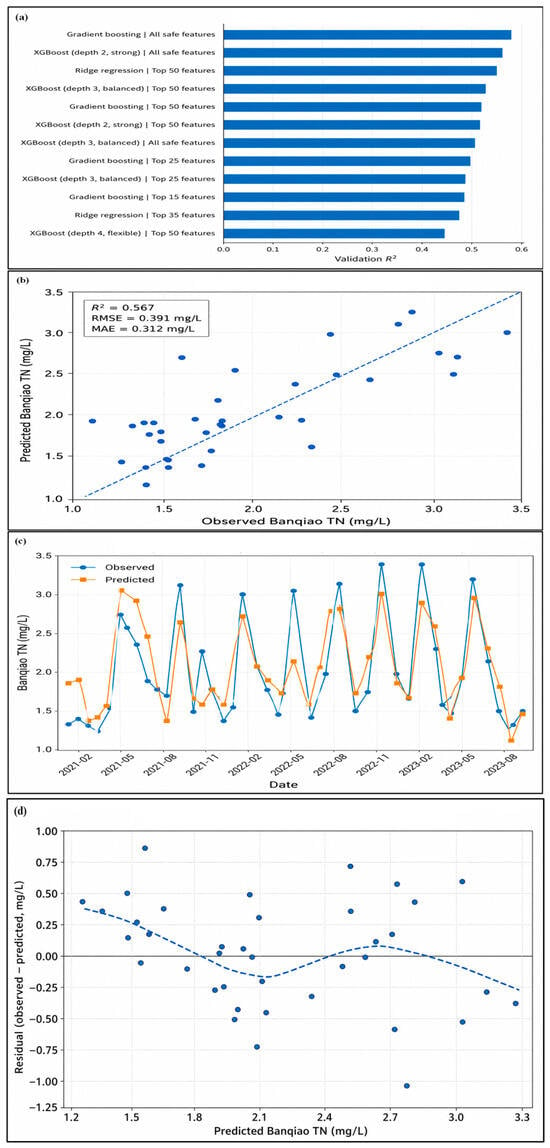
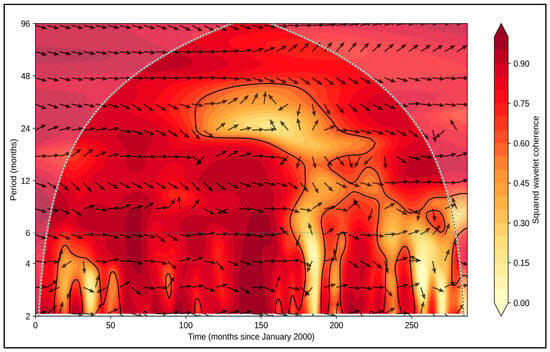
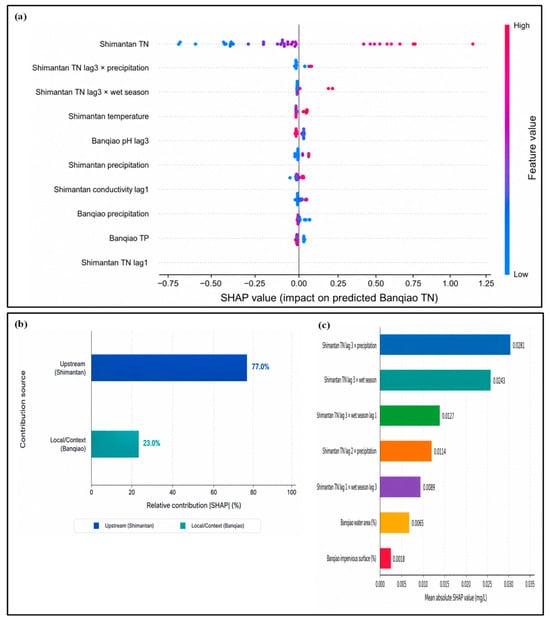
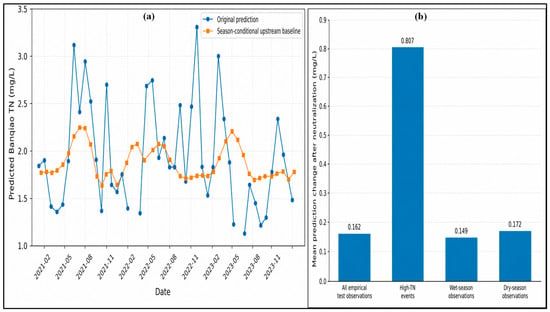
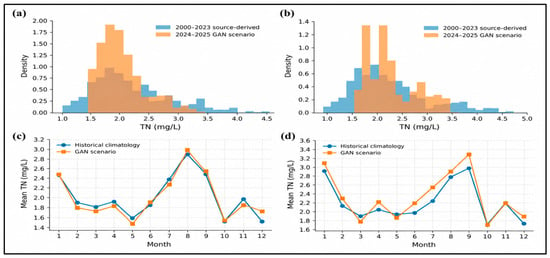
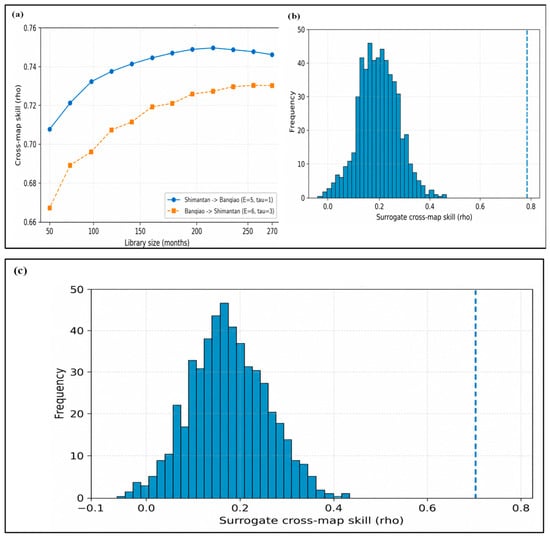
Upstream–downstream nutrient connectivity strongly regulates water-quality risk in reservoir cascades, yet its quantification remains difficult where discharge, reservoir release, and hydraulic residence-time records are unavailable. This study developed a causal–explainable framework to diagnose total nitrogen (TN) connectivity between the upstream Shimantan Reservoir and downstream Banqiao Reservoir in the Huai River Basin, China. Long-term water-quality records, meteorological variables, land-cover indicators, seasonal descriptors, and lagged upstream predictors were integrated within a leakage-safe analytical workflow combining nonlinear causal inference, time–frequency coupling diagnostics, predictive modeling, SHAP-based attribution, and counterfactual analysis. Convergent Cross Mapping identified statistically significant asymmetric bidirectional nonlinear coupling, with a CCM skill of ρ = 0.746 for Shimantan TN → Banqiao TN and p = 0.730 for the reverse direction (p = 0.002 for both directions). Wavelet coherence showed that upstream–downstream TN coupling was concentrated mainly at short temporal scales, with a cone-of-influence-restricted mean squared coherence of 0.7114 in the 2–6-month intra-seasonal band. The validation-selected Gradient Boosting model provided interpretable test-period predictive skill, on independent source-derived observations from 2021–2023, achieving R2 = 0.567, RMSE = 0.391 mg/L, and MAE = 0.312 mg/L. The GAN-generated 2024–2025 segment was excluded from empirical model evaluation and retained only for exploratory future-scenario assessment. SHAP decomposition indicated that upstream-related predictors accounted for 77.04% of the total absolute model attribution during high-TN events, while seasonal conditioned counterfactual upstream neutralization produced mean model-predicted changes of 0.162 mg/L across all test observations and 0.807 mg/L during high-TN events. Together, these results demonstrate that hidden upstream-downstream TN connectivity can be diagnosed through convergent causal, temporal, predictive, and model-attribution evidence in data-limited reservoir cascades. The findings support asymmetric coupled dynamics and downstream inheritance of upstream information but should not be interpreted as proof of exclusively one-way physical nutrient transport. The proposed framework offers a diagnostic decision-support approach for reservoir systems with sufficiently long monitoring records where direct hydraulic observations are unavailable.
Full article
(This article belongs to the Section Water Quality and Contamination)
►▼
Show Figures

Figure 1

Open AccessArticle
Study on the Process of Water and Salt Transport in Saline Soil Under Brackish Water Irrigation
by
Wenquan Liu, Zhiqiang Huang, Fang Lu, Xingyong Xu and Guangquan Chen
Water 2026, 18(14), 1714; https://doi.org/10.3390/w18141714 - 15 Jul 2026
Abstract
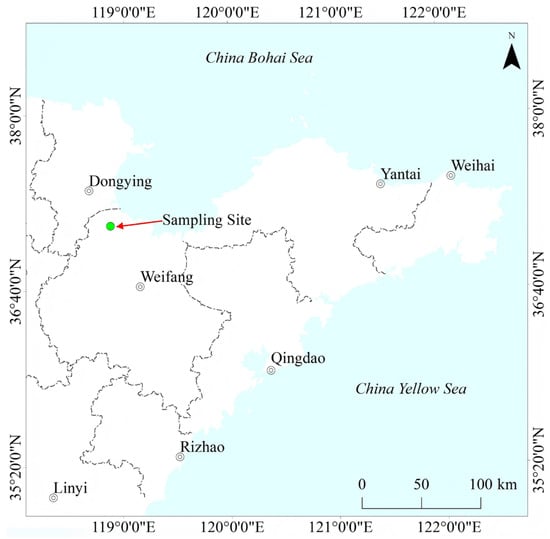
Freshwater scarcity and soil salinization limit coastal agriculture, and brackish water irrigation may help alleviate regional water shortages. This study examined the effects of irrigation water salinity on water–salt dynamics and ion distribution in coastal saline soil from Laizhou Bay. Repacked soil column
[...] Read more.
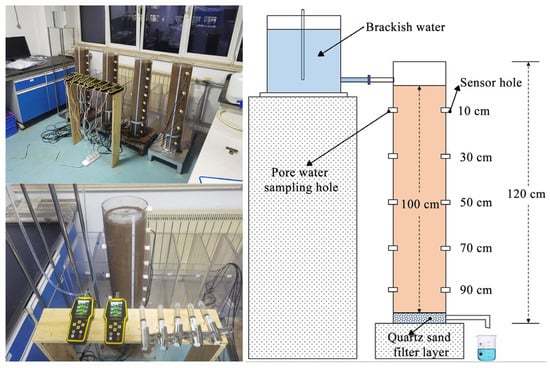
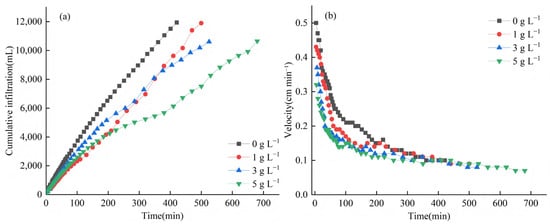
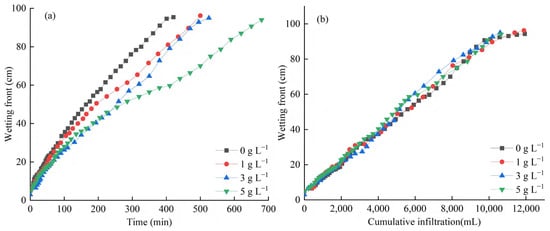
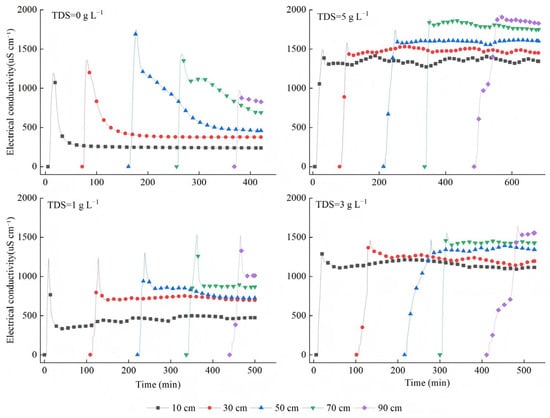
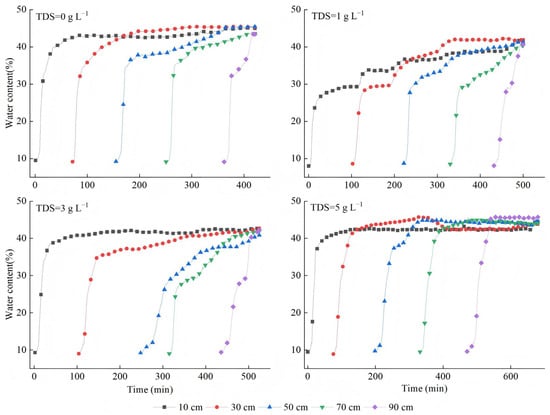
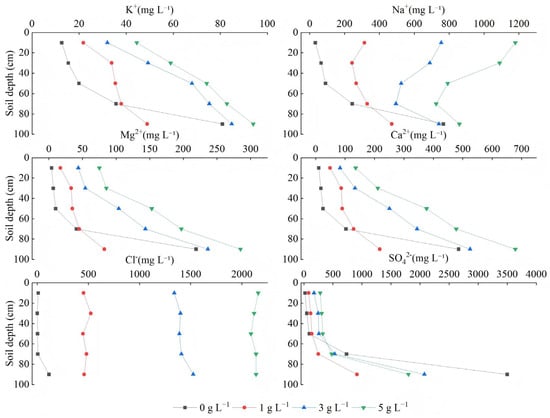
Freshwater scarcity and soil salinization limit coastal agriculture, and brackish water irrigation may help alleviate regional water shortages. This study examined the effects of irrigation water salinity on water–salt dynamics and ion distribution in coastal saline soil from Laizhou Bay. Repacked soil column experiments were conducted using a freshwater control and brackish water treatments with TDS levels of 1, 3, and 5 g L−1. Soil water content and electrical conductivity were monitored at 1 min intervals at five depths, and pore water ion composition was analyzed after infiltration. Higher salinity was associated with reduced cumulative infiltration and infiltration rates, delayed wetting front migration, and longer infiltration durations. Freshwater cumulative infiltration reached 11.94 L, whereas the 3 and 5 g L−1 treatments decreased final cumulative infiltration by more than 11%. Soil EC increased with salinity, with higher values occurring mainly in the middle and lower soil layers. Na+ and Cl− were the dominant ions contributing to salinity risk and moved downward with the wetting front. Low-salinity brackish water caused less short-term infiltration inhibition and salt accumulation risk than higher-salinity water under laboratory column conditions. However, field validation, crop response evaluation, economic feasibility assessment, and long-term salt balance analysis are required before practical irrigation recommendations can be made.
Full article
(This article belongs to the Section Soil and Water)
►▼
Show Figures

Figure 1
Open AccessArticle
Maximising Heat Recovery Potential in Sewer Networks Using a Quasi-Steady-State Optimisation Framework
by
Sepideh Zandhaghighi, Mohamad Abdel-Aal and David Butler
Water 2026, 18(14), 1713; https://doi.org/10.3390/w18141713 - 15 Jul 2026
Abstract
Decarbonising domestic heating stands as one of the primary climate challenges, positioning net-zero building technologies as the vital technical response. Wastewater source heat pumps (WWSHPs) serve as a thermally stable solution for household heating. Scaling this system up to an urban network level
[...] Read more.
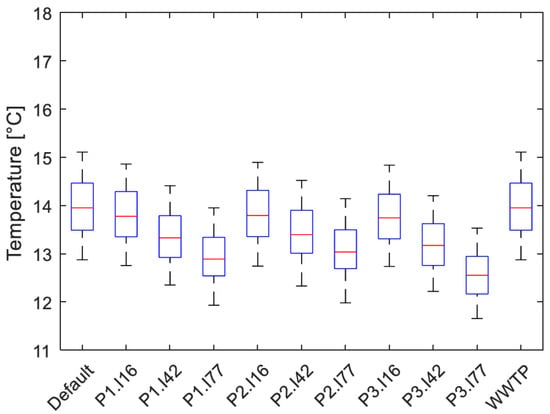
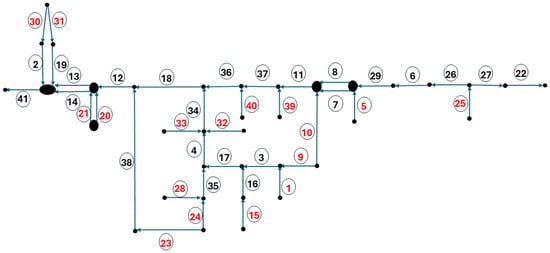
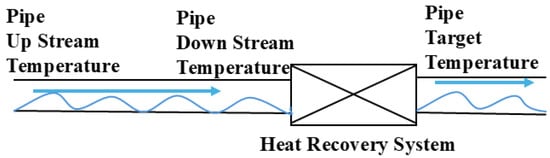
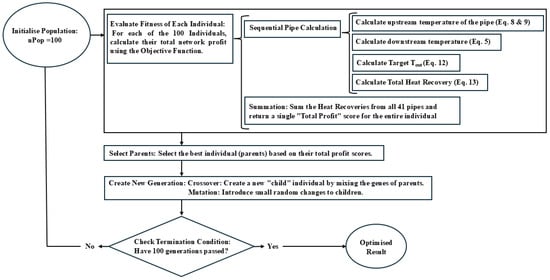
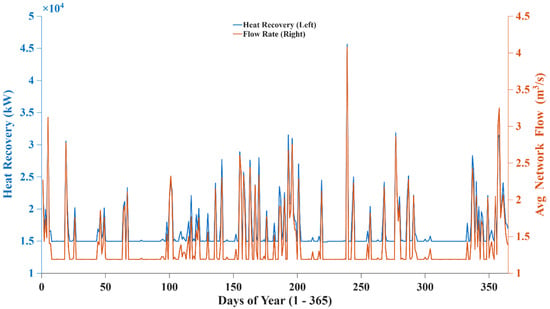
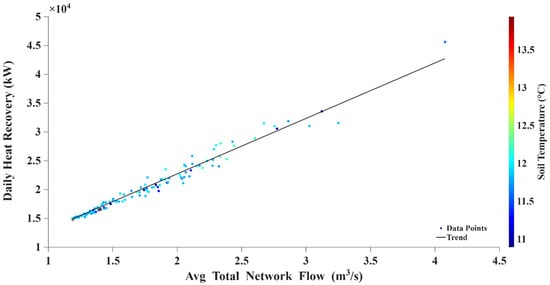
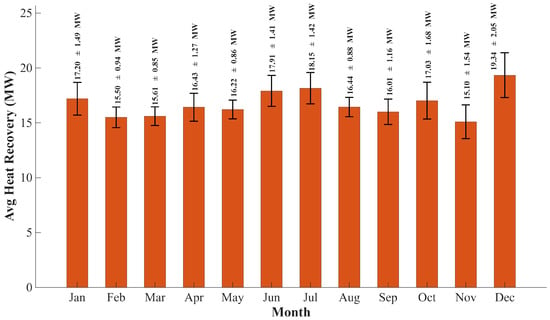
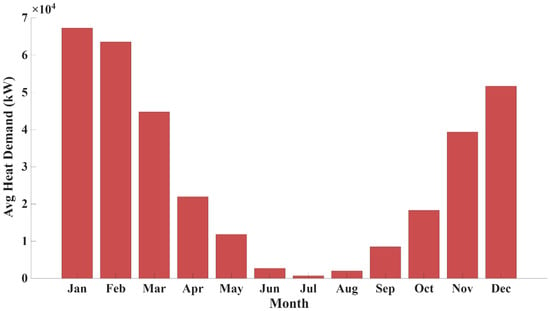
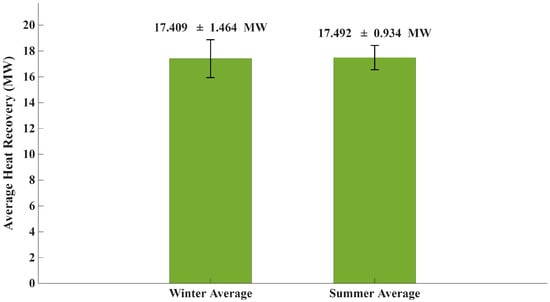
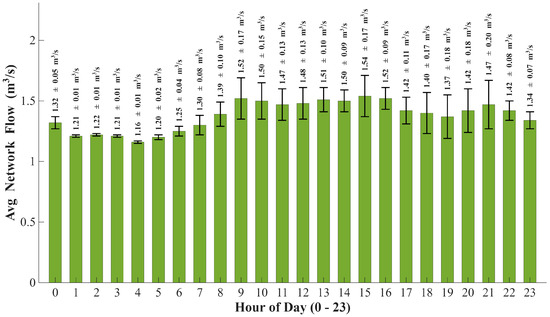
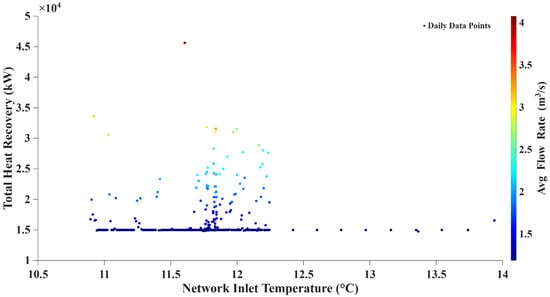
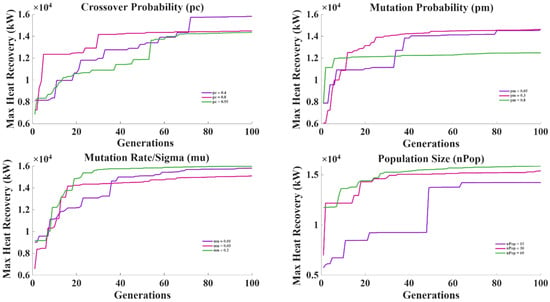
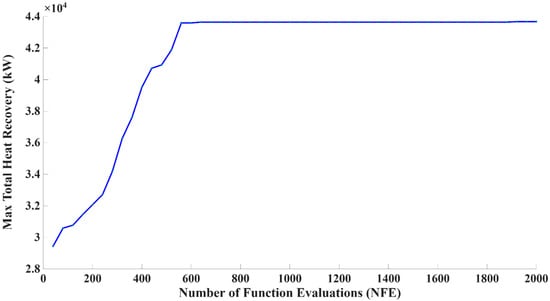
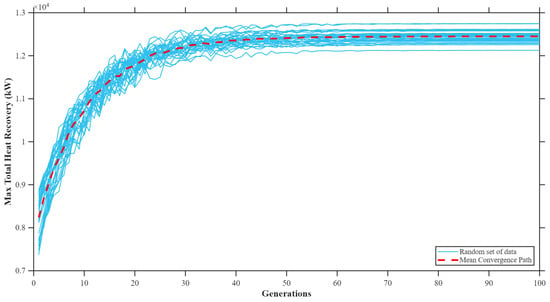
Decarbonising domestic heating stands as one of the primary climate challenges, positioning net-zero building technologies as the vital technical response. Wastewater source heat pumps (WWSHPs) serve as a thermally stable solution for household heating. Scaling this system up to an urban network level requires balancing maximum heat extraction against the risks of biological damage to downstream treatment systems from excessive temperature drops. To resolve it, this study couples a quasi-steady-state model, driven by dynamic, 30 min time-series inputs, with a Genetic Algorithm (GA) to optimise a 41-pipe sewer network in Belgium. Significant results demonstrate that the GA configuration enhanced potential heat recovery by 51.7% relative to unoptimised baselines, elevating yields from 29 MW to 44 MW. Furthermore, this research identified a mass compensation effect in winter that effectively counterbalanced seasonal drops in wastewater temperature, resulting in nearly identical winter and summer average heat recovery capacities (17.409 MW vs. 17.492 MW, a variance under 0.5%). From these findings, it can be concluded that while network-scale thermal potential is exceptionally robust year-round, a profound seasonal mismatch exists between available supply and localised consumer heating requirements, which drop to a minimum of 712 kW in July but exceed 51 MW in winter.
Full article
(This article belongs to the Special Issue Energy Use Assessment and Management in Wastewater Systems)
►▼
Show Figures

Figure 1
Open AccessArticle
Characteristics of Turbulent Flow in a Channel with Transverse Bed Slope and Rigid Vegetation
by
Ali Mohammadi, Hossein Afzalimehr and Jueyi Sui
Water 2026, 18(14), 1712; https://doi.org/10.3390/w18141712 - 15 Jul 2026
Abstract
This study experimentally examines turbulent flow structures induced by the coupled interaction of transverse bank slope, rigid vegetation, and bed roughness heterogeneity in a compound channel. Three-dimensional velocity components were measured using Acoustic Doppler Velocimetry (ADV) in a 13 m long flume under
[...] Read more.
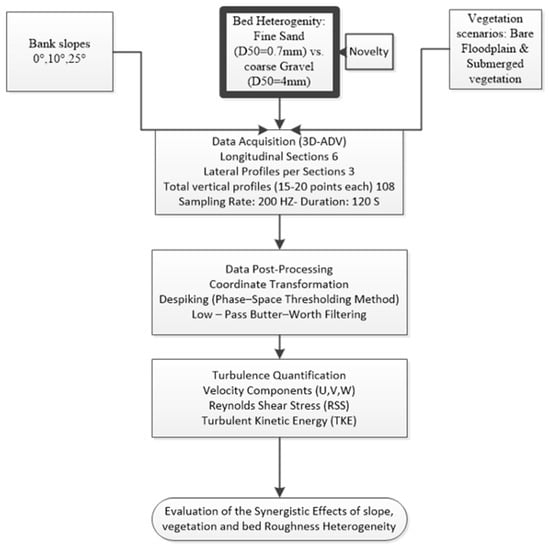
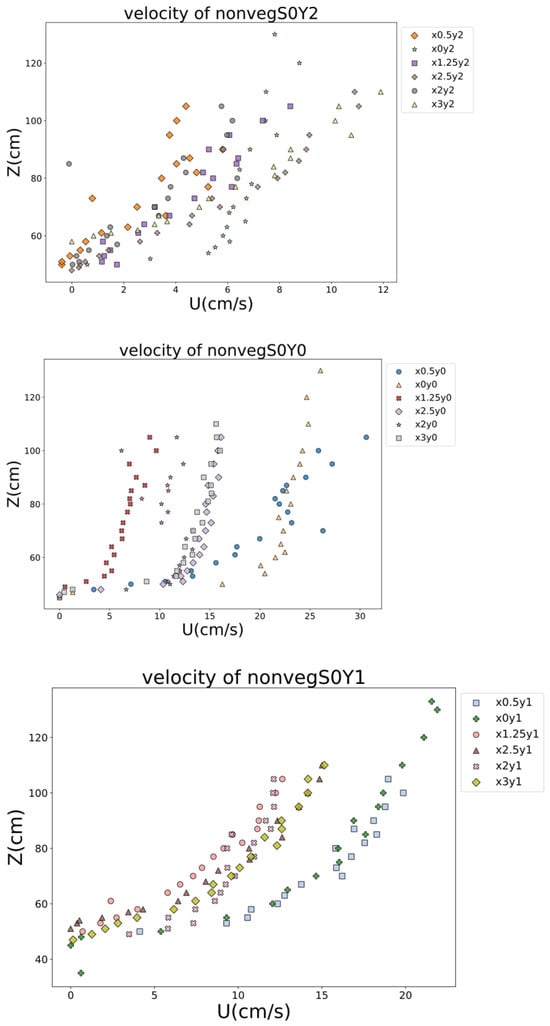
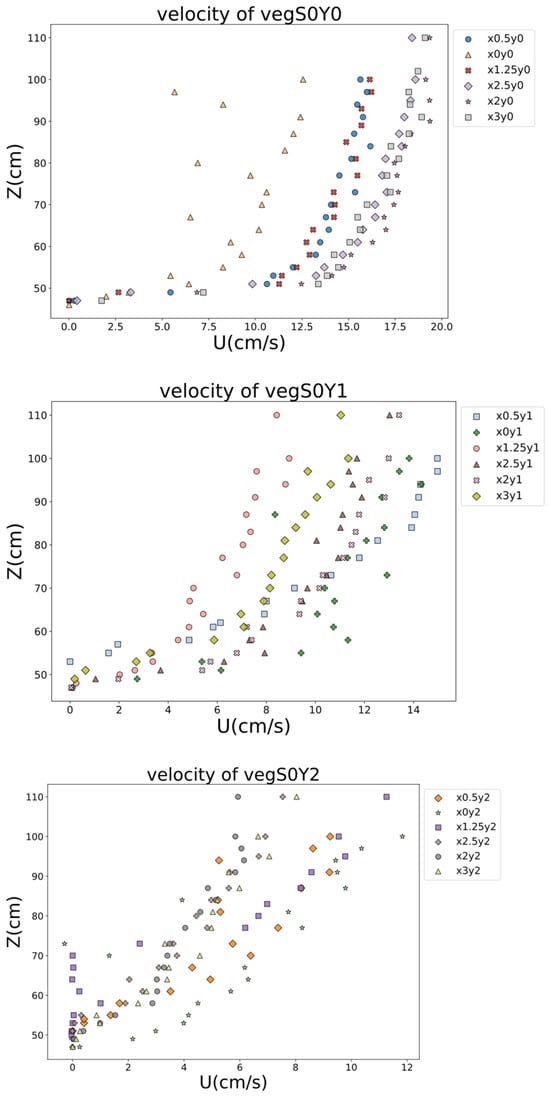
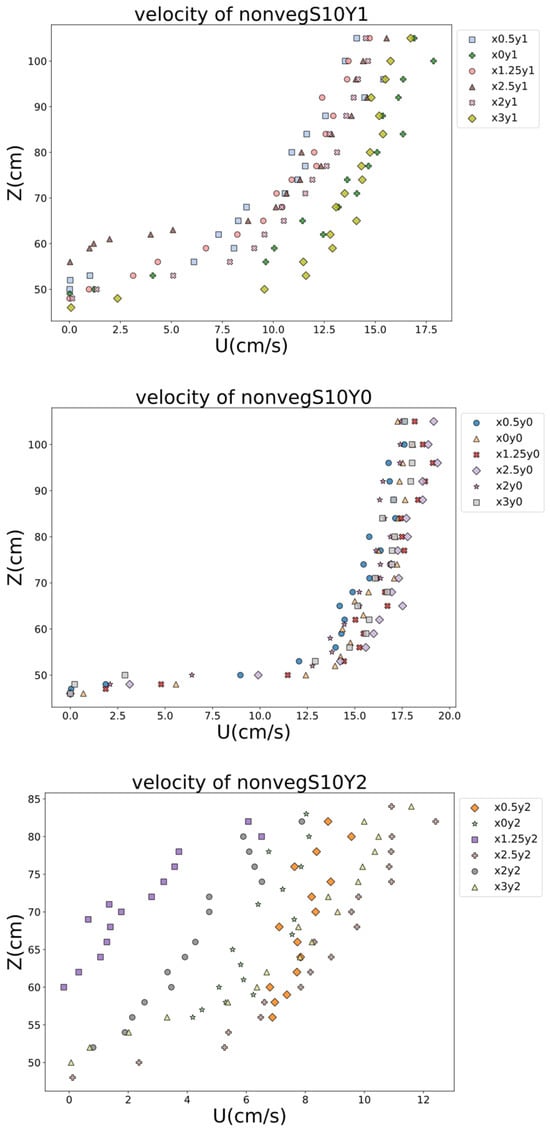
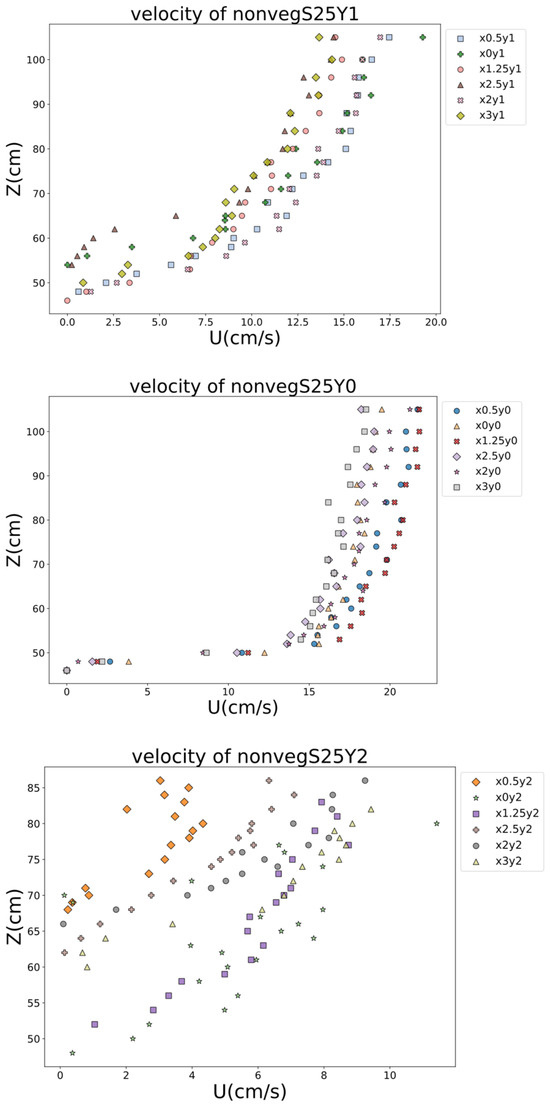
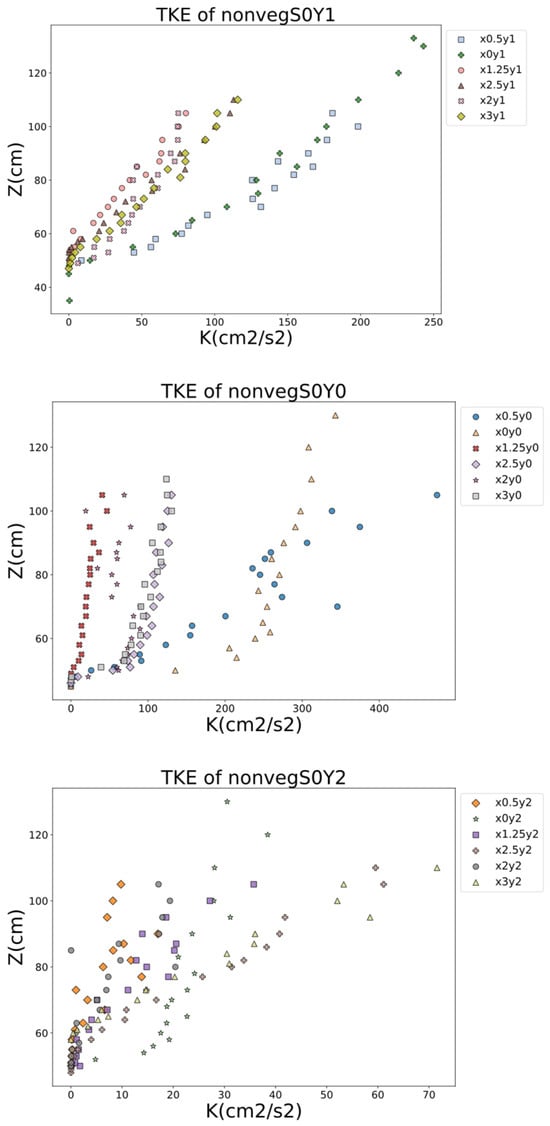
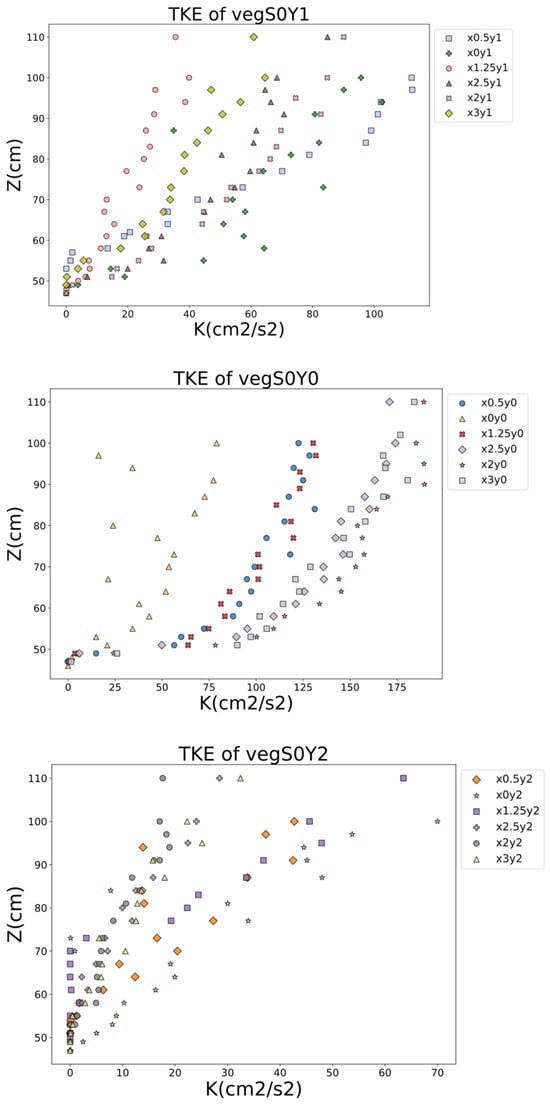
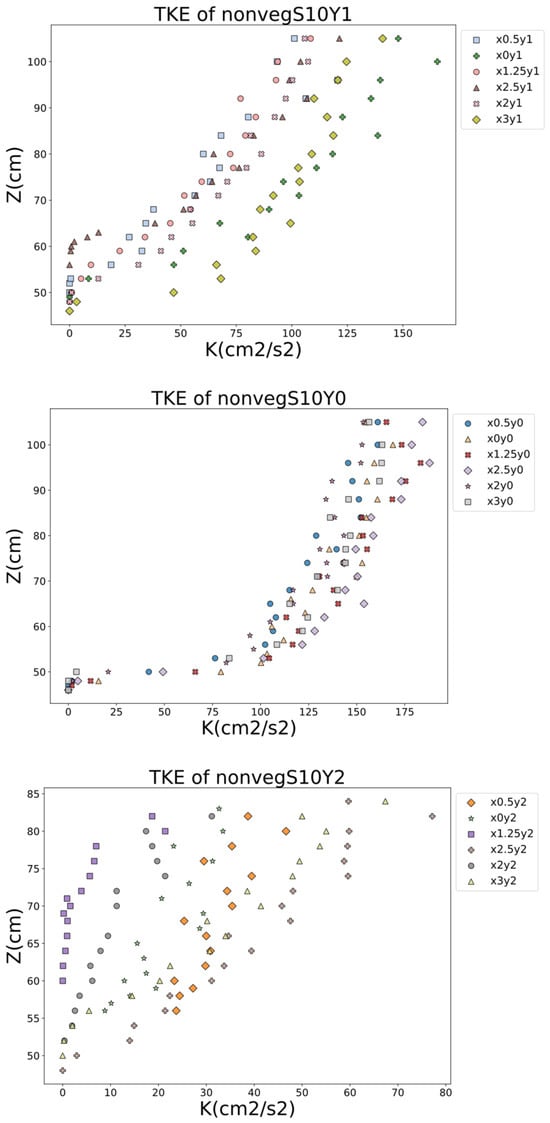
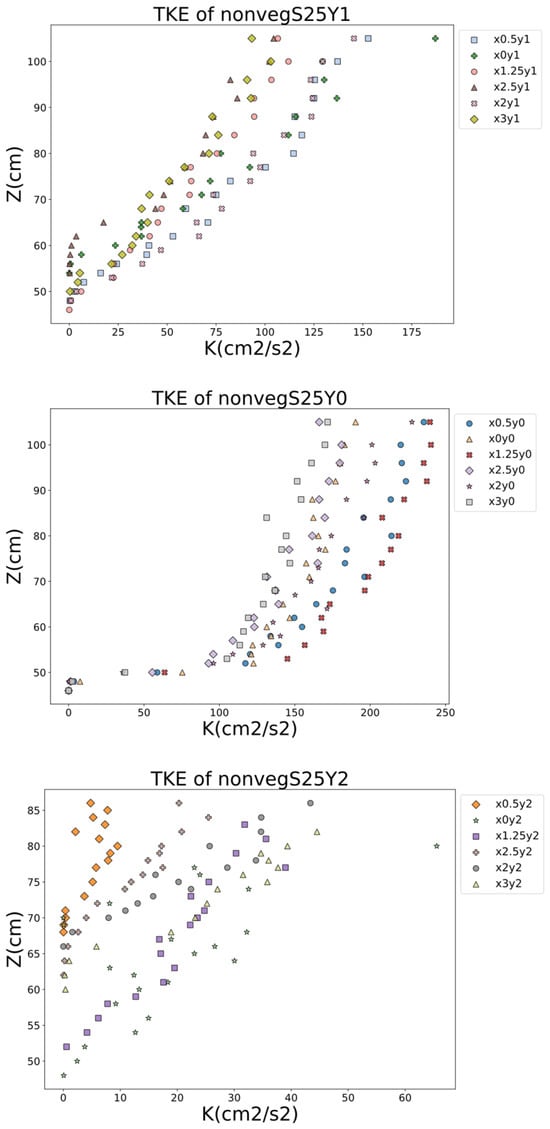
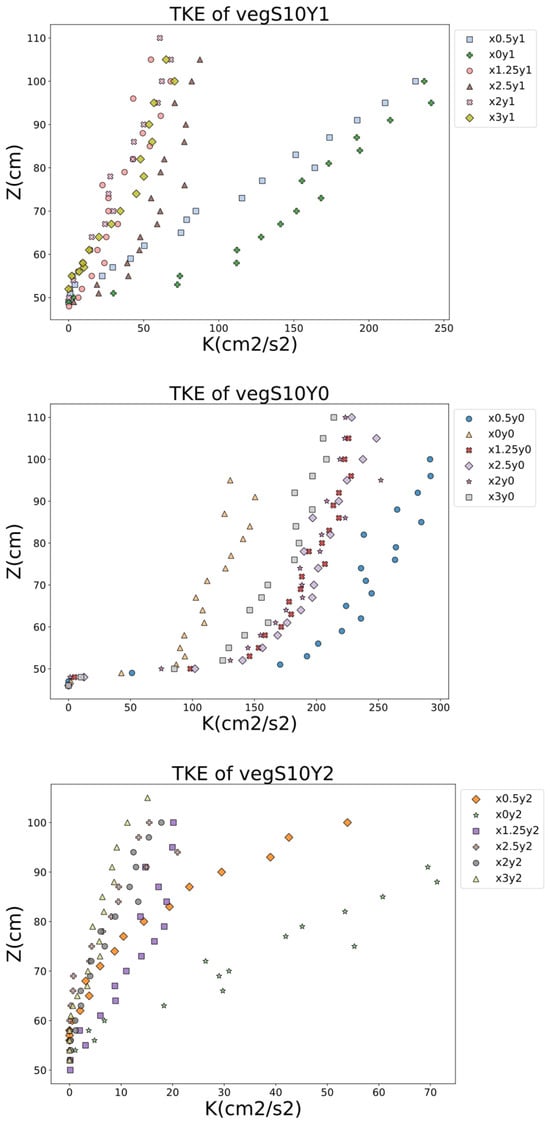
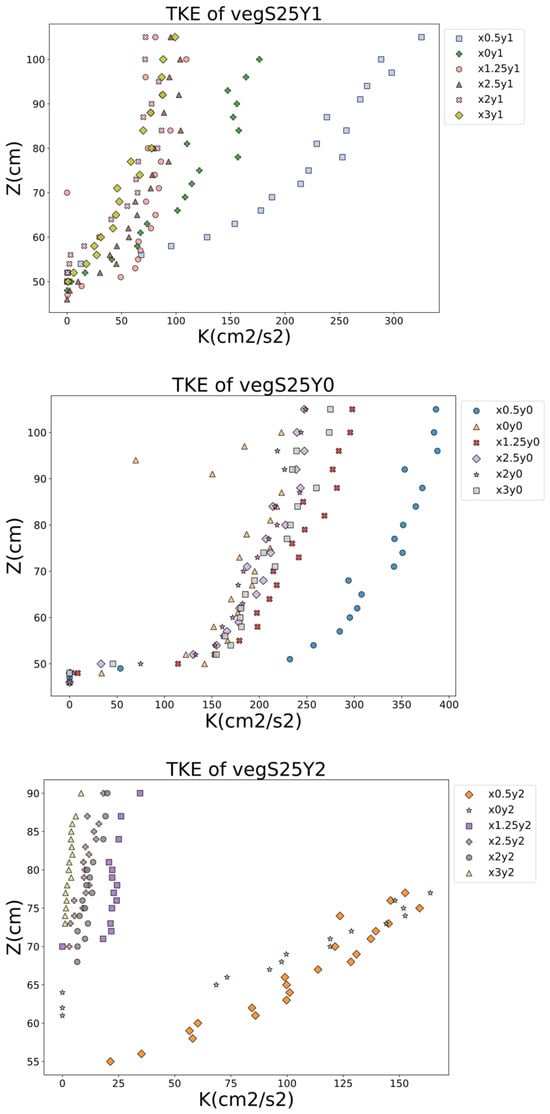
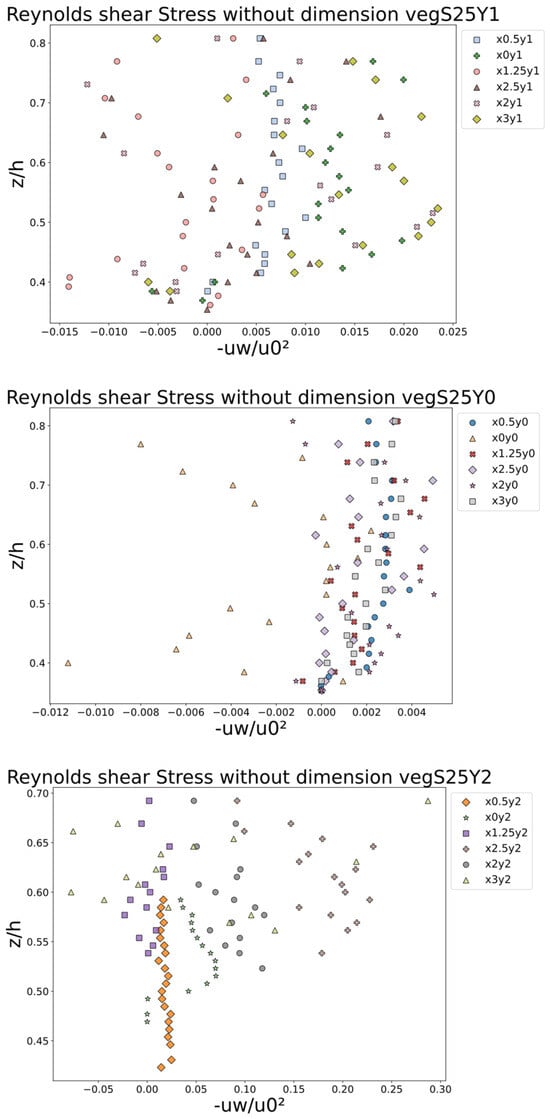
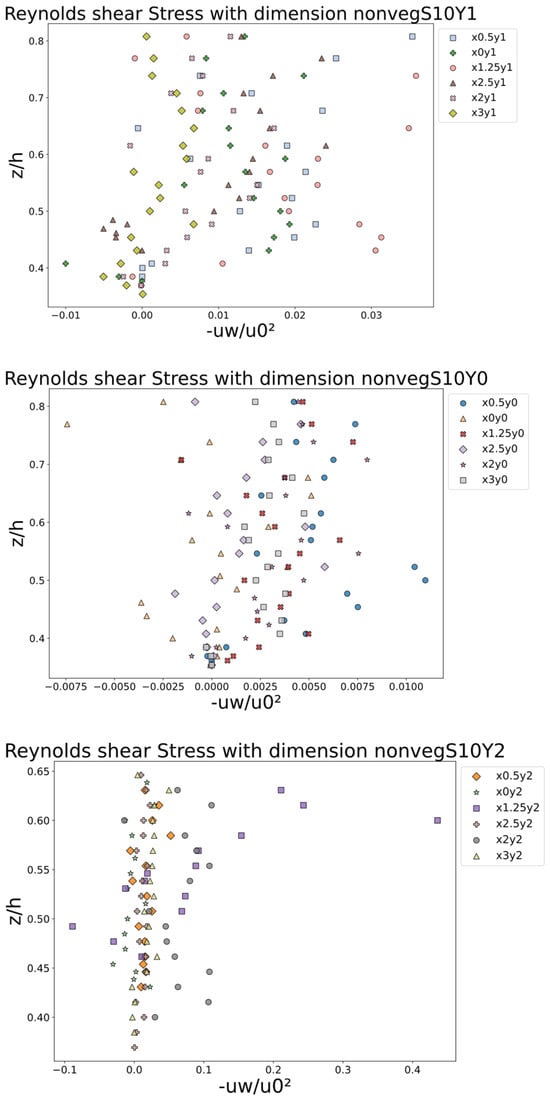
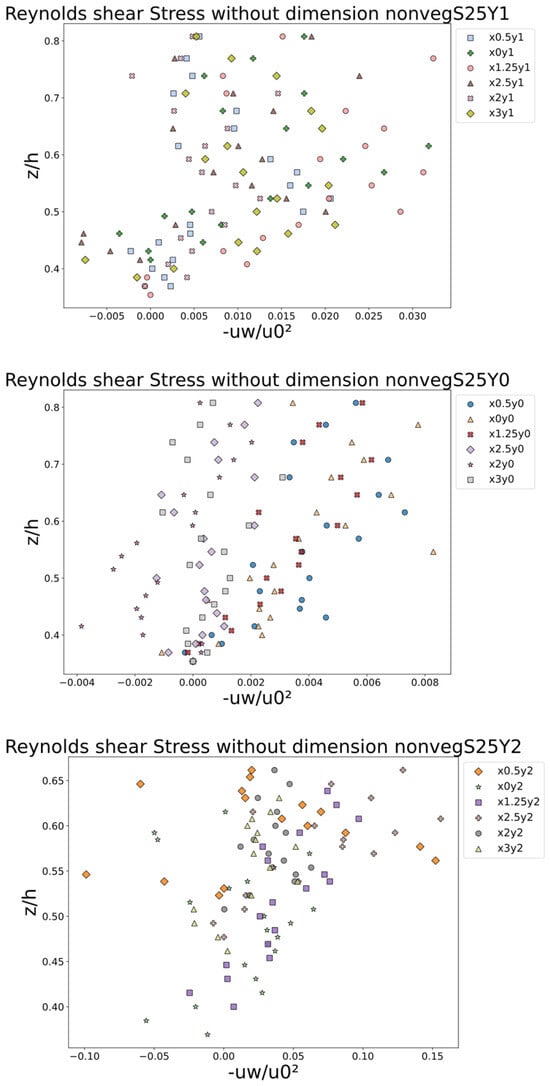
This study experimentally examines turbulent flow structures induced by the coupled interaction of transverse bank slope, rigid vegetation, and bed roughness heterogeneity in a compound channel. Three-dimensional velocity components were measured using Acoustic Doppler Velocimetry (ADV) in a 13 m long flume under three transverse bank slopes (0°, 10°, and 25°), both with and without submerged rigid vegetation. Quantitatively, the presence of vegetation on the sloped bank reduced local flow velocity by 40–50% due to drag caused by vegetation canopy, while the accelerating flow in the main channel reduced by 25–35%. The combined effect of a steep 25° slope and vegetation amplified the turbulent kinetic energy (TKE) by ~55% and maximum Reynolds shear stress (RSS) by 50–70% at the sand–gravel interface compared to bare-bed conditions, generating a rigorous lateral shear layer. These quantitative insights provide critical design guidance for river restoration, bank protection, and flood management. The identified interactions between bank slope and vegetation establish a predictive framework for mitigating localized scour and bank erosion while optimizing channel conveyance capacity in ecologically managed river systems.
Full article
(This article belongs to the Special Issue Advances in Open-Channel Flow Hydrodynamics)
►▼
Show Figures

Figure 1
Open AccessArticle
Multi-Year Hydrochemical Variability and Metal(loid) Risk Across River, Groundwater, and Irrigation Systems of the Yarlung Zangbo River Basin, Tibet
by
Qingsong Du and Liqiong Li
Water 2026, 18(14), 1711; https://doi.org/10.3390/w18141711 - 15 Jul 2026
Abstract
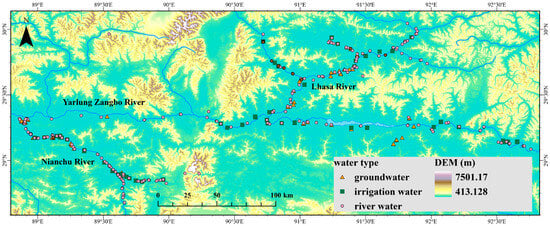
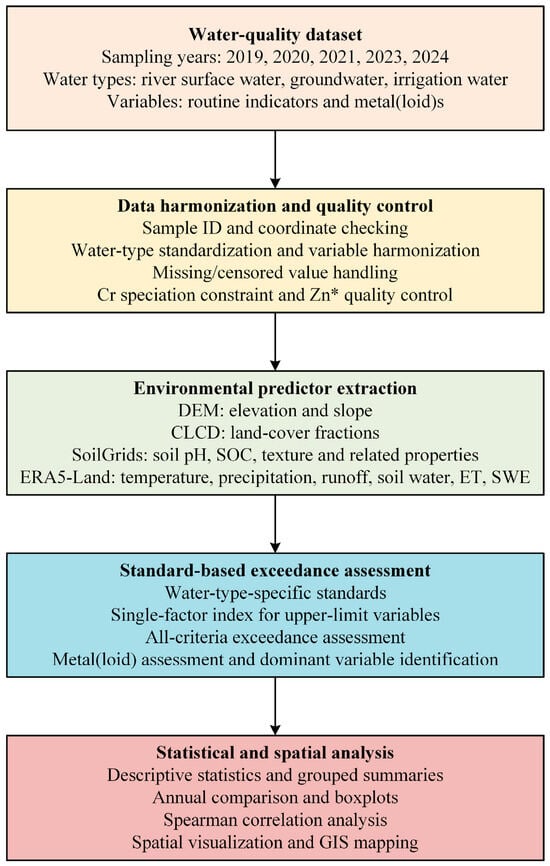
Water quality in high-elevation agricultural river valleys is shaped by regional environmental gradients and localized hydrogeochemical conditions, but multi-year assessments often do not clearly separate routine hydrochemical variability from metal(loid) risk. This study evaluates a public multi-year dataset from the agricultural concentration area
[...] Read more.
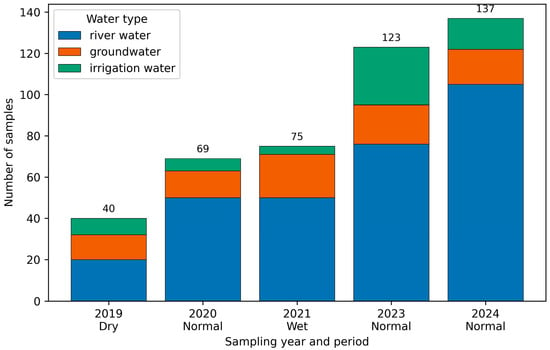
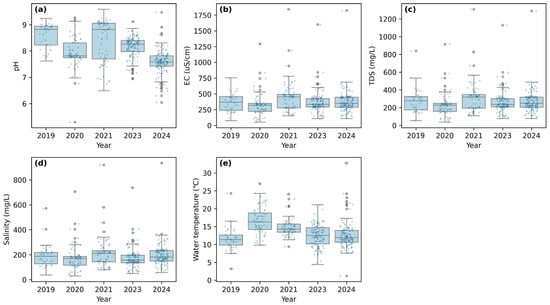
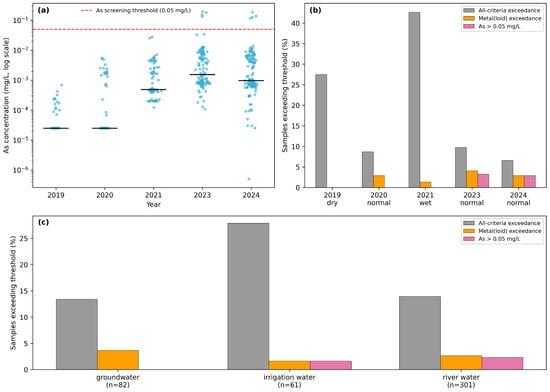
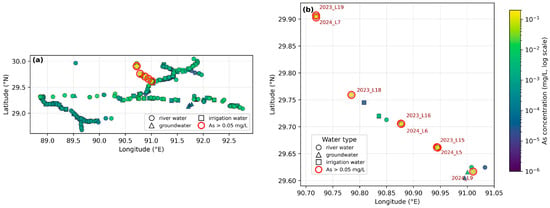
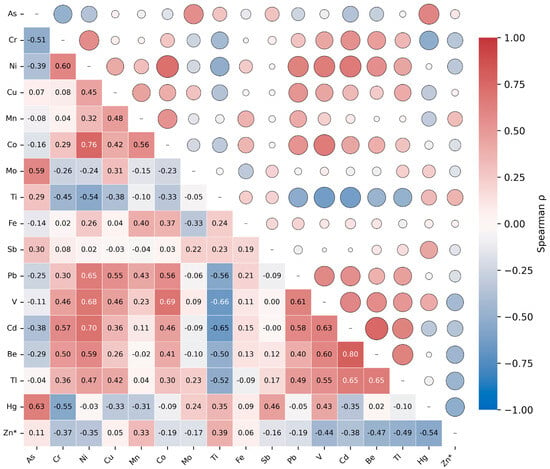
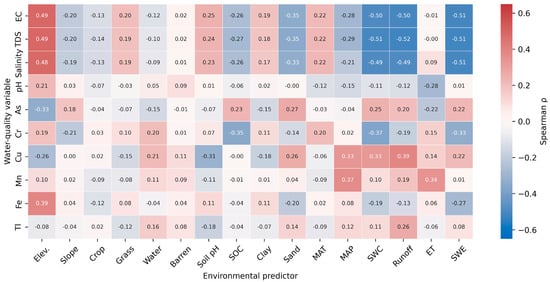
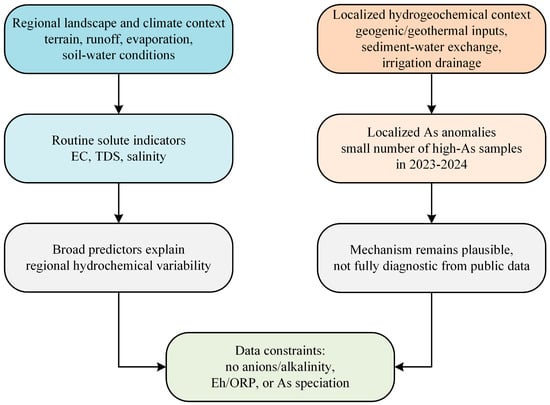
Water quality in high-elevation agricultural river valleys is shaped by regional environmental gradients and localized hydrogeochemical conditions, but multi-year assessments often do not clearly separate routine hydrochemical variability from metal(loid) risk. This study evaluates a public multi-year dataset from the agricultural concentration area of the Yarlung Zangbo River and its two tributaries on the Qinghai–Tibet Plateau. The dataset includes 444 river-water, groundwater, and irrigation-water samples collected in 2019, 2020, 2021, 2023, and 2024. We combined water-type-specific standard assessment, normalized exceedance frequencies, spatial visualization, and descriptive correlation analysis with terrain, land-cover, soil, and climate-hydrological predictors. Because sampling coverage and hydrological-period classification differed among years, annual contrasts were interpreted descriptively rather than as fixed-site temporal trends. Most samples were neutral to weakly alkaline, whereas electrical conductivity (EC), total dissolved solids (TDS), and salinity varied more strongly across years and sampling locations. In total, 70 samples exceeded at least one evaluated criterion, but only 12 samples were flagged in the metal(loid) assessment. Eight samples exceeded the 0.05 mg/L As screening threshold, occurring only in 2023 and 2024 (3.25% and 2.92% of samples in those years, respectively), and were concentrated in a localized reach rather than distributed basin-wide. As was positively associated with Mo and Hg, whereas relationships with Fe, Mn, pH, EC, TDS, and salinity were weak or inconsistent; dissolved oxygen was not available for the high-As samples. These results distinguish broad dissolved-solute variability from localized As-dominated risk and show that the dataset supports regional screening and monitoring prioritization, but not definitive redox, speciation, or source-apportionment conclusions.
Full article
(This article belongs to the Special Issue Pollution Mechanisms and Source Apportionment of Typical Pollutants in Aquatic Environments, 2nd Edition)
►▼
Show Figures

Figure 1
Open AccessArticle
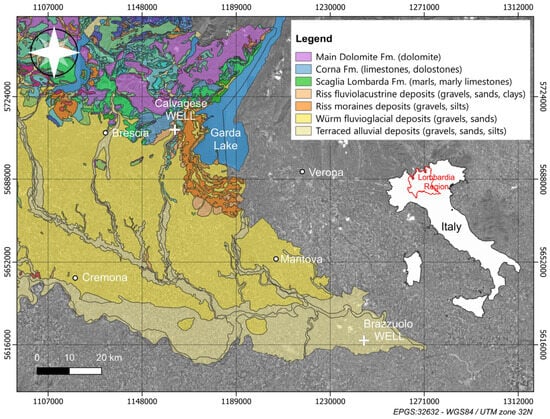
Hydrogeochemical Evaluation of Contaminant Release from Drilling Equipment During Aquifer Testing
by
Luigi Alessandrino, Mattia Gaiolini, Bouchra Haddad, Jonathan Domizi, Micòl Mastrocicco, Matteo Gisolo and Nicolò Colombani
Water 2026, 18(14), 1710; https://doi.org/10.3390/w18141710 - 15 Jul 2026
Abstract
Groundwater quality assessment during well drilling could be biased by transient contamination from drilling equipment and fluids. To address this issue, batch leaching tests, sequential filtration experiments, and field validation were combined. Batch leaching experiments were performed on painted and unpainted drilling rods.
[...] Read more.
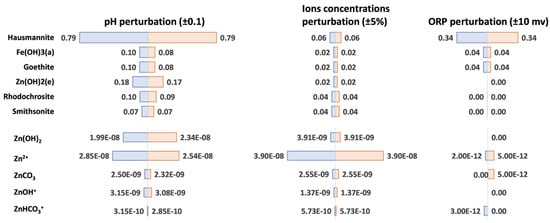
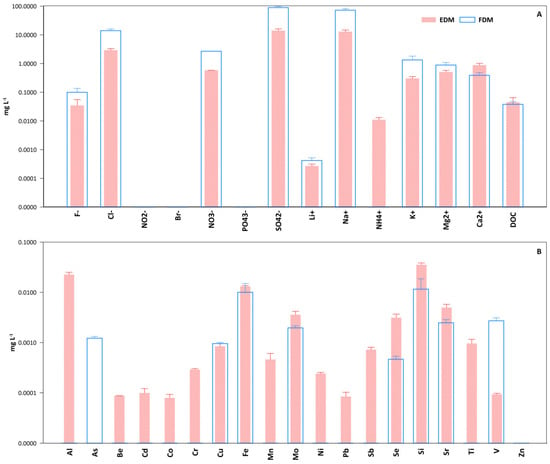
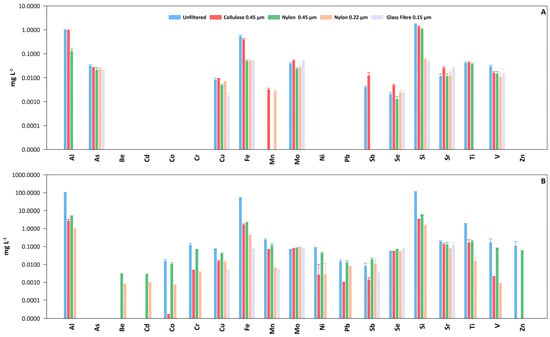
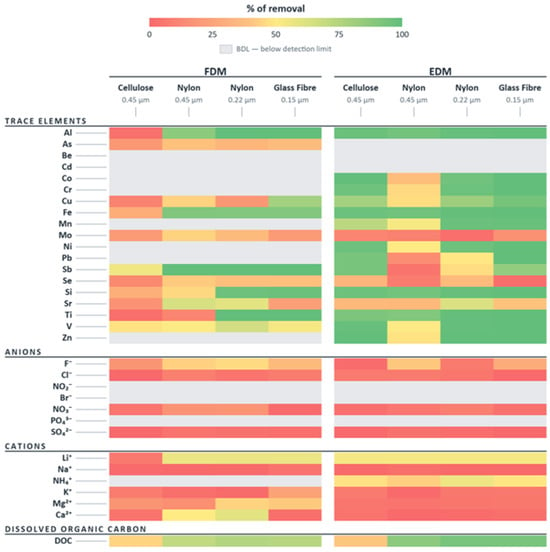
Groundwater quality assessment during well drilling could be biased by transient contamination from drilling equipment and fluids. To address this issue, batch leaching tests, sequential filtration experiments, and field validation were combined. Batch leaching experiments were performed on painted and unpainted drilling rods. Unpainted carbon-steel rods promoted marked Fe and Mn release through oxidative corrosion, whereas painted rods released Zn through progressive dissolution of the zinc coating and As under transiently reducing conditions. Leaching tests performed on fresh and exhausted drilling muds revealed elevated concentrations of SO42−, Cl− and Na+, attributable to the drilling additives rather than the drilling muds. Meanwhile, exhausted drilling muds showed a limited enrichment in trace elements, likely due to sorption onto the aquifer matrix. Stepwise filtration showed that 0.15 µm membranes effectively removed colloid-associated trace elements, while major ions remained unaffected by filters’ pore size. Field data from two wells confirmed that Fe, Mn, Zn, and Al anomalies detected during drilling-phase sampling were consistent with release by drilling equipment and muds. The coupled laboratory–field approach provides a practical framework for identifying and minimizing drilling-induced artifacts, supporting the use of in situ 0.15 µm filtration and extended purging to obtain representative groundwater quality data.
Full article
(This article belongs to the Topic Advances in Groundwater Science and Engineering)
►▼
Show Figures

Figure 1
Open AccessArticle
Optimal Leading-Edge Geometry of a Three-Girder Deck Subjected to Hydrodynamic Loads Using CFD and Surrogate Models
by
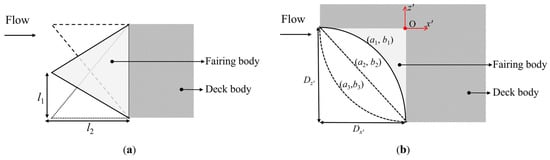
Michele Palermo, Huan Wei, Ajit Kumar and Stefano Pagliara
Water 2026, 18(14), 1709; https://doi.org/10.3390/w18141709 - 15 Jul 2026
Abstract
The fairing, as an auxiliary structure attached to the deck body, plays an important role in mitigating the hydrodynamic loads on the deck. In this study, we first conducted a series of experiments to investigate the hydrodynamic performance of a three-girder deck under
[...] Read more.
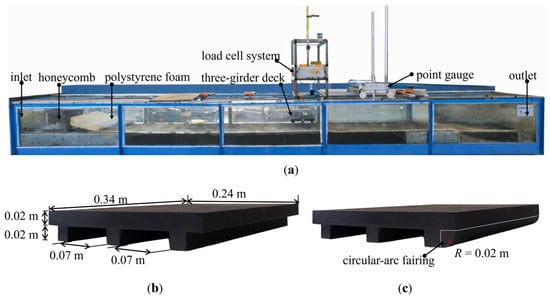
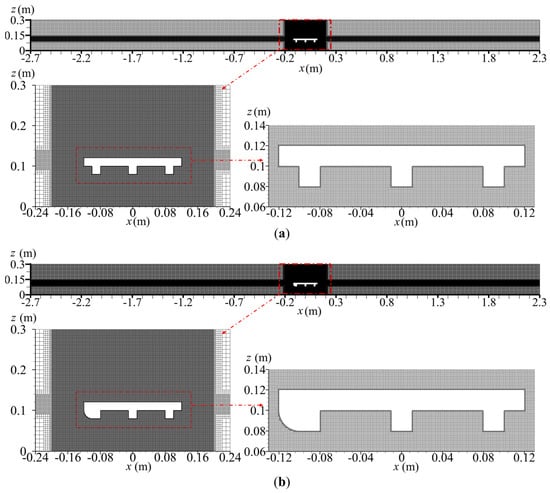
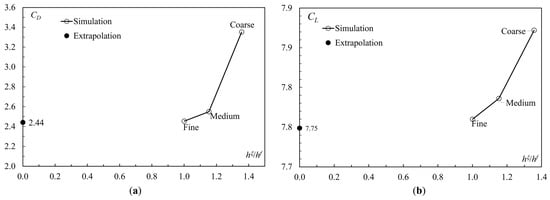
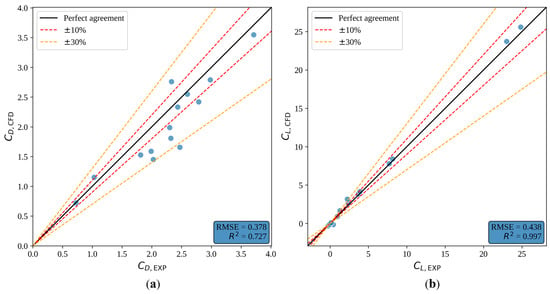
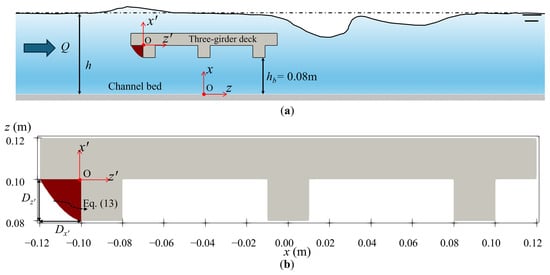
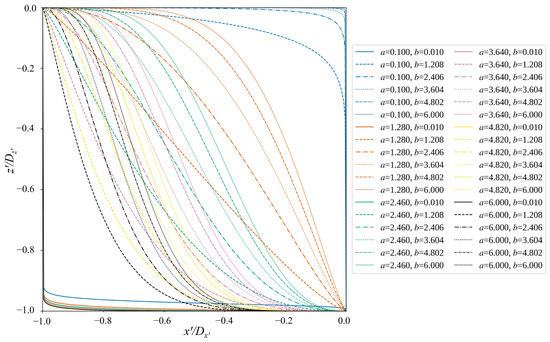
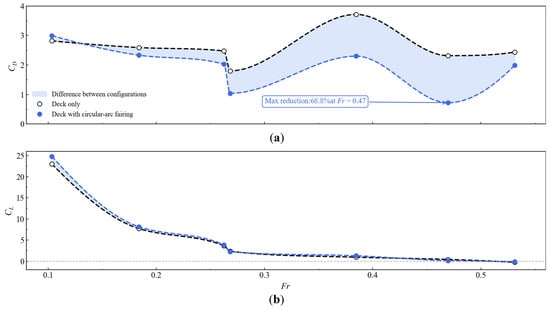
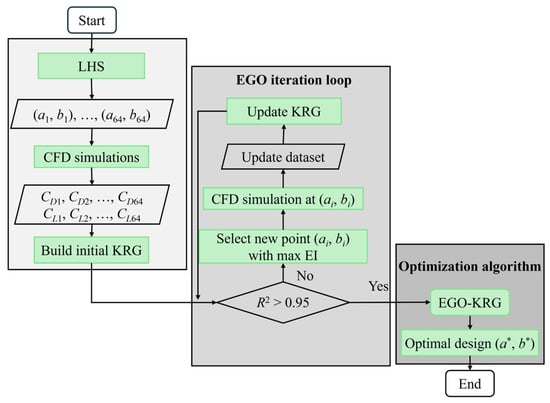
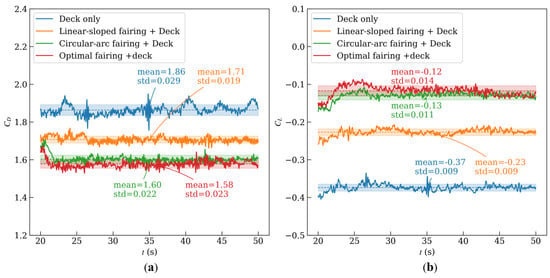
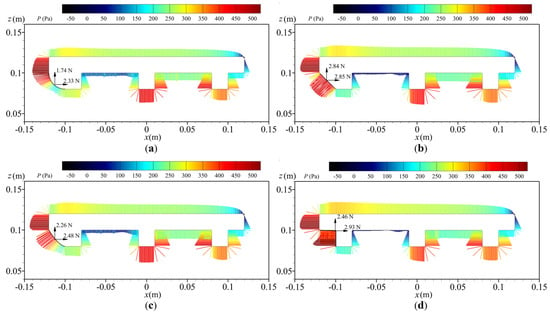
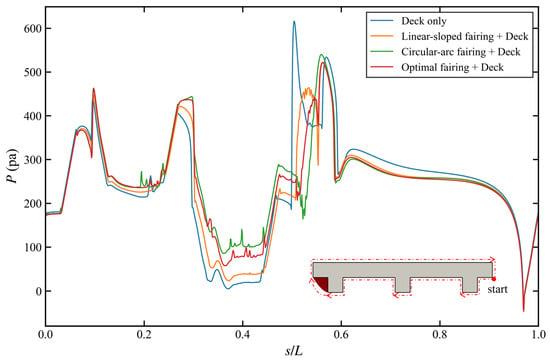
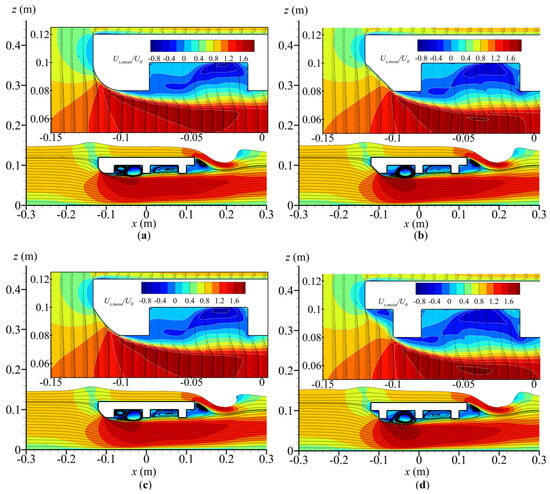
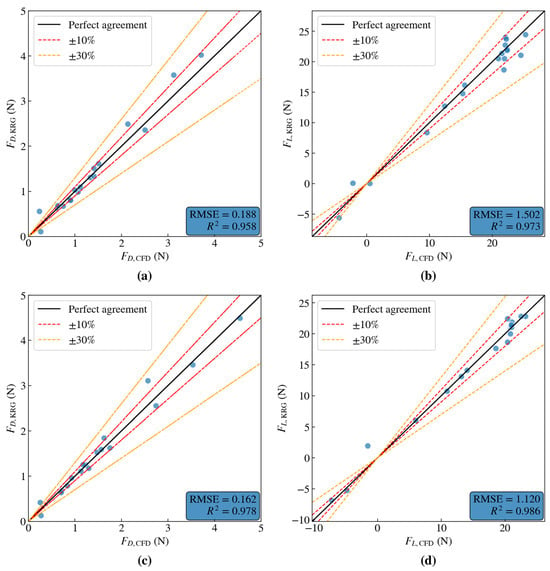
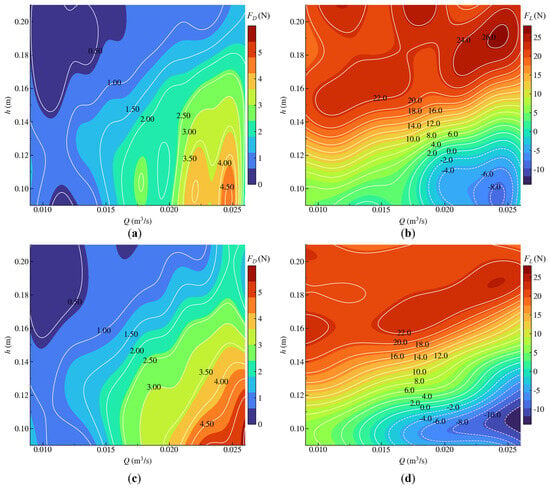
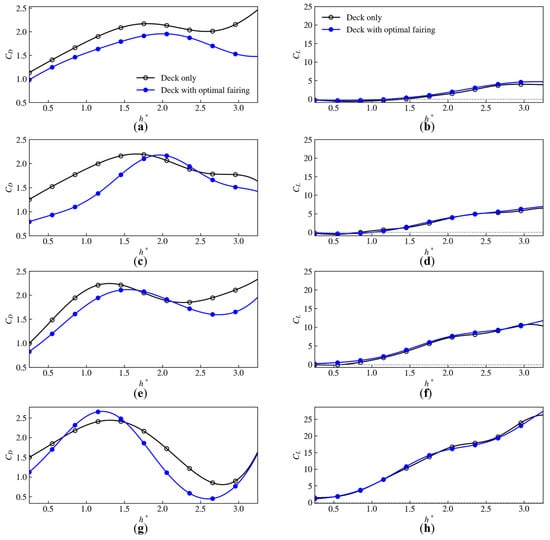
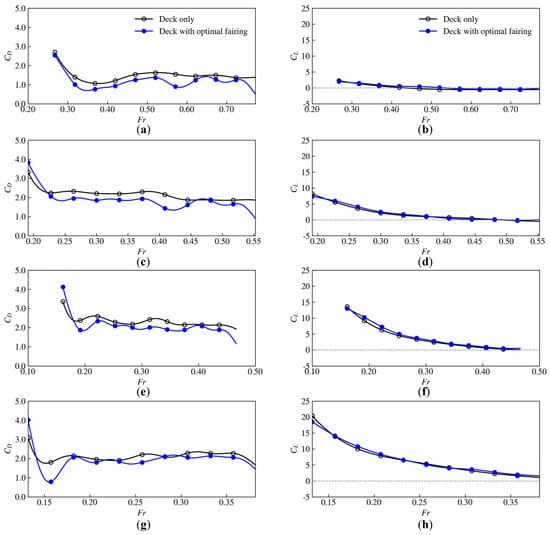
The fairing, as an auxiliary structure attached to the deck body, plays an important role in mitigating the hydrodynamic loads on the deck. In this study, we first conducted a series of experiments to investigate the hydrodynamic performance of a three-girder deck under two different configurations, i.e., a bare deck and a deck with a circular fairing corresponding to a quarter-cylinder. Experimental observations showed that the effectiveness of this fairing is highly dependent on the flow conditions, generally leading to a reduction in drag coefficients while having a limited impact on lift coefficients. Subsequently, we focused on a representative hydraulic condition, which was simulated numerically using a CFD model implemented in OpenFOAM. The validated CFD model was then adopted to simulate the hydraulic characteristics of the system under identical hydraulic conditions (i.e., the same discharge and downstream water level) but with different fairing geometries, parameterized by a generalized hyperelliptic function. The drag coefficients obtained from simulations were used to build Kriging surrogate models, linking fairing geometry to force coefficients. This enabled efficient exploration of the design space and the identification of the optimal shape. Compared with the bare deck configuration, the optimized fairing reduced the drag coefficient by 15.5%, performing comparably to a circular fairing (14.0%). Flow field analysis confirmed that the presence of the fairing locally alters the flow characteristics. The optimized fairing was then tested under different hydraulic conditions to evaluate its robustness. The results showed that it is generally effective under critical conditions, confirming its performance stability.
Full article
(This article belongs to the Section Hydraulics and Hydrodynamics)
►▼
Show Figures

Figure 1
Journal Menu
► ▼ Journal Menu-
- Water Home
- Aims & Scope
- Editorial Board
- Reviewer Board
- Topical Advisory Panel
- Early Career Editorial Board
- Instructions for Authors
- Special Issues
- Topics
- Sections
- Article Processing Charge
- Indexing & Archiving
- Editor’s Choice Articles
- Most Cited & Viewed
- Journal Statistics
- Journal History
- Journal Awards
- Society Collaborations
- Conferences
- Editorial Office
Journal Browser
► ▼ Journal BrowserHighly Accessed Articles
Latest Books
E-Mail Alert
News
Topics
Topic in
Algorithms, Data, Earth, Geosciences, Mathematics, Land, Water, IJGI
Applications of Algorithms in Risk Assessment and Evaluation
Topic Editors: Yiding Bao, Qiang WeiDeadline: 31 July 2026
Topic in
Applied Sciences, Clean Technol., Energies, Membranes, Polymers, Sustainability, Water
New Advances in Membrane Technology and Its Contribution to Sustainability
Topic Editors: Patricia Luis Alconero, Bart Van der BruggenDeadline: 12 September 2026
Topic in
Agriculture, Climate, Energies, Land, Water
Energy, Environment and Climate Policy Analysis
Topic Editors: Xiaoqian Song, Jiajie LiDeadline: 30 September 2026
Topic in
Clean Technol., Materials, Molecules, Recycling, Water, Nanomaterials, Catalysts
Advanced Composites for Waste Valorization and Pollutant Degradation
Topic Editors: Iwona Kuzniarska-Biernacka, Ana Sofia MestreDeadline: 31 October 2026
Conferences
Special Issues
Special Issue in
Water
Bridge Hydraulics: Current State of the Knowledge and Perspectives, 2nd Edition
Guest Editor: Giuseppe OlivetoDeadline: 20 July 2026
Special Issue in
Water
Freeze–Thaw Dynamics and Water Pathways: Vulnerability of Infrastructures and Disasters in Mines in Cold Regions
Guest Editors: Hailiang Jia, Long Jin, Fei LuoDeadline: 20 July 2026
Special Issue in
Water
Water Pollutants and Human Health: Challenges and Perspectives
Guest Editors: Simon Jackson, João BrandãoDeadline: 20 July 2026
Special Issue in
Water
Groundwater Dynamics and Modeling
Guest Editors: Jacek Gurwin, Krzysztof DragonDeadline: 20 July 2026