


Abstract
A ground source heat pump system is a high-performance technology used for maintaining a stable underground temperature all year-round. However, the high costs for installation, such as for boring and drilling, is a drawback that prevents the system to be rapidly introduced into the market. This study proposes a modular ground heat exchanger (GHX) that can compensate for the disadvantages (such as high-boring/drilling costs) of the conventional vertical GHX. Through a real-scale experiment, a modular GHX was manufactured and buried at a depth of 4 m below ground level; the heat exchange rate and the change in underground temperatures during the GHX operation were tracked and calculated. The average heat exchanges rate was 78.98 W/m and 88.83 W/m during heating and cooling periods, respectively; the underground temperature decreased by 1.2 °C during heat extraction and increased by 4.4 °C during heat emission, with the heat pump (HP) working. The study showed that the modular GHX is a cost-effective alternative to the vertical GHX; further research is needed for application to actual small buildings.
1. Introduction
According to the World Energy Outlook 2020, energy demand and CO2 emissions are expected to steadily increase until 2030 [1]. Moreover, there has long been an overwhelming consensus among climate scientists that global warming, caused mainly by the burning of fossil fuels, poses a major threat to civilization and much of the life on Earth; therefore, reducing the levels of CO2 in the atmosphere is of critical importance. More than 40% of the primary energy and 70% of the electricity in the USA were consumed by residential and commercial buildings [2]. Thus, in buildings, renewable energy systems are gaining importance.
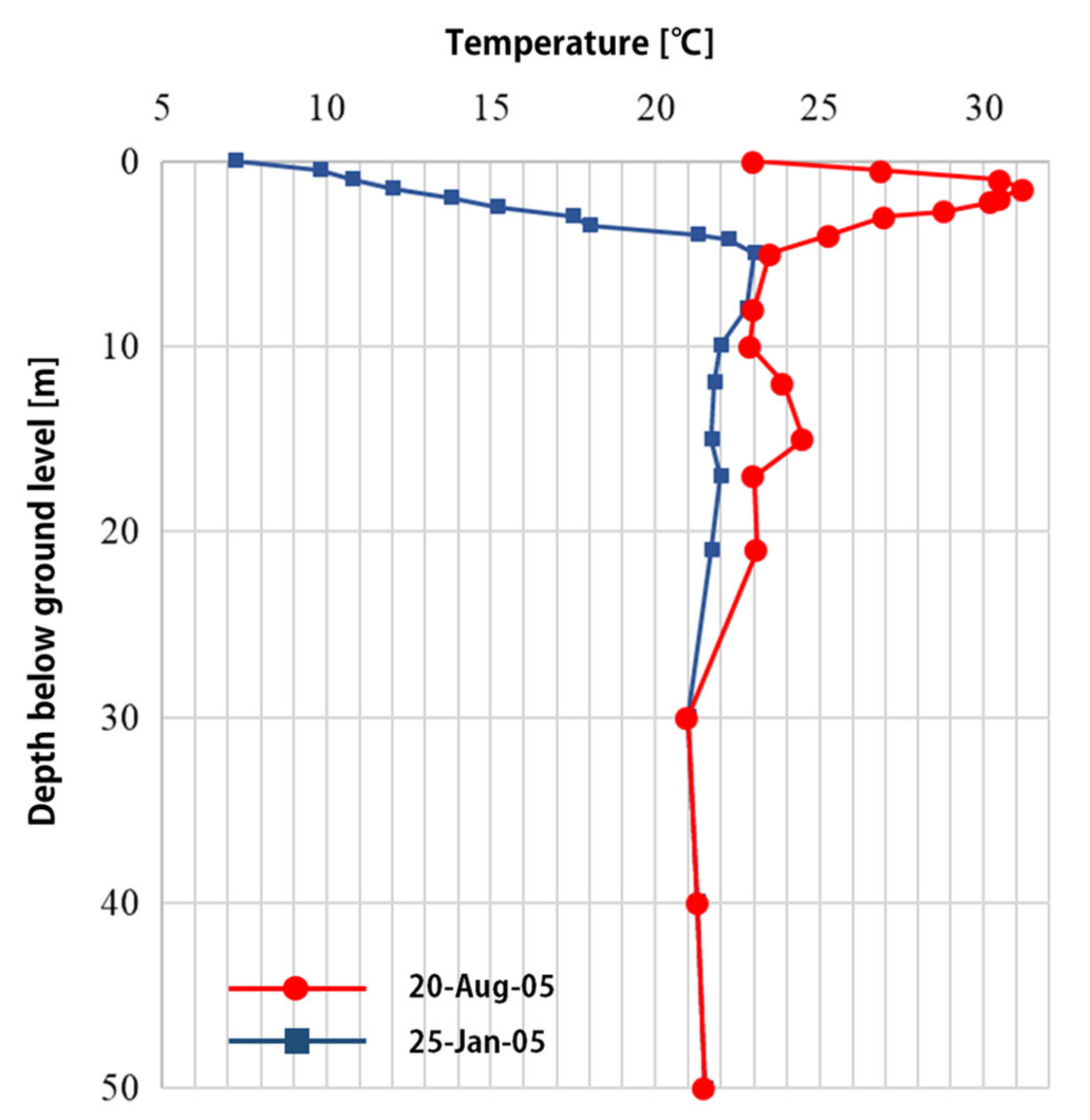
Among them, geothermal systems prove to be the most economical [3]. A ground source heat pump (GSHP) system is a commonly used green system for the heating and cooling of buildings, using stable underground temperatures. As shown in Figure 1, the temperature is nearly constant below a depth of 5 m [4]. The difference in temperature between the outside air and the ground can be used for pre-cooling in summer, where the heat pump (HP) achieves a higher pre-heating efficiency than a conventional system by releasing heat from the relatively cool ground and pumping it into the room. In winter, the process may be reversed.
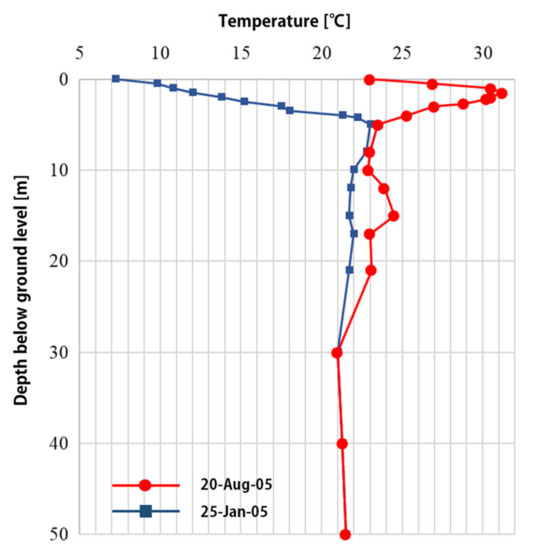
Figure 1.
Ground temperature as a function of depth below surface.
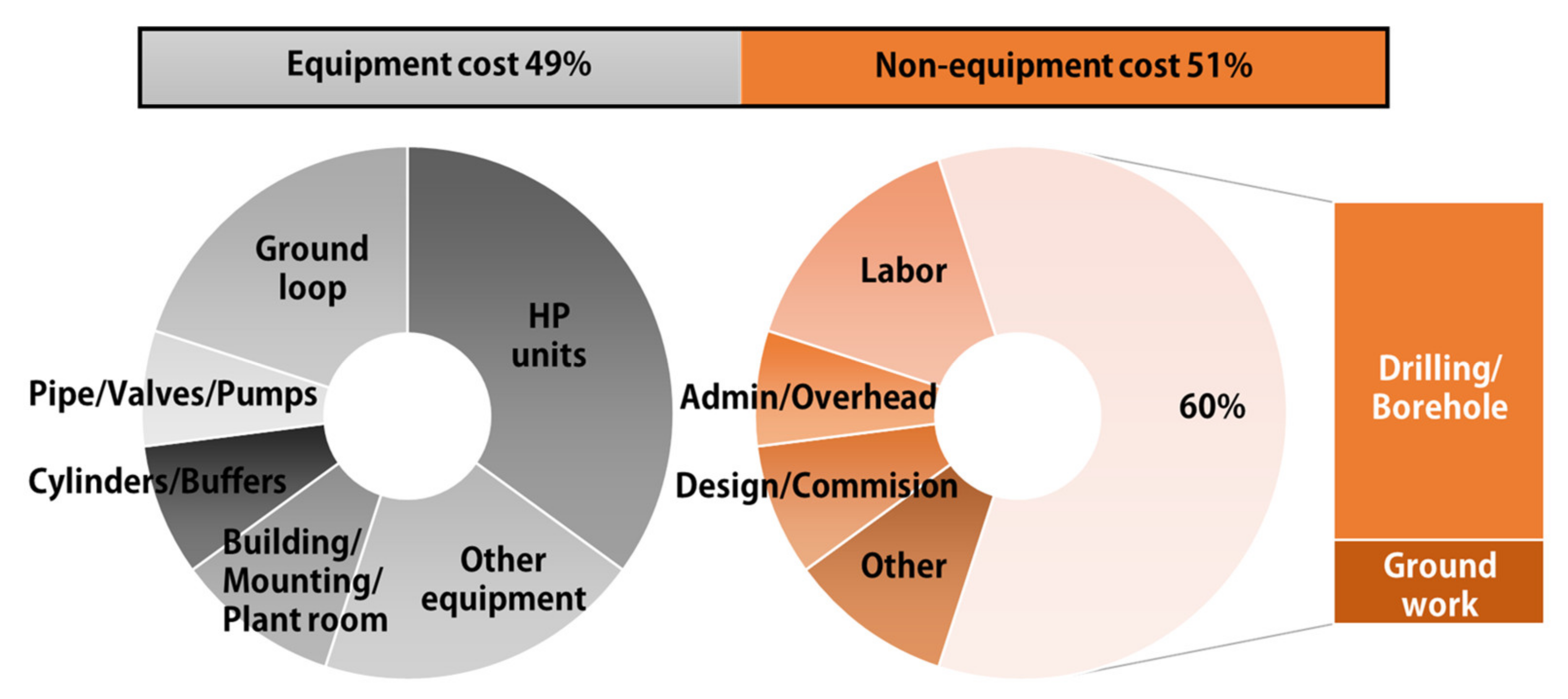
However, the high initial investment costs for vertical GHXs are one of the main obstacles to the wide-spread adaptation of the system. Currently, other costs (about 60% of the total costs), mainly for drilling boreholes and ground-work, are slightly higher than the equipment costs [5]; 84% of the 60% of the total costs are for drilling the boreholes. Therefore, a horizontal GHX with a low initial cost can accelerate the adaptation of GSHP systems (Figure 2).
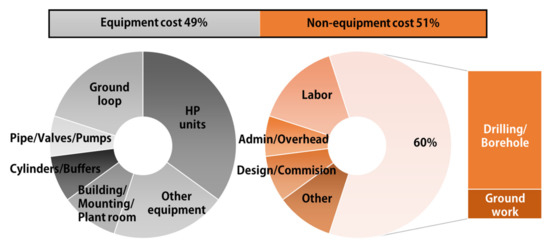
Figure 2.
Cost breakdown into equipment & non-equipment costs for a GSHP system.
Numerical and experimental studies have been conducted to determine the performance and efficiency of a GHX. Table 1 summarizes these studies. Nam et al. [6] developed a numerical model that combines a heat transport model with heat exchanger and groundwater flow models, comparing experimental results with those of a numerical analysis. Congedo et al. [7] analyzed different numerical configurations that reduce costs and improve performance. Dasare and Saha [8] considered the combination of horizontal and vertical ground heat exchangers, with low costs of installation. Selamat et al. [9] studied the optimization of a horizontal GHX using different layouts and pipe materials, based on computational fluid dynamics (CFD) simulation. Kim and Nam [10] proposed a new modular GHX and developed a performance prediction equation for it through a numerical study. The results showed that the coefficients of variation of the root mean square error (RMSE) of the ground temperature model and entering water temperature (EWT) model were 5.2% and 1.3%, respectively.
Esen et al. and Luo et al. [11,12] conducted an empirical test to determine the thermal performance and economic feasibility of a horizontal GHX, while Luo et al. [13] conducted thermal and economic evaluations of vertical GHXs and their energy files through experimental studies using thermal response tests (TRTs). Yoon et al. [14] used simulations and experiments to analyze the performance and costs based on the shapes of energy files. Sipio and Bertermann [15] compared factors affecting the thermal performance of horizontal and vertical types of GHXs through real-scale tests. Arif et al. [16] analyzed the potential for using a GHSP with a horizontal GHX in Thailand, comparing it with an air source heat pump (ASHP). The result was that the GSHP consumed less electricity than the ASHP, and the CO2 emission rate was also reduced. Kim et al. [17] analyzed the effect of design factors such as shape and length of a GHX and the capacity of the heat storage tank (HST) on the performance of the GSHP system.

Table 1.
Review of numerical and experimental studies on GHXs.
Table 1.
Review of numerical and experimental studies on GHXs.
| Year | Author(s) | Description | |
|---|---|---|---|
| Numerical Study | 2008 | Nam et al. [6] | Development of a numerical model to predict heat exchange rates of a GSHP system |
| 2011 | Congedo et al. [7] | CFD simulations of horizontal GHXs, comparison of different configurations | |
| 2015 | Dasare and Saha [8] | Numerical study of horizontal GHX for high energy demand applications | |
| 2015 | Oh et al. [18] | Performance analysis of a low-depth unit-type GHX using numerical simulation | |
| 2015 | Yoon et al. [14] | Thermal efficiency evaluation and cost analysis of different types of GHXs in energy piles | |
| 2016 | Gabrielli and Bottarelli [19] | Financial and economic analysis of ground-coupled HP using shallow GHX | |
| 2016 | Selamat et al. [9] | Numerical study of horizontal GHXs for design optimization through CFD simulation | |
| 2018 | Habibi and Hakkaki-Fard [20] | Evaluation and improvement of thermal performance of different types of horizontal GHXs based on techno-economic analysis | |
| 2018 | Saeidi et al. [21] | Numerical simulation of a novel spiral type GHX for enhancing heat transfer performance of geothermal HP | |
| 2020 | Kim and Nam [10] | Development of performance prediction equation for a modular GHX | |
| Experimental Study | 1999 | Shonder et al. [22] | A new comparison of design methods for vertical GHXs for residential applications |
| 2006 | Esen et al. [11] | Energy and exergy analysis of a ground-coupled HP system with two horizontal GHXs | |
| 2013 | Luo et al. [12] | Thermal performance and economic evaluation of double U-tube borehole heat exchanger with three different borehole diameters | |
| 2015 | Yoon et al. [23] | Evaluation of thermal efficiency in different types of horizontal GHXs | |
| 2016 | Luo et al. [13] | Thermo-economic analysis of four different types of GHXs in energy piles | |
| 2017 | Sipio and Bertermann [15] | Factors influencing thermal efficiency of horizontal GHXs | |
| 2018 | Kayaci and Demir [24] | Long time performance analysis of GSHPs for space heating and cooling applications based on thermo-economic optimization criteria | |
| 2019 | Arif et al. [16] | GSHP with horizontal GHXs for space cooling in hot tropical climates | |
| 2020 | Kim et al. [17] | Analysis on the effect of performance factor on GSHP system |
There are many studies that aimed to overcome the weakness of a conventional ground source heat systems, and efforts to improve the economic feasibility and efficiency of geothermal systems are steadily ongoing. However, there is a lack of research on low-depth modular GHXs. These can be easily utilized in small buildings and significantly lower the initial investment costs compared to a vertical GHX; they are also more efficient than a horizontal GHX. However, empirical research on such modular GHXs has rarely been conducted.
Therefore, this study proposes a low-depth modular GHX and analyzes the heat exchange rate through a real-scale experiment. The experiment was conducted in the short and long term during heating and cooling periods, respectively, and the fluctuation of the heat source temperature and heat exchange rate was measured. Furthermore, the change in underground temperatures was analyzed in heating and cooling operation. The results of this research can be utilized as a fundamental source in the field of low-depth geothermal energy.
2. Low-Depth Modular Ground Heat Exchanger
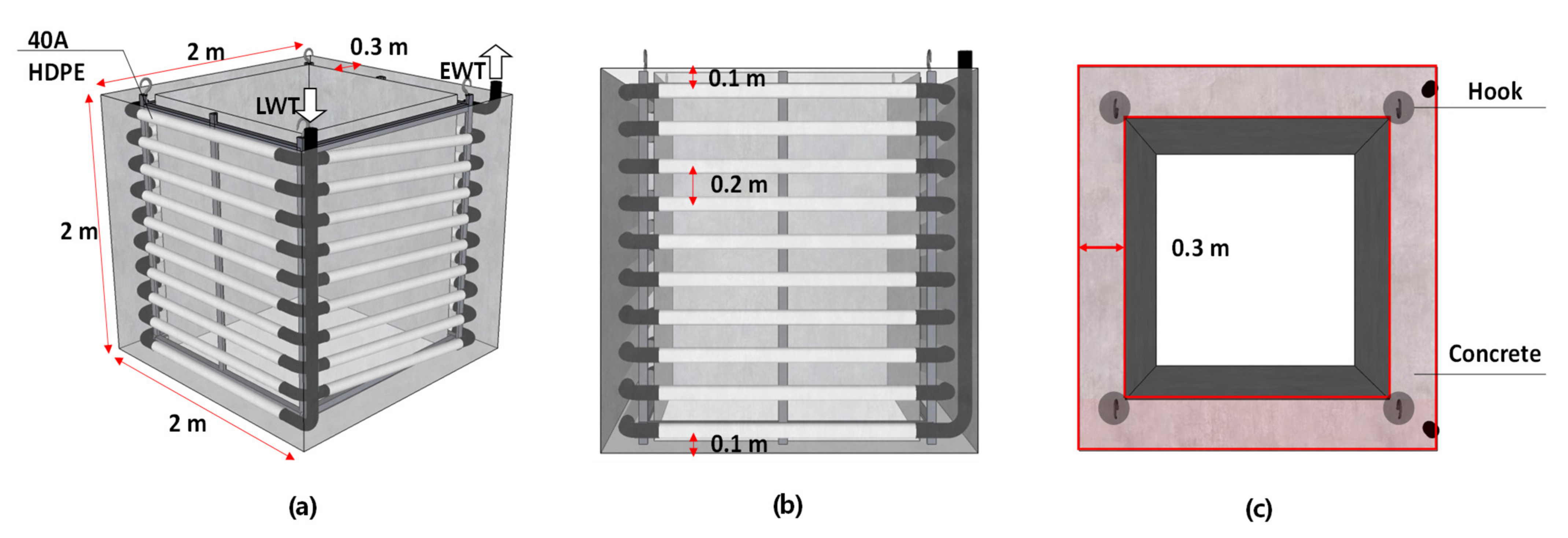
In this study, we propose a modular GHX, as shown in Figure 3. It is a cubical structure made of tubes and buried in the ground using an excavator, at depths between 2 and 10 m from the surface. Compared with conventional vertical GHX systems, it can reduce the costs of drilling and boring, and shorten the construction period. After attachment to a 2 m × 2 m × 2 m formwork with a thickness of 0.3 m, a cube made of a high-density polyethylene pipe is embedded in concrete to protect the pipe from external shocks during the installation process and reduce the resistance between the GHX and the surrounding soil. The total pipe length of one GHX unit is 67.3 m. The GHX module has hooks on four corners for enhanced convenience during installation. The modules of the GHX can be manufactured at a factory, carried by a small truck, and installed by a small lift or a backhoe, so that it can be installed in small buildings or even a narrow space in an urban area.
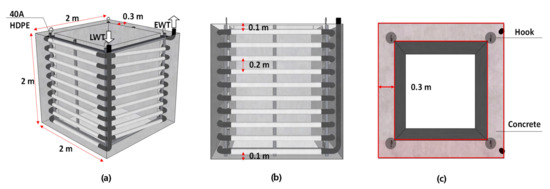
Figure 3.
Configuration of Modular GHX: (a) 3D view; (b) Front view; (c) Top view.
With the same capacity of 3RT, the modular GHX saves approximately 45% of the costs as compared to the conventional vertical GHX. This percentage is based on the estimates of a company that constructs more than 300 GHXs per year in Korea. Details of the costs are shown in Table 2.
Table 2.
Cost comparison between vertical GHX and modular GHX.
3. Materials and Methods
3.1. Set-up of Real-Scale Experiment
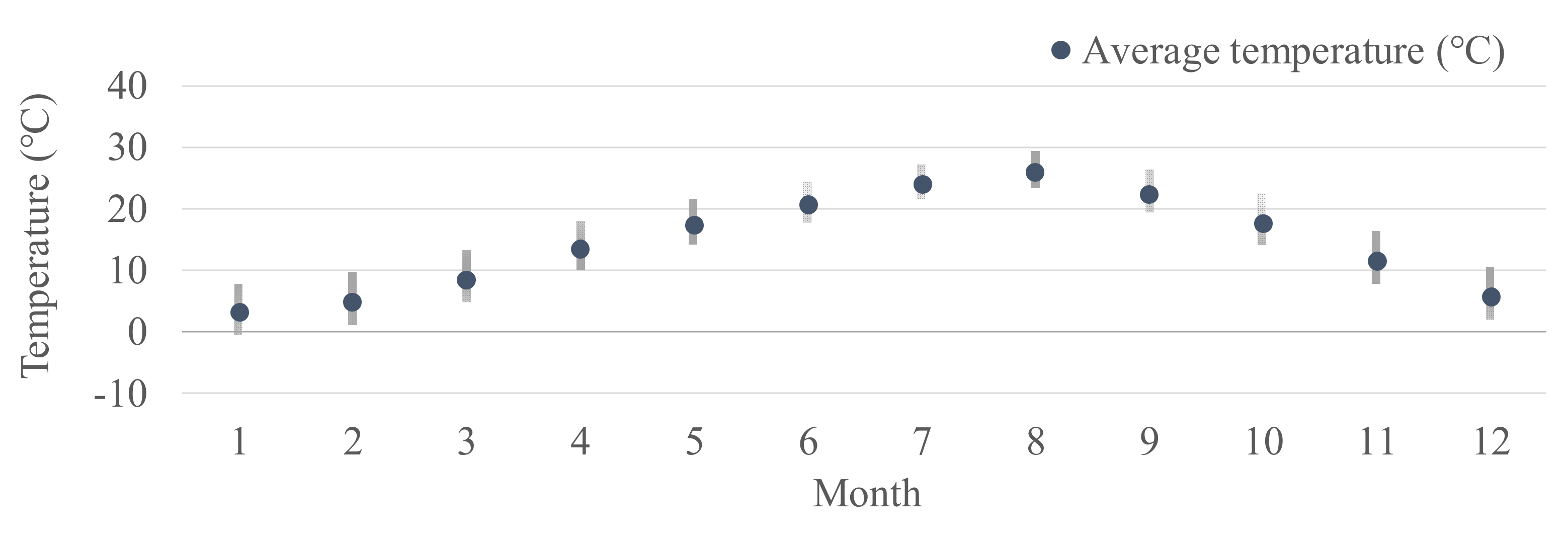
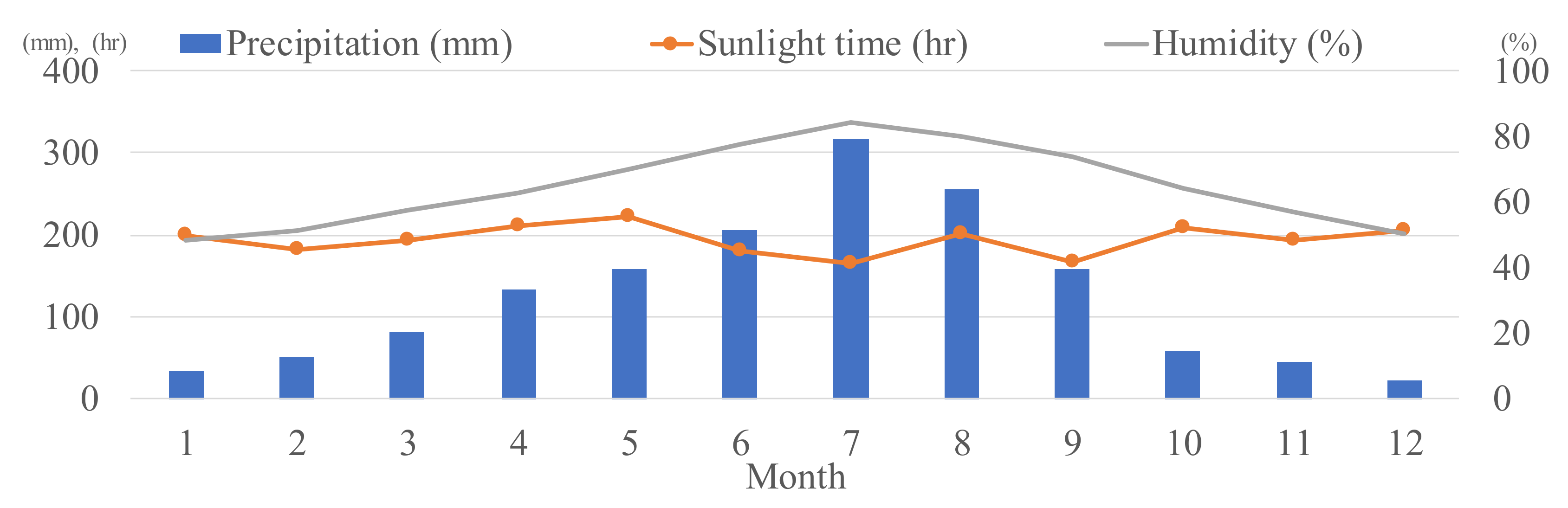
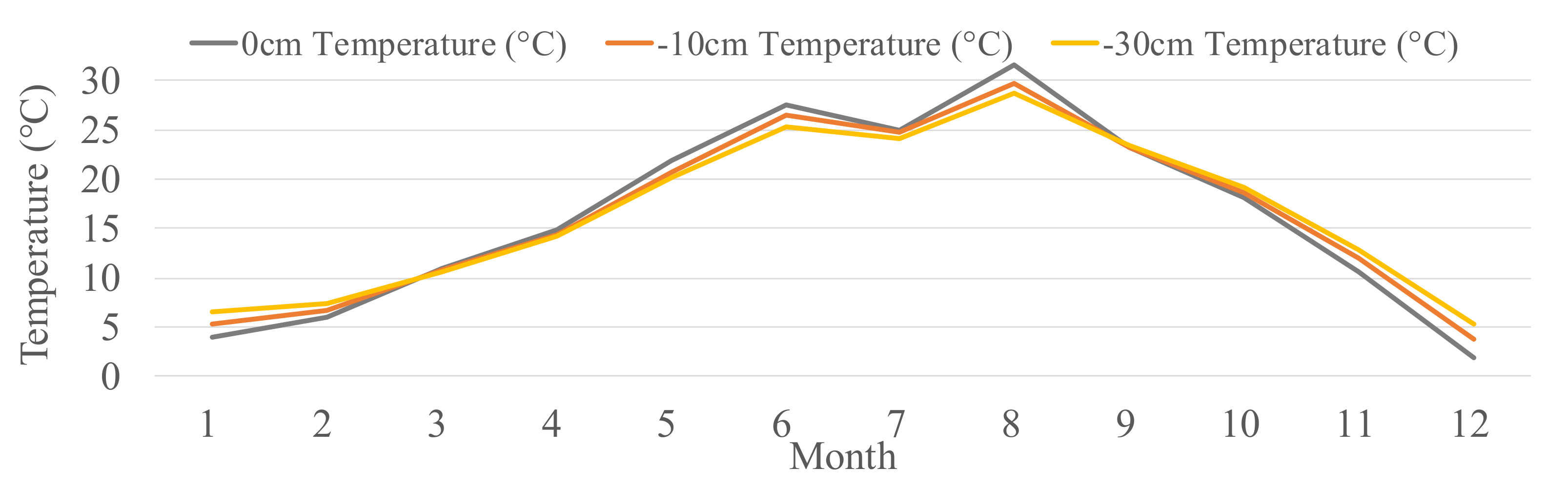
Herein, we set up a real-scale experiment to understand the heat exchange rate of the developed modular GHX during heating and cooling periods. The experiment site was located in Yangsan, South Korea (latitude 35.4° N, longitude 129.1° E). Figure 4 and Figure 5 show the monthly air temperature, precipitation, humidity, and sunlight time based on data of the Korea Meteorological Administration (KMA) from 1981 to 2010 (latitude 35.1° N, longitude 129.0° E). The average temperature and precipitation in Yangsan were 15 °C and 1892.5 mm in that period, respectively. Moreover, Figure 6 shows the fluctuation of the monthly underground temperature in 2020.
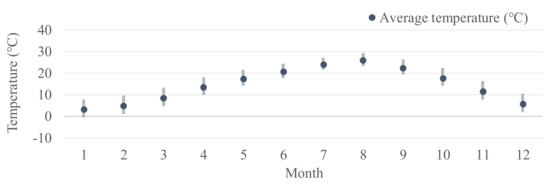
Figure 4.
Monthly air temperature data from 1981 to 2010.
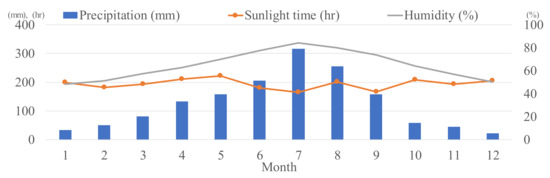
Figure 5.
Monthly weather data from 1981 to 2010 (precipitation, sunlight time, humidity).
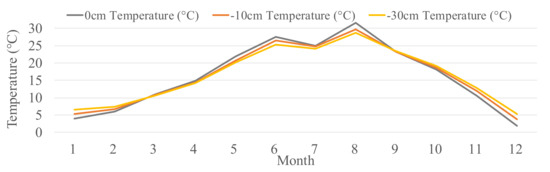
Figure 6.
Underground temperature at 0, −10, −30 cm depth in Yangsan, South Korea.
According to the renewable energy data center of the Korea Institute of Energy Research (KIER), the ground thermal conductivity and geothermal heat flow in the test site are 3.16 W/m·K and 70.1 mW/m2, respectively [25].
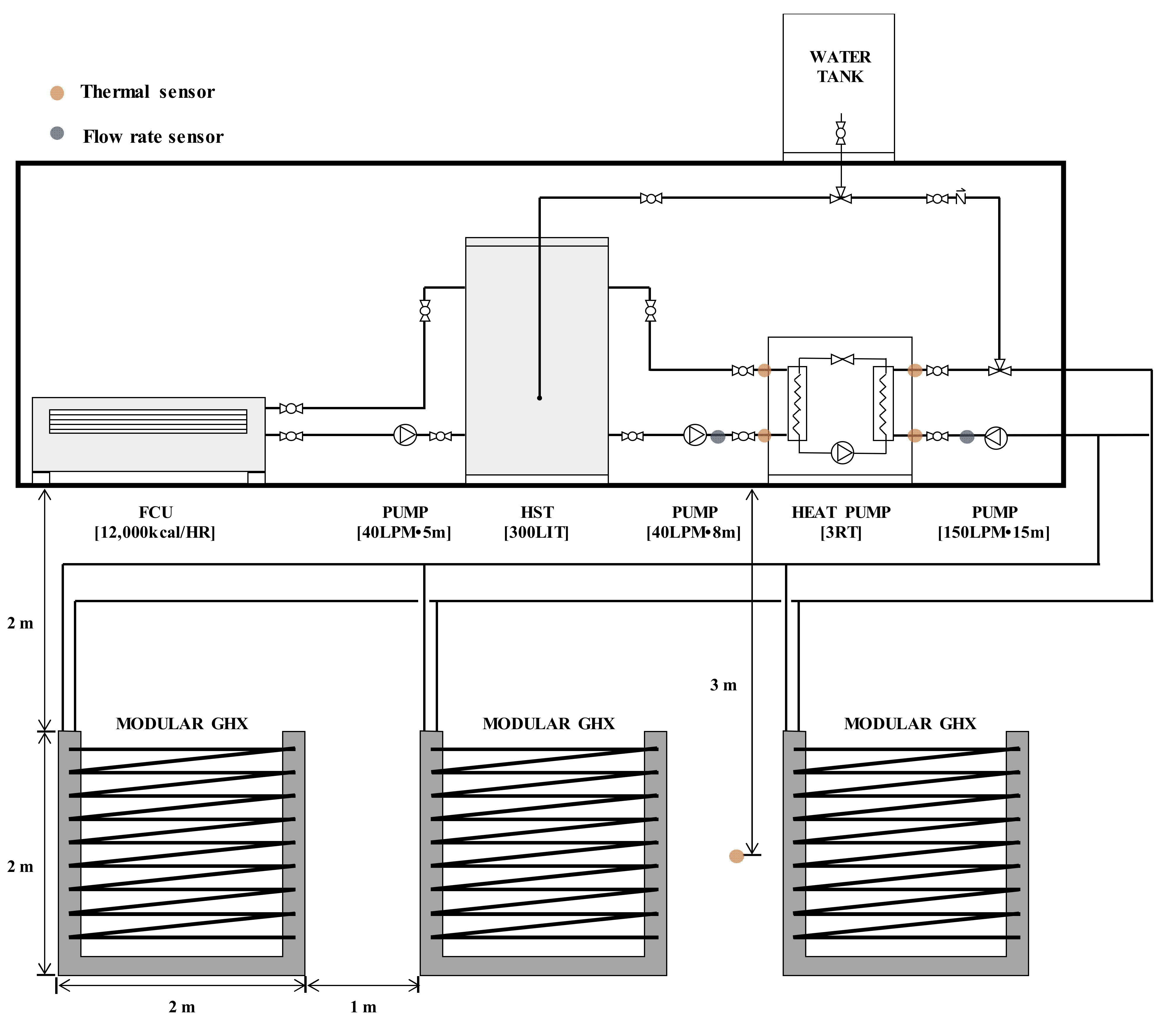
As shown in Figure 7, three modules of the GHX were connected in parallel, 4 m below ground level, and separated by a distance of 1 m. In addition, a temperature sensor was installed at a depth of 3 m underneath the surface to measure the temperature before and after the GHX operation to determine the temperature change. The locations of the thermal sensor and flowmeter are marked in Figure 7.
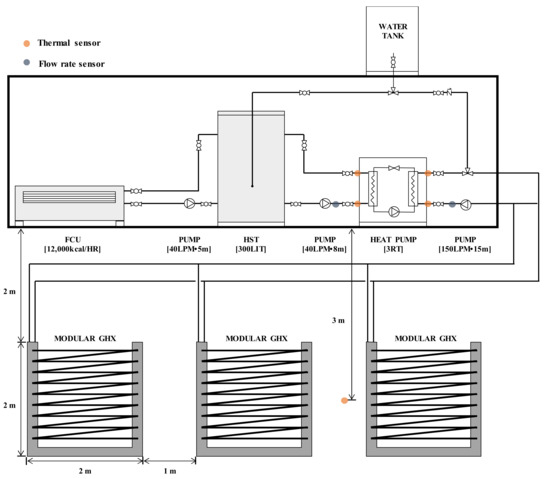
Figure 7.
Diagram of modular GHX with locations of thermal and flow rate sensors indicated.
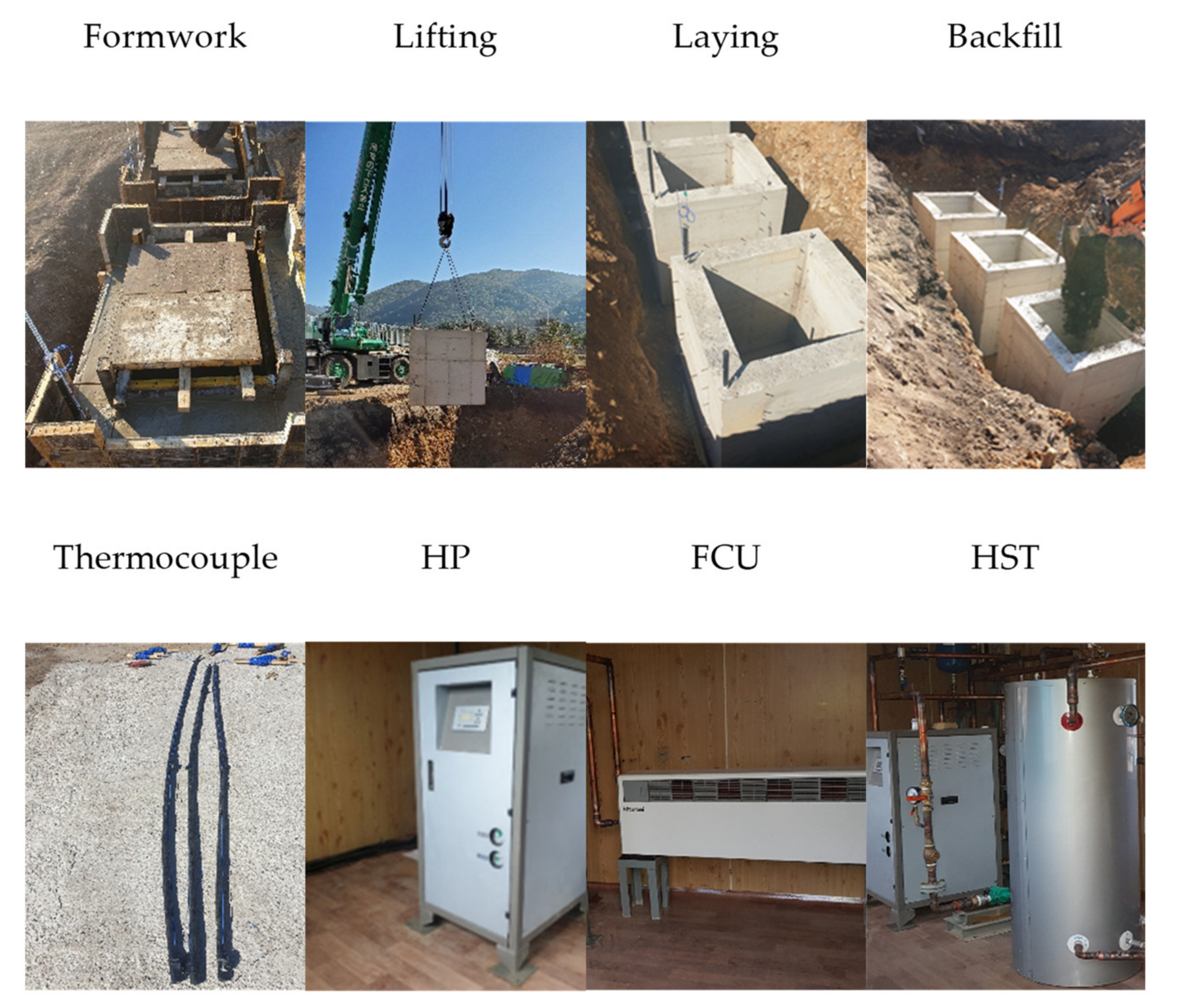
Figure 8 shows a photograph of the experiment site. After constructing the modular GHXs, a movable crane was connected to the hooks to lift, transport, and install them, and a backhoe was used to refill the soil; HP, fan coil units (FCUs), HST, and circulation pumps were then installed. Table 3 shows the specifications of the equipment at the test site.
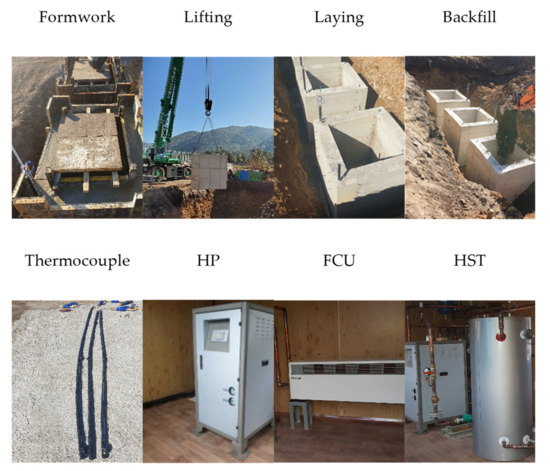
Figure 8.
Picture of real-scale experiment site.
Table 3.
Specification of equipment.
3.2. Experiment Conditions
To determine the short-term and long-term heat exchange rates of the GHX during heating and cooling periods, an operation schedule was set up as shown in Table 4. The table shows the operation period, operation mode, and temperature limits of the heat source and HST, flow rate, and FCU capabilities.
Table 4.
Experiment condition.
Cases 1 to 3 determined the heat exchange rate during the heating period, and Cases 4 to 6 determined the heat exchange rate during the cooling period. In Case 3, the operation time was increased, maintaining the other conditions identical to those in Case 2 so as to determine the heat exchange rate during long-term operation (48 h). Additionally, Cases 5 and 6 were intended to compare the heat exchange rates under different flow rates.
4. Results
4.1. Heating Period
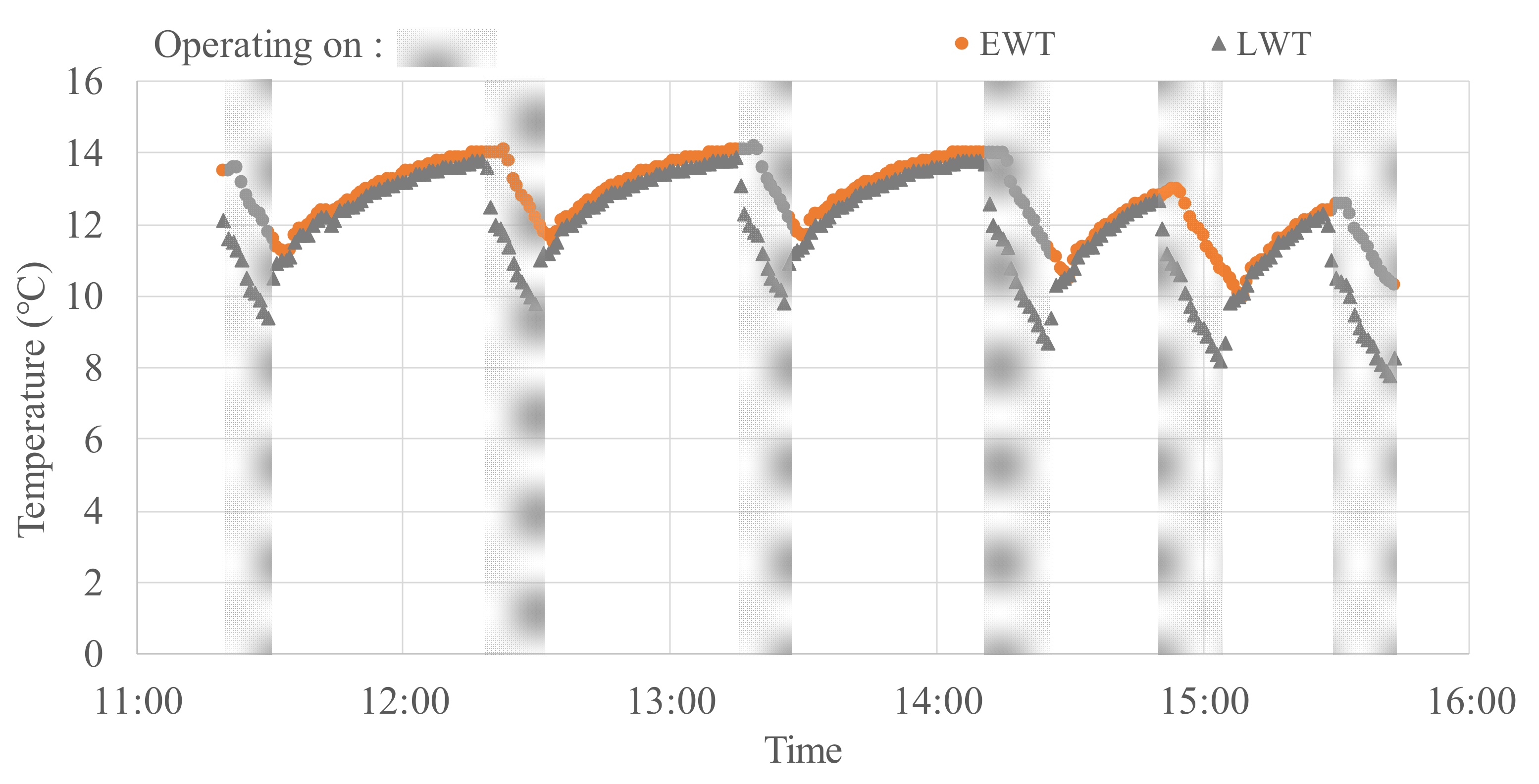
Figure 9 presents the EWT and leaving water temperature (LWT) in Case 1. When the set temperature was reached, on off operation was repeated. The HP was operated for an average of 13 min, and the operation was stopped for 46 min. The break time was reduced from 46 min to 22 min during the operation in Case 1. This phenomenon was caused by the drop in ambient temperature over time. During this period (4 h), the average heat exchange rate per meter was 67.87 W/m. Considering that the heat exchange rate of the conventional vertical GHX is 40 to 50 W/m, the modular GHX in this study was observed to be superior.
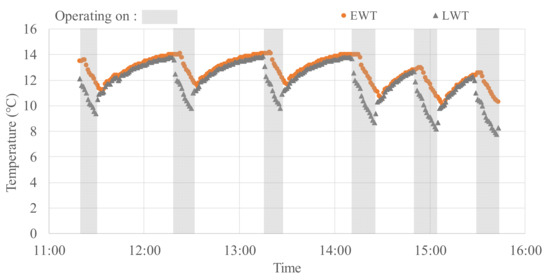
Figure 9.
Fluctuation of EWT and LWT in Case 1.
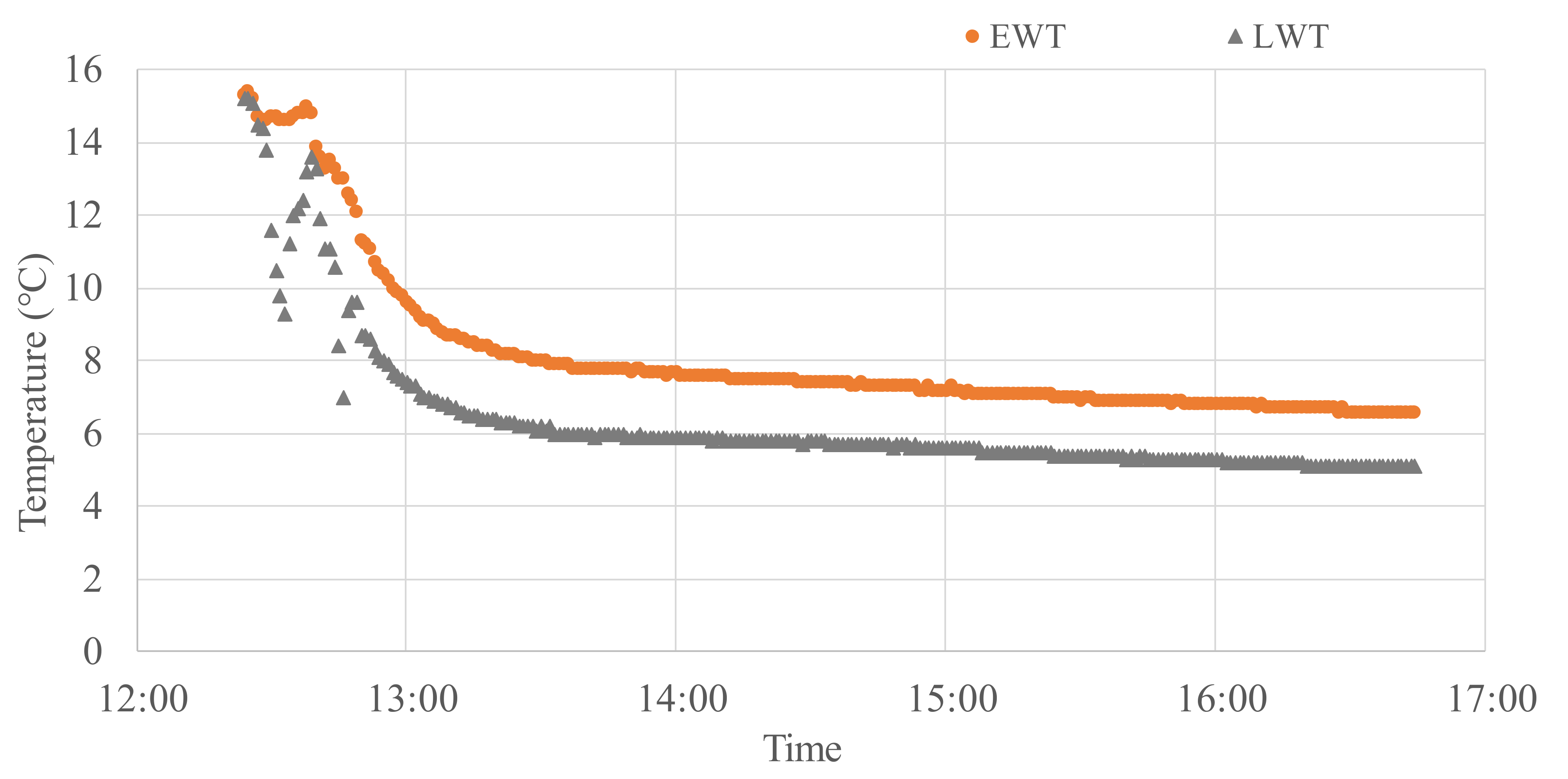
In Case 2, the FCU’s capacity was increased to 28.6 kW, compared to 14.3 kW in Case 1, to increase the load. As shown in Figure 10, the HP continued to operate for 4 h with sufficient heat supply. The EWT was initially around 15.4 °C, but the temperature dropped sharply to 6.3 °C, 4 h later. This temperature change appeared to be caused by the extraction of underground heat. The difference between EWT and LWT was 2.1 °C on average, while the average heat exchange rate per meter was 78.98 W/m. The heat exchange rate was a high for a short period at the initial stage. However, with continuous operation over the long term, the heat exchange rate is expected to decrease.
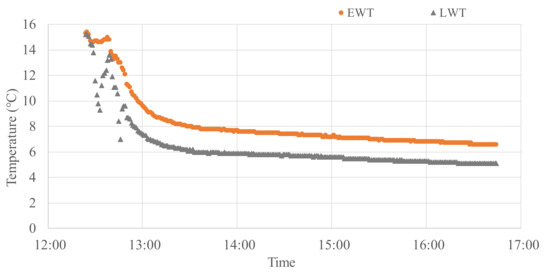
Figure 10.
Fluctuation of EWT and LWT in Case 2.
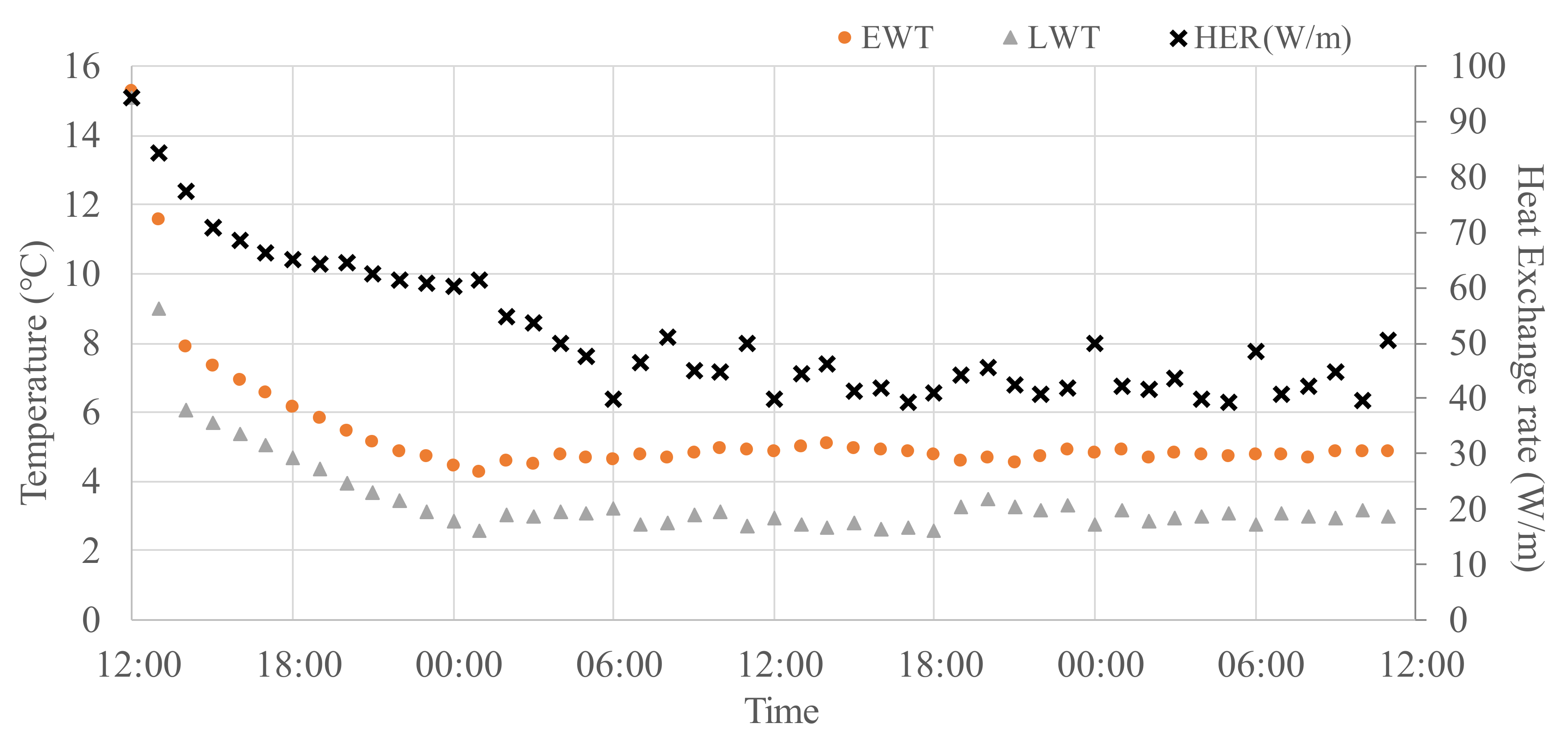
Figure 11 shows the hourly average EWT, LWT, and heat change rate (HER) per meter for 48 h of operation. Compared to the results of Case 2 (operation period 4 h) for long-term operation, although the heat exchange rate per meter was 94.1 W/m at the beginning, the heat exchange rate per meter continued to fall due to an insufficient recovery time for the underground heat. During this period, the average heat exchange rate per meter was 51.1 W/m, and the lowest exchange rate was 39.2 W/m, the difference between EWT and LWT being 1.7 °C on average. For a stable, continuous operation, the heat exchange rate should not exceed 39.2 W/m.
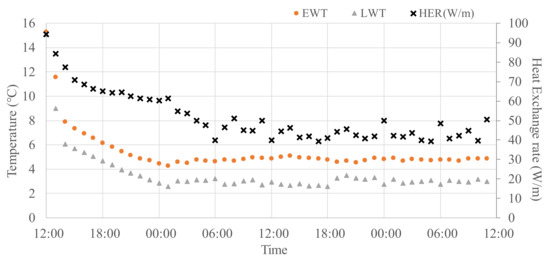
Figure 11.
Fluctuation of EWT, LWT, and HER in Case 3.
4.2. Cooling Period
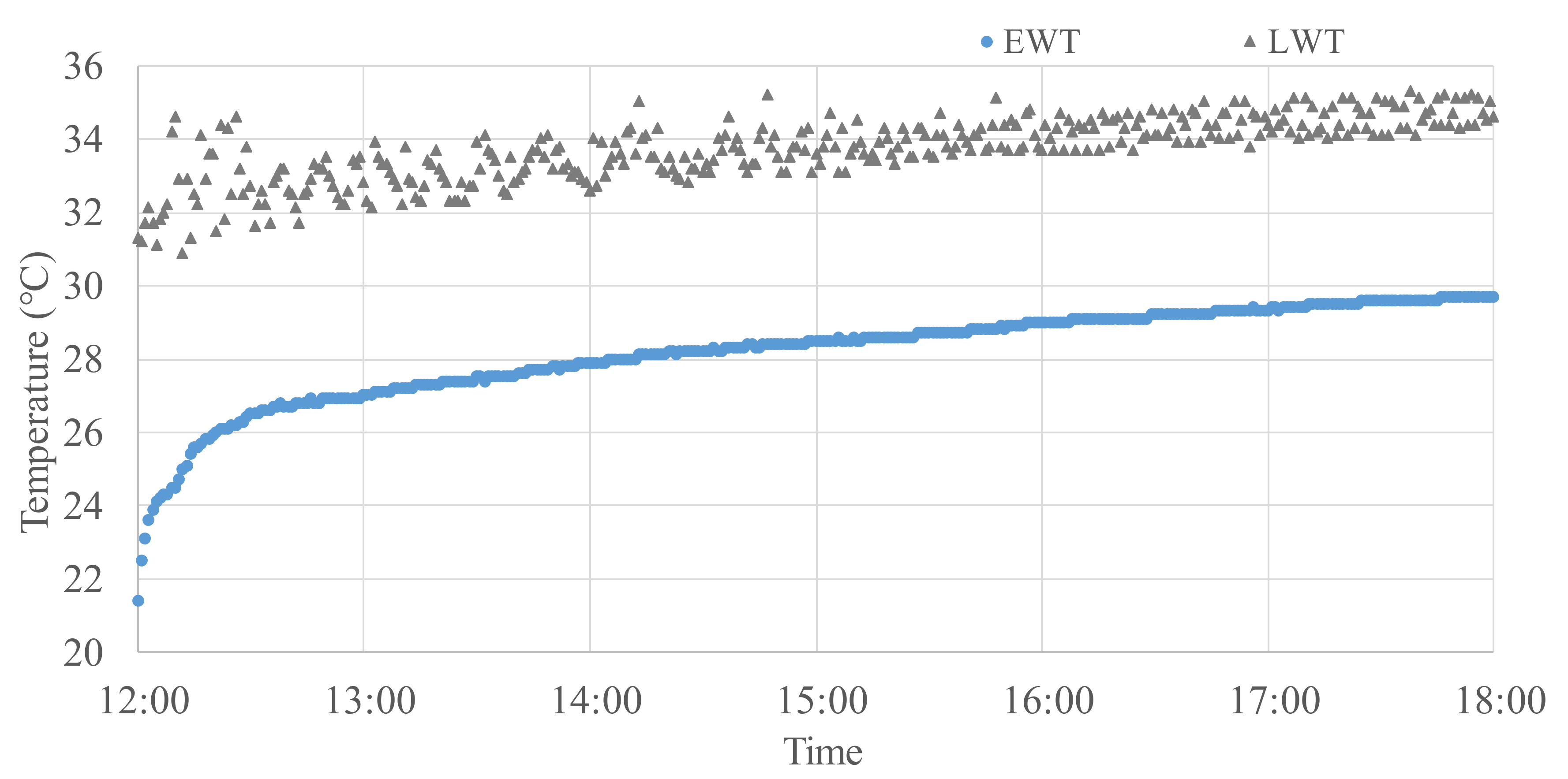
Case 4 refers to 6 h of cooling operation on 23 June 2020. The cooling capacity at this time was 20.5 kW; an average temperature difference between EWT and LWT of 5.5 °C was maintained. The average heat exchange rate was 88.83 W/m (Figure 12).
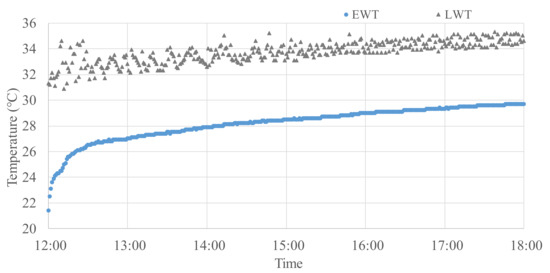
Figure 12.
Fluctuation of EWT and LWT in Case 4.
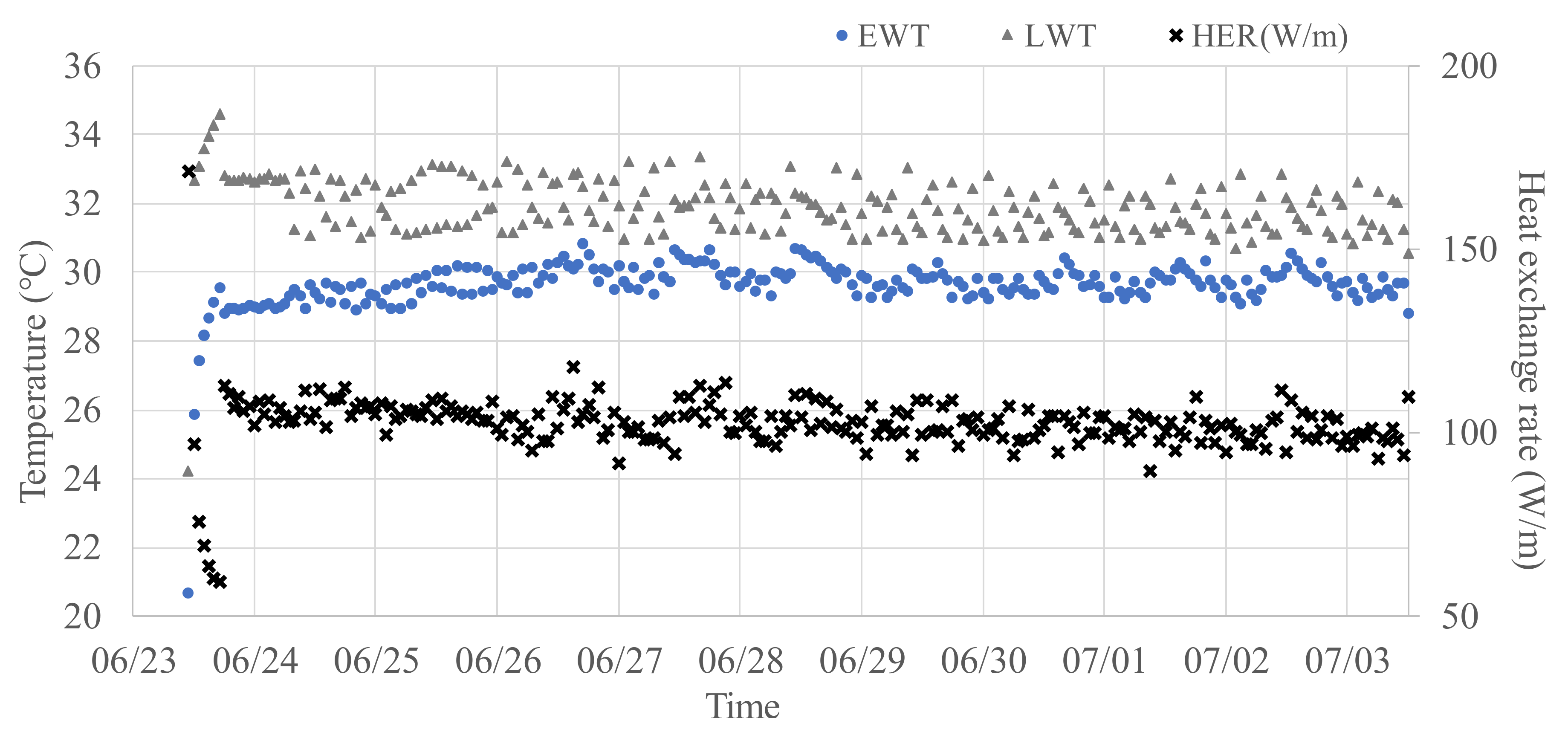
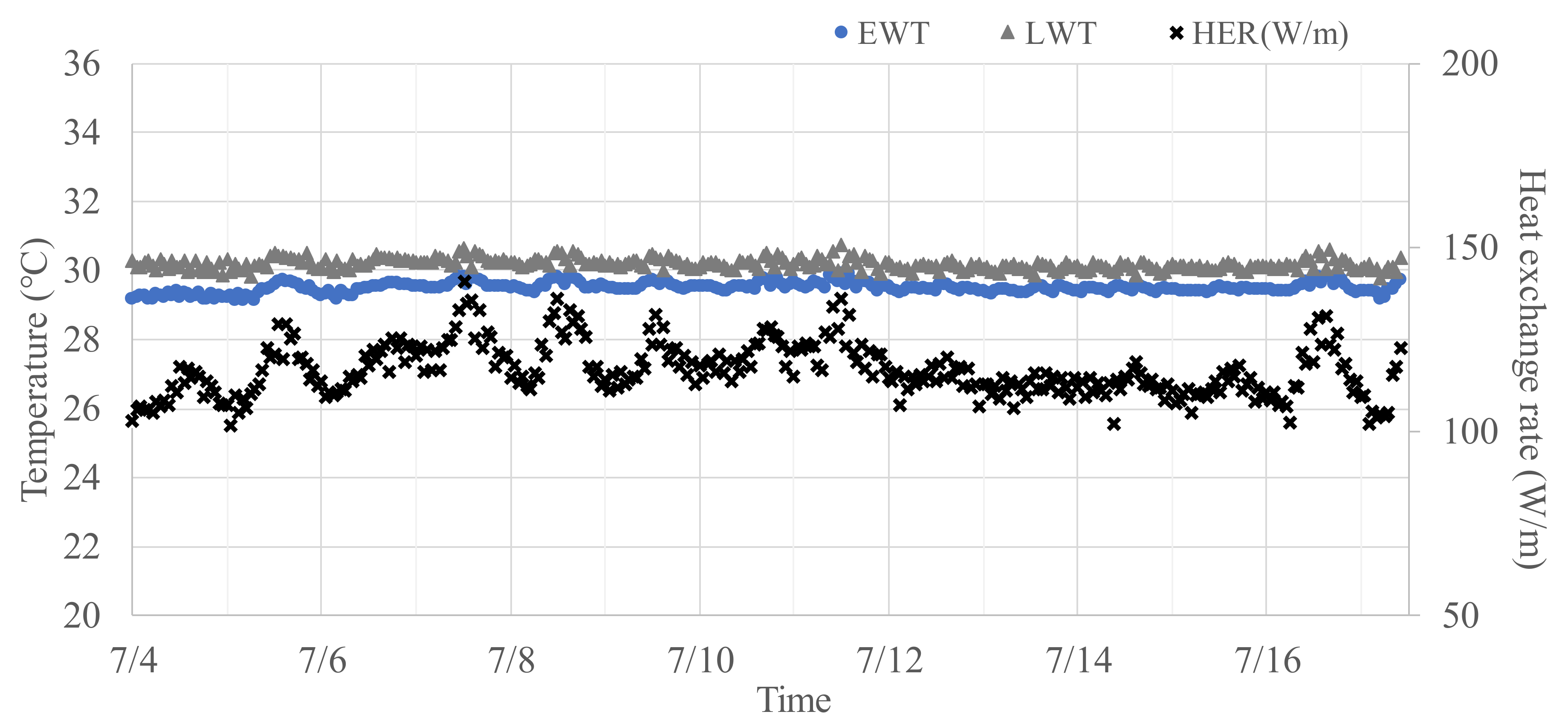
Figure 13 and Figure 14 show EWT, LWT, and the average hourly HER for Cases 5 and 6. In Case 5, the flow rate was set to 30 LPM (from 23 June to 3 July 2020), while in Case 6, the flow rate was set to 80 LPM under the same conditions (from 7 to 17 July 2020).
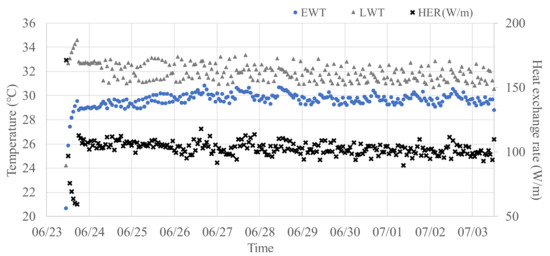
Figure 13.
Fluctuation of EWT, LWT, and HER in Case 5.
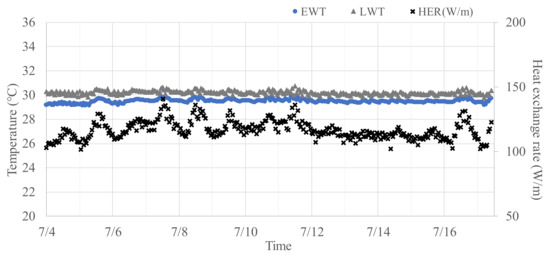
Figure 14.
Fluctuation of EWT, LWT, and HER in Case 6.
The average rate of heat exchange was 102.6 W/m at 30 LPM and 116.8 W/m at 80 LMP, the temperature difference between EWT and LWT being 2.3 °C and 0.8 °C, respectively. It is assumed that, despite the temperature gap between EWT and LWT, the average heat exchange rate increased due to the increase in flow rates. The minimum heat exchange rate was 59.2 W/m in Case 5, and 101.89 W/m for Case 6.
4.3. Variation in Underground Temperature
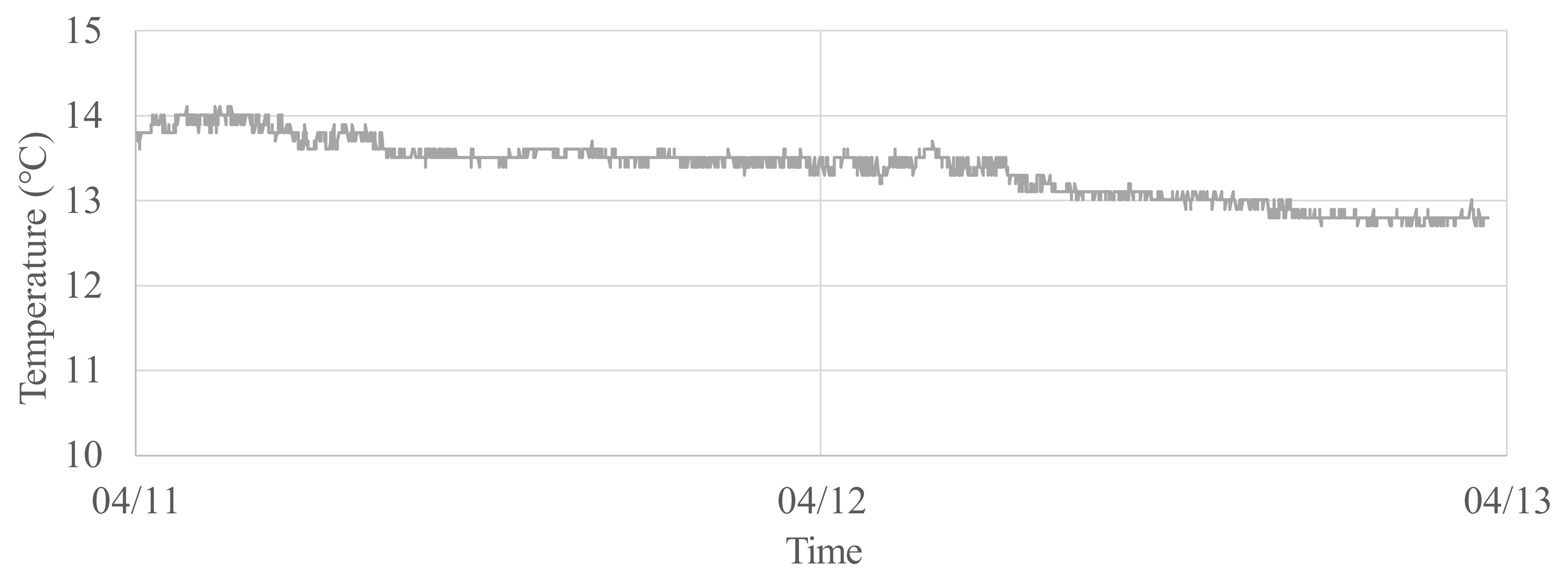
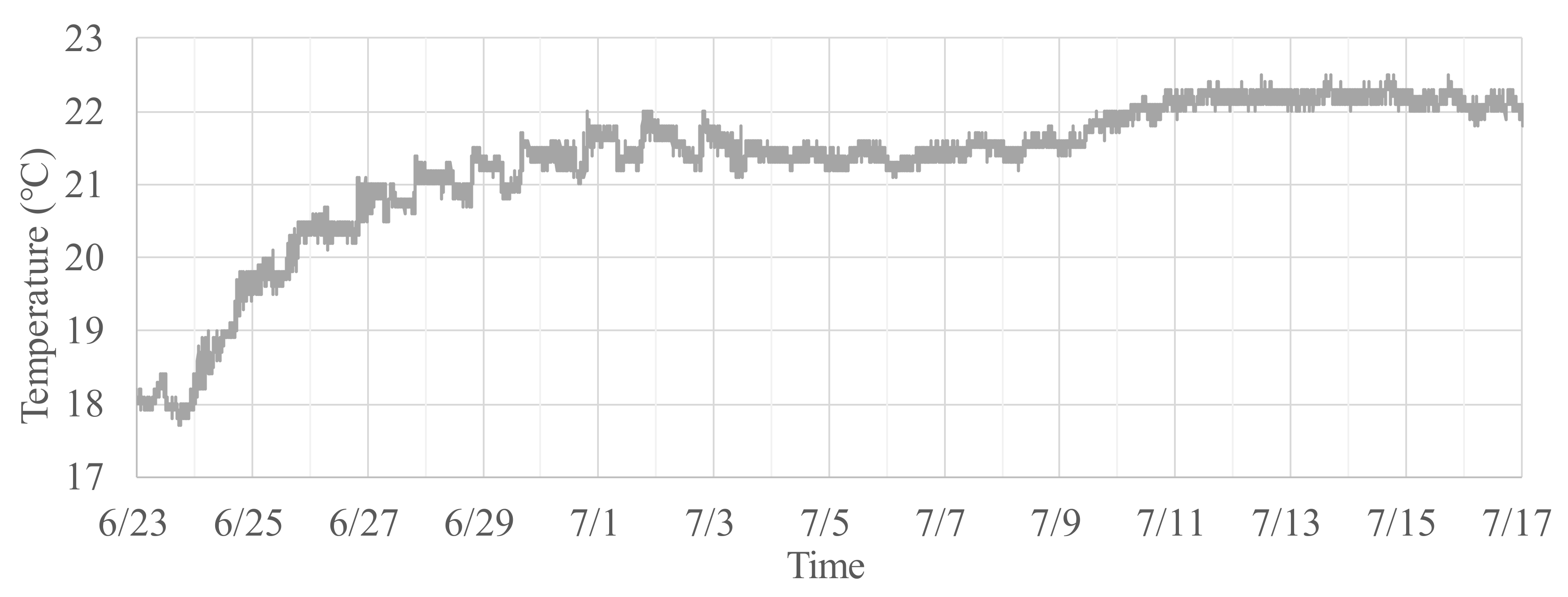
Figure 15 and Figure 16 show the variation in ground temperatures during the heating and cooling operations of the low-depth modular GHX used in this study. The thermal sensor was located 3 m underneath the ground between two modules of the GHX.
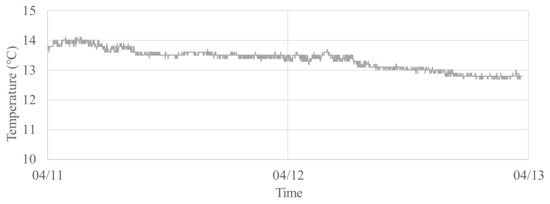
Figure 15.
Underground temperature at a depth of −3 m (Heating period).
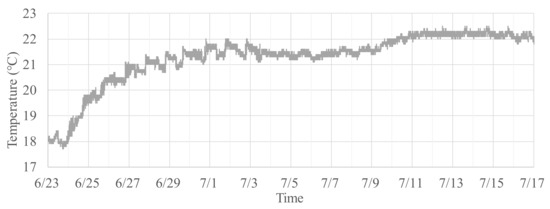
Figure 16.
Underground temperature at a depth of −3 m (Cooling period).
Figure 15 shows the change in ground temperatures during the 48-h (11 to 13 April 2020) heating operation. As the heating operation of the modular GHX progressed, the ground temperature dropped by about 1.2 °C. Although the underground temperatures varied with the ambient temperature, the underground temperature tended to fall as the HP operated.
Figure 16 shows the change in ground temperatures during the long-term operation of the modular GHX, from 23 June to 17 July 2020 (over 25 days). Since the start of the HP, the ground temperature increased by 4.4 °C. This increase is attributed to the heat release from the GHX during the cooling period. If the amount of ground heat released during this period was higher than the heat release from the GHX, the increase in the ground temperature would have been greater and the initial slope of the ground temperature graph would be higher than those shown in the graph.
5. Conclusions
This study proposes a low-depth modular GHX, suitable for small buildings, which overcomes the shortcomings of conventional vertical GHXs, while reducing the initial investment costs. Through developing such a GHX and subjecting it to investigation on a real-scale, we observed the heat exchange performance and change in underground temperature during its operation. The results of the study can be summarized as follows:
- (1)
- The heat exchange rate during the heating period was 78.98 W/m in the short term and 51.21 W/m in the long term. For stability during continuous operation, the heat exchange rate must be below 39 W/m.
- (2)
- The heat exchange rate during the cooling period was 88.83 W/m and 120.57 W/m in the short term and long term, respectively. For stability during continuous operation, the heat exchange rate must be below 59 W/m.
- (3)
- The average heat exchange rate during the cooling period was 102.57 W/m, with a flow rate of 30 LPM, and increased to 116.77 W/m when the flow rate increased to 80 LPM; as the flow rate increased, the heat exchange rate increased.
- (4)
- During the heating operation, the underground temperature decreased by 1.2 °C. On the contrary, during the cooling operation, the underground temperature increased by 4.4 °C up to the maximum point.
This study used artificial loads, real tests, and long-term HP operation to establish a design method for a modular GHX. Moreover, this real-scale experiment on a low-depth modular GHX allowed us to determine the heat exchange rate, and the EWT and LWT temperature patterns during short-term and long-term operation. Furthermore, the effects of low-depth GHX operations on the underground temperature through real life tests were shown. Subsequent studies will consider the overall system operation and COP optimization by considering the actual occupant’s load, while employing a low-depth modular GHX. In the future, a performance comparison with vertical GHXs under the same heat exchange area will be conducted, and simulations with a performance prediction model for the application of the developed system will be performed.
Author Contributions
K.K., J.K. and, Y.N. carried out the real-scale experiment and wrote the entire manuscript. Y.N. reviewed the results and the entire manuscript. E.L. supported the planning of the experiment system. E.K. and E.E. reviewed the results of the heat exchange rate data. All authors have read and agreed to the published version of the manuscript.
Funding
This study was supported by the Korean Institute of Energy Technology Evaluation and Planning (KETEP) and the Ministry of Trade, Industry & Energy (MOTIE) of the Republic of Korea, grant number 20188550000430. This research was also supported by a Basic Science Research Program through the National Research Foundation of Korea (NRF) funded by the Ministry of Education, Science, and Technology, grant number 2018R1D1A303001306.
Institutional Review Board Statement
Not applicable.
Informed Consent Statement
Not applicable.
Conflicts of Interest
The authors declare no conflict of interest.
Abbreviations
| GSHP | Ground source heat pump |
| GHX | Ground heat exchanger |
| EWT | Entering water temperature |
| LWT | Leaving water temperature |
| HDPE | High-density polyethylene |
| HP | Heat pump |
| FCU | Fan coil unit |
| HST | Heat storage tank |
| TRT | Thermal response test |
| RMSE | Root mean square deviation |
| CFD | Computational fluid dynamics |
| LPM | Liter per meter |
| COP | Coefficient of performance |
| KMA | Korea Meteorological Administration |
References
- International Energy Agency. Available online: http://iea.or/report (accessed on 1 October 2020).
- U.S. Energy Information Administration. U.S. Energy Facts Explained; U.S. Energy Information Administration: Washington, DC, USA. Available online: http://eig.gov/energyexplained (accessed on 1 April 2020).
- Rybach, L.; Eugster, W.J. Sustainability Aspects of Geothermal Heat Pumps. In Proceedings of the Twenty-Seventh Workshop on Geothermal Reservoir Engineering, Stanford, CA, USA, 10–12 February 2020. [Google Scholar]
- Florides, G.; Kalogirou, S. Ground heat exchanger—A review of systems, models and applications. Renew. Energy 2007, 32, 2461–2478. [Google Scholar] [CrossRef]
- Department of Energy and Climate Change. Potential Cost Reductions for Ground Source Heat Pumps; Department of Energy and Climate Change: London, UK, 2016.
- Nam, Y.J.; Ooka, R.; Hwang, S.H. Development of a numerical model to predict heat exchange rates for a ground-source heat pump system. Energy Build. 2008, 40, 2133–2140. [Google Scholar] [CrossRef]
- Congedo, R.M.; Colangelo, G.; Starace, G. CFD simulations of horizontal ground heat exchangers: A comparison among different configurations. Appl. Therm. Engin. 2011, 33–34, 24–32. [Google Scholar] [CrossRef]
- Dasare, R.R.; Saha, S.K. Numerical study of horizontal ground heat exchanger for high energy demand applications. Appl. Therm. Eng. 2015, 85, 252–263. [Google Scholar] [CrossRef]
- Selamat, S.; Miyara, A.; Kariya, K. Numerical study of horizontal ground heat exchangers for design optimization. Renew. Energy 2016, 95, 561–573. [Google Scholar] [CrossRef]
- Kim, J.; Nam, Y. Development of the Performance Prediction Equation for a Modular Ground Heat Exchanger. Energies 2020, 13, 6005. [Google Scholar] [CrossRef]
- Esen, H.; Inalli, M.; Esen, M.; Pihitili, K. Energy and exergy analysis of a ground-coupled heat pump system with two horizontal ground heat exchangers. Build. Environ. 2006, 42, 3606–3615. [Google Scholar] [CrossRef]
- Luo, J.; Rohn, J.; Bayer, M.; Priess, A. Thermal performance and economic evaluation of double U-tube borehole heat exchanger with three different borehole diameters. Energy Build. 2013, 67, 217–224. [Google Scholar] [CrossRef]
- Luo, J.; Zhao, H.; Gui, S.; Xiang, W.; Rohn, J.; Blum, P. Thermo-economic analysis of four different types of ground heat exchangers in energy piles. Appl. Therm. Engin. 2016, 18, 11–19. [Google Scholar] [CrossRef]
- Yoon, S.; Lee, S.R.; Go, G.H. Evaluation of thermal efficiency in different types of horizontal ground heat exchanger. Energy Build. 2015, 105, 100–105. [Google Scholar] [CrossRef]
- Sipio, E.; Bertermann, D. Factors Influencing the Thermal Efficiency of Horizontal Ground Heat Exchangers. Energies 2017, 10, 1897. [Google Scholar] [CrossRef]
- Arif, W.C.; Sasimook, C.; Isao, T.; Yohei, U.; Kasumi, Y.; Srilert, C.; Punya, C. Ground-Source Heat Pumps with Horizontal Heat Exchangers for Space Cooling in the Hot Tropical Climate of Thailand. Energies 2019, 12, 1274. [Google Scholar]
- Kim, H.K.; Nam, Y.J.; Bae, S.M.; Choi, J.S.; Kim, S.B. A study on the Effect of Performance Factor on GSHP System through Real-Scale Experiments in Korea. Energies 2020, 13, 554. [Google Scholar] [CrossRef]
- Oh, J.H.; Seo, J.H.; Nam, Y.J. Performance Analysis of a Low-Depth Unit-Type Ground Heat Exchanger using Numerical Simulation. Korean J. Air Cond. Refrig. Eng. 2015, 27, 169–173. [Google Scholar]
- Gabrielli, L.; Bottarelli, M. Financial and economic analysis for ground-coupled heat pumps using shallow ground heat exchangers. Sustain. Cities Soc. 2016, 20, 71–80. [Google Scholar] [CrossRef]
- Habibi, M.; Hakkaki-Fard, A. Evaluation and improvement of the thermal performance of different types of horizontal ground heat exchangers based on techno-economic analysis. Energy Convers. Manag. 2018, 171, 1177–1192. [Google Scholar] [CrossRef]
- Saeidi, R.; Noorollahi, Y.; Esfahanian, V. Numerical simulation of a novel spiral type ground heat exchanger for enhancing heat transfer performance of geothermal heat pump. Energy Convers. Manag. 2018, 168, 296–307. [Google Scholar] [CrossRef]
- Shonder, J.; Baxter, V.; Thornton, J.; Hughes, P. A new comparison of vertical ground heat exchanger design methods for residential applications. ASHRAE Trasns. 1999, 105, 1179. [Google Scholar]
- Yoon, S.; Lee, S.R.; Xue, J.; Zosseder, K.; Go, G.H.; Park, H. Evaluation of the thermal efficiency and a cost analysis of different types of ground heat exchangers in energy piles. Energy Convers. Manag. 2015, 105, 393–402. [Google Scholar] [CrossRef]
- Kayaci, N.; Demir, H. Long time performance analysis of ground source heat pump for space heating and cooling applications based on thermo-economic optimization criteria. Energy Build. 2018, 163, 121–139. [Google Scholar] [CrossRef]
- Renewable Energy Data Center. Available online: https://kier-solar.org/ (accessed on 28 October 2020).
Publisher’s Note: MDPI stays neutral with regard to jurisdictional claims in published maps and institutional affiliations. |
© 2021 by the authors. Licensee MDPI, Basel, Switzerland. This article is an open access article distributed under the terms and conditions of the Creative Commons Attribution (CC BY) license (http://creativecommons.org/licenses/by/4.0/).