


Abstract
Considering the specific heat characteristics of working fluid and existence of various losses in a porous medium (PM) cycle, this paper applies finite time thermodynamic theory to study its efficient power performance with nonlinear variable specific heat model. Range of the cycle pre-expansion ratio is obtained by solving the equation, and PM cycle is converted to Otto cycle by choosing appropriate pre-expansion ratio. Influences of pre-expansion ratio, specific heat characteristics, temperature ratio, and various losses on cycle performances are investigated. Thermal efficiencies are compared at operating points of the maximum power output and efficient power. The results show that PM cycle has better performance than Otto cycle. Under certain conditions of parameters, thermal efficiencies at the maximum efficient power and maximum power output operating points are 50.45% and 47.05%, respectively, and the former is 7.22% higher than the latter. The engine designed with the maximum efficient power as the criterion can improve thermal efficiency by losing less power output. The results of this paper can guide parameters selection of actual PM heat engine.
1. Introduction
Finite time thermodynamics (FTT) [1,2,3,4,5,6,7,8,9,10,11] has attained significant progress in recent years. Many scholars have applied FTT to research performances of thermodynamic cycles, including optimal performance studies [12,13,14,15,16,17,18,19,20,21,22,23,24,25,26,27,28,29] and optimal path studies [30,31,32,33,34,35,36,37,38,39,40,41,42]. Early research work on the internal combustion engine cycles mainly focused on thermal efficiency () and power output () under the condition of constant specific heat (SH) of working fluid (WF) [43]. When actual heat engines are working, the change in SH of WF is very complicated. In order to study the effects of the SH of WF changing with temperature, which is closer to engineering practice, some scholars have put forward linear [44] and nonlinear [45] models of SH of WFs varying with temperature. In addition to considering the effects of the WF’s SH characteristics on the performances of thermodynamic cycles, it is crucial to take into account the influences of different losses and different objective functions (OFs) on the cycle performance. Common loss models include heat transfer loss (HTL) [43], internal irreversibility loss (IIL) [46], and friction loss (FL) [47]. Common OFs include and [48], ecological function () [49], power density () [50], efficient power () [51], etc.
Many scholars have studied the , , , and optimal performances of the internal combustion engine cycles by applying FTT theory. With the as the OO, Gonca and Genc [52,53] studied the optimal performances of the Gas-Mercury-Steam system and the double-reheat Rankine cycle. Chen et al. [54] derived the , , , and of an irreversible modified closed Brayton cycle. Diskin and Tartakovsky [55] introduced the low dissipation model and electrochemistry into the performance optimization of the otto cycle and investigated the at the maximum operating point. Wang et al. [56] established irreversible Lenoir cycle with changing temperature heat reservoirs and investigated its and . Gonca et al. [57] combined the Dual cycle and the Diesel cycle and derived the , exergy efficiency, and of a Dual-Diesel cycle. Sahin [58] analyzed the effects of parameters such as compression ratio equivalence ratio cylinder temperature on the , , and effective ecological of a modified Dual cycle. Paul et al. [59] investigated the of Stirling cycle by applying optimal control theory. Bellos et al. [60] analyzed and optimized the of a solar-fed organic Rankine cycle, and compared it with the of organic Rankine cycle
Yan et al. [51] first took the product of cycle and as OF and introduced this OF into the study of an endoreversible Carnot heat engine. Yilmaz [61] named this OF as for the first time. Atmaca et al. [62] studied the and the of a reversible dual cycle without any loss. Reyes-Ramírez et al. [63] studied the , , and of a Curzon-Ahlborn heat engine. Kumar et al. [64] derived the and the of an endoreversible Brayton. Gonca [65] analyzed effects of piston speed, pressure ratio, and intake temperature on of an irreversible Atkinson cycle. Gonca and Hocaoglu [66] combined the Miller cycle and the Diesel cycle and derived the , density, and effective of a Diesel-Miller cycle. Gonca and Sahin [67,68] investigated the , , effective , and exergy efficiency of Miller-Takemura cycle. Nilavarasi and Ponmurugan [69] introduced into the optimization of a dissipative Carnot cycle.
Ferrenberg [70] put forward the porous medium (PM) engine. Based on PM combustion technology [71], this engine had the characteristics of high efficiency, low emissions, low noise, and stable combustion. Durst et al. [72] simulated how the PM engine operated by modifying the Diesel engine and demonstrated performance of PM engine. Liu et al. [73] studied and performances of reversible PM engine.
Based on the FTT theory, Liu et al. [74] and Ge et al. [75] studied and of endoreversible [74] and irreversible [75] PM cycles. When the WF’s SH is constant with temperature, Zang et al. [76] analyzed effects of irreversibility losses, temperature ratio, and pre-expansion ratio on , and conducted multi-objective optimization on , , , and for irreversible PM cycle. Considering WF’s SH is linear variable with its temperature, Zang et al. [77] derived and , compared and in the circumstances of maximum , maximum , maximum and maximum , and performed multi-objective optimization on , , , and for irreversible PM cycle.
In the aforementioned literature, there is no report on the performance optimization for irreversible PM engine. Based on [75,76,77], this paper will analyze the cycle maximum performance when WF’s SH is nonlinear variable with its temperature [45] and compare at the maximum () working point and the maximum () working point.
2. Model of PM
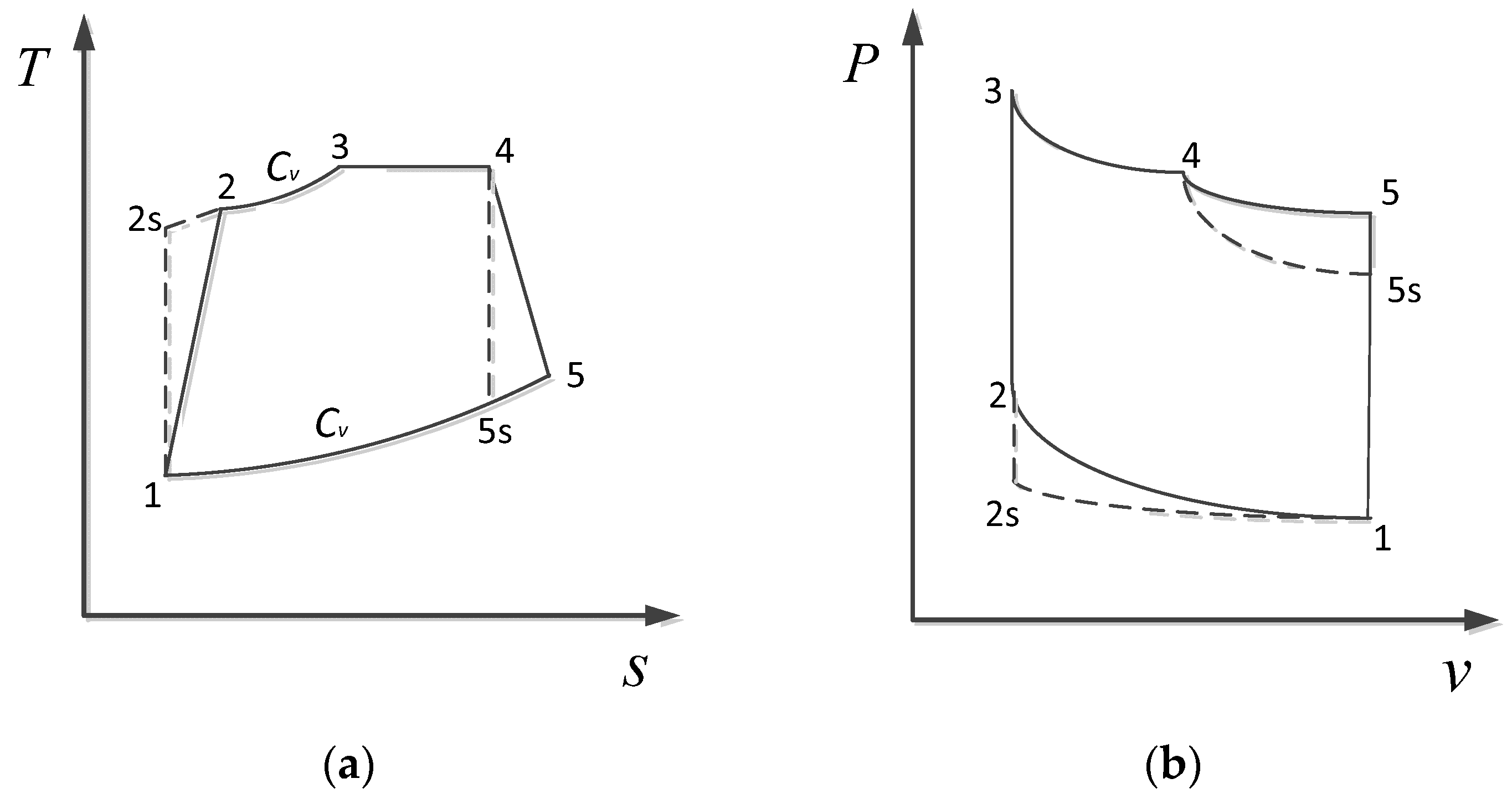
Irreversible PM cycle model shown in Figure 1 contains two constant volume processes and ; isothermal endothermic process ; irreversible adiabatic compression process ; and adiabatic expansion process . It can be seen from Figure 1 that , , , , and , where is specific volume, is temperature, and is pressure.
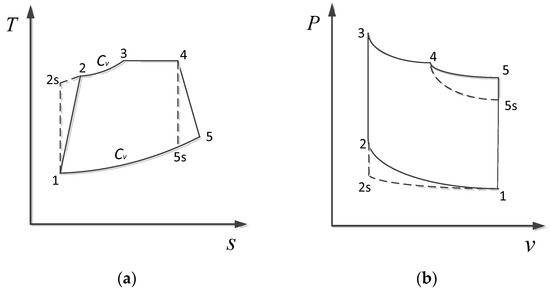
Figure 1.
and diagrams. (a) diagram. (b) diagram.
The cycle pre-expansion ratio (), temperature ratio (), and compression ratio () are expressed as:
In earlier studies [62,63,64], it was assumed that the WF’s SH was constant when the temperature range was small, but this assumption does not hold for large temperature changes in actual cycles. According to [45], assuming that the SH of the WF is only related to the temperature and has a nonlinear relationship with temperature, the constant pressure SH of the WF can be expressed as:
where are constants.
Constant volume SH and constant pressure SH have a following relationship:
where is gas constant.
According to Equations (4) and (5), the constant volume SH can be expressed as:
The heat absorption rate is:
The heat release rate is:
where is the mass flow rate.
Compression and expansion efficiencies are used to represent IIL of PM cycle for the processes and .
where is compression efficiency and is expansion efficiency.
According to [44], it is presumed that the variable SH process of the WF is composed of an infinite number of infinitely small constant SH processes of the WF, and one has:
where is the temperature logarithmically on average between states and .
According to Equations (7) and (8) and the processes and , one has:
According to [43], the HTL between the WF and ambient through the cylinder cannot be ignored, and one has:
where is ambient temperature and is HTL coefficient.
According to [46], the FL due to the movement of the cylinder wall and piston cannot be ignored, and one has:
where is rotation speed and is stroke length.
The , , and expressions are shown in Appendix A.
It can be seen from Figure 1 that state point 3 is located between state points 4 and 2, so the value range of is:
The and after dimensionless processing can be expressed as:
3. Efficient Power Maximization
According to [45,63,65], the parameters are as follows: , , , , , , , , , , , , , , , , and .
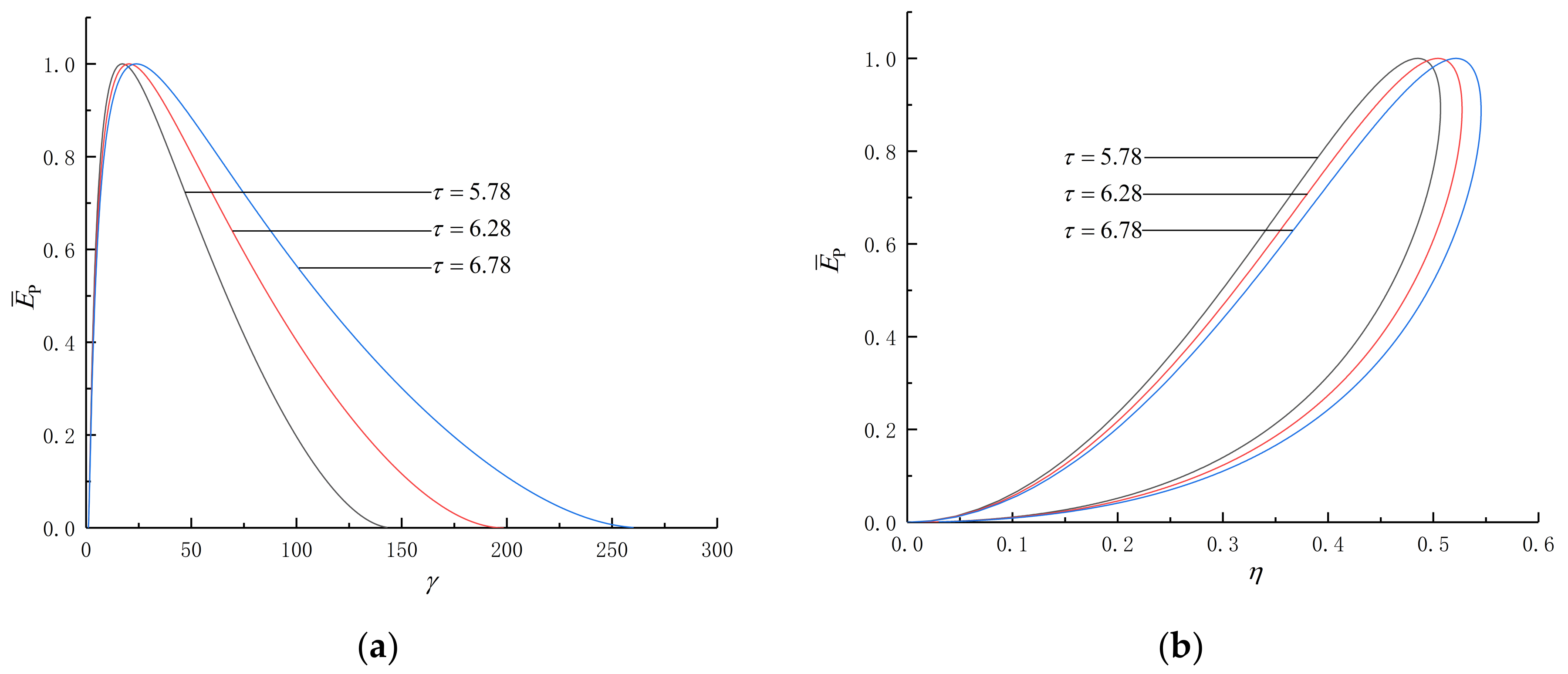
Figure 2 shows the influence of cycle on the characteristics. The figure shows that the curve of the relationship between the and () is a parabolic-like one, and it exists an optimal () which can make the reach the maximum (). The curve of the relationship between the and () is a loop-shaped one which has the maximum () working point and the working point. The corresponding at the working point is , and the corresponding at the working point is . As increases, both and increase. As increases from 5.78 to 6.78, increases from 17.2 to 23.8, and increases from 0.4851 to 0.5213, by an increase of about 8.20%
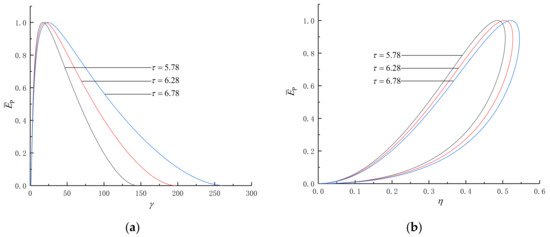
Figure 2.
Effects of on and . (a) Variation of with . (b) Variation of with .
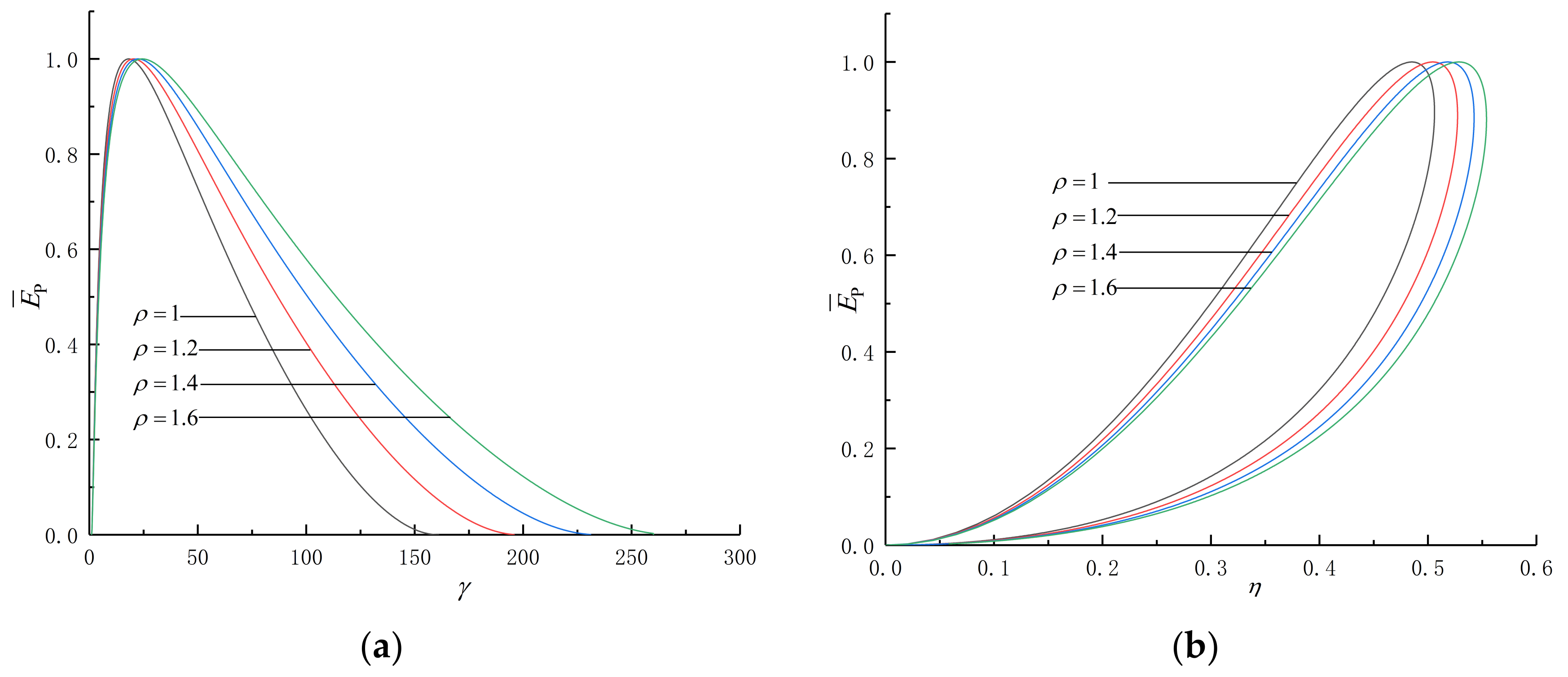
Figure 3 shows influences of cycle on characteristics. is performance curve of Otto engine cycle. As increases, both and increase. As increases from 1.2 to 1.6, increases from 20.4 to 24.4, and increases from 0.5045 to 0.5285, by an increase of about 4.76%.
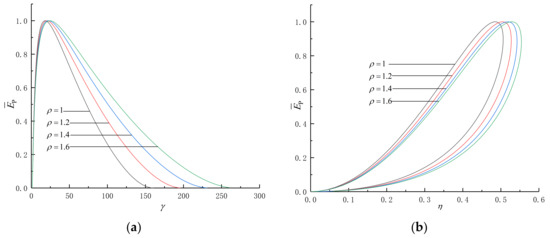
Figure 3.
Effects of on and . (a) Variation of with . (b) Variation of with .
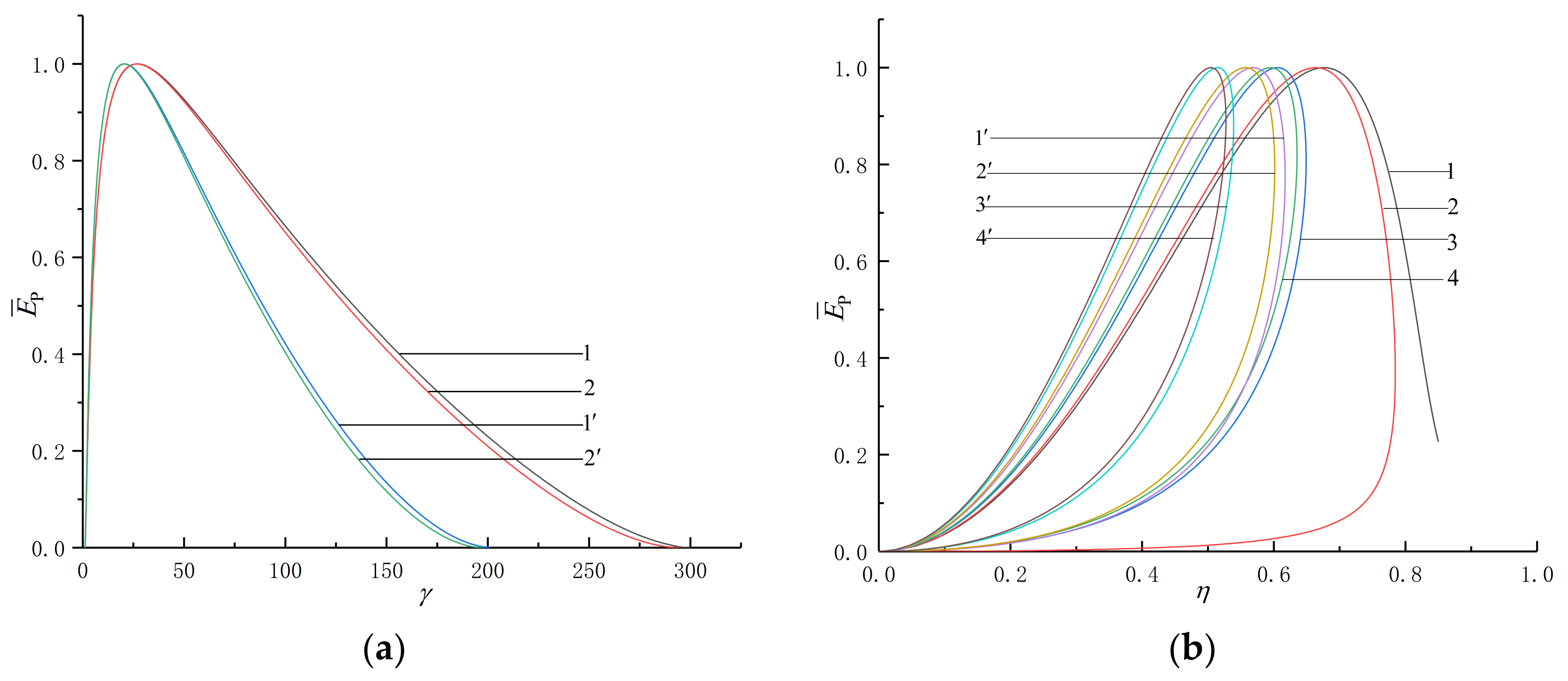
Figure 4 shows the influences of different losses on the and . Table 1 lists the and obtained when different losses are considered. It can be seen from Table 1 that with the increase of loss items considered, both and decrease, among which , , and have bigger effect on and , and has a small effect on and . When the three losses are considered at the same time, the is reduced by 32.56% and the is reduced by 25.41%.
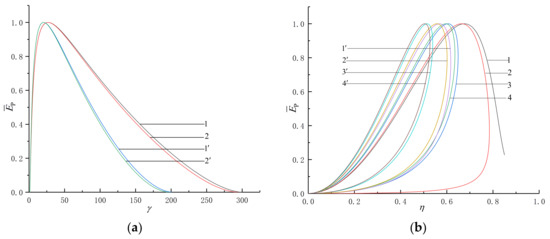
Figure 4.
Effects of and on and . (a) . (b) .

Table 1.
Comparison of the and when considering different losses.
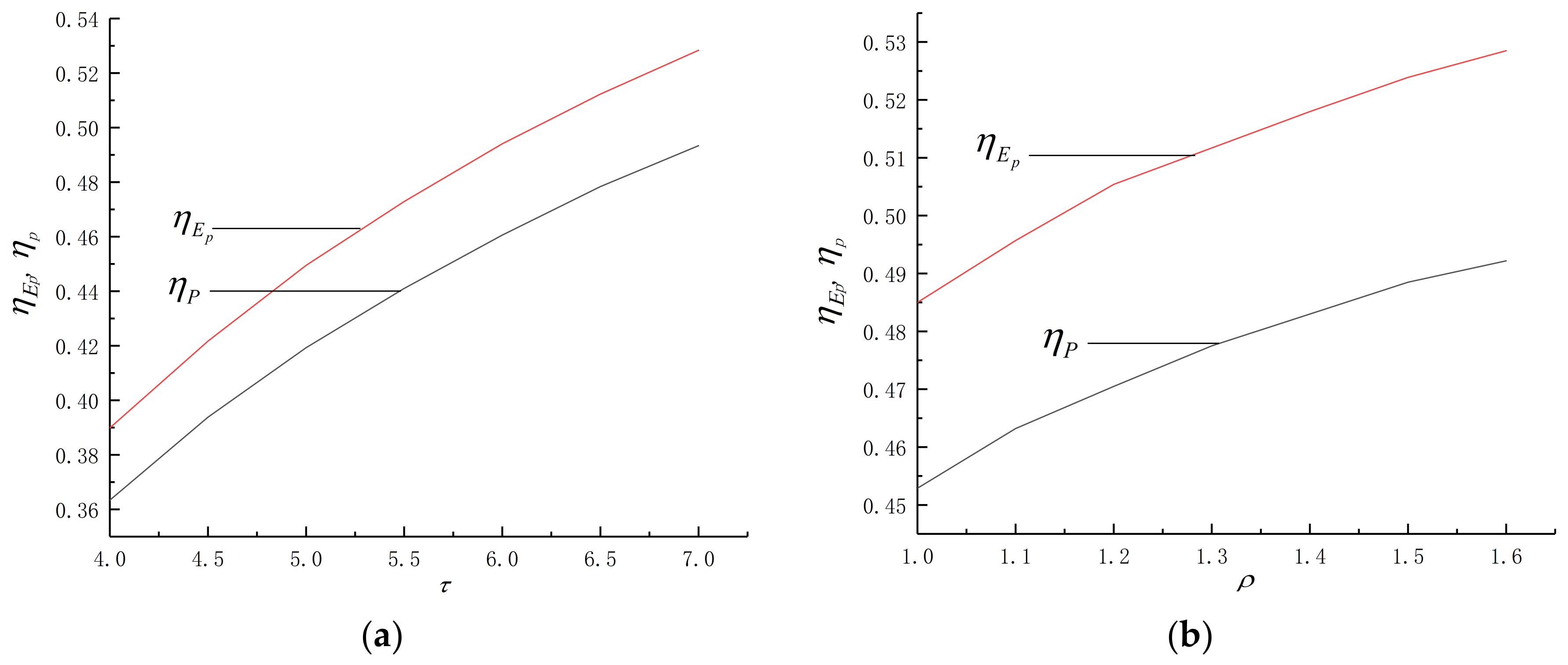
Figure 5 shows the influences of and on and . As can be seen from the Figure 5a,b, no matter how and change, is always greater than .
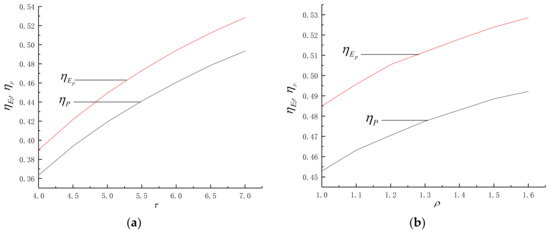
Figure 5.
Effects of and on and . (a) Effect of . (b) Effect of .
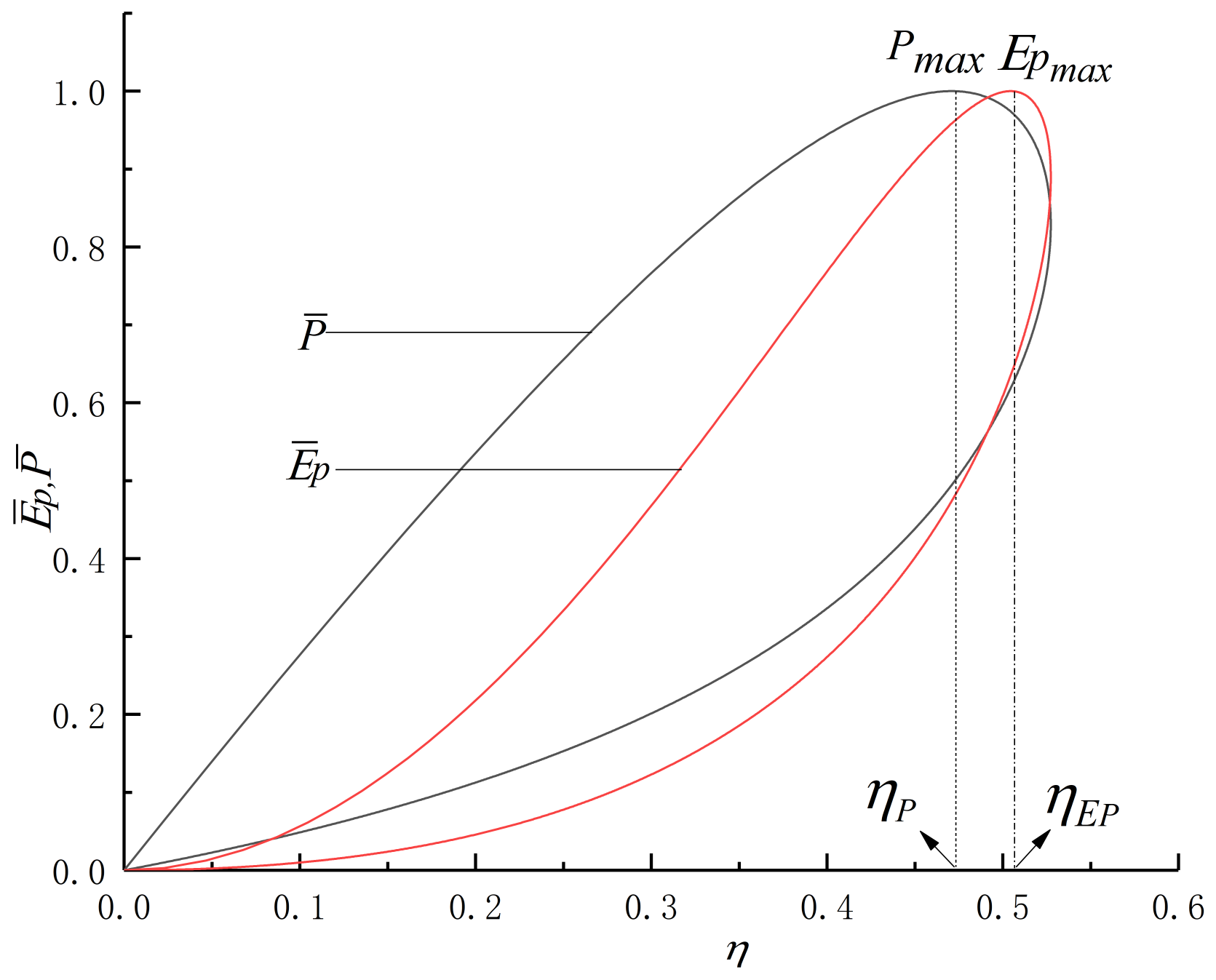
Figure 6 shows the relationships between and when the cycle design parameters are constants. The results show that is 47.05%, and is 50.45%. The latter is about 7.22% higher than the former. The is 0.9739 under the condition of , by a decrease of 2.61%. Compared with the condition, the PM cycle sacrifices part of the power output under the condition, but the cycle can be greatly improved. The objective function reflects compromise between and .
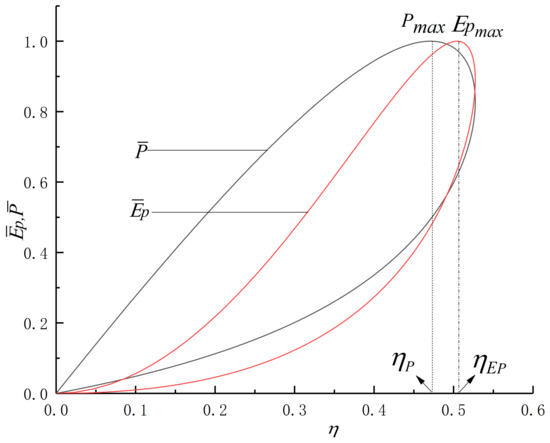
Figure 6.
The relationships of and .
4. The Influences of SH Characteristics on Cycle Performance
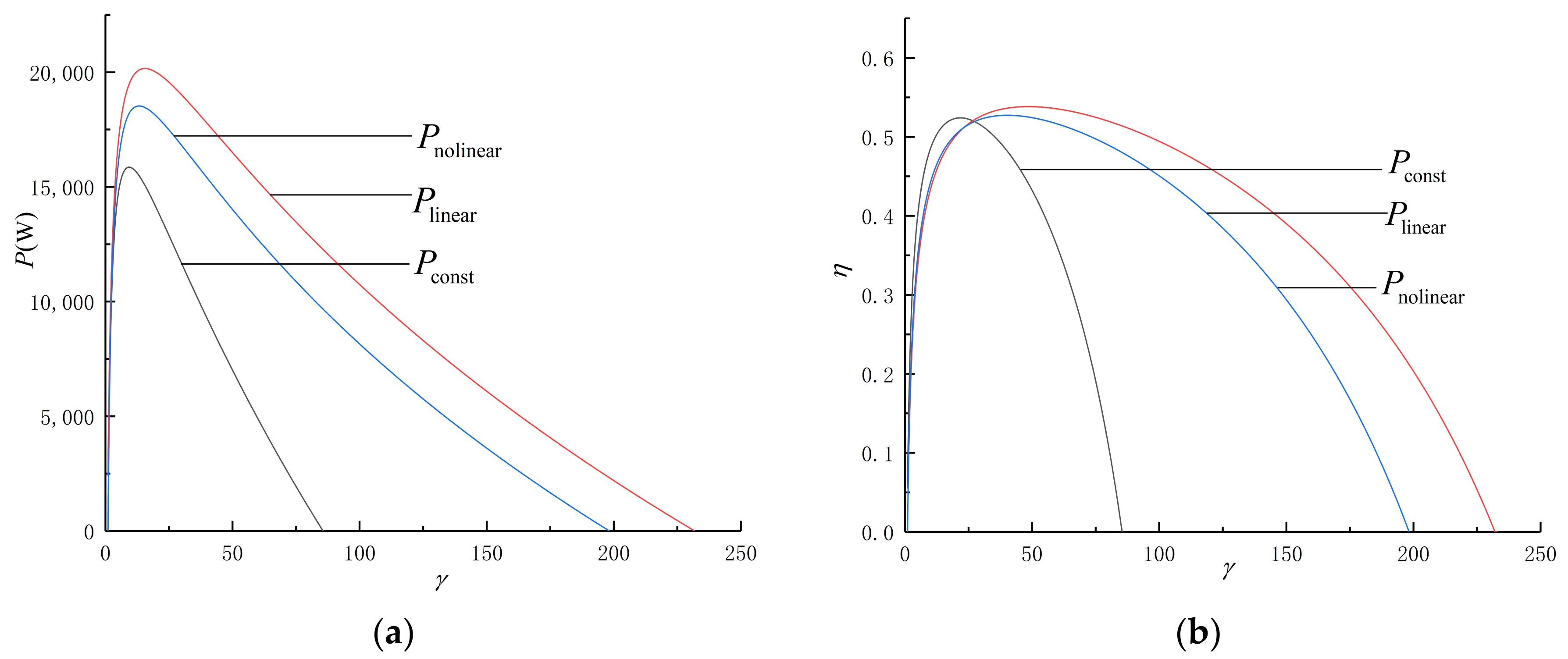
Figure 7 shows the comparisons of and of irreversible PM cycle with constant SH (, ), with linear variable SH (,), and with nonlinear variable SH (,). The performance indicators for the former two cases are shown in and Appendix B.
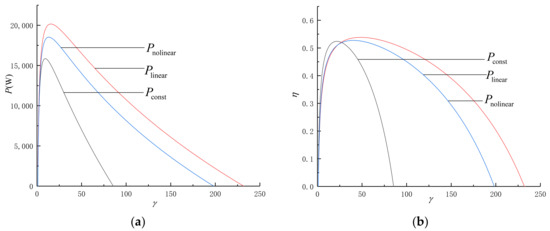
Figure 7.
Effects of variable SH of WF on and . (a) Effects of variable SH of WF on . (b) Effects of variable SH of WF on .
Table 2 lists the maximum and maximum under the three kinds of SH models are obtained by deriving the . is 27.14% larger than , is 16.83% larger than , and is 8.82% larger than . is 2.73% larger than , is 0.63% larger than , and is 2.09% larger than .
Table 2.
Maximum values of and of the three cycle models.
It is assumed that the WF’s SH is constant when the temperature range is small, but this assumption does not hold for large temperature changes in actual cycles. It can be seen from Figure 7 and Table 2 that the influences of different models of SH on cycle performance is very obvious. The model with nonlinear variation of WF’s SH is more suitable for the working state of the actual heat engine.
5. Conclusions
Applying FTT, the objective function is introduced into the study of optimal performances of an irreversible PM engine cycle, and expression is derived. The effects of , , three kind of losses, and WF’s variable SH characteristics on versus and are analyzed, and the performance difference of the cycle under the condition of and are compared. The nonlinear variable SH model of WF with its temperature is adopted for irreversible PM cycle, which is closer to the actual working state of heat engines. The results show that:
- The and curves of the cycle are a loop-shaped one and parabolic-like one, respectively. As and increase, both and increase. As and decrease and , , , and increase, both and decrease.
- By choosing the appropriate pre-expansion ratio, PM engine cycle can be converted to Otto engine cycle.
- Under specified conditions of different parameters, thermal efficiencies under the conditions of maximum efficient power and maximum power output are 50.45% and 47.05%, respectively. The latter is about 7.22% higher than the former.
- Efficient power objective function reflects the compromise between thermal efficiency and power output. The results of this paper can guide parameters selection of the actual heat engine.
Author Contributions
Conceptualization, L.C.; Data curation, Y.G.; Funding acquisition, L.C.; Methodology, P.Z., L.C., and Y.G.; Software, P.Z. and Y.G.; Supervision, L.C.; Validation, P.Z. and Y.G.; Writing—Original draft preparation, P.Z. and L.C.; Writing—Reviewing and Editing, L.C. All authors have read and agreed to the published version of the manuscript.
Funding
This work is supported by the National Natural Science Foundation of China (Project Nos. 52171317 and 51779262) and Graduate Innovative Fund of Wuhan Institute of Technology (Project No. CX2021044).
Institutional Review Board Statement
Not applicable.
Informed Consent Statement
Not applicable.
Data Availability Statement
Not applicable.
Acknowledgments
The authors wish to thank the editor and the reviewers for their careful, unbiased, and constructive suggestions, which led to this revised manuscript.
Conflicts of Interest
The authors declare no conflict of interest.
Nomenclature
| Heat transfer loss coefficient () | |
| Specific heat at constant volume () | |
| Adiabatic index (-) | |
| Molar flow rate () | |
| Power output () | |
| Heat transfer rate () | |
| Gas constant () | |
| Temperature () | |
| Greek symbols | |
| Compression ratio (-) | |
| Thermal efficiency (-) | |
| Irreversible compression efficiency (-) | |
| Irreversible expansion efficiency (-) | |
| Friction loss coefficient () | |
| Pre-expansion ratio(-) | |
| Temperature ratio (-) | |
| Subscripts | |
| Input | |
| Heat leak | |
| Output | |
| Maximum value | |
| Max power output condition | |
| Max thermal efficiency condition | |
| Cycle state points | |
| Superscripts | |
| Dimensionless | |
| Abbreviations | |
| FL | Friction loss |
| FTT | Finite time thermodynamics |
| HTL | Heat transfer loss |
| IIL | Internal irreversibility loss |
| OF | Objective function |
| PM | Porous Medium |
| SH | Specific heats |
| WF | Working fluid |
Appendix A. Performance Indicators with Nonlinear Model of Variable SH
Cycle is:
The cycle is:
The cycle is:
Appendix B. Performance Indicators with Model of Constant SH
The expressions of , , and of the irreversible PM cycle with constant SH [43] can be obtained as:
where is constant.
Appendix C. Performance Indicators with Linear Model of Variable SH
The SH of the WF is only related to the temperature and has a linear relationship with temperature [44]; the constant SH can be expressed as:
where and are constants.
The expressions of , , and of the irreversible PM cycle with linear variable SH can be obtained as:
References
- Andresen, B.; Berry, R.S.; Ondrechen, M.J.; Salamon, P. Thermodynamics for processes in finite time. Acc. Chem. Res. 1984, 17, 266–271. [Google Scholar] [CrossRef]
- Chen, L.G.; Wu, C.; Sun, F.R. Finite time thermodynamic optimization or entropy generation minimization of energy systems. J. Non-Equilib. Thermodyn. 1999, 24, 327–359. [Google Scholar]
- Andresen, B. Current trends in finite time thermodynamics. Angew. Chem. Int. Ed. 2011, 50, 2690–2704. [Google Scholar]
- Dumitrascu, G.; Feidt, M.; Popescu, A.; Grigorean, S. Endoreversible trigeneration cycle design based on finite physical dimensions thermodynamics. Energies 2019, 12, 3165. [Google Scholar]
- Abedinnezhad, S.; Ahmadi, M.H.; Pourkiaei, S.M.; Pourfayaz, F.; Mosavi, A.; Feidt, M.; Shamshirband, S. Thermodynamic assessment and multi-objective optimization of performance of irreversible Dual-Miller cycle. Energies 2019, 12, 4000. [Google Scholar] [CrossRef]
- Feidt, M.; Costea, M.; Feidt, R.; Danel, Q.; Périlhon, C. New criteria to characterize the waste heat recovery. Energies 2020, 13, 789. [Google Scholar] [CrossRef]
- Berry, R.S.; Salamon, P.; Andresen, B. How it all began. Entropy 2020, 22, 908. [Google Scholar] [CrossRef]
- Li, Z.X.; Cao, H.B.; Yang, H.X.; Guo, J.C. Comparative assessment of various low-dissipation combined models for three-terminal heat pump systems. Entropy 2021, 23, 513. [Google Scholar] [CrossRef] [PubMed]
- Yasunaga, T.; Fontaine, K.; Ikegami, Y. Performance evaluation concept for ocean thermal energy conversion toward standardization and intelligent design. Energies 2021, 14, 2336. [Google Scholar] [CrossRef]
- Sieniutycz, S. Complexity and Complex Chemo-Electric Systems; Elsevier: Amsterdam, The Netherlands, 2021. [Google Scholar]
- Andresen, B.; Salamon, P. Future perspectives of finite-time thermodynamics. Entropy 2022, 24, 690. [Google Scholar] [CrossRef]
- Ge, Y.L.; Chen, L.G.; Sun, F.R. Progress in finite time thermodynamic studies for internal combustion engine cycles. Entropy 2016, 18, 139. [Google Scholar] [CrossRef]
- Ahmadi, M.H.; Pourkiaei, S.M.; Ghazvini, M.; Pourfayaz, F. Thermodynamic assessment and optimization of performance of irreversible Atkinson cycle. Iran. J. Chem. Chem. Eng. 2020, 39, 267–280. [Google Scholar]
- Smith, Z.; Pal, P.S.; Deffner, S. Endoreversible Otto engines at maximal power. J. Non-Equilib. Thermodyn. 2020, 45, 305–310. [Google Scholar] [CrossRef]
- Shi, S.S.; Ge, Y.L.; Chen, L.G.; Feng, F.J. Four objective optimization of irreversible Atkinson cycle based on NSGA-II. Entropy 2020, 22, 1150. [Google Scholar] [CrossRef]
- Levario-Medina, S.; Valencia-Ortega, G.; Barranco-Jimenez, M.A. Energetic optimization considering a generalization of the ecological criterion in traditional simple-cycle and combined cycle power plants. J. Non-Equilib. Thermodyn. 2020, 45, 269–290. [Google Scholar]
- Ding, Z.M.; Ge, Y.L.; Chen, L.G.; Feng, H.J.; Xia, S.J. Optimal performance regions of Feynman’s ratchet engine with different optimization criteria. J. Non-Equilib. Thermodyn. 2020, 45, 191–207. [Google Scholar] [CrossRef]
- Tang, C.Q.; Chen, L.G.; Feng, H.J.; Wang, W.H.; Ge, Y.L. Power optimization of a modified closed binary Brayton cycle with two isothermal heating processes and coupled to variable-temperature reservoirs. Energies 2020, 13, 3212. [Google Scholar] [CrossRef]
- Liu, X.W.; Chen, L.G.; Ge, Y.L.; Feng, H.J.; Wu, F.; Lorenzini, G. Exergy-based ecological optimization of an irreversible quantum Carnot heat pump with spin-1/2 systems. J. Non-Equilib. Thermodyn. 2021, 46, 61–76. [Google Scholar] [CrossRef]
- Lai, H.Y.; Li, Y.T.; Chan, Y.H. Efficiency enhancement on hybrid power system composed of irreversible solid oxide fuel cell and Stirling engine by finite time thermodynamics. Energies 2021, 14, 1037. [Google Scholar] [CrossRef]
- Dumitrașcu, G.; Feidt, M.; Grigorean, S. Finite physical dimensions thermodynamics analysis and design of closed irreversible cycles. Energies 2021, 14, 3416. [Google Scholar] [CrossRef]
- Shi, S.S.; Ge, Y.L.; Chen, L.G.; Feng, F.J. Performance optimizations with single-, bi-, tri- and quadru-objective for irreversible Atkinson cycle with nonlinear variation of working fluid’s specific heat. Energies 2021, 14, 4175. [Google Scholar] [CrossRef]
- Paul, R.; Hoffmann, K.H. A class of reduced-order regenerator models. Energies 2021, 14, 7295. [Google Scholar] [CrossRef]
- Qiu, S.S.; Ding, Z.M.; Chen, L.G.; Ge, Y.L. Performance optimization of thermionic refrigerators based on van der Waals heterostructures. Sci. China Technol. Sci. 2021, 64, 1007–1016. [Google Scholar] [CrossRef]
- Badescu, V. Self-driven reverse thermal engines under monotonous and oscillatory optimal operation. J. Non-Equilib. Thermodyn. 2021, 46, 291–319. [Google Scholar] [CrossRef]
- Qi, C.Z.; Ding, Z.M.; Chen, L.G.; Ge, Y.L.; Feng, H.J. Modelling of irreversible two-stage combined thermal Brownian refrigerators and their optimal performance. J. Non-Equilib. Thermodyn. 2021, 46, 175–189. [Google Scholar] [CrossRef]
- Valencia-Ortega, G.; Levario-Medina, S.; Barranco-Jiménez, M.A. The role of internal irreversibilities in the performance and stability of power plant models working at maximum ϵ-ecological function. J. Non-Equilib. Thermodyn. 2021, 46, 413–429. [Google Scholar] [CrossRef]
- Qiu, S.S.; Ding, Z.M.; Chen, L.G.; Ge, Y.L. Performance optimization of three-terminal energy selective electron generators. Sci. China Technol. Sci. 2021, 64, 1641–1652. [Google Scholar] [CrossRef]
- He, J.H.; Chen, L.G.; Ge, Y.L.; Shi, S.S.; Li, F. Multi-objective optimization of an irreversible single resonance energy-selective electronic heat engine. Energies 2022, 24, 1074. [Google Scholar]
- Chen, Y.R. Maximum profit configurations of commercial engines. Entropy 2011, 13, 1137–1151. [Google Scholar] [CrossRef]
- Ebrahimi, R. A new design method for maximizing the work output of cycles in reciprocating internal combustion engines. Energy Convers. Manag. 2018, 172, 164–172. [Google Scholar] [CrossRef]
- Boikov, S.Y.; Andresen, B.; Akhremenkov, A.A.; Tsirlin, A.M. Evaluation of irreversibility and optimal organization of an integrated multi-stream heat exchange system. J. Non-Equilib. Thermodyn. 2020, 45, 155–171. [Google Scholar] [CrossRef]
- Chen, L.G.; Ma, K.; Feng, H.J.; Ge, Y.L. Optimal configuration of a gas expansion process in a piston-type cylinder with generalized convective heat transfer law. Energies 2020, 13, 3229. [Google Scholar] [CrossRef]
- Scheunert, M.; Masser, R.; Khodja, A.; Paul, R.; Schwalbe, K.; Fischer, A.; Hoffmann, K.H. Power-optimized sinusoidal piston motion and its performance gain for an Alpha-type Stirling engine with limited regeneration. Energies 2020, 13, 4564. [Google Scholar] [CrossRef]
- Masser, R.; Hoffmann, K.H. Optimal control for a hydraulic recuperation system using endoreversible thermodynamics. Appl. Sci. 2021, 11, 5001. [Google Scholar] [CrossRef]
- Paul, R.; Hoffmann, K.H. Cyclic control optimization algorithm for Stirling engines. Symmetry 2021, 13, 873. [Google Scholar] [CrossRef]
- Khodja, A.; Paul, R.; Fischer, A.; Hoffmann, K.H. Optimized cooling power of a Vuilleumier refrigerator with limited regeneration. Energies 2021, 14, 8376. [Google Scholar] [CrossRef]
- Badescu, V. Maximum work rate extractable from energy fluxes. J. Non-Equilib. Thermodyn. 2022, 47, 77–93. [Google Scholar] [CrossRef]
- Paul, R.; Hoffmann, K.H. Optimizing the piston paths of Stirling cycle cryocoolers. J. Non-Equilib. Thermodyn. 2022, 47, 195–203. [Google Scholar] [CrossRef]
- Li, P.L.; Chen, L.G.; Xia, S.J.; Kong, R.; Ge, Y.L. Total entropy generation rate minimization configuration of a membrane reactor of methanol synthesis via carbon dioxide hydrogenation. Sci. China Technol. Sci. 2022, 65, 657–678. [Google Scholar] [CrossRef]
- Fischer, A.; Khodja, A.; Paul, R.; Hoffmann, K.H. Heat-only-driven Vuilleumier refrigeration. Appl. Sci. 2022, 12, 1775. [Google Scholar] [CrossRef]
- Li, J.; Chen, L.G. Optimal configuration of finite source heat engine cycle for maximum output work with complex heat transfer law. J. Non-Equilib. Thermodyn. [CrossRef]
- Klein, S.A. An explanation for observed compression ratios in international combustion engines. J. Eng. Gas Turbines Power 1991, 113, 511–513. [Google Scholar] [CrossRef]
- Ghatak, A.; Chakraborty, S. Effect of external irreversibilities and variable thermal properties of working fluid on thermal performance of a Dual internal combustion engine cycle. J. Mech. Energy 2007, 58, 1–12. [Google Scholar]
- Abu-Nada, E.; Al-Hinti, I.; Al-Sarkhi, A.; Akash, B. Thermodynamic modeling of spark-ignition engine: Effect of temperature dependent specific heats. Int. Commun. Heat Mass Transfer 2006, 33, 1264–1272. [Google Scholar] [CrossRef]
- Angulo-Brown, F.; Rocha-Martinez, J.A.; Navarrete-Gonzalez, T.D. A non-endoreversible Otto cycle model: Improving power output and efficiency. J. Phys. D Appl. Phys. 1996, 29, 80–83. [Google Scholar] [CrossRef]
- Angulo-Brown, F.; Fernandez, B.J.; Diaz-Pico, C.A. Compression ratio of an optimized Otto-cycle model. Eur. J. Phys. 1994, 15, 38. [Google Scholar] [CrossRef]
- Chen, L.G.; Zen, F.M.; Sun, F.R. Heat transfer effects on the network output and power as function of efficiency for air standard Diesel cycle. Energy 1996, 21, 1201–1205. [Google Scholar] [CrossRef]
- Angulo-Brown, F. An ecological optimization criterion for finite-time heat engines. J. Appl. Phys. 1991, 69, 7465–7469. [Google Scholar] [CrossRef]
- Sahin, B.; Kodal, A.; Yavuz, H. Efficiency of a Joule-Brayton engine at maximum power density. J. Phys. D Appl. Phys. 1995, 28, 1309. [Google Scholar] [CrossRef]
- Yan, Z.J. η and P of a Carnot engine at maximum ηP. Chin. J. Nat. 1984, 7, 475. (In Chinese) [Google Scholar]
- Gonca, G.; Genc, I. Thermoecology-based performance simulation of a Gas-Mercury-Steam power generation system (GMSPGS). Energy Convers. Manag. 2019, 189, 91–104. [Google Scholar] [CrossRef]
- Gonca, G.; Genc, I. Performance simulation of a double-reheat Rankine cycle mercury turbine system based on exergy. Int. J. Exergy 2019, 30, 392–403. [Google Scholar] [CrossRef]
- Chen, L.G.; Tang, C.Q.; Feng, H.J.; Ge, Y.L. Power, efficiency, power density and ecological function optimizations for an irreversible modified closed variable-temperature reservoir regenerative Brayton cycle with one isothermal heating process. Energies 2020, 13, 5133. [Google Scholar] [CrossRef]
- Diskin, D.; Tartakovsky, L. Efficiency at maximum power of the low-dissipation hybrid electrochemical–otto cycle. Energies 2020, 13, 3961. [Google Scholar] [CrossRef]
- Wang, R.B.; Chen, L.G.; Ge, Y.L.; Feng, H.J. Optimizing power and thermal efficiency of an irreversible variable-temperature heat reservoir Lenoir cycle. Appl. Sci. 2021, 11, 7171. [Google Scholar] [CrossRef]
- Gonca, G.; Hocaoglu M, F. Exergy-based performance analysis and evaluation of a dual-diesel cycle engine. Therm. Sci. 2021, 25, 3675–3685. [Google Scholar] [CrossRef]
- Gonca, G.; Sahin, B. Performance investigation and evaluation of an engine operating on a modified dual cycle. Int. J. Energy Res. 2022, 46, 2454–2466. [Google Scholar] [CrossRef]
- Paul, R.; Khodja, A.; Fischer, A.; Masser, R.; Hoffmann, K.H. Power-optimal control of a Stirling engine’s frictional piston motion. Entropy 2022, 24, 362. [Google Scholar] [CrossRef]
- Bellos, E.; Lykas, P.; Tzivanidis, C. Investigation of a solar-driven organic Rankine cycle with reheating. Appl. Sci. 2022, 12, 2322. [Google Scholar] [CrossRef]
- Yilmaz, T. A new performance criterion for heat engines: Efficient power. J. Energy Inst. 2006, 79, 38–41. [Google Scholar] [CrossRef]
- Atmaca, M.; Gümüş, M.; Demir, A. Comparative thermodynamic analysis of dual cycle under alternative conditions. Therm. Sci. 2011, 15, 953–960. [Google Scholar] [CrossRef]
- Reyes-Ramírez, I.; Barranco-Jiménez, M.A.; Rojas-Pacheco, A.; Guzmán-Vargas, L. Global stability analysis of a Curzon–Ahlborn heat engine under different regimes of performance. Entropy 2014, 16, 5796–5809. [Google Scholar] [CrossRef]
- Kumar, R.; Kaushik, S.C.; Kumar, R. Performance optimization of Brayton heat engine at maximum efficient power using temperature dependent specific heat of working fluid. J. Therm. Eng. 2015, 1, 345–354. [Google Scholar] [CrossRef]
- Gonca, G. Performance analysis of an Atkinson cycle engine under effective power and effective power density condition. Acta Phys. Polon. 2017, 132, 1306–1313. [Google Scholar] [CrossRef]
- Gonca, G.; Hocaoglu, M.F. Performance Analysis and Simulation of a Diesel-Miller Cycle (DiMC) Engine. Arabian J. Sci. Eng. 2019, 44, 5811–5824. [Google Scholar] [CrossRef]
- Gonca, G.; Sahin, B. Performance analysis of a novel eco-friendly internal combustion engine cycle. Int. J. Energy Res. 2019, 43, 5897–5911. [Google Scholar] [CrossRef]
- Gonca, G.; Sahin, B.; Genc, I. Investigation of maximum performance characteristics of seven-process cycle engine. Int. J. Exergy 2022, 37, 302–312. [Google Scholar] [CrossRef]
- Nilavarasi, K.; Ponmurugan, M. Optimized efficiency at maximum figure of merit and efficient power of power law dissipative Carnot like heat engines. J. Stat. Mech. Theory Exp. 2021, 4, 043208. [Google Scholar] [CrossRef]
- Ferrenberg, A.J. The Single Cylinder Regenerated Internal Combustion Engine. In Proceedings of the Earthmoving Industry Conference & Exposition, Canoga Park, CA, USA, 1 April 1990. [Google Scholar] [CrossRef]
- Howell, J.R.; Hall, M.J.; Ellzey, J.L. Combustion of hydrocarbon fuels within porous inert media. Prog. Energy Combust. Sci. 1996, 22, 121–145. [Google Scholar] [CrossRef]
- Durst, F.; Weclas, M. A new type of internal combustion engine based on the porous-medium combustion technique. Proc. Inst. Mech. Eng. D J. Automob. Eng. 2001, 215, 63–81. [Google Scholar] [CrossRef]
- Liu, H.S.; Xie, M.Z.; Chen, S. Thermodynamic analysis of ideal cycle of porous media (PM). J. Eng. 2006, 27, 553–555. (In Chinese) [Google Scholar]
- Liu, H.S.; Xie, M.Z.; Wu, D. Thermodynamic analysis of the heat regenerative cycle in porous medium engine. Energy Convers. Manag. 2009, 50, 297–303. [Google Scholar] [CrossRef]
- Ge, Y.L.; Chen, L.G.; Sun, F.R. Thermodynamic modeling and parametric study for porous medium engine cycles. Termotehnica 2009, 13, 49–55. [Google Scholar]
- Zang, P.C.; Ge, Y.L.; Chen, L.G.; Gong, Q.R. Power density characteristic analysis and multi-objective optimization of an irreversible porous medium engine cycle. Case Stud. Therm. Eng. 2022, 35, 102154. [Google Scholar] [CrossRef]
- Zang, P.C.; Chen, L.G.; Ge, Y.L.; Shi, S.S. Four-objective optimization for an irreversible porous medium cycle with linear variation in working fluid’s specific heat. Entropy 2022, 24, 1074. [Google Scholar] [CrossRef] [PubMed]
Publisher’s Note: MDPI stays neutral with regard to jurisdictional claims in published maps and institutional affiliations. |
© 2022 by the authors. Licensee MDPI, Basel, Switzerland. This article is an open access article distributed under the terms and conditions of the Creative Commons Attribution (CC BY) license (https://creativecommons.org/licenses/by/4.0/).