


Abstract
Digital transformation systems generate a substantial volume of data, creating opportunities for potential innovation, particularly those driven by artificial intelligence. This study focuses on the intricate relationship between artificial intelligence and innovation as foundational elements in the digital transformation framework for sustained growth and operational excellence. This study provides a holistic perspective on the cultivation and pillars of AI-powered innovation, highlighting their pivotal role in revolutionizing industries, including healthcare, education, finance, manufacturing, transportation, and agriculture. The work emphasizes the key pillars essential for fostering AI-powered innovation, including monitoring performance measurement to use the power of the present, continuous learning and innovation, data analytics and insights, predictive analytics, and innovative product development. This study investigates how these pillars serve as the foundation for groundbreaking advancements, driving efficiency, enhancing decision-making processes, and fostering creativity within organizations. This study explores the significance of continuous learning, interdisciplinary collaboration, and industry partnerships in nurturing a thriving AI-powered innovation ecosystem. By understanding and harnessing these fundamental elements, businesses can navigate the complexities of the digital age, fostering innovation that not only optimizes processes but also enhances the overall human experience, ushering in a new era of technological excellence and societal progress.
1. Introduction
The rapid and continuous development of digital network infrastructures and personal smart devices has led to widespread applications based on digital transformation. This has created significant growth in big data generated by various smart digital devices. Artificial intelligence (AI)-driven big data processing technologies that utilize pattern recognition, machine learning, and deep learning have emerged as solutions for handling large-scale heterogeneous data [1,2]. AI-driven big data processing opens doors for AI-powered innovations based on created data. This has found applications in different industry sectors, such as those discussed in [3], education [4], medical applications [5], and E-government services [6].
Digital transformation systems generate a substantial volume of data, giving rise to a rich landscape of opportunities for potential innovation, particularly those driven by AI. The sheer magnitude of data produced by these systems provides organizations with an unprecedented wealth of information that can be harnessed and leveraged by AI algorithms. By processing and analyzing this data, AI-powered applications have the capability to unlock profound insights, uncover hidden patterns, and predict future trends. This ability to extract meaning from vast amounts of data enables organizations to make data-driven decisions, optimize processes, and drive transformative change. AI empowers organizations to automate mundane tasks, enhance productivity, and reimagine traditional business models. Moreover, AI-driven innovation can deliver personalized and seamless experiences for customers, thus increasing engagement and loyalty. By embracing the potential of AI in their digital transformation journey, organizations open up a world of unlimited possibilities for growth, competitiveness, and long-term success in the ever-evolving digital landscape. This has led to AI-powered innovation in digital transformation [7].
AI-powered digital transformation is not just a buzzword; it is a powerful force that fuels innovation, creativity, efficiency, and competitiveness across sectors [8]. This paradigm shift marks the dawn of a new era in which human ingenuity collaborates with artificial intelligence, transforming the world in unprecedented ways. Embracing this transformative power, businesses and societies are poised to thrive in the digital age, shaping a future that is intelligent, interconnected, and full of endless possibilities. AI-powered digital transformation serves as a fertile ground for innovation and creativity. Individuals can channel their creative energies toward solving complex problems and developing revolutionary concepts by automating routine tasks.
As we transition into a world increasingly dominated by AI, the essence of innovation is undergoing a transformation. Historically, innovation was perceived largely as a product—a novel idea, a groundbreaking tool, or a disruptive model. However, the infusion of AI into business processes and models has shifted this perspective. In the context of AI-driven enterprises, innovation is not solely about inventing the next big thing or introducing novel algorithms. It is an iterative journey, a continuum, that starts with ideation but extends far beyond [9]:
- Evolution over time: Unlike the static technologies of the past, AI systems learn and adapt over time. This evolutionary nature necessitates constant refinement of these systems to ensure that they remain aligned with their intended objectives and the ever-changing external environment.
- Perpetual beta: The phrase “always in beta” aptly describes the state of AI tools and solutions [10]. Given their dynamic nature, they are perpetually undergoing testing, learning from new data, and evolving. Innovation, in this space, means embracing this continual state of flux and being prepared to adjust strategies and systems accordingly. The convergence of the human intellect with artificial intelligence [11] is reshaping our world in profound ways, heralding an era of unprecedented progress and boundless opportunities. The convergence of the human intellect with artificial intelligence represents a monumental leap forward for humanity, ushering in an era characterized by unparalleled advancement and limitless opportunities. This synergy between human creativity and the computational power of AI systems is revolutionizing various aspects of our lives, transforming industries, and shaping the future in profound ways.
This study presents the key pillars of AI-powered innovation in the digital transformation process framework. These pillars encompass performance monitoring, continuous learning, data analytics, predictive analytics, and innovative product development. Together, these pillars serve as the cornerstones upon which groundbreaking advancements are constructed, driving efficiency enhancements, facilitating informed decision-making processes, and nurturing creativity within organizations.
The literature reveals a significant gap in the exploration of how these pillars collectively form a robust foundation and a framework for AI-powered innovation processes in the digital transformation process. Despite the widespread acknowledgment of AI’s transformative power in digital transformation, there remains a significant gap in understanding how AI-powered innovation can be systematically harnessed to drive sustainable growth and operational excellence across industries. The integration of performance monitoring, continuous learning and innovation, data analytics, predictive analytics, and innovative product development into organizational strategies constructs a resilient framework for AI-powered innovation. By integrating these pillars, organizations elevate their operational efficiency and decision-making processes and diffuse a culture of creativity and innovation. This comprehensive approach not only propels transformative advancements but also ensures sustainable growth, enabling businesses to remain agile and relevant in the ever-changing business landscape.
This study aims to explore the intricate relationship between artificial intelligence and innovation within the digital transformation framework, highlighting the key pillars of AI-powered innovation essential for fostering sustainable growth and operational excellence. To this end, we pose the following research questions:
- RQ1: How do AI’s innovation pillars contribute to the success and sustainability of digital transformation efforts?
- RQ2: What are the implications of AI-powered innovation for industry-specific transformation and overall societal progress?
By answering these questions, this study intends to illuminate the paths through which AI-powered innovation can be harnessed to navigate the complexities of the digital age, thus contributing to the academic and practical discourse on digital transformation.
2. Materials and Methods
The research methodology employed to investigate the intricate relationship between artificial intelligence and innovation within the context of the digital transformation framework for sustained growth and operational excellence is designed to be comprehensive and nuanced. This study utilizes a distinguished “experience-driven” orientation, harmonized with a meticulous literature review, to form a sophisticated hybrid strategy that synthesizes pragmatic, field-based insights with a rigorous examination of academic discourse. The investigation integrates experiential knowledge from active participation in industrial system engineering, enriching and contextualizing practical expertise through comprehensive scrutiny of pertinent scholarly works. This hybrid strategy facilitates a holistic understanding of the subject matter.
- Literature review: The start of this research endeavor involves an exhaustive literature review, in which a methodical examination is conducted on academic articles, research papers, and theoretical frameworks of artificial intelligence, innovation, digital transformation, sustained growth, and operational excellence. This thorough review serves as the cornerstone for comprehending the current state of scholarly discourse in these domains, laying the groundwork for the development of a framework for AI-powered innovation aimed at revolutionizing industries [12]. The review follows the following steps:
- Scope definition: The literature review begins with a precise definition of the scope, elucidating the key themes and parameters relevant to AI, innovation, digital transformation, sustained growth, and operational excellence. This step ensures a focused and purposeful exploration of the existing body of knowledge [13].
- Systematic review methodology: Employing a systematic review methodology, academic databases, research repositories, and relevant journals are systematically searched and scrutinized. This rigorous approach ensures the inclusion of comprehensive and relevant literature while maintaining a structured and organized process [14].
- Thematic categorization: The identified literature is categorized thematically, allowing for the systematic organization of information. This categorization aids in discerning common themes, trends, and patterns across diverse sources, thus contributing to a comprehensive understanding of the subject matter [15].
- Identification of key concepts: Key concepts related to AI, innovation, digital transformation, sustained growth, and operational excellence are distilled from literature. This identification facilitates the development of a conceptual foundation for the framework for AI-powered innovation.
- Critical appraisal: Each source undergoes critical appraisal to evaluate its methodological rigor, reliability, and relevance to the research objectives. This discerning analysis ensures the inclusion of high-quality literature, which contributes to the robustness of the subsequent framework development [16].
- Synthesis of literature: The synthesized information from the literature review serves as the intellectual basis for conceptualizing the framework for AI-powered innovation. Insights, theories, and empirical findings from the literature are combined to inform the subsequent stages of the research [17].
- Conceptual framework development: A conceptual framework is developed based on the literature review. This framework delineates the theoretical underpinnings and defines key concepts, relationships, and variables essential to understanding how AI can revolutionize industries through innovation, digital transformation, sustained growth, and operational excellence.
- Title integration: The conceptual framework developed through the literature review lays the foundation for the subsequent exploration of an AI-powered innovation framework that revolutionizes industries. The synthesized insights guide the framing of innovative solutions within this conceptual framework.
By rigorously pursuing these steps in the literature review, we aim to not only establish a comprehensive understanding of the existing academic discourse but also discern opportunities for contributing novel insights to the intricate relationship between AI, innovation, digital transformation, sustained growth, and operational excellence.
- 2.
- Experience-driven approach: This study integrates an “experience-driven” orientation, drawing on practical knowledge derived from active involvement in the field of industrial system engineering. This involves first-hand experiences, observations, and engagements with AI and innovation in real-world contexts. These experiences are documented and analyzed to extract valuable insights that complement and enrich the theoretical perspectives. The incorporation of an “experience-driven” approach in this study signifies a deliberate integration of practical knowledge acquired through active participation in the field of industrial system engineering to complement and enrich theoretical perspectives related to AI and innovation. This methodological orientation emphasizes first-hand experiences, direct observations, and engagements with AI and innovation within real-world contexts [18]. This follows the following steps:
- Field immersion: Researchers actively immerse themselves in the operational milieu of industrial system engineering by engaging in AI applications and innovative practices. This immersion allows for a first-hand understanding of the practical challenges, opportunities, and dynamics inherent in the integration of AI and innovation within industrial settings [18].
- Qualitative data collection techniques: The experiential approach is augmented through the judicious incorporation of qualitative data collection methodologies, specifically interviews and surveys. These rigorous methods are strategically applied to solicit insights from eminent industry professionals, practitioners, and stakeholders operating within the domains of industrial system engineering, AI, and innovation. The conducted interviews serve as a conduit for acquiring nuanced perspectives, substantiating findings with anecdotal evidence, and imparting an invaluable real-world context. Qualitative data not only validate experiential knowledge but also contribute to a holistic understanding of the interplay between theory and practice [19].
- Observational analysis: Through keen observation, researchers systematically analyze the implementation of AI and innovation in real-world scenarios. This involves documenting how these technologies are applied, identifying patterns of usage, and discerning the nuances of their impact on industrial processes and outcomes [20].
- Hands-on involvement: The research team actively participates in hands-on activities related to AI and innovation in industrial system engineering. This could include collaborative problem-solving, experimental projects, or direct involvement in the development and implementation of technological solutions. This hands-on approach facilitates a deeper understanding of the practical implications of these technologies.
- Documentation of experiences: Experiences, insights, and observations are meticulously documented in a systematic manner. This documentation includes detailed records of specific scenarios, challenges encountered, solutions devised, and lessons learned. This comprehensive record serves as a valuable dataset for analysis [21].
- Analysis for insights: The documented experiences are subjected to rigorous analysis, with a focus on extracting insights that complement and augment the theoretical perspectives derived from the literature review. This analytical process involves identifying patterns, successes, failures, and emerging trends in the practical application of AI and innovation within industrial contexts.
- Contextualization of findings: The insights derived from the experience-driven approach are then contextualized within the broader theoretical framework established earlier. This process ensures that the practical knowledge gained is aligned with and contributes to the conceptual understanding derived from academic literature, creating a cohesive and comprehensive narrative.
- Validation of theoretical assumptions: Through an experience-driven approach, this study seeks to validate or challenge theoretical assumptions and hypotheses. The practical insights obtained offer a real-world perspective that enhances the credibility and applicability of the research findings.
- Continuous iteration: The experience-driven approach is not static but rather iterative. As the study progresses, ongoing experiences and observations may lead to refinements or expansions of the theoretical framework, creating a dynamic interplay between practical insights and theoretical foundations.
The experience-driven methodology used in this study possesses inherent limitations, primarily due to the subjective nature of being “experience-driven”, such as subjectivity and bias, limited objectivity, context dependence, overemphasis on self, difficulty in validation, inadequate training, and cultural variations. Participant availability and willingness to share insights may also introduce scope constraints. To address these limitations and uphold research rigor, a structured protocol was established for data collection, emphasizing standardized procedures. Inter-rater reliability assessments were integral to the systematic review process, ensuring consistency and mitigating biases through independent reviews by multiple researchers. However, there are also some strengths that derive from the ultimate unity and relationship between the researcher and the subject and are valuable when used judiciously and in conjunction with other research methods such as literature review or empirical methods. The strengths of this hybrid approach include rich qualitative insights, self-reflection, contextual understanding, enhanced empathy, a holistic approach, theory development, enhanced reflexivity, qualitative data triangulation, personal engagement, and inspirational sources. Its unique strengths make it a valuable qualitative research method, particularly in fields where subjective experiences and self-awareness are integral to research inquiry. Researchers can leverage these strengths to enrich their qualitative investigations and contribute meaningfully to their respective disciplines.
- 3.
- Synthesis and conclusion: The final phase involves synthesizing the findings from the literature review, the experience-driven approach, and the data analysis. This study aims to draw meaningful conclusions regarding the relationship between AI and innovation within the digital transformation framework, providing insights into how these elements contribute to sustained growth and operational excellence. In the synthesis and conclusion phase, the study brings together diverse strands of information gathered from the literature review, the experience-driven approach, and the data analysis. This integration aims to derive comprehensive insights into the intricate relationship between AI and innovation within the digital transformation framework, shedding light on their collective impact on sustained growth and operational excellence.
- 4.
- AI systems a group: In navigating the intricate landscape of AI, the ability to discern and comprehend the distinct features of various AI systems becomes paramount. Understanding these nuances is crucial for unlocking insights into their diverse applications and the transformative impact they wield in digital evolution. However, it is noteworthy that the focus of this particular work extends beyond a dedicated examination of any singular AI system. Instead, it takes on the broader perspective of encompassing all AI tools and systems as an integrated collective. By adopting this holistic approach, the study aims to capture the synergies, interconnections, and overarching trends that characterize the collaborative dynamics within the broader spectrum of AI technologies. As digital transformation continues to redefine industries and reshape the technological landscape, this comprehensive exploration of AI as a unified group seeks to offer insights into the collective intelligence driving innovation, automation, and the ever-expanding boundaries of artificial intelligence.
3. Results
3.1. Cultivating an Innovative Mindset for AI-Powered Digital Transformation
In AI-powered digital transformation, an innovative mindset is the cornerstone of success. It empowers businesses to harness the full potential of AI, driving creative solutions, user-centric designs, and ethical practices. By cultivating curiosity, encouraging creative problem-solving, fostering adaptability, and embracing a long-term vision, businesses can not only navigate the complexities of digital transformation but also lead the way, shaping a future where innovation and AI-driven advancements go hand in hand, creating a more intelligent, efficient, and equitable world for all. Figure 1 summarizes the principle of cultivating an innovative mindset in the realm of AI-powered digital transformation:
Figure 1.
Principles of cultivating an innovative mindset.
- (a)
- Embracing a Culture of Curiosity:
Embracing a culture of curiosity is not just a cultural shift; it is a strategic imperative in the world of AI-powered digital transformation [22]. An innovative mindset encourages the questioning of existing norms and processes. This culture of curiosity is the cornerstone upon which innovative solutions and groundbreaking advancements are built. By challenging the status quo, businesses can identify inefficiencies and explore innovative AI solutions that drive digital transformation. This culture does not just lead to technological advancements; it fosters a mindset that transforms challenges into opportunities, stagnation into evolution, and curiosity into a driving force that propels businesses into a future where the possibilities of AI are not just imagined but also realized, creating a world where innovation knows no bounds [23]. Embracing a culture of curiosity involves continuous learning. In the rapidly evolving field of AI, staying updated with the latest technologies, algorithms, and industry trends is essential. Continuous education fosters a mindset open to new possibilities and innovations. With an innovative mindset and continuous learning, businesses not only survive in the AI-powered DT age but also thrive, shaping a future that is defined by creativity, ingenuity, and a never-ending quest for progress.
- (b)
- Encouraging Creative Problem-Solving:
An innovative mindset promotes divergent thinking and encourages teams to explore various solutions to a problem. In the context of AI, this means exploring various algorithms, data sources, and application scenarios to find the most effective and creative solutions [24]. Bringing together professionals from diverse fields fosters creative problem-solving. AI-powered digital transformation often benefits from collaboration among data scientists, engineers, designers, and domain experts, each contributing unique perspectives to innovative solutions [25]. This diversity enhances problem-solving by incorporating varied insights, leading to innovative AI solutions. Collaborative teams leverage collective expertise to tackle problems from multiple perspectives. Engineers might focus on the technical feasibility, designers on user experience, and domain experts on real-world applications. This holistic approach results in AI solutions that are technically robust, user-friendly, and applicable in practical scenarios.
- (c)
- Emphasizing User-Centric Design:
An innovative mindset involves conducting thorough research to understand the challenges, preferences, and expectations of end users. This analysis goes beyond surface-level understanding, diving deep into the context in which users will interact with the AI-powered solution. Empathizing with users allows businesses to design AI-powered solutions that are not only technically proficient but also intuitive and user-friendly, enhancing the overall user experience [26,27]. Creating detailed user personas helps visualize the target audience. By understanding the diverse needs of different user segments, businesses can tailor AI applications to cater to specific requirements, ensuring a more personalized and satisfying user experience. Rapid prototyping and iterative development are key components of user-centric design. Businesses can ensure that AI solutions align with user expectations and preferences by quickly creating prototypes, gathering user feedback, and iterating on designs.
- (d)
- Nurturing a Growth Mindset:
An innovative mindset perceives failure as a steppingstone to success. Failures are viewed as valuable learning opportunities that provide insights for improvement [28]. Embracing failure as a natural part of the innovation process is crucial in AI-powered digital transformation. Businesses can experiment with AI solutions, learn from failures, and iterate to achieve innovative breakthroughs. When an AI solution fails to meet expectations, it provides insights into the weaknesses or gaps in the approach. Analyzing these failures helps in pinpointing areas that need improvement, leading to a more refined strategy in subsequent iterations. Failure prompts a thorough analysis of the root causes. Understanding why a particular approach failed is invaluable. This could be an issue with data quality, algorithm selection, or user interaction. Identifying the root causes guides the direction of future innovations. Innovations in AI rarely happen overnight. They are the result of continuous refinement and iteration. Each failure provides an opportunity to refine the approach, tweak algorithms, or reassess the problem statement. Iterative improvement ensures that failures are steppingstones toward eventual success. Agile methodologies, which emphasize quick iterations and adaptive responses, align well with the innovative mindset [29]. When failures occur, agile development allows businesses to pivot swiftly, making necessary changes and optimizing their AI solutions based on real-time feedback. Viewing failure as a part of the process builds resilience within teams. Resilient teams bounce back from setbacks, using failures as motivation to explore new avenues and creative solutions. This resilience is vital in overcoming challenges and persistently pursuing innovation. Failure teaches adaptability. Businesses that learn from failures are better equipped to adapt to changing market demands, technological advancements, and user preferences. This adaptability ensures that AI solutions remain relevant and effective in dynamic environments.
- (e)
- Embracing a Long-term Vision:
An innovative mindset involves strategic planning for the long term and foreseeing industry trends and disruptions [30]. Businesses should envision how AI technologies can transform their industry in the coming years and align their innovation efforts with this vision. Businesses can anticipate how AI advancements might reshape their sector by studying market dynamics and emerging technologies. This foresight enables proactive innovation rather than reactive adaptation. Long-term planning ensures that innovation efforts align with broader business goals. By integrating AI strategies into the overall business strategy, companies can effectively channel their resources, ensuring that AI initiatives contribute meaningfully to the organization’s mission and vision [31]. By being at the forefront of AI advancements, companies can gain a significant competitive advantage. Early adoption of transformative AI technologies can position their businesses as industry leaders. Investing in research and development initiatives allows businesses to explore cutting-edge AI technologies. By allocating resources to R&D, businesses can stay ahead of the curve, pioneering innovations that have the potential to reshape industries and markets.
3.2. Development of the Pillars of AI-Powered Innovation
The drive for innovation in AI-based digital transformation is not just about the creation of new ideas or tools. It is also about meticulous evaluation, understanding their impacts, and refining them for maximum efficacy. Here lies the significance of monitoring, measurements, and metrics, which act as feedback mechanisms that ensure the right direction and pace of innovation. In the ever-evolving landscape of AI-powered digital transformation, monitoring, measurements, and metrics are the linchpins that drive progress, efficiency, and innovation. Businesses and industries are increasingly relying on these crucial elements to gauge the impact of AI technologies, foster continuous learning, and drive sustainable practices. Figure 2 depicts the following pillars:
Figure 2.
Pillars of AI-powered innovation.
- (a)
- Monitoring Strategic Insights:
Monitoring strategic insights (i.e., the power of now) is becoming the cornerstone of the future AI-powered digital transformation. This crucial aspect, nestled within the heart of innovation, ensures that businesses adapt to change and proactively shape their future. It is a strategic approach that yields profound insights and fosters continuous innovation and improvement. By monitoring various facets of AI applications, businesses can glean valuable data, enabling them to make informed decisions, enhance user experiences, and stay ahead in the competitive landscape. Continuous monitoring and measurement of AI applications provide valuable data on their performance [32]. Metrics such as accuracy rates, response times, and error rates help businesses assess the effectiveness of their AI solutions. Continuous monitoring offers real-time data, empowering businesses to make proactive, data-driven decisions [33]. Instead of reacting to issues after they occur, businesses can anticipate challenges and opportunities, enabling strategic planning and swift action. Proactive decision-making is a pivotal advantage of continuous monitoring in AI-powered digital transformation [34]. By anticipating challenges, identifying opportunities, and taking swift, data-driven actions, businesses can position themselves as industry leaders, driving innovation and ensuring long-term success. Here is a closer look at why it is so crucial:
Anticipating challenges: With real-time data, businesses can foresee potential challenges before they escalate. For instance, if an AI application shows a sudden increase in error rates, it could indicate an issue that, if left unaddressed, might affect user experience or business operations. Early detection allows businesses to quickly rectify problems. Identifying opportunities: Real-time monitoring not only highlights issues but also uncovers opportunities. Businesses can identify trends or patterns in user behavior, which helps them understand what customers want or need. By promptly capitalizing on these opportunities, businesses can gain a competitive advantage and increase their market share. Strategic planning: Continuous monitoring provides a wealth of data that can inform long-term strategic planning. Businesses can track the performance of AI applications over time, allowing for the identification of trends and patterns. This data can be invaluable for making strategic decisions, such as allocating resources to specific AI projects or entering new markets where AI solutions are in high demand. Swift action: Real-time data empowers businesses to take immediate action. If a monitored metric falls below a predefined threshold, automated alerts can notify relevant stakeholders, enabling them to respond swiftly. This agility is invaluable in preventing minor issues from escalating into significant problems. Customer satisfaction: Proactive monitoring ensures that AI applications consistently meet customer expectations. By monitoring user feedback and behavior in real-time, businesses can promptly address user concerns, leading to improved customer satisfaction and loyalty. Satisfied customers are more likely to become repeat buyers and brand advocates. Risk mitigation: Continuous monitoring helps businesses identify and mitigate risks promptly. Whether it is a security breach, data integrity issue, or performance bottleneck, real-time monitoring allows for immediate action, reducing the impact of risks on the business and its stakeholders. Innovation: By proactively analyzing real-time data, businesses can foster a culture of innovation. Identifying patterns and trends can inspire new ideas for AI applications or enhancements to existing solutions. This constant cycle of innovation keeps the business ahead of the curve and ensures the relevance of its offerings in the market.
By understanding current performance through real-time monitoring, businesses can swiftly adapt to market changes and technological advancements. Moreover, this insight allows businesses to shape their future strategies, ensuring that they are always at the forefront of innovation. Real-time monitoring enables businesses to remain agile in response to market fluctuations [35]. Whether it is changes in customer preferences, economic shifts, or industry trends, businesses can swiftly adapt their strategies and offerings. This agility ensures that businesses can align their AI applications with current market demands while maintaining relevance and meeting customer expectations [36]. Technology has evolved rapidly, especially in the field of artificial intelligence. Real-time monitoring allows businesses to stay abreast of the latest advancements. By understanding the performance of current AI solutions, businesses can make informed decisions about integrating new technologies. This integration might include adopting more sophisticated algorithms, incorporating machine learning enhancements, or leveraging novel AI applications that align with business objectives. Real-time monitoring not only informs internal strategies but also facilitates external collaboration. By sharing relevant data with strategic partners or industry collaborators, businesses can collectively shape the future of AI applications [37]. Collaborations can lead to the development of groundbreaking technologies or the creation of industry standards, ensuring that businesses remain at the forefront of innovation. Real-time monitoring provides data points for long-term planning. By analyzing historical performance data alongside real-time insights, businesses can create a roadmap for the future. This roadmap outlines the evolution of AI applications, ensuring that businesses have a clear vision of how their technology will develop over time. A well-defined roadmap is essential for sustained innovation and strategic growth.
- (b)
- Continuous Learning and Innovation:
The key to sustained success in AI-powered digital transformation is continuous learning and innovation [37]. Continuous learning and innovation form the bedrock of a thriving ecosystem in AI-powered digital transformation. By fostering a culture where learning is constant, organizations create an environment where creativity, adaptability, and forward-thinking are not just encouraged but are essential. This dynamic approach ensures that businesses do not merely keep up with technological advancements; they lead the charge, shaping the future of AI-powered digital innovation and driving transformative change across industries. As organizations harness the power of data-based innovation, the ability to adapt, evolve, and innovate becomes paramount. Here is how continuous learning and innovation serve as catalysts that drive the transformative journey in the realm of AI-powered digital transformation:
Embracing technological evolution: Technology, especially AI, is in a constant state of flux. Continuous learning ensures that individuals and organizations stay updated with the latest tools, algorithms, and methodologies. This ongoing education allows businesses to harness the full potential of AI technologies, optimizing their applications for efficiency and effectiveness. Keeping pace with innovation: The field of AI is marked by continuous innovation. New algorithms, tools, and methodologies are developed regularly, each offering unique capabilities and efficiencies. Continuous learning ensures that individuals and organizations are aware of these advancements, allowing them to incorporate the latest technologies into their solutions [38]. Optimizing existing applications: Continuous learning enables professionals to revisit existing AI applications with fresh knowledge. By staying updated, individuals can identify areas where new algorithms or techniques could enhance the efficiency of their current solutions. This optimization leads to improved performance, reduced costs, and enhanced user experiences. Adopting best practices: Continuous learning involves understanding new technologies and adopting best practices in AI development and implementation. Learning from the successes and failures of others in the field helps businesses avoid common pitfalls and optimize their AI strategies effectively. Enhancing problem-solving capabilities: New technologies often introduce novel ways of solving problems. Continuous learning exposes individuals to diverse problem-solving approaches, thus expanding their capabilities. This broadened skill set allows professionals to tackle complex challenges in AI development with creativity and innovation. Innovative problem-solving requires cross-disciplinary learning driven by collaboration among data scientists, engineers, domain experts, and creative thinkers. This diverse collaboration leads to innovative problem-solving and fresh perspectives. This requires the workshop engagement of teams in design thinking sessions to foster creativity and empathy. Such workshops often lead to innovative AI-powered solutions that address real-world problems. Staying ahead of the curve: Innovation is driven by market awareness. Hence, continuous learning keeps organizations informed about market trends, customer behaviors, and competitor strategies. This awareness is crucial for strategic decision-making and innovation to stay updated with the latest advancements, ensuring that businesses leverage the most cutting-edge AI tools and data analytics platforms. Feedback loops and iterative development: Continuous learning involves gathering feedback from end users. This iterative feedback loop ensures that AI-powered solutions are user-centric and align with evolving user preferences. This enables rapid prototyping and iterative development, allowing organizations to refine AI applications based on real-world user experiences, thereby enhancing usability and functionality. This leads to continuous enhancement, which can be explained as follows. Sentiment analysis: Beyond merely collecting feedback, AI-driven tools can gauge the sentiment behind user comments across platforms, such as social media, review sites, and customer support channels. This provides businesses with nuanced insights into user satisfaction and areas for enhancement [39]. Adaptive products: By integrating AI into products, they can inherently adapt based on user feedback. Such real-time adaptability not only enhances user experience but also fosters trust and loyalty, as users feel that their feedback directly shapes the products they use [40]. Proactive issue identification: Before issues escalate to critical levels or widespread user dissatisfaction, AI can pinpoint emerging problems by analyzing patterns in user feedback. Such proactive issue detection is invaluable for maintaining product reputation and ensuring continued user satisfaction [41]. Experimentation and risk-taking: Establishing innovation labs or dedicated spaces for experimentation encourages teams to explore unconventional AI applications. This environment fosters creativity and risk-taking. Failure as learning embraces failure as a stepping stone to innovation. Organizations learn valuable lessons from failed experiments, leading to more refined and innovative solutions. Upskilling the workforce: Continuous learning is not just about technology. As AI evolves, professionals need to upskill, ensuring that they can leverage new tools, understand novel algorithms, and apply best practices in AI implementation [42].
- (c)
- Data Analytics and Insights
Data analytics and insights are the engines that drive innovation. Data analytics and insights are the cornerstone of driving innovation and shaping strategic decisions in AI-powered digital transformation. By harnessing the power of data analytics and transforming raw data into actionable insights, businesses can unlock invaluable insights, enabling data-based innovation that fuels the journey toward digital excellence [43]. This iterative process of analyzing data, gaining insights, and innovating based on those insights propels organizations toward digital excellence, ensuring that they keep up with the times and lead the way in the transformative journey of AI-powered digital innovation [44]. Data analysis can stimulate innovation by unearthing new opportunities and identifying areas ripe for improvement. Companies can leverage data-driven insights to create new products or services, penetrate new markets, and enhance customer experiences. For example, analysis of customer behavior and feedback can help a company recognize the market demand for a new product feature, thus steering product development [45]. Here is how data analytics and insights catalyze innovation in the realm of AI-powered digital transformation:
Understanding the business landscape: Data analytics provides a comprehensive view of market trends, customer behaviors, and competitor strategies. These insights guide businesses in identifying opportunities and developing competitive strategies in alignment with market demands. Analyzing customer data enables businesses to create detailed customer profiles. These profiles are instrumental in tailoring products, services, and marketing campaigns to specific customer segments, thereby enhancing customer satisfaction and loyalty. Enhancing operational efficiency: Innovation in process optimization is based on data analytics. Organizations identify bottlenecks and inefficiencies within their operations. Insights derived from operational data help streamline workflows, optimize resource allocation, and improve overall efficiency. Predictive maintenance in industries such as manufacturing uses data to anticipate equipment failures. By performing maintenance before issues arise, businesses ensure continuous operation, thereby reducing downtime and associated losses. In the HR realm, analytics can reveal patterns affecting employee turnover, enabling the formation of proactive retention strategies [46]. Personalizing customer experiences: Data analysis of customer interactions and behavior data helps businesses gain insights into customer preferences. This knowledge allows for the creation of personalized experiences that enhance customer engagement and loyalty. Real-time data analytics enable innovative businesses to personalize customer interactions on the fly [47]. Dynamic content and offers based on real-time customer behavior led to higher conversion rates and customer satisfaction. Informed decision-making: Data analytics provide reliable, data-driven insights rather than relying solely on intuition or observation. Leaders can make strategic decisions backed by concrete evidence, thereby reducing the risk associated with intuition-based decision-making. Data analytics allows businesses to simulate various scenarios. Organizations can make informed decisions and choose the most promising path forward by analyzing the potential outcomes of different strategies. For instance, a company in the e-commerce sector can harness data analysis to adjust product pricing optimally, influenced by parameters such as demand, competitor pricing, and customer behavior trends [48]. Continuous feedback and improvement: Data analytics process user feedback from various channels. Businesses gain valuable insights into customer sentiment, enabling iterative improvements to products and services. Businesses can continuously iterate their offerings by analyzing user feedback and usage data. This agile approach ensures that products remain relevant, competitive, and aligned with user needs.
Data analytics and insights are vital in driving innovation and shaping strategic decisions in AI-powered digital transformation. While the ability to transform raw data into actionable insights can fuel data-based innovation, it is essential to address the inherent challenges and limitations, such as data collection, data quality, and data privacy concerns. Challenges in data collection: Effective data analytics begins with high-quality data collection. However, businesses often face challenges accessing relevant data due to fragmented data sources, inconsistent data formats, and the sheer volume of data generated. Organizations must develop robust data collection strategies that ensure comprehensive and representative data capture while navigating issues such as data silos and integration complexities. Importance of data quality: The reliability of data analytics is directly tied to the quality of the data used. Poor data quality, characterized by inaccuracies, incompleteness, and inconsistencies, can lead to erroneous insights and flawed decision-making. Businesses need to invest in effective data management practices, including regular data cleaning, validation, and updating processes, to ensure data integrity and reliability. Data privacy considerations: With increasing concerns about data privacy and the rise of stringent data protection regulations such as GDPR, businesses must navigate the complex landscape of data privacy. This includes ensuring that data collection and analytics practices comply with legal standards, protecting sensitive customer information, and maintaining transparency with customers regarding data usage. Personalizing customer experiences: While personalization can significantly enhance customer engagement, it must be balanced with privacy concerns. Businesses should employ data analytics to understand customer preferences and behaviors, but they must also respect customer privacy and preferences regarding data usage. Informed decision-making and data governance: As businesses rely more on data-driven insights for decision-making, establishing robust data governance frameworks becomes crucial. This includes defining clear policies for data access, usage, and sharing within the organization and ensuring accountability for data quality and security. Continuous feedback and improvement: The dynamic nature of data analytics requires a continuous loop of feedback and improvement. Businesses should monitor the effectiveness of their data analytics practices and remain adaptable to changes in data environments, market dynamics, and regulatory requirements. Ethical considerations in data analytics: Beyond privacy and compliance, ethical considerations should be at the forefront of data analytics practices. This involves being transparent about data collection and usage, avoiding biases in data analysis, and ensuring that data analytics practices do not harm or disadvantage any group.
By addressing these challenges and limitations, businesses can leverage data analytics more effectively, ensuring that their data-driven innovation is technically sound, ethically responsible, and aligned with broader societal values.
- (d)
- Predictive Analytics
Predictive analytics is the linchpin of data-based innovation in AI-powered digital transformation [49]. Predictive analytics has emerged as a game-changing force that propels businesses toward innovative solutions and strategic decision-making. By forecasting future trends and behaviors, businesses gain a competitive advantage, allowing them to innovate proactively rather than reactively. Through predictive insights, organizations meet current market demands and anticipate future needs, positioning themselves as leaders in the rapidly evolving landscape of digital innovation. Predictive analytics does not just offer insights; it offers foresight, enabling businesses to foresee trends, anticipate customer needs, and optimize operations, ushering in a new era of data-based innovation and shaping the future of their industries with innovation and strategic agility [50]. Here is how predictive analytics serves as the engine of innovation in the realm of AI-powered digital transformation:
- Anticipating customer behavior: Predictive analytics categorize customers into segments based on their behavior and preferences. By understanding each segment’s needs, businesses can tailor products and services, enhancing customer satisfaction and loyalty. Analyzing historical customer data enables organizations to predict churn. By identifying customers at risk, businesses can implement retention strategies to reduce customer attrition rates.
- Optimizing marketing strategies: Predictive analytics evaluate past marketing campaigns to determine what worked and what did not. The insights derived help optimize future campaigns and ensure a higher return on investment. By analyzing customer interactions and demographics, predictive analytics assign scores to leads based on their likelihood of conversion. This aids sales teams in focusing their efforts on high-potential leads, thus improving conversion rates.
- Demand forecasting and inventory management: Predictive analytics analyze historical sales data and market trends. Businesses can accurately forecast the demand for products and services by optimizing inventory levels and reducing excess stock. By predicting demand patterns, organizations streamline their supply chains. Predictive insights ensure that supplies are aligned with demand, thereby reducing storage costs and minimizing waste.
- Streamlining operations: In the manufacturing and service industries, predictive analysis forecasts equipment failures and maintenance needs. Proactive maintenance reduces downtime, extends equipment life, and enhances overall operational efficiency. Predictive analytics analyze historical supplier performance and demand patterns. Businesses can optimize their supply chains by ensuring timely deliveries, minimizing costs, and maintaining efficient inventory levels.
- Risk mitigation: Predictive analytics can be used for risk mitigation by identifying potential threats or issues before they materialize. By identifying patterns, trends, and anomalies in historical and real-time data, organizations can make proactive decisions to mitigate potential risks. For instance, in cybersecurity, predictive analytics can help identify potential threats or attacks. In healthcare, it can help predict disease outbreaks [51].
- Challenges and considerations: While predictive analytics offers numerous benefits, it is important to consider its limitations and challenges. For instance, the accuracy of predictions heavily depends on the quality and completeness of the data. Therefore, data cleaning, pre-processing, and quality assurance are crucial steps. Moreover, predictive models might not fully account for abrupt changes or black swan events; hence, regular model review and refinement are needed [52].
- Potential biases in predictive analytics: AI algorithms, which are dependent on historical data, can inadvertently perpetuate existing biases. For instance, if the data reflect past discriminatory practices or societal biases, the predictive models may produce biased outcomes. This is particularly concerning in areas such as hiring, lending, and law enforcement, where biased predictions could lead to unfair or prejudicial outcomes.
- Ethical implications: The use of predictive analytics raises significant ethical questions, particularly regarding privacy, consent, and transparency. There is a risk of misuse of predictive analytics in ways that infringe on individual privacy or autonomy, such as through intrusive surveillance or predictive policing.
- Strategies to mitigate biases: To address these biases, it is crucial to implement strategies such as:
- ∘
- Diversifying data sources: Ensuring that the data used to train predictive models is representative of diverse populations and scenarios.
- ∘
- Regular audits: Conduct regular audits of AI algorithms to check for and correct biases.
- ∘
- Transparency: Maintain transparency about how predictive models are built and the data on which they are trained, allowing for accountability.
- ∘
- Promoting responsible AI practices: Responsible AI practices should be at the core of predictive analytics. This includes ethical data collection, ensuring informed consent where personal data is used, and implementing data privacy safeguards. Organizations should also establish ethical guidelines for the use of predictive analytics, ensuring that the technology is used in a manner that respects individual rights and promotes fairness.
- ∘
- Addressing data quality and completeness: The accuracy of predictions heavily depends on the quality and completeness of the data. Therefore, data cleaning, pre-processing, and quality assurance are crucial steps. Predictive models might not fully account for abrupt changes or ‘black swan’ events, necessitating regular model review and refinement.
- ∘
- Continuous ethical and bias training: Organizations should invest in continuous ethical training and bias awareness programs for their teams, ensuring that those developing and deploying predictive models are aware of and can mitigate potential ethical issues and biases.
In summary, predictive analytics, while offering transformative capabilities for organizations, comes with significant responsibilities. Addressing potential biases and ethical implications is critical for harnessing the full power of predictive analytics responsibly and effectively. By incorporating these strategies, organizations can mitigate risks and foster trust and credibility in their AI initiatives.
- (e)
- Innovative Product Development
AI-powered innovative product development represents a transformative paradigm shift in the business world. In the era of AI-powered digital transformation, innovation and product development are at the heart of driving change and revolutionizing industries. By combining human creativity with the analytical prowess of AI, organizations can conceptualize and bring to market products that are not only technologically advanced but also deeply attuned to user needs [53]. These intelligent products are not just commodities; they are solutions that enhance lives, streamline processes, and open the door to a future where innovation knows no bounds. In the age of AI-powered product development, the potential for creativity and impact is limitless, marking the dawn of a new era in business and technology. Here is how innovation and product development are propelling AI-powered digital transformation to new heights, as presented in Figure 3:
Figure 3.
Innovative product development.
- (a)
- Idea generation and market insights: AI analyzes vast datasets to identify emerging trends and customer preferences. This insight fuels creative brainstorming sessions, generating ideas for innovative products and services that align with market demands. AI-powered tools can assess competitors’ products, customer feedback, and market positioning [54]. By understanding the competitive landscape, businesses can identify gaps and opportunities for product differentiation under personalization at scale. This may be elaborated as follows:
Real-time data analysis: AI algorithms can process vast amounts of user data in real time. These data may include user behaviors, preferences, and feedback that inform product modifications or feature enhancements that resonate with distinct user segments [55]. Predictive customization: AI can forecast future user needs or preferences based on past behaviors. This predictive power ensures that products evolve in alignment with user expectations, even pre-empting them [56]. Maintaining efficiency: While personalization often sounds resource-intensive, AI systems ensure that tailoring products to individual preferences does not compromise the efficiency or scalability of the production process [57].
- (b)
- Customer-centric product design: AI analyzes vast datasets, offering insights into customer preferences, behaviors, and pain points. This data-driven approach informs product design, ensuring that offerings are tailored to meet customer needs. AI enables the creation of highly personalized products and services. From customized recommendations to individualized user experiences, personalization enhances customer satisfaction and loyalty. The digital era has given consumers unprecedented power. With myriad options available at their fingertips, their expectations are higher than ever. Immediate gratification: The digital consumer expects instantaneous responses, whether in e-commerce deliveries, app performance, or customer service [58]. Participation in development: Crowdsourcing, beta testing, and community-driven product development have become more prevalent, blurring the lines between consumers and creators [59]. Demand for digital integration: With the proliferation of smart devices and interconnected systems, there is a growing demand for products that seamlessly integrate into the broader digital ecosystem [60].
- (c)
- Agile development and iteration: Agile methodologies combined with AI-powered tools facilitate rapid prototyping, experimentation, and iterative development. Businesses can quickly create and test product prototypes, gather user feedback, and iterate on designs. This agile approach accelerates time-to-market and ensures that products align with user expectations. AI-powered analytics provide real-time insights into product performance. Organizations can monitor user behavior and feedback, making continuous improvements to enhance usability, functionality, and overall user experience. As digital tools and AI become ubiquitous, the products of the future are not just static tools but adaptive solutions. Products can be learned from user behavior. Products equipped with AI can analyze user behavior in real time, adapt functionalities to individual preferences, and ensure a personalized user experience [61]. In addition, the products can self-evolve. Modern software solutions frequently update themselves to fix bugs, enhance security, or introduce new features, ensuring constant alignment with user needs and technological advancements [62].
- (d)
- AI-infused product enhancements: AI integration enhances products with intelligent features such as predictive analytics, natural language processing, and computer vision. These features add value, making products more versatile, efficient, and user-friendly. AI automates repetitive tasks within products, increasing efficiency and allowing users to focus on higher-value activities. Automation not only saves time but also enhances user productivity.
4. Discussion
The findings of this study elucidate the intricate relationship between AI and innovation as foundational elements in the digital transformation framework. Our research has highlighted the pivotal role of key pillars of AI-powered innovation—performance monitoring, continuous learning, data analytics, predictive analytics, and innovative product development—in revolutionizing industries such as healthcare, education, finance, manufacturing, transportation, and agriculture. Our study’s focus on the synergistic impact of AI’s key pillars aligns with the growing recognition in the literature of AI’s multifaceted role in driving digital transformation. Previous studies have often examined these elements in isolation, such as the role of data analytics in decision-making or predictive analytics in operational efficiency. However, our research contributes to a more holistic understanding by demonstrating how these pillars work collectively to foster an environment conducive to innovation and sustained organizational growth. This study was guided by the research questions that an integrative approach to AI-powered innovation is more effective than isolated applications of AI technologies. The findings support this, showing that the integration of various AI aspects into a cohesive framework leads to more profound and sustainable organizational transformation. This has significant implications for businesses aiming to thrive in the digital age, emphasizing the need for a comprehensive strategy that goes beyond implementing AI technologies to embed them into the fabric of organizational culture and processes.
4.1. AI-Innovations: Transforming Diverse Industries
Rapid advancements in AI technology have sparked a wave of innovation, revolutionized numerous industries, and reshaped our lifestyles. AI’s influence is boundless, from enhancing patient outcomes in healthcare to optimizing financial decision-making processes and tailoring personalized learning experiences in education to crafting immersive entertainment. Its transformative power continues to redefine the way we live and work, showcasing its potential to drive progress and innovation across the globe. Here is how AI is making a significant impact across various sectors:
- (a)
- Healthcare:
AI’s ability to analyze vast amounts of patient data enables more accurate and timely diagnoses. By examining medical records, imaging results such as X-rays and MRIs, and even genetic information, AI algorithms can recognize patterns and detect anomalies that human doctors might miss. This significantly enhances diagnostic accuracy, leading to better patient outcomes and timely interventions. This can be processed as follows:
Processing vast data sets: AI systems can process and analyze massive volumes of patient data, including medical records, diagnostic images, laboratory results, and genetic information [63]. This computational power allows AI to handle large and complex datasets efficiently. Pattern recognition: AI algorithms excel at identifying patterns within these datasets. In medical imaging, for instance, AI can recognize subtle patterns or anomalies in X-rays, magnetic resonance imaging (MRI), or computed tomography (CT) scans that might not be immediately clear to human eyes [64]. This ability to discern intricate details enhances the accuracy of diagnostic assessments. Anomaly detection: AI’s anomaly detection capabilities enable the identification of irregularities or deviations from the norm within patient data [65]. For instance, AI algorithms can flag abnormal levels in blood tests or deviations in genetic sequences, indicating potential health risks or specific conditions. Comparative analysis: AI can compare patient data with vast databases of medical information. This comparative analysis helps identify similarities with known cases, thereby aiding the diagnostic process. By drawing parallels with existing cases, AI can assist healthcare professionals in diagnosing rare or complex conditions. Real-time monitoring: AI-powered systems can continuously monitor patients in real time. For instance, wearable devices equipped with AI algorithms can track vital signs and alert healthcare providers to deviations from normal values [66]. This proactive monitoring ensures timely interventions, especially for patients with chronic conditions. Predictive analytics: AI’s predictive analytic capabilities involve forecasting potential outcomes based on historical and current patient data. By analyzing trends and patterns, AI can predict disease progression, recommend personalized treatment plans, and assess the likelihood of specific health events occurring in the future [67]. Clinical decision support: AI is a valuable tool for clinicians by providing decision support. It offers evidence-based recommendations and insights derived from vast datasets, helping doctors make informed decisions about diagnostics, treatments, and prognoses [68]. Rapid diagnostics and triage: AI algorithms can automate the triage process by quickly analyzing symptoms and patient data. This rapid assessment ensures that urgent cases are prioritized, allowing healthcare providers to focus on critical situations promptly.
- (b)
- Personalized Learning:
AI-driven systems analyze vast amounts of student data, including learning preferences, strengths, and areas that need improvement. By processing this data, AI customizes educational content and methods to suit individual learning styles and progress. Personalized learning pathways are designed to ensure that students receive tailored instruction and resources. This individualized approach enhances engagement, understanding, and learning outcomes by catering to diverse student needs and abilities. This can be processed as follows:
Data analysis: AI-driven systems process extensive student data, encompassing learning preferences, strengths, weaknesses, and historical performance. By analyzing this data, AI gains insights into individual learning patterns and needs [69]. Customized educational content: Based on data analysis, AI customizes educational content and teaching methods. It tailors learning materials, exercises, and activities to match individual learning styles, ensuring that the content is engaging and relevant to each student [4]. These pathways are unique and adapt to the specific needs and progress of learners. By providing a customized curriculum, students receive targeted instruction and resources that align with their abilities and requirements. Enhanced engagement and understanding: Personalized learning enhances student engagement by presenting content that resonates with students’ interests and preferences. As a result, students are more motivated to participate actively and understand the material in-depth. The tailored approach bridges gaps in understanding, ensuring that students grasp concepts thoroughly. Improved Learning outcomes: The individualized approach to personalized learning directly translates into improved learning outcomes. Students receive the support they need precisely when they need it, leading to better academic performance, confidence, and a positive attitude toward learning. Catering to diverse needs: Personalized learning acknowledges and accommodates the diverse needs and abilities of students. It provides additional support for struggling learners and challenges for advanced students, ensuring that every student receives an education tailored to their level.
- (c)
- Finance:
AI-driven algorithms revolutionize financial trading by providing institutions with unparalleled speed, accuracy, and efficiency. Through real-time data analysis, pattern recognition, and optimal trade execution, AI empowers financial institutions to navigate complex markets, make strategic decisions, and maximize profits, ultimately reshaping the landscape of the financial industry. AI-driven algorithms analyze vast amounts of market data in real time. By identifying patterns and trends, these algorithms execute trades at optimal times, maximizing profits for financial institutions. AI’s ability to process data at a speed and scale far beyond human capability gives institutions a competitive advantage in the trading landscape. It enables high-frequency trading, where trades are executed within milliseconds to exploit even the slightest market inefficiencies [70]. This can be further elaborated as follows:
- (1)
- AI in financial trading. Real-time data analysis: AI-driven algorithms process vast amounts of real-time market data. This includes historical data, current market prices, trading volumes, and various other indicators. Analyzing this data swiftly is crucial for making informed trading decisions [35]. Pattern and trend recognition: AI algorithms excel at identifying complex patterns and trends within market data. By recognizing these patterns, algorithms can anticipate market movements, enabling more accurate predictions about the future performance of stocks, currencies, or commodities [35,71]. Optimal trade execution: AI algorithms execute trades at optimal times based on the identified patterns and trends. They assess market conditions and execute trades swiftly and efficiently, ensuring that transactions are made at the most advantageous prices. This strategic execution maximizes profits for financial institutions [72]. Speed and scale advantage: AI processing capabilities far exceed human capacity. It can analyze data, identify patterns, and execute trades at speeds measured in milliseconds. This rapid processing gives financial institutions a significant advantage in promptly reacting to market changes, especially in high-frequency trading environments. Competitive edge: The ability to process vast amounts of data and execute trades swiftly provides financial institutions with a competitive edge. By leveraging AI technologies, institutions can stay ahead in dynamic and fast-paced financial markets, making split-second decisions that can result in substantial profits. High-frequency trading: AI enables high-frequency trading, a strategy in which trades are executed within milliseconds to exploit even the slightest market inefficiencies. This approach allows institutions to capitalize on small price differentials across multiple trades, leading to significant profits over time.
- (2)
- Fraud detection with AI. Pattern and anomaly identification: AI-powered systems analyze vast amounts of transactional data in real time. By comparing ongoing transactions with historical data, these systems identify patterns consistent with legitimate transactions and anomalies that deviate from the norm. Unusual activities, such as atypical spending patterns or multiple transactions from different locations in a short time, can raise red flags [73]. Real-time analysis: AI algorithms perform this analysis swiftly and in real time. As transactions occur, AI continuously evaluates them, ensuring the immediate detection of suspicious behavior. Real-time analysis is essential for preventing fraudulent transactions before they are completed, providing a proactive approach to fraud prevention [74]. Fraud pattern recognition: AI systems are trained to recognize known fraud patterns and can evolve to identify new, emerging patterns. Machine learning algorithms learn from historical fraud data, enabling them to adapt and recognize novel fraud schemes as they develop. This adaptability ensures that fraud detection mechanisms remain effective against evolving and sophisticated fraud tactics [75]. Prompt detection and prevention: By promptly identifying suspicious activities, financial institutions can take immediate action to prevent fraudulent transactions. This might involve temporarily blocking an account, flagging a transaction for manual review, or notifying the customer to confirm the legitimacy of the transaction. Timely intervention helps protect both customers’ and institutions’ assets. Multi-factor analysis: AI systems employ multi-factor analysis, considering various parameters simultaneously. These factors include transaction amount, location, time, device used, and spending behavior. By assessing multiple factors, AI algorithms enhance the accuracy of fraud detection, thereby reducing false positives and negatives [76]. Continuous learning and improvement: AI-driven fraud detection systems continuously learn from new data. As they process more transactions and encounter new fraud attempts, they refine their algorithms, improving their accuracy over time. This iterative learning process ensures that the system becomes increasingly proficient in identifying fraudulent activities.
- (d)
- Predictive Maintenance:
AI analyzes sensor data from machinery, such as temperature, vibration, and usage patterns, to predict when equipment is likely to fail. By foreseeing maintenance needs, manufacturers can schedule repairs or replacements proactively, thereby reducing unexpected downtimes. This predictive approach saves costs associated with emergency repairs, extends equipment lifespan, and ensures continuous production [77]. This can be processed as follows:
Sensor data analysis: AI algorithms analyze sensor data from machinery, including parameters such as temperature, vibration, and usage patterns. These sensors continuously monitor the equipment, generating vast amounts of data that AI processes in real time [78]. Failure prediction: By analyzing sensor data, AI can identify patterns and trends that indicate potential issues or signs of wear and tear. Machine learning algorithms recognize abnormal patterns that precede equipment failures. By detecting these early indicators, AI predicts when a machine is likely to fail [79]. Proactive repairs and replacements: Predictive maintenance enables manufacturers to schedule repairs or replacements before the equipment fails proactively. This proactive approach minimizes the risk of unexpected downtimes because maintenance tasks are performed on the basis of actual needs rather than fixed schedules [80]. Cost savings: By foreseeing maintenance needs, manufacturers can avoid costly emergency repairs that often arise when equipment breaks down unexpectedly. Proactively replacing worn-out components or conducting timely repairs reduces overall maintenance costs. Extended equipment lifespan: Regular and timely maintenance ensures that the machinery operates at its optimal level. Predictive maintenance extends the lifespan of equipment by preventing wear and tear from escalating into severe issues. This not only saves replacement costs but also maximizes the return on investment for manufacturing equipment. Continuous production: Perhaps most crucially, predictive maintenance ensures continuous production. By minimizing unplanned downtimes, manufacturers can maintain their production schedules without interruptions. This reliability in operations is vital for meeting customer demands and fulfilling orders on time.
- (e)
- Transportation Route Optimization:
AI algorithms analyze real-time traffic patterns and historical data to propose optimal routes for vehicles. By considering factors such as traffic congestion, road conditions, and weather, AI-powered route optimization systems minimize travel time and reduce fuel consumption [81]. This not only enhances efficiency for individual drivers but also positively impacts the environment by reducing emissions. This can be processed as follows:
Real-time traffic analysis: AI algorithms process real-time traffic data, including congestion levels, accidents, and road closures. These systems can dynamically adjust routes by continuously analyzing this information to avoid traffic bottlenecks and reduce delays [82]. Historical data utilization: AI integrates historical data, including traffic patterns at different times of the day and week. By understanding regular traffic flow, algorithms can predict potential congestion and propose alternative routes, optimizing travel plans for various times and scenarios [83]. Consideration of multiple factors: AI-powered route optimization considers various factors such as traffic congestion, road conditions, weather, and even events affecting traffic. By comprehensively analyzing these variables, the system proposes the most efficient routes tailored to the current conditions. Minimized travel time and fuel consumption: AI-powered systems significantly reduce vehicle travel time by avoiding congested routes and selecting paths with optimal traffic conditions. This saves drivers time and reduces fuel consumption, leading to cost savings and, importantly, decreased emissions, contributing to environmental sustainability [84]. Environmental impact: One of the key benefits of AI-driven route optimization is its positive impact on the environment. By minimizing travel time and fuel consumption, these systems help decrease greenhouse gas emissions, contributing to cleaner air and a reduced carbon footprint. Enhanced efficiency and user experience: AI’s ability to optimize routes enhances overall transportation efficiency. It ensures that vehicles reach their destinations more quickly and efficiently, thus improving the overall user experience for both individual drivers and commercial transportation services.
- (f)
- Precision Farming:
Precision farming powered by AI optimizes agricultural processes, leading to increased productivity, reduced environmental impact, and a more sustainable future for agriculture. AI processes data from various sources, such as sensors, satellites, and drones, to enable precision farming. AI algorithms optimize farming practices by analyzing this data, including irrigation, fertilization, and pest control [85]. This approach benefits farmers by enhancing yields and efficiency and contributes to global food security and environmental conservation efforts. This can be processed as follows:
Data integration: Precision farming uses data from various sources, including sensors installed on the field, satellite imagery, and drones equipped with specialized sensors. These sources provide diverse data points, offering a comprehensive view of the agricultural landscape [86]. Data analysis: AI algorithms process data collected from sensors, satellites, and drones. Using advanced analytics, these algorithms identify patterns and trends in data related to soil quality, moisture levels, crop health, and pest presence. Optimizing farming practices: Based on the insights gained from data analysis, AI algorithms optimize various farming practices. This includes precise adjustments in irrigation schedules, targeted fertilization techniques, and data-driven pest control strategies. By tailoring these practices to specific areas of the field, resources such as water, fertilizers, and pesticides are used with maximum efficiency [87]. Improved crop yields: The optimized use of resources and farming techniques ensures that crops receive the ideal conditions for growth. This precision leads to improved crop yields as plants receive the right amount of water, nutrients, and protection from pests. Enhanced crop yields directly translate to increased productivity for farmers [88]. Reduced environmental impact: Precision farming benefits farmers and positively impacts the environment. Using resources more efficiently reduces the risk of overuse of water, fertilizers, and pesticides. This sustainable approach minimizes environmental pollution and helps conserve natural resources. Data-driven efficiency: Precision farming is a data-driven approach to agriculture. By harnessing the power of AI and data analytics, farmers can make informed decisions. This technology-driven efficiency ensures the long-term sustainability of farming practices.
4.2. Future Research
Future research in the field of AI-enabled innovation and digital transformation shows many promising avenues. A key area is exploring the synergistic integration of artificial intelligence with emerging technologies such as blockchain, the Internet of Things, and edge computing. Incorporating multi-criteria decision-making techniques, particularly the analytical hierarchy process (AHP), is critical to assess the relative importance of these integrations. Using these methods, experts can determine which combinations can significantly improve the robustness and safety of AI control systems, opening up new areas of innovation.
Furthermore, it is becoming increasingly important to study the contribution of artificial intelligence to sustainable business practices. This includes its potential for energy management, resource optimization, and alignment with the United Nation’s Sustainable Development Goals. The use of the AHP will enable a detailed assessment of the impact of artificial intelligence on environmental protection and social responsibility, highlighting its key role in promoting sustainable development.
Another important area of research is the impact of organizational culture, structure, and leadership on the introduction and effectiveness of AI technologies. Future research should include examining barriers to AI adoption and fostering an AI-ready culture within organizations. Here, the AHP can help identify key factors affecting AI adoption and effectiveness and facilitate the development of targeted strategies to overcome these barriers.
As AI capabilities continue to expand, its ethical implications and the need for a comprehensive governance framework will become clearer. Future research should aim to develop ethical guidelines, address privacy concerns, and establish robust governance protocols that consider multi-criteria decision-making. This will ensure responsible and fair use of AI and focus on developing governance structures that reflect the complex priorities and values in AI-driven innovation.
Moreover, this discussion highlighted the transformative potential of AI in driving innovation across different industries and highlighted the need for a multifaceted approach to integrating different AI capabilities through structured decision-making processes such as the Analytical Hierarchy Process. The implications of this research are far-reaching, showing that businesses and society can use artificial intelligence to improve operational efficiency and make significant contributions to social progress and sustainable development. Proposed future research directions are enriched by incorporating MCDM techniques and are expected to deepen our understanding of the role of AI in shaping the future landscape of digital transformation and innovation.
5. Conclusions
This study has meticulously examined the multifaceted integration of performance monitoring, continuous learning, data analytics, predictive analytics, and innovative product development within AI-powered innovation frameworks. These components synergistically forge a formidable foundation for organizational efficacy, propelling functionality optimization, cultivating a culture steeped in continuous advancement, and enhancing informed decision-making processes. Our findings reveal that such a holistic approach is instrumental in securing sustainable growth and nurturing a milieu of creativity and innovation, thereby bolstering organizational agility.
The rapid advancement of AI technology has been a cornerstone in revolutionizing myriad industries and lifestyles, leaving a significant imprint on sectors including but not limited to healthcare, finance, education, predictive maintenance, transportation, and agriculture. The transformative prowess of AI is a testament to its role as a catalyst for global progress and innovation, as delineated in our analysis. The ramifications of our research are profound, underscoring AI’s pivotal contribution to digital transformation and advocating for an integrated approach to AI adoption that transcends mere technological upgrades to include a paradigm shift towards embracing a culture of continuous learning and innovation.
Moving forward, this study illuminates AI’s crucial influence on innovation and digital transformation and carves out pathways for exhaustive future research. Delving deeper into these prospects will augment our comprehension of AI’s potentialities and serve as a beacon for its responsible and efficacious deployment across diverse domains. In doing so, we advocate for a forward-looking stance on AI, envisioning a future where AI drives technological and economic milestones and addresses ethical, social, and environmental concerns. This calls for a collaborative effort among scholars, industry practitioners, and policymakers to forge an AI-empowered future that is equitable, sustainable, and inclusive.
In essence, the journey of AI and digital transformation is on the cusp of a new era that promises unparalleled innovation but also demands conscientious stewardship of AI technologies. As we navigate this evolving landscape, we must harness AI’s potential responsibly, ensuring that the digital transformation it engenders is beneficial for all sectors of society.
Author Contributions
Conceptualization, A.A. and A.M.H.; writing—original draft preparation, A.A., A.M.H. and K.N.A.-K.; writing—review and editing, A.M.H. and A.A.; supervision, K.N.A.-K. and A.M.H. All authors have read and agreed to the published version of the manuscript.
Funding
This work was partially supported by NPRP14C-0920-210017 provided by the Qatar National Research Fund (a member of Qatar Foundation). Open Access funding is provided by the Qatar National Library.
Institutional Review Board Statement
Not applicable.
Informed Consent Statement
Not applicable.
Data Availability Statement
No new data were created in this study. Any data or information used during the study are available from the corresponding author by request.
Conflicts of Interest
The authors declare no conflicts of interest.
References
- Martínez-Peláez, R.; Ochoa-Brust, A.; Rivera, S.; Félix, V.G.; Ostos, R.; Brito, H.; Félix, R.A.; Mena, L.J. Role of digital transformation for achieving sustainability: Mediated role of stakeholders, key capabilities, and technology. Sustainability 2023, 15, 11221. [Google Scholar] [CrossRef] [Scilit]
- Espina-Romero, L.; Guerrero-Alcedo, J.; Goñi Avila, N.; Noroño Sánchez, J.G.; Gutiérrez Hurtado, H.; Quiñones Li, A. Industry 5.0: Tracking scientific activity on the most influential industries, associated topics, and future research agenda. Sustainability 2023, 15, 5554. [Google Scholar] [CrossRef] [Scilit]
- Jin, X.; Pan, X. Government attention, market competition and firm digital transformation. Sustainability 2023, 15, 9057. [Google Scholar] [CrossRef] [Scilit]
- Chen, L.; Chen, P.; Lin, Z. Artificial intelligence in education: A review. IEEE Access 2020, 8, 75264–75278. [Google Scholar] [CrossRef] [Scilit]
- Kaur, S.; Singla, J.; Nkenyereye, L.; Jha, S.; Prashar, D.; Joshi, G.P.; El-Sappagh, S.; Islam, M.S.; Islam, S.M.R. Medical diagnostic systems using artificial intelligence (AI) algorithms: Principles and perspectives. IEEE Access 2020, 8, 228049–228069. [Google Scholar] [CrossRef] [Scilit]
- Al-Mushayt, O.S. Automating E-government services with artificial intelligence. IEEE Access 2019, 7, 146821–146829. [Google Scholar] [CrossRef] [Scilit]
- Gołąb-Andrzejak, E. AI-powered digital transformation: Tools, benefits and challenges for marketers—Case study of LPP. Procedia Comput. Sci. 2023, 219, 397–404. [Google Scholar] [CrossRef] [Scilit]
- Candelon, F.; Reeves, M. (Eds.) The Rise of AI-Powered Companies; Walter de Gruyter GmbH & Co KG: Berlin, Germany, 2022. [Google Scholar]
- Fountaine, T.; McCarthy, B.; Saleh, T. Building the AI-powered organization. Harv. Bus. Rev. 2019, 97, 62–73. [Google Scholar]
- Mulder, J. The real world of digital transformation. In Modern Enterprise Architecture: Using DevSecOps and Cloud-Native in Large Enterprises; Apress: Berkeley, CA, USA, 2023; pp. 73–103. [Google Scholar]
- Jarrahi, M.H.; Askay, D.; Eshraghi, A.; Smith, P. Artificial intelligence and knowledge management: A partnership between human and AI. Bus. Horiz. 2023, 66, 87–99. [Google Scholar] [CrossRef] [Scilit]
- Snyder, H. Literature review as a research methodology: An overview and guidelines. J. Bus. Res. 2019, 104, 333–339. [Google Scholar] [CrossRef] [Scilit]
- Paul, J.; Rialp Criado, A. The art of writing literature review: What do we know and what do we need to know? Int. Bus. Rev. 2020, 29, 101717. [Google Scholar] [CrossRef] [Scilit]
- Khan, K.S.; Kunz, R.; Kleijnen, J.; Antes, G. Five steps to conducting a systematic review. J. R. Soc. Med. 2003, 96, 118–121. [Google Scholar] [CrossRef] [Scilit]
- Patton, M.Q. Qualitative Research & Evaluation Methods: Integrating Theory and Practice; Sage Publications: Thousand Oaks, CA, USA, 2014. [Google Scholar]
- Anney, V.N. Ensuring the quality of the findings of qualitative research: Looking at trustworthiness criteria. J. Emerg. Trends Educ. Res. Policy Stud. 2014, 5, 272–281. [Google Scholar]
- Schryen, G. Writing qualitative is literature reviews—Guidelines for synthesis interpretation, and guidance of research. Commun. Assoc. Inf. Syst. 2015, 37, 12. [Google Scholar] [CrossRef] [Scilit]
- Chevalier, J.M.; Buckles, D.J. Participatory Action Research: Theory and Methods for Engaged Inquiry; Routledge: London, UK, 2019. [Google Scholar]
- Hammersley, M.; Atkinson, P. Ethnography: Principles in Practice; Routledge: London, UK, 2019. [Google Scholar]
- Tracy, S.J. Qualitative Research Methods: Collecting Evidence, Crafting Analysis, Communicating Impact; John Wiley & Sons: Hoboken, NJ, USA, 2019. [Google Scholar]
- Hennink, M.; Hutter, I.; Bailey, A. Qualitative Research Methods; Sage: Thousand Oaks, CA, USA, 2020. [Google Scholar]
- Enholm, I.M.; Papagiannidis, E.; Mikalef, P.; Krogstie, J. Artificial intelligence and business value: A literature review. Inf. Syst. Front. 2022, 24, 1709–1734. [Google Scholar] [CrossRef] [Scilit]
- Evans, N.; Miklosik, A.; Bosua, R.; Qureshi, M.A. Digital business transformation: An experience-based holistic framework. IEEE Access 2022, 10, 121930–121939. [Google Scholar] [CrossRef] [Scilit]
- Du, M. Strategic thinking in artificial intelligence and expert: Problem-solving and creativity. PsyArXiv 2023. [Google Scholar] [CrossRef] [Scilit]
- Subramonyam, H.; Im, J.; Seifert, C.; Adar, E. Solving separation-of-concerns problems in collaborative design of human-AI systems through leaky abstractions. In Proceedings of the 2022 CHI Conference on Human Factors in Computing Systems, New Orleans, LA, USA, 29 April–5 May 2022; pp. 1–21. [Google Scholar]
- Usmani, U.A.; Happonen, A.; Watada, J. Human-centered artificial intelligence: Designing for user empowerment and ethical considerations. In Proceedings of the 2023 5th International Congress on Human-Computer Interaction 2023, Optimization and Robotic Applications (HORA), Istanbul, Turkey, 8–10 June 2023; IEEE: Piscataway, NJ, USA, 2023; pp. 1–5. [Google Scholar]
- Troussas, C.; Krouska, A.; Koliarakis, A.; Sgouropoulou, C. Harnessing the power of user-centric artificial intelligence: Customized recommendations and personalization in hybrid recommender systems. Computers 2023, 12, 109. [Google Scholar] [CrossRef] [Scilit]
- Marshall, L. Invention to Innovation: How Scientists Can Drive Our Economy; CSIRO Publishing: Clayton, Australia, 2023. [Google Scholar]
- Panesar, G.S.; Venkatesh, D.; Rakhra, M.; Jairath, K.; Shabaz, M. Agile software and business development using artificial intelligence. Ann. Rom. Soc. Cell Biol. 2021, 25, 1851–1857. [Google Scholar]
- Rosário, A.T.; Dias, J.C. Sustainability and the digital transition: A literature review. Sustainability 2022, 14, 4072. [Google Scholar] [CrossRef] [Scilit]
- Bharadiya, J.P. Driving business growth with artificial intelligence and business intelligence. Int. J. Comput. Sci. Technol. 2022, 6, 28–44. [Google Scholar]
- Campbell, C.; Sands, S.; Ferraro, C.; Tsao, H.J.; Mavrommatis, A. From data to action: How marketers can leverage AI. Bus. Horiz. 2020, 63, 227–243. [Google Scholar] [CrossRef] [Scilit]
- Ambasht, A. Real-time data integration and analytics: Empowering data-driven decision-making. Int. J. Comput. Trends Technol. 2023, 71, 8–14. [Google Scholar] [CrossRef] [Scilit]
- Latif, H. Advancing data integrity in banking: AI/ML solutions and best practices. Int. J. Comput. Sci. Technol. 2023, 7, 185–203. [Google Scholar]
- Bharadiya, J.P. Machine learning and AI in business intelligence: Trends and opportunities. Int. J. Comput. (IJC) 2023, 48, 123–134. [Google Scholar]
- van de Wetering, R.; de Weerd-Nederhof, P.; Bagheri, S.; Bons, R. Architecting agility: Unraveling the impact of AI capability on organizational change and competitive advantage. In International Symposium on Business Modeling and Software Design; Springer Nature: Cham, Switzerland, 2023; pp. 203–213. [Google Scholar]
- Burström, T.; Parida, V.; Lahti, T.; Wincent, J. AI-enabled business-model innovation and transformation in industrial ecosystems: A framework, model and outline for further research. J. Bus. Res. 2021, 127, 85–95. [Google Scholar] [CrossRef] [Scilit]
- Neeley, T.; Leonardi, P. Developing a digital mindset. Harv. Bus. Rev. 2022, 100, 50–55. [Google Scholar]
- Garcia, N.; Roberts, H. The power of sentiment analysis in product feedback. Data Insight Mon. 2020, 10, 45–53. [Google Scholar]
- Jensen, M.; Peters, L. Real-time product refinement: The AI approach. Digit. Bus. Q. 2021, 3, 12–25. [Google Scholar]
- Torres, M.; Lee, E. Proactive issue detection in AI-driven products. Tech. Evolve Mag. 2022, 11, 16–25. [Google Scholar]
- Pradhan, I.P.; Saxena, P. Reskilling workforce for the artificial intelligence age: Challenges and the way forward. In The Adoption and Effect of Artificial Intelligence on Human Resources Management, Part B; Emerald Publishing Limited: Bradford, UK, 2023; pp. 181–197. [Google Scholar]
- Beer, D. Envisioning the power of data analytics. Inf. Commun. Soc. 2018, 21, 465–479. [Google Scholar] [CrossRef] [Scilit]
- Kibria, M.G.; Nguyen, K.; Villardi, G.P.; Zhao, O.; Ishizu, K.; Kojima, F. Big data analytics, machine learning, and artificial intelligence in next-generation wireless networks. IEEE Access 2018, 6, 32328–32338. [Google Scholar] [CrossRef] [Scilit]
- Sebastian, I.; Moloney, K.G.; Ross, J.W.; Fonstad, N.O.; Beath, C.M.; Mocker, M. How big old companies navigate digital transformation. MIS Q. Exec. 2017, 16, 6. [Google Scholar]
- Davenport, T.H.; Guha, A.; Grewal, D.; Bressgott, T. How AI will change the future of marketing. J. Acad. Mark. Sci. 2020, 48, 24–42. [Google Scholar] [CrossRef] [Scilit]
- Braun, A.; Garriga, G. Consumer journey analytics in the context of data privacy and ethics. In Digital Marketplaces Unleashed; Springer: Berlin/Heidelberg, Germany, 2017; pp. 663–674. [Google Scholar]
- Bughin, J. Artificial Intelligence, the Next Digital Frontier? McKinsey Global Institute: New York, NY, USA, 2018. [Google Scholar]
- Rathore, B. Predictive metamorphosis: Unveiling the fusion of AI-powered analytics in digital marketing revolution. Int. J. Transcont. Discov. 2020, 7, 15–24. [Google Scholar]
- Chase, C.W. Consumption-Based Forecasting and Planning: Predicting Changing Demand Patterns in the New Digital Economy; John Wiley & Sons: Hoboken, NJ, USA, 2021. [Google Scholar]
- Fayyad, U.; Piatetsky-Shapiro, G.; Smyth, P. From data mining to knowledge discovery: An overview. In Advances in Knowledge Discovery and Data Mining; American Association for Artificial Intelligence: Washington, DC, USA, 2021; pp. 1–36. [Google Scholar]
- Siegel, E. Predictive Analytics: The Power to Predict Who Will Click, Buy, Lie, or Die; John Wiley & Sons: Hoboken, NJ, USA, 2016. [Google Scholar]
- Hisrich, R.D.; Soltanifar, M. Unleashing the creativity of entrepreneurs with digital technologies. In Digital Entrepreneurship: Impact on Business and Society; Springer: Cham, Switzerland, 2021; pp. 23–49. [Google Scholar]
- Veryzer, R.W., Jr. Discontinuous innovation and the new product development process. J. Prod. Innov. Manag. 1998, 15, 304–321. [Google Scholar] [CrossRef] [Scilit]
- Chandra, S.; Verma, S.; Lim, W.M.; Kumar, S.; Donthu, N. Personalization in personalized marketing: Trends and ways forward. Psychol. Mark. 2022, 39, 1529–1562. [Google Scholar] [CrossRef] [Scilit]
- Chen, L.; Davis, A.; Ward, S. Predictive customization: AI’s role in personalized product evolution. AI Strategy J. 2020, 5, 11–20. [Google Scholar]
- Rafieian, O.; Yoganarasimhan, H. AI and personalization. In Artificial Intelligence in Marketing; Emerald Publishing Limited: Bradford, UK, 2023; pp. 77–102. [Google Scholar]
- Rainsberger, L. The modern customer—The PHANTOM. In The Modern Customer–the PHANTOM: Customers on the Run: How Sales Must Respond to Radically New Buying Behavior; Springer Fachmedien Wiesbaden: Wiesbaden, Germany, 2023; pp. 35–74. [Google Scholar]
- Peters, J.; Lee, F. Crowdsourcing in product development. Collab. Innov. 2020, 7, 18–26. [Google Scholar]
- Nash, A.; Ryan, B. Interconnected systems and the demand for seamless products. Digit. Ecosyst. J. 2021, 6, 29–37. [Google Scholar]
- Liu, M.; Roberts, T. Adaptive solutions in modern product design. Tech Evol. Rev. 2020, 11, 54–63. [Google Scholar]
- Kapoor, R.; Singh, J. Self-evolving systems in digital products. Glob. Tech Rev. 2019, 10, 75–84. [Google Scholar]
- Dash, S.; Shakyawar, S.K.; Sharma, M.; Kaushik, S. Big data in healthcare: Management, analysis and future prospects. J. Big Data 2019, 6, 54. [Google Scholar] [CrossRef] [Scilit]
- Asha, P.; Srivani, P.; Ahmed, A.A.A.; Kolhe, A.; Nomani, M.Z.M. Artificial intelligence in medical imaging: An analysis of innovative technique and its future promise. Mater. Today Proc. 2022, 56, 2236–2239. [Google Scholar] [CrossRef] [Scilit]
- Gupta, D.; Gupta, M.; Bhatt, S.; Tosun, A.S. Detecting anomalous user behavior in remote patient monitoring. In Proceedings of the 2021 IEEE 22nd International Conference on Information Reuse and Integration for Data Science (IRI), Las Vegas, NV, USA, 10–12 August 2021; IEEE: Piscataway, NJ, USA, 2021; pp. 33–40. [Google Scholar]
- Wang, Z.; Yang, Z.; Dong, T. A review of wearable technologies for elderly care that can accurately track indoor position, recognize physical activities and monitor vital signs in real-time. Sensors 2017, 17, 341. [Google Scholar] [CrossRef] [Scilit] [PubMed]
- Ahuja, A.S. The impact of artificial intelligence in medicine on the future role of the physician. PeerJ 2019, 7, e7702. [Google Scholar] [CrossRef] [Scilit] [PubMed]
- Mohsin, S.N.; Gapizov, A.; Ekhator, C.; Ain, N.U.; Ahmad, S.; Khan, M.; Barker, C.; Hussain, M.; Malineni, J.; Ramadhan, A.; et al. The role of artificial intelligence in prediction, risk stratification, and personalized treatment planning for congenital heart diseases. Cureus 2023, 15, e44374. [Google Scholar] [CrossRef] [Scilit] [PubMed]
- Huang, J.; Saleh, S.; Liu, Y. A review on artificial intelligence in education. Acad. J. Interdiscip. Stud. 2021, 10, 206–217. [Google Scholar] [CrossRef] [Scilit]
- Goodell, J.W.; Kumar, S.; Lim, W.M.; Pattnaik, D. Artificial intelligence and machine learning in finance: Identifying foundations, themes, and research clusters from bibliometric analysis. J. Behav. Exp. Financ. 2021, 32, 100577. [Google Scholar] [CrossRef] [Scilit]
- Abad-Segura, E.; González-Zamar, M.-D.; López-Meneses, E.; Vázquez-Cano, E. Financial technology: Review of trends, approaches, and management. Mathematics 2020, 8, 951. [Google Scholar] [CrossRef] [Scilit]
- Patra, S.; Mahfouz, M.; Gopalakrishnan, S.; Magazzeni, D.; Veloso, M. FinRDDL: Can AI planning be used for quantitative finance problems? In Proceedings of the ICAPS 2023, Prague, Czech Republic, 8–13 July 2023. [Google Scholar]
- Bao, Y.; Hilary, G.; Ke, B. Artificial intelligence and fraud detection. In Innovative Technology at the Interface of Finance and Operations: Volume I; Springer: Cham, Switzerland, 2022; pp. 223–247. [Google Scholar]
- Kunduru, A.R. Artificial intelligence advantages in cloud Fintech application security. Cent. Asian J. Math. Theory Comput. Sci. 2023, 4, 48–53. [Google Scholar]
- Bhargavi, C.; Sravanthi, M. Significant role of digital technology in detecting banking frauds in India. Int. J. Adv. Multidisc. Res. Stud. 2023, 3, 1124–1127. [Google Scholar]
- Zhao, L.; Naktnasukanjn, N.; Mu, L.; Liu, H.; Pan, H. Fundamental quantitative investment theory and technical system based on multi-factor models. In Proceedings of the 2022 IEEE 20th International Conference on Industrial Informatics (INDIN), Perth, Australia, 25–28 July 2022; IEEE: Piscataway, NJ, USA, 2022; pp. 521–526. [Google Scholar]
- Lee, W.J.; Wu, H.; Yun, H.; Kim, H.; Jun, M.B.G.; Sutherland, J.W. Predictive maintenance of machine tool systems using artificial intelligence techniques applied to machine condition data. Procedia CIRP 2019, 80, 506–511. [Google Scholar] [CrossRef] [Scilit]
- Go, T.; Moe, T.; Hirotsugu, G.; Yuuichi, N. Machine learning applied to sensor data analysis. Yokogawa Tech. Rep. 2016, 59, 27–30. [Google Scholar]
- Karthik, T.S.; Kamala, B. Cloud-based AI approach for predictive maintenance and failure prevention. J. Phys. Conf. Ser. 2021, 2054, 012014. [Google Scholar] [CrossRef] [Scilit]
- Samadi-Parviznejad, P. Development of a mathematical model of preventive maintenance by increasing reliability and reducing cost. Appl. Innov. Ind. Manag. 2021, 1, 8–18. [Google Scholar]
- Abduljabbar, R.; Dia, H.; Liyanage, S.; Bagloee, S.A. Applications of artificial intelligence in transport: An overview. Sustainability 2019, 11, 189. [Google Scholar] [CrossRef] [Scilit]
- Broekman, A.; Gräbe, P.J.; Wynand, J. Real-time traffic quantization using a mini edge artificial intelligence platform. Transp. Eng. 2021, 4, 100068. [Google Scholar] [CrossRef] [Scilit]
- Jiang, F.; Ma, X.-Y.; Zhang, Y.-H.; Wang, L.; Cao, W.-L.; Li, J.-X.; Tong, J. A new form of deep learning in smart logistics with IoT environment. J. Supercomput. 2022, 78, 11873–11894. [Google Scholar] [CrossRef] [Scilit]
- Guerra, A.; Amini, E.; Elefteriadou, L. A Computationally-Efficient Algorithm to Enable Joint Optimization of Connected Automated Vehicles’ Trajectories and Signal Phasing and Timing in Coordinated Arterials. 2023. Available online: https://papers.ssrn.com/sol3/papers.cfm?abstract_id=4411134 (accessed on 1 May 2023).
- Joseph, R.B.; Lakshmi, M.B.; Suresh, S.; Sunder, R. Innovative analysis of precision farming techniques with artificial intelligence. In Proceedings of the 2020 2nd International Conference on Innovative Mechanisms for Industry Applications (ICIMIA), Bangalore, India, 5–7 March 2020; IEEE: Piscataway, NJ, USA, 2020; pp. 353–358. [Google Scholar]
- Agrawal, N.; Agrawal, H. Artificial Intelligence–Intelligent Inputs Revolutionizing Agriculture. 2021. Available online: https://www.niti.gov.in/sites/default/files/2021-09/IntelligentInputsRevolutionisingAgriculture.pdf (accessed on 10 May 2023).
- Otieno, M. An extensive survey of smart agriculture technologies: Current security posture. World J. Adv. Res. Rev. 2023, 18, 1207–1231. [Google Scholar] [CrossRef] [Scilit]
- Leong, Y.M.; Lim, E.H.; Subri, N.F.B.; Jalil, N.B.A. Transforming agriculture: Navigating the challenges and embracing the opportunities of artificial intelligence of things. In Proceedings of the 2023 IEEE International Conference on Agrosystem Engineering 2023, Technology & Applications (AGRETA), Shah Alam, Malaysia, 9 September 2023; IEEE: Piscataway, NJ, USA, 2023; pp. 142–147. [Google Scholar]
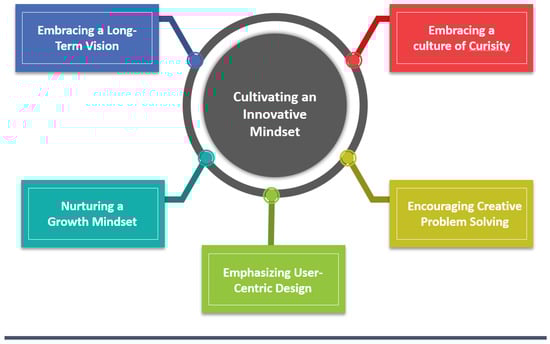
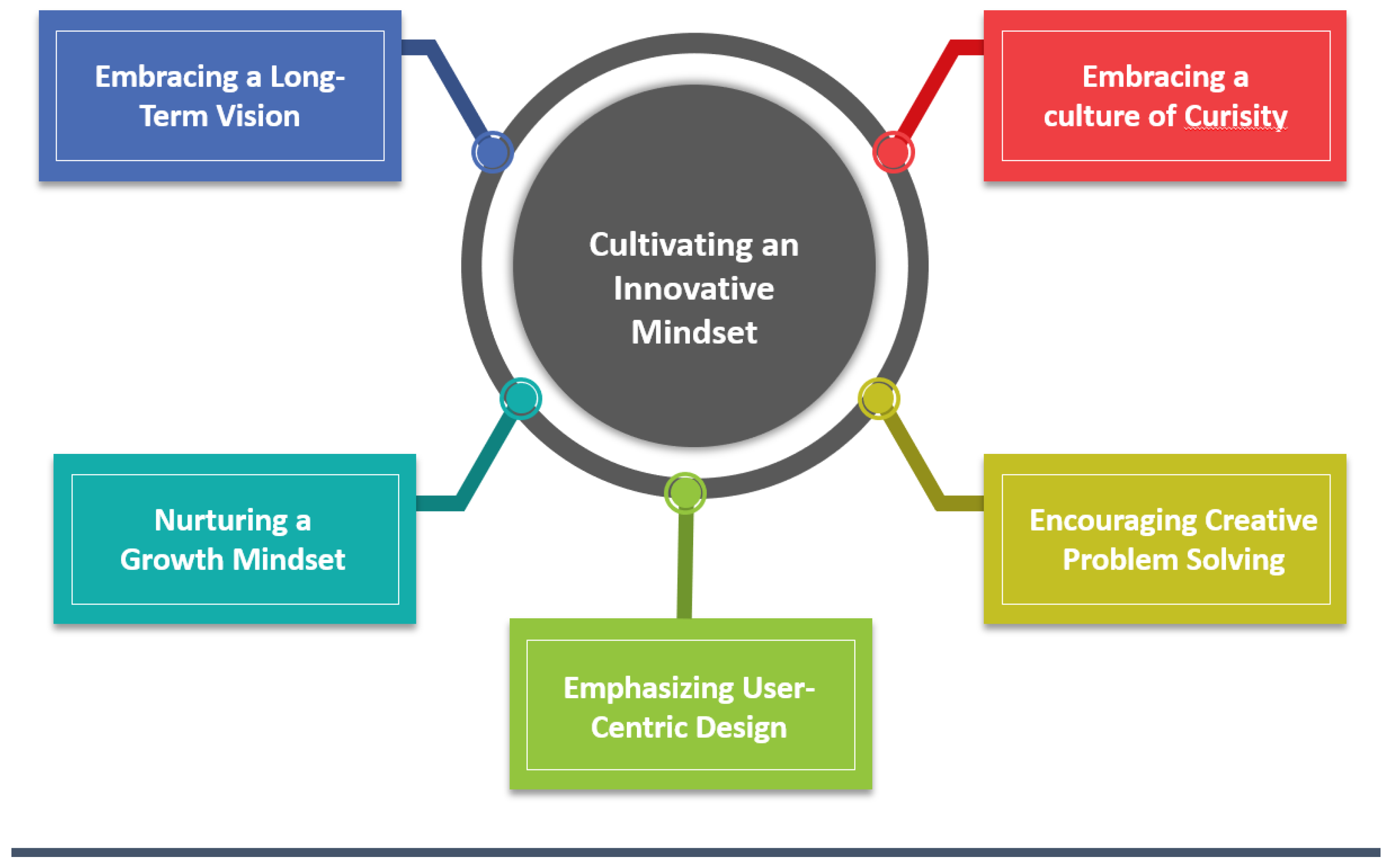
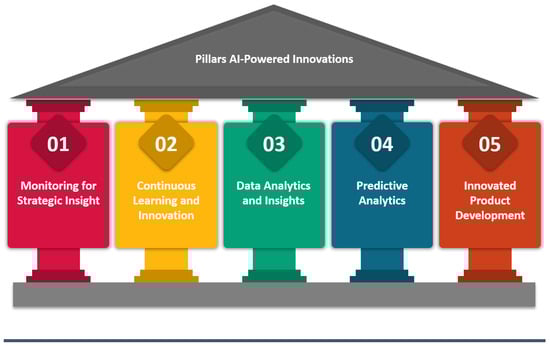
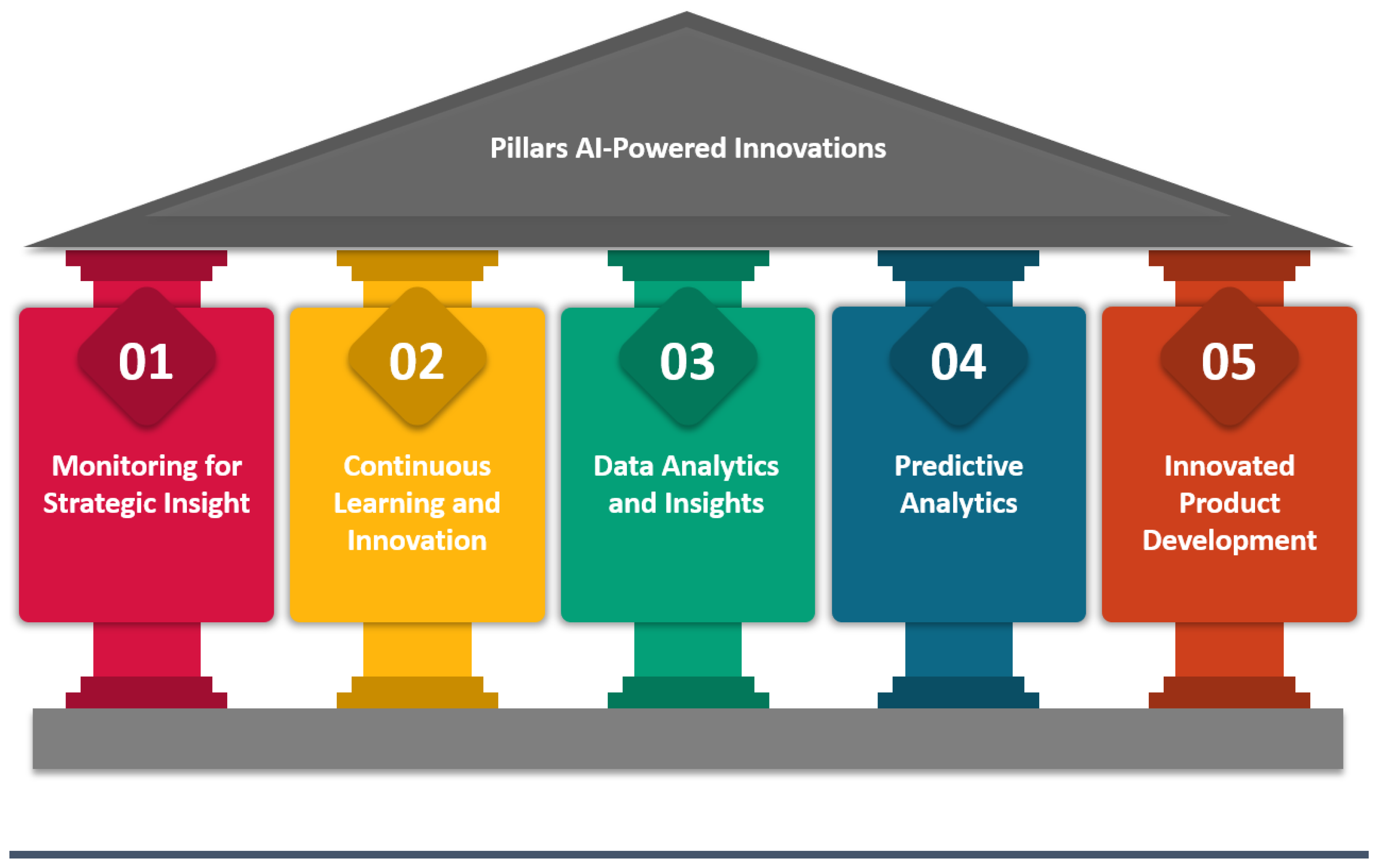
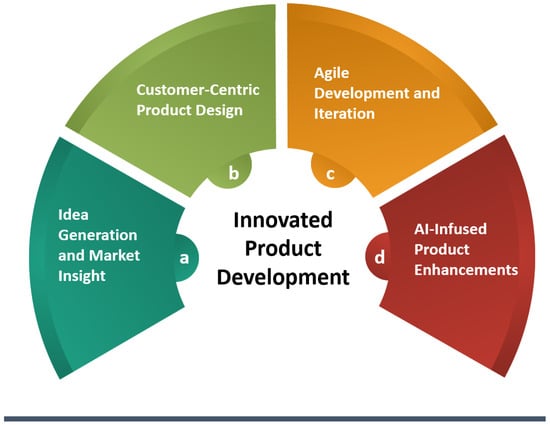
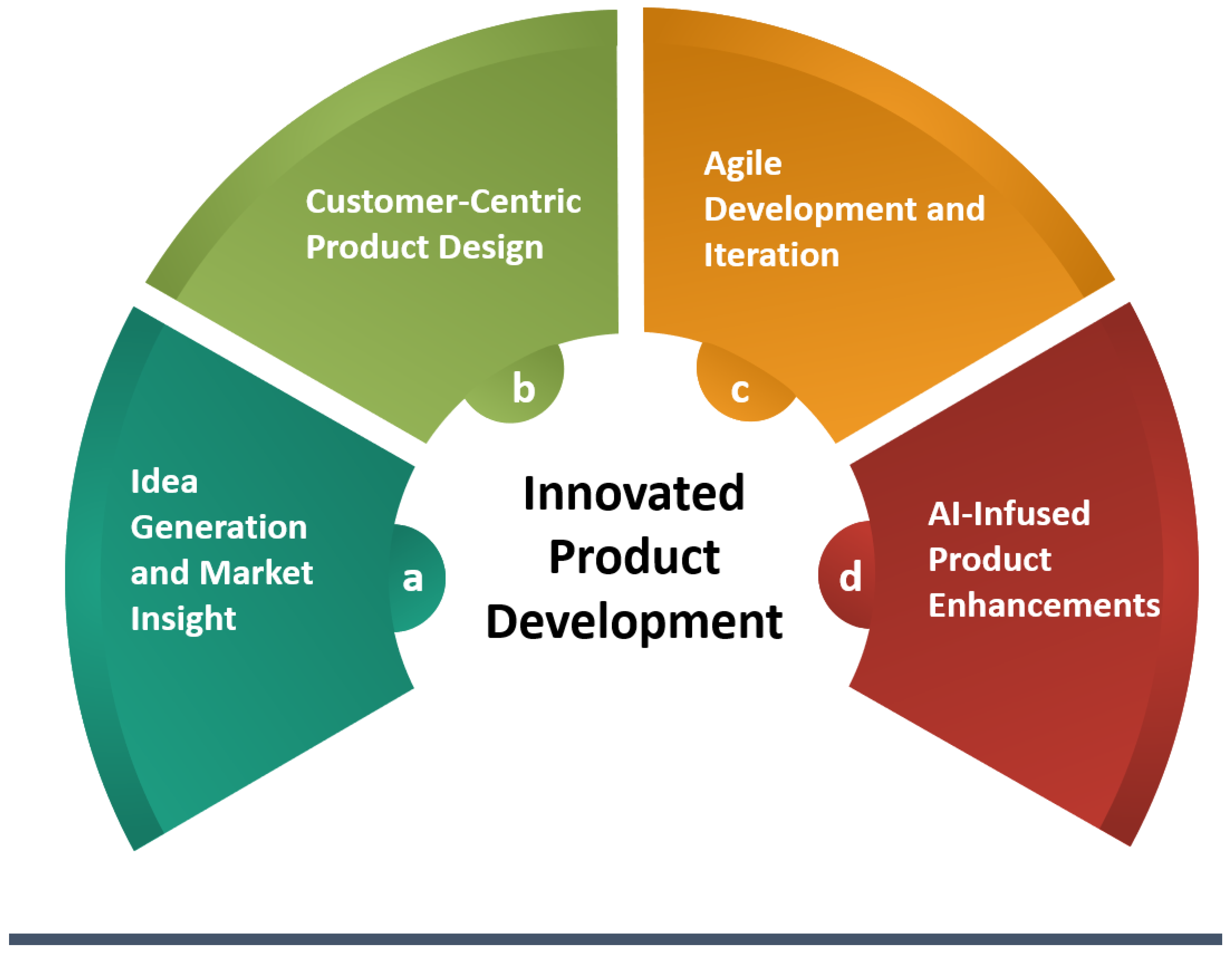
Disclaimer/Publisher’s Note: The statements, opinions and data contained in all publications are solely those of the individual author(s) and contributor(s) and not of MDPI and/or the editor(s). MDPI and/or the editor(s) disclaim responsibility for any injury to people or property resulting from any ideas, methods, instructions or products referred to in the content. |
© 2024 by the authors. Licensee MDPI, Basel, Switzerland. This article is an open access article distributed under the terms and conditions of the Creative Commons Attribution (CC BY) license (https://creativecommons.org/licenses/by/4.0/).