Article

Improving Cross-River Turbidity Retrieval by Incorporating Environmental Variables: When and Why It Works

Carbon-Water Research Station in Karst Regions of Northern, Guangdong Provincial Key Laboratory of Urbanization and Geo-Simulation, School of Geography and Planning, Sun Yat-sen University, Guangzhou 510275, China
*
Author to whom correspondence should be addressed.
These authors contributed equally to this work.
Remote Sens. 2026, 18(17), 3057; https://doi.org/10.3390/rs18173057
Submission received: 25 June 2026 / Revised: 26 August 2026 / Accepted: 27 August 2026 / Published: 7 September 2026

Abstract

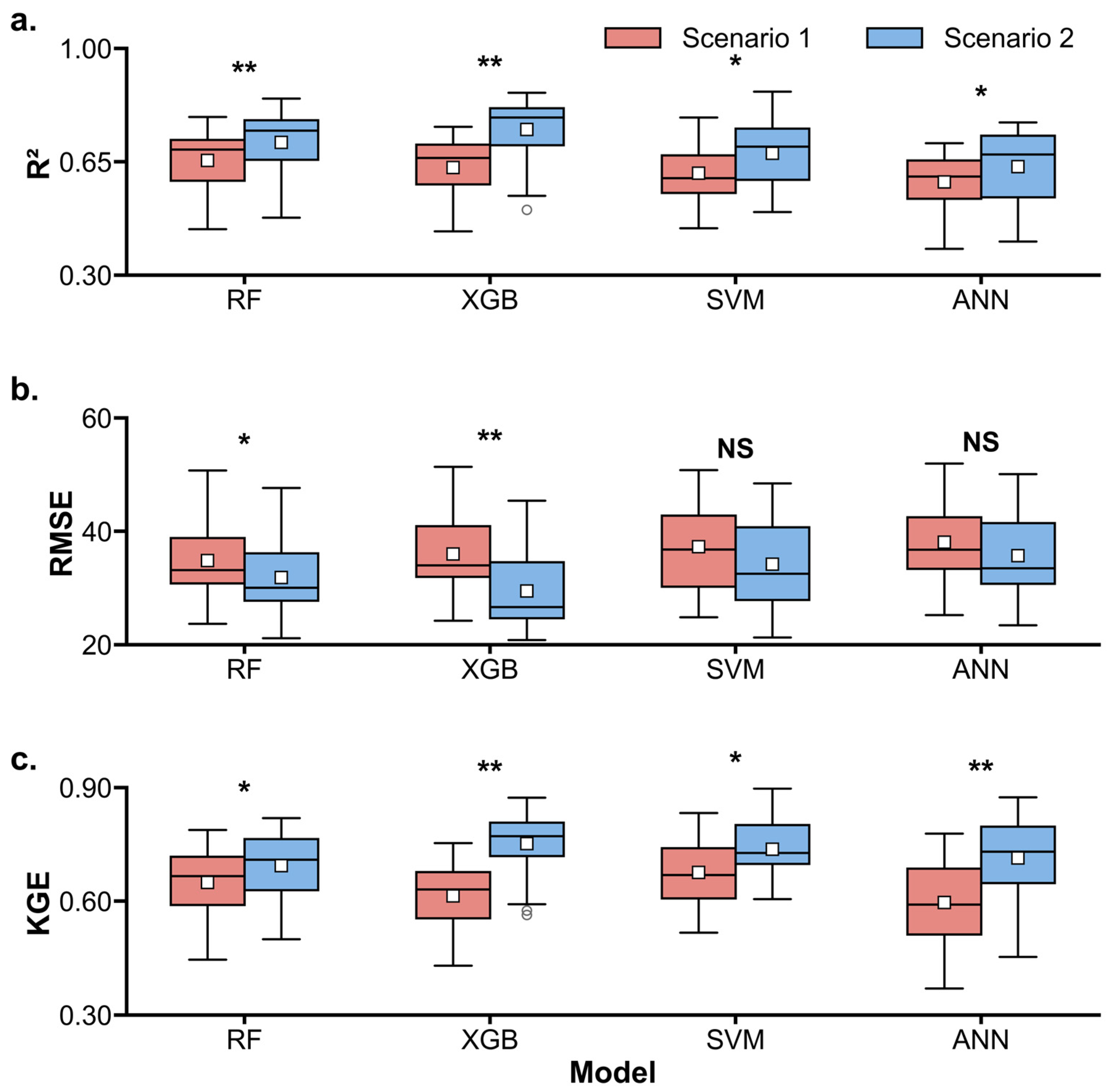
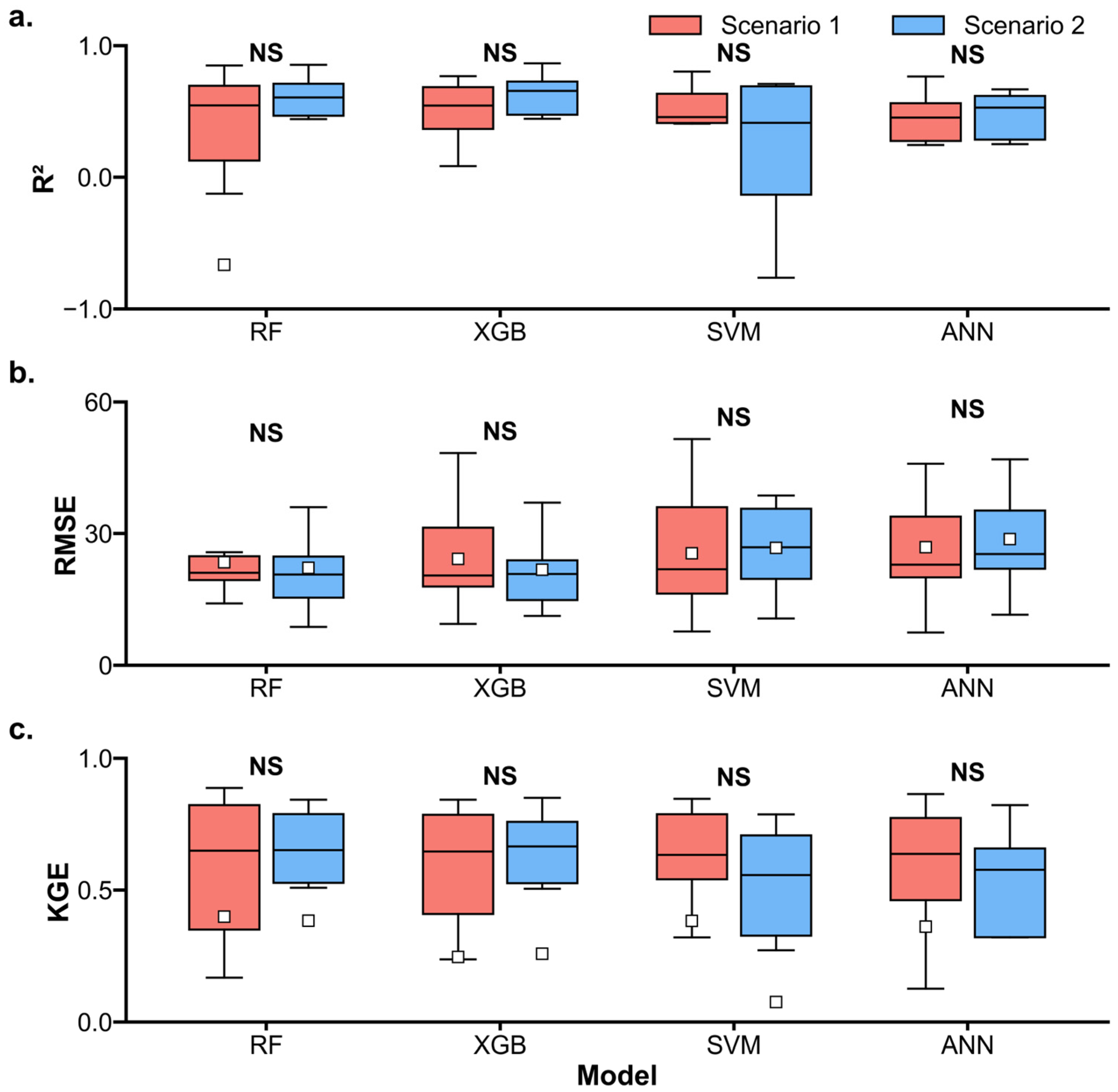
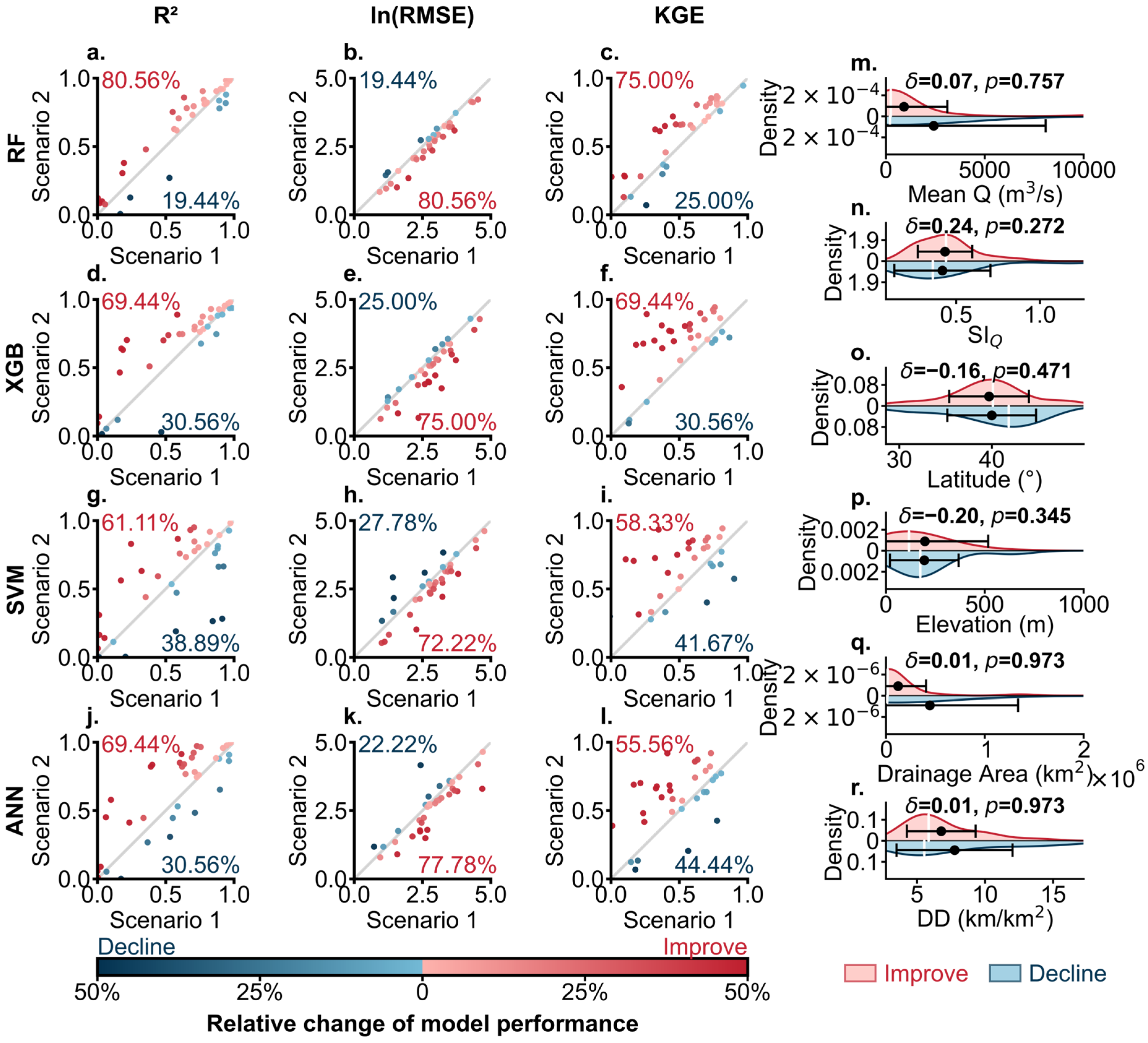
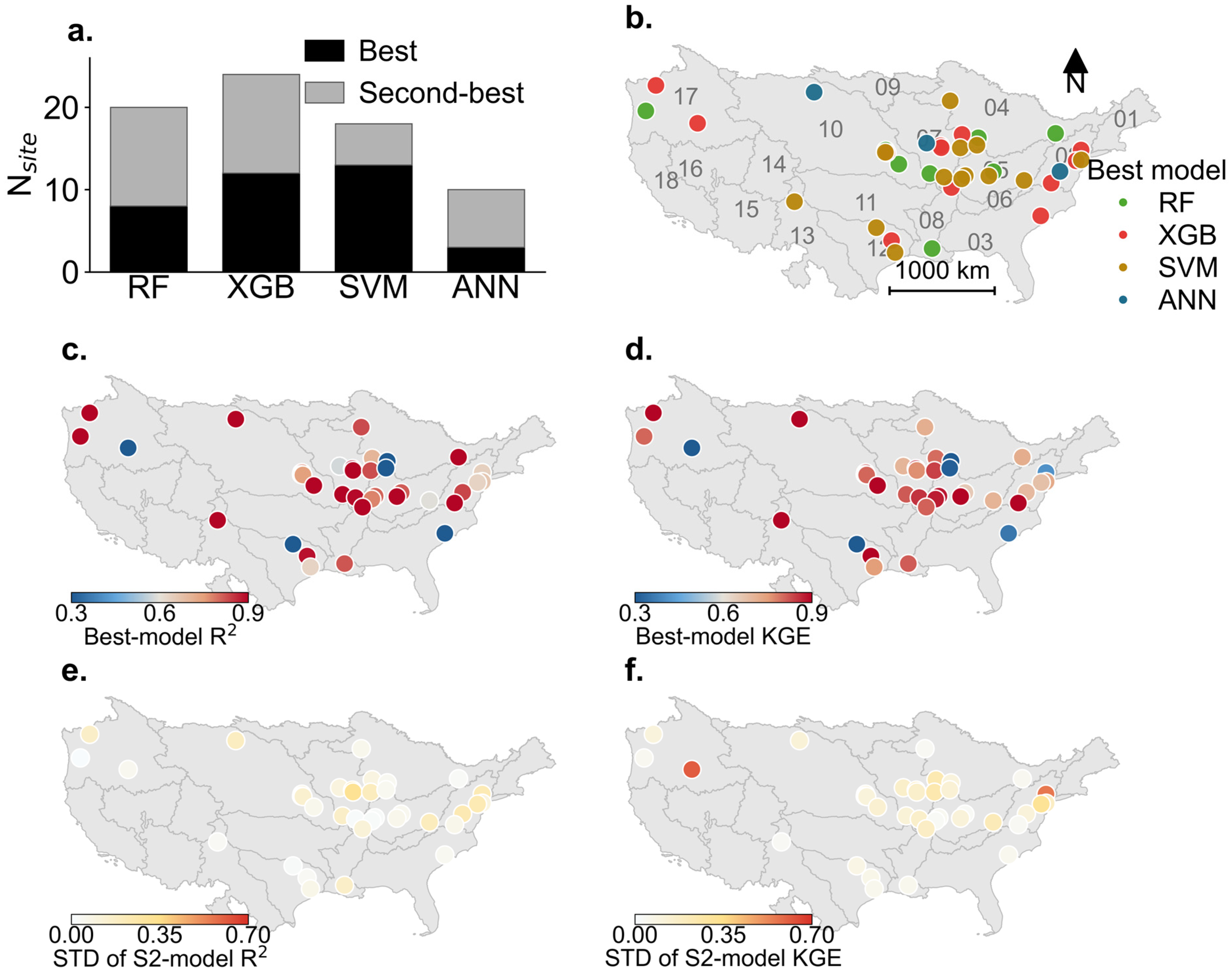
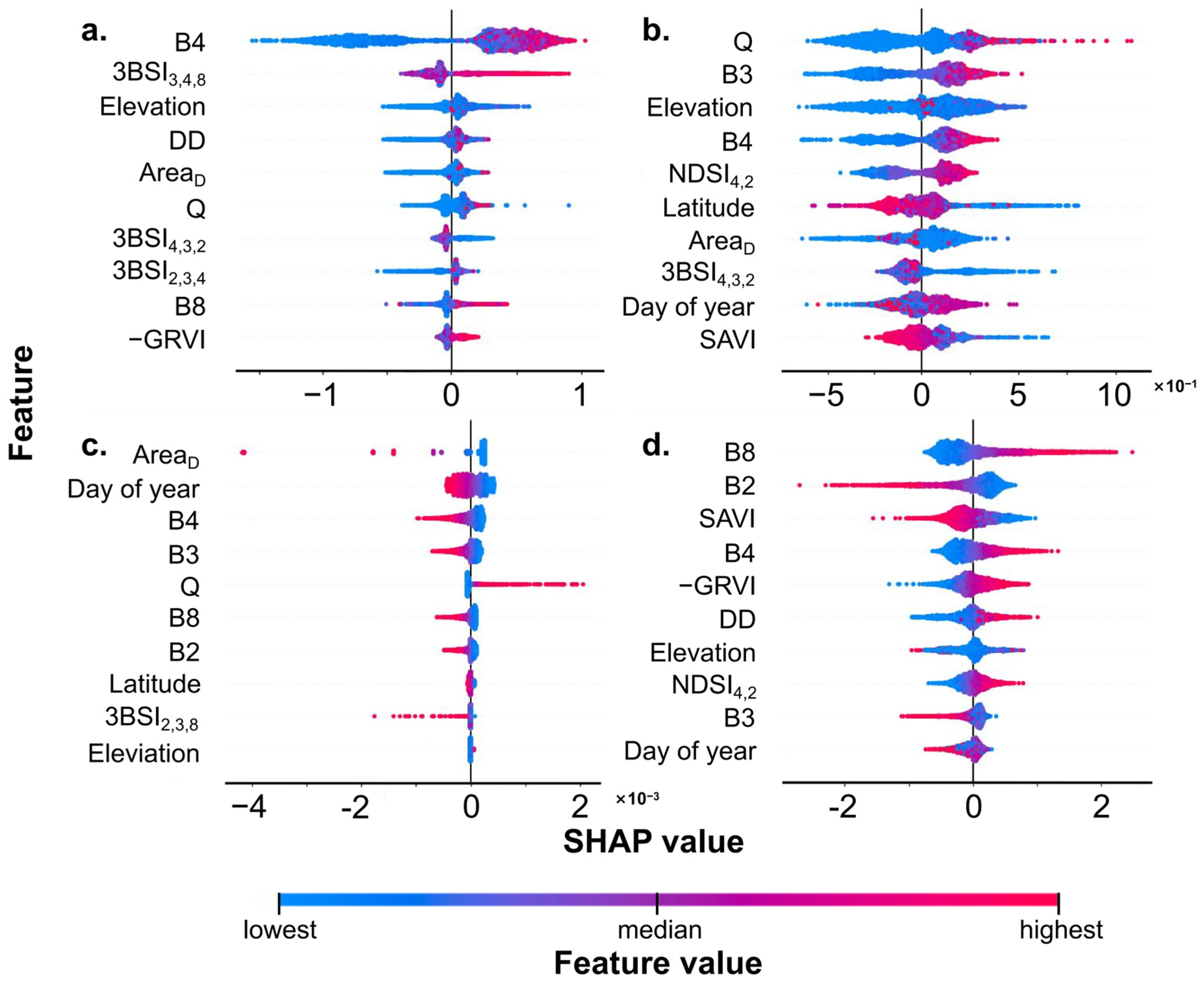
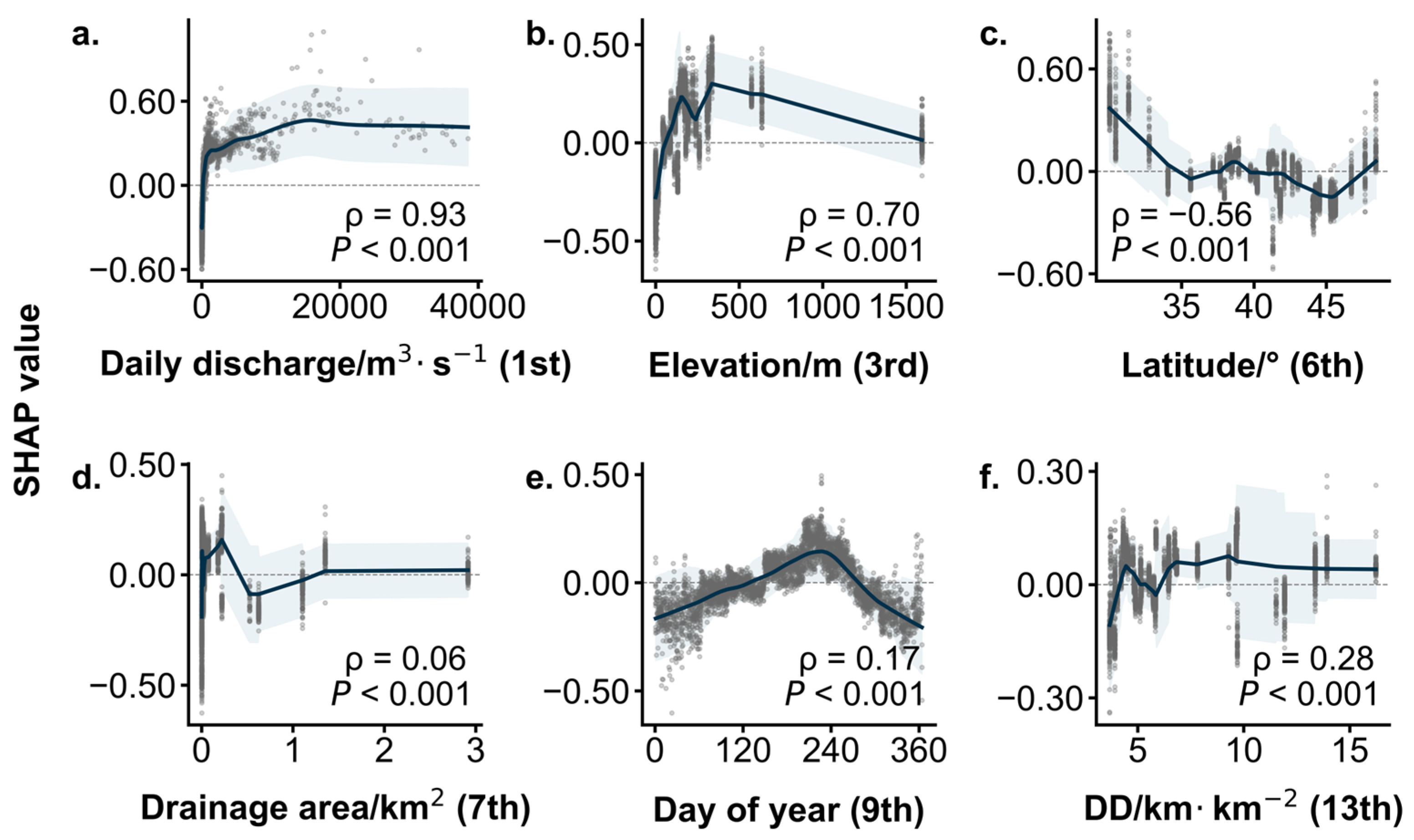
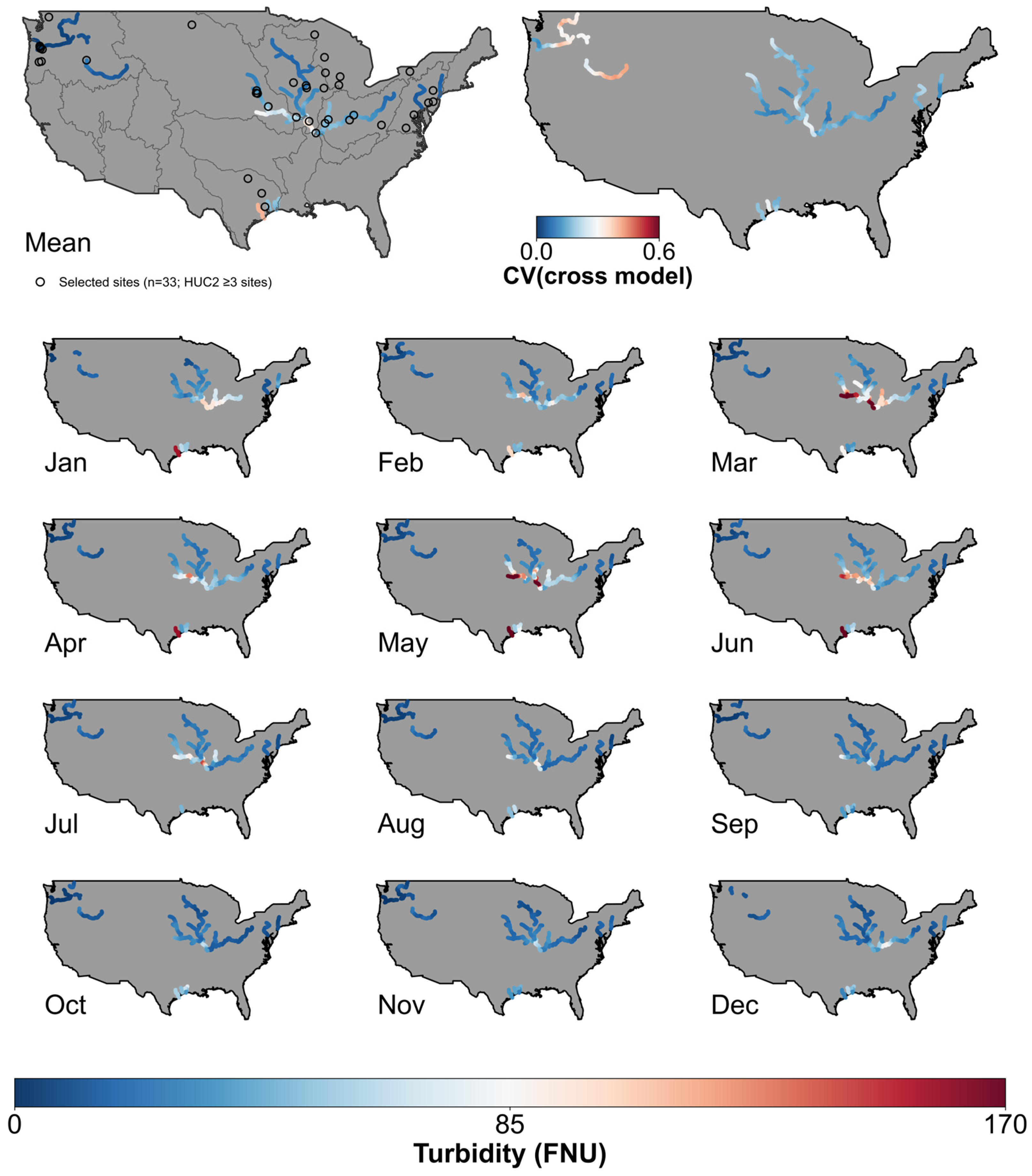
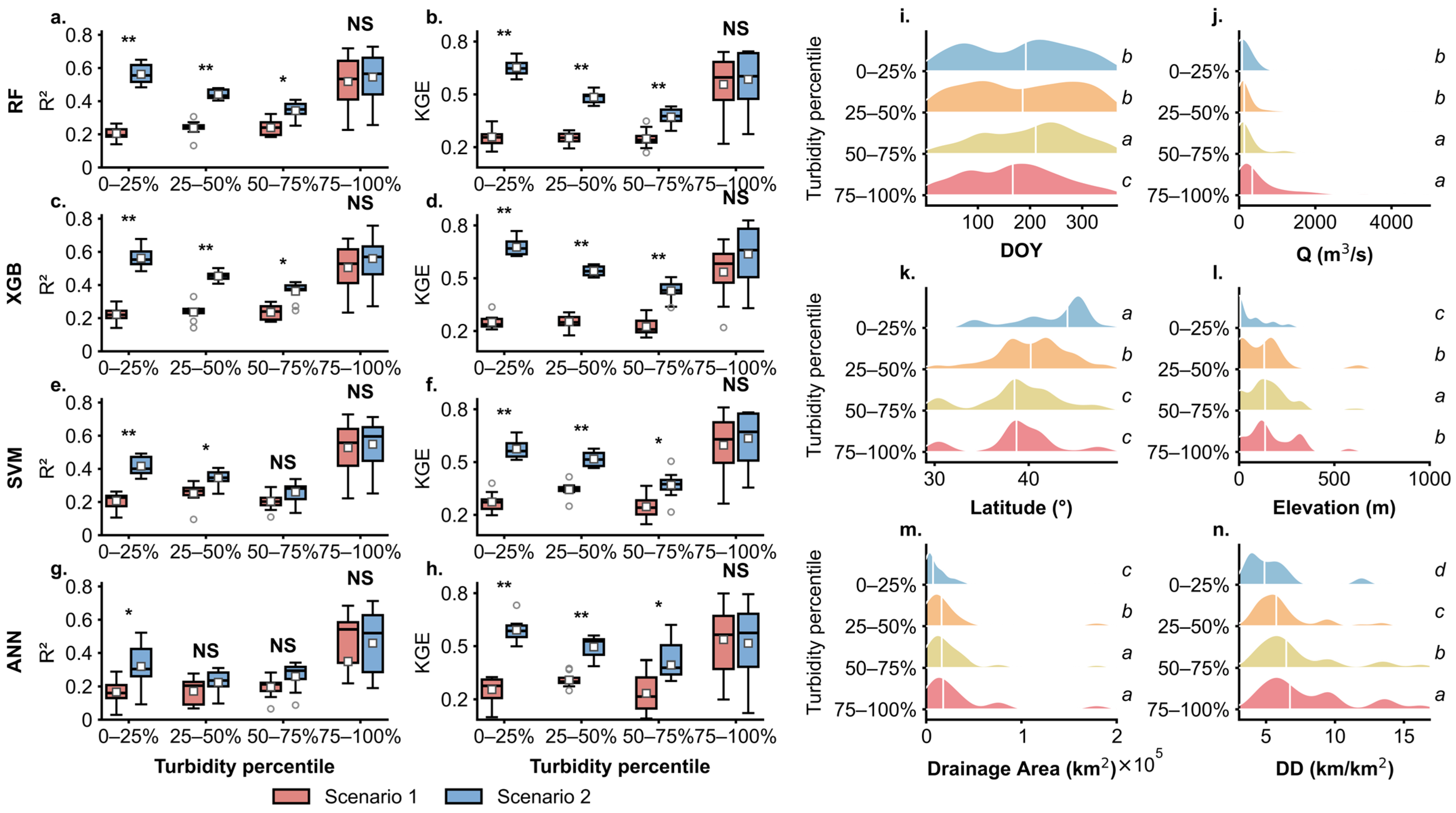
River turbidity is a key indicator of water quality that influences both human activities and riverine ecosystem functioning. However, strong seasonal variability, high sensitivity to disturbances, and pronounced spatial heterogeneity make turbidity patterns difficult to characterize and generalize across river systems. In ecological modeling, incorporating environmental variables can improve model accuracy by providing process-relevant context that is not fully captured by spectral signals alone. However, this strategy has not been systematically evaluated in water-quality remote sensing, especially for cross-river turbidity retrieval. Here, we applied this strategy to build cross-river turbidity models and compared it with a spectral-only scenario. A total of 43 monitoring sites across the conterminous United States were analyzed. Four models, random forest (RF), extreme gradient boosting (XGBoost), support vector machine (SVM), and artificial neural network (ANN), were implemented under two scenarios using spectral features alone and in combination with environmental variables. Incorporating environmental variables substantially improved overall model performance, with median R2 increasing from 0.60–0.69 to 0.67–0.78 and median Kling–Gupta efficiency (KGE) increasing from 0.59–0.67 to 0.71–0.77. Among them, RF and XGBoost maintained or improved cross-site generalization under Scenario 2, with median KGE values of 0.65 and 0.67 in leave-one-site-out tests, respectively, compared with 0.56 for SVM and 0.58 for ANN. Performance gains tended to be larger at sites with stronger discharge seasonality. Site-level and range-specific analyses further suggested that the improvement was mainly associated with low-flow and low-turbidity conditions and tended to occur in smaller catchments at lower elevations. These results demonstrate that integrating spectral and environmental information improves both the accuracy and generalizability of turbidity retrieval and helps clarify when and why environmental context benefits water-quality remote sensing across diverse river systems.
Keywords: turbidity; environmental variables; spectral signal; river water quality; cross-river modeling turbidity; environmental variables; spectral signal; river water quality; cross-river modeling