


Abstract
Prefabricated buildings (PBs) are vigorously promoted for their many advantages. However, obvious regional differences exist in the development of PBs in China, and underdeveloped areas significantly lag behind other areas. Regional “tactics” have a more direct effect on the development of PBs than national “strategies”. A targeted analysis of PB policies in underdeveloped areas in China is lacking in current research. Therefore, the aim of this study was to construct a comprehensive policy framework to help underdeveloped areas improve PB policies to develop PBs. In this study, we constructed a three-dimensional policy framework based on the content analysis method and policy instrument theory. Through a comparative analysis of 137 PB policies in three representative regions, 547 policy content codes were obtained, and reliability and validity tests were completed. The results indicate that (1) underdeveloped areas should focus on improving the number of policies rather than the accuracy in the early stages of development of PBs; (2) underdeveloped areas should focus on mandatory policy instruments (MPIs) supplemented by incentive policy instruments (IPIs) and social policy instruments (SPIs) rather than a balanced use of various policy instruments; and (3) underdeveloped areas should adjust the policy layout of the whole life cycle, and stakeholders should pay attention to the construction willingness of developers and the demands of consumers and seek policy support in the operation and maintenance stages, as well as during the demolition and recovery stages. In this study, we systematically analyzed the focus of PB policies for different stages and stakeholders and proposed an application strategy of policy instruments, contributing to the improvement of the PB policy system and the narrowing of regional development gaps with respect to PBs.
1. Introduction
Compared with traditional buildings, prefabricated buildings (PBs) have great advantages in improving efficiency, saving resources, and protecting the environment [1]. Therefore, governments have been committed to promoting PBs to alleviate the contradiction between rapid urbanization and sustainable resources [2]. Since the development model of China’s traditional construction industry has caused resource consumption to exceed expectations [3], the Chinese government regards PBs as the key to the transformation and upgrading of the construction industry [4]. The central government issued a series of policies and set requirements for the prefabrication rate [5]. These policies have played a significant role, and the goals set in China’s “13th Five-Year Plan for PB Action Plan” have been achieved [6]. The irreplaceable role of policies in developing PBs has been confirmed [4,7,8].
Although the development of PBs in China is generally positive, there are obvious regional differences. The PB policies at the national level are relatively complete, but the policies are uneven in different regions [9]. National policies are a “strategy”, which formulates an overall layout for the development of PBs across the country. Regional policies are “tactics”, which provide action guidelines for the development of PBs in various regions. It is necessary to balance “strategy” and “tactics” and pay attention to the regional development differences of PBs to achieve sustainable development. According to the development status and potential of PBs, the State Council of China has divided PB promotion areas into three categories [10]: key promotion areas, active promotion areas, and encouraged promotion areas. Key promotion areas and some active promotion areas belong to economically developed areas, where PBs can form a positive circular development trend [6]. Most of the encouraged promotion areas are underdeveloped areas, where PBs development lags. In addition, underdeveloped areas face challenges such as imperfect policies, insufficient funds, unregulated markets, and weak public awareness [11], resulting in a very slow promotion of PBs [12].
Because PBs have strong externalities, it is effective to strengthen policy interventions in the early stage of development. In developed areas, policy systems are relatively complete, and PBs have entered a period of rapid development. However, in underdeveloped areas, there is an urgent need to promulgate targeted and wide-ranging PB policies to establish a good market development environment [9]. Owing to differences in regional development, policy formulation needs to be tailored to local conditions. Therefore, it is necessary to construct a scientific, rational, and thorough policy evaluation framework for underdeveloped areas.
In formulating new policies, lessons need to be drawn from previous policies, and a comprehensive review should be conducted in terms of promotion and implementation [13]. The use of content analysis to review policies is a common and effective research method [14] that can help policymakers and implementers identify the nature and characteristics of policies. Policy instrument theory combines qualitative content analysis with quantitative statistical analysis to reveal the evolutionary characteristics of policies [7]. However, it is difficult to provide a reference for a broader area only using the policy instrument method to study the PB policy in a certain area. Therefore, in this study, a comparative analysis was adopted to explore the policy differences among the three types of PBs in China. Qinghai, Chongqing, and Shanghai were selected as representative regions (the reasons for sample selection are explained in Section 3.3). Comparative analysis can be used to explore differences and similarities between regions [15], providing an opportunity for the three types of regions to exchange policy experiences.
Therefore, analyzing the current problems of PB policies in underdeveloped areas and exploring future directions of policy formulation is crucial to promoting the development of PBs in underdeveloped areas. In this study, we constructed a three-dimensional policy framework based on the content analysis method and policy instrument theory. Through a comparative analysis of PB policies in three representative regions, the focus of PB policies for different stages and stakeholders was explored to facilitate policy formulation and implementation in underdeveloped areas. The main contributions of this study are as follows:
- In underdeveloped areas, it is more urgent to increase the number of policies than the accuracy of policies;
- The use trends of three policy instruments in underdeveloped regions are identified; and
- Policy formulation ideas for the whole life cycle and stakeholders in underdeveloped regions are proposed.
2. Literature Review
2.1. Development of PBs in Developed and Developing Countries
Developed countries started early with PBs and have formed a relatively mature PB policy system [16]. In the 1960s, there was a boom in the development of PBs in Europe, and the United States, Japan, Singapore, and other countries also began to actively explore PBs [17]. By the 1980s, PBs provided a solution to the housing needs of Western European countries, making them more popular. Since governments have made and continuously improved clear regulations on the construction standards, responsibility division, and incentive measures of PBs, the industrialization of construction in developed countries has gradually transformed from quantity to quality. Population pressure and housing demand are common in developing countries, so they promote PBs. However, PBs generate more initial investment, higher taxes, and more incremental costs than traditional buildings [18,19], and developing countries have encountered many obstacles in promoting PBs. The development of PBs in some developed and developing countries is shown in Table 1.

Table 1.
The development of prefabricated buildings (PBs) in some developed and developing countries.
2.2. Development of PBs in Developed and Underdeveloped Areas in China
The Beijing–Tianjin–Hebei, Yangtze River Delta, and Pearl River Delta regions in China account for more than 50% of annual new construction areas for PBs in the country [10]. As developed regions, they have a sufficient social environment and fiscal revenue to support the development of PBs. Most of the central and western regions of China are underdeveloped areas and have difficulty in keeping pace with the development of PBs, which leads to significant differences in regional development. The starting year (2021) and the completion year (2025) of China’s “14th Five-Year Plan” are taken as key time points for the development of PBs in various regions during this stage. The development and policy goals of PBs in some developed and underdeveloped areas of China are shown in Table 2.
Table 2.
Development and policy goals of PBs in some developed and underdeveloped areas of China.
As shown in Table 2, the area, proportion, and policy goals of PBs in developed areas are much higher than those in underdeveloped areas, with significant advantages. Underdeveloped areas generally face problems such as inadequate policy support and implementation, substandard technical levels, immature market mechanisms, and a lack of professional teams. Therefore, governments in underdeveloped areas have more disadvantages than those in developed regions when formulating and implementing policies.
2.3. Research on Policy Framework of PBs
The importance of developing PBs through policies in China has been confirmed by many studies [40,41,42]. Analyzing and evaluating PB policies by constructing a policy framework is a common method with great potential in the field of PBs [7,43]. The PB policy framework is mainly divided into two-dimensional and three-dimensional frameworks [44], with few one-dimensional frameworks. The “policy instrument” dimension is usually a mandatory part of the policy framework [3]. However, there are many classifications of policy instruments [45]. Even if all policy frameworks include the dimension of “policy instruments”, the research focus is different due to the different specific indicators. In selecting other dimensions, many studies combine the dimensions of the PB policy objective [7,13], whole life cycle [42], and industry chain [44]. However, because there is no unified standard for the dimension selection of policy frameworks, the comprehensiveness of some frameworks needs to be reviewed.
Although many researchers have adopted different methods and provided suggestions for the formulation and implementation of PB policies with respect to different dimensions [44,46,47,48], they have ignored regional development differences. For example, the eastern region in China is economically developed and has relatively sound PB policies. In contrast, the development of PBs in the northwestern region is backward due to the limitation of social development and natural geographical conditions [49]. In addition, most studies either analyze policies at the national level [7,8,42,44] or conduct a single regional study [50,51], making it difficult to provide an effective policy formulation concept for a certain type of region. Although many policies are implemented not as effectively as expected in underdeveloped areas [8], they are still the primary driving force for the development of PBs in these areas [52]. Therefore, paying attention to regional PB policies has important practical significance for narrowing the differences in the regional development of PBs, refining central PB policies, and implementing regional PB policies.
3. Research Method
3.1. Content Analysis and Policy Instrument Theory
As a common policy analysis method, content analysis is widely used, especially in the fields of public management, economic management, energy, and environment [7]. Content analysis can effectively sort out texts and convert qualitative content into quantitative data. Thus, it is used by many researchers to analyze policies [3,42,53]. As an important decision-making tool in policy analysis, the selection of policy instruments is the key to the achievement of policy goals [3], and their application is based on the content analysis method. The research process is as follows: ➀ constructing a policy analysis framework; ➁ encoding the policy content; ➂ analyzing and discussing the policy content according to the established framework. Since the use of policy instruments can reflect the behavior style of the government [53], the selection and formulation of policy instruments can directly affect the development trend of emerging industries such as PBs.
The current policy analysis methods for PBs are mainly content analysis, system dynamics, and evolutionary game theory, as shown in Table 3. Due to the imperfect policy system in underdeveloped areas, it is difficult to objectively quantify policy indicators and collect data to establish a system dynamics model. Moreover, the enthusiasm of stakeholders is not high, and the evolutionary game analysis for one or several parties cannot comprehensively coordinate various problems in the early development stage of PBs. However, the content analysis method can help policymakers and implementers to clarify the nature, characteristics, and evolution process of the current policy [14]. A classic policy instrument model combined with policy instrument theory can be followed to construct a policy framework. Therefore, this method is suitable to provide a clear policy formulation concept for underdeveloped areas.
Table 3.
Comparison of main analysis methods for PB policies.
Since the reproducibility of the content analysis method is often questioned [56], in this study, we tested the reliability and validity of the policy content coding and the policy framework. In this way, the subjective influence of the content analysis method on the evaluation and coding of the policy content can be minimized to ensure the credibility and validity of the research design. The test process is detailed in Section 5.2.
3.2. Comparative Analysis
Research on PB policy is usually conducted for a certain country or region [42,44]. However, macroscopic analysis cannot provide targeted guidance for regional development, and research in a single region lacks generalization in the context of uncoordinated regional development in China. Comparative analysis can comprehensively analyze the differences and similarities of policies and standards between different countries or regions [15], which provides a promising approach to studying PB policies in underdeveloped areas.
The policy instrument theory based on content analysis is subjective in application. Therefore, comparative analysis can be used to objectively analyze the policies of different PBs in the promotion area, thus obtaining advanced experience that underdeveloped areas can learn from. It is worth noting that the ultimate purpose of this study is not to formulate a fixed policy model for underdeveloped regions through comparative analysis but to construct a broad policy framework to clarify the problems and optimization ideas of the current PB policies. In addition, the policy analysis model of “policy instrument comparative analysis” can overcome the limitations of traditional content analysis methods and provide valuable practical experience for exploration of broader regional policy frameworks.
3.3. Sample Selection and Data Source
An “underdeveloped area of PBs”, as defined in this study, meets the following conditions: it is economically underdeveloped and among the areas where PBs are encouraged and promoted. In this study, Qinghai, Chongqing, and Shanghai were selected as the three representative regions for comparative analysis of the policy framework for the following reasons:
(1) Qinghai, Chongqing, and Shanghai belong to an encouraged promotion area, active promotion area, and key promotion area of PBs, respectively. The three regions are representative and relevant in the three types of PB development areas: ➀ The administrative levels are the same. Qinghai is a province, whereas Chongqing and Shanghai are both municipalities. ➁ They belong to the Yangtze River Basin. Qinghai is the birthplace of the Yangtze River, Chongqing is the center of the urban agglomeration in the upper reaches of the Yangtze River, and Shanghai is the center of the Yangtze River Delta and the estuary of the Yangtze River.
(2) Qinghai is a typical representative of economically underdeveloped plateau areas in China [9]. There is an urgent need to develop PBs to reduce construction pollution for ecological protection. Underdeveloped areas generally have problems such as backward economic development and natural environmental constraints [57]. Although the local government has been actively promoting PBs in the past five years [38], the effect is not satisfactory [58]. Therefore, Qinghai is suitable as a representative region for the development of PBs in underdeveloped areas. As the only first-level administrative region in the western region with a per capita GDP exceeding the national level, Chongqing has considerable potential for the development of PBs. In addition, located in the same western region as Qinghai, Chongqing can become a short-term target for Qinghai to develop PBs. Shanghai started early in the development of PBs, and its development system is relatively mature. As a benchmark leading the development of PBs in the country, Shanghai can provide long-term planning for the development of PBs in Qinghai.
We selected provincial policy documents that play an important role in promoting the development of PBs in the three regions as research objects. To ensure the validity and representativeness of the policy text, we followed the principles of authority, comprehensiveness, and scientificity in the screening process.
(1) Authority: Policy texts are all sourced from official government websites, such as the General Office of the People’s Government, the Department of Housing and Urban–Rural Development, and the Development and Reform Commission. Each policy has a clear and public issue number, issue time, and issue department.
(2) Comprehensiveness: The policies that first appear with keywords such as “fabricated”, “prefabricated”, and “component” and put forward relevant opinions were selected as the starting point of policy analysis. Therefore, the period of PB policy analysis is as follows: Qinghai, from 2012 to June 2022; Chongqing, from 2013 to June 2022; and Shanghai, from 2008 to June 2022.
(3) Scientificity: We first searched using keywords and found 60 relevant policies on various official websites of Qinghai. Then, we manually removed 9 news reports, 5 meeting reports, 4 reply letters, and 16 policies with low relevance and retained policies with clear direction and binding force, such as management measures, implementation opinions, target outlines, and technical standards. Finally, 26 PB policies for Qinghai with high relevance were selected. With the same screening method, we obtained 52 PB policies for Chongqing and 59 PB policies for Shanghai, for a total of 137 PB policies in the three regions. The specific policy catalogs are shown in Supplementary Materials Tables S1–S3.
In this study, a three-dimensional policy analysis framework was first constructed based on policy instrument theory, whole life cycle theory, and stakeholder theory. Then, the PB policies of Qinghai, Chongqing, and Shanghai were used as the research objects for coding and quantitative statistics to compare and analyze the current situation of PB policies in the three regions scientifically and reasonably. Finally, the current PB policy trends in Qinghai were combined to provide optimization suggestions to improve PB policies in similar underdeveloped areas. The research process is shown in Figure 1.
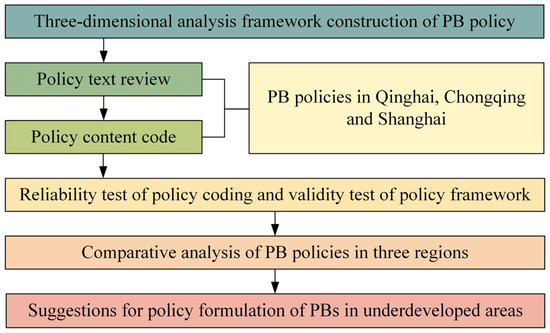
Figure 1.
The research process.
4. Policy Framework Construction
The PB policy system is composed of several different types of policy instruments. The functions of different policy instruments are integrated and complemented to maximize the functions of the policy system, thus achieving the common goal of the policy. The policy texts selected in this study are composed of single or multiple policy instruments. We refer to the classic policy instrument model [7,16] and take the “policy instrument dimension” as the “X dimension” of the policy framework.
The policy instrument mechanism of the “X dimension” is reflected in each stage of the whole life cycle of PBs, and the focus of policies differs greatly at different stages. Therefore, considering the role of policy instruments, the “Y dimension” of the policy analysis framework is constructed by combining the whole life cycle theory.
In addition, the introduction of the “core policy stakeholder dimension” as the “Z dimension” to analyze PB policies in underdeveloped areas can reflect the policy tendency from the perspectives of different stakeholder and compensate for the limitations of analyzing policies only from the government’s perspective. Moreover, because the market mechanism of PBs in underdeveloped areas is not perfect and both project participants and consumers are not highly motivated, analyzing policies from a stakeholder’s perspective can help policy implementers and recipients understand policies effectively.
4.1. Policy Instrument Dimension: X
Policy instruments serve as a bridge between policy goals and outcomes, and a good classification of policy instruments can effectively assist in accomplishing policy goals [53]. A one-dimensional classification of policy instruments usually cannot comprehensively represent all characteristics of policies [59]. Therefore, researchers have attempted to categorize these instruments meaningfully [45]. In this study, we first drew on the policy instrument model proposed by Howlett in 1995 [60]. Then, the classification of policy instruments by the International Energy Agency (IEA) [61] and related researchers [42,50] was compared and analyzed. Finally, combined with the actual situation of underdeveloped areas, the policy instruments were divided into “mandatory policy instruments (MPIs)”, “incentive policy instruments (IPIs)”, and “social policy instruments (SPIs)” according to the degree of government intervention, from high to low, as shown in Figure 2. The specific definitions of the three policy instruments are shown in Table 4.
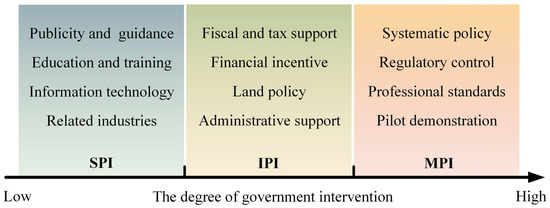
Figure 2.
Classification of policy instruments.
Table 4.
Interpretation of PB policy instruments.
4.2. Whole Life Cycle Dimension: Y
The PB industry is a multichain integrated industry. Categorizing PB policy texts only from the dimension of policy instruments cannot reflect all characteristics of PB policies. Therefore, in this study, we considered the whole life cycle of the development of PBs in an effort to improve the policies of PBs in underdeveloped areas.
The whole life cycle of traditional buildings can generally be divided into decision-making, design, construction, completion and acceptance, operation, and maintenance stages, whereas the component supply stage is unique to PBs. Since the demolition and recovery of cast-in-place buildings are not ideal and the recycling rate of building materials is much lower than that of PBs [62], the demolition and recovery stage needs to be considered. Therefore, the whole life cycle dimension of the PB policy framework in underdeveloped areas is divided into decision-making, design, component supply, construction and installation, completion and acceptance, operation and maintenance, and demolition and recovery stages.
4.3. Core Policy Stakeholder Dimension: Z
Stakeholders are individuals or organizations that work to achieve project objectives or are affected by the construction process [63]. PB projects involve many stakeholders, and many studies have shown that “inefficient communication among project participants” [17,64,65] is the core barrier to the development of PBs in underdeveloped areas. Therefore, it is necessary to focus on stakeholder connections when formulating PB policies. According to previous research [66,67,68,69,70], the core policy stakeholders of PBs in underdeveloped areas are divided into developers, designers, contractors, component manufacturers, and consumers. By integrating the above three dimensions, a framework for the analysis of PB policies in underdeveloped areas was formed, as shown in Figure 3.
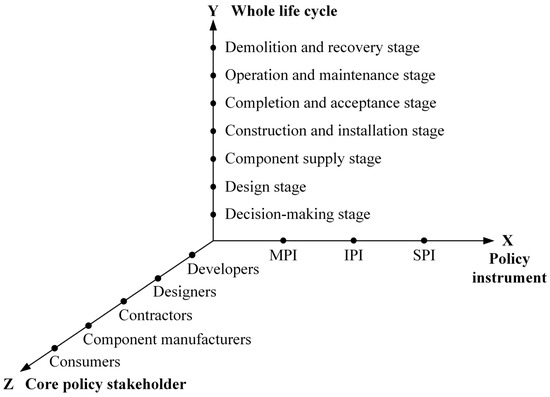
Figure 3.
Policy framework for prefabricated buildings (PBs) in underdeveloped areas.
5. Policy Framework Analysis
5.1. Policy Code
The PB policy texts from the three regions were hand-coded by NVIVO software in the form of “Policy number–Chapter–Detailed entry” according to the types of policy instruments included in Table 4. There are 98 policy codes in Qinghai PB policies, some examples of which are shown in Table 5. There are 205 codes for Chongqing PB policies and 244 codes for Shanghai PB policies. A total of 547 codes are available for the three regions. If the content of a policy involved different types of policy instruments, the policy was split as appropriate, and the next level of subcoding was added to ensure integrity and scientificity (as shown in codes 3-3-1-1 and 3-3-1-2 in Table 5).
Table 5.
Qinghai PB policy coding examples.
5.2. Reliability and Validity Tests
5.2.1. Reliability Tests of Policy Coding
When coding policy content, the subjective perception of the coder and the clarity of the category definition can affect the accuracy of the coding results [56]. Therefore, in this study, the test–retest reliability method was used to test the coders’ judgment reliability and the accuracy of each category definition. The main test process is as follows: ➀ The same coder coded twice within a certain time interval. ➁ The reliability coefficient of the two coding results was calculated. ➂ The closer the reliability coefficient is to 1, the more stable the test results are. A reliability coefficient exceeding 0.9 is considered to indicate high reliability [56].
As shown in Section 5.1, there were 547 coded policy texts. According to the sampling rate of 20% [71], 110 policy items were randomly selected as the test sample. The second encoding was performed one month after the initial encoding. The reliability coefficient was calculated in SPSS according to Pearson’s product-moment formula (1) [56,71]:
where R is the reliability coefficient, N1 and N2 are the numbers of policy items coded twice for a certain analysis, A1 and A2 are the average numbers of policy items coded twice, S1 and S2 are the standard deviations of the number of policy items coded twice, and T is the number of categories contained in a certain dimension of the policy framework. The coding statistics and reliability coefficients of the policy sample for the three dimensions are shown in Table 6.
Table 6.
Policy sample coding statistics and reliability coefficients.
As shown in the table, the reliability coefficients of the three dimensions are greater than 0.99, indicating that the coder’s judgment is stable, and the specific categories contained in each dimension are clearly defined. Therefore, the policy codes are reliable.
5.2.2. Validity Tests of the Policy Framework
A validity test was conducted to test the appropriateness of the policy framework and to determine whether each indicator can comprehensively analyze the content of the policy text [56]. It is worth noting that validity tests are highly subjective and difficult to standardize through a set of indicators [71]. Therefore, we randomly selected five underdeveloped regions according to the actual situation and took three newly released PB policies with high relevance in these five regions as the test samples for analysis according to the constructed policy framework. The statistical analysis of the five regional policy samples based on the policy framework is shown in Table 7. The specific information of 15 policies (P1–P15) is lengthy and provided in Supplementary Material Table S4.
Table 7.
Statistical analysis of five regional policy samples based on the policy framework.
The policy coverage rate of the three dimensions is above 70%. It can be considered that this policy framework can be used to comprehensively analyze and evaluate PB policies in underdeveloped areas, which provides a data basis and analysis perspective for subsequent research.
5.3. One-Dimensional Analysis
5.3.1. X Dimension
(1) Distribution policy instrument types
The distribution of PB policy instruments in the three regions is shown in Table 8. The application of MPIs, IPIs, and SPIs is unbalanced, with the proportion of MPIs accounting for more than half of all policy instruments, with a small proportion of IPIs. Additionally, the application rate of MPIs in Shanghai is as high as 73.36%, which is a difference of approximately 16% relative to Chongqing (57.56%) and Qinghai (57.14%), showing an obvious gap. Interestingly, Chongqing and Qinghai are very similar in the application rate of the three policy instruments, which indicates that Qinghai, as an encouraged promotion area for PBs, has fully learned from the policy model of the active promotion area of PBs in the early stage of development. For Chongqing, it is also necessary to learn from the experience of Shanghai and other key promotion areas of PBs to adjust policy instruments according to local conditions. The specific analysis is as follows:
Table 8.
Distribution of the types of PB policy instruments in the three regions.
➀ MPIs: MPIs are the most common type of policy instrument used by the three regions in formulating PB policies. For Qinghai, the percentage of “systematic policies” (34.69%) exceeds one-third of all policy regulations, which is the highest among the three regions (20.49% for Chongqing and 17.62% for Shanghai). This result indicates that Qinghai pays considerable attention to macro policies in the early stage of development and has a clear direction for the development of PBs. The proportion of “pilot demonstrations” (12.24%) is also the highest among the three regions, reflecting Qinghai’s tendency to promote the development of local PBs by creating pilot regions and demonstration projects. The percentages of “regulation control” (7.14%) and “professional standards” (3.06%) are the lowest among the three regions, which can explain why the lack of regulations and standards is one of the core risks associated with PBs in Qinghai [58]. Shanghai is the region that uses the most “regulatory control” policy instruments, accounting for 43.85%, which has an important guiding significance in China’s PB market. The use of regulations to promote the development of PBs has been largely ignored in China, resulting in less supervision [72], whereas it is difficult for PBs to develop without perfect supervision. Chongqing’s “professional standards” accounts for 15.12% of the total policy instruments, ranking first among the three regions, indicating that Chongqing attaches great importance to the formulation of standards during the rapid development of PBs. The most frequently used instrument in the promotion of PBs is standards [7] because standards can ensure the quality of PBs and provide minimum requirements for their use [73]. Therefore, underdeveloped areas need to improve relevant regulations and standards as soon as possible to regulate the implementation of PB projects.
➁ IPIs: Economic incentives such as tax incentives and loan support have proven to be effective in encouraged promotion areas of PBs [8,19,40], but economic incentives tend to cause financial burdens [7,74]. The lack of applications of IPIs in Qinghai, especially “fiscal and tax support” (3.06%) and “financial incentives” (1.02%), are related to its location on the plateau and its underdeveloped economy. Shanghai’s financial system tends to be mature, and the market regulation mechanism is relatively complete, so it does not issue a “financial incentive” policy for PBs. In contrast, Chongqing belongs to the middle area in the development of China’s PBs, and its proportion of IPIs is the highest, mainly reflected in “administrative support” (9.27%) and “fiscal and tax support” (5.37%), which are intuitive and effective policy measures. The local government can implement this decision combined with Chongqing’s current urban development strategy. As an underdeveloped region, Qinghai motivates stakeholders in terms of “administrative support” (7.14%) and “land policy” (5.10%), which can reflect the positive attitude of the Qinghai government in the case of relatively scarce economic and social resources in the city. However, vast land and sparse population make an excessive number “land policies” less attractive, especially in underdeveloped plateau areas. In addition, “administrative support” is not a direct incentive for enterprises and is less interesting to them [75]. Therefore, it is necessary and effective for underdeveloped areas to appropriately increase financial incentives according to the regional economic level.
➂ SPIs: It is interesting to find that the better the development of PBs, the less use of SPIs in the three regions. SPIs are not useless but are mainly suitable for the mature stage of the development of PBs. First, SPIs are the instruments involving the least government intervention, so a high market regulation capability is required regions in which they are applied. Secondly, the “promoting effect” of SPIs cannot be fed back in the short term in a timely manner. Qinghai has the highest percentage of SPIs among the three regions, but the effect is not obvious. Qinghai is still in the early stage of the development of PBs, so the local market mechanism is not perfect, and it is difficult for SPIs to be effective. As a leading city in the development of PBs in China, Shanghai has a low proportion of SPIs. The main reason is that SPIs play an auxiliary role, which is essential but not as effective as MPIs and IPIs under China’s national conditions. Shanghai should increase the use of SPIs in the middle and late stages of the development of PBs to balance the policy structure. According to the data, the three regions place great importance on the development of “information technology”. Technological improvement is crucial for the development of PBs [4,13], and it is necessary to continue to strengthen research and application. Although Qinghai’s “related industries” (8.16%) and “education and training” (5.10%) policies account for a higher proportion than those of Chongqing and Shanghai, it has the lowest fewest total policies, which is related to the imperfect development of industrial chains in underdeveloped areas and the lack of professional talent and educational resources. In addition, the three regions need to strengthen publicity and guidance to effectively enhance public awareness and consumption willingness.
(2) Time distribution of policy instruments
In 2016, China’s State Council issued a policy to vigorously develop PBs, which began to develop rapidly. Thus, 2016 is taken as the first milestone time node, with every two years as a node. As of June 2022, there are four periods: 2016 and before, 2017–2018, 2019–2020, and 2021–2022. The time distribution of PB policy instruments in the three regions is shown in Figure 4.
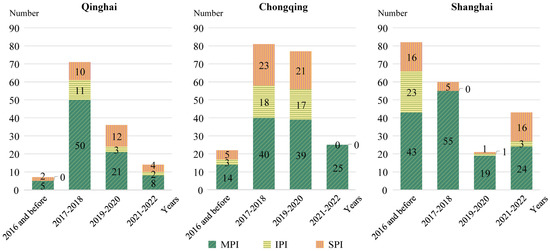
Figure 4.
The time distribution of PB policy instruments in the three regions.
Before 2016, there was no nationwide targeted policy for PBs in China. The number of policies shows obvious differences in the three regions: only 7 policies for Qinghai, 22 for Chongqing, and 82 for Shanghai. Developed regions tend to have a positive attitude and are willing to try new technologies. As one of the earliest regions in China to develop PBs, Shanghai promulgated many policies in the early stage of development. Thus, a solid foundation has been laid for later development, keeping it in a leading position, which shows that the number of policies plays a decisive role in the early development of PBs. Underdeveloped areas are conservative toward new technologies due to various resource constraints, and the financial burden cannot be ignored by the local government.
The policy promulgated in 2017 requires the national prefabrication rate to reach more than 15%—an initiative that has had an obvious effect. The number of PB policies in Qinghai and Chongqing both peaked during the period of 2017–2018. During the period of 2019–2020, Chongqing continued to issue a large number of policies (77 policies), but Qinghai greatly reduced the number of policies (36 policies), making the gap in the development of PBs between the two regions more obvious. Chongqing has maintained a high rate of development of PBs since 2017. Its number of policies and the proportion of policy instruments are very similar to the policy pattern of Shanghai in 2016 and before, indicating that the PB development experience of Shanghai is very valuable.
The difference between Chongqing and Shanghai is not obvious regarding the total number of policy instruments. However, there is still a large gap between Chongqing and Shanghai in terms of the development of PBs because Shanghai started early and adopted many policy instruments in the early stages, reflecting the importance of increasing the number of policies in the early stages of development. For underdeveloped areas, it is urgent to promulgate a large number of PB policies and refer to the policy structure of developed areas.
An analysis of the X dimension reveals that:
- It is very important to increase the number of policies in the early stage of the development of PBs. The difference between Chongqing and Shanghai is not obvious regarding the total number of policy instruments. However, there is still a large gap between Chongqing and Shanghai in the development of PBs because Shanghai started early and adopted many policy instruments in the early stages, reflecting the importance of increasing the number of policies in the early stages of development.
- It is feasible and effective to refer to the policy ideas of developed regions to formulate PB policies in underdeveloped regions. Qinghai and Chongqing are similar in the proportion of policy instrument application, and Chongqing and Shanghai are similar in the total number of policy instruments, indicating that for underdeveloped regions, learning the policy formulation models of developed regions facilitates the development of PBs.
5.3.2. Y Dimension
The frequency and proportion of policies in the whole life cycle of PBs in the three regions are shown in Figure 5. The specific analysis is as follows:
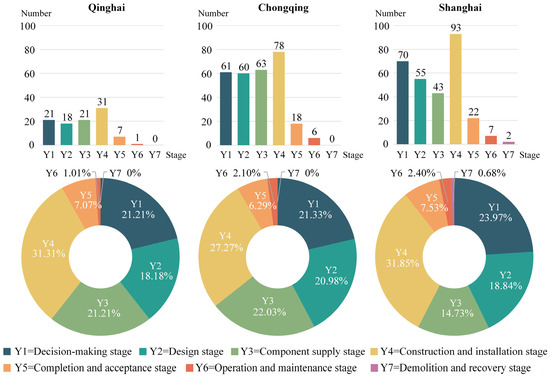
Figure 5.
Frequency and proportion of policies in the whole life cycle of PBs in the three regions.
(1) The construction and installation stage is the most important stage of the policy regulation of PBs. The number of policies in the construction and installation stage in the three regions shows a significant increasing trend, and this stage has the highest proportion of policies. The three regions attach great importance to this stage, as it can directly affect the quality of buildings and involves the most safety risks in the whole life cycle [58]. PBs can shorten the construction period and reduce the budget in the long run [76], but their incremental cost of construction is relatively high in early development [77]. In addition, underdeveloped areas generally have disadvantages in terms of natural resources or geographical conditions, increasing labor costs and material transportation costs. Thus, underdeveloped regions need to pay special attention to policy formulation in the construction and installation stage in the case of limited economic incentives.
(2) Policies in the decision-making, design, and component supply stages show significant regional differences. Shanghai shows obvious structural differences in these three stages, with the highest proportion during the decision-making stage (23.97%), followed by the design stage (18.84%), and the lowest proportion during the component supply stage (14.73%). The policy structure is relatively reasonable, given the current development of PBs in developed areas. The component production and supply technology in Shanghai are relatively mature [78], and its design skill leads the country [79]. Thus, policy is focused on the decision-making stage of pioneering innovation and guiding development. The number of policies in Qinghai and Chongqing varies greatly (the average difference is approximately 40), whereas the proportions are similar (both approximately 20%), which shows that Qinghai has been actively adjusting the proportion of policies in the three stages, although there are too few policies, and they lack pertinence. Therefore, in the early stage of development, underdeveloped areas should prioritize solving the basic technical problems in the design and component supply stage.
(3) There are few policies involved in the operation and maintenance stage and almost none in the demolition and recovery stage. The percentage of policies involving the operation and maintenance stage in all three regions does not exceed 3%. There are still no PB policies in Qinghai and Chongqing for the demolition and recycling stage and only two in Shanghai, reflecting the lack of foresight and guidance in the whole life cycle dimension of PB policies in most regions of China. Focusing on the operation and maintenance of PBs can ensure an ideal service life of buildings [80], and recycling materials can save resources [81] and maximize sustainable development [18]. Therefore, developed regions should implement recycling policies for eligible prefabricated projects as much as possible. Although realizing this measure in the short term is difficult for underdeveloped areas, they should consider the operation and maintenance stage in later policy formulation stages and gradually study the feasibility of demolition and recovery.
Therefore, the policy layout of the whole life cycle in underdeveloped areas is not reasonable enough, as shown below:
- Although the construction and installation stage is emphasized, there are still few policies.
- There is a lack of targeted solutions for technical problems involved in the design and component supply stages.
- The serious lack of policy support in the operation and maintenance and demolition and recovery stages indicates a lack of long-term planning for the sustainable development of PBs.
5.3.3. Z Dimension
The frequency and proportion of policies associated with PB core stakeholders in the three regions are shown in Figure 6. The specific analysis is as follows:
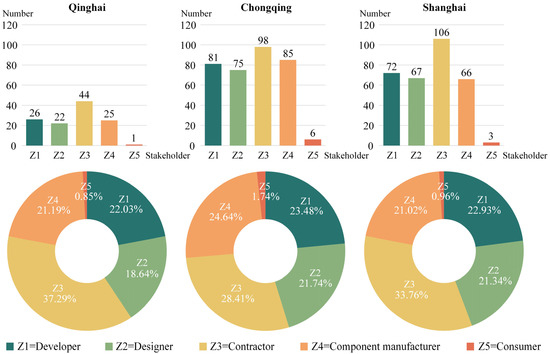
Figure 6.
Frequency and proportion of policies associated with PB core stakeholders in the three regions.
(1) As a key implementer of the PB project, the contractor has the strongest policy supervision. During the construction of PB projects, contractors mainly face three problems: ➀ Insufficient research on construction technology. PBs overturn the traditional construction process, and current construction technology has obvious shortcomings in terms of design, processing, and integrated application. ➁ Backward construction management. The on-site work of PB projects cannot be managed blindly by traditional construction methods; otherwise, it is difficult to reflect the advantages of PBs in improving efficiency and shortening the construction period. ➂ Low professionalism of the labor force. The popularity of PBs in underdeveloped areas is far lower than that of traditional cast-in-place buildings, resulting in a shortage of experienced prefabricated construction personnel in the market. In addition, the traditional construction mode leads to the high mobility of construction teams, which increases the difficulty of cultivating compound skilled talents. Qinghai has the highest proportion of contractor policies, but there is still a gap in the number of policies between Chongqing and Shanghai, which reflects that the contractor plays an important role in the successful implementation of PB projects. The influence of contractors cannot be ignored, even in developed regions.
(2) The proportion of policies associated with developers is not high, which is not conducive to the development of PBs. Playing a decisive role in the PB supply market, the developer’s attitude is very important for the construction and promotion of PBs [55]. However, many developers are reluctant to develop PB projects because they do not have enough funds to afford the high initial cost [82]. Industrialization and development in underdeveloped areas have not been able to induce the effect of market economies of scale. Additionally, the incremental cost remains high; therefore, developers in underdeveloped regions lack construction initiative relative to those in developed regions. In addition, this phenomenon is difficult to improve only through market regulation when current industrial development has not been greatly improved. Therefore, government intervention is critical to increase the enthusiasm of developers. For example, reducing the cash deposit, taxes, and fees for property quality has been proven to be a very effective policy measure [8]. In the future, underdeveloped areas should further increase the proportion of policies for developers to increase their development willingness and standardize the construction process.
(3) Policies for consumers are scarce, and the demand market is not given enough attention. Consumer policies account for no more than 2% of policies in each of the three regions, indicating that the market demand for PBs in China is severely neglected, which leads to a lack of understanding and interest despite the advantages of PBs [11]. One reason is that the lack of publicity leads to a lack of awareness among consumers, resulting in misunderstanding of PBs. The second reason is that consumers cannot access attractive incentives and are accustomed to purchasing traditional buildings in the absence of any substantial benefits [8]. Consumers are more concerned about the quality and price of the building than the construction method and progress [43]. It is relatively easy to increase publicity and implement preferential policies in developed regions, but information blockage and financial burden are obstacles in underdeveloped areas. Therefore, while focusing on the construction behavior of contractors, the governments of underdeveloped areas need to increase the proportion of policies involving developers and designers and consider the purchasing needs of consumers to balance the supply-and-demand market of PBs.
As a result, there are significant differences in policies among stakeholders in underdeveloped regions, as shown below:
- Although there are many policies related to contractors, supervision is lacking.
- Developers are not highly motivated in construction. Relevant policies should be introduced to enhance their motivation.
- The demands of consumers are not taken seriously. Incentive policies should be developed to improve the demand market from the consumer perspective.
5.4. Two-Dimensional Analysis
5.4.1. X-Y Dimension
Analysis of the policy instrument categories of PBs based on the whole life cycle dimension can help explore the situation of PB policies in each implementation stage. Table 9 shows the frequency statistics of “policy instrument–whole life cycle” for PBs in the three regions. The specific analysis is as follows:
Table 9.
The frequency statistics of “policy instrument–whole life cycle” for PBs in the three regions.
(1) Decision-making stage: The main policy instruments in the decision-making stage are MPIs, and the proportion of IPIs does not exceed 20%. In terms of proportion, the difference between the three instruments used in Shanghai is obvious. Chongqing and Qinghai apply the three policy instruments in similar proportions, but the lack of “regulatory control” and “professional standards” in Qinghai reduces the effectiveness of MPI implementation.
(2) Design stage: The main policy instruments involved in the design stage are inconsistent, with Qinghai emphasizing the use of SPIs and Chongqing and Shanghai mainly using MPIs. The role of SPIs in promoting the initial stage of PB design is limited. Therefore, underdeveloped areas should focus on using MPIs to solve the challenges faced in the design stage.
(3) Component supply stage: Qinghai and Chongqing use proportions of approximately 50% and 40% of MPIs and SPIs, respectively, and only Shanghai uses more than 70% MPIs. Component supply is a unique construction stage of PBs. The location of component plants, production scheduling, and the transportation range deserve attention [69]. Therefore, it is necessary to use strong policy measures to ensure the smooth implementation of this stage.
(4) Construction and installation stage: The construction and installation stage directly affects the quality of the project and is the focus of all policies [83]. The most used policy instruments in Qinghai during this stage are SPIs, in contrast to Chongqing and Shanghai. For underdeveloped areas, excessive use of SPIs in the early stage of development does not result in a positive promotion effect. Improving construction technology and on-site management depends more on regulatory control and professional standards.
(5) Completion and acceptance stage: Qinghai and Shanghai focus on MPIs during this stage, with Qinghai using “systematic policy” the most and Shanghai emphasizing “regulatory control”. Chongqing uses the three policy instruments in a relatively balanced manner, with “regulatory control” and “information technology” being the most commonly used. As systematic policy is macro-focused, it is difficult to solve problems during the completion and acceptance stage. Thus, Qinghai should adopt “regulation control” as the key policy during this stage.
(6) Operation and maintenance stage. Neither Qinghai nor Chongqing uses MPIs or IPIs during this stage. Shanghai uses the three instruments, but there is a lack of policies in the operation and maintenance stage. In terms of the number of policies, Qinghai has only one policy; Chongqing has six policies, all of which are SPIs; and Shanghai has seven policies, mainly MPIs. Because many regions lack professional operation and maintenance teams [84], the challenge of eliminating the “worries” of developers, contractors, and the public about the operation and maintenance of PBs is an issue that needs to be considered in future policy formulations.
(7) Demolition and recovery stage: Few policy instruments are involved in this stage, with relatively few types. Qinghai and Chongqing have not issued policies for this stage, and Shanghai has only two policies, both of which are MPIs, indicating that China seriously lacks policies for the demolition and recovery stage of PBs. If the management of component demolition and material recovery is not strengthened, it will be difficult to support the long-term economic development of PBs.
Therefore, underdeveloped areas should focus on MPIs during the five stages of decision making, design, component supply, construction and installation, and completion and acceptance and adopt different MPI types according to the characteristics of the stages. Three types of instruments can be balanced to promote the sustainable development of PBs during the operation and maintenance, as well as the demolition and recovery, stages.
5.4.2. X-Z Dimension
Analysis of the policy instrument categories of PBs based on the core stakeholder dimension can help policymakers consider issues from the perspective of stakeholders to improve policies. Table 10 shows the frequency statistics of “policy instrument–core stakeholder” for PBs in the three regions. The specific analysis is as follows:
Table 10.
The frequency statistics of “policy instrument–core stakeholder” for PBs in the three regions.
(1) Developers: Developers play a leading role in the construction of PB projects, and their decisions and attitudes directly affect the behavior of project stakeholders [85]. The policy instruments involving developers in the three regions are all based on MPIs, with Qinghai focusing on “systematic policies” and Chongqing and Shanghai focusing on “regulatory control”. However, Qinghai lacks “professional standards” for developers, which deserves attention. Developers in underdeveloped areas generally do not play a leading role, so it is essential to focus on the use of MPIs.
(2) Designers: Designers have close relationships with developers, contractors, and component manufacturers. The most commonly used policy instruments in Qinghai are SPIs, whereas MPIs are the most used in Chongqing and Shanghai, accounting for no less than 60% of policies. Because PB designers are mainly faced with challenges such as frequent design changes, lack of a unified design system, and imperfect drawings [58], relatively developed regions tend to solve these problems with mandatory methods. Therefore, underdeveloped areas should follow the policy formulation ideas of developed regions because MPIs and IPIs have more direct effects than SPIs.
(3) Contractors: All regions choose MPIs as primary and SPIs as secondary policy instruments. The most used MPI in Qinghai is “systematic policy”, whereas it is “regulation control” in Chongqing and Shanghai. Overall, the incentive policy instruments in the three regions are relatively lacking. Although there are many “administrative support” policies, “fiscal and tax support” are more attractive to contractors. Therefore, underdeveloped areas should increase the proportion of “regulatory control” and “professional standards” while appropriately increasing economic policy measures if the regional financial level allows.
(4) Component manufacturers: Because prefabricated components are produced in factories, then transported to the site for fabrication, factory equipment, production processes, scheduling management, and transportation standards need to be carefully controlled [19]. Therefore, “regulatory control”, “professional standards”, and “information technology” are critical for component manufacturers. There are relatively few policies involving these three categories in Qinghai, and it is difficult to create incentives for component manufacturers and easy to ignore regulations. Thus, underdeveloped areas should not focus on MPIs at the expense of SPIs.
(5) Consumers: The three regions have very few policies related to consumers, and they all focus on different policy instruments. Qinghai uses IPIs, Chongqing uses SPIs, and Shanghai uses MPIs. According to Section 5.3.3, consumers are most interested in policies that affect the quality and price of PBs. Therefore, “regulatory controls” and “professional standards” that primarily regulate construction quality, as well as “fiscal and tax support” and “financial incentives” that provide economic benefits to consumers, should be given attention. Certainly, “publicity and guidance” to improve consumer awareness cannot be ignored.
Therefore, for developers, designers, contractors, and component manufacturers in underdeveloped regions, MPIs, such as “regulatory control” and “professional standards”, should be used to regulate construction behaviors. For stakeholders involved in many technological breakthroughs, SPIs, such as “information technology” and “related industries”, should be given attention in policy formulation. In addition, IPIs, such as “fiscal and tax support” and “financial incentive”, directly impact all stakeholders, especially consumers. Underdeveloped areas should consider introducing relevant policies to accelerate the development of PBs if the financial level allows.
6. Discussion
Researchers tend to analyze policies by combining two or three dimensions when constructing a policy framework [44]. The choice of dimensions needs to be tailored to local conditions. The imperfect PB industry chain and single policy objectives in underdeveloped areas make it difficult to quantitatively analyze the policy content involving these two dimensions. Therefore, in terms of quantification and ease of implementation, it is suitable to analyze and improve policies based on the whole life cycle and stakeholder dimensions. In previous studies, no policy framework has been proposed that combines the whole life cycle and the stakeholder dimensions. However, the policy should not only reflect the macro level but should also be specific to each stage and stakeholder. Policies affect the implementation of each stage and are closely related to the attitude and behavior of each stakeholder during the actual construction of PBs. Therefore, in this study, we combined policy instruments, the whole life cycle, and core policy stakeholders to build a three-dimensional policy framework, which can provide a comprehensive analysis of PB policies in underdeveloped areas and facilitate the understanding of stakeholders to improve and implement policies in practice in a targeted manner.
In the field of PB policy research, there many policy analyses have been conducted at the national level [7,8,42,44], with few studies on regional policies [50,51]. The policies promulgated by the central government mainly play a macroregulatory role, and the development of PBs in various regions is largely affected by local policies. Therefore, there is an urgent need to focus on regional policies to narrow the regional development gap of PBs. In contrast to other studies, we focused on the development of PBs in underdeveloped areas, providing theoretical support for similar underdeveloped areas to formulate PB policies. The areas where the development of PBs is relatively backward are a huge group all over the world, especially in developing countries. Although this study defines “underdeveloped areas” in the case of China, the framework applies not only to regions in the world that are termed “underdeveloped areas” but to all regions with low levels of PB development. However, the relevance and applicability of the research results will be stronger for those regions with a high degree of similarity to the sample used in this study. In addition, this study provides a case reference to explore the evolution of regional PB policies through a comparative analysis of three types of regions, clarifying the regional differences in policy implementation and the complexity of policy effects relative to the level of development.
In comparing and analyzing the policies of the three regions, we found that the positive attitude shown by the governments of underdeveloped areas does not match the actual development of PBs, in contrast to the findings of some studies on PB policies in developed regions. In developed regions, positive measures of governments have a more obvious incentive effect in promoting the development of PBs [8]. Generally speaking, the government’s attitude is consistent with the development of PBs [47,48]. The problems faced by underdeveloped areas are mainly related to the lack of targeted policies, inadequate policy implementation, and lax supervision. Underdeveloped areas expect to develop PBs by drawing on the policy experience of developed regions. However, there are two problems: ➀ Local governments should realize that the direct promotion effect of the policy is limited [86]. ➁ The market foundation in underdeveloped regions is weak [58], and it is difficult to realize the development model of the market economy in developed regions in the short term only by relying on the policy of PBs. Therefore, underdeveloped areas not only need to formulate more targeted and practical policies according to local conditions but also improve the overall local development level and minimize the regional development gap. In addition, the use of MPIs, IPIs, and SPIs varies more significantly in China’s key promotion areas than in the active promotion areas and encouraged promotion areas, which contradicts the notion of “expecting a balanced use of policy instruments to promote development”. The importance of “building a balanced policy framework” is not denied, but its use tendency is emphasized.
7. Conclusions
The aim of this study was to construct a comprehensive policy framework to help underdeveloped areas improve PB policies to develop PBs. We constructed a three-dimensional policy framework based on the content analysis method and policy instrument theory. Through a comparative analysis of 137 PB policies in three representative regions, 547 policy content codes were obtained, and reliability and validity tests were completed. The main conclusions are as follows:
(1) Underdeveloped areas should focus on improving the number of policies rather than the accuracy of policies in the early stages of the development of PBs. The number of PB policies in the early stage of development plays a decisive role because the number of policies can reflect the positive attitude of the local government to a certain extent. In the middle and late stages of development, the accuracy of policies are more important for the sustainable development of PBs. Because underdeveloped areas are generally in the early stage of the development of PBs, many policies need to be promulgated to lay the foundation for their development. Maintaining the accuracy of policies while pursuing an increased number of policies is difficult for underdeveloped regions and tends to reduce the enthusiasm for policy formulation. Therefore, it is more urgent for underdeveloped areas to increase the number of policies than it is to focus on the accuracy of policy.
(2) Underdeveloped regions should focus on MPIs supplemented by IPIs and SPIs rather than a balanced use of various policy instruments. During each stage of development, a biased and targeted use of various policy instruments can help regional governments quickly solve problems and formulate next-step strategies. Because there are many development constraints in underdeveloped areas, it is not realistic to expect “a balanced use of policy instruments” to guide the development of PBs, resulting in an improved effect of the emphasis on using policy instruments. The effect of MPIs is direct, and the feedback time of SPIs is relatively long. Because IPIs are prone to financial burdens, they should be used cautiously in underdeveloped regions.
(3) Underdeveloped areas should adjust the policy layout of the whole life cycle and stakeholders, pay attention to the construction willingness of developers and the demands of consumers, and seek policy support in the operation and maintenance, as well as demolition and recovery, stages. Developers play a decisive role in the PB supply market, and the leading role of developers is critical to the project. The demands of consumers represent market demand, and formulating policies from the perspective of consumers can improve outcomes. In addition, there are few prefabricated projects currently underway in underdeveloped areas, and the demand for operation and maintenance, as well as demolition and recovery, is not strong in the short term; however, policy formulation needs to be forward-looking.
Theoretically, this study complements regional policy research on PBs and innovatively combines content analysis and comparative analysis to overcome the limitation of a single sample of traditional policy instrument models. The research results clarify the formulation of PB policies in underdeveloped areas and contributes to narrowing the regional development gap of PBs. In practice, a comprehensive policy framework was constructed, and strategies for the application policy instruments were proposed. Targeted suggestions were provided to improve PB policies for different development stages and stakeholders. This research can not only help improve the PB system in underdeveloped areas in China but also provide valuable policy experience for the development of PBs in other similar underdeveloped regions worldwide.
Limitations and future research directions lie in the fact that in this study, we manually coded all policy texts, which is subjective; therefore, a more objective coding method should be explored in the future. Although the strength and direction of PB policies vary from country to country, the development trend is roughly the same. Because the development levels of different countries and regions are not synchronized, the challenge of proposing an applicable policy framework according to different development stages deserves further attention.
Supplementary Materials
The following supporting information can be downloaded at: https://www.mdpi.com/article/10.3390/buildings13010201/s1, Table S1: Qinghai prefabricated building (PB) policy catalog; Table S2: Chongqing PB policy catalog; Table S3: Shanghai PB policy catalog; Table S4: 15 policy catalogs for five underdeveloped areas.
Author Contributions
Conceptualization, Z.G. and N.L.; methodology, Q.W.; software, Q.W.; writing—original draft preparation, Q.W.; writing—review and editing, Z.G. and N.L.; supervision, C.L.; funding acquisition, Z.G. and C.L. All authors have read and agreed to the published version of the manuscript.
Funding
This research was funded by the Qinghai Provincial Key Laboratory of Plateau Green Building and Eco-community (No. KLKF-2021-005) and the Science and Technology Department of Qinghai Province (No: 2018-ZJ-734).
Data Availability Statement
The datasets used and analyzed during the current study are available from the corresponding author upon reasonable request.
Conflicts of Interest
The authors declare no conflict of interest.
References
- Han, Y.; Wang, L. Identifying barriers to off-site construction using grey DEMATEL approach: Case of China. J. Civ. Eng. Manag. 2018, 24, 364–377. [Google Scholar] [CrossRef]
- Qi, Y.; Chang, S.; Ji, Y.; Qi, K. BIM-Based Incremental Cost Analysis Method of Prefabricated Buildings in China. Sustainability 2018, 10, 4293. [Google Scholar] [CrossRef]
- Gan, X.; Xie, K.; Liu, H.; Rameezdeen, R.; Wen, T. A bibliometric and content analysis of policy instruments on facilitating the development of prefabricated construction in China. Eng. Constr. Archit. Manag. 2022. [Google Scholar] [CrossRef]
- Zhang, X.; Skitmore, M.; Peng, Y. Exploring the challenges to industrialized residential building in China. Habitat Int. 2014, 41, 176–184. [Google Scholar] [CrossRef]
- MOHURD. Circular of the Ministry of Housing and Urban-Rural Development on the Issuance of the 13th Five-Year Plan for Prefabricated Buildings. 2017. Available online: http://www.mohurd.gov.cn/gongkai/fdzdgknr/tzgg/201703/20170329_231283.html (accessed on 20 October 2022).
- MOHURD. Circular of the Department of Standard Quota of the Ministry of Housing and Urban-Rural Development on Development of Prefabricated Buildings in China in 2020. 2021. Available online: http://www.mohurd.gov.cn/gongkai/fdzdgknr/tzgg/202103/20210312_249438.html (accessed on 20 October 2022).
- Luo, T.; Xue, X.; Wang, Y.; Xue, W.; Tan, Y. A systematic overview of prefabricated construction policies in China. J. Clean. Prod. 2021, 280, 124371. [Google Scholar] [CrossRef]
- Jiang, W.; Luo, L.; Wu, Z.; Fei, J.; Antwi-Afari, M.F.; Yu, T. An Investigation of the Effectiveness of Prefabrication Incentive Policies in China. Sustainability 2019, 11, 5149. [Google Scholar] [CrossRef]
- Han, L.; Gong, Z. Impact Factors of Off-Site Construction Development in Xining. J. Eng. Manag. 2020, 34, 31–36. [Google Scholar] [CrossRef]
- MOHURD. Guiding Opinions of the General Office of the State Council on Vigorously Developing Prefabricated Buildings. 2016. Available online: http://www.gov.cn/zhengce/content/2016-09/30/content_5114118.htm. (accessed on 20 October 2022).
- Shahpari, M.; Saradj, F.M.; Pishvaee, M.S.; Piri, S. Assessing the productivity of prefabricated and in-situ construction systems using hybrid multi-criteria decision making method. J. Build. Eng. 2020, 27, 100979. [Google Scholar] [CrossRef]
- Xie, W.; Wang, S. Research on the Coupling Coordination Between Economic Development and Ecological Environment. Plateau Sci. Res. 2020, 4, 36–45. [Google Scholar] [CrossRef]
- Liu, G.; Tan, Y.; Li, X. China’s policies of building green retrofit: A state-of-the-art overview. Build. Environ. 2020, 169, 106554. [Google Scholar] [CrossRef]
- Peng, H.; Liu, Y. A comprehensive analysis of cleaner production policies in China. J. Clean. Prod. 2016, 135, 1138–1149. [Google Scholar] [CrossRef]
- Ronchi, S.; Salata, S.; Arcidiacono, A.; Piroli, E.; Montanarella, L. Policy instruments for soil protection among the EU member states: A comparative analysis. Land Use Policy 2019, 82, 763–780. [Google Scholar] [CrossRef]
- Xu, Z.; Zayed, T.; Niu, Y. Comparative analysis of modular construction practices in mainland China, Hong Kong and Singapore. J. Clean. Prod. 2020, 245, 118861. [Google Scholar] [CrossRef]
- Wuni, I.Y.; Shen, G.Q. Critical success factors for modular integrated construction projects: A review. Build. Res. Inf. 2020, 48, 763–784. [Google Scholar] [CrossRef]
- Jaillon, L.; Poon, C.S. Life cycle design and prefabrication in buildings: A review and case studies in Hong Kong. Autom. Constr. 2014, 39, 195–202. [Google Scholar] [CrossRef]
- Mao, C.; Xie, F.; Hou, L.; Wu, P.; Wang, J.; Wang, X. Cost analysis for sustainable off-site construction based on a multiple-case study in China. Habitat Int. 2016, 57, 215–222. [Google Scholar] [CrossRef]
- Ministry of Housing and Urban-Rural Construction of Residential Industrialization Promotion Center. Vigorously Promote Prefabricated Building Required Reading—System, Policy, Domestic and Foreign Development; China Architecture & Building Press: Beijing, China, 2016.
- Samani, P.; Gregory, J.; Leal, V.; Mendes, A.; Correia, N. Lifecycle Cost Analysis of Prefabricated Composite and Masonry Buildings: Comparative Study. J. Archit. Eng. 2018, 24, 05017012. [Google Scholar] [CrossRef]
- JPA. A Survey of Completed Prefabricated Housing Units and Production Capacity; Japan Prefabricated Construction Suppliers and Manufacturers Association: Tokyo, Japan, 2017. [Google Scholar]
- Xia, M.; Zhao, L.; Zhao, L. A Comprehensive Risk-Assessment Method for Prefabricated Buildings Using EPC: A Case Study from China. Sustainability 2022, 14, 1910. [Google Scholar] [CrossRef]
- Szulc, J.; Piekarczuk, A. Diagnostics and technical condition assessment of large-panel residential buildings in Poland. J. Build. Eng. 2022, 50, 104144. [Google Scholar] [CrossRef]
- Parliament, P.; Ustawa Z Dnia 23 Stycznia 2020 R. O Zmianie Ustawy O Wspieraniu Termomodernizacji I Remont’ow, n.d. 2020. Available online: https://isap.sejm.gov.pl/isap.nsf/DocDetails.xsp?id=WDU20200000412. (accessed on 26 October 2022).
- Ivanova, Z.; Aikhner, M. Sustainable Architecture and Reconstruction Technology of Housing Buildings of the 60-70-ies of XX Century in Russia (Taking into Account Social Demands). Int. J. Appl. Eng. Res. 2016, 11, 1653–1659. [Google Scholar]
- Linov, V.; Ivanov, D. Building up: Creating new homes on top of refurbished post-war estates. Proc. Inst. Civ. Eng. Civ. Eng. 2018, 171, 186–192. [Google Scholar] [CrossRef]
- Beijing Municipal Commission of Housing and Urban-Rural Development. Beijing Housing and Urban-Rural Development White Paper (2022). 2022. Available online: http://zjw.beijing.gov.cn/bjjs/xxgk/zwdt/325891199/2022080511144750893.pdf (accessed on 8 November 2022).
- The People’s Government of Beijing Municipality. Implementation Opinions of the General Office of Beijing Municipal People’s Government on Further Developing Prefabricated Buildings. 2022. Available online: http://www.beijing.gov.cn/zhengce/zfwj/zfwj2016/bgtwj/202204/t20220429_2698683.html (accessed on 8 November 2022).
- Shanghai Housing and Urban-Rural Construction Commission. Shanghai Housing and Urban Rural Construction Management Development Report (2022). 2022. Available online: http://dt.sheitc.sh.gov.cn/swb/1983.jhtml (accessed on 8 November 2022).
- Shanghai Housing and Urban-Rural Construction Commission. Shanghai 14th Five-Year Plan for Prefabricated Buildings. 2021. Available online: https://zjw.sh.gov.cn/ghjh/20211109/f5ed3fe865b447b7b064fc695cae1351.html (accessed on 8 November 2022).
- Department of Housing and Urban-Rural Development of Guangdong Province. The Development of Prefabricated Buildings in Guangdong Shows a Steady Momentum. 2022. Available online: http://zfcxjst.gd.gov.cn/jsgl/dtxx/content/post_3989316.html (accessed on 8 November 2022).
- People’s Government of Guangdong Province. Implementation Opinions of the General Office of Guangdong Provincial People’s Government on Vigorously Developing Prefabricated Buildings. 2017. Available online: http://www.gd.gov.cn/gkmlpt/content/0/145/post_145992.html#7 (accessed on 8 November 2022).
- Chongqing Housing and Urban-Rural Construction Commission. Briefing on the Special Inspection of the Implementation of Prefabricated Buildings in 2021. 2022. Available online: http://zfcxjw.cq.gov.cn/zwxx_166/gsgg/202203/t20220328_10562191.html (accessed on 8 November 2022).
- Chongqing Housing and Urban-Rural Construction Commission. Chongqing Assembly Building Industry Development Plan (2018–2025). 2018. Available online: http://zfcxjw.cq.gov.cn/zwgk_166/fdzdgknr/ghxx/202102/W020200108578601409020.pdf (accessed on 8 November 2022).
- Department of Housing and Urban-Rural Development of Shaanxi Province. Emancipating the Mind, Reforming and Innovating, Striving to Write a New Chapter of High-quality Development of Urban and Rural Construction of Provincial Housing. 2022. Available online: https://js.shaanxi.gov.cn/zuanlan/2022/2/115174.shtml (accessed on 8 November 2022).
- Department of Housing and Urban-Rural Development of Shaanxi Province. Implementation Opinions of Shaanxi Provincial Department of Housing and Urban-Rural Development and Other Departments on Promoting the Coordinated Development of Intelligent Construction and New Building Industrialization. 2021. Available online: https://js.shaanxi.gov.cn/zcfagui/2021/3/112054.shtml (accessed on 8 November 2022).
- Wang, F.C. Qinghai: Writing the Answer Sheet of The Times, Drawing the New Look of Urban and Rural Areas. 2020. Available online: http://www.chinajsb.cn/html/202012/21/16351.html (accessed on 8 November 2022).
- Department of Housing and Urban-Rural Development of Qinghai Province. On Promoting the Coordinated Development of Intelligent Construction and New Building Industrialization. 2021. Available online: http://zjt.qinghai.gov.cn/html/14/40938.html (accessed on 8 November 2022).
- Gan, X.; Chang, R.; Zuo, J.; Wen, T.; Zillante, G. Barriers to the transition towards off-site construction in China: An Interpretive structural modeling approach. J. Clean. Prod. 2018, 197, 8–18. [Google Scholar] [CrossRef]
- Huang, Q.; Wang, J.; Ye, M.; Zhao, S.; Si, X. A Study on the Incentive Policy of China’s Prefabricated Residential Buildings Based on Evolutionary Game Theory. Sustainability 2022, 14, 1926. [Google Scholar] [CrossRef]
- Zhang, Y.; Wang, J. A Textual Study of Chinese Prefabricated Building Policy Based on Content Analysis. J. Eng. Manag. 2020, 34, 28–33. [Google Scholar] [CrossRef]
- Mao, C.; Shen, Q.; Pan, W.; Ye, K. Major barriers to off-site construction: The developer’s perspective in China. J. Manag. Eng. 2015, 31, 04014043. [Google Scholar] [CrossRef]
- Liu, G.; Tao, Y.; Mao, C.; Xu, P. Textual and quantitative research on Chinese prefabricated construction policy from the perspective of policy tools. J. Chongqing Univ. (Soc. Sci. Ed.) 2018, 24, 56–65. [Google Scholar] [CrossRef]
- Salamon, L.M.; Lund, M.S. The tools approach: Basic analytics. In Beyond Privatization: The Tools of Government Action; The Urban Institute Press: Washington, DC, USA, 1989; pp. 23–50. [Google Scholar]
- Yi, Q.; Li, C.; Jiang, Q. Research on the Development Status of Prefabricated Buildings in China Based on Policy Analysis. Constr. Sci. Technol. 2017, 22, 50–52. [Google Scholar] [CrossRef]
- Chen, Y.; Lin, S.; Shi, Y. Evolutionary Game on Incentive Policy for Prefabrication. J. Civ. Eng. Manag. 2018, 35, 155–160. [Google Scholar] [CrossRef]
- Wang, Q.; Li, Z.; Wang, D.; Cui, W. Study on Incentive Policies for Prefabricated Construction with the Approach of Qualitative Analysis. J. Hefei Univ. Technol. (Soc. Sci.) 2018, 32, 95–102. [Google Scholar]
- Dou, Y.; Xue, X.; Wang, Y.; Luo, X.; Shang, S. New media data-driven measurement for the development level of prefabricated construction in China. J. Clean. Prod. 2019, 241, 118353. [Google Scholar] [CrossRef]
- Qiang, G. Research on Supply and Demand Matching of Green Building Policy-Taking Shaanxi Province as an Example. Master’s Thesis, Xi’an University of Architecture and Technology, Xian, China, 2020. [Google Scholar]
- Tao, Y. Text Analysis and Satisfaction Evaluation of Prefabricated Construction Policy: A Case Study of Chongqing. Master’s Thesis, Chongqing University, Chongqing, China, 2018. [Google Scholar]
- Jiang, L.; Li, Z.; Li, L.; Gao, Y. Constraints on the promotion of prefabricated construction in China. Sustainability 2018, 10, 2516. [Google Scholar] [CrossRef]
- Owen, E.H. Public Management and Administration: An Introduction; Macmillan International Higher Education: New York, NY, USA, 2012. [Google Scholar]
- Cheng, B.; Wei, Y.; Zhang, W.; Zhou, X.; Chen, H.; Huang, L.; Huang, J.; Kang, X. Evolutionary Game Simulation on Government Incentive Strategies of Prefabricated Construction: A System Dynamics Approach. Complexity 2020, 2020, 8861146. [Google Scholar] [CrossRef]
- Chen, Q.; Liu, P.; Chen, C. Evolutionary game analysis of government and enterprises during promotion process of prefabricated construction. J. Interdiscip. Math. 2017, 20, 1587–1593. [Google Scholar] [CrossRef]
- Zeng, W.; Huang, B. Analysis on the Reliability and Validity of Questionnaire. J. Stat. Inf. 2005, 5, 11–15. [Google Scholar] [CrossRef]
- Su, W.; Li, W.; Zu, Y.; Cai, D.; Yu, C.; Xu, J.; Wei, W. Evaluation of sustainable development in Qinghai based on energy ecological footprint model. Pratacultural Sci. 2019, 36, 1445–1456. [Google Scholar] [CrossRef]
- Wang, Q.; Gong, Z.; Liu, C. Risk Network Evaluation of Prefabricated Building Projects in Underdeveloped Areas: A Case Study in Qinghai. Sustainability 2022, 14, 6335. [Google Scholar] [CrossRef]
- Qin, Q.; Sun, Y. A Study of China’s Air Pollution Prevention and Control Policy Framework from a Policy Instrument Perspective. J. Resour. Ecol. 2020, 11, 182–190. [Google Scholar] [CrossRef]
- Michael, H.; Ramesh, M. Public Policy Research: Policy Cycle and Policy Subsystem; SDX Joint Publishing Company: Beijing, China, 2006. [Google Scholar]
- Zhu, D. Study on Evaluation of Building Energy Efficiency Policies. Master’s Thesis, Beijing Jiaotong University, Beijing, China, 2014. [Google Scholar]
- Hong, J.; Shen, G.; Mao, C.; Li, Z.; Li, K. Life-cycle energy analysis of prefabricated building components: An input-output-based hybrid model. J. Clean. Prod. 2016, 112, 2198–2207. [Google Scholar] [CrossRef]
- Freeman, R.E. Strategic Management: A Stakeholder Approach; Cambridge University Press: New York, NY, USA, 2010. [Google Scholar]
- Rostamzadeh, R.; Ghorabaee, M.K.; Govindan, K.; Esmaeili, A.; Nobar, H.B.K. Evaluation of sustainable supply chain risk management using an integrated fuzzy TOPSIS-CRITIC approach. J. Clean. Prod. 2018, 175, 651–669. [Google Scholar] [CrossRef]
- Wu, Z.; Luo, L.; Li, H.; Wang, Y.; Bi, G.; Antwi-Afari, M.F. An Analysis on Promoting Prefabrication Implementation in Construction Industry towards Sustainability. Int. J. Environ. Res. Public Healt 2021, 18, 11493. [Google Scholar] [CrossRef]
- Teng, Y.; Mao, C.; Liu, G.; Wang, X. Analysis of stakeholder relationships in the industry chain of industrialized building in China. J. Clean. Prod. 2017, 152, 387–398. [Google Scholar] [CrossRef]
- Gan, X.; Chang, R.; Langston, C.; Wen, T. Exploring the interactions among factors impeding the diffusion of prefabricated building technologies. Eng. Constr. Archit. Manag. 2019, 26, 535–553. [Google Scholar] [CrossRef]
- Luo, L.; Liang, X.; Fang, C.; Wu, Z.; Wang, X.; Wang, Y. How to promote prefabricated building projects through internet of things? A game theory-based analysis. J. Clean. Prod. 2020, 276, 124325. [Google Scholar] [CrossRef]
- Luo, L.; Shen, G.; Xu, G.; Liu, Y.; Wang, Y. Stakeholder-Associated Supply Chain Risks and Their Interactions in a Prefabricated Building Project in Hong Kong. J. Manag. Eng. 2019, 35, 05018015. [Google Scholar] [CrossRef]
- Luo, L.; Jin, X.; Shen, G.; Wang, Y.; Liang, X.; Li, X.; Li, C. Supply Chain Management for Prefabricated Building Projects in Hong Kong. J. Manag. Eng. 2020, 36, 05020001. [Google Scholar] [CrossRef]
- Han, Y. Study on Building Energy Saving and Carbon Emission Reduction Policy by Content Analysis—A Case Study of Chongqing. Master’s Thesis, Chongqing University, Chongqing, China, 2017. [Google Scholar]
- Chang, R.; Soebarto, V.; Zhao, Z.; Zillante, G. Facilitating the transition to sustainable construction: China’s policies. J. Clean. Prod. 2016, 131, 534–544. [Google Scholar] [CrossRef]
- Park, M.; Ingawale-Verma, Y.; Kim, W.; Ham, Y. Construction policymaking: With an example of singaporean government’s policy to diffuse prefabrication to private sector. KSCE J. Civ. Eng. 2011, 15, 771–779. [Google Scholar] [CrossRef]
- Baek, C.H.; Park, S.H. Changes in renovation policies in the era of sustainability. Energy Build. 2012, 47, 485–496. [Google Scholar] [CrossRef]
- Rosenow, J.; Platt, R.; Demurtas, A. Fiscal impacts of energy efficiency programmes-The example of solid wall insulation investment in the UK. Energy Policy 2014, 74, 610–620. [Google Scholar] [CrossRef]
- Ji, Y.; Chang, S.; Qi, Y.; Li, Y.; Li, H.; Qi, K. A BIM-Based Study on the Comprehensive Benefit Analysis for Prefabricated Building Projects in China. Adv. Civ. Eng. 2019, 2019, 3720191. [Google Scholar] [CrossRef]
- Hong, J.; Shen, G.; Li, Z.; Zhang, B.; Zhang, W. Barriers to promoting prefabricated construction in China: A cost-benefit analysis. J. Clean. Prod. 2018, 172, 649–660. [Google Scholar] [CrossRef]
- Wang, G.; Liu, H.; Li, H.; Luo, X.; Liu, J. A Building Project-Based Industrialized Construction Maturity Model Involving Organizational Enablers: A Multi-Case Study in China. Sustainability 2020, 12, 4029. [Google Scholar] [CrossRef]
- Satola, D.; Kristiansen, A.B.; Houlihan-Wiberg, A.; Gustavsen, A.; Ma, T.; Wang, R. Comparative life cycle assessment of various energy efficiency designs of a container-based housing unit in China: A case study. Build. Environ. 2020, 186, 107358. [Google Scholar] [CrossRef]
- Yu, T.; Liang, X.; Shen, G.; Shi, Q.; Wang, G. An optimization model for managing stakeholder conflicts in urban redevelopment projects in China. J. Clean. Prod. 2019, 212, 537–547. [Google Scholar] [CrossRef]
- Zhang, L.; Sojobi, A.O.; Kodur, V.K.R.; Liew, K.M. Effective utilization and recycling of mixed recycled aggregates for a greener environment. J. Clean. Prod. 2019, 236, 117600. [Google Scholar] [CrossRef]
- Tam, V.W.Y.; Fung, I.W.H.; Sing, M.C.P.; Ogunlana, S.O. Best practice of prefabrication implementation in the Hong Kong public and private sectors. J. Clean. Prod. 2015, 109, 216–231. [Google Scholar] [CrossRef]
- Yuan, M.; Li, Z.; Li, X.; Luo, X. Managing stakeholder-associated risks and their interactions in the life cycle of prefabricated building projects: A social network analysis approach. J. Clean. Prod. 2021, 323, 129102. [Google Scholar] [CrossRef]
- Wu, P.; Low, S.P. Barriers to achieving green precast concrete stock management—A survey of current stock management practices in Singapore. Int. J. Constr. Manag. 2014, 14, 78–89. [Google Scholar] [CrossRef]
- Yang, R.; Zou, P.X. Stakeholder-associated risks and their interactions in complex green building projects: A social network model. Build. Environ. 2014, 73, 208–222. [Google Scholar] [CrossRef]
- Agrawal, M.; Singh, B.; Rajput, M.; Marshall, F.; Bell, J.N.B. Effect of air pollution on peri-urban agriculture: A case study. Environ. Pollut. 2003, 126, 323–329. [Google Scholar] [CrossRef]
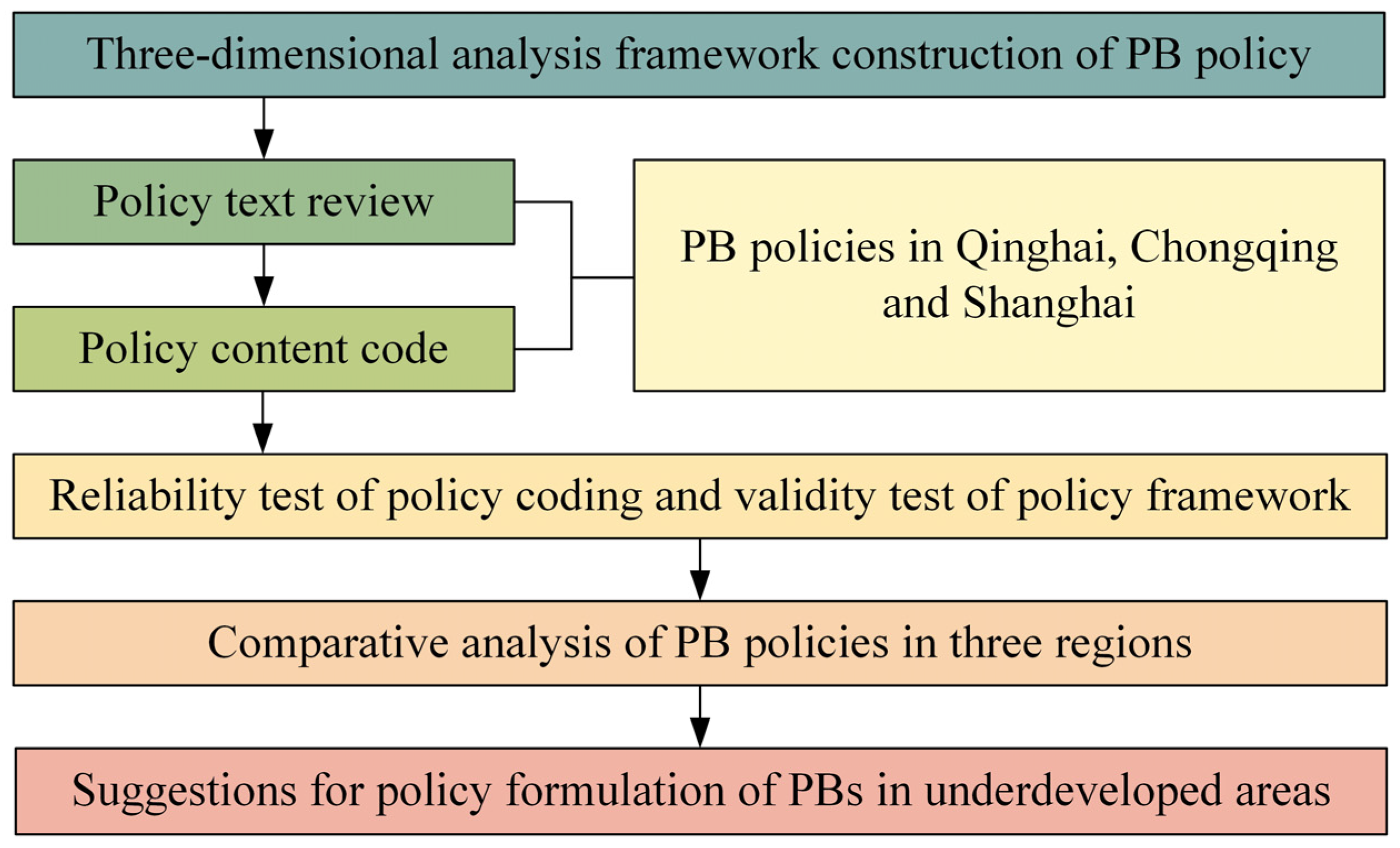
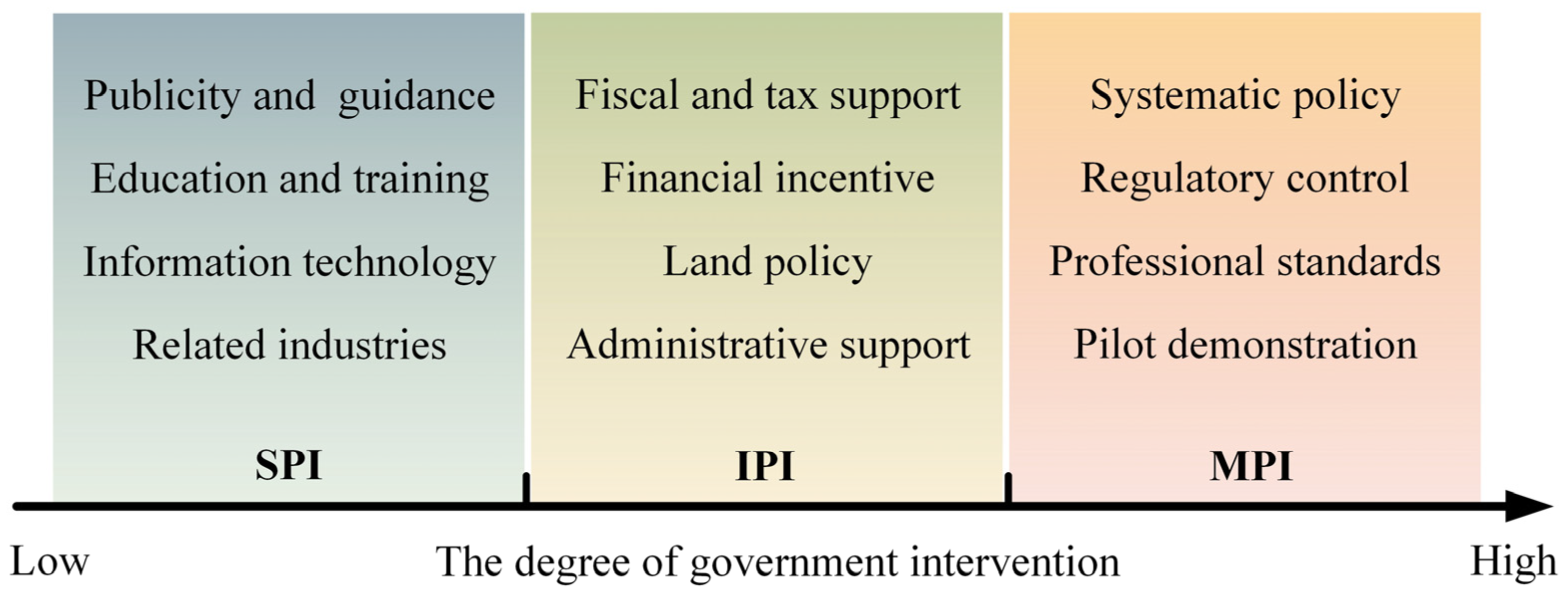
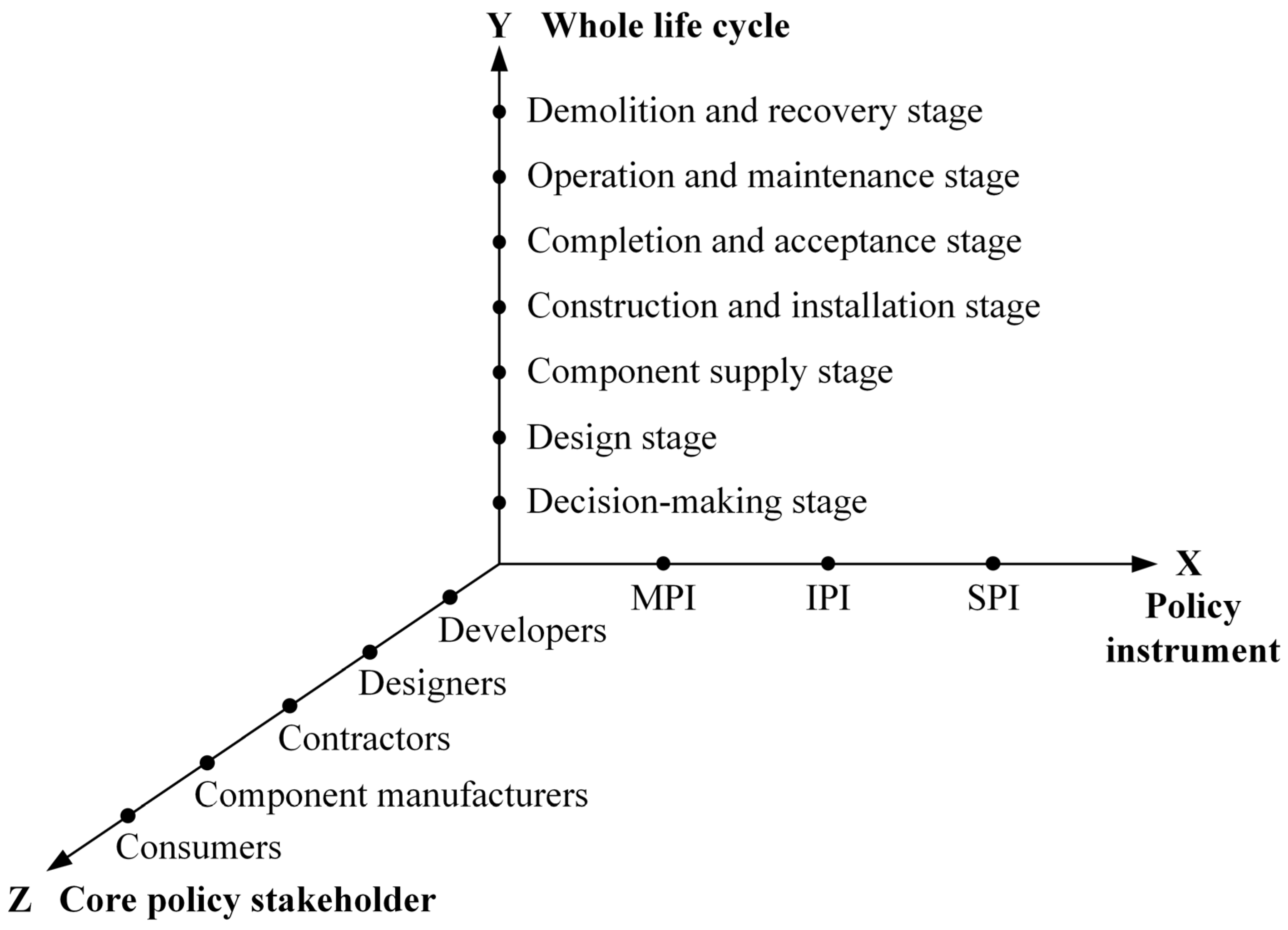
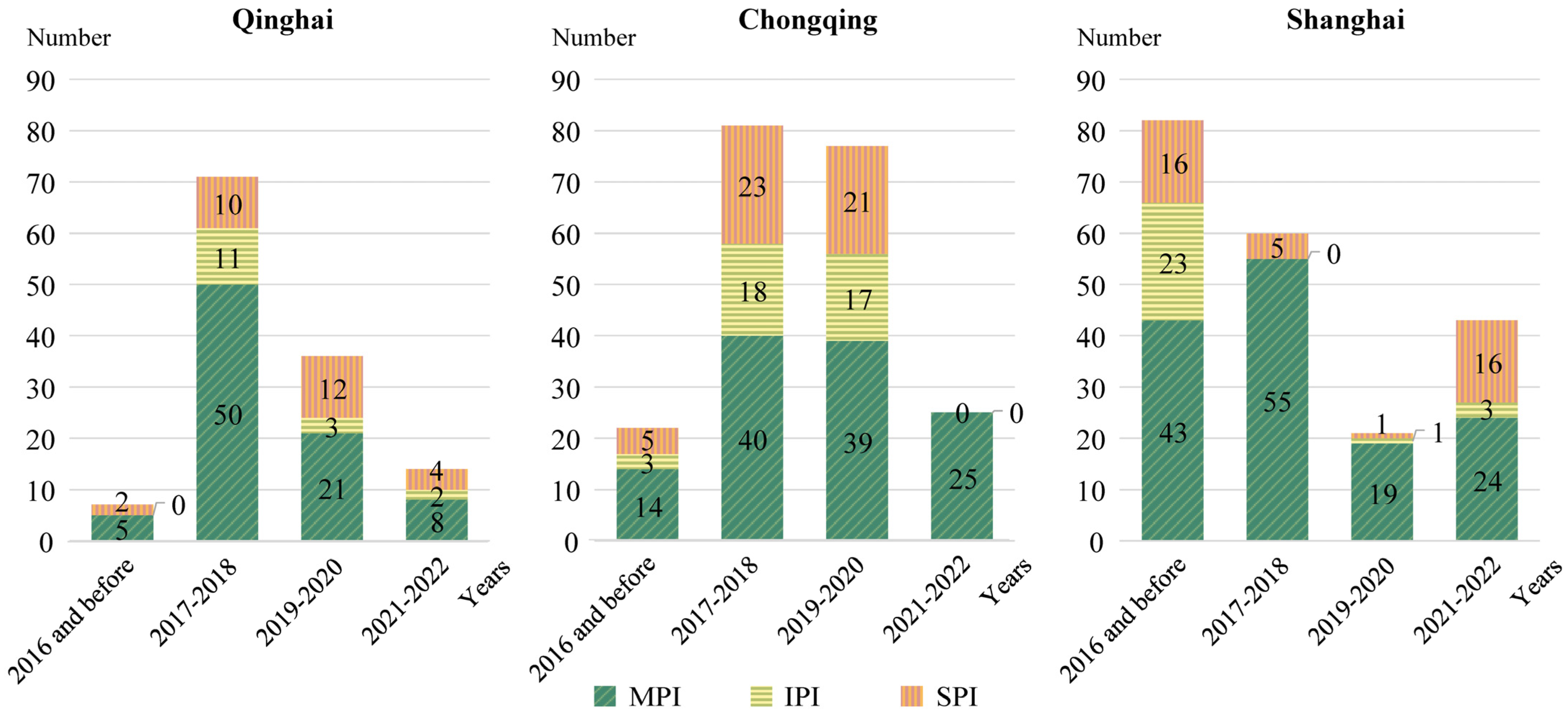
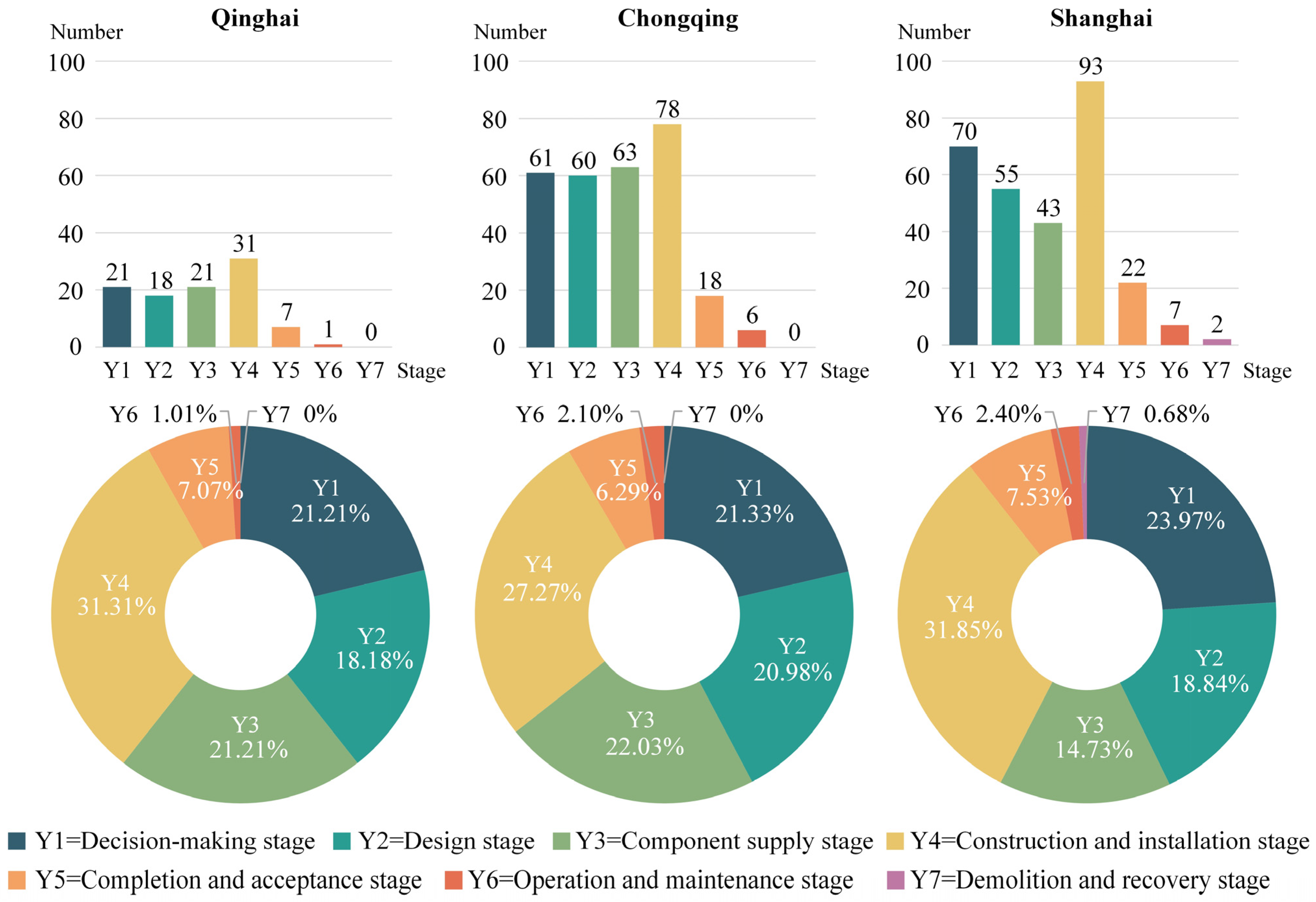
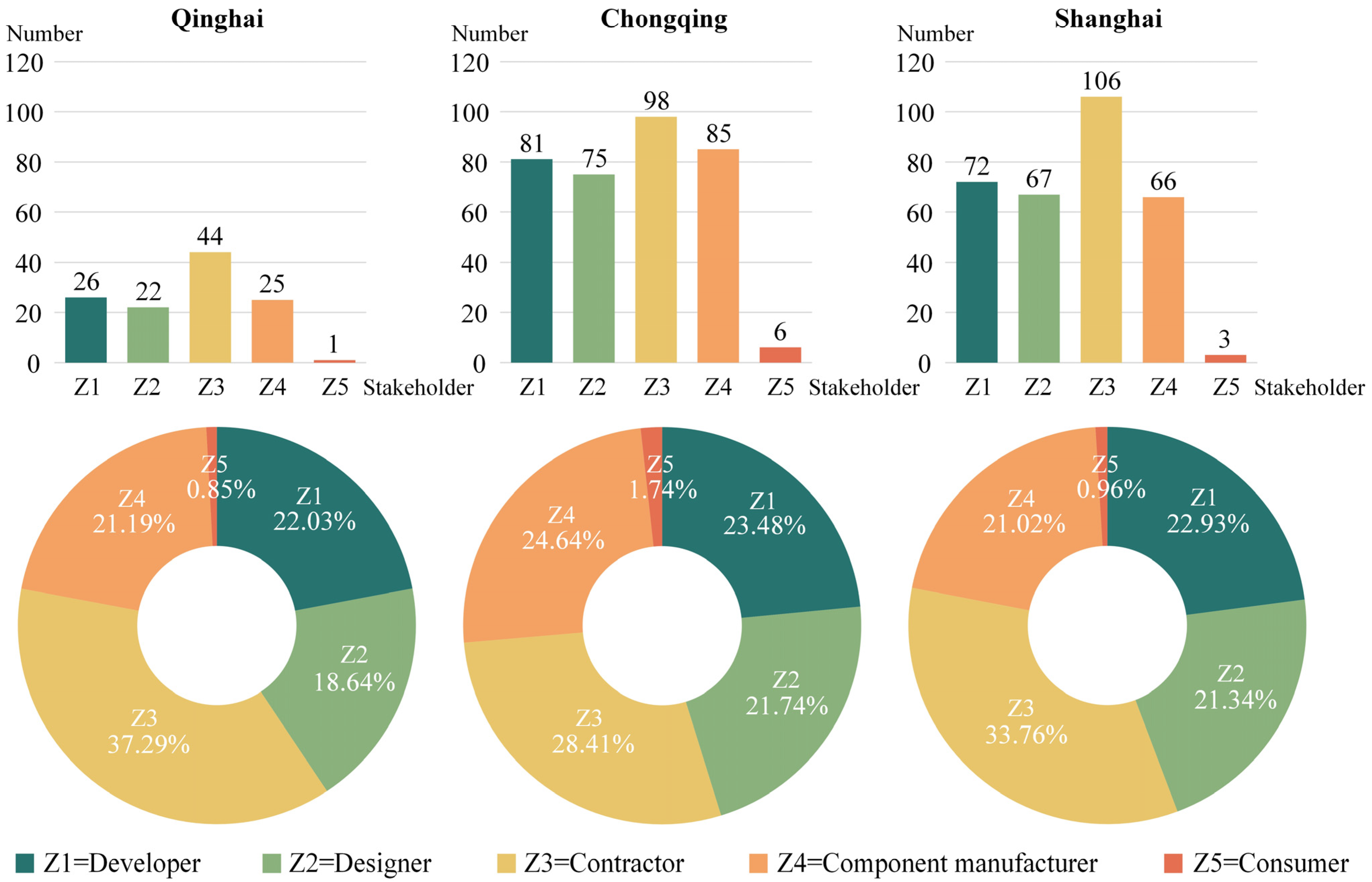
Disclaimer/Publisher’s Note: The statements, opinions and data contained in all publications are solely those of the individual author(s) and contributor(s) and not of MDPI and/or the editor(s). MDPI and/or the editor(s) disclaim responsibility for any injury to people or property resulting from any ideas, methods, instructions or products referred to in the content. |
© 2023 by the authors. Licensee MDPI, Basel, Switzerland. This article is an open access article distributed under the terms and conditions of the Creative Commons Attribution (CC BY) license (https://creativecommons.org/licenses/by/4.0/).