


Abstract
Urbanization and increasing cognitive demands have heightened interest in identifying environmental features that support attentional restoration. Based on Attention Restoration Theory, this study investigated whether different environmental categories influence specific attentional processes after global spatial coherence is disrupted by image scrambling. A within-subjects experimental design was conducted with 26 undergraduate participants across four environmental categories: natural, cultural heritage, urban nighttime, and urban daytime environments. An image-scrambling procedure was applied to disrupt global spatial coherence while retaining multiple visual properties of the original images, and attentional performance was assessed via the Attention Network Test to measure the efficiency of alerting, orienting, and executive-control networks using repeated-measures ANOVAs. The results revealed significant environment type × testing phase interactions for alerting and executive control after Greenhouse–Geisser correction and Holm adjustment, whereas the orienting interaction was not significant. Follow-up analyses showed a significant within-condition pre–post improvement in executive control only in the natural condition after Holm correction; these within-condition comparisons do not establish differences in benefit across environments. Neither the alerting nor the executive-control interaction remained significant after RT screening, indicating sensitivity to preprocessing choices. The orienting null finding should be interpreted cautiously because the orienting difference score showed variable reliability across administrations. The executive-control interaction remained significant after adjustment for the specified session-position terms, although these analyses do not rule out practice effects or other temporal influences. After adjustment for pre-test executive-control performance and session position, the natural-versus-urban-daytime post-test contrast was not significant. These findings suggest that different scrambled environmental categories were associated with different patterns of executive-control change in the primary analysis, but do not establish a robust advantage of the natural condition independent of baseline performance and RT-processing choices. However, because the scrambling manipulation retained multiple visual properties simultaneously, the present study cannot determine which specific visual attributes were responsible for these effects. Because no intact-scene condition was included, the present study cannot determine whether the observed changes differ from those elicited by intact environmental scenes or experimentally separate the relative contributions of local visual information, global spatial coherence, and scene-level meaning.
1. Introduction
Contemporary urban environments may impose substantial demands on attentional resources and provide relatively limited opportunities for cognitive restoration, thereby contributing to mental fatigue (Hartig et al., 2003). Sustained use of directed attention can further deplete attentional resources, resulting in directed-attention fatigue (Kaplan, 1995). Prolonged attentional depletion not only impairs learning efficiency but also negatively affects cognitive control and mental health; consequently, finding effective ways to alleviate attentional fatigue has become an urgent reality. Research suggests that exposure to restorative environments, particularly natural environments, can facilitate recovery from cognitive fatigue and replenish attentional resources (Berto, 2005; Ohly et al., 2016). Identifying and elucidating the key environmental features that promote attentional recovery has thus become an important topic in environmental psychology and cognitive science.
However, existing research on environmental restorativeness largely relies on a simplified “nature versus urban” dichotomy, which may overlook the complex heterogeneity of contemporary human environments. Modern spaces comprise diverse environmental elements, involving varying lighting conditions, spatial structures, and socio-cultural meanings. Certain built environments, particularly historical and cultural heritage settings, have also been shown to possess substantial restorative potential (Scopelliti et al., 2019; Wang et al., 2023). Perceived restorativeness in urban environments may also vary across temporal contexts, including daytime and nighttime conditions (Cheon et al., 2019). Empirical evidence further suggests that the aesthetic and architectural characteristics of heritage sites may contribute to fascination and perceived restorativeness (Scopelliti et al., 2019; Wang et al., 2023). Historical built environments may also provide restorative experiences, with their restorative potential being associated with specific perceptual characteristics such as appreciation, soundscape, maintenance, and perceived importance or relevance (Masullo et al., 2021). Therefore, moving beyond the traditional “nature–urban” dualism to include natural, cultural heritage, urban daytime, and urban nighttime environments within a unified framework is important for understanding whether different environmental categories exert selective effects on attentional functioning.
Attention Restoration Theory (Kaplan, 1995) provides a foundational framework for understanding environmental cognitive recovery. ART posits that engaging in tasks requiring deliberate mental effort depletes directed attention, leading to cognitive fatigue. According to ART, environments rich in fascination can engage involuntary attention with relatively little effort, thereby reducing demands on directed attention and allowing attentional resources to recover (Berman et al., 2008; Kaplan, 1995). From a visual-attention perspective, such relatively automatic attentional capture is broadly consistent with stimulus-driven or bottom-up processing (Corbetta & Shulman, 2002; Itti & Koch, 2001). Interactions with such environments can significantly improve subsequent performance on tasks relying on directed attention (Berto, 2005) and executive control (Stevenson et al., 2018).
More importantly, previous research suffers from a fundamental, widely ignored problem: experimental stimuli invariably use intact environmental scenes. Most studies present participants with complete natural, cultural, or urban landscapes. This allows participants to quickly identify the environment and evaluate it based on past experience, personal preferences, and top-down semantic associations and emotional interpretations (Berto, 2005). Consequently, attentional responses to intact environmental scenes may reflect a combination of scene-level interpretation—including semantic recognition, prior experience, emotional associations, and category-related expectations—and perceptual processing of the visual information contained in the scene. The distinction considered in the present study therefore concerns relatively higher-level interpretation of coherent scenes versus processing of visual information that remains available when global spatial coherence is disrupted, rather than a strict separation between top-down and bottom-up processing. Because these processes normally co-occur when intact scenes are viewed, their relative contributions are difficult to distinguish. It therefore remains unclear whether different environmental categories produce differential patterns of attentional change when global spatial coherence is substantially disrupted. Recent evidence suggests that objectively measurable low-level visual characteristics, including color and spatial features, account for a small but significant proportion of variation in perceived restorative qualities (Celikors & Wells, 2022). However, because multiple visual properties typically co-occur within environmental scenes, the contribution of any specific visual attribute cannot be inferred simply from attentional changes observed following exposure to scrambled environmental images.
To address this limitation, researchers must focus on specific attentional processes rather than broad, overall cognitive performance. Attention Network Theory proposes that the human attention system consists of three functionally independent yet interacting subsystems: the alerting network, the orienting network, and the executive-control network (Posner & Petersen, 1990). The Attention Network Test (ANT), developed by (Fan et al., 2002), allows for the simultaneous assessment of the efficiency of these three networks by calculating reaction-time differences across different cue and target conditions. Although previous research using the ANT has shown that environmental exposure affects overall attention, it remains largely unknown whether different environmental categories are associated with differential patterns of attentional change after global spatial coherence has been disrupted, and whether such effects differ across individual attention networks.
To further investigate this question, this study integrates Attention Restoration Theory with Attention Network Theory to explore the differential impacts of various environmental categories on attentional recovery. We selected scrambled environmental images from four categories: natural, cultural heritage, urban nighttime, and urban daytime environments. Following the global–local distinction in visual processing (Navon, 1977) and the general logic of image-scrambling paradigms (Kanwisher et al., 1997), each image was divided into a 6 × 6 grid, after which the resulting tiles were randomly rearranged. This manipulation was intended to disrupt global spatial coherence and reduce access to global scene structure and coherence while retaining multiple visual properties of the original images. These retained properties were not independently manipulated or isolated; therefore, the procedure does not permit identification of which specific visual attribute may be responsible for any observed attentional effect. Using a 4 (environment type) × 2 (testing phase: pre-test vs. post-test) within-subjects design and the ANT, we assessed changes in participants’ alerting, orienting, and executive-control network efficiency after exposure to these scrambled environmental images. Using this manipulation, the present study aimed to examine whether pre–post attentional changes differed across environmental categories following exposure to scrambled images, rather than to identify the contribution of any specific local visual attribute. Accordingly, the present study tested the following hypotheses. First, if exposure to scrambled images from different environmental categories is associated with different patterns of attentional change, pre–post changes in ANT performance should differ across the four environmental conditions (H1). Second, because the alerting, orienting, and executive-control networks represent functionally distinguishable components of attention, we explored whether environmental conditions were associated with network-specific patterns of pre–post change across these attentional components (H2). Given the limited and inconsistent prior evidence concerning network-specific responses to scrambled environmental scenes, no directional prediction was made regarding which environmental category would produce the largest change in each individual attention network.
2. Materials and Methods
2.1. Participants
The required sample size for this study was estimated a priori using G*Power 3.1.9.7 (Faul et al., 2009) with the “ANOVA: Repeated measures, within factors” option. The calculation was based on the eight repeated measurements arising from the 4 (environment type) × 2 (testing phase) within-subjects design and was intended to provide a general sample-size requirement for the repeated-measures design. This calculation was not designed to provide a direct estimate of statistical power for the environment type × testing phase interactions that constituted the primary hypotheses, nor for subsequent follow-up comparisons. Assuming a medium effect size of f = 0.25, an alpha level of 0.05, statistical power of 0.95, a correlation of 0.50 among repeated measures, and a nonsphericity correction of ε = 1.00, the analysis indicated that a minimum total sample size of 23 participants was required. Accordingly, the reported power value should be interpreted as reflecting sensitivity for the overall repeated-measures design rather than as evidence that the specific interaction effects were powered at 95%. A total of 26 undergraduate participants (12 males and 14 females) were recruited, aged 18–22 years (M = 19.88, SD = 1.77). All participants had normal or corrected-to-normal vision, had not participated in similar experiments before, and were unaware of the purpose of the study. Ethical approval procedures were followed, and all participants voluntarily took part in the study. Upon completion, participants received a small monetary reward as a token of appreciation.
2.2. Stimulus Materials
First, a total of 200 images were collected and screened to represent four distinct environmental categories, with 50 images allocated to each category. The selected images were carefully curated to ensure that they were free from irrelevant or mixed environmental features. All images were sourced online and subsequently standardized using Adobe Photoshop to maintain uniform resolution (1024 × 1288 pixels).
Next, to evaluate the environmental representativeness of the 200 images, an online assessment was conducted, resulting in a total of 223 responses. Based on predefined criteria (e.g., five consecutive identical responses), 78 invalid entries were excluded, leaving 145 valid questionnaires to ensure data reliability. A 10-point scale was employed for the evaluation (1 = not representative at all, 10 = highly representative). Higher scores indicated greater representativeness of the designated category. After calculating the mean score for each image within its respective category and ranking them accordingly, the five highest-scoring images from each category were selected as representative stimuli. Internal consistency was additionally examined for the environmental-representativeness ratings within each category using Cronbach’s α. This analysis was intended to assess the consistency of participants’ representativeness evaluations across the 50 candidate images belonging to each environmental category. The results indicated high internal consistency for the natural environment (Cronbach’s α = 0.935), cultural heritage environment (α = 0.956), urban nighttime environment (α = 0.954), and urban daytime environment (α = 0.954). Ultimately, these images formed an initial set of 20 images (5 images × 4 categories). Subsequently, Adobe Photoshop was used to process these 20 original images to generate scrambled versions. Following established image-scrambling procedures (Kanwisher et al., 1997), each original image was divided into a 6 × 6 grid, and the resulting segments were randomly rearranged to disrupt global spatial coherence. The scrambling procedure was intended to reduce scene-level coherence and accessibility of the original environmental structure; however, semantic recognition was not directly measured in the present study, and therefore the extent to which scrambling altered participants’ recognition of the original environmental categories cannot be empirically determined. This manipulation retained multiple visual properties of the source images simultaneously rather than independently manipulating or isolating them; therefore, the scrambling procedure cannot determine which specific visual attribute contributes to any observed attentional effect.
In summary, the final stimulus set comprised 20 scrambled images, with five images representing each of the four environmental categories. The four environment types are illustrated in Figure 1. In this study, cultural heritage environments are defined as historically distinctive built settings characterized by traditional architectural styles, historical materials, and artistic features that collectively convey a sense of historical authenticity. The experimental materials, including the Temple of Heaven, the Potala Palace, Jiangnan water towns, Mongolian yurts, and ancient villages, are all clearly recognized as world- or national-level cultural heritage.
Figure 1.
Examples of stimulus materials for the natural-environment condition. Notes: The images are sourced from the Visual China website.
2.3. Measure
The experiment adopted a modified version of the Attention Network Test (ANT), following the standard ANT framework developed by (Fan et al., 2002) and subsequently used to assess the alerting, orienting, and executive-control networks (Fan et al., 2005). The test involved directional arrows and cue symbols, where participants were required to anticipate the location of a target stimulus based on the cues and respond as quickly as possible once the target appeared. Reaction time and accuracy were recorded, and efficiency scores for each attention network were calculated accordingly. The cue conditions, flanker manipulation, and calculation of the three network indices followed the conventional ANT structure and scoring approach described in previous studies (Fan et al., 2005; Fan et al., 2002).
Each ANT administration began with five practice trials, which were excluded from all subsequent analyses, followed by three formal blocks of 96 trials each, yielding a total of 288 formal trials. Across the formal trials, the four cue conditions were equally represented: 72 no-cue trials, 72 center-cue trials, 72 double-cue trials, and 72 spatial-cue trials, with the spatial-cue condition comprising 36 upper- and 36 lower-cue trials. The three flanker conditions were also equally represented, with 96 congruent, 96 incongruent, and 96 neutral trials. Cue and flanker conditions were crossed in a balanced manner within each block.
Accuracy was calculated as the proportion of correct responses across all formal trials. For reaction-time (RT) analyses, only trials with correct responses were included; incorrect-response trials and omissions were excluded from RT calculations and attention-network score computation. The ANT task recorded responses within the programmed response window; therefore, trials without a valid keypress were treated as omissions rather than assigned an RT value. No predefined absolute RT cutoff was applied to exclude anticipatory responses or responses near the task deadline in the primary analysis. Accordingly, potential RT outliers were not removed in the primary analysis, which retained all correct formal trials. To evaluate the robustness of RT-based findings, an additional sensitivity analysis using a participant-by-administration ±3 SD RT-screening procedure was conducted (see Section 2.5).
The three attention-network indices were calculated as difference scores. Alerting efficiency was derived from the difference between the mean RTs in the no-cue and double-cue conditions, orienting efficiency from the difference between the mean RTs in the center-cue and spatial-cue conditions, and executive-control efficiency from the difference between the mean RTs in the incongruent and congruent flanker conditions. Upper- and lower-spatial-cue trials were combined when calculating the mean RT for the spatial-cue condition. The corresponding formulas are provided in Section 2.5.
Because the ANT network indices are difference scores, their reliability was additionally evaluated in the present sample. Previous work has shown that the reliability of ANT network scores can vary across repeated administrations and that reliability based on a single administration may be relatively limited (Ishigami & Klein, 2010). Accordingly, reliability in the present study was assessed using a condition-stratified split-half procedure. Within each ANT administration, correct trials within each cue × flanker condition were alternately assigned, according to their trial order, to two approximately equivalent halves, and the three network difference scores were calculated separately for each half. Pearson correlations between the two half-scores across participants were then corrected using the Spearman–Brown formula. Reliability was calculated separately for each of the eight ANT administrations (four environmental conditions × two testing phases). Rather than summarizing reliability coefficients using ranges and medians, administration-specific coefficients were reported for each ANT administration. Reliability coefficients were calculated for both the primary dataset, which retained all correct formal trials, and the RT-screened dataset, in which potential RT outliers were removed using the participant-by-administration ±3 SD screening procedure described in Section 2.5. Because RT screening changes the retained trial set and the subsequent split-half assignment, reliability coefficients were recalculated after screening. The coefficients from both analyses are presented in Supplementary Table S3.
2.4. Procedure
The experiment was conducted in a psychological laboratory designed with soft lighting and a comfortable temperature. The laboratory walls were free of other environmental decorations. Each participant completed four separate experimental sessions over four consecutive weeks, with approximately one week between successive sessions. One of the four environmental conditions was administered in each session, and each session lasted approximately 60 min. The entire experimental procedure within each session consisted of five parts: pre-test practice, pre-test formal experiment, viewing environmental images, post-test practice, and post-test formal experiment. For each environmental condition, participants completed the same sequence of pre-test ANT, image exposure, and post-test ANT procedures. After completing the pre-test Attention Network Test, participants took a short break and were then instructed to view images. Participants were shown five scrambled images from the same environmental category, with each image displayed for 1 min, totaling 5 min. During this period, participants were not required to perform any tasks; instead, they were asked to imagine themselves immersed in the environment and experience the sensations it elicited. No separate manipulation-check measures of category recognition, perceived restorativeness, fascination, valence, arousal, or subjective immersion were collected during the experiment. After viewing the images, participants took a short break before proceeding with the post-test Attention Network Test. Both the pre-test and post-test formal experiments were preceded by practice trials to ensure participants understood and were familiar with the experimental task. Details of the ANT trial structure and data-processing procedure are provided in Section 2.3.
To minimize potential order effects, the presentation order of the four environmental conditions across the four weekly sessions was counterbalanced across participants using a Latin-square design. Four presentation sequences were used: Sequence 1, urban daytime → urban nighttime → natural → cultural heritage; Sequence 2, urban nighttime → cultural heritage → urban daytime → natural; Sequence 3, cultural heritage → natural → urban nighttime → urban daytime; and Sequence 4, natural → urban daytime → cultural heritage → urban nighttime. Participants were assigned to these sequences according to the order in which they entered the study. Specifically, the first seven participants were assigned to Sequence 1, the next seven to Sequence 2, the following six to Sequence 3, and the final six to Sequence 4, resulting in sequence-group sizes of 7, 7, 6, and 6, respectively. The approximately one-week interval between successive sessions was intended to reduce immediate fatigue and short-term carry-over effects associated with repeated ANT administration. However, because participants completed the ANT repeatedly across four weekly sessions, longer-term practice or task-familiarization effects could not be ruled out solely on the basis of the inter-session interval. Previous research has shown that repeated cognitive testing may produce practice-related changes and that testing order can interact with environment-related cognitive effects (Gonzalez-Espinar et al., 2025). Accordingly, session position was included as an additional predictor in the sensitivity analyses (Section 2.5) to examine whether repeated ANT administration or session order influenced the observed effects. The models were additionally adjusted for baseline executive-control performance to evaluate the robustness of the environmental effects. Short rest intervals were provided between the experimental phases within each session. The ANT procedure is illustrated in Figure 2.
Figure 2.
ANT flowchart.
2.5. Data Analysis
To evaluate attentional performance across the different environmental conditions, statistical analyses were conducted on accuracy and reaction-time-based attention-network effects. Condition-specific mean RTs based on correct formal trials, as described in Section 2.3, were used to calculate the efficiency of the three attention networks according to the standard ANT formulas (Fan et al., 2002), as follows:
Alerting effect = RT (no cue) − RT (double cue): a larger value indicates better alerting efficiency.
Orienting effect = RT (central cue) − RT (spatial cue): a larger value reflects better orienting efficiency.
Executive-control effect = RT (incongruent) − RT (congruent): since incongruent stimuli typically delay responses, a lower executive-control effect value indicates better executive-control efficiency (MacLeod et al., 2010).
The primary statistical analyses consisted of a series of 4 (environment type: natural, cultural heritage, urban nighttime, and urban daytime) × 2 (testing phase: pre-test and post-test) repeated measures analyses of variance. The interaction between environment type and testing phase was considered the primary indicator of environment-related changes in attentional performance, as it evaluates whether different environmental conditions produce different patterns of pre–post changes. Separate analyses were conducted for accuracy and for the alerting, orienting, and executive-control effects. In the 4 × 2 repeated-measures ANOVAs, Greenhouse–Geisser corrections were applied consistently to the environment-type main effect and the environment type × testing phase interaction, regardless of Mauchly’s test results, in both the primary and RT-screened analyses. To control the family-wise Type I error rate, Holm adjustment was applied separately within each RT-processing scheme to the Greenhouse–Geisser-corrected p values of the four environment type × testing phase interactions (accuracy, alerting, orienting, and executive control). Statistical significance of the primary interactions was determined using these Holm-adjusted p values. The reported confidence intervals for mean differences were calculated as unadjusted 95% confidence intervals. Therefore, the confidence intervals should be interpreted together with the Holm-adjusted p values, as multiplicity-adjusted confidence intervals were not calculated. For paired-sample comparisons, Cohen’s d was calculated as Cohen’s dz, defined as the mean paired difference divided by the standard deviation of the paired differences. The sign of Cohen’s dz followed the direction of the paired difference and was interpreted according to the scoring direction of each ANT network outcome. Because testing phase had only two levels, its main effect did not require a sphericity correction. Condition-specific paired-sample t tests were conducted as follow-up analyses; comparisons for outcomes without a significant GG- and Holm-adjusted interaction were treated as exploratory. Holm adjustment was applied across the four condition-specific pre–post comparisons separately within each outcome and RT-processing scheme.
To evaluate the robustness of RT-based findings, an additional sensitivity analysis was conducted using the RT-screening procedure described in Section 2.3. Specifically, all primary analyses involving RT-derived attention-network effects were repeated after applying a participant-by-administration mean ±3 SD screening procedure. For each participant and ANT administration, correct-trial RTs were screened separately, and trials outside the ±3 SD range were excluded in a single non-iterative step, with boundary values retained. Condition-specific mean RTs and ANT network scores were recalculated after screening, and the repeated-measures analyses were repeated using the screened dataset. The results of the analyses based on RT-screened scores are reported in Supplementary Table S4.
To assess whether baseline attentional performance differed across environmental conditions, separate one-way repeated-measures ANOVAs were additionally conducted on the pre-test accuracy and the pre-test alerting, orienting, and executive-control effects, with environment type as the within-subjects factor.
Sensitivity analyses were conducted specifically for executive control because the baseline imbalance was most pronounced for this outcome. These analyses examined associations with session position and baseline performance while accounting for within-participant dependence. Generalized estimating equations (GEEs) used a Gaussian distribution, identity link, independent working correlation, and participant-clustered robust sandwich covariance without a finite-sample correction. These models used executive-control scores calculated from all correct-response formal trials without RT trimming. The confidence intervals and p values for the GEE sensitivity analyses were unadjusted for multiple comparisons. The results of these sensitivity analyses are presented in Supplementary Table S1.
First, baseline executive-control performance was modeled as a function of environmental condition and session position (Sessions 1–4) to examine baseline differences after accounting for session position. A complementary model treated session position as a continuous predictor to examine whether systematic linear changes occurred across repeated ANT administrations.
Second, a session-position-adjusted model was fitted, including environmental condition, testing phase, session position, environment × testing phase, and session position × testing phase terms to examine the environment × testing phase interaction after adjustment for the specified session-position effects.
Finally, a baseline-adjusted model predicted post-test executive-control scores from the corresponding uncentered pre-test score, environmental condition, and session position. The adjusted natural-versus-urban-daytime post-test contrast was estimated to examine whether this comparison was supported after accounting for baseline performance and session position. This approach avoided correlating baseline scores with mathematically coupled change scores.
Previous research has highlighted that exposure order and repeated testing may influence environment-related cognitive outcomes (Gonzalez-Espinar et al., 2025). With only 6–7 participants in each Latin-square sequence, the sample offered limited precision for sequence-specific higher-order interactions. We therefore prioritized analyses of session position and baseline dependence using all repeated observations, while accounting for within-participant dependence. These analyses were not considered equivalent to a comprehensive test of sequence-specific or carry-over effects. To provide a direct comparison of the magnitude of attentional changes across environmental conditions, change scores were calculated separately for the alerting, orienting, and executive-control networks by subtracting post-test scores from pre-test scores. Because larger alerting and orienting effects indicate greater network efficiency, negative change scores for these networks represented improvement. In contrast, because lower executive-control effect values indicate better executive-control efficiency, positive change scores represented improvement in executive control. These change-score analyses were treated as complementary follow-up analyses rather than independent evidence beyond the primary environment × testing phase interaction. Pairwise comparisons of change scores were conducted as complementary follow-up analyses, with Holm correction applied across the six pairwise comparisons within each attentional outcome. Each between-condition contrast was defined as ΔA − ΔB, where Δ = pre-test − post-test. These analyses were interpreted as complementary characterizations of condition-specific change patterns rather than independent tests of environment-related change. The family-wise significance level was set at 0.05. Follow-up comparisons for outcomes without a significant corrected interaction were considered exploratory.
3. Results
The descriptive statistics (M ± SD) for accuracy and the three attention-network effects across the four environment types in both pre-test and post-test phases are presented in Table 1. Before examining the pre–post effects, baseline differences across the four environmental conditions were assessed using separate one-way repeated-measures ANOVAs on the pre-test scores. The analysis revealed a significant effect of environment type on the pre-test alerting effect, F(3, 75) = 5.12, p = 0.003, ηp2 = 0.170; and on the pre-test executive-control effect, F(3, 75) = 26.74, p < 0.001, ηp2 = 0.517. In contrast, the effect of environment type was not significant for the pre-test orienting effect, F(3, 75) = 1.44, p = 0.239, ηp2 = 0.054; or for pre-test accuracy, F(3, 75) = 0.88, p = 0.455. Thus, baseline differences were present for alerting and, particularly, executive control, and these differences were taken into consideration when interpreting the subsequent pre–post analyses. Given the particularly pronounced baseline imbalance in executive control, additional sensitivity analyses were conducted for this outcome to examine associations with session position and baseline performance.
Table 1.
Pre-test and post-test accuracy and ANT effects Across four environment types.
3.1. RT Preprocessing and Sensitivity Analysis
Across 26 participants and eight ANT administrations (four environmental conditions × two testing phases), 59,904 formal trials were recorded. These comprised 58,303 correct responses, 1299 incorrect responses with a recorded response, and 302 omissions. Primary RT analyses included all correct-response formal trials; incorrect responses and omissions were excluded from RT-based attention-network calculations. Participant-level trial counts for each administration are reported in Supplementary Table S5.
To assess sensitivity to RT preprocessing, the analyses were repeated after applying the participant-by-administration mean ±3 SD screening procedure described in Section 2.5. Screening excluded 866 correct-response trials (1.49%), leaving 57,437 usable RT trials. All 26 participants were retained. Administration-specific usable trial counts are reported in Supplementary Table S5.
In the primary analysis, the Greenhouse–Geisser-corrected and Holm-adjusted environment × testing phase interaction p values were 0.048 for alerting, 0.544 for orienting, and 0.033 for executive control. After RT screening, the corresponding adjusted p values were 0.213, 0.876, and 0.416, respectively (Supplementary Table S4A,B). Thus, the alerting and executive-control interactions were significant in the primary analysis but not after RT screening, indicating that statistical support for these interactions was sensitive to the RT-processing procedure. The orienting interaction was not significant under either processing scheme. Condition-specific pre–post comparisons after RT screening are reported in Supplementary Table S6, and between-condition change-score comparisons before and after screening are reported in Supplementary Table S7A,B.
3.2. Effects of Environment Type and Testing Phase on Accuracy and Attention-Network Efficiency
3.2.1. The Impact of Environment Type on Accuracy
A 4 (environment type: natural, cultural heritage, urban nighttime, urban daytime) × 2 (testing phase: pre-test, post-test) repeated measures ANOVA was conducted on participants’ accuracy. The sphericity assumption for environment type was violated (Mauchly’s W = 0.297, p < 0.001); therefore, the degrees of freedom was corrected using Greenhouse–Geisser estimates (ε = 0.560). The results showed that the main effect of environment type was not significant (F (1.68, 41.98) = 0.67, p = 0.49, ηp2 = 0.026). The sphericity assumption for testing phase was met, because this factor only contained two levels, as indicated by a Mauchly’s W of 1.000 and a Greenhouse–Geisser ε of 1.000, and the main effect was also not significant (F (1, 25) = 1.16, p = 0.29, ηp2 = 0.044). The sphericity assumption for the interaction between environment type and testing phase was violated (Mauchly’s W = 0.138, p < 0.001); therefore, the degrees of freedom was corrected using Greenhouse–Geisser estimates (ε = 0.555). The interaction between environment type and testing phase was not significant (F (1.66, 41.62) = 0.74, Greenhouse–Geisser-corrected p = 0.459, Holm-adjusted p = 0.544).
3.2.2. The Impact of Environment Type on Alerting Effect
A repeated measures ANOVA with the same 4 (environment type: natural, cultural heritage, urban nighttime, urban daytime) × 2 (testing phase: pre-test, post-test) design was conducted on alerting network efficiency. The sphericity assumption for environment type was met (Mauchly’s W = 0.780, p = 0.316) and the results indicated that the main effect was not significant (F(2.56, 64.09) = 1.50, GG-corrected p = 0.226, ηp2 = 0.057). Because testing phase had only two levels, the sphericity assumption was automatically satisfied. The main effect of testing phase was also not significant (F (1, 25) = 0.67, p = 0.42, ηp2 = 0.026). The sphericity assumption for the interaction between environment type and testing phase was met (Mauchly’s W = 0.844, p = 0.544) and the interaction was significant (F(2.70, 67.47) = 3.85, Greenhouse–Geisser-corrected p = 0.016, Holm-adjusted p = 0.048, ηp2 = 0.134), indicating that the interaction remained statistically significant after correction for the four primary outcome tests (see Figure 3a).
Figure 3.
(a,c,e) Pre-test and post-test mean scores for the three attention-network components—(a) alerting, (c) orienting, and (e) executive control—under four environmental conditions (natural, cultural heritage, urban nighttime, and urban daytime). Individual data points are shown with mean ± SD bars. (b,d,f) Pre–post differences (pre-test–post-test) in each attention component—(b) alerting, (d) orienting, and (f) executive control—across the same four conditions. For alerting and orienting, larger values indicate higher efficiency; thus, negative differences (pre–post < 0) reflect improved efficiency, whereas positive differences indicate decreased efficiency. For the executive-control effect, smaller values indicate higher efficiency; therefore, positive differences (pre–post > 0) represent enhanced executive-control efficiency, while negative differences indicate reduced efficiency.
To further examine the interaction, simple effect analyses were conducted for each environment type. For the natural environment, the alerting effect increased from pre-test (M ± SD = 24.74 ± 21.32) to post-test (M ± SD = 39.70 ± 27.02), t (25) = −2.58, raw p = 0.016, Holm-adjusted p = 0.065, d = −0.51; however, this within-condition change did not remain statistically significant after correction. For the cultural heritage environment, the alerting effect decreased from pre-test (M ± SD = 42.20 ± 22.26) to post-test (M ± SD = 31.29 ± 25.90), t (25) = 2.23, raw p = 0.035, Holm-adjusted p = 0.105, d = 0.44, and this change likewise did not remain statistically significant after correction. No significant pre–post changes were observed for the urban nighttime environment (pre: M ± SD = 38.52 ± 19.37; post: M ± SD = 43.43 ± 30.64; t (25) = −0.89, raw p = 0.383, Holm-adjusted p = 0.767, d = −0.17) or the urban daytime environment (pre: M ± SD = 37.54 ± 19.52; post: M ± SD = 36.65 ± 24.47; t (25) = 0.17, raw p = 0.867, Holm-adjusted p = 0.867, d = 0.03) (see Figure 3b).
3.2.3. The Impact of Environment Type on Orienting Effect
The sphericity assumption for environment type was met (Mauchly’s W = 0.906, p = 0.802). The analysis of orienting network efficiency showed that the main effect of environment type was not significant (F(2.84, 70.99) = 2.40, GG-corrected p = 0.079, ηp2 = 0.087). Because testing phase had only two levels, the sphericity assumption was automatically satisfied. The main effect of testing phase was not significant (F (1, 25) = 0.04, p = 0.85, ηp2 = 0.002). The sphericity assumption for the interaction between environment type and testing phase was met (Mauchly’s W = 0.713, p = 0.156), and the interaction was not significant (F(2.42, 60.59) = 1.34, Greenhouse–Geisser-corrected p = 0.272, Holm-adjusted p = 0.544, ηp2 = 0.051) (see Figure 3c).
3.2.4. The Impact of Environment Type on Executive-Control Effect
The sphericity assumption for environment type was met (Mauchly’s W = 0.658, p = 0.077). In terms of executive-control network efficiency, the results showed that the main effect of environment type was significant (F(2.47, 61.87) = 15.60, GG-corrected p < 0.001, ηp2 = 0.384). Because testing phase had only two levels, the sphericity assumption was automatically satisfied. The main effect of testing phase was not significant (F (1, 25) = 3.74, p = 0.065, ηp2 = 0.130). The sphericity assumption for the interaction between environment type and testing phase was met (Mauchly’s W =.653, p = 0.072). The interaction between environment type and testing phase was also significant (F(2.43, 60.85) = 4.72, Greenhouse–Geisser-corrected p = 0.008, Holm-adjusted p = 0.033, ηp2 = 0.159), indicating that the interaction remained statistically significant after correction for the four primary outcome tests (see Figure 3e).
To further examine the interaction, simple effect analyses were conducted for each environment type. For the natural environment, the executive-control effect decreased significantly from pre-test (M ± SD = 87.90 ± 29.60) to post-test (M ± SD = 72.70 ± 27.78), t (25) = 3.24, raw p = 0.003, Holm-adjusted p = 0.014, d = 0.63, indicating that the improvement remained statistically significant after correction. For the cultural heritage environment, the executive-control effect showed a numerical decrease from pre-test (M ± SD = 73.69 ± 20.91) to post-test (M ± SD = 66.29 ± 23.46), t (25) = 2.04, raw p = 0.052, Holm-adjusted p = 0.156, d = 0.40. This change was not statistically significant after Holm correction and is therefore interpreted descriptively rather than as evidence of an effect. For the urban nighttime environment, although the executive-control effect showed a numerical decrease from pre-test (M ± SD = 62.34 ± 19.56) to post-test (M ± SD = 56.54 ± 26.52), this change was not statistically significant, t (25) = 1.40, raw p = 0.173, Holm-adjusted p = 0.346, d = 0.27. The urban daytime environment showed a slight increase from pre-test (M ± SD = 53.85 ± 20.58) to post-test (M ± SD = 59.02 ± 33.13), which was also not significant, t (25) = −0.97, raw p = 0.343, Holm-adjusted p = 0.346, d = −0.19 (see Figure 3f).
Although the primary analysis indicated a greater pre–post improvement in executive-control efficiency following the natural condition compared with the urban daytime condition, this contrast should be interpreted cautiously because baseline executive-control performance differed significantly across environmental conditions. Therefore, additional sensitivity analyses were conducted to examine whether this pattern could be explained by session position, repeated ANT administration, or baseline dependence while accounting for the within-participant design (see Section 3.2.5).
3.2.5. Sensitivity Analyses Examining Session Position and Baseline Dependence in Executive-Control Performance
Given the substantial baseline differences in executive-control effects across environmental conditions, additional sensitivity analyses were conducted to examine whether session position, repeated ANT administration, or baseline dependence contributed to the observed environment × testing phase interaction.
First, baseline executive-control performance was examined using GEE models including environmental condition and session position. The baseline differences across environmental conditions remained significant after adjustment for session position, Wald χ2(3) = 52.938, p < 0.001. The categorical session-position effect was not significant, Wald χ2(3) = 4.406, p = 0.221. A complementary model treating session position as a continuous predictor did not detect a significant linear trend, B = −2.067 ms/session, 95% CI [−5.073, 0.938], p = 0.178. These findings do not rule out practice effects or other temporal influences.
Second, the model including environmental condition, testing phase, session position, environment × testing phase, and testing phase × session position showed a significant environment × testing phase interaction, Wald χ2(3) = 12.618, p = 0.006. The testing phase × session position interaction was not significant, Wald χ2(3) = 3.901, p = 0.272. Thus, adjustment for the specified session-position terms did not eliminate the interaction, but did not establish that all order-related or practice-related influences were absent.
Finally, the baseline-adjusted model predicted post-test executive-control scores from the corresponding pre-test score, environmental condition, and session position. Pre-test performance significantly predicted post-test performance, B = 0.771, SE = 0.115, 95% CI [0.545, 0.997], p < 0.001. The overall environmental-condition effect was not significant, Wald χ2(3) = 3.578, p = 0.311. The adjusted natural-versus-urban-daytime post-test contrast was also not significant, difference = −11.689 ms, SE = 7.128, 95% CI [−25.660, 2.281], p = 0.101 (Supplementary Table S1). This analysis did not provide evidence of an advantage of the natural condition after accounting for baseline performance and session position.
3.3. Complementary Analyses of Pre–Post Change Scores
3.3.1. Complementary Analyses of Pre–Post Changes in Alerting
To further characterize the magnitude and direction of pre–post changes, change scores (pre–post) for alerting efficiency were calculated across environmental conditions (see Figure 3b). Pairwise comparisons of alerting change scores with Holm correction were conducted as complementary follow-up analyses to examine condition-specific differences in the magnitude of change.
Pairwise comparisons with Holm correction revealed that the alerting change score for the natural environment differed significantly from that of the cultural heritage environment (M ± SDnatural-cultural = −25.87 ± 42.32, raw p = 0.005, Holm-adjusted p = 0.027, 95% CI = [−42.96, −8.78]). The alerting change score for the cultural heritage environment did not differ significantly from the urban nighttime environment (M ± SDcultural-night = 15.82 ± 37.52, raw p = 0.041, Holm-adjusted p = 0.207, 95% CI = [0.66, 30.97]). None of the remaining pairwise comparisons reached statistical significance after Holm correction. Specifically, no significant difference was found between the cultural heritage and urban daytime environments (M ± SDcultural-day = 10.03 ± 31.66, raw p = 0.119, Holm-adjusted p = 0.356, 95% CI = [−2.76, 22.82]). Similarly, the natural environment did not differ significantly from either the urban nighttime environment (M ± SDnatural-night = −10.05 ± 47.00, raw p = 0.286, Holm-adjusted p = 0.572, 95% CI = [−29.04, 8.93]) or the urban daytime environment (M ± SDnatural-day = −15.84 ± 40.44, raw p = 0.057, Holm-adjusted p = 0.227, 95% CI = [−32.17, 0.49]). There was also no significant difference between the urban nighttime and urban daytime environments (M ± SD night- day = −5.79 ± 37.92, raw p = 0.444, Holm-adjusted p = 0.572, 95% CI = [−21.11, 9.53]).
These complementary comparisons indicate that the magnitude of alerting change differed between the natural and cultural heritage conditions after Holm correction. However, because the condition-specific pre–post changes for the natural and cultural heritage environments did not remain statistically significant after correction, these differences should be interpreted cautiously rather than as evidence of statistically confirmed improvement or decline within either condition. The observed difference between the natural and cultural heritage conditions represents a complementary characterization of change patterns rather than an independent test of environment-related change beyond the primary environment × testing phase interaction.
3.3.2. Complementary Analyses of Pre–Post Changes in Orienting
Change scores (pre–post) for orienting efficiency were calculated to characterize the magnitude and direction of pre–post changes across environmental conditions. No significant pairwise differences in orienting change scores were observed after Holm correction. The mean change scores were as follows: natural environment (M ± SD = −4.85 ± 22.28), cultural heritage environment (M ± SD = 5.61 ± 30.72), urban nighttime environment (M ± SD = −5.61 ± 22.89), and urban daytime environment (M ± SD = 3.24 ± 18.56) (see Figure 3d). These complementary analyses were consistent with the primary environment type × testing phase analysis, which showed no significant interaction effect for the orienting network.
3.3.3. Complementary Analyses of Pre–Post Changes in Executive Control
Change scores (pre–post) for executive-control efficiency were calculated to characterize the magnitude and direction of pre–post changes across environmental conditions (see Figure 3f). Pairwise comparisons of executive-control change scores with Holm correction were conducted as complementary follow-up analyses to characterize condition-specific differences in the magnitude of change.
Pairwise comparisons with Holm correction revealed that the natural environment showed a significantly greater executive-control change than the urban daytime condition in enhancing executive-control efficiency (M ± SDnatural-day = 20.37 ± 34.97, raw p = 0.006, Holm-adjusted p = 0.039, 95% CI = [6.25, 34.50]). The cultural heritage environment did not differ significantly from the urban daytime condition after correction (M ± SDcultural-day = 12.56 ± 29.76, raw p = 0.041, Holm-adjusted p = 0.206, 95% CI = [0.54, 24.58]). The urban nighttime environment also did not differ significantly from the urban daytime condition (M ± SDnight-day = 10.97 ± 27.76, raw p = 0.055, Holm-adjusted p = 0.219, 95% CI = [−0.24, 22.18]). No significant difference was observed between the natural and cultural heritage conditions (M ± SDnatural–cultural = 7.81 ± 28.50, raw p = 0.175, Holm-adjusted p = 0.349, 95% CI = [−3.70, 19.32]). No significant difference was found between the natural and urban nighttime conditions (M ± SDnatural-night = 9.41 ± 24.80, raw p = 0.064, Holm-adjusted p = 0.219, 95% CI = [−0.61, 19.42]) or between the cultural heritage and urban nighttime conditions (M ± SDcultural-night = 1.60 ± 18.77, p = 0.668, Holm-adjusted p = 0.668, 95% CI = [−5.99, 9.18]).
These complementary comparisons indicate that the natural environment showed a greater pre–post executive-control change than the urban daytime condition after Holm correction. However, this result should be interpreted together with the primary environment type × testing phase interaction and the sensitivity analyses examining baseline differences. Although the natural condition showed a significant within-condition improvement in the primary analysis, the baseline-adjusted sensitivity analysis indicated that the natural-versus-urban-daytime contrast was no longer statistically significant after accounting for baseline executive-control performance. Therefore, the change-score comparison provides a complementary characterization of executive-control change patterns rather than independent evidence of an environment-specific advantage.
3.4. Summary
In summary, the analyses revealed different patterns of statistical evidence across the three attention outcomes. For the alerting network, the interaction between environment type and testing phase remained statistically significant after GG correction and Holm adjustment across the four primary outcomes (Holm-adjusted p = 0.048). None of the individual condition-specific pre–post changes remained statistically significant after Holm correction. The complementary change-score analysis showed that only the difference between the natural and cultural heritage conditions remained significant after correction (Holm-adjusted p = 0.027). For the orienting network, the environment type × testing phase interaction was not significant (Holm-adjusted p = 0.544), and the change-score analysis likewise showed no significant differences across environmental conditions.
For the executive-control network, the interaction between environment type and testing phase also remained statistically significant after GG correction and Holm adjustment across the four primary outcome tests (Holm-adjusted p = 0.033), indicating that pre–post changes differed across environmental conditions. Only the natural condition showed a significant within-condition improvement after Holm correction (p = 0.014). The cultural heritage comparison was not significant (p = 0.156), and neither the urban nighttime nor the urban daytime comparison was significant after correction. These within-condition comparisons do not by themselves establish differences in benefit across environments.
The primary change-score analysis indicated a greater pre–post reduction in executive-control conflict cost in the natural condition than in the urban daytime condition after Holm correction (p = 0.039). However, the baseline-adjusted post-test contrast between these conditions was not significant after accounting for pre-test executive-control performance and session position (p = 0.101). Adjustment for the specified session-position terms did not eliminate the environment × testing phase interaction, but these analyses do not rule out practice effects or other temporal influences.
Overall, the findings indicate that environmental categories were associated with differential pre–post changes in alerting and executive-control performance in the primary analysis, with a statistically supported within-condition improvement in executive control following natural-environment exposure. However, neither the alerting nor the executive-control interaction remained significant after RT screening. The natural-versus-urban-daytime executive-control change-score contrast also did not remain significant after screening. Together with the nonsignificant baseline-adjusted post-test contrast, these findings limit support for a robust advantage of the natural condition independent of baseline performance and RT-processing choices.
Although baseline differences were also observed for some attentional indices, the largest imbalance occurred in executive control, making baseline dependence an important consideration when interpreting the natural-versus-urban-daytime comparison.
4. Discussion
4.1. Overview of Main Findings
This study was based on Attention Restoration Theory (ART) and employed the Attention Network Test (ANT) to measure the efficiencies of the alerting, orienting, and executive-control networks, examining whether different environmental categories were associated with differential patterns of attentional change after global spatial coherence was disrupted. Unlike previous studies that primarily adopted intact environmental scenes, this study used an image-scrambling procedure by dividing environmental images into 6 × 6 grids and randomly rearranging them. This manipulation disrupted global spatial coherence and was intended to reduce scene-level coherence and accessibility of the original environmental structure while retaining multiple visual properties of the original images. Because semantic recognition was not directly assessed, the extent to which scrambling altered participants’ recognition of the original environmental categories cannot be empirically determined.
The results showed different patterns of statistical evidence across the three attention outcomes. For alerting, the environment type × testing phase interaction remained significant after Holm correction across the primary outcome tests; however, none of the condition-specific pre–post changes remained statistically significant after correction. The complementary change-score analysis showed a significant difference only between the natural and cultural heritage conditions. For executive control, the environment type × testing phase interaction also remained significant after correction. The natural-environment condition showed a significant pre–post improvement that survived Holm correction, whereas the cultural heritage and urban nighttime conditions showed only numerical improvements. The primary change-score analysis indicated a greater pre–post improvement in the natural condition than in the urban daytime condition after Holm correction; however, this between-condition contrast should be interpreted cautiously because substantial baseline differences in executive-control performance were observed across environmental conditions. No significant interaction or between-condition difference in change scores was observed for the orienting outcome; however, this null finding should be interpreted cautiously given the variable reliability of the orienting difference score.
Therefore, the present findings indicate that scrambled images derived from different environmental categories were associated with differential pre–post changes in executive-control performance in the primary analysis. However, the results do not establish a robust baseline-independent advantage of the natural environment over the urban daytime environment. Instead, the executive-control findings should be interpreted as evidence of environment-related variation in change patterns rather than a definitive condition-specific advantage, particularly given the baseline differences observed across conditions.
The observed pattern for cultural heritage environments may be related to visual and contextual information conveyed by architectural forms; however, the present study cannot determine the specific contribution of cultural meaning because semantic processing was not directly assessed. Given that the differences in alerting changes between natural environment and the two types of urban environments did not reach significance levels, there is currently insufficient evidence to conclude that natural environments exert a stable and independent alerting-enhancing effect.
4.2. Effects of Scrambled Environmental Images on the Alerting Network
The environment type × testing phase interaction for alerting remained statistically significant after Holm correction, indicating that pre–post changes differed across environmental conditions. However, the condition-specific increase in alerting efficiency following scrambled natural-environment images and the decrease following cultural heritage images did not remain statistically significant after Holm correction. The change-score analysis nevertheless showed a significant difference between the natural and cultural heritage conditions, suggesting that the two environmental categories were associated with different patterns of alerting change. In contrast, neither nighttime nor daytime urban environments showed significant condition-specific pre–post changes.
Previous research has not reached a consensus on whether the natural environment can enhance alerting network efficiency. Empirical evidence suggests that low-intensity walking can enhance alerting efficiency at both the behavioral and neural (P300) levels; however, because comparable improvements have been observed following both natural and urban walks, these effects may primarily reflect exercise-related arousal rather than nature-specific attentional restoration (McDonnell & Strayer, 2024). However, a large body of research based on the Attention Network Test (ANT) has questioned the independent facilitating effect of natural exposure. Viewing natural images only selectively improves advanced executive control, with no significant improvements in the alerting and orienting networks (Berman et al., 2008; Gamble et al., 2014). Subsequent empirical and meta-analytic studies (Bell et al., 2025; Stevenson et al., 2018) have further confirmed that short-term multisensory exposure (Emfield & Neider, 2014; Johnson et al., 2021), outdoor walking interventions (Bratman et al., 2015), or tests targeting children (Stevenson et al., 2019) and special populations such as those with ADHD (Stevenson et al., 2021), have not observed any improvements in the alerting network from natural exposure. This divergence in the previous literature indicates that the alerting network, which reflects the efficiency of maintaining a state of readiness to respond and is closely associated with physiological arousal mechanisms, may have relatively limited sensitivity to background visual stimuli.
The opposite directions of alerting change observed for the natural and cultural heritage environments suggest that the two conditions may have differed in how the retained visual information was processed, although neither condition-specific pre–post effect remained statistically significant after Holm correction. One possible explanation is that visual information retained after image scrambling may preserve some perceptual characteristics associated with natural scenes. Such characteristics may engage attention relatively effortlessly and impose limited demands on directed attention, as suggested by Attention Restoration Theory, while also facilitating relatively fluent perceptual processing (Joye & van den Berg, 2011; Kaplan, 1995). This retained visual information may have contributed to the numerical increase in alerting efficiency observed in the natural-environment condition, although this interpretation remains tentative. By contrast, the numerical decrease in alerting efficiency observed in the cultural heritage condition may be related to the disruption of complete spatial structures and cultural meanings, although this interpretation also remains tentative. Previous studies have found that historical buildings and cultural heritage sites possess certain restorative potentials, the effects of which are particularly associated with fascination, historical narratives, and architectural significance (Scopelliti et al., 2019; Wang et al., 2023); recent evidence further suggests that historical environments can enhance positive affect and reduce arousal, showing restorative responses that are in some respects similar to those observed in natural environments (Miola et al., 2026). However, the image-scrambling manipulation in this study disrupted the original spatial relationships among architectural components, causing the retained visual information to become more fragmented and less spatially coherent. Such disruption may reduce perceptual coherence and alter the processing of visual information, potentially increasing perceptual demands and interfering with the maintenance of an alerting state (Hartig et al., 2003; Navon, 1977).
Perceptual complexity may represent one possible factor contributing to this pattern. Cultural heritage scenes often contain dense architectural details, repeated edges, ornamentation, and heterogeneous structural elements. After scrambling, these elements may remain locally available while their original spatial organization is disrupted, potentially producing visually complex and fragmented displays that require greater perceptual processing. Such increased perceptual demands could, in principle, influence the maintenance of an alert state. However, visual complexity was not objectively quantified or independently manipulated in the present study, and the condition-specific pre–post change in alerting for the cultural heritage condition did not remain statistically significant after Holm correction. Therefore, the role of perceptual complexity should be regarded as a hypothesis for future investigation rather than as an established mechanism of the present findings. Future studies could quantify visual complexity using objective image-based measures and experimentally match or manipulate complexity across environmental categories. Overall, the present findings suggest that alerting-related responses differed across environmental categories after global spatial coherence was disrupted, particularly in the contrast between the natural and cultural heritage conditions. However, because multiple visual properties were retained simultaneously after image scrambling, the present study cannot determine which specific property contributed to these differences. Moreover, the differences in alerting change between the natural environment and the two urban environments were not statistically significant. Accordingly, there is insufficient evidence to conclude that the natural environment produced a stable and independent alerting-enhancing effect. The present findings are therefore more appropriately interpreted as evidence that alerting responses may vary according to both environmental category and the organization of retained visual information.
4.3. Effects of Scrambled Environmental Images on the Executive-Control Network
This study found that executive-control efficiency improved significantly after participants viewed scrambled natural-environment images, and this within-condition improvement remained statistically significant after Holm correction. The cultural heritage condition showed a numerical decrease in executive-control conflict cost, but this within-condition change was not significant after Holm correction (p = 0.156). These within-condition findings do not by themselves establish differences in benefit across environments. Between-environment comparisons further showed that only the difference between the natural and urban daytime conditions remained statistically significant after Holm correction. However, because pre-test executive-control scores differed significantly across environmental conditions, additional sensitivity analyses were conducted to examine session-position effects and baseline dependence. The environment × testing phase interaction remained significant after adjustment for the specified session-position terms, but these analyses do not rule out practice effects or other temporal influences. In the model predicting post-test executive-control scores from pre-test scores, environmental condition, and session position, the adjusted natural-versus-urban-daytime post-test contrast was not significant. Furthermore, the executive-control interaction and the natural-versus-urban-daytime change-score contrast did not remain significant after RT screening. Therefore, the present findings support an environment-related pattern in executive-control changes in the primary analysis, but do not establish a robust advantage of the natural condition independent of baseline performance and RT-processing choices.
The executive-control findings are broadly consistent with previous research suggesting that environmental exposure may differentially affect specific components of attention. The application of the Attention Network Test (ANT) to Attention Restoration Theory (ART) for the first time showed that viewing natural images can only significantly enhance executive-control efficiency in processing interference and conflict, with no significant regulatory effects on the orienting and alerting networks, demonstrating the selectivity of nature’s cognitive promotion (Berman et al., 2008). Previous studies have also reported executive-control improvements following short-term natural-image viewing across different age groups, including young and older adults (Gamble et al., 2014). The latest systematic reviews and meta-analyses further confirm that among numerous cognitive domains, executive control is one of the areas most solidly influenced by nature’s restorative benefits (Bell et al., 2025). Furthermore, real-time electrophysiological evidence (ERP) shows that real nature immersion can selectively enhance error-related negativity (ERN) amplitudes regulated by the prefrontal cortex/anterior cingulate cortex activity, providing potential neurophysiological evidence related to executive-control restoration following nature exposure (McDonnell & Strayer, 2024). Consistent with these findings, the present study observed a significant within-condition improvement in executive control following exposure to scrambled natural-environment images. The primary environment × testing phase interaction also indicated differences in pre–post change across environmental categories, although this interaction did not remain significant after RT screening. However, the present design does not allow these changes to be attributed to any specific retained visual property, nor does it establish a robust advantage of natural images over urban daytime images independent of baseline performance.
However, existing studies have not reached consistent conclusions regarding the effects of natural exposure on executive control. Some indoor simulation studies found that short-term viewing of natural pictures/sounds (Emfield & Neider, 2014) or conceptual replication experiments (Johnson et al., 2021) did not consistently replicate improvements in the ANT executive-control network; meta-analytic data also indicate that the restorative effects of natural exposure on attentional control exhibit significant variability across different experimental paradigms and testing conditions (Stevenson et al., 2019). This variability is evident not only in laboratory-based simulations but also in studies involving outdoor exposure and different participant populations: outdoor walking may only reduce negative self-rumination (Bratman et al., 2015), enhance children’s baseline reaction speed and stability (Stevenson et al., 2019), or fail to observe significant interactions in the ANT networks among clinical ADHD child populations (Stevenson et al., 2021).
In the primary analysis, the cultural heritage condition showed a numerical reduction in executive-control conflict cost, but this within-condition change was not significant after Holm correction (p = 0.156). Although the corresponding RT-screened comparison was significant after Holm correction (p = 0.017; Supplementary Table S6), it was exploratory because the RT-screened executive-control interaction was not significant. The cultural-heritage-versus-urban-daytime change-score contrast was also not significant after Holm correction under either processing scheme. These findings therefore do not establish a consistent executive-control benefit of cultural heritage images or an advantage over urban daytime images. Future studies with larger samples and stronger baseline control are needed to clarify this pattern.
4.4. Effects of Scrambled Environmental Images on the Orienting Network
This study found that environment type, testing phase, and their interaction did not significantly affect orienting network efficiency, and there were no significant differences in pre–post changes across the four environmental conditions. This pattern is consistent with several previous studies using the ANT paradigm, in which significant improvements in the orienting network were not consistently observed following environmental exposure. Such findings have been reported across different forms of exposure, including picture viewing (Berman et al., 2008; Gamble et al., 2014), audiovisual interventions (Emfield & Neider, 2014), conceptual replication experiments (Johnson et al., 2021), real outdoor walking experiences (Bratman et al., 2015), group explorations targeting healthy children and children with ADHD (Stevenson et al., 2019; Stevenson et al., 2021), and neural mechanism examinations combining EEG (McDonnell & Strayer, 2024), which collectively suggest that environmental exposure failed to bring about significant restorative benefits to the ANT orienting network.
The nonsignificant orienting findings should be interpreted in light of the limited and variable reliability of the orienting difference score. In the present study, orienting reliability varied substantially across ANT administrations, with negative reliability coefficients observed in several administrations before RT screening (Supplementary Table S3). Although RT screening reduced some negative estimates, reliability remained relatively limited in several administrations, suggesting that measurement imprecision may have reduced sensitivity for detecting environment-related changes. Therefore, the absence of a significant orienting interaction should not be interpreted as definitive evidence that environmental exposure has no influence on orienting efficiency. The 6 × 6 image-scrambling procedure adopted in this study disrupted global spatial coherence while retaining multiple visual properties of the original images; nevertheless, no significant environment × testing phase interaction was detected for orienting. Because the present study did not include an intact-image comparison condition, the null finding cannot establish whether disrupting global spatial coherence altered orienting responses relative to intact scenes. Other possible contributors, including exposure duration and measurement imprecision, also remain unresolved. Future research should directly compare intact scenes with images subjected to different degrees of scrambling and may incorporate complementary measures such as eye tracking or spatial-orienting tasks to clarify whether and how global spatial coherence contributes to attentional orienting.
4.5. Theoretical and Practical Implications
The findings of this study offer modest yet concrete insights into the mechanisms underlying environmental restorativeness. Theoretically, the results suggest that different environmental categories can be associated with different patterns of attentional change even when global spatial coherence is disrupted. However, because no intact-scene condition was included, the present findings do not establish whether disrupting global spatial coherence altered the magnitude or nature of these attentional effects relative to intact environmental scenes. In addition, because multiple visual properties were retained simultaneously after image scrambling, the present study cannot determine which specific visual attributes contributed to these effects. Moreover, because the immersion instruction may have elicited semantic, emotional, or category-level processing, the observed effects cannot be attributed exclusively to the visual information retained after image scrambling.
Practically, the present findings should be regarded as preliminary evidence that attentional responses associated with environmental categories may differ even when global spatial coherence is weakened. However, because specific visual properties, such as color, luminance, texture, spatial frequency, contrast, and visual complexity, were neither independently manipulated nor quantitatively isolated, the present results do not provide a basis for recommending any particular visual feature for restorative environmental design. Future research should experimentally manipulate or quantitatively characterize these properties before specific design implications are proposed.
The network-specific approach adopted in the present study may also provide a preliminary framework for future research involving populations characterized by attentional or affective difficulties. Alterations in attentional control are relevant to conditions such as attention-deficit/hyperactivity disorder (ADHD), autism spectrum disorder (ASD), and affective disorders; therefore, future studies could examine whether exposure to different environmental categories is associated with similar changes in alerting, orienting, or executive-control processes in these populations. However, because the present sample consisted exclusively of healthy young adults and no clinical symptoms or therapeutic outcomes were assessed, the current findings should not be generalized to clinical populations or interpreted as evidence of therapeutic efficacy. Direct studies using clinical samples and disorder-relevant behavioral and subjective measures are required before clinical implications can be established.
4.6. Limitations and Prospects
Despite these insights, several limitations warrant future research. First, the limited sample of young adults (aged 18–22) necessitates broader validation across more diverse populations. Although the a priori power analysis indicated that the final sample size exceeded the minimum requirement for the overall repeated-measures design, this calculation was not specifically tailored to each interaction effect examined in the present study. Therefore, the precision and sensitivity of individual effects should be interpreted considering the observed effect sizes and confidence intervals. In addition, the relatively small and demographically homogeneous sample limits the generalizability of the findings.
Second, despite Latin-square counterbalancing of environmental-condition order, significant pre-test differences were observed across conditions for alerting and especially executive control. The four environmental conditions were administered in separate sessions approximately one week apart over four consecutive weeks, with one environmental condition completed in each session. This spacing was intended to limit immediate fatigue and short-term carry-over between sessions, but does not establish the absence of carry-over effects. Repeated cognitive testing across multiple sessions may introduce practice-related changes, session-position effects, or other temporal influences that could affect observed pre–post differences. Previous research has shown that testing order and repeated assessments can interact with environment-related cognitive outcomes, highlighting the importance of explicitly examining order-related influences in repeated-environmental-exposure paradigms (Gonzalez-Espinar et al., 2025). Each presentation sequence included only six or seven participants, and sequence assignment was not randomized, limiting the precision and interpretation of sequence-specific comparisons. We therefore examined session position and baseline dependence using participant-clustered models that included all repeated observations. These analyses indicated that session position was not significantly associated with baseline executive-control performance, and adjustment for the specified session-position terms did not eliminate the environment × testing phase interaction. However, these analyses do not rule out practice effects or other temporal influences and do not constitute a comprehensive test of sequence-specific or carry-over effects. In the model predicting post-test executive-control scores from pre-test scores, environmental condition, and session position, the adjusted natural-versus-urban-daytime post-test contrast was not significant. Accordingly, the findings do not establish an advantage of the natural condition independent of baseline performance, and unequal baseline states remain an important limitation when interpreting condition-specific executive-control changes. Future studies should recruit larger samples specifically powered to examine interactions among environmental condition, testing phase, and presentation order, randomize participants to counterbalanced sequences, and incorporate more comprehensive approaches to model practice effects and baseline variation across repeated cognitive assessments.
Third, using exclusively scrambled images without intact-scene comparisons precludes a direct experimental comparison between intact and disrupted global spatial coherence and therefore prevents the relative contributions of local visual information, global spatial coherence, and access to scene-level information from being separated. Accordingly, the present findings should not be interpreted as showing that scrambled and intact environmental scenes produce equivalent attentional effects, nor as establishing the causal contribution or necessity of global spatial coherence. Future studies should directly compare intact scenes with images subjected to different degrees of scrambling to determine how global spatial coherence and access to scene-level information contribute to attentional responses.
Fourth, because multiple visual properties were retained simultaneously in the scrambled images and were not independently manipulated, the present design cannot determine which specific properties, such as color, luminance, texture, spatial frequency, contrast, or visual complexity, were responsible for the observed attentional effects. Future studies should independently manipulate or quantitatively characterize these visual properties to clarify their respective contributions. A further limitation concerns the heterogeneity of the cultural heritage stimuli. This category included visually and architecturally diverse settings, such as temples, palaces, traditional villages, water towns, and yurts, which may differ in visual complexity, spatial organization, decorative density, and other perceptual characteristics. Although these images were selected on the basis of high category-representativeness ratings, the present design did not quantify or experimentally control within-category variation in these visual properties. Consequently, the cultural heritage condition should be interpreted as a broad environmental category rather than as a perceptually homogeneous stimulus class. Future studies could use more visually homogeneous cultural heritage subcategories or quantitatively match stimuli on visual complexity and related perceptual characteristics.
In addition, participants were instructed to imagine themselves immersed in each environment and to experience the sensations elicited by the images. Although this instruction was intended to facilitate engagement with the stimuli, it may have encouraged participants to engage in semantic, emotional, or category-level processing; however, these processes were not directly assessed in the present study. Because no manipulation-check measures of category recognition, perceived restorativeness, fascination, valence, arousal, or subjective immersion were collected, the extent to which such higher-level processes contributed to the observed attentional effects cannot be determined. Future studies should incorporate these measures to assess participants’ subjective responses to scrambled environmental images and to better distinguish perceptual effects from semantic and affective influences.
Another limitation concerns the reliability of ANT difference scores and the robustness of RT-based measurements. Although reliability was assessed separately for each ANT administration, the orienting network showed substantial variability in reliability across administrations, including negative coefficients before RT screening (Supplementary Table S3). Although RT screening reduced some negative reliability estimates, reliability remained limited in several administrations, indicating that measurement imprecision may have constrained the detection of environment-related changes in orienting efficiency. In addition, neither the alerting nor the executive-control interaction observed in the primary analysis remained statistically significant after RT screening (Supplementary Table S4), indicating that statistical support for both interactions was sensitive to the RT-processing procedure.
Finally, given the short-term, passive viewing design without a no-image control condition or pre-induced attentional fatigue, the observed pre–post improvements cannot be interpreted as direct evidence of attentional restoration. Although these changes are consistent with an attentional restoration interpretation, repeated testing and other nonspecific temporal influences cannot be excluded. Future studies should incorporate standardized fatigue-induction tasks together with appropriate control conditions alongside immersive environments or virtual reality to better explore attentional resource recovery.
5. Conclusions
Based on Attention Restoration Theory, this study investigated whether scrambled environmental images from natural, cultural heritage, urban nighttime, and urban daytime categories were associated with different patterns of pre–post change in the alerting, orienting, and executive-control networks. The results showed environment-related changes in pre–post patterns for alerting and executive-control outcomes, whereas no significant environment-related change was observed for the orienting network. For executive control, the natural-environment condition showed a significant within-condition improvement that remained statistically significant after Holm correction. The primary change-score analysis also indicated a greater pre–post improvement in the natural condition than in the urban daytime condition. However, because substantial baseline differences were observed across environmental conditions, additional sensitivity analyses were conducted. The environment × testing phase interaction remained significant after adjustment for the specified session-position terms. However, these analyses do not rule out practice effects, sequence-specific effects, carry-over, or other temporal influences. Nevertheless, after adjustment for baseline executive-control performance and session position, the natural-versus-urban-daytime contrast was attenuated and no longer statistically significant. Furthermore, the executive-control interaction was sensitive to RT-processing procedures, as the effect was attenuated after the RT-screening sensitivity analysis. Therefore, the executive-control findings should be interpreted as evidence of environment-related variation in pre–post change patterns in the primary analysis rather than as evidence of a robust baseline-independent advantage of the natural environment over the urban daytime environment.
Because the present study did not include intact-scene conditions, it cannot determine how these attentional effects compare with those elicited by intact environmental scenes or experimentally separate the relative contributions of retained visual information, global spatial coherence, and scene-level meaning. Similarly, because multiple visual properties were retained simultaneously and were not independently manipulated or quantified, the present study cannot identify which specific visual attributes were responsible for the observed effects. The null orienting finding should also be interpreted cautiously because the orienting difference score showed variable reliability across administrations, including negative reliability coefficients before RT screening (Supplementary Table S3). Although RT screening reduced some negative estimates, reliability remained limited in several administrations, which may have reduced sensitivity for detecting environment-related changes in orienting efficiency. Therefore, the absence of a significant orienting effect should not be interpreted as definitive evidence that environmental exposure has no influence on orienting processes. Overall, the present findings are best interpreted as evidence that different scrambled environmental categories were associated with different patterns of attentional change after disruption of global scene organization, while recognizing that condition-specific executive-control changes require cautious interpretation when baseline differences are present, rather than as evidence for the causal role of any specific retained visual feature or for a particular mechanism underlying the orienting result.
Supplementary Materials
The following supporting information can be downloaded at: https://www.mdpi.com/article/10.3390/bs16112130/s1, Table S1: Latin-Square Assignment and Sensitivity Analyses of Session Position and Baseline Dependence; Table S2: Pre-Test and Post-Test Accuracy and ANT Effects After RT Screening; Table S3: Administration-Specific Split-Half Reliability of ANT Network Scores Before and After RT Screening; Table S4: (A) Environmental Condition × Testing Phase Interactions After RT Screening; (B) Summary of Robustness of Environmental Condition × Testing Phase Interactions; Table S5: Participant-Level Trial Counts and RT Screening Bounds for Each ANT Administration; Table S6: Within-Condition Pre–Post Comparisons of ANT Network Scores After RT Screening; Table S7: (A) Pairwise Comparisons of ANT Change Scores Before and After RT Screening; (B) Summary of Robustness of Between-Condition ANT Change-Score Comparisons.
Author Contributions
Conceptualization, A.C.; methodology, A.C.; formal analysis, X.R.; investigation, A.C.; writing—original draft, X.R.; writing—review and editing, A.C.; visualization, X.R.; supervision, A.C.; project administration, A.C.; funding acquisition, A.C. All authors have read and agreed to the published version of the manuscript.
Funding
This work was supported by Major Project of Philosophy and Social Sciences in Universities of Jiangsu Province (2025SJZD141), and the Qing Lan Project of Jiangsu Universities.
Institutional Review Board Statement
The study was conducted in accordance with the Declaration of Helsinki, and approved by the Ethics Committee of Suzhou University of Science and Technology (protocol code 2020090103; 1 September 2020).
Informed Consent Statement
Written informed consent was obtained from all individual participants in the study.
Data Availability Statement
The original contributions presented in this study are included in the article/Supplementary Material. Further inquiries can be directed to the corresponding author.
Acknowledgments
The authors thank Jiaxuan Chen and Ying Huang for their technical assistance with the experiment.
Conflicts of Interest
The authors declare no conflicts of interest.
Abbreviations
The following abbreviations are used in this manuscript:
| ART | Attention Restoration Theory |
| ANT | Attention Network Test |
References
- Bell, C. N., St George, R., Honan, C., Bell, L. J., Jolly, A. T. W., & Matthews, A. (2025). The relationship between nature exposures and attention restoration, as moderated by exposure duration: A systematic review and meta-analysis. Journal of Environmental Psychology, 104, 102632. [Google Scholar] [CrossRef] [Scilit]
- Berman, M. G., Jonides, J., & Kaplan, S. (2008). The cognitive benefits of interacting with nature. Psychological Science, 19, 1207–1212. [Google Scholar] [CrossRef] [Scilit] [PubMed]
- Berto, R. (2005). Exposure to restorative environments helps restore attentional capacity. Journal of Environmental Psychology, 25(3), 249–259. [Google Scholar] [CrossRef] [Scilit]
- Bratman, G. N., Daily, G. C., Levy, B. J., & Gross, J. J. (2015). The benefits of nature experience: Improved affect and cognition. Landscape and Urban Planning, 138, 41–50. [Google Scholar] [CrossRef] [Scilit]
- Celikors, E., & Wells, N. M. (2022). Are low-level visual features of scenes associated with perceived restorative qualities? Journal of Environmental Psychology, 81, 101800. [Google Scholar] [CrossRef] [Scilit]
- Cheon, S., Han, S., Kim, M., & Kwon, Y. (2019). Comparison between daytime and nighttime scenery focusing on restorative and recovery effect. Sustainability, 11(12), 3326. [Google Scholar] [CrossRef] [Scilit]
- Corbetta, M., & Shulman, G. L. (2002). Control of goal-directed and stimulus-driven attention in the brain. Nature Reviews Neuroscience, 3(3), 201–215. [Google Scholar] [CrossRef] [Scilit] [PubMed]
- Emfield, A. G., & Neider, M. B. (2014). Evaluating visual and auditory contributions to the cognitive restoration effect [Original Research]. Frontiers in Psychology, 5, 548. [Google Scholar] [CrossRef] [Scilit] [PubMed]
- Fan, J., McCandliss, B. D., Fossella, J., Flombaum, J. I., & Posner, M. I. (2005). The activation of attentional networks. NeuroImage, 26(2), 471–479. [Google Scholar] [CrossRef] [Scilit] [PubMed]
- Fan, J., McCandliss, B. D., Sommer, T., Raz, A., & Posner, M. I. (2002). Testing the efficiency and independence of attentional networks. Journal of Cognitive Neuroscience, 14(3), 340–347. [Google Scholar] [CrossRef] [Scilit] [PubMed]
- Faul, F., Erdfelder, E., Buchner, A., & Lang, A.-G. (2009). Statistical power analyses using G*Power 3.1: Tests for correlation and regression analyses. Behavior Research Methods, 41(4), 1149–1160. [Google Scholar] [CrossRef] [Scilit] [PubMed]
- Gamble, K. R., Howard, J. H., Jr., & Howard, D. V. (2014). Not just scenery: Viewing nature pictures improves executive attention in older adults. Experimental Aging Research, 40(5), 513–530. [Google Scholar] [CrossRef] [Scilit] [PubMed]
- Gonzalez-Espinar, J., Carmona, I., Hutchison, K. A., Gomez-Ruiz, A., Calvente, A., & Ortells, J. J. (2025). Order effects influence the cognitive benefits of nature in a Stroop task. Journal of Environmental Psychology, 107, 102791. [Google Scholar] [CrossRef] [Scilit]
- Hartig, T., Evans, G. W., Jamner, L. D., Davis, D. S., & Gärling, T. (2003). Tracking restoration in natural and urban field settings. Journal of Environmental Psychology, 23(2), 109–123. [Google Scholar] [CrossRef] [Scilit]
- Ishigami, Y., & Klein, R. M. (2010). Repeated measurement of the components of attention using two versions of the Attention Network Test (ANT): Stability, isolability, robustness, and reliability. Journal of Neuroscience Methods, 190(1), 117–128. [Google Scholar] [CrossRef] [Scilit] [PubMed]
- Itti, L., & Koch, C. (2001). Computational modelling of visual attention. Nature Reviews Neuroscience, 2(3), 194–203. [Google Scholar] [CrossRef] [Scilit] [PubMed]
- Johnson, J. A., Hansen, B. E., Funk, E. L., Elezovic, F. L., & Finley, J.-C. A. (2021). Conceptual replication study and meta-analysis suggest simulated nature does not reliably restore pure executive attention measured by the attention network task. Journal of Environmental Psychology, 78, 101709. [Google Scholar] [CrossRef] [Scilit]
- Joye, Y., & van den Berg, A. (2011). Is love for green in our genes? A critical analysis of evolutionary assumptions in restorative environments research. Urban Forestry & Urban Greening, 10(4), 261–268. [Google Scholar] [CrossRef] [Scilit]
- Kanwisher, N., McDermott, J., & Chun, M. M. (1997). The fusiform face area: A module in human extrastriate cortex specialized for face perception. Journal of Neuroscience, 17(11), 4302–4311. [Google Scholar] [CrossRef] [Scilit] [PubMed]
- Kaplan, S. (1995). The restorative benefits of nature: Toward an integrative framework. Journal of Environmental Psychology, 15(3), 169–182. [Google Scholar] [CrossRef] [Scilit]
- MacLeod, J. W., Lawrence, M. A., McConnell, M. M., Eskes, G. A., Klein, R. M., & Shore, D. I. (2010). Appraising the ANT: Psychometric and theoretical considerations of the Attention Network Test. Neuropsychology, 24(5), 637. [Google Scholar] [CrossRef] [Scilit] [PubMed]
- Masullo, M., Ozcevik Bilen, A., Toma, R. A., Akin Guler, G., & Maffei, L. (2021). The restorativeness of outdoor historical sites in urban areas: Physical and perceptual correlations. Sustainability, 13(10), 5603. [Google Scholar] [CrossRef] [Scilit]
- McDonnell, A. S., & Strayer, D. L. (2024). Immersion in nature enhances neural indices of executive attention. Scientific Reports, 14(1), 1845. [Google Scholar] [CrossRef] [Scilit] [PubMed]
- Miola, L., Cellini, N., Bellini, S., & Pazzaglia, F. (2026). Beyond nature: Investigating the restorative properties of environments through the comparison of historical, modern urban, and natural image exposures. Journal of Environmental Psychology, 110, 102920. [Google Scholar] [CrossRef] [Scilit]
- Navon, D. (1977). Forest before trees: The precedence of global features in visual perception. Cognitive Psychology, 9(3), 353–383. [Google Scholar] [CrossRef] [Scilit]
- Ohly, H., White, M. P., Wheeler, B. W., Bethel, A., Ukoumunne, O. C., Nikolaou, V., & Garside, R. (2016). Attention Restoration Theory: A systematic review of the attention restoration potential of exposure to natural environments. Journal of Toxicology and Environmental Health Part B, 19(7), 305–343. [Google Scholar] [CrossRef] [Scilit] [PubMed]
- Posner, M. I., & Petersen, S. E. (1990). The attention system of the human brain. Annual Review of Neuroscience, 13(1), 25–42. [Google Scholar] [CrossRef] [PubMed]
- Scopelliti, M., Carrus, G., & Bonaiuto, M. (2019). Is it really nature that restores people? A comparison with historical sites with high restorative potential [original research]. Frontiers in Psychology, 9, 2742. [Google Scholar] [CrossRef] [Scilit] [PubMed]
- Stevenson, M. P., Dewhurst, R., Schilhab, T., & Bentsen, P. (2019). Cognitive restoration in children following exposure to nature: Evidence from the attention network task and mobile eye tracking [original research]. Frontiers in Psychology, 10, 42. [Google Scholar] [CrossRef] [Scilit] [PubMed]
- Stevenson, M. P., McEwan, J., Bentsen, P., Schilhab, T., Glue, P., Trani, P., Wheeler, B., & Healey, D. (2021). Nature walks versus medication: A pre-registered randomized-controlled trial in children with attention deficit/hyperactivity disorder. Journal of Environmental Psychology, 77, 101679. [Google Scholar] [CrossRef] [Scilit]
- Stevenson, M. P., Schilhab, T., & Bentsen, P. (2018). Attention Restoration Theory II: A systematic review to clarify attention processes affected by exposure to natural environments. Journal of Toxicology and Environmental Health Part B, 21(4), 227–268. [Google Scholar] [CrossRef] [Scilit] [PubMed]
- Wang, S., Xu, Y., Yang, X., Zhang, Y., Yan, P., Jiang, Y., & Wang, K. (2023). Urban cultural heritage is mentally restorative: An experimental study based on multiple psychophysiological measures [original research]. Frontiers in Psychology, 14, 1132052. [Google Scholar] [CrossRef] [Scilit] [PubMed]


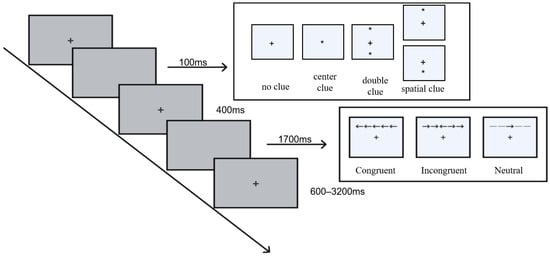
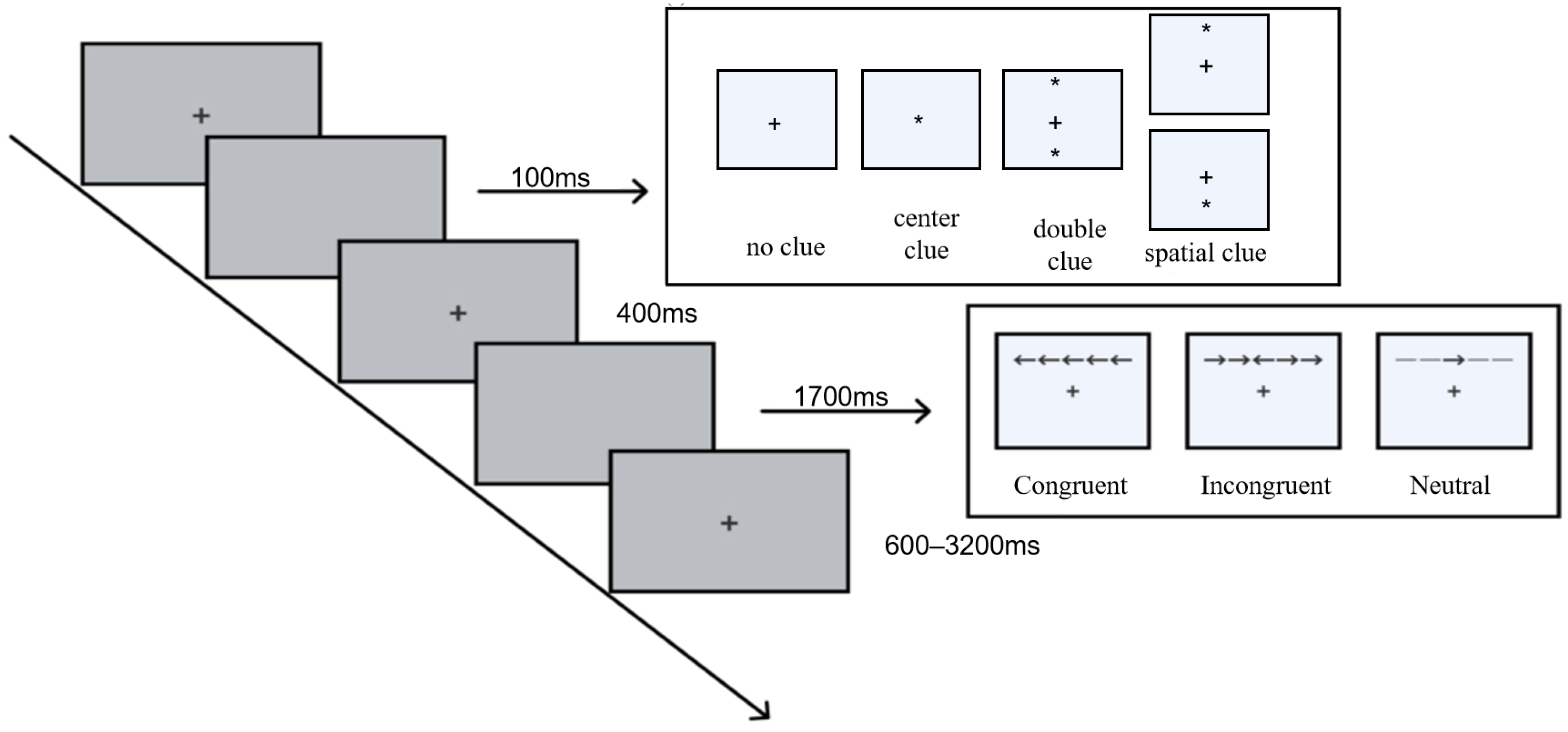
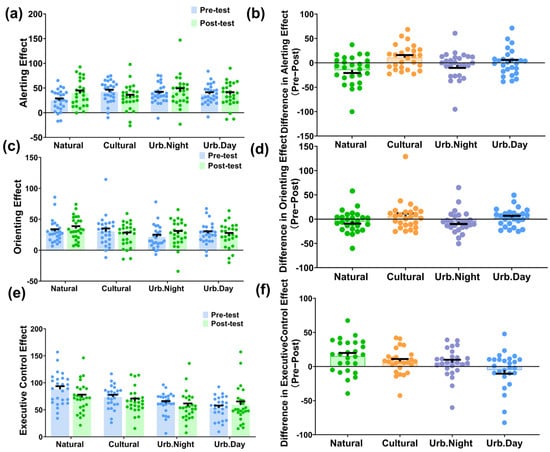
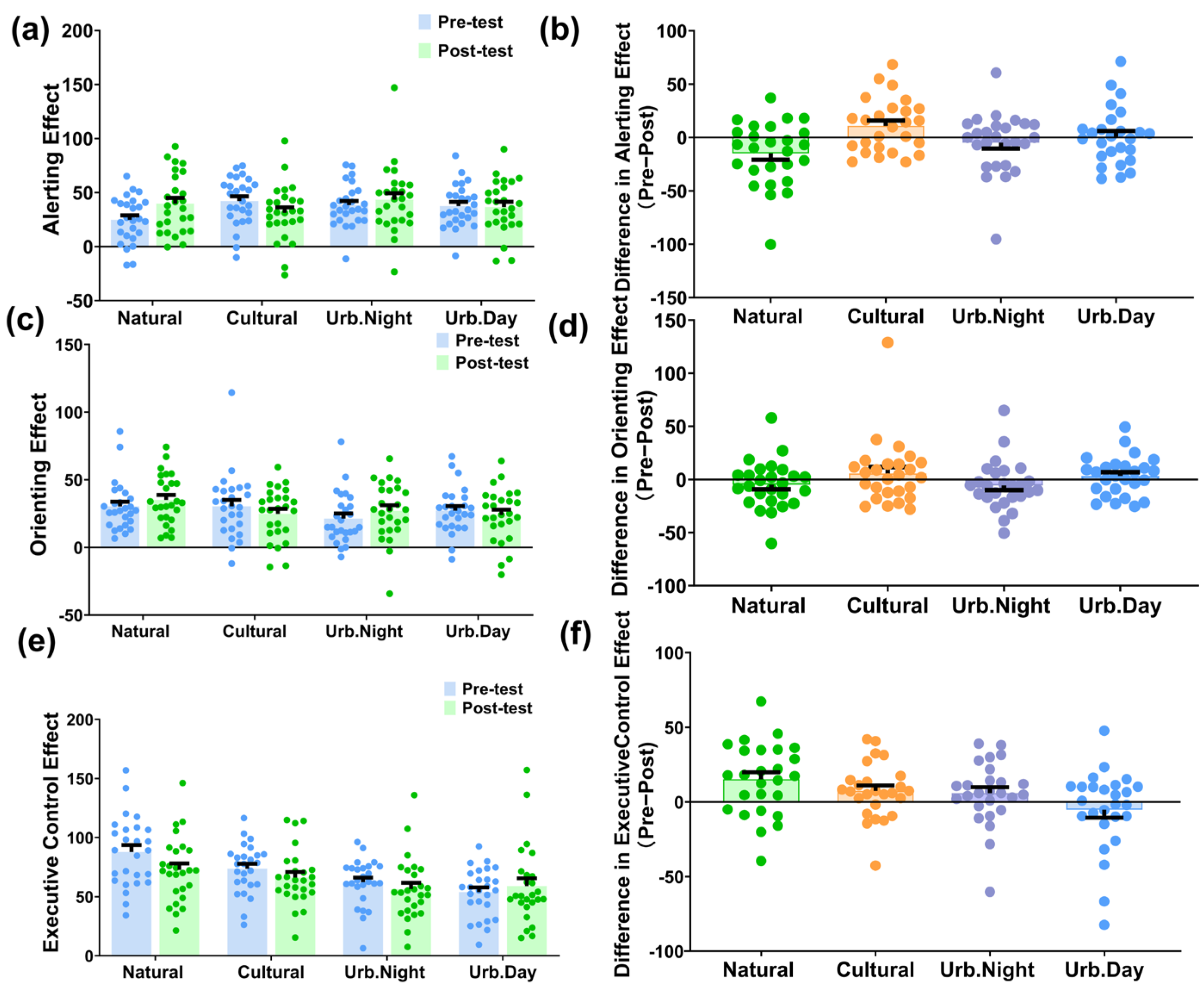

Disclaimer/Publisher’s Note: The statements, opinions and data contained in all publications are solely those of the individual author(s) and contributor(s) and not of MDPI and/or the editor(s). MDPI and/or the editor(s) disclaim responsibility for any injury to people or property resulting from any ideas, methods, instructions or products referred to in the content. |
© 2026 by the authors. Licensee MDPI, Basel, Switzerland. This article is an open access article distributed under the terms and conditions of the Creative Commons Attribution (CC BY) license.