


Abstract
Background/Objectives: Vaccination has dramatically reduced the burden of infectious disease, yet public trust in vaccines has fluctuated throughout history. This review examines the historical relationship between vaccine innovation and public confidence. Methods: A chronological narrative review of peer-reviewed historical and public health literature was conducted, organized into four eras spanning early variolation through the COVID-19 pandemic. Cross-era synthesis identified recurring themes influencing vaccine acceptance and trust. Results: Across the literature reviewed, vaccine confidence moved through recurring cycles of innovation, acceptance, disruption, and adaptation, and public responses varied across countries and social groups. Although scientific advances improved vaccine safety and effectiveness, public trust was consistently shaped by broader social, political, cultural, and communication factors. Major events—including the introduction of germ theory, the Cutter Incident, the Wakefield controversy, and the COVID-19 pandemic—served as turning points in public perceptions of vaccination. Conclusions: Scientific advancement alone has never guaranteed public trust. Understanding vaccine hesitancy as a historically recurring phenomenon may inform more effective public health strategies that emphasize transparency, institutional credibility, and community engagement alongside continued scientific innovation.
1. Introduction
From early variolation practices to modern vaccine platforms, immunization has become one of the most consequential achievements of biomedical science and public health; as of 2022, vaccines were estimated to prevent up to five million deaths per year [1]. Vaccines are essential for the local and regional control of disease and made the eradication of smallpox possible, which makes vaccination a cornerstone of efforts to reduce the morbidity and mortality of infectious diseases [2,3]. Vaccines are therefore not only a medical intervention but also a central strategy for improving health and longevity worldwide.
Despite these achievements, the benefits of vaccination depend on sustained acceptance and uptake, which remain uneven across populations and regions and are decisive for pandemic control [4]. The Centers for Disease Control and Prevention (CDC) estimates that childhood vaccination prevents about 4 million deaths worldwide each year [3], and the World Health Organization has estimated that a further 1.5 million deaths could be averted if global vaccination coverage improved [5]. Vaccine hesitancy and mistrust have therefore become major global public health concerns [5]. Acceptance and trust also vary considerably among demographic groups, so improving uptake requires understanding the factors that influence vaccine-related decisions [6].
Vaccine-related trust can be conceptualized across several overlapping domains. First, trust may center on vaccines themselves, particularly perceptions of safety and efficacy. As new vaccine technologies are introduced, new safety concerns may emerge or be amplified. Vigilant safety systems are needed to address these concerns, especially because today’s digital communication landscape allows them to be amplified rapidly [7]. Second, trust in healthcare providers and the broader healthcare system plays a critical role in vaccine decision-making, because patients’ experiences with and confidence in these institutions influence vaccination uptake. This form of trust has also declined in recent years, as concerns about conflicts of interest in the pharmaceutical industry, government, and the scientific community have contributed to vaccine mistrust [8]. Finally, vaccine hesitancy is heterogeneous, shaped by historical, sociocultural, and psychological factors that vary by region, demographic group, culture, and type of vaccine. Mistrust must therefore be examined in its specific context if it is to be addressed among diverse groups [9].
The historical evolution of vaccination extends from early variolation practices to Jennerian vaccination, from the rise in germ theory and bacteriology to the expansion of state-supported immunization programs, and finally to the development of modern vaccine technologies [10]. This history shows that scientific advancement and public trust do not necessarily progress in parallel. Rather, the relationship between biomedical innovation and public perception has been continually shaped by evolving cultural, political, and institutional forces, producing recurring periods of trust, skepticism, and recovery [9]. Recent evidence suggests that confidence in vaccine safety has once again stagnated or declined in many countries [7].
Although vaccine hesitancy has been widely examined in contemporary public health literature, much of this work emphasizes present-day attitudes, misinformation, and vaccine acceptance without placing these issues in their longer historical context [9,10]. Historical accounts, in turn, tend to chronicle scientific, disease, and policy milestones and rarely treat public trust as the object of analysis [10], while reviews of hesitancy usually confine history to a brief background section before turning to present-day determinants [11,12]. Studies of contemporary attitudes are mostly cross-sectional surveys of a single period [4,6,9]. As a result, no review we identified traces how the source of public trust in vaccination, as distinct from the content of objections to it, changed from one period to the next. This gap limits understanding of vaccine acceptance as a longitudinal process shaped not only by scientific development but also by institutional credibility, political context, cultural meaning, and prior community experience [9].
This review addresses that gap by synthesizing the chronological history of vaccine development through the lens of public trust. Rather than presenting vaccine history as a linear sequence of scientific milestones, it examines how major advances in vaccine technology were received, resisted, legitimized, and institutionalized across different historical periods and regions. In doing so, it identifies key inflection points in vaccine development and public response and examines recurring patterns in how trust was formed and eroded. These patterns include concerns about safety, skepticism toward medical and governmental authority, the influence of cultural and religious beliefs, inequities in access and implementation, and the role of communication systems in shaping public perception. The four-era framework adds two things to this literature. First, it makes the principal source of public trust the unit of comparison, so that recurring objections about safety, coercion, and legitimacy can be compared across periods in which they were directed at different authorities: community figures, scientific institutions, regulators, and, finally, a dispersed set of competing voices. Second, it shows that what is new about contemporary hesitancy is less its content than its structure. Long-standing objections now circulate in an environment with no dominant authority, which changes what public health agencies must do to be trusted.
This review examines how vaccine development has evolved across historical eras in terms of scientific innovation, global implementation, and public trust, and how the post-COVID-19 era has reshaped the balance between rapid development and vaccine acceptance. Although vaccines have become increasingly sophisticated, regulated, and globally implemented, public confidence has not advanced in step; it has fluctuated with the social, political, and informational conditions of each era.
2. Materials and Methods
This review was conducted as a structured narrative review examining the chronological relationship between vaccine development and public trust. The objective was not to conduct a systematic review or meta-analysis but to synthesize historical, biomedical, public health, policy, and socio-behavioral literature relevant to major shifts in vaccine innovation, implementation, and vaccine-related trust. A chronological framework was chosen because the central aim was to examine how public confidence in vaccination changed across different historical periods alongside developments in vaccine science, public health infrastructure, regulation, communication systems, and sociopolitical context.
A targeted literature search was conducted using PubMed and Google Scholar through 17 June 2026. Search terms were developed to capture both scientific milestones in vaccine history and trust-related public responses (Table 1). Core terms included combinations of “vaccine development,” “vaccine history,” “vaccination trust,” “vaccine hesitancy,” “public confidence,” “anti-vaccination,” “vaccine safety,” “vaccine controversy,” “public health institutions,” “vaccine mandates,” “misinformation,” and “risk perception.” Additional era-specific terms included “variolation,” “smallpox,” “Edward Jenner,” “Pasteur,” “germ theory,” “rabies vaccine,” “polio vaccine,” “Cutter Incident,” “DTP vaccine controversy,” “National Childhood Vaccine Injury Act,” “MMR vaccine,” “Wakefield,” “HPV vaccine,” “COVID-19 vaccine,” “mRNA vaccine,” and “social media vaccine misinformation.” Reference lists of selected articles were also reviewed to identify additional relevant historical, policy, and public health sources.
Table 1.
Search terms used for each manuscript section.
Searches of both databases were last run on 17 June 2026. In PubMed, the era-specific terms in Table 1 were combined with Boolean operators: synonyms for the same concept were joined with OR, different concepts were joined with AND, and Medical Subject Headings (MeSH) were used where available. A representative PubMed string (Era 3) was: (“Poliovirus Vaccine, Inactivated”[MeSH] OR “Cutter incident”[tiab] OR “Diphtheria-Tetanus-Pertussis Vaccine”[MeSH] OR “Measles-Mumps-Rubella Vaccine”[MeSH] OR Wakefield[tiab]) AND (“Trust”[MeSH] OR “Vaccination Hesitancy”[MeSH] OR “Anti-Vaccination Movement”[MeSH] OR “public confidence”[tiab] OR controvers*[tiab]) AND (history[sh] OR history[tiab]). Because Google Scholar does not support full Boolean syntax or reproducible exports, it was searched with shorter phrase combinations drawn from the same terms (for example, “Cutter incident” polio vaccine public trust), and the first 30 results of each query, ranked by relevance, were screened. The searches returned 870 PubMed records and 690 Google Scholar records. Records were pooled in Rayyan (web-based version; Rayyan Systems Inc., Cambridge, MA, USA); duplicates were removed by matching titles and DOIs, and where several sources described the same historical event, the primary or most comprehensive account was retained. Titles and abstracts were screened by Z.H., N.D., M.M., and F.M.; full texts were assessed against the eligibility criteria below by L.B., M.B., Z.H., N.D., M.M., and F.M., and disagreements were resolved by discussion with K.B. In total, 92 sources were included from the database searches and 11 from reference lists.
PubMed was chosen because it indexes the biomedical and public health literature and supports controlled vocabulary, including MeSH history subheadings, which allowed reproducible searches for vaccine-specific and trust-related studies. Google Scholar was added because much of the historical scholarship relevant to this review, including history-of-medicine and humanities journals, legal scholarship, books, and book chapters, is poorly indexed in PubMed. Web of Science and Scopus were not searched separately because their journal coverage overlaps substantially with that of Google Scholar, which also indexes the books and other non-journal sources on which historical research depends (see Section 6). The complete search strings for both databases, by era, are provided in Appendix A (Table A1). Sources were considered reliable if they were peer-reviewed, published by an academic press, or issued by an authoritative public health body such as the CDC, WHO, or the National Academies; non-scholarly websites and opinion pieces without cited evidence were not used as sources for factual or quantitative claims. Where sources gave different figures for the same event, the primary or official source was preferred, and all quantitative statements were checked against their cited sources during revision. Duplicate independent screening was not performed: screening was divided among the reviewers named above, and records of uncertain relevance were discussed with K.B. The narrative synthesis for each era was drafted by the authors assigned to it and reviewed for consistency of interpretation by L.B. and K.B.
Sources were considered for inclusion if they addressed vaccine development, vaccine implementation, public trust, vaccine hesitancy, vaccine safety controversies, mandates, institutional credibility, misinformation, public communication, or sociocultural responses relevant to vaccination. Eligible sources included peer-reviewed original research articles, review articles, historical analyses, public health reports, policy analyses, legal scholarship, and authoritative institutional sources. Sources were excluded if they focused solely on technical immunology, vaccine formulation, or laboratory mechanisms without relevance to public trust, policy, implementation, historical context, or public response.
Selected sources were organized chronologically into four historical eras: Early Inoculation and Pre-Scientific Trust; Institutionalization, Scientific Expansion, and Globalization; Crisis, Controversy, and Erosion of Trust; and Digital Age and Fragmented Trust. Particular attention was given to historical inflection points at which scientific advancement, institutional action, safety controversy, or information systems substantially altered public confidence in vaccination. Era boundaries were set by one primary criterion: a change in the principal source from which the public drew its trust in vaccination. Changes in vaccine technology, regulatory oversight, and communication systems were treated as markers of these transitions rather than as separate criteria, because each transition coincided with a change in at least two of them (Table 2). Era 1 (before 1880) covers variolation and Jennerian vaccination, when acceptance rested on personal testimony, elite endorsement, religious interpretation, and visible local outcomes. It closes with germ theory and laboratory-produced vaccines, beginning with Pasteur’s rabies vaccine in 1885, which moved the basis of trust toward scientific institutions. Era 2 (1880s to 1955) is defined by trust in scientific, professional, and governmental institutions and ends with the 1955 Cutter Incident, the first major failure of a licensed, mass-produced vaccine. Era 3 (1955 to the late 1990s) is defined by trust that had become conditional on demonstrated regulatory competence; it ends with the 1998 Wakefield publication and the spread of the internet, which removed traditional information gatekeepers. Era 4 (2000 to the present) is defined by trust distributed across competing sources. Because institutions persist across these transitions, some developments are discussed in the era in which their effect on trust was greatest rather than the one in which they began; for example, the school-entry mandates of the 1960s and 1970s and the 1980 certification of smallpox eradication are discussed with Era 2 because they extended its institutional trust. To make the eras comparable, each Results subsection follows the same sequence: principal vaccine developments, public response, institutional or regulatory response, and transition to the next era. Within each era, the literature was synthesized narratively to identify major vaccine developments, public responses, regulatory or policy changes, communication patterns, and recurring sources of trust or mistrust.
Table 2.
Criteria used to define the four historical eras.
Because this was a narrative review, formal PRISMA screening, duplicate independent review, risk-of-bias assessment, and quantitative meta-analysis were not performed. Instead, the review emphasizes transparent source selection, chronological organization, and thematic synthesis to identify broad historical patterns in how vaccine trust has formed, eroded, and fragmented over time.
3. Results
3.1. Era 1: Early Inoculation and Pre-Scientific Trust
Before germ theory, standardized vaccine production, formal regulation, and centralized public health agencies, early immunization practices developed within local social, religious, and medical networks [13]. In this setting, acceptance depended less on institutional authority than on personal testimony, elite endorsement, religious interpretation, and visible community outcomes [13]. Public trust also did not automatically follow medical innovation; acceptance was shaped by the perceived trustworthiness of those promoting vaccination, the communication strategies employed, and prevailing beliefs regarding vaccination’s safety, ethical acceptability, and legitimacy [13,14].
Smallpox is among the deadliest diseases in human history; it caused repeated epidemics and an estimated 300–500 million deaths in the 20th century alone [14]. The severity of the disease made smallpox the focus of some of humanity’s earliest immunization efforts, most notably variolation, the deliberate exposure of a healthy individual to smallpox material to produce a milder infection and subsequent protection [15]. Some historical accounts trace early forms of variolation to South Asian and Chinese sources, although the precise origins and dating remain contested [14,15,16]. The procedure was developed further during the Ming dynasty in China, was described in published texts, and spread through Persia and Turkey, reaching Constantinople by 1679 [13].
Variolation became increasingly common in Constantinople, where physicians such as Emmanuel Timoni and Jacob Pylarini relayed the practice to British audiences [13]. Their reports, however, were largely ignored by London physicians, who were reluctant to risk their reputations on a procedure not yet accepted or proven effective in Britain [13]. It took Lady Mary Wortley Montagu, wife of the British ambassador to the Sublime Porte in Istanbul, to promote the adoption of variolation in Britain [13,14]. Having survived smallpox herself and lost her brother to it, Montagu took a close interest in variolation while in Istanbul [13,14]. After inoculating her own children, she convinced the Princess of Wales to have her two daughters inoculated in 1722, which led to much wider acceptance of variolation, especially among the British aristocracy [14]. In this period, trust in early immunization was thus mediated by elite endorsement and personal example rather than medical consensus [13].
During a severe smallpox epidemic in Boston in 1721, Dr. Zabdiel Boylston began practicing variolation and inoculated more than 200 people [17]. Boylston acted at the urging of the minister Cotton Mather, who had learned of the practice from Onesimus, an enslaved West African man in his household [18]. He faced intense opposition on both medical and religious grounds [17]. Critics argued that intentionally exposing healthy individuals to disease was dangerous and unethical, while some religious leaders viewed the practice as interference with divine providence [13,17]. He was publicly condemned and threatened with violence, and opponents warned that variolation could spread infection throughout the community [13,17]. Despite this resistance, mortality rates among inoculated individuals were substantially lower than among those who contracted smallpox naturally, providing some of the earliest evidence that deliberate immunization could reduce the severity and lethality of infectious disease [13,17]. The controversy surrounding variolation demonstrated that public acceptance of preventive medical interventions depended not only on their effectiveness but also on trust in those promoting them and broader societal perceptions of risk, morality, and legitimacy.
The next major development occurred in 1796, when Edward Jenner investigated reports that prior infection with cowpox conferred protection against smallpox [19]. To test this hypothesis, he inoculated eight-year-old James Phipps with material from a cowpox lesion and subsequently reported that the boy did not develop smallpox following deliberate exposure [19]. However, his manuscript, “An Inquiry into the Causes and Effects of the Variolae Vaccinae,” met the same resistance that variolation had. Prominent London inoculationists Drs. Benjamin Moseley, John Birch, and John Stuart opposed Jenner’s method, arguing that it was inferior to smallpox inoculation, could cause individuals to develop bovine traits, and threatened bodily purity [20]. The controversy shows that a safer technology did not automatically win public confidence. Instead, vaccination entered a landscape already shaped by competing medical opinions, cultural beliefs, and concerns about safety and legitimacy [13,14,19].
Communication and medical authority remained highly decentralized during this period, resulting in substantial variation in public perceptions of vaccination across communities and regions [21]. In the absence of centralized public health systems, regulatory agencies, or standardized medical communication networks, information about vaccination spread primarily through local physicians, religious leaders, pamphlets, sermons, personal correspondence, and individual testimony [13,19,21,22,23]. Public understanding of vaccination was therefore shaped largely by local experiences and trusted community figures rather than by uniform scientific guidance [21]. Rumors, misinformation, and competing medical claims could spread easily through these informal networks, while the lack of standardized evidence, safety monitoring, and oversight made it difficult to verify claims or establish broad public confidence [21]. Vaccine production and administration were also not standardized, which led to variable outcomes and inconsistent public experiences that further complicated trust [14].
Developments after Jenner began to change this landscape. Investigations by the Royal Jennerian Society, the House of Commons, and the Royal College of Physicians found the smallpox vaccine safe and effective when properly administered [20]. This was one of the first examples of evidence-based institutional public health advice, and it led to wide acceptance of the vaccine among physicians and the public [20]. Although these developments laid the foundation for an era in which public trust became increasingly tied to scientific expertise and government oversight, they were not universally accepted [11]. These public health bodies began to influence policy and helped secure passage of the British Compulsory Vaccination Act of 1853, which required smallpox vaccination of all infants [11]. The act met opposition across the UK from those who saw it as a restriction of personal freedom [11]. The Anti-Compulsory Vaccination League, founded in London in 1867, helped spread anti-vaccination sentiment across Europe and North America and contributed to the repeal of similar mandates in many US states [11]. By 1872, vaccination compliance in Stockholm had dropped to 40%, compared to 90% in the rest of Sweden, likely contributing to the city’s smallpox epidemic in 1874 [11]. The transition from variolation to widespread vaccination thus showed that public acceptance depended as much on trust, communication, and legislation as on scientific efficacy, establishing patterns that would continue to shape vaccine adoption in subsequent centuries [11,13,14,19].
3.2. Era 2: Institutionalization, Scientific Expansion, and Globalization
Building on the growing acceptance of Jennerian vaccination, the late 19th century saw immunization institutionalized through scientific advances, expanding public health systems, and greater government involvement, which transformed both vaccine development and public trust. This shift was driven by the French chemist Louis Pasteur and the German physician Robert Koch through their contributions to germ theory, the principle that microorganisms invade the body and cause disease. Pasteur’s research on lactic fermentation proved that bacteria could actively alter their environment, while Koch’s postulates provided criteria for identifying pathogens [24,25]. These developments contributed to the rise in controlled experimentation and standardized vaccine production against disease-causing microbes and gave the public a greater understanding of medicine’s role in preventing illness [26]. For instance, after years of studying rabies in dogs, Pasteur successfully inoculated his first human patient with an attenuated rabies vaccine in 1885, establishing immunization as an effective and reliable form of disease prophylaxis [26].
In 1888, the Pasteur Institute opened to mass-produce the rabies vaccine and serve as a central hub to study infectious diseases [26]. The establishment of this research center marked the institutionalization of microbiology and laid the foundation for scientific validation and reproducibility in vaccine development. Trust in vaccination evolved as communities came to value scientific expertise over anecdotal claims, a shift grounded in Pasteur’s and Koch’s insistence on rigorous laboratory evidence [27]. The professionalization of medicine (i.e., transitioning from an unregulated trade to a formalized scientific profession) further solidified public trust in immunization through the development of sophisticated research techniques and the employment of formally trained staff [28].
This new scientific framework accelerated vaccine development in the late 19th and early-to-mid 20th centuries. One of the earliest successes in this period was Jaime Ferrán y Clúa’s 1885 cholera vaccination campaign in Valencia, which inoculated some 50,000 residents within two months [29]. However, while public confidence rested on local results, scientific institutions demanded empirical proof before endorsing immunization. Despite public acceptance of the vaccine, the French Academy of Sciences rejected Ferrán’s cholera research, citing insufficient statistical evidence and unstructured data presentation [29].
Following the development of the cholera vaccine, Richard Pfeiffer and Almroth Wright independently developed typhoid vaccines using heat-killed bacteria in 1896 [30]. By the early 20th century, it had become clear that bacteria inactivated by chemicals or heat could retain their antigenic properties, enabling the development of standardized methodologies required by scientific institutions. Using this approach, Gaston Ramon created a diphtheria toxoid in 1923, and Pierre Descombey replicated Ramon’s technique to generate a tetanus toxoid in 1924 [31]. In 1933, Pearl Kendrick and Grace Eldering developed a whole-cell pertussis vaccine to combat a pathogen that killed about 6000 US children each year [32]. In 1952, Jonas Salk applied a similar method to the poliovirus to create the first successful polio vaccine, and in 1961 an oral alternative developed by Albert Sabin was licensed, collectively helping to control an infection that produced nearly 400,000 annual cases worldwide [33,34]. The rapid development of new vaccines transformed vaccination from a single-disease intervention into a cornerstone of modern public health and marked a period of strong institutional trust.
Alongside the expansion of vaccine development, the evaluation of vaccines grew more rigorous and shifted public expectations toward empirical validation. From 1934 to 1935, Pearl Kendrick and Grace Eldering conducted a vaccination field study of 1592 children, which showed their pertussis vaccine to be 89% effective [32]. The same emphasis on large-scale testing was evident in 1936, when Max Theiler developed a live-attenuated 17D vaccine for yellow fever, which was subsequently tested in endemic regions like Brazil, where 59,000 people were vaccinated in a one-year field trial [35]. Although the vaccine was initially successful, cases of encephalitis caused by mutations in subcultures and of jaundice caused by contaminated human serum later occurred among military personnel deployed to North Africa during World War II [35]. While tens of thousands of cases of jaundice and numerous cases of encephalitis provoked outrage and led some newspapers to question the vaccine’s benefits, the investigation that followed and the switch to vaccines made without human serum showed the public that institutions could correct themselves [35].
Polio immunization programs using the Salk and Sabin vaccines further illustrate the growing role of clinical evaluation. In 1954, Thomas Francis Jr. coordinated a trial for Salk’s polio vaccine, which enrolled more than one million children and was one of the largest clinical studies conducted up to that time [36,37]. The trial showed that the vaccine was safe and effective, and subsequent vaccination campaigns reduced poliomyelitis cases in the US from 29,000 to fewer than 6000 over the next few years [36]. In the late 1950s and early 1960s, Sabin’s oral trivalent polio vaccine was administered to millions of participants across Latin America and the Soviet Union, supporting its effectiveness internationally [34]. The spread of vaccination campaigns and large-scale trials paved the way for vaccine mandates as a public health tool.
Despite the success of new vaccination programs, mandates imposed by governments and public health organizations were controversial throughout the 20th century. In the landmark 1905 Jacobson v. Massachusetts case, the US Supreme Court upheld mandatory vaccination, holding that individual liberty may at times be restricted to protect public safety [38]. The ruling affirmed the authority of US states to balance personal freedom against collective safety and was later used to defeat claims that mandates violated civil liberties. However, the response to the Supreme Court’s decision was divided: the mainstream media supported mandatory vaccination as an intelligent solution to public health concerns, while antivaccination groups denounced mandates as the “greatest crime of the age” [39]. As vaccine development and adoption expanded during the century, agencies such as the CDC began to advocate mandatory vaccination for schoolchildren in the US, recommending more extensive and uniform vaccination laws in 1967 to support their national smallpox and measles eradication campaigns [40]. This legislative push culminated in the 1977 Childhood Immunization Initiative, which coordinated state and local government enforcement of diphtheria, measles, mumps, pertussis, poliomyelitis, rubella, and tetanus vaccinations for schoolchildren, normalizing institutional requirements and increasing compliance [41].
Beyond mandates, vaccine uptake in the 20th century was driven by public enthusiasm and social messaging. In 1916, the US experienced 27,000 cases of paralytic polio and 6000 deaths, and the resulting fear meant that the mid-century polio vaccine rollout was greeted with celebration [34]. Support for Sabin’s vaccine was evident in high participation in vaccination campaigns, such as the Soviet Union’s inoculation of over 15 million people by 1959 [34]. To further encourage immunization, the Ministry of Health in Britain used newspaper advertisements to promote the polio vaccine in areas with low uptake [42]. Celebrities such as Elvis Presley offered signed photographs to vaccinated fan club members to reach younger people [43]. This enthusiasm was not equally shared across racial lines. Polio care in the United States was segregated: the Georgia Warm Springs rehabilitation center founded by Franklin Roosevelt admitted only White patients, a policy supported by the claim that Black Americans were not susceptible to polio, and the March of Dimes funded a separate center at the Tuskegee Institute only in 1941 [44]. The institutional trust of this era was therefore built unevenly across racial groups. Together, public motivation and media outreach framed vaccines as life-saving innovations and increased compliance.
The globalization of vaccination efforts across the 20th century involved both colonial implementation and international cooperation [45,46]. Global health initiatives were formed to collect international data and standardize immunization, beginning with the League of Nations Health Organization in 1924 [47]. Institutional backing for vaccination was evident in 1938, when Theiler’s yellow fever vaccine was successfully administered in Brazil, and the Rockefeller Foundation then supported distribution of millions of doses in endemic countries [45]. Global vaccine standardization expanded further with the formation of the World Health Organization’s (WHO) Expert Committee on Biological Standardization in 1947 [48]. These frameworks made possible unprecedented mass vaccination efforts, such as the WHO-advised International Tuberculosis Campaign. The campaign used mobile teams in 23 countries to vaccinate 14 million people with BCG, reflecting growing confidence in international health organizations and mass preventive medicine [49]. Despite these successes, vaccine rollouts in Africa were often imposed from the top down and were seen as a way of legitimizing colonial rule, leading to local distrust of inoculation efforts [46]. The shift from nationally led vaccination efforts to international cooperation culminated in the WHO’s 1967 Smallpox Eradication Program, which unified and coordinated decades of prior immunization efforts across countries under a common global strategy [50]. About a decade after the program began, the last naturally occurring case of smallpox was recorded, and global eradication was certified in 1980, which reinforced public trust in mass vaccination and support for future international health initiatives [50].
By the mid-20th century, trust in vaccination had become increasingly tied to scientific expertise, professional medicine, and public health institutions [28]. Advances in laboratory science, rigorous vaccine evaluation, and successful mass vaccination campaigns validated vaccination as a safe and effective public health tool [33,34]. Although resistance and inequities persisted, this era marked the height of public confidence in immunization, with vaccines becoming symbols of scientific progress, governmental responsibility, and collective disease prevention [33,34]. These advancements fostered a growing societal expectation of safety and accountability in vaccination efforts. The successes of this era created strong institutional trust, but the limits of regulatory systems left that trust vulnerable to disruption.
3.3. Era 3: Crisis, Controversy, and Erosion of Trust
The rapid fall in polio cases after the introduction of the polio vaccine was a landmark in a period of strong confidence in medical professionals and government programs: vaccines were seen as safe, effective, routine and part of a collective public good [36]. Manufacturing had advanced to the point where centralized mass production of vaccines was the norm, reflecting public faith in institutional capacity [51]. At the national level, programs such as the Polio Vaccination Assistance Act increased funding for vaccines and laid the groundwork for a federal system of comprehensive childhood immunization [52]. By the mid-1950s, Americans had placed their trust not only in the vaccine but also in the institutions that produced it.
However, the latter half of the twentieth century marked a turning point in vaccine history, as a series of safety controversies, regulatory failures, and media-driven debates transformed trust from a largely institutional phenomenon into one increasingly shaped by public scrutiny and skepticism. After the success of Salk’s polio vaccine, laboratories began mass-producing doses for widespread vaccination. In 1955, California-based Cutter Laboratories produced polio vaccines containing insufficiently inactivated (live) poliovirus and distributed over 100,000 doses to children in five western and midwestern US states. An estimated 40,000 recipients developed abortive poliomyelitis, and the incident ultimately left roughly 200 children with varying degrees of paralysis and caused 10 deaths, including among family and community contacts [53]. The manufacturing failure had several causes, including an inactivation process that manufacturers did not fully understand and safety tests too insensitive to detect residual live virus [53,54]. The immediate public health response was rapid: within weeks, Cutter’s vaccine was recalled and the national program was suspended pending inspection of all manufacturers [54,55]. Public reaction ranged from fear to outrage, and the government’s prolonged silence about what had happened at Cutter only deepened public unease, eroding confidence in both the vaccine program and the Public Health Service [55].
In response to these critical failures, federal authorities implemented sweeping regulatory reforms targeting vaccine manufacturing standards and oversight [53]. The US Surgeon General suspended all polio vaccinations pending review and inspection of manufacturers’ procedures and facilities, leading to stricter production standards. Concurrently, the Laboratory of Biologics Control was elevated to the Division of Biologics Standards, establishing an independent regulatory body with expanded oversight [56]. These changes were an effort to restore credibility through transparency and control of vaccine manufacture. They addressed the manufacturing and oversight failures directly; their effect on public confidence is a separate question.
The longer-term effects of the Cutter Incident on public confidence were more limited than its immediate impact might suggest. Vaccination with inactivated polio vaccine resumed after inspection, and polio incidence in the United States continued to fall over the following years [36]; the incident did not produce a lasting public rejection of vaccination. Its more durable consequences were legal and economic. In the first lawsuit against the company, the jury found Cutter not negligent but liable for breach of an implied warranty of safety, establishing liability without fault for vaccine manufacturers [53,54]. That precedent shaped the litigation, manufacturer withdrawal, and supply problems of the DTP era described below [54,57,58]. The Cutter Incident thus made institutional trust more conditional on manufacturer accountability without, by itself, turning the public against vaccination.
By 1974, public mistrust of vaccination was growing in the UK amid controversy over the DTP vaccine, as reports emerged of adverse reactions in vaccinated children, including neurological effects such as seizures, encephalopathy, and permanent intellectual disability [59]. These reports fueled widespread public concern, amplified by media coverage that cast doubt on the vaccine’s safety and prompted many families to forgo vaccination altogether. By 1978, DTP uptake among British children had fallen from approximately 80% to 30%, and a pertussis epidemic between 1977 and 1979 caused more than 100,000 cases and 36 deaths [60]. In 1982, the controversy over the safety of the DTP vaccine reached the United States, amplified by the television program “DPT: Vaccine Roulette,” which was broadcast by an NBC affiliate and depicted children with severe injuries after reportedly receiving the DTP vaccine [59]. The documented risk was much smaller than the perceived one. A 1991 Institute of Medicine review found the evidence consistent with a causal relation between DTP and acute encephalopathy, at an estimated excess risk of 0 to 10.5 per million immunizations, but insufficient to indicate a causal relation with permanent neurological damage [59]. This reframing moved the case for vaccination from scientific consensus into open public debate, in which anecdote carried persuasive weight against scientific evidence. Risk perception, rather than actual risk, became the operative variable determining vaccine acceptance, and trust in medical authority was now susceptible to disruption by a single broadcast [61].
The media-driven shift in risk perception laid the foundation for legal action, as public anxiety over vaccine safety fueled a sharp rise in litigation against manufacturers. Lawyers advertised in newspapers and on radio and television to recruit families who had experienced adverse reactions to the DTP vaccine, promising to pursue compensation through the courts on their behalf [55]. As courts began awarding families millions of dollars in damages, manufacturers faced a rapidly escalating wave of litigation. In 1980, there were 24 lawsuits filed against manufacturers. By 1985, this number had climbed to an estimated 144, with plaintiffs requesting in excess of $3.5 billion in damages [57]. By this time, only four manufacturers remained willing to produce the primary childhood vaccines required under compulsory immunization programs, causing the wholesale price of the DTP vaccine to increase by over 6000 percent between 1970 and 1987 [58]. Facing critical vaccine shortages, Congress passed the National Childhood Vaccine Injury Act in 1986, establishing a no-fault National Vaccine Injury Compensation Program as an alternative to civil litigation [57]. The act aimed to stabilize the vaccine supply by limiting the liability exposure of manufacturers and providing injured children a more accessible and consistent compensation pathway than the legal system had offered [57]. The act also carried an implicit but consequential acknowledgment that vaccines, however rarely, can cause harm, reflecting an effort to balance public confidence in vaccination with institutional accountability and equitable compensation for those adversely affected.
Erosion of trust in the vaccine industry deepened toward the end of the 1990s, catalyzed by the publication of a fraudulent scientific claim [62]. In 1998, Andrew Wakefield and colleagues published a case series in The Lancet that claimed a link between the MMR vaccine and cases of autism spectrum disorder in twelve children [63]. While this study had major methodological flaws (e.g., no control group, small sample size, substantial conflicts of interest, participants with pre-existing symptoms) and data that were later shown to have been manipulated, it contributed to a substantial loss of confidence in the MMR vaccine, particularly in the United Kingdom [64]. As the paper gained attention through a press conference held by Wakefield at the Royal Free Hospital and subsequent coverage by UK newspapers and television, its falsified conclusions affected public perception of the MMR vaccine [65]. The effects varied by place and over time. In the UK, where the paper received the most media attention, MMR coverage fell from approximately 92% in 1996 to 80% in 2003 [66], and measles later resurged: cases rose from fewer than 100 a year to over 2000 in 2012 [67]. In the United States, the effect was smaller but measurable; reports of suspected MMR adverse reactions to the national Vaccine Adverse Event Reporting System rose immediately after the paper’s publication, alongside more negative news coverage of the vaccine [62]. The Wakefield paper, for which The Lancet later issued a full retraction, thus marked another turning point in public perceptions of vaccination, demonstrating that misinformation could compete with and, in some cases, outweigh scientific consensus in shaping public attitudes toward vaccination. The controversy weakened confidence in medical authorities and reinforced a growing tendency for individuals to evaluate vaccine risks through personal beliefs, media narratives, and anecdotal accounts rather than institutional expertise [66].
The Wakefield controversy accelerated a broad public shift away from unquestioning trust in physicians, government agencies, and manufacturers and toward the individual as the primary judge of risk [68]. The accumulated weight of the Cutter Incident, the DTP controversy, and the Wakefield MMR scandal deepened public skepticism toward manufacturers and government agencies alike. As the 20th century closed and the digital age began, the groundwork for increasingly polarized vaccine trust was already in place.
3.4. Era 4: Digital Age and Fragmented Trust
The 21st century brought a marked change in the relationship between the public, medical institutions, and vaccination. Unlike previous eras, in which vaccine information was primarily distributed through physicians, public health agencies, and traditional media, the rise of the internet and social media fundamentally changed how individuals accessed and evaluated health information [69]. Before the dominance of modern social media platforms, online chatrooms, message boards, email chains, personal websites, and blog posts allowed individuals to exchange vaccine-related concerns outside of traditional medical settings [70]. These spaces gave patients and parents new opportunities to share personal experiences, question institutional recommendations, and seek alternative interpretations of vaccine safety [70]. The continued influence of the Wakefield-era claim linking the MMR vaccine to autism demonstrated how early internet environments could preserve and recirculate discredited vaccine narratives even after scientific evidence failed to support them [64,71]. However, these spaces also blurred the distinction between anecdote and evidence, as personal stories could circulate alongside scientific information without clear mechanisms for verification [72]. As a result, individuals could now seek and interpret vaccine information independently rather than relying solely on healthcare professionals. This democratization of information created an environment in which expert opinions increasingly competed with non-expert viewpoints [72].
The growth of social media in the early 2010s accelerated this transformation. Platforms such as Facebook, YouTube, Twitter/X, and later TikTok enabled health information and personal experiences to reach global audiences with unprecedented speed [73,74]. Unlike traditional media, social media platforms largely lacked editorial gatekeeping, allowing vaccine-related misinformation to circulate alongside evidence-based information. As online communities expanded, individuals increasingly encountered vaccine information through peers, influencers, and algorithmically curated content rather than public health authorities [74]. Early anti-vaccination websites helped preserve and repackage Wakefield’s legacy by framing vaccine skepticism around safety, effectiveness, civil liberties, conspiracy theories, and moral concerns [75]. These developments amplified the visibility of vaccine skepticism, facilitated the formation of transnational anti-vaccine communities, and further fragmented public trust in vaccination [76].
Early evidence of this shift appeared on YouTube, where vaccine-related videos were already being used to circulate both evidence-based information and claims that contradicted established immunization guidance [73]. Compared with positive videos, negative vaccine videos were more likely to receive ratings and had higher mean star ratings, which helped them circulate faster and attract more views [73]. This suggested that skeptical or negative vaccine content could attract greater user engagement, allowing anecdotal concerns and anti-vaccine narratives to gain visibility within emerging social media environments [73]. False or misleading claims about vaccine injury, infertility, chronic illness, government distrust, and pharmaceutical influence could therefore appear alongside personal stories and scientific language [69,75]. Over time, online vaccine discourse became increasingly organized around communities of shared belief. Vaccine-skeptical Reddit content, for example, often moved from mainstream forums into conspiracy-oriented and anti-vaccine communities, reinforcing ideological echo chambers [77]. These changes decentralized informational authority, creating a digital environment in which there was no longer a single dominant source of truth.
The introduction of the human papillomavirus (HPV) vaccine in the mid-2000s was one of the first major vaccine rollouts in this newly decentralized digital information landscape, where public perceptions were increasingly shaped by online discourse alongside traditional public health messaging [76]. Clinical trials demonstrated strong safety and efficacy, and public health organizations promoted widespread vaccination of adolescents to reduce cervical cancer and HPV-associated malignancies [76]. However, the public response to HPV vaccination showed that acceptance depended on more than scientific evidence. Attitudes toward the HPV vaccine were shaped by parental decision-making, gender biases, and the appropriateness of vaccinating adolescents against a sexually transmitted infection—concerns that could be spread and amplified across the internet [76].
Political controversy followed when several states proposed school-entry requirements for the HPV vaccine, reviving debates over individual autonomy and the collective good. By 2007, 24 states and Washington, D.C. had proposed HPV vaccine mandate legislation, but these efforts achieved limited success, with only a small number of jurisdictions ultimately implementing school-entry requirements [78]. As a result, HPV vaccination became widely recommended but not broadly mandated. Coverage nonetheless increased over time: in 2012, only 53.8% of adolescent girls had received at least one HPV vaccine dose and 33.4% had completed the three-dose series. More recent CDC data showed that 78.2% of adolescents had received at least one dose and 62.9% were up to date in 2024 [79]. The HPV rollout therefore became a defining example of vaccine decision-making shaped by values, media exposure, parental autonomy, and political context.
The politicization that first became visible during the HPV vaccine rollout intensified sharply during the COVID-19 pandemic in 2020 [80]. The COVID-19 pandemic became the defining vaccine event of the modern era, demonstrating both the scientific power of 21st-century vaccination and the difficulty of securing public trust in it. Rapid mRNA vaccine development represented an unprecedented scientific achievement [80]. In the United States, the first COVID-19 vaccine received emergency use authorization on 11 December 2020, less than one year after the pandemic began, and by March 2021 more than 100 million vaccine doses had been administered nationally [81]. This rapid rollout enabled mass vaccination campaigns under emergency conditions, but it also unfolded amid evolving guidelines, changing risk assessments, and intense public visibility of scientific uncertainty [80]. While many populations accepted vaccination quickly, others expressed hesitancy or refusal, driven by concerns about safety, distrust in government and pharmaceutical institutions, misinformation, and inequities in vaccine access [80]. Additional drivers included uncertainty about emerging variants, poor health literacy, and distrust among some minority communities rooted in histories of institutional bias [82].
As vaccination campaigns, masking policies, and mandates became public symbols of broader debates over individual liberty, government authority, and collective responsibility, vaccine attitudes increasingly aligned with political and ideological identity [83]. In the polarized climate in the United States after the 2020 presidential election, COVID-19 skepticism and SARS-CoV-2 vaccine hesitancy became associated with conservative political preferences, Republican affiliation, and conservative religious beliefs, while socioeconomic factors played a comparatively smaller role [83]. The influence of political ideology on attitudes toward the COVID-19 vaccine was so pronounced that even direct experiences with COVID-19, such as personal infection or the death of a close friend or family member, frequently failed to diminish its effect on vaccine attitudes [83]. These findings come from a single cross-sectional survey of 1222 US adults conducted in 2021 [83]; they describe strong correlates of skepticism in that population but do not establish the relative causal contribution of ideological and informational factors. Other studies identify concerns about safety, distrust of government and pharmaceutical institutions, misinformation, unequal access, and structural barriers rooted in racism as drivers of hesitancy and low uptake [80,82,84]. Political identity is better understood as interacting with these factors, for example by shaping which sources people trust for safety information, than as replacing them, and its weight is likely to vary across countries and populations.
Political leadership also shaped access to vaccines and the signals the public received about them. In the United States, federal funding through Operation Warp Speed supported parallel development and manufacturing of several vaccine candidates [85], yet uptake later divided along partisan lines: counties with a higher share of Republican voters had lower vaccination rates and higher COVID-19 death rates [86], and in Florida and Ohio, excess mortality among registered Republicans exceeded that among registered Democrats only after vaccines became available to all adults [87]. In Brazil, President Jair Bolsonaro repeatedly minimized the seriousness of the pandemic and promoted unproven treatments [88], and a Senate inquiry later documented delays in the federal government’s negotiation of vaccine purchases, including unanswered offers from Pfizer in 2020 [89]. Municipal vaccine uptake in Brazil was inversely associated with the share of votes for Bolsonaro, and the association was strongest in municipalities with the lowest human development index [90], suggesting that political alignment compounded socioeconomic disadvantage. In both countries, national leadership affected vaccination through procurement decisions and public messaging, not only through individual attitudes.
Access to vaccines was also unequal between countries, which shaped which vaccines populations received and when. COVAX, the vaccines pillar of the Access to COVID-19 Tools Accelerator, was launched in April 2020 by WHO, Gavi, and the Coalition for Epidemic Preparedness Innovations to pool procurement so that countries at every income level would have access to vaccines [91]. It delivered 910 million doses in 2021, fewer than half of the two billion it had projected, and 60% of those doses were donations, which donor countries often delivered late, in smaller quantities than promised, or earmarked for preferred recipients [92]. Its self-financing arm also underperformed because high-income countries negotiated bilateral deals with manufacturers rather than buying through the facility [93]. With much of the early mRNA supply reserved by high-income countries [94], many middle-income countries, including Türkiye, Brazil, and Chile, relied heavily on inactivated vaccines such as CoronaVac. CoronaVac’s efficacy against symptomatic COVID-19 was 83.5% in a trial in Türkiye [95], and its effectiveness in Chile’s national campaign was 65.9% against COVID-19 and 86.3% against death [96], compared with 95% efficacy for the BNT162b2 mRNA vaccine in its pivotal trial [97]. Populations in middle- and low-income countries therefore often received different vaccines, and received them later, than populations in high-income countries.
Within countries, racial inequities shaped both access and trust. In the United States, early gaps in COVID-19 vaccination among racial and ethnic minority groups were often attributed to hesitancy, but they also reflected structural barriers to access rooted in racism [84]. Distrust of medical care among Black Americans is commonly attributed to the Tuskegee syphilis study, yet in a Baltimore survey, knowledge of the study did not predict mistrust, suggesting that broader historical and personal experiences of discrimination matter more [98]. These patterns echo earlier eras, from segregated polio care [44] to colonial vaccination campaigns in Africa [46], in which communities excluded from or coerced by vaccination programs had reasons to doubt them.
The relative weight of these determinants also differed between populations. In a 32-country survey conducted in late 2020, the share of respondents willing to accept a COVID-19 vaccine ranged from 98% in Vietnam and 91% in India and China to 38% in Serbia and 44% in France [94], and a systematic review of acceptance surveys found similarly wide variation across countries [4]. Concerns about the safety of rapidly developed vaccines were common across settings [82]. Prior experiences of discrimination in health care shaped trust in some communities [84,98], structural barriers explained part of the gap in uptake that was often attributed to hesitancy [80,84], and recommendations that changed as evidence accumulated were visible to the public in real time [80]. No single explanation of COVID-19 vaccine refusal fits all of these settings, and approaches that work in one population may not transfer to another.
The fragmentation of trust in vaccination and in the scientific community during the COVID-19 pandemic extended beyond the new mRNA vaccines to routine childhood vaccines [99]. Specifically, parental attitudes toward routine childhood vaccination were increasingly influenced by social relationships, political concerns, trust or distrust in government and healthcare institutions, and personal experiences with vaccination services [99]. Many parents viewed healthcare decisions through a framework of individual choice and personal responsibility, creating tension with vaccination programs that emphasize collective public health benefits [99]. Modern vaccine hesitancy therefore cannot be understood simply as a lack of information, but as part of a broader conflict involving autonomy, social belonging, institutional confidence, and collective responsibility [76,99]. This erosion of trust has also contributed to the resurgence of previously controlled diseases in countries where they had been declared eliminated. In the United States, for example, the CDC reported 4588 confirmed measles cases in 2026 as of October 22, more than twice the total for 2025, and most cases have occurred among people who were unvaccinated or whose vaccination status was unknown [100].
Vaccine skepticism also became increasingly globalized during this period. The rise of social media allowed vaccine-related misinformation to circulate rapidly in the context of globalized infectious diseases, making vaccine hesitancy less confined to local communities or national debates [74]. During the COVID-19 pandemic, these dynamics became especially visible, as concerns about vaccine safety, government distrust, pharmaceutical influence, and misinformation appeared across multiple regions and complicated global vaccination efforts [74,82]. Studies from Türkiye and the Global South show that digital misinformation and institutional distrust shaped vaccine refusal beyond the United States, suggesting that local vaccine attitudes were increasingly influenced by broader international information environments [101,102]. In this sense, vaccine skepticism became transnational, with digital platforms helping similar narratives appear across different countries, communities, and political contexts.
These developments are creating lasting challenges for public health communication. As vaccine information became decentralized, achieving widespread consensus became more difficult, particularly when scientific recommendations had to compete with misinformation, personal narratives, political identity, and distrust of institutions [74,76,83,99,103]. Parents often wanted more vaccine information and struggled to determine which sources could be trusted, even while continuing to view healthcare workers as important sources of guidance [103]. Rebuilding vaccine confidence in the digital era requires more than traditional public health messaging. Future vaccination efforts must combine clear communication with community engagement, misinformation management, and trust-building strategies that recognize the fragmented information environment of the 21st century [76,99,103].
4. Cross-Cutting Synthesis: Patterns in the Evolution of Vaccine Trust
The four eras reviewed here represent major inflection points in the evolving history of vaccine development, acceptance, and public trust (Figure 1). We interpret them as tracing a progression from community-based acceptance of variolation, to institutional trust in science and public health, to growing skepticism following vaccine safety controversies, and finally to a fragmented digital information landscape during the COVID-19 era. This progression is offered as a conceptual interpretation of a selected literature, drawn mainly from North America and Western Europe, rather than as a demonstrated universal trajectory. Despite these distinct historical transitions, recurring patterns emerge across every era, suggesting that trust in vaccination did not evolve linearly alongside scientific progress. Rather, vaccine confidence emerged as a dynamic and historically contingent process shaped by recurring cycles of innovation, acceptance, disruption, and adaptation [12]. New vaccine technologies and immunization programs often gained legitimacy when infectious disease threats were visible and the benefits of prevention were readily apparent, as seen with smallpox inoculation during epidemic periods, the celebration of mid-twentieth-century polio vaccines, and the rapid initial uptake of COVID-19 vaccination [13,36,80]. Yet these gains were repeatedly destabilized by shifts in perceived risk, safety controversies, coercive policy debates, implementation failures, and changing information systems. As a result, moments of major scientific advancement did not consistently produce stable increases in public trust or sustained vaccine uptake [12].
Figure 1.
Key milestones in vaccine innovation and public trust.
The central interpretive claim of this review is that the dominant foundation of trust changed over time. In the pre-scientific period, trust was rooted primarily in personal relationships, local testimony, religious interpretation, and visible community outcomes [13,19]. During the late nineteenth and early twentieth centuries, trust became increasingly institutionalized in laboratory science, professional medicine, government oversight, and expanding public health systems [26,27,28]. By the late twentieth century, however, confidence in vaccination had become more conditional, increasingly dependent on perceptions of regulatory competence, transparency, and institutional accountability [53,56]. In the digital age, trust fragmented further across competing sources of real and perceived authority, including public health agencies, healthcare workers, online communities, media ecosystems, and politically aligned networks [72,74,75]. This shift from personal to institutional trust, and then from institutional to fragmented trust, helps explain why vaccine uptake has become increasingly vulnerable to controversy even as vaccines themselves have become more sophisticated and highly regulated. These forms of trust also coexisted. Personal and community sources of trust remained influential in every era; parents in recent qualitative studies still described health workers as important sources of guidance [103]. Institutional authority was contested from the first compulsory vaccination laws onward [11], and in colonial and segregated settings institutional trust was never extended equally [44,46]. The eras therefore describe shifts in which source of trust predominated in the settings best documented in the literature, not a sequence that every population followed.
Table 3 summarizes how five factors (institutional credibility, risk perception, political context, communication systems, and access to vaccination) shaped confidence in each era. They rarely acted alone. In Era 3, a manufacturing failure undermined institutional credibility, the litigation that followed reduced the number of manufacturers and threatened supply, and national television amplified perceived risk well beyond the documented risk [53,54,55,57,58,59]. In Era 4, political identity shaped which sources people trusted for safety information, while national procurement decisions and global supply determined who could be vaccinated and when [86,87,88,89,90,91,92,93,94]. Public responses also differed within every era. Vaccination compliance in 1870s Stockholm was far below that in the rest of Sweden [11]; colonial vaccination in Africa and segregated polio care in the United States extended institutional trust unevenly [44,46]; and COVID-19 vaccine uptake varied with partisan affiliation in the United States and with municipal political alignment and development in Brazil [86,87,90]. Vaccine acceptance and mistrust were therefore never uniform across countries, communities, or social groups.
Table 3.
Factors shaping vaccine confidence in each era (conceptual summary of Section 3.1, Section 3.2, Section 3.3 and Section 3.4).
Several drivers of trust and distrust recurred in every era, although their form changed with developments in vaccine production, distribution, and communication. In the eighteenth and nineteenth centuries, objections centered on the practice itself, which critics considered dangerous, unnatural, or contrary to divine providence [13,17,19,20]. During the twentieth century, safety concerns shifted from the concept of vaccination toward vaccine manufacture and oversight: the Cutter Incident showed that failures in production could have devastating consequences despite sound scientific principles, while the DTP controversy heightened fears of neurological injury through extensive media coverage despite limited supporting evidence [53,55,59,60]. The publication of Wakefield’s fraudulent study further showed that scientifically unsupported claims could substantially erode confidence in vaccines when amplified through traditional media [66,67,68]. In the twenty-first century, these longstanding concerns have been magnified by social media platforms, where misinformation and emotionally compelling personal narratives can rapidly reach global audiences and compete directly with scientific consensus [73,74,75]. At the same time, the threshold for acceptable risk appears to have narrowed as vaccine-preventable diseases became less visible in everyday life and public expectations for vaccine safety rose [51].
Communication systems similarly played a decisive role in shaping vaccine acceptance across eras. Before the twentieth century, information about vaccination moved through local and personal networks (Section 3.1) [13,17,22]. By the twentieth century, newspapers, radio, and television had transformed health communication from a local to a national enterprise, enabling both public health authorities and critics to reach substantially larger audiences [55,59]. Mass communication became a powerful determinant of vaccine acceptance, promoting immunization through campaigns such as the British Ministry of Health’s advertisements, while also amplifying safety concerns through television programs [42,59]. The emergence of the internet and later social media altered this landscape again by removing many traditional information gatekeepers. Online forums, websites, and platforms such as Facebook, YouTube, Twitter/X, and TikTok enabled vaccine information and misinformation to spread rapidly across countries [73,74,75]. These evolving communication environments did not create vaccine mistrust de novo but amplified longstanding concerns, allowing them to spread more rapidly, persist longer, and influence increasingly diverse populations across geographic and cultural boundaries.
The chronology also shows that vaccine acceptance and uptake have depended on the political and legal authority of each period: government mandates have repeatedly increased vaccine coverage while provoking debate over the balance between individual autonomy and collective responsibility. In the nineteenth century, the British Compulsory Vaccination Act of 1853 made smallpox vaccination mandatory for infants but was met with widespread opposition and the subsequent formation of the Anti-Compulsory Vaccination League, illustrating that compulsory vaccination could generate resistance even when supported by evidence [11]. Similar debates emerged in the early twentieth century, culminating in the landmark 1905 Supreme Court decision in Jacobson v. Massachusetts, which affirmed the authority of states to mandate vaccination in the interest of public health [38,39]. As institutional trust strengthened during the mid-twentieth century, school-entry vaccination requirements and government-supported immunization programs, such as the Childhood Immunization Initiative, became part of public health infrastructure [41]. In the twenty-first century, mandates again became highly contested during the COVID-19 pandemic, with public responses increasingly shaped by political ideology, institutional trust, and perceptions of government authority rather than scientific evidence alone [80,82,83,101]. Although they occurred in very different contexts, these episodes reveal a recurring pattern: mandates have consistently served as both effective public health interventions and enduring catalysts for debate over personal liberty, governmental responsibility, and the legitimacy of public health authority.
Taken together, these cross-era patterns reinforce the central argument of this review: scientific advancement and public trust evolve alongside one another, but not in parallel. Vaccine confidence has always depended on more than efficacy and safety data alone. It is shaped by whether institutions are perceived as transparent, competent, fair, and responsive; whether communication systems reinforce or undermine credibility; and whether vaccination aligns with the social values, identities, and lived experiences of the communities asked to participate. Contemporary vaccine hesitancy should therefore be understood not as an anomalous rupture from an otherwise stable history of acceptance, but as the latest expression of longstanding historical tensions that have repeatedly adapted to new scientific, political, and media environments. Rebuilding confidence in vaccination today requires historically informed strategies that address not only information deficits, but also institutional legitimacy, equity, and community-level trust.
5. Conclusions
Vaccination represents one of the greatest achievements in the history of medicine, yet this review shows that scientific innovation alone has never guaranteed public acceptance. Across more than three centuries, advances in immunization have consistently been accompanied by evolving questions of trust, authority, safety, and legitimacy. Although the scientific foundations of vaccination have progressed from empirical observations of variolation to modern molecular vaccine platforms, the social processes governing vaccine acceptance have remained remarkably consistent. Concerns regarding safety, individual autonomy, institutional credibility, and the communication of scientific evidence have repeatedly emerged, adapting to new historical, political, and technological contexts rather than disappearing altogether.
The four historical eras reviewed here suggest that, in the settings best documented in the literature, the dominant source of public trust shifted from reliance on local communities and personal testimony, to confidence in scientific and governmental institutions, to increasing public scrutiny of those institutions, and ultimately to a fragmented information environment in which trust is distributed across numerous competing sources. These forms of trust overlapped rather than replacing one another, and we offer this sequence as an interpretive framework rather than a universal trajectory. These shifts show that vaccine confidence is dynamic rather than static, shaped by interactions among scientific discovery, public policy, communication systems, and broader social values. Fluctuations in vaccine acceptance should therefore be read not as isolated responses to individual events but as expressions of longstanding patterns that have recurred throughout the history of vaccination.
Understanding these historical patterns has important implications for contemporary public health. Efforts to improve vaccine confidence cannot rely solely on demonstrating scientific efficacy or correcting misinformation. Rather, they must also promote institutional transparency, consistent communication, equitable access, community engagement, and accountability. Public trust is not an inevitable consequence of scientific progress but a social relationship that must be continuously established, maintained, and renewed. Recognizing that today’s challenges continue historical processes, rather than represent unprecedented phenomena, can help future vaccination strategies strengthen public confidence while adapting to the evolving social and technological landscapes in which vaccines are developed and delivered.
6. Limitations and Future Directions
This review has several limitations. First, as a narrative chronological review, the selection of historical events and literature was intended to illustrate major developments in vaccine innovation and public trust rather than provide an exhaustive account of every vaccine, controversy, or geographical region. Consequently, although representative studies and landmark events were included, some historical examples and perspectives may have been omitted. Second, the organization of vaccine history into four distinct eras provides a useful conceptual framework but inevitably simplifies a complex and continuous historical process. Many scientific, political, and societal developments occurred gradually and overlapped across eras, and the boundaries between periods are therefore not absolute. Additionally, much of the available historical literature originates from Europe and North America, reflecting both the development of modern vaccination programs and the predominance of published scholarship from these regions. As a result, the evolution of vaccine trust in low- and middle-income countries, Indigenous populations, and other underrepresented communities may not be fully captured. Section 3.4 discusses COVID-19 vaccine access across income groups, COVAX, and racial inequities, but the review does not systematically examine how national income shaped vaccine production, cold-chain capacity, and procurement across all four eras, and racism as a structural determinant of vaccine trust deserves dedicated historical study. Finally, screening was not performed in duplicate, and Google Scholar results were limited to the most relevant records for each query; both may have introduced selection bias. Web of Science and Scopus were not searched separately. In a comparison across 252 subject categories, Google Scholar found 95% of the citations recorded in Web of Science and 92% of those in Scopus, as well as many from books and other non-journal sources [104], but some relevant sources indexed only in those databases may still have been missed. The long-term patterns described here should therefore be read as interpretations of a selected body of literature.
Despite these limitations, this review provides a broad historical framework for understanding the evolving relationship between scientific innovation and public trust. Future research should further examine vaccine confidence in diverse cultural and geographic settings, investigate how emerging communication technologies continue to influence public perceptions, and evaluate historically informed strategies that strengthen institutional credibility, transparency, and community engagement in vaccination programs. The COVID-19 experience also calls for scrutiny of the global institutions created to secure equitable access. COVAX depended on donor countries’ willingness to share doses, could not compete with bilateral advance purchases, and fell well short of its own targets [92,93]. Future work should evaluate governance and financing arrangements, such as binding allocation commitments and regional manufacturing capacity, that would allow such mechanisms to meet their mandates in a future pandemic.
Author Contributions
Conceptualization, L.B., M.B. and K.B.; methodology, L.B.; software, L.B. and M.B.; validation, L.B., M.B. and K.B.; formal analysis, L.B. and M.B.; investigation, L.B. and Z.H.; resources, L.B., M.B. and K.B.; data curation, L.B. and Z.H.; writing—original draft preparation, L.B., M.B., Z.H., N.D., M.M. and F.M.; writing—review and editing, L.B., M.B., Z.H., N.D., M.M., F.M. and K.B.; visualization, L.B.; supervision, K.B.; project administration, L.B. All authors have read and agreed to the published version of the manuscript.
Funding
This research received no external funding.
Institutional Review Board Statement
Not applicable.
Informed Consent Statement
Not applicable.
Data Availability Statement
No original data were used in the preparation of this manuscript.
Acknowledgments
The authors thank Parsa Azaei for assembling the team for this review.
Conflicts of Interest
The authors declare no conflicts of interest.
Abbreviations
The following abbreviations are used in this manuscript:
| BCG | Bacillus Calmette–Guérin vaccine |
| CDC | Centers for Disease Control and Prevention |
| COVID-19 | Coronavirus Disease 2019 |
| DTP | Diphtheria–Tetanus–Pertussis vaccine |
| HPV | Human Papillomavirus |
| MMR | Measles–Mumps–Rubella vaccine |
| mRNA | Messenger Ribonucleic Acid |
| NBC | National Broadcasting Company |
| NCVIA | National Childhood Vaccine Injury Act |
| NVICP | National Vaccine Injury Compensation Program |
| UK | United Kingdom |
| US | United States |
| WHO | World Health Organization |
Appendix A
Table A1.
Complete search strings by era and database (final search: 17 June 2026).
References
- Amendola, A.; Canuti, M. Vaccine-Preventable Diseases. In Global Health Essentials; Raviglione, M.C.B., Tediosi, F., Villa, S., Casamitjana, N., Plasència, A., Eds.; Springer International Publishing: Cham, Switzerland, 2023; pp. 117–127. [Google Scholar]
- Miller, M.; Barrett, S.; Henderson, D.A. Control and Eradication. In Disease Control Priorities in Developing Countries, 2nd ed.; Jamison, D.T., Breman, J.G., Measham, A.R., Alleyne, G., Claeson, M., Evans, D.B., Jha, P., Mills, A., Musgrove, P., Eds.; The International Bank for Reconstruction and Development/The World Bank: Washington, DC, USA, 2006. [Google Scholar]
- CDC. Fast Facts on Global Immunization. In Global Immunization; CDC: Atlanta, GA, USA, 2025. Available online: https://www.cdc.gov/global-immunization/fast-facts/index.html (accessed on 7 November 2026).
- Sallam, M. COVID-19 Vaccine Hesitancy Worldwide: A Concise Systematic Review of Vaccine Acceptance Rates. Vaccines 2021, 9, 160. [Google Scholar] [CrossRef] [Scilit] [PubMed]
- Kennedy, J. Vaccine Hesitancy: A Growing Concern. Pediatr. Drugs 2020, 22, 105–111. [Google Scholar] [CrossRef] [Scilit] [PubMed]
- Martinelli, M.; Veltri, G.A. Shared understandings of vaccine hesitancy: How perceived risk and trust in vaccination frame individuals’ vaccine acceptance. PLoS ONE 2022, 17, e0276519. [Google Scholar] [CrossRef] [Scilit] [PubMed]
- Larson, H.J.; Sahinovic, I.; Balakrishnan, M.R.; Simas, C. Vaccine safety in the next decade: Why we need new modes of trust building. BMJ Glob. Health 2021, 6, e003908. [Google Scholar] [CrossRef] [Scilit] [PubMed]
- Wheelock, A.; Ives, J. Vaccine confidence, public understanding and probity: Time for a shift in focus? J. Med. Ethics 2022, 48, 250–255. [Google Scholar] [CrossRef] [Scilit] [PubMed]
- Krastev, S.; Krajden, O.; Vang, Z.M.; Juárez, F.P.-G.; Solomonova, E.; Goldenberg, M.J.; Weinstock, D.; Smith, M.J.; Dervis, E.; Pilat, D.; et al. Institutional trust is a distinct construct related to vaccine hesitancy and refusal. BMC Public Health 2023, 23, 2481. [Google Scholar] [CrossRef] [Scilit] [PubMed]
- Zakir, F.; Islam, F.; Jabeen, A.; Moni, S.S. Vaccine development: A historical perspective. Biomed. Res. 2019, 30, 452–455. [Google Scholar] [CrossRef] [Scilit]
- Nuwarda, R.F.; Ramzan, I.; Weekes, L.; Kayser, V. Vaccine Hesitancy: Contemporary Issues and Historical Background. Vaccines 2022, 10, 1595. [Google Scholar] [CrossRef] [Scilit] [PubMed]
- Siani, A. Vaccine Hesitancy and Refusal: History, Causes, Mitigation Strategies. In Integrated Science of Global Epidemics; Rezaei, N., Ed.; Springer International Publishing: Cham, Switzerland, 2023; pp. 503–517. [Google Scholar]
- Behbehani, A.M. The smallpox story: Life and death of an old disease. Microbiol. Rev. 1983, 47, 455–509. [Google Scholar] [CrossRef] [PubMed]
- Berche, P. Life and death of smallpox. Presse Med. 2022, 51, 104117. [Google Scholar] [CrossRef] [Scilit] [PubMed]
- Leung, A.K.C. “Variolation” and Vaccination in Late Imperial China, Ca 1570–1911. In History of Vaccine Development; Plotkin, S.A., Ed.; Springer: New York, NY, USA, 2011; pp. 5–12. [Google Scholar]
- Brimnes, N. Variolation, Vaccination and Popular Resistance in Early Colonial South India. Med. Hist. 2004, 48, 199–228. [Google Scholar] [CrossRef] [Scilit] [PubMed]
- Boylston, A.; Williams, A. Zabdiel Boylston’s evaluation of inoculation against smallpox. J. R. Soc. Med. 2008, 101, 476–477. [Google Scholar] [CrossRef] [Scilit] [PubMed]
- Best, M.; Neuhauser, D.; Slavin, L. “Cotton Mather, you dog, dam you! I’l inoculate you with this; with a pox to you”: Smallpox inoculation, Boston, 1721. Qual. Saf. Health Care 2004, 13, 82–83. [Google Scholar] [CrossRef] [PubMed]
- Riedel, S. Edward Jenner and the history of smallpox and vaccination. Bayl. Univ. Med. Cent. Proc. 2005, 18, 21–25. [Google Scholar] [CrossRef] [Scilit] [PubMed]
- Adaboh, A. The Conflict Between Medical Science, Public Health, and the Antivaccination Movement in Nineteenth Century England. Alexandrian 2018, 7, 1–15. [Google Scholar]
- Bhattacharya, S.; Brimnes, N. Introduction: Simultaneously Global and Local: Reassessing Smallpox Vaccination and Its Spread, 1789–1900. Bull. Hist. Med. 2009, 83, 1–16. [Google Scholar] [CrossRef] [Scilit] [PubMed]
- Brown, R.D. Knowledge Is Power: The Diffusion of Information in Early America, 1700–1865; Oxford University Press: Oxford, UK, 2020. [Google Scholar]
- Boylston, A. The origins of vaccination: Myths and reality. J. R. Soc. Med. 2013, 106, 351–354. [Google Scholar] [CrossRef] [Scilit] [PubMed]
- Jambholkar, P.C.; Choudhari, S.G.; Sharma, M. Louis Pasteur: A Legacy Unmasked. Cureus 2024, 16, e68080. [Google Scholar] [CrossRef] [Scilit] [PubMed]
- Chen, C.-C.; Chen, Y.-N.; Liou, J.-M.; Wu, M.S. From germ theory to germ therapy. Kaohsiung J. Med. Sci. 2019, 35, 73–82. [Google Scholar] [CrossRef] [Scilit] [PubMed]
- Gomes Mda, M. Louis Pasteur and Dom Pedro II engaged in rabies vaccine development. J. Prev. Med. Hyg. 2021, 62, E231. [Google Scholar] [CrossRef] [Scilit] [PubMed]
- Fairchild, A.L.; Rosner, D.; Colgrove, J.; Bayer, R.; Fried, L.P. The EXODUS of Public Health What History Can Tell Us About the Future. Am. J. Public Health 2010, 100, 54–63. [Google Scholar] [CrossRef] [Scilit] [PubMed]
- Colgrove, J. Vaccine Hesitancy, Pharmaceutical Marketing, and Mistrusted Messengers. Am. J. Public Health 2024, 114, 155–157. [Google Scholar] [CrossRef] [Scilit] [PubMed]
- Uzcanga, C.; Teira, D. What Evidence for a Cholera Vaccine? Jaime Ferrán’s Submissions to the Prix Bréant. J. Hist. Med. Allied Sci. 2024, 80, 23–41. [Google Scholar] [CrossRef] [Scilit] [PubMed]
- Williamson, J.D.; Gould, K.G.; Brown, K. Richard Pfeiffer’s typhoid vaccine and Almroth Wright’s claim to priority. Vaccine 2021, 39, 2074–2079. [Google Scholar] [CrossRef] [Scilit] [PubMed]
- Singh, P.; Seth, A. Tetanus–A tale of 50 years. Indian Pediatr. 2015, 52, 881–882. [Google Scholar] [CrossRef] [Scilit] [PubMed]
- Shapiro-Shapin, C.G. Pearl Kendrick, Grace Eldering, and the pertussis vaccine. Emerg. Infect. Dis. 2010, 16, 1273–1278. [Google Scholar] [CrossRef] [Scilit] [PubMed]
- Sahu, H.; Choudhari, S.G.; Gaidhane, A.; Chakole, S. Jonas Salk (1914–1995): Pioneering the Fight Against Polio and Beyond. Cureus 2024, 16, e69681. [Google Scholar] [CrossRef] [Scilit] [PubMed]
- Smith, D.R.; Leggat, P.A. Pioneering figures in medicine: Albert Bruce Sabin-inventor of the oral polio vaccine. Kurume Med. J. 2005, 52, 111–116. [Google Scholar] [CrossRef] [Scilit] [PubMed]
- Frierson, J.G. The Yellow Fever Vaccine: A History. Yale J. Biol. Med. 2010, 83, 77–85. [Google Scholar] [PubMed]
- Tan, S.; Ponstein, N. Jonas Salk (1914–1995): A vaccine against polio. Singap. Med. J. 2019, 60, 9–10. [Google Scholar] [CrossRef] [Scilit] [PubMed]
- Jali, P.; Deshpande, M.S.; Khopkar-Kale, P.; Tripathy, S. Dr. Thomas Francis Jr.: A Legacy of Vaccine Innovation and Public Health Advancement. Cureus 2024, 16, e74451. [Google Scholar] [CrossRef] [Scilit] [PubMed]
- Mariner, W.K.; Annas, G.J.; Glantz, L.H. Jacobson v Massachusetts: It’s Not Your Great-Great-Grandfather’s Public Health Law. Am. J. Public Health 2005, 95, 581–590. [Google Scholar] [CrossRef] [Scilit] [PubMed]
- Gostin, L.O. Jacobson v Massachusetts at 100 Years: Police Power and Civil Liberties in Tension. Am. J. Public Health 2005, 95, 576–581. [Google Scholar] [CrossRef] [Scilit] [PubMed]
- Vanderslott, S.; Marks, T. Charting mandatory childhood vaccination policies worldwide. Vaccine 2021, 39, 4054–4062. [Google Scholar] [CrossRef] [Scilit] [PubMed]
- Centers for Disease Control (CDC). Childhood immunization initiative, United States—5-year follow-up. MMWR Morb. Mortal. Wkly. Rep. 1982, 31, 231–232. [Google Scholar] [PubMed]
- Elizabeth, H.J.; Millward, G.; Mold, A. ‘Injections-While-You-Dance’: Press Advertisement and Poster Promotion of the Polio Vaccine to British Publics, 1956–1962. Cult. Soc. Hist. 2019, 16, 315–336. [Google Scholar] [CrossRef] [Scilit] [PubMed]
- Lang, D.M. What a Dime Can Buy You. J. Allergy Clin. Immunol. Pract. 2021, 9, 2669–2671. [Google Scholar] [CrossRef] [Scilit] [PubMed]
- Rogers, N. Race and the politics of polio: Warm Springs, Tuskegee, and the March of Dimes. Am. J. Public Health 2007, 97, 784–795. [Google Scholar] [CrossRef] [Scilit] [PubMed]
- Tan, S.Y.; Pettigrew, K. Max Theiler (1899–1972): Creator of the yellow fever vaccine. Singap. Med. J. 2017, 58, 223–224. [Google Scholar] [CrossRef] [Scilit] [PubMed]
- Dodworth, K.; Mukungu, B.N. Fever pitch: Coloniality and contention within community health’s yellow fever response in Kenya. Glob. Public Health 2025, 20, 2519659. [Google Scholar] [CrossRef] [Scilit] [PubMed]
- W.H.H. The Health Organization of the League of Nations. Can. Med. Assoc. J. 1930, 23, 825–827. [Google Scholar]
- Avumegah, M.S.; Mattiuzzo, G.; Särnefält, A.; Page, M.; Makar, K.; Lathey, J.; Kim, J.; Yimer, S.A.; Craig, D.; Knezevic, I.; et al. Availability and use of Standards in vaccine development. npj Vaccines 2023, 8, 95. [Google Scholar] [CrossRef] [Scilit] [PubMed]
- Altink, H. ‘Fight TB with BCG’: Mass Vaccination Campaigns in the British Caribbean, 1951–1956. Med. Hist. 2014, 58, 475–497. [Google Scholar] [CrossRef] [Scilit] [PubMed]
- Henderson, D.A. Principles and lessons from the smallpox eradication programme. Bull. World Health Organ. 1987, 65, 535–546. [Google Scholar] [PubMed]
- Fenner, F. Developments in Vaccination and Control between 1900 and 1966. In Smallpox and Its Eradication; World Health Organization: Geneva, Switzerland, 1988. [Google Scholar]
- Roper, L.; Hall, M.A.K.; Cohn, A. Overview of the United States’ Immunization Program. J. Infect. Dis. 2021, 224, S443–S451. [Google Scholar] [CrossRef] [Scilit] [PubMed]
- Fitzpatrick, M. The Cutter Incident: How America’s First Polio Vaccine Led to a Growing Vaccine Crisis. J. R. Soc. Med. 2006, 99, 156. [Google Scholar] [CrossRef] [Scilit]
- Offit, P.A. The Cutter incident, 50 years later. N. Engl. J. Med. 2005, 352, 1411–1412. [Google Scholar] [CrossRef] [Scilit] [PubMed]
- Offit, P.A. Deadly Choices: How the Anti-Vaccine Movement Threatens Us All; Basic Books: New York, NY, USA, 2015. [Google Scholar]
- Milstien, J.B. Regulation of Vaccines: Strengthening the Science Base. J. Public Health Policy 2004, 25, 173–189. [Google Scholar] [CrossRef] [Scilit] [PubMed]
- Neraas, M.B. The National Childhood Vaccine Injury Act of 1986: A Solution to the Vaccine Liability Crisis? Wash. Law Rev. 1988, 63, 149. [Google Scholar]
- Manning, R.L. Changing Rules in Tort Law and the Market for Childhood Vaccines. J. Law Econ. 1994, 37, 247–275. [Google Scholar] [CrossRef] [Scilit]
- Howson, C.P.; Howe, C.J.; Fineberg, H.V. Histories of Pertussis and Rubella Vaccines. In Adverse Effects of Pertussis and Rubella Vaccines: A Report of the Committee to Review the Adverse Consequences of Pertussis and Rubella Vaccines; National Academies Press: Washington, DC, USA, 1991. [Google Scholar]
- Koplan, J.P.; Hinman, A.R. Decision analysis, public policy, and pertussis: Are they compatible? Med. Decis. Mak. 1987, 7, 71–73. [Google Scholar] [CrossRef] [Scilit] [PubMed]
- Conis, E. A Mother’s Responsibility: Women, Medicine, and the Rise of Contemporary Vaccine Skepticism in the United States. Bull. Hist. Med. 2013, 87, 407–435. [Google Scholar] [CrossRef] [Scilit] [PubMed]
- Motta, M.; Stecula, D. Quantifying the effect of Wakefield et al. (1998) on skepticism about MMR vaccine safety in the U.S. PLoS ONE 2021, 16, e0256395. [Google Scholar] [CrossRef] [Scilit] [PubMed]
- Rodriguez, N.J. Anti-vaxxers: Wakefield and the Autism Scare. In Pandemic Resilience: Vaccination Resistance and Hesitance, Lessons from COVID-19; Berube, D.M., Ed.; Springer Nature: Cham, Switzerland, 2024; pp. 69–82. [Google Scholar] [CrossRef] [Scilit]
- Rao, T.S.S.; Andrade, C. The MMR vaccine and autism: Sensation, refutation, retraction, and fraud. Indian J. Psychiatry 2011, 53, 95–96. [Google Scholar] [CrossRef] [Scilit] [PubMed]
- Hasnain, Z. The MMR vaccine and autism. RCSIsmj 2013, 6, 50–53. [Google Scholar]
- Godlee, F.; Smith, J.; Marcovitch, H. Wakefield’s article linking MMR vaccine and autism was fraudulent. BMJ 2011, 342, c7452. [Google Scholar] [CrossRef] [Scilit] [PubMed]
- DeStefano, F.; Shimabukuro, T.T. The MMR Vaccine and Autism. Annu. Rev. Virol. 2019, 6, 585–600. [Google Scholar] [CrossRef] [Scilit] [PubMed]
- Holmberg, C.; Blume, S.; Greenough, P. (Eds.) The Politics of Vaccination: A Global History; Manchester University Press: Manchester, UK, 2017. [Google Scholar]
- Ngai, C.S.B.; Singh, R.G.; Yao, L. Impact of COVID-19 Vaccine Misinformation on Social Media Virality: Content Analysis of Message Themes and Writing Strategies. J. Med. Internet Res. 2022, 24, e37806. [Google Scholar] [CrossRef] [Scilit] [PubMed]
- Davies, P.; Chapman, S.; Leask, J. Antivaccination activists on the world wide web. Arch. Dis. Child. 2002, 87, 22–25. [Google Scholar] [CrossRef] [Scilit] [PubMed]
- Suelzer, E.M.; Deal, J.; Hanus, K.L.; Ruggeri, B.; Sieracki, R.; Witkowski, E. Assessment of Citations of the Retracted Article by Wakefield et al. With Fraudulent Claims of an Association Between Vaccination and Autism. JAMA Netw. Open 2019, 2, e1915552. [Google Scholar] [CrossRef] [Scilit] [PubMed]
- Wolfe, R.M.; Sharp, L.K.; Lipsky, M.S. Content and Design Attributes of Antivaccination Web Sites. JAMA 2002, 287, 3245–3248. [Google Scholar] [CrossRef] [Scilit] [PubMed]
- Keelan, J.; Pavri-Garcia, V.; Tomlinson, G.; Wilson, K. YouTube as a source of information on immunization: A content analysis. JAMA 2007, 298, 2482–2484. [Google Scholar] [CrossRef] [Scilit] [PubMed]
- Puri, N.; Coomes, E.A.; Haghbayan, H.; Gunaratne, K. Social media and vaccine hesitancy: New updates for the era of COVID-19 and globalized infectious diseases. Hum. Vaccines Immunother. 2020, 16, 2586–2593. [Google Scholar] [CrossRef] [Scilit] [PubMed]
- Kata, A. A postmodern Pandora’s box: Anti-vaccination misinformation on the Internet. Vaccine 2010, 28, 1709–1716. [Google Scholar] [CrossRef] [Scilit] [PubMed]
- Cooper, S.; Schmidt, B.-M.; Jama, N.A.; Ryan, J.; Leon, N.; Mavundza, E.J.; Burnett, R.J.; Tanywe, A.C.; Wiysonge, C.S. Factors that influence caregivers’ and adolescents’ views and practices regarding human papillomavirus (HPV) vaccination for adolescents: A qualitative evidence synthesis. Cochrane Database Syst. Rev. 2025, 2025, CD013430. [Google Scholar] [CrossRef] [Scilit] [PubMed]
- Kumar, N.; Corpus, I.; Hans, M.; Harle, N.; Yang, N.; McDonald, C.; Sakai, S.N.; Janmohamed, K.; Chen, K.; Altice, F.L.; et al. COVID-19 vaccine perceptions in the initial phases of US vaccine roll-out: An observational study on reddit. BMC Public Health 2022, 22, 446. [Google Scholar] [CrossRef] [Scilit] [PubMed]
- Keim-Malpass, J.; Mitchell, E.M.; DeGuzman, P.B.; Stoler, M.H.; Kennedy, C. Legislative activity related to the human papillomavirus (HPV) vaccine in the United States (2006–2015): A need for evidence-based policy. Risk Manag. Healthc. Policy 2017, 10, 29–32. [Google Scholar] [CrossRef] [Scilit] [PubMed]
- Pingali, C.; Yankey, D.; Elam-Evans, L.D.; Trahan, A.; Markowitz, L.E.; DeSisto, C.L.; Hughes, M.; Valier, M.R.; Stokley, S.; Singleton, J.A. Vaccination Coverage Among Adolescents Aged 13–17 Years—National Immunization Survey-Teen, United States, 2024. MMWR 2025, 74, 466–472. [Google Scholar] [CrossRef] [Scilit] [PubMed]
- Dagovetz, M.; Momchilov, K.; Blank, L.; Khorsandi, J.; Rizzo, A.; Khabbache, H.; Sitibondo, A.; Salgado, J.G.; Chirico, F.; Batra, K. Global COVID-19 vaccination challenges: Inequity of access and vaccine hesitancy. J. Med. Surg. Public Health 2025, 6, 100197. [Google Scholar] [CrossRef] [Scilit]
- CDC. CDC Museum COVID-19 Timeline. In Centers for Disease Control and Prevention; CDC: Atlanta, GA, USA, 2024. Available online: https://www.cdc.gov/museum/timeline/covid19.html (accessed on 29 June 2026).
- Dhama, K.; Sharun, K.; Tiwari, R.; Dhawan, M.; Bin Emran, T.; Rabaan, A.A.; Alhumaid, S. COVID-19 vaccine hesitancy—Reasons and solutions to achieve a successful global vaccination campaign to tackle the ongoing pandemic. Hum. Vaccines Immunother. 2021, 17, 3495–3499. [Google Scholar] [CrossRef] [Scilit] [PubMed]
- Levin, J.; Bradshaw, M. Determinants of COVID-19 skepticism and SARS-CoV-2 vaccine hesitancy: Findings from a national population survey of U.S. adults. BMC Public Health 2022, 22, 1047. [Google Scholar] [CrossRef] [Scilit] [PubMed]
- Njoku, A.; Joseph, M.; Felix, R. Changing the narrative: Structural barriers and racial and ethnic inequities in COVID-19 vaccination. Int. J. Environ. Res. Public Health 2021, 18, 9904. [Google Scholar] [CrossRef] [Scilit] [PubMed]
- Slaoui, M.; Hepburn, M. Developing safe and effective Covid vaccines—Operation Warp Speed’s strategy and approach. N. Engl. J. Med. 2020, 383, 1701–1703. [Google Scholar] [CrossRef] [Scilit] [PubMed]
- Albrecht, D. Vaccination, politics and COVID-19 impacts. BMC Public Health 2022, 22, 96. [Google Scholar] [CrossRef] [Scilit] [PubMed]
- Wallace, J.; Goldsmith-Pinkham, P.; Schwartz, J.L. Excess death rates for Republican and Democratic registered voters in Florida and Ohio during the COVID-19 pandemic. JAMA Intern. Med. 2023, 183, 916–923. [Google Scholar] [CrossRef] [Scilit] [PubMed]
- Da Fonseca, E.M.; Nattrass, N.; Lazaro, L.L.B.; Bastos, F.I. Political discourse, denialism and leadership failure in Brazil’s response to COVID-19. Glob. Public Health 2021, 16, 1251–1266. [Google Scholar] [CrossRef] [Scilit] [PubMed]
- Alves, L. Health experts welcome Brazil COVID-19 inquiry findings. Lancet 2021, 398, 1674–1675. [Google Scholar] [CrossRef] [Scilit] [PubMed]
- Seara-Morais, G.J.; Avelino-Silva, T.J.; Couto, M.; Avelino-Silva, V.I. The pervasive association between political ideology and COVID-19 vaccine uptake in Brazil: An ecologic study. BMC Public Health 2023, 23, 1606. [Google Scholar] [CrossRef] [Scilit] [PubMed]
- Eccleston-Turner, M.; Upton, H. International collaboration to ensure equitable access to vaccines for COVID-19: The ACT-Accelerator and the COVAX Facility. Milbank Q. 2021, 99, 426–449. [Google Scholar] [CrossRef] [Scilit] [PubMed]
- de Bengy Puyvallée, A.; Storeng, K.T. COVAX, vaccine donations and the politics of global vaccine inequity. Glob. Health 2022, 18, 26. [Google Scholar] [CrossRef] [Scilit] [PubMed]
- Usher, A.D. ACT-A: The international architecture did not work for us. Lancet 2022, 400, 1393–1394. [Google Scholar] [CrossRef] [Scilit] [PubMed]
- Wouters, O.J.; Shadlen, K.C.; Salcher-Konrad, M.; Pollard, A.J.; Larson, H.J.; Teerawattananon, Y.; Jit, M. Challenges in ensuring global access to COVID-19 vaccines: Production, affordability, allocation, and deployment. Lancet 2021, 397, 1023–1034. [Google Scholar] [CrossRef] [Scilit] [PubMed]
- Tanriover, M.D.; Doğanay, H.L.; Akova, M.; Güner, H.R.; Azap, A.; Akhan, S.; Köse, Ş.; Erdinç, F.Ş.; Akalın, E.H.; Tabak, Ö.F.; et al. Efficacy and safety of an inactivated whole-virion SARS-CoV-2 vaccine (CoronaVac): Interim results of a double-blind, randomised, placebo-controlled, phase 3 trial in Turkey. Lancet 2021, 398, 213–222. [Google Scholar] [CrossRef] [Scilit] [PubMed]
- Jara, A.; Undurraga, E.A.; González, C.; Paredes, F.; Fontecilla, T.; Jara, G.; Pizarro, A.; Acevedo, J.; Leo, K.; Leon, F.; et al. Effectiveness of an inactivated SARS-CoV-2 vaccine in Chile. N. Engl. J. Med. 2021, 385, 875–884. [Google Scholar] [CrossRef] [Scilit] [PubMed]
- Polack, F.P.; Thomas, S.J.; Kitchin, N.; Absalon, J.; Gurtman, A.; Lockhart, S.; Perez, J.L.; Pérez Marc, G.; Moreira, E.D.; Zerbini, C.; et al. Safety and efficacy of the BNT162b2 mRNA Covid-19 vaccine. N. Engl. J. Med. 2020, 383, 2603–2615. [Google Scholar] [CrossRef] [Scilit] [PubMed]
- Brandon, D.T.; Isaac, L.A.; LaVeist, T.A. The legacy of Tuskegee and trust in medical care: Is Tuskegee responsible for race differences in mistrust of medical care? J. Natl. Med. Assoc. 2005, 97, 951–956. [Google Scholar] [PubMed]
- Cooper, S.; Schmidt, B.-M.; Sambala, E.Z.; Swartz, A.; Colvin, C.J.; Leon, N.; Wiysonge, C.S. Factors that influence parents’ and informal caregivers’ views and practices regarding routine childhood vaccination: A qualitative evidence synthesis. Cochrane Database Syst. Rev. 2021, 2021, CD013265. [Google Scholar] [CrossRef] [Scilit] [PubMed]
- CDC. Measles Cases and Outbreaks. In Measles Rubeola; CDC: Atlanta, GA, USA, 2026. Available online: https://www.cdc.gov/measles/data-research/index.html (accessed on 1 November 2026).
- Uğrak, U.; Aksungur, A.; Akyüz, S.; Şen, H.; Seyhan, F. Understanding the rise of vaccine refusal: Perceptions, fears, and influences. BMC Public Health 2025, 25, 2574. [Google Scholar] [CrossRef] [Scilit] [PubMed]
- Mehdi, M.; Raza, S.H.; Yousaf, M.; Li, B.; Zaman, U.; Riaz, S. Exploring Implications of Risk Communication Strategies in Diminishing Adversities of Misinformation and Disinformation Against Hepatitis Vaccination in Global South. Risk Manag. Healthc. Policy 2025, 18, 1133–1145. [Google Scholar] [CrossRef] [Scilit] [PubMed]
- Ames, H.M.; Glenton, C.; Lewin, S. Parents’ and informal caregivers’ views and experiences of communication about routine childhood vaccination: A synthesis of qualitative evidence. Cochrane Database Syst. Rev. 2017, 2017, CD011787. [Google Scholar] [CrossRef] [Scilit] [PubMed]
- Martín-Martín, A.; Orduna-Malea, E.; Thelwall, M.; Delgado López-Cózar, E. Google Scholar, Web of Science, and Scopus: A systematic comparison of citations in 252 subject categories. J. Informetr. 2018, 12, 1160–1177. [Google Scholar] [CrossRef] [Scilit]
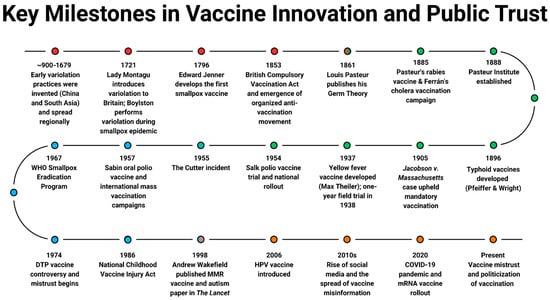
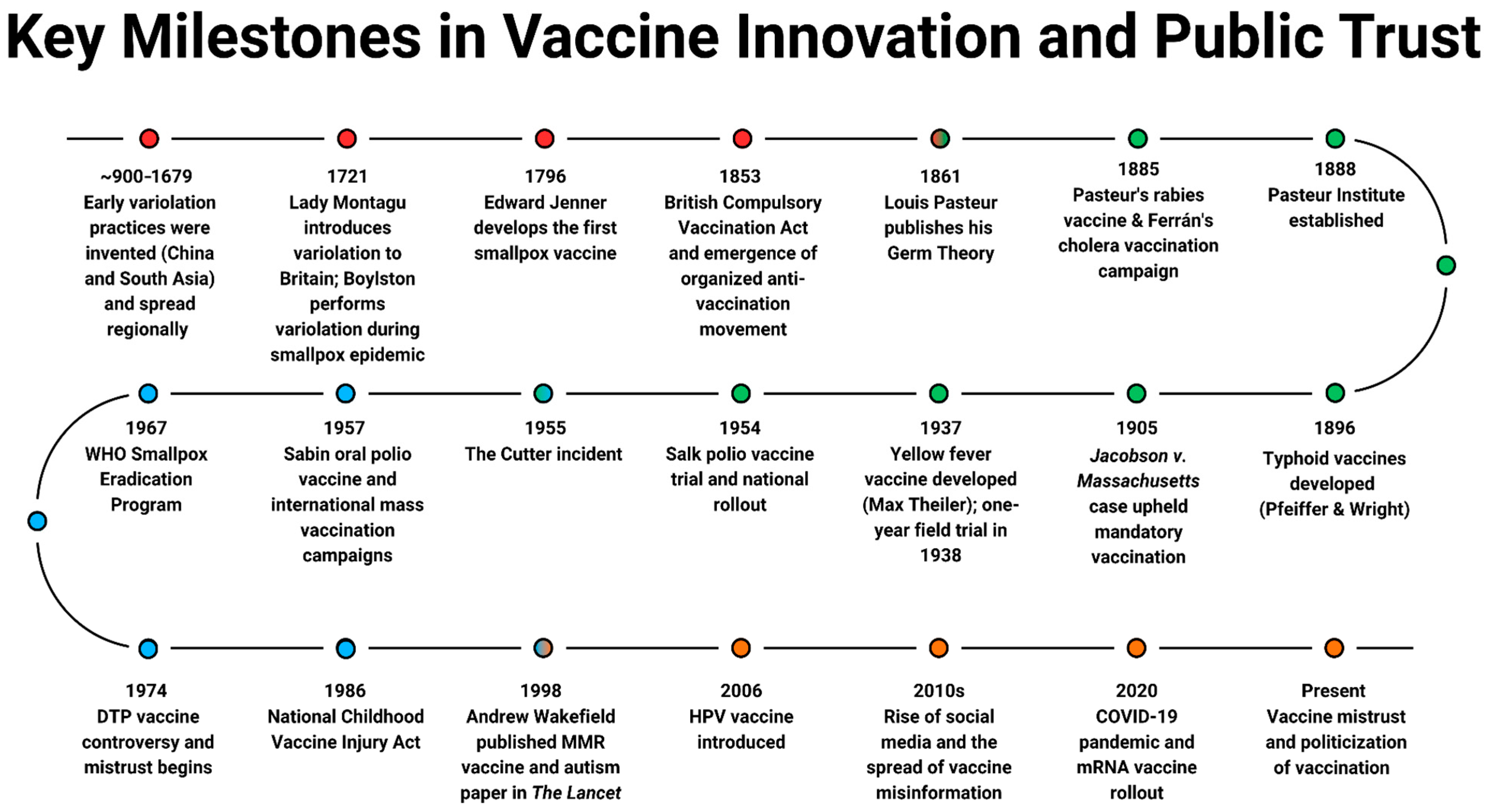

Disclaimer/Publisher’s Note: The statements, opinions and data contained in all publications are solely those of the individual author(s) and contributor(s) and not of MDPI and/or the editor(s). MDPI and/or the editor(s) disclaim responsibility for any injury to people or property resulting from any ideas, methods, instructions or products referred to in the content. |
© 2026 by the authors. Licensee MDPI, Basel, Switzerland. This article is an open access article distributed under the terms and conditions of the Creative Commons Attribution (CC BY) license.