
Article

An Experimental Study of Pool Fire Characteristics under the Effects of Cross Winds and Baffles

1
Key Laboratory of Civil Aviation Thermal Hazards Prevention and Emergency Response, Civil Aviation University of China, Tianjin 300300, China
2
State Key Laboratory of Fire Science, University of Science and Technology of China, Hefei 230026, China
*
Author to whom correspondence should be addressed.
Submission received: 25 November 2023 / Revised: 17 December 2023 / Accepted: 19 December 2023 / Published: 21 December 2023
(This article belongs to the Special Issue Pool Fire Behavior in Wind)

Abstract

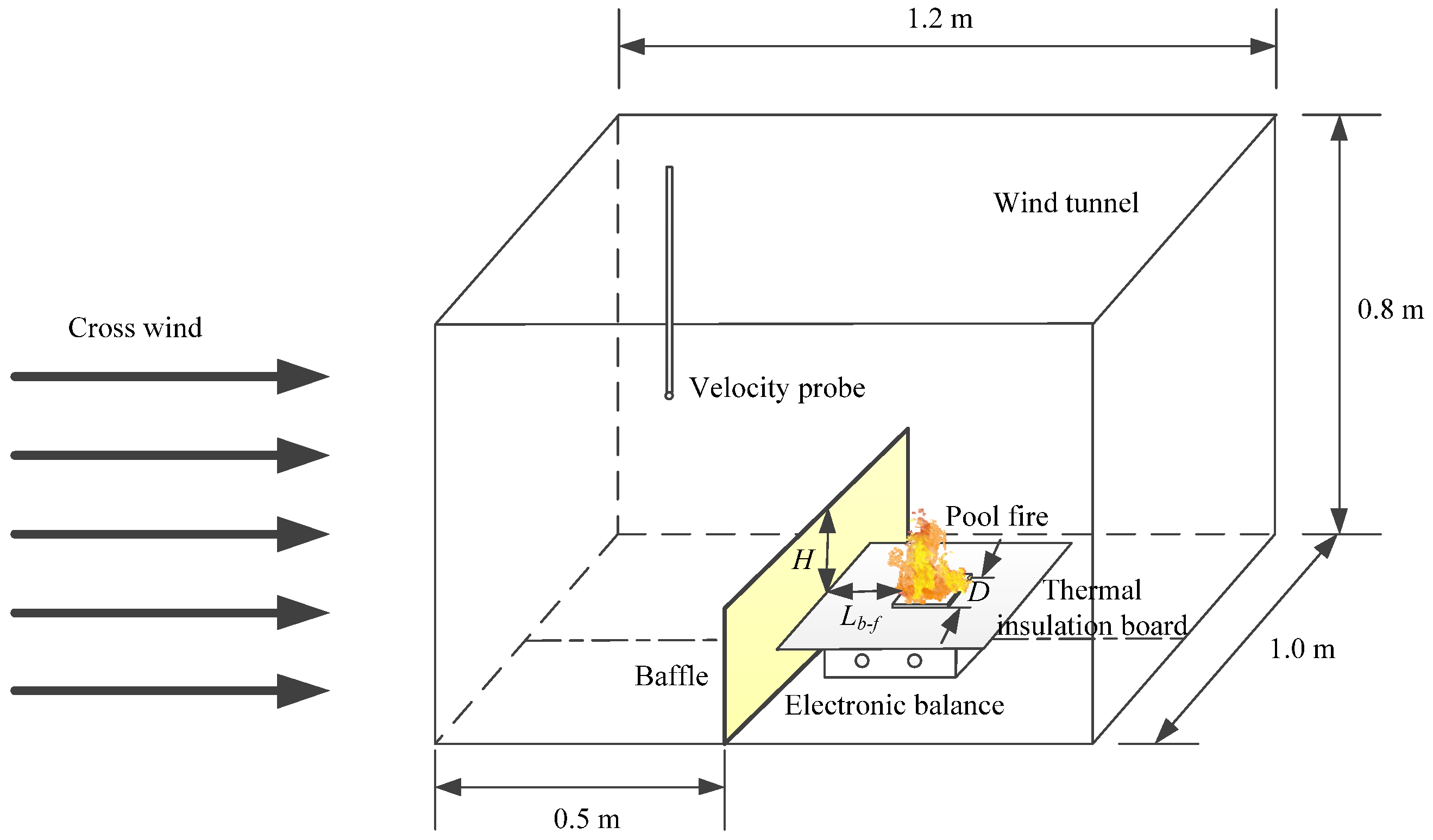
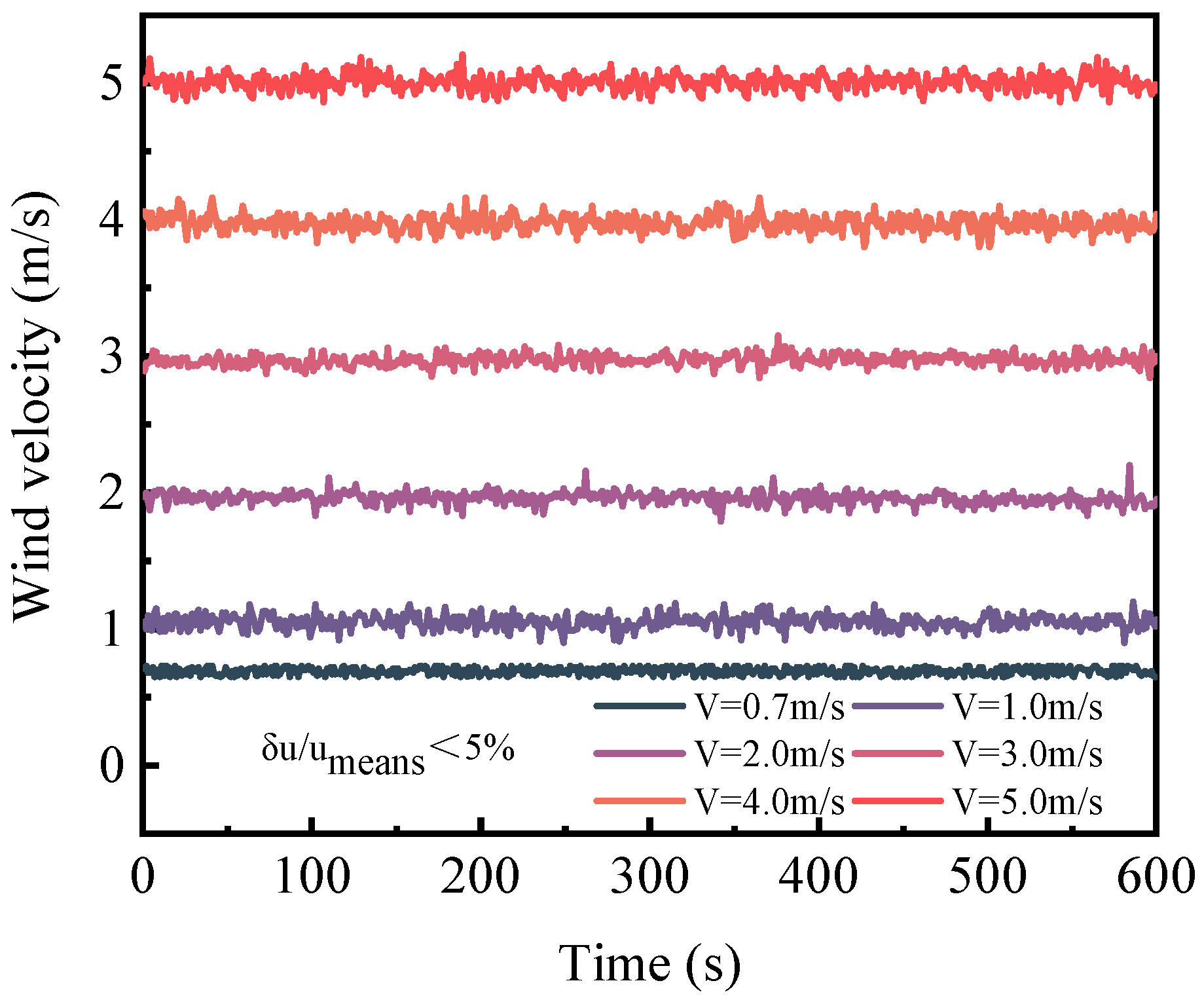
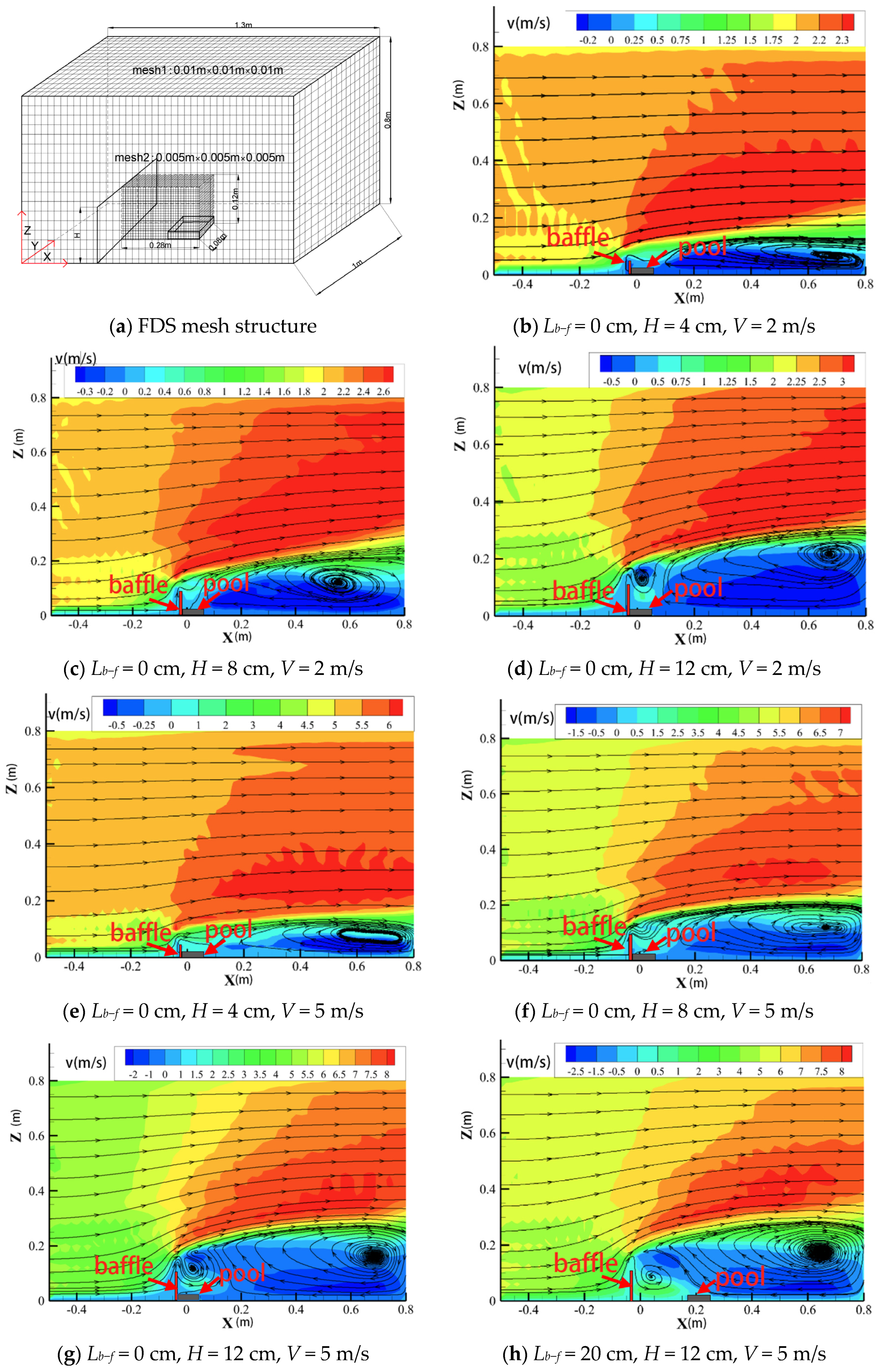
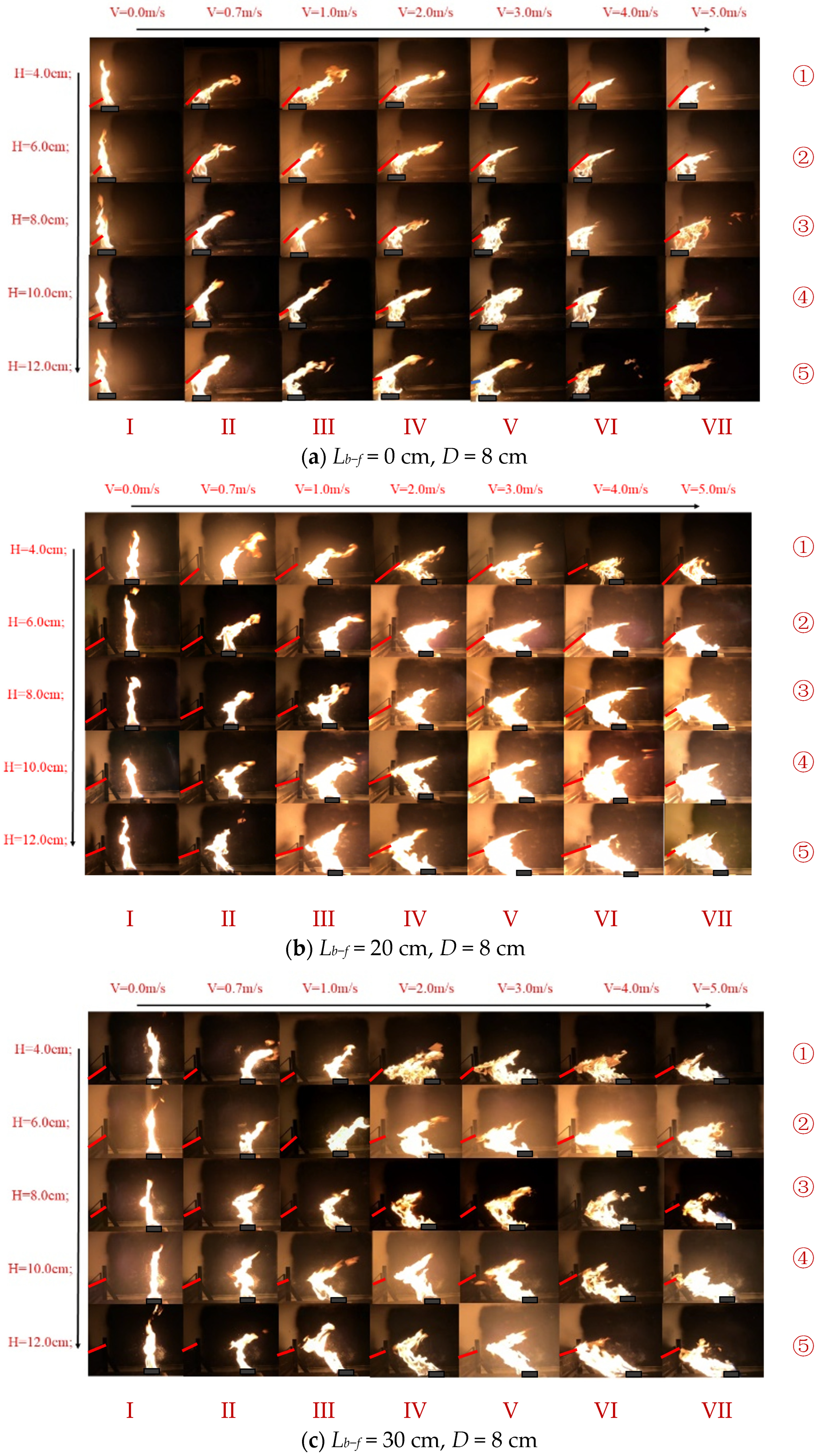
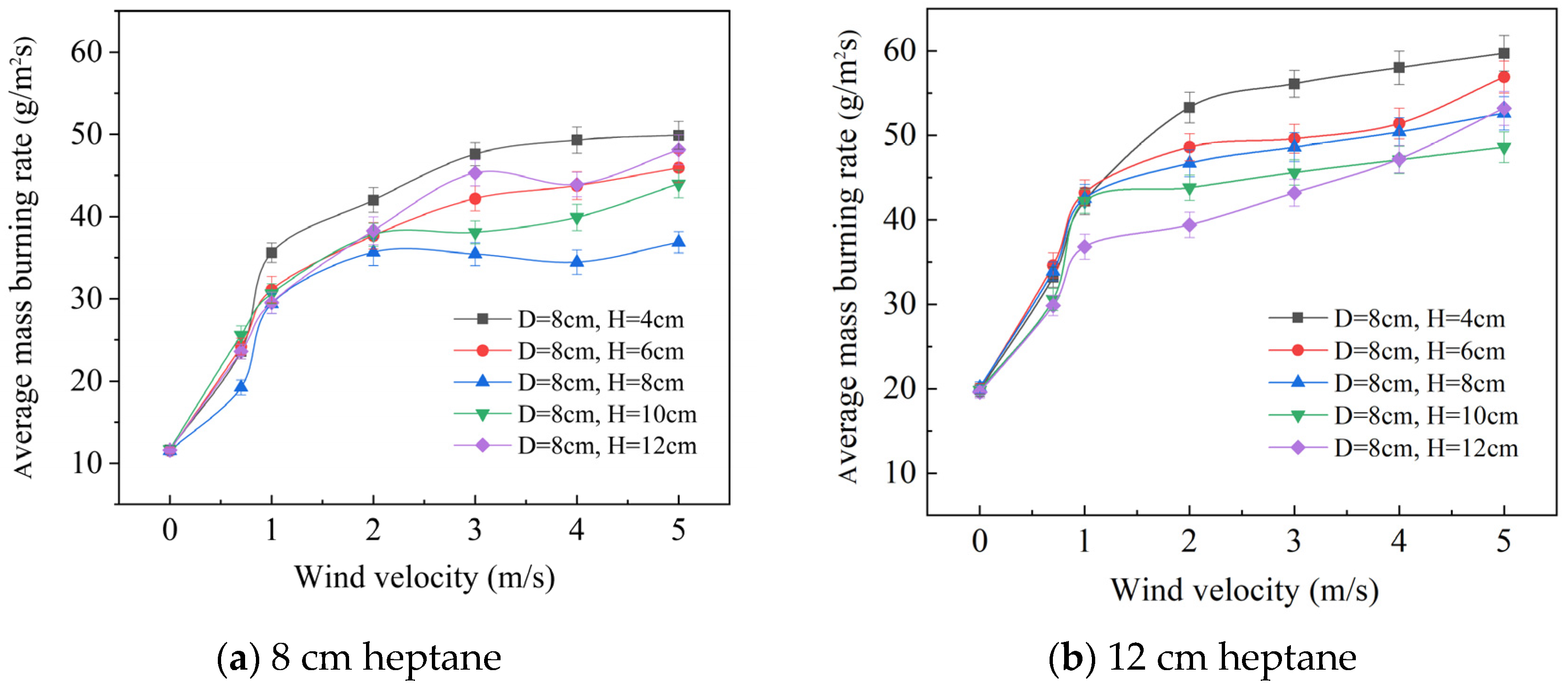
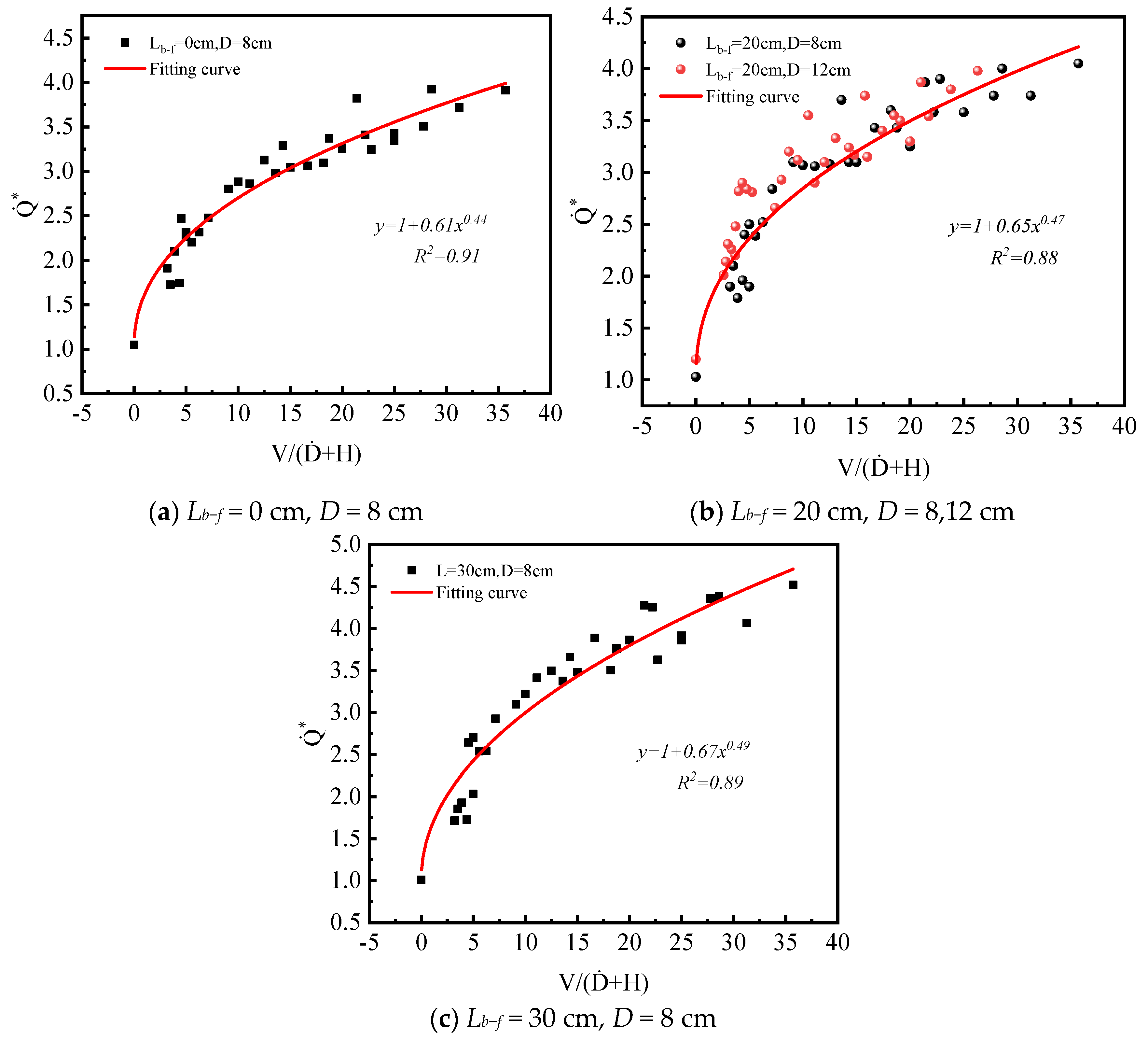
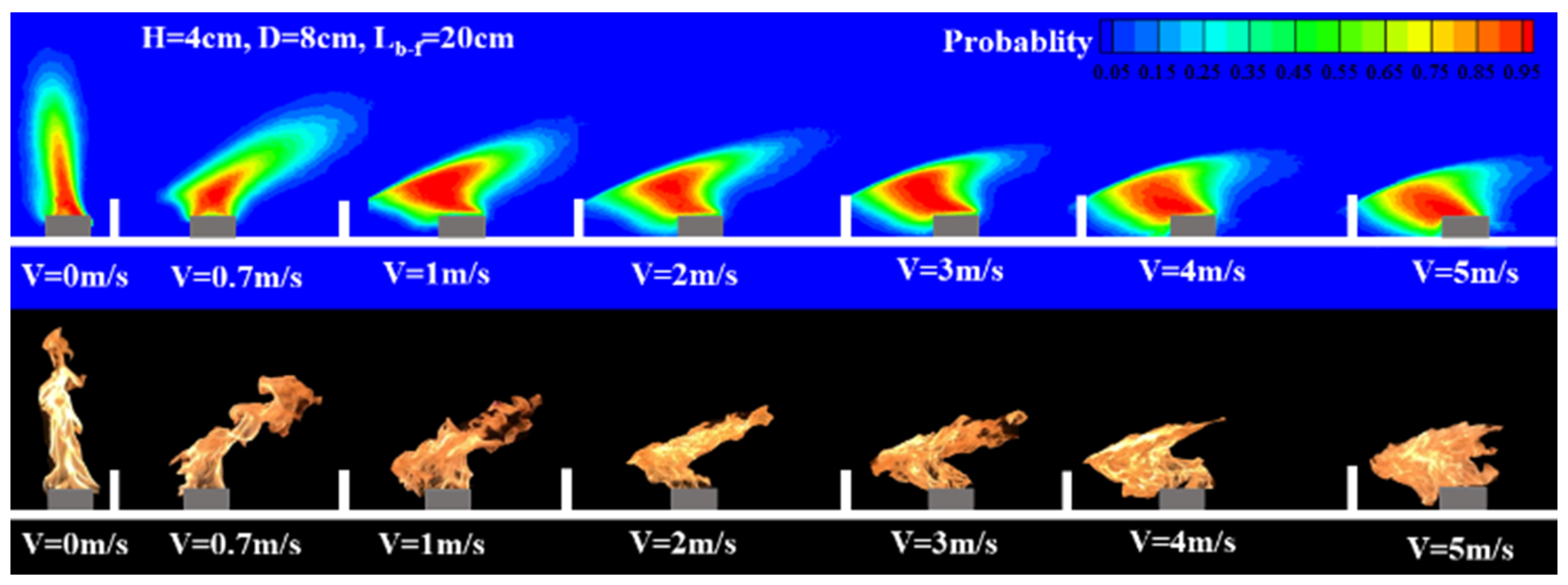
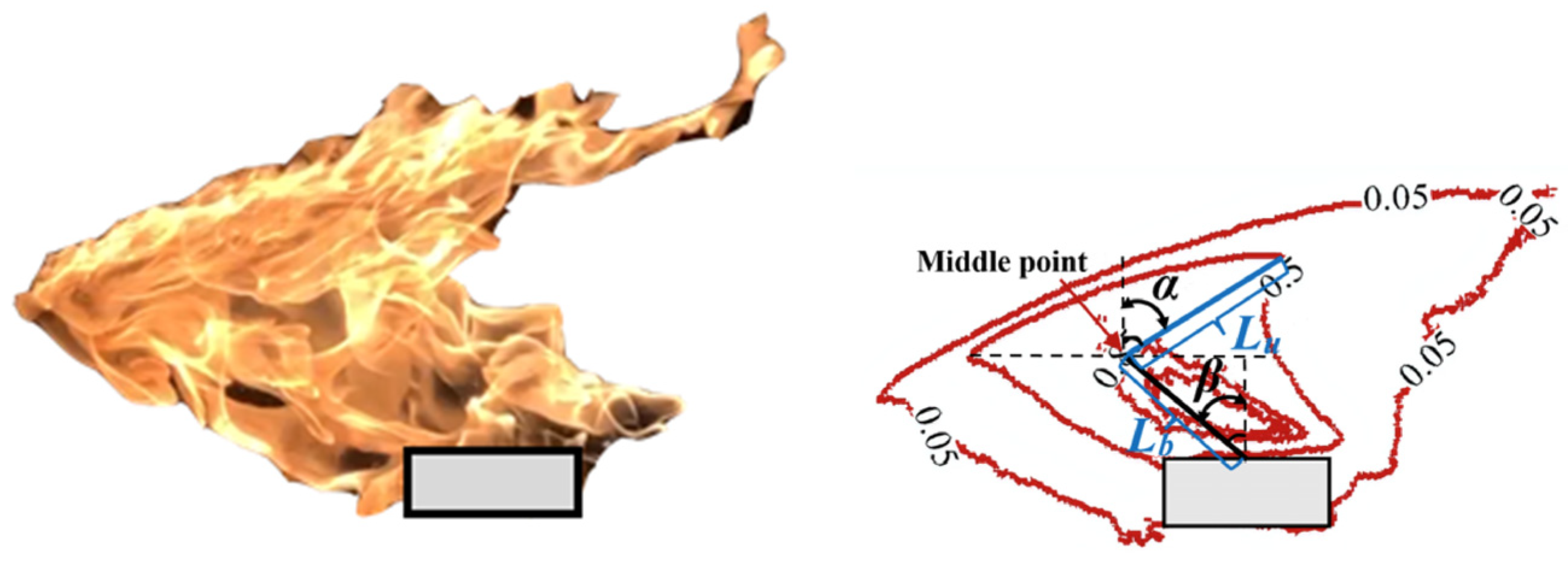
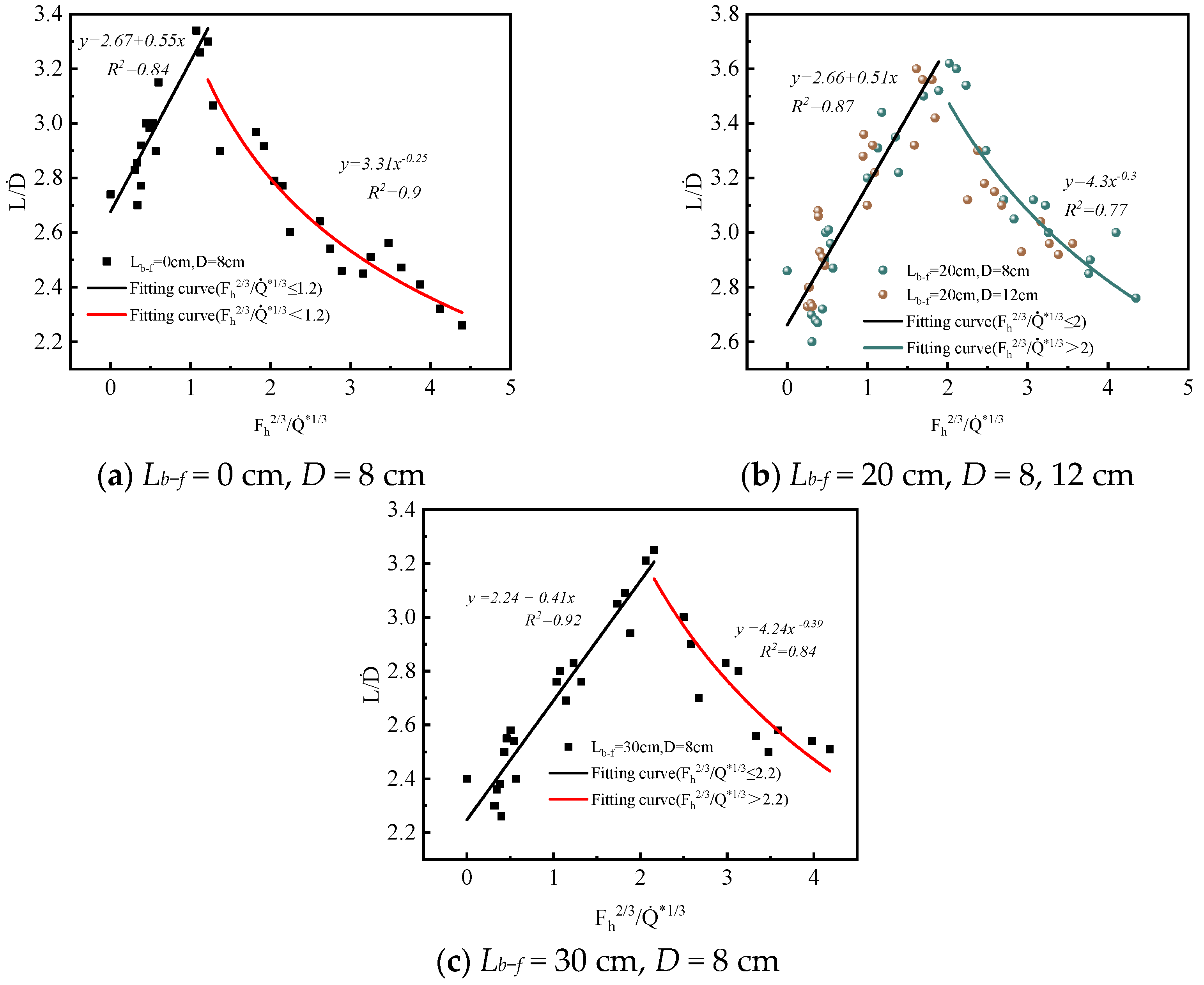
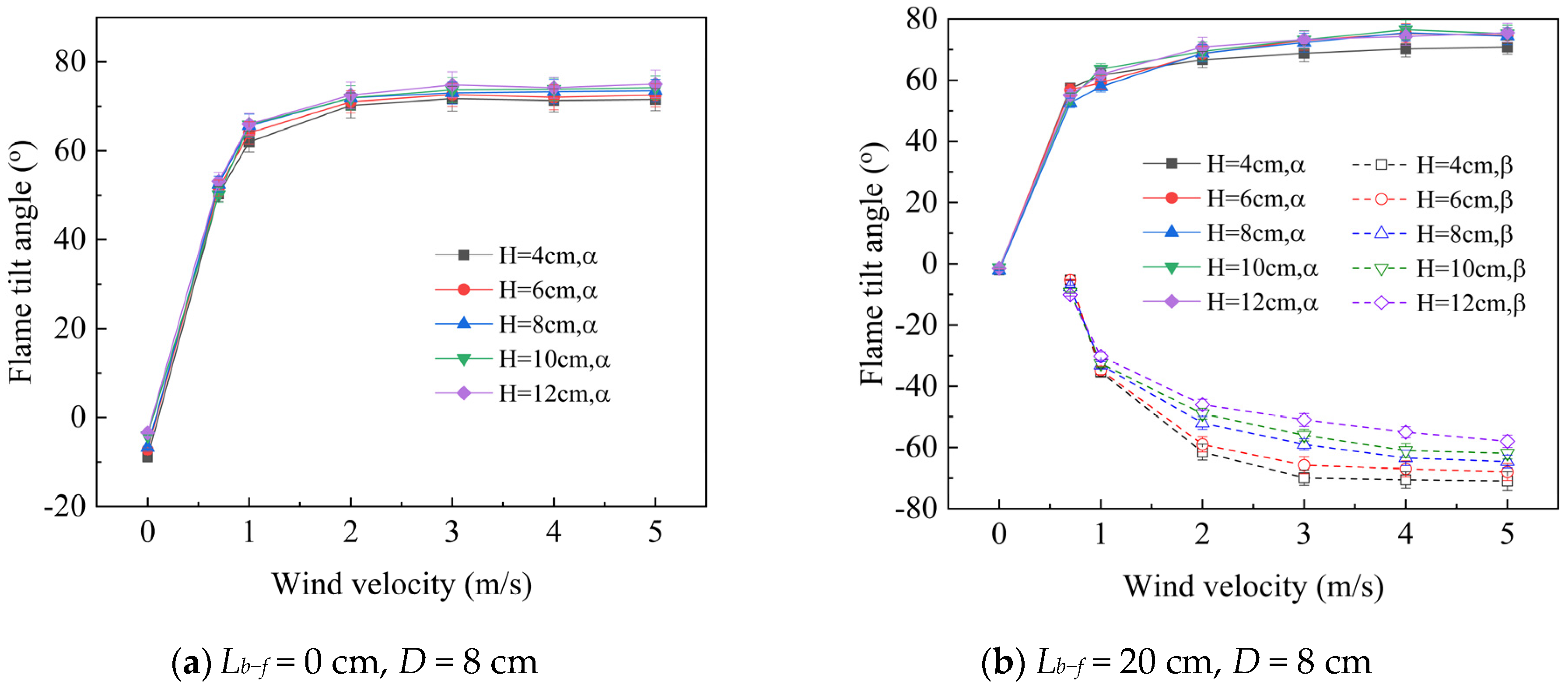
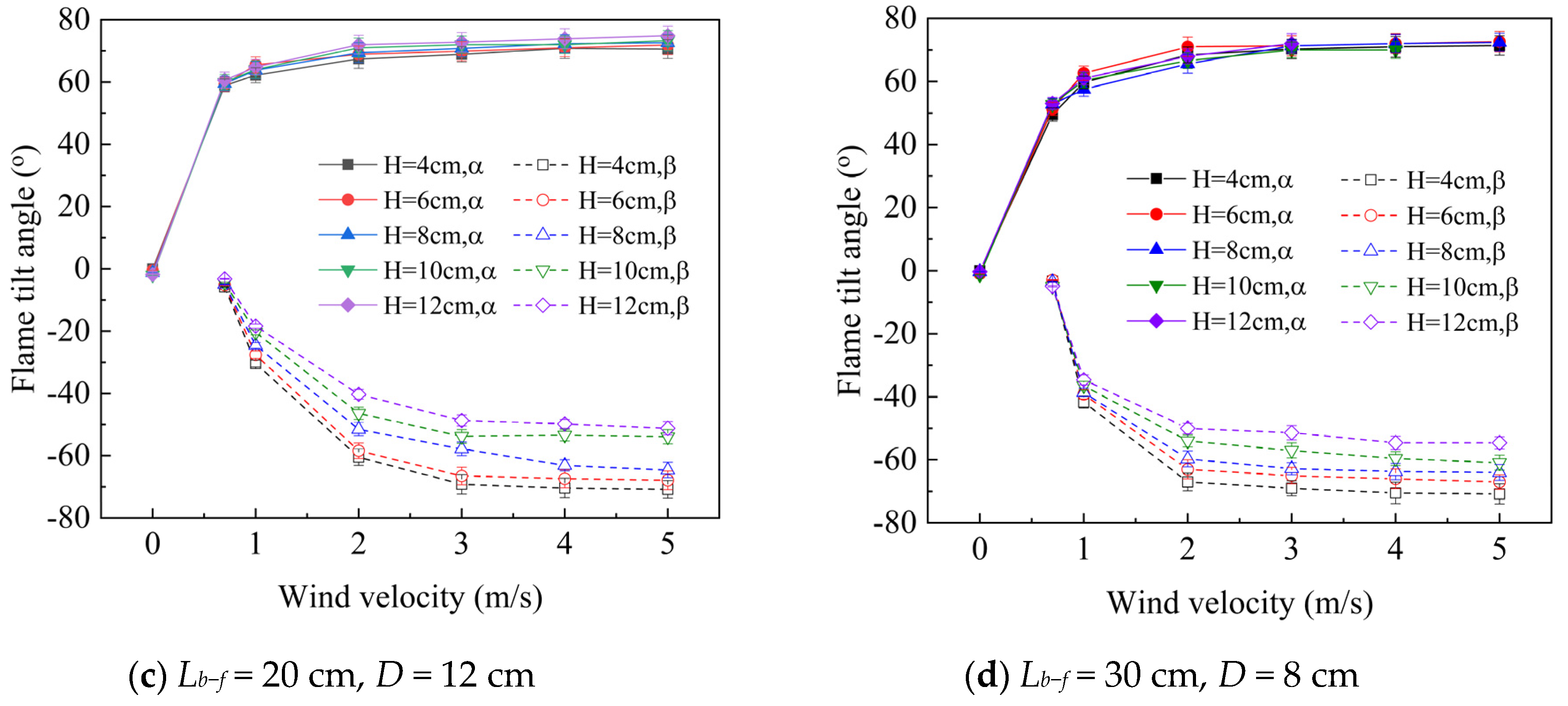
The pool fires that occur behind obstructions in a ventilated environment are very different from other wind-blown pool fires. The pool fire formed by fuel leakage in an engine nacelle is a typical example of a pool fire influenced by cross winds and baffles. Mastering the combustion characteristics of this type of fire is of great significance for fire prevention and control. In this study, the burning rate, flame length, and flame tilt angle of heptane pool fires behind a baffle under different cross wind velocities (ranging from 0 to 5 m/s) were experimentally investigated. Square pool fires with dimension of 8 cm and 12 cm with baffle height from 4 to 12 cm and different distances between fire and baffle (0, 20, 30 cm) were tested in a wind tunnel. The experimental results show that the burning rate increases with the increase in cross wind velocity for each baffle height. As wind velocity exceeds 2 m/s, the burning rate first decreases and then increases with the increase in baffle height. The flame length initially increases and then decreases with increasing wind velocity. The upper flame tilt angle is mainly affected by the cross wind, while the bottom flame tilt angle is influenced by the combined effects of cross wind velocity, baffle height, and distance between baffle and flame. The empirical correlations under different distances between baffle and flame, with wind velocity and baffle height accounted for, are then proposed for the dimensionless heat release rate and the flame length of heptane pool fires.
Keywords: heptane pool fire; burning rate; flame length; flame tilt angle; cross wind; baffle heptane pool fire; burning rate; flame length; flame tilt angle; cross wind; baffle