


Abstract
In the past two decades, important progress has allowed a better understanding of how light signals are perceived by plants, not only as a source of energy for photosynthesis but also as environmental cues that modulate growth, development, and stress responses. These advances open up promising prospects for light-based treatments in agriculture. This review synthesizes recent scientific findings on the application of specific wavelengths (from ultraviolet to infrared) to improve crop yield, quality, and resilience. The analysis focuses on controlled environment agriculture, where most experimental data have been generated and where the integration of lighting strategies is technically more feasible compared to open-field settings. Preharvest: we explore how spectral quality, intensity, and duration can be used to modulate plant growth, photosynthesis, defense pathways, and the accumulation of nutritional compounds. Postharvest: the focus shifts to how light can help maintain visual and nutritional quality, regulate ripening, limit pathogen development, and extend shelf-life. The review emphasizes plant photoreceptors and signal transduction pathways, as well as technical parameters such as spectrum selection, application timing, and lighting configuration. A selection of recent patents illustrates how fundamental research is being translated into deployable, energy-efficient lighting technologies for sustainable crop management.
1. Introduction
Light has always played a central role in plant life, not only as the primary source of energy for photosynthesis, but also as a crucial environmental cue regulating morphogenesis, phenology, and stress responses. Over the past decades, advances in plant physiology and biophotonics have significantly improved our understanding of how plants perceive and translate light signals. This is largely due to the identification of specialized photoreceptors capable of detecting a broad range of wavelengths, from ultraviolet (UV) to visible light [1,2].
Concurrently, the emergence of artificial lighting systems—particularly those based on light-emitting diodes (LEDs)—has enabled precise control over the spectral quality of light applied to crops. Numerous studies have demonstrated that specific wavelengths, beyond their photosynthetic role, can influence plant growth, morphology, secondary metabolism, resistance to pathogens, and even postharvest quality [3,4,5]. As a result, light is now recognized as a versatile physiological modulator that can be used throughout the crop cycle to stimulate vegetative development, enhance nutritional and sensory quality, strengthen natural defenses, and reduce postharvest losses [6,7,8,9]. Embedded in the framework of sustainable intensification, this approach offers promising alternatives to reduce chemical inputs while improving crop resilience and performance.
This review focuses on strategies developed primarily in controlled growing environments, where conditions can be tightly regulated, and most experimental studies have been carried out. While open-field applications are beginning to emerge, through mobile lighting systems and autonomous platforms, field conditions still pose major technical constraints, particularly in terms of environmental variability and reproducibility of exposure. As such, the scope of this review reflects the current state of knowledge and development. The analysis is also grounded in research conducted on crops intended for human consumption, consistent with dominant trends in the field. Rather than emphasizing specific infrastructures or technologies, the review highlights the central role of spectral quality as a physiological lever to modulate plant responses.
This review offers an interdisciplinary synthesis of the use of light as a flexible agronomic tool. It examines how various spectral ranges, from ultraviolet to infrared, can be strategically applied to improve plant growth, quality, resistance, and postharvest shelf-life of crops. The analysis draws on a comprehensive understanding of plant light perception and signaling pathways.
The review is intended for a multidisciplinary readership, including researchers, agronomists, growers, and developers of agricultural lighting systems. It is organized into three main sections. The first one addresses the physiological foundations of photoperception and light signal transduction. The second section focuses on preharvest applications aimed at enhancing plant growth, quality, and defense. Then, the third section explores postharvest strategies targeting product preservation and loss mitigation. Finally, recent technological advances and patented innovations are highlighted to illustrate how scientific insights are being translated into deployable agricultural solutions.
By covering both preharvest and postharvest phases, the review adopts a continuous view of light as a regulatory signal, extending beyond photosynthesis to influence the plant system throughout its productive cycle. This integrative approach may benefit those seeking to optimize crop management protocols by incorporating light-based treatments during both cultivation and storage, when plant tissues remain metabolically active and responsive to environmental cues.
2. Scope and Methodological Approach
This review was developed from an integrative perspective, combining fundamental studies, applied research, and recent patents to explore the role of light not only as a source of energy, but above all as a regulatory signal in improving crop growth, yield, defense, and quality, both in preharvest and postharvest phases. The objective was to provide an integrative synthesis linking foundational works with the most recent research, in order to highlight major advances and emerging trends.
The literature search was conducted primarily through Google Scholar, ScienceDirect, and Scopus, used as entry points to access publications indexed by major scientific publishers (Elsevier, Springer, MDPI, Wiley, Frontiers, etc.). The keywords included: light treatment, UV, blue light, red/far-red, infrared, photoreceptors, preharvest, postharvest, plant photobiology, light signaling, spectral quality, defense, quality, growth, shelf-life extension, controlled environment agriculture. The targeted period covered the last two decades, during which most experimental studies and technological innovations were published, particularly with the development of LEDs.
Only original peer-reviewed research articles reporting experimental results on crops intended for human consumption were included in the core corpus. Review articles were consulted as complementary resources to contextualize certain results. Similarly, patents, searched mainly via Google Patents and Espacenet, were considered as a source of technological valorization and practical applications, but were treated separately from experimental articles.
Thus, the selection resulted in a set of articles combining fundamental studies widely cited (sometimes several hundred citations), which constitute the theoretical basis of photobiology; intermediate studies that consolidated knowledge and validated protocols; and very recent publications (2023–2025), still scarcely cited but essential to reflect the most current developments. This deliberate choice ensures both a historical and forward-looking perspective, aligning established concepts with emerging approaches.
3. Mechanisms of Light Perception in Plants
3.1. Light as a Source of Energy
Photosynthesis, which appeared around 3.5 billion years ago, is one of the most fundamental processes sustaining life on Earth. It exists in two main forms: anoxygenic photosynthesis, found in certain bacteria such as purple sulphur bacteria, and oxygenic photosynthesis, which occurs in higher plants, eukaryotic algae, and cyanobacteria [10]. In higher plants, this process enables the conversion of light energy into chemical energy stored in carbohydrates, which not only supports plant growth and development but also forms the energetic basis of terrestrial ecosystems.
In plants, photosynthesis takes place in chloroplasts, specialized organelles primarily located in the mesophyll cells of leaves. The chloroplasts are constituted by thylakoid membranes containing the photosynthetic pigments. Among them, chlorophyll a is the primary pigment in the reaction centers, responsible for photochemistry, while chlorophyll b and carotenoids serve as accessory pigments, broadening the usable spectrum and, in the case of carotenoids, protecting the chloroplasts from excess light [11,12].
Photosynthesis is classically divided into two sequential but interconnected steps (Figure 1).
Figure 1.
Overview of light-dependent and light-independent reactions in photosynthesis.
First of all, the light-dependent reactions, occurring in the thylakoid membranes, capture light energy and convert it into ATP and NADPH. They begin with the absorption of photons by photosynthetic pigments embedded in protein complexes, called photosystems. At photosystem II (PSII, reaction center P680), light excitation drives the transfer of high-energy electrons to a primary acceptor. When these electrons are lost during excitation, PSII replaces them by extracting new water molecules via the oxygen-evolving complex (OEC), releasing molecular oxygen (O2) and protons (H+) into the thylakoid lumen [13,14]. The electrons are shuttled through the electron transport chain (ETC) via plastoquinone, cytochrome b6f, and plastocyanin, generating a proton gradient across the thylakoid membrane. This proton motive force powers ATP synthase, which phosphorylates ADP to ATP [15,16]. The electrons arriving at photosystem I (PSI, reaction center P700) are re-energized by light absorption and ultimately used by ferredoxin-NADP+ reductase (FNR) to reduce NADP+ to NADPH [17]. Together, ATP and NADPH constitute the energy currency and reducing power needed for the next step.
The light-independent reactions—or Calvin cycle—occur in the chloroplast stroma, a compartment rich in enzymes, conducive to biosynthesis. Here, the enzyme ribulose-1,5-bisphosphate carboxylase/oxygenase (RuBisCO) fixes atmospheric CO2 onto ribulose-1,5-bisphosphate (RuBP), forming an unstable six-carbon compound that rapidly splits into two molecules of 3-phosphoglycerate (3-PGA) [18]. Through a series of reduction and regeneration steps fueled by ATP and NADPH, 3-PGA is transformed into triose phosphates, which serve as building blocks for sucrose, starch, amino acids, lipids, and other essential metabolites [19].
RuBisCO, however, also catalyzes an oxygenase reaction when CO2 levels are low, producing 2-phosphoglycolate (2PG), a compound inhibitory to several enzymes of carbon metabolism [20,21,22,23]. Plants recycle this metabolite via photorespiration, an energy-demanding pathway essential for maintaining Calvin cycle functionality.
Over evolutionary time, plants have developed adaptations to limit photorespiration. In C4 plants, initial CO2 fixation occurs in mesophyll cells via phosphoenolpyruvate carboxylase, producing malate, which is then decarboxylated in bundle sheath cells rich in RuBisCO. This spatial separation concentrates CO2 around RuBisCO, enhancing its carboxylase activity. In Crassulacean acid metabolism (CAM) plants, typical of arid environments, CO2 uptake occurs at night when stomata are open, and CO2 stored as malate is decarboxylated to provide CO2 for photosynthesis.
Exploration of the two steps of photosynthesis highlights the central role of light absorption, which relies on photosynthetic pigments. These pigments (chlorophylls and carotenoids in plants), located in the light-harvesting complexes, determine the efficiency of photosynthesis according to the wavelengths available in the environment [12]. Furthermore, the quality of light influences their synthesis and functioning, demonstrating the dynamic adaptability of the photosynthetic apparatus. Photosynthetically active radiation (PAR) is always carefully adjusted in controlled environment cultures to maximize the productivity of plants [24].
Beyond these fundamentals, photosynthesis has been the subject of numerous recent publications exploring its different dimensions, from its history and modelling [25], to its interactions with pathogens [26], the prospects of improving photosynthesis to increase crop yield [27], and strategies to optimize light reactions [28]. While these perspectives underline the central role of light as an energy source, this review emphasizes another equally fundamental dimension, light as an environmental signal guiding plant development and stress responses.
3.2. Light as an Environmental Signal
In addition to its role as the main energy source for photosynthesis, light serves as a pivotal environmental signal guiding plant development. As sessile autotrophic organisms, plants cannot move to escape environmental stresses and must therefore rely on highly specialized sensory systems to perceive and interpret variations in light intensity and spectral composition. These systems allow plants to continuously adjust their physiological functions in response to fluctuating conditions in their environment [12]. Through this perception of light, plants regulate a wide array of developmental and metabolic processes, including photomorphogenesis, circadian rhythms, flowering, and the biosynthesis of secondary metabolites. They are able to sense not only the intensity of light, but also its direction and spectral ratios, using these cues to detect and respond to key environmental constraints such as shading, canopy density, daylength, and seasonal transitions [29,30,31]. Light thus plays a central role in orchestrating developmental transitions and adaptive strategies throughout the plant life cycle, from germination to senescence [3,4,5].
3.3. Light Perception in Plants as an Environmental Signal: Diversity of Photoreceptors and Integration of Signaling Pathways
Light detection in plants relies on a diverse array of photoreceptors, each sensitive to a specific range [32]. These receptors initiate signaling cascades that converge into integrated transcriptional networks, enabling coordinated regulation of morphological, metabolic, and immune responses.
Phytochromes (PHY) are responsible for detecting red (R, 600–700 nm) and far-red (FR, 700–750 nm) light [33]. These proteins switch between two photoreversible forms, Pr and Pfr, allowing plants to perceive variations in the R:FR ratio, which signal shade or competition [34]. The activated Pfr form is translocated to the nucleus, where it inhibits key regulators of cell elongation and skotomorphogenesis, the PIFs (Phytochrome Interacting Factors), through transcriptional repression and proteasomal degradation [35,36,37,38]. By inhibiting PIF activity, PHYs promote the expression of genes involved in photomorphogenesis. These red/far-red responses are particularly important in controlled environments, where adjusting the R:FR ratio enables growers to manipulate plant architecture, inhibit stem elongation and regulate flowering time.
Complementing red-light responses, cryptochromes (CRYs) are nuclear-localized receptors activated by blue and UV-A light (320–500 nm) [39]. They regulate multiple developmental processes, including inhibition of hypocotyl elongation, flowering induction, and circadian rhythm modulation [40,41,42,43]. Indeed, CRYs interact with regulators such as CIB1 to promote the expression of CONSTANS (CO) and FLOWERING LOCUS T (FT), which trigger flowering [41]. They also modulate PIF4/5, enabling fine-tuned control of hypocotyl elongation under low blue light conditions [42]. Such blue light-driven responses offer a number of practical applications. For example, they can be used to limit excessive elongation in nurseries, synchronize flowering, or fine-tune circadian-regulated growth under artificial lighting systems.
Phototropins (PHOTs), membrane-bound receptors also activated by UV-A/blue light (320–500 nm) [39], trigger rapid, non-transcriptional responses including phototropism, stomatal opening, leaf orientation, and chloroplast movement [44,45,46,47,48]. These adjustments enhance light capture efficiency while mitigating photodamage under excessive irradiance. In agronomic contexts, these rapid responses can be exploited to improve photosynthetic efficiency and water use through light-driven stomatal control and leaf orientation.
The ZEITLUPE (ZTLs) family of photoreceptors, comprising zeitlupe (Ztl), Flavin-binding Kelch repeat F-box 1 (FKF1), and LOV Kelch Protein 2 (LKP2), responds to blue light with the peak absorption at ~450 nm [49] and contributes to photoperiod regulation, circadian clock function, and flowering time. FKF1, for example, forms a complex with GIGANTEA (GI) that promotes degradation of Cycling DOF Factor 1 (CDF1) repressors, thereby inducing CO and FT expression [50]. These mechanisms synchronize reproductive development with the seasonal changes in daylength. Understanding these photoperiodic responses can help to develop light-based strategies for inducing flowering or accelerating crop cycles, which is particularly useful in vertical farming or greenhouse operations where daylength can be controlled.
UVR8 is the only known plant photoreceptor for UV-B radiation that, unlike others, functions without an external chromophore. Upon UV-B exposure, UVR8 homodimers dissociate into monomers, which translocate to the nucleus, where they activate genes associated with UV tolerance, flavonoid biosynthesis, and antimicrobial defense [2,5]. UV-B perception can be exploited to enhance the accumulation of health-promoting compounds and activate defense mechanisms, even in postharvest settings where reducing decay is essential.
Despite the diversity of signaling pathways, light responses converge on central regulatory hubs that ensure integrative control (Figure 2).
Figure 2.
Absorption domains of plant photoreceptors and integration of light signals through the COP1–SPA/HY5 regulatory hub.
In darkness, the CONSTITUTIVELY PHOTOMORPHOGENIC 1-SUPPRESSOR OF PHYA (COP1–SPA) complex targets positive regulators of photomorphogenesis for ubiquitin-mediated degradation [51]. Upon light perception, PHYs, CRYs, UVR8, and FKF1 inhibit COP1, directly or via competition with SPA proteins [52,53,54,55,56,57]. This leads to the stabilization of ELONGATED HYPOCOTYL 5 (HY5), a bZIP transcription factor that acts as a master integrator of light signaling [58]. HY5 coordinates diverse developmental and metabolic processes by binding to the promoters of numerous target genes. These include key enzymes of flavonoid and phenylpropanoid biosynthesis (CHS, CHI, FLS, PAL), secondary transcriptional regulators (e.g., MYB12, WRKY), hormone-related genes (such as ERF11 for ethylene signaling), immune components like EDS1, and numerous regulators of reactive oxygen species (ROS) homeostasis [59,60,61,62,63,64]. HY5 is also involved in PSII repair triggered by excess light [65]. In this context, photoreceptors such as PHY and CRY have been described as regulators of photosynthetic apparatus resistance to stress [66]. In parallel, increasing evidence highlights the role of light in regulating hormonal biosynthesis pathways, particularly those related to salicylic acid (SA) and jasmonic acid (JA), two pivotal mediators of plant immunity [67,68,69,70,71,72]. Photoregulation of these pathways often correlates with the expression of pathogenesis-related (PR) genes, supporting a direct role for light in shaping immune responses.
Altogether, this intricate network enables light to orchestrate context-specific outcomes, ranging from growth and flowering to the accumulation of bioactive metabolites and activation of defense mechanisms. As a multifaceted environmental regulator, light offers a powerful means to fine-tune plant physiological functions.
By adjusting the spectrum, intensity and timing of light exposure, targeted outcomes can be achieved—including internode shortening, floral induction, metabolic enhancement, or immune priming. The following sections examine how such light-based strategies are applied in preharvest and postharvest contexts to support sustainable and high-performing agricultural systems.
4. Preharvest Applications of Light
4.1. Principles and Agronomic Relevance of Preharvest Lighting
The controlled application of light during the preharvest phase has gained prominence as a novel strategy for modulating plant physiological functions. By finely adjusting the spectral composition, intensity, duration, and spatial distribution of lighting, it becomes possible to modulate growth, morphogenesis, yield, and quality traits while avoiding physical contact or tissue disruption [73,74]. Initially developed in greenhouse systems, this approach has extended into vertical farming and is beginning to emerge in open-field agriculture, thanks to fixed or mobile lighting systems adapted to various cropping conditions. Artificial lighting is generally used to supplement natural sunlight or to implement controlled photoperiods. While the specific goals vary among crops, four major functions are commonly targeted: (1) stimulating vegetative growth and shaping plant architecture, (2) enhancing yield, (3) improving nutritional and sensory quality, and (4) activating natural defense mechanisms.
The success of these interventions relies on a set of interdependent parameters, including the choice of wavelength (monochromatic or combined spectra), light intensity, exposure duration and frequency, physiological stage at the time of treatment, and spatial configuration (e.g., overhead vs. intracanopy lighting). These elements must be optimized according to species-specific responses and production objectives.
LED technologies are currently favored due to their spectral tunability, energy efficiency, and operational lifespan. They allow for the targeted activation of photoreceptor-mediated pathways. For ultraviolet treatments, specific sources (LEDs or gas-discharge lamps) are employed with particular care, given their high phototoxic potential.
While light-based treatments are gaining traction across diverse agricultural settings, their practical deployment at production scale, whether in open fields or controlled environments, remains constrained by several technical and economic factors. These include high upfront equipment costs, energy demand, and the need for fine-tuned protocols tailored to each species and growth stage. Inconsistent exposure in open fields and return-on-investment concerns in large-scale indoor farms further complicate adoption. Moreover, excessive or poorly calibrated light exposure, whether UV or high-intensity visible light, can lead to phototoxic effects [75,76,77]. This underlines the importance of optimizing both spectral quality and light dosage.
Despite these limitations, lighting strategies are increasingly considered as viable alternatives to chemical inputs in response to consumer demand for residue-free produce and evolving regulatory pressures. Advances in energy-efficient LED systems and smart lighting controls are improving long-term viability, making light-based treatments a promising component of precision agriculture.
Table 1 provides a synthesis of recent studies across different crop systems, highlighting the diversity of spectral configurations, treatment protocols, and reported effects on growth, quality, and induced defenses.
Table 1.
Examples of studies describing preharvest light treatments and their effects on plant Growth, Yield and Quality.
4.2. Modulation of Growth, Morphogenesis, and Yield
The use of artificial light to enhance plant growth dates back to early experiments conducted by NASA in the 1990s, which explored the use of LEDs in closed environments [92]. Since then, this approach has evolved into a form of light engineering that enables precise manipulation of spectral quality, light intensity, and photoperiod to modulate plant development [93,94]. Improvements in growth and yield are generally attributed to two complementary modes of action: on one hand, the developmental processes via photoreceptor-mediated signaling, shaping parameters such as cell elongation, branching, and organ differentiation; on the other, the support of photosynthetic performance, especially under suboptimal natural light conditions. By acting simultaneously on signaling and photosynthetic efficiency, light treatments could contribute to maintaining active metabolism and supporting reproductive development, which may ultimately benefit crop productivity.
4.2.1. Red and Blue Light, and R:B Combinations: Core Regulators of Growth
Among the most extensively studied spectral bands, red (600–700 nm) and blue (400–500 nm) light are key regulators of vegetative growth. In addition to their roles in photosynthesis, via chlorophyll a and b absorption of light [95], they activate distinct signaling pathways through specific photoreceptors [1]. Numerous studies have investigated their influence on crop morphology and performance [96,97,98,99].
Red light alone has been shown to stimulate stem elongation and branching, particularly in Arabidopsis and tomato seedlings [99]. In Arabidopsis, it also inhibits lateral root formation and increases the shoot-to-root ratio compared to white light, while in tomato, root effects appear less pronounced.
Red light is particularly effective for maintaining adequate light levels in dense canopies, especially in vertically growing species such as tomato. For instance, intracanopy red LEDs (LED Tower, 227 µmol·m−2·s−1) placed 10 cm from the plants with a 16 h photoperiod, resulted in a 42% yield increase compared to overhead high-pressure sodium (HPS) lamps, with improved energy use efficiency (0.013 kWh per fruit for LED vs. 0.073 kWh per fruit for HPS) [79]. Blue light, typically centered around 450 nm, plays a key role in architectural regulation via the activation of cryptochromes and phototropins. It promotes plant compactness, inhibits excessive stem elongation, and optimizes leaf distribution.
In cucumber, exposure to blue LEDs at 120 µmol m−2 s−1 suppressed stem elongation and enhanced pigment synthesis, specifically increasing chlorophyll a, chlorophyll b, and carotenoids, without affecting the chlorophyll a/b ratio [100]. However, the agronomic relevance of blue light is highly dependent on intensity, species, and developmental stage. Its effects are not always directly correlated with yield improvement. In pak choi (Brassica campestris ssp. chinensis), exposure to 50 µmol m−2 s−1 increased biomass and chlorophyll content, while 100 µmol m−2 s−1 inhibited growth [101]. Similarly, in strawberry, blue light treatment (450 nm, 250 µmol m−2 s−1, 5 h per day) had no impact on yield, whereas red light at the same intensity significantly increased productivity [9]. These findings underscore the limitations of using blue light alone in productivity-focused lighting regimes.
Building on the complementary roles of red and blue light, their combined use has proven to be the most consistent and agronomically effective approach. Spectral ratios of R:B between 3:1 and 4:1 are frequently applied to optimize plant architecture by balancing vertical elongation with compactness, while also promoting flowering and fruit set. These configurations are widely implemented in greenhouse and vertical farming systems, typically using extended photoperiods (16–18 h/day), light intensities up to 300 µmol m−2 s−1, and carefully positioned LED modules (e.g., overhead or intracanopy).
For tomato plants, an intracanopy Flygrow system (R:B = 3:1; 666/462 nm; 170 µmol m−2 s−1; 16 h per day) led to shorter internodes, thicker stems, higher chlorophyll levels, and increased stomatal conductance, resulting in yield gains of 24% in spring and 13% in summer [83]. Similarly, in cannabis, a top-down R:B lighting system (660/450 nm) applied at intensities ranging from 150 to 700 µmol m−2 s−1 during 18 h per day promoted linear increases in biomass, branch development, chlorophyll index, and water-use efficiency (WUE), even under elevated evapotranspiration rates [78].
Studies in closed systems (Plant Factories) further show that responses vary depending on the specific blue wavelength used in R:B mixtures. For example, in lettuce, slight shifts in blue peak (435 vs. 450 nm) impacted leaf area, photosynthetic rate, fresh weight, and leaf number depending on the cultivar [90], highlighting the genotype-dependent nature of spectral responses. This variability limits the generalizability of R:B recommendations across crop types and production contexts.
Moreover, prolonged photoperiods and high light intensities, often used to maximize biomass, can induce physiological stress, including photoinhibition, oxidative imbalance, or growth penalties [102].
In summary, despite variations in implementation, studies consistently support the efficacy of red–blue light combinations for promoting compact growth, enhanced photosynthetic performance, and increased yield. The spectral ratio, precise wavelengths, and LED placement are therefore critical agronomic parameters.
4.2.2. Far-Red Light (FR): A Morphogenetic and Productivity-Enhancing Regulator
Far-red light (FR, 700–800 nm), historically underutilized in horticultural lighting, is now gaining recognition for its capacity to influence plant architecture and optimize light interception. Although FR photons are weakly absorbed by chlorophylls [103,104], they exert strong regulatory effects by modifying the red to far-red (R:FR) ratio sensed by PHYs, a key indicator of competition and canopy structure [105]. A low R:FR ratio induces the shade avoidance syndrome (SAS), a well-documented physiological response characterized by stem elongation, hyponasty, and reduced branching—traits that enhance light acquisition under competitive conditions [30,32,106]. This mechanism, typically associated with dense plant stands, is now actively exploited to guide photomorphogenesis through targeted FR supplementation.
Two main strategies are employed to introduce FR in lighting regimens: supplementing an existing spectrum with FR, or partially substituting photosynthetically active radiation (PAR) with FR. Supplementation enhances total photon flux while activating both photosystems—PSII through red light and PSI via FR—resulting in improved photosynthetic efficiency due to the Emerson enhancement effect [107]. For example, in eggplant, FR supplementation to a red–white–blue (RWB) spectrum increased yield by 62–90%, shoot biomass by 32–42%, CO2 assimilation by 33%, and PSII efficiency by 43% [91]. Similarly, in lettuce, adding 52 µmol m−2 s−1 of FR to a 218 µmol m−2 s−1 R–B background significantly increased dry biomass (+46 to +77%), leaf area (+58 to +75%), and light use efficiency, without altering the net photosynthetic rate [80].
By contrast, substituting part of the PAR with FR, while maintaining morphological benefits, does not necessarily improve photosynthetic output. In eggplant, this approach resulted in elongated plants with unchanged leaf area but lower productivity compared to supplementation [91]. In tomato, adjusting the R:FR ratio while maintaining constant light intensity revealed the strong morphological plasticity mediated by phytochrome signaling. A low R:FR ratio (0.5), achieved by increasing FR at the expense of red light, induced rapid architectural changes within three days, including internode elongation and hyponastic leaf orientation [85]. Conversely, a high R:FR ratio (8.2), obtained by enrichment with red light, favored compact growth and reduced elongation [85]. These results emphasize the sensitivity of plant architecture to subtle spectral shifts, independently of total photon flux.
Finally, intracanopy application of FR was also explored in tomato. A lighting system combining red (600–700, 231 µmol m−2 s−1) and FR (700–800 nm, 95.5 µmol m−2 s−1) LEDs resulted in a 50% yield increase compared to conventional overhead HPS lighting [79]. This performance exceeded the 42% gain observed with red light alone, while maintaining comparable energy-use efficiency (76 vs. 78 g FW/kWh), highlighting the potential of FR to enhance biomass production without increasing energy costs.
Together, these findings underscore the strategic value of FR light in morphogenetic engineering and yield optimization. Its agronomic performance, however, depends on careful tuning of spectral ratio, intensity, timing, and mode of integration (addition vs. substitution). Species- and cultivar-dependent variability in R:FR sensitivity must also be considered, as similar treatments may lead to contrasting morphogenic outcomes across genotypes [108,109]. Furthermore, while FR photons can synergistically enhance canopy photosynthesis when combined with shorter wavelengths, their low absorption efficiency and dose-dependent effects limit their standalone value [110]. For instance, only ~21% of incident FR photons (701–750 nm) were absorbed by lettuce leaves, compared to 85% for white light, and photosynthetic benefits plateaued beyond ~40% FR supplementation of total PPFD. These physiological constraints raise concerns over energy use efficiency in commercial systems relying on electric lighting. When integrated thoughtfully, FR becomes a powerful asset for spectral management in precision agriculture.
4.2.3. Additional Spectral Bands: Contributions and Limitations for Growth and Yield
Beyond the red, blue, and far-red wavelengths that form the backbone of most horticultural lighting strategies, other spectral regions, namely green light, white light, and UV radiation, can provide complementary benefits for plant growth and yield. While their individual contributions to photosynthesis or morphogenesis are generally less pronounced, they offer unique advantages when integrated into multispectral setups. These advantages include improved light penetration through dense canopies, more uniform radiation distribution, and the fine regulation of architectural traits that enhance resource efficiency and biomass accumulation.
Green light (500–570 nm), long considered of limited value due to its weak absorption by chlorophylls, is now being re-evaluated in light of evidence supporting its roles in deep canopy photosynthesis, light signaling, and leaf architecture modulation [111,112,113]. Unlike red or blue wavelengths, green photons penetrate deeper into leaf tissues and contribute modestly to carbon assimilation in shaded layers [114]. Moreover, green light is sensed by both phytochromes and cryptochromes and can act antagonistically to red and blue light signaling [115,116]. These interactions affect elongation, leaf expansion, and shade-avoidance responses through transcriptional regulators of HY5 and modulation of auxin pathways [116,117,118,119]. For instance, controlled supplementation of green light (e.g., a red:green ratio of 4:1) improved photosynthetic performance and grain yield in hydroponic wheat [87], while 12% green light addition in greenhouse bell pepper enhanced average fruit weight relative to RB-only lighting [111].
White light, typically emitted from phosphor-coated or RGB LEDs, provides a broad and continuous emission spectrum limited to the visible range (approximately 400–700 nm), with minimal output beyond 700 nm depending on the diode composition. Although it lacks the spectral specificity of targeted bands, it can support vigorous early development and, in some cases, perform comparably or even better than RB combinations depending on species and growth objectives. For instance, in winter wheat, white and white-green spectra promoted faster early growth than RB-dominated treatments, while other combinations enhanced specific traits such as photosynthetic rate or grain yield [87]. Conversely, in eggplant, tailored RB spectra, supplemented or not with FR, led to improved shoot biomass, fruit yield, and a shortened fruit development period compared to white light [91], emphasizing the value of spectral customization under certain crop and production contexts. Its primary advantage lies in simplicity and cost-effectiveness for basic production setups.
UV radiation, especially UV-B (280–315 nm), presents a dual nature depending on dose and exposure duration. At high intensities, it poses phytotoxic risks, but at low doses, UV-B acts as a regulatory signal through UVR8, triggering morphological adjustments such as reduced elongation, altered branching, and enhanced compactness [120]. Some species also show improved photosynthetic activity under moderate UV-B [121,122]. Nevertheless, because of its limited operational window between effective stimulation and phytotoxicity, UV light must be finely calibrated and is generally restricted to short-duration applications under controlled conditions. While its potential for morphological control and stress priming is promising, broader agronomic adoption requires further optimization.
Taken together, these secondary wavelengths offer promising avenues for refining lighting strategies, particularly to improve canopy light distribution, regulate plant architecture, or trigger specific physiological responses. Their integration into production systems, however, calls for a nuanced approach. Depending on the species or the physiological status of the plant, the same spectral addition may prove beneficial or, conversely, lead to unintended stress responses. It thus raises important questions about how spectral complexity should be tailored not only to the crop but also to the timing and context of application. Clarifying these aspects will be key to optimizing the use of complementary wavelengths in future lighting designs.
4.3. Enhancing Nutritional and Sensory Quality Through Light
Light plays a pivotal role in shaping the quality of horticultural products by modulating secondary metabolic pathways involved in the synthesis of high-value compounds such as flavonoids, anthocyanins, phenolic acids, carotenoids, vitamins, organic acids, and sugars. These metabolites significantly contribute to the antioxidant capacity, nutritional quality, and sensory attributes of crops [71,123,124]. The regulation of these pathways implies HY5, which activates key genes such as CHS, CHI, and FLS, along with secondary regulators like MYB and WRKY, which collectively drive the accumulation of flavonoids and antioxidants [59,60,61]. Moreover, HY5 integrates light cues with mineral nutrient signaling (N, P, S, Cu), facilitating the coordinated allocation of resources toward amino acids, vitamins, and other bioactive molecules [125,126,127,128].
The impact of light on crop quality depends on several factors, including the spectral composition, irradiance, timing of exposure, and developmental stage at application. Blue light, perceived by CRYs, promotes the accumulation of anthocyanins [129] and flavonols [130], while UV-B, via UVR8, enhances the biosynthesis of phenolic compounds and antioxidant metabolites [5]. Far-red light, although indirectly, can enhance the content of sugar and volatile compounds by modifying canopy architecture and assimilate partitioning [131]. In carrot (Daucus carota), for instance, LED lighting enriched in red and/or far-red spectra promoted storage root thickening and was associated with increased sucrose and starch accumulation, likely through enhanced carbon assimilation and activation of photomorphogenesis-related genes [132].
Although these quality-related effects may overlap with growth or defense pathways, they can also be independently triggered through customized lighting protocols. Preharvest lighting thus emerges as a non-invasive, finely tunable approach to enhance nutritional and sensory traits without inducing mechanical or chemical damage to plant tissues.
However, it is important to consider that although the accumulation of certain phenolic compounds is beneficial for nutritional value, excessive concentrations may negatively affect organoleptic perception, potentially imparting bitterness or astringency. These effects have been associated with the activation of bitter taste receptors (TAS2Rs) in humans and with the protein-precipitating capacity of tannins and related polyphenols, contributing to astringency [133,134]. Furthermore, the stability of these metabolites after harvest may vary, and their preharvest accumulation does not necessarily guarantee sustained postharvest benefits. It is possible that oxidative processes, enzymatic activity, or redistribution during storage could affect their concentrations or functional properties. These potential limitations should be considered when designing light-based protocols for quality enhancement.
Specific Spectral Effects on Metabolite Accumulation and Quality Parameters
Numerous studies have shown that specific wavelengths, whether applied individually or in combination, can promote the accumulation of secondary metabolites and enhance key quality attributes such as soluble solids content (°Brix), firmness, acidity, and sensory perception. These effects vary depending on the crop species, the developmental stage, and the spectral configuration used. In tomato, the addition of FR light to intracanopy R LED lighting significantly improved fruit dry matter content, °Brix, acidity, and flavor balance. It also enhanced mineral concentrations (Ca, Mg) and improved overall sensory scores [79]. In contrast, standard RB lighting often accelerates ripening without directly enhancing nutritional quality, which may still be beneficial for accelerating harvest readiness or improving commercial timing [83]. Other wavelengths such as blue and green also influence fruit metabolite profiles. For example, preharvest exposure of strawberries to green or blue light improved firmness and sensory quality, while also increasing the accumulation of polyphenols, amino acids, and organic acids compared to white or red light treatments [9]. In hydroponically grown winter wheat, a red–green spectral combination (R:G = 4:1) improved both yield and grain quality by optimizing the allocation of assimilates toward the ears [87].
UV radiation, particularly low-dose UV-B, has been shown to enhance the antioxidant potential of fruits when properly managed. In strawberry, daily exposure to UV-B at 0.736 J m−2 s−1 for 1–2 h in the late afternoon (17:00–19:00), maintained until harvest, significantly increased anthocyanin content, total phenolics, and soluble sugars, without adversely affecting postharvest firmness or color [82]. Synergistic effects have been observed with combined UV-B and UV-C treatments in tomato, where flavonoids and ascorbic acid content as well as antioxidant activity increased significantly without impairing growth [86]. In leafy greens like alfalfa microgreens, pulsed light encompassing UV, visible, and near-infrared wavelengths (200–1100 nm), delivered by xenon flash lamps, significantly enhanced vitamin C and protein content, provided root zones were shielded to prevent phytotoxicity [135].
These findings support the feasibility of fine-tuned light regimes to steer the accumulation of health-promoting compounds and improve product quality traits in a species-specific manner. The timing, positioning, and spectral balance of preharvest treatments are critical to maximize their efficacy while minimizing potential trade-offs with vegetative performance or postharvest durability.
4.4. Light and Plant Defense: A Multifunctional Lever for Integrated Protection
Artificial light can serve as a strategic tool for enhancing plant defense mechanisms within production systems. It acts through three complementary pathways: (1) by priming endogenous immune responses, (2) through direct antimicrobial effects of specific wavelengths, and (3) by modulating tritrophic interactions between plants, pests, and beneficial organisms. The effectiveness of these responses depends on the spectral composition, light intensity, timing of application, plant physiological status, and the type of aggressor (biotrophic, necrotrophic, or herbivorous).
4.4.1. Light as an Elicitor: Stimulating Natural Plant Defenses
Light can act as a powerful elicitor of plant immunity, priming tissues for faster and more effective responses upon pathogen challenge. This effect is often mediated through the UVR8–HY5 signaling axis, although other photoreceptors may also be involved depending on the spectral region, with HY5 functioning as a key integrator of light-responsive immune activation [58]. Indeed, HY5, through its ability to bind specific DNA elements, modulates not only photomorphogenesis but also plant defense responses [61]. It contributes to the regulation of key hormonal pathways such as SA and JA, which are crucial for resistance against biotrophic and necrotrophic pathogens, respectively [136,137].
In greenhouse-grown strawberries, supplemental red light (660 nm, 250 µmol m−2 s−1, 5 h per day) delivered via LED modules from flowering to harvest significantly reduced postharvest development of Botrytis cinerea [9]. This enhanced resistance was accompanied by upregulation of defense-related genes such as PGIP, glucanase, and pectin esterase, indicating that tissues had been primed for a more rapid and robust immune response. Indeed, PGIPs and pectin esterases contribute to the reinforcement of cell walls by limiting pectin degradation, while glucanases support active defense by breaking down fungal cell wall β-glucans [138,139,140]. Similarly, in strawberry, the same low-dose UV-B treatment (0.736 J m−2 s−1, 1–2 h per day before harvest) also reduced postharvest losses by 25–43%, alongside elevated expression of FaHY5 and several flavonoid biosynthesis genes (PAL, CHS, F3H, UGT) [82].
The combined use of UV-B and UV-C appears especially promising for activating multiple defense pathways. While UV-B typically triggers UVR8–HY5 signaling, recent findings suggest that UV-C may also activate UVR8 [141] and generate oxidative stress signals capable of stimulating both SA and JA pathways. In tomato, a dual UV-B + UV-C treatment (10 min, 3600 + 930 J·m−2, respectively), applied three days after Sclerotinia sclerotiorum inoculation, reduced disease severity by 81% while simultaneously inducing SA-related (PR1, PR5) and JA-related (PDF1.2, VSP2) gene expression [86].
Given their strong oxidative potential, UV-C treatments must be carefully timed to avoid inducing a transient period of susceptibility and to maximize immune priming benefits. In oilseed rape (Brassica napus), a single UV-C dose (0.8 kJ·m−2) applied seven days prior to Phoma lingam inoculation reduced lesion severity by 44%, whereas the same dose applied one day before infection exacerbated symptoms [89]. In contrast, a fractionated protocol tested in lettuce (four doses of 0.85 kJ·m−2 every other day, applied at night to avoid photorepair) successfully reduced Botrytis cinerea lesions by 33% without causing phytotoxicity [84]. These findings highlight how temporal partitioning of UV-C doses allows the plant to acclimate while still triggering robust defense responses.
Beyond UV light, longer wavelengths such as near-infrared (NIR, ~810 nm) have also shown immune-priming potential. In tobacco, NIR exposure activated the transcription factor PIF4, enhancing antiviral defenses via RDR6 and AGO1. This led to significant reductions in viral load for multiple pathogens including turnip mosaic virus (TuMV), tomato yellow leaf curl China virus (TYLCCNV), and eupatorium yellow vein virus (EpYVV), highlighting NIR as a promising tool for virus protection in crops [81].
Furthermore, excess light can lead to the production of ROS, such as H2O2 and O2•. These compounds can cause local cell death, but H2O2 can also act as a signal to induce systemic acquired resistance throughout the whole plant [142].
4.4.2. Direct Antimicrobial Effects: Light as a Post-Infection Curative Tool
Certain wavelengths of light can exert direct antimicrobial effects, independently of the plant’s immune system. Among these, UV-C radiation is particularly well-documented for its fungicidal action, primarily resulting from DNA photodamage and disruption of fungal metabolic functions.
In oilseed rape, a single UV-C dose (0.8 kJ·m−2) applied one day after inoculation with Phoma lingam reduced lesion severity by 68% [89]. However, efficacy declined to 60% when applied three days after infection, and was negligible after seven days, underscoring the importance of precise post-infection timing to prevent pathogen establishment. Combining different wavelengths can further strengthen this effect. In tomato, a dual UV-B + UV-C treatment applied three days after Sclerotinia sclerotiorum infection inhibited sclerotia germination and disrupted fungal oxidative metabolism, evidenced by ROS accumulation and suppression of fungal antioxidant enzymes, resulting in an 81% reduction in disease severity, without causing visible phytotoxic effects in the host plant [86].
Although these effects are highly spectrum- and timing-dependent, they offer valuable tools for curative or sanitation strategies, if dose, exposure duration, and distance are carefully controlled to avoid damage to plant tissues. For this reason, they are particularly promising in postharvest contexts (see Section 4), where harvested organs are generally more tolerant to UV exposure, enabling higher doses aimed at extending shelf-life or reducing pathogen pressure during storage.
4.4.3. FR Light and Growth-Defense Trade-Offs: Toward Tritrophic Engineering
In addition to its well-established effects on morphology and yield, FR light also influences plant defense capacities. A low R:FR ratio, commonly associated with SAS, triggers a reallocation of metabolic resources toward elongation and light acquisition at the expense of immune investment. This strategic reallocation, extensively described in plant physiology, illustrates a fundamental trade-off between accelerated growth and resistance to biotic stress [143].
In tomato, overhead FR lighting (730 nm, Philips GreenPower LEDs) has been shown to increase the proliferation of phytophagous insects such as aphids, whiteflies, and mites, due to a shift in resource allocation from defense to growth [85]. However, this increased vulnerability can be strategically exploited to improve biological control. Tomato plants grown under FR lighting remained attractive to the predatory mite Phytoseiulus persimilis, and the elevated pest densities facilitated predator establishment and enhanced suppression efficiency [88]. These findings highlight the potential of tritrophic engineering, whereby light treatments are used not only to modulate plant architecture but also to synchronize pest pressure with the timed release of beneficial organisms. The success of such strategies relies on precise environmental control and timing.
The effects of FR also depend on the pathogen’s lifestyle. In a controlled environment study, supplementing an RWB spectrum with 15% FR enhanced resistance to the biotrophic powdery mildew, but increased susceptibility to the necrotrophic pathogen Botrytis cinerea [91]. This reflects the antagonistic relationship between SA- and JA-mediated defense pathways, which can be influenced by the spectral environment. Moreover, the method of FR integration matters: spectral supplementation tends to outperform PAR substitution, possibly due to synergistic effects on canopy structure and light capture [91].
From an integrated pest management (IPM) perspective, FR light emerges as a dual-function tool that can optimize canopy architecture while shaping ecological interactions with both pests and natural enemies. However, its deployment requires careful calibration of spectral ratios, application timing, and cultivation conditions to avoid undermining the plant’s innate resistance mechanisms.
5. Postharvest Applications of Light
5.1. Physiological Rationale and Objectives of Postharvest Light Treatments
Contrary to the widespread perception that harvested fruits and vegetables are biologically inert, they remain metabolically active after detachment from the parent plant. They continue to undergo physiological processes such as respiration, maturation, senescence, and secondary metabolism, all of which directly impact their nutritional quality, functional value, and postharvest stability [144]. Fruits and vegetables are important sources of essential nutrients, including vitamins (C, A, B6, E, folate, riboflavin, niacin, thiamine), minerals, dietary fiber, and a wide range of phytochemicals such as flavonoids, carotenoids, phenolic acids, and glucosinolates [145,146,147,148]. Owing to this rich nutritional and phytochemical composition, regular consumption of such compounds plays a key role in preventing chronic diseases, including cardiovascular disorders, certain cancers, diabetes, and inflammatory conditions [149,150]. Preserving—or even enhancing—these properties after harvest is therefore a strategic priority for both public health and the competitiveness of agri-food systems.
In this context, light has emerged as a non-invasive and innovative tool to regulate postharvest physiology. In recent years, a growing body of research has investigated how postharvest light applications can help improve nutritional quality or reinforce resistance to biological degradation, opening new opportunities in postharvest technology and horticultural research [151,152,153]. While preharvest light applications are primarily focused on stimulating plant growth and morphogenesis, postharvest light strategies are aimed instead to stabilize the sensory, nutritional, and sanitary qualities of the harvested produce. These approaches align closely with the objectives of sustainable agriculture, offering an alternative or complement to conventional chemical preservation methods.
The objectives of postharvest lighting are multifaceted: (i) preserving or enhancing nutritional and sensory quality through the stimulation of secondary metabolites (e.g., flavonoids, anthocyanins, carotenoids, vitamins); (ii) reducing postharvest losses by inhibiting pathogen development and delaying tissue degradation; and (iii) controlling the pace of ripening to meet logistical and commercial requirements.
Light thus serves as a physiological regulator, capable of extending tissue viability while minimizing quality deterioration and dependence on chemical treatments. This approach addresses the dual challenge of preserving high-value horticultural quality and advancing sustainability goals by reducing postharvest losses, limiting chemical inputs, and extending shelf life. Table 2 summarizes recent studies on postharvest light treatments across different crop species, spectral configurations, and targeted quality or physiological parameters.
Table 2.
Examples of studies describing postharvest lighting treatments and their spectral configurations for quality enhancement, microbial control, and ripening modulation in horticultural crops.
5.2. Light as a Tool to Enhance Postharvest Quality
5.2.1. Enhancing Nutritional and Functional Quality Through Light
Maintenance of secondary metabolic pathways when exposed to appropriate light regimes [171,172,173]. Light treatments can stimulate the biosynthesis of bioactive compounds with high nutritional value if parameters such as spectrum, intensity, duration, and photoperiod are precisely tuned.
In oolong tea processing, for instance, white LEDs (350–760 nm, peak at 456 nm, 400 ± 30 µmol m−2 s−1) applied during the resting phases of the turning stage significantly increased the accumulation of carotenoid-derived volatiles, including β-ionone (+54%), pseudoionone (+70%), and α-farnesene (+117%) [156]. This treatment also enhanced the content of xanthophyll cycle intermediates such as zeaxanthin and antheroxanthin, likely due to light-induced conversion form violaxanthin via the violaxanthin de-epoxidase (VDE) pathway [174,175,176]. Zeaxanthin subsequently serves as a substrate for carotenoid cleavage dioxygenases (CCDs), contributing to the production of aroma-relevant volatiles like β-ionone and pseudoionone [177,178]. These compounds contribute to floral and fruity aromas, illustrating how white light can be used to enhance organoleptic properties through precise modulation of metabolic routes. In another study, broccoli shoots stored at 5 °C for 15 days were exposed to yellow (600 nm), green (517 nm), or white light (peak at 610 nm) at 35 µmol m−2 s−1 [161]. Yellow light proved the most effective, promoting a substantial increase in glucosinolates (+84% at day 15) and total phenolics (+26%), whereas white light produced a more moderate effect, and green light had no significant impact. These findings highlight the agronomic potential of underexplored wavelengths, such as yellow light, for preserving functional quality during cold storage. In cherry tomatoes, continuous light exposure over 13 days at 5 °C (20–22 W m−2 at 20 cm) under various spectral treatments revealed pronounced changes in secondary metabolite accumulation [167]. While dark-stored tomatoes showed progressive losses in β-carotene (−10.5%), lycopene (−18%), and flavonoids (−5%), exposure to blue (465 nm) or combined RB (630/465) light attenuated these declines or reversed them. Blue light alone led to the highest lycopene enrichment (+11%), whereas combining green (525 nm) with red light at 630 or 670 nm stimulated β-carotene (+10.5%) but caused lycopene instability, especially under GR670 (−31.5%). These results underscore the sensitivity of carotenoid pathways to subtle spectral shifts and the need for precision in spectral design depending on the targeted compound.
A sequential protocol was tested on red bell pepper to simulate commercial retail conditions [157]. After 6 days of storage in darkness at 7 °C, fruits received a UV-B pre-treatment (9 kJ m−2 over 19.5 min), followed by 4 days of RB LED exposure (660/450 nm, 73.1 µmol m−2 s−1), applied for 10 h per day to mimic typical store closing hours within a simulated retail environment. β-carotene levels increased immediately after the UV-B exposure but were only maintained under subsequent RB lighting. Capsanthin, by contrast, was only induced when both treatments were combined, suggesting a synergistic interaction between UVR8 and PHY/CRY-mediated pathways. This light-sequenced approach enabled the activation of multiple biosynthetic routes without compromising commercial traits such as firmness and color, offering practical implementation for postharvest logistics. In mandarin fruit, continuous RB LED exposure (630/460 nm, 150 ± 20 µmol m−2 s−1) for 7 days at 20 ± 2 °C enhanced both pulp and peel levels of flavonoids, anthocyanins, carotenoids, and ascorbic acid [163]. The effect was particularly pronounced in the peel (+86% anthocyanins, +70% ascorbic acid), resulting in a significant increase in overall antioxidant capacity. This tissue-specific response underscores the potential of continuous lighting to induce targeted biochemical defenses.
Collectively, these results demonstrate that well-calibrated postharvest lighting strategies can re-engage active metabolic pathways, improving the nutritional and functional quality of produce even after detachment from the plant. Grounded in an understanding of residual photoreceptive signaling, these non-invasive, residue-free interventions provide a promising alternative to chemical postharvest inputs, in alignment with current demands for food safety, reduced inputs, and sustainable innovation.
However, while their efficacy is increasingly supported by experimental evidence, the large-scale implementation of such light-based treatments requires a careful evaluation of their energy demands, logistical integration, and cost–benefit ratio.
Additionally, when used at scale in commercial storage or retail environments, special attention must be given to occupational safety, particularly in relation to prolonged exposure of personnel to high-intensity or UV-emitting devices. Future technological advances and regulatory frameworks will be essential to ensure both the economic and practical feasibility of these lighting protocols in real-world conditions.
5.2.2. Spectral Management to Preserve Postharvest Visual Quality
Beyond their nutritional properties, the visual quality of horticultural produce is a critical determinant of consumer acceptance and marketability. Parameters such as color, quantified by CIELAB coordinates (L*, a*, b*), firmness, and weight loss strongly influence perceived freshness and purchasing decisions. In this context, light can be used not only to delay visual deterioration during storage but also to induce specific colorimetric changes aligned with commercial objectives.
Several studies have demonstrated the benefits of postharvest lighting for maintaining or enhancing visual traits. In strawberries, continuous exposure to blue light (450 nm, 100 µmol m−2 s−1, 16 h per day for 9 days at room temperature) stabilized key colorimetric parameters [159]. The a* value, which reflects red intensity, remained stable under blue light, while it declined significantly after day 6 under white light. Similarly, b* (yellow hue) and L* (lightness) were better preserved under blue light, indicating overall visual integrity. Furthermore, water loss was substantially reduced under blue light (11–19%) compared to white light (34–42%), suggesting improved tissue integrity and firmness. Similar effects were observed in table grapes, where red light exposure (625 nm, 454 lux) for 6 days at 22 °C increased both firmness and L* values from day 3 onward, compared to fruits stored in darkness [158]. These differences persisted throughout the storage period and were accompanied by lower weight loss, indicating reduced tissue softening and dehydration.
In tomatoes, a combined lighting strategy was used to modulate postharvest pigment dynamics [170]. Fruits were first pre-treated with UV-C or UV-A (1 kJ m−2), then stored for 7 days at 20 °C under RB LEDs (620–625 nm + 460–467 nm, 25.4 µmol m−2 s−1). The hue angle significantly decreased under RB lighting, with or without UV pre-treatment, indicating an enhancement in red coloration. In parallel, an increase in a* and a decrease in L* confirmed the spectral effect on pigment dynamics. By contrast, UV treatments alone did not alter color parameters, emphasizing the key role of RB light in this process.
Altogether, these studies confirm that postharvest lighting can serve as a versatile tool for visual quality engineering. Depending on the spectral configuration, it is possible to preserve the initial appearance of fruits, reduce water loss and tissue degradation, or trigger targeted aesthetic changes. Spectral management after harvest thus offers promising opportunities to align product presentation with market standards while extending shelf life and minimizing postharvest losses.
5.3. Extending Shelf Life with Light: From Fungal Inactivation to Defense Stimulation
During postharvest storage, fruits and vegetables remain highly vulnerable to a wide range of pathogens, particularly decay-causing fungi, which can lead to substantial economic losses. Among alternative strategies to chemical treatments, light-based interventions, especially those using UV-C radiation, have shown strong potential for limiting spoilage. Numerous studies have confirmed the efficacy of UV-C light in inhibiting various phytopathogenic fungi in vitro, primarily through DNA photodamage, membrane disruption, and the induction of oxidative stress [86,179,180]. Unlike photosynthetically active tissues such as leaves, fruit and vegetable tissues generally exhibit higher UV-C tolerance, enabling the use of relatively intense doses without visible phototoxic effects. Nevertheless, treatment parameters must be carefully calibrated to avoid compromising visual, nutritional, or organoleptic quality.
Postharvest UV-C treatments exert a dual mode of action: direct germicidal activity and stimulation of endogenous defense mechanisms. In nectarines, UV-C exposure at 254 nm (3 kJ m−2 per side) prior to inoculation with Rhizopus stolonifer reduced lesion diameter by over 40% and decay index by 58%, while enhancing antioxidant enzyme activities (SOD, CAT, APX), increasing hydrogen peroxide production, and promoting the accumulation of phenolics, anthocyanins, and lignin [155]. Similarly, in mandarins, UV-C treatment at 253 nm for 4.5 min (10 kJ m−2, 25 cm) reduced Penicillium digitatum lesion severity by 64.5%, stabilized oxidative stress, preserved albedo tissue structure, and induced JA and total phenolic accumulation [164]. These results suggest that UV-C can engage both light-responsive and hormone-regulated defense pathways. In mangoes, graded UV-C doses (2.46 to 4.93 kJ m−2 over 5 to 10 min, 15 cm lamp distance) decreased the natural incidence of fungal degradation from 100% to 40–45% depending on the intensity [168]. Treated fruits exhibited improved visual quality, smaller lesions, and increased levels of flavonoids and phenolic compounds, alongside enhanced activity of PAL and LOX, two key enzymes in the phenylpropanoid and oxylipin biosynthetic pathways.
Pulsed light has also emerged as a promising non-chemical treatment for postharvest disease control. In melons infected with Fusarium pallidoroseum, exposure to pulsed xenon light (9 kJ m−2, 7 cm distance) with a broad spectrum (200–1100 nm, including 15–20% UV) reduced infection incidence from 100% to 33% and lesion diameter by nearly 70%, while inducing the accumulation of orientin and pipecolic acid, two known defense biomarkers [160]. In apricots, a 200 J pulsed light treatment lasting 60 s, applied after simulated transport stress (12 h vibration), limited mold development to under 10% after 60 days at 0 °C, compared to 42.7% in untreated fruit [166]. This treatment also preserved firmness, reduced water loss, inhibited polyphenol oxidase (PPO) activity (linked to browning), and maintained high antioxidant capacity (TPC, ABTS, DPPH). These results underline the ability of pulsed light to simultaneously activate multiple photoreceptor-mediated pathways across the UV, visible, and NIR spectrum, without relying on chemical preservatives.
The antifungal efficacy of blue light has also been demonstrated, though it strongly depends critically on surpassing specific intensity thresholds. In apples infected with Penicillium expansum, continuous exposure to blue light (460 ± 5 nm) at 500 µmol m−2 s−1 for 8 days completely suppressed lesion development and patulin production [154]. Even moderate intensities (50 to 120 µmol m−2 s−1) significantly reduced fungal pathogenicity without compromising fruit quality. However, intensities above 500 µmol m−2 s−1 led to increased water loss and a reduction in soluble solids, underscoring the importance of precise intensity control to avoid trade-offs with commercial attributes.
Taken together, postharvest light treatments, including UV-C, visible spectra, and pulsed light, offer highly effective tools to reduce pathogen viability while enhancing endogenous plant defenses. Their success depends on the careful configuration of spectral quality, intensity, and exposure duration, tailored to both crop physiology and pathogen characteristics.
Compared to other non-chemical strategies such as thermotherapy, light-based approaches also present notable advantages in sustainability and operational flexibility. While hot water treatments are effective against several postharvest pathogens [181,182,183], they often require high energy input, generate large volumes of wastewater, and pose logistical challenges related to water availability and treatment, issues increasingly pressing in the context of global warming and water scarcity. Furthermore, rising restrictions on synthetic fungicides, particularly for fruits and vegetables consumed fresh and unpeeled, have intensified the demand for residue-free alternatives. In this context, well-designed light-based treatments represent a promising, clean, and potentially scalable solution. Nevertheless, further work is needed to optimize economic feasibility, energy efficiency, and ensure operator safety during large-scale implementation.
5.4. Modulating Postharvest Ripening with Light: Delay or Acceleration According to Purpose
Extending shelf life while preserving sensory and nutritional quality is a central challenge in postharvest management. In this context, delaying ripening is often desirable, particularly for climacteric fruits, in order to slow down respiration, enzymatic degradation, and textural softening. Conversely, in certain situations, accelerating ripening may be advantageous, for instance, to induce uniform coloration, synchronize marketing schedules, or replace chemical ripening agents. When properly controlled, light offers a physical lever to modulate ripening dynamics in either direction.
From a commercial standpoint, the decision to delay or accelerate ripening with light depends on supply chain logistics, market objectives, and the cost-effectiveness of the treatment. Longer shelf life may benefit export chains or reduce postharvest losses, while acceleration is useful for synchronized retail display or rapid turnover.
The capacity of light to regulate postharvest ripening depends on a combination of technical parameters—wavelength, intensity, duration of exposure, photoperiod, ambient temperature, and distance to the source—as well as on the intrinsic physiological characteristics of each species. These factors influence hormonal signaling (e.g., ethylene synthesis) and the activity of enzymes involved in cell wall remodeling and sugar metabolism, enabling the development of targeted lighting protocols. In kiwifruit, for example, exposure to blue light (470 nm) at an intensity of 100 µmol m−2 s−1, applied for 12 h per day at 40 cm distance and under ambient conditions, significantly slowed the ripening process over a 15-day storage period [169]. The treatment suppressed ethylene production, reduced starch degradation via inhibition of α- and β-amylases, and limited the activity of pectolytic and cellulolytic enzymes, thereby preserving fruit firmness, cell wall integrity, and complex carbohydrates. Ethylene remained undetectable after 15 days of treatment, while it appeared from day 9 in untreated controls, indicating a profound light-mediated modulation of hormonal regulation. In contrast, ripening acceleration may be desirable in certain supply chain contexts. In bananas, continuous exposure to red light (655 nm, 800 ± 10 lux, 15 cm distance) for 8 days successfully mimicked the effects of ethephon without the use of chemical regulators [165]. This treatment promoted chlorophyll breakdown, carotenoid accumulation, ATP increase, enhanced sugar content, and firmness loss, yielding outcomes comparable to chemically ripened fruit. Interestingly, recent studies have also shown that banana peel tissues retain photosynthetic activity prior to ripening, contributing to carbohydrate accumulation and potentially influencing ripening dynamics when exposed to light [184]. The protocol, implemented in a patented LED ripening chamber (Self-developed LED banana preservation box) [165], demonstrates the feasibility of light-assisted ripening as a sustainable alternative to exogenous ethylene.
However, light-induced effects on ripening are not universal and may vary significantly between species. A given wavelength can elicit opposing responses depending on the fruit’s hormonal profile and photoreceptor sensitivity. For instance, while blue light effectively delayed ripening in kiwifruit [169], it accelerated ripening in peaches [162]. Continuous exposure to blue light (470 nm, 40 µmol m−2 s−1, 10 °C, 15 days) led to premature softening, increased ethylene production, elevated soluble sugar content, decreased titratable acidity, and rapid color change. This contrast underscores the importance of tailoring light treatments to species-specific physiological responses and the underlying interactions between photoreceptors and hormonal signaling.
In summary, postharvest light applications can serve as dynamic regulators of fruit ripening, either delaying or accelerating the process depending on logistical, commercial, or quality objectives. Successful implementation requires precise calibration and an integrated understanding of fruit physiology, including interactions between photoreceptors, hormonal pathways, and ripening-related enzymes, to ensure quality preservation throughout the value chain.
Beyond their demonstrated physiological and agronomic efficacy, light-based treatments are gaining increasing attention in the technological and industrial domains. The growing number of patents filed in this field reflects strong momentum toward the development of ready-to-deploy lighting solutions tailored for integration into production systems. In this final section, we present a concise overview of selected recent patents, illustrating how fundamental knowledge of plant photobiology is being translated into engineering devices applicable at the agricultural scale.
6. Light and Technological Innovation: A Recent Patent Insights
6.1. A Rapidly Expanding Field of Innovation
The use of light in agriculture has moved well beyond empirical greenhouse adjustments and now falls within a framework of precision engineering, supported by an active innovation ecosystem centered on patent protection. These patents highlight the growing industrial interest in systems capable of modulating plant physiological responses through calibrated spectra, controlled intensities, and specific application modes. These innovative technologies testify to a shift toward integrated systems that combine spectral tuning, automated regulation, and, in some cases, sensor-based feedback or complementary stimuli, such as nutrient management or atmospheric modulation.
Patented strategies are becoming increasingly diverse, reflecting the widening scope of agronomic targets, from vegetative growth and defense to flowering, ripening, and energy optimization. This evolution positions light as a true tool of plant engineering, at the intersection of photonics, agronomy, and automation. A non-exhaustive list of recent patents, summarized in Table 3, provides a representative overview of the technological approaches currently being developed in horticultural lighting.
Table 3.
Selected recent patents illustrating technological advances in light-based plant engineering.
6.2. Representative Examples of Patented Approaches
Recent patent filings reflect a growing diversification of light-based strategies for optimizing plant performance. Some patents focus on targeted spectral configurations, such as a bimodal blue light specifically calibrated to enhance vegetative growth through dual photoreceptor activation [185]. Others explore transient or pulsed approaches, including high-intensity light exposure of a few seconds, synchronized with chlorophyll a fluorescence (Fv/Fm), enabling real-time adjustment of lighting inputs based on physiological plant responses [186].
Biotic stress management is another major axis of innovation. Some systems combine UVB, UVC, and visible light sources with spectral filtering to minimize phototoxicity, associated with tridimensional irradiation (above, beside, and below the canopy), and automated dose regulation [187]. Aimed at activating plant defenses, these technologies directly inhibit pathogen development while preserving tissue integrity.
Other patents propose integrative strategies involving both light and nutrients, such as floral induction in strawberry, triggered by blue light exposure combined with nitrogen deprivation [188]. Smart lighting systems have also emerged, capable of dynamically adjusting spectrum, intensity, and photoperiod based on plant growth stages, with the optional inclusion of UV or near-infrared components [189]. In leafy vegetables, bolting control strategies have also been patented, using light spectra enriched in FR and depleted in blue light, modulated in response to biological cues such as developmental stage or harvest frequency [190]. Finally, some inventions aim to replicate natural light cues, such as a short-duration blue light pulse mimicking dawn, designed to trigger early-day physiological responses like stomatal opening and metabolic activation, particularly in controlled environments where CO2 enrichment may enhance the effect [191]. Other strategies rely on high-frequency pulsed PAR light to optimize growth while reducing energy consumption [192].
Taken together, these innovations reflect a shift toward precision lighting technologies, built on dynamic spectral engineering, sensor integration, and autonomous control modules. They exemplify how fundamental knowledge of light-driven plant responses is being translated into scalable tools for high-performance, controlled, and sustainable crop production systems.
7. Conclusions
Initially limited to controlled-environment systems such as greenhouses and growth chambers, horticultural lighting is now emerging as a strategic tool for modulating plant functions throughout the entire production cycle. Through the precise adjustment of spectral quality, intensity, photoperiod, and timing, light can regulate growth, quality traits, defense responses, and ripening by acting on increasingly well-characterized photodependent pathways. Recent experimental approaches, based on mechanistic insights and oriented toward agronomic applications, are advancing in parallel with a major technological shift. Patented innovations reflect the convergence of plant science, photonics, and automation, leading to the development of smart lighting systems responsive to plant needs in real time.
However, the large-scale adoption of these technologies still faces several challenges. High energy costs, infrastructure requirements, and the variability of plant responses across species and developmental stages constrain their scalability beyond controlled environments. Their implementation in open-field conditions remains limited. From an occupational safety perspective, exposure to certain wavelengths, especially UV or high-intensity visible light, requires compliance with regulatory frameworks, such as the EU Directive 2006/25/EC on artificial optical radiation, to protect workers’ health.
Furthermore, there is a lack of harmonized agronomic guidelines or certification protocols for light-based treatments in pre- and postharvest applications, which may hinder their widespread adoption. Socioeconomic disparities in energy access and production capacities also raise concerns about equitable deployment.
In the broader context of agroecological transition, input reduction, and the rise of advanced cropping systems, light is poised to become a central lever for sustainable, responsive, and technology-driven agriculture, provided that its integration is guided by economic feasibility, regulatory compliance, and environmental responsibility.
Author Contributions
Conceptualization, I.M., V.G. and C.F.G.; methodology, I.M. and C.F.G.; investigation, I.M. and C.F.G.; data curation, I.M. and C.F.G.; writing—review and editing, I.M., L.S., V.G. and C.F.G.; project administration, L.S., V.G. and C.F.G.; funding acquisition, L.S., V.G. and C.F.G. All authors have read and agreed to the published version of the manuscript.
Funding
I.M. received a grant from the SANODEV company (CIFRE—Industrial Agreements for Training through Research—agreement n°2021/1783 by ANRT Association Nationale Recherche Technologie).
Institutional Review Board Statement
Not applicable.
Informed Consent Statement
Not applicable.
Data Availability Statement
The data used in this study were obtained from scientific articles and other published sources, which are properly cited throughout the manuscript. No new dataset was generated or analyzed for this study.
Acknowledgments
The authors acknowledge M. Guilloton for his help in manuscript editing.
Conflicts of Interest
I.M. and L.S. are employed by EAGL Sanodev. The remaining authors declare that the research was conducted in the absence of any commercial or financial relationships that could be construed as a potential conflict of interest.
References
- Chen, M.; Chory, J.; Fankhauser, C. Light Signal Transduction in Higher Plants. Annu. Rev. Genet. 2004, 38, 87–117. [Google Scholar] [CrossRef] [Scilit]
- Christie, J.M.; Arvai, A.S.; Baxter, K.J.; Heilmann, M.; Pratt, A.J.; O’Hara, A.; Kelly, S.M.; Hothorn, M.; Smith, B.O.; Hitomi, K.; et al. Plant UVR8 Photoreceptor Senses UV-B by Tryptophan-Mediated Disruption of Cross-Dimer Salt Bridges. Science 2012, 335, 1492–1496. [Google Scholar] [CrossRef] [Scilit]
- Sanchez, S.E.; Rugnone, M.L.; Kay, S.A. Light Perception: A Matter of Time. Mol. Plant 2020, 13, 363–385. [Google Scholar] [CrossRef] [Scilit]
- Liu, Y.; Jafari, F.; Wang, H. Integration of Light and Hormone Signaling Pathways in the Regulation of Plant Shade Avoidance Syndrome. aBIOTECH 2021, 2, 131–145. [Google Scholar] [CrossRef] [Scilit]
- Meyer, P.; Van de Poel, B.; De Coninck, B. UV-B Light and Its Application Potential to Reduce Disease and Pest Incidence in Crops. Hortic. Res. 2021, 8, 194. [Google Scholar] [CrossRef] [Scilit]
- Mewis, I.; Schreiner, M.; Nguyen, C.N.; Krumbein, A.; Ulrichs, C.; Lohse, M.; Zrenner, R. UV-B Irradiation Changes Specifically the Secondary Metabolite Profile in Broccoli Sprouts: Induced Signaling Overlaps with Defense Response to Biotic Stressors. Plant Cell Physiol. 2012, 53, 1546–1560. [Google Scholar] [CrossRef] [Scilit] [PubMed]
- Wargent, J.J.; Jordan, B.R. From Ozone Depletion to Agriculture: Understanding the Role of UV Radiation in Sustainable Crop Production. New Phytol. 2013, 197, 1058–1076. [Google Scholar] [CrossRef] [Scilit] [PubMed]
- Nájera, C.; Gallegos-Cedillo, V.M.; Ros, M.; Pascual, J.A. Role of Spectrum-Light on Productivity, and Plant Quality over Vertical Farming Systems: Bibliometric Analysis. Horticulturae 2023, 9, 63. [Google Scholar] [CrossRef] [Scilit]
- Lauria, G.; Lo Piccolo, E.; Ceccanti, C.; Guidi, L.; Bernardi, R.; Araniti, F.; Cotrozzi, L.; Pellegrini, E.; Moriconi, M.; Giordani, T.; et al. Supplemental Red LED Light Promotes Plant Productivity, “Photomodulates” Fruit Quality and Increases Botrytis cinerea Tolerance in Strawberry. Postharvest Biol. Technol. 2023, 198, 112253. [Google Scholar] [CrossRef] [Scilit]
- Masojídek, J.; Koblizek, M.; Torzillo, G. Photosynthesis in Microalgae. In Handbook of Microalgal Culture: Applied Phycology and Biotechnology; Richmond, A., Hu, Q., Eds.; Blackwell Publishing: Oxford, UK, 2013; pp. pp 21–36. [Google Scholar]
- Pan, X.; Cao, P.; Su, X.; Liu, Z.; Li, M. Structural Analysis and Comparison of Light-Harvesting Complexes I and II. Biochim. Biophys. Acta (BBA)—Bioenerg. 2020, 1861, 148038. [Google Scholar] [CrossRef] [Scilit]
- Ruban, A.V. Plants in Light. Commun. Integr. Biol. 2009, 2, 50–55. [Google Scholar] [CrossRef] [Scilit]
- Kok, B.; Forbush, B.; McGloin, M. Cooperation of Charges in Photosynthetic O2 Evolution–I. a Linear Four Step Mechanism. Photochem. Photobiol. 1970, 11, 457–475. [Google Scholar] [CrossRef] [Scilit]
- Glöckner, C.; Kern, J.; Broser, M.; Zouni, A.; Yachandra, V.; Yano, J. Structural Changes of the Oxygen-Evolving Complex in Photosystem II during the Catalytic Cycle *. J. Biol. Chem. 2013, 288, 22607–22620. [Google Scholar] [CrossRef] [Scilit]
- Kurisu, G.; Zhang, H.; Smith, J.; Cramer, W. Structure of the Cytochrome B6f Complex of Oxygenic Photosynthesis: Tuning the Cavity. Science 2003, 302, 1009–1014. [Google Scholar] [CrossRef] [Scilit]
- McCarty, R.E.; Evron, Y.; Johnson, E.A. THE CHLOROPLAST ATP SYNTHASE: A Rotary Enzyme? Annu. Rev. Plant Biol. 2000, 51, 83–109. [Google Scholar] [CrossRef] [Scilit] [PubMed]
- Nelson, N.; Yocum, C. Structure and Function of Photosystem Ι and II. Annu. Rev. Plant Biol. 2006, 57, 521–565. [Google Scholar] [CrossRef] [Scilit] [PubMed]
- Foyer, C.H.; Noctor, G. Redox Regulation in Photosynthetic Organisms: Signaling, Acclimation, and Practical Implications. Antioxid. Redox Signal 2009, 11, 861–905. [Google Scholar] [CrossRef] [Scilit] [PubMed]
- Cox, M.M.; Nelson, D.L. Lehninger Principles of Biochemistry: 6th Edition; W.H.Freeman & Co. Ltd.: New York, NY, USA, 2013; ISBN 978-1-4641-0962-1. [Google Scholar]
- Bauwe, H. Humboldt Review: Photorespiration—Rubisco’s Repair Crew. J. Plant Physiol. 2023, 280, 153899. [Google Scholar] [CrossRef] [Scilit] [PubMed]
- Anderson, L.E. Chloroplast and Cytoplasmic Enzymes II. Pea Leaf Triose Phosphate Isomerases. BBA—Enzymol 1971, 235, 237–244. [Google Scholar] [CrossRef] [Scilit]
- Flügel, F.; Timm, S.; Arrivault, S.; Florian, A.; Stitt, M.; Fernie, A.R.; Bauwe, H. The Photorespiratory Metabolite 2-Phosphoglycolate Regulates Photosynthesis and Starch Accumulation in Arabidopsis. Plant Cell 2017, 29, 2537–2551. [Google Scholar] [CrossRef] [Scilit]
- Kelly, G.J.; Latzko, E. Inhibition of Spinach-Leaf Phosphofructokinase by 2-Phosphoglycollate. FEBS Lett. 1976, 68, 55–58. [Google Scholar] [CrossRef] [Scilit] [PubMed]
- Azizi, S.; Aliniaeifard, S.; Zarbakhsh, S.; Esmaeili, S.; Baghalian, K.; Gruda, N.S. Photobiology, Photosynthesis, and Plant Responses under Artificial Lighting in Controlled Environment Agriculture. Sci. Hortic. 2025, 349, 114248. [Google Scholar] [CrossRef] [Scilit]
- Stirbet, A.; Lazár, D.; Guo, Y.; Govindjee, G. Photosynthesis: Basics, History and Modelling. Ann. Bot. 2020, 126, 511–537. [Google Scholar] [CrossRef] [Scilit]
- Yang, H.; Luo, P. Changes in Photosynthesis Could Provide Important Insight into the Interaction between Wheat and Fungal Pathogens. Int. J. Mol. Sci. 2021, 22, 8865. [Google Scholar] [CrossRef] [Scilit] [PubMed]
- Croce, R.; Carmo-Silva, E.; Cho, Y.B.; Ermakova, M.; Harbinson, J.; Lawson, T.; McCormick, A.J.; Niyogi, K.K.; Ort, D.R.; Patel-Tupper, D.; et al. Perspectives on Improving Photosynthesis to Increase Crop Yield. Plant Cell 2024, 36, 3944–3973. [Google Scholar] [CrossRef] [Scilit]
- Leister, D. Enhancing the Light Reactions of Photosynthesis: Strategies, Controversies, and Perspectives. Mol. Plant 2023, 16, 4–22. [Google Scholar] [CrossRef] [Scilit]
- Ballaré, C.L.; Mazza, C.A.; Austin, A.T.; Pierik, R. Canopy Light and Plant Health. Plant Physiol. 2012, 160, 145–155. [Google Scholar] [CrossRef] [Scilit]
- Ballaré, C.L.; Pierik, R. The Shade-Avoidance Syndrome: Multiple Signals and Ecological Consequences. Plant Cell Environ. 2017, 40, 2530–2543. [Google Scholar] [CrossRef] [Scilit]
- Roberts, M.R.; Paul, N.D. Seduced by the Dark Side: Integrating Molecular and Ecological Perspectives on the Influence of Light on Plant Defence against Pests and Pathogens. New Phytol. 2006, 170, 677–699. [Google Scholar] [CrossRef] [Scilit]
- Casal, J.J. Photoreceptor Signaling Networks in Plant Responses to Shade. Annu. Rev. Plant Biol. 2013, 64, 403–427. [Google Scholar] [CrossRef] [Scilit]
- Qiu, X.; Sun, G.; Liu, F.; Hu, W. Functions of Plant Phytochrome Signaling Pathways in Adaptation to Diverse Stresses. Int. J. Mol. Sci. 2023, 24, 13201. [Google Scholar] [CrossRef] [Scilit]
- Bae, G.; Choi, G. Decoding of Light Signals by Plant Phytochromes and Their Interacting Proteins. Annu. Rev. Plant Biol. 2008, 59, 281–311. [Google Scholar] [CrossRef] [Scilit]
- Chen, M.; Chory, J. Phytochrome Signaling Mechanisms and the Control of Plant Development. Trends Cell Biol. 2011, 21, 664–671. [Google Scholar] [CrossRef] [Scilit] [PubMed]
- Park, E.; Kim, Y.; Choi, G. Phytochrome B Requires PIF Degradation and Sequestration to Induce Light Responses across a Wide Range of Light Conditions. Plant Cell 2018, 30, 1277–1292. [Google Scholar] [CrossRef] [Scilit]
- Bauer, D.; Vicziaén, A.; Kircher, S.; Nobis, T.; Nitschke, R.; Kunkel, T.; Panigrahi, K.C.S.; Aédaém, E.; Fejes, E.; Schäfer, E.; et al. Constitutive Photomorphogenesis 1 and Multiple Photoreceptors Control Degradation of Phytochrome Interacting Factor 3, a Transcription Factor Required for Light Signaling in Arabidopsis. Plant Cell 2004, 16, 1433–1445. [Google Scholar] [CrossRef] [Scilit] [PubMed]
- Pham, V.N.; Kathare, P.K.; Huq, E. Phytochromes and Phytochrome Interacting Factors. Plant Physiol. 2018, 176, 1025–1038. [Google Scholar] [CrossRef] [Scilit] [PubMed]
- Banerjee, R.; Batschauer, A. Plant Blue-Light Receptors. Planta 2005, 220, 498–502. [Google Scholar] [CrossRef] [Scilit]
- Ahmad, M.; Cashmore, A.R. HY4 Gene of A. Thaliana Encodes a Protein with Characteristics of a Blue-Light Photoreceptor. Nature 1993, 366, 162–166. [Google Scholar] [CrossRef] [Scilit]
- Liu, H.; Yu, X.; Li, K.; Klejnot, J.; Yang, H.; Lisiero, D.; Lin, C. Photoexcited CRY2 Interacts with CIB1 to Regulate Transcription and Floral Initiation in Arabidopsis. Science 2008, 322, 1535–1539. [Google Scholar] [CrossRef] [Scilit]
- Pedmale, U.V.; Huang, S.-S.C.; Zander, M.; Cole, B.J.; Hetzel, J.; Ljung, K.; Reis, P.A.B.; Sridevi, P.; Nito, K.; Nery, J.R.; et al. Cryptochromes Interact Directly with PIFs to Control Plant Growth in Limiting Blue Light. Cell 2016, 164, 233–245. [Google Scholar] [CrossRef] [Scilit]
- Sancar, A. Structure and Function of DNA Photolyase and Cryptochrome Blue-Light Photoreceptors. Chem. Rev. 2003, 103, 2203–2237. [Google Scholar] [CrossRef] [Scilit]
- Kagawa, T.; Sakai, T.; Suetsugu, N.; Oikawa, K.; Ishiguro, S.; Kato, T.; Tabata, S.; Okada, K.; Wada, M. Arabidopsis NPL1: A Phototropin Homolog Controlling the Chloroplast High-Light Avoidance Response. Science 2001, 291, 2138–2141. [Google Scholar] [CrossRef] [Scilit]
- Sakai, T.; Kagawa, T.; Kasahara, M.; Swartz, T.E.; Christie, J.M.; Briggs, W.R.; Wada, M.; Okada, K. Arabidopsis Nph1 and Npl1: Blue Light Receptors That Mediate Both Phototropism and Chloroplast Relocation. Proc. Natl. Acad. Sci. USA 2001, 98, 6969–6974. [Google Scholar] [CrossRef] [Scilit] [PubMed]
- Kinoshita, T.; Doi, M.; Suetsugu, N.; Kagawa, T.; Wada, M.; Shimazaki, K. Phot1 and Phot2 Mediate Blue Light Regulation of Stomatal Opening. Nature 2001, 414, 656–660. [Google Scholar] [CrossRef] [Scilit]
- Inoue, S.; Kinoshita, T.; Takemiya, A.; Doi, M.; Shimazaki, K. Leaf Positioning of Arabidopsis in Response to Blue Light. Mol. Plant 2008, 1, 15–26. [Google Scholar] [CrossRef] [Scilit]
- Sakamoto, K.; Briggs, W.R. Cellular and Subcellular Localization of Phototropin 1. Plant Cell 2002, 14, 1723–1735. [Google Scholar] [CrossRef] [Scilit]
- Imaizumi, T.; Tran, H.G.; Swartz, T.E.; Briggs, W.R.; Kay, S.A. FKF1 Is Essential for Photoperiodic-Specific Light Signalling in Arabidopsis. Nature 2003, 426, 302–306. [Google Scholar] [CrossRef] [Scilit]
- Imaizumi, T.; Kay, S.A. Photoperiodic Control of Flowering: Not Only by Coincidence. Trends Plant Sci. 2006, 11, 550–558. [Google Scholar] [CrossRef] [Scilit]
- Laubinger, S.; Fittinghoff, K.; Hoecker, U. The SPA Quartet: A Family of WD-Repeat Proteins with a Central Role in Suppression of Photomorphogenesis in Arabidopsis. Plant Cell 2004, 16, 2293–2306. [Google Scholar] [CrossRef] [Scilit] [PubMed]
- Lian, H.-L.; He, S.-B.; Zhang, Y.-C.; Zhu, D.-M.; Zhang, J.-Y.; Jia, K.-P.; Sun, S.-X.; Li, L.; Yang, H.-Q. Blue-Light-Dependent Interaction of Cryptochrome 1 with SPA1 Defines a Dynamic Signaling Mechanism. Genes Dev. 2011, 25, 1023–1028. [Google Scholar] [CrossRef] [Scilit] [PubMed]
- Lu, X.-D.; Zhou, C.-M.; Xu, P.-B.; Luo, Q.; Lian, H.-L.; Yang, H.-Q. Red-Light-Dependent Interaction of phyB with SPA1 Promotes COP1–SPA1 Dissociation and Photomorphogenic Development in Arabidopsis. Mol. Plant 2015, 8, 467–478. [Google Scholar] [CrossRef] [Scilit]
- Sheerin, D.J.; Menon, C.; zur Oven-Krockhaus, S.; Enderle, B.; Zhu, L.; Johnen, P.; Schleifenbaum, F.; Stierhof, Y.-D.; Huq, E.; Hiltbrunner, A. Light-Activated Phytochrome A and B Interact with Members of the SPA Family to Promote Photomorphogenesis in Arabidopsis by Reorganizing the COP1/SPA Complex. Plant Cell 2015, 27, 189–201. [Google Scholar] [CrossRef] [Scilit] [PubMed]
- Lee, B.-D.; Cha, J.-Y.; Kim, M.R.; Shin, G.-I.; Paek, N.-C.; Kim, W.-Y. Light-Dependent Suppression of COP1 Multimeric Complex Formation Is Determined by the Blue-Light Receptor FKF1 in Arabidopsis. Biochem. Biophys. Res. Commun. 2019, 508, 191–197. [Google Scholar] [CrossRef] [Scilit]
- Lee, B.-D.; Kim, M.R.; Kang, M.-Y.; Cha, J.-Y.; Han, S.-H.; Nawkar, G.M.; Sakuraba, Y.; Lee, S.Y.; Imaizumi, T.; McClung, C.R.; et al. The F-Box Protein FKF1 Inhibits Dimerization of COP1 in the Control of Photoperiodic Flowering. Nat. Commun. 2017, 8, 2259. [Google Scholar] [CrossRef] [Scilit]
- Lau, K.; Podolec, R.; Chappuis, R.; Ulm, R.; Hothorn, M. Plant Photoreceptors and Their Signaling Components Compete for COP1 Binding via VP Peptide Motifs. EMBO J. 2019, 38, e102140. [Google Scholar] [CrossRef] [Scilit]
- Bhatnagar, A.; Singh, S.; Khurana, J.P.; Burman, N. HY5-COP1: The Central Module of Light Signaling Pathway. J. Plant Biochem. Biotechnol. 2020, 29, 590–610. [Google Scholar] [CrossRef] [Scilit]
- Shin, J.; Park, E.; Choi, G. PIF3 Regulates Anthocyanin Biosynthesis in an HY5-Dependent Manner with Both Factors Directly Binding Anthocyanin Biosynthetic Gene Promoters in Arabidopsis. Plant J. 2007, 49, 981–994. [Google Scholar] [CrossRef] [Scilit]
- Stracke, R.; Favory, J.-J.; Gruber, H.; Bartelniewoehner, L.; Bartels, S.; Binkert, M.; Funk, M.; Weisshaar, B.; Ulm, R. The Arabidopsis bZIP Transcription Factor HY5 Regulates Expression of the PFG1/MYB12 Gene in Response to Light and Ultraviolet-B Radiation. Plant Cell Environ. 2010, 33, 88–103. [Google Scholar] [CrossRef] [Scilit]
- Gangappa, S.N.; Botto, J.F. The Multifaceted Roles of HY5 in Plant Growth and Development. Mol. Plant 2016, 9, 1353–1365. [Google Scholar] [CrossRef] [Scilit] [PubMed]
- Chai, T.; Zhou, J.; Liu, J.; Xing, D. LSD1 and HY5 Antagonistically Regulate Red Light Induced-Programmed Cell Death in Arabidopsis. Front. Plant Sci. 2015, 6, 292. [Google Scholar] [CrossRef] [Scilit] [PubMed]
- Chen, D.; Xu, G.; Tang, W.; Jing, Y.; Ji, Q.; Fei, Z.; Lin, R. Antagonistic Basic Helix-Loop-Helix/bZIP Transcription Factors Form Transcriptional Modules That Integrate Light and Reactive Oxygen Species Signaling in Arabidopsis. Plant Cell 2013, 25, 1657–1673. [Google Scholar] [CrossRef] [Scilit] [PubMed]
- Li, G.; Siddiqui, H.; Teng, Y.; Lin, R.; Wan, X.-Y.; Li, J.; Lau, O.-S.; Ouyang, X.; Dai, M.; Wan, J.; et al. Coordinated Transcriptional Regulation Underlying the Circadian Clock in Arabidopsis. Nat. Cell Biol. 2011, 13, 616–622. [Google Scholar] [CrossRef] [Scilit]
- Gommers, C. The Photobiology Paradox Resolved: Photoreceptors Drive Photosynthesis and Vice Versa. Plant Physiol. 2020, 184, 6–7. [Google Scholar] [CrossRef] [Scilit]
- Kreslavski, V.D.; Los, D.A.; Schmitt, F.-J.; Zharmukhamedov, S.K.; Kuznetsov, V.V.; Allakhverdiev, S.I. The Impact of the Phytochromes on Photosynthetic Processes. Biochim. Biophys. Acta Bioenerg. 2018, 1859, 400–408. [Google Scholar] [CrossRef] [Scilit] [PubMed]
- Dai, Y.; Li, M.; Li, H.; Xia, L.; Zhang, S. Phytohormone-Regulated UV-B Photomorphogenesis and Acclimation. Environ. Exp. Bot. 2024, 224, 105830. [Google Scholar] [CrossRef] [Scilit]
- Shang, J.; Zhang, S.; Du, J.; Wang, W.; Li, K.; Yang, W. Red and Blue Light Induce Soybean Resistance to Soybean Mosaic Virus Infection through the Coordination of Salicylic Acid and Jasmonic Acid Defense Pathways. Viruses 2023, 15, 2389. [Google Scholar] [CrossRef] [Scilit]
- Wang, W.; Tang, W.; Ma, T.; Niu, D.; Jin, J.B.; Wang, H.; Lin, R. A Pair of Light Signaling Factors FHY3 and FAR1 Regulates Plant Immunity by Modulating Chlorophyll Biosynthesis. J. Integr. Plant Biol. 2016, 58, 91–103. [Google Scholar] [CrossRef] [Scilit]
- Xiang, S.; Wu, S.; Jing, Y.; Chen, L.; Yu, D. Phytochrome B Regulates Jasmonic Acid-Mediated Defense Response against Botrytis Cinerea in Arabidopsis. Plant Divers. 2022, 44, 109–115. [Google Scholar] [CrossRef] [Scilit]
- Choudhary, K.K.; Agrawal, S.B. Ultraviolet-B Induced Changes in Morphological, Physiological and Biochemical Parameters of Two Cultivars of Pea (Pisum Sativum L.). Ecotoxicol. Environ. Saf. 2014, 100, 178–187. [Google Scholar] [CrossRef] [Scilit]
- Choudhary, K.K.; Agrawal, S.B. Cultivar Specificity of Tropical Mung Bean (Vigna Radiata L.) to Elevated Ultraviolet-B: Changes in Antioxidative Defense System, Nitrogen Metabolism and Accumulation of Jasmonic and Salicylic Acids. Environ. Exp. Bot. 2014, 99, 122–132. [Google Scholar] [CrossRef] [Scilit]
- Oscar, S. L’éclairage LED sur mesure dans les productions végétales de demain. Innov. Agron. 2015, 45, 119. [Google Scholar] [CrossRef]
- Hooks, T.; Masabni, J.; Sun, L.; Niu, G. Effect of Pre-Harvest Supplemental UV-A/Blue and Red/Blue LED Lighting on Lettuce Growth and Nutritional Quality. Horticulturae 2021, 7, 80. [Google Scholar] [CrossRef] [Scilit]
- Castronuovo, D.; Tataranni, G.; Lovelli, S.; Candido, V.; Sofo, A.; Scopa, A. UV-C Irradiation Effects on Young Tomato Plants: Preliminary Results. Pak. J. Bot. 2014, 46, 945–949. [Google Scholar]
- Darras, A.I.; Tsikaloudakis, G.; Lycoskoufis, I.; Dimitriadis, C.; Karamousantas, D. Low Doses of UV-C Irradiation Affects Growth, Fruit Yield and Photosynthetic Activity of Tomato Plants. Sci. Hortic. 2020, 267, 109357. [Google Scholar] [CrossRef] [Scilit]
- Li, Y.; Zheng, Y.; Liu, H.; Zhang, Y.; Hao, Y.; Song, S.; Lei, B. Effect of Supplemental Blue Light Intensity on the Growth and Quality of Chinese Kale. Hortic. Environ. Biotechnol. 2019, 60, 49–57. [Google Scholar] [CrossRef] [Scilit]
- Collado, C.E.; Hwang, S.J.; Hernández, R. Supplemental Greenhouse Lighting Increased the Water Use Efficiency, Crop Growth, and Cutting Production in Cannabis sativa. Front. Plant Sci. 2024, 15, 1371702. [Google Scholar] [CrossRef] [Scilit]
- Kim, H.-J.; Yang, T.; Choi, S.; Wang, Y.-J.; Lin, M.-Y.; Liceaga, A.M. Supplemental Intracanopy Far-Red Radiation to Red LED Light Improves Fruit Quality Attributes of Greenhouse Tomatoes. Sci. Hortic. 2020, 261, 108985. [Google Scholar] [CrossRef] [Scilit]
- Jin, W.; Urbina, J.L.; Heuvelink, E.; Marcelis, L.F.M. Adding Far-Red to Red-Blue Light-Emitting Diode Light Promotes Yield of Lettuce at Different Planting Densities. Front. Plant Sci. 2021, 11, 609977. [Google Scholar] [CrossRef] [Scilit] [PubMed]
- Zhang, X.; Wang, D.; Zhao, P.; Sun, Y.; Fang, R.-X.; Ye, J. Near-Infrared Light and PIF4 Promote Plant Antiviral Defense by Enhancing RNA Interference. Plant Comm. 2024, 5, 100644. [Google Scholar] [CrossRef] [Scilit] [PubMed]
- Zhu, X.; Trouth, F.; Yang, T. Preharvest UV-B Treatment Improves Strawberry Quality and Extends Shelf Life. Horticulturae 2023, 9, 211. [Google Scholar] [CrossRef] [Scilit]
- Paucek, I.; Pennisi, G.; Pistillo, A.; Appolloni, E.; Crepaldi, A.; Calegari, B.; Spinelli, F.; Cellini, A.; Gabarrell, X.; Orsini, F.; et al. Supplementary LED Interlighting Improves Yield and Precocity of Greenhouse Tomatoes in the Mediterranean. Agronomy 2020, 10, 1002. [Google Scholar] [CrossRef] [Scilit]
- Vàsquez, H.; Ouhibi, C.; Lizzi, Y.; Azzouz, N.; Forges, M.; Bardin, M.; Nicot, P.; Urban, L.; Aarrouf, J. Pre-Harvest Hormetic Doses of UV-C Radiation Can Decrease Susceptibility of Lettuce Leaves (Lactuca sativa L.) to Botrytis cinerea L. Sci. Hortic. 2017, 222, 32–39. [Google Scholar] [CrossRef] [Scilit]
- Meijer, D.; Meisenburg, M.; van Loon, J.J.A.; Dicke, M. Effects of Low and High Red to Far-Red Light Ratio on Tomato Plant Morphology and Performance of Four Arthropod Herbivores. Sci. Hortic. 2022, 292, 110645. [Google Scholar] [CrossRef] [Scilit]
- Cheang, W.K.; Wong, G.R.; Rahim, A.N.; Kethiravan, D.; Harikrishna, J.A.; Tan, B.C.; Ramakrishnan, N.; Mazumdar, P. Synergistic Effects of UV-B and UV-C in Suppressing Sclerotinia sclerotiorum Infection in Tomato Plants. J. Crop Health 2024, 76, 1383–1402. [Google Scholar] [CrossRef] [Scilit]
- Guo, X.; Xue, X.; Chen, L.; Li, J.; Wang, Z.; Zhang, Y. Effects of LEDs Light Spectra on the Growth, Yield, and Quality of Winter Wheat (Triticum aestivum L.) Cultured in Plant Factory. J. Plant Growth Regul. 2023, 42, 2530–2544. [Google Scholar] [CrossRef] [Scilit]
- Meijer, D.; van der Vleut, J.; Weldegergis, B.T.; Costaz, T.; Duarte, M.V.A.; Pekas, A.; van Loon, J.J.A.; Dicke, M. Effects of Far-Red Light on Tritrophic Interactions between the Two-Spotted Spider Mite (Tetranychus urticae) and the Predatory Mite Phytoseiulus Persimilis on Tomato. Pest Manag. Sci. 2023, 79, 1820–1828. [Google Scholar] [CrossRef] [Scilit]
- Hahlbohm, A.; Struck, C.; Dobers, E.S.; Strehlow, B. UV-C Irradiation Can Reduce Growth of Phoma lingam In Vitro and in Planta on Oilseed Rape Brassica Napus. J. Crop Health 2024, 76, 1015–1026. [Google Scholar] [CrossRef] [Scilit]
- Alrajhi, A.A.; Alsahli, A.S.; Alhelal, I.M.; Rihan, H.Z.; Fuller, M.P.; Alsadon, A.A.; Ibrahim, A.A. The Effect of LED Light Spectra on the Growth, Yield and Nutritional Value of Red and Green Lettuce (Lactuca sativa). Plants 2023, 12, 463. [Google Scholar] [CrossRef] [Scilit]
- Anja Dieleman, J.; Marjolein Kruidhof, H.; Weerheim, K.; Leiss, K. LED Lighting Strategies Affect Physiology and Resilience to Pathogens and Pests in Eggplant (Solanum melongena L.). Front. Plant Sci. 2021, 11, 610046. [Google Scholar] [CrossRef] [Scilit]
- Bula, R.J.; Morrow, R.C.; Tibbitts, T.W.; Barta, D.J.; Ignatius, R.W.; Martin, T.S. Light-Emitting Diodes as a Radiation Source for Plants. HortScience 1991, 26, 203–205. [Google Scholar] [CrossRef] [Scilit]
- Zabel, P.; Bamsey, M.; Schubert, D.; Tajmar, M. Review and Analysis of over 40 Years of Space Plant Growth Systems. Life Sci. Space Res. 2016, 10, 1–16. [Google Scholar] [CrossRef] [Scilit]
- Berkovich, Y.A.; Konovalova, I.O.; Smolyanina, S.O.; Erokhin, A.N.; Avercheva, O.V.; Bassarskaya, E.M.; Kochetova, G.V.; Zhigalova, T.V.; Yakovleva, O.S.; Tarakanov, I.G. LED Crop Illumination inside Space Greenhouses. REACH 2017, 6, 11–24. [Google Scholar] [CrossRef] [Scilit]
- Chen, M.; Blankenship, R.E. Expanding the Solar Spectrum Used by Photosynthesis. Trends Plant Sci. 2011, 16, 427–431. [Google Scholar] [CrossRef] [Scilit]
- Gam, D.T.; Khoi, P.H.; Ngoc, P.B.; Linh, L.K.; Hung, N.K.; Anh, P.T.L.; Thu, N.T.; Hien, N.T.T.; Khanh, T.D.; Ha, C.H. LED Lights Promote Growth and Flavonoid Accumulation of Anoectochilus roxburghii and Are Linked to the Enhanced Expression of Several Related Genes. Plants 2020, 9, 1344. [Google Scholar] [CrossRef] [Scilit] [PubMed]
- Izzo, L.G.; Mickens, M.A.; Aronne, G.; Gómez, C. Spectral Effects of Blue and Red Light on Growth, Anatomy, and Physiology of Lettuce. Physiol. Plant. 2021, 172, 2191–2202. [Google Scholar] [CrossRef] [Scilit]
- Ngcobo, B.L.; Bertling, I.; Clulow, A.D. Preharvest Illumination of Cherry Tomato Reduces Ripening Period, Enhances Fruit Carotenoid Concentration and Overall Fruit Quality. J. Hortic. Sci. Biotechnol. 2020, 95, 617–627. [Google Scholar] [CrossRef] [Scilit]
- Spaninks, K.; van Lieshout, J.; van Ieperen, W.; Offringa, R. Regulation of Early Plant Development by Red and Blue Light: A Comparative Analysis Between Arabidopsis thaliana and Solanum lycopersicum. Front. Plant Sci. 2020, 11, 599982. [Google Scholar] [CrossRef] [Scilit] [PubMed]
- Kang, C.; Zhang, Y.; Cheng, R.; Kaiser, E.; Yang, Q.; Li, T. Acclimating Cucumber Plants to Blue Supplemental Light Promotes Growth in Full Sunlight. Front. Plant Sci. 2021, 12, 782465. [Google Scholar] [CrossRef] [Scilit]
- Zheng, Y.; Zhang, Y.; Liu, H.; Li, Y.; Liu, Y.; Hao, Y.; Lei, B. Supplemental Blue Light Increases Growth and Quality of Greenhouse Pak Choi Depending on Cultivar and Supplemental Light Intensity. J. Integr. Agric. 2018, 17, 2245–2256. [Google Scholar] [CrossRef] [Scilit]
- Yudina, L.; Sukhova, E.; Mudrilov, M.; Nerush, V.; Pecherina, A.; Smirnov, A.A.; Dorokhov, A.S.; Chilingaryan, N.O.; Vodeneev, V.; Sukhov, V. Ratio of Intensities of Blue and Red Light at Cultivation Influences Photosynthetic Light Reactions, Respiration, Growth, and Reflectance Indices in Lettuce. Biology 2022, 11, 60. [Google Scholar] [CrossRef] [Scilit]
- McCree, K.J. The Action Spectrum, Absorptance and Quantum Yield of Photosynthesis in Crop Plants. Agric. Meteorol. 1971, 9, 191–216. [Google Scholar] [CrossRef] [Scilit]
- Lichtenthaler, H.K. Chlorophylls and Carotenoids: Pigments of Photosynthetic Biomembranes. Methods Enzymology 1987, 148, 350–382. [Google Scholar] [CrossRef] [Scilit]
- Ballaré, C.L.; Scopel, A.L.; Sánchez, R.A. Photocontrol of Stem Elongation in Plant Neighbourhoods: Effects of Photon Fluence Rate under Natural Conditions of Radiation. Plant Cell Environ. 1991, 14, 57–65. [Google Scholar] [CrossRef] [Scilit]
- Pantazopoulou, C.K.; Bongers, F.J.; Küpers, J.J.; Reinen, E.; Das, D.; Evers, J.B.; Anten, N.P.R.; Pierik, R. Neighbor Detection at the Leaf Tip Adaptively Regulates Upward Leaf Movement through Spatial Auxin Dynamics. Proc. Natl. Acad. Sci. USA 2017, 114, 7450–7455. [Google Scholar] [CrossRef] [Scilit] [PubMed]
- Emerson, R.; Chalmers, R.; Cederstrand, C. Some factors influencing the long-wave limit of photosynthesis. Proc. Natl. Acad. Sci. USA 1957, 43, 133–143. [Google Scholar] [CrossRef] [Scilit]
- Craig, D.S.; Runkle, E.S. A Moderate to High Red to Far-Red Light Ratio from Light-Emitting Diodes Controls Flowering of Short-Day Plants. J. Am. Soc. Hortic. Sci. 2013, 138, 167–172. [Google Scholar] [CrossRef] [Scilit]
- Park, Y.; Runkle, E.S. Far-Red Radiation Promotes Growth of Seedlings by Increasing Leaf Expansion and Whole-Plant Net Assimilation. Environ. Exp. Bot. 2017, 136, 41–49. [Google Scholar] [CrossRef] [Scilit]
- Zhen, S.; Bugbee, B. Far-Red Photons Have Equivalent Efficiency to Traditional Photosynthetic Photons: Implications for Redefining Photosynthetically Active Radiation. Plant Cell Environ. 2020, 43, 1259–1272. [Google Scholar] [CrossRef] [Scilit]
- Lanoue, J.; Little, C.; Hawley, D.; Hao, X. Addition of Green Light Improves Fruit Weight and Dry Matter Content in Sweet Pepper Due to Greater Light Penetration within the Canopy. Sci. Hortic. 2022, 304, 111350. [Google Scholar] [CrossRef] [Scilit]
- Kang, H.; Han, J.; Mu, X.; Chen, J.; Zhang, L.; Tang, Y. Efficient Absorption of Green Light by the Canopy of a Monoculture Coniferous Forest. Agric. For. Meteorol. 2024, 351, 110006. [Google Scholar] [CrossRef] [Scilit]
- Terashima, I.; Fujita, T.; Inoue, T.; Chow, W.S.; Oguchi, R. Green Light Drives Leaf Photosynthesis More Efficiently than Red Light in Strong White Light: Revisiting the Enigmatic Question of Why Leaves Are Green. Plant Cell Physiol. 2009, 50, 684–697. [Google Scholar] [CrossRef] [Scilit]
- Smith, H.L.; McAusland, L.; Murchie, E.H. Don’t Ignore the Green Light: Exploring Diverse Roles in Plant Processes. J. Exp. Bot. 2017, 68, 2099–2110. [Google Scholar] [CrossRef] [Scilit]
- Folta, K.M.; Maruhnich, S.A. Green Light: A Signal to Slow down or Stop. J. Exp. Bot. 2007, 58, 3099–3111. [Google Scholar] [CrossRef] [Scilit]
- Sellaro, R.; Yanovsky, M.J.; Casal, J.J. Repression of Shade-Avoidance Reactions by Sunfleck Induction of HY5 Expression in Arabidopsis. Plant J. 2011, 68, 919–928. [Google Scholar] [CrossRef] [Scilit] [PubMed]
- Zhang, T.; Maruhnich, S.A.; Folta, K.M. Green Light Induces Shade Avoidance Symptoms. Plant Physiol. 2011, 157, 1528–1536. [Google Scholar] [CrossRef] [Scilit] [PubMed]
- Kim, H.-H.; Goins, G.; Wheeler, R.; Sager, J. Green-Light Supplementation for Enhanced Lettuce Growth under Red- and Blue-Light-Emitting Diodes. HortScience A Publ. Am. Soc. Hortic. Sci. 2005, 39, 1617–1622. [Google Scholar] [CrossRef] [Scilit]
- Wang, Y.; Folta, K.M. Contributions of Green Light to Plant Growth and Development. Am. J. Bot. 2013, 100, 70–78. [Google Scholar] [CrossRef] [Scilit] [PubMed]
- Yadav, A.; Singh, D.; Lingwan, M.; Yadukrishnan, P.; Masakapalli, S.K.; Datta, S. Light Signaling and UV-B-Mediated Plant Growth Regulation. J. Integr. Plant Biol. 2020, 62, 1270–1292. [Google Scholar] [CrossRef] [Scilit]
- Mantha, S.V.; Johnson, G.A.; Day, T.A. Evidence from Action and Fluorescence Spectra That UV-Induced Violet-Blue-Green Fluorescence Enhances Leaf Photosynthesis. Photochem. Photobiol. 2001, 73, 249–256. [Google Scholar] [CrossRef] [Scilit]
- Turnbull, T.L.; Barlow, A.M.; Adams, M.A. Photosynthetic Benefits of Ultraviolet-A to Pimelea ligustrina, a Woody Shrub of Sub-Alpine Australia. Oecologia 2013, 173, 375–385. [Google Scholar] [CrossRef] [Scilit]
- Li, Q.; Kubota, C. Effects of Supplemental Light Quality on Growth and Phytochemicals of Baby Leaf Lettuce. Environ. Exp. Bot. 2009, 67, 59–64. [Google Scholar] [CrossRef] [Scilit]
- Rahman, M.M.; Field, D.L.; Ahmed, S.M.; Hasan, M.T.; Basher, M.K.; Alameh, K. LED Illumination for High-Quality High-Yield Crop Growth in Protected Cropping Environments. Plants 2021, 10, 2470. [Google Scholar] [CrossRef] [Scilit]
- Lillo, C. Signalling Cascades Integrating Light-Enhanced Nitrate Metabolism. Biochem. J. 2008, 415, 11–19. [Google Scholar] [CrossRef] [Scilit]
- Lee, B.-R.; Koprivova, A.; Kopriva, S. The Key Enzyme of Sulfate Assimilation, Adenosine 5′-Phosphosulfate Reductase, Is Regulated by HY5 in Arabidopsis. Plant J. 2011, 67, 1042–1054. [Google Scholar] [CrossRef] [Scilit]
- Huang, L.; Zhang, H.; Zhang, H.; Deng, X.W.; Wei, N. HY5 Regulates Nitrite Reductase 1 (NIR1) and Ammonium Transporter1;2 (AMT1;2) in Arabidopsis Seedlings. Plant Sci. 2015, 238, 330–339. [Google Scholar] [CrossRef] [Scilit]
- Bian, Z.; Cheng, R.; Wang, Y.; Yang, Q.; Lu, C. Effect of Green Light on Nitrate Reduction and Edible Quality of Hydroponically Grown Lettuce (Lactuca sativa L.) under Short-Term Continuous Light from Red and Blue Light-Emitting Diodes. Environ. Exp. Bot. 2018, 153, 63–71. [Google Scholar] [CrossRef] [Scilit]
- Liu, Y.; Schouten, R.E.; Tikunov, Y.; Liu, X.; Visser, R.G.F.; Tan, F.; Bovy, A.; Marcelis, L.F.M. Blue Light Increases Anthocyanin Content and Delays Fruit Ripening in Purple Pepper Fruit. Postharvest Biol. Technol. 2022, 192, 112024. [Google Scholar] [CrossRef] [Scilit]
- Hoffmann, A.M.; Noga, G.; Hunsche, M. High Blue Light Improves Acclimation and Photosynthetic Recovery of Pepper Plants Exposed to UV Stress. Environ. Exp. Bot. 2015, 109, 254–263. [Google Scholar] [CrossRef] [Scilit]
- Tan, T.; Li, S.; Fan, Y.; Wang, Z.; Ali Raza, M.; Shafiq, I.; Wang, B.; Wu, X.; Yong, T.; Wang, X.; et al. Far-Red Light: A Regulator of Plant Morphology and Photosynthetic Capacity. Crop J. 2022, 10, 300–309. [Google Scholar] [CrossRef] [Scilit]
- Gonzalez-Calquin, C.; Munizaga, F.; Salvatierra, A.; Villalobos, L.; Pimentel, P.; Stange, C. LED Lighting Enhances Early Storage Root Development and Sucrose Accumulation in Carrot (Daucus carota L.) without Altering Carotenoid Content. Sci. Hortic. 2025, 348, 114220. [Google Scholar] [CrossRef] [Scilit]
- Karolkowski, A.; Belloir, C.; Briand, L.; Salles, C. Non-Volatile Compounds Involved in Bitterness and Astringency of Pulses: A Review. Molecules 2023, 28, 3298. [Google Scholar] [CrossRef] [Scilit] [PubMed]
- Soares, S.; Kohl, S.; Thalmann, S.; Mateus, N.; Meyerhof, W.; De Freitas, V. Different Phenolic Compounds Activate Distinct Human Bitter Taste Receptors. J. Agric. Food Chem. 2013, 61, 1525–1533. [Google Scholar] [CrossRef] [Scilit]
- Fiutak, G.; Mohammadi, X.; Filipczak-Fiutak, M.; Jarzębski, M.; Sterczyńska, M.; Pratap-Singh, A. Pre-Harvest Applications of Pulsed Light Increases Vitamin C, Chlorophyll, Carotenoids and Proteins in Alfalfa Sprouts. Sci. Hortic. 2024, 332, 113200. [Google Scholar] [CrossRef] [Scilit]
- Yang, Y.; Li, Y.; Guang, Y.; Lin, J.; Zhou, Y.; Yu, T.; Ding, F.; Wang, Y.; Chen, J.; Zhou, Y.; et al. Red Light Induces Salicylic Acid Accumulation by Activating CaHY5 to Enhance Pepper Resistance against Phytophthora capsici. Hortic. Res. 2023, 10, uhad213. [Google Scholar] [CrossRef] [Scilit]
- Ortigosa, A.; Fonseca, S.; Franco-Zorrilla, J.M.; Fernández-Calvo, P.; Zander, M.; Lewsey, M.G.; García-Casado, G.; Fernández-Barbero, G.; Ecker, J.R.; Solano, R. The JA-Pathway MYC Transcription Factors Regulate Photomorphogenic Responses by Targeting HY5 Gene Expression. Plant J. 2020, 102, 138–152. [Google Scholar] [CrossRef] [Scilit]
- van Loon, L.C.; Rep, M.; Pieterse, C.M.J. Significance of Inducible Defense-Related Proteins in Infected Plants. Annu. Rev. Phytopathol. 2006, 44, 135–162. [Google Scholar] [CrossRef] [Scilit]
- Lorenzo, G.D.; Ferrari, S.; Cervone, F.; Okun, E. Extracellular DAMPs in Plants and Mammals: Immunity, Tissue Damage and Repair. Trends Immunol. 2018, 39, 937–950. [Google Scholar] [CrossRef] [Scilit]
- Kohli, P.; Kalia, M.; Gupta, R. Pectin Methylesterases: A Review. J. Bioprocess. Biotech. 2015, 5, 1–7. [Google Scholar] [CrossRef]
- Aarrouf, J.; Ben, H.D.; Alice, D.; Bornard, I.; Lauri, F.; Urban, L. Flashes of UV-C Light Are Perceived by UVR8, the Photoreceptor of UV-B Light. J. Plant Sci. Phytopathol. 2022, 6, 151. [Google Scholar] [CrossRef] [Scilit]
- Karpinski, S.; Gabrys, H.; Mateo, A.; Karpinska, B.; Mullineaux, P.M. Light Perception in Plant Disease Defence Signalling. Curr. Opin. Plant Biol. 2003, 6, 390–396. [Google Scholar] [CrossRef] [Scilit] [PubMed]
- Huot, B.; Yao, J.; Montgomery, B.L.; He, S.Y. Growth–Defense Tradeoffs in Plants: A Balancing Act to Optimize Fitness. Mol. Plant 2014, 7, 1267–1287. [Google Scholar] [CrossRef] [Scilit] [PubMed]
- Ziv, C.; Fallik, E. Postharvest Storage Techniques and Quality Evaluation of Fruits and Vegetables for Reducing Food Loss. Agronomy 2021, 11, 1133. [Google Scholar] [CrossRef] [Scilit]
- Dias, J.S. Nutritional Quality and Health Benefits of Vegetables: A Review. Food Nutr. Sci. 2012, 3, 1354–1374. [Google Scholar] [CrossRef]
- Ambuko, J.; Wanjiru, F.; Chemining’wa, G.N.; Owino, W.O.; Mwachoni, E. Preservation of Postharvest Quality of Leafy Amaranth (Amaranthus Spp.) Vegetables Using Evaporative Cooling. J. Food Qual. 2017, 2017, 5303156. [Google Scholar] [CrossRef] [Scilit]
- Abobatta, W.F. Nutritional and Healthy Benefits of Fruits. Biomed. J. Sci. Tech. Res. 2021, 40, 31979–31983. [Google Scholar] [CrossRef] [Scilit]
- Yalcin, H.; Çapar, T.D. Bioactive Compounds of Fruits and Vegetables. In Minimally Processed Refrigerated Fruits and Vegetables; Yildiz, F., Wiley, R.C., Eds.; Springer: Boston, MA, USA, 2017; pp. 723–745. [Google Scholar]
- de Kok, T.M.; van Breda, S.G.; Manson, M.M. Mechanisms of Combined Action of Different Chemopreventive Dietary Compounds. Eur. J. Nutr. 2008, 47, 51–59. [Google Scholar] [CrossRef] [Scilit]
- Alothman, M.; Bhat, R.; Karim, A.A. UV Radiation-Induced Changes of Antioxidant Capacity of Fresh-Cut Tropical Fruits. Innov. Food Sci. Emerg. Technol. 2009, 10, 512–516. [Google Scholar] [CrossRef] [Scilit]
- Sonntag, F.; Liu, H.; Neugart, S. Nutritional and Physiological Effects of Postharvest UV Radiation on Vegetables: A Review. J. Agric. Food Chem. 2023, 71, 9951–9972. [Google Scholar] [CrossRef] [Scilit]
- Salehi, F. Application of Pulsed Light Technology for Fruits and Vegetables Disinfection: A Review. J. Appl. Microbiol. 2022, 132, 2521–2530. [Google Scholar] [CrossRef] [Scilit]
- Yao, J.; Chen, W.; Fan, K. Recent Advances in Light Irradiation for Improving the Preservation of Fruits and Vegetables: A Review. Food Biosci. 2023, 56, 103206. [Google Scholar] [CrossRef] [Scilit]
- Zhu, R.; Wang, W.; Luo, Z.; Lin, H.; Li, Y.; Lu, W.; Xu, Z.; Cai, C.; Hu, S. Blue LED Light Treatment Inhibits Virulence and Patulin Biosynthesis in Penicillium expansum. Postharvest Biol. Technol. 2023, 200, 112340. [Google Scholar] [CrossRef] [Scilit]
- Zhang, W.; Jiang, H.; Cao, J.; Jiang, W. UV-C Treatment Controls Brown Rot in Postharvest Nectarine by Regulating ROS Metabolism and Anthocyanin Synthesis. Postharvest Biol. Technol. 2021, 180, 111613. [Google Scholar] [CrossRef] [Scilit]
- Ni, Z.; Yang, Y.; Zhang, Y.; Hu, Q.; Lin, J.; Lin, H.; Hao, Z.; Wang, Y.; Zhou, J.; Sun, Y. Dynamic Change of the Carotenoid Metabolic Pathway Profile during Oolong Tea Processing with Supplementary LED Light. Food Res. Int. 2023, 169, 112839. [Google Scholar] [CrossRef] [Scilit]
- Martínez-Zamora, L.; Castillejo, N.; Artés-Hernández, F. Postharvest UV-B and Photoperiod with Blue + Red LEDs as Strategies to Stimulate Carotenogenesis in Bell Peppers. Appl. Sci. 2021, 11, 3736. [Google Scholar] [CrossRef] [Scilit]
- Nassarawa, S.S.; Belwal, T.; Javed, M.; Luo, Z. Influence of the Red LEDs Light Irradiation on the Quality and Chemical Attributes of Postharvest Table Grape (Vitis vinifera L.) During Storage. Food Bioprocess Technol. 2022, 15, 1436–1447. [Google Scholar] [CrossRef] [Scilit]
- Zhang, Y.; Li, S.; Deng, M.; Gui, R.; Liu, Y.; Chen, X.; Lin, Y.; Li, M.; Wang, Y.; He, W.; et al. Blue Light Combined with Salicylic Acid Treatment Maintained the Postharvest Quality of Strawberry Fruit during Refrigerated Storage. Food Chem. X 2022, 15, 100384. [Google Scholar] [CrossRef] [Scilit] [PubMed]
- Filho, F.O.; de Oliveira Silva, E.; de Almeida Lopes, M.M.; Ribeiro, P.R.V.; Oster, A.H.; Guedes, J.A.C.; de Souza Zampieri, D.; Bordallo, P.D.N.; Zocolo, G.J. Effect of Pulsed Light on Postharvest Disease Control-Related Metabolomic Variation in Melon (Cucumis melo) Artificially Inoculated with Fusarium pallidoroseum. PLoS ONE 2020, 15, e0220097. [Google Scholar] [CrossRef] [Scilit] [PubMed]
- Castillejo, N.; Martínez-Zamora, L.; Gómez, P.A.; Pennisi, G.; Crepaldi, A.; Fernández, J.A.; Orsini, F.; Artés-Hernández, F. Postharvest Yellow LED Lighting Affects Phenolics and Glucosinolates Biosynthesis in Broccoli Sprouts. J. Food Compos. Anal. 2021, 103, 104101. [Google Scholar] [CrossRef] [Scilit]
- Gong, D.; Cao, S.; Sheng, T.; Shao, J.; Song, C.; Wo, F.; Chen, W.; Yang, Z. Effect of Blue Light on Ethylene Biosynthesis, Signalling and Fruit Ripening in Postharvest Peaches. Sci. Hortic. 2015, 197, 657–664. [Google Scholar] [CrossRef] [Scilit]
- Costanzo, G.; Vitale, E.; Iesce, M.R.; Spinelli, M.; Fontanarosa, C.; Paradiso, R.; Amoresano, A.; Arena, C. Modulation of Antioxidant Compounds in Fruits of Citrus Reticulata Blanco Using Postharvest LED Irradiation. Biology 2023, 12, 1029. [Google Scholar] [CrossRef] [Scilit]
- Phonyiam, O.; Ohara, H.; Kondo, S.; Naradisorn, M.; Setha, S. Postharvest UV-C Irradiation Influenced Cellular Structure, Jasmonic Acid Accumulation, and Resistance Against Green Mold Decay in Satsuma Mandarin Fruit (Citrus unshiu). Front. Sustain. Food Syst. 2021, 5, 684434. [Google Scholar] [CrossRef] [Scilit]
- Zhou, X.; Cheng, J.; Sun, J.; Guo, S.; Guo, X.; Chen, Q.; Wang, X.; Zhu, X.; Liu, B. Effect of Red Visible Lighting on Postharvest Ripening of Bananas via the Regulation of Energy Metabolism. Horticulturae 2023, 9, 840. [Google Scholar] [CrossRef] [Scilit]
- Hua, X.; Li, T.; Wu, C.; Zhou, D.; Fan, G.; Li, X.; Cong, K.; Yan, Z.; Wu, Z. Novel Physical Treatments (Pulsed Light and Cold Plasma) Improve the Quality of Postharvest Apricots after Long-Distance Simulated Transportation. Postharvest Biol. Technol. 2022, 194, 112098. [Google Scholar] [CrossRef] [Scilit]
- Martínez-Zamora, L.; Castillejo, N.; Artés–Hernández, F. Effect of Postharvest Visible Spectrum LED Lighting on Quality and Bioactive Compounds of Tomatoes during Shelf Life. LWT 2023, 174, 114420. [Google Scholar] [CrossRef] [Scilit]
- González-Aguilar, G.A.; Zavaleta-Gatica, R.; Tiznado-Hernández, M.E. Improving Postharvest Quality of Mango ‘Haden’ by UV-C Treatment. Postharvest Biol. Technol. 2007, 45, 108–116. [Google Scholar] [CrossRef] [Scilit]
- Xu, Y.; Yang, C.; Zhang, Y.; Cao, Q.; Wan, C.; Chen, C.; Chen, J.; Huang, Z.; Gan, Z. Blue Light Treatment Delays Postharvest Ripening of Kiwifruit by Suppressing Ethylene Biosynthesis, Starch Degradation, and Cell Wall Metabolism. LWT 2024, 199, 116105. [Google Scholar] [CrossRef] [Scilit]
- Baenas, N.; Iniesta, C.; González-Barrio, R.; Nuñez-Gómez, V.; Periago, M.J.; García-Alonso, F.J. Post-Harvest Use of Ultraviolet Light (UV) and Light Emitting Diode (LED) to Enhance Bioactive Compounds in Refrigerated Tomatoes. Molecules 2021, 26, 1847. [Google Scholar] [CrossRef] [Scilit]
- Kim, C.-K.; Eom, S.-H. Light Controls in the Regulation of Carotenoid Biosynthesis in Leafy Vegetables: A Review. Horticulturae 2025, 11, 152. [Google Scholar] [CrossRef] [Scilit]
- Pashkovskiy, P.; Sleptsov, N.; Vereschagin, M.; Kreslavski, V.; Rudometova, N.; Sorokoumov, P.; Ashikhmin, A.; Bolshakov, M.; Kuznetsov, V. Post-Harvest Red- and Far-Red-Light Irradiation and Low Temperature Induce the Accumulation of Carotenoids, Capsaicinoids, and Ascorbic Acid in Capsicum annuum L. Green Pepper Fruit. Foods 2023, 12, 1715. [Google Scholar] [CrossRef] [Scilit]
- Li, H.; Li, Y.; Deng, H.; Sun, X.; Wang, A.; Tang, X.; Gao, Y.; Zhang, N.; Wang, L.; Yang, S.; et al. Tomato UV-B Receptor SlUVR8 Mediates Plant Acclimation to UV-B Radiation and Enhances Fruit Chloroplast Development via Regulating SlGLK2. Sci. Rep. 2018, 8, 6097. [Google Scholar] [CrossRef] [Scilit] [PubMed]
- Hager, A.; Holocher, K. Localization of the Xanthophyll-Cycle Enzyme Violaxanthin de-Epoxidase within the Thylakoid Lumen and Abolition of Its Mobility by a (Light-Dependent) pH Decrease. Planta 1994, 192, 581–589. [Google Scholar] [CrossRef] [Scilit]
- Arnoux, P.; Morosinotto, T.; Saga, G.; Bassi, R.; Pignol, D. A Structural Basis for the pH-Dependent Xanthophyll Cycle in Arabidopsis Thaliana. Plant Cell 2009, 21, 2036–2044. [Google Scholar] [CrossRef] [Scilit]
- Welc, R.; Luchowski, R.; Kluczyk, D.; Zubik-Duda, M.; Grudzinski, W.; Maksim, M.; Reszczynska, E.; Sowinski, K.; Mazur, R.; Nosalewicz, A.; et al. Mechanisms Shaping the Synergism of Zeaxanthin and PsbS in Photoprotective Energy Dissipation in the Photosynthetic Apparatus of Plants. Plant J. 2021, 107, 418–433. [Google Scholar] [CrossRef] [Scilit]
- Wang, J.; Wu, B.; Zhang, N.; Zhao, M.; Jing, T.; Wu, Y.; Hu, Y.; Yu, F.; Wan, X.; Schwab, W.; et al. Dehydration-Induced Carotenoid Cleavage Dioxygenase 1 Reveals a Novel Route for β-Ionone Formation during Tea (Camellia sinensis) Withering. J. Agric. Food Chem. 2020, 68, 10815–10821. [Google Scholar] [CrossRef] [Scilit] [PubMed]
- Kato, M.; Matsumoto, H.; Ikoma, Y.; Okuda, H.; Yano, M. The Role of Carotenoid Cleavage Dioxygenases in the Regulation of Carotenoid Profiles during Maturation in Citrus Fruit. J. Exp. Bot. 2006, 57, 2153–2164. [Google Scholar] [CrossRef] [Scilit] [PubMed]
- Kulišová, M.; Rabochová, M.; Lorinčík, J.; Maťátková, O.; Brányik, T.; Hrudka, J.; Scholtz, V.; Kolouchová, I.J. Comparative Assessment of UV-C Radiation and Non-Thermal Plasma for Inactivation of Foodborne Fungal Spores Suspension In Vitro. RSC Adv. 2024, 14, 16835–16845. [Google Scholar] [CrossRef] [Scilit] [PubMed]
- Gündüz, G.T.; Pazir, F. Inactivation of Penicillium digitatum and Penicillium italicum under In Vitro and In Vivo Conditions by Using UV-C Light. J. Food Prot. 2013, 76, 1761–1766. [Google Scholar] [CrossRef] [Scilit]
- Fallik, E. Prestorage Hot Water Treatments (Immersion, Rinsing and Brushing). Postharvest Biol. Technol. 2004, 32, 125–134. [Google Scholar] [CrossRef] [Scilit]
- Lurie, S. Postharvest Heat Treatments. Postharvest Biol. Technol. 1998, 14, 257–269. [Google Scholar] [CrossRef] [Scilit]
- Grabowski, M.; Macnar, K.; Skrzyński, J. An Example of Post-Harvest Thermotherapy as a Nonchemical Method of Pathogen Control on Apples of Topaz Cultivar in Storage. Int. J. Biomed. Biol. Eng. 2012, 6, 804–807. [Google Scholar]
- Schmitz, G.J.H.; Freschi, L.; Ferrari, R.C.; Peroni-Okita, F.H.G.; Cordenunsi-Lysenko, B.R. Exploring the Significance of Photosynthetic Activity and Carbohydrate Metabolism in Peel Tissues during Banana Fruit Ripening. Sci. Hortic. 2022, 295, 110811. [Google Scholar] [CrossRef] [Scilit]
- Li, Y.; Chen, Y.; Ma, J. Double-Peak Blue Light for Promoting Plant Growth. Patent n°CN112602489B, 11 August 2023. [Google Scholar]
- Karpinski, S.; Szechynska-Hebda, M. Method and Apparatus for Improving Growth and/or Pathogen Resistance of a Plant Using Transient High-Intensity Illumination. Patent n°US9131645, 15 September 2015. [Google Scholar]
- Yamada, M.; Ishiwata, M.; Oichi, A.; Furihata, K.; Omi, T. Illuminating Device for Control of Plant Diseases. Patent n°EP2272324, 8 October 2014. [Google Scholar]
- Takeshi, T. Flower Bud Induction Method for Strawberry Hydroponic Cultivation. Patent n° JP2024168439, 5 December 2024. [Google Scholar]
- Vasilenko, V. Method and Apparatus for Stimulation of Plant Growth and Development with Near Infrared and Visible Lights. Patent n° EP3278020, 29 December 2021. [Google Scholar]
- Nicole, C.C.S.; Mooren, J. Bolting Control Using Light with High Level of Far Red. Patent n°US20210112727, 22 April 2025. [Google Scholar]
- Nicole, C.C.S.; Lu, W. Wake Up Light Optimization for Plant Growth. Patent n° EP3661348, 24 February 2021. [Google Scholar]
- Poel, B.V.D.; Meyer, P. Controlled Light Crop Farming. Patent n°WO2025011962, 16 January 2025. [Google Scholar]
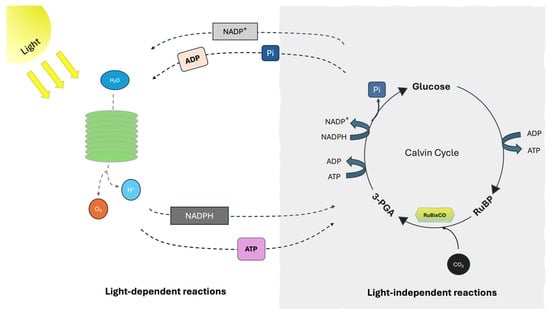
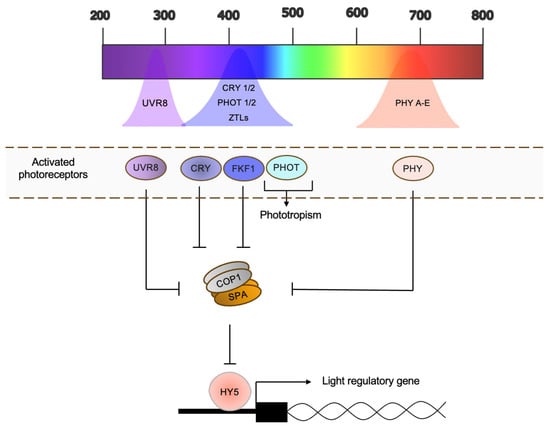
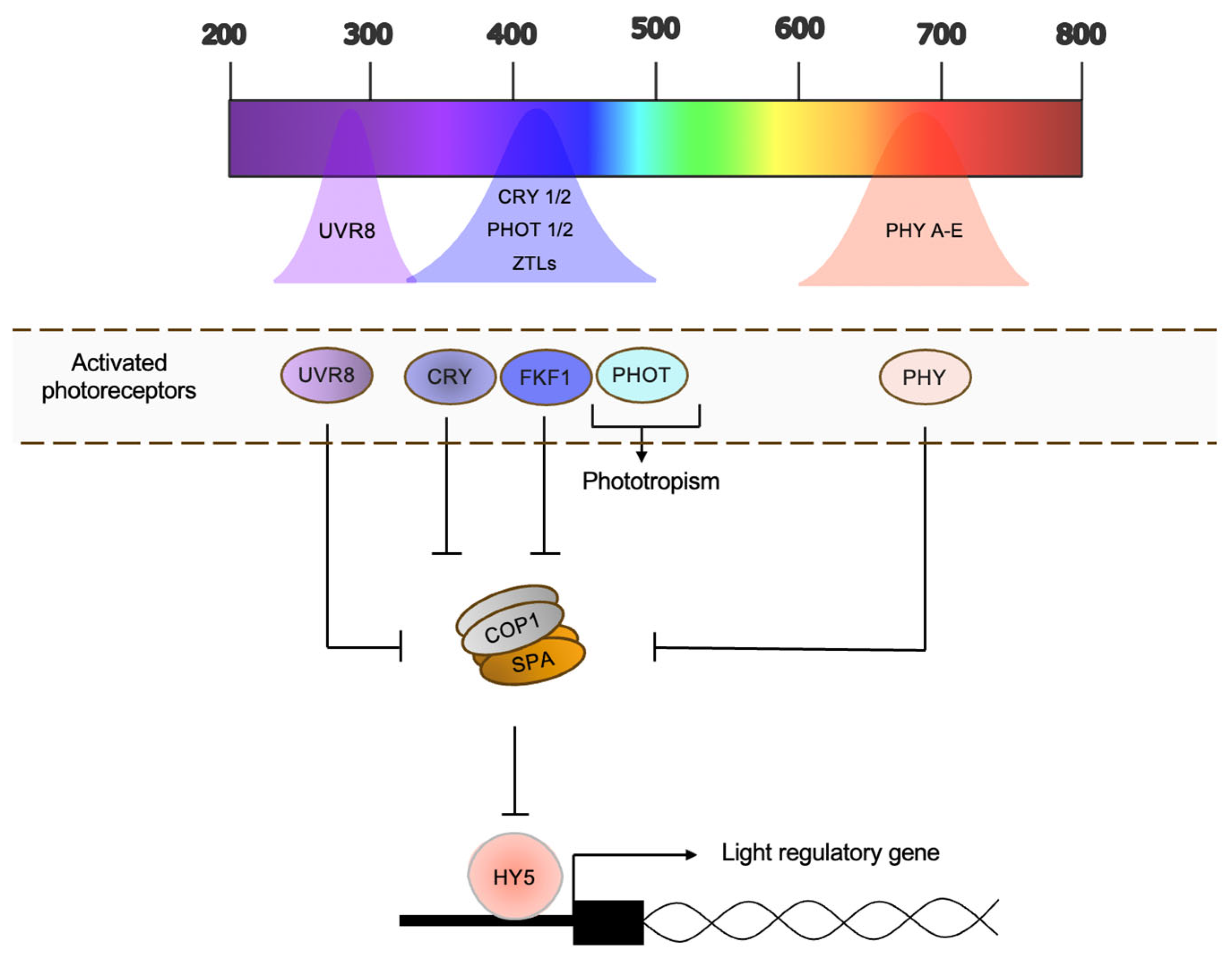

Disclaimer/Publisher’s Note: The statements, opinions and data contained in all publications are solely those of the individual author(s) and contributor(s) and not of MDPI and/or the editor(s). MDPI and/or the editor(s) disclaim responsibility for any injury to people or property resulting from any ideas, methods, instructions or products referred to in the content. |
© 2026 by the authors. Licensee MDPI, Basel, Switzerland. This article is an open access article distributed under the terms and conditions of the Creative Commons Attribution (CC BY) license.