


Abstract
Deployed armed forces and the public engaged in outdoor activities are at high risk for mosquito bites and the diseases they transmit. Current mosquito bite-resistant garments prevent blood-feeding with slow-release insecticide formulations. Many people today want to avoid contact with pesticides, especially in their clothing. Insecticide treated clothing also is costly and requires regulatory agency approvals. Using mosquito bite-resistant mathematical textile models and a WholeGarment® knitting technique, a seamless garment was constructed with military-compliant, no-melt, no-drip flame retardant yarns using an AiryPique knit architecture. The garment was 99.5% bite proof in walk-in cage bioassays with 200 Aedes aegypti host-seeking mosquitoes where the human subjects did not move for 20 min. A standard flame test and a PyroManTM flammability study validated the garment’s fire protection, a requirement for military uniforms. The thermal physiological comfort tests (air permeability, wetting time/radius, thermal resistance, evaporative resistance, and sweating thermal manikin test) were similar to current army combat uniforms and appropriate for use in everyday clothing. Bite prevention occurred by physically blocking the insect mouth parts from obtaining a blood meal. The knitting technique is well-suited for mass production of bite-resistant clothing through automation, significantly reducing labor, time, and cost by optimizing “fit on demand” for different body types compared to traditional manufacturing methods. This innovation provides a non-insecticidal, safe, scalable, and efficient solution for protecting individuals against mosquito bites.
1. Introduction
Vector-borne diseases have significantly compromised the operational readiness of military forces, particularly due to their heightened exposure to blood-feeding arthropods during outdoor training and operations [1,2,3]. The public is likewise at risk when outdoors or when mosquitoes enter homes. Chemical insecticide treatments, primarily permethrin, on clothing are used to reduce mosquito biting and the risk of vector-borne diseases [4]. Mosquitoes have developed resistance to the prevailing pyrethroid chemistry used in clothing [5]. In addition, military personnel and the public are concerned about potential adverse health effects from insecticide exposure [6] and typically want to avoid contact with synthetic pesticide chemistry in their clothing. The importance of vector control and personal protection in safeguarding military operational readiness and public health is clear [7]. Given these imperatives, an urgent need is to develop an alternative, efficacious, bite-resistant textile technology.
Current insecticide-treated garments face limitations in durability and effectiveness [8], particularly under the demanding conditions encountered by military personnel. Repeated washings and wear significantly reduce their efficacy, necessitating frequent replacement and increasing logistical burdens [8]. The reliance on chemical treatments raises environmental concerns due to the potential leaching of insecticides into ecosystems [9]. In addition, the odor of insecticides, which offer a protection rate lower than 100%, do not entirely deter mosquitoes from landing on fabrics and blood feeding [10]. Even with a high protection rate, there remains a considerable chance for mosquitoes to penetrate the fabric and human skin. Furthermore, because these currently manufactured garments must be Berry Act compliant (made in the USA) for USA military use [11] and the current manufacturing process for insecticide treated garments is expensive as well as complex, labor-intensive, and time-consuming, large-scale production is inefficient.
WholeGarment® technology is a knitting technique that enables the seamless production of garments, eliminating the need for traditional sewing processes and having in stock multiple sizes to fit different body types [12]. The production process utilizes knitting design software to create fabric structure, simulates the knitting process, visualizes the knitting pattern, and produces a garment on a knitting machine with the correct size [13]. This approach provides precise control over the garment’s construction, allowing for the creation of complex, customized designs by integrating different yarn materials and fabric patterns [14]. Additionally, by inputting specific pattern requirements, the technology can produce functional and comfortable fabrics tailored to desired specifications [15]. These attributes allow for creating garments that meet performance needs and provide superior comfort, fit, and flexibility while streamlining the production process [16]. The manufacturing process reduces production time and labor costs [17]. It also minimizes material waste, making it an efficient and sustainable solution suitable for scale-up manufacturing of mosquito bite-resistant clothing [18].
In our previous studies [19,20,21,22], we successfully developed a geometrical model that predicts bite-resistance for different textile structures based on the anatomy of the mosquito head and its mouth parts. The resulting equations serve as design criteria, allowing for protection predictions before producing non-insecticide fabrics or garments. Additionally, we investigated the deformation of knitted fabrics with a finite element model that considers pore size (which affects bite resistance) and structural integrity (axial tensile strength) [19]. Mosquito bioassays and comfort evaluations demonstrated the validity and feasibility of the models. To the best of our knowledge, our technology may be the only method capable of providing nearly 100% protection against mosquitoes to the wearer using textile structure alone, while minimizing environmental impact and health risks.
The key performance criteria for this work are mosquito bite protection, thermal-physiological comfort, and flame retardancy, all achieved without insecticides in the WholeGarment-knitted system. Mosquito bite protection is defined by fabric structural parameters, primarily pore size and thickness, engineered using geometrical models so that mosquito mouthparts cannot reach the skin even under high landing pressure.
This paper builds upon our geometrical models [19] to establish design criteria for integration into a WholeGarment® fabric production process. A four-level protocol was used in this process, i.e., fabric design, garment production, experimental validation, and comfort evaluation. The bite resistance of the produced fabrics was evaluated with mosquito bioassays.
2. Materials and Methods
2.1. Overall Experimental Design
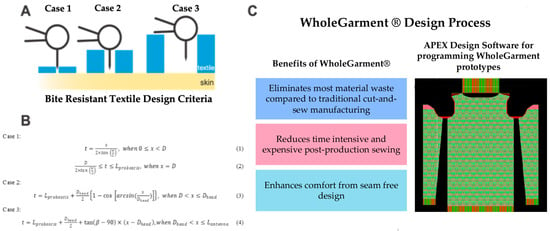
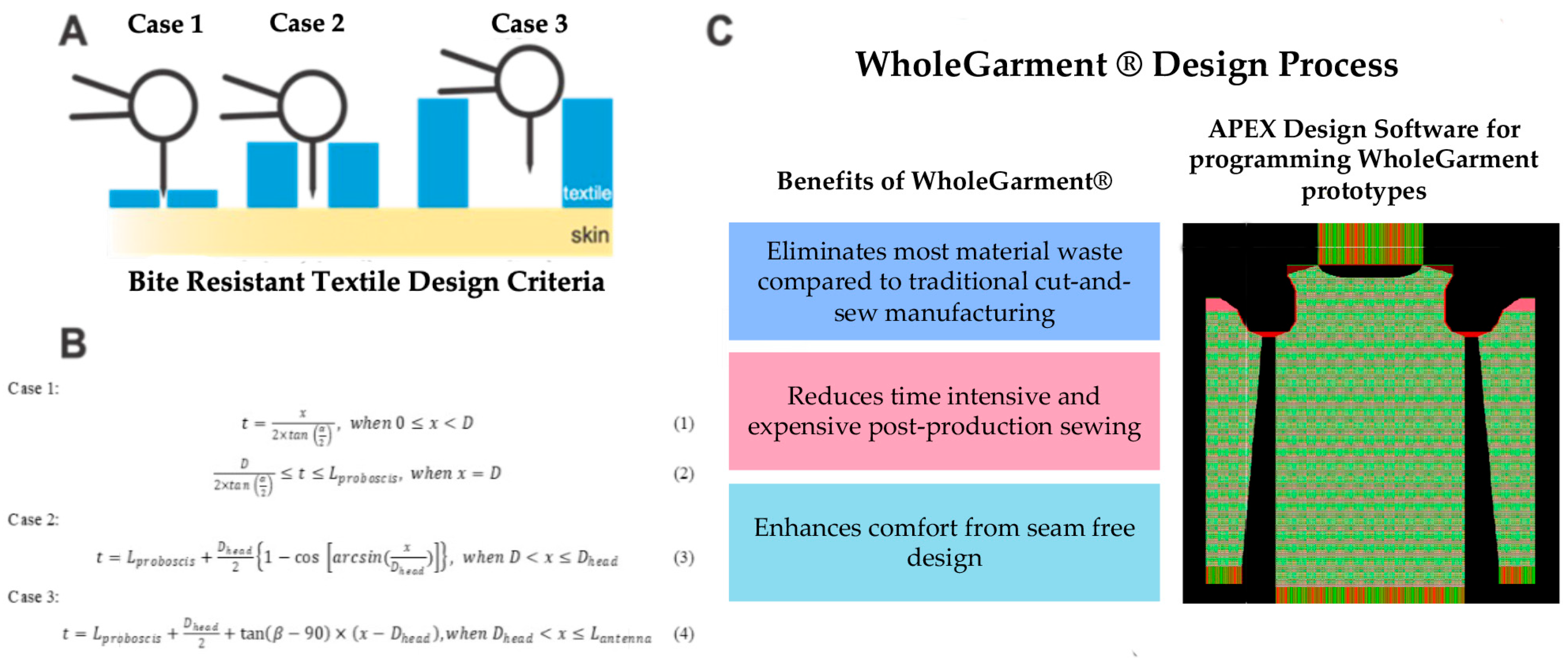
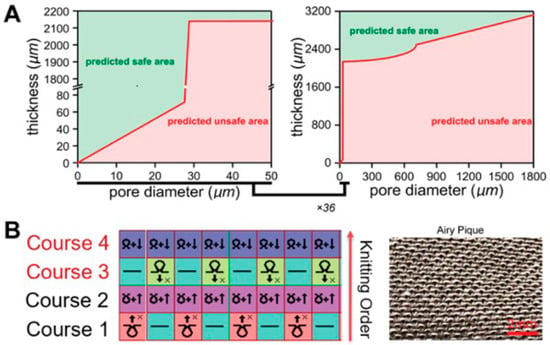
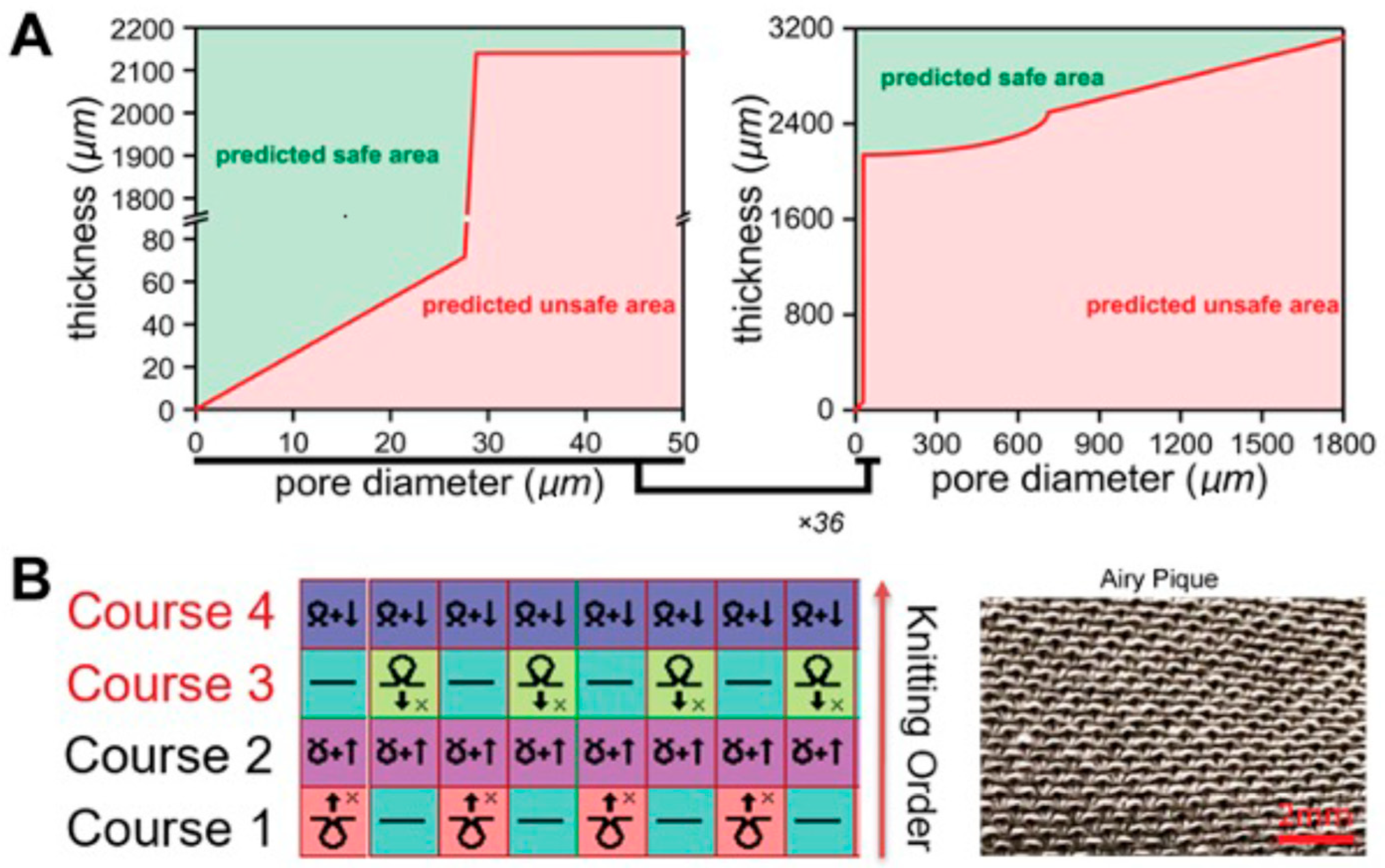
Knitted fabrics were constructed to physically block mosquito biting based on mosquito body, head, and proboscis morphometrics, as illustrated in Figure 1A. In Case 1, the textile pore size is too small to allow penetration of the proboscis through the cloth to the skin. In Case 2, the textile pore size is large enough for proboscis penetration, small enough to exclude the head (the circle) but too thick for the proboscis to reach skin. In Case 3, the textile increased thickness and pore size restricts the mosquito body and head from reaching into the pore to make skin contact. Our mathematical geometrical models for Cases 1, 2, and 3 [20] are shown in Figure 1B. The output from these models, including combinations of pore size and thickness that prevent mosquito biting, is shown in Figure 2A. When the combination falls in the safe area (Figure 2A), the prototype fabric is predicted to be bite resistant. Figure 1C illustrates our research approach for knitting whole garments that are highly mosquito bite resistant but at the same time meet the military requirements of “no-melt, no-drip” and are comfortable to wear. CAD software (Shima APEX3.4 software, 85 Sakata, Wakayama, Japan) was used to generate an operational file for the knitting machine to feed yarn and adjust needle movements (Figure 1C). The research focus was AiryPique (AP) knitted fabrics (Figure 2B) made from different no-melt, no-drip yarns. The comfort of these knits and a final garment was compared to an army combat shirt (ACU; Propper International, 17 Research Park Drive, Suite 100, St. Charles, MO, USA) and a USMC Army issued, Rib Camado (100% Acrylic 2 × 2 heavy rib v-neck) sweater (Army and Navy Sales, Chicago, IL, USA).
Figure 1.
Design criteria and process for making non-insecticidal, mosquito-bite resistant, knitted garments. (A) Bite-resistant textile design criteria based on mosquito body, head, and mouth parts morphometrics (Case 1, the textile pore size is too small to allow penetration of the proboscis through the cloth to skin; Case 2, the textile poor size is small enough to exclude the head (the circle) but too thick for the proboscis to reach skin; and Case 3, the textile increased thickness and pore size restricts the mosquito body and head from reaching into the pore enough to make contact with skin). (B) Geometrical models that define bite resistance for Case 1, Case 2, and Case 3 fabrics with output limits for safe and not safe from biting, as shown in Figure 2A. (C) WholeGarment® offers the benefits of its knitwear and design process, showcasing the design construction.
Figure 2.
(A) Relationship between fabric thickness and pore diameter based on the models shown in Figure 1B that predicts whether a textile will prevent mosquito biting. (B) The knitting pattern used to produce the AiryPique fabric.
2.2. AP Knitting
Initially, small amounts of three AP fabrics were knitted on a NSVR 14g Shima Seiki machine using Shima APEX3.4 software (85 Sakata Wakayama 641-8511 Japan). The fabrics were (i) APNP1 knitted using 1/22 50% Nomex (N)/50% Protex C (P), 2 ends (Nomex is chopped meta-aramid yarn staple (DuPont, Wilmington, DE, USA), non-melting and -dripping up to 400 °F, and Protex C is a modacrylic fiber inherently flame-resistant); (ii) APP2 made with 30/1 reverse twist 4 ends 75% Protex C (P) of 20% Lyocell, 5% Twaron (Lyocell is a semi-synthetic fiber, a form of regenerated cellulose, and Twaron is a para-aramid fiber known for its exceptional strength, stiffness, and resistance to heat); and (iii) APN3 made from 100% 1/22 Nomex (N). All yarns were made by Coats HP, HQ London, England. The CAD software provided knitting instructions to produce textiles of the desired thickness and pore size that our models predicted were bite resistant. The thickness and pore size of the knits we constructed were determined by methods described later, and the CAD program was adjusted as needed if desired parameters were not obtained. Fabrics were then evaluated for mosquito landings and bite resistance in arm-in-cage studies and for air permeability and comfort by methods described later. The goal was to obtain a final AP with similar comfort to that of an ACU but with mosquito bite resistance based on knit structure that could be used in whole garment knitting.
2.3. Whole Garment Knitting
Once an optimum AP fabric was found with high arm-in-cage mosquito landings and bite resistance, air permeability, and comfort, the knitting parameters and yarn were used for WholeGarment® knitting of a shirt on a Shima Seiki SIR 123 knitting machine (SHIMA SEIKI MFG, LTD., Wakayama, Japan). This device can produce a three-dimensional garment without sewing (illustrated in Figure 1C). This garment was compared with an ACU and army sweater (described earlier) for comfort in a sweating thermal manikin test (described later). The whole garment knit was subjected to a flame test and evaluated in a PyroMan™ whole garment manikin test (described later) to evaluate the no-melt, no-drip capability. Walk-in-cage bioassays were conducted of the whole garment to measure mosquito bite resistance on human subjects after all other research was concluded.
2.4. Mosquito Testing
Pathogen-free, adult, female yellow fever mosquitoes, Aedes aegypti (Diptera: Culicidae), capable of transmitting a variety of human pathogens [17,18,19], were used to measure fabric bite resistance. The insects were continuously reared in the Dearstyne Etymology Building (NC State University, Raleigh, NC, USA) at 27 °C and 80% relative humidity with a 14:10 h light:dark photoperiod. Adults were fed ad libitum by wick 10% sucrose in distilled water. Female mosquitoes were fed porcine blood [20], needed for them to produce eggs. Larvae were fed porcine liver powder and brewer’s yeast (2:1, wt:wt).
Two testing tiers were used to evaluate mosquito bite resistance. Tier 1 was an arm-in-cage bioassay that measured bite resistance of knitted fabric swatches. Once a knit demonstrated greater than 95% bite resistance, had comfort measurements similar to an ACU and was no-melt, no-drip, Tier 2 walk-in-cage bioassays on human subjects were conducted of this fabric in a WholeGarment® knitted shirt.
Arm-in-cage testing followed the North Carolina State University Institutional Review Board approved protocol IRB #2925. The subject’s forearm (n = 3) was covered with the textile to be tested, held to the arm with a gauntlet that covered the entire surface of the forearm except for an opening 16.5 cm × 3.5 cm exposing the fabric. The gauntlet was made from a polyvinyl-coated roofing membrane, Samafil® (Sika Corp., Canton, MA, USA), trapezoidal in shape to fit the forearm. The opening in the gauntlet had a plastic frame riveted to the sleeve to keep the area of exposed fabric fixed. A nitrile glove covered the hand to prevent mosquito blood-feeding. The arm up to the elbow was inserted into a 30.5 × 30.5 × 30.5 cm acrylic cage containing 100 unfed, 3 h nectar-starved, Ae aegypti 5–15-day old female adults. One side of the cage was covered with a cotton knit in the shape of a tube to allow the insertion of the arm but prevent mosquitoes from escaping. Once the arm was inserted, the only exposed skin for mosquitoes to blood feed was across the test fabric. The assays were conducted at 27 °C, 70% relative humidity, and during the mosquito photophase [20]. The mosquitoes were allowed to attempt blood feeding for 10 min, during which an observer counted the number of landings on the textile. After the test period, the mosquitoes were frozen, and the next day, individually were crushed on the surface of white paper to determine if they had blood fed. When any red color on the white paper was detected by eye without magnification, this mosquito was scored as blood-fed.
To evaluate bite protection of a whole garment, informed volunteers (n = 3) participated in a walk-in-cage study following an NC State University Institutional Review Board approved protocol, IRB 9075. Participants entered a walk-in enclosure made from polypropylene mesh screens (2 m × 4 m × 4 m) and supported with a wooden frame [20]. External light was blocked using a layer of white bed sheets and black plastic. The light source in the cage was from 35 W fluorescent tubes placed one each in the four corners and suspended from the ceiling. The test was conducted at 27 °C and 70% relative humidity. The test subject wore the test garment, a shirt, with their head and neck protected from mosquito bites with a bee veil. The remaining ensemble included multiple layers of pants that together were 100% bite-resistant. The hands were covered with nitrile gloves, and shoes were worn that were 100% bite resistant. The pants were taped to the shoes, and the gloves were taped to the cuffs of the shirt to exclude openings at the interfaces that would allow mosquito biting.
After entering the cage, approximately 200 unfed adult female Ae aegypti mosquitoes held in a small plastic container by the subject were released into the cage. The participant stood motionless with arms at their side for 10 min, followed by sitting with arms crossed on a waist-high stool (no back support) for 10 min [20]. The sitting position introduced strain in the garment from bent arms, possible changes in textile structure on the shoulders and across the back, and changes in the distance between the garment and the skin. After the 20-min test, the participant exited the cage, and the mosquitoes were collected with a handheld vacuum machine. The participant in a private area removed the test garment and was inspected for bites by the study conductor. The mosquitoes collected were frozen overnight for a crush test the next day as described earlier to count the number of blood feedings. If bites were identified on the skin, the location was noted. In preliminary tests, permethrin-treated ACU garments could not be evaluated in these studies because blood-feeding exceeded the minimum number of bites (greater than 10%) allowed in our IRB protocols [21].
2.5. Measurement of Pore Diameter, Thickness and Air Permeability of AP Knits
Pore diameter in the AP knits was measured by digital microscopy (Bausch & Lomb, Monozoom-7 Zoom Microscope, Rochester, New York, USA) analyzed using ImageJ (imagej.net, version 1.51), an open-source program to analyze multidimensional images [23]. We obtained the width of the pore at its longest direction, a frequency distribution of the pore diameters, and a fitting curve (Feret’s diameter based). Using the fitting frequency distribution peaks, three maximum diameters were chosen for each AP that was knitted to determine the mean maximum pore diameter (4 images from each fabric; 12 measured values). The thickness of each AP textile was determined using a Thwing-Albert ProGage Thickness Tester (Thwing-Albert ProGage instrument company, West Berlin, NJ, USA). The results are an averaged of at least 10 tests following methods in the ASTM D1777 Standard Test Method for Thickness of Textile Materials guidelines [24]. Air permeability was measured for the different textiles that make up the ACU (constructed by “cut and sew”) and for the AP swatches constructed following ASTM D737 Standard Test Method for Air Permeability of Textile Fabrics (Frazier) [25].
2.6. Comfort Measurement on AP Knits
Comfort criteria examined for AP swatches included predicted heat loss, drying rate, and moisture absorption behavior. Moisture management tests (MMT) were conducted based on AATCC TM 195 Test Method for Liquid Moisture Management Properties of Textile Fabrics [26]. A gravimetric absorbency testing system (GATS) involved placing the fabric on a porous plate with holes 2 mm in diameter. Fluid was drawn from the connected reservoir to the fabric through capillary action. Faster absorbency rates indicate the fabrics will remove sweat from the skin increasing comfort.
2.7. Sweat Manikin Test for Comfort Evaluation of Wholegarment® Knitted Shirt
The sweating manikin in the Textile Protection and Comfort Center at NC State University [27] was used to evaluate the thermal insulation and breathability of our WholeGarment® knitted shirt compared to an ACU and army sweater. The garments are placed individually on a manikin, and the test was replicated three times for each garment under controlled environmental conditions. Different zones of thermal-sweat elements (34 individual sensing segments with their own sweating, heating, and temperature measurement systems) were used to determine thermal and evaporative resistance, ASTM F1291 Standard Test Method for Measuring the Thermal Insulation of Clothing Using a Heated Manikin [28] and ASTM F2370 Standard Test Method for Measuring the Evaporative Resistance of Clothing Using a Sweating Manikin [29]. Test conditions for evaporative resistance were 35 °C, 40% relative humidity, 0.4 m/s air speed, and 35 °C skin temperature. The parameters from the manikin test were (i) Rt (°C·m2/W), the total thermal resistance by the manikin, garment, and air layer; (ii) Ret (kPa·m2/W), the total evaporative resistance provided by the manikin, garment, and air layer; (iii) Rcl (°C·m2/W), the instinct thermal resistance provided by the garment only; (iv) Recl (kPa·m2/W), the instinct evaporative resistance provided by the garment ensembles only; (v) It (clo), the total insulation provided by the manikin, garment, and air layer (higher It values = a higher thermal insulation property not desirable in warm weather for a bite-resistant fabric); (vi) im, the moisture-heat permeability through the fabric on a scale of 0 (total impermeable) to 1 (total permeable), normalized to permeability of still air on naked skin; and (vii) Qpredicted (W/m2), the predicted heat loss potential (predicted level of total amount of heat transferred from the manikin to the environment for the specific condition). The Qpredicted includes both thermal and evaporative resistance to determine predicted levels of evaporative and dry heat transfer for the environmental condition. The overall Qpredicted was calculated from the sum of the predicted dry component of heat loss and the predicted evaporative heat loss, a measure of the predicted total heat loss possible.
2.8. Flame Retardancy
An additional key performance criteria for development of our WholeGarment® knitted shirt, in addition to exceeding the mosquito bite protection criteria for a Type II, Class 2 permethrin-treated ACU [30], was flame retardancy. The vertical flame testing was performed according to ASTM D6413 Standard Test Method For Flame Resistance of Textiles (Vertical Test). A 12-inch textile sample was exposed to a 12-sec flame, and the char length and the time for afterburn and afterglow were recorded. In addition, a garment flammability test was conducted at the Textile Protection and Comfort Center (TPACC) at the Wilson College of Textiles at NC State University using PyroMan™ [31] in a fire test chamber. This life-size manikin is used to simulate a flash fire condition from flames in each quadrant of the test shirt with standard issue flame retardant combat pants. The manikin was dressed in the WholeGarment® knitted shirt for the flammability test.
2.9. Statistics
Statistically significant differences between means that were compared in the results were determined for each comparison using a t-test with an alpha of 0.05 (Excel 2019; Microsoft Co., Redmond, WA, USA). Means are shown in the results ± 1 standard error of the mean along with the level of replication.
3. Results and Discussion
3.1. Airpique Fabric Pore Size, Thickness, Air Permeability and Mosquito Bite Resistance
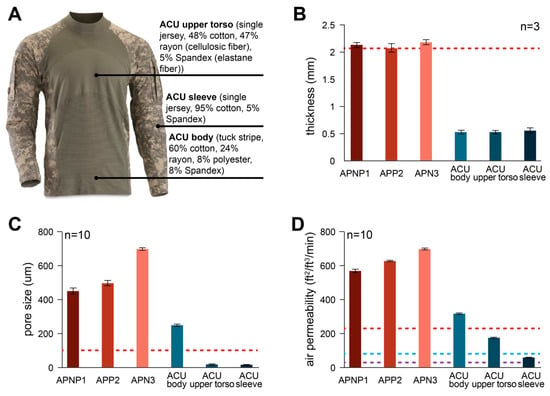
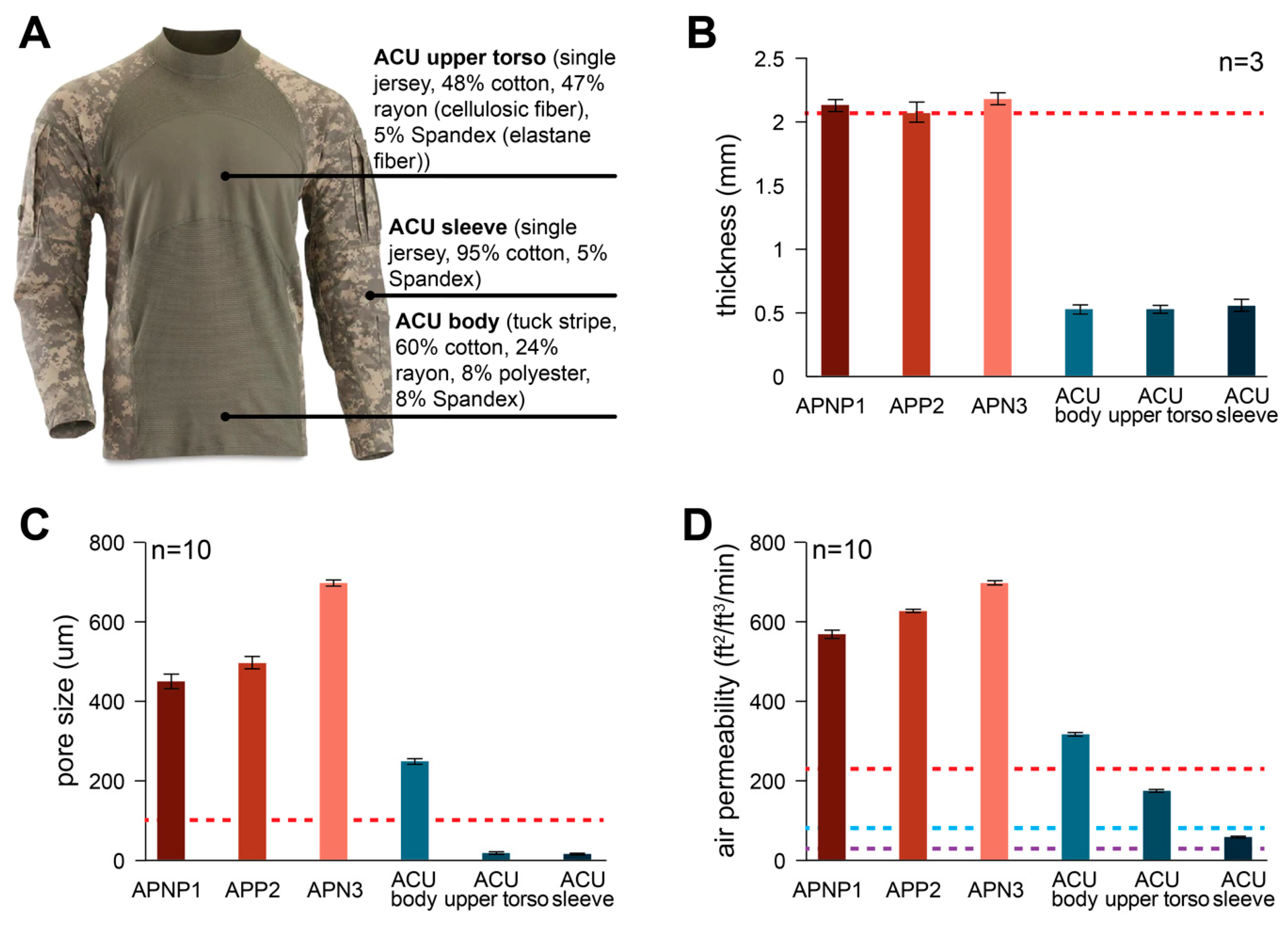
The goal of this project was to explore the use of AiryPique fabric architecture along with flame retardant yarns in the development of WholeGarment®, mosquito bite-proof uniforms and everyday clothing for the public. Our predictive models (Figure 1A,B) and the model predictions of textile pore size and thickness to prevent mosquito biting (Figure 2A) were used to knit three AiryPique (AP) fabric samples. APNP1 was AiryPique (AP) fabric produced with the yarn Nomex (N) and Protex C (P), APP2 was AiryPique (AP) fabric produced with Protex C (P), and APN3 was AiryPique (AP) fabric produced with the yarn Nomex (N). We measured the pore size, thickness, and air permeability of APNP1, APP2, and APN3 and compared them to the different fabrics used to construct the Army combat uniform (ACU) (Figure 3). Pore size and thickness are key parameters determining whether a textile will have mosquito bite resistance. Figure 3A shows the different fabrics used in the construction of the ACU, which were compared with our AP fabrics. Thickness and pore size for the AP fabrics were significantly larger than those of the different ACU fabrics (Figure 3B and Figure 3C, respectively), the AP being about 4-fold greater in thickness than the ACU. A greater thickness does not necessarily translate to reduced comfort. The larger pore sizes of the AP fabrics, in some cases greater than two orders of magnitude, suggested that the air permeability of the AP fabrics would be greater than those of the ACU. The results shown in Figure 3D confirm this hypothesis. Greater air permeability will likely translate to higher comfort for the AP fabrics and garments made with this textile architecture (measurements presented later).
Figure 3.
Comparative study of fabric structural parameters and air permeability between the different fabrics used in an army combat uniform (ACU) and AiryPique fabrics (AP), where APNP1 was knitted using a Nomex (N) and Protex C (P) yarn, APP2 was knitted with Protex C (P), and APN3 was knitted with Nomex (N). (A) Fabric from the ACU used for comparative analysis. (B) Fabric thickness between fabrics tested. The dotted line indicates the Case 2 thickness requirement for mosquito bite-resistance. (C) Fabric pore size measurements between fabrics tested. The dotted line represents the Case 2 pore size requirement for bite-resistant clothing (Figure 1B). (D) Air permeability between fabrics tested. The middle dotted line represents the minimum requirement for a garment, the bottom dotted line marks the minimum requirement for military uniforms, and the top dotted line indicates the recommended air permeability level for breathable garments. The bars are the mean ± the standard error of the mean (n = 3).
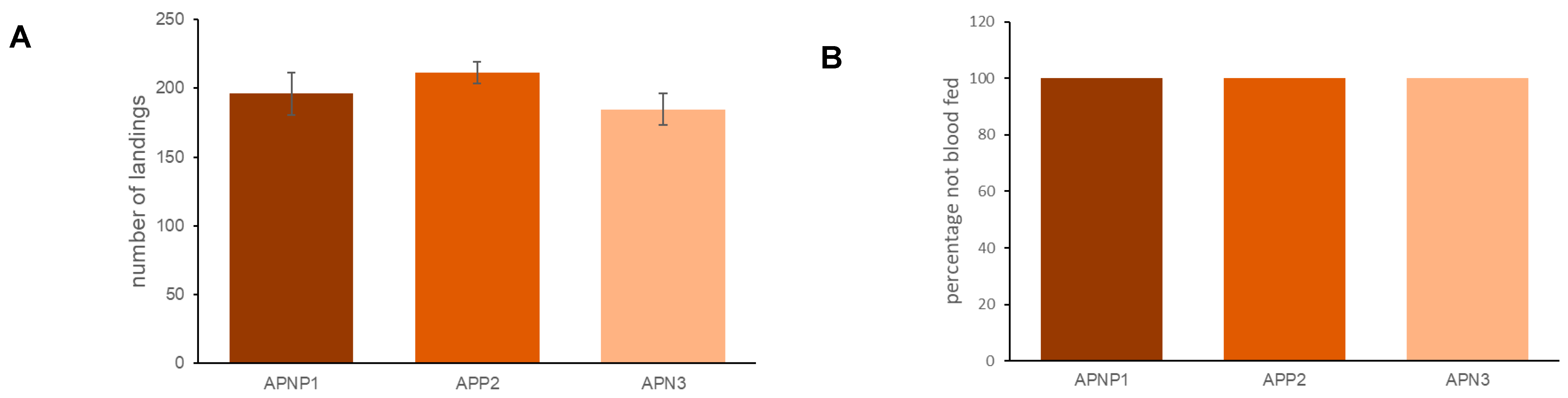
Higher air permeability is predictive of high mosquito landing counts as reported previously by Kun et al. [20]. High air permeability promotes greater heat transfer and the release of host volatiles. The mosquito uses heat and skin odorants to find and land on skin, insert its mouthparts into skin, and obtain a blood meal. Figure 4A shows that the number of mosquito landings was approximately 200 in the arm-in-cage study with no differences between the different AP fabrics. Considering there were only 100 mosquitoes in the cage and in any one test about 10–15% of the mosquitoes do not land during the test, the results show that the mosquitoes were highly attracted to the surface of the AP fabrics. Based on our predictive bite resistance models (Figure 1A,B), the higher thickness of the AP fabrics and pore sizes would be expected to prevent mosquito feeding. This was the case where 100% of the mosquitoes did not blood feed for all three of the AP fabrics (Figure 4B). Figure 3D shows that different yarn materials did affect air permeability, increasing from APNP1 to APP2 to APN3, which was positively correlated with an increase in pore size from APNP1 to APN3 that was statistically significant between APP2 and APN3 (Figure 3C). There was no difference in the AP thickness among the different AP fabrics (Figure 3B). The conclusion from these results was that the AP fabrics would be suitable candidates for further development into garments.
Figure 4.
Comparative mosquito arm-in-cage bioassay results for AiryPique fabrics (AP), where APNP1 was knitted using a Nomex (N) and Protex C (P) yarn, APP2 knitted with Protex C (P), and APN3 knitted with Nomex (N). (A) Number of mosquito landings recorded during a 10 min bioassay. (B) Percentage of mosquitoes that were not able to obtain a blood meal in 10 min. The bars are the mean ± the standard error of the mean which in the case of (B), there was no blood feeding (n = 3).
High landing counts on clothing might be considered a negative attribute for a garment in respect to mosquito bite protection. However, high landing counts and the associated probing behavior of the mosquito attempting unsuccessfully to reach skin for a bite proof fabric reduces the likelihood of the mosquito moving from the clothing to uncovered skin on the host. Because of the energy used by the mosquito to probe, it quickly can become exhausted and quiescent. This is unlike an insecticide-treated textile, where the mosquito is repelled and can be pushed to exposed skin.
3.2. Moisture Management Properties of the AP Fabrics
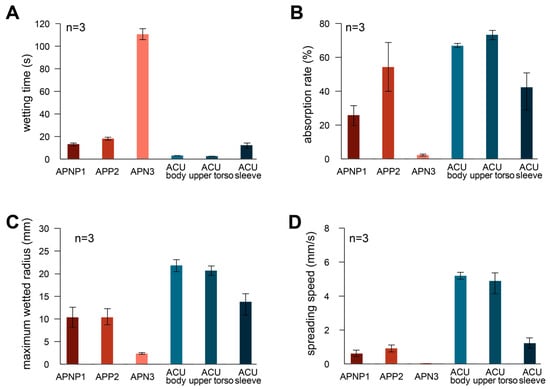
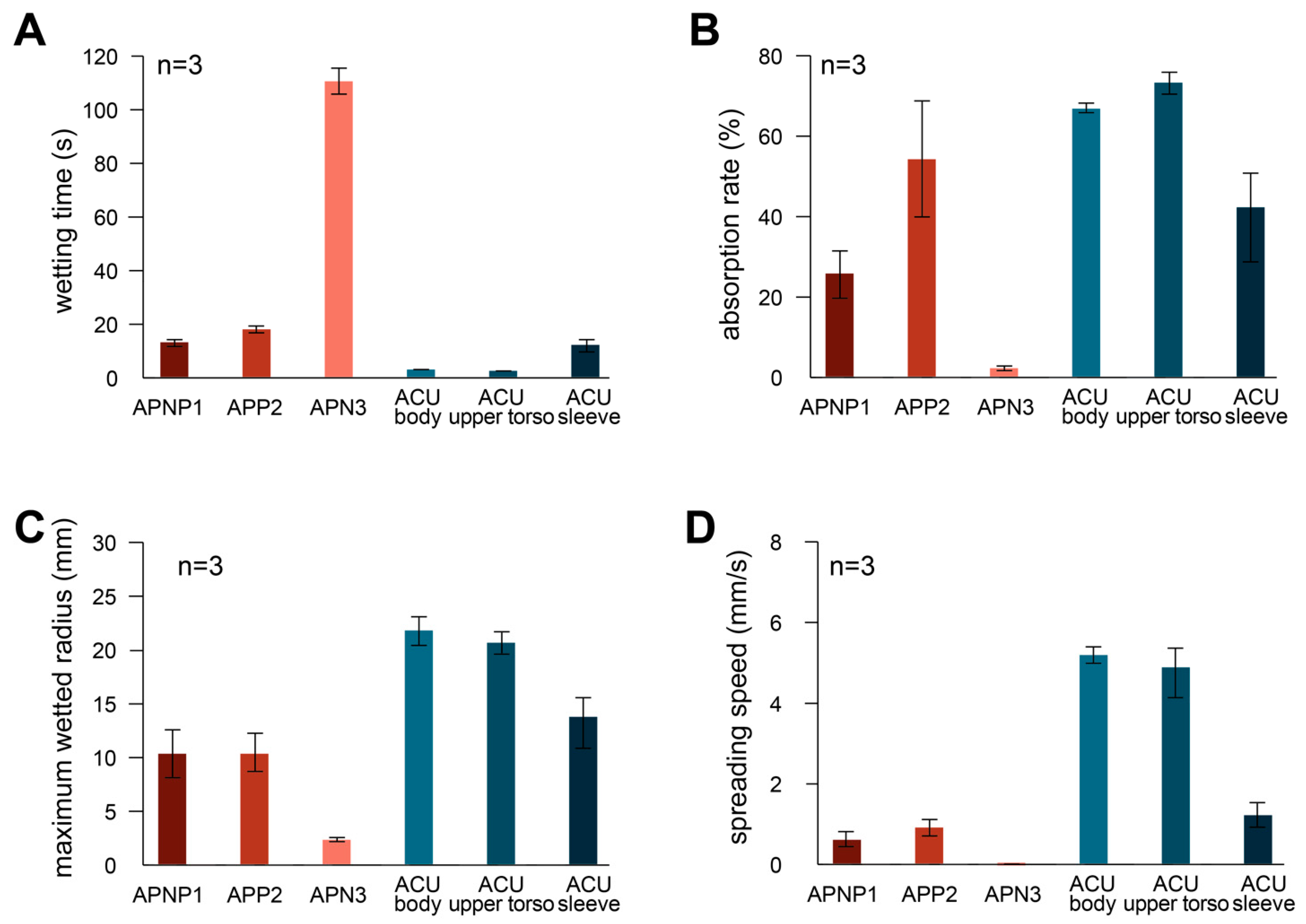
The moisture management test (MMT) results shown in Figure 5 indicated that APN3, made of Nomex fiber, exhibited the poorest moisture management performance. Wetting time was 8 and 6 times longer for APN3 compared to ANPN1 and APP2, respectively (Figure 5A). The absorption rate was 10- and 21-fold higher for ANPN1 and APP2, respectively, compared to ANPN3 (Figure 5B); the maximum wetted radius was 4-fold higher for ANPN1 and APP2, respectively, compared to ANPN3 (Figure 5C); and the spreading speed was higher, by 20- and 35-fold, for ANPN1 and APP2, respectively, compared with APN3 (Figure 5D).
Figure 5.
Comparative moisture management tests between the different fabrics used in an army combat uniform (ACU; Figure 3A) and AiryPique fabrics (AP), where APNP1 was knitted using a Nomex (N) and Protex C (P) yarn, APP2 with Protex C (P), and APN3 with Nomex (N). (A) wetting time; (B) absorption rate; (C) maximum wetted radius; and (D) spreading speed. The bars are the mean ± the standard error of the mean.
When we compared the AP fabrics to an ACU, the wetting time for APN3 was longer than all of the textiles used in the ACU (Figure 5A); for example, there was a 37-fold difference compared to the ACU upper torso fabric. APNP1 and APP2 were more comparable. For example, both were not different from the ACU sleeve. The same result applied for the absorption rate, where APN3 was lower than the ACU fabrics, there was no significant difference between APP2 and the ACU fabrics, and APNP1 was the same as the ACU sleeve but lower than the ACU body and upper torso (Figure 5B). APN3 further underperformed relative to the ACU textiles for maximum wetted radius. For spreading speed, APNP1 and APP2 were the same as the ACU sleeve but lower for the ACU body and torso (Figure 5C,D). Based on these results, APN3 was excluded from further garment development because of its overall poor moisture management characteristics among the AP fabrics and also compared to the ACU textiles. This performance of APN3 is primarily due to the hydrophobic nature of Nomex.
3.3. Thermal Management and Moisture Management
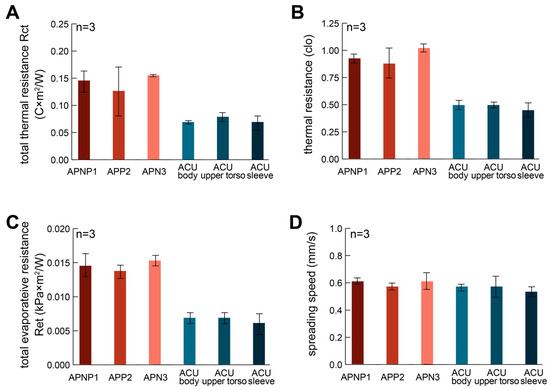
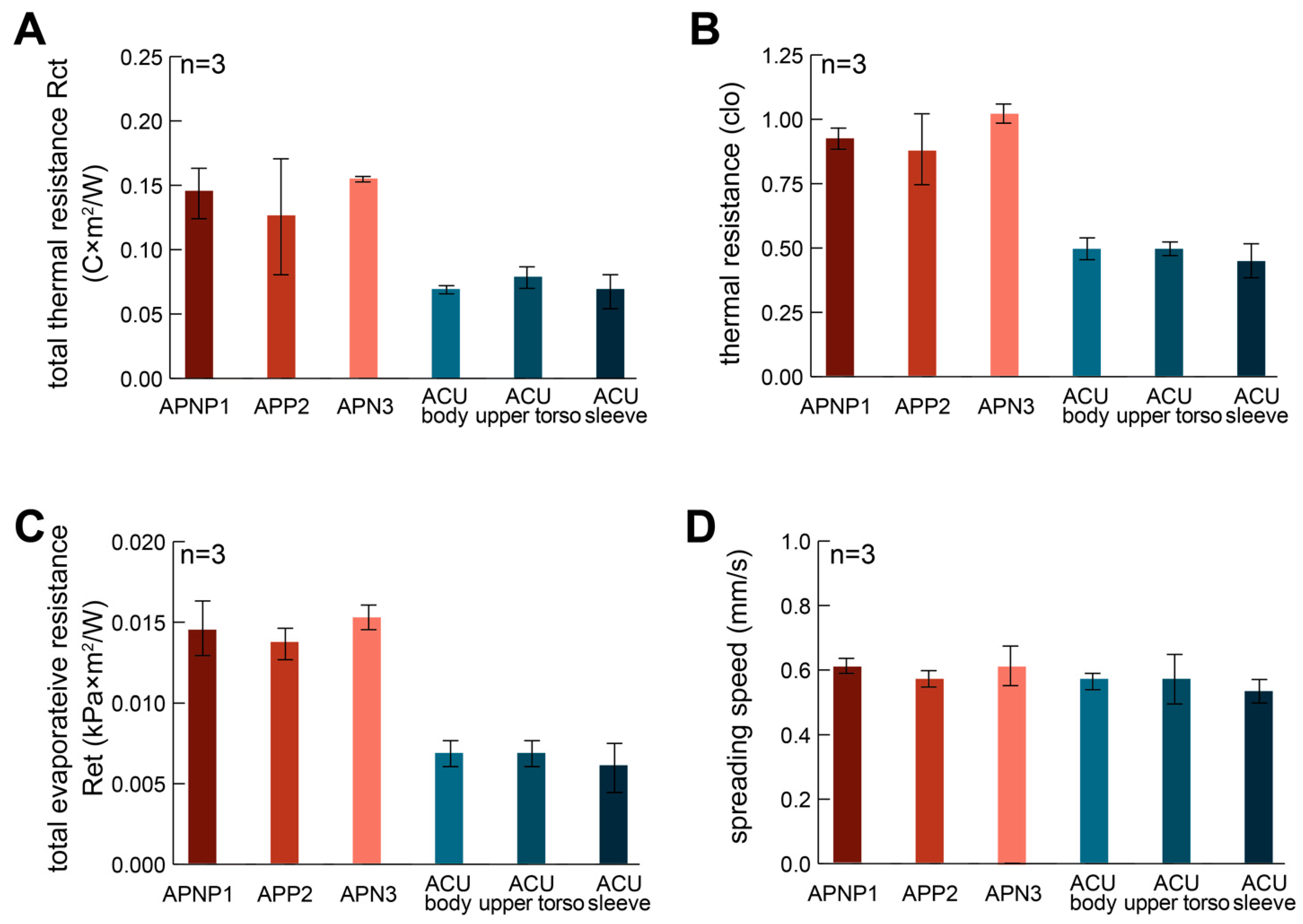
MMT evaluates only the moisture factor in fabric performance and does not fully capture the thermal management capabilities of a fabric. To address this limitation, we utilized the Gravimetric Absorbency Testing System (GATS) to comprehensively assess the fabrics’ practical thermal and moisture management properties. Figure 6 presents the thermal management capacity of the fabrics as measured by GATS. Due to the AP fabrics having a greater thickness than that for the ACU (4-fold; Figure 3B), it was reasonable to expect total thermal resistance (Rct), thermal resistance (clo), and total evaporative resistance to be higher than for the fabrics used in the ACU. Surprisingly, the differences were only two-fold, with the exception of the total thermal resistance for APP2 (Figure 6). Total Thermal Resistance (Rct) and Clo both assess thermal insulation, but the latter is a specific unit to quantify insulation of clothing while Rct measures the total thermal resistance of a fabric system, which includes both the fabric and the adjacent air layer. The spreading time for the AP fabrics were not different from the ACU (Figure 6D). Under practical conditions, the AP fabrics exhibited a reasonable moisture-transportation performance compared to the ACU textiles.
Figure 6.
Sweating guarded hot plate (ASTM F1868 Standard Test Method for Thermal Resistance [32], Evaporative Resistance, and Total Heat Loss Measurements of Clothing Materials Using a Sweating Hot Plate) and gravimetric absorbency testing system (GATS) for thermal and moisture management between the different fabrics used in an army combat uniform (ACU; Figure 3A) and AiryPique fabrics (AP) where APNP1 was knitted using a Nomex (N) and Protex C (P) yarn, APP2 with Protex C (P), and APN3 with Nomex (N). (A) Total thermal resistance; (B) thermal resistance; (C) total evaporative resistance; and (D) spreading speed. The bars are the mean ± the standard error of the mean.
Based on the MMT and GATS results together, APN3 knitted with Nomex was considered not suitable because of its severe moisture management limitation (Figure 5), even though the GATS results were more favorable (Figure 6). Also, Nomex is difficult to dye based on its chemical structure, providing limited color options and dyeing methods to produce patterns on the cloth. Garment development that followed focused on fabrics that contained Protex C (APP2), i.e., APNP1 and APP2, with the more favorable moisture and thermal characteristics. We focused our whole garment knitting on APNP1, which contained both Protex C and Nomex, because this garment would have options for dyeing to produce the standard issue, camouflage pattern but have a blend of the characteristics from two different yarns, Protex C and Nomex.
3.4. Production of a Whole Garment Knit and Its Thermal Comfort
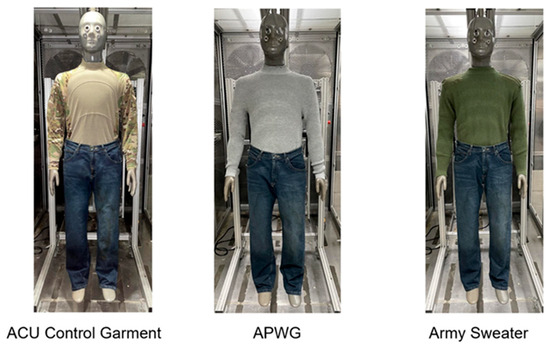
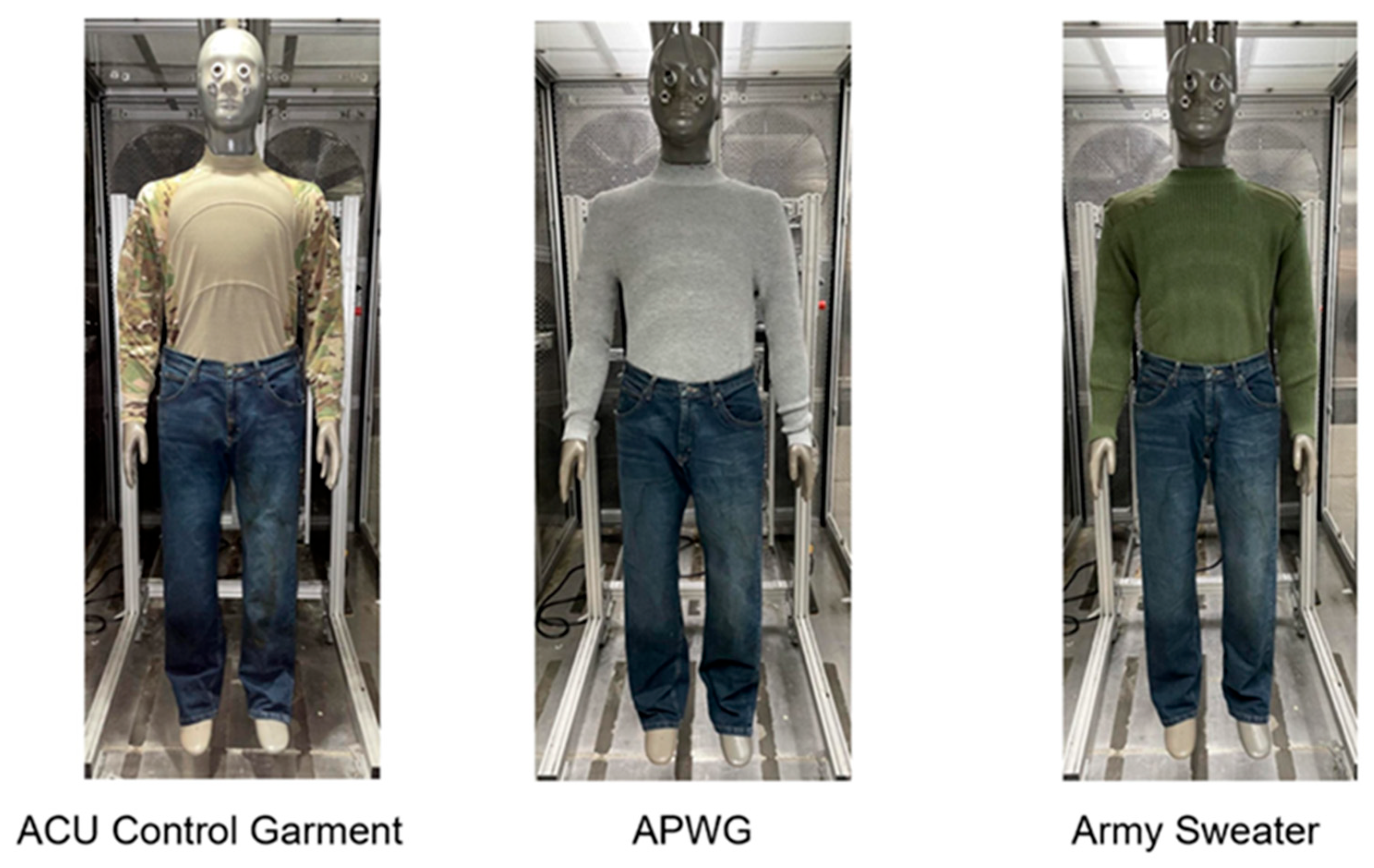
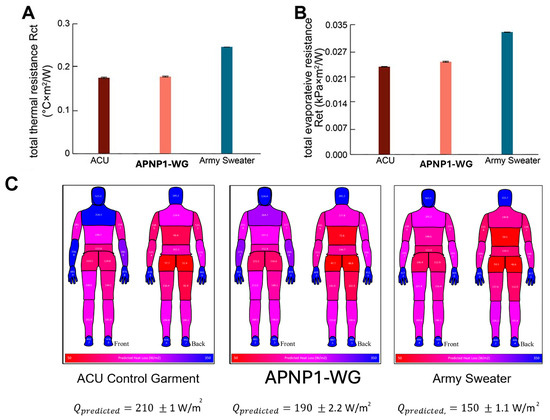
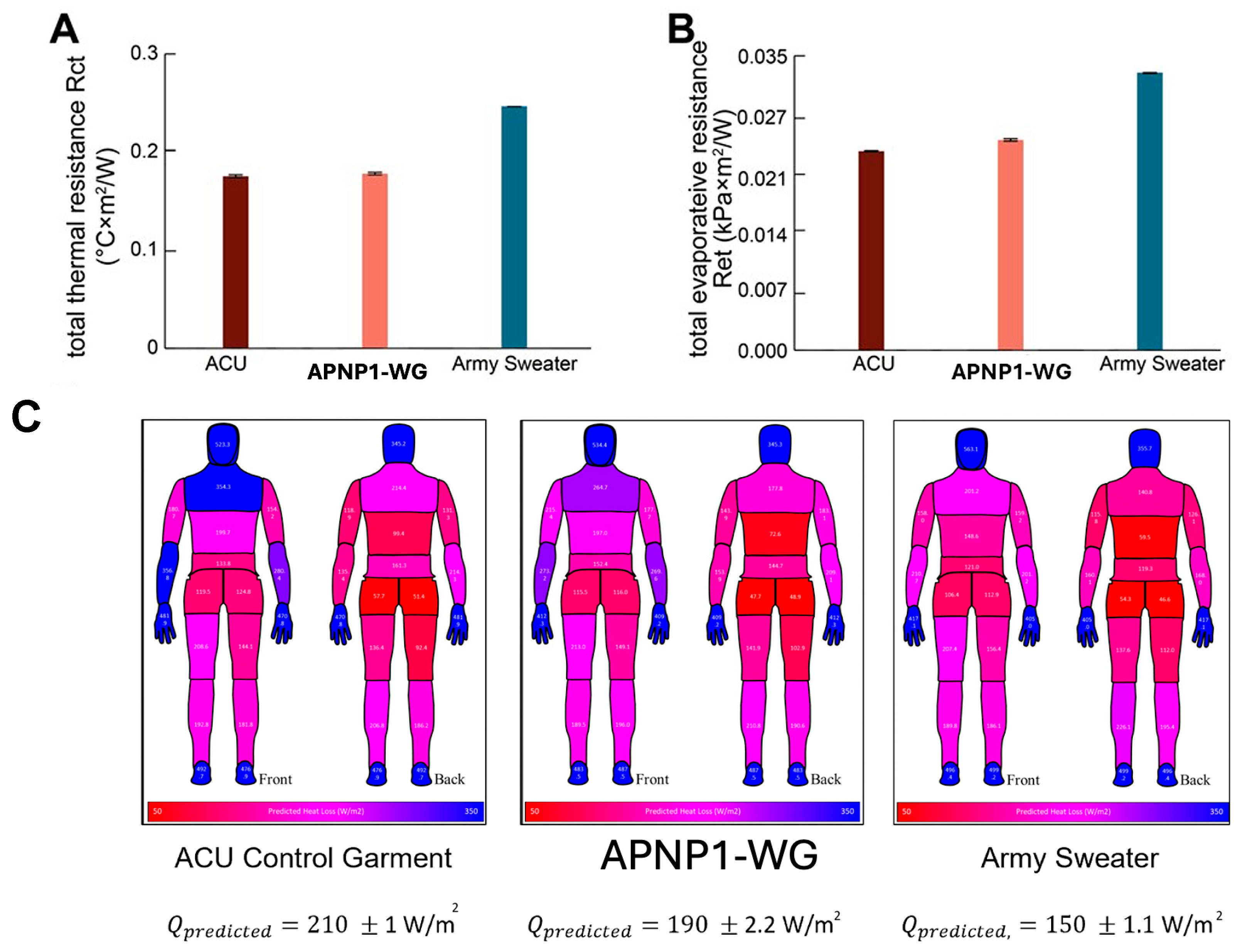
A whole garment was knitted with APNP1 made with Protex C and Nomex yarn (APNP1-WG; Figure 7). The thermal comfort of the garment was compared to an ACU and army sweater (Figure 7) using a sweating thermal manikin following ASTM F 1291 and ASTM F 2370 protocols. The ACU and APNP1-WG had the same average total thermal resistance, and the APNP1-WG had a marginally higher evaporative resistance than the ACU (Figure 8). The Army Sweater had a 1.4-fold greater total thermal resistance and evaporative resistance compared to APNP1-WG. Figure 8C shows the ACU had a predicted higher heat loss, which is desirable in a warm environment. The predicted heat loss values of the ACU (210 ± 1 W/m2; standard error of the mean) and APNP1-WG (190 ± 2.2 W/m2) were more similar than for the army sweater which was lower at 150 ± 1.1 W/m2.
Figure 7.
Sweating thermal manikin test with the army combat uniform (ACU) and an Army Sweater as controls compared to the AiryPique (AP) Nomex and Protec C (NP1) whole garment (WG).
Figure 8.
Sweating thermal manikin evaluation. (A) Total thermal resistance and (B) evaporative resistance for the army combat uniform (ACU), AiryPique (AP) Nomex and Protec C (NP1) whole garment (WG) and the army sweater. Values calculated from the shirt zones only. (C) Predicted heat loss (a function of both thermal and evaporative resistance) for the three garments. Bluer colors indicated higher heat loss values, which is more desirable in warm environments. The bars and Qpredicted are the mean ± the standard error of the mean.
3.5. Flame Test of Fabric Swatch
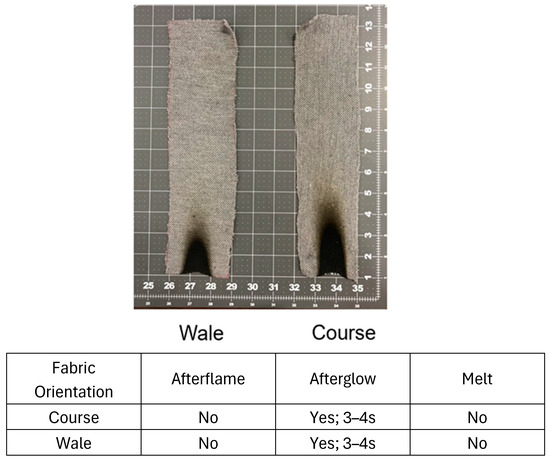
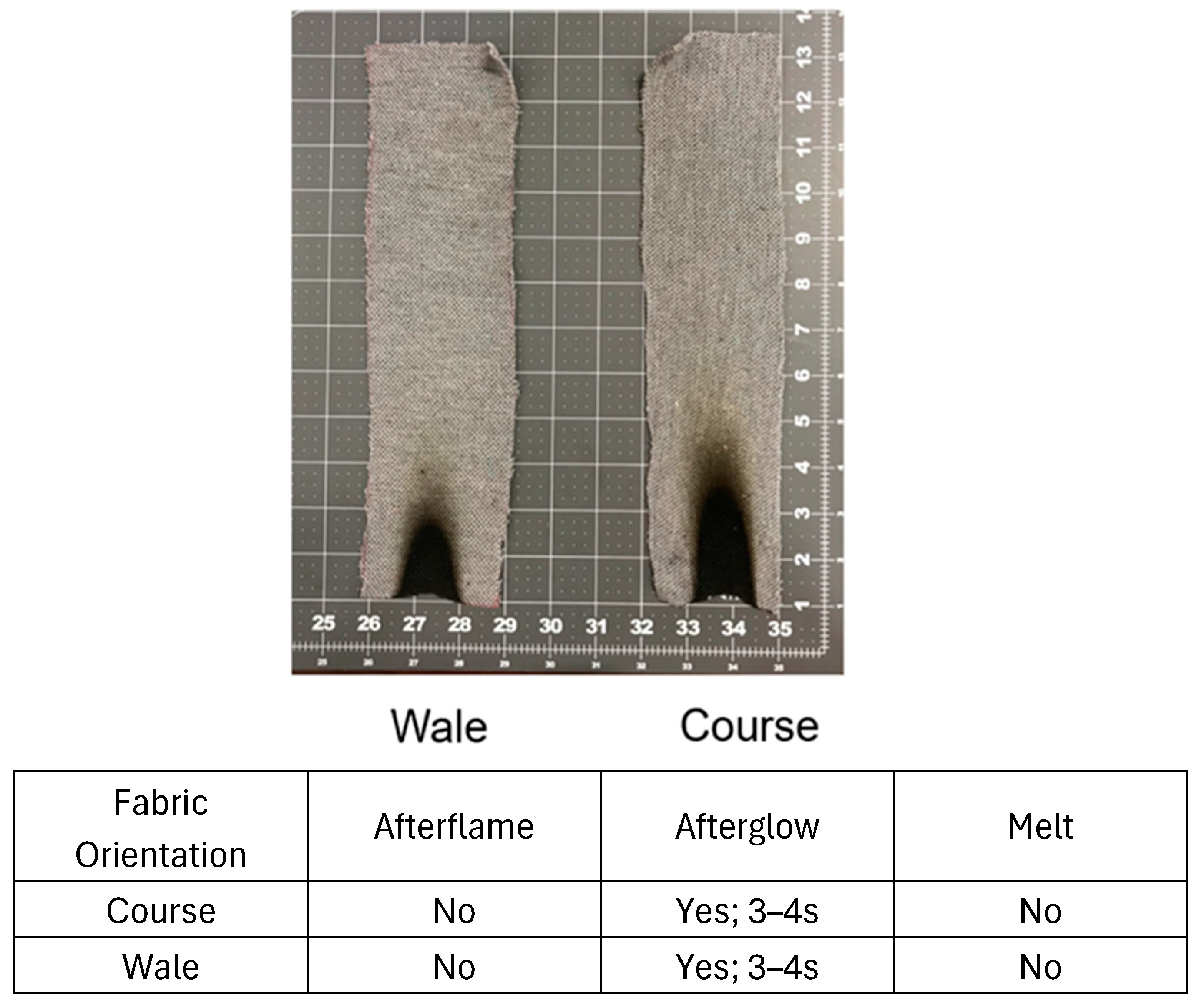
APNP1 which was used for whole garment knitting to make APNP1-WG (Figure 7) in a flame test had exceptional flame resistance in both the course and wale directions (Figure 9). The course direction had a longer yarn length compared with the wale direction, which explains why the char length in the course direction was higher. Both directions did not exhibit an after flame. No after flame and minimal after-glow time is consistent with no-melt behavior. In toto, the flame test results are consistent with what would be expected for an ACU with a flame-retardant property. Based on these results, we decided to conduct a whole garment flammability test.
Figure 9.
Flame test results for APNP1 fabric.
3.6. Garment Level Flammability
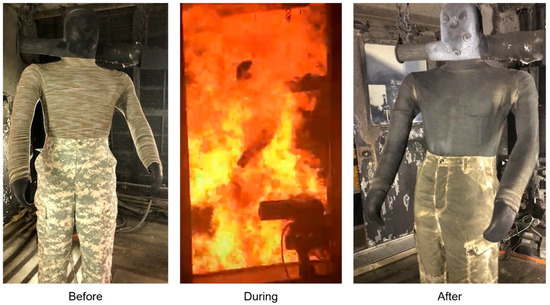
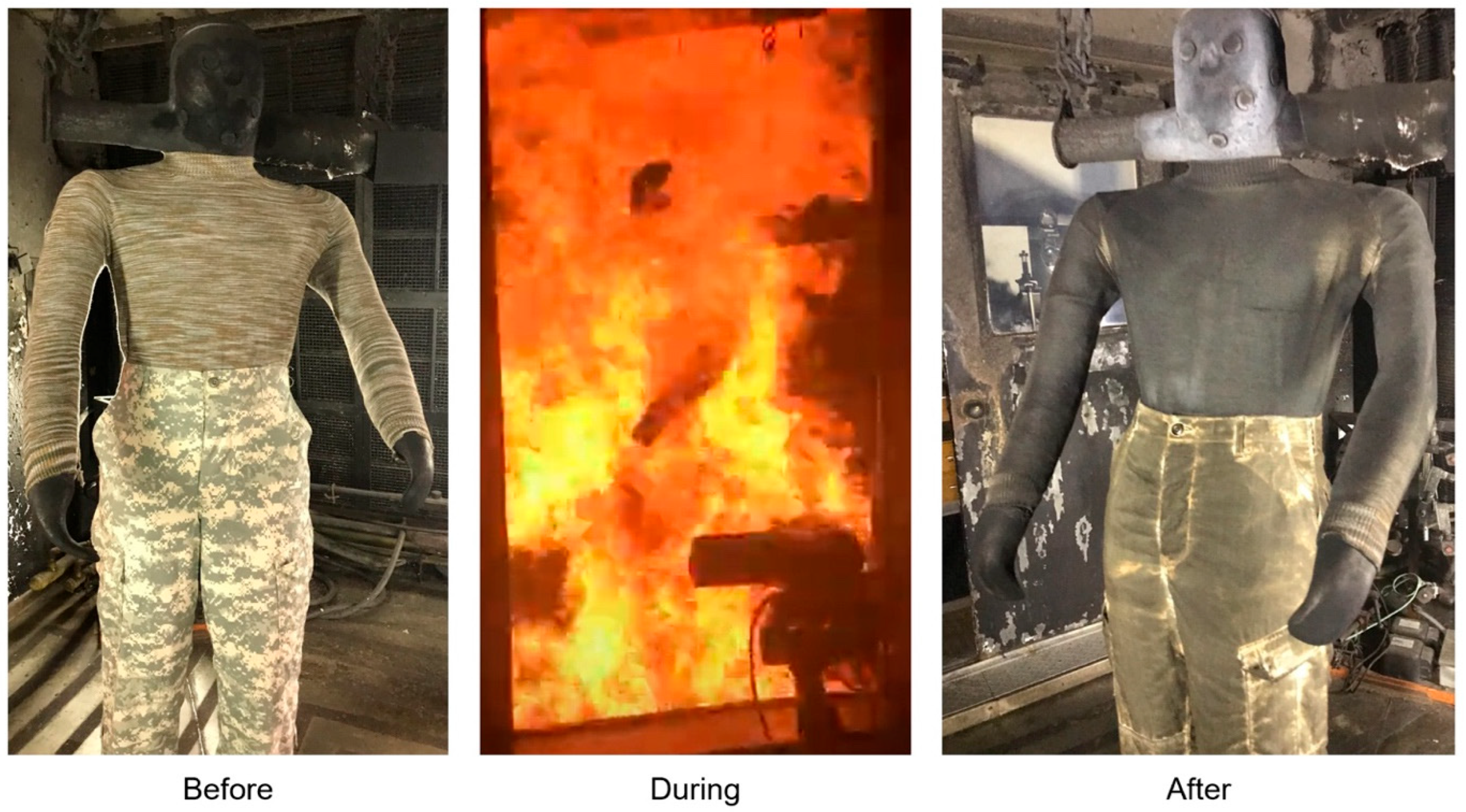
APNP1-WG was tested in a fire chamber on our PyroMan™ manikin (NFPA 2112, the Standard for Flame-Resistant Clothing for Protection of Industrial Personnel Against Flash Fires [33]). Figure 10 shows the garment before, during, and after exposure to flames. After the flame was extinguished, no after flame was observed, similar to the results for the flame test (Figure 9). The garment self-extinguished and chars rather than melts, as shown in the “After” picture (Figure 10). These results indicate that our garment will have high flame-retardation under real-world conditions and is no-melt, no-drip.
Figure 10.
PyroMan™ flammability test of the AiryPique (AP) Nomex and Protec C (NP1) whole garment (WG) before, during, and after burning.
3.7. Garment Level Protection Against Mosquito Bites
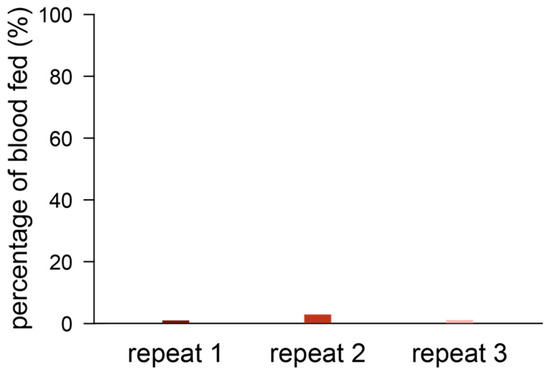
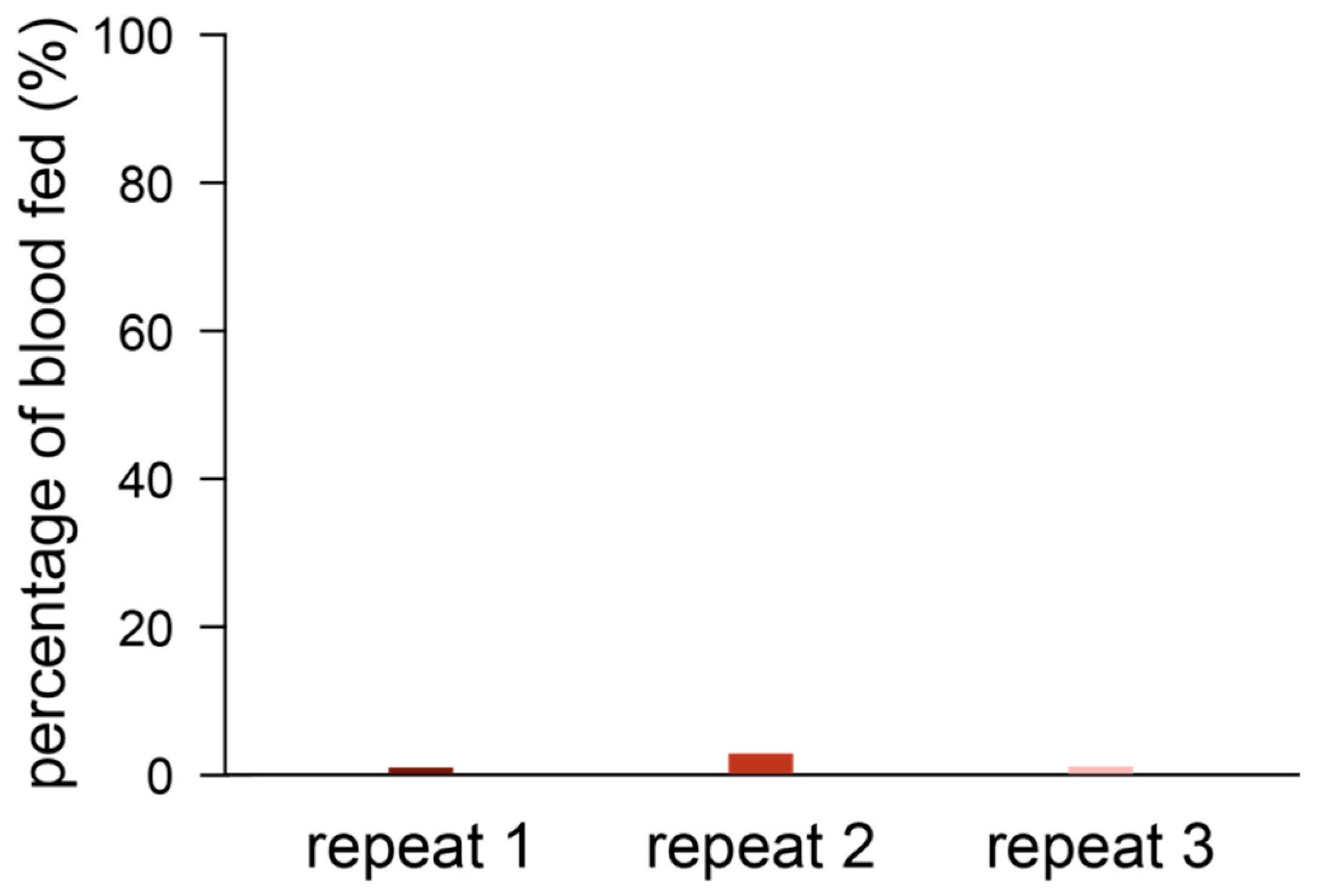
The whole garment knitted APNP1-WG was tested in a walk-in cage. The subjects were wearing the garment with the head covered with a bee veil, the hands covered with nitrile gloves, and the remainder of the body covered with multiple layers of clothing to limit mosquito biting to only APNP1-WG; the percentage blood feeding range was low, from 0 to 1%. The experimental design of this test simulated a highly challenging environment for bite protection with a large number (200) of host-seeking mosquitoes concentrated in a small cage around the subject. The mosquitoes were allowed to attempt biting across the garment for 20 min, with the subject not moving 10 min in a standing position and 10 min in a seated position. The fabric in a shirt can potentially deform at the shoulders and upper back as it drapes from the shoulders and when arms are folded across the front of the body in these two positions. Deformation can also occur at the elbows when they are bent. Movement interrupts host seeking and biting, so this was a worst-case scenario test. The three replicates combined represented 600 mosquitoes trying to blood feed across the APNP1-WG with each mosquito landing at least 2–5 times on the test garment and attempting to blood feed. The subjects, in toto, received three bites (Figure 11). These results show the garment will likely provide mosquito protection in real-world scenarios where mosquito biting pressure is typically much lower.
Figure 11.
Walk-in-cage test for the AiryPique (AP) Nomex and Protec C (NP1) whole garment (WG) (n = 3).
4. Conclusions
The AiryPique (AP) Nomex and Protex C (NP1) whole garment (WG) knitted shirt that was developed demonstrated high bite protection without insecticides based on textile structure alone. The garment had a high comfort level like the current army combat shirt with flame retardancy meeting military-grade requirements for no-melt, no-drip. The garment was knitted on a WholeGarment® knitting machine using a combination of Nomex and Protec C. The walk-in-cage study confirmed its high level of bite protection under severe mosquito exposure. Air permeability tests showed that the AiryPique fabric structure offered optimal breathability while maintaining bite resistance, making it the preferred choice for further garment development. The PyroMan™ fire chamber test validated the prototype garment’s flame-retardant properties, with no after flame observed, confirming its self-extinguishing and charring behavior. Additionally, the results of the Gravimetric Absorbency Tests demonstrated that the garment provided comparable thermal and moisture management to standard ACU fabrics. These findings collectively suggest the garment is a viable, non-insecticidal solution for mosquito protection, comfort, and safety in high-risk and demanding environments of deployed military personnel and should also have applications for everyday living for the public.
WholeGarment® knitting provides increased capability over “cut and sew” methods for making garments. Garments can be made on demand of the correct size by simple body scans, not requiring stocking of multiple sizes for different body types. Body scanning and whole garment knitting has the potential of producing tailor-level fit quality. The result of this project also provides a research platform for the rapid design and testing of future prototype garments using different yarn types to further advance garment optimization for different clothing uses. Finally, scale up is simplified since the whole garment comes directly from the knitting machine in an almost final form for use.
Author Contributions
Conceptualization, A.W., C.S.A., E.D. and R.M.R.; methodology, K.L., A.W., E.K., G.C., C.S.A., C.K., E.D. and R.M.R.; validation, K.L., A.W., E.K., G.C., C.S.A., C.K., E.D. and R.M.R.; formal analysis, K.L., A.W., E.K., G.C., C.S.A., C.K., E.D. and R.M.R.; investigation, K.L., A.W., E.K., G.C., C.S.A., C.K., E.D. and R.M.R.; resources, A.W., C.S.A., E.D. and R.M.R.; data curation, E.K., G.C. and C.K.; writing—original draft preparation, K.L. and E.K.; writing—review and editing, K.L., A.W., E.K., G.C., C.S.A., C.K., E.D. and R.M.R.; visualization, K.L., E.K. and G.C.; supervision, A.W., E.D. and R.M.R.; project administration, A.W.; funding acquisition, A.W., C.S.A., E.D. and R.M.R. All authors have read and agreed to the published version of the manuscript.
Funding
The research was funded by the Department of the Army, US Army Contracting Command, Aberdeen Proving Ground, Edgewood Contracting Division, Ft Detrick MD, Deployed Warfighter Protection (DWFP) Program Grant W911QY1910005 and by the Research Capacity Fund (HATCH), project award no. 02853, from the U.S. Department of Agriculture’s National Institute of Food and Agriculture. Any opinions, findings, conclusions, or recommendations expressed in this publication are those of the authors and should not be construed to represent any official USDA or U.S. Government determination or policy.
Institutional Review Board Statement
The study was conducted in accordance with the Declaration of Helsinki and approved by the Institutional Review Board of North Carolina State University, Raleigh, NC, USA (arm in cage protocol code 2925 approved 7 March 2020 and walk in cage protocol code 9075 approved 2 September 2020).
Informed Consent Statement
Informed consent was obtained from all individual participants included in the study.
Data Availability Statement
The original contributions presented in the study are included in the article. Further inquiries can be directed to the corresponding author.
Conflicts of Interest
The authors declare no conflicts of interest. The funders had no role in the design of the study; in the collection, analyses, or interpretation of data; in the writing of the manuscript; or in the decision to publish the results.
References
- Pages, F.; Faulde, M.; Orlandi-Pradines, E.; Parola, P. The past and present threat of vector-borne diseases in deployed troops. Clin. Microbiol. Infect. 2010, 16, 209–224. [Google Scholar] [CrossRef] [Scilit] [PubMed]
- Murray, C.K.; Yun, H.C.; Markelz, A.E.; Okulicz, J.F.; Vento, T.J.; Burgess, T.H.; Cardile, A.P.; Miller, R.S. Operation United Assistance: Infectious disease threats to deployed military personnel. Mil. Med. 2015, 180, 626–651. [Google Scholar] [CrossRef] [Scilit] [PubMed]
- Vander Does, A.; Labib, A.; Yosipovitch, G. Update on mosquito bite reaction: Itch and hypersensitivity, pathophysiology, prevention, and treatment. Front. Immunol. 2022, 13, 1024559. [Google Scholar] [CrossRef] [Scilit] [PubMed]
- Banks, S.D.; Murray, N.; Wilder-Smith, A.; Logan, J.G. Insecticide-treated clothes for the control of vector-borne diseases: A review on effectiveness and safety. Med. Vet. Entomol. 2014, 28, 14–25. [Google Scholar] [CrossRef] [Scilit] [PubMed]
- Kitchen, L.W.; Lawrence, K.L.; Coleman, R.E. The role of the United States military in the development of vector control products, including insect repellents, insecticides, and bed nets. J. Vector Ecol. 2009, 34, 50–61. [Google Scholar] [CrossRef] [PubMed]
- Bao, W.; Liu, B.; Simonsen, D.W.; Lehmler, H.J. Association Between Exposure to Pyrethroid Insecticides and Risk of All-Cause and Cause-Specific Mortality in the General US Adult Population. JAMA Intern. Med. 2020, 180, 367–374. [Google Scholar] [CrossRef] [Scilit] [PubMed]
- Kilama, W.L. Health research ethics in public health: Trials and implementation of malaria mosquito control strategies. Acta Trop. 2009, 112, S37–S47. [Google Scholar] [CrossRef] [Scilit] [PubMed]
- Okumu, F. The fabric of life: What if mosquito nets were durable and widely available but insecticide-free? Malar. J. 2020, 19, 260. [Google Scholar] [CrossRef] [Scilit] [PubMed]
- Zhou, W.; Li, M.; Achal, V. A comprehensive review on environmental and human health impacts of chemical pesticide usage. Emerg. Contam. 2025, 11, 100410. [Google Scholar] [CrossRef] [Scilit]
- Moore, S.J.; Debboun, M. History of insect repellents. In Insect Repellents: Principles, Methods and Uses; CRC Press: Boca Raton, FL, USA, 2007; pp. 3–29. [Google Scholar]
- Grasso, V.B. The Berry Amendment: Requiring Defense Procurement to Come from Domestic Sources; Congressional Research Service: Washington, DC, USA, 2014. [Google Scholar]
- Power, J. Developments in apparel knitting technology. In Advances in Apparel Production; CRC Press: Boca Raton, FL, USA, 2008; pp. 178–196. [Google Scholar]
- Peterson, J. Customisation of Fashion Products Using Complete Garment Technology; Tampere University of Technology: Tampere, Finland, 2012. [Google Scholar]
- Sanchez, V.; Walsh, C.J.; Wood, R.J. Textile technology for soft robotic and autonomous garments. Adv. Funct. Mater. 2021, 31, 2008278. [Google Scholar] [CrossRef] [Scilit]
- Peng, J.; Jiang, G.; Cong, H.; Luo, X.; Zhao, Y. Development of whole garment formed on four-bed computerized flat knitting machine. Int. J. Cloth. Sci. Technol. 2018, 30, 320–331. [Google Scholar] [CrossRef] [Scilit]
- Lee, I.; Cho, K.; Kim, J. The production process of whole garments and the development case of knitwear-focused on the SWG-X machine. J. Fash. Bus. 2013, 17, 81–97. [Google Scholar] [CrossRef] [Scilit]
- Atalie, D. Application of digital CAD in WHOLE-GARMENT knitting manufacturing: A review. Int. J. Sci. Technol. (STECH) AFRREV 2020, 9, 1–17. [Google Scholar]
- Yang, M.S.; Love, T. Integrated System for Fashion Design using Computerised Wholegarment Knitwear Production. In Proceedings of the 14th ANZSYS Australia New Zealand Systems Society Conference, Perth, Australia, 1–2 December 2008. [Google Scholar]
- Luan, K.; West, A.J.; McCord, M.G.; DenHartog, E.A.; Shi, Q.; Bettermann, I.; Li, J.; Travanty, N.V.; Mitchell, R.D., 3rd; Cave, G.L.; et al. Mosquito-Textile Physics: A Mathematical Roadmap to Insecticide-Free, Bite-Proof Clothing for Everyday Life. Insects 2021, 12, 636. [Google Scholar] [CrossRef] [Scilit] [PubMed]
- Luan, K.; McCord, M.G.; West, A.J.; Cave, G.; Travanty, N.V.; Apperson, C.S.; Roe, R.M. Mosquito Blood Feeding Prevention Using an Extra-Low DC Voltage Charged Cloth. Insects 2023, 14, 405. [Google Scholar] [CrossRef] [Scilit] [PubMed]
- Mouhamadou, C.S.; Luan, K.; Fodjo, B.K.; West, A.J.; McCord, M.G.; Apperson, C.S.; Roe, R.M. Development of an Insecticide-Free Trapping Bednet to Control Mosquitoes and Manage Resistance in Malaria Vector Control: A New Way of Thinking. Insects 2020, 11, 732. [Google Scholar] [CrossRef] [Scilit] [PubMed]
- Cave, G.L.; West, A.J.; McCord, M.G.; Koene, B.; Beck, J.B.; Deguenon, J.M.; Luan, K.; Roe, R.M. Novel 3-D Spacer Textiles to Protect Crops from Insect Infestation and That Enhance Plant Growth. Agriculture 2022, 12, 498. [Google Scholar] [CrossRef] [Scilit]
- Schneider, C.A.; Rasband, W.S.; Eliceiri, K.W. NIH Image to ImageJ: 25 years of image analysis. Nat. Methods 2012, 9, 671–675. [Google Scholar] [CrossRef] [Scilit] [PubMed]
- ASTM D1777-96(2019); Standard Test Method for Thickness of Textile Materials. ASTM: West Conshohocken, PA, USA, 2019; pp. 1–5. [CrossRef] [Scilit]
- ASTM D737-18(2023); Standard Test Method for Air Permeability of Textile Fabrics. ASTM: West Conshohocken, PA, USA, 2023.
- AATCC TM 195(2017); Test Method for Liquid Moisture Management Properties of Textile Fabrics. American Association of Textile Chemists and Colorists: RTP, NC, USA, 2017.
- Barker, R.L. From fabric hand to thermal comfort: The evolving role of objective measurements in explaining human comfort response to textiles. Int. J. Cloth. Sci. Technol. 2002, 14, 181–200. [Google Scholar] [CrossRef] [Scilit]
- ASTM F1291(2022); Standard Test Method for Measuring the Thermal Insulation of Clothing Using a Heated Manikin. ASTM: West Conshohocken, PA, USA, 2022.
- ASTM F2370(2022); Standard Test Method for Measuring the Evaporative Resistance of Clothing Using a Sweating Manikin. ASTM: West Conshohocken, PA, USA, 2023.
- Chellaraj, A.H.; Nun, D.J.; Johnson, J.Y.; Sweet, K.A.; Burgess, A.M.; Gordon, G.M.; Chauff, S.A.; Millican, B.M.; Wilkinson, C.J.; Davidson, S.A. A Survey Among Cadets at the United States Military Academy on Knowledge and Wearing of Permethrin-Treated Uniforms and the Risk of Tick-Borne Diseases. Mil. Med. 2023, 188, e1957–e1964. [Google Scholar] [CrossRef] [Scilit] [PubMed]
- Song, G. Modeling Thermal Protection Outfits for Fire Exposures; North Carolina State University: Raleigh, NC, USA, 2002. [Google Scholar]
- ASTM F1868(2023); Standard Test Method for Thermal Resistance, Evaporative Resistance, and Total Heat Loss Measurements of Clothing Materials Using a Sweating Hot Plate. ASTM: West Conshohocken, PA, USA, 2023.
- NFPA 2112 (2023); Standard for Flame-Resistant Clothing for Protection of Industrial Personnel Against Flash Fires. NFPA: Quincy, MA, USA, 2023.
Disclaimer/Publisher’s Note: The statements, opinions and data contained in all publications are solely those of the individual author(s) and contributor(s) and not of MDPI and/or the editor(s). MDPI and/or the editor(s) disclaim responsibility for any injury to people or property resulting from any ideas, methods, instructions or products referred to in the content. |
© 2026 by the authors. Licensee MDPI, Basel, Switzerland. This article is an open access article distributed under the terms and conditions of the Creative Commons Attribution (CC BY) license.